OREGON VETERANS HOME
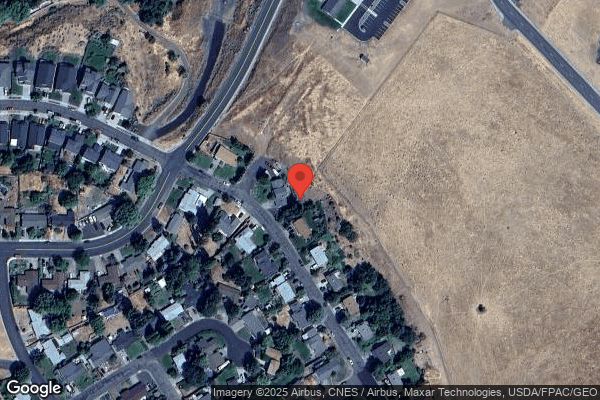
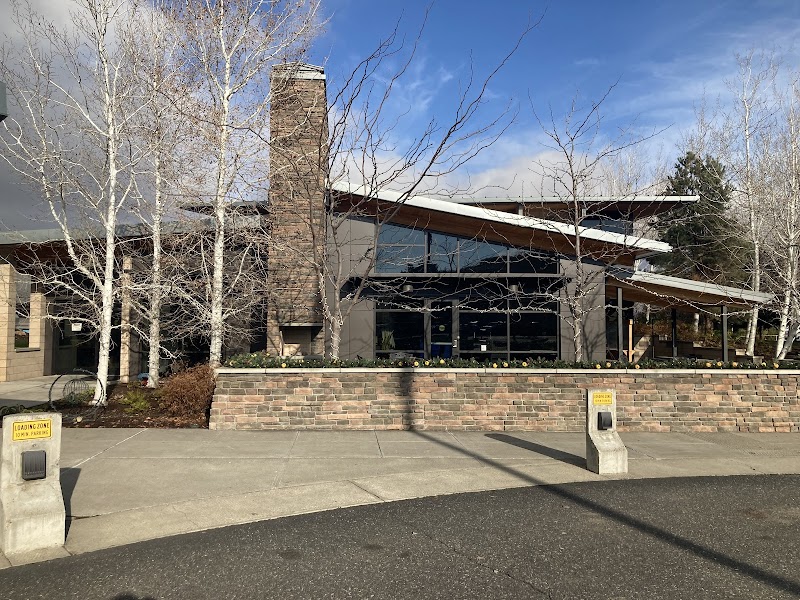
700 VETERANS DRIVE, THE DALLES, OR 97058 (541) 296-7190
Non profit - Corporation 151 Beds Independent Data: November 2025
Trust Grade
90/100
#21 of 127 in OR
Last Inspection: March 2025

Within standard 12-15 month inspection cycle. Federal law requires annual inspections.

Overview

The Oregon Veterans Home has earned a Trust Grade of A, which means it is considered excellent and highly recommended. It ranks #21 out of 127 nursing facilities in Oregon, placing it in the top half, and is the best option among the three facilities in Wasco County. However, the facility is experiencing a worsening trend, with issues increasing from 3 in 2023 to 5 in 2025. Staffing is a strength here, with a 5-star rating and a turnover rate of 33%, which is significantly lower than the state average of 49%. Notably, there have been no fines, indicating compliance with regulations, and while there is average RN coverage, it is essential for catching potential issues. Family members should be aware of several specific concerns: one resident was inaccurately documented as receiving anticoagulant medication despite not being prescribed it, which could jeopardize their care. Additionally, another resident's mobility plan was not adequately followed, risking a decline in their physical abilities. Lastly, there was a lapse in proper PPE disposal protocol during a COVID-19 test, which could pose an infection risk. Overall, while the facility has strengths in staffing and compliance, there are significant areas for improvement.

Trust Score
A
90/100
In Oregon
#21/127
Top 16%
Safety Record
Low Risk
No red flags
Inspections
Getting Worse
3 → 5 violations
Staff Stability
○ Average
33% turnover. Near Oregon's 48% average. Typical for the industry.
Penalties
✓ Good
No fines on record. Clean compliance history, better than most Oregon facilities.
Skilled Nurses
✓ Good
Each resident gets 50 minutes of Registered Nurse (RN) attention daily — more than average for Oregon. RNs are trained to catch health problems early.
Violations
⚠ Watch
12 deficiencies on record. Higher than average. Multiple issues found across inspections.
★★★★★
5.0
Overall Rating
★★★★★
5.0
Staff Levels
★★★☆☆
3.0
Care Quality
★★★★★
5.0
Inspection Score
Stable
2023: 3 issues
2025: 5 issues

The Good

  • 5-Star Staffing Rating · Excellent nurse staffing levels
  • Full Sprinkler Coverage · Fire safety systems throughout facility
  • No fines on record
  • Staff turnover below average (33%)

    15 points below Oregon average of 48%

Facility shows strength in staffing levels, fire safety.

The Bad

Staff Turnover: 33%

13pts below Oregon avg (46%)

Typical for the industry

The Ugly 12 deficiencies on record

Mar 2025 5 deficiencies
CONCERN (D) 📢 Someone Reported This

A family member, employee, or ombudsman was alarmed enough to file a formal complaint

Potential for Harm - no one hurt, but risky conditions existed

Free from Abuse/Neglect (Tag F0600)

Could have caused harm · This affected 1 resident

Based on interview and record review it was determined the facility failed to protect the resident's right to be free from physical abuse by Resident 76 for 1 of 3 sampled residents (#106) reviewed fo...

Read full inspector narrative →
Based on interview and record review it was determined the facility failed to protect the resident's right to be free from physical abuse by Resident 76 for 1 of 3 sampled residents (#106) reviewed for physical abuse. This placed residents at risk for physical, mental, or psychosocial harm. Findings include: Resident 106 admitted to the facility in 2/2024 with diagnoses including heart failure and dementia. Resident 106 passed away on 11/2/24. Resident 76 admitted to the facility in 1/2023 with diagnoses including dementia and anxiety disorder. Resident 76's, Behavior Care Plan dated 4/24/23 indicated the resident expressed agitation with others, typically related to noise. Staff were to encourage Resident 76 to go to her/his room or another quiet area if there was music playing and she/he was getting agitated. A 9/17/24 Resident to Resident Conflict report indicated that day an altercation occurred in the residents' shared room. The report stated Resident 106 was choked by Resident 76. Staff reported hearing yelling coming from the room and when they arrived, they observed Resident 76 with both her/his arms around Resident 106's neck from behind. Resident 106's glasses were knocked off during the altercation. Staff separated the residents. The investigation indicated Resident 76 also struck a staff member across the face after being pulled away from Resident 106. Per resident interviews, Resident 76 asked resident 106 to turn off her/his radio, and Resident 106 told Resident 76 to Shut the hell up. Resident 76 did not recall the incident, but when details were provided, she/he did recall placing her/his hands on Resident 106. Resident 106 stated, I just wanted to listen to my radio. I try not to bother anyone. Resident 106 further stated Resident 76 was, going to kill me and [Resident 76] had [her/his] finger in my mouth then covered my nose and mouth with [her/his] hand. Resident 106 denied feeling afraid of Resident 76, but stated, I feel mad at [her/him]. Resident 106 sustained temporary redness to the back of her/his neck due to the incident. A 9/17/24 Wound Evaluation with a photo documented as Bruise indicated a reddened area to Resident 106's neck. A 9/18/24 nursing note completed by Staff 12 (RN) indicated Resident 106 no longer had a bruise on her/his neck. A 9/21/24 Wound Evaluation note with photo documented as Bruise indicated measurements of .27 cm x 1.47 cm x 0.2 cm and indicated Resident 106's bruise resolved. On 3/12/25 at 10:12 AM Staff 12 stated she was not the nurse on duty for the 9/17/24 incident as the nurse no longer worked at the facility. Staff 12 stated she did alert charting after the incident and would consider the incident abuse. Staff 12 stated there were no further incidents between the residents. On 3/13/25 at 11:47 AM Staff 25 (CNA) stated she did not witness the 9/17/24 incident but heard the residents yelling and assisted after the incident. Staff 25 stated Resident 106 responded to the incident like what the heck just happened? On 3/13/25 at 8:46 AM Staff 6 (RNCM) stated Resident 106 was playing music on the boombox and which triggered Resident 76. Resident 106 was on her/his side of the room with her/his back to Resident 76 who was upset Resident 106 was not turning the music down. Resident 76 came up behind Resident 106 and wrapped her/his arm around Resident 106's neck. Resident 106 told Staff 6, [Resident 76] put [her/his] fingers in my mouth and reported that [woman/man] tried to kill me! Resident 106 sustained a red area behind her/his neck because Resident 76 was holding her/him close. Staff 6 stated the reddened area resolved on 9/21/24. Resident 106 reported some pain after the incident, but it was not long lasting. Survey determined the Past Noncompliance was corrected on 9/23/24 when the facility identified deficient practice and initiated corrections with no further incidents. The Plan of Action included; 1. Resident 76 was placed on 1:1 observation for 24 hours after the incident. 2. A room change was completed for Resident 106 on 9/17/24, down a different hall. 3. A room change to a private room was completed for Resident 76 on 9/23/24 4. Monitoring of both residents was immediately initiated. 5. The facility updated both resident care plans to prevent a re-occurence on 9/23/24.
CONCERN (D) 📢 Someone Reported This

A family member, employee, or ombudsman was alarmed enough to file a formal complaint

Potential for Harm - no one hurt, but risky conditions existed

Report Alleged Abuse (Tag F0609)

Could have caused harm · This affected 1 resident

Based on interview and record review, it was determined the facility failed to report an allegation of sexual abuse to the State Survey Agency for 2 of 3 residents (#s 54 and 307) reviewed for sexual ...

Read full inspector narrative →
Based on interview and record review, it was determined the facility failed to report an allegation of sexual abuse to the State Survey Agency for 2 of 3 residents (#s 54 and 307) reviewed for sexual abuse. This placed residents at risk for a lack of protective measures to prevent further abuse. Findings include: 1. Resident 54 admitted to the facility in 4/2021 with diagnoses including diabetes and a leg fracture. Resident 108 admitted to the facility in 11/2022 with diagnoses including diabetes and PTSD. Resident 54's 9/16/24 St. Louis University Mental Status (SLUMS) Examination indicated the resident had a score of 16/30, indicating cognitive impairment or possible dementia. On 1/8/25 a public complaint was received indicating Resident 108 was known to inappropriately touch female residents during activities. Witness 2 (Complainant) stated Resident 108 put her/his hand up their shirts or down their pants. Witness 2 stated Resident 108 put her/his hand up Resident 54's shirt five or six months ago. There was no further information provided. On 3/11/25 at 1:19 PM and 3/13/25 at 9:42 AM Staff 17 (Activities) stated she witnessed Resident 108 grab Resident 54's breast over the resident's shoulder during an activity. Staff 17 stated the incident occurred months ago. At the time of the incident, Staff 17 separated the residents and reported the incident to Staff 23 (Former RNCM). No evidence was found to indicate the incident was reported to the State Survey Agency. On 3/12/25 at 2:17 PM and on 3/13/25 at 10:18 AM attempts were made to contact Staff 23, but calls were not returned. On 3/13/25 at 12:09 PM Staff 1 (Administrator) stated she was not aware of the concerns regarding Resident 108 touching Resident 54's breast. Staff 1 acknowledged the incident was not reported to the State Survey Agency and stated she expected this type of incident to be reported. 2. Resident 307 admitted to the facility in 1/2024 with diagnoses including dementia and vascular Parkinsonism. Resident 307 passed away on 2/8/25. Resident 108 admitted to the facility in 11/2022 with diagnoses including diabetes and PTSD. Resident 307's 9/3/24 Annual MDS indicated the resident had moderately impaired cognition. The resident's 9/5/24 care plan indicated the resident had impaired cognitive function or impaired thought process related to the dementia diagnosis. On 1/8/25 a public complaint was received and the complainant (Witness 2) reported Resident 108 was known to inappropriately touch female residents during activities. Witness 2 stated Resident 108 put her/his hand up their shirts or down their pants. On 3/11/25 at 1:19 PM and 3/13/25 at 9:42 AM Staff 17 (Activities) stated months ago she witnessed Resident 108 touch Resident 307's breast during an activity. Staff 17 stated Resident 307 would encourage the behavior, but Resident 307 could not consent to the contact. Staff 17 stated she reported the incident to Staff 18 (Activities) and Staff 28 (Activities Director). No evidence was found to indicate the incident was reported to the State Survey Agency. On 3/13/25 at 12:09 PM Staff 1 (Administrator) stated she was not aware of the concerns regarding Resident 108 touching Resident 307's breast and acknowledged it was not reported to the State Survey Agency.
CONCERN (D) 📢 Someone Reported This

A family member, employee, or ombudsman was alarmed enough to file a formal complaint

Potential for Harm - no one hurt, but risky conditions existed

Investigate Abuse (Tag F0610)

Could have caused harm · This affected 1 resident

Based on interview and record review, it was determined the facility failed to thoroughly investigate an allegation of abuse for 3 of 6 sampled residents (#s 54, 106, and 307) reviewed for abuse. This...

Read full inspector narrative →
Based on interview and record review, it was determined the facility failed to thoroughly investigate an allegation of abuse for 3 of 6 sampled residents (#s 54, 106, and 307) reviewed for abuse. This placed residents at risk for lack of protective measures to prevent a reoccurrence. Findings include: The facility's 10/7/24 Freedom from Abuse and Abuse Investigation Policy stated, The facility will investigate all charges of abuse and report findings to the appropriate local and state agencies. 1. Resident 54 admitted to the facility in 4/2021 with diagnoses including diabetes and a leg fracture. Resident 108 admitted to the facility in 11/2022 with diagnoses including diabetes and PTSD. Resident 54's 9/16/24 St. Louis University Mental Status (SLUMS) Examination indicated the resident had a score of 16/30, indicating cognitive impairment or possible dementia. On 1/8/25 a public complaint was received indicating Resident 108 was known to inappropriately touch female residents during activities. Witness 2 (Complainant) stated Resident 108 would put her/his hand up their shirts or down their pants. Witness 2 stated five-six months prior, Resident 108 put her/his hand up Resident 54's shirt. There was no further information provided. On 3/11/25 at 1:19 PM and 3/13/25 at 9:42 AM Staff 17 (Activities) stated she witnessed Resident 108 grab Resident 54's breast over the resident's shoulder during an activity. Staff 17 stated the incident occurred months ago. At the time of the incident, Staff 17 moved Resident 108 away and reported the incident to Staff 23 (Former RNCM) who she believed talked with Resident 108 about the incident. On 3/13/25 at 12:09 PM Staff 1 (Administrator) stated she was not aware of the concerns regarding Resident 108 touching Resident 54's breast and this incident was not investigated prior to 3/13/25. 2. Resident 307 admitted to the facility in 1/2024 with diagnoses including dementia and vascular Parkinsonism. Resident 307 passed away on 2/8/25. Resident 307's 9/3/24 Annual MDS indicated the resident had moderately impaired cognition. Resident 108 admitted to the facility in 11/2022 with diagnoses including diabetes and PTSD. On 3/11/25 at 1:19 PM and 3/13/25 at 9:42 AM Staff 17 (Activities) stated she witnessed Resident 108 touch Resident 307's breast during an activity. Staff 17 stated Resident 307 would encourage the behavior, but the resident could not consent to the contact. The incident was reported to Staff 18 (Activities) and Staff 28 (Activities Director). On 3/13/25 at 12:09 PM Staff 1 (Administrator) stated she was not aware of the concern regarding Resident 108 touching Resident 307's breast and this incident was not investigated prior to 3/13/25. 3. The facility's 10/7/24 Freedom from Abuse and Abuse Investigation Policy, Abuse Investigation Guidelines stated, RCM (Resident Care Manager) will complete a full comprehensive and thorough investigation, including follow-up interviews with witnesses or persons involved. Resident 106 admitted to the facility in 2/2024 with diagnoses including heart failure and dementia. Resident 106 passed away on 11/2/24. Resident 76 admitted to the facility in 1/2023 with diagnoses including dementia and anxiety disorder. Resident 76's Behavior Care Plan dated 4/24/23 (prior to the incident), indicated the resident expressed agitation with others, typically related to noise. Staff were to encourage Resident 76 to go to her/his room or another quiet area if there is music playing and she/he is getting agitated. A facility reported incident dated 9/17/24 indicated an altercation occurred in the residents' shared room. Staff reported hearing yelling coming from the room and when they arrived, they observed Resident 76 with her/his arms around Resident 106's neck. Resident 76 asked Resident 106 to turn off her/his radio, and Resident 106 told Resident 76 to Shut the hell up. Resident 106 was sitting in her/his wheelchair with her/his back to Resident 76's side of the room when Resident 76 came up behind Resident 106 and wrapped her/his arms around Resident 106's neck. Resident 76 did not recall the incident, but when details were provided, she/he did recall placing her/his hands on Resident 106. Resident 106 stated Resident 76 was, going to kill me. [Resident 76] had [her/his] hand in my mouth then covered my nose and mouth with [her/his] hand. The investigation did not indicate if abuse was ruled out or verified. The investigation did not include staff or other witness statements prior to 3/14/25. On 3/13/25 at 8:46 AM Staff 6 (RNCM) stated she completed the investigation for the 9/17/24 incident. Staff 6 stated she normally interviewed staff as part of an investigation, but not including them was my mistake. When asked if abuse was determined to have occurred, Staff 6 stated it was determined the action was intentional from Resident 76. Staff 6 acknowledged the investigation required a determination to be documented.
CONCERN (D) 📢 Someone Reported This

A family member, employee, or ombudsman was alarmed enough to file a formal complaint

Potential for Harm - no one hurt, but risky conditions existed

Quality of Care (Tag F0684)

Could have caused harm · This affected 1 resident

Based on interview and record review it was determined the facility failed to ensure physician orders related to bowel care were followed for 1 of 5 sampled residents (#79) reviewed for unnecessary me...

Read full inspector narrative →
Based on interview and record review it was determined the facility failed to ensure physician orders related to bowel care were followed for 1 of 5 sampled residents (#79) reviewed for unnecessary medications. This placed residents at risk for adverse side effects of medications. Findings include: Resident 79 was admitted to the facility in 5/2023 with diagnosis including dementia and diabetes. A 7/16/24 physician order indicated Resident 79 was to receive a bowel care medication, Lactulose, once a day for constipation and the medication was to be held if the resident had two loose stools the day prior. A review of the 1/2025, 2/2025, and 3/2025 bowel records revealed the resident had two or more loose stools on the following dates: 1/3/25, 1/4/25, 1/10/25, 2/25/25, and 3/4/25. A review of the 1/2025, 2/2025, and 3/2025 MARs revealed Resident 79 was administered Lactulose on days it was to be held per the physician order on the following dates: 1/4/25, 1/5/25, 1/11/25, 2/26/25, and 3/5/25. On 3/13/25 at 2:39 PM Staff 4 (CMA) stated Resident 79 was consistent with having loose stools and she was aware of the physician order to hold the medication, Lactulose, for two loose stools the day prior. Staff 4 confirmed her initials on the MAR and acknowledged she administered Lactulose to the resident when it was to be held. On 3/13/25 at 3:01 PM Staff 5 (CMA) stated she was aware of Resident 79's physician order to hold Lactulose if the resident had two loose stools the day prior. Staff 5 stated at the start of her shift a report was run to identify Resident 79's bowel consistency and if the daily Lactulose physician order should be held. Staff 5 confirmed her initials on the MAR and acknowledged she administered Lactulose to the resident when it was to be held. On 3/14/25 at 9:43 AM and at 10:50 AM Staff 3 (RNCM) acknowledged Resident 79 was administered Lactulose on the identified dates and the dose should have been held. Staff 3 stated her expectation was for all staff to follow the resident's physician orders.
CONCERN (E) 📢 Someone Reported This

A family member, employee, or ombudsman was alarmed enough to file a formal complaint

Potential for Harm - no one hurt, but risky conditions existed

Assessment Accuracy (Tag F0641)

Could have caused harm · This affected multiple residents

Based on interview and record review it was determined the facility failed to accurately code MDS assessments for 5 of 5 sampled residents (#s 10, 23, 84, 97, and 103) reviewed for use of anticoagulan...

Read full inspector narrative →
Based on interview and record review it was determined the facility failed to accurately code MDS assessments for 5 of 5 sampled residents (#s 10, 23, 84, 97, and 103) reviewed for use of anticoagulants. This placed residents at risk for inaccurate medication assessments. Findings include: 1. Resident 10 admitted to the facility in 2018 with diagnoses including dementia and anxiety. The 10/29/24 and 1/21/25 Quarterly MDSes indicated Resident 10 received an anticoagulant medication. No evidence was found in Resident 10's clinical record to indicate she/he received an anticoagulant medication. On 3/14/25 at 9:40 AM, Staff 6 RNCM and at 11:15 AM, Staff 2 (DNS) were interviewed. Staff 6 stated she completed portions of the the MDS, including section N for medications. Staff 6 acknowledged Resident 10 was not on an anticoagulant and the 10/29/24 and 1/21/25 Quarterly MDS entries were inaccurate. Staff 2 (DNS) acknowledged Resident 10 was not on an anticoagulant medication. 2. Resident 23 admitted to the facility in 2024 with diagnoses including dementia and heart failure. The 11/30/24 and 2/3/25 Quarterly MDSes indicated Resident 23 received anticoagulant medication. No evidence was found in Resident 23's clinical record to indicate she/he received anticoagulant medication. On 3/14/25 at 9:40 AM, Staff 6 RNCM and at 11:15 AM, Staff 2 (DNS) were interviewed. Staff 6 stated she completed portions of the the MDS, including section N for medications. Staff 6 acknowledged Resident 23 was not on an anticoagulant and the 11/30/24 and 2/3/25 Quarterly MDSes were inaccurate. Staff 2 (DNS) acknowledged Resident 10 was not on an anticoagulant medication. 3. Resident 84 admitted to the facility in 2023 with diagnoses including dementia and a stroke. The 10/4/24 and 12/25/24 Quarterly MDSes indicated Resident 84 received anticoagulant medication. No evidence was found in Resident 84's clinical record to indicate she/he received an anticoagulant medication. On 3/14/25 at 9:40 AM, Staff 6 RNCM and at 11:15 AM, Staff 2 (DNS) were interviewed. Staff 6 stated she completed portions of the the MDS, including section N for medications. Staff 6 acknowledged Resident 84 was not on an anticoagulant and the 10/4/24 and 12/25/24 Quarterly MDSes were inaccurate. Staff 2 (DNS) acknowledged Resident 10 was not on an anticoagulant medication. 4. Resident 97 admitted to the facility in 2024 with diagnoses including a stroke. The 10/9/24 and 1/3/25 Quarterly MDS indicated Resident 97 received anticoagulant medication. No evidence was found in Resident 97's clinical record to indicate she/he received an anticoagulant medication. On 3/14/25 at 9:40 AM, Staff 6 RNCM and at 11:15 AM, Staff 2 (DNS) were interviewed. Staff 6 stated she completed portions of the the MDS, including section N for medications. Staff 6 acknowledged Resident 97 was not on an anticoagulant and the 10/9/24 and 1/3/25 Quarterly MDSes were inaccurate. Staff 2 (DNS) acknowledged Resident 10 was not on an anticoagulant medication. 5. Resident 103 admitted to the facility in 2/2025 with diagnoses including dementia and anxiety. The 2/20/25 admission MDS indicated Resident 103 received anticoagulant medication. No evidence was found in Resident 103's clinical record to indicate she/he received an anticoagulant medication. On 3/14/25 at 9:40 AM, Staff 6 RNCM and at 11:15 AM, Staff 2 (DNS) were interviewed. Staff 6 stated she completed portions of the the MDS, including section N for medications. Staff 6 acknowledged Resident 103 was not on an anticoagulant and the 2/20/25 admission MDS was inaccurate. Staff 2 (DNS) acknowledged Resident 10 was not on an anticoagulant medication.
Nov 2023 3 deficiencies
CONCERN (D) 📢 Someone Reported This

A family member, employee, or ombudsman was alarmed enough to file a formal complaint

Potential for Harm - no one hurt, but risky conditions existed

Deficiency F0692 (Tag F0692)

Could have caused harm · This affected 1 resident

Based on interview and record review it was determined the facility failed to ensure residents were assessed after significant weight loss was identified for 2 of 3 sampled residents (#s 62 and 74) re...

Read full inspector narrative →
Based on interview and record review it was determined the facility failed to ensure residents were assessed after significant weight loss was identified for 2 of 3 sampled residents (#s 62 and 74) reviewed for weight loss. This placed residents at risk for severe weight loss. Findings include: 1. Resident 62 was admitted to the facility in 2/2023 with diagnoses including end stage renal disease. The 2/20/23 admission MDS indicated Resident 62 had no weight loss and was on a therapeutic diet. The resident's Care Plan for risk for altered nutritional status, revised on 2/24/23, indicated a goal of maintaining weight and did not indicate the resident had any weight loss. Resident's 62's weight records indicated the following (weight in pounds): - 2/20/23: 142 - 9/12/23: 136 - 9/28/23: 125 - 10/5/23: 127 - 10/23/23: 125 The weight loss of 11 pounds from 9/12/23 to 9/28/23 indicated a significant weight loss of 8% in 16 days. A review of the resident's clinical record revealed no evidence Resident 62's weight loss was assessed and no indication new interventions were put in place to address the resident's weight loss. On 10/31/23 at 1:07 PM Staff 6 (RN) indicated Resident 62's weight was pretty stable, and the resident had not lost a significant amount of weight. Staff 6 stated Resident 62 was not on alert charting for weight loss. On 10/31/23 at 1:29 PM Staff 18 (CNA) indicated Resident 62's weight was stable. On 10/31/23 at 1:38 PM Staff 3 (RNCM) indicated Resident 62's weight was down a little bit but the resident did not lose a significant amount of weight. On 11/1/23 at 10:13 AM these findings were shared with Staff 2 (DNS). Staff 2 stated she thought Resident 62 lost weight because the resident received hemodialysis treatment (a process of artificially removing toxins from the blood using an external filtering system). Staff 2 was asked to provide an assessment of the resident's weight loss. No assessment was provided. 2. Resident 74 was admitted to the facility in 2022 with diagnoses including Parkinson's disease. The Care Plan for risk for altered nutritional status, initiated on 9/12/22 indicated a goal of no significant weight changes. The 5/24/23 Quarterly MDS indicated Resident 74 did not have any significant weight loss. Resident 74's weight records indicated the following (weight in pounds): - 7/1/23: 181 - 8/3/23: 168 - 9/4/23: 157 - 10/7/23: 155 - 10/27/23: 153 The weight loss of 13 pounds from 7/1/23 to 8/3/23 indicated a significant weight loss of 7.2% in 33 days. A review of the resident's clinical record revealed no evidence Resident 74's weight loss was assessed until 8/18/23 (15 days after the resident's significant weight loss was identified) and no new interventions were put in place to address the weight loss until 8/22/23 when an additional calorie supplement was ordered. Resident 74's Care Plan for nutrition was updated on 10/4/23 to include a goal of comfort measures for nutrition. The goal of no significant weight changes was discontinued. On 10/30/23 at 5:54 PM Staff 19 (Infection Preventionist/RNCM) indicated weight loss showed up in the facility's electronic dashboard and the RNCM and dietitian were notified. Staff 19 stated she expected weight loss to be addressed right away. On 10/30/23 at 4:45 PM and 10/31/23 at 10:15 AM these findings were discussed with Staff 1 (Administrator), Staff 2 (DNS), and Staff 19. Staff 2 acknowledged Resident 74's significant weight loss and stated the weight loss was expected. Staff 2 acknowledged there was no evidence in the clinical record to indicate the weight loss was expected. Staff 2 stated Resident 74 was referred to the NAR (Nutritionally At Risk) committee on 8/14/23. Staff 2 was asked to provide evidence of an assessment of the resident's weight loss prior to 8/18/23 or evidence of new interventions put in place when the resident's weight loss was identified on 8/3/23 and prior to 8/22/23. No assessment and no evidence of additional interventions were provided.
CONCERN (D) 📢 Someone Reported This

A family member, employee, or ombudsman was alarmed enough to file a formal complaint

Potential for Harm - no one hurt, but risky conditions existed

Respiratory Care (Tag F0695)

Could have caused harm · This affected 1 resident

Based on observation, interview and record review it was determined the facility failed to obtain a physician's order for supplemental oxygen, ensure oxygen tubing was changed and oxygen equipment was...

Read full inspector narrative →
Based on observation, interview and record review it was determined the facility failed to obtain a physician's order for supplemental oxygen, ensure oxygen tubing was changed and oxygen equipment was maintained for 1 of 1 sampled resident (#25) reviewed for respiratory care. This placed residents at risk for respiratory complications. Findings include: Resident 25 was admitted to the facility in 2022 with diagnoses including obstructive sleep apnea (Pauses in breathing during sleep due to airway blockage). The facility's 2012 Oxygen Administration Procedure related to Physician's Orders and equipment maintenance included the following: - Check the Physician's Order for oxygen liter flow and method of administration. - Check and clean oxygen equipment and change oxygen tubing at regular intervals. On 10/31/23 at 8:41 AM Resident 25 was observed to have an oxygen concentrator (machine that filters air into purified oxygen) in her/his room. The oxygen concentrator had dust accumulation on the top of the concentrator and concentrator filter. The humidification bottle and oxygen tubing were not dated or initialed to indicate when they were last changed. On 10/31/23 at 9:19 AM Resident 25 stated she/he wears oxygen at night at 4 liters per minute. The resident stated staff changed the oxygen tubing and the humidification water about once a month. Resident 25's 10/2023 Physician Orders and 10/2023 TAR revealed no order for oxygen, oxygen tubing changes or oxygen concentrator maintenance and cleaning frequency. Resident 25's 10/13/23 Care Plan did not contain information or interventions for oxygen therapy. On 10/31/23 at 2:09 PM Staff 6 (RN) stated Resident 25 used oxygen at night when sleeping. Staff 6 stated she believed Resident 25 had a Physician's Order for oxygen at 2 liters per minute. Staff 6 confirmed after review of the resident's clinical record the resident did not have an order for oxygen. Staff 6 stated routine care of the oxygen concentrator for a resident who received oxygen therapy included cleaning the filters and concentrator. Staff 6 stated oxygen tubing and humidification water for a resident with an oxygen order was to be changed at least weekly. On 10/31/23 at 2:21 PM Staff 3 (RCM) confirmed Resident 25 did not have an order for oxygen, oxygen tubing changes, or maintenance of the concentrator. Staff 3 confirmed the oxygen concentrator was dirty and the tubing and humidification water were not dated and initialed by staff to indicate when they were last changed. On 11/02/23 at 3:18 PM Staff 2 (DNS) stated her expectation was for residents to have a Physician's Order to administer oxygen therapy, and for tubing changes and oxygen concentrator maintenance to be in place.
CONCERN (D)

Potential for Harm - no one hurt, but risky conditions existed

Deficiency F0698 (Tag F0698)

Could have caused harm · This affected 1 resident

Based on observation, interview and record review it was determined the facility failed to ensure care and services were in place to treat an emergency related to a resident's dialysis port for 1 of 1...

Read full inspector narrative →
Based on observation, interview and record review it was determined the facility failed to ensure care and services were in place to treat an emergency related to a resident's dialysis port for 1 of 1 sampled resident (#62) reviewed for dialysis. This placed residents at risk for blood loss. Findings include: Resident 62 was admitted to the facility in 2/2023 with diagnoses including end stage renal disease. Resident 62's Care Plan, revised on 3/6/23, indicated the resident received hemodialysis (a process of artificially removing toxins from the blood using an external filtering system) via a port in the resident's chest. The care plan did not include any interventions related to emergent blood loss from the port. On 10/30/23 at 2:23 PM no emergency supplies were observed in Resident 62's room. On 10/31/23 at 1:07 PM Staff 6 (RN) stated she was not sure what she would do if Resident 62 was bleeding from the port. On 10/31/23 at 1:38 PM Staff 3 (RNCM) stated if Resident 62 was bleeding from the port she would try to stop it and call 911. When asked if the facility had supplies on hand to stop the bleeding from the port, Staff 3 stated she was not sure. Staff 3 stated she needed to contact the hemodialysis provider to determine what was needed to stop the port from bleeding.
Oct 2022 4 deficiencies
CONCERN (D)

Potential for Harm - no one hurt, but risky conditions existed

ADL Care (Tag F0677)

Could have caused harm · This affected 1 resident

Based on observation, interview and record review it was determined the facility failed to ensure dependent residents were provided services to maintain hygiene for 2 of 4 sampled residents (#s 55 and...

Read full inspector narrative →
Based on observation, interview and record review it was determined the facility failed to ensure dependent residents were provided services to maintain hygiene for 2 of 4 sampled residents (#s 55 and 84) reviewed for ADLs. This placed residents at risk for unmet needs. Findings include: Resident 55 was admitted to the facility in 2018 with diagnoses including depression and COPD (long-term lung disease that makes it difficult to breath). A 1/13/22 physician order indicated staff to check and trim Resident 55's fingernails every four weeks. The 8/12/22 Quarterly MDS indicated Resident 55 required extensive one person assist with personal hygiene. Resident 55's 6/29/18 care plan indicated the resident was at risk for impaired ADL function related to impaired mobility and weakness and required extensive assistance with all hygiene. On 10/5/22 at 8:18 AM and 10/7/22 at 12:17 PM Resident 55 was observed sitting in her/his wheelchair. The resident's fingernails were long, uncut and appeared dark brown in color. Resident 55 stated she/he was not able to trim her/his fingernails for a few years. Resident 55 stated she/he preferred her/his fingernails cut short, but staff did not cut them as often as she/he would like. On 10/7/22 at 12:23 PM Staff 9 (LPN) verified Resident 55 was dependent on staff for ADL care, and the fingernails needed trimmed. 2. Resident 84 was admitted to the facility in 2020 with diagnoses including diabetes and dementia. The 9/5/22 Significant Change in Condition MDS indicated Resident 84 required extensive one person assist with personal hygiene. Resident 84's 8/18/20 care plan indicated the resident had an ADL care deficit and required extensive assistance for ADL care due to weakness. On 10/4/22 at 11:52 AM Resident 84 was observed sitting in her/his wheelchair in the dining room. The resident had unshaven facial hair approximately ½ inch in length and her/his fingernails were long and uncut. Resident 84 stated she/he needed staff to help her/him shave her/his facial hair and trim her/his fingernails, but staff did not ask if she/he needed the assistance. On 10/6/22 at 12:12 PM Staff 21 (CNA) stated Resident 84 was dependent on staff for ADL care. On 10/7/22 at 12:23 PM Staff 9 (LPN) verified Resident 84 was dependent on staff for ADL care, and verified Resident 84's fingernails needed trimmed.
CONCERN (D)

Potential for Harm - no one hurt, but risky conditions existed

Medication Errors (Tag F0758)

Could have caused harm · This affected 1 resident

Based on observation, interview and record review it was determined the facility failed to ensure gradual dose reductions (GDRs) were attempted for residents on psychotropic medications for 1 of 5 sam...

Read full inspector narrative →
Based on observation, interview and record review it was determined the facility failed to ensure gradual dose reductions (GDRs) were attempted for residents on psychotropic medications for 1 of 5 sampled residents (# 87) reviewed for unnecessary psychotropic medications. This placed residents at risk for receiving unnecessary medications. Findings include: Resident 87 was admitted to the facility in 2018 with diagnoses including Alzheimer's dementia and Post-Traumatic Stress Disorder (PTSD). A review of Resident 87's MAR/TAR for 9/2022 and 10/2022 revealed the resident was on a number of psychotropic and opioid medications: olanzapine, donepezil, sertraline, trazadone, Fentanyl, topiramate sprinkle and oxycodone scheduled and PRN . Four of the medications were Central Nervous System Drugs: olanzapine, sertraline, trazodone and topiramate. Two were antidepressants: sertraline and trazodone. Eight of the resident's medications had major drug interaction warnings. The 10/2022 MAR also contained the following order: naloxone 4 mg actuation spray. One spray in alternating nostrils as needed for Narcotic Overdose-Order Date 10/18/21. Observations between 10/3/22 through 10/6/22 of Resident 87 revealed the resident participated in no activities except sitting in front of the TV in the common room. The resident was not interacting with staff or other residents. During two meal observations the resident allowed staff to assist her/him with eating but did not attempt conversation or reply to attempted conversation. The resident was observed a few times up in a wheelchair wearing a blanket over her/his head and upper body and wearing sunglasses. The resident appeared to be asleep anytime she/he was not actively eating. No behaviors were observed during any observation. On 10/4/22 at 10:31 AM Staff 22 (Pharmacist) indicated he had concerns related to the facility and the Provider not doing gradual dose reductions (GDRs) for medications of residents with multiple psychotropic and narcotic medications. On 3/8/21 a GDR was recommended by the Pharmacist as follows: The resident was receiving the antipsychotic medication olanzapine 2.5 mg every morning and 5 mg at bedtime since 6/2019 for dementia with physically aggressive behaviors. It was recommended that a GDR in psychotropic medication be attempted periodically. A GDR was a good tool to help assess if medication was still necessary, if it was at the lowest effective dose, and also to help limit side effects of long-term use. Since a GDR to find the lowest effective dose was not attempted in quite some time, please consider a trial reduction in an attempt to use the lowest possible effective dose and reduce the risk of possible side effects. On 9/17/21 GDR and medication changes were recommended as follows: an interim medication regimen review was requested due to the following change in condition: severe pain, possibly headache. The patient was nonverbal due to advanced Alzheimer's, but frequently grabbed her/his head and cried out in pain. The following recommendation was based on the resident's active prescription profile. The resident was not currently receiving medication known to significantly increase the risk of severe headache. The resident's blood pressure and heart rate, per electronic records, were stable, and significant blood pressure swings were unlikely causing the headaches. This resident had several diagnoses, which may increase headache risk: Alzheimer's disease, PTSD, depression, and insomnia. Resident 87 was on the following medications that should reduce headache pain: Trazodone 100 mg for insomnia (may reduce neuropathic pain) sertraline 50 mg for depression (may reduce neuropathic pain) olanzapine 5 mg for dementia with physical aggression (sedating) oxycodone 5 PRN and 10 mg PO every 8 hours for pain Fentanyl 12 mcg/hr patch every 72 hours for pain Please consider the following: - Headaches can be associated with opioid over use. If the patient suffered from migraines, Routine use of opioids for migraine treatment often leads to more frequent and severe headaches, and detoxifying from opioid dependency wasn't always enough to undo that damage. For many residents, overuse of opioids can trigger the transition from episodic migraine to chronic migraine. per the American Headache Society. - Please consider titrating off of sertraline and on to nortriptyline for depression and pain. Nortriptyline is better for treating neuropathic pain and possibly headaches. - Consider a trial of sumatriptan PRN, in case the resident is experiencing migraines, which are common for people with a diagnosis of Alzheimer's disease or depression. - Consider daily aspirin or some form of anticoagulation in case the patient is experiencing TIA. On 6/9/22 a GDR was requested by the Pharmacist as follows: The resident was currently receiving the atypical antipsychotic olanzapine 2.5 mg every morning and 5 mg every evening for dementia with physically aggressive behaviors since 11/16/21. Secondary to the resident's advanced age and the length of time receiving this medication, and in an attempt to minimize the potential for falls, would this resident be a good candidate for a trial GDR in an attempt to maintain the lowest possible effective dose? Recommend decreasing to Olanzapine 2.5 mg twice daily. On 10/6/22 at 3:11 PM Staff 4 (RNCM) stated no GDRs were done for Resident 87 since she started working at the facility in 11/2020. There may have been some changes in medications in 2019 but no recent GDRs until the request for Tramadol to be reduced this month. On 10/7/22 at 9:28 AM Staff 22 (Pharmacist) stated some residents had many medications and he had mentioned it to the providers. He asked them to switch medications and they would forget to remove the initial medication so the resident ended up with more medications. The providers met with Staff 22 and told him the residents' had a history of behaviors and the risk was too much for a GDR. Staff 22 stated he continued to make recommendations according to the guidelines but the providers would not budge, even when the staff at the facility agreed the GDRs should be done. Resident 87's medications were very complex and staff stated the resident was stable but by definition they should try a reduction. Staff 22 stated many times the issues facility staff were mentioning as reasons not to try a GDR were very historical and may no longer be pertinent. Staff 22 further stated the 3/8/21, 9/17/21 and 6/9/22 pharmacy requests were denied without appropriate rationale. In an interview on 10/6/22 at 12:28 PM with Staff 1 (Administrator) and Staff 2 (DNS) they acknowledged they needed to improve their tracking of GDRs, provide better documentation from the psychotropic meetings and have the physician provide appropriate risk and benefit analysis related to denial of GDRs.
CONCERN (E)

Potential for Harm - no one hurt, but risky conditions existed

Deficiency F0688 (Tag F0688)

Could have caused harm · This affected multiple residents

Based on interview and record review it was determined the facility failed to provide ROM and RA services for 4 of 4 sampled residents (#s 7, 72, 83 and 85) reviewed for positioning and mobility. This...

Read full inspector narrative →
Based on interview and record review it was determined the facility failed to provide ROM and RA services for 4 of 4 sampled residents (#s 7, 72, 83 and 85) reviewed for positioning and mobility. This placed residents at risk for a decline in mobility. Findings include: 1. Resident 7 was admitted to the facility in 2018 with diagnoses including dementia and Huntington's disease (an inherited condition in which nerve cells in the brain break down over time). A Facility Restorative Care Referral form (generated by the therapy department PT) dated 1/17/22 indicated the resident was to have an RA walking program to maintain mobility. The resident was a contact guard assist (CGA) with walking and needed cues for balance, steering her/his front wheel walker (FWW) and safety. Special instructions included walking to the bathroom, dining room or activities. Resident 7's care plan dated 1/25/22 indicated the resident had limited physical mobility related to Huntington's Disease, chorea movements (involuntary, irregular, unpredictable muscle movements) and dementia. The goal was for the resident to maintain current level of mobility with CGA from staff and use of a FWW on the unit as the resident desired, requested and allowed. The resident was at low risk for pressure ulcers related to impaired mobility, varied oral intake and required reminders and cuing for position changes in her/his wheelchair. A Social Services Summary note dated 9/23/22 indicated Resident 7's willingness to engage in activities varied but recently she/he had been more involved and active. On 10/4/22 at 11:56 AM Witness 3 (Family Member) indicated Resident 7 had a rough year but was currently doing better. He felt the resident was better able to participate and cooperate when he wanted to take her/him for an outing or have a visit. Witness 3 stated he felt the resident would benefit from a ROM and RA program but did not believe the resident was currently participating. He stated the resident could be very moody but would participate if it was presented nicely. On 10/6/22 at 2:42 PM Staff 4 (RNCM) indicated the resident had some decline this past year due to being on Hospice. Last year Resident 7 was not able to feed herself/himself, was bedbound and participated in PT with improvement. Resident 7 graduated from therapy just when the RA gym was closed because of COVID-19. Staff 4 (RNCM) further stated RA was important because conistency was required to prevent decline. On 10/7/22 at 8:59 AM Staff 18 (CNA/RA) indicated she did not know why the resident was not participating in the RA program. Resident 7 liked routine and perhaps due to RA staff not always being available it prevented the resident from participating. They had a referral for the resident dated 1/2022. There was no documentation provided to indicate the resident had worked with RA since the referral. On 10/7/22 at 3:00 PM Staff 2 (DNS) stated she understood the benefits of an RA program and was not sure why the residents were not getting the service. They had an RA program set up. No additional documentation was provided. 2. Resident 83 was admitted to the facility in 2021 with diagnosis including Lewy body dementia (abnormal deposits of proteins called Lewy bodies affect chemicals in the brain which can lead to problems with thinking, movement, behavior, and mood). The resident resided in the memory care unit of the facility. Resident 83's care plan dated 7/1/21 indicated the resident had an ADL deficit due to: diagnoses, medications, impaired mobility, advanced age, fracture, cognition and impulsivity. The resident self-propelled in a wheelchair using her/his heels and was an extensive assist with transfers but frequently self-transferred. Resident 83 was also an elopement risk and wanderer and staff were to try and identify the pattern of wandering such as: aimless, escapist, looking for something, or indicating the need for more exercise. Resident 83 enjoyed activities such as working out, gardening and active games. Additionally, the resident was at risk for pressure ulcer development related to dehydration, disease process and immobility. There was no documentation for ROM or RA services. An MDS Indicator Facility Rate Report dated through 10/31/22 indicated the facility had 31 residents identified as having limited ROM and were not receiving services. Resident 83 was one of the residents not receiving services. On 10/4/22 at 3:16 PM Staff 4 (RNCM) indicated the resident would be a candidate for the RA program and the reason she/he was not on it was due to the COVID 19 lock down. Staff 4 stated the RA staff were pulled to work on the floor often and were not available on a regular enough schedule to be the most beneficial for residents with memory issues. The resident was not receiving ROM or RA services. On 10/7/22 at 11:15 AM Staff 18 (CNA/RA) and Staff 19 (CNA/RA) indicated they had not received a referral for Resident 83 but all of the residents with ROM limitations could benefit from RA services. Staff 18 and Staff 19 indicated they did get pulled to work on the floor often which made it hard to maintain scheduled RA services and residents were upset when they had to close the gym. Staff 18 and Staff 19 further stated an additional barrier to providing services was related to the CNAs not having residents ready to go when it was time for RA and not assisting with bringing residents to the RA gym as needed. This was particularly true regarding the memory care unit residents. On 10/7/22 at 11:30 AM a review of the RA staff's calendar revealed the following days either one or both staff were pulled off RA duties to perform CNA duties: 8/2022: 8/1, 8/4, 8/5, 8/8, 8/12 and 8/25. 9/2022: 9/12, 9/16, 9/19, 9/20, 9/21, 9/22, 9/27. 10/2022: (partial month 10/3-10/7) 10/3, 10/4, 10/5, 10/6. On 10/7/22 at 3:00 PM Staff 2 (DNS) stated she understood the benefits of an RA program and was not sure why the residents were not getting the service. They had an RA program set up. No additional documentation was provided. 3. Resident 72 admitted to the facility in 2012 with diagnoses including MS (Multiple Sclerosis) and quadriplegia (paralysis of all four limbs). The care plan dated 1/25/18 revealed Resident 72 had a contracture of the left hand and nursing staff were to clean and place a rolled washcloth in her/his contracted hand daily. Random observation from 10/3/22 through 10/6/22 revealed Resident 72 did not have a rolled washcloth in her/his left hand and both hands were contracted. Resident 72's left hand was in a fist and her/his right fingers were curled towards the palm of her/his hand. On 10/6/22 at 11:44 AM Staff 13 (CNA) stated Resident 72 was totally dependent on staff for all her/his ADL care needs and had washcloths to help with both of her/his contracted hands but they did not always get placed in Resident 72's hands. On 10/6/22 at 3:57 PM Staff 12 (RN) stated during the day Resident 72 was to have washcloths in both of her/his hands due to Resident 72's bilateral contractures. On 10/7/22 at 10:16 AM Staff 3 (RCM) stated she observed Resident 72 had a washcloth in her/his left hand on 10/7/22. When asked what the expectation was for staff regarding Resident 72's contractures Staff 3 stated she expected staff to implement and follow the care plan. On 10/7/22 at 11:51 AM Staff 1 (Administrator), Staff 2 (DNS) and Staff 7 (Infection Preventionist) were present for an interview. Staff 1 and Staff 2 stated they expected staff to implement and follow the care plan regarding Resident 72's contracted hands. 4. Resident 85 was admitted to the facility in 5/2001 with diagnoses including Muscular Dystrophy (disease which causes progressive weakness and loss of muscle mass). The 9/9/22 Annual MDS indicated Resident 85 was extensive assistance for ADLs but should be encouraged to participate in her/his own personal cares physically as she/he was able. The 9/9/22 revised care plan indicated Resident 85 had impaired physical function related to muscular dystrophy and was to participate in open gym as desired. On 10/4/22 at 10:54 AM Resident 85 stated she/he was going to the open gym three times a week before the pandemic. Resident 85 stated it was over a year since she/he received ROM in the gym. The resident stated the exercises helped her/his arm strength and she/he looked forward to it. Resident 85 stated she/he was told she/he would have to perform exercises on her/his own due to no RA program. Resident 85 stated she/he spoke with staff but did not hear any response. Resident 85 stated her/his ROM decreased due to the inability to use the exercise bike and have staff work with her/his ROM. On 10/7/22 at 9:33 AM Staff 18 (CNA/RA) and Staff 19 (CNA/RA) stated they worked with Resident 85 awhile ago when there was open gym and performed ROM but the RAs were pulled from RA duties to CNA duties due to staff shortages. Staff 18 stated Resident 85 would benefit from ROM daily due to her/his disease process. On 10/7/22 at 9:53 AM Staff 5 (RCM) stated the RA program was not occurring due to COVID-19 restrictions and staff shortages. Staff 5 stated Resident 85 would benefit from the RA program due to her/his disease process. On 10/7/22 at 3:00 PM Staff 2 (DNS) stated she understood the benefits of an RA program and was not sure why the residents were not getting the service. They had an RA program set up. No additional documentation was provided.
CONCERN (E)

Potential for Harm - no one hurt, but risky conditions existed

Infection Control (Tag F0880)

Could have caused harm · This affected multiple residents

**NOTE- TERMS IN BRACKETS HAVE BEEN EDITED TO PROTECT CONFIDENTIALITY** 3. On 10/5/22 at 10:53 AM Staff 7 (Infection Preventionist) was observed in the facility between the front door and the conferen...

Read full inspector narrative →
**NOTE- TERMS IN BRACKETS HAVE BEEN EDITED TO PROTECT CONFIDENTIALITY** 3. On 10/5/22 at 10:53 AM Staff 7 (Infection Preventionist) was observed in the facility between the front door and the conference room wearing a gown, face shield and N95 mask. Staff 7 then removed the gown, disposed of it in an uncovered garbage can and performed hand hygiene. Staff 7 stated she was just outside and had performed a COVID-19 test outside on a staff member who was symptomatic for COVID-19. Staff 7 stated after completing the COVID-19 test she entered the facility and disposed of the dirty PPE inside the open nook between the front door and the conference room. The used gown was observed in an uncovered trash can, partially dangling out of the garbage can. In an interview on 10/6/22 at 4:35 PM Staff 7 stated she should have disposed of the PPE worn for COVID-19 testing outside where the test occurred. On 10/3/22 at 3:41 PM Staff 7 stated staff were required to sanitize face shields after leaving resident rooms who were on precautions but staff were not expected to replace face shields before going into other resident rooms. Staff 7 further stated staff were not required to change N95 masks after leaving a COVID-19 positive room. On 10/3/22 at 4:18 PM the [NAME] Hall entry door had signs posted that indicated a COVID-19 exposure and N95 masks were required before entry. On 10/4/22 at 7:56 PM Staff 3 (Agency LPN) was observed on the [NAME] Hall in direct contact with a COVID-19 positive resident. Staff 3 stated he spent the past hour with the resident. At 8:15 PM before Staff 3 left [NAME] Hall he acknowledged there was no PPE cart or garbage can nearby. Staff 3 opened the doors to leave [NAME] Hall to locate a PPE cart without doffing his PPE and performing hand hygiene. Staff 3 acknowledged he did not follow infection control measures. On 10/5/22 at 8:22 AM Staff 3 was observed entering a resident's room who was on precautions. Staff 3 was wearing an N95 mask, face shield, and gloves. Staff 3 did not wear a gown. Staff 3 confirmed he was not wearing appropriate PPE. On 10/6/22 at 9:12 Staff 22 (Dietary Aid) was observed on [NAME] Hall pushing a food cart. Staff 22 was not wearing an N95 mask. Staff 22 confirmed he should have been wearing an N95 mask. On 10/6/22 at 12:55 PM Staff 26 (Housekeeper) was observed in [NAME] Hall spraying disinfectant on hand rails. Staff proceeded to wipe off the disinfectant within a few seconds. Staff 26 stated she was supposed to wait the appropriate contact time of 60 seconds before she wiped off the disinfectant but did not. Staff 26 continued to spray the disinfectant on the hand rails and repeated wiping off the disinfectant within a few seconds. On 10/6/22 at 4:35 PM Staff 7 was informed of the above surveyor observations. Staff 7 acknowledged staff failed to follow and implement infection control measures. 4. On 10/4/22 at 6:00 PM Resident 81 was observed sitting in her/his wheelchair in the dining room. Resident 81's catheter bag was hanging from the bottom of her/his wheelchair touching the floor. On 10/5/22 at 10:19 AM Resident 81 was observed lying in bed and the bed was in the lowest position. The resident's catheter bag was sitting on floor. On 10/5/22 at 8:18 AM Resident 55 was observed sitting in her/his wheelchair in her/his room. The resident's catheter bag was dragging on her/his floor. On 10/5/22 at 8:36 AM Resident 55 was observed in her/his power wheelchair in the hallway going outside to smoke. The resident's catheter bag was dragging on the floor. On 10/7/22 at 12:17 PM Resident 55 was observed sitting in her/his power wheelchair. The resident stated she/he was going to the dining room to eat lunch. The resident's catheter bag was dragging on the floor. On 10/5/22 at 1:43 PM Staff 21 (CNA) confirmed Resident 55 had a catheter and staff assisted the resident with catheter care. Staff 21 stated catheter bags were supposed to be attached to the bottom of the resident's wheelchairs so they did not come in contact with the floor. On 10/6/22 at 11:20 AM Staff 25 (CNA) confirmed Resident 55 had a catheter bag and staff were required to secure it properly so that it did not drag on the floor. On 10/5/22 at 2:08 PM Staff 5 (RCM) stated staff were expected to ensure Resident 55's catheter bag did not drag on the floor. Staff 5 was informed of the above observations and confirmed staff failed to implement infection control measures. Based on observation, interview and record review it was determined the facility failed to handle and utilize PPE and clean reusable equipment between uses according to CDC guidelines for 1 of 1 facility, ensure AGP procedures were adhered to for 1 of 4 sampled residents (#68) reviewed for infection control, and ensure catheters were properly contained for 2 of 3 sampled residents (#s 55 and 81) reviewed for urinary catheters. This placed residents at risk for infection. Findings include: 1. A review of the undated Policy and Procedure for AGP (Aerosol-generating procedures) revealed the following: -AGP included CPAP (continuous positive airway pressure). -When conducting AGP for patients suspected or known exposure to COVID-19, health care personnel should utilize PPE for special contact droplet precautions. -Staff are to wear N95, eye protection, gown and gloves. -When conducting AGP staff to provide a private room for residents who utilized AGP and close off room where procedure took place for two hours after completion of the procedure. Resident 68 was admitted to the facility in 3/2022 with diagnoses including CHF (congestive heart failure) and chronic respiratory failure. A comprehensive care plan dated 3/10/22 revealed Resident 68 had ineffective gas exchange related to CHF, chronic respiratory failure, and utilized a CPAP machine each night when she/he slept. Resident 68 was positive for MRSA (methicillin-resistant staphylococcus aureus, a bacterium with antibiotic resistance) and staff were directed to wear gown and a mask when providing care for Resident 68. Upon entering the facility on 10/3/22 the survey team was notified the facility had an active COVID-19 outbreak in the building. Random observations on 10/3/22 from 1:30 PM through 3:30 PM revealed Resident 68 did not have PPE supplies and no contact or AGP precautions were posted outside her/his room. On 10/4/22 at 8:56 AM an observation revealed Staff 14 (CNA) and Staff 15 (CNA) donned PPE from the room adjacent to Resident 68's room and placed a surgical mask over their N95 masks prior to entering Resident 68's room. Resident 68 did not have PPE supplies or signs posted outside her/his room. Upon exiting the room both had doffed in the room and had removed the surgical mask and were in the hallway with the same N95 masks on. On 10/4/22 at 9:06 AM Staff 14 and Staff 15 stated Resident 68 was on contact precautions related to MRSA in her/his urine and they always placed a surgical mask over their N95 mask prior to entering Resident 68's room. Both staff stated they would remove the surgical mask inside the room just prior to exiting. Staff 14 and Staff 15 stated they were not aware of any additional precautions related to the use of Resident 68's CPAP machine. On 10/5/22 at 8:16 AM Resident 68 had a PPE cart outside her/his room along with contact precautions signs but no signage indicating use of AGP precautions. On 10/6/22 at 3:34 PM Staff 12 (RN) stated Resident 68 used a CPAP machine at night. Staff 3 stated she was not aware AGP precautions were required for Resident 68's CPAP machine use. On 10/7/22 at 10:13 AM Staff 3 (RCM) stated she was not sure why Resident 68 did not have PPE supplies outside of her/his room and when asked about the AGP procedure/process she indicated she would have to speak with Staff 7 (Infection Preventionist). On 10/7/22 at 11:51 AM Staff 1 (Administrator), Staff 2 (DNS) and Staff 7 were present for an interview. Staff 7 acknowledged there was not a PPE cart outside of Resident 68's room with appropriate signage for MRSA and AGP procedures. Staff 7 stated staff were not supposed to put a surgical mask over the N95s when entering Resident 68's room but were expected to follow appropriate PPE procedures. 2. Upon entering the facility on 10/3/22 the survey team was notified the facility had an active COVID-19 outbreak in the building. On 10/4/22 at 7:30 AM and 10/5/22 at 7:45 AM the survey team entered the building and proceeded to self-screen themselves for COVID-19, completed the appropriate form and checked their temperatures with the thermometer, however there were no disinfecting supplies available from the facility to disinfect the used thermometer. On 10/5/22 at 7:45 AM Staff 17 (Receptionist) acknowledged they did not have appropriate disinfecting supplies available to disinfect the thermometer in between each use. On 10/7/22 at 11:51 AM Staff 1 (Administrator), Staff 2 (DNS) and Staff 7 (Infection Preventionist) were present for an interview. Staff 1, Staff 2 and Staff 7 were not aware appropriate disinfecting supplies were not available to disenfect the thermometer in between use for COVID-19 self-screening.
Understanding Severity Codes (click to expand)
Life-Threatening (Immediate Jeopardy)
J - Isolated K - Pattern L - Widespread
Actual Harm
G - Isolated H - Pattern I - Widespread
Potential for Harm
D - Isolated E - Pattern F - Widespread
No Harm (Minor)
A - Isolated B - Pattern C - Widespread

Questions to Ask on Your Visit

  • "Can I speak with families of current residents?"
  • "What's your RN coverage like on weekends and overnight?"

Our Honest Assessment

Strengths
  • • Grade A (90/100). Above average facility, better than most options in Oregon.
  • • No major safety red flags. No abuse findings, life-threatening violations, or SFF status.
  • • No fines on record. Clean compliance history, better than most Oregon facilities.
  • • 33% turnover. Below Oregon's 48% average. Good staff retention means consistent care.
Concerns
  • • 12 deficiencies on record. Higher than average. Multiple issues found across inspections.
Bottom line: Generally positive indicators. Standard due diligence and a personal visit recommended.

About This Facility

What is Oregon Veterans Home's CMS Rating?

CMS assigns OREGON VETERANS HOME an overall rating of 5 out of 5 stars, which is considered much above average nationally. Within Oregon, this rating places the facility higher than 99% of the state's 100 nursing homes. This rating reflects solid performance across the metrics CMS uses to evaluate nursing home quality.
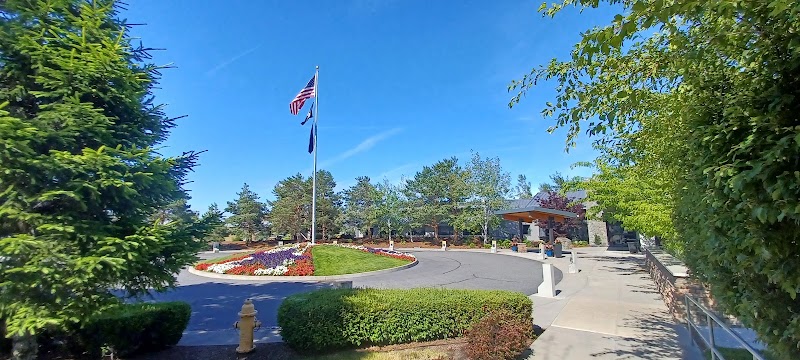
How is Oregon Veterans Home Staffed?

CMS rates OREGON VETERANS HOME's staffing level at 5 out of 5 stars, which is much above average compared to other nursing homes. Staff turnover is 33%, compared to the Oregon average of 46%. This relatively stable workforce can support continuity of care.

What Have Inspectors Found at Oregon Veterans Home?

State health inspectors documented 12 deficiencies at OREGON VETERANS HOME during 2022 to 2025. These included: 12 with potential for harm.

Who Owns and Operates Oregon Veterans Home?

OREGON VETERANS HOME is owned by a non-profit organization. Non-profit facilities reinvest revenue into operations rather than distributing to shareholders. The facility operates independently rather than as part of a larger chain. With 151 certified beds and approximately 105 residents (about 70% occupancy), it is a mid-sized facility located in THE DALLES, Oregon.
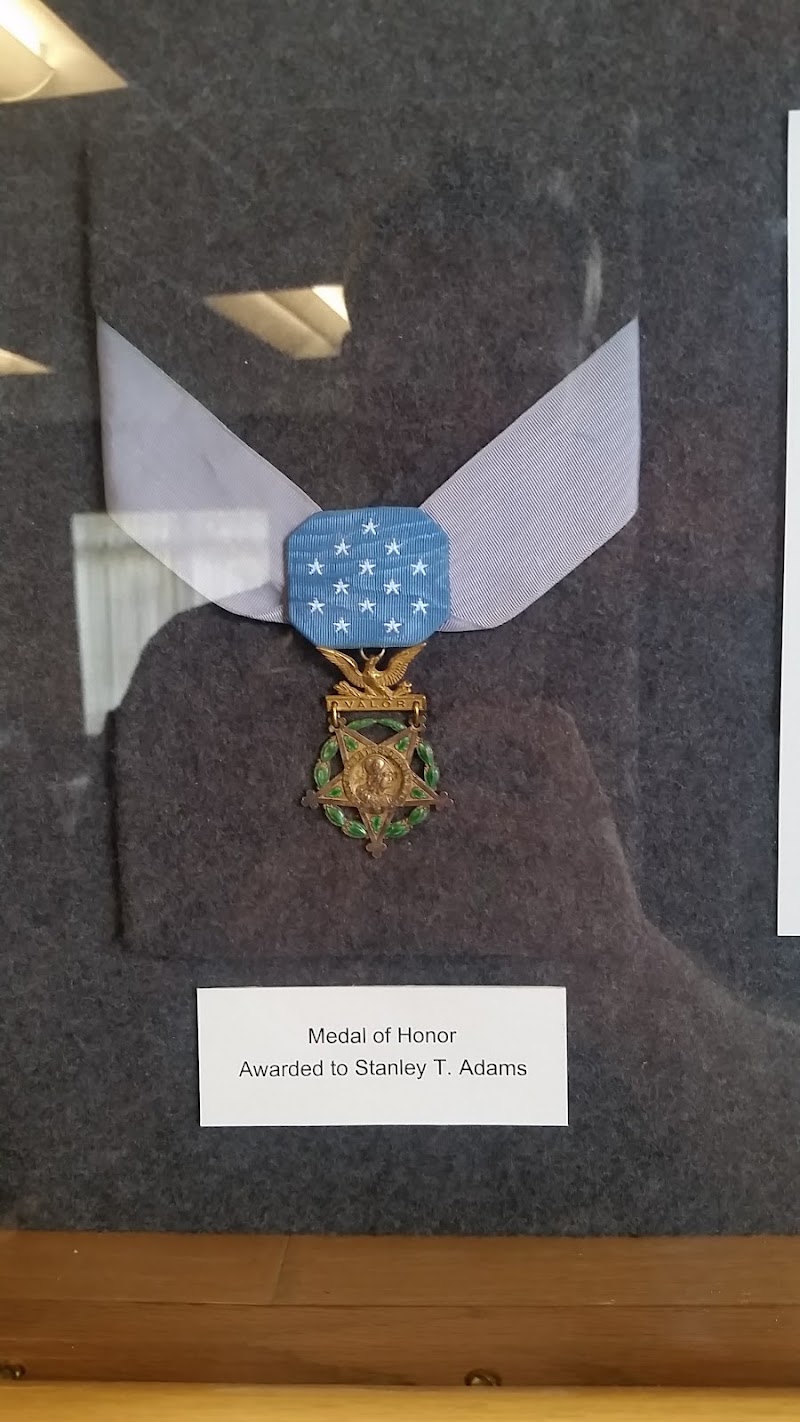
How Does Oregon Veterans Home Compare to Other Oregon Nursing Homes?

Compared to the 100 nursing homes in Oregon, OREGON VETERANS HOME's overall rating (5 stars) is above the state average of 3.0, staff turnover (33%) is significantly lower than the state average of 46%, and health inspection rating (5 stars) is much above the national benchmark.

What Should Families Ask When Visiting Oregon Veterans Home?

Based on this facility's data, families visiting should ask: "Can I visit during a mealtime to observe dining assistance and food quality?" "How do you handle medical emergencies, and what is your hospital transfer rate?" "Can I speak with family members of current residents about their experience?"

Is Oregon Veterans Home Safe?

Based on CMS inspection data, OREGON VETERANS HOME has a clean safety record: no substantiated abuse findings (meaning no confirmed cases of resident harm), no Immediate Jeopardy citations (the most serious violation level indicating risk of serious injury or death), and is not on the Special Focus Facility watch list (a federal program monitoring the lowest-performing 1% of nursing homes). The facility has a 5-star overall rating and ranks #1 of 100 nursing homes in Oregon. While no facility is perfect, families should still ask about staff-to-resident ratios and recent inspection results during their visit.

Do Nurses at Oregon Veterans Home Stick Around?

OREGON VETERANS HOME has a staff turnover rate of 33%, which is about average for Oregon nursing homes (state average: 46%). Moderate turnover is common in nursing homes, but families should still ask about staff tenure and how the facility maintains care continuity when employees leave.

Was Oregon Veterans Home Ever Fined?

OREGON VETERANS HOME has no federal fines on record. CMS issues fines when nursing homes fail to meet care standards or don't correct problems found during inspections. The absence of fines suggests the facility has either maintained compliance or corrected any issues before penalties were assessed. This is a positive indicator, though families should still review recent inspection reports for the full picture.

Is Oregon Veterans Home on Any Federal Watch List?

OREGON VETERANS HOME is not on any federal watch list. The most significant is the Special Focus Facility (SFF) program, which identifies the bottom 1% of nursing homes nationally based on persistent, serious quality problems. Not being on this list means the facility has avoided the pattern of deficiencies that triggers enhanced federal oversight. This is a positive indicator, though families should still review the facility's inspection history directly.