PIONEER NURSING HOME
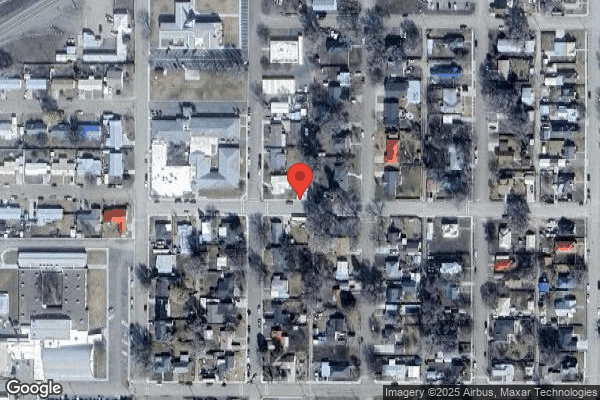
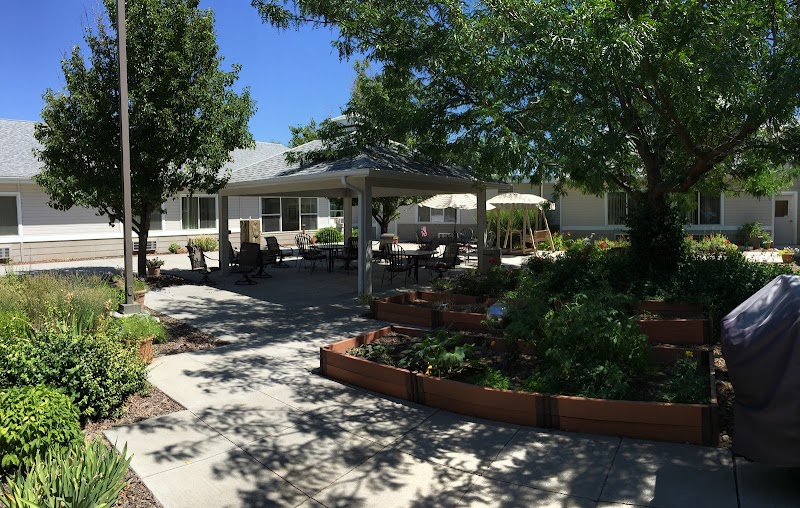
1060 D STREET WEST, VALE, OR 97918 (541) 473-3131
Government - County 33 Beds Independent Data: November 2025 2 Immediate Jeopardy citations
Trust Grade
51/100
#22 of 127 in OR
Last Inspection: January 2025

Within standard 12-15 month inspection cycle. Federal law requires annual inspections.

Overview

Pioneer Nursing Home in Vale, Oregon has a Trust Grade of C, which means it is average and sits in the middle of the pack compared to similar facilities. It ranks #22 out of 127 in the state, placing it in the top half, and holds the only spot in Malheur County. The facility is showing improvement, having reduced its issues from 8 in 2023 to 0 in 2025. Staffing is a strength, rated 5 out of 5 stars with a turnover rate of 39%, which is better than the state average. However, the home has concerning fines totaling $114,520, indicating potential compliance issues. While the nursing home has good RN coverage, more than 94% of Oregon facilities, there have been critical incidents, including one where a resident fell and suffered a fatal spinal injury due to inadequate transport procedures. Additionally, there were concerns regarding the facility's lack of emergency care guidance for residents during incidents. Overall, while there are strengths in staffing and improvements in compliance, the significant fines and critical incidents may raise concerns for families considering this home for their loved ones.

Trust Score
C
51/100
In Oregon
#22/127
Top 17%
Safety Record
High Risk
Review needed
Inspections
Getting Better
8 → 0 violations
Staff Stability
○ Average
39% turnover. Near Oregon's 48% average. Typical for the industry.
Penalties
⚠ Watch
$114,520 in fines. Higher than 85% of Oregon facilities, suggesting repeated compliance issues.
Skilled Nurses
✓ Good
Each resident gets 86 minutes of Registered Nurse (RN) attention daily — more than 97% of Oregon nursing homes. RNs are the most trained staff who catch health problems before they become serious.
Violations
○ Average
8 deficiencies on record. Average for a facility this size. Mostly minor or procedural issues.
★★★★★
5.0
Overall Rating
★★★★★
5.0
Staff Levels
★★★☆☆
3.0
Care Quality
★★★★☆
4.0
Inspection Score
Stable
2023: 8 issues
2025: 0 issues

The Good

  • 5-Star Staffing Rating · Excellent nurse staffing levels
  • Full Sprinkler Coverage · Fire safety systems throughout facility
  • No fines on record
  • Staff turnover below average (39%)

    9 points below Oregon average of 48%

Facility shows strength in staffing levels, fire safety.

The Bad

Staff Turnover: 39%

Near Oregon avg (46%)

Typical for the industry

Federal Fines: $114,520

Well above median ($33,413)

Significant penalties indicating serious issues

The Ugly 8 deficiencies on record

2 life-threatening
Dec 2023 4 deficiencies 2 IJ
CRITICAL (J) 📢 Someone Reported This

A family member, employee, or ombudsman was alarmed enough to file a formal complaint

Immediate Jeopardy (IJ) - the most serious Medicare violation

Deficiency F0658 (Tag F0658)

Someone could have died · This affected 1 resident

**NOTE- TERMS IN BRACKETS HAVE BEEN EDITED TO PROTECT CONFIDENTIALITY** Based on interview and record review it was determined the facility failed to ensure 2 of 2 staff (RNs) adhered to professional ...

Read full inspector narrative →
**NOTE- TERMS IN BRACKETS HAVE BEEN EDITED TO PROTECT CONFIDENTIALITY** Based on interview and record review it was determined the facility failed to ensure 2 of 2 staff (RNs) adhered to professional standards of nursing practice related to the provision of care for a resident after a fall with potential neck and back injuries. This was determined to be an immediate jeopardy situation which resulted from a lack of assessment of the resident and provision of appropriate neck and spine precautions for 1 of 1 sampled resident (#1) who was injured in a fall resulting in blunt trauma to the back of the resident's head, complaints of neck pain and inability to move extremities. The fall resulted in a cervical spine (neck) fracture and spinal cord injury requiring emergency surgical intervention. According to hospital records the resident died on [DATE] as a result of this fall. Findings include: The Oregon State Board of Nursing and the Oregon Nurse Practice Act include the following information: Division 45 - Standards and Scope of Practice for the OAR [PHONE NUMBER] Scope of Practice Standards for Registered Nurses and Licensed Practical Nurses. 2) Standards related to the RN's responsibility for ethical practice, accountability for services provided, and competency. The RN shall: (a) Base RN practice on current and evolving nursing science, other sciences, and the humanities; (b) Be knowledgeable of the professional nursing practice and performance standards and adhere to those standards; (c) Be knowledgeable of the Oregon statutes and regulations governing RN practice and practice within those legal boundaries; (d) Demonstrate honesty, integrity and professionalism in the practice of registered nursing; (e) Be accountable for individual RN actions; (f) Maintain competency in one's RN practice role; (g) Maintain documentation of the method that competency was acquired and maintained; (h) Accept only RN assignments that are within one's individual scope of practice; (i) Recognize and respect a client's autonomy, dignity and choice; (j) Accept responsibility for notifying employer of an ethical objection to the provision of a specific nursing intervention; (k) Ensure unsafe nursing practices are addressed immediately; (l) Ensure unsafe practice and practice conditions are reported to the appropriate regulatory agency; and (m) Protect confidential client information and only share information in a manner that is consistent with consistent with current law. The Mayo Clinic provided the following guidance (dated 2/2023) for a suspected spinal injury: Do not move the affected person. Permanent paralysis and other serious complications can result. Assume a person has a spinal injury if: -There's evidence of a head injury with an ongoing change in the person's level of consciousness. -The person complains of severe pain in her/his neck or back. -An injury has exerted substantial force on the back or head. -The person complains of weakness, numbness, or paralysis or lacks control of her/his limbs, bladder or bowels. The neck or body is twisted or positioned oddly. If you suspect someone has a spinal injury: -Get help. Call 911 or emergency medical help. -Keep the person still. Place heavy towels or rolled sheets on both sides of the neck or hold the head and neck to prevent movement. -Avoid moving the head or neck. Resident 1 was admitted to the facility in 4/2023 with diagnoses including schizophrenia (serious brain condition that causes abnormal interpretation of reality) and depression. Resident 1's [DATE] care plan revealed Resident 1 required the stand-by assistance of one person for ambulation with a walker. Staff 2's (DNS) [DATE] at 12:44 PM progress note revealed while being transported by Witness 10 (ALF [Assisted Living Facility] CNA), Resident 1 tipped backward in her/his wheelchair and hit the back of [her/his] head and neck on the wheelchair ramp and remained in that position for approximately 5-8 minutes. Staff 2 indicated she observed the resident in the wheelchair tipped backward on the van floor and she/he was in a position which caused the resident's neck to be folded with [the] chin tucked to [her/his] chest. The resident was moved to an upright position by four facility staff and was noted to have a quarter sized abrasion to the back of the head. The resident reported neck pain and having difficulty moving all of her/his extremities. The resident was noted to be able to lift her/his hands/arms and feet/toes. The resident asked to go to the ER (Emergency Room) for evaluation. Staff 2 notified the resident's family and primary care physician. There was no documentation in the resident's record that neck and spine precautions were put in place when she/he complained of neck pain. An [DATE] Oregon EMS (Emergency Medical Services) Patient Care Report indicated an ambulance was dispatched at 1:05 PM and arrived at the facility at 1:07 PM. The EMS report revealed facility staff reported Resident 1 fell backwards in the wheelchair onto the floor of the facility transport van and landed on her/his back and neck. Resident 1 reported she/he had sharp pain in her/his neck and pain and tingling in all extremities. The resident stated when she/he fell backwards in the wheelchair she/he thought she/he felt something in her/his neck pop. The report indicated facility staff assisted with transferring the resident to an EMS gurney and c-spine (cervical spine: first seven vertebrae or bones in the spine) precautions were implemented. The report revealed the cervical collar available [on the ambulance] did not fit the resident and a pillow and multiple towel rolls were used to support the resident's neck. The closest time given since the injury was approximately one hour. EMS observations revealed Resident 1 was breathing at a normal rate and with quality circulation. The ambulance departed from the facility at 1:17 PM and arrived at the ED (Emergency Department) at 1:40 PM. ED notes revealed: Resident 1 was admitted on [DATE] at 1:43 PM and indicated the resident had constant moderate to severe pain that worsened with movement or touch; she/he could not feel her/his abdomen/arms or wiggle her/his toes since the fall, which was unusual for her/him. The notes revealed a c-collar (supportive neck brace) was applied and c-spine precautions were maintained. Results of diagnostic imaging at 2:04 PM and 3:07 PM revealed there was a fracture of the spine through the c-6/7 level. At 3:02 PM the ED physician documented the resident had a diagnosis of fracture of the sixth cervical vertebrae and indicated a trauma surgeon at another hospital agreed to see Resident 1 for evaluation and treatment. Hospital Notes: -On [DATE] the resident was transferred to the other hospital via Life Flight (helicopter) and was admitted to the Neuro Trauma Intensive Care Unit at 7:51 PM. The resident's medical diagnoses included: fracture of the sixth cervical vertebrae, caused by a sudden, forceful injury resulting in severe pain in the back, legs and arms, central cord syndrome (impaired ability to transmit messages to or from the brain) and spinal cord injury (damage to the spinal cord resulting from trauma). -On [DATE] at 6:11 PM hospital notes revealed Resident 1 had additional diagnostic testing to confirm the diagnosis of a cervical spine injury. On [DATE] the resident had spinal fusion surgery (surgical procedure to join two or more bones of the spine together permanently) to treat the cervical spine fracture and spinal cord injury. Hospital notes indicated the resident's status remained serious and she/he died on [DATE]. A witness statement signed by Staff 2 on [DATE] revealed Witness 10 contacted her on [DATE] at 12:32 PM while she was transporting Resident 1. Witness 10 reported Resident 1's fall in the facility van and her attempt to push the resident back to an upright sitting position but was not able to do so. Staff 2 instructed Witness 10 to return to the facility as safely as she could. Staff 2 indicated she observed the resident in the wheelchair tipped backward on the van floor in a position which caused her/his chin to be tucked into [her/his] chest. Staff 2 noted Resident 1 was awake, talking, complained of neck and back pain and had a quarter sized abrasion to the back of her/his head. Staff 2 documented four facility staff raised the resident and the wheelchair to an upright position and she tried to secure/stabilize the resident's neck from behind. While staff were removing Resident 1 from the transport van, Staff 2 stated as Witness 10 was wheeling the resident into the facility Staff 2 held up her/his feet using the bottom of her/his pants because there were no foot pedals and she/he could not lift her/his feet. Staff 2 indicated she completed a neurological assessment that revealed PERRLA (pupils equal, round and reactive to light and accommodation). Staff 2 documented the resident had weak grip strength and would not vs could not move [her/his] feet/legs. The resident stated she/he wanted to go to the hospital and EMS was contacted for transport. There was no documented evidence that the resident was provided with continuous support for her/his neck. A witness statement signed by Witness 10 on [DATE], revealed while transporting Resident 1 she moved away from a stop sign about a block away from the facility and the resident's wheelchair tipped backwards. Witness 10 indicated she stopped and was unable to get [Resident 1's] chair back up. Witness 10 documented she called the facility and Staff 2 told her to return to the facility because they were fairly close by. When she arrived at the facility there were other employees who helped get [the resident] and [her/his] chair tipped back upwards. During interviews on [DATE] at 3:45 PM and [DATE] at 10:04 AM Witness 10 stated she pulled the van over and attempted to get the wheelchair upright and was unable to do so. She called Staff 2 (DNS) at the facility, explained what happened and asked what she should do. Staff 2 directed her to return to the facility because she was close by. Witness 10 stated the resident seemed calm, alert and was still talking to her. When they arrived at the facility there were multiple people who came out to help. They uprighted the wheelchair and got the resident out of the van. Resident 1 was still talking and she/he told staff her/his head and neck hurt. Witness 10 stated she did not implement protective measures in the van because Resident 1 did not verbalize pain to her. During an interview on [DATE] at 6:00 PM Witness 1 (Complainant) indicated he went to the facility on [DATE] for an emergency that involved a resident who fell in the transport van. Witness 1 observed Resident 1 in the facility, seated in a wheelchair with no neck support in place. Witness 1 stated he observed the resident's head down with her/his chin on her/his chest. Witness 1 asked staff how the resident was injured and no response was given. Witness 1 requested to speak to Witness 10, who was present at the time of the fall. Staff 2 indicated Witness 10 was unavailable. Witness 1 stated he and facility staff used his lifting strap to get the resident from the wheelchair to the gurney and secured and loaded her/him onto the ambulance. Witness 1 observed marks on Resident 1's shoulders and neck and a red abrasion on the back of her/his head. Witness 1 asked Resident 1 what happened and she/he did not provide any information at that time. Witness 1 was familiar with Resident 1 and said she/he used a walker and was able to move independently with minimal assistance. Enroute to the hospital, the resident said her/his arms and legs were tingling and burning and she/he could not move her/his fingers on either hand normally. Witness 1 stated the resident tried to move her/his arms but was weak and had uncoordinated movements. Resident 1 stated she/he fell over backwards in the wheelchair and landed on her/his neck and back. Witness 1 indicated the resident stated she/he felt something pop in her/his neck and he immediately initiated cervical spine precautions. Witness 1 asked how long it had been since injury and the resident said it was quite awhile. Witness 1 reported when he was dispatched around 1:00 PM, facility staff would not provide a specific time when the incident took place. On [DATE] at 11:06 AM Witness 6 (ALF Caregiver) revealed she was present when Witness 10 and Resident 1 returned to the facility on [DATE] after her/his fall in the transport van. Witness 6 stated the resident was very quiet but she/he said she/he had pain in her/his neck and back. Witness 6 stated she checked the resident's vital signs and asked her/him what her/his pain level from one to ten and the resident replied it was a ten. Witness 6 stated the resident was usually able to assist with transfers but was she/he was unable to assist when transferring from the wheelchair to the EMT's (Emergency Medical Technician's) gurney. On [DATE] at 1:55 PM Staff 3 (RNCM) stated she was present after Resident 1's fall in the facility van and observed Staff 2 (DNS) attempt to stabilize the resident's head. Staff 3 stated she observed the resident's head was against the raised wheelchair ramp and her/his chin was pressed to her/his chest. When Staff 3 was asked whether the resident's status was assessed prior to moving her/him she stated she did not check the resident. Staff 3 stated she did not think about calling 911 prior to moving the resident because she/he needed to get out of that position. Staff 3 indicated after she and the other staff got [Resident 1] up, she exited the van and assisted with the van lift to help the resident out of the van. During an interview on [DATE] at 2:35 PM Staff 2 stated Witness 10 told her she went around a corner and the resident tipped back in the wheelchair. Staff 2 stated she asked Witness 10 where they were and was informed they were close by and they arrived at the facility within a minute. In response to how the resident was lifted and removed from the van, Staff 2 stated she/he was difficult to move and they did not have extra cervical collars available for emergencies. When Staff 2 was asked whether she considered instructing Witness 10 to call 911 from the site of the incident, she stated no because they were so close to the facility. The surveyor asked Staff 2 if she considered waiting for EMTs before moving the resident and she stated no because she was concerned about the resident's breathing. On [DATE] at 12:55 PM Staff 1 (administrator) stated he assumed staff would call the facility before calling 911 and whether or not they would do so, depended on the issue. On [DATE] at 1:45 PM Staff 1 was notified Resident 1's fall during transport in the facility van on [DATE] was an Immediate Jeopardy (IJ) situation and was provided with a copy of the IJ template regarding the facility's failure to ensure residents received care according to accepted nursing standards of practice. An IJ immediacy removal plan was requested. On [DATE] at 4:43 PM the facility submitted a final acceptable immediacy removal plan which would abate the IJ situation. The IJ immediacy removal plan included: The facility will take immediate corrective actions to ensure care and services provided by the facility are provided according to accepted standards of clinical practice as evidenced by: 1. Training the DNS with use of a clinical consultant to ensure the DNS has full understanding of current practices and accepted standards. This will require at least 5 business days to locate and secure a clinical consultant. 2. DNS will be validated and competency checked by an outside clinical consultant as per their protocols to ensure full understanding of emergency situations, with specific reference to suspected head and neck injuries as well as other emergency situations. 3. DNS will develop and/or review facility policies and procedures with the facility administrator to ensure policies and procedures reflect current practices and accepted standards. This requires a review of current policies and procedures as well as possible development of new policies and procedures. This will require 5 business days following completion of DNS consultant training. 4. DNS and facility administrator will provide all staff training to every department in the facility including nursing department to address policy updates, changes and any new policies that are developed following DNS training and policy review with facility administrator. This will take 1 business day to provide all staff training. 5. All facility staff will be provided with a competency quiz following training to ensure that all facility staff understand what to do in the event of a clinical emergency based on the policy updates, changes or new policies presented. 6. All facility staff will be provided with training upon hire and annually to ensure understanding of current practices and accepted standards during emergencies. Training will be provided by the DNS. *F685 will be reviewed in QAPI to ensure that all team members have input and suggestions to better improve facility standards. On [DATE] the immediacy was removed based on implementation of the IJ immediacy removal plan confirmed through staff interviews for verification of provided training and review of facility documentation. During interviews on [DATE] staff confirmed they received the required training.
CRITICAL (J) 📢 Someone Reported This

A family member, employee, or ombudsman was alarmed enough to file a formal complaint

Immediate Jeopardy (IJ) - the most serious Medicare violation

Accident Prevention (Tag F0689)

Someone could have died · This affected 1 resident

**NOTE- TERMS IN BRACKETS HAVE BEEN EDITED TO PROTECT CONFIDENTIALITY** Based on interview and record review it was determined the facility failed to ensure the resident environment remained free of a...

Read full inspector narrative →
**NOTE- TERMS IN BRACKETS HAVE BEEN EDITED TO PROTECT CONFIDENTIALITY** Based on interview and record review it was determined the facility failed to ensure the resident environment remained free of accident hazards including failure to secure the resident's wheelchair during transport in the facility van for 1 of 3 sampled residents (#1) reviewed for falls. The facility's failure was determined to be an immediate jeopardy situation. The fall resulted in a cervical spine (neck) fracture and spinal cord injury requiring hospitalization and emergency surgical intervention. According to hospital records the resident died on [DATE] as a result of this fall. Findings include: The facility's undated Transport Van Driver policy and procedure revealed transport drivers will receive a documented initial and annual orientation for each vehicle prior to being approved as a transport driver. This orientation will include in-person training by a qualified individual including return demonstration. The policy indicated residents might be vulnerable to injuries when there was rapid acceleration or deceleration, turning too fast, changing lanes, swerving and stopping. The policy did not identify any guidance or information for provision of emergency care to residents in the event of an accident or other incident with injuries. Resident 1 was admitted to the facility in 4/2023 with diagnoses including schizophrenia (serious brain condition that causes abnormal interpretation of reality) and depression. Resident 1's [DATE] care plan indicated Resident 1 required the stand-by assistance of one person for ambulation with a walker. During interviews on [DATE] at 3:45 PM and [DATE] at 10:04 AM Witness 10 (CNA) described what occurred on [DATE] when she transported Resident 1 in the facility transport van. Witness 10 stated she prepared the resident for transport and buckled the back two buckles to the wheelchair and put on the resident's seatbelt. Witness 10 stated she was stopped at a stop sign and when she drove forward the resident's wheelchair tipped backwards, so she pulled over immediately. Witness 10 indicated she attempted to get the resident's wheelchair uprighted but was unable to do so. Witness 10 stated she called Staff 2 (DNS) at the facility, explained to her what happened and asked what she should do. Staff 2 directed her to return to the facility. Witness 10 revealed after they returned to the facility Resident 1 told staff her/his neck hurt. Witness 10 stated training for transport drivers was completed with a checklist that included checking the status of the van and completing a mileage log. Hospital Notes on [DATE] revealed the resident's medical diagnoses included: fracture of the sixth cervical vertebrae (caused by a sudden, forceful injury resulting in severe pain in the back, legs and arms), central cord syndrome (commonly caused by hyperextension - to extend a body part beyond the normal range of motion) of the neck during a traumatic event that results in impaired ability to transmit messages to or from the brain) and spinal cord injury (damage to the spinal cord resulting from trauma). On [DATE] the facility investigation report of Resident 1's fall on [DATE] in the facility transport van was requested. At 1:55 PM Staff 2 provided a copy of a Corrective Action Form which included a description of the incident and witness statements by staff who were present. The form included a Facts section which revealed Resident 1 fell backwards during the trip and required assistance from staff upon return to the facility. The report indicated the front straps used to secure the wheelchair were not applied because Witness 10 did not think they were needed. On [DATE] at 2:30 PM and [DATE] at 12:55 PM current and initial training records for all transport drivers were received. The training records revealed multiple staff from the Nursing Facility and ALF (Assisted Living Facility) were trained as transport van drivers. The Transport Van Driver Safety Training included instruction for the following: -How to safely use seatbelts, wheelchair tie-downs and straps. -How to secure residents and prevent wheelchair and resident movement inside the vehicle while it is in operation. -Wheelchairs must be secure if the vehicle is in motion. There was no evidence of training provided to drivers for what to do in the event of an emergency. On [DATE] at 3:00 PM and [DATE] at 12:55 PM Staff 1 (administrator) provided the following documentation of transport van driver training for Nursing Facility and ALF staff: -Staff 8 (Medical Records): Initial [DATE], Retrained [DATE]. -Staff 9 (Activities): Trained [DATE]. -Staff 10 (Maintenance): Trained [DATE]. -Staff 11 (Maintenance): Trained [DATE]. -Witness 5 (ALF Administrator/Driver Trainer): Initial [DATE]; Retrained [DATE]. -Witness 7 (ALF Activities): Initial [DATE], Retrained [DATE]. -Witness 8 (ALF Resident Care Coordinator): Initial [DATE], Retrained [DATE]. -Witness 9 (ALF Human Resources): Initial [DATE]. -Witness 11 (ALF Caregiver): Trained [DATE] The training records provided by Staff 1 did not include documentation of driver training for Witness 10. During interviews on [DATE] at 3:00 PM and [DATE] at 12:55 PM Staff 1 revealed there were no specific qualifications for who received driver training and stated experience would be the qualification. Staff 1 stated he assumed staff would call the facility before calling 911 and whether or not they would do so depended on the issue. Staff 1 acknowledged the driver training did not address what staff were to do in an emergency. Staff 1 also acknowledged there was no documented driver training for Witness 10. On [DATE] at 1:45 PM Staff 1 was notified Resident 1's fall during transport in the facility van on [DATE] was an Immediate Jeopardy (IJ) situation and was provided with a copy of the IJ template related to the facility's failure to ensure residents are secured appropriately while being transported. An IJ immediacy removal plan was requested. On [DATE] at 4:43 PM the facility submitted a final acceptable immediacy removal plan which would abate the IJ situation. The IJ immediacy removal plan included: The facility will keep residents free from accidents/hazards (specifically head and neck injuries) as evidenced by: 1. Immediate action taken on Thursday, [DATE] with past facility transport drivers (current ALF Administrator) and the current facility administrator with all facility drivers to ensure proper use of wheelchair secure straps, wheelchair positioning and overall van mechanics (lifts, doors, etc.) 2. Providing all current facility drivers and any future facility drivers with training upon hire and annually that will focus on what to do in the event of an injury or suspected injury (with emphasis on head and neck injuries). The initial training will be provided by an offsite transport consultant who will train the trainer as the facility is currently looking for a new transport driver. This will take 5 business days to locate an offsite transport consultant. 3. Facility administrator and DNS will review any current policies and procedures dealing with transportation and will revise or develop new policies to include handling resident emergencies while on a transport vehicle including, but not limited to: head and neck injuries, spinal injuries, pelvic injuries, injuries to arms/hands/fingers, injuries to legs/feet/toes, respiratory emergencies, cardiac emergencies, skin tears/abrasions/burns/lacerations, fall from seats, fall from wheelchair, wheelchair tipping backward/sideways/forwards. These policies will be given to all facility drivers and competency checks will be given upon hire and annually per facility transport driver (once they complete driver training). It will take 5 business days to review and/or develop policies. It will take 1 day to present, review and competency check all facility drivers once policies are in place. 4. Policies will address when it is appropriate to call 911/EMS, following DNS clinical consultant training to ensure that proper understanding is in place to avoid any future accidents/hazards. *F689 will be reviewed in QAPI to ensure that all team members have input and suggestions to better improve facility standards. On [DATE] the immediacy for F689 was removed based on the implementation of the IJ immediacy removal plan confirmed through staff interviews for verification of provided training. During interviews on [DATE] staff confirmed they received the required training.
CONCERN (D) 📢 Someone Reported This

A family member, employee, or ombudsman was alarmed enough to file a formal complaint

Potential for Harm - no one hurt, but risky conditions existed

Deficiency F0838 (Tag F0838)

Could have caused harm · This affected 1 resident

Based on interview and record review it was determined the facility failed to conduct and complete a comprehensive facility wide assessment for 1 of 1 sampled facility. This placed residents at risk f...

Read full inspector narrative →
Based on interview and record review it was determined the facility failed to conduct and complete a comprehensive facility wide assessment for 1 of 1 sampled facility. This placed residents at risk for lack of quality of care and reduced quality of life. Findings include: On 12/7/23 at 1:30 PM Staff 1 (Administrator) provided a copy of the facility's assessment. The assessment lacked evaluation and information for the following areas: -There was no identification or evaluation of the specific diseases, conditions or physical and cognitive disabilities of the current resident population. -The was no description or evaluation of training programs for staff, including nursing, food service, maintenance or administrative areas. -Observations and interviews revealed the use of agency staff and staff from the attached ALF (Assisted Living Facility). The facility assessment did not provide a description or evaluation of the use of those staff. -The facility currently has three bariatric (BMI: body mass index of 35 or greater with specific significant health problems) residents. The facility assessment did not include a description of care needs, staffing or other requirements for these residents. -Information regarding all personnel, including managers, staff (contract, volunteers) including their education, training and competencies related to resident care. -Listing of contracts, memorandums of understanding and other agreements with third parties who provide services or equipment to the facility during both normal operations and emergencies. -A facility-based and community-based risk assessment was not identified in the plan and there was no assessment or plan to address continuity of care during an emergency. -Infection Control lacked specific information related to current infection control standards, evaluation of the provision of services related to communicable diseases, including Covid-19 or a plan to ensure immunizations are provided timely. The lack of a comprehensive facility assessment was reviewed with Staff 1 on 12/10/23 at 2:20 PM. Staff 1 acknowledged the assessment did not include all the required information.
CONCERN (D) 📢 Someone Reported This

A family member, employee, or ombudsman was alarmed enough to file a formal complaint

Potential for Harm - no one hurt, but risky conditions existed

Deficiency F0947 (Tag F0947)

Could have caused harm · This affected 1 resident

Based on interview and record review it was determined the facility failed to have a system in place to ensure CNA staff received 12 hours of required in-service training annually for 4 of 5 sampled C...

Read full inspector narrative →
Based on interview and record review it was determined the facility failed to have a system in place to ensure CNA staff received 12 hours of required in-service training annually for 4 of 5 sampled CNAs (#s 12, 13, 14, 15) and failed to ensure 2 of 2 ALF (Assisted Living Facility) CNAs (#s 12 and 13) received training prior to working in the Nursing Facility reviewed for required in-service training for CNAs. This placed residents at risk for lack of competent staff. Findings include: Review of the facility's CNA staff training records on 12/9/23 at 4:20 PM revealed the following: -Staff 12 (CNA), hired 8/19/21, had three hours of documented training from 8/19/22 through 8/19/23. -Staff 13 (CNA), hired 2/2/11, had six hours of documented training from 2/2/22 through 2/2/23. -Staff 14 (CNA, hired 11/28/22 had no hours of documented training from 11/28/22 through 11/28/23. -Staff 15 (CNA), hired 10/16/20, had five hours of documented training from 10/22/22 through 10/22/23. During interviews on 12/9/23 at 4:20 PM and 12/10/23 at 11:00 AM and 2:35 PM Staff 1 (Administrator) stated he was unable to find the inservice binder and unable to locate additional training records for CNAs. Staff 1 indicated the nursing facility and ALF training was rolled into one and there was a flood in the ALF where the human resources office maintained records for both facilities. Staff 1 acknowledged the CNA training was incomplete. On 12/10/23 at 4:00 PM Staff 1 revealed two ALF CNAs were currently working in the Nursing Facility. Staff 1 stated there was no documented training for Witness 12 (ALF CNA) and Witness 13 (ALF CNA).
Oct 2023 4 deficiencies
CONCERN (D)

Potential for Harm - no one hurt, but risky conditions existed

Quality of Care (Tag F0684)

Could have caused harm · This affected 1 resident

2. Resident 10 was admitted to the facility in 10/2018 with diagnoses including dementia, depression, and chronic pain. A review of Resident 10's medical records revealed from 10/2/23 through 10/4/23...

Read full inspector narrative →
2. Resident 10 was admitted to the facility in 10/2018 with diagnoses including dementia, depression, and chronic pain. A review of Resident 10's medical records revealed from 10/2/23 through 10/4/23 (three days) and from 10/10/23 through 10/12/23 (three days) the resident did not have a bowel movement (BM). Review of Resident 10's care plan, dated 9/7/23, revealed the resident was at risk for constipation from daily use of olanzapine (an antipsychotic medication), sertraline (an antidepressant medication), and Baclofen (a pain medication). Interventions included to monitor for side effects such as constipation. Review of the 9/15/23 physician orders indicated Resident 10 was to receive the following: -polyethylene glycol as needed daily for constipation. -prune juice as needed after one day of no BM. -bisacodyl as needed after two days of no BM. -Milk of Magnesia as needed after two days of no BM. -Dulcolax suppository as needed after three days of no BM. A review of Resident 10's 10/2023 MAR revealed bowel care medications were not administered on any occasion during the time frame. On 10/19/23 at 10:39 AM Staff 2 (DNS) acknowledged Resident 10 did not have a BM from 10/2/23 through 10/4/23 and from 10/10/23 through 10/12/23. Staff 2 acknowledged the physician orders were not followed and bowel care was not provided when it should have been. Based on interview and record review it was determined the facility failed to ensure residents received bowel care as ordered for 2 of 5 sampled residents (#s 10 and 14) reviewed for medications. This placed residents at risk for constipation. Findings include: 1. Resident 14 admitted to the facility in 2023 with diagnoses including chronic pain and dementia. The 8/17/23 MDS indicated Resident 14 was cognitively impaired. Review of the 8/16/23 physician orders indicated Resident 14 was to receive the following: - Milk of Magnesia (MOM) as needed for constipation after two days of no bowel movement (BM). - bisacodyl as needed after two days of no BM. -docusate sodium enema as needed for constipation after four days of no BM. Review of bowel records indicated Resident 14 did not have a bowel movement from 9/29/23 through 10/4/23 (6 days). Review of Resident 14's 9/2023 and 10/2023 MAR indicated the following: - MOM was not administered on any occasion during time frame. - Bisacodyl was not administered until 10/4/23. - Docusate sodium enema was not administered until 10/5/23. On 10/18/23 at 12:55 PM Staff 2 (DNS) acknowledged Resident 14 had no BM from 9/29/23 through 10/4/23 and did not receive bowel medications as ordered by the physician.
CONCERN (D)

Potential for Harm - no one hurt, but risky conditions existed

Deficiency F0698 (Tag F0698)

Could have caused harm · This affected 1 resident

**NOTE- TERMS IN BRACKETS HAVE BEEN EDITED TO PROTECT CONFIDENTIALITY** Based on interview and record review it was determined the facility failed to ensure dialysis services were in place including m...

Read full inspector narrative →
**NOTE- TERMS IN BRACKETS HAVE BEEN EDITED TO PROTECT CONFIDENTIALITY** Based on interview and record review it was determined the facility failed to ensure dialysis services were in place including monitoring and communication with the dialysis provider for 1 of 1 sampled resident (#11) reviewed for dialysis. This placed residents at risk for dialysis complications. Findings include: Resident 11 readmitted to the facility on [DATE] with diagnoses including end stage renal disease. a. The 9/13/23 physician order indicated Resident 11 was to receive dialysis on Monday, Wednesday, and Friday. On 10/18/23 at 1:38 PM Staff 4 (RN) stated the dialysis communication forms were to be completed by the facility and sent with Resident 11 to dialysis. She stated upon return the facility staff scanned the information into the clinical record. Staff 4 was asked to provide a copy of the form for the visit on 10/18/23. Staff 4 stated she was unsure if the communication form was sent to dialysis with the resident and acknowledged there was no communication form in the resident's dialysis folder that she/he took to and from dialysis. Staff 4 stated the only dialysis communication form found in the clinical record was from 10/9/23. The 10/9/23 dialysis communication form was reviewed and indicated the facility was to fill out the sections for vital signs, medications, time of last meal and any alerts. The dialysis center was to fill out the sections for discharge time, pre and post dialysis weights, fluid removed, vital signs, labs, medications given at dialysis, tolerance to procedure, follow up orders, appointments made and any problems. The clinical record was reviewed and there was no documentation found to indicate communication with the dialysis center was completed on dialysis days from 9/13/23 through 10/18/23. On 10/18/23 at 2:01 PM Staff 2 (DNS) was asked to provide dialysis communication forms from 9/13/23 through 10/18/23. On 10/18/23 at 2:51 PM Staff 2 stated one dialysis communication form dated 10/9/23 was the only form completed from 9/13/23 through 10/18/23 and acknowledged the resident received dialysis three times per week. b. On 10/17/23 at 10:47 AM Resident 11 stated her/his dialysis site was on her/his chest and the dressing around it was changed by dialysis staff. Resident 11 indicated she/he did not have issues with the dialysis site. On 10/18/23 at 1:38 PM Staff 4 (RN) stated the resident had a dialysis port and dialysis staff changed the dressings around the port and the facility staff did not do anything with the dialysis site. On 10/18/23 the clinical record was reviewed and there was no indication the facility monitored the resident's dialysis site. On 10/18/23 at 2:51 PM Staff 2 (DNS) stated Resident 11 readmitted to the facility on [DATE] and as of 10/18/23 there was no monitoring for her/his dialysis site. Staff 2 stated the expectation was for staff to monitor the dialysis site every shift for pain, redness and swelling.
CONCERN (D)

Potential for Harm - no one hurt, but risky conditions existed

Drug Regimen Review (Tag F0756)

Could have caused harm · This affected 1 resident

Based on interview and record review it was determined the facility failed to follow pharmacy recommendations in a timely manner for 1 of 5 sampled residents (#11) reviewed for medications. This place...

Read full inspector narrative →
Based on interview and record review it was determined the facility failed to follow pharmacy recommendations in a timely manner for 1 of 5 sampled residents (#11) reviewed for medications. This placed residents at risk for unmet diabetic needs. Findings include: Resident 11 admitted to the facility in 2018 with diagnoses including diabetes. The 9/18/23 pharmacy recommendation indicated Resident 11 received insulin and needed an A1C (a blood test that measures the average blood sugar levels over the past three months) to be completed. There was no indication in the clinical record to indicate Resident 11 had an A1C completed. On 10/19/23 at 10:11 AM Staff 2 (DNS) stated she thought Resident 11 had all recommended labs scheduled including the A1C and acknowledged the 9/18/23 pharmacy recommendation for Resident 11's A1C was not completed as of 10/19/23 and was not timely.
CONCERN (D)

Potential for Harm - no one hurt, but risky conditions existed

Unnecessary Medications (Tag F0759)

Could have caused harm · This affected 1 resident

Based on observation, interview and record review it was determined the facility failed to ensure the medication error rate was less than 5%. There were 30 medication administration opportunities with...

Read full inspector narrative →
Based on observation, interview and record review it was determined the facility failed to ensure the medication error rate was less than 5%. There were 30 medication administration opportunities with 2 errors resulting in an error rate of 6%. This placed residents at risk for adverse medication side effects. Findings include: Resident 3 readmitted to the facility in 2022 with diagnoses including diabetes. The 10/6/23 physician order indicated Resident 3 was to receive insulin lispro (fast-acting insulin) 12 units once daily. On 10/18/23 at 10:37 AM Staff 5 (LPN) administered 12 units of insulin lispro to Resident 3. Continuous observations revealed Resident 3 was not served food until her/his lunch tray arrived on 10/18/23 at 12:02 PM (1 hour and 25 minutes after she/he received insulin). On 10/18/23 at 11:26 AM Staff 5 used the facility 2023 Drug Handbook and referenced insulin lispro. Staff 5 stated the drug guide indicated insulin lispro should be given within 15-30 minutes of a meal. Staff 5 acknowledged she administered insulin lispro at 10:37 AM and Resident 3 was not served lunch until 12:02 PM. On 10/18/23 at 1:09 PM Staff 2 (DNS) stated the expectation was for staff to follow manufacturer's recommendations for insulin administration. 2. Resident 1 admitted to the facility in 2018 with diagnoses including diabetes. The 10/6/23 physician order indicated Resident 3 was to receive insulin lispro (fast-acting insulin) 50 units before meals. On 10/18/23 at 11:04 AM Staff 5 (LPN) administered 50 units of insulin lispro to Resident 1. Continuous observations revealed Resident 1 was not served food until her/his lunch tray arrived on 10/18/23 at 11:49 AM (45 minutes after she/he received insulin). On 10/18/23 at 11:26 AM Staff 5 used the facility 2023 Drug Handbook referenced insulin lispro. Staff 5 stated the drug guide indicated insulin lispro should be given within 15-30 minutes of a meal. Staff 5 acknowledged she administered insulin lispro at 11:04 AM and Resident 3 was not served lunch until 11:49 AM. On 10/18/23 at 1:09 PM Staff 2 (DNS) stated the expectation was for staff to follow manufacturer's recommendations for insulin administration.
Understanding Severity Codes (click to expand)
Life-Threatening (Immediate Jeopardy)
J - Isolated K - Pattern L - Widespread
Actual Harm
G - Isolated H - Pattern I - Widespread
Potential for Harm
D - Isolated E - Pattern F - Widespread
No Harm (Minor)
A - Isolated B - Pattern C - Widespread

Questions to Ask on Your Visit

  • "What changes have you made since the serious inspection findings?"
  • "Can I speak with families of current residents?"
  • "What's your RN coverage like on weekends and overnight?"

Our Honest Assessment

Strengths
  • • 39% turnover. Below Oregon's 48% average. Good staff retention means consistent care.
Concerns
  • • Multiple safety concerns identified: 2 life-threatening violation(s), $114,520 in fines. Review inspection reports carefully.
  • • 8 deficiencies on record, including 2 critical (life-threatening) violations. These warrant careful review before choosing this facility.
  • • $114,520 in fines. Extremely high, among the most fined facilities in Oregon. Major compliance failures.
  • • Grade C (51/100). Below average facility with significant concerns.
Bottom line: Mixed indicators with Trust Score of 51/100. Visit in person and ask pointed questions.

About This Facility

What is Pioneer's CMS Rating?

CMS assigns PIONEER NURSING HOME an overall rating of 5 out of 5 stars, which is considered much above average nationally. Within Oregon, this rating places the facility higher than 99% of the state's 100 nursing homes. This rating reflects solid performance across the metrics CMS uses to evaluate nursing home quality.
How is Pioneer Staffed?

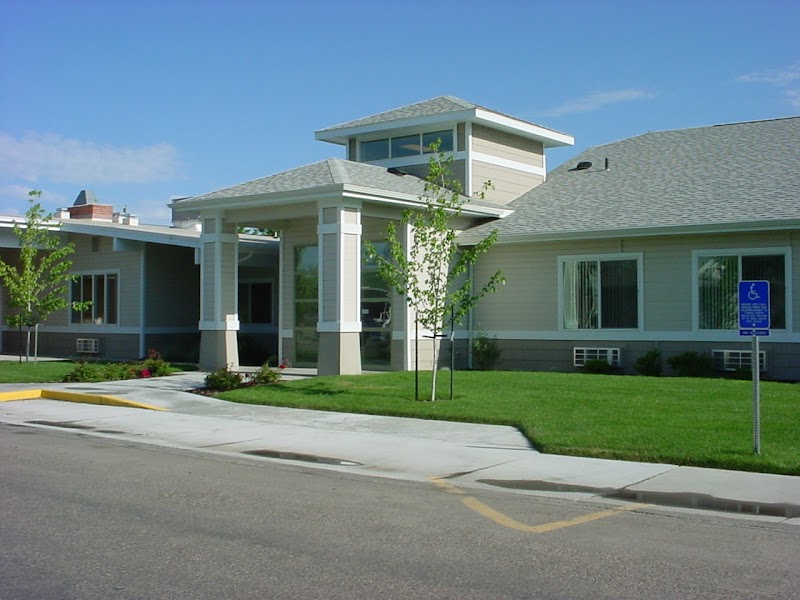
CMS rates PIONEER NURSING HOME's staffing level at 5 out of 5 stars, which is much above average compared to other nursing homes. Staff turnover is 39%, compared to the Oregon average of 46%. This relatively stable workforce can support continuity of care.

What Have Inspectors Found at Pioneer?

State health inspectors documented 8 deficiencies at PIONEER NURSING HOME during 2023. These included: 2 Immediate Jeopardy (the most serious level, indicating potential for serious harm or death) and 6 with potential for harm. Immediate Jeopardy findings are rare and represent the most serious regulatory concerns. They require immediate corrective action.
Who Owns and Operates Pioneer?

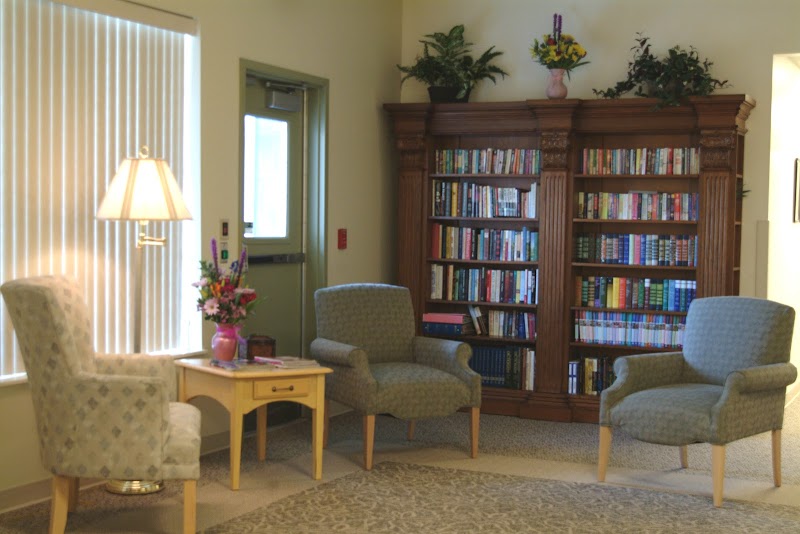
PIONEER NURSING HOME is owned by a government entity. Government-operated facilities are typically run by state, county, or municipal agencies. The facility operates independently rather than as part of a larger chain. With 33 certified beds and approximately 17 residents (about 52% occupancy), it is a smaller facility located in VALE, Oregon.
How Does Pioneer Compare to Other Oregon Nursing Homes?

Compared to the 100 nursing homes in Oregon, PIONEER NURSING HOME's overall rating (5 stars) is above the state average of 3.0, staff turnover (39%) is near the state average of 46%, and health inspection rating (4 stars) is above the national benchmark.

What Should Families Ask When Visiting Pioneer?

Based on this facility's data, families visiting should ask: "What changes have been made since the serious inspection findings, and how are you preventing similar issues?" "Can I visit during a mealtime to observe dining assistance and food quality?" "How do you handle medical emergencies, and what is your hospital transfer rate?" "Can I speak with family members of current residents about their experience?" These questions are particularly relevant given the facility's Immediate Jeopardy citations.

Is Pioneer Safe?

Based on CMS inspection data, PIONEER NURSING HOME has documented safety concerns. Inspectors have issued 2 Immediate Jeopardy citations (the most serious violation level indicating risk of serious injury or death). The facility has a 5-star overall rating and ranks #1 of 100 nursing homes in Oregon. Families considering this facility should ask detailed questions about what corrective actions have been taken since these incidents.

Do Nurses at Pioneer Stick Around?

PIONEER NURSING HOME has a staff turnover rate of 39%, which is about average for Oregon nursing homes (state average: 46%). Moderate turnover is common in nursing homes, but families should still ask about staff tenure and how the facility maintains care continuity when employees leave.

Was Pioneer Ever Fined?

PIONEER NURSING HOME has been fined $114,520 across 1 penalty action. This is 3.3x the Oregon average of $34,224. Fines at this level are uncommon and typically indicate a pattern of serious deficiencies, repeated violations, or failure to correct problems promptly. CMS reserves penalties of this magnitude for facilities that pose significant, documented risk to resident health or safety. Families should request specific documentation of what issues led to these fines and what systemic changes have been implemented.

Is Pioneer on Any Federal Watch List?

PIONEER NURSING HOME is not on any federal watch list. The most significant is the Special Focus Facility (SFF) program, which identifies the bottom 1% of nursing homes nationally based on persistent, serious quality problems. Not being on this list means the facility has avoided the pattern of deficiencies that triggers enhanced federal oversight. This is a positive indicator, though families should still review the facility's inspection history directly.