NEHALEM VALLEY CARE CENTER
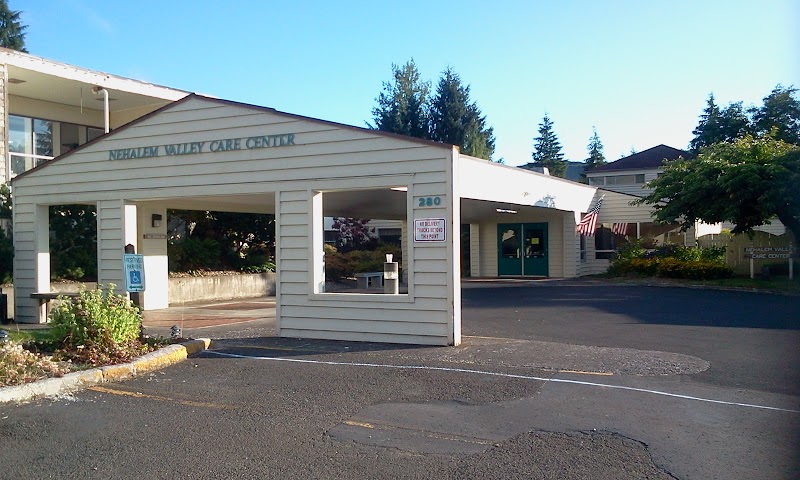
280 ROWE STREET, WHEELER, OR 97147 (503) 368-5171
Non profit - Other 50 Beds Independent Data: November 2025
Trust Grade
33/100
#119 of 127 in OR
Last Inspection: June 2025

Inspected within the last 6 months. Data reflects current conditions.

Overview

Nehalem Valley Care Center has received a Trust Grade of F, indicating significant concerns about the quality of care provided. This places the facility at #119 out of 127 in Oregon, meaning it is in the bottom half of nursing homes in the state, although it is the only option in Tillamook County. The facility is showing signs of improvement, with the number of issues decreasing from 14 in 2024 to 6 in 2025. However, staffing remains a major concern, with a rating of 1 out of 5 stars and reported issues such as call lights going unanswered for up to an hour, indicating a lack of timely assistance. Additionally, there have been concerns about cleanliness in the kitchen, which poses a risk for foodborne illnesses, as well as insufficient RN coverage on several occasions. While there are some improvements in the trend, families should weigh these significant weaknesses against any strengths when considering this facility for their loved ones.

Trust Score
F
33/100
In Oregon
#119/127
Bottom 7%
Safety Record
Low Risk
No red flags
Inspections
Getting Better
14 → 6 violations
Staff Stability
⚠ Watch
56% turnover. Above average. Higher turnover means staff may not know residents' routines.
Penalties
○ Average
$16,801 in fines. Higher than 70% of Oregon facilities. Some compliance issues.
Skilled Nurses
○ Average
Each resident gets 30 minutes of Registered Nurse (RN) attention daily — about average for Oregon. RNs are the most trained staff who monitor for health changes.
Violations
⚠ Watch
41 deficiencies on record. Higher than average. Multiple issues found across inspections.
★☆☆☆☆
1.0
Overall Rating
★☆☆☆☆
1.0
Staff Levels
★★☆☆☆
2.0
Care Quality
★★☆☆☆
2.0
Inspection Score
Stable
2024: 14 issues
2025: 6 issues

The Good

  • Full Sprinkler Coverage · Fire safety systems throughout facility
  • No fines on record

Facility shows strength in fire safety.

The Bad

1-Star Overall Rating

Below Oregon average (3.0)

Significant quality concerns identified by CMS

Staff Turnover: 56%

Near Oregon avg (46%)

Frequent staff changes - ask about care continuity

Federal Fines: $16,801

Below median ($33,413)

Minor penalties assessed

Staff turnover is elevated (56%)

8 points above Oregon average of 48%

The Ugly 41 deficiencies on record

Jun 2025 6 deficiencies
CONCERN (D)

Potential for Harm - no one hurt, but risky conditions existed

Resident Rights (Tag F0550)

Could have caused harm · This affected 1 resident

Based on observation and interview it was determined that the facility failed to ensure a dignified dining experience for 2 of 5 sample residents (#s 8 and 20) reviewed for dining. This placed residen...

Read full inspector narrative →
Based on observation and interview it was determined that the facility failed to ensure a dignified dining experience for 2 of 5 sample residents (#s 8 and 20) reviewed for dining. This placed residents at risk for decreased quality of life. Findings include: On 6/23/25 at 12:39 PM two meal trays were observed in the dining room with black plastic garbage bags over the trays. Each tray had the main meal served in a disposable clamshell container, the fruit was served in a disposable paper soup cup and there were plastic utensils for residents to utilize. Staff 22 (CNA) provided the meal trays to Residents 8 and 20 who were sitting at a communal table with three other residents. On 6/24/25 at 11:42 AM Staff 27 (Cook) stated the plastic covered trays with disposable containers and utensils were for people on precautions. On 6/25/25 at 03:17 PM Staff 3 (Regional Nurse) stated the plastic bag covering the tray and the use of the clamshell, disposable soup cups and utensils were not part of the protocol for residents on contact precautions. On 6/26/25 at 11:33 AM Resident 20 stated she/he preferred to have a normal tray if the disposable tray was not required for safety. On 6/26/25 at 11:37 AM Resident 8 stated she/he wanted to be like everyone else and have the same tray.
CONCERN (D)

Potential for Harm - no one hurt, but risky conditions existed

Deficiency F0605 (Tag F0605)

Could have caused harm · This affected 1 resident

Based on observation, interview and record review it was determined the facility failed to ensure residents with diagnoses of dementia were free from unnecessary use of antipschotic medication for 1 o...

Read full inspector narrative →
Based on observation, interview and record review it was determined the facility failed to ensure residents with diagnoses of dementia were free from unnecessary use of antipschotic medication for 1 of 5 sampled residents (#7) reviewed for medications. This placed residents at risk for adverse side effects of antipsychotic medication. Findings include: Resident 7 was admitted to the facility in 11/2023 with diagnoses including a stage four pressure ulcer and dementia. The following psychoactive medications were ordered on Resident 7's 6/2025 MAR: · quetiapine (an antipsychotic) · trazodone (an antidepressant) · venlafaxine (an antidepressant and antianxiety agent) · Namenda (an anti-Alzheimer ' s agent) · hydroxyzine (an antianxiety agent) On 5/15/24 Resident 7's Abnormal Involuntary Movement Scale (AIMS) total score was 7 indicating the symptoms/side effects of psychoactive medication use were present. On 2/4/25 the facility notified Resident 7's physician that she/he was experiencing symptoms including sweating, and involuntary smiling and grimacing. The physician ordered a reduction of Resident 7's venlafaxine dose, but did not address the resident's use of quetiapine. The 3/31/25 Psychotropic Committee Meeting Review form indicated no additional GDRs were ordered, and there was nothing to indicate Resident 7's use of antipsychotic medication despite the presenece of adverse side effects was assessed. On 4/24/25 Resident 7's AIMS total score was 9 indicating worsening symptoms/side effects of antipsychotic medication were present. A review of the resident's clinical record from 5/2025 through 6/2025 indicated staff were to monitor for calling out behaviors. The document indicated the behavior did not occur. On 6/22/25 at 12:28 PM, 6/24/25 at 12:48 PM, and 6/25/25 at 10:31 AM Resident 7 was observed in her/his room and interacted with staff with no negative behaviors or signs of distress noted. On 6/24/25 at 12:30 PM Staff 4 (LPN) stated Resident 7's calling out behaviors lessened in the past several months and she/he was able to express her/his wants and needs. On 6/24/25 at 2:56 PM Staff 29 (NA) stated Resident 7 was able to express her/his needs and did call out for things like a pillow or pain medication, but denied the resident exhibited signs of distress. On 6/25/25 at 3:15 PM Staff 6 (LPN Resident Care Manager) stated the facility did not assess Resident 7 for antipsychotic medication use, but rather they relied on the pharmacist reviews and recommendations. On 6/26/25 at 10:30 AM Staff 2 (DNS) and Staff 3 (Regional RN) acknowledged antipsychotic medication was prescribed to address Resident 7's calling out behaviors that were disturbing to those around her/him, but did not seem to cause distress to the resident. Staff 3 further acknowledged a comprehensive risk/benefit assessment should have been completed to determine if continued use of the medication was appropriate despite the presence of adverse side effects.
CONCERN (D)

Potential for Harm - no one hurt, but risky conditions existed

Deficiency F0804 (Tag F0804)

Could have caused harm · This affected 1 resident

Based on observation, interview, and record review it was determined the facility failed to ensure pureed foods were prepared using methods that conserved nutritive value and flavor for 2 of 2 meals s...

Read full inspector narrative →
Based on observation, interview, and record review it was determined the facility failed to ensure pureed foods were prepared using methods that conserved nutritive value and flavor for 2 of 2 meals served to residents requiring pureed diets. This placed residents at risk for consuming unpalatable, nutritionally compromised food. Findings include: The facility's dining menu on 6/25/25 indicated the entrée for the lunch meal was roasted salmon. The facility's recipe for preparation of pureed food indicated to add hot cooking liquid and/or hot broth and food thickener to the roasted salmon while it was being processed to the puree texture. On 6/25/25 at 11:58 AM Staff 28 (Cook) was observed adding approximately 6-8 ounces of clear liquid to the salmon puree as it was being processed. Staff 28 stated he was preparing the salmon for one resident tray. Staff 28 confirmed the clear liquid was water. On 06/25/25 at 02:47 PM Staff 7 (Dietary Manager) stated water was not be used to prepare a pureed meal. Instead, a liquid with more nutritional value was to be added.
CONCERN (E)

Potential for Harm - no one hurt, but risky conditions existed

Infection Control (Tag F0880)

Could have caused harm · This affected multiple residents

Based on observation, interview and record review the facility failed to ensure proper hand hygiene during meals and failed to use proper PPE for contact-based precautions for 1 of 1 dining room and 2...

Read full inspector narrative →
Based on observation, interview and record review the facility failed to ensure proper hand hygiene during meals and failed to use proper PPE for contact-based precautions for 1 of 1 dining room and 2 of 2 of sampled residents (#s 8 and 12) reviewed for dining and infection control. This placed residents at risk for cross contamination. Findings include: According to the Centers for Disease Control and Prevention (CDC) website (https://www.cdc.gov/infection-control/hcp/basics/transmission-based-precautions.html): · Use Contact Precautions for patients with known or suspected infections that present an increased risk for contact transmission. · Use personal protective equipment (PPE) appropriately including gloves and gown. · Wear a gown and gloves for all interactions that may involve contact with the patient or patient's environment. · Donning PPE upon room entry and properly discarding before exiting the patient room is done to contain pathogens. · If common use of equipment for multiple patients is unavoidable, clean and disinfect such equipment before use on another patient. The facility's Standard Precautions policy revised September 2022 stated the following: · Hand hygiene is performed with Alcohol-Based Hand Rub (ABHR) or soap and water: before and after contact with the resident. · Gloves are worn when in direct contact with a resident who is infected or colonized with organisms that are transmitted by direct contact. · Reusable equipment is not to be used for the care of more than one resident until it has been appropriately cleaned and reprocessed. 1. On 6/23/25 at 9:10 AM Staff 22 (CNA) entered Resident 12's room who was on Contact Precautions. Prior to entering the room, Staff 22 did not don PPE. Staff 22 exited the resident's room without performing hand hygiene. A CDC Contact Precautions sign was prominently displayed on the room door. On 6/23/25 at 9:20 AM Staff 22 returned to Resident 12's room with a cup of coffee and again entered without donning PPE. No hand hygiene was observed upon exiting the room. On 6/23/25 at 9:23 AM Staff 22 acknowledged the resident was on Contact Precautions, and that she/he did not don PPE upon entering the room or perform hand hygiene upon exiting. On 6/25/25 at 2:22 PM Staff 2 (DNS) and Staff 3 (Regional RN) acknowledged staff were to use appropriate PPE for residents on Contact Precautions. Staff 2 and Staff 3 indicated some staff were confused about the difference between Enhanced Barrier Precautions and Contact Precautions. 2. On 6/23/25 at 9:24 AM Staff 23 (LPN) entered Resident 8's room who was on Contact Precautions. Staff 23 did not don PPE and used a reusable blood pressure device to take a reading on the resident. Staff 23 exited the resident's room and placed the blood pressure device on top of a medication cart without putting down a barrier first. Staff 23 returned to the resident's room to administer medications and did not don PPE before she/he entered. A CDC Contact Precautions sign was prominently displayed on the room door. On 6/23/25 at 9:29 AM Staff 23 acknowledged the resident was on Contact Precautions and that she/he did not don PPE before entering the resident's room. Staff 23 acknowledged she did not clean the reusable blood pressure cuff after using it on the resident. On 6/25/25 at 2:22 PM Staff 2 (DNS) and Staff 3 (Regional RN) acknowledged staff were to use appropriate PPE for residents on Contact Precautions. Staff 2 and Staff 3 indicated some staff were confused about the difference between Enhanced Barrier Precautions and Contact Precautions. Based on observation, interview and record review it was determined the facility failed to ensure proper hand hygiene was implemented during meals and failed to use proper PPE for contact-based precautions for 1 of 1 dining room and 2 of 2 of sampled residents (#s 8 and 12) reviewed for dining and infection control. This placed residents at risk for cross contamination. Findings include: On 6/23/25 from 12:22 PM to 12:42 PM, Staff 22 was observed assisting residents to dine in the main dining room wearing the same gloves and without hand hygiene. Staff 22 was observed to: On 6/23/25 at 12:22 PM Staff 22 (CNA) was observed wearing gloves while serving a resident her/his meal tray in the main dining room. Staff 22 took off plastic wrap from resident's fruit bowl using gloves while touching every surface of the bowl including the fruit, this was repeated with at least three residents. On 6/23/25 at 12:39 PM Staff 22 (CNA) was observed handling his phone with the same gloves on, he then provided beverages to residents with the same gloves on. Staff 22 (CNA) then assisted a resident with getting food and uncovering the food with the same gloves. Staff 22 (CNA) poured more beverages for residents with the same gloves on. On 6/23/25 at 12:42 PM Staff 22 (CNA) pushed a resident closer to the table with the same gloves on, then poured more beverages and opened creamers to put into coffee with the same gloves on. Staff 22 then finally removed the soiled gloves, but did not perform hand hygiene. On 6/23/25 at 12:56 PM Staff 22 (CNA) stated he usually performed hand hygiene and glove changes only twice during meal service. When Staff 22 was asked about glove changes after touching his phone he noted he took the gloves off right away but should have performed hand hygiene. On 6/26/25 at 11:20 AM Staff 3 (Regional RN) stated staff were expected to perform hand hygiene in between helping residents in the dining room.
CONCERN (F) 📢 Someone Reported This

A family member, employee, or ombudsman was alarmed enough to file a formal complaint

Potential for Harm - no one hurt, but risky conditions existed

Deficiency F0725 (Tag F0725)

Could have caused harm · This affected most or all residents

Based on interview and record review it was determined the facility failed to ensure sufficient nursing staff to meet resident care needs in a timely manner for 3 of 3 resident halls reviewed for staf...

Read full inspector narrative →
Based on interview and record review it was determined the facility failed to ensure sufficient nursing staff to meet resident care needs in a timely manner for 3 of 3 resident halls reviewed for staffing. This placed residents at risk for lack of timely assistance and unmet care needs. Findings include: Resident Council Notes indicated the following: -3/25/25: Showers were not being done. -4/30/25: CNAs were not getting residents to activities in a timely manner and meal service was late. A review of the facility's Direct Care Staff Daily Reports from 2/11/25 through 2/18/25 and 5/23/25 through 6/23/25 revealed the facility had insufficient CNA staff, according to state minimum staffing requirements, for one or more shifts on the following dates: -5/30/25 -6/2/25 -6/7/25 -6/9/25 -6/11/25 -6/19/25 Interviews with residents revealed the following concerns: -On 6/22/25 at 11:59 PM Resident 28 stated on 6/22/25 at 8:20 PM she/he pushed her/his call light and staff did not answer her/his light until 9:15 PM. -On 6/22/25 at 12:12 PM Resident 231 stated at night it took up to an hour for the call light to be answered. -On 6/22/25 at 12:34 PM Resident 21 stated she/he received late showers related to the facility's staffing issues. -On 6/22/25 at 12:54 PM Resident 15 stated call lights took up to 45 minutes to be answered and meals were delivered late. -On 6/22/25 at 2:40 PM Resident 9 stated it took up to an hour for staff to answer her/his call-light and at times she/he had to go into the hall to find help and often nobody was around. Interviews with staff revealed the following concerns: -On 6/23/25 at 9:30 AM Staff 25 (Agency CNA) stated the facility was short staffed and she was often rushed to complete her basic tasks which included resident showers and answering call lights. -On 6/24/25 at 9:40 AM Staff 16 (CNA) stated all shifts, both weekdays and weekends, had staffing issues. Staff 16 stated she was usually assigned to 8-12 residents which made it hard to answer call-lights and provide resident care timely. -On 6/24/25 at 10:55 AM Staff 24 (CNA) stated it was often hard to get basic tasks done timely and she often felt rushed. -On 6/24/25 at 11:25 AM Staff 15 (CNA) stated it was normal for staff to be rushed and not have enough time to provide showers. Staff 15 stated answering call lights timely was a constant challenge. -On 6/25/25 at 11:25 AM Staff 26 (Agency CNA) stated the facility was always short staffed and it was common for residents to wait over 20 minutes for call lights to be answered. On 6/26/25 at 11:27 AM Staff 1 (Administrator) acknowledged the staffing concerns related to timely assistance and confirmed the staffing shortages.
CONCERN (F)

Potential for Harm - no one hurt, but risky conditions existed

Deficiency F0727 (Tag F0727)

Could have caused harm · This affected most or all residents

Based on interview and record review it was determined the facility failed to ensure RN coverage for eight consecutive hours per day for 3 of 43 days reviewed for staffing. This placed residents at ri...

Read full inspector narrative →
Based on interview and record review it was determined the facility failed to ensure RN coverage for eight consecutive hours per day for 3 of 43 days reviewed for staffing. This placed residents at risk for unassessed needs and lack of care. Findings include: Review of the Direct Care Staff Daily Reports from 2/11/25 through 2/18/25 and 5/23/25 through 6/23/25 indicated there was no RN coverage for eight consecutive hours on 2/13/25, 2/15/25, and 6/20/25. On 6/26/22 at 10:17 PM Staff 1 (Administrator) and Staff 3 (Regional Nurse) acknowledged the facility lacked RN coverage on the identified days.
Nov 2024 1 deficiency
CONCERN (E) 📢 Someone Reported This

A family member, employee, or ombudsman was alarmed enough to file a formal complaint

Potential for Harm - no one hurt, but risky conditions existed

Deficiency F0727 (Tag F0727)

Could have caused harm · This affected multiple residents

Based on interview and record review it was determined the facility failed to use the services of a registered nurse for at least eight consecutive hours a day for 41 out of 99 days reviewed for staff...

Read full inspector narrative →
Based on interview and record review it was determined the facility failed to use the services of a registered nurse for at least eight consecutive hours a day for 41 out of 99 days reviewed for staffing. This placed residents at risk for unmet assessment needs. Findings include: 1. A review of the Direct Care Staff Daily Reports dated 8/1/24 through 11/7/24 revealed there were 41 days without eight consecutive hours of registered nurse coverage in a 24-hour period. The identified dates included: - 8/12/24, 8/19/24, 8/20/24, 8/21/24, 8/22/24, 8/23/24, 8/26/24, 8/27/24, 8/28/24. - 9/2/24, 9/3/24, 9/4/24, 9/5/24, 9/6/24, 9/8/24, 9/13/24, 9/14/24, 9/16/24, 9/17/24, 9/18/24, 9/25/24, 9/26/24, 9/27/24. - 10/7/24, 10/9/24, 10/10/24, 10/11/24, 10/15/24, 10/17/24, 10/18/24, 10/19/24, 10/20/24, 10/21/24, 10/25/24, 10/26/24, 10/27/24, 10/28/24, 10/31/24. - 11/1/24, 11/3/24, 11/5/24. On 10/29/24 at 10:03 AM Staff 1 (Administrator) confirmed the identified days were missing RN coverage. 2. Based on observation and interview it was determined the facility failed to designate a registered nurse to serve as the director of nursing on a full time basis for 1 of 1 facility reviewed for nurse staffing. This placed residents at risk for lack of nursing oversight. Findings include: During the survey conducted from 11/7/24 through 11/12/24, no DNS was observed in the facility. On 11/7/24 at 9:15 AM Staff 2 (CNA) stated it had been 2-3 months since the last DNS was in the building. Staff 2 stated everything felt more chaotic. On 11/7/24 at 9:25 AM Staff 3 (CNA) stated it had been 3-4 months since the last DNS was in the building. Staff 3 stated it was difficult to know who was in charge and staff didn't have a higher up to go to when there was a problem. During interviews with Staff 2 (CNA), Staff 3 (CNA), Staff 4 (CNA), Staff 5 (CNA), Staff 7 (LPN), Staff 8 (CNA), and Staff 9 (CNA) from 11/7/24 through 11/12/24 the staff reported the previous DNS left in October of 2024 and there was no full-time DNS in the facility since that time. The staff reported Staff 10 (RN Consultant) was designated as the DNS, but she did not work in the facility. Staff 8 stated it was rough not having a DNS. Staff 4 stated there was no one to go to for clinical questions. On 11/12/24 at 11:00 AM Staff 12 (Therapy Staff Member) stated the facility struggled with higher level recommendations for clinical needs and concerns. Staff 12 stated resident information was provided to the charge nurses, but it was clear they didn't always know what to do with the information. On 11/12/24 at 11:35 AM Staff 1 (Administrator) confirmed Staff 10 was working remotely as the DNS. Staff 1 confirmed there was no full time RN serving as Director of Nursing in the facility.
Mar 2024 13 deficiencies
CONCERN (D)

Potential for Harm - no one hurt, but risky conditions existed

Deficiency F0655 (Tag F0655)

Could have caused harm · This affected 1 resident

**NOTE- TERMS IN BRACKETS HAVE BEEN EDITED TO PROTECT CONFIDENTIALITY** Based on interview and record review it was determined the facility failed to complete a baseline care plan within 48 hours of a...

Read full inspector narrative →
**NOTE- TERMS IN BRACKETS HAVE BEEN EDITED TO PROTECT CONFIDENTIALITY** Based on interview and record review it was determined the facility failed to complete a baseline care plan within 48 hours of admission for 1 of 2 sampled residents (#131) reviewed for ADL care. This placed residents at risk for lack of care and services. Findings include: Resident 131 admitted to the facility on [DATE] with diagnoses including stroke and muscle weakness. Resident 131's care plan revealed the first care area was initiated on 2/12/24; the resident had right sided hemiplegia (paralysis to one side of the body) and required assistance with ostomy care, dressing, bed mobility, showering, personal hygiene, oral care and transfers. On 3/5/24 at 2:14 PM Staff 2 (DNS) acknowledged the baseline care plan was not completed within the required 48 hours after admission.
CONCERN (D)

Potential for Harm - no one hurt, but risky conditions existed

Deficiency F0657 (Tag F0657)

Could have caused harm · This affected 1 resident

**NOTE- TERMS IN BRACKETS HAVE BEEN EDITED TO PROTECT CONFIDENTIALITY** Based on observation, interview, and record review it was determined the facility failed to update resident care plans for 1 of ...

Read full inspector narrative →
**NOTE- TERMS IN BRACKETS HAVE BEEN EDITED TO PROTECT CONFIDENTIALITY** Based on observation, interview, and record review it was determined the facility failed to update resident care plans for 1 of 1 sampled resident (#132) reviewed for hospice. This placed residents at risk for lack of appropriate care. Findings include: Resident 132 admitted to the facility on [DATE] on hospice status and had diagnoses including heart failure and weakness. The 3/3/24 request for a physician order indicated Resident 132 had boggy (abnormal texture of tissues characterized by sponginess, usually because of high fluid content) heels and an order was requested for booties. This was signed on 3/4/24 with no additional instructions. The 3/2024 TARs indicated the following was to start on 3/5/24: -Ensure Prevalon boots (boots used to keep the heels elevated off the mattress to relieve pressure) were worn while in bed to assist with offloading bilateral heels every shift. The 3/6/24 care plan indicated Resident 132 had skin impairment to both heels and Prevalon boots and skin prep applied as ordered. The care plan did not include information that the Prevalon boots were to be worn while the resident was in bed. 1. On 3/6/24 at 1:00 PM Resident 132 was observed in bed wearing non-skid socks. The resident's Prevalon boots were sitting on a small table in the corner of the room. On 3/6/24 at 1:08 PM Staff 19 (CNA) acknowledged Resident 132 was not wearing the Prevalon boots while in bed and stated he did not notice it on the care plan a few days ago so it must be something new. On 3/6/24 at 1:39 PM Staff 19 stated he reviewed Resident 132's care plan and it indicated the boots were to be applied as ordered. Staff 19 stated he was unaware of what the orders were. On 3/7/24 at 10:38 AM Staff 3 (LPN Resident Care Manager) acknowledged the care plan was not updated to reflect the use of the Prevalon boots while in bed. 2. On 3/7/24 at 6:05 AM Resident 132 was observed in bed resting. The resident's Prevalon boots were sitting on the floor near the head of the bed. No staff were present in the hall. On 3/7/24 at 6:12 AM Staff 19 stated he just arrived for day shift. Staff 19 observed Resident 132 and acknowledged she/he was in bed resting and not wearing the Prevalon boots. On 3/7/24 at 10:38 AM Staff 3 (LPN Resident Care Manager) acknowledged the care plan was not updated to reflect the use of the Prevalon boots while in bed.
CONCERN (D)

Potential for Harm - no one hurt, but risky conditions existed

ADL Care (Tag F0677)

Could have caused harm · This affected 1 resident

**NOTE- TERMS IN BRACKETS HAVE BEEN EDITED TO PROTECT CONFIDENTIALITY** Based on observation, interview and record review it was determined the facility failed to provide nail care and oral care to a ...

Read full inspector narrative →
**NOTE- TERMS IN BRACKETS HAVE BEEN EDITED TO PROTECT CONFIDENTIALITY** Based on observation, interview and record review it was determined the facility failed to provide nail care and oral care to a dependent resident for 1 of 2 sampled residents (#131) reviewed for ADLs. This placed residents at risk for lack of grooming and skin impairments. Finding include: Resident 131 admitted to the facility on [DATE] with diagnoses including stroke and muscle weakness. 1. On 3/4/24 at 10:23 AM Resident 131 stated she/he had not brushed her/his teeth since admitting to the facility on 2/8/24 and staff did not provide a toothbrush or toothpaste, and did not offer to assist her/him with oral care. Resident 131 stated it would be nice to have someone brush my teeth. On 3/4/24 at 10:23 AM Resident 131's room was observed and there was no toothbrush or toothpaste found. Resident 131's teeth appeared to be unclean and her/his breath had a foul odor. On 3/4/24 at 2:28 PM Staff 2 (DNS) observed Resident 131's room and was unable to locate a toothbrush or toothpaste. Resident 131 told Staff 2 she/he had not brushed her/his teeth since she/he admitted to the facility. Staff 2 stated the expectation was for staff to provide supplies and assistance with oral care. 2. On 3/4/24 at 10:23 AM Resident 131 stated her/his toenails were last trimmed two months ago. Resident 131 stated staff did not offer to trim her/his toenails and she/he wanted them trimmed. On 3/4/24 at 10:23 AM Resident 131's toenails were observed to extend past the end of her/his toes by at least a quarter of an inch. On 3/4/24 at 2:28 PM Staff 2 (DNS) observed Resident 131's toenails and acknowledged her/his nails extended past the end of her/his toes. Staff 2 stated the expectation was for staff to provide assistance with nail care.
CONCERN (D)

Potential for Harm - no one hurt, but risky conditions existed

Respiratory Care (Tag F0695)

Could have caused harm · This affected 1 resident

Based on observation, interview, and record review it was determined the facility failed to maintain oxygen equipment for 1 of 1 sampled resident (#4) reviewed for oxygen. This placed residents at ris...

Read full inspector narrative →
Based on observation, interview, and record review it was determined the facility failed to maintain oxygen equipment for 1 of 1 sampled resident (#4) reviewed for oxygen. This placed residents at risk for lack of respiratory care. Findings include: Resident 4 admitted to the facility in 2014 with diagnoses including chronic obstructive pulmonary disease. The 12/30/23 physician order indicated Resident 4 was to receive oxygen at two liters via nasal cannula to keep oxygen saturation greater than 90%. On 3/6/24 at 12:07 PM Resident 4 was observed to receive oxygen via a nasal cannula. The oxygen filter was observed to have light gray dust particles on the outside that were removed when touched. The humidifier bottle was observed to be empty. On 3/6/24 at 1:50 PM Staff 2 (DNS) observed Resident 4's oxygen filter and acknowledged the filter contained dust and acknowledged the humidifier was empty.
CONCERN (D)

Potential for Harm - no one hurt, but risky conditions existed

Medical Records (Tag F0842)

Could have caused harm · This affected 1 resident

Based on interview and record review it was determined the facility failed to ensure records were accurate, complete, and readily accessible for 2 of 6 sampled residents (#s 14 and 16) reviewed during...

Read full inspector narrative →
Based on interview and record review it was determined the facility failed to ensure records were accurate, complete, and readily accessible for 2 of 6 sampled residents (#s 14 and 16) reviewed during medication pass. This placed residents at risk for unmet care needs. Findings include: 1. Resident 14 readmitted to the facility in 2022 with diagnoses including atrial fibrillation (AFIB) (irregular heart rhythm). a. The 1/19/24 physician order indicated Resident 14 was to receive Eliquis 5 mg BID for AFIB. The 2/22/24 prescription refill request indicated Resident 14 had a dose change to Eliquis 2.5 mg once daily due to having blood in the urine. The 2/23/24 physician order indicated Resident 14 was to receive Eliquis 5 mg BID for AFIB. Resident 14's 2/2024 and 3/2024 MARs indicated the following: -2/1-2/19 Eliquis 5 mg at 9:00 AM and 9:00 PM. -2/20 Eliquis 5 mg at 9:00 AM. -2/21 Eliquis 5 mg was not administered-the MAR indicated it was due every other day. -2/22 Eliquis 5 mg at 9:00 AM -2/23 Eliquis 5 mg was not administered-the MAR indicated it was due every other day. -2/24-3/5 Eliquis 5 mg at 9:00 AM On 3/5/24 at 10:37 AM Staff 2 (DNS) stated Resident 14 had hematuria (blood in the urine) and the Eliquis order was changed from BID to once daily. On 3/5/24 at 11:58 AM Staff 3 (LPN Resident Care Manager) acknowledged the identified multiple discrepancies between Resident 14's Eliquis orders and the MARs. b. Resident 14's 2/9/24 urology visit notes were requested from Staff 3 (LPN Resident Care Manager) on 3/5/24. Resident 14's 2/9/24 urology notes were provided to the Surveyor on 3/5/24. The notes indicated the resident had hematuria (blood in the urine) and recommended discussing with her/his provider the risks and benefits of an anticoagulation holiday in the setting of atrial fibrillation and she/he would consider stopping this. On 3/5/24 at 11:58 AM Staff 3 stated Resident 14 went to the urologist on 2/9/24 and the resident did not return to the facility with an after-visit summary. Staff 3 stated the facility did not get records from the 2/9/24 visit until 2/23/24 (14 days later). Staff 3 stated Resident 14's urologist recommendations were reviewed by the physician and her/his Eliquis dose was changed based on the recommendations. 2. Resident 16 admitted to the facility in 2023 with diagnoses including diabetes. The 2/27/24 physician order indicated Resident 16 was to receive 18 units of Humalog before meals. The 3/2024 MARs indicated Resident 16 was to receive 15 units of Humalog before meals. The start date was 2/6/24. On 3/4/24 at 12:33 PM Staff 3 (LPN Resident Care Manager) stated the correct order for Resident 16's Humalog insulin was 15 units before meals. Staff 3 provided a copy of the signed clarification of Humalog orders dated 3/4/24 and acknowledged the discrepancy.
CONCERN (D)

Potential for Harm - no one hurt, but risky conditions existed

Deficiency F0849 (Tag F0849)

Could have caused harm · This affected 1 resident

**NOTE- TERMS IN BRACKETS HAVE BEEN EDITED TO PROTECT CONFIDENTIALITY** Based on interview and record review it was determined the facility failed to ensure a resident received coordination for end-of...

Read full inspector narrative →
**NOTE- TERMS IN BRACKETS HAVE BEEN EDITED TO PROTECT CONFIDENTIALITY** Based on interview and record review it was determined the facility failed to ensure a resident received coordination for end-of-life care for 1 of 1 sampled resident (#132) reviewed for hospice. This placed residents at risk for a lack of coordination of care. Findings include: Resident 132 admitted to the facility on [DATE] on hospice and had diagnoses including heart failure and weakness. On 3/5/24 Resident 132's clinical record was reviewed, and hospice notes were not located. On 3/5/24 at 2:38 PM Staff 8 (LPN) stated hospice staff visited Resident 132 but she was not sure how hospice staff communicated with the facility. On 3/6/24 at 2:40 PM Staff 3 (LPN Resident Care Manager) stated when hospice staff visited Resident 132 it was hit or miss for communication. Staff 3 stated if hospice staff had a question they asked the charge nurse and usually it was regarding bowel movements or pain medications. Staff 3 further stated new orders from hospice were written on a blank piece of paper and left with the nurse, or hospice staff talked to the nurse after the visit. Staff 3 stated the facility did not receive notes or after-visit summaries from the hospice provider. On 3/6/24 Resident 132's hospice notes and hospice care plan was requested by the Surveyor. On 3/7/24 at 10:38 AM Staff 3 provided a hospice plan of care and hospice notes for Resident 132. Staff 3 acknowledged the hospice notes and care plan were not received by the facility until 3/6/24 after it was requested by the Surveyor.
CONCERN (E)

Potential for Harm - no one hurt, but risky conditions existed

Safe Environment (Tag F0584)

Could have caused harm · This affected multiple residents

Based on observation, interview and record review it was determined the facility failed to maintain comfortable temperatures, clean resident personal care items and provide a clean resident room for 1...

Read full inspector narrative →
Based on observation, interview and record review it was determined the facility failed to maintain comfortable temperatures, clean resident personal care items and provide a clean resident room for 1 of 1 dining room and 1 of 2 sampled residents (#22) reviewed for environment. The placed residents at risk for unhome like conditions. Findings include: 1. Resident 22 admitted to the facility in 2023 with diagnoses including anxiety and muscle weakness. a. On 3/3/24 at 2:25 PM Witness 1 (Family) stated Resident 22 informed her that her/his floors were hardly cleaned and had stains from the previous week. On 3/3/24 at 2:50 PM Resident 22 was observed to be in bed. The resident's floor was observed to be dirty with large dried spills and several strands of floss throughout the room. Resident 22 stated the floor had not been cleaned for a long time. Review of the February 2024 Resident Council Minutes indicated multiple residents stated their rooms were not cleaned in two weeks. On 3/5/24 a housekeeping form entitled, Rooms Cleaned indicated Resident 22's room was not cleaned from 3/1/24 to 3/5/24. On 3/5/24 at 9:20 AM Staff 5 (Housekeeping) stated resident rooms were cleaned at a minimum of twice a week. Staff 5 stated cleaning of rooms included sweeping and mopping the floors. On 3/5/24 at 9:30 AM Staff 4 (Maintenance Manager) stated Resident 22's room was not cleaned since Thursday (2/29/24). Staff 4 acknowledged Resident 22's floors were dirty and needed to be cleaned. b. The 11/26/23 Care Plan indicated Resident 22 required assistance with grooming/hygiene and oral hygiene was to be encouraged. On 3/3/24 at 2:50 PM Resident 22 she/he preferred to brushed her/his teeth once a week due to difficulty getting to the sink. Resident 22 state she/he used the toothbrushes located in the basins sitting on the counter. Resident 22 was observed to have two toothbrush basins; each basin contained a toothbrush. The basins were both dirty with dried and crusty white toothpaste throughout. The toothbrushes were also observed to have dried and crusty toothpaste on the handles. On 3/5/24 at 9:35 AM Staff 6 (NA) stated Resident 22 brushed her/his teeth independently and only required assistance with getting to the sink. Staff 6 stated CNAs were responsible for cleaning and wiping down the toothbrushes and basins. Staff 6 acknowledged Resident 22's toothbrushes and basins were dirty and needed to be replaced. On 3/7/24 at 9:27 AM Staff 2 (DNS) acknowledged the identified findings for Resident 22. 2. Review of the February 2024 Resident Council Minutes indicated residents stated there was no heat in the dining room. On 3/5/24 at 10:22 AM during a Resident Council interview Resident 4, Resident 10 and Resident 23 stated the dining room was cold and residents were unable to enjoy their food during meals. The residents stated some of the residents wrapped themselves in blankets while they ate, which was not comfortable, or went back to their rooms early and were not able to finish their meals due to being too cold. The residents further stated the issue was brought up before and the residents were told, They were working on it. On 3/5/24 at 10:43 AM Staff 4 (Maintenance Director) was asked to take a temperature reading of the dining room. The dining room temperature indicated the outer wall (adjacent to the outside window) was 63.5 degrees, the inner wall was 65.5 degrees and the kitchen wall (middle) was 67 degrees. Staff 4 stated the dining room heating system broke in November of 2023 and they were waiting for a replacement part.
CONCERN (E)

Potential for Harm - no one hurt, but risky conditions existed

Deficiency F0725 (Tag F0725)

Could have caused harm · This affected multiple residents

Based on observation, interview and record review it was determined the facility to provide sufficient nursing staff to ensure residents attained their highest practicable psychosocial well-being for ...

Read full inspector narrative →
Based on observation, interview and record review it was determined the facility to provide sufficient nursing staff to ensure residents attained their highest practicable psychosocial well-being for 1 of 1 facility reviewed for staffing. This placed residents at risk for unmet needs. Findings include: On 3/5/24 a list was requested for residents who required the following care. The facility provided lists of residents who: -Required assistance with eating: 7. -Required two-person assistance with transfers: 5. -Required a mechanical lift with transfers: 8. -Required assistance with dressing: 25. -Required assistance with bathing: 26. -Required assistance with toileting: 18. -Residents who were incontinent: 17. -Residents with wandering behaviors: 3. -Residents with behavioral healthcare needs: 18. Review of Resident Council Meeting notes revealed the following staffing concerns: - November 2023: residents indicated there was not enough staff and call lights were too long. - December 2023: residents indicated they could not find staff on the floor especially at night. Call light wait times were, still too long. - January 2024: residents indicated meals arrived late. - Febuary 2024: residents indicated trays were not being picked up and showers were not done or were missed. Interviews with residents revealed the following concerns: - On 3/3/24 at 3:33 PM Resident 6 stated she/he had to wait up to 45 minutes for assistance after pushing the call light. -On 3/6/24 at 12:07 PM Resident 4 stated she/he had to wait for a half hour for the call light to be answered when she/he needed to use the bed pan. Resident 4 stated once she/he was on the bed pan it took staff an additional 30 minutes to take her/him off the bed pan. Resident 4 further stated she/he normally got up and went to the dining room for lunch, but because it took staff so long to assist her/him and she/he required a mechanical lift to get up for lunch, she/he did not go to the dining room today (3/6/24), and was, a little upset. Observations and interviews revealed the following concerns: -On 3/3/24 at 12:10 PM observations by the survey team revealed residents eating in the dining room. Staff 7 (RN) stated the facility was short staffed and Staff 13 (CMA) had to work as a CNA which left all resident medications and treatments for Staff 7 to administer. Staff 7 was observed to administer morning medications as late as 1:32 PM. Insulins due prior to lunch were observed to be administered to residents as late at 1:17 PM. Staff 7 was observed rushing around and was not able to administer medications and treatments timely. -On 3/6/24 at 11:12 AM Staff 19 (CNA) stated staffing was hit and miss and the facility would benefit from additional staff to help with nail care and showers. Staff 19 stated if the facility was short staffed he was not able to take breaks. Staff 19 stated care was rushed when they were short staffed and staff were not able to give person-centered care to residents. -On 3/6/24 at 11:59 AM Staff 11 (CNA) stated the acuity level of the residents was high and today she did not have time to get Resident 4 out of bed and down to the dining room, per the resident's preference. Staff 11 stated Resident 4 required a two-person sit to stand lift and staff did not have time to get the resident up because several residents were incontinent that morning. Staff 11 stated a lot of residents required two-person transfer assistance and assistance with eating; and some residents had behaviors that needed to be addressed. Staff 11 stated the facility was short-staffed about once a week. -On 3/6/24 at 2:27 PM Staff 10 (CNA) stated there were a lot of residents who required higher acuity including mechanical lifts. Staff 10 stated when the facility was short-staffed, staff were unable to complete nail care, showers, and restorative therapy. Staff 10 stated he was not able to take lunches and breaks when the facility was short-staffed. On 3/5/24 at 9:10 AM and on 3/7/24 at 6:26 AM Staff 18 (Staffing Coordinator) stated it was difficult to fill shifts due to lack of staff and agency staff availability and the facility was short-staffed about once a week. Staff 18 further stated the facility had high acuity residents who required incontinence care and two-person assistance due to resident behaviors. Staff 18 stated incontinence care and showers were not always completed when the facility was short staffed. Staff 18 acknowledged the facility was short staffed on 3/3/24 and there was only one RN completing treatments and medications for the entire facility.
CONCERN (E)

Potential for Harm - no one hurt, but risky conditions existed

Deficiency F0727 (Tag F0727)

Could have caused harm · This affected multiple residents

Based on interview and record review it was determined the facility failed to use the services of a Registered Nurse for at least eight consecutive hours a day, seven days a week for 3 of 28 days revi...

Read full inspector narrative →
Based on interview and record review it was determined the facility failed to use the services of a Registered Nurse for at least eight consecutive hours a day, seven days a week for 3 of 28 days reviewed for RN staffing coverage. This placed residents at risk for lack of RN oversight including resident assessment, care and services. Findings include: A review of the Direct Care Staff Daily Reports from 2/2/24 through 3/1/24 revealed the following days with no RN coverage: -2/10/24 -2/11/24 -3/1/24 On 3/5/24 at 9:10 AM Staff 18 (Staffing Coordinator) acknowledged the facility lacked RN coverage on the identified dates.
CONCERN (E)

Potential for Harm - no one hurt, but risky conditions existed

Unnecessary Medications (Tag F0759)

Could have caused harm · This affected multiple residents

Based on observation, interview and record review it was determined the facility failed to maintain a medication error rate of less than 5 percent. There were six errors in 27 opportunities resulting ...

Read full inspector narrative →
Based on observation, interview and record review it was determined the facility failed to maintain a medication error rate of less than 5 percent. There were six errors in 27 opportunities resulting in a 22 percent error rate. This placed residents at risk for adverse medication side effects. Findings include: 1. Resident 14 admitted to the facility in 2022 with diagnoses including stroke. The 2/23/24 physician order indicated Resident 14 was to receive Eliquis (anticoagulant medication) 2.5 mg once daily. The 3/2024 MARs indicated Eliquis was to be administered in the morning. On 3/3/24 at 12:34 PM Staff 7 (RN) was observed to administer the morning dose of Eliquis. Staff 7 acknowledged the medication was administered late as she was still passing morning medications. 2. Resident 2 admitted to the facility in 2015 with diagnoses including chronic pain and opioid dependence. The 2/4/24 physician order indicated Resident 2 was to receive methadone (opioid medication) twice daily for opioid dependence. The 3/2024 MARs indicated methadone was scheduled at 9:30 AM and 9:30 PM. On 3/3/24 at 12:52 PM Staff 7 (RN) was observed to administer the 9:30 AM dose of methadone 20 mg to Resident 2 (3 hours and 22 minutes after it was due). Staff 7 stated the previous dose of methadone was administered on the evening of 3/2/24 and acknowledged the methadone was administered late, as she was still passing morning medications. 3. Resident 13 admitted to the facility in 2019 with diagnoses including diabetes. The 2/27/24 physician order indicated Resident 13 was to receive Admelog insulin 16 units before meals. The manufacturer instructions for Admelog insulin pen indicated to prime the pen with two units of insulin prior to administering the insulin dose. On 3/3/24 at 1:03 PM Staff 7 (RN) was observed to administer 16 units of Admelog insulin to Resident 13. Staff 7 did not prime the insulin pen with the two units recommended by the manufacturer prior to administering the Admelog insulin. On 3/3/24 at 1:03 PM and 2:26 PM Staff 7 stated she was not aware insulin pens needed to be primed prior to administration and acknowledged the insulin was not administered before lunch as ordered. 4. Resident 7 admitted to the facility in 2014 with diagnoses including diabetes. The 2/27/24 physician order indicated Resident 7 was to receive Novolog insulin 15 units before meals. The manufacturer instructions for Novolog insulin pen indicated to prime the pen with two units of insulin prior to administering the insulin dose. On 3/3/24 at 1:11 PM Staff 7 (RN) was observed to administer 15 units of Novolog insulin to Resident 7. Staff 7 did not prime the insulin pen with the two units recommended by the manufacturer prior to administering the Novolog insulin. On 3/3/24 at 1:11 PM and 2:26 PM Staff 7 stated she was not aware insulin pens needed to be primed prior to administration and acknowledged the insulin was not administered before lunch as ordered. 5. Resident 16 admitted to the facility in 2023 with diagnoses including diabetes. The 2/27/24 physician order indicated Resident 16 was to receive 18 units of Humalog before meals. The 3/2024 MARs indicated Resident 16 was to receive 15 units of Humalog before meals. The start date was 2/6/24. The manufacturer instructions for Humalog insulin pen indicated to prime the pen with two units of insulin prior to administering the insulin dose. On 3/3/24 at 1:17 PM Staff 7 (RN) was observed to administer 15 units of Humalog insulin to Resident 16. Staff 7 did not prime the insulin pen with the two units recommended by the manufacturer prior to administering the Humalog insulin. On 3/3/24 at 1:17 PM and 2:26 PM Staff 7 stated she was not aware insulin pens needed to be primed prior to administration and acknowledged the insulin was not administered before lunch as ordered. On 3/4/24 at 12:33 PM Staff 3 (LPN Resident Care Manager) stated the correct order for Resident 16's Humalog insulin was 15 units before meals. Staff 3 provided a copy of the signed clarification of Humalog orders dated 3/4/24 and acknowledged the discrepancy. 6. Resident 11 admitted to the facility in 2023 with diagnoses including chronic obstructive pulmonary disease (COPD). The 2/27/24 physician orders indicated Resident 11 was to receive Advair Diskus one puff twice daily related to COPD and to rinse the mouth with water and spit after each inhalation. The 3/2023 MARs indicated Advair Diskus was due at 8:00 AM. On 3/3/24 at 1:32 PM Staff 7 (RN) was observed to give Resident 11 the Advair Diskus for administration (five hours and 32 minutes after it was due). Staff 7 did not ask Resident 11 to rinse her/his mouth and spit. On 3/3/24 at 1:32 PM and 2:26 PM Staff 7 stated she did not instruct Resident 11 to rinse and spit after the use of the Advair Diskus and acknowledged it was given late as she was still passing morning medications as of 1:32 PM.
CONCERN (E)

Potential for Harm - no one hurt, but risky conditions existed

Deficiency F0761 (Tag F0761)

Could have caused harm · This affected multiple residents

Based on observation, interview, and record review it was determined the facility failed to ensure medications were secured and failed to ensure proper labeling of biologicals for 1 of 1 facility revi...

Read full inspector narrative →
Based on observation, interview, and record review it was determined the facility failed to ensure medications were secured and failed to ensure proper labeling of biologicals for 1 of 1 facility reviewed for safe medication storage. This placed residents at risk for receiving medications with reduced efficacy and unauthorized access to potentially harmful medications. Findings include: 1. On 3/3/24 at 12:10 PM Staff 7 (RN) was observed standing at a medication cart in the dining room preparing medications. There were several resident medication cards containing medication, and a cup that contained one white pill sitting on top of the cart. Staff 7 walked down the hall and left the medication cart unlocked and unattended with the medications sitting on top of the cart. There were several residents in the dining room. On 3/3/24 at 12:13 PM Staff 7 returned to the medication cart and acknowledged the top of the cart had resident medication cards, as well as a pill in a cup, resident medications were inside the cart and the cart was left unlocked and unattended. 2. On 3/3/24 at 1:03 PM an open and undated Admelog insulin pen was observed in the treatment cart. On 3/3/24 at 1:03 Staff 7 (RN) acknowledged the Admelog insulin pen was open and not labeled with an open date. 3. On 3/3/24 at 1:11 PM an open and undated Novolog Flex insulin pen and an open and undated Basalgar insulin pen were observed in the treatment cart. On 3/3/24 at 1:11 PM Staff 7 (RN) acknowledged the Novolog Flex insulin pen and the Basalgar insulin pen were open and not labeled with open dates.
CONCERN (E)

Potential for Harm - no one hurt, but risky conditions existed

Deficiency F0801 (Tag F0801)

Could have caused harm · This affected multiple residents

Based on observation and interview it was determined the facility failed to ensure the dietary manager met the required qualifications for 1 of 1 kitchen reviewed for competent staffing. This placed r...

Read full inspector narrative →
Based on observation and interview it was determined the facility failed to ensure the dietary manager met the required qualifications for 1 of 1 kitchen reviewed for competent staffing. This placed residents at risk for unmet nutritional needs. Findings include: On 3/6/24 at 2:31 PM Staff 14 (Dietary Manager) was observed to direct staff while working in the kitchen. Staff 14 stated he worked in the kitchen for three years and was employed as the dietary manager for two years. Staff 14 stated he was not a certified dietary manager and did not take the classes to become a dietary manager. On 3/7/24 at 8:57 AM Staff 1 (Administrator) acknowledged Staff 14 did not meet the qualifications for the Dietary Manager position.
CONCERN (E)

Potential for Harm - no one hurt, but risky conditions existed

Food Safety (Tag F0812)

Could have caused harm · This affected multiple residents

Based on observation and interview it was determined the facility failed to ensure foods and bulk ingredients were labeled and stored in a way to minimize food spoilage, failed to maintain a clean and...

Read full inspector narrative →
Based on observation and interview it was determined the facility failed to ensure foods and bulk ingredients were labeled and stored in a way to minimize food spoilage, failed to maintain a clean and sanitary environment for storage of kitchen equipment and cookware and failed to wear hair restraints in 1 of 1 kitchen reviewed for sanitary conditions. This placed residents at risk for foodborne illness. Findings include: 1. On 3/3/24 at 12:19 PM the walk-in refrigerator in the facility's kitchen was observed to contain the following improperly stored items: -two moldy bell peppers stored in a bag, undated. -a half gallon of unopened whip cream with a use by date of 2/22/24. -slices of white cheese - three different bundles - no label and undated. On 3/3/24 at 12:30 PM in the prep area, the surveyor observed two opened 50-pound bags, one bag of bread crumbs was rolled down closed, the second bag of all-purpose flour was torn open and the flour open to the air under a prep table. In the prep area, a five-gallon bucket was positioned on the floor under an open drop ceiling tile with water dripping from the ceiling. The bucket contained a brownish liquid. The bucket was between the prep table with the open flour bag and bread crumbs and a storage rack which contained a deli slicer machine and two large clear plastic drink dispensers. Staff 15 (Dietary Aide) stated the water heater pipe burst about a week or two ago which caused the pipe to leak. On 3/3/24 at 12:40 PM Staff 15 acknowledged the expired and undated items in the refrigerator and stated he was unsure how the items in the refrigerator were missed. Staff 15 stated he was unaware they could not store the bread crumbs and flour in bags and had to be in covered containers. On 3/6/24 at 2:31 PM Staff 14 (Dietary Manager) acknowledged the items found in the refrigerator were not disposed of timely. Staff 14 acknowledged the flour and bread crumbs should be in covered containers. 2. On 3/3/24 at 12:40 PM the surveyor requested Staff 15 (Dietary Aide) test the bleach buckets for correct chemical solution concentration. Staff 15 stated he had not tested the bleach buckets all day and was unable to find the test strips to test the chemical solution concentration. Staff 15 and Staff 16 (Cook/Dietary Aide) searched for the test strips and stated they were out of test strips for the past couple of days. On 3/6/24 at 2:31 PM Staff 14 (Dietary Manager) stated he expected staff to test the bleach buckets at least once before each meal and when the bleach needed to be replaced. 3. On 3/3/24 at 12:19 PM Staff 15 (Dietary Aide) was observed without a hairnet and beard covering while assisting with tray line. Staff 16 (Cook/Dietary Aide) was observed plating the food and was not wearing a beard covering. On 3/5/24 at 11:57 AM Staff 17 (Dietary Aide) was observed during tray line to use her gloved hands to rearrange her clothing, adjust her eyeglasses then touched several food items on a tray. On 3/5/24 at 11:58 AM Staff 17 the surveyor intervened and Staff 17 acknowledged she touched her clothing and glasses and should have completed hand hygiene before touching the food tray. On 3/6/24 at 10:48 AM Staff 14 (Dietary Manager) was observed not wearing a beard covering while preparing sides for the lunch meal. The surveyor requested Staff 14 test the bleach buckets. Staff 14 used gloved hands to the bleach bucket, and then proceeded to pour barbecue sauce into individual containers. On 3/6/24 at 10:50 AM the surveyor intervened and Staff 14 acknowledged he should have removed his gloves, washed his hands and put on a new pair of gloves before pouring the barbecue sauce. On 3/6/24 at 2:31 PM Staff 14 stated he expected staff to always follow hand hygiene and to wear hairnets and beard coverings when in the kitchen.
Feb 2023 21 deficiencies
CONCERN (D) 📢 Someone Reported This

A family member, employee, or ombudsman was alarmed enough to file a formal complaint

Potential for Harm - no one hurt, but risky conditions existed

Resident Rights (Tag F0550)

Could have caused harm · This affected 1 resident

Based on interview and record review it was determined the facility failed to ensure residents were treated in a dignified manner for 1 of 1 sampled resident (#9) reviewed for abuse. This placed resid...

Read full inspector narrative →
Based on interview and record review it was determined the facility failed to ensure residents were treated in a dignified manner for 1 of 1 sampled resident (#9) reviewed for abuse. This placed residents at risk for diminished quality of life. Findings include: The facility's 2/2021 Dignity Policy & Procedure specified residents were treated with dignity and respect at all times. Resident 9 was admitted to the facility in 1/2022 with diagnoses including surgical aftercare. Resident 9's 12/15/22 Annual MDS indicated the resident was cognitively intact and required staff assistance with ADLs. A 1/9/23 facility Event Report, completed by Staff 16 (RN), indicated there was an incident of alleged verbal abuse on 1/8/23 at 1:40 PM. The report specified Staff 27 (Personal Care Assistant) reported Staff 26 (Former agency CNA) talked loudly and yelled at Resident 9. The incident occurred in Resident 9's room while Staff 26 provided incontinence care. The report indicated Resident 9 felt safe and she/he did not have a change in mood or behavior after the incident. Resident 9's Progress Notes revealed the resident did not experience a negative psychosocial outcome related to the 1/8/23 incident. On 2/6/23 at 9:14 AM Staff 16 stated she recalled the incident on 1/8/23. Staff 16 stated Staff 27 reported she overheard Staff 26 speak loudly to Resident 9. Staff 16 stated she provided care to Resident 9 after the incident and the resident stated she/he was okay. Staff 16 stated Staff 26 had a loud, masculine voice and his voice was often heard in the hallway. On 2/6/23 at 2:12 PM and 2:23 PM Staff 5 (LPN/Resident Care Manager) and Staff 6 (LPN/Resident Care Manager) stated they were aware of the 1/8/23 incident and conducted part of the investigation. Staff 5 and Staff 6 stated Staff 26 spoke to Resident 9 inappropriately and made the resident cry and feel embarrassed about being incontinent. On 2/6/23 at 3:58 PM Staff 27 stated she witnessed the 1/8/23 incident between Resident 9 and Staff 26. Staff 27 stated she overheard Staff 26 in Resident 9's room, speaking loud and rudely to the resident. Staff 27 stated she entered Resident 9's room and witnessed Staff 26 repeatedly sigh and ask the resident, What's wrong with you, what's your problem? Staff 27 stated Resident 9 cried and apologized during the interaction and she asked Staff 26 to leave the room. On 2/7/23 at 11:04 AM Resident 9 stated she/he remembered the 1/8/23 incident with Staff 26. Resident 9 stated she/he had an incontinent episode, needed help to clean up and Staff 26 was in her/his room to assist with care. Resident 9 stated Staff 26 spoke to her/him disrespectfully, made her/him feel frustrated and upset and she/he cried. Resident 9 stated she/he did not feel scared or unsafe. On 2/8/23 at 12:43 PM an attempt to contact Staff 26 was unsuccessful. On 2/9/23 at 2:11 PM Staff 1 (Administrator), Staff 2 (Regional Nurse Consultant/Infection Preventionist) and Staff 3 (DNS) reviewed the incident report and the findings of this investigation. Staff 2 and Staff 3 acknowledged Staff 26 was disrespectful to Resident 9 and did not treat the resident in a dignified manner.
CONCERN (D)

Potential for Harm - no one hurt, but risky conditions existed

Deficiency F0559 (Tag F0559)

Could have caused harm · This affected 1 resident

Based on observation, interview and record review it was determined the facility failed to ensure married residents were able to share a room when requested for 1 of 1 sampled resident (#8) reviewed f...

Read full inspector narrative →
Based on observation, interview and record review it was determined the facility failed to ensure married residents were able to share a room when requested for 1 of 1 sampled resident (#8) reviewed for choices. This placed residents at risk for diminished quality of life. Findings include: Resident 8 was admitted to the facility in 9/2014 with diagnoses including stroke. Resident 8's 1/16/23 Quarterly MDS revealed the resident was cognitively intact. Resident 10 was admitted to the facility in 1/2018 with diagnoses including blindness and depression. Resident 10's 1/19/23 Quarterly MDS revealed the resident was cognitively intact. On 2/5/23 at 3:26 PM Resident 8 stated she/he married Resident 10 on 10/31/22. Resident 8 stated she/he asked the facility management about sharing a room and bed with her/his spouse after getting married and was told neither was a possibility. Resident 8 stated she/he felt depressed about not being able to share a room or bed with her/his spouse and the whole situation was very upsetting. On 2/7/23 at 8:28 AM Resident 10 stated she/he asked the former administrator about sharing both a room and bed with her/his spouse after getting married and was told no on both accounts. On 2/8/23 at 8:41 AM Staff 10 (CNA) stated Resident 8 and 10 were both upset about the bed situation and not being able to share a room. Staff 10 stated the former administrator told the residents they needed to move to a different facility if they wanted to share a room. On 2/8/23 at 10:53 AM Staff 4 (Social Services Director) stated Resident 8 and 10 exchanged wedding vows in the facility on 10/31/22. Staff 4 stated she thought the residents spoke to the former as well as current administrator about sharing a room. On 2/8/23 at 1:25 PM Staff 1 (Administrator) stated he became aware Resident 8 and 10 wanted to share a room and bed approximately a week earlier and was planning to discuss the possibility of sharing a room and bed with both residents.
CONCERN (D) 📢 Someone Reported This

A family member, employee, or ombudsman was alarmed enough to file a formal complaint

Potential for Harm - no one hurt, but risky conditions existed

Investigate Abuse (Tag F0610)

Could have caused harm · This affected 1 resident

Based on interview and record review it was determined the facility failed to complete a thorough investigation of an allegation of abuse for 1 of 1 sampled resident (# 9) reviewed for abuse. This pla...

Read full inspector narrative →
Based on interview and record review it was determined the facility failed to complete a thorough investigation of an allegation of abuse for 1 of 1 sampled resident (# 9) reviewed for abuse. This placed residents at risk for abuse and inaccurate investigations. Findings include: The 10/2005 Oregon Nursing Facility Abuse Reporting and Investigation Guide for Providers specified a thorough investigation is a systematic collection of information that describes and explains an incident or series of incidents. The investigation seeks to determine if abuse occurred, how the incident occurred, and how to prevent further occurrences. Critical component(s) of any investigation include the timely initiation of the investigation and the thoroughness of the investigation. The evidence data should be accurate and appropriate to include testimonial, documented, pictorial and physical evidence as applicable to come to a conclusion and it is important that conclusions not be reached without adequate information. Each investigation must seek to answer who, what, where, when, why and how, through interviews, comprehensive record review and observations. Interviews may include but are not limited to: reported victim(s), reported perpetrator(s), CNA(s), staff in immediate area or who provided services, roommate(s), visitors and/or family. The facility's 12/2016 Abuse Prevention Program Policy & Procedure specified the following: - Identify and assess all possible incidents of abuse. Resident 9 was admitted to the facility in 1/2022 with diagnoses including surgical aftercare. Resident 9's 12/15/22 Annual MDS indicated the resident was cognitively intact, was frequently incontinent of bowel and required staff assistance with ADLs. A 1/9/23 facility Event Report, completed by Staff 16 (RN) specified the following on 1/8/23 at 1:40 PM: - Description: a CNA talked loudly to the resident; - Event Details: Alleged verbal abuse; - Location: Resident Room; - Name of person reporting: [Staff 27 (Personal Care Assistant)]; - Name of alleged perpetrator: [Staff 26 (Former agency CNA)]; - Witnesses: No; - Resident interview: Not completed. The facility's Occurrence Investigation Final Summary, signed and dated 1/10/23 by Staff 6, and signed and dated 1/12/23 by Staff 2 (Regional Nurse Consultant/Infection Preventionist) and Staff 3 (DNS) included the following statements from Staff 27 and Resident 9, an emailed statement from Staff 26's staffing agency and a final report summary: - Staff 27 statement: CNA went into this resident's room right before lunch, [her/his] room was covered in poop, and CNA was yelling at the resident saying, 'what is wrong with you?' Resident responded stating, 'Please don't be mad at me, I didn't mean to,' resident was crying. - Resident 9 statement: The guy with the long hair got mad at me. He swore and used a lot of words, I didn't say anything, I just let him ramble. - Staff 26 emailed statement: At 12:30 PM, CNA on shift found patient covered in their own feces. Patient was also eating lunch and did not seem to be bothered by this. The patient also left [feces] on the floor and had filled their sink to the brim with [feces]. CNA then cleaned the patient room and notified charge nurse. The final report portion summarized: - PCA immediately went into the resident's room and was able to ensure resident's safety. Resident has been placed on alert and is being monitored for [signs and symptoms] of emotional distress related to this incident. Resident's son has been updated .Resident and [her/his] son have been educated on [her/his] rights and reporting abuse to the charge nurse, [Resident Care Manager], DNS or administrator. Abuse has not been ruled out at this time. No additional interviews with staff, residents, visitors, the alleged perpetrator or other potential witnesses were included in the Event Report or the Occurrence Investigation Final Summary. On 2/7/23 at 2:55 PM and 2/9/23 at 2:11 PM Staff 1 (Administrator), Staff 2 and Staff 3 reviewed the Event Report and the Occurrence Investigation Final Summary. Staff 3 stated based on the facility's investigation and summary, the conclusion of this alleged allegation was unclear and she was unsure if abuse was ruled out. Staff 2 stated the investigation was not comprehensive, there were missing pieces to the investigation and additional staff, such as anyone who was in the vicinity at the time of the alleged incident and anyone on shift should have been interviewed. Staff 1 confirmed no interview was conducted with Staff 26, the emailed statement from the staffing agency was not a comprehensive witness statement and the facility should have attempted to interview the alleged perpetrator.
CONCERN (D)

Potential for Harm - no one hurt, but risky conditions existed

Comprehensive Care Plan (Tag F0656)

Could have caused harm · This affected 1 resident

4. Resident 8 was admitted to the facility in 9/2014 with diagnoses including stroke and hemiplegia (paralysis of one side of the body). The 1/16/23 Quarterly MDS revealed the resident was cognitivel...

Read full inspector narrative →
4. Resident 8 was admitted to the facility in 9/2014 with diagnoses including stroke and hemiplegia (paralysis of one side of the body). The 1/16/23 Quarterly MDS revealed the resident was cognitively intact, was independent with eating outside of set-up assistance from staff and did not experience any swallowing issues. A 2/1/23 Nursing Progress Note revealed Resident 8 experienced an episode of choking at lunch which required a CNA to perform an abdominal thrust to clear. Resident 8's Care Plan revised on 2/1/23 included the following goal and interventions: -The resident was to remain free from choking. -Speech therapy to evaluate and treat. -Staff to ensure proper positioning during meals. -Staff to remind the resident to take small sips of water between each bite. -Staff to encourage the resident to eat her meals in the main dining room. A review of the resident's Bedside Care Plan, updated 9/30/22, did not indicate the resident was at risk for choking and did not include any interventions to prevent choking. Interviews conducted on 2/7/23 between 1:02 PM to 1:22 PM with Staff 10 (CNA), Staff 17 (CMA), Staff 21 (CNA) and Staff 33 (CNA) indicated they all utilized the resident's Bed Side Care Plan to gain information on how to care for residents. Staff 10, Staff 17, Staff 21 and Staff 33 stated they were unaware Resident 8 had a choking episode, stated the resident was independent with eating outside of set-up assistance and were not aware Resident 8 was at risk for choking. On 2/7/23 at 1:30 PM Staff 16 (RN) stated she was unsure if Resident 8 had any interventions in place related to eating and safety. Staff 16 reviewed the resident's Bed Side Care Plan in her/his chart and stated Resident 8 was independent at meal times. On 2/7/23 at 2:23 PM Staff 6 (LPN/Resident Care Manager) stated after the 2/1/23 choking incident staff were expected to encourage the resident to take small sips of water between bites of food, encourage the resident to take small bites of food and ensure appropriate positioning for Resident 8 at mealtimes. Staff 6 reviewed the resident's Care Plan and Bed Side Care Plan and confirmed they did not match. On 2/8/23 at 12:03 PM Staff 2 (Regional Nurse Consultant/Infection Preventionist) and Staff 3 (DNS) were informed of the findings. Staff 2 confirmed the Bed Side Care Plan should have been updated after the choking incident as CNAs used the Beside Care Plan to obtain information about residents. 2. The facility's Policy and Procedure for Repositioning, revised 5/2013, revealed the purpose was to provide guidelines for the evaluation of resident repositioning needs, to aid in the development of an individual care plan for repositioning, to promote comfort for all bed- or chair-bound residents and to prevent skin breakdown, promote circulation and provide pressure relief for residents. Repositioning was critical for a resident who was immobile or dependent upon staff for repositioning. Resident 16 admitted to the facility in 3/2019 with diagnoses including Alzheimer's (loss of memory and mental functions) and Parkinson's Disease (disorder of central nervous system). Resident 16's care plan 8/2/20 intervention was to assist her/him to change positions, transfers, and bed mobility as needed. She/he would call for staff assistance to help with repositioning. The care plan directed staff to provide two-person assistance with bed mobility. Resident 16's 12/20/21 Bedside Care Plan for positioning directed staff that Resident 16 would call for staff when she/he would like to be readjusted in bed. Record review of the 1/1/23 to 2/8/23 Point of Care Turning/Repositioning revealed Resident 16 was repositioned one to three times a day. On 2/5/23 Resident 16 was observed in her/his bed, on her/his right side, legs bent, head of bed tilted upward, and in the same position on the following times: 11:20 AM, 12:24 PM, 2:27 PM, and 3:37 PM. During observations from 2/5/23 to 2/9/23, between 8:00 AM to 5:00 PM, Resident 16 made eye contact but did not respond to yes/no questions or greetings. On 2/9/23 at 2:54 PM Staff 21 (CNA) stated she was directed to follow the Bedside Care Plan for resident care needs. Staff 21 stated Resident 16 did not call for assistance to be repositioned. Staff 21 acknowledged Resident 16 did not get turned very often. On 2/10/23 at 10:32 AM Staff 1 (Administrator), Staff 2 (Regional Nurse Consultant/Infection Preventionist) and Staff 3 (DNS) acknowledged they expected care plans to be developed and implemented for residents. Based on observation, interview and record review it was determined the facility failed to develop and implement a comprehensive care plan to meet residents' needs for 3 of 12 sampled residents (#s 1, 8 and 16) reviewed for ADLs, nutrition, positioning and bowel and bladder. This placed residents at risk for not receiving appropriate adaptive equipment and incontinent care needs. Findings include: 1. Resident 1 was admitted to the facility in 2/2022 with diagnoses including cellulitis and a brain injury. The 9/6/22 Bedside Care Plan (a tool used by CNAs to provide care) indicated the resident attempted to toilet herself/himself throughout the day and night, unfortunately Resident 1 was unable to ensure she/he was cleaned properly/new brief application. Staff were to provide incontinence assistance frequently throughout each shift which included peri-care (cleaning private areas of a resident) and changing of Resident 1's brief. A revised care plan dated 1/10/23 revealed Resident 1 had a diagnosis of urinary incontinence related to functional mobility, was at risk for pressure injury, history of cellulitis and required assistance with some of her/his ADLs. Resident 1 required staff assistance for ADLs and staff were to provide incontinence care after each incontinent episode. Resident 1 often took herself/himself to the restroom and required staff assistance with hygiene, and reminder to change her/his brief. Staff were to check her/his incontinence pads with ADL cares and as needed. A 1/12/23 Urinary CAA revealed Resident 1 required assistance with toileting and was occasionally incontinent of bladder. Resident 1 was on a diuretic and was at risk for incontinent episodes related to mobility. Random observations from 2/5/23 through 2/9/23 revealed Resident 1 smelled of urine and her/his bedroom including bed, bedding and bathroom had a strong urine odor that permeated out into the hallway. On 2/7/23 at 11:22 AM Staff 15 (Personal Care Aide) stated Resident 1 was pretty independent and made messes. Staff 15 stated Resident 1 smelled of strong urine including her/his clothing. Staff 15 stated she received report during shift change and referred to the care plan in the computer or the in-room-care plan to determine Resident 1's care needs. On 2/7/23 at 12:27 PM Staff 16 (RN) stated Resident 1 smelled of urine and was independent with toileting and changing her/his own brief. Staff 16 stated it was expected CNAs were to implement and follow the care plan. On 2/7/23 at 10:07 PM Staff 12 (CNA) stated Resident 1 was independent for incontinence care but did smell of urine. Staff 12 stated she referred to the care plan located in the electronic record or the in-room-care plan in Resident 1's room. On 2/8/23 at 9:27 AM Staff 10 (CNA) and at 10:28 AM Staff 18 (CMA/Staffing Coordinator) both stated Resident 1 was independent with toileting but required some assistance with incontinence care but at times refused assistance. Staff 10 and Staff 18 stated Resident 1 smelled of urine. Staff 10 and Staff 18 stated when providing care for Resident 1 they referred to the in-room-care plan and received information during shift change. On 2/9/23 at 1:56 PM Staff 1 (Administrator), Staff 2 (Regional Nurse Consultant/Infection Preventionist) and Staff 3 (DNS) were all present for an interview. Staff 1 and Staff 2 stated staff were expected to keep Resident 1 odor free as much as possible and to ensure appropriate incontinence care was provided. Staff 1, Staff 2 and Staff 3 stated CNAs were expected to implement and follow the care plan.
CONCERN (D) 📢 Someone Reported This

A family member, employee, or ombudsman was alarmed enough to file a formal complaint

Potential for Harm - no one hurt, but risky conditions existed

Deficiency F0657 (Tag F0657)

Could have caused harm · This affected 1 resident

Based on interview and record review it was determined the facility failed to ensure resident care plans were revised to accurately reflect the resident needs for 1 of 4 sampled residents (# 15) revie...

Read full inspector narrative →
Based on interview and record review it was determined the facility failed to ensure resident care plans were revised to accurately reflect the resident needs for 1 of 4 sampled residents (# 15) reviewed for ADLs. This placed residents at risk for unmet needs. Findings include: Resident 15 admitted to the facility in 11/2020 with diagnoses including dementia and anxiety. A 1/12/23 Quarterly MDS indicated Resident 15's BIMS score was eight indicating moderate cognitive impairment. Resident 15 was totally dependent on one-person assistance with personal hygiene and required extensive one-person assistance with dressing. A revised care plan dated 1/16/23 revealed Resident 15 had an ADL deficit related to stroke and decreased physical functioning and dementia. Staff were directed to provided one-person assistance with dressing and personal hygiene. -The care plan did not indicate Resident 15 refused ADL care needs except at times did not allow staff to brush her/his teeth. -A review of the electronic record did not reveal Resident 15 refused to have her/his clothing changed. Random observations from 2/5/23 through 2/6/23 revealed Resident 15 in the same blue long sleeve t-shirt which had food stains and food particles all over the entire front of her/his long sleeve t-shirt. On 2/7/23 at 9:43 AM Staff 17 (CMA) stated Resident 15 required one-person assistance with dressing and noticed she/he had the same shirt on for a couple of days. Staff 17 stated staff were to re-approach if Resident 15 refused to have her/his shirt changed. On 2/7/23 at 11:12 AM Staff 15 PCA (Personal Care Aide) stated Resident 15 required one-person assistance with dressing and she/he was in the same dirty t-shirt on 2/5/23 and 2/6/23. Staff 15 stated Resident 15 refused ADL care at times and if she/he refused to be changed staff were to re-approach her/him and report to the charge nurse. On 2/7/23 at 8:59 PM Staff 13 (RN) stated Resident 15 had baseline confusion and required one person assistance with dressing. Staff 13 stated at times Resident 15 refused to remove her/his clothes prior to going to bed and was put to bed with dirty clothing. Staff 13 indicated this behavior was reported to day shift and Staff 13 expected day shift to change her/his clothing. On 2/9/23 at 1:56 PM Staff 1 (Administrator), Staff 2 (Regional Nurse Consultant/Infection Preventionist) and Staff 3 (DNS) were all present for an interview. Staff 2 and Staff 3 stated staff were expected to implement and follow the care plan and if Resident 15 refused to be assisted with her/his clothing being changed staff were to re-approach her/him. Staff 2 stated if Resident 15 refused often, then the care plan should have been updated to reflect the refusals.
CONCERN (D)

Potential for Harm - no one hurt, but risky conditions existed

Deficiency F0659 (Tag F0659)

Could have caused harm · This affected 1 resident

**NOTE- TERMS IN BRACKETS HAVE BEEN EDITED TO PROTECT CONFIDENTIALITY** Based on interview and record review it was determined the facility failed to ensure qualified staff administered medicated powd...

Read full inspector narrative →
**NOTE- TERMS IN BRACKETS HAVE BEEN EDITED TO PROTECT CONFIDENTIALITY** Based on interview and record review it was determined the facility failed to ensure qualified staff administered medicated powders for 1 of 3 sampled residents (#1) reviewed for bowel and bladder care. This placed residents at risk for receiving inadequate treatment. Findings include: The Oregon State Board of Nursing Scope of Practice Standards for Certified Nursing Assistants, Oregon Administrative Rule [PHONE NUMBER] outlined the following: Skin Care to include application of non-prescription pediculicides; application of topical barrier creams and ointments for skin care; maintenance of skin integrity; prevention of pressure, friction, and shearing; and use of anti-pressure devices. Resident 1 was admitted to the facility in 2/2022 with diagnoses including cellulitis and a brain injury. A physician order dated 10/23/22 directed staff to apply Nystatin powder (anti-fungal) to peri-area twice daily and ensure area was dry prior to applying the powder. A Fax Sheet dated 11/16/22 from Staff 14 (LPN) revealed Resident 1 ate 10-15 ml of Nystatin powder from a medication cup that was in her/his room at approximately 9:05 AM. Resident 1 had a light cough and was complaining of a sore throat at that time. Poison control was contacted and staff were instructed to monitor closely. Resident 1 had no further symptoms or outcome related to the ingested Nystatin powder. On 2/7/23 at 12:27 PM Staff 16 (RN) stated on 11/16/22 the Nystatin powder was placed in Resident 1's room in a small cup for CNAs to apply to her/his skin and the Nystatin powder was not supposed to be left on the counter unattended. On 2/7/23 at 10:07 PM Staff 13 (RN) stated she heard about the incident when Resident 1 ingested the Nystatin powder because it was left in her/his room unattended and nurses were to apply the Nystatin powder. Staff 13 stated a CNA could apply the Nystatin powder if an RN was present. On 2/7/23 at 10:33 PM Staff 11 (CNA) stated nurses put Nystatin powder in a small cup and gave it to the CNAs to apply to residents. Staff 11 stated she placed the Nystatin powder on the residents without a nurse being present all the time. On 2/8/23 at 12:16 PM Staff 14 stated he recalled the incident when Resident 1 ingested the Nystatin powder on 11/16/22 and was not sure how or why the Nystatin powder was left in her/his room without staff present. Staff 14 stated he called poison control regarding the incident. On 2/9/23 at 1:56 PM Staff 1 (Administrator), Staff 2 (Regional Nurse Consultant/Infection Preventionist) and Staff 3 (DNS) were all present for an interview. Staff 3 stated she was aware Resident 1 ingested the Nystatin powder on 11/16/22 and stated the Nystatin powder was left in Resident 1's room unattended. Staff 2 and Staff 3 stated nurses were to apply Nystatin powder to all residents; not CNAs.
CONCERN (D) 📢 Someone Reported This

A family member, employee, or ombudsman was alarmed enough to file a formal complaint

Potential for Harm - no one hurt, but risky conditions existed

ADL Care (Tag F0677)

Could have caused harm · This affected 1 resident

4. Resident 14 was admitted to the facility in 9/2018 with diagnoses including Alzheimer's disease, schizoaffective disorder (a chronic mental health disorder characterized by symptoms such as halluci...

Read full inspector narrative →
4. Resident 14 was admitted to the facility in 9/2018 with diagnoses including Alzheimer's disease, schizoaffective disorder (a chronic mental health disorder characterized by symptoms such as hallucinations or delusions) and general muscle weakness. An 11/28/22 Quarterly MDS assessment revealed Resident 14 required one person limited assistance to complete personal hygiene tasks. On 2/5/23 at 12:43 PM Resident 14's finger and toe nails were observed to be long and untrimmed. On 2/8/23 at 2:19 PM Resident 14's nails on her/his left hand were observed to be trimmed but the nails on her/his right hand and toes remained long and untrimmed. Resident 14 reported she/he trimmed her/his fingernails on her/his left hand and stated she/he usually forgot to ask for help to trim her/his other nails. No evidence was found in Resident 14's clinical record to indicate staff provided regular assistance with nail care. On 2/8/23 at 2:11 PM Staff 19 (RN) stated the trimming nails task was not listed on Resident 14's TAR. She confirmed Resident 14's nail care was expected to be completed once a week by a CNA. On 2/9/23 at 12:56 PM Staff 2 (Regional Nurse Consultant/Infection Preventionist) acknowledged the need to provide nail care for residents who were dependent on staff for ADLs. 3. Resident 16 was admitted to the facility in 3/2019 with diagnoses including Alzheimer's (memory loss and impaired mental functions) and Parkinson's Disease (disorder of central nervous system). Resident 16's 12/8/22 Quarterly MDS revealed she/he was totally dependent on staff with two-person physical assistance needed for bed mobility. She/he was assessed as always incontinent of bowel and bladder. Resident 16's 12/20/21 Bedside Care Plan revealed she/he was incontinent of both bowel and bladder, directed staff to provide incontinence care every two hours/PRN and to apply a barrier cream PRN. On 2/8/23 at 12:51 PM Staff 2 (Regional Nurse Consultant/Infection Preventionist) provided the Point of Care History for ADLs/toilet use for 1/1/23 to 2/8/23. Review of the documentation revealed the following care was provided: -1/3/23 at 8:48 PM one-person physical assistance with total dependence. -1/5/23 at 3:56 AM one-person physical assistance with total dependence. -1/7/23 activity did not occur. -1/12/23 at 1:39 PM one-person physical assist with total dependence. No additional information was provided to indicate Resident 16's incontinence care was completed every two hours and PRN as ordered. Random observations from 2/5/23 through 2/9/23, between 8:00 AM to 5:00 PM revealed Resident 16 smelled of urine and her/his bedroom had a strong urine odor which permeated out into the hallway. On 2/9/23 at 2:54 PM Staff 21 (CNA) stated Resident 16 often held her/his urine for long periods of time and the urine often had a strong odor. Resident 16 often soaked and over flowed her/his incontinence briefs. Resident 16 was often in need to be reapproached to change the soaked incontinence briefs. On 2/10/23 at 10:32 AM Staff 1 (Administrator), Staff 2 and Staff 3 (DNS) acknowledged they expected residents to be checked and incontence briefs changed every two hours or as needed. Based on observation, interview and record review it was determined the facility failed to provide grooming assitance and nail care for 4 of 8 sampled residents (#s 1, 14, 15 and 16) reviewed for bowel and bladder and ADL care. This placed residents at risk for unmet needs. Findings include: 1. Resident 15 admitted to the facility in 11/2020 with diagnoses including dementia and anxiety. A 1/12/23 Quarterly MDS indicated Resident 15's BIMS score was eight indicating moderate cognitive impairment. Resident 15 was totally dependent on one-person assistance with personal hygiene and required extensive one-person assistance with dressing. A revised care plan dated 1/16/23 revealed Resident 15 had an ADL deficit related to stroke and decreased physical functioning and dementia. Staff were directed to provide one-person assistance with dressing and personal hygiene. Random observations from 2/5/23 through 2/6/23 revealed Resident 15 in the same blue long sleeve t-shirt which had food stains and food particles all over the entire front of the residents t-shirt. On 2/7/23 at 9:43 AM Staff 17 (CMA) stated Resident 15 required one-person assistance with dressing and noticed she/he wore the same shirt for a couple of days. On 2/7/23 at 11:12 AM Staff 15 PCA (Personal Care Aide) stated Resident 15 required one-person assistance with dressing and she/he was in the same dirty t-shirt on 2/5/23 and 2/6/23. On 2/7/23 at 8:59 PM Staff 13 (RN) stated Resident 15 had baseline confusion and required one-person assistance with dressing. Staff 13 stated at times Resident 15 refused to remove her/his clothes prior to going to bed and was put to bed with dirty clothing. Staff 13 indicated this behavior was reported to day shift and Staff 13 expected day shift to change out her/his clothing. On 2/9/23 at 10:45 AM Staff 5 (LPN/Resident Care Manager) stated Resident 15 required a one-person assistance with dressing and staff were expected to change her/his clothing daily. Staff 5 stated if Resident 15 refused staff were expected to re-approach her/him at least three times. Staff 5 stated Resident 15 was known to refuse changing her/his clothing. On 2/9/22 at 1:56 PM Staff 1 (Administrator), Staff 2 (Regional Nurse Consultant/Infection Preventionist) and Staff 3 (DNS) were all present for an interview. Staff 2 and Staff 3 stated staff were expected to implement and follow the care plan if Resident 15 refused to be assisted with her/his clothing being changed; staff were to re-approach her/him. 2. Resident 1 was admitted to the facility in 2/2022 with diagnoses including cellulitis, legal blindness and a brain injury. The 9/6/22 Bedside Care Plan (a tool used by CNAs to provide care) indicated the resident attempted to toilet herself/himself throughout the day and night, unfortunately Resident 1 was unable to ensure she/he was cleaned properly/new brief application. Staff were to provide incontinence assistance frequently throughout each shift which included peri-care and changing of Resident 1's brief. A 12/26/22 Annual MDS and 1/12/23 Urinary CAA indicated Resident 1's BIMS score was six indicating severe cognitive impairment. Resident 1 required assistance with toileting and was occasionally incontinent of bladder. Resident 1 was on a diuretic (medication to help rid the body of salt and water) and was at risk for incontinent episodes related to mobility. A revised care plan dated 1/10/23 revealed Resident 1 had a diagnosis of urinary incontinence related to functional mobility, was at risk for pressure injury, had a history of cellulitis and required assistance with some of her/his ADLs. Resident 1 required staff assistance for ADLs and staff were to provide incontinence care after each incontinent episode. Resident 1 often took herself/himself to the restroom and required staff assistance with hygiene, and a reminder to change her/his brief. Staff were to check her/his incontinence pads with ADL cares and as needed. Random observations from 2/5/23 through 2/9/23 during the day and evening shift revealed Resident 1 smelled of urine and her/his bedroom including bed, bedding and bathroom had a strong urine odor that permeated out into the hallway. A review of the electronic medical record revealed no information regarding if Resident 1 refused assistance with incontinence care or was assisted on a regular basis regarding her/his incontinence care needs. On 2/5/23 at 1:29 PM Resident 1 stated she/he took herself/himself to the bathroom all the time without assistance. On 2/7/23 at 9:43 AM Staff 17 (CMA) stated Resident 1 always smelled of urine and her/his bedroom and bathroom had a strong odor. Staff 17 stated she believed Resident 1 toileted herself/himself and did not require assistance from staff. On 2/7/23 at 11:22 AM Staff 15 (Personal Care Aide) stated Resident 1 was pretty independent and made messes. Staff 15 stated Resident 1 smelled of strong urine including her/his clothing. Staff 15 stated her/his room and bathroom always smelled like urine and there were times when her/his dirty laundry basket was full of urine-soaked clothing or bedding and not emptied timely. On 2/7/23 at 12:27 PM Staff 16 (RN) stated Resident 1 smelled of urine, including her/his room, bedding and bathroom. Staff 16 stated there were times Resident 1 was wet and her/his bed soaked and leaking urine from the previous shift. Staff 16 stated Resident 1 was independent with toileting and changing her/his own brief. On 2/7/23 at 10:07 PM Staff 12 (CNA) stated Resident 1 was independent for incontinence care but did smell like urine. Staff 12 stated Resident 1's mattress was often soaked of urine and Resident 1 would sometimes hid her/his wet briefs. On 2/8/23 at 9:27 AM Staff 10 (CNA) and Staff 18 (CMA/Staffing Coordinator) both stated Resident 1 required some assistance with incontinence care and at times refused assistance. Staff 10 and Staff 18 stated Resident 1 smelled of urine and she/he was a heavy wetter because she/he had difficulty getting up at night. Staff 10 stated her/his bed was often soaked in urine and her/his room and bathroom had a very strong smell of urine all the time. Staff 10 stated she reported concerns to the resident care managers. On 2/9/23 at 1:56 PM Staff 1 (Administrator), Staff 2 (Regional Nurse Consultant/Infection Preventionist) and Staff 3 (DNS) were all present for an interview. Staff 1 and Staff 2 stated staff were expected to keep Resident 1 odor free as much as possible and to ensure appropriate incontinence care was provided. Staff 1, Staff 2 and Staff 3 stated CNAs were to change bedding when and if needed but housekeeping was responsible for cleaning of Resident 1's room. Staff 2 was not aware laundry was not being picked up in Resident 1's room.
CONCERN (D)

Potential for Harm - no one hurt, but risky conditions existed

Deficiency F0679 (Tag F0679)

Could have caused harm · This affected 1 resident

Based on observation, interview and record review, it was determined the facility failed to provide an ongoing program to support individual activity interests and preferences for 1 of 1 sampled resid...

Read full inspector narrative →
Based on observation, interview and record review, it was determined the facility failed to provide an ongoing program to support individual activity interests and preferences for 1 of 1 sampled resident (#10) reviewed for pain. This placed residents at risk for unmet psychosocial needs. Findings include: The facility's 6/2018 Activity Programs Policy statement indicated the activity programs were designed to meet the interests of and support the physical, mental and psychosocial well-being of each resident . Activity programs included activities which promoted the following: self-esteem; comfort; pleasure; education; creativity; success; and independence. Resident 10 admitted to the facility in 1/2018 with diagnoses including blindness, pain and depression. Resident 10's 11/10/22 activities care plan revealed she/he used discouraging remarks and language when around other residents, which made other residents uncomfortable and upset. The goal was for Resident 10 to be allowed to participate in facility activities while not impacting other residents' quality of life. The intervention was the activity department had a trigger word if she/he became agitated. The words slow down were supposed to remind her/him to stop and think . A meeting was held with the Administrator, DNS, Activities Director and her/him to plan for her/him to re-enter activities. No information in the care plan directed staff towards Resident 10's specific leisure activity interest, preferences or diversional activity interests for in-room or group activities. Resident 10's activities Bedside Care Plan, dated 9/30/22, directed staff that Resident 10 liked to attend activities in the main dining room, to remind her/him of daily activities and encourage participation. No information directed staff towards Resident 10's specific leisure activity interest, preferences or diversional activity interests for in-room or group activities. Resident 10's 12/2022 Activity Participation documented her/his activity participation as the following: -12/3/22 one-on-one, she/he wanted to talk to administration about coming back to group activities. Activity Director was to let administration know. -12/6/22 one-on-one, she/he was interested to meet the new activity assistant and put some holiday decoration on the window. -12/7/22 one-on-one, she/he received a holiday card from staff. -12/14/22 one-on-one, she/he had a good day and lunch with a friend. -12/17/22 one-on-one, covered her/him with blanket on 12/16/22. -12/23/22 group, she/he went to a Christmas party. -12/25/22 one-on-one, she/he said Merry Christmas to Activity Director. -12/31/22 one-on-one, she/he experienced breathing issues and Activity Assistant obtained assistance from staff. Resident 10's 1/2023 Activity Participation documented her/his activity participation as the following: -1/1/23 one-on-one, she/he received an activity calendar and won a prize from an in-room game. -1/6/23 one-on-one, gave her/him some water and made sure was comfortable. -1/19/23 game, bingo for 30 minutes. -1/24/23 group, she/he was thankful. -1/24/23 group game of Yahtzee. -1/26/23 group Bingo. -1/29/23 group Bingo. -1/31/23 group trivia. The 1/19/23 Quarterly MDS indicated Resident 10's BIM score was 14 (cognitively intact). In an interview on 2/8/23 at 1:21 PM Resident 10 stated he/she slept often during the day due to boredom. Resident 10 stated she/he enjoyed Bingo and Yahtzee games. The facility's Activity Calendar reviewed on 2/9/23 at 2:18 PM revealed Bingo and Yahtzee were offered on average four times a week. On 2/9/23 at 11:15 AM Resident 10 was observed in her/his bed during the Bingo group activity. Resident 10 stated she/he was told by staff she/he could not go to Bingo today due to bowel care. On 2/9/23 at 11:48 AM Staff 9 (Activity Director) stated Resident 10 was banned from group activities by the past administration due to her/his behavior. Staff 9 stated Resident 10 could come back to groups and the activity care plan included the intervention with a safe word for behaviors. Staff 9 stated all the one-on-one and group activities were documented on the Activity Participation section in the electronic health records. Staff 9 revealed groups often were in low attendance due to staffing shortages and residents were not able to get to groups. Staff 9 revealed no additional individual one-on-one activities or group activities which were person-centered to meet Resident 10's individual leisure interests and diversional activities. On 2/10/23 at 10:31 AM Staff 1 (Administrator) stated he expected each resident to have an individual activity program and care plan.
CONCERN (D)

Potential for Harm - no one hurt, but risky conditions existed

Quality of Care (Tag F0684)

Could have caused harm · This affected 1 resident

Based on interview and record review it was determined the facility failed to follow physician orders for 2 of 5 sampled residents (#s 16 and 273) reviewed for edema and positioning. This placed resid...

Read full inspector narrative →
Based on interview and record review it was determined the facility failed to follow physician orders for 2 of 5 sampled residents (#s 16 and 273) reviewed for edema and positioning. This placed residents at risk for adverse outcomes related to edema and positioning. Findings include: 1. Resident 273 was admitted to the facility in 1/2023 with diagnoses including edema (swelling caused by excess fluid in body tissues). A physician's order dated 1/12/23 indicated Resident 273 was to be weighed daily and weight changes were to be reported to the resident's provider. Resident 273's 1/18/23 Dehydration/Fluid Maintenance CAA indicated staff were to ensure accurate weights were taken daily each morning before breakfast and the charge nurse was to monitor for any increased swelling and notify the resident's provider. A review of Resident 273's daily weight records from 1/20/23 through 2/8/23 revealed missing weights on the following days: 1/25/23, 1/26/23, 1/30/23, 2/2/23, 2/3/23 and 2/4/23. A review of Resident 273's daily weight records from 1/20/23 through 2/7/23 revealed the following weight changes: -On 1/20/23 the resident weighed 268.4 pounds. On 1/21/23 the resident weighed 244 pounds. This represented a 24.4 pound weight change. -On 1/22/23 the resident weighed 247.6 pounds. This represented a 3.6 pound weight change. -On 1/23/23 the resident weighed 237 pounds. This represented a 10.6 pound weight change. -On 1/24/23 the resident weighed 248.6 pounds. This represented a 11.6 pound weight change. -On 1/27/23 the resident weighed 250.8 pounds. This represented a 2.2 pound weight change. -On 1/28/23 the resident weighed 250.2 pounds. This represented a 0.6 pound weight change. -On 1/29/23 the resident weighed 250.4 pounds. This represented a 0.2 pound weight change. -On 1/31/23 the resident weighed 247.8 pounds. This represented a 2.6 pound weight change. -On 2/1/23 the resident weighed 248.2 pounds. This represented a 0.4 pound weight change. -On 2/5/23 the resident weighed 240.8 pounds. This represented a 7.4 pound weight change. -On 2/6/23 the resident weighed 244 pounds. This represented a 3.2 pound weight change. -On 2/7/23 the resident weighed 241.1pounds. This represented a 2.9 pound weight change. On 2/9/23 at 11:40 AM Staff 2 (Regional Nurse Consultant/Infection Preventionist) confirmed the resident was missing daily weights and re-weights as well as consistent notification of the provider of the weight changes the resident experienced, especially the weight changes noted on 1/21/22, 1/23/23, 1/24/23 and 2/5/23. Staff 2 stated the original order was unclear and reporting parameters should have been clarified at the time of admission. 2. Resident 16 admitted to the facility in 3/2019 with diagnoses including Alzheimer's (destroys memory and mental functions) and Parkinson's Disease (disorder of central nervous system). Resident 16's 8/2/20 care plan intervention included to assist her/him to change positions, transfers, and bed mobility as needed. She/he called or staff assistance to help with repositioning. Bed mobility directed a two person assistance was required. Resident 16's 1/4/21 Physician Order directed staff to turn/reposition every two hours while in bed, four times a day at 7:00 AM, 3:00 PM, 5:00 PM and 9:00 PM. Resident 16's 1/4/21 Physician Order directed staff to turn/reposition every two hours while in bed, every two hours, 12:00 AM, 2:00 AM and 4:00 AM. Resident 16's 12/20/21 Bedside Care Plan for positioning indicated Resident 16 called for staff when she/he wanted to be readjusted in bed. The Bedside Care Plan lacked the physician order directions to turn/reposition. Record review of the 1/1/23 to 2/8/23 Point of Care Turning/Repositioning revealed Resident 16 was repositioned one to three times a day. On 2/5/23 Resident 16 was observed in her/his bed, on her/his right side, legs bent, head of bed tilted upward, and in the same position on the following times: 11:20 AM, 12:24 PM, 2:27 PM, and 3:37 PM. On 2/9/23 at 2:54 PM Staff 21 (CNA) stated she was directed to follow the bedside care plan for resident care needs. Staff 21 stated Resident 16 was not turned or repositioned every two hours. On 2/10/23 at 10:32 AM Staff 2 (Regional Nurse Consultant/Infection Preventionist) and Staff 3 (DNS) acknowledged they expected staff to follow the physician orders as directed.
CONCERN (D) 📢 Someone Reported This

A family member, employee, or ombudsman was alarmed enough to file a formal complaint

Potential for Harm - no one hurt, but risky conditions existed

Accident Prevention (Tag F0689)

Could have caused harm · This affected 1 resident

Based on observation, interview and record review it was determined the facility failed to ensure interventions were in place and followed to reduce the risk of accidents for 3 of 6 sampled residents ...

Read full inspector narrative →
Based on observation, interview and record review it was determined the facility failed to ensure interventions were in place and followed to reduce the risk of accidents for 3 of 6 sampled residents (#s 6, 8 and 273) reviewed for nutrition and accidents. This placed residents at risk for repeated choking incidents and falls. Findings include: 1. Resident 8 was admitted to the facility in 9/2014 with diagnoses including stroke and hemiplegia (paralysis of one side of the body). Resident 8's 1/16/23 Quarterly MDS revealed the resident was cognitively intact, was independent with eating outside of set-up assistance from staff and did not experience any swallowing issues. A 2/1/23 facility Event Report, completed by Staff 6 (LPN/Resident Care Manager) revealed the following on 2/1/23 at 12:22 PM: - Description: Choking event; - Event Details: Resident ate lunch and a piece of bread got stuck in her/his throat; - Location: Resident spouse's room; - Notes: During lunch, the resident sat up in her/his wheelchair in her/his spouse's room when she/he had a choking episode. The resident was found by Staff 34 (CNA) after her/his spouse yelled for help. Staff 34 performed an abdominal thrust and a piece of sandwich came out of her/his mouth. The resident was repositioned and given water. The final report portion summarized: Resident 8 declined the offer to downgrade her/his diet to a softer texture and was encouraged to dine in the main dining room for all meals due to her/his risk of choking/aspirating. Orders were received for speech therapy to evaluate and treat which was to occur on 2/8/23. An update was made to Resident 8's Care Plan on 2/1/23 which included the following goal and interventions: -The resident was to remain free from choking. -Speech therapy to evaluate and treat. -Staff to ensure proper positioning during meals. -Staff to remind the resident to take small sips of water between each bite. -Staff to encourage the resident to eat her meals in the main dining room. A review of the resident's Bedside Care Plan, updated 9/30/22, did not indicate the resident was at risk for choking and did not include any interventions to prevent choking. Observations on 2/7/23 between 12:10 PM to 1:01 PM revealed the following: - At 12:10 PM Staff 21 (CNA) placed the resident's meal tray on her/his overbed table in her/his room. Staff 21 woke up Resident 8 and elevated her/his bed to a 45 degree angle, handed the resident her/his call light and left the room. - No staff were present in Resident 8's hall from 12:21 PM to 12:30 PM. - At 12:34 PM Staff 17 (CMA) entered Resident 8's room, raised the head of the bed to 60 degrees, administered medications and left the room. - No staff were present in Resident 8's hall from 12:37 PM to 12:40 PM. - No staff, outside of a housekeeper, were present in Resident 8's hall from 12:48 PM to 12:51 PM. - No staff were present in Resident 8's hall from 12:52 PM to 1:00 PM. - At 12:56 PM Resident 8 was asleep with food in her/his mouth. - At 1:01 PM Staff 15 (Personal Care Assistant) entered Resident 8's room. Interviews conducted on 2/7/23 between 1:02 PM to 1:22 PM with Staff 10 (CNA), Staff 17 (CMA), Staff 21 (CNA) and Staff 33 (CNA) indicated they all utilized the resident's Bed Side Care Plan to gain information on how to care for residents. Staff 10, Staff 17, Staff 21 and Staff 33 stated they were unaware Resident 8 had a choking episode, stated the resident was independent with regards to eating outside of set-up assistance and were not aware Resident 8 was at risk for choking. On 2/7/23 at 1:30 PM Staff 16 (RN) stated she was unsure if Resident 8 had any interventions in place related to eating. Staff 16 reviewed the resident's Bed Side Care Plan in her/his chart and stated Resident 8 was independent at mealtimes. On 2/7/23 at 2:23 PM Staff 6 (LPN/Resident Care Manager) stated after the 2/1/23 choking incident staff were to encourage the resident to take small sips of water between bites of food, encourage the resident to take small bites of food and ensure appropriate positioning for Resident 8 at mealtimes. Staff 6 stated she expected the head of a resident's bed to be elevated to as close to 90 degrees as possible when eating. Staff 6 reviewed the resident's Care Plan and Bed Side Care Plan and confirmed they did not match. On 2/8/23 at 8:59 AM Staff 34 (CNA) stated he discovered Resident 8 choking on 2/1/23 after being alerted by the resident's spouse who yelled for help. He stated he gave the resident a few thrusts, and after which, some bread came up and Resident 8 was able to fully communicate. Staff 34 stated staff were expected to be present in each hall during mealtimes in case of incidents such as this. On 2/8/23 at 12:10 PM Staff 2 (Regional Nurse Consultant/Infection Preventionist) stated she gathered basic information about the choking incident and provided an in-service to staff on 2/7/23. Staff 2 stated she asked the resident on 2/7/23 if she/he was willing to eat breakfast in the dining room on 2/8/23 to which Resident 8 agreed. Staff 2 stated the in-servicing related to this event should have occurred immediately after the incident on 2/1/23, and according to the care plan interventions from 2/1/23, the resident should have been supervised at mealtimes until further instruction was provided post her/his speech therapy evaluation on 2/8/23. Staff 2 confirmed the staff failed to provide appropriate and sufficient supervision to Resident 8 following the choking incident on 2/1/23. 2. Resident 273 was admitted to the facility in 1/2023 with diagnoses including fracture of left leg. Resident 273's 1/18/23 admission MDS indicated the resident was cognitively intact and totally dependent on two or more staff assistance with toileting and transferring. A review of Resident 273's 1/22/23 Care Plan revealed the following: - The resident was at risk to fall (as evidenced by the resident's recent fracture as a result of a fall). - The resident required assistance from two staff with transfers. - The resident was dependent on two staff with toileting needs. A 1/23/23 facility Event Report, completed by Staff 19 (RN) specified the following on 1/23/23 at 12:20 PM: - Description: Controlled witnessed fall from standing to sitting on floor; - Event Details: [Resident] received care during fall, standing; - Location: Resident room; - Name of person reporting: Staff 21 (CNA); - Resident interview: [Resident] was stood and held on to grab bar outside of restroom in [resident] room and had controlled slide to the floor; - Staff/Other Interview: [Resident] stood and held on to grab bar outside restroom in [resident] room and had controlled slide to the floor. The facility's Occurrence Investigation Final Summary, signed by Staff 6 (LPN/Resident Care Manager) but not dated, included the following: - The resident had been experiencing pain and edema in her/his lower extremities which may have contributed to the fall; - Resident had a fall care plan initiated; and - Ensure two staff assisted the resident with transfers and standing cares for safety. On 2/10/23 at 9:13 AM Staff 21 stated she assisted Resident 273 out of the resident's bathroom on 1/23/23 when the resident grabbed the assist bar outside of her/his bathroom and attempted to swing herself/himself into her/his wheelchair. Staff 21 stated she assisted the resident to the ground. Staff 21 stated she thought Resident 273 required assistance of two staff with transfers and toileting at the time of the resident's admission but thought the resident required assistance of one staff person at the time of the 1/23/23 fall. On 2/10/23 at 9:43 AM Staff 3 (DNS) confirmed Staff 21 did not implement or follow Resident 273's care plan at the time of the 1/23/23 fall. 3. 1. Resident 6 was admitted to the facility in 10/2010 with diagnoses including heart failure and chronic kidney disease. A 6/16/22 Event Report/Investigation revealed the following: -Resident 6 was found on the floor in her/his bedroom and had fallen on her/his way to the bathroom. -Resident 6 reported she/he was attempting to go to the bathroom when she/he fell on the floor. -Resident 6 was assessed and was assisted up into her/his chair by three staff members. Resident 6 complained of left sided rib cage pain, was short of breath and thought she/he broke her/his ribs. -The resident was agitated and anxious. -Resident 6 was sent out to the hospital for further assessment. -A report from the hospital confirmed the resident fractured six ribs and sustained a fracture to her/his hip that was non-operable. -The incident report did not include when the resident was last toileted, ADL care provided or when resident was last seen (in bed, chair). There were no witness statements included aside from Staff 5 (LPN/Resident Care Manager) who entered the room first and Staff 18 (Former RN) who assisted when Resident 6 was sent out to the hospital. On 2/9/23 at 10:22 AM Staff 5 stated she was present on 6/16/22 when Resident 6 fell and she heard her/him calling for help. Staff 5 stated she entered the room and Resident 6 was on the floor, the call light was not activated and she alerted Staff 18 for assistance. Staff 5 stated Resident 6 indicated she/he self-transferred and fell on her/his way to the bathroom and was complaining of shortness of breath and rib pain. Staff 5 stated there were three or four staff in the residents room and assisted her/him to the recliner per her/his request. Staff 5 stated the resident was sent out to the hospital for further evaluation. Staff 5 stated she completed the investigation and should have included witness statements, what the resident was doing prior to the fall, who assisted her/him with toileting or ADL care, if the call light was activated and if any other staff or residents may have witnessed anything unusual. Staff 5 stated once her investigation was completed it was turned into administration for review. On 2/9/23 at 2:03 PM Staff 1 (Administrator), Staff 2 (Regional Nurse Consultant/Infection Preventionist) and Staff 3 (DNS) were all present for an interview. Staff 1, Staff 2, and Staff 3 indicated they were new to the building and were not present for the 6/16/22 incident. Staff 2 stated she did not care for the current forms utilized regarding incident reports and would expect staff to complete a thorough investigation. Staff 2 stated it would be important to include all nursing staff involved, who was assigned the resident, when last toileted and when last seen. The investigation should be initiated by nursing staff and include witness statements or anyone who may have been involved or close to the area that may have heard what occurred to assist with ruling out abuse and neglect. Staff 2 stated the investigation would then be reviewed by Staff 2 and Staff 3 to ensure all facts were accurate or if further investigation needed to be completed.
CONCERN (D) 📢 Someone Reported This

A family member, employee, or ombudsman was alarmed enough to file a formal complaint

Potential for Harm - no one hurt, but risky conditions existed

Deficiency F0825 (Tag F0825)

Could have caused harm · This affected 1 resident

Based on observation, interview and record review it was determined the facility failed to implement a restorative nursing program to ensure residents maintained strength and independence with ADLs fo...

Read full inspector narrative →
Based on observation, interview and record review it was determined the facility failed to implement a restorative nursing program to ensure residents maintained strength and independence with ADLs for 1 of 1 sampled resident (#20) reviewed for rehabilitation services. This placed residents at risk for decreased range of motion and ability to participate in daily tasks. Findings include: Resident 20 was admitted to the facility in 3/2022 with diagnoses including cerebral infarction (stroke). A review of Resident 20's skilled therapy notes revealed she/he was discharged from PT and OT on 4/27/22. A review of the signed 4/2022 physician orders revealed Resident 20 was to receive RA arm exercises once a day on Sunday, Monday, Wednesday and Friday and ambulation assistance from two staff members with a front-wheel walker and a wheelchair on Tuesday, Thursday and Saturday. On 2/5/23 at 1:58 PM Resident 20 stated she/he required assistance of two people to walk due to weakness and tremors. Resident 20 reported, They aren't doing as much as they should. I feel like I'm getting weaker. A review of the 12/2023 and 1/2023 TARs revealed Resident 20 was provided RA services a total of five times for the 31 opportunities during both months. On 2/9/23 at 10:22 AM Resident 20 reported she/he never refused to walk to the dining room or to complete arm exercises. On 2/9/23 at 10:28 AM Staff 2 (Regional Nurse Consultant/Infection Preventionist) acknowledged these findings and stated, The RA program needs to be completely rebuilt from the bottom up.
CONCERN (D)

Potential for Harm - no one hurt, but risky conditions existed

Antibiotic Stewardship (Tag F0881)

Could have caused harm · This affected 1 resident

Based on interview and record review it was determined the facility failed to use antibiotic protocols for 1 of 4 sampled residents (#15) reviewed for ADLs. This placed residents at risk for developin...

Read full inspector narrative →
Based on interview and record review it was determined the facility failed to use antibiotic protocols for 1 of 4 sampled residents (#15) reviewed for ADLs. This placed residents at risk for developing antibiotic resistance. Findings include: The CDC Core Elements of Antibiotic Stewardship (https://www.cdc.gov/antibiotic-use/core-elements/nursing-homes.html) dated 8/2021 indicated Antibiotics are among the most frequently prescribed medications in nursing homes, with up to 70% of residents in a nursing home receiving one or more courses of systemic antibiotics when followed over a year. Harms from antibiotic overuse are significant for the frail and older adults receiving care in nursing homes. These harms include risk of serious diarrheal infections from Clostridioides difficile, increased adverse drug events and drug interactions, and colonization and/or infection with antibiotic-resistant organisms. Core elements of a facility Antibiotic Stewardship Program should include analysis of infections and causative bacteria along with resistant data specific to both the facility and the type of infection (Antibiogram). This information should be given to the prescriber for appropriate antibiotic selection. Further retrospective infection surveillance utilizing McGeers Criteria should be conducted to ensure correct use of antibiotic therapy adherence to facility antibiotic use protocols (AUP) and the treatment of true infections versus colonization. The facility's 12/2016 Antibiotic Stewardship Policy indicated the following: - The purpose is to monitor the use of antibiotics in our residents. - Orientation, training and education of staff will emphasize the importance of antibiotic stewardship and will include how inappropriate use of antibiotics affects individual residents and the overall community. Resident 15 was admitted in 11/2020 with diagnoses including Alzheimer's disease and personal history of urinary tract infections. Resident 15's 1/12/23 Quarterly MDS indicated the resident was moderately impaired in cognitive functioning and was always incontinent of bowel and bladder. A 1/19/23 Nursing Progress Note completed by Staff 14 (LPN) revealed Resident 15 was confused and experienced visual hallucinations. The Progress Note revealed the resident's vital signs were stable, she/he was afebrile (without fever) and the resident did not experience urinary discomfort. A 1/20/23 unsigned UA (urine analysis) Report revealed the resident was experiencing the following symptoms: abnormal behaviors, visual hallucinations and the resident's urine was tea colored and odorous. A 1/20/23 Nursing Progress Note completed by Staff 14 (LPN) revealed a rapid urine test was completed and was positive for leukocytes (white blood cells), blood and nitrates (a type of nitrogen chemical). The Progress Note revealed the on-call provider was notified, the resident received an order for Keflex, the resident's vital signs were stable and she/he was afebrile. A review of Resident 15's 1/2023 MARs revealed the resident received Keflex (an antibiotic used to treat bacterial infections) from 1/20/23 through 1/27/23 for a urinary tract infection. A 1/25/23 Encounter Note completed by Staff 36 (Medical Director) revealed the resident was on Keflex for a probable urinary tract infection per UA and abnormal behaviors. A 1/27/23 fax from Staff 19 (RN) notified the provider the resident's family did not feel the antibiotic [Keflex] was working as the resident continued to experience hallucinations. A review of Nursing Progress Notes from 1/29/23 through 2/5/23 revealed no mention of Resident 15 being confused or experiencing visual hallucinations, urinary complaints, odorous or discolored urine, abnormal vital signs or fever. Nursing Progress Notes from 2/6/23 revealed the resident experienced some confusion and visual hallucinations and staff were unable to obtain a urine sample. A 2/7/23 Nursing Progress Note completed by Staff 5 (LPN/Resident Care Manager) revealed the resident had a telemedicine visit with Staff 8 (NP) who ordered Bactrim DS (an antibiotic used to treat bacterial infections). A review of Resident 15's 2/2023 MARs revealed the resident was scheduled to receive Bactrim DS from 2/7/23 through 2/11/23 for a urinary tract infection. On 2/8/23 at 11:41 AM Staff 2 (Regional Nurse Consultant/Infection Preventionist) stated facility nurses were not trained to utilize the McGeers criteria (a tool used in infection surveillance specifying specific symptom criteria and a specific number of criteria when determining infection) with regards to infections and antibiotics. Staff 2 stated this was an area of weakness for the facility and she was in the process of training nurses, including the DNS, on the need to utilize the McGeers criteria. Staff 2 stated she experienced difficulty with the facility's attending NP as the NP did not agree with the regulations around antibiotics and prescribed antibiotics based on only one criteria, such as a change in a resident's behaviors. On 2/9/23 at 1:25 PM Staff 8 (NP) stated she did not require specific criteria when prescribing an antibiotic but prescribed antibiotics based on the resident's overall clinical picture. Staff 8 stated she recently prescribed antibiotics to Resident 15 because the resident's representative demanded she/he start an antibiotic. Staff 8 stated a repeat culture was not required prior to Resident 15 starting on Bactrim DS on 2/7/23 as this resident tends to grow the same bugs each time and it would be a waste of a test.
CONCERN (E) 📢 Someone Reported This

A family member, employee, or ombudsman was alarmed enough to file a formal complaint

Potential for Harm - no one hurt, but risky conditions existed

Safe Environment (Tag F0584)

Could have caused harm · This affected multiple residents

**NOTE- TERMS IN BRACKETS HAVE BEEN EDITED TO PROTECT CONFIDENTIALITY** Based on observation, interview and record review, it was determined the facility failed to provide a homelike environment for 4...

Read full inspector narrative →
**NOTE- TERMS IN BRACKETS HAVE BEEN EDITED TO PROTECT CONFIDENTIALITY** Based on observation, interview and record review, it was determined the facility failed to provide a homelike environment for 4 of 7 residents (#s 8, 18, 19, and 20), 1 of 2 halls, and 1 of 1 community shower room reviewed for environment. This placed residents at risk for living in an unhomelike environment. Findings include: The facility's Maintenance Service Policy and Procedure, revised 12/2009, revealed the maintenance department was responsible to maintain the building, grounds and equipment. Functions of the maintenance personnel was to maintain the building in compliance with current federal, state and local laws, regulations and guidelines. 1. On 2/5/23 the following concerns were identified: - at 3:40 PM Resident 8's window frame was cracked, missing a piece of the window sill, a section of the window blinds were missing, her/his walls had scuffs and missing paint. - at 1:50 PM Resident 18's window seal was cracked and lifted to allow cold air into her/his room. - at 11:31 AM Resident 19's window seal was cracked with a large piece missing. - at 1:49 PM Resident 20's vanity leg was scuffed and missed a large section of laminate. On 2/9/23 at 11:55 AM Staff 31 (Maintenance Director) confirmed and acknowledged the need for repairs in the resident rooms during the walk through with the surveyor. On 2/10/23 at 10:38 AM Staff 1 (Administrator) acknowledged the need for repairs and expected the residents' rooms to be homelike. 2. A 1/12/23 public complaint was made to the State Agency which alleged the facility's back hall was cold. On 2/5/23 at 2:18 PM Resident 18 stated she/he was often cold in her/his room. Resident 18 stated it was cold in the hallway especially when she/he had to go through the cold hall to get a shower. The following observations were made in the facility of cool/cold temperatures: - 2/5/23 at 3:57 PM thermostat was at 65 degrees and thermometer at 65 degrees to west of room [ROOM NUMBER]. - 2/6/23 at 12:47 PM cool air was felt outside room [ROOM NUMBER] and the thermostat and wall thermometer to the west of room [ROOM NUMBER] stated 70. - 2/7/23 at 8:46 AM thermostat was at 65 degrees and thermometer at 67 degrees to west of room [ROOM NUMBER]. - 2/7/23 at 11:33 AM thermostat was at 67 degrees and thermometer at 68 degrees to west of room [ROOM NUMBER]. - 2/8/23 at 8:57 AM thermostat was at 58 degrees and thermometer at 66 degrees to west of room [ROOM NUMBER]. On 2/6/23 at 8:53 AM Staff 9 (Activity Director) stated the residents did not typically have groups in the small dining room because it was too cold. On 2/9/23 at 11:55 AM Staff 31 (Maintenance Director) acknowledged the cold hallway near room [ROOM NUMBER] during the walk through with the surveyor. On 2/10/23 at 10:38 AM Staff 1 (Administrator) acknowledged the need for repairs and the cold tempature. 3. On 2/5/23 at 2:18 PM the resident bathroom across from room [ROOM NUMBER] was observed with a stained, dirty looking shower floor, a hole in the laminate flooring, a hole in the wall behind the door, multiple scuffs and missing paint on the wall from the exit to the shower. On 2/9/23 at 11:55 AM Staff 31 (Maintenance Director) confirmed and acknowledged the disrepair in the residents' bathroom during the walk through with the surveyor. On 2/10/23 at 10:38 AM Staff 1 (Administrator) acknowledged the need for repairs and expected the residents' rooms to be homelike.
CONCERN (E) 📢 Someone Reported This

A family member, employee, or ombudsman was alarmed enough to file a formal complaint

Potential for Harm - no one hurt, but risky conditions existed

Deficiency F0725 (Tag F0725)

Could have caused harm · This affected multiple residents

**NOTE- TERMS IN BRACKETS HAVE BEEN EDITED TO PROTECT CONFIDENTIALITY** Based on observation, interview and record review it was determined the facility failed to provide sufficient nursing staff to a...

Read full inspector narrative →
**NOTE- TERMS IN BRACKETS HAVE BEEN EDITED TO PROTECT CONFIDENTIALITY** Based on observation, interview and record review it was determined the facility failed to provide sufficient nursing staff to attain and maintain the highest practicable wellbeing for 3 of 8 sampled residents (#s 8, 17, 273) and 2 of 2 halls reviewed for staffing. This placed residents at risk for lack of timely assistance for ADL care needs. Findings include: 1. Resident 8 was admitted to the facility in 9/2014 with diagnoses including stroke. Resident 8's 1/16/23 Quarterly MDS revealed the resident was cognitively intact. On 2/5/23 at 11:52 AM Resident 8 stated she/he waited up to an hour for staff to respond to her/his call light and regularly waited over 30 minutes for staff to respond. On 2/8/23 at 8:41 AM Staff 10 (CNA) stated staff were expected to answer resident call lights within five minutes but that was not always realistic. Staff 10 stated she was not able to consistently complete all of her assigned duties, including answering call lights in a timely manner. A review of Resident 8's Alarm History from 1/29/23 through 2/4/23 revealed the following call light response times: - 1/30/23: 30 minutes, 17 seconds; - 1/31/23: 35 minutes, 25 seconds; - 2/1/23: 1 hour, 36 minutes, 7 seconds; - 2/3/23: 39 minutes; 52 seconds; - 2/3/23: 57 minutes, 15 seconds. On 2/8/23 at 12:21 PM Staff 2 (Regional Nurse Consultant/Infection Preventionist) stated she expected staff to answer call lights within 15 minutes. Staff 2 reviewed the resident's Alarm History and confirmed the staff did not answer call lights in a timely manner. 2. Resident 17 was admitted to the facility in 1/2021 with diagnoses including stroke. Resident 17's 1/9/23 Quarterly MDS revealed the resident was cognitively intact. On 2/5/23 at 12:28 PM Resident 17 stated she/he regularly waited over 30 minutes for staff to respond to her/his call light. On 2/8/23 at 8:41 AM Staff 10 (CNA) stated staff were expected to answer resident call lights within five minutes but that was not always realistic. Staff 10 stated she was not able to consistently complete all of her assigned duties, including answering call lights in a timely manner. A review of Resident 17's Alarm History from 1/22/23 through 1/26/23 revealed the following call light response times: - 1/22/23: 37 minutes, 23 seconds; and - 1/22/23: 35 minutes, 16 seconds. On 2/8/23 at 12:21 PM Staff 2 (Regional Nurse Consultant/Infection Preventionist) stated she expected staff to answer call lights within 15 minutes. Staff 2 reviewed the resident's Alarm History and confirmed the staff did not answer call lights in a timely manner. 3. Resident 273 was admitted to the facility in 1/2023 with diagnoses including fracture of left fibula. Resident 273's 1/18/23 admission MDS revealed the resident was cognitively intact. On 2/5/23 at 11:09 AM Resident 273 stated she/he had to wait long periods of time for staff to respond to her/his call light, at times up to 40 minutes. Resident 273 stated she/he had numerous incontinence episodes as a result of staff not responding to her/his call light in a reasonable amount time. On 2/8/23 at 8:41 AM Staff 10 (CNA) stated staff were expected to answer resident call lights within five minutes but that was not always realistic. Staff 10 stated she was not able to consistently complete all of her assigned duties, including answering call lights in a timely manner. A review of Resident 273's Alarm History from 1/22/23 through 2/6/23 revealed the following call light response times: - 1/22/23: 1 hour, 37 minutes, 50 seconds; - 1/23/23: 53 minutes, 22 seconds; - 1/23/23: 50 minutes, 50 seconds; - 1/23/23: 40 minutes, 8 seconds; - 1/23/23: 35 minutes, 20 seconds; - 1/24/23: 45 minutes, 26 seconds; - 1/25/23: 34 minutes, 33 seconds; - 1/25/23: 30 minutes, 39 seconds; - 1/26/23: 34 minutes, 37 seconds; - 1/30/23: 1 hour, 32 minutes, 23 seconds; - 1/31/23: 30 minutes, 58 seconds; - 1/31/23: 40 minutes, 37 seconds; - 2/1/23: 58 minutes, 41 seconds; - 2/3/23: 1 hour, 3 minutes, 13 seconds; - 2/3/23: 58 minutes, 21 seconds; - 2/3/23: 41 minutes, 4 seconds; - 2/4/23: 30 minutes, 43 seconds; - 2/5/23: 33 minutes, 3 seconds; and - 2/6/23: 45 minutes, 0 seconds. On 2/8/23 at 12:21 PM Staff 2 (Regional Nurse Consultant/Infection Preventionist) stated she expected staff to answer call lights within 15 minutes. Staff 2 reviewed the resident's Alarm History and confirmed the staff did not answer call lights in a timely manner. 5. During the Resident Council meeting on 2/7/23 at 2:30 PM, two residents, who could independently ambulate, were in attendance. A third resident came to the meeting at 2:46 PM and stated she/he was late due to lack of staff. At 3:00 PM another resident came to the meeting and stated she/he was late due to lack of staff assistance. They reported at least one other resident indicated she/he wanted to attend but they did not know why she/he was not at the meeting. During the meeting the residents stated the facility was often short-staffed to provide care. The residents indicated staff were not appropriately trained or oriented to provide care and the call lights often took 45 minutes to an hour to get assistance. On 2/9/23 at 11:48 AM Staff 9 (Activity Director) stated on 2/7/23 she reminded staff and residents at 1:45 PM about the Resident Council meeting which was to start at 2:30 PM. Staff 9 stated group activity attendance was low at times due to lack of staff. On 2/8/23 at 10:24 AM Staff 28 (CMA/Staffing Coordinator) acknowledged the facility struggled to ensure CNA coverage was provided. Staff 28 stated the current mechanism for the call light system was not always consistent and not all staff used the call light system or had the application on their phone. Staff 28 stated all staff were expected to answer call lights but were not always answered or even knew if a call light was activated. On 1/12/23 at 1:19 PM Staff 1 (Administrator), Staff 2 (Regional Nurse Consultant/Infection Preventionist) and Staff 3 (DNS) acknowledged the facility struggled with CNA coverage to ensure they had enough staff to assist with ADL care for residents. Staff 2 stated call lights were an issue because not all staff utilized the wireless call light system or had access to it. Staff 1 and Staff 2 stated it was expected all staff were responsible for answering call lights. 4. A 10/28/22 complaint was received which alleged the facility was understaffed and call light wait times were long and took forever to receive care. A 11/1/2020 Waiver Request Form approved by DHS (Department of Human Service) revealed the following: - The facility was approved for a wireless call light system through 12/31/30. -The wireless call light system would provide improved functionality a traditional call light system by alerting staff members immediately on their handheld devices and workstations. -The system additionally allowed text communication. Random observations from 2/5/23 through 2/9/23 during day and evening shift revealed no visual call light systems on 2 of 2 halls and strong urine odors and feces were present throughout day and evening shift. On 2/5/23 at 3:19 PM Staff 21 (CNA) stated the facility was often short staffed and utilized PCAs (Personal Care Aide) to assist with ADL care needs. Staff 21 stated the PCAs were to be supervised or paired up with a CNA but that did not always occur. On 2/5/23 at 3:28 PM Staff 20 (PCA) stated she was assigned five to seven residents and was supposed to work with a CNA but was not always assigned to a CNA. Staff 20 stated she asked for a CNA if she needed to use the mechanical lift or a two-person transfer. On 2/7/23 at 9:25 AM Staff 17 (CMA) stated the facility was always short staffed regarding CNA coverage and call light wait times were to be answered in less than 10 minutes. Staff 17 stated she did not know how long call lights were on because she did not have the wireless application on her phone so would not be alerted if a call light was activated. Staff 17 stated I probably should download the application on my personal phone. On 2/7/23 at 12:27 PM Staff 16 (RN) stated there were not enough CNAs in the building to provide appropriate ADL care and resident call light wait times were greater than 30 minutes. Staff 16 stated residents would sat in a wet and soiled brief because the lack of CNA coverage. Staff 16 stated mealtimes were difficult because many residents required assistance with eating and it delayed residents who had their call light activated. Staff 16 stated if she was at the nurses' station, she could access the call light system but when out on the floor it was more difficult to know when a call light was activated. On 2/7/23 at 1:29 PM Staff 15 (PCA) stated she was typically assigned six to eight residents and many residents at the facility had high acuity needs. Staff 15 stated call light wait times were up to 45 minutes (was expected to be answered in six or seven minutes) and residents sat in wet and soiled briefs due to not having enough staff available. Staff 15 stated not all residents were able to receive scheduled showers or restorative services. Staff 15 stated not everyone had the wireless call light system downloaded on their phones. On 2/7/23 at 3:20 PM Staff 14 (LPN) stated CNAs were responsible for call lights and were in and out of rooms a lot. Staff 14 stated the call light system was a wireless application and he did not have the application downloaded on his phone. When asked how he knew how long a call light was on or activated he stated, I just keep tabs on the residents, staff, don't take breaks and that's how I roll. On 2/7/23 at 9:38 PM Staff 12 (CNA) stated the facility was often short CNA coverage on all shifts. Staff 12 stated call light wait times would range from 20 minutes up to or greater than 48 minutes and not all staff answered call lights. Staff 12 sated residents complained of long call light wait times and sat in wet and soiled briefs. Staff 12 stated the facility had many resident who required a mechanical lift or two-person assistance with ADL care. Additionally, Staff 12 stated room [ROOM NUMBER] often had soaked bedding including her/his mattress and no housekeeping in the past few weeks to assist with clean-up because they all quit. On 2/8/23 at 9:27 AM Staff 10 (CNA) stated the facility was always short staffed for CNA coverage and PCAs were often paired up or hall partners, and PCAs were to be overseen by a CNA. Staff 10 stated call light wait times ranged from 18 minutes or greater than 20 minutes and residents complained of sitting in wet and soiled briefs. Staff 10 stated not all staff answered or even had the wireless application on their phones to know when and if a resident activated a call light. On 2/8/23 at 3:05 PM a list was provided which revealed how many residents in the facility required two-person physical assistance, a mechanical lift, required assistance with eating and residents in the facility who had behaviors: -Nine residents required a mechanical lift (which required two-staff person assistance) -14 residents required two-person physical assistance. -Four residents required assistance with eating and three residents required supervision/frequent checks. -Seven residents had behaviors. On 2/8/23 at 10:24 AM Staff 28 (CMA/Staffing Coordinator) acknowledged the facility struggled with ensuring CNA coverage was provided and utilized PCAs a lot. Staff 28 stated she was not always able to pair up a CNA and a PCA together because the facility did not have enough CNAs to work. Staff 28 stated the current mechanism for the call light system was not always consistent and not all staff used the call light system or had the application on their phone. Staff 28 stated all staff were expected to answer call lights but were not always all hands-on deck when answering call lights or even knew if a call light was activated. On 1/12/23 at 1:19 PM Staff 1 (Administrator), Staff 2 (Regional Nurse Consultant/Infection Preventionist) and Staff 3 (DNS) acknowledged the facility struggled with CNA coverage and utilized PCAs to ensure they had enough staff to assist with ADL care for residents. Staff 2 acknowledged PCAs were to be supervised and limited to what cares they could provide by themselves. Staff 2 stated call lights were an issue because not all staff utilized the wireless call light system or had access to it. Staff 1 and Staff 2 stated it was expected all staff were responsible for answering call lights.
CONCERN (E)

Potential for Harm - no one hurt, but risky conditions existed

Deficiency F0801 (Tag F0801)

Could have caused harm · This affected multiple residents

Based on observation, interview and record review it was determined the facility failed to employ kitchen staff who met the required qualifications for 1 of 1 kitchen reviewed for competent staffing. ...

Read full inspector narrative →
Based on observation, interview and record review it was determined the facility failed to employ kitchen staff who met the required qualifications for 1 of 1 kitchen reviewed for competent staffing. This placed residents at risk for unmet nutritional needs. Findings include: On 2/7/23 at 9:27 AM Staff 7 (Kitchen Manager) was observed working in the kitchen and directed staff. He reported he did not yet have Dietary Manager qualifications because he did not complete the required coursework. He stated Staff 1 (Administrator) planned to arrange for him to enroll in the required courses. On 2/7/23 at 1:04 PM Staff 1 reported he did not yet enroll Staff 7 in the required training to be the facility's Dietary Manager. He stated he did not know when the training was scheduled to start.
CONCERN (E) 📢 Someone Reported This

A family member, employee, or ombudsman was alarmed enough to file a formal complaint

Potential for Harm - no one hurt, but risky conditions existed

Deficiency F0809 (Tag F0809)

Could have caused harm · This affected multiple residents

2. During the Resident Council meeting on 2/7/23 at 2:30 PM, the residents reported the lack of snack availability and the limited number of juices allowed due to budget costs. The residents stated th...

Read full inspector narrative →
2. During the Resident Council meeting on 2/7/23 at 2:30 PM, the residents reported the lack of snack availability and the limited number of juices allowed due to budget costs. The residents stated the snacks often ran out and staff told them the kitchen was closed, therefore no snacks were available. Residents reported they obtained their own snacks due the diagnoses of diabetes and if their blood sugar dropped they needed a snack. Residents also reported the y were limited of two juices per meal and they were only allowed water or coffee between meals due to the budget. Signs directed staff to follow this rule. On 2/7/23 at 9:38 PM Staff 12 (CNA) stated she recalled in the fall of 2022 and in 2/2023 snacks were limited and not always available to residents. Staff 12 stated kitchen staff were not good at ensuring there was enough snacks made and stocked appropriately. Staff 12 stated there was no access to the kitchen once it was closed. On 2/8/23 at 10:54 AM Staff 28 (CMA/Staffing Coordinator) stated snacks were an issue because in the fall of 2022 a resident could only receive one sandwich and one juice and a sign was posted which indicated residents could only have water at night. Staff 28 stated the residents were not happy. On 2/9/23 at 2:03 PM Staff 1 (Administrator), Staff 2 (Regional Nurse Consultant/Infection Preventionist) and Staff 3 (DNS) were all present for an interview. Staff 2 and Staff 3 stated the prior administration posted signs for residents limiting the number of snacks, water and coffee and residents were not pleased. Staff 3 stated all signs were removed and they did not have limited snacks or beverages. Staff 1, Staff 2 and Staff 3 were not aware there was on-going concerns regarding not having enough snacks on evening and night shift for residents. Based on interview and record review it was determined the facility failed to ensure snacks were available at non-traditional times or outside of scheduled meal service times for 1 of 1 kitchen and 1 of 5 sampled residents (#6) reviewed for meals. This placed residents at risk for unmet nutritional needs. Findings include: 1. Resident 6 admitted to the facility in 10/2010 with diagnoses including heart failure and chronic kidney disease. A public complaint was received on 10/28/22 which alleged Resident 6 was not provided with a snack at night or other liquids aside from water due to budget cuts. On 2/7/23 at 1:15 PM Staff 15 (Personal Care Aide) stated there was a shortage of snacks and beverages in the fall of 2022 and she was told by administration to only allow two drinks per meal because of the budget and the facility had limited snacks. Staff 15 stated this was an on-going concern because when snacks were available to residents they were limited and often ran out because the kitchen did not supply enough. On 2/7/23 at 9:38 PM Staff 12 (CNA) stated she recalled in the fall of 2022 and in 2/2023 snacks were limited and not always available to residents. Staff 12 stated kitchen staff were not good at ensuring there was enough snacks. Staff 12 stated there was no access to the kitchen once it was closed. On 2/7/23 at 10:33 PM Staff 11 (CNA) stated snacks and beverages were in limited supply in 9/2022 and 10/2022 and Resident 6 had concerns regarding snacks and beverages. Staff 11 stated snacks were an ongoing concern because kitchen staff did not make enough sandwiches or provide enough snacks to last during evening and night shift and they always ran out of peanut butter and jelly sandwiches. On 2/8/23 at 9:27 AM Staff 10 (CNA) stated snacks were a concern in the fall of 2022 and she was told it was due to budget cuts. Staff 10 stated residents were limited to two beverages at meals and could only offer snacks at 3:00 PM and 10:00 PM daily. Staff 10 stated residents did not receive snacks because during the fall of 2022 the facility did not have enough staff on the floor to assist with passing out snacks for residents. On 2/8/23 at 10:54 AM Staff 28 (CMA/Staffing Coordinator) stated snacks were an issue because in the fall of 2022 a resident could only receive one sandwich, one juice and a sign was posted indicating residents could only have water at night. Staff 28 stated the residents were not happy. On 2/9/23 at 2:03 PM Staff 1 (Administrator), Staff 2 (Regional Nurse Consultant/Infection Preventionist) and Staff 3 (DNS) were all present for an interview. Staff 2 and Staff 3 stated the prior administration posted signs for residents limiting the number of snacks, water and coffee and residents were not pleased. Staff 3 stated all signs were removed and they did not have limited snacks or beverages. Staff 1, Staff 2 and Staff 3 were not aware there was on-going concerns regarding not having enough snacks on evening and night shift for residents.
CONCERN (E) 📢 Someone Reported This

A family member, employee, or ombudsman was alarmed enough to file a formal complaint

Potential for Harm - no one hurt, but risky conditions existed

Deficiency F0919 (Tag F0919)

Could have caused harm · This affected multiple residents

Based on interview and record review it was determined the facility failed to ensure call lights were functioning for 2 of 2 halls and 1 of 1 sampled resident (#10) reviewed for pain and call lights. ...

Read full inspector narrative →
Based on interview and record review it was determined the facility failed to ensure call lights were functioning for 2 of 2 halls and 1 of 1 sampled resident (#10) reviewed for pain and call lights. This placed residents at risk for unmet needs. Findings include: A public complaint was received by the State Agency on 1/12/23 which alleged the facility's call light system did not function sometimes. On 2/5/23 at 1:14 PM, during initial tour, Resident 18 stated the call light system did not always work. She/he stated other residents told her/him their call lights did not function correctly sometimes. On 2/7/23 at 2:30 PM the Resident Council met and reported the call light system did not always function. On 2/9/23 at 11:15 AM Resident 10 stated her/his call light did not always function correctly. Resident 10 stated when her/his call light did not work, the only way to get the staff's attention was to yell for help. A Call light Alarm History report was requested for Resident 10 for 1/1/23 to 2/8/23. The facility provided 225 pages, with an average 24 entries per page, of Alarm History for that time period. Many pages included the alert descriptions as low battery and/or bed cord removed. On 2/7/23 at 9:25 AM Staff 17 (CMA) stated she did not know how long call lights were on because she did not have the wireless application on her phone so would not be alerted if a call light was activated. Staff 17 stated I probably should download the application on my personal phone. On 2/8/23 at 10:24 AM Staff 28 (CMA/Staffing Coordinator) stated the current mechanism for the call light system was not always consistent and not all staff used the call light system or had the application on their phone. Staff 28 stated all staff were expected to answer call lights but were not always all hands-on deck when answering call lights or even knew if a call light was activated. On 2/9/23 at 3:04 PM Staff 21 (CNA) stated Resident 10's call light did not always function correctly. Staff 21 reported the staff checked in on her/him more frequently and Resident 10 was able to yell for assistance. On 2/9/23 at 11:55 AM Staff 31 (Maintenance Director) acknowledged the call light alarm system sometimes did not function correctly. He stated the description of low battery signal was when a battery stopped working and often when a resident held the call light alarm button down for extended periods of time. He stated the description of the bed cord removed was often due to the cord being torn out of the wall unit. Staff 31 stated he replaced Resident 10's in-room call light alarm two times in the past year. Staff 31 stated the facility did have concerns with the current call light alarm system. On 2/10/23 at 10:38 AM Staff 1 (Administrator) acknowledged the concerns with the functioning of the facility's current call light alarm system. Staff 2 (Regional Nurse Consultant) Staff 2 stated call lights were an issue because not all staff utilized the wireless call light system or had access to it.
CONCERN (E)

Potential for Harm - no one hurt, but risky conditions existed

Deficiency F0923 (Tag F0923)

Could have caused harm · This affected multiple residents

Based on observation, interview and record review it was determined the facility failed to ensure a proper functioning ventilation system to prevent odors throughout the facility for 2 of 2 halls revi...

Read full inspector narrative →
Based on observation, interview and record review it was determined the facility failed to ensure a proper functioning ventilation system to prevent odors throughout the facility for 2 of 2 halls reviewed for environment. This resulted with residents living with poor ventilation which did not prevent pervasive odors. Findings include: The facility's Maintenance Service Policy and Procedure, revised 12/2009, revealed the maintenance department was responsible to maintain the building, grounds and equipment. Functions of the maintenance personnel was to maintain the building in compliance with current federal, state and local laws, regulations and guidelines. Random observations from 2/5/23 through 2/9/23, between 8:00 AM to 5:00 PM revealed strong odors that permeated out into the two hallways and perceived to originate from resident rooms. The odors were constantly present during the observation time. On 2/9/23 at 11:53 AM Staff 31 (Maintenance Director) walked through the facility with the surveyor. Staff 31 confirmed the strong odors on both hallways. Staff 31 reported he replaced several of the motors in the ventilation system, but the system still needed additional work from an outside company which specialized in ventilation systems. Staff 31 stated the shared resident bathrooms between rooms had no ventilation and no windows to prevent odors from drifting throughout the resident rooms and hallways. On 2/10/23 at 10:38 AM Staff 1 (Administrator) acknowledged the odors in the facility hallways. Staff 1 acknowledged he and Staff 31 discussed the concerns. Staff 1 declined a walk through the facility with the surveyor.
CONCERN (E)

Potential for Harm - no one hurt, but risky conditions existed

Deficiency F0925 (Tag F0925)

Could have caused harm · This affected multiple residents

**NOTE- TERMS IN BRACKETS HAVE BEEN EDITED TO PROTECT CONFIDENTIALITY** Based on observation, interview and record review it was determined the facility failed to ensure resident rooms were free from ...

Read full inspector narrative →
**NOTE- TERMS IN BRACKETS HAVE BEEN EDITED TO PROTECT CONFIDENTIALITY** Based on observation, interview and record review it was determined the facility failed to ensure resident rooms were free from pests for 1 of 2 halls reviewed for environment. This placed residents at risk for pest infestation. Findings include: The facility's Pest Control Policy and Procedure, revised 5/2018, revealed the facility shall maintain an effective pest control program and identified a pest control company which provided services to the facility. Fruit flies were observed in the facility on the following: -2/5/23 at 12:52 PM in room [ROOM NUMBER]. -2/6/23 at 2:37 PM in room [ROOM NUMBER]. -2/7/23 at 8:46 AM in the south hallway. -2/7/23 at 12:03 PM in the conference room. -2/7/23 at 12:09 PM room [ROOM NUMBER]. -2/7/23 at 3:23 PM small dining room. -2/8/23 at 9:22 AM south hall. -2/9/23 at 12:34 PM public restroom. On 2/7/23 at 12:09 PM Resident 18 acknowledged the fruit flies in her/his room. Resident 18 stated she/he previously reported to the facility the concern of fruit flies in her/his room. On 2/9/23 at 11:55 AM Staff 31 (Maintenance Director) confirmed the presence of fruit flies in Resident 18's room and on her/his juice cup straw. Staff 31 was unaware of any way to get rid of the fruit flies other than to remove the resident's juice. He confirmed the facility contracted with a company for pest control. On 2/10/23 at 10:38 AM Staff 1 (Administrator) state he was unaware of the fruit flies in the facility. Staff 1 acknowledged he expeced the facility to be free from fruit flies.
CONCERN (F)

Potential for Harm - no one hurt, but risky conditions existed

Food Safety (Tag F0812)

Could have caused harm · This affected most or all residents

Based on observation and interview it was determined the facility failed to ensure foods and bulk ingredients were labeled and stored in a way to minimize food spoilage, failed to maintain a clean and...

Read full inspector narrative →
Based on observation and interview it was determined the facility failed to ensure foods and bulk ingredients were labeled and stored in a way to minimize food spoilage, failed to maintain a clean and sanitary environment for storage of kitchen equipment and cookware and failed to wear hair restraints in 1 of 1 kitchen reviewed for sanitary conditions. This placed residents at risk for foodborne illness. Findings include: 1. On 2/5/23 at 10:53 AM the walk-in refrigerator in the facility's kitchen was observed to contain the following improperly stored items: -gallon carton of buttermilk (undated opened carton without a discard date); -ranch dressing (undated opened bottle without a discard date); -barbecue sauce (undated opened bottle without a discard date; food debris was observed on the outside of the bottle); -enchilada sauce (opened plastic jar dated 9/1 without a discard date); -cocktail sauce (undated opened plastic jar without a discard date); -sour cream (undated opened 5 gallon tub without a discard date); -mild chunky salsa (undated opened plastic jar without a discard date); -sweet pickle relish (undated opened plastic jar without a discard date; food debris was observed on the outside of the jar); -cole slaw dressing (undated opened plastic tub without a discard date); -low-fat cottage cheese (undated opened plastic tub that expired 1/20/23); -strawberry preserves (undated opened tub without a discard date); -individually-wrapped sandwiches dated 1/2 and 1/31; -three plastic bags of sliced bread were observed to be opened and not resealed and -bulk brown sugar stored with three slices of bread scattered on top of the sugar in the bin. On 2/5/23 at 11:13 AM Staff 35 (Cook/Dietary Aide) stated all open items in the refrigerator should have been labeled with the date they were opened. He said the sandwiches dated 1/2 and 1/31 and the opened bags of bread needed to be thrown out. He said the bread slices were placed in the bulk brown sugar bin to keep the sugar moist. Staff 35 stated there was no way of knowing how old the bread was in the absence of a log and the bread needed to be removed and the sugar replaced. Staff 35 acknowledged the items should have been discarded. On 2/5/23 at 11:26 AM the cookware storage racks positioned in the nook between the ovens and prep area on the north side of the kitchen were observed to have food debris crumbs on the shelves, plastic wrap and bubble wrap on the shelves with the large cooking pots and baking sheets. Staff 35 (Cook/Dietary Aide) confirmed cookware and bakeware should not be stored on dirty shelves. On 2/7/23 at 9:27 AM Staff 7 (Kitchen Manager) confirmed the undated and improperly stored food was discarded. Staff 7 stated he expected cookware and bakeware storage to be cleaned per the kitchen's cleaning schedule. 2. On 2/5/23 at 10:48 AM Staff 35 (Cook/Dietary Aide) stated he was the staff member in charge of the kitchen for the day and was observed to not wear a hair restraint while he prepared food in the kitchen. Staff 35 was observed to search unsuccessfully for the supply of hair restraints and stated he did not know where they were stored. He confirmed he was required to wear a hair net during meal preparation and service. Staff 18 (Laundry Aide/Dietary Aide) advised Staff 35 where the hair restraints were stored. On 2/7/23 at 9:32 AM Staff 22 (Cook) was observed to actively prepare food with his beard extending below the bottom hem of his face mask without any additional restraint. Staff 7 (Kitchen Manager) observed Staff 22's beard protruding from his face mask and confirmed it was required to be completely restrained.
CONCERN (F)

Potential for Harm - no one hurt, but risky conditions existed

Infection Control (Tag F0880)

Could have caused harm · This affected most or all residents

1. Based on observation, interview and record review it was determined the facility failed to process and transport laundry so as to prevent the spread of infection for 1 of 1 laundry rooms and 2 of 2...

Read full inspector narrative →
1. Based on observation, interview and record review it was determined the facility failed to process and transport laundry so as to prevent the spread of infection for 1 of 1 laundry rooms and 2 of 2 laundry carts reviewed for infection control. This placed residents at risk for receiving contaminated laundry and infection. Findings include. a. According to the Center for Disease Control and Prevention: Guidelines for Environmental Control in Healthcare Facilities (2003); Laundry and Bedding Section G.II.D: -Do not leave damp textiles or fabrics in machines overnight. On 2/6/23 at 3:45 PM Staff 31 (Maintenance Director) stated housekeeping staff loaded and started the final load of laundry at the end of their shift each day, which typically occurred between 3:30 PM to 4:00 PM. Staff 31 stated the load of laundry was left in the washing machine overnight until laundry staff loaded the wet laundry into the dryer at the start of their shift the next morning at around 6:00 AM. On 2/7/23 at 4:53 PM a load of wet laundry was observed in the washing machine and no laundry staff were present. On 2/8/23 at 9:15 AM Staff 32 (Laundry) stated the typical process for housekeeping staff was to start a load of laundry at the end of their shift. Staff 32 stated laundry staff were responsible to place wet laundry into the dryer at the start of their shift the next morning. Staff 32 confirmed the washing machine contained a load of washed laundry at the start of her shift. On 2/8/23 at 9:36 AM Staff 31 (Maintenance Director) indicated he was responsible for supervising the laundry department. Staff 31 stated he was unaware wet laundry could not remain in the washing machine overnight. b. On 2/8/23 at 9:15 AM Staff 32 (Laundry) explained the process for delivering clean laundry. Staff 32 stated she used two different carts and did not cover the carts during laundry delivery. On 2/8/23 at 9:36 AM Staff 31 (Maintenance Director) indicated he was responsible for supervising the laundry department. Staff 31 stated he was unaware clean laundry was required to be covered during transport. On 2/8/23 at 1:17 PM Staff 32 delivered clean laundry using a small uncovered metal cart. 2. Based on interview and record review, it was determined the facility failed to develop and implement a water management program and conduct a risk analysis assessment for potential areas of growth and spread of waterborne pathogens. This placed all residents at risk for exposure to waterborne pathogens. Findings include: The facility's 7/23/20 Legionella Policy stated the following: -A risk assessment will be conducted by the water management team annually to identify where legionella and other opportunistic waterborne pathogens could grow. -Based on risk assessment, control points will be identified. The list of identified points shall be kept in the water management program. -Control measures will be applied to address potential hazards at each control point. A variety of measures may be used, including physical controls, temperature management, disinfectant level control, visual inspections, or environmental testing for pathogens. -Routine infection control surveillance date, water quality data, and rounding data shall be utilized to validate the effectiveness of the water management program. On 2/8/23 at 9:36 AM Staff 31 (Maintenance Director) provided the surveyor with a floor plan of the facility with highlighted areas identifying areas of potential standing water, which included five water dispensers and an ice machine. Staff 31 was not able to provide any other risk assessment that identified other areas where Legionella or other opportunistic waterborne pathogens could grow and spread. When asked about control measures, Staff 31 stated he did not have a system for checking temperatures in the sinks in empty resident rooms or unused resident bathrooms. On 2/8/23 at 1:18 PM Staff 1 (Administrator) stated the facility did not do any testing for Legionella. Staff 1 confirmed the facility's vulnerability assessment for Legionella was not up to date and there was no system for monitoring water temperatures throughout the facility.
Understanding Severity Codes (click to expand)
Life-Threatening (Immediate Jeopardy)
J - Isolated K - Pattern L - Widespread
Actual Harm
G - Isolated H - Pattern I - Widespread
Potential for Harm
D - Isolated E - Pattern F - Widespread
No Harm (Minor)
A - Isolated B - Pattern C - Widespread

Questions to Ask on Your Visit

  • "Why is there high staff turnover? How do you retain staff?"
  • "Can I speak with families of current residents?"
  • "What's your RN coverage like on weekends and overnight?"

Our Honest Assessment

Strengths
  • • No major safety red flags. No abuse findings, life-threatening violations, or SFF status.
Concerns
  • • 41 deficiencies on record. Higher than average. Multiple issues found across inspections.
  • • $16,801 in fines. Above average for Oregon. Some compliance problems on record.
  • • Grade F (33/100). Below average facility with significant concerns.
  • • 56% turnover. Above average. Higher turnover means staff may not know residents' routines.
Bottom line: Trust Score of 33/100 indicates significant concerns. Thoroughly evaluate alternatives.

About This Facility

What is Nehalem Valley's CMS Rating?

CMS assigns NEHALEM VALLEY CARE CENTER an overall rating of 1 out of 5 stars, which is considered much below average nationally. Within Oregon, this rating places the facility higher than 0% of the state's 100 nursing homes. A rating at this level reflects concerns identified through health inspections, staffing assessments, or quality measures that families should carefully consider.
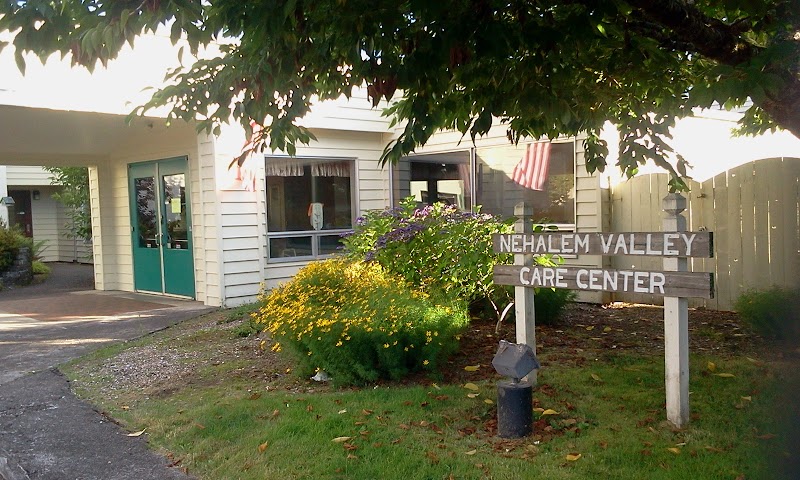
How is Nehalem Valley Staffed?

CMS rates NEHALEM VALLEY CARE CENTER's staffing level at 1 out of 5 stars, which is much below average compared to other nursing homes. Staff turnover is 56%, which is 10 percentage points above the Oregon average of 46%. High turnover can affect care consistency as new staff learn residents' individual needs.

What Have Inspectors Found at Nehalem Valley?

State health inspectors documented 41 deficiencies at NEHALEM VALLEY CARE CENTER during 2023 to 2025. These included: 41 with potential for harm.
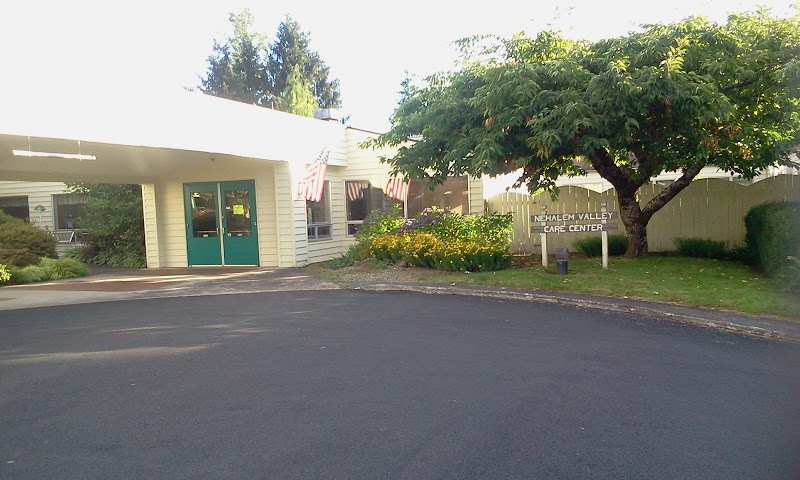
Who Owns and Operates Nehalem Valley?

NEHALEM VALLEY CARE CENTER is owned by a non-profit organization. Non-profit facilities reinvest revenue into operations rather than distributing to shareholders. The facility operates independently rather than as part of a larger chain. With 50 certified beds and approximately 27 residents (about 54% occupancy), it is a smaller facility located in WHEELER, Oregon.
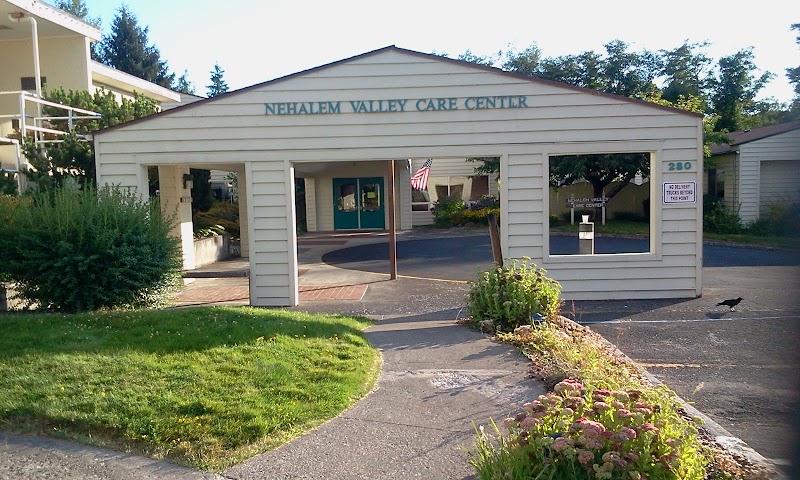
How Does Nehalem Valley Compare to Other Oregon Nursing Homes?

Compared to the 100 nursing homes in Oregon, NEHALEM VALLEY CARE CENTER's overall rating (1 stars) is below the state average of 3.0, staff turnover (56%) is near the state average of 46%, and health inspection rating (2 stars) is below the national benchmark.

What Should Families Ask When Visiting Nehalem Valley?

Based on this facility's data, families visiting should ask: "How do you ensure continuity of care given staff turnover, and what is your staff retention strategy?" "Can you walk me through typical staffing levels on day, evening, and night shifts?" "Can I visit during a mealtime to observe dining assistance and food quality?" "How do you handle medical emergencies, and what is your hospital transfer rate?" These questions are particularly relevant given the facility's high staff turnover rate and the below-average staffing rating.

Is Nehalem Valley Safe?

Based on CMS inspection data, NEHALEM VALLEY CARE CENTER has a clean safety record: no substantiated abuse findings (meaning no confirmed cases of resident harm), no Immediate Jeopardy citations (the most serious violation level indicating risk of serious injury or death), and is not on the Special Focus Facility watch list (a federal program monitoring the lowest-performing 1% of nursing homes). The facility has a 1-star overall rating and ranks #100 of 100 nursing homes in Oregon. While no facility is perfect, families should still ask about staff-to-resident ratios and recent inspection results during their visit.

Do Nurses at Nehalem Valley Stick Around?

Staff turnover at NEHALEM VALLEY CARE CENTER is high. At 56%, the facility is 10 percentage points above the Oregon average of 46%. High turnover means new staff may not know residents' individual needs, medications, or preferences. It can also be disorienting for residents, especially those with dementia who rely on familiar faces. Families should ask: What is causing the turnover? What retention programs are in place? How do you ensure care continuity during staff transitions?

Was Nehalem Valley Ever Fined?

NEHALEM VALLEY CARE CENTER has been fined $16,801 across 1 penalty action. This is below the Oregon average of $33,247. While any fine indicates a compliance issue, fines under $50,000 are relatively common and typically reflect isolated problems that were subsequently corrected. Families should ask what specific issues led to these fines and confirm they've been resolved.

Is Nehalem Valley on Any Federal Watch List?

NEHALEM VALLEY CARE CENTER is not on any federal watch list. The most significant is the Special Focus Facility (SFF) program, which identifies the bottom 1% of nursing homes nationally based on persistent, serious quality problems. Not being on this list means the facility has avoided the pattern of deficiencies that triggers enhanced federal oversight. This is a positive indicator, though families should still review the facility's inspection history directly.