GLEN BROOK REHABILITATION AND HEALTHCARE CENTER
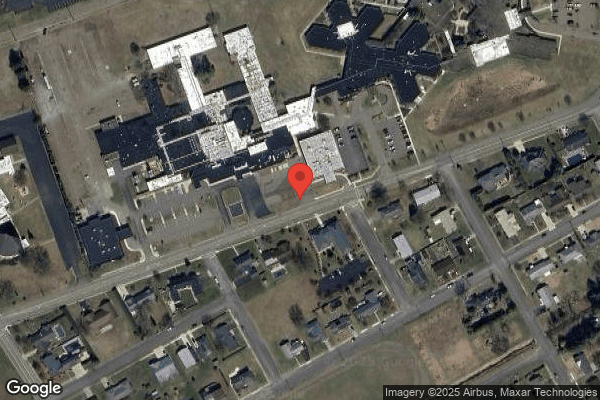
801 EAST 16TH STREET, BERWICK, PA 18603 (570) 759-5400
For profit - Corporation 240 Beds PRESTIGE HEALTHCARE ADMINISTRATIVE SERVICES Data: November 2025
Trust Grade
15/100
#562 of 653 in PA
Last Inspection: March 2025

Within standard 12-15 month inspection cycle. Federal law requires annual inspections.

Overview

Glen Brook Rehabilitation and Healthcare Center has received a Trust Grade of F, indicating significant concerns about the quality of care provided. It ranks #562 out of 653 facilities in Pennsylvania, placing it in the bottom half of nursing homes in the state, and it is the lowest-rated option in Columbia County. While the facility has shown improvement in recent years, reducing issues from 44 to 7, it still faces serious problems, including two incidents of harm to residents-one involving a resident sustaining a hematoma from physical abuse by another resident and another where a resident suffered a second-degree burn due to inadequate assistance during meals. Staffing is rated average with a turnover rate of 54%, and the facility has a concerning $288,193 in fines, higher than 93% of facilities in Pennsylvania. Additionally, it has less RN coverage than 85% of state facilities, which can impact the quality of medical oversight and care.

Trust Score
F
15/100
In Pennsylvania
#562/653
Bottom 14%
Safety Record
High Risk
Review needed
Inspections
Getting Better
44 → 7 violations
Staff Stability
⚠ Watch
54% turnover. Above average. Higher turnover means staff may not know residents' routines.
Penalties
✓ Good
$288,193 in fines. Lower than most Pennsylvania facilities. Relatively clean record.
Skilled Nurses
⚠ Watch
Each resident gets only 27 minutes of Registered Nurse (RN) attention daily — below average for Pennsylvania. Fewer RN minutes means fewer trained eyes watching for problems.
Violations
⚠ Watch
61 deficiencies on record. Higher than average. Multiple issues found across inspections.
★☆☆☆☆
1.0
Overall Rating
★★★☆☆
3.0
Staff Levels
★★★☆☆
3.0
Care Quality
★☆☆☆☆
1.0
Inspection Score
Stable
2024: 44 issues
2025: 7 issues

The Good

  • Full Sprinkler Coverage · Fire safety systems throughout facility
  • No fines on record

Facility shows strength in fire safety.

The Bad

1-Star Overall Rating

Below Pennsylvania average (3.0)

Significant quality concerns identified by CMS

Staff Turnover: 54%

Near Pennsylvania avg (46%)

Higher turnover may affect care consistency

Federal Fines: $288,193

Well above median ($33,413)

Significant penalties indicating serious issues

Chain: PRESTIGE HEALTHCARE ADMINISTRATIVE

Part of a multi-facility chain

Ask about local staffing decisions and management

The Ugly 61 deficiencies on record

2 actual harm
Mar 2025 7 deficiencies
CONCERN (D)

Potential for Harm - no one hurt, but risky conditions existed

Assessment Accuracy (Tag F0641)

Could have caused harm · This affected 1 resident

**NOTE- TERMS IN BRACKETS HAVE BEEN EDITED TO PROTECT CONFIDENTIALITY** Based on a review of clinical records, the Resident Assessment Instrument (RAI), and staff interviews, it was determined the fac...

Read full inspector narrative →
**NOTE- TERMS IN BRACKETS HAVE BEEN EDITED TO PROTECT CONFIDENTIALITY** Based on a review of clinical records, the Resident Assessment Instrument (RAI), and staff interviews, it was determined the facility failed to ensure the Minimum Data Set Assessments accurately reflected the status of two residents out of 35 sampled (Residents 2 and 183). Findings include: According to the Resident Assessment Instrument (RAI) User's Manual (an assessment tool utilized to gather definitive information on a resident's strengths and needs, which must be addressed in an individualized care plan, and the RAI also assists staff to evaluate goal achievement and revise care plans accordingly by enabling the facility to track changes in the resident's status) dated October 2024, Section A2105: Discharge Status indicates to review the medical record, including the discharge plan and discharge orders, for documentation of discharge location. This section indicates that if the resident is discharged to a private home, apartment, board and care, assisted living facility, group home, transition living, or adult foster care, then Code 01, home and community, should be encoded. Also, RAI Section I Active Diagnoses indicates to code diseases that have a direct relationship to the resident's current functional status, cognitive status, mood or behavior status, medical treatments, nursing monitoring, or risk of death. A clinical record review revealed Resident 2 was admitted to the facility on [DATE]. A review of the annual Minimum Data Set assessment (MDS-a federally mandated standardized assessment process conducted periodically to plan resident care) Section I, Active Diagnoses, dated January 9, 2025, indicated Resident 2 has a psychotic disorder (other than schizoaffective and schizophreniform) diagnosis. A clinical record review revealed no documented evidence of a psychotic disorder other than schizoaffective disorders. During an interview on March 21, 2025, at approximately 9:30 AM, the Director of Nursing confirmed Resident 2's MDS dated [DATE], was not accurate. The DON confirmed there was no documented evidence Resident 2 had psychotic disorder diagnosis (other than schizoaffective disorder). A clinical record review revealed Resident 183 was admitted to the facility on [DATE], and discharged home to the community on February 4, 2025. A review of the discharge return not anticipated MDS, dated [DATE], Section A Identification Information; Subsection A2105 Discharge Status indicated Resident 182 was discharged to a short-term general hospital (acute hospital). A progress note dated February 7, 2025, at 4:41 PM revealed Resident 183 was discharged to home with belongings and medications by way of wheelchair through an external transport company. During an interview on March 21, 2025, at approximately 9:30 AM, the DON confirmed Resident 183's discharge return not anticipated MDS dated [DATE], was not accurate. The DON confirmed Resident 183 was discharged to home and not transferred to a community hospital. 28 Pa. Code 211.5 (f)(vi) Medical records. 28 Pa. Code 211.12(d)(3) Nursing services.
CONCERN (D)

Potential for Harm - no one hurt, but risky conditions existed

Comprehensive Care Plan (Tag F0656)

Could have caused harm · This affected 1 resident

**NOTE- TERMS IN BRACKETS HAVE BEEN EDITED TO PROTECT CONFIDENTIALITY** Based on observations, a review of clinical records and staff interviews, it was determined the facility failed to develop and i...

Read full inspector narrative →
**NOTE- TERMS IN BRACKETS HAVE BEEN EDITED TO PROTECT CONFIDENTIALITY** Based on observations, a review of clinical records and staff interviews, it was determined the facility failed to develop and implement a comprehensive person-centered care plan that included specific and individualized interventions to address a resident's involuntary movements for one out of five residents sampled for unnecessary medication (Resident 10). Findings include: A clinical record review revealed Resident 2 was admitted to the facility on [DATE], with diagnoses that included schizoaffective disorder (a condition in which an individual has a mix of schizophrenia symptoms, such as hallucinations and delusions, and mood disorder symptoms, such as depression, mania, and a milder form of mania called hypomania). A clinical record review revealed an Abnormal Involuntary Movement Scale (AIMS- assessment tool used to screen for and assess the severity of tardive dyskinesia (TD), a movement disorder that can occur as a side effect of certain medications, particularly antipsychotics) dated September 23, 2024, indicated Resident 2 has an overall moderate level of severity of abnormal movements and mild incapacitation due to these abnormal movements. The assessment also indicates Resident 2 experiences moderate distress because of the involuntary movements. A clinical record review revealed Resident 2 has a physician's order to receive a Quetiapine Fumarate tablet (an antipsychotic medication that works by affecting the balance of certain chemicals in the brain, such as dopamine and serotonin) 50 mg, with directions to give 50 mg by mouth three times a day related to schizoaffective disorder initiated on January 9, 2025. A physician's order for hydroxyzine HCI oral tablet 10 mg with direction to give 10 mg by mouth every 6 hours as needed for anxiety or motor restlessness was initiated on March 17, 2025. A physician's order for lorazepam 0.5 oral tablet 0.5 mg with directions to give 1.5 tablets by mouth every 8 hours related to generalized anxiety disorder was initiated on July 16, 2024. During an observation on March 19, 2025, at 11:02 AM, Resident 2 was lying in bed, displaying an erratic rolling motion between her left and right sides. Concurrently, her arms were moving irregularly and unpredictably, with abrupt, jerky movements. Resident 2 did not appear to be in control of these movements. A clinical record review revealed no documented evidence the facility developed a care plan to include the resident's involuntary movements and the psycho-social distress the resident reported as a result of the involuntary movements as identified from the September 23, 2024, AIMS assessment. Following questions asked during the survey, Resident 2's care plan was updated to include a care plan focus that indicates she has a behavioral problem and mood problem related to medication-induced akathisia (a movement disorder characterized by an intense, subjective feeling of inner restlessness and an uncontrollable urge to move, often manifesting as pacing, fidgeting, or an inability to sit still, and is frequently a side effect of certain medications, particularly antipsychotics). During an interview on March 21, 2025, at approximately 9:30 AM, the Director of Nursing (DON) and Nursing Home Administrator (NHA) confirmed it is the facility's responsibility to ensure each resident's comprehensive person-centered care plan includes identified problems and services that are to be provided to assist the resident to attain or maintain their highest practicable physical, mental, and psychosocial well-being. The DON and NHA confirmed Resident 2's comprehensive person-centered care plan did not identify a problem with medication-induced involuntary movements or the psychosocial distress caused by the movements prior to inquiries made during the survey ending on March 21, 2025. 28 Pa Code 211.10 (c) Resident care policies. 28 Pa Code 211.12 (d)(1)(3) Nursing services
CONCERN (D)

Potential for Harm - no one hurt, but risky conditions existed

Respiratory Care (Tag F0695)

Could have caused harm · This affected 1 resident

Based on observation, review of clinical records, select facility policy, and staff interview it was determined the facility failed to consistently administer Oxygen (O2) as ordered for one out of 35 ...

Read full inspector narrative →
Based on observation, review of clinical records, select facility policy, and staff interview it was determined the facility failed to consistently administer Oxygen (O2) as ordered for one out of 35 sampled residents (Resident 14). Findings included: Review of the facility Oxygen Administration Policy last reviewed April 17, 2024, indicated that oxygen is administered to residents who need it, consistent with professional standards, the comprehensive person-centered care plans, and the resident's goals and preferences. Oxygen is administered under the orders of a physician, except in the case of an emergency. In such case, oxygen is administered and orders for oxygen are obtained as soon as practicable when the situation is under control. A review of the clinical record of Resident 14 revealed admission to the facility on November 1, 2024, with diagnoses that include congestive heart failure (the heart muscle does not pump blood as well as it should). The resident had a current physician order initially dated December 16, 2024, for O2 at 2 liters per minute (L/min) continuous via nasal cannula for shortness of breath. An observation on March 19, 2025, at 10:15AM revealed Resident 14's O2 concentrator (machine delivering oxygen therapy) was turned on and running at 3 L/min which was not consistent with physician's orders. An observation on March 21, 2025, at 9:05 AM revealed Resident 14's O2 was turned on and again running at 3 L/min failing to follow physician's orders. Employee 1 (LPN) confirmed this observation. Interview with the director of nursing on March 21, 2025, at approximately 9:30 AM confirmed the physician's order for supplemental oxygen was not followed for Resident 14. 28 Pa. Code 211.10 (c) Resident Care Policies 28 Pa. Code 211.12 (d)(1)(3)(5) Nursing services
CONCERN (D)

Potential for Harm - no one hurt, but risky conditions existed

Dental Services (Tag F0791)

Could have caused harm · This affected 1 resident

**NOTE- TERMS IN BRACKETS HAVE BEEN EDITED TO PROTECT CONFIDENTIALITY** Based on a review of clinical records and resident and staff interviews, it was determined the facility failed to timely follow ...

Read full inspector narrative →
**NOTE- TERMS IN BRACKETS HAVE BEEN EDITED TO PROTECT CONFIDENTIALITY** Based on a review of clinical records and resident and staff interviews, it was determined the facility failed to timely follow up with required dental services for one Medicaid payor source resident out of 35 residents sampled (Resident 10). Findings include: A clinical record review revealed Resident 10 was admitted to the facility on [DATE], with diagnoses that included chronic obstructive pulmonary disease (COPD is a condition caused by damage to the airways or other parts of the lung that blocks airflow and makes it hard to breathe) and mild protein malnutrition (inadequate intake of food, particularly protein and calories, resulting in a deficit in expected weight for age or height). A review of a quarterly Minimum Data Set assessment (MDS-a federally mandated standardized assessment process conducted periodically to plan resident care) dated February 3, 2025, revealed that Resident 10 is cognitively intact with a BIMS score of 15 (Brief Interview for Mental Status- a tool within the Cognitive Section of the MDS that is used to assess the resident's attention, orientation, and ability to register and recall new information; a score of 13-15 indicates cognition is intact). A review of the facility's census information revealed Resident 10 receives benefits through Medicaid (a social assistance program providing individuals comprehensive health and long-term care coverage). A progress note dated December 22, 2024, at 3:00 PM revealed that Resident 10 stated he has been missing his lower dentures for two months. A room search revealed the dentures were not able to be located. A progress note dated December 23, 2024, at 7:05 AM revealed Resident 10's representative contacted the facility and wished to speak with the facility about the resident's missing dentures. A progress note dated January 3, 2025, at 11:37 PM revealed an X-ray full series was performed regarding missing dentures. A review of Resident Council meeting minutes dated January 14, 2025, revealed Resident 10 indicated it is very hard for him to eat due to not having his new dentures. During an interview on March 19, 2025, at 10:30 AM, Resident 10 indicated he has not had dentures for three to four months. He expressed that he is upset the facility staff threw his dentures in the garbage. Resident 10 explained he has brought this issue up a few times with staff, but nothing has been done to help him get his new dentures. A clinical record review revealed no documented evidence the facility provided Resident 10 further assistance in attaining dental services to replace his missing dentures until inquiries made during the week of the survey ending on March 21, 2025. During an interview on March 21, 2025, at approximately 9:30 AM, the Director of Nursing (DON) and Nursing Home Administrator (NHA) were not able to provide evidence the facility ensured Resident 10 received dental services to replace his missing dentures. Following inquiries made during the survey, Resident 10 was scheduled for an appointment to receive additional dental services. The DON and NHA confirmed it is the facility's responsibility to ensure residents receive required dental services. 28 Pa. Code 211.12 (d)(3) Nursing services
CONCERN (D)

Potential for Harm - no one hurt, but risky conditions existed

Deficiency F0883 (Tag F0883)

Could have caused harm · This affected 1 resident

**NOTE- TERMS IN BRACKETS HAVE BEEN EDITED TO PROTECT CONFIDENTIALITY** Based on a review of clinical records and staff interview, it was determined the facility failed to offer and/or provide the inf...

Read full inspector narrative →
**NOTE- TERMS IN BRACKETS HAVE BEEN EDITED TO PROTECT CONFIDENTIALITY** Based on a review of clinical records and staff interview, it was determined the facility failed to offer and/or provide the influenza immunization, unless the immunization was medically contraindicated or the resident had already been immunized, for one out of the five residents sampled (Resident 58). Findings include: A review of the clinical record revealed that Resident 58 was admitted to the facility on [DATE], with diagnoses to include chronic atrial fibrillation (a condition that causes the heart to beat irregularly and sometimes much faster than normal) and dementia (a condition characterized by the loss of cognitive functioning such as thinking, remembering, and reasoning to such an extent that it interferes with a person's daily life and activities). A review of a quarterly Minimum Data Set assessment (MDS-a federally mandated standardized assessment process conducted periodically to plan resident care) dated March 6, 2025, revealed that Resident 58 is severely cognitively impaired with a BIMS score of 03 (Brief Interview for Mental Status- a tool within the Cognitive Section of the MDS that is used to assess the resident's attention, orientation, and ability to register and recall new information; a score of 01-07 indicates severe cognitive impairment). A review of Resident 58's influenza immunization informed consent revealed Resident 58's resident representative acknowledged receiving information and education on the benefits and potential side effects of the influenza vaccine. Resident 58's representative authorized consent for Resident 58 to receive an influenza vaccine on January 29, 2025. A review of the clinical record revealed no documented evidence indicating Resident 58 received the influenza vaccine. During an interview on March 21, 2025, at approximately 9:30 AM, the Director of Nursing (DON) confirmed the facility failed to administer Resident 58's influenza vaccination. The DON confirmed it is the facility's responsibility to ensure residents are offered and/or provided the influenza immunization, unless the immunization was medically contraindicated or the resident has already been immunized. 28 Pa. Code 201.14(a) Responsibility of licensee. 28 Pa. Code 201.18(b)(1) Management. 28 Pa. Code 211.10(d) Resident care policies 28 Pa. Code 211.12(d)(3) Nursing Services
CONCERN (E) 📢 Someone Reported This

A family member, employee, or ombudsman was alarmed enough to file a formal complaint

Potential for Harm - no one hurt, but risky conditions existed

Resident Rights (Tag F0550)

Could have caused harm · This affected multiple residents

**NOTE- TERMS IN BRACKETS HAVE BEEN EDITED TO PROTECT CONFIDENTIALITY** Based on a review of clinical records, resident council meeting minutes, and resident and staff interviews, it was determined th...

Read full inspector narrative →
**NOTE- TERMS IN BRACKETS HAVE BEEN EDITED TO PROTECT CONFIDENTIALITY** Based on a review of clinical records, resident council meeting minutes, and resident and staff interviews, it was determined the facility failed to provide care in a manner that promotes each resident's quality of life by failing to respond timely to residents' requests for assistance, including experiences reported by three residents out of 35 residents sampled (Residents 47, 48, and 140) and five out of nine residents interviewed during a resident group interview (Residents 10, 31, 49, 72, and 142). Findings include: A review of Resident Council meeting minutes dated February 11, 2025, revealed residents in attendance raised concerns regarding not being assisted out of bed to participate in activities. The residents indicated there was an issue with receiving staff assistance to get out of bed promptly. Also, residents in attendance raised concerns indicating call bells are not answered when residents ring for assistance. During a resident council meeting on March 19, 2025, at 10:00 AM, Residents 10, 31, 49, 72, and 142 expressed concerns about the timeliness of staff assistance when using their call bells. Resident 49 stated she rang her call bell for assistance the night before but did not receive help for over two hours. She needed medication for not feeling well and noted that this concern had been raised repeatedly in previous Resident Council meetings without improvement Resident 142 stated that staff often enter her room, turn off her call bell light, and leave without providing care. She recalled an incident where she soiled her bed and was left waiting for at least an hour after her call bell was silenced. She noted that delays are more frequent during the night shift Resident 10 stated he routinely waits 20 to 30 minutes for assistance and finds the prolonged delays frustrating. He reported that waiting excessive times for help has become a daily occurrence and it causes him frustration. Resident 72 and his roommate both reported 30-minute wait times for staff to respond to call bells. Resident 72 stated that these delays cause frustration and sadness and make him feel as though staff do not care about the residents Resident 31 indicated he frequently waits 30 minutes or more for care after using his call bell. He reported that staff sometimes respond after 15 minutes, turn off his call bell, and leave without assisting him, forcing him to ring for help multiple times before receiving care. A clinical record review revealed Resident 140 was admitted to the facility on [DATE], with diagnoses that included dementia (a chronic or persistent disorder of the mental processes caused by brain disease or injury and marked by memory disorders, personality changes, and impaired reasoning), and difficulty in walking. A review of a quarterly Minimum Data Set assessment (MDS-a federally mandated standardized assessment process conducted periodically to plan resident care) dated December 14, 2024, revealed that Resident 140 is severely cognitively impaired with a BIMS score of 3 (Brief Interview for Mental Status-a tool within the Cognitive Section of the MDS that is used to assess the resident's attention, orientation, and ability to register and recall new information; a score of 0-7 indicates severe cognitive impairment). During an interview on March 18, 2025, at 12:05 PM, with Resident 140's Responsible Party, she indicated she has concerns regarding the timeliness of staff assisting Resident 140 with her toileting needs. She expressed that Resident 140 is frequently soiled upon arrival when she visits and that the staff may not be checking and changing Resident 140 as often as needed. She reported that Resident 140's husband, Resident 149, reported utilizing the call bell to obtain assistance for his wife, but that they wait an extended period of time, up to an hour, for staff to provide assistance. She continued to report the delay in care is most noted during the evening and night shifts. A clinical record review revealed Resident 48 was admitted to the facility on [DATE], with diagnoses that included stage 4 chronic kidney disease (severe kidney damage leading to waste and fluid buildup), and dependence on renal dialysis (process of removing waste products and excess fluid from the body when the kidneys are not able to adequately filter the blood). A review of an annual MDS dated [DATE], revealed that Resident 48 is cognitively intact with a BIMS score of 14 (a score of 13-15 indicates intact cognition). Interview on March 18, 2025, at 12:30 PM: Resident 48 reported excessive wait times for staff assistance. He recounted waiting 1.5 hours to be placed on a bedpan and another 1.5 hours to be removed from it. He also stated that because he requires assistance from two staff members, staff often respond to his call bell, say they will find a second staff member, and then never return. He reported these delays are most frequent during the second shift A clinical record review revealed Resident 47 was admitted to the facility on [DATE], with diagnoses that included chronic heart failure (a condition that occurs when the heart can't pump enough blood to meet the body's needs). A review of an annual MDS dated [DATE], revealed that Resident 47 is moderately cognitively impaired with a BIMS score of 12 (a score of 8-12 indicates moderate cognitive impairment). During an interview on March 19, 2025, at 11:00 AM, Resident 47 indicated she experiences long wait times for care. She indicated she often waits 20 to 30 minutes or longer for staff to respond to her call bell after she rings for assistance. Resident 47 stated the long wait often occurs when she is ready to get out of bed in the morning. During an interview on March 21, 2025, at approximately 9:30 AM, the Nursing Home Administrator (NHA) and Director of Nursing (DON) verified that all residents at the facility should be treated with dignity and respect and provided care in a manner that promotes each resident's quality of life. The NHA and DON were unable to explain why multiple residents continued to report delayed response times and unmet care needs. 28 Pa. Code 201.18 (e)(1) Management. 28 Pa. Code 201.29 (a) Resident rights. 28 Pa. Code 211.12 (d)(4) Nursing services.
CONCERN (E)

Potential for Harm - no one hurt, but risky conditions existed

Pharmacy Services (Tag F0755)

Could have caused harm · This affected multiple residents

Based on review of clinical records and controlled drug records, and staff interview, it was determined the facility failed to implement procedures to promote accurate accounting and administration of...

Read full inspector narrative →
Based on review of clinical records and controlled drug records, and staff interview, it was determined the facility failed to implement procedures to promote accurate accounting and administration of controlled medications for two of 35 residents sampled (Residents 64 and 92). Finding include: A review of Resident 92's clinical record revealed a physician's order dated December 21, 2024, for Morphine Sulfate 15 mg (an opioid pain medication used to treat moderate to severe pain), with instructions to administer one tablet by mouth every four hours as needed for severe pain. A review of the controlled substance record for Resident 92's Morphine Sulfate 15 mg (schedule II opiate narcotic medication; schedule II drugs have a high potential for abuse) showed that nursing staff signed out doses of the medication on the following dates and times: February 2, 2025, at 4:15 PM February 4, 2025, at 4:00 PM February 5, 2025, at 2:00 PM February 18, 2025, (time illegible) February 21, 2025, at 5:50 PM March 3, 2025, at 4:40 PM However, a review of Resident 92's Medication Administration Record (MAR) revealed there was no documentation indicating that the medication was administered to the resident on these dates and times A review of the clinical record revealed a physician's order dated for January 17,2025, for Resident 64 to receive Oxycodone HCL 5 mg. (Oxycodone is in a schedule II opiate narcotic medication) with instructions to administer one tablet every six hours as needed for moderate pain. A review of the controlled substance record for Resident 64's Oxycodone HCL 5 mg showed that nursing staff signed out doses of the medication on: March 4, 2025, at 8:15 PM March 5, 2025, at 5:00 PM However, the administration of the controlled drug to the resident was not recorded on the resident's Medication Administration Record (MAR) on those dates and times. During an interview on March 21, 2025, at 9:30 AM, the Director of Nursing confirmed the discrepancies in the accounting and administration of opioid pain medications for Residents 64 and 92. 92. 28 Pa Code 211.5 (f)(xi) Medical records 28 Pa Code 211.12 (d)(1)(3)(5) Nursing services 28 Pa Code 211.9(a)(1)(k) Pharmacy services
Oct 2024 5 deficiencies
CONCERN (D)

Potential for Harm - no one hurt, but risky conditions existed

Free from Abuse/Neglect (Tag F0600)

Could have caused harm · This affected 1 resident

**NOTE- TERMS IN BRACKETS HAVE BEEN EDITED TO PROTECT CONFIDENTIALITY** Based on a review of the facility's abuse prohibition policy, select investigative reports and clinical records, and staff inter...

Read full inspector narrative →
**NOTE- TERMS IN BRACKETS HAVE BEEN EDITED TO PROTECT CONFIDENTIALITY** Based on a review of the facility's abuse prohibition policy, select investigative reports and clinical records, and staff interview, it was determined the failed to ensure the provision of care and services necessary to prevent a fall and maintain the physical health of one resident (Resident B1) out of two residents reviewed Findings include: A review of the facility policy titled Abuse, Neglect and Exploitation last reviewed by the facility on April 15, 2024, revealed it is the facility's policy to provide protections for the health, welfare, and rights of each resident by developing and implementing written policies and procedures that prohibit and prevent abuse, neglect, exploitation, and misappropriation of resident property. The policy defines neglect as the failure of the facility, its employees, or service providers to provide goods and services to a resident that are necessary to avoid physical harm, pain, mental anguish, or emotional distress. A clinical record review revealed that Resident B1 was admitted to the facility on [DATE], with diagnoses that included hemiplegia (paralysis of one side of the body) and hemiparesis (weakness on one side of the body) following a cerebrovascular disease (stroke) affecting his left non-dominant side, muscle weakness, and abnormalities of gait and mobility. A review of a quarterly Minimum Data Set assessment (MDS - a federally mandated standardized assessment process conducted periodically to plan resident care) dated November 16, 2024, revealed that Resident B1 was moderately cognitively impaired with a BIMS score of 11 (Brief Interview for Mental Status- a tool within the Cognitive Section of the MDS that is used to assess the resident's attention, orientation, and ability to register and recall new information; a score of 8-12 indicates moderate cognitive impairment), had an impairment on one side of his upper extremity (arm) and lower extremity (leg), required substantial/maximal assistance to transition from sitting to lying in bed, and required total staff assistance to perform chair to bed and bed to chair transfers. A review of a physician's order dated July 3, 2024, revealed an order for the resident to transfer with two (2) staff assist and to use nonskid footwear. A review of the resident's [NAME] (a nursing information system used to obtain specific care information for each resident) revealed the resident required the assistance of two staff members and the use of nonskid footwear for all transfers to ensure safety. A nurses note dated December 9, 2024, at 7:45 PM indicated that the nurse was called to the Resident B1's room. Upon arrival, the resident was found lying on the floor next to the bed and a nightstand. The resident was lowered to the floor while the nurse aid was helping him transfer with assistance of one person. An assessment was completed with no visible injuries. A review of a facility investigative report dated December 9, 2024, revealed that Employee 1, nurse aide, lowered Resident B1 to the floor after she had transferred him with assist of one (1) despite the care plan requiring two-person assistance. A witness statement dated December 9, 2024, (no time indicated) provided by Employee 1, revealed that the resident had asked to go to bed. Employee 1 attempted to put him to bed on her own and he slid onto the floor. The statement indicated that the resident's transfer status required assistance of two (2) staff members. Employee 1 admitted in her statement that she was aware of the two-person transfer requirement but attempted the transfer alone. The resident slipped and was lowered to the floor. A witness statement dated December 10, 2024, (no time indicated) provided by Resident B1, stated I pushed the call button to go to bed. The girl came in and I told her I was ready for bed at 7:00PM. She was a big girl, German and Italian. She was nice. I told her she may need another person, but she said she can put me to bed by herself. She was not able to, and I fell. I did not get hurt. She was a nice girl and was just trying to help me. During an interview on January 9, 2025, at approximately 1:30 PM, the Nursing Home Administrator (NHA) confirmed that the facility staff failed to ensure that Resident B1 received the services necessary to prevent a fall during a transfer. The NHA confirmed that Employee 1, was aware that Resident B1's transfer was to be performed with two people but neglected to assure the presence of a second person and performed the transfer by herself, resulting in Resident 1's fall to the floor. The fall caused unnecessary risk and could have resulted in potential harm. 28 Pa. Code 201.14 (a) Responsibility of licensee 28 Pa. Code 201.18 (e)(1) Management 28 Pa. Code 201.29 (a) Resident Rights 28 Pa. Code 211.12 (d)(1)(5) Nursing Services
CONCERN (D)

Potential for Harm - no one hurt, but risky conditions existed

Comprehensive Care Plan (Tag F0656)

Could have caused harm · This affected 1 resident

**NOTE- TERMS IN BRACKETS HAVE BEEN EDITED TO PROTECT CONFIDENTIALITY** Based on a review of clinical records and staff interview, it was determined the facility failed to develop and/or implement a p...

Read full inspector narrative →
**NOTE- TERMS IN BRACKETS HAVE BEEN EDITED TO PROTECT CONFIDENTIALITY** Based on a review of clinical records and staff interview, it was determined the facility failed to develop and/or implement a person-centered comprehensive care plan for three residents out of 35 sampled (Resident 103, 58, and 404). Findings include: A review of the clinical record revealed Resident 103 was admitted to the facility on [DATE], with diagnoses to include Type 2 diabetes and difficulty walking. A review of a bowel and bladder assessment dated [DATE], revealed the resident is always incontinent of urine and feces. A review of the resident's clinical record revealed the resident is on a two hour check and change program to check for incontinence. A review of the current resident's plan of care revealed the resident's care plan failed to identify the resident's bowel and bladder incontinence and interventions to address the resident's concerns. A review of Resident 58's clinical record revealed that the resident was admitted to the facility July 30, 2023, with diagnoses that included dementia with behavioral disturbances, muscle wasting and atrophy (is a progressive and degeneration or shrinkage of muscles or nerve tissues), lack of coordination, and difficulty walking. A review of the resident's comprehensive person-center care plan that for communication initiated on December 19, 2023, identified that Resident 58 was fluent in both Spanish and English and the resident's needs would be met. Planned interventions included to anticipate and meet the needs of the resident, communicate with family/resident PRN (as needed) about any suspected changes in expression/understanding, and observe for evidence that language expression/understanding is changing in relation to his dementia. Interviews with Employees 3 and Employee 4, both nurse aides (NA), on October 17, 2024, at 11:15 AM, revealed that Resident 58 had behaviors such as frequently self-transferring to the bathroom and resistive during care and the resident required Spanish speaking staff to translate care being rendered to deter escalating behaviors. Staff also reported the resident's family was present most afternoons and would translate for the resident and when there wasn't anyone readily available to translate for the resident, the staff would use translating devises to communicate. Resident 58's comprehensive plan of care failed to include intervventions required to effectively communicate with the resident. A review of the clinical record revealed Resident 401 was admitted to the facility on [DATE] with diagnoses to include Alzheimer's disease (a brain disorder that causes problems with memory, thinking and behavior) and Depression (a mood disorder that causes a persistent feeling of sadness or loss of interest). A review of the documentation provided by the facility listed Resident 401 as Spanish speaking resident. An interview with Employee 1, a NA, on October 24, 2024, at 11:32 AM, revealed the facility had Spanish speaking staff members to help translate and that Resident 401 had been provided a 1:1 sitter (one staff member to one resident to ensure the safety of that resident) that was able to speak Spanish and communicate with Resident 401. An interview with Employee 2, a NA, on October 24,2024 at 11:40 AM, revealed the facility provided staff who did not speak Spanish a translation service so that staff was able to communicate with the resident. A review of Resident 401's care plan, last updated on October 14, 2024, determined the facility failed to develop a person-centered care plan that addressed the resident's inability to communicate with staff. Interview with the Nursing Home Administrator and Director of Nursing on October 25, 2024, at approximately 1:15 PM confirmed the facility failed to ensure that comprehensive care plans were developed to meet the residents specific needs. 28 Pa. Code 211.12 (d)(5) Nursing services
CONCERN (D)

Potential for Harm - no one hurt, but risky conditions existed

Quality of Care (Tag F0684)

Could have caused harm · This affected 1 resident

**NOTE- TERMS IN BRACKETS HAVE BEEN EDITED TO PROTECT CONFIDENTIALITY** Based on a review of clinical records, select facility policy, and resident and staff interviews, it was determined the facility...

Read full inspector narrative →
**NOTE- TERMS IN BRACKETS HAVE BEEN EDITED TO PROTECT CONFIDENTIALITY** Based on a review of clinical records, select facility policy, and resident and staff interviews, it was determined the facility failed to administer medication timely in accordance with physician's orders for one resident out of 35 sampled (Resident 161). Findings include: A facility policy titled Medication Administration, last reviewed by the facility in April 2024, revealed medications are administered by licensed nurses or other staff who are legally authorized to do so, as ordered by the physician and in accordance with professional standards of practice. The policy states that licensed nurses shall Administer medications within 60 minutes prior to or after scheduled time unless otherwise ordered by physician or resident preference. A clinical record review revealed Resident 161 was admitted to the facility on [DATE], with diagnoses that include end-stage renal disease (the final stage of kidney decline where the kidneys are no longer able to function to meet the body's needs). Further clinical record review revealed Resident 161 has a physician's order for Amlodipine Besylate Tablet 10 mg (a calcium channel blocker utilized to lower blood pressure by relaxing blood vessels) with instructions to administer one tablet by mouth one time a day for hypertension initiated on August 26, 2023. The scheduled administration time for this medication is 8:00 AM. A physician's order for [NAME] Aspirin Low Dose Tablet Delayed Release 81 mg (Aspirin) with instructions to administer one tablet by mouth in the morning for atrial fibrillation (a type of irregular heartbeat) initiated on December 29, 2022. The scheduled administration time for this medication is 8:00 AM. A review of a facility Medication Administration Audit Report for Resident 161 from October 1, 2024, through October 24, 2024, revealed the facility failed to timely administer Resident 161's medications on 11 occasions. Resident 161 scheduled 8:00 AM Amlodipine Besylate Tablet 10 mg and [NAME] Aspirin Low Dose Tablet Delayed Release 81 mg were administered on the following dates late: October 1, 2024, at 9:38 AM, 1 hour and 38 minutes after its scheduled time. October 2, 2024, at 9:25 AM, 1 hour and 25 minutes after its scheduled time. October 3, 2024, at 1:31 PM, 5 hours and 31 minutes after its scheduled time. October 4, 2024, at 10:01 AM, 2 hours and 1 minute after its scheduled time. October 6, 2024, at 10:24 AM, 2 hours and 24 minutes after its scheduled time. October 7, 2024, at 9:26 AM, 1 hour and 26 minutes after its scheduled time. October 11, 2024, at 9:20 AM, 1 hour and 20 minutes after its scheduled time. October 16, 2024, at 9:29 AM, 1 hour and 29 minutes after its scheduled time. October 17, 2024, at 10:33 AM, 2 hours and 33 minutes after its scheduled time. October 19, 2024, at 11:04 AM, 3 hours and 4 minutes after its scheduled time. October 20, 2024, at 10:15 AM, 2 hours and 15 minutes after its scheduled time. During an interview on October 25, 2024, at approximately 9:30 AM, the Director of Nursing (DON) confirmed that licensed and professional nursing staff failed to administer Resident 161's medication timely in accordance with physician's orders. 28 Pa. Code 211.5(f)(xi) Medical records. 28 Pa. Code 211.12(c)(d)(1)(3)(5) Nursing services.
CONCERN (D)

Potential for Harm - no one hurt, but risky conditions existed

Deficiency F0688 (Tag F0688)

Could have caused harm · This affected 1 resident

**NOTE- TERMS IN BRACKETS HAVE BEEN EDITED TO PROTECT CONFIDENTIALITY** Based on a review of clinical records, and resident and staff interviews, it was determined the facility failed to ensure reside...

Read full inspector narrative →
**NOTE- TERMS IN BRACKETS HAVE BEEN EDITED TO PROTECT CONFIDENTIALITY** Based on a review of clinical records, and resident and staff interviews, it was determined the facility failed to ensure residents receive appropriate services and assistance to maintain or improve mobility with the maximum practicable independence for two out of 35 residents sampled (Residents 145 and 180). Findings include: A clinical record review revealed Resident 145 was admitted to the facility on [DATE], with diagnoses that included dorsopathy (diseases of the spine and vertebral tissues accompanied by pain in the back) and morbid obesity (a chronic disease that's characterized by a body mass index of 40 or higher, or a body mass index of 35 or higher with obesity-related health issues). A Physical Therapy (PT) Discharge summary dated [DATE], revealed discharge recommendations for Resident 145 to have a restorative range of motion program. Specifically, the recommendations include bilateral lower extremity range of motion in recline and sitting positions and daily out of bed to wheelchair and range of motion to bilateral feet, ankles, knees, and hips. The PT summary indicated that Resident 145 prognosis to maintain current level of functioning is excellent with consistent staff support and resident participation in the restorative nursing program. A clinical record review revealed Resident 145 has an activities of daily life (ADL) self-care deficit related to weakness and deconditioning initiated on May 31, 2022. Her goal is to have her personal ADL needs met with the assistance of staff while promoting her highest level of functioning and dignity implemented on June 15, 2024. During an interview on October 22, 2024, at 12:50 PM, Resident 145 indicated she is not receiving services to improve her mobility. She explained that she had therapy services a few months ago but has not had any rehabilitation services since being discharged from therapy. Resident 145 indicated that nursing staff are not providing any range of motion exercises with her. She explained feeling frustrated and sad because she wants to regain her independence. A clinical record review confirmed that there was no documented evidence of any restorative nursing services for Resident 145 from September 1, 2024, through October 22, 2024. During an interview on October 24, 2024, at approximately 11:00 AM, the Nursing Home Administrator (NHA) and Director of Nursing (DON) confirmed that Resident 145 was not currently receiving restorative nursing services. The NHA confirmed that it is the facility's responsibility and policy to ensure residents receive appropriate services and assistance to maintain or improve mobility with the maximum practicable independence. A review of Resident 180's clinical record revealed that the resident was admitted to the facility on [DATE], with diagnoses that included ALS (amyotrophic lateral sclerosis (ALS) is a progressive neurodegenerative disease that affects nerve cells in the brain and spinal cord that results in muscles weakening and wasting away), cognitive communication deficit, muscle weakness and atrophy (is a progressive and degeneration or shrinkage of muscles or nerve tissues), and dysphagia (difficulty swallowing). A Review of the resident's comprehensive person-centered plan of care that was initiated on April 1, 2024, and revised on July 23, 2024, identified that Resident 180 had ADL (activities of daily living) self-care performance deficits related to ALS with hospice services and a goal for the resident to maintain current level of function in ADL's. Planned interventions included assistance of two-persons with transfers and toilet use, required assist of staff participation to reposition and turn in bed, dependent on staff for eating, and PT/OT evaluation and treatment as per MD orders. A review of the resident's Physical Therapy (PT) Discharge summary dated [DATE], revealed discharge recommendations for twenty-four-hour care and a restorative program for restorative range of motion and assisted active and passive range of motion (AA-PROM) bilateral lower extremities (BLE). Further review of Resident 180's clinical record failed to reveal documented evidence that the recommended restorative program for assisted active and passive range of motion to the bilateral lower extremities were performed by staff from June 1, 2024, through survey ending October 18, 2024. An interview with the NHA and DON on October 18, 2024, at 11:00 AM, confirmed that the facility could not provide documented evidence that Resident 180's recommended restorative program was implemented and confirmed that the facility failed to assure that the restorative nursing program was implemented as per PT's recommendations to maintain the resident's highest practicable function. 28 Pa. Code: 211.12(d)(3)(5) Nursing services
CONCERN (E)

Potential for Harm - no one hurt, but risky conditions existed

Accident Prevention (Tag F0689)

Could have caused harm · This affected multiple residents

**NOTE- TERMS IN BRACKETS HAVE BEEN EDITED TO PROTECT CONFIDENTIALITY** Based on review of clinical records, select facility policy and incident reports, and staff interviews, it was determined that t...

Read full inspector narrative →
**NOTE- TERMS IN BRACKETS HAVE BEEN EDITED TO PROTECT CONFIDENTIALITY** Based on review of clinical records, select facility policy and incident reports, and staff interviews, it was determined that the facility failed to implement adequate safety measures, including sufficient staff supervision, for a resident identified as at high risk for falls to prevent falls for one resident out of 35 sampled (Resident 115). Findings include: A facility policy titled Falls Prevention Program, last reviewed by the facility in April 2024, revealed that each resident will be assessed for fall risk and will receive care and services in accordance with their individualized level of risk to minimize the likelihood of falls. The policy indicates the facility will provide interventions as directed by the resident's assessment, including but not limited to assistive devices, increased frequency of safety monitoring rounds, scheduled ambulation or toileting assistance, and therapy services referrals. A clinical record review revealed Resident 115 was admitted to the facility on [DATE], with diagnoses that included anxiety disorder (a condition in which excessive worry causes clinically significant distress or impairment in social, occupational, or other areas of functioning) and insomnia (a sleep disorder that makes it hard to fall or stay asleep) and a history of falling. A review of an admission Minimum Data Set assessment (MDS - a federally mandated standardized assessment process conducted periodically to plan resident care) dated July 4, 2024, revealed that Resident 115 is severely cognitively impaired with a BIMS score of 3 (Brief Interview for Mental Status- a tool within the Cognitive Section of the MDS that is used to assess the resident's attention, orientation, and ability to register and recall new information; a score of 0-7 indicates severe cognitive impairment). A care plan revealed the resident has delirium or acute confusional episodes at times initiated on July 1, 2024, with a goal that she will be free from signs or symptoms of delirium (changes in behavior, cognitive function, communication level of consciousness, restlessness). Further clinical record review revealed Resident 115 is at risk for falls related to a history of falling, initiated on June 29, 2024. Her care plan indicates she will be free from injury with facility interventions including checking the resident every 15 minutes, anticipating the resident's needs, motion alarms, bilateral floor mats, and a position alarm to the resident's chair and bed to qalert staff of unsafe transfers. A clinical record review revealed Resident 115 experienced nine falls during her first month at the facility from June 29, 2024, through July 29, 2024. A Fall Risk assessment dated [DATE], identified Resident 115 as a high risk for falls. A clinical record review revealed Resident 115 experienced seven additional falls from August 26, 2024, through October 18, 2024. A review of facility investigations revealed that six of these falls were unwitnessed. A progress note dated August 26, 2024, at 12:15 AM, indicated Resident 115 was found on the floor of her room lying on her right side, incontinent, without complaints of pain or discomfort. The resident was assessed without injury. A progress note dated September 1, 2024, at 1:40 AM, indicated Resident 115 was found on the floor in her room. The note indicated that the resident was assessed without injury and assisted to the nursing station for monitoring. A progress note dated September 9, 2024, at 11:27 PM indicated Resident 115 was found on the right side of her bed on her buttocks with her back against the wall. The note indicated that the resident was assessed without injury, assisted into her wheelchair, and brought to the nursing station for monitoring. A progress note dated September 12, 2024, at 5:29 PM indicated Resident 115 was found on the floor near the nurse's station in front of her wheelchair. A small amount of blood was noted on the resident's hand and forehead. An additional progress note dated September 12, 2024, at 5:30 PM indicated Resident 115 was assessed with noted skin tears to her left temple measuring 0.1 cm x 3.0 cm x 0.1 cm and left posterior hand measuring 0.1 cm x 2.0 cm x 0.1 cm. The note indicated the resident reported striking her head against the floor during the event. The resident denied pain and was assessed without further injuries. A progress note dated September 22, 2024, at 11:45 AM, indicated Resident 115 fell out of her chair while sitting in front of the nurse's station. The note explained that her previous skin tear on her left hand began to bleed. The resident had no complaints of pain and was assessed without further injury noted. A progress note dated September 28, 2024, at 10:10 AM, indicated Resident 115 was found on the floor, laying on her right side by the nursing station. The note indicated the resident was assessed, and injuries noted included a skin tear to her right forearm and an abrasion on her right knee. Further clinical record review revealed no additional documented evidence describing Resident 115's right forearm skin tear or right knee abrasion. A progress note dated October 18, 2024, at 3:25 AM, indicated Resident 115 was found on the floor. The resident was assessed without injury and had no complaints of pain or discomfort. The facility failed to implement effective interventions and provide adequate supervision to prevent the resident's reoccurring falls. During an interview on October 25, 2024, at approximately 9:30 AM, the Nursing Home Administrator (NHA) and Director of Nursing (DON) confirmed it is the facility's responsibility to ensure each resident receives adequate safety measures, including sufficient staff supervision to prevent falls. 28 Pa. Code 201.14(a) Responsibility of licensee. 28 Pa. Code 201.18(b)(1) Management. 28 Pa. Code 211.12(d)(3)(5) Nursing services.
Jun 2024 14 deficiencies
CONCERN (D)

Potential for Harm - no one hurt, but risky conditions existed

Transfer Requirements (Tag F0622)

Could have caused harm · This affected 1 resident

Based on a clinical record review and staff interview, it was determined that the facility failed to ensure that the necessary resident specific information was communicated to the receiving health ca...

Read full inspector narrative →
Based on a clinical record review and staff interview, it was determined that the facility failed to ensure that the necessary resident specific information was communicated to the receiving health care provider upon transfer for two out of the 35 residents sampled with facility-initiated transfers (Residents 124 and 90). The findings include: A review of Resident 124's clinical record revealed that the resident was transferred to the hospital on February 10, 2024, and returned to the facility on February 10, 2024. A review of Resident 90's clinical record revealed that the resident was transferred to the hospital on February 22, 2024, and returned to the facility on February 28, 2024. There was no documented evidence that the facility had communicated specific information to the receiving health care provider for these residents transferred and expected to return, including advance directive information, special instructions, or precautions for ongoing care, as appropriate, or comprehensive care plan goals to ensure a safe and effective transition of care. During an interview on June 6, 2024, at approximately 10:30 AM, the Director of Nursing (DON) and Nursing Home Administrator (NHA) confirmed that there was no evidence that the necessary information was communicated to the receiving health care institution or provider upon transfer or discharge. 28 Pa. Code 201.29 (a) Resident rights 28 Pa. Code 211.12 (d)(3)(5) Nursing Services
CONCERN (D)

Potential for Harm - no one hurt, but risky conditions existed

Assessment Accuracy (Tag F0641)

Could have caused harm · This affected 1 resident

**NOTE- TERMS IN BRACKETS HAVE BEEN EDITED TO PROTECT CONFIDENTIALITY** Based on a review of clinical records, and the Resident Assessment Instrument and resident, and staff interviews, it was determi...

Read full inspector narrative →
**NOTE- TERMS IN BRACKETS HAVE BEEN EDITED TO PROTECT CONFIDENTIALITY** Based on a review of clinical records, and the Resident Assessment Instrument and resident, and staff interviews, it was determined that the facility failed to ensure the Minimum Data Set Assessments (MDS - a federally mandated standardized assessment conducted at specific intervals to plan resident care) accurately reflected the status of one resident out of 35 sampled (Resident 98). Findings include: A review of the clinical record revealed that Resident 98 was admitted to the facility on [DATE], with diagnoses to have included cerebral infarction (stroke) and left sided hemiplegia and hemiparesis (one-sided paralysis or weakness caused by brain or spinal cord problem). During an interview on June 4, 2024, at approximately 12:57 PM, with Resident 98, he stated he had suffered a stroke awhile back and has minimal to no use of his left side. A review of Resident 98's Annual MDS assessment dated [DATE], and Quarterly MDS assessment dated [DATE], Section GG - Functional Abilities and Goals, question GG0115 Functional limitations in range of motion, A. upper extremity (shoulder, elbow, wrist, hand) B. lower extremity (hip, knee, ankle, foot) was coded 1 indicating impairment on one side. A review of Resident 98's Quarterly MDS assessment dated [DATE], Section GG - Functional Abilities and Goals, question GG0115 Functional limitations in range of motion, A. upper extremity (shoulder, elbow, wrist, hand) B. lower extremity (hip, knee, ankle, foot) was coded 0 indicating no impairment. Interview with the RNAC (registered nurse assessment coordinator) on June 6, 2024, at approximately 9:20 AM, confirmed that the resident's Quarterly MDS assessment dated [DATE], was inaccurate, with respect to completion of Section GG - Functional Abilities and Goals. Interview with the Director of Nursing (DON) on June 6, 2024, at 10:00 AM, confirmed that Resident 98's quarterly MDS assessment was not accurate.
CONCERN (D)

Potential for Harm - no one hurt, but risky conditions existed

Quality of Care (Tag F0684)

Could have caused harm · This affected 1 resident

**NOTE- TERMS IN BRACKETS HAVE BEEN EDITED TO PROTECT CONFIDENTIALITY** Based on a review of clinical records and staff interview, it was determined that the facility failed to follow physician orders...

Read full inspector narrative →
**NOTE- TERMS IN BRACKETS HAVE BEEN EDITED TO PROTECT CONFIDENTIALITY** Based on a review of clinical records and staff interview, it was determined that the facility failed to follow physician orders for a bowel protocol prescribed for one resident out of 35 sampled (Residents 15) to promote normal bowel activity to the extent possible . Findings include: According to the American Academy of Family Physicians {The American Academy of Family Physicians is one of the largest medical organizations in the US founded to promote the science and art of family medicine}the primary goal of constipation management should be symptom improvement, and the secondary goal should be the passage of soft, formed stool without straining at least three times per week). A review of the clinical record revealed that Resident 15 was admitted to the facility on [DATE], with diagnoses which included Parkinson's disease (a disorder of the central nervous system that affects movement, often including tremors) and constipation. The resident had physician orders dated September 24, 2022, for the following bowel regimen: Milk of Magnesia (MOM) 400 MG/5 ML give 30 ml by mouth as needed for no bowel movement in 72 hours; Dulcolax Suppository 10MG insert 1 suppository rectally as needed if no bowel movement in 4 days and no results from the MOM; Fleet Enema 7-19 GM/118 ML insert 1 dose rectally as needed if no bowel movement for 5 days and no results from the MOM and Dulcolax. Review of Resident 15 's report of bowel activity, the Documentation Survey Report for the month of April 2024, revealed that the resident had a bowel movement on April 4, 2024, at 8:46 PM , and did not have a bowel movement again until six days later on April 10, 2024. Review of Resident 15's Medication Administration Record (MAR) for April 2024, revealed that the facility failed to follow the physician's order and provide the resident with MOM on April 7, 2024, the Dulcolax suppository on April 8, 2024, and the Fleets enema on April 9, 2024, to promote a bowel movement. Review of Resident 15's report of bowel activity, the Documentation Survey Report for the month of May 2024, revealed the resident had a bowel movement on May 9, 2024, at 10:24 PM, and did not have a bowel movement again until 5 days later on May 15, 2024. Review of Resident 15's MAR for May 2024 revealed that the facility failed to follow the physician's order and provide the resident with MOM on May 13, 2024 and the Dulcolax suppository on May 14, 2024 to promote a bowel movement. During an interview with the Director of Nursing and Nursing Home Administrator on June 7, 2024, at approximately 12:45 PM, confirmed that the facility failed to follow physician orders for bowel protocol prescribed for Resident 15. 28 Pa. Code 211.12 (d)(3)(5) Nursing services 28 Pa. Code 211.5 (f) Medical records
CONCERN (D)

Potential for Harm - no one hurt, but risky conditions existed

Drug Regimen Review (Tag F0756)

Could have caused harm · This affected 1 resident

**NOTE- TERMS IN BRACKETS HAVE BEEN EDITED TO PROTECT CONFIDENTIALITY** Based on a review of clinical records and staff interview, it was determined that the attending physician failed to act upon pha...

Read full inspector narrative →
**NOTE- TERMS IN BRACKETS HAVE BEEN EDITED TO PROTECT CONFIDENTIALITY** Based on a review of clinical records and staff interview, it was determined that the attending physician failed to act upon pharmacist identified irregularities in the medication regimen of one of 35 residents sampled (Resident 124). Findings include: Regulatory requirements under §483.45(c)(4)(iii) requires that the resident's attending physician review and act on any identified irregularities. A review of the clinical record revealed Resident 124 was admitted to the facility on [DATE], and had diagnoses that included dementia with agitation (a chronic or persistent disorder of the mental processes caused by brain disease or injury and marked by memory disorders, personality changes, and impaired reasoning), major depressive disorder, and generalized anxiety disorder. A review of December 2023 monthly pharmacy reviews revealed that the consultant pharmacist identified three irregularities in Resident 124's drug regimen. The consultant pharmacist recommended that the resident's as needed (prn) Olanzapine (Zyprexa an antipsychotic medication) with severe agitation diagnosis will trigger quality indicator for inappropriate antipsychotic use. The pharmacist suggested that the physician indicate 14 days length of therapy. The pharmacist also identified that the prescribed Brexpiprazole (Rexulti and antipsychotic medication) with a dementia diagnosis will trigger quality indicator for inappropriate antipsychotic use. At the time of the survey ending June 7, 2024, the facility was unable to provide documented evidence of the above pharmacy recommendations that were sent to the physician and failed to provide written documentation of the attending physician's response to the identified drug irregularities. A review of a Consultant Pharmacist Nursing Unit Inspection Report dated March 28, 2024, revealed that the consultant pharmacist identified that Quetiapine (Seroquel and antipsychotic medication) with an anxiety disorder will trigger quality indicator for inappropriate antipsychotic use. The pharmacist requested that the physician Please review the diagnosis. At the time of the survey ending June 7, 2024, the resident's attending physician failed to document an appropriate response to the identified irregularity, but instead, the facility's consultant psychiatric CRNP (certified registered nurse practitioner) had responded to the pharmacy recommendation and signed off as he reviewed it. A review of a Consultant Pharmacist Nursing Unit Inspection Report dated April 29, 2024, revealed the consultant pharmacist indicated Seroquel with a dementia diagnosis will trigger inappropriate use. Please review the diagnosis and usage and consider a GDR (gradual dose reduction). Further review revealed the resident's attending physician failed to document an individualized response to the pharmacy recommendation. Instead, the facility's consultant psychiatric CRNP had responded stating behavioral history benefits outweigh risks to the pharmacy recommendation and signed off as he reviewed the recommendation. In an interview with the Director of Nursing on June 7, 2024, at approximately 10:00 AM revealed that the facility was unable to locate the pharmacy recommendations for December 2023 and confirmed that consultant psychiatric CRNP was responding to the pharmacy recommendations and not the resident's attending physician as noted in the regulation. 28 Pa. Code 211.9 (k) Pharmacy services. 28 Pa. Code 211.12 (c) Nursing services.
CONCERN (D)

Potential for Harm - no one hurt, but risky conditions existed

Deficiency F0757 (Tag F0757)

Could have caused harm · This affected 1 resident

**NOTE- TERMS IN BRACKETS HAVE BEEN EDITED TO PROTECT CONFIDENTIALITY** Based on a review of clinical records, and staff interviews, it was determined that the facility failed to ensure that a residen...

Read full inspector narrative →
**NOTE- TERMS IN BRACKETS HAVE BEEN EDITED TO PROTECT CONFIDENTIALITY** Based on a review of clinical records, and staff interviews, it was determined that the facility failed to ensure that a resident's drug regimen was free of unnecessary antibiotic drugs for two out of 35 residents sampled (Residents 50 and 18). Findings included: A clinical record review revealed that Resident 50 was admitted to the facility on [DATE], with diagnoses that included chronic kidney disease (gradual loss of kidney function) and cerebral infarction (brain damage that results from a lack of blood). A review of a quarterly Minimum Data Set assessment (MDS - a federally mandated standardized assessment process conducted periodically to plan resident care) dated May 4, 2024, revealed that Resident 50 is cognitively intact with a BIMS score of 15 (Brief Interview for Mental Status- a tool within the Cognitive Section of the MDS that is used to assess the resident's attention, orientation, and ability to register and recall new information; a score of 13-15 indicates cognition is intact). A nursing progress note dated April 5, 2024, at 9:15 PM indicated that the physician was aware that Resident 50 had complaints of pain, burning, and frequency with urination. The note indicated that a new physician's order was received for a urine analysis (U/A) and culture and sensitivity (C&S- a laboratory test used to identify organisms present in the urine and determine their susceptibility to antibiotic treatment). A physician's order dated April 5, 2024, was noted for Resident 50 to have a U/A and C&S for complaints of pain, burning, and {urinary} frequency. Clinical record review conducted at the time of the survey ending June 7, 2024, revealed no documentation that staff attempted to obtain a urine sample to complete the testing. A nursing progress note dated April 8, 2024, at 2:18 PM was noted that the physician was notified that a urine sample was not been collected because Resident 50 is incontinent. A nursing progress note dated April 9, 2024, at 2:25 PM indicated that the physician was notified because the resident continues to complain of urinary frequency and burning with urination and a urine sample was not collected as the resident is 100% incontinent. A physician's order was noted Resident 50 to receive Doxycycline Hyclate Oral Capsule 100 mg (an antibiotic medication) with the direction to give 100 mg by mouth every 12 hours for dysuria, a possible urinary tract infection for five days. A Medication Administration Record (MAR) dated April 2024 revealed that Resident 50 received her first dose of Doxycycline Hyclate Oral Capsule 100 mg on April 9, 2024, at 8:00 PM. A nursing progress note dated April 10, 2024, indicated that an order for antibiotic medication was initiated for symptoms of dysuria without a urine analysis or culture and sensitivity completed. The physician indicated that the risk of antibiotic therapy to treat bacterial infection of the urine does not outweigh the risk of complications from catheterization required to obtain a specimen. A progress note dated April 11, 2024, at 2:12 PM indicated that Resident 50 reported that she still has {increased} frequency and burning {with urination}. A progress note dated April 12, 2024, at 1:23 PM indicated that Resident 50 reported that she still has {increased} frequency and burning {with urination}. A Medication Administration Record dated April 20, 2024, revealed that Resident 50 received her last ordered dose of Doxycycline Hyclate Oral Capsule 100 mg on April 14, 2024, at 8:00 AM. A progress note dated April 15, 2024, at 1:11 PM indicated that Resident 50 reported that she still has some burning with urination. According to the MAR dated April 2024, Resident 50 received 10 doses of Doxycycline Hyclate Oral Capsule 100 mg. During an interview on June 5, 2024, at 13:00 PM, Resident 50 stated that she gets urinary tract infections regularly. She explained that in the past, the facility would assist her in collecting a sample of her urine. She stated that she is able to hold her urine occasionally and would be able to urinate in a container with staff assistance. She stated that during April, staff never attempted to assist her to provide a sample of her urine for the necessary lab testing. During an interview on June 6, 2024, at approximately 10:30 AM, the Director of Nursing (DON) was unable to provide evidence that Resident 50 was free from unnecessary antibiotic medications. The DON was unable to provide evidence that staff attempted to collect a urine sample from Resident 50 prior to the administration of antibiotic medication or during the course of treatment as the resident continued to have complaints of burning and increased urinary frequency. A clinical record review revealed that Resident 18 was admitted to the facility on [DATE], with dementia (impaired ability to remember, think, or make decisions that interferes with doing everyday activities). A review of a nursing note dated March 4, 2024, at 12:45 PM revealed that the resident was continuing to hallucinate. The resident vital signs were stable. The resident did not have any complaints of pain or dysuria (discomfort, pain, or burning when urinating) The physician was called, and an order was obtained for a urinalysis with culture and sensitivity. The physician, at that time, also ordered Ciprofloxacin 500MG every 12 hours for 10 days. Nursing documentation, dated March 5, 2024, following the collection of the urine sample, revealed that the resident did not display any other signs or symptoms of a UTI. A review of documentation provided by the infection preventionist during the survey ending June 7, 2024, revealed the resident's only symptom of possible UTI was altered mental status and a sticky note was present, which stated did not meet McGeer's criteria. A review the resident's laboratory report results dated March 6, 2024, at 9:34 AM revealed the urine showed multiple flora suggesting either the sample was contaminated or colonized. A review of a nursing note dated March 6, 2024, at 4:45 PM revealed that the physician was made aware of the urine sample being contaminated and the physician advised to continue Cipro for the 10 days. A review of Resident 18's March 2024 Medication Administration Record revealed the resident received 20 doses of an unnecessary antibiotic, Cipro. An interview with the Director of Nursing on June 7, 2024, at approximately 12:45 PM, confirmed that the administration of Ciprofloxacin was not clinically justified, and the resident received medication that was unnecessary. Refer 881 28 Pa. Code 211.2(d)(3)(5) Medical Director 28 Pa. Code 211.5 (f)(x) Medical records 28 Pa. Code 211.12(d)(3)(5) Nursing services
CONCERN (D)

Potential for Harm - no one hurt, but risky conditions existed

Medication Errors (Tag F0758)

Could have caused harm · This affected 1 resident

Based on a review of clinical records and staff interview, it was determined that the facility failed to consistently attempt non-pharmacological interventions prior to the administration of an antips...

Read full inspector narrative →
Based on a review of clinical records and staff interview, it was determined that the facility failed to consistently attempt non-pharmacological interventions prior to the administration of an antipsychotic medication prescribed on an as needed basis (PRN) for one resident out of 35 reviewed (Resident 230). Findings include: A review of the clinical record revealed that Resident 230 had diagnoses, which included cerebral infarction with left-side hemiplegia and anxiety. An admission Minimum Data Set assessment (MDS-standardized assessment completed at specific intervals to identify specific resident care needs) dated May 25, 2024, revealed that the resident was moderately cognitively impaired with a BIMS score of 10 (the Brief Interview for Mental Status a tool that assesses cognition; a score of 8-12 equates to being moderately cognitively impaired). A current physician's order, initially dated May 30, 2024, was noted for Seroquel (an antipsychotic) 25 mg one tablet as needed every 24 hours for anxiety for 14 days. Non-pharmacological interventions planned included activities, redirection, repositioning, food/fluids, rest period, and quiet environment. A review of the resident's June 2024 Medication Administration Record (MAR) revealed that staff administered the prn antipsychotic medication on June 1, 2024, at 8:46 PM and June 3, 2024, at 1:32 AM for behaviors of the resident being very restless and increased yelling out. There was no documented evidence that the planned non-pharmacological interventions were attempted prior to administering the prescribed antipsychotic prn medication. During an interview with the Director of Nursing (DON) on June 7, 2024, at approximately 1:00 PM failed to provide documented evidence planned non-pharmacological interventions were attempted prior to administering the prescribed prn antipsychotic medication. 28 Pa. Code 211.5(f) Medical records 28 Pa. Code 211.12(c)(d)(1)(3)(5) Nursing Services
CONCERN (D)

Potential for Harm - no one hurt, but risky conditions existed

Food Safety (Tag F0812)

Could have caused harm · This affected 1 resident

Based on observation and staff interview, it was determined that the facility failed to maintain acceptable practices for the storage and service of food to prevent the potential for contamination and...

Read full inspector narrative →
Based on observation and staff interview, it was determined that the facility failed to maintain acceptable practices for the storage and service of food to prevent the potential for contamination and microbial growth in food, which increased the risk of food-borne illness in two of four resident pantries (Spruce Nursing Unit and North Nursing Unit). Findings include: Food safety and inspection standards for safe food handling indicate that everything that comes in contact with food must be kept clean and food that is mishandled can lead to foodborne illness. Safe steps in food handling, cooking, and storage are essential in preventing foodborne illness. You cannot always see, smell, or taste harmful bacteria that may cause illness according to the USDA (The United States Department of Agriculture, also known as the Agriculture Department, is the U.S. federal executive department responsible for developing and executing federal laws related to food). Observation of the resident food pantry located on the Spruce Nursing Unit on June 5, 2024, at 12:00 PM revealed that inside the refrigerator there was an opened 46-ounce container of cranberry nectar-thickened juice which was not dated when opened (manufacturer's label noted that the juice was to be used within 10 days of opening). Observation of the resident food pantry located on the North Nursing Unit on June 5, 2024, at 12:30 PM revealed that inside the refrigerator there was an opened 46-ounce container of lemon nectar-thickened water which was dated May 23, 2024. The manufacturer's label noted to keep under refrigeration after opening for up to seven days. Interview with the Nursing Home Administrator on June 5, 2024, at 2:00 PM confirmed that all food items in the resident pantries were to be properly dated upon opening and discarded according to manufacturer recommendations to ensure food quality and reduce the risk of food-borne illness. 28 Pa. Code 211.6 (f) Dietary services 28 Pa. Code 201.18 (e) (2.1) Management
CONCERN (E)

Potential for Harm - no one hurt, but risky conditions existed

Resident Rights (Tag F0550)

Could have caused harm · This affected multiple residents

Based on a review of grievances filed with the facility and the minutes from resident group meeting and resident and staff interviews, it was determined that the facility failed to provide care in a m...

Read full inspector narrative →
Based on a review of grievances filed with the facility and the minutes from resident group meeting and resident and staff interviews, it was determined that the facility failed to provide care in a manner and environment that promotes each resident's quality of life by failing to respond timely to residents' requests for assistance, including experiences reported by three out of the 35 residents sampled (Residents 8, 50, and 161) and five out of 10 residents interviewed during a group interview (Residents 56, 141, 154, 172, and 173). Findings include: A review of grievances lodged with the facility revealed a grievance from a resident dated April 14, 2024, relaying that the resident had activated her call bell to request staff assistance to be changed. According to the resident's grievance, staff came in to the resident's room and told the resident she would get someone to help her and turned off her call bell but staff did not return to the resident's room to provide the needed care. A resident grievance dated April 16, 2024, indicated that nursing staff gave him hell after he turned his call bell light back on after 45 minutes. The grievance indicated that the resident was told he had to wait an additional 20 minutes because staff was on break. A resident grievance dated April 25, 2024, indicated that the resident reported that the aides left him sitting in sh*t for two hours. The grievance indicated that staff told the resident that she needed to collect lunch trays. A resident grievance dated April 28, 2024, indicated that a resident stated that she rang her call bell and staff told her she would have to wait until night shift because she was changed enough. A grievance dated May 28, 2024, indicated that a resident rang the call bell to request staff provide the bedpan, but staff never came. The grievance indicated that the resident was incontinent with urine and waited almost three hours for care. A review of Resident Council Meeting Minutes dated March 13, 2024 revealed that residents in attendance indicated that some licensed nursing staff are hard to find and nurse aides are not responsive to call bells. Resident Council Meeting Minutes dated April 9, 2024, revealed that residents in attendance voiced concerns with how long it takes for nursing staff to respond to their call bells requesting assistance or that staff turn off their call bells, then leave their rooms, but do not provide the needed care. During an interview on June 4, 2024, at 11:13 AM, Resident 161 stated that he knows that the wait times for staff to respond to call bells are long, so even when he needs assistance, he will wait until staff are less busy before he rings his call bell for assistance. He explained that the wait times are at least 20 to 30 minutes when staff are busy. Resident 161 stated he hates to ring for assistance, but when he needs help, he has to rely on staff for care. During an interview on June 4, 2024, at 11:51 AM, Resident 8 stated that she experiences long wait times for care. She explained that at times she waits 35 to 45 minutes for staff to respond to her call bell requests for assistance. Resident 8 stated that she is diabetic and is worried about the time it takes to get assistance from staff. She explained that she waits the longest for care on the evening and night shifts. Resident 8 stated that last week she waited from 8:00 PM until 9:20 PM before someone responded to her call bell for assistance. During an interview on June 5, 2024, at 1:00 PM Resident 50 stated that she waits 20 minutes to an hour for staff to respond to her call bell requests for staff assistance. She explained that the wait time is even longer when the nursing shifts change or during meal times. Resident 50 stated that yesterday she came back to the facility at 3:00 PM and rang her call bell for staff assistance to return to bed. She explained that staff did not respond and help her to bed until 5:00 PM. During a resident group interview on June 5, 2024, at 10:00 AM, five alert and oriented residents reported that they are experiencing long wait times for care after ringing their call bells for staff assistance (Residents 56, 141, 154, 172, and 173). Resident 56 stated that he experiences wait times up to 30 minutes. He explained that lately the wait times are getting worse. Resident 141 stated that she waits up to two hours to receive care from staff. She explained that she believes there are not enough licensed nurses in the building to provide the care the residents need. The resident stated that she has filed many grievances about how long it takes to receive care from nursing staff, but nothing has changed. She explained that she tries not to ring the call bell for staff assistance when she knows staff are busy, but sometimes she can't help it and needs their assistance. Resident 154 stated that she experiences long wait times for staff assistance on the weekends. She explained that sometimes she waits 30 minutes for care after ringing her call bell for staff assistance. Resident 172 stated that she waits 30 minutes for care from staff when requested. Resident 173 stated that she experiences long wait times to receive care when requested, especially during the overnight shifts. She explained that staff will often initially respond to her call bell, turn her call light off, then leave without providing her care. She stated that she sometimes waits up to an hour before being provided care that had requested. During an interview on June 6, 2024, at approximately 10:30 AM, the Nursing Home Administrator (NHA) and Director of Nursing (DON) verified that all residents at the facility should be treated with dignity and respect. The NHA and DON were unable to explain why residents are reporting untimely staff responses to residents' requests for assistance, which is negatively affecting their quality of life in the facility. 28 Pa. Code 201.18 (e)(1) Management 28 Pa. Code 201.29 (a) Resident Rights 28 Pa. Code 211.12(c)(d)(1)(5) Nursing services
CONCERN (E)

Potential for Harm - no one hurt, but risky conditions existed

Accident Prevention (Tag F0689)

Could have caused harm · This affected multiple residents

**NOTE- TERMS IN BRACKETS HAVE BEEN EDITED TO PROTECT CONFIDENTIALITY** Based on observation, a review of clinical records, select incident/accident reports and facility policy and staff interview, it...

Read full inspector narrative →
**NOTE- TERMS IN BRACKETS HAVE BEEN EDITED TO PROTECT CONFIDENTIALITY** Based on observation, a review of clinical records, select incident/accident reports and facility policy and staff interview, it was determined that the facility failed to maintain an environment free of potential accident hazards by failing to prevent accidental ingestion of denture tablets for one resident (Resident 88) out of 35 sampled and safe storage of oxygen cylinders (tanks) on two of four nursing units (North and East Nursing Units). Findings include: A review of clinical record revealed that Resident 88 was admitted to the facility on [DATE], with diagnoses to include diabetes, dysphagia (difficulty in swallowing), bipolar disorder (extreme mood swings), and age-related cataracts. A quarterly Minimum Data Set assessment (MDS - a federally mandated standardized assessment process conducted at specific intervals to plan resident care) dated February 26, 2024, revealed that the resident was moderately cognitively impaired. A review of a late entry nurses note dated March 22, 2024, at 1302 hours (1:02 PM) indicated that Resident 88 was found with a small amount of green debris on the right side of her mouth. It was noted that nursing staff found several denture cleaning tablets (denture cleaning tablets that use chemicals to remove stains caused by food) in the resident's room and removed them. Resident 88 denied that they are for cleaning dentures. The incident was reported to the physician and no new orders were received. The resident's vital signs were obtained and within normal range, 97.4, 83, 18, 112/55, 97% room air, no injuries were noted. A nurses note dated March 22, 2024, at 1342 hours (1:42 PM) noted that staff found denture cleaning tablets in resident's room, and the resident has no dentures. A small amount green debris was coming out of the right side of the resident's mouth. The resident reported that she was eating candy. The RN was notified. A review of a late entry nurses note dated March 22, 2024, at 1808 hours (6:08 PM) indicated that staff noted earlier this day that the resident had some green material around her mouth. It was determined to be from a denture tab that the resident thought was candy and had placed in her mouth. The denture tab was spit out and not consumed. Attempts to educate the resident that the denture tab was not food or candy was ineffective as she refused to believe staff. Her room was searched with her permission and the remaining two denture tablets were removed. MD and RP were made aware of all of the above and no new orders were received. A review of a nurses note dated March 22, 2024, at 1342 hours (1:42 PM) stating the incident from March 22, 2024, discussed with Interdisciplinary Team (IDT) members. Resident does not have dentures, but her roommate (Resident 45) does, and resident is known to rummage through other resident's belongings and take things that do not belong to her. New intervention is to do a sweep of resident's room x 1 week and make sure that no denture tabs or other non-edible items are within her reach and/or removed from the room. MD and RP made aware of same. A facility provided incident report (IR) dated March 22, 2024, at 1303 (1:03 PM) indicated that the resident had some green debris on her chin, and around the right side of her mouth. [NAME] denture cleaning tablets (2) found in her room. Resident does not have dentures. She (Resident 88) said it was candy. A witness statement from Employee 1, Licensed Practical Nurse (LPN), dated March 22, 2024, indicated she had last seen Resident 88 at 10:00 AM, at which time the resident was sitting on her bed. A review of clinical record revealed that Resident 45 (Resident 88's roommate) was admitted to the facility on [DATE], with diagnosis to include cerebral infarction (stroke), and hemiplegia and hemiparesis following cerebral infarction affecting right dominant side. A quarterly Minimum Data Set assessment dated [DATE], revealed that the resident was moderately cognitively impaired. A review of Resident 45's plan of care revealed she has upper/lower dentures, but the care plan did not identify who was responsible for cleaning or storing supplies needed for the dentures in the resident's room. Resident 45's physician orders at the time the survey ending June 7, 2024, revealed no orders that the resident may keep denture cleaning supplies in the resident's room. Interview with the Director of Nursing (DON) on June 5, 2024, at approximately 12:55 PM, confirmed that treatments, including denture cleaning tablets were not to be left in the residents rooms, unless physician ordered and if the resident had demonstrated the ability to safely use, and safely store them. Interview with the Nursing Home Administrator (NHA) on June 5, 2024, at approximately 1:05PM, confirmed that the facility failed to maintain the residents' environment free of potential accident hazards by leaving the denture cleaning tablets accessible to residents and potential misuse or ingestion Review of a facility policy entitled Oxygen Safety last reviewed on April 17, 2024, indicated that it is the policy of the facility to provide a safe environment for residents, staff, and the public. Oxygen Storage requires that cylinders will be properly chained or supported in racks or other fastenings (i.e. sturdy portable carts, approved stands) to secure all cylinders from falling, whether connected, unconnected, full, or empty. Observation of Resident room [ROOM NUMBER]W on the North Nursing Unit on June 4, 2024, at 11:45 AM revealed an oxygen cylinder (tank) standing upright under the windowsill. The oxygen cylinder was not secured. Interview with Employee 5 (LPN) at this time confirmed the observation and the employee stated that all oxygen cylinders were to stored securely. Observation of Resident room [ROOM NUMBER]W on the East Nursing Unit on June 6, 2024, at 12:30 PM revealed an oxygen cylinder standing upright in the corner of the room. Interview with Employee 6 (RN) at this time confirmed that oxygen tanks should be stored in a secure manner Interview with the nursing home administrator on June 6, 2024, at approximately 1:00 PM, confirmed that the oxygen tanks were to be stored securely at all times. 28 Pa. Code 201.18 (e)(2.1) Management 28 Pa. Code 211.10 (a) Resident care policies 28 Pa. Code 211.12 (d)(5) Nursing services
CONCERN (E)

Potential for Harm - no one hurt, but risky conditions existed

Deficiency F0726 (Tag F0726)

Could have caused harm · This affected multiple residents

**NOTE- TERMS IN BRACKETS HAVE BEEN EDITED TO PROTECT CONFIDENTIALITY** Based on observation, a review of clinical records, select facility reports, and employee personnel files and interviews with st...

Read full inspector narrative →
**NOTE- TERMS IN BRACKETS HAVE BEEN EDITED TO PROTECT CONFIDENTIALITY** Based on observation, a review of clinical records, select facility reports, and employee personnel files and interviews with staff, it was determined that the facility failed to provide nursing staff with the necessary competencies and skills to administer prescribed medications, according to professional standards of nursing practice to residents for 5 out of 35 residents residing in the facility. (Residents 83, 32, 92, 50, and 3). Findings include: According to the American Nurses Association the Standards of Practice describe a competent level of nursing care as demonstrated by the critical thinking model known as the nursing process. The nursing process includes the components of assessment, diagnosis, out- comes identification, planning, implementation, and evaluation. Nurses' responsibility for medication administration includes ensuring that the right medication is properly drawn up in the correct dose and administered at the right time through the right route to the right patient. A review of clinical record revealed that Resident 83 was admitted to the facility on [DATE], with diagnosis to include dementia (a condition characterized by progressive or persistent loss of intellectual functioning, especially with impairment of memory and abstract thinking, and often with personality change), gastro-esophageal reflux disease (GERD), and anxiety. A quarterly Minimum Data Set assessment (MDS - a federally mandated standardized assessment process conducted at specific intervals to plan resident care) dated December 16, 2023, revealed that the resident was severely cognitively impaired. A review of a nurses note dated March 9, 2024, at 0845 hours (8:45 AM) indicated that Resident 83 was laying in bed no complains of pain, difficulty breathing or discomfort noted. A narcotic medication error was identified during change of shift at 7 AM on that date whereas Employee 2, an agency LPN, on the 11 PM to 7 AM shift administered Tramadol (opioid pain medication) 50 milligram (mg) instead of the prescribed Oxycodone (opioid pain medication) 5 mg capsule. Employee 2, agency LPN, stated she must have been confused by same last name with another resident. Vitals are stable, Temperature 97.7 Pulse 78 Blood Pressure 148/72 Respiration 18 oxygen saturation 94%. Supervisor on call made aware, MD made aware, called family member (son), left message, will continue to monitor resident status. A nurse's note dated March 9, 2024, at 1236 hours (12:36 PM) indicated that the resident's son was made aware of medication error, advised him that resident is stable no signs or symptoms of discomfort noted. Son verbalized understanding and he will call resident later today. A medication error report dated March 9, 2024, revealed that at 1:43 AM, on March 9, 2-24, Employee 2, agency LPN administered Tramadol 50 mg, instead of the physician ordered Oxycodone 5 mg to Resident 83. Physician, supervisor, pharmacy, and family notified. The corrective action was an in-service (education) on the 7 rights of medications. Employee 2 (Agency LPN)'s facility orientation, job orientation, skills check, and or medication competency evaluation was requested at the time of the survey ending June 6, 2024. Interview with the Nursing Home Administrator (NHA) on June 6, 2024, at approximately 9:35AM, confirmed that the facility was unable to provide any of the requested orientation and competency information regarding Employee 2 (Agency LPN). According to the NHA, Employee 2 agency LPN, employment with the facility was terminated and the nurse was do not return (DNR). During an observation of the medication administration pass on June 4, 2024, at approximately 9:45 AM, Employee 1 Licensed Practical Nurse (LPN) was working on the East E/F medication cart. As Employee 1 (LPN) opened the top drawer of the medication cart, she moved her right hand, which was holding a few medication blister cards over to the right side in an apparent attempt to cover something. When asked what was on the right side of the drawer, she moved her hand displaying stacks of several clear, plastic, disposable medication cups containing medications. The cups were not labeled with any resident names. Interview with Employee 1, LPN, at that time, revealed that Employee 1 stated that the cups of medications observed in the top drawer of the medication cart were the medications prepared for the morning med pass. Employee 1, LPN, stated she had already pre-poured the medications (pre-pouring medications is the process of preparing medications in advance and then storing them until administering to the patient), and stated I will probably get in trouble for this, and in questioning why the medications were pre-poured Employee 1 (LPN) stated it is a shortcut that I do. During continued interview with Employee 1, Licensed Practical Nurse (LPN), at that time revealed that she stated that she pre-poured medications for the following residents: Resident 32: aspirin 81 milligram (mg), carbidopa-levodopa 25-100 mg, Lexapro 20 mg, Keppra 750 mg, lorazepam 0.5 mg, metoprolol 50 mg, potassium chloride 20 meq, and risperidone 1 mg. Resident 92: atenolol 25 mg, metformin 500 mg, amlodipine 10 mg, omeprazole 40 mg, senna 8.6 mg, rosuvastatin 5 mg, and hydrochlorothiazide 25 mg. Resident 50: tramadol 50 mg. Resident 83: Xanax 0.5 mg. Resident 3: Ativan 0.5 mg. A review of Employee 1 (LPN) personnel file conducted on June 5, 2024, at approximately 1:40 PM, with the Director of Human Resources identified the date of hire [Employee 1 (LPN)] was May 15, 202. The facility was unable to locate - provide documented evidence of the nursing specific orientation, skills check upon hire, yearly performance evaluation, and or recent competency evaluation. Interview with the Nursing Home Administrator (NHA) on June 6, 2024, at approximately 9:35AM, confirmed the facility was unable to locate - provide documented evidence of the nursing specific orientation, skills check list upon hire, yearly performance evaluation, and or competency evaluation. The NHA further confirmed the facility failed to provide nursing staff with the necessary competencies and skills to administer prescribed medications, according to professional standards of nursing practice. 28 Pa. Code 211.12 (c)(d)(1)(5) Nursing Services. 28 Pa. Code 201.19 (6)(7) Personnel records
CONCERN (E)

Potential for Harm - no one hurt, but risky conditions existed

Deficiency F0760 (Tag F0760)

Could have caused harm · This affected multiple residents

**NOTE- TERMS IN BRACKETS HAVE BEEN EDITED TO PROTECT CONFIDENTIALITY** Based on a review of resident clinical records and select facility policy and staff and resident interviews, it was revealed tha...

Read full inspector narrative →
**NOTE- TERMS IN BRACKETS HAVE BEEN EDITED TO PROTECT CONFIDENTIALITY** Based on a review of resident clinical records and select facility policy and staff and resident interviews, it was revealed that the facility repeatedly failed to assure that one of the 35 residents sampled was free of significant medication errors (Resident 8). Findings include: A review facility policy titled Timely Administration of Insulin, dated March 29, 2024, revealed that it is the facility policy to provide timely administration of insulin in order to meet the needs of each resident and to prevent adverse effects on a resident's condition. A clinical record review revealed that Resident 8 was admitted to the facility on [DATE], with diagnoses that included diabetes mellitus (a chronic disease that occurs either when the pancreas does not produce enough insulin or when the body cannot effectively use the insulin it produces). A review of a comprehensive Minimum Data Set assessment (MDS - a federally mandated standardized assessment process conducted periodically to plan resident care) dated April 30, 2024 revealed that Resident 8 is cognitively intact with a BIMS score of 15 (Brief Interview for Mental Status- a tool within the Cognitive Section of the MDS that is used to assess the resident's attention, orientation, and ability to register and recall new information; a score of 13-15 indicates cognition is intact). Resident 8 had a current physician order to receive Novolin subcutaneous suspension (70-30) 100 units/ml (insulin isophane and regular) with directions to inject 28 units subcutaneously in the morning and 15 units in the evening related to diabetes mellitus. Resident 8 was scheduled to receive her morning dose of Novolin subcutaneous suspension (70-30) 100 units/ml (insulin isophane and regular) at 8:00 AM and her evening dose at 5:00 PM according to the clinical record. A review of the resident's April 2024 medication administration record (MAR) revealed that staff did not administer the resident's AM dose of Novolin subcutaneous suspension (70-30) 100 units/ml (insulin isophane and regular) on April 30, 2024, at 8:00 AM. The document indicated the reason as other. The clinical record revealed no documented evidence explaining why Resident 8's insulin medication was not administered on April 30, 2024, at 8:00 AM as ordered A review of the resident's MARs dated from May 1, 2024, through June 3, 2024 revealed that staff failed to timely administer Novolin subcutaneous suspension (70-30) 100 units/ml (insulin isophane and regular) to the resident on the following dates: May 2, 2024, at 9:13 AM (one hour and 13 minutes late) May 3, 2024, at 9:11 AM (one hour and 11 minutes late) May 6, 2024, at 11:20 AM (three hours and 20 minutes late) May 7, 2024, at 11:18 AM (three hours and 18 minutes late) May 10, 2024, at 9:54 AM (one hour and 54 minutes late) May 11, 2024, at 9:15 AM (one hour and 15 minutes late) May 13, 2024, at 9:38 AM (one hour and 38 minutes late) May 18, 2024, at 9:49 AM (one hour and 49 minutes late) May 21, 2024, at 9:45 AM (one hour and 45 minutes late) May 26, 2024, at 6:40 PM (one hour and 40 minutes late) May 31, 2024, at 10:44 AM (two hours and 44 minutes late) June 2, 2024, at 11:03 AM (three hours and 3 minutes late) June 2, 2024, at 6:14 PM (one hour and 14 minutes late) June 3, 2024, at 6:27 PM (one hour and 27 minutes late) During an interview on June 4, 2024, at 11:50 AM, Resident 8 stated that she continually has concerns that her diabetic medication is administered late or at the wrong time. She explained that she could recall five times recently staff administered her diabetes medications late. During an interview on June 6, 2024, at approximately 10:30 AM, the Director of Nursing (DON) confirmed that the facility failed to ensure that Resident 8 was free from significant medication errors. The DON was unable to explain why staff did not administer Novolin subcutaneous suspension (70-30) 100 units/ml (insulin isophane and regular) on April 30, 2024. 28 Pa. Code 211.10 (a)(c)(d) 28 Pa. Code 211.12 (c)(d)(1)(5) Nursing Services. 28 Pa. Code 211.9 (a)(1)(d) Pharmacy Services.
CONCERN (E)

Potential for Harm - no one hurt, but risky conditions existed

Deficiency F0761 (Tag F0761)

Could have caused harm · This affected multiple residents

Based on observation, a review of select facility policy, and staff interview, it was determined that the facility failed to adhere to acceptable storage and use by dates for multi-dose diabetes medic...

Read full inspector narrative →
Based on observation, a review of select facility policy, and staff interview, it was determined that the facility failed to adhere to acceptable storage and use by dates for multi-dose diabetes medication on two of four medication carts observed (Spruce 400 hall, [NAME] 800 hall medication cart - Resident's 107, 6, 27, 147, 34, 57, and M1). Findings include: A review of facility policy entitled Multi-Dose Vials last reviewed by the facility April 17, 2024, revealing once opened and used, the vials needs to be stored in the body of the refrigerator when not in use, be dated when opened, and it expires 30 days after opening. Observation of the Spruce 400 hall medication cart on June 4, 2024, at approximately 9:08 AM, in the presence of Employee 3, Licensed Practical Nurse (LPN), revealed the following opened multi-dose diabetes medications: One (1) Novolin N Flex Pen opened and available for use, not dated when initially opened, Two (2) Insulin Lispro vials, both opened and available for use, the first was dated April 20, 2024, and the second not dated when initially opened, belonging to Resident 107. One (1) Fiasp vial, opened and available for use, dated April 20, 2024, belonging to Resident 6. One (1) Fiasp Kwik pen, and One (1) Novolog flex pen, opened and available for use, not dated when initially opened, belonging to Resident 27. One (1) Lantus Solo Star flex pen, opened and available for use, dated April 22, 2024, and one (1) Insulin Aspart pen, opened and available for use, dated May 1, 2024, belonging to Resident 147. One (1) Insulin Degludec pen, and one (1) Insulin Aspart pen, opened and available for use, not dated when initially opened, belonging to Resident 34. One (1) Humalog Kwik pen, opened and available for use, not dated when initially opened, belonging to Resident 57. Interview at that time with Employee 3, Licensed Practical Nurse (LPN), confirmed the above findings and that the medications should have been dated when initially opened. Observation of the [NAME] 800 hall medication cart on June 4, 2024, at approximately 9:37 AM, in the presence of Employee 4, Licensed Practical Nurse (LPN), revealed the following opened multi-dose diabetes medications: One (1) Humalog vial, opened and available for use, not dated when initially opened, belonging to Resident M1. Interview at that time with Employee 4, Licensed Practical Nurse (LPN), confirmed the above finding and that the medication should have been dated when initially opened. Interview with the Director of Nursing (DON) on June 5, 2024, at approximately 12:55 PM, confirmed the that the facility failed to date multi-dose medications when opened to assure acceptable storage times. 28 Pa. Code 211.9 (a)(1)(k) Pharmacy Services 28 Pa. Code 211.12 (c)(d)(3)(5) Nursing services
CONCERN (E)

Potential for Harm - no one hurt, but risky conditions existed

Deficiency F0809 (Tag F0809)

Could have caused harm · This affected multiple residents

Based on a review of the minutes from Resident Council and Food Committee Meetings, scheduled facility mealtimes, select facility policy, and resident and staff interviews, it was determined that the ...

Read full inspector narrative →
Based on a review of the minutes from Resident Council and Food Committee Meetings, scheduled facility mealtimes, select facility policy, and resident and staff interviews, it was determined that the facility failed to consistently provide snacks as desired by residents, including one out of the 35 residents sampled and experiences reported by residents during a group interview (Residents 42, 56, 141, 154, and 173). Findings include: A review of the facility's policy titled Offering/Serving Bedtime Snacks, last reviewed on April 17, 2024, indicated that it is the practice of the facility to offer and serve residents with a nourishing snack in accordance with their needs, preferences, and requests at bedtime on a daily basis. A review of the facility's scheduled mealtimes revealed that the time between dinner and breakfast the next day exceeds fourteen hours. A review of Resident Council Meeting Minutes dated March 13, 2024, revealed that residents in attendance stated that snacks and sugar-free snacks are not always available or not distributed by staff. A review of Food Committee Meeting Minutes dated April 8, 2024 revealed that residents in attendance stated that nursing staff report that at times there are no snacks available for the residents. During interview with Resident 117, a cognitively intact resident, on June 4, 2024, at 11:45 AM the resident stated that she is not always offered a snack at bedtime. The resident confirmed that she would like to be asked in the evening if she would like a snack. During a resident group interview on June 5, 2024, at 10:00 AM, five alert and oriented residents stated that they were not being offered evening snacks (Residents 42, 56, 141, 154, and 173). The residents stated that they are not regularly offered snacks in the evening, and sometimes there are no snacks available when they request an evening snack. During an interview on June 6, 2024, at 10:30 AM, the Nursing Home Administrator (NHA) and Director of Nursing (DON) were unable to explain why Residents 42, 56, 141, 154, 173, and 117 are indicting that the facility is not offering nutritious snacks. The NHA confirmed that it is the facility's policy to offer and serve residents a nourishing snack in accordance with their needs, preferences, and requests at bedtime on a daily basis. 28 Pa. Code 211.12 (d)(3)(5) Nursing Services
CONCERN (E)

Potential for Harm - no one hurt, but risky conditions existed

Antibiotic Stewardship (Tag F0881)

Could have caused harm · This affected multiple residents

**NOTE- TERMS IN BRACKETS HAVE BEEN EDITED TO PROTECT CONFIDENTIALITY** Based on a review of the facility's infection control policies and procedures and clinical records, and staff interview, it was ...

Read full inspector narrative →
**NOTE- TERMS IN BRACKETS HAVE BEEN EDITED TO PROTECT CONFIDENTIALITY** Based on a review of the facility's infection control policies and procedures and clinical records, and staff interview, it was determined that the facility failed to fully implement an antibiotic stewardship program and maintain a system to effectively monitor antibiotic usage for two of 35 sampled residents (Residents 50 and 18). Findings include: A review of facility policy entitled Antibiotic Stewardship Program last reviewed April 17, 2024, revealed it is the policy of the facility to implement an antibiotic stewardship program as part of the facility's overall infection prevention and control program. The purpose of the program is to optimize the treatment of infections while reducing the adverse events associated with antibiotic use. Further it is indicated the facility will use McGeer criteria to define an infection and will us the Loeb Minimum criteria to determine whether to treat an infection with an antibiotic. A clinical record review revealed that Resident 50 was admitted to the facility on [DATE], with diagnoses that included chronic kidney disease (gradual loss of kidney function) and cerebral infarction (brain damage that results from a lack of blood). A nursing progress note dated April 5, 2024, at 9:15 PM indicated that the physician was made aware that Resident 50 had complaints of pain, burning, and frequency with urination. The entry noted a new physician's order was received to obtain a urine analysis (UA) and culture and sensitivity (C&S- a laboratory test used to identify organisms present in the urine and determine their susceptibility to antibiotic treatment). A physician's order dated April 5, 2024, was noted to obtain UA and C&S for Resident 50's complaints of pain, burning, and {urinary} frequency. However, there was no documented evidence in the resident's clinical record that nursing staff attempted to obtained urine sample to perform the diagnostic lab studies as ordered. A nursing progress note dated April 8, 2024, at 2:18 PM indicated that the physician was notified that a urine sample was not collected because Resident 50 is incontinent of urine. A physician's order was noted for Resident 50 to receive Doxycycline Hyclate Oral Capsule 100 mg (an antibiotic medication) with the direction to give 100 mg by mouth every 12 hours for dysuria, a possible urinary tract infection for five days. According to the resident's April 2024 MAR Resident 50 received 10 doses of Doxycycline Hyclate Oral Capsule 100 mg. The facility failed to obtain a urine sample to confirm the resident had a urinary tract infection and the most effective antibiotic for treatment and the necessity of the antibiotic therapy prescribed. A clinical record review revealed that Resident 18 was admitted to the facility on [DATE], with dementia (impaired ability to remember, think, or make decisions that interferes with doing everyday activities). A nursing note dated March 4, 2024, at 12:45 PM revealed that the resident was continuing to hallucinate. The resident's vital signs were stable. The resident did not have any complaints of pain or dysuria (discomfort, pain, or burning when urinating) The physician was called, and an order was obtained for a urinalysis with culture and sensitivity and to start Ciprofloxacin 500MG every 12 hours for 10 days. The resident's clinical record revealed no further symptoms after the urine sample was obtained. A review the resident's laboratory report results, that were dated as available on March 6, 2024, at 9:34 AM revealed the urine showed multiple flora suggesting either the sample was contaminated or colonized. A review of a nursing note dated March 6, 2024, at 4:45 PM revealed the physician was made aware of the urine sample being contaminated and he stated to continue Cipro for the 10 days. A review of Resident 18's March 2024 Medication Administration Record revealed the resident received 20 doses of an unnecessary antibiotic. An interview with the infection preventionist (IP) on June 6, 2024, at approximately 10:30 AM, revealed the facility was not using McGeer's criteria to identify infections as indicated in their policy. The IP stated that she puts the symptoms into the PA-PSRS system, and it will identify if it meets criteria. The IP stated she does not have any documentation, however, that the above residents' symptoms were inputted to apply any type criteria to identify if the resident's symptoms met defined criteria as an infection. Further the IP stated she was not using the Loeb Minimum criteria to determine if an infection is to be treated with an antibiotic. At the time of the survey ending June 7, 2024, the facility failed to demonstrate appropriate actions designed to optimize the treatment of infections through improving antibiotic prescribing, administration, and management practices thus reducing inappropriate use. An interview with the Nursing Home Administrator and Director of Nursing on June 7, 2024, at approximately 12:45 PM confirmed the facility failed to have a functioning antibiotic stewardship program. Refer F757 28 Pa. Code 211.12 (c)(d)(1)(3)(5) Nursing services 28 Pa. Code 211.2 (d)(3)(5) Medical Director 28 Pa. Code 211.10 (a) Resident care policies
Mar 2024 8 deficiencies
CONCERN (D) 📢 Someone Reported This

A family member, employee, or ombudsman was alarmed enough to file a formal complaint

Potential for Harm - no one hurt, but risky conditions existed

Comprehensive Care Plan (Tag F0656)

Could have caused harm · This affected 1 resident

**NOTE- TERMS IN BRACKETS HAVE BEEN EDITED TO PROTECT CONFIDENTIALITY** Based on observation, clinical record review and staff interview, it was determined that the facility failed to timely develop a...

Read full inspector narrative →
**NOTE- TERMS IN BRACKETS HAVE BEEN EDITED TO PROTECT CONFIDENTIALITY** Based on observation, clinical record review and staff interview, it was determined that the facility failed to timely develop and implement a person-centered care plan to meet one resident's current needs for the use of an implantable cardiac devices for one of nine sampled residents (Resident B1). Findings including: Clinical record review revealed that Resident B1 was admitted to the facility on [DATE], with diagnoses to include A-V block (atrioventricular block (AV block) is a disease of the electrical conduction system of the heart in which electrical impulses conduct from the cardiac atria to the ventricles through the atrioventricular node (AV node) more slowly than [NAME] and heart disease), implantable cardiac pacemaker and hypertensive chronic kidney disease with heart failure. Review of quarterly Minimum Data Set Assessment (Minimum Data Set - a federally mandated standardized assessment conducted at specific intervals to plan resident care) dated February 7, 2024, revealed that Resident B1 was moderately cognitively impaired with a BIMS score BIMS (Brief Interview for Mental Status) is a mandatory tool used to screen and identify the cognitive condition of residents upon admission into a long-term care facility) of 10 required assistance from staff for activities of daily living. A review of the resident's current plan of care initially dated April 24, 2023, did not include any reference to the presence of, or the care, for the resident's implantable pace maker. During an interview on March 28, 2022, at 1 PM, the acting Director of nursing confirmed that the implantable cardiac pacemaker was not addressed on the resident's plan of care. 28 Pa Code 211.12 (d)(3)(5) Nursing Services
CONCERN (D) 📢 Someone Reported This

A family member, employee, or ombudsman was alarmed enough to file a formal complaint

Potential for Harm - no one hurt, but risky conditions existed

Medical Records (Tag F0842)

Could have caused harm · This affected 1 resident

**NOTE- TERMS IN BRACKETS HAVE BEEN EDITED TO PROTECT CONFIDENTIALITY** Based on review of clinical records and select investigative reports and staff interview, it was determined that the facility fa...

Read full inspector narrative →
**NOTE- TERMS IN BRACKETS HAVE BEEN EDITED TO PROTECT CONFIDENTIALITY** Based on review of clinical records and select investigative reports and staff interview, it was determined that the facility failed to maintain accurate and complete clinical records, according to professional standards of practice for one of nine sampled residents (Resident A1). Findings include: According to the American Nurses Association Principles for Nursing Documentation, nurses document their work and outcomes and provide an integrated, real-time method of informing the health care team about the patient status. Timely documentation of the following types of information should be made and maintained in a patient record to support the ability of the health care team to ensure informed decisions and high quality care in the continuity of patient care: Assessments, Clinical problems, Communications with other health care professionals regarding the patient, Communication with and education of the patient, family, and the patient's designated support person and other third parties. According to the Title 49, Professional and Vocational Standards, Department of State, Chapter 21 State Board of Nursing Subsection 21.11 (a) The register nurse assesses human responses and plans, implements and evaluates nursing care for individuals or families for whom the nurse is responsible. In carrying out this responsibility, the nurse performs all of following functions: (4) Carries out nursing care actions which promote, maintain, and restore the well-being of individuals (6)(b) The registered nurse is fully responsible for all actions as a licensed nurse and is accountable to clients for the quality of care delivered and Subsection 21.18. (a)(5) document and maintain accurate records. According to the Title 49, Professional and Vocational Standards, Department of State, Chapter 21 State Board of Nursing Subsection 21.145. (a) The licensed practical nurse (LPN) is prepared to function as a member of a health-care team by exercising sound nursing judgement based on preparation, knowledge, skills, understanding and past experiences in nursing situations. The LPN participates in the planning, implementation, and evaluation of nursing care in settings where nursing takes place. A review of Resident A1's clinical record revealed that the resident was admitted to the facility on [DATE], with diagnoses which included morbid obesity. A review of a facility incident report dated March 24, 2024, revealed that the resident had accused a staff member of calling her a whore. Resident A1 notified facility nursing staff on March 26, 2024, that 2 nights prior, a nurse aide had called her a whore as she was walking out of the room. A review of the resident's clinical record revealed no documentation in the resident's clinical record regarding the resident's allegation of verbal abuse. An interview with the Nursing Home Administrator on March 28, 2024, at approximately 2:45 PM confirmed that there was no documented evidence that the resident's allegation of verbal abuse was documented in the resident's clinical record. 28 Pa. Code 211.5 (f)(iii) Medical records. 28 Pa. Code 211.12 (c)(d)(1)(5) Nursing services.
CONCERN (D) 📢 Someone Reported This

A family member, employee, or ombudsman was alarmed enough to file a formal complaint

Potential for Harm - no one hurt, but risky conditions existed

Deficiency F0943 (Tag F0943)

Could have caused harm · This affected 1 resident

Based on staff interviews and a review of employee personnel records it was determined that the facility failed to provide abuse prevention training to one employee out of five reviewed. (Employee 2)....

Read full inspector narrative →
Based on staff interviews and a review of employee personnel records it was determined that the facility failed to provide abuse prevention training to one employee out of five reviewed. (Employee 2). Findings include: During an interview with Employee 2 (agency LPN) on March 28, 2024 at 9:45 a.m she stated that this was the first shift she worked at the facility. Employee 2 stated that she was never trained on the facility's abuse prohibition policy prior to assuming her duties today. There was no documentation that Employee 2 was trained on the facility's abuse prohibition policies and procedures as part of staff orientation and training on the prohibition of all forms of abuse, neglect, and exploitation prohibition. Interview with the Administrator on March 28, 2024 at 11:15 a.m., confirmed that the facility had no written records to show that Employee 2 was trained on the facility's policy and procedures on as part of staff orientation and training before assuming job duties. 28 Pa. Code 201.20 (b) Staff development 28 Pa. Code 201.19 (7) Personnel policies and procedures
CONCERN (E) 📢 Someone Reported This

A family member, employee, or ombudsman was alarmed enough to file a formal complaint

Potential for Harm - no one hurt, but risky conditions existed

Free from Abuse/Neglect (Tag F0600)

Could have caused harm · This affected multiple residents

**NOTE- TERMS IN BRACKETS HAVE BEEN EDITED TO PROTECT CONFIDENTIALITY** Based on review of clinical records, select facility policy and investigative reports resident and staff interview, it was deter...

Read full inspector narrative →
**NOTE- TERMS IN BRACKETS HAVE BEEN EDITED TO PROTECT CONFIDENTIALITY** Based on review of clinical records, select facility policy and investigative reports resident and staff interview, it was determined that the facility failed to ensure that one resident was free from physical abuse out of 9 sampled residents (Resident C1). Findings including A review of the current facility policy titled Abuse, Neglect and Exploitation, last reviewed by the facility February 7, 2024, revealed that it is the policy of this facility to provide protections for the health, welfare, and rights of each resident by developing and implementing written policies and procedures that prohibit and prevent abuse, neglect, exploitation, and misappropriation of resident property. Physical Abuse includes, but is not limited to hitting, slapping, punching, biting, and kicking. A review of Resident C1's clinical record revealed admission to the facility on July 15, 2022, with diagnoses, of Alzheimer's dementia [chronic or persistent disorder of the mental processes caused by brain disease or injury and marked by memory disorders, personality changes, and impaired reasoning], cognitive communication disorder [(CCD)are a group of disorders that affect a person's ability to communicate and can cause difficulty with understanding or producing language, as well as with nonverbal communication skills such as gestures and facial expressions. CCDs can be caused by a variety of factors, including brain injury, stroke, dementia, and developmental disabilities], and anxiety. A quarterly Minimum Data Set (MDS) assessment dated [DATE], indicated that the resident had severe cognitive impaired with a BIMS (brief interview for mental status - a tool to assess cognitive status) of 5. Resident C2's clinical record revealed admission to the facility on November 30, 2023, with diagnoses, of Alzheimer's dementia, metabolic encephalopathy [is a condition in which diffuse disease affects brain function and/or structure], and depression. A quarterly Minimum Data Set (MDS) assessment dated [DATE], indicated that the resident had severe cognitive impairment with a BIMS score of 6. Nursing progress notes dated March 8, 2024, at 4:04 p.m., in Resident C2's clinical record revealed that the resident had increased agitation while out of his room by the nurse's station times and was redirected by staff. On March 17, 2024, at 10:06 p.m., Resident C2 continued on 1:1 supervision and was yelling out in the dining room. Progress notes dated March 18, 2024, at 7:55 a.m., revealed that Resident C2 was on a 1:1; charting reviewed and the resident had minimal episodes of yelling out with no attempts to get out of chair noted. No aggressive actions toward others noted and the resident's level of supervision was changed from 1:1 to every fifteen-minute checks. Progress notes indicated that March 21, 2024, at 9:26 a.m., Resident C2 displayed behaviors of yelling and agitation in response to another resident yelling out and required staff redirection. A facility incident investigation completed by Employee 3, a registered nurse (RN), dated March 22, 2024, at 7:50 p.m., revealed that Resident CR2 hit Resident C1 in the chest. The residents were in the hallway and Resident C2 rolled over to Resident C1 and struck him in the chest. Resident C1 did not swing back. Resident C2 denied that he struck another resident, stating I did not hit anyone. The residents were immediately separated, and residents were assessed with no injuries or redness, or bruising noted. Predisposing physiological factors included impaired memory and confusion. Immediate interventions included re-instating 1:1 supervision of Resident C2 for safety. Employee 4's, RN, witness statement dated March 22, 2024, at 8:00 p.m., revealed that while giving meds down the hallway, I heard arguing between {Resident C1} and another resident {C2}. When approaching {Resident C2}, he hit another resident {Resident C1} in the chest with his closed fists. Both residents were separated and Resident C2 went down the hallway to his room and the other resident {C1} was assessed without injuries. A review of Resident C3's clinical record revealed that the resident was admitted to the facility on [DATE], with diagnoses that included neurocognitive disorder with Lewy bodies [is a type of progressive dementia that leads to a decline in thinking, reasoning, and independent function. Its features may include spontaneous changes in attention and alertness, recurrent visual hallucinations, REM sleep behavior disorder, and slow movement, tremors, or rigidity], dysphagia (difficulty swallowing), and cognitive communication deficit. A quarterly Minimum Data Set (MDS) assessment dated [DATE], indicated that the resident had severe cognitive impaired with a BIMS of 3. A review of Resident C3's behavior plan of care that was initiated on December 26, 2023, revealed that the resident had behavior problems at times related to increased confusion, combative with care, wandering behaviors, and physically aggressive with peers with a goal for the resident to have fewer episodes of behaviors. Planned interventions were to meet and anticipate the needs of the resident and praise any indication of the resident's progress/improvement in behavior. A facility incident investigation report completed by Employee 5, a RN, dated March 24, 2024, at 6:30 p.m., revealed that she was called to the unit due to Resident C3 striking another resident {Resident C1} on the right upper arm with his closed hand twice. Both residents were sitting in the hallway in front of North's nursing station. Resident C3 stated, that other resident {Resident C1} would not stop saying things to him, so I hit him. Both residents were immediately separated by staff members and Resident C3 returned to his unit and safety measures were initiated. Resident C1 was assessed with no injuries observed and no complaints of pain. A review of a witness statement completed by Employee 6, a Licensed Practical Nurse (LPN), dated March 24, 2024, at 6:30 p.m., revealed that while at the nurse's desk in the North hallway, she observed resident Resident C3 slap Resident C1 and separated them for safety. The facility failed to protect Resident C1's from physical abuse perpetrated by other residents with histories of physical aggression. During an interview with the Nursing Home Administrator (NHA) on March 28, 2024, at 1:15 p.m., the NHA confirmed that Resident C1 was not protected from physical abuse. 28 Pa. Code 201.29(a)(c)(d) Resident rights 28 Pa. Code 201.18(e)(1) Management
CONCERN (E) 📢 Someone Reported This

A family member, employee, or ombudsman was alarmed enough to file a formal complaint

Potential for Harm - no one hurt, but risky conditions existed

Abuse Prevention Policies (Tag F0607)

Could have caused harm · This affected multiple residents

Based on review of select facility policy and staff interview, it was determined that the facility failed to fully develop and implement an abuse prohibition policy with corresponding written procedur...

Read full inspector narrative →
Based on review of select facility policy and staff interview, it was determined that the facility failed to fully develop and implement an abuse prohibition policy with corresponding written procedures to assure staff carry out the tasks necessary to fulfill required components for abuse prevention. Findings include, A review of a facility policy for, Abuse, Neglect and Exploitation reviewed February 7, 2024 revealed guidelines to include: 1. The facility will develop and implement written policies and procedures that; a. Prohibit and prevent abuse, neglect and exploitation of residents and misappropriation of resident property. b. Establish policies and procedures to investigate any such allegations The abuse policy did not include Involuntary seclusion as a form of abuse or any definitions of the types of abuse included in the policy. Screening procedures included: A. Potential employees will be screened for a history of abuse, neglect, exploitation or misappropriation of resident property. 1. Background, reference, and credential's checks shall be conducted on potential employees, contracted temporary staff Prevention of abuse, neglect and exploitation to include: The facility will implement policies and procedures to prevent and prohibit all types of abuse, neglect, misappropriation of resident property and exploitation that achieves: --Providing residents, representatives and staff information on how and to whom they may report concerns, incidents and grievances without fear of retribution and providing feedback regarding the concerns that have been expressed. Reporting/Response: The facility will have written procedures that include: 1. Reporting all alleged violations to the administrator, state agency, adult protective services and to all other required agencies(e.g. law enforcement when applicable) within specified timelines. a. Immediately, but not later than 2 hours after the allegation is made, if the events that cause the allegations involve abuse or result in serous bodily injury, or b. Not later than 24 hours if the events that cause the allegation do not involve abuse and do not result in serous bodily injury B. The administrator will follow up with government agencies, during business hours, to confirm the initial report was received, and to report the results of the investigation when final within 5 working days of the incident, as required by state agencies. The policy does not include the criteria for notifying the local Area on Aging or the State Department of Aging. The policy did not include procedures making the state nurse aide registry and licensing agency's aware of any actions taken by the courts regarding an employee unfit for duty, and notification of law enforcement for the following criteria abuse or neglect resulting in physical bodily injury, sexual abuse, misappropriation of resident funds/property and unexplained/unexpected death. The facility abuse prohibition policy provided to the survey team at the time of the survey ending March 28, 2024, did not contain components to include identifying all types of abuse. The facility failed to identify state specific screening requirements if potential employees had resided in Pennsylvania the previous 2 years, and if not, conduct an FBI (Federal Bureau of Investigation) criminal background check. The policy for investigation into Alleged abuse, neglect and exploitation include: A. An immediate investigation is warranted when suspicion of abuse, neglect or exploitation, or reports of abuse, neglect or exploitation occur. B. Written procedures for investigation include: 1. Identifying staff responsible for the investigation 2. Investigating different types of alleged violations 3. Identifying and interviewing all involved persons, including the alleged victim, alleged perpetrator, witnesses and others who might have knowledge of the allegations. The facility failed to include corresponding procedures for screening, abuse prevention, investigation and reporting. The policy provided included a Abuse/Neglect allegation checklist. There was no documented evidence at the time of the survey that this policy statement and check list of requirements included written procedures for implementation by staff to investigate allegations of abuse, timeframes for investigation and reporting to the State Licensing Agency, AAA, PDA and local law enforcement and staff training requirements. There was no evidence that the facility's abuse policy included written procedures to meet all required components including screening, training, prevention, identification, investigation, protection or reporting procedures. During an interview March 28, 2024 at approximately 2 PM, the interim NHA verified that the abuse prevention policy provided at the time of the survey did not contain all the required components and there were no written procedures for staff to follow to carry out the steps noted on the checklist to assure timely and consistent implementation by staff. Refer F600 28 Pa. Code 201.18 (e)(1) Management 28 Pa. Code 201.29(a)(b) Resident rights
CONCERN (E) 📢 Someone Reported This

A family member, employee, or ombudsman was alarmed enough to file a formal complaint

Potential for Harm - no one hurt, but risky conditions existed

Pharmacy Services (Tag F0755)

Could have caused harm · This affected multiple residents

**NOTE- TERMS IN BRACKETS HAVE BEEN EDITED TO PROTECT CONFIDENTIALITY** Based on review of clinical records and select facility policy and resident and staff interview it was determined that the facil...

Read full inspector narrative →
**NOTE- TERMS IN BRACKETS HAVE BEEN EDITED TO PROTECT CONFIDENTIALITY** Based on review of clinical records and select facility policy and resident and staff interview it was determined that the facility failed to provide pharmacy services to assure consistent availability of routine prescribed pharmaceuticals and medications for four of nine residents reviewed (Residents B3, B4, B5, and C4). Findings include: A review of the facility's policy titled Ordering and Receiving Non-Controlled Medications provided by facility during the survey of March 28, 2024, and dated as last reviewed by the facility August 2020, indicated that repeat medications (refills) are written on a medication reorder form or by peeling the reorder tab from the prescription label and placing it in the appropriate area on the medication reorder form provided by the pharmacy, or requested via the facility's EHR (Electronic Health Record) system. A review of the clinical record revealed that Resident B3, was admitted to the facility on [DATE], with diagnosis to include diabetes. Current physician orders for Resident B3 dated September 16, 2023, revealed, Alpha-Lipoic Acid Oral Capsule 600 mg, Give 600 mg by mouth two times a day for diabetic neuropathy A review of the resident's March 2024 Medication Administration Record (MAR) revealed that on March 17, 2024, at 5 PM and March 18, 2024, at 8 AM the Alpha-Lipoic Acid was not available in the facility for administration to the resident. A review of the clinical record of Resident B4, revealed admission to the facility on August 26, 2023, with diagnoses of flaccid hemiplegia and peripheral vascular disease The resident had a current physician order dated March 21, 2024, revealed to Cleanse a sacral wound with Normal Saline Solution. Apply Santyl (a topical debridement agent), nickel thick, to wound bed. Cover with a foam dressing. Change daily, every day shift A review of a March 2024 MAR revealed that on March 23, 2024, day shift the Santyl debridement agent was not available in the facility for administration of the resident's wound treatment. A review of a nurses note dated March 23, 2024 at 10:26 AM revealed that This nurse went to do treatment and unable to locate Santyl. Supervisor aware. Cleansed wound and dressed with Dry Sterile Dressing until further notice. A review of Resident B5's clinical record revealed admission on [DATE], with diagnoses to include HEPATIC ENCEPHALOPATHY (A loss of brain function as a result of failure in the removal of toxins from the blood due to liver damage) and PORTAL HYPERTENSION (Portal hypertension is a serious condition that affects the blood flow from the digestive organs to the liver ). Current physician orders for Resident B5 dated November 6, 2023, Lactulose Oral Solution 10 GM/15 ML, Give 45 ml by mouth four times a day related to HEPATIC ENCEPHALOPATHY and r/t increased Ammonia Level. A nurses note dated March 23, 2024 at 4:03 PM revealed, Lactulose Oral Solution 10 GM/15 ML Give 45 ml by mouth four times a day related to HEPATIC ENCEPHALOPATHY was on order. The medication was not available in the facility for administration to this resident. A nursing note dated March 25, 2024 at 07:02 AM revealed that the medication was on order. The resident, who is his own responsible party, was made aware, along with the physician with no new orders at this time. The resident's March 2024 MAR revealed that on March 23, 2024, at 5 PM dose of Lactulose was not available in the facility for administration to the resident. However, nursing staff signed the resident's MAR as administered to the resident as ordered from March 23, 24 and 25, 2024. During an interview with the acting Director of Nursing (DON) March 28, 2024, at approximately 1 PM the DON stated that the routine medication Lactulose was not available in the facility for administration from March 23, 2024, through March 25, 2024, as noted in the nursing documentation in the resident's clinical record. She also verified that despite the medication not being unavailable, licensed nursing staff signed the resident's MAR indicating that the medication was administered to the resident as scheduled. During an interview with the acting Director of Nursing (DON) on March 28, 2024, at 1 PM she confirmed that when there are three doses of the medications remaining, staff should reorder medications through PCC (Point Click Care - electronic healthcare software provider). She confirmed that facility staff failed to follow this policy for reordering medications, failing to ensure consistent availability of a prescribed medications. A review of Resident C4's clinical record revealed admission to the facility on April 20, 2023, with diagnoses that included urinary tract infections (UTI) and personal history of traumatic brain injury. Physician orders dated March 25, 2024, were noted for Macrobid Oral Capsule 100 MG [(Nitrofurantoin Monohyd Macro) an antibiotic used to treat urinary infections], give 1 capsule by mouth two times a day and Cipro Oral Tablet 500 MG (Ciprofloxacin HCl), give 1 tablet by mouth two times a day related to related to urinary tract infection. Resident C4's Medication Administration Record (MAR) dated March 2024, revealed that on March 25, 2024, Macrobid and Cipro antibiotic administration was noted as 8 or other. The nurse's administration note indicated that the medications were not available from pharmacy for administration on the date. A review of the facility's Omnicell [an automatic medication administration system that stores medications for availability to prevent delays in administration of medications] inventory list dated March 28, 2024, revealed that both Macrobid Oral Capsule 100 MG and Cipro Oral Tablet 500 MG were available in the system, for administration to Resident C4 but were not accessed and administered to the resident on that date. An interview with the acting Director of Nursing (DON) on March 28, 2024, at 1:10 p.m., confirmed that the facility's Omnicell contained both antibiotics, but staff failed to administer them to Resident C4 when the drugs were not available in the resident' supply on March 25, 2024. 28 Pa. Code 211.12 (d)(3)(5) Nursing services. 28 Pa. Code 211.9 (a)(1)(k) Pharmacy services
CONCERN (E) 📢 Someone Reported This

A family member, employee, or ombudsman was alarmed enough to file a formal complaint

Potential for Harm - no one hurt, but risky conditions existed

QAPI Program (Tag F0867)

Could have caused harm · This affected multiple residents

Based on observations, review of the statement of deficiencies from the surveys ending February 6, 2024, and February 28, 2024, and the activities of facility's quality assurance committee and staff i...

Read full inspector narrative →
Based on observations, review of the statement of deficiencies from the surveys ending February 6, 2024, and February 28, 2024, and the activities of facility's quality assurance committee and staff interviews it was determined that the facility failed to implement effective plans to correct quality deficiencies in pharmacy services, timely obtaining resident medications, and accurate clinical records to ensure that corrective action plans designed to improve the delivery of care and services were consistently implemented to correct and deter future quality deficiencies. Findings included: During the survey ending February 28, 2024, quality deficiencies were cited under the requirements for pharmacy services due to the facility's failure to timely obtain resident medications and clinical records for failing to maintain accurate and complete medical records reflecting the resident's experience in the facility. In response to these deficiencies, the facility developed a plan of correction to correct these deficient practices that included quality assurance monitoring plans to assure solutions were sustained. These corrective plans were to be completed and functioning by March 15, 2024. However, during this revisit survey completed on March 28, 2024, continued deficiencies were identified under these same requirements. In response to the deficiency cited under pharmacy services the facility has determined that residents have the potential to be affected. Staff Educator / designee educated the licensed nursing staff on the facility pharmacy procedures for ordering/reordering routine prescribed medications. Licensed nursing staff will order medications when there are 8 doses available. The nurse will management team will review and address pharmacy order alerts in PCC. Director of nursing / designee will review resident clinical records to assure that prescribed medications are available for administration Audits will be completed daily x 7 days, then weekly for 4 weeks, then monthly for 2 months or until compliance is sustained. However, at the time of the survey ending March 28, 2024, it was found through a review of clinical records and select facility policy and resident and staff interview that the facility failed to provide pharmacy services to assure consistent availability of routine prescribed pharmaceuticals and medications for four of nine residents reviewed (Residents B3, B4, B5, and C4). During an interview with the acting Director of Nursing (DON) on March 28, 2024, at 1 PM she confirmed that when there are three doses of the medications remaining, staff should reorder medications through PCC (Point Click Care - electronic healthcare software provider). She confirmed that facility staff failed to follow this policy for reordering medications, failing to ensure consistent availability of a prescribed medications. The facility's plan of correction, however, indicated that Licensed nursing staff will order medications when there are 8 doses available. The nurse will management team will review and address pharmacy order alerts in PCC. Deficient facility practice was cited during the February 28, 2024, survey for failing to maintain accurate and complete clinical records according to professional standards of practice. The facility's plan of correction indicated that the DON/designee will provide in-service education to Licensed nursing staff on the documentation standards of the American Nurses Association Principles for Nursing Documentation. The DON/designee will complete audits of resident records related to incidents of falls to ensure licensed staff are thoroughly and accurately documenting according to professional standards of practice. Audits will be done weekly for four weeks, then monthly for two months or until compliance is achieved. Results will be presented in QAPI committee meeting. However, at the time of this revisit survey a facility incident report dated March 24, 2024, revealed that the resident had accused a staff member of verbal abuse, which reported to nursing staff on March 26, 2024. A review of the resident's clinical record revealed no documentation in the resident's clinical record regarding the resident's allegation of verbal abuse. An interview with the Nursing Home Administrator on March 28, 2024, at approximately 2:45 PM confirmed that there was no documented evidence that the resident's allegation of verbal abuse was documented in the resident's clinical record. The facility's QAPI committee failed to identify that the facility's corrective action plans were not developed and/or implemented in a manner consistent with the regulatory guidelines for these deficiencies cited, to ensure that solutions to the problems were sustained. Refer F755, F842 28 Pa. Code 211.12 (c) Nursing services 28 Pa. Code 201.18 (e)(1)(3) Management.
MINOR (C) 📢 Someone Reported This

A family member, employee, or ombudsman was alarmed enough to file a formal complaint

Minor Issue - procedural, no safety impact

Staffing Information (Tag F0732)

Minor procedural issue · This affected most or all residents

Based on observation and staff interview, it was determined that the facility failed to correctly post daily nursing time. Findings include: During an observation on March 28, 2024, at approximately 9...

Read full inspector narrative →
Based on observation and staff interview, it was determined that the facility failed to correctly post daily nursing time. Findings include: During an observation on March 28, 2024, at approximately 9:30 a.m. the facility's posted nursing time was observed in the lobby of the facility. The schedule was posted for the entire day at 9:30 a.m. for the next two shifts of nursing duty. The nursing time was also posted in full time staff equivalents and not the total number of nursing staff members on duty and the actual hours worked by these nursing staff members An interview with the interim NHA (nursing home administrator) on March 28, 2024, at the time of this observation confirmed that the nursing time is to be posted before each shift not for the entire day and should include total number and actual hours worked by licensed and unlicensed nursing staff directly responsible for resident care per shift 28 Pa. Code 211.12 (c) Nursing services
Feb 2024 6 deficiencies
CONCERN (D) 📢 Someone Reported This

A family member, employee, or ombudsman was alarmed enough to file a formal complaint

Potential for Harm - no one hurt, but risky conditions existed

ADL Care (Tag F0677)

Could have caused harm · This affected 1 resident

**NOTE- TERMS IN BRACKETS HAVE BEEN EDITED TO PROTECT CONFIDENTIALITY** Based on clinical record reviews and staff interviews, it was determined that the facility failed to consistently provide reside...

Read full inspector narrative →
**NOTE- TERMS IN BRACKETS HAVE BEEN EDITED TO PROTECT CONFIDENTIALITY** Based on clinical record reviews and staff interviews, it was determined that the facility failed to consistently provide residents dependent on staff for assistance with activities of daily living, the necessary services to maintain good personal hygiene by failing to provide showers as scheduled for one resident out of 16 residents sampled (Resident 2). Findings include: A review of Resident 2's clinical record revealed that the resident was admitted to the facility on [DATE], with diagnoses that included diabetes, congestive heart failure (CHF - heart disease that affects pumping action of the heart muscles that causes fatigue, shortness of breath) and above the knee amputation of the right leg and below the knee amputation of the left leg The resident's plan of care for ADL (activities of daily living include bathing, dressing, combing hair, etc.) assistance initiated on July 7, 2022, and revised on November 12, 2023, indicated that Resident 2 had an ADL self-care deficit related to an amputation of the right leg and below the knee amputation of the left leg with a noted goal to that the resident would have his personal ADL needs met with the assistance of staff, while promoting his highest level of functioning and dignity. The resident's care plan indicated that the resident two-person assistance for personal care and hygiene with planned interventions that included to use a mechanical Hoyer lift with use of amputee/shower sling for all transfers. Resident 2's nurse aide tasks indicated that the resident was to be showered every Wednesday during the 3 PM to 11 PM shift and Saturday 7 AM to 3 PM shift. During an interview with Resident 2 on February 28, 2024, at 10:15 a.m., the resident stated that the specialized bariatric shower sling for bilateral amputees he requires for transfers has been missing from his room since early January 2024. He stated that staff have not been able to locate his shower sling for a few months and that the specialty sling was being used to shower him, but then that sling would get wet and would need to be sent to laundry to be cleaned and then unavailable for staff to use to get him out of bed. Resident 2 reported that he would like to get a shower and be able to get out of bed when desired, but it hasn't been possible because his specialized bariatric amputee sling has had not been available for staff to use to safely transfer him. An interview with Employee 1, a nurse aide (NA), on February 28, 2024, at 10:25 a.m., confirmed that Resident 2's specialized bariatric amputee sling required for his showers and Hoyer transfers is unavailable. Employee 1 stated that the nurse aides had to search the laundry department in an attempt to locate them in an attempt accommodate the resident's shower schedule and his desire to get out of bed. Employee 2 indicated that slings were not always being returned from laundry. A review of Resident 2's task summary report dated January 2024, revealed that the resident received four out of eight planned showers during the month of January 2024. The resident's task summary dated through survey ending February 28, 2024, revealed that the resident received three out of eight planned showers to date. During an interview with the Director of Nursing (DON) on February 28, 2024, at 2:00 p.m., the DON stated that it is facility's policy to provide residents with two showers per week, and bed baths as needed between planned showers or at the resident's request. The DON reported that Resident 2 required transfers with two-staff via mechanical Hoyer lift and a specialized bariatric amputee sling for all transfers and for showers. The DON stated that she was unaware that Resident 2's bariatric shower sling was not available for staff to use to shower the resident as scheduled. The DON confirmed that the resident didn't receive his planned showers due to the required bariatric amputee shower sling being unavailable. 28 Pa. Code 211.12 (d)(3)(5) Nursing services.
CONCERN (D) 📢 Someone Reported This

A family member, employee, or ombudsman was alarmed enough to file a formal complaint

Potential for Harm - no one hurt, but risky conditions existed

Safe Environment (Tag F0921)

Could have caused harm · This affected 1 resident

Based on observation and staff interview, it was determined that the facility failed to store resident care supplies in a sanitary environment and manner in the central supply room. Findings included ...

Read full inspector narrative →
Based on observation and staff interview, it was determined that the facility failed to store resident care supplies in a sanitary environment and manner in the central supply room. Findings included Observations of the facility's central supply room on February 28, 2024, at 11:15 AM revealed paper litter, dirt, and debris scattered about the floor of the room. There were boxes of personal care supplies directly on the floor, including bags of clean incontinence briefs, boxes of skin and hair cleanser. An oxygen tubing and mask kit was observed on the floor. A skin stapler remover kit was observed on the floor. A foam dressing kit and a piston syringe was observed on the floor. Outside the central supply room, there were 20 boxes of clean incontinence briefs on the floor. An interview with Employee 5 clinical consultant on February 28, 2024, at the time of the observation confirmed the supplies were not stored appropriately. During an interview with the DON (Director of Nursing) on February 28, 2024 at approximately 4:00 PM revealed the central supply room is to be maintained in a sanitary manner. 28 Pa. Code 201.18 (e)(2.1) Management
CONCERN (E) 📢 Someone Reported This

A family member, employee, or ombudsman was alarmed enough to file a formal complaint

Potential for Harm - no one hurt, but risky conditions existed

Grievances (Tag F0585)

Could have caused harm · This affected multiple residents

Based on a review of grievances lodged with the facility and select facility policy and resident and staff interviews it was determined that the facility failed to demonstrate timely and adequate effo...

Read full inspector narrative →
Based on a review of grievances lodged with the facility and select facility policy and resident and staff interviews it was determined that the facility failed to demonstrate timely and adequate efforts to resolve resident grievances for two residents out of 16 sampled. (Resident 2 and 11) Findings include: A review of facility policy entitled Resident and Family Grievances revealed the staff member receiving the grievance will record the nature and specifics of the grievance on the designated grievance form or assist the resident or family member to complete the form. The staff will forward the grievance form to the grievance official as soon as practicable. The grievance official takes steps to resolve the grievance and record information about the grievance and those actions on the grievance form. In accordance with the residents right to retain a written decision regarding his or her grievance, the grievance official will issue a written decision of the grievance to the resident or representative at the conclusion of the investigation. The written decision will include at a minimum, the date the grievance was received, the steps taken to investigate the grievance, a summary of pertinent findings or conclusions regarding the resident's concerns, a statement to whether the grievance was confirmed or not confirmed, any corrective action taken by the facility as a result of the grievance, and the date the written decision was issued. A review of a grievance lodged by Resident 2 dated January 28, 2024, which was requested for review during the recent survey at the facility, completed on February 6, 2024, but not provided at the time of request, revealed that the resident expressed a concern with staff not answering call bells in a timely manner and that the nurse aides sit in a back room on their phones. The grievance indicated that the resident felt that the facility should restrict phone usage to break times so residents are taken care of. According to the grievance form, the facility noted that the resident's complaint was resolved on February 1, 2024. However, there was no documented evidence that the resident had been informed of the outcome of the grievance. The resident did not sign off that he received the facility's response or was aware of the actions taken by the facility to resolve his grievance. There was no documented evidence that the facility educated staff on use of their personal cell phones while on duty. An interview with Resident 2 on February 28, 2024, at 10:15 AM revealed that the resident stated that his concerns were not yet resolved. The resident stated the wait times for staff to respond to call bells and provide requested care, remains a problem. The resident stated that it still takes up to 45 minutes for staff to respond to his call bell and meet his needs for assistance. The resident confirmed that the facility did not provide him written details of the outcome of his grievance and no one had asked him if he was satisfied with the outcome or if he still had concerns. A review of a grievance filed on behalf of Resident 11 dated January 29, 2024, which was also requested for review during the survey ending February 6, 2024, but not provided upon request at that time, revealed that the resident's daughter had concerns with a small box cutter type knife found in her mother's bed. The resident's daughter questioned how the small knife ended up in her mother's bed and was concerned that her mother could have been hurt. According to the grievance form, this complaint was resolved on February 2, 2024. However, there was no indication that the resident's daughter or the resident had been informed of the outcome, as the area of the form indicating notification of the representative was blank. Neither the resident nor the resident's daughter signed the form to acknowledge their receipt of the facility's response to the complaint and awareness of the actions taken to resolve the complaint. An interview with Resident 11 on February 28, 2024, at approximately 10:30 AM revealed the resident was asked if she recalled the incident when a small blade was found in the resident's bed. The resident shook her head yes. When asked if anyone came back to speak with her about how the blade ended up in her bed or what the facility did to correct these concerns, the resident shook her head no. During an interview with the Nursing Home Administrator (NHA) on February 28, 2023, at approximately 4:00 PM, the NHA was unable to provide documented evidence that the facility followed-up, in a timely manner, with the residents and/or their representatives to inform them of the outcome of their grievance and ascertain the effectiveness of the facility's efforts in resolving their complaints. 28 Pa. Code 201.18 (e)(1) Management 28 Pa. Code 201.29 (a) Resident rights
CONCERN (E) 📢 Someone Reported This

A family member, employee, or ombudsman was alarmed enough to file a formal complaint

Potential for Harm - no one hurt, but risky conditions existed

Incontinence Care (Tag F0690)

Could have caused harm · This affected multiple residents

**NOTE- TERMS IN BRACKETS HAVE BEEN EDITED TO PROTECT CONFIDENTIALITY** Based on a review of clinical records and select facility policy and resident and staff interviews it was determined that the fa...

Read full inspector narrative →
**NOTE- TERMS IN BRACKETS HAVE BEEN EDITED TO PROTECT CONFIDENTIALITY** Based on a review of clinical records and select facility policy and resident and staff interviews it was determined that the facility failed to provide timely care and necessary resident care supplies for effective incontinence management for one resident out of 16 sampled (Resident 2). Findings included: A review of a facility policy entitled Urinary and Bowel Incontinence last reviewed by the facility on October 3, 2023, indicated that it was the policy of the facility that once a resident was identified as incontinent, staff would develop a plan of care to manage issues with incontinence and provide the appropriate treatment and services to meet the resident's toileting needs. A review of Resident 2's clinical record revealed that the resident was admitted to the facility on [DATE], with diagnoses that included diabetes, congestive heart failure and above the knee amputation of the right leg and below the knee amputation of the left leg. The resident's plan of care for ADL (activities of daily living include bathing, dressing, combing hair, etc.) assistance initiated July 7, 2022, and revised November 12, 2023, indicated that Resident 2 had an ADL self-care deficit related to an amputation of the right leg and a below the knee amputation of the left leg with a noted goal that the resident would have his personal ADL needs met with the assistance of staff, while promoting his highest level of functioning and dignity. Resident 2 required two-persons assist for personal care and hygiene with planned interventions that included the use of a mechanical Hoyer lift with use of an amputee/shower sling for all transfers. The resident's care plan for the problem of bowel incontinence initiated July 11, 2023, indicated that the resident would be maintained in a clean, and dry, and dignified state as possible. Planned bowel incontinence interventions were to check the resident every two-hours and as required for incontinence and to wash, rinse, and dry perineum (is the space between the anus and the genitals) and to apply barrier cream after each episode, change clothing as needed (PRN) after incontinence episodes, and to use disposable briefs for containment and dignity. During an interview with Resident 2 on February 28, 2024, at 10:25 a.m., the resident stated that on Sunday February 11, 2024, he sat in a soiled brief with feces for over two hours, from 7:15 a.m. until 9 a.m. and was very uncomfortable and itchy. The resident stated that the nurse aides could not locate any of his proper sized bariatric briefs, the package with the white colored coding on the packaging. Resident 2 reported that he sat without a brief on due because there were no bariatric briefs available at the facility. Resident 2 relayed that the staff didn't locate bariatric sized briefs until the second shift on Sunday, February 11, 2024, the aides found briefs with the green color coded on the packaging and were a size smaller than what I needed. The aides left the brief closures opened because they (briefs) didn't fit around my belly. An observation of Resident 2's closet revealed that the green color smaller sized briefs were present and not the properly sized white bariatric briefs the resident required. An interview with Employee 1, a nurse aide (NA), on February 28, 2024, at 10:35 a.m., confirmed that the facility did not have the correct sized briefs available for Resident 2. Employee 1 stated that the facility frequently runs out of bariatric incontinence briefs and that staff must search throughout the building for briefs and other supplies. During an interview with the Director of Nursing (DON) on February 28, 2024, at 2:15 p.m., revealed that there were occasions that management staff had to go to a local store to purchase several packages of assorted sized incontinence briefs because the facility's runs out. The DON confirmed that the correct sized incontinence bariatric briefs were not consistently available for Resident 2 and that he should not have had to sit in feces or wear briefs that did not fit him properly. The DON also confirmed that the facility did not have a functioning system, par level, to assure consistently availability of incontinence briefs prior to stock depletion. 28 Pa. Code 211.12 (d)(5) Nursing services 28 Pa. Code 201.14 Supplies
CONCERN (E) 📢 Someone Reported This

A family member, employee, or ombudsman was alarmed enough to file a formal complaint

Potential for Harm - no one hurt, but risky conditions existed

Pharmacy Services (Tag F0755)

Could have caused harm · This affected multiple residents

**NOTE- TERMS IN BRACKETS HAVE BEEN EDITED TO PROTECT CONFIDENTIALITY** Based on review of clinical records and select facility policy and resident and staff interview it was determined that the facil...

Read full inspector narrative →
**NOTE- TERMS IN BRACKETS HAVE BEEN EDITED TO PROTECT CONFIDENTIALITY** Based on review of clinical records and select facility policy and resident and staff interview it was determined that the facility failed to implement pharmacy procedures to consistent availability of routine prescribed medications for one of 16 residents reviewed (Resident 8). Findings include: A review of the facility's policy titled Ordering and Receiving Non-Controlled Medications provided by facility on February 28, 2024, indicated that repeat medications (refills) are written on a medication reorder form or by peeling the reorder tab from the prescription label and placing it in the appropriate area on the medication reorder form provided by the pharmacy, or requested via the facility's EHR (Electronic Health Record) system. Resident 8 was admitted to the facility on [DATE], with diagnosis to include diabetes with hyperglycemia (high blood sugar), and hypertension (elevated blood pressure). Review of current physician orders for Resident 8 revealed an order for Novolin 70/30 subcutaneous suspension (70-30) 100 unit/ml (Insulin NPH Isophane & Reg (Human)), inject 28 unit subcutaneously in the morning for DM (diabetes mellitus) and an order for Novolin 70/30, inject 15 units subcutaneously in the evening. During an interview with Resident 8 on February 28, 2024, at 12:10 PM, she expressed concern and fear that she would miss her evening dose of insulin. She reported that she has been a resident at the facility for 7 months and the facility has completely run out of my insulin 3 times and they ask me to call my son to bring in my insulin from home. Today, the nurse said they ran out and could my son bring it in. Resident 8 expressed frustration that she does not understand how the facility keeps running out, why an order is not placed before they run out, and why they cannot order it from local pharmacy instead of asking her to call her son. The resident reported she no longer has any insulin at home because her son bought in all she had the other times the facility ran out. She stated, I've asked them before why they can't order it from the local pharmacy, and they tell me they have to get from a pharmacy in New Jersey. During an interview with Employee 6 (licensed practical nurse) on February 28, 2024, at approximately 12:20 PM, she confirmed that she administered the last dose of Residents 8's insulin available in the facility during her morning medication pass this date. She confirmed that she asked the resident if she had more insulin at home and if she could contact her son to bring it in. Employee 6 stated she messaged her supervisor regarding Resident 8 being out of insulin. During an interview with the Director of Nursing (DON) on February 28, 2024, at 2:25 PM she confirmed that when medications are low, staff should reorder medications through PCC (Point Click Care -electronic healthcare software provider). She confirmed that facility staff failed to follow the facility policy for reordering medications and that the facility failed to ensure consistent availability of a prescribed medication for Resident 8. 28 Pa. Code 211.12 (d)(3)(5) Nursing services. 28 Pa. Code 211.9 (a)(1)(k) Pharmacy services
CONCERN (E) 📢 Someone Reported This

A family member, employee, or ombudsman was alarmed enough to file a formal complaint

Potential for Harm - no one hurt, but risky conditions existed

Deficiency F0761 (Tag F0761)

Could have caused harm · This affected multiple residents

**NOTE- TERMS IN BRACKETS HAVE BEEN EDITED TO PROTECT CONFIDENTIALITY** Based on observation and staff interview, it was determined that the facility failed to adhere to expiration dates on pharmacy p...

Read full inspector narrative →
**NOTE- TERMS IN BRACKETS HAVE BEEN EDITED TO PROTECT CONFIDENTIALITY** Based on observation and staff interview, it was determined that the facility failed to adhere to expiration dates on pharmacy products stored in the central supply room. Findings include: Observations of the facility's central supply room on February 28, 2024, at 11:15 AM revealed one box, containing 5 bottles of Glucerna tube feeding, and another box containing 6 bottles, both had expired in [DATE]. There were 2 bags Nova Source Renal tube feeding formula that expired [DATE]. 16 bottles of hand sanitizer expired in [DATE]. An interview with Employee 5, clinical consultant ,on February 28, 2024, at the time of the observation confirmed the pharmacy products, enteral tube feeding formulas had expired . 28 Pa. Code 211.9 (k) Pharmacy Services
Feb 2024 11 deficiencies
CONCERN (D) 📢 Someone Reported This

A family member, employee, or ombudsman was alarmed enough to file a formal complaint

Potential for Harm - no one hurt, but risky conditions existed

Deficiency F0561 (Tag F0561)

Could have caused harm · This affected 1 resident

**NOTE- TERMS IN BRACKETS HAVE BEEN EDITED TO PROTECT CONFIDENTIALITY** Based on review of clinical records, observations, and resident and staff interviews, it was determined that the facility failed...

Read full inspector narrative →
**NOTE- TERMS IN BRACKETS HAVE BEEN EDITED TO PROTECT CONFIDENTIALITY** Based on review of clinical records, observations, and resident and staff interviews, it was determined that the facility failed to afford a resident the right to make choices regarding their preferences for daily routines, choice of daily clothing, for one resident out of 27 sampled (Resident 137). Findings include: A review of Resident 137's clinical record revealed the resident was admitted to the facility on [DATE], with diagnoses to include cerebral infarction (stroke), left hemiplegia and hemiparesis, osteoarthritis, and gastro-esophageal reflux disease (GERD). A review of a Annual Minimum Data Set assessment (MDS - a federally mandated standardized assessment process conducted periodically to plan resident care) dated January 6, 2024, section F - preferences for customary routine and activities, indicated that it is very important to the resident for him to choose what clothes to wear. Resident 137's care plan (a guide used to assist in directing resident care) indicated that the resident had an daily living (ADL) self care performance deficit related to decreased mobility, revision date August 4, 2023. The goal was that he will maintain current level of function in ADLs through the target date April 17, 2024, with planned interventions of that resident required one staff assistance with dressing, revised on January 26, 2023. Observation on February 6, 2024, at approximately 11:20 AM, revealed that the resident was seated in a wheelchair in his room. The resident was wearing jean shorts at that time, and informed the surveyor that sitting his preference would be to wear long pants, preferably jeans at this time of year. Resident 137 further stated he has no jeans to wear, and that he has told staff several times he has not seen or worn his long jeans in months. A second observation on February 6, 2024, at approximately 1:55 PM, revealed that the resident remained sitting in his room, in a wheelchair, wearing jean shorts. Interview with Employee 6, Nurse Aide, on February 6, 2024, at approximately 2:40 PM, confirmed that she was providing care to Resident 137 today, and that he is wearing shorts. She stated for as long as she can remember, he has worn shorts. Employee 6, (NA) stated that staff on the night shift (11 PM - 7 AM), get him dressed. Employee 6 was unaware of the resident's preference to wear long paints, jeans. Interview with the Nursing Home Administrator (NHA) on February 6, 2024, at approximately 2:48 PM, confirmed that residents should be afforded the opportunity to choose their preferences for daily routines, including choice of clothing. 28 Pa. Code 201.29 (a) Resident rights 28 Pa. Code 211.12 (d)(1)(5) Nursing services
CONCERN (D) 📢 Someone Reported This

A family member, employee, or ombudsman was alarmed enough to file a formal complaint

Potential for Harm - no one hurt, but risky conditions existed

Investigate Abuse (Tag F0610)

Could have caused harm · This affected 1 resident

**NOTE- TERMS IN BRACKETS HAVE BEEN EDITED TO PROTECT CONFIDENTIALITY** Based on a review of clinical records, information submitted by the facility, and select investigative reports and resident and ...

Read full inspector narrative →
**NOTE- TERMS IN BRACKETS HAVE BEEN EDITED TO PROTECT CONFIDENTIALITY** Based on a review of clinical records, information submitted by the facility, and select investigative reports and resident and staff interviews it was determined that the facility failed to conduct a thorough investigation into an allegation of physical abuse and report the results of the investigation to the State Survey Agency within 5 working days of the incident for one resident out of 25 sampled (Resident 81). Findings include: During the survey ending February 6, 2024, the survey team made multiple requests for the facility's current abuse prohibition policy, but the facility did not provide the policy by the conclusion of the survey. A review of Resident 81's clinical record revealed admission to the facility on December 29, 2022, with diagnoses, of diabetes. A quarterly Minimum Data Set (MDS) assessment dated [DATE], indicated that the resident was cognitively intact with a BIMS (brief interview for mental status - a tool to assess cognitive status) of 14. A review of Resident 1's clinical record revealed admission on [DATE], with diagnoses, which included dementia (chronic or persistent disorder of the mental processes caused by brain disease or injury and marked by memory disorders, personality changes, and impaired reasoning). An annual MDS assessment dated [DATE], indicated that the resident was severely cognitively impaired with a BIMS (brief interview for mental status - a tool to assess cognitive status) of 05. A review of facility provided investigation entitled physical dated January 15, 2024, 10:00 AM revealed that in the facility's lobby, Resident 1 became annoyed with Resident 72 and hit her with her word search book during an activity that was taking place in the lobby. The residents were separated with no injury noted to either resident. Resident 1 was escorted back to her room. Approximately 5 minutes later Resident 1 returned to lobby and became agitated with Resident 81 and hit him in his chest. No injuries were noted according to the facility documentation, and also noted that there were no witness statements for the second incident of physical abuse between Resident 1 and Resident 81. A review of information submitted by the facility dated January 25, 2024, submitted by the facility solely identified Resident's 1's physical altercations with Resident 72 and Resident 81. The facility did not complete and submit a completed investigation, a PB22 (state format for investigations of allegations of resident abuse) within 5 working days Resident 1's physical abuse of Resident 81. During an interview with the NHA on February 6, 2023, at approximately 12:50 PM, the administrator confirmed that the facility did not submit a completed investigation into Resident 1's physical abuse of Resident 81 to the State Survey Agency within 5 working days of the incident. Refer 867 28 Pa. Code 201.29 (a) Resident rights 28 Pa. Code 201.14 (c) Responsibility of Licensee 28 Pa. Code 201.18 (e)(1)(2) Management
CONCERN (D) 📢 Someone Reported This

A family member, employee, or ombudsman was alarmed enough to file a formal complaint

Potential for Harm - no one hurt, but risky conditions existed

Quality of Care (Tag F0684)

Could have caused harm · This affected 1 resident

**NOTE- TERMS IN BRACKETS HAVE BEEN EDITED TO PROTECT CONFIDENTIALITY** Based on observations, a review of clinical records, and staff interviews it was determined that the facility failed to provide ...

Read full inspector narrative →
**NOTE- TERMS IN BRACKETS HAVE BEEN EDITED TO PROTECT CONFIDENTIALITY** Based on observations, a review of clinical records, and staff interviews it was determined that the facility failed to provide nursing services consistent with professional standards of practice by failing to ensure that licensed and professional nurses thoroughly assessed resident status and provided the nursing care required by two residents out of 27 sampled (Resident 181). Findings include: According to the American Nurses Association Principles for Nursing Documentation, nurses document their work and outcomes and provide an integrated, real-time method of informing the health care team about the patient status. Timely documentation of the following types of information should be made and maintained in a patient's EHR (electronic health record) to support the ability of the health care team to ensure informed decisions and high-quality care in the continuity of patient care: · Assessments · Clinical problems · Communications with other health care professionals regarding the patient · Communication with and education of the patient, family, and the patient ' s designated support person and other third parties. Clinical record revealed that Resident 181 was admitted to the facility on [DATE], with diagnosis to include chronic obstructive pulmonary disease ([COPD]a lung disease characterized by persistent respiratory symptoms like progressive breathlessness and cough) and diabetes mellitus type two ([T2DM] chronic condition characterized by high blood sugar levels). An admission Minimum Data Set assessment ([MDS]) is part of the U.S. federally mandated process for clinical assessment of all residents in Medicare or Medicaid certified nursing homes) dated January 11, 2024, revealed that the resident was cognitively intact with a BIMs score (The BIMS test is used to get a quick snapshot of how well you are functioning cognitively, it is a required screening tool used in nursing homes to assess cognition) of 12. The resident required extensive staff assistance with activities of daily living. A review of nursing documentation dated January 28, 2024, at 2:54 PM revealed that Resident 181 was being assisted by staff with peri-care (involves cleaning of private areas) Staff reported to nursing that the resident's foreskin (retractable roll of skin covering the end of the penis, when the foreskin of a penis cannot be retracted, this can lead to an emergent situation requiring treatment and in some cases surgery) of penis was unable to be retracted. It was noted that a registered nurse supervisor was made aware and present at the resident's bedside. There was no further nursing documentation regarding the resident's status, physical condition or findings, regarding this resident's condition, the nursing care provided and its resolution. During an interview February 6, 2024, at 2:30 PM, the Nursing Home Administrator (NHA) and Nurse Consultant confirmed that there was no documented evidence of a nursing assessment, care provided and resolution related to Resident 181's status. A review of clinical record revealed Resident 1 was admitted to the facility on [DATE], with diagnosis to include dysphagia (difficulty swallowing) and anxiety disorder. Observations in the dining room at 12:00 PM revealed Resident 1 was seated alone at a dining table eating her lunch. Employee 3, LPN (license practical nurse), and Employee 4, a nurse aide, were distributing lunch trays to other residents at that time. Employee 5, LPN, entered the dining room to assist with tray pass. Continued observations, revealed that Resident 1 appeared to begin choking on her food. The resident was purple in color and was not observed passing any air. Phlegm was observed coming from her nose. Due to the urgency of the situation, the surveyor alerted the nursing employees passing meal trays to Resident 1's current status. In response, Employee 5, LPN, approached the resident and began providing black blows to the resident. The resident began to cough and vomited all over her lunch tray. Continued observations, revealed that following the back blows and the resident's response, coughing and vomiting, professional nursing staff was not observed to fully assess the resident at that time, including the resident's vital signs. Further observations from 12:00 PM through approximately 12:15 PM on February 6, 2024 revealed that the LPN did not notify a registered nurse that the resident had choked. Continued observations revealed that the resident had vomited more brown substance and had been coughing and appeared winded. The resident would pause and try to take a deep breath causing her to cough. The resident was visibly upset and asking staff please don't leave me. Staff took the resident back to the nursing unit in a wheelchair due to the resident feeling weak and dizzy. Continued observations on February 6, 2024, from 12:15 PM through approximately 12:35 PM revealed that a registered nurse still did not assess the resident. The resident still appeared visibly shaken and frequent coughing was observed. An interview with Employee 4, a nurse aide, on February 6, 2024, at approximately 12:45 PM confirmed that no professional nurse had assessed the resident since she choked at lunch today. An interview with Director of Nursing and Nursing Home Administrator on February 6, 2024, at approximately 2:45 PM confirmed that the facility's licensed and professional nursing staff failed to provide services, consistent with professional standards of practice, by failing to timely and thoroughly assess the resident's status after a choking episode. 28 Pa Code 211.12 (c)(d)(1)(3)(5) Nursing services 28 Pa. 211.5 (f) Medical records
CONCERN (D) 📢 Someone Reported This

A family member, employee, or ombudsman was alarmed enough to file a formal complaint

Potential for Harm - no one hurt, but risky conditions existed

Respiratory Care (Tag F0695)

Could have caused harm · This affected 1 resident

**NOTE- TERMS IN BRACKETS HAVE BEEN EDITED TO PROTECT CONFIDENTIALITY** Based on observation and clinical records, resident and staff interview it was determined that the facility failed to follow phy...

Read full inspector narrative →
**NOTE- TERMS IN BRACKETS HAVE BEEN EDITED TO PROTECT CONFIDENTIALITY** Based on observation and clinical records, resident and staff interview it was determined that the facility failed to follow physician orders for oxygen therapy prescribed for one resident out 27 sampled (Resident 182). Findings include: A review of the clinical record revealed that Resident 182 was admitted to the facility on [DATE], with diagnoses to include acute and chronic respiratory distress syndrome (lung condition where organs have inadequate oxygen supply due to fluid buildup in the lungs) and severe persistent asthma (chronic respiratory condition caused by inflammation and constriction of the airway, causing shortness of breath, wheezing and cough). A review of the resident's care plan for altered respiratory status/difficulty breathing related to respiratory failure dated December 30, 2023, and revised January 10, 2024, revealed that the resident's goal was to have no signs or symptoms or complications related to shortness of breath. Interventions planned were to follow physician order for oxygen. The resident's care plan for respiratory status did not identify non-compliant behavior related to the resident's use of oxygen. A review of the clinical record revealed that Resident 182 had a current physician order, initially dated January 18, 2024, for oxygen at two liters per minute continuously every shift. An observation on February 6, 2024, at 11:37 AM and 1:53 PM revealed Resident 182 was seated her wheelchair without her nasal cannula on and no supplemental oxygen running. The oxygen concentrator was turned off in her room on both occasions. The resident stated that she only wears the nasal cannula when she needs it because she has built up carbon dioxide in her system, from home. The facility failed to implement the resident's plan of care and provide the resident's oxygen therapy as ordered by the physician and address the resident's non-compliant behavior. The observations were confirmed during an interview February 6, 2024, the Nurse Consultant, confirmed that resident should be receiving oxygen continuously. 28 Pa Code 211.12 (d)(3)(5) Nursing services
CONCERN (D) 📢 Someone Reported This

A family member, employee, or ombudsman was alarmed enough to file a formal complaint

Potential for Harm - no one hurt, but risky conditions existed

Deficiency F0804 (Tag F0804)

Could have caused harm · This affected 1 resident

Based on observation, test tray results, a review of minutes from the facility's food committee meeting, and resident and staff interviews it was determined that the facility failed to serve food and ...

Read full inspector narrative →
Based on observation, test tray results, a review of minutes from the facility's food committee meeting, and resident and staff interviews it was determined that the facility failed to serve food and beverages at palatable and appetizing temperatures on one of four nursing units (East Wing). Findings include: According to the federal regulation 483.60(i)-(2) Food safety requirements - the definition of Danger Zone, found under the Definitions section, is food temperatures above 41 degrees Fahrenheit and below 135 degrees Fahrenheit that allow rapid growth of pathogenic microorganisms that can cause foodborne illness. A review of the minutes from the facility's food committee meeting that was conducted by the facility's foodservice director on January 8, 2024, revealed that some food items were not hot enough over the weekend (grilled cheese and soup), spaghetti noodles at times stuck together, and some vegetables were overcooked. During interview with a resident who wished to remain anonymous on February 6, 2024, at 11:30 AM the resident stated that the kitchen is trying but that at times the food leaves little to be desired and noted that vegetables are often over or undercooked. A test tray was conducted, on February 6, 2024, on the East Hall at 12:50 PM, at the time the last resident began eating, revealed the following: The planned menu for the test tray was sweet and sour meatballs, steamed rice, Capri vegetable blend, dinner roll, spiced peaches, and coffee. Observation of the items on the tray revealed that the peaches were plain and not spiced. The test tray temperatures that were as follows at the time of service: sweet and sour meatballs were 123.4 degrees Fahrenheit, rice was 129 degrees Fahrenheit, Capri blend vegetables were 112 degrees Fahrenheit, peaches were 62 degrees Fahrenheit, and coffee was 140 degrees Fahrenheit. The sweet and sour meatballs, rice, Capri blend vegetables, and peaches tasted lukewarm. The food and beverages were not palatable at the temperatures served. Interview with the foodservice director on February 6, 2024, at 1:15 PM confirmed that the facility failed to consistently serve food items at acceptable and palatable temperatures.
CONCERN (D) 📢 Someone Reported This

A family member, employee, or ombudsman was alarmed enough to file a formal complaint

Potential for Harm - no one hurt, but risky conditions existed

Medical Records (Tag F0842)

Could have caused harm · This affected 1 resident

**NOTE- TERMS IN BRACKETS HAVE BEEN EDITED TO PROTECT CONFIDENTIALITY** Based on review of clinical records and select investigative reports and staff interview, it was determined that the facility fa...

Read full inspector narrative →
**NOTE- TERMS IN BRACKETS HAVE BEEN EDITED TO PROTECT CONFIDENTIALITY** Based on review of clinical records and select investigative reports and staff interview, it was determined that the facility failed to maintain accurate and complete clinical records, according to professional standards of practice for one of 27 sampled residents (Resident 93). Findings include: According to the American Nurses Association Principles for Nursing Documentation, nurses document their work and outcomes and provide an integrated, real-time method of informing the health care team about the patient status. Timely documentation of the following types of information should be made and maintained in a patient record to support the ability of the health care team to ensure informed decisions and high quality care in the continuity of patient care: Assessments, Clinical problems, Communications with other health care professionals regarding the patient, Communication with and education of the patient, family, and the patient's designated support person and other third parties. According to the Title 49, Professional and Vocational Standards, Department of State, Chapter 21 State Board of Nursing Subsection 21.11 (a) The register nurse assesses human responses and plans, implements and evaluates nursing care for individuals or families for whom the nurse is responsible. In carrying out this responsibility, the nurse performs all of following functions: (4) Carries out nursing care actions which promote, maintain, and restore the well-being of individuals (6)(b) The registered nurse is fully responsible for all actions as a licensed nurse and is accountable to clients for the quality of care delivered and Subsection 21.18. (a)(5) document and maintain accurate records. According to the Title 49, Professional and Vocational Standards, Department of State, Chapter 21 State Board of Nursing Subsection 21.145. (a) The licensed practical nurse (LPN) is prepared to function as a member of a health-care team by exercising sound nursing judgement based on preparation, knowledge, skills, understanding and past experiences in nursing situations. The LPN participates in the planning, implementation, and evaluation of nursing care in settings where nursing takes place. A review of Resident 93's clinical record revealed that the resident was admitted to the facility on [DATE], with diagnoses which included dementia (a brain disorder that slowly destroys memory and thinking skills and, eventually, the ability to carry out the simplest tasks). A review of a facility incident report dated February 2, 2024, at 10:30 PM revealed that the resident had an unwitnessed fall and staff found the resident on the floor, on her buttocks, sitting in front of her wheelchair in her room. The resident was assessed at that time and had bruising to her right forearm and complained of right shoulder pain. The physician was notified, and the resident was sent out to the hospital. A review of the resident's clinical record revealed a nursing note dated February 2, 2024, at 11:00 PM noting that the nurse was alerted that the resident had a fall. No further information was documented in the resident's clinical record regarding when, where, or how the resident had fallen. An interview with the Nursing Home Administrator on February 6, 2024, at approximately 2:45 PM confirmed that the facility's nursing staff failed to accurately document the resident's fall in the clinical record. 28 Pa. Code 211.5 (f)(iii) Medical records. 28 Pa. Code 211.12 (c)(d)(1)(5) Nursing services.
CONCERN (E) 📢 Someone Reported This

A family member, employee, or ombudsman was alarmed enough to file a formal complaint

Potential for Harm - no one hurt, but risky conditions existed

Resident Rights (Tag F0550)

Could have caused harm · This affected multiple residents

**NOTE- TERMS IN BRACKETS HAVE BEEN EDITED TO PROTECT CONFIDENTIALITY** Based on observation and resident and staff interview, it was determined that the facility failed to provide care in a manner a...

Read full inspector narrative →
**NOTE- TERMS IN BRACKETS HAVE BEEN EDITED TO PROTECT CONFIDENTIALITY** Based on observation and resident and staff interview, it was determined that the facility failed to provide care in a manner and environment that promotes each resident's quality of life and respect for each resident's dignity and individuality by failing to respond to timely to residents requests for assistance as reported by four residents (Residents 84, 104,176 and 181), timely return a resident's personal clothing for one resident (Resident 182), conduct a dignified dining experience as evidenced by one resident observed (Resident 81), and failed distribute or post menus to afford residents the right to review planned meals to enhance their quality of life as reported by two residents (Resident 172 and 84) out of 27 residents sampled. Findings include: Clinical record revealed that Resident 182 was admitted to the facility on [DATE], with diagnoses to include acute and chronic respiratory distress syndrome (lung condition where organs have inadequate oxygen supply due to fluid buildup in the lungs) and severe persistent asthma (chronic respiratory condition caused by inflammation and constriction of the airway, causing shortness of breath, wheezing and cough). An admission Minimum Data Set assessment ([MDS]) is part of the U.S. federally mandated process for clinical assessment of all residents in Medicare or Medicaid certified nursing homes) dated January 4, 2024, revealed that Resident 182 was cognitively intact with a BIMS score (The BIMS test is used to get a quick snapshot of how well you are functioning cognitively, it is a required screening tool used in nursing homes to assess cognition) of 14. The resident required extensive staff assistance with activities of daily living. Clinical record revealed that Resident 181 was admitted to the facility on [DATE], with diagnosis to include chronic obstructive pulmonary disease ([COPD]a lung disease characterized by persistent respiratory symptoms like progressive breathlessness and cough) and diabetes mellitus type two ([T2DM] chronic condition characterized by high blood sugar levels). An admission MDS assessment dated [DATE], revealed that the resident was cognitively intact with a BIMs score of 12. The resident required a moderate amount of staff assistance with activities of daily living. Clinical record revealed that Resident 176 was re-admitted to the facility on [DATE], with diagnoses of COPD and acute respiratory failure. An admission MDS assessment dated [DATE], revealed that the resident was cognitively intact with a BIMs score of 12. The resident required an extensive amount of staff assistance with activities of daily living, requiring an assist of two staff and use of a mechanical lift for transfers. Interview with Resident 176, on February 6, 2024, at approximately 9:09 AM revealed that the resident stated that he waits between 30 to 45 minutes for staff to respond to his requests for assistance via the nurse call bell systems and meet his needs for assistance. He stated, I know the staff are busy, but I can't do anything for myself, they need to use the lift for me. Interview with Resident 181 on February 6, 2024, at approximately 9:50 AM, revealed that the resident stated that quite often he waits more than 30 minutes and more recently he waited two hours for staff to respond to his call bell and provide needed assistance. The resident stated that the waits occurred mostly during the evening shift, on any day of the week, and he felt that the facility could use more help. Interview with Resident 182, on February 6, 2024, at approximately 11:37 AM, revealed that the resident stated that she has been living at the facility for approximately five weeks and had a total of 10 clothing outfits on hand in the facility. The resident stated that the facility does her personal laundry, but her clothing does not return from the laundry in a timely manner. The resident stated that to date, the facility has yet to return her clean clothing, and as a result she has been wearing dirty clothing for four days. The resident stated that she does not want to have to wear a hospital gown. She stated that she asked the facility staff where her clothing was on several recent occasions and staff informed her that it should be back soon. She confirmed that her daughter labeled her clothing with her name so they would not get lost in the facility's laundry. An observation in the resident's room during this interview with Resident 182, revealed 10 empty hangers in her wardrobe closet that were used to hang her clothing, which had yet to be returned to her. Dirty clothing was observed on the resident's chair also awaiting laundering. Interview with Employee 1, RN, and Employee 2, LPN, confirmed that the facility laundered resident's clothing. These employees confirmed that Resident 82's clean clothing was presently in the laundry room and following surveyor inquiry was returned to the resident her after this interview. Employee 1 RN also took the resident's dirty laundry for laundering and stated that it would be returned to the resident tonight. Employee 2, LPN, stated that the laundry should only take one or two days to be returned to the residents after laundering, and that these nursing employees were unaware that the resident did not have clean clothing available in her room. A review of Resident 104's clinical record revealed that the resident was cognitively intact and had diagnoses which included cerebral infarction and depression. During an interview with Resident 104 on February 6, 2024, at 11:30 AM the resident stated that in the past week he has waited up to an hour for the call bell to be answered. Resident 104 stated that he uses a urinal and rings the call bell for staff assistance when he needs the urinal emptied. Resident 104 stated that the staff do the best they can but there seems to be constant call-offs at the facility resulting in staff shortages. A review of Resident 84's clinical record revealed that the resident was cognitively intact and had diagnoses which included Parkinson's disease. During an interview with Resident 84 on February 6, 2024, at 12:30 PM the resident stated that on Sunday February 4, 2024, on the dayshift she rang the call bell to request staff assistance because she needed to go to the bathroom and requires staff assistance with toileting. Resident 84 stated that she has a clock on the wall of her room, and it took 30 minutes for her call bell to be answered. Resident 84 stated that it is difficult to wait an extended amount of time when she needs to go to the bathroom. Interview with the nursing home administrator (NHA) on February 6, 2024, at approximately 2:15 PM confirmed that the staff should timely answer call bells and launder and return residents' personal clothing timely. A review of Resident 81's clinical record revealed the resident was admitted to the facility on with diagnoses which include dysphagia (difficulty swallowing), hypertension, and adjustment disorder. An observation on February 6, 2024, at approximately 11:50 AM revealed that Resident 81 and Resident 21 were seated together at table in the dining room. Staff served Resident 21 his meal tray at that time. Resident 21 began to eat his meal while Resident 81 sat and watched the resident eat. While Resident 81 was waiting for his meal to be served, the resident appeared visibly annoyed, at times rocking back and forth in his wheelchair and making some grunting noises. Further observations revealed on February 6, 2024, at 12:09 PM Resident 81 was served his lunch meal 19 minutes after his tablemate received his lunch and had eaten his meal. An interview with the Director of Nursing and Nursing Home Administrator on February 6, 2024, at approximately 2:45 PM confirmed the facility failed to provide a dignified dining experience for Resident 81 by failing to serve residents seated together at the same time. Observation of four of four nursing units (Willow, Spruce, North, and East) on February 6, 2024, between 9:30 AM and 10:30 AM revealed that current menus were not posted on each of the four nursing units. Interview with Resident 172 on February 6, 2024, at 11:00 AM confirmed that he did not have a copy of the facility's menu for awareness of the planned meals. Resident 172 confirmed that he would like a copy of the menu so he would know what was being served to help make decisions about what he would like to eat at each meal. Interview with Resident 84 on February 6, 2024, at 12:30 PM revealed that the resident stated she never knows what is on the menu. She stated that she would like to know, prior to each meal, what is on the menu and the available alternate choices. Interview with the administrator on February 6, 2024, at approximately 2:45 PM confirmed that the facility failed to ensure that menus were posted and/or distributed to residents to promote each residents quality of life including for Residents 172 and 84. 28 Pa. Code 201.18 (e)(1) Management 28 Pa. Code 201.29 (a) Resident Rights 28 Pa Code 211.6 (a) Dietary services
CONCERN (E) 📢 Someone Reported This

A family member, employee, or ombudsman was alarmed enough to file a formal complaint

Potential for Harm - no one hurt, but risky conditions existed

Safe Environment (Tag F0584)

Could have caused harm · This affected multiple residents

**NOTE- TERMS IN BRACKETS HAVE BEEN EDITED TO PROTECT CONFIDENTIALITY** Based on observation and staff interview, it was determined that the facility failed to provide housekeeping services to maintai...

Read full inspector narrative →
**NOTE- TERMS IN BRACKETS HAVE BEEN EDITED TO PROTECT CONFIDENTIALITY** Based on observation and staff interview, it was determined that the facility failed to provide housekeeping services to maintain a clean environment on two of four nursing units (Spruce Unit and [NAME] Unit). Findings include: An observation on February 6, 2024, at approximately 9:00 AM, the hallway connecting [NAME] and Spruce Wing revealed a visible accumulation of dirt and debris in two ceiling vents. An observation on February 6, 2024, at approximately 9:09 AM, revealed the floor in resident room [ROOM NUMBER] on the [NAME] Unit felt sticky and an accumulation of debris scattered around the resident's bed. An observation on February 6, 2024, at approximately 10:00 AM, revealed a build-up of white and green stains in the sink in the utility room on [NAME] Wing. An observation of the hall outside the facility's main kitchen on February 6, 2024, at 9:15 AM revealed a thick layer of dust in the ceiling ventilation system. Observation of the resident pantry located on the Spruce Wing on February 6, 2024, at 2:00 PM revealed a thick layer of dust on the fins of the ceiling vent. Interview with the Nursing Home Administrator (NHA) on February 6, 2024, at 2:15 PM confirmed that the facility and resident environment should be clean. 28 Pa. Code 201.18 (e)(2.1) Management
CONCERN (E) 📢 Someone Reported This

A family member, employee, or ombudsman was alarmed enough to file a formal complaint

Potential for Harm - no one hurt, but risky conditions existed

Deficiency F0725 (Tag F0725)

Could have caused harm · This affected multiple residents

**NOTE- TERMS IN BRACKETS HAVE BEEN EDITED TO PROTECT CONFIDENTIALITY** Based on observations, a review of clinical records, and staff interviews it was determined that the facility failed to provide ...

Read full inspector narrative →
**NOTE- TERMS IN BRACKETS HAVE BEEN EDITED TO PROTECT CONFIDENTIALITY** Based on observations, a review of clinical records, and staff interviews it was determined that the facility failed to provide and/or efficiently deploy sufficient nursing staff to consistently provide timely quality of care, services, and supervision necessary to maintain the physical and mental well-being of the residents in the facility. Findings include: A review of clinical record revealed Resident 1 was admitted to the facility on [DATE], with diagnoses to include dysphagia (difficulty swallowing) and anxiety disorder. A review of Resident 81's clinical record revealed that the resident had a diagnoses of dysphagia (difficulty swallowing), hypertension, and adjustment disorder. A review of clinical record revealed Resident 21 was admitted to the facility on [DATE], with diagnoses of dementia, difficulty walking, and abnormal posture. Observation on the north nursing unit on February 6, 2024, at approximately 9:00 AM 57 residents were residing on the unit. There was two LPNs (license practical nurses) on the unit and 4 nurse aides assigned to care for the residents. One of these nurse aides, Employee 3, nurse aide, was assigned to sit with Resident 1 for a 1:1 observation for safety, and Employee 7, a nurse aide, was assigned to sit with Resident 21 for a 1:1 observation for safety. leaving two nurse aides to provide direct care to remaining residents. Observations in the dining room of the north and east nursing units on February 6, 2024, at approximately 11:45 AM revealed approximately 20 residents in the dining room for lunch service. Employee 4 LPN (licensed practical nurse) was the only nursing staff in the dining room and was passing meal trays. Employee 3, a nurse aide, was sitting with Resident 1 performing the 1:1 duties of monitoring the resident. No other staff were observed in the dining room to assist residents with lunch service. Employee 4, a nurse aide, was trying to pass trays to the residents while they were waiting for their meals. Resident 21 was observed to receive his tray at 11:50 AM while his tablemate Resident 81 sat and watched him eat. While Resident 81 was waiting for his tray, the resident appeared visibly irritated, at times rocking back and forth in his wheelchair and making some grunting noises. Resident 81 received his meal at 12:09 PM, 19 minutes after his tablemate. An interview was conducted with Employee 4, a nurse aide, on February 6, 2024, at approximately 11:50 AM. The employee stated she was sitting with Resident 1 for her 1:1 observation and she was not going to get a break today. Employee 4 stated that Resident 21 was also on 1:1 observation, but Employee 7, assigned to sit with him, went to lunch and there was no one else to observe him at that time to continue his 1:1. The employee stated there should be at least one nurse and two nurse aides in the dining room to help serve lunch, assist and monitor residents. Observations in the dining room on February 6, 2024, at approximately 11:55 AM revealed Employee 4 was alone in the dining room passing lunch trays and trying to set the residents up to eat, while assigned to 1:1 observation of Resident 1. Employee 3, left her 1:1 observation and began helping Employee 4 pass lunch trays and set up residents for lunch. At 12:00 PM Employee 5, LPN entered the dining room and began passing trays. The 1:1 observations of both Resident 1 and Resident 21 were not being completed. Resident 21 continued to watch Resident 81 eat his lunch while waiting for his lunch to be served. Further observations in the dining room on February 6, 2024, at 12:01 PM revealed Resident 1 began choking on her food. The resident was purple, shaking, and was not passing any air. The resident had phlegm coming from her nose. The employees were passing trays and were not aware the resident was choking. The surveyor alerted Employees 3, 4 and 5 that the resident was choking as these nursing employees were distributing meal trays. Employee 5 came over to the resident and began providing black blows to the resident. The resident began to cough and vomited all over her lunch tray. There was no nursing assessment of the resident completed at that time. The nursing employees continued to pass meal trays. Observations from 12:00 PM through approximately 12:15 PM on February 6, 2024 revealed that the registered nurse was not notified that the resident had choked. The resident was observed to vomit more of a brown substance and was coughing and appeared winded. The resident would pause and try to take a deep breath causing her to cough. The resident was visibly upset and asking staff please don't leave me. An interview with Employee 4 on February 6, 2024, at approximately 12:40 PM revealed the employee stated that a nurse from each unit will each observe the dining room for 15 minutes and then rotate out of the dining room. Employee 4 stated there should be at least two nurse aides, a light duty nurse aide, and restorative nurse aide in the dinning room to assist with passing meal trays and assisting residents get set up to eat and fed. The nurse indicated that the light duty aide and restorative aide were off today and there was not enough nursing staff in the dining room at the lunch meal today to supervise and assist residents. An interview with the Nursing Home Administrator on February 6, 2024, at approximately 2:45 PM confirmed that the facility failed to provide sufficient nursing staff to meet the needs of the residents as observed during this lunch meal. Refer F550, F684 28 Pa. Code 211.12(c)(d)(1)(3)(4)(5) Nursing services 28 Pa. Code 201.18(b)(1)(e)(1)(2)(3)(6) Management
CONCERN (E) 📢 Someone Reported This

A family member, employee, or ombudsman was alarmed enough to file a formal complaint

Potential for Harm - no one hurt, but risky conditions existed

QAPI Program (Tag F0867)

Could have caused harm · This affected multiple residents

Based on review of the facility's plan of correction from the survey of December 8, 2023, and the findings of the revisit survey ending February 6, 2024, it was determined that the facility's Quality ...

Read full inspector narrative →
Based on review of the facility's plan of correction from the survey of December 8, 2023, and the findings of the revisit survey ending February 6, 2024, it was determined that the facility's Quality Assurance Performance Improvement (QAPI) committee failed to develop and implement corrective action plans to prevent continued quality deficiencies related to abuse and acceptable practices for the storage and service of food and to ensure that plans designed to improve the delivery of care and services were consistently implemented to effectively deter future quality deficiencies. Findings include: The facility's deficiencies and plan of correction for the survey ending December 8, 2023, revealed that the facility developed a plan of correction that included quality assurance monitoring systems to ensure that solutions were sustained. The results of the current survey ending February 6, 2024, revealed that a thorough investigation of potential abuse had not been completed and continued deficient practice was identified related to this lack of investigation. In response to the deficiency cited under investigation of abuse during the survey of December 8, 2023, the facility's plan of correction revealed that the plan included that the Administrator/DON/ADON/ Staff educator to assure that incidents are investigated thoroughly to rule out abuse and any allegations of abuse are reported to state survey agency within timeframe. Staff will be educated by Educator on the importance of a thorough investigation when incidents occur so that timely reporting can be done to the state survey agency during daily clinical meeting incidents will be reviewed by Administrator/DON to assure that a thorough investigation was completed, and any allegations of abuse are reported to state survey agency within timeframe. This corrective active plan was to be in place by January 23, 2024. However, at the time of the revisit survey ending February 6, 2024, review of resident incidents revealed that an allegation of abuse had not been thoroughly investigated and completed investigation, a PB-22, had not been timely submitted to the State Survey Agency within 5 working days of the incident. The facility's quality assurance monitoring plan failed to identify this ongoing deficient practice. The facility's quality assurance plan failed to identify continued quality deficiency and sustain solutions to the identified quality deficiency in abuse. In response to the deficiency cited under acceptable practices for the storage and service of food during the survey of December 8, 2023, the facility's plan of correction revealed that the plan included that all debris was disposed of in the kitchen. A deep clean of the kitchen and pantries has been completed. The facility has determined that all residents have the potential to be affected. All Dietary staff were in-serviced on cleaning assignments and cleaning matrix. The manager will complete a daily checklist of cleaning assignments to insure proper cleaning and oversight. Daily checklists will be reviewed by the Administrator. The audits of the kitchen and pantry will be completed by the Food Service Director/designee weekly for four weeks and then monthly for two weeks or until compliance. Audits will be reported to the monthly QAPI meetings. This corrective active plan was to be in place by January 23, 2024. However, at the time of the revisit survey ending February 6, 2024, observations of the dietary department and Spruce Unit and [NAME] Unit pantries revealed continued sanitation and food storage concerns. The facility's quality assurance monitoring plan failed to identify this ongoing deficient practice. Refer F610, F812 28 Pa. Code 211.12 (c) Nursing services 28 Pa. Code 201.18 (e)(1)(2)(2.1)(4) Management. 28 Pa. Code 211.6 (f) Dietary services
CONCERN (F) 📢 Someone Reported This

A family member, employee, or ombudsman was alarmed enough to file a formal complaint

Potential for Harm - no one hurt, but risky conditions existed

Food Safety (Tag F0812)

Could have caused harm · This affected most or all residents

Based on observation and staff interview, it was determined that the facility failed to maintain acceptable practices for the storage and service of food to prevent the potential for contamination and...

Read full inspector narrative →
Based on observation and staff interview, it was determined that the facility failed to maintain acceptable practices for the storage and service of food to prevent the potential for contamination and microbial growth in food, which increased the risk of food-borne illness in the food and nutrition services department and on two of four resident pantries. Findings include: Food safety and inspection standards for safe food handling indicate that everything that comes in contact with food must be kept clean and food that is mishandled can lead to foodborne illness. Safe steps in food handling, cooking, and storage are essential in preventing foodborne illness. You cannot always see, smell, or taste harmful bacteria that may cause illness according to the USDA (The United States Department of Agriculture, also known as the Agriculture Department, is the U.S. federal executive department responsible for developing and executing federal laws related to food). Observation on the East Nursing Unit during the lunch meal on February 6, 2024, at 12:50 PM revealed that Resident meal trays were being passed by nursing staff from an enclosed double door cart. The interior and exterior surface of the cart was visibly soiled and in need of cleaning. Further observation at this time while completing a test tray for food palatability revealed that the silverware and insulated plastic dome cover (placed over plates of food during transport) had a thick coating of a white substance adhered to the surface. Observation of the dietary department on February 6, 2024, at approximately 1:15 PM in the presence of the foodservice director revealed the following unsanitary practices with the potential to introduce contaminants into food and increase the potential for food-borne illness: The floor area behind the ice machine had an accumulation of dirt and debris. There was an accumulation of debris in the floor drain located outside the walk-in cooler. There was an accumulation of debris and plastic residue adhered to the surface of two plate lowerators located near the trayline. There were two racks of 6-ounce plastic beverage glasses with brown stains and a coating of a white substance. There was a white coating on the surface of the dishwasher. There were 10 dish racks with a coating of a white substance. There were insulated plastic mugs, silverware, insulated plastic dome covers, and metal dish pellets (metal base which is heated and place under plates to maintain hot food temperature) all identified as clean revealed a thick coating of a white substance adhered to the outer surfaces of these items. Interview with the food services director (FSD) at this time confirmed that the kitchen was to be maintained in a sanitary manner. The FSD confirmed that build-up of the white substance on the dishware and service-ware was a concern for a while and that maintenance was aware. Review of a dishwasher log (no date noted) revealed that a suspected rinse agent malfunction was suspected and was to be replaced (no date for replacement noted). Observation of the [NAME] Unit's resident pantry area on February 6, 2024, at 1:50 PM revealed three 4-ounce nutritional shakes on a rack in the refrigerator which were not labeled with a thaw date. Review of the manufacturer's label indicated to use the product within 14 days of thawing. Observation of the Spruce Unit's resident pantry area on February 6, 2024, at 2:10 PM revealed melted ice cream adhered to the bottom surface of the freezer compartment and a puddle of a yellowish liquid under the clear plastic vegetable crisper in the refrigerator. There was a 4-ounce pudding which was not dated and a 6-ounce nutritional beverage which was not labeled with a thaw date on the shelf in the refrigerator. Review of the manufacturer's label of the nutritional beverage indicated to use the product within 14 days of thawing. There was a build-up of a white substance on the top surface of a stainless-steel shelf which being used to hold an ice machine. Interview with the administrator on February 6, 2024, at 2:30 PM confirmed that during the facility's standard survey which ended on January 27, 2023, a concern was identified with the presence of a white substance on dishware and service-ware, which was attributed to the facility's hard water. The administrator confirmed the recurrent issue with the appearance of the white substance on dishware and service-ware. The administrator confirmed that the dietary department and resident pantries were to be maintained in a sanitary manner to prevent potential contamination of food and storage items. Refer F867 28 Pa. Code 201.18 (e)(2.1) Management 28 Pa. Code 211.6 (f) Dietary services
Dec 2023 6 deficiencies 2 Harm
SERIOUS (G) 📢 Someone Reported This

A family member, employee, or ombudsman was alarmed enough to file a formal complaint

Actual Harm - a resident was hurt due to facility failures

Free from Abuse/Neglect (Tag F0600)

A resident was harmed · This affected 1 resident

**NOTE- TERMS IN BRACKETS HAVE BEEN EDITED TO PROTECT CONFIDENTIALITY** Based on a review of the facility's abuse policy, clinical records and select investigative reports and resident and staff inter...

Read full inspector narrative →
**NOTE- TERMS IN BRACKETS HAVE BEEN EDITED TO PROTECT CONFIDENTIALITY** Based on a review of the facility's abuse policy, clinical records and select investigative reports and resident and staff interviews it was determined that the facility failed to ensure that one resident (Resident 26) out of 35 sampled was free from physical abuse perpetrated by another resident (Resident 24), which caused Resident 26 to fall and sustain a traumatic hematoma to the forehead and facial bruising. Findings included: A review of the current facility policy titled Abuse, Neglect and Exploitation, last reviewed by the facility April 15, 2023, revealed that it is the policy of this facility to provide protections for the health, welfare and rights of each resident by developing and implementing written policies and procedures that prohibit and prevent abuse, neglect, exploitation and misappropriation of resident property. Physical Abuse includes, but is not limited to hitting, slapping, punching, biting, and kicking. A review of Resident 26's clinical record revealed admission to the facility on February 18, 2021, with diagnoses, of dementia (chronic or persistent disorder of the mental processes caused by brain disease or injury and marked by memory disorders, personality changes, and impaired reasoning), and anxiety. A quarterly Minimum Data Set (MDS) assessment dated [DATE], indicated that the resident was severely cognitively impaired with a BIMS (brief interview for mental status - a tool to assess cognitive status) of 06. A review of Resident 24's clinical record revealed admission on [DATE], with diagnoses, which included dementia (chronic or persistent disorder of the mental processes caused by brain disease or injury and marked by memory disorders, personality changes, and impaired reasoning), and oppositional defiant disorder. An admission MDS assessment dated [DATE], indicated that the resident was cognitively intact with a BIMS (brief interview for mental status - a tool to assess cognitive status) of 13. A review of a nursing note dated September 30, 2023, at 7:35 PM, indicted that after dinner Resident 24 came out of the room and was yelling that another resident needs to sit in her chair. He began to accuse staff of not caring. He then verbalized I will sit outside of her door all night and watch her if you assh***s don't care. A review of a Social Services note dated October 13, 2023, 11:59 AM, revealed it was reported that Resident 24 was being unfriendly/name calling to fellow peers during activities. Social Services reminded the resident about being respectful to fellow peers, unfortunately he feels differently about the solution offered, indicating he feels it is his job to fix issues that arise. A review of a nursing note dated October 24, 2023, at 12:14 AM, revealed that Resident 24 was displaying aggressive behaviors and yelling at staff members. Not able to be re-directed, re-direction attempts were met with more aggression. A review of a nursing note dated October 29, 2023, at 1:31 PM, revealed that Resident 24 was upset and vocalizing his anger towards staff in hallway due to being placed on visual supervision post incident in the dining room during which Resident 26 sustained a fall with minor injury. Resident 24 stated that he is everyone's boss that work here. A nursing note dated October 29, 2023, at 2:30 PM, revealed a new order was obtained to send Resident 24 to hospital ER for evaluation. 911 was called after discussing with crisis center staff that resident needed to be evaluated. MD agreed resident transported to ER at this time. A nursing note dated October 29, 2023, at 12:05 PM, indicted that staff found Resident 26 sitting on dining room floor with 1.5 cm laceration to right forehead with swelling at laceration site. Resident also had 1cm x 0.5 cm red mark on right side of bridge of her nose. No other injuries were noted. The resident's glasses were lying on the floor next to her and were bent. Ice and a bandage were applied to the resident's forehead. Neuro checks were initiated. MD made aware with new orders received to send resident to the ER for evaluation. A review of the hospital emergency department provider note, dated October 29, 2023, indicated that {Resident 26} presented to the ER for a fall evaluation, and per emergency medical services (EMS) staff the resident got into a verbal and/or physical altercation with another resident at the facility. The ER discharge clinical impression was a fall, traumatic hematoma of forehead. A nursing note dated October 29, 2023, at 10:26 PM, indicted that Resident 26 returned to facility with dressing intact to a laceration to the forehead and bruising to right eye and on bridge of nose. No new orders were received. A review of facility provided investigation entitled fall dated October 29, 2023, 11:30 AM revealed that in the north dining room, Resident 26 was found on the floor with a 1.5 cm laceration right forehead with swelling, along with a red mark of the right side of the bridge of her nose. Resident 26 stated, that man hit me, causing her to fall. A review of witness statement dated October 29, 2023, from Employee 1, Licensed Practical Nurse (LPN), revealed that at approximately 11:15 AM while sitting at the nurses station I heard a women yelling for help. On my way to the dining room, I passed {Resident 24} who was stating 'I warned her, I warned her,' and then started humming. I didn't know what {Resident 24} was referring to at the time. When I got to the dining room, I saw {Resident 26} sitting on the floor with the right side of her forehead bleeding. A review of witness statement dated October 29, 2023, from Employee 2, Licensed Practical Nurse (LPN), revealed that this nurse went to the dining room at approximately 11:30 AM to assist. While assisting fellow staff members, Resident 26 stated she was hit in the face, he just hit me. Review of facility provided document entitled Investigation dated October 29, 2023, (author unknown), revealed that at approximately 11:15 AM, a charge nurse heard a woman yelling for help. On her way into the dining room, she passed {Resident 24} stating that 'he warned her.' Upon entering the dining room Resident 26 was found on the floor with the right side of her head bleeding. At approximately 11:30 AM, as additional staff assistance was being provided, Resident 26 stated he just hit me. At this time no other resident, or male was in the dining room. Resident 24 (identified perpetrator) did enter the dining room, and Resident 26 (victim) started yelling at him and proceeded to stand. At that time, Resident 26 tried to hit Resident 24 and fell back onto the floor. Staff assumed it was Resident 24 who had struck her (Resident 26), however, Resident 24 (the identified perpetrator) denied hitting her (Resident 26). A review of information submitted dated October 29, 2023, submitted by the facility solely identified Resident's 26's fall but no reference to the resident's allegation of physical abuse by Resident 24. A discharge MDS assessment dated [DATE], indicated that Resident 24 displayed physical behavioral symptoms directed towards other including hitting, kicking, pushing, scratching, grabbing and abusing others on 1-3 days during the assessment look back period, and verbal behaviors such as threatening others, screaming at others, cursing at others on 1-3 days during the assessment look back period. A review of the coordinated at ED to Hosp - Admission, dated October 29, 2023, regarding Resident 24's admission indicated [AGE] year-old male presenting to emergency department for evaluation from nursing home after assaulting another resident. He was seen walking out of the dining room stating that he warned her that he was going to do it. The other patient was found on the dining room floor bleeding from her head. Interview with Resident 26 (victim) on December 7, 2023, at approximately 10:38 AM, revealed she had no specific recall of the altercation with Resident 24 resulting in her fall on October 29, 2023. Interview with Resident 24 (Perpetrator) on December 7, 2023, at approximately 10:45 AM, revealed that the resident confirmed that he did enter the dining room, where Resident 26 was seated that morning. His account of the incident was that she stood and tried to hit him, causing her to fall back onto the floor. Resident 24 further stated, he has been told the facility has video cameras that show he (Resident 24) swung and hit her (Resident 26). A review of a nursing note dated October 31, 2023, at 4:00 PM indicated that Resident 24 returned to facility via stretcher, accompanied by EMS transporters. He was awake and alert. Pleasant and cooperative. Offering no complaints of pain, discomfort, or distress. A new order was received for the antipsychotic drug, Seroquel 25 mg, 0.5 tablet by mouth twice a day. Appetite good for dinner. He accepted medications without incident. A review of Resident 24's care plan initiated October 24, 2023, and revised on November 1, 2023, revealed that the resident has behavior problems physically aggressive towards other residents (peers) and staff, verbally aggressive, threatening towards staff, verbally puts down fellow peers. A review of a Social Services note dated November 1, 2023, 12:00 PM, revealed Social Services along with fellow social service staff spoke to the resident at great lengths about his behavior and being respectful to fellow peers and keeping hands to self. Resident informed social services that he will do what he wants and make his own rules. A review of a psychiatric evaluation and consultation of Resident 24 dated November 6, 2023, indicated that Resident 24 was seen for an early follow up due to a recent altercation with another resident on the unit. Per staff, patient was being antagonized by another resident on unit, and after multiple warnings by patient to stop being verbally antagonized, he struck resident resulting in other resident falling (Resident 26). A review of a Psychological Services Supportive Care Progress Note dated November 14, 2023, indicated that Resident 24 present as agitated and verbally aggressive. He continues to display aggressive behavior and aggressive language. Patient declines to change behavior despite being informed he is at risk of being removed from the facility. Patient continues to struggle with emotional regulation and anger management. During an interview with the Nursing Home Administrator (NHA) on December 7, 2023, at approximately 9:40 AM, and observation confirmed that video surveillance cameras are present in the north dining room and that they are functioning. After being shown the video camera is able to retrieve the date of October 29, 2023, the state survey team asked permission to view the footage of October 29, 2023, in north dining room, at approximately 11:30 AM. to view the incident between Resident 24 and Resident 26, but the NHA denied the request to allow the surveyors to view the video surveillance footage. During an interview with the NHA on December 7, 2023, at approximately 12:50 PM, confirmed the incident on October 29, 2023, which resulted in Resident 26's transfer to the ER for treatment of minor injuries and Resident 24's crisis admission for behavioral issues following an incident on October 29, 2023. Refer F 610 28 Pa. Code 201.18 (e)(1)(3) Management 28 Pa. Code 201.29 (a)(c) Resident Rights 28 Pa. Code 211.12 (c)(d)(5) Nursing Services 28 Pa. Code 201.14(a) Responsibility of Licensee
SERIOUS (G) 📢 Someone Reported This

A family member, employee, or ombudsman was alarmed enough to file a formal complaint

Actual Harm - a resident was hurt due to facility failures

Accident Prevention (Tag F0689)

A resident was harmed · This affected 1 resident

**NOTE- TERMS IN BRACKETS HAVE BEEN EDITED TO PROTECT CONFIDENTIALITY** Based on a review of clinical records, select facility policy, and investigative reports, observations and resident and staff in...

Read full inspector narrative →
**NOTE- TERMS IN BRACKETS HAVE BEEN EDITED TO PROTECT CONFIDENTIALITY** Based on a review of clinical records, select facility policy, and investigative reports, observations and resident and staff interviews, it was determined that the facility failed to provide necessary staff set-up and positioning assistance with eating as required by a resident to prevent an accident while eating resulting in a second degree burn for one (Resident 132) out of 35 residents sampled. Findings include: The American Burn Association ([NAME]) classifies burns by the depth of the wound: superficial skin injuries are classified as first-degree burns, partial-thickness skin injuries are classified as second-degree burns, and full-thickness skin injuries are classified as third-degree burns. According to the [NAME], in general, if a second-degree burn measures less than two to three inches (seven centimeters), it may be treated as a minor burn. A review of the facility policy titled Use and Storage of Food Brought in by Family or Visitors, implemented on April 15, 2023, indicated that it is the right of the residents of this facility to have food brought in by family or other visitors; however, the food must be handled in a way to ensure the safety of the resident. The policy indicated that facility staff will assist residents in accessing and consuming food that is brought in by the resident and family or visitors if the resident is not able to do so on their own. A clinical record review revealed Resident 132 was admitted to the facility on [DATE], with diagnoses of chronic obstructive pulmonary disease (COPD is a condition caused by damage to the airways or other parts of the lung that blocks airflow and makes it hard to breathe), chronic respiratory failure with hypoxia (a condition where the respiratory system is unable to remove carbon dioxide from or provide oxygen to the body) and a right above the knee amputation and left below knee amputation. A review of the quarterly Minimum Data Set assessment (MDS - a federally mandated standardized assessment process conducted periodically to plan resident care) dated November 17, 2023, revealed that Resident 132 was cognitively intact with a BIMS score of 15 (Brief Interview for Mental Status- a tool within the Cognitive Section of the MDS that is used to assess the resident's attention, orientation, and ability to register and recall new information; a score of 13-15 indicates cognition is intact). A physical therapy evaluation and plan of treatment dated November 12, 2023, indicated that Resident 132 was dependent on staff assistance bed mobility, for rolling left and right in bed, and dependent on staff to move from a lying position to a sitting position. Resident 132's plan of care initiated July 7, 2022, indicated that the resident had an ADL (activities of daily living) problem related to self-care deficits due to his bilateral amputations with planned interventions to provide the assistance of two people when moving or repositioning the resident in bed and that the resident requires set-up assistance by staff when eating and drinking. A review of the facility investigation report dated November 18, 2023, revealed that Resident 132 sustained a burn to his mid-chest. The report indicated that the resident was eating hot soup for dinner last evening, which he had ordered from an outside food delivery service, and some of the soup spilled on his chest. The report also indicated that Resident 132 did not tell anyone about the injury until a day after the incident. At the time of the survey ending December 8, 2023, there was no documented evidence that facility staff had provided Resident 132 with set-up assistance with eating the meal delivered to him and that staff had assisted the resident to a sitting position prior to the resident eating the soup according to the resident's assessed needs and care plan. A progress note dated November 18, 2023, at 5:43 PM indicated that this nurse was called to Resident 132's room due to a mark found on the resident's right upper chest. The entry indicated that the resident was alert and oriented and stated that he spilled some soup from last night's dinner on him but never informed anyone. The resident had a 1.0 cm x 3.0 cm superficial burn mark on his upper chest. The physician was notified. A witness statement dated November 19, 2023, completed by Employee 16, nurse aide, indicated that Resident 132 ordered take out delivery food for dinner on November 17, 2023. According to Employee 16's statement she did not heat up any food for him that evening. A witness statement dated November 21, 2023, completed by Employee 11, Registered Nurse, indicated that Employee 11 saw the food get delivered to Resident 132's room on the evening of November 17, 2023. Employee 11 indicated that she did not heat up the food for the resident and was not aware of any issues with his dinner. Neither the employee witness statements nor the facility's investigation identified who had delivered the food to the resident's room, whether it was facility staff or outside delivery person. A witness statement dated November 22, 2023, completed by Employee 15, nurse aide, indicated that Employee 15 did not warm any food up for Resident 132 on the evening of November 17, 2023, but she did report seeing a red mark on his chest while providing care (witness statement did not state when Employee 15 observed the red mark on the resident's chest). She stated that the resident told her it happened to him while he was eating soup. A review of Resident 132's treatment administration report for November 2023 indicated that the resident's chest burn was cleansed with normal saline solution, patted dry, and that triple antibiotic ointment was applied to the wound on November 19, 20, and 21, 2023, in accordance with a physician order initiated on November 18, 2023, and discontinued on November 22, 2023. Progress notes dated November 22, 2023, at 2:10 PM indicated that the consultant wound care provider saw the resident for a self-inflicted burn to his upper chest and that treatment was completed at bedside. The entry indicated that the resident's wound would be monitored until healed. The physician and the resident's representative were notified. The wound care consultant provider summary dated November 22, 2023, indicated that wound care was consulted for a partial-thickness burn to the resident's left chest. The wound was measured at 2.5 cm x 1.6 cm x 0.1 cm (4 square centimeters total) with a small serous exudate, and the tissue type is 100% dermis. A review of Resident 132's treatment administration report for November 22, 2023 indicated that the resident's chest burn was cleansed with normal saline solution, patted dry, and that Silvadene was applied to the wound. The wound was then covered with Dry Sterile Dressing (DSD) on November 22, 24, 25, 26, 29, and 30, 2023, in accordance with a physician order initiated on November 22, 2023. A wound care consultant provider summary dated November 30, 2023, indicated that wound care is consulted for a partial-thickness burn to the resident left chest. The wound was indicated as resolved as of that date. However, an observation on December 7, 2023, at 11:45 AM revealed a white bandage on Resident 132's right upper chest. Employee 3, Registered Nurse, removed the bandage, and the wound was observed measuring 2.6 cm x 1.5 cm. The resident's skin had dark pigmentation, and the wound was pink with a small amount of brown crust. The bandage had a scant amount of drainage. During an interview on December 5, 2023, at 11:45 AM, Resident 132 stated that he had soup delivered to the facility from an outside vendor a few weeks ago. He explained that nursing staff brought the cheese and broccoli soup to him when the soup arrived at the facility. Resident 132 said that staff delivered the food in a bag and put it on his bedside table. He stated that he was lying down in bed while he was eating and spilled soup on his chest. Resident 132 stated that he is unable to sit up in bed without staff assistance. Resident 132 explained that he didn't realize how hot the soup was at the time. He informed staff that he had sustained a burn the next day because it was painful. At the time of the interview, a white bandage was observed on the resident's left upper chest, measuring approximately four inches by four inches. During an interview on December 8, 2023, at 9:00 AM, the Nursing Home Administrator (NHA) and Director of Nursing (DON) were unable to provide evidence that Resident 132 was assisted to a sitting position or provided with a meal setup consistent with the resident's plan of care prior to the resident eating food delivered from an outside source, which subsequently led to him sustaining a partial-thickness burn to his upper chest. Staff witness statements indicated awareness of the resident's food delivery arriving to his room for dinner on the evening of November 17, 2023, and the resident stated that staff dropped off the food at his bedside but there was no evidence that staff assisted the resident with the meal set-up and positioning to safely consume the food. The NHA and DON confirmed that it is the facility's policy to ensure that residents are protected from potential hazards and that food from outside sources is handled in a way to ensure the safety of the residents. 28 Pa Code 211.10 (a)(c) Resident care policies 28 Pa Code 211.12 (d)(3)(5) Nursing services
CONCERN (D) 📢 Someone Reported This

A family member, employee, or ombudsman was alarmed enough to file a formal complaint

Potential for Harm - no one hurt, but risky conditions existed

Safe Environment (Tag F0584)

Could have caused harm · This affected 1 resident

**NOTE- TERMS IN BRACKETS HAVE BEEN EDITED TO PROTECT CONFIDENTIALITY** Based on observations, a review of select facility policies, and resident and staff interviews, it was determined that the facil...

Read full inspector narrative →
**NOTE- TERMS IN BRACKETS HAVE BEEN EDITED TO PROTECT CONFIDENTIALITY** Based on observations, a review of select facility policies, and resident and staff interviews, it was determined that the facility failed to maintain a clean, orderly, comfortable, and homelike environment in resident rooms on two of the 10 resident units (E Hall and [NAME] Hall Nursing Units) and failed to allow one resident out of 11 interviewed to use his personal belongings (Resident 123). Findings include: A review of facility policy titled Resident Environmental Quality', dated as implemented on April 15, 2023, revealed that it is the policy of this facility to be designed, constructed, equipped, and maintained to provide a safe, functional, sanitary, and comfortable environment for residents, staff, and the public. The policy indicates that resident rooms should be at a comfortable temperature for the resident. Resident behavior should be observed (wearing sweaters, wrapping in blankets, etc.) to determine the appropriate temperature level. The policy also indicates that facility personnel are responsible for reporting broken, defective, or malfunctioning equipment or furnishings. An observation on December 5, 2023, at 11:45 AM in resident room [ROOM NUMBER] revealed a window side wall with a two-inch by one-foot hole exposing the inside of the wall, scratches on the wall extending several feet, grey scuff marks on the wall, areas of missing paint on the wall, and areas of exposed dry wall. During an interview at the time of the above observation, Resident 132 stated that his bathroom faucet has been leaking and that his privacy curtain stays open because it is broken. Resident 132 stated that he likes to see the door and explained that he reported the privacy curtain issue to staff, but the problem was not resolved. Observation of the room [ROOM NUMBER] bathroom faucet confirmed that when the faucet is on, water begins pooling on the sink and leaks onto the floor. During a follow-up observation on December 7, 2023, at 11:45 AM, Employee 3 confirmed that Resident 132's privacy curtain was continuously in place. Employee 3 was unable to close the curtain. An observation and interviews on December 5, 2023, at 11:00 AM in resident room [ROOM NUMBER] revealed Resident 96 wearing a sweater and Resident 162 wearing a long-sleeve shirt, and her legs were wrapped in a blanket. Residents 96 and 162 stated that they were cold and that they wore extra clothes to stay warm. Resident 96 stated that they reported the temperature issue to staff, but the issue was not addressed. During a follow-up observation and interview on December 8, at 10:45 AM, resident room [ROOM NUMBER] revealed Resident 96 and Resident 162 were present in their room. Resident 96 stated that someone was in to adjust the temperature. Resident 96 and Resident 162 stated, however, that they were both still cold. An observation of the resident room [ROOM NUMBER] heating unit revealed that the setting was on low. Resident 96 was observed wearing a sweater, and Resident 162 was observed wearing a long-sleeve shirt. Her lower body was wrapped in a blanket. Both residents indicated that they would like the room to be warmer. During a resident group interview on December 6, at 10:00 AM, Resident 123 stated that the facility told him that he was not allowed to hang his own clock on the wall and was provided a clock by the facility. Resident 123 stated that he was angry because he did not like the clock he was provided with and wanted his own clock hung in his room. During an interview on December 8, 2023, at approximately 9:30 AM, the Nursing Home Administrator confirmed that Resident 123 was provided a clock by the facility in response to inquiries about not allowing the resident to hang his own clock. The Nursing Home Administrator confirmed that the facility is to be maintained in a manner that supports the resident's right to a clean, comfortable, and homelike environment, including comfortable temperatures and the residents' rights to use his or personal belongings when possible. 28 Pa. Code 201.18 (e)(1)(2.1) Management 28 Pa. Code 201.29 (a) Resident Rights
CONCERN (D) 📢 Someone Reported This

A family member, employee, or ombudsman was alarmed enough to file a formal complaint

Potential for Harm - no one hurt, but risky conditions existed

Investigate Abuse (Tag F0610)

Could have caused harm · This affected 1 resident

**NOTE- TERMS IN BRACKETS HAVE BEEN EDITED TO PROTECT CONFIDENTIALITY** Based on a review of the facility's abuse policy, clinical records, information submitted by the facility, and select investigat...

Read full inspector narrative →
**NOTE- TERMS IN BRACKETS HAVE BEEN EDITED TO PROTECT CONFIDENTIALITY** Based on a review of the facility's abuse policy, clinical records, information submitted by the facility, and select investigative reports and resident and staff interviews it was determined that the facility failed to conduct a thorough investigation into an allegation of physical abuse and report the results of the investigation to the State Survey Agency within 5 working days of the incident for one resident out of 25 sampled (Resident 26). Findings include: A review of the current facility policy titled Abuse, Neglect and Exploitation, last reviewed by the facility April 15, 2023 revealed that the A review of the current facility policy titled Abuse, Neglect and Exploitation, last reviewed by the facility April 15, 2023, revealed that it is the policy of this facility to provide protections for the health, welfare and rights of each resident by developing and implementing written policies and procedures that prohibit and prevent abuse, neglect, exploitation and misappropriation of resident property. Physical Abuse includes, but is not limited to hitting, slapping, punching, biting, and kicking. A review of Resident 26's clinical record revealed admission to the facility on February 18, 2021, with diagnoses, of dementia (chronic or persistent disorder of the mental processes caused by brain disease or injury and marked by memory disorders, personality changes, and impaired reasoning), and anxiety. A quarterly Minimum Data Set (MDS) assessment dated [DATE], indicated that the resident was severely cognitively impaired with a BIMS (brief interview for mental status - a tool to assess cognitive status) of 06. A review of Resident 24's clinical record revealed admission on [DATE], with diagnoses, which included dementia (chronic or persistent disorder of the mental processes caused by brain disease or injury and marked by memory disorders, personality changes, and impaired reasoning), and oppositional defiant disorder. An admission MDS assessment dated [DATE], indicated that the resident was cognitively intact with a BIMS (brief interview for mental status - a tool to assess cognitive status) of 13. A nursing note dated October 29, 2023, at 12:05 PM, indicted that staff found Resident 26 sitting on dining room floor with 1.5 cm laceration to right forehead with swelling at laceration site. Resident also had 1cm x 0.5 cm red mark on right side of bridge of her nose. No other injuries were noted. The resident's glasses were lying on the floor next to her and were bent. Ice and a bandage were applied to the resident's forehead. Neuro checks were initiated. MD made aware with new orders received to send resident to the ER for evaluation. A review of the hospital emergency department provider note, dated October 29, 2023, indicated that {Resident 26} presented to the ER for a fall evaluation, and per emergency medical services (EMS) staff the resident got into a verbal and/or physical altercation with another resident at the facility. The ER discharge clinical impression was a fall, traumatic hematoma of forehead. A nursing note dated October 29, 2023, at 10:26 PM, indicted that Resident 26 returned to facility with dressing intact to a laceration to the forehead and bruising to right eye and on bridge of nose. No new orders were received. A review of facility provided investigation entitled fall dated October 29, 2023, 11:30 AM revealed that in the north dining room, Resident 26 was found on the floor with a 1.5 cm laceration right forehead with swelling, along with a red mark of the right side of the bridge of her nose. Resident 26 stated, that man hit me, causing her to fall. A review of witness statement dated October 29, 2023, from Employee 1, Licensed Practical Nurse (LPN), revealed that at approximately 11:15 AM while sitting at the nurses station I heard a women yelling for help. On my way to the dining room, I passed {Resident 24} who was stating 'I warned her, I warned her,' and then started humming. I didn't know what {Resident 24} was referring to at the time. When I got to the dining room, I saw {Resident 26} sitting on the floor with the right side of her forehead bleeding. A review of witness statement dated October 29, 2023, from Employee 2, Licensed Practical Nurse (LPN), revealed that this nurse went to the dining room at approximately 11:30 AM to assist. While assisting fellow staff members, Resident 26 stated she was hit in the face, he just hit me. Review of facility provided document entitled Investigation dated October 29, 2023, (author unknown), revealed that at approximately 11:15 AM, a charge nurse heard a woman yelling for help (Resident 26). On her way into the dining room, she passed {Resident 24} stating that 'he warned her.' Upon entering the dining room Resident 26 was found on the floor with the right side of her head bleeding. At approximately 11:30 AM, as additional staff assistance was being provided, Resident 26 stated he just hit me. At this time no other resident, or male was in the dining room. Resident 24 (identified perpetrator) did enter the dining room, and Resident 26 (victim) started yelling at him and proceeded to stand. At that time, Resident 26 tried to hit Resident 24 and fell back onto the floor. Staff assumed it was Resident 24 who had struck her (Resident 26), however, Resident 24 (the identified perpetrator) denied hitting her (Resident 26). A review of information submitted dated October 29, 2023, submitted by the facility solely identified Resident's 26's fall but no reference to the resident's allegation of physical abuse by Resident 24. The facility did not complete and submit a PB22 (state format for investigations of allegations of resident abuse) within 5 working days of Resident 24's allegation of physical abuse by Resident 26. A review of the coordinated at ED to Hosp - Admission, dated October 29, 2023, regarding Resident 24's admission indicated [AGE] year-old male presenting to emergency department for evaluation from nursing home after assaulting another resident. He was seen walking out of the dining room stating that he warned her that he was going to do it. The other patient was found on the dining room floor bleeding from her head. Interview with Resident 24 (Perpetrator) on December 7, 2023, at approximately 10:45 AM, revealed that the resident confirmed that he did enter the dining room, where Resident 26 was seated that morning. His account of the incident was that she stood and tried to hit him, causing her to fall back onto the floor. Resident 24 further stated, he has been told the facility has video cameras that show he (Resident 24) swung and hit her (Resident 26). During an interview with the NHA on December 7, 2023, at approximately 12:50 PM, confirmed that the facility did not submit a completed investigation into Resident 26's allegation of physical abuse perpetrated by Resident 24 to the State Survey Agency within 5 working days of the incident. Interview with the NHA on December 7, 2023, at approximately 12:50 PM, confirmed that Resident 26's allegation that Resident 24 hit her causing her to fall was not reported or investigated as allegation of abuse. Refer F 600 28 Pa. Code 201.29 (a) Resident rights 28 Pa. Code 201.14 (c) Responsibility of Licensee
CONCERN (E) 📢 Someone Reported This

A family member, employee, or ombudsman was alarmed enough to file a formal complaint

Potential for Harm - no one hurt, but risky conditions existed

Resident Rights (Tag F0550)

Could have caused harm · This affected multiple residents

Based on a review of grievances lodged with the facility and the minutes from Residents' Council meetings and resident and staff interviews, it was determined that the facility failed to provide care ...

Read full inspector narrative →
Based on a review of grievances lodged with the facility and the minutes from Residents' Council meetings and resident and staff interviews, it was determined that the facility failed to provide care in a manner and environment that promotes each resident's quality of life by failing to respond timely to residents' requests for assistance, including experiences reported by seven alert and oriented residents out of 11 residents interviewed during a group meeting (Residents 9, 53, 57, 85, 123, 165, and 147). Findings include: A review of grievances filed with the facility revealed a grievance filed on August 3, 2023, on behalf of a resident, indicating that care is lacking on the evening shift. The resident indicated that staff did not assist her with care and that she needed to provide her own care. A grievance was filed on August 19, 2023, by a resident, indicated that staff left him in a wet brief. The resident indicated that staff said they would be right back but did not return. A grievance was filed on September 8, 2023, on behalf of a resident, indicated that the resident did not receive care from 2:00 PM to 8:00 PM on that date. A review of the minutes from the Resident Council meeting dated September 12, 2023, revealed that the residents in attendance at this meeting voiced concerns about increased wait time for staff to respond to residents' call bells, staff not answering call bells when the call bells are going off, and staff turning off the call bells but not responding to the needs of the residents. A grievance was filed on September 21, 2023, by a resident's family member on behalf of a resident, indicated that the care was unacceptable and that the facility needs to hire enough people to care for all the patients appropriately. During a resident group interview on December 6, 2023, at 10:00 AM, seven alert and oriented residents out of the 11 residents interviewed (Residents 9, 53, 57, 85, 123, 165, and 147) expressed concerns about the long waits to receive care from facility staff when requested by the residents. During the group interview on December 6, 2023, Resident 9 stated that he has often waited 30 minutes to an hour to receive care from staff when needed over the past few weeks. He stated that the longest wait times for care occur on the night shift, and staff frequently turn off the resident's call light but do not provide requested and needed care. Resident 9 stated that he believes the facility needs more staff. The resident stated that he reported this issue to the facility, but nothing has been done to improve the wait times for staff to provide care when requested. During the group interview on December 6, 2023, Resident 53 stated that she can do some of her care herself, but when she does need assistance, it takes nursing staff 20 to 30 minutes to respond after she rings her call bell for assistance. During the group interview on December 6, 2023, Resident 57 stated that she often waits 30 minutes for staff to respond after she rings her call bell for assistance. During the group interview on December 6, 2023, Resident 85 stated that he has waited two hours or more for staff to provide him care after he rang his call bell for assistance from staff. Resident 85 explained that he is completely dependent on staff for care. He stated that wait times for staff assistance are the longest on the second shift. Resident 85 stated that after dinner, staff do not respond to his call bell, and often staff will turn off the call bell light but not provide him with any care. The resident stated that he has reported this issue to the facility, but the wait time for staff assistance remains a problem. During the group interview on December 6, 2023, Resident 123 stated that if his regularly scheduled staff is not working, then he waits 20 minutes to one hour for staff to respond to his call bell. He explained that it is a particular problem on the second shift when he needs help getting into bed. Resident 123 stated that he often waits two hours for staff to respond to his call bell and assist him into bed when requested. During the group interview on December 6, 2023, Resident 147 stated that she had waited four hours for staff to respond to her call bell for assistance. Resident 147 also indicated that she has waited for two and three hours for staff to provide her care after she rang her call bell for assistance. She stated that she is upset about this and continues to report this issue to the facility, but the wait time for staff assistance remains a problem. During the group interview on December 6, 2023, Resident 165 stated that she often waits 20 to 30 minutes for staff to respond after she rings her call bell for staff assistance. During an interview on December 8, 2023, at approximately 9:30 AM, the Nursing Home Administrator (NHA) and Director of Nursing (DON) verified that all residents at the facility should be treated with dignity and respect. The NHA and DON were unable to explain why residents are reporting untimely staff responses to residents' requests for assistance, which is negatively affecting their quality of life in the facility. 28 Pa. Code 201.18 (e)(1) Management 28 Pa. Code 201.29 (a) Resident Rights
CONCERN (E) 📢 Someone Reported This

A family member, employee, or ombudsman was alarmed enough to file a formal complaint

Potential for Harm - no one hurt, but risky conditions existed

Comprehensive Care Plan (Tag F0656)

Could have caused harm · This affected multiple residents

**NOTE- TERMS IN BRACKETS HAVE BEEN EDITED TO PROTECT CONFIDENTIALITY** Based on review of clinical records and select incident reports and staff interview it was determined that the facility failed t...

Read full inspector narrative →
**NOTE- TERMS IN BRACKETS HAVE BEEN EDITED TO PROTECT CONFIDENTIALITY** Based on review of clinical records and select incident reports and staff interview it was determined that the facility failed to fully develop and implement person-centered comprehensive care plans to meet the individualized toileting and safety needs of two residents (Residents 161 and 278) out of 35 sampled. Findings included: A review of Resident 161's clinical record revealed that the resident was admitted to the facility on [DATE], with diagnoses that included dementia, cognitive communication deficit [may occur after a stroke, tumor, brain injury, progressive degenerative brain disorder, or other neurological damage and can result in difficulty with thinking and how someone uses language], muscle weakness, and abnormal GAIT (walking pattern) and mobility. A review of a Resident 161's quarterly-Day MDS (Minimum Data Set - a federally mandated standardized assessment process conducted periodically to plan resident care) dated August 2, 2023, revealed that the resident had severe cognitive impairment, required extensive assistance with support of two plus-persons physical assistance for bed mobility, transfers, dressing, toilet use, and personal hygiene, and locomotion on the unit. Additionally, the resident's assessment indicated that he was always incontinent of bowel and bladder without a toileting program. The resident's care plan, initiated on March 2, 2023, and revised on September 5, 2023, indicated that the resident was at risk for falls related to poor safety awareness and had behaviors of attempting to get on the floor to fix things and with the goal to remain free of injury related to falls. Planned fall prevention/safety interventions were to place bilateral floor mats, keep call bell and personal items within reach of the resident, encourage and assist as needed with wearing non-skid socks, and keep resident in close proximity of staff. The resident's care plan also indicated that the resident was incontinent of bladder and bowel with planned interventions to check the resident every two hours and as required for incontinence. An incident report completed by Employee 18, a RN, dated September 12, 2023, at 7:39 PM, revealed that the resident had an unwitnessed fall in the Solarium/Dayroom. Staff found the resident face down with his legs entangled in the leg rests of his wheelchair, laying partially on his left shoulder. Resident 161 reported that he accidentally tipped/slipped forward onto the floor. A review of an incident report - witness statement completed by Employee 20, a licensed practical nurse (LPN), dated September 12, 2023, at 7:30 PM, indicated that she was not sure when the resident was last seen or toileted and found the resident face first on the floor with his legs intertwined in his leg pedals and was visibly soiled (incontinence). A review of the resident's survey documentation report (an electronic report that summarizes individualized and required tasks staff should complete) dated September 2023, indicated that prior to Resident 161's fall on September 12, 2023, at 7:39 PM, the planned bowel incontinence check was last documented by staff at 12:49 PM, and the planned bladder continence-check and change every two hours and offer toileting after meals was last documented by staff at 2:16 PM. The facility failed to implement planned interventions for fall prevention as evidenced by staff's failure to perform incontinence checks every two hours were performed and keep the resident in close proximity of staff to deter falls. Interview with the Director of Nursing (DON) on December 8, 2023, at 10:25 AM, confirmed that the facility failed to implement Resident 161's care plan to prevent falls. A review of Resident 278's clinical record revealed that the resident was admitted to the facility on [DATE], with diagnoses that included neoplasm of the brain (brain tumor), Parkinson's disease [is a chronic and progressive movement disorder that initially causes tremor in one hand, stiffness or slowing of movement], weakness, difficulty walking, and history of falls. A review of Resident 278's admission/re-admission screener - V 15 section D1 - fall dated October 13, 2023, at 4:40 PM, revealed that the resident had fallen in the last month prior to admission/entry, had a fallen in the last 2-6 months prior to admission/entry, was continent: complete control, and had exhibited a loss of balance while standing. Resident 278's care plan initiated October 13, 2023, identified that the resident was at a high risk for falls (no specified risks noted) and indicated that the resident's risk for falls would be minimized with appropriate safety interventions through review date. Planned interventions were to keep the resident's room free of clutter and obstacles that may pose trip hazards, keep room free of clutter and obstacles that pose a trip hazard, resident needs adequate lighting to allow for safe movement, and anticipate and meet resident's needs. A review of an incident report completed by Employee 10, a Registered Nurse (RN) dated October 19, 2023, at 2:30 AM, indicated that the resident had an unwitnessed fall in his room while attempting to go into the bathroom and no injuries assessed. The resident reported that he used his wheelchair to get himself to the bathroom but did not use his wheelchair to get out of the bathroom. Employee 10 instructed the resident to use the call bell when needing assistance to get out of bed, use his wheelchair for transport and to keep his antiskid socks on when getting out of bed. An interdisciplinary team (IDT) progress notes completed by Employee 11, Unit Manager, on October 19, 2023, at 2:30 AM, revealed that a 3- day voiding diary was reviewed and indicated that the resident was predominantly continent with only a few incontinent episodes during the 3 days. A review of the resident's survey documentation report (an electronic report that summarizes individualized and required tasks staff should complete) dated October 2023, revealed however, that the initiated 3-day bladder and bowel diary was not fully completed for staff to accurately assess Resident 278's toileting habits and potential patterns and to develop an individualized plan to meet the resident's toileting needs to the extent possible. A review of an incident report for an unwitnessed fall completed by Employee 12, RN, dated October 24, 2023, at 4:27 AM, revealed that the resident was on the floor partially on his back and buttocks and the resident's top portion of his back and head was up against his roommate's nightstand. The resident stated that he was getting up to use the bathroom. At the time of the incident the resident was oriented to person, place, and time. Predisposing environmental factors included wheelchair brakes locked and non-skid socks were not in place. Predisposing physiological factors included gait imbalance and impaired memory and the situational factor was that the resident was ambulating without assistance. Immediate actions taken were to notify the MD and conduct a medication review, educated the resident on the importance of call bell, neuro checks, and a treatment was provided to the back of his head. Another incident report for an unwitnessed fall was completed by Employee 13, RN, dated October 28, 2023, at 1:15 PM, revealed that the resident was found on the floor after attempting to independently ambulate from his wheelchair with visible blood from two skin tears on his left arm, one on forearm and one on the elbow. Predisposing factors included that the resident was incontinent at the time of the fall, history of falls, impaired memory, and wheelchair breaks were not locked. Immediate interventions include to instruct the resident to call for assistance, skin tears were cleansed and dressed, and a therapy referral was placed. An incident report revealed that the resident had another unwitnessed fall on October 29, 2023, at 11:30 PM. Employee 13, a RN, noted that the resident was found out of bed lying on his back on the floor at the door side of the low bed. The resident was alert with some confusion and his wet brief on the floor. He offered No complaints of pain, no facial grimacing, able to move all 4-extremities within baseline and the immediate interventions included to place floor mats at door side of bed. The facility failed to fully and accurately assess the resident's toileting habits and needs, in relationship to the resident's multiple falls while attempting to self-toilet or being incontinent of bowel or bladder at the time of the fall, and develop and implement individualized interventions to address the resident's toileting needs as a risk factor for repeated falls and the potential for injury. During an interview with the Director of Nursing (DON) on December 7, 2023, at 1:30 PM, it was reported that Resident 278 was mostly continent upon admission to the facility but had a decline in continence during his stay related medical conditions. The DON stated that it was the policy of the facility to complete a 3-day bladder and bowel diary upon admission to assess patterns and develop an individualized plan of care to assist the resident to regain continence (as practicable), maintain continence level, and maintain comfort. The facility failed to ensure that Resident 278's care plan accurately and fully addressed both the resident's toileting needs, habits and behaviors and the risk factor for falls, due to the resident's attempts at self-toileting or during episodes of incontinence. 28 Pa. Code 211.12 (d)(3)(5) Nursing services
Jun 2023 4 deficiencies
CONCERN (D) 📢 Someone Reported This

A family member, employee, or ombudsman was alarmed enough to file a formal complaint

Potential for Harm - no one hurt, but risky conditions existed

Pressure Ulcer Prevention (Tag F0686)

Could have caused harm · This affected 1 resident

**NOTE- TERMS IN BRACKETS HAVE BEEN EDITED TO PROTECT CONFIDENTIALITY** Based on a review of clinical records and select facility policy, observations and staff and resident interviews it was determin...

Read full inspector narrative →
**NOTE- TERMS IN BRACKETS HAVE BEEN EDITED TO PROTECT CONFIDENTIALITY** Based on a review of clinical records and select facility policy, observations and staff and resident interviews it was determined that the facility failed to consistently provide planned care and services, consistent with professional standards of practice and individual risk factors, to prevent pressure sore development for one out of seven residents sampled with pressure injuries (Resident CR2). Findings included: Review of a facility policy entitled Pressure Injury Prevention indicated to prevent the formation of avoidable pressure injuries and to promote healing of existing pressure injuries, it is the policy of this facility to implement evidence-based interventions for all resident who are assessed at risk or who have a pressure injury present. Individualized intervention will address specific factors identified in the resident's risk assessment, weekly skin assessment, and any pressure injury assessment (e.g., moisture management, impaired mobility, nutritional deficit, staging, wound characteristics). Review of a facility policy entitled Urinary and Bowel Incontinence - Evaluation and Management Policy and Procedure indicated that residents shall have their continence status evaluated within 5 days of admission and re-evaluated at least quarterly by a licensed nurse as part of the comprehensive assessment and care planning process. Once an incontinent resident is identified, the staff will develop a plan of care, when appropriate, to manage issues with incontinence, allowing them to reach their highest level of functioning. A voiding diary will be implemented for admissions and upon evaluation of the data collection from the elimination diary, a decision will be made to determine if a toileting program is appropriate for the individual resident. A plan of care will be developed to specifically meet the resident's toileting needs. Review of Resident CR2's clinical record revealed that the resident was admitted to the facility on [DATE], with diagnoses that included Alzheimer's dementia [is a brain disorder that slowly destroys memory and thinking skills and, eventually, the ability to carry out the simplest tasks], transient ischemic attack [(TIA) is a brief stroke-like attack wherein symptoms resolve within 24 hours. It causes paralysis in face, arm, or leg usually on one side of the body, slurred speech, double vision or blindness, and loss of balance or coordination], and anxiety. A review of Resident CR2's admission assessment dated [DATE], revealed that the resident was identified as always incontinent of bladder and bowel. A 3-day bowel and bladder evaluation was to be completed to determine if the resident would be appropriate for a toileting program or require a check and change program to keep skin dry. The resident's plan of care initiated on January 20, 2023, identified that the resident was at risk for pressure ulcer development related to immobility with a resident goal of intact skin, free of redness, blisters, or discoloration. Planned interventions were to monitor/document/report to MD as needed changes in skin status such as appearance, color, wound healing, sign and symptoms of infection, wound size (length x width x depth), and stage. Review of Resident CR2's quarterly Minimum Data Set (MDS- a federally mandated standardized assessment process conducted periodically to plan resident care) assessment dated [DATE], revealed that the resident had severe cognitive impairment and required extensive assistance of two plus persons physical assist for bed mobility, transfers, toileting, and personal hygiene. The resident was assessed as frequently incontinent of urine and frequently incontinent of bowel and was not on a toileting program for bladder or bowel continence. Review of a new pressure incident report that was completed by Employee, 1, a RN/Unit Manager, dated March 20, 2023, at 9:02 AM, revealed that the resident wa found to have a reddened area on the sacrum. The report noted that the resident was incontinent at all times and was found to have a 1.0 cm x 0.7 cm stage II [open wounds, like an ulcer, with swelling, discoloration, and pain] area on the sacrum [is a single bone comprised of five separate vertebrae that fuse during adulthood and forms the foundation of the lower back and the pelvis]. There was no drainage. The area was described as beefy red. New orders were noted to cleanse and foam applied to be changed every 3-days. Additionally a low air loss mattress was put in place, staff were to turn and reposition the resident every two-hours and therapy evaluation for cushion to chair. There was no documented evidence that the facility had addressed the resident's frequent incontinence to determine if a toileting program, scheduled toileting or incontinence management program was necessary to keep the resident's skin dry and prevent the development or worsening of the pressure sores. There was no documented evidence of the routine incontinence care to planned and provided to maintain the resident's skin integrity and prevent the development of pressure injuries. There was no documented evidence that Resident CR2 was turned and repositioned every two hours prior to the development of a pressure injury and the resident developed a stage II pressure injury to his sacrum. Interview with the Director of Nursing (DON) on June 22, 2023, at 3:05 PM, confirmed that the facility failed to provide documented evidence that Resident CR2 incontinence needs were assessed as a contributing risk factor to the resident's skin breakdown to ensure that care and services were rendered to maintain skin integrity. The DON confirmed that the facility was unable to demonstrate timely development and implementation of preventative measures to prevent the development of a pressure injury. 28 Pa. Code 211.5(f) Clinical records. 28 Pa. Code 211.12(a)(c)(d)(5) Nursing services. 28 Pa. Code 211.10 (a)(d) Resident care policies
CONCERN (D) 📢 Someone Reported This

A family member, employee, or ombudsman was alarmed enough to file a formal complaint

Potential for Harm - no one hurt, but risky conditions existed

Deficiency F0745 (Tag F0745)

Could have caused harm · This affected 1 resident

**NOTE- TERMS IN BRACKETS HAVE BEEN EDITED TO PROTECT CONFIDENTIALITY** Based on review of clinical records and resident and staff interview, it was revealed that the facility failed to provide therap...

Read full inspector narrative →
**NOTE- TERMS IN BRACKETS HAVE BEEN EDITED TO PROTECT CONFIDENTIALITY** Based on review of clinical records and resident and staff interview, it was revealed that the facility failed to provide therapeutic social services to promote the mental and psychosocial well-being of one resident out of seven sampled(Resident 91) Findings include: A review of the clinical record revealed that Resident 91 was admitted to the facility on [DATE], with diagnoses to include diabetes, depression, and benign prostatic hyperplasia (BPH). A review of an admission Minimum Data Set assessment (MDS - a federally mandated standardized assessment process conducted periodically to plan resident care) dated April 11, 2023, revealed that the resident was cognitively intact with a BIMS score of 15 (Brief Interview for Mental, which assesses cognition, a tool to assess the resident's attention, orientation, and ability to register and recall new information). A review of information dated May 31, 2023, submitted by the facility indicated that on May 28, 2023, at 6:00 PM, the nurse noted that Resident CR1 (Resident 91's roommate) was having difficulties breathing. Staff determined he had something lodged in his throat and performed the Heimlich maneuver. Resident CR1 was eating a stuffed cabbage roll given to him by his roommate, Resident 91. A witness statement, entitled Verbal Interview, undated, which was obtained by the Director of Nursing (DON) in response to Resident CR1's choking incident revealed Met with resident 91, who stated on May 28, 2023, he attended a wedding with family, and brought back a plate of pierogi and stuffed Galumpkis (stuffed cabbage rolls/pigs in blanket) to share with his roommate, Resident CR1. Resident CR1 was sitting in his wheelchair next to his bed eating his food when he (Resident 91) told Resident CR1 to 'slow down', as he was eating his food quickly. Resident 91 noted that Resident CR1 was struggling and next thing he knew Resident CR1 put himself on the floor as Resident 91 called for help. A review of Resident CR1's clinical record revealed a nurse's note dated May 28, 2023, at 11:09 PM, indicating that the resident's speech was inaudible, nasal flaring and tearing of eyes, lip cyanosis, indicated he had an airway obstruction. Staff were unable to perform the Heimlich Maneuver on the resident in this position, resident declining, became unresponsive. Assisted resident into wheelchair to be able to perform Heimlich maneuver, unsuccessful, and resident with further decline. Code initiated per protocol, 911 called. Registered Nurse (RN) arrived assisted with Heimlich maneuver, unsuccessful, full staff assist to get resident into standing position Heimlich attempted again, unsuccessful. Resident moved to floor rescue breathing via ambu bag placed on his side, back blows initiated. Respiratory status labored, gasping audible adventitious breath sounds noted, EMT arrived, performed CPR and attached AED - asystole (a state of cardiac standstill with no cardiac output, a flatline). Resident coded again, medic placed IV access site left hand, resident intubated, and was life flighted to the hospital. The resident subsequently expired at the hospital. Interview with the Director of Nursing (DON) on June 22, 2023, at approximately 12:20 PM, confirmed that incident of Resident 91 witnessing his roommate choking on food that Resident 91 had provided to him and subsequently passing away had the potential to be traumatizing or cause emotional upset to Resident 91. A review of Resident 91's clinical record revealed no reference to Resident 91 being out of the facility to attend a wedding or the incident involving his roommate on May 28, 2023. There was no documentation in Resident 91's clinical record indicating that therapeutic Social Services were provided to the resident in response to the incident on May 28, 2023, and his roommate's death. There was no evidence that social services had assessed the resident's mental and psychosocial status after Resident 91 had witnessed his roommate choke on the food he had provided to him and the subsequent loss of his roommate. Interview with Resident 91, on June 22, 2023, at approximately 3:55 PM revealed that Resident 91 stated that to date, no one at the facility had spoken to him regarding the incident with his former roommate on May 28, 2023. Interview with the DON on June 22, 2023, at approximately 3:10 PM, confirmed that there was no documented evidence of the provision of therapeutic social services provided to Resident 91 following his roommate's choking incident and death. 28 Pa. Code 211.16 (a) Social Services 28 Pa. Code 201.29 (a)(d) Resident rights
CONCERN (E) 📢 Someone Reported This

A family member, employee, or ombudsman was alarmed enough to file a formal complaint

Potential for Harm - no one hurt, but risky conditions existed

Safe Environment (Tag F0584)

Could have caused harm · This affected multiple residents

Based on observation and staff interview, it was determined that the facility failed to maintain a clean and orderly environment in resident common areas and resident care equipment (C and E Hallways)...

Read full inspector narrative →
Based on observation and staff interview, it was determined that the facility failed to maintain a clean and orderly environment in resident common areas and resident care equipment (C and E Hallways). Findings include: Observation on June 22, 2023, at 11:39 AM, at the end of the C Hallway revealed five wheelchairs of varying sizes, a blue lift sling and leg rests placed on top of wheelchair seats. Observation in the E Hallway, at the right side out cove (right side of the hallway closest to the nurse's station), there were three soiled bins containing soiled briefs, wipes, and other trash left present in the area that was emitting an pervasive offensive odor. Observation in the E Hall lounge revealed several wheelchairs stored in an area where a resident and her spouse were visiting. Interview with the Nursing Home Administrator (NHA) on June 22, 2023, at 2:30 PM, confirmed that resident areas and care equipment were to be maintained in a clean and orderly manner 28 Pa Code 207.2(a) Administrator's responsibility
CONCERN (E) 📢 Someone Reported This

A family member, employee, or ombudsman was alarmed enough to file a formal complaint

Potential for Harm - no one hurt, but risky conditions existed

Accident Prevention (Tag F0689)

Could have caused harm · This affected multiple residents

**NOTE- TERMS IN BRACKETS HAVE BEEN EDITED TO PROTECT CONFIDENTIALITY** Based on review of clinical records, select facility policy and incident reports and staff interview it was determined that the ...

Read full inspector narrative →
**NOTE- TERMS IN BRACKETS HAVE BEEN EDITED TO PROTECT CONFIDENTIALITY** Based on review of clinical records, select facility policy and incident reports and staff interview it was determined that the facility failed to implement effective and functional fall prevention interventions to prevent falls for a resident with known unsafe behaviors for one resident out of seven sampled (Resident CR2). Findings include: Review of a facility policy entitled Fall Prevention Program indicated that each resident will be assessed for fall risk and will receive care and service in accordance with their individual level of risk to minimize the likelihood of falls. The policy indicated that when any resident experiences a fall that the facility will assess the resident, complete a post-fall assessment, complete an incident report, notify the physician and responsible party, review and update the resident's care plan, document all assessments and actions, and obtain pertinent witness statements. Review of Resident CR2's clinical record revealed that the resident was admitted to the facility on [DATE], with diagnoses that included Alzheimer's dementia [is a brain disorder that slowly destroys memory and thinking skills and, eventually, the ability to carry out the simplest tasks], transient ischemic attack [(TIA) is a brief stroke-like attack wherein symptoms resolve within 24 hours. It causes paralysis in face, arm, or leg usually on one side of the body, slurred speech, double vision or blindness, and loss of balance or coordination], and anxiety. An unwitnessed fall investigation dated January 16, 2023, 3:30 AM, revealed that Resident CR2 was found lying on his back,k along the left side of his bed, in his room. No injuries were noted. Post fall interventions included to initiate neuro checks; initiate fall mats placed on the left side of his bed and apply a bed alarm. A fall investigation dated January 18, 2023, at 4:15 AM, revealed that Resident CR2 had another unwitnessed fall in his room. The resident was found on the floor, lying on his left side, with his hand around the bottom of his walker with his call light on. The resident reported that he was trying to go to the bathroom. No injuries were noted. Planned interventions included to initiate neuro checks, discontinue fall mats, bed in the lowest position, and initiate every 30-minute checks. Review of Resident CR2's care plan dated January 20, 2023, identified that the resident was at risk for falls related to deconditioning, Gait/balance problems (deviation in the pattern of walking), and poor safety awareness with a resident goal to be free from injuries related to falls through the next review. Planned fall prevention interventions included to anticipate and meet the resident's needs, every 30-minute checks (until January 23, 2023), low bed, pressure alarm to bed, low bed, and therapy evaluation as needed. A nurse's progress note dated April 3, 2023, at 4:03 PM, revealed that Resident CR2 had an unwitnessed fall in his room. The resident was lying on his left side with his head against his bed. The bed sensor alarm was not sounding due to the battery cover being loose. Resident CR2 offered complaints of chronic left shoulder pain, but no other pain and was able to move all extremities per baseline without difficulty. Resident stated that he rolled out of bed. Body assessment completed with no visible injuries noted. Some redness noted on his knees and left forehead. Assisted up, brief changed, and helped into his recliner. Neuro-checks initiated. The immediate intervention was a work order for perimeter mattress placement on the resident's bed. The facility failed to ensure that a planned fall prevention intervention, bed sensor alarm, was properly functioning in effort to alert staff to the resident's activity and possibly prevent Resident CR2 from falling. A fall investigation report dated April 16, 2023, at 10:16 AM, revealed that Resident CR2 had another unwitnessed fall in his room and was found lying face down on the floor with arms to side and legs out straight. The resident was yelling to get him up and was lying between his bed and his dresser. Resident CR2 was assessed and had sustained a large skin tear to his right shin and a skin tear to outside of right elbow. The investigation revealed that the resident's bed alarm was not sounding as the battery door was taped and loose. The facility failed to ensure that Resident CR2's planned fall intervention, bed alarm, was properly functioning in effort to alert staff to the resident's unsafe behaviors and to prevent falls for a resident with poor safety awareness. Interview with the Director of Nursing (DON) on June 21, 2023, at 2:30 PM, conformed that the facility failed to ensure that planned fall prevention interventions for Resident CR2, bed alarms, were functioning properly in effort to prevent repeated falls. 28 Pa Code 211.12(a)(c)(d)(1)(5) Nursing services 28 Pa. Code 211.10 (a)(d) Resident care policies 28 Pa. Code 211.11 (d)(e) Resident care plan
Understanding Severity Codes (click to expand)
Life-Threatening (Immediate Jeopardy)
J - Isolated K - Pattern L - Widespread
Actual Harm
G - Isolated H - Pattern I - Widespread
Potential for Harm
D - Isolated E - Pattern F - Widespread
No Harm (Minor)
A - Isolated B - Pattern C - Widespread

Questions to Ask on Your Visit

  • "Can I speak with families of current residents?"
  • "What's your RN coverage like on weekends and overnight?"

Our Honest Assessment

Strengths
  • • Licensed and certified facility. Meets minimum state requirements.
Concerns
  • • Multiple safety concerns identified: 2 harm violation(s), $288,193 in fines, Payment denial on record. Review inspection reports carefully.
  • • 61 deficiencies on record, including 2 serious (caused harm) violations. Ask about corrective actions taken.
  • • $288,193 in fines. Extremely high, among the most fined facilities in Pennsylvania. Major compliance failures.
  • • Grade F (15/100). Below average facility with significant concerns.
Bottom line: Trust Score of 15/100 indicates significant concerns. Thoroughly evaluate alternatives.

About This Facility

What is Glen Brook Rehabilitation And Healthcare Center's CMS Rating?

CMS assigns GLEN BROOK REHABILITATION AND HEALTHCARE CENTER an overall rating of 1 out of 5 stars, which is considered much below average nationally. Within Pennsylvania, this rating places the facility higher than 0% of the state's 100 nursing homes. A rating at this level reflects concerns identified through health inspections, staffing assessments, or quality measures that families should carefully consider.

How is Glen Brook Rehabilitation And Healthcare Center Staffed?

CMS rates GLEN BROOK REHABILITATION AND HEALTHCARE CENTER's staffing level at 3 out of 5 stars, which is average compared to other nursing homes. Staff turnover is 54%, compared to the Pennsylvania average of 46%.

What Have Inspectors Found at Glen Brook Rehabilitation And Healthcare Center?

State health inspectors documented 61 deficiencies at GLEN BROOK REHABILITATION AND HEALTHCARE CENTER during 2023 to 2025. These included: 2 that caused actual resident harm, 58 with potential for harm, and 1 minor or isolated issues. Deficiencies causing actual harm indicate documented cases where residents experienced negative health consequences.

Who Owns and Operates Glen Brook Rehabilitation And Healthcare Center?

GLEN BROOK REHABILITATION AND HEALTHCARE CENTER is owned by a for-profit company. For-profit facilities operate as businesses with obligations to shareholders or private owners. The facility is operated by PRESTIGE HEALTHCARE ADMINISTRATIVE SERVICES, a chain that manages multiple nursing homes. With 240 certified beds and approximately 194 residents (about 81% occupancy), it is a large facility located in BERWICK, Pennsylvania.

How Does Glen Brook Rehabilitation And Healthcare Center Compare to Other Pennsylvania Nursing Homes?

Compared to the 100 nursing homes in Pennsylvania, GLEN BROOK REHABILITATION AND HEALTHCARE CENTER's overall rating (1 stars) is below the state average of 3.0, staff turnover (54%) is near the state average of 46%, and health inspection rating (1 stars) is much below the national benchmark.

What Should Families Ask When Visiting Glen Brook Rehabilitation And Healthcare Center?

Based on this facility's data, families visiting should ask: "Can I visit during a mealtime to observe dining assistance and food quality?" "How do you handle medical emergencies, and what is your hospital transfer rate?" "Can I speak with family members of current residents about their experience?"

Is Glen Brook Rehabilitation And Healthcare Center Safe?

Based on CMS inspection data, GLEN BROOK REHABILITATION AND HEALTHCARE CENTER has a clean safety record: no substantiated abuse findings (meaning no confirmed cases of resident harm), no Immediate Jeopardy citations (the most serious violation level indicating risk of serious injury or death), and is not on the Special Focus Facility watch list (a federal program monitoring the lowest-performing 1% of nursing homes). The facility has a 1-star overall rating and ranks #100 of 100 nursing homes in Pennsylvania. While no facility is perfect, families should still ask about staff-to-resident ratios and recent inspection results during their visit.

Do Nurses at Glen Brook Rehabilitation And Healthcare Center Stick Around?

GLEN BROOK REHABILITATION AND HEALTHCARE CENTER has a staff turnover rate of 54%, which is 8 percentage points above the Pennsylvania average of 46%. Moderate turnover is common in nursing homes, but families should still ask about staff tenure and how the facility maintains care continuity when employees leave.

Was Glen Brook Rehabilitation And Healthcare Center Ever Fined?

GLEN BROOK REHABILITATION AND HEALTHCARE CENTER has been fined $288,193 across 5 penalty actions. This is 8.0x the Pennsylvania average of $35,961. Fines at this level are uncommon and typically indicate a pattern of serious deficiencies, repeated violations, or failure to correct problems promptly. CMS reserves penalties of this magnitude for facilities that pose significant, documented risk to resident health or safety. Families should request specific documentation of what issues led to these fines and what systemic changes have been implemented.

Is Glen Brook Rehabilitation And Healthcare Center on Any Federal Watch List?

GLEN BROOK REHABILITATION AND HEALTHCARE CENTER is not on any federal watch list. The most significant is the Special Focus Facility (SFF) program, which identifies the bottom 1% of nursing homes nationally based on persistent, serious quality problems. Not being on this list means the facility has avoided the pattern of deficiencies that triggers enhanced federal oversight. This is a positive indicator, though families should still review the facility's inspection history directly.