SUNSET RIDGE REHABILITATION AND NURSING CENTER
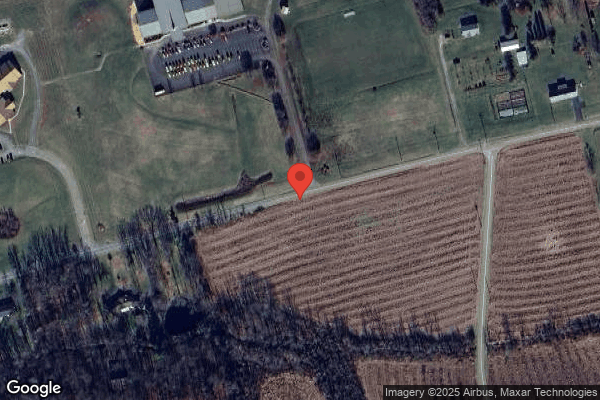

3298 RIDGE ROAD, BLOOMSBURG, PA 17815 (570) 784-6688
For profit - Corporation 66 Beds ALLAIRE HEALTH SERVICES Data: November 2025
Trust Grade
40/100
#364 of 653 in PA
Last Inspection: March 2025

Within standard 12-15 month inspection cycle. Federal law requires annual inspections.

Overview

Sunset Ridge Rehabilitation and Nursing Center has received a Trust Grade of D, indicating below-average quality with some concerns. It ranks #364 out of 653 facilities in Pennsylvania, placing it in the bottom half, but it is the top choice among four local options in Columbia County. The facility is showing signs of improvement, with the number of reported issues decreasing from 12 in 2024 to 11 in 2025. Staffing is a positive aspect here, rated 4 out of 5 stars with a turnover rate of 35%, which is lower than the state average, suggesting that the staff are experienced and familiar with the residents. However, the facility has incurred $100,369 in fines, which is concerning and indicates repeated compliance problems. Specific incidents of concern include a serious failure in ensuring that two residents were protected from sexual abuse by another resident, which is a significant issue. Additionally, there have been complaints from residents about a lack of variety in the menu, with many meals being repetitive, and issues with food safety practices that could lead to contamination, raising the risk of foodborne illness. Overall, while there are strengths in staffing, the facility must address serious concerns regarding resident safety and quality of care.

Trust Score
D
40/100
In Pennsylvania
#364/653
Bottom 45%
Safety Record
High Risk
Review needed
Inspections
Getting Better
12 → 11 violations
Staff Stability
○ Average
35% turnover. Near Pennsylvania's 48% average. Typical for the industry.
Penalties
⚠ Watch
$100,369 in fines. Higher than 85% of Pennsylvania facilities, suggesting repeated compliance issues.
Skilled Nurses
✓ Good
Each resident gets 45 minutes of Registered Nurse (RN) attention daily — more than average for Pennsylvania. RNs are trained to catch health problems early.
Violations
⚠ Watch
28 deficiencies on record. Higher than average. Multiple issues found across inspections.
★★★☆☆
3.0
Overall Rating
★★★★☆
4.0
Staff Levels
★★★★★
5.0
Care Quality
★★☆☆☆
2.0
Inspection Score
Stable
2024: 12 issues
2025: 11 issues

The Good

  • 4-Star Staffing Rating · Above-average nurse staffing levels
  • 5-Star Quality Measures · Strong clinical quality outcomes
  • Full Sprinkler Coverage · Fire safety systems throughout facility
  • No fines on record
  • Staff turnover below average (35%)

    13 points below Pennsylvania average of 48%

Facility shows strength in staffing levels, quality measures, fire safety.

The Bad

3-Star Overall Rating

Near Pennsylvania average (3.0)

Meets federal standards, typical of most facilities

Staff Turnover: 35%

11pts below Pennsylvania avg (46%)

Typical for the industry

Federal Fines: $100,369

Well above median ($33,413)

Significant penalties indicating serious issues

Chain: ALLAIRE HEALTH SERVICES

Part of a multi-facility chain

Ask about local staffing decisions and management

The Ugly 28 deficiencies on record

1 actual harm
Mar 2025 11 deficiencies
CONCERN (D)

Potential for Harm - no one hurt, but risky conditions existed

Deficiency F0697 (Tag F0697)

Could have caused harm · This affected 1 resident

**NOTE- TERMS IN BRACKETS HAVE BEEN EDITED TO PROTECT CONFIDENTIALITY** Based on clinical record review and staff interview, it was determined the facility failed to attempt non-pharmacological interv...

Read full inspector narrative →
**NOTE- TERMS IN BRACKETS HAVE BEEN EDITED TO PROTECT CONFIDENTIALITY** Based on clinical record review and staff interview, it was determined the facility failed to attempt non-pharmacological interventions to alleviate pain prior to the administration of a narcotic pain medication prescribed on an as needed basis for one resident (Resident 60) and failed to implement interventions to alleviate pain for one resident (Resident 15) out of 17 residents reviewed. Findings include: A review of the clinical record revealed that Resident 60 was admitted to the facility on [DATE], with diagnoses to include multiple rib fractures with routine healing. A review of Resident 60's clinical record revealed physician orders for as-needed (PRN) pain medication included: Oxycodone HCL 5 mg (narcotic pain medication), one tablet by mouth every four hours as needed for pain rated 5 to 7 (scale used to rate pain, with 0 being no pain and 10 being severe pain), initiated on January 13, 2025, and ending January 26, 2025. Oxycodone HCL 5 mg, two tablets by mouth every four hours as needed for pain rated 8 to 10, initiated on January 13, 2025, and ending January 26, 2025. Oxycodone HCL 5mg one tablet by mouth every 4 hours for pain as needed for pain 4 to 7 and two tablets by mouth every 4 hours for pain as needed for pain 8 to 10 initiated on January 27, 2025, and ending February 15, 2025. Oxycodone HCL 5mg give one tablet by mouth every 4 hours for pain rated 4 to 7 and two tablets by mouth every 4 hours for pain rated 8 to 10 initiated on February 18, 2025, and remains active. In January 2025, staff administered Oxycodone 30 times; of these, 23 instances lacked documented evidence of non-pharmacological interventions attempted prior to administration A review of the resident's January 2025 Medication Administration Record (MAR) revealed staff administered the PRN Oxycodone 30 times; of these, 23 instances lacked documented evidence of non-pharmacological interventions attempted prior to administration A review of the resident's February 2025 MAR revealed staff administered Oxycodone 28 times; of these, 8 instances lacked documented evidence of non-pharmacological interventions attempted prior to administration. A review of the resident's March 2025 MAR revealed staff administered Oxycodone one time with no documented evidence of non-pharmacological interventions attempted prior to administration. An interview with the Nursing Home Administrator and Director of Nursing on March 13, 2025, at approximately 1:15 PM both confirmed there was no evidence that non-pharmacological interventions were consistently attempted and deemed ineffective before administering as-needed narcotic pain medication. A clinical record review revealed Resident 15 was admitted to the facility on [DATE], with diagnoses that include chronic obstructive pulmonary disease (COPD is a condition caused by damage to the airways or other parts of the lung that blocks airflow and makes it hard to breathe) and emphysema (a chronic lung disease characterized damage to the air sacs in the lungs. A review of the resident's plan of care dated November 11, 2021, for pain related to arthritis, identified a potential for pain related to arthritis, with planned interventions to encourage/assist to reposition frequently for comfort and therapy evaluation and treatment per orders. The care plan goal was documented as the resident reporting that pain management was within acceptable limits. A review of physician orders revealed that, beginning August 1, 2023, the resident was prescribed: Acetaminophen 325 mg (Tylenol), two tablets by mouth every six hours as needed for mild pain (rated 1 to 5), with required non-pharmacological interventions including repositioning, back rubs, warm/cool compress application, and diversional activities prior to administration. A review of progress notes indicated: On January 12, 2025, at 5:00 PM, the resident complained of left-sided lower back pain, and a new order was placed for a lidocaine patch to be applied at bedtime. On January 13, 2025, at 10:31 AM, the resident continued to complain of low back pain, and a physician was contacted for an x-ray order. On January 13, 2025, at 10:33 AM, the resident refused the lidocaine patch, and the physician discontinued the order. On January 13, 2025, at 1:00 PM, an x-ray was performed. A nursing progress note dated January 14, 2025, at 1:31AM documented Xray results revealed a compression fracture ( a type of broken bone that can cause your vertebrae to collapse, making them shorter) of lumbar vertebrae (bones that make up the lower back) L1, L2, and L3 of an indeterminate age and degenerative disc disease (a condition where the spinal discs, which act as shock absorbers between the vertebrae, wear down and lose their cushioning over time, leading to pain and potentially other issues) of the lumbar vertebrae between L4 and L5. Despite continued complaints of pain, there was no documented evidence that the resident was offered the as-needed acetaminophen or any other alternative pain-relief interventions. During an interview on March 12, 2025, at approximately 11:00 AM, the Director of Nursing (DON) confirmed the facility staff failed to develop and implement appropriate pain management interventions for Resident 15's continued pain. The facility failed to ensure non-pharmacological interventions were attempted prior to administering PRN narcotic pain medication for Resident 60 and failed to implement appropriate interventions to address continued pain for Resident 15. 28 Pa. Code 211.12(c)(d)(1)(5) Nursing Services
CONCERN (D)

Potential for Harm - no one hurt, but risky conditions existed

Deficiency F0744 (Tag F0744)

Could have caused harm · This affected 1 resident

**NOTE- TERMS IN BRACKETS HAVE BEEN EDITED TO PROTECT CONFIDENTIALITY** Based on a review of clinical records and staff interview, it was determined that the facility failed to develop and implement a...

Read full inspector narrative →
**NOTE- TERMS IN BRACKETS HAVE BEEN EDITED TO PROTECT CONFIDENTIALITY** Based on a review of clinical records and staff interview, it was determined that the facility failed to develop and implement an effective individualized person-centered plan to address and manage the dementia-related behavioral symptoms of one out of 17 residents reviewed (Resident 10). Findings include: A review of Resident 10's clinical record revealed the resident was admitted to the facility on [DATE], with diagnoses which included dementia with agitation (loss of memory, language, problem-solving and other thinking abilities that are severe enough to interfere with daily life). The resident exhibited recurrent episodes of increased agitation, aggressive and argumentative behaviors, verbal threats toward staff and residents, and delusional ideation, including believing another resident was her daughter and that staff had taken her daughter. A review of a progress note dated August 25, 2024, at 8:37 PM revealed the resident became increasingly agitated making threats of harm, stating if she gets killed, she will throw every penny at somebody to have someone killed. The resident exhibited paranoid behavior and believed that another resident was her daughter and that someone was in another resident's room with a gun. A review of a progress note dated November 14, 2024, at 6:15 PM revealed the resident was observed arguing with another resident and became upset when her husband left mid-dinner. A review of a progress note dated November 15, 2024, at 6:44 PM indicated the resident was aggressive and argumentative with both staff and residents. A review of a progress note dated November 15, 2024, at 7:32 PM indicated the resident exhibited delusional beliefs that staff had taken her daughter and threatened to strike them. A review of a progress note dated November 16, 2024, at 2:08 PM and again at 5:22 PM, the resident demonstrated increased agitation, verbal threats toward staff, and irritability toward her husband. A review of a progress note dated November 18, 2024, at 2:00 AM revealed the resident was awake, restless, and argumentative with staff. A review of a progress note dated November 20, 2024, at 8:57 PM revealed the resident was observed making agitated statements toward other residents during dinner. A review of a progress note dated December 3, 2024, at 8:00 PM indicated the resident attempted to enter another resident's room, became irate when redirected by staff, and insisted she needed to protect the resident whom she believed to be her daughter. A review of the resident's current care plan revealed it failed to: Identify specific behavioral symptoms exhibited by the resident. Include individualized, person-centered interventions tailored to address each behavior. Incorporate the resident's preferences, social and past life history, customary routines, and interests to support behavior management. An interview with the Nursing Home Administrator on March 13, 2025, at approximately 1:15 PM, confirmed the facility was unable to provide evidence of an individualized, person-centered care plan to address and manage the resident's dementia-related behaviors. 28 Pa Code 211.12 (c)(d)(1)(3)(5) Nursing services
CONCERN (D)

Potential for Harm - no one hurt, but risky conditions existed

Pharmacy Services (Tag F0755)

Could have caused harm · This affected 1 resident

**NOTE- TERMS IN BRACKETS HAVE BEEN EDITED TO PROTECT CONFIDENTIALITY** Based on review of clinical records, select facility policy, and staff interview, it was determined the facility failed to provi...

Read full inspector narrative →
**NOTE- TERMS IN BRACKETS HAVE BEEN EDITED TO PROTECT CONFIDENTIALITY** Based on review of clinical records, select facility policy, and staff interview, it was determined the facility failed to provide pharmaceutical services to ensure a system of records of receipt and disposition of controlled drugs in sufficient detail to enable accurate accounting of controlled substances when acquiring, receiving, dispensing, and or administering to identify possible diversion for one of three residents reviewed (Resident 62). Findings include: Review of the facility's Discharge Medications policy last reviewed by the facility on January 25, 2025, indicated controlled substances shall not be released upon discharge of the resident unless permitted by current state law governing the release of controlled substances and as authorized (in writing) by the resident's Attending Physician. The nurse will reconcile pre-discharge medications with the resident's post discharge medications and the medication reconciliation will be documented. The nurse shall complete the medication disposition record including the resident's name, the name of the person assisting or administering the medication after discharge, the date of discharge, the name of each medication, the prescription (Rx) number of each medication, the quantity or amount of each medication, the strength of each medication, any special instructions, telephone numbers of the physician, pharmacy, and facility, the signature of the person receiving the medications, and the signature of the nurse releasing the medications. The nursing staff shall forward completed drug disposition records to medical records and the complete list of the resident's medications shall also be provided to the resident upon discharge. A review of Resident 62's clinical record revealed the resident was admitted to the facility on [DATE], with diagnoses that included acute cystitis (inflammation of the bladder) and weakness. A physician's order dated January 23, 2025, at 3:54 PM, included the following controlled medications: Oxycodone 5 mg (opioid analgesic pain medication, a controlled medication) 1 tablet by mouth every 4 hours as needed for severe pain rated 7-10 (scale used to rate pain, with 0 being no pain and 10 being severe pain),) for 14 days and Tramadol 50 mg - 1 tablet by mouth every 6 hours as needed for mild pain rated 1-3. A nursing note dated February 5, 2025, at 6:51 PM, indicated that Resident 62 signed out Against Medical Advice (AMA) at 6:45 PM. The note documented that the attending physician and the Nursing Home Administrator (NHA) were notified. Further review of Resident 62's closed record failed to provide documented evidence of a controlled medication accountability record for the Oxycodone 5 mg tablets or Tramadol 50 mg tablets, as required by facility policy. During an interview with the director of nursing (DON) on March 13, 2025, at 10:00 AM, the DON was unable to provide documented evidence that the required accountability record for Resident 62's controlled medications had been completed. The DON confirmed that facility policy requires a controlled medication accountability record for all controlled medications to prevent unauthorized use, misappropriation, and ensure accurate tracking and disposition. 28 Pa. Code 211.9 (j.1)(1)(2)(3)(4)(5) Pharmacy services. 28 Pa. Code 211.12(d)(1)(3)(5) Nursing services
CONCERN (D)

Potential for Harm - no one hurt, but risky conditions existed

Deficiency F0757 (Tag F0757)

Could have caused harm · This affected 1 resident

**NOTE- TERMS IN BRACKETS HAVE BEEN EDITED TO PROTECT CONFIDENTIALITY** Based on a review of clinical records, and staff interviews, it was determined the facility failed to ensure that a resident's d...

Read full inspector narrative →
**NOTE- TERMS IN BRACKETS HAVE BEEN EDITED TO PROTECT CONFIDENTIALITY** Based on a review of clinical records, and staff interviews, it was determined the facility failed to ensure that a resident's drug regimen was free of unnecessary antibiotics for one out of 17 residents sampled (Residents 1). Findings included: A review of Resident 1's clinical record revealed the resident was admitted to the facility on [DATE], with a diagnosis to include history of malignant neoplasm (cancer) of the bladder and dementia (a decline in memory, thinking, and other cognitive abilities, significantly impacting daily life). A nursing progress note dated October 16, 2024, at 8:23 AM indicated the resident's white blood count (WBC) was elevated at 15.48 ul (4.000 ul to 1100 ul normal), but the resident did not exhibit any other signs or symptoms of infection at that time. The physician was notified, and an order was obtained for a Urinalysis with Culture and Sensitivity (UA C&S a laboratory test used to detect and identify bacteria or fungi in urine, A urine culture is a method to grow and identify bacteria that may be in the urine. The sensitivity test helps select the best medicine to treat the infection) to assess for possible infection. A progress note dated October 16, 2024, at 10:41 AM documented that the resident was catheterized (rubber tube placed in the bladder) to obtain a urine sample, which was then placed in the specimen refrigerator for pick-up. A review of a nursing progress note dated October 16, 2024, at 11:31 PM revealed the resident's urinalysis results were received, and the physician was made aware. A progress note dated October 17, 2024, at 8:00 AM documented that the physician ordered Bactrim DS (an antibiotic) one tablet every 12 hours for five (5) days, despite the culture and sensitivity results not yet being available to determine the type of infection and appropriate antibiotic treatment. A review of the resident's laboratory report dated October 19, 2024, at 1:34 PM, revealed that the urine culture identified Escherichia coli ESBL (extended-spectrum beta-lactamase-producing E. coli. These enzymes break down certain antibiotics making the bacteria resistant to these medications) with bacterial growth exceeding 100,000 CFU/ml. The report further indicated that the prescribed antibiotic (Bactrim DS) was resistant to the bacteria found in the resident's urine, rendering the treatment ineffective. A review of Resident 1's Medication Administration Record (MAR) for October 2024 revealed that the resident received five (5) doses of Bactrim DS, an unnecessary antibiotic, before the culture and sensitivity results confirmed that the prescribed medication was ineffective. During an interview with the Director of Nursing (DON) on March 13, 2025, at approximately 1:15 PM, the DON confirmed that the administration of Bactrim DS was not clinically justified, as the prescribed antibiotic was ineffective against the identified organism. The DON acknowledged that the resident received an unnecessary medication, which did not align with evidence-based infection control and antimicrobial stewardship practices. Refer 881 28 Pa. Code 211.2(d)(3)(5) Medical Director 28 Pa. Code 211.12(d)(3)(5) Nursing services
CONCERN (D)

Potential for Harm - no one hurt, but risky conditions existed

Medical Records (Tag F0842)

Could have caused harm · This affected 1 resident

**NOTE- TERMS IN BRACKETS HAVE BEEN EDITED TO PROTECT CONFIDENTIALITY** Based on review of clinical records, facility investigative reports, and staff interview, it was determined the facility failed ...

Read full inspector narrative →
**NOTE- TERMS IN BRACKETS HAVE BEEN EDITED TO PROTECT CONFIDENTIALITY** Based on review of clinical records, facility investigative reports, and staff interview, it was determined the facility failed to maintain accurate and complete clinical records, in accordance with professional standards of practice for two of 17 sampled residents (Resident 8 and 44). Findings include: According to the American Nurses Association Principles for Nursing Documentation, nurses document their work and outcomes and provide an integrated, real-time method of informing the health care team about the patient status. Timely documentation of the following types of information should be made and maintained in a patient record to support the ability of the health care team to ensure informed decisions and high quality care in the continuity of patient care: Assessments, Clinical problems, Communications with other health care professionals regarding the patient, Communication with and education of the patient, family, and the patient's designated support person and other third parties. According to the Title 49, Professional and Vocational Standards, Department of State, Chapter 21 State Board of Nursing Subsection 21.11 (a) The register nurse assesses human responses and plans, implements and evaluates nursing care for individuals or families for whom the nurse is responsible. In carrying out this responsibility, the nurse performs all of following functions: (4) Carries out nursing care actions which promote, maintain, and restore the well-being of individuals (6)(b) The registered nurse is fully responsible for all actions as a licensed nurse and is accountable to clients for the quality of care delivered and Subsection 21.18. (a)(5) document and maintain accurate records. According to the Title 49, Professional and Vocational Standards, Department of State, Chapter 21 State Board of Nursing Subsection 21.145. (a) The licensed practical nurse (LPN) is prepared to function as a member of a health-care team by exercising sound nursing judgement based on preparation, knowledge, skills, understanding and past experiences in nursing situations. The LPN participates in the planning, implementation, and evaluation of nursing care in settings where nursing takes place. A review of clinical record revealed that Resident 8 was admitted to the facility on [DATE], with diagnoses which included hypertensive (high blood pressure) heart disease. A review of a Quarterly Minimum Data Set Assessment (MDS - a federally mandated standardized assessment conducted at specific intervals to plan resident care) dated November 19, 2024, revealed the resident was cognitively intact with a BIMs score of 13 (brief interview for mental status, a tool to assess the residents attention, orientation and ability to register and recall new information, a score of 13-15 equates to being cognitively intact), A review of clinical record revealed that Resident 44 was admitted to the facility on [DATE], with diagnoses which included multiple sclerosis (nerve damage disrupts communication between the brain and the body causing many different symptoms, including vision loss, pain, fatigue, and impaired coordination). A review of a Quarterly Minimum Data Set assessment dated [DATE], revealed that the resident was severely cognitively impaired with a BIMs score of 5 (0-7 indicating severe cognitive impairment). A review of a facility investigative report dated November 28, 2024, at 11:50 AM revealed at 11:00 AM staff observed Resident 8 and Resident 44 holding hands in the hallway. Resident 44 tapped her lips, leaned in, and kissed Resident 8. Staff separated the residents. Resident 44 stated, It was not a big deal; I just gave him a little peck. Resident 8 expressed no concerns regarding the incident. Despite this event a review of Resident 8's clinical record contained no documentation of the interaction, staff intervention, or follow-up assessments to determine any emotional or psychological effects on the resident. Additionally, Resident 44's clinical record lacked documentation of the inappropriate behavior, assessments following the event, or any interventions to prevent recurrence. The failure to document this incident and any follow-up actions resulted in incomplete and inaccurate clinical records, which did not reflect the residents' conditions, behaviors, or staff interventions. An interview conducted on March 13, 2025, at approximately 1:15 PM, the Nursing Home Administrator and Director of Nursing confirmed that nursing staff failed to consistently and accurately document residents' interactions and behaviors in the clinical records. 28 Pa. Code 211.5 (f)(iii) Medical records. 28 Pa. Code 211.12 (c)(d)(1)(5) Nursing services.
CONCERN (D)

Potential for Harm - no one hurt, but risky conditions existed

Deficiency F0849 (Tag F0849)

Could have caused harm · This affected 1 resident

**NOTE- TERMS IN BRACKETS HAVE BEEN EDITED TO PROTECT CONFIDENTIALITY** Based on a review of clinical records and staff interviews it was determined the facility failed to ensure coordination of care ...

Read full inspector narrative →
**NOTE- TERMS IN BRACKETS HAVE BEEN EDITED TO PROTECT CONFIDENTIALITY** Based on a review of clinical records and staff interviews it was determined the facility failed to ensure coordination of care and services between the facility and the Hospice Agency for one resident out of 17 sampled residents (Resident 1). Findings include: A review of Resident 1's clinical record revealed the resident was admitted to the facility on [DATE], with a diagnosis to include history of malignant neoplasm (cancer) of the bladder and dementia (a decline in memory, thinking, and other cognitive abilities, significantly impacting daily life). A review of physician's orders dated February 18, 2025, revealed the resident was admitted into hospice services. A review of the resident's care plan, initially dated January 27, 2024, revealed that the care plan failed to reflect coordination of services between the facility and the hospice agency. Specifically, the care plan lacked documented evidence of collaboration in addressing the resident's daily care needs and specific care and services related to the resident's terminal diagnosis. An interview with the Nursing Home Administrator on March 13, 2025, at approximately 1:15 PM, confirmed the resident's care plan was not coordinated with hospice services. 28 Pa. Code 211.12 (c)(d)(1)(3)(5) Nursing services
CONCERN (E)

Potential for Harm - no one hurt, but risky conditions existed

Accident Prevention (Tag F0689)

Could have caused harm · This affected multiple residents

**NOTE- TERMS IN BRACKETS HAVE BEEN EDITED TO PROTECT CONFIDENTIALITY** Based on a review of clinical records, facility policy, facility investigative reports, and staff interviews, it was determined ...

Read full inspector narrative →
**NOTE- TERMS IN BRACKETS HAVE BEEN EDITED TO PROTECT CONFIDENTIALITY** Based on a review of clinical records, facility policy, facility investigative reports, and staff interviews, it was determined the facility failed to implement adequate safety measures, including sufficient staff supervision, for a resident identified as at high risk for falls resulting in multiple recurrent falls for one resident (Resident 50) out of 17 sampled Findings include: A review of Resident 50 was admitted to the facility on [DATE], with diagnoses that included dysphagia (difficulty swallowing), abnormalities of gait and mobility (refer to any unusual or unexpected patterns of movement or changes in the way an individual walks or moves), repeated falls, hypertensive heart disease (refers to heart conditions caused by high blood pressure), and urinary tract infection (UTI - is an infection in the bladder, kidneys, ureters, or urethra). The resident's person-centered fall care plan initiated on January 13, 2023, identified Resident 50 was at risk for falls due to frequent falls and impulsiveness due to diagnosis and history of self-transfers with ambulation attempts and impulsivity with poor safety awareness. A review of a quarterly Minimum Data Set (MDS - a federally mandated standardized assessment process conducted periodically to plan resident care) assessment dated [DATE], revealed Resident 50 had severe cognitive impairment. A Fall Risk assessment dated [DATE], confirmed that Resident 50 remained at high risk for falls. Despite this, a clinical record review revealed that Resident 50 experienced 14 falls from July 13, 2024, through February 22, 2025, with 11 of these falls being unwitnessed On July 13, 2024, at 3:58 AM, a progress note documented that Resident 50 was found lying on the floor on his right side. The resident had sustained a 5 cm by 2.5 cm abrasion on the right forehead and a 1 cm by 1.2 cm abrasion on the right shoulder. A clean and dry incontinence brief was found in the bathroom. Following this incident, staff were instructed to check alarms at the beginning of each shift to ensure proper placement and functionality. A therapy consultation was also initiated. On July 27, 2024, at 4:43 AM, another progress note indicated that Resident 50 was found on the floor near the foot of the bed with the alarm sounding. The resident stated that he had attempted to get out of bed to use the bathroom but tripped. He sustained a 1.5 cm by 0.5 cm head wound on the back of his head. Orders were received to cleanse the wound and cover it with a bandage. Additional fall prevention measures were implemented, including placing a fall mat on the left side of the bed and ensuring a urinal was available at the bedside. According to a progress note from August 9, 2024, at 8:50 AM, staff responded to an alarm in the East shower room and found Resident 50 sitting on the floor next to the toilet. His red scoot chair was found damaged on the opposite wall. There were no reported injuries. A therapy referral was made to assess whether the red scoot chair remained appropriate or if an alternative seating option was needed. On September 11, 2024, at 5:15 PM, a progress note described an incident in which a registered nurse (RN) responded to a chair alarm sounding from the visitor bathroom. The bathroom door was locked, and when staff gained entry, they found Resident 50 sitting on the floor with his back against the grab bar and his legs extended toward the wall. No injuries were noted. A subsequent urine culture tested positive for a urinary tract infection (UTI), and new antibiotic orders were placed. A progress note from September 23, 2024, at 1:15 AM, stated that Resident 50 was found by his assigned licensed practical nurse (LPN) and nurse aide (NA) sitting on the floor next to an overturned bedside table. The resident was sitting on part of the metal frame of the table and had abrasions on both posterior thighs. He was assisted into his chair, and frequent visual checks were initiated as a preventive measure. On October 3, 2024, at 10:45 PM, a nursing assistant (NA) found Resident 50 lying on the floor on his right side. His walker was positioned against the wall near the bathroom. The resident stated he had attempted to go to the bathroom. A bowel and bladder diary was initiated, and a referral to therapy was sent. This was documented in a progress note dated October 4, 2024, at 12:00 AM. A progress note from October 12, 2024, at 12:00 AM, reported that Resident 50 was found sitting on the floor on the left side of his bed, with his back against the bed. His bed pad was partially off the bed. He was placed in his chair and taken to the nurses' station for close observation. A therapy referral was also placed. On November 18, 2024, at 11:34 AM, a progress note stated that Resident 50's chair alarm was sounding in another resident's bathroom. When staff entered, they found him lying on his right side on the bathroom floor. He stated, I needed to take a crap, and I still need to. After an RN assessment confirmed no injuries, staff assisted him back into his chair and took him to his bathroom. A medication review was ordered, and the physician prescribed Flomax to address benign prostatic hyperplasia (BPH) with lower urinary tract symptoms (LUTS) in an effort to improve his toileting frequency. According to a November 27, 2024, at 12:00 AM progress note, Resident 50 was found lying on his left side on the floor, with his walker on top of him. He had a small amount of bleeding from his left elbow and a 1/2-inch scratch in the same area. The wound was treated, with orders for daily wound care until healed. Urine was found on the floor, and it was determined that the resident slipped in his own urine. After the incident, he was toileted and placed in a Broda chair (a type of chair or wheelchair that provides comfort, support, and mobility throughout the day and designed for individuals requiring long-term care and allow for safe and comfortable positioning without the use of restraints) at the nurses' station, as he was not sleeping. A therapy referral was also made. On December 10, 2024, at 1:43 AM, a progress note stated that at 12:15 AM, Resident 50's alarm sounded, and staff found him sitting on the floor next to his bed. He reported that he had rolled out of bed. A 4 cm by 2.5 cm hematoma was noted on the left side of his head. Ice was applied, and the resident was able to move all extremities. After being assisted off the floor, incontinence care was provided, and a body pillow was introduced for positioning support. A therapy referral was sent. On January 14, 2025, at 4:05 AM, Resident 50's alarm alerted staff to another fall. He was found lying on his left side between the foot of his bed and the dresser, with his walker beside him. He was wearing only nonskid socks and a pull-up, and he was incontinent of urine. The resident reported that he had been trying to get up. Staff assisted him into his scoot chair and provided incontinence care. Based on a review of fall incidents, his toileting schedule was adjusted to 3:45 AM to better align with his overnight toileting needs. A therapy referral was also made. A February 22, 2025, at 4:20 PM progress note detailed that at 3:50 PM, an RN was called to the East Hall regarding another fall. Resident 50 was found lying on his left side in the doorway of room [ROOM NUMBER]. He had a 2 cm by 2 cm abrasion/laceration on the left side of his forehead and surrounding bruising measuring 5 cm by 5 cm. A witnessed account from another resident stated that Resident 50 had been standing up, pulling up his pants when he lost his balance, hit the door with his rear, and then struck his head on the door jamb. Staff observed that the resident's speech was significantly delayed, and he was not moving his extremities as usual. Despite this, he denied pain, and there were no visible deformities in his lower or upper extremities. His vital signs remained stable. A neurological assessment revealed significantly delayed speech, reduced movement from baseline, and difficulty following instructions. The resident was found to have a wet brief at the time of the assessment. His head injury was cleaned, and the physician was notified. Orders were received to transfer the resident to the emergency room (ER) for further evaluation. Upon his return, a three-day bowel and bladder evaluation was ordered to determine whether adjustments were needed in his toileting program. Further review of Resident 50's person-centered care plan indicated that frequent visual checks were added as a fall intervention on September 23, 2024. However, there was no documented evidence that these checks were consistently conducted. Despite Resident 50's repeated falls and the documented need for frequent visual checks, a review of the facility's documentation revealed no evidence that these checks were consistently conducted. The resident continued to experience falls in various locations-including the resident's room, bathrooms, and common areas-indicating that the facility failed to provide adequate supervision and effective fall prevention interventions. During an interview on March 13, 2025, at approximately 9:30 AM, the Director of Nursing (DON) confirmed that the facility did not implement the planned intervention of frequent visual checks. The DON also acknowledged that the facility did not provide adequate supervision to prevent the resident's recurrent falls, despite the identified high risk The facility failed to ensure adequate supervision and implement effective fall prevention interventions to protect Resident 50 from recurrent falls, as evidenced by multiple documented falls, injuries, and a lack of follow-through with the planned intervention of frequent visual checks.28 Pa. Code 201.14(a) Responsibility of licensee. 28 Pa. Code 201.18(b)(1) Management. 28 Pa. Code 211.12(d)(3)(5) Nursing services.
CONCERN (F)

Potential for Harm - no one hurt, but risky conditions existed

Menu Adequacy (Tag F0803)

Could have caused harm · This affected most or all residents

**NOTE- TERMS IN BRACKETS HAVE BEEN EDITED TO PROTECT CONFIDENTIALITY** Based on review of the facility's planned 4-week menu cycle and menu extensions, resident interviews, and staff interviews, it w...

Read full inspector narrative →
**NOTE- TERMS IN BRACKETS HAVE BEEN EDITED TO PROTECT CONFIDENTIALITY** Based on review of the facility's planned 4-week menu cycle and menu extensions, resident interviews, and staff interviews, it was determined the facility failed to ensure the planned menu was sufficiently reviewed and updated to ensure that the menu offered variety and avoid repetitive meal selections. Findings included: During a Resident Council meeting conducted on March 12, 2025, at 10:35 AM, with Residents 40, 45, 48, and 264, concerns were raised regarding the lack of variety in the facility's menu. Resident 48 reported that the menu was repetitive, and they get the same meats for days in a row and that the meals offered on the facility's always available menu were the same items rotated throughout the standard regular menu. Residents 40, 45, and 264 also confirmed that meals, especially meats, were frequently repeated over consecutive days. Resident 264, the elected Resident Council President, stated that concerns had been raised in food committee meetings with the Certified Dietary Manager (CDM) but were not addressed, as the facility's menu was provided by a contracted vendor and reportedly could not be modified. A review of the Fall/Winter 2024-2025 menu, signed by the Registered Dietitian on January 16, 2025, and implemented by the facility on February 9, 2025, revealed multiple instances of repetitive meal patterns over the 4-week menu cycle: A review of week 1, revealed Sunday the planned entrée for dinner was a cheeseburger on a bun and then for lunch on Monday, the planned lunch was Salisbury steak (beef) with beef served for consecutive meals. Monday week 1 dinner, the planned entrée was turkey and Swiss sandwich and then the planned entrée for lunch on Wednesday was roast turkey (poultry) with poultry served for consecutive meals. The planned entrée for Tuesday week 1 dinner was a Sloppy [NAME] (beef), and the planned entrée for Wednesday lunch was lasagna with meat sauce, and Thursday lunch the planned entrée served was beef and bean chili, with beef served for consecutive meals. Sunday week 2, the planned entrée for lunch was ham steak and then for dinner, the planned entrée was BBQ pork rib with pork served for consecutive meals. The planned entrée for lunch Monday was beef macaroni casserole and then for Monday dinner the planned entrée was a beef hot dog on a bun with beef served for consecutive meals. The planned entrée for dinner Tuesday was baked chicken tenders and then for Tuesday lunch the planned entrée was oven fried chicken, and then for Tuesday dinner the planned entrée was a chicken salad sandwich with chicken served for consecutive meals. Further review of week 2 revealed that Friday dinner the planned entrée was Italian sausage sub and then for Saturday lunch the planned entrée served was bratwurst on a bun with pork served for consecutive meals. Saturday week 2 dinner, the planned entrée served was baked ziti with meat sauce, and then Sunday week 3 lunch, the planned entrée served was homestyle meatloaf with beef served for consecutive meals. Sunday week 3 dinner, the planned entrée served was a chicken patty on a bun and then Monday week 3 lunch the planned entrée served was baked chicken with poultry served for consecutive meals. Monday week 3 dinner, the planned entrée served was a hamburger on a bun and then week 3 Tuesday dinner, the planned entrée served was beef macaroni casserole with beef served for consecutive meals. Tuesday week 4 lunch, the planned entrée served was a Philly cheese steak sandwich, and then week 4 Wednesday lunch, the planned meal served was BBQ beef on a bun, and then Wednesday dinner, the planned meal served was a cheeseburger on a bun with beef served for consecutive meals. The repetitive meal patterns demonstrated that the facility failed to provide a varied menu that met resident preferences and nutritional needs, leading to menu fatigue and reduced meal satisfaction. During an interview with Employee 2, facility's contracted dietary food/menu representative, on March 12, 2025, at 1:05 PM, stated that his company was responsible for proving the facility with a 4-week seasonal menu that was reviewed by the facility's Registered Dietitian. Also, Employee 2 indicated the facility could alter the meals and items offered on the menu to best meet the needs and preferences of the residents. An interview with the facility's Nursing Home Administrator (NHA) on March 13, 2025, at 10:00 AM, confirmed that similar foods were served for consecutive meals and that similar or the same foods/meals were also offered on the resident's always available menu. The NHA confirmed the facility's menu was repetitive and didn't offer variety to deter menu fatigue. The facility failed to ensure the planned menus were reviewed and modified to provide variety, leading to repetitive meal patterns that did not meet the satisfaction of the residents. 28 Pa. Code 201.29(a) Resident rights. 28 Pa. Code 211.6 (a) Dietary services.
CONCERN (F)

Potential for Harm - no one hurt, but risky conditions existed

Food Safety (Tag F0812)

Could have caused harm · This affected most or all residents

Based on observation and staff interview, it was determined the facility failed to maintain acceptable practices for the storage and service of food to prevent the potential for contamination and micr...

Read full inspector narrative →
Based on observation and staff interview, it was determined the facility failed to maintain acceptable practices for the storage and service of food to prevent the potential for contamination and microbial growth in food, increasing the risk of contamination and foodborne illness in the dietary department Findings include: Food safety and inspection standards for safe food handling indicate that everything that comes in contact with food must be kept clean and food that is mishandled can lead to foodborne illness. Safe steps in food handling, cooking, and storage are essential in preventing foodborne illness. You cannot always see, smell, or taste harmful bacteria that may cause illness according to the USDA (The United States Department of Agriculture, also known as the Agriculture Department, is the U.S. federal executive department responsible for developing and executing federal laws related to food). During an initial tour of the dietary department on March 11, 2025, at 9:10 AM, conducted with the Food Service Director (FSD) and Employee 1, a food service worker (FSW), the following unsanitary conditions were observed: In the cook's area, a metal wire rack used to store clean cooking equipment, felt greasy had a significant buildup of grease and debris, indicating inadequate cleaning practices. The windowsill above the microwave and open bread loaves was cluttered and covered in dust and debris, creating a potential source of contamination. A storage container of butter was placed on top of the microwave with a dirty, uncovered butter spreader resting on it. The butter was discolored, had crumbs adhered to its surface, and appeared soft and melting, indicating improper food handling and storage. The interior of the microwave contained food splatter and peeling surfaces, presenting a potential source of cross-contamination. A food prep station contained an industrial can opener with a sticky blade. Employee 1 stated that it was used earlier to open cans of tuna fish and had not been cleaned afterward, failing to meet sanitary standards for food preparation equipment, The above findings were reviewed with the facility's Nursing Home Administrator (NHA) on March 11, 2025, at 1:30 PM, and it was confirmed that the dietary department should be maintained in a sanitary manner to prevent the potential for food contamination and foodborne illness. 28 Pa. Code 201.18 (e) (2.1) Management 28 Pa. Code 211.6 (f) Dietary Services
CONCERN (F)

Potential for Harm - no one hurt, but risky conditions existed

Infection Control (Tag F0880)

Could have caused harm · This affected most or all residents

Based on review of select facility policies, the facility's infection control log and staff interview, it was determined the facility failed to maintain and implement a comprehensive infection prevent...

Read full inspector narrative →
Based on review of select facility policies, the facility's infection control log and staff interview, it was determined the facility failed to maintain and implement a comprehensive infection prevention and control program. Findings included: A review of a select facility policy entitled, Infection Prevention and Control Program last reviewed by the facility January 2025 revealed the facility must establish an infection prevention and control program under which it identifies, investigates, controls, and prevents infections in the facility. Further it is indicated the objectives of the infection control policies and procedures are to prevent, detect, investigate, and control infections in the facility. A review of facility policy entitled Surveillance for Infections last reviewed January 2025 revealed for residents with infections that meet the criteria for definition of infection the facility will collect the following: A. Identifying information including the residents name, age, room number, unit, an attending physician B. Diagnoses C. admission date, date of onset of infection (may list onset of symptoms) D. Infection site E. Pathogens F. Invasive procedures or risk factors such as surgery, indwelling tubes, or Foley catheter G. Pertinent remarks (symptoms) and record if the resident is admitted to the hospital or expires H. Treatment measures A review of the facility's infection control data revealed the facility's infection control program failed to reflect an operational system to monitor and investigate causes of infection and manner of spread. Specifically, the facility lacked an effective system which enabled the facility to analyze clusters, track changes in prevalent organisms, or identify increases in the rate of infection in a timely manner. A review of facility infection control logs for May 2024 through March 2025 revealed the facility did not have any tracking of infections for the month of June 2024. Additionally, review of the logs indicated that the facility failed to consistently document critical infection-related details such as: Location of infections Whether infections were community-acquired or facility-acquired Symptoms experienced by residents Onset date of infections An interview with the Assistant Director of Nursing (ADON) who also serves as the facility's Infection Preventionist, conducted on March 13, 2025, at approximately 10:15 AM, the ADON confirmed that no infection control tracking log could be located for June 2024. The ADON further acknowledged that the facility's infection control logs were incomplete and failed to support a comprehensive infection prevention and control program. 28 Pa. Code 211.10(c)(d) Resident care policies. 28 Pa. Code 211.12 (c)(d)(1)(5) Nursing services.
CONCERN (F)

Potential for Harm - no one hurt, but risky conditions existed

Antibiotic Stewardship (Tag F0881)

Could have caused harm · This affected most or all residents

**NOTE- TERMS IN BRACKETS HAVE BEEN EDITED TO PROTECT CONFIDENTIALITY** Based on a review of clinical records and staff interview it was determined the facility failed to maintain a system to effectiv...

Read full inspector narrative →
**NOTE- TERMS IN BRACKETS HAVE BEEN EDITED TO PROTECT CONFIDENTIALITY** Based on a review of clinical records and staff interview it was determined the facility failed to maintain a system to effectively monitor antibiotic usage in accordance with its antibiotic stewardship program for one of 17 sampled residents (Resident 1). Findings include: A review of select facility policy entitled, Antibiotic Stewardship last reviewed January 2025 revealed antibiotics will be prescribed and administered to residents under the guidance of the facilities antibiotic stewardship program. The purpose of the antibiotic stewardship program is to monitor the use of antibiotics. A review of select facility policy entitled, Antibiotic Stewardship Orders for Antibiotics Last review January 2025 revealed appropriate indications for use of antibiotics stated that appropriate indications for antibiotic use include meeting the clinical definition of active infection or suspected sepsis and confirming pathogen susceptibility based on culture and sensitivity results. A review of select facility policy entitled, Antibiotic Stewardship Review and Surveillance of Antibiotic Use and Outcomes last reviewed January 2025, revealed antibiotic usage and outcome data will be collected and documented using the facility approved antibiotic surveillance tracking form. The data will be used to guide decisions for improvement of individual resident antibiotic prescribing practices and facility antibiotic stewardship. Further it is indicated the infection preventionist will review antibiotic utilization as part of the antibiotic stewardship program and at the conclusion of the review the provider will be notified of any review findings. At the time of the survey ending March 13, 2025, the facility failed to demonstrate their actions designed to optimize the treatment of infections through improving antibiotic prescribing, administration, and management practices thus reducing inappropriate use Additionally, the facility failed to provide documented evidence that prescribing practitioners were made aware of their prescribing practices. A review of Resident 1's clinical record revealed the resident was admitted to the facility on [DATE], with a diagnosis to include history of malignant neoplasm (cancer) of the bladder and dementia (a decline in memory, thinking, and other cognitive abilities, significantly impacting daily life). On October 16, 2024, at 8:23 AM, a nursing progress note indicated that Resident 1 had an elevated white blood cell count (WBC) of 15.48 ul but no other symptoms. Despite the absence of multiple clinical symptoms necessary to justify antibiotic use, the physician was notified, and a urinalysis with culture and sensitivity (UA C&S) was ordered. On October 17, 2024, at 8:00 AM, before the culture and sensitivity results were available to confirm an infection or guide appropriate treatment, the physician ordered Bactrim DS (antibiotic) for five (5) days. On October 19, 2024, at 1:34 PM, the urine culture results confirmed the presence of Escherichia coli ESBL (extended-spectrum beta-lactamase-producing E. coli. These enzymes break down certain antibiotics making the bacteria resistant to these medications), which was resistant to Bactrim DS. A review of the October 2024 Medication Administration Record (MAR) showed that the resident received five (5) doses of an unnecessary and ineffective antibiotic, demonstrating a failure in antibiotic stewardship. An interview with the Director of Nursing on March 13, 2025, at approximately 1:15 PM confirmed the facility failed to have a functioning antibiotic stewardship program. The facility's failure to ensure adherence to its antibiotic stewardship policies resulted in the administration of an inappropriate antibiotic. Refer F757 28 Pa. Code 211.2(d)(3)(5) Medical Director 28 Pa. Code 211.12(c)(d)(3)(5) Nursing services
Apr 2024 12 deficiencies 1 Harm
SERIOUS (G)

Actual Harm - a resident was hurt due to facility failures

Free from Abuse/Neglect (Tag F0600)

A resident was harmed · This affected 1 resident

**NOTE- TERMS IN BRACKETS HAVE BEEN EDITED TO PROTECT CONFIDENTIALITY** Based on review of select facility policy and clinical records, and staff interview, it was determined that the facility failed ...

Read full inspector narrative →
**NOTE- TERMS IN BRACKETS HAVE BEEN EDITED TO PROTECT CONFIDENTIALITY** Based on review of select facility policy and clinical records, and staff interview, it was determined that the facility failed to ensure that two residents (Resident 45 and 42) were free from sexual abuse perpetrated by one resident (Resident 6) out of 19 sampled residents. Findings include: A review of the current facility policy entitled Abuse Prevention Program, last reviewed by the facility January 2024, revealed that the residents have the right to be free from abuse, neglect, misappropriation of resident property and exploitation. A review of the facility policy entitled Identifying Types of Abuse last reviewed January 2024, revealed sexual abuse is non-consensual sexual conduct of any type with a resident. Sexual abuse includes but is not limited to unwanted intimate sexual touching of any kind especially to the breasts or perineal area. Further it is indicated that sexual contact is non-consensual if the resident appears to want the contact to occur but lacks the cognitive ability to consent. A review of clinical record revealed that Resident 45 was admitted to the facility on [DATE], with a diagnosis of dementia (a condition characterized by progressive or persistent loss of intellectual functioning, especially with impairment of memory and abstract thinking, and often with personality change, resulting from organic disease of the brain). An Annual Minimum Data Set assessment (MDS - a federally mandated standardized assessment process completed periodically to plan resident care) dated January 3, 2024, revealed that the resident was moderately cognitively impaired. A review of clinical record revealed that Resident 6 was admitted to the facility on [DATE], with a diagnosis of hypertensive heart disease. A review of a Quarterly Minimum Data Set assessment dated [DATE], revealed that the resident was moderately cognitively impaired. A social services note dated November 20, 2023, at 4:41 PM revealed that the Social Services Director spoke with Resident 6 about his interactions with female residents and told Resident 6 that he will need to refrain from touching female residents. A nursing note dated January 6, 2024, at 5:12 PM revealed that Resident 6 was inappropriate with a peer. Nursing noted on January 8, 2024, at 8:16 AM that a new order was obtained to monitor Resident 6 for socially inappropriate behavior, sexual acts towards residents or staff, every shift, for inappropriate sexual behaviors and provide additional details in the progress notes. A review of a progress note dated January 15, 2024, at 4:57 PM revealed that Resident 6 was in the dining room. Resident 6 wheeled himself over to another resident, a female resident, who was sitting at a table by herself. Staff observed Resident 6 touching the other female resident (Resident 45) under her nightgown in the upper thigh area and the RN (Registered Nurse) was made aware. An interview with Employee 7, a nurse aide, on April 23, 2024, at approximately 1:15 PM revealed Resident 6 can be sexually inappropriate and needs to be told he cannot touch females, residents or staff. Employee 7 stated that she has seen the resident touch other female residents on the arms and hands. She stated that he has touched her on her bottom before and he had to be told to stop, that it was not appropriate. An interview with Employee 3, a nurse aide, on April 24, 2024, at 2:19 PM revealed that the employee witnessed Resident 6 with his hand up under Resident 45's nightgown and touching her in the upper thigh area, near her private area. An interview with Employee 5, a nurse aide, on April 24, 2024, at 2:26 PM revealed the employee stated that she was aware that Resident 6 had his hand up Resident 45's nightgown was touching her upper thigh area, by her private area. An interview with Employee 4, LPN (license practical nurse), on April 25, 2024, at 9:47 AM revealed that this employee was coming down the hall with her medication cart and witnessed Resident 6 and Resident 45 seated at a dining room table. Employee 4 stated that she saw Resident 6's hand up Resident 45's nightgown on her upper thigh area, by Resident 45's private area. The employee stated she made Employee 6, RN Supervisor, aware of the incident. An interview with Employee 6, RN, on April 25, 2024, at 11:06 AM revealed that she was called to the floor the night the incident happened when staff observed Resident 6 inappropriately touching Resident 45 in a sexual manner. Employee 6 stated that staff made her aware that Resident 6 had touched Resident 45 upper thigh area and she then made the Director of Nursing (DON) aware. Employee 6 stated that Resident 6's behaviors have been an ongoing concern, that administration was aware, and it is talked about in report almost every day. A review of Resident 45's clinical record revealed that the facility failed to document that Resident 45 was touched in a sexual nature by Resident 6 on January 15, 2024. Applying the reasonable person concept, in the case of Resident 45, who is unable to speak for herself, and the assessment of how most people would react to the situation of being sexually abused by Resident 6, Resident 45 would have suffered psychosocial harm and humiliation. The facility failed to fully investigate and report this incident of sexual abuse of Resident 45. The facility failed to develop and implement necessary interventions for a resident with a known history of sexual inappropriate behaviors to prevent the sexual abuse of Resident 45. The facility failed to develop and implement interventions after the sexual abuse occurred to prevent further incidents of sexual abuse. A review of behavior tracking for January 2024 revealed that on January 15, 2024, during the night shift and January 16, 2024, during the day shift, staff documented that Resident 6 had continued to display sexually inappropriate behaviors. There was no documentation in Resident 6's clinical record describing these behaviors and to whom they were directed. A review of clinical record revealed that Resident 42 was admitted to the facility on [DATE], with diagnoses which included multiple sclerosis (nerve damage disrupts communication between the brain and the body causing many different symptoms, including vision loss, pain, fatigue, and impaired coordination). A review of a Quarterly Minimum Data Set assessment dated [DATE], revealed that the resident was moderately cognitively impaired. An interview with Employee 3, a nurse aide, on April 24, 2024, at 2:19 PM revealed that this employee had witnessed Resident 6 grab Resident 42's breasts. The employee could not remember the exact date but stated that the Resident 6 is known for targeting and being inappropriate with Resident 42 and Resident 45. An interview with Employee 5, a nurse aide, on April 24, 2024, at 2:26 PM revealed that she was aware and had witnessed Resident 6 grope Resident 42's breasts. She stated she was not sure of the date that this occurred, but other staff were aware that this happened. An interview with Employee 4, LPN, on April 25, 2024, at 9:47 AM revealed that the employee stated she, and other employees, had witnessed Resident 6 groping Resident 42's breasts. Employee 4 stated that she documented this behavior in Resident 6's behavior tracking and made Employee 6, RN, aware. An interview with Employee 6, RN, on April 25, 2024, at 11:06 AM confirmed that she was aware that Resident 6 and touched Resident 42's breasts. She stated that everyone knows about the resident's behaviors, and they do their best to keep him away from female residents. Employee 6 stated that she has made the DON aware of these ongoing behaviors. A review of Resident 6's Behavior Tracking For February 2024 revealed that Employee 4 documented that Resident 6 was being sexually inappropriate on February 4, 2024, during the evening shift, but failed to note that Resident 6 had groped Resident 42's breast as reported during employee interviews at the time of the survey ending April 25, 2024. A review of Resident 42's clinical record revealed that the facility failed to document that Resident 42 was the victim of sexual abuse perpetrated by Resident 6. The facility failed to investigate and report this incident of sexual abuse. Further the facility failed to prevent the sexual abuse of Resident 42 perpetrated by Resident 6 who has a known history of being sexually inappropriate with female residents and had sexually abused another female resident on January 14, 2024. Applying the reasonable person concept, in the case of Resident 42, who is unable to speak for herself, and the assessment of how most people would react to the situation of being sexually abused by Resident 6, Resident 42 would have suffered psychosocial harm and humiliation. An interview with the Nursing Home Administrator and Director of Nursing on April 25, 2024, at approximately 1:45 PM confirmed the facility failed to ensure that Residents 45 and 42 were free from sexual abuse perpetrated by Resident 6. Refer to F609, F610 28 Pa. Code 201.14(a) Responsibility of licensee 28 Pa. Code 201.18(e)(1) Management 28 Pa. Code 201.29 (a)(c) Resident Rights 28 Pa. Code 211.12 (c)(d)(5) Nursing Services
CONCERN (D)

Potential for Harm - no one hurt, but risky conditions existed

Notification of Changes (Tag F0580)

Could have caused harm · This affected 1 resident

**NOTE- TERMS IN BRACKETS HAVE BEEN EDITED TO PROTECT CONFIDENTIALITY** Based on review of select facility policy and clinical records, and staff interviews, it was determined that the facility failed...

Read full inspector narrative →
**NOTE- TERMS IN BRACKETS HAVE BEEN EDITED TO PROTECT CONFIDENTIALITY** Based on review of select facility policy and clinical records, and staff interviews, it was determined that the facility failed to timely notify the physician and the resident's representative of an incident with the potential to require physician intervention and cause psychosocial harm to one resident out of 19 sampled (Resident 45). Findings include: A review of facility policy entitled Notification of Changes last reviewed January 2024, revealed that it is the policy of the facility that a change in a resident's condition are to be shared with the resident's representative and reported to the attending physician. A review of clinical record revealed that Resident 45 was admitted to the facility on [DATE], with diagnoses which included dementia (a condition characterized by progressive or persistent loss of intellectual functioning, especially with impairment of memory and abstract thinking, and often with personality change, resulting from organic disease of the brain). A review of clinical record revealed that Resident 6 was admitted to the facility on [DATE], with diagnoses which included hypertensive (high blood pressure) heart disease. Further review of Resident 6's clinical record revealed a progress note dated January 15, 2024, at 4:57 PM which indicated Resident 6 was in the dining room when he wheeled himself over to Resident 45, a female resident, who was sitting at a table by herself. Staff observed Resident 6 touching Resident 45 under her nightgown in the upper thigh area. An interview with Employee 3, nurse aide, on April 24, 2024, at 2:19 PM revealed that Employee 3 witnessed Resident 6 with his hand up under Resident 45's nightgown and touching her in the upper thigh area near her private area. A review of Resident 45's clinical record revealed no documented evidence that the facility had notified the resident's representative or attending physician that Resident 45 had been the victim of sexual abuse. An interview with the Director of Nursing and Nursing Home Administrator on April 25, 2024, at approximately 1:45 PM confirmed the facility failed to notify the resident's representative and attending physician of the incident of sexual abuse. 28 Pa Code 211.12 (c)(d)(3)(5) Nursing services
CONCERN (D)

Potential for Harm - no one hurt, but risky conditions existed

Deficiency F0943 (Tag F0943)

Could have caused harm · This affected 1 resident

Based on staff interviews it was determined that the facility failed to timely train one agency employees out of eight employees reviewed on the facility's abuse prohibition policy and procedures. Fi...

Read full inspector narrative →
Based on staff interviews it was determined that the facility failed to timely train one agency employees out of eight employees reviewed on the facility's abuse prohibition policy and procedures. Findings include: An interview with Employee 1 Agency NA (nurse aide) on April 23, 2024, at approximately 1:00 PM revealed the employee stated it was her first day working in the facility and she was not given an orientation or trained on the facility's abuse policy prior to working on the nursing unit with the residents. A review of the resident's employee file revealed no documented evidence was provided that the facility provided abuse training on the facility's abuse policy prior to working on the nursing units with residents. An interview with Nursing Home Administrator on April 25, 2024, at approximately 1:45 PM confirmed there was no documentation that Employee 1 was trained on the facility's abuse prohibition policy and procedures prior to assuming their job duties. 28 Pa. Code 201.20(b) Staff development 28 Pa Code 201.18 (e)(1) Management
CONCERN (E)

Potential for Harm - no one hurt, but risky conditions existed

Report Alleged Abuse (Tag F0609)

Could have caused harm · This affected multiple residents

**NOTE- TERMS IN BRACKETS HAVE BEEN EDITED TO PROTECT CONFIDENTIALITY** Based on a review of select facility policy and clinical records, and staff interviews it was determined that the facility faile...

Read full inspector narrative →
**NOTE- TERMS IN BRACKETS HAVE BEEN EDITED TO PROTECT CONFIDENTIALITY** Based on a review of select facility policy and clinical records, and staff interviews it was determined that the facility failed to timely report sexual abuse of two residents (Resident 45 and 42) out of 19 residents sampled to the State Survey Agency. Findings include: A review of facility policy entitled Investigation of Allegations of Abuse, Neglect, or Misappropriation of Resident Property last reviewed January 2024 revealed within 24 hours all incidents of abuse will be reported electronically to the [NAME] Field Office Pennsylvania Department of Health. Alleged or proven incidents of abuse involving staff, resident, or other healthcare workers will be reported on a PB22 to the [NAME] Field office of the Pennsylvania Department of Health (the state survey agency) within five working days of the incident. The police are to be called immediately in cases of sexual abuse. A review of clinical record revealed that Resident 45 was admitted to the facility on [DATE], with diagnoses which included dementia (a condition characterized by progressive or persistent loss of intellectual functioning, especially with impairment of memory and abstract thinking, and often with personality change, resulting from organic disease of the brain). A review of an Annual Minimum Data Set assessment (MDS - a federally mandated standardized assessment process completed periodically to plan resident care) dated January 3, 2024, revealed that the resident was moderately cognitively impaired. A review of clinical record revealed that Resident 6 was admitted to the facility on [DATE], with diagnoses which included hypertensive (high blood pressure) heart disease. A review of a Quarterly Minimum Data Set assessment dated [DATE], revealed that the resident was moderately cognitively impaired. A review of a progress note dated January 15, 2024, at 4:57 PM indicated that Resident 6 was in the dining room when he wheeled himself over to another resident, Resident 45, who was sitting at a table by herself. Staff witnessed Resident 6 touching Resident 45 under her nightgown in the upper thigh area. An interview with Employee 3, a nurse aide, on April 24, 2024, at 2:19 PM revealed that this employee had witnessed Resident 6 with his hand up under Resident 45's nightgown and touching her in the upper thigh area near her private area. An interview with Employee 5, a nurse aide, on April 24, 2024, at 2:26 PM revealed that this employee stated that she was aware that Resident 6 had his hand up Resident 45's nightgown was touching her upper thigh area by her private area. An interview with Employee 4, LPN (license practical nurse), on April 25, 2024, at 9:47 AM revealed that she was coming down the hall with her medication cart and witnessed Resident 6 and Resident 45 sitting at a dining room table. Employee 4 stated that she saw Resident 6's hand up Resident 45's nightgown on her upper thigh area by Resident 45's private area. The employee stated she made Employee 6, RN Supervisor, aware of the incident. An interview with Employee 6, RN, on April 25, 2024, at 11:06 AM revealed that staff called her to the floor in response to the incident during which Resident 6 inappropriately touched Resident 45 in a sexual nature. Employee 6 confirmed that staff made her aware that Resident 6 had sexually touched Resident 45 and that she made the Director of Nursing (DON) aware. The employee stated Resident 6's behaviors have been an ongoing concern, that administration was aware, and it is talked about in report almost every day. The facility failed to report this incident of resident abuse to the State Survey Agency. A review of clinical record revealed that Resident 42 was admitted to the facility on [DATE], with diagnoses which included multiple sclerosis (nerve damage disrupts communication between the brain and the body causing many different symptoms, including vision loss, pain, fatigue, and impaired coordination). A review of a Quarterly Minimum Data Set assessment dated [DATE], revealed that the resident was moderately cognitively impaired. An interview with Employee 3, a nurse aide, on April 24, 2024, at 2:19 PM revealed that this employee witnessed Resident 6 grab Resident 42's breasts, but could not remember the exact date. Employee 3 stated that Resident 6 is known to staff for targeting and being inappropriate with Resident 42 and Resident 45. An interview with Employee 5, nurse aide, on April 24, 2024, at 2:26 PM revealed that she was aware, and has witnessed Resident 6 grope Resident 42's breasts. She stated she was not sure of the date that this occurred, but other staff were aware this happened at the time. An interview with Employee 4, LPN, on April 25, 2024, at 9:47 AM revealed this employee stated she, and other employees, had witnessed Resident 6 groping Resident 42's breasts. The employee stated that she documented this behavior in Resident 6's behavior tracking and made Employee 6 aware. A review of Resident 6's Behavior Tracking for the month of February 2024 revealed Employee 4 documented that Resident 6 was sexually inappropriate on February 4, 2024 during the evening shift. An interview with Employee 6, RN Supervisor, on April 25, 2024, at 11:06 AM revealed that she was aware that Resident 6 had touched Resident 42's breasts and that she made the DON aware of Resident 6's ongoing behaviors. The facility failed to report the sexual abuse of Resident 42 to the State Survey Agency. The facility failed to report these incidents of sexual abuse to the State Survey Agency, [NAME] Field Office Pennsylvania Department of Health. The facility failed to submit a completed investigation, PB22, to the [NAME] Field office of the Pennsylvania Department of Health within five working days of the incident. Further the facility failed to contact local law enforcement in response to the incidents of sexual abuse. An interview with the Nursing Home Administrator and Director of Nursing on April 25, 2024, at approximately 1:45 PM confirmed that the facility had failed to report the sexual abuse of Resident 45 and Resident 42 to the local police department and to the State Survey Agency, [NAME] Field Office of Pennsylvania Department of Health 28 Pa. Code 201.14 (a)(c) Responsibility of licensee 28 Pa. Code 201.18(e)(1) Management 28 Pa. Code 201.29(a)(c) Resident Rights 28 Pa. Code 211.12(c)(d)(5) Nursing Services
CONCERN (E)

Potential for Harm - no one hurt, but risky conditions existed

Investigate Abuse (Tag F0610)

Could have caused harm · This affected multiple residents

**NOTE- TERMS IN BRACKETS HAVE BEEN EDITED TO PROTECT CONFIDENTIALITY** Based on a review of clinical records and select facility policy and staff interviews it was determined that the facility failed...

Read full inspector narrative →
**NOTE- TERMS IN BRACKETS HAVE BEEN EDITED TO PROTECT CONFIDENTIALITY** Based on a review of clinical records and select facility policy and staff interviews it was determined that the facility failed to conduct a timely and thorough investigation into sexual abuse of two residents out of 19 sampled (Resident 45 and 42). Findings included: A review of facility policy entitled Investigation of Allegations of Abuse, Neglect, or Misappropriation of Resident Property last reviewed January 2024 revealed when notified of abuse, the Registered Nurse Supervisor or Department Head shall immediately initiate an investigation which includes the removal of the alleged perpetrator and notify the administrator/designee. Abuse situations include but are not limited to sexual abuse. When an allegation of sexual abuse is made or suspected the following steps should be implemented. Do not display alarm or disbelief. Reassure the abuse is not their fault. Arrange for medical attention. Document and preserve any evidence. Do not touch or disturb the scene. Further it is indicated written statements will be obtained from all appropriate individuals on duty at the time of the incident. Statements obtained will include a response to the incident and will include individuals who had contact with the resident during that time. A review of clinical record revealed that Resident 45 was admitted to the facility on [DATE], with diagnoses which included dementia (a condition characterized by progressive or persistent loss of intellectual functioning, especially with impairment of memory and abstract thinking, and often with personality change, resulting from organic disease of the brain). A review of an Annual Minimum Data Set assessment (MDS - a federally mandated standardized assessment process completed periodically to plan resident care) dated January 3, 2024, revealed that the resident was moderately cognitively impaired. A review of clinical record revealed that Resident 6 was admitted to the facility on [DATE], with diagnoses which included hypertensive (high blood pressure) heart disease. A review of a Quarterly Minimum Data Set assessment dated [DATE], revealed that the resident was moderately cognitively impaired. A review of a progress note dated January 15, 2024, at 4:57 PM indicated Resident 6 was in the dining room and wheeled himself over to another resident, Resident 45, who was sitting at a table by herself. Staff witnessed Resident 6 touching Resident 45 under her nightgown in the upper thigh area. An interview with Employee 3, NA (nurse aide), on April 24, 2024, at 2:19 PM revealed the employee witnessed Resident 6 with his hand up under Resident 45's nightgown and touching her in the upper thigh area near her private area. An interview with Employee 5, NA, on April 24, 2024, at 2:26 PM revealed that the employee stated that she was aware that Resident 6 had his hand up Resident 45's nightgown was touching her upper thigh area by her private area. An interview with Employee 4, LPN (license practical nurse), on April 25, 2024, at 9:47 AM revealed that she was coming down the hall with her medication cart and witnessed Resident 6 and Resident 45 sitting at a dining room table. Employee 4 stated that she saw Resident 6's hand up Resident 45's nightgown on her upper thigh area by Resident 45's private area. The employee stated she made Employee 6 RN Supervisor aware of the incident. An interview with Employee 6, RN, on April 25, 2024, at 11:06 AM revealed she was called to the floor that night and made aware that Resident 6 had touched Resident 45 in a sexual manner. The employee stated that she made the Director of Nursing (DON) aware. A review of clinical record revealed that Resident 42 was admitted to the facility on [DATE], with diagnoses which included multiple sclerosis (nerve damage disrupts communication between the brain and the body causing many different symptoms, including vision loss, pain, fatigue, and impaired coordination). A review of a Quarterly Minimum Data Set assessment dated [DATE], revealed that the resident was moderately cognitively impaired. An interview with Employee 3, a nurse aide, on April 24, 2024, at 2:19 PM revealed that this employee witnessed Resident 6 grab Resident 42's breasts. The employee could not remember the exact date this sexual abuse occurred. An interview with Employee 5, a nurse aide, on April 24, 2024, at 2:26 PM revealed that she was aware and had witnessed Resident 6 grope Resident 42's breasts. She stated she was not sure of the date that this occurred, but staff were aware this happened. An interview with Employee 4, LPN, on April 25, 2024, at 9:47 AM revealed this employee stated she and other employees had witnessed Resident 6 groping Resident 42's breasts. The employee stated that she documented this behavior in Resident 6's behavior tracking and made Employee 6 aware. A review of Resident 6's Behavior Tracking For February 2024 revealed that Employee 4 documented that Resident 6 was sexually inappropriate on February 4, 2024 during the evening shift. An interview with Employee 6, RN, on April 25, 2024, at 11:06 AM revealed she was aware that Resident 6 and touched Resident 42's breasts. The employee further indicated that she has made the DON aware of these ongoing behaviors. The facility failed to initiate an investigation into the sexual abuse of Resident 45 and 42 perpetrated by Resident 6. There is no documented proof the facility followed their policy for investigating sexual abuse by seeking medical attention for Resident 45 and Resident 42. The facility staff did not document and preserve evidence of the sexual abuse. Further Employee 6, RN, failed to obtain witness statements from all staff on duty, and other potential witnesses, during the incidents of sexual abuse of Resident 45 and Resident 42. An interview with the Nursing Home Administrator and Director of Nursing on April 25, 2024, at approximately 1:45 PM confirmed that the facility did not complete investigations into the sexual abuse of Resident 45 and 42 by Resident 6. 28 Pa. Code 201.14 (a) Responsibility of licensee 28 Pa. Code 201.18(e)(1) Management 28 Pa. Code 201.29(a)(c) Resident Rights 28 Pa. Code 211.12(c)(d)(5) Nursing Services
CONCERN (E)

Potential for Harm - no one hurt, but risky conditions existed

Comprehensive Care Plan (Tag F0656)

Could have caused harm · This affected multiple residents

**NOTE- TERMS IN BRACKETS HAVE BEEN EDITED TO PROTECT CONFIDENTIALITY** Based on a review of clinical records and staff interview, it was determined that the facility failed to develop and/or implemen...

Read full inspector narrative →
**NOTE- TERMS IN BRACKETS HAVE BEEN EDITED TO PROTECT CONFIDENTIALITY** Based on a review of clinical records and staff interview, it was determined that the facility failed to develop and/or implement a person-centered comprehensive care plan for five residents out of 19 sampled (Residents 2, 6, 60, 61 and 14). Findings include: A review of the clinical record revealed that Resident 2 was admitted to the facility on [DATE], with diagnoses that included constipation. A review of Resident 2's current physician orders revealed the following orders: Senna-S tablet 8.6-50mg give one tablet by mouth for chronic constipation and chronic ileus (Inability of the intestine to contract normally and move waste out of the body) Miralax 17 grams by mouth every 12 hours for constipation and chronic ileus. Milk of Magnesia 400 mg/5ml give 30 mls by mouth as needed for constipation. Administer if no BM by the third day/9 shifts. Dulcolax Suppository insert on suppository rectally as needed for constipation for no bowel movement with 24 hours after of the administration of Milk of Magnesia. Fleet Enema 7-19 gm/118 ml insert one applicator rectally as needed for constipation for no bowel movement by the end of the following shift after administration of suppository. A review of Resident 2's current comprehensive plan of care revealed that the resident's care plan failed to include the resident's diagnosed constipation and planned interventions and prescribed bowel regimen to prevent, treat and manage the resident's bowel activity. A review of clinical record revealed that Resident 6 was admitted to the facility on [DATE], with diagnoses which included hypertensive (high blood pressure) heart disease. A review of a social services note dated November 20, 2023, at 4:41 PM revealed that the Social Services Director spoke with Resident 6 about his interactions with female residents and told Resident 6 he will need to refrain from touching female residents. A review of a nursing note dated January 6, 2024, at 5:12 PM revealed Resident 6 was inappropriate with a peer. A review of a nursing note dated January 8, 2024, at 8:16 AM revealed a new order was obtained to monitor the resident for socially inappropriate behavior, sexual acts towards residents or staff every shift for inappropriate sexual behaviors and provide additional details in the progress notes. A review of a progress note dated January 15, 2024, at 4:57 PM indicated Resident 6 was in the dining room when he wheeled himself over to another resident who was sitting at a table by herself. Resident 6 was witnessed touching the other female resident under her nightgown in the upper thigh area. A review of Resident 6's current comprehensive plan of care in effect at the time of the survey ending revealed that the facility failed to address the resident's sexually inappropriate behaviors on the resident's care plan and develop specific person centered interventions to manage the resident's behaviors and protect other residents from sexual abuse. A review of clinical record revealed that Resident 60 was admitted to the facility on [DATE], with diagnoses which included hypertensive heart disease type 2 diabetes and orthopedic after care. A review of the resident's Bowel and Bladder assessment dated [DATE] revealed the resident had functional incontinence and was placed on a prompted voiding program. The resident was to be prompted to toilet upon arising, before and after meals, and at bedtime. A review of Resident 60's current comprehensive plan of care revealed that the facility failed to address the resident's functional incontinence on the resident's care plan, and the interventions which included the resident's prompted voiding program to treat and manage the resident's incontinence. Review of Resident 61's clinical record revealed that the resident was admitted to the facility on [DATE], with diagnoses to include pancreatic cancer, ischemic cardiomyopathy (the hearts decreased ability to pump blood properly due to heart damage), atrial fibrillation (an irregular, often rapid heart rate that causes poor blood flow), and the presence of an automatic implantable cardiac defibrillator (AICD- is a microcomputer that is implanted under the skin of the upper chest area. It monitors heart rate and delivers therapy in the form of small electrical pulses. An AICD is a permanent device inserted into the right ventricle and typically placed near the collarbone under the skin of the chest). Continued review revealed that the resident had a Mediport (port-a-cath; an implanted device designed to permit repeated access to the venous system for the delivery of medications, fluids, and nutritional solution and for the sampling of venous blood) in his right chest. A review of Resident 61's current comprehensive plan of care revealed that the facility failed to address the resident's care needs related to potential complications and the emergency care of the Mediport on the resident's care plan. There was no documented evidence that the facility identified and addressed the resident's care needs related to the AICD device as an area of focus with interventions to provide AICD checks as ordered or to monitor for signs and symptoms of AICD complications. The facility failed to address the emergency care of the AICD device and actions to be taken if the AICD was activated (i.e., consulting the physician, obtaining vital signs [clinical measurements, specifically pulse rate, temperature, respiration rate, and blood pressure, that indicate the state of a patient's essential body functions] and keeping the resident and staff safe from the electrical shock. The resident should notify staff if a shock is felt, and staff should be aware not to touch resident is being shocked since the shock can be felt) Review of Resident 14's clinical record revealed that the resident was admitted to the facility on [DATE], with diagnoses to include obstructive sleep apnea (intermittent airflow blockage during sleep), and congestive heart failure (weakness of the heart that leads to build-up of fluid in the lungs and surrounding body tissues). Review of physician orders dated January 29, 2024, revealed an order for BiPAP (Bilevel Positive Airway Pressure-a mechanical breathing device with a mask that delivers air pressure to ensure breathing airways stay open during sleep) apply during HS (hours of sleep) and remove in the AM (morning). A physician order dated February 12, 2024, was noted for oxygen administration at two liters per minute via nasal cannula (flexible plastic tubing with small prongs inserted into the nostrils to deliver supplemental oxygen). A review of Resident 14's current comprehensive plan of care revealed that the facility failed to address the resident's care needs related to the use of oxygen therapy and the use of the BiPAP machine during hours of sleep on the resident's care plan. Interview with the Nursing Home Administrator and Director of Nursing on April 25, 2024, at approximately 1:45 PM confirmed the facility failed to ensure that comprehensive care plans addressed each resident's individualized care needs and necessary services. 28 Pa Code 211.12 (c)(d)(3)(5) Nursing Services.
CONCERN (E)

Potential for Harm - no one hurt, but risky conditions existed

Quality of Care (Tag F0684)

Could have caused harm · This affected multiple residents

**NOTE- TERMS IN BRACKETS HAVE BEEN EDITED TO PROTECT CONFIDENTIALITY** Based on a review of select facility policies and clinical records, and staff interviews it was determined that the facility fai...

Read full inspector narrative →
**NOTE- TERMS IN BRACKETS HAVE BEEN EDITED TO PROTECT CONFIDENTIALITY** Based on a review of select facility policies and clinical records, and staff interviews it was determined that the facility failed to provide nursing services consistent with professional standards of quality by failing to ensure that licensed and professional nurses promptly assessed residents following instances of sexual abuse for two residents (Residents 45 and 42) and failed to follow physician's orders for administration of a bowel protocol to promote bowel activity for two residents (Resident 2 and 61) out of 19 sampled. Findings include: According to the Pennsylvania Code, Title 49, Professional and Vocational Standards, State Board of Nursing, 21.11 (a)(1)(2)(4) indicates that the registered nurse was to collect complete ongoing data to determine nursing care needs, analyze the health status of individuals and compare the data with the norm when determining nursing care needs, and carry out nursing care actions that promote, maintain, and restore the well-being of individuals. The Pennsylvania Code, Title 49, Professional and Vocational Standards, State Board of Nursing, 21.145 Functions of the Licensed Practical Nurse (LPN) (a) The LPN is prepared to function as a member of the health-care team by exercising sound judgement based on preparation, knowledge, skills, understandings, and past experiences in nursing situations. The LPN participates in the planning, implementation, and evaluation of nursing care in settings where nursing takes place. 21.148 Standards of nursing conduct (a) A licensed practical nurse shall: (5) Document and maintain accurate records. According to the American Nurses Association Principles for Nursing Documentation, nurses document their work and outcomes and provide an integrated, real-time method of informing the health care team about the patient status. Timely documentation of the following types of information should be made and maintained in a patient ' s EHR (electronic health record) to support the ability of the health care team to ensure informed decisions and high quality care in the continuity of patient care: · Assessments · Clinical problems · Communications with other health care professionals regarding the patient · Communication with and education of the patient, family, and the patient's designated support person and other third parties. A review of facility policy entitled Investigation of Allegations of Abuse, Neglect, or Misappropriation of Resident Property last reviewed January 2024 revealed in any resident to resident abuse the residents will be separated and assessed for injury. A review of clinical record revealed that Resident 45 was admitted to the facility on [DATE], with diagnoses which included dementia (a condition characterized by progressive or persistent loss of intellectual functioning, especially with impairment of memory and abstract thinking, and often with personality change, resulting from organic disease of the brain). A review of an Annual Minimum Data Set assessment (MDS - a federally mandated standardized assessment process completed periodically to plan resident care) dated January 3, 2024, revealed that the resident was moderately cognitively impaired. A review of clinical record revealed that Resident 6 was admitted to the facility on [DATE], with diagnoses which included hypertensive (high blood pressure) heart disease. A review of a Quarterly Minimum Data Set assessment dated [DATE], revealed that the resident was moderately cognitively impaired. A review of Resident 6's clinical record revealed a progress note dated January 15, 2024, at 4:57 PM which indicated Resident 6 was in the dining room when he wheeled himself over to another resident, Resident 45, who was sitting at a table by herself. Staff observed Resident 6 touching Resident 45 under her nightgown in the upper thigh area. The RN (Registered Nurse) was made aware according to the entry. An interview with Employee 3, nurse aide, on April 24, 2024, at 2:19 PM revealed that this employee had witnessed Resident 6 with his hand up under Resident 45's nightgown and touching her in the upper thigh area, near her private area. An interview with Employee 4, LPN (license practical nurse), on April 25, 2024, at 9:47 AM revealed that Employee 4 was coming down the hall with her medication cart and witnessed Resident 6 and Resident 45 sitting at a dining room table. Employee 4 saw Resident 6's hand up Resident 45's nightgown on her upper thigh area by Resident 45's private area. The employee stated she made Employee 6, RN Supervisor, aware of the incident. A review of Resident 45's clinical record revealed that nursing staff failed to document that Resident 45 was victim of sexual abuse perpetrated by Resident 6. Further review of the clinical record revealed the no documented nursing assessment after the resident was sexually touched by Resident 6 to identify if the resident had any trauma, skin injuries, bruising to her inner thighs, vaginal bleeding, or pain in the genital area. A review of clinical record revealed that Resident 42 was admitted to the facility on [DATE], with diagnoses which included multiple sclerosis (nerve damage disrupts communication between the brain and the body causing many different symptoms, including vision loss, pain, fatigue, and impaired coordination). An interview with Employee 3, a nurse aide, on April 24, 2024, at 2:19 PM revealed that employee witnessed Resident 6 grab Resident 42's breast, but could not remember the exact date the sexual abuse occurred. An interview with Employee 5, a nurse aide, on April 24, 2024, at 2:26 PM revealed that she was aware and had witnessed Resident 6 grope Resident 42's breast. She stated she was not sure of the date that this sexual abuse occurred, but stated that other nursing staff were aware this happened. An interview with Employee 4, LPN, on April 25, 2024, at 9:47 AM revealed that this nurse stated that she, and other employees, had witnessed Resident 6 groping Resident 42's breasts. The employee stated that she documented this behavior in Resident 6's behavior tracking and made the RN supervisor aware. A review of Resident 6's Behavior Tracking for February 2024 revealed that Employee 4 documented Resident 6 was sexually inappropriate on February 4, 2024, during the evening shift. A review of Resident 42's clinical record revealed that nursing staff failed to document that Resident 42 had been sexually abused by Resident 6. Further review of the clinical record revealed the no documented professional nursing assessment following the incident of sexual abuse by Resident 6. There was no documented nursing assessment of the resident's breasts for potential skin injuries, swelling, bruising or pain in her breast area. An interview with the Nursing Home Administrator and Director of Nursing on April 25, 2024, at approximately 1:45 PM confirmed the facility failed to promptly assess residents after instances of sexual abuse. A review of the clinical record revealed that Resident 2 was admitted to the facility on [DATE], with diagnoses that included constipation. A review of physician's orders initially dated December 30, 2022, revealed the following bowel regimen: Milk of Magnesia 400 mg/5ml give 30 mls by mouth as needed for constipation. Administer if no BM by the third day/9 shifts. Dulcolax Suppository insert on suppository rectally as needed for constipation for no bowel movement with 24 hours after of the administration of Milk of Magnesia. Fleet Enema 7-19 gm/118 ml insert one applicator rectally as needed for constipation for no bowel movement by the end of the following shift after administration of suppository. Review of Resident 2 's report of bowel activity from the Documentation Survey Report v2 for the month of April 2024, revealed that the resident did not have a bowel movement on April 14, 15, 16, 2024 (9 shifts). Review of Resident 2's Medication Administration Record for April 2024 revealed no documented evidence that nursing administered the prescribed bowel protocol during the period without a bowel movement to promote bowel activity. A review of the clinical record revealed that Resident 61 was admitted to the facility on [DATE], with diagnoses to include malignant neoplasm of the pancreas (pancreatic cancer), muscle weakness and need for assistance with personal care. The resident had physician orders dated April 12, 2024, for the following bowel regimen: Milk of Magnesia 400 MG/5ML. Give 30 ml by mouth as needed for constipation. Administer if no BM by the third day/9 shifts. Document effectiveness. Dulcolax Suppository. Insert 1 suppository rectally as needed for constipation for no bowel movement by the end of the following shift after administration of Milk of Magnesia. Notify MD if ineffective. Fleet Enema 7-19 GM/118 ML (Sodium Phosphates). Insert 1 applicatorful rectally as needed for constipation for no bowel movement by the end of the following shift after administration of suppository. Notify MD if ineffective. Review of Resident 61 's report of bowel activity from the Tasks for the month of April 2024, and the Medication Administration Record (MAR) for April 2024, revealed the that the resident did not have a bowel movement on: - April 16, 2024 - day one without a bowel movement - April 17, 2024 - day two without a bowel movement - April 18, 2024 - day three (9 shifts) without a bowel movement, 30 ml of Milk of Magnesia was ordered but no evidence that it was administered to the resident. - April 19, 2024 - day four without a bowel movement, Dulcolax suppository was ordered but no evidence that it was administered. There was no documented evidence that the staff had notified the physician that the resident went four consecutive days, April 16, 17, 18, 19, 2024, without a bowel movement. An interview with the Director of Nursing (DON) on April 25, 2024, at approximately 1:45 PM, confirmed the physician orders were followed to promote normal bowel activity. 28 Pa. Code 211.12 (c)(d)(1)(3)(5) Nursing services 28 Pa. Code 211.5 (f) Medical records
CONCERN (E)

Potential for Harm - no one hurt, but risky conditions existed

Deficiency F0809 (Tag F0809)

Could have caused harm · This affected multiple residents

Based on observation, review of facility scheduled meal times and select facility policy, and resident and staff interviews the facility failed to ensure the provision of a nourishing (satisfying to t...

Read full inspector narrative →
Based on observation, review of facility scheduled meal times and select facility policy, and resident and staff interviews the facility failed to ensure the provision of a nourishing (satisfying to the resident) evening snack when greater than 14 hours elapsed from the supper meal to breakfast the next day for residents including seven residents of 19 sampled (Residents 56, 27, 62, 6, 26, 21, and 28). Findings include: Review of the facility's Snacks Policy last reviewed January 2024, indicated that it is the facility policy to provide bulk snacks and beverages to each resident care area for availability upon request, snacks as identified in the individual plan of care, and bedtime (HS-hour of sleep) snacks to all residents. Review of the facility's scheduled (not exact times may fluctuate +/- 15 minutes) meal times revealed 14 hours between the evening meal and the next day's breakfast meal. During an interview on April 23, 2024, at 11:30 AM Resident 56 stated that he would like milk or coffee before bed at times, and that evening snacks are not always offered. During a group interview with six alert and oriented residents on April 24, 2024, at 11:00 AM, all six residents (Residents 27, 62, 6, 26, 21, and 28 ) in attendance stated that snacks are not routinely offered to them in the evenings. The residents stated they would like to receive an evening/bedtime snack. Resident 27 reported that when he has requested a snack, one is provided for him but if he does not ask, then none is offered or received. Observation of the resident pantry on the [NAME] Unit on April 25, 2024, at approximately 10:00 AM revealed that snacks and beverages such as milk and juice were not available as reflected in the facility policy which indicated that bulk snacks and beverages would be provided to each resident care area. Interview with the foodservice director (FSD) on April 25, 2024, at 10:30 AM confirmed that due to the close location of the kitchen to the nursing units that staff call or come to the kitchen when a snack is requested during the day. The FSD confirmed that snacks are sent each evening for nursing staff to offer to each resident. During an interview on April 25, 2024, at approximately 9:00 AM the administrator failed to provide documented evidence that residents were routinely offered and provided with a bedtime/evening snack. 28 Pa. Code 211.12 (d)(3)(5) Nursing Services
CONCERN (E)

Potential for Harm - no one hurt, but risky conditions existed

Medical Records (Tag F0842)

Could have caused harm · This affected multiple residents

**NOTE- TERMS IN BRACKETS HAVE BEEN EDITED TO PROTECT CONFIDENTIALITY** Based on review of clinical records and staff interview, it was determined that the facility failed to maintain accurate and com...

Read full inspector narrative →
**NOTE- TERMS IN BRACKETS HAVE BEEN EDITED TO PROTECT CONFIDENTIALITY** Based on review of clinical records and staff interview, it was determined that the facility failed to maintain accurate and complete clinical records, according to professional standards of practice for three of 19 sampled residents (Resident 6, 45, 42). Findings include: According to the American Nurses Association Principles for Nursing Documentation, nurses document their work and outcomes and provide an integrated, real-time method of informing the health care team about the patient status. Timely documentation of the following types of information should be made and maintained in a patient record to support the ability of the health care team to ensure informed decisions and high quality care in the continuity of patient care: Assessments, Clinical problems, Communications with other health care professionals regarding the patient, Communication with and education of the patient, family, and the patient's designated support person and other third parties. According to the Title 49, Professional and Vocational Standards, Department of State, Chapter 21 State Board of Nursing Subsection 21.11 (a) The register nurse assesses human responses and plans, implements and evaluates nursing care for individuals or families for whom the nurse is responsible. In carrying out this responsibility, the nurse performs all of following functions: (4) Carries out nursing care actions which promote, maintain, and restore the well-being of individuals (6)(b) The registered nurse is fully responsible for all actions as a licensed nurse and is accountable to clients for the quality of care delivered and Subsection 21.18. (a)(5) document and maintain accurate records. According to the Title 49, Professional and Vocational Standards, Department of State, Chapter 21 State Board of Nursing Subsection 21.145. (a) The licensed practical nurse (LPN) is prepared to function as a member of a health-care team by exercising sound nursing judgement based on preparation, knowledge, skills, understanding and past experiences in nursing situations. The LPN participates in the planning, implementation, and evaluation of nursing care in settings where nursing takes place. A review of clinical record revealed that Resident 6 was admitted to the facility on [DATE], with diagnoses which included hypertensive (high blood pressure) heart disease. A review of a social services note dated November 20, 2023, at 4:41 PM revealed the Social Services Director spoke with Resident 6 about his interactions with female residents and told Resident 6 he will need to refrain from touching female residents. There was no documentation in Resident 6's clinical record as to which residents Resident 6 was touching noted by some identifier, how many residents or the number of interactions Resident 6 had with other female resident, nor was there any indication what dates these interactions occurred. A review of a nursing note dated January 6, 2024, at 5:12 PM revealed Resident 6 was inappropriate with a peer. There was no further documentation to describe these inappropriate behaviors that were witnessed by staff or identification of the peer by some identifier. A review of a nursing note dated January 8, 2024, at 8:16 AM revealed a new order was obtained to monitor the resident for socially inappropriate behavior, sexual acts towards residents or staff every shift for inappropriate sexual behaviors and provide additional details in the progress notes. There was no documentation of the precipitating factors or events which led to nursing staff contacting the physician and obtaining on order on January 8, 2024 to monitor the resident for sexually inappropriate behaviors. A review of behavior tracking for January 2024 revealed that on January 15, 2024, during the night shift and January 16, 2024, during the day shift, staff noted that Resident 6 displayed sexually inappropriate behaviors. There was no documentation in the resident's clinical record detailing these sexually inappropriate behaviors and to whom they had been directed. A review of behavior tracking for February 2024 revealed on February 4, 2024, during the evening shift the resident was documented as having sexually inappropriate behaviors. There was no documentation in the resident's clinical record describing these behaviors and to whom they had been directed. A review of clinical record revealed that Resident 45 was admitted to the facility on [DATE], with diagnoses which included dementia (a condition characterized by progressive or persistent loss of intellectual functioning, especially with impairment of memory and abstract thinking, and often with personality change, resulting from organic disease of the brain). A review of Resident 6's clinical record revealed a progress note dated January 15, 2024, at 4:57 PM, which indicated that Resident 6 was in the dining room when he wheeled himself over to another resident, (subsequently identified as Resident 45), who was sitting at a table by herself. Staff observed Resident 6 touching the other female resident under her nightgown in the upper thigh area. Resident 6's clinical record did not identify the female resident by any form of identification. An interview with Employee 3 NA (nurse aide) on April 24, 2024, at 2:19 PM revealed the employee witnessed Resident 6 with his hand up under Resident 45's nightgown and touching her in the upper thigh area near her private area. An interview with Employee 4 LPN (license practical nurse) on April 25, 2024, at 9:47 AM revealed the employee was coming down the hall with her medication cart and witnessed Resident 6 and Resident 45 sitting at a dinning room table. The employee indicated she saw Resident 6's hand up Resident 45's nightgown in her upper thigh area by Resident 45's private area. A review of Resident 45's clinical record revealed the facility failed to document that Resident 45 was victim of sexual abuse by Resident 6. Resident 45's clinical record contained no documented nursing assessment of Resident 45 for physical signs of injury after the incident. A review of clinical record revealed that Resident 42 was admitted to the facility on [DATE], with diagnoses which included multiple sclerosis (nerve damage disrupts communication between the brain and the body causing many different symptoms, including vision loss, pain, fatigue, and impaired coordination). An interview with Employee 3 NA on April 24, 2024, at 2:19 PM revealed the employee witnessed Resident 6 grab Resident 42's breast. The employee could not remember the exact date but stated that the Resident 6 is known for targeting and being inappropriate with Resident 42 and Resident 45. An interview with Employee 5 NA on April 24, 2024, at 2:26 PM revealed that she was aware and has witnessed Resident 6 grope Resident 42's breast. She stated she was not sure of the date that this occurred, but staff were aware this happened. An interview with Employee 4 LPN on April 25, 2024, at 9:47 AM revealed the employee stated she and other employees had witnessed Resident 6 groping Resident 42's breasts. The employee indicated that she documented this behavior in Resident 6's behavior tracking and made the RN(registered nurse) supervisor aware. A review of Resident 6's Behavior Tracking For February 2024 revealed the employee documented the resident being sexually inappropriate on February 4, 2024 during the evening shift. A review of Resident 42's clinical record revealed that nursing staff did not document that Resident 42 had been the victim of sexual abuse perpetrated by Resident 6. Resident 45's clinical record contained no nursing assessment of Resident 45 for injuries after the incident of sexual abuse. An interview with the Nursing Home Administrator and Director of Nursing on April 25, 2024, at approximately 2:45 PM confirmed that the facility's licensed and professional nursing staff failed to document complete and accurate information in residents' clinical records and these records did not contain an accurate representative of the actual experiences of the residents. 28 Pa. Code 211.5 (f)(iii) Medical records. 28 Pa. Code 211.12 (c)(d)(1)(5) Nursing services.
CONCERN (E)

Potential for Harm - no one hurt, but risky conditions existed

Infection Control (Tag F0880)

Could have caused harm · This affected multiple residents

**NOTE- TERMS IN BRACKETS HAVE BEEN EDITED TO PROTECT CONFIDENTIALITY** Based on observation, review of clinical records and select facility policy, and staff interview, it was determined that the fac...

Read full inspector narrative →
**NOTE- TERMS IN BRACKETS HAVE BEEN EDITED TO PROTECT CONFIDENTIALITY** Based on observation, review of clinical records and select facility policy, and staff interview, it was determined that the facility failed to maintain infection control practices to prevent spread of infection for three of 19 sampled residents (Residents 56, 1, and 59) Findings include: According to the Centers for Disease Control (CDC) Enhanced Barrier Precautions (EBP) guidance focus on gown and glove use and not other important infection control measures for prevention of multi-drug resistant organisms (MDRO). EBP are recommended for residents with any of the following: infection or colonization with a MDRO, a wound, or indwelling medical device, even if the resident is not known to be infected or colonized with a MDRO. Review of the facility Enhanced Barrier Precautions last reviewed/revised March 2024 indicated that to minimize the transmission of germs transferring from residents to staff hands and clothing, staff will wear a gown and gloves when providing care to residents that require significant physical contact and are at high risk of acquiring or spreading Multidrug Resistance Organisms (MDRO). Enhanced barrier precautions will be applied to residents known to be colonized with a targeted MDRO, per CDC guidelines, residents with an indwelling medical device including central venous catheter, urinary catheter, feeding tube (PEG tube), tracheostomy/ventilator regardless of their MDRO status, and residents with a chronic wound, regardless of their MDRO status. Chronic wounds include pressure ulcers, diabetic foot ulcers, unhealed surgical wounds, and venous stasis ulcers. The procedure to implement indicated signage will be displayed outside of resident rooms specifying the type of PPE (personal protective equipment) needed and will clarify high-contact activities, PPE, including gowns and gloves, will be made available immediately outside resident rooms, alcohol-based hand rub will be accessible for use in or in close proximity to the resident's room, and staff will remove and discard gown and gloves after each resident care encounter and perform hand hygiene upon exiting the room. A review of the clinical record revealed that Resident 1 was admitted to the facility on [DATE], with diagnoses which include dementia and cerebral infarction (stroke). A physician order dated November 17, 2022, at 6:10 PM was noted for a Foley catheter (closed sterile system with a catheter and retention balloon that is inserted into the urethra to allow for bladder drainage) 16 Fr (French size, which is based upon measurement of the external diameter of the catheter tube) 10 cc (cubic centimeter, milliliter (ml) a measurement of volume in the metric system) balloon to straight bag gravity drainage for a diagnosis of urinary retention. Review of a Wound Assessment Report dated April 23, 2024, revealed Resident 1 had a stage 3 pressure ulcer [characterized by full-thickness skin loss, subcutaneous fat may be visible, but bone, tendon, or muscle is not exposed. Slough (yellow, tan, gray, green, or brown tissue) may be present but does not obscure the depth of tissue loss. May include undermining and tunneling] to the left butt which measured 2.30 cm x 2.10 cm x 0.30 cm with slough and serosanguineous exudate (thin, often slightly yellow drainage). Observations on April 23, 2024, at 10:30 AM and April 25, 2024, at 9:00 AM revealed no evidence that EBP were implemented for Resident 1 based on the presence of the pressure ulcer and Foley catheter. A review of the clinical record revealed that Resident 56 was admitted to the facility on [DATE], with diagnoses which include diabetes mellitus and venous insufficiency (failure of the veins to adequately circulate the blood especially from the lower extremities), venous ulcer, and diabetic foot ulcers. Review of a Wound Assessment Report dated April 23, 2024, revealed Resident 56 had two venous ulcers on the right leg with heavy exudate (drainage) and diabetic ulcers on the third, fourth, and fifth toes of the right foot. Observations on April 23, 2024, at 11:00 AM and April 24, 2024, at 9:30 AM revealed no evidence that EBP were implemented for Resident 56 based on the presence of the venous ulcers on the resident's right leg and diabetic ulcers on the third, fourth, and fifth toes of the right foot. A review of clinical record revealed the Resident 59 was admitted to the facility on [DATE], with diagnoses which included malignant neoplasm of the tongue and larynx. A review of physician order's dated January 16, 2024, revealed the resident has a tracheal stoma (a hole made in the skin in front of your neck to allow you to breathe) and was to receive humidified oxygen at 5 L/min via a trach collar as needed. Observations on April 23, 2024, at 1:00 PM and April 25, 2024, at approximately 9:30 AM revealed no evidence that EBP were implemented for Resident 59 based on the presence of the resident's tracheal stoma. Interview with the infection preventionist on April 25, 2024, at 11:30 AM confirmed that the facility failed to implement EBP as required for residents at higher risk for the development of infections based on facility policy and CDC Enhanced Barrier Protection guidance. 28 Pa. Code 211.10(a)(c)(d) Resident care policies 28 Pa. Code 211.12 (c)(d)(1)(5) Nursing services
MINOR (B)

Minor Issue - procedural, no safety impact

Transfer Notice (Tag F0623)

Minor procedural issue · This affected multiple residents

**NOTE- TERMS IN BRACKETS HAVE BEEN EDITED TO PROTECT CONFIDENTIALITY** Based on clinical record reviews and staff interviews, it was determined that the facility failed to ensure that a written notic...

Read full inspector narrative →
**NOTE- TERMS IN BRACKETS HAVE BEEN EDITED TO PROTECT CONFIDENTIALITY** Based on clinical record reviews and staff interviews, it was determined that the facility failed to ensure that a written notice regarding facility initiated transfers to the hospital was provided to the residents and their representatives for five of 19 residents sampled (Resident 27, 7, 59, 66, and 29) Findings include: A review of Resident 27's clinical record revealed that the resident was transferred to the hospital on [DATE], and returned to the facility on [DATE]. A review of Resident 7's clinical record revealed that the resident was transferred to the hospital on [DATE], and returned to the facility on [DATE]. A review of Resident 59's clinical record revealed that the resident was transferred to the hospital on [DATE], and returned to the facility on [DATE]. The resident was again transferred to the hospital [DATE] and returned to the facility on [DATE]. A review of Resident 66's clinical record revealed that the resident was transferred to the hospital on February 24, 2024, and expired at the hospital on February 28, 2024. A review of Resident 29's clinical record revealed that the resident was transferred to the hospital on [DATE], and returned to the facility on [DATE]. Clinical record reviewd revealed no documented evidence that the facility provided written notices to these residents and their representatives upon each facility initiated transfer that included the required contents: reason for the transfer, effective date of the transfer, location to which the resident was transferred to, contact and address information for the Office of the State Long-Term Care Ombudsman, and, if applicable, information for the agency responsible for the protection and advocacy of individuals with developmental disabilities. Interview with the Nursing Home Administrator on [DATE] at approximately 1:45 PM, confirmed that there was no evidence that written notifications of the facility initiated transfers were provided to the residents and their representatives. 28 Pa. Code 201.29 (c.3)(2) Resident rights
MINOR (B)

Minor Issue - procedural, no safety impact

Deficiency F0625 (Tag F0625)

Minor procedural issue · This affected multiple residents

**NOTE- TERMS IN BRACKETS HAVE BEEN EDITED TO PROTECT CONFIDENTIALITY** Based on a review of clinical records and staff interview it was determined that the facility failed to provide residents or the...

Read full inspector narrative →
**NOTE- TERMS IN BRACKETS HAVE BEEN EDITED TO PROTECT CONFIDENTIALITY** Based on a review of clinical records and staff interview it was determined that the facility failed to provide residents or their representatives with written information of the facility's bed hold policy upon transfer to the hospital of five residents out of 19 residents sampled (Resident 27, 7, 59, 66, and 29). Findings include: A review of Resident 27's clinical record revealed that the resident was transferred to the hospital on [DATE], and returned to the facility on [DATE]. A review of Resident 7's clinical record revealed that the resident was transferred to the hospital on [DATE], and returned to the facility on [DATE]. A review of Resident 59's clinical record revealed that the resident was transferred to the hospital on [DATE], and returned to the facility on [DATE]. The resident was again transferred to the hospital [DATE] and returned to the facility on [DATE]. A review of Resident 66's clinical record revealed that the resident was transferred to the hospital on February 24, 2024, and expired at the hospital on February 28, 2024. A review of Resident 29's clinical record revealed that the resident was transferred to the hospital on [DATE], and returned to the facility on [DATE]. There was no documented evidence that the facility provided these residents and/or their representatives written information about the facility's bed-hold policy (an agreement for the facility to hold a bed for an agreed upon rate during a hospitalization) at the time of transfer. Interview with the Director of Nursing (DON) on [DATE], at approximately 1:45 PM confirmed that the facility was unable to provide documented evidence of the provision of written notice of the facility's bed hold policy upon hospital transfer. 28 Pa Code 201.18 (e)(1) Management 28 Pa Code 201.29 (b) Resident rights
Jun 2023 5 deficiencies
CONCERN (D)

Potential for Harm - no one hurt, but risky conditions existed

Comprehensive Care Plan (Tag F0656)

Could have caused harm · This affected 1 resident

Based on a review of clinical records and staff interviews, it was determined that the facility failed to develop and implement a person-centered comprehensive care plan reflective of a resident's med...

Read full inspector narrative →
Based on a review of clinical records and staff interviews, it was determined that the facility failed to develop and implement a person-centered comprehensive care plan reflective of a resident's medical and nursing needs for one one out of 16 residents sampled (Resident 44). Findings include: Review of Resident 44's clinical record revealed admission to the facility on August 3, 2022, with diagnoses including chronic obstructive pulmonary disease (COPD), chronic systolic heart failure (congestive heart failure), and cerebral infarction (injury that results from impaired blood flow to the brain). A review of Resident 44's clinical record revealed a current physician order, initially dated September 3, 2022, for Apixaban Tablet 2.5 mg (an anticoagulant medication) to be given 1 tablet by mouth every morning and at bedtime. (This medication can cause serious bleeding if it affects your blood clotting proteins too much). The resident's most recent quarterly Minimum Data Set (MDS) assessment (a federally mandated assessment of a resident's abilities and care needs) dated March 20, 2023, revealed that Resident 44 received anticoagulant medication each of the seven days of the assessment look-back period. The resident's Medication Administration Records from March 1, 2023, through May 31, 2023, indicated that which Resident 44 received Apixaban Oral Tablet 2.5 mg (Apixaban) each day as ordered by the physician, with one documented exception of refusal. A review of Resident 44's current care plan revealed that the resident's use of the anticoagulant drug was not included and failed to include planned monitoring for potential side effects related the resident's increased risk for bruising and bleeding. During an interview on June 1, 2023, at approximately 9:00 a.m., the Nursing Home Administrator (NHA) and Director of Nursing (DON) confirmed that the resident's care plan did not address the resident's use of the anticoagulant medication and risk for potential side effects. 28 Pa. Code 211.11 (d) Resident care plan
CONCERN (D)

Potential for Harm - no one hurt, but risky conditions existed

Deficiency F0657 (Tag F0657)

Could have caused harm · This affected 1 resident

**NOTE- TERMS IN BRACKETS HAVE BEEN EDITED TO PROTECT CONFIDENTIALITY** Based on observation, a review of clinical records and select facility policy and staff interview it was determined that the fac...

Read full inspector narrative →
**NOTE- TERMS IN BRACKETS HAVE BEEN EDITED TO PROTECT CONFIDENTIALITY** Based on observation, a review of clinical records and select facility policy and staff interview it was determined that the facility failed to review and revise the care plan of one of 15 residents to reflect the resident's current needs. (Resident 34). Findings include: Review of Resident 34's clinical record, revealed admission to the facility on May 21, 2022, with diagnoses including neuropathy and gout. Review of Resident 34's comprehensive plan of care revealed that a problem of pain was added May 21, 2022, related to left knee pain due to gout with planned interventions to administer pain medications as physician ordered. The resident's quarterly Minimum Data Set Assessment (MDS - mandated assessment of a resident's abilities and care needs) dated November 21, 2022, revealed that the resident did not have pain and did not use as needed pain medication. A quarterly MDS assessment dated [DATE], revealed that the resident now had frequent pain and used as needed pain medication. However, there was no documented evidence that the resident's care plan for the problem/need of pain had been reviewed and revised for adequacy following the MDS assessment of February 18, 2023, which identified that the resident now experienced frequent pain and used prn pain medication. The resident's care plan related to pain had been reviewed or revised since its initiation on May 21, 2022. During an interview with the Nursing Home Administrator on June 1, 2023, at approximately 10:05 AM, confirmed that Resident 34's care plan related to pain had not been reviewed and revised in response to the resident's quarterly MDS assessment identifying changes in the resident's pain frequency and use of pain medication. 28 Pa. Code 211.11(d)(e) Resident Care Plans
CONCERN (D)

Potential for Harm - no one hurt, but risky conditions existed

Deficiency F0744 (Tag F0744)

Could have caused harm · This affected 1 resident

**NOTE- TERMS IN BRACKETS HAVE BEEN EDITED TO PROTECT CONFIDENTIALITY** Based on a review of clinical records and staff interviews, it was determined that the facility failed to develop and implement ...

Read full inspector narrative →
**NOTE- TERMS IN BRACKETS HAVE BEEN EDITED TO PROTECT CONFIDENTIALITY** Based on a review of clinical records and staff interviews, it was determined that the facility failed to develop and implement an individualized person-centered plan to address a resident's dementia-related behavioral symptoms for two out of 16 residents (Residents 17 and 29). Findings include: A review of Resident 17's clinical record revealed that the resident was admitted to the facility on [DATE], with diagnoses, which included Alzheimer's Disease (progressive disease that destroys memory and other important mental functions). A review of Resident 17's Quarterly Minimum Data Set Assessment (MDS - a federally mandated standardized assessment conducted at specific intervals to plan resident care) dated March 8, 2023, revealed that the resident was severely cognitively impaired. A review of progress notes from March 2023 to June 2023, revealed the resident exhibited behaviors of yelling out, asking for help, accusing staff of lying, refusing care, seeking out her family, crying, and cursing. Further review of Resident 17's clinical record revealed the facility was not consistently quantitatively and qualitatively tracking the resident's dementia related behaviors and documenting specific interventions staff attempted in an effort to manage or modify the resident's dementia related behavioral symptoms. The resident's current care plan, in effect at the time of the survey ending June 1, 2023, did not identify the specific behaviors the resident exhibits due to her dementia diagnosis and the individualized interventions planned and attempted in response to the displays of these behaviors. The facility failed to develop and implement an individualized person-centered plan to address, modify and manage this resident's dementia-related behaviors. The resident's care plan for behavioral symptoms failed to include individualized interventions based on an assessment of the resident's preferences, social/past life history, customary routines, and interests in an effort to manage the resident's dementia-related behavioral symptoms. Interview with Nursing Home Administrator on June 1, 2023, at approximately 1:30 PM, confirmed the facility was unable to provide evidence of the development and implementation of an individualized person-centered plan to address dementia-related behaviors. A review of the clinical record revealed that Resident 29 was admitted to the facility on [DATE], with diagnoses that included dementia (a chronic or persistent disorder of the mental processes caused by brain disease or injury and marked by memory disorders, personality changes, and impaired reasoning). An admission MDS assessment dated [DATE], revealed that Resident 29 was severely cognitively impaired with a BIMS score of 3 (Brief Interview of Mental Status a tool to evaluate cognitive function). Resident 29's clinical record contained nursing progress notes dated from May 2, 2023, until the resident's discharge on [DATE], noting that the resident exhibited behaviors of yelling, screaming, cursing, threatening staff, and hitting at staff, residents, and others, including dated May 25, 2023, noting that Resident 29 scratched a staff member. There was no documented evidence in Resident 29 that the facility had developed an individualized dementia-care plan for implementation by staff to address the resident's dementia related behaviors, which was confirmed during inteview with the Director of Nursing (DON) on June 1, 2023, at approximately 10:00 a.m. 28 Pa Code 211.12 (a)(c)(d)(1)(3)(5) Nursing services 28 Pa Code 211.11(d) Resident care plan
CONCERN (D)

Potential for Harm - no one hurt, but risky conditions existed

Medication Errors (Tag F0758)

Could have caused harm · This affected 1 resident

Based on a review of clinical records and staff interview, it was determined that the facility failed to provide clinical justification for the administration and continued use and dosage of an anti-p...

Read full inspector narrative →
Based on a review of clinical records and staff interview, it was determined that the facility failed to provide clinical justification for the administration and continued use and dosage of an anti-psychotic medication for one resident out of 18 sampled residents (Resident 36). Findings include: Review of Resident 36's had diagnoses of neurocognitive disorder with Lewy Bodies [is a nervous system disorder characterized by a decline in intellectual function (dementia), a group of movement problems known as parkinsonism, visual hallucinations, sudden changes (fluctuations) in behavior and intellectual ability, and acting out dreams while asleep (REM sleep behavior disorder)], dementia with agitation and behavioral disturbance, and anxiety disorder. A physician order dated August 12, 2022, was noted for Seroquel [is an antipsychotic medicine used to treat certain mental/mood conditions] 25 mg give 1 tablet by mouth every 12-hours times per day related to a diagnosis of hallucinations due to unknown psychological condition. Review of a Consultant Pharmacist Recommendations to Physician completed by the facility's consultant pharmacist dated January 29, 2023, indicated that as per Federal guidelines antipsychotic drugs should have an attempt at a gradual dose reduction (GDR) twice per year for the first year in two different quarters with at least one month between attempts, then annually thereafter. The pharmacist identified that Resident 36 had been taking Seroquel 50 mg every 12-hours since August 12, 2022, without a GDR attempt. The pharmacist recommended that the physician attempt a gradual dose reduction at this time to verify that the resident was on the lowest possible dose. If not, a response was requested to justify the continued dose of Seroquel. Resident 36's attending physician's response dated February 8, 2023, indicated disagree and no changes indicated, current benefits outweigh the potential risk and noted that the resident still had behavior symptoms and that the medication helped these symptoms. However, the resident's clinical record failed to include documented evidence that the resident was experiencing hallucinations to support the continued use and dosage of the antipsychotic medication. Interview with the Director of Nursing (DON) on June 2, at 11:00 AM, confirmed that the facility was unable to provide documented evidence that Resident 36 was experiencing hallucinations to support continued administration of an antipsychotic drug and the lack of GDR attempts. 28 Pa Code 211.2(a) Physician services 28 Pa Code 211.5 (f)(h) Clinical records 28 Pa Code 211.9 (a)(l)(k) Pharmacy services 28 Pa Code 211.12 (c)(d)(3)(5) Nursing services
CONCERN (E)

Potential for Harm - no one hurt, but risky conditions existed

Deficiency F0813 (Tag F0813)

Could have caused harm · This affected multiple residents

Based on select facility policy review and staff interview it was determined that the facility failed to fully develop a policy for use and storage of foods brought to residents by family and other vi...

Read full inspector narrative →
Based on select facility policy review and staff interview it was determined that the facility failed to fully develop a policy for use and storage of foods brought to residents by family and other visitors to ensure safe and sanitary storage, handling and consumption. Findings include: Regulatory guidelines indicate that the facility personal food policies must include ensuring facility staff assists the resident in accessing and consuming the food, if the resident is not able to do so on his or her own. The facility also is responsible for storing food brought in by family or visitors in a way that is either separate or easily distinguishable from facility food. The facility has a responsibility to help family and visitors understand safe food handling practices (such as safe cooling/reheating processes, hot/cold holding temperatures, preventing cross contamination, hand hygiene, etc.). If the facility is assisting family or visitors with reheating or other preparation activities, facility staff must use safe food handling practices The current facility policy entitled Food Brought in by Visitors that was reviewed by the facility June 2022, indicated that food brought in by visitors for residents will not be stored or served by the dietary department, and if food is brought in that it must be approved by the charge nurse before it is given to the resident. The policy further noted that visitors are discouraged from bringing in protein food, and a special request to bring in protein foods to residents shall require approval from the Administrator or Dietary Manager. Additionally, all perishable food in the resident's room shall be in tightly closed containers, labeled, and dated well. The facility policy failed to include procedures for assuring residents are assisted with accessing and consuming food if unable to do so on their own and the facility's responsibilities for refrigerated/frozen storage, reheating and other preparation activities to promote safe food handling practices. Interview with the regional Director of Nursing (DON) on June 1, 2023, at 1:30 PM, failed to provide documented evidence that the current facility policy regarding use and storage of foods brought into the facility for residents by family and other visitors included procedures and necessary education to ensure safe and sanitary storage, handling, and consumption of the food. 28 Pa. Code 201.18(e)(1) Management 28 Pa. Code 211.10(a) Resident care policies 28 Pa. Code 211.6(c)(d) Dietary services
Understanding Severity Codes (click to expand)
Life-Threatening (Immediate Jeopardy)
J - Isolated K - Pattern L - Widespread
Actual Harm
G - Isolated H - Pattern I - Widespread
Potential for Harm
D - Isolated E - Pattern F - Widespread
No Harm (Minor)
A - Isolated B - Pattern C - Widespread

Questions to Ask on Your Visit

  • "Can I speak with families of current residents?"
  • "What's your RN coverage like on weekends and overnight?"

Our Honest Assessment

Strengths
  • • 35% turnover. Below Pennsylvania's 48% average. Good staff retention means consistent care.
Concerns
  • • Multiple safety concerns identified: 1 harm violation(s), $100,369 in fines. Review inspection reports carefully.
  • • 28 deficiencies on record, including 1 serious (caused harm) violation. Ask about corrective actions taken.
  • • $100,369 in fines. Extremely high, among the most fined facilities in Pennsylvania. Major compliance failures.
  • • Grade D (40/100). Below average facility with significant concerns.
Bottom line: Trust Score of 40/100 indicates significant concerns. Thoroughly evaluate alternatives.

About This Facility

What is Sunset Ridge Rehabilitation And Nursing Center's CMS Rating?

CMS assigns SUNSET RIDGE REHABILITATION AND NURSING CENTER an overall rating of 3 out of 5 stars, which is considered average nationally. Within Pennsylvania, this rating places the facility higher than 0% of the state's 100 nursing homes. This mid-range rating indicates the facility meets federal standards but may have areas for improvement.

How is Sunset Ridge Rehabilitation And Nursing Center Staffed?

CMS rates SUNSET RIDGE REHABILITATION AND NURSING CENTER's staffing level at 4 out of 5 stars, which is above average compared to other nursing homes. Staff turnover is 35%, compared to the Pennsylvania average of 46%. This relatively stable workforce can support continuity of care.

What Have Inspectors Found at Sunset Ridge Rehabilitation And Nursing Center?

State health inspectors documented 28 deficiencies at SUNSET RIDGE REHABILITATION AND NURSING CENTER during 2023 to 2025. These included: 1 that caused actual resident harm, 25 with potential for harm, and 2 minor or isolated issues. Deficiencies causing actual harm indicate documented cases where residents experienced negative health consequences.

Who Owns and Operates Sunset Ridge Rehabilitation And Nursing Center?

SUNSET RIDGE REHABILITATION AND NURSING CENTER is owned by a for-profit company. For-profit facilities operate as businesses with obligations to shareholders or private owners. The facility is operated by ALLAIRE HEALTH SERVICES, a chain that manages multiple nursing homes. With 66 certified beds and approximately 63 residents (about 95% occupancy), it is a smaller facility located in BLOOMSBURG, Pennsylvania.

How Does Sunset Ridge Rehabilitation And Nursing Center Compare to Other Pennsylvania Nursing Homes?

Compared to the 100 nursing homes in Pennsylvania, SUNSET RIDGE REHABILITATION AND NURSING CENTER's overall rating (3 stars) matches the state average, staff turnover (35%) is significantly lower than the state average of 46%, and health inspection rating (2 stars) is below the national benchmark.

What Should Families Ask When Visiting Sunset Ridge Rehabilitation And Nursing Center?

Based on this facility's data, families visiting should ask: "Can I visit during a mealtime to observe dining assistance and food quality?" "How do you handle medical emergencies, and what is your hospital transfer rate?" "Can I speak with family members of current residents about their experience?"

Is Sunset Ridge Rehabilitation And Nursing Center Safe?

Based on CMS inspection data, SUNSET RIDGE REHABILITATION AND NURSING CENTER has a clean safety record: no substantiated abuse findings (meaning no confirmed cases of resident harm), no Immediate Jeopardy citations (the most serious violation level indicating risk of serious injury or death), and is not on the Special Focus Facility watch list (a federal program monitoring the lowest-performing 1% of nursing homes). The facility has a 3-star overall rating and ranks #1 of 100 nursing homes in Pennsylvania. While no facility is perfect, families should still ask about staff-to-resident ratios and recent inspection results during their visit.

Do Nurses at Sunset Ridge Rehabilitation And Nursing Center Stick Around?

SUNSET RIDGE REHABILITATION AND NURSING CENTER has a staff turnover rate of 35%, which is about average for Pennsylvania nursing homes (state average: 46%). Moderate turnover is common in nursing homes, but families should still ask about staff tenure and how the facility maintains care continuity when employees leave.

Was Sunset Ridge Rehabilitation And Nursing Center Ever Fined?

SUNSET RIDGE REHABILITATION AND NURSING CENTER has been fined $100,369 across 1 penalty action. This is 2.9x the Pennsylvania average of $34,083. Fines at this level are uncommon and typically indicate a pattern of serious deficiencies, repeated violations, or failure to correct problems promptly. CMS reserves penalties of this magnitude for facilities that pose significant, documented risk to resident health or safety. Families should request specific documentation of what issues led to these fines and what systemic changes have been implemented.

Is Sunset Ridge Rehabilitation And Nursing Center on Any Federal Watch List?

SUNSET RIDGE REHABILITATION AND NURSING CENTER is not on any federal watch list. The most significant is the Special Focus Facility (SFF) program, which identifies the bottom 1% of nursing homes nationally based on persistent, serious quality problems. Not being on this list means the facility has avoided the pattern of deficiencies that triggers enhanced federal oversight. This is a positive indicator, though families should still review the facility's inspection history directly.