CAMP HILL SKILLED NURSING AND REHABILITATION CTR
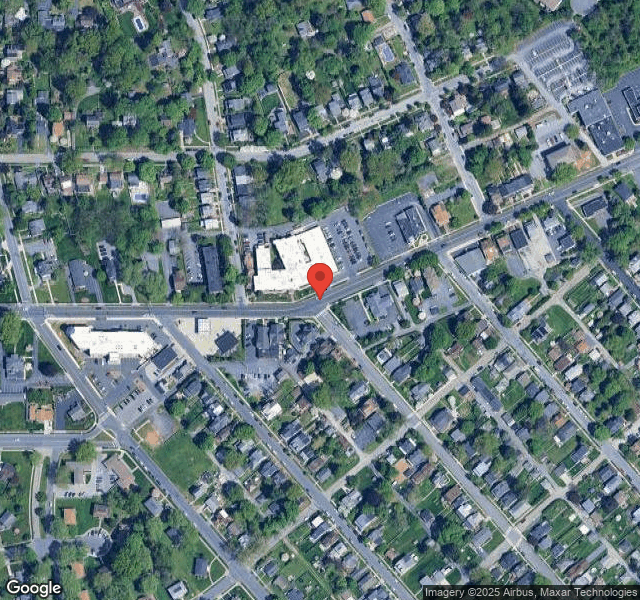

1700 MARKET STREET, CAMP HILL, PA 17011 (717) 737-8551
For profit - Corporation 123 Beds GENESIS HEALTHCARE Data: November 2025
Trust Grade
60/100
#268 of 653 in PA
Last Inspection: January 2025

Within standard 12-15 month inspection cycle. Federal law requires annual inspections.

Overview

Camp Hill Skilled Nursing and Rehabilitation Center has a Trust Grade of C+, indicating it is slightly above average compared to other facilities. It ranks #268 out of 653 in Pennsylvania, placing it in the top half of nursing homes in the state, but at #10 out of 17 in Cumberland County, only one local option is better. The facility is currently worsening, with issues increasing from 7 in 2024 to 17 in 2025. Staffing is a relative strength, with a turnover rate of 31%, which is well below the Pennsylvania average, indicating that staff members tend to stay longer and develop better relationships with residents. However, families should be aware of recent concerns, including failures to provide necessary assistance for daily living activities for some residents, inadequate treatment for pressure ulcers, and a lack of appropriate services to help residents with limited mobility, all of which highlight areas for improvement despite having no fines on record.

Trust Score
C+
60/100
In Pennsylvania
#268/653
Top 41%
Safety Record
Low Risk
No red flags
Inspections
Getting Worse
7 → 17 violations
Staff Stability
○ Average
31% turnover. Near Pennsylvania's 48% average. Typical for the industry.
Penalties
✓ Good
No fines on record. Clean compliance history, better than most Pennsylvania facilities.
Skilled Nurses
○ Average
Each resident gets 31 minutes of Registered Nurse (RN) attention daily — about average for Pennsylvania. RNs are the most trained staff who monitor for health changes.
Violations
⚠ Watch
31 deficiencies on record. Higher than average. Multiple issues found across inspections.
★★★☆☆
3.0
Overall Rating
★★★☆☆
3.0
Staff Levels
★★★★★
5.0
Care Quality
★★☆☆☆
2.0
Inspection Score
Stable
2024: 7 issues
2025: 17 issues

The Good

  • 5-Star Quality Measures · Strong clinical quality outcomes
  • Full Sprinkler Coverage · Fire safety systems throughout facility
  • No fines on record
  • Staff turnover below average (31%)

    17 points below Pennsylvania average of 48%

Facility shows strength in quality measures, fire safety.

The Bad

3-Star Overall Rating

Near Pennsylvania average (3.0)

Meets federal standards, typical of most facilities

Staff Turnover: 31%

14pts below Pennsylvania avg (46%)

Typical for the industry

Chain: GENESIS HEALTHCARE

Part of a multi-facility chain

Ask about local staffing decisions and management

The Ugly 31 deficiencies on record

Jan 2025 17 deficiencies
CONCERN (D)

Potential for Harm - no one hurt, but risky conditions existed

Deficiency F0582 (Tag F0582)

Could have caused harm · This affected 1 resident

Based on review of clinical record review, review of select facility documentation, and staff interview, it was determined that the facility failed to provide the required notices to the resident or t...

Read full inspector narrative →
Based on review of clinical record review, review of select facility documentation, and staff interview, it was determined that the facility failed to provide the required notices to the resident or their representatives following the end of their Medicare coverage for two of three residents reviewed for beneficiary notices (Residents 28 and 108). Findings include: A Skilled Nursing Facility (SNF) Beneficiary Protection Notification Review form completed by the facility revealed that Medicare Part A coverage for Resident 28 started on December 9, 2024, and that her last covered day was January 6, 2025. The form indicated that the facility initiated discontinuation from Medicare Part A coverage and that the Resident's benefit days were not exhausted. Further review of the form indicated that a Skilled Nursing Facility Advanced Beneficiary Notice of Non-coverage (SNF-ABN - a notice given to Medicare beneficiaries to convey that Medicare is not likely to provide coverage for a skilled service) was issued telephonically. Review of Resident 28's clinical record revealed that she remained in the facility following the discontinuation of her Medicare A coverage on January 6, 2025. A Skilled Nursing Facility Beneficiary Protection Notification Review Form completed by the facility revealed that Medicare A coverage for Resident 108 started on October 1, 2024, and that her last covered day was October 30, 2024. The form indicated that the facility initiated discontinuation from Medicare Part A coverage and that the Resident's benefit days were not exhausted. Further review of the form indicated that a SNF-ABN notice was not sent at that time. Review of Resident 108's clinical record revealed that she remained at the facility following the discontinuation of her Medicare A coverage on October 30, 2024. During an interview with the Nursing Home Administrator on January 16, 2025, at 12:30 PM, she was not able to provide any additional evidence that written SNF-ABN notices were provided to either Resident 28 or 108 as noted above. 28 Pa. Code 201.18(e)(1) Management
CONCERN (D)

Potential for Harm - no one hurt, but risky conditions existed

Safe Environment (Tag F0584)

Could have caused harm · This affected 1 resident

**NOTE- TERMS IN BRACKETS HAVE BEEN EDITED TO PROTECT CONFIDENTIALITY** Based on clinical record review and staff interview, it was determined that the facility failed to exercise reasonable care for ...

Read full inspector narrative →
**NOTE- TERMS IN BRACKETS HAVE BEEN EDITED TO PROTECT CONFIDENTIALITY** Based on clinical record review and staff interview, it was determined that the facility failed to exercise reasonable care for the protection of the resident's property from loss or theft for two of three discharged residents reviewed (Residents 105 and 106). Findings include: Review of Resident 105's clinical record revealed she was admitted to the facility on [DATE], and discharged from the facility to the hospital on November 12, 2024. Further review of the closed clinical record revealed no documented inventory of personal effects or accounting for Resident 105's personal effects following discharge. Review of Resident 106's clinical record revealed he was admitted to the facility on [DATE], and passed away at the facility on December 25, 2024. Further review of the closed clinical record revealed no documented inventory of personal effects, or accounting for Resident 106's personal effects following discharge. During an interview with the Director of Nursing on January 16, 2025, at 12:30 PM, she revealed that she was not able to locate a documented inventory of Resident 105's or 106's personal effects, nor confirm the disposition of these personal effects upon discharge. 28 Pa. Code 201.14(a) Responsibility of licensee 28 Pa. Code 201.18(b)(2)(e)(1) Management
CONCERN (D)

Potential for Harm - no one hurt, but risky conditions existed

Report Alleged Abuse (Tag F0609)

Could have caused harm · This affected 1 resident

Based on facility policy review, review of incident investigation documentation, and staff interview, it was determined that the facility failed to report the results of an abuse investigation within ...

Read full inspector narrative →
Based on facility policy review, review of incident investigation documentation, and staff interview, it was determined that the facility failed to report the results of an abuse investigation within the specified timeframes for one of one abuse incidents reviewed. Findings include: Review of facility policy, Abuse Prohibition, revised October 24, 2022, revealed, The Administrator or designee will report findings of all completed investigations within five (5) working days to the Department of Health using the state on-line reporting system or state-approved forms. Review of state form, PB-22 Report Form For Investigation of Alleged Abuse, Neglect, Misappropriation of Property, completed by the facility, revealed that an alleged incident of neglect occurred on September 24, 2024. Further review of the form revealed that the facility became aware of the incident and began an abuse investigation on September 25, 2024. The investigation was concluded on September 26, 2024. Review of the form indicated that it was not completed and submitted to the Department of Health until October 7, 2024 (greater than five working days following the conclusion of the investigation). During an interview with the Nursing Home Administrator on January 16, 2025, at 9:15 AM, she revealed that the PB-22 submission was untimely because the Director of Nursing was not at work due to illness. She also revealed the expectation that the Administrator at the time should have submitted the investigation results (PB-22 form) in her absence. 28 Pa. Code 201.14(a) Responsibility of licensee 28 Pa. Code 201.18(b)(1)(e)(1) Management
CONCERN (D)

Potential for Harm - no one hurt, but risky conditions existed

Assessment Accuracy (Tag F0641)

Could have caused harm · This affected 1 resident

Based on clinical record review and staff interview, it was determined that the facility failed to ensure that the resident assessment accurately reflected the resident's status for two of 24 resident...

Read full inspector narrative →
Based on clinical record review and staff interview, it was determined that the facility failed to ensure that the resident assessment accurately reflected the resident's status for two of 24 residents reviewed (Residents 8 and 36). Findings include: Review of Resident 8's clinical record revealed diagnoses that included congestive heart failure (a chronic condition in which the heart doesn't pump blood as well as it should), chronic kidney disease (a condition characterized by a gradual loss of kidney function), and muscle weakness. Review of Resident 8's Annual MDS (Minimum Data Set- assessment tool utilized to identify residents' physical, mental, and psychosocial needs) with ARD (assessment reference date- last day of the assessment period) of December 4, 2024, revealed under Section N. Medications, Resident 8 was marked yes to indicate he received an anticoagulant. Review of Resident 8's Medicare 5 Day MDS with ARD of December 4, 2024, revealed under Section N, Resident 8 was marked yes to indicate he received an anticoagulant. Review of Resident 8's clinical record failed to reveal he was prescribed or received an anticoagulant medication during the ARD. During an email correspondence with the Director of Nursing (DON) on January 15, 2024, at 9:57 AM, she revealed Resident 8's MDS assessments were revised to reflect that he did not receive an anticoagulant during the ARD for those assessments. Follow-up interview with the DON on January 15, 2024, at 11:27 AM, revealed she would expect Resident 8's MDS assessments to be coded accurately. Review of Resident 36's clinical record revealed diagnoses that included bipolar disorder (a lifelong mood disorder and mental health condition that causes intense shifts in mood, energy levels, thinking patterns, and behaviors) and dementia (a chronic disorder of the mental processes caused by brain disease, and marked by memory disorders, personality changes, and impaired reasoning). Review of Resident 36's current physician orders revealed that the Resident had an order for an antipsychotic medication, dated February 23, 2021. Review of Resident 36's clinical record revealed a psychiatric visit note dated July 11, 2024, that indicated that a gradual dose reduction of their antipsychotic medication was clinically contraindicated. Review of Resident 36's Annual MDS with ARD of August 8, 2024, revealed in Section N. Medications that the date Resident 36's physician documented that a gradual dose reduction was clinically contraindicated was May 30, 2024. Review of Resident 36's clinical record revealed a psychiatric visit note dated November 15, 2024, that indicated that a gradual dose reduction of their antipsychotic medication was clinically contraindicated. Review of Resident 36's Quarterly MDS with the assessment reference date of December 24, 2024, revealed in Section N. Medications, that the date Resident 36's physician documented that a gradual dose reduction was clinically contraindicated was September 20, 2024. During a staff interview with the Nursing Home Administrator and DON on January 16, 2025, at 12:35 PM, the DON confirmed that Resident 36's MDS's were coded in error and modifications were completed. She further indicated that she would expect a resident's MDS assessment to be coded accurately. 28 Pa Code 211.12 (d)(3)(5) Nursing services
CONCERN (D)

Potential for Harm - no one hurt, but risky conditions existed

Comprehensive Care Plan (Tag F0656)

Could have caused harm · This affected 1 resident

Based on clinical record review and staff interview, it was determined that the facility failed to develop comprehensive care plans for two of 27 resident records reviewed (Residents 29 and 47). Find...

Read full inspector narrative →
Based on clinical record review and staff interview, it was determined that the facility failed to develop comprehensive care plans for two of 27 resident records reviewed (Residents 29 and 47). Findings Include: Review of Resident 29's clinical record revealed diagnoses that included hypertension (elevated blood pressure) and anxiety disorder (mental health conditions that involve persistent and excessive feelings of fear or worry). Review of Resident 29's current physician orders revealed an order for Buspirone hydrochloride (HCL) tablet 15 milligram (MG) - give one tablet by mouth two times a day for anxiety, with an original active date of July 19, 2024. Review of Resident 29's current physician orders revealed an order for Duloxetine HCL capsule delayed release particles 60 MG -give one capsule by mouth one time a day for depression, with an original active date of July 20, 2024. Review of Resident 29's current physician orders revealed an order for Enoxaparin Sodium Injection Solution Prefilled syringe 40 MG/0.4 milliliter - inject 40 MG intramuscularly every 24 hours for blood thinner, with an active date of December 11, 2024. Review of Resident 29's current care plan failed to reveal a plan of care addressing her antianxiety, antidepressant, and anticoagulant medication use. During an interview with the Director of Nursing (DON) on January 16, 2025, at 9:37 AM, revealed she would have expected Resident 29 to have had a baseline care plan for her antianxiety, antidepressant, and anticoagulant medication use. Review of Resident 47's clinical record revealed diagnoses that included chronic obstructive pulmonary disease (a chronic lung disease that makes it difficult to breathe) and heart failure (when the heart cannot pump enough blood and oxygen to the body). Review of facility policy, titled NSG309 Medications: Self-administration, last reviewed and revised on October 15, 2024, revealed, self-administration and medication self-storage must be care planned. During an interview with Resident 47 on January 13, 2025, at 10:06 AM, she revealed she self-administers her nebulizer medications, and opened her bedside table drawer to show where they are. Review of Resident 47's clinical record revealed a Nursing Progress note written on December 10, 2024, for a self-administration of medication assessment completed on Resident 47 that determined she is fully capable of administering inhalants or inhalers and can keep medications at bedside. Review of Resident 47's current care plan failed to reveal a plan of care addressing her self-administering medications. During an interview with the DON on January 16, 2025, at 12:21 PM, revealed she would have expected Resident 47 to have a baseline care plan for her self-administration and storage of medications. 42 CFR 483.21(b) Comprehensive Care Plans 28 Pa. Code 211.5(f) Clinical records 28 Pa. Code 211.12(d)(3) Nursing services 28 Pa. Code 211.12(d)(5) Nursing services
CONCERN (D)

Potential for Harm - no one hurt, but risky conditions existed

Deficiency F0657 (Tag F0657)

Could have caused harm · This affected 1 resident

Based on facility policy review, observations, clinical record review, and resident and staff interviews, it was determined that the facility failed to ensure the residents right to participate in the...

Read full inspector narrative →
Based on facility policy review, observations, clinical record review, and resident and staff interviews, it was determined that the facility failed to ensure the residents right to participate in the care planning process for one of 24 residents reviewed (Resident 19), and failed to review and revise the resident plan of care for one of 24 residents reviewed (Resident 50). Findings include: Review of facility policy, titled OPS416 Person-Centered Care Plan, dated November 28, 2016, with a revision date of October 24, 2022, and a last review date of October 15, 2024, revealed 7. Care plans will be: 7.2 Reviewed and revised by the interdisciplinary team after each assessment, including both the comprehensive and quarterly review assessments, and as needed to reflect the response to care and changing needs and goals; and 9. The Center has the responsibility to assist patients to participate by: 9.3 Facilitating the inclusion of the patient/ resident representative(s) to attend. Review of Resident 19's clinical record revealed diagnoses that included chronic pain, hypertension (persistent high blood pressure), and muscle wasting and atrophy (loss of muscle mass). Interview with Resident 19 on January 13, 2024, at 10:03 AM, revealed she does not remember getting invited to her care plan meetings. Review of Resident 19's clinical record revealed a progress note on January 13, 2024, at 1:48 PM, that stated, Scheduled care plan meeting for January 14, 2024, at 1:30 PM. Further review of Resident 19's clinical record revealed a progress note on January 14, 2024, at 1:38 PM, that stated Called the family for a scheduled care plan meeting. The family did not answer, left a message. Interview with Resident 19 on January 15, 2024, at 9:26 AM, revealed she was unaware she had a care plan meeting yesterday. Interview with Employee 2 (Social Services Director) on January 15, 2024, at 10:38 AM, revealed usually, if the family does not attend, nursing will check and see if the Resident would like to attend. She further revealed the surveyor could check with Employee 7 (Registered Nurse) to see if the Resident was invited and declined, and that she was unable to locate documentation to indicate Resident 19 has had a quarterly care plan meeting scheduled since August 14, 2024. Interview with Employee 7 on January 15, 2024, at 10:42 AM, revealed she was not sure as to why Resident 19 did not attend her care plan meeting yesterday. Interview with the Nursing Home Administrator (NHA) on January 16, 2024, at 9:24 AM, revealed she would expect residents are invited to their quarterly care plan meetings. Review of Resident 50's clinical record revealed diagnoses that included hemiplegia (paralysis of one side of body) and hemiparesis (muscle weakness on one side of the body) following a cerebral infarction (a stroke-damage to the brain from interruption of its blood supply) affecting left non-dominant side, muscle weakness, and other abnormalities of gait and mobility. Observations of Resident 50 on January 13, 2025, at 9:59 AM, revealed that the Resident was in bed and noted to have foam boots lying on the chair near the foot of their bed. Review of Resident 50's current physician orders revealed an order for Prevalon Boots (heel protectors that help reduce the risk of bedsores by keeping the heel floated, relieving pressure) on when in bed, off when out of bed, entered by the prescriber dated November 26, 2024. Follow-up observations of Resident 50 on January 14, 2025, at 9:26 AM and 1:32 PM; and January 15, 2025, at 9:46 AM, revealed the same observations. Review of Resident 50's care plan revealed a care plan focus for being at risk for loss of range of motion related to physical limitations, last revised on August 14, 2024; and at risk for skin breakdown related to limited mobility and shear and friction risks, last revised on March 22, 2024. The care plan failed to reveal any documentation for the intervention of the Prevalon boots. During an interview with the NHA and Director of Nursing (DON) on January 16, 2025, at 9:35 AM, the DON indicated that she noted that the practitioner put the order in for the boots and it was not put in properly and, therefore, did not trigger for staff to implement. When it was discussed that the boots were present in Resident 50's room January 13-16, 2025, the DON indicated that she was unsure how the boots were present in the room if staff did not know Resident 50 was to have them. The DON confirmed that she would probably expect staff to have asked about them when they saw them in the room. During a final interview with the NHA and DON on January 16, 2025, at 12:20 PM, the DON indicated that she had no additional information to provide regarding Resident 50's Prevalon boots. She confirmed that Resident 50's care plan should have been revised to include the Prevalon boots and that the Prevalon boots should have been implemented. 28 Pa. Code 211.10(c)(d)(a) Resident care policies 28 Pa. Code 211.12(d)(2)(3)(5) Nursing services
CONCERN (D)

Potential for Harm - no one hurt, but risky conditions existed

Quality of Care (Tag F0684)

Could have caused harm · This affected 1 resident

Based on review of the clinical record and staff interviews, it was determined that the facility failed to ensure care and services are provided in accordance with professional standards of practice t...

Read full inspector narrative →
Based on review of the clinical record and staff interviews, it was determined that the facility failed to ensure care and services are provided in accordance with professional standards of practice that will meet each resident's physical, mental, and psychosocial needs for two of 24 residents reviewed (Residents 71 and 88). Findings include: Review of Resident 71's clinical record revealed diagnoses that included peripheral vascular disease (a slow and progressive circulation disorder) and hypertension (elevated blood pressure). Review of Resident 71's December 2024 MAR (Medication Administration Record) revealed a physician's order for Blood Glucose before meals - notify MD (Medical Director) if blood sugar less than 80 or blood sugar greater than 250 before meals for Glucose monitoring, with a start date of December 26, 2024. Review of Resident 71's December 2024 MAR revealed the following: On December 26, 2024, at 4:00 PM, Resident 71's blood sugar was 286. On December 31, 2024, at 6:00 AM, Resident 71's blood sugar was 316. On December 31, 2024, at 11:00 AM, Resident 71's blood sugar was 252. Review of Resident 71's January 2025 MAR revealed a physician's order for Blood Glucose before meals - notify MD if blood sugar less than 80 or blood sugar greater than 250 before meals for Glucose monitoring, with a start date of December 26, 2024. Review of Resident 71's January 2025 MAR revealed the following: On January 1, 2025, at 6:00 AM, Resident 71's blood sugar was 268. On January 5, 2025, at 11:00 AM, Resident 71's blood sugar was 308. On January 10, 2025, at 6:00 AM, Resident 71's blood sugar was 266. On January 10, 2025, at 11:00 AM, Resident 71's blood sugar was 283. On January 11, 2025, at 6:00 AM, Resident 71's blood sugar was 255. Review of Resident 71's clinical record failed to reveal the MD was notified of his blood sugar levels being outside of parameters per the physician's order on the dates and times noted above. The facility was unable to provide any evidence of the MD being notified of his blood sugar levels being outside of parameters per the physician's order on the dates and times noted above. During an interview with the Director of Nursing (DON) on January 16, 2025, at 9:31 AM, she revealed she would have expected the MD to have been notified of Resident 71's blood sugar being outside of parameters per the physician's order on the dates and times noted above. Review of Resident 88's clinical record revealed diagnoses that included chronic obstructive pulmonary disease (a chronic lung disease that makes it difficult to breathe) and heart failure (when the heart cannot pump enough blood and oxygen to the body). Review of Resident 88's clinical record revealed the Resident had a skin and wound evaluation completed on December 9, 2024, for an in-house acquired moisture-associated skin damage (MASD) located on their left gluteus, lateral, and middle, with the wound measuring 68.8 cubic centimeters (cm2) x 7.3 cm x 13.4 cm. Review of Resident 88's clinical record failed to reveal any further skin and wound documentation or assessments monitoring their MASD. During an interview with the DON on January 16, 2025, at 9:42 AM, she revealed she would have expected Resident 88 to have had weekly wound and skin documentation and evaluations completed to monitor the MASD that was identified on December 9, 2024. 28 Pa. Code 211.12(d)(1) Nursing services 28 Pa. Code 211.12(d)(3) Nursing services 28 Pa. Code 211.12(d)(5) Nursing services
CONCERN (D)

Potential for Harm - no one hurt, but risky conditions existed

Deficiency F0710 (Tag F0710)

Could have caused harm · This affected 1 resident

**NOTE- TERMS IN BRACKETS HAVE BEEN EDITED TO PROTECT CONFIDENTIALITY** Based clinical record review, hospital record review, and staff interview, it was determined that the facility failed to ensure ...

Read full inspector narrative →
**NOTE- TERMS IN BRACKETS HAVE BEEN EDITED TO PROTECT CONFIDENTIALITY** Based clinical record review, hospital record review, and staff interview, it was determined that the facility failed to ensure the physician provided orders for the resident's immediate care and needs for one of 24 residents reviewed (Resident 325). Findings include: Review of Resident 325's clinical record on January 13, 2025, revealed diagnoses that included stage two chronic kidney disease (decreased ability of kidneys to filter toxins from the blood), diabetes mellitus type II (decrease in the body's ability to utilize insulin for the transport of glucose from the blood stream into the cells for nourishment), and a stage three pressure ulcer to the sacrum (wound of the skin that can extend to the deeper layers of the skin caused by pressure over a bony prominence). Review of Resident 325's clinical record revealed that Resident 325 was admitted to the facility from the hospital on January 7, 2025. Review of hospital documentation revealed that while Resident 325 was in the hospital, Resident 325 had a foley catheter inserted (tube inserted into the bladder to drain urine from the bladder) and Resident 325 was assessed as having a stage II pressure ulcer to the sacrum which required treatment. Review of Resident 325's clinical record revealed a facility document titled, Transition of Care, which was dated January 7, 2025, that indicated Resident 325 was being admitted from the hospital. Review of the document revealed staff had documented, stage 2 sacral [wound], and foley under the section titled, Reason for Hospitalization. Further, under section titled, Devices/Special Treatment the box labeled, Foley Catheter was marked. Review of Resident 325's interdisciplinary progress notes revealed an initial assessment documented on January 7, 2025, at 4:48. The initial assessment conducted by Employee 10 (Registered Nurse), confirmed that Resident 325 was admitted with a foley catheter in place and a wound to the sacrum. Review of Resident 325's clinical record section titled Wound Evaluation, revealed that an assessment by facility staff on January 8, 2024, revealed Resident 325 had a stage 3 pressure ulcer (wound that extends below the skin to the underlying tissue but does not expose bone or connective tissue) to the sacrum which was present upon admission. Review of Resident 325's physician orders revealed that Resident 325 did not have orders for treatment to the sacral pressure ulcer upon admission. Review of the order for treatment to Resident 325's sacral pressure ulcer revealed it was ordered on January 11, 2025, with a start date of January 12, 2025, five days after admission. Review of Resident 325's physician orders also revealed Resident 325 did not have orders for care and/or treatment of Resident 325's foley catheter upon admission. Review of the orders for the foley catheter, including care and treatment, revealed they were dated and started on January 13, 2025, six days after admission. During a staff interview on January 16, 2025, at approximately 12:25 PM, Director of Nursing revealed it was the facility's expectation that the physician would have provided orders for foley catheter care and wound treatment for Resident 325 upon admission on [DATE]. 28 Pa code 201.18(b)(1) Management 28 Pa code 211.2(d)(3) Medical director 28 Pa code 211.12(d)(1)(1)(3)(5) Nursing services
CONCERN (D)

Potential for Harm - no one hurt, but risky conditions existed

Pharmacy Services (Tag F0755)

Could have caused harm · This affected 1 resident

Based on facility policy review, clinical record review, and staff interviews, it was determined that the facility failed to maintain an accurate accounting of the final disposition of medications upo...

Read full inspector narrative →
Based on facility policy review, clinical record review, and staff interviews, it was determined that the facility failed to maintain an accurate accounting of the final disposition of medications upon discharge for two of three closed records reviewed (Residents 105 and 107). Findings Include: Review of facility policy, Disposal of Medication Waste, revised July 1, 2024, revealed, Medications that cannot be returned to the pharmacy, discharged with the patient, or donated will be placed in medication disposal bins labeled .controlled substance waste. Review of facility policy, Collection Receptacles for Disposal of Medications, undated, revealed, When disposing of such controlled substances by transferring those substances into a collection receptacle, such disposal shall occur immediately, but no longer than three business days after the discontinuation of use by the resident/ultimate user. Discontinuation of use includes a permanent discontinuation of use as directed by the prescriber, as a result of the resident's transfer from the long-term care facility, or as a result of death. Disposition of Controlled Medication into the receptacle should only be completed by two staff as authorized by the state. Upon discontinuation of a patient's controlled substance medication, two authorized staff must document the removal of the patient's dangerous drugs from the medication cart or storage area and record the transfer of the drugs to the medication receptacle .The record of the controlled substance removed from the medication cart, or other area for storage, for disposal shall be made on a controlled substance proof-of-use sheet. Review of Resident 105's clinical record revealed that she was discharged from the facility to the hospital on November 12, 2024. Review of Resident 105's closed record revealed four Controlled Drug Record forms that indicated that Resident 105 had a total of 98 (26 on one form, 12 on another, 30 on another, and 30 on another) Oxycodone tablets (opioid used to treat severe pain) remaining at discharge. On each form, disposition of remaining doses was signed off by one staff person on December 31, 2024. During an interview with the Director of Nursing (DON) on January 16, 2025, at 12:30 PM, she revealed the expectation that two staff members should have signed off on the disposal of Resident 105's medication. Review of Resident 107's clinical record revealed that he was discharged to home on December 8, 2024. Review of Resident 107's physician orders revealed that at the time of discharge, he was prescribed oxycodone 5 mg every six hours as needed for pain. Review of Resident 107's closed record revealed no evidence of final disposition of the aforementioned medication. During an interview with the DON on January 16, 2025, at 12:30 PM, she revealed that she had no additional information to provide regarding final disposition of Resident 107's medications. 28 Pa. Code 211.9(j.1)(3)(4) Pharmacy services 28 Pa. Code 211.12(d)(1)(3)(5) Nursing services
CONCERN (D)

Potential for Harm - no one hurt, but risky conditions existed

Drug Regimen Review (Tag F0756)

Could have caused harm · This affected 1 resident

Based on facility policy review, clinical record review, and staff interviews, it was determined that the facility failed to ensure that the licensed pharmacist's report of a medication irregularity w...

Read full inspector narrative →
Based on facility policy review, clinical record review, and staff interviews, it was determined that the facility failed to ensure that the licensed pharmacist's report of a medication irregularity was reviewed and acted upon timely for two of five residents reviewed for unnecessary medications (Residents 29 and 74). Findings include: Review of facility policy, titled Medication Regimen Review, last reviewed October 15, 2024, read, in part, Medication Regimen Review (MRR) is a thorough evaluation of the medication regimen of a resident, with the goal of promoting positive outcomes and minimizing adverse consequences and potential risks associated with medication. The MRR includes review of the medical record in order to prevent, identify, report and resolve medication-related problems, medication errors, or other irregularities. The findings are communicated to the Director of Nursing (DON) or designee and the medical director. These findings are documented and filed with other consultant pharmacist recommendations in the resident's chart. Resident-specific MRR recommendations and findings are documented and acted upon by the nursing care center and/or physician. Review of Resident 29's clinical record revealed diagnoses that included hypertension (elevated blood pressure) and anxiety disorder (mental health conditions that involve persistent and excessive feelings of fear or worry). Review of Resident 29's physician orders revealed an order for Quetiapine Fumarate Oral Tablet 150 MG (Quetiapine Fumarate), give one tablet by mouth at bedtime for anxiety, depression, insomnia, with an original start date of July 19, 2024. Review of select facility documentation provided revealed a MRR from August 11, 2024, that read, in part, Patient on Seroquel suggest a trial dose reduction. Further review of the aforementioned document revealed it was signed by the physician on October 31, 2024, that they were in agreement with the recommendation. Review of Resident 29's clinical record on January 14, 2025, failed to reveal the recommendation from August 11, 2024, was ever implemented. During an interview with the Director of Nursing (DON) on January 16, 2025, at 12:21 PM, revealed she would have expected Resident 29's MRR to have been responded to timely by the physician and for the recommendation to have been implemented. Review of Resident 74's clinical record revealed diagnoses that included major depressive disorder (a mood disorder that causes a persistent feeling of sadness and loss of interest in things), anxiety disorder (a persistent feeling of worry, nervousness, or unease), and dementia (a chronic disorder of the mental processes caused by brain disease, marked by memory disorders, personality changes, and impaired reasoning). Review of Resident 74's physician orders revealed an order for Quetiapine Fumarate Oral Tablet 200 MG (Seroquel- Antipsychotic Medication), Give 200 mg orally at bedtime for depression, with a start date of August 3, 2024. Review of select facility documentation provided revealed a MRR from August 8, 2024, that read, in part, Recommendation: Routine antipsychotic use must be evaluated by MD on admission for potential dose reduction or discontinuation. Please provide rationale for use with diagnosis of depression. Further review of the aforementioned document failed to reveal the recommendations were reviewed by the physician or acted upon. Review of select facility documentation provided revealed a MRR from August 11, 2024, that read, in part, Patient on Seroquel suggest a trial dose reduction. Further review of the aforementioned document revealed it was signed by the physician on October 29, 2024, that they were in agreement with the recommendation. Review of Resident 74's clinical record on January 14, 2025, failed to reveal the recommendation from August 11, 2024, was ever implemented. Interview with the DON on January 16, 2025, at 12:17 PM, revealed she would expect MRRs to be reviewed by nursing and/or physician and implemented timely, if applicable. 28 Pa. Code 211.2(d)(3) Medical Director 28 Pa Code 211.9(a)(1) Pharmacy Services 28 Pa. Code 211.12(d)(3)(5) Nursing Services
CONCERN (D)

Potential for Harm - no one hurt, but risky conditions existed

Deficiency F0761 (Tag F0761)

Could have caused harm · This affected 1 resident

Based on observations, facility policy review, review of medication data sheets, and staff interviews, it was determined that the facility failed to discard expired medications in one of three medicat...

Read full inspector narrative →
Based on observations, facility policy review, review of medication data sheets, and staff interviews, it was determined that the facility failed to discard expired medications in one of three medication carts (Arcadia); and failed to properly label drugs and biologics in one of three medication carts (3rd floor short hall cart). Findings include: Review of facility policy, titled Storage of Medications, with a last review date of October 15, 2024, revealed, 12. [in part] Note the date on the label for insulin vials and pens when first used; and 14. [in part] Outdated .medications are immediately removed from stock, disposed of according to procedures. Review of insulin degludec (a long-acting insulin used to manage diabetes) medication data sheet from Drugs.com revealed that this brand of insulin should be used or discarded within 56 days of opening. Review of insulin aspart (a fast-acting insulin used to lower blood sugar levels) medication data sheet from Drugs.com revealed that this brand of insulin should be used or discarded within 28 days of opening. Review of Medline Liquid Active Protein data sheet on Medline.com revealed that the supplement should be used or discarded within three months of opening. Observation of the Arcadia unit medication cart with Employee 2 (Licensed Practical Nurse) on January 14, 2025, at 10:16 AM, revealed an unopened box of OHC COVID tests (two) with an expiration date December 30, 2023. Employee 2 confirmed the tests were expired and indicated that they would discard them. Observation of the 3rd floor short hall medication cart with Employee 3 (Graduate Practical Nurse) on January 14, 2025, at 10:27 AM, revealed two insulin degludec pens, one insulin aspart pen, and a bottle of Medline Liquid Active Protein supplement without open dates indicated. Employee 3 confirmed the items were not dated when opened. During a staff interview with the Nursing Home Administrator (NHA) and the Director of Nursing (DON) on January 15, 2025, at 11:19 AM, the DON confirmed that the COVID tests should have been discarded and that the insulin pens should have been dated when they were opened. She indicated that she would need to check on the liquid protein as she believed it to be good to the manufacturer expiration date. During a follow-up staff interview with the NHA and DON on January 16, 2025, at 9:42 AM, the DON confirmed that the bottle of liquid protein should have been dated when opened. The NHA and DON both confirmed that medications that have a shortened shelf life after opening should be dated. 28 Pa. Code 201.18(b)(1) Management 28 Pa. Code 211.9(a)(1) Pharmacy services
CONCERN (D)

Potential for Harm - no one hurt, but risky conditions existed

Infection Control (Tag F0880)

Could have caused harm · This affected 1 resident

Based on clinical record review, observations, facility policy review, and staff interview, it was determined that the facility failed to implement infection control practices to help prevent the deve...

Read full inspector narrative →
Based on clinical record review, observations, facility policy review, and staff interview, it was determined that the facility failed to implement infection control practices to help prevent the development and transmission of infectious diseases for one of one treatment cart observed (Third floor treatment cart). Findings include: Review of facility policy, titled Infection Prevention and Control Program Description, last reviewed October 15, 2024, revealed it stated, .Implementation of Control Measures and Precautions includes basics such as hand hygiene, Standard and Transmission Based Precautions, cleaning/disinfecting equipment and measures to protect persons [sic] from communicable diseases or infections. Review of Resident 325's clinical record on January 13, 2025, revealed diagnoses that included stage two chronic kidney disease (decreased ability of kidneys to filter toxins from the blood), diabetes mellitus type II (decrease in the body's ability to utilize insulin for the transport of glucose from the blood stream into the cells for nourishment), and a stage three pressure ulcer to the sacrum (wound of the skin that can extend to the deeper layers of the skin caused by pressure over a bony prominence). Prior to wound dressing observations for Resident 325 on January 15, 2025, at approximately 1:10 PM, Employee 9 was observed retrieving a box of medical grade honey (used to promote healing and prevent infection) from the unit treatment cart. During Resident 325's dressing change observation, Employee 9 was observed placing the box of medical grade honey on Resident 325's bed-side table (an unclean surface), then opening the box, removing the seal of the tube of medical grade honey, and applying the medical grade honey on swabs to be placed on Resident 325's wound. Employee 9 replaced the tube of medical grade honey in the manufacturer's box. Upon completion of the dressing change, Employee 9 was observed exiting Resident 325's room holding the box of medical grade honey with the right hand and a bag containing soiled dressing supplies in the left hand. Employee 9 then went to the soiled utility room, partially entered the soiled utility room, and discarded the bag of soiled dressing supplies into a trashcan after making contact with the lid of the soiled utility room trash can. Employee 9 was then observed returning the box of medical grade honey to the treatment cart drawer without cleansing the box or tube. Employee 9 did not place the box of medical grade honey in a clean container prior to storing it in the treatment cart drawer, nor did Employee 9 mark the box or tube of the medical grade honey with any indication that the treatment supply was utilized for Resident 325. During a staff interview on January 16, 2025, at approximately 11:00 AM, Director of Nursing revealed it was the facility's expectation that Employee 9 would have labeled the medical grade honey with Resident 325's name to ensure it would not be used on a separate resident. 28 Pa code 211.12(d)(1)(5) Nursing services
CONCERN (D)

Potential for Harm - no one hurt, but risky conditions existed

Antibiotic Stewardship (Tag F0881)

Could have caused harm · This affected 1 resident

Based on clinical record review, laboratory result review, facility policy review, and resident and staff interviews, it was determined that the facility failed to ensure the facility's Antibiotic Ste...

Read full inspector narrative →
Based on clinical record review, laboratory result review, facility policy review, and resident and staff interviews, it was determined that the facility failed to ensure the facility's Antibiotic Stewardship Program was implemented for one of two residents reviewed for antibiotic use (Resident 98). Findings include: Review of facility policy, titled IC402 Antibiotic Stewardship, last revision date of December 16, 2024, revealed the facility policy stated, Centers will implement an Antibiotic Stewardship Program (ASP) as part of the facility's overall infection and control program . The policy's included purpose stated, To reduce inappropriate antibiotic use and prevent the development of antibiotic-resistant organisms. Review of the policy's Process section revealed the program included the following: 1. The Medical Director, [Director of Nursing], and Consultant Pharmacist serve as the leaders of the ASP and receive support from the Administrator and other governing officials of the Center. 1.1 The Medical director .Sets the standards for antibiotic prescribing practices for all healthcare providers prescribing antibiotics .Oversees adherence to antibiotic prescribing practices, and .Reviews antibiotic use data and ensures best practices are followed. 1.3 The Consultant Pharmacist .Reviews microbiology culture results and provides feedback to prescribers on initial antibiotic selection to let them know if it is the right drug to treat the infection or if the bacteria may be resistant to the antibiotic. 4.2 Monitoring Patients' Antibiotic Use .Monitor response to antibiotics, and laboratory results when available, to determine if the antibiotic is still indicated or adjustments should be made . Review of Resident 98's clinical record on January 14, 2025, revealed diagnoses that included congestive heart failure (decreased ability of the heart to effectively pump blood throughout the body) and urinary tract infection (infection that affects any part of the urinary system). During a Resident interview on January 14, 2025, at approximately 10:45 AM, Resident 98 revealed that he was recently diagnosed with an urinary tract infection. Resident 98 stated that he did not experience any symptoms prior to or after being diagnosed with an urinary tract infection. Resident 98 revealed that, at the time of the interview, he was receiving antibiotics for the urinary tract infection. Review of Resident 98's clinical record revealed that on January 8, 2025, Resident 98 was ordered an urinary analysis (laboratory examination of the urine to identify substances that may indicate health issues), along with an urinary culture (laboratory test to determine the presence, type, and amount of bacteria) and sensitivity test (laboratory test to determine which antibiotic(s) the identified bacteria is susceptible to or resistant to) due to urinary retention after the removal of a urinary catheter (tube inserted into the bladder to facilitate the draining of urine). Review of the urinalysis completed on January 8, 2025, for Resident 98 revealed that Resident 98 had indication of a possible urinary tract infection. Written on the urinary analysis laboratory results was, Sent to [attending physician]. Cipro 500 mg [twice a day for seven days]. Review of Resident 98's physician orders revealed that on January 8, 2025, Resident 98 had an order for Cipro (generic name - ciprofloxacin; an antibiotic used to treat infection) 500 milligrams (mg - metric unit of measure) twice a day for seven days, initially dated January 8, 2025, and revised on January 9, 2025. Review of Resident 98's medication administration record revealed Resident 98 started the antibiotic on the morning of January 9, 2025. Review of the laboratory's urine culture, which was verified by the laboratory on January 9, 2025, revealed it stated, 50,000 to 100,000 cfu/ml [cfu - colony-forming unit; ml - milliliters, combined to indicate the number of bacteria that can grow from a sample] Presumptive [methicillin-resistant Staphylococcus aureus - bacteria that is resistant to some antibiotics that can cause serious illness] .Please refer to final report for confirmatory susceptibility to Oxacilliin [antibiotic] .Susceptibility to follow. Review of the urine culture report revealed it was signed and dated on January 10, 2025, and included a written statement of, On Cipro [follow-up] final results. Review of Resident 98's urine culture and sensitivity report, which had a laboratory verification date of January 10, 2025, revealed that the bacteria identified in Resident 98's urine was listed as resistant to ciprofloxacin, oxacillin, and other antibiotics. The report identified the bacteria was susceptible to nitrofurantoin, rifampin, tetracycline, tigecycline, and vancomycin (antibiotics used to treat infections). Review of the laboratory result sheet revealed it was not initialed, indicating it had not been reviewed. Review of Resident 98's clinical record revealed there was no change in Resident 98's medication as a result of the sensitivity report, which indicated that the bacteria was resistant to the prescribed antibiotic. As of January 16, 2025, at 12:00 PM, review of available documentation revealed no documented clinical rationale for the continued use of cipro to treat Resident 98's urinary tract infection. During a staff interview on January 16, 2025, at approximately 12:25 PM, Director of Nursing stated it was the facility's expectation that antibiotic use is monitored and adjusted with the use of sensitivity test, per the facility's Antibiotic Stewardship Program. 28 Pa code 201.18(b)(1)(3) Management 28 Pa code 211.2(d)(3)(5) Medical director 28 Pa code 211.12(d)(3)(5) Nursing services
CONCERN (E)

Potential for Harm - no one hurt, but risky conditions existed

ADL Care (Tag F0677)

Could have caused harm · This affected multiple residents

Based on facility policy review, observations, clinical record review, and resident and staff interviews, it was determined that the facility failed to ensure a resident who is unable to carry out act...

Read full inspector narrative →
Based on facility policy review, observations, clinical record review, and resident and staff interviews, it was determined that the facility failed to ensure a resident who is unable to carry out activities of daily living receives the necessary services to maintain good nutrition, grooming, and personal hygiene for three of 24 residents reviewed (Residents 20, 35, and 101). Findings include: Review of facility policy, titled NSG200 Activities of Daily Living (ADLs) [Activities of daily living or ADLs are routine tasks that each of us must perform every day to care for our bodies and ourselves independently] dated June 1, 1996, with a revision date of May 1, 2023, and a last review date of October 15, 2024, revealed 1. Patients are assessed upon admission, quarterly, and with any significant change to identify their status in all areas of ADL's and 4.2 A patient who is unable to carry out ADLs will receive the necessary level of ADL assistance to maintain good nutrition, grooming, and personal and oral hygiene. Review of Resident 20's clinical record revealed diagnoses that included hemiplegia (paralysis of one side of body) and hemiparesis (muscle weakness on one side of the body) following a cerebral infarction (a stroke-damage to the brain from interruption of its blood supply) affecting right dominant side, aphasia (language disorder that affects a person's ability to communicate), and vascular dementia (brain damage caused by multiple strokes which causes memory loss in older adults). Observation during lunch meal service on January 13, 2025, at 12:19 PM, revealed Employee 8 (Nurse Aide) placed Resident 20's tray on her tray table in front of her, left it covered and not set-up, and did not return to provide feeding assistance until 12:39 PM. Review of Resident 20's clinical record revealed she required substantial/maximal assistance with eating. Review of Resident 20's care plan revealed a focus area of ADL Self-care deficit as evidenced by right sided weakness and generalized weakness related to recent and previous strokes, last revised August 26, 2024, with an intervention for Assist with daily hygiene, grooming, dressing, oral care and eating as needed, last revised on January 30, 2024. During an interview with the Nursing Home Administrator (NHA) and Director of Nursing (DON) on January 16, 2025, at 9:25 AM, the surveyor revealed the concern with the process of nursing staff providing a meal tray to a resident 20 minutes prior to being able to provide feeding assistance. The NHA confirmed that staff should not have provided the meal tray to Resident 20 until they were able to provide feeding assistance. Review of Resident 35's clinical record revealed diagnoses that included hemiplegia and hemiparesis following a cerebral infarction affecting right dominant side, aphasia, and vascular dementia (brain damage caused by multiple strokes which causes memory loss in older adults). Observation of Resident 35 on January 13, 2025, at 9:41 AM, revealed the presence of dark facial hair on her upper lip and chin. Review of Resident 35's care plan revealed a focus for ADL self-care deficit related to physical limitations, with a revised date of November 7, 2024. Interventions included, but were not limited to, assist with bathing/showering, frequently refuses shower, prefers bed bath, will continue to offer shower, daily hygiene, grooming, dressing, oral care and eating as needed, with a revised date of March 19, 2024; and assist of 2 with ADL's, with a revised date of July 10, 2024. Review of Resident 35's Quarterly MDS (Minimum Data Set - an assessment tool to review all care areas specific to the resident such as a resident's physical, mental or psychosocial needs) with the assessment reference date (last day of the assessment period) of November 2, 2024, revealed in Section GG Functional Abilities, in subsection 0310 Self-Care at Question I Personal Hygiene: The ability to maintain personal hygiene, including combing hair, shaving, applying makeup, washing/drying face and hands (excludes baths, showers, and oral hygiene) that she was coded as dependent. During a follow-up observation of Resident 35 on January 14, 2025, at 1:30 PM, revealed the same observation of the presence of moderate dark facial hair on her upper lip and chin. During an immediate interview with Resident 35 when asked if she would like to be shaved, Resident 35 rubbed her chin with her left hand and mouthed the word yes while also nodding her head yes. Review of Resident 35's task documentation for bathing/showering for the past 30 days revealed that she had received a bed bath on December 16, 19, 23, 26, and 30, 2024, and January 2, 6, and 13, 2025. During a staff interview with the NHA and DON on January 15, 2025, at 11:00 AM, the DON indicated that shaving would only be completed if a resident requested it to be done. Observation of Resident 35 on January 16, 2025, at 9:02 AM, revealed that she had been shaved. Resident 35 was observed to rub her chin with her left hand and smile when asked about being shaved. During a final interview with the NHA and DON on January 16, 2025, at 12:21 PM, the DON confirmed that staff should have offered Resident 35 to be shaved as part of her ADL care since the Resident she was dependent for care. Review of Resident 101's clinical record revealed diagnoses that included muscle wasting and atrophy (loss of muscle mass) and Alzheimer's disease (a chronic disorder of the mental processes caused by brain disease, marked by memory disorders, personality changes, and impaired reasoning). Observation of Resident 101 on January 13, 2025, at 12:19 PM, revealed she had three-quarters of an inch facial hair on her chin. Follow-up observations on January 14, 2025, at 9:45 AM, and January 15, 2025, at 9:25 AM, revealed the same observations of three-quarters of an inch facial hair on her chin. Review of Resident 101's task documentation for bathing/showering revealed that she had received a shower on January 13, 2025, at 2:32 PM. Review of Resident 101's care plan revealed a focus area Resident/Patient is at risk for decreased ability to perform ADL(s) in bathing, grooming, personal hygiene, dressing, eating, bed mobility, transfer, locomotion, and toileting related to Delirium (confusion), behavioral symptoms last revised December 11, 2024, with an intervention for ADL: 1 Assist created on December 11, 2024. During a final interview with the NHA and DON on January 16, 2025, at 9:26 AM, the DON revealed that staff offered to shave her on January 15, 2025, and they should have offered it during her shower as part of her ADL care. 28 Pa. Code 211.10(d) Resident care policies 28 Pa. Code 211.12(d)(1)(2)(5) Nursing services
CONCERN (E)

Potential for Harm - no one hurt, but risky conditions existed

Pressure Ulcer Prevention (Tag F0686)

Could have caused harm · This affected multiple residents

Based on observations, clinical record review, facility policy review, and staff interviews, it was determined that the facility failed to ensure treatment and services, consistent with professional s...

Read full inspector narrative →
Based on observations, clinical record review, facility policy review, and staff interviews, it was determined that the facility failed to ensure treatment and services, consistent with professional standards, to promote healing and prevent infection for two of six residents reviewed for pressure ulcers (Residents 16 and 325). Findings include: Review of facility policy, titled NSG236 Skin Integrity and Wound Management, with a last reviewed and revised date of October 15, 2024, revealed 6. The licensed nurse will: 6.5 Complete wound evaluation upon admission/readmission, new in-house acquired, weekly, and with any unanticipated decline in wounds. Review of Resident 16's clinical record revealed diagnoses that included chronic diastolic congestive heart failure (heart failure that occurs when the heart does not relax properly between beats causing the heart to be unable to pump an adequate amount of blood to the body), chronic respiratory failure (long term condition in which the respiratory system is unable to adequately exchange oxygen and carbon dioxide in the body), and chronic kidney disease (longstanding disease of the kidneys leading to renal failure). Review of Resident 16's clinical record revealed that they were transferred to the hospital on January 9, 2025, to be evaluated for mental status change, nausea, vomiting, and not eating. Review of Resident 16's physician orders at time of hospital transfer revealed an order for Wound on sacral area: Cleanse with wound cleanser, pat dry and apply medihoney and foam border dressing. Change every other day or as needed for soilage or dislodgement, dated November 26, 2024. Review of Resident 16's clinical record progress notes revealed a nursing note by a Licensed Practical Nurse dated September 27, 2024, at 12:16 PM, that indicated the Resident was noted to have open area in buttock, and noted blood, saw it small open wound on middle sacrum and that the Registered Nurse Supervisor and was notified and a note was placed on the doctor's book. Review of Resident 16's clinical record progress notes revealed a nursing note by a Registered Nurse dated September 27, 2024, at 1:02 PM, that indicated that a wound care order was obtained. The note further indicated Wound and skin system is down, unable to take new pictures currently will follow up. Review of Resident 16's clinical record revealed a wound specialist consultation note dated October 1, 2024, that indicated that the Resident was consulted for wound prevention. The note further indicated There is no inflammation, rash, wounds, or other lesions of significance. Review of Resident 16's clinical record progress notes revealed a nursing note by a Registered Nurse dated October 10, 2024, at 3:39 PM, indicated the Resident does get small sore area in the sacrum due to [their] incontinence, current treatment with medihoney and covered dressing. Review of Resident 16's Skin and Wound Evaluations revealed that wound evaluations and pictures of their Stage 2 pressure injury were documented on August 23 and 30, 2024; September 5, 2024; October 1 and 8, 2024; November 5 and 29, 2024; and December 10, 2024. All documented evaluations indicated that the wound was stable or improving. Review of Resident 16's Treatment Administration Records from September 2024 through January 8, 2024, revealed that all ordered treatments were provided except when Resident 16 refused. Resident 16 had refused wound care on January 7 and 8, 2024, and that wound care was not provided prior to their transfer to the hospital for an acute change in condition on January 9, 2024. Review of Resident 16's hospital records dated January 9, 2025, indicated that the Resident had chronic sacral wound(s) buttock avulsion (wound in which skin layers are missing) from being in a moist environment and a pressure ulcer. The wound was described as having approximated edges; being brown, red, yellow in color; with a foam dressing in place that was dry. No measurements or staging of the wound was documented. During a staff interview with the Nursing Home Administrator (NHA) and the Director of Nursing (DON) on January 16, 2025, at 9:42 AM, the DON indicated that she had no additional information to provide regarding Resident 16's pressure ulcer. In addition, she confirmed that weekly wound evaluations to include measurements were not completed as per facility policy and that she would expect them to be completed weekly and documented. Review of Resident 325's clinical record on January 13, 2025, revealed diagnoses that included stage two chronic kidney disease (decreased ability of kidneys to filter toxins from the blood) and diabetes mellitus type II (decrease in the body's ability to utilize insulin for the transport of glucose from the blood stream into the cells for nourishment). Review of Resident 325's clinical record section, titled Wound Evaluation, revealed that an assessment by facility staff on January 8, 2024, revealed Resident 325 had a stage 3 pressure ulcer (wound that extends below the skin to the underlying tissue but does not expose bone or connective tissue) to the sacrum which was present upon admission. Review of facility policy, titled IC308 Enhanced Barrier Precautions, last reviewed October 15, 2024, revealed it stated, Enhanced Barrier Precautions (EBP) are an infection control intervention designed to reduce the transmission of novel or multi-drug resistant organisms. It employs targeted personal protective equipment (PPE) use during high contact patient/resident [sic] activities. Further review of the policy revealed it stated that the facility would implement enhanced barrier precautions when a resident, Has a wound or indwelling medical device without secretions or excretions that are unable to be covered or contained and not known to be infected or colonized with any [multi-drug resistant organism]. During observation directly before wound dressing change observation for Resident 325 on January 15, 2025, at approximately 1:00 PM, it was observed that posted on the wall outside Resident 325's room was a sign which indicated that enhanced barrier precautions were in effect for a resident(s) inside the room (Resident 325). The sign included instructions to utilize personal protective equipment with care (gloves, gown, face mask). Under the sign it was observed that a multi-drawer tote was placed which contained gloves, N-95 masks, and gowns. During wound dressing observations for Resident 325 on January 15, 2025, at approximately 1:10 PM, Employee 9 was observed performing a dressing change on Resident 325's stage three pressure ulcer without wearing a gown as indicated for enhanced barrier precautions. During a staff interview on January 16, 2025, at approximately 11:00 AM, DON revealed Employee 9 should have had a gown on, per enhanced barrier precautions, while performing the wound dressing change for Resident 325. During wound dressing observations for Resident 325 on January 15, 2025, at approximately 1:10 PM, Employee 9 was observed performing hand hygiene and then donning gloves prior to the dressing change. After donning gloves, Employee 9 was observed preparing the dressing change area during which Employee 9 was observed using her gloved hand to touch Residents 325 used bed linen (unclean surface), the incontinence brief that Resident 325 was wearing, and used each gloved hand to grab and slightly raise the sleeves of the shirt Employee 9 was wearing (unclean surface). Employee 9 was then observed removing Resident 325's prior dressing without performing hand hygiene and placing new, clean gloves on. After cleansing the wound, Employee 9 was observed preparing a new dressing for Resident 325's pressure ulcer. Employee 9 was observed using her gloved hands to retrieve a marker to write her initials and date on the new dressing. The marker was observed to be retrieved from the top of the medication cart, which was in the hallway, prior to the dressing change. Employee 9 did not cleanse the marker prior to handling it with her gloved hands. After marking the new dressing, Employee 9 put the marker in her pocket. Employee 9 was then observed placing the new dressing over Resident 325's wound. Employee 9 did not perform hand hygiene or change gloves after handling the unclean marker. During a staff interview on January 16, 2025, at approximately 11:00 AM, DON revealed it was the facility's expectation that Employee 9 would have performed hand hygiene and changed gloves after touching unclean surfaces and prior to accessing Resident 325's wound dressing. During the interview, DON confirmed that Employee 9 should have performed hand hygiene and changed gloves after handling the marker that was not cleansed with an anti-microbial agent. 28 Pa Code 201.18(b)(1) Management 28 Pa Code 211.10(c)(d) Resident care policies 28 Pa Code 211.12(d)(1)(2)(5) Nursing services
CONCERN (E)

Potential for Harm - no one hurt, but risky conditions existed

Deficiency F0688 (Tag F0688)

Could have caused harm · This affected multiple residents

Based on facility policy review, observations, clinical record review, and staff interviews, it was determined that the facility failed to ensure residents with limited mobility received appropriate s...

Read full inspector narrative →
Based on facility policy review, observations, clinical record review, and staff interviews, it was determined that the facility failed to ensure residents with limited mobility received appropriate services, equipment, and assistance to maintain or improve mobility for three of five residents reviewed for limited range of motion (Residents 35, 40, and 50). Findings include: Review of facility policy, titled Restorative Nursing Guidelines, dated April 1, 2024, read, in part, Restorative nursing services (RNP) refer to interventions that promote the patient's ability to adapt & adjust to living as independently & safety as possible. It includes interventions that promote the resident's ability to attain & maintain their maximum functional potential. RNP's include, but are not limited to: Active Range of Motion (AROM) & Passive Range of Motion (PROM). Developing a RNP includes patient need identification, program design, documentation & monitoring outcomes. The program must include documentation of the number of minutes spent per restorative session. Document daily restorative nursing 'tasks' include interventions provided, time in minutes that restorative nursing care was provided, and patient tolerance of nursing interventions. Review of Resident 35's clinical record revealed diagnoses that included hemiplegia (paralysis of one side of body) and hemiparesis (muscle weakness on one side of the body) following a cerebral infarction (a stroke-damage to the brain from interruption of its blood supply) affecting right dominant side, aphasia (language disorder that affects a person's ability to communicate), and vascular dementia (brain damage caused by multiple strokes which causes memory loss in older adults). Review of Resident 35's current physician orders revealed an order for right palm guard on at all times except for hygiene. Check skin daily every shift, dated July 17, 2024. Observations of Resident 35 on January 13, 2025, at 11:47 AM and 12:14 PM; on January 14, 2024, at 9:24 AM and 1:31 PM; and January 15, at 9:44 AM, all revealed that Resident 35 did not have a palm guard in place in their right hand. Review of Resident 35's Treatment Administration Records from July 1, 2024, through December 31, 2024, revealed that Resident 35's palm guard was documented as being applied; however, review of Resident 35's January 2025 Treatment Administration Record failed to include the palm guard as an ordered treatment to be provided. Review of Resident 35's care plan revealed a focus for ADL [Activities of daily living or ADLs are routine tasks that each of us must perform every day to care for our bodies and ourselves independently] self-care deficit related to physical limitations with a revised date of November 7, 2024. Interventions included, but were not limited to, Passive Range of Motion to right upper extremity during ADLs dated August 13, 2024; and Restorative Dressing/Grooming: Resident will raise her arms, as tolerated, to assist with putting arms into clothing/gown, during AM and PM care moderate assist, with a revised date of March 20, 2024. Review of Resident 35's Restorative Nursing Program documentation from November 1, 2024, through January 15, 2025, revealed the following: Restorative Dressing/Grooming and Restorative Range of Motion were blank for day shift on November 7, 15, and 21, 2024; were blank for evening shift on November 19, 2024; were blank for day shift on December 4 and 31, 2024; were blank for evening shift on December 9 and 30, 2024; and were blank on day shift on January 9, 10, and 11, 2025; and were blank for evening shift on January 6 and 12, 2025. During a staff interview with the Nursing Home Administrator (NHA) and the Director of Nursing (DON) on January 16, 2025, at 12:21 PM, the DON indicated that she had no additional information to provide regarding Resident 35's palm guard not being applied as ordered. The DON confirmed that there were multiple occasions where there was no documentation to support that Resident 35's received their established Restorative Nursing Programs. In addition, the DON confirmed that she would expect staff to have provided Resident 35 their programs and to have applied that their palm guard as ordered. Review of Resident 40's clinical record revealed diagnoses that included muscle weakness and contracture (when muscles or joints tighten or shorten reducing your range of motion). Review of Resident 40's occupational therapy discharge summary on November 3, 2023, revealed he was discharged from therapy services on that date and referred to a RNP program. Review of Resident 40's care plan revealed a focus area of At risk for loss of range of motion related to physical limitations, created on October 14, 2020, with an intervention for Restorative Passive ROM: to bilateral hands (5 reps, twice a day) as tolerated, during care, last revised November 18, 2024. Review of Resident 40's clinical record failed to reveal documentation noting Resident 40's RNP program minutes or tolerance. During an email correspondence with the DON on January 15, 2025, at 9:27 AM, she revealed Resident 40's RNP program was 'corrected.' Interview with Employee 11 (Licensed Practical Nurse) on January 16, 2025, at 10:51 AM, revealed the facility had a change in electronic systems, which caused Resident 40's RNP program to not automatically carry over to documentation, so his RNP program documentation was not captured for the duration of the program. During an interview with the DON on January 16, 2025, at 12:20 PM, she revealed she would expect RNP program minutes and tolerance to be documented per facility policy. Review of Resident 50's clinical record revealed diagnoses that included hemiplegia (paralysis of one side of body) and hemiparesis (muscle weakness on one side of the body) following a cerebral infarction (a stroke-damage to the brain from interruption of its blood supply) affecting left non-dominant side, muscle weakness, and other abnormalities of gait and mobility. Review of Resident 50's care plan revealed a care plan focus for being at risk for loss of range of motion related to physical limitations last revised on August 14, 2024, with interventions that included Restorative Active Range of Motion to right upper extremity before every meal 2 sets of 5 repetitions revised November 5, 2024; Restorative Passive Range of Motion to left upper extremity with ADL's/Care 2 sets of 5 repetitions, revised November 5, 2024. Review of Resident 50's care plan also revealed a care plan focus for ADL self-care deficit evidenced by weakness related to physical limitations revised August 14, 2024, with interventions that included Restorative Bed Mobility: Moderate assist with moving to and from lying position, Moves side to side, while in bed revised May 22, 2024; Restorative Active-Assisted Range of Motion to lower extremities 2 sets of 5 repetitions with moderate assist, dated September 24, 2024; and Restorative Transfer: Transfer from bed to chair, Transfer from w/c [wheelchair]to standard chair, Transfer from chair to bed, Transfer to/from shower chair extensive assist of 2 dated September 24, 2024. Review of Resident 50's Restorative Nursing Program documentation from November 1, 2024, through January 15, 2025, revealed the following: Restorative Bed Mobility, both Restorative Range of Motion programs, and Restorative Transfers were blank on day shift on December 4, 9, 13, 18, 24, and 26, 2024; were blank on evening shift December 30, 2024; were blank on day shift on January 3 and 6, 2025; and were blank on evening shift on January 12, 2025. During a staff interview with the NHA and DON on January 16, 2025, at 12:21 PM, the DON confirmed that there were multiple occasions where there was no documentation to support that Resident 50 received their established Restorative Nursing Programs and that she would expect staff to have provided Resident 50 their programs. 28 Pa. Code 211.10(c)(d) Resident care policies 28 Pa. Code 211.12(d)(1)(2)(3)(5) Nursing services
CONCERN (E)

Potential for Harm - no one hurt, but risky conditions existed

Food Safety (Tag F0812)

Could have caused harm · This affected multiple residents

Based on facility policy reviews, observations, and staff interviews, it was determined that the facility failed to store food and utilize kitchen equipment in accordance with professional standards f...

Read full inspector narrative →
Based on facility policy reviews, observations, and staff interviews, it was determined that the facility failed to store food and utilize kitchen equipment in accordance with professional standards for food service safety in the main kitchen and one of three nourishment areas. Findings include: Based on facility policy, titled Food and Nutrition Services 'Use By' Dating Guidelines, last reviewed October 15, 2024, read, in part, Guidelines apply regardless of storage location (e.g. kitchen, pantries, etc.). Thickened liquids- 'use by' date seven days after opening. Frozen shakes 'use by' date of fourteen days once thawed- use labels for individual items when removed from the carton. Based on facility policy, titled Food Brought in for Patients/Residents, last reviewed October 15, 2024, read, in part, Food brought to residents by family or visitors will be handled and stored in a safe and sanitary manner. Food items that require refrigeration must be labeled with a resident's name and date the food was brought in. Food will be held in refrigerator for up to three days following date on label and will be discarded by staff upon notification to resident. Observation of the three-compartment sink in the main kitchen on January 13, 2025, at 9:15 AM, failed to reveal a log for the concentration of the sanitizer solution. Interview with Employee 1 (Food Service Director) on January 13, 2025, at 9:16 AM, revealed they are not logging the concentration of the sanitizer solution in the three-compartment sink when in use. Observation of the dish machine in the main kitchen on January 13, 2025, at 9:17 AM, revealed the wash temperature was 130 degrees F (Fahrenheit- unit of measure), which is below the minimum safe temperature of 160 degrees F. Interview with Employee 1 on January 13, 2025, at 9:18 AM, revealed they are not logging the temperature of the dish machine when in use. Observation in the Med Bridge pantry area refrigerator on January 13, 2025, at 9:26 AM, revealed the following from an outside source: one container of food without a date; one grocery bag of food without a date; one paper bag of food without a date; one black lunch bag of food without a name or date; one paper bag of food dated December 16, 2024, with rotten food inside; one container of rotten fruit without a name or date; one container of food dated December 31, 2024; and one open container of potato salad dated January 5, 2025. Further observation in the Med Bridge pantry area refrigerator on January 13, 2025, at 9:28 AM, revealed: two thickened cranberry juices with an open date of January 5, 2025; one container of thickened orange juice not dated with an open date; one container of thickened lemon water not dated with an open date; and one thawed frozen shake not labeled with a thawed date. Follow-up observation of the dish machine on January 13, 2025, at 1:16 PM, revealed the wash temperature was 122 degrees F. Interview with Employee 1 on January 13, 2025, at 1:18 AM, revealed he contacted maintenance, but they are unable to fix the machine, and the servicer has been contacted to come out as soon as possible. He then instructed the employee washing the dishes to pause and rerun the dishes through the machine after he hooks up a sanitizing solution for low temperature use. Interview with the Nursing Home Administrator on January 15, 2025, at 11:26 AM, revealed it was the facility's expectation that expired items are discarded, foods items are labeled and dated per facility policy, and kitchen equipment is utilized in accordance with professional standards. 28 Pa. Code 201.18(b)(1) Management 28 Pa. Code 211.6(f) Dietary services
Jul 2024 1 deficiency
CONCERN (E) 📢 Someone Reported This

A family member, employee, or ombudsman was alarmed enough to file a formal complaint

Potential for Harm - no one hurt, but risky conditions existed

Quality of Care (Tag F0684)

Could have caused harm · This affected multiple residents

Based on facility policy review, observations, clinical record review, staff interviews, and facility documentation review, it was determined that the facility failed to ensure care and services are p...

Read full inspector narrative →
Based on facility policy review, observations, clinical record review, staff interviews, and facility documentation review, it was determined that the facility failed to ensure care and services are provided in accordance with professional standards of practice that will meet each resident's physical, mental, and psychosocial needs for four of 12 residents reviewed (Residents 4, 9, 10, and 12). Findings include: Review of facility policy, titled Medication Administration Section 7.1 General Guidelines, dated January 2024, revealed Medications are administered as prescribed in accordance with manufacturers' specifications, good nursing principles and practices; 1. Medications are administered in accordance with written orders of the prescriber .14. medications are administered within 60 minutes of scheduled time. Observation of third floor on July 25, 2024, at 11:30 AM, revealed that Employee 1 (Licensed Practical Nurse [LPN]) and Employee 2 (LPN) were administering medications to residents. During an interview with Employee 1 on July 25, 2024, at 11:31 AM, Employee 1 indicated that the LPN was still administering morning medications and that the they had two more residents (Residents 2 and 3) to administer medications to. Employee 1 further indicated that the they were a new employee at the facility and that the they were not sure of the timeframe in which the they had to pass medications, but thought the they had from 7 AM to 10 AM to pass the residents' morning medications. During an interview with Employee 2 on July 25, 2024, at 11:34 AM, Employee 2 indicated that they had just administered the last Resident their morning medications (Resident 4). Employee 2 indicated that they were not aware of a timeframe in which they had to administer medications, but indicated I try to get them done before lunch. Observation of Arcadia unit on July 25, 2024, at 11:36 AM, revealed that Employee 3 (Licensed Practical Nurse) was administering medications to residents. During an interview with Employee 3 on July 25, 2024, at 11:36 AM, Employee 3 indicated that they were still administering morning medications to residents. Employee 3 indicated that they still needed to administer medications to eight more residents (Residents 5, 6, 7, 8, 9, 10, 11, and 12). Employee 3 further stated that they were running behind. Review of Resident 4's clinical record revealed diagnoses that included right above the knee amputation and diabetes mellitus type II (disease that occurs when your blood glucose, also called blood sugar, is too high, but does not require the use of insulin) with neuropathy (a group of diseases resulting from damaged or malfunctioning of nerves that causes weakness, numbness and pain in hands and feet). Review of Resident 4's physician orders revealed an order for gabapentin capsule 300 mg (milligrams) give 300 mg by mouth three times a day for neuropathy, dated March 6, 2023. Review of Resident 4's July Medication Administration Record (MAR) revealed that their gabapentin was scheduled to be administered at 9:00 AM, 1:00 PM, and 8:00 PM. Review of Resident 4's Medication Administration Audit Report provided by the facility from July 18-25, 2024, revealed that the Resident received their prescribed gabapentin doses as follows: 1) on July 19, 2024, received their 9:00 AM dose at 10:15 AM (1 hour and 15 minutes past the prescribed time); 2) on July 20, 2024, received their 9:00 AM dose at 10:28 AM (1 hour and 28 minutes past the prescribed time) and received their 1:00 PM dose at 2:15 PM (1 hour and 15 minutes past the prescribed time); 3) on July 24, 2024, received their 9:00 AM dose at 11:48 AM (2 hours and 48 minutes past the prescribed time) and received their 1:00 PM dose at 1:34 PM (only 1 hour and 46 minutes between doses had lapsed); and 4) on July 25, 2024, received their 9:00 AM dose at 11:25 AM (2 hours and 25 minutes past the prescribed time) and received their 1:00 PM dose at 12:57 PM (only 1 hour and 32 minutes between doses had lapsed). Review of Resident 9's clinical record revealed diagnoses that included hypertension (high blood pressure) and heart failure (condition that develops when your heart doesn't pump enough blood for your body's needs). Review of Resident 9's physician orders revealed an order for Coreg oral tablet 6.25 mg (Carvedilol) give 12.5 mg by mouth every 12 hours for hypertension Hold for SBP (systolic blood pressure) less than 120, dated October 18, 2023. Review of Resident 9's July MAR revealed that their coreg was scheduled to be administered at 9:00 AM and 9:00 PM. Further review of Resident 9's July MAR revealed that the Resident was administered their prescribed coreg outside of the physician ordered parameters as follows: 1) July 1, 2024, at 9:00 AM, their BP was 115/52; 2) July 7, 2024, at 9:00 PM, their BP was 105/52; 3) July 10, 2024, at 9:00 AM, their BP was 106/73; 4) July 11, 2024, at 9:00 PM, their BP was 112/79; 5) July 14, 2024, at 9:00 AM, their BP was 108/91; 6) July 18, 2024, at 9:00 AM, their BP was 119/60; and 7) July 19, 2024, at 9:00 AM, their BP was 108/53. Review of Resident 9's Medication Administration Audit Report provided by the facility from July 18-25, 2024, revealed that the Resident received their prescribed coreg doses as follows: 1) on July 18, 2024, received their 9:00 AM dose at 12:37 PM (3 hours and 37 minutes past the prescribed time) and their 9:00 PM dose at 8:52 PM (only 8 hours and 15 minutes between doses had lapsed); 2) on July 20, 2024, received their 9:00 AM dose at 12:54 PM (3 hours and 54 minutes past the prescribed time) and their 9:00 PM dose at 9:00 PM (only 8 hours and 6 minutes between doses had lapsed); 3) on July 22, 2024, received their 9:00 AM dose at 12:35 PM (3 hours and 35 minutes past the prescribed time) and their 9:00 PM dose at 8:30 PM (only 7 hours and 55 minutes between doses had lapsed); and 4) July 25, 2024, 2024, received their 9:00 AM dose at 12:20 PM (3 hours and 20 minutes past the prescribed time). Review of Resident 10's clinical record revealed diagnoses that included generalized osteoarthritis (degeneration of joint cartilage and the underlying bone, causing pain and stiffness especially in the hip, knee, and thumb joints) and vascular dementia (brain damage caused by multiple strokes which causes memory loss in older adults). Review of Resident 10's physician orders revealed an order for acetaminophen 325 mg give two tablets orally every 12 hours for pain, dated March 1, 2021. Review of Resident 10's July 2024 MAR revealed that their acetaminophen was scheduled to be administered at 9:00 AM and 9:00 PM. Review of Resident 10's Medication Administration Audit Report provided by the facility from July 18-25, 2024, revealed that the Resident received their prescribed acetaminophen doses as follows: 1) July 20, 2024, received their 9:00 AM dose at 11:57 AM (2 hours and 57 minutes past the prescribed time) and their 9:00 PM dose at 8:57 PM (only 9 hours between doses had lapsed); 2) July 22, 2024, received their 9:00 AM dose at 11:09 AM (2 hours and 9 minutes past the prescribed time) and their 9:00 PM dose at 8:31 PM (only 9 hours and 22 minutes between doses had lapsed); and 3) July 25, 2024, received their 9:00 AM dose at 11:55 AM (2 hours and 55 minutes past the prescribed time). Review of Resident 12's clinical record revealed diagnoses that included Parkinson's disease (progressive and irreversible neurological disease that causes decreased control of the nervous system resulting in stiffness, slowing of movement, and uncontrolled bodily movements) and dementia (a chronic disorder of the mental processes caused by brain disease, marked by memory disorders, personality changes, and impaired reasoning). Review of Resident 12's physician orders revealed an order for carbidopa-levodopa oral tablet 25-100 mg give one tablet by mouth four times a day for Parkinson's disease, dated December 28, 2022. Review of Resident 12's July 2024 MAR revealed that their carbidopa-levodopa was scheduled to be administered at 9:00 AM, 1:00 PM, 5:00 PM, and 9:00 PM. Review of Resident 12's Medication Administration Audit Report provided by the facility from July 18-25, 2024, revealed that the Resident received their prescribed carbidopa-levodopa doses as follows: 1) July 22, 2024, received their 9:00 AM dose at 10:16 AM (1 hour and 16 minutes past the prescribed time) and received their 1:00 PM dose at 12:12 PM (only 1 hour and 56 minutes between doses had lapsed); 2) July 23, 2024, received 9:00 AM dose at 10:26 AM (1 hour and 26 minutes past the prescribed time) and received their 1:00 PM dose at 1:12 PM (only 2 hours and 46 minutes between doses had lapsed); 3) July 24, 2024, received 1:00 PM dose at 2:32 PM (1 hour and 32 minutes past the prescribed time) and received their 5:00 PM dose at 4:22 PM (only 1 hour and 50 minutes between doses had lapsed); and 4) July 25, 2024, received their 9:00 AM dose at 11:52 AM (2 hours and 52 minutes past the prescribed time) and received their 1:00 PM dose at 12:45 PM (only 53 minutes between doses had lapsed). During an interview with the Nursing Home Administrator (NHA) and Director of Nursing (DON) on July 25, 2024, at 3:10 PM, the DON indicated that she would expect nurses to administer medications at the prescribed times and to follow physician ordered parameters for medication administration. The NHA indicated that medication nurses should notify the Registered Nurse Supervisor(s) if they need assistance in completing the administration of medications timely. 28 Pa. Code 201.14(a) Responsibility of licensee 28 Pa. Code 201.18(b)(1) Management 28 Pa. Code 211.10(c) Resident Care Policies 28 Pa. Code 211.12(c)(d)(1)(2)(5) Nursing Services
Feb 2024 6 deficiencies
CONCERN (D)

Potential for Harm - no one hurt, but risky conditions existed

Deficiency F0578 (Tag F0578)

Could have caused harm · This affected 1 resident

**NOTE- TERMS IN BRACKETS HAVE BEEN EDITED TO PROTECT CONFIDENTIALITY** Based on review of the clinical record, policy review, and staff interviews, it was determined that the facility failed to ensur...

Read full inspector narrative →
**NOTE- TERMS IN BRACKETS HAVE BEEN EDITED TO PROTECT CONFIDENTIALITY** Based on review of the clinical record, policy review, and staff interviews, it was determined that the facility failed to ensure that the clinical record accurately reflected the resident preference for code status for one of 24 residents reviewed (Resident 18). Findings include: Review of facility policy, titled Health Care Decision Making, last revised [DATE], revealed purpose - to provide patient the opportunity and knowledge necessary to make his/her health care decisions known and to assure that patients' wishes concerning health care decisions are communicated to all staff so that patients' rights will be honored and their wishes will be executed at the appropriate time. Review of Resident 18's clinical record revealed diagnoses that included dementia (progressive or persistent loss of intellectual functioning) and rhabdomyolysis (breakdown of muscle tissue that leads to the release of muscle fiber contents into the blood). Further review of Resident 18's clinical record on February 6, 2024, at 10:04 AM, revealed a POLST (Pennsylvania Orders for Life-Sustaining Treatment), signed by the Resident and physician, that indicated the Resident did want cardiopulmonary resuscitation (CPR)/attempt resuscitation. Resident 18 checked that he wanted full treatment. Review of the current physician orders revealed that Resident 18 had an order dated [DATE], for DNR (do not resuscitate), indicating that, in the event of a cardiac arrest, Resident 18 would not want CPR. Email communication on February 8, 2024, at 9:22 AM, with the Director of Nursing (DON) revealed that Resident 18's son confirmed Resident 18 wishes were to receive CPR/full treatment. During an interview with the DON on February 8, 2024, at 10:04 AM, she indicated it was the facility's expectation that Resident 18's physician ordered code status and POLST accurately reflect Resident 18's wishes for CPR/full treatment. 28 Pa. Code 201.18(b)(1) Management
CONCERN (D)

Potential for Harm - no one hurt, but risky conditions existed

Deficiency F0657 (Tag F0657)

Could have caused harm · This affected 1 resident

Based on facility policy review, clinical record review, and staff interviews, it was determined that the facility failed to review and revise the resident plan of care for two of 24 residents reviewe...

Read full inspector narrative →
Based on facility policy review, clinical record review, and staff interviews, it was determined that the facility failed to review and revise the resident plan of care for two of 24 residents reviewed (Residents 51 and 65). Findings include: Review of facility policy, titled OPS416 Person-Centered Care Plan, dated November 28, 2016, with a last review date of January 17, 2024, revealed, in part, 7. Care plans will be: .7.2. Reviewed and revised by the interdisciplinary team after each assessment, including both the comprehensive and quarterly review assessments, and as needed to reflect the response to care and changing needs and goals. Review of Resident 51's clinical record revealed diagnoses that included end-stage renal disease (ESRD-condition in which a person's kidneys cease functioning on a permanent basis), peripheral vascular disease (disease of the vascular system that results in decreased blood flow to the extremities), and hypertension (high blood pressure). Review of Resident 51's care plan revealed a care plan focus for a right heel pressure ulcer, with a last revision date of October 7, 2022. Review of Resident 51's clinical record revealed that their pressure ulcer to the right heel resolved on December 20, 2023. During an interview with the Nursing Home Administrator and Director of Nursing (DON) on February 7, 2024, at 11:25 AM, the aforementioned concern was shared. The DON indicated that this was a recurrent issue for Resident 51, and that she would review Resident 51's record to determine if the Resident currently had a wound or not. In a follow-up email communication received from the DON on February 8, 2024, at 8:34 AM, she confirmed that Resident 51's wound had resolved on December 20, 2023, and that it should not have been currently care planned. Review of Resident 65's clinical record revealed diagnoses that included chronic kidney disease (CKD - kidneys are severely damaged and have stopped doing their job, to filter waste from your blood) and hypertension. Review of Resident 65's clinical record medical diagnosis revealed Resident 65 had a current diagnosis of other specified depressive episodes, with a created date of February 8, 2022. Resident 65's clinical record also revealed a diagnosis of adjustment disorder with mixed anxiety and depressed mood, with a created date of March 3, 2020. Review of Resident 65's current physician orders revealed that Resident 65 is not prescribed any medication for depression. Further review of Resident 65's clinical record revealed a discontinued order for Sertraline Hydrochloride Oral Tablet 25 milligram, with an end date of October 14, 2023. Review of Resident 65's current comprehensive person-centered care plan revealed a care plan focus area that indicated Resident 65 is at risk for adverse effects related to use of antidepressant, with an initiation date of July 12, 2021. During an interview with the DON on February 8, 2024, at 12:30 PM, revealed that they would have expected Resident 65's comprehensive person-centered care plan relating to their antidepressant use to have been updated. 42 CFR 483.21(b) Comprehensive Care Plans 28 Pa. Code 211.11(d)(e) Resident care plan 28 Pa. Code 211.12(d)(5) Nursing services
CONCERN (E)

Potential for Harm - no one hurt, but risky conditions existed

Assessment Accuracy (Tag F0641)

Could have caused harm · This affected multiple residents

**NOTE- TERMS IN BRACKETS HAVE BEEN EDITED TO PROTECT CONFIDENTIALITY** Based on clinical record review and staff interviews, it was determined that the facility failed to ensure that the resident ass...

Read full inspector narrative →
**NOTE- TERMS IN BRACKETS HAVE BEEN EDITED TO PROTECT CONFIDENTIALITY** Based on clinical record review and staff interviews, it was determined that the facility failed to ensure that the resident assessment accurately reflected the resident's status for three of 24 residents reviewed (Residents 25, 54, and 65). Findings include: Review of Resident 25's clinical record on February 5, 2024, at approximately 1:00 PM, revealed diagnoses that included diabetes type II (decreased ability of the body to utilize insulin for the transport of glucose from the blood stream into the cells for nourishment) and hypertension (elevated/high blood pressure). Review of Resident 25's Quarterly Minimum Data Set (MDS - standardized assessment tool utilized to identify a resident's physical, mental, and psychosocial needs), with an assessment reference date of December 17, 2023, revealed that section M - Skin Conditions, subsection M300 - Current Number of Pressure Ulcers/Injuries at Each Stage was coded to reflect Resident 25 had one stage II pressure ulcer (injury of the skin that is caused by pressure over a bony surface) and one unstageable pressure ulcer. Review of Resident 25's clinical record revealed that Resident 25's stage II pressure ulcer was assessed as healed as of November 13, 2024. In an electronic communication on February 8, 2024, at 8:39 AM, the Director of Nursing (DON) confirmed that Resident 25's stage II pressure ulcer was considered healed as of November 13, 2024. During a staff interview on February 8, 2024, at approximately 12:30 PM, DON revealed that Resident 25's December 17, 2023, Quarterly MDS was coded incorrectly and should not have included the stage II pressure ulcer. Review of Resident 54's clinical record revealed diagnoses that included bipolar disorder (a lifelong mood disorder and mental health condition that causes intense shifts in mood, energy levels, thinking patterns, and behaviors), anxiety disorder (mental health disorder characterized by feelings of worry, anxiety, or fear that are strong enough to interfere with one's daily activities), and hypertension. Review of Resident 54's Annual MDS, with the assessment reference date of April 27, 2023, revealed in Section I. Diagnoses that Resident 54's anxiety disorder was not coded; although, they were coded in Section N. Medications as receiving an antianxiety medication for all seven days of the assessment period. Review of Resident 54's Quarterly MDS with the assessment reference date of May 4, 2023, revealed in Section I. Diagnoses that Resident 54's anxiety disorder was not coded; although, they were coded in Section N. Medications as receiving an antianxiety medication for all seven days of the assessment period. Review of Resident 54's Quarterly MDS with the assessment reference date of August 4, 2023, revealed in Section I. Diagnoses that Resident 54's anxiety disorder was not coded; although, they were coded in Section N. Medications as receiving an antianxiety medication for all seven days of the assessment period. Review of Resident 54's Quarterly MDS with the assessment reference date of August 31, 2023, revealed in Section I. Diagnoses that Resident 54's anxiety disorder was not coded; although, they were coded in Section N. Medications as receiving an antianxiety medication for all seven days of the assessment period. Review of Resident 54's Quarterly MDS with the assessment reference date of November 23, 2023, revealed in Section I. Diagnoses that Resident 54's anxiety disorder was not coded; although, they were coded in Section N. Medications as receiving an antianxiety medication for all seven days of the assessment period. During an interview with the Nursing Home Administrator (NHA) and DON on February 7, 2024, at 11:07 AM, the DON indicated that she had spoken to the Registered Nurse Assessment Coordinator and that they indicated that they did not code the anxiety disorder diagnosis because they felt the bipolar diagnosis covered the anxiety diagnosis. Further review of Resident 54's Quarterly MDS with the assessment reference date of November 23, 2023, revealed in Section N. Medications revealed that Resident 54's physician had documented that a gradual dose reduction of their antipsychotic medication was clinically contraindicated on July 6, 2023. Review of Resident 54's Quarterly MDS with the assessment reference date of December 22, 2023, also revealed in Section N. Medications revealed that Resident 54's physician had documented that a gradual dose reduction of their antipsychotic medication was clinically contraindicated on July 6, 2023. Further review of Resident 54's clinical record revealed that their physician had documented on August 10, 2023, on a pharmacist recommendation report, that a gradual dose reduction of their antipsychotic medication was clinically contraindicated. During an interview with the NHA and DON on February 8, 2024, at 12:36 PM, the DON confirmed that the most recent date of Resident 54's physician documentation of a gradual dose reduction being clinically contraindicated was not captured on Resident 54's quarterly MDS's with the assessment reference dates of November 23, 2023, and December 22, 2023. Review of Resident 65's clinical record revealed diagnoses that included chronic kidney disease (CKD - kidneys are severely damaged and have stopped doing their job, to filter waste from your blood) and hypertension. Review of Resident 65's clinical record medical diagnosis revealed Resident 65 has a current diagnosis of other specified depressive episodes, with a created date of February 8, 2022. Resident 65's clinical record also revealed a diagnosis of adjustment disorder with mixed anxiety and depressed mood, with a created date of March 3, 2020. Review of Resident 65's current comprehensive person-centered care plan revealed a focus area indicating Resident 65 is at risk for changes in mood related to depression, with an initiation date of July 9, 2021. Review of Resident 65's quarterly MDS dated [DATE], under Section I Active Diagnosis, I5800. Depression was not coded, indicating Resident 65 does not have a depression diagnosis. During an interview with the DON on February 8, 2024, at 12:30 PM, revealed Resident 65's Quarterly MDS dated [DATE], was coded incorrectly and should have been marked Yes for depression. 28 Pa. Code 211.5(f) Clinical records
CONCERN (E)

Potential for Harm - no one hurt, but risky conditions existed

Comprehensive Care Plan (Tag F0656)

Could have caused harm · This affected multiple residents

Based on observation, clinical record review, and staff interviews, it was determined that the facility failed to ensure that a comprehensive, person-centered care plan was developed for three of 25 r...

Read full inspector narrative →
Based on observation, clinical record review, and staff interviews, it was determined that the facility failed to ensure that a comprehensive, person-centered care plan was developed for three of 25 residents reviewed (Residents 42, 55, and 73). Findings include: Review of Resident 42's clinical record revealed diagnoses that included dementia (a group of symptoms that affects memory, thinking and interferes with daily life) and diabetes (a group of diseases that result in too much sugar in the blood [high blood glucose]). Review of Resident 42's progress notes from January 22, 2024, at 11:09 AM, revealed a progress note written by Employee 3 (Physician), that revealed Resident 42 had dementia and the plan of care was to, continue with supportive care. Review of Resident 42's MDS (Minimum Data Set evaluation), dated December 29, 2023, revealed in section I4800 that Resident 42 has an active diagnosis of Non-Alzheimer's dementia, meaning that the condition required and received treatment within the previous seven days. Review of Resident 42's care plan on February 5, 2024, failed to reveal any care planning for the Resident's dementia care. During a staff interview with the Director of Nursing (DON) February 8, 2024, at 9:45 AM, revealed that a care plan was developed and added to Resident 42's plan of care. She also revealed that the care plan should have been developed previously. Review of Resident 55's clinic record on February 6, 2024, at 1:05 PM, revealed diagnoses that included diabetes mellitus type 2 (DM II - body's inability to make/use insulin causing high blood sugar levels) and atrial fibrillation (fast irregular beats in the upper chambers of the heart). Review of Resident 55's physician orders revealed the following orders: morphine sulfate (opioid pain medication) oral tablet 15 milligrams, give one tablet by mouth every 12 hours for pain; insulin glargine (long-acting insulin for controlling blood sugar) subcutaneous solution, inject 16 units subcutaneously two times a day for DM; insulin lispro (short-acting insulin for controlling blood sugar), inject eight units subcutaneously one time a day for DM II and inject six units subcutaneously two times a day for DM II; furosemide (diuretic to reduce extra fluid in the body) oral tablet 20 milligrams, give one tablet by mouth two times a day for diuretic; duloxetine HCl (increases the amount of mood-enhancing chemicals in the brain) oral capsule delayed release particles 30 milligrams, give one capsule by mouth one time a day for depression; and apixaban (used to thin blood) oral tablet five milligrams, give one tablet by mouth two times a day for prevent blood clots. Review of Resident 55's comprehensive care plan revealed no care plan for the use of opioid pain medication, insulin, antidepressant medication, and anticoagulant medication. During a staff interview on February 8, 2024, at 10:04 AM, the DON revealed it was the facility's expectation that Resident 55 would have a care plan developed for the use of opioid pain medication, insulin, antidepressant medication, and anticoagulant medication. Review of Resident 73's clinic record on February 6, 2024, at 12:37 PM, revealed diagnoses that included depressive episodes (feeling sad, irritable, empty) and venous thrombosis (condition that occurs when a blood clot forms in a vein). Review of Resident 73's physician orders revealed orders for the following: escitalopram oxalate (antidepressant) oral tablet 20 milligrams, give one tablet by mouth one time a day for depression; bupropion HCl (antidepressant) oral tablet 75 milligrams, give one tablet by mouth one time a day for depression; and apixaban (anticoagulant) oral tablet five milligrams, give one tablet by mouth two times a day for prevent blood clots. Review of Resident 73's comprehensive care plan revealed no care plan for the use of antidepressant and anticoagulant medications. During a staff interview on February 8, 2024, at 10:04 AM, the DON revealed it was the facility's expectation that Resident 73 would have a care plan developed for the use of antidepressant medication and anticoagulant medication. 28 Pa. Code 211.12(d)(3) Nursing services 28 Pa. Code 211.12(d)(5) Nursing services
CONCERN (E)

Potential for Harm - no one hurt, but risky conditions existed

Quality of Care (Tag F0684)

Could have caused harm · This affected multiple residents

**NOTE- TERMS IN BRACKETS HAVE BEEN EDITED TO PROTECT CONFIDENTIALITY** Based on clinical record review and staff interviews, it was determined that the facility failed to ensure care and services are...

Read full inspector narrative →
**NOTE- TERMS IN BRACKETS HAVE BEEN EDITED TO PROTECT CONFIDENTIALITY** Based on clinical record review and staff interviews, it was determined that the facility failed to ensure care and services are provided in accordance with professional standards of practice that will meet each resident's physical, mental, and psychosocial needs for one of 24 residents reviewed (Resident 51). Findings include: Review of Resident 51's clinical record revealed diagnoses that included end-stage renal disease (ESRD-condition in which a person's kidneys cease functioning on a permanent basis), dependence on renal dialysis (external filtering of the blood performed by a machine by removing the blood and replacing it), and adult failure to thrive (a past history of weight loss of more than five percent, decreased appetite, poor nutrition, and physical inactivity, often associated with dehydration, depression, immune dysfunction). Review of Resident 51's physician orders revealed an order for daily weights, dated April 18, 2023. Review of Resident 51's weights in their electronic health record revealed that their daily weights were not recorded as ordered on the following dates: April 19 and 29, 2023; May 27 and 28, 2023; June 24, 28, and 29, 2023; July 2, 22, and 26, 2023; August 1, 4, 6, 17, and 19, 2023; September 2, 3, 4, 12, and 20, 2023; [DATE], 28, 29, and 31, 2023; November 1, 2, 5, 6, 8, 11, 12, 25, 26, and 29, 2023; December 9, 12, 13, 14, 20, 21, 26, and 29, 2023; and January 1, 6, 7, 15, 17, 18, 20, 27, 28, and 29, 2024. Review of Resident 51's Treatment Administration records revealed the following: April 2023: the weight was signed as obtained on the 19th, and was not signed or coded as a reason for not obtaining on the 29th; May 2023: the weight was signed as obtained on the 27th, and was not signed or coded as a reason for not obtaining on the 28th; June 2023: the weight was signed as obtained on the 24th and 29th, and was coded as other/see notes on the 28th (the note indicated that the aides were not able to check weight with hoyer); July 2023: the weight was signed as obtained on the 2nd and 26th, and was not signed or coded as a reason for not obtaining on the 22nd; August 2023: the weight was signed as obtained on the 1st, 4th, 6th, 17th, and 19th; September 2023: the weight was signed as obtained on the 2nd and 12th, and was coded as other/see notes on the 3rd, 4th, and 20th (notes indicated that on the 3rd the Resident was sleeping, on the 4th the Resident was out at dialysis, and on the 20th unable to take it passed on to next shift); October 2023: was signed as obtained on the 10th, and was not signed or coded as a reason for not obtaining on the 1st, 28th, 29th, and 31st; November 2023: was signed as obtained on the 2nd, 5th, 8th, 25th, and 29th, and was not signed or coded as a reason for not obtaining on the 1st, 6th, 11th, 12th, and 26th; December 2023: was signed as obtained on the 12th, 13th, 14th, and 29th, and was not signed or coded as a reason for not obtaining on the 9th, 21st, and 26th, and was coded as other/see notes on the 20th (note indicated, in part, hoyer unavailable MD aware; and January 2024: was signed as obtained on the 1st, 6th, 27th, and 28th, and was not signed or coded as a reason for not obtaining on the 7th, 15th, 17th, 18th, 20th, and 29th. Further review of Resident 51's weight data revealed the following: 1) January 5, 2024, the Resident weighed 204.2 pounds; 2) no weights were documented as indicated above on January 6, 7, or 8, 2024; 3) January 9, 10, 11, 2024, the Resident weighed 158 pounds (a loss of 46.2 pounds); 4) no weight was documented as indicated above on January 12, 2024; 5) January 13, 2024, the Resident weighed 160.2 pounds; 6) no weights were documented as indicated above on January 14 or 15, 2024; 7) January 16, 2024, the Resident weighed 160.8 pounds; and 8) no weights were documented as indicated above on January 17 or 18, 2024. Review of Resident 51's clinical record progress notes revealed a nutrition/weight progress note confirming Resident 51's weight dated January 5, 2024, at 12:20 PM, by the dietician, which indicated, in part, Note Text: Weight Warning: Value: 204.2 Vital Date: 2024-01-05 11:43 AM .Triggering for +22.8% weight gain 12/6 weight compared to 1/5 weight . Weight remains in 203-206# range 12/19 to present. Unsure of etiology of large weight gain. May be prone to wt {weight} flux {weight fluctuations} 2/2 {secondary to} fluid status/dialysis/diuretic. On daily weights. Further review of Resident 51's clinical record progress notes revealed that there were no other weight/nutrition notes by the dietician from January 5, 2024, until January 18, 2024, at 1:53 PM, which indicated, in part, Note Text: Weight Warning: Value: 160.8 Vital Date: 2024-01-16 14:59:00.0 {2:59 PM} .Triggering for -21.8% weight loss 12/19 weight compared to 1/16 weight .Unsure of etiology of large weight gain- was 160.7# {pounds} 12/18, 205.6# {pounds} 12/19 and has been in 200s 12/19 to 1/5 weights, now with weight loss. Weight has been in upper 150s and low 160s 1/9 to present .Continues on daily weights. Will continue to observe weight pattern. During an interview with the Nursing Home Administrator (NHA) and Director of Nursing (DON) on February 7, 2024, at 11:24 AM, the aforementioned concerns were shared and additional information was requested regarding daily weights not being completed as ordered, especially January 5-9, 2024, and follow-up regarding their weight loss. During another interview with the NHA and DON on February 8, 2024, at 10:16 AM, the aforementioned concerns were again shared and additional information was requested regarding daily weights not being completed as ordered, especially January 5-9, 2024, and follow-up regarding their weight loss. During a follow-up interview with the NHA and DON on February 8, 2024, at 12:39 PM, the DON confirmed that the daily weights should have been obtained as ordered or documentation present indicating why they were not obtained. During a final interview with the NHA and DON on February 8, 2024, at 1:40 PM, the DON indicated that she had been reviewing Resident 51's weights and comparing them with what was entered on the dialysis sheets and that it did not appear they had weighed 200 pounds. Review of the sheets that she was reviewing revealed that most of these weights were being documented by the dialysis center. It was shared again that the dietician's documentation confirmed the weights and did not indicate that they were inaccurate. The DON confirmed that Resident 51's weight loss which was first noted on January 9, 2024, was not addressed by the dietician or nursing staff until January 18, 2024. 28 Pa. Code 201.18(b)(1) Management 28 Pa. Code 211.10(a)(c) Resident care policies 28 Pa. Code 211.12(d)(1)(2)(3)(5) Nursing services
CONCERN (E)

Potential for Harm - no one hurt, but risky conditions existed

Deficiency F0698 (Tag F0698)

Could have caused harm · This affected multiple residents

Based on facility policy review, clinical record review, and staff interview, it was determined that the facility failed to maintain complete and accurate records related to dialysis communication for...

Read full inspector narrative →
Based on facility policy review, clinical record review, and staff interview, it was determined that the facility failed to maintain complete and accurate records related to dialysis communication for one of one residents reviewed (Resident 51). Findings Include: Review of facility policy, titled NSG253 Dialysis: Hemodialysis (HD) - Communication and Documentation, with a last review date of January 17, 2024, indicated, in part, Center staff will communicate with the certified dialysis facility regarding the ongoing assessment of the patient's condition by monitoring for complications before and after hemodialysis (HD) treatments received at a certified dialysis facility. 1. Prior to a patient leaving the Center for HD, a licensed nurse will complete the top portion of the Hemodialysis Communication Record or the state required form and send with the patient to his/her HD facility visit. 2. Following completion of the HD, the dialysis facility nurse should complete and return the form and return it or other communication to the Center with the patient. 3. Upon return of the patient to the Center, a licensed nurse will: 3.1 Review the certified dialysis facility communication; 3.2 Evaluate/observe the patient; and 3.3 Complete the post-hemodialysis treatment section on the Hemodialysis Communication Record or state required form. 4. Notify the certified dialysis facility if the form is not returned with the patient and ask that it be faxed to the Center. 4.1 Document notification of certified dialysis facility regarding return of form or other communication. Review of Resident 51's clinical record revealed diagnoses that included end-stage renal disease (ESRD-condition in which a person's kidneys cease functioning on a permanent basis) and dependence on renal dialysis (external filtering of the blood performed by a machine by removing the blood and replacing it). Review of Resident 51's physician orders revealed an order for Dialysis on Mondays and Fridays, dated December 14, 2023. Further review of Resident 51's physician order history revealed they have been receiving renal dialysis since approximately August 6, 2021. Review of Resident 51's hard chart failed to reveal completed hemodialysis communication forms for the following dates: June 16, 2023, (the form did not have a Resident's name on the form; the facility section did not include a weight and the dialysis section of the form only contained pre-dialysis and post-dialysis vital signs and weights with no signature) July 7, 2023, (form had no resident name, no weight, no facility staff signature, and dialysis section was completely blank); July 31, 2023, (facility section of form was completely blank and the dialysis section of the form only contained pre-dialysis and post-dialysis vital signs and weights with no signature); August 4, 2023, (facility section of form was completely blank and the dialysis section of the form only contained pre-dialysis and post-dialysis vital signs and weights with no signature); August 9, 2023, (facility section only had two questions completed, did not include vital signs and weight, and was not signed by a staff member and the dialysis section was completely blank); September 18, 2023, (facility section of form was completely blank and the dialysis section of the form only contained pre-dialysis and post-dialysis vital signs and weights with no signature); September 25, 2023, (facility section of form was completely blank and the dialysis section of the form only contained pre-dialysis and post-dialysis vital signs and weights with no signature); October 6, 2023, (facility section of form was completely blank and the dialysis section of the form only contained pre-dialysis and post-dialysis vital signs and weights with no signature); October 16, 2023, (facility section of form was completely blank and the dialysis section of the form only contained pre-dialysis and post-dialysis vital signs and weights with no signature); October 20, 2023, (facility section of form was completely blank and the dialysis section of the form only contained pre-dialysis and post-dialysis vital signs and weights and that an additional medication was given with no signature); October 30, 2023, (facility section did not include vital signs, weight, or a staff signature); November 6, 2023, (facility section of form was completely blank and the dialysis section of the form only contained pre-dialysis and post-dialysis vital signs and weights with no signature); November 13, 2023, (facility section did not include vital signs, weight, or a staff signature and the dialysis section of the form only contained pre-dialysis and post-dialysis vital signs and weights with no signature); November 22, 2023, (facility section of form was completely blank and the dialysis section of the form only contained pre-dialysis and post-dialysis vital signs and weights with no signature); November 27, 2023, (facility section did not include vital signs, weight, or a staff signature); December 1, 2023, (form did not contain Resident's name and the facility section was blank); December 4, 2023, (facility section was blank and the dialysis section of the form only contained pre-dialysis and post-dialysis vital signs and weights with no signature); December 8, 2023, (facility section did not include vital signs, weight, or a staff signature and the dialysis section of the form only contained pre-dialysis and post-dialysis vital signs and weights and that an additional medication was given with no signature); December 11, 2023, (facility section of form was completely blank and the dialysis section of the form only contained pre-dialysis and post-dialysis vital signs and weights with no signature); December 15, 2023, (facility section of form was completely blank and the dialysis section of the form only contained pre-dialysis and post-dialysis vital signs and weights with no signature); December 22, 2023, (facility section did not include vital signs, weight, or a staff signature and the dialysis section of the form was completed but no signature was present); December 24, 2023, (facility section was partially completed, did not include weight, and was not signed and the dialysis section of the form only contained pre-dialysis and post-dialysis vital signs and weights with no signature); December 29, 2023, (the dialysis section of the form only contained pre-dialysis and post-dialysis vital signs and weights with no signature); January 5, 2024, (form did not contain Resident's name and the facility section was blank and the dialysis section of the form only contained pre-dialysis and post-dialysis vital signs and weights with no signature); January 8, 2024, (form did not contain Resident's name and the facility section was blank and the dialysis section of the form only contained pre-dialysis and post-dialysis vital signs and weights with no signature); January 12, 2024, (facility section only contained vital signs and weight indicating it was from January 11th, 2024, and the dialysis section of the form only contained pre-dialysis and post-dialysis vital signs and weights and that an additional medication was given with no signature); January 15, 2024, (the dialysis section of the form only contained pre-dialysis and post-dialysis vital signs and weights with no signature); January 22, 2024, (the facility section was completed but there was no staff signature and the dialysis section of the form only contained pre-dialysis and post-dialysis vital signs and weights with no signature); January 26, 2024, (the facility section was completed but indicated the weight was obtained on January 25, 2023, and there was no staff signature and the dialysis section of the form only contained pre-dialysis and post-dialysis vital signs and weights with no signature); and January 29, 2023, facility section only included vital signs and no signature and the dialysis section of the form only contained pre-dialysis and post-dialysis vital signs and weights with no signature). In addition, there were three dialysis communication forms located in Resident 51's chart that had no name or dates in which the facility section was completely blank, and the dialysis section of the form only contained pre-dialysis and post-dialysis vital signs and weights with no signature. There was also one dialysis communication forms located in Resident 51's chart that included the Resident's name with the facility section of form completely blank, and the dialysis section of the form only contained pre-dialysis and post-dialysis vital signs and weights with no signature. During an interview with the Nursing Home Administrator and Director of Nursing (DON) on February 8, 2024, at 10:11 AM, the DON confirmed that the dialysis communication sheets should be completed in their entirety. 28 Pa Code 211.5(f) Clinical records 28 Pa. Code 211.12 (d)(1)(3)(5) Nursing services
Jun 2023 1 deficiency
CONCERN (E) 📢 Someone Reported This

A family member, employee, or ombudsman was alarmed enough to file a formal complaint

Potential for Harm - no one hurt, but risky conditions existed

Pressure Ulcer Prevention (Tag F0686)

Could have caused harm · This affected multiple residents

Based on facility policy review, clinical record review, and staff interview, it was determined that the facility failed to provide routine assessments of pressure ulcers for two of five residents rev...

Read full inspector narrative →
Based on facility policy review, clinical record review, and staff interview, it was determined that the facility failed to provide routine assessments of pressure ulcers for two of five residents reviewed (Residents 4 and 5). Findings Include: Review of facility policy, titled NSG236 Skin Integrity and Wound Management with a revision date of February 1, 2023, revealed that the licensed nurse will Complete wound evaluation upon admission/readmission, new in-house acquired, weekly, and with unanticipated decline in wounds .Document daily monitoring of ulcer/wound site with or without dressing. Monitor: status of the dressing (e.g., intact and clean); status of the tissue surrounding the dressing (e.g., free of new redness or swelling); adequate control of wound associated pain; signs of decline in wound status. Review of Resident 4's clinical record revealed diagnoses that included cerebral infarction (stroke), hypertension (elevated blood pressure), and a stage 4 pressure ulcer (localized damage to the skin and/or underlying soft tissue usually over a bony prominence; stage 4 is full-thickness skin and tissue loss) to the coccyx. Review of Resident 4's clinical record on June 22, 2023, revealed that the last wound assessment of the stage 4 pressure ulcer was completed on May 26, 2023. On June 22, 2023, at 12:19 PM, the Director of Nursing (DON) stated that she was unable to locate any additional wound assessments for Resident 4 since May 26, 2023. An additional review of Resident 4's clinical record revealed that a pressure ulcer assessment was completed on June 22, 2023, at 12:28 PM. On June 22, 2023, at 12:33 PM, the DON stated that Resident 4's pressure ulcer is improving. Review of Resident 5's clinical record revealed diagnoses that included encephalopathy (a broad term for any brain disease that alters brain function or structure), hypertension, and an unstageable (obscured full-thickness skin and tissue loss) pressure ulcer to the sacrum. Review of Resident 5's clinical record on June 22, 2023, revealed that the last wound assessment of the unstageable pressure ulcer was completed on May 10, 2023. On June 22, 2023, at 12:19 PM, the DON stated she was unable to locate any additional wound assessments for Resident 5 since May 10, 2023. An additional review of Resident 5's clinical record revealed that a pressure ulcer assessment was completed on June 22, 2023, at 12:23 PM. On June 22, 2023, at 12:33 PM, the DON stated that Resident 5's pressure ulcer has resolved. During an interview with the Nursing Home Administrator and DON on June 22, 2023, at 1:36 PM, the DON stated that weekly wound assessments are done and pictures of the wounds are taken. She stated that the facility recently switched from using iPads to cell phones and, therefore, some of the assessments got deleted. In a follow-up interview with the DON on June 22, 2023, at 1:54 PM, she stated she was unable to locate any additional pressure ulcer assessments for Residents 4 and 5. 28 Pa. Code 211.12(d)(1)(3)(5) Nursing services
Feb 2023 6 deficiencies
CONCERN (D)

Potential for Harm - no one hurt, but risky conditions existed

Deficiency F0657 (Tag F0657)

Could have caused harm · This affected 1 resident

Based on clinical record review and staff interview, it was determined that the facility failed to ensure the care plan was reviewed and revised for one of 25 residents reviewed (Resident 66). Finding...

Read full inspector narrative →
Based on clinical record review and staff interview, it was determined that the facility failed to ensure the care plan was reviewed and revised for one of 25 residents reviewed (Resident 66). Findings include: Review of Resident 66's care plan dated February 16, 2023, revealed diagnoses of atrial fibrillation (an irregular and often very rapid heart rhythm [arrhythmia] that can lead to blood clots in the heart) and peripheral vascular disease (a blood circulation disorder that causes the blood vessels outside of your heart and brain to narrow, block, or spasm). Further review revealed a care plan with a focus of: The Resident has altered cardiovascular status related to coronary artery disease, and atrial fibrillation. Review of Resident 66's physician's orders revealed a physician's order from January 21, 2023, with a start of January 22, 2023, for Apixaban (anticoagulant medication) 5 milligram tablet two times daily for atrial fibrillation. Review of the care plan revealed no plan of care relating to the Resident's use of anticoagulants. Interview with the Director of Nursing on February 16, 2023, at 10:10 AM, revealed that there was nothing in the care plan relating to the Resident's use of an anticoagulant for atrial fibrillation, but there should be. 42 CFR 483.21(b) Comprehensive Care Plans 28 Pa. Code 211.11(d)(e) Resident care plan 28 Pa. Code 211.12(d)(5) Nursing services
CONCERN (D)

Potential for Harm - no one hurt, but risky conditions existed

Deficiency F0658 (Tag F0658)

Could have caused harm · This affected 1 resident

Based on facility policy review, review of the clinical record, observation, and resident and staff interview, it was determined that the facility failed to ensure care and services are provided in ac...

Read full inspector narrative →
Based on facility policy review, review of the clinical record, observation, and resident and staff interview, it was determined that the facility failed to ensure care and services are provided in accordance with professional standards of practice that meet each resident's physical, mental, and psychosocial needs for one of 24 residents reviewed (Resident 18). Findings include Review of facility policy, titled General Dose Preparation and Medication Administration, revised August 2018, read, in part, nursing center staff should not leave medication unattended, and observe the resident's consumption of the medication(s). Review of Resident 18's clinical record documented diagnoses that included: diabetes mellitus (elevated blood sugar), gout (defective metabolism of uric acid causes inflammation of the joints), atrial fibrillation (irregular, often rapid heart rate), depression (lowering of a person's mood), hypertension (high blood pressure, force of the blood against the artery walls is too high), constipation, anxiety (feeling of worry, nervousness or unease), and irritable bowel syndrome (intestinal disorder causing pain in the belly, gas, diarrhea and constipation). Observation in Resident 18's room on February 14, 2023, at 10:30 AM, Resident 18 was sitting in her chair with four medicine cups in front of her containing pills, along with a serving of apple sauce; and Resident 18 was taking her medication without staff present. Interview with Resident 18 revealed that she has so many pills to take in the morning that she can't take them all at once. It was revealed that the nurse will leave her pills, and she divides them between four cups and takes them with applesauce in five minute increments until they are all gone. Observation in Resident 18's room on February 15, 2023, at 10:44 AM, Resident 18 was sitting in her chair with four medicine cups and a total of seven pills in front of her, with a serving of applesauce and sliced cheese; and Resident 18 was taking her medication without staff present. Interview with Employee 4 (Licenced Practical Nurse), on February 15, 2023, at 10:50 AM, revealed that Resident 18 takes a lot of meds in the morning. It was also revealed that Resident 18 has a system where she divides them up and likes to take her time taking them. Employee 4 stated that she thought Resident 18 was capable of taking her own medication. Review of Resident 18's February 2023 Medication Administration Record documented the following medications were scheduled to be administered at 9:00 AM: allopurinol for gout (defective metabolism of uric acid causes inflammation of the joints), amiodarone for atrial fibrillation (irregular, often rapid heart rate), bupropion for depression (lowering of a person's mood), multivitamin for supplementation, cranberry for supplementation, Lexapro for depression, losartan for hypertension (high blood pressure, force of the blood against the artery walls is too high), meclizine for nausea, MiraLAX for constipation, vitamin D3 for supplementation, zinc for supplementation, buspirone for anxiety (feeling of worry, nervousness or unease), Eliquis for atrial fibrillation, furosemide for edema (puffiness caused by excess fluid trapped in the body's tissues), xifaxan for irritable bowel syndrome (intestinal disorder causing pain in the belly, gas, diarrhea and constipation). Interview with the Director Of Nursing on February 15, 2023, at 2:30 PM, revealed that medication shouldn't have been left in Resident 18's room. It was revealed that residents may self-administer medication once they've been evaluated and a physician order is obtained. It was confirmed that Resident 18 hadn't been evaluated for self-administration of medications as of February 15, 2023. 28 Pa. Code 201.18(b)(1) Management 28 Pa. Code 211.10(a)(c) Resident care policies
CONCERN (E)

Potential for Harm - no one hurt, but risky conditions existed

Assessment Accuracy (Tag F0641)

Could have caused harm · This affected multiple residents

Based on clinical record review and staff interview, it was determined that the facility failed to ensure that the resident assessment accurately reflected the resident's status for two of 26 resident...

Read full inspector narrative →
Based on clinical record review and staff interview, it was determined that the facility failed to ensure that the resident assessment accurately reflected the resident's status for two of 26 residents reviewed (Residents 13 and 33). Findings include: Review of Resident 13's clinical record revealed diagnoses that included hypertension (high blood pressure), stroke with left sided hemiplegia (paralysis on one side of the body) and hemiparesis (muscle weakness or partial paralysis on one side of the body that can affect the arms, legs, and facial muscles), and insomnia (persistent problems falling and staying asleep). Review of Resident 13's Quarterly MDS (Minimum Data Set - an assessment tool to review all care areas specific to the resident such as a resident's physical, mental or psychosocial needs), with the assessment reference date (last day of the assessment period) of June 13, 2022, revealed in section J Health Conditions, that Resident 13 had experienced no falls with major injury since the last assessment with assessment reference date of March 13, 2022, was completed. Review of Resident 13's clinical record revealed that the Resident had a fall on April 15, 2022, that resulted in a fracture of the Resident's left humerus (the long bone on the arm that runs from the shoulder to the elbow). During an interview with Employee 2 on February 16, 2023, at 9:58 AM, Employee 2 indicated that the fall with major injury should have been coded on the Quarterly MDS with the assessment reference date on June 13, 2022. Further review of Resident 13's Quarterly MDS with the assessment reference date of June 13, 2022, revealed in Section N Medications that Resident 13 had not received any hypnotic medications. Review of Resident 13's physician orders revealed an order for Temazepam Capsule 7.5 MG (medication used to treat insomnia classified as a hypnotic), give one capsule by mouth at bedtime, related for insomnia, dated April 12, 2022. Review of Resident 13's Medication Administration Record for June 2022, revealed that the Resident had received the hypnotic medication every night. During an interview with Employee 2 on February 16, 2023, at 10:34 AM, Employee 2 confirmed that the hypnotic medication should have been coded on the Quarterly MDS with the assessment reference date on June 13, 2022. Review of Resident 13's Significant Change MDS with the assessment reference date of December 12, 2022, revealed in section J Health Conditions that Resident 13 had experienced one fall with no injury and one fall with major injury since the last assessment with assessment reference date of September 11, 2022. Review of Resident 13's clinical record revealed that the Resident had a fall on October 3, 2022, with no injury and a fall on October 4, 2022, with no injury. In addition, the Resident had a fall on October 6, 2022, in which initially was determined to have no injury. On November 10, 2022, the orthopedic physician diagnosed a non-displaced fracture (a fracture in which the bone cracks or breaks, but retains its proper alignment) of the distal (the lower portion) femur (thigh bone). During an interview with Employee 2 on February 16, 2023, at 11:00 AM, revealed that the Significant Change MDS with the assessment reference date of December 12, 2022, should have been coded for two falls with no injury and the one fall with major injury. During an interview with the Nursing Home Administrator (NHA) and Director of Nursing (DON) on February 16, 2023, at 11:49 AM, the DON indicated that she would expect the MDS to be coded accurately to reflect the Resident status. Review of Resident 33's clinical record on February 13, 2023, at approximately 1:00 PM, revealed diagnoses including chronic kidney disease stage III (substantially decreased ability of the kidneys to filter toxins from the blood) and atrial fibrillation (irregular heart beat). Further review of Resident 33's clinical record revealed a physician's order for dabigatran etexilate mesylate (an anticoagulant used to prevent blood clots) 150 mg by mouth twice a day, which was started on November 18, 2022. Review of Resident 33's Quarterly Minimum Data Set (MDS - assessment tool utilized to evaluate a resident's physical, mental, and psychosocial needs), with an assessment reference date of November 25, 2022, revealed that section N0410 Medications Received, subsection E - Anticoagulant, was documented to reflect Resident 33 was not taking an anticoagulant. Review of Resident 33's Significant Change Minimum Data with an assessment reference date of December 10, 2022 revealed that section N0410 Medications Received, subsection E - Anticoagulant, was documented to reflect Resident 33 was not taking an anticoagulant. During a staff interview on November 16, 2022 at 10:30 AM, the DON confirmed that Resident 33's Quarterly and Significant Change MDS's should have been coded to reflect Resident 33 was taking an anticoagulant. 28 Pa. Code 211.5(f) Clinical records
CONCERN (E)

Potential for Harm - no one hurt, but risky conditions existed

Tube Feeding (Tag F0693)

Could have caused harm · This affected multiple residents

Based on observation, facility policy review, manufacturer product packaging, and staff interview, it was determined that the facility failed to provide appropriate care and services to residents rece...

Read full inspector narrative →
Based on observation, facility policy review, manufacturer product packaging, and staff interview, it was determined that the facility failed to provide appropriate care and services to residents receiving tube feedings for one of 25 residents reviewed (Resident 257). Findings include: Review of facility policy, titled Enteral tube feeding, continuous, gastrostomy, and jejunostomy, revised November 28, 2022, revealed that staff are to, Make sure that the enteral formula container is labeled with the patient identifiers; formula name; and date and time of formula preparation and time that the formula was hung. Review of Resident 257's clinical record revealed diagnoses that included cerebral infarction (occurs because of disrupted blood flow to the brain due to problems with the blood vessels that supply it) and hemiplegia (Muscle weakness or partial paralysis on one side of the body that can affect the arms, legs, and facial muscles). Observation of Resident 257 on February 13, 2023, at 10:50 AM, revealed that the Resident was receiving Jevity 1.5 (tube feeding solution) at 75 ml per hour. Further observation revealed that the bottle of Jevity 1.5 and tubing were not labeled with a time or date that they were opened and hung at the Resident's bedside. Review of product packaging for Jevity 1.5, without revision date, revealed, Unless a shorter hang time is specified by the set manufacturer, hang product for up to 48 hours after initial connection when clean technique and only one new set are used. Otherwise hang for no more than 24 hours. Interview with Director of Nursing on February 15, 2023, at 1:50 PM, revealed that she would expect the tube feeding to be dated and timed to ensure that manufacturer guidelines and facility policy are followed. 28 Pa. Code 211.12(d)(1)(3)(5) Nursing services
CONCERN (E)

Potential for Harm - no one hurt, but risky conditions existed

Respiratory Care (Tag F0695)

Could have caused harm · This affected multiple residents

Based on record review, observations, and staff interview, it was determined that the facility failed to provide respiratory care/oxygen services consistent with professional standards of practice for...

Read full inspector narrative →
Based on record review, observations, and staff interview, it was determined that the facility failed to provide respiratory care/oxygen services consistent with professional standards of practice for one of 26 residents reviewed (Resident 16). Findings include: Review of Resident 16's clinical record revealed diagnoses that included hypertension (high blood pressure) and muscle weakness. Review of Resident 16's current physician orders revealed the following orders: oxygen via nasal cannula at 2 liters per minute, as needed for comfort, dated January 19, 2023; and Ipratropium-Albuterol Solution 0.5-2.5 (3) MG/3ML one application inhale orally every four hours, as needed for shortness of breath or wheezing, dated December 1, 2021. Observation of Resident 16 on February 14, 2023, at 9:44 AM, revealed the following: Resident 16 was not utilizing oxygen; the nasal cannula was not dated, not bagged for protection, and was hanging over the concentrator (device that concentrates the oxygen from ambient air); the nebulizer machine (machine used to change medication from a liquid to a mist, allowing it to be inhaled into the lungs) was sitting on the floor at the head of the bed, with a treatment mask attached, not dated, not bagged for protection, and laying on the nightstand. Observation of Resident 16 on February 15, 2023, at 8:51 AM and at 1:52 PM, revealed the following: Resident 16 was not utilizing oxygen; the nasal cannula was not dated, not bagged for protection, and was hanging over the concentrator (device that concentrates the oxygen from ambient air); and the nebulizer machine (machine used to change medication from a liquid to a mist allowing it to be inhaled into the lungs) was sitting on the floor, at the head of the bed, with a treatment mask attached, not dated, not bagged for protection, and laying on the nightstand. Further review of Resident 16's Treatment Administration Records for January 2023, and February 2023, revealed documentation that Resident 16 last had a dose of the nebulizer treatment on January 17, 2023, and last received oxygen on January 18, 2023. Nursing Home Administrator (NHA) and Director of Nursing (DON) were made aware of observations on February 15, 2023, at 2:30 PM. Follow-up review of Resident 16's clinical record revealed a progress note dated February 15, 2023, at 3:27 PM, which indicated that the Certified Registered Nurse Practitioner (CRNP- a registered nurse who has advanced education and clinical training in a health care specialty area) was advised of the Resident's non-use of the oxygen and the nebulizer treatments and a new order was obtained to discontinue. During an interview with NHA and DON on February 16, 2023, at 11:49 AM, the DON confirmed that the oxygen and nebulizer should have been removed from the room when Resident was no longer utilizing it. 28 Pa code 211.12(d)(1)(2)-Nursing Services
CONCERN (E)

Potential for Harm - no one hurt, but risky conditions existed

Food Safety (Tag F0812)

Could have caused harm · This affected multiple residents

**NOTE- TERMS IN BRACKETS HAVE BEEN EDITED TO PROTECT CONFIDENTIALITY** Based on observation and staff interview, it was determined that the facility failed to ensure sanitary conditions were ensured ...

Read full inspector narrative →
**NOTE- TERMS IN BRACKETS HAVE BEEN EDITED TO PROTECT CONFIDENTIALITY** Based on observation and staff interview, it was determined that the facility failed to ensure sanitary conditions were ensured for one of one three-compartment sinks observed in the dietary kitchen. Findings include: During kitchen tour on February 13, 2023, at approximately 10:00 AM, it was observed that the sanitary chemical test strips for the three-compartment sink had expired in [DATE]. During a staff interview directly after observation, Employee 1 confirmed that the sanitary chemical test strips were expired. Employee 1 also revealed that the facility had no replacement test strips available. At approximately 11:40 AM, Employee 1 procured sanitary chemical test strips from an outside source. 28 Pa code 211.6(b)(d) - Dietary Services
Understanding Severity Codes (click to expand)
Life-Threatening (Immediate Jeopardy)
J - Isolated K - Pattern L - Widespread
Actual Harm
G - Isolated H - Pattern I - Widespread
Potential for Harm
D - Isolated E - Pattern F - Widespread
No Harm (Minor)
A - Isolated B - Pattern C - Widespread

Questions to Ask on Your Visit

  • "Can I speak with families of current residents?"
  • "What's your RN coverage like on weekends and overnight?"

Our Honest Assessment

Strengths
  • • No major safety red flags. No abuse findings, life-threatening violations, or SFF status.
  • • No fines on record. Clean compliance history, better than most Pennsylvania facilities.
  • • 31% turnover. Below Pennsylvania's 48% average. Good staff retention means consistent care.
Concerns
  • • 31 deficiencies on record. Higher than average. Multiple issues found across inspections.
Bottom line: Mixed indicators with Trust Score of 60/100. Visit in person and ask pointed questions.

About This Facility

What is Camp Hill Skilled Nursing And Rehabilitation Ctr's CMS Rating?

CMS assigns CAMP HILL SKILLED NURSING AND REHABILITATION CTR an overall rating of 3 out of 5 stars, which is considered average nationally. Within Pennsylvania, this rating places the facility higher than 0% of the state's 100 nursing homes. This mid-range rating indicates the facility meets federal standards but may have areas for improvement.
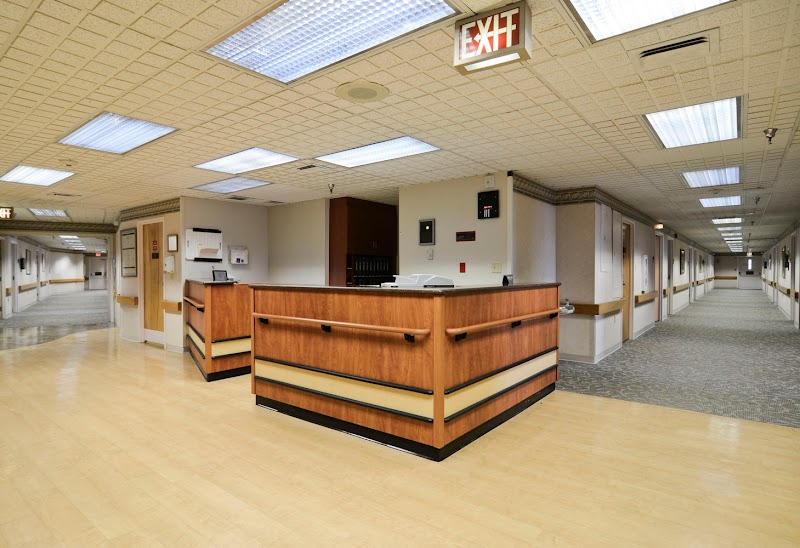
How is Camp Hill Skilled Nursing And Rehabilitation Ctr Staffed?

CMS rates CAMP HILL SKILLED NURSING AND REHABILITATION CTR's staffing level at 3 out of 5 stars, which is average compared to other nursing homes. Staff turnover is 31%, compared to the Pennsylvania average of 46%. This relatively stable workforce can support continuity of care.

What Have Inspectors Found at Camp Hill Skilled Nursing And Rehabilitation Ctr?

State health inspectors documented 31 deficiencies at CAMP HILL SKILLED NURSING AND REHABILITATION CTR during 2023 to 2025. These included: 31 with potential for harm.

Who Owns and Operates Camp Hill Skilled Nursing And Rehabilitation Ctr?

CAMP HILL SKILLED NURSING AND REHABILITATION CTR is owned by a for-profit company. For-profit facilities operate as businesses with obligations to shareholders or private owners. The facility is operated by GENESIS HEALTHCARE, a chain that manages multiple nursing homes. With 123 certified beds and approximately 117 residents (about 95% occupancy), it is a mid-sized facility located in CAMP HILL, Pennsylvania.

How Does Camp Hill Skilled Nursing And Rehabilitation Ctr Compare to Other Pennsylvania Nursing Homes?

Compared to the 100 nursing homes in Pennsylvania, CAMP HILL SKILLED NURSING AND REHABILITATION CTR's overall rating (3 stars) matches the state average, staff turnover (31%) is significantly lower than the state average of 46%, and health inspection rating (2 stars) is below the national benchmark.

What Should Families Ask When Visiting Camp Hill Skilled Nursing And Rehabilitation Ctr?

Based on this facility's data, families visiting should ask: "Can I visit during a mealtime to observe dining assistance and food quality?" "How do you handle medical emergencies, and what is your hospital transfer rate?" "Can I speak with family members of current residents about their experience?"

Is Camp Hill Skilled Nursing And Rehabilitation Ctr Safe?

Based on CMS inspection data, CAMP HILL SKILLED NURSING AND REHABILITATION CTR has a clean safety record: no substantiated abuse findings (meaning no confirmed cases of resident harm), no Immediate Jeopardy citations (the most serious violation level indicating risk of serious injury or death), and is not on the Special Focus Facility watch list (a federal program monitoring the lowest-performing 1% of nursing homes). The facility has a 3-star overall rating and ranks #1 of 100 nursing homes in Pennsylvania. While no facility is perfect, families should still ask about staff-to-resident ratios and recent inspection results during their visit.

Do Nurses at Camp Hill Skilled Nursing And Rehabilitation Ctr Stick Around?

CAMP HILL SKILLED NURSING AND REHABILITATION CTR has a staff turnover rate of 31%, which is about average for Pennsylvania nursing homes (state average: 46%). Moderate turnover is common in nursing homes, but families should still ask about staff tenure and how the facility maintains care continuity when employees leave.

Was Camp Hill Skilled Nursing And Rehabilitation Ctr Ever Fined?

CAMP HILL SKILLED NURSING AND REHABILITATION CTR has no federal fines on record. CMS issues fines when nursing homes fail to meet care standards or don't correct problems found during inspections. The absence of fines suggests the facility has either maintained compliance or corrected any issues before penalties were assessed. This is a positive indicator, though families should still review recent inspection reports for the full picture.

Is Camp Hill Skilled Nursing And Rehabilitation Ctr on Any Federal Watch List?

CAMP HILL SKILLED NURSING AND REHABILITATION CTR is not on any federal watch list. The most significant is the Special Focus Facility (SFF) program, which identifies the bottom 1% of nursing homes nationally based on persistent, serious quality problems. Not being on this list means the facility has avoided the pattern of deficiencies that triggers enhanced federal oversight. This is a positive indicator, though families should still review the facility's inspection history directly.