GARDENS AT CAMP HILL, THE
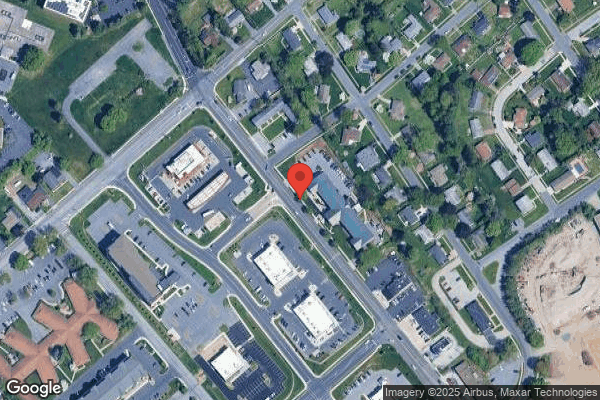

46 ERFORD ROAD, CAMP HILL, PA 17011 (717) 763-7361
For profit - Limited Liability company 95 Beds PRIORITY HEALTHCARE GROUP Data: November 2025
Trust Grade
43/100
#423 of 653 in PA
Last Inspection: July 2025

Inspected within the last 6 months. Data reflects current conditions.

Overview

The Gardens at Camp Hill has received a Trust Grade of D, indicating below-average performance and some concerns about care quality. Ranking #423 out of 653 facilities in Pennsylvania places it in the bottom half, while its county rank of #12 out of 17 suggests that only a few local options are better. The facility has shown improvement, reducing its issues from 21 in 2024 to 10 in 2025, but still reported 42 total issues, including a serious concern where a resident did not receive their seizure medication, resulting in a seizure. Staffing is a relative strength, with a turnover rate of 0% and good RN coverage, exceeding that of 88% of Pennsylvania facilities. However, the facility has faced fines totaling $10,059, which is average, and specific incidents such as failures in infection control and food safety practices raise additional concerns about overall care quality.

Trust Score
D
43/100
In Pennsylvania
#423/653
Bottom 36%
Safety Record
Moderate
Needs review
Inspections
Getting Better
21 → 10 violations
Staff Stability
○ Average
Turnover data not reported for this facility.
Penalties
✓ Good
$10,059 in fines. Lower than most Pennsylvania facilities. Relatively clean record.
Skilled Nurses
✓ Good
Each resident gets 57 minutes of Registered Nurse (RN) attention daily — more than average for Pennsylvania. RNs are trained to catch health problems early.
Violations
⚠ Watch
42 deficiencies on record. Higher than average. Multiple issues found across inspections.
★★☆☆☆
2.0
Overall Rating
★★★☆☆
3.0
Staff Levels
★★★☆☆
3.0
Care Quality
★★☆☆☆
2.0
Inspection Score
Stable
2024: 21 issues
2025: 10 issues

The Good

  • Full Sprinkler Coverage · Fire safety systems throughout facility
  • No fines on record

Facility shows strength in fire safety.

The Bad

2-Star Overall Rating

Below Pennsylvania average (3.0)

Below average - review inspection findings carefully

Federal Fines: $10,059

Below median ($33,413)

Minor penalties assessed

Chain: PRIORITY HEALTHCARE GROUP

Part of a multi-facility chain

Ask about local staffing decisions and management

The Ugly 42 deficiencies on record

1 actual harm
Jul 2025 8 deficiencies
CONCERN (D)

Potential for Harm - no one hurt, but risky conditions existed

Deficiency F0583 (Tag F0583)

Could have caused harm · This affected 1 resident

Based on facility policy review, observations, and resident and staff interviews, it was determined that the facility failed to ensure the resident has a right to personal privacy and confidentiality,...

Read full inspector narrative →
Based on facility policy review, observations, and resident and staff interviews, it was determined that the facility failed to ensure the resident has a right to personal privacy and confidentiality, including the right to privacy in his or her oral communications, for one of 20 Residents reviewed (Resident 13). Findings include: Review of facility policy, titled Quality of Life- Dignity last reviewed June 5, 2025, read, in part, Residents private space and property shall be respected at all times. Staff will knock and request permission before entering residents' rooms. Staff shall promote, maintain, and protect resident privacy. During an interview with Resident 13 on July 7, 2025, at 9:51 AM, in her room, Employee 1 (Nurse Aide) came to her doorway, entered the room without permission, and proceeded to attempt to make her bed. Resident 13 looked over at Employee 1 and stated Honey, I am trying to talk to [the surveyor]. Employee 1 then exited the room and closed the door behind him. Further into interview with Resident 13 on July 7, 2025, at 9:54 AM, in her room, her door was swung completely open by Employee 2 (Nurse Aide), without knocking, peeking in or asking permission, Employee 2 replied I am so sorry and proceeded to drop an activity calendar off on the bedside table by the door and left. Resident 13 then stated, she does that because she wants to hear everything. During an interview with the Director of Nursing (DON) on July 8, 2025, at 11:31 AM, the surveyor revealed the concern with lack of privacy for Resident 13. The DON revealed her expectation that staff would treat all residents with respect, dignity, and privacy. 28 Pa. Code 201.29(a) Resident rights 28 Pa. Code 211.12(d)(1) Nursing services
CONCERN (D)

Potential for Harm - no one hurt, but risky conditions existed

Safe Environment (Tag F0584)

Could have caused harm · This affected 1 resident

Based on observations as well as resident and staff interviews, it was determined that the facility failed to maintain a safe, clean, comfortable, and home-like interior on one of two nursing units (s...

Read full inspector narrative →
Based on observations as well as resident and staff interviews, it was determined that the facility failed to maintain a safe, clean, comfortable, and home-like interior on one of two nursing units (second floor). Findings include: Interview with Resident 67 on July 7, 2025, at 7:11 AM, it was revealed that he utilizes the shower and the bathroom in his room and feel it should be cleaner. Observation in Resident 67's bathroom on July 7, 2025, at 7:11 AM, revealed there was a black substance on the floor at the base of the three walls in the shower, the shower chair had a black substance on the mesh material that attached to the arms and seat base, and the towel hanging on the toilet seat had a faded light brown stain. The wall vent to the left of the toilet contained a dried brown substance and a dark grey fuzzy substance, and the pipes at the ceiling and ceiling vent contained a dark grey fuzzy substance. Observation and interview with Director of Nursing (DON) on July 8, 2025, at 1:40 PM, in Resident 67's bathroom revealed it was in the same condition as documented above. The DON revealed that the aforementioned areas should be clean, and the towel should be changed out daily. Interview with the DON on July 8, 2025, at 2:10 PM, it was revealed that resident bathrooms should be cleaned daily. Observation on July 7, 2025, at 6:42 AM, and July 9, 2025, at 11:00 AM, with the DON in the 2nd floor dining room, revealed the blinds on two of the six windows were broken (slats missing or broken). Also, the wall unit air conditioner under the window on the left wall, as you enter the room, had half of an orange foam pool noodle filling the gap above the unit and a piece of crumpled paper filing the space to the right of the foam. The window above the air unit contained multiple cobwebs, dried grass, and bug nests. Interview with the DON on July 9, 2025, at 11:00 AM, revealed the blinds should be replaced and the window on the left wall as you enter the dining room should be cleaned. 28 Pa. Code 201.18 (e)(1)(2.1) Management
CONCERN (D)

Potential for Harm - no one hurt, but risky conditions existed

Deficiency F0637 (Tag F0637)

Could have caused harm · This affected 1 resident

Based on clinical record review and staff interview, it was determined that the facility failed to complete a significant change assessment after a significant change in health status was identified i...

Read full inspector narrative →
Based on clinical record review and staff interview, it was determined that the facility failed to complete a significant change assessment after a significant change in health status was identified in one of 20 residents reviewed (Resident 80). Findings include: Review of Resident 80's clinical record revealed diagnoses that included congestive heart failure (decreased ability of the heart to pump blood effectively throughout the body) and hypertension (elevated/high blood pressure). Review of Resident 80's completed Minimum Data Sets (MDS - standardized assessment tool utilized to identify a resident's physical, mental, and psychosocial health needs) revealed the most recently completed MDS was a Quarterly MDS with an assessment reference date of May 6, 2025. Review of the Quarterly MDS revealed Resident 80 was not coded as having either significant weight loss (Section K), nor a pressure injury (Section M). After May 6, 2025, Clinical record review revealed Resident 80 was diagnosed with a stage III pressure ulcer (injury of the skin that extends below the layers of the skin) on May 13, 2025. On June 3, 2025, Resident 80 was identified as having a significant weight loss over the previous 30-day period (weight loss of 5% or more). At the time that the significant change in Resident 80's weight was identified, Resident 80 was still receiving treatment for an active stage III pressure ulcer. Review of Resident 80's MDS history revealed that the facility failed to initiate a Significant Change MDS within 14 days of identifying two significant changes in Resident 80's health status, which would be captured under section K and section M of the MDS. During a staff interview on July 9, 2025, at approximately 12:30 PM, Director of Nursing confirmed that no Significant Change MDS was completed for Resident 80. 28 Pa code 211.12(d)(1)(5) Nursing services
CONCERN (D)

Potential for Harm - no one hurt, but risky conditions existed

Assessment Accuracy (Tag F0641)

Could have caused harm · This affected 1 resident

**NOTE- TERMS IN BRACKETS HAVE BEEN EDITED TO PROTECT CONFIDENTIALITY** Based on clinical record review, review of Centers for Medicare and Medicaid RAI manual, and staff interviews, it was determined...

Read full inspector narrative →
**NOTE- TERMS IN BRACKETS HAVE BEEN EDITED TO PROTECT CONFIDENTIALITY** Based on clinical record review, review of Centers for Medicare and Medicaid RAI manual, and staff interviews, it was determined that the facility failed to ensure that the resident assessment accurately reflected the resident's status for two of 20 resident records reviewed (Residents 19 and 86). Findings include: Review of Resident 19's clinical record revealed diagnoses that included chronic obstructive pulmonary disease (COPD- a group of lung diseases that block airflow and make it difficult to breathe), hyperlipidemia (high cholesterol), and dysphagia (difficulty swallowing). Review of Resident 19's clinical record revealed he had facility acquired pressure ulcers (wound that occurs when the skin and tissue are damaged by prolonged pressure), had a fall without injury on February 17, 2025, had a fall with an injury on February 27, 2025, and was receiving hospice services (end of life care). Further review of Resident 19's clinical record revealed he did not have any significant weight changes around the time of May 9, 2025. Review of Resident 19's Quarterly MDS (Minimum Data Set- an assessment tool to review all care areas specific to the resident such as a resident's physical mental or psychosocial needs) with ARD (assessment reference date- last day of the reference period) of May 9, 2025, revealed Resident 19 was coded for a significant weight gain, no for receiving hospice care, no for having any falls since the previous assessment, and was coded for having community acquired pressure ulcers. During an interview with Employee 4 (MDS Coordinator) on July 9, 2025, at 10:31 AM, she revealed Resident 19's MDS assessment with ARD of May 9, 2025, was coded inaccurately for his falls, pressure ulcers, hospice care, and weight gain, and she has since modified the assessment to revise the errors. Interview with the Director of Nursing (DON) on July 9, 2025, at 11:14 AM, revealed she would expect MDS assessments to be coded accurately. Centers for Medicare and Medicaid RAI manual (Resident Assessment Instrument- a standardized process is the basis for the accurate assessment of each nursing home resident) version 3.0, October 2024, chapter 3, page 42 read, in part, discharged status documents the location to which the resident is being discharged at the time of discharge. Knowing the setting to which the individual was discharged helps to inform discharge planning. Review of Resident 86's clinical record revealed diagnoses that included dehiscence (split open) of closure of surgical wound, COPD, diabetes mellitus (chronic metabolic disease where the body either doesn't produce enough insulin or can't effectively use the insulin it produces, leading to high blood sugar levels) with polyneuropathy (damage to peripheral nerves on both sides of the body causing numbness, weakness and pain), artificial hip joint, history of falling, chronic kidney disease, and muscle weakness. Resident 86 was admitted to the facility on [DATE], and billing was topped on June 7, 2025. Review of Resident 86's discharge MDS dated [DATE], documented a planned discharge return not anticipated to short-term general hospital (acute hospital). Further review of Resident 86's clinical record it was documented that she discharged home, in the community. Interview with the DON on July 9, 2025, at 11:10 AM, revealed the discharge MDS was coded incorrectly and it should've been coded for discharged to the community. 28 Pa. Code 211.5 Medical records
CONCERN (D)

Potential for Harm - no one hurt, but risky conditions existed

Deficiency F0761 (Tag F0761)

Could have caused harm · This affected 1 resident

Based on observations and staff interviews, it was determined that the facility failed to ensure one of two medication storage areas observed were secure and access was limited to authorized personnel...

Read full inspector narrative →
Based on observations and staff interviews, it was determined that the facility failed to ensure one of two medication storage areas observed were secure and access was limited to authorized personnel via a key (Second floor medication storage room). Findings include: During multiple observations on July 7, 2025, between 7:00 AM and 11:30 AM, it was observed that the door to the second story medication room was ajar. Further observation of the door revealed the door was prevented from fully closing due to the door catching on the door frame at the top. During the observations, staff were observed entering the second story medication room without the use of a key. On July 8, 2025,at approximately 10:05 AM, observation of the second story medication storage room revealed that the door was left ajar. At that time it was observed that no staff were present within line of sight of the medication room. At that time, the surveyor was able to access the medication storage room without a key. Observation of the medication room at that time revealed it stored multiple-dose containers of medications, injection supplies such as needles and syringes, and treatment supplies such as bandages and scissors. During an observation on July 8, 2025, at approximately 10:20 AM, while accompanied by the Director of Nursing (DON), Employee 5 was observed opening the second floor medication room door with out a key. During the observation, the DON confirmed that the facility was aware that the door did not fully close and lock as intended. During a staff interview on July 8, 2025, at approximately 11:45 AM, the DON revealed there was no outstanding work order to address the second story medication room door not closing and locking as intended. 28 Pa code 205.28(c)(3) Nurses' station
CONCERN (D)

Potential for Harm - no one hurt, but risky conditions existed

Deficiency F0804 (Tag F0804)

Could have caused harm · This affected 1 resident

Based on review of facility meal assessment form, completion of one meal test tray, and resident and staff interviews, it was determined that the facility failed to provide food and a beverage that we...

Read full inspector narrative →
Based on review of facility meal assessment form, completion of one meal test tray, and resident and staff interviews, it was determined that the facility failed to provide food and a beverage that were at a palatable and appealing temperatures at one of one meal observed. Findings include: Review of facility document, titled Nutrition Service Test Meal, revealed hot entrée, starch and vegetable should have a temperature of 135 degrees Fahrenheit (F- unit of measure) or above at the time of service, and cold beverages should be 40 degrees F or below at the time of service. Interview with Resident 67 on July 7, 2025, at 7:03 AM, he revealed his dislike for the food served at the facility, including the temperature, and that at times the steam table is not always functional. Interview with Resident 24 on July 7, 2025, at 7:59 AM, the Resident revealed that the hot food is not served hot. Interview with Resident 13 on July 7, 2025, at 9:50 AM, revealed her food is served cold sometimes at her meals. A test tray was completed on July 8, 2025, at 12:48 PM, upon the completion of lunch meal service on the 2nd floor with Employee 3 (Kitchen Supervisor). The tray came directly from the steam table on the unit and was tested within 2 minutes from service. The test tray consisted of Sliced Ham, Mashed Sweet Potatoes, [NAME] Beans, Coffee, and Milk. Employee 3 took the temperature of the food and beverages on the cart. The temperature of the ham was 107 degrees F, the temperature of the green beans was 109 degrees F, the temperature of the mashed sweet potatoes was 130 degrees F, and the temperature of the milk was 50 degrees F. Therefore, the food on the tray as well as the milk were not at appetizing temperatures. Interview with Employee 3 on July 8, 2025, at 12:51 PM, revealed the way the pans were arranged on the steam table created empty space in between the pans, which allowed for more heat to escape, and she planned to educate staff to ensure pans were arranged on the steam table properly. Interview with the Nursing Home Administrator on July 8, 2025, at 1:22 PM, the surveyor revealed the concern with the test tray evaluation. No further information was provided. 28 Pa. Code 201.14(a) Responsibility of licensee
CONCERN (D)

Potential for Harm - no one hurt, but risky conditions existed

Infection Control (Tag F0880)

Could have caused harm · This affected 1 resident

Based on observations and staff interview, it was determined that the facility failed to administer medications in a safe and sanitary manner for two of three residents observed during medication admi...

Read full inspector narrative →
Based on observations and staff interview, it was determined that the facility failed to administer medications in a safe and sanitary manner for two of three residents observed during medication administration observation (Residents 7 and 24). Findings include: is there a policy? During medication administration observations conducted on July 8, 2025, at approximately 8:30 AM, Employee 5 was observed donning gloves. Employee 5 was then observed touching multiple services of the medication cart with gloved hands. Employee 5 was also observed retrieving a blood pressure cuff from the medication cart, entering the resident room and performing a blood pressure check on for Resident 7, which required touching Resident 7's skin. Employee 5 did not remove his soiled gloves after performing the blood pressure check on Resident 7. After exiting Resident 7's room, Employee 5 was observed preparing medications for Resident 7. During preparation of Resident 7's medication, Employee 5 was observed dispensing Vitamin D3 tablets from a multi-dose container into the lid of the multi-dose container. Then, using his soiled gloved hand, Employee 5 placed a finger on one of the Vitamin D3 tablets to prevent it from falling out while he poured one tablet into a medication cup. At approximately 8:39 AM, Employee 5 was observed administering the medications to Resident 7. After medication administration to Resident 7, Employee 5 was observed retrieving the blood pressure cuff from the medication cart and performing a blood pressure check on Resident 24, which required touching Resident 24's skin. At no time did Employee 5 change gloves or perform hand hygiene between residents. After Employee 5 obtained Resident 24's blood pressure, Employee 5 began preparing Resident 24's medication. During medication preparation, Employee 5 was observed dispensing Resident 24's medications into a medication cup. Employee 5 then informed the surveyor that Resident 24's medications would be crushed. Employee 5 was then observed retrieving a medication crushing packet. As Employee 5 was pouring Resident 24's medication tablets from the medication cup into the medication crushing packet, one round white tablet was observed to fall to the surface of the medication cart. Employee 5 was observed to use his soiled gloved hand to pick up the tablet and place it in the medication crushing packet. Employee 5 then proceeded to crush the medications. At approximately 8:52 AM, Employee 5 was observed administering the crushed medications to Resident 25. After which, Employee 5 then removed his gloves and performed hand hygiene. During a staff interview on July 8, 2025, at approximately 11:45 AM, Director of Nursing revealed that Employee 5 should not have handled Resident 7 and Resident 24's medications with gloves that had made contact with surfaces of the medication cart, the blood pressure cuff, or unclean surfaces. 28 Pa code 211.12(d)(1)(5) Nursing services
CONCERN (E)

Potential for Harm - no one hurt, but risky conditions existed

Food Safety (Tag F0812)

Could have caused harm · This affected multiple residents

Based on facility policy review, observations, and staff interview, it was determined that the facility failed to store food and beverages and utilize kitchen equipment in accordance with professional...

Read full inspector narrative →
Based on facility policy review, observations, and staff interview, it was determined that the facility failed to store food and beverages and utilize kitchen equipment in accordance with professional standards for food service safety in the main kitchen. Findings include: Review of facility policy, titled Policy: Storage Areas last reviewed June 5, 2025, read, in part, The kitchen manager will retain temperature logs for 12 months. Plastic containers with tight-fitting covers must be used for storing cereals, flour, and broken lots of bulk food. All containers must be legible and accurately labeled and dated. Scoops are not to be stored in food or ice containers but are kept covered in a protected area near the containers. Observation in the main kitchen on July 7, 2025, at 6:38 AM, revealed a container of bran flake cereal labeled use by May 21, 2025. Observation in the four-door reach in refrigerator on July 7, 2025, at 6:40 AM, revealed seven beverage containers with various color beverages not labeled or dated. Further observation in the four-door reach in refrigerator on July 7, 2025, at 6:41 AM, revealed a pan of individual chocolate pudding not properly covered, and the pudding appeared to be dry on the top. Observation in the two-door reach in refrigerator on July 7, 2025, at 6:43 AM, revealed two containers of a brown beverage appearing not be iced tea, not labeled and date with a use by date of June 27, 2025. Further observation in the four-door reach in refrigerator on July 7, 2025, at 6:44 AM, revealed four containers of orange juice not labeled or dated. Observation in the walk-in freezer on July 7, 2025, at 6:45 AM, revealed a frozen water bottle and frozen energy drink belonging to kitchen staff, and a bag of frozen green beans not dated and appeared to be freezer burned. Observation in the main kitchen on July 7, 2025, at 6:48 AM, revealed a container of thickener with a scoop stored inside, one container of flour, open, not sealed properly and not dated, and one bag of open milk powder not dated. Review of temperature logs for the kitchen equipment dating back to October 2024, revealed the facility was unable to locate temperature logs for the dish machine from November 2024; the three pot sink from November 2024-March 2025; the two-door reach in refrigerator from November 2024-February 2025; the four-door reach in refrigerator from November 2024-February 2025; the walk-in refrigerator from November 2024-February 2025; the walk-in freezer from November 2024-February 2025; and the stockroom from October 2024-February 2025. Review of the dish machine temperature logs provided, dating back to October 2024, revealed wash and rinse temperatures failed to be recorded on January 31, 2025, at dinner; March 7, 2025, at lunch and dinner; and April 30, 2025, at dinner. Review of the two-door reach-in refrigerator temperature logs provided, dating back to October 2024, revealed temperatures failed to be recorded on October 25-31 in AM and PM; March 1-20, 22-24, and 26-31 in PM; and April 9-20 and 22-30 in PM. Review of the four-door reach-in refrigerator temperature logs provided, dating back to October 2024, revealed temperatures failed to be recorded on October 25-31 in AM and PM; and March 1-20, 22-24, and 26-31 in PM. Review of the walk-in refrigerator temperature logs provided, dating back to October 2024, revealed temperatures failed to be recorded on October 25-31 in AM and PM; March 1-20, 22, 23, and 26-31 in PM; and April 9-20 and 22-30 in PM. Review of the walk-in freezer temperature logs provided, dating back to October 2024, revealed temperatures failed to be recorded on October 25-31 in AM and PM; March 1-20, 22, 23, and 26-31 in PM; and April 9-20 and 22-30 in PM. Review of the stockroom temperature logs provided, revealed temperatures failed to be recorded on March 1-4, 2025; and May 29-31, 2025. Interview with the Nursing Home Administrator on July 8, 2025, at 11:25 AM, revealed it was the facility's expectation that food and beverages are labeled and dated per facility policy, and food items and kitchen equipment are stored, cleaned, and utilized in accordance with professional standards. 28 Pa. Code 211.6(f) Dietary services.
Mar 2025 2 deficiencies
CONCERN (D) 📢 Someone Reported This

A family member, employee, or ombudsman was alarmed enough to file a formal complaint

Potential for Harm - no one hurt, but risky conditions existed

Quality of Care (Tag F0684)

Could have caused harm · This affected 1 resident

Based on policy review, clinical record review, and staff interviews, it was determined that the facility displayed past non-compliance in its failure to provide care and services in accordance with p...

Read full inspector narrative →
Based on policy review, clinical record review, and staff interviews, it was determined that the facility displayed past non-compliance in its failure to provide care and services in accordance with professional standards of practice to ensure the resident's highest level of well-being for one of four residents reviewed (Resident 11). Findings include: Review of facility policy, Medication Administration, undated, revealed, Prior to administration, the medication and dosage schedule on the resident's medication administration record (MAR) is compared with the medication label .Residents are identified before medication is administered. Methods of identification include: a. Checking identification band, b. Checking photograph attached to medical record, c. If necessary, verifying resident identification with other facility personnel .Medications supplied for one resident are never administered to another resident. Review of Resident 11's clinical record revealed diagnoses that included Cauda Equina Syndrome (occurs when the bundle of the nerves at the lower end of the spinal cord are compressed causing pain, numbness, and incontinence) and infection of intervertebral disc (located between the vertebrae in the spine). Further review of Resident 11's clinical record revealed the following nursing progress note dated February 24, 2025, this writer was with orientation prepared resident medication. gave wrong resident the medication. notified supervisor, np [Nurse Practitioner], notified resident representative. [Nurse Practitioner] ordered vss q [Vital sign each] shift, monitoring bleeding x 3 days. Per email correspondence received from the Director of Nursing (DON) on March 26, 2025, at 11:35 AM, the following medications were provided in error to Resident 11 on February 24, 2025: Cholecalciferol Oral Tablet 50 MCG (vitamin supplement), cyanocobalamin Sublingual Tablet Sublingual 5000 mcg (vitamin B12), Iron 325 mg (supplement), Magnesium lactate 84 mg (mineral supplement), Mag ox 800 mg (supplement), Apixaban 2.5 mg (anticoagulant), Lasix 40 mg (diuretic), Keppra 500mg (anticonvulsant), Senna plus (laxative), and Metoprolol 25 mg (treats high blood pressure and other heart problems). Review of facility incident report and supporting documentation dated February 24, 2025, revealed that Employee 1 (Registered Nurse), who was being oriented by Employee 2 (Licensed Practical Nurse), prepared and administered the incorrect medications to Resident 11. Further review revealed that following the incident, Employee 1 and Employee 2 were re-educated by the DON and disciplinary action was taken. During an interview with the DON and Nursing Home Administrator on March 26, 2025, at approximately 12:45 PM, they were made aware of the concern with Resident 11's medication administration error. The DON revealed that an internal plan of correction was completed following this incident. Review of Resident 11's February 2025 Treatment Administration Record (TAR) revealed that following the incident, an order was written effective February 24, 2025, to monitor her vital signs each shift for three days. Further review of the TAR revealed that this was documented as being completed. No abnormal vital signs were recorded. It was also noted that Resident 11 was monitored for side effects, including bleeding. Following Resident 11's medication error, the facility reviewed incident reports for the two weeks preceding the error, and none were found. No medication error reports were present since the time of Resident 11's medication error on February 24, 2025. Review of an education sign-in sheet revealed that education was provided to licensed nursing staff on the Ten Rights of medication administration on March 10, 2025. A Medication Administration Test was administered to attendees on that date. Review of facility audits revealed that a medication administration competency checklist was completed during medication pass observation for two nurses during the weeks of February 24, 2025, and March 10, 2025, and four were completed during the week of March 19, 2025. Observations made and resident and staff interviews conducted during the onsite survey on March 26, 2025, failed to reveal any concerns with medication administration errors. 28 Pa. Code 201.18(b)(1)(e)(1) Management 28 Pa. Code 211.12(d)(1)(5) Nursing services
CONCERN (E) 📢 Someone Reported This

A family member, employee, or ombudsman was alarmed enough to file a formal complaint

Potential for Harm - no one hurt, but risky conditions existed

Safe Environment (Tag F0584)

Could have caused harm · This affected multiple residents

Based on observation and resident and staff interviews, it was determined that the facility failed to maintain a safe, clean, comfortable, homelike interior, and failed to ensure that bath linens were...

Read full inspector narrative →
Based on observation and resident and staff interviews, it was determined that the facility failed to maintain a safe, clean, comfortable, homelike interior, and failed to ensure that bath linens were in good condition on two of two nursing units observed (first and second floor). Findings include: Observations made on March 26, 2025, at the noted times revealed the following: - 10:38 AM - The metal ring around the pipe coming out of the top of Resident 1's toilet was rusted and disintegrating. The towel/safety bars near the toilet were noted to have corrosion. The top of the heater unit under the sink had multiple rusty areas. - 10:40 AM - The wall outside of Resident 1's room had multiple dried liquid stains. - 10:40 AM - a washcloth in the first floor linen closet was observed to have visible brownish stains, and the corner of another was tattered. The towels in the linen closet were grayish-white in color. - 10:49 AM - The frame of the raised toilet seat in Resident 2's room was soiled and rusty. The paint on the post next to the shower and on the ceiling near the post was bubbled up and peeling in multiple areas. The towel and safety bars near the toilet were noted to have corrosion. The plate to the call bell cord next to the toilet was rusty. The heater next to the toilet had dried liquid streaks and chipped paint. - 11:10 AM - The frame of the raised toilet seat in Resident 4's bathroom was soiled, and an accumulation of dust and debris was present on the heater unit next to the toilet. - 11:12 AM - The threshold of Resident 5's bathroom was missing several tiles. Two large tiles were missing on the wall behind the toilet, the safety/towel bars were noted to have corrosion, and the heater unit next to the toilet had an accumulation of dried debris and dust. - 11:20 AM - towels and washcloths in the second floor linen closet were noted to be grayish-white in color. - 11:21 AM - the toilet paper holder in Resident 6's bathroom was noted to be crooked on the wall. It did not appear to be in use as the toilet paper was mounted on another holder. The metal bars mounted on the wall were noted to have corrosion. - 11:25 AM - The wall next to Resident 7's bed had numerous dried brown spots. The floor at the base of the wall had areas of dried liquid. The heater next to the toilet in Resident 7's bathroom was badly rusted and the metal was disintegrating in some areas. Multiple tiles were missing from the floor next to the toilet. The safety/towel bars were noted to have corrosion, as did the leg of the sink counter. Dried brown spots were present on the floor coming out of the bathroom. A clear plastic bucket with a dried brown substance was sitting on the bathroom windowsill. During an interview with Resident 2 on March 26, 2025, at 10:49 AM, she expressed concern with the cleanliness of her room and bathroom. During a tour on March 26, 2025, at 12:00 PM, with the Director of Nursing, the aforementioned areas were observed, and she acknowledged the concerns. During an interview with the Nursing Home Administrator on March 26, 2025, at 12:39 PM, he confirmed that the was aware of the aforementioned concerns. 28 Pa. Code 201.14(a) Responsibility of licensee 28 Pa. Code 201.18 (e)(2.1) Management
Nov 2024 2 deficiencies
CONCERN (D) 📢 Someone Reported This

A family member, employee, or ombudsman was alarmed enough to file a formal complaint

Potential for Harm - no one hurt, but risky conditions existed

Free from Abuse/Neglect (Tag F0600)

Could have caused harm · This affected 1 resident

**NOTE- TERMS IN BRACKETS HAVE BEEN EDITED TO PROTECT CONFIDENTIALITY** Based on policy review, document review, and staff interviews, it was determined that the facility failed to protect the residen...

Read full inspector narrative →
**NOTE- TERMS IN BRACKETS HAVE BEEN EDITED TO PROTECT CONFIDENTIALITY** Based on policy review, document review, and staff interviews, it was determined that the facility failed to protect the resident's right to be free from physical abuse by Employee 7 for one of six residents reviewed (Resident 4). Findings Include: A review of the facility's policy, titled Preventing Resident Abuse, revised November 28, 2016, defined abuse as the willful infliction of injury, unreasonable confinement, intimidation or punishment that results in physical harm, pain or mental anguish. A review of Resident 4's clinical record revealed diagnoses that included schizoaffective disorder (a combination of symptoms of schizophrenia and mood disorder, such as depression or bipolar disorder. Symptoms may occur at the same time or at different times. Cycles of severe symptoms are often followed by periods of improvement. Symptoms may include delusions, hallucinations, depressed episodes, and manic periods of high energy) and a history of a traumatic brain injury (Brain dysfunction caused by an outside force, usually a violent blow to the head). A review of the facility's Incident Report dated November 1, 2024, described an incident with Resident 4 and the Registered Nurse (Employee 7) in the following manner: Writer [Employee 4] witnessed aggression between staff member [Employee 7] and resident [Resident 4] came to nursing station in agitated mood and asking to see a doctor immediately, the nurse [Employee 7] sitting at nursing station started to have a verbal exchange with the resident and resident continued to get more escalated and agitated, at this point resident stood up and tried to push computer monitor off the nursing station where the nurse [Employee 7] was seated, nurse [Employee 7] was able to catch the monitor and prevented it from falling onto the floor, at this point the nurse [Employee 7] got up and walked around the nursing station and took a water pitcher off the medication cart and proceeded to pour the water over the resident, at this point writer [Employee 4] intervened and pulled resident away and took her back to her room, nursing staff assisted to change resident's clothes and cleaned her up. A review of Employee 7's witness statement dated November 1, 2024, read, [Resident 4] was very aggressive at the nursing station, [NAME] [threw] items on this nurse, resident stood up and pushed the desktop computer away on the floor. Redirection was not successful. I noticed that a shower helps her calm down, trying to take resident to shower was not successful, resident kept trowing [throwing] thing [s] from the nursing cart to this nurse. This nurse sprinkled water on resident to calm her down. Resident refused to get shower . An interview with the Registered Nurse (Employee 4) on November 12, 2024, at 10:26 PM, revealed he was present during the incident with Resident 4 and Employee 7 and described Employee 7 as agitated and involved in a back and forth with Resident 4. The interview also revealed Resident 4 does not take showers, prefers bed baths, and that he witnessed Employee 7 use the water pitcher and throw the water on the face of Resident 4. Employee 4 stated the water was thrown on the front side of Resident 4, resulting in the water hitting Resident 4's face and chest areas. Employee 4 also stated he and other nursing staff intervened and returned Resident 4 to her room. An interview with the Licensed Practical Nurse (Employee 8) on November 12, 2024, at 10:36 AM, revealed staff struggle to get Resident 4 to shower and that Resident 4 becomes agitated and staff have to reapproach. An interview with the nurse aide (Employee 5) on November 12, 2024, at 10:38 AM, revealed her presence during the incident with Resident 4 and Employee 7, and stated Employee 7 threw the water on Resident 4 and also agreed that Resident 4 does not usually take showers. Review of Resident 4's interdisciplinary plan of care revealed documentation of behaviors that included verbal and physical aggression. Staff interventions include please tell me what you are going to do before you begin. Also, speak to me unhurriedly and in a calm voice. Continued review of Resident 4's interdisciplinary plan of care revealed no interventions instructing staff to pour or throw water on Resident 4. Review of Resident 4's bathing documentation x 30 days revealed bed bath documentation only. There were no showers documented during those 30 days. An interview with the Director of Nursing on November 12, 2024, at 11:15 AM, confirmed Resident 4 is not care planned for water to be poured or thrown on her for deescalation and acknowledged Employee 7 would be responsible for the abuse of Resident 4. 28 Pa. Code 211.12 (d) (1) (2) (5) Nursing services
CONCERN (D) 📢 Someone Reported This

A family member, employee, or ombudsman was alarmed enough to file a formal complaint

Potential for Harm - no one hurt, but risky conditions existed

Deficiency F0741 (Tag F0741)

Could have caused harm · This affected 1 resident

**NOTE- TERMS IN BRACKETS HAVE BEEN EDITED TO PROTECT CONFIDENTIALITY** Based on document review and staff interviews, it was determined that the facility failed to ensure sufficient staff who provide...

Read full inspector narrative →
**NOTE- TERMS IN BRACKETS HAVE BEEN EDITED TO PROTECT CONFIDENTIALITY** Based on document review and staff interviews, it was determined that the facility failed to ensure sufficient staff who provide direct services to residents with the appropriate competencies and skills sets to provide nursing related services to assure resident safety and care for residents with mental and psychosocial disorders and a history of trauma to attain or maintain the highest practicable physical, mental, and psychosocial well-being for one of six residents reviewed (Resident 4). Findings Include: Review of the facility's Registered Nurse Job Description dated December 11, 2023 and signed by Employee 7 read, Purpose of Your Job Description- Supervise day to day nursing activities of the facility. Such supervision must be in accordance with federal, state and local standard guidelines, and regulations that govern the facility, and may be required by the Director of Nursing Services, to ensure the highest quality care is maintained at all times. Also, Interact/communicate with residents, staff and visitors in a courteous manner. And Ensure that all residents are treated fairly, and with kindness, dignity and respect. A review of Resident 4's clinical record revealed diagnoses that included schizoaffective disorder (a combination of symptoms of schizophrenia and mood disorder, such as depression or bipolar disorder. Symptoms may occur at the same time or at different times. Cycles of severe symptoms are often followed by periods of improvement. Symptoms may include delusions, hallucinations, depressed episodes, and manic periods of high energy) and a history of a traumatic brain injury (Brain dysfunction caused by an outside force, usually a violent blow to the head). Review of Resident 4's interdisciplinary plan of care revealed documentation of behaviors that included verbal and physical aggression. Staff interventions include please tell me what you are going to do before you begin. Also, speak to me unhurriedly and in a calm voice. A review of the facility's Incident Report dated November 1, 2024, described an incident with Resident 4 and the Registered Nurse [Employee 7] in the following manner: Writer [Employee 4] witnessed aggression between staff member [Employee 7] and resident [Resident 4] came to nursing station in agitated mood and asking to see a doctor immediately, the nurse [Employee 7] sitting at nursing station started to have a verbal exchange with the resident and resident continued to get more escalated and agitated, at this point resident stood up and tried to push computer monitor off the nursing station where the nurse [Employee 7] was seated, nurse [Employee 7] was able to catch the monitor and prevented it from falling onto the floor, at this point the nurse [Employee 7] got up and walked around the nursing station and took a water pitcher off the medication cart and proceeded to pour the water over the resident, at this point writer [Employee 4] intervened and pulled resident away and took her back to her room, nursing staff assisted to change resident's clothes and cleaned her up. A review of Employee 7's witness statement dated November 1, 2024, read [Resident 4] was very aggressive at the nursing station, [NAME] [threw] items on this nurse, resident stood up and pushed the desktop computer away on the floor. Redirection was not successful. I noticed that a shower helps her calm down, trying to take resident to shower was not successful, resident kept trowing [throwing] thing [s] from the nursing cart to this nurse. This nurse sprinkled water on resident to calm her down. Resident refused to get shower . An interview with the Registered Nurse (Employee 4) on November 12, 2024, at 10:26 PM, revealed he was present during the incident with Resident 4 and Employee 7, and described Employee 7 as agitated and involved in a back and forth with Resident 4. The interview also revealed Resident 4 does not take showers, prefers bed baths, and that he witnessed Employee 7 use the water pitcher and throw the water on the face of Resident 4. Employee 4 stated the water was thrown on the front side of Resident 4 resulting in the water hitting Resident 4's face, and chest areas. An interview with the Licensed Practical Nurse [Employee 8] on November 12, 2024, at 10:36 AM, revealed staff struggle to get Resident 4 to shower and that Resident 4 becomes agitated and staff have to reapproach. An interview with the nurse aide [Employee 5] on November 12, 2024, at 10:38 AM, revealed her presence during the incident with Resident 4 and Employee 7, and stated Employee 7 threw the water on Resident 4 and also agreed that Resident 4 does not usually take showers. Continued review of Resident 4's interdisciplinary plan of care revealed no interventions instructing staff to pour or throw water on Resident 4. Review of Resident 4's bathing documentation x 30 days revealed bed bath documentation only. There were no showers documented during those 30 days. An interview with the Director of Nursing on November 12, 2024, at 11:15 AM, confirmed Resident 4 is not care planned for water to be poured or thrown on her for de-escalation. 28 Pa. Code 211.12 (d) (1) (2) (5) Nursing services
Aug 2024 16 deficiencies
CONCERN (D)

Potential for Harm - no one hurt, but risky conditions existed

Deficiency F0655 (Tag F0655)

Could have caused harm · This affected 1 resident

**NOTE- TERMS IN BRACKETS HAVE BEEN EDITED TO PROTECT CONFIDENTIALITY** Based on facility policy review, clinical record review, and staff interviews, it was determined that the facility failed to inc...

Read full inspector narrative →
**NOTE- TERMS IN BRACKETS HAVE BEEN EDITED TO PROTECT CONFIDENTIALITY** Based on facility policy review, clinical record review, and staff interviews, it was determined that the facility failed to include a resident in the development of their baseline care plan to establish the initial goals of the resident, and failed to provide the resident or their representative a written summary of their baseline care plan for two of two residents reviewed (Residents 6 and 30). Findings include: Review of facility policy, titled Care Plans- Baseline, with a revised date of December 2016, and a last review date of July 25, 2024, revealed 4. The facility must provide the resident and the representative, if applicable, with a written summary of the baseline care plan by completion of the of the comprehensive care plan. Review of facility policy, titled Care Planning - Interdisciplinary Team, last revised September 2013, read, in part, The resident, the resident's family and/or the resident's legal representative/guardian or surrogate are encouraged to participate in the development of and revisions to the resident's care plan. Every effort will be made to schedule care plan meetings at the best time of the day for the resident and family. Review of facility policy, titled Resident Rights, with a revised date of June 2023, and a last review date of July 25, 2024, revealed be informed of and participate in development, planning and implementation of the resident's person centered plan of care and treatment. Review of Resident 6's clinical record revealed that the Resident was admitted to the facility on [DATE], with diagnoses that included chronic diastolic congestive heart failure (heart failure that occurs when the heart does not relax properly between beats, causing the heart to be unable to pump an adequate amount of blood to the body) and hypertension (high blood pressure). Review of Resident 6's baseline care plan revealed that it was completed on March 7, 2024, and was signed by six facility interdisciplinary team members in the section titled Facility Staff, and that there were no signatures located in the section titled Resident/Family. Review of Resident 6's clinical record failed to reveal any documentation that Resident 6 or their responsible party participated in the development of their baseline care plan, or that Resident 6 or their responsible party were provided a written summary of their baseline care plan. Review of Resident 30's clinical record revealed that the Resident was admitted to the facility on [DATE], with diagnoses that included chronic obstructive pulmonary disease (COPD-a type of progressive lung disease characterized by long term respiratory symptoms and airflow limitations) and post-traumatic stress disorder (PTSD-a disorder in which a person has difficulty recovering after experiencing or witnessing a terrifying event with triggers that can bring back memories of the trauma accompanied by intense emotional and physical reactions). Review of Resident 30's baseline care plan revealed that it was completed on March 12, 2024, and was signed by six facility interdisciplinary team members in the section titled Facility Staff, and that there were no signatures located in the section titled Resident/Family. Review of Resident 30's clinical record failed to reveal any documentation that Resident 30 or their responsible party participated in the development of their baseline care plan, or that Resident 30 or their responsible party were provided a written summary of their baseline care plan. During an interview with the Nursing Home Administrator (NHA), Director of Nursing (DON), and Employee 4 (Regional Director of Clinical Services) on July 31, 2024, at 1:27 PM, the NHA and DON indicated they had no additional information to offer. In addition, they both confirmed that Resident 6 and Resident 30 should have been invited to participate in the development of their baseline care plans and that the Residents should have been provided a summary or copy of their baseline care plan. 28 Pa. Code 201.29(a) Resident rights 28 Pa. Code 211.12(d)(2) Nursing services
CONCERN (D) 📢 Someone Reported This

A family member, employee, or ombudsman was alarmed enough to file a formal complaint

Potential for Harm - no one hurt, but risky conditions existed

ADL Care (Tag F0677)

Could have caused harm · This affected 1 resident

Based on facility policy, observation, clinical record review, and resident and staff interviews, it was determined that the facility failed to provide services necessary to maintain adequate personal...

Read full inspector narrative →
Based on facility policy, observation, clinical record review, and resident and staff interviews, it was determined that the facility failed to provide services necessary to maintain adequate personal grooming of residents' dependent on staff for assistance with these activities of daily living for two of three residents reviewed (Residents 36 and 53). Findings Include: Review of facility policy, titled Activities of Daily Living (ADLs), Supporting, with a review date of July 25, 2024, revealed Appropriate care and services will be provided for residents who are unable to carry out ADLs independently, with the consent of the resident and in accordance with the plan of care, including appropriate support and assistance with: hygiene (bathing, dressing, grooming, and oral care). Review of Resident 36's clinical record revealed diagnoses that included hypertension (high blood pressure) and chronic obstructive pulmonary disease (COPD-a common lung disease causing restricted airflow and breathing problems). During an interview with Resident 36 on July 29, 2024, at 10:15 AM, revealed that Resident 36 has not had a shower in a long time, and stated that she needed her hair shampooed. Resident 36 revealed that she prefers to receive a shower over a bed bath. Review of Resident 36's comprehensive plan of care revealed a care plan focus area of, The resident has an ADL Self Care Performance Deficit related to weakness, with an initiation date of October 1, 2020, and a revision date of October 9, 2020; as well as an intervention area of, resident prefers a shower. Review of Resident 36's clinical record revealed that she received a bed bath on the following days: July 3, 6, 13, and 27, 2024. Review of Resident 36's clinical record revealed she did not receive a shower in the past 30 days reviewed. During an interview with the Director of Nursing (DON) on August 1, 2024, at 10:20 AM, revealed that Resident 36 should not be getting bed baths regularly. Review of Resident 53's clinical record revealed diagnoses that included major depressive disorder (a mood disorder that causes a persistent feeling of sadness and loss of interest) and fibromyalgia (a long-term condition that involves widespread body pain and tiredness). Observation on July 29, 2024, at 2:00 PM, revealed Resident 53 lying in bed, with facial hair noted to on her chin and upper lip. During an interview with Resident 53 on July 29, 2024, at 2:00 PM, Resident 53 revealed her facial hair was getting so long she can put beads in it soon. Resident 53 revealed she prefers her facial hair to be shaved, but staff do not offer to shave her every time she receives a shower. Observation on July 30, 2024, at 12:42 PM, and July 31, 2024, at 11:45 AM, revealed Resident 53 lying in bed, with facial hair noted to on her chin and upper lip. Review of Resident 53's comprehensive plan of care revealed a care plan focus area of, The resident has an ADL Self Care Performance Deficit related to weakness, history of fibromyalgia, depression, malnutrition, with an initiation date of July 18, 2020, and a revision date of December 1, 2021; as well as an intervention area of: ensure the resident is well groomed and appropriately dressed and personal hygiene/oral care: the resident requires 1 or 2 staff participation with personal hygiene and oral care, both with an initiation date of July 27, 2020. During an interview with the DON on August 1, 2024, at 10:21 AM, revealed that Resident 53 has been offered to have her facial hair removed. 28 Pa Code 211.12(a)(c)(d)(1)(3)(5) Nursing services 28 Pa. Code 201.29(j) Resident rights
CONCERN (D)

Potential for Harm - no one hurt, but risky conditions existed

Garbage Disposal (Tag F0814)

Could have caused harm · This affected 1 resident

Based on observations and staff interviews, it was determined that the facility failed to ensure that garbage and refuse was disposed of properly, and sanitary conditions were maintained in the garbag...

Read full inspector narrative →
Based on observations and staff interviews, it was determined that the facility failed to ensure that garbage and refuse was disposed of properly, and sanitary conditions were maintained in the garbage storage area for one of one dumpster observed. Findings include: Observation of the receiving area dumpster on July 29, 2024, at 9:25 AM, revealed there were two bags of garbage on the ground in front of the dumpster; one was open and garbage was spilled out onto the ground, and there were five bags of garbage piled up on the ground to the left of the dumpster. Employee 5 (Dietary Manager) opened the sliding door to the garbage receptacle and it was empty. Interview with Employee 5 on July 29, 2024, at 9:29 AM, revealed the trash was left there by housekeeping staff and it should not be on the ground. Observation on July 30, 2024, at 8:39 AM, 11:40 AM, and 1:52 PM, revealed the sliding door to the dumpster was open while not in use. Interview with the Nursing Home Administrator on July 31, 2024, at 11:09 AM, revealed it is his expectation that the dumpster sliding door should be kept closed and areas around the dumpster should be clean and free of waste. 28 Pa. Code: 201.18 (b)(3) Management
CONCERN (E)

Potential for Harm - no one hurt, but risky conditions existed

Deficiency F0561 (Tag F0561)

Could have caused harm · This affected multiple residents

Based on clinical record review, facility documentation review, and resident and staff interviews, it was determined that the facility failed to ensure one of one residents reviewed were provided the ...

Read full inspector narrative →
Based on clinical record review, facility documentation review, and resident and staff interviews, it was determined that the facility failed to ensure one of one residents reviewed were provided the right to self-determination in regard to a room change (Resident 10). Findings include: Review of Resident 10's clinical record revealed diagnoses that included anxiety disorder (a mental health disorder characterized by feelings of worry, anxiety, or fear that are strong enough to interfere with one's daily activities) and major depressive disorder (a mental health disorder characterized by persistent low mood, decreased involvement in pleasurable activities, sleep and appetite pattern disruptions). During an interview with Resident 10 on July 29, 2024, at 2:02 PM, Resident 10 indicated that the Resident had requested a room change that had not been accommodated. Resident 10 indicated that the he had requested the room change because their roommate yells out frequently. Review of Resident 10's clinical record revealed a social services note dated April 5, 2024, at 11:37 AM, that indicated Resident requested a room change. He was notified that there are currently no male beds available. He agreed to be added to a list and offered a room when one opened. Review of Resident 10's clinical record revealed a social services note dated May 30, 2024, at 11:26 AM, that indicated Resident continues desire to be on a Room Change List. He was offered, but is not interested in moving to a different room. Further review of Resident 10's clinical record failed to reveal any notes between May 30, 2024, and July 31, 2024, that the Resident was offered a room change as requested. Review of the facility provided list of residents requesting room changes revealed that Resident 10 was at the top of the list of male residents requesting a room change. Review of facility provided list of new admissions to the facility from May 30, 2024, to July 30, 2024, revealed that 10 additional male residents had been admitted to the facility during this timeframe. During an interview with the Nursing Home Administrator and Director of Nursing (DON) on August 1, 2024, at 10:29 AM, the DON confirmed that Resident 10 was still at the top of the list for males requesting a room change. The DON also confirmed that Resident 10 should have been offered a room change between May 30, 2024, and July 30, 2024, since the facility was receiving new male admissions. 28 Pa Code 201.29(a) Resident rights
CONCERN (E)

Potential for Harm - no one hurt, but risky conditions existed

Deficiency F0565 (Tag F0565)

Could have caused harm · This affected multiple residents

Based on a review of resident council meeting minutes, policy review, and resident and staff interviews, it was determined that the facility failed to have evidence to support that resident council gr...

Read full inspector narrative →
Based on a review of resident council meeting minutes, policy review, and resident and staff interviews, it was determined that the facility failed to have evidence to support that resident council grievances were acted upon. Findings include: Review of the facility's policy, titled Activities/Recreation Administration, revealed that the Activities/Recreation department shall maintain monthly resident council minutes and communicates appropriate information to facility staff. Resident Council meeting minutes for April 2024, May 2024, June 2024, and July 2024 revealed that there were no concerns expressed during the meetings. During an interview on July 30, 2024, at 10:00 AM, with a group of five residents, revealed that the Residents have brought up multiple concerns at the Resident Council meeting and have been given no resolution regarding their concerns. The Residents stated that they go over the same concerns during every Resident Council meeting and do not review old business at the meetings. In the past four months, they have reported complaints about cold food, long waits for call bells to be answered, and staff being rude. The Residents stated that they have received no response from the facility's administration regarding the Council's complaints. During an interview with the Director of Nursing on July 31, 2024, at 10:35 AM, revealed that the Activities Director is responsible for writing down minutes during every Resident Council meeting and that they will work on a better system for documenting resident concerns that are brought up during Resident Council meetings. 28 Pa. Code 211.12(c)(d)(2) Nursing services 28 Pa. Code 201.18(b)(3) Management 28. Pa. Code 201.29(i) Resident rights
CONCERN (E)

Potential for Harm - no one hurt, but risky conditions existed

Grievances (Tag F0585)

Could have caused harm · This affected multiple residents

Based on observations, facility policy review, clinical record review, and staff interviews, it was determined that the facility failed to provide residents access to grievance forms in a manner that ...

Read full inspector narrative →
Based on observations, facility policy review, clinical record review, and staff interviews, it was determined that the facility failed to provide residents access to grievance forms in a manner that honors the right to file grievances anonymously for one of two resident areas observed (first floor), as well as five of five residents in attendance at the group interview (Residents 3, 17, 46, 71, and 87); and failed to make prompt efforts to resolve a grievance for one of six residents reviewed (Resident 85). Findings include: Review of the facility policy, titled Grievance Policy, with a review date of July 25, 2024, revealed that The facility will make information on how to file a grievance or complaint available to the resident by notifying the resident individually or with prominent postings throughout the facility to include: the right to file a grievance anonymously. Multiple observations from July 29, 2024, to August 1, 2024, in the facility failed to reveal that grievance forms were readily available to residents or resident representatives (first floor). Review of Resident 3's clinical record revealed Resident 3 had a BIMS (Brief Interview for Mental Status - a cognitive assessment) score of 14 (a score of 13-15 indicates a person is cognitively intact). Review of Resident 17's clinical record revealed Resident 17 had a BIMS score of 15 (a score of 13-15 indicates a person is cognitively intact). Review of Resident 46's clinical record revealed Resident 46 had a BIMS score of 15 (a score of 13-15 indicates a person is cognitively intact). Review of Resident 71's clinical record revealed Resident 71 had a BIMS score of 15 (a score of 13-15 indicates a person is cognitively intact). Review of Resident 87's clinical record revealed Resident 87 had a BIMS score of 15 (a score of 13-15 indicates a person is cognitively intact). During Resident Council group interviews on July 30, 2024, at approximately 10:00 AM, Residents 3, 17, 46, 71, and 87 were in attendance. When asked how they would file or submit a grievance or concerns, the Residents said they are located behind the nurses' station on the first floor, and they have to ask staff for them. Resident 71 revealed that when a grievance form is filled out and handed back to the staff at the nurses' station to give to the grievance official, the grievance is read by multiple staff members and not kept confidential. Surveyor accompanied the Nursing Home Administrator (NHA) on August 1, 2024, at approximately 11:00 AM, to the first-floor nurses' station and the NHA asked for a grievance form. A staff member sitting behind the nurses' station opened a filing cabinet behind the nurses' station and handed the NHA a blank form. Interview with the NHA on August 1, 2024, at 11:25 AM, revealed there is a locked grievance box located on the first floor in the lobby with a grievance form bin above it, however, the bin was empty. NHA revealed that he just made copies of blank grievance forms and placed them in the bin so that the residents are able to file a grievance anonymously. Review of Resident 85's clinical record revealed diagnoses that included cirrhosis of liver (permanent scarring that damages your liver) and hypertension (high blood pressure). Review of a grievance filed by Resident 85's Representative on behalf of Resident 85 on May 16, 2024, revealed multiple concerns including: Resident 85's lunch tray was at the foot of his bed, and he was pointing down at his brief that he was wet. The call bell was rung and no one came. Resident 85's Representative went to the nurses' station with the call bell still on and spoke to the charge nurse who didn't do anything; Resident 85's call bell not being within reach; Resident being taken to the dining area and was left in there all day and never changed; and concerns with Resident 85 not receiving showers. Further review of the grievance form indicated there were no steps taken to investigate the grievance, and no summary of pertinent findings or conclusions regarding the Resident's concerns. The corrective action taken or to be taken by the facility as a result of the grievance filed consisted of the following: Nursing supervisor to check the room two times a shift and make sure resident is fed, checked, and changed per interim Director of Nursing. The grievance form failed to address all of the concerns mentioned. Review of the grievance form had a resolution date of May 18, 2024. During an interview with the NHA on August 1, 2024, at approximately 11:00 AM, he revealed that he would expect grievances to be available for residents to file anonymously, and for grievances to be responded to and resolved appropriately. 28 Pa Code 201.18(b)(2)(3) Management
CONCERN (E)

Potential for Harm - no one hurt, but risky conditions existed

Comprehensive Care Plan (Tag F0656)

Could have caused harm · This affected multiple residents

Based on policy review, clinical record review, and staff interviews, it was determined that the facility failed to ensure the resident's comprehensive plan of care accurately reflected the needs of t...

Read full inspector narrative →
Based on policy review, clinical record review, and staff interviews, it was determined that the facility failed to ensure the resident's comprehensive plan of care accurately reflected the needs of the resident for three of 21 residents reviewed (Residents 20, 60, and 72). Findings include: Review of the facility policy, titled Care Plans, Comprehensive Person-Centered, with a review date of July 25, 2024, revealed Policy Statement. A comprehensive, person-centered care plan that includes objectives and timetables to meet the resident's physical, psychosocial and functional needs is developed and for each resident . 8. The comprehensive, person-center care plan will: b. Describe services that are to be furnished to attain or maintain the resident's highest practicable physical, mental, and psychosocial well-being . 13. Assessments of residents are ongoing and care plans are revised as information about the residents and the residents' conditions change. Review of Resident 20's clinical record revealed diagnoses that included type two diabetes mellitus (condition where the body doesn't produce enough insulin or doesn't use insulin properly), generalized anxiety disorder (severe ongoing anxiety that interferes with daily activities), and paroxysmal atrial fibrillation (type of irregular heartbeat that occurs in brief episodes). Review of Resident 20's physician orders revealed orders apixaban 2.5 milligram (mg) twice daily for paroxysmal atrial fibrillation; novolog Pen 100 unit/milliliter (ml) sliding scale coverage at bedtime for type two diabetes mellitus; insulin glargine solostar 100 unit/ml four units at bedtime for type two diabetes mellitus; and seroquel 25 mg at bedtime for generalized anxiety. Review of Resident 20's comprehensive plan of care failed to reveal Resident 20 had any focus areas or interventions that addressed diabetes mellitus, insulin use, anticoagulant medication use, and psychotropic medication use. During an interview on July 31, 2024, at 10:24 AM, with the Nursing Home Administrator (NHA), Director of Nursing (DON), Employee 3, and Employee 4, it was confirmed that aforementioned areas were not captured on Resident 20's comprehensive plan of care. The DON stated it was the expectation of the facility that comprehensive care plans be completed accurately. Review of Resident 60's clinical record revealed diagnoses that included stage three chronic kidney disease (CKD - decrease in the kidney's ability to filter toxins from the blood) and type two diabetes mellitus. Review of Resident 60's clinical record revealed that on May 25, 2024, Resident 60 had a foley catheter placed (tube inserted into the bladder to drain urine from the body). Review of Resident 60's comprehensive plan of care revealed that Resident 60 had a care plan with a focus of, The resident has urinary incontinence [related to] diuretic use, muscle weakness, and decreased mobility, which was initiated and last revised on May 8, 2024. Review of Resident 60's comprehensive plan of care revealed that the use of a foley catheter was not included in Resident 60's comprehensive plan of care. During a staff interview on August 1, 2024, at approximately 12:05 PM, the DON revealed it was the facility's expectation that Resident 60's care plan would have been updated to include the use of a foley catheter. Review of Resident 72's clinical record revealed diagnoses that included hypertension and stage three chronic kidney disease (decrease in the kidney's ability to filter toxins from the blood). Review of Resident 72's clinical record revealed that on June 15, 2024, Resident 72 had a foley catheter placed. Review of Resident 72's comprehensive plan of care revealed that Resident 72 had a care plan with a focus of, The resident is incontinent of urine, which was initiated on March 9, 2023; and an intervention of, Assist to toilet as needed and Provide incontinence care as needed, with an initiation and revision date of June 13, 2024. Review of Resident 72's comprehensive plan of care revealed that the use of a foley catheter was not included. During a staff interview on August 1, 2024, at approximately 10:15 AM, the DON revealed it was the facility's expectation that Resident 72's care plan would have been updated to include the use of a foley catheter. 28 Pa. Code 211.12(d)(1)(3)(5) Nursing services
CONCERN (E)

Potential for Harm - no one hurt, but risky conditions existed

Deficiency F0657 (Tag F0657)

Could have caused harm · This affected multiple residents

Based on facility policy review, record review, and resident and staff interviews, it was determined that the facility failed to review and revise the resident plan of care and ensure the residents ri...

Read full inspector narrative →
Based on facility policy review, record review, and resident and staff interviews, it was determined that the facility failed to review and revise the resident plan of care and ensure the residents right to participate in the care planning process for seven of 27 residents reviewed (Resident 3, 34, 56, 58, 71, 73, and 81). Findings include: Review of facility policy, titled Care Planning - Interdisciplinary Team, last revised September 2013, read, in part, The resident, the resident's family and/or the resident's legal representative/guardian or surrogate are encouraged to participate in the development of and revisions to the resident's care plan. Every effort will be made to schedule care plan meetings at the best time of the day for the resident and family. Review of Resident 3's clinical record revealed diagnoses that included hypertension (high blood pressure) and dementia (loss of memory, language, problem-solving, and other thinking abilities that are severe enough to interfere with daily life). During an interview with Resident 3 on July 30, 2024, at approximately 10:30 AM, revealed she does not get invited to her care plan meetings. Review of Resident 3's clinical record revealed the last comprehensive Minimum Data Set (MDS - standardized assessment tool utilized to identify a resident's physical, mental, and psychosocial needs) was an Annual MDS with an assessment reference date of May 6, 2024. Review of Resident 3's clinical record revealed no evidence that a care plan meeting was conducted in response to the comprehensive assessment. During an interview with Employee 2 (Social Services Director) on July 31, 2024, at approximately 12:30 PM, revealed that Resident 3 did not have a care plan meeting after their Annual MDS on May 6, 2024, and could not provide any evidence so show they were invited to their most recent care plan meeting. Review of Resident 34's clinical record revealed diagnoses that included end stage renal disease (severe decrease in the kidneys ability to filter toxins from the blood resulting) and dementia (progressive, irreversible degenerative brain disease that results in decreased contact with reality and decreased ability to perform activities of daily living). Review of Resident 34's clinical record revealed the last comprehensive MDS was a Significant Change MDS with an assessment reference date of November 10, 2023. Review of Resident 34's clinical record revealed no evidence that a care plan meeting was conducted in response to the comprehensive assessment. Review of Resident 56's clinical record revealed diagnoses that included hyperlipidemia (high cholesterol), diabetes (a metabolic disorder in which the body has high sugar levels for prolonged periods of time), and major depressive disorder (a mood disorder that causes a persistent feeling of sadness and loss of interest in things). Interview with Resident 56 on July 29, 2024, at 11:27 AM, revealed he does not get invited to his care plan meetings. Review of Resident 56's clinical record failed to indicate he was invited to his quarterly care plan meetings, or that quarterly care plan meetings had been held. Review of Resident 58's clinical record revealed diagnoses that included epilepsy (disorder of nerve cell activity within the brain that can cause muscle contractions and/or spasms, amnesia, loss of consciousness, and/or abnormal behavior) and hypertension. Review of Resident 58's clinical record revealed the most recent comprehensive MDS was an Annual MDS with an assessment reference date of September 23, 2024. Review of Resident 58's clinical record revealed no evidence that a care plan meeting was conducted in response to the comprehensive assessment. Review of Resident 71's clinical record revealed diagnoses that included chronic obstructive pulmonary disease (COPD - a common lung disease causing restricted airflow and breathing problems) and chronic respiratory failure (when the lungs cannot get enough oxygen into the blood or eliminate enough carbon dioxide from the body). During an interview with Resident 71 on July 30, 2024, at approximately 10:30 AM, revealed he does not get invited to his care plan meetings. Review of Resident 71's clinical record revealed the last comprehensive MDS was a Quarterly MDS with an assessment reference date of May 2, 2024. Review of Resident 71's clinical record revealed no evidence that a care plan meeting was conducted in response to the comprehensive assessment. During an interview with Employee 2 on July 31, 2024, at approximately 12:30 PM, revealed that Resident 71 did not have a care plan meeting after their Quarterly MDS on May 2, 2024, and could not provide any evidence so show the Resident was invited to their most recent care plan meeting. Review of Resident 73's clinical record revealed diagnoses that included congestive heart failure (CHF - disease of the heart muscle that results in decreased ability of the heart to circulate blood efficiently through the body) and hypertension. Review of Resident 73's clinical record revealed the most recent comprehensive MDS was an Annual MDS with an assessment reference date of February 1, 2024. Review of Resident 73's clinical record revealed no evidence that a care plan meeting was conducted in response to the comprehensive assessment. Interview with Employee 2 on July 31, 2024, at 12:39 PM, revealed she has been trying to get care plan meetings back on track since she started working at the facility in March 2024, but she has not gotten to schedule a care plan meeting for Resident 56, and, looking back, she can't find the last time he had one. Further, review of Resident 73's interdisciplinary progress notes entered by Employee 2 on July 5, 2024, revealed Resident 73 had requested a Nursing Home Transition (NHT) Program (Pennsylvania State initiative that works towards Residents' receiving care in the community setting rather than in a Long Term Care facility). On July 9, 2024, Employee 2 entered a progress note that stated an NHT referral for Resident 73 had been completed. Review of Resident 73's comprehensive plan of care revealed it contained a care plan with a focus of Resident is [Long Term Care] and will remain in [the facility], with the sole intervention of, Staff to assist with tasks that resident is unable to complete independently, both with an initiation date of May 6, 2024. Resident 73's care plan did not include Resident 73's discharge planning for returning to the community. During a staff interview on August 1, 2024, at approximately 12:05 PM, Director of Nursing (DON) revealed it was the facility's expectation that Resident 73's care plan would include the plan for discharge for Resident 73. Review of Resident 81's clinical record revealed diagnoses that included major depressive disorder (a mood disorder that causes a persistent feeling of sadness and loss of interest) and hyperlipidemia (when there are high levels of fat particles in the blood). Review of Resident 81's clinical record revealed the last comprehensive MDS was a Quarterly MDS with an assessment reference date of May 6, 2024. Review of Resident 81's clinical record revealed no evidence that a care plan meeting was conducted in response to the comprehensive assessment. During an interview with Employee 2 on July 31, 2024, at approximately 12:30 PM, revealed that Resident 81 was admitted in January 2024 and has never had a care plan meeting. During an interview with the Nursing Home Administrator on July 31, 2024, at 12:39 PM, he revealed he would expect quarterly care plan meetings to be held and residents and/or their representatives to be invited. During a staff interview on August 1, 2024, at approximately 12:05 PM, the DON revealed it was the facility's expectation that care plan meetings are conducted at least after a residents' comprehensive assessment. 28 Pa. Code 211.10(d)(a) Resident care policies 28 Pa. Code 211.11(d)(3)(5) Nursing services
CONCERN (E)

Potential for Harm - no one hurt, but risky conditions existed

Quality of Care (Tag F0684)

Could have caused harm · This affected multiple residents

Based on facility policy review, clinical record review, and resident representative and staff interviews, it was determined that the facility failed to ensure each resident received treatment in acco...

Read full inspector narrative →
Based on facility policy review, clinical record review, and resident representative and staff interviews, it was determined that the facility failed to ensure each resident received treatment in accordance with professional standards of practice for two of 21 residents reviewed (Residents 25 and 85). Findings Include: Facility policy, titled Pacemaker, Care of a Resident, with a last reviewed July 25, 2024, read, in part, Monitoring. 3. The pacemaker battery will be monitored remotely through the telephone or an internet connection. 4. The resident will have an EKG (electrocardiogram) annually, or as ordered, to monitor for changes in the heart's electrical activity. 5. Make sure the resident has a medical identification card that indicates he or she has a pacemaker. The medical record must contain this information as well. Documentation. 1. For each resident with a pacemaker, document the following in the medical record and on a pacemaker identification card upon admission: a. The name, address, and telephone number of the cardiologist; b.Type of pacemaker; c. Type of leads; d. Manufacturer and model; e. Serial number; f. Date of implant; and g. Paced rate. Further review of Resident 25's clinical record revealed diagnoses that included schizophrenia (serious mental illness that affects a person's thoughts, feelings, and behaviors) and right bundle branch block (delay or blockage on the right side of the heart that prevents the heart's electrical signals to move at the same speed as the left side of the heart, creating an irregular heartbeat). Further review of Resident 25's clinical records revealed Resident 25 was admitted to the facility May 8, 2024, from the hospital. Review of Resident 25's comprehensive plan of care revealed a focus area for resident is at risk for complications related to pacemaker, with interventions that included EKG as ordered. Review of Resident 25's physician progress notes revealed a note dated May 10, 2024, that read, in part, H&P (history and physical) past medical history of . high grade AV (atrioventricular) block status post pacemaker March 2024. Review of Resident 25's physician orders failed to reveal orders for monitoring Resident 25's pacemaker. Review of Resident 25's hospital records from admission revealed past surgical history: leadless pacemaker implant March 7, 2024. Further review of Resident 25's clinical record failed to reveal an EKG had been completed. Review of a chest Xray dated May 11, 2024, read, in part, impression . loop recorder over the heart. During an interview on July 31, 2024 at 11:48 AM, with Employee 3, she stated she had spoken with staff and Resident 25 does not have a pacemaker. At that time, the surveyor requested additional information regarding Resident 25's physician's note, hospital records, and chest Xray indicating Resident 25 had a pacemaker. During an additional staff interview on August 1, 2024 at 10:18 AM, with the Nursing Home Administrator, Director of Nursing (DON), Employee 3, and Employee 4, the DON confirmed Resident 25 did not have an EKG done and stated she would have expected the hospital to include Resident 25's pacemaker orders in the discharge orders. The DON also stated that a call had been placed to the cardiology office listed in Resident 25's hospital paperwork, and that it was the expectation of the facility that residents with pacemakers have orders for pacemaker care and monitoring. Review of Resident 85's clinical record revealed diagnoses that included cirrhosis of liver (permanent scarring that damages your liver) and hypertension (high blood pressure). During an interview with Resident 85's Representative on July 30, 2024, at 2:30 PM, revealed Resident 85 missed his oncology appointment that was scheduled for July 24, 2024, due to staff forgetting to schedule transportation. The Representative revealed Resident 85 was to start chemotherapy for a brain tumor that day and now it has been delayed. Review of Resident 85's July 2024 MAR (Medication Administration Record) revealed an appointment scheduled for July 24, 2024, at 9:00 AM. Further review of Resident 85's July 2024 MAR revealed that the order for his appointment on July 24, 2024, was marked 16, which is code for hold/see nurse notes. Review of Resident 85's clinical record revealed a nursing progress note on July 24, 2024, at 11:30 AM, with the following note text: This nurse spoke with resident's representative and resident has been rescheduled for August 6, 2024, at 10:00 AM, transportation has been faxed with confirmation. During an interview with the DON on July 31, 2024, at 10:30 AM, she revealed the nurse forgot to schedule transportation for Resident 85's appointment that was initially scheduled on July 24, 2024, and that it has been rescheduled for August 6, 2024. 28 Pa. Code 201.18(b)(1) Management 28 Pa. Code 211.12(d)(1)(3)(5) Nursing services
CONCERN (E)

Potential for Harm - no one hurt, but risky conditions existed

Drug Regimen Review (Tag F0756)

Could have caused harm · This affected multiple residents

Based on facility policy review, clinical record review, and staff interview, it was determined that the facility failed to act upon the licensed pharmacist's report of a medication irregularity for o...

Read full inspector narrative →
Based on facility policy review, clinical record review, and staff interview, it was determined that the facility failed to act upon the licensed pharmacist's report of a medication irregularity for one of five residents reviewed for unnecessary medications (Resident 29). Findings include: Review of facility policy, titled Medication Regimen Review, last reviewed July 25, 2024, read, in part The consultant pharmacist performs a comprehensive medication regimen review (MRR) at least monthly. Recommendations are acted upon and documented by the facility staff and or the prescriber. The director of nursing of designated licensed nurse address and document recommendations that do not require a physician intervention, e.g., monitor blood pressure. Review of Resident 29's clinical record revealed diagnoses that included hypotension (low blood pressure), dysphagia (difficulty swallowing), and atrial fibrillation (abnormal heart rhythm characterized by rapid and irregular beating). Review of Resident 29's physician orders revealed the following orders: Midodrine HCl Tablet 5 MG (milligram-unit of measure), Give one tablet by mouth two times a day, hold if systolic blood pressure (SBP) is greater 120 related to hypotension, with a start date of August 4, 2023, and an end date of January 22, 2024. Midodrine HCl Tablet 5 MG Give one tablet by mouth three times a day, hold if systolic BP >120 related to hypotension, with a start date of February 2, 2024, and an end date of February 11, 2024. Midodrine HCl Tablet 5 MG Give one tablet by mouth three times a day, hold if systolic BP >120 related to hypotension, with a start date of February 13, 2024, and an end date of February 21, 2024. Review of Resident 29's MRR from December 4, 2023, revealed a recommendation from the pharmacist, Please be aware of the hold parameters noted in the Midodrine order. Hold for SBP > 120. Administered outside the order, the report was not signed by facility staff or the provider. Review of Resident 29's December 2023 MAR (Medication Administration Record- documentation for medication/treatment administered or monitored), revealed the Midodrine medication continued to be administered outside of parameters on December 9, 14, 16, 17, 18, 23, 25, 28, 30, and 31, 2024. Review of Resident 29's January 2024 MAR, revealed the Midodrine medication continued to be administered outside of parameters on January 3, 6, 7, 10, 13, 14, 16, 17, and 19-21, 2024. Review of Resident 29's February 2024 MAR, revealed the Midodrine medication continued to be administered outside of parameters on February 4, 8, 9, 14, 16, and 17, 2024. Interview with the Director of Nursing on August 1, 2024, at 12:04 PM, revealed she was not able to locate documentation to indicate the facility responded to the pharmacy recommendation, or that interventions or staff education were implemented in response to that recommendation. 28 Pa Code 211.9(a)(1) Pharmacy Services 28 Pa Code 211.12(d)(3)(5) Nursing Services
CONCERN (E)

Potential for Harm - no one hurt, but risky conditions existed

Food Safety (Tag F0812)

Could have caused harm · This affected multiple residents

Based on facility policy review, observations, and staff interviews, it was determined that the facility failed to store food and utilize equipment in accordance with professional standards for food s...

Read full inspector narrative →
Based on facility policy review, observations, and staff interviews, it was determined that the facility failed to store food and utilize equipment in accordance with professional standards for food service safety in the main kitchen. Findings include: Review of facility policy, titled Chapter 3 Food, not dated, read, in part, Packaged food shall be labeled as specified in law including food labeling, labeling marking devices, and containers. Food shall be protected from cross contamination. During preparation, unpackaged food shall be protected from environmental sources of contamination. A test kit or other device that accurately measures the concentration of sanitizing solutions shall be provided. Observation of the walk-in freezer on July 29, 2024, at 9:38 AM, revealed a bag of mixed vegetables not dated; one bag of corn not dated; one bag of peas not dated; two angel food cakes not dated; and one frozen beverage cup as well as one frozen shake from an outside source. During an interview with Employee 5 (Dietary Manager) on July 29, 2024, at 9:39 AM, he revealed the aforementioned outside sourced items belong to dietary staff and should not be in facility food storage areas. Observation of reach-in refrigerator 1 on July 29, 2024, at 9:41 AM, revealed 20 containers of mixed beverages not dated; two containers of mixed beverage dated prepared on July 23, 2024; and one to-go box container of food. Interview with Employee 5 on July 29, 2024, at 9:42 AM, revealed the juices should be labeled and discarded once expired, and the to-go box belongs to staff and should not be in the reach-in refrigerator. Observation of the walk-in refrigerator on July 29, 2024, at 9:44 AM, revealed a container of chicken salad labeled use by July 27; a container of ham labeled use by July 23; an open container of shredded cheese without an open date; and a plastic container of food from an outside source belonging to staff. Observation of reach in refrigerator 2 on July 29, 2024, at 9:48 AM, revealed one container of hamburger buns not dated and open to air; and four containers of mixed beverage not dated. Observation of the ice machine in the main kitchen on July 29, 2024, at 9:50 AM, failed to reveal an air gap between the floor drain and the drain of the ice machine. Observation in the main kitchen on July 29, 2024, at 9:52 AM, revealed a shelf with a container of toasted-O cereal labeled use by July 28; one container of puffed rice cereal labeled use by July 17. Further observation in the main kitchen on July 29, 2024, at 9:54 AM, revealed an open package of grits not dated with an open date; two containers of dry rub spice not dated; one bin of thickener not dated; and a bin of potatoes with many potatoes appearing to be rotten. During an observation of the three-compartment sink in the main kitchen on July 29, 2024, at 9:56 AM, the surveyor requested Employee 5 to test the concentration of the sanitizer water. Employee 5 tested the water with test strips that were not in an original container to indicate when they expire. Surveyor review of the second bottle of test strips on the shelf on July 29, 2024, at 9:57 AM, revealed they were the incorrect test strips based on the sanitizer being used and had an expiration date of March 1, 2024. Interview with Employee 5 on July 29, 2024, at 9:58 AM, revealed he does not have a recorded log for the three-compartment sink sanitizer concentration. He further revealed he has to decide how he wants staff to record activity, as they utilize the sink for both food preparation and sanitizing kitchen equipment. Observation of the dry storage area on July 29, 2024, at 10:01 AM, revealed an open bag of penne pasta without an open date; an open bag of thickener without an open date; and a bag of orzo not dated. Interview with the Nursing Home Administrator on July 31, 2024, at 11:11 AM, he revealed it is the facility's expectation that food items and kitchen equipment are stored and utilized in accordance with professional standards. 28 Pa. Code 211.6(f) Dietary services 28 Pa. Code 201.18(b)(3)(e)(2.1) Management
CONCERN (E)

Potential for Harm - no one hurt, but risky conditions existed

Deficiency F0868 (Tag F0868)

Could have caused harm · This affected multiple residents

Based on review of the sign-in sheets for the facility's Quality Assurance (QA) Committee and staff interview, it was determined that the required members failed to attend a meeting at least quarterly...

Read full inspector narrative →
Based on review of the sign-in sheets for the facility's Quality Assurance (QA) Committee and staff interview, it was determined that the required members failed to attend a meeting at least quarterly for two of three quarters over the past year. Findings include: Review of all available documentation submitted by the facility revealed no evidence that the Nursing Home Administrator (NHA) and the facility Infection Control Preventionist attended a meeting during the quarter of October 2023, November 2023, and December 2023. Review of all available documentation submitted by the facility revealed no evidence that the facility Infection Control Preventionist attended a meeting during the quarter of April 2024, May 2024, and June 2024. During an interview with the NHA and the Director of Nursing (DON) on August 1, 2024, at approximately 9:28 AM, the NHA indicated that the facility QA committee meets monthly. He confirmed that the aforementioned members did not attend at least one meeting in the last quarter of 2023 or the second quarter of 2024. He further indicated that he would expect all required members to attend a QA meeting at a minimum of quarterly. 28 Pa. Code 201.14(a) Responsibility of licensee 28 Pa. Code 201.18(b)(1)(3) Management
CONCERN (E)

Potential for Harm - no one hurt, but risky conditions existed

Antibiotic Stewardship (Tag F0881)

Could have caused harm · This affected multiple residents

Based on a review of the facility's infection prevention and control policy and staff interview, it was determined that the facility failed to maintain an antibiotic stewardship program that includes ...

Read full inspector narrative →
Based on a review of the facility's infection prevention and control policy and staff interview, it was determined that the facility failed to maintain an antibiotic stewardship program that includes a system to effectively monitor antibiotic usage. Findings include: Facility policy, titled Infection Control Prevention, Control and Antibiotic Stewardship, last reviewed July 25, 2024, read, in part, A. Mission and Goals. The infection Prevention and Control Plan is a comprehensive process that addresses preventing, identifying, reporting, investigating, and controlling infections and communicable diseases and monitoring judicious use of antibiotic to individuals .the goals of the program are to: 3. Optimize the use of antibiotics to meet resident and community specific needs .6. Facilitate compliance with state and federal regulations relating to infection control and antibiotic stewardship. B. Scope 6. Core Elements of Antibiotic Stewardship Action: Formal review procedure for the appropriateness of any antibiotics prescribed by the Infection Preventionist on a regular basis when antibiotic orders are prescribed. Tracking: Monitoring antibiotic prescribing and resistance patterns. Reporting: Regular reporting information on antibiotic use and resistance to doctors, nurses, and relevant staff. An interview on July 31, 2024 at 11:11 AM, with the Director of Nursing (DON), revealed the facility has been without an Infection Preventionist since April 2024. The DON stated she was unsure of when antibiotic tracking was last completed. The DON provided a binder titled, Infection Prevention. Review of the aforementioned binder revealed no antibiotic tracking had been done for April 2024, May 2024, June 2024, and July 2024. 28 Pa. Code 211.12 (d)(1)(2) Nursing services 28 Pa. Code 211.10 (a) Resident Care Policies
CONCERN (E)

Potential for Harm - no one hurt, but risky conditions existed

Deficiency F0882 (Tag F0882)

Could have caused harm · This affected multiple residents

Based on review of regulations, facility policy review, and staff interviews, it was determined that the facility failed to have an Infection Preventionist (IP) that worked at least part time at the f...

Read full inspector narrative →
Based on review of regulations, facility policy review, and staff interviews, it was determined that the facility failed to have an Infection Preventionist (IP) that worked at least part time at the facility. Findings Include: The Centers for Medicare and Medicaid Services regulation §483.80(b)(3) stated, The facility must designate one or more individual(s) as the infection Preventionist(s) (IP)(s) who are responsible for the facility ' s IPCP. The IP must: Work at least part-time at the facility. The IP must physically work onsite in the facility. He/she cannot be an off-site consultant or perform the IP work at a separate location such as a corporate office or affiliated short term acute care facility. Review of facility policy, titled Infection Control Prevention, Control and Antibiotic Stewardship, last reviewed July 25, 2024, revealed The facility designates one or more individual(s) as the infection Preventionist(s)(IPs) who are responsible for the facility IPCP. The IP works at least part-time at the facility. During an interview with the Director of Nursing, it was revealed that the prior IP left the role in April 2024 and that the facility does not currently have an IP. 28 Pa. Code 201.14(a) Responsibility of licensee 28 Pa. Code 201.18(b)(1) Management
CONCERN (E)

Potential for Harm - no one hurt, but risky conditions existed

Deficiency F0947 (Tag F0947)

Could have caused harm · This affected multiple residents

Based on review of personnel training records and staff interviews, it was determined that the facility failed to ensure each nurse aide was provided with the required in-service training consisting o...

Read full inspector narrative →
Based on review of personnel training records and staff interviews, it was determined that the facility failed to ensure each nurse aide was provided with the required in-service training consisting of no less than 12 hours per year for five of five nurse aide employee records reviewed (Employees 6, 7, 8, 9, and 10), and failed to provide annual training that included resident abuse prevention for one of five nurse aide employee records reviewed (Employee 6). Findings Include: Review of personnel information revealed Employee 6's hire date was November 18, 1992; Employee 7's hire date was October 16, 2000; Employee 8's hire date was November 15, 2004; Employee 9's hire date was October 15, 2007; and Employee 10's hire date was December 19, 2022. Review of facility training records failed to reveal that the aforementioned Employees completed 12 hours of required annual training in the past 12 months. Further review of facility training records failed to reveal evidence that abuse prevention training was completed by Employee 6 within the past 12 months. During an interview with the Nursing Home Administrator (NHA), Director of Nursing (DON), and Employee 4 (Regional Director of Clinical Services) on August 1, 2024, at 10:30 AM, Employee 4 confirmed that they could not provide documentation to show that Employees 6, 7, 8, 9, and 10 received the required 12 hours of education for the past year. The NHA and DON both confirmed that they would expect nurse aides to receive the required 12 hours of education on an annual basis. During a follow-up interview with the NHA, DON, and Employee 4, on August 1, 2024, at 12:10 PM, the DON confirmed she could not provide any documentation that Employee 6 had received abuse prevention training in the past year, and confirmed that all staff should receive this training at least annually. 28 Pa. Code 201.14(a) Responsibility of licensee 28 Pa. Code 201.18(b)(1)(3) Management 28 Pa. Code 201.19(7) Personnel policies and procedures 28 Pa. Code 201.20(a)(d) Staff development
CONCERN (F)

Potential for Harm - no one hurt, but risky conditions existed

Infection Control (Tag F0880)

Could have caused harm · This affected most or all residents

Based on review of facility policy, clinical record review, observations, and staff interviews, it was determined that the facility failed to maintain a system for preventing, identifying, reporting, ...

Read full inspector narrative →
Based on review of facility policy, clinical record review, observations, and staff interviews, it was determined that the facility failed to maintain a system for preventing, identifying, reporting, investigating, and controlling infections and communicable diseases, and failed to ensure staff follow professional standards of infection control practices during medication administration for two of five residents observed for medication administration (Residents 34 and 78). Findings include: Facility policy, titled Infection Control Prevention, Control and Antibiotic Stewardship, last reviewed July 25, 2024, read, in part, E. Measures for the Detection, Control and Prevention of HealthCare Acquired Infections. Detection of HealthCare Acquired Infections (HCAI) is accomplished through a facility based ongoing system of surveillance. All infections are identified and reported to the facility Infection Control Preventionist of designee . A Line Listing of residents with infections is maintained and tracked for trending and outbreak potential. Follow up review of lab data is compared. A monthly IC review is completed to identify trends. An interview on July 31, 2024 at 11:11 AM, with the Director of Nursing (DON) revealed the facility has been without an Infection Preventionist (IP) since April 2024. The DON stated that infection tracking was not being done since the IP left. The DON provided a binder titled, Infection Prevention. Review of the aforementioned binder revealed no infection control surveillance and data analysis had been done for April 2024, May 2024, June 2024, and July 2024. Review of Resident 34's clinical record revealed diagnoses that included end stage renal disease (severe decrease in the kidneys ability to filter toxins from the blood resulting) and dementia (progressive, irreversible degenerative brain disease that results in decreased contact with reality and decreased ability to perform activities of daily living). During medication administration observation on July 31, 2024, at approximately 9:00 AM, Employee 1 was observed preparing medications for Resident 34. During the preparation of medication, Employee 1 was observed dispensing multiple docusate sodium 100 milligram (mg - metric unit of measure) tablets into the lid of the medications multidose container. Employee 1 was observed placing an ungloved finger onto an extra tablet to prevent it from being poured into Resident 34's medication cup. After pouring the prescribed number of tablets into a medicine cup, Employee 1 was observed pouring the unused tablet back into the multidose container. Employee 1 then stored the multidose container of docusate sodium 100 mg back in the medication cart. Review of Resident 78's clinical record revealed diagnoses that included epilepsy (disorder of nerve cell activity within the brain that can cause muscle contractions and/or spasms, amnesia, loss of consciousness, and/or abnormal behavior) and congestive heart failure (CHF-disease of the heart muscle that results in decreased ability of the heart to circulate blood efficiently through the body). During medication administration observation on July 31, 2024, at approximately 8:45 AM, Employee 1 was observed preparing medications for Resident 78. During the medication preparation, Employee 1 was observed to pick up one tablet of potassium chloride 20 milliequivalent (mEq - metric unit of measure) with Employee 1's bare hand to break the tablet in half. Employee 1 was also observed preparing vitamin C 500 milligrams (mg - metric unit of measure) and aspirin 81 mg by dispensing tablets into the lid of the multidose container for each medicine. Employee 1 was observed placing an ungloved finger onto an extra tablet of both the vitamin C 500 mg and aspirin 81 mg, holding it while pouring the ordered amount into a medicine cup; after which Employee 1 returned the unused tablet back to the multidose container. Employee 1 was observed returning the vitamin C 500 mg multidose container and aspirin 81 mg multidose container to the medication cart for storage. After preparation, Employee 1 was observed administering the medications to Resident 78. During a staff interview on August 1, 2024, at approximately 10:10 AM, the DON revealed it was the facility's expectation that staff do not touch medications with their bare hands. 28 Pa. Code 211.12 (c)(d)(3)(5) Nursing services 28 Pa. Code 211.10 (d) Resident care policies
Jul 2024 1 deficiency
CONCERN (D) 📢 Someone Reported This

A family member, employee, or ombudsman was alarmed enough to file a formal complaint

Potential for Harm - no one hurt, but risky conditions existed

Deficiency F0805 (Tag F0805)

Could have caused harm · This affected 1 resident

Based on observations, facility document review, clinical record review, and staff interviews, it was determined that the facility failed to provide beverages for a resident in a form to meet the resi...

Read full inspector narrative →
Based on observations, facility document review, clinical record review, and staff interviews, it was determined that the facility failed to provide beverages for a resident in a form to meet the resident's individual need for one of four residents reviewed (Resident 1). Findings Include: Review of Resident 1's clinical record revealed diagnoses that included hypertension (elevated blood pressure) and chronic obstructive pulmonary disease (COPD- a condition caused by damage to the airways or other parts of the lung that blocks airflow and makes it hard to breathe). Review of Resident 1's current physician orders revealed a diet order dated May 14, 2024, for a regular diet, mechanical soft texture, nectar consistency liquids. Review of Resident 1's current care plan revealed an intervention dated March 9, 2024, Ensure that all beverages offered comply with diet/fluid restrictions and consistency requirements; and an intervention, revised May 22, 2024, to provide diet as ordered: mechanical soft with nectar thick liquids. Review of facility grievance log revealed that on June 3, 2024, a grievance was filed on behalf of Resident 1, stating that thin liquids were found at Resident 1's bedside when they are to be nectar thick. Review of the follow-up action taken, revealed that staff education was provided, stating When passing liquids-make sure we are following the liquid consistency that is on physician order i.e. thin, nectar, honey, pudding. Observation of Resident 1's room on July 1, 2024, at 11:00 AM, revealed a glass of what appeared to be cranberry juice, thin liquid, sitting on his bedside dresser, out of his reach. On July 1, 2024, at 11:09 AM, the surveyor showed the Director of Nursing (DON) the glass of thin liquids that was in Resident 1's room. At that time, the DON confirmed the liquid in the cup was thin and stated that it may have been thick before but it's thin now and should not have been left at the bedside. The DON notified Employee 1, who immediately removed the cup from Resident 1's room. Observation in the dining room on July 1, 2024, at 12:46 PM, revealed Employee 2 (Nurse Aide) pouring apple juice from a container labeled honey thick, and then giving the honey thick apple juice to Resident 1. During an interview with the DON on July 1, 2024, at 1:37 PM, the DON was made aware that Resident 1 was given honey thick apple juice during lunch. At that time, the DON stated the expectation that a resident's ordered diet and ordered liquid consistency be followed. 28 Pa. Code 211.12(d)(1)(5) Nursing services
May 2024 1 deficiency
CONCERN (D) 📢 Someone Reported This

A family member, employee, or ombudsman was alarmed enough to file a formal complaint

Potential for Harm - no one hurt, but risky conditions existed

ADL Care (Tag F0677)

Could have caused harm · This affected 1 resident

Based on clinical record review, facility policy review, and staff interview, it was determined that the facility failed to provide care and services regarding showering for one of five residents revi...

Read full inspector narrative →
Based on clinical record review, facility policy review, and staff interview, it was determined that the facility failed to provide care and services regarding showering for one of five residents reviewed (Resident 2). Findings include: Review of facility policy, titled Activities of Daily Living (ADLs), Supporting, without a revision date, revealed, Appropriate care and services will be provided for residents who are unable to carry out ADLs independently. Review of Resident 2's clinical record revealed diagnoses that included muscle weakness (weakness in the muscles causing decreasing ability to contract muscles) and malignant neoplasm of the frontal lobe (a cancerous brain tumor in the front of the brain in a portion that performs higher functions like reasoning and coordinated muscle movements). Review of Resident 2's current care plan dated May 28, 2024, revealed a focus area of, Resident at risk for functional decline in ADL's (activities of daily living), initiated of March 13, 2024. Review of Resident 2's clinical record failed to reveal any showers from April 13, 2024, until May 12, 2024. Interview with the Nursing Home Administrator on May 29, 2024, revealed that he had no further documentation of any refusals of care, and could only imagine the lack of showers may have something to do with Resident 2' pressure injuries and the treatments applied. 28 Pa code 211.12(d)(1)(5) Nursing services
Apr 2024 1 deficiency
CONCERN (D) 📢 Someone Reported This

A family member, employee, or ombudsman was alarmed enough to file a formal complaint

Potential for Harm - no one hurt, but risky conditions existed

Deficiency F0804 (Tag F0804)

Could have caused harm · This affected 1 resident

Based on observation, completion of a test tray, and resident and staff interviews, it was determined that the facility failed to provide beverages that were palatable temperatures for one of one meal...

Read full inspector narrative →
Based on observation, completion of a test tray, and resident and staff interviews, it was determined that the facility failed to provide beverages that were palatable temperatures for one of one meals tested. Findings include: An interview with Resident 1 on April 1, 2024, at 10:54 AM, revealed the meals could be better and items are often served cold. Review of facility grievance logs from January 2024 to present, revealed a grievance filed on March 26, 2024, related to a prison style food system and that his meals are typically 45 minutes late. Observation of second floor meal service on April 1, 2024, at 12:44 PM, revealed all residents had been served on the unit. A test tray was completed on April 1, 2024, at 12:44 PM, utilizing a lunch tray served from the tray line steam table on the unit. The test tray included: meatloaf, mashed potatoes, peas and carrots, ice cream, milk, and coffee. Temperatures taken by Employee 1 (Dietary Manager) revealed the milk was 55.2 degrees and coffee was 116.2 degrees. Consequently, items were not palatable. During an interview with Employee 1 on March 20, 2024, at 12:48 PM, he revealed when the staff are passing drinks they don't keep the cold beverages submerged in the ice, and that leads to the rise in temperature. He further revealed he has some new coffee carafes that he plans to open and use that might help to keep the coffee hot during service. During an interview with the Nursing Home Administrator on April 1, 2024, at 1:19 PM, the surveyor revealed the concerns with the test tray. No further information was provided. 28 Pa. Code 201.14(a) Responsibility of licensee
Sept 2023 11 deficiencies 1 Harm
SERIOUS (G)

Actual Harm - a resident was hurt due to facility failures

Pharmacy Services (Tag F0755)

A resident was harmed · This affected 1 resident

**NOTE- TERMS IN BRACKETS HAVE BEEN EDITED TO PROTECT CONFIDENTIALITY** Based on review of the pharmacy contract, medication guide review, clinical record review, and staff interviews, it was determin...

Read full inspector narrative →
**NOTE- TERMS IN BRACKETS HAVE BEEN EDITED TO PROTECT CONFIDENTIALITY** Based on review of the pharmacy contract, medication guide review, clinical record review, and staff interviews, it was determined that the facility failed to provide pharmaceutical services to accurately acquire, receive, dispense, and administer drugs to meet the needs of each resident, which resulted in one resident not receiving their seizure medication and suffering from a seizure, for one of 24 residents reviewed (Resident 240). Findings include: Review of the Pharmacy Products and Services agreement, dated February 1, 2018, read, in part, the pharmacy shall provide pharmacy products to the facility and its residents in a prompt and timely manner. The facility will order exclusively from Pharmacy all pharmacy products and services required for individual residents. Pharmacy may assign its rights and delegate its duties and obligations under the Agreement to any other licensed entity which is owned, directly or indirectly, provided that Facility is within the geographic service area of such assignee. Review of Resident 240's clinical record revealed diagnoses that included cerebral palsy (a condition marked by impaired muscle coordination typically caused by damage to the brain), seizures (a burst of uncontrolled electrical activity between brain cells that causes temporary abnormalities in muscle tone or movements, behaviors, sensations, or stated of awareness), schizophrenia (mental disorder involving a breakdown in the relation between thought, emotion, and behavior leading to faulty perception, inappropriate actions and feelings, affects a person's ability to think, feel, and behave clearly), and bipolar disorder (a mental health condition alternating periods of elation and depression). Review of pre-admission hospital documentation, dated August 30, 2023, revealed that Resident 240 was hospitalized on [DATE]. The Resident has history of seizures and home medications, including Xcopri (medication used to treat seizures) 200 milligrams (mg-unit of measure) once daily and Lamictal (medication used to treat seizures) 200mg once daily. Further review of hospital documentation revealed that Resident 240 received Xcopri 200 mg once daily and Lamictal 200 mg twice daily while in the hospital, with no seizure activity noted as of August 29, 2023. Review of Hospital After Visit Summary documented Resident 24 was hospitalized [DATE], through September 22, 2023, for self-care deficit and diagnoses including seizures. Further review of the Hospital After Visit Summary medication list included Lamictal 200 mg in the morning and evening, with last dose given September 21, 2023, at 11:06 PM; and Xcopri 200 mg every morning, with last dose given September 21, 2023, at 9:23 AM. It was noted that the aforementioned medications were not administered by the hospital the morning the Resident was discharged from the hospital to the facility on September 22, 2023. Review of Resident 240's September 2023 Physician orders included a verbal order for Xcopri 200 mg one time a day for seizures, with a start date of September 23, 2023, and a verbal order for Lamotrigine (Lamictal) 200 mg two times a day for bipolar disorder, with a start date of September 22, 2023. Review of Resident 240's September 2023 Medication Administration Record (MAR-documentation of medication administration) included Xcopri 200 mg at 9:00 AM, start date September 23, 2023, at 9:00 AM, documented 16 (hold, see nurse's note) on September 23rd and 24th, 2023. Further review of the MAR documented Lamotrigine (Lamictal) 200 mg at 9:00 AM and 5:00 PM, start September 22, 2023, at 5:00 PM, medication was documented as administered per physician orders. Review of progress notes dated September 22, 2023, read in part, admitted at 10:00 AM from the hospital, call placed to facility Physician (Employee 1) who was in the facility at time of Resident's arrival; and orders were reviewed and verified. Review of a progress note dated September 23, 2023, at 9:10 AM, read, in part, Xcopri 200 mg one time a day for seizures not available, supervisor aware. Progress note dated September 24, 2023, at 1:34 PM, read, in part, Xcopri 200 mg one time a day for seizures, awaiting from pharmacy. Progress note dated September 24, 2023, at 10:50 PM, read, in part, Resident had a seizure at 10:15 PM today, which lasted for three minutes. Resident has history of seizures/has routine seizure medication, Xcopri 200 mg, which he gets in the morning; however, it wasn't administered related to waiting from pharmacy. Progress note dated September 24, 2023, at 11:22 PM, read, in part, pharmacy was called regarding Resident's medication and a copy of the physician orders faxed to pharmacy; endorsed to night shift to follow-up. Progress note dated September 25, 2023, at 5:00 AM, read, in part, Resident found on floor beside left side of bed with Percutaneous Endoscopic Gastrostomy (PEG- feeding tube) tube in his hand; PEG site cleansed and a dressing was applied. Unable to understand the Resident as to what happened. Nursing Assistant provided incontinence care at 4:00 AM. At time of fall, floor was dry, brief was wet, bed was in low position and locked, the Resident was alert and responding per baseline. Resident's mother was notified, and requested he be sent out for evaluation and PEG replacement. Ambulance transported the Resident at 5:25 AM. Review of prescriptions sent to pharmacy revealed two prescriptions were sent to the contract pharmacy for Xcopri; one on September 22, 2023, for 30 tablets, and a second on September 24, 2023, for 30 tablets. Review of the physician's (Employee 1) History and Physical dated September 24, 2023, at 10:19 PM, documented a diagnosis of seizure disorder. Xcopri and Lamictal were ordered for seizures, and both orders were active. Care plan and medication list were documented as reviewed; continue current medications, management, and interventions. There was no documentation regarding Xcopri not available from the pharmacy and the Resident having missed two doses of the medication. During an interview on September 27, 2023, at 1:45 PM, with the Nursing Home Administrator (NHA), Director of Nursing (DON), and Employee 3 (Registered Nurse), it was revealed that Xcopri is a controlled medication and requires a prescription. It was also revealed that the pharmacy didn't have the medication in stock and failed to communicate that to the facility. The NHA noted that Resident 240 was ordered and administered Lamictal, which is a medication used to treat seizures and bipolar disorder, and Resident 240 was receiving the medication for seizures. The incorrect diagnoses was documented on the physician orders, per hospital discharge summary and the Physician's history and physical. The Lamictal was being administered for seizures. During the interview, Employee 3 stated that there are two local pharmacies that the contract pharmacy should utilize if they don't have a required medication in stock. There is a process in place where the local pharmacies utilize a transportation company to deliver medications to the facility. Review of Employee 2's (Registered Nurse Supervisor) phone statement obtained by the DON, dated September 27, 2023, revealed that he was notified the Xcopri wasn't available for administration on September 23rd, 2023; at which time, he called the pharmacy and then the physician. He obtained the prescription, sent it to the pharmacy, and confirmed the pharmacy received the prescription. He reviewed the process with the night shift supervisor to ensure the appropriate people were notified. It was revealed that on September 24, 2023, the physcian (Employee 1) was in the building and assessed Resident 240. Employee 2 stated he spoke with Employee 1 regarding Resident 240's status and his medication. On September 24, 2023, Employee 2 contacted the pharmacy again, at which point he was told Xcopri wasn't in stock and it would be delivered on September 25th, 2023. During a phone interview with Resident 240's physician, Employee 1, on September 28, 2023, at 10:30 AM, it was revealed he was not notified that the Xcopri was unavailable or that Resident 240 missed two doses. Employee 1 stated that he wouldn't of ordered another medication, his recommendation would've been to send the Xcopri perscription to another pharmacy to obtain the Xcopri as soon as possible. Xcopri prescribing medication guide, revised June 2022, read, in part, withdrawal of Xcopri - advise patients not to discontinue use of Xcopri without consulting with their healthcare provider. Xcopri should normally be gradually withdrawn to reduce the potential for increased seizure frequency and status epilepticus (seizure with 5 minutes or more of continuous clinical and/or electrographic seizure activity or recurrent seizure activity without recovery between seizures). Review of Resident 240's hospital Discharge summary dated [DATE], noted that the dislodged PEG tube was not replaced. It also noted that the dislodged PEG tube was likely accident due to fall, there was no documentation about breakthrough seizure prior to arrival {to hospital}. Further review of the discharge summary notes a history of traumatic brain injury/cognitive decline and history of seizure disorder. The hospital physician gave instructions to the facility for Resident 240 to continue taking antiseizure medication because even with medication he is low threshold [more likely] to have a breakthrough seizure because of his previous history of traumatic brain injury. During an interview on September 28, 2023, at 12:00 PM, with the NHA, it was revealed that he would expect pharmacy to contact the facility if a prescribed medication wasn't readily available. Further, the NHA stated if a substitute medication wasn't applicable, the contract pharmacy should utilize a local pharmacy to fulfill the prescription. The pharmacy failed to provide and facility failed to obtain and administer a prescribed seizure medication, which lead to one Resident missing two doses of a seizure medication and having a seizure. 28 Pa. Code 201.14(a) Responsibility of Licensee 211.9(a)(1)(4) Pharmacy services 211.10(c) Resident Care Policies 211.12(d)(5) Nursing Services
CONCERN (D)

Potential for Harm - no one hurt, but risky conditions existed

Deficiency F0637 (Tag F0637)

Could have caused harm · This affected 1 resident

Based on clinical record review and staff interview, it was determined the facility failed to complete a comprehensive assessment after a significant change in condition for one of 24 residents review...

Read full inspector narrative →
Based on clinical record review and staff interview, it was determined the facility failed to complete a comprehensive assessment after a significant change in condition for one of 24 residents reviewed (Resident 81). Findings include: Review of resident 81's clinical record revealed diagnoses that included dysphasia (swallowing difficulties) and Alzheimer's disease (a progressive disease that destroys memory and other important mental functions). Review of Resident 81's current physician orders revealed an order for Homeland Hospice, due to unspecified protein calorie malnutrition, with an order date of August 23, 2023. Review of Resident 81's comprehensive care plan revealed, under the focus area, that Resident was admitted to Hospice services on August 16, 2023, due to unspecified severe protein-calorie malnutrition, with an initiation date of August 16, 2023. Review of Resident 81's MDS assessments (Minimum Data Set - an assessment tool to review all care areas specific to the resident such as a resident's physical, mental, or psychosocial needs), revealed that a significant change MDS was not completed when Resident 81 was admitted to hospice. During an interview with the Nursing Home Administrator (NHA) on September 27, 2023, at 8:59 AM, the NHA confirmed that a significant change MDS had not been completed for Resident 81 and has been initiated as of that day, September 27, 2023. 28 Pa code 211.12(d)(1)(3)(5) Nursing services
CONCERN (D)

Potential for Harm - no one hurt, but risky conditions existed

Deficiency F0661 (Tag F0661)

Could have caused harm · This affected 1 resident

Based on clinical record review, facility policy review, and staff interview, it was determined the facility failed to ensure a medication reconciliation of medications, record of disposition of medic...

Read full inspector narrative →
Based on clinical record review, facility policy review, and staff interview, it was determined the facility failed to ensure a medication reconciliation of medications, record of disposition of medications, and documentation of medications dispensed was conducted upon discharge for one of three discharged residents reviewed (Resident 88). Findings include: Review of facility policy, titled Discharge With Medication, effective date of July 1, 2023, revealed it stated it was the facility's policy that, Medications are sent with the resident upon discharge from the facility only under conditions that protect the resident and assure compliance with applicable state laws. Review of section, titled Procedures, revealed in subsections A, F, H, and I stated, Medications may be sent with the resident on discharge if ordered by the prescriber. The prescriber should list the medications to be released upon discharge .Discharge medication information is listed in the order summary report in [the electronic health record] .The resident or responsible party should sign the Medication Release Form as proof of chain of custody .The nurse should document the number of doses of each medication discharged to the patient or responsible party on the Medication Disposition form and indicate that they are released to the customer. Review of Resident 88's clinical record on September 28, 2023, at approximately 10:00 AM, revealed diagnoses that included congestive heart failure (CHF - thickening of the heart muscles with decreases the efficiency of the heart when pumping blood to the rest of the body) and type II diabetes mellitus (decreased ability of the body to utilize insulin for the transport of glucose from the blood stream into the cells for nourishment). Review of Resident 88's clinical record revealed Resident 88 was discharged from the facility to home on August 11, 2023. Review of Resident 88's discharge paper work, including interdisciplinary progress notes, physician discharge progress note, and medication disposition record, revealed no medication reconciliation of all pre- and post-discharge medications was completed. Review of the physician's discharge progress note revealed no information regarding Resident 88's medications at the time of discharge was documented in the provider note. Further, Resident 88's discharge medication disposition record did not list specific medications, the amount of medications being dispensed upon discharge, or administration directions nor times of the medications being dispensed to Resident 88 upon discharge. Finally, review of available documentation revealed that there was no signature of Resident 88 or Resident 88's Responsible Party on Resident 88's medication disposition form. During an electronic communication with the Nursing Home Administrator (NHA) on September 29, 2023, at 1:32 PM, NHA revealed facility staff should have completed a medication reconciliation and disposition form as stated in the facility policy. 28 Pa code 211.12(d)(1)(5)Nursing services
CONCERN (D)

Potential for Harm - no one hurt, but risky conditions existed

ADL Care (Tag F0677)

Could have caused harm · This affected 1 resident

Based on clinical record review, policy review, and resident and staff interviews, it was determined that the facility failed to maintain adequate personal hygiene and grooming of residents dependent ...

Read full inspector narrative →
Based on clinical record review, policy review, and resident and staff interviews, it was determined that the facility failed to maintain adequate personal hygiene and grooming of residents dependent on staff for assistance with these activities of daily living for one of 24 residents reviewed (Resident 47). Findings include: Review of Facility provided policy, titled Activities of Daily Living (ADLs), Supporting, revised March 2018, revealed, Residents will be provided with care, treatment, and services as appropriate to maintain or improve their ability to carry out activities of daily living (ADLs). Residents who are unable to carry out activities of daily living independently will receive the services necessary to maintain good nutrition, grooming, and personal and oral hygiene. Review of Resident 47's clinical record revealed diagnoses that included hypertension (high blood pressure) and major depressive disorder (a mental health disorder characterized by persistently depressed mood or loss of interest in activities, causing significant impairment in daily life). Review of Resident 47's most recent Quarterly MDS (Minimum Data Set - an assessment tool to review all care areas specific to the resident such as a resident's physical, mental, or psychosocial needs), completed on August 4, 2023, revealed that Resident 47 has a BIMS (brief interview for mental status) of 15, indicating that the Resident is cognitively intact. Further review of Resident 47's most recent Quarterly MDS, completed on August 4, 2023, under section G - Functional Status, more specifically G0120. Bathing, revealed that the Resident requires total dependence on staff to assist with bathing with minimum two persons physical assist under support provided. Interview with Resident 47 during initial tour of the facility, on September 25, 2023, at approximately 11:09 AM, revealed that the Resident does not always get showers on her scheduled shower days. Resident 47 also revealed that they would prefer showers, but do not always get offered to take showers. Review of Resident 47's ADL-Bathing task sheet for the past 30 days revealed that Resident 47 was given a bed bath on the following days: September 6, 9, 13, 16, 20, and 23, 2023. On August 30, 2023, it was marked 'Not applicable'. Resident 47 received a shower on September 27, 2023. Review of Resident 47's ADL-Bathing support provided task sheet for the past 30 days revealed that the Resident was provided a one person physical assist on the following days: September 6, 9, 13, 23, and 27, 2023. Interview with the Director of Nursing on September 27, 2023, at approximately 12:01 PM, revealed that they are not sure why Not Applicable was marked on Resident 47's ADL bathing task sheet and that there is ongoing education with staff occurring on marking the correct coding. 28 Pa. Code 211.12(d)(1)(3)(5) Nursing services
CONCERN (D)

Potential for Harm - no one hurt, but risky conditions existed

Pressure Ulcer Prevention (Tag F0686)

Could have caused harm · This affected 1 resident

Based on observation, policy review, staff interview, and record review, it was determined that the facility failed to ensure that a resident with a pressure ulcer received care consistent with profes...

Read full inspector narrative →
Based on observation, policy review, staff interview, and record review, it was determined that the facility failed to ensure that a resident with a pressure ulcer received care consistent with professional standards of practice for one of 24 Residents reviewed (Resident 50). Findings include: A review of the facility wound care policy, titled Dry/Clean Dressings, last reviewed August 2023, stated, after cleaning the wound and applying treatment, apply the ordered dressing and secure; label with date and initials on top of dressing. A review of the clinical record for Resident 50 on September 28, 2023, revealed clinical diagnoses that included quadriplegia (paralysis of all four extremities, including the trunk) and stage IV sacral pressure ulcer (ulcer involving loss of skin layers, exposing muscle and bone of the large, triangular bone at the base of the spine and at the upper and back part of the pelvic cavity). A review of Resident 50's physician orders dated September 2023, included an order for wound care to the sacrum every day and evening shift. Observation of wound care on September 28, 2023, at 10:40 AM, revealed the dressing that was removed from the sacral wound was not dated or initialed. Employee 6 (Licensed Practical Nurse) confirmed the dressing she removed was not dated or initialed, as required per policy. During an interview with the Nursing Home Administrator and Director of Nursing on September 28, 2023, at 11:30 AM, they agreed that Resident 50's dressing should have been dated and initialed as stated in the policy. 28 Pa. Code 211.12(d)(1)(2)(5) Nursing services
CONCERN (D)

Potential for Harm - no one hurt, but risky conditions existed

Drug Regimen Review (Tag F0756)

Could have caused harm · This affected 1 resident

Based on clinical record review, facility policy review, and staff interviews, it was determined that the facility failed to ensure that the physician documented a rationale for declination of a pharm...

Read full inspector narrative →
Based on clinical record review, facility policy review, and staff interviews, it was determined that the facility failed to ensure that the physician documented a rationale for declination of a pharmacy review recommendation for two of 24 residents reviewed (Resident 28 and Resident 81). Findings include: Review of the facility policy, titled Medication Regimen Review (MRR), last reviewed dated 2006, revealed, Recommendations are acted upon and documented by the facility staff and or the prescriber. Physician accepts and acts upon suggestion or rejects and provides an explanation for disagreeing. Review of Resident 28's clinical record contained diagnoses that included dementia (a condition characterized by progressive loss of intellectual functioning, impairment of memory and abstract thinking) with behavioral disturbance, psychosis (a severe mental condition in which thought and emotions are so affected that contact is lost with external reality), anxiety (a feeling of worry, nervousness, or unease), and depression (feelings of severe despondency and dejection). Review of Resident 28's September 2023 Physician orders included Lexapro 10 milligrams (mg-unit of measure) once daily for anxiety, with a start date of October 22, 2021. Review of the pharmacy recommendation dated March 11, 2023, read, in part, gradual dose reduction for Lexapro 10 mg is due for assessment in accordance with Center for Medicare/Medicaid Services guidelines for psychopharmacological medications. The physician checked disagree, however, failed to provide a rationale for not attempting a gradual dose reduction, and the response wasn't date marked. During an interview with the Nursing Home Administrator (NHA) on September 28, 2023, at 9:00 AM, it was revealed that the Physician response to the pharmacy recommendation dated March 11, 2023, didn't contain a rationale for not attempting a gradual dose reduction for Lexapro and should have. Review of Resident 81's clinical record revealed diagnoses that included dysphasia (swallowing difficulties) and Alzheimer's disease (a progressive disease that destroys memory and other important mental functions). Review of Resident 81's May 2023 monthly medication regimen revealed the following recommendation made by the consultant pharmacist: Centers for Medicare and Medicaid Services (CMS) requires that all residents admitted to an antipsychotic medication must be evaluated for a dose reduction within 14 days of admission. This resident was admitted on : Seroquel 12.5 milligrams every 12 hours. Please evaluate. Further review of the May 2023 monthly medication regimen review revealed that the MD 1 (Physician) responded with, disagree. Further review of this form failed to reveal any rationale as to why the pharmacy recommendation was disagreed upon. Review of Resident 81's June 2023 monthly medication regiment review revealed the following recommendation made by the consultant pharmacist: This resident is receiving Aricept 5 milligram daily. Please consider increasing to Aricept 10 Milligram at bedtime to optimize treatment. Further review of the June 2023 monthly medication regimen review revealed that the MD 1 responded with, disagree. Further review of this form revealed the MD 1 responded with continue, as the rationale in response as to why they disagree with the pharmacy recommendation. Review of Resident 81's August 2023 monthly medication regimen review revealed the following recommendation made by the consultant pharmacist: Please consider discharging this residents order for Melatonin as needed due to non-usage. Further review of the August 2023 monthly medication regimen review revealed that the MD 1 responded with, disagree. Further review of this form failed to reveal any rationale as to why the pharmacy recommendation was disagreed upon. An interview with the NHA on September 27, 2023, at 2:15 PM, revealed that the NHA expressed understanding on the physician needing to provide an explanation for disagreeing with the pharmacy recommendation provided. 28 Pa. Code 211.2(a) Physician services
CONCERN (D)

Potential for Harm - no one hurt, but risky conditions existed

Deficiency F0761 (Tag F0761)

Could have caused harm · This affected 1 resident

Based on observations, facility policy review, and staff interviews, it was determined that the facility failed to ensure controlled substances were contained in a permanently affixed compartment for ...

Read full inspector narrative →
Based on observations, facility policy review, and staff interviews, it was determined that the facility failed to ensure controlled substances were contained in a permanently affixed compartment for one of one medication rooms reviewed (second floor medication room). Findings include: Review of facility policy, titled Controlled Medicine Storage, (no date) revealed it was the facility's policy for, Medications included in the Drug Enforcement Administration (DEA) classification as controlled substances are subject to special handling, storage, disposal and recordkeeping in the facility in accordance with federal, state and other applicable laws and regulations. Review of the policy's Procedure section revealed subsections A and B stated, The director of nursing and the consultant pharmacist maintain the facility's compliance with federal and state laws and regulations in the handling of controlled medications .Scheduled controlled medications and other medications subject to abuse are stored in a locked permanently affixed compartment separate from all other medications . During medication room observations on September 26, 2023, at approximately 12:00 PM, it was observed that the refrigerator in the second floor medication room contained two plastic boxes locked with pad-locks, but neither box were permanently affixed. Observation of the contents of the two boxes revealed a combined total of 17 one milliliter (mL - Metric unit of measure) vials of lorazepam (a schedule IV controlled substance) with a concentration of two milligrams (mg - Metric unit of measure) of lorazepam per milliliter (total of 24 mg of lorazepam). During the observation, Director of Nursing confirmed that the two boxes were not permanently affixed inside the refrigerator. During an electronic communication with the Nursing Home Administrator (NHA) on September 29, 2023, at 1:32 PM, the NHA revealed the facility was not following the facility policy on controlled substance storage. 28 Pa code 211.12(d)(1)(5)Nursing services
CONCERN (E)

Potential for Harm - no one hurt, but risky conditions existed

Safe Environment (Tag F0584)

Could have caused harm · This affected multiple residents

Based on observations and staff interviews, it was determined that the facility failed to maintain a safe, clean, and home-like environment for two of 24 residents reviewed (Residents 8 and 59). Findi...

Read full inspector narrative →
Based on observations and staff interviews, it was determined that the facility failed to maintain a safe, clean, and home-like environment for two of 24 residents reviewed (Residents 8 and 59). Findings include: Review of Resident 8's clinical record contained diagnoses included adult failure to thrive, dementia (a condition characterized by progressive loss of intellectual functioning, impairment of memory and abstract thinking), and muscle weakness. Observation on September 25, 2023, at 9:53 AM, in the hallway near the second floor nursing desk, revealed Resident 8 was in her tilt/recline wheelchair, and both blue plastic arm covers contained a light brown film. Observation with the Director Of Nursing (DON) on September 28, 2023, at 12:05 PM, in the dining room, revealed Resident 8 was in her tilt/recline wheelchair, and both blue plastic arm covers contained a light brown film. During an interview on September 28, 2023, at 12:05 PM with the DON, it was revealed that Resident 8's tilt/recline wheelchair arm covers should be cleaned. Review of Resident 59's clinical record contained diagnoses that included dementia and muscle weakness. Observation in Resident 59's room on September 25, 2023, at 10:20 AM, revealed a blue floor mat observed alongside of the wall noted to have an one inch tear on the dark blue side of the mat, and the blue coloring is faded and worn to a light red color in two areas. Observation in Resident 59's room on September 28, 2023, at 12:10 PM, with the DON, revealed there was an one inch tear on the dark blue side of the mat. During an interview on September 28, 2023, at 12:10 PM, with the DON, revealed that the floor mat would be replaced. 28 Pa. Code 201.18 (e)(1)(2.1)Management
CONCERN (E)

Potential for Harm - no one hurt, but risky conditions existed

Assessment Accuracy (Tag F0641)

Could have caused harm · This affected multiple residents

Based on clinical record review and staff interviews, it was determined that the facility failed to ensure the resident assessment accurately reflected the resident status for two of 24 residents revi...

Read full inspector narrative →
Based on clinical record review and staff interviews, it was determined that the facility failed to ensure the resident assessment accurately reflected the resident status for two of 24 residents reviewed (Residents 52 and 62). Findings include: Review of Resident 52's clinical record on September 25, 2023, at approximately 11:00 AM, revealed diagnoses that included type II diabetes mellitus (decreased ability of the body to utilize insulin for the transport of glucose from the blood stream into the cells for nourishment) and hypertension (elevated/high blood pressure). Review of Resident 52's Quarterly Minimum Data Set (MDS - assessment tool utilized to identify a resident's physical, mental, and psychosocial needs), with an assessment reference date of July 27, 2023, revealed that section N.; 0410 was coded to reflect that Resident 52 had received an antibiotic medication for the prior seven days. Review of Resident 52's clinical record revealed that Resident 52 did not receive an antibiotic medication during the July 27, 2023, MDS assessment look back period. During an electronic communication with the Nursing Home Administrator (NHA) on September 27, 2023, at 9:34 AM, the NHA confirmed that the Quarterly MDS was coded incorrectly for Resident 52. Review of Resident 62's clinical record on September 26, 2023, at approximately 10:15 AM, revealed diagnoses that included emphysema (damage of the lung tissue which decreases gas exchange) and type II diabetes mellitus. Review of Resident 62's clinical record revealed that Resident 62 entered into Hospice care on April 6, 2023. Review of Resident 62's Quarterly MDS, with an assessment reference date of July 7, 2023, revealed that Section O.; 0100 - K(2) was coded to reflect that Resident 62 was not receiving Hospice care. During an electronic communication with the NHA on September 27, 2023, at 9:34 AM, the NHA confirmed that the Quarterly MDS was coded incorrectly for Resident 62. 28 Pa code 211.12(d)(1)(5) Nursing services
CONCERN (E)

Potential for Harm - no one hurt, but risky conditions existed

Deficiency F0657 (Tag F0657)

Could have caused harm · This affected multiple residents

Based on resident observations, clinical record review, and staff interviews, it was determined that the facility failed to ensure the resident comprehensive plan of care was reviewed and revised for ...

Read full inspector narrative →
Based on resident observations, clinical record review, and staff interviews, it was determined that the facility failed to ensure the resident comprehensive plan of care was reviewed and revised for three of 24 residents reviewed (Residents 45, 62, and 292). Findings include: Review of Resident 45's clinical record revealed diagnoses that included history of stroke (damage to the brain from interruption of its blood supply), diabetes mellitus (the body's ability to produce or respond to the hormone insulin is impaired, resulting in abnormal metabolism of carbohydrates and elevated levels of glucose in the blood and urine), dementia (a condition characterized by progressive loss of intellectual functioning, impairment of memory and abstract thinking), and dysphagia (difficulty swallowing). Observation in Resident 45's room on September 25, 2023, at 11:20 AM, revealed a bottle of Glucerna (diabetic meal replacement formula) was being administered via a feeding pump. Review of Resident 45's September 2023 physician orders included Glucerna 1.5 at 65 milliliters per hour (ml/hr - unit of measure) for 16 hours on at 6:00 AM and off at 10:00 PM, with a start date of June 24, 2023. Review of Resident 45's care plan documented a focus area for tube feeding required to assist the Resident in maintaining nutritional status related to failure to eat related to dementia and history of stroke, date initiated May 4, 2021, and revision February 8, 2023. Inventions included: Tube feeding: Jevity (high fiber meal replacement formula) 1.5 85 ml/hr for 16 hours, date initiated May 4, 2023, and revision dated February 8, 2023. During an interview on September 27, 2023, at 2:00 PM, with the Nursing Home Administrator (NHA), it was revealed that the care plan documented the incorrect tube feeding formula. During an interview with Employee 4 on September 28, 2023, at 10:15 AM, it was revealed that there were supply issues with obtaining Glucerna and, during that timeframe, the tube feeding order was changed to Jevity. The Resident did experience an increase in blood sugars, so when Glucerna was available, it was reordered and the care plan must not have been updated. Review of Resident 62's clinical record on September 26, 2023, at approximately 10:15 AM, revealed diagnoses that included emphysema (damage of the lung tissue which decreases gas exchange) and type II diabetes mellitus. Review of Resident 62's comprehensive plan of care revealed that Resident 62's care plan for skin integrity, which was revised on August 24, 2023, included the use of a foley catheter (tube inserted into the bladder through the urethra to facilitate bladder emptying). Review of Resident 62's physician orders revealed that Resident 62's foley catheter was discontinued on July 13, 2023. During an electronic communication with the NHA on September 28, 2023, at 8:46 AM, the NHA confirmed that Resident 62's care plan should have been updated and that the foley catheter use should have been removed from the Resident care plan. Review of Resident 292's clinical record revealed diagnoses that included Parkinson's disease (a brain disorder that causes unintended or uncontrollable movements, such as shaking, stiffness, and difficulty with balance and coordination) and gastro esophageal reflux disease (a digestive disease in which stomach acid or bile irritates the food pipe lining). Observation of Resident 292 during the initial tour of the facility on September 25, 2023, at approximately 2:32 PM, revealed there was an oxygen concentrator in the Resident's room beside their bed. Review of Resident 292's discontinued physician's orders revealed the Resident had an order for Oxygen (O2) at 2 Liters Per Minute (LPM) via nasal cannula, with a start date of September 18, 2023, and a discontinued date of September 19, 2023. Further review of Resident 292's current physician's orders revealed an order for O2 at 2 LPM as needed for shortness of breath, with a start date of September 20, 2023, and a discontinue date of indefinite. Review of Resident 292's care plan on September 26, 2023, at approximately 1:50 PM, failed to include mention of Resident 292's oxygen use on a focus or intervention area. An interview with the NHA on September 17, 2023, at 11:59 AM, revealed that Resident 292's oxygen use was a one-time thing and the Resident refuses to keep it on. Further interview with NHA on September 17, 2023, at 1:48 PM, revealed that oxygen use has been added to Resident 292's care plan as an intervention, documented as oxygen as needed. 28 Pa code 211.12(d)(1)(3)(5) Nursing services
CONCERN (E)

Potential for Harm - no one hurt, but risky conditions existed

Deficiency F0679 (Tag F0679)

Could have caused harm · This affected multiple residents

Based on review of facility documentation, observation, and resident and staff interviews, it was determined that the facility failed to provide an ongoing program of activities designed to meet the n...

Read full inspector narrative →
Based on review of facility documentation, observation, and resident and staff interviews, it was determined that the facility failed to provide an ongoing program of activities designed to meet the needs, interests, and functional abilities of residents for two of two nursing floors (First and Second floor nursing units). Findings include: During resident interviews on September 25, 2023, at approximately 10:30 AM, Resident 17 reported that the facility cancels activities frequently. Further, during the resident interviews, Resident 52 also stated that the facility has canceled multiple activities. An interview with the residents who participated in the Resident Council group meeting on September 26, 2023, at 1:15 PM, revealed that 14 out of 14 residents in group revealed activities do not occur daily or as scheduled by the facility. Review of the facility's September 2023 Activity Calendar revealed that trivia is scheduled on the first floor on September 27, 2023, at 2:00 PM. Observation on the first floor on September 27, 2023, at 2:17 PM, revealed no activities occurring on the first floor as scheduled. Interview with residents sitting in the dining room painting a picture at 2:17 PM on September 27, 2023, revealed that they were not aware of trivia occurring that day or time, and confirmed it was not happening. Review of the facility's September 2023 Activity Calendar revealed that the morning news was scheduled for September 28, 2023, at 10:30 AM. Multiple observations made on the first and second floor on September 28, 2023, between 10:32 AM and 10:40 AM, revealed that there was no morning news occurring in the facility as scheduled. Review of the facility's current admission Agreement, under section G. Quality of Life Services/Activity Services, revealed, the facility provides an ongoing activities program designed to meet the interests of, and support the physical, mental, and psychosocial well-being of residents by encouraging both independence and interaction in the community. An interview with the Nursing Home Administrator (NHA) on September 28, 2023, at 12:55 PM, revealed that they are in the process of hiring more activity employees and that, when the Activity Director or assistant is not available to run the scheduled activities, the back-up plan is for Nurse Aides to assist with running the activities; but direct care comes first so they have not been able to assist with activities. NHA acknowledged that it is a problem that activities are not occurring as scheduled and is working on a resolution. 28 Pa. Code 201.29(j) Resident rights 28 Pa. Code 211.10(d) Resident care policies
Understanding Severity Codes (click to expand)
Life-Threatening (Immediate Jeopardy)
J - Isolated K - Pattern L - Widespread
Actual Harm
G - Isolated H - Pattern I - Widespread
Potential for Harm
D - Isolated E - Pattern F - Widespread
No Harm (Minor)
A - Isolated B - Pattern C - Widespread

Questions to Ask on Your Visit

  • "Can I speak with families of current residents?"
  • "What's your RN coverage like on weekends and overnight?"

Our Honest Assessment

Strengths
  • • Licensed and certified facility. Meets minimum state requirements.
Concerns
  • • 42 deficiencies on record, including 1 serious (caused harm) violation. Ask about corrective actions taken.
  • • $10,059 in fines. Above average for Pennsylvania. Some compliance problems on record.
  • • Grade D (43/100). Below average facility with significant concerns.
Bottom line: Trust Score of 43/100 indicates significant concerns. Thoroughly evaluate alternatives.

About This Facility

What is Gardens At Camp Hill, The's CMS Rating?

CMS assigns GARDENS AT CAMP HILL, THE an overall rating of 2 out of 5 stars, which is considered below average nationally. Within Pennsylvania, this rating places the facility higher than 0% of the state's 100 nursing homes. A rating at this level reflects concerns identified through health inspections, staffing assessments, or quality measures that families should carefully consider.
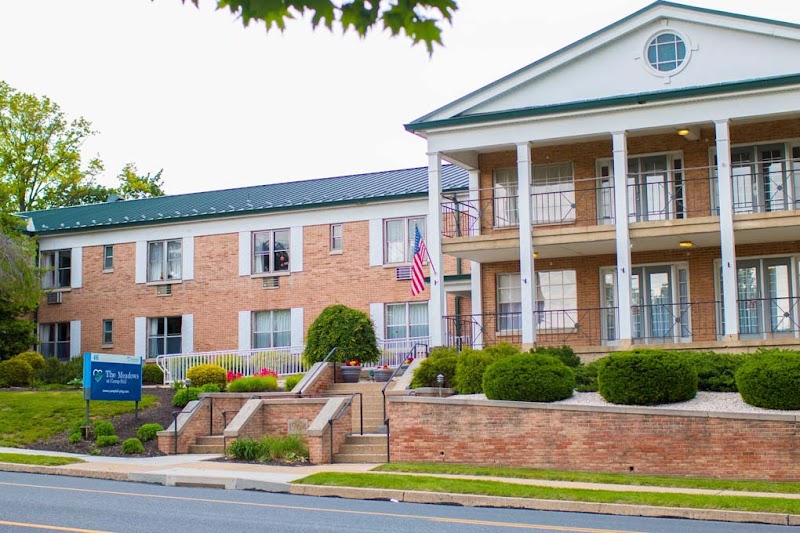
How is Gardens At Camp Hill, The Staffed?

CMS rates GARDENS AT CAMP HILL, THE's staffing level at 3 out of 5 stars, which is average compared to other nursing homes.

What Have Inspectors Found at Gardens At Camp Hill, The?

State health inspectors documented 42 deficiencies at GARDENS AT CAMP HILL, THE during 2023 to 2025. These included: 1 that caused actual resident harm and 41 with potential for harm. Deficiencies causing actual harm indicate documented cases where residents experienced negative health consequences.

Who Owns and Operates Gardens At Camp Hill, The?

GARDENS AT CAMP HILL, THE is owned by a for-profit company. For-profit facilities operate as businesses with obligations to shareholders or private owners. The facility is operated by PRIORITY HEALTHCARE GROUP, a chain that manages multiple nursing homes. With 95 certified beds and approximately 84 residents (about 88% occupancy), it is a smaller facility located in CAMP HILL, Pennsylvania.

How Does Gardens At Camp Hill, The Compare to Other Pennsylvania Nursing Homes?

Compared to the 100 nursing homes in Pennsylvania, GARDENS AT CAMP HILL, THE's overall rating (2 stars) is below the state average of 3.0 and health inspection rating (2 stars) is below the national benchmark.

What Should Families Ask When Visiting Gardens At Camp Hill, The?

Based on this facility's data, families visiting should ask: "Can I visit during a mealtime to observe dining assistance and food quality?" "How do you handle medical emergencies, and what is your hospital transfer rate?" "Can I speak with family members of current residents about their experience?"

Is Gardens At Camp Hill, The Safe?

Based on CMS inspection data, GARDENS AT CAMP HILL, THE has a clean safety record: no substantiated abuse findings (meaning no confirmed cases of resident harm), no Immediate Jeopardy citations (the most serious violation level indicating risk of serious injury or death), and is not on the Special Focus Facility watch list (a federal program monitoring the lowest-performing 1% of nursing homes). The facility has a 2-star overall rating and ranks #100 of 100 nursing homes in Pennsylvania. While no facility is perfect, families should still ask about staff-to-resident ratios and recent inspection results during their visit.

Do Nurses at Gardens At Camp Hill, The Stick Around?

GARDENS AT CAMP HILL, THE has not reported staff turnover data to CMS. Staff turnover matters because consistent caregivers learn residents' individual needs, medications, and preferences. When staff frequently change, this institutional knowledge is lost. Families should ask the facility directly about their staff retention rates and average employee tenure.

Was Gardens At Camp Hill, The Ever Fined?

GARDENS AT CAMP HILL, THE has been fined $10,059 across 1 penalty action. This is below the Pennsylvania average of $33,179. While any fine indicates a compliance issue, fines under $50,000 are relatively common and typically reflect isolated problems that were subsequently corrected. Families should ask what specific issues led to these fines and confirm they've been resolved.

Is Gardens At Camp Hill, The on Any Federal Watch List?

GARDENS AT CAMP HILL, THE is not on any federal watch list. The most significant is the Special Focus Facility (SFF) program, which identifies the bottom 1% of nursing homes nationally based on persistent, serious quality problems. Not being on this list means the facility has avoided the pattern of deficiencies that triggers enhanced federal oversight. This is a positive indicator, though families should still review the facility's inspection history directly.