GARDENS AT WEST SHORE, THE
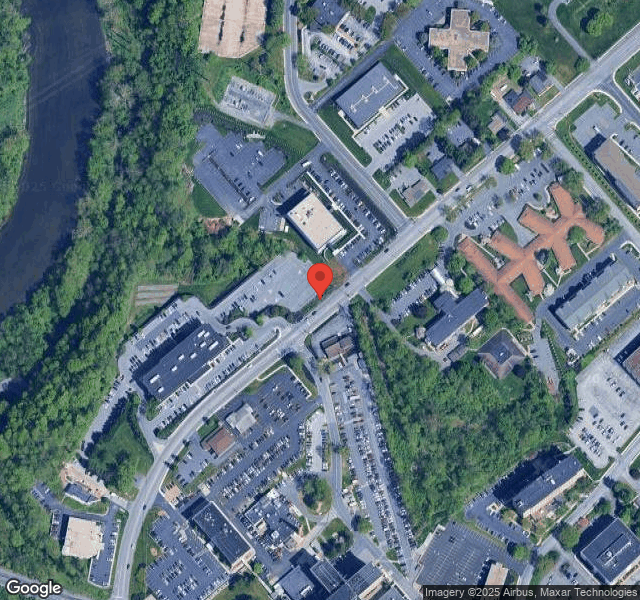

770 POPLAR CHURCH ROAD, CAMP HILL, PA 17011 (717) 763-7070
For profit - Corporation 309 Beds PRIORITY HEALTHCARE GROUP Data: November 2025 2 Immediate Jeopardy citations
Trust Grade
0/100
#560 of 653 in PA
Last Inspection: August 2025

Inspected within the last 6 months. Data reflects current conditions.

Overview

The Gardens at West Shore has received a Trust Grade of F, indicating significant concerns and a poor reputation among nursing homes. They rank #560 out of 653 facilities in Pennsylvania, placing them in the bottom half of the state, and #16 out of 17 in Cumberland County, meaning there is only one other local option that is better. While the facility shows an improving trend, with issues decreasing from 21 in 2024 to 8 in 2025, there are still serious problems to address. Staffing is a strength with a rating of 4 out of 5 stars and a turnover rate of 43%, which is below the state average, suggesting that staff are more stable and familiar with residents. However, the facility has faced concerning fines totaling $80,512, which is higher than 78% of Pennsylvania facilities, indicating ongoing compliance issues. Specific incidents of concern include a failure to provide adequate nursing staff for medication administration, resulting in missed doses for 32 out of 33 residents on the Alzheimer's Care Unit, which could lead to serious health complications. Additionally, there was a critical failure to follow medication administration standards for 29 residents, creating an Immediate Jeopardy situation that jeopardized their health and safety. Lastly, one resident suffered from an active infection due to inadequate care of a suprapubic catheter, leading to actual harm and the need for antibiotic treatment. Overall, while there are some strengths in staffing, the facility has significant weaknesses that families should carefully consider.

Trust Score
F
0/100
In Pennsylvania
#560/653
Bottom 15%
Safety Record
High Risk
Review needed
Inspections
Getting Better
21 → 8 violations
Staff Stability
○ Average
43% turnover. Near Pennsylvania's 48% average. Typical for the industry.
Penalties
✓ Good
$80,512 in fines. Lower than most Pennsylvania facilities. Relatively clean record.
Skilled Nurses
○ Average
Each resident gets 37 minutes of Registered Nurse (RN) attention daily — about average for Pennsylvania. RNs are the most trained staff who monitor for health changes.
Violations
⚠ Watch
65 deficiencies on record. Higher than average. Multiple issues found across inspections.
★☆☆☆☆
1.0
Overall Rating
★★★★☆
4.0
Staff Levels
★★☆☆☆
2.0
Care Quality
★☆☆☆☆
1.0
Inspection Score
Stable
2024: 21 issues
2025: 8 issues

The Good

  • 4-Star Staffing Rating · Above-average nurse staffing levels
  • Full Sprinkler Coverage · Fire safety systems throughout facility
  • No fines on record
  • Staff turnover below average (43%)

    5 points below Pennsylvania average of 48%

Facility shows strength in staffing levels, fire safety.

The Bad

1-Star Overall Rating

Below Pennsylvania average (3.0)

Significant quality concerns identified by CMS

Staff Turnover: 43%

Near Pennsylvania avg (46%)

Typical for the industry

Federal Fines: $80,512

Well above median ($33,413)

Moderate penalties - review what triggered them

Chain: PRIORITY HEALTHCARE GROUP

Part of a multi-facility chain

Ask about local staffing decisions and management

The Ugly 65 deficiencies on record

2 life-threatening 2 actual harm
Aug 2025 8 deficiencies
CONCERN (D)

Potential for Harm - no one hurt, but risky conditions existed

Deficiency F0558 (Tag F0558)

Could have caused harm · This affected 1 resident

Based on observations, record review, and staff interviews, it was determined that the facility failed to ensure the environment meets the individual needs of each resident by ensuring the call system...

Read full inspector narrative →
Based on observations, record review, and staff interviews, it was determined that the facility failed to ensure the environment meets the individual needs of each resident by ensuring the call system is within reach of the resident for one of 35 residents reviewed (Resident 155).Findings include: Review of the facility policy, titled Answering the Call Light, last reviewed August 21, 2024, revealed to ensure that the call light is accessible to the resident when in bed, from the toilet, from the shower or bathing facility and from the floor. Review of Resident 155's clinical record revealed diagnoses that included type 2 diabetes mellitus (a chronic metabolic disorder characterized by the body's inability to properly use insulin, leading to high blood glucose levels) and hypertension (high blood pressure). Observation of Resident 155 on August 4, 2025, at 9:57 AM, revealed the Resident lying in bed, with their call bell on the floor on a fall mat to the left side of their bed, out of reach for the Resident. Observation conducted of Resident 155 on August 4, 2025, at 11:26 AM, revealed the Resident lying in bed, with their call bell on the floor on a fall mat to the left side of their bed, out of reach for the Resident. Observation conducted of Resident 155 on August 4, 2025, at 1:22 PM, revealed the Resident lying in bed, with their call bell on the floor on a fall mat to the left side of their bed, out of reach for the Resident. Review of Resident 155's MDS (Minimum Data Set is part of the federally mandated process for clinical assessment of all Medicare and Medicaid certified nursing homes) dated May 30, 2025, revealed that Section B. Hearing, Speech, and Vision B0700. Makes Self Understood, Ability to express ideas and wants, consider both verbal and non-verbal expression, is marked 0. Understands; as well as section B0800 Ability to Understand Others, Understanding verbal content, however able, was marked 0. Understands. During an interview with the Director of Nursing (DON) on August 5, 2025, at 3:54 PM, it was revealed that per the unit nursing manager, Resident 155 is able to use their call bell. During an interview conducted with the DON on August 6, 2025, at 11:29 AM, she revealed that she would have expected Resident 155's call bell to have been within reach. Pa. Code 211.12(d)(1) Nursing Services
CONCERN (D)

Potential for Harm - no one hurt, but risky conditions existed

Deficiency F0605 (Tag F0605)

Could have caused harm · This affected 1 resident

Based on facility policy review, clinical record review, and staff interviews, it was determined that the facility failed to ensure that a resident's medication regimen was free from unnecessary psych...

Read full inspector narrative →
Based on facility policy review, clinical record review, and staff interviews, it was determined that the facility failed to ensure that a resident's medication regimen was free from unnecessary psychotropic medications for one of seven residents reviewed for unnecessary medications (Resident 8).Findings include: Review of facility policy, titled Psychotropic Medication Use, with a last revised date of February 2025, revealed in section titled PRN Medication that 3. PRN [as needed] orders for psychotropic medications are limited to 14 days. a. For psychotropic medications that are NOT antipsychotics: If the prescriber or attending physician believes it is appropriate to extend the PRN order beyond 14 days, they will document the rationale for extending the use and include the duration for the PRN order. Review of Resident 8's clinical record revealed diagnoses that included post-traumatic stress disorder (PTSD-a disorder in which a person has difficulty recovering after experiencing or witnessing a terrifying event with triggers that can bring back memories of the trauma accompanied by intense emotional and physical reactions) and anxiety disorder (mental health disorder characterized by feelings of worry, anxiety, or fear that are strong enough to interfere with one's daily activities). Review of Resident 8's physician orders revealed an on order for Klonopin (clonazepam) [a psychoactive medication used to treat anxiety] 0.5 mg (milligrams) give 0.25 mg every 12 hours as need for anxiety, dated June 30, 2025. The order failed to include a 14 day stop date. Review of Resident 8's Medication Administration Record's for June 2025, July 2025, and August 2025 revealed that he had not received any doses of the Klonopin. Email communication received from the Director of Nursing on August 6, 2025, at 2:59 PM, indicated that Resident 8's as needed Klonopin order had been discontinued. During a staff interview with the Nursing Home Administrator and Employee 2 (Regional Director of Clinical Services) on August 7, 2025, at 11:05 AM, Employee 2 indicated that the facility electronic health record program does not identify clonazepam as a benzodiazepine (a psychoactive medication), but rather an anticonvulsant 9 (antiseizure medication) so the order would not have flagged as needing a 14-day stop date. She indicated that a 14-day stop date should have been included in the order given that it was being utilized to treat anxiety. 28 Pa. Code 201.14(a) Responsibility of licensee28 Pa. Code 201.18(b)(1) Management28 Pa. Code 211.2(d)(3) Medical director28 Pa. Code 211.9(a)(1) Pharmacy services28 Pa. Code 211.12(d)(1)(2)(3)(5) Nursing services
CONCERN (D)

Potential for Harm - no one hurt, but risky conditions existed

Deficiency F0688 (Tag F0688)

Could have caused harm · This affected 1 resident

Based on clinical record review and resident and staff interviews, it was determined that the facility failed to ensure a resident with limited range of motion and mobility received appropriate servic...

Read full inspector narrative →
Based on clinical record review and resident and staff interviews, it was determined that the facility failed to ensure a resident with limited range of motion and mobility received appropriate services, equipment, and assistance to maintain or improve range of motion or mobility for one of one residents reviewed (Resident 17).Findings include: Review of Resident 17's clinical record revealed diagnoses that included hemiplegia (paralysis of one side of body) and hemiparesis (muscle weakness on one side of the body) following a cerebral infarction (a stroke-damage to the brain from interruption of its blood supply) affecting left dominant side and hypertension (high blood pressure). During an interview with Resident 17 on August 4, 2025, at 10:38 AM, Resident 17 indicated she was supposed to be getting a brace for my left leg and it is taking forever. Review of Resident 17's clinical record revealed a CRNP (Certified Registered Nurse Practitioner) visit note dated July 10, 2025, that indicated PT [Physical Therapy] Consult Request: Please evaluate the patient for lower left extremity (LLE) brace qualification and/or necessity. Assess for any deficits in strength, joint stability, alignment, gait mechanics, or neurological function that may warrant orthotic support. Recommendations for appropriate bracing options and mobility assistance are appreciated. Further review of Resident 17's clinical record revealed that the CRNP notes for July 14, 16, 17, 21, 23, 24, 28, 30, and 31, 2025, and August 4, 2025, all indicated the same documentation about a PT consult. In addition, there was physician's note dated July 18, 2025, that also indicated the same documentation about a PT consult. Review of Resident 17's physician orders revealed an order for PT evaluation and treat as indicated as needed dated January 31, 2025, but orders failed to reveal any current PT treatment orders. Review of Resident 17's care plan revealed a care plan focus for limited physical mobility related to left sided weakness with a revision date of February 6, 2025, with interventions that included but were not limited to PT, OT [Occupational Therapy] referrals as ordered, PRN [as needed] with an initiated date of January 31, 2025. Email communication received from the Director of Nursing on August 5, 2025, at 2:59 PM, indicated Therapy will be evaluating for LLE brace. CRNP [Certified Registered Nurse Practitioner] be educated on ordering therapy evaluations. During a staff interview with the Nursing Home Administrator and Employee 2 (Regional Director of Clinical Services) on August 7, 2025, at 11:04 AM, Employee 2 indicated that the nurse practitioner did not put in the therapy request for a screen, which is what therapy reviews to know if have outstanding screens to complete. She said she would have expected there to be communication between the nurse practitioner and the nursing staff regarding the request since it was an ongoing request by the provider in the notes. She said the practitioner will be educated on the proper facility process to ensure services are provided timely. 28 Pa. Code 201.18(b)(1) Management28 Pa. Code 211.12(d)(3)(5) Nursing services
CONCERN (E)

Potential for Harm - no one hurt, but risky conditions existed

Assessment Accuracy (Tag F0641)

Could have caused harm · This affected multiple residents

Based on clinical record review and staff interviews, it was determined that the facility failed to ensure the resident assessment accurately reflected the resident status for three of 35 residents re...

Read full inspector narrative →
Based on clinical record review and staff interviews, it was determined that the facility failed to ensure the resident assessment accurately reflected the resident status for three of 35 residents reviewed (Residents 5, 51, and 85). Findings include:Review of Resident 5's clinical record revealed diagnoses that included anxiety disorder (mental health disorder characterized by feelings of worry, anxiety, or fear that are strong enough to interfere with one's daily activities) and dementia (a chronic disorder of the mental processes caused by brain disease, and marked by memory disorders, personality changes, and impaired reasoning). Review of Resident 5's physician orders revealed an order for a soft padded helmet on at all times, as Resident allows, and release every two hours, dated September 5, 2024. During a staff interview with Employee 7 on August 4, 2025, at 10:22 AM, Employee 7 indicated that Resident 5 removes his helmet frequently because he does not like it . At the time of interview, Employee 7 was reapplying Resident 5's helmet. The helmet was noted to be a soft padded helmet with no securing device, which would prevent Resident 5 from removing the helmet as he desired. Review of Resident 5's Quarterly MDS (Minimum Data Set - an assessment tool to review all care areas specific to the resident such as a resident's physical, mental or psychosocial needs) with the assessment reference date (last day of the assessment period) of November 28, 2024, indicated in Section P. Restraints and Alarms revealed he was coded as having an other restraint utilized when in chair or out of bed on a daily basis during the assessment period. Review of Resident 5's Quarterly MDS with the assessment reference date of February 26, 2025, indicated in Section P. Restraints and Alarms revealed he was coded as having an other restraint utilized when in chair or out of bed on a daily basis during the assessment period. Review of Resident 5's Quarterly MDS with the assessment reference date of May 28, 2025, indicated in Section P. Restraints and Alarms revealed he was coded as having an other restraint utilized when in chair or out of bed on a daily basis during the assessment period. Review of Resident 5's Quarterly MDS with the assessment reference date of June 17, 2025, indicated in Section P. Restraints and Alarms revealed he was coded as having an other restraint utilized when in bed on a daily basis during the assessment period. Email communication received from the Director of Nursing (DON) on August 7, 2025, at 9:58 AM, indicated that Resident 5's helmet was being used at the preference of the family and hospice for injury prevention. During a staff interview with the Nursing Home Administrator (NHA) and Employee 2 (Regional Director of Clinical Services) on August 7, 2025, at 11:20 AM, Employee 2 further indicated that the family and hospice wanted the helmet to be used to prevent head trauma if he were to fall. Employee 2 confirmed that Resident 5 can and does remove it as he desires. Employee 2 confirmed Resident 5's helmet should not have been coded as a restraint on his MDS assessments since it did not meet the definition of a restraint.Review of Resident 51's clinical record revealed diagnoses that included depressive disorder (persistent sadness, loss of interest, and difficulty functioning in daily life) and hypertension (elevated/high blood pressure).Review of Resident 51's physician orders revealed an order for zolpidem (a psychotropic hypnotic) 5 mg at bedtime, dated July 18, 2024.Review of Resident 51's most recent annual MDS with an assessment reference date of May 2, 2025; and most recent quarterly MDS with an assessment reference date of April 10, 2025, revealed that section N Medications, was not coded to include the use of a hypnotic medication.In an electronic communication on August 6, 2025, at 2:10 PM, the DON confirmed that Resident 51's annual and quarterly MDS's were coded incorrectly for the use of a hypnotic medication.Review of Resident 85's clinical record revealed diagnoses that included dementia and schizoaffective disorder (a mental health condition marked by symptoms that include hallucinations and delusions). Review of Resident 85's physician orders revealed an active order for Haloperidol Lactate Concentrate 2 mg/ml (antipsychotic medication), give 1 ml by mouth one time a day related to schizoaffective disorder, with a start date of October 25, 2024. Review of Resident 85's Quarterly MDS with assessment reference date of June 18, 2025, under section N0450. Antipsychotic Medication Review A. Did the resident receive antipsychotic medications since admission/entry or reentry or the prior OBRA assessment, whichever is more recent? Resident 85 was marked No- antipsychotics were not received.Review of Resident 85's June MAR (Medication Administration Record- documentation for treatments/medication administered or monitored) revealed she was marked as having received the haloperidol antipsychotic medication on all days of that month. During an interview with the NHA on August 7, 2025, at 11:39 AM, he confirmed Resident 85's aforementioned MDS assessment was marked in error, and he would expect MDS assessments to be coded accurately. 28 Pa. Code 211.5(f) Medical records
CONCERN (E)

Potential for Harm - no one hurt, but risky conditions existed

Deficiency F0657 (Tag F0657)

Could have caused harm · This affected multiple residents

Based on facility policy review, clinical record review, and staff interviews, it was determined that the facility failed to review and revise the resident plan of care for one of 35 residents reviewe...

Read full inspector narrative →
Based on facility policy review, clinical record review, and staff interviews, it was determined that the facility failed to review and revise the resident plan of care for one of 35 residents reviewed (Resident 8).Findings include: Review of facility policy, titled Care Plans, Comprehensive Person-Centered, with a last revision date of March 2022, and a last review date of August 24, 2024, revealed Assessments of residents are ongoing and care plans are revised as information about the residents and the residents' conditions change. Review of Resident 8's clinical record revealed diagnoses that included type II diabetes mellitus (disease that occurs when your blood glucose, also called blood sugar, is too high, but does not require the use of insulin), post-traumatic stress disorder (PTSD-a disorder in which a person has difficulty recovering after experiencing or witnessing a terrifying event with triggers that can bring back memories of the trauma accompanied by intense emotional and physical reactions), and pressure ulcers. Review of Resident 8's current physician orders revealed the following orders: do not resuscitate dated May 20, 2025; and wound care to left lateral malleolus (ankle) pressure ulcer cleans with normal saline, apply betadine to base of wound, and leave open to air twice a day and as needed, dated July 31, 2025. Review of Resident 8's care plan revealed a care plan focus for Resident has an advanced directive of full code, with an initiated date of May 6, 2025. Email communication received from the Director of Nursing (DON) on August 6, 2025, at 12:35 PM, indicated that Resident 8's care plan had been changed to do not resuscitate. She further indicated that he changed his code status after admission and that his care plan was not updated at that time. Email communication received from the DON on August 6, 2025, at 6:37 PM, indicated that she would expect Resident 8's care plan to have been updated when his code status changed. Review of Resident 8's care plan failed to revealed that his pressure ulcer to his left lateral malleolus was included on his current care plan. Further review of Resident 8's care plan revealed a care plan focus for Resident has PICC line (peripherally inserted central catheter, is a long, flexible tube inserted into a vein in the upper arm, used for long-term intravenous access to deliver medications, fluids, or draw blood) related to infectious process, with an initiated date of May 29, 2025. Review of Resident 8's clinical record revealed that his PICC line was discontinued on June 9, 2025. Email communication received from the DON on August 6, 2025, at 3:39 PM, indicated that Resident 8's care plan had been updated to include his new pressure ulcer and that the PICC line was resolved from his care plan. During a final interview with Employee 2 and the Nursing Home Administrator and Employee 2 on August 7, 2025, at 11:05 AM, the NHA confirmed that he would expect Resident 8's care plan to have been revised when all the changes occurred. 42 CFR 483.21(b)(2) Comprehensive Care Plans28 Pa. Code 211.12(d)(1)(2)(5) Nursing services
CONCERN (E)

Potential for Harm - no one hurt, but risky conditions existed

Quality of Care (Tag F0684)

Could have caused harm · This affected multiple residents

Based on facility policy review, clinical record reviews, observations, and resident and staff interviews, it was determined that the facility failed to ensure care and services are provided in accord...

Read full inspector narrative →
Based on facility policy review, clinical record reviews, observations, and resident and staff interviews, it was determined that the facility failed to ensure care and services are provided in accordance with professional standards of practice that will meet each resident's physical, mental, and psychosocial needs for four of 35 residents reviewed (Residents 43, 82, 128, and 141). Findings include:Review of facility policy, titled Catheter Insertion and Care Midline Dressing Changes, with an effective date of July 2017, and a last review date of August 24, 2024, revealed Change midline catheter dressing 24 hours after catheter insertion, every 5-7 days, or if it is wet, dirty, not intact, or compromised in any way. Review of facility policy, titled IIA2: Medication Administration-General Guidelines, undated with a last review date of August 24, 2024, revealed, in part, Medications are administered as prescribed in accordance with good nursing principles and practices and only by persons legally authorized to do so. 11. Residents are allowed to self-administer medications when specifically authorized by the attending physician and in accordance with procedures for self-administration of medications. 15. The resident is always observed after administration to ensure that the dose was completely ingested. If only a partial dose is ingested, this is noted on the MAR, and action is taken as appropriate. Review of Resident 43's clinical record revealed diagnoses that included bacterial pneumonia, urinary tract infection, and hypertension (high blood pressure). During a resident interview with Resident 43 on August 4, 2025, at 11:32 AM, Resident 43 was observed to have a dressing in place on her right inner elbow (antecubital space) covering a midline intravenous catheter, dated July 23, 2025. Review of Resident 43's Treatment Administration Record for July 2025 revealed that she was documented as having received a dressing change to this site on July 30, 2025. During a staff interview with the Nursing Home Administrator (NHA) and Director of Nursing (DON) on August 6, 2025, at 11:38 AM, the DON confirmed that the midline intravenous dressing should have been changed on July 30, 2025, as per order and facility policy. The DON indicated that she could not speak as to why the nurse signed as completing the dressing change but did not do so.Review of Resident 82's clinical record revealed diagnoses that included dementia (a chronic disorder of the mental processes caused by brain disease, marked by memory disorders, personality changes, and impaired reasoning) and anxiety (a feeling of worry, nervousness, or unease). Review of Resident 82's physician orders revealed the following active orders: May go on LOA (leave of absence- signed out of the facility) supervised without medications May go on LOA supervised with medications,During an email correspondence with the DON on August 5, 2025, at 1:03 PM, the surveyor questioned Resident 82's conflicting physician orders. Return email correspondence from the DON on August 6, 2025, at 10:15 AM, she wrote May go LOA supervised without medications is the correct order. The other has been discontinued. The order was confirmed with the Certified Registered Nurse Practitioner.During an interview with the NHA on August 7, 2025, at 11:39 AM, he revealed his expectation that residents would not have conflicting physician orders.Review of Resident 128's clinical record revealed diagnoses that included dementia and moderate calorie protein malnutrition (an imbalance between the nutrients the body needs to function and the nutrients it gets).Review of Resident 128's physician orders revealed an active order for Enhanced Barrier Precautions (EBP- an infection control intervention) related to open wound.Observation of Resident 128 in her room on August 4, 2025, at 2:32 PM; August 5, 2025, at 1:19 PM; and August 6, 2025, at 11:04 AM; failed to reveal EBP materials or a sign on her door; and during the observations on August 4 and 5, 2025, staff were observed in her room not following EBP. Review of Resident 128's clinical record revealed she had a history of a wound that resolved in April of 2025.During an interview with the DON on August 6, 2025, at 11:49 AM, the surveyor questioned the EBP order for Resident 128. Interview with the NHA on August 7, 2025, at 11:39 AM, revealed he would expect orders to be discontinued if no longer indicated.Review of Resident 141's clinical record revealed diagnoses that included Hodgkin's lymphoma (a cancer of the immune system) and moderate protein-calorie malnutrition (the state of inadequate food intake) During a resident interview with Resident 141 on August 4, 2025, at 11:22 AM, there was a medication cup containing several pills noted on her overbed table. Resident 141 indicated that the nurse had left them there for her while she went to get a shower. Resident 141 indicated that she was going to take them and that the nurses normally do not leave them there. Resident 141 shared an incident where she had spilled her medications on the floor when she went to take them and that she put on her call light and a nurse aide came in to answer the light. Resident 141 said she asked the nurse aide what she should do like let the nurse know or what and Resident 141 said the nurse aide picked up all the pills on the floor and told her she would have to take those. Resident 141 said she was not sure when this occurred. She did not indicate whether or not she took the medications. Review of Resident 141's Medication Administration Records for May 2025, June 2025, July 2025, and August 1-5, 2025, revealed that she had been documented as receiving all her medications as ordered at times specified in orders. During an interview with the NHA and DON August 6, 2025, at 11:30 AM, observation and Resident 141's interview findings were shared for further follow-up. Email communication received from the DON on August 5, 2025, at 2:59 PM, indicated that Resident 141 would be evaluated for self-administration of medications. The email further indicated that [Employee 3] had stated that there was a day when Resident 141's medications were on the floor and that [Employee 4] picked up the medications and gave them back to resident, but that Employee 4 did not report the occurrence until several days later. The DON further indicated that Employee 3 educated Employee 4 that medications should not be given back to a resident after being on the floor, but rather bring them to nurse and new ones would be given. During a staff interview with Employee 3 (Registered Nurse) on August 7, 2025, at 9:36 AM, she confirmed that she leaves medications at Resident 141's bedside for her to take because Resident 141 does not like to take them all at once. She indicated that there was an occasion a couple of months ago or so where either Resident 141 or someone bumped the medication cup that was on the overbed table, which caused pills to be spilled onto the overbed table. Employee 3 indicated that Employee 4 did not know that she was not supposed to touch a resident's medications. Employee 3 indicated that she was not completely sure but that she did not think Resident 141 took the medications that had spilled. Employee 3 indicated that Employee 4 told her about later in the day, possibly the end of the shift. Employee 3 said she educated Employee 4 immediately and that Employee 4 said she would not do it again, but thought it was ok since that was what she does at home. Employee 3 further indicated that Resident 141 was an exceptional case as she does not like to take all her medications at one time. Employee 3 again confirmed that she leaves Resident 141's medications at the bedside and goes back to check to see if Resident 141 has taken them. She said that today she tried just giving Resident 141 just two medications at a time. During a staff interview with Employee 4 (Nurse Aide) on August 7, 2025, at 9:42 AM, Employee 4 indicated that when she went into Resident 141's room to deliver her meal tray there were two pills on her overbed table beside an overturned cup. Employee 4 indicated that she picked the pills up, put them back in the cup, and left them on the over bed table. Employee 4 said she could not remember if she told Resident 141 to take them or not. Employee 4 said she told Resident 141's nurse at the end of the shift on the day this happened, but could not recall exact date. Employee 4 indicated that she received education the day it happened and that she was now aware that she cannot handle a resident's medication. During a staff interview with the NHA and Employee 2 (Regional Director of Clinical Services) on August 7, 2025, at 12:15 PM, Employee 2 indicated she would have expected nursing staff to complete a self-administration of medications assessment on Resident 141 prior to leaving medications at the bedside. The NHA indicated that he would expect the nurse aide to have reported it to supervisor immediately for further guidance and to not handle a resident's medications. 28 Pa. Code 201.14(a) Responsibility of licensee28 Pa. Code 201.18(b)(1) Management28 Pa. Code 211.2(d)(3) Medical director28 Pa. Code 211.9(a)(1) Pharmacy services28 Pa. Code 211.12(d)(1)(2)(3)(5) Nursing services
CONCERN (E)

Potential for Harm - no one hurt, but risky conditions existed

Drug Regimen Review (Tag F0756)

Could have caused harm · This affected multiple residents

Based on facility policy review, clinical record review, and staff interviews, it was determined that the facility failed to ensure pharmacy recommendations were acted on appropriately for two of 35 r...

Read full inspector narrative →
Based on facility policy review, clinical record review, and staff interviews, it was determined that the facility failed to ensure pharmacy recommendations were acted on appropriately for two of 35 residents reviewed (Residents 25 and 51). Findings include:Review of facility policy, titled Consultant Pharmacist Reports. IIIA1: Medication Regimen Review (Monthly Report), undated, revealed Recommendations are acted upon and documented by the facility staff and or the prescriber. Physician accepts and acts upon suggestion or rejects and provides an explanation for disagreeing.Review of Resident 25's clinical record revealed diagnoses that included major depressive disorder (a mental health disorder characterized by persistently depressed mood or loss of interest in activities, causing significant impairment in daily life), anxiety (intense, excessive, and persistent worry and fear about everyday situations), and bipolar disorder (a disorder associated with episodes of mood swings ranging from depressive lows to manic highs). Review of Resident 25's December 2024 pharmacy review revealed a recommendation to consider a GDR (gradual dose reduction) for the medications Zolpidem (used to treat insomnia), Hydroxyzine (used to treat anxiety), and Haloperidol (antipsychotic medication used to treat resident's bipolar disorder). Review of Resident 25's clinical record failed to reveal evidence that the physician responded to the pharmacy recommendation. On August 7, 2025, at 12:19 PM, the Nursing Home Administrator (NHA) stated that they were unable to locate Resident 25's December 2024 pharmacy recommendation with physician response. Review of Resident 51's clinical record revealed diagnoses that included depressive disorder (persistent sadness, loss of interest, and difficulty functioning in daily life) and hypertension (elevated/high blood pressure).Review of Resident 51's physician orders revealed a physician order for Seroquel (antipsychotic medication) 12.5 milligrams (mg - metric unit of measure), twice a day, which was dated August 14, 2024; and zolpidem (a psychotropic hypnotic medication) 5 mg at bed time which was dated July 18, 2024.Review of pharmacy recommendation dated January 15, 2025, revealed a recommendation to attempt a GDR of the zolpidem 5 mg. Review of the physician response portion of the pharmacy recommendation revealed that the GDR recommendation was declined and a written rational of Followed by psych[iatric services] was included.Again on April 11, 2025, the pharmacist recommended a GDR of the zolpidem 5 mg. Review of the physician response revealed it was declined due to Resident 51 being, Followed by psych.The recommendation to GDR the zolpidem 5 mg was made a third time on July 9, 2025. The physician declined an attempt of the GDR with the rational of, Followed by psych. However, review of Resident 51's clinical record revealed the last psychiatric consultation was conducted on August 6, 2024, and was not actively being monitored or followed by psychiatric services during the aforementioned GDR recommendations made on January 15, 2025; April 11, 2025; and July 9, 2025.During a staff interview on August 7, 2025, at approximately 11:35 AM, Employee 2 (Regional Director of Clinical Services) confirmed that he facility was unable to locate any psychiatric consultation reports/visits completed for Resident 51 after August 6, 2024. During the interview, Employee 2 revealed that it was the facility's expectation that pharmacy recommendations that are declined have an appropriate clinical rational for declining the recommendation.28 Pa. Code 211.10(c) Resident care policies28 Pa. Code 211.12 (d)(1)(3)(5) Nursing services
CONCERN (E)

Potential for Harm - no one hurt, but risky conditions existed

Food Safety (Tag F0812)

Could have caused harm · This affected multiple residents

Based on observations, review of safety data sheet, review of facility temperature logs, and staff interviews, it was determined that the facility failed to utilize kitchen equipment in accordance wit...

Read full inspector narrative →
Based on observations, review of safety data sheet, review of facility temperature logs, and staff interviews, it was determined that the facility failed to utilize kitchen equipment in accordance with professional standards for food service safety in the main kitchen.Findings include:Observation of the dish machine in the main kitchen on August 4, 2025, at 10:02 AM, revealed kitchen staff were washing dishes from breakfast and the rinse temperature on the machine read 93 degrees Fahrenheit (F-unit of measure). Interview with Employee 1 (Assistant Dietary Manager) on August 4, 2025, at 10:02 AM, revealed she was not sure why the dish machine was recording such a low rinse temperature, and she would contact maintenance to come look at the machine. Observation of the dish machine in the main kitchen on August 4, 2025, at 1:38 PM, revealed kitchen staff were washing dishes from lunch and the rinse temperature on the machine read 96 degrees F.Interview with Employee 6 (Dietary Employee) on August 4, 2025, at 1:38 PM, revealed no one from maintenance had come to the kitchen thus far to look at the dish machine. During an interview with Employee 1 and the Nursing Home Administrator (NHA) on August 4, 2025, at 2:58 PM, they revealed the dish machine is a high temperature dish machine with a minimum safe rinse temperature of 180 degrees F, but low temperature sanitizer solution is connected to the machine so it can run at a lower temperature. Review of safety data sheet document titled Low Temperature Machine Sanitizer under Directions for Use revealed The rinse water temperature should be between 120 and 140 degrees Fahrenheit.Review of the dish machine temperature logs utilized by the kitchen stated at the bottom of the document: The wash temperature must be at least 160 degrees and the final rinse temperature at least 180 degrees. If the temperature is not at the proper temperature, do not use the machine- notify your supervisor for instructions.Review of the August 2025 dish machine temperature log revealed rinse temperatures had been recorded below 120 degrees F during breakfast, lunch, and dinner on August 1-5, 2025. Further review failed to reveal any corrective action noted. Review of the July 2025 dish machine temperature log revealed wash and rinse temperatures failed to be recorded on July 1, 2, 6, 9, 12, 13, 15, 18, 23, 25, 26, 29, and 30 at breakfast and lunch; and failed to be recorded on July 1-3, 5-7, 9, 11-21, 23-27, 29, and 30 at dinner. Review of the June 2025 dish machine temperature log revealed wash and rinse temperatures failed to be recorded on June 1, 6, 8, 11, 15, 16, 20, 22, 25, and 29 at breakfast and lunch; and failed to be recorded on June 1 and 5-30 at dinner. Review of the May 2025 dish machine temperature log revealed wash and rinse temperatures failed to be recorded on May 5-31 at dinner. Review of the November 2024 kitchen equipment temperature logs revealed temperatures failed to be recorded on November 25-28 for Refrigerator #1, Refrigerator #2, and the Milk Cooler Refrigerator.Interview with the NHA on August 6, 2025, at 11:49 AM, he revealed his expectation that kitchen equipment is utilized in accordance with professional standards.During a follow-up interview with the NHA on August 7, 2025, at 11:44 AM, he revealed the facility was unable to locate any kitchen equipment temperature logs for the month of January 2025, including for Refrigerator #1-3, the Milk Cooler Refrigerator, the walk-in refrigerator and freezer, and the dish machine. 28 Pa. Code 201.14(a) Responsibility of licensee28 Pa. Code 201.18(b)(1) Management 28 Pa. Code 211.6(f) Dietary services
Sept 2024 14 deficiencies
CONCERN (D)

Potential for Harm - no one hurt, but risky conditions existed

Quality of Care (Tag F0684)

Could have caused harm · This affected 1 resident

Based on clinical record review and staff interview, it was determined that the facility failed to implement resident-directed care and treatment consistent with the resident's physician orders and pl...

Read full inspector narrative →
Based on clinical record review and staff interview, it was determined that the facility failed to implement resident-directed care and treatment consistent with the resident's physician orders and plan of care for one of 35 residents reviewed (Resident 142). Findings include: Review of Resident 142's clinical record revealed diagnoses that included bipolar disorder (a mental health condition that causes extreme mood swings from depression to mania or hypomania) and diabetes mellitus (a metabolic disorder in which the body has high sugar levels for prolonged periods of time). Review of Resident 142's physician orders revealed the following physician orders: Insulin Lispro Subcutaneous Solution Pen-injector 200 unit /ml (Insulin Lispro) Inject as per sliding scale: if 0 - 149 = 0 units or if not eating; 150 - 200 = 4 units; 201 - 250 = 6 units; 251 - 300 = 8 units; 301 - 350 = 10 units; 351+ = 12 units, notify MD if BS (blood sugar) >400, subcutaneously three times a day, with a start date of September 1, 2024, and discontinued September 12, 2024. Insulin Lispro Subcutaneous Solution Pen-injector 200 unit /ml (Insulin Lispro) Inject as per sliding scale: if 0 - 149 = 0 units or if not eating; 150 - 200 = 4 units; 201 - 250 = 6 units; 251 - 300 = 8 units; 301 - 350 = 10 units; 351+ = 12 units Notify MD if BS >400, subcutaneously before meals, with a start date of September 12, 2024, and discontinued September 20, 2024. Review of Resident 142's clinical record revealed his blood sugar was greater than 400 on September 6, 10 and 16, 2024. Further review of Resident 142's clinical record failed to reveal documentation to indicate the physician was notified of the elevated blood sugar levels per orders. During an interview with Employee 1 (Regional Director of Clinical Services), in the presence of the Nursing Home Administrator, on September 26, 2024, at 12:24 PM, she revealed she was unable to locate documentation to indicate the MD was notified of the elevated blood sugars on the aforementioned dates, and she would expect physician orders to be followed. 28 Pa Code 211.12 (c)(d)(1)(3)(5) Nursing services
CONCERN (D)

Potential for Harm - no one hurt, but risky conditions existed

Pressure Ulcer Prevention (Tag F0686)

Could have caused harm · This affected 1 resident

Based on policy review, clinical record review, observations, and staff interviews, it was determined that the facility failed to ensure that residents receive necessary treatment and services, consis...

Read full inspector narrative →
Based on policy review, clinical record review, observations, and staff interviews, it was determined that the facility failed to ensure that residents receive necessary treatment and services, consistent with professional standards of practice, to promote healing and prevent infection for one of four residents reviewed for pressure ulcers (Resident 74). Findings include: Review of the facility policy, titled Skin and Wound Management System, last reviewed on August 2024, revealed that residents identified with skin impairments will have appropriate interventions, treatment, and services implemented to promote healing and impede infection. Review of Resident 74's clinical record revealed diagnoses that included hypertension (high blood pressure) and bradycardia (slow heart rate). Review of Resident 74's comprehensive care plan revealed a focus area for the Resident being at risk for skin integrity pressure, revised on July 16, 2024; and an intervention for heel list suspension boots when in bed, initiated on August 26, 2024. Observation of Resident 74 on September 23, 2024, at 9:42 AM, revealed Resident 74 was lying in bed, with the heel boots in the corner of their room, not on the Resident. Observation of Resident 74 on September 24, 2024, at 12:14 PM, revealed Resident 74 was lying in bed, with the heel boots in the corner of their room, not on the Resident. Observation of Resident 74 on September 24, 2024, at 1:16 PM, revealed Resident 74 was lying in bed, with the heel boots in the corner of their room, not on the Resident. Observation of Resident 74 on September 25, 2024, at 9:47 AM, revealed Resident 74 was lying in bed, with the heel boots in the corner of their room, not on the Resident. Review of Resident 74's clinical record revealed a task for heel list suspension boots: prevalon boots: place boots on bilateral feet for pressure reduction, which has been checked as being in use daily for the past 30 days. During an interview with the Nursing Home Administrator on September 26, 2024, at 10:26 AM, he revealed they are in the process of getting an order for heel boots validated for Resident 74 and, once it is validated, he would expect heel boots to be on the Resident. 28 Pa. Code 211.12(d)(1)(3)(5) Nursing services
CONCERN (D)

Potential for Harm - no one hurt, but risky conditions existed

Accident Prevention (Tag F0689)

Could have caused harm · This affected 1 resident

**NOTE- TERMS IN BRACKETS HAVE BEEN EDITED TO PROTECT CONFIDENTIALITY** Based on clinical record review, review of facility investigation documentation, and staff interviews, it was determined that th...

Read full inspector narrative →
**NOTE- TERMS IN BRACKETS HAVE BEEN EDITED TO PROTECT CONFIDENTIALITY** Based on clinical record review, review of facility investigation documentation, and staff interviews, it was determined that the facility failed to ensure that each resident received adequate supervision and assistance to prevent accidents for one of 35 residents reviewed (Resident 63). Findings Include: Review of Resident 63's clinical record revealed diagnoses that included schizoaffective disorder, bipolar type (a mental health condition that is marked by a mix of schizophrenia symptoms, such as hallucinations and delusions, and mood disorder symptoms, such as depression, and mania), abnormal posture, and muscle weakness. Review of select facility report detailing the incident that occurred on June 27, 2024, read, in part: Incident Description: Nursing Description: I [Employee 4 (Registered Nurse)] was standing in the hallway down a little bit from [Resident 63's] room and [Employee 8 (Nurse Aide)] was standing there talking to me. She walked away and walked towards [Resident 63's] room, as she was walking she looked in the room, she stopped walking, turned around, and said to me 'please come help' I walked over, when I entered [Resident 63's] room, she was on the floor, supine position, directly in front of her wheelchair holding her neck and her head up off the floor. She was awake and alert, and aside from being on the floor- she did not appear to be in any acute distress. Her wheelchair was directly in from of [roommate's] bed facing the window. She was lying on the floor in the same direction as the chair, as if she just slid right off the seat on to the floor. After talking with staff, I found out that resident was just returned to her room not long before the incident. Her chair was close to the door, and call light, which was on the bed, was not within reach. She did have appropriate footwear on, sneakers- no injuries were noted. All areas of skin intact, no bumps/bruises or abrasions noted. Wheels on chair were locked. Immediate Action Taken: Description: Resident assisted off of the floor by myself and three other staff members- 4 total. [Employee 10 (Nurse Aide), Employee 8, and another Employee 9 (Nurse Aide)] all helped put the resident back into bed. Bed was put in the lowest position, and call bell was placed within resident's reach. After verifying [Resident 63] knew how to use it, I spoke with staff who I know intended to put her in bed but walked away briefly due to the time (shift change) and emphasized the importance of always ensuring resident has their call bell in reach whenever they are in the room alone. Also discussed how [Resident 63] should not be left in the chair unsupervised at this time until reevaluated by [occupational therapy/physical therapy] to see if current chair is appropriate or if resident needs a different chair. Resident representative notified; medical doctor notified. Further review of the report revealed under Was call bell in place? Can resident use it? was marked no and further stated couldn't reach- positioned too far away from call bell/positioned close to door. Under was resident left unattended inappropriately? It was marked yes and further stated should have been positioned close to call bell and provided with call bell before being left alone. Also, under Indicate what may have caused the accident revealed The resident was left in her chair. Should have been placed in bed at the very least provided with call bell. Signed by Employee 4. Review of Resident 63's care plan revealed a focus area of The resident is at risk for falls, last revised March 14, 2024, with an intervention for be sure the resident's call light is within reach and encourage the resident to use it for assistance as needed. Provide a prompt response to all requests for assistance, last revised on November 11, 2021. During an interview with the Nursing Home Administrator (NHA) on September 26, 2024, at 10:07 AM, the surveyor requested if there was any additional information to provide surrounding the incident or additional facility response to the incident such as comprehensive staff education. Follow-up interview with the NHA on September 26, 2024, at 1:18 PM, revealed he has nothing further in writing to provide surrounding the fall incident, and that based on the statement from Employee 4 she provided on the spot education to staff. The surveyor revealed the concern with accident hazards and supervision surrounding the incident. No further information was provided. 28 Pa. Code 201.18(b)(1) Management 28 Pa. Code 211.12(d)(1)(5) Nursing services
CONCERN (D) 📢 Someone Reported This

A family member, employee, or ombudsman was alarmed enough to file a formal complaint

Potential for Harm - no one hurt, but risky conditions existed

Deficiency F0692 (Tag F0692)

Could have caused harm · This affected 1 resident

Based on observations, clinical record review, interviews, and facility policy review, it was determined that the facility failed to ensure that one of 38 residents reviewed were monitored for accepta...

Read full inspector narrative →
Based on observations, clinical record review, interviews, and facility policy review, it was determined that the facility failed to ensure that one of 38 residents reviewed were monitored for acceptable parameters of weight (Resident 124). Findings Include: Review of facility policy, titled Weight Assessment and Intervention, last reviewed August 21, 2024, revealed: The nursing staff will measure resident weight on admission, and then weekly for four weeks. If no weight concerns are noted at this point, weights will be measured monthly thereafter or as per Dietician or MD. A review of the clinical record for Resident 124 revealed diagnoses that included psychosis (a mental disorder characterized by a disconnection from reality) and dementia (irreversible, progressive degenerative disease of the brain, resulting in loss of reality contact and functioning ability). Further review of the clinical record for Resident 124 revealed a 34-pound weight loss (-15.32 % loss) between July 17, 2024, and August 17, 2024. A review of the recorded monthly weights indicated no weight was obtained in June 2024 and, as of September 22, 2024, no September weight was obtained. 8/17/2024 09:56 188.0 Lbs. Sitting 7/17/2024 05:51 222.0 Lbs. Sitting 5/7/2024 12:30 235.6 Lbs. Sitting 4/5/2024 08:59 235.2 Lbs. Sitting 3/4/2024 13:12 238.4 Lbs. Sitting 1/8/2024 13:29 236.6 Lbs. Sitting 12/21/2023 13:36 231.8 Lbs. Sitting 11/8/2023 08:30 246.0 Lbs. Sitting 10/6/2023 09:22 244.8 Lbs. Sitting The most recent dietician note was dated June 26, 2024, and stated the following: Added routine snacks BID (twice a day) between meals as a therapeutic intervention to support nutritional status d/t poor/varied intake at meals. Will continue to monitor and adjust interventions as needed. A review of the physician note date August 21, 2024, stated weight was reviewed. A review of physician orders on September 24, 2024, for Resident 124 had the following pending order: Weekly Weights every day shift every Sun with an effective date of September 29, 2024. During an interview with Nursing Home Administrator (NHA) and Regional Director of Clinical services on September 26, 2024, at 10:38 AM, the Regional Director believed the weight loss documented included use of diuretics. At approximately 2:15 PM, on September 26, 2024, the NHA provided three staff witness statements that indicated the Resident often refuses weights. The NHA confirmed that the Resident was not care planned for refusals and the documentation in the clinical record did not reflect that he refused weight in June 2024 or September 2024. 28 Pa. Code 201.14(a)Responsibility of licensee 28 Pa. 211.6(a)Dietary services
CONCERN (D)

Potential for Harm - no one hurt, but risky conditions existed

Deficiency F0699 (Tag F0699)

Could have caused harm · This affected 1 resident

**NOTE- TERMS IN BRACKETS HAVE BEEN EDITED TO PROTECT CONFIDENTIALITY** Based on facility policy review, clinical record review, and staff interviews, it was determined that the facility failed to ens...

Read full inspector narrative →
**NOTE- TERMS IN BRACKETS HAVE BEEN EDITED TO PROTECT CONFIDENTIALITY** Based on facility policy review, clinical record review, and staff interviews, it was determined that the facility failed to ensure that residents who are trauma survivors receive culturally competent, trauma-informed care in accordance with professional standards of practice in order to eliminate or mitigate triggers that may cause re-traumatization of the resident for one out of 35 residents reviewed (Resident 43). Findings include: Review of Facility Policy, titled Care Plans- Comprehensive Person-Centered, last revised September 2022, read, in part, Trauma-informed care is an approach to delivering care that involves understanding, recognizing and responding to the effects of all types of trauma. A trauma-informed approach to care delivery recognizes the widespread impact, and signs and symptoms of trauma in residents, and incorporates knowledge about trauma into care plans, policies, procedures and practices to avoid re-traumatization. Review of Resident 43's clinical record revealed she was admitted to the facility on [DATE], with diagnoses that included post-traumatic stress disorder (PTSD- a mental health condition that develops following a traumatic event characterized by intrusive thoughts about the incident, recurrent distress/anxiety, flashback and avoidance of similar situations) and major depressive disorder (a mood disorder that causes a persistent feeling of sadness and loss of interest in things). Review of Resident 43's clinical record revealed an admission Social Services Evaluation dated April 26, 2024, that noted Resident 43 has a diagnosis of PTSD related to being verbally abused by her former male roommate, with a noted trigger of raising voice. Review of Resident 43's care plan failed to reveal a comprehensive care plan related to PTSD. Interview with Employee 3 (Licensed Practical Nurse) on September 26, 2024, at 9:22 AM, revealed she was unaware of any triggers Resident 43 has related to past trauma. During an interview with Employee 1 (Regional Director of Clinical Services) in the presence of the Nursing Home Administrator (NHA) on September 26, 2024, at 10:09 AM, she revealed the process for identifying residents in need of trauma informed care is a social worker assessment upon admission and development of a care plan. She further revealed Resident 43 should have had a care plan developed related to her PTSD including any triggers, and since it was not developed that is why staff was not aware of her past trauma and identified trigger. During an interview with Employee 5 (Social Worker) on September 26, 2024, at 11:35 AM, she revealed social service assessments for newly admitted residents are typically completed within three days, and that Resident 43's admission assessment probably got missed as she was following-up with another assignment at the time. Interview with Employee 1 and the NHA on September 26, 2024, at 1:16 PM, the surveyor revealed the concern with the lack of a trauma informed care approach for Resident 43. No further information was provided. 28 Pa Code 211.10 (a) Resident care policies 28 Pa Code 211.12 (c)(d)(1)(3)(5) Nursing services
CONCERN (D)

Potential for Harm - no one hurt, but risky conditions existed

Pharmacy Services (Tag F0755)

Could have caused harm · This affected 1 resident

Based on facility documentation review, policy review, clinical record review, and staff interview, it was determined that the facility failed to provide pharmaceutical services to ensure a system of ...

Read full inspector narrative →
Based on facility documentation review, policy review, clinical record review, and staff interview, it was determined that the facility failed to provide pharmaceutical services to ensure a system of records of receipt and disposition of all controlled drugs in sufficient detail to enable accurate accounting of controlled drugs when acquiring, receiving, dispensing, and or administering to identify possible diversion for one of three residents reviewed (Resident 177). Findings include: Review of facility policy, titled Disposal of Medications and Medication-Related Supplies, last reviewed August 2024, revealed the medication disposition form is kept with the medications for return until picked up by the pharmacy; the receiving pharmacy representative signs the form to indicate receipt and gives the yellow copy to a nurse representative. Review of Resident 177's clinical record revealed diagnoses that included Alzheimer's disease (a brain disorder that slowly destroys memory and thinking skills, and eventually, the ability to carry out the simplest tasks) and hypertension (high blood pressure). Review of Resident 177's clinical record revealed they passed away in the facility on August 9, 2024. Review of Resident 177's medication disposition record form provided by the Nursing Home Administrator (NHA) on September 26, 2024, at 1:10 PM, revealed the following instructions on the form: An entry is required for each medication along with the reason for disposition, signature of the person completing the form and witness if medication is being destroyed by facility or agency staff. Once the pharmacy representative has signed this form and accepted the medication to be returned, retain the yellow copy for facility or agency record and send the white copy with the medications. Further review of Resident 177's medication disposition record form that was dated August 10, 2024, included the following medications: Trazadone, Fluoxetine, Lisinopril, and Risperidone. The form failed to include any signatures. During an interview with the NHA on September 26, 2024, at 1:10 PM, he revealed he did not have any further information to provide and would expect Resident 177's medication disposition form to have been signed. 28 Pa. Code 211.12(d)(1)(3)(5) Nursing services
CONCERN (D)

Potential for Harm - no one hurt, but risky conditions existed

Medication Errors (Tag F0758)

Could have caused harm · This affected 1 resident

Based on facility policy review, clinical record review, and staff interviews, it was determined that the facility failed to ensure that residents were free of unnecessary psychotropic medications for...

Read full inspector narrative →
Based on facility policy review, clinical record review, and staff interviews, it was determined that the facility failed to ensure that residents were free of unnecessary psychotropic medications for one of four residents reviewed (Resident 96). Findings include: Review of facility policy, titled Antipsychotic Medication Use, with a last revised date of December 2016 and a last review date of August 21, 2024, indicated, 17. Nursing staff shall monitor for and report any of the following side effects and adverse consequences of antipsychotic medications to the Attending Physician: a. General/anticholinergic: constipation, blurred vision, dry mouth, urinary retention, sedation; b. Cardiovascular: orthostatic hypotension [form of low blood pressure that happens when standing after sitting or lying down]; arrhythmias [abnormal heart rhythm; c. Metabolic: increase in total cholesterol/triglycerides, unstable or poorly controlled blood sugar, weight gain; and d. Neurologic: Akathisia [a movement disorder causing a feeling of restlessness and an inability to stay still], dystonia [unintentional sustained muscle contractions leading to abnormal postures], extrapyramidal effects [involuntary and uncontrollable movement disorders caused by certain drugs, especially anti-psychotic drugs], akinesia [loss of ability to move your muscles independently]; or tardive dyskinesia [a neurological syndrome that results in involuntary and repetitive body movements], stroke or TIA [transient ischemic attack- a short period of symptoms similar to those of a stroke caused by a brief blockage of blood flow to the brain]. Review of Resident 96's clinical record revealed diagnoses that included dementia (a chronic disorder of the mental processes caused by brain disease, and marked by memory disorders, personality changes, and impaired reasoning), delusional disorder (type of psychotic disorder; a delusion is an unshakable belief in something that is untrue), and unspecified psychosis (severe mental condition in which thought and emotions are so affected that contact can be lost with reality). Review of Resident 96's physician orders revealed an order for risperidone (a medication used to treat certain psychiatric conditions) 0.25 milligrams give two tablets twice a day, dated July 3, 2024. Review of Resident 96's care plan failed to reveal their use of an antipsychotic medication. Review of Resident 96's clinical record failed to reveal any documentation that the Resident was being monitored for side effects related to the use of their ordered antipsychotic medication. During an interview with the Nursing Home Administrator on September 26, 2024, at 12:16 PM, he confirmed that side effect monitoring for Resident 96 should have been implemented when the Resident was ordered the antipsychotic medication. 28 Pa. Code 211.12(d)(1)(2)(3)(5) Nursing services
CONCERN (E)

Potential for Harm - no one hurt, but risky conditions existed

Assessment Accuracy (Tag F0641)

Could have caused harm · This affected multiple residents

**NOTE- TERMS IN BRACKETS HAVE BEEN EDITED TO PROTECT CONFIDENTIALITY** Based on observations, clinical record review, and staff interviews, it was determined that the facility failed to ensure that t...

Read full inspector narrative →
**NOTE- TERMS IN BRACKETS HAVE BEEN EDITED TO PROTECT CONFIDENTIALITY** Based on observations, clinical record review, and staff interviews, it was determined that the facility failed to ensure that the resident assessment accurately reflected the resident's status for 11 of 38 residents reviewed (Residents 6, 7, 17, 43, 67, 74, 80, 83, 85, 109, and 142). Findings include: Review of Resident 6's clinical record revealed diagnoses that included atherosclerotic heart disease of the native coronary artery (cardiovascular disease involving plaque buildup in artery walls) and urinary tract infection (UTI - infection of any part of the urinary system). Review of Resident 6's current physician orders revealed an order to admit her to hospice services (medical services, emotional support, and spiritual resources for people who are in the last stages of a terminal illness), effective September 6, 2024. Review of Resident 6's September 9, 2024, significant change comprehensive MDS (Minimum Data Set - an assessment tool to review all care areas specific to the resident such as a resident's physical, mental, or psychosocial needs) revealed that it was not coded to indicate that Resident 6 had received hospice services while at the facility. During an interview with the Nursing Home Administrator (NHA) on September 25, 2024, at 2:37 PM, he confirmed that Resident 6's September 9, 2024, MDS was coded incorrectly and was being amended. Review of hospital discharge paperwork dated September 3, 2024, revealed that Resident 6 was diagnosed with and treated for a UTI while hospitalized . Review of Resident 6's September 9, 2024, significant change comprehensive MDS revealed that this assessment was not coded to indicate that Resident 6 had a UTI in the prior 30 days. During an interview with the NHA on September 26, 2024, at 1:10 PM, he confirmed that the MDS was coded in error, and that a correction was underway. Review of Resident 7's clinical record revealed diagnoses that included dementia (a chronic disorder of the mental processes caused by brain disease, and marked by memory disorders, personality changes, and impaired reasoning) and history of falling. Review of Resident 7's August 21, 2024, Annual MDS, revealed in Section J. Health Conditions that the Resident was coded as having one fall with no injury since their prior Quarterly MDS completed on August 3, 3024. Review of Resident 7's clinical record failed to reveal any documentation that the Resident had experienced a fall between August 3 and 21, 2024. During an interview with the NHA and Employee 1 (Regional Director of Clinical Services) on September 26, 2024, at 1:24 PM, Employee 1 confirmed that Resident 7 had not experienced any falls during the aforementioned timeframe and that the MDS was coded in error. The NHA also confirmed the MDS was coded in error and indicated he would expect a resident's MDS to be coded accurately. Review of Resident 17's clinical record revealed diagnoses that included repeated falls, delusional disorder (a mental health condition characterized by unshakable beliefs in something that's untrue), and muscle weakness. Review of Resident 17's Quarterly MDS with ARD (assessment reference date- last day of the assessment period) of August 23, 2024, revealed under P0100. Physical Restraints, H. Other, was coded as used less than daily. Observations of Resident 17 throughout the day on September 23, 2024, failed to reveal use of a physical restraint. During an email correspondence with the NHA and Employee 1 on September 24, 2024, at 11:10 AM, the surveyor requested information if Resident 17's MDS was coded accurately for use of restraint. Follow-up interview with the NHA on September 25, 2024, at 10:42 AM, revealed Resident 17's aforementioned MDS assessment was coded inaccurately for use of a physical restraint. Review of Resident 43's clinical record revealed diagnoses that included post-traumatic stress disorder (PTSD- a mental health condition that develops following a traumatic event, characterized by intrusive thoughts about the incident, recurrent distress/anxiety, flashback and avoidance of similar situations) and repeated falls. Review of Resident 43's admission MDS with ARD of April 4, 2024, revealed it was marked No under active diagnoses - PTSD. During an interview with Employee 7 (Registered Nurse Assessment Coordinator) on September 26, 2024, at 12:13 PM, she revealed Resident 43's MDS assessment was coded inaccurately as she was admitted with a diagnosis of PTSD. Follow-up interview with the NHA on September 26, 2024, at 1:15 PM, revealed he would expect resident's MDS assessments to be coded accurately. Review of Resident 67's clinical record revealed diagnoses that included anxiety disorder (intense, excessive, and persistent worry and fear) and fibromyalgia (chronic condition that causes widespread pain and tenderness). Further review of Resident 67's clinical record revealed Resident 67 was admitted to the facility on [DATE], and a smoking evaluation was completed. Review of the smoking evaluation revealed Resident 67 used tobacco products and could smoke independently. Review of Resident 67's admission MDS dated [DATE], revealed that it was not coded to indicate that Resident 67 currently used tobacco. During an interview with the NHA on September 26, 2024, at 12:53 PM, he confirmed that Resident 67's September 9, 2024, MDS was coded incorrectly, and that it was the facility's expectation MDS assessments be accurate. Review of Resident 74's clinical record revealed diagnoses that included hypertension (high blood pressure) and bradycardia (slow heart rate). Review of Resident 74's comprehensive care plan revealed the following interventions for a pressure ulcer focus area: pressure reducing wheelchair cushion, with an initiation date of February 12, 2021, and pressure reduction mattress, with an initiation date of July 14, 2019. Review of Resident 74's clinical record revealed a task for pressure reducing device bed, which was checked off as being in use daily for the past 30 days; as well as a task for pressure reducing device chair, which was checked off as being in use daily for the majority of the past 30 days. Review of Resident 74's MDS dated [DATE], revealed that Section M1200. Skin and Ulcer/Injury Treatments, A. Pressure reducing device for chair, and B. Pressure reducing device for bed, were both marked No, indicating they have not been in use with Resident 74 during the look back period. During an interview with the NHA on September 25, 2024, at 1:45 PM, he revealed that a Modification MDS assessment has been initiated to reflect Resident 74 had a pressure reducing device for chair and bed during the look back period on the MDS dated [DATE]. Review of Resident 80's clinical record revealed diagnoses that included dementia and hemiplegia (paralysis of one side of body) and hemiparesis (muscle weakness on one side of the body) following a cerebral infarction (a stroke-damage to the brain from interruption of its blood supply) affecting left non-dominant side. Further review of Resident 80's clinical record revealed that the Resident had their stroke prior to their admission to the facility on August 22, 2018. Review of Resident 80's Physical Therapy Evaluation and Plan of Treatment dated September 23, 2024, revealed that Resident 80 has no limited range of motion to their lower extremities because of their prior stroke. Review of Resident 80's Occupational Therapy Evaluation and Plan of Treatment dated July 23, 2024, revealed that Resident 80 has had a limitation in their left upper extremity since the Resident experienced their stroke. Review of Resident 80's March 15, 2024, Quarterly MDS, in Section GG. Functional Abilities and Goals revealed that the Resident was coded as having no range of motion impairments. Review of Resident 80's June 28, 2024, Quarterly MDS that the Resident was coded as having limited range of motion to both their upper and lower extremities on one side. During an interview with the NHA and Employee 1 on September 26, 2024, at 10:39 AM, the NHA confirmed that there were some coding errors and that modifications were being completed. He further indicated that he would expect a resident's MDS assessment to be coded accurately. Review of Resident 83's clinical record revealed diagnoses that included chronic kidney disease stage 4 (the kidneys are moderately or severely damaged and are not working as well as they should to filter waste from the blood) and major depressive disorder (a serious mental disorder that affects how a person feels, thinks, and acts. It's characterized by a depressed mood, loss of interest in activities, and other symptoms that last for at least two weeks). Review of Resident 83's quarterly MDS dated [DATE], revealed in Section K0520. Nutritional Approaches, D. Therapeutic Diet, that Resident 83 has not received a therapeutic diet in the previous 7 days while a resident. Review of Resident 83's current physician's orders on September 24, 2024, revealed an order for Liberal Renal diet, Regular texture, Thin consistency, with a start date of March 23, 2024. Interview with the NHA on September 26, 2024, at 11:35 AM, revealed that Resident 83's MDS completed on August 23, 2024, was marked in error and that Resident 83 had received a therapeutic diet on the 7 days prior to the MDS. Review of Resident 85's clinical record revealed diagnoses that included dementia and PTSD. Review of Resident 85's current physician orders revealed that the Resident had an order for an antipsychotic medication, dated May 22, 2024. Review of Resident 85's clinical record revealed a psychiatric visit note dated June 25, 2024, that indicated that a gradual dose reduction (GDR) of their antipsychotic medication was clinically contraindicated. Review of Resident 85's July 16, 2024, Quarterly MDS, revealed in Section N. Medications that the date for physician documented clinically contraindication for a GDR was May 28, 2024. During an interview with the NHA and Employee 1 on September 26, 2024, at 1:23 PM, the NHA confirmed that Resident 85's MDS was coded in error and that modification would be completed. He further indicated that he would expect a resident's MDS assessment to be coded accurately. Review of Resident 109's clinical record revealed diagnoses that included frontotemporal neurocognitive disorder (result of damage to neurons in the frontal and temporal lobes of the brain) and unsteadiness on feet (gate disorder or postural instability). Further review of Resident 109's clinical record revealed that he was a lateral admission to the facility on August 26, 2024, and Resident 109 had been receiving hospice services prior to being transferred. Additional review of Resident 109's clinical record revealed that, at the time of admission, Resident 109 had a physician's order for a soft padded helmet to be worn at all times and to be released every two hours. Review of Resident 109's admission MDS, dated [DATE], revealed that the facility failed to code Resident 109's MDS to reflect hospice services and the use of a restraint. During an interview with the NHA on September 25, 2024 at 2:17 PM, he confirmed that Resident 109's August 30, 2024, MDS was coded incorrectly, and that it was the facility's expectation MDS assessments be accurate. Review of Resident 142's clinical record revealed diagnoses that included bipolar disorder (a mental health condition that causes extreme mood swings from depression to mania or hypomania) and diabetes mellitus (a metabolic disorder in which the body has high sugar levels for prolonged periods of time). Review of Resident 142's physician orders revealed an order for Olanzapine Oral Tablet 15 mg, give 15 mg by mouth at bedtime for depression, with a start date of July 27, 2024. Review of Resident 142's Quarterly MDS with ARD of August 2, 2024, and Modification of Quarterly MDS with ARD of August 2, 2024, he was marked No for bipolar disorder. During an interview with Employee 7 on September 26, 2024, at 12:16 PM, she revealed the MDS assessment was coded inaccurately as the Olanzapine was added for bipolar depression. Follow-up interview with the NHA on September 26, 2024, at 1:15 PM, revealed he would expect resident's MDS assessments to be coded accurately. 28 Pa. Code 211.5(f) Medical records 28 Pa. Code 211.12(d)(1)(3)(5) Nursing services
CONCERN (E)

Potential for Harm - no one hurt, but risky conditions existed

Deficiency F0657 (Tag F0657)

Could have caused harm · This affected multiple residents

Based on policy review, resident observations, clinical record review, and resident and staff interviews, it was determined that the facility failed to ensure the care plan was reviewed and revised fo...

Read full inspector narrative →
Based on policy review, resident observations, clinical record review, and resident and staff interviews, it was determined that the facility failed to ensure the care plan was reviewed and revised for seven of 38 residents reviewed (Residents 7, 80, 85, 96, 124, 142, and 171), and failed to give the opportunity to participate in the development, review, and revision of his/her care plan for one of 38 residents reviewed (Resident 61). Findings include: Review of facility policy, titled Care Planning - Interdisciplinary Team , last reviewed August 2024, revealed that each resident has the right to participate in choosing treatment options and must be given the opportunity to participate in the development, review, and revision of his/her care plan. Review of Resident 7's clinical record revealed diagnoses that included dementia (a chronic disorder of the mental processes caused by brain disease, and marked by memory disorders, personality changes, and impaired reasoning),Type 2 Diabetes Mellitus (a long-term condition in which the body has trouble controlling blood sugar and using it for energy), and hypertension (high blood pressure). Observation of Resident 7 on September 23, 2024, at 10:35 AM, revealed the presence of reddish-purplish discoloration to bilateral thighs and posterior calves. Review of Resident 7's physician orders revealed an order for fluconazole oral suspension reconstituted 40 MG (milligrams)/ML (milliliter) give 3.8 ml by mouth one time a day every Friday for yeast for four weeks, dated September 6, 2024. Review of Resident 7's care plan failed to reveal a focus area for their fungal infection. During an interview with the Nursing Home Administrator (NHA) and Employee 1 (Regional Director of Clinical Services) on September 26, 2024, at 12:15 PM, Employee 1 indicated that Resident 7's care plan was revised to reflect their fungal infection. The NHA confirmed that the care plan should have been revised when the fungal infection was identified. Review of Resident 61's clinical record revealed diagnoses that included muscle weakness (decreased strength in muscles) and major depressive disorder (persistent feeling of sadness and loss of interest and can interfere with your daily life). During an interview with Resident 61 on September 23, 2024, at 9:48 AM, revealed she has never been invited to care plan meetings. Review of Resident 61's clinical record revealed her most recent care plan review date was on August 12, 2024. During an interview with the NHA on September 26, 2024, at 10:27 AM, revealed that Resident 61 did not receive a care plan invitation for the care plan meeting held on August 12, 2024. Review of Resident 80's clinical record revealed diagnoses that included dementia (a chronic disorder of the mental processes caused by brain disease, and marked by memory disorders, personality changes, and impaired reasoning) and hemiplegia (paralysis of one side of body) and hemiparesis (muscle weakness on one side of the body) following a cerebral infarction (a stroke-damage to the brain from interruption of its blood supply) affecting left non-dominant side. Further review of Resident 80's clinical record revealed that the Resident was diagnosed with an urinary tract infection (UTI) on September 21, 2024. Review of Resident 80's physician orders revealed an order for ciprofloxacin hydrochloride tablets 500 mg give one tablet by mouth two times a day related to UTI for five days, dated September 21, 2024. Review of Resident 80's care plan failed to reveal a focus area for their UTI. During an interview with the NHA and Employee 1 on September 25, 2024, at 11:15 AM, Employee 1 indicated that Resident 80's care plan was revised yesterday to reflect their UTI. The NHA confirmed that the care plan should have been revised when the UTI was identified. Review of Resident 85's clinical record revealed diagnoses that included dementia and post-traumatic stress disorder (PTSD - a disorder in which a person has difficulty recovering after experiencing or witnessing a terrifying event with triggers that can bring back memories of the trauma accompanied by intense emotional and physical reactions). Review of Resident 85's physician orders revealed an order for Do Not Resuscitate dated August 29, 2024. Review of Resident 85's completed POLST (Pennsylvania Orders for Life Sustaining Treatment) form dated August 29, 2024, revealed that if Resident 85 was found with no pulse and not breathing, resuscitative measures were not to be rendered and comfort measures were to be maintained. Review of Resident 85's care plan revealed a care plan focus for resident has an advanced directive of Full Code [full resuscitative efforts], with a last revised date of June 3, 2020. During an interview with the NHA and Employee 1 on September 26, 2024, at 10:41 AM, the NHA confirmed that Resident 85's care plan should have been revised when the order changed on August 29, 2024. Review of Resident 96's clinical record revealed diagnoses that included dementia (a chronic disorder of the mental processes caused by brain disease, and marked by memory disorders, personality changes, and impaired reasoning), delusional disorder (type of psychotic disorder; a delusion is an unshakable belief in something that is untrue), and unspecified psychosis (severe mental condition in which thought and emotions are so affected that contact can be lost with reality). Observation of Resident 96 on September 23, 2024, at 1:35 PM, revealed the presence of a wound dressing to their left lower leg. Review of Resident 96's physician orders revealed an order for Cleanse left shin skin tear with normal saline, secure with an ABD [a type of absorbent dressing] daily and as needed, dated September 23, 2024; and remove sutures from left leg laceration in 14 days, dated September 17, 2024. Review of Resident 96's care plan failed to reveal their wound care interventions or suture removal. Further review of Resident 96's physician orders revealed an order for risperidone (a medication used to treat certain psychiatric conditions) 0.25 milligrams give two tablets twice a day, dated July 3, 2024. Further review of Resident 96's care plan failed to reveal their use of an antipsychotic medication, but indicated that the Resident was receiving an antianxiety medication. A review of Resident 96's physician order history revealed that their antianxiety medication had been discontinued on May 22, 2024. During an interview with the NHA on September 26, 2024, at 12:35 PM, he confirmed that Resident 96's care plan should have been revised timely. A review of the clinical record for Resident 124 revealed diagnoses that include psychosis (a mental disorder characterized by a disconnection from reality) and dementia (irreversible, progressive degenerative disease of the brain, resulting in loss of reality contact and functioning ability). A review of the clinical record for Resident 124 revealed a 34-pound weight loss (-15.32 % loss) between July 17, 2024, and August 17, 2024. A review of Resident 124's care plan for nutrition was last reviewed on September 24, 2023. During an interview with the NHA and Regional Director of Clinical Services on September 26, 2024, at 10:38 AM, both indicated that Resident 124's care plan should have been revised to reflect the actual weight loss. Review of Resident 142's clinical record revealed diagnoses that included presence of cardiac pacemaker (a small, battery-powered device that prevents the heart from beating too slowly), bipolar disorder (a mental health condition that causes extreme mood swings from depression to mania or hypomania), and type 2 diabetes mellitus. Review of Resident 142's physician orders revealed an order for cardiologist follow up in 4 months from today, with a start date of September 3, 2024. Review of cardiology visit on September 3, 2024, revealed Resident 142 was seen by cardiology for his pacemaker with a plan to return in four months. Review of Resident 142's care plan failed to reveal notation of his cardiac pacemaker. During an interview with Employee 1, in the presence of the NHA, on September 25, 2024, at 10:35 AM, revealed Resident 142's pacemaker had now been added to his care plan, and that it should have been on his care plan. Review of Resident 171's clinical record revealed diagnoses that included benign prostatic hyperplasia with lower urinary tract symptoms (a condition that causes the prostate [male reproductive gland] to grow larger than normal and prevent normal urine stream or prevent fully emptying the bladder when urinating) and chronic kidney disease (longstanding disease of the kidneys leading to renal failure). Observation of Resident 171 on September 23, 2024, revealed that he had a supra-pubic catheter (tube that drains urine from the bladder through a small cut in the lower belly). Resident 171 was admitted with the suprapubic catheter on July 5, 2024. Review of Resident 171's care plan revealed the focus area with the following statement, The resident has a Condom/Intermittent/Indwelling/Suprapubic) Catheter. During an interview with the Regional Director of Clinical Services on September 25, 2024, at 10:15 AM, the Regional Director stated the focus areas are pulled from a library of options, and that Resident 171's care plan should have specified suprapubic catheter in the focus area. 28 Pa. Code 211.10(c)Resident care policies 28 Pa. Code 211.12(d)(2)(3)(5) Nursing services
CONCERN (E)

Potential for Harm - no one hurt, but risky conditions existed

Deficiency F0698 (Tag F0698)

Could have caused harm · This affected multiple residents

Based on facility policy review, clinical record review, and staff interviews, it was determined that the facility failed to ensure that residents who require dialysis receive such services consistent...

Read full inspector narrative →
Based on facility policy review, clinical record review, and staff interviews, it was determined that the facility failed to ensure that residents who require dialysis receive such services consistent with professional standards and failed to maintain complete and accurate records related to dialysis communication for one of two residents reviewed for dialysis (Resident 158). Findings include: Review of facility policy, titled End stage renal disease, Care of a Resident with, last revised January 2019, read, in part, Residents with end-stage renal disease (ESRD) will be cared for according to currently recognized standards of care. Examples of education and training of staff may include: The type of assessment data that is to be gathered about the resident's condition on a daily or per shift basis as required; Agreements between this facility and the contracted ESRD facility include all aspects of how the resident's care will be managed and may include: How information will be exchanged between the facilities. The resident's comprehensive care plan will reflect the resident's needs related to ESRD/dialysis care. Review of Resident 158's clinical record revealed diagnoses that included ESRD (failure of kidney function to remove toxins from blood), hypertension (elevated/high blood pressure), and diabetes mellitus (a form of diabetes that is characterized by high blood sugar, insulin resistance, and relative lack of insulin). Review of Resident 158's care plan revealed a focus area of Resident has hemodialysis with the potential for infection, fluid volume excess/deficit, pain, trauma ESRD, with an intervention for Dialysis and No venipuncture/blood pressures in extremity with shunt (dialysis access), initiated on January 24, 2024. Review of Resident 158's dialysis communication sheets provided revealed there were missing communication sheets on January 26, 2024; February 2, 9, 12, 14, and 21, 2024; April 26, 2024; and May 20 and 31, 2024. Further review of Resident 158's dialysis communication sheets provided failed to reveal the following: pre- or post- dialysis weights on June 21, 2024, and July 5, 2024; post-dialysis weights on May 1, 2024, and June 3, 2024; and a pre-dialysis weight on July 29, 2024. Review of Resident 158's blood pressure measures revealed blood pressures were documented in his arm with his dialysis access (left arm) 73 times since his admission to the facility January 23, 2024. Interview with Employee 1 (Regional Director of Clinical Services), in the presence of the Nursing Home Administrator (NHA), on September 26, 2024, at 10:08 AM, revealed they are unable to locate the missing communication sheets or missing documentation from the reviewed communication sheets. Follow-up interview with the NHA on September 26, 2024, at 1:15 PM, revealed the documentation of blood pressures taken in the left arm are inaccurate, as staff do not take Resident 158's blood pressure in his left arm. He further revealed he would expect dialysis communication sheets to be available and nursing documentation to be accurate. 28 Pa code 211.5(f) Medical records 28 Pa Code 211.12(c)(d)(1)(3)(5) Nursing services
CONCERN (E)

Potential for Harm - no one hurt, but risky conditions existed

Deficiency F0730 (Tag F0730)

Could have caused harm · This affected multiple residents

Based on review of select facility personnel documentation and staff interview, it was determined that the facility failed to ensure that nurse aide performance evaluations were completed at least ann...

Read full inspector narrative →
Based on review of select facility personnel documentation and staff interview, it was determined that the facility failed to ensure that nurse aide performance evaluations were completed at least annually for four of five nurse aides reviewed (Employees 11, 12, 13, and 15). Findings Include: Review of personnel information revealed that Employee 11's hire date was August 20, 2001; Employee 12's hire date was November 28, 2005; Employee 13's hire date was April 7, 2010; and Employee 15's hire date was January 11, 2022. Further review of personnel information for Employees 11, 12, 13, and 15, failed to reveal that annual performance reviews were completed. During an interview with the Nursing Home Administrator on September 26, 2024, at 12:35 PM, he acknowledged that he had no additional documentation to provide for the selected employees. He confirmed that he would expect annual performance reviews to be completed annually around an employee's date of hire. 28 Pa. Code 201.14(a) Responsibility of licensee 28 Pa. Code 201.18(b)(1) Management 28 Pa. Code 201.19(2) Personnel policies and procedures
CONCERN (E)

Potential for Harm - no one hurt, but risky conditions existed

Food Safety (Tag F0812)

Could have caused harm · This affected multiple residents

Based on facility policy review, observations, and staff interviews, it was determined that the facility failed to store food and utilize equipment in accordance with professional standards for food s...

Read full inspector narrative →
Based on facility policy review, observations, and staff interviews, it was determined that the facility failed to store food and utilize equipment in accordance with professional standards for food service safety in the main kitchen and five of five pantries. Findings include: Review of facility policy, titled General Food Preparation and Handling, last revised July 2023, read, in part, Procedure: The kitchen is kept neat and orderly. The kitchen and equipment are clean. All food service equipment should be cleaned, sanitized, dried, and reassembled after each use. Observation in the main kitchen on September 23, 2024, at 9:31 AM, revealed Employee 2 (Food Service Director) tested the sanitizer concentration of the three-compartment sink with test strips that expired May 1, 2024. Observation of the floor in the main kitchen next to the three-compartment sink on September 23, 2024, at 9:32 AM, revealed the floor was heavily soiled with a black and grey sludge. Observation in the main kitchen on September 23, 2024, at 9:33 AM, revealed the sugar and rice bins were not labeled and dated, and the flour bin was dated November 2023. Observation of the September 2024 refrigerator/freezer temperature log for the 8-9 unit pantry area on September 23, 2024, at 9:35 AM, revealed temperatures failed to be logged during AM on September 2, 4, 7-9, 13-15, 18, 21, and 22; and PM on September 1-22. Observation of the September 2024 refrigerator/freezer temperature log for the 5-6-7 unit pantry area on September 23, 2024, at 9:38 AM, revealed temperatures failed to be logged during AM and PM on September 6-22. Further observation in the refrigerator of the 5-6-7 unit pantry area on September 23, 2024, at 9:39 AM, revealed a red substance spilled all throughout the bottom of the refrigerator. Observation of September 2024 refrigerator/freezer temperature log for the AACU unit pantry area on September 23, 2024, at 9:41 AM, revealed temperatures failed to be logged during AM on September 6-12 and 14-22; and PM on September 6-22. Observation of September 2024 refrigerator/freezer temperature log for the ACU unit pantry area on September 23, 2024, at 9:44 AM, revealed temperatures failed to be logged during AM on September 7-11 and 13-22; and PM on September 6-22. Further observation in the freezer of the ACU unit pantry area on September 23, 2024, at 9:46 AM, revealed a red substance spilled in the freezer. Observation of September 2024 refrigerator/freezer temperature log for the 1300 unit pantry area on September 23, 2024, at 9:50 AM, revealed temperatures failed to be logged during AM on September 1, 5, and 13-22; and PM on September 6-22. Interview with the Food Service Director on September 23, 2024, at 9:52 AM, revealed that it has been difficult to get staff to consistently log temperatures in the pantries. He further revealed the food storage bins in the kitchen should be labeled and dated, routinely cleaned and relabeled, and the kitchen and pantries should be kept clean. Interview with the Nursing Home Administrator on September 25, 2024, at 11:23 AM, revealed it was the facility's expectation that the food storage bins and kitchen equipment are utilized in accordance with professional standards and the kitchen and pantries are kept clean. 28 Pa. Code 211.6(f) Dietary services
CONCERN (E)

Potential for Harm - no one hurt, but risky conditions existed

Infection Control (Tag F0880)

Could have caused harm · This affected multiple residents

**NOTE- TERMS IN BRACKETS HAVE BEEN EDITED TO PROTECT CONFIDENTIALITY** Based on observations, clinical record review, policy review, and staff interviews, it was determined that the facility failed t...

Read full inspector narrative →
**NOTE- TERMS IN BRACKETS HAVE BEEN EDITED TO PROTECT CONFIDENTIALITY** Based on observations, clinical record review, policy review, and staff interviews, it was determined that the facility failed to maintain a safe and sanitary environment that supports infection prevention and control for three of 38 residents reviewed (Residents 15, 32, and 171). Findings include: A review of the facility policy, titled Enhanced Barrier Precautions, last revised April 2024 states the following: Enhanced barrier precautions (EBPs) are utilized to prevent the spread of multi-drug resistant organisms (MDROs) to residents. Policy Interpretation and Implementation 1. Enhanced barrier precautions (EBPs) are used as an infection prevention and control intervention to reduce the spread of multi-drug resistant organisms (MDROs) to residents. 2. EBPs employ targeted gown and glove use during high contact resident care activities when contact precautions do not otherwise apply. a. Gloves and gown are applied prior to performing the high contact resident care activity (as opposed to before entering the room). b. Personal protective equipment (PPE) is changed before caring for another resident. c. Face protection may be used if there is also a risk of splash or spray. 3. Examples of high-contact resident care activities requiring the use of gown and gloves for EBPs include: a. dressing; b. bathing/showering; c. transferring; d. providing hygiene; e. changing linens; f. changing briefs or assisting with toileting; g. device care or use (central line, urinary catheter, feeding tube, tracheostomy/ventilator, etc.); and h. wound care (any skin opening requiring a dressing). Review of Resident 15's clinical record revealed diagnoses that included obstructive uropathy (structural or functional hindrance of normal urine flow) and hypertension (elevated blood pressure). Observation on September 22, 2024, revealed no signage indicating that Resident 15 was receiving enhanced barrier precautions (EBP) for the colonization of ESBL (extended spectrum beta-lactamase-enzymes produced by bacteria) that was diagnosed in October 2022. During an interview with the Nursing Home Administrator (NHA) on September 26, 2024, the NHA agreed that EBP should have been implemented in October 2022 with the known diagnosis of colonization of ESBL. Review of Resident 32's clinical record revealed diagnoses that included malignant neoplasm of cerebellum (cancerous tumor of the brain) and paroxysmal atrial fibrillation (irregular rapid heart rhythm). Review of Resident 32's physician orders revealed orders for EBP related to wounds and wound care: sacrum pressure cleanse with normal saline, apply medical grade honey to base of the wound, secure with dry dressing, change twice daily and as needed. Observations made on September 25, 2024, at 9:43 AM, of Resident 32's wound care revealed Employee 16 and Employee 17 failed to don gowns while performing Resident 32's wound care and dressing change. During an interview with Employee 16 on September 25, 2024, at 9:53 AM, she stated that Resident 32 was only on standard precautions and only gloves needed to be worn while providing care. During an interview on September 25, 2024, at 2:34 PM, with the NHA it was revealed that Resident 32 is on EBP and that it is the facility's expectation that staff wear appropriate PPE. Review of Resident 171's clinical record revealed diagnoses that included benign prostatic hyperplasia with lower urinary tract symptoms (a condition that causes the prostate, a male reproductive gland, to grow larger than normal and prevent normal urine stream and/or prevent fully emptying the bladder when urinating) and chronic kidney disease (longstanding disease of the kidneys leading to renal failure). Review of Resident 171's clinical record revealed that he was admitted on [DATE], with the suprapubic catheter. Observation on September 22, 2024, revealed no signage indicating the Resident 171 was receiving enhanced barrier precautions for the indwelling suprapubic catheter. On September 24, 2024, during the survey, the Resident 171 was placed on enhanced barrier precautions. During an interview with the NHA on September 26, 2024, at 12:35 PM, he acknowledged Resident 171 should have been placed in enhanced barrier precautions on admission due to having the suprapubic catheter. 28 Pa Code 201.14(a)(c)Responsibility of licensee 28 Pa. Code 211.12(d)(1)(2)(5) Nursing services
CONCERN (E) 📢 Someone Reported This

A family member, employee, or ombudsman was alarmed enough to file a formal complaint

Potential for Harm - no one hurt, but risky conditions existed

Deficiency F0947 (Tag F0947)

Could have caused harm · This affected multiple residents

Based on review of personnel training records and staff interview, it was determined that the facility failed to ensure each nurse aide was provided with the required in-service training consisting of...

Read full inspector narrative →
Based on review of personnel training records and staff interview, it was determined that the facility failed to ensure each nurse aide was provided with the required in-service training consisting of no less than 12 hours per year and included dementia management training and resident abuse prevention training for three of five nurse aide employee records reviewed (Employees 11, 12, and 13). Findings Include: Review of personnel information revealed that Employee 11's hire date was August 20, 2001; Employee 12's hire date was November 28, 2005; and Employee 13's hire date was April 7, 2010. Review of facility training records failed to reveal that the aforementioned Employees completed 12 hours of required annual training in the past 12 months, or that they had completed dementia management training and resident abuse prevention training in the past 12 months. During an interview with the Nursing Home Administrator on September 26, 2024, at 12:35 PM, he confirmed that he had no additional information to provide that the selected staff had completed required annual education topics and the required training hours for the past 12 months. He indicated that they are doing a two-day education and skills fair on October 23 and 24, 2024, and that is how they are managing annual training topics and hours this year. 28 Pa. Code 201.14(a) Responsibility of licensee 28 Pa. Code 201.18(b)(1)(3) Management 28 Pa. Code 201.19(7) Personnel policies and procedures 28 Pa. Code 201.20(a)(d) Staff development
Jul 2024 1 deficiency
CONCERN (D) 📢 Someone Reported This

A family member, employee, or ombudsman was alarmed enough to file a formal complaint

Potential for Harm - no one hurt, but risky conditions existed

Safe Environment (Tag F0584)

Could have caused harm · This affected 1 resident

Based on observation, policy review, as well as resident and staff interviews, it was determined that the facility failed to ensure a safe, comfortable, homelike interior on one of five nursing units ...

Read full inspector narrative →
Based on observation, policy review, as well as resident and staff interviews, it was determined that the facility failed to ensure a safe, comfortable, homelike interior on one of five nursing units observed (1300 unit). Findings include: Review of facility policy, titled Recommendations for Management of Patients/Residents During Hot Weather, dated June 2024, revealed, Monitor air temperatures in various parts of the building at regular intervals .Prior to predicted heatwaves, check air conditioning systems and supplies .Maintenance staff should make regular rounds and monitor building systems throughout the period of hot weather. During an interview with the Nursing Home Administrator (NHA) on July 8, 2024, at 9:15 AM, he confirmed that the facility was experiencing problems with the air conditioning on the 1300 unit. He revealed that supplemental, portable air conditioning units were brought in as needed to control the temperatures, the maintenance department was monitoring the temperatures, and that a quote was obtained to fix the air conditioning. During interviews with Residents 7 and 8 on July 8, 2024, at approximately 12:00 PM, they stated that it was too warm in their rooms. Both Residents were observed using personal fans. During an interview with Resident 10 on July 8, 2024, at approximately 3:15 PM, she revealed that she felt it was too hot in her room. During a tour to measure temperatures on July 8, 2024, starting at 2:45 PM, the following temperatures were taken by the Maintenance Director on the 1300 unit: Resident 7's room - 83 degrees fahrenheit (F) Resident 8's room - 86 degrees F Resident 10's room - 83 degrees F An interview with the Maintenance Director during the tour revealed that Resident 8's in-room air conditioning unit did not appear to be working properly and was not blowing as cold as it should be. During a later interview with the NHA, at approximately 3:45 PM, he confirmed that additional steps would be taken to ensure temperatures were within an acceptable range on the 1300 unit. 28 Pa. Code 201.14(a) Responsibility of licensee 28 Pa. Code 201.18(b)(1)(3)(e)(1)(2.1) Management
May 2024 2 deficiencies
CONCERN (D) 📢 Someone Reported This

A family member, employee, or ombudsman was alarmed enough to file a formal complaint

Potential for Harm - no one hurt, but risky conditions existed

Quality of Care (Tag F0684)

Could have caused harm · This affected 1 resident

Based on clinical record review and staff interviews, it was determined that the facility failed to ensure care and services are provided in accordance with professional standards of practice that wil...

Read full inspector narrative →
Based on clinical record review and staff interviews, it was determined that the facility failed to ensure care and services are provided in accordance with professional standards of practice that will meet each resident's physical, mental, and psychosocial needs for one of four residents reviewed (Resident 4). Findings include: Review of Resident 4's clinical record revealed diagnoses that included Alzheimer's disease (a progressive disease that destroys memory and other important mental functions) and Nontraumatic Intracerebral hemorrhage (a type of stroke in which a ruptured blood vessel causes bleeding inside the brain). Further review of Resident 4's clinical record revealed that she had a fall on May 13, 2024, at 9:00 PM. Review of Resident 4's nursing progress note on May 14, 2024, at 11:00 AM revealed that Resident 4 was complaining of some tenderness to the right side of her forehead on palpation, with skin slightly raised in the area. Physician was notified with orders received for a head CT (computed tomography- a medical imaging technique used to obtain detailed internal images of the body). Review of Resident 4's nursing progress note dated May 14, 2024, at 3:35 PM revealed that the unit manager and provider rounded on the resident. Resident was at neurological baseline, Strength more evident in right side verses left side but per clinicals on admission, she favors the right side. Transport for CT sent. Orders for alert charting x 3 days placed for changes to mental status. Review of Resident 4's physician orders revealed an order, dated May 15, 2024, for a CT scan of the head, related to her fall on May 13. Review of Resident 4's clinical record on May 21, 2024, revealed no evidence that the CT scan had been completed. In an email correspondence from the Nursing Home Administator (NHA) on May 21, 2024, at 3:55 PM, he provided documentation that Resident 4's CT scan appointment was made on May 15, 2024 and it wasn't scheduled until June 21, 2024. During an interview with the NHA on May 22, 2024, at 9:39 AM, the surveyor questioned why the CT scan, which was ordered after Resident 4's fall, wasn't scheduled until June 21, 2024, over one month after the fall occurred. The NHA stated that the CT scan was not ordered stat. The surveyor also questioned if the physician was made aware that the CT scan was not scheduled to be done until June 21, 2024. The NHA stated he would need to follow up. Review of Resident 4's clinical record revealed no evidence that the physician was made aware that the CT scan was not scheduled to be done until June 21, 2024. Review of Resident 4's clinical record on May 22, 2024, at 12:19 PM, revealed an order, dated May 22, 2024, for a stat CT scan of the head. During an interview with the NHA on May 23, 2024, at 10:01 AM, he stated that Resident 4's CT scan order was changed to stat and the CT scan was done on May 22, 2024, which was negative. He stated there may have been some breakdown in communication which caused the delay in obtaining the CT scan. 28 Pa. Code 211.12(d)(1)(3)(5) Nursing services
CONCERN (D) 📢 Someone Reported This

A family member, employee, or ombudsman was alarmed enough to file a formal complaint

Potential for Harm - no one hurt, but risky conditions existed

Pressure Ulcer Prevention (Tag F0686)

Could have caused harm · This affected 1 resident

Based on clinical record review and staff interviews, it was determined that the facility failed to ensure that residents received necessary treatment and services, consistent with professional standa...

Read full inspector narrative →
Based on clinical record review and staff interviews, it was determined that the facility failed to ensure that residents received necessary treatment and services, consistent with professional standards of practice, to promote healing and prevent infection of a pressure ulcer for one of four residents reviewed (Resident 1). Findings Include: Review of Resident 1's clinical record revealed diagnoses that included unstageable pressure ulcer of the sacral region (localized damage to the skin and/or underlying soft tissue usually over a bony prominence or related to a medical or other device; unstageable- full-thickness skin and tissue loss in which the extent of tissue damage within the ulcer cannot be confirmed because the wound bed is obscured), hypertension (elevated blood pressure), and dementia (loss of memory, language, problem-solving and other thinking abilities that are severe enough to interfere with daily life). Further review of Resident 1's clinical record revealed that she went to an outpatient appointment with the wound clinic on April 30, 2024. Review of the wound clinic consult discharge instructions revealed recommendations for a wound vac (a type of treatment that helps a wound heal by applying a vacuum through a special sealed dressing) to the sacral wound, using Aquacel non-silver (a type of wound dressing), change every Monday, Wednesday and Friday. Review of Resident 1's physician orders revealed an order, dated May 1, 2024, if wound vac supplies unavailable, complete the following treatment: Cleanse wound with normal saline solution (NSS), apply NSS wet to dry dressing, secure with ABD pad (gauze pad) and tape. Review of Resident 1's corresponding eMAR notes for the wound vac revealed the following: May 1 at 1:11 PM- wound vac not available May 1 at 9:49 PM- awaiting supplies May 1 at 11:21 PM- wound vac not on at this time, awaiting supplies May 2 at 10:53 AM- awaiting on wound vac and supplies. Review of Resident 1's nursing progress notes revealed a note, dated May 2, 2024, at 2:41 PM, stating that the pharmacy was unable to get Aquacel without adhesive. The facility notified the wound clinic who stated to use calcium alginate without silver. Review of Resident 1's physician orders revealed an order, dated May 3, 2024, to cleanse wound with NSS, apply calcium alginate non-silver (a type of dressing used for wounds) to area with bone exposed and black foam in base of wound, change Mondays, Wednesdays and Fridays. Review of Resident 1's Treatment Administration Record (TAR), dated May 2024, revealed that Resident 1's wound vac was not applied until May 6, 2024, at 5:18 AM. Review of Resident 1's corresponding eMAR notes for the wound vac revealed the following: May 3 at 10:18 AM- wound vac supply on order May 3 at 11:36 PM- wound vac not on at this time; awaiting supplies May 4 at 3:40 PM- awaiting supplies May 4 at 10:27 PM- awaiting supplies May 5 at 7:31 PM- wound vac not on at this time May 6 at 5:18 AM- wound vac applied. During an interview with the Nursing Home Administrator (NHA) and Employee 1, on May 20, 2024, at 1:32 PM, they stated that they had difficulty obtaining the wound vac supplies from central supply and the pharmacy so they had to reach out to a different wound care team who then supplied the required wound vac supplies. On May 20, 2024 at 1:35 PM, May 21, 2024 at 11:12 AM, and May 22, 2024, at 9:39 AM, surveyor requested evidence showing the attempts to get the wound vac supplies between May 1 and May 6, evidence that pharmacy and central supply did not have the wound vac supplies available, and evidence showing the eventual receipt of the wound vac supplies and where they came from. In a follow up interview with the NHA and Employee 1, on May 23, 2024, at 10:01 AM, they stated that the unit manager who was attempting to get the wound vac supplies is no longer employed at the facility and they were unable to provide evidence showing the facility's attempts to get the supplies. They stated that the wound vac supplies were eventually supplied by the wound care team who was coming into the facility to assess Resident 1's wound. At this time, they acknowledged that the wound vac wasn't placed until May 6, 2024. 28 Pa. Code 211.12(d)(1)(3)(5) Nursing services.
Feb 2024 2 deficiencies 1 Harm
SERIOUS (G) 📢 Someone Reported This

A family member, employee, or ombudsman was alarmed enough to file a formal complaint

Actual Harm - a resident was hurt due to facility failures

Incontinence Care (Tag F0690)

A resident was harmed · This affected 1 resident

**NOTE- TERMS IN BRACKETS HAVE BEEN EDITED TO PROTECT CONFIDENTIALITY** Based on clinical record review, document review, observations, resident and staff interviews, and facility policy review, it wa...

Read full inspector narrative →
**NOTE- TERMS IN BRACKETS HAVE BEEN EDITED TO PROTECT CONFIDENTIALITY** Based on clinical record review, document review, observations, resident and staff interviews, and facility policy review, it was determined that the facility failed to provide suprapubic catheter care and monitoring, which resulted in actual harm, as evidenced by an active infection requiring antibiotic treatment. The facility also failed to promptly initiate urology specialist recommendations for treatment of the infection for one of two residents reviewed for catheter use (Resident 2). Findings include: Review of current facility policy, titled Catheter Care, Urinary, last revised September 2014, revealed the policy purpose was to, .prevent catheter-associated urinary tract infections. Review of policy's subsection, titled Complications, revealed it included, If the resident indicates that his or her bladder is full or that he or she needs to void (urinate), notify the physician or supervisor. Review of the policy's Documentation section revealed the steps of documentation included, The following information should be recorded in the resident's medical record .The date and time that catheter care was given .The name and title of the individual(s) giving the catheter care .All assessment data obtained when giving catheter care .Character of urine such as color (straw-colored, dark, or red), clarity (cloudy, solid particles, or blood), and odor .Any problems noted at the catheter-urethral junction during perineal care such as drainage, redness, bleeding, irritation, crusting, or pain .Any problems or complaints made by the resident related to the procedure .How the resident tolerated the procedure .If the resident refused the procedure, the reason(s) why and the intervention taken .The signature and title of the person recording the data. Review of Resident 2's clinical record revealed diagnoses that included neuromuscular dysfunction of the bladder (loss of bladder control due to brain, spinal cord or nerve problems) and hypertension (elevated/high blood pressure). Further review of Resident 2's clinical record revealed that, upon admission on [DATE], Resident 2 had a suprapubic catheter (catheter inserted into the bladder through an incision in the abdomen used to drain the bladder of urine). Review of Resident 2's physician orders revealed an order for catheter care dated October 27, 2023. The order included instructions to cleanse the suprapubic catheter site with normal saline and to apply a dry dressing every shift. However, review of Resident 2's Treatment Administration Record (TAR - record of administered treatments that prompts staff to perform and document treatments) revealed that the order for cleansing and applying a dry dressing was not on the TAR. Further review of the clinical record revealed no evidence that Resident 2's suprapubic catheter was being cleansed and a new dressing applied per physician order. During an interview with Employee 2 (Licensed Practical Nurse - LPN) on February 22, 2024, at approximately 2:10 PM, Employee 2 displayed the TAR orders that were prompted for staff to perform for Resident 2. It was observed that the ordered catheter care for Resident 2 was not present in Resident 2's TAR. During an interview with the Nursing Home Administrator (NHA) and Director of Nursing (DON) on February 22, 2024, at approximately 2:30 PM, they revealed that Resident 2's order for catheter care was incorrectly transcribed into the electronic health record and, therefore, did not carry over to the TAR. Review of Resident 2's clinical record revealed no evidence that Resident 2 was receiving catheter care as ordered since admission on [DATE]. Observation of Resident 2's catheter insertion site on February 22, 2024, in the presence of Employee 2, at approximately 2:25 PM, revealed Resident 2 had no dressing to the catheter insertion site. Observation revealed a moderate amount of yellow-white drainage at the catheter site and on Resident 2's brief. During the observation, Employee 2 confirmed that there was no dressing to Resident 2's catheter insertion site. Further review of Resident 2's clinical record revealed that on December 5, 2023, Resident 2 was sent to the hospital with catheter related complications. Further review of Resident 2's clinical record revealed that he was treated for a urinary tract infection. Review of Resident 2's comprehensive plan of care revealed that on December 6, 2023, a care plan was initiated with a focus of, [Resident 2] has a urinary tract infection related to catheter use. The care plan included the interventions of, Administer meds as ordered .encourage increased fluid consumption .evaluate residents response to treatment and meds .observe characteristics of urine, color, odor, sediment. Review of Resident 2's urology consultation report from December 14, 2023, revealed [Suprapubic] tube not draining for three weeks per patient report. He reports voiding out of urethra. Seen in [Emergency room] 12/5/23 and started on [ciprofloxacin] for pyelonephritis [infection of the kidneys] . The report also noted that Resident 2's suprapubic tube was blocked. Recommendations included a follow-up in one month for a catheter change. Review of Resident 2's urology consultation report from January 18, 2024, revealed no concerns, recommendations to follow-up in one month for a catheter change, and instructions to contact urology with any catheter concerns. Review of the clinical record revealed no evidence of a urology consultation report for the visit in February 2024. During an interview with the NHA and DON on February 22, 2024, at approximately 2:00 PM, a request was made for Resident 2's February 2024 urology report. At approximately 2:30 PM, DON provided a urology consultation report for Resident 2's February 15, 2024, urology appointment titled Urology Outpt Note *Final Report*. When provided, the NHA revealed that the facility sends a report of consultation form with a Resident to outside services, and typically receives the form back with information provided by the consultative service. The facility then receives a typed report from the office within 7 to 10 days. The NHA confirmed there was no report of consultation from the February 15, 2024, urology appointment for Resident 2 in his clinical record. Review of urology consult report dated February 15, 2024, revealed, Today [Resident 2] presents for monthly [suprapubic] tube catheter changes. Further, the February 15, 2024, urology report stated, Resident 2 voided a thick pus like drainage from his urethra. There has been no urinary drainage from his [suprapubic] tube for two weeks. He reports voiding into a urinal. Bladder scan in office showed 296 [milliliters][of urine in Resident 2's bladder] and, [suprapubic catheter] tube removed with large amounts of pus-like drainage mixed with yellow urine. A new suprapubic catheter was inserted and it was noted that Resident 2 has another 25 ml of clumpy drainage. Due to pus drainage will send a urine culture and start him on antibiotics . The report also included recommendations to start ciprofloxacin twice a day for seven days, to obtain a urine culture, and to increase the catheter change to every two weeks. Review of Resident 2's physician orders failed to reveal any orders for antibiotics, urine culture, or catheter change since the February 15, 2024, urology consultation. During a Resident interview on February 22, 2024, at approximately 2:17 PM, Resident 2 expressed that he sometimes voids through his urethra into a urinal. Further, Resident 2 stated that he had not received his antibiotics that he was supposed to receive. During an interview with the DON on February 22, 2024, at approximately 3:30 PM, DON revealed that the facility did not have a urology consultation report from Resident 2's February 15, 2024, urology consultation, prior to the surveyor requesting the consult. During the interview, NHA revealed that staff should follow-up with outside consultative services when a report is not provided upon a Resident's return to the facility. The facility failed to follow facility policy, care planned interventions, and physician orders for catheter care and monitoring which resulted in failure to identify signs of infection and complications with Resident 2's suprapubic catheter. Additionally, the facility failed to implement urology recommendations to include: administration of antibiotics to treat an identified infection, obtainment of lab work, and an increase in the frequency of catheter changes. 28 Pa code 201.18(b)(1) Management 28 Pa code 211.12(d)(1)(3)(5) Nursing services
CONCERN (D) 📢 Someone Reported This

A family member, employee, or ombudsman was alarmed enough to file a formal complaint

Potential for Harm - no one hurt, but risky conditions existed

Free from Abuse/Neglect (Tag F0600)

Could have caused harm · This affected 1 resident

Based on clinical record review, review of facility documentation, policies and procedures, as well as resident and staff interviews, it was determined that the facility failed to ensure residents wer...

Read full inspector narrative →
Based on clinical record review, review of facility documentation, policies and procedures, as well as resident and staff interviews, it was determined that the facility failed to ensure residents were free from neglect for one of four residents reviewed (Resident 4). Findings include: Review of facility policy, titled Abuse Policy last reviewed September 23, 2023, revealed, The resident has the right to be free from abuse, neglect, misappropriation of resident property, and exploitation . as well as, The resident has a right to be treated with respect and dignity . Review of the clinical record for Resident 4 revealed diagnoses that included hypertension (high blood pressure) and anxiety (a mental health disorder characterized by feelings of worry, anxiety, or fear that are strong enough to interfere with one's daily activities) Review of Resident 4's clinical record revealed a progress note created on February 10, 2024, at 4:30 PM, by Employee 1 (Registered Nurse) that said the following: Resident was last changed 13:00 [1:00 PM]. While giving meds at 16:30 [4:30 PM] she asked to be changed. Explained to the resident that we only have 2 CNAs [nursing assistants] for the entire 800 and 900 hall. Review of staffing information from Feburary 10, 2024, revealed that there were actually 4 Nurse Aids working on the 800/900 hall. Review of Resident 4's bowel and bladder continence task documentation revealed that on February 10, 2024, it was documented that Resident 4 was provided incontinent care for bladder at 9:33 PM and incontinent for bowel at 9:34 PM. During an interview with Resident 4 on February 22, 2024, at 2:20 PM, she confirmed that she did not get changed in a timely manner and was left sitting in wet briefs for hours until someone came and changed her. During an interview with the Director of Nursing (DON) and Nursing Home Administrator (NHA) on February 22, 2024, at 2:36 PM, they confirmed they will be doing education with Employee 1, and that the DON checked Resident 4's bottom today and had no concerns. The DON and NHA revealed they would expect Resident 4 to have had incontinence care provided in a timely manner, and would expect staff to document in the Resident's clinical record under the tasks section any time incontinence care is provided to a resident. 28 Pa. Code 201.18(b)(1) Management. 28 Pa. Code 201.18(b)(3) Management. 28 Pa. Code 211.10(d) Resident care policies. 28 Pa. Code 211.12(c) Nursing services. 28 Pa. Code 211.12(d)(1)(5) Nursing services.
Jan 2024 1 deficiency
CONCERN (D) 📢 Someone Reported This

A family member, employee, or ombudsman was alarmed enough to file a formal complaint

Potential for Harm - no one hurt, but risky conditions existed

Pressure Ulcer Prevention (Tag F0686)

Could have caused harm · This affected 1 resident

Based on review of facility policy, observations, and staff interview, it was determined that the facility failed ensure the resident received care, consistent with professional standards, to prevent ...

Read full inspector narrative →
Based on review of facility policy, observations, and staff interview, it was determined that the facility failed ensure the resident received care, consistent with professional standards, to prevent pressure ulcers for one of six residents reviewed (Resident 1). Findings Include: Review of facility policy, titled Dressing, Dry/Clean, revised September 2013, revealed, Steps in the Procedure 1. Clean bedside stand. Establish a clean field. 2. Place the clean equipment on the clean field. Arrange the supplies so they can be easily reached. 3. Tape a biohazard or plastic bag on the bedside stand or use a waste basket below clean field. 4. Position resident and adjust clothing to provide access to affected area. 5. Wash and dry your hands thoroughly. 6. Put on clean gloves. Loosen tape and remove soiled dressing. 7. Pull glove over dressing and discard into plastic or biohazard bag. 8. Wash and dry your hands thoroughly. 9. Open dry, clean dressing(s) by pulling corners of the exterior wrapping outward, touching only the exterior surface. 10. Label tape or dressing with date, time and initials. Place on clean field. 11. Using clean technique, open other products (i.e., prescribed dressing; dry, clean gauze). 12. Wash and dry your hands thoroughly. 13. Put on clean gloves. 14. Assess the wound and surrounding skin for edema, redness, drainage, tissue healing progress and wound stage. 15. Cleanse the wound with ordered cleanser. If using gauze, use clean gauze for each cleansing stroke. Clean from the least contaminated area to the most contaminated area (usually, from the center outward). 16. Use dry gauze to pat the wound dry. 17. Apply the ordered dressing and secure with tape or bordered dressing per order. (Note: Use non-allergenic tape as indicated.) Label with date and initials to top of dressing. 18. Discard disposable items into the designated container. 19. Remove disposable gloves and discard into designated container. Wash and dry your hands thoroughly. 20. Reposition the bed covers. Make the resident comfortable. 21. Place the call light within easy reach of the resident. 22. Clean the bedside stand. 23. Wash and dry your hands thoroughly. 24. If the resident desires, return the door and curtains to the open position and if visitors are waiting, tell them that they may now enter the room. Review of Resident 1's clinical record revealed diagnoses of pressure ulcer of sacral region (skin ulcer caused by excess pressure) and pressure ulcer of the right hip (skin ulcer caused by excess pressure). Observation of a dressing change to Resident 1's sacrum and right hip on January 29, 2024, at 10:55 AM, revealed that Employee 1 (Registered Nurse) failed to establish a clean field on Resident 1's overbed table and, instead, sat his dressing change supplies directly on the overbed table. Further observation of the dressing change at that time revealed Employee 1 removed the old dressing from Resident 1's sacral wound and laid it on the Resident's bed. For the remainder of the time Employee 1 was completing the dressing changes, he continued to lay all of the used dressing supplies and used gloves on Resident 1's bed. Further observation of the dressing change at that time revealed Employee 1 cleansed the sacral wound with wound cleansing solution, remove his gloves, reapplied new gloves without completing hand hygiene, and then cleansed Resident 1's right hip wound. Further observation of the dressing change at that time revealed Employee 1 applied Silvadene (wound care solution) to Resident 1's sacral skin tear, and then immediately applied gauze soaked in Dakins (wound care solution) to Resident 1's pressure ulcer on his right hip without completing hand hygiene or applying new gloves. Further observation of the dressing change at that time revealed that, when Employee 1 was finished with Resident 1's dressing changes, Employee 1 removed all the dirty dressings and used supplies that had been laying on Resident 1's bed and put them into the garbage can at Resident 1's bedside. Employee 1 failed to remove the garbage bag containing soiled wound dressings and dressing supplies from Resident 1's room. Further observation at that time revealed that Employee 1 left Resident 1's room and failed to clean Resident 1's overbed table that he had used to set up his dressing change supplies. Interview with the Nursing Home Administrator on January 29, 2024, at 12:48 PM, revealed that she would expect the facility policy to be followed during dressing changes. 28 Pa. Code 211.12(c)(d)(1)(3)(5) Nursing services
Jan 2024 1 deficiency
CONCERN (D) 📢 Someone Reported This

A family member, employee, or ombudsman was alarmed enough to file a formal complaint

Potential for Harm - no one hurt, but risky conditions existed

Safe Environment (Tag F0584)

Could have caused harm · This affected 1 resident

Based on observations and staff interviews, it was determined that the facility failed to maintain a safe, clean, comfortable, and home-like environment in four resident rooms (Residents' 2, 3, 4, and...

Read full inspector narrative →
Based on observations and staff interviews, it was determined that the facility failed to maintain a safe, clean, comfortable, and home-like environment in four resident rooms (Residents' 2, 3, 4, and 5 rooms). Findings include: Observation in Resident 2's room on January 11, 2024, at 1:00 PM, revealed the Resident was in bed and there were items on the floor to the right and left of the recliner, crumbs on the floor under and around the Resident's bed, and, in the bathroom, there was a broken dresser drawer on the floor with several items inside. Observation in Resident 2's room on January 11, 2024, at 1:04 PM, with Employee 1 (Licensed Practical Nurse), revealed the drawer to the nightstand was observed on the bathroom floor to the left of the sink in the corner. The front of the drawer was off and laying inside the rest of the drawer, as well as a compact disc, large greeting card, and bottom portion of a plastic bottle. The nightstand to the right of the bed (facing the bed) contained all three drawers; however, the top drawer had a different handle on it. To the right of the recliner on the floor was a black plastic cape and an empty plastic food container. On the floor to the left of the recliner behind the recliner were three empty black raspberry water bottles standing upright. To the left front of the recliner was a paper bag filled with used tissue paper and other paper trash. On top of the recliner was a broken radio, a broken headset, an intact head set, and compact disc player. There were food crumbs on the floor around and under Resident 2's bed, and several spots of dried red liquid to the left side of the bed. Employee 1 left the room to retrieve a trash bag and, upon return, revealed that the housekeeper hadn't cleaned Resident 2's room for that day. Observation and interview with the Nursing Home Administrator (NHA) on January 11,2024, at 2:35 PM, in the Resident's room revealed food crumbs remained under the Resident's bed. It was revealed by the NHA that she would follow-up with housekeeping. Observation in Resident 3's room on January 11, 2024, at 11:24 AM, revealed a dried, orange liquid on the floor between the bed and the window, food crumbs and empty food wrappers on floor to the left side and under the bed, and the over bed table contained a grey film. Observation with the NHA on January 11,2024, at 2:30 PM, revealed the food crumbs were cleaned up from the floor and over bed table, however, the dried orange liquid remained on the floor. During an interview with the NHA and Employee 2 (Housekeeper) on January 11,2024, at 2:30 PM, it was revealed that Resident 3's room had been cleaned and the orange mark on the floor is a stain and doesn't wash up. NHA requested Employee 2 to attempt to scrape the orange mark off of the floor. Observation in Resident 4's room on January 11, 2024, at 11:25 AM, revealed a brownish-grey film and food crumbs and empty food wrappers on the floor. Additionally, the floor had a tacky feel. Observation with NHA January 11, 2024, at 2:30PM, revealed the brownish-grey film over the floor remained and the floor felt tacky. During an interview with the NHA and Employee 2 on January 11, 2024, at 2:30 PM, it was revealed that Resident 4's room had been cleaned, however, the floor needed to be stripped and waxed. Observation in Resident 5's room on January 11, 2024, at 1:00 PM, revealed food crumbs around and under Resident 5's bed, and a dried red liquid in several spots around the bed. Observation and interview with NHA on January 11, 2024, at 2:45 PM, revealed the dried red liquid remained on the floor in several spots around the bed, and food crumbs remained under the Resident's bed. NHA stated that she would inform housekeeping. 28 Pa. Code 201.18 (e)(1)(2.1)Management
Nov 2023 17 deficiencies
CONCERN (D) 📢 Someone Reported This

A family member, employee, or ombudsman was alarmed enough to file a formal complaint

Potential for Harm - no one hurt, but risky conditions existed

Safe Environment (Tag F0584)

Could have caused harm · This affected 1 resident

Based on observations and staff interviews, it was determined that the facility failed to maintain a clean, comfortable, and homelike environment for five of 38 residents observed (Residents 14, 114, ...

Read full inspector narrative →
Based on observations and staff interviews, it was determined that the facility failed to maintain a clean, comfortable, and homelike environment for five of 38 residents observed (Residents 14, 114, 137, 138, and 223). Findings include: Observation of Resident 14's Broda chair (a tilt-in-space positioning chair which prevents skin breakdown through reducing heat and moisture) on November 13, 2023, at 10:04 AM, revealed the presence of a dried white substance on the left arm rest and heavy hair build-up around all four wheels. During an interview with the Nursing Home Administrator (NHA) and Director of Nursing (DON) on November 15, 2023, at 1:28 PM, the aforementioned concerns were shared. During a follow-up interview with the NHA and DON on November 16, 2023, at 11:52 AM, the NHA indicated that Resident 14's Broda chair had been cleaned. She further indicated that she would expect homelike and cleanliness concerns be addressed when identified by staff. Observations of Resident 114's room on November 13, 2023, at 11:01 AM, and November 15, 2023, at 12:35 PM, revealed that the protective rubber molding was missing from around their overbed table and that the particle board was exposed. Observation of Resident 114's wheelchair on November 13, 2023, at 12:56 PM, and November 15, 2023, at 12:35 PM, revealed the presence of visible brownish and dusty soiling down both sides and along the base. During an interview with the NHA and DON on November 15, 2023, at 1:28 PM, the aforementioned concerns were shared. During a follow-up interview with the NHA and DON on November 16, 2023, at 11:52 AM, the NHA indicated that Resident 114's chair had been cleaned and that a new overbed table was provided. She further indicated that she would expect homelike and cleanliness concerns be addressed when identified by staff. Observations of Resident 138's room and bathroom on November 13, 2023, at 10:25 AM, and on November 15, 2023, at 10:49 AM, revealed the presence of a white powdery substance on the front of their wheelchair seat; a brown colored substance on the call bell cord in bathroom; and a dried brown substance on the floor around the base of the toilet and behind the toilet. During an interview with the NHA and DON on November 15, 2023, at 1:28 PM, the aforementioned concerns were shared. During a follow-up interview with the NHA and DON on November 16, 2023, at 11:52 AM, the NHA indicated that Resident 138's wheelchair, bathroom, and pull cord were cleaned. She further indicated that she would expect homelike and cleanliness concerns be addressed when identified by staff. During initial tour on November 13, 2023, at 10:30 AM, observations included Resident 137's middle bedside stand drawer broken, and Resident 223's top lock drawer of the bedside stand was off track and in need of repair. During an interview with the NHA on November November 15, 2023, at 1:30 PM, the bedside stand concerns were addressed, and the NHA that the bedside stands should be repaired or replaced. 28 Pa. Code 201.18(3)(e) Management
CONCERN (D)

Potential for Harm - no one hurt, but risky conditions existed

Investigate Abuse (Tag F0610)

Could have caused harm · This affected 1 resident

Based on review of facility policy, clinical record review, review of facility incident report, and staff interviews, it was determined that the facility failed to conduct a timely and thorough invest...

Read full inspector narrative →
Based on review of facility policy, clinical record review, review of facility incident report, and staff interviews, it was determined that the facility failed to conduct a timely and thorough investigation to rule out abuse, neglect, or mistreatment following an unwitnessed fall for one of 12 residents reviewed for falls (Resident 138). Findings Include: Review of facility policy, titled Abuse Policy with last review date of September 23, 2023, revealed, The Facility shall have processes in place to include screening, training, prevention, identification, protection, investigation, reporting and response to allegations of potential or actual abuse and neglect. The policy defined neglect as the failure of the facility, its employees or service providers to provide goods and services to a resident that are necessary to avoid physical harm, pain, mental anguish or emotional distress. Review of Resident 138's clinical record revealed diagnoses that included unsteadiness on feet, repeated falls, mild cognitive impairment (a condition in which someone has minor problems with their mental abilities, such as memory or thinking), and orthostatic hypotension (form of low blood pressure that happens when standing up from lying or sitting down). Review of Resident 138's progress notes revealed a note dated September 4, 2023, at 7:15 PM, which indicated that Resident 138 was found on the floor in his room with his blanket, and that he stated he was looking for his blanket and had found it on the floor. The note further indicated that Resident 138 was noted to have a skin tear/abrasion to his right elbow (for which a treatment was provided), and that he was placed back in bed and was using the urinal. Review of facility provided incident report for Resident 138's fall on September 4, 2023, at 7:15 PM, indicated in the section of the report titled Nursing Description, that the Resident was found on the floor in doorway. Review of the section of the report titled Resident Description, revealed the following: Resident stated he needed to urinate and requested assistance to the toilet. Resident states that assistance was denied by the aide and that he should use his urinal in bed. It further stated, Resident insisted on using toilet as usual and attempted to ambulate to toilet independently and fell. In the section titled Description of Action Taken it was documented aide assigned should position self in assigned area hallway and not congregate with other aides in resident common area. During an interview with the Nursing Home Administrator (NHA) on November 16, 2023, at 9:35 AM, the aforementioned accident documentation discrepancy between Resident 138's progress notes and the incident report was shared. NHA was questioned at that time if the event had been investigated as a potential neglect allegation. She indicated that she would have to look into this concern and get back to me. During a follow-up interview with the NHA and Director of Nursing (DON) on November 16, 2023, at 11:45 AM, it was again requested that any additional information regarding this incident be provided for review, including staff education about the aide assigned should position self in assigned area hallway and not congregate with other aides in resident common area. During a follow-up interview with the NHA and DON on November 16, 2023, at 1:33 PM, the DON provided a copy of notes from a phone interview with the Aide that was working on the evening the fall occurred, which was dated for November 16, 2023, at 1:05 PM. These notes indicated that the Aide did not recall the Resident's incident, but that they always use two staff with Resident contact. The notes further indicated that the Aide never told the Resident to use the urinal instead of assisting him to the bathroom. The NHA and DON both confirmed that no investigation for possible neglect was completed at the time of the September 4, 2023; however, the NHA indicated that all incidents are reviewed in their morning meeting. DON indicated that they are trying to get a process together for a more thorough review of incidents with the team members. NHA further indicated that the Unit Manager addressed the concern at the time it occurred as stated in the incident report, but that they had no other documentation to provide and that this Unit Manager was no longer employed at the facility. 28 Pa. Code 201.18(b)(1) Management 28 Pa. Code 211.12(d)(1)(3)(5) Nursing services
CONCERN (D)

Potential for Harm - no one hurt, but risky conditions existed

Deficiency F0637 (Tag F0637)

Could have caused harm · This affected 1 resident

Based on clinical record review and staff interview, it was determined that the facility failed to ensure a significant change assessment (change to hospice status) was completed for one of 38 residen...

Read full inspector narrative →
Based on clinical record review and staff interview, it was determined that the facility failed to ensure a significant change assessment (change to hospice status) was completed for one of 38 residents reviewed (Resident 18). Findings include: A review of Resident 18's clinical record on November 14, 2023, revealed diagnoses that included Dementia (irreversible, progressive degenerative disease of the brain, resulting in loss of reality contact and functioning ability) and Atrial Fibrillation (irregular and rapid heart-beat). Review of the clinical record for Resident 18 on November 14, 2023, revealed the Resident was ordered a consult with the hospice service (special kind of care that provide comfort, support, and dignity at the end of life) on July 21, 2023. On July 25, 2023, the facility completed a Significant Change Minimum Data Set (MDS - periodic assessment of resident's needs), but the significant change MDS was not coded for hospice under Section O. Special Treatments, Procedures, and Programs. On August 5, 2023, the physician wrote an order for an evaluation and treatment with the hospice service. There was no significant change MDS completed after that date or before the next Quarterly MDS assessment. Review of the Quarterly MDS completed in October 2023 revealed it was coded for hospice under Section O. Special Treatments, Procedures, and Programs. During an interview with the Nursing Home Administrator (NHA) on November 15, 2023, at 1:30 PM, the NHA confirmed a significant change assessment should have been completed and coded for hospice status. 28 Pa. Code 211.12(d)(3)(5) Nursing services
CONCERN (D)

Potential for Harm - no one hurt, but risky conditions existed

Deficiency F0658 (Tag F0658)

Could have caused harm · This affected 1 resident

Based on clinical record review and staff interviews, it was determined that the facility failed to ensure care and services were provided in accordance with professional standards for one of 38 resid...

Read full inspector narrative →
Based on clinical record review and staff interviews, it was determined that the facility failed to ensure care and services were provided in accordance with professional standards for one of 38 residents reviewed (Resident 88). Findings Include: Review of Resident 88's clinical record revealed diagnoses that included atherosclerotic heart disease (build-up of cholesterol plaques in the walls of the arteries causing obstruction of blood flow) and major depressive disorder (a mood disorder that causes a persistent feeling of sadness and loss of interest in things). Review of Resident 88's physician orders revealed an order for Metoprolol Tartrate Tablet 50 MG, Give 1 tablet by mouth one time a day related to essential hypertension, Do not crush; Hold for Systolic Blood Presure <120 Give with food or immediately after meal, with a start date of July 21, 2023. Review of Resident 88's MAR (Medication Administration Record - documentation for medication/treatment administered or monitored), revealed that Resident 88's Metoprolol medication was administered when it should have been held on the following dates: July 23, 25, 27, and 28, 2023; August 1, 4, 5, 13, 15, 17, 19, 23, and 26, 2023; September 4, 10, and 25, 2023; October 22, 2023; and November 12, 2023. Interview with the Director of Nursing on November 15, 2023, at 2:00 PM, revealed he would expect the medication not to be administered on those dates since there was a physician order to hold them. 28 Pa. Code 211.12(d)(1)(3)(5) Nursing services
CONCERN (D)

Potential for Harm - no one hurt, but risky conditions existed

Pressure Ulcer Prevention (Tag F0686)

Could have caused harm · This affected 1 resident

Based on observation, clinical record review, and staff interview, it was determined that the facility failed to provide care and services to promote healing and prevent worsening of pressure ulcers f...

Read full inspector narrative →
Based on observation, clinical record review, and staff interview, it was determined that the facility failed to provide care and services to promote healing and prevent worsening of pressure ulcers for one of four residents reviewed for pressure ulcers (Resident 143). Findings include: Review of Resident 143's clinical record on November 14, 2023, at approximately 9:30 AM, revealed diagnoses that included hypertension (elevated/high blood pressure) and chronic kidney disease stage 3 (moderate decrease in the ability of the kidneys to filter toxins from the blood). Review of consultative wound specialist documentation for Resident 143 revealed that, upon assessment on November 14, 2023, Resident 143 had a stage 4 pressure ulcer (wound of the skin produced by pressure over a bony prominence that extends to the bone and/or other connective tissue) to the left dorsal foot and a stage 3 pressure ulcer (wound of the skin produced by pressure over a bony prominence that extends through the skin to the deeper tissue but does not reach muscle or bone). Review of Resident 143's physician's orders revealed an order dated August 17, 2023, for Resident 143 to have heel lift boots (cushioned medical boot that helps to alleviate pressure on the foot, heel, and ankle to help prevent and promote healing of pressure ulcers) on both feet during every shift. During wound dressing change observations on November 15, 2023, at approximately 11:45 AM, Resident 143 was observed in bed. During the observation, it was observed that Resident 143 did not have a heel lift boot applied to the left foot. There was no heel lift boot observed laying in Resident 143 bed or in the general vicinity of Resident 143. During a staff interview on November 16, 2023, at approximately 11:30 AM, Director of Nursing (DON) revealed that Resident 143 had two sets of heel lift boots. It was further revealed that staff removed Resident 143's left heel boot at some point to have it cleaned and that it was not replaced with the second heel boot at that time. During the interview, DON revealed it was the facility's expectation that the second available heel boot wound have been placed on the Resident. 28 Pa code 211.12(d)(1)(5) Nursing services
CONCERN (D)

Potential for Harm - no one hurt, but risky conditions existed

Deficiency F0692 (Tag F0692)

Could have caused harm · This affected 1 resident

**NOTE- TERMS IN BRACKETS HAVE BEEN EDITED TO PROTECT CONFIDENTIALITY** Based on facility policy review, clinical record review, and resident and staff interviews, it was determined that the facility ...

Read full inspector narrative →
**NOTE- TERMS IN BRACKETS HAVE BEEN EDITED TO PROTECT CONFIDENTIALITY** Based on facility policy review, clinical record review, and resident and staff interviews, it was determined that the facility failed to answer a dietary consult in response to weight loss to maintain adequate nutritional status for one of 38 residents reviewed (Resident 88). Findings include: Review of facility policy, titled Weight Assessment and Intervention, last revised March 2019, revealed, Any weight change of 5 pounds or more since the last weight assessment will be retaken for confirmation. If the weight is verified, nursing will notify the Physician and Dietitian .The Dietitian and/or Certified Dietary Manager will review the individual weight records to follow individual weight trends over time, making recommendations as appropriate. Review of Resident 88's clinical record revealed diagnoses that included adult failure to thrive (Adult FTT - a decline seen in older adults, typically those with multiple chronic medical conditions), dementia (irreversible, progressive, degenerative disease of the brain, resulting in loss of reality contact and functioning ability), and type 2 diabetes mellitus (a form of diabetes that is characterized by high blood sugar, insulin resistance, and relative lack of insulin). Interview with Resident 88 on November 13, 2023, at 2:03 PM, when the surveyor inquired if the Resident has lost weight at the facility, Resident 88 replied Yes, I have lost weight. Review of Resident 88's medical record revealed a weight loss of 8 pounds from September 3, 2023, to October 5, 2023. Review of Resident 88's nursing progress notes revealed a note on November 1, 2023, that stated, Message received from [Employee 3 (Medical Doctor)] regarding resident's weight loss. Order received for Dietary Consult, GI (Gastroenterology) consult for any Malignancy (worsening of a condition) work up, Cardiology follow up .Appointment request for GI faxed to Transport. Review of Resident 88's physician orders revealed an order for Dietary Consult: Weight loss, with a start date of November 1, 2023. Review of Resident 88's care plan revealed a focus area of: Resident may be nutritionally at risk related to diagnoses of Type 2 diabetes mellitus, dementia, Adult FTT, Vitamin Deficiency, Depression, Vegetarianism. History of significant weight changes, with an intervention for, Dietitian consult as needed, dated July 20, 2022. Review of Resident 88's clinical record on November 14, 2023, at 1:00 PM, revealed a Nutritional Risk assessment dated [DATE], and the status was in progress. Further review of Resident 88's Nutritional Risk assessment dated [DATE], revealed the only information loaded into the note was it was marked as a quarterly assessment under assessment type, the Resident's most recent height measurement, and his weight measure from October 5, 2023. Review of Resident 88's clinical record revealed the last dietitian note in his medical record was effective August 2, 2023, and created on August 10, 2023. Email correspondence with the Nursing Home Administrator (NHA) on November 14, 2023, at 1:50 PM, the surveyor inquired about Resident 88's dietary consult. Email response received from NHA on November 15, 2023, at 6:44 AM, revealed that she emailed the dietitian about the consult. Review of Resident 88's medical record on November 15, 2023, at 9:00 AM, revealed the Nutrition Risk assessment dated [DATE], was signed and locked on November 14, 2023, at 8:14 PM. Further review of Resident 88's Nutrition Risk assessment dated [DATE], revealed a comprehensive nutrition assessment with a new dietary intervention of large portions ordered to diet to encourage intake. Interview with the NHA on November 15, 2023, at 2:03 PM, revealed she would expect the physician order for a dietary consult to be answered timely prior to 13 days after it was ordered. When the surveyor inquired if the NHA would expect for the consult to be answered within one week; she answered, yes. 28 Pa Code 211.6(d) - Dietary Services
CONCERN (D)

Potential for Harm - no one hurt, but risky conditions existed

Respiratory Care (Tag F0695)

Could have caused harm · This affected 1 resident

Based on observations, clinical record review, policy review, and staff interview, it was determined the facility failed to provide respiratory care consistent with professional standards of practice ...

Read full inspector narrative →
Based on observations, clinical record review, policy review, and staff interview, it was determined the facility failed to provide respiratory care consistent with professional standards of practice for one of 39 residents reviewed (Resident 8). Findings include: Review of the facility's Oral Inhalation Administration Policy, last reviewed September 2023, revealed under the Nebulizer section, W. When equipment is completely dry, store in a plastic bag with the resident's name and date on it, and X. Change equipment and tubing every seven days. Review of Resident 8's clinical record revealed diagnosis that included chronic kidney disease (CKD - a condition in which the kidneys are damaged and cannot filter blood as well as they should) and chronic obstructive pulmonary disease (COPD - a group of lung diseases that block airflow and make it difficult to breathe). Review of Resident 8's current physician orders reveal an order for Ipratropium-Albuterol Solution 0.5-2.5 milligrams / 3 milliliters two times a day one vial inhale orally for shortness of breath and wheezing, with a start date of November 26, 2022. During an observation of Resident 8 on November 13, 2023, at 10:32 AM, revealed Resident 8's nebulizer machine sitting on their bedside stand, not bagged, with the tubing dated November 6, 2023. Observation on November 14, 2023, at 9:43 AM, revealed Resident 8's nebulizer machine on their bedside stand, not bagged, with the tubing dated November 6, 2023. Observation on November 15, 2023, at 10:08 AM, revealed Resident 8's nebulizer machine on their bedside stand, not bagged, with the tubing dated November 6, 2023. Observation on November 16, 2023, at 9:21 AM, revealed Resident 8's nebulizer machine sitting on their bedside stand, not bagged, with the tubing dated November 6, 2023. Review of Resident 8's comprehensive centered care plan on November 15, 2023, at 11:45 AM, failed to include Resident 8's nebulizer use. Review of Resident 8's comprehensive centered care plan on November 16, 2023, at 9:30 AM, revealed the following interventions have been added, with a date initiation of November 16, 2023: Changed nebulizer and oxygen tubing weekly and as needed, and change nebulizer tubing weekly and as needed. During an interview with the Nursing Home Administrator on November 16, 2023, at 11:39 AM, revealed that she would have expected Resident 8's nebulizer to have been bagged each day, the tubing to have been changed weekly, and the nebulizer to have been on Resident 8's care plan prior to November 16, 2023. 28 Pa. Code 211.12(d)(5) Nursing services
CONCERN (D)

Potential for Harm - no one hurt, but risky conditions existed

Unnecessary Medications (Tag F0759)

Could have caused harm · This affected 1 resident

Based on observations, staff interviews, and clinical record review, it was determined that the facility failed to ensure that it was free from a medication error rate of five percent or greater based...

Read full inspector narrative →
Based on observations, staff interviews, and clinical record review, it was determined that the facility failed to ensure that it was free from a medication error rate of five percent or greater based on two medication errors out of 31 opportunities. Findings include: Observation of medication administration on November 15, 2023, at 8:42 AM, revealed Employee 1 (Licensed Practical Nurse) administering Symbicort Aerosol 80-4.5 MCG/ACT (Budesonide-Formoterol Fumarate) Inhaler and diclofenac sodium gel 1% to Resident 7. Review of Resident 7's physician orders revealed orders for Symbicort Aerosol 80-4.5 MCG/ACT (Budesonide-Formoterol Fumarate) two puffs (an inhaled medication) for acute respiratory failure with hypoxia (condition that occurs when the lungs cannot get enough oxygen into the blood) with specific directions to rinse mouth and spit after administration; and diclofenac sodium gel 1% apply to bilateral knees topically two times a day with specific directions to apply four grams for generalized osteoarthritis (degeneration of joint cartilage and the underlying bone, causing pain and stiffness especially in the hip, knee, and thumb joints). Employee 1 was not observed to provide Resident 7 with water or to instruct her to rinse and spit after the Symbicort inhaler was administered. Employee 1 was also not observed to measure the diclofenac sodium gel 1% to obtain and administer the ordered dose of four grams. Employee 1 just squirted a small unmeasured amount on her gloved hand and applied it to Resident 7's knee. During an interview with Employee 1 on November 15, 2023, at approximately 9:02 AM, Employee 1 confirmed that she should have had Resident 7 rinse her mouth after the inhaler was administered as directed in the order. She further confirmed that she should have measured the diclofenac sodium gel to obtain the ordered dose. She said that there is usually a paper ruler located in the box with the gel cream to measure by, but that there was not one in the box. During medication administration observation there were two errors and 31 opportunities, resulting in a medication error rate of 6.45%. During an interview with the Nursing Home Administrator (NHA) on November 15, 2023, at 9:58 AM, the aforementioned medication errors were shared. The NHA confirmed that she would expect meds to have been administered as per physician orders and that special instructions or directions would be followed. 28 Pa. Code 211.9 (a)(1) Pharmacy Services 28 Pa. Code 211.12 (d)(1)(5) Nursing services
CONCERN (D)

Potential for Harm - no one hurt, but risky conditions existed

Deficiency F0761 (Tag F0761)

Could have caused harm · This affected 1 resident

Based on record review, staff interview, and policy review, it was determined that the facility failed to ensure documentation of controlled medication disposition and reason for one of three closed r...

Read full inspector narrative →
Based on record review, staff interview, and policy review, it was determined that the facility failed to ensure documentation of controlled medication disposition and reason for one of three closed records reviewed (Resident 168). Findings include: Review of facility policy, titled Disposal of Medications and Medication-Related Supplies, last reviewed March 2023, confirms that disposition of the medication and reason for the disposition should be documented on the Resident's controlled substance record. A review of the clinical record for Resident 168 on November 15, 2023, revealed that the Resident was transferred to the hospital on October 7, 2023, and passed away at the hospital October 8, 2023. A review of the closed record controlled substance forms revealed the Resident was receiving Tramadol (controlled pain medication) 50 milligrams and had 17 tablets remaining at the time of transfer. The licensed staff failed to document the disposition (how the medication was disposed) or reason why the medication was disposed. A review of the closed record controlled substance forms revealed the Resident was receiving A/B/H Gel (a topical controlled pain medication made up of Ativan 0.5 mg, Benadryl 12.5 mg, and Haldol 0.5 mg) and had 42 syringes remaining at the time of transfer. The licensed staff failed to document the disposition (how the medication was disposed) or reason why the medication was disposed. During an interview with the Nursing Home Administrator (NHA) on November 16, 2023, at 12:00 PM, she confirmed that policy should be followed and the disposition and reason for disposition should have been documented on the controlled substance form. 28 Pa. Code 211.12(d)(1)(5)Nursing services
CONCERN (D)

Potential for Harm - no one hurt, but risky conditions existed

Dental Services (Tag F0791)

Could have caused harm · This affected 1 resident

Based on resident and staff interviews, policy review, and record review, the facility failed to assist residents in obtaining routine and emergency dental services for one of 39 residents (Resident 4...

Read full inspector narrative →
Based on resident and staff interviews, policy review, and record review, the facility failed to assist residents in obtaining routine and emergency dental services for one of 39 residents (Resident 4). Findings include: Review of the facility's Dental Examination/Assessment Policy, last reviewed September 2023, revealed that residents should be offered dental services as needed and, upon conducting a dental examination, a resident needing dental services will be promptly referred to a dentist. Review of Resident 4's clinical record revealed diagnoses that included Multiple sclerosis (a disease in which the immune system eats away at the protective covering of nerves) and chronic obstructive pulmonary disease (COPD - a group of lung diseases that block airflow and make it difficult to breathe). During an interview with Resident 4 on November 13, 2023, at 10:13 AM, Resident 4 stated that he was not currently wearing his dentures because he only has them for his top teeth and is still waiting to get them for his bottom teeth. Resident 4 pointed to his TV stand and showed the surveyor a green case that his top denture was in. Review of Resident 4's clinical record revealed a dental consult dated March 9, 2022, the treatment notes stated that Resident 4 lost both his upper complete denture and lower partial denture and would like new ones to be fabricated as he has difficulty chewing and eating without his teeth. The recommended treatment included for Resident 4 to have fabrication of full upper denture and fabrication of partial lower denture completed. Review of Resident 4's clinical record revealed a dental consult dated July 13, 2022, for denture step 1: impression for a upper complete denture. Review of a dental consult dated September 2, 2022, revealed it was for denture step 3 for Resident 4. Review of Resident 4's clinical record and dental consults provided no further documentation regarding Resident 4's lower partial dentures. Electronic mail received from the Nursing Home Administrator (NHA) on November 16, 2023, at 6:19 AM, revealed a document showing Resident 4 on the list to see the dentist on the next scheduled visit, which was November 22, 2023, and had a written note at the bottom that they will electronically mail a request for the dentist to evaluate Resident 4's dentures. During and interview with the NHA on November 16, 2023, at 11:38 AM, revealed she would have expected Resident 4's lower partial dentures to have been acted upon if the recommendation was made in March 2022. Pa.Code 211.5(a) - Dental Services
CONCERN (E)

Potential for Harm - no one hurt, but risky conditions existed

Deficiency F0578 (Tag F0578)

Could have caused harm · This affected multiple residents

**NOTE- TERMS IN BRACKETS HAVE BEEN EDITED TO PROTECT CONFIDENTIALITY** Based on facility policy review, clinical record reviews, resident rights, and staff interviews, it was determined that the faci...

Read full inspector narrative →
**NOTE- TERMS IN BRACKETS HAVE BEEN EDITED TO PROTECT CONFIDENTIALITY** Based on facility policy review, clinical record reviews, resident rights, and staff interviews, it was determined that the facility failed to offer the option to formulate an advanced directive and provided no documentation pertaining to resident's choices for advanced directives, or documenting how the resident was informed of his/her right to develop a living will or advanced directive, for three of 38 records reviewed; and failed to document the correct code status on the care plan to match the POLST (Pennsylvania Orders for Life-Sustaining Treatment) for one of 38 residents reviewed (Residents 40, 54, 72, and 88). Findings include: A review of the clinical record for Resident 40 on November 14, 2023, revealed Resident with diagnoses that include Dementia (irreversible, progressive degenerative disease of the brain, resulting in loss of reality contact and functioning ability) and Atrial Fibrillation (irregular and rapid heart-beat). A review of the POLST form dated May 20, 2022, revealed full code status (attempt resuscitation) was checked then scribbled out and changed to DNR (do not resuscitate) status. A review of Resident 40's current care plan dated November 2023 is documented that Resident 40 is full code status originally created entered March 29, 2022, and revised on September 18, 2023, as full code status. A review of the Physician orders dated September 14, 2023, revealed that the Resident is currently a DNR status. A review of the clinical record revealed a nurses note dated May 18, 2022, that stated, RP (responsible person) notified for code status and RP requested DNR verbal consent/witnessed. During an interview with the Nursing Home Administrator (NHA) on November 15, 2023, at 1:30 PM, the NHA agreed that Resident 40's code status should be accurately documented to match the POLST status. A review of the facility policy titled, Advance Directives, last reviewed September 23, 2023, defined an Advance Directive as a written instruction, such as a living will or durable power of attorney for health care, recognized by State law, relating to the provisions of health care when the individual is incapacitated. The policy further stated, in part: 1) Upon admission, the resident will be provided with written information concerning the right to refuse or accept medical or surgical treatment and to formulate an advance directive if he or she chooses to do so; 2) Written information will include a description of the facility's policies to implement advance directives and applicable state law; 3) If the resident is incapacitated and unable to receive information about his or her right to formulate an advance directive, the information may be provided to the resident's legal representative; 6) Prior to or upon admission of a resident, the Social Services Director or designee will inquire of the resident, his/her family members and/or his or her legal representative, about the existence of any written advance directives; 8) If the resident indicates that he or she has not established advance directives, the facility staff will offer assistance in establishing advance directives. a) The resident will be given the option to accept or decline the assistance, and care will not be contingent on either decision; and b) Nursing staff will document in the medical record the offer to assist and the Resident's decision to accept or decline assistance; and 18) The Interdisciplinary Team will review annually with the resident his or her advance directives to ensure that such directives are still the wishes of the resident. Such reviews will be made during the annual assessment process and recorded on the resident assessment instrument (MDS). Review of Resident 54's clinical record revealed diagnoses that included major depressive disorder (a mood disorder that causes a persistent feeling of sadness and loss of interest in things) and hypertension (high blood pressure). Resident 54 was originally admitted to the facility on [DATE]. Resident 54 had a hospital stay from October 5, 2023, through October 9, 2023. Review of Resident's current physician orders revealed the following order: Full Code dated October 9, 2023. A review of Resident 54's clinical record failed to include any documentation that the facility had discussed or offered to assist them in formulating an Advance Directive upon their readmission to the facility or at any time during the past year. In addition, there was no Advance Directive present in the clinical record. During an interview with the NHA on November 15, 2023, at 9:54 AM, the NHA confirmed that she could not provide any documentation to support that Resident 54 was offered information on formulating an advance directive. Review of Resident 72's clinical record revealed diagnoses that included hypertension, atherosclerotic heart disease (build-up of cholesterol plaques in the walls of the arteries causing obstruction of blood flow), and diabetes type 1 (a metabolic disease, involving inappropriately elevated blood glucose levels requiring insulin administration to treat). Resident 72 was originally admitted to the facility on [DATE]. Resident 72 had a hospital stay from October 2, 2022, through October 4, 2022, and from December 18, 2022, through December 22, 2022. Review of Resident's current physician orders revealed the following order: Full Code dated October 5, 2022. A review of Resident 72's clinical record failed to include any documentation that the facility had discussed or offered to assist them in formulating an Advance Directive upon their readmission to the facility or at any time during the past year. In addition, there was no Advance Directive present in the clinical record. During an interview with the NHA on November 15, 2023, at 9:54 AM, the NHA confirmed that she could not provide any documentation to support that Resident 72 was offered information on formulating an advance directive. Review of Resident 88's clinical record revealed diagnoses that included major depressive disorder and atherosclerotic heart disease. Resident 54 was originally admitted to the facility on [DATE]. Resident 88 had a hospital stay from December 21, 2022, through December 28, 2022. Review of Resident's current physician orders revealed the following order: Full Code dated June 28, 2022. A review of Resident 88's clinical record failed to include any documentation that the facility had discussed or offered to assist them in formulating an Advance Directive upon their readmission to the facility or at any time during the past year. In addition, there was no Advance Directive present in the clinical record. During an interview with the NHA on November 16, 2023, at 11:56 AM, the NHA confirmed that she could not provide any documentation to support that Resident 88 was offered information on formulating an advance directive. 28 Pa. Code 211.5 (f) Clinical records 28 Pa. Code 201.18(a)(b)(1)(d)Management 28 Pa. Code 201.29(a) Resident Rights
CONCERN (E)

Potential for Harm - no one hurt, but risky conditions existed

Assessment Accuracy (Tag F0641)

Could have caused harm · This affected multiple residents

**NOTE- TERMS IN BRACKETS HAVE BEEN EDITED TO PROTECT CONFIDENTIALITY** Based on clinical record review and staff interviews, it was determined that the facility failed to ensure that the resident ass...

Read full inspector narrative →
**NOTE- TERMS IN BRACKETS HAVE BEEN EDITED TO PROTECT CONFIDENTIALITY** Based on clinical record review and staff interviews, it was determined that the facility failed to ensure that the resident assessment accurately reflected the resident's status for six of 39 residents reviewed (Resident 4, 72, 77, 138, 143, and 151). Findings Include: Review of Resident 4's clinical record revealed diagnoses that included Multiple sclerosis (a disease in which the immune system eats away at the protective covering of nerves) and chronic obstructive pulmonary disease (COPD - a group of lung diseases that block airflow and make it difficult to breathe). Review of Resident 4's MDS (Minimum Data Set is part of the federally mandated process for clinical assessment of all Medicare and Medicaid certified nursing homes) dated August 21, 2023, revealed that section M0150. Risk of Pressure Ulcers/Injuries (Is this resident at risk of developing pressure ulcers/injuries?) was marked 0. No. Further review of Section M0300. C1. Number of Stage 3 pressure ulcers was marked 1, indicating Resident 4 has one stage 3 pressure ulcer. Review of Resident 4's MDS dated [DATE], revealed that section M0150. Risk of Pressure Ulcers/Injuries (Is this resident at risk of developing pressure ulcers/injuries?) was marked 1. Yes. Review of Resident 4's MDS dated [DATE], revealed that section M0150. Risk of Pressure Ulcers/Injuries (Is this resident at risk of developing pressure ulcers/injuries?) was marked 1. Yes. Review of Resident 4's comprehensive centered care plan on November 15, 2023, at 11:21 AM, revealed Resident 4 is at risk for further breakdown in skin relating to incontinence, dermatophytosis, cardiovascular alterations, muscle spasms, hypothyroid, general weakness, prefers to spend most all time in bed, non-ambulatory, multiple sclerosis, history osteomyelitis sacral region, contractures and chronic pain, and has a stage 3 pressure ulcer to left gluteus, with a revision date of January 4, 2023. Review of Resident 4's Healing Partners Wound Assessment Report revealed Resident 4 was evaluated on November 14, 2023, and has a stage 3 pressure ulcer located on the left gluteus. During an interview with the Nursing Home Administrator (NHA) on November 16, 2023, at 11:48 AM, revealed that she would have expected the risk of pressure ulcers to have been captured on Resident 4's August 21, 2023, MDS and that a modification has been initiated. Review of Resident 72's clinical record revealed diagnoses that included depression, unspecified psychosis (a mental disorder characterized by a disconnection from reality), generalized anxiety disorder (mental health disorder characterized by feelings of worry, anxiety, or fear that are strong enough to interfere with one's daily activities), unspecified mood affective disorder (marked disruptions in mood), unsteadiness on feet, and repeated falls. Review of Resident 72's physician orders revealed an order for Abilify tablet (aripiprazole - an antipsychotic medication used to treat psychosis) give 5 milligrams by mouth one time a day, dated February 27, 2023. Review of Resident 72's clinical record revealed a pharmacy recommendation for a gradual dose reduction (GDR) of their Abilify, which was reviewed and signed by the physician on March 2, 2023; which indicated that an attempted GDR is likely to result in impairment of function or increased distressed behavior. Review of Resident 72's Annual MDS dated [DATE], revealed in Section N Medications at Subsection N0450. Antipsychotic Medication Review at question D. Physician documented GDR as clinically contraindicated was coded Yes, and Question E. Date Physician documented as clinically contraindicated was coded February 22, 2023. Review of Resident 72's Quarterly MDS dated [DATE], revealed in Section N Medications at Subsection N0450. Antipsychotic Medication Review at question D. Physician documented GDR as clinically contraindicated was coded Yes, and Question E. Date Physician documented as clinically contraindicated was coded February 22, 2023. Review of Resident 72's Quarterly MDS dated [DATE], revealed in Section N Medications at Subsection N0450. Antipsychotic Medication Review at question D. Physician documented GDR as clinically contraindicated was coded No. Review of Resident 72's Quarterly MDS dated of November 8, 2023, revealed in Section N Medications at Subsection N0450. Antipsychotic Medication Review at question D. Physician documented GDR as clinically contraindicated was coded No. During an interview with Employee 2 (Registered Nurse Assessment Coordinator) on November 15, 2023, at 10:46 AM, Employee 2 indicated that the Resident 72's August 8, 2023 and November 8, 2023, MDSs were coded inaccurately regarding the physician documentation of clinical contraindication to a GDR of Resident 72's ordered antipsychotic. She further indicated that for the March 3, 2023, and May 30, 2023, assessments, she had used the documentation date from the psychiatrist consult instead of the most recent date given by Resident 72's attending physician. During an interview with the NHA and DON on November 15, 2023, at 1:18 PM, the NHA confirmed that Resident 72's MDSs were coded inaccurately and that modifications were being completed. She further indicated that she would expect the MDSs to have been coded to reflect a true and accurate assessment of a resident's status. Further review of Resident 72's clinical record revealed that they had a fall on June 13, 2023. Review of Resident Review of Resident 72's Quarterly MDS dated [DATE], revealed in Section J Health Conditions at subsection J1800. Any Falls Since Admission/Entry or Reentry or Prior Assessment was coded 0 or None. Email communication was sent to the NHA and DON on November 16, 2023, 12:26 PM, to share the MDS coding concern related to falls for Resident 72. During an interview with the NHA and DON on November 16, 2023, at 1:39 PM, the NHA confirmed that Resident 72's MDS was coded inaccurately for falls and that a modification was being completed. She further indicated that she would expect the MDSs to have been coded to reflect a true and accurate assessment of a resident's status. Review of Resident 77's clinical record revealed diagnoses that included major depressive disorder, anxiety disorder, and symbolic dysfunction. Review of Resident 77's physician orders revealed an order for aripiprazole 10 milligrams by mouth one time a day, dated July 7, 2022. Review of Resident 77's clinical record revealed that their physician had reviewed this medication for a GDR on March 2, 2023, and documented that a GDR was not possible clinically without a negative effect on the underlying psychiatric illness and added no GDR at this time. Review of Resident 77's Modification of Quarterly/Medicare 5 Day MDS dated [DATE], revealed in Section N Medications at Subsection N0450. Antipsychotic Medication Review at question D. Physician documented GDR as clinically contraindicated was coded Yes and at Question E. Date Physician documented as clinically contraindicated was coded July 15, 2022. Review of Resident 77's Annual MDS dated [DATE], revealed in Section N Medications at Subsection N0450. Antipsychotic Medication Review at question D. Physician documented GDR as clinically contraindicated was coded Yes, and at Question E. Date Physician documented as clinically contraindicated was coded July 15, 2022. Review of Resident 77's Quarterly MDS dated [DATE], revealed in Section N Medications at Subsection N0450. Antipsychotic Medication Review at question D. Physician documented GDR as clinically contraindicated was coded NO. Email communication was sent to the NHA and the DON on November 15, 2023, at 4:04 PM, the aforementioned coding concerns were shared for further follow-up. During an interview with the NHA and DON on November 16, 2023, at 11:41 AM, the NHA confirmed that Resident 77's MDSs were coded inaccurately and that modification were being completed. She further indicated that she would expect the MDSs to have been coded to reflect a true and accurate assessment of a resident's status. Review of Resident 138's clinical record revealed diagnoses that included unsteadiness on feet, repeated falls, mild cognitive impairment (a condition in which someone has minor problems with their mental abilities such as memory or thinking), and orthostatic hypotension (form of low blood pressure that happens when standing up from lying or sitting down). Further review of Resident 138's clinical record revealed that they had a fall on August 26, 2023, which resulted in a head laceration; a fall on October 8, 2023, which resulted in an abrasion; and a fall on October 28, 2023, which resulted in an abrasion. Review of Resident 138's Quarterly MDS dated [DATE], revealed in Section J Health Conditions at subsection J1900 B. Number of falls since admission or Prior assessment - Injury (except major) was coded None. During an interview with the NHA and DON on November 16, 2023, at 11:45 AM, the NHA confirmed that Resident 138's MDS was coded inaccurately and that a modification was being completed. She further indicated that she would expect the MDSs to have been coded to reflect a true and accurate assessment of a resident's status. Review of Resident 143's clinical record on November 14, 2023, at approximately 9:30 AM, revealed diagnoses that included hypertension (elevated/high blood pressure) and chronic kidney disease stage 3 (moderate decrease in the ability of the kidneys to filter toxins from the blood). Review of Resident 143's clinical record revealed that on June 25, 2023, Resident 143 suffered a fall at the facility. Review of Resident 143's admission MDS with an assessment reference date of June 28, 2023, revealed that section J1800, Has the resident had any falls since admission or the prior assessment (OBRA or PPS), which ever is more recent? revealed it was answered, No; which did not capture the fall sustained on June 25, 2023. Review of Resident 143's clinical record revealed Resident 143 suffered a fall at the facility on July 14, 2023. Review of Resident 143's Discharge - Return Anticipated MDS, assessment reference date of August 2, 2023, revealed Section J1800, Has the resident had any falls since admission or the prior assessment . was answered, No; which did not capture the fall sustained on July 14, 2023. During a staff interview on November 16, 2023, at approximately 11:30 AM, NHA revealed that Resident 143's admission and Discharge Return Anticipated MDSs should have been coded to capture Resident 143's falls. Review of Resident 151's clinical record revealed diagnoses that included protein calorie malnutrition (a nutritional status in which reduced availability of nutrients leads to changes in body composition and function) and muscle weakness (weakness of the muscles without a known cause). Review of Resident 151's Modification of Significant Change MDS dated [DATE], revealed that Section J1900. Number of Falls Since Admission/Entry or Reentry or Prior Assessment (OBRA or Scheduled PPS), whichever is more recent, indicated the Resident had one fall with major injury in the defined lookback period. Review of Resident 151's Modification of Significant Change MDS dated [DATE], revealed that Section J1900. Number of Falls Since Admission/Entry or Reentry or Prior Assessment (OBRA or Scheduled PPS), whichever is more recent, indicated the Resident had one fall with major injury in the defined lookback period. Review of facility provided fall reports failed to reveal any falls with major injury during the lookback periods for either MDS completed on August 16, 2023, or September 11, 2023. Review of Electronic Medical Records failed to reveal any falls with major injury during the lookback periods for either MDS completed on August 16, 2023, or September 11, 2023. Interview with the NHA on November 16, 2023, at 10:30 AM, revealed that she agreed that Resident 151 had no falls with major injury during the lookback periods for the August 16, 2023, MDS or the September 11, 2023, MDS, and they should have been coded to indicate that. 28 Pa Code 211.12 (d)(3)(5) Nursing Services
CONCERN (E)

Potential for Harm - no one hurt, but risky conditions existed

Deficiency F0657 (Tag F0657)

Could have caused harm · This affected multiple residents

Based on facility policy review, observations, clinical record review, and resident and staff interviews, it was determined that the facility failed to review and revise the resident plan of care for ...

Read full inspector narrative →
Based on facility policy review, observations, clinical record review, and resident and staff interviews, it was determined that the facility failed to review and revise the resident plan of care for four of 38 residents reviewed (Residents 22, 59, 69, and 72). Findings include: Review of facility policy, titled Care Plans, Comprehensive Person-Centered, with a last revision date of September 2022, and a last review date of September 23, 2023, revealed: A trauma-informed approach to care delivery recognizes the widespread impact, and signs and symptoms of trauma in residents, and incorporates knowledge about trauma into care plans, policies, procedures and practices to avoid re-traumatization .13. Assessments of residents are ongoing and care plans are revised as information about the residents and the residents' conditions change. Review of Resident 22's clinical record revealed diagnoses that included hypertension (high blood pressure), personal history of COVID, chronic kidney disease (CKD - longstanding disease of the kidneys leading to renal failure), and personal history of urinary tract infections (UTIs). Review of Resident 22's care plan on November 16, 2023, at 12:09 PM, revealed the following care plan focuses: COVID positive, with an initiated date of September 22, 2023; and has UTI, with an initiated date of October 24, 2023. Review of Resident 22's physician orders and clinical record progress notes failed to reveal any documentation that they were currently being treated for either of the aforementioned diagnoses. During an interview with the Nursing Home Administrator (NHA) and Director of Nursing (DON) on November 16, 2023, at 11:40 AM, the aforementioned concerns were shared. During a follow-up interview with the NHA and DON on November 16, 2023, at 1:44 PM, the DON confirmed that the care plan should have been updated when the infections resolved, and that they will update Resident 22's care plan accordingly. Review of Resident 59's clinical record revealed diagnoses that included Post-Traumatic Stress Disorder (PTSD - a mental health condition that develops following a traumatic event), major depressive disorder (a mood disorder that causes a persistent feeling of sadness and loss of interest), and generalized anxiety disorder (a disorder characterized by a feeling of worry, nervousness, or unease) Review of Resident 59's clinical record revealed a psychiatric progress note from December 16, 2022, that stated, History of Present Illness he describes his family life as being abandoned. his father doesn't want him, and he abusive to him, mom not involved, siblings are not involved. he does not have any meaningful friendships because of being in here. Past Psychiatric History Anxiety disorder, Depressive disorder, history of Suicide attempt one attempted to suicide as a youth. Primary Diagnosis: Major Depressive Disorder, recurrent, unspecified, Generalized Anxiety Disorder, Post-Traumatic Stress Disorder, Chronic. Further review of Resident 59's clinical record revealed psychiatric visits with the Resident on April 19, 2023, and August 4, 2023, noting his past trauma and a diagnosis of PTSD. Review of Resident 59's care plan on November 13, 2023, failed to reveal a care plan for PTSD. Email correspondence with the NHA on November 14, 2023, at 1:50 PM, the surveyor inquired about Resident 59's PTSD diagnosis and care plan. Review of Resident 59's care plan on November 15, 2023, at 9:30 AM, revealed a care plan had been added with a focus area of PTSD childhood trauma. Interview with the NHA on November 16, 2023, at 11:54 AM, revealed she would expect Resident 59 to have a care plan for PTSD. Review of Resident 69's clinical record revealed diagnoses that included muscle weakness and diabetes mellitus type 2 (a form of diabetes that is characterized by high blood sugar, insulin resistance, and relative lack of insulin). Review of Resident 69's care plan on November 13, 2023, revealed a focus area of: The resident has an ADL (activities of daily living) Self Care Performance Deficit related to weakness and physical limitations, contracture (a permanent tightening of the muscles, tendons, skin, and surrounding tissues that causes the joints to shorten and stiffen) of left Hand, last revised June 7, 2023, with an intervention for Patient to use double fisted mug with spout lid for all meals, initiated March 15, 2023. Observation of Resident 69 in her room on November 13, 2023, at 11:21 AM, revealed a regular mug on Resident's bedside table. Observation of Resident 69 in her room on November 14, 2023, at 11:40 AM, revealed she was eating lunch and had regular cups and mugs. During the observation, the surveyor inquired if the Resident uses two handle mugs, and she replied I haven't needed those for a while. Email correspondence with the NHA on November 14, 2023, at 1:50 PM, the surveyor inquired if Resident 69 requires two handle mugs. Email response received from NHA on November 15, 2023, at 6:44 AM, revealed that the mug was removed from her care plan and nurse aide task documentation. Interview with the NHA on November 15, 2023, at 2:05 PM, revealed she would expect Resident 69's care plan to be updated to reflect that she no longer requires a two handle mug. Review of Resident 72's clinical record revealed diagnoses that included unsteadiness on feet, repeated falls, and dementia (a chronic disorder of the mental processes caused by brain disease, and marked by memory disorders, personality changes, and impaired reasoning). Review of Resident 72's care plan on November 14, 2023, at approximately 1:30 PM, revealed that Resident 72 had a care plan focus for falls with interventions that included, but were not limited to, bed clip alarm and fall mat to open side of bed, both with an initiated date of October 21, 2023. Observation of Resident 72's room on November 15, 2023, at 12:25 PM, failed to reveal the presence of a fall mat to either side of the bed or a bed clip alarm. During an interview with the NHA and DON on November 15, 2023, at 2:15 PM, the aforementioned observation was shared. Email communication received from the NHA on November 16, 2023, at 6:14 AM, included a revised care plan and a copy of an Interdisciplinary Team review progress note, with a created date of November 15, 2023, and an effective date of October 25, 2023, that indicated, Due to resident being independent with transfers and ambulation and having increased migraines, a bed tab alarm and fall mats are not an appropriate fall intervention. Intervention for 10/20 fall: encourage resident to toilet after dinner. Review of Resident 72's care plan received from the NHA on November 16, 2023, at 6:14 AM, revealed that the fall mat and bed clip alarm interventions had been removed from the care plan, and the intervention of encourage the Resident to toilet after dinner was added, but was dated with an initiated date of October 20, 2023. During an interview with the NHA and DON on November 16, 2023, at 11:37 AM, the concern was shared that the printed copy of Resident 72's care plan on November 14, 2023, indicated that the fall mat and clip alarm were interventions to reduce falls and that there was no intervention of encourage the Resident to toilet after dinner; however, the care plan received via email on November 16, 2023, at 6:14 AM, had the fall mat and bed clip alarm removed and the intervention of encourage the Resident to toilet after dinner added, with a date of October 20, 2023. The NHA confirmed that she would have expected Resident 72's care plan to have been revised at the time of the actual change in their care. 42 CFR 483.21(b) Comprehensive Care Plans 28 Pa. Code 211.11(d)(e) Resident care plan 28 Pa. Code 211.12(d)(5) Nursing services
CONCERN (E) 📢 Someone Reported This

A family member, employee, or ombudsman was alarmed enough to file a formal complaint

Potential for Harm - no one hurt, but risky conditions existed

ADL Care (Tag F0677)

Could have caused harm · This affected multiple residents

Based on clinical record review, observation, and resident and staff interviews, it was determined that the facility failed to provide assistance with activities of daily living for dependent resident...

Read full inspector narrative →
Based on clinical record review, observation, and resident and staff interviews, it was determined that the facility failed to provide assistance with activities of daily living for dependent residents for six of 33 residents reviewed (Resident 15, 17, 55, 69, 88, and 94). Findings include: Review of Resident 15's clinical record on November 15, 2023, at approximately 9:00 AM, reveled diagnoses that included diabetes mellitus type 2 (decreased ability of the body to utilize insulin for the transfer of glucose from the blood into the cells for nourishment) and congestive heart failure (CHF - decreased ability of the heart to pump blood through the body). Review of Resident 15's Nurse Aide Tasks documentation revealed Resident 15 was scheduled to have a shower or bed-bath every Monday and Thursday during the evening shift. Review of the documentation revealed that Resident 15 did not receive a shower or bed bath on Thursday, November 9, 2023, and Monday, November 13, 2023. Review of Resident 17's clinical record revealed diagnoses that included contracture of muscle (a permanent tightening of the muscles, tendons, skin, and surrounding tissues that causes the joints to shorten and stiffen) and arthritis (a disorder causing joint pain, swelling, and stiffness). Interview with Resident 17 on November 13, 2023, at 11:17 AM, revealed she does not always get showers and that it depends on which staff members are working. Observation of Resident 17 on November 13, 2023, at 11:17 AM, revealed she had quarter inch length facial hair on her chin. Observation of Resident 17 on November 14, 2023, at 9:45 AM, revealed she had quarter inch length facial hair on her chin. Review of Resident 17's Nurse Aide Tasks documentation revealed Resident 17 was scheduled to have a shower every Wednesday and Saturday during the evening shift. Review of the documentation revealed that Resident 17 did not receive a shower or bed bath on Wednesday October 25, 2023, and Saturday November 11, 2023. During an email correspondence with the Nursing Home Administrator (NHA) on November 14, 2023, at 1:50 PM, the surveyor inquired about Resident 17's facial hair and missing shower documentation. The NHA replied to the email on November 15, 2023, at 6:44 AM, and stated staff were to address Resident 17's facial hair and bathing. Interview with the NHA on November 15, 2023, at 2:03 PM, revealed she is unable to provide documentation to indicate that Resident 17 received a shower on the aforementioned dates. Review of Resident 55's clinical record on November 15, 2023, at approximately 9:30 AM, revealed diagnoses including diabetes mellitus type 2 and hypertension (elevated/high blood pressure). Review of Resident 55's Nurse Aide Tasks documentation revealed Resident 55 was scheduled to have a shower or bed-bath every Monday and Thursday during the evening shift. Review of the documentation revealed that Resident 55 did not receive a shower or bed-bath on Thursday, November 9, 2023, and Monday, November 13, 2023. Review of Resident 69's clinical record revealed diagnoses that included muscle weakness and diabetes mellitus type 2. Review of Resident 69's Nurse Aide Tasks documentation revealed Resident 69 was scheduled to have a shower every Tuesday and Friday during the evening shift. Review of the documentation revealed that Resident 69 did not receive a shower or bed-bath on Tuesday October 24, 2023; Friday November 3, 2023; and Friday November 10, 2023. Interview with the NHA on November 15, 2023, at 2:03 PM, revealed she is unable to provide documentation to indicate that Resident 69 received a shower on the aforementioned dates. Review of Resident 88's clinical record revealed diagnoses that included muscle weakness and adult failure to thrive (a decline seen in older adults, typically those with multiple chronic medical conditions) Interview with Resident 88 on November 13, 2023, at 11:33 AM, revealed he does not always get showers per his preferred shower schedule. Review of Resident 88's Nurse Aide Tasks documentation revealed Resident 88 was scheduled to have a shower or bed-bath every Wednesday and Saturday during the evening shift. Review of the documentation revealed that Resident 88 did not receive a shower or bed-bath on Wednesday October 21, 2023; Saturday October 21, 2023; Wednesday November 1, 2023; and Wednesday November 8, 2023. Interview with the NHA on November 15, 2023, at 2:01 PM, revealed she is unable to provide documentation to indicate that Resident 88 received a shower on the aforementioned dates. Review of Resident 94's clinical record on November 13, 2023, at approximately 1:00 PM, revealed diagnoses that included end stage renal disease (severe decrease of the kidneys ability to filter toxins from the blood resulting in the need for dialysis) and hypertension. During a Resident interview on November 14, 2023, at approximatley 10:45 AM, Resident 94 expressed concerns that staff do not provide showers or baths at times. Review of Resident 94's Nurse Aide Tasks documentation revealed that Resident 94 was scheduled to have a shower or bed-bath every Wednesday and Saturday during the day shift. Review of the documentation revealed that Resident 94 did not receive a shower or bed bath on Wednesday, November 1, 2023, and Wednesday, November 8, 2023. During a staff interview on November 16, 2023, at approximately 1:35 PM, Director of Nursing revealed there was no indication that Residents 15, 55, and 94 received a shower or bed-bath on the aforementioned dates. 28 Pa code 211.12(d)(1)(5) Nursing services
CONCERN (E)

Potential for Harm - no one hurt, but risky conditions existed

Drug Regimen Review (Tag F0756)

Could have caused harm · This affected multiple residents

Based on clinical record review, facility policy review, and staff interviews, it was determined that the facility failed to ensure Medication Regimen Reviews were completed by a consultant pharmacist...

Read full inspector narrative →
Based on clinical record review, facility policy review, and staff interviews, it was determined that the facility failed to ensure Medication Regimen Reviews were completed by a consultant pharmacist and responded to in a timely manner by the attending physician or prescriber for four of 39 residents reviewed (Residents 72, 77, 88, and 96). Findings include: Review of facility policy, titled Medication Regimen Review (Monthly Report), reviewed September 2023, revealed, The prescriber accepts and acts upon recommendations or rejects and provides and explanation for disagreeing. Review of Resident 72's clinical record revealed diagnoses that included depression, unspecified psychosis (a mental disorder characterized by a disconnection from reality), generalized anxiety disorder (mental health disorder characterized by feelings of worry, anxiety, or fear that are strong enough to interfere with one's daily activities), unspecified mood affective disorder (marked disruptions in mood), and dementia (a chronic disorder of the mental processes caused by brain disease, and marked by memory disorders, personality changes, and impaired reasoning). Review of Resident 72's clinical orders revealed an order for lorazepam 0.5 milligrams give by mouth three times a day related to Generalized Anxiety Disorder, dated October 5, 2022. Review of Resident 72's clinical record revealed documentation by the pharmacist that they had completed a monthly Medication Regimen Review on June 14, 2023, made recommendations, and to review Clinical Pharmacy Report. The note further indicated in the Additional Comments section: Lorazepam GDR (gradual dose reduction) eval. Review of Resident 72's clinical record failed to reveal any documentation that the physician had reviewed or acted upon this recommendation. Email communication was sent to the Nursing Home Administrator (NHA) and Director of Nursing (DON) on November 14, 2023, at 12:43 PM, requesting pharmacy recommendation report for June 14, 2023, with physician response. During an interview with the NHA and DON on November 15, 2023, at 1:18 PM, Resident 72's pharmacy recommendation with physician response for June 14, 2023, was again requested. During an interview with the NHA and DON on November 16, 2023, at 12:13 PM, Resident 72's pharmacy recommendation with physician response for June 14, 2023, was again requested. During a follow-up interview with the NHA and DON on November 16, 2023, at 1:59 PM, the NHA confirmed that she could not provide Resident 72's pharmacy recommendation report with physician response from June 14, 2023. She further indicated that she would expect these to be completed in a timely manner and be in the Resident's chart when completed. Review of Resident 77's clinical record revealed diagnoses that included chronic obstructive pulmonary disease (COPD - a type of progressive lung disease characterized by long term respiratory symptoms and airflow limitations) and sleep apnea (intermittent airflow blockage during sleep). Review of Resident 77's clinical orders revealed an order for Breo Ellipta Inhalation Aerosol Powder Breath Activated 100-25 MCG (micrograms)/ACT (activated) one inhalation orally one time a day for COPD, dated July 24, 2023. Review of Resident 77's clinical record revealed documentation by the pharmacist that they had completed a monthly Medication Regimen Review on September 14, 2023, made recommendations, and to review Clinical Pharmacy Report. The note further indicated in the Additional Comments section: Breo-rinse mouth. Review of Resident 77's clinical record failed to reveal any documentation that the physician had reviewed or acted upon this recommendation, and the current order did not include instructions to rinse mouth after use. Email communication was sent to the NHA and DON on November 14, 2023, at 12:43 PM, requesting Resident 77's pharmacy recommendation report for September 14, 2023, with physician response. During an interview with the NHA and DON on November 15, 2023, at 1:18 PM, Resident 77's pharmacy recommendation with physician response for September 14, 2023, was again requested. During an interview with the NHA and DON on November 16, 2023, at 12:13 PM, Resident 77's pharmacy recommendation with physician response for September 14, 2023, was again requested. During a follow-up interview with the NHA and DON on November 16, 2023, at 1:59 PM, the NHA confirmed that she could not provide Resident 77's pharmacy recommendation report with physician response from September 14, 2023. She further indicated that she would expect these to be completed in a timely manner, and be in the Resident's chart when completed. Review of Resident 88's clinical record revealed diagnoses that included Gastroesophageal reflux disease (GERD - occurs when stomach acid frequently flows back into the tube connecting your mouth and stomach [esophagus]) and major depressive disorder (a mental health disorder characterized by persistently depressed mood or loss of interest in activities, causing significant impairment in daily life). Review of Resident 88's Electronic Medical Record revealed a pharmacy review form dated February 7, 2023. Further review revealed that the pharmacist made a recommendation to change the time of Resident 88's pantoprazole to 30-60 minutes before breakfast. Further review of Resident 88's record failed to reveal any response from the physician, and that the order was never changed from an administration time of 9:00 AM, with a start date of January 23, 2023. Review of posted facility meal times revealed Resident 88's hall is served breakfast from 8:00 AM to 9:00 AM. Interview with the DON on November 16, 2023, at 1:20 PM, revealed that they do not have the physician's response to the pharmacy recommendation made on February 7, 2023, for Resident 88. Review of Resident 96's clinical record revealed diagnoses that included anxiety (a feeling of fear, dread, and uneasiness) and major depressive disorder. Review of Resident 96's Electronic Medical Record revealed a pharmacy review form dated October 8, 2023. Further review revealed that the pharmacist made a recommendation for a trial GDR (gradual dose reduction) of Resident 96's Zoloft (antidepressant medication). Further review of Resident 96's record failed to reveal any response from the physician. Interview with the DON on November 16, 2023, at 10:30 AM, revealed that they do not have the physician's response to the pharmacy recommendation made on October 8, 2023, for Resident 96. 28 Pa. Code 211.10(c) Resident care policies
CONCERN (E)

Potential for Harm - no one hurt, but risky conditions existed

Medication Errors (Tag F0758)

Could have caused harm · This affected multiple residents

Based on clinical record review and staff interview, it was determined that the facility failed to ensure residents were free from unnecessary antipsychotic medication for one of five residents review...

Read full inspector narrative →
Based on clinical record review and staff interview, it was determined that the facility failed to ensure residents were free from unnecessary antipsychotic medication for one of five residents reviewed for unnecessary medications (Resident 143). Findings include: Review of Resident 143's clinical record on November 14, 2023, at approximately 9:30 AM, revealed diagnoses that included hypertension (elevated/high blood pressure) and chronic kidney disease stage 3 (moderate decrease in the ability of the kidneys to filter toxins from the blood). Review of Resident 143's physician orders revealed that on June 22, 2023, Resident 143 was ordered Seroquel (an antipsychotic medication used to treat schizophrenia and other mental health disorders) 50 milligrams (mg - metric unit of measure) twice a day with the indication for use documented as unspecified encephalopathy (broad term used for a disease that alters functioning of the brain). Review of Resident 143's clinical record revealed a Consultant Pharmacist Communication to Physician (also referred to as a medication regimen review), dated July 14, 2023. Review of the medication regimen review revealed the pharmacist's communication to the physician for the physician to clarify the diagnosis for the Seroquel as encephalopathy was not an appropriate diagnosis for the medication per Centers for Medicare and Medicaid Services. As a result of the pharmacist's recommendation, the attending physician changed the diagnosis for the Seroquel order to bipolar disorder, which was recorded in Resident 143's electronic physician orders as, Schizoaffective disorder, bipolar type, which is a condition defined by psychotic symptoms such as hallucinations, delusions, as well as symptoms of a mood disorder such as periods of mania and/or depression. Review of Resident 143's clinical record, including pre-admission hospital records, revealed no indication or clinical assessment to diagnose Resident 143 with schizoaffective disorder. Further review of Resident 143's clinical record, including pre-admission hospital records, revealed no indication of hallucinations, delusions, mania, or depressive symptoms. During a staff interview on November 16, 2023, at approximately 1:35 PM, Director of Nursing revealed he was unable to identify a clinically appropriate rationale for the diagnosis and for the use of an antipsychotic medication at that time. 28 Pa Code 211.12(d)(1)(3)(5) Nursing services
CONCERN (E)

Potential for Harm - no one hurt, but risky conditions existed

Infection Control (Tag F0880)

Could have caused harm · This affected multiple residents

Based on resident and staff interviews, policy review, observations, and clinical record review, it was determined that the facility failed to implement infection control practices to prevent the tran...

Read full inspector narrative →
Based on resident and staff interviews, policy review, observations, and clinical record review, it was determined that the facility failed to implement infection control practices to prevent the transmission of infectious disease for one of one resident reviewed for transmission based precautions (Resident 105); failed to maintain a data collection system of surveillance for three of 12 months reviewed (December 2022, January 2023, and April 2023); and failed to maintain an effective infection control program related to the preparation and administration of medications to one of three Residents observed (Resident 7). Findings include: Review of the facility policy titled, Infection Control, last reviewed September 2023, revealed the facility will maintain a monthly line list of residents with infections for trending and outbreak potential, follow-up review of lab data is compared, and a monthly review is completed to identify trends to facilitate infection control surveillance. The purpose of the surveillance of infections is to identify both individual cases and trends of epidemiologically significant organisms and health-care associated infections, to guide appropriate interventions and required reporting, and to prevent future infections. The infection control line list for the past 12 months was requested on November 13, 2023. During a review of the facility's monthly infection control logs the December 2022, January 2023, and April 2023 were unable to be provided by the facility. The facility did have QAPI notes that verified the facility had infections during these months, but only the number of infections was documented. During an interview with the Nursing Home Administrator (NHA) on November 16, 2023 at 12:00 PM, the NHA confirmed the monthly infection control line list data should be maintained and the December 2022, January 2023, and April 2023 data is unable to be found. Review of facility policy titled, Isolation - Categories of Transmission-Based Precautions, last revised September 2022, the policy statement was, Transmission-based precautions are initiated when a resident develops signs and symptoms of a transmissible infection; arrives for admission with symptoms of an infection; or has a laboratory confirmed infection; and is at risk of transmitting the infection to other residents. Further review revealed policy section, Policy Interpretation and Implementation section 2 stated, Transmission-based precautions are additional measures that protect staff, visitors and other residents from becoming infected. These measures are determined by the specific pathogen and how it is spread from person to person. The three types of transmission-based precautions are contact, droplet and airborne. Section 5 stated, When a resident is placed on transmission-based precautions, appropriate notification is placed on the room entrance door and on the front of the chart so that personnel and visitors are aware of the need for and the type of precaution .The signage informs the staff of the type of CDC precaution(s), instructions for use of [personal protective equipment] PPE, and/or instructions to see a nurse before entering the room . Review of Resident 105's clinical record on November 13, 2023, at approximately 2:00 PM, revealed diagnoses that included necrotizing fasciitis (type of aggressive skin infection that causes necrosis/death of cells) and hypertension (elevated/high blood pressure). During a resident interview on November 13, 2023, at approximately 12:00 PM, Resident 105 indicated that Resident 105 had a wound of the right leg and foot, which had an infection that Resident 105 was actively taking antibiotic medications for. Review of Resident 105's physician orders revealed an active order dated September 27, 2023, for Transmission based precautions - Contact precautions, for the indication of Necrotizing fasciitis. Resident 105 also had an order for Keflex (an antibiotic) 500 milligrams (mg - metric unit of measure) three times a day for osteomyelitis, which was started on November 9, 2023, and scheduled to be completed on November 15, 2023. Review of Resident 105's clinical record revealed that Resident 105 had an open wound to the lower right leg and an open wound to the lower right foot, and was being followed by infectious disease for an infection of the wound and bone. During multiple observations from an initial observation on November 13, 2023, at approximately 12:00 PM, to November 16, 2023, at approximately 11:40 AM, no indication of contact precautions was observed to be posted at Resident 105's room. During the observations, it was also observed that no PPE was made available at, or near Resident 105's room. During a staff interview on November 16, 2023, at approximately 11:30 AM, NHA and Director of Nursing (DON) revealed they believed there was signage and PPE on Resident 105's door as appropriate; however, at approximately 11:40 AM, it was confirmed that no signage or PPE was placed at Resident 105's door. During the interview, NHA was informed of the observations. During a medication pass observation on November 15, 2023, at June 29, 2022, at approximately 8:45 AM, Employee 1 was observed preparing medications to administer Resident 7. When Employee 1 was emptying one of the plastic pouches (sealed pouch used by pharmacy to dispense the medications) into the medication cup, one small, white, round pill fell onto the top of the medication cart, landing on Employee 1's report sheet. Employee 1 was observed using the lateral sides of their hands cupped together to pick up the pill, placed it in the medication administration cup with the other pills, and administered the medications to the resident. During an interview with Employee 1 on November 15, 2023, at 9:00 AM, Employee 1 confirmed that they should not have touched the medication with her hands. During an interview with NHA on November 15, 2023, at approximately 9:58 AM, the NHA that Employee 1 should not have touched the medication with their hands and should have discarded the medication they dropped and gotten a new one. 28 Pa Code 201.14(a)(c)Responsibility of licensee 28 Pa code 211.12(c)(d)(1)(2)(3)(5) Nursing services
Oct 2023 1 deficiency
CONCERN (D) 📢 Someone Reported This

A family member, employee, or ombudsman was alarmed enough to file a formal complaint

Potential for Harm - no one hurt, but risky conditions existed

Pressure Ulcer Prevention (Tag F0686)

Could have caused harm · This affected 1 resident

Based on observations, clinical record review, facility policy review, and staff interviews, it was determined that the facility failed to provide care and services to heal and prevent infection of pr...

Read full inspector narrative →
Based on observations, clinical record review, facility policy review, and staff interviews, it was determined that the facility failed to provide care and services to heal and prevent infection of pressure ulcers for two of three residents reviewed for pressure ulcers (Residents 1 and 2). Findings include: Review of facility policy, titled Dressings, Dry/Clean, revision date September 2013, revealed, Steps in the Procedure, included, Put on clean gloves, Loosen tap and removed soiled dressing. Pull glove over dressing and discard into plastic or biohazard bag. Wash and dry your hands thoroughly .[open new dressing supplies] .Wash and dry your hands thoroughly. Put on clean gloves .Cleanse the wound with ordered cleanser .Apply the ordered dressing . Review of Resident 1's clinical record on October 24, 2023, at approximately 10:30 AM, revealed diagnoses that included stage IV pressure injury (wound of the skin that extends to the bone or other connective tissue) and major depressive disorder (mental health disorder characterized by low mood, decreased enjoyment in activities, disruption of sleep and appetite). During wound dressing observations conducted on October 25, 2023, at approximately 10:55 AM, Employee 1 was observed preparing supplies for Resident 1's wound treatment and dressing change. During the observation, Employee 1 was observed donning gloves prior to accessing the wound. During the wound treatment and dressing change, it was observed that Employee 1 failed to change gloves and perform hand-hygiene after removing the old dressing and cleansing the wound; and failed to change gloves and perform hand-hygiene between cleansing the wound and packing the wound with gauze and applying a new dressing. During the observation, Employee 1 was also observed removing a pair of scissors from the treatment cart. Employee 1 did not clean the scissors after removing them from the cart. Further, it was observed that, after removing the soiled dressing, Employee 1 used the scissors to cut gauze to pack Resident 1's wound. Employee 1 had used his gloved hands that were in contact with the old dressing to handle the scissors to cut the clean gauze. After applying a new dressing to Resident 1's wound, Employee 1 was observed removing his gloves and performing hand hygiene. Employee 1 did not clean the scissors after handling. Employee 1 was subsequently observed moving to Resident 2's room to perform wound treatment dressing change. Review of Resident 2's clinical record on October 24, 2023 at approximately 11:00 AM, revealed diagnoses that included a stage IV pressure injury and Guillain-Barre Syndrome (disease in which the immune system attacks the nervous system, resulting in sensory and motor declines and can result in paralysis). At approximately 11:05 AM, Employee 1 was observed preparing wound treatment and dressing change supplies for Resident 2. During the wound treatment and dressing for Resident 2, Employee 1 was observed failing to cleanse the scissors prior to using them to cut wound treatment dressing for Resident 2. Employee 1 was also observed failing to remove gloves, perform hand hygiene and don clean gloves between removing the old dressing, cleansing the wound, and placing a new dressing on the wound. During a staff interview at approximately 11:10 AM, directly after the observations, Employee 1 confirmed the aforementioned observations of failing to cleanse the scissors between using them to cut gauze for Resident 1 and Resident 2; and failing to change gloves and perform hand hygiene between removing the dirty dressing, cleansing the wound, and applying a clean dressing to Resident 1's and Resident 2's wounds. During a staff interview on October 25, 2023, at approximately 11:15 AM, Director of Nursing (DON) revealed it was the facility's expectation that Employee 1 should have changed gloves and performed hand hygiene between removing a dirty dressing, cleansing the wound, and application of a new dressing. During the interview, the DON also revealed it was the facility's expectation that items used during dressing changes, the scissors, are cleaned prior to and after use. 28 Pa code 211.12(d)(1)(5) Nursing services
Sept 2023 1 deficiency
CONCERN (E) 📢 Someone Reported This

A family member, employee, or ombudsman was alarmed enough to file a formal complaint

Potential for Harm - no one hurt, but risky conditions existed

Deficiency F0572 (Tag F0572)

Could have caused harm · This affected multiple residents

**NOTE- TERMS IN BRACKETS HAVE BEEN EDITED TO PROTECT CONFIDENTIALITY** Based on facility policy review, clinical record reviews, and staff interviews, it was determined that the facility failed to en...

Read full inspector narrative →
**NOTE- TERMS IN BRACKETS HAVE BEEN EDITED TO PROTECT CONFIDENTIALITY** Based on facility policy review, clinical record reviews, and staff interviews, it was determined that the facility failed to ensure that residents were provided a written notice of his or her rights and services provided, as well as all rules and regulations governing resident conduct and responsibilities during their stay in the facility prior to or upon admission for three of six residents reviewed (Residents 1, 4, and 6). Findings include: Review of facility policy, titled admission Criteria with a last revision date of December 2016, revealed, 1. The objectives of our admission criteria policy are to: d) review with the resident, and/or his/her representative, the facility's policies and procedures relating to resident rights, resident care, financial obligations, visiting hours, etc. Review of Resident 1's clinical record revealed that they were admitted to the facility on [DATE]. Review of Resident 1's admission Agreement revealed that it was signed by their Resident Representative/Power of Attorney on August 2, 2023. During an interview with the Nursing Home Administrator (NHA) on September 6, 2023, at 1:27 PM, the NHA revealed that the admissions employee that was employed during this timeframe was no longer employed at the facility, and that the facility has not had a specific admissions employee for the last three weeks. She indicated that she and the Assistant Director of Nursing were covering the admissions process. The NHA further indicated that she had completed an audit on binding arbitration agreements, and that was when she discovered that Resident 1's admission agreement was not signed and the facility contacted their Representative and got the agreement signed. She indicated that she could not recall if there were others because her focus was on reviewing binding arbitration agreements. Review of Resident 4's clinical record revealed that they were admitted to the facility on [DATE]. Clinical record review on September 6, 2023, failed to reveal that the admission Agreement was reviewd with Resident 4. During an interview with the NHA on September 6, 2023, at 1:30 PM, it was revealed that there wasn't a signed admission Agreement by Resident 4 on file. It was further revealed that Employee 1 attempted to visit Resident 4 to complete the admission Agreement and Resident 4 was out of the facility at an appointment, and Employee 1 then forgot to review the admission Agreement with Resident 4. Review of Resident 6's clinical record revealed that they were admitted to the facility on [DATE]. Review of their admission Agreement revealed that it was signed by the Resident on June 29, 2023. During a follow-up interview with the NHA on September 6, 2023, at 3:51 PM, she indicated she would expect that the admission agreement to be reviewed and signed with 48-72 hours of admission. 28 Pa. Code 201.29 (a)(c)(e) Resident rights
Aug 2023 5 deficiencies
CONCERN (D) 📢 Someone Reported This

A family member, employee, or ombudsman was alarmed enough to file a formal complaint

Potential for Harm - no one hurt, but risky conditions existed

Respiratory Care (Tag F0695)

Could have caused harm · This affected 1 resident

Based on observation, record review, and staff interviews, it was determined that the facility failed to provide respiratory care/oxygen services consistent with professional standards of practice of ...

Read full inspector narrative →
Based on observation, record review, and staff interviews, it was determined that the facility failed to provide respiratory care/oxygen services consistent with professional standards of practice of two of nine residents reviewed (Residents 8 and 9). Findings include: Review of Resident 8's clinical record revealed diagnoses included respiratory failure (a condition in which your blood doesn't have enough oxygen or has too much carbon dioxide) and receives oxygen therapy. Observations in Resident 8's room on August 8, 2023, at 2:00 PM and at 3:35 PM, with the Nursing Home Administrator (NHA), revealed Resident 8 was wearing her oxygen and the filter on the concentrator contained a grey, fuzz. During an interview with the NHA on August 8, 2023, at 3:35 PM, it was revealed that the oxygen concentrator filter needed to be cleaned. Review of Resident 9's clinical record revealed diagnoses that included heart failure (chronic condition in which the heart doesn't um blood as well as it should) and receives oxygen therapy. Observations in Resident 9's room on August 8, 2023, at 1:38 PM and at 3:40 PM, with the NHA, revealed Resident 9 was wearing her oxygen and the filter on the concentrator contained a grey, fuzz. During an interview with the NHA on August 8, 2023, at 3:40 PM, it was revealed that the oxygen concentrator filter needed to be cleaned. 28 Pa code 211.12(d)(1)(2)-Nursing Services
CONCERN (D) 📢 Someone Reported This

A family member, employee, or ombudsman was alarmed enough to file a formal complaint

Potential for Harm - no one hurt, but risky conditions existed

Deficiency F0804 (Tag F0804)

Could have caused harm · This affected 1 resident

Based on observation and resident and staff interviews, it was determined that the facility failed to provide food at a safe temperature for one of one meal observed on the 500 hallway (Lunch Meal on ...

Read full inspector narrative →
Based on observation and resident and staff interviews, it was determined that the facility failed to provide food at a safe temperature for one of one meal observed on the 500 hallway (Lunch Meal on August 8, 2023). Findings include: Interviews with multiple residents on August 8, 2023, revealed concerns with the quality and the temperature of food during mealtime. A test tray was completed during the lunch meal, on the 500 unit. Test tray temperatures were taken by Employee 1 (Food Service Director) in the 500 unit dining room, on August 8, 2023, at 12:22 PM, and revealed the following: Turkey 129 degrees Fahrenheit, not an adequate temperature Bread Dressing 163 degrees Fahrenheit, acceptable California Blend Vegetables 151 degrees Fahrenheit, acceptable Peach slices 40 degrees Fahrenheit, acceptable Coffee 129 degrees Fahrenheit, acceptable Fruit Punch 38 degrees Fahrenheit, acceptable Review of temperature monitoring form dated August 8, 2023, documented that the temperature of the turkey at the beginning of tray line was 178 degrees Fahrenheit. During an interview with the Nursing Home Administrator (NHA) and Employee 1 on August 8, 2023, at 12:30 PM, Employee 1 revealed that the temperature of the turkey should be higher than 129 degrees Fahrenheit at point of service; and the NHA provided no further information. On August 8, 2023, at 12:30 PM Surveyor requested a copy of the facilities test tray evaluation form, or guidelines regarding food temperature at point of service from Employee 1 and the Nursing Home Administrator, and again request was made to the NHA on August 9, 2023, at 1:00 PM. The facility only provided the temperature monitoring form which depicts the temperature of food at the start of service. 28 Pa code 211.6(b)(d) - Dietary Services
CONCERN (D) 📢 Someone Reported This

A family member, employee, or ombudsman was alarmed enough to file a formal complaint

Potential for Harm - no one hurt, but risky conditions existed

Deficiency F0806 (Tag F0806)

Could have caused harm · This affected 1 resident

Based on observations, clinical record reviews, and staff interviews, it was determined that the facility failed to provide residents food that accommodates resident preferences for one of nine reside...

Read full inspector narrative →
Based on observations, clinical record reviews, and staff interviews, it was determined that the facility failed to provide residents food that accommodates resident preferences for one of nine residents observed (Resident 3). Findings include: Review of Resident 3's clinical record revealed diagnoses that included neurocognitive disorder (major disorder characterized by a significant decline in at least one of the following: executive function, complex attention, language, learning, memory, perceptual-motor, or social cognition) and blindness. Review of Resident 3's meal ticket for August 8, 2023, revealed the lunch meal documented double portions. Observation made on August 8, 2023, at 12:32 PM, during the lunch meal, it was revealed that Resident 3 was served one slice of turkey. During an interview with Employee 1 on August 8, 2023, at 12:30 PM, it was revealed that, if a Resident requests additional food, it should be provided. During an interview with the Nursing Home Administrator on August 8, 2023, at 3:30 PM, it was revealed that double portions on a meal ticket would indicate that they should be served a double portion of the entrée. 28 Pa code 211.6(c) - Dietary Services
CONCERN (E) 📢 Someone Reported This

A family member, employee, or ombudsman was alarmed enough to file a formal complaint

Potential for Harm - no one hurt, but risky conditions existed

Safe Environment (Tag F0584)

Could have caused harm · This affected multiple residents

Based on observations and resident and staff interviews, it was determined that the facility failed to maintain a safe, clean, and home-like environment for six of 100 resident rooms, one of five show...

Read full inspector narrative →
Based on observations and resident and staff interviews, it was determined that the facility failed to maintain a safe, clean, and home-like environment for six of 100 resident rooms, one of five shower rooms, and two of five dining rooms reviewed (Resident's 1, 3, 5, 7, 8, and 9 rooms; the 100 unit shower room; and Dining Rooms on the 500 and 100 units). Findings include: Observation in Resident 7's room on August 8, 2023, at 6:20 AM, there was several areas of dried blood on the fitted sheet and draw sheet (small bed sheet placed crosswise over the middle of the bottom sheet of the mattress to cover the area between the person's upper back and thighs) on Resident 7's bed. The floor under the television contained black spots and crumbs and, in the bathroom, inside the door was a dried, light orange liquid on the floor. During an interview with Resident 7 on August 8, 2023, at 6:20 AM, it was revealed that his sheets were soiled with dried blood, and he asked staff to change his bed three days ago but it wasn't changed. Observation in Resident 7's room on August 9, 2023, at 11:46 AM, there was dried blood in two spots on the fitted sheet, the draw sheet wasn't on the bed. During an interview with the Nursing Home Administrator (NHA) on August 9, 2023 at 12:30 PM, revealed Resident 7's bed should be changed when soiled. Observation in Resident 5's room on August 8, 2023, at 11:40 AM and at 3:30 PM, with the NHA, revealed the packaged terminal air conditioner (PTAC - self constrained heating and air conditioner) contained a grey, fuzzy substance in the front grate and black specks inside the top portion where air is blown into the room. Behind Resident 5's bed, on the floor, were two cardboard boxes and crumbs. During an interview with the NHA on August 8, 2023, at 3:30 PM, it was revealed that maintenance completed routine cleaning of all PTAC units in the building the other week, and that housekeeping may need to wipe the units down more frequently. Observation in Resident 3's room on August 8, 2023, at 12:43 PM, revealed the PTAC unit contained a grey, fuzzy substance in the front grate, and black specks inside the top portion were air is blown into the room. Further observations revealed: Resident 3's dresser drawers were opened and clothing was partway hanging out of the drawers; to the right back side of the dresser there was a used washcloth on the floor; the recliner was piled with unfolded clothing and a blanket/comforter; and, in the bathroom on the floor to the right of the toilet, was a basin that contained a dried yellow, orange liquid around the perimeter of the basin. Observation in Resident 3's room on August 8, 2023, at 3:40 PM, with the NHA, revealed the PTAC unit contained a grey, fuzzy substance in the front grate, and black specks inside the top portion where air is blown into the room; the recliner was piled with unfolded clothing and a blanket/comforter; and, in the bathroom on the floor to the right of the toilet, was a basin that contained a dried yellow, orange liquid around the perimeter of the basin. During an interview with the NHA on August 8, 2023, at 3:40 PM, it was confirmed that Resident 3 doesn't self-ambulate and wouldn't have arranged his drawers or recliner in such a manor. Observation in Resident 9's room on August 8, 2023, at 1:35 PM and at 3:40 PM, with the NHA, revealed the PTAC unit contained a grey fuzzy substance in the front grate, dried light brown liquid dripped down the front of the unit, and black specks inside the top portion where air is blown into the room. Observation in Resident 1's room on August 8, 2023, at 1:40 PM and at 3:55 PM, with the NHA, revealed: the maroon blanket on Resident 1's bed contained a white powdery substance and tan flecks; both privacy curtains contained tan and brown spots; the television cord running the length of the wall was covered in a black fuzzy substance; and the floor behind Resident's bed contained crumbs, black flecks, and cobwebs. Observation in Resident 8's room on August 8, 2023, at 2:00 PM and at 3:35 PM, with the NHA, revealed: the floor contained crumbs along the baseboard to the right of the bed and in front of the dresser; the wall to the right of the closet contained a hole in the drywall and the baseboard was pulled away; and the PTAC unit contained a grey fuzzy substance in the front grate and black specks inside the top portion where air is blown into the room. Observation in the 100 unit shower room on August 8, 2023, at 1:27 PM and at 3:50 PM, with the NHA, revealed the shower stall to the back of the room on the left contained a black substance in the grout lines from the base of the floor, up three rows of tiles on all three walls. Observation in the dining room on the 500 unit on August 8, 2023, at 12:20 PM, revealed both PTAC units contained a grey fuzzy substance in the front grate, dried light brown liquid dripped down the front of the unit, and black specks inside the top portion where air is blown into the room. The surveyor informed the NHA on August 8, 2023, at 3:40 PM, of the condition of the PTAC units in the 500 dining room. No further information was provided. Observation in the 100 unit dining room on August 8, 2023, at 1:30 PM, revealed the PTAC unit on the right side of the room contained a grey fuzzy substance in the front grate, and black specks inside the top portion where air is blown into the room. During an interview with the NHA on August 8, 2023, at 3:50 PM, the surveyor informed NHA the PTAC unit in the dining room was in the same condition as previous units and no further information was provided. It was also revealed that housekeeping needs to clean the shower. During an interview with the NHA on August 8, 2023, at 2:55 PM, it was revealed that housekeeping would be informed of the aforementioned concerns. 28 Pa. Code 207.2(a) Administration responsibility
CONCERN (E) 📢 Someone Reported This

A family member, employee, or ombudsman was alarmed enough to file a formal complaint

Potential for Harm - no one hurt, but risky conditions existed

ADL Care (Tag F0677)

Could have caused harm · This affected multiple residents

Based on clinical record review and resident and staff interviews, it was determined that the facility failed to maintain adequate personal hygiene and grooming of residents dependent on staff for ass...

Read full inspector narrative →
Based on clinical record review and resident and staff interviews, it was determined that the facility failed to maintain adequate personal hygiene and grooming of residents dependent on staff for assistance with these activities of daily living (ADL) for two of nine residents reviewed (Residents 3 and 5). Findings include: Review of Resident 3's clinical record revealed diagnoses that included neurocognitive disorder (major disorder characterized by a significant decline in at least one of the following: executive function, complex attention, language, learning, memory, perceptual-motor, or social cognition) and blindness. Further clinical record review revealed Resident 3 is dependent for bathing/showers, and that showers are scheduled for dayshift on Wednesday and Saturday. Review of Resident 3's bathing task documentation for a 30-day period revealed: bed baths were provided on July 26th, 2023, and August 5th and 9th, 2023; and showers were provided July 15th, 2023, and August 2nd, 2023. Further clinical record review revealed no documentation of a shower/bath or refusal to be bathed July 19th, 22nd, or 29th, 2023. Aforementioned documentation indicated Resident 3 went 10 days without a bath or a shower. During an interview with the Nursing Home Administrator on August 8, 2023 at 4:15 PM it was revealed the expectation that residents should receive showers twice a week, as needed or per resident preference. Review of Resident 5's clinical record revealed diagnoses that included multiple sclerosis (a chronic progressive disease involving damage to the sheaths of nerve cells in the brain and spinal cord; symptoms include numbness, impaired speech, muscle coordination, blurred vision, and severe fatigue). Interview with Resident 5 on August 8, 2023, at 11:40 AM, revealed that she hasn't had a shower in several months, and that she prefers a shower vice a bed bath. Review of Resident 5's bathing task documentation for a 30-day period revealed: bed baths were provided July 10th through the 18th, 20th through 29th, and 31, 2023, and August 7th, 2023; and received a shower on August 8th, 2023. Further clinical record review revealed Resident 5 requires physical assistance with bathing. Interview with Resident 5 on August 8, 2023, at 3:45 PM, revealed she received a shower earlier in the day, and she was thankful. During an interview with the Nursing Home Administrator on August 8, 2023, at 3:45 PM it was revealed that a resident's preference for a shower vice a bed bath should be honored. 28 Pa code 211.12.(a)(c)(1)(3)(4)(5) Nursing service
Jul 2023 1 deficiency
CONCERN (D) 📢 Someone Reported This

A family member, employee, or ombudsman was alarmed enough to file a formal complaint

Potential for Harm - no one hurt, but risky conditions existed

Pharmacy Services (Tag F0755)

Could have caused harm · This affected 1 resident

Based on interview and record review, it was determined that the facility failed to have a procedure for the provision of pharmacy services including procedures that assure the accurate acquiring, rec...

Read full inspector narrative →
Based on interview and record review, it was determined that the facility failed to have a procedure for the provision of pharmacy services including procedures that assure the accurate acquiring, receiving, dispensing, and administering of all drugs, to meet the needs for each resident for one of five residents reviewed (Resident 1). Findings include: Review of the clinical record for Resident 1 on July 25, 2023, at 10:00 PM, revealed diagnoses that included prostate cancer stage IV (cancer that begins in the prostate and spreads to nearby lymph nodes or to other areas of the body) and bone metastasis (cancer has spread to the bone). A review of the physician orders revealed that Resident 1 was to receive 15 mg (milligrams) of Xarelto (blood thinner to treat and prevent blood clots) by mouth twice a day. Review of hospital discharge summary revealed Resident 1 had blood clots in the lungs and was ordered Xarelto for treatment. Review of the April 2023, medication administration record (MAR) revealed that the Xarelto was not available for the evening dose on April 19, 2023, or for the morning dose on April 20, 2023. The Resident's spouse had to provide the April 20, 2023, morning dose from Resident 1's home supply. The pharmacy delivered the medication the evening of April 20, 2023. On April 21, 2023, the Xarelto dose was changed from 15 mg twice a day to 20 mg, one time a day at 5:00 PM. The Resident's spouse was informed that 15 mg would have to be administered because the 20 mg tabs didn't arrive from the pharmacy; however, the Xarelto 20 mg dose was signed off on the MAR for April 21, 2023, at 5:00 PM. The facility provided the packing slip from pharmacy that verified the 20 mg tabs of Xarelto was delivered on April 21, 2023, but there was no delivery time on the packing slip. On April 27, 2023, based on review of the medication administration audit report, the Xarelto was ordered to be administered at 5:00 PM, but wasn't administered until 7:39 PM. During an interview with the Director of Nursing on July 25, 2023, at 1:00 PM, she was asked if the facility has a back-up pharmacy to deliver medications, and she stated that no specific pharmacy is listed for the facility. 28 Pa, Code 211.9(d)(f)(4)Pharmacy services 28 Pa. Code 211.12(d)(1)(5)Nursing services
May 2023 1 deficiency 1 Harm
SERIOUS (G) 📢 Someone Reported This

A family member, employee, or ombudsman was alarmed enough to file a formal complaint

Actual Harm - a resident was hurt due to facility failures

Accident Prevention (Tag F0689)

A resident was harmed · This affected 1 resident

**NOTE- TERMS IN BRACKETS HAVE BEEN EDITED TO PROTECT CONFIDENTIALITY** Based on clinical record review, facility document review, and resident representative and staff interviews, it was determined t...

Read full inspector narrative →
**NOTE- TERMS IN BRACKETS HAVE BEEN EDITED TO PROTECT CONFIDENTIALITY** Based on clinical record review, facility document review, and resident representative and staff interviews, it was determined that the facility failed to ensure the resident environment was free of accident hazards resulting in harm, as evidenced by a right hip fracture, for one of six residents reviewed (Resident 2). Findings include: Review of facility Housekeeping & Laundry Policy and Procedures, not dated, procedure for, Room Cleaning Step by Step, revealed subsection seven, Wet Mop, stated, Start in the far corner of the room working your way to the door. Make sure a wet floor sign is in sight. Review of Resident 2's clinical record revealed diagnoses including vascular dementia (progressive, irreversible degenerative disease of the brain that results in decreased contact with reality and decreased ability to perform activities of daily living) and history of cerebral infarction (stroke - sudden loss of blood flow or bleeding in the brain that results in the death of brain cells). Further review of Resident 2's clinical record revealed that Resident 2 was admitted to the facility on [DATE]. Review of Resident 2's most recent Quarterly Minimum Data Set (MDS - assessment tool utilized to identify a residents' physical, cognitive, and psychosocial needs), with an assessment reference date of April 13, 2023, revealed Resident 2 scored a 13 of 15 on the Brief Interview for Mental Status questionaire, indicating Resident 2 was cognitively intact. Review of Resident 2's functional evaluation from the Quarterly MDS revealed Resident 2 was independent with bed mobility, transfers (moving between surfaces, including to or from bed, chair, wheelchair, and standing position), and walking in the Resident room and in the unit corridor. Review of Section J, subsection J1800 - Any falls since admission or prior MDS (prior MDS assessment conducted with assessment reference date of January 11, 2023), was assessed as, No, indicating Resident 2 had no prior falls. Review of Resident 2's comprehensive plan of care revealed Resident 2's Activities of Daily Living care plan, initiated on September 20, 2019, identified Resident 2 as independent with transfers, which was dated August 1, 2022. Review of Resident 2's comprehensive plan of care revealed no indication that Resident 2 was non-compliant with transfers or ambulation within the resident room or resident corridor. Review of Resident 2's interdisciplinary progress notes [IPN] revealed a progress note entered by Registered Nurse 1, dated May 11, 2023, at 11:27 AM, which stated, Called to resident room at approx[imately] 0830[AM] [due to] resident fall. Resident found on floor by housekeeping staff, fall not witnessed. Resident denies hitting head, reports landing on his right hip and [complaints of] 6/10 [right lower extremity] pain from thigh to knee. Resident unable to extend his leg or support weight to stand .Resident sent to [hospital] for [x-ray]. Resident 2 subsequently was transported from the facility to a hospital via ambulance at approximately 9:15 AM. Review of IPN documented at 12:16 PM, revealed Resident 2 was admitted to the hospital with a diagnosis of right hip fracture. Review of facility investigation report revealed that on May 11, 2023, Resident 2 suffered a fall at the end of Resident 2's bed shortly before 8:30 AM. Review of Resident 2's record revealed Resident 2's bed was one of two beds located in the resident room and that Resident 2's bed was closest to the window, furthest from the entrance to the room. Review of Resident 2's clinical record revealed that, prior to May 11, 2023, Resident 2 did not have a history of falls. Further review of the investigation report revealed that Registered Nurse 1 documented RN [Registered Nurse] Observed that floor is freshly mopped and very wet. Wet floor sign present in entryway. Review of the investigation report, section titled Resident Description, revealed it stated [Resident 2] stood up and slipped and fell on my hip. Review of the investigation report, section titled Predisposing Environmental Factors, revealed the box labeled wet floor was marked in the affirmative. Review of Resident 2's fall care plan revealed interventions of: Eye glasses - encourage to wear and keep clean and in good repair, initiated September 19, 2019; Keep bed in lowest position, initiated September 19, 2019; Keep call bell within reach, initiated September 19, 2019; and, Keep environment clutter free, initiated September 19, 2019. As a result of the fall on May 11, 2023, an new intervention of, Caution sign on bedside table when floors are mopped and resident is in bed, was initiated on May 12, 2023. Review of Resident 2's comprehensive plan of care revealed Resident was not care planned for assistance with ambulation, nor did Resident 2's care plan include any footwear to be worn when ambulating. Review of witness statement by Housekeeper 1, dated May 11, 2023, revealed Housekeeper 1 stated I, [Housekeeper 1] was cleaning the [resident] hallway on 5-11-2023, I had just got done cleaning [Resident 2's] room as he was sleeping after i got done[.] I sat the wet floor sign in the doorway where you can see it and i went to clean the next room and that's when I heard somebody call my name and I turned around and seen [Resident 2] on the floor. During an interview on May 16, 2023, at approximately 12:06 PM, Resident 2's Power of Attorney [POA - designated legal representative] stated that Resident 2 reported that, the morning of the fall, Resident 2 was asleep in bed during the room cleaning and did not know that the floor of the room had been mopped. Resident 2 also stated that floor was sopping wet, and noticed that there was a puddle of water on the floor when he fell. Further, Resident 2's POA stated that, on the morning of the fall, Resident 2 was getting up for the day to go to breakfast, as he does every morning, and that he spends most of the day out of his room. Resident 2's POA confirmed that Resident 2 has not had any falls in over three years, and the reason he fell was because the floor was wet and he was not made aware. During a staff interview with Housekeeper 1 on May 16, 2023, at approximately 12:30 PM, Housekeeper 1 stated that Resident 2 was observed to be asleep while Housekeeper 1 cleaned and mopped Resident 2's room. Housekeeper 1 revealed that Housekeeper 1 did not speak to Resident 2, as it was believed Resident 2 was asleep. During a staff interview on May 16, 2023, Director of Nursing (DON) confirmed that Resident 2 had no prior fall history while at the facility since admission on [DATE]. During the staff interview, DON stated that Housekeeper 1 placed a wet-floor sign at the doorway of Resident 2's room and confirmed that Resident 2 was not notified verbally of the wet floor. DON revealed that housekeeping staff do not wake residents to notify them of wet floors if they are asleep. Resident 2 was not made aware that the floor was wet. The only signage that was present was at the entry way of the door to alert staff entering the room that the floor was wet. Resident 2 woke up in the morning and proceeded to the bathroom with plans to go to the dining room for breakfast. Resident 2 slipped on the wet floor and fell resulting in a right hip fracture. 28 Pa Code 201.18(b)(1)(3) Management 28 Pa Code 211.10(d) Resident care policies 28 Pa. Code 211.12(d)(1)(5) Nursing services
Apr 2023 1 deficiency
CONCERN (D) 📢 Someone Reported This

A family member, employee, or ombudsman was alarmed enough to file a formal complaint

Potential for Harm - no one hurt, but risky conditions existed

Deficiency F0757 (Tag F0757)

Could have caused harm · This affected 1 resident

Based on clinical record review and staff interview, it was determined that the facility failed to ensure one of three residents reviewed was free from unnecessary psychotropic medications (Resident 2...

Read full inspector narrative →
Based on clinical record review and staff interview, it was determined that the facility failed to ensure one of three residents reviewed was free from unnecessary psychotropic medications (Resident 2). Findings include: Review of Resident 2's clinical record on April 24, 2023, at approximately 10:00 AM, revealed diagnoses including congestive heart failure (disease of the heart that decreases the ability of the heart to pump blood to the rest of the body, resulting in excess fluid in the body) and acute kidney failure (disease of the kidneys that decreased the ability of the kidneys to filter toxins from the blood). Review of Resident 2's clinical record revealed that Resident 2 was admitted to the facility from the hospital on April 7, 2023. Review of Resident 2's discharge hospital records dated April 7, 2023, revealed the discharge medication order for Haldol (antipsychotic medication used to treat mental illness) 0.5 milligrams (mg - metric unit of measure) one tablet by mouth twice a day. Further review of the hospital discharge medication orders revealed that it was initialed by Resident 2's attending physician upon admission to the facility. Review of Resident 2's clinical record revealed that Resident 2's order for Haldol was entered into the electronic medical record on April 7, 2023, as Haldol 5 mg by mouth twice a day, which was a dose 10 times higher than the hospital discharge medication order. Review of Resident 2's clinical record revealed no physician order which increased Resident 2's Haldol dose from 0.5 mg twice a day to 5 mg twice a day. Review of Resident 2's Medication Administration Record (MAR - documentation tool utilized to record when a medication is administered) revealed Resident 2 received Haldol 5 mg twice on April 8, 2023, through April 14, 2023, for a total of 14 doses. During a staff interview on April 24, 2023, at approximately 1:00 PM, Director of Nursing revealed that Resident 2's Haldol order entered into the electronic health record on April 7, 2023, as Haldol 5 mg twice a day instead of Haldol 0.5 mg twice a day was a transcription error that the facility did not identify. 28 Pa code 211.12(d)(1)(3)(5) Nursing services
Apr 2023 1 deficiency
CONCERN (D) 📢 Someone Reported This

A family member, employee, or ombudsman was alarmed enough to file a formal complaint

Potential for Harm - no one hurt, but risky conditions existed

Safe Environment (Tag F0584)

Could have caused harm · This affected 1 resident

Based on observation, document review, and staff interview, it was determined that the facility failed to ensure the housekeeping services necessary to maintain a sanitary and comfortable interior for...

Read full inspector narrative →
Based on observation, document review, and staff interview, it was determined that the facility failed to ensure the housekeeping services necessary to maintain a sanitary and comfortable interior for one of four resident rooms reviewed (Resident 3). Findings Include: Review of the facility's document, titled Housekeeping Daily Checklist Per Hallway reads, in part, Dry mop all floors and Wet mop all floors. Review of Resident 3's clinical record revealed diagnoses that include legal blindness (occurs when a person has central visual acuity [vision that allows a person to see straight ahead of them] of 20/200 or less in his or her better eye with correction. With 20/200 visual acuity, a person can see at 20 feet what a person with 20/20 vision sees at 200 feet) and dementia (a condition characterized by progressive or persistent loss of intellectual functioning, especially with impairment of memory and abstract thinking, and often with personality change, resulting from organic disease of the brain). An observation in Resident 3's room, on April 10, 2023, at 11:15 AM, revealed a large, yellow, dried stain on the floor, under the bed and extending towards the entrance to the room. An additional observation in the room revealed footprints marked on the floor, sticky areas on the floor while stepping and walking in the room, as well as several wet streaks in the room with the appearance that areas of the floor had been mopped. An interview with the Employee 4 (Housekeeping Manager) on April 10, 2023, at 12:12 PM, revealed Employee 2 (Housekeeper) who is responsible for that area and Resident 3's room, specifically, does not usually work that assignment. The interview also confirmed the observations of the sticky floor and yellow area under Resident 3's bed were observed and have been addressed. An interview with the Nursing Home Administrator, on April 10, 2023, at 1:40 PM, revealed the cleaning process and concerns related to Resident 3's room will be corrected. 28 Pa. Code 207.2 (a) Administrator's responsibility
Jan 2023 6 deficiencies 2 IJ (2 affecting multiple)
CRITICAL (K) 📢 Someone Reported This

A family member, employee, or ombudsman was alarmed enough to file a formal complaint

Immediate Jeopardy (IJ) - the most serious Medicare violation

Deficiency F0725 (Tag F0725)

Someone could have died · This affected multiple residents

Based on clinical record review, review of facility staffing data, and resident and staff interviews, it was determined that the facility failed to provide adequate and sufficient nursing staff to pro...

Read full inspector narrative →
Based on clinical record review, review of facility staffing data, and resident and staff interviews, it was determined that the facility failed to provide adequate and sufficient nursing staff to provide medication administration in accordance with professional standards of practice and physician orders for 32 out of 33 residents reviewed (Residents 1, 2, 3, 4, 5, 6, 7, 8, 9, 10, 11, 12, 13, 14, 15, 16, 17, 18, 19, 20, 21, 22, 23, 24, 25, 26, 27, 28, 29, 30, 31, 32) on the Alzheimer's Care Unit (ACU). These staffing failures resulted in missed medication doses, missed nursing assessments including insulins, antipsychotics, antibiotics, antihypertensives, seizure medications, heart medications, pain medications, nutritional supplements, blood sugar level checks, neurological checks, and blood pressure checks. These missed medications and assessments had the potential to cause the residents discomfort or pain, to exacerbate behaviors and medical conditions including blood pressure, cardiac and diabetic issues, increase the potential for seizures, and jeopardized the health and safety, resulting in Immediate Jeopardy. Additionally, the facility failed to ensure appropriate staffing coverage on three of five nursing units (ACU, 800/900 unit, 1300 unit) to ensure that medications, nutritional supplements or assessments were administered/completed timely and per physician order for 18 of 104 residents residing on those units (Residents 1, 3, 4, 7, 9, 13, 16, 17, 18, 21, 25, 26, 27, 28, 30, 31, 39, 40). Findings include: During an interview with Employee 7 on January 10, 2023, at 9:05 AM Employee 7 expressed concern that residents on the ACU unit did not receive all of their medications on December 25, 2022 and again on January 8, 2023, due to staffing shortages. Review of medication administration records and nursing progress notes revealed the following: Resident 1: one nutritional supplement was not administered on December 25, 2022, and a total of six medications and two nutritional supplements were not administered on January 8, 2023. Resident 2: two nutritional supplements and five medications were not administered on December 25, 2022. Resident 3: five medications and two nutritional supplements were not administered on December 25, 2022, and on January 8, 2023. Resident 4: eight medications and two nutritional supplements were not administered on December 25, 2022, and on January 8, 2023. Resident 5: eight medications and one nutritional supplement were not administered on December 25, 2022. Resident 6: 13 medications were not administered and one blood sugar check was not completed on December 25, 2022. Resident 7: 12 medications and two nutritional supplements were not administered on December 25, 2022, and eight medications and two nutritional supplements were not administered on January 8, 2023. Resident 8: eight medications were not administered on December 25, 2022. Resident 9: eight medications were not administered on December 25, 2022, and on January 8, 2023. Resident 10: 11 medications and one nutritional supplement were not administered on December 25, 2022. Resident 11: five medications were not administered on December 25, 2022. Resident 12: six medications and one nutritional supplement were not administered on December 25, 2022. Resident 13: five medications were not administered on December 25, 2022, and five medications and one nutritional supplement were not administered on January 8, 2023. Resident 14: five medications were not administered on December 25, 2022. Resident 15: five medications and one nutritional supplement were not administered on December 25, 2022. Resident 16: six medications were not administered on December 25, 2022. Additionally, neurological checks following a fall were not completed on one occasion on December 25, 2022. Furthermore, six medications and two nutritional supplements were not administered on January 8, 2023. Resident 17: four medications and one nutritional supplement were not administered on December 25, 2022, and on January 8, 2023. Resident 18: two medications were not administered on December 25, 2022, and on January 8, 2023. Resident 19: 13 medications were not administered on December 25, 2022. Resident 20: two medications were not administered on December 25, 2022. Resident 21: one medication and one nutritional supplement were not administered on December 25, 2022, and two medications and one nutritional supplement were not administered on January 8, 2023. Resident 22: 12 medications were not administered on December 25, 2022. Resident 23: six medications were not administered on December 25, 2022. Resident 24: seven medications were not administered on December 25, 2022. Resident 25: seven medications and two nutritional supplements were not administered on December 25, 2022, and on January 8, 2023. Additionally, orthostatic blood pressure and pulse readings were not completed as ordered on December 25, 2022. Resident 26: two medications were not administered on December 25, 2022, and two medications and two nutritional supplements were not administered on January 8, 2023. Resident 27: 12 medications were not administered on December 25, 2022, and one medication was not administered on January 8, 2023. Resident 28: four medications were not administered on December 25, 2022, and on January 8, 2023. Resident 29: two medications were not administered on December 25, 2022. Resident 30: four medications were not administered on December 25, 2022, and five medications were not administered on January 8, 2023. Resident 31: one medication was not administered on December 25, 2022, and on January 8, 2023. Resident 32: one vital sign monitoring for COVID-19 positive status was not completed on December 25, 2022. Resident 39: one nutritional supplement was not administered on January 8, 2023. Resident 40: one nutritional supplement was not administered on January 8, 2023. During an interview with the Director of Nursing (DON) on January 10, 2023, at approximately 12:27 PM, she revealed that on December 25, 2022, a scheduled nurse overslept and came in late, resulting in missed medication pass. She also revealed that she was sick and quarantining at home on the date in question. During a telephone interview with Employee 1 (Licensed Practical Nurse) on January 11, 2023, at 11:45 AM, she revealed that she was scheduled to come into the facility at 3:00 PM on December 25, 2022, but was called into the facility early since coverage was needed. She revealed that the scheduled nurse on the ACU, Employee 4 (Licensed Practical Nurse), had been quarantined due to COVID-19, was permitted to return on December 25, 2022, but did not return on that date and did not notify anyone before the scheduled shift. Review of employee timecard revealed that Employee 1 punched in at 11:46 AM on December 25, 2022. During her interview, Employee 1 confirmed that this was the time she arrived at the facility. Employee 1 stated that she reported to the 1300 unit at that time. She then revealed that she received a call from Employee 2 (Registered Nurse Supervisor) sometime after lunch to assist with passing medications on the ACU. Employee 1 revealed that when she arrived on the ACU unit, she discovered that morning and noon medication passes were not completed. She stated that around approximately 1:30 PM - 2:00 PM she contacted the Medical Director via text to inform him of the missed medications. She stated that his reply was OK. Employee 1 revealed that she began notification of responsible parties and documentation in resident records at that time. Employee 1 revealed that she did not notify administration of the missed medications on December 25, 2022, but confirmed that they became aware of the concern at the next morning meeting. During an additional interview with the DON on January 12, 2023, at 8:35 AM, she confirmed that Employee 4 was scheduled for dayshift on the ACU on December 25, 2022. She also revealed that Employee 4 had been quarantined, was due to come back on that date, and hadn't notified anyone that she was not planning to return on that date. DON stated that she spoke with Employee 2 around 8:30 AM - 8:45 AM to discuss that Employee 4 had not shown for her shift. DON stated that she advised Employee 2 to call Employee 1. DON stated that she then called Employee 4 who stated she did not come to work because she was not yet feeling up to it. DON stated that since Employee 2 was busy passing medications, she attempted to get in contact with Employee 1. DON states she finally reached Employee 1 somewhere between 8:30 AM - 9:30 AM, at which time Employee 1 told DON she was on her way. DON stated did not know if she was actually enroute at that time. DON revealed that after she found out Employee 1 was coming in, she dropped it since she figured they were covered. DON revealed that she did not realize medications were not administered until it was discussed at morning meeting on Tuesday, December 27, 2022. During an interview with Employee 2 (Registered Nurse Supervisor) on January 12, 2023, at 10:46 AM, she revealed that she was scheduled to work from 7:00 AM to 7:00 PM on December 25, 2022. She revealed she was assigned as house supervisor and was also assigned a medication cart on the 1300 unit. Employee 2 revealed that she contacted the DON at 7 something to inform her that Employee 4 did not show for her shift on the ACU. Employee 2 stated that DON informed her that she wound attempt to contact Employee 1 since she had said she could work. Employee 2 stated she did not wait around to see if Employee 4 showed, since she had a medication pass that needed to be completed on another unit. She stated that she followed-up with the DON via text at 8:30 AM to see if she was able to reach Employee 1. Employee 2 stated that Employee 1 reported to work around 12:00 PM. She stated that Employee 1 reported to the 1300 unit when she arrived and began to pass lunchtime medications. Employee 2 revealed that she was on the ACU when Employee 1 arrived, attempting to look through missed medications to see what could still be given. Employee 2 stated that she requested Employee 1's assistance on the ACU. When Employee 1 arrived on the ACU, Employee 2 stated Employee 1 suggested they just let the physician know medications weren't administered. Employee 2 revealed that Employee 1 contacted the physician. Employee 2 stated she was unaware of what the physician's response was. Employee 2 stated they then split the responsibility of notifying the responsible parties and documenting in resident records. Employee 2 revealed she was aware of missed morning medications on the ACU and had not contacted the physician earlier to notify of these missed medications since she was planning to go through resident orders to see what could still be administered. During an interview with the Assistant DON on January 10, 2023, at 12:52 PM, she confirmed a staffing shortage on January 8, 2023. She revealed that the physician was notified of the situation, and that he instructed them to administer cardiac and diabetic medications. She revealed that this was done and, for the residents who received either diabetic or cardiac medications, all of their other medications were also administered. During a later interview with the DON on January 12, 2023, at 11:07 AM, she revealed that on January 8, 2023, they did not have sufficient staff scheduled to cover all medication carts. She revealed that the Assistant DON, unit manager, and an agency nurse were called in to cover medication carts. She revealed that one of the nurses was assigned two medication carts. The DON revealed that it was known that medication administration was going to be late for some of the residents. She confirmed that the physician was notified of the situation. The Nursing Home Administrator (NHA) and DON were notified of the concern regarding missed medication and treatment administration that occurred on December 25, 2022, and were provided with the immediate jeopardy template on January 10, 2023, at 3:35 PM. An immediate action plan was requested at that time. On January 10, 2023, at 6:24 PM, the facility's immediate action plan was accepted, which included: - The facility is maintaining sufficient licensed nursing staff on site during all nursing shifts by offering additional shifts and incentives and utilizing agency staff to provide nursing care including medications and treatments are administered timely as per physician orders. - The identified residents were reviewed to determine any negative effects. - All residents in house will be reviewed per the missed medication report for the past 72 hours. Any residents identified will be evaluated for signs and symptoms of adverse reactions to missed medications, they will have a Medication Error Report completed, and the physician and responsible party will be made aware. - Administrative staff will ensure the appropriate number of nursing staff are provided daily. If not, administrative staff will be contacted and the on-call system will be implemented also utilizing administrative staff to meet these needs. - Current licensed nursing staff will be educated by January 12, 2023, on ensuring medications and treatments are administered timely as per physician orders, and that residents will be free from significant medication errors caused by omitted medications. Any new staff will be educated prior to the start of their next shift. - The NHA and DON were educated on January 10, 2023, on ensuring sufficient nursing staff is onsite 24/7 to provide medications and treatments per physician orders. - DON, NHA, or designee will audit missed medication reports every shift for two weeks, then daily for four weeks to ensure medications and treatments are administered timely as per physician orders. Results will be reported to QAPI for review and further recommendations. On January 12, 2023, at 10:35 AM, the Immediate Jeopardy was lifted during an onsite survey after ensuring that the immediate action plan had been implemented. 28 Pa. Code 211.12 (a)(c)(d)(1)(4)(5) Nursing Services 28 Pa. Code 201.18 (b)(1)(3)(e)(1)(2)(3)(6) Management 28 Pa. Code 201.14(a) Responsibility of licensee
CRITICAL (K) 📢 Someone Reported This

A family member, employee, or ombudsman was alarmed enough to file a formal complaint

Immediate Jeopardy (IJ) - the most serious Medicare violation

Deficiency F0760 (Tag F0760)

Someone could have died · This affected multiple residents

Based on clinical record review and staff interviews, it was determined that the facility failed to follow accepted professional standards and principles for administering medications to ensure the pr...

Read full inspector narrative →
Based on clinical record review and staff interviews, it was determined that the facility failed to follow accepted professional standards and principles for administering medications to ensure the prevention of significant medication errors for 29 out of 33 residents sampled (Residents 2, 3, 4, 5, 6, 7, 8, 10, 11, 12, 13, 14, 15, 16, 17, 18, 19, 20, 21, 22, 23, 24, 25, 27, 28, 29, 30, 31, 32) on the ACU (Alzheimer Care Unit). This resulted in an Immediate Jeopardy situation since the missed medications had the potential to cause the residents discomfort or pain, to exacerbate behaviors and medical conditions including blood pressure, cardiac and diabetic issues, increase the potential for seizures, and jeopardized the health and safety of 29 of 33 residents reviewed. Findings include: Review of Resident 2's clinical record revealed diagnoses that included dementia with behavioral disturbance (loss of memory, language, problem-solving, and other thinking abilities that are severe enough to interfere with daily life), psychotic disorder (a mental state marked by loss of contact with reality, disorganized speech and behaviors, and often hallucinations or delusions), and hypertension (high blood pressure). Orders included diltiazem daily for hypertension, Risperdal (antipsychotic) daily for psychotic disorder, and Namenda (used to treat confusion) for dementia. Review of medication administration record revealed that Resident 2 was not administered these medications on December 25, 2022. Review of Resident 3's clinical record revealed diagnoses that included major depressive disorder (mental disorder characterized by at least two weeks of low mood that is present across most situations) and vascular dementia (condition caused by the lack of blood that carries oxygen and nutrient to a part of the brain. It causes problems with reasoning, planning, judgment, and memory). Orders included venlafaxine daily for major depressive disorder. Review of medication administration record revealed that Resident 3 was not administered the aforementioned medication on December 25, 2022. Review of Resident 4's clinical record revealed diagnoses that included vascular dementia. Orders included memantine (used to treat confusion) daily for vascular dementia. Review of medication administration record revealed that Resident 4 did not receive the aforementioned medication on December 25, 2022. Review of Resident 5's clinical record revealed diagnoses that included hypertension. Orders included Norvasc and hydrochlorothiazide daily for hypertension. Review of medication administration record revealed that Resident 5 was not administered the aforementioned medications on December 25, 2022. Review of Resident 6's clinical record revealed diagnoses that included type 2 diabetes mellitus (condition results from insufficient production of insulin, causing high blood sugar), dementia with behavioral disturbance, major depressive disorder, and atrial fibrillation (irregular heart beat). Orders included Zoloft (antidepressant) daily for major depressive disorder, Eliquis (anticoagulant) two times a day for atrial fibrillation, metoprolol two times per day for hypertension, Namenda two times a day for dementia, Novolin (insulin) twice a day for diabetes mellitus, and Zyprexa (antipsychotic) two times a day for dementia with behavioral disturbance. Review of medication administration record revealed that Resident 6 was not administered the Zoloft on December 25, 2022. It also revealed that Resident 6 was not administered the Eliquis, metoprolol, Namenda, Novolin, or Zyprexa in the morning on December 25, 2022. Review of Resident 7's clinical record revealed diagnoses that included dementia with behavioral disturbance and cerebral infarction (area of dead tissue in the brain resulting from a blockage or narrowing in the arteries supplying blood and oxygen to the brain). Orders included apixaban (anticoagulant) two times a day for cerebral infarction, and Zyprexa two times per day for dementia with behavioral disturbance. Review of medication administration record revealed that Resident 7 was not administered the morning dose of the aforementioned medications on December 25, 2022. Review of Resident 8's clinical record revealed diagnoses that included Alzheimer's (gradually progressive brain disorder that causes problems with memory, thinking and behavior), dementia with behavioral disturbance, major depressive disorder, and hypertension. Orders included amlodipine daily for hypertension, escitalopram (antidepressant) daily for major depressive disorder, and Seroquel (antipsychotic) two times a day for dementia with behavioral disturbance. Review of medication administration record revealed that Resident 8 was not administered amlodipine and escitalopram on December 25, 2022. It also revealed that Resident 8 did not receive the morning dose of Seroquel on December 25, 2022. Review of Resident 10's clinical record revealed diagnoses that Alzheimer's disease, major depressive disorder, and hypertension. Orders included amlodipine daily for hypertension, Celexa (antidepressant) daily for major depressive disorder, lisinopril-hydrochlorothiazide daily for hypertension, and Namenda two times a day for Alzheimer's. Review of medication administration record revealed that Resident 10 was not administered the amlodipine, Celexa, and lisinopril-hydrochlorothiazide on December 25, 2022. It also revealed that Resident 10 was not administered the morning dose of Namenda on December 25, 2022. Review of Resident 11's clinical record revealed diagnoses that included hypertension. Orders included Cozaar daily for hypertension, hydrochlorothiazide daily for hypertension, and Norvasc daily for hypertension. Review of medication administration record revealed that Resident 11 was not administered the aforementioned medications on December 25, 2022. Review of Resident 12's clinical record revealed diagnoses that included Alzheimer's disease. Orders included memantine two times a day for Alzheimer's. Review of medication administration record revealed that Resident 12 was not administered the morning dose of memantine on December 25, 2022. Review of Resident 13's clinical record revealed diagnoses that included dementia. Orders included escitalopram daily for depression. Review of medication administration record revealed that Resident 13 was not administered the aforementioned medication on December 25, 2022. Review of Resident 14's clinical record revealed diagnoses that included hypertension and anxiety disorder (mental disorder characterized by feelings of worry about future events and/or fear in reaction to current events). Orders included Buspar (antianxiety medication) two times a day for anxiety, Losartan two times a day for hypertension, and hydralazine every eight hours for hypertension. Review of medication administration record revealed that Resident 14 was not administered the morning dose of Buspar and Losartan and the 2:00 PM dose of hydralazine on December 25, 2022. Review of Resident 15's clinical record revealed diagnoses the included schizophrenia (mental disease characterized by loss of reality contact, delusions, hallucinations, and/or feelings of persecution), hypertension, and Alzheimer's disease. Orders included Lisinopril daily for elevated blood pressure readings, Risperdal .5 mg daily for schizophrenia, torsemide daily for hypertension, and memantine daily for Alzheimer's. Review of medication administration record revealed that Resident 15 was not administered the aforementioned medications on December 25, 2022. Review of Resident 16's clinical record revealed diagnoses that included dementia, psychotic disorder, and major depressive disorder. Orders included depakote 250 mg daily for agitation and bipolar manic episodes, Zoloft daily for major depressive disorder, and quetiapine two times a day for psychosis. Review of medication administration record revealed that Resident 16 was not administered depakote and Zoloft, nor the morning dose of quetiapine on December 25, 2022. Review of Resident 17's clinical record revealed diagnoses that included dementia and psychosis. Orders included Risperdal daily for psychosis and depakote two times per day for mood stabilization. Review of medication administration record revealed that Resident 17 was not administered Risperdal nor morning dose of depakote on December 25, 2022. Review of Resident 18's clinical record revealed diagnoses that included Alzheimer's disease and unspecified psychosis. Orders included olanzapine daily for psychosis. Review of medication administration record revealed that Resident 18 was not administered olanzapine on December 25, 2022. Review of Resident 19's clinical record revealed diagnoses that included bipolar disorder (mental illness that brings severe high and low moods and changes in sleep, energy, thinking, and behavior), atherosclerotic heart disease of the native coronary artery (condition where arteries get narrow or hardened), and major depressive disorder. Orders included depakote 125 mg daily for major depressive disorder, isosorbide nitrate (used to prevent chest pain) daily for angina (chest discomfort or shortness of breath caused when heart muscles receive insufficient oxygen-rich blood), Zoloft daily for major depressive disorder, depakote 325 mg two times a day for bipolar disorder, and Eliquis two times a day for deep vein thrombosis prevention. Review of medication administration record revealed that Resident 19 was not administered depakote 125 mg, isosorbide nitrate, and Zoloft on December 25, 2022. It also revealed that Resident 19 was not administered the morning dose of depakote 325 mg or Eliquis on that date. Review of Resident 20's clinical record revealed diagnoses that included frontotemporal neurocognitive disorder (result of damage to nerve cells in the frontal and temporal lobes of the brain that gradually causes difficulties in thinking and behaviors normally controlled by these parts of the brain). Orders included Prozac (antidepressant) daily for frontotemporal neurocognitive disorder and depakene two times per day for manic episodes. Review of medication administration record revealed that Resident 20 was not administered Prozac nor the morning dose of depakene on December 25, 2022. Review of Resident 21's clinical record revealed diagnoses that included major depressive disorder. Orders included Zoloft daily for major depressive disorder. Review of medication administration record revealed that Resident 21 was not administered Zoloft on December 25, 2022. Review of Resident 22's clinical record revealed diagnoses that included Alzheimer's, type 2 diabetes mellitus, major depressive disorder, and hypertension. Orders included enalapril daily for hypertension, hydrochlorothiazide daily for hypertension, Zoloft daily for major depressive disorder, and metformin two times per day for diabetes mellitus. Review of medication administration record revealed that Resident 22 was not administered enalapril, hydrochlorothiazide, or Zoloft on December 25, 2022. Review also revealed that Resident was not administered the morning dose of metformin on December 25, 2022. Review of Resident 23's clinical record revealed diagnoses that included hypertension, major depressive disorder, and dementia. Orders included amlodipine daily for hypertension, metoprolol daily for hypertension, Seroquel 50 mg daily for dementia, and sertraline daily for major depressive disorder. Review of medication administration record revealed the aforementioned medications were not administered to Resident 23 on December 25, 2022. Review of Resident 24's clinical record revealed diagnoses that included hypertension, major depressive disorder, and pain in unspecified left foot. Orders included amlodipine daily for hypertension, Lexapro daily for major depressive disorder, and gabapentin (used to relieve nerve pain) three times per day for pain. Review of medication administration record revealed that amlodipine and Lexapro were not administered to Resident 24 on December 25, 2022, and that the 2:00 PM dose of gabapentin was not administered on this date. Review of Resident 25's clinical record revealed diagnoses that included major depressive disorder and dementia with behavioral disturbance. Orders included Lexapro daily for major depressive disorder and Risperdal two times per day for dementia with behavioral disturbance. Review of medication administration record revealed that Lexapro as well as the morning dose of Risperdal were not administered to Resident 25 on December 25, 2022. Review of Resident 27's clinical record revealed diagnoses that included major depressive disorder, dementia with behavioral disturbance, hypertension, and congestive heart failure (weakness of the heart that leads to build-up of fluid in the lungs and surrounding body tissues). Orders included citalopram daily for major depressive disorder, rivastigmine patch (used to treat confusion related to Alzheimer's) daily for dementia with behavioral disturbance, Toprol daily for hypertension, furosemide (diuretic) two times per day for congestive heart failure, and hydralazine three times per day for hypertension. Review of medication administration record revealed that citalopram, rivastigmine, and Toprol were not administered to Resident 27 on December 25, 2022. Review also revealed that the 2:00 PM doses of furosemide and hydralazine were also not administered on that date. Review of Resident 28's clinical record revealed diagnoses that included dementia with behavioral disturbance, and delusional disorder (disorder in which a person holds fixed false beliefs and is unable to tell what is real from what is imagined). Orders included escitalopram daily for dementia with behavioral disturbance and olanzapine two times per day for delusional disorder. Review of medication administration record revealed that escitalopram as well as the morning dose of olanzapine was not administered on December 25, 2022. Review of Resident 29's clinical record revealed diagnoses that included schizoaffective disorder (mental health disorder that is marked by a combination of schizophrenia symptoms, such as hallucinations or delusions, and mood disorder symptoms, such as depression or mania), and vascular dementia. Orders included fluoxetine (antidepressant) daily for schizoaffective disorder and Namenda daily for vascular dementia. Review of medication administration record revealed that the aforementioned medications were not administered to Resident 29 on December 25, 2022. Review of Resident 30's clinical record revealed diagnoses that included unspecified psychosis, epilepsy (neurological disorder that causes seizures or unusual sensations and behaviors), type 2 diabetes mellitus, and dementia with agitation. Orders included Seroquel 75 mg daily for psychosis, Keppra (anticonvulsant) two times per day for seizures, metformin two times per day for diabetes mellitus, and Namenda two times per day for dementia. Review of medication administration record revealed that Seroquel 75 mg was not administered to Resident 30 on December 25, 2022. Review also revealed the the morning doses of Keppra, metformin, and Namenda were also not administered on this date. Review of Resident 31's clinical record revealed diagnoses that included Alzheimer's disease and major depressive disorder. Orders included Zoloft daily for major depressive disorder. Review of medication administration record revealed that Zoloft was not administered to Resident 31 on December 25, 2022. Review of Resident 32's clinical record revealed diagnoses that included heart failure and psychotic disorder with hallucinations. Orders included lasix (diuretic) daily for fluid overload and Zyprexa daily for psychotic disorder. Review of medication administration record revealed that the aforementioned medications were not administered to Resident 32 on December 25, 2022. During an interview with the Director of Nursing (DON) on January 10, 2023, at approximately 12:27 PM, she revealed that on December 25, 2022, a nurse overslept and came in late, resulting in a missed medication pass. She also revealed that she was sick and quarantining at home on the date in question. During a telephone interview with Employee 1 (Licensed Practical Nurse) on January 11, 2023, at 11:45 AM, she revealed that she was scheduled to come into the facility at 3:00 PM on December 25, 2022, but was called into the facility early since coverage was needed. She revealed that the scheduled nurse on the ACU, Employee 4 (Licensed Practical Nurse), had been quarantined due to COVID-19, was permitted to return on December 25, 2022, but did not return on that date and did not notify anyone before the scheduled shift. Review of employee time card revealed that Employee 1 punched in at 11:46 AM on December 25, 2022. During the telephone interview, Employee 1 confirmed that this was the time she arrived at the facility. Employee 1 stated that she reported to the 1300 unit at that time. She then revealed that she received a call from Employee 2 (Registered Nurse Supervisor) sometime after lunch to assist with passing medications on the ACU. Employee 1 revealed that when she arrived on the ACU unit, she discovered that morning and noon medication passes were not completed. She stated that around approximately 1:30 PM - 2:00 PM she contacted the Medical Director via text to inform him of the missed medications. She stated that his reply was OK. Employee 1 revealed that she began notification of responsible parties and documentation in resident records at that time. Employee 1 revealed that she did not notify administration of the missed medications on December 25, 2022, but confirmed that they became aware of the concern at the next morning meeting. During an additional interview with the DON on January 12, 2023, at 8:35 AM, she confirmed that Employee 4 was scheduled for dayshift on the ACU on December 25, 2022. She also revealed that Employee 4 had been quarantined, was due to come back on that date, and hadn't notified anyone that she was not planning to return on that date. DON stated that she spoke with Employee 2 around 8:30 AM - 8:45 AM to discuss that Employee 4 had not shown for her shift. DON stated that she advised Employee 2 to call Employee 1. DON stated that she then called Employee 4 who stated she did not come to work because she was not yet feeling up to it. DON stated that, since Employee 2 was busy passing medications, she attempted to get in contact with Employee 1. DON states she finally reached Employee 1 somewhere between 8:30 AM - 9:30 AM, at which time Employee 1 told DON she was on her way. DON stated did not know if she was actually enroute at that time. DON revealed that, after she found out Employee 1 was coming in, she dropped it since she figured they were covered. DON revealed that she did not realize medications were not administered until it was discussed at morning meeting on Tuesday, December 27, 2022. During an interview with Employee 2 (Registered Nurse Supervisor) on January 12, 2023, at 10:46 AM, she revealed that she was scheduled to work from 7:00 AM to 7:00 PM on December 25, 2022. She revealed she was assigned as house supervisor and was also assigned a medication cart on the 1300 unit. Employee 2 revealed that she contacted the DON at 7 something to inform her that Employee 4 did not show for her shift on the ACU. Employee 2 stated that DON informed her that she wound attempt to contact Employee 1 since she had said she could work. Employee 2 stated she did not wait around to see if Employee 4 showed, since she had a medication pass that needed to be completed on another unit. She stated that she followed-up with the DON via text at 8:30 AM to see if she was able to reach Employee 1. Employee 2 stated that Employee 1 reported to work around 12:00 PM. She stated that Employee 1 reported to the 1300 unit when she arrived and began to pass lunchtime medications. Employee 2 revealed that she was on the ACU when Employee 1 arrived, attempting to look through missed medications to see what could still be given. Employee 2 stated that she requested Employee 1's assistance on the ACU. When Employee 1 arrived on the ACU, Employee 2 stated Employee 1 suggested they just let the physician know medications weren't administered. Employee 2 revealed that Employee 1 contacted the physician. Employee 2 stated she was unaware of what the physician's response was. Employee 2 stated they then split the responsibility of notifying the responsible parties and documenting in resident records. Employee 2 revealed she was aware of missed morning medications on the ACU, and had not contacted the physician earlier to notify of these missed medications since she was planning to go through resident orders to see what could be still be administered. The Nursing Home Administrator (NHA) and DON were notified of the concern and were provided with the immediate jeopardy template on January 10, 2023 at 3:35 PM. An immediate action plan was requested at that time. On January 10, 2023, at 6:24 PM, the facility's immediate action plan was accepted, which included: - The facility is maintaining sufficient licensed nursing staff onsite during all nursing shifts by offering additional shifts and incentives, utilizing agency staff to provide nursing care including medications and treatments, and ensuring these meds and treatments are administered timely as per physician orders. - The identified residents were reviewed to determine any negative effects. - All residents in house will be reviewed per the missed medication report for the past 72 hours. Any residents identified will be evaluated for signs and symptoms of adverse reactions to missed medications, they will have a Medication Error Report completed and the physician and responsible party will be made aware. - Administrative staff will ensure the appropriate number of nursing staff are provided daily. If not, administrative staff will be contacted and the on-call system will be implemented, also utilizing administrative staff to meet these needs. - Current licensed nursing staff will be educated by January 12, 2023, on ensuring medications and treatments are administered timely as per physician orders, that residents will be free from significant medication errors caused by omitted medications. Any new staff will be educated prior to the start of their next shift. - The NHA and DON were educated on January 10, 2023, on ensuring sufficient nursing staff is onsite 24/7 to provide medications and treatments per physician orders. - DON, NHA, or designee will audit missed medication reports every shift for two weeks, then daily for four weeks to ensure medications and treatments are administered timely as per physician orders. Results will be reported to QAPI for review and further recommendations. On January 12, 2023, at 10:35 AM, the Immediate Jeopardy was lifted during an onsite survey after ensuring that the immediate action plan had been implemented. 28 Pa. Code 211.12(d)(1)(5) Nursing services 28 Pa. Code 201.14(a) Responsibility of licensee 28 Pa. Code 201.18(b)(3) Management 28 Pa. Code 211.9(d) Pharmacy services
CONCERN (D) 📢 Someone Reported This

A family member, employee, or ombudsman was alarmed enough to file a formal complaint

Potential for Harm - no one hurt, but risky conditions existed

Deficiency F0554 (Tag F0554)

Could have caused harm · This affected 1 resident

Based on surveyor observation, clinical record review, facility policy review, as well as staff and resident interviews, it was determined that the facility failed to ensure that a resident was deemed...

Read full inspector narrative →
Based on surveyor observation, clinical record review, facility policy review, as well as staff and resident interviews, it was determined that the facility failed to ensure that a resident was deemed capable of safely self-administering medications prior to allowing resident to do so for one of 40 residents sampled (Resident 36). Findings include: Review of facility policy, Self-administration of Medications, revised December 2016, revealed, As part of their overall evaluation, the staff and practitioner will assess each resident's mental and physical abilities to determine whether self-administering medications is clinically appropriate for the resident. Review of facility policy, Medication Administration - General Guidelines, undated, revealed, Residents are allowed to self-administer medications when specifically authorized by the attending physician and in accordance with procedures for self-administration of medications. Review of Resident 36's clinical record revealed diagnoses that included unspecified psychosis (abnormal condition of the mind that involves a loss of contact with reality) and chronic obstructive pulmonary disease (COPD - chronic inflammatory lung disease that causes obstructed airflow from the lungs). Observation on January 10, 2023, at 10:00 AM, revealed two Trelegy Ellipta (used to treat long-term COPD) and one ProAir inhalers (used to treat wheezing and breathing problems) on Resident 36's overbed table. During an immediate interview, Resident stated that she sometimes forgets to use the inhalers. Resident then picked up one of the Trelegy inhalers and took a puff. Review of Medication Self-Administration Screen, dated April 28, 2021, revealed that at that time Resident 36 was deemed unable to safely administer medications. During an interview with the Director of Nursing on January 12, 2023, at 9:00 AM, she revealed that she would not expect Resident 36 to have medications in her room since she has not determined to be safe to self-administer these medications. 28 Pa. Code 211.12(d)(1)(3)(5) Nursing services
CONCERN (D) 📢 Someone Reported This

A family member, employee, or ombudsman was alarmed enough to file a formal complaint

Potential for Harm - no one hurt, but risky conditions existed

Accident Prevention (Tag F0689)

Could have caused harm · This affected 1 resident

Based on observations, facility policy review, and staff interview, it was determined that the facility failed to maintain an environment that was free of accident hazards during medication administra...

Read full inspector narrative →
Based on observations, facility policy review, and staff interview, it was determined that the facility failed to maintain an environment that was free of accident hazards during medication administration on one of five units observed (AACU - Advanced Alzheimer's Care Unit). Findings Include: Review of facility policy, titled Medication Administration - General Guidelines, undated, revealed During administration of medications, the medication cart is kept closed and locked when out of sight of the medication nurse or aide. Observation on January 10, 2023, at approximately 9:30 AM, revealed Employee 5 (Licensed Practical Nurse) standing at the medication cart in the dining area of the AACU. Employee 5 was observed walking away from the cart to an area where the cart was outside of her line of sight. 11 residents were present in the dining area at that time. At approximately 9:34 AM, Employee 6 (Registered Nurse) entered the unit, noted the cart was unlocked, and locked the cart. During an interview with Employee 6 at 9:38 AM, she confirmed that she had locked the cart and addressed the concern with Employee 5. During an interview with the Director of Nursing on January 12, 2023, at 9:12 AM, she revealed the expectation that the medication cart should have been locked. 28 Pa. Code 211.12 (d)(5) Nursing services
CONCERN (E) 📢 Someone Reported This

A family member, employee, or ombudsman was alarmed enough to file a formal complaint

Potential for Harm - no one hurt, but risky conditions existed

Quality of Care (Tag F0684)

Could have caused harm · This affected multiple residents

Based on clinical record review, review of select facility reports, as well as staff interviews, it was determined that the facility failed to ensure care and services were provided in accordance with...

Read full inspector narrative →
Based on clinical record review, review of select facility reports, as well as staff interviews, it was determined that the facility failed to ensure care and services were provided in accordance with professional standards of practice for medication administration that met each resident's physical, mental, and psychosocial needs for 34 of 41 residents sampled, (1, 2, 3, 4, 5, 6, 7, 8, 9, 10, 11, 12, 13, 14, 15, 16, 17, 18, 19, 20, 21, 22, 23, 24, 25, 26, 27, 28, 29, 30, 31, 32, 39, 40). Findings include: Review of medication administration records, missed medication administration reports, and nursing progress notes revealed the following: Resident 1: one nutritional supplement was not administered on December 25, 2022, and a total of six medications and two nutritional supplements were not administered on January 8, 2023. Resident 2: two nutritional supplements and five medications were not administered on December 25, 2022. Resident 3: five medications and two nutritional supplements were not administered on December 25, 2022, and on January 8, 2023. Resident 4: eight medications and two nutritional supplements were not administered on December 25, 2022, and on January 8, 2023. Resident 5: eight medications and one nutritional supplement were not administered on December 25, 2022. Resident 6: 13 medications were not administered, and one blood sugar check was not completed on December 25, 2022. Resident 7: 12 medications and two nutritional supplements were not administered on December 25, 2022, and eight medications and two nutritional supplements were not administered on January 8, 2023. Resident 8: eight medications were not administered on December 25, 2022. Resident 9: eight medications were not administered on December 25, 2022, and on January 8, 2023. Resident 10: 11 medications and one nutritional supplement were not administered on December 25, 2022. Resident 11: five medications were not administered on December 25, 2022. Resident 12: six medications and one nutritional supplement were not administered on December 25, 2022. Resident 13: five medications were not administered on December 25, 2022, and five medications and one nutritional supplement were not administered on January 8, 2023. Resident 14: five medications were not administered on December 25, 2022. Resident 15: five medications and one nutritional supplement were not administered on December 25, 2022. Resident 16: six medications were not administered on December 25, 2022. Additionally, neurological checks following a fall were not completed on one occasion on December 25, 2022. Furthermore, six medications and two nutritional supplements were not administered on January 8, 2023. Resident 17: four medications and one nutritional supplement were not administered on December 25, 2022, and on January 8, 2023. Resident 18: two medications were not administered on December 25, 2022, and on January 8, 2023. Resident 19: 13 medications were not administered on December 25, 2022. Resident 20: two medications were not administered on December 25, 2022. Resident 21: one medication and one nutritional supplement were not administered on December 25, 2022, and two medications and one nutritional supplement were not administered on January 8, 2023. Resident 22: 12 medications were not administered on December 25, 2022. Resident 23: six medications were not administered on December 25, 2022. Resident 24: seven medications were not administered on December 25, 2022. Resident 25: seven medications and two nutritional supplements were not administered on December 25, 2022, and on January 8, 2023. Additionally, orthostatic blood pressure and pulse readings were not completed as ordered on December 25, 2022. Resident 26: two medications were not administered on December 25, 2022, and two medications and two nutritional supplements were not administered on January 8, 2023. Resident 27: 12 medications were not administered on December 25, 2022, and one medication was not administered on January 8, 2023. Resident 28: four medications were not administered on December 25, 2022, and on January 8, 2023. Resident 29: two medications were not administered on December 25, 2022. Resident 30: four medications were not administered on December 25, 2022, and five medications were not administered on January 8, 2023. Resident 31: one medication was not administered on December 25, 2022, and on January 8, 2023. Resident 32: one vital sign monitoring for COVID-19 positive status was not completed on December 25, 2022. Resident 39: one nutritional supplement was not administered on January 8, 2023. Resident 40: one nutritional supplement was not administered on January 8, 2023. During an interview with the Director of Nursing (DON) on January 10, 2023, at approximately 12:27 PM, she revealed that on December 25, 2022, a scheduled nurse overslept and came in late, resulting in missed medication pass. She also revealed that she was sick and quarantining at home on the date in question. During a telephone interview with Employee 1 (Licensed Practical Nurse) on January 11, 2023, at 11:45 AM, she revealed that she was scheduled to come into the facility at 3:00 PM on December 25, 2022, but was called into the facility early since coverage was needed. She revealed that the scheduled nurse on the ACU, Employee 4 (Licensed Practical Nurse), had been quarantined due to COVID-19, was permitted to return on December 25, 2022, but did not return on that date and did not notify anyone before the scheduled shift. Review of employee timecard revealed that Employee 1 punched in at 11:46 AM on December 25, 2022. Employee 1 confirmed that this was the time she arrived at the facility. Employee 1 stated that she reported to the 1300 unit at that time. She then revealed that she received a call from Employee 2 (Registered Nurse Supervisor) sometime after lunch to assist with passing medications on the ACU. Employee 1 revealed that when she arrived on the ACU unit, she discovered that morning and noon medication passes were not completed. She stated that around approximately 1:30 PM - 2:00 PM she contacted the Medical Director via text to inform him of the missed medications. She stated that his reply was OK. Employee 1 revealed that she began notification of responsible parties and documentation in resident records at that time. Employee 1 revealed that she did not notify administration of the missed medications on December 25, 2022, but confirmed that they became aware of the concern at the next morning meeting. During an additional interview with the DON on January 12, 2023, at 8:35 AM, she confirmed that Employee 4 was scheduled for dayshift on the ACU on December 25, 2022. She also revealed that Employee 4 had been quarantined, was due to come back on that date, and hadn't notified anyone that she was not planning to return on that date. DON stated that she spoke with Employee 2 around 8:30 AM - 8:45 AM to discuss that Employee 4 had not shown for her shift. DON stated that she advised Employee 2 to call Employee 1. DON stated that she then called Employee 4 who stated she did not come to work because she was not yet feeling up to it. DON stated that, since Employee 2 was busy passing medications, she attempted to get in contact with Employee 1. DON states she finally reached Employee 1 somewhere between 8:30 AM - 9:30 AM, at which time Employee 1 told DON she was on her way. DON stated did not know if she was actually enroute at that time. DON revealed that after she found out Employee 1 was coming in, she dropped it since she figured they were covered. DON revealed that she did not realize medications were not administered until it was discussed at morning meeting on Tuesday, December 27, 2022. During an interview with Employee 2 (Registered Nurse Supervisor) on January 12, 2023, at 10:46 AM, she revealed that she was scheduled to work from 7:00 AM to 7:00 PM on December 25, 2022. She revealed she was assigned as house supervisor and was also assigned a medication cart on the 1300 unit. Employee 2 revealed that she contacted the DON at 7 something to inform her that Employee 4 did not show for her shift on the ACU. Employee 2 stated that DON informed her that she wound attempt to contact Employee 1 since she had said she could work. Employee 2 stated she did not wait around to see if Employee 4 showed, since she had a medication pass that needed to be completed on another unit. She stated that she followed-up with the DON via text at 8:30 AM to see if she was able to reach Employee 1. Employee 2 stated that Employee 1 reported to work around 12:00 PM. She stated that Employee 1 reported to the 1300 unit when she arrived and began to pass lunchtime medications. Employee 2 revealed that she was on the ACU when Employee 1 arrived, attempting to look through missed medications to see what could still be given. Employee 2 stated that she requested Employee 1's assistance on the ACU. When Employee 1 arrived on the ACU, Employee 2 stated Employee 1 suggested they just let the physician know medications weren't administered. Employee 2 revealed that Employee 1 contacted the physician. Employee 2 stated she was unaware of what the physician's response was. Employee 2 stated they then split the responsibility of notifying the responsible parties and documenting in resident records. Employee 2 revealed she was aware of missed morning medications on the ACU and had not contacted the physician earlier to notify of these missed medications since she was planning to go through resident orders to see what could still be administered. During an interview with the Assistant DON on January 10, 2023, at 12:52 PM, she confirmed a staffing shortage on January 8, 2023. She revealed that the physician was notified of the situation, and that he instructed them to administer cardiac and diabetic medications. She revealed that this was done and, for the residents who received either diabetic or cardiac medications, all of their other medications were also administered During a later interview with the DON on January 12, 2023, at 11:07 AM, she revealed that on January 8, 2023, they did not have sufficient staff scheduled to cover all medication carts. She revealed that the Assistant DON, unit manager, and one other agency nurse were called in to cover medication carts. She revealed that one of the nurses was assigned two medication carts. The DON revealed that it was known that medication administration was going to be late for some of the residents. She confirmed that the physician was notified of the situation. 28 Pa. Code 211.12(d)(1)(3)(5) Nursing services 28 Pa. Code 201.18 (e)(1)(2)(3)(6) Management
CONCERN (E) 📢 Someone Reported This

A family member, employee, or ombudsman was alarmed enough to file a formal complaint

Potential for Harm - no one hurt, but risky conditions existed

Administration (Tag F0835)

Could have caused harm · This affected multiple residents

Based on review of select facility reports, clinical record review, and staff interview, it was determined that the facility failed to administer in an effective manner by failing to utilize its resou...

Read full inspector narrative →
Based on review of select facility reports, clinical record review, and staff interview, it was determined that the facility failed to administer in an effective manner by failing to utilize its resources to ensure sufficient staffing to administer medications, nutritional supplements, and/or nursing assessments on three of five nursing units (ACU - Alzheimer's Care Unit, 800/900 unit, and 1300 unit). This failure resulted in missed administration of medications, nutritional supplements and completion of ordered nursing assessments resulting in an immediate jeopardy situation for one of two dates reviewed (December 25, 2022). Findings include: During an interview with Employee 7 on January 10, 2023 at 9:05 AM, Employee 7 expressed concern that residents on the ACU unit did not receive all of their medications on December 25, 2022 and again on January 8, 2023, due to staffing shortages. Clinical record review as well as review of missed medication administration reports for December 25, 2022 and January 8, 2023, revealed that on December 25, 2022, 17 nutritional supplements were not administered, 190 medications were not administered, and 4 nursing assessments were not completed as ordered as a result of no daytime nurse being available to pass medications on the ACU. Further review revealed that on January 8, 2023, 17 nutritional supplements and 77 medications were not administered to residents on the 800/900 unit, 1300 unit, and ACU due to insufficient nursing staff to pass medications timely. During an interview with the Director of Nursing (DON) on January 10, 2023, at approximately 12:27 PM, she revealed that on December 25, 2022, a scheduled nurse overslept and came in late, resulting in missed medication pass. She also revealed that she was sick and quarantining at home on the date in question. During a telephone interview with Employee 1 (Licensed Practical Nurse) on January 11, 2023, at 11:45 AM, she revealed that she was scheduled to come into the facility at 3:00 PM on December 25, 2022, but was called into the facility early since coverage was needed. She revealed that the scheduled nurse on the ACU, Employee 4 (Licensed Practical Nurse), had been quarantined due to COVID-19, was permitted to return on December 25, 2022, but did not return on that date and did not notify anyone before the scheduled shift. Review of employee timecard revealed that Employee 1 punched in at 11:46 AM on December 25, 2022. Employee 1 confirmed that this was the time she arrived at the facility. Employee 1 stated that she reported to the 1300 unit at that time. She then revealed that she received a call from Employee 2 (Registered Nurse Supervisor) sometime after lunch to assist with passing medications on the ACU. Employee 1 revealed that when she arrived on the ACU unit, she discovered that morning and noon medication passes were not completed. She stated that around approximately 1:30 PM - 2:00 PM she contacted the Medical Director via text to inform him of the missed medications. She stated that his reply was OK. Employee 1 revealed that she began notification of responsible parties and documentation in resident records at that time. Employee 1 revealed that she did not notify administration of the missed medications on December 25, 2022, but confirmed that they became aware of the concern at the next morning meeting. During an additional interview with the DON on January 12, 2023, at 8:35 AM, she confirmed that Employee 4 was scheduled for dayshift on the ACU on December 25, 2022. She also revealed that Employee 4 had been quarantined, was due to come back on that date, and hadn't notified anyone that she was not planning to return on that date. DON stated that she spoke with Employee 2 around 8:30 AM - 8:45 AM to discuss that Employee 4 had not shown for her shift. DON stated that she advised Employee 2 to call Employee 1. DON stated that she then called Employee 4, who stated she did not come to work because she was not yet feeling up to it. DON stated that, since Employee 2 was busy passing medications, she attempted to get in contact with Employee 1. DON states she finally reached Employee 1 somewhere between 8:30 AM - 9:30 AM, at which time Employee 1 told DON she was on her way. DON stated did not know if she was actually enroute at that time. DON revealed that after she found out Employee 1 was coming in, she dropped it since she figured they were covered. DON revealed that she did not realize medications were not administered until it was discussed at morning meeting on Tuesday, December 27, 2022. During an interview with Employee 2 (Registered Nurse Supervisor) on January 12, 2023, at 10:46 AM, she revealed that she was scheduled to work from 7:00 AM to 7:00 PM on December 25, 2022. She revealed she was assigned as house supervisor and was also assigned a medication cart on the 1300 unit. Employee 2 revealed that she contacted the DON at 7 something to inform her that Employee 4 did not show for her shift on the ACU. Employee 2 stated that DON informed her that she would attempt to contact Employee 1 since she had said she could work. Employee 2 stated she did not wait around to see if Employee 4 showed, since she had a medication pass that needed to be completed on another unit. She stated that she followed-up with the DON via text at 8:30 AM to see if she was able to reach Employee 1. Employee 2 stated that Employee 1 reported to work around 12:00 PM. She stated that Employee 1 reported to the 1300 unit when she arrived and began to pass lunchtime medications. Employee 2 revealed that she was on the ACU when Employee 1 arrived, attempting to look through missed medications to see what could still be given. Employee 2 stated that she requested Employee 1's assistance on the ACU. When Employee 1 arrived on the ACU, Employee 2 stated Employee 1 suggested they just let the physician know medications weren't administered. Employee 2 revealed that Employee 1 contacted the physician. Employee 2 stated she was unaware of what the physician's response was. Employee 2 stated they then split the responsibility of notifying the responsible parties and documenting in resident records. Employee 2 revealed she was aware of missed morning medications on the ACU and had not contacted the physician earlier to notify of these missed medications since she was planning to go through resident orders to see what could still be administered. During an interview with the Assistant DON on January 10, 2023, at 12:52 PM, she confirmed a staffing shortage on January 8, 2023. She revealed that the physician was notified of the situation, and that he instructed them to administer cardiac and diabetic medications. She revealed that this was done and, for the residents who received either diabetic or cardiac medications, all of their other medications were also administered. During a later interview with the DON on January 12, 2023, at 11:07 AM, she revealed that on January 8, 2023, they did not have sufficient staff scheduled to cover all medication carts. She revealed that the Assistant DON, unit manager, and one other agency nurse were called in to cover medication carts. She revealed that one of the nurses was assigned two medication carts. The DON revealed that it was known that medication administration was going to be late for some of the residents. She confirmed that the physician was notified of the situation. 28 Pa. Code 201.18(e)(1) Management 28 Pa. Code 201.18(b)(1)(3) Management 28 Pa. Code 211.12(d)(1)(5) Nursing services
Dec 2022 2 deficiencies
CONCERN (D) 📢 Someone Reported This

A family member, employee, or ombudsman was alarmed enough to file a formal complaint

Potential for Harm - no one hurt, but risky conditions existed

Deficiency F0558 (Tag F0558)

Could have caused harm · This affected 1 resident

Based on observation, facility policy review, clinical record review, and resident and staff interviews, it was determined that the facility failed to ensure that resident needs were accommodated rega...

Read full inspector narrative →
Based on observation, facility policy review, clinical record review, and resident and staff interviews, it was determined that the facility failed to ensure that resident needs were accommodated regarding call bell accessibility for one of 35 residents reviewed (Resident 130). Findings Include: Review of facility policy titled Call Lights, dated September 7, 2014, revealed When the resident is in bed or confined to a chair be sure the call light is within easy reach of the resident. Review of facility policy titled Call Light Response, dated September 7, 2014, revealed A call bell or alternative device will be placed within reach of each resident while in their room, toilet or bathing area. Review of Resident 130's clinical record revealed diagnoses that included dementia and hypertension (elevated blood pressure). Review of Resident 130's current care plan revealed an intervention, dated April 13, 2022, to keep call bell within reach. Observation on November 29, 2022, at 9:41 AM, revealed Resident 130's door closed. Resident 130 could be heard yelling, but only when standing right outside Resident 130's door. The yelling could not be heard down the hallway, where staff were present at that time. The surveyor entered Resident 130's room, with permission, and at that time, Resident 130 asked the surveyor for help getting out of bed. During an interview with Resident 130, when asked if his call bell was within reach, Resident 130 stated he didn't know. Observation at that time revealed Resident 130's call bell was laying behind his bed, on the floor, out of Resident 130's reach. On November 30, 2022, at 11:24 AM, the Nursing Home Administrator and Director of Nursing were made aware that Resident 130 was yelling out for help while his door was closed and that his call bell was out of his reach. No additional information was provided as of December 1, 2022, at 1:00 PM. 28 Pa Code 211.12(d)(1) Nursing Services
CONCERN (D) 📢 Someone Reported This

A family member, employee, or ombudsman was alarmed enough to file a formal complaint

Potential for Harm - no one hurt, but risky conditions existed

Safe Environment (Tag F0584)

Could have caused harm · This affected 1 resident

Based on observation, clinical record review, and staff interview, it was determined that the facility failed to provide a homelike environment and housekeeping services necessary to maintain a sanita...

Read full inspector narrative →
Based on observation, clinical record review, and staff interview, it was determined that the facility failed to provide a homelike environment and housekeeping services necessary to maintain a sanitary and comfortable interior for two of 35 residents (Residents 166 and 176). Findings Include: During the screening process observation of Resident 166's over-bed table on November 28, 2022, at 11:38 AM, revealed multiples dried liquid spills, crumbs, and dry food smears on the surface. Further observation revealed the support legs of the table soiled, the laminate was peeling from the surface, and the underlying particle board was showing. During an interview with the Director of Nursing (DON) and Nursing Home Administrator (NHA) on November 29, 2022, the NHA stated the facility ordered new over-bed tables and they were delivered last week. They stated that some of the over-bed tables were replaced, but Resident 166's must have been overlooked. During interview on December 1, 2022, at 11:15 AM, both the DON and NHA agreed that the over-bed table should have been replaced and furniture should be clean. Review of Resident 176's current care plan revealed the intervention, dated July 22, 2022, Be sure the resident has unobstructed path to the bathroom. Observation of Resident 176 on November 29, 2022, and November 30, 2022, revealed Resident 176 ambulating independently. Observation of Resident 176's bathroom on November 29, 2022, at 12:21 PM, and November 30, 2022, at 10:15 AM, revealed that there were no paper towels in the paper towel holder above the sink. On December 1, 2022, at approximately 10:00 AM, the NHA stated that housekeeping was made aware and restocked Resident 176's bathroom with paper towels. He stated that he is unable to state if any Residents pulled the paper towels out of the holder or not, as some Residents do that at times. On December 1, 2022, at 10:15 AM, the NHA confirmed that Resident 176 is independent with using the bathroom. On December 1, 2022, at approximately 2:00 PM, the NHA stated that the facility has plenty of paper towels in the facility and that housekeeping is responsible for restocking them. 28 Pa. Code 207.2(a) Administrator's responsibility
Understanding Severity Codes (click to expand)
Life-Threatening (Immediate Jeopardy)
J - Isolated K - Pattern L - Widespread
Actual Harm
G - Isolated H - Pattern I - Widespread
Potential for Harm
D - Isolated E - Pattern F - Widespread
No Harm (Minor)
A - Isolated B - Pattern C - Widespread

Questions to Ask on Your Visit

  • "What changes have you made since the serious inspection findings?"
  • "Can I speak with families of current residents?"
  • "What's your RN coverage like on weekends and overnight?"

Our Honest Assessment

Strengths
  • • 43% turnover. Below Pennsylvania's 48% average. Good staff retention means consistent care.
Concerns
  • • Multiple safety concerns identified: 2 life-threatening violation(s), 2 harm violation(s), $80,512 in fines. Review inspection reports carefully.
  • • 65 deficiencies on record, including 2 critical (life-threatening) violations. These warrant careful review before choosing this facility.
  • • $80,512 in fines. Extremely high, among the most fined facilities in Pennsylvania. Major compliance failures.
  • • Grade F (0/100). Below average facility with significant concerns.
Bottom line: Trust Score of 0/100 indicates significant concerns. Thoroughly evaluate alternatives.

About This Facility

What is Gardens At West Shore, The's CMS Rating?

CMS assigns GARDENS AT WEST SHORE, THE an overall rating of 1 out of 5 stars, which is considered much below average nationally. Within Pennsylvania, this rating places the facility higher than 0% of the state's 100 nursing homes. A rating at this level reflects concerns identified through health inspections, staffing assessments, or quality measures that families should carefully consider.
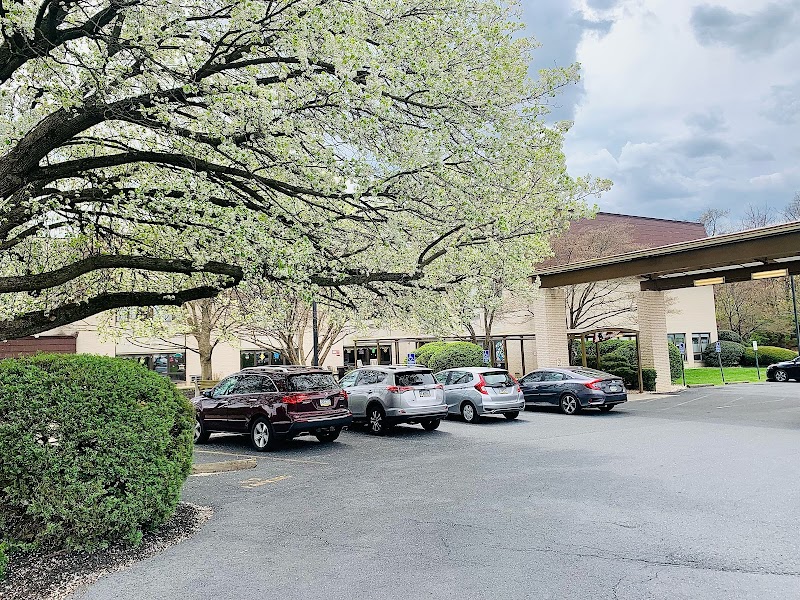
How is Gardens At West Shore, The Staffed?

CMS rates GARDENS AT WEST SHORE, THE's staffing level at 4 out of 5 stars, which is above average compared to other nursing homes. Staff turnover is 43%, compared to the Pennsylvania average of 46%. This relatively stable workforce can support continuity of care.

What Have Inspectors Found at Gardens At West Shore, The?

State health inspectors documented 65 deficiencies at GARDENS AT WEST SHORE, THE during 2022 to 2025. These included: 2 Immediate Jeopardy (the most serious level, indicating potential for serious harm or death), 2 that caused actual resident harm, and 61 with potential for harm. Immediate Jeopardy findings are rare and represent the most serious regulatory concerns. They require immediate corrective action.
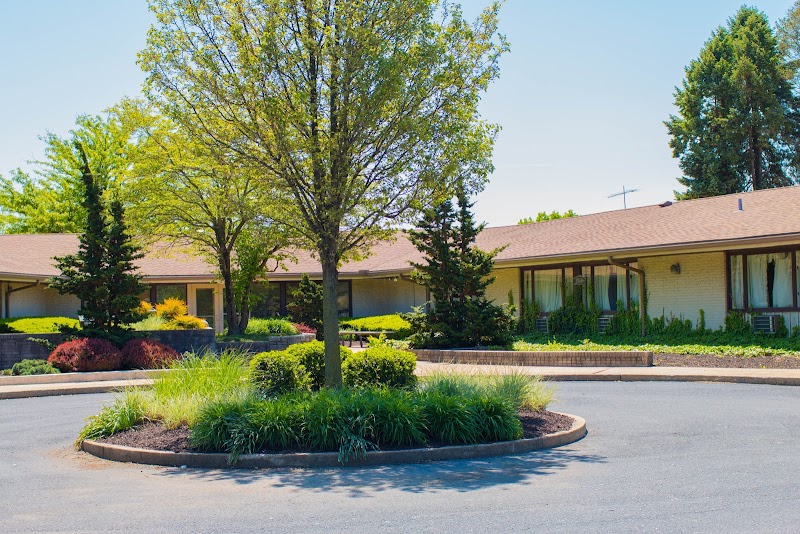
Who Owns and Operates Gardens At West Shore, The?

GARDENS AT WEST SHORE, THE is owned by a for-profit company. For-profit facilities operate as businesses with obligations to shareholders or private owners. The facility is operated by PRIORITY HEALTHCARE GROUP, a chain that manages multiple nursing homes. With 309 certified beds and approximately 181 residents (about 59% occupancy), it is a large facility located in CAMP HILL, Pennsylvania.
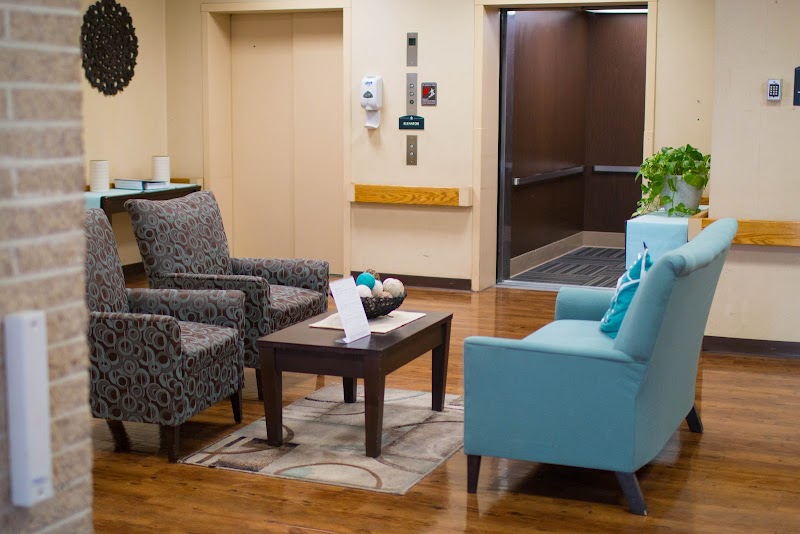
How Does Gardens At West Shore, The Compare to Other Pennsylvania Nursing Homes?

Compared to the 100 nursing homes in Pennsylvania, GARDENS AT WEST SHORE, THE's overall rating (1 stars) is below the state average of 3.0, staff turnover (43%) is near the state average of 46%, and health inspection rating (1 stars) is much below the national benchmark.

What Should Families Ask When Visiting Gardens At West Shore, The?

Based on this facility's data, families visiting should ask: "What changes have been made since the serious inspection findings, and how are you preventing similar issues?" "Can I visit during a mealtime to observe dining assistance and food quality?" "How do you handle medical emergencies, and what is your hospital transfer rate?" "Can I speak with family members of current residents about their experience?" These questions are particularly relevant given the facility's Immediate Jeopardy citations.

Is Gardens At West Shore, The Safe?

Based on CMS inspection data, GARDENS AT WEST SHORE, THE has documented safety concerns. Inspectors have issued 2 Immediate Jeopardy citations (the most serious violation level indicating risk of serious injury or death). The facility has a 1-star overall rating and ranks #100 of 100 nursing homes in Pennsylvania. Families considering this facility should ask detailed questions about what corrective actions have been taken since these incidents.

Do Nurses at Gardens At West Shore, The Stick Around?

GARDENS AT WEST SHORE, THE has a staff turnover rate of 43%, which is about average for Pennsylvania nursing homes (state average: 46%). Moderate turnover is common in nursing homes, but families should still ask about staff tenure and how the facility maintains care continuity when employees leave.

Was Gardens At West Shore, The Ever Fined?

GARDENS AT WEST SHORE, THE has been fined $80,512 across 4 penalty actions. This is above the Pennsylvania average of $33,884. Fines in this range indicate compliance issues significant enough for CMS to impose meaningful financial consequences. Common causes include delayed correction of deficiencies, repeat violations, or care failures affecting resident safety. Families should ask facility leadership what changes have been made since these penalties.

Is Gardens At West Shore, The on Any Federal Watch List?

GARDENS AT WEST SHORE, THE is not on any federal watch list. The most significant is the Special Focus Facility (SFF) program, which identifies the bottom 1% of nursing homes nationally based on persistent, serious quality problems. Not being on this list means the facility has avoided the pattern of deficiencies that triggers enhanced federal oversight. This is a positive indicator, though families should still review the facility's inspection history directly.