CARLISLE SKILLED NURSING AND REHABILITATION CENTER
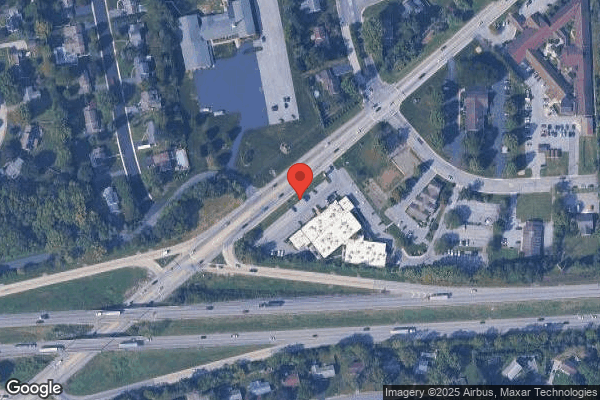

940 WALNUT BOTTOM ROAD, CARLISLE, PA 17013 (717) 249-0085
For profit - Limited Liability company 150 Beds GENESIS HEALTHCARE Data: November 2025 2 Immediate Jeopardy citations
Trust Grade
9/100
#540 of 653 in PA
Last Inspection: June 2025

Inspected within the last 6 months. Data reflects current conditions.

Overview

Carlisle Skilled Nursing and Rehabilitation Center has received a Trust Grade of F, indicating significant concerns and a poor overall quality of care. It ranks #540 out of 653 facilities in Pennsylvania, placing it in the bottom half, and #13 out of 17 in Cumberland County, meaning there are only four local options that are worse. While the facility's situation is improving slightly-in terms of issues reported, decreasing from 23 to 18 over the past year-its staffing situation is concerning, with only 1 star in staffing and a turnover rate of 54%, which is high. The home has also incurred fines totaling $20,004, which is average but still raises concerns about compliance issues. Specific incidents highlight serious deficiencies: the facility failed to provide necessary altered texture diets for several residents, putting them at high risk, and did not adequately supervise residents with suicidal thoughts, leading to harm. Additionally, care was not provided in a timely manner following a resident's fall, resulting in significant pain and delayed treatment. Overall, while there are some signs of improvement, families should be aware of both the strengths and weaknesses when considering this facility for their loved ones.

Trust Score
F
9/100
In Pennsylvania
#540/653
Bottom 18%
Safety Record
High Risk
Review needed
Inspections
Getting Better
23 → 18 violations
Staff Stability
⚠ Watch
54% turnover. Above average. Higher turnover means staff may not know residents' routines.
Penalties
○ Average
$20,004 in fines. Higher than 66% of Pennsylvania facilities. Some compliance issues.
Skilled Nurses
⚠ Watch
Each resident gets only 22 minutes of Registered Nurse (RN) attention daily — below average for Pennsylvania. Fewer RN minutes means fewer trained eyes watching for problems.
Violations
⚠ Watch
60 deficiencies on record. Higher than average. Multiple issues found across inspections.
★☆☆☆☆
1.0
Overall Rating
★☆☆☆☆
1.0
Staff Levels
★☆☆☆☆
1.0
Care Quality
★☆☆☆☆
1.0
Inspection Score
Stable
2024: 23 issues
2025: 18 issues

The Good

  • Full Sprinkler Coverage · Fire safety systems throughout facility
  • No fines on record

Facility shows strength in fire safety.

The Bad

1-Star Overall Rating

Below Pennsylvania average (3.0)

Significant quality concerns identified by CMS

Staff Turnover: 54%

Near Pennsylvania avg (46%)

Higher turnover may affect care consistency

Federal Fines: $20,004

Below median ($33,413)

Minor penalties assessed

Chain: GENESIS HEALTHCARE

Part of a multi-facility chain

Ask about local staffing decisions and management

The Ugly 60 deficiencies on record

2 life-threatening 1 actual harm
Jun 2025 18 deficiencies 2 IJ (1 affecting multiple)
CRITICAL (J)

Immediate Jeopardy (IJ) - the most serious Medicare violation

Accident Prevention (Tag F0689)

Someone could have died · This affected 1 resident

Based on clinical record review, facility document review, policy review and staff interviews, it was determined that the facility failed to conduct thorough fall investigations for one of six residen...

Read full inspector narrative →
Based on clinical record review, facility document review, policy review and staff interviews, it was determined that the facility failed to conduct thorough fall investigations for one of six residents reviewed for falls (Resident 81) and failed to ensure that residents who expressed suicidal ideations were provided supervision and safety interventions were put into place to prevent serious bodily injury and/or death. This failure resulted in Resident 59 cutting himself and an immediate jeapordy situation. Findings include: Review of facility policy, titled Procedure: Suicide Precautions, last reviewed May 7, 2025, revealed the facility procedure included the following: 1. Evaluate patients with suicidal behavior or ideation. 2. Notify Physician/advanced practice provider (APP) of patients with suicidal behavior or ideation . 3. For Patients who exhibit suicidal behavior: 3.1 Obtain order for suicide precautions from the physician/APP. Implementation of suicide precautions should not be delayed while awaiting physician order. 3.2 Evaluate immediate safety needs. Remove any potentially dangerous equipment or objects that may be used for self-harm from the patient's room. 3.2.1 Sharp items such as knives, razors, pens, nail clippers, scissors, etc.; .3.2.3. Other items such as electrical cords, straps, belts, plastic bags, and clothing that could be used for self-harm (e.g., shoe laces). 3.3 Provide one-on-one (1:1) supervision of the patient at all times, including when the patient is sleeping or in the bathroom .3.3.2 Designated staff members providing 1:1 supervision: 3.3.2.1. Must have sight of the patient at all times. At no time should the observer leave the patient they are observing unless relieved by an alternate staff member to supervise the patient; .3.3.2.3. Will document patient activities (e.g., sleeping, eating, etc.), behavior (e.g., yelling), and locations (e.g., patient room, bathroom), and applicable interventions/actions taken every 30 minutes on the Continuous 1:1 supervision Flowsheet. 3.4 Verify windows cannot be opened. Notify Maintenance to seal or secure windows, if needed .3.9 Continue suicide precautions every shift until: 3.9.1 Patient is transferred to psychiatric/behavioral health facility; 3.9.2 Consulting psychiatrist/physician discontinues precautions. 3.9.2.1. Do not discontinue 1:1 supervision without a physician's order. 3.10 Document: .3.10.5 Time of initiation of suicide precautions; .3.10.7 Continuous 1:1 Supervision Flowsheet; .3.10.8 Continuation of suicide precautions every shift; 3.10.9 Discontinuation of suicide precautions or transfer out to another facility. Review of Resident 59's clinical record revealed diagnoses that included anxiety disorder - unspecified (mental health disorder characterized by excessive worry and/or fear) and adjustment disorder with depressed mood (mental health disorder that is characterized by emotional and/or behavioral changes that are in response to stressful life events and/or changes). Review of an incident report dated April 27, 2025, completed by Employee 10 (Registered Nurse), revealed the incident description read, Approximately [7:30 PM], this writer was called to the unit to speak with [Resident 59]. Upon arrival to the residents room, [Resident 59] was seen sitting quietly in his bedside chair. A [Nurse Aide] reported that the resident had previously asked her if there is an attorney in the building because he needs to speak to one before he kills himself. Staff reported to the charge nurse [Employee 7] who attempted to speak to the resident, however res[ident] refused to speak. Frequent checks initiated, another [Nurse Aide] went to the room to check on the resident and found the res[ident] holding a sharp edged yellow plastic [object] in his left hand with some other pieces of the plastic on the bedside table. [Nurse Aide] stated that she turned res[ident] right-hand and saw blood, at this time, resident asked him how much does he need to go down. Staff immediately notified charge nurse [of injury] . Review of witness statement by Employee 8 (Nurse Aide) revealed, At about 7:15 PM [Resident 59] came to me at the nurses station and asked me if there is a lawyer in this building to talk to. I told him not at this time. I continued to ask him why he wanted a lawyer. He said I want on[e] before [he] kill myself. I told him lets go and talk to the nurse [Employee 7]. We went but he didn't say anything and went back to his room. At about 5 minutes after [another Nurse Aide] went to his room and I saw him trying to cut his arm. We notified the nurse. Review of witness statement by Employee 7 (Licensed Practical Nurse, identified as change nurse), revealed, [Resident 59] had approached [Nurse Aide] in regards of a lawyer. She had brought [Resident 59] to me but he waved his hands in a 'whatever' gesture and walked off. I call his name and he did not reply at that time. Currently I was pulling medication for someone else. One [Nurse Aide] came to get me and one [Nurse Aide] was in the room talking to him. Called the supervisor to the unit at [7:35] PM . Review of witness statement by Employee 9 (Nurse Aide) revealed, Resident [59] came to the desk saying he wanted a lawyer because he was going to slit his throat. I was really worried so I went into his room started to talk to him. As he was talking, I saw blood on his wrist. He has started to cut his wrist. We talked a little while. Then the nurse came in and got the supervisor. They sent him out. At 7:35 PM [Employee 8] notified Employee 10 (Registered Nurse). Employee 10 then performed an assessment on Resident 59 while Resident 59 was in the dining room for supervision. The physician was then notified and emergency medical services were called. During a staff interview on June 25, 2025, at 1:20 PM, Employee 8 stated that on April 27, 2025, Resident 59 approached her with suicidal ideations. At which time she and Resident 59 walked to Employee 7 (LPN) who was performing medication pass. Employee 8 stated that at that time she did not see any cuts, or blood on Resident 59's arms, wrists or hands. During the staff interview, Employee 8 stated that one-to-one observation of Resident 59 was not initiated by Employee 7, though, Employee 8 did keep an eye on Resident 59 from the hallway while Resident 59 was in his room. However, based on review of the statements as identified above, it was determined that Resident 59 was not supervised at the time of the initial self-injury, as it was stated that blood not observed at approximately 7:15 PM, but observed when Employee 9 went into Resident 59's room to speak with him which was at an undetermined time. Review of the available information revealed that the time Employee 7 was notified of Resident 59's suicidal ideation was approximately 7:15 PM on April 27, 2025. At that time, Employee 7 did not initiate the facility's suicide precautions protocol. Specifically, Employee 7 failed to assess the Resident and initiate one-to-one supervision; failed to immediately notify the registered nurse supervisor (Employee 10); and failed to notified the attending physician. Employee 7 also failed to evaluate the immediate safety needs of Resident 59, including checking his room and removing sharp objects. This failure led to the ability of Resident 59 to self-harm with a sharp piece of plastic. Review of Resident 59's clinical record revealed no order for suicidal precautions or one-to-one supervision were obtained or entered into the electronic health record in response to Resident 59's expressed suicidal ideation on April 27, 2025. On June 25, 2025, at 1:39 PM, the Nursing Home Administrator (NHA) was notified of an Immediate Jeopardy situation in regard to the facility staff failing to implement the facility's suicide precautions protocol. At that time, the NHA was provided with the Immediate Jeopardy template and an Immediate Jeopardy Removal Plan was requested. On June 25, 2025, at 5:17 PM, NHA submitted an Immediate Jeopardy Removal plan. After review, the Immediate Jeopardy Removal plan was accepted on June 25, 2025, at 5:40 PM. The approved removal plan included: 1. A full audit of facility residents to identify any resident(s) actively experiencing suicidal ideation. 2. For any resident identified as having suicidal ideation, the environmental will be evaluation for safety and any items that are unsafe will be removed from the room. Windows will be checked to ensure they are secure and not a risk to resident safety. Staff member will stay with the resident until orders have been given by the provider and interventions are place. 3. A change in condition assessment will be completed as well as provider and resident representative notification. 4. Orders for one-to-one and any other necessary measures will be obtained and entered in the electronic health record until the resident is discharged to an appropriate healthcare center, or the medical provider has assessed and deemed the resident is no longer at risk. 5. If a one-to-one is ordered for a resident, documentation will be completed per policy/procedure until the resident is discharged or the order for one-to-one is discontinued by the medical provider. 6. The facility will educate current staff regarding the facility's suicide precautions protocol. 7. The facility will audit five residents with psychiatric history or depression diagnosis to identify any suicidal ideation for four weeks. On June 26, 2025, between 8:25 AM and 9:25 AM, review of residents revealed no further residents were experiencing suicidal ideations. Interviews with staff, which included Registered Nurses, Licensed Practical Nurses, and Nurse Aides, revealed staff were educated upon start of shift and were knowledgeable of the facility's suicide precautions protocol and the facility's one-to-one procedure. On June 25, 2025, at 9:30 AM, the Immediate Jeopardy was lifted after implementation of the Removal Plan was verified. During an interview on June 26, 2025, at 10:05 PM, the NHA confirmed that one-to-one observation is considered constant supervision with staff within arms-length of the resident being supervised. During the staff interview, the NHA revealed it was the facility's expectation that the facility's suicide precautions policy would be followed when a resident expresses suicidal ideations. The facility failed to implement the facility's suicide precautions protocol, as identified above, immediately upon being made aware of Resident 59's suicidal ideations on April 27, 2025. This failure placed Resident 59 at high risk for serious injury and/or death and resulted in an Immediate Jeopardy situation for Resident 59. Review of facility policy, titled Falls Management last revised March 15, 2024, read, in part, Patients will be assessed for risk of falling as part of the nursing assessment process. Interventions to reduce risk and minimize injury will be implemented as appropriate. Patients experiencing a fall will receive appropriate care and post-fall interventions will be implemented. In the event a fall occurs, an assessment will be completed to determine possible injury. Review of Resident 81's clinical record revealed diagnoses that included unspecified fracture of lower end of right radius (a fracture that occurs in the lower end of the radius bone near the wrist), repeated falls, and unsteadiness on feet. Review of select facility fall report dated December 25, 2024, detailed a fall sustained by Resident 81. Under the section for Statements it read, No statements found. Review of select facility fall report dated February 11, 2025, detailed a fall sustained by Resident 81. Under the section for Statements it read, No statements found. Interview with the Director of Nursing on June 26, 2025, at 12:16 PM, she revealed she was unable to locate witness statements collected from staff in response to Resident 81's falls on the aforementioned dates, and she would expect thorough fall investigations to be conducted. 28 Pa. code 201.14(a) Responsibility of licensee 28 Pa code 201.18(b)(1) Management 28 Pa code 211.12(c)(d)(1)(3)(5) Nursing services
CRITICAL (K)

Immediate Jeopardy (IJ) - the most serious Medicare violation

Deficiency F0805 (Tag F0805)

Someone could have died · This affected multiple residents

Based on facility policy reviews, observations, clinical record reviews, review of facility master menu diet guide sheets, and staff interviews, it was determined that the facility failed to provide a...

Read full inspector narrative →
Based on facility policy reviews, observations, clinical record reviews, review of facility master menu diet guide sheets, and staff interviews, it was determined that the facility failed to provide an altered texture diet, as prescribed by the physician, for six residents (Residents 2, 9, 12, 14, 60, and 101) observed. This failure placed 14 additional residents that had similar diet needs at a high risk for death and resulted in an Immediate Jeopardy situation (Residents 12, 13, 39, 50, 51, 62, 68, 73, 74, 78, 98, 108, 110, and 289). Findings include: Review of facility policy, titled Consistency Alterations and Therapeutic Menus dated May 1, 2023, read, in part, Purpose: To provide diets as ordered by the physician/advanced practice provider. Review of facility policy, titled Dysphagia Management dated May 1, 2023, read, in part, Residents who have swallowing difficulties/dysphagia will receive treatment interventions to promote adequate nutrition and hydration. Review of physician's orders revealed that Residents 2, 9, 12, 14, 60, and 101, were ordered the dysphagia advanced texture diet (special diets for people who have difficulty chewing and/or swallowing- dysphagia). Review of facility master menu diet guide sheets revealed the dysphagia advanced diets should be served chopped carrots as their vegetable at lunch on Wednesday of the Week 1 Menu. Review of facility recipe for sliced carrots, read, in part, the dysphagia advanced diet texture (Soft and Bite Size Level 6) should be served carrots that are cooked, tender, no bigger than ½-inch by ½-inch pieces (1.5 cm x 1.5 cm). Observations during tray line meal service on June 25, 2025, between 11:33 AM and 12:05 PM, revealed Residents 2, 9, 12, 14, 60, and 101 had notation on their meal tickets that they should be served chopped carrots, but they were served round slices of carrots that were larger than bite size pieces. Observations on June 25, 2025, between 12:08 PM and 12:19 PM, revealed Residents 2, 9, 12, 14, 60, and 101, had been served the round slices of carrots. Interview with Employee 1 (Certified Dietary Manager) on June 25, 2025, at 12:20 PM, revealed that the kitchen had in fact served sliced carrots instead of chopped carrots that day at lunch for the dysphagia advanced diet textures, and that the carrot slices served were larger than the guidelines of no bigger than ½-inch by ½-inch pieces (1.5 cm x 1.5 cm). Interview with Employee 2 (Speech Language Pathologist) on June 25, 2025, at 2:09 PM, revealed she has not recommended any adjustments to the facility master menu diet guide sheets to change the guidance on what should be served. She further revealed her expectation that food should be served from the kitchen staff at the appropriate textures, including dysphagia advanced diets, which have guidelines for the carrots to be no bigger than ½-inch by ½-inch pieces (1.5 cm x 1.5 cm), consistent with the International Dysphagia Diet Standardization Initiative's recommendations. Review of physician's orders revealed Residents 12, 13, 39, 50, 51, 62, 68, 73, 74, 78, 98, 108, 110, and 289, were also ordered the dysphagia advanced texture diet. Interview with the Nursing Home Administrator (NHA) on June 26, 2025, at 8:47 AM, revealed his expectation that the facility master menu diet guide sheets for mechanically altered diets should be followed. The NHA was notified of the IJ situation on June 25, 2024, at 1:19 PM, and was provided the IJ template. An Immediate Action Plan was requested. The Immediate Action Plan was provided by the NHA on June 25, 2024, at 5:23 PM, and approved at 5:40 PM. The approved plan included: 1. A full audit of facility residents will occur to ensure that facility residents with altered texture diets are identified to ensure all diet orders, meal tracker/tray tickets are accurate. 2. Diet texture education will occur for nursing staff, dietary staff and anyone that assists with meal service. 3. Education will be initiated for facility nursing staff, and any staff who assist in meal service to check resident identifier/diet order/ticket prior to serving meal tray to any resident and if there are any discrepancies, notify his/her direct supervisor and dietary staff to ensure correction is made immediately. 4. Education for dietary staff will be initiated to ensure the meals served match the residents' meal tickets and consistencies are accurate prior to leaving the food line. 5. The Director of Nursing/designee will re-educate current staff regarding proper diet texture identification and proper checks of diet texture per provider order, which includes the process noted above. The Director of Nursing/designee will begin education June 25, 2025. As of June 25, 2025, 100% of available staff have been educated on this policy. 6. Any staff member that has not been educated, will be prior to the start of his/her next shift. Any staff member that has not been scheduled, on leave of absence (FMLA), vacation, or PRN [as needed] staff will be educated prior to returning to his/her next shift. New hires/agency staff are educated on food and fluid textures during orientation. 7. The facility will conduct audits for tray accuracy daily of each meal for one week to ensure the altered texture diets are present. The facility will conduct ongoing audits weekly for four weeks to ensure accuracy of altered texture diets. On June 26, 2025, between 7:39 AM and 8:25 AM, breakfast tray line meal service was observed to ensure all residents received the appropriate texture diet per their physician order. The audit of dinner service on June 25, 2025, as well as they audit of breakfast service on June 26, 2025, were reviewed without concern. Staff interviews revealed the facility had re-educated staff on mechanically altered diets and the master menu diet guide sheet. Interviews were conducted with three registered nurses, three licensed practical nurses, five nursing assistants, four dietary employees, and the dietary manager; all were able to verbalize their role in providing appropriate diet textures. On June 25, 2025, at 9:01 AM, the Immediate Jeopardy was lifted when the action plan implementation was verified. Observations on June 25, 2025, between 11:33 AM and 12:05 PM, revealed that the facility failed to provide food in a form ordered by the physician to meet the individual needs of six residents Resident's 2, 9, 12, 14, 60, and 101. This failure placed 14 additional residents that had similar diet needs at a high risk for death and resulted in an Immediate Jeopardy situation for Residents 12, 13, 39, 50, 51, 62, 68, 73, 74, 78, 98, 108, 110, and 289. 28 Pa. Code 201.14(a) Responsibility of licensee 28 Pa. Code 201.18(b)(1)(3) Management 28 Pa. Code 211.12(c)(d)(1)(2)(3)(5) Nursing services
CONCERN (D)

Potential for Harm - no one hurt, but risky conditions existed

Deficiency F0655 (Tag F0655)

Could have caused harm · This affected 1 resident

**NOTE- TERMS IN BRACKETS HAVE BEEN EDITED TO PROTECT CONFIDENTIALITY** Based on facility policy review, clinical record review, and staff interviews, it was determined that the facility failed to ens...

Read full inspector narrative →
**NOTE- TERMS IN BRACKETS HAVE BEEN EDITED TO PROTECT CONFIDENTIALITY** Based on facility policy review, clinical record review, and staff interviews, it was determined that the facility failed to ensure that a baseline care plan that included the minimum healthcare information necessary to properly care for a resident was developed and implemented within 48 hours of admission for one of one residents reviewed (Resident 287); and failed to provide the resident and their representative with a summary of the baseline care plan that includes, but is not limited to: (i) The initial goals of the resident. (ii) A summary of the resident's medications and dietary instructions. (iii) Any services and treatments to be administered by the facility and personnel acting on behalf of the facility. (iv) Any updated information based on the details of the comprehensive care plan, as necessary for one of one resident's reviewed (Resident 287). Findings include: Review of facility policy, titled OPS416 Person-Centered Care Plan, with a last review date pf May 7, 2025, revealed, in part, 1. A baseline care plan must be developed within 48 hours and include the minimum healthcare information necessary to properly care for a patient including, but not limited to: 1.1 Initial goals based on admission orders; 1.2 Physician orders; 1.3 Dietary orders; 1.4 Therapy services; 1.5 Social services; 1.6 PASRR recommendation, if applicable. 3. The Center must provide the patient and his/her resident representative with a summary of the baseline care plan that includes, but is not limited to: 3.1 Initial goals of the patient; 3.2 Medications and dietary instructions; 3.3 Any services and treatments to be administered by the Center and personnel acting on behalf of the Center; and 3.4 Any updated information based on the details of the comprehensive care plan, as necessary, if the comprehensive care plan is developed within 48 hours. 3.5 The medical record must contain evidence that the summary was given to the patient and resident representative, if applicable. Review of Resident 287's clinical record revealed that she was admitted to the facility on [DATE], with diagnoses that included fracture of the upper end of the right humerus (bone in upper arm) and scalp laceration. Review of Resident 287's clinical record revealed that she was assessed as having pain and urinary incontinence upon admission. Review of Resident 287's care plan failed to include a focus for urinary incontinence or incontinence care. Further review of Resident 287's care plan revealed a focus for pain with a goal of Resident will achieve acceptable level of pain control, as defined by the patient with an initiated date of June 19, 2025. The care plan failed to reveal what Resident 287 had identified as her acceptable level of pain. Review of Resident 287's clinical record progress notes failed to reveal any documentation that Resident 287 or her Representative had been provided with a summary of her baseline care plan. Email communication received from the Director of Nursing (DON) on June 25, 2025, at 7:30 PM, DON indicated that Resident 287's care plan was updated to reflect urinary incontinence and incontinence care and that her baseline care plan meeting is scheduled for Friday 6/27 [2025]. During a staff interview with the Nursing Home Administrator and the DON on June 26, 2025, at 9:50 AM, the DON confirmed that urinary incontinence and incontinence care should have been included in Resident 287's baseline care plan. She confirmed that was no documentation that Resident 287 had been asked what her acceptable level of pain was and that Resident 287 did not have a baseline care plan meeting nor was provided a summary of her baseline care plan within 48 hours. 28 Pa. Code 201.14(a) Responsibility of licensee 28 Pa. Code 211.10(d) Resident care policies 28 Pa. Code 211.12(d)(1)(2)(5) Nursing services
CONCERN (D)

Potential for Harm - no one hurt, but risky conditions existed

Deficiency F0676 (Tag F0676)

Could have caused harm · This affected 1 resident

Based on facility policy review, clinical record review, observations, and resident and staff interviews, it was determined that the facility failed to provide care and services regarding hygiene and ...

Read full inspector narrative →
Based on facility policy review, clinical record review, observations, and resident and staff interviews, it was determined that the facility failed to provide care and services regarding hygiene and bathing for one of 28 residents reviewed (Resident 48). Findings include: Review of facility policy, titled NSG200 Activities of Daily Living (ADLs), with a last review date of May 7, 2025, revealed, in part, Based on the comprehensive assessment of a patient and consistent with the patient's needs and choices, the Center must provide the necessary care and services to ensure that a patient's activities of daily living (ADL) abilities are maintained . 4.2 A patient who is unable to carry out ADLs will receive the necessary level of ADL assistance to maintain good nutrition, grooming, and personal and oral hygiene. 5. Documentation of ADL care is recorded in the medical record and is reflective of the care provided by nursing staff. ADL care will be documented in real time, as close to the time that care was provided and information obtained as possible. ADL care is documented every shift by the nursing assistant. Review of Resident 48's clinical record revealed diagnoses that included muscle weakness, obesity, and a non-pressure chronic ulcer the left foot. Review of Resident 48's care plan revealed a care plan focus for an alteration in ADL function, dated June 25, 2024, with an intervention for provide resident with modified independence with bathing, dated June 25, 2024. Review of Resident 48's Quarterly MDS (Minimum Data Set - an assessment tool to review all care areas specific to the resident such as a resident's physical, mental or psychosocial needs) with the assessment reference date (last day of the assessment period) of April 11, 2025, revealed that she needed supervision and touching assistance with bathing. During a resident interview with Resident 48 on June 23, 2025, at 1:01 PM, Resident 48 indicated that she does not always get her showers. Review of Resident 48's shower/bath task documentation from May 28, 2025 -June 21, 2025, revealed that her shower/bath days are on Wednesday and Saturday evenings and that she was only documented as receiving a shower/bath on June 21, 2025. Her shower/bath task was documented as non-applicable on May 28 and 31, and June 11, and there was no documentation for June 4, 7, 13, or 18, 2025. During a staff interview with the Nursing Home Administrator (NHA) and Director of Nursing on June 25, 2025, at 10:08 AM, they both confirmed that they had no additional information to provide. The NHA indicated that he would expect staff to provide showers per a resident's care plan and that he would expect staff to document care when given as well as document when a resident refuses. 28 Pa code 211.12(d)(1)(2)(5) Nursing services
CONCERN (D)

Potential for Harm - no one hurt, but risky conditions existed

Deficiency F0685 (Tag F0685)

Could have caused harm · This affected 1 resident

Based on clinical record review and resident and staff interviews, it was determined the facility failed to ensure each resident receives proper treatment and services to maintain hearing abilities fo...

Read full inspector narrative →
Based on clinical record review and resident and staff interviews, it was determined the facility failed to ensure each resident receives proper treatment and services to maintain hearing abilities for one of three residents reviewed for vision and hearing (Resident 42). Findings include: Review of Resident 42's clinical record revealed diagnoses that included stage 3 chronic kidney disease (when your kidneys have mild to moderate damage and are less able to filter waste and fluid out of your blood) and hypothyroidism (when your thyroid gland doesn't make and release enough hormone into your bloodstream). During an interview conducted with Resident 42 on June 23, 2025, at 9:52 AM, revealed that she was having difficulty hearing, and has requested to see a doctor as she has hearing aids but has lost her ability to hear adequately. Review of Resident 42's clinical record revealed a medical practitioner note written on April 11, 2025, at 1:45 PM, that read, in part, Resident 42 was seen for an acute visit for hearing loss, and that they will consult audiology for evaluation. Review of Resident 42's current active physician's orders reveal an order to refer to audiologist related to hearing loss, with an active date of April 11, 2025. During an interview with the Nursing Home Administrator (NHA) on June 25, 2025, at 10:38 AM, revealed that Resident 42 was not placed on the list to be seen by audiology after the order in April 2025, and would have expected Resident 42 to have been placed on the list as ordered. Further interview with the NHA on June 26, 2025, at 9:46 AM, revealed they reached out to their audiology provider who confirmed Resident 42 was not placed on the list to be seen due to needing additional information. NHA provided documentation that Resident 42 has been placed on the list to be seen by audiology as of June 26, 2025, due to complaints of decreased hearing or change in hearing. 28 Pa. Code 211.12 (d) (5) Nursing services
CONCERN (D)

Potential for Harm - no one hurt, but risky conditions existed

Deficiency F0688 (Tag F0688)

Could have caused harm · This affected 1 resident

Based on review of clinical records, policy review, observation, and staff interviews, it was determined that the facility failed to provide restorative nursing care for range of motion exercises for ...

Read full inspector narrative →
Based on review of clinical records, policy review, observation, and staff interviews, it was determined that the facility failed to provide restorative nursing care for range of motion exercises for two of four residents reviewed for limited range of motion (Residents 5 and 88). Findings include: Review of facility policy, titled Restorative Nursing last revised August 7, 2023, read, in part, Centers may provide restorative nursing programs for patients who: Will benefit from restorative programs in conjunction with formalized rehabilitation therapy. Restorative programs are coordinated by nursing or in collaboration with rehabilitation and are patient specific based on individual patient needs. A licensed nurse must supervise the activities in a restorative nursing program. Document: Daily on Restorative Nursing Record in ADL Point of Care. Review of Resident 5's clinical record revealed diagnoses that included dysphagia (swallowing difficulties) and vascular dementia (a decline in thinking skills caused by conditions that damage blood vessels in the brain, leading to reduced blood flow and oxygen to brain cells). Observation conducted of Resident 5 on June 23, 2025, at 9:49 AM, revealed she was lying in bed with both of her hands contracted. Review of Resident 5's comprehensive care plan revealed a focus area that the Resident has a loss of range of motion related to cerebrovascular accident (stroke - when there is a loss of blood flow of the brain), trigger finger of right 5th digit, contracture of hands, neck and legs, initiated on January 5, 2015, and last revised on July 17, 2024; and an intervention for restorative passive range of motion: bilateral upper and lower extremities with AM and PM care, initiated on May 12, 2015, and last revised on March 17, 2024. Review of Resident 5's Kardex (a quick reference tool that summarizes key patient information to guide daily care), revealed special instructions for the Resident to receive restorative passive range of motion: bilateral upper and lower extremities with AM and PM care. Review of Resident 5's clinical record revealed no documentation found indicating the Resident had been receiving restorative nursing services. During an interview with the Director of Nursing (DON) on June 25, 2025, at 10:32 AM, revealed that Resident 5's restorative was added and that there was a glitch in the system and it was not added as a task for staff to complete. The DON was unable to provide any documentation to support Resident 5 receiving restorative nursing care prior to June 24, 2025. The DON revealed her expectation would be that staff were still completing restorative nursing care on the Resident, however, it was not being documented anywhere. Review of Resident 88's clinical record revealed diagnoses that included dementia (a chronic disorder of the mental processes caused by brain disease, marked by memory disorders, personality changes, and impaired reasoning), chronic kidney disease (a condition that results in gradual loss of kidney function), and depression (a mood disorder that causes a persistent feeling of sadness and loss of interest in things). Review of Resident 88's clinical record revealed an Occupational Therapy note that read, in part, Encourage palm guards at all times except hygiene and meals, active and passive range of motion, restorative nursing program, dated May 20, 2025. Review of Resident 88's nursing tasks revealed a task for Encourage bilateral palm guards at all times except meals and hygiene as resident tolerates. Check skin and provide good hand hygiene daily. Further review of the aforementioned task failed to reveal any documentation captured. Interview with the DON on June 26, 2025, at 10:06 AM, revealed the task was entered incorrectly so documentation was not captured, and she would expect RNP programs to be implemented and documented. 28 Pa. Code 211.12(d)(1)(3)(5) Nursing services
CONCERN (D)

Potential for Harm - no one hurt, but risky conditions existed

Deficiency F0697 (Tag F0697)

Could have caused harm · This affected 1 resident

**NOTE- TERMS IN BRACKETS HAVE BEEN EDITED TO PROTECT CONFIDENTIALITY** Based on review of facility policy, clinical record reviews, and resident and staff interviews, it was determined that the facil...

Read full inspector narrative →
**NOTE- TERMS IN BRACKETS HAVE BEEN EDITED TO PROTECT CONFIDENTIALITY** Based on review of facility policy, clinical record reviews, and resident and staff interviews, it was determined that the facility failed to manage or prevent pain consistent with professional standards of practice and the residents' goals and preferences for three of 28 residents reviewed (Residents 13, 27, and 287). Findings include: Review of facility policy, titled NSG 227 Pain Management, with a last review date of May 7, 2025, read, in part, Staff will continually observe and monitor patients for comfort and presence of pain and will implement strategies in accordance with professional standards of practice, the patient-centered plan of care, and the patient's choices related to pain management. Purpose is to design a plan of care to achieve an optimal balance between pain relief and preservation of function, in accordance with patient directed goals and preferences. 7. Center staff will report any observation or communication of pain to the nurse responsible for that patient. 9. Patients receiving interventions for pain will be monitored for the effectiveness and/or side effects/adverse drug reactions (e.g., constipation, sedation). Document: 9.1 Non-pharmacological interventions and effectiveness; 9.2 Effectiveness of PRN [as needed] medications; 9.3 Ineffectiveness of routine or PRN medications including interventions, follow-up, and physician notification. The care plan will be evaluated for effectiveness until satisfactory pain management is achieved. Contact the physician/advanced practice provider to report findings and obtained revised treatment orders, if indicated. Review the non-pharmological approaches for effectiveness. Revise the care plan as indicated. Review of Resident 13's clinical record revealed diagnoses that included cerebrovascular disease (conditions that affect blood flow to your brain) and scoliosis (a condition where the spine curves sideways). Review of Resident 13's clinical record revealed an active physician's order for oxycodone hydrochloric acid (hcl) 5 milligram (mg) tablet, give one tablet orally two time a day for pain, with an active date of March 13, 2025. Review of Resident 13's June 2025 medication administration record (MAR) revealed an order for oxycodone hcl 5 mg tablet, give one tablet orally two times a day for pain, with a start date of March 13, 2025. Further review of the June 2025 MAR revealed that on the following dates and times, the MAR was marked NN, which is code for No / see nurse notes: on 15 and 18 at 9:00 PM; and on 16, 17, and 19 at 8:00 AM and 9:00 PM. Further, on the 20th at 9:00 PM, it was blank, indicating the medication was not administered to the Resident. Review of Resident 13's clinical record revealed progress notes on the dates listed above that said oxycodone hcl 5 mg tablet was not administered due to the medication being unavailable and awaiting delivery from the pharmacy. Interview conducted with the Director of Nursing (DON) on June 25, 2025, at 10:20 AM, revealed Resident 13's oxycodone was reordered on June 20, 2025, and a new script was obtained. DON revealed management was not made aware that a refill of the script was needed for oxycodone for Resident 13, and that the expectation would be for the LPN (licensed practical nurse) who was administering Resident 13's medication would see that there was no oxycodone available for the Resident, would reorder and request a script, and use the in house emergency supply until it is delivered. Review of Resident 27's clinical record revealed diagnoses that included need for assistance with personal care, muscle weakness, and unsteadiness on feet. Interview with Resident 27 on June 23, 2025, at 10:57 AM, he revealed he often has pain in his back and the medication he receives doesn't always help relieve his pain. Review of Resident 27's clinical record revealed a note written by Employee 16 (Nurse Practitioner) on June 16, 2025, that read, in part, Acute visit for low back pain. Patient reports acute onset of intermittent 10/10 low back pain. Plan: May apply ice pack PRN. Review of Resident 27's physician orders failed to reveal an order for an ice pack. Review of Resident 27's care plan failed to reveal a comprehensive care plan for pain management. During an interview with the DON on June 25, 2025, at 10:06 AM, she revealed Employee 16 would typically write a physical order for nursing to enter into the electronic health record, but she only put the order in her note, and she may not have known that the ice pack would need a physical order written. She further revealed her expectation that the ice pack should have been ordered and Resident 27 should have had a comprehensive care plan for pain management. Review of Resident 287's clinical record revealed that she was admitted to the facility on [DATE], with diagnoses that included fracture of the upper end of the right humerus (bone in upper arm) and scalp laceration. During a resident interview with Resident 287 on June 23, 2025, at 12:04 PM, she reported that her pain was not being managed to her comfort level. Review of Resident 287's clinical record revealed the following physician orders: Acetaminophen Oral Tablet 500 MG (Acetaminophen) Give two tablets by mouth every 8 hours for mild to moderate pain dated June 19, 2025; Aspercreme Lidocaine External Patch 4 % (Lidocaine) apply to right shoulder topically in the morning for right shoulder pain apply at 8:00 AM, remove at bedtime; Aspercreme Lidocaine External Patch 4 % (Lidocaine) apply to right wrist topically in the morning for right wrist pain apply at 8:00 AM, remove at bedtime dated June 19, 2025; Oxycodone hydrochloride tablet 5 mg (milligrams) give one tablet by mouth every 4 hours as needed for moderate to severe pain (4-10) dated June 19, 2025; non-pharmacological intervention(s) used before as needed pain medication. Record non-pharmacological intervention(s) in supplementary documentation. Document effectiveness. If pain continues, follow providers direction which may include pain medication dated June 19, 2025; and Ask resident if they are having pain. Document pain level and new onset Y/N in supplementary documentation and document location of pain in emar PN [electronic medication administration record progress note] every day shift. If new onset complete Einteract Change In Condition and Pain Evaluation, if not new initiate non-pharmacological interventions and document interventions and effectiveness dated June 20, 2025. Review of Resident 287's care plan revealed a care plan focus for alteration in comfort acute pain dated June 19, 2025, with a goal of Resident will achieve acceptable level of pain control as defined by the Resident. Interventions included, but were not limited to, Medicate resident as ordered for pain and monitor for effectiveness and monitor for side effects, report to physician as indicated and Evaluate pain characteristics: quality, severity, location, precipitating/relieving factors. The care plan failed to identify/include Resident 287's specific desired pain goal or acceptable level of pain. Review of Resident 287's June [DATE] revealed that she was not documented as receiving her ordered dose of acetaminophen on June 20, 2025, at 2:00 PM, with no additional supporting documentation provided. It also revealed that she had refused her Aspercreme to her right wrist on June 22-24, 2025, and had refused her Aspercreme to her right shoulder on June 22-23, 2025, with no documentation as to why she refused the medication or that her physician was made aware of the medication refusals. Further review of Resident 287's MAR revealed that her daily pain evaluations were completed June 20-25, 2025, and her pain ranged from 0-5. Further review of Resident 287's June 2025 MAR revealed that she had received her as needed oxycodone as follows: June 19 7:32 PM pain level 10; medication effective; June 20 5:02 AM pain level 7; medication effective; June 20 11:30 PM pain level 10; medication effective; June 21 8:55 AM pain level 6; medication effective; June 21 5:02 PM pain level 5; medication ineffective; June 21 10:01 PM pain level 5; medication effective; June 22 1:29 PM pain level 8; medication effective; June 22 7:27 PM pain level 8; medication effective; June 23 3:15 AM pain level 8; medication effective; June 23 10:27 AM pain level 5; medication effective; June 23 4:44 PM pain level 8; medication effective; June 24 1:13 AM pain level 8; medication effective; June 24 7:06 PM pain level 5; medication effective; June 25 00:15 AM pain level 6; medication effective; and June 25 7:05 PM pain level 7; medication effective. Further review of Resident 287's MAR revealed that there were no non-pharmacological interventions ever documented prior to the aforementioned administrations of her as needed medication. Review of Resident 287's clinical record progress notes revealed a history and physical physician's note dated June 20, 2025, that indicated the plan was to continue current acetaminophen and oxycodone orders and a physiatry consult (a medical specialty that deals with the treatment of people who have a disability, chronic pain, or some other physical problem. The specialty is sometimes called physical medicine and rehabilitation). Resident 287's clinical record progress notes revealed a physician's progress note dated June 22, 2025, that indicated she was being followed by a physiatrist for pain management and therapy. Further review of Resident 287's clinical record failed to reveal any consultations or documentation by the physiatrist. Review of 287's clinical record revealed Resident Concern Form dated June 23, 2025, which indicated that Resident reporting poor pain control with current regimen. Wishes to speak to provider. Response by the nurse practitioner indicated Routine ES [Extra Strength] Tylenol ordered. Review the nurse practitioner's order dated June 23, 2025, revealed an order for Extra Strength Tylenol 1000 mg (milligrams) po [by mouth] tid [three times daily] routine and DC [discontinue] PRN [as needed] Tylenol. However, review of Resident 287's physician orders revealed that this order had been in place since her admission to the facility on June 19, 2025. Review of Resident 287's clinical record progress notes revealed a medical practitioner note by the nurse practitioner dated June 23, 2025, at 12:39 PM, that indicated Resident 287 was awake, alert, oriented, and can make her needs known and follow commands and that Resident 287 reports that she continues to have significant pain in the RUE [right upper extremity-arm]. Will initiate routine E[xtra] S[trength] Tylenol. Reinforced to the patient that she does have PRN [as needed] Oxycodone available Q 4 hours PRN [every four hours as needed] for pain. Further review of Resident 287's clinical record progress notes revealed a general note written by a Licensed Practical Nurse on June 25, 2025, at 4:37 PM, that indicated it was an interview with Resident 287 for her MDS (Minimum Data Set - an assessment tool to review all care areas specific to the resident such as a resident's physical, mental or psychosocial needs) with the assessment reference date (last day of the assessment period) of June 26, 2025, revealed that Resident 287 has had almost constant pain to her right arm and wrist d/t [due to] fractures. Almost constantly pain affects her sleep. Almost constant pain interferes with therapy activities and day to day activities. Pain intensity is 10 out of 10. There was no documentation noted that Resident 287's assigned nurse, physician, or nurse practitioner was made aware of these findings. Email communication received from DON on June 25, 2025, at 7:30 PM, indicated physiatry team has been added to care team and updated on this resident's pain. Physiatry team does not visit the center daily and has not yet assessed the resident at this time. During a staff interview with the Nursing Home Administrator (NHA) and DON on June 26, 2025, at 9:53 AM, the DON confirmed that she would have expected nursing staff to have followed up with Resident 287's physician regarding her ongoing reports of pain in a timely manner. She confirmed that the nurse practitioner was notified about Resident 287 reporting poor pain control on June 23, 2025, and that the nurse practitioner had visited the Resident and had given an order to initiate routine Acetaminophen (Tylenol), but the DON agreed that order was already in place at the time the nurse practitioner gave the order and, therefore, there was no change in Resident 287's treatment regimen for pain. The DON confirmed that no additional follow up was completed with the nurse practitioner or physician when this was noted. She confirmed that Resident 287 had not had a baseline care plan meeting where her resident specific pain level goal could have been discussed. During a follow-up interview with Resident 287 on June 26, 2025, at 10:30 AM, Resident 287 indicated that she gets no relief from her pain. It is constant. During an interview with Employee 11 (Regional Clinical Support Nurse) on June 26, 2025, at 11:31 AM, revealed that Resident 287 would be seen by the physiatrist today and that Resident 287's physician had deferred her pain management to the physiatrist as the physician did not feel comfortable ordering any additional medications outside of the current ordered regimen. During a final interview with the NHA and DON on June 26, 2025, at 12:15 PM, the DON confirmed that she would have expected nursing staff to have followed up with Resident 287's physician or nurse practitioner in a timely manner to address Resident 287's ongoing pain control concerns. 28 Pa. Code 201.18(b)(1) Management 28 Pa. Code 211.12(d)(1)(2)(3)(5) Nursing services
CONCERN (D) 📢 Someone Reported This

A family member, employee, or ombudsman was alarmed enough to file a formal complaint

Potential for Harm - no one hurt, but risky conditions existed

Deficiency F0725 (Tag F0725)

Could have caused harm · This affected 1 resident

**NOTE- TERMS IN BRACKETS HAVE BEEN EDITED TO PROTECT CONFIDENTIALITY** Based on observations, review of grievances, and resident and staff interviews it was determined that the facility failed to hav...

Read full inspector narrative →
**NOTE- TERMS IN BRACKETS HAVE BEEN EDITED TO PROTECT CONFIDENTIALITY** Based on observations, review of grievances, and resident and staff interviews it was determined that the facility failed to have sufficient nursing staff to provide nursing and related services to attain or maintain the highest practicable physical, mental, and psychosocial well-being of each resident for one out of three nursing units (West wing). Findings Include: During the initial pool process on June 23, 2025, and June 24, 2025, there were 10 residents who expressed concern to the survey team about call bell response time and/or staffing. Review of facility grievances from April, May, and June of 2025 revealed three grievances related to extended wait time for call bells to be answered. Review of Resident Council Meeting minutes for April, May, and June of 2025 revealed that residents present at the meetings complained about extended call bell wait times in April and May of 2025. During an observation on June 23, 2025, at 11:00 AM, in [NAME] wing, B-hall, there were call lights activated for rooms [ROOM NUMBERS]. Further observation revealed that the call bell for room [ROOM NUMBER] was answered at 11:27 AM and the call bell for room [ROOM NUMBER] was answered at 11:32 AM. During an interview with the Nursing Home Administrator on June 25, 2025, at 12:20 PM, she had no further information to provide. 28 Pa code 211.12(d)(1)(4)(5) Nursing services
CONCERN (D)

Potential for Harm - no one hurt, but risky conditions existed

Deficiency F0790 (Tag F0790)

Could have caused harm · This affected 1 resident

Based on clinical record review and resident and staff interviews, it was determined that the facility failed to ensure dental services were provided to meet resident need for one of one resident revi...

Read full inspector narrative →
Based on clinical record review and resident and staff interviews, it was determined that the facility failed to ensure dental services were provided to meet resident need for one of one resident reviewed for dental (Resident 14). Findings include: Review of Resident 14's clinical record revealed diagnoses that included anxiety disorder (a group of mental health conditions characterized by excessive, persistent, and disproportionate fear or worry) and dysphagia (swallowing difficulties). During an interview with Resident 14 on June 25, 2025, on 12:18 PM, revealed she had new dentures that do not fit her mouth, which results in her not being able to eat properly. Review of Resident 14's clinical record revealed she was last seen by the facility's dentist on August 16, 2024, with treatment notes that included the Resident is interested in having new dentures fabricated, and that a preauthorization was submitted and will follow up with the Resident following denture approval. Review of Resident 14's clinical record revealed a preauthorization for the Resident's dental claim was submitted and approved on April 18, 2025, and expires on October 15, 2025. Review of Resident 14's clinical record revealed there has not been a follow up appointment scheduled with the dentist after the insurance claim was approved. During an interview with the Nursing Home Administrator on June 26, 2025, at 1:07 PM, revealed he would not have expected dental services to have taken so long for a resident to be scheduled or addressed. 28 Pa. Code 211.12(d)(1)(3)(5) Nursing services
CONCERN (D)

Potential for Harm - no one hurt, but risky conditions existed

Infection Control (Tag F0880)

Could have caused harm · This affected 1 resident

Based on review of facility policy, review of medication package insert, observations, and staff interviews, it was determined that the facility failed to maintain an effective infection control progr...

Read full inspector narrative →
Based on review of facility policy, review of medication package insert, observations, and staff interviews, it was determined that the facility failed to maintain an effective infection control program related to the preparation and administration of medications to four of four residents observed (Residents 19, 52, 87, and 109). Findings include: Review of facility policy, titled Medication Administration 7.5 Orals, with a last review date of May 7, 2025, revealed in part avoid touching any of the medication unless wearing gloves. Review of the instruction leaflet for Lantus-Solostar Insulin Pen, with a last revised date of February 23, 2016, revealed the following, in part, Always use a new sterile needle for each injection. A. Wipe the rubber seal with alcohol. B. Remove the protective seal from a new needle. C. Line up the needle with the pen and keep it straight as you attach it (screw or push on, depending on the needle type). Review of facility policy, titled Subcutaneous Insulin, with a last review date of May 7, 2025, failed to reveal any direction to cleanse the rubber seal of an insulin pen before applying a new needle as indicated in manufacturer guidelines. Observation of medication administration on June 24, 2025, between 8:34 AM and 8:49 AM, Employee 4 was observed to cleanse her hands, apply gloves, handle the keys to unlock the medication cart, touch drawer handles of the medication cart, push pills out of the blister pack medication card into her gloved hands that had touched the keys and the drawer handles, place the medications into a medicine cup, and then administered the prepared medications to Resident 19. Employee 4 followed the same process for Resident 52 and Resident 87. During a staff interview with Employee 4 on June 24, 2025, at 8:55 AM, Employee 4 confirmed that she had touched Residents 19, 52, and 87's medications wearing the same gloves that she had touched the keys and drawer handles with during medication preparation. Observation of medication administration on June 24, 2025, at 9:01 AM, Employee 5 was observed applying a new needle to Resident 109's insulin pen without cleansing the rubber seal on the pen prior to applying. During a staff interview with Employee 5 on June 24, 2025, at 9:05 AM, Employee 5 confirmed that she had not cleansed the rubber seal on the insulin pen before applying the new needle. During a staff interview with the Nursing Home Administrator and the Director of Nursing (DON) on June 24, 2025, at 1:27 PM, the DON confirmed that Employee 4 should not have directly touched the medications for Residents 19, 52, and 87 with her gloved hands that had touched unclean items, such as the keys and the medication cart drawer handles. She also confirmed that Employee 5 should have cleansed the rubber stopper on the insulin pen before applying the new needle for Resident 109. 28 Pa. Code 201.18(b)(1) Management 28 Pa. Code 211.10(d) Resident care policies 28 Pa. Code 211.12(d)(1)(2)(5) Nursing services
CONCERN (E)

Potential for Harm - no one hurt, but risky conditions existed

Deficiency F0628 (Tag F0628)

Could have caused harm · This affected multiple residents

**NOTE- TERMS IN BRACKETS HAVE BEEN EDITED TO PROTECT CONFIDENTIALITY** Based on clinical record reviews, review of facility provided documentation, and staff interviews, it was determined that the fa...

Read full inspector narrative →
**NOTE- TERMS IN BRACKETS HAVE BEEN EDITED TO PROTECT CONFIDENTIALITY** Based on clinical record reviews, review of facility provided documentation, and staff interviews, it was determined that the facility failed to provide notice of a resident's transfer to the Office of the State Long-Term Care Ombudsman for five of 11 residents reviewed for hospital transfers (Residents 27, 48, 79, 81, and 86). Findings include: Review of Resident 27's clinical record revealed diagnoses that included need for assistance with personal care, muscle weakness, and unsteadiness on feet. Review of Resident 27's clinical record revealed he was transferred out of the facility and admitted to the hospital on [DATE] and 19, 2025. Review of select facility documentation provided failed to reveal the representative of the Office of the Long-Term Care Ombudsman was notified of Resident 27's aforementioned hospitalizations. Interview with the Nursing Home Administrator (NHA) on June 26, 2025, at 9:57 AM, revealed he would expect notification of hospitalizations to the representative of the Office of the Long-Term Care Ombudsman, per the regulation. Review of Resident 48's clinical record revealed diagnoses that included hypertension (high blood pressure), obesity, and Type 2 Diabetes Mellitus (disease that occurs when your blood glucose, also called blood sugar, is too high, but does not require the use of insulin). Review of Resident 48's clinical record revealed that she was transferred to the hospital on April 7, 2025. Review of facility provided documentation of April 2025 transfers to the Office of the State Long-Term Care Ombudsman failed to include notice of Resident 48's hospital transfer. Email communication received from the Director of Nursing (DON) on June 25, 2025, at 7:30 PM, indicated that notification of Resident 48's transfer had now been sent to the ombudsman. During staff interview with the NHA and the DON on June 26, 2025, at 9:47 AM, the DON confirmed that she would expect all resident transfers to be reported to ombudsman in a timely manner. Review of Resident 79's clinical record revealed diagnoses that included hemophilia (inherited disorder that prevents the blood from clotting properly) and neuromuscular dysfunction of the bladder (when a problem in your brain, spinal cord, or central nervous system makes you lose control of your bladder). Review of Resident 79's clinical record revealed that he had been transferred to the hospital on December 14, 2024; March 9, 2025; April 7, 2025; and May 23, 2025. Review of facility provided documentation of December 2024, March 2025, April 2025, and May 2025 transfers to the Office of the State Long-Term Care Ombudsman failed to include notice of Resident 79's hospital transfers. Email communication received from the DON on June 25, 2025, at 7:30 PM, indicated that notification of Resident 79's transfer had now been sent to the Ombudsman. During staff interview with the NHA and the DON on June 26, 2025, at 9:47 AM, the DON confirmed that she would expect all resident transfers to be reported to ombudsman in a timely manner. Review of Resident 81's clinical record revealed diagnoses that included dementia (a chronic disorder of the mental processes caused by brain disease, marked by memory disorders, personality changes, and impaired reasoning), chronic kidney disease (a condition that results in gradual loss of kidney function), and depression (a mood disorder that causes a persistent feeling of sadness and loss of interest in things). Review of Resident 81's clinical record revealed she was transferred out of the facility and admitted to the hospital on [DATE], and February 12, 2025. Review of select facility documentation provided failed to reveal the representative of the Office of the Long-Term Care Ombudsman was notified of Resident 81's aforementioned hospitalizations. Interview with the NHA on June 26, 2025, at 9:57 AM, revealed he would expect notification of hospitalizations to the representative of the Office of the Long-Term Care Ombudsman, per the regulation. Review of Resident 86's clinical record revealed diagnoses that included hypertension and chronic pain syndrome. Review of Resident 86's clinical record revealed that he had been transferred to the hospital on October 18, 2024; and January 14, 2025. Review of facility provided documentation of January 2025 transfers to the Office of the State Long-Term Care Ombudsman failed to include notice of Resident 86's hospital transfer. Email communication received from the DON on June 25, 2025, at 7:30 PM, indicated that notification of Resident 86's transfers had now been sent to the Ombudsman. During a staff interview with the NHA and the DON on June 26, 2025, at 9:53 AM, the DON confirmed that she would expect all resident transfers to be reported to Ombudsman in a timely manner. During a final interview with the NHA and DON on June 26, 2025, at 12:10 PM, the NHA indicated that he had no information to provide for any October 2024 transfers being sent to the Office of the State Long-Term Care Ombudsman. 28 Pa. Code 201.14(a) Responsibility of licensee
CONCERN (E)

Potential for Harm - no one hurt, but risky conditions existed

Assessment Accuracy (Tag F0641)

Could have caused harm · This affected multiple residents

Based on clinical record review and staff interviews, it was determined that the facility failed to ensure that resident assessments accurately reflected the resident's status for four of 33 residents...

Read full inspector narrative →
Based on clinical record review and staff interviews, it was determined that the facility failed to ensure that resident assessments accurately reflected the resident's status for four of 33 residents reviewed (Residents 48, 79, 86 and 105). Findings include: Review of Resident 48's clinical record revealed diagnoses that included anxiety disorder (mental health disorder characterized by feelings of worry, anxiety, or fear that are strong enough to interfere with one's daily activities), epilepsy (a disorder in which nerve cell activity in the brain is disturbed, causing seizures), and depression. Review of Resident 48's Medicare 5 Day MDS (Minimum Data Set - an assessment tool to review all care areas specific to the resident such as a resident's physical, mental or psychosocial needs) with the assessment reference date (last day of the assessment period) of October 15, 2024, revealed in Section N. Medications that she was coded as receiving an antianxiety medication and was coded as not receiving anticonvulsant. Review of Resident 48's October 2024 Medication Administration Record (MAR) revealed that she had not received an antianxiety medication, but she had received an anticonvulsant medication. Review of Resident 48's Quarterly MDS with the assessment reference date of April 11, 2025, revealed in Section N. Medications that she was coded as receiving an opioid medication. Review of Resident 48's April 2025 MAR revealed she had not received an opioid medication. Email communication received from the Director of Nursing (DON) on June 25, 2025, at 12:21 PM, indicated that Resident 48's assessments were coded in error and modifications were submitted. During a staff interview with the Nursing Home Administrator (NHA) and the DON on June 26, 2025, at 9:47 AM, the DON confirmed that she would expect the MDS assessments to be completed accurately. Review of Resident 79's clinical record revealed diagnoses that included anxiety (mental health disorder characterized by feelings of worry, anxiety, or fear that are strong enough to interfere with one's daily activities), post-traumatic stress disorder (a disorder in which a person has difficulty recovering after experiencing or witnessing a terrifying event with triggers that can bring back memories of the trauma accompanied by intense emotional and physical reactions), and hemophilia (inherited disorder that prevents the blood from clotting properly). Review of Resident 79's Annual MDS with the assessment reference date of May 29, 2025, revealed at question A1500. Preadmission Screening and Resident Review (PASRR) he was coded as not being considered by the state level II PASRR process to have serious mental illness and/or intellectual disability or a related condition. Review of Resident 79's clinical record revealed a determination letter from the Pennsylvania Department of Human Services Office of Long-Term Living dated February 27, 2023, which indicated that Resident 79 was determined to have an Other Related Condition. During a staff interview with the NHA and DON on June 25, 2025, at 10:13 AM, the DON confirmed that Resident 79's MDS was coded inaccurately, that a modification would be submitted, and that she would expect a resident's MDS assessment to be coded accurately. Review of Resident 86's clinical record revealed diagnoses that included chronic pain syndrome and stage 4 pressure ulcer (a pressure injury that is deep, reaching into muscle and bone and causing extensive damage) of the sacrum (the part of the spinal column that is directly connected to the pelvis). Review of Resident 86's clinical record revealed that his stage 4 pressure ulcer was present upon his admission to the facility and that he had an order for hospice services, dated December 8, 2024. Review of Resident 86's Quarterly MDS with the assessment reference date of February 23, 2025, revealed in Section M. Skin Conditions that we was not coded at M100A as having a pressure ulcer/injury, a scar over bony prominence, or a non-removable dressing/device, but was coded at question M0300. Current Number of Unhealed Pressure Ulcers/Injuries at Each Stage as having one stage 4 pressure ulcer that was present upon admission. Review of Resident 86's Quarterly MDS with the assessment reference date of May 26, 2025, revealed in Section M. Skin Conditions that he was coded at M0300. Current Number of Unhealed Pressure Ulcers/Injuries at Each Stage as having one stage 4 pressure ulcer but was not coded as being present upon admission. Email communication received from the DON on June 25, 2025, at 7:30 PM, indicated that Resident 86's MDS were coded in error and that modifications were submitted. During a staff interview with the NHA and DON on June 26, 2025, at 9:53 AM, the DON indicated that she would expect a resident's MDS assessments to be completed accurately. Review of Resident 105's clinical record revealed diagnoses that included schizoaffective disorder (a mental health condition marked by a mix of schizophrenia symptoms, such as hallucinations and delusions), bipolar disorder (a mental health condition characterized by extreme mood swings that include emotional highs and lows), and major depressive disorder (a mood disorder that causes a persistent feeling of sadness and loss of interest in things). Review of Resident 105's physician orders revealed an order for Perphenazine (antipsychotic medication) Oral Tablet 2 mg, give 1 tablet by mouth one time a day for psychosis if behaviors present, document behaviors, with a start date of January 3, 2025. Further review of Resident 105's physician orders revealed an order for Quetiapine Fumarate Oral Tablet, Give 75 mg by mouth at bedtime for bipolar disorder, with a start date of April 15, 2025. Review of Resident 105's clinical record revealed a psychiatry note dated December 30, 2024, that stated, Discussed her current medications and she would like to try to decrease one of her medications. Recommend decreasing perphenazine to 2 mgs daily. Review of Resident 105's Quarterly MDS with assessment reference date of February 27, 2025, revealed under MDS 3.0 Section N - Medications under Has a gradual dose reduction (GDR- stepwise tapering of a dose of medication) been attempted? it was marked No. Review of Resident 105's clinical record revealed a psychiatry note dated May 8, 2025, that stated, GDR Note: GDR not clinically advisable at this time, after careful consideration. The patient has an extensive psychiatric history and endorses increased anxiety of unknown origin at times. A GDR would be inappropriate at this time as it could lead to further deterioration and escalating behavior patterns. Will reevaluate in the future if a GDR seems appropriate. A GDR of perphenazine was in progress and the dose was decreased in January 2025. Seroquel was decreased from 100 to 75 mg in April 2025. Review of Resident 105's Quarterly MDS assessments with assessment reference dates of May 28, 2025, and June 8, 2025, revealed under MDS 3.0 Section N - Medications under Has a gradual dose reduction (GDR) been attempted? it was marked No. Interview with the DON on June 26, 2025, at 10:04 AM, revealed the aforementioned MDS assessments had been coded in error, and she would expect MDS assessments to be completed accurately. 28 Pa. Code 211.5(f) Medical records 28 Pa. Code 211.12(d)(1)(5) Nursing services
CONCERN (E) 📢 Someone Reported This

A family member, employee, or ombudsman was alarmed enough to file a formal complaint

Potential for Harm - no one hurt, but risky conditions existed

Deficiency F0657 (Tag F0657)

Could have caused harm · This affected multiple residents

Based on review of facility policy, clinical record reviews, as well as staff, resident representative, and resident interviews, it was determined that the facility failed to ensure that the care plan...

Read full inspector narrative →
Based on review of facility policy, clinical record reviews, as well as staff, resident representative, and resident interviews, it was determined that the facility failed to ensure that the care plan was reviewed and revised to reflect the resident's current status for four of 28 residents reviewed (Residents 48, 77, 94, and 102), and that residents were given the opportunity to participate in the care planning process and failed to ensure care plan meetings were being completed for five of 28 residents reviewed (Residents 25, 26, 47, 59, and 79). Findings Include: Facility policy, titled OPS416 Person-Centered Care Plan, last reviewed May 7, 2025, read in part, 7. Care plans will be: 7.2 Reviewed and revised by the interdisciplinary team after each assessment, including both the comprehensive and quarterly review assessments, and as needed to reflect the response to care and changing needs and goals. 8. Care Plan Meetings: 9. The Center has the responsibility to assist patients to participate by: 9.1 Extending invitations to patient and HCDM sent in advance; 9.3 Facilitating the inclusion of patient/resident representative(s) to attend; 10. Care plan meetings will be documented by use of the Care Plan Meeting note. Review of Resident 25's clinical record revealed diagnoses that included type two diabetes mellitus (condition in which the body cannot use insulin correctly and sugar builds up in the blood) and end stage renal disease (kidneys no longer work to meet the body's needs). During an interview with Resident 25 it was revealed that it had been a long time since she received an invitation to a care plan meeting. Further review of Resident 25's clinical record revealed the last noted care plan meeting was held on July 30, 2024. An email communication from with the Nursing Home Administrator (NHA) received on June 26, 2025, at 9:07 AM, revealed the facility could not provide further documentation that Resident 25 had been invited to a care plan meeting or that a care plan meeting had been held since July 30, 2024. Review of Resident 26's clinical record revealed diagnoses that included dementia - unspecified type (progressive, irreversible degenerative disease of the brain that results in decreased contact with reality and decreased ability to perform activities of daily living) and congestive heart failure (disease process that results in a decreased ability of the heart to effectively pump blood throughout the body). Review of Resident 26's clinical record failed to reveal evidence that care plan meetings were conducted during the duration of the survey review period (July 18, 2024). There was no documentation of care plan meetings being scheduled, nor held, including documentation of attendees or that the Resident and/or Resident Representative were provided notification and opportunity to attend. During a Resident Representative interview on June 26, 2025, Resident 26's Representative stated that she had not been invited to care plan meetings, nor was she aware that the facility was conducting care plan meetings since at least October 2024. During the interview, Resident 26's Representative stated that the facility used to conducted care plan meetings quarterly. Review of Resident 47's clinical record revealed diagnoses that included hypertension (high blood pressure) and hyperlipidemia (high level of fat in the blood). During an interview with Resident 47 it was revealed that it had been a long time since he received an invitation to a care plan meeting. Further review of Resident 47's clinical record revealed the last noted care plan meeting was held on March 28, 2024. An email communication from with the NHA, received on June 26, 2025, at 9:07 AM, revealed the facility could not provide further documentation that Resident 47 had been invited to a care plan meeting or that a care plan meeting had been held since March 28, 2024. Review of Resident 48's clinical record revealed diagnoses that included hypertension (high blood pressure), obesity, and Type 2 Diabetes Mellitus (disease that occurs when your blood glucose, also called blood sugar, is too high, but does not require the use of insulin). Review of Resident 48's care plan revealed a care plan focus for alteration in respiratory function related to acute respiratory failure and pneumonia last revised April 9, 2025, and interventions included administer antibiotic (amoxicillin-potassium clavulanate) and monitor for worsening infection, and guaifenesin-codeine cough syrup, both with an initiated date of April 9, 2025. Review of Resident 48's current physician orders revealed no orders for an antibiotic or cough syrup. Review of Resident 48's order history revealed that the cough syrup was discontinued on April 11, 2025; and the antibiotic was ordered for 10 administrations and was completed on April 13, 2025. Email communication received from the Director of Nursing (DON) on June 25, 2025, at 7:30 PM, indicated the care plan concern had been resolved. During a staff interview with the NHA and DON on June 26, 2025, at 9:47 AM, the DON confirmed that she would expect a resident's care plan to be revised when changes occurred. Review of Resident 59's clinical record revealed diagnoses that included anxiety disorder - unspecified (mental health disorder characterized by excessive worry and/or fear) and adjustment disorder with depressed mood (mental health disorder that is characterized by emotional and/or behavioral changes that are in response to stressful life events and/or changes). Review of Resident 59's clinical record failed to reveal evidence that care plan meetings were conducted during the duration of the survey review period (July 18, 2024 to June 26, 2025). There was no documentation of care plan meetings being schedule, nor held, including documentation of attendees or that the Resident and/or Resident Representative were provided notification and opportunity attend. Review of Resident 77's clinical record revealed diagnoses of osteomyelitis of left ankle and foot (infectious inflammation of bone marrow) and diabetes. Review of current physician orders for Resident 77 revealed an order for a renal diet (a diet plan designed to support kidney health), starting May 23, 2025. Review of Resident 77's plan of care failed to reveal a care plan regarding Resident 77's need to have a renal diet. Interview with the DON on June 26, 2025, at 2:15 PM, revealed that she would expect the care plan to contain Resident 77's need for a renal diet. Review of Resident 79's clinical record revealed diagnoses that included anxiety (mental health disorder characterized by feelings of worry, anxiety, or fear that are strong enough to interfere with one's daily activities), post-traumatic stress disorder (a disorder in which a person has difficulty recovering after experiencing or witnessing a terrifying event with triggers that can bring back memories of the trauma accompanied by intense emotional and physical reactions), and hemophilia (inherited disorder that prevents the blood from clotting properly). During a resident interview with Resident 79 on June 23, 2025, at 9:58 AM, he indicated that he had not been invited or attended a care plan meeting in quite a while. Review of Resident 79's clinical record failed to reveal any documentation that he had been invited to attend his care plan or any documentation that a care plan meeting had occurred since February 29, 2024. During a staff interview with the NHA and DON on June 25, 2025, at 10:10 AM, they both confirmed that they had no additional information to provide. The NHA indicated that he would expect there to be documentation of the invite as well as documentation of the care plan meeting and that he felt the best practice would be to document the information in progress notes. Review of Resident 94's clinical record revealed diagnoses of urinary tract infection (an infection that affects any part of your urinary system, including the kidneys, ureters, bladder, and urethra) and acute renal failure (a sudden and rapid loss of kidney function). Review of Resident 94's Minimum Data Set (MDS) assessment, dated June 5, 2025, revealed in Section H- Bladder and Bowel, H0300 Urinary Continence, that Resident 94 is Always Incontinent. Further review of the MDS assessment, dated June 5, 2025, revealed in section V- care area assessment summary, that urinary incontinence was a triggered care area, and the decision was made to care plan urinary incontinence. Review of Resident 94's care plan failed to reveal any interventions regarding incontinence care or bladder control. Interview with the DON on June 25, 2025, at 2:15 PM, revealed that she would expect Resident 94's care plan to be revised and updated with incontinence care. During an interview with the NHA and DON on June 26, 2025 at 9:45 AM, the NHA stated it was the expectation of the facility that care plan meetings be held and that residents/resident representatives are invited to care plan meetings. Review of Resident 102's clinical record revealed diagnoses that included muscle weakness and hypertension (high blood pressure). Review of Resident 102's care plan revealed a comprehensive care plan for alteration in genitourinary function (organs of the reproductive system and the organs of the urinary system) related to an indwelling foley catheter (a medical device that helps drain urine from your bladder). Review of Resident 102's physician orders revealed a discontinued order for Change Indwelling Catheter - 16Fr 10cc every day shift every 28 day(s), with a discontinued date of August 22, 2025, with a reason to discontinue of catheter discontinued at appointment. Review of Resident 102's clinical record revealed he was documented as being frequently incontinent of bowel. Review of Resident 102's care plan failed to reveal a comprehensive care plan for bowel incontinence. Interview with the DON on June 26, 2025, at 10:08 AM, revealed she would expect Resident 102 to have a comprehensive care plan for bowel incontinence, and that his care plan would have been revised to reflect that he no longer has a foley catheter. 28 Pa. Code 211.12(d)(2)(3)(5) Nursing services
CONCERN (E)

Potential for Harm - no one hurt, but risky conditions existed

Quality of Care (Tag F0684)

Could have caused harm · This affected multiple residents

**NOTE- TERMS IN BRACKETS HAVE BEEN EDITED TO PROTECT CONFIDENTIALITY** Based on observations, review of the clinical record, and staff interviews, it was determined that the facility failed to ensure...

Read full inspector narrative →
**NOTE- TERMS IN BRACKETS HAVE BEEN EDITED TO PROTECT CONFIDENTIALITY** Based on observations, review of the clinical record, and staff interviews, it was determined that the facility failed to ensure care and services are provided in accordance with professional standards of practice that will meet each resident's physical, mental, and psychosocial needs for five of 28 residents (Residents 13, 27, 38, 79, and 102). Findings include: Review of Resident 13's clinical record revealed diagnoses that included cerebrovascular disease (conditions that affect blood flow to your brain) and scoliosis (a condition where the spine curves sideways). Review of Resident 13's clinical record revealed the Resident had a fall on March 27, 2025, at 12:00 PM, where staff were alerted that Resident 13 was seen to be sitting on the floor and trashcan across from toilet. Description of immediate action taken revealed that the medical director provided a new order for urine analysis with culture and sensitivity (UA/C&S) to rule out urinary tract infection (UTI) due to Resident falling three times in the past 24 hours. Review of Resident 13's clinical record revealed a physician's order for UA/C&S one time only for two days, with a start date of March 27, 2025. Review of Resident 13's March 2025 MAR (medication administration record) revealed an order for UA/C&S one time only for two days, with a start date of March 27, 2025. Further review of the MAR revealed the documentation was blank on March 27 and 28, 2025; and on March 29, 2025, it was marked 'NN', which is code for 'No / see nurses notes.' Review of Resident 13's clinical record revealed a nurse's progress note written on March 29, 2025, at 2:29 PM, with text that stated collected UA/C&S one time only for two days. Further review of Resident 13's clinical record revealed no laboratory results found for the UA/C&S or documentation regarding the order not being completed. Interview conducted with the Director of Nursing (DON) on June 25, 2025, at 1:55 PM, revealed the UA/C&S was ordered for Resident 13, however it was never completed, and they do not have any additional information to provide. DON revealed she would have expected Resident 13's UA/C&S to have been completed as ordered. Review of Resident 27's clinical record revealed diagnoses that included need for assistance with personal care, muscle weakness, and unsteadiness on feet. Review of Resident 27's physician orders revealed the following orders: Cadexomer Iodine Gel 0.9 % Apply to Left 3rd Toe topically every day shift for Diabetic Wound for 30 Days Cleanse with NSS, pat dry, apply Iodosorb and Collagen sheet to wound bed then cover with Gauze border dressing, with a start date of April 12, 2025. Left 3rd Toe: Cleanse w/ NSS, pat dry, apply Collagen sheet to the wound bed then cover with gauze dressing every day shift for Diabetic Wound, with a start date of May 23, 2025. Mupirocin External Ointment 2 %, Apply to Left 3rd Toe topically every day shift for Diabetic Wound for 28 Days, Cleanse w/ NSS, pat dry, apply Mupirocin then cover with gauze dressing, with a start date of May 17, 2025. Santyl External Ointment 250 unit/gram, Apply to Left 3rd toe topically every day shift for Diabetic wound for 30 Days Cleanse with NSS, pat dry, apply Santyl and collagen to the wound bed then cover with gauze, with a start date of May 9, 2025. Review of Resident 27's May 2025 TAR (Treatment Administration Record- documentation for treatments/medication administered or monitored) revealed the Cadexomer order was left blank on May 3 and 8; the order for Left 3rd Toe: Cleanse w/ NSS, pat dry, apply Collagen sheet was left blank on May 24 and 25; the Mupirocin order was left blank on May 22 and 23; and the Santyl order was left blank on May 14. Interview with the DON on June 26, 2025, at 9:59 AM, revealed the wound treatments that were missing on the TAR on May 8 and 22, 2025, were left blank because they were completed during wound rounds. She further revealed she was unable to provide information as to why the other wound treatments were left blank as they should be completed as ordered, and she would expect if the treatments were completed on wound rounds, that would be notated on the TAR, rather than left blank. Further review of Resident 27's physician orders revealed the following orders: Acetaminophen Oral Tablet Give 650 mg by mouth every 8 hours for pain, with a start date of July 29, 2024, and an end date of June 18, 2025. Acetaminophen Tablet 325 mg Give 2 tablet by mouth every 6 hours as needed for Temp 100F or above Notify Physician/Advanced Practice provider. Do not exceed 3g/day and Give 2 tablet by mouth every 6 hours as needed for Mild (1) to moderate (4) pain Do not exceed 3g/day, July 28, 2024, and an end date of June 18, 2025. Acetaminophen Oral Tablet 500 mg Give 2 tablet by mouth every 8 hours for Pain, with a start date of June 16, 2025. Review of Resident 27's clinical record revealed a note written by Employee 16 (Nurse Practitioner) on June 16, 2025, that read, in part, Acute visit for low back pain. Patient reports acute onset of intermittent 10/10 low back pain. Plan: Routine Extra strength Tylenol (Acetaminophen) 1000 mg every 8 hours. Review of Resident 27's June 2025 MAR revealed he was documented as receiving 3300 mg (3.3 g) on June 17, 2025. During an interview with the DON on June 25, 2025, at 10:06 AM, she confirmed Resident 27 received 3.3g of Tylenol in 24 hours on June 17, 2025, which is greater than the recommended dose, and she would have expected the old Tylenol orders to be discontinued when the new Tylenol order was placed on June 16, 2025. Review of Resident 38's clinical record revealed diagnoses that included type 2 diabetes mellitus (a long-term condition in which the body has trouble controlling blood sugar and using it for energy) and end stage renal disease (the final, permanent stage of chronic kidney disease where the kidneys are no longer able to function adequately to sustain life). Review of Resident 38's clinical record revealed an active physician's order for hemodialysis every Monday, Wednesday, and Friday, 12:45 PM, have ready by 12:00 PM. Further review of Resident 38's current physician's orders revealed an order for insulin lispro injection solution, inject 3 unit subcutaneously three times a day for type 2 diabetes mellitus, hold is blood sugar is less than 100, monitor for hyper/hypoglycemia, with a start date of April 24, 2024. Review of Resident 38's June 2025 MAR revealed and order for insulin lispro injection solution, inject 3 unit subcutaneously three times a day for type 2 diabetes mellitus, hold is blood sugar is less than 100, monitor for hyper/hypoglycemia, with a start date of April 24, 2024. Further review of Resident 38's June 2025 MAR revealed the insulin was not administered at 12:00 PM on June 2, 4, 6, 9, 11, 13, 16, 18, 20, 23, and 25, 2025, and was marked off as the Resident being away from the center. Review of Resident 38's comprehensive care plan revealed a focus area for diabetes, initiated on September 27, 2023, and last revised on July 27, 2024; with an intervention to administer diabetes medication as ordered by doctor, with an initiated and created date of September 27, 2023. Interview with Employee 3 on June 26, 2025, confirmed that Resident 38 did not receive insulin on the dates above at 12:00 PM, and revealed that the order was changed for Resident 38 to receive insulin two times a day on dialysis days. Employee 3 revealed she would have expected Resident 38 to have received their medications as ordered by the physician. Review of Resident 79's clinical record revealed diagnoses that included anxiety (mental health disorder characterized by feelings of worry, anxiety, or fear that are strong enough to interfere with one's daily activities), neuromuscular dysfunction of the bladder (when a problem in your brain, spinal cord, or central nervous system makes you lose control of your bladder), and hemophilia (inherited disorder that prevents the blood from clotting properly). Review of Resident 79's physician orders revealed the following orders: In the event of bleeding, please contact the hemophilia treatment center for orders dated May 28, 2025; and Tranexamic acid oral tablet 650 mg (milligrams) Give 2 tablet by mouth every 8 hours as needed for bleeding, dated May 27, 2025. Observations of Resident 79 on June 23, 2025, at 9:57 AM and 11:44 AM, revealed that the urine in his foley catheter (a flexible tube placed through the urethra to the bladder to drain urine) bag was noted to be reddish in color. Review of Resident 79's clinical record progress notes revealed a Registered Nurse's note dated June 23, 2025, at 12:16 PM, which indicated met with resident. Upon meeting, noticed a small amount of blood in foley catheter. The resident stated that was normal for him and that the doctors are aware. Resident denies pain or discomfort at this time. Review of Resident 79's clinical record revealed a Registered Nurse's note dated June 23, 2025, at 11:07 PM, that indicated came onto shift, got in report that resident was having hematuria. On assessment, noted dark red urine in cath[eter] bag; 2nd shift supervisor had spoken to Urology, noted that they had said to monitor. Resident noted to have increased anxiety, requested to go to ED for evaluation. Resident sent to UPMC [NAME] ED per resident request. Review of Resident 79's clinical record progress notes revealed a nurse's note dated June 23, 2025, at 11:43 PM, that indicated he was transferred to the hospital for hematuria (blood in the urine) related to his hemophilia. Review of Resident 79's clinical record progress notes revealed a nurse's note dated June 24, 2025, at 8:00 AM, that he had returned from the hospital, that he had his foley catheter replaced at the hospital, and that he was noted to have a small amount of blood still coming from foley catheter. Review of Resident 79's clinical record progress notes failed to reveal any documentation that the hemophilia center was notified of his bloody urine. Review of Resident 79's June 2025 MAR revealed that he had not received Tranexamic acid oral tablets as ordered for bleeding until June 24, 2025, at 11:45 AM. Email communication received from the DON on June 25, 2025, at 7:30 PM, indicated nursing notes clearly indicate that when [Resident 79] was asked about the blood in his urine, he reported it was normal for him and that his doctors were aware. During a staff interview with the Nursing Home Administrator (NHA) and the DON on June 26, 2025, at 9:49 AM, the DON confirmed that there was no documentation by the nurse who supposedly called the urologist, and that nursing staff should not have just taken Resident 79's word that it was normal and that his doctors were aware. The DON also confirmed that Resident 79 did not receive the ordered medication for bleeding until June 24, 2025, at 11:45 AM, almost 24 hours after the bleeding was originally noted by nursing staff. The DON indicated that she would have expect staff to have at least called the hemophilia clinic for further guidance. She confirmed that based on documentation the Resident requested to go to the emergency room because of anxiety he was having over the hematuria. Review of Resident 102's clinical record revealed he had diagnoses that included muscle weakness and hypertension (high blood pressure). Review of Resident 102's physician orders revealed the following orders: an order for Left Shin: Cleanse w/ NSS, pat dry, apply Xeroform to the wound bed cover w/ kerlix PRN if saturated, soiled, or dislodged. every day shift for Skin tear, with a start date of June 5, 2025. Review of Resident 102's June 2025 TAR revealed the treatment order was left blank for his wound treatment on June 8 and 13, 2025. Interview with the DON on June 26, 2025, at 9:59 AM, revealed she does not have any information provide why the treatments were not documented on the TAR, and she would expect wound treatments to be completed as ordered. 28 Pa. Code 201.18(b) Management 28 Pa. Code 211.12(d)(1)(3)(5) Nursing services
CONCERN (E)

Potential for Harm - no one hurt, but risky conditions existed

Pressure Ulcer Prevention (Tag F0686)

Could have caused harm · This affected multiple residents

Based on review of facility policy, record review, observations, and resident and staff interviews, it was determined that the facility failed ensure the resident received care, consistent with profes...

Read full inspector narrative →
Based on review of facility policy, record review, observations, and resident and staff interviews, it was determined that the facility failed ensure the resident received care, consistent with professional standards, to treat and prevent pressure ulcers for two of three residents reviewed (Residents 77 and 106). Findings Include: Review of facility policy, titled NSG236, Revised October 15, 2024, revealed in 6.10. Determine the need for heel off-loading, 6.13 Implement special wound care treatments/techniques, as indicated and ordered, and step 11. Review care plan and revise as indicated. Review of Resident 77's clinical record revealed diagnoses that included osteomyelitis of left ankle and foot (infectious inflammation of bone marrow) and diabetes (a disease that effects how the body utilizes and regulates blood sugar). Observation of Resident 77 on June 23, 2025, at 1:25 PM, revealed him sitting in his wheelchair in his room and two pressure off-loading boots were sitting beside his bed. Interview with Resident 77 at that time revealed that staff occasionally put the pressure off-loading boots on Resident 77 at night when he is in bed. Review of Resident 77's wound team note dated June 3, 2025, revealed a recommendation to off-load wounds. Review of Resident 77's current physician orders failed to reveal a physician order for pressure off-loading boots. Review of Resident 77's care plan revealed a care plan focus area of: Resident at risk for impaired skin integrity, dated May 23, 2025, that failed to contain Resident 77's use of bilateral off-loading boots. Further review or Resident 77's clinical record failed to reveal any documentation of when or if Resident 77's pressure off-loading boots were being utilized. Interview with the Director of Nursing (DON) on June 26, 2025, at 9:51 AM, revealed that Resident 77 was seen by the wound team on June 3, 2025, and the recommendation for the pressure off-loading boots was made at that time. She also revealed that when the recommendation was made, the facility should have received a physician order and revised Resident 77's care plan. Review of Resident 106's clinical record revealed diagnoses that included osteomyelitis of sacral region (infectious inflammation of bone marrow) and pressure ulcer of the sacral region (injuries to the skin and the tissue below the skin that are due to pressure on the skin for a long time). Observation of Resident 106 on June 23, 2025, at 11:34 AM, revealed him lying in bed and two pressure off-loading boots were sitting in the chair beside his bed. Review of Resident 106's wound team note dated March 3, 2025, revealed a recommendation to float heels in bed (a technique used to prevent pressure ulcers by relieving pressure on heels). Review of Resident 106's current physician orders failed to reveal a physician order for pressure off-loading boots. Review of Resident 106's care plan revealed a care plan focus area of: Resident at skin breakdown, revised March 19, 2025, that failed to contain Resident 106's use of bilateral heel off-loading boots. Further review or Resident 106's clinical record failed to reveal any documentation of when or if Resident 106's pressure off-loading boots were being utilized. Interview with the DON on June 26, 2025, at 12:15 PM, revealed that Resident 106 was seen by the wound team on March 3, 2025, and the recommendation for the pressure off-loading boots was made at that time. She also revealed that when the recommendation was made the facility should have received a physician order and revised Resident 106's care plan. 28 Pa. Code 211.12(c)(d)(1)(3)(5) Nursing services
CONCERN (E)

Potential for Harm - no one hurt, but risky conditions existed

Deficiency F0730 (Tag F0730)

Could have caused harm · This affected multiple residents

Based on facility document review and staff interview, it was determined that the facility failed to ensure employee performance reviews were completed yearly (at least every 12 months) for five of fi...

Read full inspector narrative →
Based on facility document review and staff interview, it was determined that the facility failed to ensure employee performance reviews were completed yearly (at least every 12 months) for five of five employees reviewed (Employees 9, 12, 13, 14, and 15). Findings include: On June 25, 2025, at approximately 9:45 AM, a request for the most recent employee performance reviews for Employees 9, 12, 13, 14, and 15 was made to the Nursing Home Administrator (NHA). During a staff interview on June 26, 2025, at approximately 12:20 PM, the NHA revealed the facility did not have any record that an employee review was conducted within the past year for Employees 9, 12, 13, 14 and 15. During the staff interview, the NHA revealed it was the facility's expectation that employee performance reviews are completed yearly. 28 Pa code 201.18(b)(3)Management 28 Pa code 201.19(2) Personnel policies and procedures
CONCERN (E)

Potential for Harm - no one hurt, but risky conditions existed

Deficiency F0761 (Tag F0761)

Could have caused harm · This affected multiple residents

Based on facility policy review, observations, and staff interviews, it was determined that the facility failed to discard expired medications in one of three medication carts observed (B Hall) and in...

Read full inspector narrative →
Based on facility policy review, observations, and staff interviews, it was determined that the facility failed to discard expired medications in one of three medication carts observed (B Hall) and in one of two medication rooms observed (West Wing). Findings include: Review of facility policy, titled Storage of Medication, with a last review date of May 7, 2025, revealed Medications and biologicals are stored properly, following manufacturer or provider pharmacy recommendations to keep their integrity and to support safe, effective drug administration. Review of facility policy, appendix Medications with Shortened Expiration Dates, dated 2007, revealed that Novolog insulin should be discarded 28 days after opening and that the beyond use date after initially opening multi-dose injectable vials is 28 days unless otherwise specified by the manufacturer. Observation of the B Hall medication cart on June 24, 2025, at 9:16 AM, revealed a Novolog insulin vial with an open date of May 24, 2025. Observation of the [NAME] Wing medication room on June 24, 2025, at 9:27 AM, revealed two open Afluria influenza vaccine vials. One was dated as being opened December 24, 2024, and the other one was dated as being opened on May 20, 2025. Email communication received from the Director of Nursing (DON) on June 24, 2025, at 10:13 AM, indicated that Per the manufacturer guidelines, the Afluria multi-dose vials are good for 28 days once opened. We've removed vaccines from all the med refrigerators at this time, since we are out of flu season. During a staff interview with the Nursing Home Administrator and the DON on June 24, 2025, at 1:27 PM, the DON confirmed that she would expect medications to be stored and discarded when expired or according to policy and manufacturer guidelines. 28 Pa. Code 201.18(b)(1) Management 28 Pa. Code 211.9(a)(1) Pharmacy services
CONCERN (E)

Potential for Harm - no one hurt, but risky conditions existed

Food Safety (Tag F0812)

Could have caused harm · This affected multiple residents

Based on review of manufacturer guidelines, observation, review of select facility temperature logs, and staff interviews, it was determined that the facility failed to utilize equipment in accordance...

Read full inspector narrative →
Based on review of manufacturer guidelines, observation, review of select facility temperature logs, and staff interviews, it was determined that the facility failed to utilize equipment in accordance with professional standards for food service safety in the main kitchen. Findings include: Review of manufacturer guidelines for Cle-Series Dishwashers, dated November 2012, revealed that the minimum temperatures using high-temperature sanitizing for single-tank models, such as CL44e, require a minimum wash temperature of 160 degrees F (Fahrenheit- unit of measure). Observation of the dish machine in the main kitchen on June 23, 2025, at 9:41 AM, revealed the temperature gauge on the machine read 152 degrees F for the wash temperature while in use. During an interview with Employee 1 (Certified Dietary Manager) on June 24, 2025, at 12:37 PM, he revealed the model of the dish machine was CL44e and provided the manufacturer guidelines for review. He further revealed he and the staff were under the impression that the dish machine required a minimum wash temperature of 150 degrees F. Review of the October 2024 dish machine temperature log revealed wash temperatures recorded were below the minimum safe temperature of 160 degrees F on October 3-31 at breakfast; October 1, 3-6, and 9-31 at lunch; and October 1-3, 9, 12, 13, 15, 17, 22 and 26-31. Review of the November 2024 dish machine temperature log revealed wash temperatures recorded were below the minimum safe temperature of 160 degrees F on November 1-30 at breakfast; November 1-11 and 13-30 at lunch; and November 1, 3, 5, 8-10, 13, 15, 18, 20, 21, 23, 24, and 29. Review of the December 2024 dish machine temperature log revealed wash temperatures recorded were below the minimum safe temperature of 160 degrees F on December 1-3, 5-8, and 10-29 at breakfast; December 1-3, 5-8, 10-15 17, 18, 20, 21, 24, and 26-30 at lunch; and December 4, 6, 7, 10, 11, 20-22, 28 and 29 at dinner. Review of the January 2025 dish machine temperature log revealed wash temperatures recorded were below the minimum safe temperature of 160 degrees F on January 2, 4-6, 8-10, 12, 13, 15-29 and 31 at breakfast; January 2, 4-8, 10, 12, 15-27, and 29-31 at lunch; and January 1, 12-16, 18, 21, 24, 25, and 27-31 at dinner. Review of the February 2025 dish machine temperature log revealed wash temperatures recorded were below the minimum safe temperature of 160 degrees F on February 1, 3-6, 8, 9, 11-19, and 21-28 at breakfast; February 1-9, and 11-28 at lunch; and February 1-7 9-21, 24, 25, and 27 at dinner. Review of the March 2025 dish machine temperature log revealed wash temperatures recorded were below the minimum safe temperature of 160 degrees F on March 1-11, and 13-31 at breakfast; March 1-11 and 13-30 at lunch; and March 1-3, 5-10, 12-14, 16-22, 25-28, 30 and 31 at dinner. Review of the April 2025 dish machine temperature log revealed wash temperatures recorded were below the minimum safe temperature of 160 degrees F on April 1-14, 16-18, 21, 22, 24, 26, and 29 at breakfast; April 1-12, 14, 17, 18 and 24 at lunch; and April 1, 5, 10, 11, 13, 15-17, and 21-29 at dinner. Review of the May 2025 dish machine temperature log revealed wash temperatures recorded were below the minimum safe temperature of 160 degrees F on May 1, 3-8, 10, 12, 15, 17, 19-24, 26-28, 30 and 31 at breakfast; May 1, 3, 4, 6-8, 11, 12, 21, 24, 26, and 29-31 at lunch; and May 1, 3-9, 11, 17, 20-23, 25, 27, 29 and 31, at dinner. Review of the June 2025 dish machine temperature log revealed wash temperatures recorded were below the minimum safe temperature of 160 degrees F on June 1-5, 7-12, 14, 16, 17, 19-21, and 23-25 at breakfast; June 1, 3-5, 8-10, 12, 14, 17, 19, 20, 23 and 24 at lunch; and June 2, 4, 6, 11-14, 16, 18, 19, 23 and 24 at dinner. Interview with Employee 1 on June 25, 2025, at 11:29 AM, revealed a contracted company they work with has installed a temperature recorder on the dish machine that seems to be more accurate than the one on the machine, so he plans to educate staff to record the temperature on the attached gauge. He further revealed he plans to contact the manufacturer of the dish machine to determine if it needs serviced. Interview with the Nursing Home Administrator on June 26, 2025, at 9:55 AM, he revealed he would expect the dish machine to be running at proper temperatures or the proper temperature would be recorded. 28 Pa. Code 201.14(a) Responsibility of licensee 28 Pa. Code 211.6(f) Dietary services
Jul 2024 21 deficiencies
CONCERN (D)

Potential for Harm - no one hurt, but risky conditions existed

Safe Environment (Tag F0584)

Could have caused harm · This affected 1 resident

Based on facility policy review, observations, and staff interviews, it was determined that the facility failed to maintain a safe, clean, and home-like environment on one of three units observed (Eas...

Read full inspector narrative →
Based on facility policy review, observations, and staff interviews, it was determined that the facility failed to maintain a safe, clean, and home-like environment on one of three units observed (East Lounge). Findings include: Review of facility policy, titled OPS200 Accommodation of Needs, with a review date of April 24, 2024, revealed, in part, that the Center's physical environment and staff behaviors should be directed toward assisting the patient in maintaining and/or achieving independent functioning, dignity, and wellbeing to the extent possible in accordance with the patient's own needs and preferences. Observation of East Lounge on July 15, 2024, at 10:52 AM, revealed that approximately 20 empty wheelchairs/specialty chairs used for resident mobility were stored. During this observation, Resident 26 was observed to ambulate into the lounge using their walker. Resident 26 stepped away from their walker to move an empty wheelchair that was pushed up against a table displaying a jigsaw puzzle. After moving the wheelchair, Resident 26 retrieved their walker and proceeded to sit in an empty chair at the table and began working on the displayed puzzle. Observation of the East Lounge on July 16, 2024, at 11:00 AM, revealed that there were 16 wheelchairs/specialty chairs present at the back of the room away from tables. Observation of the East Lounge on July 17, 2024, at 8:55 AM, revealed that there were 21 wheelchairs/specialty chairs and one walker present at the back of the room away from tables. During an interview with the Nursing Home Administrator (NHA) and Director of Nursing (DON) on July 17, 2024, at 1:10 PM, the observations were shared to include the observation of Resident 26. The DON indicated that the facility does store the chairs there but confirmed that an empty wheelchair should not be stored up against the table blocking a resident's access to the puzzle table. Email communication received from the NHA on July 17, 2024, at 8:11 PM, revealed that as a response to surveyor observations, the team was able to creatively remove several chairs and that there were now only eight resident specialty chairs in the lounge that were currently being utilized by residents that did not have space in their rooms to store them. During an interview with the NHA and DON on July 18, 2024, at 10:37 AM, the NHA and DON both confirmed that the chairs should have been stored in a manner that they would not have impeded a resident's access to an activity (puzzle) in the lounge. 28 Pa. Code 201.14(a) Responsibility of licensee 28 Pa. Code 201.18(b)(1)(3) Management 28 Pa. Code 211.10(d) Resident care policies
CONCERN (D)

Potential for Harm - no one hurt, but risky conditions existed

Report Alleged Abuse (Tag F0609)

Could have caused harm · This affected 1 resident

Based on review of clinical records, facility policy review, and staff interview, it was determined that the facility failed to ensure that all alleged violations involving abuse, are reported immedia...

Read full inspector narrative →
Based on review of clinical records, facility policy review, and staff interview, it was determined that the facility failed to ensure that all alleged violations involving abuse, are reported immediately, but not later than 2 hours after the allegation is made, if the events that cause the allegation involve abuse or result in serious bodily injury, or not later than 24 hours if the events that cause the allegation do not involve abuse and do not result in serious bodily injury, to the administrator of the facility and to other officials (including to the State Survey Agency and adult protective services where state law provides for jurisdiction in long-term care facilities) in accordance with State law through established procedures for one of two residents reviewed (Resident 57). Findings include: Review of facility policy, titled OPS300 Abuse Prohibition, with a last revision date of October 24, 2022, and last review date of April 24, 2024, revealed, in part, under section titled External Abuse Reporting Requirements that reporting requirements as based on real (clock) time, not business hours and that for incidents with no serious bodily injury that reporting to law enforcement and adult protective services where state laws provide jurisdiction in long-term care facilities should be reported immediately but no later than 24 hours after forming the suspicion. Review of Resident 57's clinical record revealed diagnoses that included liver failure and muscle weakness. Review of facility documentation revealed that Resident 57 reported an allegation of physical abuse by a staff member on January 22, 2024, at 3:15 PM, and that the facility initiated an immediate investigation. Further review of the facility documentation revealed that the facility concluded the investigation on January 23, 2024, at 3:00 PM. Review of the facility investigation revealed Resident 57's allegation of physical abuse was reported to the Pennsylvania Department of Aging on January 23, 2024, at 5:11 PM; to the local police on January 24, 2024, at 10:20 AM; and to the local Area Agency on Aging on January 24, 2024, at 3:30 PM, indicating that all required reporting was completed past the 24-hour requirements. During an interview with the Nursing Home Administrator and Director of Nursing on July 17, 2024, at 1:44 PM, the NHA confirmed that there was a delay in completing the required reporting. 28 Pa. Code 201.14(a) Responsibility of licensee 28 Pa. Code 201.18(b)(1)(2)(3) Management 28 Pa. Code 201.29(a)Resident rights
CONCERN (D)

Potential for Harm - no one hurt, but risky conditions existed

Deficiency F0655 (Tag F0655)

Could have caused harm · This affected 1 resident

**NOTE- TERMS IN BRACKETS HAVE BEEN EDITED TO PROTECT CONFIDENTIALITY** Based on clinical record review and resident and staff interviews, it was determined that the facility failed to ensure that a b...

Read full inspector narrative →
**NOTE- TERMS IN BRACKETS HAVE BEEN EDITED TO PROTECT CONFIDENTIALITY** Based on clinical record review and resident and staff interviews, it was determined that the facility failed to ensure that a baseline care plan that included the minimum healthcare information necessary to properly care for a resident was developed and implemented within 48 hours of admission for one of 27 residents reviewed (Residents 378). Findings include: Review of Resident 378's clinical record revealed Resident 378 was admitted to the facility on [DATE], with diagnoses that included end stage renal disease (kidneys can no longer filter waste and excess fluids) and acute respiratory failure with hypoxia (not enough oxygen in the blood). During an interview on July 16, 2024 at 11:00 AM, with Resident 378, it was revealed that Resident 378 had a midline catheter and received dialysis treatment three times a week. Review of Resident 378's physician orders failed to document an order for hemodialysis or care needs surrounding hemodialysis. Review of Resident 378's baseline care plan failed to document hemodialysis and the required care surrounding dialysis. A staff interview on July 17, 2024 at 1:24 PM, with the Nursing Home Administrator and Director of Nursing (DON) revealed that hemodialysis and resident care surrounding dialysis should have been included in the baseline care plan. The DON stated it was the expectation of the facility that care plans be accurate. 28 Pa. Code 211.12(d) Nursing Services
CONCERN (D)

Potential for Harm - no one hurt, but risky conditions existed

Comprehensive Care Plan (Tag F0656)

Could have caused harm · This affected 1 resident

Based on clinical record review and staff interviews, it was determined that the facility failed to ensure the resident comprehensive plan of care accurately reflected the status of two of 27 resident...

Read full inspector narrative →
Based on clinical record review and staff interviews, it was determined that the facility failed to ensure the resident comprehensive plan of care accurately reflected the status of two of 27 residents reviewed (Residents 56 and 83). Findings include: Review of Resident 56's clinical record revealed diagnoses that included Alzheimer's disease (progressive, irreversible degenerative brain disease that results in decreased contact with reality and decreased ability to perform activities of daily living) and type two diabetes mellitus (decreased ability of the body to utilize insulin for the transport of glucose from the blood stream into the cells for nourishment). Review of Resident 56's physician orders revealed that on January 26, 2024, revealed Resident 56 was started on Rexulti (an atypical antipsychotic medication used to treat mental health disorders) 0.5 milligrams (mg - metric unit of measurement). On February 8, 2024, Resident 56's order for Rexulti was discontinued and Resident 56 was started on risperidone (antipsychotic medication used to treat mental health disorders) 0.25 mg once a day. On May 3, 2024, Resident 56's risperidone medication was increased with an additional 0.5 mg administered at bedtime. Review of Resident 56's comprehensive plan of care on July 17, 2024, at approximately 8:45 AM, revealed Resident 56 was not care planned for the use of an antipsychotic medication. During a staff interview on July 18, 2024, Director of Nursing (DON) revealed that Resident 56's comprehensive plan of care should have included a care plan for the use of an antipsychotic medication. Review of Resident 83's clinical record revealed diagnoses that included post-traumatic stress disorder (PTSD - a psychiatric disorder that may occur in people who have experienced or witnessed a traumatic event) and generalized anxiety disorder (condition that causes you to feel anxious about a wide range of situations and issues). Review of Resident 83's comprehensive plan of care revealed a focus area for PTSD. Further review of Resident 83's comprehensive plan of care failed to reveal that triggers were identified. A staff interview on July 18, 2024 at 10:53 AM, with the Nursing Home Administrator and the DON revealed Resident 83's PTSD triggers had been assessed and identified when Resident 83 was admitted in March 2023 and should have been listed on the comprehensive plan of care. The DON stated it was the facility's expectation that care plans be completed accurately. 28 Pa code 211.12(d)(1)(3)(5) Nursing services
CONCERN (D)

Potential for Harm - no one hurt, but risky conditions existed

Deficiency F0658 (Tag F0658)

Could have caused harm · This affected 1 resident

Based on facility policy review, observations, clinical record review, and staff interview, it was determined that the facility failed to ensure care and services were provided in accordance with prof...

Read full inspector narrative →
Based on facility policy review, observations, clinical record review, and staff interview, it was determined that the facility failed to ensure care and services were provided in accordance with professional standards for one of 27 residents reviewed (Resident 5). Findings Include: Review of facility policy, titled 5.3 Storage and Expiration Dating of Medications, Biologicals, with a last revision date of August 7, 2023, and last review date of April 24, 2024, revealed 13. Bedside Medication Storage: 13.1 Facility should not administer/provide bedside medications or biologicals without a Physician/Prescriber order and approval by the Interdisciplinary Care Team and Facility administration; and 13.2 Facility should store bedside medications or biologicals in a locked compartment within the resident's room. Review of Resident 5's clinical record revealed diagnoses that included vascular dementia (brain damage caused by multiple strokes which causes memory loss in older adults), cognitive communication deficit (difficulty in thinking and how someone uses language), and muscle contractures (condition of shortening and hardening of muscles, tendons, or other tissue often leading to deformity and rigidity of joints). Review of Resident 5's current physician orders revealed orders for Ammonium Lactate Cream 12 % [a prescription medication is used to treat dry, scaly skin conditions] apply to BLE [bilateral lower extremities] topically every day shift for dry skin, dated September 28, 2022; and OcuSoft Lid Scrub Plus External Pad (Eyelid Cleanser) apply to both eyes topically every day shift for health maintenance, dated December 17, 2022. Observations of Resident 5 on July 15, 2024, at 9:48 AM, and July 16, 2024, at 8:47 AM, revealed that there was an opened box of individually wrapped Ocusoft lid scrubs and two tubes of Ammonium Lactate at their bedside. Further review of Resident 5's clinical record failed to reveal an order that medications could be stored at bedside and that Resident 5 was unable to administer/utilize the Ocusoft Lid Cleanser, or the Ammonium Lactate independently based on their current physical and mental status. During an interview with the Nursing Home Administrator and Director of Nursing (DON) on July 17, 2024, at 1:13 PM, the DON indicated that these medications were prescribed medications and should not have been kept at the bedside. 28 Pa. Code 201.18(b)(1) Management 28 Pa. Code 211.12(d)(1)(2) Nursing services
CONCERN (D)

Potential for Harm - no one hurt, but risky conditions existed

Quality of Care (Tag F0684)

Could have caused harm · This affected 1 resident

Based on clinical record review and resident and staff interviews, it was determined that the facility failed to ensure each resident received treatment in accordance with professional standards of pr...

Read full inspector narrative →
Based on clinical record review and resident and staff interviews, it was determined that the facility failed to ensure each resident received treatment in accordance with professional standards of practice for two of 27 residents reviewed (Residents 113 and 378). Findings Include: Review of Resident 113's clinical records revealed diagnoses that included acute renal failure (ARF - a sudden and often reversible decrease in kidney function), short bowel syndrome (condition that occurs when the small is damaged preventing absorption of nutrients from food), and protein-calorie malnutrition (nutritional state where the body doesn't get enough protein, calories, or other nutrients causing changes in body composition and function). Review of Resident 113's physician orders revealed an order for a left double lumen PICC (peripherally inserted central catheter): inserted June 21, 2024 at 2:58 PM. Further review of Resident 113's physician orders revealed no orders for monitoring Resident 113's PICC line site and PICC line site dressing changes. Review of Resident 113's physician progress notes revealed a note dated June 6, 2024, at 10:32 AM, that stated, admission History and Physical - Will continue other medications. Continue providing supportive care. Monitor labs as needed. Discussed with the patient and nursing staff. Patient is DNR (do not resuscitate). Further review of Resident 113's clinical record revealed no physician's order for staff to carry out Resident 113's wishes in the event of cardiopulmonary arrest. An interview on July 17, 2024 at 1:27 PM, with the Nursing Home Administrator (NHA) and Director of Nursing (DON), revealed orders for PICC line site monitoring and care and code status had been entered. The DON stated it was the expectation of the facility that orders would have been in place. Review of Resident 378's clinical record revealed diagnoses that included end stage renal disease (kidneys can no longer filter waste and excess fluids) and acute respiratory failure with hypoxia (not enough oxygen in the blood). During an interview on July 16, 2024 at 11:00 AM, with Resident 378 it was revealed that Resident 378 had a midline catheter and received dialysis treatment three times a week. Review of Resident 378's current physician orders revealed orders for check bruit and thrill at AV fistula (surgically created connection between an artery and a vein that provided access for hemodialysis) site every shift and alert charting: dialysis three times per week - skin, PO intake, site, tolerance every shift for monitoring. Further review of Resident 378's orders revealed no orders for dialysis treatment or dialysis access site care. During an interview on July 17, 2024, at 1:24 PM, with the NHA and DON, the DON confirmed that Resident 378 has a midline catheter for dialysis treatment. The DON stated that orders for dialysis treatment and dialysis access site monitoring and care had been added. The DON also stated that it was the expectation of the facility that orders be accurate and in place. 28 Pa. Code 201.18(b)(1) Management 28 Pa. Code 211.10(d) Resident Care Policies 28 Pa. Code 211.12(d)(1)(3)(5) Nursing services
CONCERN (D)

Potential for Harm - no one hurt, but risky conditions existed

Incontinence Care (Tag F0690)

Could have caused harm · This affected 1 resident

Based on observations, policy review, clinical record review, and staff interviews, it was determined that the facility failed to ensure residents received appropriate treatment and services to preven...

Read full inspector narrative →
Based on observations, policy review, clinical record review, and staff interviews, it was determined that the facility failed to ensure residents received appropriate treatment and services to prevent urinary tract infections and complications related to the use of a foley catheter (small, flexible tube that can be inserted through the urethra and into the bladder, allowing urine to drain) for two of two residents reviewed for catheter use (Residents 12 and 40). Findings Include: Review of facility policy, titled Catheter: Indwelling Urinary - Care Of, revised February 1, 2023, revealed, Secure the catheter tubing to keep the drainage bag below the level of the resident's bladder and off the floor. Review of Resident 12's clinical record revealed diagnoses that included malignant neoplasm of bladder (bladder cancer) and retention of urine. Observations on July 15, 2024, at 10:14 AM and at 10:49 AM, revealed Resident 12 had a urinary catheter, and the catheter drainage bag was laying on the floor next to her bed, doubled over onto itself. When informed of the concern at 10:52 AM, Employee 6 (Licensed Practical Nurse) placed a cover on Resident 12's catheter bag and reattached it to the bed. During an interview with the Director of Nursing (DON) on July 18, 2024, at 10:56 AM, she confirmed that Resident 12's catheter bag should have been covered and not touching the floor. Review of Resident 40's clinical record revealed diagnoses that included urinary retention (inability to voluntarily pass urine completely or partially). Observations of Resident 40 on July 15, 2024, at 12:30 PM, and July 17, 2024, at 9:01 AM, revealed that the Resident was up in their wheelchair in the lounge, and their urinary catheter tubing was touching/resting on the floor. During an interview with the Nursing Home Administrator and the DON on July 18, 2024, at 10:43 AM, the DON indicated that Resident 40's catheter tubing should not have been touching or resting on the floor. 28 Pa. Code 211.12(d)(1)(5) Nursing services
CONCERN (D)

Potential for Harm - no one hurt, but risky conditions existed

Deficiency F0692 (Tag F0692)

Could have caused harm · This affected 1 resident

Based on facility policy review, observations, clinical record review, and resident and staff interviews, it was determined that the facility failed to monitor hydration status precisely and effective...

Read full inspector narrative →
Based on facility policy review, observations, clinical record review, and resident and staff interviews, it was determined that the facility failed to monitor hydration status precisely and effectively for one of 27 residents reviewed (Resident 7). Findings include: Review of facility policy, titled Nutrition/Hydration Care and Services, last revised February 1, 2023, read, in part, Practice Standards: Maintain fluid and hydration balance. When a physician orders a fluid restriction due to specific clinical condition, dietary will calculate the amount of fluids to be provided on the meal trays, nursing will calculate the remaining amounts of fluids allotted for each shift. Inform the patient and/or patient representative of fluid restriction. Review of Resident 7's clinical record revealed diagnoses that included congestive heart failure (CHF - a long-term condition that happens when your heart can't pump blood well enough to meet your body's needs), chronic kidney disease (CKD - a condition characterized by a gradual loss of kidney function), and hypertension (high blood pressure). Review of Resident 7's physician orders revealed an order: Monitor Daily Fluid Restriction Total 1800ml (milliliter-unit of measure): Breakfast tray 300 ml; free fluids Day shift 480ml; Lunch tray 240 ml; free fluids Evening Shift 240 ml; Dinner tray 480 ml; free fluids Night Shift 60 ml; every shift, with a start date of June 27, 2024. Observation in Resident 7's room on July 15, 2024, at 12:33 PM, revealed he had a 900 ml mug full of ice water, and a 600 ml bottle of soda about half full on his bedside table. Observation in Resident 7's room on July 16, 2024, at 11:39 AM, revealed he had a 900 ml mug half full of ice water and a 600 ml bottle of soda about a quarter full on his bedside table. During an interview with Resident 7's room on July 16, 2024, at 11:40 AM, he revealed he thought he was on a fluid restriction, but he is not sure why he is on one or how it is managed, and he enjoys having one or two soda's a week. Interview with Employee 1 (Nurse Aide) on July 16, 2024, at 11:42 AM, she revealed she was not Resident 7's aide that day, but when she is his aide, she goes by the fluid restriction guide at the nurse's station and pointed to the document. Observation of the aforementioned document on July 16, 2024, at 11:43 AM, revealed it was a chart for a 1200 ml fluid restriction, with guidelines to provide 600 ml fluids on day shift, 500 ml of fluids on evening shift, and 100 ml of fluids on night shift. Observation in Resident 7's room on July 16, 2024, at 12:14 PM, revealed he had his lunch tray with 120 ml cranberry juice; the mug of ice water and soda remained on his bedside table. Review of Resident 7's care plan revealed a nutrition focused care plan with an intervention for no water pitcher in room, with a start date of June 27, 2024. Review of Resident 7's dietary meal tickets from July 16, 2024, revealed notation that dietary provided 540 ml total fluids at breakfast, 120 ml fluids at lunch, and 480 ml fluids at dinner. Review of Resident 7's clinical record revealed a nutrition progress note on July 16, 2024, at 3:33 PM, that stated 1800ml fluid restriction breakdown clarified: Total 1800ml: 1080ml dietary: 360ml/meal; 720ml total for nursing medication pass: 360ml AM, 240ml PM, 120ml HS. Meal ticket updated and dietary aware. Review of Resident 7's physician orders revealed an order Monitor Daily Fluid Restriction Total 1800ml: 1080ml dietary: 360ml/meal, 720ml total for nursing med pass: 360ml AM, 240ml PM, 120ml bedtime, every shift, with a start date of July 16, 2024, at 3:00 PM. Interview with Employee 7 (Dietary Manager) on July 17, 2024, at 12:16 PM, the surveyor inquired about the fluid restriction clarification. Employee 7 revealed he believed it was because the wrong amount of fluids were being provided from dietary at breakfast. Observation of Resident 7's in his room on July 17, 2024, at 12:19 PM, revealed he had a 900 ml mug of ice water about half full and a 120 ml cranberry juice on his lunch tray. Interview with Employee 2 (Licensed Practical Nurse) on July 17, 2024, at 12:23 PM, revealed she only provides Resident 7 with 120 ml of fluid with his morning medication pass, and that Employee 3 (Nurse Aide) filled his water mug that morning. She further revealed he only has one medication at lunchtime, so she gives it to him without additional fluids and he sips out of his mug. Review of Resident 7's dietary meal tickets from July 17, 2024, revealed they noted to provide the same amount of fluids as the ones reviewed from July 16, 2024. During an interview with the Director of Nursing (DON) on July 17, 2024, at 1:37 PM, the surveyor revealed the concern with the overall management of Resident 7's fluid restriction, including that the order that was updated on July 16, 2024, remained to not match the fluids provided on his tray tickets on July 16 and 17, 2024. Follow up interview with the DON on July 18, 2024, at 10:28 AM, revealed Resident 7 does not wish to comply with a fluid restriction so they have a note in to the doctor to see if it could be discontinued. 28 Pa. Code 201.18(b)(1) Management 28 Pa. Code 211.12(c)(d)(1)(3)(5) Nursing services
CONCERN (E)

Potential for Harm - no one hurt, but risky conditions existed

Resident Rights (Tag F0550)

Could have caused harm · This affected multiple residents

Based on facility policy review, clinical record review, observations, and staff interviews, it was determined that the facility failed to promote care for residents in a manner and environment that e...

Read full inspector narrative →
Based on facility policy review, clinical record review, observations, and staff interviews, it was determined that the facility failed to promote care for residents in a manner and environment that enhances each resident's dignity for four of four Residents reviewed (Residents 5, 25, 40, and 54). Findings include: Review of facility policy, titled OPS200 Accommodation of Needs, with a last review date of April 24, 2024, revealed, in part, that the Center's physical environment and staff behaviors should be directed toward assisting the patient in maintaining and/or achieving independent functioning, dignity, and wellbeing to the extent possible in accordance with the patient's own needs and preferences. Review of facility policy, titled OPS206 Resident Rights Under Federal Law, with a last review date of April 24, 2024, indicated under the section titled Purpose, that the facility was to treat each resident with respect and dignity and care for each resident in a manner and in an environment that promotes maintenance or enhancement of his/her self-esteem and self-worth. Also, in Section 1 Resident Rights revealed at 1.1 The facility to treat each resident with respect and dignity and care for each resident in a manner and in an environment that promotes maintenance or enhancement of his/her quality of life, recognizing each resident's individuality. Review of Resident 5's clinical record revealed diagnoses that included vascular dementia (brain damage caused by multiple strokes which causes memory loss in older adults), cognitive communication deficit (difficulty in thinking and how someone uses language), and aphasia (loss of ability to understand or express speech). Observations of Resident 5 on July 15, 2024, at 10:18 AM; July 16, 2024, at 8:27 AM; and July 17, 2024, at 8:59 AM, revealed that a stack of approximately eight to 10 of their incontinent briefs were lying out on their nightstand in public view. Review of Resident 25's clinical record revealed diagnoses that included dementia (brain damage caused by multiple strokes which causes memory loss in older adults) and cerebral infarction (a stroke - damage to the brain from interruption of its blood supply). Observations of Resident 25 on July 15, 2024, at 9:35 AM; July 16, 2024, at 10:49 AM; and July 17, 2024, at 8:57 AM, revealed that a stack of approximately eight to 10 of their incontinent briefs were lying out on their nightstand in public view. Review of Resident 40's clinical record revealed diagnoses that included paranoid schizophrenia (a mental disorder characterized by delusions, hallucinations, disorganized thoughts, speech, behavior, and intense, irrational, persistent instinct or thought process of fearful feelings and thoughts) and muscle weakness. Observations of Resident 40 on July 15, 2024, at 12:35 PM; July 16, 2024, at 10:26 AM; and July 17, 2024, at 8:59 AM, revealed that a stack of approximately eight to 10 of their incontinent briefs were lying out on their nightstand in public view. Review of Resident 54's clinical record revealed diagnoses that included vascular dementia and mild intellectual disabilities. Observations of Resident 54 on July 15, 2024, at 11:35 AM; July 16, 2024, at 10:10 AM; and July 17, 2024, at 9:42 AM, revealed that a stack of approximately eight to 10 of their incontinent briefs were lying out on their nightstand in public view. During an interview with the Nursing Home Administrator (NHA) and Director of Nursing (DON) on July 17, 2024, at 1:09 PM, all the observations were shared. The DON indicated that she understood the concern and would review the facility policy. In an email communication received from the DON on July 17, 2024, at 5:00 PM, the DON indicated that the facility did not have a policy on how incontinent briefs should be stored. During an interview with Employee 4 (Nurse Aide) on July 18, 2024, at 9:54 AM, Employee 4 indicated that they had always stored briefs on nightstands in resident rooms as this was the facility practice for all residents. Employee 4 further indicated that they had been off work yesterday and, when they returned today, they were told that incontinent briefs were now to be stored inside a drawer. During a final interview with the NHA and DON on July 18, 2024, at 10:38 AM, the DON indicated that they were looking at the facility process for the storing of incontinent briefs because some residents may prefer to have them on their nightstands. The DON confirmed that Residents 5, 25, 40, and 54 were not capable of stating whether they would want their incontinent briefs stored out in open view. 28 Pa. Code 201.18(b)(2) Management 28 Pa. Code 201.29(a) Resident rights 28 Pa. Code 211.12(d)(1)(2) Nursing services
CONCERN (E)

Potential for Harm - no one hurt, but risky conditions existed

Transfer Notice (Tag F0623)

Could have caused harm · This affected multiple residents

Based on clinical record review and staff interviews, it was determined that the facility failed to provide a notice of transfer to residents and/or resident representatives, or to the Office of the S...

Read full inspector narrative →
Based on clinical record review and staff interviews, it was determined that the facility failed to provide a notice of transfer to residents and/or resident representatives, or to the Office of the State Long-Term Care Ombudsman for eight of 11 residents reviewed for hospital transfers (Residents 5, 7, 22, 25, 27, 39, 54, and 103). Findings include: Review of Resident 5's clinical record revealed diagnoses that included vascular dementia (brain damage caused by multiple strokes which causes memory loss in older adults), cognitive communication deficit (difficulty in thinking and how someone uses language), and aphasia (loss of ability to understand or express speech). Review of Resident 5's clinical record revealed that the Resident was transferred to the hospital on April 19, 2024, and returned to the facility on April 24, 2024. During an interview with the Nursing Home Administrator (NHA) and Director of Nursing (DON) on July 18, 2024, at 10:40 AM, the NHA confirmed that the facility was unable to provide documentation that Resident 5's responsible party or the Pennsylvania State Ombudsman was notified of their transfer to the hospital. Review of Resident 7's clinical record revealed diagnoses that included congestive heart failure (a long-term condition that happens when your heart can't pump blood well enough to meet your body's needs), chronic kidney disease (a condition characterized by a gradual loss of kidney function), and hypertension (high blood pressure). Review of Resident 7's clinical record revealed that the Resident was transferred to the hospital on May 12, 2024, and returned to the facility on May 21, 2024. During an interview with the NHA on July 17, 2024, at 1:06 PM, the NHA confirmed that the facility was unable to provide documentation that the Pennsylvania State Ombudsman was notified of the Resident's transfer to the hospital; she further revealed they are working to change their current process. Review of Resident 22's clinical record revealed diagnoses the included dementia (progressive, irreversible degenerative disease of the brain that results in decreased contact with reality and decreased ability to perform activities of daily living) and type two diabetes mellitus (decreased ability of the body to utilize insulin for the transport of glucose from the blood stream into the cells for nourishment). Review of Resident 22's clinical record revealed that on January 17, 2024, Resident 22 was transferred to the hospital and returned on January 19, 2024. Review of available documentation provided by the facility and contained in Resident 22's clinical record revealed no evidence that Resident 22 was provided with a notice of transfer from the facility. During a staff interview on July 18, 2024, at approximately 10:50 AM, the NHA confirmed the facility did not have evidence that Resident 22 was provided with a transfer notice. During the interview, the NHA revealed that hospital provision of transfer notices was a process that the facility was working towards improving. Review of Resident 25's clinical record revealed diagnoses that included dementia (brain damage caused by multiple strokes which causes memory loss in older adults) and cerebral infarction (a stroke - damage to the brain from interruption of its blood supply). Review of Resident 25's clinical record revealed that the Resident was transferred to the hospital on May 15, 2024, and returned to the facility on May 21, 2024. During an interview with the NHA and DON on July 18, 2024, at 10:40 AM, the NHA confirmed that the facility was unable to provide documentation that Resident 25's responsible party or the Pennsylvania State Ombudsman was notified of their transfer to the hospital. Review of Resident 27's clinical record revealed diagnoses that included End Stage Renal Disease (condition where one's kidneys are functioning below 10 percent of their normal function) and diabetes mellitus (condition results from insufficient production of insulin, causing high blood sugar). Further review of Resident 27's clinical record revealed that she was transferred to the hospital on March 9, 2024, following a change in condition and was subsequently admitted . Review of available documentation revealed no evidence that Resident 27 or her representative were provided with a notice of transfer related to her March 9, 2024, hospitalization, or that the Office of the State Long-Term Care Ombudsman was notified of the transfer. Review of Resident 39's clinical record revealed diagnoses that included cerebral infarction and End Stage Renal Disease. Further review of Resident 39's clinical record revealed that she was transferred to the hospital on April 8, 2024, and on July 4, 2024, for evaluation following a fall on each of those dates and was subsequently admitted . Review of available documentation revealed no evidence that Resident 39 or her representative were provided with a notice of transfer related to her April 2024 and July 2024 hospitalizations, or that the Office of the State Long-Term Care Ombudsman was notified of the transfers. During an interview with the NHA on July 18, 2024, at 10:32 AM, she revealed that she was not able to provide evidence that Resident 27, Resident 39, their representatives, or the Office of the State Long-Term Care Ombudsman were provided with a notice of transfer related to their aforementioned hospitalizations. Review of Resident 54's clinical record revealed diagnoses that included vascular dementia (brain damage caused by multiple strokes which causes memory loss in older adults) and mild intellectual disabilities. Review of Resident 54's clinical record revealed that the Resident was transferred to the hospital on January 4, 2024, and returned to the facility on January 9, 2024. Further review of Resident 54's clinical record revealed that the Resident was transferred to the hospital on May 21, 2024, and returned to the facility on May 25, 2024. During an interview with the NHA and DON on July 18, 2024, at 10:40 AM, the NHA confirmed that the facility was unable to provide documentation that the Pennsylvania State Ombudsman was notified of Resident 54's transfers to the hospital. Review of Resident 103's clinical record revealed diagnoses including dementia and hypertension. Review of Resident 103's clinical record revealed that Resident 103 was transferred to the hospital on May 5, 2024, returned May 6, 2024, and May 27, 2024, returned on June 4, 2024. Review of available documentation provided by the facility and contained in Resident 103's clinical record revealed no evidence that the facility provided Resident 103 with a notice of transfer at the time of the aforementioned hospital transfers. During a staff interview on July 18, 2024 at approximately 10:50 AM, the NHA confirmed the facility did not have evidence that Resident 103 was provided with a transfer notices. During the interview, the NHA revealed that hospital provision of transfer notices was a process that the facility was working towards improving. 28 Pa. Code 201.14(a) Responsibility of licensee 28 Pa. Code 201.18(b)(2)(3) Management
CONCERN (E)

Potential for Harm - no one hurt, but risky conditions existed

Deficiency F0625 (Tag F0625)

Could have caused harm · This affected multiple residents

Based on policy review, clinical record review, and staff interviews, it was determined that the facility failed to provide residents and/or resident representatives with the facility's bed hold polic...

Read full inspector narrative →
Based on policy review, clinical record review, and staff interviews, it was determined that the facility failed to provide residents and/or resident representatives with the facility's bed hold policy upon transfer for seven of 11 residents reviewed for hospitalization (Residents 5, 7, 25, 27, 39, 54, and 103). Findings include: Review of facility policy, Bed Hold Notice - Deliver Upon Transfer, revised August 5, 2022, revealed that staff are to complete the Bed Hold Notice Form, deliver it to the resident or representative (if there is one), and note delivery of the notice in the electronic health record. Review of Resident 5's clinical record revealed diagnoses that included vascular dementia (brain damage caused by multiple strokes, which causes memory loss in older adults), cognitive communication deficit (difficulty in thinking and how someone uses language), and aphasia (loss of ability to understand or express speech). Review of Resident 5's clinical record revealed that the Resident was transferred to the hospital on April 19, 2024, and returned to the facility on April 24, 2024. During an interview with the Nursing Home Administrator (NHA) and Director of Nursing (DON) on July 18, 2024, at 10:40 AM, the NHA confirmed that the facility was unable to provide documentation that Resident 5's responsible party received the facility bed hold policy at the time of Resident 5's hospitalization. Review of Resident 7's clinical record revealed diagnoses that included congestive heart failure (a long-term condition that happens when your heart can't pump blood well enough to meet your body's needs), chronic kidney disease (a condition characterized by a gradual loss of kidney function) and hypertension (high blood pressure). Review of Resident 7's clinical record revealed that the Resident was transferred to the hospital on May 12, 2024, and returned to the facility on May 21, 2024. During an interview with the NHA July 18, 2024, at 10:28 AM, she confirmed that the facility was unable to provide documentation that Resident 7 or his responsible party received the facility bed hold notice at the time of his hospitalization. Review of Resident 25's clinical record revealed diagnoses that included dementia (brain damage caused by multiple strokes which causes memory loss in older adults) and cerebral infarction (a stroke - damage to the brain from interruption of its blood supply). Review of Resident 25's clinical record revealed that the Resident was transferred to the hospital on May 15, 2024, and returned to the facility on May 21, 2024. During an interview with the NHA and DON on July 18, 2024, at 10:40 AM, the NHA confirmed that the facility was unable to provide documentation that Resident 5's and Resident 25's responsible party received the facility bed hold policy at the time of their aforementioned hospitalizations. Review of Resident 27's clinical record revealed diagnoses that included End Stage Renal Disease (condition where one's kidneys are functioning below 10 percent of their normal function) and diabetes mellitus (condition results from insufficient production of insulin, causing high blood sugar). Further review of Resident 27's clinical record revealed that she was transferred to the hospital on March 9, 2024, following a change in condition, and was subsequently admitted . Review of available documentation provided by the facility revealed no evidence that Resident 27 or her representative were provided with the facility's bed hold policy upon transfer. Review of Resident 39's clinical record revealed diagnoses that included cerebral infarction and End Stage Renal Disease. Further review of Resident 39's clinical record revealed that she was transferred to the hospital on April 8, 2024, and on July 4, 2024, for evaluation following a fall on each of those dates and was subsequently admitted . Review of available documentation provided by the facility revealed no evidence that Resident 39 or her representative were provided with the facility's bed hold policy upon transfer. During an interview with the NHA on July 18, 2024, at 10:32 AM, she revealed that she was not able to locate any evidence that a notice of the bed hold policy was provided to either Resident 27, Resident 39, or their representatives when they were transferred and admitted to the hospital on the aforementioned dates. Review of Resident 54's clinical record revealed diagnoses that included vascular dementia (brain damage caused by multiple strokes which causes memory loss in older adults) and mild intellectual disabilities. Review of Resident 54's clinical record revealed that the Resident was transferred to the hospital on May 21, 2024, and returned to the facility on May 25, 2024. During an interview with the NHA and DON on July 18, 2024, at 10:40 AM, the NHA confirmed that the facility was unable to provide documentation that Resident 54's responsible party received the facility bed hold policy at the time of Resident 54's hospitalization. Review of Resident 103's clinical record revealed diagnoses that included dementia (progressive, irreversible degenerative disease of the brain that results in decreased contact with reality and decreased ability to perform activities of daily living) and hypertension (elevated/high blood pressure). Review of Resident 103's clinical record revealed that on May 5, 2024, Resident 103 was transferred to the hospital due to an emergency health need. Resident 103 returned to the facility the following day on May 6, 2024. Review of available documentation provided by the facility revealed no evidence that Resident 103 was provided with the facility's bed hold policy upon transfer. During a staff interview on July 18, 2024, at approximately 10:50 AM, NHA confirmed the facility did not have evidence that Resident 103 was provided with a bed hold notice. During the interview, the NHA revealed that hospital provision of bed hold notices was a process that the facility was working towards improving. 28 Pa. Code 201.14(a) Responsibility of licensee 28 Pa. code 201.18(b)(2)(3) Management
CONCERN (E)

Potential for Harm - no one hurt, but risky conditions existed

Assessment Accuracy (Tag F0641)

Could have caused harm · This affected multiple residents

Based on clinical record review and resident and staff interviews, it was determined that the facility failed to ensure that the resident assessment accurately reflected the resident's status for six ...

Read full inspector narrative →
Based on clinical record review and resident and staff interviews, it was determined that the facility failed to ensure that the resident assessment accurately reflected the resident's status for six of 30 residents reviewed (Residents 7, 25, 38, 39, 123, and 124). Findings include: Review of Resident 7's clinical record revealed diagnoses that included congestive heart failure (a long-term condition that happens when your heart can't pump blood well enough to meet your body's needs), chronic kidney disease (a condition characterized by a gradual loss of kidney function), and hypertension (high blood pressure). Interview with Resident 7 on July 15, 2024, at 12:30 PM, revealed he lost use of his leg when he was in the hospital, and he has been in therapy since he returned. Review of select documentation, titled Physical Therapy Evaluation, with a start of care date of May 21, 2024, revealed under section Range of Motion: does patient have limitation in lower extremity range of motion that interfered with daily function or placed resident at risk of injury in the last 7 days, it was noted impairment on one side. The document was signed by Employee 9 (Physical Therapist) on May 23, 2024. Review of Resident 7's Modification (02) of Medicare - 5 Day MDS (Minimum Data Set - an assessment tool to review all care areas specific to the resident such as a resident's physical, mental or psychosocial needs) with ARD (assessment reference date- last day of the assessment period) of May 27, 2024, under section GG0115. Functional Limitation in Range of Motion. Code for limitation that interfered with daily functions or placed resident at risk of injury in the last 7 days, Lower extremity (hip, knee, ankle, foot) was marked no impairment. During an interview with the Director of Nursing (DON) on July 17, 2024, at 1:37 PM, the surveyor questioned the discrepancy between the question on the therapy evaluation and the question on the MDS. Follow-up interview with the DON July 18, 2024, at 10:28 AM, revealed the MDS was revised to reflect the lower extremity impairment on one side, and she would expect Resident 7's MDS to be coded accurately. Review of Resident 25's clinical record revealed diagnoses that included dementia (brain damage caused by multiple strokes which causes memory loss in older adults) and cerebral infarction (a stroke - damage to the brain from interruption of its blood supply). Review of Resident 25's Annual MDS Quarterly MDS with the ARD of February 1, 2024, revealed in Section N. Medications revealed that the Resident was not coded as receiving a hypnotic, an antibiotic, or an opioid, but was coded as receiving an anticoagulant. Review of Resident 25's January and February 2024, Medication Administration Record (MAR) confirmed that the Resident had received a hypnotic (medication used to induce sleep), an antibiotic, and an opioid; and had not received an anticoagulant (medication used to prevent the formation of blood clots) during the assessment reference period. Review of Resident 25's second modification Quarterly MDS with an assessment reference date of May 27, 2024, revealed in Section N. Medications that the Resident was coded as not receiving a hypnotic. Review of Resident 25's May 2024, MAR revealed that the Resident had received a hypnotic during the assessment reference period. Email communication received from the DON on July 17, 2024, at 5:00 PM, indicated that Resident 25's MDS's were coded inaccurately and that a modification of the assessments had been completed. During an interview with the Nursing Home Administrator (NHA) and DON on July 18, 2024, at 10:43 AM, the DON confirmed that she would expect a resident's MDS's to be coded accurately. Review of Resident 38's clinical record revealed diagnoses that included type 2 diabetes mellitus (a metabolic disorder in which the body has high sugar levels for prolonged periods of time), anxiety disorder (a feeling of worry, nervousness, or unease), and chronic obstructive pulmonary disease (a group of lung disease that block airflow and make it difficult to breathe). Review of Resident 38's Modification of Quarterly MDS with ARD of May 3, 2024, under section N. Medications, she was marked yes for receiving an anticoagulant. Review of Resident 38's physician orders in the timeframe of the ARD failed to reveal an anticoagulant medication was ordered. During an email correspondence with the NHA and DON on July 16, 2024, at 11:58 AM, the surveyor questioned the accuracy of Resident 38's MDS assessment. Interview with the DON on July 18, 2024, at 10:28 AM, revealed the assessment has been modified and she would expect Resident 38's MDS to be coded accurately. Review of Resident 39's clinical record revealed diagnoses that included included cerebral infarction (stroke - a brain injury caused by a lack of oxygen to a group of brain cells) and End Stage Renal Disease (condition where one's kidneys are functioning below 10 percent of their normal function). Review of facility incident report revealed that Resident 39 experienced a fall on July 4, 2024. Review of hospital discharge documents dated July 7, 2024, revealed that Resident 39 sustained a clavicle (collarbone) fracture as a result of her July 4, 2024 fall. Review of Resident 39's July 4, 2024, discharge-return-anticipated MDS revealed that this assessment was not coded to capture the fall with major injury that she experienced on July 4, 2024. During an interview with the DON on July 18, 2024, at 10:30 AM, she confirmed that Resident 39's July 4, 2024, MDS was inaccurate and was corrected. Review of Resident 123's clinical record revealed diagnoses that included congestive heart failure (weakness of the heart that leads to buildup of fluid in the lungs and surrounding body tissues) and diabetes mellitus (condition results from insufficient production of insulin, causing high blood sugar). Review of Resident 123's nursing progress note dated June 2, 2024, revealed, Resident discharged home with her medications. She got picked up by her daughter. Review of Resident 123's June 2, 2024, discharge MDS revealed that it was coded to indicate that she was discharged to the hospital and not to her home. An email received from the NHA on June 18, 2024, at 12:58 PM, confirmed that Resident 123's discharge MDS was coded inaccurately and that it was corrected. Review of Resident 124's clinical record revealed diagnoses that included anxiety disorder (mental disorder characterized by feelings of worry about future events and/or fear in reaction to current events) and fracture of sacrum (break in the bone at the back of the pelvis). Review of Resident 124's nursing progress note dated April 26, 2024, revealed that she was transferred to the hospital at her request, and that her daughter later called back to the facility to inform that the Resident would not be returning. Review of Resident 124's April 26, 2024, discharge MDS revealed that the assessment was coded to indicate that Resident 124 was discharged home, and not to the hospital. An email received from the NHA on June 18, 2024, at 12:20 PM, confirmed that Resident 124's discharge MDS needed to be corrected to reflect that she was discharged to the hospital. 28 PA. Code 211.12(d)(1)(5) Nursing services
CONCERN (E)

Potential for Harm - no one hurt, but risky conditions existed

Deficiency F0657 (Tag F0657)

Could have caused harm · This affected multiple residents

Based on clinical record review, facility policy review, observation, and resident and staff interviews, it was determined that the facility failed to ensure the care plan was reviewed and revised for...

Read full inspector narrative →
Based on clinical record review, facility policy review, observation, and resident and staff interviews, it was determined that the facility failed to ensure the care plan was reviewed and revised for four of 27 residents reviewed (Resident's 5, 40, 41, and 113). Finding include: Review of facility policy, titled SNF Clinical System Process - Care Plan, last reviewed April 24, 2024, read, in part, Updating & Revising the Care Plan: Including Resolving and Un-resolving the Focus, Goals, and Interventions - Care Plans will be updated and revised as needed. When and How Often: Based on ongoing assessment and evaluation of Patients needs and according to OBRA Requirements, Within 7 days of admission, at MDS interval, Quarterly review, with change in condition as it occurs. Review of Resident 5's clinical record revealed diagnoses that included vascular dementia (brain damage caused by multiple strokes which causes memory loss in older adults) and the presence of a gastrostomy tube (a surgically placed device used to give direct access to one's stomach for supplemental feeding, hydration or medicine). Observation of Resident 5 on July 15, 2024, at 9:46 AM, revealed a posting indicating that Resident 5 was on Enhanced Barrier Precautions (EBP-infection control interventions designed to reduce transmission of multidrug-resistant organisms [MDROs] in nursing homes). Review of Resident 5's care plan failed to include enhanced barrier precautions as an intervention. During an interview with the Nursing Home Administrator (NHA) and Director of Nursing (DON) on July 17, 2024, at 1:12 PM, the DON indicated that she would look into the concern because she was not sure that the poster for Enhanced Barrier Precautions was for Resident 5. Email communication received from the DON on July 17, 2024, at 5:00 PM, indicated Resident 5 was on Enhanced Barrier Precautions because of their gastrostomy tube and their care plan had been updated. Review of Resident 40's clinical record revealed diagnoses that included urinary retention (inability to voluntarily empty the bladder [pass urine] completely or partially). Review of Resident 40's current physician orders revealed orders for an indwelling foley catheter (a flexible tube placed through the urethra to the bladder to drain urine), dated March 26, 2024; and an order for Enhanced Barrier Precautions related to urinary catheter, dated May 19, 2024. Email communication received from the DON on July 17, 2024, at 5:00 PM, indicated Resident 40 was on Enhanced Barrier Precautions because of their foley catheter and their care plan had been updated. During an interview with NHA and DON on July 18, 2024, at 12:50 PM, the DON confirmed that Resident 5's and 40's care plan should have been updated before July 17, 2024, to reflect the implementation of Enhanced Barrier Precautions. Review of Resident 41's clinical record revealed diagnoses that included trigeminal neuralgia (chronic neurological condition that causes severe sudden pain on one side of the face) and morbid (severe) obesity due to excess calories (caused by consuming more calories than the body uses). During an interview with Resident 41 on July 16, 2024 at 9:50 AM, an observation was made of Resident 41 grimacing and moaning. Resident 41 revealed he had been dealing right sided facial pain for a while. Review of Resident 41's physician's progress notes revealed a note dated July 8, 2024, that stated Resident 41 has chronic difficult to control trigeminal neuralgia. Review of Resident 41's comprehensive plan of care failed to reveal a focus area or intervention for pain related to trigeminal neuralgia. A staff interview July 18, 2024 at 10:57 AM, with the NHA and DON, revealed Resident 41's comprehensive plan of care had been revised to include pain due to trigeminal neuralgia. The DON stated that it was the facility's expectation care plan revisions be timely. Review of Resident 113's clinical records revealed diagnoses that included short bowel syndrome (condition that occurs when the small is damaged preventing absorption of nutrients from food) and protein-calorie malnutrition (nutritional state where the body doesn't get enough protein, calories, or other nutrients causing changes in body composition and function). Review of Resident 113's physician orders revealed an order for a left double lumen PICC (peripherally inserted central catheter): inserted June 21, 2024, at 2:58 PM. Review of Resident 113's comprehensive plan of care failed to reveal a focus area or interventions for a PICC line. A staff interview July 18, 2024 at 1:28 PM, with the NHA and DON, revealed Resident 113's comprehensive plan of care had been revised. The DON stated that it was the facility's expectation care plan revisions be timely. 28 Pa. Code 211.12(d)(1)(2)(5) Nursing services
CONCERN (E)

Potential for Harm - no one hurt, but risky conditions existed

Deficiency F0688 (Tag F0688)

Could have caused harm · This affected multiple residents

Based on clinical record review and resident and staff interviews, it was determined that the facility failed to ensure residents with limited mobility received appropriate services, equipment, and as...

Read full inspector narrative →
Based on clinical record review and resident and staff interviews, it was determined that the facility failed to ensure residents with limited mobility received appropriate services, equipment, and assistance to maintain or improve mobility for one of four residents reviewed for limited range of motion (Resident 115). Findings include: Review of Resident 115's clinical record revealed diagnoses that included encounter for orthopedic aftercare (aftercare following joint replacement surgery), hereditary and idiopathic neuropathy (a group of inherited disorders that affect the peripheral nervous system), and major depressive disorder (a mood disorder that causes a persistent feeling of sadness and loss of interest in things). Interview with Resident 115 on July 15, 2024, at 10:12 AM, revealed he had previously received therapy services, but he doesn't get out of bed much since then. Review of select documentation, titled Physical Therapy Discharge Summary, signed by Employee 5 (Physical Therapist) on March 22, 2024, revealed Discharge reason, maximum potential achieved, refer to restorative nursing program/functional maintenance program. Further review of the aforementioned document further revealed Discharge Recommendations: Assistive device for safe functional mobility. Home exercise program and restorative nursing program. Patient is moderate 1 [assist] with transfers. Patient to ambulate with nursing 50 feet with rolling walker supervised on restorative ambulation program. Review of Resident 115's clinical record, including his care plan, failed to reveal notation of a restorative nursing program. During an interview with the Director of Nursing (DON) on July 17, 2024, at 1:39 PM, the surveyor requested information about Resident 115's restorative nursing program including documentation of minutes captured. Follow-up interview with the DON on July 17, 2024, at 10:25 AM, revealed she could not find any documentation to indicate the restorative nursing program had been implemented and confirmed that it was a recommendation from therapy. No further information was provided. 28 Pa. Code 211.12(d)(1)(3)(5) Nursing services
CONCERN (E)

Potential for Harm - no one hurt, but risky conditions existed

Respiratory Care (Tag F0695)

Could have caused harm · This affected multiple residents

Based on observations, clinical record review, facility policy review, and staff interviews, it was determined that the facility failed to ensure respiratory care was provided in a manner consistent w...

Read full inspector narrative →
Based on observations, clinical record review, facility policy review, and staff interviews, it was determined that the facility failed to ensure respiratory care was provided in a manner consistent with professional standards of practice for three of five residents reviewed for respiratory care (Residents 41, 54, and 84). Findings include: Review of facility policy, Respiratory Equipment/Supply Cleaning/Disinfecting, revised July 15, 2021, revealed, Oxygen Concentrators: Rinse and dry the external filter weekly and PRN [as-needed] when visibly dusty and change oxygen delivery devices-every seven days and as needed for soiling. Review of Resident 41's clinical record revealed diagnoses that included respiratory failure with hypercapnia (when the lungs have difficulty removing carbon dioxide from the blood) and morbid (severe) obesity with alveolar hypoventilation (diminished respiratory drive related to obesity). Observations made on July 16, 2024, at 9:43 AM, and July 17, 2024, at 1:09 PM, revealed Resident 41 receiving supplemental oxygen via nasal canula. No date was noted on Resident 41's nasal canula tubing. Additional tubing that connected the humidification bottle was dated June 28, 2024. Review of Resident 41's physician orders revealed an order that stated oxygen tubing change weekly label each component with date and initials, every night shift, every Sunday for infection control. During a staff interview July 18, 2024, at 10:50 AM, with the Nursing Home Administrator (NHA) and Director of Nursing (DON), the DON stated it was the expectation of the facility that oxygen tubing be changed weekly and dated. Review of Resident 54's clinical record revealed diagnoses that included vascular dementia (brain damage caused by multiple strokes which causes memory loss in older adults) and chronic obstructive pulmonary disease (COPD-a type of progressive lung disease characterized by long term respiratory symptoms and airflow limitations). Observations of Resident 54 on July 15, 2024, at 9:40 AM; July 16, 2024, at 9:45 AM, and July 17, 2024, at 8:49 AM, revealed that the Resident was receiving supplemental oxygen via nasal cannula. The tubing was not dated and there was a clear storage bag noted on the concentrator dated 6/23. In addition, a portable oxygen cylinder was noted to be stored on the back of Resident 54's wheelchair with a nasal cannula and tubing attached that was wrapped around the handle of the wheelchair that was not dated. Review of Resident 54's current physician orders revealed orders for oxygen 2 liters per nasal cannula as needed to maintain an oxygen saturation of 90% or greater dated May 4, 2024; and check oxygen saturation level every shift dated June 19, 2024. Further review of Resident 54's current physician orders failed to reveal any orders for the changing of their oxygen tubing. Review of Resident 54's July Medication Administration Record (MAR) failed to reveal documentation that the Resident had received oxygen on July 15, 16, or 17, 2024, as was observed. Further review of Resident 54's July 2024 MAR revealed that staff were obtaining their oxygen saturation level, but there was no documentation to reflect the use of oxygen. Email communication received from the DON on July 17, 2024, at 5:00 PM, revealed that Resident 54's oxygen orders had been corrected, their tubing had been replaced, and that the storage bag was also replaced. During an interview with the DON on July 18, 2024, at 10:40 AM, the DON confirmed that the tubing should have been changed and dated according to policy and that staff should be documenting the administration of oxygen to Resident 54. Review of Resident 84's clinical record revealed diagnoses that included emphysema (lung condition that causes shortness of breath) and chronic respiratory failure (condition where the lungs cannot provide enough oxygen or remove enough carbon dioxide from the blood). Review of Resident 84's current physician orders revealed an order for continuous supplemental oxygen use a 2 L (Liters) per hour, effective May 28, 2024. Observation on July 15, 2024, at 10:32 AM, revealed Resident 84 was utilizing supplemental oxygen. Observation of her oxygen concentrator's filter revealed it was covered in a layer of gray, fuzzy debris. During an interview with Employee 6 (Licensed Practical Nurse) on July 15, 2024, at 10:53 AM, she confirmed that the filter needed to be cleaned. She stated that she would inquire about the current process for doing so. Additional observations made on July 16, 2024, at 2:01 PM, and on July 17, 2024, at 12:52 AM, revealed Resident 84's oxygen concentrator filter remained covered in a layer of gray, fuzzy debris. During an interview with the DON on July 18, 2024, at 10:30 AM, she confirmed that the filter was cleaned and replaced. She revealed that it should be have been cleaned as part of the weekly cleaning and maintenance process. 28 Pa. Code 211.12(d)(1)(3)(5) Nursing services
CONCERN (E)

Potential for Harm - no one hurt, but risky conditions existed

Drug Regimen Review (Tag F0756)

Could have caused harm · This affected multiple residents

**NOTE- TERMS IN BRACKETS HAVE BEEN EDITED TO PROTECT CONFIDENTIALITY** Based on clinical record review, facility policy review, and staff interviews, it was determined that the facility failed to ens...

Read full inspector narrative →
**NOTE- TERMS IN BRACKETS HAVE BEEN EDITED TO PROTECT CONFIDENTIALITY** Based on clinical record review, facility policy review, and staff interviews, it was determined that the facility failed to ensure pharmacy recommendations were appropriately acted upon for four of five residents reviewed for unnecessary medications (Resident 7, 25, 54, and 56), and one of one resident reviewed for insulin use (Resident 51). Findings include: Review of facility policy, titled Psychotropic Medication Use, Last revised October 24, 2022, revealed section two of Procedure, stated, Facility should comply with the Psychopharmacologic Dosage Guidelines created by the Centers for Medicare and Medicaid Services ('CMS'), the State Operations Manual, and all other Applicable Law relating to the use of psychopharmacologic medications including gradual dose reductions. Review of facility policy, titled Medication Regimen Review (MRR), last revised June 1, 2024, read, in part, Facility should alert the medical director where MRRs are not addressed by the attending physician in a timely manner. The facility should encourage physician/prescriber or other responsible parties receiving the MRR and the director of nursing to act upon the recommendations contained in the MRR. The attending physician/prescriber should address the consultant pharmacist's recommendation no later than their next scheduled visit to the facility to assess the resident, per facility policy and state or federal regulations. Review of Resident 7's clinical record revealed diagnoses that included congestive heart failure (CHF - a long-term condition that happens when your heart can't pump blood well enough to meet your body's needs), chronic kidney disease (CKD - a condition characterized by a gradual loss of kidney function), and hypertension (high blood pressure). Review of Resident 7's physician orders revealed an order for Diclofenac Sodium External Gel 1 % (Diclofenac Sodium (Topical)) Apply to left shoulder topically every day and evening shift for left shoulder pain, with a start date of May 7, 2024, and discontinued on May 13, 2024, noting it was discontinued because he was admitted to the hospital. Further review of Resident 7's physician orders revealed an order for Diclofenac Sodium External Gel 1 % (Diclofenac Sodium (Topical)) Apply to left shoulder topically every day and evening shift for left shoulder pain, with a start date of May 21, 2024. Review of the pharmacist medication regimen review document provided from May 9, 2024, revealed a recommendation for the diclofenac gel order to be updated to include a specified amount of grams (unit of measure) of gel to apply. Further review of the pharmacist medication regimen review document from May 9, 2024, revealed the physician commented that the medication was discontinued at the time as the Resident was in the hospital. Additional copy of the medication regimen review provided revealed it had notation that Resident 7 was in the hospital from [DATE] to 20, 2024, and that the medication was reordered with the location upon readmission. It was not signed by a physician and the order had not been updated to include the pharmacy recommendation. During an interview with the Director of Nursing (DON) on July 17, 2024, at 1:35 PM, the surveyor questioned the response to the May 9, 2024, pharmacy recommendation. Follow-up interview with the DON on July 18, 2024, at 12:50 PM, revealed the order had been updated to include grams to apply per the pharmacy recommendation, and she would expect pharmacy reviews to be reviewed and responded to timely by the physician. Review of Resident 25's clinical record revealed diagnoses that included dementia (brain damage caused by multiple strokes which causes memory loss in older adults) and cerebral infarction (a stroke: damage to the brain from interruption of its blood supply). Review of Resident 25's clinical record revealed that the consultant pharmacist had reviewed their medication regimen and made recommendations on November 28, 2023. Review of the facility provided pharmacy recommendation report for Resident 25 dated November 28, 2023, revealed that the recommendation was to review their use of zolpidem (medication used to promote a restful night's sleep) for a gradual dose reduction. There was a note written on this facility provided report that indicated they could not locate the original report that would have been reviewed and signed by Resident 25's physician, but that the medication was discontinued on December 31, 2023. Further review of Resident 25's clinical record revealed that the consultant pharmacist had reviewed their medication regimen and made recommendations on May 14, 2024. Review of the facility provided pharmacy recommendation report for Resident 25 dated May 14, 2024, revealed that the recommendation was to review their use of olanzapine (medication used to treat psychiatric disorders) for a gradual dose reduction. There was a note written on this facility provided report that indicated they could not locate the original report that would have been reviewed and signed by Resident 25's physician and that there was no gradual dose reduction completed for the medication. During an interview with the Nursing Home Administrator (NHA) and DON on July 18, 2024, at 10:43 AM, the DON confirmed that Resident 25's pharmacy recommendations should have been responded to in a timely manner and that the facility should maintain copies of such in the resident's clinical record. Review of Resident 51's clinical record revealed diagnoses that included type two diabetes mellitus with hyperglycemia (high blood sugar due to the body not producing or using insulin properly) and morbid (severe) obesity due to excess calories (caused by consuming more calories than the body uses). Review of Resident 51's monthly pharmacy reviews revealed that on June 20, 2024, a recommendation was made by the pharmacist. During staff interviews with the NHA and DON on July 16, 2024, at 1:14 PM, and July 17, 2024, at 1:46 PM, the surveyor requested a copy of the pharmacy recommendation made on June 20, 2024. The facility failed to provide a copy of the pharmacy recommendation. A staff interview on July 18, 2024, at 10:50 AM, with the NHA and DON it was revealed that the pharmacy recommendation had been located, but had not been addressed and had now been placed in the physician's folder for review. The DON stated it was the expectation of the facility that pharmacy recommendations be responded to in a timely manner. Review of Resident 54's clinical record revealed diagnoses that included vascular dementia (brain damage caused by multiple strokes which causes memory loss in older adults) and osteoarthritis (degeneration of joint cartilage and the underlying bone, causing pain and stiffness especially in the hip, knee, and thumb joints). Review of Resident 54's clinical record revealed that the consultant pharmacist had reviewed their medication regimen and made recommendations on April 19, 2024, and May 12, 2024. Review of the facility provided pharmacy recommendation report for Resident 54 dated April 19, 2024, revealed that the recommendation was to review their order for ibuprofen be discontinuation due to non-use. There was a note written on this facility provided report that indicated they could not locate the original report that would have been reviewed and signed by Resident 54's physician. Review of the facility provided pharmacy recommendation report for Resident 54 dated May 12, 2024, revealed that the recommendation was again to review their order for ibuprofen for discontinuation due to non-use. There was documentation by Resident 54's physician that indicated to DC [discontinue] and was signed, not dated, and contained a notation by the physician that indicated Hosp [hospital]. Review of Resident 54's physician order history revealed that their ibuprofen order was discontinued on June 27, 2024. During an interview with the NHA and DON on July 18, 2024, at 10:43 AM, the DON confirmed that Resident 25's pharmacy recommendations should have been responded to in a timely manner and that the facility should maintain copies of such in the resident's clinical record. Review of Resident 56's clinical record revealed diagnoses that included Alzheimer's disease (progressive, irreversible degenerative brain disease that results in decreased contact with reality and decreased ability to perform activities of daily living) and type two diabetes mellitus (decreased ability of the body to utilize insulin for the transport of glucose from the blood stream into the cells for nourishment). Review of Resident 56's physician orders revealed that on January 26, 2024, Resident 56 was started on Rexulti (an atypical antipsychotic medication used to treat mental health disorders) 0.5 milligrams (mg - metric unit of measurement). On February 8, 2024, Resident 56's order for Rexulti was discontinued and Resident 56 was started on risperidone (antipsychotic medication used to treat mental health disorders) 0.25 mg once a day. On May 3, 2024, Resident 56's risperidone medication was increased with an additional 0.5 mg administered at bedtime. Review of the risperidone orders revealed the indication for use was documented as agitation and depression. Review of a pharmacy recommendation dated March 23, 2024, revealed the consultant pharmacist recommended a gradual dose reduction of the risperidone due to increased risk for stroke and mortality in those with dementia-related psychosis. Review of the recommendation revealed that the physician declined the recommendation and provided a rationale that stated, [Resident] needs. However, review of Resident 56's interdisciplinary progress notes for one year prior to March 23, 2024, revealed staff documented Resident 56 experiencing hallucinations once on August 22, 2023, and combative behavior with staff four times: August 29 and 30, 2023; January 19, 2024; and February 9, 2024. Review of the clinical record revealed no clinical rational provided for the refusal of a gradual dose reduction for Resident 56, nor was there documentation that showed Resident 56 should not receive a gradual dose reduction of the antipsychotic medication. During a staff interview on July 18, 2024, at approximately 10:50 AM, the DON confirmed that there was not an appropriate clinical rational provided in declining the recommendation for a gradual dose reduction for Resident 56. 28 Pa. code 211.9 (a)(1) Pharmacy services 28 Pa. Code 211.12(c)(d)(3)(5) Nursing services
CONCERN (E)

Potential for Harm - no one hurt, but risky conditions existed

Medication Errors (Tag F0758)

Could have caused harm · This affected multiple residents

Based on clinical record review, facility policy review, and staff interviews, it was determined that the facility failed to ensure the resident medication regimen was free of unnecessary psychotropic...

Read full inspector narrative →
Based on clinical record review, facility policy review, and staff interviews, it was determined that the facility failed to ensure the resident medication regimen was free of unnecessary psychotropic medications for two of five residents reviewed for unnecessary medications (Residents 25 and 56). Findings include: Review of facility policy, titled Psychotropic Medication Use, last revised October 24, 2022, revealed section 10 of Procedure, stated, All medication used to treat behaviors must have a clinical indication and be used in the lowest possible dose to achieve the desired therapeutic effect. All medications used to treat behaviors should be monitored for .efficacy . Review of Resident 25's clinical record revealed diagnoses that included dementia, anxiety, and depression. Review of Resident 25's current physician orders revealed that the Resident was receiving the following psychotropic medications: belsomra (medication used to treat difficulty falling and staying asleep) oral tablet 10 mg (milligrams) give one tablet by mouth at bedtime for insomnia, dated March 2, 2024; lorazepam (a medication used to treat anxiety) oral tablet 0.5 mg give one tablet by mouth two times a day for anxiety, dated April 5, 2023; olanzapine (an antipsychotic medication used to treat psychiatric disorders) oral tablet 5 mg give 5 mg by mouth at bedtime for Major Depressive Disorder (MDD), dated April 5, 2023; and venlafaxine (medication used to treat depression) oral tablet Extended Release 24 Hour 150 mg give 150 mg by mouth two times a day for MDD, dated April 5, 2023. In addition, there was an order for Vital Health to evaluate and treat for psychiatric services, dated April 5, 2023. Review of Resident 25's clinical record revealed that the consultant pharmacist had reviewed their medication regimen and made recommendations on November 28, 2023. Review of the facility provided pharmacy recommendation report for Resident 25 dated November 28, 2023, revealed that they were receiving zolpidem, venlafaxine, olanzapine, and lorazepam and to review listed medications and consider a gradual dose reduction. The recommendation also stated to review zolpidem for a gradual dose reduction. There was a note written on this facility provided report that indicated they could not locate the original report that would have been reviewed and signed by Resident 25's physician, but that the zolpidem was discontinued on December 31, 2023. Review of the facility provided pharmacy recommendation report for Resident 25 dated May 14, 2024, revealed that the recommendation was to review their use of olanzapine (medication used to treat psychiatric disorders) for a gradual dose reduction. There was a note written on this facility provided report that indicated they could not locate the original report that would have been reviewed and signed by Resident 25's physician and that there was no gradual dose reduction completed for the medication. During an interview with the Nursing Home Administrator (NHA) and Director of Nursing (DON) on July 17, 2024, at 1:20 PM, it was discussed that Resident 25 had an order for the in-house provider for psychiatric services, but clinical record review failed to reveal any visit notes. The NHA indicated that Resident 25 sees their psychiatrist in the community. Review of facility provided psychiatric visit notes revealed a note dated July 31, 2023, which indicated that the Resident had a telehealth visit and that recommendation was to continue all psychotropic medications as ordered. Review of Resident 25's clinical record progress note revealed a social service note dated March 12, 2024, at 10:50 AM, that indicated they had spoken to Resident 25's responsible party about reaching out to their therapist and setting up a telehealth therapy appointment. The note further indicated that the responsible party indicated they would reach out to set up the appointment, but also shared that this physician had said that they could not treat Resident 25 because they were in a skilled nursing facility. Review of follow-up social services note dated March 12, 2024, at 12:00 PM, indicated that Resident 25's family had set up a therapy appointment on March 25, 2024, at 2:40 PM. Further review of Resident 25's clinical record failed to reveal any psychiatric visit notes from the March 25, 2024, appointment. During an interview with the NHA and the DON on July 18, 2024, at 10:43 AM, the DON confirmed that the missing recommendations were for review of Resident 25's psychotropic medication usage for possible gradual dose reductions and, therefore, they could not show evidence that their psychotropic medications had been reviewed. As of July 18, 2024, at 2:15 PM, the facility had provided no additional documentation for review. Review of Resident 56's clinical record revealed diagnoses that included Alzheimer's disease (progressive, irreversible degenerative brain disease that results in decreased contact with reality and decreased ability to perform activities of daily living) and type two diabetes mellitus (decreased ability of the body to utilize insulin for the transport of glucose from the blood stream into the cells for nourishment). Review of Resident 56's physician orders revealed that on January 26, 2024, Resident 56 was started on Rexulti (an atypical antipsychotic medication used to treat mental health disorders) 0.5 milligrams (mg - metric unit of measurement). On February 8, 2024, Resident 56's order for Rexulti was discontinued and Resident 56 was started on risperidone (antipsychotic medication used to treat mental health disorders) 0.25 mg once a day. On May 3, 2024, Resident 56's risperidone medication was increased with an additional 0.5 mg administered at bedtime. Review of the risperidone orders revealed the indication for use was documented as agitation and depression. Review of Resident 56's clinical record revealed no monitoring of target behaviors for the use of an antipsychotic for Resident 56. Review of Resident 56's comprehensive plan of care revealed resident 56 was not care planned for the use of an antipsychotic medication. Review of Resident 56's interdisciplinary progress notes for one year prior to March 23, 2024, revealed staff documented Resident 56 experiencing hallucinations once on August 22, 2023, and combative behavior with staff four times, August 29 and 30, 2023; January 19, 2024; and February 9, 2024. During a staff interview on July 18, 2024, DON confirmed that there was no targeted behavior tracking in place for Resident 56 for the use of an antipsychotic medication prior to July 17, 2024. During the interview, DON stated there should have been monitoring for target behaviors in place. 28 Pa Code 201.18(b)(1) Management 28 Pa Code 211.5(f)(ii) Medical records 28 Pa Code 211.9(a)(1) Pharmacy services 28 Pa Code 211.12(c)(d)(1)(2)(3)(5) Nursing services
CONCERN (E)

Potential for Harm - no one hurt, but risky conditions existed

Deficiency F0761 (Tag F0761)

Could have caused harm · This affected multiple residents

Based on observations, facility policy review, and staff interview, it was determined that the facility failed to place opened dates on medications in two of three medication carts observed (100 Hall ...

Read full inspector narrative →
Based on observations, facility policy review, and staff interview, it was determined that the facility failed to place opened dates on medications in two of three medication carts observed (100 Hall and 200 Hall). Findings Include: Review of facility policy, titled 5.3 Storage and Expiration Dating of Medication, Biologicals, last reviewed April 24, 2024, read, in part, This Policy 5.3 sets forth the procedures relating to the storage and expiration dates of medication, biologicals, syringes, and needles. Procedure 5. Once any medication or biological package is opened, facility should follow manufacturer/supplier guidelines with respect to expiration dated for opened medication. Facility staff should record the date opened on the primary medication container (vial, bottle, inhaler) when the medication has a shortened expiration date once opened. Observation of the 200 hall medication cart on July 17, 2024, at 9:01 AM, revealed open stock bottles of the following medications with no open date: stool softener 100 mg, chewable aspirin 81 mg, delayed release aspirin 81 mg, vitamin D3 25 mcg/1000IU, and ibuprofen 200 mg. A staff interview on July 17, 2024, at 9:01 AM, with Employee 8 revealed he was not sure if stock bottles of medication needed to be dated when opened. Observation of the 100 hall medication care on July 17, 2024, at 9:29 AM, revealed open stock bottles of the following medications with no open date: stool softener 100 mg, chewable aspirin 81 mg, delayed release aspirin 81 mg, vitamin D3 25 mcg, and diphenhydramine 25 mg. A staff interview on July 17, 2024, at 9:29 AM, with Employee 6 revealed she was not sure if stock bottles of medication needed to be dated when opened. During a staff interview on July 18, 2024 at 1:15 PM, with the Nursing Home Administrator and Director of Nursing (DON), The DON stated that it was the facility's expectation that stock medication bottles be dated when opened. 28 Pa. Code 201.18(b)(1) Management 28 Pa. Code 211.9(a)(1) Pharmacy services
CONCERN (E)

Potential for Harm - no one hurt, but risky conditions existed

Food Safety (Tag F0812)

Could have caused harm · This affected multiple residents

Based on facility policy reviews, observations, and staff interview, it was determined that the facility failed to store food and utilize equipment in accordance with professional standards for food s...

Read full inspector narrative →
Based on facility policy reviews, observations, and staff interview, it was determined that the facility failed to store food and utilize equipment in accordance with professional standards for food service safety in the main kitchen and three of three nourishment areas Findings include: Review of facility policy, titled Refrigerated/Frozen Storage, dated May 1, 2023, read, in part, Food stored under refrigeration/freezer storage is maintained in a safe and sanitary manner. Purpose: to prevent damage, spoilage, and contamination of products. All foods are labeled with the name of product and the date received and 'use by' date one opened. Manufacturer 'use by' dates are used until opened. Food and Nutrition Services employees observe and record equipment temperatures daily according to the Refrigerator/Freezer Temperature Standards. Review of facility policy, titled Food and Nutrition Services 'use by' dating guidelines, dated July 10, 2023, read, in part, Item: produce and thickened liquids, date with 'use by' date seven days after opening. Frozen food stored in the freezer, 'use by' date of 45 days after opening and properly closed. Observation in the main kitchen on July 15, 2024, at 9:05 AM, revealed a shelf containing four packs of wheat bread labeled use by July 12, 2024; a shelf containing two packs of hoagie rolls not dated; and a shelf containing four packs of white bread not dated. Observation in the walk-in freezer on July 15, 2024, at 9:12 AM, revealed: one bin of sauerkraut labeled use by June 3, 2024, and not sealed properly; one container of cinnamon rolls left open to air; one bin of English muffins labeled use by June 15, 2024; one box of diced carrots left open to air; one bin of pineapple sauce labeled use by June 24, 2024; one bin of ziti not dated and not sealed properly; one bin of ground pork labeled use by June 14, 2024, and not sealed properly; one bin of pureed vegetables labeled use by June 15, 2024; one bin of chili labeled use by June 17, 2024; and one bin of chicken pot pie labeled use by June 19, 2024. Observation in the walk-in refrigerator on July 15, 2024, at 9:15 AM, revealed one bag of spinach not dated and it was mostly wilted. Observation of the dry storage area in the main kitchen on July 15, 2024, at 9:17 AM, revealed two bags of puffed rice cereal not dated; and one bag of elbow noodles open and not dated with an open date. Observation of reach in refrigerator 1 on July 15, 2024, at 9:19 AM, revealed one bag of bologna labeled use by July 12, 2024. Observation of reach in refrigerator 2 on July 15, 2024, at 9:21 AM, revealed three containers of pureed chicken labeled use by July 14, 2024; and one bag of turkey labeled use by July 12, 2024. Observation in the west pantry area on July 15, 2024, at 9:26 AM, revealed three bins of snacks labeled use by July 12, 2024. Observation in the west pantry area refrigerator on July 15, 2024, at 9:27 AM, revealed one container of thickened orange juice open without an open date. Observation of the July 2024, west pantry area refrigerator temperature log on July 15, 2024, at 9:28 AM, failed to reveal temperatures logged on July 2 and 12, 2024; the refrigerator was 70 degrees on July 6, and out of service on July 7. Observation in the east pantry area on July 15, 2024, at 9:30 AM, revealed one box of fudge round cookies not dated. Observation in the east pantry area refrigerator on July 15, 2024, at 9:31 AM, revealed one container of thickened cranberry juice open without an open date. Observation of the July 2024, east pantry area refrigerator temperature logs on July 15, 2024, at 9:32 AM, failed to reveal temperatures logged on July 5, 8, and 11 through 14, 2024. Observation in the arcadia pantry area on July 15, 2024, at 9:33 AM, revealed one bin of snacks labeled use by July 13, 2024. Observation in the arcadia pantry area refrigerator on July 15, 2024, at 9:34 AM, revealed nineteen individual juices all not dated. Observation of the arcadia pantry area refrigerator temperature logs from April to July 2024, on July 15, 2024, at 9:35 AM, failed to reveal temperatures logged on April 8, 12, 15, 19 through 22, and 31, 2024; May 14, 15, 19, 28 and 29, 2024; June 1, 2, 7, 17, and 25, 2024; and July 5 through 11, 2024. Interview with the Nursing Home Administrator on July 16, 2024, at 1:09 PM, revealed it is the facility's expectation that food items and kitchen equipment should be stored and utilized in accordance with professional standards. 28 Pa. Code 211.6(f) Dietary services 28 Pa. Code 201.18(b)(3) Management
CONCERN (E)

Potential for Harm - no one hurt, but risky conditions existed

Deficiency F0883 (Tag F0883)

Could have caused harm · This affected multiple residents

**NOTE- TERMS IN BRACKETS HAVE BEEN EDITED TO PROTECT CONFIDENTIALITY** Based on facility policy review, clinical record review, and staff interview, it was determined that the facility failed to ensu...

Read full inspector narrative →
**NOTE- TERMS IN BRACKETS HAVE BEEN EDITED TO PROTECT CONFIDENTIALITY** Based on facility policy review, clinical record review, and staff interview, it was determined that the facility failed to ensure that each resident's medical record includes documentation that indicates the resident or resident's representative was provided education regarding the benefits and potential side effects of the pneumococcal and influenza immunizations for four of five residents reviewed for immunizations (Residents 17, 25, 47, and 107). Findings Include: Review of facility policy, titled IC600 Influenza Immunization Program, revised September 1, 2023, revealed, Obtain consent for influenza vaccination; patient immunization consent is documented in PointClickCare (PCC) [electronic health record] --Patient Informed Consent or Declination; document influenza vaccination refusals. If patient/representative or employee refuses influenza immunization, provide information and counseling regarding the benefit of immunization. If immunization refused, document patient's and/or representative's refusal of immunization and education and counseling given regarding the benefit of immunization in the medical record. Review of facility policy, titled IC 601 Pneumococcal Vaccination, revised November 1, 2023, revealed, Based on the patient's pneumococcal vaccination history, offer (unless the vaccination is medically contraindicated, or the patient has already been vaccinated) the appropriate vaccination following the recommended schedule. Offer the PCV20 vaccine to adults 19-[AGE] years of age with underlying medical conditions. Adults aged greater than or equal to 65 years who have not previously received a pneumococcal conjugate vaccine or whose previous vaccination history is unknown should receive a pneumococcal conjugate vaccine PCV20. Provide the patient/representative education (Vaccine Information Statement-VIS) regarding the benefits and potential side effects of vaccination. Document education, including VIS, in PCC [electronic health record]. Obtain patient/representative consent within the electronic health record. PCV20 may be given at least 5 years after most recent pneumococcal vaccine dose. Review of Resident 17's clinical record revealed diagnoses that included chronic kidney disease (CKD - longstanding disease of the kidneys leading to renal failure) and bladder cancer. Review of Resident 17's clinical record revealed that Resident 17 refused the both the pneumococcal vaccination and influenza vaccination. Further review of Resident 17's clinical record revealed no evidence that Resident 17 or Resident 17's Representative were educated on the benefits and potential side effects of the vaccinations. Review of Resident 25's clinical record revealed diagnoses that included chronic diastolic heart failure (heart failure that occurs when the heart does not relax properly between beats causing the heart to be unable to pump an adequate amount of blood to the body) and chronic obstructive pulmonary disease (COPD - a type of progressive lung disease characterized by long term respiratory symptoms and airflow limitations). Further review of Resident 25's clinical record revealed that the Resident had last received a pneumococcal vaccine (Prevnar 20) on May 26, 2016, and there was no documentation regarding additional pneumococcal vaccinations. Review of Resident 47's clinical record revealed diagnoses that included congestive heart failure (CHF - condition that develops when your heart doesn't pump enough blood for your body's needs) and atrial fibrillation (an irregular, often rapid heart rate that commonly causes poor blood flow). Further review of Resident 47's clinical record revealed that the Resident had requested the pneumococcal vaccination, but was not documented as receiving the vaccination. Review of Resident 107's clinical record revealed diagnoses that included Parkinson's disease (a long-term degenerative disorder of the central nervous system that mainly affects the motor system) and thyroid cancer. Further review of Resident 107's clinical record revealed that the Resident had refused the pneumococcal vaccination. Further review of Resident 107's clinical record revealed no evidence that Resident 107 or Resident 107's Representative were educated on the benefits and potential side effects of the vaccination. During an interview with the Nursing Home Administrator and Director of Nursing (DON) on July 18, 2024, at 12:38 PM, the DON indicated that she had no additional information to provide for the aforementioned concerns with residents' immunizations. She indicated that Resident 47 had consented in May 2023 for the pneumococcal vaccination, but she would have to go back and review all of Resident 47's medication administration records to see if it had been administered or not. 28 Pa. Code 201.14(a) Responsibility of licensee 28 Pa. Code 201.18(b)(1) Management 28 Pa. Code 211.12(d)(1)(5) Nursing services
CONCERN (E)

Potential for Harm - no one hurt, but risky conditions existed

Deficiency F0887 (Tag F0887)

Could have caused harm · This affected multiple residents

Based on facility policy review, clinical record review, and staff interview, it was determined that the facility failed to provide evidence that education was provided to Residents on the risks and b...

Read full inspector narrative →
Based on facility policy review, clinical record review, and staff interview, it was determined that the facility failed to provide evidence that education was provided to Residents on the risks and benefits of the COVID-19 vaccine for three of five residents reviewed for immunizations (Residents 17, 25, and 107). Findings Include: Review of facility policy, titled IC604 COVID-19 Vaccination, revised February 7, 2024, revealed, Based on the patient's COVID-19 vaccination history, offer the vaccination following the manufacturer's recommended schedule. Obtain consent. In situations where COVID-19 vaccination requires multiple doses, the patient/patient representative/employee/visiting HCP [Healthcare Provider] is provided with current information regarding those additional doses, including any changes in the benefits or risks and potential side effects associated with the COVID-19 vaccine before requesting consent for administration of any additional doses. If a patient/patient representative refuses vaccination, document declination on the Immunization Record. Review of Resident 17's clinical record revealed diagnoses that included chronic kidney disease (CKD - longstanding disease of the kidneys leading to renal failure) and bladder cancer. Review of Resident 17's clinical record revealed that Resident 17 refused the COVID-19 vaccination. Further review of Resident 17's clinical record revealed no evidence that Resident 17 or Resident 17's Representative were educated on the benefits and potential side effects of the vaccine. Review of Resident 25's clinical record revealed diagnoses that included chronic diastolic heart failure (heart failure that occurs when the heart does not relax properly between beats, causing the heart to be unable to pump an adequate amount of blood to the body) and chronic obstructive pulmonary disease (COPD-a type of progressive lung disease characterized by long term respiratory symptoms and airflow limitations). Review of Resident 25's clinical record revealed that the Resident last received a COVID-19 booster vaccine on November 16, 2022. Further review of Resident 25's clinical record revealed no evidence that Resident 25 was offered the booster vaccine(s) or that Resident 25 or Resident 25's Representative were educated on the benefits and potential side effects of the vaccine. Review of Resident 107's clinical record revealed diagnoses that included Parkinson's disease (a long-term degenerative disorder of the central nervous system that mainly affects the motor system) and thyroid cancer. Review of Resident 107's clinical record revealed that the Resident last received a COVID-19 vaccine on October 21, 2021. Further review of Resident 107's clinical record revealed no evidence that Resident 107 was offered the booster vaccine(s) or that Resident 107 or Resident 107's Representative were educated on the benefits and potential side effects of the vaccine. During an interview with the Nursing Home Administrator and Director of Nursing (DON) on July 18, 2024, at 12:38 PM, the DON indicated that she had no additional information to provide for the aforementioned concerns with residents' immunizations. 28 Pa. Code 201.14(a) Responsibility of licensee 28 Pa. Code 201.18(b)(1) Management 28 Pa. Code 211.12(d)(1)(5) Nursing services
May 2024 1 deficiency
CONCERN (D) 📢 Someone Reported This

A family member, employee, or ombudsman was alarmed enough to file a formal complaint

Potential for Harm - no one hurt, but risky conditions existed

Deficiency F0804 (Tag F0804)

Could have caused harm · This affected 1 resident

Based on observation, review of facility policy and documents, and staff interviews, it was determined that the facility failed to provide foods and beverages that are palatable, and at a safe and app...

Read full inspector narrative →
Based on observation, review of facility policy and documents, and staff interviews, it was determined that the facility failed to provide foods and beverages that are palatable, and at a safe and appetizing temperature for one of one meal observed on the Arcadia unit. Findings include: Review of facility policy titled Food Handling dated May 1, 2023, indicated 24. During transportation of food from the kitchen to the dining rooms, resident rooms, or other dining locations, care is taken to keep hot food hot and cold food cold and protected from contamination. Review of HACCP (Hazard Analysis Critical Control Point) Food Flow Chart, undated, provided by the facility indicated that ground meats and portioned meats should be maintained at a temperature of 145 degrees Fahrenheit or above. Observation on May 6, 2024, at 12:47 PM, revealed that two food delivery carts arrived on the Arcadia unit. A test tray was completed on May 6, 2024, at 1:05 PM on the Arcadia Unit from cart 2. Test tray temperatures were taken by Employee 1 (Dietary Manager) on the tray. Findings were as follows: Milk 47.6 degrees Fahrenheit (per facility Food and Nutrition Services Test Tray Evaluation form should be less than or equal to 45 degrees Fahrenheit); Salisbury Steak 137.6 degrees Fahrenheit (per facility Food and Nutrition Services Test Tray Evaluation form should be greater than 140 degrees Fahrenheit); Mashed Potatoes 130.8 degrees Fahrenheit (per facility Food and Nutrition Services Test Tray Evaluation form should be greater than 140 degrees Fahrenheit); and California Blend Vegetables 133.1 degrees Fahrenheit (per facility Food and Nutrition Services Test Tray Evaluation form should be greater than 140 degrees Fahrenheit). During an immediate interview on May 6, 2024, at 1:10 PM, with Employee 1, he indicated that the aforementioned food and beverage temperatures did not meet the specified guidelines. Employee 1 also indicated that the goal for passing trays was 15 minutes after arrival to the unit to ensure food temperatures are maintained for point of service. During an interview with Nursing Home Administrator (NHA) and the Director of Nursing (DON) on May 6, 2024, at 3:39 PM, the NHA confirmed that she would expect food to be served at appropriate temperatures. During a final interview with the NHA on May 8, 2024, at 3:50 PM, she again confirmed that she would expect food to be served at appropriate temperatures and that the facility would be working to address this concern promptly. 28 Pa. Code 201.14(a) Responsibility of Licensee 28 Pa. Code 201.8(b)(1) Management 28 Pa. Code 211.6 Dietary Services
Apr 2024 1 deficiency 1 Harm
SERIOUS (G) 📢 Someone Reported This

A family member, employee, or ombudsman was alarmed enough to file a formal complaint

Actual Harm - a resident was hurt due to facility failures

Quality of Care (Tag F0684)

A resident was harmed · This affected 1 resident

Based on clinical record review, hospital records, staff interviews, and review of the facility incident report, it was determined that the facility failed to ensure that care and services were provid...

Read full inspector narrative →
Based on clinical record review, hospital records, staff interviews, and review of the facility incident report, it was determined that the facility failed to ensure that care and services were provided timely following a fall with fracture for one of three residents reviewed (Resident 1), which resulted in harm as evidenced by uncontrolled fracture-related pain and delayed corrective treatment. Findings include: Review of Resident 1's clinical record revealed diagnoses that included atrial fibrillation (irregular heart beat), congestive heart failure (CHF - weakness of the heart that leads to buildup of fluid in the lungs and surrounding body tissues), and chronic obstructive pulmonary disease (COPD - chronic inflammatory lung disease that causes obstructed airflow from the lungs). Review of the facility incident report, revealed that Resident 1 experienced an unwitnessed fall between 4:45 and 5:00 AM on April 3, 2024. Further review of the report revealed, resident was found lying on the bathroom floor after staff had noted knocking noise coming from resident's bathroom. Resident states that she thought she had her call light on (light was not on) and wanted to go to the bathroom. Resident had ambulated without staff assistance and had fallen onto back Noted resident stating discomfort in left wrist. On assessment, swelling/bruising noted. Resident transferred to bed. Left arm elevated and cool compress applied .MD [doctor] updated, xray of left wrist to be obtained. The pain level evaluation documented on the incident report indicated a pain level of 3 out of 10 with facial grimacing noted. Review of Resident 1's clinical record failed to reveal any evidence that neurovascular assessments (evaluation for impaired blood flow to the extremities) were completed following Resident 1's wrist injury. Review of nursing progress note dated April 3, 2024, revealed that at 6:04 AM the X-ray was ordered. Review of Resident 1's April 2024 MAR (Medication Administration Record - form used to document physician orders as well as when and how medications are administered to a resident) revealed an order for Norco (opioid pain medication used to treat moderate to severe pain) every 12 hours as needed for pain, effective April 2, 2024. Further review revealed it was administered to Resident 1 at 8:27 AM on April 3, 2024. Review of the MAR revealed that Employee 2 (Licensed Practical Nurse) documented that the Norco was ineffective in treating Resident 1's pain. The x-ray was completed at 9:29 AM; three hours and 25 minutes after it was ordered. Review of Resident 1's X-ray report revealed that Resident 1 had a fracture involving the distal radius with mild displacement (wrist fracture). At 10:15 AM, MD 1 was notified via text message of the X-ray results and that Resident 1 was requesting to go to the emergency room. Review of Resident 1's April 2024 MAR, revealed that at 10:20 AM on April 3, 2024, the Resident's pain level had increased, and was noted to be a 5 out of 10, and Tylenol 650 mg was administered to her at that time. Further review revealed that it was notated by Employee 2 that the Tylenol was ineffective in treating Resident 1's pain. On April 3, 2024, at 12:12 PM, Resident 1 refused wound care stating, I have so much pain in my arm. I can't do it right now. Approximately two hours after being notified of Resident 1's x-ray results, MD 1 responded to the notification and gave orders to transfer Resident 1 to the hospital. Review of physician order details revealed that the order to send Resident 1 to the emergency room was created and confirmed by Employee 5 at 12:19 PM on April 3, 2024. Review of Resident 1's hospital records dated April 3, 2024, revealed that upon arrival to the hospital: Resident 1 reported a pain rating of 6 out of 10 and received Fentanyl (opioid medication used to treat severe pain) in the emergency department; Resident 1 was noted to have obvious deformity and immediate pain following her fall; Resident 1 was diagnosed with acute impacted comminuted displaced angulated intra-articular fracture of the distal radius [type of fracture involving the distal radius (the forearm bone near the wrist) being broken in multiple places, with the bone fragments shifted and potentially affecting the joint], with substantial surrounding posttraumatic soft tissue swelling. Further review of the hospital records revealed Resident 1 required local anesthesia and a closed reduction (a non-invasive procedure where the broken bone is put back into place, allowing for it to grow back together in better alignment; best prognosis when performed as soon as possible after the bone breaks). During an interview with Employee 2 on April 8, 2024, at 9:44 AM, he confirmed that Resident 1 was alert and oriented. He revealed that on the day of Resident 1's fall, Resident 1 informed him that her wrist was very painful. Employee 2 confirmed that he administered pain medication to Resident 1, after which Resident 1 stated the pain subsided a little bit but was still present. Employee 2 revealed that Resident 1's wrist appeared abnormal. Employee 2 also revealed that Resident 1 refused wound treatment due to wrist pain, and asked to be sent to the hospital. During an interview with Employee 4 (Registered Nurse) on April 8, 2024, at 10:06 AM, she revealed that she assessed Resident 1 following her fall. She revealed that Resident 1 had bruising and swelling to her left wrist, and that Resident 1 stated there was some discomfort. During an interview with Employee 6 on April 8, 2024, at 10:41 AM, Employee 6 revealed that on the date of Resident 1's fall, when she delivered Resident 1's breakfast tray, Resident 1 was hysterically crying and was in pain. Employee 6 stated that Resident 1's wrist appeared abnormal. Employee 6 stated that she tried to reassure Resident 1, who ate a little bit of her breakfast and dozed off. When Resident 1 awoke, she put her call light on again. Per Employee 6, Resident 1 stated she couldn't take the pain anymore and asked if she could have anything for pain. Employee 6 stated that she spoke to Employee 2 about this request, who informed her that he had already given Resident 1 pain medication and could not readminister it for another 12 hours, but that he would give Resident 1 Tylenol. Employee 6 stated that Resident 1 requested to be taken to the hospital, which Employee 6 stated she passed along to Employee 3 (Licensed Practical Nurse). Employee 6 also stated she informed Employee 5 (Registered Nurse) that Resident 1 was in a lot of pain. During an interview with Employee 5 April 8, 2024, at 10:52 AM, she revealed that when she received Resident 1's x-ray results, she went back to talk to Resident 1. She revealed that Resident 1's wrist was swollen, probably more than I thought it was going to be based on report. She revealed that she spoke to Resident 1's son and informed him that she had notified MD 1 about the x-ray and was awaiting a response. Employee 5 confirmed that there was a time lapse of a couple of hours between the time she notified MD 1 of the x-ray results, and when the facility received the physician response/order to transfer Resident 1 to the emergency room. Per email correspondence received from the Nursing Home Administrator on April 11, 2024, at 12:50 PM, she confirmed that as soon as Employee 5 received Resident 1's x-ray results, she notified MD 1 of the results via text message at 10:15 AM on April 3, 2024. During an interview with the Director of Nursing on April 8, 2024, at 12:31 PM, she revealed the expectation that if Resident 1 was experiencing uncontrolled pain, an assessment should have been completed and the physician should have been notified. She confirmed that she was not able to locate evidence that neurovascular assessments were completed following Resident 1's injury, but that she would expect that a Registered Nurse would complete these assessments and document them in the clinical record. Lastly, she revealed the expectation that the physician would have responded to the facility request to transfer Resident 1 in a timely manner, and that when a timely response was not received, nursing staff should have reached out to the physician again, and if still no response, staff should have contacted another facility physician, possibly the Medical Director. Review of Resident 1's clinical record failed to reveal any evidence that the physician was notified of Resident 1's unmanaged pain, or that the facility took any additional steps to manage her uncontrolled pain at any point during the timeframe between her fall and her transfer to the hospital (approximately 7 hours and 45 minutes). Additionally, the facility failed to complete neurovascular assessments to ensure proper circulation following injury, and failed to act timely to ensure Resident 1's transfer to the hospital following her fall. 28 Pa. Code 201.14(a) Responsibility of licensee. 28 Pa. Code 201.18(b)(1)(3) Management. 28 Pa. Code 211.12(d)(1)(3)(5) Nursing services.
Aug 2023 19 deficiencies
CONCERN (D)

Potential for Harm - no one hurt, but risky conditions existed

Grievances (Tag F0585)

Could have caused harm · This affected 1 resident

Based on observation, facility policy review, and staff and resident interviews, it was determined that the facility failed to provide residents access to grievance forms in a manner that honors the r...

Read full inspector narrative →
Based on observation, facility policy review, and staff and resident interviews, it was determined that the facility failed to provide residents access to grievance forms in a manner that honors the right to file grievances anonymously for three of eight residents present at the group interview (Resident 2, 34, and 89) Findings include: Observations on August 29, 2023, at 9:34 AM, and August 30, 2023, at 1:05 PM, on the [NAME] Wing nurses' station, revealed Ombudsman concern forms in a bin in between binders, that were not accessible for residents who ambulate in wheelchairs, and were not in a prominent location for residents to see. During an interview with Licensed Practical Nurse 1 on August 30, 2023, at 11:05 AM, he revealed that there were no grievance forms on the East Wing. During group interview with Resident Council on August 30, 2023, at 10:30 AM, Resident 34 revealed that they had to write a grievance down on a blank piece of paper due to staff not being able to find any grievance forms. Resident 2 and Resident 89 did not know where the grievance forms were located. Review of the facilities policy, titled OPS 204 Grievance/Concern, with a revision date of July 19, 2023, indicated under the Process section that: a description of the procedure for voicing grievances/concerns will be on each unit in a prominent location. During an interview with the Director of Nursing (DON) on August 30, 2023, at 2:29 PM, revealed that grievance forms were just located on the [NAME] Wing, and that the bin they were in broke and fell off the wall and has now been rehung. DON stated that grievances were now located on every unit. 28 Pa Code 201.18(b)(2)(3)Management
CONCERN (D)

Potential for Harm - no one hurt, but risky conditions existed

Deficiency F0655 (Tag F0655)

Could have caused harm · This affected 1 resident

**NOTE- TERMS IN BRACKETS HAVE BEEN EDITED TO PROTECT CONFIDENTIALITY** Based on clinical record review and staff interview, it was determined that the facility failed to ensure that a baseline care p...

Read full inspector narrative →
**NOTE- TERMS IN BRACKETS HAVE BEEN EDITED TO PROTECT CONFIDENTIALITY** Based on clinical record review and staff interview, it was determined that the facility failed to ensure that a baseline care plan that included the minimum healthcare information necessary to properly care for a resident was developed and implemented within 48 hours of admission for one of 30 residents reviewed (Resident 29) Findings include: Review of Resident 29's clinical record revealed that Resident 29 was readmitted to the facility on [DATE]. Resident 29's clinical record revealed diagnoses that included depression (feelings of severe despondency and dejection), mood disorder (a disorder in which your general emotional state or mood is distorted or inconsistent with your circumstances and interferes with your body's ability to function), and anxiety (mental health disorder characterized by feelings of worry, anxiety, or fear that are strong enough to interfere with one's daily activities). Further review of Resident 29's clinical record revealed physician orders for: lorazepam oral tablet 0.5 milligrams give one tablet by mouth two times a day for anxiety, dated April 5, 2023; venlafaxine hydrochloride extended release oral tablet 150 milligrams give 150 mg by mouth two times a day for Major Depressive Disorder, dated April 5, 2023; and olanzapine oral tablet 5 milligrams give 5 mg by mouth at bedtime for Major Depressive Disorder, dated April 5, 2023. Review of Resident 29's clinical record revealed the baseline care plan for admission on [DATE], failed to reflect their mood and behavior concerns with the use of the antidepressant and antianxiety medication. This section was blank, with no concerns or interventions marked. During an interview with the Director of Nursing on August 31, 2023, at 8:55 AM, she indicated that the Resident's baseline care plan should have included her mood/behavior concerns since she was admitted with the diagnoses and was on the medications a time of admission to the facility. 28 Pa. Code 211.11(c) Resident care plan 28 Pa. Code 211.12(d)(1)(5) Nursing services
CONCERN (D) 📢 Someone Reported This

A family member, employee, or ombudsman was alarmed enough to file a formal complaint

Potential for Harm - no one hurt, but risky conditions existed

ADL Care (Tag F0677)

Could have caused harm · This affected 1 resident

Based on clinical record review, facility policy review, and resident and staff interviews, it was determined that the facility failed to provide care and services regarding showering for three of 30 ...

Read full inspector narrative →
Based on clinical record review, facility policy review, and resident and staff interviews, it was determined that the facility failed to provide care and services regarding showering for three of 30 residents reviewed (Residents 22, 34, and 105). Findings Include: Review of facility policy, titled Activities of Daily Living (ADLs), Supporting, revised May 1, 2023, revealed, Documentation of ADL care is recorded in the medical record and is reflective of the care provided by nursing staff. Review of Resident 22's clinical record revealed diagnoses that included Parkinson's Disease (a disorder of the central nervous system that affects movement, often including tremors) and Type 2 Diabetes Mellitus (a chronic condition that affects the way the body processes blood sugar). During an interview with Resident 22 on August 28, 2023, at 10:54 AM, Resident 22 stated that he is scheduled for showers twice a week, but that he doesn't always get them. Review of Resident 22's curent care plan revealed a care plan dated January 11, 2023, for ADL self-care deficit related to physical limitations, with interventions to assist with bathe/shower, as needed, and transfer with mechanical lift. Review of Resident 22's clinical record revealed he is scheduled for showers on Wednesday evenings and Saturday evenings. Review of Resident 22's shower documentation for the past 30 days, on Wednesdays, revealed on August 16, 2023, Resident 22's shower documentation is documented as not applicable; and there was no documentation that Resident 22 received a shower on August 30, 2023. Review of Resident 22's shower documentation for the past 30 days, on Saturdays, revealed no documentation that Resident 22 received a shower on August 5, 2023. During an interview with the Nursing Home Administrator (NHA) and Director of Nursing (DON) on August 30, 2023, at 2:22 PM, when asked about Resident 22 missing showers, the DON acknowledged that there has been staffing issues over the past two to four weeks, especially during the weekends. Review of Resident 34's clinical record revealed diagnoses that included end stage renal disease (occurs when the kidneys are no longer able to work at a level needed for day-to-day life) and peripheral vascular disease (a slow and progressive circulation disorder). Review of Resident 34's current care plan dated August 29, 2023, revealed a focus area of: ADL Self-care deficit related to ESRD, with a revision date of April 13, 2023. Further review revealed an intervention of: Assist to bathe/shower as needed, with a revision date of November 4, 2020. Review of Resident 34's electronic medical record on August 26, 2023, revealed that the Resident received a bed bath and not a shower that day. Interview with Resident 34 on August 28, 2023, at 11:30 AM, revealed that when Resident 34 requested a shower on August 26, 2023, she was told by a staff member that it would not be possible to have a shower because there was not enough staff and that she would have to take a bed bath. Interview with the DON on August 30, 2023, at 2:19 PM, revealed that they have been having staffing problems the previous three weeks, and that Resident 34 should have received a shower. Review of Resident 105's clinical record revealed diagnoses that included Type 2 Diabetes Mellitus and anxiety disorder. Review of Resident 105's current care plan revealed Resident 105 had a care plan dated September 8, 2023, for ADL self-care deficit related to physical limitations and requires transfers with a mechanical lift. Further review of Resident 105's clinical record revealed Resident 105 is scheduled for showers during the day on Tuesdays and Fridays. On August 30, 2023, at 12:03 PM, Resident 105's shower documentation for the past 30 days, on Tuesdays, was reviewed. There was no documentation of Resident 105 receiving a shower on August 15 or 29, 2023. During an interview with Employee 8 on August 30, 2023, at 11:44 AM, Employee 8 confirmed that Resident 105 was not showered on August 29, 2023. During an interview with the NHA and DON on August 30, 2023, at 2:22 PM, when asked about Resident 105 missing showers, the DON acknowledged that there has been staffing issues over the past two to four weeks, especially during the weekends. 28 Pa code 211.12(d)(1)(5) Nursing services
CONCERN (D)

Potential for Harm - no one hurt, but risky conditions existed

Accident Prevention (Tag F0689)

Could have caused harm · This affected 1 resident

Based on clinical record review and staff interview, it was determined that the facility failed to evaluate for and implement interventions to prevent future accidents for two of four residents review...

Read full inspector narrative →
Based on clinical record review and staff interview, it was determined that the facility failed to evaluate for and implement interventions to prevent future accidents for two of four residents reviewed for falls (Residents 61 and 81). Findings include: Review of the clinical record for Resident 61 revealed diagnoses that included Alzheimer's disease (gradually progressive brain disorder that causes problems with memory, thinking and behavior) and abnormalities of gait and mobility. Review of nursing progress notes and incident report dated August 5, 2023, revealed that Resident 61 experienced an unwitnessed fall on that date that resulted in a nasal bone fracture and facial lacerations that required suturing. Review of Resident 61's care plan revealed a focus area: at risk for falls due to history of falls with a single intervention of therapy evaluation and treatment per orders. This care plan and intervention were effective August 1, 2023. Further review of Resident 61's clinical record failed to reveal evidence that the fall that occurred on August 5, 2023, was thoroughly investigated to determine root cause, that new interventions were implemented to prevent future falls, or that Resident 61's care plan was updated with these new interventions. Review of Resident 81's clinical record revealed diagnoses that included vascular dementia with behavioral disturbance (condition caused by the lack of blood that carries oxygen and nutrient to a part of the brain that causes problems with reasoning, planning, judgment, and memory) and repeated falls. Review of nursing progress notes and incident reports revealed that Resident 81 experienced unwitnessed falls on July 23, 2023, and August 1 and 5, 2023. Further review of Resident 81's clinical record failed to reveal any documented evidence that the aforementioned falls were thoroughly investigated to determine root cause, that new interventions were evaluated to prevent future falls, or that Resident 81's care plan was updated with any new interventions. During an interview with the Director of Nursing on August 31, 2023, at 1:29 PM, she revealed that she could not locate any documentation to show the aforementioned falls for Resident 61 and 81 were reviewed or that their care plans were updated to reflect any applicable new interventions to prevent future falls. 28 Pa. Code 201.18(b)(1)(e)(1) Management 28 Pa. Code 211.12(d)(1)(5) Nursing services
CONCERN (D)

Potential for Harm - no one hurt, but risky conditions existed

Deficiency F0692 (Tag F0692)

Could have caused harm · This affected 1 resident

**NOTE- TERMS IN BRACKETS HAVE BEEN EDITED TO PROTECT CONFIDENTIALITY** Based on facility policy review, clinical record review, and staff interviews, it was determined that the facility failed to pre...

Read full inspector narrative →
**NOTE- TERMS IN BRACKETS HAVE BEEN EDITED TO PROTECT CONFIDENTIALITY** Based on facility policy review, clinical record review, and staff interviews, it was determined that the facility failed to precisely and effectively monitor nutritional status consistent with professional standards of practice for one of 28 residents reviewed (Resident 113). Findings include: Review of facility policy, titled Procedure: Weights and Heights last revised February 1, 2023, revealed admissions and re-admissions will be weighed within 24 hours of admission, and weights should be entered into the weights/vital signs module on the shift obtained. Review of Resident 113's clinical record on August 28, 2023, revealed diagnoses that included Unspecified protein calorie malnutrition (an imbalance between the nutrients your body needs to function and the nutrients it gets), pressure ulcer of sacral region (wound that occurs when the skin and tissue are damaged by prolonged pressure), and hypertension. Review of Resident 113's medical record revealed she was admitted to the facility on [DATE], was discharged to the hospital on June 21, 2023, and then returned to the facility from the hospital on June 27, 2023. Review of Resident 113's weight measures revealed Resident 113 weighed 143 pounds (unit of measure) on May 22, 2023, and did not have any documentation of another weight afterward until she was weighed on July 3, 2023, at 111 pounds. Interview with the Director of Nursing (DON) on August 30, 2023 at 2:08 PM, revealed it is the facility's process to weight residents upon admission and monitor weights once a week for four weeks, and then monthly unless otherwise specified. Review of Resident 113's [NAME] (an area of the clinical record for nurse aide documentation), revealed a section for Weight: DOC (document) Weekly Days, with no documentation to indicate Resident 113's weight was obtained or refused on May 29, 2023; June 5 and 12, 2023; and documentation of a refused weight measure June 19, 2023. Interview with Employee 14 (Registered Nurse) on August 31, 2023, at 10:34 AM, revealed Resident 113's [NAME] indicated she should have been weighed weekly and, if she refused her weight measure, it should have been documented. Further review of Resident 113's [NAME] revealed during the month of June 2023, Resident 113 was documented to have eaten 25 percent (unit of measure) or less of her meal and the alternate meal provided on June 1, 2, 4, 5, 8, 9, 12, 15, and 21, 2023, at breakfast; June 1, 3, 4, 5, 8, and 12, 2023, at lunch; and June 3, 4, 5, 8, 10, 13, and 20, 2023, at dinner. Interview with Employee 7 (Dietitian) on August 31, 2023 at 1:07 PM, revealed it is the facility's process to obtain weekly weights for four weeks upon admission, and she is notified by staff when residents refuse weight measures. Employee 7 stated she runs a report between the 6th and the 8th of each month to let nursing know of any weights need to be obtained; she then puts the report with the missing weights still needed in the conference room and discusses them with unit managers and the DON, two to three times per week. Employee 7 said she asked for a June 2023 weight measure each week for Resident 113 until she went out to the hospital on June 21, 2023, in which she marked her down for needing a readmission weight upon readmission to the facility. Employee 7 stated she was not made aware of any refused weight measures of Resident 113 during June. Employee 7 further revealed if a resident has a poor appetite and intake for more than a few meals, it is the facility's expectation that the dietitian is notified for a consult. Employee 7 stated she was never consulted about Resident 113's poor appetite and intake during the month of June 2023. Interview with the DON on August 31, 2023 at 1:34 PM, revealed she would expect the facility weight policy to be followed, weekly weights to be obtained and documented or documented that the resident refused a weight if applicable, and it is the facility's expectation the dietitian should be notified of weight refusals and declines in meal intakes. 28 Pa. Code 211.12(c)(d)(1)(3)(5) Nursing services
CONCERN (D)

Potential for Harm - no one hurt, but risky conditions existed

Respiratory Care (Tag F0695)

Could have caused harm · This affected 1 resident

Based on observation, facility policy review, clinical record review, and staff interviews, it was determined that the facility failed to provide respiratory care consistent with professional standard...

Read full inspector narrative →
Based on observation, facility policy review, clinical record review, and staff interviews, it was determined that the facility failed to provide respiratory care consistent with professional standards of practice for three of six residents reviewed for oxygen (Residents 22, 29, and 30). Findings include: Review of facility policy, titled Procedure: Oxygen: Aerosol/Tracheostomy Mask/Collar, revised August 7, 2023, revealed, Provide oxygen source in room according to equipment specific procedure, if ordered .Replace entire set-up every seven days. Store in treatment bag when not in use. Review of Resident 22's clinical record revealed diagnoses that included Parkinson's Disease (a disorder of the central nervous system that affects movement, often including tremors) and Type 2 Diabetes Mellitus (a chronic condition that affects the way the body processes blood sugar). Observation of Resident 22 on August 28, 2023, at 10:54 AM, and on August 29, 2023, at 12:12 PM, revealed Resident 22 wearing oxygen. Observations on those dates and times revealed that neither Resident 22's oxygen tubing nor the oxygen humidification bottle were labeled or dated. Review of Resident 22's clinical record revealed no physician orders to change the oxygen tubing and no documentation that Resident 22's oxygen tubing and/or humidification bottle are being changed. During an interview with the Director of Nursing (DON) on August 30, 2023, at 10:31 AM, she stated that oxygen tubing is to be changed on Sundays. Review of facility policy, titled Nebulizer: Small Volume with a last revision date of July 15, 2021, indicated, 21. Rinse SVN (small volume nebulizer), mouthpiece, and T-Piece with sterile water and dry. 21.1 Place in treatment bag labeled with patient name and date. 21.2 Replace and date the set-up daily. Review of Resident 29's clinical record revealed diagnoses that included chronic respiratory failure with hypoxia (condition that occurs when the lungs cannot get enough oxygen into the blood); chronic obstructive pulmonary disease (COPD - a type of progressive lung disease characterized by long term respiratory symptoms and airflow limitations), and mild intermittent asthma (condition in which a person's airways become inflamed, narrow and swell, and produce extra mucus which makes it difficult to breathe). Observations of Resident 29 on August 28, 2023, at 11:56 AM, and August 29, 2023, at 9:40 AM, revealed that the tubing to their nebulizer treatment was not dated, the medication chamber was still attached to the mouthpiece, and that the mouthpiece was laying directly on their nightstand. Review of Resident 29's clinical record revealed the following orders: Arformoterol Tartrate Inhalation Nebulization Solution 15 micrograms/ 2 milliliters (ml) 2 ml inhale orally via nebulizer two times a day for COPD, dated April 5, 2023; and Budesonide Inhalation Suspension 0.5 milligrams/ 2 milliliters(ml) 2 ml inhale orally two times a day for COPD, dated April 5, 2023. There were no orders noted for the dating, changing, or bagging of the nebulizer treatment. Observations were shared with the Nursing Home Administrator (NHA) and DON on August 29, 2023, at 11:53 AM, for further follow-up. During an interview with the NHA and DON on August 30, 2023, at 10:51 AM, the DON confirmed that the nebulizer treatment tubing should have been dated and bagged as indicated in the facility policy. She also indicated that the orders had been updated to reflect this. Review of Resident 30's clinical record revealed diagnoses that included chronic obstructive pulmonary disease, pulmonary embolism (a blockage of an artery in the lungs by a substance that has moved from elsewhere in the body through the bloodstream), and type 2 diabetes mellitus. Review of Resident 30's physician orders revealed an order for Monitor Oxygen at 2 LPM (liters per minute- unit of measure) via N/C (nasal cannula- medical device used for oxygen delivery) continuously every shift, with a start date June 8, 2023. Review of Resident 30's care plan revealed a focus area: The resident has altered respiratory status/Difficulty Breathing related to chronic respiratory insufficiency and continuous oxygen use, initiated June 8, 2023, with interventions for Provide oxygen as ordered, initiated June 8, 2023, and Offer bi-pap (oxygen mask) for napping and at bedtime, initiated June 12, 2023. Observation in Resident 30's room on August 28, 2023, at 11:04 AM, revealed oxygen was running at 5 liters, oxygen tubing was not dated, and a BiPAP mask was face down on nightstand, not bagged or dated. Observation in Resident 30's room on August 29, 2023, at 9:02 AM, revealed oxygen was running at 5 liters, oxygen tubing was not dated, and a BiPAP mask was face down on nightstand, not bagged or dated. During an interview with the DON on August 29, 2023 at 10:15 AM, when the surveyor revealed the concerns with Resident 30's oxygen, the DON revealed oxygen tubing should be changed weekly on Sundays and dated when changed. Observation on August 30, 2023, at 9:17 AM, revealed the oxygen tubing was dated August 29, and the BiPAP mask was bagged and placed on dresser. Interview with the DON on August 30, 2023 at 11:45 AM, revealed it is the facility's expectation for oxygen to be running per physician order, BiPAP masks to be cleaned and bagged when not in use, and oxygen tubing to be dated and changed weekly. 28 Pa. Code 211.12(d)(1)(2)(3)(5)Nursing services
CONCERN (D)

Potential for Harm - no one hurt, but risky conditions existed

Deficiency F0698 (Tag F0698)

Could have caused harm · This affected 1 resident

Based on clinical record review and staff interviews, it was determined that the facility failed to ensure that residents who require dialysis receive such services consistent with professional standa...

Read full inspector narrative →
Based on clinical record review and staff interviews, it was determined that the facility failed to ensure that residents who require dialysis receive such services consistent with professional standards of practice and the comprehensive person-centered care plan for one of 28 residents reviewed (Resident 100). Findings include: Review of Resident 100's clinical record on August 28, 2023, revealed diagnoses that included end stage renal disease (ESRD- loss of kidney function), dependence on renal dialysis (a machine filters wastes, salts, and fluid from your blood when kidneys can no longer perform these functions naturally), and hypertension (high blood pressure). Review of Resident 100's physician orders revealed an order for: Dialysis site observation every shift and as needed every shift for monitoring, with a start date of April 30, 2023. Review of Resident 100's TAR (Treatment Administration Record- documentation for treatments/medication administered or monitored), revealed no documentation to indicate Resident 100's dialysis site was observed on June 21, 2023, July 14, 2023, and August 11, 2023, on day shift; June 12, 2023, July 24, 2023, and August 18, 2023, on evening shift; and July 3 and 18, 2023, and August 11, 2023, on night shift. Interview with the Director of Nursing (DON) on August 30, 2023, at 10:19 AM, revealed she would expect physician orders to be followed and documentation to be complete. Review of Resident 100's care plan revealed a focus area of: The resident needs dialysis hemodialysis related to ESRD, last revised July 5, 2023, with an intervention for: Do not draw blood or take blood pressure in arm with graft left arm, initiated July 3, 2023. Review of Resident 100's medical record revealed documentation that blood pressures were taken in Resident 100's right arm on July 5, 7, 14, 16, 19, and 29, 2023; and August 6, 7, 12, 13, 23, 25, and 28, 2023. Interview with the DON on August 30, 2023, at 10:21 AM, revealed she would expect blood pressure measures not to be taken or documented in Resident 100's left arm related to his dialysis access. 28 Pa Code 211.5(f) Clinical records 28 Pa. Code 211.12 (d)(1)(3)(5) Nursing services
CONCERN (D)

Potential for Harm - no one hurt, but risky conditions existed

Deficiency F0730 (Tag F0730)

Could have caused harm · This affected 1 resident

Based on review of select facility documentation and staff interview, it was determined that the facility failed to ensure that nurse aide performance evaluations were completed at least annually and ...

Read full inspector narrative →
Based on review of select facility documentation and staff interview, it was determined that the facility failed to ensure that nurse aide performance evaluations were completed at least annually and that in-service education was provided based on the outcome of these reviews for two of five nurse aides reviewed (Employees 9 and 10). Findings Include: Review of select facility documentation revealed that Employee 9 was hired on June 13, 1995, and Employee 10 was hired on July 22, 1994. Review of employee performance evaluations for Employees 9 and 10 revealed that one was completed on June 15, 2022, for Employee 9, and one was completed on March 15, 2022, for Employee 10. During an interview with the Director of Nursing on August 31, 2023, at 1:27 PM, she confirmed that no additional performance evaluations were completed within the prior 12 months for either Employee 9 or 10. 28 Pa. Code 201.14(a) Responsibility of licensee 28 Pa. Code 201.18(b)(3) Management
CONCERN (D)

Potential for Harm - no one hurt, but risky conditions existed

Pharmacy Services (Tag F0755)

Could have caused harm · This affected 1 resident

**NOTE- TERMS IN BRACKETS HAVE BEEN EDITED TO PROTECT CONFIDENTIALITY** Based on facility policy review, clinical record review, and staff interview, it was determined that the facility failed to mana...

Read full inspector narrative →
**NOTE- TERMS IN BRACKETS HAVE BEEN EDITED TO PROTECT CONFIDENTIALITY** Based on facility policy review, clinical record review, and staff interview, it was determined that the facility failed to manage the final disposition of controlled substances for one of two closed records reviewed (Resident 122). Findings Include: Review of facility policy, titled Disposal/Destruction of Expired or Discontinued Medication, revised [DATE], revealed, Controlled substances may not be returned to the Pharmacy, unless refused at the time of the delivery Facility should destroy controlled substances in the presence of a registered nurse and a licensed professional or in accordance with Facility policy or Applicable Law. Destruction of controlled medications should be documented on the controlled medication count sheet and signed by the registered nurse and witnessing licensed professional who should record: Quantity destroyed; Date of destruction; and Signature of registered nurse and Licensed professional. Review of Resident 122's clinical record revealed Resident 122 passed away on [DATE]. Review of Resident 122's physician orders at the time of death included an active order for Morphine Sulfate 5 mg (opiate/controlled substance) every four hours for comfort. Further review of Resident 122's clinical record revealed no evidence of any final disposition of the controlled substance to show how much of the medication remained, if any, or whether the remaining medication was destroyed in the presence of two licensed staff members. During an interview with the Director of Nursing on [DATE], at 1:27 PM, she revealed that she was unable to locate documentation of this medication disposition. 28 Pa. Code 211.9(j.1)(3)(4) Pharmacy services 28 Pa. Code 211.12(d)(1)(5) Nursing services
CONCERN (D) 📢 Someone Reported This

A family member, employee, or ombudsman was alarmed enough to file a formal complaint

Potential for Harm - no one hurt, but risky conditions existed

Deficiency F0804 (Tag F0804)

Could have caused harm · This affected 1 resident

Based on review of select facility forms and menus, observations, completion of a meal test tray, and resident and staff interviews, it was determined that the facility failed to provide food and beve...

Read full inspector narrative →
Based on review of select facility forms and menus, observations, completion of a meal test tray, and resident and staff interviews, it was determined that the facility failed to provide food and beverages that were at an appetizing appearance, flavor, and temperature. Findings include: Review of facility document, titled Food and Nutrition Services Test Tray Evaluation, last revised May 1, 2023, revealed that hot food and beverages should be served above 140 degrees Fahrenheit (F - a unit of measure) and chilled food and beverages should be served at or below 55 degrees F. Multiple resident interviews on August 28, 2023, and August 30, 2023, revealed residents voiced concerns with the temperature, taste, and appearance of the food during meal service. During an interview with Resident 57 on August 28, 2023, at 10:12 AM, Resident 57 stated the food is not good and the temperature of the food is not hot enough for her. Interview with Resident 38 on August 28, 2023, at 10:19 AM, revealed the food is horrible and cold. Interview with Resident 423 on August 28, 2023, at 10:57 AM, revealed the food tastes bland like old TV dinners. Interview with Resident 69 on August 30, 2023, at 12:59 PM, revealed I didn't eat the chicken it was fried too dark. Observation of tray line meal service on August 30, 2023 at 12:09 PM, revealed the breading on the fried chicken was dark. A Test Tray was completed on August 30, 2023, at 1:06 PM, utilizing lunch tray served from tray line in the main facility kitchen. A test tray was served and placed in a closed food cart for approximately two minutes prior to being delivered to Arcadia dining room area (other trays for room service being delivered here also at that time). The Test Tray included: fried chicken, mashed potatoes, mixed vegetables, cornbread, pears, hot tea, and orange juice. Temperatures taken by Employee 6 revealed the following: fried chicken was 129 degrees F, not acceptable mashed potatoes were 139 degrees F, not acceptable mixed vegetables were 119 degrees F, not acceptable pears were 58.8 degrees F, not acceptable orange juice was 56.7 degrees F, not acceptable; and hot tea was 136.7 degrees F, not acceptable On August 30, 2023, at 1:06 PM, when the surveyor tasted the fried chicken, the chicken tasted overcooked and the breading tasted burnt; when the surveyor tasted the mashed potatoes they tasted bland. Observation of tray line meal service on August 30, 2023 at 12:31 PM, revealed the dietary department ran out of sweet potatoes after five meals were served for the Arcadia unit, the remaining resident's that were allowed the regular sweet potato side were served instant mashed potatoes. Observation of Employee 6 (Dietary Manager) on August 30, 2023 at 12:31 PM, revealed Employee 6 prepping instant mashed potatoes. Employee 6 poured instant mashed potatoes directly out of the container without measuring into a pan and mixed them with hot water; no other ingredients were added. Review of facility recipe for mashed potatoes revealed milk and margarine should be added to the mashed potatoes. Interview with Employee 6 on August 30, 2023, at 1:08 PM, revealed he did not add margarine or milk to the mashed potatoes for the sake of time to get the food out. Interview with the Director of Nursing on August 31, 2023, at 2:11 PM, revealed it is the facility's expectation that food and beverages served to residents should be prepared following facility recipes and be at appetizing appearance, flavor, and temperatures. 28 Pa. Code 211.6 (d) Dietary services
CONCERN (D)

Potential for Harm - no one hurt, but risky conditions existed

Deficiency F0868 (Tag F0868)

Could have caused harm · This affected 1 resident

Based on review of facility documentation and staff interview, it was determined that the facility failed to ensure that the Quality Assurance Committee met quarterly for one of four quarters reviewed...

Read full inspector narrative →
Based on review of facility documentation and staff interview, it was determined that the facility failed to ensure that the Quality Assurance Committee met quarterly for one of four quarters reviewed (fourth quarter 2022). Findings include: Review of Quality Assurance Committee sign-in sheets revealed no evidence that the facility held a meeting during the fourth quarter of 2022 (October through December). During an interview with the Director of Nursing on August 31, 2023, at 11:40 AM, she confirmed that they were unable to locate information to verify a meeting was held during the aforementioned timeframe. 28 Pa. Code 201.14(a) Responsibility of licensee
CONCERN (D)

Potential for Harm - no one hurt, but risky conditions existed

Deficiency F0887 (Tag F0887)

Could have caused harm · This affected 1 resident

Based on facility policy review, clinical record review, and staff interviews, it was determined that the facility failed to provide evidence that education was provided to Residents on the risks and ...

Read full inspector narrative →
Based on facility policy review, clinical record review, and staff interviews, it was determined that the facility failed to provide evidence that education was provided to Residents on the risks and benefits of the COVID-19 vaccine for two of five residents reviewed for immunizations (Residents 22 and 23). Findings Include: Review of facility policy, titled IC604 COVID-19 Vaccination, revised June 30, 2023, revealed, Obtain consent. In situations where COVID-19 vaccination requires multiple doses, the patient/patient representative/employee/visiting HCP [Healthcare Provider] is provided with current information regarding those additional doses, including any changes in the benefits or risks and potential side effects associated with the COVID-19 vaccine before requesting consent for administration of any additional doses. Review of Resident 22's clinical record revealed that Resident 22 received doses one and two of the COVID-19 vaccination, and also received one booster dose. Further review revealed that Resident 22 refused additional COVID-19 boosters. Review of Resident 22's clinical record revealed no documented evidence that Resident 22 or Resident 22's Representative were educated on the benefits, risks, or potential side effects of the additional COVID-19 booster. Review of Resident 23's clinical record revealed that Resident 23 refused the COVID-19 vaccination. Further review of Resident 23's clinical record revealed no documented evidence that Resident 23 or Resident 23's Representative were educated on the benefits, risks, or potential side effects of the COVID-19 vaccination. On August 31, 2023, at 10:31 AM, Employee 11 (Infection Preventionist) stated that she was unable to find evidence that the aforementioned Residents or their Representatives were provided education on the benefits and potential side effects of the immunizations. On August 31, 2023, at 11:38 AM, the Director of Nursing was made aware that there was no documented evidence of education for the aforementioned Residents who declined the COVID-19 vaccinations. No additional information was provided. 28 Pa. Code 201.14(a) Responsibility of licensee 28 Pa. Code 201.18(b)(1) Management 28 Pa. Code 211.12(d)(1)(5) Nursing services
CONCERN (E)

Potential for Harm - no one hurt, but risky conditions existed

Abuse Prevention Policies (Tag F0607)

Could have caused harm · This affected multiple residents

Based on review of employee files, facility policies and procedures review, and interviews with staff, it was determined that the facility failed to develop and implement written policies and procedur...

Read full inspector narrative →
Based on review of employee files, facility policies and procedures review, and interviews with staff, it was determined that the facility failed to develop and implement written policies and procedures that prohibit and prevent abuse, neglect, and exploitation of residents and misappropriation of resident property by failing to attempt to obtain information from previous employers and/or current employers for new employees for five of five employees (Employees 1, 2, 3, 4, and 5) Findings include: Review of facility policy, titled Abuse Prohibition, revised October 24, 2022, revealed, The center will screen potential employees for a history of abuse, neglect, or mistreating patients including attempting to obtain information from previous employers and/or current employers for new employees, and checking with the appropriate licensing boards and registries. Review of Employee file for Employee 1 revealed a date of hire of July 18, 2023. Further review of the employee file failed to reveal attempt to obtain information from previous employers and/or current employers. Review of Employee file for Employee 2 revealed a date of hire of August 1, 2023. Further review of the employee file failed to reveal attempt to obtain information from previous employers and/or current employers. Review of Employee file for Employee 3 revealed a date of hire of August 8, 2023. Further review of the employee file failed to reveal attempt to obtain information from previous employers and/or current employers. Review of Employee file for Employee 4 revealed a date of hire of July 18, 2023. Further review of the employee file failed to reveal attempt to obtain information from previous employers and/or current employers. Review of Employee file for Employee 5 revealed a date of hire of June 27, 2023. Further review of the employee file failed to reveal attempt to obtain information from previous employers and/or current employers. Interview with Nursing Home Administrator on August 30, 2023, at 11:30 AM, revealed that the facility did not have any documentation of attempting to obtain information from previous and/or current employees for Employees 1, 2, 3, 4, or 5 prior to them starting to work at the facility. 28 Pa. Code 201.14(a) Responsibility of licensee 28 Pa. Code 201.18(b)(1) Management 28 Pa. Code 201.18(b)(2) Management 28 Pa. Code 201.18(e)(1) Management
CONCERN (E)

Potential for Harm - no one hurt, but risky conditions existed

Assessment Accuracy (Tag F0641)

Could have caused harm · This affected multiple residents

**NOTE- TERMS IN BRACKETS HAVE BEEN EDITED TO PROTECT CONFIDENTIALITY** Based on clinical record review and staff interviews, it was determined that the facility failed to ensure the resident assessme...

Read full inspector narrative →
**NOTE- TERMS IN BRACKETS HAVE BEEN EDITED TO PROTECT CONFIDENTIALITY** Based on clinical record review and staff interviews, it was determined that the facility failed to ensure the resident assessment accurately reflected the resident status for five of 28 residents reviewed (Resident 8, 23, 76, 100, and 113). Findings Include: Review of Resident 8's clinical record revealed diagnoses that included depression (feelings of severe despondency and dejection), psychosis (a mental disorder characterized by a disconnection from reality), and dementia (a chronic disorder of the mental processes caused by brain disease, and marked by memory disorders, personality changes, and impaired reasoning). Review of Resident 8's physician's orders revealed orders for mirtazapine tablet 7.5 milligrams give 7.5 mg by mouth at bedtime for depression, dated January 19, 2022, and quetiapine (Seroquel) oral tablet 25 milligrams give 12.5 milligrams by mouth at bedtime for Psychosis, dated April 7, 2023. Review of Resident 8's psychiatry progress notes revealed a note dated May 3, 2023, which indicated that a gradual dose reduction was not clinically advisable as benefits outweigh risks; recently stabilized mood. Previously resident with verbal aggression and occasional depressive thoughts, now resolved. Review of Resident 8's Quarterly MDS (Minimum Data Set - an assessment tool to review all care areas specific to the resident such as a resident's physical, mental or psychosocial needs) with the assessment reference date (last day of the assessment period) of May 30, 2023, indicated in Section N Medications that the date the physician last documented that a gradual dose reduction was clinically contraindicated was December 23, 2022. During an interview with the Director of Nursing (DON) on August 31, 2023, at 10:42 AM, the aforementioned MDS coding concern was shared. She indicated that she would follow-up with the Registered Nurse Assessment Coordinator (RNAC). During a follow-up interview with the DON on August 31, 2023, at 1:10 PM, she indicated that the RNAC had said that she had missed the psychiatry note dated May 3, 2023, or that it may not have been on the chart when she completed the MDS; which documented the clinical contraindication for a gradual dose reduction. The DON confirmed that she would expect the MDS to have been coded accurately. Review of Resident 23's clinical record revealed diagnoses that included fracture of the lower end of the right femur (bone located in the thigh), muscle weakness, and hypertension (high blood pressure). Review of Resident 23's clinical record progress notes revealed the following: on May 2, 2023, at 3:41 PM, the Resident had returned from an outside appointment and, during the transfer of the Resident from the litter to their bed, the Resident fell from the litter onto the floor; on May 2, 2023, at 10:50 PM, the Resident was experiencing increased right knee pain and that an x-ray had been ordered after a telehealth urgent care visit; and on May 3, 2023, at 7:57 AM, the facility received the x-ray results that indicated that Resident 23 had an acute appearing femoral fracture. Review of Resident 23's Significant Change MDS (Minimum Data Set - an assessment tool to review all care areas specific to the resident such as a resident's physical, mental or psychosocial needs) with the assessment reference date of May 18, 2023, indicated in Section J Health Conditions that the Resident was documented as having no falls; which, therefore, also disabled the question regarding a major injury from a fall since the last assessment was completed. During an interview with the DON on August 30, 2023, at 10:39 AM, the aforementioned MDS coding concern was shared. The DON indicated that she would have the RNAC look at it and provide follow-up information. During an interview with Employee 13 (RNAC) on August 30, 2023, at 1:40 PM, she confirmed that the fall with major injury should have been coded on the MDS and that a modification would be completed. During a follow-up interview with the Nursing Home Administrator (NHA) and the DON on August 30, 2023, at 1:58 PM, they both confirmed that they would expect the MDS to have been coded accurately for the fall with major injury. Review of Resident 76's clinical record revealed diagnoses that included atrial fibrillation (an irregular, often rapid heart rate that commonly causes poor blood flow), depression (feelings of severe despondency and dejection), and osteoarthritis (degeneration of joint cartilage and the underlying bone, causing pain and stiffness especially in the hip, knee, and thumb joints) of the right shoulder. Review of Resident 76's physician orders revealed the following orders: apixaban tablet 5 milligrams (mg) give one tablet by mouth two times a day for deep vein thrombosis (blood clot) prophylaxis, dated March 4, 2022; sertraline hydrochloride tablet 50 milligrams (mg) give 50 mg by mouth at bedtime for depression, dated April 25, 2023; and tramadol hydrochloride tablet 50 milligrams (mg) Give 50 mg by mouth three times a day for pain for pain to right shoulder/arm, dated September 12, 2022. Review of Resident 76's Quarterly MDS with the assessment reference date of June 23, 2023, indicated in Section N Medications that, in the look back period, Resident 76 had received an anticoagulant for six days, an antidepressant for seven days, and an opioid for seven days. Review of Resident 76's June Medication Administration Record revealed that they had received the anticoagulant for seven days, the antidepressant for six days, and the opioid for six days. The aforementioned coding concerns were shared with Employee 13 on August 30, 2023, at 1:40 PM, for review and follow-up. During a follow-up interview with the DON on August 31, 2023, at 10:43 AM, it was noted that a modification had been completed to code the medications accurately for Resident 76's on their Quarterly MDS with an ARD of June 23, 2023. The DON confirmed that she would expect the MDS to have been coded accurately. Review of Resident 100's clinical record on August 28, 2023, revealed diagnoses that included end stage renal disease (ESRD- loss of kidney function), dependence on renal dialysis (a machine filters wastes, salts, and fluid from your blood when kidneys can no longer perform these functions naturally), and hypertension. Review of Resident 100's physician orders revealed an order for HumaLOG Injection Solution 100 UNIT/ML (Insulin Lispro- an injection medication) four times a day for T2DM (T2DM- Type 2 diabetes mellitus- decreased ability of the body to utilize insulin for the transport of glucose from the blood stream into the cells). Review of Resident 100's medical record revealed a physician note from May 1, 2023, that stated, Assessment: 3. Diabetes Mellitus Review of Resident 100's admission MDS with ARD of May 6, 2023, under Section O. Special Treatments, Procedures and Programs, revealed Resident 100 was marked no, indicating the Resident doesn't receive dialysis. Further review of Resident 100's admission MDS with ARD of May 6, 2023, under Section I: Active Diagnoses, subsection I2900, revealed Resident 100 was marked no for a diagnosis of diabetes mellitus. Review of Resident 100's Quarterly MDS with ARD of July 10, 2023, under Section O. Special Treatments, Procedures and Programs, revealed that Resident 100 was marked no, indicating the Resident doesn't receive dialysis. Further review of Resident 100's Quarterly MDS with ARD of July 10, 2023, under Section I: Active Diagnoses, subsection I2900, revealed Resident 100 was marked no for a diagnosis of diabetes mellitus. Review of Resident 100's Quarterly MDS with ARD of August 4, 2023, under Section O. Special Treatments, Procedures and Programs revealed that Resident 100 was marked no, indicating the Resident doesn't receive dialysis. Further review of Resident 100's Quarterly MDS with ARD of August 4, 2023, under Section I: Active Diagnoses, subsection I2900, revealed Resident 100 was marked no for a diagnosis of diabetes mellitus. Interview with DON on August 31, 2023, at 9:10 AM, revealed all three of Resident 100's MDS assessments were coded in error for dialysis and diabetes mellitus, and that she would expect resident assessments to be coded accurately. Review of Resident 113's clinical record on August 28, 2023, revealed diagnoses that included Unspecified protein calorie malnutrition (an imbalance between the nutrients your body needs to function and the nutrients it gets) and hypertension. Review of Resident 113's medical record revealed a nutrition note dated August 8, 2023, that stated, Resident admitted to [NAME] Hospice services for protein calorie malnutrition on 7/21/23. Review of Resident 113's Significant Change MDS with ARD of August 3, 2023, under Section I: Active Diagnoses, subsection I5600, revealed Resident 113 was marked no for a diagnosis of malnutrition. Interview with DON on August 30, 2023, at 10:17 AM, revealed she would expect Resident 113's Significant Change MDS to be coded for malnutrition. 28 Pa. Code 211.5(f) Clinical records 28 Pa. Code 211.12(d)(5) Nursing services
CONCERN (E)

Potential for Harm - no one hurt, but risky conditions existed

Deficiency F0657 (Tag F0657)

Could have caused harm · This affected multiple residents

Based on observation, clinical record review, facility policy review, and staff and resident interviews, it was determined that the facility failed to ensure that the resident care plan was reviewed a...

Read full inspector narrative →
Based on observation, clinical record review, facility policy review, and staff and resident interviews, it was determined that the facility failed to ensure that the resident care plan was reviewed and revised to reflect the resident's current care needs for four of 28 residents reviewed (Resident 1, 7, 38, and 80). Findings include: Review of the facility's Care Plan policy, with a revision date of September 24, 2022, under the section Updating and Revising the Care Plan: Including Resolving and Un-resolving the Focus, Goals, and Interventions, reveals that Care plans will be updated and revised as needed. Review of Resident 1's clinical record revealed diagnoses that included acute kidney failure (when your kidneys suddenly stop working) and hypertension (high blood pressure). Review of Resident 1's current physician orders revealed an order for the following: Apply [NAME] hose Q (every) AM and remove Q PM for increased edema, with an active date of July 30, 2023. Review of Resident 1's care plan (information pertaining to a resident's psychosocial, physical, and care needs) failed to include a focus area or intervention pertaining to edema or ted hose. Interview with the Director of Nursing (DON) on August 31, 2023, at 12:32 PM, revealed that they would expect edema and ted hose to be on Resident 1's care plan. Review of Resident 7's clinical record revealed a diagnoses that included chronic kidney disease (CKD - a condition in which the kidneys are damaged and cannot filter blood as well as they should) and major depressive disorder (a mental health disorder characterized by persistently depressed mood loss of interest in activities, causing significant impairment of daily life). Review of Resident 7's current physician orders revealed an order for the following: Oxygen at 2 liters per minute via NC (nasal cannula) to keep pox (pulse oximeters and oxygen saturation) above 90%, with an active date of August 3, 2023. Review of Resident 7's care plan failed to include a focus area or intervention pertaining to oxygen. Interview with DON on August 31, 2023, at 9:12 AM, revealed that they would expect Resident 7's oxygen use to have been added to the care plan. Review of Resident 38's care plan revealed diagnoses that included obstructive sleep apnea (a sleep-related breathing disorder that causes repeated disruptions in breathing during sleep), pressure ulcer of sacral region (wound that occurs when the skin and tissue are damaged by prolonged pressure), and hypertension. Review or Resident 38's physician orders revealed an order for: Apply CPAP (a type of oxygen mask) at bedtime for sleep apnea, discontinued on April 1, 2023. Further review of Resident 38's physician orders revealed no active orders for oxygen. Review of Resident 38's clinical record revealed a medical practitioner note on June 1, 2023, that was the most recent date in Resident 38's medical record noting use of oxygen. Observation in Resident 38's room on August 29, 2023, at 9:17 AM, revealed she was not currently on oxygen and her room did not contain any oxygen supplies. During an interview with Resident 38 on August 29, 2023, at 9:17 AM, she stated she hasn't been on oxygen for quite a while. Review of Resident 38's resident care plan revealed a focus area: the Resident has altered respiratory status related to need for oxygen and BiPAP (a type of oxygen mask), initiated April 7, 2023, without revision, with an intervention for provide oxygen as ordered, initiated April 7, 2023, without revision. Interview with the DON on August 29, 2023, at 10:17 AM, revealed she would expect Resident 38's care plan for oxygen to be resolved. Review of Resident 80's clinical record revealed the following diagnoses that included anemia (lack of blood) and peripheral vascular disease (a slow and progressive circulation disorder). Review of Resident 80's comprehensive care plan revealed a focus area of: Resident shows potential for discharge and Resident relative or representative expresses wish for discharge, with a revision date of June 12, 2023. Resident 80's care plan also revealed the following focus area of: Resident does not show potential for discharge to the community, with a revision date of August 24, 2023. Interview with the DON on August 30, 2023, at 2:31 PM, revealed that Resident 80 should only have one discharge care plan. Interview with DON on August 31, 2023, at 9:12 AM, revealed that Resident 80's care plan has been updated to indicate Resident 80 does not show potential for discharge to the community. 28 Pa. Code 211.11(d) Resident Care Plan
CONCERN (E) 📢 Someone Reported This

A family member, employee, or ombudsman was alarmed enough to file a formal complaint

Potential for Harm - no one hurt, but risky conditions existed

Quality of Care (Tag F0684)

Could have caused harm · This affected multiple residents

Based on clinical record review and staff interviews, it was determined that the facility failed to implement resident-directed care and treatment consistent with the resident's physician orders and c...

Read full inspector narrative →
Based on clinical record review and staff interviews, it was determined that the facility failed to implement resident-directed care and treatment consistent with the resident's physician orders and care plan for three of 28 residents reviewed (Resident 1, 38, and 48). Findings include: Review of Resident 1's clinical record revealed diagnoses that included acute kidney failure (when your kidneys suddenly stop working) and hypertension (high blood pressure). Review of Resident 1's current physician orders revealed an order for the following: Apply [NAME] hose Q (every) AM and remove Q PM for increased edema, with an active date of July 30, 2023. Review of Resident 1's August TAR (treatment administration record) revealed 15 days in August 2023 that Resident 1 did not have a ted hose administered. The following dates were left blank: August 7, 19, 20, and 26, 2023. The following dates were marked '9', which means 'other/see nurses notes': August 6, 8, 9, 10, 11, 12, 21, 22, 23, and 25, 2023. Review of Resident 1's progress notes on August 5, 2023, revealed documentation that LPN (Licensed Practical Nurse) could not find the other leg. Review of progress notes on August 7, 2023, revealed documentation that a staff member accidentally placed it in laundry. Review of progress notes on August 9, 2023, revealed the LPN could not find the Resident ted hose. Review of Resident 1's progress notes on August 10, 2023, revealed that they were awaiting ted stocking from ancillary, and it had to be reordered. Review of Resident 1's progress notes on August 11, 2023, revealed documentation that they could not find ted hose. Review of progress notes on August 12, 2023, revealed documentation that stated, 'no better fit ted hose'. Review of Resident 1's progress notes on August 13, 2023, revealed documentation that they were waiting for a new pair of ted hose for Resident 1. Review of progress notes on August 22, 2023, indicated that Resident 1 was 'sleeping longer'. Review of progress notes on August 23, 2023, indicated that Resident 1 was resting quietly in bed and was not ready to get up for the day. Review of progress notes on August 24, 2023, and August 26, 2023, revealed that Resident 1 was not getting up from bed yet. The following dates failed to indicate any progress notes pertaining to why Resident 1 did not have ted hose administered: August 6, 8, 21, and 25, 2023. Interview with the Director of Nursing (DON) on August 31, 2023, at 12:34 PM, revealed that she would expect physician orders to be followed. Review of Resident 38's care plan revealed diagnoses that included neurogenic bowel (a condition that affects the normal function of the bowel due to a problem with the nerves), pressure ulcer of sacral region (wound that occurs when the skin and tissue are damaged by prolonged pressure), and hypertension. Review of Resident 38's physician orders revealed an order for Skilled Charting: Colostomy [an opening in the large intestine], Document within a skilled note every shift, with a start date of July 26, 2023. Review of Resident 38's care plan revealed a focus area: Bowel- Ostomy, initiated April 7, 2023, with an intervention for change ostomy appliance as needed, initiated April 7, 2023. Interview with the DON on August 30, 2023, at 2:05 PM, revealed she would expect physician orders to be in place for changing Resident 38's colostomy bag, and that orders were now in place to change Resident 38's colostomy bag every three days and as needed. Review of Resident 48's clinical record on August 28, 2023, revealed diagnoses that included benign prostatic hyperplasia (a condition in which the flow of urine is blocked due to the enlargement of prostate gland) and hypertension. Review of Resident 48's medical record revealed a physician progress note, with an effective date of August 14, 2023, that stated Patient's Foley catheter dislodged .Will check post-void residual. Review of Resident 48's physician orders revealed an order for check post-void residual (urine remaining in bladder after urine output) Q (Q-every) shift. Notify provider if above 300 every shift for urinary retention for seven days, obtain post-void (urination), with a start date of August 15, 2023, and completed August 22, 2023. Review of Resident 48's TAR (Treatment Administration Record- documentation for treatments/medication administered or monitored), revealed no documentation to indicate post-void residual was assessed or documented on August 18, 2023, on the 3-11 shift; and August 16 and 17, 2023, on the 11-7 shift. Interview with the DON on August 30, 2023, at 02:11 PM, revealed she does not have any information to provide about why there is missing documentation in the order to check residual, and she would expect care and documentation to be completed per physician order. 28 Pa. Code 211.12(c)(d)(1)(3)(5) Nursing services
CONCERN (E) 📢 Someone Reported This

A family member, employee, or ombudsman was alarmed enough to file a formal complaint

Potential for Harm - no one hurt, but risky conditions existed

Deficiency F0725 (Tag F0725)

Could have caused harm · This affected multiple residents

Based on resident and staff interviews, facility documents review, and facility policy review, the facility failed to ensure the facility had sufficient nursing staff with the appropriate competencies...

Read full inspector narrative →
Based on resident and staff interviews, facility documents review, and facility policy review, the facility failed to ensure the facility had sufficient nursing staff with the appropriate competencies and skills sets to provide nursing and related services for three of 30 residents reviewed (Residents 22, 34, and 105). Findings Include: Review of facility policy, titled Activities of Daily Living (ADLs), Supporting, revised May 1, 2023, revealed, Documentation of ADL care is recorded in the medical record and is reflective of the care provided by nursing staff. Review of Resident 22's clinical record revealed diagnoses that included Parkinson's Disease (a disorder of the central nervous system that affects movement, often including tremors) and Type 2 Diabetes Mellitus (a chronic condition that affects the way the body processes blood sugar). During an interview with Resident 22 on August 28, 2023, at 10:54 AM, Resident 22 stated that he is scheduled for showers twice a week, but that he doesn't always get them. He stated that he is told that there is not enough staff to assist him with his showers. Review of Resident 22's clinical record revealed he is scheduled for showers on Wednesday evenings and Saturday evenings. Review of Resident 22's shower documentation for the past 30 days, on Wednesdays, revealed on August 16, 2023, Resident 22's shower documentation is documented as not applicable; and there is no documentation that Resident 22 received a shower on August 30, 2023. Review of Resident 22's shower documentation for the past 30 days, on Saturdays, revealed no documentation that Resident 22 received a shower on August 5, 2023. During an interview with Employee 8 on August 30, 2023, at 11:44 AM, Employee 8 could not say for certain that Resident 22 missed showers due to staffing, but stated that other residents have missed showers because there isn't enough help to assist. During an interview with the Nursing Home Administrator (NHA) and Director of Nursing (DON) on August 30, 2023, at 2:22 PM, when asked about Resident 22 missing showers, the DON acknowledged that there has been staffing issues over the past two to four weeks, especially during the weekends. Review of Resident 34's clinical record revealed diagnoses that included end stage renal disease (occurs when the kidneys are no longer able to work at a level needed for day-to-day life) and peripheral vascular disease (a slow and progressive circulation disorder). Review of Resident 34's current care plan, dated August 29, 2023, revealed a focus area of: ADL Self-care deficit related to ESRD, with a revision date of April 13, 2023. Further review revealed an intervention of: Assist to bathe/shower as needed, with a revision date of November 4, 2020. Review of Resident 34's electronic medical record on August 26, 2023, revealed that the Resident received a bed bath and not a shower that day. Interview with Resident 34 on August 28, 2023, at 11:30 AM, revealed that when Resident 34 requested a shower on August 26, 2023, she was told by a staff member that it would not be possible to have a shower because there was not enough staff and that she would have to take a bed bath. Interview with the DON on August 30, 2023, at 2:19 PM, revealed that they have been having staffing problems the previous three weeks, and that Resident 34 should have received a shower. Review of Resident 105's clinical record revealed diagnoses that included Type 2 Diabetes Mellitus and anxiety disorder. Further review of Resident 105's clinical record revealed Resident 105 is scheduled for showers during the day on Tuesdays and Fridays. On August 30, 2023, at 12:03 PM, Resident 105's shower documentation for the past 30 days, on Tuesdays, was reviewed. There was no documentation of Resident 105 receiving a shower on August 15 or 29, 2023. During an interview with Employee 8 on August 30, 2023, at 11:44 AM, Employee 8 confirmed that Resident 105 was not showered on August 29, 2023. Employee 8 stated there was not enough staff to assist Resident 105 to shower on his scheduled shower day on August 29, 2023. During an interview with the NHA and DON on August 30, 2023, at 2:22 PM, when asked about Resident 105 missing showers, the DON acknowledged that there has been staffing issues over the past two to four weeks, especially during the weekends. 28 Pa code 211.12(d)(1)(5) Nursing services
CONCERN (E)

Potential for Harm - no one hurt, but risky conditions existed

Menu Adequacy (Tag F0803)

Could have caused harm · This affected multiple residents

Based on observations and staff interviews, it was determined that the facility failed to provide food at portion sizes to meet the nutritional needs of residents and ensure the menu was followed for ...

Read full inspector narrative →
Based on observations and staff interviews, it was determined that the facility failed to provide food at portion sizes to meet the nutritional needs of residents and ensure the menu was followed for one of one meal observed (lunch meal, August 30, 2023). Findings include: Review of the menu and diet extension sheet (menu items based on individual diets) for August 30, 2023, lunch meal, revealed the pureed diet texture should be served a 4 ounce (unit of measure) portion of mixed vegetables and sweet potatoes. Observation of tray line on August 30, 2023, at 12:47 PM, revealed Employee 12 used a red handled scoop to serve puree mixed vegetables and pureed sweet potatoes. Interview with Employee 6 (Dietary Manager) on August 30, 2023 at 12:55 PM, revealed the scoop used on tray line for pureed sweet potatoes and pureed mixed vegetables were 2 ounce scoops. Observation of tray line meal service on August 30, 2023 at 12:31 PM, revealed the dietary department ran out of sweet potatoes after five meals were served for the Arcadia unit, the remaining resident's that were allowed the regular sweet potato side were served instant mashed potatoes. Observation of Employee 6 on August 30, 2023 at 12:31 PM, revealed Employee 6 prepping instant mashed potatoes. Employee 6 poured instant mashed potatoes directly out of the container without measuring into the pan and mixed them with hot water; no other ingredients were added. Review of facility recipe for mashed potatoes revealed milk and margarine should be added to the mashed potatoes. Interview with Employee 6 on August 30, 2023, at 1:08 PM, revealed he did not add margarine or milk to the mashed potatoes for the sake of time to get the food out. Interview with the Director of Nursing on August 31, 2023, at 2:11 PM, revealed it is the facility's expectation that food and beverages served to residents should be prepared following facility recipes and be served at appropriate portion sizes specified by the menu extension sheets. Pa code 211.6(a)(b) - Dietary Services
CONCERN (E)

Potential for Harm - no one hurt, but risky conditions existed

Deficiency F0883 (Tag F0883)

Could have caused harm · This affected multiple residents

Based on facility policy review, clinical record review, and staff interviews, it was determined that the facility failed to ensure that each resident's medical record includes documentation that indi...

Read full inspector narrative →
Based on facility policy review, clinical record review, and staff interviews, it was determined that the facility failed to ensure that each resident's medical record includes documentation that indicates the resident or resident's representative was provided education regarding the benefits and potential side effects of the pneumococcal and influenza immunizations for five of five residents reviewed for immunizations (Residents 22, 23, 57, 95, and 105). Findings Include: Review of facility policy, titled IC 601 Pneumococcal Vaccination, revised November 15, 2022, revealed, Provide the patient/representative education (Vaccine Information Statement [VIS]) regarding the benefits and potential side effects of vaccination. Answer any questions. Document education, including VIS .If patient/resident representative refuses pneumococcal vaccination, provide information and counseling regarding the benefit of vaccination (VIS). Document education . Review of facility policy, titled IC600 Influenza Immunization Program, revised May 1, 2023, revealed, If patient/health care decision maker or employee refuses influenza immunization, provide information and counseling regarding the benefit of immunization. If immunization refused, document patient's or decision maker's refusal of immunization and education and counseling given regarding the benefit of immunization . Review of Resident 22's clinical record revealed that Resident 22 refused both the pneumococcal vaccination and influenza vaccination. Further review of Resident 22's clinical record revealed no evidence that Resident 22 or Resident 22's Representative were educated on the benefits and potential side effects of the vaccinations. Review of Resident 23's clinical record revealed that Resident 23 refused the pneumococcal vaccination. Further review of Resident 23's clinical record revealed no evidence that Resident 23 or Resident 23's Representative were educated on the benefits and potential side effects of the vaccination. Review of Resident 57's clinical record revealed that Resident 57 refused the both the pneumococcal vaccination and influenza vaccination. Further review of Resident 57's clinical record revealed no evidence that Resident 57 or Resident 57's Representative were educated on the benefits and potential side effects of the vaccinations. Review of Resident 95's clinical record revealed that Resident 95 refused the pneumococcal vaccination. Further review of Resident 95's clinical record revealed no evidence that Resident 95 or Resident 95's Representative were educated on the benefits and potential side effects of the vaccination. Review of Resident 105's clinical record revealed that Resident 105 refused the influenza vaccination. Further review of Resident 105's clinical record revealed no evidence that Resident 105 or Resident 105's Representative were educated on the benefits and potential side effects of the vaccination. On August 31, 2023, at 10:31 AM, Employee 11 (Infection Preventionist) stated that she was unable to find evidence that the aforementioned Residents or their Representatives were provided education on the benefits and potential side effects of the immunizations. On August 31, 2023, at 11:38 AM, the Director of Nursing was made aware that there was no documented evidence of education for the aforementioned Residents who declined the pneumococcal and/or influenza vaccinations. No additional information was provided. 28 Pa. Code 201.14(a) Responsibility of licensee 28 Pa. Code 201.18(b)(1) Management 28 Pa. Code 211.12(d)(1)(5) Nursing services
Understanding Severity Codes (click to expand)
Life-Threatening (Immediate Jeopardy)
J - Isolated K - Pattern L - Widespread
Actual Harm
G - Isolated H - Pattern I - Widespread
Potential for Harm
D - Isolated E - Pattern F - Widespread
No Harm (Minor)
A - Isolated B - Pattern C - Widespread

Questions to Ask on Your Visit

  • "What changes have you made since the serious inspection findings?"
  • "Can I speak with families of current residents?"
  • "What's your RN coverage like on weekends and overnight?"

Our Honest Assessment

Strengths
  • • Licensed and certified facility. Meets minimum state requirements.
Concerns
  • • Multiple safety concerns identified: 2 life-threatening violation(s), 1 harm violation(s). Review inspection reports carefully.
  • • 60 deficiencies on record, including 2 critical (life-threatening) violations. These warrant careful review before choosing this facility.
  • • $20,004 in fines. Higher than 94% of Pennsylvania facilities, suggesting repeated compliance issues.
  • • Grade F (9/100). Below average facility with significant concerns.
Bottom line: Trust Score of 9/100 indicates significant concerns. Thoroughly evaluate alternatives.

About This Facility

What is Carlisle Skilled's CMS Rating?

CMS assigns CARLISLE SKILLED NURSING AND REHABILITATION CENTER an overall rating of 1 out of 5 stars, which is considered much below average nationally. Within Pennsylvania, this rating places the facility higher than 0% of the state's 100 nursing homes. A rating at this level reflects concerns identified through health inspections, staffing assessments, or quality measures that families should carefully consider.
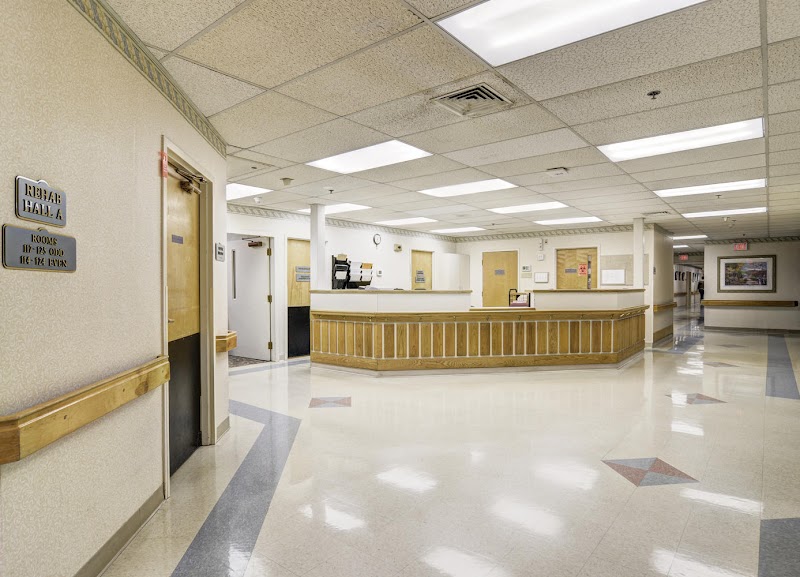
How is Carlisle Skilled Staffed?

CMS rates CARLISLE SKILLED NURSING AND REHABILITATION CENTER's staffing level at 1 out of 5 stars, which is much below average compared to other nursing homes. Staff turnover is 54%, compared to the Pennsylvania average of 46%. RN turnover specifically is 69%, which is notably high. RNs provide skilled clinical oversight, so turnover in this role can affect medical care quality.

What Have Inspectors Found at Carlisle Skilled?

State health inspectors documented 60 deficiencies at CARLISLE SKILLED NURSING AND REHABILITATION CENTER during 2023 to 2025. These included: 2 Immediate Jeopardy (the most serious level, indicating potential for serious harm or death), 1 that caused actual resident harm, and 57 with potential for harm. Immediate Jeopardy findings are rare and represent the most serious regulatory concerns. They require immediate corrective action.
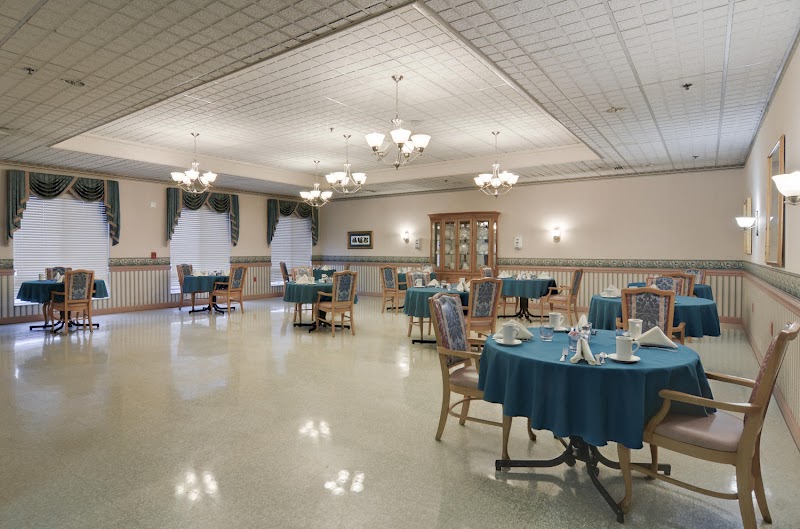
Who Owns and Operates Carlisle Skilled?

CARLISLE SKILLED NURSING AND REHABILITATION CENTER is owned by a for-profit company. For-profit facilities operate as businesses with obligations to shareholders or private owners. The facility is operated by GENESIS HEALTHCARE, a chain that manages multiple nursing homes. With 150 certified beds and approximately 136 residents (about 91% occupancy), it is a mid-sized facility located in CARLISLE, Pennsylvania.
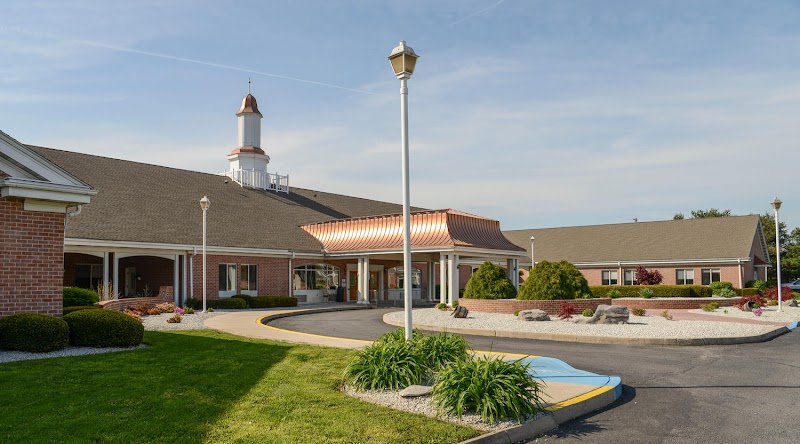
How Does Carlisle Skilled Compare to Other Pennsylvania Nursing Homes?

Compared to the 100 nursing homes in Pennsylvania, CARLISLE SKILLED NURSING AND REHABILITATION CENTER's overall rating (1 stars) is below the state average of 3.0, staff turnover (54%) is near the state average of 46%, and health inspection rating (1 stars) is much below the national benchmark.

What Should Families Ask When Visiting Carlisle Skilled?

Based on this facility's data, families visiting should ask: "What changes have been made since the serious inspection findings, and how are you preventing similar issues?" "Can you walk me through typical staffing levels on day, evening, and night shifts?" "Can I visit during a mealtime to observe dining assistance and food quality?" "How do you handle medical emergencies, and what is your hospital transfer rate?" These questions are particularly relevant given the facility's Immediate Jeopardy citations and the below-average staffing rating.

Is Carlisle Skilled Safe?

Based on CMS inspection data, CARLISLE SKILLED NURSING AND REHABILITATION CENTER has documented safety concerns. Inspectors have issued 2 Immediate Jeopardy citations (the most serious violation level indicating risk of serious injury or death). The facility has a 1-star overall rating and ranks #100 of 100 nursing homes in Pennsylvania. Families considering this facility should ask detailed questions about what corrective actions have been taken since these incidents.

Do Nurses at Carlisle Skilled Stick Around?

CARLISLE SKILLED NURSING AND REHABILITATION CENTER has a staff turnover rate of 54%, which is 8 percentage points above the Pennsylvania average of 46%. Moderate turnover is common in nursing homes, but families should still ask about staff tenure and how the facility maintains care continuity when employees leave.

Was Carlisle Skilled Ever Fined?

CARLISLE SKILLED NURSING AND REHABILITATION CENTER has been fined $20,004 across 2 penalty actions. This is below the Pennsylvania average of $33,279. While any fine indicates a compliance issue, fines under $50,000 are relatively common and typically reflect isolated problems that were subsequently corrected. Families should ask what specific issues led to these fines and confirm they've been resolved.

Is Carlisle Skilled on Any Federal Watch List?

CARLISLE SKILLED NURSING AND REHABILITATION CENTER is not on any federal watch list. The most significant is the Special Focus Facility (SFF) program, which identifies the bottom 1% of nursing homes nationally based on persistent, serious quality problems. Not being on this list means the facility has avoided the pattern of deficiencies that triggers enhanced federal oversight. This is a positive indicator, though families should still review the facility's inspection history directly.