CLAREMONT NURSING & REHABILITATION CENTER
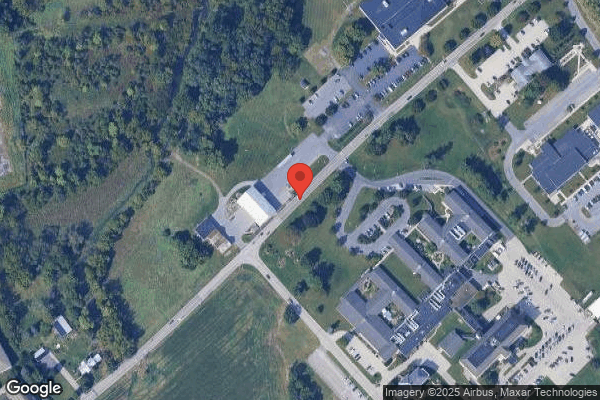
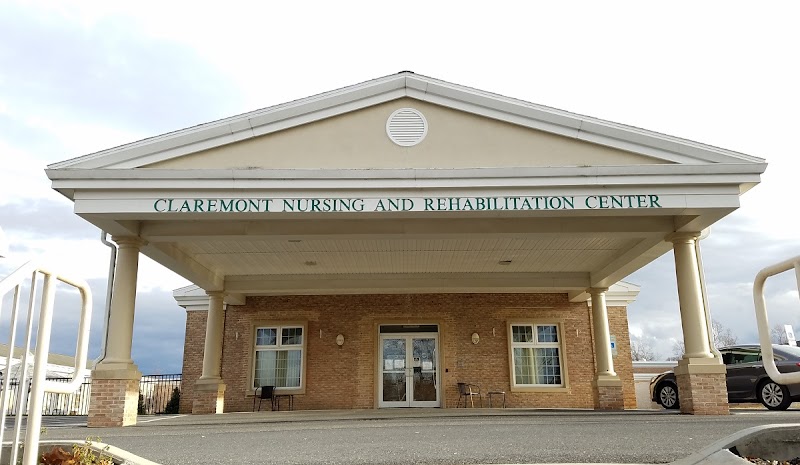
1000 CLAREMONT ROAD, CARLISLE, PA 17013 (717) 243-2031
For profit - Corporation 282 Beds ALLAIRE HEALTH SERVICES Data: November 2025 2 Immediate Jeopardy citations
Trust Grade
9/100
#544 of 653 in PA
Last Inspection: October 2024

Within standard 12-15 month inspection cycle. Federal law requires annual inspections.

Overview

Claremont Nursing & Rehabilitation Center has received a Trust Grade of F, indicating poor quality and significant concerns about the facility. It ranks #544 out of 653 in Pennsylvania, placing it in the bottom half of all facilities in the state, and #14 out of 17 in Cumberland County, meaning there are only a few local options that are better. The facility is showing signs of improvement, having reduced its issues from 11 in 2024 to just 1 in 2025. However, there are serious staffing concerns, as the facility has less RN coverage than 77% of Pennsylvania nursing homes, which can impact the quality of care. Recent inspections found critical issues, including missed medication doses for all reviewed residents and a failure to ensure resident safety after falls, suggesting a need for significant improvements in care practices.

Trust Score
F
9/100
In Pennsylvania
#544/653
Bottom 17%
Safety Record
High Risk
Review needed
Inspections
Getting Better
11 → 1 violations
Staff Stability
⚠ Watch
51% turnover. Above average. Higher turnover means staff may not know residents' routines.
Penalties
○ Average
$13,780 in fines. Higher than 56% of Pennsylvania facilities. Some compliance issues.
Skilled Nurses
○ Average
Each resident gets 30 minutes of Registered Nurse (RN) attention daily — about average for Pennsylvania. RNs are the most trained staff who monitor for health changes.
Violations
⚠ Watch
51 deficiencies on record. Higher than average. Multiple issues found across inspections.
★☆☆☆☆
1.0
Overall Rating
★★★☆☆
3.0
Staff Levels
★★★★☆
4.0
Care Quality
★☆☆☆☆
1.0
Inspection Score
Stable
2024: 11 issues
2025: 1 issues

The Good

  • 4-Star Quality Measures · Strong clinical quality outcomes
  • Full Sprinkler Coverage · Fire safety systems throughout facility
  • No fines on record

Facility shows strength in quality measures, fire safety.

The Bad

1-Star Overall Rating

Below Pennsylvania average (3.0)

Significant quality concerns identified by CMS

Staff Turnover: 51%

Near Pennsylvania avg (46%)

Higher turnover may affect care consistency

Federal Fines: $13,780

Below median ($33,413)

Minor penalties assessed

Chain: ALLAIRE HEALTH SERVICES

Part of a multi-facility chain

Ask about local staffing decisions and management

The Ugly 51 deficiencies on record

2 life-threatening 1 actual harm
Jan 2025 1 deficiency
CONCERN (E) 📢 Someone Reported This

A family member, employee, or ombudsman was alarmed enough to file a formal complaint

Potential for Harm - no one hurt, but risky conditions existed

Deficiency F0569 (Tag F0569)

Could have caused harm · This affected multiple residents

**NOTE- TERMS IN BRACKETS HAVE BEEN EDITED TO PROTECT CONFIDENTIALITY** Based on review of facility policy, facility admission agreement, closed clinical records, resident account statements, and staf...

Read full inspector narrative →
**NOTE- TERMS IN BRACKETS HAVE BEEN EDITED TO PROTECT CONFIDENTIALITY** Based on review of facility policy, facility admission agreement, closed clinical records, resident account statements, and staff interview, it was determined that the facility failed to convey resident fund account balance and overpayment balance upon discharge in accordance with State law for three of three closed resident records reviewed (Residents 1, 2, and 3). Findings include: A review of the facility policy, titled Resident Personal Funds, last revised [DATE], stated, Upon the discharge, eviction, or death of a resident with a personal fund deposited with the facility, the facility will convey within 30 days the resident's funds and a final account of those funds to the resident, or in the case of death, the individual or probate jurisdiction administering the resident's estate, in accordance with State law. A review of the facility admission agreement stated the following,10.2 Refunds of Personal Funds. Any personal funds or valuables of Resident held by the Facility will be refunded .within thirty (30) days after Resident's discharge or death. In the event of Resident's death, such refund will be made to the duly authorized representative of Resident's estate or to such entities or persons entitled to the refund under current law.10.3 Refunds of Prepayments or Overpayments. Any prepayments or overpayments made by Resident and held by the Facility will be refunded, subject to deductions for payment of any outstanding bills or other amounts due the Facility, within thirty (30) days after Resident's discharge or death. In the event of Resident's death, such refund will be made to the duly authorized representative of Resident's estate or to such other entities or persons entitled to the refund under current law. The closed clinical record confirmed that Resident 1 expired on [DATE]. Resident 1's account statement indicated that the Authorized Representative should have received a refund of $180.24 (one hundred eighty dollars and twenty-four cents). A refund check was not issued to the Authorized Representative until [DATE]. The closed clinical record confirmed that Resident 2 was discharged on [DATE]. Resident 2's account statement indicated that the Authorized Representative should have received a refund of $165.38(one hundred sixty-five dollars and thirty-eight cents). A refund check was not issued to the Authorized Representative until [DATE]. The closed clinical record confirmed that Resident 3 expired on [DATE]. Resident 3's Authorized Representative prepaid for the entire month of [DATE]. Resident 3's account statement indicated an overpayment of $4,370.75 (four thousand, three hundred seventy dollars, and seventy-five cents). The facility provided a copy of the canceled check that revealed the facility dated the check [DATE], and the paid date was documented as [DATE]. During an interview with the Nursing Home Administrator (NHA) on [DATE], at approximately 1:00 PM, the NHA was aware that refunds on account balances should occur within 30 days. The NHA had to contact the corporate office for details of the refunds because they make the final approval. 28 Pa. Code 211.5(d) Clinical records 28 Pa Code: 201.18(e)(1) Management
Oct 2024 8 deficiencies
CONCERN (D)

Potential for Harm - no one hurt, but risky conditions existed

Quality of Care (Tag F0684)

Could have caused harm · This affected 1 resident

Based on facility policy review, observations, clinical record review, and staff interviews, it was determined that the facility failed to ensure care and services are provided in accordance with prof...

Read full inspector narrative →
Based on facility policy review, observations, clinical record review, and staff interviews, it was determined that the facility failed to ensure care and services are provided in accordance with professional standards of practice to meet each resident's physical, mental, and psychosocial needs for two of 35 residents reviewed (Residents 25 and 136). Findings include: Review of facility policy, titled Skin Assessment, undated, with the last review date of March 26, 2024, revealed, in part, A full body, or head to toe, skin assessment should be conducted by a licensed or registered nurse upon admission/re-admission and weekly thereafter. The assessment may also be performed after a change of condition or after any newly identified pressure injury. Review of Resident 25's clinical record revealed diagnoses that included type 2 diabetes mellitus (impairment in the way the body regulates and uses sugar [glucose] as a fuel resulting in too much sugar circulating in the bloodstream) and edema (swelling caused by excess fluid accumulation in the body tissues). Review of Resident 25's October 2024 TAR (Treatment Administration Record - form used to document physician orders as well as when and how treatments are administered to a resident) revealed a physician order for Ace wraps (elastic bandage that applies pressure to control swelling) to be applied in the morning and removed at bedtime daily for edema, starting September 28, 2024. Observations on October 28, 2024, at 11:58 AM and at 1:26 PM; on October 29, 2024, at 9:04 AM; and on October 30, 2024, at 9:17 AM and at 12:25 PM, revealed that no ace wraps had been applied to Resident 25. Further review of Resident 25's October 2024 TAR revealed that it was documented that the ace wraps were applied as ordered on each of the aforementioned dates. During an interview with the Director of Nursing (DON) on October 31, 2024, at 11:07 AM, she revealed she did not have any further information regarding the absence of Resident 25's ace wraps. She also revealed the expectation that the ace wraps should have been applied as ordered. Review of Resident 136's clinical record revealed diagnoses that included dementia (a chronic disorder of the mental processes caused by brain disease, and marked by memory disorders, personality changes, and impaired reasoning), heart failure (condition that develops when your heart doesn't pump enough blood for your body's needs), and protein-calorie malnutrition (the state of inadequate food intake). Observation of Resident 136 on October 28, 2024, at 11:53 AM, revealed the presence of two dressings to their left elbow. Neither dressing was dated and there were two small areas of dark brown-black discoloration on the dressings. Review of Resident 136's current physician orders revealed an order for Conduct full body assessment weekly on Thursday - Evening shift. Document findings in assessments (weekly skin observation tool) dated June 7, 2024, but failed to reveal any ordered treatment for their left elbow. Review or Resident 136's order history revealed an order to Cleanse left elbow with wound cleanser. Apply Xeroform gauze. Cover with ABD pad. Secure with conforming roll gauze and tape. Discontinue order once healed. Every day shift for Wound Care with a start date of September 16, 2024, and discontinuation date of October 2, 2024. Review of Resident 136's clinical record progress notes failed to reveal any documentation regarding a current skin issue to their left elbow. Review of a progress note dated October 1, 2024, indicated the wound to their left elbow was resolved. Review of Resident 136's September Treatment Administration Record revealed that their weekly full body assessment was coded N on September 5, 12, 19, and 26, 2024. Review of Resident 136's October Treatment Administration Record revealed that their weekly full body assessment was coded Y on October 3, 2024, and N on October 10, 17, and 24, 2024. Review of Resident 136's assessments in the clinical record failed to reveal that a weekly skin observation tool had been completed since August 22, 2024. Follow-up observations of Resident 136 on October 29, 2024, at 1:33 PM, and on October 30, 2024, at 10:18 AM and 12:15 PM, revealed the presence of one dressing to their elbow, which had a small area dark brown-black discoloration and was not dated. Email communication received from the DON on October 31, 2024, at 8:27 AM, indicated that she had investigated the aforementioned observations and findings. She revealed that nurses were interviewed and declined putting bandage on resident. The nurse said that the hospice nurse was in the past few days. The UM [Unit Manager] contacted hospice nurse who stated that she put the bandage on him because it was scabbed over and she didn't want it to open up. She stated she did not tell the nurse or the unit manager and didn't send over a recommendation. She apologized and said she'd fax over a recommendation. This morning, I [DON] did receive a verbal order for a foam bordered dressing to left elbow for protection and to change every 3 days and PRN [as needed]. I [DON] will be putting the order in the computer today. During an interview with the DON and the Assistant DON on October 31, 2024, at 9:08 AM, the concern of Resident 136 having no documented weekly skin observation tool since August 22, 2024, and Treatment Administration Records being coded as N was shared. The DON indicated that the coding was to indicate that the weekly observation tool was (Y) or was not completed (N). She confirmed that the coding of N would indicate that the skin check was not completed. She said she would look at it but, at that point, would have to agree that the documentation to support weekly skin checks was lacking. During a final interview with the Nursing Home Administrator (NHA) and DON on October 31, 2024, at 11:04 AM, the DON confirmed that she had no additional documentation to provide that would show that Resident 136 had a weekly skin assessment. She said the hospice nurse should have communicated her intervention to facility at time of occurrence. The DON further indicated that facility nurses may not necessarily have noted that Resident 136 had a bandage on their elbow if a treatment was not ordered for their shift. The NHA and DON both confirmed that Resident 136 should have received a weekly skin assessment as ordered and that they would expect this to have been documented accordingly. 28 Pa. Code 201.18(b)(1) Management 28 Pa. Code 211.10(c)(d) Resident care policies 28 Pa. Code 211.12(d)(1)(2)(3)(5) Nursing services
CONCERN (D)

Potential for Harm - no one hurt, but risky conditions existed

Deficiency F0685 (Tag F0685)

Could have caused harm · This affected 1 resident

Based on observations, clinical record review, and resident and staff interviews, it was determined the facility failed to ensure each resident receives proper treatment and assistive devices to maint...

Read full inspector narrative →
Based on observations, clinical record review, and resident and staff interviews, it was determined the facility failed to ensure each resident receives proper treatment and assistive devices to maintain vision abilities for one of one resident reviewed for vision (Resident 240). Findings include: Review of Resident 240's clinical record revealed diagnoses that included chronic kidney disease (CKD - a long-term condition that occurs when the kidneys are damaged and cannot filter blood properly) and hypertension (high blood pressure). During an interview with Resident 240 on October 28, 2024, at 10:53 AM, revealed he was on the list to get his eyes examined in the beginning of this month (October 2024) but that did not occur, and Resident 240 was never told why or if it was rescheduled. Review of Resident 240's clinical record revealed a nursing progress note dated October 4, 2024, at 1:41 PM, with the following text: Resident to see by the optometrist on October 1, 2024. Will be seen on next visit due to time constraint. Observation at the third-floor nurses' station on October 29, 2024, at 12:43 PM, revealed a list of residents to be seen by the optometrist on October 29, 2024, which included Resident 240 on the list. During an interview with Resident 240 on October 30, 2024, at 10:25 AM, revealed the Resident saw their name was on the list to been seen by the optometrist on October 29, 2024, however, that did not occur. During an interview with the Nursing Home Administrator (NHA) on October 31, 2024, at 12:21 PM, he confirmed that Resident 240 did not see the optometrist on October 1 or 29, 2024, as scheduled due to a time constraint on October 1, 2024, and a miscommunication between the doctor and staff on October 29, 2024. NHA revealed he would have expected Resident 240 to have been seen as scheduled by the optometrist on October 1 or 29, 2024. 28 Pa. Code 211.12 (d) (5) Nursing services
CONCERN (D)

Potential for Harm - no one hurt, but risky conditions existed

Tube Feeding (Tag F0693)

Could have caused harm · This affected 1 resident

Based on observations, facility policy review, and staff interview, it was determined that the facility failed to provide appropriate care and services to residents receiving tube feedings for one of ...

Read full inspector narrative →
Based on observations, facility policy review, and staff interview, it was determined that the facility failed to provide appropriate care and services to residents receiving tube feedings for one of five residents with tube feedings reviewed (Resident 2). Findings include: Review of facility policy, titled Appropriate Use of Feeding Tubes, revised 2023, revealed the interdisciplinary team, with the support and guidance from the physician, will assure the ongoing review, evaluation, and decision making regarding the initiation, continuation, or discontinuation of a feeding tube. Review of Resident 2's clinical record revealed diagnoses that included aphagia (a severe condition characterized by the inability to swallow, leading to persistent drooling and the inability to eat or drink) and dysphagia (difficulties swallowing). Observation of Resident 2 on October 21, 2024, at 11:25 AM, revealed that the Resident was lying in bed. Beside the Resident's bed was a pole with tube feeding and water flush hanging. The tube feeding was infusing at 60 cc per hour and the water was infusing at 55 cc per hour. Observation of Resident 2 on October 22, 2024, at 11:54 AM, revealed that the Resident was lying in bed. Beside the Resident's bed was a pole with tube feeding and water flush hanging. The tube feeding was infusing at 60 cc per hour and the water was infusing at 55 cc per hour. Review of current physician orders for Resident 2 on October 21, 2024, revealed a current order for Resident 2 to receive enteral feeding, Osmolite 1.5cal (type of enteral feeding) at 60 cc per hour a water flush of 60cc per hour for 20 hours per day. Review of Resident 2's plan of care revealed a focus area of the Resident requires tube feeding, with a revision date of May 15, 2024, and an intervention of the Resident is dependent with tube feeding and water flushes. See MD orders for current orders, with a date initiated of June 22, 2022. Interview with the Director of Nursing on October 31, 2024, at 12:33 PM, revealed that she would expect the Resident to be receiving the water flushes as ordered by the physician. 28 Pa. Code 211.12(d)(1)(3)(5) Nursing services
CONCERN (D)

Potential for Harm - no one hurt, but risky conditions existed

Deficiency F0700 (Tag F0700)

Could have caused harm · This affected 1 resident

Based on policy review, observation, record review, and staff interview, the facility failed to complete a risk-benefit analysis and obtain consent for enabler bar use for one of six residents reviewe...

Read full inspector narrative →
Based on policy review, observation, record review, and staff interview, the facility failed to complete a risk-benefit analysis and obtain consent for enabler bar use for one of six residents reviewed for enabler use (Resident 33). Findings include: Review of facility policy, titled Proper Use of Bed Rails, dated 2023, with a last review date of March 26, 2024, revealed, in part, It is the policy of this facility to utilize a person-centered approach when determining the use of bed rails; 1. As part of the resident's comprehensive assessment, the following components will be considered when determining the resident's needs, and whether or not the use of bed rails meets those needs: a. Medical diagnosis, conditions, symptoms, and/or behavioral symptoms; b. Size and weight; c. Sleep habits; d. Medication(s); e. Acute medical or surgical interventions; f. Underlying medical conditions; g. Existence of delirium; h. Ability to toilet self safely; i. Cognition; j. Communication; k. Mobility (in and out of bed); and l. Risk of falling; 2. The resident assessment must also assess the resident's risk from using bed rails; 5. Informed consent from the resident or resident representative must be obtained after appropriate alternatives have been attempted prior to installation and use of bed rails; 6. The information that the facility should provide to the resident, or resident representative includes, but is not limited to: a. What assessed medical needs would be addressed by the use of bed rails; b. The resident's benefits from the use of bed rails and the likelihood of these benefits; c. The resident's risks from the use of bed rails and how these risks will be mitigated; and d. Alternatives attempted that failed to meet the resident's needs and alternatives considered but not attempted because they were considered to be inappropriate; 7. Upon receiving informed consent, the facility will obtain a physician's order for the use of the specified bed rail and medical diagnosis, condition, symptom, or functional reason for the use of the bed rail.; 11. The facility will continue to provide necessary treatment and care to the resident who has bed rails in accordance with professional standards of practice and the resident's choices. This should be evidenced in the resident's records, including their care plan, including, but not limited to, the following information c. Ongoing assessment to assure that the bed rail is used to meet the resident's needs; d. Ongoing evaluation of risks; and 12b. A nurse assigned to the resident will complete reassessments in accordance with the facility's assessment schedule, but not less than quarterly, upon a significant change in status, or a change in the type of bed/mattress/rail. Review of Resident 33's clinical record revealed diagnoses that included morbid obesity (obesity in which the person weighs 80-100 pounds over their ideal body weight) and chronic diastolic congestive heart failure (heart failure that occurs when the heart does not relax properly between beats, causing the heart to be unable to pump an adequate amount of blood to the body). Review of Resident 33's current physician orders revealed an order for occupational Therapy evaluate and treat as indicated-Resident requesting bilateral enablers on bed for positioning, dated January 7, 2024. Further review of Resident 33's current physician orders failed to reveal any other orders regarding bilateral enablers. Review of Resident 33's care plan failed to reveal the use of bilateral enablers. Observation of Resident 33 on October 28, 2024, at 11:23 AM, revealed the presence of bilateral enablers on their bed. Review of Resident 33's clinical record revealed that there were two Bed Safety with Measuring Tool evaluations completed by nursing staff regarding Resident 33's bilateral enabler use; one was dated February 5, 2024, and the other was dated April 22, 2024. Further review of Resident 33's clinical record failed to reveal the presence of an informed consent or documentation of education with Resident 33 regarding the risks versus benefits of the bilateral enabler use. During a staff interview with the Nursing Home Administrator and Director of Nursing (DON) on October 31, 2024, at 11:02 AM, the DON indicated that she could not provide any Occupational Therapy evaluation from January 2024 that Resident 33 was determined to be safe in the functional use of the bilateral enablers. In addition, she indicated that she could not provide a consent form or documentation to support that Resident 33 was educated on the risks versus benefits of the use of the bilateral enablers. She confirmed that she would have expected the therapy evaluation to have been completed as ordered to determine Resident 33's safe use of the enablers and the consent obtained before the enablers were placed on the bed. She also indicated that she would have expected Resident 33's use of bilateral enablers to have been reassessed for the safe use according to facility policy. 28 PA code 201.18(b)(1) Management 28 PA code 211.10(d) Resident care policies 28 PA code 211.12(d)(2)(3)(5) Nursing services
CONCERN (D)

Potential for Harm - no one hurt, but risky conditions existed

Drug Regimen Review (Tag F0756)

Could have caused harm · This affected 1 resident

Based on clinical record review, policy review, and staff interviews, it was determined that the facility failed to ensure that the drug regimen of each resident was reviewed at least monthly by a lic...

Read full inspector narrative →
Based on clinical record review, policy review, and staff interviews, it was determined that the facility failed to ensure that the drug regimen of each resident was reviewed at least monthly by a licensed pharmacist, that irregularities were reported to the appropriate parties, and that these reports were acted upon in a timely manner for two of five residents reviewed for unnecessary medications (Residents 100 and 147). Findings include: Review of facility policy, titled Medication Regimen Review, undated, revealed, The consultant pharmacist should schedule at least one monthly visit to the facility, and shall allow for sufficient time to complete all required activities .Facility staff shall act upon all recommendations according to procedures for addressing medication regimen review irregularities. Review of Resident 100's clinical record revealed diagnoses that included dementia with behavioral disturbance (loss of memory, language, problem-solving, and other thinking abilities that are severe enough to interfere with daily life) and major depressive disorder (mental disorder characterized by at least two weeks of low mood that is present across most situations). Review of Resident 100's Note to Attending Physician/Prescriber forms dated June 24, 2024, and September 4, 2024, revealed the following recommendation: The resident is receiving the antipsychotic agent Seroquel, but lacks an allowable diagnosis to support its use .Please document applicable diagnosis. Further review revealed the physician did not respond to either recommendations until October 30, 2024. During an interview with the Director of Nursing (DON) on October 31, 2024, at 12:17 PM, she acknowledged that the physician did not respond to Resident 100's aforementioned pharmacy reviews in a timely manner. Review of Resident 147's clinical record revealed diagnoses that included dementia with psychotic disturbance and depression. Review of Resident 147's monthly pharmacy medication regimen reviews failed to reveal that one was completed by the pharmacist in April 2024. Review of Resident 147's Note to Attending Physician/Prescriber form dated June 24, 2024, revealed the following recommendation: The resident is receiving the antipsychotic agent Seroquel, but lacks an allowable diagnosis to support its use .Please document applicable diagnosis. Further review revealed the physician did not respond to the recommendation until October 30, 2024. During an interview with the DON on October 31, 2024, at 11:07 AM, she revealed she did not have any additional information about Resident 147's April 2024 medication regimen review. She also acknowledged that the physician did not respond in a timely manner to Resident 147's June 2024 pharmacy recommendation. 28 Pa. Code 201.14(a) Responsibility of licensee 28 Pa. Code 201.18(b)(1) Management 28 Pa. Code 211.9(a)(1) Pharmacy services 28 Pa. Code 211.12(d)(1)(3)(5) Nursing services
CONCERN (E) 📢 Someone Reported This

A family member, employee, or ombudsman was alarmed enough to file a formal complaint

Potential for Harm - no one hurt, but risky conditions existed

Safe Environment (Tag F0584)

Could have caused harm · This affected multiple residents

Based on facility policy review, observations, and resident and staff interviews, it was determined that the facility failed to maintain a safe, clean, and home-like environment for three of 35 reside...

Read full inspector narrative →
Based on facility policy review, observations, and resident and staff interviews, it was determined that the facility failed to maintain a safe, clean, and home-like environment for three of 35 residents observed (Residents 156, 167, and 252); and failed to maintain a safe, clean, and home-like environment on one of six nursing units observed (Heritage Harbor). Findings include: Review of facility policy, titled Routine Cleaning and Disinfection, with a last review date of March 26, 2024, revealed, in part, It is the policy of this facility to ensure the provision of routine cleaning and disinfection in order to provide a safe, sanitary environment; Routine cleaning and disinfection of frequently touched or visibly soiled surfaces will be performed in common areas, resident rooms, and at the time of discharge; Routine surface cleaning and disinfection will be conducted with a detailed focus on visibly soiled surfaces and high touch areas to include, but not limited to: f. toilet seats; h. Resident chairs; Cleaning of walls, blinds, window curtains will be conducted when visibly soiled; and Wheelchairs will be cleaned on a predetermined schedule and when visibly soiled. Observation on the Heritage Harbor unit on October 28, 2024, at 10:21 AM and at 12:49 PM, and on October 29, 2024, at 8:51 AM, revealed a long, dried liquid stain in the hallway extending from the bird cage to the corner of the adjoining hallway near the entrance door. A strong urine odor was present. Observation of the courtyard door curtains in the Heritage Harbor dayroom on October 28, 2024, at 10:38 AM; on October 29, 2024, at 9:15 AM; and on October 30, 2024, at 9:16 AM, revealed several dried reddish stains. During an interview with the Nursing Home Administrator (NHA) on October 31, 2024, at 11:12 AM, he revealed the expectation that the aforementioned concerns would have been cleaned in a timely manner. Observation of Resident 156's room on October 28, 2024, at 11:47 AM, revealed food debris between their bed and nightstand. During an immediate interview with Resident 156, the Resident indicated that housekeeping is sparse and that the debris had been there for a few days. Follow-up observation of Resident 156's room on October 30, 2024, at 10:15 AM, revealed the same observation of food debris between their bed and nightstand. During a staff interview with the NHA and Director of Nursing (DON) on October 31, 2024, at 11:06 AM, the NHA confirmed that he would expect Resident 156's bathroom to have been cleaned of the identified concern with the daily routine cleaning of the room. Observation of Resident 167's wheelchair made on October 28, 2024, at 1:34 PM, revealed a large amount of a brown, clumpy substance covering the left side of the seat and lower bar of the wheelchair. Follow-up observations of Resident 167's wheelchair made on and October 29, 2024, at 8:54 AM and 11:06 AM, revealed the same observation of a brown, clumpy substance covering the left side of the seat and lower bar of the wheelchair. During a staff interview with the NHA and DON on October 30, 2024 at 1:19 PM, the NHA revealed that wheelchairs receive a deep cleaning every six weeks and that Resident 167's wheelchair had been cleaned on October 23, 2024. The NHA also stated that he would expect that if wheelchairs were noticeably soiled, they would be cleaned as needed between scheduled deep cleanings. Observation of Resident 252's bathroom on October 28, 2024, at 12:04 PM, a dried, brown substance was noted to be on the front of the toilet bowl. During an immediate interview with Resident 252, the Resident indicated that this was an ongoing issue and that it has been worse than that on occasion. Follow-up observation of Resident 252's room on October 30, 2024, at 10:16 AM, revealed the same observation of a dried, brown substance was noted to be on the front of the toilet bowl. During a staff interview with the NHA and DON on October 31, 2024, at 11:06 AM, the NHA confirmed that he would expect Resident 252's room to have been cleaned of the identified concerns with the daily routine cleaning of the room. 28 Pa. Code 201.14(a) Responsibility of licensee 28 Pa. Code 201.18(b)(1)(3) Management
CONCERN (E)

Potential for Harm - no one hurt, but risky conditions existed

Employment Screening (Tag F0606)

Could have caused harm · This affected multiple residents

Based on facility policy review, personnel file review, and staff interview, it was determined that the facility failed to ensure that residents were protected from potential for abuse by failing to p...

Read full inspector narrative →
Based on facility policy review, personnel file review, and staff interview, it was determined that the facility failed to ensure that residents were protected from potential for abuse by failing to perform criminal history background checks prior to hire for three of five personnel files reviewed (Employees 3, 4, and 5). Findings Include: Review of facility policy, titled Abuse, Neglect and Exploitation, dated 2022, revealed, Potential employees will be screened for a history of abuse, neglect, exploitation, or misappropriation of resident property. Background, reference, and credentials' checks shall be conducted on potential employees, contracted temporary staff, students affiliated with academic institutions, volunteers, and consultants. Review of the personnel file for Employee 3 (Registered Nurse) revealed no evidence that a Pennsylvania State Police background check or an FBI background check (for new hires that have not resided in Pennsylvania for two years) was completed prior to her hire on September 4, 2024. Review of personnel file for Employee 4 (Nurse Aide) revealed no evidence that a Pennsylvania State Police background check or an FBI background check (for new hires that have not resided in Pennsylvania for two years) was completed prior to her hire on August 14, 2024. Review of personnel file for Employee 5 (Licensed Practical Nurse) revealed no evidence that a Pennsylvania State Police background check or an FBI background check (for new hires that have not resided in Pennsylvania for two years) was completed prior to her hire on October 10, 2024. During an interview with the Nursing Home Administrator on October 31, 2024, at 1:03 PM, he acknowledged the aforementioned concerns. 28 Pa. Code 201.18(b)(1)(e)(1) Management 28 Pa. Code 201.19(8) Personnel policies and procedures
CONCERN (E)

Potential for Harm - no one hurt, but risky conditions existed

Respiratory Care (Tag F0695)

Could have caused harm · This affected multiple residents

Based on facility policy review, clinical record review, observation, and resident and staff interviews, it was determined that the facility failed to provide respiratory care consistent with professi...

Read full inspector narrative →
Based on facility policy review, clinical record review, observation, and resident and staff interviews, it was determined that the facility failed to provide respiratory care consistent with professional standards of practice for one of four residents reviewed for respiratory care (Resident 369). Findings include: Review of facility policy, titled Noninvasive Ventilation (CPAP, BiPAP, AVAPS, Trilogy), undated, revealed, The facility will obtain an order for the use of a CPAP, BiPAP, AVAPS or Trilogy device and settings from the practitioner. Review of Resident 369's clinical record revealed diagnoses that included congestive heart failure (CHF - weakness of the heart that leads to buildup of fluid in the lungs and surrounding body tissues) and obstructive sleep apnea (sleep disorder that causes breathing pauses during sleep due to a blockage of the upper airway). Observation on October 28, 2024, at 1:53 PM, revealed a CPAP machine (delivers a continuous stream of air, preventing airway collapse from obstructive sleep apnea) present on Resident 369's bedside stand. During an immediate interview with Resident 369, she revealed that she uses the machine, but that is has not been cleaned since she resided on another unit a while ago. Review of physician's progress note dated August 13, 2024, revealed notation for Resident 369 to continue using a CPAP machine for sleep apnea. Review of Resident 369's active care plan revealed that she uses a CPAP machine for sleep apnea, initiated on July 18, 2022. Review of Resident 369's physician orders revealed an order for BIPAP at bedtime, starting October 24, 2024, and an order to clean the BIPAP/CPAP tubing, nasal mask and headgear weekly, starting October 24, 2024. Further review of Resident 369's physician orders failed to reveal any order for BIPAP/CPAP use or care since November 13, 2023. During a review of orders in the presence of the Director of Nursing on October 31, 2024, at 1:02 PM, she acknowledged that she was unable to locate any orders for CPAP/BIPAP care or use between November 2023 and October 24, 2024. 28 Pa. Code 211.12(d)(1)(3)(5) Nursing services
Jul 2024 2 deficiencies
CONCERN (D) 📢 Someone Reported This

A family member, employee, or ombudsman was alarmed enough to file a formal complaint

Potential for Harm - no one hurt, but risky conditions existed

Quality of Care (Tag F0684)

Could have caused harm · This affected 1 resident

Based on clinical record review and staff interviews, it was determined that the facility failed to ensure care and services are provided in accordance with professional standards of practice related ...

Read full inspector narrative →
Based on clinical record review and staff interviews, it was determined that the facility failed to ensure care and services are provided in accordance with professional standards of practice related to wound assessments for one of six residents reviewed (Resident 5). Findings include: Review of Resident 5's clinical record revealed diagnoses that included atherosclerosis (buildup of plaque in the walls of arteries causing reduced blood flow) and type two diabetes mellitus (the body does not make enough insulin or cannot use it as well as it should). Review of Resident 5's nursing progress notes revealed a note dated June 2, 2024, at 10:44 PM, that stated, called Gentiva Hospice RN [Registered Nurse] about resident wound deterioration to LLE (left lower extremity) who stated to refer to wound team asap on Monday, covering dressing applied for now, area cleansed as ordered, MD notified, left message for Family member. Review of progress note dated June 3, 2024, at 10:35 PM, stated, Resident started on doxycycline 100 mg for left shin wound. No adverse effect noted, tolerated well. Vitals stable. Took all meds without difficulty and fluids. Pain management effective. Review of Resident 5's wound and skin note dated June 3, 2024, revealed the wound consultant nurse practitioner documented maggots were present in Resident 5's left anterior shin wound and ordered the wound to be cleansed with 0.125% dakins solution (diluted bleach wound cleansing solution), dakins moistened fluffed gauze to the base of the wound and secured with bordered gauze twice daily and as needed. A wound and skin note dated June 5, 2024, from the wound consultant nurse practitioner documented no live maggots were present in Resident 5's left anterior shin wound. Review of Resident 5's clinical record revealed no assessment of the wound and no documentation of maggots present in the wound in the progress notes. Further review of Resident 5's clinical record failed to reveal evidence that the facility nursing staff continued to monitor or assess Resident 5's wound after the maggots were identified. A staff interview on July 11, 2024, at 10:35 AM, with Employee 2 (Registered Nurse) revealed, Employee 2 was one of the registered nurse supervisors for the building the evening of June 2, 2024. Employee 2 stated that she was notified around 9:30 PM - 10:00 PM by the licensed practical nurse on the floor that Resident 5's wound looked different than it had previously. Employee 2 stated she went and assessed it (she said she had never seen it prior). Resident 5's left shin wound was shiny black with something moving deep down in it. A staff interview on July 11, 2024, at 12:37 PM, with Employee 1 (Nurse Practitioner) revealed Employee 1 arrived at the facility June 3, 2024, for wound rounds. The wound nurse at the facility informed Employee 1 that there was a concern of possible maggots in Resident 5's wound. Employee 1 immediately assessed Resident 5's wound and confirmed there were maggots in the wound. A staff interview on July 10, 2024 at 12:30 PM, with the Director of Nursing revealed Resident 5 did have maggots in his left shin wound. She stated the physician was notified and orders were initiated to cleanse the wound with dakins solution several times a day and keep the wound covered. 28 Pa. Code 201.18(b)(1) Management 28 Pa. Code 211.12(d)(1)(5) Nursing services
CONCERN (D) 📢 Someone Reported This

A family member, employee, or ombudsman was alarmed enough to file a formal complaint

Potential for Harm - no one hurt, but risky conditions existed

Deficiency F0925 (Tag F0925)

Could have caused harm · This affected 1 resident

Based on record review and staff interviews, it was determined that the facility failed to maintain an effective pest control program for one of four months reviewed (May 2024). Findings Include: Revi...

Read full inspector narrative →
Based on record review and staff interviews, it was determined that the facility failed to maintain an effective pest control program for one of four months reviewed (May 2024). Findings Include: Review of Resident 5's clinical record revealed diagnoses that included atherosclerosis (buildup of plaque in the walls of arteries causing reduced blood flow) and type two diabetes mellitus (the body does not make enough insulin or cannot use it as well as it should). Further review of Resident 5's clinical records revealed a wound care note dated June 3, 2024, that stated maggots were present in Resident 5's left anterior shin wound. A staff interview on July 11, 2024, at 10:35 AM, with Employee 2 (Registered Nurse) revealed, Employee 2 was one of the registered nurse supervisors for the building the evening of June 2, 2024. Employee 2 stated that she and was notified around 9:30 PM - 10:00 PM by the licensed practical nurse on the floor that Resident 5's wound looked different than it had previously. Employee 2 stated she went and assessed it (she said she had never seen it prior). Resident 5's left shin wound was shiny black with something moving deep down in it. A staff interview on July 11, 2024, at 12:37 PM, with Employee 1 (Nurse Practitioner), revealed Employee 1 arrived at the facility June 3, 2024, for wound rounds. The wound nurse at the facility informed Employee 1 that there was a concern of possible maggots in Resident 5's wound. Employee 1 immediately assessed Resident 5's wound and confirmed there were maggots in the wound. Review of facility pest control record dated April 23, 2024, revealed the pest control company noted fruit flies were present in the kitchen and the baseboards and drains throughout the kitchen were treated. Further review of the facility's pest control records revealed the next pest control visit was not until June 27, 2024. There was no documentation the facility had a pest control visit in May 2024. An email correspondence with the Nursing Home Administrator on July 10, 2024, at 2:41 PM, revealed the facility typically has monthly pest control visits, but did not have a visit in May 2024 due to having two pest control visits in March 2024. 28 Pa. Code 201.18(e)(2.1) Management
Apr 2024 1 deficiency
CONCERN (D) 📢 Someone Reported This

A family member, employee, or ombudsman was alarmed enough to file a formal complaint

Potential for Harm - no one hurt, but risky conditions existed

Report Alleged Abuse (Tag F0609)

Could have caused harm · This affected 1 resident

**NOTE- TERMS IN BRACKETS HAVE BEEN EDITED TO PROTECT CONFIDENTIALITY** Based on facility policy review, facility document review, clinical record review, and staff interviews, it was determined that ...

Read full inspector narrative →
**NOTE- TERMS IN BRACKETS HAVE BEEN EDITED TO PROTECT CONFIDENTIALITY** Based on facility policy review, facility document review, clinical record review, and staff interviews, it was determined that the facility failed to report sexual abuse to the State Agency within the specified timeframes for two of two incident reports reviewed. Findings Include: Review of facility policy, titled Abuse, Neglect and Exploitation, dated 2022, revealed 'Sexual Abuse' is non-consensual sexual contact of any type with a resident. Further review of the policy revealed: A. The facility will have written procedures that include: 1. Reporting of all alleged violations to the Administrator, state agency, and to all other required agencies (e.g., law enforcement when applicable) within specified timeframes: a. Immediately, but not later than 2 hours after the allegation is made, if the events that cause the allegation involve abuse or result in serious bodily injury, or b. Not later than 24 hours if the events that cause the allegation do not involve abuse and do not result in serious bodily injury. B. The Administrator will follow up with government agencies, during business hours, to confirm the initial report was received, and to report the results of the investigation when final within 5 working days of the incident, as required by state agencies. Review of Resident 1's clinical record revealed diagnoses that included Schizophrenia (a disorder that affects a person's ability to think, feel, and behave clearly), COPD (chronic obstructive pulmonary disease - a group of lung diseases that block airflow and make it difficult to breathe), and hypertension (elevated blood pressure). Review of Resident 1's modification of admission MDS (Minimum Data Set - an assessment tool to review all care areas specific to the resident such as a resident's physical, mental, or psychosocial needs), dated December 21, 2023, revealed a BIMS (brief interview for mental status) score of 3, meaning severe cognitive impairment. Review of Resident 10's clinical record revealed diagnoses that included dementia (a group of thinking and social symptoms that interferes with daily functioning), delusional disorder (a type of psychotic disorder), and major depressive disorder (a mental health disorder characterized by persistently depressed mood or loss of interest in activities, causing significant impairment in daily life). Review of Resident 10's quarterly MDS dated [DATE], revealed a BIMS score of 99, meaning Resident 10 was unable to complete the interview and, therefore, a staff assessment was completed. Review of the staff assessment for mental status revealed that Resident 10's cognitive skills for decision making was moderately impaired. Review of Resident 1's clinical record revealed a progress note dated January 17, 2024, stating that Resident 1 was being sexually inappropriate with Resident 10 in the dining room. The note stated that Resident 1 pulled Resident 10's shirt up and had her breast in his mouth. Resident 10 was telling Resident 1 no. The note further stated that staff immediately intervened and removed both Residents. When attempting to educate Resident 1 about the inappropriate behavior, the Resident continued to repeat statements I like her. Where did she go? I want to sleep with her. Review of the incident report dated January 17, 2024, revealed a witness statement that as the staff member was walking past the day room, she noticed Resident 1 go up to Resident 10 in his wheelchair, pull up Resident 10's shirt and started sucking her breast. Resident 10 was pushing Resident 1 away from her as the staff member entered the room to remove Resident 1. Review of electronic report submission to the Pennsylvania Department of Health (State Agency responsible for receiving and reviewing allegations of abuse from Long Term Care facilities), revealed that the facility did not notify the State Agency of the incident involving Resident 1. During an interview with the Nursing Home Administrator (NHA) and Director of Nursing (DON) on April 10, 2024, at 1:40 PM, the NHA confirmed that the incident was not reported to the State Agency. In a follow-up interview with the NHA and DON on April 11, 2024, at 2:00 PM, the NHA stated that the incident has since been reported to the State Agency via the electronic event reporting system. Additional review of Resident 1's quarterly MDS dated [DATE], revealed a BIMS score of 9, meaning cognitive status is moderately impaired. Review of Resident 2's clinical record revealed diagnoses that included dementia, psychosis (a mental disorder characterized by a disconnection from reality), and depression. Review of Resident 2's quarterly MDS assessment dated [DATE], revealed a BIMS score of 99. Review of the staff assessment for mental status revealed that Resident 2's cognitive skills for decision making were moderately impaired. Review of facility investigation revealed that on April 5, 2024, Resident 1 and 2 were found in bed together. Review of Employee 1's witness statement dated April 5, 2024, revealed that she entered Resident 1's room to find Resident 2 lying on her back with her legs wide open, wearing a button-down shirt and no pants. Resident 1 was naked, with his brief by his ankles and was lying on top of Resident 2 and they were having what appeared to be sexual relations. I did not see his penis inside of her vaginal vault. I assumed sexual intercourse was happening because [Resident 2] was holding onto [Resident 1's] hips. Residents were separated, [Resident 2] was taken to her room .[Resident 1] stayed in his room and went to bed. Review of Employee 2's witness statement dated April 5, 2024, revealed she entered Resident 1's room and observed Resident 2 lying on the bed, on her back, with a shirt on and no bottoms. Resident 1 was lying on top of [Resident 2] naked with his brief around his ankles. He was humping her; his penis was near her pelvic area. We tried to separate them but [Resident 2] would not let go, she was holding on. We were finally able to separate them. The statement further stated that Resident 2 was then taken to her room and provided care and Resident 1 remained in his room. Review of electronic report submission to the Pennsylvania Department of Health revealed that the facility did not notify the State Agency of the incident involving Residents 1 and 2. During an interview with the NHA and DON on April 10, 2024, at 1:40 PM, the NHA confirmed that the incident was not reported to the State Agency. In a follow-up interview with the NHA and DON on April 11, 2024, at 2:00 PM, the NHA stated that the incident has since been reported to the State Agency via the electronic event reporting system. 28 Pa. Code 201.14(a) Responsibility of licensee 28 Pa. Code 201.18(b)(1) Management
Dec 2023 12 deficiencies
CONCERN (D)

Potential for Harm - no one hurt, but risky conditions existed

Deficiency F0578 (Tag F0578)

Could have caused harm · This affected 1 resident

**NOTE- TERMS IN BRACKETS HAVE BEEN EDITED TO PROTECT CONFIDENTIALITY** Based on review of the clinical record, policy review, and resident and staff interviews, it was determined that the facility fa...

Read full inspector narrative →
**NOTE- TERMS IN BRACKETS HAVE BEEN EDITED TO PROTECT CONFIDENTIALITY** Based on review of the clinical record, policy review, and resident and staff interviews, it was determined that the facility failed to ensure that the clinical record accurately reflected the resident preference for code status for one of 35 residents reviewed (Resident 81). Findings include: Review of facility policy, titled Advanced Directives, last revised [DATE], revealed, Advance directives will be respected in accordance with state law and facility policy. Policy Interpretation and Implementation, subsection six, the resident has the right to refuse treatment, whether or not he or she has an advance directive. A resident will not be treated against his or her own wishes. Residents who refuse treatment will not be transferred to another facility unless all other criteria for transfer are met. Review of Resident 81's clinical record revealed diagnoses that included essential primary hypertension (abnormally high blood pressure that is not the result of a medical condition) and unspecified atrial fibrillation (an irregular heart rhythm that begins in your heart's upper chambers [atria]). Further review of Resident 81's clinical record on [DATE], at 12:43 PM, revealed a POLST (Pennsylvania Orders for Life-Sustaining Treatment) signed by the Resident and dated [DATE], that indicated the Resident did not want cardiopulmonary resuscitation (CPR). The Resident checked that he wanted to be a DNR/Do Not Attempt Resuscitation. Review of the current physician orders revealed that Resident 81 had an order dated [DATE], that he was a full code, indicating that in the event of a cardiac arrest the Resident would want CPR. Interview with Resident 81 on [DATE], at 2:21 PM, revealed that his wishes were to be a DNR and that he had discussed his wishes with his physician. During a staff interview on [DATE], at 10:25 AM, the Director of Nursing revealed that Resident 81 has previously had an order for DNR. The order for Resident 81 to be a full code was a transcription error when the Resident returned from the hospital. She indicated she would expect the order to be transcribed correctly and to match the POLST and Resident's wishes to be a DNR. 28 Pa. Code 201.18(b)(1) Management
CONCERN (D) 📢 Someone Reported This

A family member, employee, or ombudsman was alarmed enough to file a formal complaint

Potential for Harm - no one hurt, but risky conditions existed

Deficiency F0658 (Tag F0658)

Could have caused harm · This affected 1 resident

Based on clinical record review, observations, and staff interviews, it was determined that the facility failed to ensure care and services were provided in accordance with professional standards for ...

Read full inspector narrative →
Based on clinical record review, observations, and staff interviews, it was determined that the facility failed to ensure care and services were provided in accordance with professional standards for one of 35 residents reviewed (Resident 87). Findings include: Review of Resident 87's clinical record revealed diagnoses that included Pressure ulcer of left ankle, stage 4 (injury to skin and underlying tissue caused by prolonged pressure on the skin), and morbid obesity (a complex disease that involves having too much body fat and increases the risk of many other diseases and health problems). Review of Resident 87's physician orders revealed an order for, Air Mattress every shift for pressure injury Check function and setting, with a start date of December 1, 2023. Observation in Resident 87's room on December 11, 2023, at 1:26 PM, revealed he was not laying on an air mattress. Observation in Resident 87's room on December 12, 2023, at 10:19 AM, revealed he was not laying on an air mattress. Review of Resident 87's MAR (Medication Administration Record - documentation for medication/treatment administered or monitored), revealed it was signed off that the mattress was in place and functioning from December 1, 2023, evening shift, through December 11, 2023, night shift. During an email correspondence with the Nursing Home Administrator on December 12, 2023, at 1:52 PM, the surveyor inquired about Resident 87's air mattress order. Review of Resident 87's clinical record on December 13, 2023, revealed a nursing note on December 13, 2023, at 9:26 AM, that stated, This nurse approached resident last night to ascertain if resident was willing to get out of bed to have an air mattress placed, resident declined. Further review of Resident 87's clinical record revealed a note that he refused an air mattress on November 27, 2023, and his care plan was updated to indicate he declined an air mattress. During an interview with the Director of Nursing on December 13, 2023, at 11:08 AM, she revealed Resident 87 refuses to have an air mattress placed, and she would expect nursing staff to not sign off that an air mattress was in place and functioning since it was not in place. 28 Pa. Code 211.12(d)(1)(3)(5) Nursing services
CONCERN (D)

Potential for Harm - no one hurt, but risky conditions existed

ADL Care (Tag F0677)

Could have caused harm · This affected 1 resident

Based on clinical record review, observation, and resident and staff interviews, it was determined that the facility failed to provide assistance with activities of daily living for dependent resident...

Read full inspector narrative →
Based on clinical record review, observation, and resident and staff interviews, it was determined that the facility failed to provide assistance with activities of daily living for dependent residents for one of 35 residents reviewed (Resident 34). Findings include: Review of Resident 34's clinical record revealed diagnoses that included rheumatoid arthritis (when the body's immune system mistakenly attacks its own body's tissues, causing pain, swelling, and deformity) and osteoporosis (a condition when bone strength weakens and is susceptible to fracture). Observation of Resident 34 in her room on December 11, 2023, at 10:34 AM, revealed her hair looked greasy. Interview with Resident 34 on December 11, 2023, at 10:36 AM, revealed staff is not always giving showers on her preferred shower day. Review of Resident 34's Nurse Aide Tasks documentation revealed Resident 34 was scheduled to have a shower every Monday and Thursday during the evening shift. Review of the documentation revealed that Resident 34 received a bed bath instead of a shower on November 16, 23, 27, and 30, 2023; and December 4, 7, and 11, 2023. Review of Resident 34's care plan revealed a focus area of: The resident has an ADL (activities of daily living) self-care performance deficit related to decreased mobility, last revised June 1, 2022, with an intervention for The resident requires assist by 1 staff with showers twice weekly, last revised June 1, 2022. During an interview with the Director of Nursing (DON) on December 14, 2023, at 10:31 AM, the surveyor inquired why Resident 34 received bed baths instead of showers on her scheduled shower days. During a follow-up interview with the DON on December 14, 2023, at 2:19 PM, revealed she had no information to provide as to why Resident 34 did not receive a shower per her preferred shower schedule on the aforementioned dates. 28 Pa code 211.12(d)(1)(5) Nursing services
CONCERN (D) 📢 Someone Reported This

A family member, employee, or ombudsman was alarmed enough to file a formal complaint

Potential for Harm - no one hurt, but risky conditions existed

Accident Prevention (Tag F0689)

Could have caused harm · This affected 1 resident

Based on record review and staff interviews, it was determined that the facility failed to prevent accident and hazards for one of 35 residents reviewed (Resident 139). Findings: Review of Resident 13...

Read full inspector narrative →
Based on record review and staff interviews, it was determined that the facility failed to prevent accident and hazards for one of 35 residents reviewed (Resident 139). Findings: Review of Resident 139's clinical record revealed diagnoses that included essential hypertension (high blood pressure) and stage 3 chronic kidney disease (when your kidneys do not work as well as they should to filter waste and extra fluid out of your blood). Review of Resident 139's current comprehensive-centered care plan revealed a focus area that the Resident is at risk for falls, with an initiation date of June 14, 2022, and a revision date of December 5, 2022. Intervention areas included bilateral fall mats, date initiated on June 30, 2022. Observation on December 11, 2023, at 10:56 AM, revealed Resident 139 laying in bed with no fall mats on the floor. Observation on December 13, 2023, at 12:11 PM, revealed Resident 139 laying in bed with no fall mats on the floor. Review of fall incident reports completed by the facility revealed that Resident 139 had falls on the following dates: September 17 and 23, 2023; November 5, 2023; and December 3, 2023. The fall incident reports did not indicate if fall mats were in place during the time of the falls. Review of the fall incident reports revealed Resident 139 fell out of bed on the fall that occurred on September 23, 2023, which resulted with that Resident getting a laceration on the right side of their forehead above their eyebrow. Review of the fall incident report completed on November 5, 2023, revealed that the Resident was found on the floor at the foot of their bed, transferring to their wheelchair. Resident 139 suffered from superficial lacerations on left forehead during the incident. Review of a fall incident report completed on December 3, 2023, revealed Resident 139 was found on the floor sitting next to their wheelchair between the two beds in the room. Resident 139 suffered from a skin tear on their right hand during that incident. Review of electronic correspondence received from the Nursing Home Administrator (NHA) on December 14, 2023, at 1:28 PM, revealed that Resident 139 is to have bilateral fall mats in place when they are in bed. During an interview with the NHA on December 14, 2023, at 1:35 PM, revealed they would have expected Resident 139's bilateral fall mats to have been in place during the observations that occurred on December 11, 2023, and December 13, 2023. 28 Pa. Code 201.18(b)(1)(2)Management 28 Pa. Code 211.12(d)(3)(5)Nursing services
CONCERN (D) 📢 Someone Reported This

A family member, employee, or ombudsman was alarmed enough to file a formal complaint

Potential for Harm - no one hurt, but risky conditions existed

Deficiency F0692 (Tag F0692)

Could have caused harm · This affected 1 resident

Based on observations, clinical record review, staff interview, and facility policy review, it was determined that the facility failed to provide the physician prescribed therapeutic diet for one of f...

Read full inspector narrative →
Based on observations, clinical record review, staff interview, and facility policy review, it was determined that the facility failed to provide the physician prescribed therapeutic diet for one of five residents reviewed for nutrition (Resident 156). Findings include: Review of facility policy, titled Therapeutic Diets, last revised December 2020, revealed it was the facility's policy that, Therapeutic diets are prescribed by the Attending Physician to support the resident's treatment and plan of care and in accordance with his or her goals and preferences. Review of Resident 156's clinical record on December 11, 2023, at approximately 1:30 PM, revealed diagnoses that included end stage renal disease (kidneys cease to function) and diabetes mellitus type II (decreased ability of the body to utilize insulin for the transport of glucose from the blood stream into the cells for nourishment). Review of Resident 156's physician orders revealed a diet order for double portion entrée with meals, dated April 28, 2023. Review of Resident 156's meal tray ticket labeled for the lunch meal for Wednesday, December 13, 2023, revealed it included instructions of, Double Portion Entrée. During meal service observations on December 13, 2023, at approximately 1:10 PM, it was observed that Resident 156 did not receive a double portion of the entrée with his meal. As of December 14, 2023, at 3:00 PM, the facility had no further information to provided regarding Resident 156 not receiving a double portion entrée with the lunch meal on December 13, 2023. 28 Pa Code 211.12(d)(1)(3)(5) Nursing services
CONCERN (D) 📢 Someone Reported This

A family member, employee, or ombudsman was alarmed enough to file a formal complaint

Potential for Harm - no one hurt, but risky conditions existed

Unnecessary Medications (Tag F0759)

Could have caused harm · This affected 1 resident

Based on observations, clinical record review, and staff interview, it was determined that the facility failed to ensure that it was free from a medication error rate of five percent or greater based ...

Read full inspector narrative →
Based on observations, clinical record review, and staff interview, it was determined that the facility failed to ensure that it was free from a medication error rate of five percent or greater based on two medication errors out of 38 opportunities. Findings Include: Observation of medication administration on December 12, 2023, at 8:30 AM, revealed Employee 1 (Licensed Practical Nurse) administering Trelegy Ellipta Inhaler 200-62.5-25 inhaler to Resident 42. Review of Resident 42's physician orders revealed an order for Trelegy Ellipta Inhaler 200-62.5-25 (an inhaled medication) inhale one puff orally one time a day for chronic obstructive pulmonary disease (COPD - a type of progressive lung disease characterized by long term respiratory symptoms and airflow limitations) with specific directions to rinse mouth and spit after administration. Employee 1 was not observed to provide Resident 42 with water or to instruct them to rinse and spit after the Trelegy inhaler was administered. Employee 1 administered Resident 42's pills after the inhaler was administered. Observation of medication administration on December 12, 2023, at 8:59 AM, revealed Employee 2 (Licensed Practical Nurse) administering Trelegy Ellipta Inhaler 100-62.5-25 inhaler to Resident 43. Review of Resident 43's physician orders revealed an order for Trelegy Ellipta Inhaler 100-62.5-25 (an inhaled medication) inhale one puff orally one time a day for COPD with specific directions to rinse mouth and spit after administration. Employee 2 was observed to providing Resident 43 with water and instructing them to rinse their mouth, but was not observed instructing them to spit after the Trelegy inhaler was administered. After Resident 43 rinsed their mouth and swallowed, Employee 2 then administered Resident 43's pills. During medication administration observation there were 2 errors and 38 opportunities resulting in a medication error rate of 5.26%. During an interview with the Nursing Home Administrator and Director of Nursing (DON) on December 13, 2023, at 11:30 AM, the aforementioned medication errors were shared. The DON confirmed that she would expect medications to have been administered as per physician orders and that special instructions or directions would be followed. 28 Pa. Code 211.9 (a)(1) Pharmacy Services 28 Pa. Code 211.12 (d)(1)(5) Nursing services
CONCERN (D) 📢 Someone Reported This

A family member, employee, or ombudsman was alarmed enough to file a formal complaint

Potential for Harm - no one hurt, but risky conditions existed

Infection Control (Tag F0880)

Could have caused harm · This affected 1 resident

Based on review of facility policy, observations, and staff interviews, it was determined that the facility failed to maintain an effective infection control program related to storage of staff person...

Read full inspector narrative →
Based on review of facility policy, observations, and staff interviews, it was determined that the facility failed to maintain an effective infection control program related to storage of staff personal items in a medication cart in one of three carts observed and the preparation and administration of medications to one of four Residents observed (Resident 42). Findings include: Review of facility policy, titled Administering Medications, with a last review date of March 28, 2023, revealed 22. Staff shall follow established facility infection control procedures (e.g., handwashing, antiseptic technique, gloves, isolation precautions, etc.) for the administration of medications, as applicable. During a medication cart observation conducted on the first floor nursing unit on December 12, 2023, at 10:52 AM, with Employee 3, it was observed that Employee 3 had their purse stored in the bottom left hand drawer of the medication cart. The purse was sitting on top of Resident medication inhalers. During an immediate interview with Employee 3, the Employee stated that they were paranoid and liked to keep it with them. Employee 3 then asked Is it not allowed? Employee 3 then removed their purse and locked the medication cart. During a medication pass observation on December 13, 2023, at 08:30 AM, Employee 1 was observed preparing medications to administer to Resident 42. Employee 1 was observed punching a total of seven pills from Resident 42's medication blister packages with their left hand into the fingers of their right hand, and then placing the pills into a medication cup. The medications were then administered to Resident 42. There was no visible indication noted that Employee 1's hands were soiled, but they had been observed touching the drawers of the medication cart, the mouse for the medication administration computer, as well as the house-stock pill bottles, inhaler boxes, and the medication blister packages. During an interview with Employee 1 on December 13, 2023, at 08:43 AM, Employee 1 indicated that they should have popped the medications directly into the cup and not touched them. During an interview with the Nursing Home Administrator and Director of Nursing (DON) on December 13, 2023, at approximately 11:30 AM, the DON confirmed that Employee 3 should not be storing their purse or personal items in the medication cart with Resident medications, and that Employee 1 should not have touched Resident 42's pills with their fingers. 28. Pa Code 211.12(c)(d)(1)(2)(3)(5) Nursing services
CONCERN (E) 📢 Someone Reported This

A family member, employee, or ombudsman was alarmed enough to file a formal complaint

Potential for Harm - no one hurt, but risky conditions existed

Safe Environment (Tag F0584)

Could have caused harm · This affected multiple residents

Based on observations, facility policy review, and staff interviews, it was determined that the facility failed to maintain a safe, clean, and home-like environment for one of 35 residents reviewed (R...

Read full inspector narrative →
Based on observations, facility policy review, and staff interviews, it was determined that the facility failed to maintain a safe, clean, and home-like environment for one of 35 residents reviewed (Residents 36) and in two of two dining rooms observed (Heritage Hall dining area and Second Floor dining area). Findings include: Review of facility policy, titled Homelike Environment, with a last review date of March 28, 2023, indicated, in part, 2.The facility staff and management shall maximize, to the extent possible, the characteristics of the facility that reflect a personalized, homelike setting. These characteristics include: a. Clean, sanitary and orderly environment. Observation of Resident 36's room on December 11, 2023, at 10:06 AM, revealed that their overbed table had missing laminate and the plywood surface was visible, there was a brown substance/stain on privacy curtain between their bed and their roommate's bed, and that there was a dark red stain on privacy curtain at door. During an interview with the Nursing Home Administrator (NHA) and Director of Nursing (DON) on December 13, 2023, at 11:30 AM, the aforementioned observations were shared. During a follow-up interview with the NHA and DON on December 14, 2023, at 10:30 AM, the NHA indicated that Resident 36's privacy curtains were cleaned yesterday and that the overbed table was replaced. He indicated that the privacy curtains are cleaned/changed on an as needed basis. He further indicated that he would have expected staff to report concerns such as soiled curtains and overbed tables in disrepair so they could be addressed in a timely manner. Observation of the Heritage Hall dining area on December 11, 2023, at 12:50 PM, revealed 47 residents were eating meals served on trays. Observation of the second floor dining area on December 13, 2023, at 1:29 PM, revealed 16 residents were eating meals served on trays. During an interview with the NHA on 10:35 AM, the surveyor revealed a concern with resident's being served meals on trays in the dining rooms. No further information was provided. 28 Pa. Code 207.2(a) Administration responsibility 28 Pa. Code 201.18(e)(2.1) Management
CONCERN (E) 📢 Someone Reported This

A family member, employee, or ombudsman was alarmed enough to file a formal complaint

Potential for Harm - no one hurt, but risky conditions existed

Grievances (Tag F0585)

Could have caused harm · This affected multiple residents

Based on policy review, review of facility documentation, clinical record review, and staff and resident interviews, it was determined that the facility failed to ensure that prompt efforts were made ...

Read full inspector narrative →
Based on policy review, review of facility documentation, clinical record review, and staff and resident interviews, it was determined that the facility failed to ensure that prompt efforts were made to resolve grievances/concerns for one of 35 residents reviewed (Resident 199). Findings: Review of the facilities policy, titled Resident and Family Grievances, last reviewed and approved on March 28, 2023, revealed the facility will make prompt efforts to resolve grievances.' Review of the facilities policy, titled Resident Lost Items Policy, last reviewed and approved on March 28, 2023, revealed in the event of the loss of basic off-the-shelf clothing, the facility will replace the lost clothing with similar items. Review of Resident 199's clinical record revealed diagnoses that included essential hypertension (high blood pressure) and gastro-esophageal reflux disease (when stomach acid repeatedly flows back into the tube connecting your mouth and stomach). Review of the facility's Resident Council Meeting Minutes held on October 18, 2023, revealed under the Other questions/comments section, Resident 199 reported a missing sweater, with a response underneath that revealed the Nursing Home Administrator (NHA) would look to replace it if it was not found. During an interview with Resident 199 during Group with Resident Council held on December 12, 2023, at 1:00 PM, Resident 199 reported that their missing sweater has not been found or replaced. Resident 199 revealed that they have heard no follow-up from facility staff regarding their missing sweater. During an interview with the NHA on December 13, 2023, at 11:18 AM, NHA revealed they will check with the laundry team regarding Resident 199's missing sweater. Review of electronic correspondence received from the NHA on December 14, 2023, at 11:04 AM, revealed an attachment of a Grievance Form completed on December 12, 2023, in regards to Resident 199's missing sweater. The resolution was documented as follows: Resident 199's sweater was replaced with two grey sweaters on December 14, 2023. They were donated to facility like new clothes. Resident 199 accepted them as replacement for her missing sweaters. During and interview with the NHA on December 14, 2023, at 1:15 PM, NHA revealed they did not feel an unreasonable amount of time has passed since Resident 199's grievance was resolved. 28 Pa Code 201.18(b)(2)(3)Management 28 Pa code 201.29(a) Resident rights
CONCERN (E) 📢 Someone Reported This

A family member, employee, or ombudsman was alarmed enough to file a formal complaint

Potential for Harm - no one hurt, but risky conditions existed

Quality of Care (Tag F0684)

Could have caused harm · This affected multiple residents

Based on review of the clinical record and resident and staff interviews, it was determined that the facility failed to ensure care and services are provided in accordance with professional standards ...

Read full inspector narrative →
Based on review of the clinical record and resident and staff interviews, it was determined that the facility failed to ensure care and services are provided in accordance with professional standards of practice that will meet each resident's physical, mental, and psychosocial needs for two of 35 residents reviewed (Residents 86 and 129). Findings include: Review of Resident 86's clinical record revealed diagnoses that included history of pulmonary embolism (a sudden blockage in your pulmonary arteries, the blood vessels that send blood to your lungs) and sequelae of cerebral infarction (neurologic deficits that persist after the initial episode of a stroke). Review of Resident 86's physician orders on December 11, 2023, at 12:30 PM, revealed an order for Pradaxa (anticoagulant) Oral Capsule 150 MG (Dabigatran Etexilate Mesylate) give one capsule by mouth two times a day related to cerebral infarction, unspecified, with an order date of November 8, 2023. Further review of Resident 86's physician orders failed to reveal any orders for monitoring for side effects of anticoagulant medication. Review of Resident 86's care plan failed to reveal Resident 86's use of anticoagulant medication and monitoring for side effects of the anticoagulant medication. During an interview with the Director of Nursing (DON) on December 14, 2023, at 1:11 PM, she indicated she reviewed Resident 86's care plan and updates were made to include use of anticoagulant medication and monitoring for side effects of the anticoagulant medication. She confirmed she would have expected Resident 86's care plan to include use of anticoagulant medication and monitoring for side effects of the anticoagulant medication. Review of Resident 129's clinical record revealed diagnoses that included chronic diastolic congestive heart failure (heart failure that occurs when the heart does not relax properly between beats causing the heart to be unable to pump an adequate amount of blood to the body) and morbid (severe) obesity (disorder involving excessive body fat that increases the risk of health problems). During an interview with Resident 129 on December 11, 2023, at 10:57 AM, Resident 129 indicated that they were waiting to receive an antibiotic for an ear infection and that they have been waiting about 10 days. Resident 129 further indicated that they had asked about 20 people and that they had just told someone again that day around 8:00 AM, but that it was now 11:00 AM and they still had not heard anything. During an interview with Employee 6 (Registered Nurse Unit Manager) on December 11, 2023, at 11:12 AM, Employee 6 indicated that Resident 129 was seen by the doctor on December 5, 2023, and an order was given for antibiotic ear drops, but that there was an insurance issue and it was addressed by the doctor on December 6, 2023. Employee 6 further indicated the medication should have been delivered on December 6, 2023, but that they had been off for a few days so they would need to look into the concern further. Review of Resident 129's clinical record revealed that on December 5, 2023, they were seen by their physician for an acute visit for left ear pain and discharge. The physician's progress noted further indicated that the physician visit was accompanied by a staff member and that Cortisporin ear drops would be ordered. Review of Resident 129's physician orders on December 11, 2023, at 11:15 AM, revealed an order for Cortisporin-TC Otic Suspension 3.3-3-10-0.5 MG/ML (Neomycin-Colistin-HC-Thonzonium) Instill four drops in the left ear three times a day for ear pain for five Days, with an ordered date of December 5, 2023, and discontinuation date of December 6, 2023. Further review of Resident 129's physician orders at that time failed to reveal any other orders for any antibiotic ear drops. Review of Resident 129's medication administration record revealed the following: 1) on December 5, 2023, their 2:00 PM dose was coded 9, indicating Other/See Progress Notes; and their 9:00 PM dose was coded 5, indicating Hold/See Progress Notes; and 2) on December 6, 2023, their 9:00 AM and 2:00 PM doses were both coded as 5, indicating Hold/See Progress Notes. Further review of Resident 129's clinical record progress notes revealed the following documentation: 1) a nurse's note dated December 5, 2023, at 2:56 PM, Orders - Administration Note Note Text: Cortisporin-TC Otic Suspension 3.3-3-10-0.5 MG/ML Instill 4 drop in left ear three times a day for ear pain for 5 Days ordered from pharmacy; 2) a nurse's note dated December 5, 2023, at 9:11 PM, Orders - Administration Note Note Text: Cortisporin-TC Otic Suspension 3.3-3-10-0.5 MG/ML Instill 4 drop in left ear three times a day for ear pain for 5 Days Awaiting delivery from pharmacy; and 3) a nurse's note dated December 6, 2023, at 2:20 PM, insurance issues, order updated by MD A follow-up review of Resident 129's physician orders revealed that an order was obtained on December 11, 2023, at 12:45 PM, for Neomycin-Polymyxin-HC Otic Solution 1 % (Neomycin-Polymyxin-HC (Otic) Instill four drops in left ear three times a day for five days. A follow-up review of Resident 129's medication administration record revealed that Resident 129 received their first dose of antibiotic ear drops on December 11, 2023, at 9:00 PM, a total of six days after the original diagnosis of an acute ear infection and subsequent antibiotic treatment order. During an interview with the Nursing Home Administrator (NHA) and DON on December 13, 2023, at 11:25 AM, the aforementioned concern with delay in getting an antibiotic medication for an acute ear infection for Resident 129 was shared for further follow-up. During a follow-up interview with the NHA and DON on December 14, 2023, at 10:30 AM, the DON indicated that she had no additional information to offer as to the delay in Resident 129 receiving their antibiotic ear drops. The DON further indicated that, after the surveyor spoke with Employee 6 on Monday (December 11, 2023), Employee 6 followed-up and got the order corrected. The DON indicated that she was still investigating to see where the breakdown occurred and confirmed that the review of Resident 129's physician order history showed that there were no orders entered on December 6, 2023. She again confirmed that she would have expected the antibiotic ear drops to have started in a timely manner. 28 Pa. Code 201.18(b)(1) Management 28 Pa. Code 211.10(a)(c) Resident care policies 28 Pa. Code 211.12(d)(1)(5) Nursing services
CONCERN (E) 📢 Someone Reported This

A family member, employee, or ombudsman was alarmed enough to file a formal complaint

Potential for Harm - no one hurt, but risky conditions existed

Deficiency F0761 (Tag F0761)

Could have caused harm · This affected multiple residents

Based on observations, facility policy review, manufacturer product label review, and staff interviews, it was determined that the facility failed to discard expired medication in one of three medicat...

Read full inspector narrative →
Based on observations, facility policy review, manufacturer product label review, and staff interviews, it was determined that the facility failed to discard expired medication in one of three medication rooms observed (second floor medication room); failed to properly store and label drugs in two of four medication carts observed (third floor, west hall medication cart and second floor, west hall medication cart); failed to properly store medications inside a locked medication cart for one of two medication carts observed during a medication pass observation (first floor); and failed to lock a mediation cart when not in direct sight of a staff member. Findings Include: Review of facility policy, titled Administering Medications, revised December 2021, revealed, The expiration/beyond use date on the medication label must be checked prior to administering. When opening a multi-dose container, the date opened shall be recorded on the container. Review of facility policy, titled Administering Medications, with a last review date of March 28, 2023, revealed 16. During administration of medications, the medication cart will be kept closed and locked when out of sight of the medication nurse or aide. It may be kept in the doorway of the resident's room, with open drawers facing inward and all other sides closed. No medications should be kept on top of the cart. The cart must be clearly visible to the personnel administering medications. Review of product packaging for Lantus prefilled syringe, dated February 23, 2016, revealed, Once you take your SoloSTAR out of cool storage, for use or as a spare, you can use it for up to 28 days. During this time, it should be kept at room temperature (15 - 30°C) and must not be stored in the refrigerator. If there is any remaining insulin after 28 days, discard it. Review of product packaging for Humalog insulin, revealed that in-use (opened), room temperature (below 86 degrees Fahrenheit) must be used within 28 days, and that any insulin remaining after 28 days must be discarded. Observation of the second-floor medication room on December 12,2023, at 10:46 AM, revealed one bottle of aspirin (pain medication) 81 mg that had expired in September 2023, and one bottle of Vitamin D 1.25 mg (5000 units) that had expired in October 2023. Observation of the second-floor, west hall medication cart on December 12, 2023, at 10: 51 AM, revealed one Lantus (glargine- long-acting insulin) prefilled syringe that was unopened, being stored in the medication cart, and not labeled with the date that it was removed from refrigeration. Observation of the third-floor, west hall medication cart on December 12, 2023, at 11:15 AM, revealed one bottle of insulin glargine (Lantus-long acting) and one bottle of Humalog insulin that were not labeled with the date that they were opened. Interview with the Nursing Home Administrator (NHA) on December 13, 2023, at 1:30 PM, revealed that he would expect the medications to be stored and labeled in accordance with facility policy and manufacturer recommendations, and that expired medications would be discarded. Upon arrival to a first floor medication cart on December 13, 2023, at approximately 8:25 AM, for a medication pass observation, it was noted that Employee 1 had three medication blister packages lying face down on top of the medication cart. At 8:28 AM, Employee 1 said that they needed to go destroy a medication with the Supervisor and walked away from the cart. Employee 1 locked the medication cart, but left the medication blister packages on top of the medication cart while they went to the nurses' station. Employee 1 could not be observed from the cart at the nurses' station and was away for approximately two minutes. At 8:38 AM, Employee 1 indicated that they needed to verify a medication with the Supervisor. Employee 1 left the left the medication blister packages on top of the medication cart and failed to lock the cart prior to walking away from the cart. Employee 1 could not be observed from the cart at the nurses' station. Employee 1 was away for approximately one minute. During an interview with Employee 1 on December 13, 2023, at 8:43 AM, Employee 1 indicated that the blister packages were empty and did not contain any medications. Immediate inspection of the blister packages with Employee 1 revealed that one blister package contained approximately 25 doses (pills) of metoprolol (a medication that can be used to treat blood pressure, chest pain, and heart failure) belonging to Resident 217. Employee 1 then indicated that they should not have left the medication on top of the cart, and also confirmed that they should not have left the cart unlocked when they walked away from the medication cart. During an interview with the NHA and Director of Nursing (DON) on December 13, 2023, at approximately 11:30 AM, the DON confirmed that medications should not be left on top of medication carts when staff are not present and that the medication cart should have been locked when the Employee walked away from the cart. 28 Pa. Code 201.18(b)(1) Management 28 Pa. Code 211.9(a)(1) Pharmacy services
CONCERN (E) 📢 Someone Reported This

A family member, employee, or ombudsman was alarmed enough to file a formal complaint

Potential for Harm - no one hurt, but risky conditions existed

Food Safety (Tag F0812)

Could have caused harm · This affected multiple residents

Based on facility policy review, observations, and staff interviews, it was determined that the facility failed to store food and equipment in accordance with professional standards for food service s...

Read full inspector narrative →
Based on facility policy review, observations, and staff interviews, it was determined that the facility failed to store food and equipment in accordance with professional standards for food service safety in the main kitchen and five of six nourishment areas. Findings include: Review of facility policy, titled Labeling and Dating Food Items, last revised December 2020, revealed, All food items opened or removed from their original packaging will have a 'use by' date. Review of facility policy, titled Use and Storage of Food Brought in by Family or Visitors, last reviewed March 28, 2023, revealed, All food items that are already prepared by the family or visitor brought in must be labeled with content and dated. The facility may refrigerate labeled and dated prepared items in the nourishment refrigerator. The prepared food must be consumed by the resident within 3 days. If not consumed within 3 days, food will be thrown away by the facility staff. Observation of the dry storage area on December 11, 2023, at 9:35 AM, revealed: one package of instant mushroom gravy not dated; one package of croutons with a use by date of September 21, 2023; five containers of ham base with one open all not dated; nine containers of beef base with one open all not dated; three packages of yellow cake mix not dated; 15 packages of instant gelatin mix not dated; three bags of potato chips with a use by date of November 7, 2023; one bag of penne pasta not dated and open to air; two bags of elbow pasta not dated; one open bag of elbow pasta not dated; one open bag of spaghetti not dated; one open bag of corkscrew pasta not dated; one bag of spaghetti not dated and open to air; one open bag of rice not dated; and one opened bag of marshmallows not dated with an open date. Interview with Employee 4 (Dietary Manager) on December 11, 2023, at 9:46 AM, revealed foods should be labeled and dated per facility policy, food packages should be labeled with an open date once opened, and beef and ham base should be refrigerated after opening. Observation of the Walk-In Freezer on December 11, 2023, at 9:48 AM, revealed 17 lemon meringue pies not dated, and two of the pies had a sticky, red substance spilled on them; one apple pie not dated; one bag of meatballs not dated, and they appeared freezer burned; and one bag of matzo balls not dated. Observation of the Walk-In Refrigerator 1 on December 11, 2023, at 9:51 AM, revealed one container of opened milk without an open date; and one container of puree pears with a use by date of November 15, 2023. Interview with Employee 4 on December 11, 2023, at 9:52 AM, revealed milk should be labeled with an open date once opened. Observation of the Walk-In Refrigerator 2 on December 11, 2023, at 9:54 AM, revealed one opened container of ketchup without an open date; and two oatmeal cookies not dated. Observation of the Walk-In Refrigerator 3 on December 11, 2023, at 9:55 AM, revealed one container of mushroom gravy with a use by date of December 7, 2023; one bin of red onions not dated; and one bin of white onions not dated. Observation of the three-compartment sink on December 11, 2023, at 9:59 AM, Employee 4 tested the sanitizer water concentration. The concentration color guide revealed the concentration of the water was between 50 and 100 ppm (parts per million-unit of measure). Interview with Employee 4 on December 11, 2023, at 10:00 AM, revealed the appropriate concentration for sanitizer water is 200 ppm. He further revealed the sink was filled earlier and has possibly been diluted, and he will empty and refill the sink to an ensure it is at the appropriate concentration prior to sanitizing the pans in the water. Observation in the main kitchen on December 11, 2023, at 10:00 AM, revealed: one bin of flour not dated with a scoop inside; one bin of oatmeal not dated; one bin of breadcrumbs not dated; and the ice machine was dirty with a brown substance around the top of the bin. Follow-up observation of the ice machine on December 13, 2023, at 11:47 AM, revealed the ice machine was still dirty with a brown substance around the top of the bin. Observation of the C Wing pantry area December 11, 2023, at 10:11 AM, revealed a bin of snacks not dated, and the individual snacks did not contain use by dates; and a drawer including relish packets, saltine crackers, and individual syrup packets all not dated. Observation of the C Wing pantry area refrigerator and freezer temperature logs on December 11, 2023, at 10:13 AM, revealed temperatures were not recorded for the refrigerator or freezer on August 5, 6, 10 - 13, 19, 20, 26, and 27, 2023; September 9, 10, 16, 17, 23, 24, and 30, 2023; October 1, 7, 8, 28, and 29, 2023; November 1, 18, 19, and 22 - 25, 2023; and December 2, 4, and 10, 2023. Observation of the first Floor pantry area refrigerator December 11, 2023, at 1:49 PM, revealed a container of red fruit juice not labeled or dated; one container of Chinese food not labeled with a resident's name or date; one container of prune juice open not labeled with an open date; one pizza box not labeled with a resident's name or date; two bananas that were black; one bag of Popeye's fast food dated December 3, 2023; one container of orange juice not dated; and one bag of grapes not labeled with a resident's name or date. Observation of the first Floor pantry area freezer December 11, 2023, at 1:52 PM, revealed one frozen dessert not labeled with a resident's name or date; and one to-go box of food not labeled with a resident's name or date. Observation of the first Floor pantry area refrigerator and freezer temperature logs on December 11, 2023, at 1:55 PM, revealed temperatures were not recorded for the refrigerator or freezer on November 4, 12, 13, 18, 19, and 25 - 27, 2023; and December 1, 2, 5, 6, 7, and 9, 2023. Observation of the second Floor pantry area December 11, 2023, at 1:59 PM, 22 packs of cookies not dated; eight packs of cheese snacks not dated; and one container of thickened cranberry juice with a use by date of October 14, 2023. Observation of the second Floor pantry area refrigerator December 11, 2023, at 2:01 PM, revealed one container of thickened lemon water with a use by date of November 16, 2023; and one container of opened milk without an open date. Observation of the second Floor pantry area freezer December 11, 2023, at 2:03 PM, revealed one bottle of Gatorade not labeled with a resident's name or date; and one container of ice cream from an outside source not labeled with a resident's name or date. Observation of the second Floor pantry area refrigerator and freezer temperature logs on December 11, 2023, at 2:05 PM, revealed temperatures were not recorded for the refrigerator or freezer on September 2, 6, 7, 8, 10 - 15, 17 - 21, and 23 - 25, 2023; October 8, 14, 15, and 22, 2023; and November 2 and 24, 2023. Observation of the Rehab Floor pantry area December 12, 2023, at 9:50 AM, revealed one drawer of snacks and the individual snacks were not labeled with a use by date; a drawer with 19 packs of hot chocolate not dated; five packets of thickened tea with a use by date of January 17, 2022; two packets of thickened coffee with a use by date of November 2, 2020; and one packet of thickened tea with a use by date of August 13, 2021. Further observation of the Rehab Floor pantry area December 12, 2023, at 10:00 AM, failed to reveal any temperature logs for the refrigerator and freezer. Interview with Employee 5 (Registered Nurse) on December 12, 2023, at 10:04 AM, revealed it is the facility's process for staff to record temperatures of the refrigerator and freezer daily. Employee 5 was unable to locate a December 2023 temperature log, and one was printed and started upon surveyor inquiry. Observation of the third Floor pantry area December 12, 2023, at 10:09 AM, revealed three packs of peanut butter crackers not dated; three packs of hot chocolate not dated; seven packages of cheese snacks not dated; and a drawer of 19 packages of chips not individually labeled with a use by dates. Observation of the third Floor pantry area refrigerator December 12, 2023, at 10:13 AM, revealed nine individual cartons of milk with a use by date of December 11, 2023; five individual cartons of milk with a use by date of December 5, 2023; two individual cartons of milk with a use by date of December 9, 2023; and one individual carton of milk with a use by date of November 25, 2023, that was open. Observation of the third Floor pantry area refrigerator and freezer temperature logs on December 12, 2023, at 10:16 AM, revealed temperatures were not recorded for the refrigerator or freezer on October 17 - 19, 22, 28, and 29, 2023; November 5, 19, 20, 23, 26, and 28, 2023; and December 2, 4, 6, and 9, 2023. Interview with the Nursing Home Administrator on December 13, 2023, at 11:04 AM, revealed it was the facility's expectation that expired items are discarded, food items are labeled and dated per facility policy, and food items and kitchen equipment are stored, cleaned, and utilized in accordance with professional standards. 28 Pa. Code 211.6(f) Dietary services
Oct 2023 1 deficiency
CONCERN (E) 📢 Someone Reported This

A family member, employee, or ombudsman was alarmed enough to file a formal complaint

Potential for Harm - no one hurt, but risky conditions existed

Menu Adequacy (Tag F0803)

Could have caused harm · This affected multiple residents

Based on observations, facility document review, and staff interviews, it was determined that the facility failed to provide a therapeutic diet (a meal plan that controls the intake of certain foods o...

Read full inspector narrative →
Based on observations, facility document review, and staff interviews, it was determined that the facility failed to provide a therapeutic diet (a meal plan that controls the intake of certain foods or nutrients) for the lunch meal on October 19, 2023, for seven of seven residents on the Renal Diet (Resident 1, 2, 3, 4, 5, 6, and 7). Findings include: Review of the meal extension sheets revealed that residents on the renal diet were to be served 4 ounces (unit of measure) of green beans instead of 4 ounces of collard greens. During meal tray line observations on October 19, 2023, between approximately 12:00 PM and 1:00 PM, revealed there were no green beans on the tray line. Observation of lunch meal tray line on October 19, 2023, at approximately 12:35 PM, revealed Resident 6 was not served a vegetable side. Observation of lunch meal tray line on October 19, 2023, at 12:56 PM, revealed Resident 2 was served collard greens. During an interview with Employee 2 (Dietary Manager) on October 19, 2023, at 1:39 PM, after completion of lunch meal service, when the surveyor inquired if there were green beans for lunch meal service, Employee 2 walked over to a hot box and opened it, revealing a pan of green beans with plastic wrap over top that appeared untouched. Interview with Employee 3 (Dietary Aid) on October 19, 2023, at 1:41 PM, revealed she did not have green beans on the tray line, and all residents on the renal diet were served collard greens or no vegetable. Interview with Employee 2 on October 19, 2023, at 1:43 PM, revealed he would expect the green beans to be served to the residents on the renal diet during lunch service. During a staff interview on October 19, 2023, at 2:12 PM, the findings of the observations of the lunch meal tray line of green beans not served to residents on the renal diet was discussed with the Nursing Home Administrator (NHA). The NHA revealed that the facility was currently working towards improving meal service. Pa code 211.6(a)(b) - Dietary Services
Aug 2023 2 deficiencies
CONCERN (D) 📢 Someone Reported This

A family member, employee, or ombudsman was alarmed enough to file a formal complaint

Potential for Harm - no one hurt, but risky conditions existed

Deficiency F0804 (Tag F0804)

Could have caused harm · This affected 1 resident

Based on observation, review of facility policy, and staff interviews, it was determined that the facility failed to provide food that is palatable and at a safe and appetizing temperature for one of ...

Read full inspector narrative →
Based on observation, review of facility policy, and staff interviews, it was determined that the facility failed to provide food that is palatable and at a safe and appetizing temperature for one of one meal observed (August 23, 2023; 200 hallway). Findings include: Review of facility policy, titled Food Temperatures provided by Nursing Home Administrator (NHA) on August 23, 2023, at 3:18 PM, revealed in section 2 and 4 of Policy explanation and Compliance Guidelines stated, Hot foods will be held at 135 degrees Fahrenheit or greater .Potentially hazardous cold food temperatures will be kept at or below 41 degrees Fahrenheit. Observations of food temperatures on August 23, 2023, at 2:03 PM, conducted by Employee 1 revealed the hot items of the meal were below 135 degrees Fahrenheit (F). The main course (beef goulash) temperature was 133.7 F; the vegetable (peas) temperature was 118.8 F. Furthermore, the cold items of the meal were above 41 degrees F: the gelatin dessert temperature was 49.6 F; and the temperature of the milk was 52.7 F. The food tray was tested at the time the last Resident's tray was delivered. It was observed that the meal tray cart arrived on the unit at approximately 1:55 PM. During a staff interview on August 23, 2023, at approximately 1:58 PM, Employee 1 revealed that the meal tray cart was scheduled to be delivered to the unit at 1:00 PM, but was late. During a staff interview on August 24, 2023, the findings of the test tray temperatures were discussed with the NHA. The NHA revealed that the facility was currently working towards improving meal service. 28 Pa. Code 211.6(c) Dietary services
CONCERN (E) 📢 Someone Reported This

A family member, employee, or ombudsman was alarmed enough to file a formal complaint

Potential for Harm - no one hurt, but risky conditions existed

Menu Adequacy (Tag F0803)

Could have caused harm · This affected multiple residents

Based on observation, review of the facility menu, and staff interview, it was determined that the facility failed to follow the menu by not serving the posted menu offering for one of one meal servic...

Read full inspector narrative →
Based on observation, review of the facility menu, and staff interview, it was determined that the facility failed to follow the menu by not serving the posted menu offering for one of one meal service observed (August 23, 2023; lunch meal). Findings include: Review of the facility's lunch menu planned for August 23, 2023, revealed the vegetable that was to be served with the lunch meal was carrots. Review of the meal extension sheets revealed that the lunch meal was to be served with 4 ounces of carrots. During meal tray line observations on August 23, 2023, between approximately 11:00 AM and 1:50 PM, revealed that the lunch vegetable alternative to carrots was green beans. Observations of lunch meal tray line on August 23, 2023, revealed that, at approximately 1:30 PM, the facility had run out of available carrots to serve residents and was replaced with peas. Further observation of lunch meal tray line revealed 35 residents received peas instead of carrots as posted on the menu for the August 23, 2023, lunch meal. During a staff interview on August 24, 2023, the findings of the observations of the August 23, 2023, lunch meal tray line of switching vegetables was discussed with the Nursing Home Administrator (NHA). The NHA revealed that the facility was currently working towards improving meal service. Pa code 211.6(a)(b) - Dietary Services
Jun 2023 18 deficiencies 1 Harm
SERIOUS (G) 📢 Someone Reported This

A family member, employee, or ombudsman was alarmed enough to file a formal complaint

Actual Harm - a resident was hurt due to facility failures

Accident Prevention (Tag F0689)

A resident was harmed · This affected 1 resident

Based on clinical record review, staff interview, and facility policy review, it was determined that the facility failed to provide interventions to ensure resident safety after an identified change i...

Read full inspector narrative →
Based on clinical record review, staff interview, and facility policy review, it was determined that the facility failed to provide interventions to ensure resident safety after an identified change in condition resulting in harm as evidenced by a repeated fall and fracture for one of 13 residents reviewed (Resident 71). Findings include: Review of facility policy titled, Fall Prevention Program, last reviewed March 28, 2023, revealed it stated the facility's policy was, Each resident will be assessed for fall risk and will receive care and services in accordance with their individualized level of risk to minimize the likelihood of falls. Review of the aforementioned policy's, Policy Explanation and Compliance Guidelines, revealed that subsection 6 stated, Each resident's risk factors and environmental hazards will be evaluated when developing the resident's comprehensive plan of care .Interventions will be monitored for effectiveness .The plan of care will be revised as needed. The policy continued in subsection 7 which stated, When any resident experiences a fall, the facility will .Complete a post-fall assessment .Complete an incident report .Review the resident's care plan and update as indicated .Document all assessments and actions .Obtain witness statements in the case of injury. Review of Resident 71's clinical record on June 5, 2023, at approximately 11:30 AM, revealed diagnoses including history of breast cancer and diabetes mellitus type 2 (decreased ability of the body to utilize insulin for the use of transport of glucose from the blood stream into the cells for nourishment). Review of Resident 71's comprehensive plan of care revealed the plan of care for, .[Activities of Daily Living] self-care performance deficient [related to] Activity Intolerance, Confusion, Fatigue, Limited Mobility, included an intervention of, TRANSFER: Transfers [with] 2 [staff] assist and mechanical lift in and out of [wheel chair], which was initiated on July 23, 2022, and revised on May 25, 2023. Review of Resident 71's Quarterly Minimum Data Set (MDS - assessment tool utilized to identify a resident's physical, mental, and psychosocial needs) with an assessment reference date of May 15, 2023, revealed section G. Functional Status, subsection B, Transfer - How residents moves between surfaces including to or from: bed, chair, wheelchair, standing position (excludes to/from bath/toilet), was assessed as Resident 71 requiring extensive assistance of two or more staff physically assisting the Resident. Review of facility incident report revealed that on May 20, 2023, Resident 71 suffered a witnessed fall. Further review of the incident report revealed it stated, Resident was on toilet when [Resident 71] began to slide off .[Nurse Aide] then lowered resident to the floor for safety. Review of the incident report's Injuries Observed at Time of Incident section, revealed no injury was observed at the time of the incident. Review of the incident report revealed that subsection, Notes, which was documented by the Director of Nursing, stated, Root cause: resident has been recently hospitalized for encephalopathy, [pneumonia], [diabetes mellitus]. [Resident 71] has overall displayed a condition change related to strength and conditioning. Resident does not have the trunk strength/control to stab[a]lize self on toilet independently. P[l] to have therapy assess for toileting modalities. Staff to assist resident with check and change in bed until therapy approves toileting . Review of provided documentation revealed no witness statements were obtained by the facility regarding Resident 71's May 20, 2023 fall from the toilet. Review of Resident 71's interdisciplinary progress notes revealed that on May 21, 2023, a day after the fall from the toilet, a note was entered at 10:46 AM, which stated, Assessment of resident due to [complaints of] pain in right lower extremity [status post] fall 5/20/23. Resident right knee is swollen, no bruising noted. Right ankle, swollen with bruising noted on lateral aspect. [Range of motion] impaired to knee and ankle. Resident rates pain at 6 out of 10, [Licensed Practical Nurse] notified and will give resident PRN [as needed] Tylenol. [Attending physician] notified, x-ray of knee and ankle ordered. Will update [Representative Party] . According to the interdisciplinary notes, on May 21, 2023, at 11:45 AM, the facility received an authorization for the ordered x-ray to Resident 71's right knee and ankle. Review of the interdisciplinary progress notes revealed that on May 21, 2023, at 8:52 PM, the facility was notified that an x-ray technician would be at the facility the following day, May 22, 2023, to perform an x-ray. Review of Resident 71's clinical record and provided documentation revealed the facility did not alter resident's plan of care, including transfer status assistance, in response to the injury to Resident 71's right knee and ankle. Review of the interdisciplinary notes revealed that on May 22, 2023, an incident note was entered, which stated, [Registered Nurse] was called to the [sic] shower room for a fall. Resident [71] was lying on the floor by the grab bar to the right of the sink. There was a [wheel chair] along the wall. [Resident 71] was fully dressed and had gripper socks on. [Nurse Aide] reports that the resident was lowered to the floor and did not hit her head. [Nurse Aide] states immediately before the resident became weak and fell she [Nurse Aide] was drying the residents bottom and pulling up her pants when the residents legs went weak and the resident started to go down. Resident states 'My ankle hurts and it gave out on me.' Resident was assessed and states her right ankle hurts and she would like an xray . Review of the facility incident report for the fall in the shower room dated May 22, 2023, at 7:45 AM, revealed, Other Info, stated, Resident was having right knee and ankle pain during transfer from shower chair to [wheel chair]. Resident was holding the grab bar while the [Nurse Aide] was pulling up the residents pants. Review of facility incident report revealed that, Resident Description, stated, My ankle hurts and it gave out on me. Review of the incident reports Notes section revealed that on May 22, 2023, Director of Nursing (DON) documented, Reviewed resident fall from 5/22/23 with [Interdisciplinary Team]: resident [71] was in the shower chair with [Nurse Aide] in the shower room. Assisted her to stand at the grab bar and resident ankles gave out and bowed inwards and resident was lowered to the floor by [Nurse Aide] .Root cause: resident lowered to floor after unable to stand at grab bar with staff assistance. Resident is a 2 person mechanical lift for transfers and had 1 staff with her. The information that the staff member had to assist with transfers was incorrect. Therapy confirmed resident on 5/22/23 to be 2 assist with transfers. Staff education on how to obtain resident transfer status. Remove resident transfer status on all report sheets for staff. Review of witness stated by Employee 6 (Licensed Practical Nurse [LPN]), revealed that Employee 6 documented, On 5/22/23 at the start of my shift I received no information that [Resident 71] had a recent fall and there was an x-ray pending completion for her right ankle/lower leg. There was no neuro-check sheet in place because the fall was witnessed and there was no order in the system for fall monitoring to alert of recent incident [which occurred on May 20, 2023]. The [Nurse Aide] caring for patient asked me if resident [71] [was to be][out of bed] to shower or received a bed bath, I told her that yes, she did go into the shower room per her usual routine. Review of facility fall witness statement completed and signed on May 22, 2023, by Employee 5 (Nurse Aide [NA]) revealed Employee 5 documented a response to form question, What do you think caused the fall? as, Her [Resident 71] ankles were hurting her. Further, Employee 5 included a written statement of, I was assisting [Resident 71] to pull her pants up after the shower when her ankles gave out so I [sic] assist her to the floor[.] I moved the shower chair out of the way made [Resident 71] comfortable and called for help; she only complained of ankle pain no other injury[.] Before I performed her shower I went to the charge nurse to make sure she was 1 assist to transfer the nurse informed me she was. [Resident 71] did complaint of ankle [pain] before the transfer to the shower chair, she also informed me she had a fall prior to this incident. Review of interdisciplinary note dated May 22, 2023, at 3:15 PM, revealed it stated, [Resident 71] had a 1-2 view [xray] of the right knee and a 2 view [x-ray] of the right ankle today by [X-ray company] around noon. Right knee shows no fracture, right ankle shows a distal fibula fracture with mild displacement. No significant joint malalignment. Mild soft tissue swelling. Resident states she is having 10/10 pain at this time right outer ankle is swollen and purple .[Certified Registered Nurse Practitioner][sic] was updated and recommends the resident be[sic] seen in [orthopedic] urgent care or ER today. New order placed to send resident to ER for eval and treatment [related to] right ankle injury . Review of facility fall assessment for Resident 71, effective date May 22, 2023 at 8:27 AM, revealed Resident 71 scored a 55 indicating that resident was, High Risk for Falling. Review of all available clinical documentation for Resident 71 revealed the facility did not alter Resident 71's plan of care to prevent further accidents or possible injury after the fall on May 20, 2023, and subsequent assessment of increased pain, swelling, and bruising to the right leg and ankle that was observed by facility staff on May 21, 2023. Further, the facility did not change Resident 71's transfer status pending an x-ray of Resident 71's right knee and ankle. During a staff interview on June 8, 2023, at approximately 12:20 PM, Director of Nursing stated that after Resident 71's fall on May 20, 2023 at 12:30 PM, and prior to the fall sustained on May 22, 2023 at 7:45 AM, Resident 71 was assessed by therapy for trunk and bilateral lower extremity strength. Further, Director of Nursing stated that therapy had determined that Resident 71 did not require a change in care. However; review of Physical Therapy Treatment Encounter note revealed it was dated and signed by the Physical Therapist Assistant 1 on May 22, 2023 at 5:02 PM, after the second fall. Director of Nursing stated that the time was not accurate on the Physical Therapy Treatment Encounter note. During the staff interview the Director of Nursing was asked to provide a statement from the Physical Therapy Aide attesting to the time that the assessment was conducted. No statement was provided as of June 8, 2023 at approximately 3:00 PM. Review of the Physical Therapy Treatment Encounter note revealed section, Response to [Treatment], stated, [Patient] stated [right] ankle hurt, [patient] to receive x-ray today for previous report of pain following earlier fall (the one before fall during toilet transfer). As of June 8, 2023, at approximately 1:30 PM, the facility had no further information to provide. In an electronic response received June 12, 2023 at 9:46 AM, Director of Nursing confirmed that Resident 71 should have had two staff assistance while standing to dress and subsequent fall on May 22, 2023. The facility failed to initiate interventions to ensure the resident's safety following a change in condition and a fall which resulted in a subsequent fall requiring transfer to the hospital for a distal fibula fracture. 28 Pa code 211.11(d) Resident care plan 28 Pa code 211.12(d)(1)(3)(5) Nursing services
CONCERN (D)

Potential for Harm - no one hurt, but risky conditions existed

Resident Rights (Tag F0550)

Could have caused harm · This affected 1 resident

Based on surveyor observation and staff interviews, it was determined that the facility failed to promote care for residents in a manner and environment that enhances each resident's dignity for one o...

Read full inspector narrative →
Based on surveyor observation and staff interviews, it was determined that the facility failed to promote care for residents in a manner and environment that enhances each resident's dignity for one of 45 residents reviewed (Resident 39). Findings Include: Observation of Resident 39's room on June 5, 2023, at 10:22 AM, revealed a sign posted on the wall above their bed that stated, turn every 2 hours; use wedge. Monitor positioning/discomfort. Out of bed for meals. Thxs [Thanks] therapy. Observation of Resident 39's room on June 7, 2023, at 9:49 AM, with Employee 1 revealed the sign was still present. Immediate interview with Employee 1 revealed that they were not sure exactly who posted the sign, but it should not be there. Employee 1 then removed and discarded the sign. During an interview with the Director of Nursing (DON) on June 7, 2023, at 10:19 AM, the DON confirmed that the sign should not have been posted above the bed. 28 Pa. Code 201.29(j) Resident Rights
CONCERN (D)

Potential for Harm - no one hurt, but risky conditions existed

Deficiency F0582 (Tag F0582)

Could have caused harm · This affected 1 resident

Based on clinical record review, review of select facility documentation, and staff interview, it was determined that the facility failed to provide timely required notices to the resident or the resi...

Read full inspector narrative →
Based on clinical record review, review of select facility documentation, and staff interview, it was determined that the facility failed to provide timely required notices to the resident or the resident's representative following the end of their Medicare coverage for one of three residents reviewed for beneficiary notices (Resident 200). Findings include: A Skilled Nursing Facility (SNF) Beneficiary Protection Notification Review form, completed by the facility on June 6, 2023, revealed that Medicare Part A coverage for Resident 200 started on March 11, 2023, and that his last covered day was April 18, 2023. Clinical record review revealed that Resident 200 had a planned discharge home on April 19, 2023. Review of Notice of Medicare Non-Coverage (informs beneficiaries when their Medicare covered services are ending) revealed that it was verbally reviewed with Resident 200's representative on June 5, 2023. During an interview with the Director of Nursing on June 7, 2023, at 3:04 PM, she confirmed that the Notice of Medicare Non-Coverage was not issued to/reviewed timely with Resident 200 or his representative. 28 Pa. Code 201.18(e)(1) Management
CONCERN (D)

Potential for Harm - no one hurt, but risky conditions existed

Deficiency F0637 (Tag F0637)

Could have caused harm · This affected 1 resident

Based on clinical record review and staff interview, it was determined the facility failed to complete a timely comprehensive assessment after a significant change in condition for two of 45 residents...

Read full inspector narrative →
Based on clinical record review and staff interview, it was determined the facility failed to complete a timely comprehensive assessment after a significant change in condition for two of 45 residents reviewed (Residents 66 and 96). Findings include: Review of Resident 66's clinical record revealed diagnoses that included dementia (loss of memory, language, problem-solving, and other thinking abilities that are severe enough to interfere with daily life) and hemiplegia and hemiparesis following cerebrovascular disease affecting left side (inability to move, severe weakness, or rigid movement on either side of the body following stroke). Further review of Resident 66's clinical record revealed that she started receiving hospice services on March 11, 2023. Review of Resident 66's MDS assessments (Minimum Data Set - an assessment tool used to review all care areas specific to the resident, such as a resident's physical, mental, or psychosocial needs) revealed that a significant change MDS was not completed until May 9, 2023, which was greater than the 14 day required timeframe for completion following Resident 66's admission to hospice. Review of Resident 96's clinical record revealed diagnoses including chronic obstructive pulmonary disease (chronic inflammatory lung disease that causes obstructed airflow from the lungs) and dementia. Further review of Resident 96's clinical record revealed that she was discharged from hospice services on May 2, 2023. Review of Resident 96's MDS assessments revealed that a significant change MDS was not initiated until June 5, 2023, which was greater than the 14 day required timeframe for completion following Resident 96's discharge from hospice. During an interview with the Director of Nursing on June 8, 2023, at 12:31 PM, she acknowledged that she was aware that the aforementioned MDS assessments were not timely. 28 Pa. Code 211.5(f) Clinical records 28 Pa. Code 211.12(d)(1)(5) Nursing services
CONCERN (D)

Potential for Harm - no one hurt, but risky conditions existed

MDS Data Transmission (Tag F0640)

Could have caused harm · This affected 1 resident

Based on clinical record review and staff interviews, it was determined that the facility failed to submit a Minimum Data Set (MDS) assessments within the required timeframe (14 days following complet...

Read full inspector narrative →
Based on clinical record review and staff interviews, it was determined that the facility failed to submit a Minimum Data Set (MDS) assessments within the required timeframe (14 days following completion) for one of 45 residents reviewed (Resident 52). Findings include: Review of Resident 52's MDS completion and submission records on June 8, 2023, at 10:00 AM, revealed that a quarterly MDS assessment (Minimum Data Set - an assessment tool to review all care areas specific to the resident, such as a resident's physical, mental, or psychosocial needs) was completed on April 15, 2023, but that it had not yet been transmitted to CMS (Centers for Medicare & Medicaid Services). During an interview with Employee 4 (Licensed Practical Nurse Assessment Coordinator) on June 8, 2023, at 12:05 PM, she confirmed that the assessment was completed, but not transmitted timely. She also revealed that she prepared the assessment for export to CMS. During an interview with the Director of Nursing on June 8, 2023, at 12:35 PM, she acknowledged that she was aware that Resident 52's April 15, 2023, MDS assessment was not transmitted to CMS within the required timeframe. 28 Pa. Code 201.14(a) Responsibility of licensee 28 Pa. Code 201.18(a)(b)(3) Management 28 Pa. Code 211.5(f) Clinical records 28 Pa. Code 211.12(d)(1)(3)(5) Nursing services
CONCERN (D)

Potential for Harm - no one hurt, but risky conditions existed

Assessment Accuracy (Tag F0641)

Could have caused harm · This affected 1 resident

Based on clinical record review and staff interview, it was determined that the facility failed to ensure that the resident assessment accurately reflected the resident's status for two of 45 resident...

Read full inspector narrative →
Based on clinical record review and staff interview, it was determined that the facility failed to ensure that the resident assessment accurately reflected the resident's status for two of 45 residents reviewed (Residents 98 and 176). Findings include: Review of Resident 98's clinical record revealed diagnoses that included multiple sclerosis (a disease in which the immune system eats away at the protective covering of the nerves, which disrupts communication between the brain and the body) and presence of a gastrostomy tube (tube inserted in the belly that brings nutrition directly to the stomach). Review of Resident 98's Discharge Return Anticipated MDS (Minimum Data Set - an assessment tool to review all care areas specific to the resident, such as a resident's physical, mental, or psychosocial needs) with the assessment reference date (last day of the assessment period) of April 10, 2023, revealed in Section K Swallowing/ Nutritional Status that their gastrostomy tube was not coded as being present. During an interview with the Nursing Home Administrator (NHA) and Director of Nursing (DON) on June 7, 2023, at 2:25 PM, the coding concern was shared and the DON indicated that she would follow-up with the RNAC (Registered Nurse Assessment Coordinator- the staff member responsible for the overall coordination of the completion of the MDS). Email communication received from the DON on June 7, 2023, at 4:22 PM, indicated that the MDS had been corrected/modified. During a follow-up interview with the NHA and DON on June 8, 2023, at 9:26 AM, the DON confirmed that she would expect the MDS to have been coded accurately. Review of Resident 176's clinical record revealed diagnoses that included hypertension (high blood pressure) and dysphagia (difficulty swallowing). Review of Resident 176's physician orders revealed an order for a regular diet with puree texture (way to change the texture of solid food so that it is smooth with no lumps and has a texture like pudding) and honey thickened liquids, dated March 22, 2023. Further review of Resident 176's order history revealed they had been on a puree texture diet since admission to the facility on February 1, 2023. Review of Resident 176's admission MDS with the assessment reference date of February 9, 2023, revealed in Section K Swallowing/ Nutritional Status that their mechanically altered diet (puree) was not coded. The NHA and DON were made aware of the MDS coding concern on June 7, 2023, at 2:26 PM. Email communication received from the DON on June 7, 2023, at 4:22 PM, indicated the MDS had been corrected and she sent a copy of the corrected MDS. During a follow-up interview with the NHA and DON on June 8, 2023, at 9:26 AM, the DON confirmed that she would expect the MDS to have been coded accurately. 28 Pa. Code 211.5(f) Clinical records
CONCERN (D) 📢 Someone Reported This

A family member, employee, or ombudsman was alarmed enough to file a formal complaint

Potential for Harm - no one hurt, but risky conditions existed

Deficiency F0658 (Tag F0658)

Could have caused harm · This affected 1 resident

Based on clinical record review and resident and staff interviews, it was determined that the facility failed to ensure care and services were provided in accordance with professional standards for tw...

Read full inspector narrative →
Based on clinical record review and resident and staff interviews, it was determined that the facility failed to ensure care and services were provided in accordance with professional standards for two of 44 residents reviewed (Residents 27 and 350). Findings Include: Review of Resident 27's clinical record revealed diagnoses that included morbid obesity (severely overweight), hypothyroidism (abnormally low activity of the thyroid gland resulting in metabolic changes), edema (excess of watery fluid collecting in the cavities of the tissues of the body), and infection and inflammatory reaction due to internal joint prothesis. During an interview with Resident 27 on June 6, 2023, at 12:56 PM, the Resident voiced concerns with medication administration. The Resident explained that she was on intravenous (IV- administered into a vein) antibiotics and had missed two doses. Resident 27 also stated that she receives thyroid medication, which is to be administered at 5:00 AM, two hours prior to breakfast. Several weeks ago it wasn't administered to her, and she didn't realize until breakfast was served. Review of Resident 27's physician orders for March 2023 through June 2023 included: Daptomycin 800 mg (milligrams- unit of measure) IV every 24 hours for infection, May 9th, 2023, to May 29th, 2023, and May 29th, 2023, to April 11th, 2023; doxycycline 100 mg two times a day April 12th, 2023, to May 10th, 2023, and May 16th, 2023, without a stop date; and Levothyroxine Sodium 100 mcg (micrograms- unit of measure) by mouth one time a day, start March 8, 2023. Review of Resident 27's Infectious Disease (ID) consult on May 15, 2023 stated the following: telemedicine visit for infection of prosthetic knee joint subsequent encounter, Doxycycline stopped by nursing care facility a week ago for unknown reason, continue Doxycycline twice a day for chronic suppression for prosthetic joint infection, follow-up in two months to reassess improvement (around July 15, 2023). Review of Resident 27's March 2023 Medication Administration Record (MAR - documentation of medications administered): Daptomycin 800 mg IV every 24 hours documented as 9 (see note) on March 22 and 28, 2023. Review of the MAR order administration note dated March 22, 2023, at 10:17 PM, read, in part, Daptomycin 800 milligram intravenously every 24 hours for Infection until April 12, 2023; awaiting delivery. The MAR order administration note dated March 28, 2023, at 9:00 PM, read, in part, IV medication for Resident was hung in another room, causing Medication to be given late for this Resident. Pharmacy only sends small supply of Daptomycin (two days worth); no more available at this time due to last dose of supply hung on wrong Resident. Pharmacy made aware and sending with night delivery. Doctor was made aware and okayed to give dose when received by pharmacy. Resident assessed by an Registered Nurse and no ill effects at this time. Resident placed on vital signs every shift for monitoring. Resident is her own representative and made aware of situation. Review of Resident 27's medication incident report dated March 28, 2023, read, in part, pharmacy was notified of this and is sending a new dose being sent with delivery that night, physician notified, Resident received medication that was due at 9:00 PM at 4:00 AM. The incident report failed to document what the Daptomycin actual incident was; Resident 27's 500 mg dose of Daptomycin was administered to Resident 201 at 6:00 AM on March 28th, 2023. Review of Resident 201's medication incident report dated March 28, 2023, read, in part, Resident 201 received incorrect dose of IV daptomycin, she received 800 mg instead of 575 mg. Resident assessed by Registered Nurse and no ill effects noted, physician notified. During an interview with the DON and the Assistant Director Of Nursing on June 6, 2023, it was revealed that both Residents in that room were ordered Daptomycin, however, staffing should've checked the medication label. Review of Resident 27's April 2023 MAR revealed Levothyroxine 100 mcg once daily for hypothyroidism, with start date March 8, 2023, was blank (no documentation) on April 29th, 2023. Review of Resident 27's progress notes failed to reveal documentation pertaining to why the levothyroxine was not administered on April 29th, 2023. Interview with the DON on June 7, 2023, at 3:00 PM, revealed that medications should be documented when administered. Review of Resident 350's clinical record diagnoses included: bacteremia (bacteria in the blood), diabetes mellitus (the body's ability to produce or respond to the hormone insulin is impaired, resulting in abnormal metabolism of carbohydrates and elevated levels of glucose in the blood and urine), chronic kidney disease (kidneys don't filter the blood and remove waste), and malnutrition. Review of Resident 350's physician orders revealed an order for Ceftriaxone (medication used to treat bacterial infection) IV one dose daily for 25 days related to bacteremia, start May 23, 2023, end June 16, 2023. Review of Resident 350's June 2023 MAR revealed no documentation that the IV ceftriaxone was administered on June 3rd, 2023. Review of Resident 350's progress notes failed to document administration for the ceftriaxone on June 3rd, 2023. During an interview with the Nursing Home Administrator and DON on June 8, 2023, at 12:30 PM, they were made aware of the missing documentation for the administration of Resident 350's ceftriaxone. No further information was provided. 28 Pa. Code 201.18(b)(1) Management. 28 Pa. Code 211.12(d)(1)(5) Nursing services
CONCERN (D)

Potential for Harm - no one hurt, but risky conditions existed

ADL Care (Tag F0677)

Could have caused harm · This affected 1 resident

**NOTE- TERMS IN BRACKETS HAVE BEEN EDITED TO PROTECT CONFIDENTIALITY** Based on clinical record review, policy review, observations, and resident and staff interviews, it was determined that the faci...

Read full inspector narrative →
**NOTE- TERMS IN BRACKETS HAVE BEEN EDITED TO PROTECT CONFIDENTIALITY** Based on clinical record review, policy review, observations, and resident and staff interviews, it was determined that the facility failed to maintain adequate personal hygiene and grooming of residents dependent on staff for assistance with these activities of daily living (ADL) for two of 44 residents reviewed (Resident 99 and 156). Findings include: Review of Facility provided policy, titled CLIN-006 Activities of Daily Living (ADLs) dated October 2022, revealed: The facility will, based on the resident's comprehensive assessment and consistent with the resident's needs and choices, provide care and services for the following activities of daily living: 1. Bathing, dressing, grooming and oral care. Review of Resident 99's clinical record revealed diagnoses that included diabetes mellitus (a metabolic disease, involving inappropriately elevated blood glucose levels) and muscle weakness (a lack of strength in the muscles). Observation of Resident 99 on June 5, 2023, at 12:02 PM, revealed the Resident had noticeable facial hair present on her upper lip and chin. Interview with Resident 99 at that time revealed that she prefers to have her face shaved and that the facility staff sometimes helps her accomplish, that but not always. Resident 99 revealed that she would prefer if her face was shaved now and hairless. Review of Resident 99's care plan on June 7, 2023, revealed a care plan with a focus area of: Resident 99 has an ADL self-care performance deficit, with a revision date of July 27, 2022. That care plan had an intervention of: please shave hair from chin on bath days and as necessary, with a revision date of August 1, 2022. Interview with the Director of Nursing (DON) on June 8, 2023, at 12:15 PM, revealed that dependent residents should be shaved when it is necessary. Review of Resident 156's clinical record revealed diagnoses that included depression and hemiplegia (paralysis on one side of the body) and hemiparesis (muscle weakness or partial paralysis on one side of the body that can affect the arms, legs, and facial muscles) following a cerebral infarction (stroke- damage to the brain from interruption of its blood supply) affecting the right dominant side. Observations of Resident 156 on June 6, 2023, at 9:28 AM; June 6, 2023, at 11:35 AM; June 7, 2023, at 9:05 AM; June 7, 2023, at 11:47 AM; and June 8, 2023, at 10:06 AM all revealed the notable presence of facial hair on her chin. During an interview with Resident 156 on June 8, 2023, at 10:06 AM, she indicated that she wanted to be shaved. Review of Resident 156's care plan on June 7, 2023, revealed a care plan focus of: Resident 156 has an ADL self-care performance deficit, last revised on February 9, 2023. This care plan focus had a noted intervention of: Resident 156 requires assistance by one staff with personal hygiene and oral care, with a revision date of January 10, 2023. Review of Resident 156's [NAME] indicated that her bath/shower days are Tuesday and Friday evenings. During an interview with the DON and the two Assistant Directors of Nursing (ADONs) on June 8, 2023, at 10:13 AM, the DON indicated that shaving would be done on bath days and upon request. Observations and care plan review findings were then shared with the DON and the ADONs. Employee 2 (ADON 1) indicated that for a female to be shaved it would need to be a special request or specifically care planned for it to happen. She added, We wouldn't automatically shave a female. Surveyor shared that Resident 156 requested that she be shaved. The DON indicated that they would take care of it. During a follow-up interview with the Nursing Home Administrator, DON, and the two ADONs on June 8, 2023, at 12:24 PM, the DON indicated that they cannot provide any documentation to support shaving was offered and refused prior to today, and that the Resident has now been shaved as she requested. 28 Pa. Code 211.12(d)(1)(3)(5) Nursing services
CONCERN (D)

Potential for Harm - no one hurt, but risky conditions existed

Quality of Care (Tag F0684)

Could have caused harm · This affected 1 resident

Based on observation, clinical record review, and staff interview, it was determined that the facility failed to provide the highest practical well-being by not following physician orders for one of 4...

Read full inspector narrative →
Based on observation, clinical record review, and staff interview, it was determined that the facility failed to provide the highest practical well-being by not following physician orders for one of 42 residents reviewed (Resident 59). Findings include: Review of the clinical record for Resident 59 revealed diagnoses that included chronic kidney disease (loss of the ability of the kidneys to remove waste and concentrate urine) and congestive heart failure (CHF - when your heart muscle doesn't pump blood as well as it should). Review of the physician orders revealed an order on June 6, 2023, for ACE wraps to BLE (bilateral lower extremities) from toes to knees on in AM and off in PM every evening and night shift-check skin integrity every evening and night shift. Observation in Resident 59's room on June 6, 2023, at 12:04 PM, revealed Resident 59 was not wearing ACE wraps. Observation on Resident 59 on June 7, 2023, at 10:55 AM and 1:14 PM, revealed Resident 59 was not wearing ACE wraps. Observation on June 8, 2023, at 9:42 AM, revealed Resident 59 was not wearing ACE wraps. Review of Resident 59's care plan on June 7, 2023, revealed a care plan with a focus area of: the Resident has potential impairment to skin integrity r/t DM, nutrition, heart/respiratory disease, and decreased mobility, with a revision date of May 18, 2023; and an intervention of: ace wraps in place - check skin integrity when applying and removing - Resident at times declines to wear, with a date initiated on June 6, 2023. Interview with Director of Nursing on June 8, 2023, at 1:06 PM, revealed an update to Resident 59's care plan has been added to the focus area to include Resident is resistive to care and is often non-compliant with weights, and use of oxygen/turning oxygen up and down without nursing consent, removing ace wraps, and refusing showers. 28 Pa. Code 211.12(d)(1)(3)(5)Nursing services
CONCERN (D)

Potential for Harm - no one hurt, but risky conditions existed

Deficiency F0692 (Tag F0692)

Could have caused harm · This affected 1 resident

**NOTE- TERMS IN BRACKETS HAVE BEEN EDITED TO PROTECT CONFIDENTIALITY** Based on observation, clinical record review, and staff interview, it was determined that the facility failed to provide nutriti...

Read full inspector narrative →
**NOTE- TERMS IN BRACKETS HAVE BEEN EDITED TO PROTECT CONFIDENTIALITY** Based on observation, clinical record review, and staff interview, it was determined that the facility failed to provide nutritional supplements as ordered to prevent weight loss and maintain proper hydration and nutrition for two of 13 residents reviewed for nutrition (Residents 158 and 352). Findings include: Review of Resident 158's clinical record revealed diagnoses that included dementia with behavioral disturbance (loss of memory, language, problem-solving, and other thinking abilities that are severe enough to interfere with daily life) and moderate protein-calorie malnutrition (insufficient protein intake or protein deficiency). Review of Resident 158's physician orders revealed orders for a healthshake (nutritional supplement) three times per day with all meals to prevent additional weight loss, effective May 14, 2023. Observation on June 7, 2023, at 12:10 PM, revealed Resident 158 did not receive a healthshake with his meal. It was not present on his meal tray. Review of Resident 158's meal/ tray ticket (lists all items that are to be on a meal tray) failed to reveal that a healthshake was noted on the ticket. During an immediate interview with Employee 11 (Licensed Practical Nurse - LPN) she confirmed that Resident 158 did not receive a healthshake with his tray, and that healthshakes are provided by the dietary department on meal trays, not by nursing staff since they are not stored on the unit. During an interview with Employee 12 (LPN) on June 7, 2023, at 1:15 PM, she confirmed that Resident 158 was on her assignment for the day, that healthshakes were provided by dietary on meal trays, and that she does not provide healthshakes during medication pass. During an interview with the Director of Nursing (DON) on June 8, 2023, at 12:31 PM, she acknowledged that Resident 158 did not receive a healthshake on his meal tray as noted above. She also revealed that the issue was corrected as the healthshake was added to Resident 158's meal/tray ticket for future meals. Review of Resident 352's clinical record documented diagnoses that included asthma (respiratory condition marked by spasms in the bronchi of the lungs causing difficulty in breathing), chronic obstructive pulmonary disease (COPD - constriction of the airways and difficulty or discomfort in breathing), diabetes mellitus (the body's ability to produce or respond to the hormone insulin is impaired, resulting in abnormal metabolism of carbohydrates and elevated levels of glucose in the blood and urine), depression (feelings of severe despondency and dejection), dysphagia (difficulty swallowing), Parkinson's disease (a progressive disease of the nervous system marked by tremor, muscular rigidity, and slow imprecise movement), and adult failure to thrive. Review of Resident 352's physician orders revealed Glucerna shake (meal replacement supplement made specifically for individuals with diabetes) 8 ounces twice a day for nutrition support, ordered June 2, 2023, and start date June 3, 2023. Review of Resident 352's admission nutrition assessment dated [DATE], documented the resident is at nutritional risk related to diagnoses that included failure to thrive, moderate protein calorie malnutrition, and diabetes mellitus, that nutrition, and hydration needs are not being met based on intake records; recommend Glucerna twice a day for increased fluids, calories, and protein. Review of Resident 352's care plan included a focus area for nutritional problem related to the need for a therapeutic diet, diagnoses of protein calorie malnutrition, diabetes mellitus, and failure to thrive, initiated June 2, 2023. Interventions included to provide and serve supplements as ordered: Glucerna 8 ounces twice a day, initiated June 2, 2023; and weigh at same time of day and record weekly, initiated June 2, 2023. Review of Resident 352's June 2023, MAR revealed no documentation for Glucerna shake on June 3rd, 2023, at 7:30 AM and 4:00 PM, and June 4th, 2023, at 7:30 AM. During an interview with the DON on June 6, 2023, at 3:00 PM, it was revealed that the Glucerna should have been administered prior to June 4th, 2023, at 4:00 PM. 28 Pa. Code 211.12(d)(1)(3)(5) Nursing services
CONCERN (D)

Potential for Harm - no one hurt, but risky conditions existed

Respiratory Care (Tag F0695)

Could have caused harm · This affected 1 resident

Based on review of facility policy, record review, observations, and resident and staff interview, it was determined that the facility failed to provide respiratory care/oxygen services consistent wit...

Read full inspector narrative →
Based on review of facility policy, record review, observations, and resident and staff interview, it was determined that the facility failed to provide respiratory care/oxygen services consistent with professional standards of practice for three of 45 residents reviewed (Residents 92, 111, and 352). Findings include: Review of facility policy, titled Oxygen Administration last reviewed March 28, 2023, revealed subsection 5 under, Policy Explanation and Compliance Guidelines, stated, Infection control measured may include: .Change oxygen tubing and mask/cannula weekly and as needed if it becomes soiled or contaminated. Review of Resident 92's clinical record on June 6, 2023, at approximately 2:30 PM, revealed diagnoses including hypertension (elevated/high blood pressure) and chronic obstructive pulmonary disease (COPD - disease process that results in decreased ability of the lungs to transfer gases to and from the blood stream). During a Resident interview on June 6, 2023, at approximately 9:26 AM, Resident 92 was observed in a wheelchair with a portable oxygen tank. Resident 92 was observed to be utilizing the portable oxygen tank via oxygen tubing with nasal cannula. Observation of the oxygen tubing revealed a piece of tape with the date of April 26 written on it. During a staff interview on June 6, 2023, at approximately 9:30 AM, Employee 7 (Registered Nurse Supervisor) confirmed the date identified on Resident 92's oxygen tubing was April 26. During a staff interview on June 8, 2023, at approximately 12:30 PM, Director of Nursing (DON) revealed it was the facility's expectation that oxygen tubing be changed every week. Review of Resident 111's clinical record revealed diagnoses that included obstructive sleep apnea (intermittent airflow blockage during sleep) and vascular dementia (brain damage caused by multiple strokes, which causes memory loss in older adults). Review of Resident 111's physician orders revealed the following orders: Continuous Positive Airway Pressure (CPAP- a machine that uses mild air pressure to keep breathing airways open while one sleeps)at HS - settings (4.0 hpa/133.6 Liters/min/39 ramp) as used at home at bedtime, dated April 21, 2023; and Look at the res. [respiratory] CPAP equipment daily (7 AM-3 PM shift)- notify central supply and notify the family so that they are aware of the condition at this time so new equipment can be done, dated April 21, 2023. Review of Resident 111's care plan revealed a care plan focus for altered respiratory status/difficulty breathing related to sleep apnea. Observations of Resident 111's room on June 5, 2023, at 9:58 AM; June 6, 2023, at 10:08 AM; and June 7, 2023, at 9:18 AM, revealed that Resident's CPAP was not in use, their mask was laying directly in their bed, and there was no protective bag noted to be available in Resident 111's room in which to store the mask when not in use. Observations were shared with the Nursing Home Administrator (NHA), DON, and the two Assistant Directors of Nursing (ADONs) on June 7, 2023, at 2:25 PM. The DON said she would look into it. Email communication received from the DON on June 7, 2023, at 4:46 PM, revealed that Resident 111 had been provided a new mask and that it was placed in a storage bag. During a follow-up interview with the NHA and DON on June 8, 2023, at 9:30 AM, the DON confirmed that there should have been a bag present in the room for the storage of the CPAP mask. Review of Resident 352's clinical record documented diagnoses that included: asthma (respiratory condition marked by spasms in the bronchi of the lungs causing difficulty in breathing) and COPD. Observation on June 5, 2023, at 12:37 PM, in Resident 352's room a nebulizer mask was on the over bed table, not in a bag. During an interview with Resident 352 on June 5, 2023, at 12:37 PM, it was revealed that the nebulizer mask isn't usually on the over bed table. Observation with Employee 13 (Licensed Practical Nurse) on June 5, 2023 at 12:44 PM, revealed an uncovered nebulizer mask was on Resident 352's tray table. During an interview with Employee 13 on June 5, 2023, at 12: 44 PM, it was revealed that Resident 352 was on routine nebulizer treatments for three days and routine treatments are discontinued, thus, the mask and tubing are no longer needed. It was also revealed that the mask and tubing should've been stored in a bag. Review of Resident 352's June 2023 Physician orders: ipratropium-albuterol solution 01 dose inhale orally via nebulizer every six hours as needed for wheezing related to severe persistent asthma and one dose orally via nebulizer every eight hours related to severe persistent asthma for three days, with a start date of June 1, 2023. Review of Resident 352's June 2023 MAR: Ipratropium-Albuterol one dose inhale orally via nebulizer Q eight hours for three days, start June 1, 2023, end June 4, 2023; documented as administered last on June 4th, 2023, at 12:00 PM. During an interview with the DON on June 6, 2023, at 3:00 PM, revealed that the nebulizer mask should be stored in a bag. 28 Pa code 211.12(d)(1)(2)Nursing Services
CONCERN (D) 📢 Someone Reported This

A family member, employee, or ombudsman was alarmed enough to file a formal complaint

Potential for Harm - no one hurt, but risky conditions existed

Pharmacy Services (Tag F0755)

Could have caused harm · This affected 1 resident

Based on clinical record review and resident and staff interviews, it was determined that the facility failed to provide pharmaceutical services to accurately acquire, receive, dispense, and administe...

Read full inspector narrative →
Based on clinical record review and resident and staff interviews, it was determined that the facility failed to provide pharmaceutical services to accurately acquire, receive, dispense, and administer drugs to meet the needs of each resident for two of 45 residents reviewed (Residents 27 and 352). Findings include: Review of Resident 27's clinical record revealed diagnoses that included morbid obesity (severely overweight), hypothyroidism (abnormally low activity of the thyroid gland resulting in metabolic changes), edema (excess of watery fluid collecting in the cavities of the tissues of the body), and infection and inflammatory reaction due to internal joint prothesis. During an interview with Resident 27 on June 6, 2023, a 12:56 PM, it was revealed concerns with medication administration. Resident explained that she was on intravenous (IV- administered into a vein) antibiotics and had missed two doses. The first missed dose was due to waiting for it to be delivered from pharmacy. Review of Resident 27's physician orders March 2023, through June 2023 included: Daptomycin 800 mg (milligrams- unit of measure) IV every 24 hours for infection May 9th to 29th, 2023; and May 29th, 2023, to April 11th, 2023. Review of Resident 27's March 2023 MAR (medication administration record- documentation of medications administered): Daptomycin 800 mg IV every 24 hours documented as 9 on March 22, 2023. Review of orders administration note dated March 22, 2023, at 10:17 PM, read, in part, Daptomycin 800 milligram intravenously every 24 hours for Infection until April 12, 2023; awaiting delivery. Interview with the Nursing Home Administrator (NHA) and Director of Nursing (DON) on June 7, 2023, at 3:00 PM, surveyor revealed concerns with Daptomycin not available from pharmacy on a April 12, 2023, for Resident 27. No further information was provided. Review of Resident 352's clinical record documented diagnoses that included asthma (respiratory condition marked by spasms in the bronchi of the lungs causing difficulty in breathing), chronic obstructive pulmonary disease (COPD - constriction of the airways and difficulty or discomfort in breathing), diabetes mellitus (the body's ability to produce or respond to the hormone insulin is impaired, resulting in abnormal metabolism of carbohydrates and elevated levels of glucose in the blood and urine), depression (feelings of severe despondency and dejection), dysphagia (difficulty swallowing), Parkinson's disease (a progressive disease of the nervous system marked by tremor, muscular rigidity, and slow imprecise movement), and adult failure to thrive. Review of Resident 352's physician orders revealed: glimepiride oral 1 mg by mouth one time a day related to diabetes mellitus, order date May 25, 2023, and start date May 26, 2023, at 9:00 AM; Clonazepam 1 MG Give one tablet by mouth three times a day related to panic disorder, start May 26, 2023, and discontinue May 31, 2023; and clonazepam 1 mg two times a day related to panic disorder, start date My 31, 2023. Review of Resident 352's May 2023 MAR: Clonazepam 1 MG three times a day documented as 9 on May 26th, 2023, at 9:00 AM, 2:00 PM, and 9:00 PM; and May 29th, 2023, at 2:00 PM was blank (contained no documentation). Review of Resident 352's order administration note dated May 26, 2023, at 1:40 PM, read, clonazepam was not delivered from pharmacy, physician and resident aware. Review of orders administration note dated May 26, 2023, at 10:13 PM, read, clonazepam to be delivered on next pharmacy run, Resident isn't displaying any signs and symptoms of anxiety or anxiousness; Resident stated she is clam and feeling okay. Further review of Resident 352's progress notes failed to reveal a note pertaining to the clonazepam administration on May 29th, 2023, at 2:00 PM. During an interview with the NHA and DON on June 7, 2023, at 3:00 PM, surveyor informed of the concern regarding missing doses of clonazepam and failure to document administration of a medication. No further information was provided. Review of Resident 352's June MAR revealed glimepiride documented as 9 on June 4 and 5, 2023. Review of order administration note dated June 4, 2023, at 10:31 AM, documented Glimepiride Oral Tablet 1 MG by mouth one time a day related to diabetes mellitus; awaiting delivery. Review of order administration note dated June 5, 2023, at 1:49 PM, documented Glimepiride Oral Tablet 1 MG by mouth one time a day related to diabetes mellitus unavailable in med dispense, on order from pharmacy, Registered Nurse unit manager aware. Review of order administration note dated June 6, 2023 at 10:25 AM, documented Glimepiride Oral Tablet 1 MG by mouth one time a day related to diabetes mellitus not available in cubex (medication supply and dispensing machine), awaiting from pharmacy. Review of order administration note dated June 6, 2023, at 2:49 PM, documented physician was updated on missed doses June 5, 2023, continue as ordered. Email communication to DON on June 6, 2023 at 1:45 PM, surveyor revealed concern regarding Resident 352's glimepiride not being administered on June 4th and 5th, 2023, without documentation of rationale or physician being notified. Email communication from DON on June 6, 2023 at 4:54 PM, revealed that the physician was updated on glimepiride on June 5, 2023. During an interview with the NHA and DON on June 7, 2023, at 3:00 PM, surveyor informed of the concern regarding missing doses of Glimepiride. No further information was provided. 28 Pa. Code 201.14(a) Responsibility of Licensee 211.9(a)(1)(k) Pharmacy services 211.10(c) Resident Care Policies 211.12(d)(5) Nursing Services
CONCERN (D)

Potential for Harm - no one hurt, but risky conditions existed

Deficiency F0760 (Tag F0760)

Could have caused harm · This affected 1 resident

Based on observation, staff interview, facility policy review, and manufacturer document review, it was determined that the facility failed to ensure one of three residents were free from significant ...

Read full inspector narrative →
Based on observation, staff interview, facility policy review, and manufacturer document review, it was determined that the facility failed to ensure one of three residents were free from significant medication errors (Resident 71). Findings include: Review of facility policy, titled Medication Administration last reviewed March 28, 2023, revealed that the facility's policy stated, Medications are administered by licensed nurses, or other staff who are legally authorized to do so in this state, as ordered by the physician and in accordance with professional standards of practice, in a manner to prevent contamination or infection. Review of the policy, subsection titled Policy Explanation and Compliance Guidelines revealed section 11 stated, Compare medication source (bubble pack, vial, etc.) with MAR [Medication Administration Record] to verify resident name, medication name, form, dose, route, and time . During medication administration observations on June 7, 2023, at approximately 9:15 AM, Employee 8 (Licensed Practical Nurse [LPN]) was observed preparing medications for Resident 71. During the medication preparation, Employee 8 was observed preparing two units of Insulin Aspart using a Flex Pen device (rapid-acting insulin contained in a multi-dose dispensing unit). Observation of the Insulin Aspart Flex Pen device revealed the name documented on two separate areas of the Flex Pen device was not Resident 71's name. At approximately 9:20 AM, Employee 8 was preparing to enter Resident 71's room for medication administration of the Insulin Aspart Flex Pen, Employee 8 was asked to confirm the name written on the Insulin Aspart Flex Pen. At that time, Employee 8 confirmed that the Insulin Aspart Flex Pen belonged to a separate Resident. During a staff interview, Employee 8 produced a bag that Employee 8 retrieved the Insulin Aspart Flex Pen from which also had a similar device used to administer long-acting insulin, which did belong to Resident 71. Observation of the bag revealed it had Resident 71's name written on the outside, designated it as Resident 71's medications. Review of manufacturer's guidance for the Insulin Aspart Flexpen, revealed Warnings and Precautions, stated, Never share Novolog FlexPen [sic] Between Patients, even if the needles is changed. During a staff interview on June 8, 2023, at approximately 12:30 PM, Director of Nursing revealed it was the facility's expectation that staff ensure residents do not receive medication that belongs to other residents. 28 Pa code 211.12(d)(1)(3)(5) Nursing services
CONCERN (E)

Potential for Harm - no one hurt, but risky conditions existed

Safe Environment (Tag F0584)

Could have caused harm · This affected multiple residents

Based on observations and staff interviews, it was determined that the facility failed to maintain a safe, clean, and home-like environment for one of 45 residents reviewed (Resident 39) and for one o...

Read full inspector narrative →
Based on observations and staff interviews, it was determined that the facility failed to maintain a safe, clean, and home-like environment for one of 45 residents reviewed (Resident 39) and for one of five units observed (Heritage Harbor). Findings include: During observations of Resident 39's room on June 5, 2023, at 10:19 AM, it was observed that there were several deep gouges noted in the wall above the head of their bed, and the wall paper was torn and pulled away from the wall. Observations were shared with the Nursing Home Administrator (NHA) and Director of Nursing (DON) on June 7, 2023, at 2:34 PM. Email communication received from the DON on June 7, 2023, at 4:47 PM, included a copy of a work order that revealed an Employee had submitted the work order on April 19, 2023, to have the wall repaired. The work order further indicated that on May 18, 2023, the priority of the work order was changed to low and that they tried to get in to repair, but they need to move the Resident out of the room. The email further indicated will coordinate with nursing to get resident out of bed tomorrow. Observation of Resident 39's room on June 8, 2023, at 8:31 AM, revealed that the wall had been repaired. During an interview with the NHA and DON on June 8, 2023, at 9:30 AM, the NHA confirmed that it should not have taken that long to get the wall repaired. Observations on the Heritage Harbor unit revealed the following: On June 5, 2023, at 10:48 AM; June 6, 2023, at 9:42 AM; June 7, 2023, at 8:56 AM; and on June 8, 2023 at 9:32 AM, a sizable smear of dried, brown substance was noted on the front of the cushion of the couch located at the end of the hallway, and a dried brown substance was noted on the floor in front of the couch. On June 5, 2023, at 10:02 AM; June 6, at 9:50 AM; and on June 8, at 9:34 AM, an accumulation of dried food and debris was noted on Resident 22's bed enabler bar. Additionally, an accumulation of dried food debris was noted on the right arm rest of Resident 22's wheelchair. On June 6, 2023, at 9:45 AM, and on June 8, 2023, at 9:55 AM, an accumulation of dead bugs and other debris were noted along the baseboard in the hallway outside of Resident 161's room. On June 6, 2023, at 9:52 AM, and on June 8, 2023, at 9:33 AM, a long, dried dark liquid streak was noted on the hall floor between Resident 181's and Resident 151's rooms. On June 7, 2023, at 8:57 AM, and on June 8, 2023, at 9:33 AM, two brown recliners present in the day room were observed to have ripped arm rests (some stuffing missing), and dried liquid spots covering one side of one of the recliners. During an interview with the NHA and DON while touring the areas of concern on June 8, 2023, at 9:57 AM, they acknowledged the concerns, stated the concerns would be addressed with housekeeping, and confirmed that the recliners would be replaced. Pa. Code 207.2(a) Administrator's responsibility.
CONCERN (E)

Potential for Harm - no one hurt, but risky conditions existed

Deficiency F0657 (Tag F0657)

Could have caused harm · This affected multiple residents

Based on clinical record review, observations, and resident and staff interviews, it was determined that the facility failed to review and revise the comprehensive plan of care for three of 42 residen...

Read full inspector narrative →
Based on clinical record review, observations, and resident and staff interviews, it was determined that the facility failed to review and revise the comprehensive plan of care for three of 42 residents reviewed (Residents 39, 111, and 122). Findings include: Review of Resident 39's physician orders revealed diagnoses that included chronic kidney disease and chronic obstructive pulmonary disease (COPD-a type of progressive lung disease characterized by long term respiratory symptoms and airflow limitations). Observation of Resident 39's room on June 5, 2023, at 10:22 AM, revealed a sign posted on the wall above their bed that stated, turn every 2 hours; use wedge. Monitor positioning/discomfort. Out of bed for meals. Thxs [Thanks] therapy. In addition, Resident 39 was noted to be in bed and they verbalized that they were in bed for breakfast. Observation of Resident 39 on June 6, 2023, at 11:44 AM, revealed that they were in bed eating lunch. During a follow-up interview with Resident 39 on June 7, 2023, at 9:15 AM, they indicated that they do not get out of bed and would not get out of bed. During an interview with Employee 3 on June 7, 2023, at 9:34 AM, they indicated that Resident 39 refuses to get out of bed. Review of Resident 39's care plan revealed that their preference to remain in bed at all times was not care planned. Director of Nursing (DON) was made aware of the concern that Resident 39's preference to remain in bed was not care planned on June 7, 2023, at 10:19 AM. She indicated she would look into the concern. During a follow-up interview with the Nursing Home Administrator (NHA), DON, and the two Assistant Directors of Nursing (ADONs) on June 7, 2023, at 2:26 PM, the DON indicated that Resident 39's care plan was updated to reflect their preference to remain in bed. The DON confirmed that this should have been on the Resident's care plan. Review of Resident 111's clinical record revealed diagnoses that included obstructive sleep apnea (intermittent airflow blockage during sleep) and vascular dementia (brain damage caused by multiple strokes, which causes memory loss in older adults). Review of Resident 111's physician orders revealed the following orders: Continuous Positive Airway Pressure (CPAP- a machine that uses mild air pressure to keep breathing airways open while one sleeps) at HS - settings (4.0 hpa/133.6 L(liters/min/39 ramp) as used at home at bedtime, dated April 21, 2023; and Look at the res. [respiratory] CPAP equipment daily (7 AM -3 PM shift)- notify central supply and notify the family so that they are aware of the condition at this time so new equipment can be done, dated April 21, 2023. Review of Resident 111's care plan revealed a care plan focus for altered respiratory status/difficulty breathing related to sleep apnea. Observations of Resident 111's room on June 5, 2023, at 9:58 AM; June 6, 2023, at 10:08 AM; and June 7, 2023, at 9:18 AM, revealed that Resident CPAP was not in use and their mask was laying directly in their bed. Observations were shared with the NHA, DON, and the two ADONs on June 7, 2023, at 2:25 PM. The DON said she would look into it. Email communication received from the DON on June 7, 2023, at 4:46 PM, revealed that Resident 111 had been provided a new mask and that it was placed in a storage bag. She further indicated that Resident 111's care plan was updated to reflect that they place their CPAP mask in their bed at times. During a follow-up interview with the DON and the two ADONs on June 8, 2023, at 1:21 PM, the DON confirmed that Resident 111's care plan should have included that they often place their mask on their bed. Review of Resident 122's clinical record on June 6, 2023, at approximately 10:30 AM, revealed diagnoses including stage 3 chronic kidney disease (disease of the kidneys that decreases the ability of the kidneys to filter toxins from the blood) and diabetes mellitus type 2 (decreased ability of the body to utilize insulin for the transport of glucose from the blood stream into the cells for nourishment). During a Resident interview on June 6, 2023, at approximately 9:15 AM, Resident 122 expressed the desire for discharge from the facility either to Resident 122's son's home or to a facility closer to Resident 122's son. Review of Resident 122's interdisciplinary progress notes revealed that on March 28, 2023, at 8:46 AM, social services entered a note that stated, .Resident is unsure of discharge plans at this time. Resident stated he would like to return to the community to live with one of his children. Resident said he understands if living with one of his children is not an option and that he will remain at [the facility] as [long term care]. Review of social services progress note dated March 30, 2023, at 4:07 PM, revealed it stated, .The resident is at the facility for [long term care] Resident is interested in moving back into the community but currently resident does not have place to return to . Review of social services note date May 18, 2023, at 11:40 AM, revealed it stated, .The resident is at the facility for [long term placement] [due to] need for 24 hour care and supervision and per resident and family [sic] has no plans for community discharge . Review of Resident 122's compressive plan of care on June 6, 2023, at approximately 2:17 PM, revealed Resident 122's comprehensive plan of care did not include a care plan that identified Resident's discharge plan. During a staff interview on June 8, 2023, at approximately 12:30 PM, DON revealed it was the facility's expectation that Residents have a discharge care plan. 42 CFR 483.21(b) Comprehensive Care Plans 28 Pa. Code 211.11(d)(e) Resident care plan 28 Pa. Code 211.12(d)(5) Nursing services
CONCERN (E) 📢 Someone Reported This

A family member, employee, or ombudsman was alarmed enough to file a formal complaint

Potential for Harm - no one hurt, but risky conditions existed

Menu Adequacy (Tag F0803)

Could have caused harm · This affected multiple residents

Based on observations, policy review, and resident and staff interviews, it was determined that the facility failed to provide a menu to meet the needs and preferences for two residents (residents 47 ...

Read full inspector narrative →
Based on observations, policy review, and resident and staff interviews, it was determined that the facility failed to provide a menu to meet the needs and preferences for two residents (residents 47 and 70), failed to provide planned portions of food for one resident (Resident 117) of 44 residents reviewed, failed to post menus on one of five units (Transitions), and failed to post menu changes on five of five units ( Heritage Harbor, Transitions, C unit, 100 unit, and 200 unit). Findings include: Review of the facility provided policy, titled Serving a Meal dated October 2022, revealed instructions to check to be sure everything is included on the meal tray that is required by the diet card, and the resident's preference. Review of facility policy, titled Menus and Adequate Nutrition revised February 2023, read, in part, menus will be posted in areas accessible by residents; menus should be followed as posted and notification of any deviations from the menu shall be made as soon as practicable; menus will be varied and repeated no less than every three weeks. Observation of Resident 47 on June 5, 2023, at 12:56 PM, revealed the Resident sitting up in bed. Resident 47's lunch tray had just been delivered. A review of Resident 47's tray revealed a tray ticket that showed that the Resident was supposed to receive one cup of diet chocolate ice cream, and it was not provided on the resident's tray. An interview with the Resident at this time revealed that Resident 47 receives the ice cream at each meal because he has a difficult time swallowing and he has had a recent weight loss. Observation of Resident 47 on June 6, 2023, at 12:07 PM, revealed the Resident sitting up in bed. Resident 47's lunch tray had just been delivered. A review of Resident 47's tray revealed a tray ticket that showed that the Resident was supposed to receive one cup of diet chocolate ice cream and it was not provided on the Resident's tray. Observation of Resident 70 on June 5, 2023, at 12:26 PM, revealed the Resident sitting up in bed, ready to eat lunch. The Resident's lunch tray had just arrived, and a review of the tray ticket revealed that the Resident was supposed to receive one cup of ice cream. Further review revealed that there was no ice cream on the tray. An interview with the Resident at that time revealed that, we never get what we're supposed to. Review of facility provided resident food preferences, dated June 6, 2023, revealed that the Resident made a special request to receive ice cream at all meals, every day. Interview with the Director of Nursing (DON) on June 8, 2023, at 11:50 AM, revealed that she would expect Resident meals to be served as ordered by the physician and in accordance with their preferences. During a Resident interview with Resident 117 on June 5, 2023, at approximately 10:51 AM, Resident 117 relayed multiple concerns about food, including not receiving what was listed on the meal tray ticket. Observations of meal service on June 7, 2023, at approximately 12:20 PM, revealed Resident 117 received a meal tray. Review of Resident 117's meal tray ticket revealed Resident 117 was to receive 1/2 cup of pudding (8 ounces) and 6 ounces of seedless watermelon. Observation of the meal provided revealed Resident received each the pudding and seedless watermelon in one 4 ounce cup for each item. Observation of the cup revealed it was labeled as a 4 ounce container on the bottom of the container. During a staff interview on June 7, 2023, at approximately 12:45 PM, Employee 9 (Dining Manager) confirmed that the cup used to serve Resident 117's pudding and watermelon was a 4 ounce cup. During a staff interview on June 8, 2023, at approximately 12:30, Nursing Home Administrator (NHA) and DON revealed it was the facility's expectation that planned meal portions are followed when served to residents. Multiple resident interviews on the Transition unit on June 5th and 6th, 2023, revealed they are served food and beverages they dislike, are not aware what is on the menu, and weren't aware that there was an always available menu for them to choose food items from. Interview with Employee 9 on June 5, 2023, at 10:05 AM, revealed she sees one resident weekly to assist with completing a select menu; other residents may have staff assist them in calling the Dining Services Department to order alternate menu items. It was also revealed that menus are posted on each unit, and nursing has copies of menu to provide to residents if they would request one. Interview with Employee 14 (Unit Clerk) on June 5, 2023, at 10:34 AM, it was revealed that Dining Services brought menus to the nursing desk that morning, and updated the always available menu and provided a copy of that as well. It was also revealed that the menu is not always available on the unit. Observation on the Transitions unit in the hallways and common areas on June 5th, 6th, and 7th, 2023, failed to revealed that the menu was posted in an area accessible to residents. Observation of meal service on June 7, 2023, for the lunch meal revealed a deviation from the menu. The menu for lunch on June 7th, 2023, was scheduled to be hot dogs, baked beans, sauerkraut, and melon slices. Interview with Employee 9 on June 7, 2023, at 11:49 AM, revealed the menu was changed from a hot meal to a cold meal due to the dish machine not maintaining appropriate wash temperature, and is currently being serviced. It was revealed the menu being served was a cold meat sandwich, three bean salad, and watermelon cubes. The cold meat sandwich available was either turkey and cheese or ham and cheese on white bread, residents on a ground meat (finely minced or chopped) diet were served ground ham, and residents on a puree diet (blenderized to a smooth consistency) were served puree liverwurst. Both the ground and puree diets were served puree three bean salad and apple sauce. Observation on the C unit on June 7, 2023, at 12:15 PM, failed to reveal that the posted menu was updated to reflect the menu substitution for lunch that day. During an interview with the NHA on June 7, 2023, at 3:00 PM, surveyor revealed concerns that the menu isn't posted on all units in areas available to residents, and that menu substitution for lunch wasn't posted or conveyed to residents. NHA revealed that the change in menu was due to the dish machine being serviced and utilizing disposable dishes and utensils. Pa code 211.6(a)(b) - Dietary Services
CONCERN (E) 📢 Someone Reported This

A family member, employee, or ombudsman was alarmed enough to file a formal complaint

Potential for Harm - no one hurt, but risky conditions existed

Deficiency F0804 (Tag F0804)

Could have caused harm · This affected multiple residents

Based on observation, review of facility policy, and resident and staff interview, it was determined that the facility failed to provide food and beverage that are at a safe and appetizing temperature...

Read full inspector narrative →
Based on observation, review of facility policy, and resident and staff interview, it was determined that the facility failed to provide food and beverage that are at a safe and appetizing temperature for one of one meal observed on the Transitions unit. Findings include: Food committee meeting held February 23, 2023, and resident interviews on June 5th, and 6th, 2023, revealed concerns with the temperature and texture of the food. During Resident interview on June 5, 2023, at 11:12 PM, Resident 27 shared the concerns that the hot food is cold, frozen carrots don't appear to be completely cooked, there isn't enough meat on sandwiches, and no one has obtained her preferences. She also would like to have a copy of the menu (Resident prefers to stay in bed) so she could choose her menu, as she feels there are too many carbohydrates served at each meal. During an interview with Resident 105 on June 6, 2023, at 10:01 AM, it was shared that he is served foods he doesn't like, he enjoys several cups of coffee during meals, and the unit often runs out of coffee. It was also revealed that no one has obtained his preferences. During a Resident interview on June 5, 2023, at approximately 10:51 AM, Resident 117 shared the concern that the food is not at a palatable temperature and that the hot food is typically cold. During a Resident interview on June 6, 2023, at approximately 9:08 AM, Resident 122 shared the concern that the hot food is usually cold, further, that sometimes frozen foods, such as green beans, did not appear to be completely cooked. During a Resident interview on June 6, 2023 at 11:29 AM, Resident 179 shared that there are too many carbohydrates on the menu; the other day she was served pasta, meat balls, and a side of rice; and that the meat is often dry. During a Resident interview on June 6, 2023, at approximately 10:35 AM, Resident 43 shared the concern that food is often cold and unappealing. Review of facility policy, titled Meal Test Trays no date, read, in part, hot food shall be maintained and delivered at or above 140 degrees Fahrenheit, and cold food shall be maintained and delivered at or below 41 degrees Fahrenheit. A test tray was completed on June 6, 2023, on the Transitions unit. Tray pass started at 11:34 AM and ended at 12:03 PM. Test tray temperatures were taken by Employee 10 (Director of Dining Services) at 12:03 PM, and revealed the following: Cheeseburger 111 degrees Fahrenheit, below acceptable temperature French Fries 100 degrees Fahrenheit, below acceptable temperature Stewed Tomato 115 degrees Fahrenheit, below acceptable temperature Cantaloupe 64, degrees Fahrenheit, above acceptable temperature Milk 41 degrees Fahrenheit, acceptable Coffee 119 degrees Fahrenheit, below acceptable temperature During an interview with Employee 10 on June 6, 2023, at 12:05 PM, it was revealed that there was an extended time frame for tray pass, and that the hamburger should've maintained temperature better. During an interview with the Nursing Home Administrator on June 7, 2023, at 3:00 PM, surveyor revealed concerns with the test tray. No further information was provided. 28 Pa code 211.6(b)(d) - Dietary Services
CONCERN (E)

Potential for Harm - no one hurt, but risky conditions existed

Food Safety (Tag F0812)

Could have caused harm · This affected multiple residents

Based on observation, review of facility policy, and interviews, it was determined that the facility failed to store and serve food/beverages in accordance with professional standards for food safety ...

Read full inspector narrative →
Based on observation, review of facility policy, and interviews, it was determined that the facility failed to store and serve food/beverages in accordance with professional standards for food safety in the kitchen area. Findings include: Review of facility policy, titled Label and Dating no date, read, in part, all items removed from original packing and ready-to-eat foods will be securely covered, all food opened or removed from original packaging will have a use by date marked with a label or date gun. Observation of the receiving area on June 5, 2023, at 9:15 AM, the trash dumpster and recycle dumpster lids were open. Between the trash dumpster and the loading dock there was food and used paper products on the ground. Interview with Employee 10 (Dining Services Director) on June 5, 2023, at 9:15 AM, it was revealed that usually the dumpster is positioned loser to the loading dock. Observation in the walk-in freezer on June 5, 2023, at 10:00 AM, revealed there was one 5 pound (lb- unit of measure) bag hash browns open, contents removed and not securely closed, and wasn't date marked. During an interview with Employee 9 (Dining Services Manager) on June 5, 2023, at 10:00 AM, it was revealed that hash browns should be securely closed and date marked. Observation in the walk-in refrigerator on June 5, 2023, at 9:13 AM, revealed one full sheet pan 3/4 full red gelatin and one full sheet pan full orange gelatin not dated; and one 1 lb pack hot dogs opened with contents removed and not date marked. During an interview with Employee 10 on June 5, 2023, at 9:38 AM, it was revealed that the hot dogs should be dated, and the red and orange gelatin was made June 4, 2023, for use on June 5, 2023. Observation in the walk-in refrigerator 2 on June 5, 2023, at 9:17 AM, revealed: one package of sliced minced bologna not securely wrapped; 1/4 pan of ketchup not date marked; 1/4 pan diced peppers not date marked; 5 lb ground beef thawed not date marked; one case hot dogs open contents partially removed, not securely closed; one 1 lb block margarine partially used, not securely closed; 1/4 pan diced onions not dated; 10 pounds thawed chicken breasts not securely covered and not date marked; eight 3 lb bags collard greens thawed and not marked with a pull or thaw date. During an interview with Employee 10 on June 5, 2023, at 9:32 AM, the ketchup, diced peppers, and diced onions were prepped June 4, 2023 for use on June 5, 2023; so that is in compliance. It was also revealed that food items are to be dated when they are received, when pulled from the freezer, and or when opened. Observation at the 3-compartment sink, currently being used on June 5, 2023, at 10:02 AM, the pH level of the sanitize sink was 50 parts per million (unit of measure). During an interview with Employee 9 on June 5, 2023, at 10:02 AM, it was revealed that the pH should be at 100 ppm and submerged for 10 seconds. Observation of the dish machine, currently being used on June 5, 2023, at 10:04 AM, the wash temperature was 120 degrees Fahrenheit, and the rinse temperature was 190 degree Fahrenheit. During an interview with Employee 9 on June 5, 2023, at 10:04 AM, it was revealed that the wash temperature should be 150 degrees Fahrenheit. It was also revealed that the machine was serviced by the Maintenance Department the previous week. Review of the dish machine temperature log on June 8, 2023, for wash temperatures documented for June 5th, 2023, for all meals 150 degrees; and on June 6th, 2023, breakfast 107 degrees, lunch 110 degrees, dinner 125 degrees. Observation of lunch meal service on June 5th and 6th, 2023, both meals were served on china and with silverware; items that required ware washing. The dish machine was offline for service on June 7th, 2023; residents served meals on disposable wares. Maintenance service log dated May 23, 2023, documented dish machine heater element stayed energized after drained, replaced two floats; second shift to monitor. Interview with the Nursing Home Administrator (NHA) on June 7, 2023, at 12:25 PM, revealed that the rinse temperature for the aforementioned meals was at or above 180 degrees, so the dishware was sanitized. The facility made the decision to have the machine taken offline and serviced on June 7th, 2023, due to wash temperatures not being maintained at appropriate temperature. Interview with the NHA on June 6, 2023, at 3:00 PM, surveyor informed NHA of concerns with food storage in the kitchen, the pH concentration in the sanitize sink at the 3-compartment sink, and the receiving area. No further information was provided. 28 Pa code 211.6(b)(d) - Dietary Services
Feb 2023 1 deficiency
CONCERN (D) 📢 Someone Reported This

A family member, employee, or ombudsman was alarmed enough to file a formal complaint

Potential for Harm - no one hurt, but risky conditions existed

Pharmacy Services (Tag F0755)

Could have caused harm · This affected 1 resident

**NOTE- TERMS IN BRACKETS HAVE BEEN EDITED TO PROTECT CONFIDENTIALITY** Based on clinical record review, pharmacy reports, and interviews with staff, it was determined that the facility failed to prov...

Read full inspector narrative →
**NOTE- TERMS IN BRACKETS HAVE BEEN EDITED TO PROTECT CONFIDENTIALITY** Based on clinical record review, pharmacy reports, and interviews with staff, it was determined that the facility failed to provide pharmaceutical services that assure the accurate acquiring, receiving, dispensing, and administering of all drugs and biologicals to meet the needs of each resident, resulting in medications not administered timely for three of five residents reviewed (Residents 2, 3, and 4). Findings include: Review of Resident 2's clinical record documented he was admitted to the facility on Friday January 27, 2023, with diagnoses that included cerebral edema (swelling of the brain), brain tumor, and a pulmonary nodule (small mass in the lungs that's usually benign). Resident 2 had an order for Dexamethasone 4 mg every 8 hours for 3 days, 4 mg twice a day for 3 days, 2 mg twice a day for 3 days, and 2 mg one time a day for 4 days, related to cerebral edema. Review of the Pharmacy Transmission Report (list of medications submitted to pharmacy) revealed new pharmacy orders were transcribed on January 27, 2023, between 7:44 PM and 8:40 PM, and all entered medications, including dexamethasone, were documented as processed by the pharmacy. Review of Resident 2's January 2023 Medication Administration Record (MAR - report that serves as a legal record of the drugs administered to a resident at a health facility by a health care professional) documented dexamethasone 4 mg by mouth every 8 hours related to cerebral edema for 3 days, with a start date of January 28, 2023; and scheduled to be administered 4:00 AM, 12:00 PM, and 8:00 PM. On January 28th, 2023, at 4:00 AM and 12:00 PM, the MAR was documented as 9, meaning to see progress note. Review of Resident 2's progress note dated January 28, 2023, at 7:12 AM, documented, in part, dexamethasone new admission dedication on order and will administer once arrives, Registered Nurse and Physician made aware. A progress note on January 28, 2023, at 1:32 PM, stated that dexamethasone every 8 hours was not available. During an interview with the Director Of Nursing (DON) on February 22, 2023, at 3:45 PM, it was revealed that Resident 2 was documented as being in the facility at 4:46 PM. It was also revealed that the facility utilizes a pharmacy located in New Jersey and receives a pharmacy delivery once a day, at approximately 2:30 AM. Medication refill orders need to be submitted by 2:00 PM, new orders need to be submitted by 4:00 PM, and new admission orders need to be submitted by 8:00 PM for them to be delivered to the facility the following day at 2:30 AM; as the delivery leaves the pharmacy at 10:00 PM. Orders submitted after 4:00 PM won't be delivered to the facility until the day after next; approximately 34 hours later. The DON also revealed that the facility has increased the types of medication in the facility's automated medication dispensing system. Review of Resident 3's clinical record documented she was admitted to the facility on Saturday January 28, 2023, with diagnoses that included osteomyelitis left ankle and foot (inflammation of bone or bone marrow usually due to infection), diabetes mellitus (elevated blood sugar), and peripheral vascular disease (circulatory condition in which narrowed blood vessels reduce blood flow to the limbs). Review of Resident 3's hospital Discharge summary dated [DATE], it was documented that Resident 3 was discharged at 1:32 PM, and contained a medication list that included: atorvastatin daily (medication used to treat high concentration of fats in the blood), clopidogrel daily (reduces the ability of the platelets to stick together and reduced the risk of clots forming), montelukast daily (for allergies), pantoprazole daily, quinapril daily (for elevated blood pressure), and hydralazine every 12 hours (for elevated blood pressure). Review of Resident 3's progress note dated January 28, 2023, at 3:05 PM, read, in part, Resident was admitted from the hospital and was transported by husband. Review of the Pharmacy Transmission Report revealed new pharmacy orders were transcribed on January 28, 2023, between 6:06 PM and 7:26 PM, and all entered medications were documented as processed by the pharmacy on January 28, 2023, at the time of transmission. Review of Resident 3's January 2023 MAR revealed the following medications scheduled to be administered at 8:00 AM on January 29th, 2023, were documented as 9 (see progress note): atorvastatin, clopidogrel, montelukast, pantoprazole, quinapril, and hydralazine. Progress noted dated January 29, 2023, at 10:22 PM, read, in part, Resident had missing medication in the morning, awaiting delivery from pharmacy, note left in the physician book. Interview with Nursing Home Administrator (NHA) on February 22, 2023, at 3:45 PM, revealed that the facility has contracts with two local pharmacies that can be utilized as back up pharmacies when their primary pharmacy is unable to provide medications timely. It was also noted that the local pharmacies close at 9:00 PM and to utilize one of the local pharmacies, the facility's main contract pharmacy contacts the local pharmacy for an order or partial order to be filled. Review of Resident 4's clinical record documented she was admitted to the facility on Friday February 17, 2023, and had diagnoses that included: seizures (sudden uncontrolled body movements that occur because of abnormal electrical activity in the brain), migraine (a headache of varying intensity often accompanied by nausea and sensitivity to light and sound), epilepsy (neurological disorder marked by sudden recurrent episodes of sensory disturbance, loss of consciousness, or convulsions), and fracture of shin bone. Review of Resident 4's hospital Discharge summary dated [DATE], contained a list of medications that included: Aimovig (medication used to treat migraine) 70 mg subcutaneous (applied under the skin) every month and phenobarbital (used to control seizures) 64.8 mg twice daily. Review of the Pharmacy Transmission Report revealed new pharmacy orders were transcribed on February 17, 2023, between 5:45 PM and 9:26 PM, and read, in part, phenobarbital 64.8 mg two times a day related to epileptic syndromes was not supported due to unsigned new order for Narcotics on February 17, 2023, at 6:25 PM. Further review of the Pharmacy Transmission Report revealed that on February 17, 2023, at 9:37 PM, the pharmacy was unable to process a discontinue request for the Aimovig, and to please contact the pharmacy. Review of order note progress notes dated February 17, 2023, between 5:50 PM and 6:25 PM read, in part, Aimovig order is outside of the recommended dose frequency and system has identified a possible drug allergy and drug interaction for phenobarbital. Review of Resident 4's progress note on February 17, 2023, at 7:57 PM, read, in part, that Resident stated that her last seizure was February 10th, 2023, and requested to be administered seizure medication as soon it is available; medications were verified with the physician. February 2023, MAR documentation for administration on phenobarbital was as follows: February 18th, 2023, at 8:00 AM 9 to see progress note; February 18th, 2023, at 8:00 PM 5 (hold, see progress note). Progress note on February 18, 2023, at 7:36 PM, read, in part, phenobarbital not available, pharmacy called and the order faxed, pharmacy will be delivering medication; and a progress note at 8:24 PM documented that the physician and Registered Nurse were notified. Review of Resident 4's February 2023, MAR documented Aimovig inject 70 mg one time a day every month for one day, with a start date of February 19, 2023; scheduled to be administered at 8:00 AM; documented 9, to see progress note. Additional progress note dated February 19, 2023, at 1:29 PM, Aimovig 70 mg subcutaneously, one time a month, starting on February 19th, 2023, medication unavailable, Resident is aware, due to weekend pharmacy hours. Licensed Practical Nurse will report to next shift to contact pharmacy in AM. February 20, 2023, at 12:41 PM, phenobarbital not available from pharmacy. Further review of the MAR revealed that February 19th, 2023, at 8:00 AM was blank (no documentation) and February 19th, 2023, at 8:00 PM documented with a check mark (noting the medication was administered). Further review of progress notes revealed February 19, 2023, at 1:10 PM, pharmacy requesting copy of phenobarbital order prior to them contacting the physician to obtain a verbal script to enable the pharmacy to fill a three-day supply, information faxed as requested with confirmation of receipt, physician and responsible party updated that availability of medication is still pending, no adverse reactions from missed doses. Resident 4's MAR revealed on February 20th, 2023, at 8:00 AM and 8:00 PM, documented with a check mark. During an interview with the DON on February 23, 2023, at 3:45 PM, she stated that she does not know when the phenobarbital arrived and stated that they do not obtain a record of medication deliveries. February 23, 2023, at 3:50 PM, the NHA and DON were made aware of the concern regarding medications for new admissions not being obtained timely. The DON revealed that random audits continue to be completed regarding medication administration. It was also revealed that, at that time, it was unknown how the facility could change their process in an effort to ensure new admissions obtain medications timely. 42 CFR 483.45; previously cited 1/5/2023 28 Pa. Code 201.14(a) Responsibility of Licensee 28 Pa. Code 211.9(a)(1)(k) Pharmacy services, previously cited 1/5/2023 28 Pa. Code 211.10(c) Resident Care Policies
Dec 2022 4 deficiencies 2 IJ (2 affecting multiple)
CRITICAL (K) 📢 Someone Reported This

A family member, employee, or ombudsman was alarmed enough to file a formal complaint

Immediate Jeopardy (IJ) - the most serious Medicare violation

Deficiency F0725 (Tag F0725)

Someone could have died · This affected multiple residents

Based on clinical record reviews, review of facility deployment sheets, and resident and staff interviews, it was determined that the facility failed to provide adequate and sufficient nursing staff t...

Read full inspector narrative →
Based on clinical record reviews, review of facility deployment sheets, and resident and staff interviews, it was determined that the facility failed to provide adequate and sufficient nursing staff to provide medication administration in accordance with professional standards of practice and physician orders for 14 out of 14 residents reviewed (Residents 1, 2, 3, 4, 5, 6, 7, 8, 9, 10, 11, 12, 13, and 14) on the Transitions Unit. These staffing failures resulted in 269 missed medication doses including insulins, antipsychotics, antibiotics, antihypertensives, seizure medications, heart medications, and pain medications. These missed medications had the potential to cause the residents discomfort or pain, to exacerbate medical conditions including blood pressure, cardiac and diabetic issues, increase the potential for seizures, and jeopardized the health and safety resulting in Immediate Jeopardy. Findings include: Review of medication administration records revealed the following: Resident 1: day shift medications were not signed as administered on November 6, 2022, and November 24, 2022 (total of nine doses each date); Resident 2: day shift medications were not signed as administered on November 6, 2022, and November 24, 2022 (total of six doses each date); Resident 3: day shift medications were not signed as administered on November 6, 2022, and November 24, 2022 (total of eight doses each date); Resident 4: day shift medications were not signed as administered on November 6, 2022, and November 24, 2022 (total of 12 doses on November 6, 2022, and 15 doses on November 24, 2022); Resident 5: day shift medications were not signed as administered on November 6, 2022, and November 24, 2022 (total of 10 doses each date); Resident 6: day shift medications were not signed as administered on November 6, 2022, and November 24, 2022 (total of 11 doses each date); Resident 7: day shift medications were not signed as administered on November 6, 2022, and November 24, 2022 (total of 11 doses on November 6, 2022, and 12 doses on November 24, 2022); Resident 8: day shift medications were not signed as administered on November 24, 2022 (total of 10 medication doses each date); Resident 9: day shift medications were not signed as administered on November 24, 2022 (total of eight medication doses each date); Resident 10: day shift medications were not signed as administered on November 6, 2022, and November 24, 2022 (total of 10 medication doses each date); Resident 11: day shift medications were not signed as administered on November 6, 2022, and November 24, 2022 (total of 20 doses on November 6, 2022, and 16 doses on November 24, 2022); Resident 12: day shift medications were not signed as administered on November 6, 2022, and November 24, 2022 (total of nine doses each date); Resident 13: day shift medications were not signed as administered on November 6, 2022 (total of 14 medication doses); and Resident 14: day shift medications were not signed as administered on November 6, 2022 (total of seven medication doses). The Nursing Home Administrator (NHA) and Director of Nursing (DON) were made aware of the concern identified on November 28, 2022, at approximately 1:05 PM. The DON indicated that she was not aware that medications were not given. She indicated that she would look into it. During an interview with Employee 4 conducted on November 28, 2022, at approximately 1:44 PM, Employee 4 stated that the majority of the aides working are agency staff and it is difficult to manage them at times. Employee 4 indicated that it is difficult to get the agency aides to do their work and they are often disrespectful of supervising nurses. Email communication received from NHA on November 29, 2022, at 4:10 PM, stated that they had interviewed the Employee 2 (Nurse), who was on duty on November 6, 2022, and they indicated that they administered the medications. The email also stated that on November 24, 2022, the Nurse had to leave the shift unexpectedly and that the Registered Nurse (RN) Supervisor took over the unit. Additional email communication received from NHA on November 29, 2022, at 4:43 PM, stated that the Nurse that worked on November 6, 2022 has not worked since that date and she was not able to provide an explanation for not documenting the medication administration. Review of census reports and deployment sheets revealed that for day shift on November 6, 2022, Transitions had a census of 32 residents with one LPN assigned was responsible for medications and treatments and was responsible for two medication carts. Review of census reports and deployment sheets revealed that for day shift on November 24, 2022, Transitions had a census of 28 residents with one LPN that was responsible for medications and treatments. This LPN was responsible for two medication carts. It was also noted that on the evening shift the RN House Supervisor was assigned to the Transitions Unit and responsible for medications and treatments and was responsible for two medication carts. During an interview on November 30, 2022, at approximately 10:30 AM with Employee 1 (Registered Nurse Supervisor) that was working on November 24, 2022, Employee 1 indicated that Employee 3 (LPN) came to her around 1:00 PM, and said he had to go now. She said she went to the unit to complete the narcotic counts. During this process, Employee 3 stated to her that he had not passed any medications to the residents on the second cart for the day. No reason was provided. She then started to pass the medications. She said that she administered medications to Resident 13 and 14, but then she got a call from another unit indicating that a Resident was having an acute change in condition. She said she was the supervisor and had to go to assess the other Resident and follow-up with physician. She indicated that she ended up having to send that Resident to the hospital and, by the time she had completed all those tasks, it was too late to give the medications. She indicated that she contacted the Nursing Home Administrator and updated him on what had occurred. She also contacted the physicians of the residents at approximately 4:40 PM and informed them of what had occurred. She indicated that the physicians gave no new orders and said to resume medications at the next scheduled time. Interview with Resident 11 on November 30, 2022, at approximately 12:15 PM, the Resident confirmed that she did not receive her medications on Thanksgiving Day during the day shift hours. Resident 11 said she kept mentioning it to the nurse aide who said they kept telling the nurse, but the nurse never came. Resident 11 further shared that there was another day that they did not get their medications on day shift, but that they could not recall the exact date. During an interview with Resident 15 completed on November 30, 2022, at 1:40 PM. Resident stated, they don't have enough staff to take care of us. We shouldn't have to go without showers or care. I don't want to go somewhere else, but I may have to so I can get the care I need. During an interview with Resident 17 completed on November 30, 2022, at 1:45 PM, Resident revealed that they had finally gotten a good unit manager for her wing, but now she's leaving. They can't keep staff here and the residents are the ones that suffer for it. During an interview with NHA and DON on November 30, 2022, at approximately 2:20 PM, the above information was shared. During a telephone interview with Employee 2 on December 1, 2022, at 11:19 AM, Employee 2 indicated that on November 6, 2022, she was only assigned to the east wing of the unit and that she passed all her resident's medications. She said she cannot speak as to what happened on the west wing portion. Review of deployment sheet for November 6, 2022, indicated that Employee 2 was the only nurse assigned to the whole unit. During a phone interview with NHA and DON on December 1, 2022, at approximately 2:00 PM, they were informed of the conversation with Employee 2 and that, according to the deployment sheet, was the only nurse assigned that date/shift. NHA confirmed that he would expect that there would be enough staff to meet the needs of the residents and that all residents would receive their medications as ordered by the physician. The facility's census (amount of residents residing in the facility) on November 24, 2022 was 169 with four bed holds (residents currently out of the building). On November 27, 2022 the census was 172 with two bed holds. On December 6, 2022 the census was 177 with two bed holds. Despite their known staffing challenges, the facility continued to admit new residents. The NHA was provided the immediate jeopardy template on December 6, 2022, at 4:15 PM, and an immediate action plan was requested. On December 6, 2022, at 6:47 PM, the facility's immediate action plan was accepted which included: 1) Claremont executed a new agency agreement for direct care staff on December 5, 2022. 2) Administrator, scheduler, nursing leadership, and Human Resources will conduct a staffing meeting to audit actual and projected hours and validate adequacy daily for three weeks and then monthly for three months. Issues identified will be corrected at the time of discovery. 3) Facility has communicated vacant shifts to agencies through January 1, 2023, on December 4, 2022. 4) Facility has signed three block agreements with agency nurses through the month of December on December 6, 2022. 5) Facility will continue to communicate vacant shifts to employees with bonus offerings and execute a comprehensive recruitment and retention plan that includes sign-on and referral bonus offerings. 6) RN Supervisors will be re-educated to communicate unforeseen staffing emergencies that would be impactful to the Director of Nursing and Nursing Home Administrator for further intervention. Interventions may include asking employed volunteers to stay, enhancing premium offerings to employees and agency staff to pick up shifts or supplementing staffing with nursing leadership team members or traveling agency staff to ensure care delivery. 7) Licensed Nurses will be educated to check in with the RN Supervisor at beginning of shift to verify assignment. 8) Licensed Nurses will be educated that, in the event of an emergency and after assumption of a new cart, they should begin medication administration based on red/ non-administered medications in the MAR. 9) Facility will hold new admissions temporarily, until such time as the Quality Assurance Performance Improvement Committee deems actual licensed staffing supports resumption. On December 7, 2022, at 3:18 PM, the Immediate Jeopardy was lifted during an onsite survey after ensuring that the immediate action plan had been implemented. 28 Pa. Code 211.12 (a)(c)(d)(1)(4)(5) Nursing Services 28 Pa. Code 201.18 (b)(1)(3)(e)(1)(2)(3)(6) Management 28 Pa. Code 201.14(a) Responsibility of licensee
CRITICAL (K) 📢 Someone Reported This

A family member, employee, or ombudsman was alarmed enough to file a formal complaint

Immediate Jeopardy (IJ) - the most serious Medicare violation

Deficiency F0760 (Tag F0760)

Someone could have died · This affected multiple residents

Based on clinical record review, as well as resident and staff interviews, it was determined that the facility failed to follow accepted professional standards and principles for administering medicat...

Read full inspector narrative →
Based on clinical record review, as well as resident and staff interviews, it was determined that the facility failed to follow accepted professional standards and principles for administering medications and ensure the prevention of significant medication errors for 13 out of 14 residents sampled (Residents 1, 2, 3, 4, 5, 6, 8, 9, 10, 11, 12, 13, and 14) on the Transitions Unit. This resulted in an Immediate Jeopardy situation because the missed medications had the potential to cause the residents discomfort or pain, to exacerbate medical conditions including blood pressure, cardiac and diabetic issues, increase the potential for seizures, and jeopardized the health and safety of 13 out of 14 residents reviewed. Findings include: Review of Resident 1's clinical record revealed diagnoses that included atrial fibrillation (irregular, often rapid heart rate that commonly causes poor blood flow and can result in blood clot formation) and hypertensive chronic kidney disease (medical condition referring to damage to the kidneys due to chronic high blood pressure). Orders included amlodipine 10mg give one tablet by mouth every day (medication used to treat high blood pressure and coronary artery disease which is damage or disease in the heart's major blood vessels which causes limited blood flow to the heart). Review of medication administration record revealed that Resident 1 was not administered this medication on November 6, 2022, and November 24, 2022. Review of Resident 2's clinical record revealed diagnoses that included chronic systolic congestive heart failure (a specific type of heart failure that occurs in the left ventricle and the ventricle cannot contract normally when the heart beats) and end stage renal disease (a medical condition in which a person's kidneys cease functioning on a permanent basis leading to the need for a regular course of long-term dialysis or a kidney transplant to maintain life). Orders included phoslo capsule 667 mg one capsule three times a day with meals (a medication used to reduce phosphorus in the blood of people with end stage renal disease). Review of medication administration record revealed that Resident 2 was not administered this medication at breakfast and lunch on November 6, 2022, and November 24, 2022. Review of Resident 3's clinical record revealed diagnoses that included prostate cancer and pneumonia. Orders included: Lactulose Encephalopathy Solution 10gm/ml Give 30ml by mouth daily (medication derived from lactose that is used to treat liver disease by lowering ammonia levels); Levaquin 500mg by mouth daily for 7 days (an antibiotic used to treat infections); and MS Contin ER (morphine) 15mg one tablet by mouth every 12 hours (a narcotic pain medication). Review of medication administration record revealed that Resident 3 was not administered the morning dose of lactulose and MS Contin on November 6, 2022, and November 24, 2022. In addition, medication administration record revealed that Resident 3 was not administered the daily dose of Levaquin on November 24, 2022, which was the last dose of the seven day course of antibiotic. Review of Resident 4's clinical record revealed diagnoses that included type II diabetes mellitus (a chronic condition that affects the way the body processes blood sugar; either the body doesn't produce enough insulin or it resists insulin). Orders included Insulin Lispro 100 units/ml inject three units three times a day and blood sugar check with each meal (a rapid acting insulin taken with meals used to lower levels of glucose in the blood). Review of medication administration record revealed that Resident 4 did not have their blood sugar checked at breakfast and lunch and was not administered the breakfast and lunch doses of insulin on November 6, 2022, and November 24, 2022. Review of Resident 5's clinical record revealed diagnoses that included chronic diastolic congestive heart failure (condition in which the heart's main pumping chamber (left ventricle) becomes stiff and unable to fill properly). Orders included lasix (furosemide) 40mg give one tablet by mouth daily (a medication used to fluid retention or edema caused by congestive heart failure) and lisinopril 30mg give one tablet by mouth daily (a medication used to treat high blood pressure and heart failure). Review of medication administration record revealed that Resident 5 was not administered the aforementioned medications on November 6, 2022, and November 24, 2022. Review of Resident 6's clinical record revealed diagnoses that included epilepsy (a disorder in which nerve cell activity in the brain is disturbed causing seizures) and human immunodeficiency virus (virus that damages the immune system and interferes with the body's ability to fight infection and disease). Orders included Genvoya Tablet 150-150-200-10 mg (Elviteg-Cobic-Emtricit-TenofAF), Give one tablet by mouth in the morning (a combination of 4 medications into one used to treat human immunodeficiency virus); and divalproex sodium tablet delayed release 500 mg one tablet by mouth in the morning and at bedtime (a medication used to treat seizures). Review of medication administration record revealed that Resident 6 was not administered the Genvoya on November 6, 2022, or November 24, 2022. It also revealed that Resident 6 was not administered the Divalproex Sodium in the morning on November 6, 2022, and November 24, 2022, and was not administered the evening dose on November 25, 2022. Review of Resident 8's clinical record revealed diagnoses that included hypertension (high blood pressure). Orders included amlodipine besylate tablet 10 mg give one tablet by mouth one time a day (medication used to treat high blood pressure); and tramadol tablet 50 mg give one tablet by mouth two times a day (a narcotic medication used to treat pain). Review of medication administration record revealed that Resident 8 was not administered the amlodipine on November 24, 2022, and was not administered the morning dose of tramadol on November 24, 2022. Review of Resident 9's clinical record revealed diagnoses that included type II diabetes mellitus (a chronic condition that affects the way the body processes blood sugar; either the body doesn ' t produce enough insulin or it resists insulin) and cerebrovascular disease (group of conditions that affect blood flow and the blood vessels in the brain). Orders included clopidogrel bisulfate tablet 75 mg give one tablet by mouth daily (medication used to prevent formation of blood clots); and Insulin Aspart FlexPen Solution Pen-injector 100 units/ml (Insulin Aspart) Inject as per sliding scale: if Less than 70 notify MD; if 131 - 180 = two units 181 - 240 = four units; 241 - 300 = six units; 301 - 350 = eight units; 351 - 400 = 10 units; 401 - 599 = 12 units; Call MD if greater than 400, subcutaneously with meals (a rapid acting insulin taken with meals to lower levels of glucose in the blood). Review of medication administration record revealed that Resident 9 was not administered the clopidogrel on November 24, 2022. It also revealed that Resident 9 did not have their blood sugar checked on November 24, 2022, at 8:00 AM and 12:00 PM. Review of Resident 10's clinical record revealed diagnoses that included hypertensive heart disease with heart failure (heart failure that is a result of heart problems that occur because of high blood pressure that is present over a long time) and deep vein thrombosis (condition that occurs when a blood clot forms in a vein deep inside a part of the body). Orders included: amlodipine besylate tablet 10 mg give one tablet by mouth one time a day (medication used to treat high blood pressure); isosorbide mononitrate extended release tablet 24 Hour 30 mg give one tablet by mouth one time a day (medication used to treat heart disease and prevent chest pain); and heparin sodium (porcine) solution 5000 units/ml inject 1 ml subcutaneously every eight hours (a blood thinner used to prevent blood clot formation). Review of medication administration record revealed that Resident 10 was not administered the amlodipine besylate and isosorbide mononitrate on November 6, 2022, and November 24, 2022. It also revealed that Resident 10 was not administered the heparin on November 6, 2022, at 8:00 AM. Review of Resident 11's clinical record revealed diagnoses that included Parkinson's (a long term degenerative disorder of the central nervous system that mainly affects the motor system) and bacteremia (the presence of bacteria in the bloodstream). Orders included pramipexole dihydrochloride tab 0.25 mg give one tablet at bedtime (medication used to treat Parkinson's); heparin sodium 5000 units/ml inject 5000 units subcutaneously twice a day (a blood thinner used to prevent blood clot formation); cefazolin sodium solution reconstituted 2 gm intravenously every eight hours (an antibiotic used to treat infections); hydralazine tablet 50 mg give one tablet by mouth three times a day (medication used to treat high blood pressure); and Medrol Dose Pack give as directed (a steroid medication used to treat inflammation). Review of medication administration record revealed the following: the pramipexole dihydrochloride was not administered on the night of November 25, 2022; the heparin sodium was not administered on the morning of November 6, 2022, and November 24, 2022, or the evening of November 25, 2022; the cefazolin was not administered at 8:00 AM on November 6, 2022; the hydralazine was not administered at 8:00 AM and 2:00 PM on November 6, 2022, and November 24, 2022; and the medrol dose pack was not administered at 8:00 AM, 12:00 PM, or 5:00 PM on November 6, 2022. Review of Resident 12's clinical record revealed diagnoses that included atrial fibrillation (irregular, often rapid heart rate that commonly causes poor blood flow and can result in blood clot formation). Orders included Eliquis 5 mg one tablet by mouth twice a day (blood thinning medication used to prevent blood clot formation). Review of medication administration record revealed that Resident 12 was not administered the morning dose of Eliquis on November 6, 2022, and November 24, 2022. Review of Resident 13's clinical record revealed diagnoses that included hypertension, angina pectoris, and borderline personality disorder. Orders included: isosorbide mononitrate tablet 30 mg give one tablet by mouth daily(medication used to treat heart disease and prevent chest pain); lasix (furosemide) tablet 40 mg give one tablet by mouth in the morning and in the afternoon (a medication used to fluid retention or edema); lisinopril tablet 5 mg give one tablet by mouth one time a day (medication used to treat high blood pressure); olanzapine tablet 2.5 mg give one tablet by mouth in the afternoon (medication used to treat mental disorders); and olanzapine tablet 5 mg give one tablet by mouth one time a day. Review of medication administration record revealed that Resident 13 was not administered the isosorbide, lasix, lisinopril, or olanzapine on the morning of November 6, 2022. In addition, Resident 13 was not administered the afternoon dose of lasix or olanzapine on November 6, 2022. Review of Resident 14's clinical record revealed diagnoses that included atrial fibrillation (irregular, often rapid heart rate that commonly causes poor blood flow and can result in blood clot formation) and epilepsy (a disorder in which nerve cell activity in the brain is disturbed causing seizures) . Orders included apixaban 5 mg one tablet by mouth twice a day (blood thinning medication used to prevent blood clot formation); and levetiracetam (Keppra) Tabs 1000 mg one tablet by mouth twice a day (medication used to treat seizures). Review of medication administration record revealed that Resident 14 was not administered the morning dose of apixaban and levetiracetam on November 6, 2022. Nursing Home Administrator (NHA) and Director of Nursing (DON) were made aware of concerns identified on November 28, 2022, at approximately 1:05 PM. DON indicated that she was not aware that medications were not given and that she thought medication administration had improved. Email communication received from the DON on November 29, 2022, at 2:34 PM, revealed that there were notes dated November 7, 2022 (the day after the missed medications). There were also notes dated November 24, 2022 notifying the physician(s) of each Resident's missed doses of medications. Email communication received from NHA on November 29, 2022, at 4:43 PM, indicated that the nurse that worked on November 6, 2022 has not worked since that date and she was not able to provide an explanation for not documenting the medication administration. He further indicated that with November 6, 2022, being a Sunday he believed this documentation omission would have been noted during an AM clinical meeting and addressed upon discovery on Monday, November 7, 2022, which was why the notes were dated for November 7, 2022. These notes were timed for 11:45 AM. Email communication received from NHA on November 29, 2022, at 4:10 PM, indicated that they had interviewed Employee 2 (Nurse) who was on duty on November 6, 2022, and he indicated that the nurse administered the medications. The email also included that on November 24, 2022, the nurse had to leave the shift unexpectedly and that the Registered Nurse (RN) Supervisor took over the unit. During a telephone interview with Employee 2 on December 1, 2022, at 11:19 AM, Employee 2 indicated that on November 6, 2022, she was only assigned to the east wing of the unit and that she passed all of her resident's medications. She said she cannot speak as to what happened on the west wing portion. Review of deployment sheet for November 6, 2022, indicated that Employee 2 was the only nurse assigned to the whole unit. During a phone interview with NHA and DON on December 1, 2022, at approximately 2:00 PM, they were made aware of the conversation with Employee 2 and that, according to the deployment sheet, she was the only nurse assigned that date/shift. No further information was provided. The NHA confirmed that he would expect that there would be enough staff to meet the needs of the residents and that all residents would receive their medications as ordered by the physician. During an interview on November 30, 2022, at approximately 10:30 AM with Employee 1 (Registered Nurse Supervisor) who was working on November 24, 2022, Employee 1 indicated that Employee 4 (Licensed Practical Nurse) came to her at around 1:00 PM, and said they had to go now. She said she went to the unit to complete the narcotic counts. During this process, Employee 4 indicated to her that he had not passed any meds to the residents on the second cart for the day. He provided no reason as to why he had not administered the medications. She indicated that she then started to pass the medications. She said that she administered medications to Resident 13 and 14, but then she got a call from another unit indicating that a Resident was having an acute change in condition. She said she was the supervisor and had to go to assess the other Resident and follow-up with physician. She indicated that she ended up having to send that Resident to the hospital and, by the time she had completed all those tasks, it was too late to give the medications. She indicated that at that time she notified the NHA of what had occurred. She also contacted the physicians of the Residents and informed them of what had occurred. She indicated that the physicians gave no new orders and said to resume meds at the next scheduled time. Review of the progress notes revealed that the physician was notified at 4:40 PM. Phone interview with Employee 4 was attempted on December 1, 2022, at 10:32 AM. At the time of survey exit on December 1, 2022, at 2:00 PM, Employee 4 had not returned the call. Interview with Resident 11 on November 30, 2022, at approximately 12:15 PM, the Resident confirmed that they did not receive her medications on Thanksgiving Day during the day shift hours. Resident 11 said they kept mentioning it to the nurse aide who said they kept telling the nurse, but the nurse never came. Resident 11 further shared that there was another day that they did not get their meds on day shift, but that they could not recall the exact date. During an interview with the NHA and DON on November 30, 2022, at approximately 2:20 PM, the above information was shared. The NHA was provided the immediate jeopardy template on December 6, 2022, at 4:15 PM, and an immediate action plan was requested. On December 6, 2022, at 6:05 PM, the facility's immediate action plan was accepted, which included: 1) Physicians were notified upon discovery concerning medication administration observations of November 6, 2022 and November 24, 2022, and did not provide new orders at that those times 2) Agency Employees 1 and 2 have not worked since November 6, 2022, and November 24, 2022, respectively, and will not be utilized by the facility. 3) Licensed Nurses were re-educated concerning the expectation to administer medications as ordered on November 30, 2022. 4) NHA and DON initiated a review of performance and charting expectations with individual agencies for additional review with oncoming staff on December 5, 2022. 5) Registered Nurse Unit Managers or designee will complete an audit of medication administration documentation weekly for three weeks and monthly for three months to validate compliance with each shift included. Issues will be corrected upon discovery. 6) Registered Nurse Unit Managers or designee will complete a random medication administration observational audit for five residents weekly for three weeks and monthly for three months to validate compliance with each shift included. Issues will be corrected upon discovery. 7) NHA and DON will review facility policies concerning medication administration and medication administration documentation, update as necessary by December 7, 2022, and initiate staff education based on updates if required. On December 7, 2022, at 3:18 PM, the Immediate Jeopardy was lifted during an onsite survey after ensuring that the immediate action plan had been implemented. 28 Pa. Code 211.12(d)(1)(5) Nursing services 28 Pa. Code 201.14(a) Responsibility of licensee 28 Pa. Code 201.18(b)(3) Management 28 Pa. Code 211.9(d) Pharmacy services
CONCERN (D) 📢 Someone Reported This

A family member, employee, or ombudsman was alarmed enough to file a formal complaint

Potential for Harm - no one hurt, but risky conditions existed

Pharmacy Services (Tag F0755)

Could have caused harm · This affected 1 resident

**NOTE- TERMS IN BRACKETS HAVE BEEN EDITED TO PROTECT CONFIDENTIALITY** Based on clinical record review, pharmacy contract review, and interviews with staff, it was determined that the facility failed...

Read full inspector narrative →
**NOTE- TERMS IN BRACKETS HAVE BEEN EDITED TO PROTECT CONFIDENTIALITY** Based on clinical record review, pharmacy contract review, and interviews with staff, it was determined that the facility failed to provide routine drugs to Resident 6 in a timely manner, and coordinate with a licensed pharmacist to provide a system to account for controlled medications' receipt and disposition in sufficient detail to enable an accurate reconciliation of controlled medications for one of seven residents reviewed (Resident 6). Findings include: Review of pharmacy contract, dated February 2022, stated, under pharmacy obligations, that the pharmacy will provide the facility with pharmaceutical dispensing systems as required in compliance with all conditions and/or standards of federal and state regulations. The contract stated, under the client [facility] obligations section, pharmaceutical products will be provided to individual facility residents only upon presentation to the pharmacy of written/electronic order from a resident ' s physician. Client is responsible for ensuring that the physician orders are made available to Pharmacy as necessary for Pharmacy to provide pharmaceutical products. Review of Resident 6's clinical record documented he was admitted to the facility on [DATE], at 1:14 PM, and had diagnoses that included epilepsy. Review of Resident 6's December 2022, physician orders included: phenobarbital 64.8 mg at bedtime, start December 28, 2022, scheduled to be administered at 9:00 PM; Lyrica 75 mg (pregabalin) two times a day for epilepsy control, start date December 28, 2022, scheduled to be administered at 8:00 AM and 5:00 PM; Phenytoin sodium (Dilantin) 100 mg two times a day, start December 28, 2022, scheduled to be administered at 9:00 AM and 5:00 PM. Phenobarbital is a barbiturate (a class of drugs that act as central nervous system depressants, meaning they suppress the actions of the neurons in the brain and spinal cord), classified by the Drug Enforcement Administration as scheduled IV controlled substance (signifying that it can result in the development of physical dependence when used for a significant length of time and is a potential drug of abuse). Lyrica is a controlled substance that is classified as a schedule V drug (class of medications rated as having lower potential for abuse and physical or psychological dependence, and has an euphoria effect). Review of Resident 6's December 2022 Medication Administration Records (MAR - documentation of medication administration) revealed phenobarbital was documented as 9- other see documentation on December 28, 2022; December 29th, 2022; and December 31st, 2022. Review of corresponding orders administration notes read, in part: on December 29, 2022, at 11:34 AM, called physician to request a signed prescription for Lyrica and that Resident missed one dose that date, and at 4:37 PM, waiting pharmacy delivery of Lyrica. On December 29, 2022, at 8:45 PM, awaiting pharmacy delivery of phenobarbital. Review of corresponding note for December 31, 2022 at 8:24 PM, stated, phenobarbital was not available to administer, the pharmacy and physician was made aware. The MAR was blank (no documentation) for December 30th, 2022. Review of Resident 6 ' s January 2023 MAR revealed that phenobarbital was documented as administered on January 1st, 2023; January 3rd, 2023; and January 4th, 2023. On January 2, 2023 phenobarbital was documented as 9- other see documentation . The corresponding orders administration note read, in part: on January 3, 2023 at 11:17 PM, the pharmacy and the physician were notified and pharmacy was awaiting a prescription for the phenobarbital. Further review revealed a corresponding orders administration note that read, in part: on January 5, 2023, at 3:30 PM, phenobarbital not available, registered nurse (RN) supervisor notified. Review of progress note dated January 5, 2023, at 1:17 PM, read, in part, the pharmacy was called regarding phenobarbital. Per pharmacy, they never received the prescription. Communicated with physician, who provided the pharmacy with a verbal prescription for the phenobarbital, which will arrive in the evening. A statement from the contract pharmacy dated January 5, 2023, read, in part, the facility sent new admission orders for Resident 6 on December 28, 2022. Resident 6 had an order for a controlled substance, phenobarbital. Controlled substances don't transmit form the electronic medical record platform utilized by the facility. The physician provided a valid script, the pharmacy is dispensing and delivering the medication to the facility immediately. Further review of Resident 6's MAR revealed Lyrica was documented as 9- other, see documentation for December 28th, 2022, at 5:00 PM; December 29th, 2022 for 8:00 AM and 5:00 PM; and documented as administered per physician orders as of December 30th, 2022 at 8:00 AM. Interview on January 5, 2023, at 12:13 PM, with the Director of Nursing revealed that phenobarbital and Lyrica require a written physician prescription to be provided to the pharmacy when placing an order. The facility was not aware that a written prescription was needed for the phenobarbital and Lyrica when the initial order was submitted to the pharmacy on December 28, 2022. It was noted that the physician was made aware on December 31, 2022, that the phenobarbital was not available, and a prescription needed to be provided to the pharmacy. It was revealed that the facility obtained the prescription on December 31, 2022, and it was sent to pharmacy. The facility was unable to provide proof that the prescription was obtained, and the pharmacy was unable to provide proof they received a prescription for Resident 6's phenobarbital. Interview with the Nursing Home Administrator on January 5, 2023, at 3:30 PM, revealed that there was a break in communication between the facility and the pharmacy, and Resident 6 shouldn't have missed four doses of a medication spanning four days. Neither the facility nor the pharmacy could provide information or produce documentation as to when the initial written prescription for the phenobarbital was submitted to the pharmacy. The facility and the pharmacy failed to provide information or documentation as to if and when the prescription for phenobarbital was fulfilled and delivered to the facility prior to January 5, 2023. 28 Pa. Code 201.14(a) Responsibility of Licensee 211.9(a)(1)(k) Pharmacy services 211.10(c) Resident Care Policies 211.12(d)(5) Nursing Service
CONCERN (E) 📢 Someone Reported This

A family member, employee, or ombudsman was alarmed enough to file a formal complaint

Potential for Harm - no one hurt, but risky conditions existed

Quality of Care (Tag F0684)

Could have caused harm · This affected multiple residents

Based on review of the clinical record and resident and staff interviews, it was determined that the facility failed to ensure care and services are provided in accordance with professional standards ...

Read full inspector narrative →
Based on review of the clinical record and resident and staff interviews, it was determined that the facility failed to ensure care and services are provided in accordance with professional standards of practice for medication administration that will meet each resident's physical, mental, and psychosocial needs for 14 out of 14 residents reviewed (Residents 1, 2, 3, 4, 5, 6, 7, 8, 9, 10, 11, 12, 13, and 14). Findings include: Review of medication administration records revealed the following: Resident 1: day shift medications were not signed as administered on November 6, 2022, and November 24, 2022 (total of nine doses each date); Resident 2: day shift medications were not signed as administered on November 6, 2022, and November 24, 2022 (total of six doses each date); Resident 3: day shift medications were not signed as administered on November 6, 2022, and November 24, 2022 (total of eight doses each date); Resident 4: day shift medications were not signed as administered on November 6, 2022, and November 24, 2022 (total of 12 doses on November 6, 2022, and 15 doses on November 24, 2022); Resident 5: day shift medications were not signed as administered on November 6, 2022, and November 24, 2022 (total of 10 doses each date); Resident 6: day shift medications were not signed as administered on November 6, 2022, and November 24, 2022 (total of 11 doses each date); Resident 7: day shift medications were not signed as administered on November 6, 2022, and November 24, 2022 (total of 11 doses on November 6, 2022, and 12 doses on November 24, 2022); Resident 8: day shift medications were not signed as administered on November 24, 2022 (total of 10 medication doses each date); Resident 9: day shift medications were not signed as administered on November 24, 2022 (total of eight medication doses each date); Resident 10: day shift medications were not signed as administered on November 6, 2022, and November 24, 2022 (total of 10 medication doses each date); Resident 11: day shift medications were not signed as administered on November 6, 2022, and November 24, 2022 (total of 20 doses on November 6, 2022, and 16 doses on November 24, 2022); Resident 12: day shift medications were not signed as administered on November 6, 2022, and November 24, 2022 (total of 9 doses each date); Resident 13: day shift medications were not signed as administered on November 6, 2022 (total of 14 medication doses); and Resident 14: day shift medications were not signed as administered on November 6, 2022 (total of 7 medication doses). The Nursing Home Administrator (NHA) and Director of Nursing (DON) were made aware of the concerns identified on November 28, 2022, at approximately 1:05 PM. The DON indicated that she was not aware that medications were not given and that she thought medication administration had improved. She indicated that she would look into it. Email communication received from DON on November 29, 2022, at 2:34 PM, revealed that there were notes dated November 7, 2022, and November 24, 2022 notifying the physician(s) of each Resident's missed doses of medications. Email communication received from NHA on November 29, 2022, indicated that with November 6, 2022, being a Sunday he believed this documentation omission would have been noted during an AM clinical meeting and addressed upon discovery on Monday, November 7, 2022, which was why the notes regarding the missed medications were dated for November 7, 2022. Additional email communication received from NHA on November 29, 2022, at 4:43 PM, stated that the Nurse that worked on November 6, 2022, had not worked since that date and was not able to provide an explanation for not documenting the medication administration. During a telephone interview with Employee 2 on December 1, 2022, at 11:19 AM, Employee 2 indicated that on November 6, 2022, she was the only one assigned to the east wing of the unit and that she passed all her resident's medications. She said she cannot speak as to what happened on the west wing portion. Review of deployment sheet for November 6, 2022, indicated that Employee 2 was the only nurse assigned to the whole unit (East and [NAME] wing). During an interview with Employee 1 (Registered Nurse Supervisor) November 30, 2022, at approximately 10:30 AM, she confirmed that she was working on November 24, 2022. Employee 1 indicated that Employee 3 (Licensed Practical Nurse) came to her at around 1:00 PM, and said he had to go now. She said she went to the unit to complete the narcotic counts. During this process, Employee 3 indicated to her that he had not passed any medications to the residents on the second cart for the day. No reason was provided. She indicated that she then started to pass the medications. She said that she administered medications to Residents 13 and 14, but then she got a call from another unit indicating that a resident was having an acute change in condition. She said she was the supervisor and had to go to assess the other Resident and follow-up with the physician. She indicated that she ended up having to send that Resident to the hospital and, by the time she had completed all those tasks, it was too late to give the medications; so she contacted the physicians of the Residents and informed them of what had occurred. She indicated that the physicians gave no new orders and said to resume medications at the next scheduled time. Interview with Resident 11 on November 30, 2022, at approximately 12:15 PM, the Resident confirmed that they did not receive her medications on Thanksgiving Day during the day shift hours. Resident 11 said they kept mentioning it to the Nurse Aide who said they kept telling the Nurse, but the Nurse never came. Resident 11 further shared that there was another day that they did not get their medications on day shift, but that they could not recall the exact date. During an interview with NHA and DON on November 30, 2022, at approximately 2:20 PM, the above information was shared. During a phone interview with NHA and DON on December 1, 2022, at approximately 2:00 PM, they were informed of the conversation with Employee 2 and that, according to the deployment sheet, there was only one nurse assigned that date/shift. No information was provided. NHA confirmed that he would expect that there would be enough staff to meet the needs of the residents and that all residents would receive their medications as ordered by the physician. 28 Pa. Code 211.12(d)(1)(3)(5) Nursing services 28 Pa. Code 201.18 (e)(1)(2)(3)(6) Management
Nov 2022 1 deficiency
CONCERN (E) 📢 Someone Reported This

A family member, employee, or ombudsman was alarmed enough to file a formal complaint

Potential for Harm - no one hurt, but risky conditions existed

Deficiency F0678 (Tag F0678)

Could have caused harm · This affected multiple residents

**NOTE- TERMS IN BRACKETS HAVE BEEN EDITED TO PROTECT CONFIDENTIALITY** Based on facility policy review, clinical record review, review of the American Heart Association (AHA) information, and staff i...

Read full inspector narrative →
**NOTE- TERMS IN BRACKETS HAVE BEEN EDITED TO PROTECT CONFIDENTIALITY** Based on facility policy review, clinical record review, review of the American Heart Association (AHA) information, and staff interviews, it was determined that the facility failed to immediately provide Cardiopulmonary Resuscitation (CPR - emergency life-saving procedure performed when the heart stops beating) as required for one of one residents reviewed who had requested that CPR be administered and was found unresponsive with no pulse (Resident 1) and 64 of 180 residents (Residents 2-65) that had requested to have CPR administered if they became unresponsive and pulseless. Findings include: Review of facility policy, titled Emergency Procedure- Cardiopulmonary Resuscitation, revised [DATE], revealed If an individual (resident, visitor, or staff member) is found unresponsive and not breathing normally, a licensed staff member who is certified in CPR/BLS [Basic Life Support] shall initiate CPR unless: a. It is known that a Do Not Resuscitate (DNR) order that specifically prohibits CPR and/or external defibrillation exists for that individual; or b. There are obvious signs of irreversible death (e.g., rigor mortis) (Rigor mortis is the stiffening of the joints and muscles of a body a few hours after death). According to the American Heart Association (AHA), immediate CPR can double or triple chances of survival after cardiac arrest. The AHA has established evidenced-based decision making guidelines for initiating CPR when cardiac or respiratory arrest occurs. The AHA urges all potential rescuers to initiate CPR unless a valid Do Not Resuscitate (DNR) order is in place; obvious clinical signs of irreversible death (e.g., rigor mortis, dependent lividity, decapitation, transection, or decomposition) are present; or initiating CPR could cause injury or peril to the rescuer. If a resident experiences a cardiac or respiratory arrest and the resident does not show obvious clinical signs of irreversible death (e.g. rigor mortis, dependent lividity, decapitation, transection, or decomposition), facility staff must provide basic life support, including CPR, prior to the arrival of emergency medical services, in accordance with the resident's advance directives and any related physician order, such as code status, or in the absence of advance directives or a DNR order. Review of Resident 1's clinical record revealed that Resident 1 was admitted to the facility on [DATE], with diagnoses that included asthma, heart failure (a chronic condition in which the heart doesn't pump blood as well as it should), and dementia (a group of thinking and social symptoms that interferes with daily functioning). Review of Resident 1's POLST (Pennsylvania Orders for Life-Sustaining Treatment) form, revealed that, in the event Resident 1 has no pulse and is not breathing, Resident 1 checked that he wanted CPR/Attempt Resuscitation. Resident 1 signed the POLST form on [DATE]. Review of Resident 1's physician order, dated [DATE], revealed Resident 1 was a Full Code (meaning that if a person's heart stopped beating and/or they stopped breathing, all resuscitation procedures will be provided to keep them alive). Review of Resident 1's care plan revealed a care plan in place for Full Code, initiated [DATE]. The goal stated In the event of cardiac arrest or unresponsive episode staff will honor the code status of FULL CODE and attempt resuscitation. Review of Resident 1's nursing progress note revealed a note written by Employee 3 (Registered Nurse), dated [DATE]. The note stated that the nurse entered Resident 1's room at approximately 8:10 PM to administer medications to Resident 1's Roommate. The nurse observed Resident 1 to be mottled (a bluish-red, lace-like pattern under the skin which happens when deoxygenated blood pools beneath the skin's surface) and without spontaneous respirations. There was no response to vigorous tactile stimuli and Resident 1 was noted with blue lips and fingertips, and Resident 1 did not have a carotid pulse. Skin remained warm and dry. POLST was confirmed that Resident 1 was a Full Code and a rapid response request was made overhead for all available licensed staff. The note further states that resuscitation efforts were initiated, AED (automated external defibrillator) was put into place and advised no shock. CPR continued and Resident 1's Responsible Party was notified of Resident 1's condition and the overt clinical signs of irreversible death. Resident 1's Responsible Party wished for efforts to cease as EMS arrived and took over CPR. The physician at the hospital was contacted and made aware of Resident 1's condition and the wishes of the Responsible Party. An order was received to cease all efforts and the Registered Nurse (RN) pronounced Resident 1 deceased at 8:34 PM. During an interview with Employee 1 (Registered Nurse) on [DATE], at 11:45 AM, she stated that Employee 3 (RN) told her to call 911, Resident 1 is dead. Employee 1 stated she went into Resident 1's room to assess him and noted that he was cyanotic (bluish or grayish color of the skin), mottled, pulseless, and had no rise and fall of his chest. Employee 1 stated she was made aware that Resident 1 was a Full Code but felt that he was too far gone based on her experience as a critical care nurse. Employee 1 stated she was told by another nurse that they needed to do CPR because Resident 1 was a Full Code. Employee 1 stated that Employee 2 (RN) was the one who started the chest compressions. Employee 1 was unable to say how much time had passed between Resident 1 being confirmed a Full Code and then starting CPR. Employee 1 also stated that the prior RN stated she was in Resident 1's room not long before Resident 1 was found unresponsive, and that Resident 1 had just finished dinner and his plate was pushed off to the side. Employee 1 stated Resident 1's pupils were not blown and she was unsure what happened for Resident 1 to go unresponsive and pulseless. During an interview with Employee 2, on [DATE], at 1:40 PM, she stated that she was working downstairs when she heard the code being called. She stated she came upstairs (via the elevator) and found Resident 1 with no pulse and no signs of life. Employee 2 initiated chest compressions. Employee 2 stated that Resident 1 still felt a little warm and Employee 2 stated that Resident 1 was not stiff. Employee 2 was unable to say exactly how long it took her to arrive upstairs after the code was called, but she stated it was barely five minutes. Employee 2 stated that she was the first person to do any chest compressions. During an interview with Employee 3 on [DATE], at 1:46 PM, she stated that, when she was giving medications to Resident 1's Roommate, Employee 3 saw Resident 1 was slumped over with mottled arms and did not appear to be breathing. Employee 3 approached Resident 1 and touched him. Employee 3 stated he felt warm. Employee 3 stated she looked in the computer for Resident 1's code status, which was listed as Full Code. Employee 3 then went to the nurses station, at the opposite end of the hallway, to obtain the chart and confirm the Full Code status with Resident 1's POLST. Employee 3 called the code overhead and Employee 3 stated she approached Employee 1 at the nurses' station and informed her that there was a code, that Resident 1 was a Full Code, and to go to Resident 1's room while she got the crash cart and AED. Employee 3 stated that Employee 1 went to Resident 1's room and stated that Employee 1 was the first RN in the room. Employee 3 called EMS and went downstairs to get the AED. Employee 3 stated that as she was going to get the AED, she passed Employee 2 getting off of the elevator. Employee 3 stated that Resident 1 had no signs of rigor mortis. During an interview with the Nursing Home Administrator (NHA) and Assistant Director of Nursing (ADON) 1 and ADON 2 on [DATE], at 1:00 PM, they stated that the code was reviewed during morning meeting on Monday, [DATE], but they were not made aware of any issues. Review of facility provided document listing the current code status of current Residents, as well as review of the clinical records for Residents 2-65, revealed that Residents 2-65 were all listed as Full Codes (if their heart stopped beating and/or they stopped breathing, all resuscitation procedures will be provided to keep them alive) including CPR. 28 Pa. Code 201.14(a) Responsibility of licensee 28 Pa. Code 201.18(a)(b)(1)(2)(3)(e)(1) Management 28 Pa. Code 201.29(j) Resident rights 28 Pa. Code 211.10(c)(d) Resident care policies 28 Pa. Code 211.12(c)(d)(1)(5) Nursing services
Understanding Severity Codes (click to expand)
Life-Threatening (Immediate Jeopardy)
J - Isolated K - Pattern L - Widespread
Actual Harm
G - Isolated H - Pattern I - Widespread
Potential for Harm
D - Isolated E - Pattern F - Widespread
No Harm (Minor)
A - Isolated B - Pattern C - Widespread

Questions to Ask on Your Visit

  • "What changes have you made since the serious inspection findings?"
  • "Can I speak with families of current residents?"
  • "What's your RN coverage like on weekends and overnight?"

Our Honest Assessment

Strengths
  • • Licensed and certified facility. Meets minimum state requirements.
Concerns
  • • Multiple safety concerns identified: 2 life-threatening violation(s), 1 harm violation(s). Review inspection reports carefully.
  • • 51 deficiencies on record, including 2 critical (life-threatening) violations. These warrant careful review before choosing this facility.
  • • $13,780 in fines. Above average for Pennsylvania. Some compliance problems on record.
  • • Grade F (9/100). Below average facility with significant concerns.
Bottom line: Trust Score of 9/100 indicates significant concerns. Thoroughly evaluate alternatives.

About This Facility

What is Claremont Nursing & Rehabilitation Center's CMS Rating?

CMS assigns CLAREMONT NURSING & REHABILITATION CENTER an overall rating of 1 out of 5 stars, which is considered much below average nationally. Within Pennsylvania, this rating places the facility higher than 0% of the state's 100 nursing homes. A rating at this level reflects concerns identified through health inspections, staffing assessments, or quality measures that families should carefully consider.
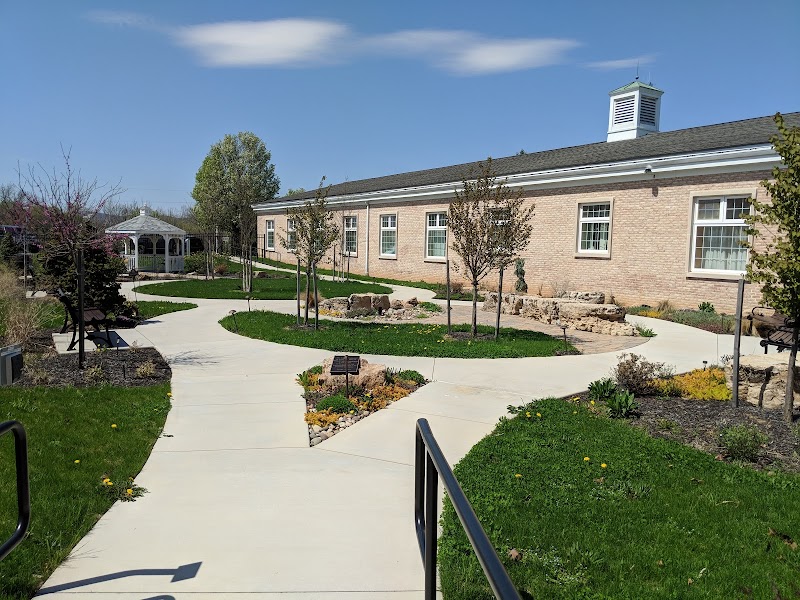
How is Claremont Nursing & Rehabilitation Center Staffed?

CMS rates CLAREMONT NURSING & REHABILITATION CENTER's staffing level at 3 out of 5 stars, which is average compared to other nursing homes. Staff turnover is 51%, compared to the Pennsylvania average of 46%.

What Have Inspectors Found at Claremont Nursing & Rehabilitation Center?

State health inspectors documented 51 deficiencies at CLAREMONT NURSING & REHABILITATION CENTER during 2022 to 2025. These included: 2 Immediate Jeopardy (the most serious level, indicating potential for serious harm or death), 1 that caused actual resident harm, and 48 with potential for harm. Immediate Jeopardy findings are rare and represent the most serious regulatory concerns. They require immediate corrective action.
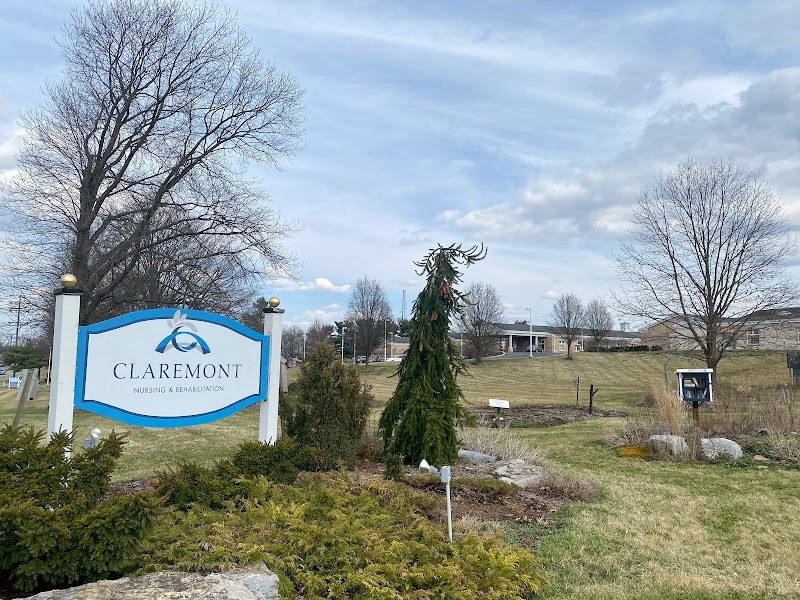
Who Owns and Operates Claremont Nursing & Rehabilitation Center?

CLAREMONT NURSING & REHABILITATION CENTER is owned by a for-profit company. For-profit facilities operate as businesses with obligations to shareholders or private owners. The facility is operated by ALLAIRE HEALTH SERVICES, a chain that manages multiple nursing homes. With 282 certified beds and approximately 262 residents (about 93% occupancy), it is a large facility located in CARLISLE, Pennsylvania.
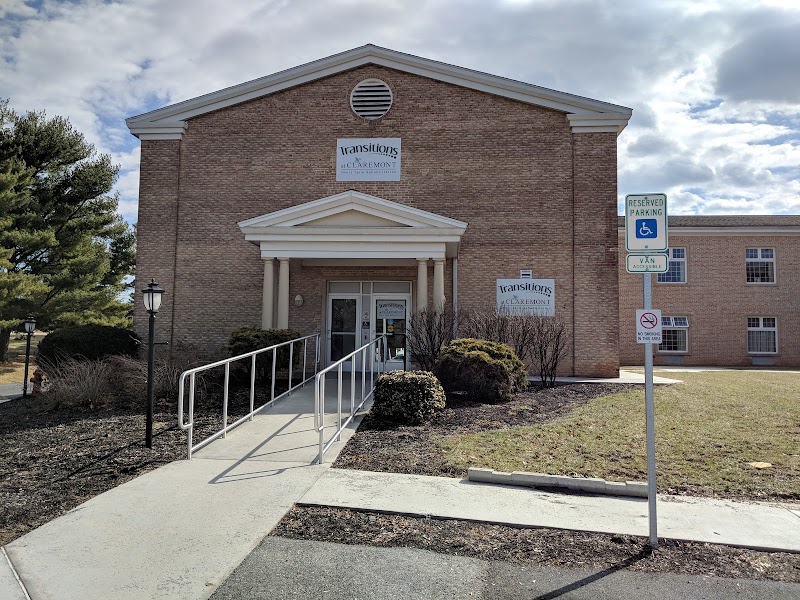
How Does Claremont Nursing & Rehabilitation Center Compare to Other Pennsylvania Nursing Homes?

Compared to the 100 nursing homes in Pennsylvania, CLAREMONT NURSING & REHABILITATION CENTER's overall rating (1 stars) is below the state average of 3.0, staff turnover (51%) is near the state average of 46%, and health inspection rating (1 stars) is much below the national benchmark.

What Should Families Ask When Visiting Claremont Nursing & Rehabilitation Center?

Based on this facility's data, families visiting should ask: "What changes have been made since the serious inspection findings, and how are you preventing similar issues?" "Can I visit during a mealtime to observe dining assistance and food quality?" "How do you handle medical emergencies, and what is your hospital transfer rate?" "Can I speak with family members of current residents about their experience?" These questions are particularly relevant given the facility's Immediate Jeopardy citations.

Is Claremont Nursing & Rehabilitation Center Safe?

Based on CMS inspection data, CLAREMONT NURSING & REHABILITATION CENTER has documented safety concerns. Inspectors have issued 2 Immediate Jeopardy citations (the most serious violation level indicating risk of serious injury or death). The facility has a 1-star overall rating and ranks #100 of 100 nursing homes in Pennsylvania. Families considering this facility should ask detailed questions about what corrective actions have been taken since these incidents.

Do Nurses at Claremont Nursing & Rehabilitation Center Stick Around?

CLAREMONT NURSING & REHABILITATION CENTER has a staff turnover rate of 51%, which is about average for Pennsylvania nursing homes (state average: 46%). Moderate turnover is common in nursing homes, but families should still ask about staff tenure and how the facility maintains care continuity when employees leave.

Was Claremont Nursing & Rehabilitation Center Ever Fined?

CLAREMONT NURSING & REHABILITATION CENTER has been fined $13,780 across 1 penalty action. This is below the Pennsylvania average of $33,217. While any fine indicates a compliance issue, fines under $50,000 are relatively common and typically reflect isolated problems that were subsequently corrected. Families should ask what specific issues led to these fines and confirm they've been resolved.

Is Claremont Nursing & Rehabilitation Center on Any Federal Watch List?

CLAREMONT NURSING & REHABILITATION CENTER is not on any federal watch list. The most significant is the Special Focus Facility (SFF) program, which identifies the bottom 1% of nursing homes nationally based on persistent, serious quality problems. Not being on this list means the facility has avoided the pattern of deficiencies that triggers enhanced federal oversight. This is a positive indicator, though families should still review the facility's inspection history directly.