CUMBERLAND CROSSINGS RETIREMENT COMMUNITY
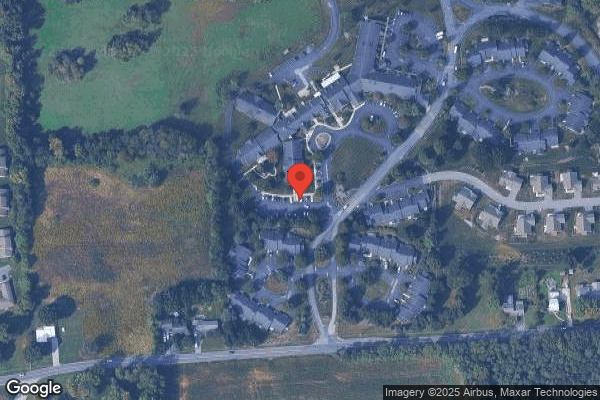

1 LONGSDORF WAY, CARLISLE, PA 17013 (717) 245-9941
Non profit - Church related 58 Beds Independent Data: November 2025
Trust Grade
65/100
#168 of 653 in PA
Last Inspection: April 2025

Within standard 12-15 month inspection cycle. Federal law requires annual inspections.

Overview

Cumberland Crossings Retirement Community has a Trust Grade of C+, which indicates it is slightly above average among nursing homes. It ranks #168 out of 653 facilities in Pennsylvania, placing it in the top half, and #5 out of 17 in Cumberland County, meaning there are few better local options. The facility's performance has been stable, with 16 issues identified consistently over the past two years, and notably, it has not accrued any fines, which is a positive sign. However, staffing is a concern, with a high turnover rate of 96%, significantly above the state average, which may affect resident care. Specific issues noted by inspectors include a lack of training for nurse aides, which is critical for providing quality care, and failures in monitoring hydration for certain residents, underscoring the need for improved compliance with care protocols. Overall, while there are strengths such as good RN coverage and an overall high star rating, the facility does face significant challenges that families should consider.

Trust Score
C+
65/100
In Pennsylvania
#168/653
Top 25%
Safety Record
Low Risk
No red flags
Inspections
Holding Steady
4 → 4 violations
Staff Stability
⚠ Watch
96% turnover. Very high, 48 points above average. Constant new faces learning your loved one's needs.
Penalties
✓ Good
No fines on record. Clean compliance history, better than most Pennsylvania facilities.
Skilled Nurses
✓ Good
Each resident gets 69 minutes of Registered Nurse (RN) attention daily — more than 97% of Pennsylvania nursing homes. RNs are the most trained staff who catch health problems before they become serious.
Violations
⚠ Watch
16 deficiencies on record. Higher than average. Multiple issues found across inspections.
★★★★☆
4.0
Overall Rating
★★★★☆
4.0
Staff Levels
★★★★☆
4.0
Care Quality
★★★★☆
4.0
Inspection Score
Stable
2024: 4 issues
2025: 4 issues

The Good

  • 4-Star Staffing Rating · Above-average nurse staffing levels
  • 4-Star Quality Measures · Strong clinical quality outcomes
  • Full Sprinkler Coverage · Fire safety systems throughout facility
  • No fines on record

Facility shows strength in staffing levels, quality measures, fire safety.

The Bad

Staff Turnover: 96%

50pts above Pennsylvania avg (46%)

Frequent staff changes - ask about care continuity

Staff turnover is very high (96%)

48 points above Pennsylvania average of 48%

The Ugly 16 deficiencies on record

Apr 2025 4 deficiencies
CONCERN (D)

Potential for Harm - no one hurt, but risky conditions existed

Deficiency F0657 (Tag F0657)

Could have caused harm · This affected 1 resident

**NOTE- TERMS IN BRACKETS HAVE BEEN EDITED TO PROTECT CONFIDENTIALITY** Based on observations, clinical record reviews, and staff interviews, it was determined that the facility failed to review and r...

Read full inspector narrative →
**NOTE- TERMS IN BRACKETS HAVE BEEN EDITED TO PROTECT CONFIDENTIALITY** Based on observations, clinical record reviews, and staff interviews, it was determined that the facility failed to review and revise the resident care plan to reflect the resident's current status for three of 16 residents reviewed (Residents 5, 36, and 42). Findings include: Review of Resident 5's clinical record revealed diagnoses that included protein-calorie malnutrition (insufficient protein intake or protein deficiency) and bipolar disorder (mental illness that brings severe high and low moods and changes in sleep, energy, thinking, and behavior). Observations made on April 7, 2025, at 10:08 AM; April 9, 2025, at 11:00 AM; and on April 10, 2025, at 9:31 AM, revealed that the mattress on Resident 5's bed had built-up sides, and fall mats were present on both sides of the bed. Review of Resident 5's current care plan revealed a focus area related to her risk of falls due to weakness with a goal to be free of falls through the next review date. Review of the related interventions failed to note the use of fall mats or a specialty mattress to reduce falls and/or injury related to falling. In email correspondence received from the Director of Nursing (DON) on April 10, 2025, at 10:39 AM, she revealed that Resident 5 was evaluated and found appropriate for fall mat and specialty mattress use, and that these interventions would be added to her care plan. Review of Resident 36's clinical record revealed that she was admitted to the facility on [DATE], with a primary diagnosis of syncope (fainting or sudden loss of consciousness mainly caused by reduced blood supply to the brain) and collapse (a sudden loss of strength or support), as well as, generalized muscle weakness, and unsteadiness on feet. Review of Resident 36's clinical record progress notes revealed that on February 14, 2025, at 3:47 PM, she had a syncopal episode, which resulted in staff having to lower her to the floor. In addition, she was transferred to the hospital for an evaluation at the request of Resident 36's Representative. Further review of Resident 36's clinical record progress notes revealed that on March 4, 2025, at 8:30 AM, she had an unresponsive episode while in the dining room. Review of Resident 36's care plan failed to reveal any mention of her diagnosis of syncope and collapse or her actual syncopal episodes. During a staff interview with the DON and Assistant Director of Nursing on April 9, 2025, at 10:00 AM, the care plan concern was shared. Follow-up review of Resident 36's care plan on April 10, 2025, at 9:15 AM, revealed that her care plan had been revised on April 9, 2025, to include history of syncope as potential risk for falls. During a staff interview with the Nursing Home Administrator (NHA) and DON on April 10, 2025, at 10:21 AM, the DON confirmed that Resident 36's care plan was revised to include her diagnosis of syncope. Review of Resident 42's clinical record revealed diagnoses that included depression (common and serious medical illness that negatively affects how you feel, think, and act) and anxiety disorder (a mental health condition characterized by excessive and persistent fear or worry that interferes with daily life). Review of Resident 42's physician orders revealed an order for Seroquel (antipsychotic medication) 25 mg at bedtime for psychosis/visual hallucination relate to depression, with a start date of June 20, 2024. Review of Resident 42's care plan failed to reveal a care plan with a focus area related to antipsychotic medications. Interview with the DON on April 10, 2025, at 10:55 AM, revealed they thought an adequate care plan had been enacted into Resident 42's care plan. 28 Pa. Code 211.12(d)(1)(3)(5) Nursing services
CONCERN (D)

Potential for Harm - no one hurt, but risky conditions existed

Quality of Care (Tag F0684)

Could have caused harm · This affected 1 resident

**NOTE- TERMS IN BRACKETS HAVE BEEN EDITED TO PROTECT CONFIDENTIALITY** Based on clinical record review and staff interview, it was determined that the facility failed to provide care and services in ...

Read full inspector narrative →
**NOTE- TERMS IN BRACKETS HAVE BEEN EDITED TO PROTECT CONFIDENTIALITY** Based on clinical record review and staff interview, it was determined that the facility failed to provide care and services in accordance with professional standards of practice to ensure the resident's highest level of well-being for two of 16 residents reviewed (Residents 160 and 161). Findings include: Review of Resident 160's clinical record revealed diagnoses that included congestive heart failure (weakness of the heart that leads to buildup of fluid in the lungs and surrounding body tissues) and atrial fibrillation (irregular heart beat). Review of Resident 160's hospital Discharge summary dated [DATE], revealed the following instructions: Heart failure patient. Please weigh patient every morning. Report a weight gain of 2-3 pounds overnight or 5 pounds in one week to provider so fluid status can be evaluated. Review of Resident 160's physician order summary revealed the following orders: daily weights starting March 27, 2025, and report weight gain of 2-3 pounds overnight or 5 pounds in one week, starting March 21, 2025. Review of Resident 160's daily weight documentation revealed that on April 3, 2025, he weighed 173.2 pounds and on April 4, 2025, he weighed 176.4 pounds (a 3.2 pound weight gain). Further review of Resident 160's clinical record failed to reveal evidence that the practitioner was notified of Resident 160's overnight weight gain. During an interview with the Director of Nursing (DON) on April 10, 2025, at 9:58 AM, she revealed that she was not able to locate evidence that the practitioner was notified of Resident 160's weight gain. Review of Resident 161's clinical record revealed diagnoses that included congestive heart failure and chronic obstructive pulmonary disease (chronic inflammatory lung disease that causes obstructed airflow from the lungs). Review of Resident 161's physician order summary revealed the following orders: daily weights related to heart failure starting March 21, 2025, and report weight gain of 2-3 pounds overnight or 5 pounds in one week, starting March 21, 2025. Review of Resident 161's daily weight documentation revealed that on April 2, 2025, he weighed 183.2 pounds and on April 3, 2025, he weighed 186.3 pounds (a 3.1 pound weight gain). Further review of Resident 161's clinical record failed to reveal evidence that the practitioner was notified of Resident 161's overnight weight gain. During an interview with the DON on April 10, 2025, at 9:58 AM, she revealed that she was not able to locate evidence that the practitioner was notified of Resident 161's weight gain. 28 Pa. Code 211.12(d)(1)(5) Nursing services
CONCERN (D)

Potential for Harm - no one hurt, but risky conditions existed

Infection Control (Tag F0880)

Could have caused harm · This affected 1 resident

Based on observation, facility policy review, clinical record review, and staff interview, it was determined that the facility failed to ensure staff implemented infection control policies to prevent ...

Read full inspector narrative →
Based on observation, facility policy review, clinical record review, and staff interview, it was determined that the facility failed to ensure staff implemented infection control policies to prevent the spread of infection for two of 16 residents reviewed (Residents 16 and 41) Findings Include: Review of facility policy, Enhanced Barrier Precautions, with an origination date of April 9, 2024, revealed, Enhanced barrier precautions (EBPs) are used as an infection prevention and control intervention to reduce the spread of multi drug-resistant organisms (MDROs) to residents. EBPs employ targeted gown and glove use during high contact resident care activities when contact precautions do not otherwise apply. Review of Center for Clinical Standards and Quality/Quality, Safety & Oversight Group memo, Reference #: QSO-24-08-NH, dated March 20, 2024, with a subject of: Enhanced Barrier Precautions in Nursing Homes, revealed: EBP are indicated for residents with any of the following: o Infection or colonization with a CDC-targeted MDRO when Contact Precautions do not otherwise apply; or o Wounds and/or indwelling medical devices even if the resident is not known to be infected or colonized with a MDRO. Wounds generally include chronic wounds, not shorter-lasting wounds, such as skin breaks or skin tears covered with an adhesive bandage (e.g., Band-Aid®) or similar dressing. Examples of chronic wounds include, but are not limited to, pressure ulcers, diabetic foot ulcers, unhealed surgical wounds, and venous stasis ulcers. Review of Resident 16's clinical record revealed diagnoses that included pressure ulcer of other site, stage 4 (injury caused by pressure; stage 4 refers to the injury severity, in this case extending to muscle, tendon, or bone) and diabetes (a chronic condition where the body either doesn't produce enough insulin or can't effectively use the insulin it produces, leading to high blood sugar levels). Review of Resident 16's physician orders revealed an order to complete a dressing change to a pressure ulcer on her left, posterior shin daily, starting March 21, 2025. Further review of Resident 16's physician orders failed to reveal an order to implement Enhanced Barrier Precautions. Review of Resident 16's care plan with a focus area of, Wound management- Stage 4 pressure wound of the left, posterior shin, with a date initiated of January 24, 2025. Further review of the care plan failed to reveal a care plan regarding the need for enhanced barrier precautions. Observation of Resident 16 on March 9, 2025, at 8:54 AM, revealed Employee 4 (Licensed Practical Nurse) perform a dressing change on Resident 16's stage 4 pressure ulcer located on her left, posterior shin. Employee 4 failed to wear a gown for the procedure. Review of Resident 41's clinical record revealed diagnoses that included foot ulcer (an ulcer on the foot) and diabetes. Review of Resident 41's physician orders revealed an order to complete a dressing change to a pressure ulcer on her left, posterior shin daily, starting March 21, 2025. Review of Resident 41's care plan with a focus area of, Wound management; right lateral foot, right anterior lower leg, with a date initiated of June 3, 2024. Further review of the care plan failed to reveal a care plan regarding the need for enhanced barrier precautions. Review of Resident 41's electronic medical record revealed a medical consult from April 1, 2025, regarding treatment for a diabetic ulcer of the right mid-foot. Interview of the Director of Nursing on April 10, 2025, at 11:45 AM, revealed that the facility had not interpreted Resident 16's and 41's wounds as chronic wounds and, therefore, did not implement enhanced barrier precautions. 28 Pa. Code 211.12(d)(1)(3)(5) Nursing services
CONCERN (E)

Potential for Harm - no one hurt, but risky conditions existed

Deficiency F0947 (Tag F0947)

Could have caused harm · This affected multiple residents

Based on personnel training record review and staff interviews, it was determined that the facility failed to ensure each nurse aide was provided required in-service training, consisting of no less th...

Read full inspector narrative →
Based on personnel training record review and staff interviews, it was determined that the facility failed to ensure each nurse aide was provided required in-service training, consisting of no less than 12 hours per year, which included dementia management and resident abuse prevention for three of five nurse aide employee records reviewed (Employees 1, 2, and 3). Findings Include: Review of personnel information revealed Employee 1's hire date was October 28, 2019; Employee 2's hire date was December 5, 1994; and Employee 3's hire date was November 17, 2015. Review of facility training records failed to reveal that the aforementioned Employees completed 12 hours of required annual training in the past 12 months. Further review of facility training records failed to reveal evidence that dementia management training was completed by Employee 1 within the past 12 months, or that abuse prevention training was completed by Employees 1 and 2 within the past 12 months. During an interview with the Nursing Home Administrator (NHA) and Director of Nursing on April 10, 2025, at 9:43 AM, the NHA stated he would expect the nurse aide annual training to be done every 12 months and include abuse and dementia. 28 Pa. Code 201.14(a) Responsibility of licensee 28 Pa. Code 201.19(7) Personnel policies and procedures 28 Pa. Code 201.20(a)(d) Staff development
May 2024 4 deficiencies
CONCERN (D)

Potential for Harm - no one hurt, but risky conditions existed

Assessment Accuracy (Tag F0641)

Could have caused harm · This affected 1 resident

Based on clinical record review and staff interviews, it was determined that the facility failed to ensure the resident assessment accurately reflected the resident status for three of 16 residents re...

Read full inspector narrative →
Based on clinical record review and staff interviews, it was determined that the facility failed to ensure the resident assessment accurately reflected the resident status for three of 16 residents reviewed (Residents 30, 40, and 44). Findings Include: Review of Resident 30's clinical record revealed diagnoses that included hypertension (elevated blood pressure) and chronic kidney disease, stage 4 (CKD-a condition in which the kidneys are damaged and can't filter blood as well as they should). Review of Resident 30's current physician orders revealed an order, dated April 20, 2024, for a 16 French (indicates the size of the catheter) catheter (tube inserted into the bladder to drain urine). Review of Resident 30's admission MDS (Minimum Data Set - an assessment tool to review all care areas specific to the resident such as a resident's physical, mental, or psychosocial needs), dated April 26, 2024, revealed in Section H, Resident 30 was coded as having an indwelling urinary catheter. Further review of Section H revealed that Resident 30's urinary continence was coded as occasionally incontinent and bowel continence was coded as not rated. During an interview with the Nursing Home Administrator (NHA) on May 16, 2024, at 9:32 AM, he confirmed that Resident 30's bowel and bladder continence was incorrectly coded on the MDS. Review of Resident 40's clinical record revealed diagnoses including type 2 diabetes mellitus (decreased ability of the body to utilize insulin for the transport of glucose from the blood stream into the cells for nourishment) and peripheral vascular disease (condition that results in decreased blood flow to the extremities of the body). Review of Resident 40's physician orders revealed an order for methenamine Hippurate (antibiotic medication used to stop the growth of bacteria in urine) 1 gram twice a day for the indication of history of urinary tract infections. Review of the order revealed it had been started on September 28, 2023. Review of Resident 40's Quarterly Minimum Data Set (MDS - standardized assessment tool utilized to identify a resident's physical, mental, and psychosocial needs), with an assessment reference date of April 9, 2024, revealed that Section N - Medications, subsection N0415 High-Risk Drug Classes: Use and Indication, subsection F - Antibiotic was assessed to reflect that Resident 40 was not receiving an antibacterial medication. During a staff interview on May 16, 2024, at approximately 10:15 AM, Nursing Home Administrator confirmed that the MDS was coded incorrectly and that Resident 40's Quarterly MDS should have included the use of an antibacterial medication. Review of Resident 44's clinical record revealed diagnoses that included chronic kidney disease, hypertension and diabetes mellitus (a metabolic disorder in which the body has high sugar levels for prolonged periods of time). Review of Resident 44's Quarterly MDS with ARD (assessment reference date last day of the assessment period) of November 8, 2023, revealed, under Section N- Medications subsection N0350. Insulin, Resident 44 was coded as receiving insulin injections over the past seven days. Review of Resident 44's State Optional MDS with ARD of November 8, 2023, revealed, under Section N- Medications subsection N0350. Insulin, Resident 44 was coded as receiving insulin injections over the past seven days. Review of Resident 44's Modification of Quarterly MDS with ARD of November 8, 2023, revealed, under Section N- Medications subsection N0350. Insulin, Resident 44 was coded as receiving insulin injections over the past seven days. Review of Resident 44's Quarterly MDS with ARD of February 7, 2024, revealed, under Section N- Medications subsection N0350. Insulin, Resident 44 was coded as receiving insulin injections over the past seven days. Review of Resident 44's State Optional MDS with ARD of February 7, 2024, revealed, under Section N- Medications subsection N0350. Insulin, Resident 44 was coded as receiving insulin injections over the past seven days. During an interview with Employee 1 (Registered Nurse Assessment Coordinator) on May 15, 2024, at 11:04 AM, she revealed the MDS was likely marked for insulin as resident was on Victoza which is a hypoglycemic injection, but she confirmed it is not insulin and the MDS assessments were not correct. During an interview with the NHA on May 15, 2024, at 1:07 PM, he revealed he would expect Resident 44's MDS assessments to be coded accurately. 28 Pa. Code 211.12(c)(d)(1)(3)(5) Nursing services
CONCERN (D)

Potential for Harm - no one hurt, but risky conditions existed

Deficiency F0657 (Tag F0657)

Could have caused harm · This affected 1 resident

Based on clinical record review and staff interviews, it was determined that the facility failed to ensure the resident comprehensive plan of care was reviewed and revised in accordance with residents...

Read full inspector narrative →
Based on clinical record review and staff interviews, it was determined that the facility failed to ensure the resident comprehensive plan of care was reviewed and revised in accordance with residents' needs for two of 12 residents reviewed (Residents 40 and 45). Findings include: Review of Resident 40's clinical record revealed diagnoses including type 2 diabetes mellitus (decreased ability of the body to utilize insulin for the transport of glucose from the blood stream into the cells for nourishment) and peripheral vascular disease (condition that results in decreased blood flow to the extremities of the body). Review of Resident 40's consultant wound evaluation, dated April 29, 2024, revealed Resident 40 developed two venous wounds (wound caused by insufficient blood circulation) on the lower portion of the right leg. One was described as a full thickness wound measuring 4 centimeters (cm - metric unit of measure) in length by 4 cm width with 0.1 cm of depth; the second measured 0.5 cm length by 1.5 cm width with 0.1 cm of depth. Treatment was recommended by the consultant wound team and accepted by the attending physician. Review of the most recent consultative wound assessment revealed that on May 13, 2024, Resident 40 continued to suffer from venous wounds of the lower right leg. Review of Resident 40's comprehensive plan of care on May 14, 2024, revealed Resident 40's comprehensive plan of care did not include a care plan with a focus, goals, or interventions for the venous wounds of the lower right leg. During a staff interview on May 16, 2024, at approximately 10:15 AM, Director of Nursing revealed that Resident 40's comprehensive plan of care should have included the wounds suffered on the right lower leg of Resident 40. Review of Resident 45's clinical record revealed diagnoses that included: bronchopneumonia (pneumonia that affects the alveoli which are tiny air sacs inside the lungs), cerebral infarction (occurs when the blood supply to part of the brain is blocked or reduced), and muscle weakness. Review of Resident 45's care plan on May 14, 2024, revealed a focus area: The resident has oxygen therapy related to aspiration pneumonia (infection of the lungs caused by inhaling saliva, food, liquid, vomit, or even small foreign objects), with an intervention for five liters of oxygen, initiated on January 29, 2024. Review of Resident 45's physician orders revealed an order for five liters of oxygen that was discontinued on March 12, 2024. Further review of Resident 45's physician orders revealed he was ordered oxygen as needed with a start date of March 12, 2024, that was discontinued on April 11, 2024. Observations of Resident 45 in his room on May 14 and 15, 2024, failed to reveal oxygen use or oxygen equipment in his room. During an interview with the Director of Nursing (DON) on May 15, 2024, at 1:10 PM, the surveyor questioned Resident 45's active care plan for oxygen. Follow up interview with the DON on May 16, 2024, at 10:20 AM, revealed the care plan was resolved on May 15, 2024, and she would expect Resident 45's care plan to be revised that he no longer actively uses oxygen. 28 Pa code 211.12(d)(1)(3)(5) Nursing services
CONCERN (D)

Potential for Harm - no one hurt, but risky conditions existed

Incontinence Care (Tag F0690)

Could have caused harm · This affected 1 resident

Based on observations, facility policy review, clinical record review, and staff interview, it was determined that the facility failed to provide appropriate urinary catheter care for one of two resid...

Read full inspector narrative →
Based on observations, facility policy review, clinical record review, and staff interview, it was determined that the facility failed to provide appropriate urinary catheter care for one of two residents reviewed for catheters (Resident 30). Findings Include: Review of facility policy titled Orders for Indwelling Urinary Catheters [tubing inserted into the bladder to drain urine into a bag] and Catheter Care, revised September 2017, revealed Residents/patients with indwelling urinary catheters will have appropriate care and monitoring. Review of Resident 30's clinical record revealed diagnoses that included hypertension (elevated blood pressure) and chronic kidney disease, stage 4 (CKD-a condition in which the kidneys are damaged and can't filter blood as well as they should). Review of Resident 30's current physician orders revealed an order, dated April 20, 2024, for a 16 French (indicates the size of the catheter) catheter. Observations of Resident 30 on May 14, 2024, at 9:45 AM, 10:11 AM and 11:06 AM, revealed Resident 30 in bed, asleep, with her catheter bag laying on the floor beside her bed. During an interview with the Director of Nursing on May 16, 2024, at 9:31 AM, she stated that Resident 30's catheter bag should not have been on the floor. 28 Pa code 211.12(d)(1)(2)(5) Nursing services
CONCERN (D)

Potential for Harm - no one hurt, but risky conditions existed

Deficiency F0692 (Tag F0692)

Could have caused harm · This affected 1 resident

Based on facility policy review, record review, and resident and staff interviews, it was determined that the facility failed to ensure proper monitoring for maintenance of acceptable parameters of nu...

Read full inspector narrative →
Based on facility policy review, record review, and resident and staff interviews, it was determined that the facility failed to ensure proper monitoring for maintenance of acceptable parameters of nutritional status, such as usual body weight or desirable body weight range and electrolyte balance for one of three residents reviewed for nutrition (Resident 44). Findings include: Review of facility policy titled Weight Assessment and Intervention revised September 2008, read, in part, Any weight change of 5% or more since the last weight assessment will be retaken the next day for confirmation. If the weight is verified, nursing will immediately notify the Dietitian in writing. Verbal notification must be confirmed in writing. The Dietitian will respond within 72 hours of receipt of written notification. During an interview with Resident 44 on March 14, 2024, at 9:46 AM, she revealed she has lost weight at the facility when she was sick, and she has stomach issues and is a picky eater. Review of Resident 44's weight, revealed a significant weight loss of 5.3% from March 23, 2024, to March 24, 2024, confirmed by a re-weigh measure taken on March 25, 2024. Review of Resident 44's clinical record revealed she was covid positive at the time of the weight loss. Review of Resident 44's nursing progress notes revealed a note on March 24, 2024, at 1:50 PM, that read, in part, Resident covid positive .Resident continues with nausea and lack of appetite. Ginger ale and as needed Tums with moderate effect. Fluids encouraged. Further review of Resident 44's nursing progress notes revealed a note on March 26, 2024, at 1:45 PM, that read, in part, Resident continues on isolation for positive covid. Complaints of nausea, as needed tums given with little effectiveness. Review of Resident 44's clinical record revealed a nurse practitioner note on April 3, 2024, that read, in part, Chief Complaint: Nausea, loose stools, abdominal pain .She continues with nausea and poor appetite. She feels weak. She does report abdominal pain .Start peripheral IV and start [IV fluids] During an interview with Employee 2 (Registered Dietitian) on May 15, 2024, at 12:33 PM, she revealed she was not notified by nursing of the significant weight loss per the facility policy, and that's why she did not see it or assess Resident 44 until she discovered the weight loss on April 15, 2024; she further revealed she would have assessed Resident 44 within 72 hours following the weight loss and would have implemented interventions at the time based on the resident's preference. During an interview with the Director of Nursing on May 16, 2024, at 10:21 AM, she revealed there are reports the Dietitian can run to evaluate residents for significant weight loss and that it should be a team effort rather than reliance on nursing staff for notification of significant weight changes; she further revealed that she would expect nutrition assessments to be conducted timely in response to significant weight changes per the facility policy. 28 Pa. Code 201.14(a) Responsibility of licensee. 28 Pa Code 211.12(d)(1)(3)(5) Nursing Services.
May 2023 8 deficiencies
CONCERN (D)

Potential for Harm - no one hurt, but risky conditions existed

Comprehensive Care Plan (Tag F0656)

Could have caused harm · This affected 1 resident

**NOTE- TERMS IN BRACKETS HAVE BEEN EDITED TO PROTECT CONFIDENTIALITY** Based on observations, staff and resident interviews, and record review, the facility failed to develop and implement a comprehe...

Read full inspector narrative →
**NOTE- TERMS IN BRACKETS HAVE BEEN EDITED TO PROTECT CONFIDENTIALITY** Based on observations, staff and resident interviews, and record review, the facility failed to develop and implement a comprehensive person-centered care plan for one of 16 records reviewed (Resident 205). Findings include: Review of Resident 205's clinical record revealed diagnoses that included: chronic kidney disease (the kidneys don't filter waste and excess fluids from the blood, and the waste builds up), anxiety (a feeling of worry, nervousness, or unease), and congestive heart failure (the heart doesn't pump blood as well as it should). During an interview with Resident 205 on May 22, 2023, at 12:45 PM, it was revealed he was admitted to the facility on [DATE], has a pacemaker, and wears dentures. Review of Resident 205's history and physical dated March 13, 2023, read, in part, cardiac pacemaker placement August 2015; upgraded to St. [NAME] Biventricular implantable cardioverter defibrillator (ICD- a device implanted in your chest or abdomen that helps control abnormal heart rhythms using electrical pulses). Review of Resident 205's care plan failed to include the use of an ICD and dentures. During interview with Director Of Nursing (DON) on May 24, 23 at 2:40 PM, it was revealed the nursing admission assessment noted the pacemaker, documented a follow-up appointment with cardiology was scheduled for May 24, 2023, and a date for the pacemaker check-in was scheduled for November 9, 2023. During interview with DON on May 25, 2023, at 9:54 AM, it was revealed that the pacemaker and the use of dentures should be included on the care plan. 28 Pa. Code 211.11(d) Resident Care Plans
CONCERN (D)

Potential for Harm - no one hurt, but risky conditions existed

Deficiency F0805 (Tag F0805)

Could have caused harm · This affected 1 resident

Based on clinical record review and observations, it was determined that the facility failed to provide food prepared in a form designed to meet individual needs for one of 16 residents reviewed (Resi...

Read full inspector narrative →
Based on clinical record review and observations, it was determined that the facility failed to provide food prepared in a form designed to meet individual needs for one of 16 residents reviewed (Resident 26). Findings include: Review of Resident 26's clinical record revealed diagnoses that included Parkinson's disease (progressive disease of the central nervous system characterized by tremors, muscle weakness, and unsteady gait), dementia (irreversible, progressive, degenerative disease of the brain, resulting in loss of reality contact and functioning ability), and hypertension (elevated/high blood pressure). Review of Resident 26's physician orders revealed an order for a regular texture diet with pre-cut meats. Review of Resident 26's care plan revealed prescribed diet of regular texture-bite size, cut meats for all meals, thin liquids. Further review of the care plan revealed the Resident requires set-up by staff to eat. Review of Resident 26's tray tickets for May 24, 2023, revealed a notation of cut meats, bite sized, for all meals. Observation of Resident 26 in the main dining area on May 24, 2023, at 1:01 PM, revealed the Resident had full sized pieces of ravioli that were not bite sized. Further observation at 1:04 PM, revealed Resident 26 with difficulty cutting ravioli and attempting to eat ravioli using a curved, adaptive fork in his right hand and his fingers on his left hand. During an interview with the Nursing Home Administrator on May 24, 2023, at 2:30 PM, the surveyor revealed the concern with Resident 26 not receiving the appropriate texture meat. No further information was provided. 28 Pa. Code 211.12(d)(1) Nursing services
CONCERN (D)

Potential for Harm - no one hurt, but risky conditions existed

Deficiency F0810 (Tag F0810)

Could have caused harm · This affected 1 resident

**NOTE- TERMS IN BRACKETS HAVE BEEN EDITED TO PROTECT CONFIDENTIALITY** Based on observations, clinical record review, and staff interviews, it was determined that the facility failed to provide adapt...

Read full inspector narrative →
**NOTE- TERMS IN BRACKETS HAVE BEEN EDITED TO PROTECT CONFIDENTIALITY** Based on observations, clinical record review, and staff interviews, it was determined that the facility failed to provide adaptive feeding devices for one of 16 residents reviewed (Resident 23). Findings include: Review of Resident 23's clinical record documented diagnoses that included: Parkinson's disease (a progressive disease of the nervous system marked by tremor, muscular rigidity, and slow imprecise movement), dementia (a chronic disorder of the mental processes caused by brain disease, marked by memory disorders, personality changes, and impaired reasoning), and lack of coordination. Observation of Resident 23 in the dining room on May 22, 2023, at 12:25 PM, Resident 23 was eating his meal off of a regular plate. Additional observation on May 24, 2023, at 12:40 PM, revealed Resident 23 was in his room, eating his lunch meal off of a regular plate. Review of Resident 23's May 2023 physician orders included a scoop plate (a plate with curved, elongated rim that makes it easier to put food on a spoon or fork for those with limited dexterity or fine motor skills) for all meals, with a revision date of April 10, 2023. Review of Resident 23's care plan included a focus area at risk for nutritional problem related to Parkinson's, dementia, osteoarthritis ( a type of arthritis that occurs when flexible tissue at the ends of bones wears down), initiated October 10, 2022. Interventions included a scoop plate at all meals, initiated May 9, 2023. Review of Resident 23's [NAME] (informational system used as a quick reference for information pertaining to resident care needs) documented scoop plate at all meals, updated May 24, 2023. Review of Resident 23's tray tickets for breakfast, lunch, and dinner failed to document use of a scoop plate. During an interview with the Nursing Home Administrator on May 24, 2023, at 2:30 PM, surveyor revealed the concern with Resident 23 not receiving a scoop plate at two observed lunch meals. No further information was provided. 28 Pa code 211.6(b)(d) - Dietary Services
CONCERN (D)

Potential for Harm - no one hurt, but risky conditions existed

Deficiency F0947 (Tag F0947)

Could have caused harm · This affected 1 resident

Based on review of personnel training records and staff interview, it was determined that the facility failed to ensure each nurse aide was provided with the required in-service training consisting of...

Read full inspector narrative →
Based on review of personnel training records and staff interview, it was determined that the facility failed to ensure each nurse aide was provided with the required in-service training consisting of no less than 12 hours per year, which included dementia management and resident abuse prevention, for four of five nurse aide employee records reviewed (Employees 3, 4, 5, and 6). Findings Include: Review of personnel information revealed Employee 3's hire date was March 15, 2021; Employee 4's hire date was July 7, 2015; Employee 5's hire date was January 26, 2022; and Employee 6's hire date was October 28, 2019. Review of facility training records failed to reveal that the aforementioned Employees completed 12 hours of required annual training in the past 12 months. Further review of facility training records failed to reveal evidence that dementia management or abuse prevention training was completed by Employees 4, 5, and 6 within the past 12 months. During an interview with the Nursing Home Administrator on May 24, 2023, at 2:29 PM, he acknowledged that the aforementioned Employees did not meet the training requirements, and indicated that he did not have any additional information to provide. 28 Pa. Code 201.14(a) Responsibility of licensee 28 Pa. Code 201.18(b)(1) Management 28 Pa. Code 201.20(a)(c) Staff development 28 Pa. Code 201.29 (d) Resident rights
CONCERN (E)

Potential for Harm - no one hurt, but risky conditions existed

Deficiency F0692 (Tag F0692)

Could have caused harm · This affected multiple residents

Based on review of facility policy, clinical record review, observations, and resident and staff interviews, it was determined that the facility failed to precisely and effectively monitor hydration s...

Read full inspector narrative →
Based on review of facility policy, clinical record review, observations, and resident and staff interviews, it was determined that the facility failed to precisely and effectively monitor hydration status for two of 16 residents reviewed (Resident's 6 and 24) Findings include: Review of facility policy, titled Encouraging and Restricting Fluids last revised October 2010, revealed Remove the resident's water pitcher and cup from the room .The following information should be recorded in the resident's medical record: The amount (in mLs) of fluids consumed by the resident during the shift. Review of Resident 6's clinical record revealed diagnoses that included congestive heart failure (excessive body/lung fluid caused by a weakened heart muscle), hypertension (elevated/high blood pressure), and chronic kidney disease (a condition characterized by a gradual loss of kidney function). Review of Resident 6's physician orders revealed an order for an 1800 mL (mL- milliliter, unit of measure) fluid restriction per day (dining 1500 mL= 580 mL breakfast, 460 mL lunch, and 460 mL dinner; nursing 300 mL= 120 mL dayshift, 120 mL evening shift, 60 mL night shift), dated May 17, 2023. Review of resident 6's meal tray tickets of May 24, 2023, and May 25, 2023, revealed total amount of beverages listed to provide were less than the amount of fluids allowed from dietary services for each meal. Observation on May 22, 2023, at 12:07 PM, revealed two 16-ounce (unit of measure) Styrofoam cups at Resident 6's bedside, one was full and one was a quarter full of liquid, exceeding the allowed fluids on day shift from nursing services. Observation on May 24, 2023, at 9:23 AM, revealed a 16-ounce Styrofoam cup at bedside. Further observation on May 24, 2023, at 11:47 AM, revealed a 7.5 ounce can of soda and an 8 ounce glass of water on Resident 6's meal tray, which exceeds the allowed fluids from dietary services per physician order. Observation on May 25, 2023, at 10:21 AM, revealed a 16-ounce Styrofoam cup on Resident 6's tray table. Interview with Resident 6 on May 24, 2023, at 11:47 AM, revealed she often has a Styrofoam cup at her bedside and was unaware of nursing monitoring her fluid intake. Review of Resident 24's clinical record revealed diagnoses that included of end stage renal disease (failure of kidney function to remove toxins from blood), reflux disease (a return of the stomach's contents back up into the esophagus), and diabetes mellitus (a form of diabetes that is characterized by high blood sugar, insulin resistance, and relative lack of insulin). Review of Resident 24's physician orders revealed an order for a 1500 mL fluid restriction per day (dining 1200 mL= 480 mL breakfast, 360 mL lunch, and 360 mL dinner; nursing 300 mL= 120 mL dayshift, 120 mL evening shift, 60 mL night shift), dated March 15, 2023. Review of Resident 24's TAR (Treatment Administration Record- documentation for treatments/medication administered or monitored) failed to reveal documentation of fluids consumed, per policy. Review of Resident 24's meal tray tickets of May 23, 2023, revealed total beverages listed to provide were less than the amount of fluids allowed from dietary services for each meal. Observation on May 23, 2023, at 1:36 PM, revealed one 16-ounce Styrofoam cup at Resident 24's bedside full of liquid, exceeding the allowed fluids on that shift from nursing services on day shift. Observation on May 24, 2023, at 9:05 AM, revealed a 16-ounce Styrofoam cup and a 20-ounce size bottle of root beer soda at bedside. Interview with Resident 24 on May 24, 2023, at 9:05 AM, revealed she monitors her fluids on her own. Interview with Director of Nursing on May 25, 2023, at 1:45 PM, DON was informed of the concerns regarding management of fluid restrictions. No further information was provided. 28 Pa. Code 211.12(d)(1) Nursing services 28 Pa. Code 211.6(a)(b)(1) Dietary services
CONCERN (E)

Potential for Harm - no one hurt, but risky conditions existed

Menu Adequacy (Tag F0803)

Could have caused harm · This affected multiple residents

**NOTE- TERMS IN BRACKETS HAVE BEEN EDITED TO PROTECT CONFIDENTIALITY** Based on observations, facility policy, select facility document review, and resident and staff interviews, it was determined th...

Read full inspector narrative →
**NOTE- TERMS IN BRACKETS HAVE BEEN EDITED TO PROTECT CONFIDENTIALITY** Based on observations, facility policy, select facility document review, and resident and staff interviews, it was determined that the facility failed to provide a nutritionally adequate menu for one of one meals observed (May 24, 2023, lunch meal). Findings include: Interviews with residents during the initial pool process revealed concerns with consistent food portions. Review of resident council meeting minutes revealed concern that portion size of food vary each meal and aren't consistent for three out of six months reviewed. Review of the facility menu and diet spreadsheet (guide as to portion sizes and food items for all diets) for the lunch meal on May 24, 2023, read, in part, serving size for ravioli [NAME] 8 ounces and serving utensil 8 ounce spoodle (a utensil midway between a spoon and a ladle); and serving size for the apple [NAME] brussel sprouts 1/2 cup and serving utensil 4 ounce spoodle. Observation of tray line on May 24, 2023, at 11:36 AM, revealed the ravioli [NAME] was served utilizing a 3 ounce spoodle mounded with food and portions were noted to vary. Further observation revealed the apple [NAME] brussel sprouts were served utilizing a 3 ounce spoodle mounded with food and portions were noted to vary. During an interview with Employee 7 (Dining Services Director) and Employee 8 (Sous Chef) on May 24, 2023, at 1:00 PM, it was revealed that the ravioli [NAME] and brussel sprouts were served utilizing a 3 ounce spoodle that was mounded with food. Surveyor questioned how the Dietary Staff knows the portions size to be served for each menu item. Employees 7 and 8 stated that the menu doesn't contain portion size information. Surveyor reviewed the extension sheets with Employees 7 and 8, which documented the serving size for the ravioli [NAME] was 8 ounces and to utilize an 8 ounce spoodle, and the serving size for the brussel sprouts was 1/2 cup and to utilize a 4 ounce spoodle. Employee 8 commented that she wasn't aware the portion sizes were documented on the extension sheets. Employee 7 verified that the facility had 8 ounce and 4 ounce spoodles available for the staff to utilize; and revealed that the correct serving utensils should've been utilized to serve the ravioli [NAME] and the brussel sprouts. Review of the recipe for ravioli [NAME] read, in part, a portion is 6 ravioli with approximately 3/4 cup vegetables and 1/2 cup sauce. Surveyor informed the Nursing Home Administrator (NHA) on May 24, 2023, at 2:30 PM, of the concern with incorrect and inconsistent portions of the alternate entrée, ravioli [NAME], and the brussel sprouts at the lunch meal on May 24, 2023. NHA questioned whether the correct portions were served despite not utilizing the correct serving utensils. Surveyor discussed residents' concerns regarding inadequate and inconsistent portions during meals. Surveyor also revealed that the portion of ravioli served was one mounded scoop, not two are three scoops. NHA provided no further information. Pa code 211.6(a)(b) - Dietary Services
CONCERN (E)

Potential for Harm - no one hurt, but risky conditions existed

Food Safety (Tag F0812)

Could have caused harm · This affected multiple residents

Based on observation, review of facility policy, and staff interview, it was determined that the facility failed to store and serve food/beverages in accordance with professional standards for food sa...

Read full inspector narrative →
Based on observation, review of facility policy, and staff interview, it was determined that the facility failed to store and serve food/beverages in accordance with professional standards for food safety in the kitchen and in one of one nourishment pantry. Findings include: Review of facility policy, titled Food and Supply Storage, revised January 2023, read, in part, cover, label, and date unused portions and open packages of food. Store dry and staple items at least 18 inches below sprinklers. Store bulk materials in a food grade container with a tight fitting lid, label both the lid and the container, and hang the scoop. Review of facility policy, titled Ice Handling, revised January 2021, read, in part, use a scoop to remove ice from the storage bin into the receptacle used for serving. Store the scoop in a self-draining container, in an area protected from contamination. The scoop cannot be stored in the ice bin, unless the container for the scoop is placed in a way that doesn't allow the ice scoop handle to come in contact with the ice. Wrap foods tightly to prevent cross contamination. Observation on May 22, 2023, at 9:32 AM, in the kitchen dry storage room, revealed one case of napkins and several boxes of straws were stored on the top shelf and were less than 18 inches from the sprinkler head. Observation on May 22, 2023, at 9:35 AM, in the kitchen walk-in freezer, revealed two one gallon plastic bags of frozen pulled pork were open, not securely closed, and were not date marked. During an interview with Employee 7 on May 22, 2023, at 9:35 AM, it was revealed that the two bags of pulled pork should be securely closed and marked with a label to include a date. Observation on May 22, 2023, at 9:37 AM, in the kitchen walk-in refrigerator revealed the following items were stored on the top shelf and were less than 18 inched from the sprinkler head: once case of spring mix lettuce and two full sheet pans of cheesecake. During an interview with Employee 7 on May 22, 2023, at 9:37 AM, it was revealed that the walk-in refrigerator is new and that the floor is elevated, leaving less head space on the top shelf, and the staff aren't accustom to the reduced head space. It was acknowledged that the items on the top shelf in the walk-in refrigerator were too close to the sprinkler head and needed to be moved. Items on the shelf directly below the sprinkler head were moved; however, items on the top shelf of the remaining racks remained in place. It was also revealed that the aforementioned boxes in the dry storeroom were too close to the sprinkler head and needed to be moved. The case of napkins and boxes of straws on the shelf directly below the sprinkler head were moved; however, items on the top shelf of the remaining racks remained in place. Observation in the kitchen on May 22, 2023, at 9:40 AM, revealed bulk bins of rice and flour contained a scoop inside the bin, resting on the rice/flour. During an interview with Employee 7 on May 22, 2023, at 9:40 AM, it was revealed that the scoops should not be stored inside the bins. Observation in the kitchen on May 22, 2023 at 9:42 AM, the ceiling above the pat and pan storage area and above the tray line contained a dark grey fuzzy substance. During an interview with Employee 7 on May 22, 2023, at 9:42 AM, it was revealed that the maintenance has a schedule to clean the ceiling and the vents on the ceiling. Observation on May 22, 2023, at 9:44 AM, revealed the hand sink faucet had a solid stream of water running from it and wasn't able to be shut off; and the faucet on the right side of the three-compartment sink contained a drip and wasn't able to be shut off. During an interview with Employee 7 on May 22, 2023, at 9:44 AM, it was revealed that work orders have been submitted to maintenance. Observation in the nourishment pantry on May 22, 2023, at 9:53 AM, revealed the following: two of two ice coolers contained an ice scoop inside resting on/in the partially melted ice; inside of the microwave contained dried on food particles; and inside the refrigerator contained two thawed chocolate nutritional shakes and two thawed vanilla nutritional shakes that weren't date marked with a thaw or pull date (the product is to be used within 14 days of thawing). During an interview with Employee 7, on May 22, 2023, at 9:53 AM, it was revealed that the scoops shouldn't be stored inside the ice bins, the microwave needs to be cleaned, and nutritional shakes are delivered to the pantry on a tray and the tray is marked with a pull date. It was revealed that the full tray of shakes, on the above shelf contained a thaw date. Surveyor noted that the shakes on the tray were frozen and the two chocolate and two vanilla shakes were thawed. Surveyor informed Nursing Home Administrator (NHA) of the aforementioned dietary concerns on May 24, 2023, at 2:25 PM. NHA revealed that maintenance has work orders for the leaking faucets and has a schedule for cleaning ceilings in the kitchen; however, if they need to be cleaned outside of the routine schedule, maintenance should be notified. It was also revealed that items were removed from beneath the sprinkler heads. 28 Pa code 211.6(b)(d) - Dietary Services
CONCERN (F)

Potential for Harm - no one hurt, but risky conditions existed

Infection Control (Tag F0880)

Could have caused harm · This affected most or all residents

Based on staff interviews, policy review, Centers for Disease Control guidelines, and documents reviewed for implementation of a water management program, it was determined the facility failed to impl...

Read full inspector narrative →
Based on staff interviews, policy review, Centers for Disease Control guidelines, and documents reviewed for implementation of a water management program, it was determined the facility failed to implement their water management program for the prevention, detection, and control of water-borne contaminants, such as Legionella (a bacteria that may cause Legionnaires' Disease [a serious type of pneumonia]). Findings include: During an interview with Employee 1 (Maintenance Technician) on May 25, 2023, at 9:00 AM, Employee 1 indicated they were not aware of a water management program and that the facility was on township water and the township completes all required testing. They further indicated that the township does testing weekly and the facility receives an annual report of findings. Employee 1 also conveyed that the township water authority would notify facility and all community members utilizing the township water source of any identified water concerns. During a follow-up interview with Employee 1 on May 25, 2023, at 09:40 AM, Employee 1 indicated that, when they called the township water authority, they were told that they do not test for Legionella as they are not required and that the annual report is released in June every year. Therefore, the facility had no current report to provide. During an interview with the Nursing Home Administrator (NHA), Director of Nursing (DON), and the Assistant Director of Nursing (ADON) on May 25, 2023,at approximately 9:45 AM, the above information was shared. Weekly township testing reports were requested as well as the facility water management policy/program. During a follow-up interview with the NHA, DON, and ADON on May 25, 2023, at approximately 12:35 PM, the NHA indicated that he had followed-up with the township regarding testing and that they, again, confirmed that they do not test for Legionella as they are not required to do so. He further indicated that they had looked for a policy and that the facility only has a very generic policy for water management. This policy was requested for review at that time. During an interview with Employee 1 and Employee 2 (Maintenance Director) on May 25, 2023, at approximately 12:50 PM, revealed that they had notified the company that maintains the campus swimming pool and they indicated that they could test for them, but the vendor did not really feel it was necessary as Legionella only grows in very hot water, and their hot water doesn't go above 110 degrees. Employee 1 and Employee 2 further shared that they have circulator pumps on their hot water that mixes the water constantly to prevent sitting water. According to the Centers for Disease Control, Building water systems and devices that might grow and spread Legionella include: showerheads and sink faucets; cooling towers (structures that contain water and a fan as part of centralized air cooling systems for buildings or industrial processes); hot tubs; decorative fountains and water features; hot water tanks and heaters; and large, complex plumbing systems. Review of facility policy, titled Legionella Water Management Program with a last revision date of July 2017 and a last review date of January 25, 2023, revealed the following information: 1. As part of the infection prevention and control program, our facility has a water management program, which is overseen by our water management team; 2. The water management team will consist of at least the following personnel: a. the infection preventionist; b. the administrator, c. the medical director (or designee); d. the director of maintenance; and e. the director of environmental services; 3. The purposes of the water management program are to identify areas in the water system where Legionella bacteria can grow and spread, and to reduce the risk of Legionnaire's disease; 5b. The identification of areas in water system that could encourage the growth and spread of Legionella or other waterborne, bacteria including storage tanks; water heaters; filters; aerators; showerheads and hoses; misters, atomizers, air washers, and humidifiers; hot tubs; fountains; and medical devices such as CPAP machines, hydrotherapy equipment, etc; and 5c. The identification of situations that can lead to Legionella growth such as: construction; water main breaks; changes in municipal water quality; the presence of biofilm, scale or sediment; water temperature fluctuations; water pressure changes; water stagnation; and inadequate disinfection; 5f. the control limits or parameters that are acceptable and that are monitored; 5g. a diagram of where control measures are applied; 5h. a system to monitor control limits and the effectiveness of control measures; 5i. A plan for when control limits are not met and/or control measures are not effective; 5j. documentation of the program; and 6. the water management program will be reviewed at least once a year. During a follow-up interview with the NHA on May 25, 2023, at approximately 1:10 PM, the NHA indicated that they have a water management team and that water management is part of the safety committee that meets monthly. Upon reviewing the monthly meeting minutes for February 2023 through April 2023 and the accompanying attendance sign-in sheets, it was noted that there was no discussion regarding water management and/or testing and that the NHA and the Medical Director (or designee) were not in attendance at these meetings as indicated in the facility policy. The NHA confirmed that the facility does not have a water management program in place. 28 Pa. Code 201.18(b)(1) Management
Understanding Severity Codes (click to expand)
Life-Threatening (Immediate Jeopardy)
J - Isolated K - Pattern L - Widespread
Actual Harm
G - Isolated H - Pattern I - Widespread
Potential for Harm
D - Isolated E - Pattern F - Widespread
No Harm (Minor)
A - Isolated B - Pattern C - Widespread

Questions to Ask on Your Visit

  • "Why is there high staff turnover? How do you retain staff?"
  • "Can I speak with families of current residents?"
  • "What's your RN coverage like on weekends and overnight?"

Our Honest Assessment

Strengths
  • • No major safety red flags. No abuse findings, life-threatening violations, or SFF status.
  • • No fines on record. Clean compliance history, better than most Pennsylvania facilities.
Concerns
  • • 16 deficiencies on record. Higher than average. Multiple issues found across inspections.
  • • 96% turnover. Very high, 48 points above average. Constant new faces learning your loved one's needs.
Bottom line: Mixed indicators with Trust Score of 65/100. Visit in person and ask pointed questions.

About This Facility

What is Cumberland Crossings Retirement Community's CMS Rating?

CMS assigns CUMBERLAND CROSSINGS RETIREMENT COMMUNITY an overall rating of 4 out of 5 stars, which is considered above average nationally. Within Pennsylvania, this rating places the facility higher than 99% of the state's 100 nursing homes. This rating reflects solid performance across the metrics CMS uses to evaluate nursing home quality.

How is Cumberland Crossings Retirement Community Staffed?

CMS rates CUMBERLAND CROSSINGS RETIREMENT COMMUNITY's staffing level at 4 out of 5 stars, which is above average compared to other nursing homes. Staff turnover is 96%, which is 50 percentage points above the Pennsylvania average of 46%. High turnover can affect care consistency as new staff learn residents' individual needs. RN turnover specifically is 100%, which is notably high. RNs provide skilled clinical oversight, so turnover in this role can affect medical care quality.

What Have Inspectors Found at Cumberland Crossings Retirement Community?

State health inspectors documented 16 deficiencies at CUMBERLAND CROSSINGS RETIREMENT COMMUNITY during 2023 to 2025. These included: 16 with potential for harm.

Who Owns and Operates Cumberland Crossings Retirement Community?

CUMBERLAND CROSSINGS RETIREMENT COMMUNITY is owned by a non-profit organization. Non-profit facilities reinvest revenue into operations rather than distributing to shareholders. The facility operates independently rather than as part of a larger chain. With 58 certified beds and approximately 46 residents (about 79% occupancy), it is a smaller facility located in CARLISLE, Pennsylvania.

How Does Cumberland Crossings Retirement Community Compare to Other Pennsylvania Nursing Homes?

Compared to the 100 nursing homes in Pennsylvania, CUMBERLAND CROSSINGS RETIREMENT COMMUNITY's overall rating (4 stars) is above the state average of 3.0, staff turnover (96%) is significantly higher than the state average of 46%, and health inspection rating (4 stars) is above the national benchmark.

What Should Families Ask When Visiting Cumberland Crossings Retirement Community?

Based on this facility's data, families visiting should ask: "How do you ensure continuity of care given staff turnover, and what is your staff retention strategy?" "Can I visit during a mealtime to observe dining assistance and food quality?" "How do you handle medical emergencies, and what is your hospital transfer rate?" "Can I speak with family members of current residents about their experience?" These questions are particularly relevant given the facility's high staff turnover rate.

Is Cumberland Crossings Retirement Community Safe?

Based on CMS inspection data, CUMBERLAND CROSSINGS RETIREMENT COMMUNITY has a clean safety record: no substantiated abuse findings (meaning no confirmed cases of resident harm), no Immediate Jeopardy citations (the most serious violation level indicating risk of serious injury or death), and is not on the Special Focus Facility watch list (a federal program monitoring the lowest-performing 1% of nursing homes). The facility has a 4-star overall rating and ranks #1 of 100 nursing homes in Pennsylvania. While no facility is perfect, families should still ask about staff-to-resident ratios and recent inspection results during their visit.

Do Nurses at Cumberland Crossings Retirement Community Stick Around?

Staff turnover at CUMBERLAND CROSSINGS RETIREMENT COMMUNITY is high. At 96%, the facility is 50 percentage points above the Pennsylvania average of 46%. Registered Nurse turnover is particularly concerning at 100%. RNs handle complex medical decisions and coordinate care — frequent RN changes can directly impact care quality. High turnover means new staff may not know residents' individual needs, medications, or preferences. It can also be disorienting for residents, especially those with dementia who rely on familiar faces. Families should ask: What is causing the turnover? What retention programs are in place? How do you ensure care continuity during staff transitions?

Was Cumberland Crossings Retirement Community Ever Fined?

CUMBERLAND CROSSINGS RETIREMENT COMMUNITY has no federal fines on record. CMS issues fines when nursing homes fail to meet care standards or don't correct problems found during inspections. The absence of fines suggests the facility has either maintained compliance or corrected any issues before penalties were assessed. This is a positive indicator, though families should still review recent inspection reports for the full picture.

Is Cumberland Crossings Retirement Community on Any Federal Watch List?

CUMBERLAND CROSSINGS RETIREMENT COMMUNITY is not on any federal watch list. The most significant is the Special Focus Facility (SFF) program, which identifies the bottom 1% of nursing homes nationally based on persistent, serious quality problems. Not being on this list means the facility has avoided the pattern of deficiencies that triggers enhanced federal oversight. This is a positive indicator, though families should still review the facility's inspection history directly.