BROOKVIEW HEALTH CARE CENTER
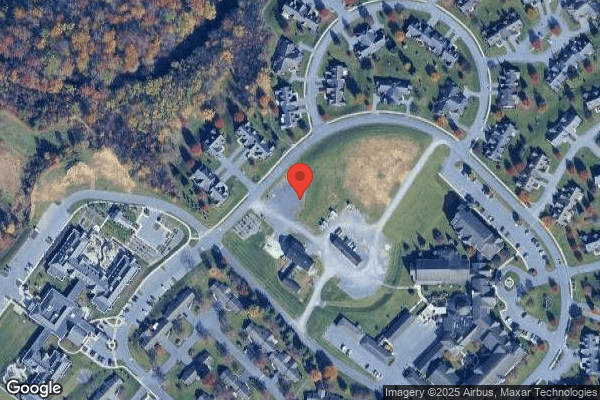
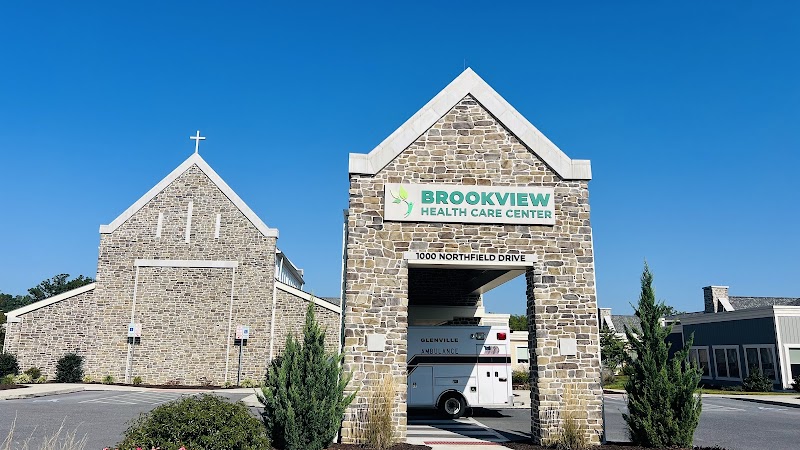
1000 NORTHFIELD DRIVE, CHAMBERSBURG, PA 17201 (717) 263-8545
Non profit - Church related 56 Beds Independent Data: November 2025
Trust Grade
91/100
#10 of 653 in PA
Last Inspection: February 2025

Within standard 12-15 month inspection cycle. Federal law requires annual inspections.

Overview

Brookview Health Care Center has an excellent Trust Grade of A, indicating it is highly recommended and provides quality care. It ranks #10 out of 653 facilities in Pennsylvania, placing it in the top tier of nursing homes in the state, and is the top choice among nine facilities in Franklin County. However, the facility is experiencing a concerning trend, as the number of issues reported has worsened from one in 2024 to six in 2025. Staffing is a strong point, with a 5/5 star rating and only 29% turnover, which is significantly lower than the state average, suggesting that staff are familiar with the residents. On the downside, the facility has incurred $16,801 in fines, which is higher than 80% of Pennsylvania facilities, indicating potential compliance issues. Specific incidents noted by inspectors include failures to follow physician orders for medication administration and delays in responding to call lights, which affected residents' dignity and care. While Brookview Health Care Center has strong staffing and a high overall rating, families should be aware of these concerning trends and incidents as they make their decision.

Trust Score
A
91/100
In Pennsylvania
#10/653
Top 1%
Safety Record
Low Risk
No red flags
Inspections
Getting Worse
1 → 6 violations
Staff Stability
✓ Good
29% annual turnover. Excellent stability, 19 points below Pennsylvania's 48% average. Staff who stay learn residents' needs.
Penalties
✓ Good
$16,801 in fines. Lower than most Pennsylvania facilities. Relatively clean record.
Skilled Nurses
✓ Good
Each resident gets 74 minutes of Registered Nurse (RN) attention daily — more than 97% of Pennsylvania nursing homes. RNs are the most trained staff who catch health problems before they become serious.
Violations
○ Average
10 deficiencies on record. Average for a facility this size. Mostly minor or procedural issues.
★★★★★
5.0
Overall Rating
★★★★★
5.0
Staff Levels
★★★★☆
4.0
Care Quality
★★★★☆
4.0
Inspection Score
Stable
2024: 1 issues
2025: 6 issues

The Good

  • 5-Star Staffing Rating · Excellent nurse staffing levels
  • 4-Star Quality Measures · Strong clinical quality outcomes
  • Low Staff Turnover (29%) · Staff stability means consistent care
  • Full Sprinkler Coverage · Fire safety systems throughout facility
  • No fines on record
  • Staff turnover is low (29%)

    19 points below Pennsylvania average of 48%

Facility shows strength in staffing levels, quality measures, staff retention, fire safety.

The Bad

Federal Fines: $16,801

Below median ($33,413)

Minor penalties assessed

The Ugly 10 deficiencies on record

Feb 2025 6 deficiencies
CONCERN (D)

Potential for Harm - no one hurt, but risky conditions existed

Deficiency F0657 (Tag F0657)

Could have caused harm · This affected 1 resident

**NOTE- TERMS IN BRACKETS HAVE BEEN EDITED TO PROTECT CONFIDENTIALITY** Based on review of policies and clinical records, as well as staff interviews, it was determined that the facility failed to rev...

Read full inspector narrative →
**NOTE- TERMS IN BRACKETS HAVE BEEN EDITED TO PROTECT CONFIDENTIALITY** Based on review of policies and clinical records, as well as staff interviews, it was determined that the facility failed to review and revise care plans for one of 24 residents reviewed (Resident 11). Findings include: The facility's policy regarding care plans, dated April 11, 2024, revealed that the comprehensive care plan will be reviewed and revised by the interdisciplinary team after each comprehensive and quarterly Minimum Data Set (MDS) assessment (a mandated assessment of a resident's abilities and care needs). A quarterly MDS assessment for Resident 11, dated January 24, 2025, revealed that the resident was understood, could usually understand others, and had a diagnosis which included Alzheimer's disease and dementia. A care plan for the resident, dated May 5, 2023, revealed that the resident was at risk for malnutrition related to his impaired mobility and dementia diagnosis. Staff was to place a non-adherent material under his plates and bowls at all meals. Observations of Resident 11 during the lunch meal on February 25, 2025, at 12:15 p.m. revealed that the resident was sitting at a table in the dining area on the [NAME] unit feeding himself his lunch meal. There was no non-adherent material under his plate. Resident 11's current care plan, as of February 25, 2025, revealed that staff was to place non-adherent material under his plates and bowls at all meals. Interview with the Director of Nursing on February 25, 2025, at 12:28 p.m. confirmed that Resident 11 did not have non-adherent material under his plates. Interview with the Director of Nursing on February 25, 2025, at 1:40 p.m. confirmed that Resident 11's care plan should have been revised to reflect the discontinuation of the non-adherent material under his plates and bowls at all meals. 28 Pa. Code 211.12(d)(5) Nursing Services.
CONCERN (D)

Potential for Harm - no one hurt, but risky conditions existed

Deficiency F0699 (Tag F0699)

Could have caused harm · This affected 1 resident

Based on review of facility policies and clinical records, as well as staff interview, it was determined that the facility failed to ensure that residents were assessed and received trauma-informed ca...

Read full inspector narrative →
Based on review of facility policies and clinical records, as well as staff interview, it was determined that the facility failed to ensure that residents were assessed and received trauma-informed care to eliminate or mitigate triggers for residents with the diagnosis of Post Traumatic Stress Disorder (PTSD - a mental and behavioral disorder that develops related to a terrifying event) for one of 24 residents reviewed (Resident 52). Findings include: The facility's policy regarding Trauma Informed Care, dated April 11, 2024, revealed that it is the policy of the facility to provide care and services which, in addition to meeting professional standards, are delivered using approaches which are culturally competent, account for experiences and preferences, and address the needs of trauma survivors by minimizing triggers and/or re-traumatization. The facility will use a multi-pronged approach to identifying a resident's history of trauma, as well as his or her cultural preferences. This will include asking the resident about triggers that may be stressors or may prompt recall of a previous traumatic event, as well as screening and assessment tools such as the Resident Assessment Instrument (RAI), admission Assessment, the history and physical, the social history/assessment, and others. The facility will identify triggers which may re-traumatize residents with a history of trauma. In situations where a trauma survivor is reluctant to share their history, the facility will still try to identify triggers which may re-traumatize the resident and develop care plan interventions which minimize or eliminate the effect of the trigger on the resident. An admission Minimum Data Set (MDS) assessment (a mandated assessment of a resident's abilities and care needs) for Resident 52, dated September 23, 2024, and a quarterly MDS assessment, dated December 23, 2024, revealed that the resident was usually understood, could understand others, and had diagnoses that included dementia and PTSD. Trauma Informed Care Assessments for Resident 52, dated September 23, 2024, and December 23, 2024, revealed that the resident's comment was I don't know. All of the other questions were left blank. A Psychogeriatric (a medical specialty that focuses on the mental health of older people) note for Resident 52, dated September 19, 2024, revealed that the resident has a history of depression and PTSD (per record), as well as a history of crying episodes, anxiety, and nightmares, and has been heard screaming upon awakening since September 2023. However, there was no documented evidence that the facility completed the questionnaires for Resident 52 or asked others to identify specific triggers that could re-traumatize the resident. Interview with the Infection Preventionist on February 26, 2025, at 12:15 p.m. confirmed that there was no documented evidence of further attempts to identify specific triggers that could re-traumatize Resident 52. 28 Pa. Code 211.12(a)(d)(3)(5) Nursing Services.
CONCERN (D)

Potential for Harm - no one hurt, but risky conditions existed

Pharmacy Services (Tag F0755)

Could have caused harm · This affected 1 resident

Based on review of clinical records, as well as staff interviews, it was determined that the facility failed to maintain a complete and accurate accounting of controlled medications (medications with ...

Read full inspector narrative →
Based on review of clinical records, as well as staff interviews, it was determined that the facility failed to maintain a complete and accurate accounting of controlled medications (medications with the potential to be abused) for one of 24 residents reviewed (Resident 32). Findings include: A quarterly Minimum Data Set (MDS) assessment (a federally-mandated assessment of a resident's abilities and care needs) for Resident 32, dated January 24, 2025, indicated that the resident was cognitively impaired, required assistance from staff for daily care needs, had diagnosis that included dementia, and was receiving hospice services. Physician's orders for Resident 32, dated November 4, 2024, included for the resident to receive 0.25 milliliters (ml) of Morphine Sulfate Oral Solution (controlled pain medication) 20 milligrams per five milliliters (20mg/5ml) every hour as needed for breakthrough pain. Review of Resident 32's medication accountability sheet (tracks each dose of a controlled medication), dated October 19, 2024, indicated that 0.25 ml of Morphine Sulfate Oral Solution 20mg/5ml was signed out to be administered on December 20, 2024, at 8:33 p.m.; December 21, 2024, at 7:49 p.m.; and on January 7, 2025, at 9:11 a.m. and 3:30 p.m. Review of the Medication Administration Record (MAR) for Resident 32, dated December 2024 and January 2025, revealed no documented evidence that 0.25 ml of Morphine Sulfate Oral Solution 20mg/5ml was administered on the above-mentioned dates and times. Interview with the Director of Nursing February 26, 2025, at 8:54 a.m. confirmed that there was no documented evidence that the signed-out doses of Morphine Sulfate were administered to Resident 32 on the above-mentioned dates and times. 28 Pa. Code 211.9(j.1)(3) Pharmacy Services. 28 Pa. Code 211.12(d)(1)(5) Nursing Services.
CONCERN (E)

Potential for Harm - no one hurt, but risky conditions existed

Quality of Care (Tag F0684)

Could have caused harm · This affected multiple residents

**NOTE- TERMS IN BRACKETS HAVE BEEN EDITED TO PROTECT CONFIDENTIALITY** Based on review of facility policies and clinical record reviews, as well as staff interviews, it was determined that the facili...

Read full inspector narrative →
**NOTE- TERMS IN BRACKETS HAVE BEEN EDITED TO PROTECT CONFIDENTIALITY** Based on review of facility policies and clinical record reviews, as well as staff interviews, it was determined that the facility failed to provide care and treatment in accordance with professional standards of practice by failing to follow physician's orders for three of 24 residents reviewed (Residents 17, 32, 56). Findings include: The facility's policy regarding medication administration, dated April 11, 2024, revealed that medications are administered by licensed nurses, or other staff who are legally authorized to do so in this state, as ordered by the physician and in accordance with professional standards of practice, in a manner to prevent contamination or infection. An annual Minimum Data Set (MDS) assessment (a federally-mandated assessment of a resident's abilities and care needs) for Resident 17, dated February 5, 2025, indicated that the resident was cognitively intact, required assistance from staff for daily care needs, and had diagnosis that included dementia. Physician's orders for Resident 17, dated October 17, 2024, indicated that the resident was to have her wound cleansed with saline and a gauze pad, provide soft debridement, apply Hydrofera Blue Transfer (a foam dressing used to treat wounds) to the wound, apply Unna boots (compression bandage that treats leg wounds, ulcers, and swelling) to her bilateral lower extremities, and put a cover sponge or foam dressing over the foot dorsum (top of foot) after the Unna boot layer every night shift on Tuesday, Thursday, and Sunday. Physician's orders for Resident 17, dated October 25, 2024, included to cleanse the resident's left leg wound with a sterile saline gauze pad, provide mechanical debridement to wound as tolerated by patient, apply Hydrofera Blue to the wound, and a single layer Unna boot compression from the base of the toes and up over her calf to just below the popliteal crest (behind the knee). Offload (reduce pressure on a painful or sensitive area) the prominent tibial crest (shin bone) and anterior tibialis tendon (tendon - attaches muscle to bone, that runs from the front of the shin to the front of the foot) with a dry dressing. Place a cover sponge or foam pad over the foot dorsum after the Unna layer to add extra compression to edema (accumulation of excess fluid) every day shift, every Tuesday, Thursday, and Sunday. Physician's orders for Resident 17, dated January 2, 2025, included to cleanse the wound and leg with sterile saline or wound cleanser with sterile gauze pads. Apply Mepilex transfer (type of dressing used to treat wounds) over the wound and over the Achilles tendon (connects calf muscle to the heal). Apply a single layer of Unna boot compression from the base of toes and start of knee crease. Use strips of cast padding along either side of the tibial crest and Achilles tendon for offloading. Apply a rolled gauze layer and Coban (self-adhering bandage) layer. Change twice a week when not seen in the wound clinic the same week, once a week when the resident is seen in the wound clinic, at bedtime every Monday and Thursday for wound care and edema. Review of the Treatment Administration Record (TAR) for Resident 17, dated October 2024, revealed no documented evidence that treatment was provided to the resident's leg on October 17, 20, and 25, 2024, as ordered. Review of the TAR, dated February 2025, revealed that the resident's treatment was completed on February 3 and 6, 2025. Review of wound clinic visits revealed that the resident was seen in the wound clinic on February 5, 2025. Interview with the Director of Nursing on February 4, 2025, at 1:35 p.m. confirmed that Resident 17's treatment to her left lower leg was not completed per physician's orders on October 17, 20, and 25, 2024, and that the treatment was completed twice in one week on February 3, and 6, 2025, when it should have been changed only once because the resident was seen in the wound clinic on February 5, 2025. A quarterly MDS assessment for Resident 32, dated January 24, 2025, indicated that the resident was cognitively impaired, required assistance from staff for daily care needs, had diagnosis that included dementia, and was receiving hospice services. Physician's orders for Resident 32, dated December 16, 2024, included for the resident to receive a 25 microgram per hour (mcg/hr) Fentanyl patch (skin patch is used to treat severe pain) applied every 72 hours for pain. Review of the Medication Administration Record (MAR) for Resident 32, dated December 2024, and the narcotic accountability sheet, dated December 16, 2024, indicated that the resident was administered a 25 mcg/hr Fentanyl patch on December 24, 2024, and on December 28, 2024. Interview with the Director of Nursing on February 26, 2025, at 11:45 a.m. confirmed that the 25 mcg/hr Fentanyl patch was not administered every 72 hours as ordered for Resident 32 between December 24, 2024, and December 28, 2024. admission paperwork for Resident 56 indicated that the resident was admitted to the facility on [DATE]. Physician's orders for Resident 56, dated February 14, 2025, included for the resident to receive a 5 milligrams (mg) Midodrine (medication for low blood pressure) three times per day. A nursing note for Resident 56, dated February 17, 2025, revealed that the nurse practioner ordered parameters for the Midodrine to be held if the resident's systolic (top number) blood pressure was greater than or equal to 120 and if the diastolic (bottom number) was greater than or equal to 70. Review of the MAR for Resident 56, dated February 2025, indicated that the parameters for the Midodrine were not added to the order and the resident received the medication on from February 14 through 17 without his blood pressure being monitored. Physician's orders for Resident 56, dated February 17, 2025 revealed that the resident was to receive 5 mg Midodrine three times per day for low blood pressure and that staff were to hold the medication if the resident's systolic blood pressure was greater than or equal to 120 or the diastolic blood pressure was greater than or equal to 70. Review of the MAR for Resident 56, dated February 2025, revealed that on February 19 the resident's blood pressure was 132/76 and on February 20 the resident's blood pressure was 128/66. The MAR indicated that the resident received the Midodrine both times; however, according to parameters, the resident's Midodrine should have been held. Interview with the Director of Nursing on February 25, 2025 at 11:46 a.m. confirmed that Resident 56's Midodrine order for parameters was missed from February 14-17 and that he should not have received the Midodrine on February 19 or 20, 2025. 28 Pa. Code 211.12(d)(1)(3)(5) Nursing Services.
CONCERN (E)

Potential for Harm - no one hurt, but risky conditions existed

Food Safety (Tag F0812)

Could have caused harm · This affected multiple residents

**NOTE- TERMS IN BRACKETS HAVE BEEN EDITED TO PROTECT CONFIDENTIALITY** Based on observations and staff interviews, it was determined that the facility failed to ensure that ice was made and stored in...

Read full inspector narrative →
**NOTE- TERMS IN BRACKETS HAVE BEEN EDITED TO PROTECT CONFIDENTIALITY** Based on observations and staff interviews, it was determined that the facility failed to ensure that ice was made and stored in sanitary ice machines for one of two ice machines ([NAME] House). Findings include: Observations of the ice machine in the [NAME] House pantry on February 24, 2025, at 8:16 a.m. and February 25, 2025, at 9:16 a.m. revealed that the drain pipe coming from the ice machine extended down to the floor and ran horizontally to the floor drain, resulting in no air gap between the end of the ice machine's drain pipe and the floor drain. Interview with Maintenance Worker 1 on February 25, 2025, at 9:27 a.m. confirmed that the ice machine in the [NAME] House Kitchen did not have an air gap between the drain pipe and the floor drain for back-flow prevention. 28 Pa. Code 211.6(f) Dietary Services.
MINOR (B)

Minor Issue - procedural, no safety impact

Transfer Notice (Tag F0623)

Minor procedural issue · This affected multiple residents

Based on clinical record reviews and staff interviews, it was determined that the facility failed to ensure that a written notice was provided to the resident's responsible party regarding the reason ...

Read full inspector narrative →
Based on clinical record reviews and staff interviews, it was determined that the facility failed to ensure that a written notice was provided to the resident's responsible party regarding the reason for transfer to the hospital for two of 24 residents reviewed (Residents 2, 13). Findings include: An admission Minimum Data Set (MDS) assessment (a mandatory assessment of a resident's abilities and care needs) for Resident 2, dated January 24, 2025, revealed that the resident was cognitively intact and required assistance from staff for her daily care needs. Nursing note for Resident 2, dated January 17, 2025, revealed that the resident was vomiting, nauseous, and had a low blood sugar. The physician was notified and an order was received to transfer the resident to the emergency room, and her son was present and agreed with the transfer. There was no documented evidence that a written notice of Resident 2's transfer to the hospital was provided to the resident's responsible party regarding the reason for transfer to the hospital on January 17, 2025. A quarterly MDS assessment for Resident 13, dated January 23, 2025, indicated that the resident was understood, could understand others, and was cognitively intact. The physician was notified and an order was received to transfer the resident to the emergency room, and the resident was agreeable. A nursing note, dated February 16, 2025, at 11:35 a.m., revealed that Resident 13 complained of not feeling good and was observed to be shivering while lying in bed. She was alert and oriented to herself, but a cognitive decline was noted. The physician was notified and an order was received to transfer the resident to the emergency room and the resident was agreeable. There was no documented evidence that a written notice of Resident 13's transfer to the hospital was provided to the resident's responsible party regarding the reason for transfer to the hospital on February 16, 2025. Interview with the Nursing Home Administrator on February 26, 2025, at 9:10 a.m. confirmed that there was no documented evidence that a written notice of Resident 2's or 13's transfer to the hospital was provided to the resident's responsible party regarding the reason for transfer to the hospital. 28 Pa. Code 201.14(a) Responsibility of Licensee.
Mar 2024 1 deficiency
CONCERN (D)

Potential for Harm - no one hurt, but risky conditions existed

Deficiency F0761 (Tag F0761)

Could have caused harm · This affected 1 resident

**NOTE- TERMS IN BRACKETS HAVE BEEN EDITED TO PROTECT CONFIDENTIALITY** Based on observations and staff interviews, it was determined that the facility failed to provide a separately-locked, permanent...

Read full inspector narrative →
**NOTE- TERMS IN BRACKETS HAVE BEEN EDITED TO PROTECT CONFIDENTIALITY** Based on observations and staff interviews, it was determined that the facility failed to provide a separately-locked, permanently-affixed compartment in the refrigerator for the storage of controlled drugs in the medication room at [NAME] House. Findings include: Observations in the facility's medication room refrigerator at [NAME] House on March 13, 2024, at 8:40 a.m. revealed two multi-dose bottles of Ativan (a medication used to treat anxiety that is tightly controlled because it may be abused or cause addiction) on the top shelf in the refrigerator. The refrigerator did not contain a locked compartment that was affixed to the inside of the refrigerator to secure the Ativan. Interview with Registered Nurse 1 on March 13, 2024, at 8:43 a.m. revealed that she was not aware that there was supposed to be a locked compartment affixed to the inside of refrigerator. Interview with the Director of Nursing on March 13, 2024, at 12:05 p.m. confirmed that the refrigerator should have contained a locked compartment affixed to the inside of the refrigerator to secure controlled substances and it did not. 28 Pa. Code 211.9(a)(1) Pharmacy Services.
Apr 2023 3 deficiencies
CONCERN (D)

Potential for Harm - no one hurt, but risky conditions existed

Deficiency F0658 (Tag F0658)

Could have caused harm · This affected 1 resident

Based on review of Pennsylvania's Nursing Practice Act, facility policies and clinical records, as well as staff interviews, it was determined that the facility failed to clarify questionable physicia...

Read full inspector narrative →
Based on review of Pennsylvania's Nursing Practice Act, facility policies and clinical records, as well as staff interviews, it was determined that the facility failed to clarify questionable physician's orders for one of 25 residents reviewed (Resident 20). Findings include: The Pennsylvania Code, Title 49, Professional and Vocational Standards, State Board of Nursing, 21.11 (a)(1)(2)(4) indicated that the registered nurse was to collect complete and ongoing data to determine nursing care needs, analyze the health status of individuals and compare the data with the norm when determining nursing care needs, and carry out nursing care actions that promote, maintain and restore the well-being of individuals. A quarterly Minimum Data Set (MDS) assessment (a mandatory assessment of a resident's abilities and care needs) for Resident 20, dated March 13, 2023, revealed that the resident was alert and oriented, required limited assistance for daily care needs, and had diagnoses that included hypertension (high blood pressure). Physician's orders for Resident 20, dated June 8, 2022, included an order for the resident to receive 10 milligrams (mg) of isosorbide (used to treat high blood pressure) twice a day as needed for a systolic blood pressure (pressure when heart is pumping) greater than 200 mmHg (millimeters/mercury) for hypertension. A physician's order, dated June 20, 2022, included an order to obtain the resident's blood pressure daily every day shift and to give isosorbide for a systolic blood pressure greater than 200 mmHg. However, there was no documented evidence when the resident's blood pressure was to be monitored for the possible administration of the as-needed isosorbide twice a day. Resident 20's Treatment Administration Record (TAR) for March and April 2023 indicated that the resident's blood pressure was taken daily during the day shift, but the resident's blood pressure log revealed that there was no consistency as to when the resident's blood pressure was obtained during the remainder of the day for the possible administration of the as-needed isosorbide twice a day. Interview with the Director of Nursing on April 19, 2023, at 12:48 p.m. confirmed that the physician's order should have been clarified to determine what times the resident's blood pressure was to be monitored twice a day. 28 Pa. Code 211.12(d)(3)(5) Nursing services.
CONCERN (E)

Potential for Harm - no one hurt, but risky conditions existed

Resident Rights (Tag F0550)

Could have caused harm · This affected multiple residents

Based on a review of facility policies and clinical records, as well as staff interviews, it was determined that the facility failed to ensure that a resident's dignity was maintained for two of 25 re...

Read full inspector narrative →
Based on a review of facility policies and clinical records, as well as staff interviews, it was determined that the facility failed to ensure that a resident's dignity was maintained for two of 25 residents reviewed (Residents 10, 22). Findings include: The facility's policy regarding call lights indicated that staff members who are alerted of an activated call light are responsible for responding. An annual Minimum Data Set (MDS) assessment (a federally-mandated assessment of a resident's abilities and care needs) for Resident 10, dated March 14, 2023, revealed that the resident was alert and oriented; able to make his needs known; required extensive assistance from staff for daily care needs including toileting, hygiene, and transfers; and was occasionally incontinent of bladder. Interview with Resident 10 on April 17, 2023, at 11:00 a.m. revealed that that he had to wait up to 45 minutes for staff to respond to his call bell. A call bell log for Resident 10, dated March 20 through April 18, 2023, revealed that it took staff 27 to 44 minutes to respond to the resident's call bell. A quarterly MDS for Resident 22, dated February 17, 2023, revealed that the resident was alert and oriented; able to make her needs known; required extensive assistance from staff for daily care needs including toileting, hygiene, and transfers; and was occasionally incontinent of bladder. Interview with Resident 22 on April 17, 2023, at 10:15 a.m. revealed that she had to wait up to an hour or longer for staff to respond to her call bell, which had caused her to be incontinent. A call bell log for Resident 22, dated March 14 through April 18, 2023, revealed that it took staff 22 to 65 minutes to respond to the resident's call bell. Interview with the Director of Nursing and Nursing Home Administrator on April 19, 2023, at 11:51 a.m. revealed that the call bell wait times were excessive and not acceptable. The Director of Nursing stated that she believed 10-15 minutes would be an appropriate wait time. 28 Pa. Code 201.29(j) Resident rights.
CONCERN (E)

Potential for Harm - no one hurt, but risky conditions existed

Food Safety (Tag F0812)

Could have caused harm · This affected multiple residents

**NOTE- TERMS IN BRACKETS HAVE BEEN EDITED TO PROTECT CONFIDENTIALITY** Based on review of policies, as well as observations and staff interviews, it was determined that the facility failed to ensure ...

Read full inspector narrative →
**NOTE- TERMS IN BRACKETS HAVE BEEN EDITED TO PROTECT CONFIDENTIALITY** Based on review of policies, as well as observations and staff interviews, it was determined that the facility failed to ensure that food was stored in accordance with professional standards for food service safety. Findings include: The facility's policy regarding food handling, dated September 2022, revealed that upon completion of meal service, all suitable prepared foods are covered, labeled, and dated with a prepared date, and a use-by-date. The facility's current policy regarding date marking for food safety revealed that the food shall be clearly marked to indicate the date or day by which the food shall be consumed or discarded. The discard day or date may not exceed the manufacturer's use-by date, or four days, which ever is the earliest. The date of opening or preparation counts as day one. The facility's policy regarding the storage of refrigerated and frozen foods, dated September 2022, revealed that ham slices could be stored in the freezer for a maximum period of up to two months. Observations of a countertop single door freezer in the [NAME] and [NAME] House Pantry on April 17, 2023, at 11:40 a.m. revealed that there was a metal tray with nine meat patties covered with Saran wrap that was not labeled with the name of the product or with a date. There was a plastic bag containing chicken tenders and a plastic bag containing French fries that were opened and not labeled with the date they were opened. Interview with Lead Homemaker 1 on April 17, 2023, at 11:56 a.m. confirmed that the above items should have been labeled with the date they were opened and the name of the product. Observations of an under-the-counter single door freezer in the [NAME] Pantry on April 17, 2023, at 12:08 p.m. revealed a plastic bag that contained three pieces of pureed (cooked food that has been ground, pressed, blended, or sieved to the consistency of a creamy paste or liquid) ham, dated November 24, 2022, and a plastic bag containing three chicken thighs that were not labeled with the date they were opened. Interview with Homemaker 2 on April 17, 2023, at 12:15 p.m. revealed that she was not sure how long the pureed ham could be stored before it needed to be removed and confirmed that the chicken thighs should have been labeled with the date they were opened. Interview with the Nursing Home Administrator on April 19, 2023, at 10:40 a.m. revealed that she spoke with the Culinary Director, and he confirmed that the undated items should have been dated with the date they were opened, the meat patties should have been labeled with the product name, and the pureed ham, dated November 24, 2022, should have been removed. 28 Pa. Code 211.6(f) Dietary services.
Understanding Severity Codes (click to expand)
Life-Threatening (Immediate Jeopardy)
J - Isolated K - Pattern L - Widespread
Actual Harm
G - Isolated H - Pattern I - Widespread
Potential for Harm
D - Isolated E - Pattern F - Widespread
No Harm (Minor)
A - Isolated B - Pattern C - Widespread

Questions to Ask on Your Visit

  • "Can I speak with families of current residents?"
  • "What's your RN coverage like on weekends and overnight?"

Our Honest Assessment

Strengths
  • • Grade A (91/100). Above average facility, better than most options in Pennsylvania.
  • • No major safety red flags. No abuse findings, life-threatening violations, or SFF status.
  • • 29% annual turnover. Excellent stability, 19 points below Pennsylvania's 48% average. Staff who stay learn residents' needs.
Concerns
  • • $16,801 in fines. Above average for Pennsylvania. Some compliance problems on record.
Bottom line: Generally positive indicators. Standard due diligence and a personal visit recommended.

About This Facility

What is Brookview Health's CMS Rating?

CMS assigns BROOKVIEW HEALTH CARE CENTER an overall rating of 5 out of 5 stars, which is considered much above average nationally. Within Pennsylvania, this rating places the facility higher than 99% of the state's 100 nursing homes. This rating reflects solid performance across the metrics CMS uses to evaluate nursing home quality.

How is Brookview Health Staffed?

CMS rates BROOKVIEW HEALTH CARE CENTER's staffing level at 5 out of 5 stars, which is much above average compared to other nursing homes. Staff turnover is 29%, compared to the Pennsylvania average of 46%. This relatively stable workforce can support continuity of care.

What Have Inspectors Found at Brookview Health?

State health inspectors documented 10 deficiencies at BROOKVIEW HEALTH CARE CENTER during 2023 to 2025. These included: 9 with potential for harm and 1 minor or isolated issues.

Who Owns and Operates Brookview Health?

BROOKVIEW HEALTH CARE CENTER is owned by a non-profit organization. Non-profit facilities reinvest revenue into operations rather than distributing to shareholders. The facility operates independently rather than as part of a larger chain. With 56 certified beds and approximately 50 residents (about 89% occupancy), it is a smaller facility located in CHAMBERSBURG, Pennsylvania.

How Does Brookview Health Compare to Other Pennsylvania Nursing Homes?

Compared to the 100 nursing homes in Pennsylvania, BROOKVIEW HEALTH CARE CENTER's overall rating (5 stars) is above the state average of 3.0, staff turnover (29%) is significantly lower than the state average of 46%, and health inspection rating (4 stars) is above the national benchmark.

What Should Families Ask When Visiting Brookview Health?

Based on this facility's data, families visiting should ask: "Can I visit during a mealtime to observe dining assistance and food quality?" "How do you handle medical emergencies, and what is your hospital transfer rate?" "Can I speak with family members of current residents about their experience?"

Is Brookview Health Safe?

Based on CMS inspection data, BROOKVIEW HEALTH CARE CENTER has a clean safety record: no substantiated abuse findings (meaning no confirmed cases of resident harm), no Immediate Jeopardy citations (the most serious violation level indicating risk of serious injury or death), and is not on the Special Focus Facility watch list (a federal program monitoring the lowest-performing 1% of nursing homes). The facility has a 5-star overall rating and ranks #1 of 100 nursing homes in Pennsylvania. While no facility is perfect, families should still ask about staff-to-resident ratios and recent inspection results during their visit.

Do Nurses at Brookview Health Stick Around?

Staff at BROOKVIEW HEALTH CARE CENTER tend to stick around. With a turnover rate of 29%, the facility is 17 percentage points below the Pennsylvania average of 46%. Low turnover is a positive sign. It means caregivers have time to learn each resident's needs, medications, and personal preferences. Consistent staff also notice subtle changes in a resident's condition more quickly. Registered Nurse turnover is also low at 21%, meaning experienced RNs are available to handle complex medical needs.

Was Brookview Health Ever Fined?

BROOKVIEW HEALTH CARE CENTER has been fined $16,801 across 3 penalty actions. This is below the Pennsylvania average of $33,247. While any fine indicates a compliance issue, fines under $50,000 are relatively common and typically reflect isolated problems that were subsequently corrected. Families should ask what specific issues led to these fines and confirm they've been resolved.

Is Brookview Health on Any Federal Watch List?

BROOKVIEW HEALTH CARE CENTER is not on any federal watch list. The most significant is the Special Focus Facility (SFF) program, which identifies the bottom 1% of nursing homes nationally based on persistent, serious quality problems. Not being on this list means the facility has avoided the pattern of deficiencies that triggers enhanced federal oversight. This is a positive indicator, though families should still review the facility's inspection history directly.