MOUNTAIN LAUREL HEALTHCARE AND REHABILITATION CTR
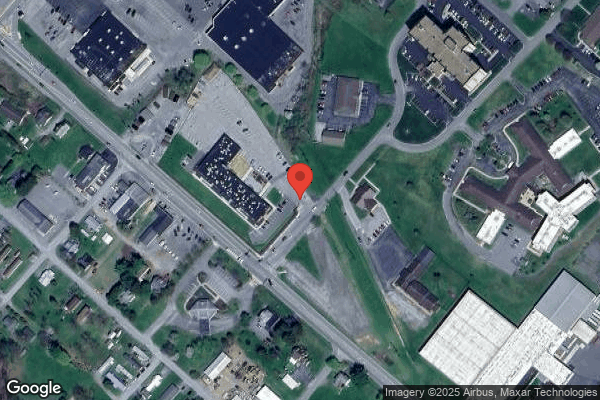
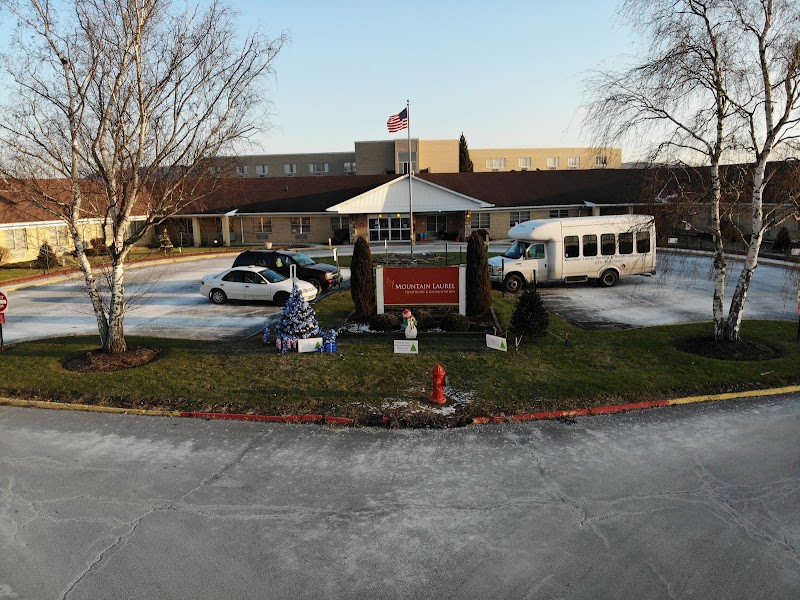
700 LEONARD STREET, CLEARFIELD, PA 16830 (814) 765-7545
For profit - Limited Liability company 240 Beds Independent Data: November 2025
Trust Grade
25/100
#609 of 653 in PA
Last Inspection: August 2025

Inspected within the last 6 months. Data reflects current conditions.

Overview

Mountain Laurel Healthcare and Rehabilitation Center has received a Trust Grade of F, indicating significant concerns about the quality of care provided. It ranks #609 out of 653 facilities in Pennsylvania, placing it in the bottom half, and #3 out of 4 in Clearfield County, meaning only one local option is worse. The facility is showing signs of improvement, with the number of issues decreasing from 18 in 2024 to 14 in 2025. Staffing is a relative strength, with a 4 out of 5 rating and a turnover rate of 35%, which is better than the state average. However, the facility has accumulated $98,690 in fines, which is concerning and indicates potential compliance issues. While staffing is a positive aspect, the facility has experienced serious incidents, such as failing to ensure a resident's safety in the bathroom, which led to a fall and a fracture. Additionally, the dining experience has not met residents' preferences, with some forced to eat in their rooms due to the main dining area being closed. The cleanliness and homelike environment of residents' rooms have also been criticized, with several rooms showing signs of neglect, such as torn and stained signs meant to prevent wandering. Overall, while there are some strengths, families should be aware of the significant weaknesses and past issues before making a decision.

Trust Score
F
25/100
In Pennsylvania
#609/653
Bottom 7%
Safety Record
Moderate
Needs review
Inspections
Getting Better
18 → 14 violations
Staff Stability
○ Average
35% turnover. Near Pennsylvania's 48% average. Typical for the industry.
Penalties
✓ Good
$98,690 in fines. Lower than most Pennsylvania facilities. Relatively clean record.
Skilled Nurses
⚠ Watch
Each resident gets only 25 minutes of Registered Nurse (RN) attention daily — below average for Pennsylvania. Fewer RN minutes means fewer trained eyes watching for problems.
Violations
⚠ Watch
71 deficiencies on record. Higher than average. Multiple issues found across inspections.
★☆☆☆☆
1.0
Overall Rating
★★★★☆
4.0
Staff Levels
★★★★☆
4.0
Care Quality
★☆☆☆☆
1.0
Inspection Score
Stable
2024: 18 issues
2025: 14 issues

The Good

  • 4-Star Staffing Rating · Above-average nurse staffing levels
  • 4-Star Quality Measures · Strong clinical quality outcomes
  • Full Sprinkler Coverage · Fire safety systems throughout facility
  • No fines on record
  • Staff turnover below average (35%)

    13 points below Pennsylvania average of 48%

Facility shows strength in staffing levels, quality measures, fire safety.

The Bad

1-Star Overall Rating

Below Pennsylvania average (3.0)

Significant quality concerns identified by CMS

Staff Turnover: 35%

11pts below Pennsylvania avg (46%)

Typical for the industry

Federal Fines: $98,690

Well above median ($33,413)

Moderate penalties - review what triggered them

The Ugly 71 deficiencies on record

1 actual harm
Aug 2025 14 deficiencies
CONCERN (D)

Potential for Harm - no one hurt, but risky conditions existed

Notification of Changes (Tag F0580)

Could have caused harm · This affected 1 resident

Based on review of policies and clinical records, as well as staff interviews, it was determined that the facility failed to ensure that the physician was notified timely about a change in condition f...

Read full inspector narrative →
Based on review of policies and clinical records, as well as staff interviews, it was determined that the facility failed to ensure that the physician was notified timely about a change in condition for one of 50 residents reviewed (Resident 58).Findings include: The facility's policy regarding changes in condition, dated October 15, 2024, indicated that the nurse would notify the resident's attending physician when there was a change in the resident's medical, mental condition and/or status. A nurse will notify the attending physician when there was refusal of treatment or medications two or more consecutive times.A quarterly Minimum Data Set (MDS) assessment (a mandated assessment of a resident's abilities and care needs) for Resident 58, dated May 25, 2025, revealed that the resident was cognitively intact, was understood, could understand, was independent with care needs, used insulin medication (manages blood glucose levels), and had diagnoses that included diabetes mellitus (disease in which the body's ability to produce or respond to the hormone insulin is impaired, resulting in abnormal levels of glucose in the blood). A care plan for Resident 58, dated September 4, 2018, indicated he was insulin dependent and staff were to administer medications per physician order.Physician's orders for Resident 58, dated February 27, 2025, included an order for the resident to receive Regular Insulin Concentrate 500 units per milliliter (ml) (a short-acting insulin) subcutaneously daily: 160 units before breakfast, 50 units before lunch and 125 units before supper.An order administration note date August 11, 2025, at 9:10 a.m. and 2:03 p.m. indicated that the regular insulin was not administered because it was unavailable.There was no documented evidence that the physician was notified about the resident's second missed dose of insulin.Interview with the Assistant Director of Nursing on August 13, 2025, at 1:03 p.m. confirmed that she was made aware that the medication was not available on the morning of August 11, 2025, however she was not aware that Resident 58 also missed his lunch dose. Therefore, the physician was not notified when the resident missed his second dose of insulin at lunch time. 28 Pa. Code 211.12(d)(1)(3)(5) Nursing Services.
CONCERN (D)

Potential for Harm - no one hurt, but risky conditions existed

Deficiency F0628 (Tag F0628)

Could have caused harm · This affected 1 resident

Based on clinical record review, as well as staff interviews, it was determined that the facility failed to notify the resident's representative in writing regarding the reason for transfer to the hos...

Read full inspector narrative →
Based on clinical record review, as well as staff interviews, it was determined that the facility failed to notify the resident's representative in writing regarding the reason for transfer to the hospital and to ensure that a bed-hold notice was provided to the resident's responsible party for two of 50 residents reviewed (Residents 22 and 46). Findings Include:A nursing note for Resident 22 dated, April 11, 2025, at 3:47 a.m. revealed that the resident was moaning in pain. The facility attempted to contact her son three times without a response, and new orders were given by the medical doctor to send Resident 22 to the emergency room.Review of Resident 22's clinical record revealed no documented evidence that that resident representative was notified in writing of the transfer to the hospital, and there was no documented evidence that a bed hold notice was provided.A nursing note for Resident 46 dated, July 22, 2025, revealed that the resident had a fall and was transferred to the emergency room with complaints of pain in her right shoulder.Review of Resident R46's clinical record revealed no documented evidence that the resident representative was notified in writing of the transfer to the hospital, and there was no documented evidence of a bed hold notice was provided. Review of documentation provided by the Nursing Home Administrator on May 8, 2025, at 10:04 a.m. revealed the Office of the State Long Term Care Ombudsman was not made aware of Resident R86's facility-initiated emergency transfers to the hospital as required.Interview on August 14, 2025, at 3:45 p.m. with the Nursing Home Administrator confirmed that there was no documented evidence in either resident's clinical records of a written notification to the resident representative regarding the transfer to the hospital, and there was no documentation of a bed hold notice being provided.28 Pa. Code 201.14(a) Responsibility of licensee28 Pa. Code 201.18(b)(2) Management
CONCERN (D)

Potential for Harm - no one hurt, but risky conditions existed

Tube Feeding (Tag F0693)

Could have caused harm · This affected 1 resident

Based on clinical record reviews and staff interviews, it was determined that the facility failed to ensure that physician's orders for enteral tube feedings (feeding through a tube inserted directly ...

Read full inspector narrative →
Based on clinical record reviews and staff interviews, it was determined that the facility failed to ensure that physician's orders for enteral tube feedings (feeding through a tube inserted directly into the stomach) was followed for one of 50 residents reviewed (Resident 7).Findings include:A quarterly Minimum Data Set (MDS) assessment (a mandated assessment of a resident's abilities and care needs) for Resident 7, dated July 20, 2025, indicated that the resident was a quadriplegic (paralysis affecting all four limbs) required enteral feedings due to a decreased appetite and needed assistance from staff for care. Physician's orders for Resident 7, dated January 10, 2025, included an order for the resident to receive Osmolite1.5 (a liquid nutritional product) (may substitute Diabetisource) via feeding tube (enteral nutrition-a way to deliver liquid nutrition through a flexible tube surgically placed in the stomach or digestive system) at a rate of 90 milliliters per hour, with a start time of 8:00 p.m. to run for 11 hours, (for a total of 990 milliliters). A review of Resident 7's Medication Administration Records (MAR) for August 11, 2025, revealed that Resident 7 did not receive his tube feeding as ordered that evening. A nursing note for Resident 7 on August 11, 2025, at 5:37 p.m. revealed that the Osmolite 1.5 was not available. The Director of Nursing called the pharmacy and was informed that the Osmolite 1.5 would come on the night run; however, it did not arrive.Interview with Resident 7 on August 13, 2025, at 12:37 p.m. stated that he was aware that he did not receive his tube feeding the evening of August 11, 2025, and reported that he had a bowl of cereal (Resident 7 able to take nourishment by mouth but has a decreased appetite).Interview with the Director of Nursing on August 13, 2025, at 1:59 p.m. stated that she was unaware that Resident 7's Osmolite 1.5 was not delivered and was not notified that Resident 7 missed his 11 hour tube feeding on the evening of August 11, 2025. 28 Pa. Code 211.12(d)(3)(5) Nursing Services.
CONCERN (D)

Potential for Harm - no one hurt, but risky conditions existed

Deficiency F0760 (Tag F0760)

Could have caused harm · This affected 1 resident

Based on a review of facility policies, clinical records, and staff interviews, it was determined that the facility failed to ensure that it was free from significant medication errors for one of 50 r...

Read full inspector narrative →
Based on a review of facility policies, clinical records, and staff interviews, it was determined that the facility failed to ensure that it was free from significant medication errors for one of 50 residents reviewed (Resident 58).Findings include:A facility policy regarding diabetes protocol, dated October 15, 2024, indicated that the physician would help individuals with elevated blood sugar and confirmed diabetes and that insulin medication given to a resident shall be prescribed by the physician.A quarterly Minimum Data Set (MDS) assessment (a mandated assessment of a resident's abilities and care needs) for Resident 58, dated May 25, 2025, revealed that the resident was cognitively intact, was understood, could understand, was independent with care needs, used insulin medication (manages blood glucose levels), and had diagnoses that included diabetes mellitus (disease in which the body's ability to produce or respond to the hormone insulin is impaired, resulting in abnormal levels of glucose in the blood). The current care plan for Resident 58 indicated that he was insulin dependent and staff were to administer medications per physician's order.Interview with Resident 58 on August 12, 2025, at 1:30 p.m., indicated that the facility ran out of his insulin and he missed two doses and his blood sugar had risen.Physician's orders for Resident 58, dated February 27, 2025, included an order for the resident to receive Regular Insulin Concentrate (a short-acting insulin) subcutaneously (injected under the skin) daily before meals. The resident was to receive 160 units of Regular Insulin Concentrate before breakfast, 50 units before lunch, and 125 units before supper. Review of the Medication Administration Record (MAR) for Resident 58, dated August 2025, revealed that on August 11, 2025, at 7:00 a.m. the resident had a blood sugar of 178 milligrams per deciliter (mg/dl) and was not administered 160 units of Regular Insulin Concentrate as ordered; August 11, 2025, at 12:00 p.m. the resident had a blood sugar of 309 mg/dl and was not administered 50 units of Regular Insulin Concentrate as ordered. Interview with the Director of Nursing on August 13, 2025, at 1:03 p.m. confirmed that Resident 58's medication was not available and the resident did not receive his scheduled doses as noted above.28 Pa Code 211.9(a)(1) Pharmacy Services.28 Pa. Code 211.12(d)(1)(5) Nursing Services.
CONCERN (D)

Potential for Harm - no one hurt, but risky conditions existed

Deficiency F0761 (Tag F0761)

Could have caused harm · This affected 1 resident

Based on review of policies, manufacturer's instructions and clinical records, as well as observations and staff interviews, it was determined that the facility failed to date an opened insulin pen in...

Read full inspector narrative →
Based on review of policies, manufacturer's instructions and clinical records, as well as observations and staff interviews, it was determined that the facility failed to date an opened insulin pen injector for one of 50 residents reviewed (Resident 18). Findings include:The policy for medication storage and labeling, dated October 15, 2024, indicated that when the original seal of a manufacturer's container or vial is initially broken, the container or vial will be dated. The nurse shall place a date opened sticker on the medication and enter the date opened and the new date of expiration. The expiration date of the vial or container will be 30 days unless the manufacturer recommends another date or regulations/guidelines require different dating. Manufacturer's instructions for Tresiba insulin (an ultra long acting insulin that helps control blood sugar for up to 42 hours) indicated that after the first opening it may be kept at room temperature for up to 8 weeks (56 days). A quarterly Minimum Data Set (MDS) assessment (a mandated assessment of a resident's abilities and care needs) for Resident 18, dated July 25, 2025, indicated that the resident was alert and oriented, required assistance from staff for daily care needs, and had diagnoses that included diabetes mellitus (a disease that occurs when your blood sugar is too high). Physician's orders for Resident 18, dated July 31, 2025, included an order for the resident to receive 64 units of Tresiba insulin (controls the amount of sugar in the blood) subcutaneously (under the skin) in the afternoon for diabetes mellitus.Observations of Medication Cart 2 on August 12, 2025, revealed an opened and undated Tresiba insulin pen labeled with Resident 18's name. Interview with Licensed Practical Nurse 5 on August 12, 2025, at 12:20 p.m. confirmed that the Tresiba insulin pen for Resident 18 should have been dated once the seal had been broken.Interview with Director of Nursing on August 13, 2025, at 10:08 a.m. confirmed that the Tresiba insulin pen should have been dated once the seal had been broken. 28 Pa. Code 211.9(a)(1) Pharmacy Services.28 Pa. Code 211.12(d)(1) Nursing Services.
CONCERN (D)

Potential for Harm - no one hurt, but risky conditions existed

Deficiency F0807 (Tag F0807)

Could have caused harm · This affected 1 resident

Based on clinical record reviews and observations, as well as resident and staff interviews, it was determined that the facility failed to ensure that drink preferences were honored for 2 of 50 reside...

Read full inspector narrative →
Based on clinical record reviews and observations, as well as resident and staff interviews, it was determined that the facility failed to ensure that drink preferences were honored for 2 of 50 residents reviewed (Residents 71, 101).Findings include: An interview with Resident 71 on August 11, 2025, at 10:13 a.m. revealed that she wanted to have soda as a drink choice, either for meals or for a snack. The resident said that they were told they could purchase their own soda from the vending machines in the building, or they could have someone bring soda in for them, but it would no longer be supplied by the facility. She was informed that she would be provided a ginger ale if she was sick.Interview with Resident 101 on August 13, 2025, at 12:08 p.m. revealed that he would like to have soda as a drink of choice. He is currently having to spend his own money out of pocket, separate from what the facility gets paid each month, for soda because he would like something besides ginger ale if he were sick. He would like different sodas as a choice for either meals or a snack.Interview with the Dietary Manager on August 13, 2025, at 12: 10 p.m. confirmed that the facility has regular and diet ginger ale if a resident is sick; however, she is not permitted to order soda for the residents on a regular basis. She revealed that the decision came from her corporate office that she could no longer order soda due to its cost. She also indicated that she is aware that residents continue to request soda as a drink of choice for some meals and snacks.28 Pa. Code 201.29(j) Resident Rights.
CONCERN (D)

Potential for Harm - no one hurt, but risky conditions existed

QAPI Program (Tag F0867)

Could have caused harm · This affected 1 resident

Based on review of the facility's plans of correction for previous surveys, and the results of the current survey, it was determined that the facility's Quality Assurance Performance Improvement (QAPI...

Read full inspector narrative →
Based on review of the facility's plans of correction for previous surveys, and the results of the current survey, it was determined that the facility's Quality Assurance Performance Improvement (QAPI) committee failed to correct quality deficiencies and ensure that plans to improve the delivery of care and services effectively addressed recurring deficiencies. Findings include:The facility's deficiencies and plans of corrections for a State Survey and Certification (Department of Health) survey ending September 26, 2024, revealed that the facility developed plans of correction that included quality assurance systems to ensure that the facility maintained compliance with cited nursing home regulations. The results of the current survey, ending August 14, 2025, identified repeated deficiencies related to quality of care; bowel/bladder incontinence, catheter, and urinary tract infection; and food procurement, storage, preparation, service and sanitation.The facility's plan of correction for a deficiency regarding quality of care, cited during the survey ending September 26, 2024, revealed that the facility developed a plan of correction that included completing audits and reporting the results of the audits to the QAPI committee for review. The results of the current survey, cited under F684, revealed that the facility's QAPI committee failed to successfully implement their plan to ensure ongoing compliance with regulations regarding quality of care.The facility's plan of correction for a deficiency regarding bowel/bladder incontinence, catheter and urinary tract infection (UTI), cited during the survey ending on September 26, 2024, revealed that the facility would complete audits and report the results of the audits to the QAPI committee for review. The results of the current survey, cited under F690, revealed that the facility's QAPI committee failed to successfully implement their plan to ensure ongoing compliance with regulations regarding bowel/bladder incontinence, catheter, and urinary tract infection.The facility's plan of correction for a deficiency regarding food procurement, storage, preparation, service and sanitation, cited during the survey ending September 26, 2024, revealed that the facility developed a plan of correction that included completing audits and reporting the results of the audits to the QAPI committee for review. The results of the current survey, cited under F812, revealed that the facility's QAPI committee failed to successfully implement their plan to ensure ongoing compliance with regulations regarding food procurement, storage, preparation, service and sanitation.Refer to F684, F690, & F81228 Pa. Code 201.14(a) Responsibility of Licensee.28 Pa. Code 201.18(e)(1) Management.
CONCERN (E) 📢 Someone Reported This

A family member, employee, or ombudsman was alarmed enough to file a formal complaint

Potential for Harm - no one hurt, but risky conditions existed

Deficiency F0558 (Tag F0558)

Could have caused harm · This affected multiple residents

Based on observations and staff interviews, it was determined that the facility failed to provide a dining experience based upon resident's preference for 5 of 50 residents reviewed (Residents 46, 69,...

Read full inspector narrative →
Based on observations and staff interviews, it was determined that the facility failed to provide a dining experience based upon resident's preference for 5 of 50 residents reviewed (Residents 46, 69, 81, 83, 95).Findings include:Observations of Resident 46 on August 11, 2025, at 12:35 p.m. revealed that the resident was eating lunch in her room at her bedside table. Interview with Resident 46 on August 11, 2025, at 12:35 p.m. revealed that the main dining room has been closed since the previous week, and the resident prefers to eat in the main dining room and not in her room. She was unaware why the main dining room is not open.Observations of Resident 69 on August 11, 2025, at 12:35 p.m. revealed that the resident was eating lunch in her room sitting on her bed at her bedside table. Interview with Resident 69 on August 11, 2025, at 12:35 p.m. revealed that the resident prefers to eat in the main dining room, but it has been closed since the previous week. She believes it has to do with not having enough staff.Observations of Resident 81 on August 11, 2025, at 12:40 p.m. revealed that the resident was eating lunch in her room. Interview with Resident 81 on August 11, 2025, at 12:40 p.m. revealed that the resident always eats in the main dining room but hasn't been allowed to since it has been closed for several days. Residents were not told a reason why only that they were not allowed to eat in the main dining room. Observations of Resident 83 on August 11, 2025, at 12:49 p.m. revealed that the resident was eating lunch in her room. Interview with Resident 83 on August 11, 2025, at 12:49 p.m. revealed that the resident preferred to eat in the main dining room but hasn't been able to for several days because there was not enough nursing staff available to have it open. Observations of Resident 95 on August 11, 2025, at 12:41 p.m. revealed that the resident was eating lunch in her room. Interview with resident 95 on August 11, 2025, at 12:41 p.m. revealed that the resident prefers to eat in the main dining room, which was closed, and she was told it was due to not being able to safely open it. Interview with Nurse Aide 1 on August 13, 2025, at 9:15 a.m. revealed that the main dining rooms on the first floor have not been opened since the previous week due to not having enough nursing staff.Interview with Nurse Aide 4 on August 13, 2025 at 9:30 a.m. revealed that they were told that the main dining room would be closed, and they believe it was due to not having enough staff since nursing is required to be in the main dining room during service. Interview with the Dietary Director on August 13, 2025, at 12:32 p.m. confirmed that the main dining room has been closed since Monday August 11, 2025 because they could not safely open it due to a shortage of nursing staff. The Dietary Director also stated that residents should be able to eat where they prefer.28 Pa. Code 207.2(a) Administrator's responsibility.
CONCERN (E)

Potential for Harm - no one hurt, but risky conditions existed

Safe Environment (Tag F0584)

Could have caused harm · This affected multiple residents

Based on observations and staff interviews, it was determined that the facility failed to provide a clean and homelike environment in residents' rooms for six of 50 residents reviewed (Residents 23, 2...

Read full inspector narrative →
Based on observations and staff interviews, it was determined that the facility failed to provide a clean and homelike environment in residents' rooms for six of 50 residents reviewed (Residents 23, 24, 40, 48, 90, 105). Findings include:Observations of Resident 23's room on August 11, 2025 at 2:31 p.m. revealed that the STOP sign on her door used to prevent wandering residents from entering her room, was tattered, torn, and stained.Observations of Resident 24's room on August 11, 2025 at 2:33 p.m. revealed that the STOP sign on her door used to prevent wandering residents from entering her room, was tattered, torn, and stained.Observations of Resident 40's room on August 11, 2025 at 2:34 p.m. revealed that the STOP sign on her door used to prevent wandering residents from entering her room, was tattered, torn, and stained.Observations of Resident 48's room on August 11, 2025 at 2:37 p.m. revealed that the STOP sign on his door used to prevent wandering residents from entering his room, was tattered, torn, and stained.Observations of Resident 90's room on August 11, 2025 at 2:44 p.m. revealed that the STOP sign on her door used to prevent wandering residents from entering her room, was tattered, torn, and stained.Observations of Resident 105's room on August 11, 2025 at 2:38 p.m. revealed that the STOP sign on her door used to prevent wandering residents from entering her room, was tattered, torn, and stained.Interview with the Director of Housekeeping on August 14, 2025 at 9:56 a.m. revealed that the STOP signs were dirty/stained and had holes in them. She stated that they needed replaced, but that the order for new ones was not submitted due to the facility not paying the bill with the supplier. She stated that once the bill was settled she would order more and they would be replaced.28 Pa. Code 201.29(j) Resident rights.28 Pa. Code 207.2(a) Administrator's responsibility.
CONCERN (E)

Potential for Harm - no one hurt, but risky conditions existed

Incontinence Care (Tag F0690)

Could have caused harm · This affected multiple residents

Based on review of clinical records and staff interviews, it was determined that the facility failed to ensure that proper care to prevent infection was provided for one of 50 residents reviewed (Resi...

Read full inspector narrative →
Based on review of clinical records and staff interviews, it was determined that the facility failed to ensure that proper care to prevent infection was provided for one of 50 residents reviewed (Resident 23). Findings include:A comprehensive Minimum Data Set (MDS) assessment (a mandated assessment of a resident's abilities and care needs) for Resident 23, dated May 19, 2025, indicated that the resident had severe cognitive impairment, required extensive assistance with daily care tasks, and had intermittent urinary catheter procedures. A nursing note for Resident 23, dated February 19, 2025, revealed that the resident's urine sample obtained earlier in the week was not labeled and needed redrawn. Nursing note dated February 21, 2025 revealed that the urine sample could not be flexed and therefore, needed redrawn again. A nursing note dated February 25, 2025 revealed that the urinary results were inconclusive and that the urine sample would need obtained again. Since the resident was symptomatic the physician ordered an antibiotic without having urinary sample test results. A nursing note for Resident 23, dated April 17, 2025 revealed that the resident was ordered an antibiotic for a urinary tract infection, however, there was no indication that a urine sample was obtained or cultured. A nursing note, dated April 25, 2025, revealed that Resident 23 had just finished an antibiotic, however, the provider ordered a urine sample to be recollected since the culture and sensitivity (to determine which antibiotic would kill the bacteria) was not run on the urine as ordered. A nursing note, dated April 27, 2025, revealed that the urine sample showed bacteria and another antibiotic was ordered, however, the culture and sensitivity was not run as ordered again. A nursing note on April 28, 2025 revealed that another urine sample was obtained and sent to the lab so that they could obtain a culture and sensitivity. A nursing note, dated April 30, 2025 revealed that the sensitivity was run and the physician ordered an additional seven days of antibiotics.Interview with the Director of Nursing on August 14, 2025 at 11:14 a.m. confirmed that Resident 23's urinary tract infections were not treated timely due the urinary samples not being tested according to physician's orders in February and April, 2025. This resulted in the resident receiving multiple straight catheter procedures to obtain her urine, as well as receiving multiple courses of antibiotics without confirming that the bacteria was susceptible to the antibiotic.42 CFR 483.25(e)(1)-(3) Bowel/Bladder Incontinence, Catheter, UTI.28 Pa. Code 211.12(d)(1) Nursing services. 28 Pa. Code 211.12(d)(5) Nursing services.
CONCERN (E) 📢 Someone Reported This

A family member, employee, or ombudsman was alarmed enough to file a formal complaint

Potential for Harm - no one hurt, but risky conditions existed

Deficiency F0725 (Tag F0725)

Could have caused harm · This affected multiple residents

Based on review of policies and clinical records, as well as staff interviews, it was determined that the facility failed to have sufficient nursing staff to provide showers as scheduled for 5 of 50 r...

Read full inspector narrative →
Based on review of policies and clinical records, as well as staff interviews, it was determined that the facility failed to have sufficient nursing staff to provide showers as scheduled for 5 of 50 residents reviewed (Residents 17, 71,77, 86, 100) and failed to have sufficient staff to have the first floor main dining room open for 5 of 50 residents reviewed (Residents 46, 69, 81, 83, 95). Findings include:An annual Minimum Data Set (MDS) assessment (a federally mandated assessment of the resident's abilities and care needs) for Resident 17, dated May 5, 2025, revealed that the resident was cognitively intact and required maximum assistance from staff for personal care needs. The current care plan for Resident 1 revealed she is to receive her showers on Tuesdays and Fridays on evening shift.Review of Resident 17's bathing records for May and June 2025 revealed that the resident received one shower in the last 34 days. She did not refuse any showers.An annual MDS assessment for Resident 71, dated, April 7, 2025, revealed that the resident was cognitively intact and required moderate assistance with bathing. The current care plan for Resident 71 revealed that she is to receive her showers on Mondays and Thursdays during the day shift.Review of Resident 71's bathing records for July revealed that on July 31, 2025, she received a bed bath instead of her preferred shower.Interview with Resident 71 on August 11, 2025, at 10:14 a.m. revealed that she prefers showers to bed baths, and she was not aware of why she didn't receive showers all the time.A Quarterly MDS for Resident 77 dated August 5, 2025, revealed that the resident was cognitively impaired and required maximum assistance from staff for showering. The current care plan for Resident 77 revealed that he is to receive showers on Tuesdays and Fridays on the evening shift.Review of Resident 77's bathing records for July and August revealed that on July 1, 4, 11, 18, and 25, 2025, and August 8 and 12, 2025 he received a bed bath instead of his preferred showers. Interview with Resident 77 on August 14, 2025, at 9:02 a.m. revealed that he prefers to receive a shower to a bed bath and that there has not been enough staff to provide him with his preferred showers.A Quarterly MDS for Resident 86 dated June 23, 2025, revealed that the resident was cognitively intact and was dependent on staff for her showering needs. The current care plan for Resident 86 revealed that her preferred shower days are Mondays and Thursdays during the day.Review of Resident 86's bathing records for July revealed that on July 7, 2025, she received a bed bath instead of a shower.Interview with Resident 86 on August 14, 2025, at 9:10 a.m. revealed that she prefers showers to baths, and they do not have enough staff to provide her with the care she should be receiving.A quarterly MDS for Resident 100, dated July 29, 2025, revealed that he is cognitively intact, and required moderate assistance from staff for showers. The current care plan for Resident 100 revealed that his shower days are Mondays and Fridays in the evening.Review of Resident 100's bathing records for June, July, and August, 2025 revealed that on June 4,11,16,18; July 4,11; and August 8, 2025, he received bed baths instead of showers.Interview with Resident 100 on August 11, 2025, at 10:27 a.m. revealed that the facility is very short staffed, and he is unable to receive his preferred showers. It is very important to him because he does use his electric wheelchair to go out into the community and he does not get as clean from a bed bath, and he is concerned that he has an odor when he does not receive his showers.Interview with Nurse Aide 1 on August 11, 2025, at 10:22 a.m. revealed that they do not have enough staff to provide residents with the necessary care. They are not able to give residents their preferred showers and many times can only give them a quick bed bath. Nurse Aide 1 also stated that the evening shift is worse than daylight shift, and that they are never able to complete showers on the evening shift.Interview with Nurse Aide 2 on August 11, 2025, at 10:42 a.m. revealed that there is not enough staff for them to provide necessary care to residents including their preferred showers.Interview with Nurse Aide 3 on August 11, 2025, at 11:20 a.m. revealed that they do have enough staff to complete the necessary care for residents, including making sure they receive their preferred showers.Interview with Nurse Aide 4 on August 12, 2025, at 11:29 a.m. revealed that they do not have enough staff to complete care and residents are not receiving the care they need.Interview with the Director of Nursing on August 13, 2025, at 1:02 p.m. indicated that she had no input regarding having enough staff to provide showers to residents.An interview with a group of residents on August 12, 2025 at 1:30 p.m. revealed that the dining room has been closed due to a lack of nursing staff. The residents stated that they prefer to eat in the dining room for the socialization, however, they were told by the nursing staff that they do not have enough staff to keep the dining room open. Observations of Resident 46 on August 11, 2025, at 12:35 p.m. revealed that the resident was eating lunch in her room at her bedside table. Interview with Resident 46 on August 11, 2025, at 12:35 p.m. revealed that the main dining room has been closed since the previous week, and the resident prefers to eat in the main dining room and not in her room. They were unaware why the main dining room is not open.Observations of Resident 69 on August 11, 2025, at 12:35 p.m. revealed that the resident was eating lunch in her room sitting on her bed at her bedside table. Interview with Resident 69 on August 11, 2025, at 12:35 p.m. revealed that the resident prefers to eat in the main dining room, but it has been closed since the previous week. They were not told, but they believe it has to do with not having enough staff.Observations of Resident 81 on August 11, 2025, at 12:40 p.m. revealed that the resident was eating lunch in her room. Interview with Resident 81 on August 11, 2025, at 12:40 p.m. revealed that the resident always eats in the main dining room but hasn't been allowed to since it has been closed for several days and the residents were not given a reason why. Observations of Resident 83 on August 11, 2025, at 12:49 p.m. revealed that the resident was eating lunch in her room. Interview with Resident 83 on August 11, 2025, at 12:49 p.m. revealed that the resident preferred to eat in the main dining room but hasn't been able to for several days because it was closed due to not having enough nursing staff available. Observations of Resident 95 on August 11, 2025, at 12:41 p.m. revealed the resident eating lunch in her room. Interview with Resident 95 on August 11, 2025, at 12:41 p.m. revealed that the resident prefers to eat in the main dining room, and was told it was due to not having enough nursing staff to safely open it. Interview with Nurse Aide 1 on August 13, 2025, at 9:15 a.m. revealed that the main dining rooms on the first floor have not been opened since the previous week due to not having enough nursing staff.Interview with Nurse Aide 4 on August 13, 2025 at 9:30 a.m. revealed that they were told the main dining room would be closed, and they believe it was due to not having enough staff since they require nursing staff to be in the main dining room during service. Interview with the Dietary Director on August 13, 2025, at 12:32 p.m. confirmed that the main dining room has been closed since Monday August 11, 2025 because there has not been enough nursing staff to safely open the main dining room on the first floor.
CONCERN (E)

Potential for Harm - no one hurt, but risky conditions existed

Drug Regimen Review (Tag F0756)

Could have caused harm · This affected multiple residents

Based on clinical record reviews and staff interviews, it was determined that the facility failed to respond to a pharmacy recommendation for one of 50 residents reviewed (Resident 46) and failed to p...

Read full inspector narrative →
Based on clinical record reviews and staff interviews, it was determined that the facility failed to respond to a pharmacy recommendation for one of 50 residents reviewed (Resident 46) and failed to provide a rationale for not referring the resident to psychiatric care per pharmacist's recommendations (R8).Findings include:An annual Minimum Data Set (MDS) assessment (a mandated assessment of a resident's abilities and care needs) for Resident 46, dated August 14, 2025, revealed that the resident was cognitively intact and required moderate assist from staff for daily care needs.Pharmacy medication regimen review reports for Resident 46 dated January 31, 2025, March 26, 2025, April 29, 2025, June 29, 2025, and July 30, 2025 provided to the facility, included recommendations for the physician; however there was no documented evidence that they were addressed by the physician.An interview with the Director of Nursing on August 13, 2025, at 2:22 p.m. confirmed that the above pharmacy consultant reports were not addressed by the physician.An admission MDS assessment for Resident 8, dated May 30, 2025, revealed that the resident was cognitively intact, dependent on staff for daily care needs, had diagnoses that included diabetes, and received insulin (to low blood sugar levels). A pharmacy note for Resident 8 dated May 19, 2025 revealed that the resident should be referred to psychiatry for his behaviors.The medication regimen review for Resident 8 was addressed by the physician on May 22, 2025, however, it did not include any rationale for not referring the resident to psychiatry.Interview with the Director of Nursing on August 13, 2025, at 12:00 p.m. confirmed that the medical director did not provide a rationale as to why Resident 8 was not referred to psychiatry.
CONCERN (E)

Potential for Harm - no one hurt, but risky conditions existed

Food Safety (Tag F0812)

Could have caused harm · This affected multiple residents

Based on review of facility policies, as well as observations and staff interviews, it was determined that the facility failed to store and serve food in accordance with professional standards for foo...

Read full inspector narrative →
Based on review of facility policies, as well as observations and staff interviews, it was determined that the facility failed to store and serve food in accordance with professional standards for food service safety.Findings include:The facility's dietary policy regarding personal hygiene, dated October 15, 2024, revealed that staff were to cover all hair, including facial hair with a restraint, either with a hairnet, cap, or hat.Observations in the kitchen on August 14, 2025at 8:01 a.m. revealed Dietary Aide 6 at the dishwasher working with the sanitized dishes without a beard restraint.Interview with the Dietary Director on August 14, 2025, at 11:15 a.m. confirmed that Dietary Aide 6 should have been wearing a beard restraint/guard while in the kitchen.The facility's food labeling policy, dated October 15, 2024, revealed that each food item, once opened, was to be securely closed, labeled and dated before being returned to the refrigerator or freezer. Observations in the main kitchen on August 11, 2025, at 9:02 a.m. revealed an opened and undated three-quarter full gallon container of potato salad in the refrigerator, an opened and undated one-quarter full bag of breakfast sausages in the main freezer, and an opened and undated one-quarter full bag of egg noodles in the pantry.Interview with the Dietary Director on August 11, 2025, at 9:21 a.m. confirmed that the above items should have been dated when they were opened for use.28 Pa. Code 211.6(f) Dietary services.
CONCERN (E)

Potential for Harm - no one hurt, but risky conditions existed

Deficiency F0947 (Tag F0947)

Could have caused harm · This affected multiple residents

Based on a review of a list of nurse aides currently employed by the facility, including their hire dates and training hours, as well as staff interviews, it was determined that the facility failed to...

Read full inspector narrative →
Based on a review of a list of nurse aides currently employed by the facility, including their hire dates and training hours, as well as staff interviews, it was determined that the facility failed to ensure that nurse aides had 12 hours of in-service training annually for four of four nurse aides reviewed (Nurse Aide 6, Nurse Aide 7, Nurse Aide 2, and Nurse Aide 8). Findings include:A list of nurse aides provided by the facility revealed that based on their months and dates of hire:Nurse Aide 6 should have received at least 12 hours of in-service training between May 31, 2024, and May 31, 2025. However, there was no documented evidence that she received the 12 hours of training as required.Nurse Aide 7 should have received at least 12 hours of in-service training between December 13, 2023, and December 13, 2024. However, there was no documented evidence that she received the 12 hours of training as required.Nurse Aide 2 should have received at least 12 hours of in-service training between July 10, 2024, and July 10, 2025. However, there was no documented evidence that she received the 12 hours of training as required.Nurse Aide 8 should have received at least 12 hours of in-service training between April 21, 2024, and April 21, 2025. However, there was no documented evidence that she received the 12 hours of training as required. Interview with the Nursing Home Administrator on August 14, 2024, at 1:30 p.m. confirmed that there was no documented evidence that the above nurse aides received the 12 hours of in-service training as required.28 Pa. Code 201.14(a) Responsibility of licensee.28 Pa. Code 201.18(b)(1)(3)(e)(1) Management. 28 Pa. Code 201.19(7) Personnel Policies and Procedures.
Sept 2024 15 deficiencies
CONCERN (D)

Potential for Harm - no one hurt, but risky conditions existed

Resident Rights (Tag F0550)

Could have caused harm · This affected 1 resident

Based on a review of facility policies and clinical records, as well as observations and staff interviews, it was determined that the facility failed to protect the residents rights for one of 44 resi...

Read full inspector narrative →
Based on a review of facility policies and clinical records, as well as observations and staff interviews, it was determined that the facility failed to protect the residents rights for one of 44 residents reviewed (Resident 47). Findings include: The facility's policy regarding resident rights, dated October 2023, indicated that the resident had the right to retain and use personal possessions including furnishings and clothing, and the right to be informed, in advance, of changes to the resident's plan of care. A quarterly Minimum Data Set (MDS) assessment (a mandated assessment of a resident's abilities and care needs) for Resident 47, dated August 22, 2024, revealed that the resident was cognitively intact, was understood and was able to understand others, was able to make her needs known, was dependent on staff for her care, and was on a therapeutic diet. Observations of Resident 47's room on September 23, 2024, at 1:27 p.m. revealed that the resident did not have any food items brought in from family in her room. Resident 47 had one eight-ounce can of ginger ale that was half full with a straw and a full 16-ounce Styrofoam water cup with a lid and a straw. Interview with Resident 47 on September 23, 2024, at 1:27 p.m. revealed that on August 20, 2024, a nurse aide took her to the dining room and staff removed all food items (including non-perishable items) from her room without her prior knowledge or permission. Interview with Nurse Aide 1 on September 25, 2024, at 10:52 a.m. revealed that she was asked by the Director of Nursing to remove all food items from the resident's room. The resident was unaware when she was taken to the dining area that her belongings would be gone through and all food items removed. Interview with the Nursing Home Administrator on September 25, 2024, at 11:35 a.m. confirmed that he did not notify the resident prior to items being removed. Interview with Director of Nursing on September 24, 2024, at 2:25 p.m. confirmed that she did not personally inform the resident prior to items being removed. 28 Pa. Code 201.29(j) Resident Rights.
CONCERN (D)

Potential for Harm - no one hurt, but risky conditions existed

Free from Abuse/Neglect (Tag F0600)

Could have caused harm · This affected 1 resident

Based on review of facility policies, investigation reports, and clinical records, as well as staff interviews, it was determined that the facility failed to ensure that residents were free from abuse...

Read full inspector narrative →
Based on review of facility policies, investigation reports, and clinical records, as well as staff interviews, it was determined that the facility failed to ensure that residents were free from abuse for one of 44 residents reviewed (Resident 58). Findings include: The facility's policy regarding abuse and neglect, dated October 2023, indicated that the residents have the right to be free from abuse, neglect, misappropriation of resident property, corporal punishment, and involuntary seclusion. Neglect was defined as the failure of the facility, its employees, or services providers to provide goods and services to a resident that are necessary to avoid physical harm, pain, mental anguish, or emotional distress. A quarterly Minimum Data Set (MDS) assessment (a mandated assessment of a resident's abilities and care needs) for Resident 58, dated May 2, 2024, revealed that the resident was sometimes understood, could sometimes understand others, and had a diagnosis which included dementia. The resident's care plan, dated September 20, 2023, revealed that the resident was resistive/noncompliant with treatment/care and staff was to leave (if safe to do so) and return later if the resident was resisting care. A care plan, dated September 22, 2023, revealed that the resident required an extensive assist from staff for dressing. A nursing note for Resident 58, dated July 18, 2024, revealed that the resident was assessed related to care concerns. The facility's investigation, dated July 18, 2024, revealed that the resident's wife called in that morning and reported care concerns from July 17, 2024, on the 3:00 p.m. to 11:00 p.m. shift. She stated that she witnessed Agency Nurse Aide 2 providing care to her husband and she felt he was being abused. An investigation statement by the resident's wife, dated July 18. 2024, revealed that when she left last night she thought what should I do? Agency Nurse Aide 2 was absolutely rough, pushed the resident over so hard that he looked scared. When taking his shirt off, she witnessed his arm get caught and his head got stuck, and the nurse aide just tugged him. He tried to hit her because he was scared. She was so rough to the point that she knocked the TV off the stand. She did it right in front of the wife, almost like she wanted to get fired. The wife remembered that another resident was not super happy with her care either. An investigation statement by Agency Nurse Aide 2, dated July 18, 2024, revealed that she assisted Resident 58's wife with p.m. care. His wife assisted with changing his shirt after supper. When Agency Nurse Aide 2 arrived and started rounds, his brief was crooked and his testicles were half out on left side. The resident tried to swing, but his wife calmed him down. The investigation determined that after reviewing interviews of residents, resident families, and staff members abuse was substantiated. Agency Nurse Aide 2's agency was notified of the investigation and of the outcome. Agency Nurse Aide 2 was placed on the Do Not Return list for the facility. Agency Nurse Aide 2's contract was terminated effective July 22, 2024. An interview with the Director of Nursing on September 25, 2024, at 11:15 a.m. confirmed that abuse was substantiated, and that Agency Nurse Aide 2 was placed on the Do Not Return list for the facility, and her contract with the facility was terminated 28 Pa. Code 211.10(d) Resident Care Policies. 28 Pa. Code 211.12(d)(1)(5) Nursing Services.
CONCERN (D)

Potential for Harm - no one hurt, but risky conditions existed

Transfer Notice (Tag F0623)

Could have caused harm · This affected 1 resident

Based on review of clinical records, as well as staff interviews, it was determined that the facility failed to notify the state ombudsman and/or the resident and resident's responsible party in writi...

Read full inspector narrative →
Based on review of clinical records, as well as staff interviews, it was determined that the facility failed to notify the state ombudsman and/or the resident and resident's responsible party in writing regarding the reason for transfers/discharge to the hospital for five of 44 residents reviewed (Residents 30, 44, 48, 56, 118). Findings include: A quarterly Minimum Data Set (MDS) assessment (a mandated assessment of a resident's abilities and care needs) for Resident 30, dated September 7, 2024, revealed that the resident was understood, could understand others, and had a diagnosis which included dementia. Nursing notes for Resident 30, dated July 23, 2024, revealed that the licensed practical nurse was notified by the nurse aide that she heard the resident yelling and when she went back to her room, she saw the resident kneeling on the floor by her bed. The resident tried to adjust herself for comfort, and while doing that they heard two loud pops. The resident stated she had some leg pain. She was aware that her femur (thigh bone) was fractured and that she will be going to the hospital, and she was agreeable. Emergency Medical Services (EMS) was contacted, copies of the resident's chart were created, and a call was made to the emergency department stating that the resident would be admitted , and the plan was for a surgical repair of her femur fracture on February 24, 2024. There was no documented evidence that a written notice of Resident 30's transfer to the hospital was provided to the state ombudsman or the resident and/or the resident's representative regarding the reason for transfer. A quarterly MDS assessment for Resident 44, dated August 29, 2024, revealed that the resident was understood, could understand others, was cognitively intact, and had diagnoses that included respiratory failure (a medical condition where it is difficult to breathe). Nursing notes for Resident 44, dated March 22, 2024, 7:37 p.m., revealed that the resident had difficulty breathing and oxygen was applied. Resident 44 initially refused to go to the emergency room but then requested to be transferred. There was no documented evidence that a written notice of Resident 44's transfer to the hospital was provided to the state ombudsman or the resident and/or the resident's representative regarding the reason for transfer. A quarterly MDS assessment for Resident 48, dated August 12, 2024, revealed that the resident was understood, could understand others, was cognitively intact, and had diagnoses that included respiratory failure (a medical condition where it is difficult to breathe). Nursing notes for Resident 48, dated July 6, 2024, 8:08 p.m., revealed that the resident had difficulty breathing and requested to be transferred to the emergency department. There was no documented evidence that a written notice of Resident 48's transfer to the hospital was provided to the state ombudsman or the resident and/or the resident's representative regarding the reason for transfer. A quarterly MDS assessment for Resident 56, dated August 14, 2024, revealed that the resident was understood, could understand others, was moderately cognitively impaired, and had diagnoses that included obstructive uropathy (urine cannot drain through the urinary tract). Nursing notes for Resident 56, dated May 5, 2024, 11:00 p.m., revealed that the resident had uncontrollable shaking, had cool and clammy skin, was diaphoretic (sweating) and pale, and had a blotchy skin rash. The resident complained of severe right groin and testicle pain and was transferred to the hospital. A nursing note, dated May 6, 2024, at 5:40 a.m., revealed that the resident admitted to the hospital with sepsis (occurs when chemicals released in the bloodstream to fight an infection trigger inflammation throughout the body) and a urinary tract infection. There was no documented evidence that a written notice of Resident 56's transfer to the hospital was provided to the state ombudsman or the resident and/or the resident's representative regarding the reason for transfer. A quarterly MDS assessment for Resident 118, dated August 18, 2024, revealed that the resident was cognitively impaired and had diagnoses that included dementia. Nursing notes for Resident 118, dated June 28, 2024, at 9:33 p.m., revealed that the resident was holding pressure to the ring finger on his left hand and he still had bleeding from his wound. The resident was unable to tell what happened, but staff reported that they were trying to get him out of a female resident's room and he may have placed his hand into the wheel spokes or tried to adjust the brakes. The resident had a 2.0 x 2.0 centimeter open area on his finger and the pad of the finger was purple in color and swelling. The provider was notified and recommended sending the resident to the emergency room. At 11:45 p.m. the resident returned to the facility with a splint on his finger and suffered an open fracture. There was no documented evidence that a written notice of Resident 118's transfer to the hospital was provided to the state ombudsman or the resident and/or the resident's representative regarding the reason for transfer. Interview with the Nursing Home Administrator on September 26, 2024, at 12:50 p.m. confirmed that the facility did not provide written notices to the state ombudsman or the residents and/or their representatives when a resident was transferred to the hospital. 28 Pa. Code 201.25 Discharge Policy. 28 Pa. Code 201.29(f)(g) Resident Rights.
CONCERN (D)

Potential for Harm - no one hurt, but risky conditions existed

Comprehensive Care Plan (Tag F0656)

Could have caused harm · This affected 1 resident

Based on review of policies and clinical records, as well as staff interviews, it was determined that the facility failed to ensure that resident-centered care plans were developed and implemented for...

Read full inspector narrative →
Based on review of policies and clinical records, as well as staff interviews, it was determined that the facility failed to ensure that resident-centered care plans were developed and implemented for three of 44 residents reviewed (Residents 4, 47, 111) regarding Post Traumatic Stress Disorder (PTSD), dialysis, and smoking. Findings include: The facility's current policy for care plans revealed that the comprehensive, person-centered care plan that includes measurable objectives and timetables to meet the resident's physical, psychosocial, and functional needs is developed and implemented for each resident. A quarterly Minimum Data Set (MDS) assessment (a mandated assessment of a resident's abilities and care needs) for Resident 4, dated August 13, 2024, revealed that the resident was cognitively impaired, dependent on staff for daily care tasks, and had diagnoses that included PTSD. A psychological evaluation for Resident 4, dated December 5, 2023, indicated that the resident was diagnosed with PTSD after witnessing his friend's death in a war, his wife committed suicide, and he was physically and verbally abused by his father. There was no documented evidence that a care plan was developed to address Resident 4's care needs related his PTSD. Interview with Director of Nursing on September 25, 2024, at 9:54 a.m. confirmed that Resident 4's care plan did not address his care needs related to his PTSD and it should have. A quarterly MDS assessment for Resident 47, dated August 22, 2024, revealed that the resident was cognitively intact, required extensive assistance from staff for daily care, had diagnoses that included diabetes and kidney disease, received dialysis (a medical procedure that removes waste and excess fluid from the blood when the kidneys are unable to do so), and had a central venous catheter (a connection between the body and a dialysis machine that allows blood to be cleaned and returned to the body). Physician's orders for Resident 47, dated October 11, 2023, revealed that the resident was to be weighed post-dialysis every evening shift every Monday, Wednesday, and Friday. Observations of Resident 47's nightstand on September 23, 2024, at 12:45 p.m. revealed an emergency kit for a central venous catheter. As of September 25, 2024, at 1:45 p.m., there was no documented evidence that a care plan was developed to address Resident 47's care related to her central venous catheter for dialysis. Interview with the Director of Nursing on September 25, 2024, at 1:45 p.m. confirmed that a care plan was not developed to address the care needs related to Resident 47's central venous catheter for dialysis and should have been. A quarterly MDS for Resident 111, dated August 23, 2024, revealed that the resident was cognitively intact, dependent on staff for some daily care tasks, and had diagnoses that included metastatic lung cancer. A nurse's note for Resident 111, dated July 23, 2024, indicated that the resident was requesting to smoke. Staff reviewed the smoking policy with the resident, and she was able to smoke at the designated smoking times. There was no documented evidence that a care plan was developed to address Resident 111's care needs related her smoking. Interview with Director of Nursing on September 25, 2024, at 9:54 a.m. confirmed that Resident 111's care plan did not address her care needs related to her smoking and it should have. 28 Pa. Code 201.24(e)(4) admission Policy.
CONCERN (D)

Potential for Harm - no one hurt, but risky conditions existed

Deficiency F0657 (Tag F0657)

Could have caused harm · This affected 1 resident

Based on review of facility policy and clinical records, as well as staff interviews, it was determined that the facility failed to ensure that a resident's care plan was updated/revised to reflect th...

Read full inspector narrative →
Based on review of facility policy and clinical records, as well as staff interviews, it was determined that the facility failed to ensure that a resident's care plan was updated/revised to reflect the resident's specific care needs for three of 44 residents reviewed (Residents 44, 90, 109). Findings include: The facility's current policy for care plans indicated that the Interdisciplinary team must review and update the care plan when there has been a change in the resident's condition. An annual Minimum Data Set (MDS) assessment (a mandated assessment of a resident's abilities and care needs) for Resident 44, dated August 29, 2024, indicated that the resident was cognitively intact, required supervision from staff for daily care needs, did not have an intravenous access site, and was always continent of urine. The current care plan for Resident 44 revealed that the resident had a potential for complications regarding a Peripherally Inserted Central Catheter (PICC line-a long, thin tube that's inserted through a vein in the arm and passed through to the larger central veins near the heart) insertion site, and complications regarding an indwelling urinary catheter. Physician's orders for Resident 44, dated September 3, 2024, included orders for the PICC line and indwelling urinary catheter to be removed. Observations of Resident 44 on September 25, 2024, at 12:58 p.m. revealed that the resident did not have a PICC line or an indwelling urinary catheter. An interview with Director of Nursing on September 25, 2024, at 2:25 p.m. confirmed that the care plans for Resident 44's PICC line and indwelling urinary catheter were not updated when the devices were removed on September 3, 2024, and should have been. A quarterly MDS assessment for Resident 90, dated August 17, 2024, indicated that the resident was cognitively impaired, required assistance from staff for daily care needs, and was not receiving any intravenous (IV- administered into a vein) medications. A current care plan for Resident 90 revealed that the resident had a potential for complications regarding a PICC line insertion site. A nursing note, dated March 14, 2024, at 5:34 p.m., revealed that Resident 90's PICC line was removed without any issues. Observations of Resident 90 on September 25, 2024, at 7:45 a.m. revealed that the resident did not have a PICC line. An interview with Director of Nursing on September 26, 2024, at 12:25 p.m. revealed that the care plan for Resident 90 regarding the PICC line was not updated when the device was removed and should have been. A quarterly MDS assessment for Resident 109, dated August 26, 2023, revealed that the resident was sometimes understood, could sometimes understand others, and had a diagnoses that included Alzheimer's disease and dementia. A care plan for the resident, dated August 8, 2024, revealed that she was to be on 15-minute checks due to her behavior of rummaging (picking up and moving other belongings) related to her cognitive impairment and inability to differentiate between personal and other belongings. Review of the Resident 109's clinical record revealed no documented evidence that 15-minute checks were being completed from August 8, 2024, through September 26, 2024. Interview with Nurse Aide 3 on September 26, 2024, at 8:42 a.m. revealed that Resident 109 was not on 15-minute checks currently. Interview with The Director of Nursing on September 26, 2024, at 11:50 a.m. confirmed that Resident 109's care plan should have been revised to reflect that she was no longer on 15-minute checks. 28 Pa. Code 211.12(d)(5) Nursing Services.
CONCERN (D)

Potential for Harm - no one hurt, but risky conditions existed

Accident Prevention (Tag F0689)

Could have caused harm · This affected 1 resident

Based on review of facility policy, clinical record reviews, and resident and staff interviews, it was determined that the facility failed to ensure a safe environment related to smoking for one of 44...

Read full inspector narrative →
Based on review of facility policy, clinical record reviews, and resident and staff interviews, it was determined that the facility failed to ensure a safe environment related to smoking for one of 44 residents reviewed (Resident 46). Findings include: A facility policy for smoking for residents dated, October 2023, revealed that a resident's ability to smoke will be re-evaluated quarterly, upon a significant change (physical or cognitive), and as determined by staff. A quarterly Minimum Data Set (MDS) assessment (a mandated assessment of a resident's abilities and care needs) for Resident 46, dated June 27, 2024, indicated that the resident was usually understood, usually understood others, was cognitively impaired, and required supervision from staff for daily care needs. A care plan for Resident 46, dated September 21, 2024, indicated that she would practice safe smoking. The most current evaluation for smoking for Resident 46, dated March 28, 2024, revealed that the resident was an at-risk smoker and required supervision or physical support to smoke. There was no documented evidence that Resident 46's ability to smoke was evaluated quarterly per the facility's policy. Interview with the Director of Nursing on September 25, 2024, at 12:15 p.m. confirmed that the resident did not have a smoking assessment completed with the quarterly MDS and should have. 28 Pa. Code 211.12(d)(5) Nursing Services.
CONCERN (D)

Potential for Harm - no one hurt, but risky conditions existed

Unnecessary Medications (Tag F0759)

Could have caused harm · This affected 1 resident

Based on review of manufacturer's instructions and clinical records, as well as observations and staff interviews, it was determined that the facility failed to maintain a medication administration er...

Read full inspector narrative →
Based on review of manufacturer's instructions and clinical records, as well as observations and staff interviews, it was determined that the facility failed to maintain a medication administration error rate of less than five percent. Findings include: Observations during medication administration on September 25, 2024, revealed that two medication administration errors were made during 25 opportunities for error, resulting in a medication administration error rate of eight percent. Manufacturer's instructions for Fluticasone nasal spray (a medication to treat allergies), dated January 2019, indicated that before using the spray, the user was to blow his/her nose to clear the nostrils, then insert the applicator into a nostril, keeping the bottle upright, close off the other nostril, breathe in through the nose, and while inhaling, press the pump to release the spray. Physician's orders for Resident 60, dated May 9, 2024, included orders for the resident to receive Fluticasone 50 micrograms (mcg), one spray in each nostril daily. Observations during medication administration on September 25, 2024, at 8:06 a.m. revealed that Licensed Practical Nurse 7 administered Resident 60 one spray of the Fluticasone nasal spray into each nostril. However, the resident did not, and Licensed Practical Nurse 7 did not instruct the resident to, blow his nose prior to the administration of the Fluticasone and close off the other nostril during the administration of the Fluticasone. Interview with Licensed Practical Nurse 7 on September 25, 2024, at 8:08 a.m. confirmed that Resident 60 did not blow his nose prior to the administration of Fluticasone and did not close off the other nostril during the administration of Fluticasone. Interview with the Director of Nursing on September 25, 2024, at 9:57 a.m. confirmed that Licensed Practical Nurse 7 should have followed the manufacturer's instructions when administering the Fluticasone to Resident 60. 28 Pa. Code 211.12(d)(1)(5) Nursing Services.
CONCERN (D)

Potential for Harm - no one hurt, but risky conditions existed

Deficiency F0883 (Tag F0883)

Could have caused harm · This affected 1 resident

Based on review of facility policies and clinical records, as well as staff interviews, it was determined that the facility failed to ensure that each resident was offered and/or received the influenz...

Read full inspector narrative →
Based on review of facility policies and clinical records, as well as staff interviews, it was determined that the facility failed to ensure that each resident was offered and/or received the influenza immunizations for one of 44 residents reviewed (Resident 14). Findings include: The facility's policy regarding influenza (flu) vaccines, dated October 2023, revealed that the Infection Preventionist will promote and administer seasonal influenza vaccine. A quarterly Minimum Data Set (MDS) assessment (a mandated assessment of a resident's abilities and care needs) for Resident 14, dated August 3, 2024, revealed that the resident was usually understood, could usually understand, was cognitively impaired, and was dependent on staff for her daily care tasks. Section O0250 A of the MDS (Influenza Vaccination) revealed that the resident did not receive the influenza vaccine in this facility for this year's influenza vaccination season due to being offered but declining the vaccine. Review of Resident 14's clinical record revealed that the resident received the annual influenza vaccine on October 11, 2017; October 8, 2018; October 10, 2019; October 7, 2020; November 4, 2021; and October 26, 2022. There was no documented evidence that the resident was offered the influenza vaccine for the 2022-2023 flu season. Interview with the Director of Nursing on September 25, 2024, at 1:29 p.m. confirmed that there was no documented evidence that Resident 14 was offered the seasonal influenza vaccine for 2022-2023 flu season. 28 Pa. Code 201.14(a) Responsibility of Licensee. 28 Pa. Code 201.18(b)(1) Management. 28 Pa. Code 211.12(d)(1)(5) Nursing Services.
CONCERN (E)

Potential for Harm - no one hurt, but risky conditions existed

Quality of Care (Tag F0684)

Could have caused harm · This affected multiple residents

Based on clinical record reviews and staff interviews, it was determined that the facility failed to provide medications as ordered by the physician for two of 44 residents reviewed (Residents 55, 84)...

Read full inspector narrative →
Based on clinical record reviews and staff interviews, it was determined that the facility failed to provide medications as ordered by the physician for two of 44 residents reviewed (Residents 55, 84). Findings include: A quarterly Minimum Data Set (MDS) assessment (a mandated assessment of a resident's abilities and care needs) for Resident 55, dated June 7, 2024, revealed that the resident was cognitively intact, dependent on staff for daily care tasks, and had diagnoses that included hypotension (low blood pressure). Physician's orders for Resident 55, dated September 5, 2024, included an order for the resident to receive 2.5 milligrams (mg) of Midodrine two times per day for hypotension and to hold the medication if the systolic blood pressure (top number) is greater than 130. However, the resident's Medication Administration Record (MAR) for September 2024 revealed that staff were not obtaining or recording the resident's blood pressure prior to administering the medication. Interview with the Director of Nursing on September 26, 2024, at 1:15 p.m. confirmed that staff were not documenting Resident 55's blood pressure and therefore would not know if the medication should be held or administered per the parameters. A quarterly MDS for Resident 84, dated August 3, 2024, revealed that the resident was cognitively impaired, dependent on staff for daily care tasks, and had diagnoses that included hypertension (high blood pressure). Physician's orders for Resident 84, dated February 23, 2024, included an order for the resident to receive 12.5 mg of Metoprolol Succinate Extended Release daily and to hold the medication if the systolic blood pressure (top number) is less than 100 or the heart rate is less than 60. However, the resident's Medication Administration Record (MAR) for September 2024 revealed that staff were not obtaining or recording the resident's blood pressure or heart rate prior to administering the medication. Interview with the Director of Nursing on September 26, 2024, at 1:15 p.m. confirmed that staff were not documenting Resident 84's blood pressure or heart rate and therefore would not know if the medication should be held or administered per the parameters. 28 Pa. Code 211.12(d)(5) Nursing Services.
CONCERN (E)

Potential for Harm - no one hurt, but risky conditions existed

Incontinence Care (Tag F0690)

Could have caused harm · This affected multiple residents

Based on a review of facility policies and clinical records, as well as staff interviews, it was determined that the facility failed to provide appropriate care to prevent urinary tract infections for...

Read full inspector narrative →
Based on a review of facility policies and clinical records, as well as staff interviews, it was determined that the facility failed to provide appropriate care to prevent urinary tract infections for one of 44 residents reviewed (Resident 118) who had an indwelling urinary catheter. Findings include: The facility policy for urinary catheter care, dated October 2023, indicated that the resident's care plan was to be reviewed for any special needs of the resident with a urinary catheter. A quarterly Minimum Data Set (MDS) assessment (a mandated assessment of a resident's abilities and care needs) for Resident 118, dated August 18, 2024, revealed that the resident was cognitively impaired, required assistance from staff for daily care activities, had an indwelling urinary catheter, and had diagnoses that included obstructive uropathy (urine cannot exit the bladder). Physician's orders for Resident 118, dated June 21, 2024, included an order for a 20 French urinary catheter with a 5 cubic centimeter (cc) balloon to straight gravity drainage for urinary retention. A nursing note, dated September 7, 2024, at 8:08 p.m. revealed that the resident had a urinary tract infection and orders were received to begin 100 milligrams (mg) of Macrobid twice a day for seven days and to encourage fluids and continue to maintain proper Foley catheter care. Nurse aide documentation for Resident 118 for July, August and September 2024 revealed that catheter care was to be provided every shift; however, there was no documented evidence that catheter care was provided during the night shift on July 1, 3, 8, 21, 25, and 28; August 12 and 14; and September 11, 13, 17, 21, and 24, 2024. Interview with the Director of Nursing on September 26, 2024, at 12:25 p.m. confirmed that there was no documented evidence that catheter care was provided on the night shift on the mentioned dates and it should have been done. 28 Pa. Code 211.12(d)(5) Nursing Services.
CONCERN (E)

Potential for Harm - no one hurt, but risky conditions existed

Deficiency F0699 (Tag F0699)

Could have caused harm · This affected multiple residents

Based on review of clinical records, as well as resident and staff interviews, it was determined that the facility failed to ensure that residents were assessed and received trauma-informed care to el...

Read full inspector narrative →
Based on review of clinical records, as well as resident and staff interviews, it was determined that the facility failed to ensure that residents were assessed and received trauma-informed care to eliminate or mitigate triggers for residents with the diagnosis of Post Traumatic Stress Disorder (PTSD - a mental and behavioral disorder that develops related to a terrifying event) for one of 44 residents reviewed (Resident 4). Findings include: A quarterly Minimum Data Set (MDS) assessment (a mandated assessment of a resident's abilities and care needs) for Resident 4, dated August 13, 2024, revealed that the resident was cognitively impaired and had diagnoses which included Post Traumatic Stress Disorder. A care plan for the resident, dated July 3, 2024, revealed that the resident was at risk for behaviors related to his mental illness. A psychological evaluation, dated December 5, 2023, for Resident 4 indicated that the resident suffered from PTSD related to having seen his best friend die in a war, his wife committed suicide, and his father was both physically and mentally abusive to him. An interview with Resident 4 on September 23, 2024, at 12:10 p.m. revealed that it was hard for him to watch his friend die in the war and then survive the war himself. He also stated that it was hard to know that his wife killed herself and there was nothing he could do to prevent it. He stated that he felt like it was all his fault. However, there was no documented evidence that the facility completed an assessment for a history of trauma for Resident 4 to identify specific triggers that could re-traumatize the resident. Interview with the Director of Nursing on September 25, 2024, at 9:54 a.m. confirmed that there was no documented evidence of an assessment for a history of trauma being completed for Resident 4. 28 Pa. Code 211.12(a)(d)(3)(5) Nursing Services. 28 Pa. Code 211.16(a) Social Services.
CONCERN (E)

Potential for Harm - no one hurt, but risky conditions existed

Deficiency F0744 (Tag F0744)

Could have caused harm · This affected multiple residents

**NOTE- TERMS IN BRACKETS HAVE BEEN EDITED TO PROTECT CONFIDENTIALITY** Based on review of facility policies, clinical records, and investigation reports, as well as staff interviews, it was determine...

Read full inspector narrative →
**NOTE- TERMS IN BRACKETS HAVE BEEN EDITED TO PROTECT CONFIDENTIALITY** Based on review of facility policies, clinical records, and investigation reports, as well as staff interviews, it was determined that the facility failed to provide the necessary services and failed to make certain appropriate treatment and services for dementia were provided to ensure the safety for one of 44 residents reviewed (Resident 109). Findings include: The facility's dementia policy, dated October 2023, revealed that the interdisciplinary team (IDT) will identify and document the resident's condition and level of support needed during care planning and review changes as they arise. Progress or persistent worsening of symptoms and need of increased staff support will be reported to the IDT. The IDT will adjust interventions and the plan depending on the individual's response to those interventions, progression of dementia, development of new acute medical conditions or complications, changes in resident or family wishes. The facility's behavior management policy, dated October 2023, revealed that the IDT will evaluate behavioral symptoms in residents to determine the degree of severity, distress, and potential safety risk to the resident, and develop a plan of care accordingly. Safety strategies will be implemented immediately if necessary to protect the resident and others from harm. Interventions will be individualized and part of an overall care environment that supports physical, function and psychosocial needs, and strives to understand, prevent, or relieve the resident's distress or loss of abilities. Interventions will be adjusted based on the impact on behavior and other symptoms, including any adverse consequences related to treatment. A quarterly Minimum Data Set (MDS) assessment (a mandated assessment of a resident's abilities and care needs) for Resident 109, dated August 26, 2023, revealed that the resident was sometimes understood, could sometimes understand others, and had diagnoses that included Alzheimer's disease and dementia. A care plan for the resident, revised on December 14, 2023, revealed that the resident wanders and paces related to Alzheimer's disease, dementia, and cognitive impairment; wanders in and out of other rooms; often picks up items and moves them throughout the unit. Staff were to allow the resident to wander the third floor and redirect out of other resident's rooms/personal space. A care plan, dated July 31, 2024, revealed that the resident rummages by picking up and moving others belongings due to her inability to differentiate between personal and others belongings. Staff were to distract and redirect as needed, keep her busy with her own belongings, monitor her room as needed, return belongings to others, and provide a rummaging box or other setting for rummaging activities. Nursing notes for Resident 109, dated November 13, 2023, revealed that the resident entered room [ROOM NUMBER] and went through the bathroom into 219, Resident 94's room. He became very angry and hit the resident across the side of her head three to four times with his grabber. Both residents yelled and the nurse aide was close by and came into the room to stop the resident from getting hit anymore. Both residents were started on 15-minute checks until a stop sign was placed on the bathroom door to prevent Resident 109 from entering Resident 94's room. A psychiatric note for Resident 94, dated November 14, 2023, revealed that the resident was in an altercation on November 13, 2023, when he hit a female resident on the side of her head with his reacher three to four times because he was angry that she went through the adjoining bathroom to get into his room and was getting into his things. The resident was very upset that she came into his room. He feels that he is having increased anxiety due to wanderers on the unit. He stated that he has no one to talk to, so he stays in his room. The resident had a stop sign in front of his door. Another stop sign was put across his neighbor's door. Discussed with the resident that all of the residents on this unit have dementia and most are unaware of their actions. Encouraged the resident to yell for help or ring his call bell if other residents come in his room or if he feels unsafe. Encouraged the resident not to hit the other residents. The resident was adamant that he will defend himself and his belongings. He wants moved to another unit. The resident has a history of dementia, which is one of the reasons he was moved to the dementia unit. He has been having increased depression and anxiety since moving to this unit. The resident does not appear to be adjusting well to the room change. Being on this unit appears to be making his anxiety worse and makes him feel unsafe. The resident could benefit from moving to another unit. He has no history of exiting-seeking behaviors and does not really require a secure dementia unit currently. He does have Ativan ordered as needed for breakthrough anxiety. Continue Ativan (used to treat anxiety) 0.5 mg every six hours as needed for anxiety times 14 days. Recommend moving the resident to another unit in the facility. Nursing notes for Resident 109, dated December 13, 2023, revealed that the resident was assessed post incident. The resident's left lower arm was bandaged at this time, and the resident's upper arm has a reddened scratch to it. The resident was crying and stated, it hurts. The provider was notified, and an x-ray of her left upper extremity was ordered. Staff noted that Resident 94 was yelling earlier and the stop sign was down across his doorway. When staff went to his room he yelled that he grabbed that crazy lady. Facility investigation documents, dated December 13, 2024, revealed that Resident 94 reported that Resident 109 went into his room and took his cellphone and sat in his chair. Resident 94 stated that he took matters into his own hands and grabbed her by the left arm and scratched her. Resident 94 told the social worker that this would happen again if his room was not moved. A statement completed by Nurse Aide 6, dated December 13, 2024, revealed that she came back from break and saw Resident 94's light on. She went to answer it and he yelled that the crazy lady was in his room and took his cell phone. The nurse aide located Resident 109 and there was no cell phone on her. The nurse aide went back and found the cell phone on the floor beside him. He then told the nurse aide that he was going to throw ginger ale at her if he saw her. The nurse aide went up to report what the resident had said to the licensed practical nurse when another care nurse noticed scratches on Resident 109's left arm. The nurse aide cleaned up her left arm and the registered nurse looked at it. Resident 94 also said he was going throw ginger ale at her last night. Nurse Aide 6 was trying to keep her out of his room all day and the stop sign was up, but she goes under it and each time she is seen they call to her and she usually comes. A statement completed by Nurse Aide 5, dated December 13, 2024, revealed that at 3:25 p.m. she had just redirected Resident 109 out of a room because she was in the process of cleaning someone up. She had redirected her from Resident 94's room. She then saw her at 3:45 p.m. when the scratches were discovered. Facility investigation documents, dated December 13, 2024, revealed that the licensed practical nurse was made aware by staff that they had witnessed Resident 109 being struck by Resident 70 with an open hand. Resident 70 was sitting in her wheelchair in front of one of the couches in the common area following the evening meal. Resident 109 was seen leaving the dining room and attempted to ambulate through the small space between Resident 70 and the nearby couch. Resident 70 then accused Resident 109 of taking something out of her purse. A nursing note for Resident 109, dated January 6, 2024, revealed that the licensed practical nurse was notified by staff that the resident was found sitting in another resident's room on the floor by the bed on a floor mat. Nursing notes for Resident 109, dated April 22, 2024, revealed that the licensed practical nurse was off the unit collecting medications from the facility's emergency supply and upon returning was informed by staff that they had witnessed an altercation between Resident 109 and Resident 477. Staff heard shouting coming from room [ROOM NUMBER] and upon entering the room witnessed Resident 477 strike Resident 109's left forearm with an open hand. Staff separated both residents and assisted Resident 109 out of the room and to the nurses' station. Resident 477 stated that the resident had entered her room and refused to leave. Fifteen-minute checks were initiated for both residents, and a stop sign was placed across the doorway of room [ROOM NUMBER]. Nursing notes for Resident 109, dated June 20, 2024, revealed that the resident was involved in a resident-to-resident altercation. The resident was slapped on the back by Resident 95 because she wandered into her space. Staff were collecting meal trays in the dining room when they witnessed Resident 95 slap Resident 109 across the back. Staff stated that Resident 95 was still eating her meal while Resident 109 was fidgeting with a meal tray sitting next to Resident 95. They heard Resident 95 yelling followed by striking the resident across the back with an open hand. Fifteen-minute checks were initiated for both residents. A statement completed by Nurse Aide 5, dated June 20, 2024, revealed that they had just redirected Resident 109 from Resident 95 at 5:20 p.m. A nursing Note for Resident 109, dated July 27, 2024, revealed that the resident was awake, wandering, and difficult to keep from going in other residents' rooms. Attempts to divert and were ineffective. Foods and drinks were provided with one-to-one, which was effective, but once done eating she went back to walking about. Nursing notes for Resident 109, dated August 7, 2024, revealed that staff advised the licensed practical nurse that they responded to yelling coming from Resident 74's room. Upon entering the room, they noticed the resident sitting on Resident 74's bed. Resident 74 was standing between bed 3 and bed 4 pulling the resident by her hair while continuing to yell get the hell out! A stop sign was placed across door. Nursing notes for Resident 109, dated August 14, 2024, revealed that the resident has not been sleeping for the past two nights and has been going in and out of other residents' rooms. One-to-one needed and diversional activities were attempted, but the resident has a short attention span and wants to keep walking about. A nursing note for Resident 109, dated August 16, 2024, revealed that the resident continued to be awake and was wandering on the unit, in and out of everyone's room, taking their belongings and blankets. The resident was very disruptive to the unit. One-to-one provided to distract and divert, but her attention span is short. A nursing note for Resident 109, dated August 18, 2024, revealed that the resident continued to be awake, wandering, and disruptive to others. She requires one-to-one most of the time to keep her from going in and waking others. A nursing note for Resident 109, dated September 3, 2024, revealed that the resident continued to be awake and wandering, pacing, picking up everyone's belongings and moving them from room to room, and does not redirect well out of rooms. Interview with Nurse Aide 3 on September 26, 2024, at 8:42 a.m. revealed that Resident 109 will wander in and out of rooms. She indicated that she must watch because the one male resident across from her room will hit her if she would go into his room and that is why there is a stop sign across his door. She indicated that the stop signs seem to help and that she has not been going under them lately. She indicated that they have to watch her because she will go into other residents' rooms and take drinks from their cups. She indicated that she is not currently on 15-minute checks. Interview with Nurse Aide 4 on September 26, 2024, at 9:00 a.m. revealed that Resident 109 will wander in and out of resident rooms and that the residents wonder why she is coming into their rooms and picking up their items. She indicated that the stop signs work most of the time, but there are times that she will duck under the stop signs and go into the resident rooms. She indicated that they try to redirect her, but that will only last a short time. There was no documented evidence that Resident 109's wandering behaviors were assessed/analyzed or that person-centered interventions were revised when they were not effective. Interview with the Director of Nursing on September 26, 2024, at 11:50 a.m. confirmed that staff try and walk with Resident 109; however, she has a short attention span. 28 Pa. Code 211.12 (d)(5) Nursing Services.
CONCERN (E)

Potential for Harm - no one hurt, but risky conditions existed

Deficiency F0802 (Tag F0802)

Could have caused harm · This affected multiple residents

Based on observations, as well as resident and staff interviews, it was determined that the facility failed to have sufficient dietary staff to enable the main dining room to be open for meal times. F...

Read full inspector narrative →
Based on observations, as well as resident and staff interviews, it was determined that the facility failed to have sufficient dietary staff to enable the main dining room to be open for meal times. Findings include: Observations of the main dining room on September 23, 2024, at 12:18 p.m. revealed that there were no residents eating lunch in the dining room. Interview with Resident 8 on September 23, 2024, at 12:32 p.m. revealed that she would like to eat in the dining room for her meals. Interview with Resident 50 on September 23, 2024, at 11:45 a.m. revealed that she would like to go the dining room for the conversation and socialization with others during her meals. Interview with Resident 15 on September 23, 2024, at 11:49 a.m. revealed that she would like to go to the dining room for her meals. Interview with Resident 71 on September 23, 2024, at 11:53 a.m. revealed that she would like to eat in the dining room so that she could get a hot cup of coffee, but that she was told there was not enough staff to open the dining room. Interview with Resident 111 on September 23, 2024, at 11:53 a.m. revealed that she would eat in the dining room if it was open. Interview with Resident 120 on September 23, 2024, at 11:53 a.m. revealed that she would like to eat in the dining room. Interview with the Dietary Manager on September 23, 2024, at 9:45 a.m. revealed that she was planning to get the dining room open for the residents in the near future but that the residents were not able to eat in there now due to a lack of staff. Interview with the Nursing Home Administrator on September 26, 2024, at 9:13 a.m. confirmed that the dining room is closed because there are not enough dietary staff. He stated that he was aware that the residents wanted the dining room open for meals, especially lunch. 28 Pa. Code 201.18(e)(6) Management. 28 Pa. Code 201.20(b) Staff Development. 28 Pa Code 211.6(c) Dietary Services.
CONCERN (E)

Potential for Harm - no one hurt, but risky conditions existed

Food Safety (Tag F0812)

Could have caused harm · This affected multiple residents

Based on review of faciliy policy, observations, and staff interviews, it was determined that the facility failed to prepare and store ice under sanitary conditions for one of three ice machines (seco...

Read full inspector narrative →
Based on review of faciliy policy, observations, and staff interviews, it was determined that the facility failed to prepare and store ice under sanitary conditions for one of three ice machines (second floor kitchenette) and failed to maintain a sanitary refrigerator on the first floor kitchenette. Findings include: A facility policy for resident personal food storage, dated October 2023, revealed that all food and beverage must be labeled and dated with the resident's name and date, otherwise it shall be discarded. Observations of the ice machine in the second floor kitchenette revealed that the drain pipe coming from the machine extended down from the machine and into the floor drain grate with a clear tube over the drain pipe directly into the drain grate. There was no air gap between the end of the ice machine's drain pipe and the floor drain. Observations of the refrigerator in the first floor kitchenette on September 25, 2024, at 10:47 a.m. revealed a dark, removable substance in the bottom of the freezer, a full carton of orange sherbet that had expired, nine undated and unlabeled popsicles, and one popsicle that was undated, unlabeled, and open to air. Interviews with the Maintenance Director on September 25, 2024 at 12:22 p.m. confirmed that the drain pipe coming from the ice machine in the second floor kitchenette was in direct contact with the floor drain because of the clear tube that was installed over the pipe to prevent splash, that there was no air gap, and that there should have been an air gap between the end of the pipe and the floor drain. Interview with Nursing Home Administrator on September 25, 2024, at 1:42 p.m. confirmed that the expired sherbet and unlabeled and undated popsicles should have been thrown out and the freezer should have been free of the dark, removable substance. 28 Pa. Code 207.4 Ice Containers and Storage. 28 Pa. Code 211.6(f) Dietary Services.
CONCERN (E)

Potential for Harm - no one hurt, but risky conditions existed

QAPI Program (Tag F0867)

Could have caused harm · This affected multiple residents

Based on review of the facility's plans of correction for previous surveys, and the results of the current survey, it was determined that the facility's Quality Assurance Performance Improvement (QAPI...

Read full inspector narrative →
Based on review of the facility's plans of correction for previous surveys, and the results of the current survey, it was determined that the facility's Quality Assurance Performance Improvement (QAPI) committee failed to correct quality deficiencies and ensure that plans to improve the delivery of care and services effectively addressed recurring deficiencies. Findings include: The facility's deficiencies and plans of corrections for a State Survey and Certification (Department of Health) survey ending October 5, 2023, and complaint investigation surveys ending December 1, 2023; February 5, 2024; and May 2, 2024, revealed that the facility developed plans of correction that included quality assurance systems to ensure that the facility maintained compliance with cited nursing home regulations. The results of the current survey, ending September 26, 2024, identified repeated deficiencies related to providing an environment free from abuse, the development of comprehensive care plans, revision of comprehensive care plans, providing quality care, providing a safe environment free of accident hazards, indwelling urinary catheters (a thin tube that is inserted into the bladder to drain urine), and appropriate food preparation and serving. The facility's plans of correction for deficiencies regarding providing an environment free from abuse, cited during the survey ending December 1, 2023, revealed that the facility developed plans of correction that included completing audits and reporting the results of the audits to the QAPI committee for review. The results of the current survey, cited under F600, revealed that the facility's QAPI committee failed to maintain compliance with the regulation regarding providing an environment free from abuse. The facility's plan of correction for a deficiency regarding the development of comprehensive care plans, cited during the survey ending October 5, 2023, revealed that the facility would complete audits and report the results of the audits to the QAPI committee for review. The results of the current survey, cited under F656, revealed that the facility's QAPI committee failed to successfully implement their plan to ensure ongoing compliance with regulations regarding the revision of comprehensive care plans. The facility's plan of correction for a deficiency regarding a failure to update residents' care plans, cited during the survey ending October 5, 2023, revealed that the facility developed a plan of correction that included completing audits and reporting the results of the audits to the QAPI committee for review. The results of the current survey, cited under F657, revealed that the facility's QAPI committee failed to successfully implement their plan to ensure ongoing compliance with regulations regarding updating residents' care plans. The facility's plan of correction for a deficiency regarding quality care, cited during the survey ending October 5, 2023, revealed that the facility would complete audits and report the results of the audits to the QAPI committee for review. The results of the current survey, cited under F684, revealed that the facility's QAPI committee failed to successfully implement their plan to ensure ongoing compliance with regulations regarding quality care. The facility's plans of correction for deficiencies regarding providing a safe environment free of accident hazards, cited during the surveys ending October 5, 2023; February 5, 2024; and May 2, 2024, revealed that the facility developed plans of correction that included completing audits and reporting the results of the audits to the QAPI committee for review. The results of the current survey, cited under F689, revealed that the facility's QAPI committee failed to maintain compliance with the regulation regarding safety and accident-free environments. The facility's plan of correction for deficiencies regarding indwelling urinary catheters, cited during the survey ending October 5, 2023, revealed that bowel/bladder incontinence, catheter, and urinary tract infections would be monitored by QAPI. The results of current survey, cited under F690, revealed that the QAPI committee was ineffective in maintaining compliance with indwelling urinary catheters. The facility's plan of correction for a deficiency regarding appropriate food preparation and serving, cited during the survey ending October 5, 2023, revealed that the facility would complete audits and the results would be reviewed as part of quality assurance. The results of the current survey, cited under F812, revealed that the facility's QAPI committee was ineffective in maintaining compliance with the regulation regarding food preparation and serving. Refer to F600, F656, F657, F684, F689, F690, F812. 28 Pa. Code 201.14(a) Responsibility of Licensee. 28 Pa. Code 201.18(e)(1) Management.
May 2024 2 deficiencies
CONCERN (D) 📢 Someone Reported This

A family member, employee, or ombudsman was alarmed enough to file a formal complaint

Potential for Harm - no one hurt, but risky conditions existed

Notification of Changes (Tag F0580)

Could have caused harm · This affected 1 resident

Based on review of policies and clinical records, as well as staff interviews, it was determined that the facility failed to ensure that the resident's responsible party was notified about the need to...

Read full inspector narrative →
Based on review of policies and clinical records, as well as staff interviews, it was determined that the facility failed to ensure that the resident's responsible party was notified about the need to alter treatment or medications for two of eight residents reviewed (Residents 2, 5). Findings include: The facility's policy regarding a change in condition, dated October 24, 2023, indicated that the facility would promptly notify the resident, his or her attending physician, and representative of changes in the resident's medical/mental condition and/or status. Unless otherwise instructed by the resident, a nurse would notify the resident's representative when the resident was involved in any accident or incident that resulted in an injury, including injuries of unknown origin; a significant change in the resident's physical, mental, or psychosocial status; a need to change the resident's room assignment; a decision has been made to discharge the resident from the facility; or a transfer to the hospital. A quarterly Minimum Data Set (MDS) assessment (a mandated assessment of a resident's abilities and care needs) for Resident 2, dated February 8, 2024, revealed that the resident was understood and could understand, had moderately impaired cognition, and had diagnoses that included dementia. A Certified Registered Nurse Practitioner's note for Resident 2, dated October 23, 2023, revealed that the resident had a continued decline in condition and orders were received to obtained a UA (urinalysis) and C&S (culture and sensitivity-used to determine the type of bacteria growing). A nursing note, dated October 28, 2023, at 1:14 a.m. revealed that the final results of the UA C&S were received and reviewed by the provider and new orders were received to start 100 milligrams (mg) of Macrobid (antibiotic) twice a day for seven days for a urinary tract infection. The resident's Medication Administration Record (MAR) for October and November 2023 revealed that the resident received Macrobid from October 28 to November 3, 2023. There was no documented evidence that the resident's responsible party was notified about the physician's orders for Macrobid. A nursing note for Resident 2, dated February 18, 2024, revealed that the resident was exposed to Influenza A (flu) and new orders were received to start 75 mg of Tamiflu (used to treat flu) one time a day for 10 days for exposure to Influenza. The resident's MAR for February 2024 revealed that the resident received Tamiflu from February 18 to 27, 2024. There was no documented evidence that the resident's responsible party was notified about the physician's orders for Tamiflu. An annual MDS assessment for Resident 5, dated February 6, 2024, revealed that the resident was understood and could understand and had moderately impaired cognition. A nursing note for Resident 5, dated February 19, 2024, at 11:38 p.m. revealed that the resident was positive for flu and physician's orders were received to start 75 mg of Tamiflu twice a day for five days and 15 milliliters (mL) of guaifenesin (used to treat cough) four times a day for three days. The resident's MAR for February 2024 revealed that the resident received Tamiflu from February 20 to 24, 2024, and guaifenesin from February 20 to 22, 2024. There was no documented evidence that the resident's responsible party was notified about the physician's orders for Tamiflu and guaifenesin. Interview with the Director of Nursing on May 2, 2024, at 4:15 p.m. confirmed that there was no documented evidence that Resident 2's and Resident 5's responsible parties were notified when there was a change in medication/treatment and should have been. 28 Pa. Code 211.12(d)(3)(5) Nursing Services.
CONCERN (D) 📢 Someone Reported This

A family member, employee, or ombudsman was alarmed enough to file a formal complaint

Potential for Harm - no one hurt, but risky conditions existed

Accident Prevention (Tag F0689)

Could have caused harm · This affected 1 resident

Based on review of clinical records and facility investigation reports, as well as staff interviews, it was determined that the facility failed to ensure that the resident environment remained free of...

Read full inspector narrative →
Based on review of clinical records and facility investigation reports, as well as staff interviews, it was determined that the facility failed to ensure that the resident environment remained free of accident hazards by failing to ensure that a resident's swallowing ability was assessed for potential safety hazards for one of eight residents reviewed (Resident 2). Findings include: A quarterly Minimum Data Set (MDS) assessment (a mandated assessment of a resident's abilities and care needs) for Resident 2, dated February 8, 2024, revealed that the resident was understood and could understand, had moderately impaired cognition, received a mechanically altered diet, and had no signs or symptoms of a possible swallowing disorder. Physician's orders, dated November 15, 2023, included an order for the resident to receive a mechanical soft, ground texture diet. A nursing note, dated April 2, 2024, at 6:53 p.m. revealed that Licensed Practical Nurse 1 was sitting with Resident 2 during dinner and she asked the resident if he was okay. He did not respond and had no airway exchange. She administered two thrusts of the Heimlich maneuver and pizza then became dislodged from the resident's mouth. The resident then stated he was okay. The facility's investigation, dated April 2, 2024, revealed that the root cause of the incident involving Resident 2 was due to the resident not being able to properly chew pizza. A witness statement from Nurse Aide 2, dated April 2, 2024, at 9:41 p.m. revealed that she gave Resident 2 his tray and the pizza was already cut up. She told the kitchen to stop sending pizza up because he choked on it, but they sent it up anyway. The kitchen said that he was allowed to have it because it was soft. Interview with Speech Therapist on May 2, 2024, at 3:34 p.m. revealed that Resident 2 was on their caseload, but she was unaware that Resident 2 had difficulty with eating pizza prior to the incident that occurred on April 2, 2024. Interview with Nurse Aide 2 on May 2, 2024, at 5:19 p.m. revealed that for the past couple months (March and April) Resident 2 has had problems with eating pizza. She had tried to cut his pizza into tiny bites before but that did not work. She indicated that she told the kitchen and a licensed practical nurse about his difficulty with eating pizza. There was no documented evidence that Resident 2's difficulty with eating pizza was assessed in March and April 2024 to determine if he was safe to eat pizza. Interview with the Nursing Home Administrator on May 2, 2024, at 5:40 p.m. revealed that staff should have passed the information of Resident 2 having difficulty with eating pizza up the chain back in March and April and had speech therapy assess him to see if he was safe to eat pizza at that time. 28 Pa. Code 211.12(d)(1)(5) Nursing Services.
Feb 2024 1 deficiency
CONCERN (D) 📢 Someone Reported This

A family member, employee, or ombudsman was alarmed enough to file a formal complaint

Potential for Harm - no one hurt, but risky conditions existed

Accident Prevention (Tag F0689)

Could have caused harm · This affected 1 resident

Based on review of policies and clinical records, as well as staff interviews, it was determined that the facility failed to ensure that the residents' environment remained free of accident hazards fo...

Read full inspector narrative →
Based on review of policies and clinical records, as well as staff interviews, it was determined that the facility failed to ensure that the residents' environment remained free of accident hazards for one of six residents (Resident 2) identified as an elopement risk. Findings include: The facility's policy regarding elopement, dated October 1, 2023, indicated that if staff discovered that a resident was missing from the facility, the facility would determine if the resident was out on an authorized leave or pass, initiate a search of the building and premises; and if the resident is not located, notify the Nursing Home Administrator and the Director of Nursing Services, the resident's legal representative, the attending physician, and law enforcement officials, provide search teams with resident identification information, and initiate an extensive search of the surrounding area. A quarterly Minimum Data Set (MDS) assessment (a mandated assessment of a resident's abilities and care needs) for Resident 2, dated December 24, 2023, indicated that the resident was moderately cognitively impaired, used a wheelchair, and had diagnoses that included dementia. The resident's care plan, dated September 6, 2018, and elopement risk assessment, dated July 11, 2023, revealed that the resident was a risk for elopement. A resident event report and facility investigation, dated January 29, 2024, revealed that Resident 2 walked out of the building through the front door and wheeled himself to the local shopping center that included a tobacco and liquor store. When Resident 2 was found at the shopping center he appeared intoxicated and the liquor store staff reported that they sold him vodka. Resident 2 reported that he self-propelled down a path to the shopping center. Interview with the Nursing Home Administrator on February 5, 2024, at 4:01 p.m. revealed that no staff member in the facility was aware that Resident 2 had left the building and the resident timed his exit when there was no receptionist at the front door. He confirmed that he searched the local area and found Resident 2 at the shopping center and the resident appeared impaired. 28 Pa. Code 201.14(a) Responsibility of licensee. 28 Pa. Code 201.18(b)(1)(e)(1) Management. 28 Pa. Code 211.10(d) Resident care policies. 28 Pa. Code 211.12(d)(5) Nursing services.
Oct 2023 21 deficiencies
CONCERN (D) 📢 Someone Reported This

A family member, employee, or ombudsman was alarmed enough to file a formal complaint

Potential for Harm - no one hurt, but risky conditions existed

Grievances (Tag F0585)

Could have caused harm · This affected 1 resident

Based on a review of policies, as well as interviews with residents and staff, it was determined that the facility failed to ensure that residents and/or their representatives could file a grievance/c...

Read full inspector narrative →
Based on a review of policies, as well as interviews with residents and staff, it was determined that the facility failed to ensure that residents and/or their representatives could file a grievance/concern anonymously by failing to ensure that concerns brought to staff were investigated even if the residents did not want their name listed on a form. Findings include: The facility's Resident Suggestion/Concerns/Process policy, dated October 25, 2022, indicated if a resident or family does not want to complete the grievance form, it is the responsibility of the associates hearing the grievance to complete the form and submit it for follow-up and resolution. All associates were responsible for ensuring customer satisfaction within the facility. During an interview with the Social Services Director on October 5, 2023, at 1:07 p.m. and 3:40 p.m., it was revealed that there have been complaints about rude staff on the B wing/rehabilitation wing. However, when she offered to fill out a grievance form, the residents refused. She never filled out an anonymous grievance form before, because the form is not set up to be anonymous. As a result, the complaints of rude staff made by residents who wished to remain anonymous were not investigated. Interview with the Director of Nursing on October 4, 2023, at 1:00 and 2:27 p.m. revealed that she was only aware of the two grievances regarding rude staff listed on the grievance list. However, she would expect that any concern would be on a grievance form and investigated. 28 Pa. Code 201.18(e)(1) Management. 28 Pa. Code 201.29(i) Resident rights.
CONCERN (D)

Potential for Harm - no one hurt, but risky conditions existed

Comprehensive Care Plan (Tag F0656)

Could have caused harm · This affected 1 resident

Based on review of clinical records and staff interviews, it was determined that the facility failed to develop a comprehensive care plan that included specific and individualized interventions to add...

Read full inspector narrative →
Based on review of clinical records and staff interviews, it was determined that the facility failed to develop a comprehensive care plan that included specific and individualized interventions to address the care needs of residents for two of 46 residents reviewed (Residents 78, 122). Findings include: The facility's policy regarding care plan development, dated October 25, 2022, included that the facility would develop a comprehensive, person-centered care plan that includes measurable objectives and timetables to meet the resident's physical, psychosocial and functional needs is developed and implemented for each resident. A quarterly Minimum Data Set (MDS) assessment (a mandated assessment of a resident's abilities and care needs) for Resident 78, dated September 7, 2023, revealed that the resident had impaired cognition, required assistance with daily care needs, and had diagnoses that included schizophrenia (mental illness that affects behaviors) and dementia. A care plan, dated May 13, 2022, revealed that Resident 78 was an elopement risk. A nursing note for Resident 78, dated May 25, 2023, revealed that the resident was found to have handfuls of smoked cigarettes in his shirt and pants pockets. A nursing note for Resident 78, dated August 2, 2023, revealed that the resident was found with cigarette butts in his wheelchair. A social services note for Resident 78, dated August 10, 2023, revealed that the resident had a bag of cigarette butts in his room. He admitted to going outside and taking them. A nursing note for Resident 78, dated August 18, 2023, revealed that the resident frequently sneaks out with smokers and brings back cigarette butts, some with lipstick on them, and scatters them through his room. A nursing note for Resident 78, dated August 25, 2023, revealed that he stated he has been very good about not bringing cigarette butts inside. When asked what he did with them, he said he liked the smell and that he had chewed on them because he used to chew tobacco and it is the same thing. A nursing note for Resident 78, dated August 27, 2023, revealed that he was found in the courtyard without staff. The resident was educated that he was not to leave the floor without supervision from staff. Resident 78 then quickly went to his room and straight to the bathroom, locking the door behind him. When he came out of the bathroom staff could smell cigarettes on him, and he stated that he flushed them down the toilet. A nursing note for Resident 78, dated September 4, 2023, revealed that the resident was observed outside in the courtyard by staff. Staff removed several cigarette butts from the resident's shirt pocket. There was no documented evidence that a care plan was developed to address resident 78's behaviors. An interview with the Social Worker on October 4, 2023, at 1:59 p.m. revealed that Resident 78 did not have a care plan with interventions to prevent the resident from wandering off the unit for cigarette butts. An interview with the Director of Nursing on October 5, 2023, at 5:13 p.m. revealed that Resident 78 did not have a plan of care for behaviors and he should have. A diagnosis record for Resident 122, updated October 2, 2023, included chronic obstructive pulmonary disease (disease which causes difficulty in breathing). A nursing note for Resident 122, dated July 14, 2023, indicated that hospice recommended the use of oxygen to help with the resident's shortness of breath. Observations of Resident 122 on October 2, 2023, at 1:54 p.m.; October 3, 2023, at 12:00 p.m.; and October 4, 2023, at 7:55 a.m. and 9:04 a.m. revealed that he had oxygen in use at 2 liters via nasal cannula (tube into nares to deliver oxygen). There was no documented evidence that the resident had a plan of care developed for the use of oxygen. Interview with the Director of Nursing on October 4, 2023, at 1:34 p.m. confirmed that a care plan for oxygen therapy should have been developed for Resident 122. 28 Pa. Code 211.11(d) Resident care plan. 28 Pa. Code 211.12(d)(5) Nursing services.
CONCERN (D)

Potential for Harm - no one hurt, but risky conditions existed

Deficiency F0657 (Tag F0657)

Could have caused harm · This affected 1 resident

Based on review of facility policy and clinical records, as well as staff interviews, it was determined that the facility failed to ensure that a resident's care plan was updated/revised to reflect th...

Read full inspector narrative →
Based on review of facility policy and clinical records, as well as staff interviews, it was determined that the facility failed to ensure that a resident's care plan was updated/revised to reflect the resident's specific care needs for two of 46 residents reviewed (Residents 31, 52). Findings include: A facility policy for plans of care, dated July 31, 2023, indicated that resident assessments are ongoing and care plans are revised as information about the resident and their condition changes. An annual Minimum Data Set (MDS) assessment (a mandated assessment of a resident's abilities and care needs) for Resident 31, dated July 20, 2023, revealed that the resident was usually understood and could usually understand others, and was independent for daily care needs but required supervision after set up for dressing and physical assistance of staff for bathing. A restorative ambulation care plan for Resident 31, dated May 19, 2020, had an intervention that was initated on April 29, 2021, for the resident to walk 60 feet with a hemi walker during the first shift with a wheelchair to follow. Observations and interview with Resident 31 on October 2, 2023, at 12:53 p.m. revealed that he was sitting on the side of the bed with a hemi walker leaning against the wall, and he stated that he rarely uses the walker. A review of the Medication Administration Record (MAR), Treatment Administration Record (TAR), and nurse aide task records for September and October 2023 revealed no documented evidence that restorative ambulation for Resident 31 was done. Interview with Physical Therapist 5 on October 5, 2023, at 10:33 a.m. revealed that Resident 31 has been independent with the use of weights and therabands (resistant bands used for strengthening) for upper body strengthening and was not aware of any current restorative ambulation plans. Interview with the Registered Nurse Assessment Coordinator on October 5, 2023, at 10:40 a.m. confirmed that the restorative program was discontinued on July 24, 2023, and that the care plan should have been revised to indicate this change. A quarterly MDS for Resident 52, dated July 14, 2023, indicated that she was confused, required limited assistance of one for bed mobility and extensive assist of one for personal hygiene, and had an indwelling urinary catheter (a thin, hollow tube inserted through the urethra into the urinary bladder to collect and drain urine). A physician's order for Resident 52, dated February 2, 2023, included an order for an indwelling urinary catheter to straight gravity drainage. Physician's orders for Resident 52, dated September 21, 2023, included an order for the resident to receive 500 milligrams (mg) of Ampicillin every morning and at bedtime for nine administrations for a urinary tract infection. The plan of care for Resident 52, dated January 6, 2023, indicated that staff were to maintain the catheter drainage bag below the level of the bladder and to secure the catheter with a securement device. Observation of Resident 52 on October 3, 2023, at 12:20 p.m. revealed that she was in bed with the head of her bed up approximately forty degrees. Her catheter bag was hooked to the right side of her bed on a mattress bar on the upper half of the bed, which was above the bladder and actually at mid-chest level on Resident 52. The catheter tubing looped downward from the collection bag with urine present, and there was no securement device in use. Interview with Licensed Practical Nurse 6 on October 5, 2023, at 7:33 a.m. revealed that Resident 52 had gross hematuria (large amount of blood in her urine) again, has a history of urinary tract infections, and that she has seen her move her catheter bag when she is in her chair by pulling the tubing toward her. Interview with the Licensed Practical Nurse 7 on October 5, 2023, at 1:13 p. m. revealed that the resident does move her catheter tubing and bag at times when in bed. Interview with Director of Nursing on October 5, 2023, at 1:20 p.m. indicated that she was informed by Licensed Practical Nurse 6 that Resident 52 removed the catheter secure device routinely. There was no documented evidence that the resident's care plan was updated to include her manipulating the location of her catheter bag and removal of the catheter secure device and/or any new individualized interventions to ensure proper catheter care. Interview with the Director of Nursing on October 5, 2023, at 1:12 p.m. confirmed that there should have been a care plan update relating to her removal of the catheter secure device and the moving of her catheter bag and/or tubing. 28 Pa. Code 211.11(d) Resident care plan. 28 Pa. Code 211.12(d)(5) Nursing services.
CONCERN (D)

Potential for Harm - no one hurt, but risky conditions existed

Deficiency F0658 (Tag F0658)

Could have caused harm · This affected 1 resident

Based on review of Pennsylvania's Nursing Practice Act, facility policies, and clinical records, as well as staff interviews, it was determined that the facility failed to ensure that an assessment wa...

Read full inspector narrative →
Based on review of Pennsylvania's Nursing Practice Act, facility policies, and clinical records, as well as staff interviews, it was determined that the facility failed to ensure that an assessment was completed by a professional (registered) nurse after a fall occurred for one of 46 residents reviewed (Resident 38). Findings include: The Pennsylvania Code, Title 49, Professional and Vocational Standards, State Board of Nursing, 21.11 (a)(1)(2)(4) indicated that the registered nurse was to collect complete and ongoing data to determine nursing care needs, analyze the health status of individuals and compare the data with the norm when determining nursing care needs, and carry out nursing care actions that promote, maintain, and restore the well-being of individuals. The facility's policy for change in condition, dated October 25, 2022, indicated that the nurse will record information in the resident's medical record that is relative to changes in the resident's medical/mental condition or status. An annual Minimum Data Set (MDS) assessment (a mandated assessment of a resident's abilities and care needs) for Resident 38, dated September 14, 2023, revealed that the resident was cognitively impaired, required extensive assistance from staff for personal care needs, and had diagnoses that included high blood pressure and dementia. A nurse's note and an incident investigation report for Resident 38, dated November 24, 2022, at 4:15 p.m. revealed that the resident was lowered to the floor in her room on November 23, 2022, at 5:00 p.m. and a registered nurse was informed of the fall. There was no documented evidence of a registered nurse assessment of the resident until November 24, 2023, at 9:36 a.m., more than sixteen hours later. Interview with the Assistant Director of Nursing on October 4, 2023, at 11:43 a.m. confirmed that there was no documented evidence of a registered nurse assessment of Resident 38's fall until 16 hours later. 28 Pa. Code 211.12(d)(1)(3)(5) Nursing services.
CONCERN (D)

Potential for Harm - no one hurt, but risky conditions existed

ADL Care (Tag F0677)

Could have caused harm · This affected 1 resident

Based on review of policies and clinical records, as well as observations and staff interviews, it was determined that the facility failed to ensure that residents were provided proper nail care for o...

Read full inspector narrative →
Based on review of policies and clinical records, as well as observations and staff interviews, it was determined that the facility failed to ensure that residents were provided proper nail care for one of 46 residents reviewed (Resident 122). Findings include: The facility's policy for shower/tub baths, dated October 25, 2022, indicated that the facility was to promote cleanliness and provide comfort for the resident. The facility's policy for care of fingernails and toenails, dated October 25, 2022, indicated that nail care included daily cleaning and regular trimming. Proper nail care can aid in the prevention of skin problems around the nail bed. A significant change Minimum Data Set (MDS) assessment (a mandated assessment of a resident's abilities and care needs) for Resident 122, dated July 14, 2023, indicated that he was confused, required extensive assistance of one for dressing and hygiene, and was total dependence of one for bathing. Observations on October 3, 2023, at 12:00 p.m. and on October 4, 2023, at 9:05 a.m. revealed that Resident 122 was in bed and the length of his finger nails was approximately a half inch beyond the edge of his finger tips. There was a dark substance under all the nails and around the cuticle areas of both hands. Interview with Nurse Aide 8 on October 4, 2023, at 12:51 p.m. indicated that Resident 122 was totally dependent on staff for all care and confirmed that his nails needed cleaned and that she was not sure if she was allowed to cut a resident's nails when needed. Interview with Licensed Practical Nurse 9 on October 4, 2023, at 1:19 p.m. indicated that residents' nails should be cut and cleaned on shower days and when needed. Interview and observations with the Director of Nursing on October 4, 2023, at 1:34 p.m. confirmed that Resident 122's fingernails needed to be cleaned and that they should be cleaned on shower/bath days and as needed. 28 Pa. Code 211.12(d)(5) Nursing services.
CONCERN (D)

Potential for Harm - no one hurt, but risky conditions existed

Pressure Ulcer Prevention (Tag F0686)

Could have caused harm · This affected 1 resident

Based on review of the clinical records and facility policies, as well as observations and staff interviews, it was determined that the facility failed to ensure that pressure ulcer prevention interve...

Read full inspector narrative →
Based on review of the clinical records and facility policies, as well as observations and staff interviews, it was determined that the facility failed to ensure that pressure ulcer prevention interventions were in place for two of 46 residents reviewed (Residents 72, 122). Findings include: The facility policy for prevention of pressure ulcers, dated October 15, 2023, indicated that the facility was to provide information regarding identification of pressure ulcer/injury risk factors and interventions for specific risk factors. These interventions should be designed to reduce or eliminate those risk fractures. A significant change Minimum Data Set (MDS) assessment (mandated to assess the resident abilities and care needs) for Resident 72, dated September 18, 2023, indicated that she was cognitively impaired and required the assistance of two staff for bed mobility and extensive assistance of two staff for daily care needs. Physician's orders for Resident 72, dated February 2, 2023, included and order for the resident to wear heel float boots to both feet at all times. Observations of Resident 72 while in bed on October 3, 2023, at 11:35 a.m. revealed that she did not have heel float boots on her feet. Observations of Resident 72 while in bed on October 4, 2023, at 9:57 a.m. revealed that she did not have heel float boots on her feet. Interview with Nursing Home Administrator and Director of Nursing on October 5, 2023, at 10:41 a.m. confirmed that Resident 72 should have had heel float boots on for the above-mentioned dates and she did not. A significant change MDS assessment for Resident 122, dated July 14, 2023, indicated that he was confused; required the extensive assistance of two for bed mobility; extensive assistance of one for dressing and hygiene; and total dependence of one for bathing; and was at risk for pressure ulcers. A nursing note for Resident 122, dated August 25, 2023, indicated that the resident was noted to have an open area to right buttocks. A nursing note for Resident 122, dated September 11, 2023, indicated that he had a new open area to the left side of his back. The plan of care for Resident 122, dated February 9, 2022, indicated that staff are to encourage/assist the resident to suspend/float heels as able when in bed. Observations of Resident 122 while in bed on October 3, 2023, at 12:00 p.m. revealed that he had a pillow under his legs located beginning of mid-calf area to above his knee; however, his lateral feet areas were directly on the bed. Observations on October 4, 2023, at 7:46 a.m., 9:02 a.m., and 12:27 p.m. while the resident was in bed revealed that his legs were on a pillow; however, his lower legs and feet were directly on the bed. Interview with Nurse Aide 8 on October 4, 2023, at 12:51 p.m. indicated that the resident required complete care including turning and repositioning and she then proceeded to move his pillow down to his lower leg area, which put his heels off the bed. Interview with Registered Nurse 10 on October 4, 2023, at 1:20 p.m. indicated that the resident was unable to turn or reposition himself lately. Interview with the Director of Nursing on October 4, 2023, at 1:34 p.m. confirmed that Resident 122's heels should be elevated off the bed. 28 Pa. Code 211.12(d)(5) Nursing services.
CONCERN (D)

Potential for Harm - no one hurt, but risky conditions existed

Deficiency F0688 (Tag F0688)

Could have caused harm · This affected 1 resident

Based on review of clinical records, observations, and staff interviews, it was determined that the facility failed to ensure that physician-ordered contracture management services were provided as ca...

Read full inspector narrative →
Based on review of clinical records, observations, and staff interviews, it was determined that the facility failed to ensure that physician-ordered contracture management services were provided as care planned for one of 46 residents reviewed (Resident 106). Findings include: A quarterly Minimum Data Set (MDS) assessment (a mandated assessment of a resident's abilities and care needs) for Resident 106, dated July 5, 2023, revealed that the resident was cognitively impaired, required extensive assist for daily care needs, and had diagnoses that included dementia, hemiplegia (one-sided weakness), and stroke. Physician's orders for Resident 106, dated September 8, 2023, included an order for the resident to wear a left resting hand splint to be applied with morning care and removed with evening care. Hygiene was to be provided with application removal. An activities of daily living (ADL- essential and routine tasks that most young, healthy individuals can perform without assistance) care plan for Resident 106, dated July 6, 2023, indicated that the resident was to wear a left-resting hand splint, to be applied with morning care and removed with evening care, and to have hygiene with application removal. Observations of Resident 106 on October 2, 2023, at 11:30 a.m. and October 4, 2023, at 12:54 p.m. revealed the resident was not wearing a left-hand splint as ordered. Interview with Nurse Aide 11 on October 4, 2023, at 12:56 p.m. confirmed that Resident 106 was not wearing the left-hand splint. Interview with the Director of Nursing on October 5, 2023, at 11:34 a.m. confirmed that Resident 106 should have a hand splint on per the physician's orders and care plan. 28 Pa. Code 211.12(d)(5) Nursing services.
CONCERN (D)

Potential for Harm - no one hurt, but risky conditions existed

Accident Prevention (Tag F0689)

Could have caused harm · This affected 1 resident

Based on clinical record reviews, observations, and staff interviews, it was determined that the facility failed to supervise a resident while eating resulting in a choking episode requiring back blow...

Read full inspector narrative →
Based on clinical record reviews, observations, and staff interviews, it was determined that the facility failed to supervise a resident while eating resulting in a choking episode requiring back blows for one of 46 residents reviewed (Resident 17), and failed to ensure that a resident had effective interventions for fall prevention for one of 46 residents reviewed (Resident 59). Findings include: An annual Minimum Data Set (MDS) assessment (a mandatory assessment of a resident's abilities and care needs) for Resident 17, dated July 23, 2023, revealed that the resident was cognitively intact and required extensive assistance of two for daily care needs and supervision for meals, and had diagnoses that included dysphagia (difficulty swallowing). The resident's care plan, dated March 17, 2017, revealed that she required supervision for meals and was to be encouraged to be upright in a chair for meals. A nurse's note for Resident 17, dated June 28, 2023, at 8:59 a.m. revealed that a licensed practical nurse heard staff yelling for help. When responding to the call, the resident was observed in bed with a therapist and a nurse aide holding the resident forward, and the resident was having an emesis in a basin. The resident had been eating breakfast in bed and had a choking episode. The therapist was able to dislodge the food by delivering back blows. Resident 17 was in bed and was not being supervised during the breakfast meal. An incident/accident report for Resident 17, dated June 28, 2023, revealed that the resident was provided with morning care and did not want to get out of bed. She was given her breakfast tray while she was in bed and was not supervised. Interview with Nursing Home Administrator and Director of Nursing on October 5, 2023, at 10:41 a.m. confirmed that Resident 17 should have been out of bed and supervised during meals and she was not. A quarterly MDS assessment for Resident 59, dated September 9, 2023, revealed that the resident was cognitively impaired, was usually understood, could usually understand, and had a history of falls. Resident 59 required extensive assistance of two for bed mobility and required extensive assistance of one for transfers. A care plan for Resident 59, dated September 14, 2022, indicated that she was a risk for falls due to her fall history, impaired balance, poor coordination, medication side effects, sensory deficit, and unsteady gait. Fall investigation documents for Resident 59, dated January 18, 2023, at 9:36 a.m. revealed that the witnessed fall was an attempt to self transfer to the bathroom. The resident lost her balance and fell, hitting her head on the wheelchair. The resident did not have non-slip gripper socks in place. There was an intervention to replace her non-gripper socks with gripper socks and neuro checks. Fall investigation documents for Resident 59, dated January 18, 2023, at 4:29 p.m. revealed that the resident was found sitting on the floor by her wheelchair trying to get into bed. The staff have reported that the resident has not been sleeping at night. There was an intervention to have a sleep study completed to track sleeping habits. A x-ray report for Resident 59, dated January 18, 2023, at 9:23 p.m. revealed that the resident had a right wrist x-ray for reported pain. There was an acute fracture of the distal radius (wrist). There was no documented evidence in Resident 59's clinical record to indicate that the sleep study was done. Fall investigation documents for Resident 59, dated January 23, 2023, at 11:59 p.m. revealed that the resident rolled out of bed to the floor. There was an intervention to move the bed against the wall and place a fall mat on the open side to the bed. The resident complained of right thigh pain but had no obvious signs of fracture. Fall investigation documents for Resident 59, dated January 24, 2023, at 3:15 a.m. revealed that the resident rolled out of bed to the floor onto her fall mat. Resident 59 removed her nasal cannula oxygen and had a saturation of 66 percent SPO2, she was moved to a common area and the oxygen was reapplied. A x-ray report for Resident 59, dated January 24, 2023, at 10:53 a.m. revealed that the resident had a right hip x-ray for reported pain. There was an acute fracture of the hip. The resident was sent to the emergency room for evaluation and treatment. Fall investigation documents for Resident 59, dated March 9, 2023, at 11:45 p.m. revealed that the resident rolled out of bed to her fall mat and complained of right thigh discomfort. She was given Tylenol (pain medication) and assisted with the mechanical lift back into bed. A x-ray report for Resident 59, dated March 10, 2023, at 5:25 p.m. revealed that the resident had a right hip x-ray for pain after fall. There was an acute non-displaced fracture of the proximal right femur below the healing intertrochanteric fracture. The new fracture was not present on the prior exam on February 8, 2023. The resident was sent to the emergency room for evaluation and treatment. Fall investigation documents for Resident 59, dated March 19, 2023 at 2:45 a.m. revealed that the resident was found out of bed on the floor at the foot of the bed. The resident's socks were not non-skid and were replaced immediately as an intervention. Interview with the Director of Nursing on October 5, 2023, at 4:37 p.m. confirmed that there was no documented evidence that Resident 59's sleep study was completed. The Director of Nursing explained that the sleep study was a seven-day audit completed hourly during the hours of sleep on the location of the resident. The resident had multiple falls out of bed resulting in fractures and also confirmed that the grippers socks was not a new fall intervention. 28 Pa. Code 211.12(d)(5) Nursing services.
CONCERN (D)

Potential for Harm - no one hurt, but risky conditions existed

Incontinence Care (Tag F0690)

Could have caused harm · This affected 1 resident

Based on clinical record reviews, observations, and staff interviews, it was determined that the facility failed to provide appropriate care for an indwelling urinary catheter for one of 46 residents ...

Read full inspector narrative →
Based on clinical record reviews, observations, and staff interviews, it was determined that the facility failed to provide appropriate care for an indwelling urinary catheter for one of 46 residents reviewed (Resident 52). Findings include: The facility policy for urinary catheter care, dated October 22, 2022, indicated that to prevent catheter-associated urinary tract infections the staff are to ensure maintenance of an unobstructed urine flow. The urinary drainage bag must be held or positioned lower than the bladder at all times to prevent the urine tubing and drainage bag from flowing back into the urinary bladder. The staff are to ensure that the catheter remains secured with a leg strap to reduce friction and movement at the insertion site (strapped to the resident's inner thigh area). The diagnosis record for Resident 52, dated April 5, 2023, included dementia, anxiety, chronic kidney disease, and absence of a kidney. A quarterly Minimum Data Set (MDS) assessment (mandated to assess the resident abilities and care needs) for Resident 52, dated July 14, 2023, indicated that she was confused; required limited assistance of one for bed mobility; extensive assistance of one for transfers, dressing and hygeine; and had an indwelling urinary catheter. Physician's orders for Resident 52, dated February 2, 2023, included an order for an indwelling urinary catheter to straight bag gravity drainage for her history of renal cell carcinoma. The plan of care for Resident 52, dated January 6, 2023, indicated that the catheter bag was to be maintained below the bladder level and staff were to secure the catheter with a securement device. Physician's orders for Resident 52, dated September 14, 2023, included an order for 500 milligrams (mg) of Ampicillin (antibiotic) every morning and at bedtime for a urinary tract infection for 10 days. Physician's orders for Resident 52, dated September 21, 2023, included an order for 500 mg of Ampicillin every morning and at bedtime for a urinary tract infection for nine administrations. Observation of Resident 52 on October 3, 2023, at 12:20 p.m. revealed that she was in bed with the head of the bed up approximately forty degrees. Her catheter bag was attached to the right side of her bed, hooked on a mattress bar located on the upper half of the bed, which was above bladder level and was actually at the level of her mid chest. The catheter tubing looped downward from bag with urine present, and there was no securement device in use. Observations at 12:38 p.m. revealed that Resident 52 had been provided her lunch meal, located on the over-the-bed stand across her bed, and the catheter bag remained above her bladder level. Observation and interview with Licensed Practical Nurse 7 at 1:13 p.m. revealed that the resident does move her catheter tubing and bag, that she feels around her bed and then moves it. Licensed Practical Nurse 7 did not go into the resident's room to place the catheter bag below bladder level at that time but proceeded to the nursing station. Observations of Resident 52 at 2:00 p.m. revealed that the catheter bag remained in the same location above her bladder level. Observation and interview with Licensed Practical Nurse 6 on October 5, 2023, at 7:33 a.m. revealed that Resident 52 had gross hematuria (large amount of blood in the urine) again. She confirmed that the catheter was not secured as per her plan of care and that she should have a securement device in place. She indicated that she has seen the resident move her catheter bag and pull her tubing toward her when she is in her chair. Licensed Practical Nurse 6 did not indicate that the resident had any history of refusing and/or removing the use of the secure device. There was no documented evidence that Resident 52 had a history of moving her catheter tubing and bag or removing and/or refusing a catheter secure device, and there was no documented evidence of attempting new interventions to ensure proper care of her catheter. Interview with the Director of Nursing on October 5, 2023, at 11:39 a.m. indicated that her care plan should be followed regarding the use of a catheter secure device, and that staff should have positioned the catheter bag below her bladder level when observed. 28 Pa. Code 211.12(d)(3)(5) Nursing services.
CONCERN (D)

Potential for Harm - no one hurt, but risky conditions existed

Respiratory Care (Tag F0695)

Could have caused harm · This affected 1 resident

Based on review of clinical records and facility policies, as well as observations and staff interviews, it was determined that the facility failed to ensure that a resident's respiratory status was p...

Read full inspector narrative →
Based on review of clinical records and facility policies, as well as observations and staff interviews, it was determined that the facility failed to ensure that a resident's respiratory status was properly monitored as ordered and equipment cleaned for three of 46 residents reviewed (Residents 84, 106, 122). Findings include: The facility policy for oxygen administration, dated October 25, 2022, indicated that staff are to verify that there is a physician's order for use and to review the resident's care plan to assess for any special needs of the resident. A quarterly Minimum Data Set (MDS) assessment (a mandated assessment of a resident's abilities and care needs) for Resident 84, dated August 16, 2023, revealed that the resident was cognitively impaired, required extensive assistance for daily care needs, and had diagnoses that included heart failure and respiratory failure. Physician's orders for Resident 84, dated July 15, 2023, included an order for the resident to receive continuous oxygen at two liters per minute and to monitor oxygen saturations (percent of oxygen in the blood) to be greater than or equal to 90 percent every shift. A review of Resident 84's vital sign records for July, August, September, and October 2023 revealed no documented evidence that the resident's oxygen saturation was obtained to determine if she required her oxygen to be adjusted. An interview with the Director of Nursing on October 5, 2023, at 2:24 p.m. confirmed that Resident 84's oxygen saturation was not monitored as ordered. A quarterly MDS assessment for Resident 106, dated July 5, 2023, revealed that the resident was cognitively impaired, required extensive assistance for daily care needs, and had diagnoses that included dementia, respiratory failure, hemiplegia (one-sided weakness), and stroke. Physician's orders for Resident 106, dated June 29, 2023, included an order for the resident to receive continuous oxygen at two liters per minute. Physician orders to change the oxygen tubing, canister, and concentrator filter were dated October 4, 2023. A review of Resident 106's treatment administration record for June, July, August, September, and October 2023 revealed no documentation that the oxygen tubing, canister, and concentrator filter were being changed. An interview with the Director of Nursing on October 5, 2023, at 12:54 p.m. confirmed that there was no documented evidence that Resident 106's oxygen tubing, canister, and concentrator filtered were being changed. A diagnosis record for Resident 122, updated October 2, 2023, included chronic obstructive pulmonary disease (disease which causes difficulty in breathing). A nursing note for Resident 122, dated July 14, 2023, indicated that hospice recommended the use of oxygen to help with the resident's shortness of breath. Observations of Resident 122 on October 2, 2023, at 1:54 p.m.; October 3, 2023 at 12:00 p.m.; and on October 4, 2023, at 7:55 a.m. and 9:04 a.m. revealed that he had oxygen in use at 2 liters per minute via nasal cannula (tube into nares to deliver oxygen). Interview with Licensed Practical Nurse 12 on October 4, 2023, at 7:55 a.m. confirmed that she did not see an order for oxygen use on Resident 122's clinical record and that there should be an order. Residents with oxygen use should have weekly routine care, which included changing the tubing and dating it, cleaning the concentrator filter, and changing the humidification container (if in use). There was no documented evidence that Resident 122 had a physician's order for the use of oxygen or that weekly routine oxygen equipment care was provided. Interview with the Director of Nursing on October 5, 2023, at 1:08 p.m. confirmed that there should have been a physician's order for oxygen use and that weekly routine care of the oxygen tubing and concentrator should be provided. She confirmed that the current tubing was labeled September 17, 2023. 28 Pa. Code 211.12(d)(5) Nursing services.
CONCERN (D)

Potential for Harm - no one hurt, but risky conditions existed

Deficiency F0698 (Tag F0698)

Could have caused harm · This affected 1 resident

Based on clinical record reviews, as well as observations and staff interviews, it was determined that the facility failed to ensure that a dialysis emergency kit containing appropriate equipment, suc...

Read full inspector narrative →
Based on clinical record reviews, as well as observations and staff interviews, it was determined that the facility failed to ensure that a dialysis emergency kit containing appropriate equipment, such as a tourniquet, sterile gauze, gloves, etc., in order to stop bleeding in case the resident's dialysis catheter pulls out or breaks off, was at the resident's bedside per physician's orders and care plans for one of 46 residents reviewed (Resident 6). The findings include: An admission Minimum Data Set (MDS) assessment (a mandated assessment of a resident's abilities and care needs) for Resident 6, dated September 14, 2023, indicated that the resident was cognitively impaired and required hemodialysis (a process of cleaning the blood of toxins and returning it into the body). Physican's orders, dated September 8, 2023, included an order for the resident to have dialysis emergency equipment at the bedside in order to prevent the resident from bleeding to death if the dialysis port should get pulled out or damaged. Observation of Resident 6 on October 2, 2023, at 1:46 p.m. revealed that she was sitting up in her wheelchair with a dialysis access catheter present in her right upper chest wall. She was waiting to go to therapy. There was no emergency equipment at her bed side. Observations of Resident 6's room on October 4, 2023, at 10:21 a.m. and October 5, 2023, at 9:22 a.m. revealed that there was no dialysis emergency equipment at her bedside. Interview with Licenced Practical Nurse 12 on October 6, 2023, at 9:24 a.m. revealed that if the emergency equipment was in the room it would be taped on the wall, and she confirmed that the equipment was not in place. Interview with Licensed Practical Nurse 2 on December 7, 2022, at 11:11 a.m. revealed that she was not aware of any dialysis emergency equipment that should be at Resident 6's bedside and that she has never seen any dialysis emergency equipment in her room. Interview with the Director of Nursing on October 5, 2023, at 11:28 p.m. confirmed that there should be a dialysis emergency kit at Resident 6's bedside. 28 Pa. Code 211.12(d)(5) Nursing services.
CONCERN (D)

Potential for Harm - no one hurt, but risky conditions existed

Deficiency F0742 (Tag F0742)

Could have caused harm · This affected 1 resident

Based on review of policies and clinical records, as well as resident and staff interviews, it was determined that the facility failed to ensure that a resident who displayed problematic wandering beh...

Read full inspector narrative →
Based on review of policies and clinical records, as well as resident and staff interviews, it was determined that the facility failed to ensure that a resident who displayed problematic wandering behaviors to collect and chew on used cigarette butts received appropriate services for one of 46 residents reviewed (Resident 78). Findings include: The facility's behavior management program, dated October 25, 2022, included that the facility will evaluate behavioral symptoms in residents to determine the degree of severity, distress, and potential safety risk to the resident, and develop a plan of care accordingly. Safety strategies will be implemented immediately if necessary to protect the resident and others from harm. A quarterly Minimum Data Set (MDS) assessment (a mandated assessment of a resident's abilities and care needs) for Resident 78, dated September 7, 2023, revealed that the resident had impaired cognition, required assistance with daily care needs, and had diagnoses that included schizophrenia (mental illness that affects behaviors) and dementia. A care plan, dated May 13, 2022, revealed that Resident 78 was an elopement risk. A nursing note for Resident 78, dated May 25, 2023, revealed that the resident was found to have handfuls of smoked cigarettes in his shirt and pants pockets. A nursing note for Resident 78, dated August 2, 2023, revealed that the resident was found with cigarette butts in his wheelchair. A social services note for Resident 78, dated August 10, 2023, revealed that the resident had a bag of cigarette butts in his room. He admitted to going outside and taking them. A nursing note for Resident 78, dated August 18, 2023, revealed that the resident frequently sneaks out with smokers and brings back cigarette butts, some with lipstick on them, and scatters them through his room. A nursing note for Resident 78, dated August 25, 2023, revealed that he stated he has been very good about not bringing cigarette butts inside. When asked what he did with them, he said he liked the smell and that he had chewed on them because he used to chew tobacco and it is the same thing. A nursing note for Resident 78, dated August 27, 2023, revealed that he was found in the courtyard without staff. The resident was educated that he was not to leave the floor without supervision from staff. Resident 78 then quickly went to his room and straight to the bathroom, locking the door behind him. When he came out of the bathroom staff could smell cigarettes on him, and he stated that he flushed them down the toilet. A nursing note for Resident 78, dated September 4, 2023, revealed that the resident was observed outside in the courtyard by staff. Staff removed several cigarette butts from the resident's shirt pocket. There was no documented evidence that Resident 78 was receiving treatment to address the behavior of collecting and chewing on used cigarette butts. An interview with the Social Worker on October 4, 2023, at 1:59 p.m. revealed that Resident 78 did not have a care plan and was not receiving treatment for collecting and chewing on used cigarette butts. An interview with the Director of Nursing on October 5, 2023, at 5:13 p.m. revealed that Resident 78 was not receiving treatment for collecting and chewing on used cigarette butts. 28 Pa. Code 201.18(b)(1) Management. 28 Pa. Code 211.12(d)(1)(5) Nursing services.
CONCERN (D)

Potential for Harm - no one hurt, but risky conditions existed

Deficiency F0761 (Tag F0761)

Could have caused harm · This affected 1 resident

Based on review of policies and clinical records, medication manufacture instructions, as well as observations and staff interviews, it was determined that the facility failed to ensure that medicatio...

Read full inspector narrative →
Based on review of policies and clinical records, medication manufacture instructions, as well as observations and staff interviews, it was determined that the facility failed to ensure that medications were properly labeled/dated for one of 46 residents reviewed (Resident 138) and failed to ensure that vials of antibiotic were properly labeled. Findings include: The facility policy for labeling medications, dated October 25, 2022, indicated that all medications maintained in the facility shall be properly labeled in accordance with the current state and federal regulations. The most current manufacturer's instruction for insulin Basaglar (a long acting insulin) indicated that the prefilled pens in use must be used within 28 days or be discarded, even if they still contain insulin. Physician's orders for Resident 138, dated July 24, 2023, included an order for 10 units of Basaglar KwikPen (Pen-injector) subcutaneously (directly under the skin) at bedtime for diabetes. Observations on October 23, 2023, at 12:05 p.m. of the medication cart on the 100 nursing unit revealed that there was a Basaglar insulin pen for Resident 138, which was in use and it was not dated when it was opened. Interview with Licensed Practical Nurse 13 at that time indicated that the insulin pen should have been dated when first opened. Interview with the Director of Nursing on October 5, 2023, at 1:06 p.m. confirmed that insulin should be dated when opened. Observations on October 4, 2023, at 8:15 a.m. of the medication cart on East hall of the second floor revealed that there were two one-gram vials of Ceftriaxone (an antibiotic) that were not labeled with a resident name or prescribing information. Interview with Licensed Practical Nurse 7 confirmed that the vials of Ceftriaxone should have been labeled with a resident name and prescribing information. Interview with the Nursing Home Administrator and Director of Nursing on October 5, 2023, at 10:41 a.m. confirmed that the vials of Ceftriaxone should have been labeled with a resident name and prescribing information. 28 Pa. Code 211.9(a) Pharmacy services.
CONCERN (D)

Potential for Harm - no one hurt, but risky conditions existed

Deficiency F0806 (Tag F0806)

Could have caused harm · This affected 1 resident

Based on facility policy, clinical record reviews, observations, and staff and resident interviews, it was determined that the facility failed to honor food preferences for one of 46 residents reviewe...

Read full inspector narrative →
Based on facility policy, clinical record reviews, observations, and staff and resident interviews, it was determined that the facility failed to honor food preferences for one of 46 residents reviewed (Resident 116). Findings include: The facility's policy regarding nutrition services, dated October 25, 2022, indicated that the facility would assess individual food preferences upon admission and modifications to the diet would only be ordered with the resident or representative's consent. A quarterly Minimum Data Set (MDS) assessment (a mandated assessment of a resident's abilities and care needs) for Resident 116, dated July 1, 2023, indicated that the resident was severely cognitively impaired, was independent with care, and was independent with eating after set up. A nutritional care plan for Resident 116, dated May 11, 2021, indicated that the resident was at risk for actual and potential weight loss/gain related to behavior, obesity, Type II diabetes, medication use, need for therapeutic diet, and radiation treatment related to brain tumor with decreased appetite. Interventions included honoring the resident's food preferences. The current dietary management food preferences sheet for Resident 116 indicated that he disliked rice for the lunch and supper meal. Observations of Resident 116 in his room during the lunch meal on October 3, 2023, at 1:31 p.m. revealed that his tray included rice and he stated, I do not like rice. The resident's meal ticket, dated October 3, 2023, indicated that the resident disliked rice. Interview with the Dietary Director on October 3, 2023, at 1:40 p.m. confirmed that Resident 116 should have been provided the potato option. 28 Pa. Code 201.18(b)(1) Management. 28 Pa. Code 211.6(b) Dietary services.
CONCERN (D)

Potential for Harm - no one hurt, but risky conditions existed

Medical Records (Tag F0842)

Could have caused harm · This affected 1 resident

Based on review of clinical records, as well as staff interviews, it was determined that the facility failed to maintain clinical records that were complete and accurately documented for one of 46 res...

Read full inspector narrative →
Based on review of clinical records, as well as staff interviews, it was determined that the facility failed to maintain clinical records that were complete and accurately documented for one of 46 residents reviewed (Resident 114). Findings include: A quarterly Minimum Data Set (MDS) assessment (a mandated assessment of a resident's abilities and care needs) for Resident 114, dated September 3, 2023, revealed that the resident was severely cognitively impaired, required extensive assistance with daily care needs, and had a Stage 2 pressure ulcer (a wound caused by pressure) that was not present on entry or reentry to the facility. A nursing note for Resident 114, dated July 24, 2023, indicated that a Stage 2 pressure ulcer was observed measuring 0.5 centimeters (cm) by 0.5 cm. The wound was cleansed with normal saline, Triad cream applied, and the site was covered with a bordered foam dressing. A care plan for Resident 114 regarding an actual Stage 2 pressure ulcer, dated July 26, 2023, revealed that it was resolved on September 19, 2023. Physician's orders for Resident 114, dated July 25, 2023, and discontinued on October 4, 2023, included an order for the resident's sacrum to have Triad hydrophilic wound paste (used in the treatment of wounds) applied followed by a foam dressing daily and as needed. Review of the Treatment Administration Record (TAR) for Resident 114 for July, August, September, and October 2023 revealed documentation that the resident was receiving the ordered treatment to his sacrum daily. However there was no documented evidence of weekly wound assessments. Interview with the the Director of Nursing on October 5, 2023, at 11:35 a.m. revealed that Resident 114 was not followed by the weekly wound consultant, as he was followed by an in-house registered nurse, and his weekly assessments should be documented in the electronic record under wound evaluation. Interview with Registered Nurse 10, the nurse assigned to follow Resident 114's pressure wound, revealed that she was not aware that she had to complete weekly wound forms and confirmed there was no documented evidence of weekly wound assessments. Registered Nurse 10 only saw the wound once after it was healed, because the resident refused assessments on other dates; she did not reapproach the resident to assess the wound, and there was no documented evidence of his refusals in the clinical record. 28 Pa Code 211.5(f) Clinical records. 28 Pa. Code 211.12(d)(5) Nursing services.
CONCERN (D)

Potential for Harm - no one hurt, but risky conditions existed

Deficiency F0849 (Tag F0849)

Could have caused harm · This affected 1 resident

Based on review of hospice contracts and clinical records, as well as staff interviews, it was determined that the facility failed to ensure that the designated interdisciplinary team member obtained ...

Read full inspector narrative →
Based on review of hospice contracts and clinical records, as well as staff interviews, it was determined that the facility failed to ensure that the designated interdisciplinary team member obtained the required information from the contracted hospice provider for two of 46 residents reviewed (Residents 28, 122). Findings include: An agreement between the facility and a hospice provider (provider of end-of-life services), dated May 19, 2022, indicated that the hospice provider would provide the following information to the facility: a hospice election form (a form signed to indicate that the individual waives all rights to traditional Medicare Part A payments for treatment related to the terminal illness) and any advance directive specific to each resident. Copies of all physician orders provided to the nursing facility will be in writing and signed by the attending physician or the hospice physician. A significant change Minimum Data Set (MDS) assessment (a mandated assessment of a resident's abilities and care needs) for Resident 28, dated September 21, 2023, revealed that the resident was understood and able understand others, was severly cognitively impaired, required extensive assistance of staff for care needs, and had hospice services. A care plan for Resident 28 regarding hospice and palliative care, dated September 25, 2023, was needed due to terminal illness and end-stage disease. Observations of Resident 28 on October 4, 2023, at 10:26 a.m. revealed that the resident was sitting in the dining room with hospice staff. Physician's orders for Resident 28, dated October 2, 2023, revealed that the resident was to receive hospice services from the facility's contracted hospice provider. A physician certification of terminal illness (a form signed by the resident's hospice physician) specific to each patient, dated September 14, 2023, indicated that the resident was receiving services from the hospice provider. However, as of October 4, 2023, there was no documented evidence in the resident's clinical record, or in the hospice provider's clinical record, that the facility obtained a hospice election form from the hospice provider. The significant change MDS for Resident 122, dated July 14, 2023, indicated that he was confused, he required assistance for his activities of daily living, and he was receiving hospice. Physician's orders for Resident 122, dated July 24, 2023, included an order to admit to hospice services from the facility's contracted hospice provider. A physician certification of terminal illness specific to each patient, dated certified July 8, 2023, through October 5, 2023, indicated that the resident was receiving services from the hospice provider. However, as of October 4, 2023, there was no documented evidence in the resident's clinical record, or in the hospice provider's clinical record, that the facility obtained a hospice election form from the hospice provider. Interview with Director of Social Services on October 4, 2023, at 2:06 p.m. confirmed that Resident 28's and 122's election benefit form was not in the resident's clinical record and/or in the hospice provider's clinical record, was recently printed, and faxed to the facility. 28 Pa. Code 211.12(d)(3)(5) Nursing services.
CONCERN (D)

Potential for Harm - no one hurt, but risky conditions existed

QAPI Program (Tag F0867)

Could have caused harm · This affected 1 resident

Based on review of the facility's plans of correction for previous surveys, and the results of the current survey, it was determined that the facility's Quality Assurance Performance Improvement (QAPI...

Read full inspector narrative →
Based on review of the facility's plans of correction for previous surveys, and the results of the current survey, it was determined that the facility's Quality Assurance Performance Improvement (QAPI) committee failed to correct quality deficiencies and ensure that plans to improve the delivery of care and services effectively addressed recurring deficient practices. Findings include: The facility's deficiencies and plans of correction for State Survey and Certification (Department of Health) surveys ending October 6, 2022; January 18, 2023; February 9, 2023; March 20, 2023; June 26, 2023; and July 25, 2023, revealed that the facility developed plans of correction that included quality assurance systems to ensure that the facility maintained compliance with cited nursing home regulations. The results of the current survey, ending October 5, 2023, identified repeated deficiencies related to grievances, updating and revising care plans, accident hazards, kitchen sanitation, accurate and complete resident records, and infection control. The facility's plans of correction for deficiencies regarding ensuring that the facility grievances procedure was followed and addressed timely, cited during the surveys ending January 18, 2023, and March 20, 2023, revealed that the facility developed a plan of correction that included completing audits and reporting the results of the audits to the QAPI committee for review. The results of the current survey, cited under F585, revealed that the facility's QAPI committee failed to maintain compliance with the grievance procedure. The facility's plans of correction for deficiencies regarding ensuring that the care plans were revised and updated timely, cited during the surveys ending February 9, 2023, and June 26, 2023, revealed that the facility developed a plan of correction that included completing audits and reporting the results of the audits to the QAPI committee for review. The results of the current survey, cited under F657, revealed that the facility's QAPI committee failed to maintain compliance with revising and updating residents' care plans. The facility's plans of correction for deficiencies regarding ensuring that the resident environment was free from accident hazards, cited during the surveys ending January 4, 2023, and March 20, 2023, revealed that the facility developed a plan of correction that included completing audits and reporting the results of the audits to the QAPI committee for review. The results of the current survey, cited under F689, revealed that the facility's QAPI committee failed to maintain compliance with resident environment free from accident hazards. The facility's plan of correction for a deficiency regarding storing, preparing, and serving food in a sanitary manner, cited during the survey ending October 6, 2022, revealed that the facility developed a plan of correction that included completing audits and reporting the results of the audits to the QAPI committee for review. The results of the current survey, cited under F812, revealed that the facility's QAPI committee failed to maintain compliance with the regulation regarding storing, preparing, and serving rood in a sanitary manner. The facility's plan of correction for a deficiency regarding complete and accurate records, cited during the surveys ending October 6, 2022; March 20, 2023; and July 25, 2023, revealed that the facility developed a plan of correction that included completing audits and reporting the results of the audits to the QAPI committee for review. The results of the current survey, cited under F842, revealed that the facility's QAPI committee failed to maintain compliance with the regulation regarding completed and accurate resident records. The facility's plan of correction for a deficiency infection control practices cited during the survey ending October 6, 2022, revealed that the facility developed a plan of correction that included completing audits and reporting the results of the audits to the QAPI committee for review. The results of the current survey, cited under F880, revealed that the facility's QAPI committee failed to maintain compliance with the regulation regarding infection control. Refer to F585, F657, F689, F812, F842, F880. 28 Pa. Code 201.14(a) Responsibility of licensee. 28 Pa. Code 201.18(e)(1) Management.
CONCERN (D)

Potential for Harm - no one hurt, but risky conditions existed

Infection Control (Tag F0880)

Could have caused harm · This affected 1 resident

Based on review of facility policies and clinical records, as well as observations and staff interviews, it was determined that the facility failed to follow CDC guidelines to reduce the spread of inf...

Read full inspector narrative →
Based on review of facility policies and clinical records, as well as observations and staff interviews, it was determined that the facility failed to follow CDC guidelines to reduce the spread of infections and prevent cross-contamination for one of 46 residents reviewed (Resident 19) who had an Extended Spectrum Beta-Lactamase (ESBL - enzymes produced by bacteria that may make them resistant to some antibiotics) infection in the urine, and failed to use proper infection control practices during incontinent care for one of 46 residents reviewed (Resident 44). Findings include: The facility's Infection Prevention and Control policy, dated October 25, 2022, revealed that transmission-based precautions shall be used when caring for residents who are documented or suspected to have communicable diseases or infections that can be transmitted to others. A significant change Minimum Data Set (MDS) assessment (a mandated assessment of a resident's abilities and care needs) for Resident 19, dated September 22, 2023, revealed that the resident was cognitively impaired, required extensive assistance for daily care needs, was occasionally incontinent of bladder, and had diagnoses that included urinary tract infection. Review of the final urine culture and sensitivity (laboratory test to attempt to grow bacteria and then test which medications will effectively work to stop the infection) laboratory results for Resident 19, dated September 26, 2023, revealed that the resident's urine culture was positive for ESBL producing Escherichia coli. Observations of Resident 19 on October 2, 2023, at 11:45 a.m., revealed that there was no signage to alert staff and visitors of contact precautions for the resident and no observations that contact precautions were being implemented when providing care to the resident. Interview with the Assistant Director of Nursing/Infection Control Nurse on October 4, 2023, at 1:45 p.m. confirmed that contact isolation precautions were never initiated after Resident 19's urine laboratory results showed a positive ESBL infection, but should have been. An annual Minimum Data Set (MDS) assessment (a mandated assessment of a resident's abilities and care needs) for Resident 44, dated July 1, 2023, revealed that the resident was cognitively intact, required extensive assistance for daily care needs, and was always incontinent of bladder. Observations of Resident 44 on October 5, 2023, at 10:15 a.m. revealed that a soiled brief, dirty clothes and dirty linen were thrown on the floor during incontinence care by the nurse aides that were providing the care. Interview with Nurse Aides 16 and 17 confirmed that they should not throw soiled briefs, dirty clothes and dirty linen on the floor and that they should placed it in bags and take it to the dirty utility room. Interview with the Nursing Home Administrator and Director of Nursing on October 5, 2023, at 10:41 a.m. confirmed that soiled briefs, dirty clothes and dirty linen should not be thrown on the floor and that staff should place it in bags and take it to the dirty utility room. 28 Pa. Code 211.12(d)(1)(5) Nursing services.
CONCERN (E)

Potential for Harm - no one hurt, but risky conditions existed

Resident Rights (Tag F0550)

Could have caused harm · This affected multiple residents

Based on staff and resident interviews, it was determined that the facility failed to ensure that meals were served in a manner that maintained or enhanced each resident's dignity by serving meals on ...

Read full inspector narrative →
Based on staff and resident interviews, it was determined that the facility failed to ensure that meals were served in a manner that maintained or enhanced each resident's dignity by serving meals on the weekends using styrofoam and plastic silverware. Findings include: Residents gathered at a group meeting on October 3, 2023, at 1:00 p.m. indicated that at times weekend meals have been served on styrofoam and with plastic silverware. They further indicated that it was difficult to use the plastic silverware and that it cut the styrofoam plate causing juices from the meal to leak out. Interviews with Nurse Aide 1, Licensed Practical Nurse 2, Licensed Practical Nurse 3, and Nurse Aide 4 on October 3, 2018, from 2:38 p.m. to 2:52 p.m. revealed that they work weekends and have seen weekend meals served on styrofoam plates with plastic silverware. Interview with the Dietary Supervisor on October 4, 2023, at 9:37 a.m. revealed that due to having less staff on the weekends he may use styrofoam and plastic silverware for the main course. He indicated that he comes in on the weekends to help decrease the use of styrofoam and plastic utensils. He confirmed that plates and silverware should be used on the weekends. 28 Pa. Code 201.29(j) Resident rights.
CONCERN (E)

Potential for Harm - no one hurt, but risky conditions existed

Quality of Care (Tag F0684)

Could have caused harm · This affected multiple residents

Based on review of clinical records, as well as staff interviews, it was determined that the facility failed to ensure that physician's orders for medications were followed for two of 46 residents rev...

Read full inspector narrative →
Based on review of clinical records, as well as staff interviews, it was determined that the facility failed to ensure that physician's orders for medications were followed for two of 46 residents reviewed (Residents 6, 84). Findings include: The facility's policy regarding medication administration, dated October 25, 2022, revealed that medications shall be administered in a safe and timely manner, and as prescribed. Vital signs must be checked/verified for each resident prior to administering medications An admission note, dated September 9, 2023, revealed that Resident 6 was admitted from the hospital and was a newly diagnosed dialysis patient. Resident 6 was alert and oriented to person, place, and time, and she signed all the admission paperwork. Physician's orders for Resident 6, dated September 9, 2023, included an order for the resident to receive 20 milligrams of Omeprazole (a medication for acid reflux) once a day for gastroesophageal reflux disease (GERD). Nephrologist (a doctor who specializes in kidney care) orders for Resident 6, dated September 20, 2023, included an order for the resident to receive 20 mg of Omeprazole twice a day for GERD. The order was signed by the resident's primary care physician. Physician's order for Resident 6, dated September 30, 2023, included an order for the resident to receive 20 milligrams of Omeprazole one time a day on Tuesday, Thursday, Saturday, and Sunday at 9:00 a.m. to treat GERD. Physician's order for Resident 6, dated September 30, 2023, included an order for the resident to receive 20 milligrams of Omeprazole one time a day on Monday, Wednesday, and Friday at 5:00 a.m. to treat GERD. A review of the Medication Administration Record for September and October 2023 for Resident 6 revealed no documented evidence that the medication was increased per physician's orders on September 20, 2023. An interview with the Director of Nursing on October 5, 2023, at 11:28 a.m. confirmed that Resident 6 should have been administered the medication twice a day. A quarterly MDS assessment for Resident 84, dated August 16, 2023, revealed that the resident was cognitively impaired, required extensive assistance for daily care needs, and had diagnosis that included heart failure. Physician's order for Resident 84, dated September 10, 2023, included an order for the resident to receive 25 milligrams of Metoprolol (a medication for high blood pressure) two times a day and to hold medication if heart rate is less than 60 beats per minute and blood pressure systolic is less than 100 mmHg. A review of Resident's 84 September and October 2023 Medication Administration record revealed no documented evidence that the resident's heart rate and blood pressure were being monitored per physician order. An interview with the Director of Nursing on October 5, 2023, at 2:24 p.m. confirmed that there was no documented evidence that Resident 84's heart rate and blood pressure were being monitored per physician's order. 28 Pa. Code 211.12(d)(1)(5) Nursing services.
CONCERN (E)

Potential for Harm - no one hurt, but risky conditions existed

Food Safety (Tag F0812)

Could have caused harm · This affected multiple residents

Based on review of policies, as well as observations and staff interviews, it was determined that the facility failed to ensure that food items in the walk-in freezer were properly secured, labeled an...

Read full inspector narrative →
Based on review of policies, as well as observations and staff interviews, it was determined that the facility failed to ensure that food items in the walk-in freezer were properly secured, labeled and dated, and failed to ensure that dietary staff wore hair coverings that completely covered their hair during food handling. Findings include: The facility's policy regarding labeling food, dated October 25, 2022, revealed that each food item, once opened, was to be securely closed, labeled and dated before returning to the freezer. Observations in the walk-in freezer on October 2, 2023, at 10:45 a.m. revealed that there were three mini pizzas, nine pieces of French toast, approximately fifteen pounds of California blend mixed vegetables, 15 frozen hamburger patties, and an approximately fifteen-pound bag of frozen peas that were not tightly secured, labeled or dated. Interview with the Dietary Director on October 2, 2023, at 10:55 a.m. confirmed that all food items were to be secured, dated and labeled. The facility's policy regarding hair restraints, dated October 25, 2022, revealed that all kitchen employees preparing food must wear hair restraints that are designed to effectively keep hair properly restrained. A grievance log (a record of resident concerns), dated April 2023, indicated that a resident had found hair in his food. Staff was educated regarding the proper use of hairnets. During the facility's survey, one resident indicated that he had found a hair in his food. Observations in the kitchen on October 3, 2023, at 12:02 p.m. revealed that Dietary [NAME] 14 was plating food, which included steamed tomatoes, rice, mashed potatoes and pork. It was noted that Dietary [NAME] 14 had approximately three inches of hair on both sides of her face that was not covered. Dietary Aide 15 was receiving the plated food from Dietary [NAME] 14, who was noted to have approximately three inches of hair on the back of her head and approximately a two-inch tendril of hair on the left side of her head that was not covered with the hairnet. Interview with the Dietary Director on October 4, 2023, at 1:57 p.m. confirmed that Dietary [NAME] 14 and Dietary Aide 15's hair nets did not fully cover their hair and they should have. 28 Pa. Code 211.6(f) Dietary services.
Jul 2023 4 deficiencies
CONCERN (D) 📢 Someone Reported This

A family member, employee, or ombudsman was alarmed enough to file a formal complaint

Potential for Harm - no one hurt, but risky conditions existed

Report Alleged Abuse (Tag F0609)

Could have caused harm · This affected 1 resident

Based on review of Pennsylvania laws, the facility's policies, and residents' clinical records, as well as staff interviews, it was determined that the facility failed to ensure that all alleged viola...

Read full inspector narrative →
Based on review of Pennsylvania laws, the facility's policies, and residents' clinical records, as well as staff interviews, it was determined that the facility failed to ensure that all alleged violations involving abuse/misappropriation were reported to the State Survey Agency (Department of Health) and to other state agencies in accordance with state law for one of six residents reviewed (Resident 2). Findings include: The facility's policy regarding abuse investigation and reporting, dated October 25, 2022, revealed that all reports of resident abuse, neglect, exploitation, misappropriation of resident property, mistreatment and/or injuries of unknown source (abuse) shall be promptly reported to local, state and federal agencies (as defined by current regulations), and the findings of the abuse investigation will also be reported. All alleged violations involving abuse, neglect, exploitation, or mistreatment, including injuries of an unknown source and misappropriation of property will be reported by the Nursing Home Administrator, or his/her designee, to the following persons or agencies: The State licensing/certification agency responsible for surveying/licensing the facility; the local/State Ombudsman; the resident's Representative (Sponsor) of Record; Adult Protective Services (where state law provides jurisdiction in long-term care); law enforcement officials; the resident's attending physician, and the facility's Medical Director. An alleged violation of abuse, neglect, exploitation or mistreatment (including injuries of unknown source and misappropriation of resident property) will be reported immediately, but not later than two hours if the alleged violation involves abuse or has resulted in serious bodily injury, or 24 hours if the alleged violation does not involve abuse and has not resulted in serious bodily injury. An admission Minimum Data Set (MDS) assessment (a mandated assessment of a resident's abilities and care needs) for Resident 2, dated June 29, 2023, revealed that the resident was understood, understands, and required limited assistance from staff for her daily care tasks. A nursing note for Resident 2, dated June 26, 2023, at 8:33 a.m. revealed that the resident's niece called in to the facility and stated that she would be in to do the paperwork, and requested that this writer tell her aunt, as her aunt is not returning her calls per the resident's niece. When letting the resident know that her niece would be in the resident became distraught, yelling and crying, stating that she was afraid of her niece and that she does not want to go with her. The resident was visibly shaking at this time. This writer comforted the resident and told her that she is safe here and that she is not leaving today. The social worker was notified and the resident kept stating, I have a lot to tell you, you're not gonna believe it. She yells at me and takes my money. The social worker came to see the resident immediately. There was no documented evidence that the facility reported the allegation of possible abuse/misappropriation to the State Survey Agency (Department of Health) and the local police department. Interview with the Nursing Home Administrator on July 24, 2023, at 6:27 p.m. revealed that the issue with Resident 2 was going on prior to her admission to the facility and that when they learned about the issue from the resident, they then reported the allegation of possible abuse/misappropriation to the Protective Services agency. He confirmed that that they did not report the allegation of possible abuse/misappropriation to the State Survey Agency (Department of Health) and the local police department. 28 Pa. Code 201.14(a) Responsibility of licensee. 28 Pa. Code 201.18(b)(1)(e)(1) Management.
CONCERN (D) 📢 Someone Reported This

A family member, employee, or ombudsman was alarmed enough to file a formal complaint

Potential for Harm - no one hurt, but risky conditions existed

Investigate Abuse (Tag F0610)

Could have caused harm · This affected 1 resident

Based on review of policies and clinical records, as well as staff interviews, it was determined that the facility failed to thoroughly investigate potential abuse/misappropriation for one of six resi...

Read full inspector narrative →
Based on review of policies and clinical records, as well as staff interviews, it was determined that the facility failed to thoroughly investigate potential abuse/misappropriation for one of six residents reviewed (Resident 2). Findings include: The facility's policy regarding abuse investigation and reporting, dated October 25, 2022, revealed that all reports of resident abuse, neglect, exploitation, misappropriation of resident property, mistreatment and/or injuries of unknown source (abuse) shall be promptly reported to local, state and federal agencies (as defined by current regulations) and thoroughly investigated by facility management. Findings of the abuse investigations will also be reported. If an incident or suspected incident of resident abuse, mistreatment, neglect or injury of unknown source is reported, the Nursing Home Administrator will assign the investigation to an appropriate individual. The policy included that an alleged violation of abuse, neglect, exploitation or mistreatment (including injuries of unknown source and misappropriation of resident property) will be reported immediately, but not later than two hours if the alleged violation involves abuse or has resulted in serious bodily injury, or 24 hours if the alleged violation does not involve abuse and has not resulted in serious bodily injury. The Nursing Home Administrator, or his/her designee, will provide the appropriate agencies or individuals listed above with a written report of the findings of the investigation within five working days of the occurrence of the incident. An admission Minimum Data Set (MDS) assessment (a mandated assessment of a resident's abilities and care needs) for Resident 2, dated June 29, 2023, revealed that the resident was understood, understands, and required limited assistance from staff for her daily care tasks. A nursing note for Resident 2, dated June 26, 2023, at 8:33 a.m. revealed that the resident's niece called in to the facility and stated that she would be in to do the paperwork, and requested that this writer tell her aunt, as her aunt is not returning her calls per the resident's niece. When letting the resident know that her niece would be in the resident became distraught, yelling and crying, stating that she was afraid of her niece and that she does not want to go with her. The resident was visibly shaking at this time. This writer comforted the resident and told her that she is safe here and that she is not leaving today. The social worker was notified and the resident kept stating, I have a lot to tell you, you're not gonna believe it. She yells at me and takes my money. The social worker came to see the resident immediately. There was no documented evidence that an investigation was completed for Resident 2's allegation of abuse/misappropriation on June 26, 2023. Interview with the Nursing Home Administrator on July 24, 2023, at 6:27 p.m. revealed that the issue with Resident 2 was going on prior to her admission to the facility and that when they learned about the issue from the resident, they then reported the allegation of possible abuse/misappropriation to the Protective Services agency. However, because they felt that it was an ongoing issue they did not start an investigation into the resident's allegation of abuse/misappropriation on June 26, 2023. 28 Pa. Code 201.18(e)(1) Management. 28 Pa. Code 211.12(d)(5) Nursing services.
CONCERN (D) 📢 Someone Reported This

A family member, employee, or ombudsman was alarmed enough to file a formal complaint

Potential for Harm - no one hurt, but risky conditions existed

Deficiency F0836 (Tag F0836)

Could have caused harm · This affected 1 resident

**NOTE- TERMS IN BRACKETS HAVE BEEN EDITED TO PROTECT CONFIDENTIALITY** Based on review of the Older Adults Protective Services Act, facility policies, information provided by the facility, and reside...

Read full inspector narrative →
**NOTE- TERMS IN BRACKETS HAVE BEEN EDITED TO PROTECT CONFIDENTIALITY** Based on review of the Older Adults Protective Services Act, facility policies, information provided by the facility, and residents' clinical records, as well as staff interviews, it was determined that the facility failed to operate in compliance with state regulations and codes for one of six residents reviewed (Resident 2). Findings include: The Older Adults Protective Services Act, 1997-13, Section 701 (a)(1)(2), indicated that it was mandatory to report to the Protective Services agency. An employee or an administrator who has reasonable cause to suspect that a recipient is a victim of abuse shall immediately make an oral report to the agency. If applicable, the agency shall advise the employee or administrator of additional reporting requirements that may pertain under subsection (b). An employee shall notify the administrator immediately following the report to the agency. Within 48 hours of making the oral report, the employee or administrator shall make a written report to the agency. The agency shall notify the administrator that a report of abuse has been made with the agency. Mandatory Abuse/Neglect Reporting Form Instruction Sheet, dated August 2016, revealed that an employee or administrator of a facility who has reasonable cause to suspect that a recipient is a victim of abuse, neglect, exploitation or abandonment to make an immediate report. Employees and/or administrators who have reasonable cause to suspect that a recipient is a victim of abuse, neglect, exploitation or abandonment, as described below, shall immediately make an oral report to the statewide Protective Services Hotline. In addition to reporting to the Protective Services Hotline, oral reports must be made to the Pennsylvania Department of Human Services/Adult Protective Services Division by calling the mandatory abuse reporting line, and local law enforcement only for suspected abuse or neglect involving sexual abuse, serious injury, serious bodily injury or if a death is suspicious. Within 48 hours of making the oral report to the hotline, the administrator or employee will fax a written report to or email the report to Liberty Healthcare. The written report can be one of the following: The mandatory reporting form found on the Department's website; an administrator or employee of a nursing facility, licensed by Department of Health, may submit a Provider Bulletin 22 (PB-22 a form that may be electronically submitted when the event type is abuse, neglect, rape, or misappropriation of property), and an administrator or employee may submit a Home and Community Services Information System (HCSIS) incident report (Printable Summary) or an Enterprise Incident Management (EIM) report. The facility's policy regarding abuse investigation and reporting, dated October 25, 2022, revealed that all reports of resident abuse, neglect, exploitation, misappropriation of resident property, mistreatment and/or injuries of unknown source (abuse) shall be promptly reported to local, state and federal agencies (as defined by current regulations) and thoroughly investigated by facility management. Findings of the abuse investigations will also be reported. The policy included that an alleged violation of abuse, neglect, exploitation or mistreatment (including injuries of unknown source and misappropriation of resident property) will be reported immediately, but not later than two hours if the alleged violation involves abuse or has resulted in serious bodily injury, or 24 hours if the alleged violation does not involve abuse and has not resulted in serious bodily injury. Verbal/written notices to agencies may be submitted via special carrier, fax, e-mail, or by telephone. An admission Minimum Data Set (MDS) assessment (a mandated assessment of a resident's abilities and care needs) for Resident 2, dated June 29, 2023, revealed that the resident was understood, understands, and required limited assistance from staff for her daily care tasks. A nursing note for Resident 2, dated June 26, 2023, at 8:33 a.m. revealed that the resident's niece called in to the facility and stated that she would be in to do the paperwork, and requested that this writer tell her aunt, as her aunt is not returning her calls per the resident's niece. When letting the resident know that her niece would be in the resident became distraught, yelling and crying, stating that she was afraid of her niece and that she does not want to go with her. The resident was visibly shaking at this time. This writer comforted the resident and told her that she is safe here and that she is not leaving today. The social worker was notified and the resident kept stating, I have a lot to tell you, you're not gonna believe it. She yells at me and takes my money. The social worker came to see the resident immediately. An email provided by the Nursing Home Administrator, dated July 25, 2023, from the Director of Long Term Care at Area Agency on Aging revealed that on June 26, 2023, at approximately 8:34 a.m. our agency received a Report of Need from the facility regarding Resident 2. The allegations in the report were as follows: Staff reported that the resident was admitted to the facility on [DATE], after a hospital stay for a fall at home resulting in an injury to her back. The resident told staff that she does not want to return home and that alleged perpetrator (AP) is using her money and bank card, as well as yells at her all the time. Staff reported that when she was told the AP would be coming in today to sign paperwork, the resident started to shake and told the staff that she does not want to see the AP. There was no documented evidence that within 48 hours of making the oral report on June 26, 2023, to the hotline, the Nursing Home Administrator and/or the employee faxed and/or emailed a written report. Interview with the Nursing Home Administrator on July 24, 2023, at 6:27 p.m. revealed that the issue with Resident 2 was going on prior to her admission to the facility and that when they learned about the issue from the resident, they then reported the allegation of possible abuse/misappropriation to the Protective Services agency. He confirmed that there was no documented evidence that a written report was faxed and/or emailed within 48 hours of making the oral report. 28 Pa. Code 201.14(g) Responsibility of licensee. 28 Pa. Code 201.18(e)(1) Management.
CONCERN (D) 📢 Someone Reported This

A family member, employee, or ombudsman was alarmed enough to file a formal complaint

Potential for Harm - no one hurt, but risky conditions existed

Medical Records (Tag F0842)

Could have caused harm · This affected 1 resident

**NOTE- TERMS IN BRACKETS HAVE BEEN EDITED TO PROTECT CONFIDENTIALITY** Based on clinical record reviews and staff interviews, it was determined that the facility failed to ensure that clinical record...

Read full inspector narrative →
**NOTE- TERMS IN BRACKETS HAVE BEEN EDITED TO PROTECT CONFIDENTIALITY** Based on clinical record reviews and staff interviews, it was determined that the facility failed to ensure that clinical records were complete and accurately documented for one of six residents reviewed (Resident 2). Findings include: An admission Minimum Data Set (MDS) assessment (a mandated assessment of a resident's abilities and care needs) for Resident 2, dated June 29, 2023, revealed that the resident was understood, understands, and required limited assistance from staff for her daily care tasks. A nursing note for Resident 2, dated June 26, 2023, at 8:33 a.m. revealed that the resident's niece called in to the facility and stated that she would be in to do the paperwork, and requested that this writer tell her aunt, as her aunt is not returning her calls per the resident's niece. When letting the resident know that her niece would be in the resident became distraught, yelling and crying, stating that she was afraid of her niece and that she does not want to go with her. The resident was visibly shaking at this time. This writer comforted the resident and told her that she is safe here and that she is not leaving today. The social worker was notified and the resident kept stating, I have a lot to tell you, you're not gonna believe it. She yells at me and takes my money. The social worker came to see the resident immediately. An email provided by the Nursing Home Administrator, dated July 25, 2023, from the Director of Long Term Care at Area Agency on Aging revealed that on June 26, 2023, at approximately 8:34 a.m. the agency received a Report of Need from the facility regarding Resident 2. The allegations in the report were as follows: Staff reported that the resident was admitted to the facility on [DATE], after a hospital stay for a fall at home resulting in an injury to her back. The resident told staff that she does not want to return home and that alleged perpetrator (AP) is using her money and bank card, as well as yells at her all the time. Staff reported that when she was told the AP would be coming in today to sign paperwork, the resident started to shake and told the staff that she does not want to see the AP. Interview with the Social Worker on July 24, 2023, at 4:55 p.m. revealed that nursing had her go and see Resident 2 because the resident presented a concern of abuse/misappropriation to them. She indicated that the resident advised her that she was scared of her niece and that she was taking her money, so being a mandated reporter she reported the allegations to Area Agency on Aging. As of July 24, 2023, there was no documented evidence of the social worker's interactions with Resident 2 when she saw the resident on June 26, 2023, and/or any of her interactions with the Area Agency on Aging in the resident's clinical record. Interview with the Nursing Home Administrator on July 24, 2023, at 6:35 p.m. confirmed that there was no documentation from the social worker in Resident 2's clinical regarding her with the resident and/or Area Agency on Aging. 28 Pa. Code 211.5(f) Clinical records. 28 Pa. Code 211.12(d)(5) Nursing services.
Jun 2023 1 deficiency
CONCERN (D) 📢 Someone Reported This

A family member, employee, or ombudsman was alarmed enough to file a formal complaint

Potential for Harm - no one hurt, but risky conditions existed

Deficiency F0657 (Tag F0657)

Could have caused harm · This affected 1 resident

Based on review of facility policies, clinical records, as well as staff interviews, it was determined that the facility failed to ensure that a resident's care plan was updated/revised to reflect the...

Read full inspector narrative →
Based on review of facility policies, clinical records, as well as staff interviews, it was determined that the facility failed to ensure that a resident's care plan was updated/revised to reflect the resident's specific care needs for three of four residents reviewed (Residents 2, 3, 4). Findings include: The facility's current policy for exit seeking/wandering assessment, indicated that there would be an assessment completed on admission, quarterly, and as needed. The resident care plan was to reflect the findings of the assessment. An annual Minimum Data Set (MDS) assessment (a mandated assessment of a resident's abilities and care needs) for Resident 2, dated March 24, 2023, revealed that the resident was cognitively impaired, was independent with transfers, used a wheeled walker for mobility, and had no wandering behaviors. Resident 2's elopement assessment, dated May 22, 2023, determined that she was at risk for elopement. A nursing note for Resident 2, dated May 22, 2023, indicated that staff found the resident outside near the rear staff entrance. She voiced that she is allowed outside. She was redirected inside and was transferred to a more secure unit (3rd floor). A nursing note, dated May 26, 2023, (four days later) indicated that the resident was discussed at an interdisciplinary team meeting and had no-exit seeking behaviors and was moved back to the second floor. The care plan for Resident 2, dated May 23, 2023, indicated that she was at risk for elopement, had a room move, and that staff were to encourage activities. There was no documented evidence that her plan of care was updated to reflect her current care needs. An interview with the Director of Nursing on June 26, 2023, at 5:07 p.m. confirmed that Resident 2 was identified with review to not be at risk for elopement; therefore, she was moved back to her previous nursing unit. She further indicated that her plan of care did not reflect that she was determined to not be at risk for elopement and that it should have been updated A quarterly MDS assessment for Resident 3, dated June 9, 2023, revealed that the resident was mildly confused, required staff assistance of one for transfers, extensive assistance of two for ambulation. and that he had no wandering behaviors. The elopement assessments for Resident 3, dated December 26, 2022, and June 9, 2023, indicated that he was not at risk for elopement at that time. The current care plan for Resident 3 updated on October 31, 2022, indicated that he was at risk for elopement. An interview with the Director of Nursing on June 26, 2023, at 5:07 p.m. confirmed that Resident 3 was not at risk for elopement and that he did voice at times that he wanted to be transferred to another facility. She confirmed that his plan of care did not reflect that he was not at risk for elopement and that it should have been updated. A quarterly MDS assessment for Resident 4, dated March 24, 2023, revealed that the resident was moderately cognitively impaired, required staff assistance of one for transfers, and that he had no wandering behaviors. The elopement assessments for Resident 4, dated October 8, 2022, and March 20, 2023, indicated that he was not at risk for elopement at that time. The current care plan for Resident 4, updated on October 31, 2022, indicated that he was at risk for elopement. An interview with the Director of Nursing on June 26, 2023, at 5:07 p.m. confirmed that Resident 4 was not at risk for elopement. She confirmed that his plan of care did not reflect that he was not at risk and that it should have been updated. 28 Pa. Code 211.11(d) Resident care plan.
Mar 2023 8 deficiencies
CONCERN (D) 📢 Someone Reported This

A family member, employee, or ombudsman was alarmed enough to file a formal complaint

Potential for Harm - no one hurt, but risky conditions existed

Notification of Changes (Tag F0580)

Could have caused harm · This affected 1 resident

Based on clinical record reviews and staff interviews, it was determined that the facility failed to ensure that a resident's responsible party was notified about a change in condition/care for one of...

Read full inspector narrative →
Based on clinical record reviews and staff interviews, it was determined that the facility failed to ensure that a resident's responsible party was notified about a change in condition/care for one of 22 residents reviewed (Resident 17) Findings include: A comprehensive Minimum Data Set (MDS) assessment (a mandated assessment of a resident's abilities and care needs) for Resident 17, dated February 26, 2023, revealed diagnoses that included diabetes, that she was understood and could understand, and required extensive assistance for care. Physician's orders for Resident 17, dated February 22, 2023, included orders for the resident to receive 15 units of Levemir insulin (a long acting insulin) subcutaneously (SQ-directly under the skin and into the fat layer) daily at bedtime, six units of Novolog insulin (fast acting insulin) SQ three times a day with meals, and an accucheck (blood sugar check) before meals. Physician's orders for Resident 17, dated February 24, 2023, included orders for the Novolog insulin and accuchecks before meals to be discontinued, with a new order to obtain a fasting (before first meal) blood sugar checked daily. Physician's orders, dated Febraury. 27, 2023, included an order for the Levemir insulin to be discontinued. Physician's orders for Resident 17, dated February 22, 2023, included an order to apply zinc-based barrier cream to the resident's coccyx (tailbone area) wound every shift. Physician's orders for Resident 17, dated February 24, 2024, included an order for the coccyx wound treatment to be changed to cleanse with soap and water, and apply medihoney (gel that helps removal of dead tissue and wound healing) and apply a foam border dressing (protective dressing) daily. There was no documented evidence that Resident 17's responsible party was notified of the physician's orders to discontinue the insulins, decrease the accuchecks to daily, or for the change in the wound treatment. Interview with the Assistant Director of Nursing on March 20, 2023, at 2:09 p.m. and 2:39 p.m. revealed that nurses are given a list of all new orders to be called to each resident's responsible party every day. She confirmed that she had no documented evidence that the responsible party was notified of these changes and they should have been notified. 28 Pa. Code 211.12(d)(5) Nursing services.
CONCERN (D) 📢 Someone Reported This

A family member, employee, or ombudsman was alarmed enough to file a formal complaint

Potential for Harm - no one hurt, but risky conditions existed

Grievances (Tag F0585)

Could have caused harm · This affected 1 resident

Based on review of policies, clinical records, and facility grievance forms, as well as staff interviews, it was determined that the facility failed to make ongoing efforts to resolve grievances for o...

Read full inspector narrative →
Based on review of policies, clinical records, and facility grievance forms, as well as staff interviews, it was determined that the facility failed to make ongoing efforts to resolve grievances for one of 22 residents reviewed (Resident 16). Findings include: The facility's grievance policy, dated January 25, 2023, indicated that all individuals residing within the facility and their family and/or responsible people shall be provided a mechanism to communicate concerns, conflicts, complaints, grievances or opportunities for improvement in care and services (hereinafter referred to as grievance or grievances). Each individual was encouraged and assisted throughout their stay to exercise their rights as a citizen by freely voicing their grievances and recommended changes without fear of interference, coercion, discrimination or reprisal. Individuals would be provided with information regarding the grievance policy and process, and would be provided with copies of the policy upon request. Investigation and resolution of grievances would be completed in a timely manner, within five working days of receipt of the Grievance Form. The investigation would include evaluating all aspects of the situation, including interviewing the resident and/or individual completing the form. When resolving the situation, parties would be in agreement of the resolution or consider other avenues for resolution until satisfaction was achieved. A quarterly Minimum Data Set (MDS) assessment (a federally-mandated assessment of a resident's abilities and care needs) for Resident 16, dated March 1, 2023, revealed that the resident was moderately cognitively impaired and able to make her needs known. A grievance form for Resident 16, dated March 5, 2023, revealed that the resident had concerns regarding a nurse aide who would not fix her legs wraps since she was going to bed. The resident complained of her legs being swollen and a nurse aide telling her that she was not allowed to walk and was walking too much, she complained that she wanted a pain pill and the nurse would not give her the medication for more than two hours, she complained that she had seven episodes or diarrhea through the night and asked for a pill but was told she had to wait until the morning, and complained that she was not being showered and staff told her that they forgot. There was no documented evidence that the resident's complaint/grievance was thoroughly investigated, including interviews and/or written statements from the staff who worked during the shifts in question, and whether or not there was proper care regarding her leg wraps, the swelling of her legs, her medications or showers. There was also no documented evidence of a summary of the findings or conclusion regarding the resident's concerns or corrective actions taken to be taken by the facility as a result of the grievance. Interview with the Assistant Director of Nursing on March 17, 2023, at 4:42 p.m. confirmed that there was no documented evidence that Resident 16's grievance was thoroughly investigated, including interviews with staff regarding the mentioned concerns and no summary of the findings or corrective actions taken or to be taken by the facility. 28 Pa. Code 201.29(i) Resident rights.
CONCERN (D) 📢 Someone Reported This

A family member, employee, or ombudsman was alarmed enough to file a formal complaint

Potential for Harm - no one hurt, but risky conditions existed

Quality of Care (Tag F0684)

Could have caused harm · This affected 1 resident

Based on review of facility policies and clinical records, as well as staff interviews, it was determined that the facility failed to follow physician's orders for labwork for one of 22 residents revi...

Read full inspector narrative →
Based on review of facility policies and clinical records, as well as staff interviews, it was determined that the facility failed to follow physician's orders for labwork for one of 22 residents reviewed (Resident 17). Findings include: The facility's policy for lab and diagnostic test results, dated January 25, 2023, indicated that the physician will order diagnostic lab testing based on the resident's monitoring needs. The staff are to process the test requisitions and arrange for the tests. A hospital discharge summary for Resident 17, dated February 22, 2023, revealed diagnoses that included diabetes and diabetic ketoacidosis (severe complication of diabetes that can be life threatening) and toxic metabolic encephalopathy (brain function is disturbed). Laboratory test results for Resident 17, dated February 27, 2023, revealed that her hemaglobin A1C (a three-month average percentage of glucose in your blood) was 5.1 percent (normal is <5.7). A non-immediate communication form, dated February 27, 2023, was faxed to the the resident's physician, indicating that her blood sugars were low in the morning and asking if they should decrease her insulin or metformin (oral medication for diabetes). Physician's orders for Resident 17, written on the fax form, dated February 27, 2023, included an order for a complete blood count (CBC) and a basic metabolic panel (BMP - a group of blood tests that show how your kidneys are working and show the level of sugar and electrolytes in your blood) to be completed on the next Friday (March 3, 2023) and to discontinue the Levemir insulin (long acting insulin). There was no documented evidence that the labwork was completed on March 3, 2023 as ordered. Interview with the Assistant Director of Nursing on March 20, 2023, at 2:39 p.m. confirmed that the labwork was not completed as ordered on Resident 17 and that it should have been. 28 Pa. Code 211.12(d)(3)(5) Nursing services.
CONCERN (D) 📢 Someone Reported This

A family member, employee, or ombudsman was alarmed enough to file a formal complaint

Potential for Harm - no one hurt, but risky conditions existed

Accident Prevention (Tag F0689)

Could have caused harm · This affected 1 resident

Based on a review of clinical records and facility reports, as well as staff interviews, it was determined that the facility failed to ensure that a resident's environment remained as free of accident...

Read full inspector narrative →
Based on a review of clinical records and facility reports, as well as staff interviews, it was determined that the facility failed to ensure that a resident's environment remained as free of accident hazards as possible by failing to follow a resident's plan of care, which resulted in a fall, for one of 22 residents reviewed (Resident 8) who was at risk for falls. Findings include: A quarterly Minimum Data Set (MDS) assessment (a mandated assessment of a resident's abilities and care needs) for Resident 8, dated January 31, 2023, revealed that the resident had diagnoses that included knee replacement, was understood, could understand, required extensive assistance from two staff for her bed mobility and transfers, was not steady and only able to stabilize with staff assistance. A care plan, dated February 7, 2023, revealed that the resident had a self-care deficit related to physical limitations and required extensive assistance from two staff for her transfers. A nursing note for Resident 8, dated March 6, 2023, revealed that a Code Apple (a code used by the facility to indicate a resident has fallen) was called. Resident was in the shower room in the presence of a licensed practical nurse and nurse aide. When the resident went to transfer from the shower chair to the wheelchair her knees gave out and the nurse aide lowered her to the floor. The resident denied having injuries. Resident 8 was to be a two-staff assist and was transferred by one. The resident stated she transferred from the chair to the shower chair just fine and she thought she would be okay. Staff education was provided to check transfer status prior to transfers. The nurse aide was not usually assigned to this resident. A facility investigation for Resident 8, dated March 6, 2023, revealed that the resident was sitting on the floor in the shower room. The nurse aide said that while transferring the resident to the shower chair her knees gave out and he lowered the resident to the floor, and no injuries were noted. Resident 8 said that her knees gave out while transferring and was lowered to the floor. A witness statement completed by Nurse Aide 1, dated March 6, 2023, revealed that Resident 8 was holding on to the bar when her knees buckled and he lowered her to the floor. Inservice training for Nurse Aide 1, dated March 6, 2023, revealed that he was educated that transfers are to be completed per the plan of care as evaluated by physical therapy. The nurse aide is responsible for reviewing the transfer status of residents before attempting to transfer. Interview with Nurse Aide 1 on March 17, 2023, at 1:50 p.m. revealed that he was finishing up with Resident 8's shower and needed to stand her up to finish. He advised the resident that he needed to go and get another staff person because she was a two assist. The resident advised him that she would be able to stand with just his assistance. She stood up and he went to dry her bottom when her knees gave out, and he lowered her to the floor. Interview with the Director of Nursing on March 17, 2023, at 2:25 p.m. confirmed that Nurse Aide 1 should have went and got a second staff member to assist with Resident 8's transfer because she is a two staff assist for her transfers. 28 Pa. Code 201.14(a) Responsibility of the licensee. 28 Pa. Code 211.12(d)(5) Nursing services.
CONCERN (D) 📢 Someone Reported This

A family member, employee, or ombudsman was alarmed enough to file a formal complaint

Potential for Harm - no one hurt, but risky conditions existed

Deficiency F0692 (Tag F0692)

Could have caused harm · This affected 1 resident

Based on review of clinical records and staff interviews, it was determined that the facility failed to ensure that there was timely notification and/or intervention for significant weight loss for on...

Read full inspector narrative →
Based on review of clinical records and staff interviews, it was determined that the facility failed to ensure that there was timely notification and/or intervention for significant weight loss for one of 22 residents reviewed (Resident 17). Findings include The facility's policy for weight assessment and intervention, dated January 25, 2023, indicated that with any weight change of 5 percent or more since the last weight assessment, the weight would be retaken the next day for confirmation. If the weight is verified, nursing will immediately notify the dietician in writing. Physician's orders for Resident 17, dated February 22, 2023, included orders for a controlled carbohydrate diet, mechanical soft, ground texture,thin/regular liquid consistency, and weekly weights every Wednesday for four weeks. The resident's documented weight on February 23, 2023, was 155.6 pounds. The plan of care for Resident 17, dated February 26, 2023, indicated that her weights were to be obtained as ordered. There was no documented evidence in Resident 17's clinical record to indicate that her weight was obtained on March 1, 2023, or March 8, 2023. However, documentation provided from the facility indicated that her weight was 145.6 pounds on March 3, 2023, and 145.6 pounds on March 8, 2023 (a 6.43 percent weight loss). There was no documented evidence of why reweighs were not completed the next day as per the facility policy and no documentation of resident refusals to obtain a weight. There was no documented evidence that the dietician and/or the physician was notified of her consecutive decreased meal intake prior to her transfer to the hospital. A nursing note for Resident 17, dated March 9, 2023, at 7:53 p.m. revealed that the resident informed her family that she was sick for two days and had been transferred to the hospital. Resident 17's meal intake documentation for March 2023 indicated that she consumed eight meals at 0-25 percent, three meals at 26-50 percent, and one meal on March 1, 2023, at 76-100 percent. On March 7, 2023, she had three consecutive meals when her intake was 0-25 percent, and on March 8, 2023, she refused all three of her meals. There was no documented evidence that the nurse was notified of her refusals or an assessment of her condition at that time. Interview with the Assistant Director of Nursing on March 20, 2023, at 3:35 p.m. indicated that the facility's human resource person/dietary manager is monitoring the documentation of resident weights and she found that the weight was not done on March 1, 2023. She then requested a weight to be done on March 3, 2023. When it was determined that the weight was a loss, she requested a reweigh. She confirmed that there was no record of a reweigh until it was completed on March 8, 2023 (five days later) and no record of a notification regarding her consecutive decreased meal intakes for two days. 28 Pa. Code 211.12(d)(3)(5) Nursing services.
CONCERN (D) 📢 Someone Reported This

A family member, employee, or ombudsman was alarmed enough to file a formal complaint

Potential for Harm - no one hurt, but risky conditions existed

Medical Records (Tag F0842)

Could have caused harm · This affected 1 resident

Based on clinical record reviews and staff interviews, it was determined that the facility failed to maintain clinical records that were complete and accurately documented for one of 22 residents revi...

Read full inspector narrative →
Based on clinical record reviews and staff interviews, it was determined that the facility failed to maintain clinical records that were complete and accurately documented for one of 22 residents reviewed (Resident 14). Findings include: Physician's orders for Resident 14, dated March 15, 2023, included an order for the resident to receive one gram (gm) of Invanz (an antibiotic) intravenously (directly into the vein) every 24 hours for urinary tract infection (UTI) until April 23, 2023. Physician's orders for Resident 14, dated March 15, 2023, included an order for the resident to receive 10 cubic centimeters (cc) of Normal Sterile Saline (NSS) intravenously prior to medication administration to maintain patency, until April 23, 2023. Physician's orders for Resident 14, dated March 15, 2023, included an order for the resident to receive 10 cc of NSS intravenously after medication administration to maintain patency, until April 23, 2023. Physician's orders for Resident 14, dated March 15, 2023, included an order for the resident to receive 10 cc of NSS intravenously every shift for patency. Resident 14's Medication Administration Records (MAR's) for March 2023 revealed that the 10 cc of NSS was signed off as being administered March 16 through 20, 2023. However, the one gram of Invanz was not signed off as being administered and the 10 cc of NSS after the medication was not signed off as being administered on March 16, 2023. Resident 14's MAR's for March 2023, revealed that the 10 cc of NSS intravenously every shift for patency was not signed off as being administered on the night shift on March 15, 2023, the day and afternoon shifts on March 16, 2023, and the dayshift on March 17, 2023. Interview with the Director on March 20, 2023, at 5:00 p.m. confirmed that Resident 14's MARs revealed that the Invanz and 10 cc's of NSS were not signed off as being administered on the above dates. She indicated that she spoke with the staff and they advised her that they had administered the Invanz and 10 cc's of NSS as ordered, but did not document the administrations in the clinical record correctly. 28 Pa. Code 211.5(f) Clinical records.
CONCERN (E) 📢 Someone Reported This

A family member, employee, or ombudsman was alarmed enough to file a formal complaint

Potential for Harm - no one hurt, but risky conditions existed

Safe Environment (Tag F0584)

Could have caused harm · This affected multiple residents

Based on observations and staff interviews, it was determined that the facility failed to provide a clean and homelike environment in the second floor dining room and in a residents' room for one of 2...

Read full inspector narrative →
Based on observations and staff interviews, it was determined that the facility failed to provide a clean and homelike environment in the second floor dining room and in a residents' room for one of 22 residents reviewed (Resident 12). Findings include: Observations in the second floor dining room on March 14, 2023, at 11:40 a.m. and again at 2:01 p.m. revealed that there were eight wheelchairs stored in the dining room around the steam table that was not in use. There were bath blankets lying on the floor under the windows, and there were bath blankets lying on top of the heaters. There was a window with duct tape on it covering a crack in the window. There were water stains on the ceiling tiles above the windows and heaters where the bath blankets were lying. The wall paper was peeling away under the windows and there was a black, removable substance that ran along the wall where the wall paper was peeling away. Observations in Resident 12's room on March 14, 2023, at 11:48 a.m. revealed that there was a hole in the wall next to the heater, paint was missing, and there were several scratches in the wall. There was also water dripping from the window, and there were towels on the window seal. Interview with the Maintenance Director on March 14, 2023, at 2:30 p.m. revealed that the bath blankets should not be lying on the floor in the dining room or on top of the wall heaters in the dining room. He said that he did not know what was wrong that the staff would lay them over the heaters or on the floor because no one had said anything to him. He stated there was a crack in the window and that was why the duct tape was in place. He said that they plan to replace the windows in the future, but not at this time. He stated the wall paper was coming loose because of the water that was dripping from the windows. He confirmed that Resident 12's room was in need of repair and that there should not be any holes in her wall or missing paint, and that her window was missing a gas seal and that was why the water dripped from it. He stated that he will add it to his list of windows that need replaced or repaired. 28 Pa. Code 207.2(a) Administrator's responsibility.
CONCERN (E) 📢 Someone Reported This

A family member, employee, or ombudsman was alarmed enough to file a formal complaint

Potential for Harm - no one hurt, but risky conditions existed

Pressure Ulcer Prevention (Tag F0686)

Could have caused harm · This affected multiple residents

**NOTE- TERMS IN BRACKETS HAVE BEEN EDITED TO PROTECT CONFIDENTIALITY** Based on review of policies and clinical records, as well as observations and staff interviews, it was determined that the facil...

Read full inspector narrative →
**NOTE- TERMS IN BRACKETS HAVE BEEN EDITED TO PROTECT CONFIDENTIALITY** Based on review of policies and clinical records, as well as observations and staff interviews, it was determined that the facility failed to ensure that appropriate treatment and services were provided to prevent the development of pressure ulcers for one of 22 residents reviewed (Resident 6), and failed to ensure that recommendations from a wound consultant were reviewed with the attending physician for two of 22 residents reviewed (Residents 6, 17) who had pressure ulcers. Findings include: A quarterly admission Minimum Data Set (MDS) assessment (a mandated assessment of a resident's abilities and care needs) for Resident 6, dated September 28, 2022, revealed that the resident was cognitively impaired, required limited assistance from staff with daily care including bed mobility and transfers, used a wheelchair, was at risk for pressure ulcer development, had no pressure ulcers, and had diagnoses that included dementia. A nursing note, dated October 27, 2022, at 7:24 p.m. revealed that Resident 6 had an non-blanching area approximately 4.0 x 1.0 centimeters (cm) with a small area of dark purple/blue discoloration 0.5 x 1.0 cm that was indented approximately 0.1 cm. The peri-indentation (area surrounding indentation) appeared open with scant, bright-red drainage. The buckle for the wheelchair cushion was noted to be on the seat and the pressure area matched with its outline. The physician was notified and a dressing was applied. Physician's orders, dated October 27, 2022, included orders for the resident to be seen at the wound clinic and to cleanse the wound on the left buttocks with soap and water and apply medihoney (honey based wound treatment) with a foam dressing every day shift every three days. A wound clinic note, dated October 28, 2022, revealed that staff stated the resident was sitting on a buckle in her wheelchair, causing an ulceration. The resident had an unstageable (unable to see base of wound) pressure ulcer injury of the left buttock due to a deep tissue injury (DTI- purple or maroon area of discolored intact skin due to damage of underlying soft tissue). The wound on the left buttocks measured 0.5 cm with a purple, maroon localized area of discolored intact skin with a blood-filled blister. The plan was to apply medical-grade honey to the affected area every day and as needed. Resident 6's Treatment Administration Records (TAR's) for October and November 2022 revealed that medihoney was applied to the resident's left buttocks every three days. There was no documented evidence that the physician was notified on October 28, 2022, of the wound clinic's plan to apply Medihoney daily to the resident's left buttocks. Observations on March 17, 2023, at 3:27 p.m. revealed that the resident had a wound to the left buttocks that was covered with a dressing. Interview with the Therapy Director on March 17, 2023, at 2:25 p.m. revealed that the seat belt buckle should be buckled when in use and the resident should not be sitting on the buckle. Interview with the Director of Nursing on March 17, 2023, at 2:54 p.m. revealed that it was determined from statements and staff observations that the area on the resident's buttocks was caused from the cushion buckle. The buckle to the seat cushion was not buckled and should have been. Interview with the Assistant Director of Nursing on March 17, 2023, at 3:09 p.m. confirmed that there was no documented evidence that the physician was notified of the wound clinic's plan on October 28, 2022; she stated that she missed it. An admission MDS assessment for Resident 17, dated February 26, 2023, revealed that the resident was alert and oriented, required extensive assistance of two for bed mobility and transfers, and had a Stage 2 pressure ulcer (an ulcer caused by pressure, which is open and expands into the layers of skin) upon admission to the facility. The plan of care for Resident 17, dated February 27, 2023, indicated that she was to use a pressure-relief mattress to her bed. A nursing note for Resident 17, dated February 22, 2023, indicated that she had a pressure ulcer measuring 4.5 cm x 3.5 cm. A wound healing consult note for Resident 17, dated March 1, 2023, revealed that the pressure ulcer measured 7.0 cm x 9.5 cm x 0.1 cm. The wound physician recommended upgrading the mattress that the resident was using to a low air loss support surface (mattress covered with tiny holes to let air out slowly, which keeps the skin dry and [NAME] away moister) or an alternating surface (has two air cells that expand and contract alternating to continually shift pressure). A wound healing physican's note for Resident 17, dated March 8, 2023, again recommended to consider upgrading the mattress that the resident was using to a low air loss support surface or alternating surface. There was no documented evidence that Resident 17's attending physician was notified about the recommendation for a change of mattress to aid in pressure ulcer prevention and healing. Interview with the Director of Nursing on March 20, 2023, at 2:09 p.m. confirmed that staff should have checked with the attending physician but there was no record of this. 28 Pa. Code 211.12(d)(3)(5) Nursing services.
Feb 2023 1 deficiency
CONCERN (D) 📢 Someone Reported This

A family member, employee, or ombudsman was alarmed enough to file a formal complaint

Potential for Harm - no one hurt, but risky conditions existed

Deficiency F0657 (Tag F0657)

Could have caused harm · This affected 1 resident

**NOTE- TERMS IN BRACKETS HAVE BEEN EDITED TO PROTECT CONFIDENTIALITY** Based on review of policies and clinical records, as well as staff interviews, it was determined that the facility failed to ens...

Read full inspector narrative →
**NOTE- TERMS IN BRACKETS HAVE BEEN EDITED TO PROTECT CONFIDENTIALITY** Based on review of policies and clinical records, as well as staff interviews, it was determined that the facility failed to ensure that care plans were updated to reflect changes in residents' care needs for one of five residents reviewed (Resident 2). Findings include: The facility's policy regarding care plans, dated March 10, 2022, indicated that goals and objectives are entered on the resident's care plan, so that all disciplines have access to such information and are able to report whether or not the desired outcomes are being achieved. Goals and objectives are reviewed and/or revised when there has been a significant change in the resident's condition, when the desired outcome has not been achieved, when the resident has been readmitted to the facility from a hospital/rehabilitation stay, and at least quarterly. A quarterly Minimum Data Set (MDS) assessment (a mandated assessment of a resident's abilities and care needs) for Resident 2, dated November 11, 2022, revealed that the resident had diagnoses that included diabetes, nonalcoholic steatohepatitis (NASH - a build up of fat in the liver causing inflammation and damage), panic disorder, depressive disorder, was understood, could understand, required limited assistance or total dependence on staff for her daily care tasks, was independent with eating, was at risk for pressure ulcers, and had no identified skin issues but required application of ointments or medications. A care plan for Resident 2, dated September 9, 2020, revealed that she was at risk for alteration in skin integrity related to diabetes, peripheral vascular disease, impaired mobility, and incontinence. Per the physician's orders, dated January 9, 2023, staff were to apply [NAME] lotion (anti-itch cream) to affected areas topically as needed for itching. A care plan, dated February 12, 2021, revealed that Resident 2 was at risk for behavioral symptoms such as anxiety and tearfulness related to mental illness and the passing of her husband. Per the physician's orders, dated October 19, 2022, the resident was to have a psychiatry evaluation due to complaints of bugs crawling under her skin. A Certified Registered Nurse Practitioner (CRNP-advanced practice nurse) nurse's note for Resident 2, dated October 19, 2022, revealed that the resident had a complaint of a rash. Her skin was warm and dry, and her face, neck and bilateral anterior arms were noted to have erythema (reddened), with no swelling or drainage. Her bilateral arms had a few scattered scabs that were dry and intact. A psychiatry evaluation was recommended for reports of bugs crawling under her skin. The CRNP did not suspect that the resident had parasites, as the only areas affected were where she could reach. A dermatology consult was scheduled for January 2023. A CRNP note for Resident 2, dated December 6, 2022, revealed that the resident had a complaint of an itchy rash on her arms and back. The skin was warm and dry. The resident had diffused papular rash on bilateral arms and shoulders and continued itching and rubbing arms during the exam. It was recommended that the resident be encouraged not to use the back scratcher device and was ordered lotrisone cream (used to treat fungal infections). A psychiatric evaluation for Resident 2, dated December 13, 2023, revealed that the resident was having visual hallucinations of bugs under her skin and scabs. The resident continues to pick at her skin and has reddened areas on the arms, face, back and neck. The resident has continued to believe that bugs are living in her skin, but she has not been looking for them because everybody thinks she is crazy. A nursing note for Resident 2, dated December 26, 2022, revealed that the resident was upset and crying for over an hour about her skin itching and felt staff were not doing anything to help her. A dermatology consult, dated January 9, 2023, indicated the reason for the consultation was that Resident 2 felt like bugs were crawling under the skin. The findings were a diffused xerosis with secondary neurotic excoriations (irresistible urge to scratch and pick healthy skin, which leads to self-inflicted lesions) and delusions of parasitosis. Recommendations were made to use [NAME] lotion as needed for itching, to use dove soap in the shower or bath, to use Vaseline or Aveeno lotion daily immediately after showering, and for the resident to have a psychiatric consult. Observations and interview with Resident 2 on February 9, 2023, at 9:38 a.m. revealed that she had various raised reddened areas in various stages of healing on the arms and upper chest, and some of the areas were scabbed over. The areas on the lower back were red and raised, but not open. The areas on the back of the neck were open, and the resident stated they were very itchy and burning. Resident 2 explained that she believes that these areas are caused by a worm, and recently had a dermatology appointment, but was disappointed with the recommendation she should be referred for a psychiatric consult. There was no documented evidence that Resident 2's care plan was revised or updated to include the behaviors of picking her skin or her belief that there were worms and bugs in her skin. Interview with the Director of Nursing on February 9, 2023, at 2:08 p.m. confirmed that Resident 2's care plan was not updated to include the skin picking behavior and self inflicted skin concerns until February 9, 2023, and that it should have been. 28 Pa. Code 211.11(d) Resident care plan. 28 Pa. Code 211.12(d)(5) Nursing services.
Jan 2023 2 deficiencies
CONCERN (D) 📢 Someone Reported This

A family member, employee, or ombudsman was alarmed enough to file a formal complaint

Potential for Harm - no one hurt, but risky conditions existed

Deficiency F0576 (Tag F0576)

Could have caused harm · This affected 1 resident

Based on review of clinical records and facility grievance forms, as well as staff interviews, it was determined that the facility failed to maintain the privacy of residents' mail and failed to ensur...

Read full inspector narrative →
Based on review of clinical records and facility grievance forms, as well as staff interviews, it was determined that the facility failed to maintain the privacy of residents' mail and failed to ensure that mail was delivered to residents for one of 10 residents reviewed (Resident 6) whose mail was opened by facility staff without the residents' consent and not given to the resident. Findings include: Information provided to residents regarding their rights, undated, indicated that a resident had the right to send and receive mail, and to receive letters, packages, and other materials delivered to the facility for the resident through a means other than a postal service, including the right to privacy of such communications consistent with this section, and access to stationary, postage, and writing implements at the resident's own expense. An annual Minimum Data Set (MDS) assessment (a mandated assessment of a resident's abilities and care needs) for Resident 6, dated December 7, 2022, revealed that the resident was alert and oriented and able to make his needs known. During an interview with Resident 6 on January 18, 2023, at 11:12 a.m., it was revealed that he switched his health insurance company and was to receive information from them, which included cards for ordering items. He said that he called them several times and they indicated that they sent the information to him each time. He indicated that the facility never gave him the mail from his insurance company and that they opened the envelopes. He stated that he never gave them permission to open his mail. A grievance report, dated January 6, 2023, revealed that Resident 6 had concerns that staff opened his mail before he received it. The Nursing Home Administrator had spoken to the activities staff that delivered the mail and they indicated that they did not open mail, and spoke with the business office that sorts the mail when it comes in and they did not open his mail. The Nursing Home Administrator told the resident that he checked and they did not open his mail. Interview with the Nursing Home Administrator on January 18, 2023, at 12:29 p.m. revealed that staff opened Resident 6's mail and were hanging onto it for him, which he said he was not aware of. Interview with the Receptionist/Business Office Assistant on January 18, 2023, at 12:32 p.m. confirmed that Resident 6's mail was opened without his permission and her old boss told her to place his mail in his business file, which was not given to him when it was delivered to the facility. 28 Pa. Code 201.18(e)(1) Management. 28 Pa. Code 201.29(j) Resident rights.
CONCERN (D) 📢 Someone Reported This

A family member, employee, or ombudsman was alarmed enough to file a formal complaint

Potential for Harm - no one hurt, but risky conditions existed

Grievances (Tag F0585)

Could have caused harm · This affected 1 resident

Based on review of policies, clinical records, and facility grievance forms, as well as staff interviews, it was determined that the facility failed to include the steps taken to investigate the griev...

Read full inspector narrative →
Based on review of policies, clinical records, and facility grievance forms, as well as staff interviews, it was determined that the facility failed to include the steps taken to investigate the grievance, a summary of the pertinent findings or conclusion regarding the resident's concerns, or any corrective action taken or to be taken by the facility as a result of the grievance for two of 10 residents reviewed (Residents 7, 8). Findings include: The facility's grievance policy, dated September 27, 2022, indicated that any resident, family member, or appointed resident representative may file a grievance or complaint concerning care, treatment, behavior of other residents, staff members, theft of property, or any other concerns regarding his or her stay at the facility. Grievances could also be voiced or filed regarding care that has not been furnished. Upon receipt of a grievance and/or complaint , the Grievance Officer would review and investigate the allegations and submit a written report of such findings to the Administrator within (5) working days of receiving the grievance and/or complaint. The resident, or person filing the grievance and/or complaint on behalf of the resident, would be informed (verbally or in writing) of the findings of the investigation and the actions that would be taken to correct any identified problems. A quarterly Minimum Data Set (MDS) assessment (a federally-mandated assessment of a resident's abilities and care needs) for Resident 7, dated November 10, 2022, revealed that the resident was alert and oriented and able to make her needs known. A grievance form for Resident 7, dated January 9, 2023, revealed that the resident had concerns regarding a nurse aide the previous night being hateful and went into her room and turned off her call bell and left the room. She reported that the nurse aide does not ask her what she needs and that this was not the first time that she was hateful to her. She also had concerns that she was having pain and told the licensed practical nurse, and she stated that she did not have anything for her. So she had to wait until the other licensed practical nurse came in and put cream on her knees and gave her a pain pill. The resolution to the grievance indicated that the Director of Nursing spoke with staff and addressed the concerns with care. There was no documented evidence that the resident's complaint/grievance was thoroughly investigated, including interviews and/or written statements from the staff who worked during the shift in question, and whether or not there was proper care regarding the resident's pain at that time. There was also no documented evidence of a summary of the findings or conclusion regarding the resident's concerns or corrective actions taken or to be taken by the facility as a result of the grievance. A quarterly MDS assessment for Resident 8, dated November 21, 2022, revealed that the resident was cognitively impaired and had diagnoses that included dementia and stroke. A grievance form for Resident 8, dated November 15, 2022, revealed that Resident Family Member 8 had concerns that a nurse made a comment I don't want to go in there, before taking his mother off the toilet. The resolution to the grievance revealed that the incident was investigated with staff. There was no documented evidence that Resident Family Member 8's complaint/grievance was thoroughly investigated, including interviews and/or written statements from the staff who worked during the shift in question. There was also no documented evidence of a summary of the findings or conclusion regarding the family's concerns or corrective actions taken or to be taken by the facility as a result of the grievance. Interview with the Social Service Director on January 18, 2023, at 1:53 p.m. confirmed that there was no documented evidence that Resident 7's and Resident Family Member 8's grievances were thoroughly investigated, including interviews with staff regarding the mentioned concerns and no summary of the findings or corrective actions taken or to be taken by the facility. 28 Pa. Code 201.29(i) Resident rights.
Jan 2023 1 deficiency 1 Harm
SERIOUS (G) 📢 Someone Reported This

A family member, employee, or ombudsman was alarmed enough to file a formal complaint

Actual Harm - a resident was hurt due to facility failures

Accident Prevention (Tag F0689)

A resident was harmed · This affected 1 resident

Based on review of policies and clinical records, as well as observations and staff interviews, it was determined that the facility failed to ensure that the resident environment remained as free of a...

Read full inspector narrative →
Based on review of policies and clinical records, as well as observations and staff interviews, it was determined that the facility failed to ensure that the resident environment remained as free of accident hazards as possible, by leaving a resident alone in the bathroom and failed to develop and implement new interventions for fall/injury prevention for one of six residents reviewed (Resident 2) who had a history of falls, which resulted in a fracture. Findings include: The facility's policy for assisting residents to the bathroom, dated September 27, 2022, indicated that when staff took the resident to the bathroom they were to provide the resident with as much privacy as possible and wait outside the door, if safety permitted, and ask the resident to signal when done. The facility's policy regarding falls, dated September 27, 2022, indicated that staff would implement a resident-centered fall prevention plan to reduce the specific risk factors of falls for each resident at risk or with a history of falls. If falling recurs despite initial intervention, staff will implement additional or different interventions, or indicate why the current approach remains relevant. A quarterly Minimum Data Set (MDS) assessment (a mandated assessment of a resident's care needs and abilities) for Resident 2, dated November 3, 2022, indicated that the resident was cognitively impaired, required extensive assistance from staff with daily care tasks, including transfers and ambulation (walking), had poor balance, recent falls, and had diagnoses that included dementia. A care plan, dated March 20, 2022, revealed that the resident was at risk for falls due to a history of falls, impaired balance/poor coordination, medication side effects, seizures, and unsteady gait, and staff were to keep his call bell in reach, encourage him to transfer and change his position slowly, have commonly used articles within close reach, wear nonskid shoes/slippers, provide assistance to transfer and ambulate as needed, place urinal/bedpan within the resident's reach, provide assistance with toileting or provide incontinent care as needed, and remind and assist as needed with toileting at routine times such as upon rising in morning, after meals, activities, therapy and at bedtime. An admission nursing assessment for Resident 2, dated March 19, 2022, revealed that the resident was high risk for falls, and his family stated that he had many falls within the last month and they would have to call the ambulance to get him off the floor. A nursing note for Resident 2, dated July 15, 2022, at 12:46 p.m. revealed that the resident was lying on the bathroom floor and his walker was with him. He transferred to the bathroom and was trying to get off the toilet and fell. He had two skin tears to his left hand and wrist. The care plan was updated to include a ring for assistance/help sign placed in his room and restroom. A nursing note, dated July 16, 2022, at 4:27 a.m. revealed that the resident was upset with not being able to stand and walk to the bathroom. A nursing note, dated July 27, 2022, at 5:31 a.m. revealed that the resident was unable to stand up and wanted to use the toilet, several attempts were made, and the urinal was then offered. A nursing note, dated August 26, 2022, at 6:53 p.m. revealed that the resident was found lying in bed with two skin tears on his right forearm and did not recall what happened. Staff also noted that the resident had self transferred earlier in the shift. However, there were no new interventions put into place to prevent the resident from transferring unassisted. A nursing note, dated October 17, 2022, at 12:55 a.m. and 3:56 a.m. revealed that Resident 2 was found on the floor in front of the bathroom door and stated that he fell while shutting the door. The resident thinks that he rings the bell, but he does not, and has a sign in his room and bathroom reminding him to ring for assistance. The facility's investigation, dated October 17, 2022, revealed that Nurse Aide 1 put Resident 2 on the toilet, told him to ring the call bell when he was finished, and went to the Red Zone (COVID positive residents) to obtain vital signs. When she returned, she was informed that Resident 2 was on the floor. The intervention put into place was to stay outside of the resident's room while he was using the restroom, but there was no documented evidence to indicate that any new interventions were implemented to prevent him from transferring unassisted. A nursing note, dated November 15, 2022, at 5:02 p.m and 7:16 p.m. revealed that Resident 2 was found on the floor in his bathroom in severe distress. Staff heard him yelling and found him on the bathroom floor. He was transferred to the hospital and admitted with a fractured femur. The facility's investigation, dated November 15, 2022, revealed that Resident 2 did not ring for help and thought he could go to the bathroom on his own. Interview with Licensed Practical Nurse 2 on January 4, 2023, at 2:05 p.m. revealed that Resident 2 would get up unassisted sometimes and would ring sometimes, and they would find him in the bathroom. Interview with Nurse Aide 3 on January 4, 2023, at 2:07 p.m. revealed that Resident 2 did not get up unassisted for her, but she heard from other shifts that he would get up unassisted. Interview with Nurse Aide 4 on January 4, 2023, at 3:41 p.m. revealed that Resident 2 would self transfer to and from the bathroom unassisted and when he was given the call bell he would ring sometimes. Interview with the Assistant Director of Nursing on January 4, 2023, at 3:22 p.m. revealed that Resident 2 would do his own thing, unfortunately. Interview with the Director of Nursing on January 4, 2022, at 4:12 p.m. and 4:54 p.m. revealed that staff should not have left Resident 2 unattended in the bathroom on October 17, 2022, and was not able to find any new interventions implemented to prevent Resident 2 from transferring unassisted. 28 Pa. Code 211.12(d)(3)(5) Nursing services.
Nov 2022 1 deficiency
CONCERN (E) 📢 Someone Reported This

A family member, employee, or ombudsman was alarmed enough to file a formal complaint

Potential for Harm - no one hurt, but risky conditions existed

Menu Adequacy (Tag F0803)

Could have caused harm · This affected multiple residents

Based on review of written and posted menus, as well as observations and staff interviews, it was determined that the facility failed to follow their planned menu, and it was determined that the porti...

Read full inspector narrative →
Based on review of written and posted menus, as well as observations and staff interviews, it was determined that the facility failed to follow their planned menu, and it was determined that the portion sizes on the written menus were not followed for one of one meal observed. Findings include: The facility's written menu for the supper meal on November 9, 2022, revealed that the residents were to receive a deli sandwich, chicken noodle soup, cottage cheese, crackers, assorted cookies, a beverage of choice, milk of choice, and dill pickle. The posted menu for the supper meal on November 9, 2022, revealed that the residents were to receive a deli sandwich, chicken noodle soup, cottage cheese, crackers and a cookie. Observations during the supper meal on November 9, 2022, at 5:17 p.m. revealed that residents receiving a regular diet received a ham sandwich, chicken noodle soup, cottage cheese, crackers, and a fudge cookie; however, they did not receive a dill pickle. Interview with the Dietary Manager on November 9, 2022, at 6:06 p.m. confirmed that the posted menu did not include a dill pickle and should have, and the residents should have received a dill pickle per the written menu. An annual Minimum Data Set (MDS) assessment (a mandated assessment of a resident's abilities and care needs) for Resident 8, dated August 20, 2022, revealed that the resident was cognitively impaired and received a mechanically altered diet. Physician's orders, dated March 11, 2021, included orders for the resident to receive a pureed texture diet. The facility's written menu and spreadsheets for the supper meal on November 9, 2022, revealed that residents receiving a pureed diet were to be served a 3 ounce (oz) portion of pureed deli sandwich, a 6 oz. portion of pureed chicken noodle soup, 4 oz. of tomato juice, a 2 oz. portion of pureed crackers, a 2 oz. portion of pureed cookies, 8 oz. of beverage of choice, and 8 oz. of milk. Observations during the Supper meal on November 9, 2022, at 5:17 p.m. revealed that [NAME] 1 used a green scoop (2 2/3 ounces) to serve two scoops of pureed deli sandwich, one scoop of pureed chicken noodle soup, and one scoop of mashed potatoes topped with butter to Resident 8. Resident 8 did not receive tomato juice as written in the facility's menu. The facility's written menu and spreadsheets for the supper meal on November 9, 2022, revealed that residents receiving a mechanical diet were to be served a 3 ounce (oz) portion of ground deli sandwich, a 6 oz. portion of ground chicken noodle soup, 4 oz. of tomato juice, 2 crackers, 2 soft baked cookies, 8 oz. of beverage of choice, and 8 oz. of milk. An admission Minimum Data Set (MDS) assessment (a mandated assessment of a resident's abilities and care needs) for Resident 10, dated October 19, 2022, revealed that the resident was severly cognitively impaired and received a mechanically altered diet. Physician's orders, dated October 12, 2022, included orders for the resident to receive a mechanical soft diet with ground texture. Observation of the evening meal on November 9, 2022, at 5:24 p.m., revealed that Resident 10 received chopped ham and cheese with no bun, a cup of chicken noodle soup, mashed potatoes with butter, cottage cheese, an oatmeal creme cookie, a pack of two crackers, a carton of milk, and a cup of juice. Resident 10 did not receive tomato juice as written in the facilities menu. Interview with [NAME] 1 and the Dietary Manager on November 9, 2022, at 6:31 p.m. confirmed that mashed potatoes with butter topping were not included on the menu, the pureed chicken noodle soup serving size was not provided according to the spreadsheet, pureed crackers were not provided to residents who were ordered a pureed diet, there was no tomato juice available to provide to residents who were ordered a mechanical or pureed diet, and the scoops that were used for the pureed chicken noodle soup and pureed deli sandwich were the wrong size.
Understanding Severity Codes (click to expand)
Life-Threatening (Immediate Jeopardy)
J - Isolated K - Pattern L - Widespread
Actual Harm
G - Isolated H - Pattern I - Widespread
Potential for Harm
D - Isolated E - Pattern F - Widespread
No Harm (Minor)
A - Isolated B - Pattern C - Widespread

Questions to Ask on Your Visit

  • "Can I speak with families of current residents?"
  • "What's your RN coverage like on weekends and overnight?"

Our Honest Assessment

Strengths
  • • 35% turnover. Below Pennsylvania's 48% average. Good staff retention means consistent care.
Concerns
  • • Multiple safety concerns identified: 1 harm violation(s), $98,690 in fines, Payment denial on record. Review inspection reports carefully.
  • • 71 deficiencies on record, including 1 serious (caused harm) violation. Ask about corrective actions taken.
  • • $98,690 in fines. Extremely high, among the most fined facilities in Pennsylvania. Major compliance failures.
  • • Grade F (25/100). Below average facility with significant concerns.
Bottom line: Trust Score of 25/100 indicates significant concerns. Thoroughly evaluate alternatives.

About This Facility

What is Mountain Laurel Healthcare And Rehabilitation Ctr's CMS Rating?

CMS assigns MOUNTAIN LAUREL HEALTHCARE AND REHABILITATION CTR an overall rating of 1 out of 5 stars, which is considered much below average nationally. Within Pennsylvania, this rating places the facility higher than 0% of the state's 100 nursing homes. A rating at this level reflects concerns identified through health inspections, staffing assessments, or quality measures that families should carefully consider.

How is Mountain Laurel Healthcare And Rehabilitation Ctr Staffed?

CMS rates MOUNTAIN LAUREL HEALTHCARE AND REHABILITATION CTR's staffing level at 4 out of 5 stars, which is above average compared to other nursing homes. Staff turnover is 35%, compared to the Pennsylvania average of 46%. This relatively stable workforce can support continuity of care.

What Have Inspectors Found at Mountain Laurel Healthcare And Rehabilitation Ctr?

State health inspectors documented 71 deficiencies at MOUNTAIN LAUREL HEALTHCARE AND REHABILITATION CTR during 2022 to 2025. These included: 1 that caused actual resident harm and 70 with potential for harm. Deficiencies causing actual harm indicate documented cases where residents experienced negative health consequences.
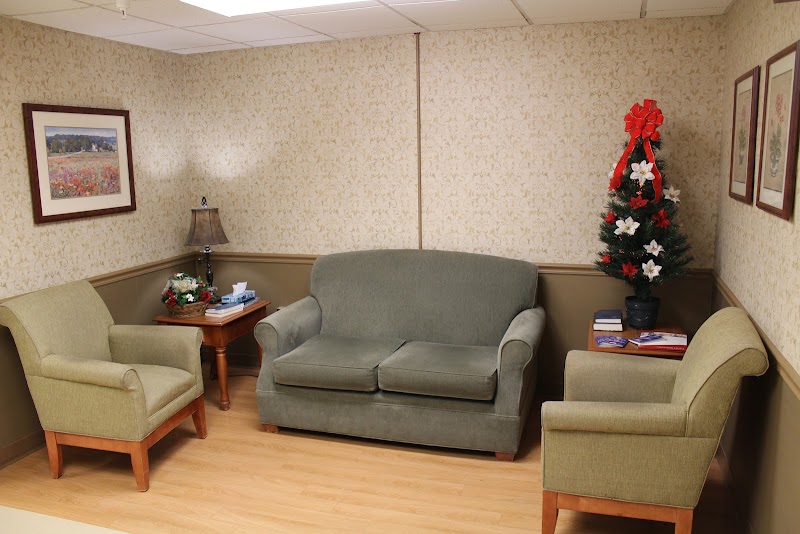
Who Owns and Operates Mountain Laurel Healthcare And Rehabilitation Ctr?

MOUNTAIN LAUREL HEALTHCARE AND REHABILITATION CTR is owned by a for-profit company. For-profit facilities operate as businesses with obligations to shareholders or private owners. The facility operates independently rather than as part of a larger chain. With 240 certified beds and approximately 103 residents (about 43% occupancy), it is a large facility located in CLEARFIELD, Pennsylvania.
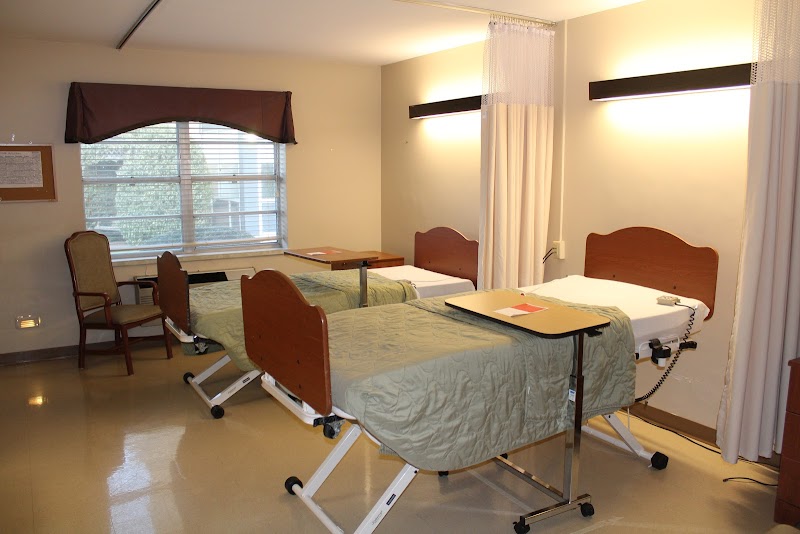
How Does Mountain Laurel Healthcare And Rehabilitation Ctr Compare to Other Pennsylvania Nursing Homes?

Compared to the 100 nursing homes in Pennsylvania, MOUNTAIN LAUREL HEALTHCARE AND REHABILITATION CTR's overall rating (1 stars) is below the state average of 3.0, staff turnover (35%) is significantly lower than the state average of 46%, and health inspection rating (1 stars) is much below the national benchmark.

What Should Families Ask When Visiting Mountain Laurel Healthcare And Rehabilitation Ctr?

Based on this facility's data, families visiting should ask: "Can I visit during a mealtime to observe dining assistance and food quality?" "How do you handle medical emergencies, and what is your hospital transfer rate?" "Can I speak with family members of current residents about their experience?"

Is Mountain Laurel Healthcare And Rehabilitation Ctr Safe?

Based on CMS inspection data, MOUNTAIN LAUREL HEALTHCARE AND REHABILITATION CTR has a clean safety record: no substantiated abuse findings (meaning no confirmed cases of resident harm), no Immediate Jeopardy citations (the most serious violation level indicating risk of serious injury or death), and is not on the Special Focus Facility watch list (a federal program monitoring the lowest-performing 1% of nursing homes). The facility has a 1-star overall rating and ranks #100 of 100 nursing homes in Pennsylvania. While no facility is perfect, families should still ask about staff-to-resident ratios and recent inspection results during their visit.

Do Nurses at Mountain Laurel Healthcare And Rehabilitation Ctr Stick Around?

MOUNTAIN LAUREL HEALTHCARE AND REHABILITATION CTR has a staff turnover rate of 35%, which is about average for Pennsylvania nursing homes (state average: 46%). Moderate turnover is common in nursing homes, but families should still ask about staff tenure and how the facility maintains care continuity when employees leave.

Was Mountain Laurel Healthcare And Rehabilitation Ctr Ever Fined?

MOUNTAIN LAUREL HEALTHCARE AND REHABILITATION CTR has been fined $98,690 across 2 penalty actions. This is above the Pennsylvania average of $34,066. Fines in this range indicate compliance issues significant enough for CMS to impose meaningful financial consequences. Common causes include delayed correction of deficiencies, repeat violations, or care failures affecting resident safety. Families should ask facility leadership what changes have been made since these penalties.

Is Mountain Laurel Healthcare And Rehabilitation Ctr on Any Federal Watch List?

MOUNTAIN LAUREL HEALTHCARE AND REHABILITATION CTR is not on any federal watch list. The most significant is the Special Focus Facility (SFF) program, which identifies the bottom 1% of nursing homes nationally based on persistent, serious quality problems. Not being on this list means the facility has avoided the pattern of deficiencies that triggers enhanced federal oversight. This is a positive indicator, though families should still review the facility's inspection history directly.