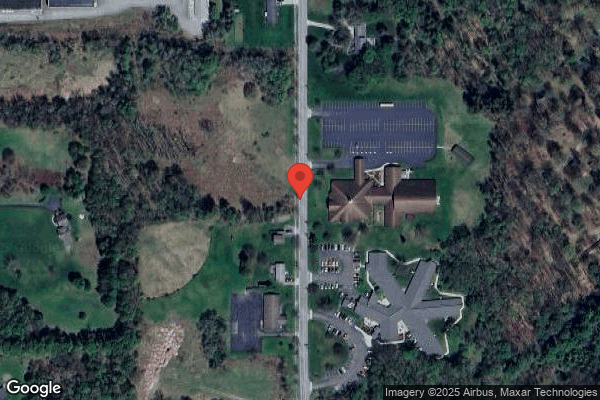
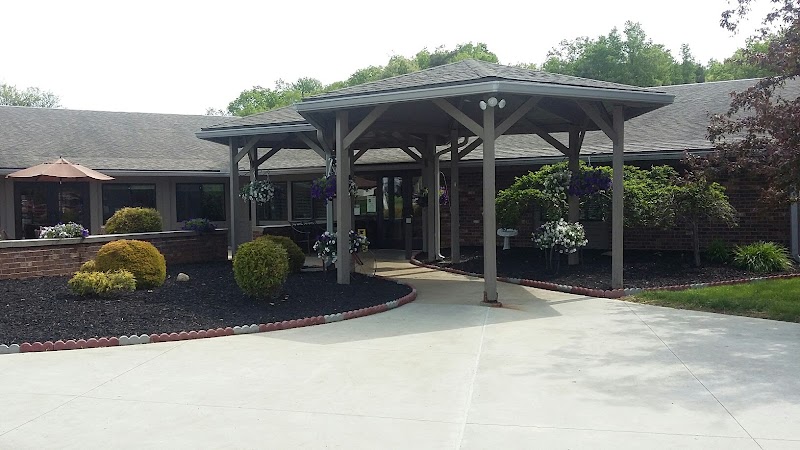
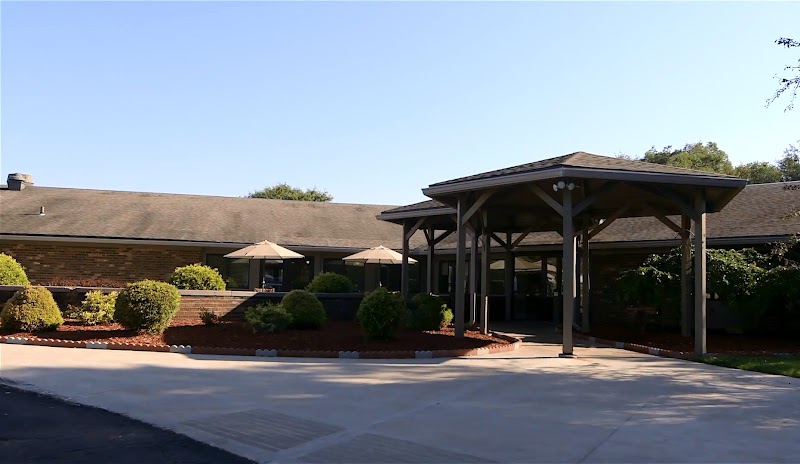

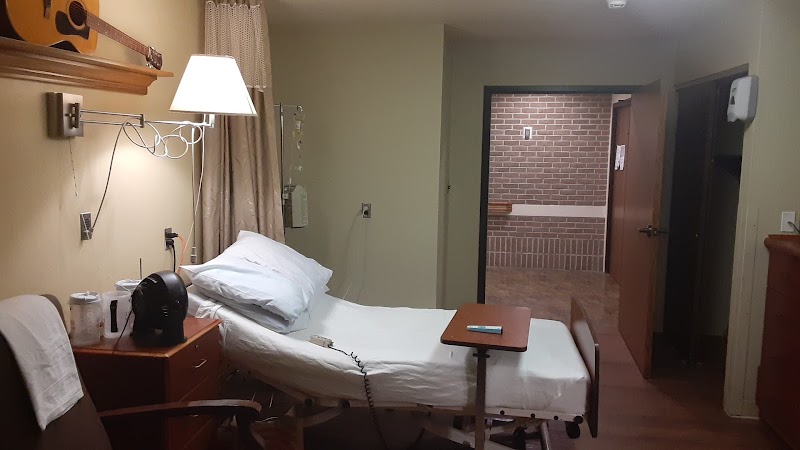
Corry Manor

640 WORTH STREET, CORRY, PA 16407 (814) 664-9606
For profit - Corporation 121 Beds HCF MANAGEMENT Data: November 2025
Trust Grade
38/100
#548 of 653 in PA
Last Inspection: September 2025

Inspected within the last 6 months. Data reflects current conditions.

Overview

Corry Manor has received a Trust Grade of F, indicating significant concerns about the quality of care provided-this is considered poor on the grading scale. It ranks #548 out of 653 nursing homes in Pennsylvania, placing it in the bottom half of facilities in the state, and #16 out of 18 in Erie County, meaning only one local option is better. The facility is improving slightly, with the number of reported issues decreasing from 13 in 2024 to 11 in 2025, but it still faces serious challenges. Staffing is a weakness, with a low rating of 1 out of 5 stars and less RN coverage than 95% of state facilities, which may affect the quality of care residents receive. Specific incidents include failures to ensure timely physician visits for residents, inadequate development of personalized care plans, and a lack of regular updates to care plans, which raises concerns about residents not receiving appropriate and timely medical attention.

Trust Score
F
38/100
In Pennsylvania
#548/653
Bottom 17%
Safety Record
Low Risk
No red flags
Inspections
Getting Better
13 → 11 violations
Staff Stability
○ Average
41% turnover. Near Pennsylvania's 48% average. Typical for the industry.
Penalties
✓ Good
$4,194 in fines. Lower than most Pennsylvania facilities. Relatively clean record.
Skilled Nurses
⚠ Watch
Each resident gets only 18 minutes of Registered Nurse (RN) attention daily — below average for Pennsylvania. Fewer RN minutes means fewer trained eyes watching for problems.
Violations
⚠ Watch
30 deficiencies on record. Higher than average. Multiple issues found across inspections.
★☆☆☆☆
1.0
Overall Rating
★☆☆☆☆
1.0
Staff Levels
★★☆☆☆
2.0
Care Quality
★★☆☆☆
2.0
Inspection Score
Stable
2024: 13 issues
2025: 11 issues

The Good

  • Full Sprinkler Coverage · Fire safety systems throughout facility
  • No fines on record
  • Staff turnover below average (41%)

    7 points below Pennsylvania average of 48%

Facility shows strength in fire safety.

The Bad

1-Star Overall Rating

Below Pennsylvania average (3.0)

Significant quality concerns identified by CMS

Staff Turnover: 41%

Near Pennsylvania avg (46%)

Typical for the industry

Federal Fines: $4,194

Below median ($33,413)

Minor penalties assessed

Chain: HCF MANAGEMENT

Part of a multi-facility chain

Ask about local staffing decisions and management

The Ugly 30 deficiencies on record

Sept 2025 10 deficiencies
CONCERN (D)

Potential for Harm - no one hurt, but risky conditions existed

Deficiency F0578 (Tag F0578)

Could have caused harm · This affected 1 resident

**NOTE- TERMS IN BRACKETS HAVE BEEN EDITED TO PROTECT CONFIDENTIALITY** Based on review of facility policy, clinical records, and staff interview, it was determined that the facility failed to ensure ...

Read full inspector narrative →
**NOTE- TERMS IN BRACKETS HAVE BEEN EDITED TO PROTECT CONFIDENTIALITY** Based on review of facility policy, clinical records, and staff interview, it was determined that the facility failed to ensure physician orders and residents Physician Order for Life Sustaining Treatment (POLST- a legal document specifying the resident/responsible party choices regarding life-sustaining treatments) were consistent for two of 25 residents reviewed (Residents R12 and R56). Findings include: The facility policy entitled Advance Directives dated [DATE], revealed .We recognize each resident's right to refuse treatment, to live a dignified life, and to self-determination.Documentation, written or oral, of informed consent to withhold or withdraw treatment must be placed in the resident's clinical record together with the attending physician's order regarding the withholding or withdrawal of treatment. The physician's order should also be noted on the resident's plan of care and on the inside of the resident's clinical record . Resident R12's clinical record revealed an admission date of [DATE], with diagnoses that included anxiety, hyperlipidemia (high cholesterol), and hypertension (high blood pressure). Resident R12's physician's orders dated [DATE], indicated for cardiopulmonary resuscitation (CPR-emergency life-saving procedure that is done when breathing or a heartbeat has stopped and when performed immediately can double or triple chances of survival after cardiac arrest). Resident R12's clinical record revealed a POLST dated [DATE], indicated Do Not Resuscitate-Allow Natural Death (DNR). Resident R56's clinical record revealed an admission date of [DATE], with diagnoses that included heart failure, hypertension, and muscle weakness. Resident R56's physician's orders dated [DATE], indicated Do Not Resuscitate-Allow Natural Death (DNR). Resident R56's clinical record revealed a POLST indicated cardiopulmonary resuscitation (CPR-emergency life-saving procedure that is done when breathing or a heartbeat has stopped and when performed immediately can double or triple chances of survival after cardiac arrest). During an interview on [DATE], at approximately 2:30 p.m. the Director of Nursing confirmed Residents R12 and R56's physician's orders and POLST's were not consistent with each other. 28 Pa. Code 201.18 (b)(1)(e)(1) Management 28 Pa. Code 201.29(a) Resident rights 28 Pa. Code 211.5(i)((vii) Medical records 28 Pa. Code 211.10(c) Resident care policies
CONCERN (D)

Potential for Harm - no one hurt, but risky conditions existed

Deficiency F0605 (Tag F0605)

Could have caused harm · This affected 1 resident

Based on review of facility policy, clinical records, and staff interview, it was determined that the facility failed to provide a clinical rationale for the continued use of a PRN (as needed) psychot...

Read full inspector narrative →
Based on review of facility policy, clinical records, and staff interview, it was determined that the facility failed to provide a clinical rationale for the continued use of a PRN (as needed) psychotropic (affecting the mind) medication beyond 14-days for one of five residents reviewed (Resident R8).Findings include: Review of facility policy entitled PRN Order for Anti-Psychotic Medications dated 12/4/24, indicated . limits PRN orders for anti-psychotic medication to 14 days and cannot be renewed unless the attending physician. evaluates the resident for appropriateness of that medication. Review of Resident R8's clinical record revealed an admission date of 6/10/25, with diagnoses that included anxiety (a condition that causes a person to be nervous, uneasy, or worried about something or someone), bipolar disorder (a mental illness that causes extreme mood swings with emotional highs and emotional lows), and hypertension (high blood pressure). Review of Resident R8's physician's orders revealed an order dated 7/9/25, for Ativan (anti-anxiety medication) 0.5mg (milligram) by mouth every eight hours as needed. Review of Resident R8's August 2025 Medication Administration Record (MAR) revealed that Ativan was used on 8/3/25, 8/7/25, 8/17/25, 8/21/25, and 8/31/25. Review of the September 2025 MAR revealed that Ativan was used 9/3/25. During an interview on 9/10/25, at 2:45 p.m. with the Director of Nursing (DON) he/she confirmed that Resident R8's PRN Ativan order lacked the required stop date within 14 days or a clinical rationale for continued use beyond 14 days. 28 Pa. Code 211.12(d)(1)(3)(5) Nursing services
CONCERN (D)

Potential for Harm - no one hurt, but risky conditions existed

Deficiency F0628 (Tag F0628)

Could have caused harm · This affected 1 resident

Based on review of facility policy, clinical records, and staff interviews it was determined that the facility failed to make certain that the necessary resident information was communicated to the re...

Read full inspector narrative →
Based on review of facility policy, clinical records, and staff interviews it was determined that the facility failed to make certain that the necessary resident information was communicated to the receiving health care provider upon transfer to the hospital for three of seven residents reviewed (Residents R1, R4, and R11).Findings include: Review of facility policy entitled Transfer, Discharge and Room Change dated 12/4/24, indicated clinical records describing the residents needs, including list of orders and medications, as directed by the attending physician, shall accompany the resident. Resident R1's clinical record revealed an admission date of 6/12/24, with diagnoses that included congestive heart failure (the inability of the heart to maintain an adequate supply of blood to organs and tissues), chronic obstructive pulmonary disease (when your lungs do not have adequate air flow), and diabetes (a health condition that is caused by the body's inability to produce enough insulin). Resident R1's progress notes revealed a note dated 12/26/24, indicating transfer to the hospital. The clinical record lacked evidence that his/her necessary clinical information was communicated to the receiving health care provider. Resident R4's clinical record revealed an admission date of 3/10/25, with diagnoses that included hypertension (high blood pressure), dementia (a disease that affects short term memory and the ability to think logically), and hypothyroidism (a condition when the thyroid produces low amounts of thyroid hormones). Resident R4's progress notes revealed a note dated 5/28/25, indicating transfer to the hospital. The clinical record lacked evidence that his/her necessary clinical information was communicated to the receiving health care provider. Review of Resident R11's clinical record revealed an admission date of 1/30/25, with diagnoses that included diabetes dependence on renal dialysis (a treatment that helps remove extra fluid and waste products from the blood when the kidneys are not able to), and hypertension. Resident R11's progress notes revealed a note dated 7/31/25, indicating transfer to the hospital. The clinical record lacked evidence that his/her necessary clinical information was communicated to the receiving health care provider. During an interview on 9/10/25, at 1:50 p.m. the Director of Nursing (DON) confirmed that there was no evidence that Residents R1, R4 and R11 necessary clinical information was provided to the receiving healthcare provider upon transfer and also confirmed when the transfers occurred clinical information should be provided to the receiving healthcare provider upon transfer. 28 Pa. Code 201.18(e)(1) Management 28 Pa. Code 201.29(c.3) (2) Resident rights
CONCERN (D)

Potential for Harm - no one hurt, but risky conditions existed

Deficiency F0655 (Tag F0655)

Could have caused harm · This affected 1 resident

Based on review of clinical records and staff interview, it was determined that the facility failed to provide a written summary of the baseline care plan and order summary to the resident and/or repr...

Read full inspector narrative →
Based on review of clinical records and staff interview, it was determined that the facility failed to provide a written summary of the baseline care plan and order summary to the resident and/or representative for one of 18 residents reviewed (Resident R8).Findings include: Review of Resident R8's clinical record revealed an admission date of 6/10/25, with diagnoses that included anxiety (a condition that causes a person to be nervous, uneasy, or worried about something or someone), bipolar disorder (a mental illness that causes extreme mood swings with emotional highs and emotional lows), and hypertension (high blood pressure). Resident R8's clinical record lacked evidence that a written summary of the baseline care plan and order summary was provided to Resident R8 and/or his/her representative. During an interview on 9/11/25, at 11:53 a.m. the Director of Nursing confirmed that the clinical record of Resident R8 lacked evidence that a written summary of the baseline care plans, and order summaries were provided the Resident and/or their representative upon admission to the facility. 28 Pa. Code 211.10(c)(d) Resident care policies 28 Pa. Code 201.18 (b)(1) Management
CONCERN (D)

Potential for Harm - no one hurt, but risky conditions existed

Comprehensive Care Plan (Tag F0656)

Could have caused harm · This affected 1 resident

Based on review of facility policy, clinical records, and staff interviews, it was determined that the facility failed to develop comprehensive person-centered care plans for a resident requiring oxyg...

Read full inspector narrative →
Based on review of facility policy, clinical records, and staff interviews, it was determined that the facility failed to develop comprehensive person-centered care plans for a resident requiring oxygen therapy that included measurable objectives and timetables to meet a resident's needs for one of 25 residents reviewed (Resident R88). Findings include: A facility policy entitled, Care Plan Policy dated 12/4/24, indicated the facility will develop a comprehensive person centered care plan for each resident that includes measurable objective and timetables to meet a resident's medical, nursing, and mental and psychosocial needs . Review of Resident R88's clinical record revealed an admission date of 5/7/25, with diagnoses that included respiratory failure (a condition where your lungs don't exchange air properly), chronic obstructive pulmonary disease (when your lungs do not have adequate air flow), and hypertension (high blood pressure). Review of Resident R88's physician's orders revealed an order for oxygen two liters per minute PRN (as needed) via nasal cannula (a thin tube with two prongs that fit into the resident's nostrils to deliver oxygen). Review of Resident R88's oxygen saturation percentages from 8/8/25, through 9/11/25, revealed Resident R88 had used his/her oxygen on 31 of the days. Review of Resident R88's person centered plans of care lacked evidence that a plan of care for respiratory care with use of oxygen was developed. During an interview on 9/11/25, at 1:20 p.m. the Director of Nursing confirmed that a plan of care for respiratory care with use of oxygen was not developed for Resident R88 and also confirmed that a respiratory plan of care with use of oxygen should have been developed. 28 Pa. Code 201.14 (a) Responsibility of Licensee 28 Pa. Code 201.18 (b)(1)(3) Management 28 Pa. Code 211.12(d)(1)(3)(5) Nursing services
CONCERN (D)

Potential for Harm - no one hurt, but risky conditions existed

Deficiency F0657 (Tag F0657)

Could have caused harm · This affected 1 resident

Based on review of facility policy, clinical records, and staff interviews, it was determined that the facility failed to review and/or revise resident care plans to reflect resident's current conditi...

Read full inspector narrative →
Based on review of facility policy, clinical records, and staff interviews, it was determined that the facility failed to review and/or revise resident care plans to reflect resident's current condition and failed to ensure that resident care plan meetings were held timely for two of 25 residents reviewed (Residents R22 and R56). Findings include: Review of facility policy entitled “Care Plan Policy” dated 12/4/24, revealed that the care plans are periodically reviewed and revised by a team of qualified persons after each assessment. The policy further indicated that the Resident will have the opportunity to discuss their goals for care including their preferences for advanced care planning with the interdisciplinary team. Resident R22's clinical record revealed an admission date of 6/21/19, with diagnoses that included obstructive and reflex uropathy (urinary tract disorder that occurs when urine flow is obstructed), benign hyperplasia prostatic (an enlarged gland below the bladder that causes difficulty urinating) with lower urinary tract symptoms, weakness and dementia (a condition that causes a decline in cognitive functions, such as memory, thinking, and problem solving). Review of Resident R22’s physician's orders revealed an order dated 6/25/25, for a suprapubic catheter (tube directly into the bladder to drain urine). Resident R22 had a previous order for a foley catheter. Review of Resident R22's care plan revealed a foley catheter care plan created on 1/20/20, with a revision date of 7/7/25. The care plan lacked any evidence that Resident R22 had a suprapubic catheter. During an interview on 9/11/25, at 10:40 a.m. the Director of Nursing confirmed that Resident R22's care plan was not updated to reflect Resident R22’s current status and care needs. Resident R56’s clinical record revealed an admission date of 11/21/24, with diagnoses that included heart failure, hypertension (high blood pressure), and muscle weakness. Resident R56's clinical record lacked evidence that a care plan meeting was scheduled timely. He/she had a care plan meeting on 1/21/25, and the next care plan meeting was held on 8/10/25. During an interview on 9/10/25, at 11:45 a.m. the Social Worker confirmed that Resident R56’s care plan meeting was not scheduled timely after the meeting held on 1/21/25, and that his/her next care plan meeting should have been scheduled and completed in May 2025. 28 Pa. Code 201.14(a) Responsibility of licensee 28 Pa. Code 201.29(a) Resident rights 28 Pa. Code 211.12(d)(3)(5) Nursing services
CONCERN (D)

Potential for Harm - no one hurt, but risky conditions existed

Respiratory Care (Tag F0695)

Could have caused harm · This affected 1 resident

Based on review of facility policy and clinical records, observations, and staff interview, it was determined that the facility failed to provide oxygen according to physician's orders for one of two ...

Read full inspector narrative →
Based on review of facility policy and clinical records, observations, and staff interview, it was determined that the facility failed to provide oxygen according to physician's orders for one of two residents reviewed for respiratory services (Resident R88). Findings include: Review of facility policy entitled Oxygen Concentrators dated 12/4/24, indicated external filters are to be cleaned weekly. Prefilled bubble humidifier bottles. need to be changed weekly and as needed. Review of Resident R88's clinical record revealed an admission date of 5/7/25, with diagnoses that included respiratory failure (a condition where your lungs don't exchange air properly), Chronic obstructive pulmonary disease (when your lungs do not have adequate air flow), and hypertension (high blood pressure). Review of Resident R88's physician's orders revealed orders for oxygen (O2) two liters per minute PRN (as needed) via nasal cannula (a thin tube with two prongs that fit into the resident's nostrils to deliver oxygen) dated 8/7/25, and oxygen maintenance change O2 tubing and supply bag weekly, wipe down concentrator and clean filter weekly, change water jug weekly dated 8/7/25. Review of Resident R88's oxygen saturation percentages between 8/8/25, through 9/11/25, revealed Resident R88 had used his/her oxygen on 31 of the days. Observations on 9/8/25, at 1:15 p.m., and again at 3:30 p.m. revealed Resident R88 sitting in his/her wheelchair with supplemental oxygen in place and the oxygen concentrator liter flow set at one and a half liters/minute. Further observations revealed no water bottle attached to the oxygen concentrator, and no filter on the back of the concentrator. Observations on 9/9/25, at 11:16 a.m. and again at 2:15 p.m. revealed Resident R88's oxygen continued to be set at one and a half liters/minute and continued to have no water bottler or filter attached to the oxygen concentrator. Observations on 9/10/25, at 11:15 a.m. and again at 1:30 p.m. revealed Resident R88's oxygen continued to be set at one and a half liters/minute and continued to have no water bottler or filter attached to the oxygen concentrator. Observations on 9/11/25, at 10:00 a.m. and again at 12:58 p.m. revealed Resident R88's oxygen continued to be set at one and a half liters/minute and continued to have no water bottler or filter attached to the oxygen concentrator. During an interview on 9/11/25, at 12:58 p.m. the Director of Nursing (DON) confirmed that Resident R88's oxygen concentrator was on and set at one and a half liters/minute which was not in accordance with the physician's order dated 8/7/25, for oxygen at two liters/minute and that there was no water bottler or filter attached to the oxygen concentrator. The DON also confirmed that Resident R88's oxygen flow rate should be set per physician order and that there should have been a water bottle and filter attached to the oxygen concentrator. 28 Pa. Code 211.10(c) Resident care policies 28 Pa. Code 211.12(d)(1)(5) Nursing services
CONCERN (D)

Potential for Harm - no one hurt, but risky conditions existed

Deficiency F0761 (Tag F0761)

Could have caused harm · This affected 1 resident

Based on review of facility policies, observations,and staff interviews it was determined that the facility failed to appropriately discard outdated medications for one of two medication carts reviewe...

Read full inspector narrative →
Based on review of facility policies, observations,and staff interviews it was determined that the facility failed to appropriately discard outdated medications for one of two medication carts reviewed and one of one medication rooms reviewed (facility medication room and A wing medication cart). Findings include: Review of facility policy entitled Medication Storage dated 12/4/24, indicated Medications and biologicals are stored safely, securely and properly, following manufacturer's recommendations. and Outdated, contaminated, or deteriorated medications. are immediately removed from stock. Review of manufacturer's guidelines revealed that an open pen of Lantus Insulin must be used within 28 days after opening or be discarded, even if the pen still contains insulin. Review of manufacturer's guidelines revealed that an open pen of Aspart Insulin must be used within 28 days after opening or be discarded. Review of manufacturer's guidelines revealed that an open vial of Tubersol should be discarded within 30 days after opening. Observation of drug storage on 9/8/25, at 2:35 p.m. of the facility medication room revealed an open vial of Tubersol (a solution used for tuberculosis testing upon admission and employment) with no date indicating when the Tubersol was opened. Further observations of the A wing medication cart, revealed an open Aspart insulin pen with an open date of 7/12/25, another open Aspart insulin pen with an open date of 7/14/25, and an open Lantus insulin pen with no date indicating when the insulin was opened. During an interview on 9/8/25, at the time of observation Licensed Practical Nurse (LPN) Employee E1 confirmed that the open dates on the aspart insulin pens were 7/12/25, and 7/14/25. LPN Employee E1 also confirmed that the open vial of Tubersol, and the open Lantus insulin pen lacked opened dates, and staff were unable to determine the discard dates. He/she also confirmed that the Aspart insulin pens, the Lantus insulin pen and the Tubersol should have been discarded. 28. Pa. Code 201.18(b)(1) Management 28. Pa. Code 211.9(a)(1) Pharmacy services 28 Pa. Code 211.12(d)(1) Nursing services
CONCERN (D)

Potential for Harm - no one hurt, but risky conditions existed

Deficiency F0849 (Tag F0849)

Could have caused harm · This affected 1 resident

**NOTE- TERMS IN BRACKETS HAVE BEEN EDITED TO PROTECT CONFIDENTIALITY** Based on review of Hospice contract, facility policy, clinical records, and staff interviews, it was determined that the facilit...

Read full inspector narrative →
**NOTE- TERMS IN BRACKETS HAVE BEEN EDITED TO PROTECT CONFIDENTIALITY** Based on review of Hospice contract, facility policy, clinical records, and staff interviews, it was determined that the facility failed to make certain that Hospice documentation was maintained in the clinical record for one of 25 residents reviewed (Resident R74).Findings include: Review of the facility Hospice contract indicated that coordination of care between the nursing facility staff and the Hospice Interdisciplinary Team. It further indicated that Hospice will maintain a medical record of hospice services provided and that the record will be incorporated into the nursing facility medical record. Hospice personnel will chart the services in this record. Review of facility policy Hospice Policy, dated 12/04/24, indicated that the facility shall take direction from the Hospice agency regarding implementation of the coordinated plan of care related to the resident's terminal illness. The policy also indicated that the attending physician will make an order for Hospice services. Review of Resident R74's clinical record revealed an admission date of 7/18/25, with diagnoses that included interstitial pulmonary disease, chronic respiratory failure with hypoxia, pulmonary hypertension, and diabetes, and a physician's order dated 9/08/25, to admit Resident R74 to Hospice services. Further review of Resident R74's clinical record revealed a care plan dated 7/18/25, for Hospice services to coordinate care with the facility. A nurse's note dated 7/18/25, revealed Resident R74 was a new admission on Hospice with lung issues. Resident R74's clinical record revealed a hospice plan of care dated 8/3/25, and a nurse's visit assessment dated [DATE]. The clinical record lacked any other evidence of collaboration/communication of Hospice and documentation of Hospice communication detailing Hospice services and service dates. During an interview on 9/11/25, at111:50 a.m. the Director of Nursing confirmed that there was no evidence of communication sheets provided to the facility from the Hospice provider other than the 8/11/25, nurse's assessment and confirmed that the physician's order was not obtained upon Resident R74's 7/18/25, admission date. 28 Pa. Code 201.18(b)(1)(3)(e)(1) Management 28 Pa. Code 211.12(d)(1)(3)(5) Nursing services
CONCERN (E)

Potential for Harm - no one hurt, but risky conditions existed

Deficiency F0711 (Tag F0711)

Could have caused harm · This affected multiple residents

Based on review of facility policy and clinical records, and staff interviews, it was determined that the facility failed to ensure that the physician sign and date all orders during each of his/her v...

Read full inspector narrative →
Based on review of facility policy and clinical records, and staff interviews, it was determined that the facility failed to ensure that the physician sign and date all orders during each of his/her visits for five of 25 residents reviewed (Residents R1, R2, R29, R98 and R100). Findings include: Review of facility policy entitled Physician Services dated 12/4/24, indicated Physician visits will comply with the following: The resident must be seen every thirty (30) days for the first ninety (90) days after admission, then every sixty (60) days thereafter. The resident's total plan of care (including medication and treatments) must be reviewed with each scheduled visit. and All orders must be recorded in the resident's clinical record and renewed every thirty (30) days. Resident R1's clinical record revealed an admission date of 6/12/24, with diagnoses that included congestive heart failure (the inability of the heart to maintain an adequate supply of blood to organs and tissues), chronic obstructive pulmonary disease (COPD-when your lungs do not have adequate air flow), and diabetes (a health condition that is caused by the body's inability to produce enough insulin). Review of Resident R1's clinical record revealed that the last time his/her physician reviewed, signed, and dated his/her physician orders was on 3/28/25. Resident R2's clinical record revealed an admission date of 7/16/24, with diagnoses that included COPD, heart failure (a condition where the heart cannot supply the body with enough blood), and hypertension (high blood pressure). Review of resident R2's clinical record revealed that the last time his/her physician reviewed, signed, and dated his/her physician orders was on 2/2/25. Resident R29's clinical record revealed an admission date of 6/18/24, with diagnoses that included COPD, hyperlipidemia (high cholesterol), and hypothyroidism (a condition when the thyroid produces low amounts of thyroid hormones). Review of resident R29's clinical record revealed that the last time his/her physician reviewed, signed, and dated his/her physician orders was on 10/31/24. Resident R98's clinical record revealed an admission date of 4/19/24, with diagnoses that included hypotension (low blood pressure), hyperlipidemia, and benign prostatic hyperplasia (a noncancerous condition that causes the prostate gland to become enlarged and cause difficulty urinating). Review of resident R98's clinical record revealed that the last time his/her physician reviewed, signed, and dated his/her physician orders was on 2/2/25. Resident R100's clinical record revealed an admission date of 10/23/24, with diagnoses that included dementia (a disease that affects short term memory and the ability to think logically), hypertension, and hypothyroidism. Review of resident R100's clinical record revealed that the last time his/her physician reviewed, signed, and dated his/her physician orders was on 6/3/25. During an interview on 9/10/25, at 10:40 a.m. the Director of Nursing (DON) confirmed that physician orders for Residents R1, R2, R29, R98, and R100 were past due to be reviewed and signed by the physician. The DON also confirmed that physician orders should be reviewed and signed with every physician visit on admission then every 30 days for the first 90 days then every 60 days. 28 Pa. Code 201.14(a) Responsibility of licensee 28 Pa. Code 201.18(b)(1)(3) Management 28 Pa. Code 211.5(f)(i) Medical records
Mar 2025 1 deficiency
CONCERN (D) 📢 Someone Reported This

A family member, employee, or ombudsman was alarmed enough to file a formal complaint

Potential for Harm - no one hurt, but risky conditions existed

Notification of Changes (Tag F0580)

Could have caused harm · This affected 1 resident

Based on review of facility policy and clinical records, and staff interview, it was determined that the facility failed to notify the resident's emergency contact/representative regarding a transfer ...

Read full inspector narrative →
Based on review of facility policy and clinical records, and staff interview, it was determined that the facility failed to notify the resident's emergency contact/representative regarding a transfer to the emergency room and a change in condition in a timely manner for one of two residents reviewed (Resident R1). Findings include: Review of the facility policy entitled Notification of Changes dated 12/4/24, revealed that The Manor must inform the resident immediately, the attending physician, and the resident's representative or interested family member when there is a significant change in the resident's physical, mental, or psychosocial status. Review of Resident R1's clinical record revealed an admission date of 1/23/25, with diagnoses that included hypertension (high blood-pressure), muscle weakness, and a presence of an aortocoronary bypass graft (a surgical procedure that improves blood flow in the heart by treating narrowed or blocked arteries). Review of Resident R1's clinical record revealed a progress note dated 2/2/25, at 2:15 a.m. indicating the resident was hallucinating, had an unsteady gait, and had increased confusion resulting in transport to the emergency room. The clinical record lacked evidence that the resident's emergency contact/representative was notified of Resident R1's transfer to the emergency room. Further review of the clinical record progress notes dated 2/5/25, at 11:08 p.m. revealed that Resident R1 was wheezing, fatigued, had a non-productive cough, required a breathing treatment, and required administration of an as needed cough medicine. Therapy progress notes dated 2/6/25, at 12:00 a.m. revealed Resident R1 was having coughing fits and was extremely fatigued throughout therapy sessions. A progress note dated 2/6/25, at 6:07 a.m. revealed Resident R1 had a very moist cough during position changes which required a breathing treatment and as needed cough medicine to be administered. A progress note dated 2/6/25, at 7:42 a.m. indicated an in-house chest x-ray was ordered due to Resident R1's symptoms. A progress note dated 2/6/25, at 8:03 p.m. revealed the emergency contact/representative was notified of Resident R1 having increased coughing and that he/she was using accessory muscles when breathing, at this time the emergency contact/representative requested Resident R1 to be transferred to the emergency room and he/she was admitted to the hospital with Respiratory Syncytial Virus (RSV). These progress notes in Resident R1's clinical record revealed the emergency contact/representative was not notified of Resident R1's change in condition until approximately 21 hours after his/her onset of symptoms. During an interview on 3/6/25, at 11:55 a.m. the Nursing Home Administrator confirmed that the clinical record lacked evidence of Resident R1's emergency contact/representative being notified of the above transfer to the emergency room and change in condition in a timely manner and that the facility staff should have notified the resident's emergency contact/representative and documented the notification in the clinical record. 28 Pa. Code 201.14(a) Responsibility of licensee 28 Pa. Code 201.18(b)(1) Management 28 Pa. Code 211.12(d)(1)(5) Nursing services
Nov 2024 13 deficiencies
CONCERN (D) 📢 Someone Reported This

A family member, employee, or ombudsman was alarmed enough to file a formal complaint

Potential for Harm - no one hurt, but risky conditions existed

Deficiency F0578 (Tag F0578)

Could have caused harm · This affected 1 resident

**NOTE- TERMS IN BRACKETS HAVE BEEN EDITED TO PROTECT CONFIDENTIALITY** Based on review of facility policy, clinical records, and staff interview, it was determined that the facility failed to ensure ...

Read full inspector narrative →
**NOTE- TERMS IN BRACKETS HAVE BEEN EDITED TO PROTECT CONFIDENTIALITY** Based on review of facility policy, clinical records, and staff interview, it was determined that the facility failed to ensure the physician orders and Pennsylvania Orders for Life Sustaining Treatment (POLST- a legal document specifying the resident/responsible party choices regarding life-sustaining treatments) were consistent for one of 25 residents reviewed (Resident R80). Findings include: Review of facility policy entitled Advance Directives Policy - PA dated [DATE], indicated General Policies All decisions to withhold or withdraw treatment or services . are subject to the following policies: 2. Documentation b. The physician's order should also be noted on the resident's plan of care and on the inside of the resident's clinical record. Review of Resident R80's clinical record revealed an admission date of [DATE], with diagnoses that included Diabetes (a health condition that caused by the body's inability to produce enough insulin), Dementia (a disease that affects short term memory and the ability to think logically), and Hypothyroidism (a condition when the thyroid produces low amounts of thyroid hormones). Review of Resident R80's clinical record revealed two POLST forms with the first one dated [DATE], signed by the physician [DATE], for Cardiopulmonary Resuscitation (CPR-emergency life-saving procedure that is done when breathing or a heartbeat has stopped and when performed immediately can double or triple chances of survival after cardiac arrest)- Full Code. The second POLST dated [DATE], with no evidence of a physician signature for Do Not Attempt Resuscitation (DNR- allow natural death). During an interview on [DATE], at 9:25 a.m. Licensed Practical Nurse (LPN) Employee E1 revealed that during an emergent situation the staff refer to resident's paper chart to determine resident life sustaining wishes. LPN Employee E1 confirmed that Resident R80's POLST lacked evidence of a physician signature reflecting his/her wishes for DNR. He/she also confirmed that Resident R80's POLST should have been signed by the physician to reflect Resident R80's current wishes. 28 Pa. Code 201.18 (b)(1) Management 28 Pa. Code 201.29(a) Resident rights 28 Pa. Code 211.5(f)(i) Medical records 28 Pa. Code 211.10(c) Resident care policies
CONCERN (D) 📢 Someone Reported This

A family member, employee, or ombudsman was alarmed enough to file a formal complaint

Potential for Harm - no one hurt, but risky conditions existed

Safe Environment (Tag F0584)

Could have caused harm · This affected 1 resident

Based on observation, review of facility and clinical records, and staff and resident interviews it was determined that the facility failed to provide housekeeping services necessary to maintain a san...

Read full inspector narrative →
Based on observation, review of facility and clinical records, and staff and resident interviews it was determined that the facility failed to provide housekeeping services necessary to maintain a sanitary, orderly, and comfortable interior for one resident (Resident R36) and maintain sanitary resident specific equipment for one resident (Resident R4) of 25 residents reviewed. Findings include: No facility policy provided. Resident R36's clinical record revealed an admission date of 12/20/23, with diagnoses that included end-stage renal disease, dependence on renal dialysis, right below the knee amputation, and peritonitis (life-threatening condition that occurs when the peritoneum, the tissue that lines the abdomen, becomes inflamed or infected), and a physician's order dated 10/30/24, to set up, prime, and run cycler with two-six liter yellow bags Sunday, Tuesday, Wednesday, Friday, and Saturday. Observation on 11/04/24, at 3:40 p.m. of Resident R36's room revealed one full dialysate (fluid used in dialysis to exchange solutes with the blood and remove waste products from the body) drainage bag in a blue plastic tote, one empty dialysate infusion bag and tubing on the floor, and one empty dialysate infusion bag on the scale on the bedside stand. During an interview at that time, Resident R36 confirmed that the dialysis comes down on night shift, early in the morning and this stuff should have been cleaned up by now. During an interview on 11/04/24, at 3:53 p.m. Licensed Practical Nurse (LPN) Employee E7 confirmed that Resident R36's full dialysate drainage bag should have been emptied and that all three bags should have been discarded in the hazard waste. Resident R4's clinical record revealed an admission date of 8/15/22, with diagnoses including parkinsonism (a clinical condition caused by brain disorders, brain injuries, or certain drugs and toxins), psychotic disorder with delusions (a brief or altered reality with a belief in something that is untrue), fracture of left pubis (a type of crack or break in a person's pelvis), and lack of coordination. Observation on 11/04/24, at 1:05 p.m. revealed Resident R4 sitting in his/her wheelchair with layers of dirty and dried food covering the metal frame of the wheelchair. Further observations on 11/06/24, at 12:40 p.m. revealed Resident R4's wheelchair in the same unsanitary condition as noted above. An interview on 11/06/24, at 12:40 p.m. LPN Employee E6 confirmed Resident R4's wheelchair was unsanitary with layers of dirty dried food on it, and should have been cleaned for Resident R4. 28 Pa. Code 201.18 (b)(1)(3) Management 28 Pa. Code 201.14(a) Responsibility of licensee
CONCERN (D) 📢 Someone Reported This

A family member, employee, or ombudsman was alarmed enough to file a formal complaint

Potential for Harm - no one hurt, but risky conditions existed

Incontinence Care (Tag F0690)

Could have caused harm · This affected 1 resident

Based on review of clinical records, observations, and staff interview, it was determined that the facility failed to provide appropriate urinary catheter (tubing inserted into the bladder to drain ur...

Read full inspector narrative →
Based on review of clinical records, observations, and staff interview, it was determined that the facility failed to provide appropriate urinary catheter (tubing inserted into the bladder to drain urine into a bag) care for one of two residents reviewed for catheters (Resident R44). Findings include: Review of Resident R44's clinical record revealed an admission date of 3/12/23, with diagnoses that included Obstructive and Reflux Uropathy (disorder where urine cannot flow through the urinary tract due to an obstruction and backs up into the kidneys), Retention of Urine (a condition where the bladder doesn't empty completely when urinating), Urinary Tract Infection (an infection in any part of the urinary tract), and Overactive Bladder (a bladder control problem leading to a sudden urge to urinate). Review of Resident R44's clinical record revealed a physician's order dated 9/11/23, for an indwelling catheter. Observations on 11/05/24, at 11:30 a.m. revealed Resident R44 lying in bed with his/her urinary drainage bag lying on the floor with the valve (a device that allows you to empty the urinary drainage bag) of the drainage bag touching the floor. During an interview and observations on 11/05/24, at 11:41 a.m. the Director of Nursing (DON) confirmed that Resident R44's urinary drainage bag was lying on the floor with the valve of the drainage bag touching the floor. He/she also confirmed that the urinary drainage bag should not be on the floor. 28 Pa. Code 211.12(d)(1)(5) Nursing Services
CONCERN (D) 📢 Someone Reported This

A family member, employee, or ombudsman was alarmed enough to file a formal complaint

Potential for Harm - no one hurt, but risky conditions existed

Medication Errors (Tag F0758)

Could have caused harm · This affected 1 resident

Deficiency Text Not Available

Read full inspector narrative →
Deficiency Text Not Available
CONCERN (D) 📢 Someone Reported This

A family member, employee, or ombudsman was alarmed enough to file a formal complaint

Potential for Harm - no one hurt, but risky conditions existed

Deficiency F0761 (Tag F0761)

Could have caused harm · This affected 1 resident

**NOTE- TERMS IN BRACKETS HAVE BEEN EDITED TO PROTECT CONFIDENTIALITY** Based on review of facility policies, observations, and staff interviews, it was determined that the facility failed to label a ...

Read full inspector narrative →
**NOTE- TERMS IN BRACKETS HAVE BEEN EDITED TO PROTECT CONFIDENTIALITY** Based on review of facility policies, observations, and staff interviews, it was determined that the facility failed to label a multi-dose insulin (medication to treat elevated blood sugar levels) pen with the date it was opened, and discard an expired multi-dose insulin pen in one of four medication carts (Unit C), and failed to properly store medications for use for one of 25 residents reviewed (Resident R37). Findings include: Review of the facility policy entitled Medication Storage in the Facility dated [DATE], indicated medications and biologicals are to be stored safely, securely, and properly following manufacturerer's recommendations or those of the supplier. Outdated, contaminated, or deteriorated medications and those in containers that are cracked, soiled, or without secure closures should immediately be removed from stock, returned to ICP, and reordered from the pharmacy, if a current order exists. Observation on [DATE], at 3:20 p.m. revealed the Unit C medication cart contained two opened undated multi-dose Lantus insulin pens and the manufacturer's packaging was labeled to discard within 28 days of opening. The medication cart also contained a multi-dose Humalog insulin pen with an opened date of [DATE], which was 10 days past expiration, and the manufacturer's packaging was labeled to discard within 28 days of opening. During an interview at that time, LPN Employee E2 confirmed that multi-dose vials/containers of medication are to be dated upon opening to ensure that staff discard them in a timely manner and the medication is not to be utilized past the medication expiration. Review of the facility policy entitled Self-Administration of Medications by Resident dated [DATE], indicated Bedside storage of medication is allowed only upon the specific order of the resident's physician. And The Director of Nursing services is responsible for instructing all licensed and non-licensed nursing personal that drugs discovered at bedside are to be reported to the charge nurse on duty for removal . Review of Resident R37's clinical record revealed an admission date of [DATE], with diagnoses that included Diabetes (a health condition that caused by the body's inability to produce enough insulin), Anxiety (a condition that causes a person to be nervous, uneasy, or worried about something or someone), and Hypertension (high blood pressure). Resident R37's clinical record lacked evidence of a physician's order for medications stored at bedside. Observation on [DATE], at 1:15 p.m. revealed an open half empty bottle of Robitussin Congestant sitting on Resident R37's tray table. During an interview on [DATE], at 1:26 p.m. Licensed Practical Nurse (LPN) Employee E2 confirmed that an open half empty bottle of Robitussin Congestant was sitting on Resident R37's tray table. He/she also confirmed that the bottle of Robitussin Congestant should not be in Resident R37's room. During an interview on [DATE], at 1:30 p.m. the Director of Nursing confirmed that there was no evidence of a physician order for medication to be left at Resident R 37's bedside or a self-administration of medication evaluation. He/she also confirmed that medication should not be kept at bedside without a physician order and a self-administration of medications evaluation. 28 Pa. Code 201.18(b)(1) Management 28 Pa. Code 211.9(a)(1) Pharmacy services 28 Pa. Code 211.12(d)(1)(3)(5) Nursing services
CONCERN (D) 📢 Someone Reported This

A family member, employee, or ombudsman was alarmed enough to file a formal complaint

Potential for Harm - no one hurt, but risky conditions existed

Deficiency F0802 (Tag F0802)

Could have caused harm · This affected 1 resident

Based on observations, review of facility records, and resident and staff interviews, it was determined that the facility failed to provide sufficient staff with appropriate competencies to carry out ...

Read full inspector narrative →
Based on observations, review of facility records, and resident and staff interviews, it was determined that the facility failed to provide sufficient staff with appropriate competencies to carry out the functions of the food and nutrition services in the kitchen. Findings include: Review of facility policy entitled Tray Service dated 12/26/23, revealed Procedure Hot and cold foods are attractively assembled on trays for resident. Responsible Cooks, Nutrition Services workers. Review of Job Description for Nutrition Services Assistant revealed Position Responsibilities Must meet job related competencies . and Knowledge, Skills and Abilities: .Serve-safe certification is preferred. Review of HCF SNF On The Job Training Program Trainee Packet Nutrition Services revealed Training Schedule: New staff member will work the schedule of their coach for the first five days. The initial three days will be hands-on with the coach and Trainee. Review of four weeks of dietary schedule revealed that there are four positions on the day shift and four positions on the evening shift. Review of the four week schedule lacked evidence that the appropriate number of trained dietary staff were scheduled each day. Observations of tray line on 11/04/24, at 11:15 a.m. revealed one of three dietary staff left the dietary department with an open food cart without lids covering the milk and juice on three different occasions. Further observations revealed dietary staff waiting approximately 10 minutes between each of the three food carts to continue with tray line until the staff member returned. Resident R37 indicated during an interview on 11/04/24, at 1:00 p.m. that his/her breakfast meal is always the same cold eggs. He/she also indicated that the dietary department just repeats the same menu week to week. Resident R57 indicated during an interview on 11/05/24, at 10:15 a.m. that the food is awful there is no flavor and it's not always hot. He/she also indicated that residents get the same thing over and over. Resident R72 indicated during an interview on 11/04/24, at 2:20 p.m. that his/her meals are always a surprise when you open the lid. He/she further indicated the dietary staff do not follow the menu, and he/she buys food from Wal-Mart to eat instead, due to meals are not good and he/she is tired of them being a surprise. Resident R33 indicated during an interview on 11/05/24, at 9:30 a.m. that there are not enough staff to get food out to keep it warm and food is not good. During an interview with Resident R91's family member on 11/07/24, at 9:30 a.m. he/she indicated there were several additional staff in the dining room to assist residents with their meals during the survey (11/04/24, 11/05/24, and 11/06/24) when family visited the facility. He/she further indicated that it is unfair that the facility can have these staff members assist when surveyors are watching during the survey process, but when the survey is not going on, the residents have to wait and receive cold, unappealing food. He/she further indicated that the family brings in food due to sometimes food is unavailable and their loved one is at risk for weight loss. During a Resident Council meeting residents indicated that the food is repetitive, food is prepackaged because there is not enough staff in the dietary department. During an interview on 11/04/24, at 11:30 a.m. with [NAME] Employee E3 he/she revealed that the facility is using a low staffing menu because of the dietary staffing shortage. He/she stated that the menu is a weekly menu, and it just rotates weekly. He/she revealed that the dietary department does not cook meals and the facility gets prepackaged food that just needs heated through due to staffing in the dietary department. He/she also revealed that other departments have worked in the dietary department that are not trained. During an interview on 11/07/24, at 9:45 a.m. Dietary [NAME] Employee E8 revealed that staffing in the dietary department is four staff on dayshift and four staff on evening shift. He/she revealed that the dietary department is using a low staff menu that just repeats every week. He/she also indicated that there are days when he/she comes to work that he/she is the only staff in the dietary department. During an interview on 11/07/24, at 12:50 p.m. the Director of Nursing indicated that some of the staff listed on the dietary time sheets were staff from Nursing, Housekeeping and Administrative departments and had worked in the dietary department. During an interview on 11/07/24, at 1:05 p.m. the Dietary Manager confirmed that there is a staffing shortage in the dietary department, there are shifts that are not covered on the schedule and that other department staff have worked in the dietary department without appropriate competencies. He/she also confirmed that staff working in the dietary department need the appropriate competencies to carry out dietary duties. 28 Pa. Code 201.14(a) Responsibility of licensee 28 Pa. Code 201.18(b)(3) Management
CONCERN (D) 📢 Someone Reported This

A family member, employee, or ombudsman was alarmed enough to file a formal complaint

Potential for Harm - no one hurt, but risky conditions existed

Infection Control (Tag F0880)

Could have caused harm · This affected 1 resident

Based on review of clinical records, observations, and staff interview, it was determined that the facility failed to use appropriate infection control practices for disinfection and storage of a grad...

Read full inspector narrative →
Based on review of clinical records, observations, and staff interview, it was determined that the facility failed to use appropriate infection control practices for disinfection and storage of a graduate (measuring device) for one of 25 residents reviewed (Resident R6). Findings include: No facility policy provided. Resident R6's clinical record revealed an admission date of 2/20/24, with diagnoses that included atrial fibrillation (an irregular, often rapid rate that causes poor blood flow starting in the atria chamber of the heart), chronic obstructive pulmonary disease (a group of lung diseases that block airflow and make it difficult to breathe), gastrostomy (a surgical procedure that creates an opening in the abdomen that allows a feeding tube to be inserted directly into the stomach), neuromuscular dysfunction of the bladder (a condition in people who lack bladder control due to a brain, spinal cord or nerve problem). Observations on 11/04/24, at 1:30 p.m. revealed a graduate sitting on Resident R6's bedside table with Tube 9/6/24 2100 written on it. During an interview on 11/04/24, at 1:40 p.m. Registered Nurse (RN) Employee E5 confirmed that the graduate should have been discarded related to infection control risks of keeping it at bedside since 9/06/24, and was unaware if the graduate has been safely sanitized. RN Employee E5 further confirmed that he/she does not know what the graduate is utilized for, due to Resident R6 has a urinary catheter bag that is emptied with a graduate, and a gastrostomy tube for his/her nutrition that a graduate is typically not utilized for. 28 Pa. Code 211.12 (d)(1)(5) Nursing services
CONCERN (E) 📢 Someone Reported This

A family member, employee, or ombudsman was alarmed enough to file a formal complaint

Potential for Harm - no one hurt, but risky conditions existed

Comprehensive Care Plan (Tag F0656)

Could have caused harm · This affected multiple residents

**NOTE- TERMS IN BRACKETS HAVE BEEN EDITED TO PROTECT CONFIDENTIALITY** Based on review of facility policy, clinical records, and staff interviews, it was determined that the facility failed to develo...

Read full inspector narrative →
**NOTE- TERMS IN BRACKETS HAVE BEEN EDITED TO PROTECT CONFIDENTIALITY** Based on review of facility policy, clinical records, and staff interviews, it was determined that the facility failed to develop comprehensive person-centered care plans for each resident that included measurable objectives and timetables to meet a resident's needs for one of 25 residents reviewed (Resident R95) and for one of five residents reviewed with an indwelling catheter (tube inserted into the bladder to drain urine) (Closed Record Resident CR12). Findings include: A facility policy entitled, Comprehensive Care Plan, dated 12/26/23, indicated the facility will develop a comprehensive person centered care plan for each resident that includes measurable objective and timetables to meet a resident's medical, nursing, and mental and psychosocial needs that are identified in the comprehensive assessment, and include: services that are to be furnished to attain or maintain the resident's highest practicable physical, mental and psychosocial well-being; be developed within seven days after the completion of the comprehensive assessment, prepared by the interdisciplinary team, be periodically reviewed and revised by a team of qualified personal after each assessment, and provide services that meet professional standards of quality. Review of Resident R95's clinical record revealed an admission date of 6/22/24, with diagnoses that included compression fracture of unspecified lumbar vertebra, pain in left hip, low back pain and major depressive disorder. Review of Resident R95's admission assessment dated [DATE], indicated that Resident R95 was a Full Code (all life sustaining measures to be done if resident is without pulse and respirations) and also revealed the resident had severe pain in the left hip and back. admission physician's orders for Resident R95 revealed an order for weekly weight times four weeks then monthly and as needed. A physician's order dated 9/30/24, revealed an order for weekly standing weight per request every seven days. Review of Resident R95's weights revealed one documented weight on 6/22/24, and documented refusals thereafter. Clinical record review for Resident R95 revealed consistent multiple refusals of care including weights, showers, out of facility appointments and behaviors of yelling, screaming, demanding pain medications and calling 911 to go to hospital for pain. Review of Resident R95's person centered plans of care revealed only a plan of care for nutrition dated 6/25/24. The care plan for Code Status wasn't developed until 10/23/24; the Pain, Skin breakdown and Self Care deficit care plans weren't developed until 10/30/24. The Impaired Coping Mood Disorder and Behavior Management, New disruptive behavior and New refusal of care plans were recently developed on 11/04/24. During an interview on 11/06/24, at 9:50 a.m. the Nursing Home Administrator confirmed that Resident R95's comprehensive plans of care were not completed timely after admission. Resident CR12's clinical record revealed an admission date of 4/30/18, with diagnoses that included stroke, hydronephrosis (condition where the kidneys swell and stretch due to a buildup of urine), epilepsy (chronic brain disorder that causes seizures, which are episodes of abnormal electrical activity in the brain), and hemorrhagic cystitis (urinary bladder lining becomes inflamed and bleeds) diagnosed 7/11/24. Further review of Resident CR12's clinical record revealed no evidence that a care plan was developed for maintaining an indwelling catheter; departmental progress notes since 7/11/24; revealed five progress notes that included documentation of the presence of an indwelling catheter (9/24/24, 9/26/24, and 10/24/24); and monthly physician's progress notes (8/15/24, 9/26/24, 10/29/24) revealed documentation of the presence of an indwelling catheter. During an interview on 11/07/24, at 8:16, a.m. the Director of Nursing confirmed that there was no comprehensive care plan developed for Resident CR 12 to address the indwelling catheter. 28 Pa. Code 201.14 (a) Responsibility of Licensee 28 Pa. Code 201.18 (b)(1)(3) Management 28 Pa. Code 211.12(d)(1)(3)(5) Nursing services
CONCERN (E) 📢 Someone Reported This

A family member, employee, or ombudsman was alarmed enough to file a formal complaint

Potential for Harm - no one hurt, but risky conditions existed

Deficiency F0657 (Tag F0657)

Could have caused harm · This affected multiple residents

Based on review of facility policy and clinical records, and staff interview, it was determined that the facility failed to review and revise comprehensive care plans to reflect the current care and s...

Read full inspector narrative →
Based on review of facility policy and clinical records, and staff interview, it was determined that the facility failed to review and revise comprehensive care plans to reflect the current care and services for two of 25 residents reviewed (Residents R51 and R91). Findings include: Review of a facility policy entitled Comprehensive Care Plan dated 12/26/23, indicated that Periodically reviewed and revised by a team of qualified persons after each assessment. Resident R51's clinical record revealed an admission date of 7/4/24, with diagnoses that included Hyperlipidemia (high cholesterol), Hypertension (high blood pressure), and Gastro Esophageal Reflux Disease (a condition when stomach acid repeatedly flows back up into your throat). Review of Resident R51's Plans of Care revealed a plan of care for risk for skin breakdown with a target date (a date that the care plan is to be updated by) of 8/07/24. During an interview with the Registered Nurse Assessment Coordinator (RNAC) on 11/06/24, at 1:10 p.m. he/she confirmed the care plan for Resident R51 was not reviewed/revised to reflect current resident care and services. He/she also confirmed that care plans should be reviewed and revised as necessary. During an interview on 11/07/24, at 9:30 a.m. a family member of Resident R91 revealed Resident R91's plan of care has not been reviewed or revised, and no care plan meeting has taken place since May of 2024. Review of Resident R91's clinical record lacked any evidence of a care plan meeting and care plan revisions/review since May 2024. During an interview with the Regional Director of Clinical Services on 11/07/24, at 1:15 pm. he/she confirmed the care plan for Resident R91 was not reviewed/revised to reflect current resident care and services and no care plan meeting was conducted since May of 2024. He/she further confirmed that care plans should be reviewed and revised as necessary and care plan meetings should occur quarterly. 28 Pa. Code 211.10(c)(d) Resident care policies 28 Pa. Code 211.12(d)(1)(5) Nursing services
CONCERN (E) 📢 Someone Reported This

A family member, employee, or ombudsman was alarmed enough to file a formal complaint

Potential for Harm - no one hurt, but risky conditions existed

Quality of Care (Tag F0684)

Could have caused harm · This affected multiple residents

**NOTE- TERMS IN BRACKETS HAVE BEEN EDITED TO PROTECT CONFIDENTIALITY** Based on review of clinical and hospital records, a review of the Long Term Care Facility Resident Assessment Instrument 3.0 Use...

Read full inspector narrative →
**NOTE- TERMS IN BRACKETS HAVE BEEN EDITED TO PROTECT CONFIDENTIALITY** Based on review of clinical and hospital records, a review of the Long Term Care Facility Resident Assessment Instrument 3.0 User's Manual 2019 (RAI-assessment guide used to plan the provision of care for residents), and staff interviews, it was determined that the facility failed to provide needed care or services resulting in an actual or potential decline in one or more residents' physical, mental, and/or psychosocial well-being for one (Closed Record Resident (CR12) of five residents with an indwelling catheter (tube inserted into the bladder to drain urine) and reposition two of 25 residents reviewed (Residents R15 and R38). Findings include: A facility policy, entitled Quality of Care Policy/Activities of Daily Living, dated 12/26/23, revealed each resident will receive and the Manor will provide the necessary care and services to attain or maintain the highest practicable physical, mental and psychosocial well-being, in accordance with the comprehensive assessment and plan of care. A resident's abilities in activities of daily living will not diminish unless circumstances of the individual's clinical condition demonstrate that diminution was unavoidable. A resident who is unable to carryout activities of daily living receives the necessary services to maintain good nutrition, grooming, personal and oral hygiene. Resident R15's clinical record revealed an admission date of 5/17/19, with diagnoses that included rheumatoid arthritis (a chronic inflammatory disorder affecting joints in the hands and feet), weakness, peripheral vascular disease (a circulatory condition in which narrowed blood vessels reduce blood flow to arms and legs), and anxiety. Review of the RAI manual instructions for Section C0500 Brief Interview for Mental Status (BIMS) revealed that a score of 13-15 identified a resident as cognitively intact, and a score of 8-12 identified a resident as moderately impaired, and a score of 0-7 as severely impaired. Review of a Minimum Data Set (MDS- periodic assessment of resident care needs) dated 9/30/24, under Section C0500 revealed that Resident R15 had a BIMS of 3/15, severe cognitive impairment. Resident R15's MDS Section G - Functional Status dated 10/22/24, revealed Resident R15 required extensive assistance with two (+) persons physical assist for bed mobility and transfers. Resident R15's care plan dated 7/10/24, revealed a focus as potential for (chronic) pain related to diseases and conditions including rheumatoid arthritis, weakness, impaired mobility, dry eye syndrome, on comfort measures, etc. with interventions included to provide non-pharmacological interventions (heat/cold, dim lighting, calm environment), turning and repositioning, offer food/fluids as per dietary order, diversional activities of choice, and decreased stimuli in environment, etc Report to Nurse any change in usual activity attendance patterns or refusal to attend activities related to signs/symptoms or complaints of pain or discomfort. Resident R15's care plan further revealed a focus as ADL Self Care Performance deficit with interventions as OT (Occupational Therapy) recommends out of bed to wheelchair daily with peri care every two hours due to incontinence/resident not indicating need to toilet. Transfer: require partial to moderate assistance from staff with transfers. Bed Mobility: partial to moderate assistance require one person extensive assist for bed mobility. Resident R15's progress notes lacked evidence that Resident R15 was refusing to get out of bed on 11/04/24, 11/05/24, or 11/06/24. Observations on 11/04/24, at 11:20 a.m., 1:35 p.m., 2:00 p.m., and 3:35 p.m. revealed Resident R15 in bed laying on his/her back. Observations on 11/05/24, at 9:30 a.m., 11:00 a.m., 12:30 p.m., and 3:15 p.m. revealed Resident R15 in bed laying on his/her back. Observations on 11/06/24, at 8:30 a.m., 9:30 a.m., 11:40 a.m., and 12:00 p.m. revealed Resident R15 in bed laying on his/her back. An interview with the Registered Nurse Assessment Coordinator (RNAC) on 11/06/24, at 3:55 p.m. confirmed Resident R15 is a two (+) persons physical assist for bed mobility and transfers, and needs staff assistance to turn and reposition and should be out of bed to wheelchair daily as noted in care plan by OT. Resident R38's clinical record revealed an admission date of 1/23/21, with diagnoses that included protein-calorie malnutrition (a loss of appetite and lack of interest in food resulting in muscle wasting), hypertensive heart disease with heart failure (a group of conditions that can occur when high blood pressure damages the heart), chronic obstructive pulmonary disease (COPD - a group of lung disease that makes it difficult to breathe), and bradycardia (a condition where heart rate is slower than 60 beats per minute - low heart rate). Review of an MDS dated [DATE], revealed that Resident R38 had a BIMS of 6/15, severe cognitive impairment. Resident R38's MDS Section G - Functional Status dated 9/27/24, revealed Resident R15 requires extensive assistance with one-person physical assist for transfers. Resident R38's care plan dated 6/26/24, revealed a focus at risk for alteration in comfort related to skin cancer to right cheek, pain in right shoulder, general malaise (a sense of being unwell often accompanied by fatigue and/or pain), high blood pressure, COPD, bradycardia, dysphagia (difficulty swallowing), gastroesophageal reflux disease (a disease in which stomach acid or bile irritates the food pipe lining), anemia (a condition in which the blood doesn't have enough red blood cells to carry oxygen throughout the body), and history of falls with interventions as allow sufficient rest periods, assist with mobility and positioning as needed and will receive pain management throughout stay at the facility including to be positioned for comfort, pain will be monitored, assessed and treated using the appropriate pain scale as needed. Observations on 11/07/24, at 9:15 a.m. revealed Resident R38 out of bed sitting in his/her wheelchair. Observations on 11/07/24, at 11:10 a.m. revealed Resident R38 sitting in his/her wheelchair verbalizing to a staff member as the staff member walked past him/her, please can I get off my butt, it hurts so bad. Further observations between 11:10 a.m. and 11:50 a.m. revealed several staff members walking by Resident R38 with his/her arm reaching out to each staff member as they walked by him/her. Resident R38 was then observed in dining room at 11:53 a.m. for lunch and was still asking to be laid down due to her bottom hurting really bad. Resident R38 stated while sittng in dining room, I have been up since breakfast and my butt hurts so bad and they won't lay me down. This happens all the time. An interview on 11/07/24, at 11:54 a.m. with Licensed Practical Nurse (LPN) Employee E6 confirmed that Resident R38 has been out of bed since breakfast and should have been laid down between meals due to Resident R38 eats in the dining room for all meals. Resident CR12's clinical record revealed an admission date of 4/30/18, with diagnoses that included stroke, hydronephrosis (condition where the kidneys swell and stretch due to a buildup of urine), epilepsy (chronic brain disorder that causes seizures, which are episodes of abnormal electrical activity in the brain), and hemorrhagic cystitis (urinary bladder lining becomes inflamed and bleeds) diagnosed 7/11/24. A physician's order for an indwelling catheter size 18 French with a 15-cc [cubic centimeter] balloon was discontinued on 11/05/23, and there was no evidence that Resident CR12 had an active physician's order for an indwelling catheter until 10/29/24, or a period of 359 days. A physician's order for providing indwelling catheter care every shift was discontinued on 11/05/23, and there was no evidence that Resident CR12 had an active physician's order for indwelling catheter care every shift until 10/29/24, or a period of 359 days. A physician's order for changing an indwelling catheter every evening shift, every 30 days was discontinued on 11/05/23, and there was no evidence that Resident CR12 had an active physician's order to change the indwelling catheter until 10/29/24, or a period of 359 days. Review of Resident CR12's treatment records revealed no evidence that staff provided catheter care and/or changed his/her indwelling foley catheter since 11/05/23, or a period of 359 days. Review of recent departmental progress notes since 7/11/24, revealed five progress notes that included documentation of the presence of an indwelling catheter (9/24/24, 9/26/24, and 10/24/24). Review of monthly physician's progress notes (8/15/24, 9/26/24, 10/29/24) revealed documentation of the presence of an indwelling catheter. During an interview on 11/07/24, at 8:16, a.m. the Director of Nursing (DON) confirmed there was no evidence of a physician's order for an indwelling catheter, changing the indwelling catheter, providing catheter care since 11/05/23, or a period of 359 days. The DON also confirmed that Resident CR12 had an indwelling catheter in place between 11/05/23, and 10/29/24 (date of discharge), and that there should have been physician's orders for the indwelling catheter, changing the indwelling catheter, and providing catheter care. 28 Pa. Code 201.14 (a) Responsibility of Licensee 28 Pa. Code 201.18 (b)(1)(3) Management 28 Pa. Code 211.5 (f)(i) Medical Records 28 Pa. Code 211.12 (d)(1)(3)(5) Nursing Services
CONCERN (E) 📢 Someone Reported This

A family member, employee, or ombudsman was alarmed enough to file a formal complaint

Potential for Harm - no one hurt, but risky conditions existed

Accident Prevention (Tag F0689)

Could have caused harm · This affected multiple residents

Based on review of facility policy, observations, and staff interviews, it was determined that the facility failed to ensure a safe environment related to smoking for three of eight residents reviewed...

Read full inspector narrative →
Based on review of facility policy, observations, and staff interviews, it was determined that the facility failed to ensure a safe environment related to smoking for three of eight residents reviewed who smoke at the facility (Residents R11, R14, and R104). Findings include: A facility policy entitled, Smoking Policy, dated 12/26/23, revealed for those Manors that permit smoking the purpose is to provide maximum safety to all resident at all times. It is the intent of the Manor to provide an environment to all those residents, who wish to smoke, the opportunity to do so in a safe environment, with optimal safety to themselves, other residents, volunteers, visitors, and staff members. Residents will be informed of the written smoking policy prior to admission. Smoking will be allowed in designated areas only. Residents must be accompanied by staff, family, or properly trained volunteers while smoking. Smoking materials will be kept in a designated area accessible only by staff. This includes the safekeeping of electronic cigarettes. Staff members are strictly prohibited from furnishing their personal smoking materials to residents. Residents electing to smoke must provide their own smoking materials. Observations on all days on 11/04/24, 11/05/24, 11/06/24, and 11/07/24 throughout each day by all four surveyors revealed Resident R11, Resident R14, and Resident R104 smoking outside on the front patio entrance to facility. An interview with the Nursing Home Administrator (NHA) on 11/07/24, at 11:30 a.m. confirmed that Residents R11, R14, and R104 smoke outside on the front patio entrance to the facility, which is an unauthorized smoking area and against facility policy. The NHA further confirmed that these residents often refuse to adhere to the facility smoking policy and have access to their own lighters and cigarettes creating a safety hazard and unsafe environment. 28 Pa. Code 201.14(a) Responsibility of licensee 28 Pa. Code 201.18(b)(1) Management 28 Pa. Code 201.18(e)(1) Management 28 Pa. Code 209.3(a) Smoking
CONCERN (E) 📢 Someone Reported This

A family member, employee, or ombudsman was alarmed enough to file a formal complaint

Potential for Harm - no one hurt, but risky conditions existed

Deficiency F0711 (Tag F0711)

Could have caused harm · This affected multiple residents

Based on review of facility policy and clinical records, and staff interview, it was determined that the facility failed to ensure that a resident's physician thoroughly documented a review of the res...

Read full inspector narrative →
Based on review of facility policy and clinical records, and staff interview, it was determined that the facility failed to ensure that a resident's physician thoroughly documented a review of the resident's current condition, progress, and problems in maintaining or improving their physical, mental and psychosocial well-being and decisions about the continued appropriateness of the resident's current medical regimen for one (Closed Record Resident CR12) of 25 residents reviewed. Findings include: A facility policy entitled, Physician Services dated 12/22/23, indicated: 1. The resident's total plan of care (including medications and treatments) must be reviewed with each scheduled visit. 2. A progress note must be written, signed, and dated for each physician visit and that each progress note must contain. - An evaluation of the resident's condition, treatment, and a review of the continued appropriateness of the resident's current medical regimen. - Continuity of care in maintaining or improving a resident's condition and current medical regimen. - The resident's progress or problems in maintaining or improving his/her mental and physical functioning status. - Identification of the primary risk factors and causal factors contributing to clinical conditions, functional decline, deterioration, or potential for, and lack of improvement and whether those conditions or decline are avoidable. - Clinical validation of the need for medical interventions or justification for decisions regarding care. Resident CR12's clinical record revealed an admission date of 4/30/18, with diagnoses that included stroke, hydronephrosis (condition where the kidneys swell and stretch due to a buildup of urine), epilepsy (chronic brain disorder that causes seizures, which are episodes of abnormal electrical activity in the brain), and hemorrhagic cystitis (urinary bladder lining becomes inflamed and bleeds diagnosed 7/11/24). Review of Resident CR12's diagnostic labs revealed on 9/24/24, his/her hemoglobin A1C (blood test that measures a person's average blood sugar levels over the past two to three months) was 6.5, and the next most recent labs located in Closed Record Resident CR12's clinical record were on 11/20/23, his/her Dilantin (medication to treat seizures) level was 11.1, and on 10/02/23, his/her hemoglobin A1C was 6.3, and the Dilantin level was 15.6. Review of Resident CR12's clinical record revealed physician progress notes which included the following: 10/29/24, Complicated year for patient in and out of hospital for abdominal distention, gi bleed, covid earlier in year, known diabetes, chronic dvt and seizure dx., old cva, left sided weakness, labs reviewed a1c 6.3, cbc good mildly low plts, cmp good, Dilantin level good 15, chol good. Exam clear adb distention gas, chest cta, no wheeze or rhonchi, cv regular a/p as above plus bowel issues on bowel regime family aware tough situation continue close assessment. Much better recently out in wheelchair enjoying the sunny weather belly soft far less distended, will continue current regimen, seems improved, less gassy and distention, more upbeat, chronic edema of leg, sp cva years back, overall this visit leg swelling, cough congestion, and abdominal distention seem pretty good. Overall doing ok a1c much improved 6-7 range, early visit due to vacation next 2 weeks, no concerns from staff f/u sept visit with mar check and labs for a1c, Dilantin, etc, monthly catheter changes due to chronic foley. Dilantin level 21, borderline high but no seizures. No lethargy, leg swelling, still interactive and joking today, sugars good, flu shot upcoming, change foley monthly. 9/26/24, Complicated year for patient in and out of hospital for abdominal distention, gi bleed, covid earlier in year, known diabetes, chronic dvt and seizure dx., old cva, left sided weakness, abs reviewed a1c 6.3, cbc good mildly low plts, cmp good, Dilantin level good 15, chol good. Exam clear adb distention gas, chest cta, no wheeze or rhonchi, cv regular a/p as above plus bowel issues on bowel regime family aware tough situation continue close assessment. Much better recently out in wheelchair enjoying the sunny weather belly soft far less distended, will continue current regimen, seems improved, less gassy and distention, more upbeat, chronic edema of leg, sp cva years back, overall this visit leg swelling, cough congestion, and abdominal distention seem pretty good. Overall doing ok a1c much improved 6-7 range, early visit due to vacation next 2 weeks, no concerns from staff, f/u sept visit with mar check and labs for a1c, Dilantin, etc, monthly catheter changes due to chronic foley. Dilantin and a1c upcoming. Mar reviewed. Joking more. 8/15/24, Complicated year for patient in and out of hospital for abdominal distention, gi bleed, covid earlier in year, known diabetes, chronic dvt and seizure dx., old cva, left sided weakness, abs reviewed a1c 6.3, cbc good mildly low plts, cmp good, Dilantin level good 15, chol good. Exam clear adb distention gas, chest cta, no wheeze or rhonchi, cv regular a/p as above plus bowel issues on bowel regime family aware tough situation continue close assessment. Much better recently out in wheelchair enjoying the sunny weather belly soft far less distended, will continue current regimen, seems improved, less gassy and distention, more upbeat, chronic edema of leg, sp cva years back, overall this visit leg swelling, cough congestion, and abdominal distention seem pretty good. Overall doing ok a1c much improved 6-7 range, early visit due to vacation next 2 weeks, no concerns from staff f/u sept visit with mar check and labs for a1c, Dilantin, etc, monthly catheter changes due to chronic foley. 7/25/24, Complicated year for patient in and out of hospital for abdominal distention, gi bleed, covid earlier in year, known diabetes, chronic dvt and seizure dx., old cva, left sided weakness, abs reviewed a1c 6.3, cbc good mildly low plts, cmp good, Dilantin level good 15, chol good. Exam clear adb distention gas, chest cta, no wheeze or rhonchi, cv regular a/p as above plus bowel issues on bowel regime family aware tough situation continue close assessment. Much better recently out in wheelchair enjoying the sunny weather belly soft far less distended, will continue current regimen, seems improved, less gassy and distention, more upbeat, chronic edema of leg, sp cva years back, overall this visit leg swelling, cough congestion, and abdominal distention seem pretty good. Overall doing ok a1c much improved 6-7 range, update this visit very little changed encouraged to get out more but keeps to room, leg chronic edema and sore. 6/27/24, Complicated year for patient in and out of hospital for abdominal distention, gi bleed, covid earlier in year, known diabetes, chronic dvt and seizure dx., old cva, left sided weakness, abs reviewed a1c 6.3, cbc good mildly low plts, cmp good, Dilantin level good 15, chol good. Exam clear adb distention gas, chest cta, no wheeze or rhonchi, cv regular a/p as above plus bowel issues on bowel regime family aware tough situation continue close assessment. Much better recently out in wheelchair enjoying the sunny weather belly soft far less distended, will continue current regimen, seems improved, less gassy and distention, more upbeat, chronic edema of leg, sp cva years back, overall this visit leg swelling, cough congestion, and abdominal distention seem pretty good. Overall doing ok a1c much improved 6-7 range, color good more interactive. 5/30/24, Complicated year for patient in and out of hospital for abdominal distention, gi bleed, covid earlier in year, known diabetes, chronic dvt and seizure dx., old cva, left sided weakness, abs reviewed a1c 6.3, cbc good mildly low plts, cmp good, Dilantin level good 15, chol good. Exam clear adb distention gas, chest cta, no wheeze or rhonchi, cv regular a/p as above plus bowel issues on bowel regime family aware tough situation continue close assessment. Much better recently out in wheelchair enjoying the sunny weather belly soft far less distended, will continue current regimen, seems improved, less gassy and distention, more upbeat, chronic edema of leg, sp cva years back, overall this visit leg swelling, cough congestion, and abdominal distention seem pretty good. Overall doing ok a1c much improved 6-7. 4/25/24, Complicated year for patient in and out of hospital for abdominal distention, gi bleed, covid earlier in year, known diabetes, chronic dvt and seizure dx., old cva, left sided weakness, abs reviewed a1c 6.3, cbc good mildly low plts, cmp good, Dilantin level good 15, chol good. Exam clear adb distention gas, chest cta, no wheeze or rhonchi, cv regular a/p as above plus bowel issues on bowel regime family aware tough situation continue close assessment. Much better recently out in wheelchair enjoying the sunny weather belly soft far less distended, will continue current regimen, seems improved, less gassy and distention, more upbeat, chronic edema of leg, sp cva years back, overall this visit leg swelling, cough congestion, and abdominal distention seem pretty good. 3/27/24, Complicated year for patient in and out of hospital for abdominal distention, gi bleed, covid earlier in year, known diabetes, chronic dvt and seizure dx., old cva, left sided weakness, abs reviewed a1c 6.3, cbc good mildly low plts, cmp good, Dilantin level good 15, chol good. Exam clear adb distention gas, chest cta, no wheeze or rhonchi, cv regular a/p as above plus bowel issues on bowel regime family aware tough situation continue close assessment. Much better recently out in wheelchair enjoying the sunny weather belly soft far less distended, will continue current regimen, seems improved, less gassy and distention, more upbeat, chronic edema of leg, sp cva years back. 2/28/24, Complicated year for patient in and out of hospital for abdominal distention, gi bleed, covid earlier in year, known diabetes, chronic dvt and seizure dx., old cva, left sided weakness, abs reviewed a1c 6.3, cbc good mildly low plts, cmp good, Dilantin level good 15, chol good. Exam clear adb distention gas, chest cta, no wheeze or rhonchi, cv regular a/p as above plus bowel issues on bowel regime family aware tough situation continue close assessment. Much better recently out in wheelchair enjoying the sunny weather belly soft far less distended, will continue current regimen. 1/24/24, Complicated year for patient in and out of hospital for abdominal distention, gi bleed, covid earlier in year, known diabetes, chronic dvt and seizure dx., old cva, left sided weakness, abs reviewed a1c 6.3, cbc good mildly low plts, cmp good, Dilantin level good 15, chol good. Exam clear adb distention gas, chest cta, no wheeze or rhonchi, cv regular a/p as above plus bowel issues on bowel regime family aware tough situation continue close assessment. Bowels still off and on, distended today but moving gas and appetite ok, watch closely, family aware, spoke to son recently. 12/22/23, Complicated year for patient in and out of hospital for abdominal distention, gi bleed, covid earlier in year, known diabetes, chronic dvt and seizure dx., old cva, left sided weakness, abs reviewed a1c 6.3, cbc good mildly low plts, cmp good, Dilantin level good 15, chol good. Exam clear adb distention gas, chest cta, no wheeze or rhonchi, cv regular a/p as above plus bowel issues on bowel regime family aware tough situation continue close assessment. During an interview on 11/07/24, at 10:45 a.m. the Nursing Home Administrator confirmed that the above listed physician progress notes did not accurately reflect Resident CR12's current health condition at the time of the physician's visit, that Resident CR12 was last COVID positive on 11/20/22, and that the hemoglobin A1C and Dilantin levels were not reflective of the resident's most recent values prior to the physician visits. 28 Pa. Code 201.14(a) Responsibility of Licensee 28 Pa. Code 201.18(b)(1)(3) Management 28 Pa. Code 211.2(d)(3) Medical Director 28 Pa. Code 211.5(f)(ii)(ix) Medical records
CONCERN (E) 📢 Someone Reported This

A family member, employee, or ombudsman was alarmed enough to file a formal complaint

Potential for Harm - no one hurt, but risky conditions existed

Food Safety (Tag F0812)

Could have caused harm · This affected multiple residents

Based on review of facility policies, observations, and staff interview, it was determined that the facility failed to ensure that food was stored in accordance with standards for food safety in one o...

Read full inspector narrative →
Based on review of facility policies, observations, and staff interview, it was determined that the facility failed to ensure that food was stored in accordance with standards for food safety in one of one walk-in coolers, failed to label food brought into the facility with the resident's name and date it was opened in one of one pantry and failed to utilize hair nets to prevent contamination in the kitchen. Findings include: Review of facility policy entitled Storage of Perishable Foods dated 12/26/23, revealed Many perishable food items may be served until the manufacturer's use by date. Review of facility policy entitled Food Brought by Family/Visitors dated 12/26/23, revealed All foods requiring refrigeration must be dated and labeled with the resident's name . Perishable items may be stored for no greater than 3 days. Review of policy entitled Dress Code dated 12/26/23, revealed Purpose: To present a well-groomed appearance . to provide a standard of sanitation in dress. b. Hair net, beard if facial hair present. Observations of the kitchen on 11/04/24, at 10:40 a.m. revealed an open partially used container of sour cream in the cooler with an open date of 9/20/24, and an expiration date of 9/02/24, and a container of potato salad with a best buy date of 10/10/24. During an interview with the Dietary [NAME] Employee E3 on 11/04/24, during the time of observations he/she confirmed that the open container of sour cream and the container of potato salad were beyond their expiration date. He/she also confirmed that the items should have been discarded by their expiration date. Observation of the resident pantry refrigerator/freezer on 11/05/24, at 1:35 p.m. revealed in the freezer a frozen bag of green beans and a frozen bag of tortellini without a resident name. In the refrigerator was an open bottle of ranch salad dressing without a resident name and an expiration date of 6/25/24. During an interview on 11/05/24, with Licensed Practical Nurse (LPN) Employee E4 during the time of observations he/she confirmed that the frozen bag of green beans and the frozen bag of tortellini were absent of resident names, and the open bottle of ranch salad dressing was absent of a resident name and was also beyond its expiration date. He/she also confirmed that the items should have resident names written on them and that the expired ranch salad dressing should have been discarded. During observations of tray line on 11/04/24, at 11:15 a.m. two staff entered the kitchen without hair nets covering their hair, one staff member was standing next to the juice dispenser and the other staff member was standing approximately two feet away from the steam table. Further observation during tray line, revealed three open food carts left the kitchen, two carts went to D Wing, and one went to C Wing containing glasses of milk and juice without lids covering the milk and juice being exposed during transport to the units. During an interview with the Dietary [NAME] Employee E3 on 11/04/24, during the time of observations, he/she confirmed that staff entered the kitchen without hair nets on and that three open food carts left the kitchen without lids on the glasses of milk and juice. He/she also confirmed that all staff are required to have hair nets on when in the kitchen and the glasses of milk and juice should have been covered before leaving the kitchen. 28 Pa. Code 201.14(a) Responsibility of licensee 28 Pa. Code 201.18(b)(1)(3) Management 28 Pa. Code 211.6(f) Dietary services
Dec 2023 2 deficiencies
CONCERN (D)

Potential for Harm - no one hurt, but risky conditions existed

Quality of Care (Tag F0684)

Could have caused harm · This affected 1 resident

Based on review of facility policy and clinical records, observations, and staff interview, it was determined that the facility failed to follow physician's orders related to oxygen equipment for one ...

Read full inspector narrative →
Based on review of facility policy and clinical records, observations, and staff interview, it was determined that the facility failed to follow physician's orders related to oxygen equipment for one of two residents reviewed for oxygen usage (Resident R56). Findings include: Review of a facility policy entitled, Disposable Supply Changes dated 12/5/23, indicated that Guideline for when disposable supplies for medical equipment need changed for infection control purposes. Disposable supplies need to be dated when changed And Oxygen Cannulas [a thin tube with two prongs that fits into the resident's nostrils to deliver oxygen], Oxygen Supply Lines [tubing that connects from the oxygen source to the nasal cannula], and Oxygen Humidifier Bottles [plastic bottles filled with distilled water used to humidify oxygen] should be changed weekly or prn [as needed]. Resident R56's clinical record revealed an admission date of 8/30/22, with diagnoses that included Chronic Obstructive Pulmonary Disease, (COPD - a condition that obstructs air flow in the lungs with symptoms of difficulty breathing, coughing and shortness of breath), Heart Failure (A progressive heart disease that affects pumping action of the heart muscles, causing fatigue and shortness of breath), and Diabetes (a condition where the body produces insufficient amounts of insulin, causing high blood sugar). Review of Resident R56's clinical record revealed a physician's order dated 11/5/23, indicating to Change O2 [oxygen] tubing and supply bag weekly . Change water jug weekly. Observations on 12/26/23, at 12:20 p.m. and 12/28/23, at 11:47 a.m. revealed that Resident R56's oxygen tubing was dated for 11/14/23, and his/her water jug was not dated. Review of Resident R56's treatment records for November 2023 and December 2023 revealed that Resident R56's oxygen tubing and water jug were not changed as ordered on November 19, 2023, and November 26, 2023, or on December 3, 2023, December 10, 2023, or December 17, 2023. During an interview on 12/28/23, at 11:49 a.m. the Interim Director of Nursing confirmed that the oxygen tubing was dated for 11/14/23, and was not changed per physician's orders and the water jug was not dated at all. 28 Pa. Code 211.10(d) Resident care policies 28 Pa. Code 211.12(d)(1)(5) Nursing services
CONCERN (D)

Potential for Harm - no one hurt, but risky conditions existed

Incontinence Care (Tag F0690)

Could have caused harm · This affected 1 resident

Based on review of clinical records, observation, and staff interview, it was determined that the facility failed to provide appropriate urinary catheter (tubing inserted into the bladder to drain uri...

Read full inspector narrative →
Based on review of clinical records, observation, and staff interview, it was determined that the facility failed to provide appropriate urinary catheter (tubing inserted into the bladder to drain urine into a bag) care for one of two residents reviewed for catheters (Resident R57). Findings include: Review of Resident R57's clinical record revealed an admission date of 10/12/19, with diagnoses that included Obstructive and Reflux Uropathy (disorder where urine cannot flow through the urinary tract due to an obstruction and backs up into the kidneys), Retention of Urine (a condition where the bladder doesn't empty completely when urinating), and Overactive Bladder (a bladder control problem leading to a sudden urge to urinate). Review of Resident R57's clinical record revealed a physician's order dated 9/11/23, for an indwelling catheter. Observations on 12/26/23, at 12:40 p.m.; on 12/27/23, at 8:54 a.m.; and on 12/28/23, at 9:55 a.m. revealed that Resident R57's urinary drainage bag and tubing were lying on the floor. During an interview on 12/27/23, at 8:55 a.m. Registered Nurse Employee E1 confirmed that the catheter tubing and bag should not be on the floor. 28 Pa. Code 211.12(d)(1)(5) Nursing Services
Oct 2023 4 deficiencies
CONCERN (D) 📢 Someone Reported This

A family member, employee, or ombudsman was alarmed enough to file a formal complaint

Potential for Harm - no one hurt, but risky conditions existed

Assessment Accuracy (Tag F0641)

Could have caused harm · This affected 1 resident

**NOTE- TERMS IN BRACKETS HAVE BEEN EDITED TO PROTECT CONFIDENTIALITY** Based on review of the Long Term Care Facility Resident Assessment Instrument 3.0 User's Manual 2019 (RAI-assessment guide used ...

Read full inspector narrative →
**NOTE- TERMS IN BRACKETS HAVE BEEN EDITED TO PROTECT CONFIDENTIALITY** Based on review of the Long Term Care Facility Resident Assessment Instrument 3.0 User's Manual 2019 (RAI-assessment guide used to plan the provision of care for residents), clinical records and staff interviews, it was determined that the facility failed to ensure that the Minimum Data Set (MDS-federally mandated standardized assessment conducted at specific intervals to plan resident care) assessment accurately reflected the status for one of 20 residents reviewed (Resident R12). Findings include: Review of the RAI manual instructions for Section M0300C1 Stage 3 Pressure Ulcers identified to code the number of currently present and whose deepest anatomical stage is a Stage 3. Review of Resident R12's clinical record revealed an admission date of 12/29/22, with diagnoses that included transient cerebral attack (stroke), hemiplegia (paralysis) and hemiparesis (partial paralysis) affecting left side and high blood pressure. Review of Resident R12's Quarterly MDS with an Assessment Reference Date (ARD) of 10/5/23, revealed that it was coded as having one Stage 2 (partial thickness, skin loss) pressure ulcer. Clinical record weekly wound documentation from a wound consultant company dated 8/4/23 through 10/14/23, all revealed the presence of a Stage 3 (full- thickness, skin loss) pressure ulcer to the sacrum. Clinical record documentation entitled Nursing Wound Documentation Record dated 7/25/23 through 10/19/23, all indicated a Stage 2 pressure ulcer to the sacrum. Review of Resident R12's MDS with an ARD of 10/5/23, revealed under section M0300C1 as 0 for Stage 3 pressure ulcers. During an interview on 10/27/23, at 11:00 a.m. the Nursing Home Administrator In-Training confirmed that Resident R12's MDS dated [DATE], was incorrectly coded that Resident R12 had a Stage 2 pressure ulcer and not a Stage 3 that was documented by the wound consultant company. 28 Pa. Code 201.14(a) Responsibility of licensee 28 Pa. Code 211.5(f)(ix) Medical records
CONCERN (D) 📢 Someone Reported This

A family member, employee, or ombudsman was alarmed enough to file a formal complaint

Potential for Harm - no one hurt, but risky conditions existed

Deficiency F0657 (Tag F0657)

Could have caused harm · This affected 1 resident

Based on review of facility policy and clinical records, and staff interview, it was determined that the facility failed to review and revise comprehensive care plans to reflect the current care and s...

Read full inspector narrative →
Based on review of facility policy and clinical records, and staff interview, it was determined that the facility failed to review and revise comprehensive care plans to reflect the current care and services for one of 20 residents reviewed (Resident R12). Findings include: Review of a facility policy entitled, Comprehensive Care Planning, dated 12/15/22, indicated that the comprehensive care plans will periodically be reviewed and revised by a team of qualified persons as needed and after completion of each assessment. Review of Resident R12's clinical record revealed an admission date of 12/29/22, with diagnoses that included transient cerebral attack (stroke), hemiplegia (paralysis) and hemiparesis (partial paralysis) affecting left side and high blood pressure. Review of Resident R12's Quarterly MDS (MDS- periodic assessment of resident care needs) with an Assessment Reference Date (ARD) of 10/5/23, revealed that it was coded as having one Stage 2 (partial thickness, skin loss) pressure ulcer. Clinical record weekly wound documentation from a wound consultant company dated 8/4/23 through 10/14/23, all revealed the presence of a Stage 3 (full- thickness, skin loss) pressure ulcer to the sacrum. Clinical record documentation entitled Nursing Wound Documentation Record dated 7/25/23 through 10/19/23, all indicated a Stage 2 pressure ulcer to the sacrum. Review of Resident R12's skin care plan did not identify any pressure ulcers as identified in the skin / wound assessments. Resident R12's clinical record lacked evidence that the skin care plan was updated after completion of the 10/5/23, Quarterly assessment. During an interview on 10/27/23, at 11:00 a.m. the Nursing Home Administrator In-Training confirmed that Resident R12's skin care plan was not updated to reflect the resident's pressure ulcers. 28 Pa. Code 211.5(f)(ix) Medical records 28 Pa. Code 211.10(c)(d) Resident care policies 28 Pa. Code 211.12(d)(1)(5) Nursing services
CONCERN (D) 📢 Someone Reported This

A family member, employee, or ombudsman was alarmed enough to file a formal complaint

Potential for Harm - no one hurt, but risky conditions existed

Medical Records (Tag F0842)

Could have caused harm · This affected 1 resident

Based on review of facility documents and clinical records and staff interview, it was determined that facility staff failed to maintain complete and accurate clinical records for one of 20 residents ...

Read full inspector narrative →
Based on review of facility documents and clinical records and staff interview, it was determined that facility staff failed to maintain complete and accurate clinical records for one of 20 residents reviewed (Resident R12). Findings include: Review of Resident R12's clinical record revealed an admission date of 12/29/22, with diagnoses that included transient cerebral attack (stroke), hemiplegia (paralysis) and hemiparesis (partial paralysis) affecting left side and high blood pressure. Review of Resident R12's Quarterly MDS (MDS- periodic assessment of resident care needs) with an Assessment Reference Date (ARD) of 10/5/23, revealed that it was coded as having one Stage 2 (partial thickness, skin loss) pressure ulcer. Clinical record weekly wound documentation from a wound consultant company dated 8/4/23 through 10/14/23, all revealed the presence of a Stage 3 (full- thickness, skin loss) pressure ulcer to the sacrum. Clinical record documentation entitled Nursing Wound Documentation Record dated 7/25/23 through 10/19/23, all indicated a Stage 2 pressure ulcer to the sacrum. Resident R12's skin care plan did not identify any pressure ulcers as identified in the skin / wound assessments. Resident R12's clinical record lacked evidence that the skin care plan was updated after completion of the 10/5/23 Quarterly assessment. During an interview on 10/27/23, at 11:00 a.m. the Nursing Home Administrator In-Training confirmed that Resident R12's clinical record documentation regarding pressure ulcers had conflicting information. 28 Pa. Code 211.5 (f)(ix) Medical records 28 Pa. Code 211.12(d)(1)(3)(5) Nursing services
CONCERN (E) 📢 Someone Reported This

A family member, employee, or ombudsman was alarmed enough to file a formal complaint

Potential for Harm - no one hurt, but risky conditions existed

Deficiency F0725 (Tag F0725)

Could have caused harm · This affected multiple residents

Based on review of facility records and resident, family members, and staff interviews, it was determined that the facility failed to ensure sufficient nursing staff to assure residents attain or main...

Read full inspector narrative →
Based on review of facility records and resident, family members, and staff interviews, it was determined that the facility failed to ensure sufficient nursing staff to assure residents attain or maintain the highest practicable physical, mental, and psychosocial well-being for three of 20 residents reviewed (Residents R4, R5, and R17 ). Findings include: Review of the Resident Council minutes for July 2023 revealed concerns of resident meal trays are sitting too long; ice cream is melted. Resident Council Minutes for August 2023, revealed concerns of consistency of call bell positioning, filling water more frequently, asking both people in a room if they need water refilled, residents would like nursing to slow down and make sure needs are met, and better communication between shifts. Resident Council Minutes of September 2023, revealed concerns of call lights not being answered in a timely manner, trays are being left in resident rooms, food waiting on stackers in hallways for too long, staff at nursing station on their phones, not getting showers, would like more showers/preferred times, hoyer (type of mechanical lift) showers not getting done on second shift due to lack of help, and aides talking to residents about quitting, having attitudes with residents. Resident Council Minutes for October 2023, revealed concerns of call bells not answered in a timely manner, would like more showers, aides are not writing down the correct meal orders, would like to have more showers, and not sure when shower times are. During an interview on 10/25/23, at approximately 11:15 a.m. Resident R4, who was alert and oriented, verbalized that he/she does not get out of bed at times when there is not enough staff, due to he/she requires a mechanical lift which requires assistance of two staff. Resident R4 was observed in bed. Resident R4 also verbalized that bed linen does not get changed due to not enough staff. During an interview on 10/25/23, at approximately 12:15 p.m. Resident R5 's family member indicated he/she visits daily to ensure resident is fed properly and care is provided appropriately due to not enough staff for Resident R5, who is not alert and oriented. During an interview on 10/25/23, at approximately 11:45 a.m. Resident R17, who was alert and oriented, verbalized that he/she gets out of bed into a chair to eat, but would like to get back in bed after he/she is done eating. Resident R17 vocalized there is never enough staff to help get back into bed. Resident R17 indicated he/she requires a mechanical lift which requires assistance of two staff members. Resident R17 stated, I usually just stay in the chair because its time for lunch by the time they can come help me, then after luch you have to wait until the next shift comes for help. By that time my backside hurts. Resident R17 was observed in the chair at the time of interview, and wasn't assisted back into bed until about 3:30 p.m., upon observation. During an interview on 10/27/2023, at 12:45 p.m. the Nursing Home Administrator In-Training confirmed that the facility continues with numerous days below the state mandated levels for nursing hours and also continued to accept many new admission residents during the month of October 2023. 28 Pa Code 211.12(d)(4) Nursing services 28 Pa Code 201.14(a) Responsibility of licensee 28 Pa Code 201.18(b)(3) Management
Understanding Severity Codes (click to expand)
Life-Threatening (Immediate Jeopardy)
J - Isolated K - Pattern L - Widespread
Actual Harm
G - Isolated H - Pattern I - Widespread
Potential for Harm
D - Isolated E - Pattern F - Widespread
No Harm (Minor)
A - Isolated B - Pattern C - Widespread

Questions to Ask on Your Visit

  • "Can I speak with families of current residents?"
  • "What's your RN coverage like on weekends and overnight?"

Our Honest Assessment

Strengths
  • • No major safety red flags. No abuse findings, life-threatening violations, or SFF status.
  • • $4,194 in fines. Lower than most Pennsylvania facilities. Relatively clean record.
  • • 41% turnover. Below Pennsylvania's 48% average. Good staff retention means consistent care.
Concerns
  • • 30 deficiencies on record. Higher than average. Multiple issues found across inspections.
  • • Grade F (38/100). Below average facility with significant concerns.
Bottom line: Trust Score of 38/100 indicates significant concerns. Thoroughly evaluate alternatives.

About This Facility

What is Corry Manor's CMS Rating?

CMS assigns Corry Manor an overall rating of 1 out of 5 stars, which is considered much below average nationally. Within Pennsylvania, this rating places the facility higher than 0% of the state's 100 nursing homes. A rating at this level reflects concerns identified through health inspections, staffing assessments, or quality measures that families should carefully consider.

How is Corry Manor Staffed?

CMS rates Corry Manor's staffing level at 1 out of 5 stars, which is much below average compared to other nursing homes. Staff turnover is 41%, compared to the Pennsylvania average of 46%. This relatively stable workforce can support continuity of care.

What Have Inspectors Found at Corry Manor?

State health inspectors documented 30 deficiencies at Corry Manor during 2023 to 2025. These included: 30 with potential for harm.

Who Owns and Operates Corry Manor?

Corry Manor is owned by a for-profit company. For-profit facilities operate as businesses with obligations to shareholders or private owners. The facility is operated by HCF MANAGEMENT, a chain that manages multiple nursing homes. With 121 certified beds and approximately 106 residents (about 88% occupancy), it is a mid-sized facility located in CORRY, Pennsylvania.

How Does Corry Manor Compare to Other Pennsylvania Nursing Homes?

Compared to the 100 nursing homes in Pennsylvania, Corry Manor's overall rating (1 stars) is below the state average of 3.0, staff turnover (41%) is near the state average of 46%, and health inspection rating (2 stars) is below the national benchmark.

What Should Families Ask When Visiting Corry Manor?

Based on this facility's data, families visiting should ask: "Can you walk me through typical staffing levels on day, evening, and night shifts?" "Can I visit during a mealtime to observe dining assistance and food quality?" "How do you handle medical emergencies, and what is your hospital transfer rate?" "Can I speak with family members of current residents about their experience?" These questions are particularly relevant given the below-average staffing rating.

Is Corry Manor Safe?

Based on CMS inspection data, Corry Manor has a clean safety record: no substantiated abuse findings (meaning no confirmed cases of resident harm), no Immediate Jeopardy citations (the most serious violation level indicating risk of serious injury or death), and is not on the Special Focus Facility watch list (a federal program monitoring the lowest-performing 1% of nursing homes). The facility has a 1-star overall rating and ranks #100 of 100 nursing homes in Pennsylvania. While no facility is perfect, families should still ask about staff-to-resident ratios and recent inspection results during their visit.

Do Nurses at Corry Manor Stick Around?

Corry Manor has a staff turnover rate of 41%, which is about average for Pennsylvania nursing homes (state average: 46%). Moderate turnover is common in nursing homes, but families should still ask about staff tenure and how the facility maintains care continuity when employees leave.

Was Corry Manor Ever Fined?

Corry Manor has been fined $4,194 across 1 penalty action. This is below the Pennsylvania average of $33,121. While any fine indicates a compliance issue, fines under $50,000 are relatively common and typically reflect isolated problems that were subsequently corrected. Families should ask what specific issues led to these fines and confirm they've been resolved.

Is Corry Manor on Any Federal Watch List?

Corry Manor is not on any federal watch list. The most significant is the Special Focus Facility (SFF) program, which identifies the bottom 1% of nursing homes nationally based on persistent, serious quality problems. Not being on this list means the facility has avoided the pattern of deficiencies that triggers enhanced federal oversight. This is a positive indicator, though families should still review the facility's inspection history directly.