KADIMA REHABILITATION & NURSING AT LAKESIDE
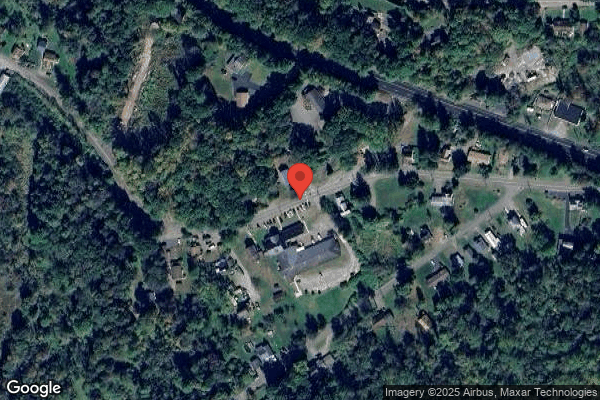
245 OLD LAKE ROAD, DALLAS, PA 18612 (570) 639-1885
For profit - Partnership 31 Beds KADIMA HEALTHCARE GROUP Data: November 2025
Trust Grade
30/100
#444 of 653 in PA
Last Inspection: September 2025

Inspected within the last 6 months. Data reflects current conditions.

Overview

Kadima Rehabilitation & Nursing at Lakeside has received a Trust Grade of F, indicating significant concerns and poor performance. It ranks #444 out of 653 facilities in Pennsylvania, placing it in the bottom half of the state, and #14 out of 22 in Luzerne County, suggesting limited better options nearby. The facility's trend is improving, with the number of issues decreasing from 14 in 2024 to 6 in 2025, but it still faces serious concerns, including $45,164 in fines, which is higher than 95% of Pennsylvania facilities. Staffing is a positive aspect, receiving a 4 out of 5 rating, though it suffers from 100% turnover, well above the state average. Specific incidents of concern include a failure to supervise a resident during ambulation, resulting in a fractured hip, and issues with food safety practices that could lead to contamination and foodborne illness. Overall, while there are some strengths in staffing, the facility's serious deficiencies and high fines raise significant red flags for prospective residents and their families.

Trust Score
F
30/100
In Pennsylvania
#444/653
Bottom 33%
Safety Record
Moderate
Needs review
Inspections
Getting Better
14 → 6 violations
Staff Stability
⚠ Watch
100% turnover. Very high, 52 points above average. Constant new faces learning your loved one's needs.
Penalties
○ Average
$45,164 in fines. Higher than 64% of Pennsylvania facilities. Some compliance issues.
Skilled Nurses
✓ Good
Each resident gets 65 minutes of Registered Nurse (RN) attention daily — more than 97% of Pennsylvania nursing homes. RNs are the most trained staff who catch health problems before they become serious.
Violations
⚠ Watch
48 deficiencies on record. Higher than average. Multiple issues found across inspections.
★★☆☆☆
2.0
Overall Rating
★★★★☆
4.0
Staff Levels
★★☆☆☆
2.0
Care Quality
★★☆☆☆
2.0
Inspection Score
Stable
2024: 14 issues
2025: 6 issues

The Good

  • 4-Star Staffing Rating · Above-average nurse staffing levels
  • Full Sprinkler Coverage · Fire safety systems throughout facility
  • No fines on record

Facility shows strength in staffing levels, fire safety.

The Bad

2-Star Overall Rating

Below Pennsylvania average (3.0)

Below average - review inspection findings carefully

Staff Turnover: 100%

53pts above Pennsylvania avg (47%)

Frequent staff changes - ask about care continuity

Federal Fines: $45,164

Above median ($33,413)

Moderate penalties - review what triggered them

Chain: KADIMA HEALTHCARE GROUP

Part of a multi-facility chain

Ask about local staffing decisions and management

Staff turnover is very high (100%)

52 points above Pennsylvania average of 48%

The Ugly 48 deficiencies on record

1 actual harm
Sept 2025 6 deficiencies
CONCERN (D)

Potential for Harm - no one hurt, but risky conditions existed

Deficiency F0605 (Tag F0605)

Could have caused harm · This affected 1 resident

**NOTE- TERMS IN BRACKETS HAVE BEEN EDITED TO PROTECT CONFIDENTIALITY** Based on a review of clinical records, select facility policy, and staff interviews, it was determined the facility failed to en...

Read full inspector narrative →
**NOTE- TERMS IN BRACKETS HAVE BEEN EDITED TO PROTECT CONFIDENTIALITY** Based on a review of clinical records, select facility policy, and staff interviews, it was determined the facility failed to ensure a resident's medication regimen was free from unnecessary psychotropic medications and that non-pharmacological interventions and informed consent were implemented prior to initiation of an antipsychotic medication for one of five residents reviewed for unnecessary medications (Resident 2). Findings included:A review of the facility policy titled Psychotropic Medication Use, last reviewed by the facility on November 27, 2024, revealed it is the facility's policy that residents who have not used psychotropic drugs are not given these drugs unless the medication is necessary to treat a specific condition as diagnosed and documented in the clinical record. The policy states diagnosis alone does not warrant the use of psychotropic medication. Antipsychotic medications will generally only be considered if the following conditions are also met: The behavioral symptoms present a danger to the resident or others, and the symptoms are identified as being due to mania or psychosis (such as auditory, visual, or other hallucinations; delusions; paranoia; or grandiosity); or behavioral interventions have been attempted and included in the plan of care, except in an emergency. The policy identifies antipsychotic medications as psychotropic drugs.A clinical record review revealed Resident 2 was admitted to the facility on [DATE], with diagnoses that include Alzheimer's disease (a brain disorder that slowly destroys memory and thinking skills and, eventually, the ability to carry out the simplest tasks) and dementia (a condition characterized by the loss of cognitive functioning such as thinking, remembering, and reasoning, to such an extent that it interferes with a person's daily life and activities). A review of a quarterly Minimum Data Set assessment (MDS a federally mandated standardized assessment process conducted periodically to plan resident care) dated August 8, 2025, revealed that Resident 2 was severely cognitively impaired with a BIMS score of 03 (Brief Interview for Mental Status- a tool within the Cognitive Section of the MDS that is used to assess the resident's attention, orientation, and ability to register and recall new information; a score of 00-07 indicates cognition is severely impaired). A review of the Medication Administration Record (MAR) and Treatment Administration Record (TAR) dated October 2024 revealed Resident 2 had no episodes of restlessness or verbal aggression during the month. A review of progress notes dated October 1 through October 31, 2024, revealed no documented episodes of maladaptive behaviors (e.g., aggression or restlessness). A psychiatric consultation note dated October 24, 2024, revealed Resident 2 presented for a four-week follow-up related to previous treatment of severe Alzheimer's dementia. The note documented continued resolution of verbal agitation and physical aggression, with persistence of severe cognitive deficits. The note indicated mood irritability had resolved. A review of the MAR/TAR for November 2024 revealed two episodes of restlessness/verbal aggression documented on November 20, 2024. Progress notes dated November 1 through November 23, 2024, revealed no other documented maladaptive behaviors. A note dated November 22, 2024, at 4:57 AM documented Resident 2 was non-compliant with isolation precautions. A progress note dated November 24, 2024, at 10:13 PM revealed Resident 2 was transported to the emergency department after entering another resident's room and becoming physically and verbally abusive toward staff. Resident 2 was striking out, yelling, and making verbal threats stating he was going to kill staff members. A progress note dated November 25, 2024, at 10:21 AM revealed Resident 2 returned from the emergency department in stable condition, calm and cooperative to care with no new orders. The psychiatric certified registered nurse practitioner (CRNP) was made aware and gave a new order to start Rexulti (brexpiprazole, an antipsychotic medication) 0.5 mg daily for 1 week, then increase to 1.0 mg daily. The physician and resident representative were made aware. A physician's order for Rexulti 0.5 mg daily was initiated on November 26, 2024, and increased to 1.0 mg daily on December 3, 2024, for dementia, mild with agitation. A review of progress note documentation dated November 25 through December 3, 2024, revealed no documented evidence that non-pharmacological interventions were attempted prior to the initiation or escalation of Rexulti. Further review revealed no documented evidence that Resident 2's representative was provided sufficient information to make an informed decision regarding the risks and benefits of initiating an antipsychotic medication. Further review of the clinical record from November 25, 2024, through September 4, 2025, revealed Resident 2 continued to display maladaptive behaviors (increased agitation, verbal aggression, physical aggression, and ambulation without safety interventions) on December 4, 5, 6, 13, 29, and 30, 2024; February 20 and 21, 2025; July 14, 18, and 19, 2025; and August 14 and 24, 2025, despite receiving the antipsychotic medication. During an interview on September 4, 2025, at 9:00 AM, the Director of Nursing (DON) and Nursing Home Administrator (NHA) were unable to provide documentation that the resident's representative was given information necessary to make an informed decision regarding the initiation of Rexulti, and they were unable to provide evidence that the facility developed or implemented non-pharmacological interventions prior to initiating the medication The facility failed to ensure Resident 2 was free from unnecessary use of a psychotropic medication, resulting in the resident receiving an antipsychotic medication without documented evidence that it was required to treat a specific medical symptom, and without evidence of informed consent or attempted non-drug interventions as required by regulation.28 Pa. Code 201.29(a) Resident rights. 28 Pa. Code 211.2(d)(3) Medical director. 28 Pa. Code 211.12(d)(3) Nursing services. 28 Pa. Code 211.10(c) Resident care policies.
CONCERN (D)

Potential for Harm - no one hurt, but risky conditions existed

Deficiency F0627 (Tag F0627)

Could have caused harm · This affected 1 resident

**NOTE- TERMS IN BRACKETS HAVE BEEN EDITED TO PROTECT CONFIDENTIALITY** Based on a review of clinical records, select facility policy, and resident and staff interviews, it was determined that the fac...

Read full inspector narrative →
**NOTE- TERMS IN BRACKETS HAVE BEEN EDITED TO PROTECT CONFIDENTIALITY** Based on a review of clinical records, select facility policy, and resident and staff interviews, it was determined that the facility failed to develop and implement discharge planning processes that focused on residents' discharge goals for two out of 15 residents sampled (Residents 5 and 9). Findings include: A review of the facility policy titled Discharge planning, last reviewed by the facility on November 27, 2024, revealed the facility's care planning and interdisciplinary team is responsible for the development of the discharge planning process for residents. The policy indicated the resident, resident representative (as applicable), facility department heads, and any other party deemed necessary to the resident's plan of care will meet to determine the resident's goals, establish discharge needs, and set a projected discharge date . A review of Resident 5's clinical record revealed the resident was admitted to the facility on [DATE], with diagnoses to include bipolar disorder (a mental health disorder that causes unusual shifts in a person's mood, energy, activity levels, and concentration) and chronic obstructive pulmonary disease (COPD is a condition caused by damage to the airways or other parts of the lung that blocks airflow and makes it hard to breathe). A review of an admission Minimum Data Set assessment (MDS a federally mandated standardized assessment process conducted periodically to plan resident care) dated July 18 2025, revealed that Resident 5 was cognitively intact with a BIMS score of 15 (Brief Interview for Mental Status a tool within the Cognitive Section of the MDS that is used to assess the resident's attention, orientation, and ability to register and recall new information, a score of 13-15 indicates cognition is intact), and indicated in the Q section (a section used for resident goal setting) that the resident's overall discharge plan was unknown, and that there was no active discharge planning already occurring for the resident to return to the community. A review of Resident 5's care plan, initiated on July 11, 2025, revealed the resident wanted to remain in long-term care at the facility, and to honor their wishes of long-term care. A review of a social service progress note dated July 11, 2025, revealed the resident was admitted for long-term care at the facility. A review of a multidisciplinary care conference note dated July 16, 2025, revealed in the social services summary that the resident's discharge goal was long-term care.During an interview with Resident 5 on September 3, 2025, at 11:00 A.M., the resident expressed a desire to return home to live with his parents as his discharge goal. If returning home was not possible, the resident expressed a preference to transfer to another facility where he had previously been admitted prior to his current admission. Resident 5 stated that these goals had been communicated to the social worker since admission. A review of Resident 5's clinical record revealed no documented evidence that the facility developed a plan of care to reflect the resident's stated goals of either returning home or transferring to another facility. During an interview on September 3, 2025, at 11:25 A.M., with Employee 1, the Social Services Director, confirmed Resident 5 is cognitively intact and able to make his own decisions regarding his care and discharge planning and confirmed Resident 5's care plan did not reflect his wishes to return to the community or transfer to another facility. Employee 1, the Social Services Director, was unable to provide documented evidence that the facility was working with Resident 5 towards a discharge plan that met his goals. Following inquiries made during the survey, Resident 5's care plan was updated on September 3, 2025, to indicate the resident would remain in the facility long-term but wished to return home when medically stable, with possible discharge to be considered if feasible. An interview with the Nursing Home Administrator (NHA) on September 3, 2025, at 11:35 A.M. revealed the information regarding Resident 5's discharge planning goals was reviewed, and the NHA acknowledged that the goals identified by the resident were not reflected in the plan of care. A clinical record review revealed Resident 9 was admitted to the facility on [DATE], with diagnoses that included schizoaffective disorder (a mental health condition that combines symptoms of psychosis and a mood disorder, such as depression or bipolar disorder) and epilepsy (a chronic brain disorder in which groups of nerve cells, or neurons, in the brain sometimes send the wrong signals and cause seizures). A review of a quarterly MDS dated [DATE], revealed that Resident 9 was cognitively intact with a BIMS score of 14 (a score of 13-15 indicates cognition is intact). A review of Resident 9's care plan, initiated on June 27, 2025, indicated the resident would remain at the facility on a long-term basis. Interventions included maintaining the resident's wishes to be in long-term care at the facility. However, a progress note dated July 1, 2025, at 12:00 A.M. documented that Resident 9 was admitted to the facility for strengthening after hospitalization. The progress note reflected Resident 9's statement that she intended to regain strength and then return home to live with her daughter. During an interview on September 2, 2025, at 9:40 A.M., Resident 9 explained that she was able to move independently and care for herself. She stated she wished to return home to live with her daughter but expressed there was a problem with discharge planning. Following surveyor inquiries, Resident 9's care plan was updated on September 2, 2025, to indicate she would remain in the facility long-term per the family/power of attorney (POA), though the resident's expressed preference continued to be discharged home with her daughter. During an interview on September 4, 2025, at 12:25 P.M., Employee 1, the Social Services Director, confirmed Resident 9 was cognitively intact and able to make her own decisions regarding care and discharge planning. Employee 1 acknowledged that Resident 9's care plan did not reflect her wishes to return to the community until inquiries were made during the survey and was unable to provide documented evidence that the facility was working toward a discharge plan consistent with her goals. During an interview on September 4, 2025, at 1:00 P.M., the Nursing Home Administrator (NHA) reviewed the information and acknowledged that Resident 9's goals for discharge were not incorporated into the discharge care plan. The NHA was unable to provide evidence that the facility was working with Resident 9 toward a discharge plan that addressed her stated goals. 28 Pa. Code 201.29(a) Resident rights. 28 Pa. Code 201.18(e)(1) Management. 28 Pa Code 211.10 (a)(c) Resident care policies.
CONCERN (D)

Potential for Harm - no one hurt, but risky conditions existed

Comprehensive Care Plan (Tag F0656)

Could have caused harm · This affected 1 resident

**NOTE- TERMS IN BRACKETS HAVE BEEN EDITED TO PROTECT CONFIDENTIALITY** Based on clinical record review, facility policy review, observations, and staff and resident interviews, it was determined the ...

Read full inspector narrative →
**NOTE- TERMS IN BRACKETS HAVE BEEN EDITED TO PROTECT CONFIDENTIALITY** Based on clinical record review, facility policy review, observations, and staff and resident interviews, it was determined the facility failed to develop and implement a comprehensive person-centered care plan for each resident, consistent with the resident rights and that includes measurable objectives and timeframes to meet a resident's medical, nursing, and mental and psychosocial needs that are identified in the comprehensive assessment for one of 15 sampled residents (Resident 10). Findings include: A review of the clinical record revealed Resident 10 was admitted to the facility on [DATE], with diagnoses to include Parkinson's Disease without dyskinesia without mention of fluctuations (progressive movement disorder of the nervous system). Further review of the clinical record indicated Resident 10 had a BIMS score of 13 (Brief Interview for Mental Status, a tool to assess the residents' attention, orientation, and ability to register and recall new information; a score of 13 to 15 suggests the individual is cognitively intact) as of June 17, 2025 A review of nursing progress notes documented two occurrences involving Resident 10's son. On June 14, 2025, and again on July 3, 2025, Resident 10's son demonstrated disruptive and hostile behaviors, including verbal aggression and use of vulgar language toward staff while in the presence of Resident 10. Documentation related to the July 3, 2025, incident indicated that law enforcement intervened, the son was handcuffed, and he was escorted from the facility. Following this event, the son was prohibited from entering the building. A review of the comprehensive care planning policy last reviewed by the facility on November 27, 2024, revealed that the facility will develop an individualized care plan for each resident. The policy further described the goals of care will be established through an evaluation of the resident's present state of physical and emotional health and care plans are revised as information about the resident and resident's condition change. A review of Resident 10's comprehensive care plan, in effect through the survey end date of September 4, 2025, revealed no evidence that Resident 10's psychosocial well-being had been evaluated or addressed in relation to the disruptive behaviors of his son or the subsequent restriction preventing his son from entering the building. During an interview on September 3, 2025, at 9:04 AM, the facility Social Worker confirmed that Resident 10's care plan was not updated to include ongoing assessment of psychosocial needs and related goals following these incidents. In an interview on September 4, 2025, at 11:28 AM, the Director of Nursing acknowledged the facility was unable to provide evidence that Resident 10's care plan had been revised to reflect these events. 28 Pa. Code 211.12(d)(3) Nursing services. 28 Pa. Code 211.10 (d) Resident care polices.
CONCERN (D)

Potential for Harm - no one hurt, but risky conditions existed

Quality of Care (Tag F0684)

Could have caused harm · This affected 1 resident

**NOTE- TERMS IN BRACKETS HAVE BEEN EDITED TO PROTECT CONFIDENTIALITY** Based on a review of clinical records, select facility policy, and staff interviews, it was determined the facility failed to pr...

Read full inspector narrative →
**NOTE- TERMS IN BRACKETS HAVE BEEN EDITED TO PROTECT CONFIDENTIALITY** Based on a review of clinical records, select facility policy, and staff interviews, it was determined the facility failed to provide nursing services consistent with professional standards of quality to ensure that licensed nurses properly evaluated and provided nursing care according to physician orders for 1 resident out of 15 residents sampled (Resident 4). Findings include: According to the Pennsylvania Code, Title 49, Professional and Vocational Standards, State Board of Nursing, 21.11 (a)(1)(2)(4) indicates that the Registered Nurse (RN) was to collect complete ongoing data to determine nursing care needs, analyze the health status of individuals and compare the data with the norm when determining nursing care needs, and carry out nursing care actions that promote, maintain, and restore the well-being of individuals. The Pennsylvania Code, Title 49, Professional and Vocational Standards, State Board of Nursing, 21.145 Functions of the Licensed Practical Nurse (LPN) (a) The LPN is prepared to function as a member of the health care team by exercising sound judgment based on preparation, knowledge, skills, understandings, and past experiences in nursing situations. The LPN participates in the planning, implementation, and evaluation of nursing care in settings where nursing takes place. 21.148 Standards of nursing conduct (a) A licensed practical nurse shall: (5) document and maintain accurate records. According to the American Nurses Association Principles for Nursing Documentation, nurses document their work and outcomes and provide an integrated, real-time method of informing the health care team about the patient status. Timely documentation of the following types of information should be made and maintained in a patient's EHR (electronic health record) to support the ability of the health care team to ensure informed decisions and high-quality care in the continuity of patient care: AssessmentsClinical problemsCommunications with other health care professionals regarding the patientCommunication with and education of the patient, family, the patient's designated support person, and other third parties. A review of the facility policy titled Anticoagulation Policy, last reviewed by the facility on November 27, 2024, revealed it is the policy of the facility that all residents prescribed anticoagulants (a blood thinner) will be monitored closely for therapeutic effectiveness and potential complications. PT/INR (Prothrombin Time/International Normalized Ratio) is a laboratory blood test used to measure how long it takes blood to clot. The PT measures clotting time, while the INR standardizes the result so it can be interpreted consistently across different labs. Providers use PT/INR values to determine if warfarin is working effectively and safely. If the level is too low, the blood can clot and cause strokes or clots in the legs or lungs. If the level is too high, the resident may experience dangerous bleeding. According to policy, PT/INR levels must be obtained as ordered and results promptly communicated to the provider.Further review revealed that all nursing, medical, and pharmacy staff will follow standardized procedures for administration, lab monitoring, documentation, communication, and education. A clinical record review revealed Resident 4 was admitted to the facility on [DATE], with diagnoses that included dementia (a chronic or persistent disorder of mental processes caused by brain disease or injury and marked by memory disorders, personality changes, and impaired reasoning) and hydrocephalus (fluid buildup on the brain).A quarterly Minimum Data Set Assessment (MDS a federally mandated standardized assessment process conducted at specific intervals to plan resident care) of Resident 4 dated July 11, 2025, revealed the resident was severely cognitively impaired with a BIMS score of 04 (Brief Interview for Mental Status, a tool to assess the residents' attention, orientation, and ability to register and recall new information; a score of 0-7 indicates severe cognitive impairment). A physician's order dated June 3, 2025, directed warfarin 7 milligrams (mg) by mouth daily at bedtime. A nurse progress note dated June 3, 2025, documented communication with the physician regarding PT/INR results, with instructions to draw the next PT/INR on June 17, 2025. However, a clinical record review revealed no PT/INR was ordered or obtained on June 17, 2025. The June 2025 Medication Administration Record (MAR) showed Resident 4 received Coumadin (brand name for warfarin) 7 mg from June 3 through June 17, 2025. No warfarin was ordered or administered on June 18 or June 19, 2025. On June 20, 2025, at 7:44 A.M., a physician ordered a STAT PT/INR, followed by a one-time dose of 7 mg warfarin at 8:06 A.M., administered at 9:21 A.M. Later that same day, at 12:49 P.M., the physician ordered warfarin 7 mg daily, with a PT/INR to be drawn on June 24, 2025. A nurse progress note dated June 20, 2025, at 8:19 P.M. documented clarification with the on-call provider that Resident 4 should receive the scheduled 7 mg warfarin dose at 9:00 P.M. despite receiving a one-time dose earlier that day, as the resident had missed previous doses. An interview with the Director of Nursing (DON) on September 4, 2025, confirmed that the nurse supervisor had failed to order the June 17, 2025, PT/INR and that Resident 4 had missed two warfarin doses (June 18 and June 19, 2025). Further review of Resident 4's clinical record revealed a physician's order on July 22, 2025, for various labs, including a PT/INR on July 29, 2025. A nurse progress note on July 29, 2025, documented that the PT/INR was drawn that morning. However, the July 2025 MAR revealed no warfarin was ordered or administered on July 29, 2025. A nurse progress note dated July 30, 2025, at 10:20 P.M. documented that the PT/INR results from July 29, 2025, were reviewed with the physician, and new orders were noted. A physician's order at 10:21 P.M. directed a one-time dose of warfarin 6 mg, which was administered at 10:32 P.M. A nurse progress note dated July 31, 2025, at 12:16 P.M. documented that Resident 4's representative was notified of the missed July 29, 2025, warfarin dose; however, there was no evidence the physician was informed of the missed dose. During an interview on September 4, 2025, the DON confirmed that the nurse supervisor had failed to enter the warfarin order from July 29, 2025, and Resident 4 missed a dose of warfarin. 28 Pa Code 211.12 (d)(1)(3)(5) Nursing Services. 28 Pa. Code 211.10 (a)(c) Resident care policies.
CONCERN (E)

Potential for Harm - no one hurt, but risky conditions existed

Assessment Accuracy (Tag F0641)

Could have caused harm · This affected multiple residents

**NOTE- TERMS IN BRACKETS HAVE BEEN EDITED TO PROTECT CONFIDENTIALITY** Based on review of the Resident Assessment Instrument (RAI) Manual, a review of clinical records, resident observation, and staf...

Read full inspector narrative →
**NOTE- TERMS IN BRACKETS HAVE BEEN EDITED TO PROTECT CONFIDENTIALITY** Based on review of the Resident Assessment Instrument (RAI) Manual, a review of clinical records, resident observation, and staff interviews, it was determined that the facility failed to complete an accurate Minimum Data Set for three of 15 residents sampled (Resident 1, Resident 10, & Resident 11).Findings include: The Long-Term Care Facility Resident Assessment Instrument (RAI) User's Manual, which provides instructions and guidelines for completing the Minimum Data Set (MDS a federally mandated standardized assessment conducted at specific intervals to plan resident care) dated October 2024, requires the assessment to accurately reflect the resident's status, a registered nurse conducts or coordinates each assessment with the appropriate participation of health professionals, and the assessment process includes direct observation, as well as communication with the resident and direct care staff on all shifts. Clinical record review revealed that Resident 1 was admitted to the facility on [DATE], with diagnoses to include dementia (a progressive condition involving cognitive decline, memory loss, and changes in personality and behavior). The Quarterly MDS dated [DATE], documented pneumonia (inflammation and fluid in the lungs caused by a bacterial, viral, or fungal infection which makes it difficult to breathe) in Section I2000 (Infections). However, there was no evidence in the clinical record that the resident had pneumonia during the seven-day look-back period. The Registered Nurse Assessment Coordinator (RNAC) confirmed on September 3, 2025, at 10:00AM, that the resident did not have pneumonia during that time and acknowledged the MDS was inaccurate. A clinical records review revealed Resident 10 was admitted to the facility on [DATE], with diagnoses to include Parkinson's Disease without dyskinesia without mention of fluctuations (progressive movement disorder of the nervous system). The initial MDS dated [DATE], section GG-0115 (section related to functional abilities the ability to perform tasks and activities necessary for daily living) documented no impairment in range of motion (the full movement of a joint). A clinical record review of a Physical Therapy Evaluation and Plan of Treatment (dated June 13, 2025) for Resident 10 documented no impairment in range of motion for both upper and lower extremities. Further clinical record review of an Occupational Therapy Evaluation and Plan of Treatment (dated June 12, 2025) for Resident 10 identified a goal to increase R shoulder flexion (bending of a limb or joint) to 30 degrees by July 3, 2025. The Occupational Therapy Evaluation and Plan of Treatment also noted Resident 10 experienced functional limitations (reported level of difficulty) in range of motion for both one upper and one lower extremity. Observation and interview of Resident 10 on September 2, 2025, at 11:00 AM revealed bilateral hands including fingers and wrists with obvious joint deformities. During observation and interview with this surveyor on September 2, 2025, at 11:00 AM, Resident 10 expressed a desire for devices to help her eat meals such as a fork, spoon, cup. Interview with the Registered Nurse Assessment Coordinator (RNAC) and Director of Rehabilitation on September 3, 2025, at 0856, discussed the above findings. The RNAC and Director of Rehabilitation could not confirm the MDS for Resident 10 had been coded accurately regarding range of motion activities and entered a correction to the MDS during the survey time. A clinical records review revealed Resident 11 was admitted to the facility on [DATE], with diagnoses to include Unspecified dementia, moderate with agitation (a term for a collection of symptoms that can be caused by several disorders that affect the brain). Review of the Quarterly MDS assessment dated [DATE], Section N0450 (antipsychotic medication review), documented that a gradual dose reduction (stepwise lowering of medication) for antipsychotic medication was completed on May 29, 2025. Review of physician orders dated May 20, 2025, documented a new order for a decreased dose of Seroquel (an antipsychotic medication). Review of nursing documentation dated May 20, 2025, confirmed the order was received, and the decreased dose was administered beginning May 20, 2025. During an interview on September 4, 2025, at 11:30 AM, the RNAC stated that the date of May 29, 2025, date was entered on the MDS because it was documented on the psychiatric evaluation form and could not confirm that the MDS was coded accurately. During an interview with the Director of Nursing on September 4, 2025, at 11:28 AM, after review of the MDS coding, the facility was unable to provide documentation to support the accuracy of the MDS coding for Resident 10 and Resident 11.28 Pa. Code 211.5(f)(iii) Medical records. 28 Pa. Code 211.12(c)(d)(1)(5) Nursing services.
CONCERN (F)

Potential for Harm - no one hurt, but risky conditions existed

Food Safety (Tag F0812)

Could have caused harm · This affected most or all residents

Based on observation and staff interview, it was determined the facility failed to maintain acceptable practices for the storage and service of food to prevent the potential for contamination and micr...

Read full inspector narrative →
Based on observation and staff interview, it was determined the facility failed to maintain acceptable practices for the storage and service of food to prevent the potential for contamination and microbial growth , which increased the risk of food-borne illness in the food and nutrition services department. Findings include: Food safety and inspection standards for safe food handling indicate that everything that encounters food must be kept clean and food that is mishandled can lead to foodborne illness. Safe steps in food handling, cooking, and storage are essential in preventing foodborne illness. You cannot always see, smell, or taste harmful bacteria that may cause illness according to the USDA (The United States Department of Agriculture, also known as the Agriculture Department, is the U.S. federal executive department responsible for developing and executing federal laws related to food). Initial tour of the dietary department in the presence of the foodservice director (FSD) on September 2, 2025, at 8:50 AM revealed the following food storage and sanitation concerns with the potential to increase the potential for food-borne illness: Observation of the handwashing area revealed there was no trash can near the sink to dispose of paper towels after washing and drying hands. There were four bags of frozen vegetables and one bag of tater tots on the shelf in the freezer which were not dated. Observation of the dry storage room revealed the metal locking latch of the exit door to the outside was folded back in the door jam which prevented the door from closing. The floor area in front of the door was worn, soiled, and the floor tile was cracked. There was a six inch piece of floor molding missing from the wall to the right of the exit door. Observation of the sink in the janitor closet located in the dietary department revealed the sink contained a plastic bin filled with microfiber cloths, aprons, and a container of cleaning wipes. Interview with the food service director at the time of the observations confirmed the dietary department should be maintained in a sanitary manner and acceptable practices for food storage were to be followed and all food items were to be properly dated to ensure safety and quality and prevent the potential for food contamination and foodborne illness.28 Pa. Code 201.18 (e)(1)(2.1) Management. 28 Pa. Code 211.6 (f) Dietary services.
Nov 2024 9 deficiencies
CONCERN (E)

Potential for Harm - no one hurt, but risky conditions existed

Deficiency F0558 (Tag F0558)

Could have caused harm · This affected multiple residents

**NOTE- TERMS IN BRACKETS HAVE BEEN EDITED TO PROTECT CONFIDENTIALITY** Based on observations, review of clinical records, and resident and staff interview, it was determined the facility failed to pr...

Read full inspector narrative →
**NOTE- TERMS IN BRACKETS HAVE BEEN EDITED TO PROTECT CONFIDENTIALITY** Based on observations, review of clinical records, and resident and staff interview, it was determined the facility failed to provide reasonable accommodation of the needs of a dependent resident for safe wheelchair equipment for one resident out of 14 residents sampled (Resident 180). Findings included: Review of the clinical record revealed that Resident 180 was admitted to the facility on [DATE], with diagnoses to include absence of the right leg below the knee (amputation), and history of falling. Further record review revealed the resident previously underwent a left leg below the knee amputation approximately 4 years ago. Review of Resident 180's care plan dated November 14, 2024, indicated the resident had self-care performance deficits due to impaired mobility with bilateral (both) below the knee amputations, diabetes, peripheral vascular disease, and pain. Interventions included physical and occupational therapy evaluation as ordered, provide two staff member assistance with transfers from the bed to the wheelchair and to transfer to and from the commode using a mechanical full body lift, provide total assistance for toilet use, provide total staff assistance for bathing, provide one staff assistance with dressing and one staff assistance for personal hygiene/oral care. During an interview with Resident 180 on November 19, 2024, at 10:50 AM the resident, with a BIMS score of 10 (BIMS -Brief Interview for Mental Status- a tool to assess cognitive status. A score between 8 to 12 suggests moderate cognitive impairment), reported that he had not been out of bed since he arrived at the facility on November 14, 2024, five days ago. Resident 180 revealed he had not left the room since he was admitted to the facility five days ago. He indicated that he had not been out of bed to attend activities, to dine in the dining room, or attend therapy in the therapy room. The resident stated that had to eat all his meals while in bed because he was not provided with a wheelchair when he entered the facility. Observation of Resident 180's room, conducted at the time of the interview, revealed the resident did not have a wheelchair or specialized seating equipment available for use. Interview with the Director of Nursing (DON) on November 19, 2024, at approximately 11:30 AM indicated that therapy was responsible for assessing Resident 180 for an appropriate wheelchair. Interview with Employee 1 (physical therapist) on November 19, 2024, at 12:40 PM revealed that Resident 180 was evaluated by Physical Therapy on November 15, 2024, and due to his bilateral leg amputations, the resident required front and rear anti-tipper devices (designed to prevent the wheelchair from tipping forward and/or backwards) to be applied to the wheelchair to enhance the stability of the wheelchair. Employee 1 indicated that a maintenance work order was submitted on November 15, 2024. Interview with Employee 2 (nurse aide) on November 19, 2024, at approximately 1:30 PM confirmed that staff were unable to get Resident 180 out of bed for five (5) days because the resident did not have a wheelchair available for use. Review of the facility documentation titled Maintenance Repair Log revealed that a maintenance work order was submitted November 15, 2024, (no time indicated and no name of person filling out report was filled in) to apply front and rear tippers to the wheelchair. The Maintenance Repair Log description of the repairs made and the maintenance signature with time and date were not completed. Interview with the DON on November 21, 2024, at 10:57 AM revealed that Resident 180's wheelchair front and rear anti-tippers were applied by nursing staff on November 19, 2024, after surveyor inquiry, due to maintenance staff not being present in the facility since the work order was submitted on November 15, 2024. Interview with the Nursing Home Administrator and DON on November 21, 2024, at approximately 11:30 AM confirmed the facility failed to provide reasonable accommodations for a resident's positioning needs in a timely manner. 28 Pa. Code 205.75 Supplies 28 Pa. Code 211.12(d)(5) Nursing services.
CONCERN (E)

Potential for Harm - no one hurt, but risky conditions existed

Deficiency F0692 (Tag F0692)

Could have caused harm · This affected multiple residents

**NOTE- TERMS IN BRACKETS HAVE BEEN EDITED TO PROTECT CONFIDENTIALITY** Based on review of clinical records, select facility policy, and staff interview, it was determined the facility failed to asses...

Read full inspector narrative →
**NOTE- TERMS IN BRACKETS HAVE BEEN EDITED TO PROTECT CONFIDENTIALITY** Based on review of clinical records, select facility policy, and staff interview, it was determined the facility failed to assess, evaluate, and monitor nutritional parameters and develop and implement individualized nutritional interventions to maintain nutritional parameters for two residents (Resident 1 and Resident 22) and deter weight loss for one resident (Resident 17) out of 14 residents sampled. Findings include: The Pennsylvania Code, Title 49, Chapter 21, Professional and Vocational Standards: Responsibilities of the Licensed Dietitian/ Nutritionist Section 21.711 Professional Conduct indicated that the Licensed Dietitian/ Nutritionist shall provide information which will enable patients to make their own informed decisions regarding nutrition and dietetic therapy, including the reasonable expectations of the professional relationship. Review of the Facility assessment dated [DATE], indicates that the facility will have two dietitians or other qualified nutrition professional to serve as the director of food and nutrition services. During interview with the foodservice director on November 19, 2024, at 8:45 AM the food service director (FSD) stated that he has been the full-time food service director since March 8, 2024, but does not meet the minimum qualifications to be the food and nutrition services supervisor. The FSD stated that he is currently enrolled in a class to become a certified dietary manager. The FSD stated that he does not interact with the facility's part-time registered dietitian who works remotely. The FSD stated that he does visit residents to obtain food preferences which are added to each resident's meal ticket and attends plan of care meetings for residents but does not document in the clinical record. A review of the facility's Nutrition Assessment Policy last reviewed February 2024 indicated that a nutrition assessment shall be completed for each resident admitted to the facility. The dietitian or the dining services manager under the guidance of the dietitian is responsible for developing a nutrition assessment for each resident admitted to the facility. A nutrition assessment will be conducted, and such information will include at least the following information: Weight Height Hematological data Nutritional intake Eating habits Food preferences and dislikes Dietary restrictions Diagnoses Other information deemed necessary and appropriate. Nutrition assessments shall be initiated within 72 hours of admission to the facility and completed prior to developing the resident's MDS 3.0 assessment and care plan. Nutrition assessments will be reviewed quarterly and revised as necessary. A review of the facility Resident Weights policy last reviewed February 2024 indicated weights must be obtained routinely to monitor the parameters of nutrition over time and identify residents at risk for significant weight change. Upon admission/readmission, the resident will be weighed each day for the first 2 days. The first weight will be within 24 hours of admission or readmission. After admission weights are obtained, the individual will be weighed weekly for 4 weeks. After the first 4 weeks, the interdisciplinary team will determine the need for continuation of weekly weights or a change to monthly weights. All monthly weights will be completed by the seventh of the month. Re-weights will be obtained within 72 hours of monthly weight if a weight change greater than 3%. If the weight change is validated, the licensed nurse will notify the physician and dietitian. The licensed nurse will notify the interdisciplinary team for further assessment if the weight change is significant (a weight loss or gain of 5% in a month, 7.5% in 90 days, or 10% in 6 months), the family will be notified. All weights will be transcribed (including weekly weights and any reweigh) in the resident's medical record. Clinical record review revealed that Resident 1 was admitted to the facility on [DATE], with diagnosis to include diabetes and dementia (chronic persistent disorder of the mental processes caused by brain disease or injury and marked by memory disorders, personality changes, and impaired reasoning). A review of Resident 1's admission Minimum Data Set assessment (MDS-a federally mandated standardized assessment process conducted at specific intervals to plan resident care) dated April 19, 2024, revealed the resident had a BIMS score of 14 (Brief Interview for Mental Status- a tool that is used to assess the resident's attention, orientation, and ability to register and recall new information; a score of 13-15 indicates cognition is intact), weighed 163 pounds, 64 inches tall, had no significant weight loss or weight gain, and was on a regular diet. Further review of the clinical record revealed no documented evidence that a nutritional assessment was completed and documented within 72 hours of Resident 1's admission to the facility to ensure timely assessment, evaluation, and monitoring of nutritional parameters and to establish individualized nutritional goals for Resident 1. A review of the facility's policy entitled Nutrition Assessment for Enteral Feeds, last reviewed February 2024, revealed that a nutrition assessment shall be completed for each resident admitted to the facility with an enteral feed order. The dietician is responsible for developing a nutrition assessment for each resident with enteral feed admitted to the facility. Further review of the policy indicated that a nutrition assessment will be conducted, and include at least the following information: weight, height, hematological data (blood work results), enteral feed order, water flush order, oral intake if any, dietary restrictions if any, diagnoses, and other information deemed necessary and appropriate. Additionally, nutritional assessments shall be initiated within 72 hours of admission to the facility and completed prior to developing the resident's MDS 3.0 assessment and care plan. Nutrition assessment will be reviewed quarterly and revised as necessary. Reviewed of Resident 22's clinical record revealed that the resident was admitted to the facility on [DATE], with diagnoses which included dysphagia, (difficulty swallowing), surgical aftercare following surgery for a ruptured appendix, and malnutrition, and required a feeding tube for nutritional support following surgery. Clinical record review revealed that Resident 22 had a PEG tube (Percutaneous endoscopic gastrostomy (PEG) is an endoscopic medical procedure in which a tube is passed into a patient's stomach through the abdominal wall, most commonly to provide a means of feeding when oral intake is not adequate for feeding) which was placed during hospitalization. A physician order dated October 29, 2024, was noted for the resident to receive the tube feeding formula of Osmolite 1.5 Cal (liquid feeding administered via feeding tube) at 55 ccs per hour continuous for 24-hours daily with 200 ccs of sterile water every 4 hours for hydration, and a puree diet with thin liquids. A review of Resident 22's admission MDS dated [DATE], revealed the resident had a BIMS score of 14, weighed 167 pounds, 67 inches tall, had no weight loss/weight gain, received nutrition via a feeding tube and a mechanically altered diet. Further review of the MDS indicated that Resident 22 received 25% or less of total calories through enteral feedings and 500mL/day or less of average fluid intake per day through tube feeding despite receiving tube feeding continuously 24 hours a day and routine water flushes of 200mL every 4 hours. Review of Resident 22's weights documented in the clinical record revealed that on October 29, 2024, the resident weighed 167 pounds. On November 4, 2024, the resident weighed 158.6 pounds, an 8.4 pound or 5% weight loss in 6 days. There was no evidence that a reweight was obtained upon admission or that a reweight was obtained after the identified significant weight loss. Upon surveyor request, a weight was obtained on November 21, 2024, and Resident 22 weighed 149.4 pounds, losing an additional 9.2 pounds from the last weight obtained on November 4, 2024. According to documentation, Resident 22 lost a total of 17.6 pounds or 10.5% in 24 days. At time of survey ending on November 21, 2024, there was no evidence that Resident 22's nutritional requirements were evaluated. There was no evidence that Resident 22's significant weight loss was identified and evaluated or that the physician and/or family was made aware. Interview with the nursing home administrator (NHA) on November 20, 2024, at 9:30 AM confirmed that since January 5, 2024, the facility has not had an onsite registered dietitian. The NHA confirmed the current part-time registered dietitian who also works for sister facilities works remotely and completes nutritional assessments and nutritional progress notes offsite, without face-to-face interaction with the residents. The NHA confirmed that nutritional assessments were to be timely completed to ensure nutritional parameters are maintained to the extent possible for each resident. Review of Resident 17's clinical record revealed the resident was originally admitted to the facility on [DATE], with diagnoses which included dysphagia, and dementia. Further review of the resident's clinical record revealed that the resident was hospitalized on [DATE], and readmitted to the facility on [DATE]. Review of Resident 17's weights documented in the clinical record revealed that a weight was not obtained upon readmission to the facility on June 25, 2024. The next documented weight was obtained on July 10, 2024, and the resident weighed 122.6 pounds. Review of the clinical record revealed that on August 28, 2024, the resident weighed 112 pounds, a 10.6 pound or 8.6% weight loss in 50 days. A reweight was not obtained until September 1, 2024, which revealed that the resident weighed 111.4, losing an additional 0.6 pounds. Review of the clinical record revealed a dietary note dated September 15, 2024, which identified Resident 17's significant weight loss of August 28, 2024, with recommendations for health shakes twice a day for weight maintenance. There was no evidence that Resident 17's physician and/or responsible party was notified of the significant weight loss. Interview with the Nursing Home Administrator on November 21, 2024, at approximately 11:00 AM confirmed that the facility failed to timely identify Resident 17's significant weight loss and implement the facility's weight policy. Refer F693, F801, F838 28 Pa Code 211.10 (a)(c) Resident care policies. 28 Pa Code 211.12 (c)(d)(3)(5) Nursing services.
CONCERN (E)

Potential for Harm - no one hurt, but risky conditions existed

Tube Feeding (Tag F0693)

Could have caused harm · This affected multiple residents

**NOTE- TERMS IN BRACKETS HAVE BEEN EDITED TO PROTECT CONFIDENTIALITY** Based on observations, clinical record review, and staff interview it was determined that the facility failed to implement physi...

Read full inspector narrative →
**NOTE- TERMS IN BRACKETS HAVE BEEN EDITED TO PROTECT CONFIDENTIALITY** Based on observations, clinical record review, and staff interview it was determined that the facility failed to implement physician's orders and provide appropriate treatment and services to one resident out of 14 residents sampled (Resident 22). Findings include: Reviewed of Resident 22's clinical record revealed that the resident was admitted to the facility on [DATE], with diagnoses which included dysphagia, (difficulty swallowing), surgical aftercare following surgery for a ruptured appendix, and malnutrition. Clinical record review revealed that Resident 22 had a PEG tube (Percutaneous endoscopic gastrostomy (PEG) is an endoscopic medical procedure in which a tube is passed into a patient's stomach through the abdominal wall, most commonly to provide a means of feeding when oral intake is not adequate for feeding) which was placed during hospitalization. A physician order dated October 29, 2024, was noted for the resident to receive the tube feeding formula of Osmolite 1.5 Cal (liquid feeding administered via feeding tube) at 55 ccs per hour continuous for 24-hours daily with 200 ccs of sterile water every four hours for hydration, and a puree diet with thin liquids. A physician order dated October 30, 2024, was noted for Resident 22 to receive dysphagia therapy 3 to 5 times a week for 4 weeks to increase toleration to mechanical soft diet. A review of documentation dated November 2, 2024, revealed that Resident 22 continued to receive Osmolite 1.5 Cal at 55mL an hour continuously with 200mL sterile water flush every 4 hours for hydration, a regular diet, puree consistency with thin liquids, and that the resident's appetite remained poor. A review of physician documentation dated November 5, 2024, revealed that Resident 22's spouse inquired about gradually decreasing the tube feeding. According to the documentation, the physician stated, we have to see the patient make some gains with nutrition before we talk about decreasing tube feeding. A review of the resident's clinical record failed to provide evidence that dysphagia therapy intended to advance the resident's diet was provided. Interview with the Nursing Home Administrator on November 20, 2024, at approximately 10:45 a.m., confirmed that there was no evidence the facility provided treatment and services to restore oral eating skills for a resident receiving a tube feeding. Refer F825, F692 28 Pa. Code 211.12 (c)(d)(1)(3)(5) Nursing services.
CONCERN (E)

Potential for Harm - no one hurt, but risky conditions existed

Deficiency F0804 (Tag F0804)

Could have caused harm · This affected multiple residents

Based on observation, review of select facility policy, test tray results, and resident and staff interviews, it was determined the facility failed to serve meals at safe and palatable temperatures. F...

Read full inspector narrative →
Based on observation, review of select facility policy, test tray results, and resident and staff interviews, it was determined the facility failed to serve meals at safe and palatable temperatures. Findings include: According to the federal regulatory guidance at 483.60(i)-(2) Food safety requirements - the definition of Danger Zone, found under the Definitions section, is food temperatures above 41 degrees Fahrenheit and below 135 degrees Fahrenheit that allow rapid growth of pathogenic microorganisms that can cause foodborne illness. A review of the facility Food Temperature Recording Policy last reviewed February 2024 indicated that food temperatures will be taken and recorded by the dining services staff prior to the start of each meal service to ensure that food items are at proper temperatures. All hot foods will be served and held at or above 135 degrees Fahrenheit and all cold foods will be held and served at or below 41 degrees Fahrenheit. During a group interview with seven alert and oriented residents on November 20, 2024, at 10:00 AM, all seven residents in attendance (Residents 25, 12, 5, 6, 18, 1, and 8) stated the food temperatures are frequently cold. Resident 6 stated I don't expect it to be hot, but it would be nice to get it at least warm. A test tray performed on the Nursing Unit on November 20, 2024, revealed the test tray arrived on the Nursing Unit at 12:15 PM. The hot meal was Swedish meatballs, mashed potatoes, mixed vegetables, and coffee. At 12:30 PM, at the time the last resident was served, the test tray was completed and yielded the following results: Swedish meatballs 115 degrees Fahrenheit, mashed potatoes were 115 degrees Fahrenheit, mixed vegetables were at 105 degrees Fahrenheit, and coffee was 107 degrees. The hot food tasted cold and was not palatable at the temperatures served. Interview with the nursing home administrator (NHA) on January 10, 2024, at 1:15 PM, confirmed that food was to be served at safe and palatable temperatures. Refer F801
CONCERN (E)

Potential for Harm - no one hurt, but risky conditions existed

Deficiency F0809 (Tag F0809)

Could have caused harm · This affected multiple residents

Based on observation, review of facility scheduled mealtimes, select facility policy, and resident and staff interview the facility failed to ensure the provision of a nourishing (satisfying to the re...

Read full inspector narrative →
Based on observation, review of facility scheduled mealtimes, select facility policy, and resident and staff interview the facility failed to ensure the provision of a nourishing (satisfying to the resident) evening snack when greater than 14 hours elapsed from the supper meal to breakfast the next day for residents including eight residents of 17 sampled (Residents 4, 25, 12, 5, 6, 18, 1, and 8). Findings include: Review of the facility's policy titled Frequency of Meal last reviewed by the facility in February 2024, indicated it is the facility's policy to provide three meals daily with not more than a fourteen (14) hour span between a substantial evening meal and breakfast unless a nourishing bedtime snack is provided. Bedtime snacks are routinely offered to all residents per preference. Review of the facility's scheduled (not exact times may fluctuate plus or minus 15 minutes) mealtimes revealed 14.25 hours between the evening meal and the next day's breakfast meal. During an interview on November 19, 2024, at 11:20 AM Resident 4 stated that staff do not provide or offer a nighttime snack. She stated that her husband brings her food, so she has something to snack on. During a group interview with seven alert and oriented residents on November 20, 2024, at 10:00 AM, all seven residents in attendance (Residents 25, 12, 5, 6, 18, 1, and 8) stated that snacks are not routinely offered to them in the evenings. The residents stated they would like to receive an evening/bedtime snack. Resident 25 reported the snacks are in a tin at the nurse's station, and staff will provide a snack if you come to the nurse's station in the evening. Resident 6 reported that he would like to receive a bedtime snack however he does not come to the nurse's station in the evening and is not offered a snack when he is in bed. Resident 18 reported she would like to receive a bedtime snack however she does not self-propel her wheelchair and is unable to bring herself to the nurse's station for a bedtime snack. During an interview on November 21, 2024, at approximately 2:15 PM the Nursing Home Administrator was unable to explain why the residents were not routinely offered and provided with a bedtime/evening snack. 28 Pa. Code 211.12 (d)(3)(5) Nursing Services
CONCERN (E)

Potential for Harm - no one hurt, but risky conditions existed

Deficiency F0825 (Tag F0825)

Could have caused harm · This affected multiple residents

Based on review of clinical records, the facility's admission agreement, the facility's assessment, and resident and staff interview, it was determined the facility failed to provide specialized occup...

Read full inspector narrative →
Based on review of clinical records, the facility's admission agreement, the facility's assessment, and resident and staff interview, it was determined the facility failed to provide specialized occupational therapy and speech therapy services according to the professional standards of practice for two out of three residents reviewed for rehabilitation services (Residents 180 and 22). Findings include: Review of the facility's admission Agreement, Section 2 Services Provided by the Facility revealed the facility agrees to provide nursing and personal care services, subacute services and physician and ancillary services. Ancillary services are physician ordered services which include pharmacy services, physical therapy, audiology services, occupational therapy, speech therapy, podiatry services, psychiatric or psychological treatment, optometric services, laboratory services, x-ray services, special nurse or companion services, oxygen therapy, dental services, and transportation services. Review of the Facility's Assessment (process used to thoroughly assess the needs of facility resident population and required resources to provide care and needed services using evidence-based, data-driven methods), last reviewed by the facility on September 30, 2024, Section 2.1 stated the types of resident care provided at the facility include the following therapies: PT (physical therapy), OT (occupational therapy), ST (speech therapy), and Respiratory Therapy. Review of the clinical record revealed that Resident 180 was admitted to the facility under Aetna Medicare PDPM (patient-driven payment model. The PDPM Medicare model was created to reduce administrative burdens for health providers by focusing on each patient's unique needs) insurance coverage on November 14, 2024, with diagnoses to include absence of the right leg below the knee (amputation), history of falling, and altered mental status. Further record review revealed the resident previously underwent a left leg below the knee amputation approximately 4 years ago. Review of Resident 180's care plan dated November 14, 2024, indicated the resident had self-care performance deficits due to impaired mobility with bilateral (both) below the knee amputations, diabetes, peripheral vascular disease, and pain. Interventions included physical and occupational therapy evaluation as ordered, provide 2 staff assistance with transfers from the bed to the wheelchair and to transfer to and from the commode using a mechanical full body lift, provide total assistance for toilet use, provide total staff assistance for bathing, provide one staff member assistance with dressing and one staff assistance for personal hygiene/oral care. Review of the physician progress note/history and physical dated November 19, 2024, revealed the assessment and plan for Resident 180 included surgical aftercare for the right below the knee amputation, wound care, supportive care by staff, fall risk, PT (physical therapy), OT (occupational therapy) and strengthening. Review of a physician order dated November 15, 2024, revealed an order for PT evaluation and treatment 3-5 times per week for therapeutic exercises, therapeutic activities, and wheelchair management training. During an interview with Resident 180 on November 19, 2024, at 10:50 AM the resident, with a BIMS score of 10 (BIMS -Brief Interview for Mental Status- a tool to assess cognitive status. A score between 8 to 12 suggests moderate cognitive impairment), reported he had not been out of bed since he arrived at the facility on November 14, 2024, five days ago and he had not left the room since he was admitted to the facility. He indicated that he had not been out of bed to attend activities, to dine in the dining room, or attend therapy in the therapy room. When asked about receiving therapy the resident replied therapy, what therapy? I barely see those people. Interview with Employee 1 (physical therapist) on November 19, 2024, at 12:40 PM verified that Resident 180 was receiving physical therapy services. However, upon further inquiry, Employee 1 revealed that Resident 180 had not received occupational therapy services since admission to the facility on November 14, 2024, as the facility did not currently have an occupational therapist on staff. Employee 1 also revealed the facility did not currently have a speech therapist on staff. Interview with the Nursing Home Administrator (NHA) on November 19, 2024, at 2:35 PM confirmed the facility currently does not have a Director of Rehabilitation, Speech Therapist, or Occupational Therapist. The NHA revealed the last day the facility had a speech therapist was November 1, 2024, and the last day of having an occupational therapist, who was also the Director of Rehab, was November 6, 2024. Review of the clinical record revealed that Resident 22 was admitted to the facility under Medicare A insurance coverage on October 29, 2024, with diagnoses to include surgical aftercare following surgery of the digestive system, peritonitis (inflammation of the lining of the abdominal call and covering of the abdominal organs) after a ruptured abscessed appendix, mild protein-calorie malnutrition (a condition caused by not getting enough calories or the right amount of protein and nutrients needed for health), and dysphagia (a condition with difficulty in swallowing liquid or food). Review of Resident 22's care plan dated October 30, 2024, indicated the resident was at risk for functional decline in ADLs (activities of daily living) related to immobility, abdominal surgery, g-tube (an endoscopic medical procedure in which a tube, gastrostomy tube, is passed into a patient's stomach through the abdominal wall, most commonly to provide a means of feeding/fluid when oral intake is not adequate), hypertension, weakness, history of deep vein thrombosis (blood clot), depression, and anxiety. Interventions included evaluate the resident for pain, medications as ordered, OT/PT screens as needed, out of bed to wheelchair with pressure relieving cushion with leg rests, and transfer with assistance of two staff using a mechanical lift. Review of the physician progress note/history and physical dated November 5, 2024, revealed the assessment and plan for Resident 22 included (but not limited to): 1. a very ill patient recovering from peritonitis after a ruptured abscessed appendix, nutrition is poor being supplemented by tube feeding, pain control is an issue. 2. status post C. difficile enterocolitis (bacterium that causes an infection in the colon) - no reports of continued diarrhea but malnutrition and strength are continued issues. 3. concern for skin breakdown and immobility. Wound precautions, PT/OT and good nursing care, air mattress in place. Review of a physician order dated October 29, 2024, revealed an order for PT evaluation and treatment 3-5 times per week for 30 days for therapeutic exercises therapeutic activities, neuromuscular re-education, gait training and manual therapy. Review of a physician order dated October 30, 2024, revealed an order for dysphagia evaluation, and therapy 3-5 times per week for 4 weeks to increase toleration to a mechanical soft diet. Review of a physician order dated October 30, 2024, revealed an order for OT evaluation and treatment 8-15 times in 30 days to provide therapeutic exercises, therapeutic activities, manual therapy, wheelchair management and self-care to increase safety and independence with functional tasks. Review of speech therapy documentation revealed a speech therapy evaluation was conducted on October 30, 2024, with goals established for a 4-week duration of services. The note indicated Resident 22 was provided with 15 minutes of speech therapy treatment for dysphagia therapy. At the time of the survey ending November 21, 2024, there were no additional speech therapy notes. The facility was unable to provide documented evidence that continued speech therapy services were provide to Resident 22 as prescribed. Review of occupational therapy documentation revealed an occupational therapy evaluation was conducted on October 30, 2024, with goals established for a 30-day duration of services. Continued review of occupational therapy documentation revealed one (1) daily treatment note dated October 31, 2024, indicating that Resident 22 was provided with occupational therapy treatment consisting of therapeutic activities and therapeutic exercises. At the time of the survey ending November 21, 2024, there were no additional occupational therapy notes. The facility was unable to provide documented evidence that continued occupational therapy services were provide to Resident 22 as prescribed. During an interview with the NHA on November 20, 2024, at 9:00 AM it was confirmed that facility failed to adhere to the facility's admission agreement and facility's assessment and failed to provide specialized occupational and speech therapy services to Resident 180 and Resident 22. Refer F 838 28 Pa. Code: 201.18 (a)(1)(e)(1)(4)(6) Management 28 Pa. Code: 211.12(d)(3)(5) Nursing Services
CONCERN (F)

Potential for Harm - no one hurt, but risky conditions existed

Deficiency F0801 (Tag F0801)

Could have caused harm · This affected most or all residents

**NOTE- TERMS IN BRACKETS HAVE BEEN EDITED TO PROTECT CONFIDENTIALITY** Based on staff interview and a review of personnel files and employee credentials, it was determined the facility failed to empl...

Read full inspector narrative →
**NOTE- TERMS IN BRACKETS HAVE BEEN EDITED TO PROTECT CONFIDENTIALITY** Based on staff interview and a review of personnel files and employee credentials, it was determined the facility failed to employ a full-time qualified director of food and nutrition services in the absence of a full-time qualified dietitian and failed to ensure frequently scheduled consultations from a qualified dietitian or other clinically qualified nutritional professional. Findings include: According to current federal regulatory guidance the facility must employ sufficient staff with the appropriate competencies and skills sets to carry out the functions of the food and nutrition service, taking into consideration resident assessments, individual plans of care and the number, acuity, and diagnoses of the facility's resident population in accordance with the facility assessment. In the absence of a full-time qualified dietitian the director of food and nutrition services the facility must designate a person to serve as the director of food and nutrition services. (i) The director of food and nutrition services must at a minimum meet one of the following qualifications- (A) A certified dietary manager; or (B) A certified food service manager; or (C) Has similar national certification for food service management and safety from a national certifying body; or D) Has an associate's or higher degree in food service management or in hospitality, if the course study includes food service or restaurant management, from an accredited institution of higher learning; or (E) Has 2 or more years of experience in the position of director of food and nutrition services in a nursing facility setting and has completed a course of study in food safety and management, by no later than October 1, 2023, that includes topics integral to managing dietary operations including, but not limited to, foodborne illness, sanitation procedures, and food purchasing/receiving; and must receive frequently scheduled consultations from a qualified dietitian or other clinically qualified nutrition professional. During initial tour of the food and nutrition services department on November 19, 2024, at 8:45 AM the food service director (FSD) stated that he has been the food service director since March 8, 2024. The FSD stated that he is currently enrolled in a class to become a certified dietary manager. The FSD stated that the facility has a part-time registered dietitian who works remotely but does not provide any in person oversight to the operation of the department. The FSD noted that there is a regional certified dietary manager who provides some oversight support for the department. Review of the Facility assessment dated [DATE], indicates the facility will have two dietitians or other qualified nutrition professional to serve as the director of food and nutrition services. Review of documentation provided by the facility revealed the facility's onsite registered dietitian's last day of employment was on January 5, 2024. Review of documentation provided by the facility revealed the previous full-time qualified director of food and nutrition service's last day of employment was on March 8, 2024. Interview with the nursing home administrator (NHA) on November 20, 2024, at 9:30 AM confirmed the current part-time registered dietitian who also works for sister facilities works remotely and does not provide in person oversight or consultation to the food and nutrition services department. The NHA confirmed the facility has not had an onsite registered dietitian since January 5, 2024. The NHA confirmed the facility has been without a full-time qualified food and nutrition services director in the absence of a full- time qualified dietitian since March 8, 2024. Refer F692, F804, F838 28 Pa Code 201.18(e)(1)(6) Management.
CONCERN (F)

Potential for Harm - no one hurt, but risky conditions existed

Deficiency F0838 (Tag F0838)

Could have caused harm · This affected most or all residents

Based on a review of professional literature, the facility's assessment, facility documentation, a review of the medical, nutritional, and rehabilitative needs of the resident census, and staff interv...

Read full inspector narrative →
Based on a review of professional literature, the facility's assessment, facility documentation, a review of the medical, nutritional, and rehabilitative needs of the resident census, and staff interview it was determined the facility failed to conduct and document a facility-wide assessment, using evidence-based methods, which identified and accurately reflected the specific resources necessary and available to care for its specific resident population. Findings include: Review of the Centers for Medicare and Medicaid Services Memorandum, Revised Guidance for Long-Term Care Facility Assessment Requirements (QSO-24-13-NH) dated June 18, 2024, revealed the facility assessment must include an evaluation of diseases, conditions, physical or cognitive limitations of the resident population, acuity (the level of severity of residents' illnesses, physical, mental, and cognitive limitations, and conditions), and any other pertinent information about the resident population as a whole that may affect the services the facility must provide. Further review revealed the assessment of the resident population should drive staffing decisions and inform the facility about what skills and competencies staff must possess in order to deliver the necessary care required by the residents being served. Review of the Facility Assessment, last reviewed by the facility on September 30, 2024, indicated that the average daily census of the facility is 25-30 residents. The facility's admissions range from 1-2 per week with discharges ranging from 1-2 per week. The facility practices an admission process that revolves around an intensive review of each resident's individual needs before offering admission to the facility. In cases where a less common diagnosis or condition is present, an interdisciplinary review is conducted to ensure the facility can meet the prospective resident's needs. Education on clinical competencies occurs before the resident enters the facility and necessary supplies are made available timely. When a current resident develops a new condition, an immediate interdisciplinary review is conducted, and educational needs are provided. Further review of the Facility Assessment revealed types of resident care provided at the facility are to include Physical Therapy, Occupational Therapy, Speech Therapy, and Respiratory Therapy, and Nutrition services for liberal diets, specialized diets, IV nutrition, tube feeding, cultural dietary needs, assistive devices, and fluid monitoring. The facility assessment stated the facility employs a variety of department heads such as Director of Rehabilitation, Dietitian, and Food Service Director. Additional support staff titles include Physical Therapist, Physical Therapy Assistant, Occupational Therapist, Occupational Therapy Assistant, and Speech Therapist. Review of the facility's Resident Matrix (list of all residents in the facility), dated November 19, 2024, revealed a total census of 26 residents. Of the 26 residents, the Matrix identified one resident (Resident 22) receiving enteral feeding who would require services of a dietitian. Further review of the facility Resident Matrix revealed that at time of survey ending on November 21, 2024, two new residents were admitted to the facility in the last 30 days who would require services by the rehabilitation department. During initial tour of the food and nutrition services department on November 19, 2024, at 8:45 AM, the food service director (FSD) stated that he has been the food service director since March 8, 2024. The FSD stated that he is currently enrolled in a class to become a certified dietary manager. The FSD stated that the facility has a part-time registered dietitian who works remotely but does not provide any oversight to the operation of the department. The FSD noted that there is a regional certified dietary manager who provides some oversight support for the department. An interview with the Nursing Home Administrator (NHA) on November 19, 2024, at 2:35 PM, revealed that the facility currently does not have a Director of Rehabilitation, Speech Therapist, Occupational Therapist, or Occupational Therapy Assistant onsite. The NHA revealed that the facility has been without a speech therapist since November 2, 2024, and without an occupational therapist, who was also the Director of Rehabilitation since November 7, 2024. An interview with the NHA on November 20, 2024, at 9:30 AM, revealed since January 5, 2024, the facility has not had an onsite registered dietitian. The NHA confirmed the current part-time registered dietitian who also works for sister facilities works remotely and completes nutritional assessments and nutritional progress notes offsite, without face-to-face interaction with the residents. The Facility Assessment failed to accurately reflect the current staff employed in the facility to ensure a sufficient and competent number of qualified staff are available to meet each resident's needs. An interview with the Nursing Home Administrator on November 21, 2024, at 9:30 AM, confirmed that the facility failed to provide rehabilitative services and nutrition services as outlined in the Facility Assessment. Refer F692, F801 28 Pa. Code 201.14(a) Responsibility of licensee 28 Pa. Code 201.18 (b)(1)(3)(e)(1)(3) Management
CONCERN (F)

Potential for Harm - no one hurt, but risky conditions existed

Deficiency F0882 (Tag F0882)

Could have caused harm · This affected most or all residents

Based on a review of select facility policy and staff interview, it was determined the facility did not have one or more individuals serving as the Infection Preventionist (IP) responsible for the fac...

Read full inspector narrative →
Based on a review of select facility policy and staff interview, it was determined the facility did not have one or more individuals serving as the Infection Preventionist (IP) responsible for the facility's infection prevention plan that worked at least part time at the facility. Findings included: The Centers for Medicare and Medicaid Services regulation §483.80(b)(3) states the facility must designate one or more individuals as the infection preventionist who are responsible for the facility's Infection Prevention and Control Program. The IP (infection preventionist) must work at least part-time at the facility, physically work onsite in the facility, have primary professional training in nursing, medical technology, microbiology, epidemiology, or other related field, cannot be an off-site consultant or perform the IP work at a separate location. During an interview with the Nursing Home Administrator (NHA) on November 21, 2024, at 10:00 a.m., it was confirmed that there was currently no designated IP since the previous IP left on October 17, 2024. The NHA further confirmed that the facility did not currently have a qualified staff member credentialed as an infection Preventionist. 28 Pa. Code 211.12 (d)(1)(3)(5) Nursing services. 28 Pa. Code 201.14(a) Responsibility of licensee 28 Pa. Code 201.18(b)(1) Management
May 2024 5 deficiencies
CONCERN (D) 📢 Someone Reported This

A family member, employee, or ombudsman was alarmed enough to file a formal complaint

Potential for Harm - no one hurt, but risky conditions existed

Deficiency F0558 (Tag F0558)

Could have caused harm · This affected 1 resident

**NOTE- TERMS IN BRACKETS HAVE BEEN EDITED TO PROTECT CONFIDENTIALITY** Based on observations, review of clinical records, and staff interview, it was determined that the facility failed to provide re...

Read full inspector narrative →
**NOTE- TERMS IN BRACKETS HAVE BEEN EDITED TO PROTECT CONFIDENTIALITY** Based on observations, review of clinical records, and staff interview, it was determined that the facility failed to provide reasonable accommodation of the needs of a bariatric resident for safe wheelchair equipment for one resident out of 9 residents observed (Residents M1). Findings included Review of the clinical record revealed that Resident M1 was admitted to the facility on [DATE], with diagnoses to include morbid (severe) obesity, and polyosteoarthritis (swelling and tenderness causing joint pain or stiffness in five or more joints at the same time). Review of Resident M1's weight record revealed that the resident weighed 528.6 pounds on May 13, 2024. During an initial tour of the facility on May 16, 2024, at 9:05 AM, Resident M1 was observed seated in a bariatric wheelchair in the activities room. At 9:30 AM Resident M1 was observed self propelling the wheelchair down the hallway and into his room. Observation of the resident's wheelchair on May 16, 2024, at 10:27 AM, in the presence of the Nursing Home Administrator (NHA) and Director of Nursing, revealed that the manufacturer's maximum weight capacity for the wheelchair the resident was using was 500 pounds, which Resident M1 exceeded. The resident's weight record revealed the resident exceeded 500 pounds on February 8, 2024, weighing 508.2 pounds, which had increased to 528.6 lbs on May 13, 2024. At the time of the survey ending May 16, 2024, the facility was unable to provide documented evidence that the resident's wheelchair maximum capacity of 500 pounds was identified and addressed by the facility as the resident's current wheelchair did not accommodate his current bariatric weight. Interview with the NHA on May 16, 2024, at approximately 3:00 PM confirmed that Resident M1's current weight exceeded the wheelchair maximum weight capacity and that the facility failed to provide wheelchair equipment to accommodate the needs of a bariatric resident. 28 Pa. Code 205.75 Supplies
CONCERN (D) 📢 Someone Reported This

A family member, employee, or ombudsman was alarmed enough to file a formal complaint

Potential for Harm - no one hurt, but risky conditions existed

Deficiency F0569 (Tag F0569)

Could have caused harm · This affected 1 resident

**NOTE- TERMS IN BRACKETS HAVE BEEN EDITED TO PROTECT CONFIDENTIALITY** Based on a review of clinical records and residents' financial account records and staff interview, it was determined that the f...

Read full inspector narrative →
**NOTE- TERMS IN BRACKETS HAVE BEEN EDITED TO PROTECT CONFIDENTIALITY** Based on a review of clinical records and residents' financial account records and staff interview, it was determined that the facility failed to return resident funds within 30 days of discharge/death to the appropriate party for one of five residents sampled (Residents CR1 ). Findings include: Clinical record review revealed that Resident CR1 was admitted to the facility on [DATE], and expired on [DATE]. A review of the resident's financial account statement provided by the facility dated [DATE], revealed a credit on his account for $9,520.00. On [DATE], an adjustment was noted with a revised credit amount of $6,584.48. The facility failed to refund the resident's personal funds within 30 days of the resident's discharge. A letter provided to the surveyor and signed by the Principal of the organization, confirmed that Resident CR1's account had not been issued a refund due to miscommunications within departments. During an interview on [DATE], at 11:00 AM, the Nursing Home Administrator verified that Resident CR1's personal funds were not refunded to the family within 30 days of his discharge/death from the facility. 28 Pa. Code: 201.18 (b)(2)(e)(1) Management. 28 Pa. Code 201.29(a) Resident rights
CONCERN (E) 📢 Someone Reported This

A family member, employee, or ombudsman was alarmed enough to file a formal complaint

Potential for Harm - no one hurt, but risky conditions existed

Report Alleged Abuse (Tag F0609)

Could have caused harm · This affected multiple residents

**NOTE- TERMS IN BRACKETS HAVE BEEN EDITED TO PROTECT CONFIDENTIALITY** Based on the review of the facility's abuse prohibition policy and clinical records, and staff interviews, it was determined tha...

Read full inspector narrative →
**NOTE- TERMS IN BRACKETS HAVE BEEN EDITED TO PROTECT CONFIDENTIALITY** Based on the review of the facility's abuse prohibition policy and clinical records, and staff interviews, it was determined that the facility failed to report multiple instances of resident abuse perpetrated by one of nine residents sampled to the State Survey Agency (Resident M1). Findings include: A review of the facility policy titled Abuse Protection, last revised by the facility on April 19, 2022, revealed that regardless of how minor an accident or incident may be, it must be reported to the department supervisor as soon as such accident/incident is discovered or when information or such accident/incident is learned. An investigation is implemented, and witness statements are obtained. An accident or incident form must be completed for all reported accident or incidents. The reporting and filing of accurate documents relative to incidents of abuse, reporting to state agencies as required. In Pennsylvania, include PA Department of Health/Pennsylvania Department of Aging/Area Agency on Aging as appropriate. A PB-22 will be completed within five (5) days. A review of Resident M1's clinical record, revealed he was admitted to the facility on [DATE], with diagnoses to include morbid (severe) obesity due to excess calories, gastro-esophageal reflux disease (GERD), abnormalities of gait and mobility, and difficulty walking. A review of a nursing note dated December 8, 2023, at 1242 hours (12:42 PM), stating resident M1 yelling at another resident in the dayroom about how she is eating and was upsetting the other resident. The other resident stated leave me alone, however Resident M1 continued to verbally abuse the resident. A review of a behavior note, dated February 12, 2024, at 1415 hours (2:15 PM), indicated that Resident M1 was taunting a female resident, pulling his shirt up over his nose and teasing her because of her behaviors. He was making facial and hand gestures towards the female resident. Resident M1 was observed calling her A crazy bitch! Resident M1 confirmed he was mocking the other resident when staff asked. A review of a nursing note dated February 25, 2024, at 1651 hours (4:51 PM), revealed that Resident M1 was in the dayroom arguing with staff about television remote. Resident became irate cursing at staff stating, f*ck you, while throwing the middle finger stating, I pay you to take care of me and that is your job, anything that goes on in this building is my business so f*ck off. Other residents in dayroom voiced concerns about Resident M1's behavior and were kept safe at time, staff attempted to de-escalate with no effect. A nursing note dated March 18, 2024, at 1425 hours (2:25 PM), indicated that Resident M1 was verbally abusive with another resident in the dayroom. A review of a behavior note, dated March 21, 2024, at 2055 hours (8:55 PM), revealed that Resident M1 was in the dining room and loud and argumentative. The note indicated that Residen M1 Appears at times to intimidate the other residents. When asked to lower his voice a bit, he cursed. A review of a behavior note dated April 4, 2024, at 1105 hours (11:05 AM), revealed that Resident M1 was heard yelling at a resident in activities. When approaching area, he was yelling at another resident and said she's a f*cking retard. A review of a behavior note dated April 10, 2024, at 1212 hours (12:12 PM), revealed that Resident M1 was heard screaming at another resident in the dayroom. Resident continues to yell at resident causing other resident to leave area. A nursing note dated April 13, 2024, at 2236 hours (10:36 PM), indicated that there was a very loud verbal altercation in the hall and a Nursing Assistant (NA) was calling for help. Nursing noted I noticed several aides trying to restrain one of the residents who was yelling back at Resident M1 who was yelling at him. This yelling and verbal threats from Resident M1 continued and the other resident reacted in anger. Resident M1 would not go back in his room as the other resident did and continued the verbal threats. During an interview on May 16, 2024, at approximately 2:05 PM, the Nursing Home Administrator (NHA) confirmed that the facility did not report the instances of resident abuse perpetrated by Resident M1 against other residents to the State Survey Agency. 28 Pa Code 201.14 (c) Responsibility of licensee 28 Pa Code 201.18 (e)(1) Management 28 Pa. Code 201.29 (a)(c) Resident rights
CONCERN (E) 📢 Someone Reported This

A family member, employee, or ombudsman was alarmed enough to file a formal complaint

Potential for Harm - no one hurt, but risky conditions existed

Investigate Abuse (Tag F0610)

Could have caused harm · This affected multiple residents

**NOTE- TERMS IN BRACKETS HAVE BEEN EDITED TO PROTECT CONFIDENTIALITY** Based on a review of clinical records and the facility's abuse prohibition policy and staff interviews, the facility failed to i...

Read full inspector narrative →
**NOTE- TERMS IN BRACKETS HAVE BEEN EDITED TO PROTECT CONFIDENTIALITY** Based on a review of clinical records and the facility's abuse prohibition policy and staff interviews, the facility failed to investigate instances of resident abuse, protect residents from the potential for further abuse during the course of an investigation and submit the results of the completed investigations to the State Survey Agency within 5 working days of the incident for multiple instances of resident abuse perpetrated by one resident out of nine sampled (Resident M1). Findings include: A review of the facility policy titled Abuse Protection, last revised by the facility on April 19, 2022, revealed the resident has the right to be free from verbal, sexual, physical, and mental abuse, corporal punishment, involuntary seclusion, neglect and misappropriation of property. Residents must not be subject to abuse by anyone, including but not limited to facility staff and other residents. Abuse includes verbal abuse, and means the willful infliction of injury, unreasonable confinement, and intimidation, resulting in physical harm, pain or mental anguish. Regardless of how minor an accident or incident may be, an investigation is implemented, and witness statements are obtained. An accident or incident form must be completed for all reported accident or incidents. The reporting and filing of accurate documents relative to incidents of abuse, reporting to state agencies as required. In Pennsylvania, include PA Department of Health/Pennsylvania Department of Aging/Area Agency on Aging as appropriate, a PB-22 (Pennsylvania Bulletin 22- form used to detail investigation, findings and actions) will be completed within five (5) days. A review of Resident M1's clinical record, revealed he was admitted to the facility on [DATE], with diagnoses to include morbid (severe) obesity due to excess calories, gastro-esophageal reflux disease (GERD), abnormalities of gait and mobility, and difficulty walking. A review of a nursing note dated December 8, 2023, at 1242 hours (12:42 PM), stating resident M1 yelling at another resident in the dayroom about how she is eating and was upsetting the other resident. The other resident stated leave me alone, however Resident M1 continued to verbally abuse the resident. A review of a behavior note, dated February 12, 2024, at 1415 hours (2:15 PM), indicated that Resident M1 was taunting a female resident, pulling his shirt up over his nose and teasing her because of her behaviors. He was making facial and hand gestures towards the female resident. Resident M1 was observed calling her A crazy bitch! Resident M1 confirmed he was mocking the other resident when staff asked. A review of a nursing note dated February 25, 2024, at 1651 hours (4:51 PM), revealed that Resident M1 was in the dayroom arguing with staff about television remote. Resident became irate cursing at staff stating, f*ck you, while throwing the middle finger stating, I pay you to take care of me and that is your job, anything that goes on in this building is my business so f*ck off. Other residents in dayroom voiced concerns about Resident M1's behavior and were kept safe at time, staff attempted to de-escalate with no effect. A nursing note dated March 18, 2024, at 1425 hours (2:25 PM), indicated that Resident M1 was verbally abusive with another resident in the dayroom. A review of a behavior note, dated March 21, 2024, at 2055 hours (8:55 PM), revealed that Resident M1 was in the dining room and loud and argumentative. The note indicated that Residen M1 Appears at times to intimidate the other residents. When asked to lower his voice a bit, he cursed. A review of a behavior note dated April 4, 2024, at 1105 hours (11:05 AM), revealed that Resident M1 was heard yelling at a resident in activities. When approaching area, he was yelling at another resident and said she's a f*cking retard. A review of a behavior note dated April 10, 2024, at 1212 hours (12:12 PM), revealed that Resident M1 was heard screaming at another resident in the dayroom. Resident continues to yell at resident causing other resident to leave area. A nursing note dated April 13, 2024, at 2236 hours (10:36 PM), indicated that there was a very loud verbal altercation in the hall and a Nursing Assistant (NA) was calling for help. Nursing noted I noticed several aides trying to restrain one of the residents who was yelling back at Resident M1 who was yelling at him. This yelling and verbal threats from Resident M1 continued and the other resident reacted in anger. Resident M1 would not go back in his room as the other resident did and continued the verbal threats. At the time of the survey ending May 16, 2024, the facility had completed investigations into the above episodes of resident abuse perpetrated by Resident M1. The resident victims were not identified in the documentation available. The facility failed to provide evidence of completed investigations, PB22's submitted to the State Survey Agency within five working days of the occurrence. During an interview on May 16, 2024, at approximately 2:05 PM, the Nursing Home Administrator (NHA) confirmed that the facility failed to investigate Resident M1's abuse of other residents and submit the completed investigations to the State Survey Agency within 5 working days of the incident. 28 Pa. Code 201.14 (a) Responsibility of licensee 28 Pa. Code 201.18(e)(1) Management 28 Pa. Code 201.29(a)(c) Resident Rights
CONCERN (E) 📢 Someone Reported This

A family member, employee, or ombudsman was alarmed enough to file a formal complaint

Potential for Harm - no one hurt, but risky conditions existed

Deficiency F0745 (Tag F0745)

Could have caused harm · This affected multiple residents

**NOTE- TERMS IN BRACKETS HAVE BEEN EDITED TO PROTECT CONFIDENTIALITY** Based on a review of select facility policy and clinical records, and staff interviews, it was determined that the facility fail...

Read full inspector narrative →
**NOTE- TERMS IN BRACKETS HAVE BEEN EDITED TO PROTECT CONFIDENTIALITY** Based on a review of select facility policy and clinical records, and staff interviews, it was determined that the facility failed to provide therapeutic social services to assess the psychosocial status and needs of residents following incidents of abuse perpetrated by Resident M1. Findings include: According to regulatory guidance under §483.40(d) Medically-related social services means services provided by the facility's staff to assist residents in attaining or maintaining their mental and psychosocial health, which include providing or arranging for needed mental and psychosocial counseling services and identifying and promoting individualized, non-pharmacological approaches to care that meet the mental and psychosocial needs of each resident. Situations in which the facility should provide social services or obtain needed services from outside entities include, but are not limited to the following: · Lack of an effective family or community support system or legal representative; · Expressions or indications of distress that affect the resident ' s mental and psychosocial well-being, resulting from depression, chronic diseases (e.g., Alzheimer ' s disease and other dementia related diseases, schizophrenia, multiple sclerosis), difficulty with personal interaction and socialization skills, and resident to resident altercations; · Abuse of any kind (e.g., alcohol or other drugs, physical, psychological, sexual, neglect, exploitation); · Difficulty coping with change or loss (e.g., change in living arrangement, change in condition or functional ability, loss of meaningful employment or activities, loss of a loved one); and · al support. A review of the facility policy titled Abuse Protection, last revised by the facility on April 19, 2022, revealed verbal abuse is defined as the use of oral, written or gestured language that willfully includes disparaging and derogatory terms residents or their families or within their hearing distance, regardless of their age, or ability to comprehend or disability. A review of Resident M1's clinical record, revealed he was admitted to the facility on [DATE], with diagnoses to include morbid (severe) obesity due to excess calories, gastro-esophageal reflux disease (GERD), abnormalities of gait and mobility, and difficulty walking. A review of a nursing note dated December 8, 2023, at 1242 hours (12:42 PM), stating resident M1 yelling at another resident in the dayroom about how she is eating and was upsetting the other resident. The other resident stated leave me alone, however Resident M1 continued to verbally abuse the resident. A review of a behavior note, dated February 12, 2024, at 1415 hours (2:15 PM), indicated that Resident M1 was taunting a female resident, pulling his shirt up over his nose and teasing her because of her behaviors. He was making facial and hand gestures towards the female resident. Resident M1 was observed calling her A crazy bitch! Resident M1 confirmed he was mocking the other resident when staff asked. A review of a nursing note dated February 25, 2024, at 1651 hours (4:51 PM), revealed that Resident M1 was in the dayroom arguing with staff about television remote. Resident became irate cursing at staff stating, f*ck you, while throwing the middle finger stating, I pay you to take care of me and that is your job, anything that goes on in this building is my business so f*ck off. Other residents in dayroom voiced concerns about Resident M1's behavior and were kept safe at time, staff attempted to de-escalate with no effect. A nursing note dated March 18, 2024, at 1425 hours (2:25 PM), indicated that Resident M1 was verbally abusive with another resident in the dayroom. A review of a behavior note, dated March 21, 2024, at 2055 hours (8:55 PM), revealed that Resident M1 was in the dining room and loud and argumentative. The note indicated that Resident M1 Appears at times to intimidate the other residents. When asked to lower his voice a bit, he cursed. A review of a behavior note dated April 4, 2024, at 1105 hours (11:05 AM), revealed that Resident M1 was heard yelling at a resident in activities. When approaching area, he was yelling at another resident and said she's a f*cking retard. A review of a behavior note dated April 10, 2024, at 1212 hours (12:12 PM), revealed that Resident M1 was heard screaming at another resident in the dayroom. Resident continues to yell at resident causing other resident to leave area. A nursing note dated April 13, 2024, at 2236 hours (10:36 PM), indicated that there was a very loud verbal altercation in the hall and a Nursing Assistant (NA) was calling for help. Nursing noted I noticed several aides trying to restrain one of the residents who was yelling back at Resident M1 who was yelling at him. This yelling and verbal threats from Resident M1 continued and the other resident reacted in anger. Resident M1 would not go back in his room as the other resident did and continued the verbal threats. During an interview on May 16, 2024, at approximately 1:50 PM, the Director of Social Services, was unable to provide documented evidence of the facility's efforts to identify those residents affected by the above incidents of resident abuse perpetrated by Resident M1 and of the supportive social service interventions provided to assist the residents involved, directly, and indirectly (within hearing distance) following the incidents of abuse perpetrated by Resident M1. During an interview on May 16, 2024, at approximately 2:10 PM, the NHA confirmed that there was no documented evidence of social service assessment of psychosocial status and needs and provision of social service interventions provided to residents following episodes of abuse perpetrated by Resident M1. 28 Pa. Code 201.29 (a) Resident rights. 28 Pa. Code 211.5(f) Medical records 28 Pa. Code 211.16 (a) Social Services
Dec 2023 11 deficiencies
CONCERN (D)

Potential for Harm - no one hurt, but risky conditions existed

Deficiency F0658 (Tag F0658)

Could have caused harm · This affected 1 resident

**NOTE- TERMS IN BRACKETS HAVE BEEN EDITED TO PROTECT CONFIDENTIALITY** Based on review of clinical records and select facility policy and staff interview, it was determined that the facility failed t...

Read full inspector narrative →
**NOTE- TERMS IN BRACKETS HAVE BEEN EDITED TO PROTECT CONFIDENTIALITY** Based on review of clinical records and select facility policy and staff interview, it was determined that the facility failed to ensure that nursing services met professional standards of quality according to the Pennsylvania Code Title 49, Professional and Vocational Standards, by failing to ensure licensed nursing staff were knowledgeable in the necessary care and services for one resident with a Pleurex drain (Resident 1) and failed to provide care and services according to accepted standards of clinical practice in the identification of a resident's diagnosis of schizophrenia/schizoaffective disorder for one resident (Resident 12) out of 12 residents sampled. Findings include: According to the Pennsylvania Code Title 49, Professional and Vocational Standards Department of State, Chapter 21 State Board of Nursing, Chapter 21.145 Functions of the LPN (Licensed Practical Nurse) requires the following: (a) The LPN is prepared to function as a member of the health care team by exercising sound nursing judgement based on preparations, knowledge, skills, understandings, and past experiences in nursing situations. The LPN participates in the planning, implementation, and evaluation of nursing care in settings where nursing takes place. (b) The LPN administers medication and carries out the therapeutic treatment ordered for the patient in accordance with the following: (d) The Board recognizes codes of behavior as developed by appropriate practical nursing associations as the criteria for assuring safe and effective practice. According to the Pennsylvania Code Title 49, Professional and Vocational Standards Department of State, Chapter 21 State Board of Nursing, Chapter 21.11 Functions of the RN (Registered Nurse) requires the following: The registered nurse assesses human responses and plans, implements and evaluates nursing care for individuals or families for whom the nurse is responsible. 21.18 A registered nurse shall undertake a specific practice only if the registered nurse has the necessary knowledge, preparation, experience and competency to properly execute the practice. Review of clinical record revealed that Resident 1 was re-admitted to the facility on [DATE], following a hospitalization for collapse of her left lung. Resident 1 returned to the facility with a Pleurex catheter (small, flexible tube that is placed in the chest or abdomen to drain fluid) in her left chest. A physician order dated December 1, 2023, indicated that the Pleurex catheter was to be drained three times weekly, on Mondays, Wednesdays, and Fridays, and the amount drained was to be recorded. The catheter was scheduled to be drained during the 3 PM to 11 PM shift. There were no physician orders related to the care and maintenance of the catheter insertion site. Interviews with Employee 1 (RN) and Employee 2 (LPN) on December 6, 2023, at approximately 9:30 AM revealed that neither employee was provided education regarding Resident 1's Pleurex catheter. Employee 1 and Employee 2 had no knowledge of how to provide care and maintenance to the catheter site or how to drain the catheter if the need arose during their shift of nursing duty. Observation of the nursing unit on December 6, 2023, at approximately 9:45 AM, in the presence of Employee 1 and Employee 2 revealed that there was no availability of a nursing policy and procedure manual(s) for employees to reference, including care of a Pleurex catheter. Interview with the Director of Nursing on December 6, 2023, at approximately 1 PM, confirmed that there was no education and/or competency evaluation provided to the licensed nursing staff upon Resident 1's return to the facility with a Pleurex catheter. There was no evidence that all the facility's licensed nursing staff had the knowledge and/or experience to care for a resident with a Pleurex catheter should the need arise during their tour of duty. Interview with the Nursing Home Administrator and the Director of Nursing on December 6, 2023, at 2 PM confirmed that the facility did not have facility nursing policy and procedures readily available for access by the nursing staff for reference. According to the American Psychiatric Association, Diagnostic and Statistical Manual of Mental Disorders (DSM-5), Fifth Edition, Schizophrenia, Diagnostic Criteria includes, but is not limited to: A. Two (or more) of the following, each present for a significant portion of time during a 1- month period (or less if successfully treated). At least one of these must be (1), (2), or (3): 1. Delusions 2. Hallucinations 3. Disorganized Speech (i.e., Frequent derailment or incoherence) 4. Grossly disorganized or catatonic behavior. 5. Negative symptoms (i.e., diminished emotional expression or avolition) Someone with schizoaffective disorder meets the primary criteria for schizophrenia (listed above) and the following DSM-5 criteria: 1. A major mood episode (either major depression or mania) that lasts for an uninterrupted period of time. 2. Delusions or hallucinations for two or more consecutive weeks without mood symptoms sometime during the life of the illness. 3. Mood symptoms are present for the majority of the illness. 4. The symptoms are not caused by substance abuse. A review of the Resident 12's clinical record revealed that the resident was admitted to the facility on [DATE], with diagnoses which included hypertension (high blood pressure), hyperlipidemia (high cholesterol), gastroesophageal reflux disorder (GERD - acid reflux), obsessive compulsive disorder, generalized anxiety and depression. Review of the resident's initial Minimum Data Set assessment (MDS- a federally mandated standardized assessment completed at specific times to identify resident care needs) dated November 2, 2022, revealed the resident had no psychiatric/mood disorders. Review of the clinical record revealed that on October 20, 2022, Resident 12 was transferred to the emergency department (ED) for a psychiatric evaluation due to agitation. Review of a consult from the ED dated October 20, 2022, revealed the resident had been verbally aggressive and confrontational toward staff and peers, requiring a psychiatric evaluation for threatening behaviors. The resident was cleared by the crisis team and found to be appropriate during the consultation with negative psychiatric symptoms and was diagnosed with acute reaction to situational stress and acute urinary tract infection (UTI). Review of Resident 12's progress notes dated October 21, 2022, revealed new orders for an antibiotic to treat urinary tract infection (UTI), Ativan (acute agitation) for 14 days and Risperdal (antipsychotic) to treat a new diagnosis of schizoaffective disorder. Target symptoms for treatment with the antipsychotic drug included anxiety/apprehension, paranoia or delusions. There was no documentation in the clinical record that Resident 12 had experienced hallucinations or delusions and no further clinical findings to support the new diagnosis of schizophrenia. Resident 12 was again transferred to the ED on October 22, 2022, related to agitation and received Rocephin (antibiotic) and Tylenol and returned to the facility without any further treatment recommendations. Resident 12 was transferred to the ED on October 24, 2022, with complaints of chest pain and was diaphoretic (sweaty). The resident was admitted for evaluation. Review of 15-minute checks that were performed on the resident by staff from October 21, 2023, until October 24, 2022, revealed the resident displayed no behaviors, to include delusions or hallucinations. Review of a consult from the facility's Psychiatric Service provider dated December 8, 2022, revealed that the resident had chronic intermittent periods of mood disturbances, without hallucinations can be delusional to environment. Risperdal (an antipsychotic) will be increased for positive symptoms of paranoia, delusions, and agitation. Target symptoms for treatment with the antipsychotic drug included anxiety/apprehension, paranoia or delusions. A GDR (gradual dose reduction) for Risperdal remained clinically inadvisable according to the psychiatric service provider. A review of Resident 12's comprehensive plan of care initially dated November 18, 2022, and most recently reviewed August 28, 2023, revealed a diagnosis of schizoaffective disorder. The interventions included to administer medications as prescribed and to observe for adverse effects. A review of Resident 12's quarterly Minimum Data Set Assessment (MDS - a federally mandated standardized assessment completed at specific times to identify resident care needs) dated September 9, 2023, revealed that the resident now had two (2) psychiatric/mood disorders, both depression and schizophrenia. There was no documented evidence in the resident's clinical record to demonstrate that a clinical practitioner had diagnosed the resident with schizophrenia/schizoaffective disorder with documented supporting clinical findings in the resident's clinical record from the time of the resident's admission to the facility on October 14, 2022, through the current survey which ended on December 7, 2023. Interview with the director of nursing on December 7, 2023, at 2:30 PM, confirmed that there was no documented evidence of the clinical assessments and prescriber documentation identifying the resident's diagnostic criteria supporting the diagnosis of schizoaffective disorder according to professional standards. 28 Pa. Code 201.20 (a) Staff Development 28 Pa Code 211.12 (c)(d)(1)(2)(3)(5) Nursing services 28 Pa Code 211.2 (d)(3) Medical Director 28 Pa. Code 211.5 (f) Medical records 28 Pa. Code 211.10 (a) Resident care policies
CONCERN (D)

Potential for Harm - no one hurt, but risky conditions existed

ADL Care (Tag F0677)

Could have caused harm · This affected 1 resident

**NOTE- TERMS IN BRACKETS HAVE BEEN EDITED TO PROTECT CONFIDENTIALITY** Based on clinical record review and observations, it was determined that the facility failed to provide necessary staff assistan...

Read full inspector narrative →
**NOTE- TERMS IN BRACKETS HAVE BEEN EDITED TO PROTECT CONFIDENTIALITY** Based on clinical record review and observations, it was determined that the facility failed to provide necessary staff assistance with activities of daily living to maintain good personal grooming for residents dependent on staff assistance with these activities for one of 12 residents sampled (Resident 2). Findings include: A review of the clinical record review revealed that Resident 2 was originally admitted to the facility on [DATE], and had diagnoses which included dementia (group of symptoms affecting intellectual and social abilities severely enough to interfere with daily functioning), rheumatoid arthritis, and pneumonia. The resident was cognitively impaired, had functional limitation in range of motion on one side of her upper extremities, and required staff assistance for activities of daily living which included bathing and personal hygiene. Observations conducted on December 5, 2023, at 10:57 AM and December 6, 2023, at 1:00 PM revealed that the fingernails on both the resident's hands were dirty with a build-up of dark colored debris under the nails. Interview with the administrator on December 7, 2023, at approximately 2:30 PM confirmed that staff were to provide residents' nail care to maintain good personal grooming and hygiene. 28 Pa Code 211.12 (d)(5) Nursing services
CONCERN (D)

Potential for Harm - no one hurt, but risky conditions existed

Respiratory Care (Tag F0695)

Could have caused harm · This affected 1 resident

Based on review of select facility policies and procedures and clinical records, observation, and staff interviews, it was determined that the facility failed to provide supplemental oxygen administra...

Read full inspector narrative →
Based on review of select facility policies and procedures and clinical records, observation, and staff interviews, it was determined that the facility failed to provide supplemental oxygen administration care consistent with professional standards of practice for one of 12 residents reviewed (Resident 2). Findings include: Observation of Resident 2 on December 5, 2023, at 10:57 a.m. revealed the resident was in her room with oxygen in place via nasal cannula (attached to nose) with the liter flow set at 3.0 liters per minute (l/m). Observation of Resident 2 on December 6, 2023, at 12:30 p.m. revealed the resident was in the dining area with oxygen tubing in place via nasal cannula but not attached to an oxygen concentrator (bedside machine that concentrates ambient air to supply an oxygen-rich gas stream), in the presence of Employee 1 RN and was not receiving oxygen therapy. Clinical record review for Resident 2 revealed nursing progress notes following the resident's return from the hospital on December 2, 2023, until the end of this survey on December 7, 2023, that Resident 2 was utilizing oxygen therapy via nasal cannula at 3 liters/minute for bronchitis (respiratory infection). Clinical record review conducted during the survey ending December 7, 2023, revealed no current physician order for supplemental oxygen administration and a prescribed rate and frequency for Resident 2. Interview with Nursing Home Administrator (NHA) on December 7, 2023, at 2:30 p.m. confirmed that there was no physician order for oxygen administration for Resident 2. Further confirmed that nursing staff administered oxygen therapy without a physician order since the resident's return from the hospital on December 2, 2023. 28 Pa. Code 211.12 (c)(d)(1)(5) Nursing services
CONCERN (D)

Potential for Harm - no one hurt, but risky conditions existed

Deficiency F0741 (Tag F0741)

Could have caused harm · This affected 1 resident

**NOTE- TERMS IN BRACKETS HAVE BEEN EDITED TO PROTECT CONFIDENTIALITY** Based on observation, a review of clinical records and the facility assessment and resident and staff interview, it was determin...

Read full inspector narrative →
**NOTE- TERMS IN BRACKETS HAVE BEEN EDITED TO PROTECT CONFIDENTIALITY** Based on observation, a review of clinical records and the facility assessment and resident and staff interview, it was determined that the facility failed to provide sufficient staff who provide direct services to residents with the appropriate competencies and skills sets to provide nursing and related services to assure resident safety and attain or maintain the highest practicable physical, mental, and psychosocial well-being of each resident and failed to develop effective non-pharmacological approaches to care for one resident (Resident 26) with behaviors out of 12 sampled residents. Findings include: Review of the Facility Assessment last reviewed December 1, 2023, indicated that the facility practices an admission process that revolves around intensive review of each resident's individual needs before offering admission to the facility. In cases where a less common diagnosis or condition is present, an interdisciplinary review is conducted to ensure the facility can meet the prospective resident's needs. Education on clinical competencies occurs before the resident enters the facility and necessary supplies are made available timely. When current resident develops a new condition, an immediate interdisciplinary review is conducted and educational needs are provided. Mental health and behavior care manages the medical conditions and medication-related issues causing psychiatric symptomatology and behavioral outbursts, identification triggers and develop interventions to support the resident. In addition to nursing staff, social services is provided for behavioral healthcare and services. Review of Resident 26's clinical record revealed that the resident was admitted to the facility on [DATE], with diagnoses, which include paranoid schizophrenia (a pattern of behavior where a person feels distrustful and suspicious of other people and acts accordingly, delusions and hallucinations are two symptoms) and major depressive disorder. Review of Resident 26's care plan initially dated October 16, 2023, revealed that the resident is resistive to care and medication due to a diagnosis of paranoid schizophrenia. The planned intervention is to educate the resident, family, and caregivers of the possible outcomes of not complying with care and medication. The care plan also noted the resident receives psychotropic medications. The planned interventions to prevent side effects of the psychotropic medication included follow-up psych consult as needed, monitor for side effects of medications, and social services as needed. There were no non-pharmacological interventions planned in response to the resident's diagnoses of paranoid schizophrenia and major depression. During interview with Resident 5, a cognitively intact resident, on December 6, 2023, at 10:30 AM the resident revealed that Resident 26 had a loud outburst the night before, that included yelling, cursing, and threatening staff. Resident 5 stated that she keeps her room door closed because of Resident 26's behavior and stated that she is fearful of the resident because of his temper. A behavior note dated November 21, 2023, indicated that the resident was having increased violent behaviors. Threatening to hit and kill staff members. Continues to scream in staff members faces. The resident walked up to the nurses station and screamed you better get out of my f******* house I'm going to kill you. The resident proceeded to slam his fists on the nurses station desk. The resident continued to scream throughout the night causing residents not to sleep and scaring residents. Interview with Resident 15, a cognitively intact resident, on December 7, 2023 at approximately 11:00 AM also confirmed that Resident 26 has verbal outbursts that mostly happen at night, which are disturbing to other residents and that the other night he could not even sleep because Resident 26 was so loud. Further review of Resident 26's clinical record failed to provide documented evidence that staff documented Resident 26's behaviors as reported by Residents 5 and Resident 15 on the night of December 5, 2023, in the resident's clinical record. A behavior note dated December 7, 2023, indicated that from 7:00 PM until 10:30 PM the resident was nasty towards staff. He refused to take medication including insulin, and he was calling staff members various disrespectful names. Interview with the social services director on December 7, 202,3 at 11:00 AM failed to provide documented evidence of the interventions used by staff to manage or modify Resident 26's verbal outbursts and threats. Interview with the administrator on December 7, 2023 at 12:00 PM failed to provided evidence that interdisciplinary reviews were completed based on Resident 26's disruptive and threatening behaviors. The administrator confirmed the facility was aware of Resident 26's behaviors prior to admission but failed to provide documented evidence that the facility employed sufficient staff with the necessary competencies and skills sets to provide nursing and related services to assure resident safety and attain or maintain the highest practicable physical, mental, and psychosocial well-being of Resident 26 and other residents including Residents 5 and 15 who reside at the facility. The administrator failed to provide documented evidence that the facility developed individualized non-pharmacological interventions to address Resident 26's behaviors. 28 Pa Code 211.12 (d)(3)(4)(5) Nursing services 28 Pa. Code 201.18 (e)(1)(3) Management
CONCERN (D)

Potential for Harm - no one hurt, but risky conditions existed

Deficiency F0761 (Tag F0761)

Could have caused harm · This affected 1 resident

Based on observation and staff interview, it was determined that the facility failed to ensure adherence to medication expiration/use by dates on one of one medication carts. Findings include: Observa...

Read full inspector narrative →
Based on observation and staff interview, it was determined that the facility failed to ensure adherence to medication expiration/use by dates on one of one medication carts. Findings include: Observation of the facility's medication cart on December 7, 2023, at 9:00 AM, in the presence of Employee 4 (LPN) revealed one two Lantus Solostar insulin medication pens, one Basaglar insulin pen, and one Novolog insulin pen were opened without a date of when they were initially opened. Further review of the medication cart revealed an additional Novolog insulin pen that was opened without a date of when it was initially opened, and the medication did not have a resident identification label. According to manufacturer instructions, the Lantus Solostar unopened pen is to be stored in the refrigerator. If the Lantus pen is stored outside of the refrigerator, it should be used or thrown away within 28 days. A Basaglar insulin pen should be discarded 28 days after opening, and Novolog insulin pen should be discarded after 28 days once opened. Interview with the Director of Nursing on December 7, 2023, at approximately 2 PM confirmed that the facility failed to properly store and label the insulin medication pens. 28 Pa. Code 211.9 (a)(1)(k) Pharmacy Services 28 Pa. Code 211.12 (d)(3)(5) Nursing services
CONCERN (E)

Potential for Harm - no one hurt, but risky conditions existed

Deficiency F0578 (Tag F0578)

Could have caused harm · This affected multiple residents

**NOTE- TERMS IN BRACKETS HAVE BEEN EDITED TO PROTECT CONFIDENTIALITY** Based on a review of select facility policy and clinical records and staff interview, it was determined that the facility failed...

Read full inspector narrative →
**NOTE- TERMS IN BRACKETS HAVE BEEN EDITED TO PROTECT CONFIDENTIALITY** Based on a review of select facility policy and clinical records and staff interview, it was determined that the facility failed to afford residents the right to formulate an Advance Directive (a written instruction such as a living will or durable power of attorney for health care for when the individual is incapacitated) and accurately identify the resident's future health care wishes as evidenced by four out of 12 Residents sampled (Residents 2, 10, 11, and 12). The findings include: Review of facility's Advance Directives policy last reviewed by the facility [DATE], indicated that an Advance Directive is a written instruction such as a living will or durable power of attorney for health care recognized under state law, relating to the provision of health care when the individual is incapacitated. The document expresses wishes about treatment preferences and the designation of a surrogate if the individual is incapacitated. The social worker will meet with the resident/family upon admission, quarterly, annually, and as needed to review. A review of the clinical record revealed that Resident 10 was admitted to the facility on [DATE], with diagnoses which include end stage renal disease. Review of Resident 10's admission Minimum Data Set (MDS- a federally mandated standardized assessment process completed periodically to plan resident care) dated [DATE], 2023, revealed that the resident was cognitively intact with a BIMS (brief interview mental screening tool used to screen and identify cognitive impairment) score of 15 (13 to 15 indicates cognitively intact). Resident 10's clinical record revealed a Pennsylvania Physician Orders for Life-Sustaining Treatment (The POLST is not intended to replace an advance health care directive document or other medical orders. The POLST process and health care decision-making works best when the person has appointed a healthcare agent to speak for them when they become unable to speak for themselves. A health care agent can only be appointed through an advance health care directive or a health care power of attorney), but no documented evidence of Advance Directives or if the facility asked the resident if she would like information to formulate an Advance Directive. Interview with the Social Services Director (SSD) on [DATE], at approximately 10:00 AM confirmed there was no documented evidence to indicate that the facility had determined if Resident 10 had or did not have an Advance Directive upon admission to the facility. The SSD confirmed there was also no documented evidence that Resident 10 was made aware of the right to formulate an Advance Directive and that information to formulate an advance directive could be requested and provided by the facility. A review of the clinical record revealed that Resident 2 was re-admitted to the facility on [DATE], and was cognitively impaired with a BIMS score of 11. A physician's order dated [DATE], from previous admission was noted declaring the resident as a CPR (Cardio-pulmonary resuscitation). Review of Resident 2's clinical record revealed there was no Advance Directive on the Resident's medical record or documented evidence that the Resident had been given an opportunity to formulate Advance Directives if they chose to do so. A review of the clinical record revealed that Resident 11 was admitted to the facility on [DATE], Resident's cognition was impaired with a BIMS score of 11. A physician's order dated [DATE], indicated the Resident as a CPR (Cardio-pulmonary resuscitation). Review of Resident 11's clinical record revealed there was no Advance Directive on the resident's medical record or documented evidence that the resident had been given an opportunity to formulate Advance Directives if they chose to do so. A review of the clinical record revealed that Resident 12 was admitted to the facility on [DATE], Resident was cognitively intact, with a BIMS score of 15. A physician's order dated [DATE], (approximately nine months after admission) indicated the resident was a DNR (Do Not Resuscitate [Cardio-pulmonary resuscitation (CPR) was not to be performed in the event of the cessation of heart and lung functions]), no tube feed/hydration, comfort measures only. Review of Resident 12's clinical record revealed there was no Advance Directive on the Resident's medical record or documented evidence that the resident had been given an opportunity to formulate Advance Directives if they chose to do so. In an interview with the Nursing Home Administrator (NHA) on [DATE], at approximately 2:30 p.m., the NHA confirmed that the above residents did not have an Advanced Directive in their clinical record and there was no documented evidence for an opportunity to formulate an Advanced Directive was in the clinical record. 28 Pa. Code 201.29 (a) Resident rights 28 Pa. Code 211.5 (f) Medical records
CONCERN (E)

Potential for Harm - no one hurt, but risky conditions existed

Abuse Prevention Policies (Tag F0607)

Could have caused harm · This affected multiple residents

Based on a review of the facility's abuse prevention policy and employee personnel files and staff interview, it was determined that the facility failed to implement their established abuse prohibitio...

Read full inspector narrative →
Based on a review of the facility's abuse prevention policy and employee personnel files and staff interview, it was determined that the facility failed to implement their established abuse prohibition policy and procedures for training new employees as evidenced by two newly hired employees (Employees 1 and 5) and screening potential employees for one (Employee 5) out of five newly hired employees reviewed. Findings include: A review of facility policy titled Abuse Protection last reviewed by the facility January 4, 2023, revealed that the facility conducts employee background checks and will not knowingly employ any individual who has been convicted of abusing, neglecting, or mistreating individuals. Additionally, mandated staff training/orientation programs that include such topics as abuse prevention, identification, and reporting of abuse, stress management, dealing with violent behavior or catastrophic reactions, etc. Training is provided at time of hire, annually, and as needed. Review of employee personnel files revealed that Employee 1 (Registered Nurse) started to work in the facility on August 1, 2023. There was no evidence that Employee 1 was provided training on the facility's abuse policy during the orientation process. Interview with Employee 1 on December 5, 2023, at approximately 10:30 AM confirmed that she did not receive training on the facility's abuse policy during her facility orientation or prior to beginning work with residents. Review of Employee 5's personnel file revealed a hire date of August 30, 2023. There was no evidence the Employee 5 was provided training on the facility's abuse policy during the orientation process. Further review of Employee 5's personnel file revealed that there was no evidence the facility performed an employee background check prior to/ during the hiring process. Interview with the Nursing Home Administrator on December 7, 2023, at 1 PM verified that the facility was unable to provide evidence that that the facility abuse policy was consistently implemented with each newly hired employee for training and screening. 28 Pa Code 201.18 (e)(1) Management 28 Pa. Code 201.29 (a)(c) Resident rights 28 Pa. Code 201.20 (b) Staff Development 28 Pa. Code 201.19 (6) Personnel policies and procedures
CONCERN (E)

Potential for Harm - no one hurt, but risky conditions existed

Deficiency F0698 (Tag F0698)

Could have caused harm · This affected multiple residents

**NOTE- TERMS IN BRACKETS HAVE BEEN EDITED TO PROTECT CONFIDENTIALITY** Based on observation, a review of clinical records, and staff interview it was determined that the facility failed to plan indiv...

Read full inspector narrative →
**NOTE- TERMS IN BRACKETS HAVE BEEN EDITED TO PROTECT CONFIDENTIALITY** Based on observation, a review of clinical records, and staff interview it was determined that the facility failed to plan individualized care for resident receiving hemodialysis and failed to ensure the ready availability of necessary emergency supplies for three residents out of three sampled receiving hemodialysis (Residents 1, 11, and 10). Findings include: According to the National Kidney Foundation patients receiving hemodialysis should keep emergency care supplies on hand. A review of the clinical record revealed that Resident 1 was admitted to the facility on [DATE], with diagnoses to include diabetes end stage renal disease with dependence on dialysis. A review of physician orders dated December 1, 2023, indicated that the resident was to receive Hemodialysis (HD), Monday, Wednesday, and Friday. The resident was receiving hemodialysis (process of removing waste products and excess fluid from the body when the kidneys are not able to adequately filter the blood), every Monday, Wednesday, and Friday. A review of Resident 1's current plan of care in effect at the time of the survey ending December 7, 2023, revealed no indication of emergency procedures, and or location, presence of an emergency kit available for the resident's dialysis access site. Observations of Resident 1's room were conducted on December 5, 2023, at approximately 10:30 AM, and December 6, 2023, at approximately 10:20 AM, revealed no emergency supplies available for use. A review of the clinical record revealed that Resident 11 was admitted to the facility on [DATE], with a diagnosis to include diabetes end stage renal disease with dependence on dialysis. A review of physician orders dated June 9, 2023, indicated the resident is to receive HD, Monday, Wednesday, and Friday. The resident was receiving HD every Monday, Wednesday, and Friday. A review of Resident 11's current plan of care revealed no indication of emergency procedures, and or location, presence of an emergency kit available. Observations of Resident 11's room were conducted on December 5, 2023, at approximately 12:03 p.m., and December 6, 2023, at approximately 10:20 AM, revealed no emergency supplies available for use. Interview with Employee 1, Registered Nurse (RN), and Employee 2, Licensed Practical Nurse (LPN), on December 7, 2023, at approximately 10:45 a.m. revealed that both nurses were unaware that emergency supplies were to be readily available in the event of an emergency involving a dialysis access site. Employee 1 and Employee 2 confirmed that there were no emergency supplies readily available at the bedside for any resident receiving dialysis. A review of the clinical record revealed that Resident 10 was admitted to the facility on [DATE], with a diagnosis to include diabetes end stage renal disease with dependence on dialysis. A review of physician orders dated November 17, 2023 indicated the resident is to receive Hemodialysis (HD), Monday, Wednesday, and Friday. The resident was receiving hemodialysis (process of removing waste products and excess fluid from the body when the kidneys are not able to adequately filter the blood), every Monday, Wednesday, and Friday. A review of Resident 10's current plan of care revealed no indication of emergency procedures, and or location, presence of an emergency kit available. Observations of Resident 10's room on December 5, 2023, at approximately 11:00 AM, and December 6, 2023, at approximately 10:45 AM, revealed no emergency supplies available for use. Interview with the Director of Nursing on December 7, 2023, at approximately 2 p.m., confirmed the facility failed to assure an emergency kit was readily available and that the resident's plan of care addressed emergency procedures, and or the emergency kit for each resident's specific type of dialysis access site. 28 Pa. Code 211.12 (d)(3)(5) Nursing services
CONCERN (F)

Potential for Harm - no one hurt, but risky conditions existed

Infection Control (Tag F0880)

Could have caused harm · This affected most or all residents

Based on observations, review of the facility's infection control tracking logs and policy and staff interviews it was determined that the facility failed to maintain a comprehensive program to monito...

Read full inspector narrative →
Based on observations, review of the facility's infection control tracking logs and policy and staff interviews it was determined that the facility failed to maintain a comprehensive program to monitor the development and spread of infections within the facility and plan preventative measures accordingly. Findings include: A review of the current facility policy Infection Control Program Overview, last reviewed by the facility January 4, 2023, revealed that the purpose of the facility Infection Control Program is to provide a safe, sanitary and comfortable environment, to help prevent the development and transmission of communicable infections and to improve antibiotic use. The facility adheres to the mission and goals set forth in the infection control plan. The infection prevention and control plan is a comprehensive process that addresses preventing, identifying, reporting, investigating and controlling infections and communicable diseases and monitoring judicious use of antibiotics to individuals. A review of the facility's infection control data available during the survey ending December 7, 2023, revealed that the facility's infection control tracking did not reflect evidence of a functioning tracking system to monitor and investigate causes of infection and manner of spread. There was no documented evidence of a system, which enabled the facility to analyze clusters, changes in prevalent organisms, or increases in the rate of infection in a timely manner. The facility's infection control tracking log revealed no documented evidence of detailed data collection that could be used by the facility to track these infections and to identify any potential trends contained in the tracking data. The data did not include resident room location or the infectious organism. There was no documented evidence at the time of the survey ending December 7, 2023, that based on the available tracking data that the facility had identified any possible trends to implement specific interventions to prevent the spread of any of the infections. There was no documentation by the facility of the any of the infections listed of the resolution date, symptoms, complete culture information for any of the infections noted in the facility's monthly infection control tracking logs and the treatments required, if any. It could not be determined if any of the noted infections required the implementation of isolation protocols. There was no indication that the limited data that was compiled was then evaluated to determine what could be done to prevent the spread or recurrence of infection. During an interview conducted on December 7, 2023, at approximately 11 AM, the facility's Infection Preventionist confirmed that the facility's infection control tracking was incomplete and failed to include the necessary details to conduct routine, ongoing, and systematic collection, analysis, interpretation, and dissemination of surveillance data to identify infections (i.e., HAI and community-acquired), infection risks, communicable disease outbreaks, and to maintain or improve resident health status and to track staff for adherence to infection control policies and procedures and the potential need to for corrective action. 28 Pa Code 211.12 (d)(1)(3)(5) Nursing services 28 Pa. Code 211.10 (a)(d) Resident care policies
MINOR (C)

Minor Issue - procedural, no safety impact

Transfer Notice (Tag F0623)

Minor procedural issue · This affected most or all residents

**NOTE- TERMS IN BRACKETS HAVE BEEN EDITED TO PROTECT CONFIDENTIALITY** Based on review of clinical records and facility-initiated transfer notices and a staff interview, it was determined that the fa...

Read full inspector narrative →
**NOTE- TERMS IN BRACKETS HAVE BEEN EDITED TO PROTECT CONFIDENTIALITY** Based on review of clinical records and facility-initiated transfer notices and a staff interview, it was determined that the facility failed to ensure that a written notice of facility-initiated transfer to the hospital were provided to the resident and the resident's representative and failed to provide copies of written notices of facility-initiated hospital transfers of residents to a representative of the Office of the State Ombudsman for two out of 12 residents reviewed (Residents 9 and 2). Findings include: Regulatory requirements indicate that before a facility transfers or discharges a resident, the facility must notify the resident and the resident's representative(s) of the transfer or discharge and the reasons for the move in writing and in a language and manner they understand. The facility must send a copy of the notice to to the resident and/or resident's representative and to a representative of the Office of the State Long-Term Care Ombudsman. A review of the clinical record revealed that Resident 9 was transferred to the hospital on August 24, 2023, and returned to the facility on the same day after declining treatment. A review of the clinical record revealed that Resident 2 was transferred to the hospital on November 28, 2023, and was readmitted to the facility on [DATE]. There was no evidence that written notices of these facility initiated transfers were provided to the residents and their representatives. An interview with the Nursing Home Administrator (NHA) on December 6, 2023, at approximately 10:20 AM, confirmed that there was no evidence that written notifications of facility-initiated transfers were provided to the residents and the residents' representatives. The NHA further confirmed that there was no evidence that copies were sent to a representative of the Office of the State Long-Term Care Ombudsman since last full survey January 6, 2023. 28 Pa. Code 201.29 (2) Resident rights 28 Pa. Code 201.14(a) Responsibility of Licensee
MINOR (C)

Minor Issue - procedural, no safety impact

Deficiency F0680 (Tag F0680)

Minor procedural issue · This affected most or all residents

Based on review of facility employee personnel records and staff interview, it was determined that the facility failed to ensure that the facility's activities program was directed by a qualified prof...

Read full inspector narrative →
Based on review of facility employee personnel records and staff interview, it was determined that the facility failed to ensure that the facility's activities program was directed by a qualified professional who is a qualified therapeutic recreation specialist or an activities professional. Findings included: Interview with employee 3 (activities assistant) on December 5, 2023, at approximately 9:30 AM revealed that she was currently acting as the facility activities director. Employee 3 confirmed she was not yet a qualified activities professional and was hoping to complete a program to become a qualified activities professional in six months. Review of facility documentation revealed that the facility's former Activities Director was terminated from employment with the facility on June 15, 2023. Review of facility documentation revealed that Employee 3 (activities assistant) was hired at the facility on August 28, 2023. During an interview with the nursing home administrator (NHA) on December 7, 2023, at approximately 11:00 AM the NHA confirmed that the facility did not presently have a qualified Activities Director. The NHA stated that the former Activities Director was terminated June 15, 2023, and that the facility had no documented evidence of a qualified replacement from June 15, 2023, to the time of the survey ending December 7, 2023. The NHA confirmed that employee 3 (activity assistant) has been running the activities program since August 28, 2023 when she was initially hired. 28 Pa. Code 201.18 (b)(3)(e)(6) Management 28 Pa. Code 201.19 (3) Personnel policies and procedures
Oct 2023 1 deficiency 1 Harm
SERIOUS (G) 📢 Someone Reported This

A family member, employee, or ombudsman was alarmed enough to file a formal complaint

Actual Harm - a resident was hurt due to facility failures

Accident Prevention (Tag F0689)

A resident was harmed · This affected 1 resident

**NOTE- TERMS IN BRACKETS HAVE BEEN EDITED TO PROTECT CONFIDENTIALITY** Based on review of clinical records and select resident incident/accident reports, and staff interview, it was determined that t...

Read full inspector narrative →
**NOTE- TERMS IN BRACKETS HAVE BEEN EDITED TO PROTECT CONFIDENTIALITY** Based on review of clinical records and select resident incident/accident reports, and staff interview, it was determined that the facility failed to provide supervision and assistance with ambulation and implement planned measures to deter falls and prevent serious injury, a fractured hip, for one resident (Resident 1) out of four sampled and failed to maintain an environment free of potential accident hazards on one of one nursing units. Findings include: A review of the clinical record revealed that Resident 1 was admitted to the facility on [DATE], with diagnoses that included Alzheimer's disease (a chronic or persistent disorder of the mental processes caused by brain disease or injury and marked by memory disorders, personality changes, and impaired reasoning) and difficulty walking. A review of a Quarterly Minimum Data Set Assessment (MDS - a federally mandated standardized assessment completed at specific times to identify resident care needs) dated July 21, 2023, revealed that the resident was severely cognitively impaired and required supervision with the assistance of one staff for walking in her room and on the unit. A review of the resident's care plan for potential for falls revealed planned interventions dated January 3, 2020, for a therapy screen as needed; January 3, 2020, to keep the resident's environment clutter free; August 25, 2021, for the resident to ambulate as ordered; and August 25, 2021, and revised May 15, 2023, to ensure the resident is wearing proper fitting footwear. A nursing note dated May 14, 2023, at 9:36 AM indicated that staff found the resident lying on the floor in the dining room. An incident report dated May 14, 2023, revealed that staff heard residents yelling out for help from the dining room. Staff entered the dining room and observed Resident 1 lying on the floor. The report noted that the resident was self-ambulating in the dining room, attempted to sit down, then began shaking and fell to the floor landing on her head. The facility identified the root cause of the fall was due to the resident's shoes being too big. There was no evidence of staff supervision in the dining room or that Resident 1 was being supervised or assisted with ambulation at the time of the fall. A nursing note dated May 14, 2023, at 4:26 PM indicated the facility planned to initiate 15 minute checks of Resident 1. Facility documentation revealed that staff conducted every 15 minute checks of the resident until 11:15 PM on May 14, 2023 (approximately 7 hours after the resident had fallen that afternoon). There was no documented evidence that the facility had continued to provide increased supervision of the resident's activities to promote resident safety and prevent additional falls. A progress note dated June 7, 2023, at 8:31 PM revealed that staff heard the resident calling out from another resident's room. Staff found the resident on the floor complaining of left foot pain. The resident stated at that time she had tripped on a floor mat next to the bed in that room. An incident report dated June 7, 2023, revealed that the resident was found on the floor in another resident's room. The facility identified the root cause of the fall to be the resident self-ambulating into another resident's room. According to this report the resident would be provided increased supervision and a therapy screen would be conducted. A review of the resident's clinical record conducted during the survey ending October 26, 2023, revealed no documented evidence that a therapy screen was conducted after the resident's fall on June 7, 2023. There was also no evidence that the facility staff had increased supervision of the resident. A review of the resident's care plan for potential for falls revealed no new planned interventions after the resident's fall on June 7, 2023, to prevent further falls. A nursing note dated October 14, 2023, at 9:48 PM revealed that Resident 1 was standing at the nursing station. The resident then stumbled over her feet falling to the ground landing on her bottom and her back. An incident report dated October 14, 2023, indicated the resident had fallen while standing at the nurse's station. The resident tripped over her feet and landed on the ground. The facility identified the resident wasn't wearing shoes but was wearing non-skid socks. A PT (physical therapy) screen was recommended at that time. A review of the resident's clinical record revealed no evidence that the physical therapy screen was completed after the resident's fall on October 14, 2023. A review of the resident's care plan for potential for falls revealed no new planned interventions after the resident's fall on October 14, 2023, to prevent further falls. A review of an occupational therapy (OT) encounter note dated October 17, 2023, revealed that the resident had ambulated with OT to the dining room with hand held assistance and fair balance. An OT encounter note dated October 18, 2023, indicated that the therapist conducted functional mobility with the resident with new shoes on. At that time, the resident displayed increased tripping and shuffling with the left foot. The resident was using the therapist and furniture for stabilization. The resident's shoes were removed and they were not recommended for the resident's use at that time. A review of an OT encounter note dated October 19, 2023, revealed that functional mobility was completed with the resident. The resident ambulated around with facility with the occupational therapist. It was noted that the resident continued to shuffle when she walks and showed varied understanding with provided education. A nursing note dated October 20, 2023, at 7:56 AM revealed that at 7:29 AM on that date staff witnessed the resident fall. An incident report dated October 20, 2023, indicated that staff heard calls for help and found the resident in the hall on the floor. Employee 1, housekeeping staff, reported at that time that the resident was walking down the hall and then fell to the floor. The resident reported pain in her left leg after the fall. The facility indicated that the resident was to be screened by PT (physical therapy) and wear proper footwear. Occupational therapy noted on October 18, 2023, that the resident's shoes were not recommended for the resident's use. There was no evidence of the appropriateness of the resident's footwear at the time of the resident's fall on October 20, 2023. A review of an x-ray report dated October 20, 2023, revealed the resident had sustained a left intertrochanteric fracture with varus angulation (hip fracture) as a result of this fall. The resident was transferred to the hospital on October 20, 2023, and returned to the facility on October 24, 2023. A review of the resident's clinical record conducted during the survey ending October 26, 2023, revealed a PT screen was not completed after the resident's fall on October 20, 2023. A review of the resident's care plan for potential for falls indicated that on October 20, 2023, the facility implemented a new intervention for the bed to be in the lowest position despite the resident not falling from her bed but while ambulating on the unit. An interview with the Employee 2, Director of Rehab, on October 26, 2023, at approximately 9:30 AM confirmed that there was no documented evidence that PT (physical therapy) had ever screened the resident after the above noted falls in the facility. She further confirmed that there are no notes from physical therapy to indicate that the resident was ever seen or treated by PT since her admission to the facility on December 23, 2019. She stated PT would be the discipline responsible for assessing the resident's ambulation and determine the resident's needs for appropriate assistance with ambulation for her for safety. The facility repeatedly identified the planned approach of physical therapy screening of the resident after falls, which were not conducted. There was no evidence of a thorough and accurate assessment of the resident's functional ambulation abilities and level of assistance needed or any assistance devices that may be required. The facility failed to implement planned interventions, including physical therapy screens and assuring appropriate footwear, to prevent falls while ambulating, and failed to provide necessary staff supervision and assistance with ambulation to prevent falls and serious injury to the resident. Observation on the facility's one resident unit on October 26, 2023, at 9:47 AM revealed the hallways of the resident unit were lined with linen carts, housekeeping carts, wheelchairs, broad chairs, and mechanical lifts, obstructing access to the handrails. Observation on the nursing unit on October 26, 2023, at 1:15 PM revealed the handrails remained obstructed with linen carts, housekeeping carts, wheelchairs, broad chairs, and mechanical lifts. Interview with the director of nursing and nursing home administrator on October 26, 2023, at approximately 1:45 PM confirmed the facility failed to provide individualized effective safety interventions and necessary staff assistance and supervision to Resident 1 to prevent falls. The NHA and DON also confirmed that the halls of the resident unit were lined with equipment, preventing unimpeded access to the handrails and creating an impediment to resident mobility. 28 Pa. Code 211.12 (c)(d)(1)(3)(5) Nursing services. 28 Pa. Code 201.18 (e)(2.1) Management 28 Pa. Code 201.18 (e)(2.1) Management
Sept 2023 1 deficiency
CONCERN (D) 📢 Someone Reported This

A family member, employee, or ombudsman was alarmed enough to file a formal complaint

Potential for Harm - no one hurt, but risky conditions existed

Deficiency F0727 (Tag F0727)

Could have caused harm · This affected 1 resident

Based on a review of nursing time schedules and staff interviews it was determined that the facility failed to provide the services of a registered nurse for 8 consecutive hours daily on one day out o...

Read full inspector narrative →
Based on a review of nursing time schedules and staff interviews it was determined that the facility failed to provide the services of a registered nurse for 8 consecutive hours daily on one day out of 21 reviewed. Findings included: A review of facility nurse staffing documents revealed that on Saturday August 26, 2023, there was no registered nurse (RN) on duty for the 7 AM to 3 PM, 3 PM the 7 PM and the 7 PM to 11 PM shifts. During an interview on September 8, 2023 at 1 PM the Nursing Home administrator confirmed that the facility did have have a registered nurse on duty for at least 8 consecutive hours on that date. 28 Pa Code 211.12 (c) Nursing Services
Jul 2023 4 deficiencies
CONCERN (D) 📢 Someone Reported This

A family member, employee, or ombudsman was alarmed enough to file a formal complaint

Potential for Harm - no one hurt, but risky conditions existed

Notification of Changes (Tag F0580)

Could have caused harm · This affected 1 resident

**NOTE- TERMS IN BRACKETS HAVE BEEN EDITED TO PROTECT CONFIDENTIALITY** Based on a review of clinical records, and staff interview, it was determined that the facility failed to timely consult with th...

Read full inspector narrative →
**NOTE- TERMS IN BRACKETS HAVE BEEN EDITED TO PROTECT CONFIDENTIALITY** Based on a review of clinical records, and staff interview, it was determined that the facility failed to timely consult with the physician regarding the potential need to commence new treatment of one resident out of 10 sampled (Resident 19). Findings include: A review of the clinical record revealed that Resident 19 was admitted to the facility on [DATE], with diagnoses to include diabetes, and end stage renal disease. Nurse's notes dated June 30, 2023, at 6:30 p.m. indicated that Resident 19 complained of a sore throat. Nursing noted on July 2, 2023, at 9:09 p.m. that Resident 19 complained of feeling achy all over and had clogged ears and a temperature of 99.1 degrees farenheit. Nurses notes on July 3, 2023, at 7:35 a.m. revealed that Resident 19 complained of general malaise with a sore throat, clogged ears, chest discomfort, and achy all over. The resident's Spo2 (blood oxygen level) was 90% (typically between 95 and 100 percent) on room air. Resident 19 was refusing to go to Dialysis. There was no documented evidence that the physician was notified of the resident's complaints and symptoms and refusal to attend dialysis. Interview with the Director of Nursing on July 7, 2023 at 9:30 a.m. confirmed that the facility failed to timely consult with Resident 19's attending physician regarding the resident's change in condition. 28 Pa Code 211.12 (d)(3)(5) Nursing services
CONCERN (D) 📢 Someone Reported This

A family member, employee, or ombudsman was alarmed enough to file a formal complaint

Potential for Harm - no one hurt, but risky conditions existed

ADL Care (Tag F0677)

Could have caused harm · This affected 1 resident

**NOTE- TERMS IN BRACKETS HAVE BEEN EDITED TO PROTECT CONFIDENTIALITY** Based on clinical record review and staff and resident interview it was determined that the facility failed to provide services ...

Read full inspector narrative →
**NOTE- TERMS IN BRACKETS HAVE BEEN EDITED TO PROTECT CONFIDENTIALITY** Based on clinical record review and staff and resident interview it was determined that the facility failed to provide services necessary to maintain adequate personal hygiene of residents' who need assistance with activities of daily living for two residents out of 10 sampled (Resident 26 and Resident 19). Findings include: A review of the clinical record revealed that Resident 26 was admitted to the facility on [DATE], with diagnoses to include hypertension and seizures. The resident was cognitively intact with a BIMS score of 15. Review of Resident 26's Documentation Survey Report (direct care nursing tasks completed for the resident) indicated that the resident was to be showered on Tuesdays and Fridays on 3 PM to 11 PM shift. According to the Documentation Survey Report for the month of June 2023 indicated the resident did not receive a shower on Tuesday June 20, 2023, as scheduled. Interview with Resident 26 on July 6, 2023, the resident confirmed that staff did not provide her with a shower on June 20, 2023, as scheduled. The resident stated that she said something to staff about not receiving a shower as planned. The resident further stated that her sister also called the facility on June 22, 2023, asking why the resident was not showered. , According to to the resident, a male staff member who answered the phone at the nurses station, told the resident's sister that she wold be showered that day, but the facility again did not provide the resident a shower on June 22, 2023. The resident stated that her sister called the facility again on June 23, 2023, to ask about he resident's shower. Resident 26 stated that Friday, June 23, 2023, was her scheduled shower day. The resident stated that she did not receive a shower since the previous Friday June 16, 2023. A review of the clinical record revealed that Resident 19 was admitted to the facility on [DATE], with diagnoses to include diabetes, and end stage renal disease. A physician order dated May 26, 2023, was noted for the resident to receive a bed bath only at this time every Tuesday and Friday. The Documentation Survey Report indicated that the resident was to receive bathing (bed bath) on Tuesdays and Fridays on the evening shift. Review of Resident 19's Documentation Survey Report for June 2023 indicated that the resident did not receive a bed bath on June 20, 2023. Resident 19 was unable to be interviewed because she was hospitalized at the time of the survey. Interview with the Administrator on July 6, 2023 at 1:45 p.m. confirmed Resident 19 and 26 did not receive bathing on June 20, 2023. 28 Pa Code 211.12 (d)(5) Nursing services.
CONCERN (D) 📢 Someone Reported This

A family member, employee, or ombudsman was alarmed enough to file a formal complaint

Potential for Harm - no one hurt, but risky conditions existed

Menu Adequacy (Tag F0803)

Could have caused harm · This affected 1 resident

**NOTE- TERMS IN BRACKETS HAVE BEEN EDITED TO PROTECT CONFIDENTIALITY** Based on a review of clinical records, the facility's diet manual and menu extensions, and staff interviews, it was determined t...

Read full inspector narrative →
**NOTE- TERMS IN BRACKETS HAVE BEEN EDITED TO PROTECT CONFIDENTIALITY** Based on a review of clinical records, the facility's diet manual and menu extensions, and staff interviews, it was determined that the facility failed to pre-plan menus to meet the nutritional adequacy and specialized nutritional needs of one resident out of 10 residents reviewed (Resident 7). Findings include: Review of clinical record revealed Resident 7 was admitted on [DATE], with diagnoses to include morbid obesity. A physician order dated January 21, 2022, and revised on February 22, 2023, for the resident to receive a Heart Healthy diet with special instructions for double protein portions, bariatric diet (related to the medical treatment of obesity), and reduced portions. Review of the facility's dietary manual conducted at the time of the survey ending July 7, 2023, revealed that the manual did not include a Bariatric Diet. Review of the facility's menu extensions conducted during the survey ending July 7, 2023, revealed no planned menu extensions to be followed for Resident 7's Heart Healthy Diet with double protein portions bariatric diet. Interview with the Dietary Manager on June 7, 2023, at 11:51 AM, revealed that the facility did not have a Bariatric Diet planned in their dietary manual and did not have a planned written menu and extension for Resident 7's specific diet order and instructions. The NHA also confirmed via email on June 7, 2023, at 3:26 PM that the facility's diet manual and diet extension do not include a bariatric diet and Resident 7's diet is not specifically pre-planned. 28 Pa. Code 211.6(a) Dietary Services
CONCERN (E) 📢 Someone Reported This

A family member, employee, or ombudsman was alarmed enough to file a formal complaint

Potential for Harm - no one hurt, but risky conditions existed

Deficiency F0563 (Tag F0563)

Could have caused harm · This affected multiple residents

**NOTE- TERMS IN BRACKETS HAVE BEEN EDITED TO PROTECT CONFIDENTIALITY** Based on a review of clinical records and concerns lodged with the facility and resident and staff interviews, it was determined...

Read full inspector narrative →
**NOTE- TERMS IN BRACKETS HAVE BEEN EDITED TO PROTECT CONFIDENTIALITY** Based on a review of clinical records and concerns lodged with the facility and resident and staff interviews, it was determined that the facility to develop written policies and procedures regarding residents' visitation rights and failed to afford residents the rights to receive visitors of their choosing for three residents out of 10 sampled (Residents 19, 26 and CR1). Findings include: Review of a concern lodged with the facility by a resident's interested family member revealed that this family member brought Resident 26 (her sister) back to the facility on June 23, 2023, after an outing. Following the resident's return, and as Resident 26's sister was leaving the building, she exchanged words with the Nursing Home Administrator. There was no evidence of a physical altercation, but a negative interaction between Resident 26's sister and the NHA. As a result of this interaction, the NHA banned Resident 26's sister from the facility. Resident 19, was also a sister of Resident 26, and the two sisters reside in the same room in the facility. The residents' other sister, was supposed to pick up both residents at the facility to attend a birthday party in the community on June 24, 2023, but the residents' nephew picked them up because the NHA had banned the other sister from the facility on June 23, 2023. Interview with Resident 26, who was cognitively intact with a BIMS score of 15, conducted on July 6, 2023, revealed that the resident stated that she couldn't understand why her sister could not visit the facility. Resident 26 stated that she didn't think it was fair to her, or her sister, Resident 19. Resident 19 was unable to be interviewed because she was hospitalized at the time of the survey on July 6, 2023. At the time of the survey ending July 6, 2023, there was no evidence that the facility had made efforts to resolve the difficulties/incident that led to the residents' sister being banned from the facility or that the facility had formulated a plan for any type of visitation with Residents 19 and 26 and their sister. A review of the resident's clinical record and concern forms revealed that Resident CR1's significant other raised a concern that the facility was limiting her visitation. Resident CR1's significant other believed her visitation was limited because she had expressed concerns about the resident's care and staff treatment of the resident to the facility on May 23, 2023. A review of the resident's clinical record revealed progress notes dated between May 24, 2023, and May 29, 2023, indicating Resident CR 1 was refusing care and refusing to eat because of issues between the facility and her significant other. The resident was hospitalized on [DATE], and did not return to facility. However, prior to the resident's hospitalization there was no evidence of the facility's efforts to resolve the concerns with the resident's significant other to assure that Resident CR1 was allowed visitation with her signifcant other as desired. At the time of the survey ending July 6, 2023, the facility was unable to provide a written policy and procedure regarding the visitation rights of residents, including those setting forth any clinically necessary or reasonable restriction or limitation or safety restriction or limitation, when such limitations may apply consistent with the requirements of this subpart, that the facility may need to place on such rights and the reasons for the clinical or safety restriction or limitation. During interview with the NHA on July 6, 2023 at 1:30 p.m. she confirmed Resident 19 and Resident 26's sister was banned from the facility on June 23, 2023 and has not been able to visit since then. The NHA also confirmed that the facility did not have a written visitation policy as required by regulation. 28 Pa. Code 201.29(a) Resident Rights 28 Pa Code 201.18 (e)(1) Management
Feb 2023 3 deficiencies
CONCERN (E) 📢 Someone Reported This

A family member, employee, or ombudsman was alarmed enough to file a formal complaint

Potential for Harm - no one hurt, but risky conditions existed

Deficiency F0679 (Tag F0679)

Could have caused harm · This affected multiple residents

**NOTE- TERMS IN BRACKETS HAVE BEEN EDITED TO PROTECT CONFIDENTIALITY** Based on clinical record review and resident and staff interviews, it was determined that the facility failed to provide an ongo...

Read full inspector narrative →
**NOTE- TERMS IN BRACKETS HAVE BEEN EDITED TO PROTECT CONFIDENTIALITY** Based on clinical record review and resident and staff interviews, it was determined that the facility failed to provide an ongoing program of activities designed to meet the interests and preferences of one resident out of six residents. (Resident 4). Findings include: A review of the clinical record revealed that Resident 4 was admitted to the facility on [DATE], and had diagnoses that included functional quadriplegia (complete immobility due to severe physical disability or frailty) and multiple sclerosis (A disease in which the immune system eats away at the protective covering of nerves). Interview with Resident 4 on February 15, 2023, at 11:35 a.m. the resident stated that he does not attend group activities programs, but prefers to stay in his room and watch TV as his activity of choice. The resident stated that he likes to watch sports and religious programs on television. However, the resident stated that in the recent past the facility changed from cable television service to Dish satellite TV. As a result of this change in television providers, the resident stated that he lost the sports and religious programs that he watched on cable television and his preferred activities. The resident stated that he brought his concern to the facility's attention many times but to date, nothing has been done to accommodate his activities preferences for television viewing. The resident also stated that there are problems with the television in his room explaining that the picture changes and the people on the TV, their heads get cut off on the screen along with other issues with the picture when trying to watch TV. A review of Resident 4's current plan of care for activities programming indicated that the resident prefers not to be involved in group activities, self occupies in room, and has minimal family involvement. The resident's interests were sports, reading, computers, religion, and watching TV. A nurse's note dated January 5, 2023 at 3:30 p.m. indicated that a housekeeping aide went into Resident 4's room to help him find all the sports channels that he wants to watch on the new channels provided via the new television provider. Resident 4 informed the housekeeping aide that he doesn't want any of these new channels, that he wants the local channels with all the Pennsylvania sports teams on them. The administrator was made aware of the resident's complaint and was reportedly contacting the TV provider to get the local channels back. However, as of the time of the survey ending February 15, 2023, the local channels had been restored for television viewing in the facility. Review of Resident 4's activity participation from December 1, 2022 to the time of the survey ending February 15, 2023, revealed that the only activity in which the resident participated watching TV. During interview with the Administrator on February 15, 2023, the NHA confirmed that the facility's television provider changed from cable TV to Dish TV a while ago. The NHA verified that this change resulted in changes in available channels and that local sports and religious channels were not included in the new Dish TV channels. The NHA also verified that Resident 4 as well as other residents had voiced complaints about the loss of channels with the television provider. The NHA verified that the facility was not presently accommodating Resident 4's activities preferences for television viewing, which was the resident's primary activity of choice. 28 Pa. Code 211.11(e) Resident care plan 28 Pa. Code 201.29 (a)(j) Resident rights 28 Pa. Code 201.18 (e)(1) Management
CONCERN (E) 📢 Someone Reported This

A family member, employee, or ombudsman was alarmed enough to file a formal complaint

Potential for Harm - no one hurt, but risky conditions existed

Deficiency F0914 (Tag F0914)

Could have caused harm · This affected multiple residents

Based on observation and staff interview it was determined that the facility failed to provide privacy curtains that assure full visual privacy for each resident, residing in beds by the door, in all ...

Read full inspector narrative →
Based on observation and staff interview it was determined that the facility failed to provide privacy curtains that assure full visual privacy for each resident, residing in beds by the door, in all multi-bedded rooms in the facility. Findings include: Observation during the environmental tour on February 15, 2023, revealed that the privacy curtains in all multi-bedded rooms, intended to provide visual privacy to the residents residing in the beds by the door, did not fully enclose each resident's bed to provide full visual privacy. Interview with the Administrator on February 15, 2023 at 1:15 p.m. confirmed that the privacy curtains used for the beds located by the door in the multi-bedded rooms did not fully enclose each resident's bed to provide full visual privacy. 28 Pa. Code 201.29(j) Resident rights 28 Pa. Code 205.74 Linens 28 Pa. Code 207.2 (a) Administrator's responsibility
MINOR (C) 📢 Someone Reported This

A family member, employee, or ombudsman was alarmed enough to file a formal complaint

Minor Issue - procedural, no safety impact

Deficiency F0680 (Tag F0680)

Minor procedural issue · This affected most or all residents

Based on review of facility employee documentation and staff interview, it was determine that the facility failed to ensure that the facility's activities program was directed by a qualified professio...

Read full inspector narrative →
Based on review of facility employee documentation and staff interview, it was determine that the facility failed to ensure that the facility's activities program was directed by a qualified professional who is a qualified therapeutic recreation specialist or an activities professional. Findings included: Review of facility documentation revealed that the facility's former Activities Director was suspended on January 6, 2023, and terminated from employment with the facility on January 11, 2023. In an interview with the Administrator on February 15, 2023 at approximately 11:30 a.m., the NHA confirmed that the facility did not presently have a qualified Activities Director. The NHA stated that after the former Activities Director was suspended on January 6, 2023, the facility had no replacement from January 6, 2023 to the time of the survey ending February 15, 2023, and an the Activity Aides were running the activities program. Refer F679 28 Pa. Code 201.18(b)(3)(e)(2)(6) Management 28 Pa. Code 201.19 Personnel policies and procedures 28 Pa. Code 201.3 Definitions.
Jan 2023 8 deficiencies
CONCERN (D) 📢 Someone Reported This

A family member, employee, or ombudsman was alarmed enough to file a formal complaint

Potential for Harm - no one hurt, but risky conditions existed

Deficiency F0554 (Tag F0554)

Could have caused harm · This affected 1 resident

**NOTE- TERMS IN BRACKETS HAVE BEEN EDITED TO PROTECT CONFIDENTIALITY** Based on observation, a review of clinical records and select facility policy and staff and resident interview, it was determine...

Read full inspector narrative →
**NOTE- TERMS IN BRACKETS HAVE BEEN EDITED TO PROTECT CONFIDENTIALITY** Based on observation, a review of clinical records and select facility policy and staff and resident interview, it was determined that the facility failed to ensure that self administration of medications was clinically appropriate for one of 6 residents sampled (Resident 3). Findings include: A review of the current facility policy for Self administration of Medications provided at the time of the survey ending May 3, 2023, revealed that residents who desire to self-administer medications are permitted to do so if the facility's interdisciplinary team has determined that the practice would be safe for the resident and other residents of the facility. The process to include: --The interdisciplinary team will determine the resident's ability to self-administered by means of a self assessment conducted on a monthly basis --The resident is instructed in the use of the package, purpose of the medication, reading of the label, and scheduling of medication doses. --The resident is then requested to read the label on each package and indicate at what time the medication should be taken and any other special instructions for use --The resident is asked to demonstrate the removal of the medication from the package, and in the case of nonsolid dosage forms such as an inhaler, to verbalize the steps involved in administration --The resident is asked to complete a bedside record indicating the administration of the medication (if bedside storage is to be used) The results of the team assessment are recorded in the resident's medical record. All nurses and aides are required to report to the charge nurse on duty any medications found at the bedside not authorized for bedside storage. Clinical record review revealed that Resident 3 was admitted to the facility December 30, 2021, with diagnoses to include diabetes and hypertension. An annual MDS assessment dated [DATE] (Minimum Data Set - a federally mandated standardized assessment conducted at specific intervals to plan resident care) revealed Resident 3 was cognitively intact and required limited assistance of one person for activities of daily living to include transfers, walking and toileting and was frequently incontinent of urine. A review of current monthly recapped physician orders dated May 2023, that the resident was to receive fiber powder, give 0.5 teaspoon by mouth daily. There were no mixing directions included with the order to indicate the amount of liquid in which to mix the fiber powder. An observation on May 3, 2023 at 10:05 AM. revealed Resident 3 was seated in bed. On the resident's overbed table two, 30 cc (approximately one ounce) plastic medication cups, each containing 15 ccs of a tan colored powered substance (15 cc is approximately 1 tablespoon or 3 teaspoons) were observed. An interview with the resident at the time of this observation revealed that the resident stated that the medication cups contained her powdered fiber. The explained that the nurse leaves the fiber powder on her bedside table and she takes it when she needs it. Resident 3 stated that she did not take yesterday's dose. She stated that she mixes the powder in whatever liquid is available and uses varied amounts of liquid to dissolve the powder. The resident's prescribed dose for May 2, 2023, remained on the resident's overbed table along with today's 8 AM dose for May 3, 2023, also remained on the resident's bedside table. The resident stated that she was not ready to take it (the fiber powder). During an interview May 3, 2023 at 10:15 A.M., Employee 3 (LPN) confirmed that the observed medication cups contained fiber powder. Employee 3 verified that Resident 3 wants more of the fiber powder than the physician ordered and Employee 3 (LPN) gives her 15 ccs (approximately 3 teaspoons instead of the half a teaspoon ordered). Employee 3 further confirmed that she left medication cups with 15 ccs of the fiber powder yesterday May 2, 2023, stating that Resident 3 must not have taken the fiber powder yesterday. A review of the resident's medication administration record dated May 2023 revealed that Employee 3 (LPN) documented that a 0.5 teaspoon of fiber powder was administered to Resident 3. There was no documented evidence at the time of the survey ending May 3, 2023, that the facility's interdisciplinary team and assessed the resident for self-administration of medications and physician prescribed fiber supplements and care planned accordingly to assure the resident received the correct dose of the fiber powder mixed with an appropriate amount of fluid. The DON (Director of Nursing) confirmed during interview on May 3, 2023,that Resident 3 was not assessed for self medication and physician prescribed fiber supplements and the fiber powder should not be left on the resident's bedside table. 28 Pa. Code 211.10(a)(c)(d) Resident care policies 28 Pa. Code 211.12(c)(d)(1)(5) Nursing services 28 Pa. Code 211.11 (c)(d)(e) Resident care plan
CONCERN (D) 📢 Someone Reported This

A family member, employee, or ombudsman was alarmed enough to file a formal complaint

Potential for Harm - no one hurt, but risky conditions existed

Deficiency F0657 (Tag F0657)

Could have caused harm · This affected 1 resident

Based on review of select facility policy and interviews with residents and staff, it was determined that the facility failed to review and revise the resident's plan of care in response to new onset ...

Read full inspector narrative →
Based on review of select facility policy and interviews with residents and staff, it was determined that the facility failed to review and revise the resident's plan of care in response to new onset pain for one resident out 12 residents (Resident 11). Findings include: Review of the clinical record of Resident 11 revealed admission to the facility on December 30, 2021, with diagnoses to include diabetes. Further review of Resident 11's clinical record revealed that the resident had new onset of right shoulder pain noted on August 24, 2022. A physician order was noted for moist heat to right shoulder for twenty minutes as needed. A review of Resident 11's care plan, dated as last revised on May 20, 2022, revealed that the resident has acute chronic pain. Upon review during the survey January 4-6, 2023, there were no updates or revisions to this resident's care plan related to the resident's new onset of shoulder pain. The last revision ot the resident's care plan related to pain was dated December 30, 2021. The facility failed to update the resident's care plan to reflect Resident 11 new onset of pain and need to continued monitoring for pain management. Interview on January 5, 2022, at 2:30 p.m. the Nursing Home Administrator (NHA) confirmed that Resident 11's care plan was not revised in response to the resident's new onset right shoulder pain. 28 Pa. Code 211.6 (d) Dietary services 28 Pa. Code 211.11 (d) Resident care plan 28 Pa. Code 211.12 (c)(d)(3)(5) Nursing services
CONCERN (D) 📢 Someone Reported This

A family member, employee, or ombudsman was alarmed enough to file a formal complaint

Potential for Harm - no one hurt, but risky conditions existed

Deficiency F0725 (Tag F0725)

Could have caused harm · This affected 1 resident

Based on a review of clinical records and nurse staffing it was determined that the facility failed to provide sufficient nursing staff to consistently provide timely quality of care, services and sup...

Read full inspector narrative →
Based on a review of clinical records and nurse staffing it was determined that the facility failed to provide sufficient nursing staff to consistently provide timely quality of care, services and supervision necessary to maintain the physical and mental well-being of the residents in the facility including Residents 2, 6, 7, 8, 9, 18, 21, 24, and Resident 25. Findings include: A review of the facility staffing data dated January 8, 2023, revealed that the facility census was 26 residents. The 3:00 PM to 11:00 PM staffing revealed one registered nurse (RN) Employee C1 and two nurse aides. One licensed practical nurse (LPN) Employee C2 was scheduled for 7:00 PM until 7:00 AM, but this LPN called off sick and did not report for work in the facility. At 11:00 PM on January 8, 2023, the RN, Employee C1, called the nursing home administrator (NHA) informing the NHA that it was the end of her shift and she was leaving the facility at 11:00 PM and there would be no licensed nurse in the building starting at 11:00 PM on January 8, 2023. A review of the residents' clinical records revealed that on January 8, 2023, nine residents (Residents 2, 6, 7, 8, 9, 18, 21, 24, and Resident 25 ) did not receive their 9:00 PM scheduled medications because Employee C2, LPN called off sick. Employee C1, the RN, did not administer medications to the residents who had been assigned to Employee C2, the LPN. Interview with the NHA on January 9, 2023 revealed that when she became aware there was no licensed nursing staff on duty as of 11:00 PM on January 8, 2023, she stated she went to the facility to help the nurse aide staff. However, the NHA is not a licensed nurse, and was unable to provide nursing care or administer medications to the residents. The NHA stated that she called Employee C2, the LPN, and asked her to come to the facility. The NHA arrived for duty at 3:00 AM on January 9, 2023. Leaving no licensed nursing staff to care for residents from 11:00 PM on January 8, 2023, until 3:00 AM on January 9, 2023. The facility failed to provide sufficient nursing staff to provide the necessary services to meet the clinical, safety and care needs of the residents residing in the facility. Refer F760 28 Pa. Code 211.12(a)(c)(d)(1)(3)(4)(5) Nursing services 28 Pa. Code 201.18(e)(1)(2)(3)(6) Management
CONCERN (E) 📢 Someone Reported This

A family member, employee, or ombudsman was alarmed enough to file a formal complaint

Potential for Harm - no one hurt, but risky conditions existed

Resident Rights (Tag F0550)

Could have caused harm · This affected multiple residents

Based on resident and staff interviews, it was determined the facility failed to ensure a resident was offered the opportunity to exercise their right to vote during an election year as evidenced by o...

Read full inspector narrative →
Based on resident and staff interviews, it was determined the facility failed to ensure a resident was offered the opportunity to exercise their right to vote during an election year as evidenced by one resident (Resident 21) out of 13 residents reviewed. Findings include: During interview conducted on January 6, 2023, at approximately 10:35 AM, with Resident 21 the resident stated the residents of the facility were not offered the opportunity to vote in the recent election on November 8, 2022 (Election Day). The resident further stated he was upset that he didn't get to vote in this election and really wanted to participate in the election. During an interview with the Nursing Home Administrator (NHA) on January 6, 2023, at approximately 1:00 PM it was revealed that the facility's Activities Director is responsible to obtain the paperwork for the residents to vote. The NHA confirmed that ballots were not obtained for the residents and no residents in the facility were able to vote in the recent election on November 8, 2022. The NHA confirmed that the facility failed to ensure that residents were offered the opportunity to vote during this election held November 8, 2022. 28 Pa. Code 201.18(e)(1) Management 28 Pa. Code 201.29 (i) Resident rights
CONCERN (E) 📢 Someone Reported This

A family member, employee, or ombudsman was alarmed enough to file a formal complaint

Potential for Harm - no one hurt, but risky conditions existed

Pharmacy Services (Tag F0755)

Could have caused harm · This affected multiple residents

**NOTE- TERMS IN BRACKETS HAVE BEEN EDITED TO PROTECT CONFIDENTIALITY** Based on review of controlled drug records and resident clinical records, and staff interview, it was determined that the facili...

Read full inspector narrative →
**NOTE- TERMS IN BRACKETS HAVE BEEN EDITED TO PROTECT CONFIDENTIALITY** Based on review of controlled drug records and resident clinical records, and staff interview, it was determined that the facility failed to implement procedures to promote accurate controlled medication records and accurate administering of medications prescribed for one resident of 13 reviewed (Resident 23). Finding include: A review of Resident 23's clinical record revealed that the resident was admitted to the facility on [DATE], with diagnoses which included diabetes, kidney failure, and arthritis. A physician order dated October 3, 2022, was noted for Hydrocodone-Acetaminophen (narcotic pain medication) 7.5-325 mg every eight hours as needed for moderate to severe pain. The medication was discontinued on November 18, 2022, and reordered the same day for Hydrocodone-Acetaminophen 7.5-325 mg every six hours as needed for moderate to severe pain. A review of the resident's October 2022 Medication Administration Record (MAR) indicated from October 3, 2022, through October 31, 2022, the resident received 67 doses of this narcotic pain medication prescribed on an as needed basis. A review of the resident's November 2022 MAR indicated from November 1, 2022, through November 20, 2022, the resident received 47 doses of this prn narcotic pain medication. A review of the resident's Controlled Substance Records revealed that the Controlled Substance Records used to accurately account for the narcotic medication dispensed for the resident and prevent potential drug diversion were missing for the time period from October 3, 2022, through November 20, 2022. Interview with the Nursing Home Administrator on January 5, 2023, at approximately 2:00 PM revealed that a physical inventory of the controlled medications is documented on the Controlled Substance Record and the NHA confirmed that the facility failed to maintain accurate controlled drug records. A review of facility policy entitled Medication Administration General Guidelines last reviewed January 3, 2023, indicated that prior to administration of medication, the medication and dosage schedule on the resident Medication Administration Record (MAR) is compared with the medication label. If the label and MAR are different and the container is not flagged indicating a change in directions, the physician's orders are checked for the correct dosage schedule. further it is indicated medications are administered in accordance with written orders of the attending physician. A physician order dated June 15, 2022, and revised on October 3, 2022, was noted for the resident was to receive Hydrocodone-Acetaminophen (contains an opioid pain reliever {hydrocodone} and a non-opioid pain reliever {acetaminophen}) 7.5-325 mg every eight hours as needed for moderate to severe pain. The medication was discontinued on November 18, 2022, and reordered the same day for Hydrocodone-Acetaminophen 7.5-325 mg every six hours as needed for moderate to severe pain. The order was revised on December 1, 2022, and remained current for Hydrocodone-Acetaminophen 7.5-325 mg every six hours as needed for moderate to severe pain at the time of the survey A review of Resident 23's Controlled Substance Record revealed on November 20, 2022, the facility received 60 doses of Oxycodone-Acetaminophen 7.5-325 mg (combination medication is used to help relieve moderate to severe pain. It contains an opioid pain reliever {oxycodone} and a non-opioid pain reliever {acetaminophen} not the resident's physician ordered medication of Hydrocodone-Acetaminophen 7.5-325 mg. (Both hydrocodone and oxycodone are very similar and effective in how they treat pain, however some believe that oxycodone is a bit stronger. One primary difference between hydrocodone use and oxycodone use is the side effects. Tiredness is a more common effect of taking hydrocodone, and constipation is a more common effect of taking oxycodone) for Resident 23. Further review of the Controlled Substance Record the resident received eight doses of the Oxycodone-Acetaminophen 7.5-325 mg medication from November 21, 2022, through November 23, 2022. A review of the resident's November 2022 MAR confirmed facility staff administered eight doses of the incorrect medication to Resident 23. Interview with the Nursing Home Administrator on January 6, 2023, at approximately 1:30 PM confirmed that nursing staff failed to follow the facility's policy by not checking the medication label to the resident's MAR and confirmed physician's orders were not followed and Resident 23 received eight doses of the incorrect medication. 28 Pa Code 211.12 (a)(c)(d)(1)(3)(5) Nursing services. 28 Pa Code 211.9(a)(1)(k)Pharmacy services.
CONCERN (E) 📢 Someone Reported This

A family member, employee, or ombudsman was alarmed enough to file a formal complaint

Potential for Harm - no one hurt, but risky conditions existed

Deficiency F0760 (Tag F0760)

Could have caused harm · This affected multiple residents

**NOTE- TERMS IN BRACKETS HAVE BEEN EDITED TO PROTECT CONFIDENTIALITY** Based on a review of clinical records and and staff interview it was determined the facility failed to ensure that two residents...

Read full inspector narrative →
**NOTE- TERMS IN BRACKETS HAVE BEEN EDITED TO PROTECT CONFIDENTIALITY** Based on a review of clinical records and and staff interview it was determined the facility failed to ensure that two residents out of nine reviewed were free from significant medication errors (Resident 2 and Resident 8). Findings include: A review of the clinical record revealed that Resident 2 was admitted to the facility on [DATE], with diagnoses, which included Type 2 Diabetes Mellitus [an impairment in the way the body regulates and uses sugar (glucose) as a fuel. This long-term (chronic) condition results in too much sugar circulating in the bloodstream] and schizoaffective disorder bipolar type (a serious mental illness characterized by extreme mood swings, a mood disorder that causes radical emotional changes and mood swings, from manic, restless highs to depressive, listless lows. Most bipolar individuals experience alternating episodes of mania and depression). A physician's order dated April 29, 2022, was noted for staff to conduct blood sugar monitoring at 7:30 AM, 12:00 PM, 4:30 PM and 9:00 PM (before meals and at bedtime). Novolog Insulin 100 units/ml was to be given on a sliding scale for the following blood sugars levels: 80-150 mg/dl= 0 units of insulin coverage; 151-200 mg/dl = 2 units of insulin coverage; 201-250 mg/dl = 4 units of insulin coverage; 251-300 mg/dl = 6 units of insulin coverage; 301-400 mg/dl = 8 units of insulin coverage; 401-999 mg/dl = 8 units of insulin coverage if greater than 400 administer 8 units, recheck blood sugar within an hour, if still greater than 400 mg/dl call physician. A physician's order was also noted for Basaglar Kwik Pen 100 units/ml solution pen injector (long acting insulin), 16 units subcutaneously (injection under the skin) at bedtime (9:00 PM) for type 2 Diabetes Mellitus. A bedtime snack related to diabetes mellitus was ordered August 15, 2022. On April 27, 2021, the physician also prescribed Tradjenta 5 mg tablet daily at 9:00 AM for diabetes. A review of the resident's medication administration record (MAR) dated January 2023, revealed that on January 8, 2023 the 4:30 PM and 8:00 PM nursing staff failed to obtain the resident's blood sugar levels as ordered. Nursing staff failed to provide the resident's bedtime snack at and 9:00 PM and Basaglar insulin was not administered along with the resident's other scheduled 9:00 PM medications (Aricept 5mg, Melatonin 3 mg, Seroquel 150 mg, Singulair 10 mg, Trazodone HCL 150 mg, Depakote 250 mg, Metoprolol 25 mg, and Senna-Docusate Sodium 8.6-50 mg). Resident 2's next blood sugar level was obtained on January 9, 2023 and was 324 mg/dl requiring 8 units of insulin coverage and at 12:00 PM 307 mg/dl requiring another 8 units of insulin coverage. Resident 8 was admitted to the facility on [DATE], with diagnoses to include Diabetes Mellitus and unspecified dementia (a condition in which a person loses the ability to think, remember, learn, make decisions, and solve problems) with severe agitation. A physician's order dated November 13, 2022, was noted for Dulaglutide Subcutaneous Solution Pen-injector 1.5 MG/0.5 ML inject 1.5 units subcutaneously one time a day every Sun for diabetes mellitus. A physician's order dated November 9, 2022, was noted for Lantus SoloStar Subcutaneous Solution Pen-injector 100 UNIT/ML (Insulin Glargine) inject 26 unit subcutaneously at bedtime for diabetes and Metformin HCl ER oral tablet ER (extended release) 500 MG (Metformin HCl) Give 1 tablet by mouth one time a day for diabetes mellitus. The resident also had a physician's order dated November 10, 2022, for Glucagon emergency kit 1 mg IM (intra muscular) as needed for hypoglycemia (low blood sugar) of less than 70 mg/dl. However, the resident did not have any physician orders to check the resident's blood glucose levels while receiving the ordered diabetic medications. A review of the resident's January 2023 MAR revealed on January 8, 2023 Resident 8 nursing staff failed to administer Lantus insulin 26 units at 9:00 PM. as ordered. Nursing staff also failed to administer the resident's other scheduled medications at 9:00 PM on January 8, 2023, Rosuvastatin Calcium Oral 40 mg at 5:00 PM, Seroquel 200 mg at 9:00 PM, Duloxexetine HCL 60 mg at 9:00 PM, Tobramycin opthalmic solution eye drops at 9:00 PM . Nursing staff did not obtain the resident's blood glucose levels on January 8, 2023 or January 9, 2023, despite failing to administer the resident's prescribed diabetes medications. Following this significant medication error on January 9, 2023, the facility obtained a physician order to obtain blood sugar levels weekly on Mondays starting January 13, 2023. Telephone interview with the nursing home administrator (NHA) on January 10, 2023, and review of the facility's nurse staffing schedule revealed that on January 8, 2023, Employee C2, an LPN failed to show up for her scheduled shift beginning at 7:00 PM, leaving Employee C1, RN to provide nursing services. However, Employee C1 failed to cover Employee C2 LPN's assignment. The registered nurse, Employee C1 failed to administer medications to multiple residents resulting in significant medication errors for Resident 2 and Resident 8. Refer F725 28 Pa. Code 211.12 (a)(c)(d)(1)(3)(5) Nursing services
CONCERN (E) 📢 Someone Reported This

A family member, employee, or ombudsman was alarmed enough to file a formal complaint

Potential for Harm - no one hurt, but risky conditions existed

QAPI Program (Tag F0867)

Could have caused harm · This affected multiple residents

Based on review of the facility's plan of correction for the surveys ending January 6, 2023 and February 15, 2023, and the findings of the revisit survey ending March 21, 2023, it was determined that ...

Read full inspector narrative →
Based on review of the facility's plan of correction for the surveys ending January 6, 2023 and February 15, 2023, and the findings of the revisit survey ending March 21, 2023, it was determined that the facility's Quality Assurance Performance Improvement (QAPI) committee failed to develop and implement effective plans to correct quality deficiencies related to discharge planning, quality of care related to physician ordered bowel protocol, the provision of medically related social services, psychoactive medication, dental services, activities, qualifications of the activity professional, and privacy curtains to ensure residents ' full visual privacy to ensure that corrective action plans designed to improve the delivery of care and services were fully implemented to deter future quality deficiencies. Findings include: A review of the statement of deficiencies cited during the surveys of January 6, 2023, and February 15, 2023, and the facility's plan of correction revealed the facility developed a plan of correction that included quality assurance monitoring systems to ensure that solutions were sustained. The results of the current revisit survey ending March 21, 2023, identified continuing quality deficiencies related to discharge planning, physician ordered bowel protocols, medically related social services, psychoactive medication, dental services, activities, qualifications of the activity professional, and privacy curtains in residents ' rooms. In response to the deficiency cited related to discharge planning cited during the survey ending January 6, 2023, the facility ' s plan of correction indicated that the facility stated that a facility wide discharge planning audit was completed, and care plans were updated accordingly. However, at the time of this revisit survey ending March 21, 2023, it was determined that the facility failed to develop and implement an individualized discharge care plan to identify and meet the needs of two of two residents reviewed (Residents 1 and 2). In response to the deficiency cited related to bowel protocols not being implemented cited during the survey ending January 6, 2023, the facility's plan of correction indicated that the random audits of bowel protocols would be completed to ensure it is being followed. However, at the time of this revisit survey ending March 21, 2023, it was determined that the facility failed to follow physician ordered bowel protocols for one of two residents sampled (Resident 3). In response to the deficiency cited related to the provision of medically related social services not being provided during the survey ending January 6, 2023, the facility's plan of correction indicated that a coverage plan was developed to ensure coverage of the social services director position. However, at the time of this revisit survey ending March 21, 2023, it was determined that the facility failed to provide medically related social service interventions for one of eight sampled residents to meet the resident's social service needs related to discharge options (Resident CR2). Interview with the administrator on March 21, 2023 at approximately 10:45 AM confirmed that the social services director worked between two facilities owned by the corporation and due to a COVID-19 outbreak the social services director would not be allowed in the facility. In response to the deficiency cited related to psychoactive medications during the survey ending January 6, 2023, the facility's plan of correction indicated that psychotropic medication orders were reviewed by the interdisciplinary team. A psychotropic reduction committee was developed to discuss gradual dose reductions and monitoring. However, at the time of this revisit survey ending March 21, 2023, it was determined that the facility failed to ensure that the physician documented the clinical rationale and medical necessity to increase the order of an antianxiety medication from as needed to a straight order for one resident (Resident 6) of eight residents sampled. In response to the deficiency cited related to dental services the facility's plan of correction indicated that all facility residents were offered dental services. However, at the time of this revisit survey ending March 21, 2023, it was determined that dental services were not offered and documented in the clinical record for one of three residents sampled (Resident 8). In response to the deficiency cited related to activities during the survey ending February 15, 2023, the facility's plan of correction indicated that the corporate contact was informed of the residents' request for the return of several television channels. However, at the time of this revisit survey ending March 21, 2023, it was determined that the ongoing activities program did not meet the needs of one of eight residents sampled (Resident 7). During interview with Resident 7 on March 21, 2023, at 10:30 AM the resident indicated that he was unable to see the channel guide on his TV and that the Pennsylvania team sports were still not available to watch. There was no documented evidence the facility was accommodating Resident 7 ' s TV viewing preferences to the extent possible. In response to the deficiency cited related to the facility not having a qualified activities professional during the survey ending February 15, 2023, the facility's plan of correction indicated that the new activity director will be enrolled in the program to become a qualified activities professional with oversight, guidance, and direction from a qualified activities professional. However, at the time of this revisit survey ending March 21, 2023, it was determined that employee 3 (activity aide) who was chosen by the facility to be the facility activity director, was not yet enrolled in a program to become a qualified activities professional as per the facility's plan of correction. Interview with the administrator on March 21, 2023 at 1:00 PM failed to provide documented evidence that the facility's activity program was being directed by a qualified activity professional. In response to the deficiency cited related to the facility not having adequate privacy curtains in residents' rooms during the survey ending February 15, 2023, the facility's plan of correction indicated that new privacy curtains were ordered and would be hung upon arrival. However, at the time of this revisit survey ending March 21, 2023, the facility failed to provide documented evidence that the privacy curtains for residents' rooms were ordered. Review of a facility invoice dated March 22, 2023 (provided after the revisit survey) revealed an order for 39 privacy curtains was placed only after the revisit to the facility conducted on March 21, 2023, and the facility did not follow their written plan of correction. Interview with the administrator on March 21, 2023, at 2:30 PM, failed to provide documented evidence that care issues identified during the surveys of January 6, 2023 and February 15, 2023, were corrected by March 7, 2023, the facility's latest date for completion of corrective action noted on their plan of correction. The facility's QAPI committee failed to assure that the facility had implemented their plan of correction, in a manner consistent with the regulatory guidelines for the deficiencies to ensure that solutions to the problem were sustained. Refer F660, F684, F679, F680 F745, F758, F791, F914 28 Pa. Code 211.12(c) Nursing services 28 Pa. Code 201.18(e)(1) Management.
CONCERN (E) 📢 Someone Reported This

A family member, employee, or ombudsman was alarmed enough to file a formal complaint

Potential for Harm - no one hurt, but risky conditions existed

Deficiency F0868 (Tag F0868)

Could have caused harm · This affected multiple residents

Based on review of facility documents and staff interviews, it was determined that the facility failed to ensure that the Medical Director or designee was in attendance at the Quality Assurance Proces...

Read full inspector narrative →
Based on review of facility documents and staff interviews, it was determined that the facility failed to ensure that the Medical Director or designee was in attendance at the Quality Assurance Process Improvement (QAPI) Committee meetings at least once for the quarter December 2022 through March 2023. Findings include: A review of QAPI Committee meeting sign-in sheets for the period of December 2022 through March 2023, revealed no documented evidence that the Medical Director or other physician was in attendance, virtually or in-person, at the QA meetings held from December 2022 through March 2023, missing 4 monthly meetings. Interview with the administrator on March 21, 2023 at approximately 2:00 PM failed to provide documented evidence that the medical director or designee attends the facility's QAPI meetings on a quarterly basis. 28 Pa. Code 211.2(d)(2) Physician Services 28 Pa. Code 201.18(e)(1)(2)(3) Management.
Understanding Severity Codes (click to expand)
Life-Threatening (Immediate Jeopardy)
J - Isolated K - Pattern L - Widespread
Actual Harm
G - Isolated H - Pattern I - Widespread
Potential for Harm
D - Isolated E - Pattern F - Widespread
No Harm (Minor)
A - Isolated B - Pattern C - Widespread

Questions to Ask on Your Visit

  • "Why is there high staff turnover? How do you retain staff?"
  • "Can I speak with families of current residents?"
  • "What's your RN coverage like on weekends and overnight?"

Our Honest Assessment

Strengths
  • • Licensed and certified facility. Meets minimum state requirements.
Concerns
  • • 48 deficiencies on record, including 1 serious (caused harm) violation. Ask about corrective actions taken.
  • • $45,164 in fines. Higher than 94% of Pennsylvania facilities, suggesting repeated compliance issues.
  • • Grade F (30/100). Below average facility with significant concerns.
  • • 100% turnover. Very high, 52 points above average. Constant new faces learning your loved one's needs.
Bottom line: Trust Score of 30/100 indicates significant concerns. Thoroughly evaluate alternatives.

About This Facility

What is Kadima Rehabilitation & Nursing At Lakeside's CMS Rating?

CMS assigns KADIMA REHABILITATION & NURSING AT LAKESIDE an overall rating of 2 out of 5 stars, which is considered below average nationally. Within Pennsylvania, this rating places the facility higher than 0% of the state's 100 nursing homes. A rating at this level reflects concerns identified through health inspections, staffing assessments, or quality measures that families should carefully consider.

How is Kadima Rehabilitation & Nursing At Lakeside Staffed?

CMS rates KADIMA REHABILITATION & NURSING AT LAKESIDE's staffing level at 4 out of 5 stars, which is above average compared to other nursing homes. Staff turnover is 100%, which is 53 percentage points above the Pennsylvania average of 47%. High turnover can affect care consistency as new staff learn residents' individual needs. RN turnover specifically is 100%, which is notably high. RNs provide skilled clinical oversight, so turnover in this role can affect medical care quality.

What Have Inspectors Found at Kadima Rehabilitation & Nursing At Lakeside?

State health inspectors documented 48 deficiencies at KADIMA REHABILITATION & NURSING AT LAKESIDE during 2023 to 2025. These included: 1 that caused actual resident harm, 44 with potential for harm, and 3 minor or isolated issues. Deficiencies causing actual harm indicate documented cases where residents experienced negative health consequences.

Who Owns and Operates Kadima Rehabilitation & Nursing At Lakeside?

KADIMA REHABILITATION & NURSING AT LAKESIDE is owned by a for-profit company. For-profit facilities operate as businesses with obligations to shareholders or private owners. The facility is operated by KADIMA HEALTHCARE GROUP, a chain that manages multiple nursing homes. With 31 certified beds and approximately 27 residents (about 87% occupancy), it is a smaller facility located in DALLAS, Pennsylvania.

How Does Kadima Rehabilitation & Nursing At Lakeside Compare to Other Pennsylvania Nursing Homes?

Compared to the 100 nursing homes in Pennsylvania, KADIMA REHABILITATION & NURSING AT LAKESIDE's overall rating (2 stars) is below the state average of 3.0, staff turnover (100%) is significantly higher than the state average of 47%, and health inspection rating (2 stars) is below the national benchmark.

What Should Families Ask When Visiting Kadima Rehabilitation & Nursing At Lakeside?

Based on this facility's data, families visiting should ask: "How do you ensure continuity of care given staff turnover, and what is your staff retention strategy?" "Can I visit during a mealtime to observe dining assistance and food quality?" "How do you handle medical emergencies, and what is your hospital transfer rate?" "Can I speak with family members of current residents about their experience?" These questions are particularly relevant given the facility's high staff turnover rate.

Is Kadima Rehabilitation & Nursing At Lakeside Safe?

Based on CMS inspection data, KADIMA REHABILITATION & NURSING AT LAKESIDE has a clean safety record: no substantiated abuse findings (meaning no confirmed cases of resident harm), no Immediate Jeopardy citations (the most serious violation level indicating risk of serious injury or death), and is not on the Special Focus Facility watch list (a federal program monitoring the lowest-performing 1% of nursing homes). The facility has a 2-star overall rating and ranks #100 of 100 nursing homes in Pennsylvania. While no facility is perfect, families should still ask about staff-to-resident ratios and recent inspection results during their visit.

Do Nurses at Kadima Rehabilitation & Nursing At Lakeside Stick Around?

Staff turnover at KADIMA REHABILITATION & NURSING AT LAKESIDE is high. At 100%, the facility is 53 percentage points above the Pennsylvania average of 47%. Registered Nurse turnover is particularly concerning at 100%. RNs handle complex medical decisions and coordinate care — frequent RN changes can directly impact care quality. High turnover means new staff may not know residents' individual needs, medications, or preferences. It can also be disorienting for residents, especially those with dementia who rely on familiar faces. Families should ask: What is causing the turnover? What retention programs are in place? How do you ensure care continuity during staff transitions?

Was Kadima Rehabilitation & Nursing At Lakeside Ever Fined?

KADIMA REHABILITATION & NURSING AT LAKESIDE has been fined $45,164 across 1 penalty action. The Pennsylvania average is $33,531. While any fine indicates a compliance issue, fines under $50,000 are relatively common and typically reflect isolated problems that were subsequently corrected. Families should ask what specific issues led to these fines and confirm they've been resolved.

Is Kadima Rehabilitation & Nursing At Lakeside on Any Federal Watch List?

KADIMA REHABILITATION & NURSING AT LAKESIDE is not on any federal watch list. The most significant is the Special Focus Facility (SFF) program, which identifies the bottom 1% of nursing homes nationally based on persistent, serious quality problems. Not being on this list means the facility has avoided the pattern of deficiencies that triggers enhanced federal oversight. This is a positive indicator, though families should still review the facility's inspection history directly.