MEADOWS NURSING AND REHABILITATION CENTER
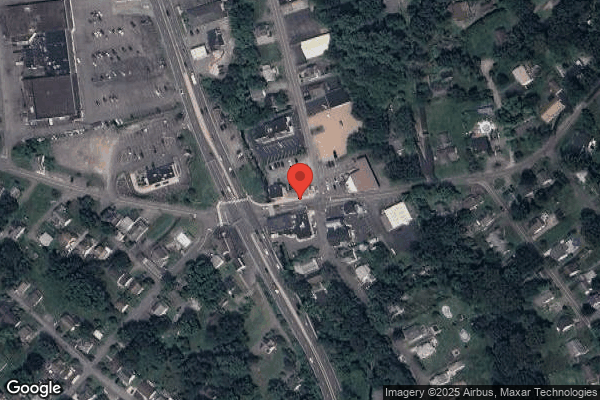
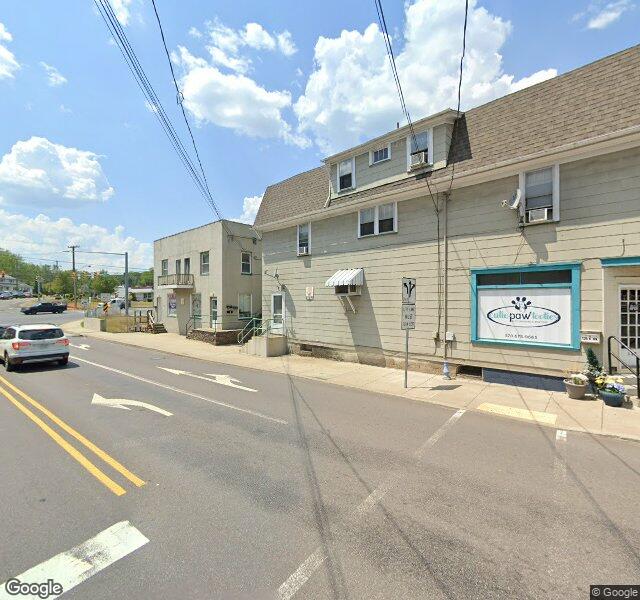
4 EAST CENTER STREET, DALLAS, PA 18612 (570) 675-8600
Non profit - Corporation 130 Beds Independent Data: November 2025
Trust Grade
48/100
#314 of 653 in PA
Last Inspection: July 2025

Inspected within the last 6 months. Data reflects current conditions.

Overview

Meadows Nursing and Rehabilitation Center has a Trust Grade of D, indicating below-average performance with some concerns regarding care and compliance. They rank #314 out of 653 facilities in Pennsylvania, which places them in the top half, and #7 out of 22 in Luzerne County, meaning there are only six local facilities that perform better. The facility is showing improvement, as the number of issues reported decreased from eight to seven over the past year. Staffing is a strength with a rating of 4 out of 5 stars and a turnover rate of 27%, significantly lower than the state average. However, the facility has incurred $52,135 in fines, which is higher than 83% of other Pennsylvania facilities, suggesting ongoing compliance issues. Specific incidents of concern include a significant medication error that affected a resident's health and the failure to implement necessary interventions to prevent pressure injuries for multiple residents. On the positive side, the facility does have average RN coverage, which helps to monitor residents more closely. Overall, while there are strengths in staffing and a trend towards improvement, families should be aware of the concerning fines and specific incidents when considering this nursing home.

Trust Score
D
48/100
In Pennsylvania
#314/653
Top 48%
Safety Record
Moderate
Needs review
Inspections
Getting Better
8 → 7 violations
Staff Stability
✓ Good
27% annual turnover. Excellent stability, 21 points below Pennsylvania's 48% average. Staff who stay learn residents' needs.
Penalties
✓ Good
$52,135 in fines. Lower than most Pennsylvania facilities. Relatively clean record.
Skilled Nurses
✓ Good
Each resident gets 44 minutes of Registered Nurse (RN) attention daily — more than average for Pennsylvania. RNs are trained to catch health problems early.
Violations
⚠ Watch
22 deficiencies on record. Higher than average. Multiple issues found across inspections.
★★★☆☆
3.0
Overall Rating
★★★★☆
4.0
Staff Levels
★★★☆☆
3.0
Care Quality
★★★☆☆
3.0
Inspection Score
Stable
2024: 8 issues
2025: 7 issues

The Good

  • 4-Star Staffing Rating · Above-average nurse staffing levels
  • Low Staff Turnover (27%) · Staff stability means consistent care
  • Full Sprinkler Coverage · Fire safety systems throughout facility
  • No fines on record
  • Staff turnover is low (27%)

    21 points below Pennsylvania average of 48%

Facility shows strength in staffing levels, staff retention, fire safety.

The Bad

3-Star Overall Rating

Near Pennsylvania average (3.0)

Meets federal standards, typical of most facilities

Federal Fines: $52,135

Above median ($33,413)

Moderate penalties - review what triggered them

The Ugly 22 deficiencies on record

1 actual harm
Jul 2025 7 deficiencies
CONCERN (D)

Potential for Harm - no one hurt, but risky conditions existed

Resident Rights (Tag F0550)

Could have caused harm · This affected 1 resident

**NOTE- TERMS IN BRACKETS HAVE BEEN EDITED TO PROTECT CONFIDENTIALITY** Based on observations, a review of clinical records, documentation provided by the facility, and staff interviews, it was determ...

Read full inspector narrative →
**NOTE- TERMS IN BRACKETS HAVE BEEN EDITED TO PROTECT CONFIDENTIALITY** Based on observations, a review of clinical records, documentation provided by the facility, and staff interviews, it was determined the facility failed to provide care in a manner that promotes each resident's dignity for one out of 28 residents sampled (Resident 83).Findings include:A clinical record review revealed Resident 83 was admitted to the facility on [DATE], with diagnoses to include peripheral vascular disease (a condition in which narrowed arteries reduce blood flow to the arms or legs). During an observation conducted on July 29, 2025, at 9:48 AM, Employee 10, Nurse Aide (NA), was seen transporting Resident 83 in a white shower chair through the third-floor 300s unit hallway in route to the shower room. Resident 83 was wearing only a black t-shirt that extended to his waist and was not wearing pants. A white cloth was loosely draped across the resident's lap. Resident 83's buttocks and approximately four inches of his gluteal cleft (the groove between the buttocks) were visibly exposed as he was pushed in the chair through the hallway and into the shower room. An employee statement dated July 29, 2025, revealed Employee 10, nurse aide (NA), was unaware that Resident 83's backside was exposed during the transport. The employee stated, In the future, I will use two bath towels to ensure all areas are covered. During an interview on July 29, 2025, at approximately 1:00 PM, the Nursing Home Administrator (NHA) confirmed that residents have the right to be provided care with dignity. The NHA indicated that Resident 83 should have been properly covered and should have been provided with appropriate clothing to ensure that his backside was not exposed while being transported through a public hallway. The facility failed to ensure that Resident 83 received care in a manner that maintained his dignity.28 Pa. Code 201.18(e)(1) Management. 28 Pa. Code 201.29 (a) Resident rights. 28 Pa. Code 211.12 (c)(d)(1) Nursing services.
CONCERN (D)

Potential for Harm - no one hurt, but risky conditions existed

Safe Environment (Tag F0584)

Could have caused harm · This affected 1 resident

Based on observation and staff interviews, it was determined the facility failed to provide housekeeping and maintenance services necessary to maintain a clean, safe, orderly and sanitary resident env...

Read full inspector narrative →
Based on observation and staff interviews, it was determined the facility failed to provide housekeeping and maintenance services necessary to maintain a clean, safe, orderly and sanitary resident environment in the room of one of 28 residents reviewed. (Resident 2) Findings include: Observations of Resident 2's room on the [NAME] unit, on July 29, 2025, at 1036 AM, revealed a fitted bed sheet with an approximately 6-inch x6-inch tan stain noted to be on the left side middle portion of the fitted sheet.An observation to Resident 2's room on July 30, 2025, at 10:47 AM revealed the fitted bed sheet noted an approximately 6 -inch by 6 -inch tan stain noted to be on the left side middle portion of the bed. Further observation revealed a 7- inch by 6-inch tan stain noted on the lower right side of the fitted sheet. Additionally, noted to be at the foot of fitted sheet were 4 8-inch streaks of a dark red substance running along the foot of the fitted sheet.An observation made in Resident 2's room on July 30,2025 at 1:00 P.M. revealed the fitted bed sheet noted an approximately 6- inch by 6- inch tan stain noted to be on the left side middle portion of the bed. Further observation revealed a 7 -inch by 6-inch tan stain noted on the lower right side of the fitted sheet. Additionally, noted to be at the foot of fitted sheet were approximately 4 8-inch-long streaks of a dark red substance running along the foot of the fitted sheet.An interview with Employee 4, Nurse Aide NA on July 30,2025, confirmed the sheets were visibly soiled. During the interview Employee 4 revealed bedding is usually changed on shower days or when visibly soiled. Employee 4 revealed that he was responsible for Resident 2's care during the day shift of July 30th,2025 but did not realize the sheets were soiled. An interview with the Director of Nursing (DON) was conducted on July 30, 2025, at 2:15 PM, to review the above observations and confirmed that the facility failed to maintain a safe, sanitary and orderly environment in Resident 2's room. 28 Pa. Code 201.18 (e)(1) (2.1) Management. 28 Pa. Code 201.14 (a) Responsibility of licensee.
CONCERN (D)

Potential for Harm - no one hurt, but risky conditions existed

Comprehensive Care Plan (Tag F0656)

Could have caused harm · This affected 1 resident

**NOTE- TERMS IN BRACKETS HAVE BEEN EDITED TO PROTECT CONFIDENTIALITY** Based on a review of clinical records and staff interviews, it was determined the facility failed to fully develop and revise a ...

Read full inspector narrative →
**NOTE- TERMS IN BRACKETS HAVE BEEN EDITED TO PROTECT CONFIDENTIALITY** Based on a review of clinical records and staff interviews, it was determined the facility failed to fully develop and revise a person-centered comprehensive care plan to meet the individualized needs of two residents out of 28 sampled (Resident 7 and 41).Findings included: A review of Resident 7's clinical record revealed the resident was admitted to the facility on [DATE], with diagnoses that included congestive heart failure (a condition in which the heart doesn't pump blood as well as it should) and diabetes (a chronic disease that occurs either when the pancreas does not produce enough insulin (a hormone that helps regulate blood sugar levels) or when the body cannot effectively use the insulin it produces). A review of a quarterly Minimum Data Set assessment (MDS a federally mandated standardized assessment process conducted periodically to plan resident care) dated July 11, 2025, revealed that Resident 7 is cognitively intact with a BIMS score of 13 (Brief Interview for Mental Status a tool within the Cognitive Section of the MDS that is used to assess the resident's attention, orientation, and ability to register and recall new information; a score of 13-15 indicates cognition is intact). A clinical record review for Resident 7 revealed physician's orders, dated January 3, 2025, for Lispro (short-acting insulin) four times a day subcutaneously (injection under the skin) with a sliding scale insulin coverage (a method used to manage blood sugar levels by giving insulin based on blood sugar readings) dependent on his blood glucose level and Lantus (long-acting insulin), dated January 2, 2025, subcutaneously 20 units in the morning and 20 units at bedtime. Further review for Resident 7 revealed a physician's order dated January 4, 2025, for a daily 1500 milliliter (ml) fluid restriction (360 ml allotted for breakfast, 300 ml allotted for lunch, and 300 ml allotted for dinner) and 540 ml allotted for nursing fluids (180 ml during the 7:00 AM to 3:00 PM shift, 180 ml during the 3:00 PM to 11:00 PM shift, and 180 ml during the 11:00 PM to 7:00 AM shift). A review of the resident's comprehensive plan of care, last revised on January 6, 2025, failed to reflect these updated medical treatments and interventions. A review of Resident 41's clinical record revealed the resident was admitted to the facility on [DATE], with diagnoses that included hypertension (blood pressure that is higher than normal) and hypoxemia (a low level of oxygen in the blood). A review of a quarterly MDS dated [DATE], revealed that Resident 41 was cognitively intact with a BIMS score of 12 (a score of 13-15 indicates cognition is intact). A clinical record review for Resident 41 revealed physician's orders, dated May 31, 2024, for oxygen 2 L/minute via nasal cannula (flexible tube to deliver oxygen by two small prongs in the nose) for shortness of breath. A review of the resident's comprehensive plan of care, last revised on July 7, 2025, failed to reflect these updated medical treatments and interventions. During an interview on July 31, 2025, at approximately 11:00 AM, the Nursing Home Administrator confirmed the facility failed to ensure that comprehensive care plans were fully developed for Resident 7 and Resident 41. 28 Pa. Code 211.12 (d)(5) Nursing services
CONCERN (D)

Potential for Harm - no one hurt, but risky conditions existed

Deficiency F0688 (Tag F0688)

Could have caused harm · This affected 1 resident

**NOTE- TERMS IN BRACKETS HAVE BEEN EDITED TO PROTECT CONFIDENTIALITY** Based on clinical record review, review of select facility policy, and resident and staff interviews, it was determined the faci...

Read full inspector narrative →
**NOTE- TERMS IN BRACKETS HAVE BEEN EDITED TO PROTECT CONFIDENTIALITY** Based on clinical record review, review of select facility policy, and resident and staff interviews, it was determined the facility failed to consistently provide restorative nursing services as planned to maintain mobility to the extent possible for one resident out of 28 residents sampled (Resident 18).Findings include: A review of the facility policy titled Restorative Nursing Program, last reviewed by the facility on June 30, 2025, revealed it is the facility's policy to provide a restorative nursing program that focuses on achieving and/or maintaining optimal function in accordance with a comprehensive assessment and plan of care. The policy indicated the restorative nurse monitors on an ongoing basis all aspects of the individualized restorative nursing programs offered and oversees documentation by nurse aides. A clinical record review revealed Resident 18 was admitted to the facility on [DATE], with diagnoses to include inflammatory Poly arthropathy (a condition where multiple joints are inflamed). A review of a quarterly Minimum Data Set assessment (MDS a federally mandated standardized assessment process conducted periodically to plan resident care) dated July 4, 2025, revealed that Resident 18 is cognitively intact with a BIMS score of 13 (Brief Interview for Mental Status a tool within the Cognitive Section of the MDS that is used to assess the resident's attention, orientation, and ability to register and recall new information; a score of 13-15 indicates cognition is intact). A review of Resident 18's care plan revealed a restorative nursing walking program initiated on March 24, 2025. Interventions implemented to assist the resident towards a goal of walking in the corridor with the assistance of one person up to 350 feet or to tolerance include restorative training in a walking program with rollator walking (a mobility device) and the assistance of one staff member for distances upwards of 350 ft., initiated on July 7, 2025. During an interview on July 30, 2025, at approximately 10:30 AM, Resident 18 indicated she was upset because she wants to walk every day, but staff do not walk with her. She said in the last month she had only walked one time. Resident 18 explained she has not been asked to walk and would not refuse to walk with staff. A clinical record review revealed an ambulation task for Resident 18's restorative training in the walking/ambulation program. RNP (restorative nursing program) ambulation with RW (rollator walker) and A (assistance) of 1 staff for distances upwards of 350 feet or as tolerated was documented as completed on July 30, 2025, at 10:47 AM. During an interview on July 30, 2025, at 11:45 AM, Resident 18 confirmed no one walked with her this morning. She explained that she was in an interview with the healthcare surveyor at that time. In a subsequent interview on July 30, 2025, at 11:50 AM, Employee 3, Nurse Aide (NA), acknowledged that she documented the RNP ambulation task as completed for Resident 18. Employee 3 further stated that she had not yet performed the ambulation task but had documented it prior, with the intention to provide the service later that afternoon Further clinical record review revealed Resident 18's RNP ambulation task was marked as completed 25 times from July 7, 2025, through July 29, 2025, and marked as the resident refused 19 times during that same period. During an interview on July 30, 2025, at approximately 1:00 PM, the Nursing Home Administrator (NHA) confirmed facility staff should not document plan of care tasks as complete when the care did not occur. The NHA acknowledged that Resident 18 reported not receiving her scheduled ambulation interventions as documented. The NHA was unable to explain the discrepancy between the documentation indicating that the ambulation program was being consistently provided and the resident's statement that she had only been walked once in recent weeks. 28 Pa. Code: 211.5(f)(ix) Medical records. 28 Pa. Code: 211.10(c) Resident care policies. 28 Pa Code 211.12(d)(3)(5) Nursing services.
CONCERN (D)

Potential for Harm - no one hurt, but risky conditions existed

Accident Prevention (Tag F0689)

Could have caused harm · This affected 1 resident

**NOTE- TERMS IN BRACKETS HAVE BEEN EDITED TO PROTECT CONFIDENTIALITY** Based on observations, review of clinical records, facility investigative documentation, and resident and staff interviews, it w...

Read full inspector narrative →
**NOTE- TERMS IN BRACKETS HAVE BEEN EDITED TO PROTECT CONFIDENTIALITY** Based on observations, review of clinical records, facility investigative documentation, and resident and staff interviews, it was determined the facility failed to ensure the residents environment remains free of accident hazards for one out of 28 residents sampled (Resident 92).Findings include: A clinical record review revealed Resident 92 was admitted to the facility on [DATE], with diagnoses that include peripheral vascular disease (condition in which narrowed arteries reduce blood flow to the arms or legs) and neuropathy (a condition in which nerve damage interferes with the functioning of the nervous system). A review of an Annual Minimum Data Set assessment (MDS a federally mandated standardized assessment process conducted periodically to plan resident care) dated June 25, 2025, revealed that Resident 92 was cognitively intact with a BIMS score of 13 (Brief Interview for Mental Status a tool within the Cognitive Section of the MDS that is used to assess the resident's attention, orientation, and ability to register and recall new information; a score of 13-15 indicates cognition is intact). A progress note dated June 20, 2025, at 2:09 PM revealed Employee 1, Registered Nurse (RN), was called to Resident 92's room. Upon assessment, the resident's right foot was noted to have +2 pitting edema (swelling graded on a scale from 0 to 4, based on the depth and duration of the indentation left when pressure is applied to the swollen area) with a 2.0 cm x 2.0 cm bruise located medially on the dorsum of the right foot (the top-side middle of her foot). No open areas or complaints of pain were indicated. Employee 1, RN, described the bruise as light purple in color and circular in shape. The progress note indicated a description of the event by Resident 92: I was getting a shower, and the aide accidentally dropped the showerhead, and it fell on my foot. Documentation confirmed the incident was reported to maintenance and that both the physician and resident representative were notified. Documentation provided by the facility dated June 20, 2025, described that Employee 2, Nurse Aide (NA), accidentally dropped a showerhead onto Resident 92's foot. It further revealed that all shower stalls had broken hooks, preventing the showerheads from being safely secured during care. The staff reportedly placed the showerheads on grab bars, which led to the incident. This was communicated to maintenance. Review of a written witness statement dated June 20, 2025, Employee 2, NA, indicated that she gave Resident 92 a shower and the showerhead fell. She recalled Resident 92 saying something about the showerhead falling, but nothing about Resident 92's foot having pain or the resident complaining about pain at that time. A right foot x-ray ordered on June 23, 2025, was initially inconclusive due to a bandage, prompting a repeat order. The second x-ray on June 24, 2025, revealed an age-indeterminate deformity of the second toe, with no evidence of bone infection. A pain evaluation document dated June 26, 2025, revealed Resident 92 had experienced pain over the last five days related to her right foot. The document indicated the resident also had pain related to chronic arthritis. Resident 92 indicated the pain was an 8 out of 10 (numeric scale to rate pain 00 being the least amount of pain and 10 being the worst). Resident 92 indicated rest, elevation, ice, and acetaminophen reduced her discomfort. A progress note dated June 30, 2025, at 9:34 AM revealed the resident requested the nurse to look at the resident's right foot related to pain and swelling. Upon assessment, the right foot appeared to be swollen, red, warm, tender, and painful to touch. The physician was notified and an order for the antibiotic cephalexin 500 mg twice daily for 10 days was initiated for cellulitis (a potentially serious skin infection that occurs when bacteria enter broken skin. It causes redness, warmth, swelling, and pain, and typically requires antibiotics for treatment.). A physician progress note dated July 2, 2025, documented a diagnosis of cellulitis of the right foot secondary to trauma from the showerhead. The resident's pain and swelling were reported to be improving with antibiotic treatment. Cephalexin was administered as ordered through July 10, 2025. A podiatry consultation form dated July 9, 2025, revealed Resident 92 had pain, edema (fluid buildup), and fluctuance (boggy sensation felt on touch) on the right distal foot (top side of the foot). The consultation indicated concern with hematoma/fluid buildup in the right foot. The resident had cellulitis resolved with antibiotic therapy. Recommend magnetic resonance imaging (MRI medical test that uses strong magnet and radio waves to create detailed pictures of the inside of the body) without contrast. The resident may need incision and drainage of the right foot. Discussed with nursing. On July 11, 2025, the resident was scheduled for an MRI to occur on August 6, 2025. However, on July 17, 2025, the resident declined the MRI and an order for an ultrasound was obtained instead. A soft tissue ultrasound conducted that same day identified a moderately complex hematoma/seroma (a buildup of fluid) on the top of the right foot resulting from the trauma. A progress note dated July 18, 2025, at 6:21 PM confirmed the physician reviewed Resident 92's ultrasound report with no new orders noted. During an interview on July 30, 2025, at 10:30 AM, Resident 92 explained that on June 20, 2025, a nurse aide put the showerhead on top of the grab assist bar while she was getting a shower. Resident 92 indicated the showerhead was not secured; it fell off the grab assist bar and struck her in the top of her right foot. Resident 92 indicated it did not hurt at first, but it started to bother her over the next few days. She indicated that it is painful, but her medicine relieves the pain. She indicated her injury has not prevented her from carrying out her normal daily activities. During an observation on July 30, 2025, at 11:00 AM, the Director of Nursing (DON) removed Resident 92's right sock, which revealed a raised half-circle area measuring approximately 2.0 inches in diameter on the top of her foot. The area was raised approximately 1.0 inch and light purple in color. An observation on July 30, 2025, at 1:35 PM on the second-floor nursing unit revealed three resident shower stalls with broken plastic showerhead hooks in each stall. In each stall the showerheads were observed resting loosely on grab bars or hanging from the hose. During an interview on July 30, 2025, at approximately 2:00 PM, the Nursing Home Administrator (NHA) confirmed the showerheads should be secured in a manner that prevents a showerhead from falling and striking a resident. 28 Pa Code 201.18(b)(1) Management. 28 Pa Code 211.10 (d) Resident care policies. 28 Pa Code 211.12 (d)(3)(5) Nursing services.
CONCERN (E)

Potential for Harm - no one hurt, but risky conditions existed

Pressure Ulcer Prevention (Tag F0686)

Could have caused harm · This affected multiple residents

**NOTE- TERMS IN BRACKETS HAVE BEEN EDITED TO PROTECT CONFIDENTIALITY** Based on observations, clinical record reviews, facility policies, facility investigative documentation, manufacturer instructio...

Read full inspector narrative →
**NOTE- TERMS IN BRACKETS HAVE BEEN EDITED TO PROTECT CONFIDENTIALITY** Based on observations, clinical record reviews, facility policies, facility investigative documentation, manufacturer instructions, and staff and resident interviews, it was determined the facility failed to implement interventions to prevent the development of a pressure injury for two residents (Residents 58 and 6) and failed to implement physician-ordered pressure-relief measures for two residents (Residents 11 and 70) out of 28 residents reviewed. Findings include: According to the US Department of Health and Human Services, Agency for Healthcare Research & Quality, the best pressure ulcer practice bundle incorporates three critical components in preventing pressure ulcers: Comprehensive skin assessment, Standardized pressure ulcer risk assessment, and care planning and implementation to address the areas of risk. The American College of Physicians (ACP) is a national organization of internists who specialize in the diagnosis, treatment, and care of adults. Clinical Practice Guidelines indicate that the treatment of pressure ulcers should involve multiple tactics aimed at alleviating the conditions contributing to ulcer development (i.e., support surfaces, repositioning, and nutritional support); protecting the wound from contamination and creating and maintaining a clean wound environment; promoting tissue healing via local wound applications, debridement, and wound cleansing; using adjunctive therapies; and considering possible surgical repair. A review of the facility policy titled Prevention of Pressure Ulcers, last reviewed by the facility on June 30, 2025, revealed it is the facility's policy to ensure assessments are timely and appropriate and changes in condition are recognized, evaluated, reported to the practitioner, physician, and family, and addressed. The policy indicates general preventive measures include identifying risk factors for pressure ulcer development. Interventions include changing position at least every two hours or more frequently if needed, determining if residents need a special mattress, ensuring the special mattresses contain foam or air as indicated, reducing shear by lifting rather than dragging, referring residents to rehabilitation or restorative nursing programs as indicated, and encouraging residents to participate in active and passive range of motion exercises to improve circulation. When in bed every attempt should be made to float heels (keep heels off the bed) by placing a pillow from knee to ankle or with other devices as recommended by the therapist or prescribed by the physician. A clinical record review revealed Resident 58 was admitted to the facility on [DATE], with diagnoses that included chronic kidney disease (a condition where the kidneys cannot adequately filter waste from the blood) and spinal stenosis (a condition where the spinal column narrows, putting pressure on the spinal cord or the nerves). A review of a quarterly Minimum Data Set assessment (MDS a federally mandated standardized assessment process conducted periodically to plan resident care) dated May 12, 2025, revealed that Resident 58 is cognitively intact with a BIMS score of 14 (Brief Interview for Mental Status a tool within the Cognitive Section of the MDS that is used to assess the resident's attention, orientation, and ability to register and recall new information; a score of 13-15 indicates cognition is intact). The care plan initiated June 16, 2025, identified the resident as being at risk for pressure ulcers due to dehydration and immobility. The physician's orders revised July 18, 2025, included use of a bariatric air mattress with settings adjusted to the resident's most current weight. A wound note dated July 28, 2025, identified a Stage II pressure injury on the sacrum (lower back area) measuring 0.4 cm x 0.4 cm x 0.2 cm, characterized by partial-thickness skin loss and pink wound bed. According to manufacturer guidance an alternating pressure therapy pump overlay/replacement mattress system operating manual provided by the facility revealed the pump display has a low-pressure function indicator. When an abnormally low pressure occurs, the low-pressure indicator (yellow LED) will light up. Check that the connections are correctly made and that they are correctly installed as per installation instructions. A note indicated that if the pressure level is consistent, check for any leakage (tubes or connecting hoses). If necessary, replace any damaged tubes or hoses. Despite these orders, an observation on July 29, 2025, at 10:05 AM, revealed the air mattress was set to support a resident weighing 500 pounds. The resident's actual weight as of July 2, 2025, was 235.6 pounds. The air mattress pump displayed a yellow low-pressure warning light. Resident 58 reported the mattress had been uncomfortable for several weeks. A follow-up observation on July 29, 2025, at 10:28 AM revealed Resident 58's air mattress pump continued to indicate low pressure. During an interview on July 29, 2025, at approximately 11:00 AM, the Nursing Home Administrator (NHA) and Director of Nursing (DON) confirmed the air mattress pump should be set to match the resident's weight. The DON and NHA indicated the low-pressure indicator light should not continue to be lit. During an interview on July 29, 2025, at 11:25 AM, the Director of Maintenance confirmed the low-pressure indicator light continued to signal. The Director of Maintenance replaced the air mattress pump. After a few minutes, the low-pressure indicator light turned off. During an interview on July 30, 2025, at 1:20 PM, Resident 58 indicated that since the new pump was installed, the bed has been more comfortable. He said he could feel the air circulating, and he had a good night's sleep for the first time in 30 days. He indicated there was less discomfort in his lower back, where he had a skin injury. The facility failed to ensure Resident 58's air mattress was adjusted per manufacturer guidance. Specifically, the facility failed to timely recognize a low-pressure indicator light on the air pressure pump and ensure the weight setting correctly matched the resident's weight which resulted in ineffective pressure redistribution and contributed to skin breakdown. A clinical record review revealed Resident 6 was admitted to the facility on [DATE], with diagnoses that included unspecified fracture of the lower end of the right femur (a break in the bone right above the knee joint), unspecified dementia (a progressive loss of memory and cognitive function caused by brain disease). A review of Resident 6's admission MDS dated [DATE], revealed that Resident 6 was severely cognitively impaired with a BIMS score of 99 (a score of 99 indicates the resident was unable to complete the interview), and required total staff assistance for activities of daily living, rolling in bed, and transfers, and was moderately at-risk for the development of pressure ulcers and injuries. According to the MDS the resident was always incontinent of bladder and bowel. A review of the resident's care plan-initiated March 18, 2025, identified a focus area related to skin integrity with planned interventions which included encourage hydration adequate nutrition and provide assistance as needed, keep skin clean and dry, assist resident with turning and repositioning every hour and as needed, complete skin inspection every 7 days and as needed, an use of a pressure redistribution air mattress. A nursing progress note dated April 7, 2025, revealed the presence of Stage II pressure ulcers (characterized by open wounds or blisters with exposed dermis) on the right hip, right thigh, and lower back. These areas were directly aligned with the edges of the incontinence brief. Staff applied wound gel and dressings. A facility investigation conducted that same day, April 7, 2025, at 11:21PM determined the ulcers followed the brief line. Review of a Wound Evaluation and Management Summary note dated April 9, 2025, completed by the wound care consultant, indicated the pressure area located on Resident 6's right hip was classified as a Stage II that measured 5.5 cm x 0.5 cm x 0.1 cm, with a light amount of serous drainage (clear, thin, watery fluid that is a normal part of the healing process). Treatment recommendations were to apply Skin Prep (specific barrier liquid used to protect the skin from moisture, friction and shearing) once daily for thirty days, to offload wound and reposition per facility protocol. Further review indicated the pressure area on right lower back was classified as a Stage II, measuring 6 cm x 0.3 cm with a fluid filled blister and open areas of exposed dermis (the second layer of skin). Treatment recommendations were to apply Skin Prep once daily for thirty days, to offload wound and reposition per facility protocol. Continued review indicated the pressure area on Resident 6's right medial(middle) thigh measured 4 cm x 0.2 cm with a fluid filled blister and open areas of exposed dermis (the second layer of skin). Treatment recommendations were to apply Skin Prep once daily for thirty days, to offload wound and reposition per facility protocol. An interview with the Director of Nursing on July 31,2025, at approximately 9:30 AM revealed staff are provided with a brief sizing chart which is posted on each nursing unit, to assist in determining the size brief a resident is to use based on a resident's height and weight. Further interviewing revealed that each resident is then evaluated and measured by the Bowel and Bladder Nurse to determine if the brief the staff are using on each resident is the correct size. At the time of the survey, the facility was unable to provide documentation that appropriate sizing had been assessed for Resident 6. An interview with Employee 9, Licensed Practical Nurse (LPN) on July 31,2025 at 9:35 AM revealed when she reviewed the skin areas reported on April 7, 2025, the areas of pressure reported were in direct contact with the brief and indicated the brief too small and this was the cause of the pressure areas. The LPN instructed the C.N.A to use a larger brief on Resident 6 to help deter any further skin concerns. An interview was conducted with the Director of Nursing on July 31, 2025, at approximately 9:50 AM to confirm the above findings related to the facility's failure to prevent pressure ulcers. A review of the clinical record revealed that Resident 11 was admitted to the facility on [DATE], with diagnoses that included muscular dystrophy (group of genetic diseases characterized by progressive muscle weakness and degeneration). The admission MDS dated [DATE], revealed a BIMS score of 12, indicating mild cognitive impairment, and noted the resident was at risk for pressure ulcer development. A physician order dated June 6, 2025, directed staff to apply bilateral heel offloading boots (protective offloading boots to prevent heel ulcers) at all times, except during physical therapy. An observation on July 29, 2025, at 12:35 PM revealed Resident 11 was sitting in his wheelchair without the boots in place. An observation on July 29, 2025, at 12:45 PM in the presence of Employee 8 (RN) revealed that Resident 11 had left the facility with staff for an outside appointment. Resident 11's offloading boots were observed in the closet despite the physician order for the resident to wear the boots at all times except physical therapy. Interview with Employee 8 (RN) at this time confirmed that staff were to ensure that Resident 11's boots were always worn except physical therapy. Observation on July 30, 2025, at 1:30 PM revealed the resident was sitting in his wheelchair with the boots applied. During an interview with the resident at this time the resident confirmed that the boots were comfortable and were helping to relieve pressure off his feet. Interview with the director of nursing (DON) on July 30, 2025, at approximately 2:00 PM confirmed that Resident 11 was at risk for pressure ulcers. The DON confirmed the physician ordered boots were to be in place at all times except physical therapy and could also be worn when outside the facility on appointments. Resident 70 was admitted on [DATE], with a diagnosis of dementia. A MDS dated [DATE], documented a BIMS score of 4, indicating severe cognitive impairment, and dependence on staff for bed mobility and transfers. The resident was assessed as being at risk for pressure injuries. A physician order dated February 11, 2025, directed staff to keep the resident's heels elevated off the bed to relieve pressure. However, an observation on July 29, 2025, at 1:35 PM revealed the resident's heels were resting directly on the mattress. A heel suspension cushion was observed on top of the mattress but was not in use. The nurse aide confirmed the resident required staff assistance for heel elevation, and the Director of Nursing verified that staff were expected to elevate the heels per the physician's order. An interview with Employee 11 (nurse aide) on July 29, 2025, at approximately 1:40 PM confirmed that Resident 70 was dependent on staff and that staff were to ensure that the resident's heels were elevated in bed and not placed directly on the mattress. Interview with the director of nursing on July 30, 2025, confirmed that Resident 70's heels were to be elevated when in bed as per physician order for pressure relief. The facility failed to implement preventive measures and physician-ordered interventions designed to protect Residents 58, 6, 11, and 70 from the development or worsening of pressure injuries. 28 Pa. Code 201.14 (a) Responsibility of licensee 28 Pa. Code 201.18 (e)(1)(3) Management 28 Pa. Code 201.29 (a)(c) Resident Rights 28 Pa. Code 211.12 (c)(d)(1)(3)(5) Nursing Services
MINOR (B)

Minor Issue - procedural, no safety impact

Deficiency F0628 (Tag F0628)

Minor procedural issue · This affected multiple residents

**NOTE- TERMS IN BRACKETS HAVE BEEN EDITED TO PROTECT CONFIDENTIALITY** Based on a review of clinical records, facility-initiated transfer notices, and staff interviews, it was determined the facility...

Read full inspector narrative →
**NOTE- TERMS IN BRACKETS HAVE BEEN EDITED TO PROTECT CONFIDENTIALITY** Based on a review of clinical records, facility-initiated transfer notices, and staff interviews, it was determined the facility failed to provide copies of written notice of facility-initiated hospital transfers of residents to a representative of the Office of the State Ombudsman for 2 out of 28 residents reviewed (Residents 41 and 70).Findings include: A review of the clinical record revealed that Resident 41 was transferred to the hospital on May 13, 2025, and was readmitted to the facility on [DATE]. A review of the clinical record revealed that Resident 70 was transferred to the hospital on April 28, 2025, and was readmitted to the facility on [DATE]. Although written notices were provided to the resident and resident representative of the facility-initiated transfer, there was no documented evidence the facility sent copies of written notices of these facility-initiated transfers to the representative of the Office of the State Long-Term Care Ombudsman. An interview with the Nursing Home Administrator on July 31, 2025, at approximately 12:00 P.M., confirmed there was no documented evidence that copies of facility-initiated transfer notices for Residents 41 and 70 were sent to a representative of the Office of the State Long-Term Care Ombudsman. 28 Pa. Code 201.14(a) Responsibility of licensee.
Sept 2024 6 deficiencies
CONCERN (D)

Potential for Harm - no one hurt, but risky conditions existed

Quality of Care (Tag F0684)

Could have caused harm · This affected 1 resident

**NOTE- TERMS IN BRACKETS HAVE BEEN EDITED TO PROTECT CONFIDENTIALITY** Based on clinical record review, observation, and staff interviews, it was determined the facility failed to ensure care and ser...

Read full inspector narrative →
**NOTE- TERMS IN BRACKETS HAVE BEEN EDITED TO PROTECT CONFIDENTIALITY** Based on clinical record review, observation, and staff interviews, it was determined the facility failed to ensure care and services are provided in accordance with professional standards of practice that will meet each resident's physical needs for one of 23 residents reviewed (Residents 34). Findings include: According to the Pennsylvania Code, Title 49, Professional and Vocational Standards, State Board of Nursing, 21.11 (a)(1)(2)(4) indicates the registered nurse was to collect complete ongoing data to determine nursing care needs, analyze the health status of individuals and compare the data with the norm when determining nursing care needs, and carry out nursing care actions that promote, maintain, and restore the well-being of individuals. A clinical record review revealed Resident 34 was admitted to the facility on [DATE], with diagnoses that include degenerative disease of the nervous system (a condition that affects many of the body's activities, such as balance, movement, talking, breathing, and heart function) and ataxia (progressive - affecting a person's ability to walk, talk, and use fine motor skills). A review of a quarterly Minimum Data Set assessment (MDS - a federally mandated standardized assessment process conducted periodically to plan resident care) dated August 23, 2024, revealed that Resident 34 is severely cognitively impaired with a BIMS score of 4 (Brief Interview for Mental Status- a tool within the Cognitive Section of the MDS that is used to assess the resident's attention, orientation, and ability to register and recall new information; a score of 01-07 indicates severe cognitive impairment). A progress note dated August 7, 2024, indicated Resident 34 was observed with a skin tear to her upper right arm measuring 2.0 cm x 0.5 cm x 0.1 cm. A progress note dated August 22, 2024, at 9:17 PM indicated Resident 34 became combative and hit her right forearm with her left nail, causing a 1.0 cm x 4.0 cm skin tear on her right forearm. A physician's order for Resident 34 to have Geri Sleeves (fabric worn over the arms to protect the skin from skin tears and abrasions) on bilateral upper extremities (arms) at all times was initiated on August 23, 2024. A care plan indicating Resident 34 has potential for pressure-related skin failure related to impaired mobility and general weakness was initiated on July 27, 2021. An intervention implemented to assist Resident 34 to maintain intact skin integrity included skin sleeves to bilateral upper extremities initiated on August 23, 2024. During an observation on September 17, 2024, at 10:40 AM, Resident 34 was seen sitting in her room wearing a short-sleeve shirt. Her arms were uncovered, and no protective skin devices were observed on her arms. In a follow-up observation on September 18, 2024, at 1:25 PM, Resident 34 was seen participating in a therapy session. Her arms were bare, and no protective skin devices were observed. Another observation on September 20, 2024, at 9:50 AM revealed Resident 34 sitting in her room wearing a short-sleeve shirt. Her arms were bare, and no protective skin devices were observed. During an interview on September 20, 2024, at 9:55 AM, Employee #3, Registered Nurse, confirmed Resident 34 was not wearing her bilateral protective skin devices. Employee 3 was unable to explain why the resident was not wearing the protective devices and was unable to locate the resident's protective sleeves. During an interview on September 20, 2024, at approximately 11:30 AM, the Nursing Home Administrator (NHA) confirmed it is the facility's responsibility to ensure care and services are provided in accordance with professional standards of practice that will meet each resident's physical needs, including interventions and physician's orders to be implemented to maintain residents' skin integrity. 28 Pa. Code 201.18(b)(1) Management 28 Pa. Code 211.12(d)(1)(3)(5) Nursing services
CONCERN (D)

Potential for Harm - no one hurt, but risky conditions existed

Deficiency F0692 (Tag F0692)

Could have caused harm · This affected 1 resident

**NOTE- TERMS IN BRACKETS HAVE BEEN EDITED TO PROTECT CONFIDENTIALITY** Based on review of clinical records, select facility policy review, and staff interview it was determined the facility failed to...

Read full inspector narrative →
**NOTE- TERMS IN BRACKETS HAVE BEEN EDITED TO PROTECT CONFIDENTIALITY** Based on review of clinical records, select facility policy review, and staff interview it was determined the facility failed to ensure a physician ordered fluid restriction was maintained for one of 23 sampled residents (Resident 1). Findings include: Review of the facility Intake and Output Monitoring Policy, last reviewed April 3, 2024, indicated that intake and output (intake refers to the amount of fluids the resident ingests, and output refers to the amount of fluids that leave the body) will be monitored on residents as necessary with documentation in the Electronic Medical Record. All residents on fluid restrictions will remain on intake and output if specifically ordered, and as clinical needs indicate. Intakes will be reviewed daily by the 3:00 PM to 11:00 PM RN Charge Nurse/designee to see if resident is meeting estimated fluid requirement or is over fluid restriction. The physician is to be made aware if the resident is over fluid restriction times two days or is under estimated fluid requirement times three days. Clinical record review revealed that Resident 1 was admitted to the facility on [DATE], with diagnoses to include dementia (chronic or persistent disorder of the mental processes caused by brain disease or injury and marked by memory disorders, personality changes, and impaired reasoning) and congestive heart failure (a chronic condition in which the heart does not pump as well as it should causing shortness of breath). A quarterly Minimum Data Assessment (MDS- a federally mandated standardized assessment conducted at specific intervals to plan resident care) dated August 7, 2024, indicated the resident is moderately cognitively impaired with a BIMS (brief interview for mental status) score of 10 (8 to 12 indicates moderate cognitive impairment), received dialysis treatment and required assistance of staff for activities of daily living. A physician order dated June 24, 2024, noted an order for 1500 mL fluid restriction per 24 hr. Indicating 960 mL of fluids provided/allowed by dietary (360 mL breakfast, 300mL lunch, 300mL dinner) and 540 mL provided/allowed by nursing staff (180 mL 7-3 shift; 180 mL 3-11 shift; 180 mL 11-7 shiftt ) related to acute and chronic congestive heart failure. A review of Resident 1's daily calculated Fluid Requirement Monitoring Record from August 25 through September 18, 2024, revealed Resident 1 exceeded the physician ordered fluid restriction on the following days: August 29, 2024 2040 cc (ml) daily total August 30, 2024 16000 cc (ml) daily total September 2, 2024 1900 cc (ml) daily total September 3, 2024 1920 cc (ml) daily total September 4, 2024 1710 cc (ml) daily total September 5, 2024 1710 cc (ml) daily total September 6, 2024 1710 cc (ml) daily total September 7, 2024 1788 cc (ml) daily total September 8, 2024 2145 cc (ml) daily total September 12, 2024 1900 cc (ml) daily total September 13, 2024 1740 cc (ml) daily total September 15, 2024 1900 cc (ml) daily total September 16, 2024 1780 cc (ml) daily total September 17, 2024 2390 cc (ml) daily total September 18, 2024 2250 cc (ml) daily total Further review of the clinical record revealed no documented evidence the physician was notified of the resident exceeding the fluid restriction as per facility policy. There was no documented evidence the fluid restriction was evaluated for reasons to explain how the resident, who is dependent on staff to provide fluids was exceeding the fluid restriction. Interview with the director of nursing on September 19, 2024, at approximately 11:30 AM failed to provide documented evidence that Resident 1's fluid restriction was maintained as per physician order. The director of nursing (DON) failed to provide documented evidence the physician was notified of the resident exceeding the fluid restriction as per facility policy. 28 Pa. Code 211.5 (f)(ii) Medical Records. 28 Pa. Code 211.12 (c)(d)(1)(3)(5) Nursing services.
CONCERN (D)

Potential for Harm - no one hurt, but risky conditions existed

Deficiency F0694 (Tag F0694)

Could have caused harm · This affected 1 resident

**NOTE- TERMS IN BRACKETS HAVE BEEN EDITED TO PROTECT CONFIDENTIALITY** Based on observations, review of clinical records, review of select facility policy, and staff interview it was determined the f...

Read full inspector narrative →
**NOTE- TERMS IN BRACKETS HAVE BEEN EDITED TO PROTECT CONFIDENTIALITY** Based on observations, review of clinical records, review of select facility policy, and staff interview it was determined the facility failed to provide person-centered care as prescribed to meet the current clinical needs by failing to monitor intravenous therapy (way of giving medication or fluids through a needle or tube inserted into a vein) in accordance with professional standards of practice for two of two reviewed residents receiving intravenous therapy (Residents 94 and 1) Findings include: A review of the facility Insertion of Peripheral IV (Over the needle, Peripheral Short) catheter policy last reviewed April 3,2024, indicated that all IV insertions should be labeled with date and time of insertion. Further review of the Insertion of Peripheral IV (Over the needle, Peripheral Short) catheter policy revealed the IV is to be removed after medication therapy is completed or discontinued. A review of clinical records revealed that Resident 94 was admitted to the facility on [DATE], with diagnoses which included Pleural effusion (a condition where excess fluid accumulates between the lungs and the chest wall), cystitis (an inflammation of the bladder), and muscle wasting and atrophy (a wasting or thinning of muscle mass). A nurses note dated September 11, 2024, indicated the physician was in and examined the resident. After review of a chest Xray, Resident 94 with suspected pneumonia (infection of the lungs). A physician order dated September 11, 2024, noted an order to insert IV line (soft flexible tube place inside a vein, usually in the hand or arm for administration of IV antibiotic). A physician order dated September 11, 2024 indicated administer Ceftriaxone Sodium Intravenous Solution Reconstituted 1 GM (antibiotic used to treat bacterial infections) Use 1 gram intravenously in the evening for 5 days. Observation of Resident 94 on September 17, 2024, at 11:30 AM, September 18, 2024, at 10:00 AM and 1:00 PM revealed the IV catheter was present in the resident's right forearm. The dressing on the IV site was not dated indicating date of insertion, during any of the three observations. An interview with Employee 2, RN, on September 18, 2024, at 1:08 PM confirmed the IV site was not dated when inserted. Further review of the clinical record revealed no documented evidence of a dressing change to the IV site. Interview with Employee 2, RN, on September 18, 2024, at 1:08 PM also confirmed that Resident 94 completed the prescribed medication Ceftriaxone Sodium Intravenous Solution on September 16, 2024. During the interview with Employee 2 on September 18th, 2024, it was also confirmed the IV catheter was not removed on the completion of therapy on September 16, 2024. Further review of the clinical record revealed no documented evidence of a physician order for care and monitoring of Resident 94's IV site. A review of clinical records revealed that Resident 1 was admitted to the facility on [DATE], with diagnoses which included dementia (chronic or persistent disorder of the mental processes caused by brain disease or injury and marked by memory disorders, personality changes, and impaired reasoning) and osteoarthritis (degenerative joint disease in which the tissues in the joint break down over time). A nurses note dated September 16, 2024, indicated the physician examined the resident. Resident's right elbow and suspected septic arthritis (infection of the joint). A physician order dated September 16, 2024, noted an order to insert IV line (soft flexible tube place inside a vein, usually in the hand or arm for administration of IV antibiotic). A physician order dated September 16, 2024, noted an order for Linezolid (an antibiotic) Intravenous solution 600 mg intravenously every 12 hours for suspected septic arthritis. A nurses note dated September 17, 2024, at 10:11 AM noted staff was unable to flush the IV site to left hand. An IV catheter was inserted into left forearm and was infusing the antibiotic without a problem A physician order dated September 19, 2024, noted an order to continue Linezolid 600 mg intravenously every 12 hours until September 23, 2024. Observation of Resident 1 on September 17, 2024, at 11:30 AM, September 18, 2024, at 10:15 AM and 1:00 PM revealed the IV catheter was present in the resident's left forearm. The dressing on the IV site was not dated during any of the three observations. Observation on September 19, 2024, at 10:00 AM revealed the dressing on the IV site was dated September 18, 2024 although this was not observed during observation on September 18, 2024 Further review of the clinical record revealed no documented evidence of a dressing change to the IV site on September 18, 2024. Interview with employee 1 (RN) on September 19, 2024, at 10:15 AM confirmed that although the dressing was dated September 18, 2024, there was no documented evidence in the clinical record of a dressing or IV change on September 18, 2024. Further review of the clinical record revealed no documented evidence of a physician order for care and monitoring of Resident 1's IV. Interview with the Director of Nursing (DON) on September 19, 2024, at approximately 11:00 AM confirmed that Resident 94's and Resident 1's IV dressings should have been dated. The DON failed to provide documented evidence of required care and monitoring related to the IV as per facility policy. 28 Pa. Code 211.12 (c)(d)(1)(3)(5) Nursing services 28 Pa. Code 211.5 (f)(iii)(viii) Medical records.
CONCERN (E)

Potential for Harm - no one hurt, but risky conditions existed

Deficiency F0688 (Tag F0688)

Could have caused harm · This affected multiple residents

**NOTE- TERMS IN BRACKETS HAVE BEEN EDITED TO PROTECT CONFIDENTIALITY** Based on a review of clinical records, resident council meeting minutes, select facility policy, and resident and staff intervie...

Read full inspector narrative →
**NOTE- TERMS IN BRACKETS HAVE BEEN EDITED TO PROTECT CONFIDENTIALITY** Based on a review of clinical records, resident council meeting minutes, select facility policy, and resident and staff interviews, it was determined the facility failed to ensure residents receive appropriate services and assistance to maintain or improve mobility with the maximum practicable independence for one resident out of 23 sampled (Resident 40) and experiences expressed by two residents during a group interview (Residents 78 and 79). Findings include: A review of policy titled Restorative Nursing Policy, last reviewed by the facility on April 3, 2024, revealed it is the policy of the facility to provide a restorative nursing program that focuses on achieving and maintaining optimal function in accordance with the comprehensive assessment and plan of care. The policy indicates that residents who are referred by physical therapy, physician, or nursing will be evaluated by the restorative nurse for a restorative program. Also, it is the commitment of the facility to assist residents to restore or maintain their functional capacities to improve their overall quality of living. A review of resident council meeting minutes dated April 25, 2024, revealed that residents in attendance had concerns regarding staff changes to the restorative nursing programs. The minutes indicated the Director of Nursing (DON) would discuss the changes with individual residents. A response to concerns raised during the April 25, 2024, resident council meeting indicated the facility will no longer have designated restorative aides, related to changes in budgeting. Nurse aides are now responsible for walking any of the residents on walking programs (restorative nursing ambulation). Residents were informed that if they are not being walked, then inform the nurse aide and nurse for that shift. A clinical record review revealed Resident 79 was admitted to the facility on [DATE], with diagnoses that included cerebral infarction (brain damage that results from a lack of blood). A review of an annual Minimum Data Set assessment (MDS - a federally mandated standardized assessment process conducted periodically to plan resident care) dated August 21, 2024 revealed that Resident 79 is moderately cognitively impaired with a BIMS score of 12 (Brief Interview for Mental Status- a tool within the Cognitive Section of the MDS that is used to assess the resident's attention, orientation, and ability to register and recall new information; a score of 8-12 indicates moderate cognitive impairment). A review of Resident 79 ' s physical therapy discharge instructions dated January 2, 2024, revealed the resident is discharged (from physical therapy) to the facility with a restorative nursing program for ambulation up to 150 feet with a rollator walker(a mobility device). Further review of the clinical record revealed a care plan, initiated on January 4, 2024, indicating Resident 79 is unable to walk independently and requires assistance. An intervention implemented to increase Resident 79 ' s self-performance and stamina when walking is to include her in a restorative nursing program for ambulation of 150 feet with a rollator walker. A review of Resident 79 ' s restorative ambulation participation record indicated Resident 79 declined participation on 36 occasions, and it was documented that ambulation was not applicable on 3 occasions from August 22, 2024, through September 20, 2024. The record indicated Resident 79 participated in 19 restorative ambulation sessions. A clinical record review revealed Resident 78 was admitted to the facility on [DATE], with diagnoses that included muscle wasting and atrophy (reduction in muscle mass and strength due to the loss of muscle tissue) and inflammatory polyarthropathy (a condition characterized by inflammation affecting multiple joints). A review of a quarterly Minimum Data Set assessment (MDS - a federally mandated standardized assessment process conducted periodically to plan resident care) dated August 30, 2024, revealed that Resident 78 is moderately cognitively impaired with a BIMS score of 12 (Brief Interview for Mental Status- a tool within the Cognitive Section of the MDS that is used to assess the resident's attention, orientation, and ability to register and recall new information; a score of 8-12 indicates moderate cognitive impairment). A review of Resident 78's Physical Therapy Discharge summary dated [DATE], revealed the resident is to continue with her current restorative program and indicated her prognosis to maintain her current level of functioning is good with consistent staff follow-through. A review of Resident 78's care plan, initiated on November 23, 2022, revealed she is unable to walk around the unit independently. An intervention implemented to maintain Resident 78 ' s ability to ambulate is a restorative nursing program for ambulation a the rollator walker up to 100 feet. A review of Resident 78 ' s restorative ambulation participation record indicated Resident 78 declined participation on 30 occasions, and it was documented that ambulation was not applicable on 4 occasions from August 22, 2024, through September 20, 2024. The record indicated Resident 78 participated in 25 restorative ambulation sessions. During a group interview on September 18, 2024, with alert and oriented residents, Resident 78 and 79 indicated they are upset because they are not receiving their scheduled ambulation program. During the group interview, Resident 78 indicated that she has not walked with nursing for months since the restorative nurse staff changed positions at the facility. Resident 78 explained that nursing staff does not provide ambulation therapy, and she has brought this up to everyone that will listen to me. Resident 78 expressed frustration as walking and being independent is a personal goal and important for her well-being. During the group interview, Resident 79 indicated she only receives restorative services when she has physical therapy. She explained it has been a few months since she was discharged from therapy. Resident 79 indicated her restorative nursing program for ambulation is not occurring. A review of Resident 40's clinical record revealed admission to the facility on June 3, 2016, with diagnoses which included polyosteoarthritis (any type of arthritis that involves 5 or more joints simultaneously), diabetes with diabetic autonomic neuropathy (damage to nerves that control automatic body functions caused by diabetes), and peripheral vascular disease. An Annual Minimum Data Set assessment (MDS a standardized assessment completed at specific intervals to identify specific resident care needs) dated July 28, 2024, indicated the resident was moderately cognitively impaired with a BIMS score of 12 and required partial/moderate assistance (helper does less than half the effort. Helper lifts, holds, or supports trunk or limbs, but provides less than half the effort) with ambulation and toileting hygiene. Interview with Resident 40 on September 17, 2024, at 10:39 AM indicated that nursing staff does not provide her restorative ambulation nursing services. She stated that she was excited for the nursing students to come into the facility, because that's when she gets to walk. A review of Physical Therapy Discharge summary dated [DATE], indicated that Resident 40 required setup/clean-up assistance (helper sets up or cleans up; resident completes activity. Helper assists only prior to or following the activity) with ambulation. A review of Resident 40's [NAME] (a nursing worksheet that provides a summary of patient's information) on September 19, 2024, indicated the resident was on a restorative ambulation program with a rollator was and Supervision/SBA (stand-by assistance) of one staff member for up to 150 feet. A review of Resident 40's Documentation Survey Report dated September 2024, indicated from September 1, 2024, through September 18, 2024, the resident's RNP ambulation program with rollator walker and supervision for 150 feet was only provided by nursing staff 5 times out of 36 opportunities. During an interview on September 20, 2024, at approximately 11:00 AM, the Nursing Home Administrator (NHA) and DON were unable to explain why residents were indicating they were not receiving their restorative ambulation program. The NHA confirmed it is the facility's responsibility and policy to ensure residents receive appropriate services and assistance to maintain or improve mobility with the maximum practicable independence. 28 Pa. Code: 211.12(d)(3)(5) Nursing services
MINOR (B)

Minor Issue - procedural, no safety impact

Transfer Requirements (Tag F0622)

Minor procedural issue · This affected multiple residents

Based on a clinical record review and staff interview, it was determined the facility failed to ensure that necessary resident information was communicated to the receiving health care provider for on...

Read full inspector narrative →
Based on a clinical record review and staff interview, it was determined the facility failed to ensure that necessary resident information was communicated to the receiving health care provider for one resident out of 23 residents sampled with facility-initiated transfers (Residents 27). Findings include: A review of Resident 27's clinical record revealed that the resident was transferred (the movement of a resident from a bed in one certified facility to a bed in another certified facility when the resident expects to return to the original facility) to the hospital on August 28, 2024, and returned to the facility on September 5, 2024. There was no documented evidence the facility had communicated specific information to the receiving health care provider for the resident transferred and expected to return, which included the resident's care plan goals and all information necessary to meet the resident's specific needs at the receiving facility. During an interview on September 20, 2024, at approximately 11:30 AM, the Nursing Home Administrator (NHA) confirmed there was no evidence the necessary information was communicated to the receiving health care institution or provider for Resident 27's transfer on August 28, 2024. 28 Pa. Code 211.12 (d)(3)(5) Nursing services.
MINOR (B)

Minor Issue - procedural, no safety impact

Deficiency F0625 (Tag F0625)

Minor procedural issue · This affected multiple residents

Based on a review of clinical records and staff interview it was determined that the facility failed to provide residents or their representatives with written information of the facility's bed hold p...

Read full inspector narrative →
Based on a review of clinical records and staff interview it was determined that the facility failed to provide residents or their representatives with written information of the facility's bed hold policy upon transfer to the hospital of two residents out of 23 residents sampled (Residents 96 and 27). Findings include: A review of Resident 96's clinical record revealed the resident was transferred to the hospital on July 4, 2024, and returned to the facility on July 9, 2024. A review of Resident 27's clinical record revealed the resident was transferred to the hospital on August 28, 2024, and returned to the facility on September 5, 2024. There was no documented evidence the facility provided these residents and/or their representatives written information about the facility's bed-hold policy (an agreement for the facility to hold a bed for an agreed upon rate during a hospitalization) at the time of the transfer. Interview with the administrator on September 19, 2024, at approximately 1:00 PM confirmed the facility was unable to provide documented evidence of the provision of written notice of the facility's bed hold policy upon hospital transfer. 28 Pa Code 201.18 (e)(1) Management 28 Pa Code 201.29 (b) Resident rights
May 2024 2 deficiencies 1 Harm
SERIOUS (G) 📢 Someone Reported This

A family member, employee, or ombudsman was alarmed enough to file a formal complaint

Actual Harm - a resident was hurt due to facility failures

Deficiency F0760 (Tag F0760)

A resident was harmed · This affected 1 resident

**NOTE- TERMS IN BRACKETS HAVE BEEN EDITED TO PROTECT CONFIDENTIALITY** Based on review of clinical record and select facility incident reports, and staff interview it was determined that the facility...

Read full inspector narrative →
**NOTE- TERMS IN BRACKETS HAVE BEEN EDITED TO PROTECT CONFIDENTIALITY** Based on review of clinical record and select facility incident reports, and staff interview it was determined that the facility failed to assure that one resident of five sampled (Resident CR1) was free from a significant medication error that compromised the resident's clinical condition and health due to Tacrolimus toxicity. Findings include: Clinical record review revealed that Resident CR1 was admitted from the hospital to the facility on [DATE], with diagnoses, which included pneumonia and history of a kidney transplant. Review of medications listed on Resident CR1's Hospital Discharge Instructions revealed that active medications to continue at the long term care nursing facility included Tacrolimus (immunosuppressive agent used in the prevention and treatment of solid-organ transplant rejection) 0.5 mg capsule, take 2 capsules in the morning, and 1 capsule in the evening. Review of Resident CR1's admission physician orders dated [DATE], revealed an order for Tacrolimus 5 mg 2 capsules by mouth once daily (morning) and Tacrolimus 5 mg one capsule by mouth in the evening for a diagnosis of kidney transplant. Review of Resident CR1's [DATE] Medication Administration Record revealed that from [DATE], through [DATE], Resident CR1 received 4 doses of Tacrolimus 10 mg in the morning and 4 doses of Tacrolimus 5 mg in the evening instead of 1 mg in the AM (2 - 0.5 mg capsules in the AM) and 0.5 mg in the evening as ordered upon discharge from the hospital. Review of a nurses note dated [DATE], at 7:29 PM revealed that Resident CR1 was noted to be cold, with altered mental status, pulse oxygen (blood oxygen saturation, crucial measure of how lungs are working) 80% (normal level is 95 to 100%) on 4 liters/minute oxygen; pulse 60 (normal range 60 to 100 beats per minute). Physician at the bedside and ordered to transport to the emergency room for further evaluation. Resident representative at bedside. A nurses note dated [DATE], noted that Resident CR1 was admitted to the hospital. Review of the hospital Discharge Summary report dated [DATE], revealed that the resident expired on [DATE], and the preliminary cause of death was listed as Tacrolimus toxicity, acute renal failure, and acute hypoxic respiratory failure. The hospital course noted that Resident CR1 received Phenytoin (anticonvulsant medication) for Tacrolimus toxicity. Review of a facility Medication Error Report dated [DATE], indicated that the resident representative contacted the facility on [DATE], at 5:00 PM to notify the facility that the physician at the hospital informed the resident representative that the facility had been administering Resident CR1 the wrong dose of Tacrolimus during the resident's stay. Further review of the Medication Error Report noted that upon investigation of the resident's representative's claim that the wrong dose of medication had been administered, the facility identified that the Tacrolimus was verified correctly, but transcribed incorrectly by Employee 1 (registered nurse). The physician was notified of the error. The resident representative was informed that the wrong dose of Tacrolimus had been administered to Resident CR1 due to the transcription error. Interview with the Director of Nursing (DON) on [DATE], at 11:00 AM confirmed that from [DATE], through [DATE], Resident CR1 received 4 doses of Tacrolimus 10 mg instead of Tacrolimus 1.0 mg in the morning and 4 doses of Tacrolimus 5 mg in the evening instead of Tacrolimus 0.5 mg in the evening. The DON confirmed that the facility failed to ensure that Resident CR1 was free from significant medication errors. 28 Pa. Code 211.12 (c)(d)(1)(3)(5) Nursing services. 28 Pa. Code 211.5 (f) Medical records
CONCERN (E) 📢 Someone Reported This

A family member, employee, or ombudsman was alarmed enough to file a formal complaint

Potential for Harm - no one hurt, but risky conditions existed

Free from Abuse/Neglect (Tag F0600)

Could have caused harm · This affected multiple residents

**NOTE- TERMS IN BRACKETS HAVE BEEN EDITED TO PROTECT CONFIDENTIALITY** Based on a review of clinical records, the facility's abuse prohibition policy, and select facility incident investigations, and...

Read full inspector narrative →
**NOTE- TERMS IN BRACKETS HAVE BEEN EDITED TO PROTECT CONFIDENTIALITY** Based on a review of clinical records, the facility's abuse prohibition policy, and select facility incident investigations, and staff interview, it was determined that the facility neglected to provide the care and services necessary to prevent physical injury or harm for two out of five residents sampled (Residents CR2 and 26). Findings include: A review of the facility's Investigation of Allegations of Abuse, Neglect, or Misappropriation of Resident Policy last reviewed May 2023, indicated as last reviewed by the facility on November 1, 2023, revealed that the facility will provide each resident with the highest practicable physical, mental, and psychological services to meet their individual needs and to promote or maintain the resident at their highest level of well-being. Allegations of abuse, defined as the willful infliction of injury, unreasonable confinement, intimidation, or punishment with resulting harm, pain, or mental anguish, as well as neglect, financial exploitation or misappropriation of resident property will thoroughly be investigated by the facility. The policy defines neglect as the failure of the facility, its employees, or service providers to provide goods and services to a resident that are necessary to avoid physical harm, pain, mental anguish, or emotional distress. This includes, but is not limited to: failure through inattentiveness, carelessness, or omission to provide timely, consistent, safe, adequate, and appropriate services, treatment, and care including but not limited to: nutrition, medication, therapies, and activities of daily living. Clinical record review revealed that Resident CR2 was admitted to the facility on [DATE], with diagnoses which included Parkinson's disease (disease of the central nervous system that affects movement, often including tremors). A review of an admission Minimum Data Set assessment (MDS - a federally mandated standardized assessment process conducted periodically to plan resident care) dated February 14, 2024 indicated that Resident CR2 had severe cognitive impairment with a BIMS score of 07 (Brief Interview for Mental Status- a tool within the Cognitive Section of the MDS that is used to assess the resident's attention, orientation, and ability to register and recall new information; a score of 00-07 indicates severe cognitive impairment). Review of Resident CR2's care plan, initially dated February 8, 2024, indicated that the resident was at a risk for falls with planned interventions, which included high-low bed maintain in low position when in bed. A nurses note dated February 26, 2024, indicated that Resident CR2 was found on the floor. Resident sustained an open hematoma to left forehead with moderate amount of bleeding. The physician was notified. The resident was transferred to the emergency room. A nurses note dated February 26, 2024, at 5:00 PM indicated that Resident CR2 returned to the facility with a small laceration to right forehead. Neuro checks at resident's baseline. Review of a facility incident report dated February 26, 2024, at 10:45 AM revealed that Resident CR2 was found lying on his right side on the floor between the beds of the resident's room. Prior to the incident Resident CR2 was found self-transferring into bed after breakfast. A statement by Employee 2 (LPN) noted that the resident was last seen in bed after breakfast. Employee 2 (LPN) stated that she responded to the resident's chair alarm and found him in bed. Employee 2 stated that prior to the fall the resident's call bell was in reach and proper footwear was in place. The investigation determined that Employee 2 (LPN) however, did not put the resident's bed in the lowest position at the time of the fall as per the resident's care plan. Interview with the director of nursing on May 21, 2024, at 2:00 PM confirmed that prior to the resident's fall Employee 2 neglected to implement the planned intervention to ensure that Resident CR2's bed was maintained in the lowest position to prevent injury. Clinical record review revealed that Resident 26 was admitted to the facility on [DATE], with diagnoses, which include diabetes and peripheral vascular disease. A review of an admission Minimum Data Set assessment dated [DATE], indicated that Resident 26 was cognitively intact with a BIMS score of 14 (a score of 13-15 indicates cognitively intact). Review of a nurses note dated April 10, 2024, at 2:00 PM revealed that the resident's wheelchair fell backwards during transport in the wheelchair van on the way to a medical appointment. The resident struck his head on the floor of the van. 911 was called to transport the resident to the emergency room for evaluation. A nurses note dated April 10, 2024, at 5:00 PM noted that the resident returned to the facility from the emergency room. A 3 cm x 3 cm soft protrusion was present in the mid occipital (back) region of the resident's head. Review of a facility investigation dated April 10, 2024, concluded that while on route to an appointment, the tie downs attached to the front of the wheelchair became unattached, causing the resident's wheelchair to flip backwards, thus causing the resident to hit the back of his head on the floor of the van. Emergency medical services was called to transport the resident to the emergency room. The resident did not have any loss of consciousness. The investigation concluded that Employee 3 (van driver) failed to secure the front tie downs properly on the wheelchair. Interview with the director of nursing on May 21, 2024, at 2:30 PM confirmed that the Employee 3 neglected to provide the necessary services to maintain Resident 26 safety during transport to an appointment. 28 Pa. Code 201.18 (e)(1) Management 28 Pa. Code 201.29 (a) Resident Rights 28 Pa. Code 211.12 (d)(5) Nursing Services
Aug 2023 5 deficiencies
CONCERN (D)

Potential for Harm - no one hurt, but risky conditions existed

Safe Environment (Tag F0584)

Could have caused harm · This affected 1 resident

**NOTE- TERMS IN BRACKETS HAVE BEEN EDITED TO PROTECT CONFIDENTIALITY** Based on observations and a staff interview, it was determined that the facility failed to provide housekeeping and maintenance ...

Read full inspector narrative →
**NOTE- TERMS IN BRACKETS HAVE BEEN EDITED TO PROTECT CONFIDENTIALITY** Based on observations and a staff interview, it was determined that the facility failed to provide housekeeping and maintenance services to maintain a clean, orderly, and homelike environment in resident areas on one of two resident units (Unit 3). Findings include: An observation on August 8, 2023, at 10:45 a.m., of resident room [ROOM NUMBER] revealed black and gray scuff marks, areas of chipped paint, and dozens of scratches in the dry wall on the wall adjacent to the door-side bed and on the wall to the left of the restroom door. The heating and cooling unit in the room was observed to have black and gray scuff marks running along the bottom portion of the entire unit, approximately covering 4.0 feet x 0.5 feet of the unit. The window-side wall was observed to have two 1.5-inch holes penetrating through the drywall. An observation on August 10, 2023, at 11:30 a.m. of resident room [ROOM NUMBER] revealed black and gray scuff marks, areas of chipped paint, and scratches in the dry wall on the lower portion of the wall adjacent to the door-side bed and on the lower wall to the left of the restroom door. The heating and cooling unit in the room was observed to have black and gray scuff marks running along the bottom portion of the entire unit, approximately covering 4.0 feet x 0.25 feet of the unit. The bottom running board on the unit was bent in the middle section and disconnected from the unit. The top of the heating and cooling unit was observed to have tan and brown stains. The wall behind and to the left of the window-side bed was observed to have several scratches and areas of chipped paint in the drywall. An observation on August 10, 2023, at 11:35 a.m. of resident room [ROOM NUMBER] revealed black and gray scuff marks, areas of chipped paint, and multiple scratches in the dry wall on the lower portion of the wall adjacent to the door-side bed and on the lower portion of the wall to the right of the restroom. The wall behind the door-side resident bed had multiple 1.0 cm punctures in the drywall and several scratches. The heating and cooling unit in the room was observed to have black and gray scuff marks running along the bottom portion of the entire unit, approximately covering 4 feet x 0.25 feet of the unit, and areas of chipped paint. During an interview on August 10, 2023, at approximately 1:30 p.m., the Nursing Home Administrator confirmed that the facility's environment should be kept in good repair and maintained in a clean and homelike manner. 28 Pa Code 201.18(e)(2.1) Management
CONCERN (D)

Potential for Harm - no one hurt, but risky conditions existed

Quality of Care (Tag F0684)

Could have caused harm · This affected 1 resident

**NOTE- TERMS IN BRACKETS HAVE BEEN EDITED TO PROTECT CONFIDENTIALITY** Based on review of clinical records and select facility policy, and staff interview it was determined that the facility failed t...

Read full inspector narrative →
**NOTE- TERMS IN BRACKETS HAVE BEEN EDITED TO PROTECT CONFIDENTIALITY** Based on review of clinical records and select facility policy, and staff interview it was determined that the facility failed to monitor bowel activity and implement physician's ordered bowel protocol to promote bowel activity for one resident (Resident 76) out of 18 sampled residents. Findings include: According to the American Academy of Family Physicians {The American Academy of Family Physicians is one of the largest medical organizations in the US founded to promote the science and art of family medicine}the primary goal of constipation management should be symptom improvement, and the secondary goal should be the passage of soft, formed stool without straining at least three times per week. A review of Resident 76's clinical record revealed that the resident was admitted to the facility on [DATE], with diagnoses of compression fractures [are small breaks or cracks in the vertebrae (the bones that make up your spinal column] of the first lumbar [(L1) is the first of the series and are the lumbar vertebrae that are the largest movable bones of the backbone] and second lumbar vertebrae [(L2) vertebra is the second uppermost of the five (5) lumbar vertebrae toward the lower end of the spinal column, within the lower back., subsequent encounter for fracture with routine healing, abnormalities of gait[a person's manner of walking] and mobility, and constipation [Infrequent, irregular or difficult evacuation of the bowels]. A physician order dated July 10, 2023, at 7:05 PM, was noted for Milk of Magnesia Suspension 1200 MG/15 ML (Magnesium Hydroxide), give 2400 mg orally as needed for constipation, give 30 cc PO (orally) after lunch at 1 PM on day 3 without BM (bowel movement). If MOM was ineffective, administer Magnesium Citrate Solution [an oral laxative solution that can ease the occasional constipation that is available over the counter (OTC) and can help produce a bowel movement in 30 minutes to 6 hours], give 10 ounces by mouth as needed for constipation on day 4 without a BM by 1PM. On day four without a BM, administer a Dulcolax Suppository 10 mg (Bisacodyl) [stimulant laxatives made to relieve occasional constipation], insert 1 suppository rectally as needed for constipation and give at 8 pm on Day 4 with no BM. The physician orders also included a Fleet Enema 7-19 GM/118 ML (Sodium Phosphate), insert 1 application rectally as needed for constipation give 1 applicator at 6am (before getting OOB) {out of bed} on day 5 of no BM and if ineffective by 1 PM, notify the MD. A bowel and bladder note progress note dated July 14, 2023, at 3:06 PM, revealed that the resident had problems with constipation in the past and reported to staff that she took Metamucil at home regularly. The resident had complaints of being constipated It's been 3-days, I did have a small BM earlier today. A review of the nursing tasks performed for the resident according to the Survey Documentation Report dated July 2023, revealed that the resident had no BM from July 11, 2023, 3:00 PM-11:00 PM shift, through July 15, 2023, at 7:45 PM. The resident's July 2023 medication administration record (MAR) revealed no documented evidence that the physician's prescribed bowel protocol was administered as ordered to promote bowel activity during the period of inactivity. Resident 76's current care plan failed to address the resident's diagnosis of constipation and the measures planned and prescribed to promote normal bowel activity. During an interview with the Director of Nursing (DON) on August 10, 2023, at 1:33 PM, confirmed that the physician ordered bowel protocol was not administered as ordered and the resident's care plan failed to address her diagnosis of constipation and interventions to promote bowel activity, and prevent and relieve constipation. 28 Pa Code 211.12 (c)(d)(3)(5) Nursing services.
CONCERN (D)

Potential for Harm - no one hurt, but risky conditions existed

Deficiency F0757 (Tag F0757)

Could have caused harm · This affected 1 resident

Based on a review of clinical records and staff interviews it was determined that the facility failed to ensure that the resident's drug regimen was free of unnecessary antibiotic drugs for one out of...

Read full inspector narrative →
Based on a review of clinical records and staff interviews it was determined that the facility failed to ensure that the resident's drug regimen was free of unnecessary antibiotic drugs for one out of 18 residents sampled (Resident 26). Findings included: A review of Resident 26's clinical record revealed a Suspected UTI SBAR (Situation-Background-Assessment-Recommendation) dated July 18, 2023, indicating that Resident 26 had experienced increased urinary frequency. According to the document, the resident did not have an indwelling catheter, incontinence, or new/worsening symptoms, and that the resident did not need an immediate prescription for an antibiotic, but may need additional observation. The physician ordered a urinalysis and culture and sensitivity (report to indicate what antibiotic will treat the infection) to rule out a urinary tract infection. Nursing documentation dated July 19, 2023, at 3:45 p.m. indicated that the physician was aware of the urinalysis results and ordered Augmentin 500 mg orally twice a day for 5 days. The urine culture and sensitivity report, however, remained pending. Review of the urine culture and sensitivity report dated July 21, 2023, revealed that the bacteria were not susceptible to treatment with Augmentin that had been prescribed. Nursing documentation dated July 21, 2023, at 10:17 p.m. revealed that the physician was made aware of the urine culture and sensitivity results and the physician discontinued Augmentin and started Cefdinir 300 mg orally two times a day for 5 days for treatment of the resident's UTI. Review of the resident's July 2023 Medication Administration Record revealed that Resident 26 received 5 doses of Augmentin for treatment of the UTI prior to the results of the culture and sensitivity results. There was no physician documentation to indicate the clinical necessity of initiating antibiotic treatment with Augmentin to treat the resident's urinary frequency prior to receiving the results of the culture and sensitivity tests. Interview with the Director of Nursing on August 11, 2023, at 12:45 PM, confirmed that the administration of Augmentin was not clinically justified for treatment of Resident 26's urinary tract infection. 28 Pa. Code 211.2 (3) Medical Director 28 Pa. Code 211.9 (k) Pharmacy Services 28 Pa. Code 211.12 (d)(1)(3) Nursing Services 28 Pa. Code 211.5 (f) Clinical records
CONCERN (E)

Potential for Harm - no one hurt, but risky conditions existed

Assessment Accuracy (Tag F0641)

Could have caused harm · This affected multiple residents

**NOTE- TERMS IN BRACKETS HAVE BEEN EDITED TO PROTECT CONFIDENTIALITY** Based on a review of clinical records, the Resident Assessment Instrument, and staff interviews, it was determined that the faci...

Read full inspector narrative →
**NOTE- TERMS IN BRACKETS HAVE BEEN EDITED TO PROTECT CONFIDENTIALITY** Based on a review of clinical records, the Resident Assessment Instrument, and staff interviews, it was determined that the facility failed to ensure the Minimum Data Set Assessments (MDS, a federally mandated standardized assessment conducted at specific intervals to plan resident care) accurately reflected the status of four residents out of the 18 sampled (Residents 22, 31, 62, 142). Findings include: A review of the clinical record revealed that Resident 22 was admitted to the facility on [DATE]. A review of Resident 22's annual MDS assessment dated [DATE], revealed in Section I. Active Diagnoses. I6000. Schizophrenia was coded Yes and indicate that the diagnosis was a primary reason for admission. Review of Resident 22's quarterly MDS dated [DATE], revealed that Identified that Resident 22's May 5, 2023, Quarterly MDS Section I. Active Diagnoses. I6000. Schizophrenia was coded No. Interview with the Nursing Home Administrator on August 10, 2023, at 12:20 PM, revealed that Resident 22 had a history of mental illness that included schizophrenia, and that the facility failed to accurately code the May 5, 2023, quarterly MDS to reflect schizophrenia as an active diagnosis. A review of Resident 31's quarterly MDS assessment dated [DATE], revealed in Section N0450, Antipsychotic Medication Review, that the resident had not received antipsychotic medications since admission, entry, or reentry. However, a clinical record review revealed Medication Administration Records (MAR) for April 2023 and May 2023 indicating that Resident 31 received Aripiprazole (an antipsychotic medication), making the MDS assessment inaccurate. A review of Resident 62's comprehensive admission MDS assessment dated [DATE], revealed in Section J1700 Health Conditions, that the resident did not have any fracture related to a fall in the 6 months prior to admission. However, a clinical record review revealed the resident was admitted to the facility from the hospital on May 31, 2023, with a diagnosis of a closed fracture of the right femur and right artificial hip joint due to a fall that occurred on May 27, 2023. During an interview with the nursing home administrator (NHA) on May 11, 2023, at approximately 9:30 a.m., the NHA confirmed the MDS errors for Residents 31 and 62. A review of Resident 142's admission MDS assessment dated [DATE], revealed in Section H0100 Appliances that the resident had an Ostomy (including urostomy, ileostomy, and colostomy). Section H0300, Urinary Continence indicated that the resident was always continent (coded 0), however the resident had an indwelling bladder catheter, condom catheter, ostomy, or no urine output for the entire 7 days, making the August 1, 2023, admission MDS Assessment inaccurate. An interview with the Administrator on August 9, 2023 at 10:00 a.m. confirmed that Resident 142's admission MDS assessment dated [DATE], was inaccurate, with respect to completion of Section H0300 related to Urinary
MINOR (B)

Minor Issue - procedural, no safety impact

Transfer Notice (Tag F0623)

Minor procedural issue · This affected multiple residents

Based on clinical record reviews and staff interviews, it was determined that the facility failed to provide written notice of facility-initiated resident transfer to the hospital identifying the reas...

Read full inspector narrative →
Based on clinical record reviews and staff interviews, it was determined that the facility failed to provide written notice of facility-initiated resident transfer to the hospital identifying the reason for the transfer in a language and manner easily understand to the resident and the resident's representative for one resident out of 18 residents sampled. (Resident 37). Findings include: A review of Resident 37's clinical record revealed that the resident was transferred to the hospital on July 1, 2023, and returned to the facility on July 5, 2023. Review of the facility's notice of transfer or discharge revealed that Resident 37 was transferred to the hospital because her needs cannot be met at the current facility. Interview with the Nursing Home Administrator on August 11, 2023, at approximately 10:30 a.m. confirmed that Resident 37's reason for the transfer was not written in a language and manner easily understood. 28 Pa. Code 201.14(a) Responsibility of Licensee
Mar 2023 2 deficiencies
CONCERN (D) 📢 Someone Reported This

A family member, employee, or ombudsman was alarmed enough to file a formal complaint

Potential for Harm - no one hurt, but risky conditions existed

Deficiency F0725 (Tag F0725)

Could have caused harm · This affected 1 resident

**NOTE- TERMS IN BRACKETS HAVE BEEN EDITED TO PROTECT CONFIDENTIALITY** Based on a review of clinical records, grievances lodged with the facility and select investigative reports and staff interviews...

Read full inspector narrative →
**NOTE- TERMS IN BRACKETS HAVE BEEN EDITED TO PROTECT CONFIDENTIALITY** Based on a review of clinical records, grievances lodged with the facility and select investigative reports and staff interviews it was determined that the failed to provide and/or efficiently deploy sufficient nursing staff to consistently provide timely quality of care, services and supervision of residents to meet a resident's nursing care needs to maintain the physical well-being and safety of one of six sampled residents (Resident 1). Findings include: Clinical record review revealed that Resident 1 was admitted to the facility on [DATE] with diagnoses to include dementia and is currently on hospice services. The resident had a current physician order for Ativan (an antianxiety medication) 1 mg by mouth at bedtime for anxiety. Side effects of Ativan include drowsiness and dizziness, A review of the resident's March 2023 medication administration report (MAR) revealed that on March 20, 2023, nursing staff administered Resident 1 her bedtime dose of Ativan 1 mg by mouth at 6:01 PM. During an interview March 28, 2023 at approximately 1 PM the Director of Nursing (DON) stated that Resident 1's bedtime Ativan dose was noted as a flex dose of medication. According to the DON a flex dose, is a mediication that can be given to a resident between 7 PM and 11PM, depending on the resident's usual or requested bedtime. The DON stated that in addition to the flexible time frame for administering the medication, there is a 1 hour before and after time frame that the medication can be administered to be considered timely. The DON was unable to explain why this sedating antianxiety medication was given to Resident 1 so early in the evening on March 20, 2023. The DON stated that there was no documented evidence that the resident had been displaying behaviors at that time prompting nursing staff to administer the psychoactive drug earlier than the resident's bedtime. A review of a facility investigation dated March 20, 2023, at 10:01 PM revealed that Employee 4, a nurse aide, found Resident 1 on the floor of the resident's room during rounds. The resident's wheelchair alarm was sounding. When nursing staff found the resident was sitting upright with her back against the wheelchair. The resident was very confused and stated, oh I didn't know I was on the floor. The resident's physician and representative were notified. X-rays were completed revealing no acute fractures. A review of an employee witness statement dated March 21, 2023, from Employee 3, a nurse aide, revealed that Employee 3 stated that Employee 4 had alerted him that Resident 1 had fallen out of the wheelchair on was on the floor in the resident's room. Employee 3 stated I was unaware due to performing care on another resident. The incident investigation root cause was noted as Resident 1 was confused with poor safety awareness. Resident out of bed much later than usual, which may have contributed to resident sliding out of the wheelchair to the floor despite safety interventions in place . A review of a grievance lodged with the facility initially dated March 19, 2023, but updated March 21, 2023, in response to the resident's fall on March 20, 2023, revealed that the resident's daughter voiced concerns that her mother was up late at night. Resident 1's daughter indicated that she feels the resident needs to go back to bed earlier than she has been. The grievance findings concluded that Employee 3, a nurse aide, stated that {Resident 1} was up later than normal over the weekend as he (the nurse aide) was called away from his assignment and was helping down the hall with transfers of residents into bed and by the time he got back to his hall, he was behind the eight ball and was trying to get to all his residents in a timely manner. A review of nurse staffing for the third floor resident unit on which Resident 1 resided, on March 20, 2023, during the 3 PM to 11 PM shift revealed that the staffing was 1 RN, 3 LPNs and 5 nurse aides. The resident census was noted as 56 on the third floor. However, there was no evidence that the resident was provided nursing care, services or monitoring of the effects of the Ativan, from approximately 6 PM when nursing staff administered Ativan to the resident and 10 PM when the resident fell out of the wheelchair. During an interview March 28, 2023 at approximately 2:15 PM, the Nursing Home Administrator and the DON confirmed that on March 20, 2023, during the 3 PM to 11 PM shift nursing staff were not efficiently deployed to meet the resident's needs for monitoring the resident for potential side effects of Ativan administration, such as drowsiness, and assisting the resident to bed in a timely manner to prevent the resident's fall from the wheelchair and assure that the resident's needs for nursing care and assistance were timely met. 28 Pa Code 211.12 (a)(c)(d)(1)(3)(5) Nursing Services
MINOR (B) 📢 Someone Reported This

A family member, employee, or ombudsman was alarmed enough to file a formal complaint

Minor Issue - procedural, no safety impact

Deficiency F0557 (Tag F0557)

Minor procedural issue · This affected multiple residents

**NOTE- TERMS IN BRACKETS HAVE BEEN EDITED TO PROTECT CONFIDENTIALITY** Based on a review of clinical records and grievances lodged with the facility and staff interview, it was determined that the fa...

Read full inspector narrative →
**NOTE- TERMS IN BRACKETS HAVE BEEN EDITED TO PROTECT CONFIDENTIALITY** Based on a review of clinical records and grievances lodged with the facility and staff interview, it was determined that the facility failed to provide care in a manner that respects the personal dignity of each resident to assure that residents maintain a dignified personal appearance for one of six sampled residents (Resident 1). Findings include: Clinical record review revealed that Resident 1 was admitted to the facility on [DATE], with diagnosis to include dementia and is currently on hospice services. A review of a facility grievance/concern form dated March 19, 2023, revealed a complaint was lodged by Resident 1's family member that Resident 1's shirt was not changed for three days in a row, from March 17, 18 and 19, 2023. The grievance stated I was here at the facility after dinner March 17, 2023, about 2:45 PM to 4 PM on March 18, 2023 and from 2 PM to 3 PM on March 19, 2023. Her (Resident 1) shirt was the same each day. A review of an employee witness statement dated March 20, 2023, revealed that Employee 1, a nurse aide, stated that in response to the family's complaint a clean shirt was taken out of the closet and put it on (Resident 1) during care on that date. A review of a witness statement from Employee 2, a nurse aide, dated March 20, 2023, revealed that the employee stated When I started AM care on Resident 1, she was wearing a gown. I pulled a shirt from the closet that laundry had brought up. I did not know Resident 1 wore the shirt prior days. An undated witness statement from Employee 3, a nurse aide noted that Her (Resident 1) clothing was changed, but not put in the laundry. I left the clothing on a chair because they were not dirty. Now I place everything in the laundry. The facility's findings to this grievance revealed that Employee 1 stated that on Friday March 17, 2023, she took a clean shirt out of the resident's closet and placed it on Resident 1 after AM care. Employees 2 and Employee 3 stated that Resident 1 was wearing a gown when they started the shift on Saturday March 18, 2023, and Sunday March 19, 2023 in the AM. These nurse aides stated that they removed a shirt from the resident's closet and put it on the resident. Employee 3 stated that he removed Resident 1's clothing at bed time and dressed the resident in pajamas, but did not put the shirt she had been wearing in the laundry because it wasn't dirty. Employee 3 stated that he folded that shirt and placed it on the resident's chair. The action taken by the facility was to provide education ot the staff that all resident clothing from the day are to be sent down to the laundry on the evening shift after the resident had been changed into pajamas. During an interview March 29, 2023 at 1 PM, the Director of Nursing it was determined that the facility confirmed that Resident 1 was dressed in the same shirt three days in a row. 28 Pa. Code 211.12 (a) Nursing Services 28 Pa. Code 201.29 (j) Resident rights
Understanding Severity Codes (click to expand)
Life-Threatening (Immediate Jeopardy)
J - Isolated K - Pattern L - Widespread
Actual Harm
G - Isolated H - Pattern I - Widespread
Potential for Harm
D - Isolated E - Pattern F - Widespread
No Harm (Minor)
A - Isolated B - Pattern C - Widespread

Questions to Ask on Your Visit

  • "Can I speak with families of current residents?"
  • "What's your RN coverage like on weekends and overnight?"

Our Honest Assessment

Strengths
  • • 27% annual turnover. Excellent stability, 21 points below Pennsylvania's 48% average. Staff who stay learn residents' needs.
Concerns
  • • 22 deficiencies on record, including 1 serious (caused harm) violation. Ask about corrective actions taken.
  • • $52,135 in fines. Extremely high, among the most fined facilities in Pennsylvania. Major compliance failures.
  • • Grade D (48/100). Below average facility with significant concerns.
Bottom line: Trust Score of 48/100 indicates significant concerns. Thoroughly evaluate alternatives.

About This Facility

What is Meadows's CMS Rating?

CMS assigns MEADOWS NURSING AND REHABILITATION CENTER an overall rating of 3 out of 5 stars, which is considered average nationally. Within Pennsylvania, this rating places the facility higher than 0% of the state's 100 nursing homes. This mid-range rating indicates the facility meets federal standards but may have areas for improvement.

How is Meadows Staffed?

CMS rates MEADOWS NURSING AND REHABILITATION CENTER's staffing level at 4 out of 5 stars, which is above average compared to other nursing homes. Staff turnover is 27%, compared to the Pennsylvania average of 46%. This relatively stable workforce can support continuity of care.

What Have Inspectors Found at Meadows?

State health inspectors documented 22 deficiencies at MEADOWS NURSING AND REHABILITATION CENTER during 2023 to 2025. These included: 1 that caused actual resident harm, 16 with potential for harm, and 5 minor or isolated issues. Deficiencies causing actual harm indicate documented cases where residents experienced negative health consequences.

Who Owns and Operates Meadows?

MEADOWS NURSING AND REHABILITATION CENTER is owned by a non-profit organization. Non-profit facilities reinvest revenue into operations rather than distributing to shareholders. The facility operates independently rather than as part of a larger chain. With 130 certified beds and approximately 111 residents (about 85% occupancy), it is a mid-sized facility located in DALLAS, Pennsylvania.

How Does Meadows Compare to Other Pennsylvania Nursing Homes?

Compared to the 100 nursing homes in Pennsylvania, MEADOWS NURSING AND REHABILITATION CENTER's overall rating (3 stars) matches the state average, staff turnover (27%) is significantly lower than the state average of 46%, and health inspection rating (3 stars) is at the national benchmark.

What Should Families Ask When Visiting Meadows?

Based on this facility's data, families visiting should ask: "Can I visit during a mealtime to observe dining assistance and food quality?" "How do you handle medical emergencies, and what is your hospital transfer rate?" "Can I speak with family members of current residents about their experience?"

Is Meadows Safe?

Based on CMS inspection data, MEADOWS NURSING AND REHABILITATION CENTER has a clean safety record: no substantiated abuse findings (meaning no confirmed cases of resident harm), no Immediate Jeopardy citations (the most serious violation level indicating risk of serious injury or death), and is not on the Special Focus Facility watch list (a federal program monitoring the lowest-performing 1% of nursing homes). The facility has a 3-star overall rating and ranks #1 of 100 nursing homes in Pennsylvania. While no facility is perfect, families should still ask about staff-to-resident ratios and recent inspection results during their visit.

Do Nurses at Meadows Stick Around?

Staff at MEADOWS NURSING AND REHABILITATION CENTER tend to stick around. With a turnover rate of 27%, the facility is 18 percentage points below the Pennsylvania average of 46%. Low turnover is a positive sign. It means caregivers have time to learn each resident's needs, medications, and personal preferences. Consistent staff also notice subtle changes in a resident's condition more quickly. Registered Nurse turnover is also low at 20%, meaning experienced RNs are available to handle complex medical needs.

Was Meadows Ever Fined?

MEADOWS NURSING AND REHABILITATION CENTER has been fined $52,135 across 1 penalty action. This is above the Pennsylvania average of $33,600. Fines in this range indicate compliance issues significant enough for CMS to impose meaningful financial consequences. Common causes include delayed correction of deficiencies, repeat violations, or care failures affecting resident safety. Families should ask facility leadership what changes have been made since these penalties.

Is Meadows on Any Federal Watch List?

MEADOWS NURSING AND REHABILITATION CENTER is not on any federal watch list. The most significant is the Special Focus Facility (SFF) program, which identifies the bottom 1% of nursing homes nationally based on persistent, serious quality problems. Not being on this list means the facility has avoided the pattern of deficiencies that triggers enhanced federal oversight. This is a positive indicator, though families should still review the facility's inspection history directly.