KADIMA REHABILITATION & NURSING AT LUZERNE
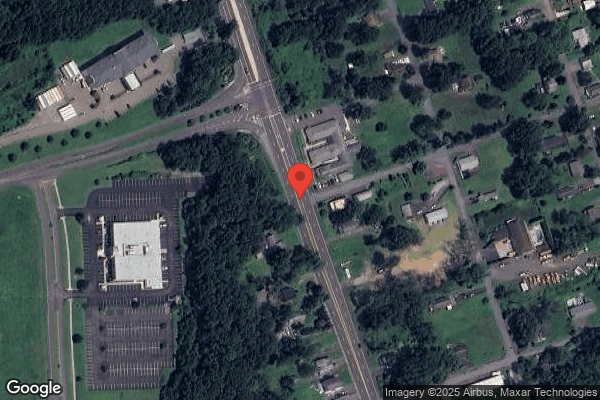
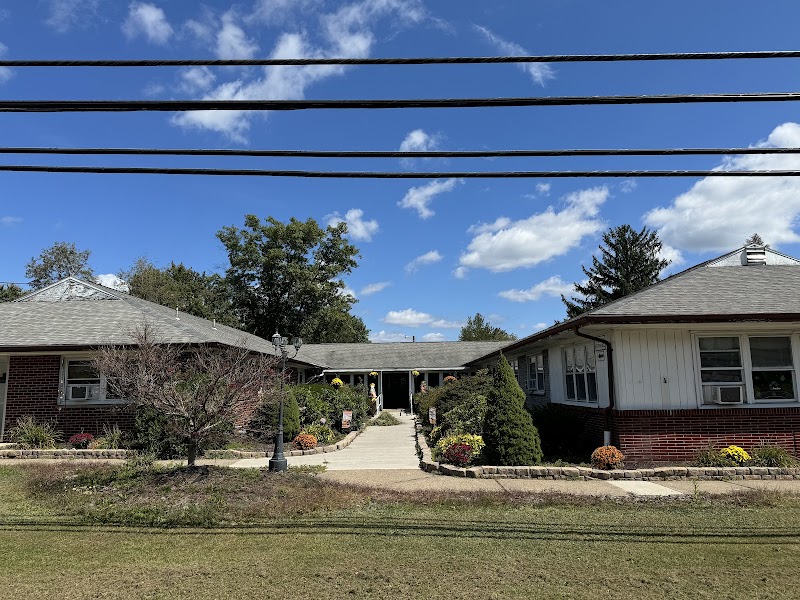
463 NORTH HUNTER HWY, DRUMS, PA 18222 (570) 788-4175
For profit - Corporation 37 Beds KADIMA HEALTHCARE GROUP Data: November 2025 2 Immediate Jeopardy citations
Trust Grade
0/100
#589 of 653 in PA
Last Inspection: January 2025

Within standard 12-15 month inspection cycle. Federal law requires annual inspections.

Overview

Kadima Rehabilitation & Nursing at Luzerne has received a Trust Grade of F, indicating significant concerns about the facility's overall care and management. With a state ranking of #589 out of 653, they are in the bottom half of nursing homes in Pennsylvania, and at #19 out of 22 in Luzerne County, only a few local options are worse. Although the facility is showing some improvement, with issues decreasing from 21 to 16 over the past year, the high staff turnover rate of 100% is alarming compared to the state average of 46%. They also face serious financial scrutiny, having incurred $85,588 in fines, higher than 98% of facilities in Pennsylvania, suggesting ongoing compliance problems. Specific incidents, such as failing to provide adequate meals and improper food handling practices, put all residents at risk for nutritional deficiencies and foodborne illnesses, highlighting both critical weaknesses and the need for significant improvements in care standards.

Trust Score
F
0/100
In Pennsylvania
#589/653
Bottom 10%
Safety Record
High Risk
Review needed
Inspections
Getting Better
21 → 16 violations
Staff Stability
⚠ Watch
100% turnover. Very high, 52 points above average. Constant new faces learning your loved one's needs.
Penalties
✓ Good
$85,588 in fines. Lower than most Pennsylvania facilities. Relatively clean record.
Skilled Nurses
✓ Good
Each resident gets 57 minutes of Registered Nurse (RN) attention daily — more than average for Pennsylvania. RNs are trained to catch health problems early.
Violations
⚠ Watch
64 deficiencies on record. Higher than average. Multiple issues found across inspections.
★☆☆☆☆
1.0
Overall Rating
★★★☆☆
3.0
Staff Levels
★★★☆☆
3.0
Care Quality
★☆☆☆☆
1.0
Inspection Score
Stable
2024: 21 issues
2025: 16 issues

The Good

  • Full Sprinkler Coverage · Fire safety systems throughout facility
  • No fines on record

Facility shows strength in fire safety.

The Bad

1-Star Overall Rating

Below Pennsylvania average (3.0)

Significant quality concerns identified by CMS

Staff Turnover: 100%

53pts above Pennsylvania avg (47%)

Frequent staff changes - ask about care continuity

Federal Fines: $85,588

Well above median ($33,413)

Moderate penalties - review what triggered them

Chain: KADIMA HEALTHCARE GROUP

Part of a multi-facility chain

Ask about local staffing decisions and management

Staff turnover is very high (100%)

52 points above Pennsylvania average of 48%

The Ugly 64 deficiencies on record

2 life-threatening 1 actual harm
Jun 2025 5 deficiencies 2 IJ (2 facility-wide)
CRITICAL (L) 📢 Someone Reported This

A family member, employee, or ombudsman was alarmed enough to file a formal complaint

Immediate Jeopardy (IJ) - the most serious Medicare violation

Deficiency F0809 (Tag F0809)

Someone could have died · This affected most or all residents

⚠️ Facility-wide issue

Based on a review of facility policies, observations, and staff and resident interviews, it was determined that the facility failed to provide meals in accordance with resident needs and preferences t...

Read full inspector narrative →
Based on a review of facility policies, observations, and staff and resident interviews, it was determined that the facility failed to provide meals in accordance with resident needs and preferences to ensure adequate nutrition and hydration and failed to consistently provide bedtime snacks as required for 3 of 36 residents. This deficient practice resulted in a lack of nutritionally adequate meals for 36 of 36 residents in the facility, created the potential for nutritional deficiencies, and placed all residents in Immediate Jeopardy to their health and safety. Findings include: A review of the facility's undated policy titled Frequency of Meals revealed that each resident shall receive three meals daily as well as snacks in between meals. The policy indicated that bedtime snacks are routinely offered to residents based on preference and are documented in the electronic medical record. It also stated that no more than 14 hours should pass between the evening meal and breakfast unless a nourishing bedtime snack is provided. During the survey conducted on June 10 and 11, 2025, facility administration was repeatedly asked to provide documentation of an emergency meal plan and food inventory. However, no documentation was provided during the survey. On June 10, 2025, the facility's kitchen dishwasher was taken out of service due to unresolved sanitation issues. The three-compartment sink was noted to be non-operational due to a lack of sanitation chemicals. As of the June 11, 2025, breakfast meal, meals were served using disposable containers and utensils. A review of an email from the facility's part-time, remote Registered Dietitian (RD), dated June 10, 2025, at 9:44 PM, indicated approval of a menu substitution due to sanitation issues in the kitchen. However, the communication did not identify what items would be served or address the consistency or therapeutic needs of residents, such as pureed or gluten free diets. There was no documentation confirming the meals provided met the nutritional needs or physician-ordered dietary restrictions for the residents. On June 11, 2025, the scheduled Certified Dietary Manager (CDM) and cook failed to report for duty for the 6:00 AM to 6:00 PM shift. There was no qualified dietary staff present to prepare resident meals. At 8:30 AM on June 11, 2025, observations revealed that administrative staff were delivering meals to residents from a metal tiered cart. The breakfast consisted of mini muffins, applesauce, yogurt, cold cereal, juice, and milk. Four residents requiring puréed diets received a pouch of commercial baby food. a yogurt and fruit mix consisting of pureed bananas, pineapple, avocado and granola, containing approximately 100 calories. There was no evidence that the substitute breakfast provided adequate calories or nutrients or complied with the planned menu, which included: Cream of wheat Cheesy egg bake Banana bread Margarine Milk/one cup Coffee Observation of the lunch meal on June 11, 2025, at 12:30 PM revealed that residents received assorted lunch meat sandwiches, canned beets, fruit cups, potato chips or cheese curls, and a juice cup. The meal was served in Styrofoam containers. The planned lunch menu was beef fajitas, Spanish rice, Mexicali corn, a peanut cookie, and a roll. Residents were not offered menu choices or therapeutic diet accommodations. There was no documentation to verify that the meals served were nutritionally equivalent to the planned menu. During an interview conducted on June 11, 2025, at 11:00 AM, the Corporate Regional Director of Operations stated the facility's dietary staff walked out in April 2025. In response, the activity director and Employee 4 (nurse aide) agreed to temporarily assist in the kitchen until replacement staff could be hired. The Certified Dietary Manager (Employee 1) was hired on April 30, 2025, and a cook (Employee 2) was hired approximately one month prior to the survey. The Registered Dietitian (RD) had been hired on February 3, 2025, but resigned on May 30, 2025. The director stated the RD agreed to remain available on an as-needed basis, working remotely for up to 10 hours per week; however, she confirmed the RD did not physically come to the facility to oversee the dietary and nutrition program. At the time of the survey, only one cook was employed at the facility, and this individual, hired several weeks earlier, did not have any prior culinary experience. The director further stated the activity director and Employee 4 (nurse aide )would be scheduled to cook once their primary roles could be adjusted to accommodate all departmental staffing needs. She acknowledged these individuals had limited experience cooking in a skilled nursing facility and confirmed there was minimal oversight in the dietary department due to ongoing staffing challenges. Interviews conducted on June 11, 2025, revealed further concerns regarding snack service: At 1:00 PM, Resident 1 stated she had not been offered a bedtime snack in months and would like one. At 1:05 PM, Residents 2 and 3 also reported not receiving bedtime snacks for several months. At 2:00 PM, the activity director reported that snacks were stored in two locked cabinets and a locked refrigerator in the dining/activity room. She was unaware of any process to offer bedtime snacks consistently. At 2:15 PM, the Director of Nursing and Nursing Home Administrator stated they personally distributed bedtime snacks on June 10, 2025. However, there was no documentation to support this claim, and multiple residents reported that bedtime snacks had not been consistently provided. The DON stated that it was the responsibility of nursing staff to ensure that all residents were offered a bedtime snack. However, residents continued to state that staff do not offer snacks at bedtime. On June 11, 2025, the surveyor was informed upon arrival that both the facility's cook and Certified Dietary Manager (CDM) were absent and had not reported to work. As a result, the facility was unable to prepare or serve the planned breakfast meal to residents. In response, facility administration attempted to serve a limited breakfast consisting of cold cereal, milk, and other basic food items. For residents requiring texture-modified diets, including puréed diets, the facility substituted commercial baby food products, which provided only 100 calories per serving. There was no documentation or evidence that these substitutes were nutritionally equivalent or met therapeutic dietary needs. The facility did not have a contingency plan in place to ensure the timely and appropriate provision of meals when dietary staff were unavailable. No qualified cook was scheduled for the remainder of the day, placing the lunch and dinner meals for June 11, 2025, in further jeopardy. This failure to provide adequate meals placed all residents at risk for nutritional compromise. As a result of the facility's failure to ensure the provision of required meals, the survey team determined that a serious adverse outcome was likely, and the facility was unable to demonstrate that residents' dietary needs were being met. This condition was determined to constitute Immediate Jeopardy to resident health and safety. Immediate Jeopardy was identified on June 11, 2025, at 10:30 AM and the Immediate Jeopardy template was provided to the Nursing Home Administrator regarding the facility's failure to comply with regulatory guidelines which requires the facility to provide at least three meals daily at regular times, comparable to normal mealtimes in the community, in accordance with resident needs, preferences, requests, and care plans. The failure to ensure the availability of nutritionally adequate meals for all residents, especially those requiring therapeutic diets, resulted in serious risk of harm to residents with conditions such as diabetes, unintentional weight loss, dysphagia, and cognitive impairment. The facility was notified of the Immediate Jeopardy on June 11, 2025, at 10:30 AM. An acceptable immediate corrective action plan was received later that day at 2:00 PM. The plan included the following measures: Immediate Actions to Remove the Immediate Jeopardy: All residents received lunch on June 11, 2025. The meal was prepared by facility staff with prior food service experience. Puréed and special diet meals were prepared with guidance from the CDM and reviewed by nursing staff to ensure dietary accuracy. All residents were assessed by the RN Supervisor for signs of harm related to the altered breakfast meal. Assessments included vital signs, hydration status, and glucose monitoring for diabetic residents. No residents were found to have suffered harm. Repairs to the kitchen's three-compartment sink and dishwasher sanitation systems were completed by the facility's vendor. The kitchen was returned to full operational status. The regular facility menu was resumed for the dinner meal on June 11, 2025. Residents and/or their responsible parties were notified of the temporary menu changes and the use of disposable products. This communication was documented in the clinical record. Facility staff with documented training in food safety and meal preparation continued to prepare and serve meals according to the approved menu. Although the department was typically staffed with two full-time cooks, only one full-time cook remained on staff. Four cross-trained and competent employees were placed on a two-week rotating schedule to provide consistent support to the cook. Facility department heads were cross-trained and deemed competent to assist in kitchen operations during staffing emergencies. Documentation of each meal served, including who prepared it and what was provided, was initiated to ensure accountability. The Immediate Jeopardy was removed on June 11, 2025, at 4:00 PM following verification that the corrective actions had been implemented. 28 Pa. Code 201.14(a) Responsibility of licensee. 28 Pa. Code 201.18 (e)(1)(2.1)(3) Management. 28 Pa. Code 211.6(a) Dietary Services.
CRITICAL (L) 📢 Someone Reported This

A family member, employee, or ombudsman was alarmed enough to file a formal complaint

Immediate Jeopardy (IJ) - the most serious Medicare violation

Food Safety (Tag F0812)

Someone could have died · This affected most or all residents

⚠️ Facility-wide issue

Based on a review of facility policies, manufacturer instructions for use, staff interviews, and observations, it was determined that the facility failed to follow safe and sanitary food handling prac...

Read full inspector narrative →
Based on a review of facility policies, manufacturer instructions for use, staff interviews, and observations, it was determined that the facility failed to follow safe and sanitary food handling practices during the washing, sanitizing, and preparation of cooking equipment, dishware, tableware, and utensils in the facility's kitchen. This failure resulted in the improper sanitization of food-contact surfaces, created an increased potential for foodborne illness, and placed 36 out of 36 residents in a condition of Immediate Jeopardy to their health and safety. Findings include: Food safety and inspection standards for safe food handling indicate that everything that comes in contact with food must be kept clean and food that is mishandled can lead to foodborne illness. Safe steps in food handling, cooking, and storage are essential in preventing foodborne illness. You cannot always see, smell, or taste harmful bacteria that may cause illness according to the USDA (The United States Department of Agriculture, also known as the Agriculture Department, is the U.S. federal executive department responsible for developing and executing federal laws related to food). The Food and Drug Administration (FDA) requires commercial food service establishments to clean and sanitize all equipment and utensils that come into contact with food using an effective two-step process: cleaning (removal of debris) and sanitizing (elimination of microorganisms). During a tour of the dietary department on June 10, 2025, at 11:30 AM, observations revealed the facility's low-temperature dish machine and three-compartment sink were both in use. The dish machine requires chlorine-based sanitizer at a concentration between 50-100 parts per million (ppm) per manufacturer instructions. The three-compartment sink system (comprised of a wash, rinse, and sanitize basin) is intended for manual dishwashing, with the sanitizing compartment requiring 200-400 ppm of quaternary ammonium solution, with a required soak time of at least 60 seconds and subsequent air-drying. A review of the facility's undated policy titled Low Temperature Dish Machine Temperatures and Sanitizer Testing revealed procedures intended to ensure effective cleaning and sanitization of dishware through the facility's commercial dish machine. According to the policy, the required temperature range for the wash and rinse cycle is 120-140 degrees Fahrenheit. The sanitizer used in the final rinse is expected to reach a concentration of 50 parts per million (PPM) of chlorine. The policy outlines the following procedures: 1. The dish machine is to be refilled with water at the start of each cycle. 2. A test run must be completed before placing any dishes into the machine. If the machine achieves the minimum required temperature, the result must be recorded on the dish machine temperature and sanitizer monitoring log. 3. If the required temperature is not achieved, an additional test cycle is to be conducted. If the machine still fails to meet the required temperature, the Dining Services Manager and/or Administrator must be notified, and no dishware is to be processed until the issue is corrected. 4. Sanitizer levels are to be tested at each meal service using chlorine test strips. Testing is to occur during the rinse/sanitizing phase of the machine's first test cycle. The chlorine concentration result must be documented on the log. If the reading falls outside the target range of 50 PPM, the Dining Services Manager and/or Administrator is to be notified immediately for corrective action. In addition to the dish machine, the facility utilizes a three-compartment sink for the manual cleaning and sanitization of cooking and eating utensils. The three-sink method is the manual procedure for cleaning and sanitizing dishes in commercial settings. Rather than providing additional workspace to perform the same function, the three compartments allow kitchen staff to wash, rinse, and sanitize dishes. Each step has its own set of rules and requirements. The FDA requires commercial foodservice establishments to both clean and sanitize their dishes in their manual washing process. Three compartment sinks have a logical order to help properly clean and sanitize dishes. While those who misunderstand the terms use them interchangeably, cleaning and sanitizing refer to two separate functions. Cleaning is the act of removing surface debris, and sanitizing is the act of using a chemical agent or hot water to eliminate invisible bacteria. Label each sink to help staff remember the FDA required three compartment sink order. The three-compartment sink process follows a standardized sequence: Sink 1 (Wash): Dishes are scrubbed in warm, soapy water at a minimum temperature of 110°F to remove debris. Sink 2 (Rinse): Items are rinsed in clean water, also at a minimum temperature of 110°F, to remove detergent. Sink 3 (Sanitize): Dishes are soaked in a chemical sanitizing solution. The facility uses a quaternary ammonium solution requiring a concentration between 200-400 PPM with a soak time of at least 60 seconds. Air-Dry: All items are to be air-dried following sanitization. Towel drying is not permitted, as it may result in recontamination. The process for washing utensils by hand consists of five essential steps: scraping excess food, washing in warm detergent, rinsing in clean water, soaking in sanitizer, and air-drying. Labeling each sink helps ensure adherence to this critical workflow and minimizes the risk of cross-contamination. A review of an undated facility policy titled Manual Dishwashing confirmed these expectations. The policy states that all eating and drinking utensils, as well as food-contact surfaces of equipment, must be thoroughly washed, rinsed, and sanitized as outlined below: 1. Equipment and utensils are to be washed in warm detergent solution and rinsed free of residue. 2. Items must be sanitized by immersion in a sanitizing solution for at least one minute. 3. All sanitized items must be air-dried. 4. Sanitizer concentration must be verified using appropriate test strips, with a target of 200 PPM for quaternary ammonium solution. 5. A log will be maintained any time manual dish washing is completed. The log will record the validation of sanitizer strength using chlorine test strips. An interview conducted with Employee 1, the Certified Dietary Manager, revealed that the facility's dishwashing machine had been in continuous use since her start date on April 30, 2025. She confirmed the machine is a low-temperature commercial dishwasher, which relies on chemical sanitization rather than high heat to clean and disinfect dishware. Employee 1 stated that sanitizer test strips, which are used to verify the concentration of the sanitizing agent during the rinse cycle, could not be located. She further explained that sanitizer concentration checks are expected to be performed several times daily, yet acknowledged there was no documentation available to confirm that such testing had occurred. At the time of the survey, no temperature or sanitizer level logs were provided. She also reported being unaware of any staff performing or documenting testing of the dishwasher during her employment. Employee 1 indicated that she works in the kitchen Monday through Friday from 7:00 a.m. to 3:00 p.m. Simultaneous observation of the three-compartment sink on June 10, 2025, revealed that the rubber hoses connecting both the dish detergent and sanitizer dispensers were missing, and no sanitizer agent was present in the kitchen. As a result, the sanitizer compartment of the sink could not function as designed. At approximately 11:45 AM, Employee 2 (cook) was observed preparing the lunch meal. While wearing gloves, he placed dirty pots and kitchen utensils into the first compartment of the sink, rinsed them, and then transferred the items into the dishwashing machine. After running the machine, he moved to the clean side and removed the washed items with the same gloved hands. He then returned to the stove and proceeded to drain a large pot of cooked vegetables directly into the first compartment of the sink-the same compartment used moments earlier for rinsing soiled cookware. The sink was not cleaned or disinfected before or after draining the vegetables. Employee 2 then resumed cooking without removing or changing gloves or washing his hands. Following this, Employee 2 retrieved a large container of raw ground beef, removed the plastic wrap, and placed the meat into a mixing bowl using the same gloved hands. He then accessed the spice shelf above the preparation area, removed three individual spice containers, opened each one, added the spices to the meat, and returned the containers to the shelf. Still wearing the same gloves, he manually mixed the raw meat, opened the oven, stirred a pan of food already cooking, and transferred portions of the seasoned ground beef into a frying pan. After cooking the beef, he placed half of it into a serving pan on the steam table and transferred the other half into a blender. He carried the blender to the sink, turned the faucet on and off, added a thickening agent from a bag, and blended the mixture. The pureed product was then poured into a second serving pan on the steam table. At approximately 12:30 PM, Employee 2 served the prepared food to residents from the steam table. Throughout the entire process, from handling dirty utensils, cooked vegetables, and raw meat to preparing and serving the meal, Employee 2 did not change his gloves or wash his hands at any time. At approximately 12:30 PM, the Maintenance Director and the Facility Administrator were notified of the concerns related to the dishwashing and sanitization system. The Maintenance Director immediately inspected the three-compartment sink, the dishwashing machine, and the chemical storage area located in the basement directly beneath the kitchen. During the inspection, he confirmed that the sanitizer was not connected to the three-compartment sink. He was unable to explain why the rubber hoses that supply chemicals to the sink had been removed. He further explained that the dishwashing machine receives its sanitizing chemicals through tubing that runs from the basement chemical storage area into the machine. However, he acknowledged that the tubing in the basement was unlabeled and disorganized, and stated that the wrong chemical had likely been dispensed into the dish machine as a result. The Maintenance Director reported that the dietary department was responsible for monitoring and testing the chemical levels but was unable to provide the manufacturer's user guide or technical specifications for the dishwashing machine at the time of the survey. He stated that the facility used a split system, meaning that multiple chemicals were distributed to both the dish machine and the three-compartment sink. To evaluate the system, he reported conducting a dye test to trace the chemical tubing and identify where each line was connected. Following his inspection, he reconnected the chemical supply hoses to the three-compartment sink and confirmed that chemical dispensing to the dish machine was properly restored. In an interview conducted at 12:45 PM on June 10, 2025, Employee 3 (Dietary Aide), who had been employed at the facility for approximately one month, stated that the soap and sanitizer had not been connected to the three-compartment sink since the beginning of her employment. She confirmed that the sink was regularly used to wash and rinse pots, pans, and to drain food items, but no sanitizing step was performed. She further stated that she did not know who was responsible for maintaining or testing the chemical sanitizers for either the sink or the dishwashing machine. At approximately 1:30 PM that same day, Employee 2 (Cook) reported that he had also been employed at the facility for one month. He stated he was originally hired as a dietary aide and received no education on the sanitation process, including how to properly use the dishwasher or three-compartment sink. He was unable to explain why he failed to wash his hands or change gloves during meal preparation and stated, I didn't know. He further disclosed that he was made the cook after the prior kitchen staff walked out shortly after he was hired. During an interview June 10, 2025, at 2:00 PM, the Nursing Home Administrator stated the dishwasher is leased. He was unable to provide the lease agreement or a maintenance schedule. It could not be determined when the dishwasher was last inspected as part of routine maintenance. On June 11, 2025, at approximately 11:00 AM, a service technician from the dishwasher leasing company inspected the unit. He confirmed that the chemicals were correctly connected at the time of his inspection and verified that the machine was functioning properly, including dispensing chemicals at appropriate sanitization levels. However, he clarified that the sanitization systems for the dishwasher and three-compartment sink were not part of a shared split system, as previously stated by the Maintenance Director, noting that each system required a different parts-per-million (PPM) concentration. The technician was unable to verify the history of prior maintenance visits to the facility. Additionally, an environmental observation of the kitchen conducted between 11:00 AM and 3:00 PM on June 10, 2025, revealed unsanitary conditions. The floors were coated with a thick, black, sticky film, and debris including used gloves, paper, and plastic waste was present underneath the three-compartment sink. Uncovered garbage cans were positioned next to the food preparation and coffee/condiment stations. Food residue and staining were noted on the stainless-steel tables, sinks, and the exterior of the dishwasher. Numerous plates, bowls, and coffee cups were visibly soiled with dried food particles, and the silverware was similarly soiled. An ice machine in the dining room had heavy lint covering the two exterior filters. Immediate Jeopardy was identified and called on June 10, 2025, at 5:40 PM and the Immediate Jeopardy template was provided to the Nusing Home Administrator regarding the facility's failure to follow proper sanitation practices while cleaning and sanitizing food preparation equipment, cooking utensils, dishware, and tableware. These failures resulted in the improper sanitization of items used in the preparation and service of food to residents, thereby placing all residents at risk for foodborne illness. In response, the facility submitted an immediate corrective action plan at 8:00 PM on June 10, 2025. The plan included the immediate removal of both the low-temperature dishwasher and the three-compartment sink from service. Disposable dishware, utensils, and cups were implemented for all resident meals. All food preparation and cooking surfaces were thoroughly cleaned and sanitized using an EPA-registered food-contact surface sanitizer. The chemical vendor was contacted for an on-site visit on June 11, 2025, to assess and correct the chemical delivery system. Sanitizer supply lines were connected, labeled, and tested to ensure accurate chemical dispensing. Manufacturer-recommended test strips were used to verify that the low-temperature dishwasher dispensed sanitizer at the required concentration of 50-100 parts per million (ppm) chlorine, and that the three-compartment sink's sanitizer compartment achieved the required 200 ppm quaternary ammonium solution. Multiple cycles were run through the dish machine using indicator strips to confirm consistent sanitizer concentration. A qualified food safety consultant or chemical vendor technician verified proper function of the system and issued written confirmation of compliance. Equipment was returned to service only after full verification. On June 11, 2025, dietary staff were re-educated on proper procedures, including the use and testing of sanitizer concentrations in both dish machines and manual sinks, cross-contamination prevention (specifically prohibiting food preparation in the sink), and correct test strip usage with required ppm ranges. Competency was verified through return demonstrations, and all staff training was documented and retained in the dietary department's records. The facility also implemented a monitoring and oversight plan. Beginning June 11, 2025, a designated supervisor, either the Dietary Manager or the Infection Preventionist, was assigned to observe and document sanitizer concentration testing three times daily for seven days, and then daily for an additional 30 days. The assigned supervisor was also responsible for reviewing and initialing test strip logs each shift and conducting random inspections of sanitized dishware to assess for cleanliness and residue. An inventory check was performed, and all necessary test strips and chemical supplies were reordered to ensure ongoing availability. Policies and procedures related to sanitization and kitchen practices were reviewed and revised as needed. The Immediate Jeopardy was lifted on June 11, 2025, at 4:10 PM, after verification that the corrective action plan had been fully implemented. 28 Pa. Code 201.14(a) Responsibility of licensee. 28 Pa. Code 201.18 (e)(1)(2.1)(3) Management. 28 Pa. Code 211.6 (a)(f) Dietary Services.
CONCERN (E) 📢 Someone Reported This

A family member, employee, or ombudsman was alarmed enough to file a formal complaint

Potential for Harm - no one hurt, but risky conditions existed

Menu Adequacy (Tag F0803)

Could have caused harm · This affected multiple residents

Based on a review of the facility's planned cycle menus, staff interviews, and observations, it was determined the facility failed to ensure meals were prepared and served in accordance with planned m...

Read full inspector narrative →
Based on a review of the facility's planned cycle menus, staff interviews, and observations, it was determined the facility failed to ensure meals were prepared and served in accordance with planned menus to meet the nutritional needs and specialized dietary requirements for 14 residents. Specifically, the facility failed to follow planned menus for 4 of 4 residents requiring a pureed diet (Residents 11, 12, 4, and 5), 9 of 9 residents requiring a mechanical ground diet (Residents 13, 14, 15, 16, 17, 18, 19, 20, and 21), and 1 of 1 resident requiring a gluten-free diet (Resident 2). Findings included: A review of the planned lunch menu for June 10, 2025, revealed the listed items included beef steak and peppers (2 oz), a vegetable blend (1/2 cup), Texas toast (1/2 slice), and gelatin with fruit. Further review of the facility's diet extension menu for that day indicated the pureed diet (a method for turning solid foods into a smooth, creamy, or paste-like consistency for residents with a chewing or swallowing problem) should have included pureed beef pepper steak, pureed vegetables, pureed Texas toast, and fruited gelatin. The mechanical ground diet was to include ground pepper steak, soft vegetables, half a slice of Texas toast, and fruited gelatin. An observation of the lunch meal preparation on June 10, 2025, at approximately 12:00 PM revealed that Employee 2, cook, used a large amount of ground beef mixed with spices, cooked the mixture in a frying pan, and then placed an unmeasured amount of the cooked beef into a blender. He added an unmeasured amount of tap water and later a thickening agent without measuring. The resulting mixture was blended and placed into the steam table for service as the pureed entrée. In addition to this, mashed potatoes were also present on the steam table. An observation of the lunch meal service June 10, 2025, from approximately 12:15 PM to 1:00 PM, Residents 11, 12, 4, and 5 were observed receiving a pureed meal consisting of pureed ground beef (not puree pepper steak), pureed carrots, mashed potatoes, and gelatin without fruit. These food items were not consistent with the pureed menu for that day. During an interview conducted on June 10, 2025, at 2:00 PM, Employee 2 stated that he added mashed potatoes to the pureed meals because he believed the residents needed something else on the plate. He acknowledged that he omitted the pureed Texas toast because he did not know how to prepare it and could not explain why the gelatin did not include fruit. An observation conducted on June 10, 2025, between 12:15 PM and 1:00 PM revealed that Residents 13, 14, 15, 16, 17, 18, 19, 20, and 21 received meals inconsistent with the facility's posted menu and their prescribed diet texture. A review of the residents' tray tickets indicated that all were to receive a mechanical soft texture diet. A mechanical soft diet is a texture-modified diet intended for individuals who have difficulty chewing or swallowing; foods on this diet are typically finely chopped or ground to make them easier to consume. The planned lunch menu extensions for June 10, 2025, specified that residents on a mechanical soft diet were to receive chopped pepper steak, chopped carrots, and gelatin with fruit. However, direct observation revealed that the residents were instead served chopped fried ground beef, whole carrots, a slice of Texas toast, and plain gelatin without fruit. The omission of the correct entrée, substitution of ingredients, and failure to provide fruit in the gelatin were not consistent with the planned menu or prescribed dietary modifications. In a separate interview on June 10, 2025, at 12:15 PM, Employee 1, the Certified Dietary Manager (CDM), confirmed a discrepancy between the planned portion size of beef steak and peppers, listed as 2 oz on the menu and 6 oz on resident tray tickets. She confirmed that when she orders the food weekly, in advance of the meals she relies on the serving size to determine the amount needed to be ordered. She stated that in this case she ordered a 4 oz portion size for the meal, which she believed was an acceptable compromise. She stated that She acknowledged that she did not consult the facility's Registered Dietitian (RD) regarding the discrepancy because he works remotely and has limited availability. She further confirmed there was insufficient beef steak and peppers available, which led to substitution with ground beef. She acknowledged that the cook did not follow facility recipes, and that he had only been cooking for three weeks. She also confirmed that fruit was not included in the gelatin dessert, contrary to the menu. She confirmed that the facility failed to follow the planned menus. The diet on the facility menu exchange for June 10, 2025, entitled Gluten free (gluten-free diet involves excluding foods that contain gluten, a protein found in wheat, barley, rye, and spelt, foods to avoid includes bread, pasta, cereals, and many processed foods) revealed that no alternative food items were listed for the lunch meal. An observation of lunch service on June 10, 2025, revealed that Resident 2, who requires a gluten-free diet, received the standard menu items, including steak and peppers, mixed vegetables, Texas toast, and gelatin without fruit. During an interview on June 10, 2025, at 2:00 PM, Resident 2 stated that the facility refused to accommodate her gluten allergy and informed her she would have to purchase her own gluten-free food. She stated that she had limited funds and was unable to afford to consistently supply her own food items. During an interview on June 10, 2025, at approximately 2:00 PM, Employee 1, CDM, confirmed that Resident 2 had purchased her own gluten-free bread. She stated that the facility occasionally had gluten-free pasta available but acknowledged that there was no formal gluten-free menu to meet the resident's dietary needs. The facility failed to follow planned menus and ensure residents received meals in accordance with their prescribed dietary needs. 28 Pa. Code 201.14(a) Responsibility of licensee. 28 Pa. Code 211.6 (a) Dietary Services.
CONCERN (E) 📢 Someone Reported This

A family member, employee, or ombudsman was alarmed enough to file a formal complaint

Potential for Harm - no one hurt, but risky conditions existed

Deficiency F0804 (Tag F0804)

Could have caused harm · This affected multiple residents

Based on observations, test tray evaluation, review of resident concern forms, and resident and staff interviews, it was determined the facility failed to ensure foods were served at safe and palatabl...

Read full inspector narrative →
Based on observations, test tray evaluation, review of resident concern forms, and resident and staff interviews, it was determined the facility failed to ensure foods were served at safe and palatable temperatures for residents consuming regular diets identified for 1 test tray and 7 of 7 residents (Residents 1, 3, 6, 7,8, 9, and 10) who voiced concerns related to food temperature, palatability, or meal service timeliness. Findings include: According to the federal regulation 483.60(i)-(2) Food safety requirements - the definition of Danger Zone, found under the Definitions section, is food temperatures above 41 degrees Fahrenheit and below 135 degrees Fahrenheit that allow rapid growth of pathogenic microorganisms that can cause foodborne illness. A review of facility resident concern forms revealed recurring complaints related to food temperature, palatability, and timeliness of meal service: On April 22, May 11, and May 29, 2025, Resident 6 complained of cold food and poor taste. On April 25, 2025, Resident 3 reported unpalatable food and small portion sizes. On April 25, 2025, Resident 7 complained of receiving cold food. On April 29, 2025, Resident 9 voiced concerns about cold food and poor food quality. On April 16, 2025, Resident 10 expressed dissatisfaction with late meals, cold temperatures, and poor taste. On May 5 and May 21, 2025, Resident 1 complained of late meal delivery, poor food temperature, and lack of flavor. A review of the facility's posted meal service schedule revealed that lunch for the first hall and dining room cart was scheduled for 12:15 PM, and the second hall and dining room cart was scheduled for 12:30 PM. Observation of the kitchen tray line on June 10, 2025, at 12:30 PM, revealed that the first hallway and dining room cart (Cart One) did not leave the kitchen until 12:45 PM, and Cart Two did not leave the kitchen until 1:05 PM. Further observation on the nursing unit at approximately 1:15 PM showed staff pushing a cart of meal trays from the hallway into the dining room. The last tray was served to residents at approximately 1:35 PM. Residents had been seated in the dining room since approximately 11:30 AM. A test tray evaluated in the presence of the Certified Dietary Manager (CDM) at 1:37 PM on June 10, 2025, revealed the following food temperatures: Beef and pepper entrée: 124°F Mixed vegetables: 114.7°F Beef gravy: 90°F Texas toast: 65°F Coffee: 149°F The beef and pepper entrée was bland and tough to chew. The vegetables were bland and mushy in consistency, and the Texas toast was hard and difficult to chew. During an interview on June 10, 2025, at 2:00 PM, Resident 1 stated that she eats her meals in her room and frequently receives food that is cold, unappetizing, or does not match the posted menu or her meal ticket. She indicated that dietary staff had previously spoken to her in response to her concern forms and assured her the issues would be addressed; however, the problems persisted as of the survey date. An interview conducted with Employee 1 (CDM) on June 10, 2025, at approximately 1:45 PM, confirmed the facility failed to ensure that meals were served at temperatures that are palatable and in accordance with regulatory guidelines. 28 Pa. Code 201.14(a) Responsibility of licensee. 28 Pa. Code 201.18 (e)(3) Management. 28 Pa. Code 211.6(a)Dietary services.
CONCERN (F) 📢 Someone Reported This

A family member, employee, or ombudsman was alarmed enough to file a formal complaint

Potential for Harm - no one hurt, but risky conditions existed

Deficiency F0801 (Tag F0801)

Could have caused harm · This affected most or all residents

Based on staff interview and a review of employee credentials, it was determined the facility failed to ensure the registered dietitian (RD) provided the required on-site oversight of the food and nut...

Read full inspector narrative →
Based on staff interview and a review of employee credentials, it was determined the facility failed to ensure the registered dietitian (RD) provided the required on-site oversight of the food and nutrition services department. Findings include: According to current federal regulatory guidance the facility must employ sufficient staff with the appropriate competencies and skills sets to carry out the functions of the food and nutrition service, taking into consideration resident assessments, individual plans of care and the number, acuity, and diagnoses of the facility's resident population in accordance with the facility assessment. In the absence of a full-time qualified dietitian the director of food and nutrition services the facility must designate a person to serve as the director of food and nutrition services. The director of food and nutrition services must at a minimum meet one of the following qualifications- (A) A certified dietary manager; or (B) A certified food service manager; or (C) Has similar national certification for food service management and safety from a national certifying body; or D) Has an associate's or higher degree in food service management or in hospitality, if the course study includes food service or restaurant management, from an accredited institution of higher learning; or (E) Has 2 or more years of experience in the position of director of food and nutrition services in a nursing facility setting and has completed a course of study in food safety and management, by no later than October 1, 2023, that includes topics integral to managing dietary operations including, but not limited to, foodborne illness, sanitation procedures, and food purchasing/receiving; and must receive frequently scheduled consultations from a qualified dietitian or other clinically qualified nutrition professional. A review of a facility provided job description for the Registered Dietitian indicated that the primary purpose of the position is to implement, coordinate, and evaluate the medical nutrition therapy for the residents, provide resident, and family education, provide nutritional assessment and consultation to assist planning, organizing, and directing the food and nutritional services of the facility. Functions of the RD included to perform administrative duties such as completing necessary forms, reports, evaluations, studies, etc., to assure control of the Food Service Department, inspect food storage rooms, utility/janitorial closets, etc., for upkeep and supply control, participate in facility surveys (inspections) made by authorized government agencies, assist in developing methods for determining quality and quantity of food served, and participate in Quality Assurance programs, and any facility committee or program, which seeks to improve the performance or accuracy of resident care. The part-time registered dietitian's role does not include on-site oversight or consultation to the food and nutrition services department. During an interview conducted on June 10, 2025, at 11:00 AM, the Nursing Home Administrator (NHA) confirmed the facility's full-time RD was hired on February 3, 2025, and resigned on May 30, 2025. The NHA stated that since the resignation, Employee 5, a registered dietitian, agreed to provide services remotely for approximately 10 hours per week. The NHA confirmed the RD had a full-time job elsewhere and was not available to the facility during regular day shift hours (8:00 AM to 4:00 PM). All dietary documentation and nutritional assessments from May 30, 2025, to the time of the survey were completed remotely. The NHA also confirmed that the corporate RD did not conduct on-site supervisory oversight of the food and nutrition services department, including staff training, direct observation of residents for nutritional assessments, or monitoring of meal services. The facility failed to ensure compliance with federal requirements by not providing the necessary on-site oversight and consultation by a qualified dietitian or clinically qualified nutrition professional. This failure created the potential for inadequate monitoring and coordination of food and nutrition services necessary to meet residents' clinical and nutritional needs. 28 Pa. Code 201.14(a) Responsibility of licensee. 28 Pa Code 201.18 (b)(1)(3)(e)(1)(6) Management.
Apr 2025 3 deficiencies
CONCERN (D) 📢 Someone Reported This

A family member, employee, or ombudsman was alarmed enough to file a formal complaint

Potential for Harm - no one hurt, but risky conditions existed

Transfer Notice (Tag F0623)

Could have caused harm · This affected 1 resident

Based on review of clinical records, written notices of facility-initiated transfers, and staff interviews, it was determined that the facility failed to provide sufficiently detailed written notices ...

Read full inspector narrative →
Based on review of clinical records, written notices of facility-initiated transfers, and staff interviews, it was determined that the facility failed to provide sufficiently detailed written notices of facility-initiated hospital transfers to the resident and the resident's representative for one of five residents sampled (Resident 1), by failing to identify the reason for the move in writing. Findings include: A review of the clinical record for Resident 1 revealed the following facility-initiated hospital transfers: On February 3, 2025, Resident 1 was transferred to the hospital and returned to the facility on February 10, 2025. On February 10, 2025, the resident was again transferred to the hospital and returned to the facility on February 12, 2025. On February 24, 2025, the resident was transferred to the hospital and was discharged from the facility at the time of the survey. A review of the clinical record and facility documentation revealed no evidence that written notices were provided to Resident 1 or the resident's representative for the above transfer dates. Specifically, the notices failed to include: The reason(s) for the transfer. The contact information for the Office of the State Long-Term Care Ombudsman. If applicable, the contact information for the agency responsible for the protection and advocacy of individuals with developmental disabilities or mental illness. An interview conducted with the Nursing Home Administrator (NHA) and Director of Nursing (DON) on April 17, 2025, at approximately 1:00 PM confirmed the facility was unable to produce documentation showing that a written notice, as required by regulation, had been provided to either Resident 1 or the resident's representative for the transfers noted above. 28 Pa. Code 201.14(a) Responsibility of license 28 Pa. Code 201.29(a) Resident rights
CONCERN (D) 📢 Someone Reported This

A family member, employee, or ombudsman was alarmed enough to file a formal complaint

Potential for Harm - no one hurt, but risky conditions existed

Deficiency F0625 (Tag F0625)

Could have caused harm · This affected 1 resident

**NOTE- TERMS IN BRACKETS HAVE BEEN EDITED TO PROTECT CONFIDENTIALITY** Based on a review of clinical records and the facility's bed hold policy and staff interview it was determined the facility fail...

Read full inspector narrative →
**NOTE- TERMS IN BRACKETS HAVE BEEN EDITED TO PROTECT CONFIDENTIALITY** Based on a review of clinical records and the facility's bed hold policy and staff interview it was determined the facility failed to provide written notice of the specifics of the facility's bed hold policy to the resident, responsible party or legal representative at the time of the transfer, to include the duration and reserve bed payment for one resident out of five sampled (Resident 1). Findings include: A review of a facility policy for bed hold (no policy review date available at the time of the survey) revealed, for Medicaid residents, the bed will be held while a resident is in the hospital or on therapeutic leave. Medicaid pays for hospitalization of 15 days and therapeutic leave of 30 days. The resident is allowed to return to the facility in this time frame. If there is no bed available at the facility, on the date of hospital discharge, the facility will make every effort to place the resident in a local facility. A review of Resident 1's clinical record revealed the resident was admitted to the facility on [DATE]. A review of an admission Minimum Data Set assessment (MDS a federally mandated standardized assessment conducted at specific intervals to plan resident care) indicated that the resident was severely cognitively impaired with a BIMS score of 3 (brief interview for mental status, a tool to assess the resident's attention, orientation and ability to register and recall new information, a score of 0 to 7 indicating severe, cognitive impairment) and a diagnosis of dementia and a history of alcohol abuse. Further review of the record revealed that Resident 1 had been adjudicated incapacitated by the court on April 4, 2023, with a guardian appointed to oversee both medical and financial decisions. At the time of the survey, only the first page of the four-page guardianship order was present in the clinical record. During an interview with the Director of Social Services on April 17, 2025, at 11:00 AM, she acknowledged the complete guardianship order was not on file and confirmed she had to contact the guardian during the survey to obtain the remaining pages, which were subsequently placed in the record. Review of the admission agreement including decisions for care and treatment provided by the facility, dated April 22, 2024, revealed it included information regarding resident transfers and the facility's bed-hold policy. The agreement was signed by Resident 1; however, there was no documented evidence that the court-appointed guardian had reviewed or signed the agreement, nor that a copy of the agreement and the facility's bed-hold policy had been provided to the guardian upon admission. Resident 1 was transferred to the hospital on three occasions: February 3, 2025; February 10, 2025; and February 24, 2025. There was no documented evidence that the resident's guardian was provided written notice at the time of transfer or within 24 hours of transfer, detailing the facility's bed-hold policy, including the duration of the bed-hold, if any; any associated reserve bed payment agreement; or the resident's right to return to the next available bed. The facility failed to provide written bed-hold information to the representative of a resident who had a documented diagnosis of dementia, was severely cognitively impaired, and had been legally declared incapacitated. This information is critical to ensuring the resident's representative can make informed decisions regarding the resident's care and potential return to the facility. During an interview with the Nursing Home Administrator (NHA) on April 17, 2025, at approximately 11:15 AM, the NHA stated that the business office manager (BOM) was responsible for issuing bed-hold information. She further reported the facility had not had a BOM for a long time and was unable to provide the previous BOM's dates of employment. The NHA confirmed the facility did not issue any written notice of its bed-hold policy to the resident's representative at the time of Resident 1's hospital transfers on the dates noted above. 28 Pa Code 201.18 (b)(1) Management 28 Pa Code 201.29 (b)Resident rights
CONCERN (D) 📢 Someone Reported This

A family member, employee, or ombudsman was alarmed enough to file a formal complaint

Potential for Harm - no one hurt, but risky conditions existed

Safe Transfer (Tag F0626)

Could have caused harm · This affected 1 resident

Based on review of clinical records, facility policy provided to residents upon transfer from the facility, and interview with facility staff revealed the facility failed to demonstrate the implementa...

Read full inspector narrative →
Based on review of clinical records, facility policy provided to residents upon transfer from the facility, and interview with facility staff revealed the facility failed to demonstrate the implementation of specifically delineated procedures for Medicaid payor source bed holds and the provision of notices of the facility's bed hold policy in an understandable language that allow a resident to return to the facility after a transfer to the emergency room for one resident out of five reviewed. (Resident 1). Findings include: A review of the facility's policy titled Bed Reservations for Medicaid Covered Residents (no policy revision date noted) indicated that Medicaid residents are permitted a maximum of 15 consecutive bed-hold days per hospitalization. The policy further states that residents shall be allowed to return to the nursing facility immediately upon the first availability of a bed in a semi-private room, provided the resident continues to require the facility's services. A review of Resident 1's clinical record revealed the resident was covered under a Medicaid managed care plan and was transferred to the hospital on February 24, 2025, for behavioral concerns, including physical aggression toward staff. Nursing documentation on that date described the resident as increasingly agitated, unresponsive to redirection, and having physically assaulted a nurse. The physician and emergency services were contacted, and the resident was sent to the emergency department at 7:51 AM. Despite the facility's policy and the resident's Medicaid status, there was no documented evidence that a written notice of the facility's bed-hold or readmission policy, specifically regarding the 15-day Medicaid bed-hold entitlement, was provided to the resident or the resident's representative at the time of transfer. There was no evidence the resident or responsible party was informed in writing about their rights to return, nor any indication that they accepted or declined a bed hold. Social service notes dated February 26 and 27, 2025, documented that attempts were made to place Resident 1 in other facilities due to his behaviors. All contacted facilities declined to accept the resident. The clinical record from February 28 through March 10, 2025, indicated the resident remained hospitalized , with no documented discharge plan from the facility. Documentation submitted during the survey included multiple emails from hospital staff between February 25 and March 11, 2025, requesting that Resident 1 be readmitted . On February 25, 2025, the facility's corporate admissions representative stated the resident would not be accepted back until specific conditions were met: no need for one-to-one supervision or video monitoring, no use of PRN (as needed) medications or restraints, and a minimum of 72 hours free from behavioral interventions. Despite continued requests from the hospital through March 11, 2025, the facility did not permit the resident's return. There was no evidence of clinical reassessment or documented evaluation by the facility regarding its ability to meet Resident 1's care needs. The facility did not demonstrate efforts to coordinate with the hospital to plan for the resident's return. Furthermore, there were no transfer or discharge planning documents completed by the facility, and the resident's record did not include documentation of the decision to decline or accept a bed-hold. During an interview on April 17, 2025, the Nursing Home Administrator and Director of Nursing confirmed that the resident was initially admitted per corporate directive. Both acknowledged the resident had a history of aggressive behaviors and stated that due to concerns for the safety of staff and other residents, the facility determined it could not meet his needs. However, there was no documented evidence that the facility conducted a formal review of its ability to accommodate the resident's behavioral health needs upon potential readmission. 28 Pa Code 201.18 (b)(1) Management 28 Pa Code 201.29 (b)Resident rights
Jan 2025 8 deficiencies
CONCERN (D)

Potential for Harm - no one hurt, but risky conditions existed

Accident Prevention (Tag F0689)

Could have caused harm · This affected 1 resident

**NOTE- TERMS IN BRACKETS HAVE BEEN EDITED TO PROTECT CONFIDENTIALITY** Based on a review of clinical records, resident and staff interview it was determined the facility failed to develop and impleme...

Read full inspector narrative →
**NOTE- TERMS IN BRACKETS HAVE BEEN EDITED TO PROTECT CONFIDENTIALITY** Based on a review of clinical records, resident and staff interview it was determined the facility failed to develop and implement effective safety measures to prevent the ingestion of an illegal substance for one resident out of 15 residents sampled. (Resident 25). Findings include: A clinical record review revealed Resident 25 was admitted to the facility on [DATE], with diagnoses that included schizoaffective disorder, bipolar type (a mental health condition that combines symptoms of schizophrenia and bipolar disorder- people with this condition experience periods of extreme energy, irritability, and restlessness and/or periods of depressive episodes, low energy, and hopelessness), chronic pain, and polysubstance use disorder (includes use of drugs such as cocaine, misuse of alcohol, tobacco, or a prescription medicine such as opioids). A review of a quarterly Minimum Data Set assessment (MDS - a federally mandated standardized assessment process conducted periodically to plan resident care) dated October 28, 2024, revealed that Resident 9 is cognitively intact with a BIMS score of 15 (Brief Interview for Mental Status- a tool within the Cognitive Section of the MDS that is used to assess the resident's attention, orientation, and ability to register and recall new information; a score of 13-15 indicates cognition is intact). Review of the resident's clinical record revealed a progress note dated December 9, 2024, at 7:59 PM, indicated Resident 25 exhibited slurred speech, and tremors (involuntary, rhythmic shaking or trembling of a body part)and an inability to hold a can of soda ,which he dropped. Documentation indicated no change in cognition, heart rate was 104 (normal value is between 60 and 100), and blood pressure was 106/84 (normal is less than 120/80). According to the documentation, Resident 25 declined to go to the hospital and stated, I will be ok in a little while. A subsequent progress note dated December 10, 2024, at 2:11 AM, indicated worsening symptoms, including tremors, slurred speech, diaphoresis (sweating), a heart rate of 139, and oxygen saturation of 89% (normal is between 95% and 100%) on room air. The physician ordered transfer to the emergency room. A change in condition note dated December 10, 2024, at 2:11 AM, indicated Resident 25 experienced tremoring, was diaphoretic (sweating), heart rate was 139, oxygen saturation was 89% on room air (normal is between 95% and 100%), and had slurred speech. The physician ordered the resident to be sent to the emergency room for an evaluation. Review of physician Progress Note dated December 10, 2024, indicated that Resident 25 was sent to the emergency room for an overdose event. According to the progress note, a visitor from outside the facility brought him in CBD Gummies or so we are told and so the resident maintains. The Nursing Home to Hospital Transfer form dated December 10, 2024, revealed that a visitor had given Resident #25 a marijuana edible gummy on the evening of December 9, 2024. Review of hospital After Visit Summary dated December 10, 2024, revealed that Resident 25 was evaluated in the emergency room for shortness of breath and diagnosed with behavior change due to substance use. According to the summary, the resident received two naloxone injections (medication used to reverse the life-threatening effects of a known or suspected opiate/narcotic overdose) 2mg at 2:46 AM, and again at 3:14 AM. A review of the resident's care plan failed to identify interventions or a plan to prevent the recurrence of consumption of nonprescribed medications. There was no documentation indicating the resident received education regarding the risks of ingesting nonprescribed substances. During an interview on January 16, 2025, at 1:30 PM, the Director of Nursing confirmed that the facility had not implemented interventions to prevent the resident from being provided with or consuming nonprescribed medications. The Director also confirmed that no education regarding the risks of consuming nonprescribed substances had been provided to Resident #25. 28 Pa. Code 201.14(a) Responsibility of licensee. 28 Pa. Code 201.18(e)(1) Management. 28 Pa. Code 211.12 (d)(5) Nursing services
CONCERN (D)

Potential for Harm - no one hurt, but risky conditions existed

Respiratory Care (Tag F0695)

Could have caused harm · This affected 1 resident

**NOTE- TERMS IN BRACKETS HAVE BEEN EDITED TO PROTECT CONFIDENTIALITY** Based on review of clinical records, select facility policy, observation, and staff interview, it was determined the facility fa...

Read full inspector narrative →
**NOTE- TERMS IN BRACKETS HAVE BEEN EDITED TO PROTECT CONFIDENTIALITY** Based on review of clinical records, select facility policy, observation, and staff interview, it was determined the facility failed to maintain oxygen equipment in a functional and sanitary manner for two residents out of 15 sampled (Residents 13 and 24). Findings include: Review of the facility policy titled Oxygen Concentrator last reviewed by the facility on September 16, 2024, revealed that precautions will be taken to maintain the integrity of the oxygen concentrator (bedside machine that concentrates ambient air to supply an oxygen-rich gas stream) unit and to promote safety during oxygen administration. Be sure the cabinet air filter is in place. The air filter is to be removed from the door in the back of the unit by nursing. Wash the filter in warm water and towel dry. Do not operate the unit without the air filter or while the air filter is still damp. Review of Resident 13's clinical record revealed the resident was admitted to the facility on [DATE], with diagnoses to include chronic obstructive pulmonary disease (COPD- lung disease that blocks airflow and makes it difficult to breathe), and hypertension (high blood pressure). The resident had a current physician's order dated October 29, 2024, for oxygen therapy administration via nasal cannula (flexible plastic tubing with small prongs inserted into the nostrils to deliver supplemental oxygen) at 4.0 liters per minute for shortness of breath due to COPD. An observation conducted on January 14, 2024 at 10:55 AM revealed that Resident 13 was awake and lying in bed with supplemental oxygen in place via an oxygen concentrator with the liter flow set at 4.0 liters per minute. The resident's oxygen concentrator filter was missing from the unit. Review of Resident 24's clinical record revealed the resident was admitted to the facility on [DATE], with diagnoses to include moderate persistent asthma (airwys become inflamed, narrow and swell, and produce extra mucus, making if difficult to breathe) and dependence on supplemental oxygen. The resident had a current physician's order dated November 4, 2024, for oxygen therapy administration via nasal cannula (flexible plastic tubing with small prongs inserted into the nostrils to deliver supplemental oxygen) at 2.0 liters per minute PRN (as needed) for shortness of breath. May increase up to 5 liters per minute for SPO2 below 90%, every 8 hours as need for shortness of breath. An observation conducted on January 14, 2025 at 11:33 AM revealed that Resident 24 was lying in his bed with supplemental oxygen in place via an oxygen concentrator with the liter flow set at 2.0 liters per minute. The resident's oxygen concentrator filter was visibly covered in dust. Interview with Employee 1 (licensed practical nurse) on January 14, 2025, at 11:40 AM confirmed that Resident 24's the oxygen concentrator filter was covered in dust. Employee 1 confirmed that the oxygen concentrator filter was missing for Resident 13. Interview with Nursing Home Administrator on January 16, 2025, at 12:20 PM confirmed the condition of the oxygen concentrators were not consistent with facility policy for maintenance of oxygen delivery equipment. 28 Pa. Code 211.12 (c)(d)(1)(3)(5) Nursing services 28 Pa. Code 211.10 (a)(c) Resident Care Policies
CONCERN (D)

Potential for Harm - no one hurt, but risky conditions existed

Deficiency F0883 (Tag F0883)

Could have caused harm · This affected 1 resident

**NOTE- TERMS IN BRACKETS HAVE BEEN EDITED TO PROTECT CONFIDENTIALITY** Based on review of select facility policy and clinical records, and staff interview, it was determined the facility failed to of...

Read full inspector narrative →
**NOTE- TERMS IN BRACKETS HAVE BEEN EDITED TO PROTECT CONFIDENTIALITY** Based on review of select facility policy and clinical records, and staff interview, it was determined the facility failed to offer and/or provide the pneumococcal immunization, unless the immunization was medically contraindicated or the resident has already been immunized, to one resident out of five residents reviewed (Residents 29). Findings include: A review of facility policy titled Influenza and Pneumococcal Pneumonia Vaccination and Immunization Program last reviewed September 16, 2024, revealed that each resident is offered a pneumococcal immunization unless the immunization is medically contraindicated. Nursing staff will provide education information to the resident/authorized representative prior to the administration of each vaccine. Once education has been completed, a signed consent form is to be obtained prior to administration of the vaccine. A review of the clinical record revealed that Resident 29 was admitted to the facility on [DATE], with diagnoses to include atherosclerotic heart disease (build-up of fats, cholesterol, and other substances in and on the artery walls which causes obstruction of blood flow), dementia (a chronic or persistent disorder of the mental processes caused by brain disease or injury and marked by memory disorders, personality changes, and impaired reasoning), and diabetes (body has trouble controlling blood sugar and using it for energy). Review of Resident 29's Informed Consent for Pneumococcal Vaccine signed by Resident 29's resident representative on July 18, 2024, indicated permission for the facility to administer the pneumococcal vaccine. Further review of the clinical record revealed no documented evidence the facility administered the pneumococcal vaccine as requested per the signed consent. Interview with the Director of Nursing on January 16, 2025, at 12:08 PM confirmed the facility failed to provide pneumococcal immunizations to Residents 29. 28 Pa. Code 201.14(a) Responsibility of licensee. 28 Pa. Code 201.18(b)(1) Management. 28 Pa Code 211.5 (f)(i) Medical records 28 Pa. Code 211.10(a)(d) Resident care policies 28 Pa code 211.12 (c)(d)(1)(5) Nursing Services
CONCERN (E)

Potential for Harm - no one hurt, but risky conditions existed

Quality of Care (Tag F0684)

Could have caused harm · This affected multiple residents

**NOTE- TERMS IN BRACKETS HAVE BEEN EDITED TO PROTECT CONFIDENTIALITY** Based on review of clinical records, select facility policy, and staff interview it was determined the facility failed to provid...

Read full inspector narrative →
**NOTE- TERMS IN BRACKETS HAVE BEEN EDITED TO PROTECT CONFIDENTIALITY** Based on review of clinical records, select facility policy, and staff interview it was determined the facility failed to provide nursing services consistent with professional standards of quality by failing to ensure that licensed nurses accurately administered prescribed medication for one of 15 sampled residents. (Resident 29). Findings include: According to the Pennsylvania Code, Title 49, Professional and Vocational Standards, State Board of Nursing, 21.11 (a)(1)(2)(4) indicates the registered nurse was to carry out nursing care actions that promote, maintain, and restore the well-being of individuals. The Pennsylvania Code, Title 49, Professional and Vocational Standards, State Board of Nursing, 21.145 Functions of the Licensed Practical Nurse (LPN) (a) The LPN is prepared to function as a member of the health-care team by exercising sound judgement based on preparation, knowledge, skills, understandings and past experiences in nursing situations. The LPN participates in the planning, implementation, and evaluation of nursing care in settings where nursing takes place. 21.148 Standards of nursing conduct (a) A licensed practical nurse shall: (5) Document and maintain accurate records. Review of the facility policy titled Medication Administration last reviewed by the facility on September 16, 2024, revealed that medications are administered as prescribed in accordance with good nursing principles and practices and only by persons legally authorized to do so. Personnel authorized to administer medications do so only after they have familiarized themselves with the medication. Medications are administered in accordance with written orders of the attending physician. A review of the clinical record revealed Resident 29 was admitted to the facility on [DATE], with diagnoses to include atherosclerotic heart disease (build-up of fats, cholesterol, and other substances in and on the artery walls which causes obstruction of blood flow), hypertension (high blood pressure) and dementia with mild psychotic disturbance (chronic disorder of the mental processes caused by brain disease or injury and marked by memory disorders, personality changes, and impaired reasoning experiencing hallucinations and delusions). A review of the physician's order dated November 5, 2024, revealed an order for Amlodipine Besylate (medication used to treat high blood pressure) Oral Tablet 2.5 mg, give 1 tablet by mouth one time a day for HTN (hypertension). HOLD for SBP<110 (systolic blood pressure less than 110), DBP<60 (diastolic blood pressure less than 60), or HR<60 (heart rate less than 60). Review of the Medication Administration Record (MAR) for November 2024, December 2024, and January 2025, revealed Resident 29's Amlodipine Besylate was administered on the following dates nineteen (19 times) outside of the physician ordered parameters: November 6, 2024 no blood pressure or heart rate documented November 7, 2024 no blood pressure or heart rate documented November 9, 2024 BP 100/60 HR 84 November 10, 2024 BP 100/60 HR 84 November 12, 2024 BP 112/62 HR 58 November 13, 2024 BP 112/62 HR 58 November 14, 2024 BP 112/62 HR 58 November 15, 2024 BP 112/62 HR 58 November 16, 2024 BP 92/64 HR 54 November 18, 2024 BP 130/74 HR 54 November 21, 2024 BP 110/62 HR 50 November 24, 2024 BP 118/60 HR 58 November 28, 2024 BP 140/70 HR 56 November 29, 2024 BP 140/70 HR 56 December 2, 2024 BP 124/70 HR 52 December 16, 2024 BP 116/62 HR 56 January 4, 2025 BP 98/52 HR 70 January 5, 2025 BP 102/60 HR 70 January 11, 2025 BP 100/50 HR 50 During an interview on January 15, 2025, at 12:10 PM the Director of Nursing (DON) confirmed that nursing staff failed to follow acceptable standards of nursing practice during medication administration resulting in multiple medication errors. 28 Pa. Code 211.9 (a)(1)(d) Pharmacy services 28 Pa. Code 211.12 (c)(d)(1)(3)(5) Nursing services 28 Pa. Code 211.10(c) Resident care policies.
CONCERN (E)

Potential for Harm - no one hurt, but risky conditions existed

Deficiency F0692 (Tag F0692)

Could have caused harm · This affected multiple residents

**NOTE- TERMS IN BRACKETS HAVE BEEN EDITED TO PROTECT CONFIDENTIALITY** determined the facility failed to assess, evaluate, monitor nutritional parameters, and develop and implement individualized nut...

Read full inspector narrative →
**NOTE- TERMS IN BRACKETS HAVE BEEN EDITED TO PROTECT CONFIDENTIALITY** determined the facility failed to assess, evaluate, monitor nutritional parameters, and develop and implement individualized nutritional interventions to maintain nutritional parameters and deter weight loss for three residents (Residents 18, 12, and 29) out of 15 residents sampled. Findings include: The Pennsylvania Code, Title 49, Chapter 21, Professional and Vocational Standards: Responsibilities of the Licensed Dietitian/ Nutritionist Section 21.711 Professional Conduct indicated that the Licensed Dietitian/ Nutritionist shall provide information which will enable patients to make their own informed decisions regarding nutrition and dietetic therapy, including the reasonable expectations of the professional relationship. Review of the Facility assessment dated [DATE], failed to indicate the necessity of a qualified dietitian or clinically qualified nutrition professional to meet the nutritional needs of the residents. During interview with the foodservice director (FSD) on January 14, 2025, at approximately 9:30 AM confirmed she was the full-time Certified Dietary Manager but does not meet the minimum qualifications to be the qualified dietitian or clinically qualified nutrition professional. The FSD stated the facility does employ a part-time registered dietitian who works remotely. The FSD stated that she interacts with the registered dietitian via e-mail and telephone to provide/receive updates on residents. The FSD stated she does visit residents to obtain food preferences which are added to each resident's meal ticket and documented in the clinical record. The FSD also noted that she attends plan of care meetings for residents. A review of the facility's Nutrition Assessment Policy last reviewed September 16, 2024, indicated a nutrition assessment shall be completed for each resident admitted to the facility. The dietitian or the dining services manager under the guidance of the dietitian is responsible for developing a nutrition assessment for each resident admitted to the facility. A nutrition assessment will be conducted, and such information will include at least the following information: Weight Height Hematological data (information related to blood) Nutritional intake Eating habits Food preferences and dislikes Dietary restrictions Diagnoses Other information deemed necessary and appropriate. Nutrition assessments shall be initiated within 72 hours of admission to the facility and completed prior to developing the resident's MDS 3.0 assessment and care plan. Nutrition assessments will be reviewed quarterly and revised as necessary. A review of the facility Resident Weights policy last reviewed September 16, 2024, indicated weights must be obtained routinely to monitor the parameters of nutrition over time and identify residents at risk for significant weight change. Upon admission/readmission, the resident will be weighed each day for the first 2 days. The first weight will be within 24 hours of admission or readmission. After admission weights are obtained, the individual will be weighed weekly for 4 weeks. After the first 4 weeks, the interdisciplinary team will determine the need for continuation of weekly weights or a change to monthly weights. All monthly weights will be completed by the seventh of the month. Re-weights will be obtained within 72 hours of a monthly weight if a weight change is greater than 3%. If the weight change is validated, the licensed nurse will notify the physician and dietitian. The licensed nurse will notify the interdisciplinary team for further assessment if the weight change is significant (a weight loss or gain of 5% in a month, 7.5% in 90 days, or 10% in 6 months), the family will be notified. All weights will be transcribed (including weekly weights and any reweigh) in the resident's electronic medical record. A review of the facility Enteral Tube (flexible tube placed in stomach in which medications and liquid nutritional supplements are given to provide calories, nourishment, and fluids) Medication Administration Policy last reviewed September 16, 2024, indicated the facility assures the safe and effective administration of enteral formulas and medications via enteral tubes. Selection of enteral formulas, routes and methods of administration, and the decision to administer medications via enteral tubes are based on nursing assessment of the resident's condition, in consultation with the physician, dietitian, and consultant pharmacist. Enteral formulas, equipment, route of administration, and flow rate are based on an assessment of the resident's condition and need. Clinical record review revealed that Resident 18 was admitted to the facility on [DATE], with diagnoses to include Huntington's disease (inherited condition that affects cells in your brain and causes physical and emotional changes that get worse over time) and oropharyngeal dysphagia (difficulty swallowing). A review of Resident 18's quarterly Minimum Data Set assessment (MDS-a federally mandated standardized assessment process conducted at specific intervals to plan resident care) dated December 20, 2024, revealed the resident had a BIMS score of 3 (Brief Interview for Mental Status- a tool that is used to assess the resident's attention, orientation, and ability to register and recall new information; a score of 0-7 indicates severely cognitively impaired), weighed 122 pounds, 62 inches tall, had no significant weight loss or weight gain, and was on a mechanically altered diet (change in texture of solids or liquids to assist swallowing). A review of the resident's Weight Record revealed the following: July 11, 2024- 129.7 pounds. August 5, 2024- 126.9 pounds. September 1, 2024- 124.4 pounds. October 4, 2024- 122.2 pounds. November 2024- no weight obtained. December 2024- no weight obtained. Further review of the clinical record revealed no documented evidence of a reason for not obtaining a monthly weight for the months of November 2024 and December 2024. A quarterly nutrition note written by the registered dietitian dated December 18, 2024, noted the resident's current weight is 122.2 pounds, height 62 inches, BMI (body mass index, measure that relates body weight to height to determine healthy weight) 22.3 below ideal body weight, receives regular puree (foods are blenderized to pudding consistency) with nectar-thick liquids, average intakes 75-100%. Divided plate at meals and Kennedy cup (spill-proof drinking cup) for hot beverages. Resident eats meals in the dining room. Offered health shakes (nutritional beverage) twice daily, fortified cereal three times per day, 30 ml liquid protein (liquid nutritional supplement) twice daily, skin intact, no edema noted. Continue diet and supplements as ordered, monitor weights, and intakes for significant changes. Offer assistance as needed and honor preferences. Follow with interdisciplinary care plan team. A nurses note dated December 30, 2024, indicated the resident was positive for COVID-19, had a poor appetite skin turgor (elasticity or firmness of the skin) was fair. A nurses note dated December 30, 2024, at 6:51 PM noted a physician order to start Normal Saline IV (intravenous- fluids given through a tube inserted into a vein)1000 ml at 80 cc/hour over 12 hours to prevent dehydration. A nurses note dated December 31, 2024, at 9:52 AM noted the resident was having difficulty catching her breath, SPO2 (measure of amount of oxygen in the blood) 84% and the resident was coughing with poor effort to cough. Suctioned for large amount of thick white mucous, after suctioning SPO2 92% on oxygen 2 liters/min via nasal cannula. 911 called. Ambulance arrived and resident was transferred with IV in left hand to emergency room. CRNP (certified registered nurse practitioner) and resident representative was made aware. A nurses note dated December 31, 2024, at 9:05 PM indicated the resident returned from the hospital after IV fluids were given at the hospital. The Resident's representative was made aware of return. A nurse's note dated January 2, 2025, at 3:54 PM indicated the resident remained lethargic. Resident representative called with update with resident representative asking for IV fluids. Attempted to start IV per orders (physician) and resident representative request. IV insertion attempt unsuccessful. Resident representative was agreeable to sending resident to the emergency department for IV fluids and hospice placement. A nurses note dated January 10, 2025, noted the resident was readmitted to the facility with diagnosis of COVID-19 related pneumonia. New feeding tube in place. Resident was strict NPO (nothing by mouth). Jevity 1.5 at 25 ml/hr continuous as per hospital nutritionist, resident is too high risk for bolus feedings. Free water flushes every 6 hours at 60 ml. A physician order dated January 11, 2025, noted an order for Jevity 1.5 10 ml/hr for 22 hours. Assess for tolerance by monitoring residual, nausea/vomiting. Advance by 10 ml/hr every 24 hours until goal of 45 ml/hr is reached. A nursing change in condition note dated January 12, 2025, at 7:43 AM indicated the resident with no urine output for 2 shifts (sixteen hours). Dry mucous membranes, skin turgor dry. CRNP and resident representative aware. New order to send to emergency room for evaluation and treatment. A nurses note date January 12, 2025, at 2:03 PM indicated the resident returned from the hospital with a physician order to flush feeding tube with water, 120 ml, every 4 hours. A physician order dated January 16, 2025, noted an order for Jevity 1.5 at 45 ml/hr for 22 hours daily via g-tube (a tube surgically inserted through the abdomen into the stomach). The resident was readmitted on [DATE], with a feeding tube in place due to high aspiration risk, yet no weight was obtained until January 15, 2025, revealing further weight loss to 114 lbs. (7% over 3 months) since the last recorded weight on October 4, 2024. Despite the significant weight loss, there was no evidence that the registered dietitian evaluated the resident's nutritional requirements or updated the care plan following the implementation of enteral feeding. The nursing home administrator confirmed on January 16, 2025, at 10:00 AM that the facility lacked an on-site dietitian and relied on a part-time remote dietitian, without face-to-face interaction with the residents, resulting in limited oversight of residents' nutritional needs. The NHA confirmed that weights were to be timely obtained and nutritional assessments were to be timely completed to ensure nutritional parameters are maintained to the extent possible for each resident. Clinical record review revealed that Resident 12 was admitted to the facility on [DATE], with diagnosis which included cerebral infarction (stroke- occurs when blood flow to the brain is blocked). Further review of the clinical record revealed a registered dietitian note dated September 14, 2024, which noted the resident receives a puree diet with pudding-thickened liquids. Monitor weights and food and fluid intakes for significant changes. Honor preferences and offer assistance as needed. Follow with care team. A review of the resident's weights noted the following: October 4, 2024- 114.6 pounds. November 3, 2024- 112.8 pounds December 3, 2024- 113.6 pounds January 1, 2025- 106.8- pounds Resident 12 experienced a 6.8 lb. weight loss (5.9%) between December 3, 2024, and January 1, 2025. A reweight was not obtained within the required 72-hour timeframe per facility policy. Following surveyor inquiry, a reweight obtained on January 15, 2025, (14 days late) showed 112.6 lbs. The Director of Nursing confirmed on January 15, 2025, that the reweight was not timely obtained. A review of the clinical record revealed Resident 29 was admitted to the facility on [DATE], with diagnoses to include atherosclerotic heart disease (build-up of fats, cholesterol, and other substances in and on the artery walls which causes obstruction of blood flow), hypertension (high blood pressure) and dementia with mild psychotic disturbance (chronic disorder of the mental processes caused by brain disease or injury and marked by memory disorders, personality changes, and impaired reasoning experiencing hallucinations and delusions). A quarterly Minimum Data Set Assessment (MDS- standardized assessment process conducted at periodic intervals to plan resident care) dated November 3, 2024, revealed the resident was moderately cognitively impaired with a BIMS score of 8 (Brief Interview for Mental Status-a tool to assess the resident's attention, orientation, and the ability to register and recall new information, a score of 8-12 equates to moderate cognitive impairment). Review of Resident 29's plan of care initiated on October 19, 2023, revealed a focus area that the resident may be nutritionally at risk related to therapeutic diet, dementia, diabetes, hypertension and GERD with interventions to consult with the dietician, honor food preferences, monitor for changes in the amount of food consumed, monitor for signs and symptoms of diet intolerance and dehydration, provide diet as ordered: consistent carbohydrate/heart healthy diet, regular texture, think liquids, record and monitor intakes, and record and monitor weights as ordered. Resident 29's weight record revealed: June 3, 2024, 140.2 lbs. July 8, 2024, 132.2 lbs. (5.71% weight loss in one month) August 5, 2024, 129.2 lbs. September 10, 2024, 127.4 lbs. Resident 29 experienced significant weight loss from 140.2 lbs. (June 2024) to 132.2 lbs. (July 2024, a 5.71% loss). No reweight was conducted within the 72-hour timeframe as required, and there was no evidence that the physician, dietitian, or interdisciplinary team was notified of the significant weight change. Further review of the clinical record revealed no evidence that the physician or the dietitian was notified of the resident's significant weight loss of 8 lbs., or 5.71% on July 8, 2024. There was no evidence that the licensed nurse notified the Interdisciplinary Team for further assessment for the significant weight loss on July 8, 2024, as per facility policy. There was no documented evidence that the facility identified Resident 29's continued weight loss during the month of August 2024. Review of a dietary note dated September 11, 2024, indicated the resident's current weight was 127.4 lbs., -1.8 lbs. x 30 days, -13lbs. /-10.2 lbs. x 180 days. Height is 63, BMI 21.9 which is below her ideal body weight of 140-169 lbs. Weight monitoring continued to show ongoing weight loss, but no updated nutritional assessments or individualized interventions were documented between the resident's admission in October 2023 and September 2024 Interview with the Director of Nursing (DON) on January 16, 2025, at approximately 12:15 PM confirmed the facility failed to obtain and record Resident 29's reweights and failed to timely notify the physician and dietician of the residents significant weight loss that occurred on June 8, 2024, to provide the necessary information to accurately assess the resident's nutritional status and needs and evaluate the adequacy of the resident's nutritional intake and plan nutritional support as necessary. Refer F801, F838 28 Pa Code 211.10 (a)(c) Resident care policies. 28 Pa Code 211.12 (c)(d)(3)(5) Nursing services.
CONCERN (F)

Potential for Harm - no one hurt, but risky conditions existed

Deficiency F0801 (Tag F0801)

Could have caused harm · This affected most or all residents

**NOTE- TERMS IN BRACKETS HAVE BEEN EDITED TO PROTECT CONFIDENTIALITY** Based on staff interview, a review of personnel files and employee credentials, it was determined the facility failed to provide...

Read full inspector narrative →
**NOTE- TERMS IN BRACKETS HAVE BEEN EDITED TO PROTECT CONFIDENTIALITY** Based on staff interview, a review of personnel files and employee credentials, it was determined the facility failed to provide sufficient staff with the necessary skill set and competencies to ensure appropriate nutritional oversight for residents in the facility and failed to ensure the full-time director of food and nutrition services, who was not a qualified dietitian or other clinically qualified nutrition professional, received frequently scheduled consultations from a qualified dietitian or other clinically qualified nutritional professional. Findings include: Federal regulations require the facility to employ sufficient staff with the appropriate competencies and skill sets to meet the nutritional needs of residents, considering resident assessments, individual plans of care, and the facility assessment. In the absence of a full-time qualified dietitian, the Director of Food and Nutrition Services must meet minimum qualifications and receive frequent consultations from a qualified dietitian or other clinically qualified nutrition professional The Pennsylvania Code, Title 49, Chapter 21, Professional and Vocational Standards: Responsibilities of the Licensed Dietitian/ Nutritionist Section 21.711 Professional Conduct indicated that the Licensed Dietitian/ Nutritionist shall provide information which will enable patients to make their own informed decisions regarding nutrition and dietetic therapy, including the reasonable expectations of the professional relationship. Review of the Facility assessment dated [DATE], failed to indicate the necessity of a qualified dietitian or clinically qualified nutrition professional to meet the nutritional needs of the residents. During interview on January 14, 2025, at approximately 9:30 AM the full-time foodservice director (FSD) confirmed she was a Certified Dietary Manager but does not meet the minimum qualifications to be the qualified dietitian or clinically qualified nutrition professional. The FSD stated that the facility does employ a part-time registered dietitian (RD) who works remotely. The FSD stated that she interacts with the RD via e-mail and telephone to provide/receive updates on residents. The FSD stated that she does visit residents to obtain food preferences which are added to each resident's meal ticket and documented in the clinical record. The FSD also noted that she attends plan of care meetings for residents. A review of the Certifying Board for Dietary managers (the credentialing agency for the Association of Nutrition and Food Service professionals) scope of practice for certified dietary managers, these individuals were able to conduct routine nutritional screening including food/fluid intake information, calculate nutrient intake, implement diet plans and orders, utilize standard nutrition nutrition care procedures, document nutritional care screening data in the medical record and complete forms, review meal intakes, complete meal rounds, document food intake, participate in care conferences and review the effectiveness of nutritional care. Basic diet information could be provided using evidence based education materials. Their scope of practice did not include the clinical assessment and evaluation of residents for medically related nutritional therapy or to make recommendations regarding medications or supplementation. The facility's FSD had limited scope of practice and lacked necessary credentials/qualifications to provide the operational and nutritional oversight of a RD or clinically qualified nutrition professional. A review of a facility provided job description for the RD indicated that the primary purpose of the job description is to implement, coordinate, and evaluate the medical nutrition therapy for the residents, provide resident, and family education, provide nutritional assessment and consultation to assist planning, organizing, and directing the food and nutritional services of the facility. Functions of the RD included to perform administrative duties such as completing necessary forms, reports, evaluations, studies, etc., to assure control of the Food Service Department, inspect food storage rooms, utility/janitorial closets, etc., for upkeep and supply control, participate in facility surveys (inspections) made by authorized government agencies, assist in developing methods for determining quality and quantity of food served, and participate in Quality Assurance programs, and any facility committee or program, which seeks to improve the performance or accuracy of resident care. However, the RD's part time remote status limited her ability to fulfill these responsibilities effectively. Interview with the nursing home administrator (NHA) on January 16, 2025, at 9:00 AM failed to provide documentation confirming the RD's role included on site consultation or oversight, or that the FSD received frequently scheduled consultations from the RD. Interview with the part-time RD on January 16, 2025, at 1:30 PM revealed that she works remotely and has worked with the facility on-and-off since December 18, 2020. The RD confirmed that she completes all job tasks including nutritional assessments remotely with input from the interdisciplinary team including nursing and the FSD. The RD confirmed that she accesses residents' clinical records remotely. The RD stated that she does not contact residents on the phone before completing nutritional assessments and had not been in the facility to observe the residents' ability to eat, interview residents and provide nutritional consultation or observe the residents for signs and symptoms of nutritional and hydration inadequacies/deficiencies and provide oversight of the operations of the food and nutritional services department. Refer F692, F838 28 Pa Code 201.18(e)(1)(6) Management.
CONCERN (F)

Potential for Harm - no one hurt, but risky conditions existed

Deficiency F0838 (Tag F0838)

Could have caused harm · This affected most or all residents

Based on a review of professional literature, the facility's assessment, facility documentation, a review of the medical and nutritional needs of the resident census, and staff interview it was determ...

Read full inspector narrative →
Based on a review of professional literature, the facility's assessment, facility documentation, a review of the medical and nutritional needs of the resident census, and staff interview it was determined the facility failed to conduct and document a facility-wide assessment, using evidence-based methods, which identified and accurately reflected the specific resources necessary and available to care for its specific resident population. Findings include: Review of the Centers for Medicare and Medicaid Services Memorandum, Revised Guidance for Long-Term Care Facility Assessment Requirements (QSO-24-13-NH) dated June 18, 2024, revealed the facility assessment must include an evaluation of diseases, conditions, physical or cognitive limitations of the resident population, acuity (the level of severity of residents' illnesses, physical, mental, and cognitive limitations, and conditions), and any other pertinent information about the resident population as a whole that may affect the services the facility must provide. Further review revealed the assessment of the resident population should drive staffing decisions and inform the facility about what skills and competencies staff must possess to deliver the necessary care required by the residents being served. Review of the Facility Assessment, last reviewed by the facility on November 29, 2024, indicated the number of resident beds in the facility is 37 and the average daily census of the facility is 36 residents. There was no further information specific to the facility, the facility's population, and facility resources necessary to care for its residents competently during both day-to-day operations and emergencies. The Facility Assessment failed to accurately reflect the current staff employed in the facility to ensure a sufficient and competent number of qualified staff are available to meet each resident's needs. Review of the facility's Resident Matrix (list of all residents in the facility), dated January 14, 2025, revealed a total census of 35 residents. Of the 35 residents, the Matrix identified one resident (Resident 18) receiving enteral feeding (method of feeding that delivers food and fluid via a tube inserted into the stomach or small intestine) who would require services of a qualified dietitian. During an interview on January 14, 2025, at approximately 9:30 AM the full-time foodservice director (FSD) confirmed she was a Certified Dietary Manager but does not meet the minimum qualifications to be the qualified dietitian or clinically qualified nutrition professional. The FSD stated that the facility does employ a part-time registered dietitian who works remotely. The FSD stated that she interacts with the registered dietitian via e-mail and telephone to provide/receive updates on residents. The FSD stated that she does visit residents to obtain food preferences which are added to each resident's meal ticket and documented in the clinical record. The FSD also noted that she attends plan of care meetings for residents. An interview with the NHA on November 20, 2024, at 9:30 AM confirmed the current part-time registered dietitian who also works for sister facilities works remotely and completes nutritional assessments and nutritional progress notes offsite, without face-to-face interaction with the residents. The facility failed to conduct and document a comprehensive facility-wide assessment, which is required to identify the specific resources necessary to meet the unique needs of its resident population. This deficient practice has the potential to negatively affect the quality of care and quality of life for all residents. During an interview on January 16, 2025, at 9:00 AM the Nursing Home Administrator confirmed that the Facility Assessment did not contain all the required information. Refer F692, F801 28 Pa. Code 201.14(a) Responsibility of licensee 28 Pa. Code 201.18 (b)(1)(3)(e)(1)(3) Management
MINOR (B)

Minor Issue - procedural, no safety impact

Deficiency F0912 (Tag F0912)

Minor procedural issue · This affected multiple residents

**NOTE- TERMS IN BRACKETS HAVE BEEN EDITED TO PROTECT CONFIDENTIALITY** Based on observations and space measurements provided by the facility, it was determined the facility failed to provide the regu...

Read full inspector narrative →
**NOTE- TERMS IN BRACKETS HAVE BEEN EDITED TO PROTECT CONFIDENTIALITY** Based on observations and space measurements provided by the facility, it was determined the facility failed to provide the regulatory required minimum square footage in nine of 21 resident rooms. Findings include: Observations made on Janaury 14, 2025, at 9:30 AM, revealed square footage was not adequate in the following resident rooms: room [ROOM NUMBER] is a single-bedded resident room, which requires a minimum of 100 square feet. The square footage of this room measured 85 square feet. Resident rooms 15, 16, 17, 18, 19, 20, 21, and 23 are two- bedded resident rooms with square footage measurements of only 143 square feet. These multi-bed rooms failed to provide the minimum square footage requirement of 80 square feet per bed, or a total of 160 square feet in a semi-private room. CFR 483.90(d)(1)(ii) Bedrooms 28 Pa. Code: 205.20 (d)(f) Resident bedrooms
Nov 2024 1 deficiency
CONCERN (D) 📢 Someone Reported This

A family member, employee, or ombudsman was alarmed enough to file a formal complaint

Potential for Harm - no one hurt, but risky conditions existed

Deficiency F0726 (Tag F0726)

Could have caused harm · This affected 1 resident

**NOTE- TERMS IN BRACKETS HAVE BEEN EDITED TO PROTECT CONFIDENTIALITY** Based on review of employee personnel files and select facility policy and interviews with facility staff, it was determined the...

Read full inspector narrative →
**NOTE- TERMS IN BRACKETS HAVE BEEN EDITED TO PROTECT CONFIDENTIALITY** Based on review of employee personnel files and select facility policy and interviews with facility staff, it was determined the facility failed to demonstrate that licensed nurses possess the necessary competencies and skills to accurately prepare and administer prescribed medications to residents for 1 out of 5 residents reviewed. (Resident A1) Findings include: According to the American Nurses Association the Standards of Practice describe a competent level of nursing care as demonstrated by the critical thinking model known as the nursing process. The nursing process includes the components of assessment, diagnosis, out- comes identification, planning, implementation, and evaluation. Nurses' responsibility for medication administration includes ensuring that the right medication is properly drawn up in the correct dose and administered at the right time through the right route to the right patient. A review of a facility policy entitled Medication Administration - General Guidelines that was last reviewed by the facility on September 16, 2024, indicated that medications are administered as prescribed in accordance with good nursing principles and practices and only by persons legally authorized to do so. Medications are administered at the time they are prepared and are not pre-poured. The person who prepares the dose for administration is the person who administers the dose. A review of Resident A1's clinical record revealed the resident was admitted to the facility on [DATE], with diagnoses that included type 2 diabetes, anxiety, neuropathy, depression, and chronic pain. A review of Resident A1's quarterly Minimum Data Set assessment dated [DATE], (MDS - a federally mandated standardized assessment process conducted periodically to plan resident care) revealed that the resident was cognitively intact with a BIMS (brief interview for mental status - a tool to assess cognitive function) score of 15 (13-15 indicates intact cognition). A review of Resident A1's physician's orders revealed an order dated August 28, 2024, for oxycodone HCL (a narcotic pain medication used to manage moderate to severe pain) tablet, give 5 mg by mouth two times a day for pain management and to be administered at 8:00 AM and at 9:00 PM. A review of a facility investigation completed by the Nursing Home Administrator (NHA) on October 2, 2024, at approximately 9:55 PM, revealed that Employee 1, a Registered Nurse (RN), notified the Director of Nursing (DON) of a medication error and possible medication diversion (is the illegal distribution or abuse of prescription drugs or their use for unintended purposes). According to Employee 1, RN's statement, Employee 2, a Licensed Practical Nurse (LPN), had prepared Resident A1's scheduled 9:00 PM medications and requested Employee 1, RN administer the medications to this resident because Employee 2 and this resident had a negative intervention in the past. Employee 1, RN proceeded to prepare to administer the medications to resident A1 however, she noticed and confirmed the medications in the medication cup that was pre poured by Employee 2 were Bactrim (an antibiotic) and Glipizide (an oral diabetic medication that helps to control blood sugar levels) which the resident was not prescribed. Employee 1 did not administer these mediations to the resident The medication at that time should have been oxycodone however there was no oxycodone 5mg (narcotic medication used for pain relief) present in the medication cup at that time. Employee 1 reviewed the resident's medication orders and obtained the medications from the facility's emergency medication box. The resident received his medications as prescribed. Employee 1, RN, and Employee 2 LPN reviewed the narcotic medications and determined the medications were accounted without any discrepancies. According to the findings of the facility investigation, the facility immediately suspended both nursing staff involved and completed a five-panel drug screening that were both negative. Pharmacy was contacted and notified and did a review of narcotics and the narcotic counts were correct. An immediate audit of the medication cart was completed, and the narcotics were counted and all accounted for and free from tampering. The Attorney General's office was notified and local police. The facility conduced immediate staff re-education for licensed staff performing medication administration. The facility concluded the findings of misappropriation of resident A1's narcotic medication, could not be substantiated. Employee 2, LPN failed to submit a statement and was terminated. A review of Employee 1 RN's employee file revealed that she was hired on September 9, 2024. A medication skills checklist, competencies for medication administration was signed as completed on September 9, 2024. A review of Employee 2 LPN's employee file revealed that she was hired on July 14, 2021. A medication skills checklist, competencies for medication administration was signed as completed on April 9, 2024. During an interview with the NHA and DON, and in the presence of the regional NHA, on November 15, 2024, at approximately 1:00 PM, revealed that all licensed nursing staff responsible for administering medications and completing treatments were expected to provide nursing services consistent with professional standards of quality as defined by the PA Code Title 49, Professional and Vocational standards. Additionally, the NHA and DON confirmed that on October 2, 2024, during the 7:00 PM to 7:00 AM shift, Employee 1 and Employee 2 failed to follow the facility's medication administration policies and procedures by pre-pouring medications and ensuring that prepared medications were administered by the licensed nursing staff preparing the medication in efforts to prevent a potential drug diversion and medication errors. The facility failed to ensure that nursing staff had the demonstrated the competencies and skills sets to accurately administer resident medications. and confirmed that Employee 2 (LPN) did prepour medications that that were not prescribed for this resident and omitting a medication triggering an investigation into the potential diversion of medication. 28 Pa. Code 210.14(a) Responsibility of licensee 28 Pa Code 211.12 (d)(1)(2)(5) Nursing Services
Jul 2024 1 deficiency
CONCERN (E) 📢 Someone Reported This

A family member, employee, or ombudsman was alarmed enough to file a formal complaint

Potential for Harm - no one hurt, but risky conditions existed

Safe Environment (Tag F0584)

Could have caused harm · This affected multiple residents

**NOTE- TERMS IN BRACKETS HAVE BEEN EDITED TO PROTECT CONFIDENTIALITY** Based on observations and resident and staff interviews, it was determined that the facility failed to provide housekeeping and ...

Read full inspector narrative →
**NOTE- TERMS IN BRACKETS HAVE BEEN EDITED TO PROTECT CONFIDENTIALITY** Based on observations and resident and staff interviews, it was determined that the facility failed to provide housekeeping and maintenance services to maintain a clean and safe resident environment. Findings include: An observation on July 23, 2024, at 9:09 AM revealed dirt and debris was on the floors throughout the hallway of the south side nursing unit. Observation in the common resident bathroom on this hall revealed hair and a dried yellow-urine like substance on the toilet. Observation in resident room [ROOM NUMBER] revealed dried feces on the toilet and toilet seat. Dirt and debris was observed on the bathroom floor. Dirt, debris and a dried red substance was observed on the floor of resident room [ROOM NUMBER]. [NAME] streaks were observed on the wall next to the door. Observation in resident room [ROOM NUMBER] revealed dried stain streaks on the wall next to the resident's dresser. There was an accummulation of dust and dirt stuck to these streaks on the wall. Observation in the resident shower room on the north hall revealed a black and brown mold like substance coating the caulking extending the perimeter of the floor of the shower. Observation in resident room [ROOM NUMBER] revealed a dried brown substance on the floor along with food crumbs scattered about the floor. Observation in the resident's bathroom, revealed black streaks extending down the base of the toiled and dried fecal-like brown spots on the toilet seat. Observation of the resident shower room in the middle hall revealed cracked floor tiles. Observation in resident room [ROOM NUMBER] revealed dried liquid spots on the floor and dried brown drips on the wall. An accummulation of dust and dirt was observed behind the ice machine in the resident dining room. Interview with the Director of Nursing on July 23, 2024, at approximately 2:15 PM confirmed that the facility is to be maintained daily to provide a clean and sanitary environment for the residents. 28 Pa. Code 201.18 (e)(2.1) Management
Jun 2024 3 deficiencies
CONCERN (D) 📢 Someone Reported This

A family member, employee, or ombudsman was alarmed enough to file a formal complaint

Potential for Harm - no one hurt, but risky conditions existed

Deficiency F0745 (Tag F0745)

Could have caused harm · This affected 1 resident

**NOTE- TERMS IN BRACKETS HAVE BEEN EDITED TO PROTECT CONFIDENTIALITY** Based on a review of clinical records and staff and resident interviews, it was determined that the facility failed to provide m...

Read full inspector narrative →
**NOTE- TERMS IN BRACKETS HAVE BEEN EDITED TO PROTECT CONFIDENTIALITY** Based on a review of clinical records and staff and resident interviews, it was determined that the facility failed to provide medically related social services for one resident out of the five sampled (Resident 22). Findings include: A clinical record review revealed that Resident 22 was admitted to the facility on [DATE], with diagnoses that included hemiparesis (a weakness or inability to move one side of the body) and chronic obstructive pulmonary disease (COPD is a condition caused by damage to the airways or other parts of the lung that blocks airflow and makes it hard to breathe). A review of a quarterly Minimum Data Set assessment (MDS - a federally mandated standardized assessment process conducted periodically to plan resident care) dated March 19, 2024, revealed that Resident 22 is cognitively intact with a BIMS score of 15 (Brief Interview for Mental Status- a tool within the Cognitive Section of the MDS that is used to assess the resident's attention, orientation, and ability to register and recall new information; a score of 13-15 indicates cognition is intact). Resident 22's care plan, last revised April 4, 2024, noted that the resident would like to find housing in the community. Interventions planned to meet this discharge goal included making referrals to appropriate resources, discussing progress, status, and needs, assisting the resident with coordination, and obtaining housing applications. A social services progress note dated December 19, 2023, at 2:47 PM indicated that social services was looking into completing referrals to other facilities in order for Resident 22 to be closer to her family. A social services progress note dated January 15, 2024, at 11:32 AM indicated that the resident expressed concerns regarding the need to be closer to home. The entry noted that Resident 22 believed she was accepted at another nursing facility and would like to transfer to be closer to home. A social services progress note dated January 24, 2024, at 8:56 AM indicated that social services contacted the nursing facility to which Resident 22 wished to transfer but the facility declined to accept the resident. A social services progress note dated January 30, 2024, at 12:26 PM indicated that Resident 22 was interested in transferring to a facility closer to her family. The note indicated that referrals were being made to various facilities. A social services progress note dated February 5, 2024, at 3:47 PM indicated that social services met with the resident and assured her referrals were in progress, but it takes time for facilities to review information and find openings. A social services progress note dated February 23, 2024, at 10:57 AM indicated that the resident was waiting on documents to complete the Medicaid application for long-term care coverage in order to transfer to a facility closer to home. A social services progress note dated April 4, 2024, at 1:25 PM indicated that social services met with the resident, at the resident's request, to assist with the completion of a county housing application, including copying requested documents. The entry noted that a copy was given to Resident 22, and the original was to be mailed to the housing authority. A review of the resident's clinical record conducted during the survey ending June 18, 2024, revealed no further documented evidence of discharge planning, including referrals, applications, or status updates for the resident's desired transfers made on behalf of Resident 22 after the social service progress note dated April 4, 2024. A social services progress note dated June 12, 2024, indicated that Resident 22 is in long-term care at the facility but is interested in finding housing. The note indicated that social services had previously assisted the resident with an application for county housing. During an interview on June 18, 2024, at 9:15 AM, Resident 22 stated that she wants to be discharged to live independently or live in a facility closer to her family. She explained that she has been trying to discuss this concern with the social services staff for a while, but no one will come to talk with her. Resident 22 stated that she asked the nurse to tell social services that she would like to discuss her discharge plans about a week ago, but to date, social services staff have not met with her to discuss her discharge. During an interview on June 18, 2024, at approximately 10:30 AM, the Director of Social Services was unable to provide evidence of discharge planning documentation, including referrals, applications, or status updates made with, or on behalf of Resident 22, from April 4, 2024, through the date of the survey on June 18, 2024. During an interview on June 18, 2024, at approximately 1:30 PM, the Director of Nursing (DON) and Nursing Home Administrator (NHA) confirmed that it is the facility's responsibility to provide medical-related social services including transitions of care, referrals, and discharge planning. The DON and NHA were unable to provide documented evidence of discharge planning, including referrals, applications, or status updates made with or on behalf of Resident 22 from April 4, 2024, through the date of the survey on June 18, 2024. 28 Pa. Code 201.29 (a) Resident rights 28 Pa. Code 211.16 (a)(1) Social services.
CONCERN (E) 📢 Someone Reported This

A family member, employee, or ombudsman was alarmed enough to file a formal complaint

Potential for Harm - no one hurt, but risky conditions existed

Safe Environment (Tag F0584)

Could have caused harm · This affected multiple residents

**NOTE- TERMS IN BRACKETS HAVE BEEN EDITED TO PROTECT CONFIDENTIALITY** Based on observations and resident and staff interviews, it was determined that the facility failed to provide housekeeping serv...

Read full inspector narrative →
**NOTE- TERMS IN BRACKETS HAVE BEEN EDITED TO PROTECT CONFIDENTIALITY** Based on observations and resident and staff interviews, it was determined that the facility failed to provide housekeeping services to maintain a clean and orderly environment and ready availability of clean bath linens, to at least three of the five residents sampled (Residents 1, 2, and 22) and on two of the two nursing halls. Findings include: During an interview on June 18, 2024, at 8:50 AM, Resident 1 stated the facility has a good part-time housekeeper. He stated that the bathrooms and hallways are dirty when this housekeeper is not working. He said he is upset because he uses a shared bathroom, and often finds feces on the toilet and floor in this bathroom that he shares with another resident. During a facility tour on June 18, 2024, at 9:00 AM, an observation of the resident shower room [ROOM NUMBER] revealed a soiled brief, used wash towels, and clothing on the floor. A used wet wash towel was observed hanging from the metal grab bar in the shower. A stained clothing protector was observed in the wash tub. Pieces of black debris were observed on the shower tiles. A gray fabric was observed partially covering the drain. Debris was observed in the shower drain holes. The caulking around the shower floor and shower wall was discolored black, yellow, and tan. An observation on June 18, 2024, at 9:15 AM of the hallways in front of the nursing station and both resident room hallways revealed dirt, debris, and stains, including small white pieces of paper, brown food particles, gray and white discolorations, pieces of clear tape, white food crumbs, and an empty blue pill casing. An observation on June 28, 2024, at 9:20 AM in resident room [ROOM NUMBER] revealed yellow and brown food debris on the bedroom floor. A gray discoloration stain was observed on the floor near the bed and garbage can. The privacy curtains were observed to have tan and gray stains. The radiator cover near the resident window side bed was observed with tan liquid stains and gray scuff marks. A white piece of used tissue paper and small pieces of white paper were observed on the floor near the window-side garbage can. Dead insects and debris were observed under the cover of the overhead light fixture. During an interview on June 28, 2024, at 9:25 AM, Resident 22 stated that the facility's housekeeper does a good job, but when she is off, the facility is a mess. She stated that the facility does not have enough housekeeping staff to keep everything clean. She stated that the wash cloths are stained and dirty, and often not enough are available when needed for personal care. Resident 22 stated that she purchased her own washcloths because the facility does not always have them available for her use. An observation on June 28, 2024, at 9:40 AM in the facility's clean linen rooms [ROOM NUMBERS] revealed no clean wash clothes were available. Employee 1, a Nurse Aide, confirmed that no clean wash clothes were available in the clean linen rooms. Employee 1, Nurse Aide, stated that if she needed a washcloth for resident care, then she would go down stairs to the laundry room to check there. An observation on June 28, 2024, at 9:45 AM in the facility laundry room revealed two clean washcloths. Employee 1, Nurse Aide, confirmed that there were only two clean washcloths available for all 36 residents to use at the facility. During an interview on June 28, 2024, at 11:05 AM, Resident 2 stated that the facility often runs out of washcloths and towels. She explained that she purchased her own towel and washcloth so she would always have them available. An observation on June 18, 2024, at 11:25 AM in the common resident bathroom [ROOM NUMBER] revealed a brown fecal like substance smear on the floor in front of the toilet, brown fecal like stains on the seat, and brown fecal like substance droplets on the floor around the toilet. A follow-up observation on June 18, 2024, at 12:30 PM revealed the same brown substance stains, smears, and droplets remained. During an interview on June 18, 2024, at approximately 1:00 PM, the Nursing Home Administrator (NHA) confirmed that the facility is required to provide housekeeping services to maintain a clean environment and adequate supplies of clean bath linens readily available to meet the needs of the residents. 28 Pa. Code 201.18 (e)(2.1) Management 28 Pa. Code 204.13 Linen
CONCERN (E) 📢 Someone Reported This

A family member, employee, or ombudsman was alarmed enough to file a formal complaint

Potential for Harm - no one hurt, but risky conditions existed

Deficiency F0744 (Tag F0744)

Could have caused harm · This affected multiple residents

**NOTE- TERMS IN BRACKETS HAVE BEEN EDITED TO PROTECT CONFIDENTIALITY** Based on a review of clinical records and resident and staff interviews, it was determined that the facility failed to develop a...

Read full inspector narrative →
**NOTE- TERMS IN BRACKETS HAVE BEEN EDITED TO PROTECT CONFIDENTIALITY** Based on a review of clinical records and resident and staff interviews, it was determined that the facility failed to develop and implement individualized plans to manage residents' dementia-related behavioral symptoms to promote resident safety and the residents' highest practicable physical and mental well-being for one resident out of five sampled (Resident 26). Findings include: Clinical record review revealed hospital documentation, prior to the resident's admission to this current long term care facility, dated April 18, 2024, noting that Resident 26 was discharged from another long-term care facility and not permitted to return. The documentation indicated that Resident 26 needs a locked dementia unit, requires one to one level of supervision (1:1), is an elopement risk, and was redirectable until recently. Resident 26 was admitted to this current long term facility on April 22, 2024, with diagnoses that included dementia (a condition characterized by the loss of cognitive functioning such as thinking, remembering, and reasoning, to such an extent that it interferes with a person's daily life and activities). A review of an admission comprehensive Minimum Data Set assessment (MDS - a federally mandated standardized assessment process conducted periodically to plan resident care) dated April 29, 2024 revealed that Resident 26 is severely cognitively impaired with a BIMS score of 03 (Brief Interview for Mental Status- a tool within the Cognitive Section of the MDS that is used to assess the resident's attention, orientation, and ability to register and recall new information; a score of 01-07 indicates severe cognitive impairment). The resident's care plan noted that the resident was an elopement risk due to cognitive impairment related to dementia initiated on April 22, 2024. Interventions planned were offering pleasant diversion (preferences not identified), structured activities (preferred type of activities not identified), food (preferences not identified), conversation (topic not identified), television (preferred programming not identifed), and books (subject matter not identified); identifying a pattern of wandering, intervening as appropriate; and orienting the resident to his surroundings. Resident 26's care plan also noted that the resident had problematic behavior characterized by verbal and physical abuse and rejection of care dated April 29, 2024. Interventions planned include allowing time to respond to directions, providing psychiatric consultation as needed, removing to a quiet area, providing reassurance, staying with the resident when he is angry, and approaching the resident with a different staff member. The plan of care also noted that Resident 26 has a chronic decline in intellectual functioning characterized by deficits in memory, judgment, decision-making, and thought processes related to dementia initiated on April 19, 2024. Interventions planned indicated that staff were to provide cueing and prompting with simple directions and establishing a routing. Progress note documentation from May 1, 2024, through June 18, 2024, revealed that Resident 26 wandered in other residents' rooms and has displayed verbal and physical aggression with staff. A progress note dated May 17, 2024, at 3:09 AM indicated Resident 26 was frequently out of his room, wandering, and often enters other residents' rooms, causing sleeping residents to startle awake and yell out or call for staff assistance. The entry noted that redirection is mildly effective and the resident threatens female staff with harm. Do you want to get punched in the face? Get away from me, bitch. I'll kill you. A progress note dated May 17, 2024, at 1:26 PM indicated that a stop sign was maintained across Resident 22's doorway because Resident 22 was concerned about a male resident coming into her room at night and standing over her and her roommate while they slept. The note indicated that the male resident was redirected multiple times. A progress note dated May 18, 2024, at 12:11 PM indicated that Resident 26 was wandering into other resident rooms, and frequent redirection was needed. A progress note dated May 20, 2024, at 2:53 PM indicated Resident 26 was put on 15-minute safety checks for wandering and standing near the facility exit. A progress note dated May 23, 2024, at 2:14 PM indicated Resident 26 was wandering into other resident rooms, and frequent redirection is needed. A progress note dated June 2, 2024, at 5:38 AM indicated that Resident 26 required redirection several times due to wandering into other residents' rooms. A progress note dated June 4, 2024, at 11:12 PM indicated that Resident 26 was following staff into other residents' rooms and making inappropriate comments about residents. The entry noted that Resident 26 was redirectable at times. A progress note dated June 8, 2024, at 7:02 AM indicated that Resident 26 was wandering throughout the facility. At times, he was in other resident rooms, looking through trash bags. The resident became agitated and pushed a wheelchair into staff when redirected. A progress note dated June 9, 2024, at 6:28 AM indicated that Resident 26 was following female staff through the facility, lingering outside female residents' rooms. The resident grabbed a nurse's aide around the waist and neck in a sexual manner. The resident called the nurse a f*cking bitch. Clinical record review revealed a quarterly MDS assessment dated [DATE], indicating Resident 22 is cognitively intact with a BIMS score of 15. A score of 12-15 indicates cognition in intact. During an interview and observation on June 18, 2024, at 9:15 AM, Resident 22 stated that Resident 26 wanders into her bedroom uninvited, and it makes her very uncomfortable. She explained that there were a few occasions when she woke up and saw Resident 26 standing over her and her roommate. Resident 22 stated that until a week ago there was a stop sign that was hung across her bedroom doorway that helped prevent Resident 26 from entering. Resident 22 stated that she did not know what happened to the stop sign. An observation at the time of the interview revealed no stop sign was present or readily available to hang on Resident 22's doorway. Resident 22 explained that Resident 26 continues to wander into her bedroom uninvited. Clinical record review revealed a quarterly MDS assessment dated [DATE], indicating Resident 2 is cognitively intact with a BIMS score of 15. A score of 12-15 indicates cognition in intact. During an interview on June 18, 2024, at 11:05 AM, Resident 2 stated that Resident 26 wanders into her bedroom uninvited and sometimes follows her into her bedroom. She stated that last week Resident 26 followed her into her bedroom. She explained that she had seen him get physically aggressive in the past, so she didn't say anything to him in fear of Resident 26 becoming physical with her. Resident 2 stated that she didn't want him in her room but didn't want Resident 26 to attack her, so she remained quiet, and eventually he wandered out of her bedroom. During an interview on June 18, 2024, at approximately 12:00 PM, the Director of Nursing (DON) was unable to locate the stop sign that was supposed to hang across Resident 22's bedroom doorway to prevent Resident 26 from entering. The DON confirmed that the stop sign was not being used because it required repairs. The DON was unable to provide evidence that alternative interventions were implemented in place of the stop sign to prevent Resident 26's intrusive wandering into Resident 22's room. During an interview on June 18, 2024, at approximately 1:30 PM, the Director of Nursing (DON) and Nursing Home Administrator (NHA) confirmed that the facility failed to develop and implement an individualized plan to manage Resident 26's dementia-related behavioral symptoms to promote resident safety and the residents' highest practicable physical and mental well-being. The NHA and DON confirmed that Resident 26 continues to wander into other residents' rooms and becomes verbally and physically aggressive upon redirection. The NHA and DON confirmed that prior to the resident's admission to the facility, the hospital indicated that Resident 26 required one to one supervision for safety. The DON and NHA were unable to provide evidence that Resident 26 was assessed to determine the level of supervision Resident 26 required to promote his safety and the safety of other residents while managing the resident's dementia related behavioral symptoms. 28 Pa. Code 211.12 (d)(3)(5) Nursing services
Feb 2024 16 deficiencies 1 Harm
SERIOUS (G)

Actual Harm - a resident was hurt due to facility failures

Pressure Ulcer Prevention (Tag F0686)

A resident was harmed · This affected 1 resident

**NOTE- TERMS IN BRACKETS HAVE BEEN EDITED TO PROTECT CONFIDENTIALITY** Based on a review of clinical records, select facility policy, and investigation reports, and observation, and staff and residen...

Read full inspector narrative →
**NOTE- TERMS IN BRACKETS HAVE BEEN EDITED TO PROTECT CONFIDENTIALITY** Based on a review of clinical records, select facility policy, and investigation reports, and observation, and staff and resident interviews, it was determined that the facility failed to provide timely and consistent care, according to professional standards of practice, to prevent multiple facility acquired, unstageable pressure sores for one out of the 13 residents sampled (Resident 10). Findings include: A clinical record review revealed that Resident 10 was admitted to the facility on [DATE], with diagnoses that included Parkinson's disease (a brain disorder that causes unintended or uncontrollable movements, such as shaking, stiffness, and difficulty with balance and coordination) and schizophrenia (a chronic mental health disorder that involves problems with cognition, behavior, and emotions). The resident's care plan, dated [DATE], indicated that Resident 10 has potential for impairment to skin integrity with deceased mobility and bowel incontinence with interventions for encouraging good nutrition and hydration, keeping skin dry and clean, monitoring skin every shift and reporting findings to the nurse, and providing pressure mattress as ordered. A physician's order for a pressure-reducing mattress was initiated on [DATE]. A review of a quarterly Minimum Data Set assessment (MDS - a federally mandated standardized assessment process conducted periodically to plan resident care) dated [DATE], revealed that the resident required maximum staff assistance for dressing and undressing his lower body and required partial or moderate assistance from staff to maintain perineal hygiene. The resident required partial or moderate assistance from staff to roll from lying on the back to the left and right sides in bed and partial or moderate assistance from staff to move from a lying position to a sitting position when in bed. A Braden Scale for Predicting Pressure Sore Risk assessment dated [DATE], indicated that Resident 10 was at mild risk of developing pressure injuries. A review of Resident 10's Treatment Administration Record (TAR) for [DATE] revealed that skin inspection occurred on [DATE], and 17, 2024. A weekly skin review dated [DATE], indicated that Resident 10's skin was intact. A review of a documentation survey report revealed that Resident 10 received a shower on [DATE], at 7:51 PM. A review of a documentation survey report revealed no evidence that Resident 10 was provided preventative skin care or turning and repositioning on [DATE], during the night shift (11:00 PM through 7:00 AM). A review of a documentation survey report revealed that Resident 10 was utilizing a low-air-loss mattress (an alternating pressure with low air loss system mattress designed to prevent and treat pressure injuries) during the months of [DATE] and [DATE] prior to pressure sore development. However, the Nursing Home Administrator stated during interview on February 29, 2024, at 11 AM that the resident was not utilizing a low-air-loss mattress, but a regular standard mattress during those months, until [DATE]. A facility investigation report dated [DATE], indicated that Employees B3, Nurse Aide, and Employee B4, Nurse Aide, identified that the resident had skin impairments on [DATE] at 11:05 AM Nursing notes dated [DATE], at 7:29 PM indicated that Resident 10 presented with deep purple discoloration to his right buttock, right hip, and sacral area; the skin was intact. No drainage and no tenderness were noted. The resident denied pain or discomfort. The on-call physician was notified and the resident was immediately placed on an air mattress and referred to a wound consultant for evaluation and treatment. There was no documented evidence of a treatment ordered at the time of discovery of the pressure sores, but referred to the outside wound consultant for evaluation and treatment during their next visit. A witness statement dated [DATE], provided by Employee B4, Nurse Aide, indicated that while doing care on {Resident 10}, she spotted {discoloration to the resident's bilateral buttocks} and went to the RN right away. Employee B4 indicated that she did not notice the {discoloration} the day before. A review of a facility investigation report dated [DATE] revealed that Employee B4, NA, later admitted to not providing care to Resident 10 during her shift {[DATE]} from 7:00 AM until 11:00 AM. The report indicated that Employee B4 was terminated. A witness statement dated [DATE], provided by Employee B2, registered nurse, revealed that she assessed the resident and observed redness with darkened areas to the residents right and left buttocks and sacral area. A new mattress was immediately placed on the resident's bed. A witness statement dated [DATE], provided by Employee B5, Nurse Aide, indicated that on [DATE], {11:00 PM-7:00 AM}, Employee B5 provided care for {Resident 10}. Employee B5 indicated that she did not notice any discoloration on the resident's buttocks, but the resident did not want to be repositioned, and the charge nurse was notified (Employee B6). A witness statement dated [DATE], provided by Employee B6, a Licensed Practical Nurse, indicated that on [DATE], she was not notified of any areas or any refusals in care or repositioning. Employee B6 indicated that she did not see any {discolorations on Resident 10} on [DATE], at 7:00 PM through [DATE], at 7:00 AM. An external provider wound evaluation and management summary dated [DATE] revealed Resident 10 presented with (Site 1) an unstageable deep tissue injury (DTI) wound on the resident's sacrum measuring 3.0 cm x 3.0 cm described as having intact skin with purple/maroon discoloration and no exudate. (Site 2) An unstageable DTI wound on the resident's right hip measuring 4.0 cm x 10.0 cm described as having intact skin with purple/maroon discoloration and no exudate. (Site 3) An unstageable DTI wound on the resident's right ischium measuring 6.0 cm x 7.0 cm described as having intact skin with purple/maroon discoloration and no exudate. The evaluation indicated that distribution and appearance of wounds to appear to be pressure. The external provider recommended a full panel of labs to work out possible causes of skin decline. The National Pressure Ulcer Advisory Panel defines a deep tissue injury as A pressure-related injury to subcutaneous tissues under intact skin. Initially, these lesions have the appearance of a deep bruise. These lesions may herald the subsequent development of a Stage III-IV pressure ulcers. Three days after the pressure areas were identified, a physician's order was initiated on [DATE], for skin prep wipes to apply to right hip area topically every shift for wound house barrier to periwound. A physician's order was also initiated on [DATE], to reposition the resident every hour and document any refusals every shift. A progress note dated [DATE], at 7:08 AM indicated that Resident 10's right heel was pink, skin intact, and blanchable. The inner aspect of the left heel presented with a quarter-sized red area, skin intact and blanchable. Skin prep is applied to both heels and heels elevated off the surface with a pillow. A progress note dated [DATE], at 1:56 PM indicated that the physician was in to see the resident. Areas to the right hip, right ischium, and right buttock noted improvement. Ischial area debrided. Bilateral heel lifts were ordered at this time. A physician's order was initiated on [DATE], to apply skin prep to bilateral heels every shift for redness. A hematology consultation report dated February 2, 2024, indicated findings of mild lymphopenia-likely medication-related and sequela (a pathological condition resulting from a prior disease, injury, or attack) of prior COVID infection, not neutropenic (a condition where you have too few neutrophils, a type of white blood cell that fights infections by destroying germs). The consult noted the diagnosis of pressure-related injury. An external provider wound evaluation and management summary dated February 5, 2024, revealed that the stage II sacrum pressure injury (site 1) had been resolved. An unstageable DTI wound (site 2) on the resident's right hip measuring 5.0 cm x 1.0 cm described as having intact skin with purple/maroon discoloration and no exudate. An unstageable (due to necrosis) pressure injury (site 3) on the resident's right ischium measured 5.0 cm x 5.0 cm x 0.2 cm described as having light serous exudate and 100% slough. The note indicated that the wound was stable with an insignificant amount of necrotic tissue and no signs of infection. An unstageable DTI wound (site 4) on the resident's left heel was indicated as resolved. An external provider wound evaluation and management summary dated February 12, 2024, revealed that the unstageable DTI wound (site 2) of the resident's right hip had resolved. A full thickness stage III pressure injury (site 3) on the resident's right ischium measuring 3.5 cm x 4.0 cm x 0.2 cm was described as improving and as having a light serous exudate with 100% slough. An external wound provider communication document indicated that the February 19, 2024, wound management appointment was rescheduled. A clinical record review revealed that Resident 10 developed the following in-house acquired pressure sores from [DATE], through February 26, 2024: (site 1) unstageable deep tissue injury (DTI) sacrum measuring 3.0 cm x 3.0 cm. (site 2) unstageable deep tissue injury (DTI) right hip measuring 4.0 cm x 10.0 cm. (site 3) unstageable deep tissue injury (DTI) right ischium measuring 6.0 cm x 7.0 cm. (site 4) unstageable deep tissue injury (DTI) resident's left heel (site 6) partial thickness stage II pressure injury resident's left buttocks 0.5 cm x 1.0 cm x 0.1 cm An external provider wound evaluation and management summary dated February 26, 2024, revealed a full thickness stage III pressure injury (site 3) on the resident's right ischium measuring 3.5 cm x 3.0 cm x 0.2 cm. The wound was described as improving with light serous exudate, 60% slough, and 40% granulation tissue. A new partial thickness stage II pressure injury (site 6) on the resident's left buttock measuring 0.5 cm x 1.0 cm x 0.1 cm was described as having no exudate and having open areas with exposed dermis. An observation on February 29, 2024, at 8:50 AM revealed a superficial wound on Resident 10's left buttocks. The wound was measured by Employee 1, Licensed Practical Nurse, as 1.0 cm x 1.0 cm. The resident's buttocks wound was red in color with no drainage. Another wound on the resident's right ischium was measured by Employee 1 as 4.0 cm x 3.2 cm. The wound was pink in color with a thin, whitish film. After Employee 1 wiped the resident's ischium wound, a faint yellow liquid was visible on the white wipe. Resident 10 stated that he was not in pain during the wound treatment. The facility failed to demonstrate the timely implementation of measures necessary to prevent skin breakdown, including pressure relief, turning and repositioning, and preventative care prior to the identification of the multiple facility acquired deep tissue injuries. During an interview on February 29, 2024, at approximately 11:15 PM, the Director of Nursing and Nursing Home Administrator (NHA) confirmed that Resident 10 was using a regular standard mattress, not an alternating air mattress, prior to [DATE]. The DON stated during interview on February 29, 2024, at 11:30 AM indicated that the facility determined that Employee B4 failed to provide care for Resident 10 on [DATE], from 7:00 AM through 11:00 AM as a contributing factor to the resident's skin breakdown. 28 Pa. Code 211.12 (d)(1)(3)(5) Nursing services.
CONCERN (D)

Potential for Harm - no one hurt, but risky conditions existed

Deficiency F0602 (Tag F0602)

Could have caused harm · This affected 1 resident

**NOTE- TERMS IN BRACKETS HAVE BEEN EDITED TO PROTECT CONFIDENTIALITY** Based on a review of the facility's abuse policy, select facility investigation reports, and clinical records, and staff intervi...

Read full inspector narrative →
**NOTE- TERMS IN BRACKETS HAVE BEEN EDITED TO PROTECT CONFIDENTIALITY** Based on a review of the facility's abuse policy, select facility investigation reports, and clinical records, and staff interview, it was determined that the facility failed to ensure one resident out of 13 sampled was free from misappropriation of resident property, medication (Resident 13). Findings included: A review of the facility Abuse Protection Policy last reviewed October 20, 2023, revealed that the residents have the right to be free from verbal, physical and mental abuse, corporal punishment, involuntary seclusion, neglect, and misappropriation of property. abuse, neglect, misappropriation of resident property, and exploitation. Further it is indicated misappropriation is the deliberate misplacement, exploitation, or wrongful, temporary, or permanent use of a resident's belongings or money without the resident's permission. A review of the clinical record review revealed that Resident 13 was admitted to the facility on [DATE], with diagnoses which include congestive heart failure and depression. The resident had a physician order initially dated April 12, 2023, for Oxycodone HCL (opioid pain medication) 5 mg one tablet daily for chronic pain. A review of a facility investigation report dated February 22, 2024, at approximately 9:00 AM revealed that employee 1 (LPN) reported to the director of nursing that she was popping an Oxycodone 5 mg (pill number 14 on blister card) for Resident 13 when she noticed that pill number 13 looked like it was tampered with. Employee 1 (LPN) then looked at the medication more closely and noted that pill number 14 and pill number 13 was Claritin (as per Google search and facility inventory). The house stock (of Claritin) is the same pill that was in the blister pack for pill number 14 and pill number 13. Resident 13 was administered the correct medication. Employee 1 (LPN) administered Oxycodone 5 mg pill number 12 from the blister pack under the director of nursing's direction. The state agency, local area agency on aging, and the police were notified of the incident. Interview with employee 1 (LPN) on February 28, 2024, at 10:00 AM revealed that on the day of the incident (February 22, 2024) she popped Resident 13's Oxycodone 5 mg from the blister pack and noticed that the next pill looked tampered with. Employee 1 (LPN) did a Google search of the pill that she popped and the one that looked tampered with by the number on the pill and found that it was Claritin. The incident was then reported to the director of nursing. Employee 1 stated that Resident 13 did receive his medication with the director of nursing approval to ensure an accurate count of the resident's remaining Oxycodone 5 mg medication. An interview with the director of nursing (DON) on February 27, 2024, at approximately 1:00 PM confirmed the facility failed to ensure Resident 21 was free from misappropriation of resident property, the resident's medication. 28 Pa Code 211.12 (c)(d)(1)(3)(5) Nursing services 28 Pa. Code 201.18(e)(1) Management 28 Pa. Code 201.29 (a)(c) Resident rights
CONCERN (D)

Potential for Harm - no one hurt, but risky conditions existed

Comprehensive Care Plan (Tag F0656)

Could have caused harm · This affected 1 resident

**NOTE- TERMS IN BRACKETS HAVE BEEN EDITED TO PROTECT CONFIDENTIALITY** Based on a review of clinical records and select facility investigations, and staff interviews, it was determined that the facil...

Read full inspector narrative →
**NOTE- TERMS IN BRACKETS HAVE BEEN EDITED TO PROTECT CONFIDENTIALITY** Based on a review of clinical records and select facility investigations, and staff interviews, it was determined that the facility failed to timely develop a person-centered care plan to address a resident's high risk for falls and meet the safety needs of one resident out of 13 sampled (Resident 10). Findings include: A clinical record review revealed that Resident 10 was admitted to the facility on [DATE], with diagnoses that included Parkinson's disease (a brain disorder that causes unintended or uncontrollable movements, such as shaking, stiffness, and difficulty with balance and coordination) and schizophrenia (a chronic mental health disorder that involves problems with cognition, behavior, and emotions). A review of an annual comprehensive Minimum Data Set assessment (MDS - a federally mandated standardized assessment process conducted periodically to plan resident care) dated April 7, 2023, revealed a care area assessment (CAA- process provides guidance on how to focus on key issues identified during a comprehensive MDS assessment and directs facility staff and health professionals to evaluate triggered care areas) for Resent 10's potential problem with falls related to his difficulty maintaining sitting balance and impaired balance during transitions. The care area assessment worksheet dated April 7, 2023, indicated a care plan will be developed and implemented to address the resident's functional status. A clinical record review revealed a care plan dated April 13, 2023, which did not include Resident 10's potential problems with falls related to his difficulty maintaining sitting balance and impaired balance during transitions. A review of the clinical record of Resident 10 revealed fall risk evaluation forms dated July 2, 2023, and October 2, 2023, which indicated that Resident 10 was at high risk for falls. A review of the resident care plan in effect from July 2, 2023, through the January 24, 2024, revealed that the facility failed to address the resident's risk for falls and safety needs on the plan of care. A review of a quarterly MDS assessment, dated December 23, 2023, revealed that Resident 10 has moderate cognitive impairment with a BIMS score of 10 (Brief Interview for Mental Status- a tool within the Cognitive Section of the MDS that is used to assess the resident's attention, orientation, and ability to register and recall new information; a score of 8 - 12 indicates moderate cognitive impairment). A review of Resident 10's MDS, Section GG0170 Mobility, dated December 23, 2023, revealed that he required partial or moderate assistance from staff to move from a seated position to a standing position, transferring from chair to chair, or ambulating 10 feet. A physical therapy Discharge summary dated [DATE], revealed that Resident 10 was not assessed for his ability to pick up objects due to safety concerns. The summary indicated that Resident 10 received physical therapy services from December 9, 2023, through January 6, 2024. He was discharged because he reached his maximum potential with skilled therapy services. A progress note dated January 24, 2024, at 11:15 AM revealed that Resident 10 was found on the floor in front of his wheelchair with the tray table pushed away. The wheelchair brakes were locked. The resident was wearing non-skid footwear. A clinical record review revealed that following Resident 10's fall on January 24, 2024, a plan of care focus was developed relating to the resident's potential for falls related to cognitive impairment, dated January 24, 2024. Interventions developed included a call bell reminder sign on the wall, 15-minute safety checks, keeping the bed in the lowest position, keeping the call bell within reach, offering the resident to get out of bed during confusion periods, and reminding the resident to use the call ball. During an interview on February 29, 2024, at approximately 12:00 PM, the Director of Nursing (DON) and Nursing Home Administrator (NHA) confirmed that the facility failed to timely develop and implement a plan of care to address Resident 10's risk of falling until after he fell on January 24, 2024. The DON and NHA confirmed that Resident 10 was evaluated as a high risk for falls in July 2023 and October 2023, which was not addressed on the resident's care plan. 28 Pa. Code 211.12 (c)(d)(1)(3)(5) Nursing services.
CONCERN (D)

Potential for Harm - no one hurt, but risky conditions existed

Deficiency F0692 (Tag F0692)

Could have caused harm · This affected 1 resident

**NOTE- TERMS IN BRACKETS HAVE BEEN EDITED TO PROTECT CONFIDENTIALITY** Based on clinical record and select facility policy review, and staff interview it was revealed that the facility failed to moni...

Read full inspector narrative →
**NOTE- TERMS IN BRACKETS HAVE BEEN EDITED TO PROTECT CONFIDENTIALITY** Based on clinical record and select facility policy review, and staff interview it was revealed that the facility failed to monitor weight and evaluate nutritional and hydration requirements to ensure acceptable parameters of nutritional status are maintained to the extent possible for one resident out of 13 sampled (Resident 2). Findings include: Review of the facility Resident Weights policy last reviewed October 20, 2023, indicated that weights must be obtained routinely to monitor the parameters of nutrition over time, and identify residents at risk for significant weight change. Upon admission/readmission, the resident will be weighed each day for two days. The first weight will be within 24 hours of admission or readmission. After admission weights are obtained, the individual will be weighed weekly for four weeks. After the first 4 weeks, the interdisciplinary team will determine the need for continuation of weekly weights or a change to monthly weights. All weights will be transcribed (including weekly and any reweigh) in the resident's electronic medical record. Review of the facility Nutrition Management policy last reviewed October 20, 2023, indicated that based on a resident's comprehensive assessment, the facility will ensure that a resident: maintains acceptable parameters of nutritional status, such as body weight and protein levels, unless the resident's clinical condition demonstrates that this is not possible; receives a therapeutic diet when there is a nutritional problem. In evaluating weight loss, the dietitian will consider the resident's usual weight through adult life, and the potential for weight loss related to any medical conditions. It should be noted if the resident was on a calorie-restricted diet prior to admission. Location and degree of any present edema should be noted. A review of the clinical record revealed that Resident 2 was admitted to the facility on [DATE], with diagnoses, which included diabetes, esophagitis, dysphagia (difficulty swallowing), and depression. Further review of the clinical record revealed no documented evidence that a weight was obtained upon admission on [DATE], or weekly (weeks of February 15 or February 22, 2024) as per facility policy. As of the survey on February 28, 2024, the facility had not yet obtained the resident's weight. Further review of the clinical record at the time of the survey ending February 29, 2024, revealed no documented evidence that a complete nutritional assessment was completed by the registered dietitian to evaluate the nutritional and hydration needs and nutritional risk for Resident 2 who was admitted to the facility on [DATE]. Interview with the director of nursing (DON) on February 28, 2024, at 10:00 AM confirmed that Resident 2's weight was not obtained as per facility policy. The DON confirmed that a nutritional assessment was not completed by the dietitian to evaluate the resident's nutritional and hydration needs and establish nutritional interventions to meet the resident's nutritional and hydration requirements to the extent possible. The DON confirmed that the facility did not currently employ a dietitian. Refer F801 28 Pa. Code 211.5 (f) Medical Records. 28 Pa. Code 211.12 (c)(d)(1)(3)(5) Nursing services.
CONCERN (D)

Potential for Harm - no one hurt, but risky conditions existed

Deficiency F0761 (Tag F0761)

Could have caused harm · This affected 1 resident

**NOTE- TERMS IN BRACKETS HAVE BEEN EDITED TO PROTECT CONFIDENTIALITY** Based on review of select facility policy and clinical records, observation and staff interview, it was determined that the faci...

Read full inspector narrative →
**NOTE- TERMS IN BRACKETS HAVE BEEN EDITED TO PROTECT CONFIDENTIALITY** Based on review of select facility policy and clinical records, observation and staff interview, it was determined that the facility failed to ensure that medications were labeled according to accepted labeling requirements for one of five residents sampled (Resident 8). Findings include: A review of the facility's policy Disposition of Medications last reviewed by the facility October 20, 2023, indicated it is the policy to establish guidance for the disposition of medications to implement safe and responsible disposition practices of discontinues medications in order to protect residents and staff from improper diversion or accidental exposure. Medications discontinues by prescriber order, are destroyed onsite with disposition being reported on a paper form which is then scanned into the electronic medical record. Medications are removed from the medication cart immediately upon receipt of an order to discontinue in an effort to avoid inadvertent administration. A review of Resident 8's clinical record revealed she was admitted to the facility on [DATE], with diagnoses to include chronic pain, anxiety, conversion disorder with seizures or convulsions. A current physician order dated November 28, 2023, was noted for Pregabalin (a controlled anticonvulsant) capsule 75 milligram (mg), give 2 capsules by mouth 1 time a day for restless leg syndrome, and an order dated December 13, 2023, for Pregabalin capsule 75 mg, give 1 capsule by mouth 1 time a day for chronic pain. A review of February 2024, Medication Administration Record (MAR), revealed Lyrica (Pregabalin), oral capsule 75 mg, give 1 capsule by mouth once daily for chronic pain, 0900 (9:00 AM), and Pregabalin oral capsule 75 mg, give 2 capsule by mouth once daily for restless leg syndrome, 2100 (9:00 PM). An observation of medication administration pass on February 27, 2024, at approximately 8:53 AM, revealed Employee 2, (LPN) on the South Medication cart. The controlled substance record, accounting for Resident 8's Pregabalin, revealed Pregabalin (Lyrica) capsule 75 mg, take 1 capsule by mouth once daily and take 2 capsules (150 mg) by mouth at bedtime. Handwritten, in three (3) different locations on the controlled substance record was the words AM dose, AM, and A.M. A second controlled substance record, accounting for Resident 8's Pregabalin, revealed Pregabalin (Lyrica) capsule 75 mg, take 1 capsule by mouth once daily and take 2 capsules (150 mg) by mouth at bedtime. Handwritten, in three (3) different locations on the controlled substance record was the words PM dose, PM, and P.M. However a closer observation of the second controlled substance record for Resident 8's Pregabalin, PM dose, revealed on February 21, 2024, at 2020 (8:20 PM), dose given 1, amount remaining 16, and February 21, 2024, at 2008 (8:08 PM), dose given 1, amount remaining 15, (The previous dose given on February 21, 2024, at 2008 (8:08 PM), was incorrectly dated February 21, the correct date should have been February 22, 2024), which was confirmed during interview with Employee 2, LPN, on February 27, 2024, at approximately 9:15 AM. In the presence of Employee 2, (LPN), the surveyor requested to view the medication card (blister pack) of the Pregabalin (Lyrica). Located within the medication cart, was a locked drawer containing two (2) blister cards for the Pregabalin (Lyrica). The first, 1 of 2, was labeled Pregabalin (Lyrica) capsule 75 mg, take 1 capsule by mouth once daily and take 2 capsules (150 mg) by mouth at bedtime, date filled February 10, 2024. Handwritten on the blister card, in two (2) different locations were the words AM dose, AM. The second, 2 of 2, blister back was labeled Pregabalin (Lyrica) capsule 75 mg, take 1 capsule by mouth once daily and take 2 capsules (150 mg) by mouth at bedtime, date filled February 10, 2024. Handwritten on the blister card, in two (2) different locations were the words PM dose, PM. Employee 2, LPN, on February 27, 2024, at approximately 9:15 AM, confirmed there was no additional medication blister packs of medication Pregabalin (Lyrica) for Resident 8 and that the two blister packs were labeled the same with the notation added for the AM dose and PM dose. A review of physician orders dated June 28, 2023, was noted for Tramadol (an opioid pain medication) 50 mg, give 1 tablet by mouth every 12 hours for chronic pain. Discontinued November 24, 2023, an order dated November 24, 2023, for Tramadol 50 mg, give 1 tablet by mouth every 12 hours as needed for severe pain 8-10, discontinued December 1, 2023, an order dated December 1, 2023, for Tramadol 50 mg, give 1 tablet by mouth every 12 hours as needed for moderate to severe pain 4-10, discontinued December 12, 2023, an order dated December 12, 2023, was noted for Tramadol 50 mg, give 1 tablet by mouth every 8 hours as needed for moderate to severe pain 4-10, discontinued January 1, 2024, and an order dated January 1, 2024, for Tramadol 50 mg, give 1 tablet by mouth every 8 hours as needed for severe pain 8-10 A review of the resident's February 2024, Medication Administration Record (MAR), revealed Tramadol oral tablet, 50 mg, give 1 tablet by mouth every 8 hours as needed for severe pain 8-10. The controlled substance record, accounting for Resident 8's Tramadol oral tablet, 50 mg, give 1 tablet by mouth every 8 hours as needed for severe pain, was labeled take 1 tablet by mouth every 12 hours, date filled November 28, 2023. In the presence of Employee 2, (LPN), the surveyor requested to view the medication cards of Tramadol oral tablet, 50 mg. Located within the medication cart, was a locked drawer containing one blister card of Tramadol 50 mg tablets. The medication blister card was labeled take 1 tablet by mouth every 12 hours, date filled November 28, 2023. Employee 2, LPN, on February 27, 2024, at approximately 9:15 AM,confirmed that the labels on the Tramadol 50 mg, controlled substance record, and medication blister pack, was not correct, and did not match the current physician orders. Interview with the Director of Nursing (DON), on February 28, 2024, at approximately 12:00 PM, confirmed that pregabalin (Lyrica) should have been labeled with individual labels for the administration times of (AM, PM) and the label on the medication blister pack containing the Tramadol 50 mg, and controlled substance record, did not presently match the current physician order. Refer F 755 28 Pa Code 211.12 (d)(3)(5) Nursing services 28 Pa. Code 211.9 (a)(1)(k) Pharmacy Services
CONCERN (E)

Potential for Harm - no one hurt, but risky conditions existed

Deficiency F0578 (Tag F0578)

Could have caused harm · This affected multiple residents

**NOTE- TERMS IN BRACKETS HAVE BEEN EDITED TO PROTECT CONFIDENTIALITY** Based on a review of clinical records and select facility policy and staff interview, it was determined that the facility failed...

Read full inspector narrative →
**NOTE- TERMS IN BRACKETS HAVE BEEN EDITED TO PROTECT CONFIDENTIALITY** Based on a review of clinical records and select facility policy and staff interview, it was determined that the facility failed to demonstrate that it had ascertained if a resident had an advance directive upon admission and whether the resident would like information to formulate an advance directive for three of 13 sampled residents (Residents 2, 13, and 21). The findings include: Review of facility's Advance Directives policy last reviewed by the facility October 20, 2023, indicated that an advance directive is a written instruction such as a living will or durable power of attorney for healthcare, recognized under state law, relating to the provision of health care when the individual is incapacitated. The document expresses wishes about treatment preferences and the designation of a surrogate if the patient is incapacitated. The facility process includes that the social worker will meet with the resident/family upon admission, quarterly, annually, and as needed to review (advance directives). A review of Pennsylvania Statute Title 20: Chapter 54: Healthcare revealed that an advance health care directive is a health care power of attorney, a living will, or a written combination of a health care power of attorney and a living will. A review of the clinical record revealed that Resident 2 was admitted to the facility on [DATE], with diagnoses which included diabetes and depression. Review of Resident 2's admission Minimum Data Set (MDS- a federally mandated standardized assessment process completed periodically to plan resident care) dated February 16, 2024, revealed that the resident was moderately cognitively impaired with a BIMS (brief interview mental screening tool used to screen and identify cognitive impairment) score of 12 (8 to 12 indicates moderate cognitive impairment). Resident 2's clinical record revealed a Pennsylvania Physician Orders for Life-Sustaining Treatment (POLST- The POLST is not intended to replace an advance health care directive document or other medical orders. The POLST process and health care decision-making works best when the person has appointed a health care agent to speak for them when they become unable to speak for themselves. A health care agent can only be appointed through an advance health care directive or a health care power of attorney), but no documented evidence of an Advance Directive or if the facility asked the resident if he would like information to formulate an advance directive. Further review of Resident 2's clinical record revealed an admission Agreement packet dated February 8, 2024, indicated that Advance Directives information was provided but did not indicate if the facility asked the resident if he would like to formulate an advance directive. There was no documented evidence that the facility determined if the resident had or did not have an Advance Directive or Healthcare Power of Attorney. A review of the clinical record revealed that Resident 13 was admitted to the facility on [DATE], with diagnoses which included seizures and dysphagia (difficulty swallowing). Review of Resident 13's quarterly Minimum Data Set (MDS- a federally mandated standardized assessment process completed periodically to plan resident care) dated February 6, 2024, revealed that the resident was moderately cognitively impaired with a BIMS (brief interview mental screening tool used to screen and identify cognitive impairment) score of 12 (8 to 12 indicates moderate cognitive impairment). Resident 13's clinical record revealed a Pennsylvania Physician Orders for Life-Sustaining Treatment but no documented evidence of an Advance Directive or if the facility asked the resident if he would like information to formulate an advance directive. Further review of Resident 13's clinical record revealed an admission Agreement packet dated June 1, 2023, indicated that Advance Directives information was provided but did not indicate if the facility asked the resident if he would like to formulate an advance directive. There was no documented evidence that the facility determined if the resident had or did not have an Advance Directive or Healthcare Power of Attorney. A review of the clinical record revealed Resident 21 was admitted to the facility on [DATE], with diagnoses to include major depressive disorder (a mood disorder that causes pervasive feelings of hopelessness, sadness, and loss of interest in activities that were once pleasurable) and congestive heart failure (a condition that develops when the heart doesn't pump enough blood to meet the body's needs). A review of a quarterly Minimum Data Set assessment (MDS - a federally mandated standardized assessment process conducted periodically to plan resident care) dated January 26, 2024 revealed that Resident 21 is cognitively intact with a BIMS score of 15 (Brief Interview for Mental Status- a tool within the Cognitive Section of the MDS that is used to assess the resident's attention, orientation, and ability to register and recall new information; a score of 13-15 indicates cognition is intact). Further review of Resident 21's clinical record revealed an admission notice packet dated December 23, 2021, indicating that advance directive information was provided but did not indicate if the facility asked the resident if he would like to formulate an advance directive. A clinical record review failed to reveal evidence of an advance directive or if the facility asked the resident if he would like information to formulate an advance directive. There was no documented evidence that the facility determined if the resident had or did not have an advance directive or durable healthcare power of attorney. An interview with the social services director (SSD) on February 28, 2024, at 1:00 PM confirmed there was no documented evidence to indicate that the facility had determined if Residents 2, 13, and 21 had or did not have an advance directive upon admission to the facility. The SSD confirmed there was no documented evidence that Residents 2, 13, and 21 were made aware of the right to formulate an advance directive and that information to formulate an advance directive could be requested and provided by the facility. 28 Pa. Code 201.29 (a)(b) Resident rights
CONCERN (E)

Potential for Harm - no one hurt, but risky conditions existed

Safe Environment (Tag F0584)

Could have caused harm · This affected multiple residents

**NOTE- TERMS IN BRACKETS HAVE BEEN EDITED TO PROTECT CONFIDENTIALITY** Based on observations, a review of facility policy, and resident and staff interviews, it was determined that the facility faile...

Read full inspector narrative →
**NOTE- TERMS IN BRACKETS HAVE BEEN EDITED TO PROTECT CONFIDENTIALITY** Based on observations, a review of facility policy, and resident and staff interviews, it was determined that the facility failed to provide housekeeping and maintenance services necessary to maintain a clean and homelike resident environment on two of two nursing units (North and South nursing units) and failed to ensure comfortable water temperatures including three residents out of the 13 sampled (Residents 13, 21, and 25), and three out of the six residents interviewed during a resident group interview (Residents 5, 23, and 28). Findings Include: An observation of resident room [ROOM NUMBER] on February 27, 2024, at 8:45 AM revealed the white window blinds were bent and missing fins. A dirt buildup was visible on the window sill between the window and the screen. During an interview on February 27, 2024, at 8:52 AM, Resident 21 stated that he gets a draft in his room through drill holes that are utilized to hold the air-conditioning unit in place during the summer months. Resident 21 explained that he was provided a piece of duct tape to put over the holes to stop the draft. An observation of resident room [ROOM NUMBER], Resident 21's room, at the time of the interview, revealed multiple 0.5 cm holes in the window frame and a strip of black duct tape to the left of the resident's window. Resident 21 also stated that the shower water temperature is cold a lot of the time. He explained that he doesn't shower in the morning because the water temperature in the morning is often cold. An observation of resident room [ROOM NUMBER] on February 27, 2024, at 10:46 AM revealed the white window blinds were cracked and missing fins. A dirt buildup was visible on the window sill between the window and the screen. During an interview on February 27, 2024, at 12:30 PM, Resident 25 stated that when he takes a shower, the water is hot for about a minute, but then it turns very cold. He explained that he never gets to take a warm shower. During a resident group interview on February 28, 2024, at 10:00 AM, three residents in attendance (Residents 5, 23, and 28) voiced concerns about cold water temperatures during showers. Resident 5 explained that the shower water temperatures are often cold. Resident 23 stated that he arranged his shower schedule to avoid the times of day when the shower water temperatures are very cold. Resident 23 explained that there is not enough hot water in the mid-morning through early afternoon for an enjoyable shower, so he showers early in the morning or in the evening if possible. Resident 28 stated that she takes her shower early in the morning so she has enough hot water for her shower. An observation of the shower on the North Nursing Unit on February 29, 2024, at 9:40 AM revealed a buildup of hair and debris in the shower drain. A review of the facility Shower/Bathing Policy, last reviewed by the facility on October 20, 2023, revealed that staff were to adjust the temperature of the water before placing residents under the shower . Check temperature. Water should be per the resident's preference and not exceed state or federal guidelines specific to water temperature. According to PA State Regulations: 205.63 (c) The facility shall ensure that water for baths and showers is at a safe and comfortable temperature before the resident is bathed. 205.63 (c) Hot water outlets accessible to residents shall be controlled so that the water temperature of the outlets does not exceed 110°F. During an interview with Resident 13 on February 27, 2024, at approximately 10:15 AM, revealed that the resident stated that at times when he receives a shower, the water feels cold. Resident 13 also stated that for a bed bath or hygiene in his room, the water is also cold at times. During observation of the resident's private bathroom at this time, the hot water was turned on at the sink by the surveyor and allowed to run but did not feel warm to touch. An interview with employee 3 (nurse aide) on February 28, 2024, at approximately 1:00 PM confirmed that at times, before giving a resident a shower, the water must run for a few minutes for the water to warm up. An interview with employee 4 (nurse aide) on February 29, 2024, at approximately 9:50 AM confirmed that the water does not always warm up enough to give a shower, and the resident's shower will have to be rescheduled. During an interview with the maintenance director on February 29, 2024, at 10:00 AM, it was revealed that water temperatures in the facility are monitored three times weekly and failed to identify any concerns with water temperatures not being at a comfortable temperature (98.6 to 110 degrees Fahrenheit). During an interview on February 29, 2024, at 10:45 AM, the director of nursing and administrator confirmed that comfortable water temperatures should be maintained during the resident's shower or bed bath and residents' environment was to be maintained in a clean and comfortable manner. 28 Pa Code 201.18 (e)(2.1) Management. 28 Pa Code 205.37 (e) Equipment for bathrooms. 28 Pa Code 205.63 (b) Plumbing and piping systems required for existing construction.
CONCERN (E)

Potential for Harm - no one hurt, but risky conditions existed

Assessment Accuracy (Tag F0641)

Could have caused harm · This affected multiple residents

**NOTE- TERMS IN BRACKETS HAVE BEEN EDITED TO PROTECT CONFIDENTIALITY** Based on a review of clinical records and the Resident Assessment Instrument and staff interviews, it was determined that the fa...

Read full inspector narrative →
**NOTE- TERMS IN BRACKETS HAVE BEEN EDITED TO PROTECT CONFIDENTIALITY** Based on a review of clinical records and the Resident Assessment Instrument and staff interviews, it was determined that the facility failed to ensure the Minimum Data Set Assessments (MDS - a federally mandated standardized assessment conducted at specific intervals to plan resident care) accurately reflected the status of three residents out of 13 sampled (Residents 3, 22, and 12). Findings include: According to the RAI User's Manual dated October 2023, Section A 1500 Preadmission Screening and Resident Review (PASRR) is to be completed if the type of assessment is an admission assessment, significant change or annual assessment. The annual MDS Assessment of Resident 3 dated December 8, 2023, revealed Section A 1500 was coded as 0 indicating that the resident was not considered by the State to require a Level II PASRR process, to have serious mental illness, and/or intellectual disability or mental retardation or a related condition. A review of Resident 3's clinical record revealed a Level I PASRR was completed on July 27, 2021, by the transferring facility, which indicated that the resident met the criteria for a Level II PASRR. A further review of the resident's clinical record, revealed a letter of determination dated June 24, 2021, indicating the resident met the criteria for specialized services. A review of the clinical record revealed that Resident 22 was admitted to the facility on [DATE]. According to the RAI User's Manual, Section N, Medications, items in this section assesses, a resident received medications during the seven-day look back period. A review of Resident 22's Quarterly MDS assessment dated [DATE], revealed Section N0415 indicated the resident received anticoagulant medications during the look back period. A review of Resident 22's clinical record from December 2023 revealed that the resident did not receive anticoagulant medication during the look back period. Telephone interview with the registered nurse assessment coordinator (RNAC) on February 27, 2024, at approximately 1:35 PM, confirmed that Resident 3's annual MDS assessment dated [DATE], was inaccurate, with respect to completion of Section A 1500 related to the PASRR, and Resident 22's quarterly MDS dated [DATE], with respect to completion of Section N 0415 related to anticoagulant usage, was inaccurate. A review of the clinical record revealed that Resident 12 was admitted to the facility on [DATE]. A review of Resident 12's Quarterly MDS assessment dated [DATE], revealed Section N0415 indicated the resident received anticoagulant medications during the look back period. A review of Resident 12's clinical record from February 2024 revealed that the resident did not receive anticoagulant medication during the look back period. Interview with the director of nursing on February 28, 2024, confirmed that Resident 12's quarterly MDS dated [DATE], with respect to completion of Section N 0415 related to anticoagulant usage, was inaccurate.
CONCERN (E)

Potential for Harm - no one hurt, but risky conditions existed

Pharmacy Services (Tag F0755)

Could have caused harm · This affected multiple residents

**NOTE- TERMS IN BRACKETS HAVE BEEN EDITED TO PROTECT CONFIDENTIALITY** Based on review of select facility policy and controlled drug records and observation and staff interview, it was determined tha...

Read full inspector narrative →
**NOTE- TERMS IN BRACKETS HAVE BEEN EDITED TO PROTECT CONFIDENTIALITY** Based on review of select facility policy and controlled drug records and observation and staff interview, it was determined that the facility failed to implement pharmacy procedures to promote accurate administration, and records accounting for controlled drugs for five of eight residents sampled (Resident 13, 7, 24, 19, and 8), and reconciliation of controlled drugs on one of two medication carts (North). Finding include: A review of the facility policy Medication ordering, receiving, and storage (Controlled Substance), and Medication Storage in the facility (ID3: Controlled medication storage) last reviewed by the facility October 20, 2023, stated nursing staff must count controlled medications at the end of each shift. The nurse coming on duty and the nurse going off duty will make the count together. They must document and report any discrepancies to the director of nursing services. The director or designee investigates and makes every reasonable effort to reconcile all reported discrepancies. If a major discrepancy, or a pattern of discrepancies occur, or if there is apparent criminal activity, the director of nursing notifies the administrator, medical director, and pharmacy immediately. During the observation of the medication administration pass, on February 27, 2024, at approximately 8:26 AM, revealed Employee 1, Licensed Practical Nurse (LPN), on the North medication cart. A review of the shift-to-shift accountability form, as identified by Employee 1 (LPN), untitled, for February 2024, for the North Hall, revealed that the on-coming nurse and/or off-going nurse failed to sign the sheets during shift change on the following date to verify that nursing staff counted the controlled drugs in the respective medication cart: February 20, and 21, 2024. A review of Resident 13's clinical record revealed he was admitted to the facility on [DATE], with diagnoses to include pain. A physician order dated May 17, 2023, was noted for Tramadol (an opioid pain medication) 50 milligram (mg), give 0.5 tablet (25 mg) by mouth every 12 hours for chronic pain. The controlled substance record, accounting for Resident 13's supply of Tramadol 50 mg, 0.5 tablet, (25 mg) revealed that on February 23, 2024, at 2100 (9:00 PM), dose given 1, amount remaining 26. However, a closer look revealed the nurse failed to sign the sheet. Interview with Employee 1, LPN, on February 27, 2024, at approximately 8:30 AM, confirmed the above observations of the shift to shift, and the controlled substance record was not signed and that the expectation is that it should have been signed. A continued observation of medication administration pass on February 27, 2024, at approximately 8:53 AM, revealed Employee 2, (LPN) on the South Medication cart. A review of Resident 7's clinical record revealed she was most recently admitted to the facility on [DATE], with diagnoses to include anxiety, and pain. A physician order dated January 25, 2024, was noted for Hydrocodone-Acetaminophen (an opioid pain medication) 10-325 mg, give 1 tablet by mouth every 4 hours for chronic pain. The controlled substance record, accounting for Resident 7's supply of Hydrocodone-Acetaminophen 10-325 mg revealed that on February 22, 2024, at 0400 (4:00 AM), dose given 1, amount remaining 59, February 23, 2024, at 0800 (8:00 AM), dose given 1, amount remaining 58, February 23, 2024, at 1200 (12:00 PM), dose given 1, amount remaining 57, February 23, 2024, at 1600 (4:00 PM), dose given 1, amount remaining 56, February 23, 2024, at 2000 (8:00 PM), dose given 1, amount remaining 55, and February 24, 2024, at 0000 (12:00 AM), dose given 1, amount remaining 54. (The dose given on February 22, 2024, at 0400 [4:00 AM] was incorrectly dated the 22nd, the correct date should have been February 23, 2024). A physician order dated January 1, 2024, was noted for Lorazepam (antianxiety medication) 1 mg, give 1 tablet by mouth two times a day related to anxiety. The controlled substance record, accounting for Resident 7's supply of Lorazepam 1 mg, revealed that on February 17, 2024, at 1620 (4:20 PM), dose given 1, amount remaining 28, February 18, 2024, at 0500 (5:00 AM), dose given 1, amount remaining 27, February 18, 2024, at 1615 (4:15 PM), dose given 1, amount remaining 26, February 18, 2024, at 0500 (5:00 AM). (The previous dose given on February 18, 2024, at 0500 [5:00 AM] was incorrectly dated February 18, the correct date should have been February 19, 2024). February 21, 2024, at 1610 (4:10 PM), dose given 1, amount remaining 20, February 22, 2024, at 0500 (5:00 AM), dose given 1, amount remaining 19, February 22, 2024, at 1550 (3:50 PM), dose given 1, amount remaining 18, and February 22, 2024, at 0500 (5:00 AM), dose given 1, amount remaining 17. (The previous dose given on February 22, 2024, at 0500 [5:00 AM] was incorrectly dated February 22, the correct date should have been February 23, 2024). A review of Resident 24's clinical record revealed he was most recently admitted to the facility on [DATE], with diagnoses to include cerebral infarction (stroke), dementia (group of symptoms affecting memory, thinking and social abilities), and right sided hemiplegia and hemiparesis (weakness on one side of the body). A physician order dated September 22, 2023, was noted for Lorazepam (antianxiety medication) 0.5 mg, give 1 tablet via G-tube (feeding tube) every 8 hours with agitation, related to dementia. The controlled substance record, accounting for Resident 24's supply of Lorazepam 0.5 mg, revealed that on February 19, 2024, at 0000 (12:00 AM), dose given 1, amount remaining 36, February 19, 2024, at 0900 (9:00 AM), dose given 1, amount remaining 35, February 19, 2024, at 1642 (4:42 PM), dose given 1, amount remaining 34, and February 19, 2024, at 12 AM, dose given 1, amount remaining 33. (The previous dose given on February 19, 2024, at 12 AM was incorrectly dated February 19, the correct date should have been February 20, 2024). And on February 22, 2024, at 0000 (12:00 AM), dose given 1, amount remaining 28, February 22, 2024, at 0900 (9:00 AM), dose given 1, amount remaining 27, February 22, 2024, at 1707 (5:07 PM), dose given 1, amount remaining 26, and on February 22, 2024, at 0000 (12:00 AM), dose given 1, amount remaining 25. (The previous dose given on February 22, 2024, at 0000 (12:00 AM), was incorrectly dated February 22, the correct date should have been February 23, 2024). A review of Resident 19's clinical record revealed she was most recently admitted to the facility on [DATE], with diagnoses to include anxiety. A physician order dated March 22, 2023, was noted for clonazepam (antianxiety medication) 1 mg, give 1 tablet by mouth every 12 hours for anxiety. The controlled substance record, accounting for Resident 19's supply of clonazepam 1 mg, revealed that on February 10, 2024, at 0915 (9:15 AM), dose given 1, amount remaining 53, February 10, 2024, at 2132 (9:32 PM), dose given 1, amount remaining 52, and on February 10, 2024, at 0930 (9:30 AM), dose given 1, amount remaining 51. (The previous dose given on February 10, 2024, at 0930 (9:30 AM), was incorrectly dated February 10, the correct date should have been February 11, 2024). A review of Resident 8's clinical record revealed she was admitted to the facility on [DATE], with diagnoses to include chronic pain, anxiety, conversion disorder with seizures or convulsions. A review of current physician orders dated November 28, 2023, was noted for Pregabalin (a controlled anticonvulsant) capsule 75 mg, give 2 capsules by mouth 1 time a day for restless leg syndrome. A continued review of current physician orders dated December 13, 2023, revealed Pregabalin capsule 75 mg, give 1 capsule by mouth 1 time a day for chronic pain. A review of February 2024, Medication Administration Record (MAR), revealed Lyrica (Pregabalin), oral capsule 75 mg, give 1 capsule by mouth one time a day for chronic pain, 0900 (9:00 AM), and Pregabalin oral capsule 75 mg, give 2 capsule by mouth one time a day for restless leg syndrome, 2100 (9:00 PM). The controlled substance record, accounting for Resident 8's Pregabalin, stated, Pregabalin (Lyrica) capsule 75 mg, take 1 capsule by mouth once daily and take 2 capsules (150 mg) by mouth at bedtime. Handwritten, in three (3) different locations on the controlled substance record was the words PM dose, PM, and P.M. A closer look revealed that on February 21, 2024, at 2020 (8:20 PM), dose given 1, amount remaining 16, February 21, 2024, at 2008 (8:08 PM), dose given 1, amount remaining 15, (The previous dose given on February 21, 2024, at 2008 (8:08 PM), was incorrectly dated February 21, the correct date should have been February 22, 2024). The facility failed to identify the discrepancies between the resident's controlled substance records, and the shift-to-shift accountability forms, failing to implement procedures to promote accuracy in administration, and accounting of controlled drugs and decrease the potential for drug diversion. During an interview with the Director of Nursing (DON) on February 28, 2024, at approximately 12:00 PM, confirmed the above findings, and stated that her expectation is that the controlled substance record accurately reflect the medication accounting/use and administration to the resident, and that at change of shift to demonstrate that they completed the count of the controlled drugs to identify potential discrepancies and that the facility failed to implement procedures reconciliation and accurate controlled drug medication records. Refer F761 28 Pa. Code 211.19(a)(1)(k) Pharmacy services 28 Pa. Code 211.5 (f) Medical records 28 Pa. Code 211.12 (d)(3)(5) Nursing services
CONCERN (F)

Potential for Harm - no one hurt, but risky conditions existed

Deficiency F0801 (Tag F0801)

Could have caused harm · This affected most or all residents

**NOTE- TERMS IN BRACKETS HAVE BEEN EDITED TO PROTECT CONFIDENTIALITY** Based on review of clinical records and staff interview it was determined that the facility failed to provide sufficient staff w...

Read full inspector narrative →
**NOTE- TERMS IN BRACKETS HAVE BEEN EDITED TO PROTECT CONFIDENTIALITY** Based on review of clinical records and staff interview it was determined that the facility failed to provide sufficient staff with the necessary skill set and competencies to ensure appropriate nutritional oversight for residents in the facility and nutritional assessment for one (Resident 2) out of 13 residents reviewed. Findings include: During an interview conducted on February 27, 2024, at 9:15 AM the foodservice director confirmed that she worked full-time and was a certified dietary manager (CDM). The CDM stated that the facility no longer employed a qualified dietitian on a full-time, part-time, or consultant basis. Interview with the nursing home administrator on February 27, 2024, at 10:00 AM confirmed that the facility's qualified dietitian resigned on January 3, 2024. A review of the Certifying Board for Dietary managers (the credentialing agency for the Association of Nutrition and Food Service professionals) scope of practice for certified dietary managers, these individuals were able to conduct routine nutritional screening including food/fluid intake information, calculate nutrient intake, implement diet plans and orders, utilize standard nutrition nutrition care procedures, document nutritional care screening data in the medical record and complete forms, review meal intakes, complete meal rounds, document food intake, participate in care conferences and review the effectiveness of nutritional care. Basic diet information could be provided using evidence based education materials. Their scope of practice did not include the clinical assessment and evaluation of residents for medically related nutritional therapy or to make recommendations regarding medications or supplementation. The facility's food service director had limited scope of practice and lacked necessary credentials/qualifications to provide the operational and nutritional oversight of a Registered Dietitian or clinically qualified nutrition professional. According to review of Resident 2's clinical record the resident was admitted to the facility on [DATE], with diagnoses which included diabetes, esophagitis, dysphagia (difficulty swallowing), and depression. Review of the clinical record revealed no documented evidence that a nutritional assessment was completed by a qualified dietitian to evaluate the nutritional needs and nutritional risk for Resident 2 who was admitted to the facility on [DATE]. Interview with the administrator on February 28, 2024, at approximately 11:00 AM confirmed that the facility had not yet hired a qualified dietitian or clinically qualified nutrition professional. Refer F692 28 Pa. Code: 201.18(e)(1)(6) Management.
CONCERN (F)

Potential for Harm - no one hurt, but risky conditions existed

Garbage Disposal (Tag F0814)

Could have caused harm · This affected most or all residents

Based on observation and staff interview, it was determined that the facility failed to properly maintain garbage and refuse containers in garbage storage area in a sanitary manner. Findings include: ...

Read full inspector narrative →
Based on observation and staff interview, it was determined that the facility failed to properly maintain garbage and refuse containers in garbage storage area in a sanitary manner. Findings include: Observation on February 27, 2024, at 8:15 AM revealed the dumpster lid was not closed and two bags of garbage were placed on the ground next to the dumpster. There was scattered debris including paper wrappers, a slice of bread, and empty plastic beverage bottles on the ground surrounding the dumpster. Observation on February 28, 2024, at 2:30 PM revealed two bags of garbage on the ground next to the dumpster. Interview with the foodservice director (FSD) on February 29, 2024, at 11:45 AM confirmed that both dietary and housekeeping used the dumpsters. The FSD garbage was to be placed in the facility's dumpster and dumpster lids were to be kept closed. The FSD confirmed that the area surrounding the dumpster was to be maintained in a sanitary manner. 28 Pa. Code 201.18 (e)(2.1) Management
CONCERN (F)

Potential for Harm - no one hurt, but risky conditions existed

Infection Control (Tag F0880)

Could have caused harm · This affected most or all residents

Based on observation, review of the facility's infection control tracking logs and policy, and staff interviews it was determined that the facility failed to maintain a comprehensive program to monito...

Read full inspector narrative →
Based on observation, review of the facility's infection control tracking logs and policy, and staff interviews it was determined that the facility failed to maintain a comprehensive program to monitor the development and spread of infections within the facility and plan preventative measures accordingly and failed to ensure the consistent implementation of infection control procedures designed to prevent the potential for the spread of infection during the medication administration for two out of two medication carts (North and South). Findings include: A review of the facility's infection control policy, last reviewed October 20, 2023, provided by the facility during the survey of February 29, 2024, revealed that the facility will maintain an infection control program designed to provide a safe, sanitary, comfortable environment and to help prevent the development and transmission of disease and infection. The facility assures that there is an infection control program that is effective for investigation, controlling and preventing infections. This facility will assign an infection control coordinator to collect data, monitor and analyze and make recommendations. This data will be submitted to the Quality Assurance Performance Improvement (QAPI) committee. Ongoing monitoring for occurrence of infections for all residents, staff, volunteers, visitors, and other individuals providing services under a contractual arrangement based upon the facility assessment. Implementation of Control Measures and Precautions include basics such as cleaning and hand hygiene, as well as Standard and Transmission Based Precautions. At the time of review of the facility's infection control program on February 29, 2024, at 11:00 AM the facility was unable to provide the facility's infection control tracking for prior months and the current month. There was no documented evidence of facility infection control data and infection control tracking which reflected a current functioning tracking system to monitor and investigate causes of infection and manner of spread. There was no documented evidence of a system, which enabled the facility to analyze clusters, changes in prevalent organisms, or increases in the rate of infection in a timely manner. There was no documented evidence of detailed data collection that could be used by the facility to track infections and to identify any potential trends contained in the tracking data. There was no documented evidence at the time of the survey that based on the available tracking data that the facility had identified any possible trends to implement specific interventions to prevent the spread of any of the infections. It could not be determined if the facility determined which infections required the implementation of isolation protocols, required treatment, the specific room location, location acquired, infectious organism or antibiotic therapy. There was no indication that the facility was compiling data and evaluating the data to determine what could be done to prevent the spread or recurrence of infection. The facility failed to include the necessary details to conduct routine, ongoing, and systematic collection, analysis, interpretation, and dissemination of surveillance data to identify infections [i.e., healthcare associated infection (HAI) and community-acquired), infection risks, communicable disease outbreaks, and to maintain or improve resident health status and to track staff for adherence to infection control policies and procedures and the potential need for corrective action. Interview with the director of nursing (DON) and administrator (NHA) on February 29, 2024, at 11:00 AM revealed that they were both newly hired at the facility and the facility did not currently employ an infection preventionist. The administrator confirmed that the facility did not have an infection preventionist (IP) since January 22, 2024, and were unable to locate the infection surveillance and tracking records maintained by the previous IP. Observation of medication administration pass, on February 27, 2024, at approximately 8:26 AM, revealed Employee 1, Licensed Practical Nurse (LPN), on the North medication cart. A cell phone was observed laying on the top of the medication cart, towards the back, beneath the computer screen. Interview with Employee 1, LPN, on February 27, 2024, at approximately 8:27 AM, confirmed the observation, and stated it was her own personal cell phone, and verified that she had not adhered to infection control procedures during this medication pass. A continued observation of medication administration pass on February 27, 2024, at approximately 8:53 AM, revealed Employee 2, (LPN) on the South Medication cart. Employee 2, LPN, used hand sanitizer, which was located on the top of the medication cart. After sanitizing her hands, Employee 2 then used the computer mouse, rearranged various items on the top of the medication cart, opened the medication cart drawer, in preparation to administer medications to Resident 25. Employee 2 (LPN) did not wash or sanitize her hands after these tasks and prior to preparing medications. Employee 2 (LPN) removed a plastic sleeve of pills which included Potassium, and Levetiracetam. After tearing the sleeve open, and reading the packet, the 2 pills, (Potassium, and Levetiracetam) fell out onto the top of the medication cart. Employee 2 (LPN) proceeded to pick each pill up using her bare hands, one at a time, and placing them into the medication cup. Employee 2 (LPN) then removed plastic pill bottles which included guaifenesin, thiamine, and aspirin. She removed the medications out of the bottles and placed each medication (guaifenesin, thiamine, and aspirin) one at a time, in her bare hands. Employee 2 then placed each medication, one at a time, touching each medication, in a medication cup for administration to Resident 25. Employee 2 (LPN) then administered the medications to Resident 25. Interview with Employee 2, LPN, on February 27, 2024, at approximately 9:13 AM, confirmed that she touched the resident's medications with bare hands, and she had not adhered to infection control procedures during this medication pass. Interview with the Director of Nursing (DON), on February 28, 2024, at approximately 12:00 PM, confirmed the facility had not adhered to infection control procedures during this medication pass. Refer F882 28 Pa. Code 211.10 (a)(d) Resident care policies 28 Pa. Code 211.12 (c)(d)(1)(5) Nursing Services
CONCERN (F)

Potential for Harm - no one hurt, but risky conditions existed

Deficiency F0882 (Tag F0882)

Could have caused harm · This affected most or all residents

Based on a review of select facility policy and staff interview, it was determined that the facility did not have one or more individuals serving as the Infection Preventionist (IP) responsible for th...

Read full inspector narrative →
Based on a review of select facility policy and staff interview, it was determined that the facility did not have one or more individuals serving as the Infection Preventionist (IP) responsible for the facility's infection prevention plan. Findings included: A review of the facility's infection control policy, last reviewed October 20, 2023, provided by the facility during the survey of February 29, 2024, revealed that the facility will maintain an infection control program designed to provide a safe, sanitary, comfortable environment and to help prevent the development and transmission of disease and infection. The facility assures that there is an infection control program that is effective for investigation, controlling and preventing infections. This facility will assign an infection control coordinator to collect data, monitor and analyze and make recommendations. This data will be submitted to the Quality Assurance Performance Improvement (QAPI) committee. Interview with the nursing home administrator (NHA) on February 27, 2024, at approximately 8:45 AM, revealed that the facility had been without an Infection Preventionist (IP) since the previous IP left on January 22, 2024. The NHA confirmed that the facility does not currently have an infection Preventionist performing the regulatory required duties, and that current ongoing infection prevention and control program (IPCP) was not being completed as expected. Refer F880 28 Pa. Code 201.18 (e)(6) Management 28 Pa. Code 211.10(a) Resident care policies 28 Pa. Code 211.12 (d)(4) Nursing services
MINOR (B)

Minor Issue - procedural, no safety impact

Deficiency F0582 (Tag F0582)

Minor procedural issue · This affected multiple residents

**NOTE- TERMS IN BRACKETS HAVE BEEN EDITED TO PROTECT CONFIDENTIALITY** Based on a review of clinical records and facility documentation, and an interview with staff, it was determined that the facili...

Read full inspector narrative →
**NOTE- TERMS IN BRACKETS HAVE BEEN EDITED TO PROTECT CONFIDENTIALITY** Based on a review of clinical records and facility documentation, and an interview with staff, it was determined that the facility failed to provide the required advance notice, through a Notice of Medicare Non-Coverage (CMS 10123-NOMNC), regarding the termination of Medicare services for one of the three residents sampled (Resident 26). Findings include: A review of the Centers for Medicare and Medicaid Services Form Instructions for the Notice of Medicare Non-Coverage (NOMNC) CMS-10123 revealed that the NOMNC must be delivered at least two calendar days before Medicare-covered services end or on the second to last day of service if care is not being provided daily. A clinical record review revealed Resident 26 was admitted to the facility on [DATE]. A clinical record review revealed that the facility provided Resident 26's representative with a Notice of Medicare Non-Coverage (CMS 10123-NOMNC) letter dated November 9, 2023. The notice indicated that Medicare would likely not pay for the resident's skilled services after November 9, 2023. Further clinical record review failed to find evidence that Resident 26 or Resident 26's representative were provided at least a two-day notice before Medicare-covered services ended. A clinical record review revealed a social services progress note dated November 9, 2023, at 12:54 PM indicating NOMNC verbal consent with {resident representative}. A certified letter was sent for signature. During an interview on February 28, 2024, at approximately 1:00 PM, the Director of Social Services confirmed that the facility failed to provide the required advance notice to Resident 26 or Resident 26's representitive through a Notice of Medicare Non-Coverage (CMS 10123-NOMNC), regarding non-coverage of Medicare services. 28 Pa. Code 201.29(a) Resident rights.
MINOR (B)

Minor Issue - procedural, no safety impact

Transfer Notice (Tag F0623)

Minor procedural issue · This affected multiple residents

Based on a review of clinical records and written transfer notices, and staff interview, it was determined that the facility failed to ensure that a written notice of a facility initiated hospital tra...

Read full inspector narrative →
Based on a review of clinical records and written transfer notices, and staff interview, it was determined that the facility failed to ensure that a written notice of a facility initiated hospital transfer of the resident was provided to the resident and the resident's representative for one resident out of five residents sampled (Resident 12). The findings include: Regulatory requirements indicate that before a facility transfers or discharges a resident, the facility must notify the resident and the resident's representative of the transfer or discharge and the reasons for the move in writing and in a language and manner they understand. A review of Resident 12's clinical record revealed that the resident was transferred to the hospital on November 15, 2023, and returned to the facility on November 20, 2023. Clinical record review revealed no evidence that a written notice was provided to Resident 12 and the resident representative regarding the resident's transfer to the hospital on November 15, 2023, which included the required the reason for the transfer, contact and address information for the Office of the State Long-Term Care Ombudsman, and if applicable, information for the agency responsible for the protection and advocacy of individuals with developmental disabilities. Interview with the Nursing Home Administrator (NHA) on February 29, 2024, at approximately 10:30 AM, confirmed that there was no documented evidence that a written notification of transfer was provided to the resident and the resident's representative. 28 Pa. Code 201.29 (c) Resident rights
MINOR (B)

Minor Issue - procedural, no safety impact

Deficiency F0912 (Tag F0912)

Minor procedural issue · This affected multiple residents

**NOTE- TERMS IN BRACKETS HAVE BEEN EDITED TO PROTECT CONFIDENTIALITY** Based on observations and space measurements provided by the facility, it was determined that the facility failed to provide the...

Read full inspector narrative →
**NOTE- TERMS IN BRACKETS HAVE BEEN EDITED TO PROTECT CONFIDENTIALITY** Based on observations and space measurements provided by the facility, it was determined that the facility failed to provide the regulatory required minimum square footage in nine of 21 resident rooms. Findings include: Observations made on February 27, 2024, 9:00 AM, revealed square footage was not adequate in the following resident rooms: room [ROOM NUMBER] is a single-bedded resident room, which requires a minimum of 100 square feet. The square footage of this room measured 85 square feet. Resident rooms 15, 16, 17, 18, 19, 20, 21, and 23 are two- bedded resident rooms with square footage measurements of only 143 square feet. These multi-bed rooms failed to provide the minimum square footage requirement of 80 square feet per bed, or a total of 160 square feet in a semi-private room. CFR 483.70(d)(1)(ii) Bedrooms 28 Pa. Code: 205.20 (d)(f) Resident bedrooms
Oct 2023 3 deficiencies
CONCERN (D) 📢 Someone Reported This

A family member, employee, or ombudsman was alarmed enough to file a formal complaint

Potential for Harm - no one hurt, but risky conditions existed

Administration (Tag F0835)

Could have caused harm · This affected 1 resident

Based on a review of grievances lodged with the facility and the schedules of the employees of the facility's activities department and staff interviews it was determined that the facility was not adm...

Read full inspector narrative →
Based on a review of grievances lodged with the facility and the schedules of the employees of the facility's activities department and staff interviews it was determined that the facility was not administered in a manner that enables it to uses it staff resources to maintain the highest practicable mental and psychosocial well-being of each residents causing emotional upset to two of eight residents sampled (Resident 21 and 18). Findings included: Review of grievance submitted by Resident 18 dated October 7, 2023, revealed that the resident was very upset that the Activity Director was not present in activities. The grievance further indicated that the resident was weepy at times and that she was bored. Resident 18 questioned if it was something the resident did wrong. Comfort and emotional support were provided at the time the resident's concern was expressed. Review of grievance submitted by Resident 21 dated October 8, 2023, revealed that the resident was very upset, there are no activities in the morning. The resident stated I don't even want to get out of bed anymore. I have nothing to look forward to. The resident stated that she was going to tell her family member what was going on in the facility. The facility's resolution to the above grievances was that the Activity Director was being reinstated. Review of October 2023 Activity Staff Schedule revealed that both the facility's Activity Director and the Activity Aide were laid off beginning October 3, 2023, through October 10, 2023. Review of facility Midnight Census report dated October 3, 2023, revealed that the facility had 28 occupied beds out of 37 available. On October 10, 2023, when Activity staff were reinstated, the facility had 32 occupied beds out of 37 available. Interview with NHA on October 26, 2023, at approximately 11 AM revealed that during the time period from October 4 to October 10, 2023, while the activity department staff were laid off at the direction of the facility's administration due to decreased resident census, the facility's limited activities were conducted, as able, by nursing staff or the administrative assistant. However, there was no evidence at the time of the survey ending October 26, 2023, that nursing staff and the administrative assistant had provided the activities programming and schedule of activities planned for the residents during the absence of the facility's activities staff. Interview with the facility's Certified Dietary Manager (CDM) on October 26, 2023, at approximately 11:30 AM, confirmed that the facility's administration decreased staff hours in all departments during the week of October 4, 2023, through October 10, 2023, due to a decreased resident census. The activity department was the only department completely laid off instead of having just hours decreased. The facility failed to consistently provide an on-going program of activities that supported the physical, mental, and psychosocial well-being of each resident, including Residents 18 and 21. The decision of the facility's administration to lay off the staff of the activities department for a period of a week during which the resident census was decreased negatively affected the quantity and quality of activities programming provided to residents, the residents' quality of life and caused emotional upset to Residents 21 and 18. Refer F679 28 Pa. Code 201.18 (e)(1)(2) Management
CONCERN (E) 📢 Someone Reported This

A family member, employee, or ombudsman was alarmed enough to file a formal complaint

Potential for Harm - no one hurt, but risky conditions existed

Deficiency F0679 (Tag F0679)

Could have caused harm · This affected multiple residents

Based on review of grievances lodged with the facility, the schedule of the facility's activities staff and activities programming and interviews with staff, it was determined that the facility failed...

Read full inspector narrative →
Based on review of grievances lodged with the facility, the schedule of the facility's activities staff and activities programming and interviews with staff, it was determined that the facility failed to provide an ongoing program of activities designed to meet the needs, interests, and preferences of two out of 8 sampled residents (Residents 18 and 21) Findings include: Review of grievance submitted by Resident 18 dated October 7, 2023, revealed that the resident was very upset that the Activity Director was not present in activities. The grievance further indicated that the resident was weepy at times and that she was bored. Resident 18 questioned if it was something the resident did wrong. Comfort and emotional support were provided at the time the resident's concern was expressed. Review of grievance submitted by Resident 21 dated October 8, 2023, revealed that the resident was very upset, there are no activities in the morning. The resident stated I don't even want to get out of bed anymore. I have nothing to look forward to. The resident stated that she was going to tell her family member what was going on in the facility. The facility's resolution to the above grievances was that the Activity Director was being reinstated. Review of October 2023 Activity Staff Schedule revealed that both the facility's Activity Director and the Activity Aide were laid off beginning October 3, 2023, through October 10, 2023. Review of facility Midnight Census report dated October 3, 2023, revealed that the facility had 28 occupied beds out of 37 available. On October 10, 2023, when Activity staff were reinstated, the facility had 32 occupied beds out of 37 available. Interview with NHA on October 26, 2023, at approximately 11 AM revealed that during the time period from October 4, 2023, to October 10, 2023, while the activity department staff were laid off at the direction of the facility's administration due to decreased resident census, the facility's limited activities were conducted, as able, by nursing staff or the administrative assistant. The facility was not able to provide evidence at time of survey ending October 26, 2023, that activities scheduled from October 4, 2023, to October 10, 2023 were provided to the residents as planned in the absence of the activity staff. The facility failed to consistently provide an on-going program of activities that supported the physical, mental, and psychosocial well-being of each resident, including Residents 18 and 21. Refer F835 28 Pa. Code 201.29 (a) Resident rights 28 Pa. Code 201.18 (b)(3)(e)(1) Management
CONCERN (F) 📢 Someone Reported This

A family member, employee, or ombudsman was alarmed enough to file a formal complaint

Potential for Harm - no one hurt, but risky conditions existed

Deficiency F0882 (Tag F0882)

Could have caused harm · This affected most or all residents

Based on a review of select facility policy and staff interview, it was determined that the facility did not have one or more individuals serving as the Infection Preventionist (IP) responsible for th...

Read full inspector narrative →
Based on a review of select facility policy and staff interview, it was determined that the facility did not have one or more individuals serving as the Infection Preventionist (IP) responsible for the facility's infection prevention plan. Findings included: A review of the facility's infection control policy, provided by the facility during the survey of October 26, 2023, revealed that the facility will maintain an infection control program designed to provide a safe, sanitary, comfortable environment and to help prevent the development and transmission of disease and infection. The facility assures that there is an infection control program that is effective for investigation, controlling and preventing infections. This facility will assign an infection control coordinator to collect data, monitor and analyze and make recommendations. This data will be submitted to the Quality Assurance Performance Improvement (QAPI) committee. Interview with the nursing home administrator (NHA) on October 26, 2023, at approximately 12:45 PM, revealed that the facility had been without an Infection Preventionist (IP) since the previous IP left on October 17, 2023. The NHA also stated that the Infection Preventionist also fulfilled the roles of Staff Development and Registered Nurse Assessment Coordinator (RNAC) while employed at the facility. Interview with the nursing home administrator (NHA) on October 26, 2023, at approximately 1:45 PM confirmed the facility does not currently have an infection Preventionist performing the regulatory required duties, and that current ongoing infection prevention and control program (IPCP) was not being completed as expected. 28 Pa. Code 201.18 (e)(6)Management 28 Pa. Code 211.12 (d)(4) Nursing services 28 Pa. Code 211.10(a) Resident care policies
Sept 2023 1 deficiency
CONCERN (D) 📢 Someone Reported This

A family member, employee, or ombudsman was alarmed enough to file a formal complaint

Potential for Harm - no one hurt, but risky conditions existed

Quality of Care (Tag F0684)

Could have caused harm · This affected 1 resident

**NOTE- TERMS IN BRACKETS HAVE BEEN EDITED TO PROTECT CONFIDENTIALITY** Based on a review of clinical records and staff interview it was determined that the facility failed to provide person-centered ...

Read full inspector narrative →
**NOTE- TERMS IN BRACKETS HAVE BEEN EDITED TO PROTECT CONFIDENTIALITY** Based on a review of clinical records and staff interview it was determined that the facility failed to provide person-centered quality care by failing to follow physician orders for medication administration and accurately monitor bowel activity and administration of the bowel protocol as prescribed for one resident out of seven 7 sampled (Resident 11). Findings include: A review of the clinical record revealed that Resident 11 was admitted to the facility on [DATE], with diagnoses to include, stiff-man syndrome (a rare autoimmune neurological disorder that most commonly causes muscle stiffness and painful spasms that come and go and can worsen over time.) and chronic pain. The resident had physician orders dated August 28, 2023, for MS Contin (an opioid medication for pain) 15 milligrams (mg) by mouth two times a day (8:00 a.m. and 8:00 p.m.) for chronic pain, and Pregabalin (Lyrica- used to treat pain caused by nerve damage) 75 mg by mouth two times a day (9:00 a.m. and 9:00 p.m.) for chronic pain. Review of Resident 11's Medication Administration Record (MAR) for August 2023, revealed that both medications were given on August 28, 2023, at 8:00 p.m. and 9:00 p.m. respectively. The August 2023 MAR indicated that MS Contin and Pregabalin were not given on August 29, 2023, at 8:00 a.m. and 9:00 a.m. as scheduled, and documentation on the MAR noted to see nurses notes. Review of nurses notes dated August 29, 2023 at 9:00 a.m. indicated that the MS Contin was not available for administration to the resident, but failed to indicate why the Pregabalin was not given. Interview with the Director of Nursing on September 7, 2023 at 11:15 a.m. revealed that the resident arrived at the with two doses of each of the above medications. The resident was one dose of each on the day of admission, August 28, 2023, but the DON was unable to state why the second dose of each drug was not administered to the resident on August 29, 2023 at 8:00 a.m. and 9:00 a.m. as scheduled. Resident 11 had current physician orders in effect during August 2023 and thru the time of the survey ending September 7, 2023, for the following bowel regimen: Milk of Magnesia (MOM) Suspension 400 MG/5ML (Magnesium Hydroxide), give 30 ml by mouth as needed for constipation at bedtime on day 3. Bisacodyl Suppository 10 MG, Insert 1 suppository rectally as needed for Constipation at bedtime, 24 hours after MOM Ineffective. Fleet Enema, 7-19 GM/118 ML (Sodium Phosphates), insert 1 dose, rectally as needed for constipation 7-3 on day 5, 12 hours after suppository is ineffective. Review of the resident's Documentation Survey Report for August 2023 and September 2023 revealed that Resident 11 had a bowel movement on August 29, 2023, on the 7 AM to 3 PM shift at 11:34 a.m. The resident's next bowel movement was four days later on September 2, 2023, during the 3 PM to 11 PM shift at 9:03 p.m. The resident had another bowel movement on September 4, 2023, on the 7 AM to 3 PM shift at 12:59 p.m. Review of Resident 11's MAR's for August 2023 and September 2023 indicated the resident received MOM on September 1, 2023, at 11:04 p.m. and a Bisacodyl Suppository on September 3, 2023 at 6:13 a.m. Nurses notes confirmed the MOM was given on September 1, 2023 at 11:04 p.m. However ,a nurses note on September 2, 2023 at 9:18 a.m. indicated the MOM was effective. Nurses note on September 3, 2023 at 6:13 a.m. indicated that the resident received a Bisacodyl Suppository because the MOM was ineffective. Nurses note on September 3, 2023 at 3:02 p.m. indicated that the Bisacodyl Suppository was ineffective. A nurse's note dated September 5, 2023, at 10:56 a.m. indicated that the resident had a large bowel movement on September 4, 2023, with no complaints of pain or discomfort. However another nurses note on September 5, 2023, at 2:41 p.m. indicated that a fleets enema was administered for no bowel movement and it was unsuccessful. Interview with the Director of Nursing on September 7, 2023, at 12:45 p.m. revealed that the DON was unable to state why the resident received a Bisacodyl Suppository on September 3, 2023, at 6:13 a.m. when staff noted that the resident had a bowel movement on September 2, 2023, on the 3 PM to 11 PM shift at 9:03 p.m. The DON was unable to explain the inconsistent nursing documentation of the resident's bowel activity whereas nurses notes indicated the resident had a bowel movement on September 4, 2023, and then on September 5, 2023, at 2:41 p.m. nursing noted that a fleet enema was administered for no bowel movement and it was unsuccessful. 28 Pa. Code 211.12 (c)(d)(5) Nursing services 28 Pa. Code 211.5 (f) Medical records
Apr 2023 16 deficiencies
CONCERN (D)

Potential for Harm - no one hurt, but risky conditions existed

Deficiency F0582 (Tag F0582)

Could have caused harm · This affected 1 resident

Based on a review of clinical records and facility documentation and staff interviews, it was determined the facility failed to provide a Notice of Medicare Provider Non-Coverage and for the appeal pr...

Read full inspector narrative →
Based on a review of clinical records and facility documentation and staff interviews, it was determined the facility failed to provide a Notice of Medicare Provider Non-Coverage and for the appeal process for one of three records reviewed. (Resident 19). Finding include: A review of the form Instructions for the Notice of Medicare Non-Coverage (NOMNC) CMS-10123, (a notice that informs the recipient when care receive from skilled nursing facility is ending and how you can contact a Quality Improvement Organization (QIO) to appeal) revealed instructions that a Medicare provider must ensure that the notice is delivered at least two calendar days before Medicare covered services end. The provider must ensure that the beneficiary or their representative signs and dates the NOMNC to demonstrate that the beneficiary or their representative received the notice and understands the termination of services can be disputed. Review of the list of discharged residents, provided by the facility, from a Medicare covered Part A stay with benefit days remaining in the past six months revealed no indication that Resident 19 or their representative was given at least a two-day notice, informing the beneficiary that skilled nursing services will end (last covered day) in two days. Clinical record review revealed that Resident 19 Medicare Part A skilled services started on December 28, 2022, and the last covered day of Part A services was January 6, 2023. There was no evidence that the resident or representative had been notified verbally or in writing 48 hours prior to the last covered day of Medicare Part A skilled services. An interview with the Nursing Home Administrator (NHA) on April 18, 2023, at 9:30 a.m. and the Business Manager (Employee 1) on April 18, 2023, at 1:00 p.m., confirmed there was no documented evidence that Resident 19 and/or their representative received verbal or written notice 48 hours prior to the last covered day of Medicare Part A skilled services. The facility failed to provide notice to beneficiary or representative at least 48 hours prior to the last covered day of Medicare Part A skilled services. 28 Pa. Code 201.18(e)(1) Management 28 Pa. Code 201.29(a) Resident rights
CONCERN (D)

Potential for Harm - no one hurt, but risky conditions existed

Transfer Notice (Tag F0623)

Could have caused harm · This affected 1 resident

**NOTE- TERMS IN BRACKETS HAVE BEEN EDITED TO PROTECT CONFIDENTIALITY** Based on clinical record reviews and staff interviews, it was determined that the facility failed to provide written notice of f...

Read full inspector narrative →
**NOTE- TERMS IN BRACKETS HAVE BEEN EDITED TO PROTECT CONFIDENTIALITY** Based on clinical record reviews and staff interviews, it was determined that the facility failed to provide written notice of facility initiated transfer to the hospital identifying the reason for the transfer in a language and manner easily understand by one resident (Resident 9) and failed to provide written notice of the facility initiated transfer to the hospital to the resident's representative for one resident out of six sampled (Resident 34). Findings include: A review of Resident 9's clinical record revealed that the resident was transferred to the hospital on March 2, 2023, and returned to the facility on March 30, 2023. The identified reason for the resident's transfer was noted as low hemoglobin (A hemoglobin test measures the amount of hemoglobin in your blood. Hemoglobin is a protein in your red blood cells that carries oxygen to your body's organs and tissues and transports carbon dioxide from your organs and tissues back to your lungs. If a hemoglobin test reveals that your hemoglobin level is lower than normal, it means you have a low red blood cell count {anemia}). A review of Resident 34's clinical record revealed that the resident was admitted to the facility on [DATE], and was severely cognitively impaired. The resident was transferred to the hospital on April 11, 2023, and returned to the facility on April 15, 2023. There was no indication that the resident's representative was provided written notice of the resident's transfer to the hospital. Interview with the Administrator on April 19, 2023, at approximately 10:30 a.m. confirmed that Resident 9's reason for the transfer was not written in a language and manner easily understood. The NHA also verified that the facility was unable to provide evidence that written notice was provided to Resident 34's representative. The NHA stated that the facility did not have a mailing address for Resident 34's representative, although the resident had resided in the facility since March 17, 2023, and was severely cognitively impaired. 28 Pa. Code 201.29(h) Resident rights 28 Pa. Code 201.14(a) Responsibility of Licensee
CONCERN (D)

Potential for Harm - no one hurt, but risky conditions existed

Deficiency F0660 (Tag F0660)

Could have caused harm · This affected 1 resident

Based on a review of clinical records and resident and staff interview it was determined that the facility failed to develop and implement an individualized discharge plan for one of two residents rev...

Read full inspector narrative →
Based on a review of clinical records and resident and staff interview it was determined that the facility failed to develop and implement an individualized discharge plan for one of two residents reviewed for discharge planning (Resident 6). Findings Include: A review of Resident 6's clinical record revealed admission to the facility on August 19, 2022, with diagnoses including congestive heart failure (chronic condition in which the heart does not pump as well as it should) and depression. During interview with Resident 6 on April 18, 2023, at 10:00 AM the resident stated that he was satisfied at the facility, but if possible, would like to transfer to a facility, which allowed smoking. There was no evidence of the resident's discharge plans or assessment of the resident's potential for discharge to lesser level of care, identification of the resident's discharge goals or if the resident's placement was long term. Review of Resident 6's current plan of care, in effect at the time of the survey ending April 20, 2023, revealed no documented evidence of the resident's discharge goals or the development of a discharge plan to meet this resident's goals for discharge. The resident's care plan did not identify that the resident was to remain in the facility for continuing long term care. Interview with the administrator on April 20, 2023, at approximately 10:00 AM failed to provide documented evidence that a functioning discharge planning process, that begins on admission, and involves identifying each resident's discharge goals and needs, developing and implementing interventions to address them, and continuously evaluating them throughout the resident's stay to ensure a successful discharge had been developed for Resident 6. Refer F745 28 Pa. Code 211.11 (d)(e) Resident care plan 28 Pa. Code 211.16 (a)(b) Social Services
CONCERN (D)

Potential for Harm - no one hurt, but risky conditions existed

Deficiency F0676 (Tag F0676)

Could have caused harm · This affected 1 resident

**NOTE- TERMS IN BRACKETS HAVE BEEN EDITED TO PROTECT CONFIDENTIALITY** Based on a review of clinical records and interviews with staff and resident it was determined that the facility failed to consi...

Read full inspector narrative →
**NOTE- TERMS IN BRACKETS HAVE BEEN EDITED TO PROTECT CONFIDENTIALITY** Based on a review of clinical records and interviews with staff and resident it was determined that the facility failed to consistently provide a functional communication system to maintain the resident's ability to communicate for one resident with communication needs out of 14 sampled residents (Resident 32). Findings included: An admission Minimum Data Set assessment (MDS - a federally mandated standardized assessment process conducted at specific intervals to plan a resident's care) dated March 10, 2023, revealed Resident 32 was cognitively intact with a BIMS score of 14 (Brief Interview for Mental Status - a tool to assess cognitive function - a score of 13-15 indicates cognitively intact) and that the resident's preferred language was Spanish. A review of clinical record revealed that Resident 32 was admitted to the facility on [DATE], with diagnoses to include diabetes, anxiety, acute respiratory failure with hypoxia, tracheostomy, and gastro-esophageal reflux disease (GERD). A nurses' note dated March 3, 2023, at 2:17 PM, indicated the resident was admitted to facility at this time. The resident's daughter was present at bedside at this time. The entry noted that the resident speaks Spanish and a translator was at the resident's bedside. Interview with Resident 32, on April 19, 2023, at approximately 8:05 AM, revealed that the resident was lying in bed. After knocking, and obtaining visual acknowledgment of entrance, the surveyor entered the resident's room. There was no communication binder-book or communication board visibly present in the resident's room to allow the survey or to communicate with the resident. An attempt was made to communicate with the alert and oriented resident in English, but the resident did not appear to understand. A second observation of Resident 32, on April 19, 2023, at approximately 9:55 AM, in the presence of the Director of Nursing (DON), revealed the resident was sitting up in bed. During this the DON confirmed that there was no communication binder-book , communication or other communication tool present in the resident's room to communicate with the resident A review of Resident 32's comprehensive plan of care in effect during the survey ending April 20, 2023, revealed that the resident's care plan did not address that the resident's primary spoken language was Spanish and failed to address the resident's communication needs and the measures planned to maintain the resident's communication abilities and methods for staff to effectively communicate with the resident in the absence of an interpreter. Interview with the Nursing Home Administrator (NHA) on April 19, 2023, at approximately 1:45 PM, confirmed that the facility failed to develop and implement a functional system to maintain this resident's communication abilities Refer F745 28 Pa. Code 211.11 (d)(e) Resident care plan
CONCERN (D)

Potential for Harm - no one hurt, but risky conditions existed

Deficiency F0688 (Tag F0688)

Could have caused harm · This affected 1 resident

**NOTE- TERMS IN BRACKETS HAVE BEEN EDITED TO PROTECT CONFIDENTIALITY** Based on clinical record review and staff interview, it was determined that the facility failed to provide restorative nursing s...

Read full inspector narrative →
**NOTE- TERMS IN BRACKETS HAVE BEEN EDITED TO PROTECT CONFIDENTIALITY** Based on clinical record review and staff interview, it was determined that the facility failed to provide restorative nursing services planned to maintain the functional abilities and declines in range of motion for one of three sampled residents (Resident 22). Findings include: A review of the clinical record revealed that Resident 22 was admitted to the facility on [DATE], with diagnoses that included Hemiplegia (in its most severe form, complete paralysis of half of the body) and Hemiparesis (unilateral paresis, is weakness of one entire side of the body) following cerebral infarction (or stroke, is a brain lesion in which a cluster of brain cells die when they don't get enough blood) affecting the left non dominant side. An occupational therapy Discharge summary dated [DATE], indicated that Resident 22 was to wear a left had orthotic (splint or brace) at bedtime to prevent further contracture and manage tone. A Restorative Nursing Program (RNP) was to be established for the splint. There was no documented evidence that the resident was participating in a restorative nursing program following discharge from OT on February 3, 2023, through April 19, 2023, the time of surveyor inquiry. Interview with the Director of Therapy on April 19, 2023, at 10:30 AM confirmed that the facility failed to provide the restorative nursing program planned for Resident 22's splint use following discharge from OT on February 3, 2023. 28 Pa. Code: 211.5(f) Clinical records 28 Pa Code 211.12 (a)(c)(d)(3)(5) Nursing services
CONCERN (D) 📢 Someone Reported This

A family member, employee, or ombudsman was alarmed enough to file a formal complaint

Potential for Harm - no one hurt, but risky conditions existed

Accident Prevention (Tag F0689)

Could have caused harm · This affected 1 resident

**NOTE- TERMS IN BRACKETS HAVE BEEN EDITED TO PROTECT CONFIDENTIALITY** Based on a review of clinical records and select incident reports and resident and staff interviews it was determined that the f...

Read full inspector narrative →
**NOTE- TERMS IN BRACKETS HAVE BEEN EDITED TO PROTECT CONFIDENTIALITY** Based on a review of clinical records and select incident reports and resident and staff interviews it was determined that the facility failed to ensure the provision of necessary supervision during meals to promote resident safety while eating as required by one resident out of 14 residents sampled Findings include: A review of Resident 7's clinical record revealed that she was admitted to the facility February 12, 2020, with diagnoses to include dementia, anxiety, protein - calorie malnutrition, dysphagia (difficulty swallowing), and malignant neoplasm of the larynx, and tongue. A quarterly Minimum Data Set assessment (MDS - a federally mandated standardized assessment process conducted at specific intervals to plan resident care) dated January 31, 2023, revealed that the resident was cognitively intact with a BIMS score of 14 (Brief Interview for Mental Status - a tool to assess cognitive function - a score of 13-15 indicates cognitively intact), and required staff supervision with eating, with one person physical assistance. A review of the resident's care plan initially dated, February 19, 2020, revealed a focus area that the resident is nutritionally at risk related to malignant neoplasm of tongue and larynx, and dysphagia. The planned interventions to assist the resident included regular diet with puree texture and thin consistency liquids. Allow mechanical soft snacks of choice, including graham crackers with milk, cheese puffs and cakes/cupcakes, with staff supervision during activities, dated as resolved March 31, 2023. The resident had a physician order December 23, 2022, for a regular diet, puree texture, thin consistency, double portions per resident request and a divided plate with all meals. The order also noted to allow mechanical soft snacks of choice with supervision. Nursing documentation dated March 30, 2023, at 3:34 PM, indicated that Resident 23 (Resident 7's roommate) was heard calling for help. A licensed practical nurse (LPN) responded to the residents' room and observed that Resident 7 was unable to talk or cough. Resident 7 nodded and grabbed at her neck to indicate that she was choking. The LPN immediately began abdominal thrusts x 2, less than 30 seconds later the resident was able to clear on own with cough. Registered Nurse (RN) in to assess RT. No acute distress noted. The resident was speaking and coughing. Lungs clear to auscultation. O2 saturation 94%. The resident stated that she was eating an egg salad sandwich and began choking. The physician was noted and ordered an x-ray. A dietary note, dated March 31, 2023, at 9:14 AM, as a late entry, indicated that speech therapy (ST) evaluated patient for safe oral (PO) intake. Discussed with her the difficulty that she had with the soft sandwich. Following the evaluation, informed her that she is going to stay on a puree diet only. She was agreeable. Nursing noted on March 31, 2023, at 1:52 PM, indicated Left lower lobe pneumonia noted. Pt with decreased breath sounds at this time with slight non - productive cough, afebrile. A review of facility provided Incident Report (IR) entitled choking, dated March 30, 2023, 3:00 PM, indicating Resident 7 was eating an egg salad sandwich and began choking. An employee witness statement dated March 30, 2023, from Employee 4, Licensed Practical Nurse (LPN), revealed that she was documenting on the computer standing by resident room [ROOM NUMBER]. Then had heard roommate (Resident 23), calling help. Employee 4, LPN, promptly ran into the room and found the Resident 7 holding her neck and egg salad sandwich in front of her. Interview with alert and oriented Resident 7, on April 19, 2023, at approximately 8:50 AM, revealed she was eating an egg salad sandwich, but was not able to recall if staff was present in the room, or in the hallway. Interview with alert and oriented Resident 23, (roommate) on April 19, 2023, at approximately 8:55 AM, revealed that staff was not present in the room, however, was not able to state where staff was located outside the room. Interview (telephone) with Employee 4, LPN on April 18, 2023, at approximately 11:33 AM, indicated she had been outside Resident 7's room, going up and down the hallway, documenting on the computer, which was positioned on top the cart. Employee 4 indicated she was not able to stay in one position because of the physical layout (width-distance) of the hallway and needed to move position when residents were being transported and or self - propelling in their wheelchairs. She further stated her back was turned when she heard Resident 23, (roommate) calling for help, when she quickly turned and entered the room. Interview with the Director of Nursing (DON) on April 18, 2023, at approximately 12:10 PM, confirmed that the facility was unable to determine the staff member who had been assigned to supervise Resident 7, while eating on that date as required. The DON was also unable to state the type of activity in which the resident had participated on March 30, 2023, at 3:00 PM, in the resident's room while eating the sandwich to ensure that the resident's care plan was followed to allow the mechanical soft snacks with supervision during activities. Interview with the Nursing Home Administrator (NHA) on April 19, 2023, at approximately 9:40 AM, confirmed the above, and was unable to provide any additional information. She further acknowledged the facility failed to provide necessary staff supervision while the resident was eating to deter choking episodes. 28 Pa. Code 211.12 (a)(d)(1)(3)(5) Nursing services 28 Pa. Code 211.11(d) Resident care plan
CONCERN (D)

Potential for Harm - no one hurt, but risky conditions existed

Respiratory Care (Tag F0695)

Could have caused harm · This affected 1 resident

Based on review of select facility policies and procedures and clinical records, observation, and resident and staff interviews, it was determined that the facility failed to provide supplemental oxyg...

Read full inspector narrative →
Based on review of select facility policies and procedures and clinical records, observation, and resident and staff interviews, it was determined that the facility failed to provide supplemental oxygen administration care consistent with professional standards of practice for one of five residents reviewed (Resident 31). Findings include: The facility policy entitled, Oxygen Administration, last reviewed December 19, 2022, revealed that the first step in the procedure for oxygen administration is to verify the physician's order. Observation of Resident 31 on April 18, 2023, at 11:12 a.m. revealed the resident was in his room with supplemental oxygen in place via an oxygen concentrator (bedside machine that concentrates ambient air to supply an oxygen-rich gas stream) with the liter flow set at 2.0 liters per minute (l/m). Observation of Resident 31 on April 19, 2023, at 9:00 a.m. revealed the resident was in his room with supplemental oxygen in place via an oxygen concentrator with liter flow set at 5.0 liters per minute (l/m). Clinical record review for Resident 31 revealed physician's order for supplemental oxygen administration, dated October 2, 2022, stated Supplemental oxygen via nasal cannula (flexible plastic tubing with small prongs inserted into the nostrils to deliver supplemental oxygen) @ 2 LPM, every night shift related to Chronic Obstructive Pulmonary Disease with acute exacerbation (COPD-term used to describe progressive lung diseases characterized by increasing breathlessness). Interview with Resident 31 on April 19, 2023, at 9:05 a.m. revealed he wears the oxygen all the time except when walking to the bathroom. Resident 31 reported he feels the need to wear oxygen all the time and has increased shortness of breath after returning from using the bathroom. He stated he turns the oxygen concentrator up all the way. Interview with Employee 2 (Registered Nurse) on April 19, 2023, at 9:10 a.m. confirmed Resident 31 was prescribed 2 liters of oxygen every night shift. Employee 2 added he often turns it up when he comes back from the bathroom. Employee 2 confirmed that the resident's Medication Administration Record also indicated Resident 31's physician order was for 2 liters of oxygen every night shift. Interview with Nursing Home Administrator on April 19, 2023, at 1:30 p.m. confirmed the facility failed to follow physician orders for the application of oxygen. In addition, the facility was unable to provide documented evidence that Resident 31 was educated on physician directed orders for oxygen therapy. 28 Pa. Code 211.12 (a)(d)(1)(5) Nursing services 28 Pa. Code 211.10(c) Resident Care Policies
CONCERN (D)

Potential for Harm - no one hurt, but risky conditions existed

Deficiency F0713 (Tag F0713)

Could have caused harm · This affected 1 resident

**NOTE- TERMS IN BRACKETS HAVE BEEN EDITED TO PROTECT CONFIDENTIALITY** Based on a review of select facility policy and clinical records and staff interview, it was determined that the facility failed...

Read full inspector narrative →
**NOTE- TERMS IN BRACKETS HAVE BEEN EDITED TO PROTECT CONFIDENTIALITY** Based on a review of select facility policy and clinical records and staff interview, it was determined that the facility failed to ensure the provision of consistent and timely physician services for one of 14 sampled residents (Resident 19). Findings include: A review of facility policy entitled Protocol - when to call the physician or physician extender, last reviewed by the facility December 19, 2022, the physicians caring for residents in your facility want to respond in an appropriate and timely manner to changes in condition. Types of situations which frequently arise which require physician notification includes pain. The nursing staff is expected to notify the physician based on the urgency of the situation as outlined in the accompanying chart and in the following time frame: Emergency - Notify the physician at the time of the event. The physician is expected to respond within 30 minutes. A review of the clinical record revealed that Resident 19 was most recently admitted to the facility on [DATE], with diagnoses to have include major depression, dementia, chronic kidney disease, Chronic Obstructive Pulmonary Disease (COPD), osteoporosis, gastro-esophageal reflux disease (GERD), and constipation. A nurse's note dated December 24, 2022, at 8:35 PM, revealed that the resident complained of stomach pains and had refused dinner. The resident's last bowel movement was the prior day, December 23 (12/23). Nursing noted that the resident was guarding abdomen and expressing intense pain. The entry indicated that nursing notified the physician's office regarding the matter and were awaiting a return call. The resident's vital signs were within normal parameters. and further orders were pending. A nurse's note dated December 24, 2022, at 10:38 PM, revealed that the physician had not yet returned the call to the facility and nursing contacted the physician's office again. Nursing noted that a report was to be given to oncoming nurse for continuation of the resident's care during the night shift of nursing duty. A nurse's note dated December 25, 2022, at 12:05 AM, revealed that the resident was calling out in pain. The resident had complaints of pain rated a 10 out of 10 (scale of 1-10 with 10 being the most severe) in the resident's lower abdomen. The resident described the pain as an intermittent stabbing pain. Vital signs: 145/101 blood pressure, 114 pulse, 22 respirations. Nursing noted that a call was placed to the on-call physician and nursing was awaiting a return call. A nurse's note dated December 25, 2022, at 12:43 AM, revealed that a second call was placed to the on-call provider and the facility was awaiting a return call. A nurse's note dated December 25, 2022, at 1:34 AM, revealed that a third call was placed to the physician on-call service. At this time an order was received to send the resident to the emergency room (ER), 911 called. Nursing noted that the resident was transferred to the hospital on December 25, 2022, at 1:51 AM. The resident returned to the facility on December 28, 2022, at 10:02 PM. A review of hospital documentation, a Discharge summary, dated [DATE], revealed that the resident was admitted to the hospital with diagnoses of Urinary tract infection (UTI), generalized abdominal pain, acute cystitis without hematuria, and pneumonia. Interview with the Director of Nursing (DON) on April 18, 2023, at approximately 12:10 PM, confirmed that approximately 5 hours (December 24, 2022, 8:35 PM - December 25, 2022, 1:34 AM), had passed before a physician responded to the facility's repeated calls. The DON also confirmed that a resident expressing symptoms of guarding abdomen and complaining of intense pain, a 10 out of 10, and agreed that the resident's need appeared to be emergent. Interview with the Nursing Home Administrator (NHA) on April 19, 2023, at approximately 9:40 AM, acknowledged that the physician failed to respond timely. 28 Pa. Code 211.2 (a)(d)(2) Physician services
CONCERN (D)

Potential for Harm - no one hurt, but risky conditions existed

Dental Services (Tag F0791)

Could have caused harm · This affected 1 resident

**NOTE- TERMS IN BRACKETS HAVE BEEN EDITED TO PROTECT CONFIDENTIALITY** Based on review of clinical records, observations and staff and resident interviews it was determined that the facility failed t...

Read full inspector narrative →
**NOTE- TERMS IN BRACKETS HAVE BEEN EDITED TO PROTECT CONFIDENTIALITY** Based on review of clinical records, observations and staff and resident interviews it was determined that the facility failed to provide, or secure, dental services for one resident out of 14 sampled (Resident 4). Findings include: A review of the clinical record revealed that Resident 4 was admitted to the facility on [DATE] with diagnoses to include schizophrenia (a disorder that affects a person's ability to think, feel, and behave clearly) and bipolar disorder (a mental condition with episodes of mood swings ranging from depressive lows to manic highs). Observation and interview with Resident 4 on April 18, 2023 at approximately 9:30 AM revealed that the resident expressed concerns about his teeth and stated that he has multiple cavities. When the resident smiled, darkened areas, that appeared to be cavities, were observed on the resident's front bottom teeth. An admission MDS dated [DATE] indicated that Resident 4 had obvious or likely cavity or broken natural teeth. Review of the CAA (care assessment summary) area of the admission MDS indicated a dental care was to be addressed in the resident's comprehensive plan of care. A review of Resident 4's comprehensive plan of care initially dated November 14, 2022 revealed no documented evidence that the resident's care plan addressed the resident's dental care or needs and any interventions to address Resident 4's dental needs. Interview with the director of nursing on April 20, 2023 at 11:00 AM confirmed that Resident 4 currently had unmet dental needs and the resident is in need of dental services. 28 Pa. Code 211.15 (a) Dental Services
CONCERN (D)

Potential for Harm - no one hurt, but risky conditions existed

Deficiency F0883 (Tag F0883)

Could have caused harm · This affected 1 resident

**NOTE- TERMS IN BRACKETS HAVE BEEN EDITED TO PROTECT CONFIDENTIALITY** Based on review of clinical records and staff interview, it was determined that the facility failed timely ascertain a resident'...

Read full inspector narrative →
**NOTE- TERMS IN BRACKETS HAVE BEEN EDITED TO PROTECT CONFIDENTIALITY** Based on review of clinical records and staff interview, it was determined that the facility failed timely ascertain a resident's eligibility to receive the influenza and pneumococcal immunizations and provide immunization if eligible as desired by one of five residents reviewed (Resident 15). Findings include: A review of the clinical record revealed that Resident 15 was admitted to the facility on [DATE]. The resident's consent form for the influenza and pneumococcal immunizations was signed by the resident on December 5, 2022, noting that the resident wanted to receive both the influenza and pneumococcal vaccines unless medically contraindicated. However, until surveyor inquiry at the time of the survey on April 19, 2023, the facility had not consulted with the resident's resident's physician to determine any possible medical contraindications for the resident's immunizations. Interview with the Director of Nursing on April 20, 2023, at approximately 9:30 a.m. confirmed that Resident 15 consented to receive both the influenza and pneumococcal vaccine on December 5, 2022, which were not administered to the resident. The facility failed to contact the resident's physician to determine any medical contraindications or prior vaccination until April 19, 2023, during the survey. 28 Pa Code 211.12 (a)(c)(d)(1)(3)(5) Nursing services 28 Pa Code 201.29 (a) Resident rights
CONCERN (E)

Potential for Harm - no one hurt, but risky conditions existed

Assessment Accuracy (Tag F0641)

Could have caused harm · This affected multiple residents

**NOTE- TERMS IN BRACKETS HAVE BEEN EDITED TO PROTECT CONFIDENTIALITY** Based on a review of clinical records and the Resident Assessment Instrument and staff interviews, it was determined the facilit...

Read full inspector narrative →
**NOTE- TERMS IN BRACKETS HAVE BEEN EDITED TO PROTECT CONFIDENTIALITY** Based on a review of clinical records and the Resident Assessment Instrument and staff interviews, it was determined the facility failed to ensure the Minimum Data Set Assessments (MDS - a federally mandated standardized assessment conducted at specific intervals to plan resident care) accurately reflected the status of three resident out of 14 sampled (Resident 9, 34, and 12). Findings include: The Significant change MDS Assessment of Resident 9, dated October 7, 2022, revealed that Section A 1500 was coded as 0 indicating that the resident was not considered by the State to require a Level II PASRR admission screening process, to have serious mental illness, and/or intellectual disability or mental retardation or a related condition. (Preadmission Screening and Resident Review {PASARR} is a federal requirement to help ensure that individuals are not inappropriately placed in nursing homes for long term care. PASARR requires that 1) all applicants to a Medicaid-certified nursing facility be evaluated for serious mental disorder and/or intellectual disability; 2) be offered the most appropriate setting for their needs (in the community, a nursing facility, or acute care setting); and 3) receive the services they need in those settings). However, a review of Resident 9's clinical record revealed a Level I PASRR was completed on June 28, 2021, which indicated that the resident did not meet the criteria for a Level II PASRR, However, an appeal of the decision and a determination made by the Pennsylvania Department of Human Services, Office of Developmental Programs on July 7, 2021, indicated Resident 9 needed special services for Intellectual Disabilities (ID). A review of Resident 34's admission MDS assessment dated [DATE], indicated in Section N0410 Medications Received that Insulin injections were received seven times in the last seven days. Review of the Resident 34's March 2023 Medication Administration Record (MAR) revealed that Resident 34 was hospitalized [DATE], and March 19, 2023, and not present in the facility. According to the MAR the resident received Insulin injections on only five days during the look back period. A review of Resident 12's clinical record revealed the resident was admitted to the facility on [DATE] with diagnoses, which included schizophrenia (a disorder that affects a person's ability to think, feel, and behave clearly) and bipolar disorder (a mental condition with episodes of mood swings ranging from depressive lows to manic highs). A review of Resident 12's admission MDS assessment dated [DATE], indicated Section A 1500 was coded as 0 indicating that the resident was not considered by the State to require a Level II PASRR process, to have serious mental illness, and/or intellectual disability or mental retardation or a related condition. However, a review of Resident 12's clinical record revealed a Level I PASRR was completed on March 17, 2023, which indicated that the resident did meet the criteria for a Level II PASRR. A determination letter dated March 21, 2023 from the Pennsylvania Department of Health Office of Mental Health and Substance Abuse confirmed Resident 12's need for specialized services due to a mental condition. Interview with the Director of Nursing on April 19, 2023, at approximately 11:50 a.m. confirmed that Resident 9's Significant change MDS assessment dated [DATE], was inaccurate, with respect to completion of Section A 1500 related to the PASRR, Resident 34's admission MDS assessment dated [DATE] was inaccurate with respect to completion of Section N0410 Medications Received related to Insulin injections, and Resident 12's admission MDS assessment dated [DATE], was inaccurate with respect to completion of Section A 1500 related to the PASRR. 28 Pa. Code 211.5(g)(h) Clinical records 28 Pa. Code 211.12(c)(d)(1)(5) Nursing services
CONCERN (E)

Potential for Harm - no one hurt, but risky conditions existed

PASARR Coordination (Tag F0644)

Could have caused harm · This affected multiple residents

Based on clinical record review and staff interview, it was determined that the facility failed to incorporate the recommendations from the Pre-admission Screening and Resident Review (PASARR) level I...

Read full inspector narrative →
Based on clinical record review and staff interview, it was determined that the facility failed to incorporate the recommendations from the Pre-admission Screening and Resident Review (PASARR) level II determination and the PASRR evaluation report into a resident's assessment, care planning, and transitions of care for two of three residents reviewed (Residents 12 and 4). Findings include: Review of clinical record of Resident 12 revealed diagnoses to include schizophrenia (a disorder that affects a person's ability to think, feel, and behave clearly) and bipolar disorder (a mental condition with episodes of mood swings ranging from depressive lows to manic highs). Further review of Resident 12's clinical record revealed a PASARR Level I (federally required assessment to help ensure that all individuals with serious mental disorders and/or intellectual disabilities are not inappropriately placed in nursing homes for long term care) dated March 17, 2023, with the following outcome: Individual has a positive screen for Serious Mental Illness, Intellectual Disability, and/or Other Related Condition; requires further evaluation (Level II). A PASARR Level II determination letter dated March 21, 2023, indicated that, You do have evidence of a Mental Health condition that meets the criteria for review by the Office of Mental Health and Substance Abuse Services (OMHSAS). You may benefit from specialized mental health services. The County Mental Health office shall assist the nursing facility in accessing mental health services for you in accordance with OMHSAS Bulletin-16-11. The treatment must be provided by qualified mental health professionals, and treatment can include partial psychiatric hospitalization, peer support services, psychiatric outpatient clinic services, mobile mental health treatment, crisis intervention services, targeted mental health care management, and outpatient drug and alcohol services. Residents who reside in the Nursing Facility may receive specialized mental health services either in the facility or in the community. Review of Resident 12's current care plan conducted during the survey ending April 20, 2023, revealed no care plan developed in relationship to the PASARR II determination. The care plan failed to identify the individual and specific referrals made, or services recommended and/or provided to the resident as the result of the resident's mental health condition and PASARR II. Review of clinical record of Resident 4 revealed diagnoses to include schizophrenia (a disorder that affects a person's ability to think, feel, and behave clearly) and bipolar disorder (a mental condition with episodes of mood swings ranging from depressive lows to manic highs). Further review of Resident 4's clinical record revealed a PASARR Level I (federally required assessment to help ensure that all individuals with serious mental disorders and/or intellectual disabilities are not inappropriately placed in nursing homes for long term care) dated November 15, 2022, with the following outcome: Individual has a positive screen for Serious Mental Illness, Intellectual Disability, and/or Other Related Condition; requires further evaluation (Level II). A PASARR Level II determination letter dated February 8, 2023, indicated that, You do have evidence of a Mental Health condition that meets the criteria for review by the Office of Mental Health and Substance Abuse Services (OMHSAS). You may benefit from specialized mental health services. The County Mental Health office shall assist the nursing facility in accessing mental health services for you in accordance with OMHSAS Bulletin-16-11. The treatment must be provided by qualified mental health professionals, and treatment can include partial psychiatric hospitalization, peer support services, psychiatric outpatient clinic services, mobile mental health treatment, crisis intervention services, targeted mental health care management, and outpatient drug and alcohol services. Residents who reside in the Nursing Facility may receive specialized mental health services either in the facility or in the community. Review of Resident 4's current care plan conducted during the survey ending April 20, 2023, revealed no care plan developed in relationship to the PASARR II determination. The care plan failed to identify the individual and specific referrals made, or services recommended and/or provided to the resident as the result of the resident's mental health condition and PASARR II. An interview with the Director of Nursing on April 20, 2023 at 10:00 AM confirmed that the PA-PASARR-ID II form completed had identified Residents 12 and 4 as target residents and were unable to provide evidence of coordination of services including care planning. There was no evidence at the time of the survey that the facility had timely identified and coordinated the provision of specialized services for Residents 12 and 4. Refer F745 28 Pa. Code 211.16(a)(b) Social Services 28 Pa. Code 201.18(e)(1) Management 28 Pa. Code 211.12 (c)(d)(3)(5) Nursing services 28 Pa. Code 211.5(f) Clinical Records
CONCERN (E)

Potential for Harm - no one hurt, but risky conditions existed

Deficiency F0700 (Tag F0700)

Could have caused harm · This affected multiple residents

**NOTE- TERMS IN BRACKETS HAVE BEEN EDITED TO PROTECT CONFIDENTIALITY** Based on observation, a review of select facility policy and clinical records and staff interviews it was determined that the fa...

Read full inspector narrative →
**NOTE- TERMS IN BRACKETS HAVE BEEN EDITED TO PROTECT CONFIDENTIALITY** Based on observation, a review of select facility policy and clinical records and staff interviews it was determined that the facility failed to assess a resident's potential need for bed rails, including the risk for entrapment and a review of the risks versus benefits with the resident and/or the resident's representative for one of four sampled residents (Resident 36). Findings include: A review of the facility policy Use of Side Rails reviewed by the facility December 19, 2022, indicated Side rails may be used as resident mobility aids and the use of side rails as restraints will not be used unless necessary to treat a resident's medical symptom. Residents must be assessed for entrapment risk from bed rails prior to use of side rails. Guidelines for the policy included: Side rails are considered a restraint when they are used to limit the resident's freedom of movement (prevent the resident from leaving his/her bed). (Note: the side rails may have the effect of restraining one individual but not another, depending on the individual resident's condition and circumstances.) The use of side rails as restraints is prohibited unless they are necessary to treat a resident's medical symptoms. Quarter or half side rails, or enabler bars may be used to assist in mobility and transfer of residents. An assessment will be made to determine the resident's symptoms or reason for using side rails. When used for mobility or transfer, an assessment will include a review of the resident's: bed mobility and ability to transfer between positions, to and from bed or chair, to stand and toilet. The use of quarter or half side rails, as an assistive device will be addressed in the resident care plan. Informed consent for the use of less restrictive devices will be obtained from the resident or legal representative per facility protocol. Less restrictive interventions will be incorporated in care planning include: Providing restorative care to enhance abilities to stand safely and walk; a trapeze to increase bed mobility; placing the bed lower to the floor and surrounding the bed with a soft mat; equipping the resident with a device that monitors attempts to rise; providing frequent staff monitoring at night with periodic assisted toileting for residents attempting to arise to use the bathroom; and/or furnishing visual and verbal reminders to use the call bell for residents who are able to comprehend the information. Documentation will indicate if less restrictive approaches are not successful and orders to apply and monitor the use of side rails for a specific time will be obtained. The use of siderails will be evaluated in terms of risks and benefits for each individual resident. Informed consent for the side rail will be obtained from the resident and/or legal representative. Signed consent forms do not alleviate the facility from meeting the requirements for restraint use, including proper assessment and care planning. The resident or family representative may request a restraint; however, the facility is responsible for evaluating the appropriateness of the request.) The resident will be checked frequently for safety. If side rails are associated with decline in function, the resident's needs will be reassessed. When side rail use is appropriate, the facility will assess the space between the mattress and side rails to reduce the risk for entrapment. Side rails with padding may be used to prevent resident injury in situations of uncontrollable movement disorders but are still restraints if they meet the definition of a restraint. Designated facility staff will use judgement when assessing the resident's risk for injury due to neurological disorders. For resident who have been restrained by side rails, the process to reduce the use of side rails as restraints will be systematic and gradual (e.g. lessening the time the bed rail is used while increasing visual and verbal reminders to use the call bell using ½ side rails, ¼ side rails, etc.) Clinical record revealed that Resident 11 was admitted [DATE], with diagnoses to include dementia (a chronic or persistent disorder of the mental processes caused by brain disease or injury and marked by memory disorders, personality changes, and impaired reasoning). Observation on April 18, 2023, at approximately 1:15 PM revealed Resident 11 was in bed with bilateral side rails (approximately 27 inch in length) raised. A quarterly MDS assessment dated [DATE] (Minimum Data Set - a federally mandated standardized assessment conducted at specific intervals to plan resident care) revealed that Resident 36 was severely, cognitively impaired with a BIMS score (BIMS stands for Brief Interview for Mental Status. It is a screen used to assist with identifying a resident's current cognition) of 3 (0 to 7 indicates severe cognitive impairment) and required extensive assistance of two staff for activities of daily living including bed mobility, transfers and toileting, was non-ambulatory, and a physical restraint of a bed rail was being used daily in bed. Review of Resident 11's Side Rail Evaluation dated September 9, 2021, indicated bilateral side rails or grab bars are indicated for the resident's use to serve as an enabler to promote independence with bed mobility and positioning and that informed consent was obtained for side rail and/or restraint use, a physician order was in place, and a review has been performed to determine that the mattress does not shift or slide allowing for an increased gap between the bed and the side rail(s)/grab bars. There was no documented evidence that a comprehensive side rail assessment had been conducted to include an evaluation of the specific side rail (1/4 side rail, ½ side rail, grab bar, etc.) or alternatives to the use of a bed rail that were attempted and how these alternatives failed to meet the resident's assessed needs. Although the assessment noted that informed consent was obtained there was no documented evidence of signed informed consent for the use of the siderails in the resident's clinical record. Review of Resident 11's care plan initially dated September 14, 2021, and last revised December 22, 2022, indicated the resident's use of bilateral enablers to increase independence with rolling during activities of daily living. Interventions included to re-evaluate the use of bilateral enablers quarterly and as needed. There was no documented evidence in the clinical record of a quarterly reassessment for the use of the bilateral enablers. There was no documented evidence the facility assessed the bilateral enablers,which was inconsistent with the MDS assessment noting that these devices were a physical restraint according to the quarterly MDS dated [DATE]. During an interview conducted on April 20, 2023 at approximately 9:30 AM the director of nursing (DON) stated that Resident 11's bilateral side rails were not considered a physical restraint, but were considered an enabler. However, the DON failed to provide documented evidence that a comprehensive side rail assessment (other than the initial Side Rail Evaluation dated September 9, 2021), to include documented evidence of consent for the use of the side rails was obtained. 28 Pa Code 211.12 (c)(d)(1)(3)(5) Nursing services 28 Pa. Code 211.10(a)(d) Resident care policies 28 Pa. Code 211.8 (d)(e) Use of restraints
CONCERN (E) 📢 Someone Reported This

A family member, employee, or ombudsman was alarmed enough to file a formal complaint

Potential for Harm - no one hurt, but risky conditions existed

Deficiency F0745 (Tag F0745)

Could have caused harm · This affected multiple residents

**NOTE- TERMS IN BRACKETS HAVE BEEN EDITED TO PROTECT CONFIDENTIALITY** Based on review of clinical records and interviews with staff, it was determined the facility failed to provide therapeutic and ...

Read full inspector narrative →
**NOTE- TERMS IN BRACKETS HAVE BEEN EDITED TO PROTECT CONFIDENTIALITY** Based on review of clinical records and interviews with staff, it was determined the facility failed to provide therapeutic and medically related social services to promote the psychosocial well-being of one of two residents reviewed for discharge planning (Resident 6), coordination of required mental health services for two of three residents (Resident 12 and 4) and assisting and arranging to meet a resident's communication needs for one resident out of 14 sampled (Resident 32). Findings include: According to long term care regulatory guidelines, examples of medically-related social services include: o §483.15, Transitions of Care, §483.20, Resident Assessments (PASARR), and §483.21, Comprehensive Person-Centered Care Planning; o Assisting or arranging for a resident's communication of needs through the resident's primary method of communication or in a language that the resident understands; o Making referrals and obtaining needed services from outside entities o Transitions of care services (e.g., assisting the resident with identifying community placement options and completion of the application process, arranging intake for home care services for residents returning home, assisting with transfer arrangements to other facilities); o Providing or arranging for needed mental and psychosocial counseling services; o Identifying and seeking ways to support residents' individual needs through the assessment and care planning process; Review of clinical record of Resident 12 revealed diagnoses to include schizophrenia (a disorder that affects a person's ability to think, feel, and behave clearly) and bipolar disorder (a mental condition with episodes of mood swings ranging from depressive lows to manic highs). Further review of Resident 12's clinical record revealed a PASARR Level I (federally required assessment to help ensure that all individuals with serious mental disorders and/or intellectual disabilities are not inappropriately placed in nursing homes for long term care) dated March 17, 2023, with the following outcome: Individual has a positive screen for Serious Mental Illness, Intellectual Disability, and/or Other Related Condition; requires further evaluation (Level II). A PASARR Level II determination letter dated March 21, 2023, indicated that, You do have evidence of a Mental Health condition that meets the criteria for review by the Office of Mental Health and Substance Abuse Services (OMHSAS). You may benefit from specialized mental health services. The County Mental Health office shall assist the nursing facility in accessing mental health services for you in accordance with OMHSAS Bulletin-16-11. The treatment must be provided by qualified mental health professionals, and treatment can include partial psychiatric hospitalization, peer support services, psychiatric outpatient clinic services, mobile mental health treatment, crisis intervention services, targeted mental health care management, and outpatient drug and alcohol services. Residents who reside in the Nursing Facility may receive specialized mental health services either in the facility or in the community. Review of Resident 12's current care plan conducted during the survey ending April 20, 2023, revealed no care plan developed in relationship to the PASARR II determination. The care plan failed to identify the individual and specific referrals made, or services recommended and/or provided to the resident as the result of the resident's mental health condition and PASARR II. Review of clinical record of Resident 4 revealed diagnoses to include schizophrenia (a disorder that affects a person's ability to think, feel, and behave clearly) and bipolar disorder (a mental condition with episodes of mood swings ranging from depressive lows to manic highs). Further review of Resident 4's clinical record revealed a PASARR Level I (federally required assessment to help ensure that all individuals with serious mental disorders and/or intellectual disabilities are not inappropriately placed in nursing homes for long term care) dated November 15, 2022, with the following outcome: Individual has a positive screen for Serious Mental Illness, Intellectual Disability, and/or Other Related Condition; requires further evaluation (Level II). A PASARR Level II determination letter dated February 8, 2023, indicated that, You do have evidence of a Mental Health condition that meets the criteria for review by the Office of Mental Health and Substance Abuse Services (OMHSAS). You may benefit from specialized mental health services. The County Mental Health office shall assist the nursing facility in accessing mental health services for you in accordance with OMHSAS Bulletin-16-11. The treatment must be provided by qualified mental health professionals, and treatment can include partial psychiatric hospitalization, peer support services, psychiatric outpatient clinic services, mobile mental health treatment, crisis intervention services, targeted mental health care management, and outpatient drug and alcohol services. Residents who reside in the Nursing Facility may receive specialized mental health services either in the facility or in the community. Review of Resident 4's current care plan conducted during the survey ending April 20, 2023, revealed no care plan developed in relationship to the PASARR II determination. The care plan failed to identify the individual and specific referrals made, or services recommended and/or provided to the resident as the result of the resident's mental health condition and PASARR II. An interview with the Director of Nursing on April 20, 2023 at 10:00 AM confirmed that the PA-PASARR-ID II form completed had identified Residents 12 and 4 as target residents and were unable to provide evidence of coordination of services including care planning. There was no evidence at the time of the survey that the facility had timely identified and coordinated the provision of specialized mental health services for Residents 12 and 4. A review of Resident 6's clinical record revealed admission to the facility on August 19, 2022, with diagnoses including congestive heart failure (chronic condition in which the heart does not pump as well as it should) and depression. During interview with Resident 6 on April 18, 2023, at 10:00 AM the resident stated that he was satisfied at the facility, but if possible, would like to transfer to a facility, which allowed smoking. There was no evidence of the resident's discharge plans or assessment of the resident's potential for discharge to lesser level of care, identification of the resident's discharge goals or if the resident's placement was long term. Review of Resident 6's current plan of care, in effect at the time of the survey ending April 20, 2023, revealed no documented evidence of the resident's discharge goals or the development of a discharge plan to meet this resident's goals for discharge. The resident's care plan did not identify that the resident was to remain in the facility for continuing long term care. Interview with the administrator on April 20, 2023, at approximately 10:00 AM failed to provide documented evidence that a functioning discharge planning process, that begins on admission, and involves identifying each resident's discharge goals and needs, developing and implementing interventions to address them, and continuously evaluating them throughout the resident's stay to ensure a successful discharge had been developed for Resident 6. An admission Minimum Data Set assessment (MDS - a federally mandated standardized assessment process conducted at specific intervals to plan a resident's care) dated March 10, 2023, revealed Resident 32 was cognitively intact with a BIMS score of 14 (Brief Interview for Mental Status - a tool to assess cognitive function - a score of 13-15 indicates cognitively intact) and that the resident's preferred language was Spanish. A review of clinical record revealed that Resident 32 was admitted to the facility on [DATE], with diagnoses to include diabetes, anxiety, acute respiratory failure with hypoxia, tracheostomy, and gastro-esophageal reflux disease (GERD). A nurses' note dated March 3, 2023, at 2:17 PM, indicated the resident was admitted to facility at this time. The resident's daughter was present at bedside at this time. The entry noted that the resident speaks Spanish and a translator was at the resident's bedside. Interview with Resident 32, on April 19, 2023, at approximately 8:05 AM, revealed that the resident was lying in bed. After knocking, and obtaining visual acknowledgment of entrance, the surveyor entered the resident's room. There was no communication binder-book or communication board visibly present in the resident's room to allow the survey or to communicate with the resident. An attempt was made to communicate with the alert and oriented resident in English, but the resident did not appear to understand. A second observation of Resident 32, on April 19, 2023, at approximately 9:55 AM, in the presence of the Director of Nursing (DON), revealed the resident was sitting up in bed. During this the DON confirmed that there was no communication binder-book , communication or other communication tool present in the resident's room to communicate with the resident A review of Resident 32's comprehensive plan of care in effect during the survey ending April 20, 2023, revealed that the resident's care plan did not address that the resident's primary spoken language was Spanish and failed to address the resident's communication needs and the measures planned to maintain the resident's communication abilities and methods for staff to effectively communicate with the resident in the absence of an interpreter. Interview with the Nursing Home Administrator (NHA) on April 19, 2023, at approximately 1:45 PM, confirmed that the facility failed to develop and implement a functional system to maintain this resident's communication abilities Interview with the NHA on April 26, 2023, at approximately 10:00 AM revealed that at the time of the survey ending April 20, 2023, and presently the facility lacked the services of social worker or social service designee since April 16, 2023. Additionally, the facility was without a social worker or social service designee from December 27, 2023, until February 27, 2023, and the NHA also stated that social services staff are shared with a sister facility. Refer F660, F644 and F676 28 Pa. Code 211.16 (a)(b) Social Services 28 Pa. Code 201.25 Discharge policy 28 Pa. Code 211.11 (d)(e) Resident care plan
CONCERN (F)

Potential for Harm - no one hurt, but risky conditions existed

Deficiency F0909 (Tag F0909)

Could have caused harm · This affected most or all residents

**NOTE- TERMS IN BRACKETS HAVE BEEN EDITED TO PROTECT CONFIDENTIALITY** Based on observations and staff interview it was determined that the facility failed to demonstrate an effective maintenance pro...

Read full inspector narrative →
**NOTE- TERMS IN BRACKETS HAVE BEEN EDITED TO PROTECT CONFIDENTIALITY** Based on observations and staff interview it was determined that the facility failed to demonstrate an effective maintenance program of regular inspection of all bed frames, mattresses, and bed rails to assure that the mattress fit the bed frames properly limiting entrapment zones and promoting resident comfort and safety for 21 resident beds with side rails and further failed to ensure the availability of a functioning bed for all current licensed and certified resident beds (Resident rooms [ROOM NUMBER]). Findings include: Observations on April 20, 2023, at approximately 9:30 AM confirmed that side rails were in use on the residents' beds in Resident Rooms which included: Q3-1, Q7-1, Q7-2, 8-1, 8-2, 9-2, Q10-1, Q10-2, 11-2, 12-1, 14-1, 14-3, 15-2, 17-1, 17-2, 18-2, 19-2, 20-1, 21-2, 23-1, and 23-1. Side rails were in use on each resident bed noted. Interview with the administrator on April 20, 2023 at approximately 11:00 AM failed to provide documented evidence to demonstrate regular inspections of bed frames, mattresses, and bed rails as part of a regular maintenance program to identify areas of possible entrapment related to the use of these side rails Observations throughout the survey which included April 18, 2023, at 8:30 AM and April 20, 2023, at 9:00 AM revealed that Resident room [ROOM NUMBER], Resident room [ROOM NUMBER], and Resident room [ROOM NUMBER]v were all licensed and certified as semi-private rooms. However, each room contained only one bed and there was one resident residing in each room. Interview with the administrator on April 20, 2023 at approximately 9:30 AM confirmed that the facility removed the second beds from the double bedded rooms because they were broken. The administrator stated that at present replacement beds were not readily available in the facility and would only be purchased by the facility when needed. The facility failed to provide a bed for every licensed and certified resident room in the facility. 28 Pa. Code 205.71 Beds and furnishings 28 Pa. Code 207.2 (a) Administrator's responsibility
MINOR (B)

Minor Issue - procedural, no safety impact

Deficiency F0912 (Tag F0912)

Minor procedural issue · This affected multiple residents

**NOTE- TERMS IN BRACKETS HAVE BEEN EDITED TO PROTECT CONFIDENTIALITY** Based on observations and space measurements provided by the facility, it was determined that the facility failed to provide the...

Read full inspector narrative →
**NOTE- TERMS IN BRACKETS HAVE BEEN EDITED TO PROTECT CONFIDENTIALITY** Based on observations and space measurements provided by the facility, it was determined that the facility failed to provide the regulatory required minimum square footage in nine of 21 resident rooms. Findings include: Observations made on April 18, 2023 at 8:30 AM, revealed square footage was not adequate in the following resident rooms: room [ROOM NUMBER] is a single-bedded resident room, which requires a minimum of 100 square feet. The square footage of this room measured 85 square feet. Resident rooms 15, 16, 17, 18, 19, 20, 21, and 23 are two- bedded resident rooms with square footage measurements of only 143 square feet. These multi-bed rooms failed to provide the minimum square footage requirement of 80 square feet per bed, or a total of 160 square feet in a semi-private room. CFR 483.70(d)(1)(ii) Bedrooms 28 Pa. Code: 205.20 (d)(f) Resident bedrooms
Nov 2022 7 deficiencies
CONCERN (D) 📢 Someone Reported This

A family member, employee, or ombudsman was alarmed enough to file a formal complaint

Potential for Harm - no one hurt, but risky conditions existed

Deficiency F0692 (Tag F0692)

Could have caused harm · This affected 1 resident

Based on a review of clinical records and staff interview, it was determined that the facility failed to timely implement a nutritional support regimen to meet the nutritional needs and prevent weight...

Read full inspector narrative →
Based on a review of clinical records and staff interview, it was determined that the facility failed to timely implement a nutritional support regimen to meet the nutritional needs and prevent weight loss for one resident out of four sampled (Resident 1). Findings include: A review of Resident 1's clinical record revealed admission to the facility on October 14, 2022, with diagnoses which included dysphagia (difficulty swallowing) related to cerebral infarction (stroke) and ataxia (impaired balance and coordination). Clinical record review revealed that Resident 1 had a G-tube (a tube inserted through the stomach that provides nutrition). A physician's order dated October 20, 2022, was noted for Jevity 1.5 Cal (liquid nutrition formula that can be administered through a feeding tube to provide adequate essential and non-essential nutrients to maintain an individual's nutritional status) via pump continuously at 65 ml (milliliters) every hour for 20 hours, up at 5:00 PM down at 1:00 PM (1300 ccs). Review of Resident 1's weight record revealed that on October 14, 2022, the resident's weight was 214.6. n October 26, 2022, the resident's weight had decreased to 198.2, a loss of 16.4 pounds and a 7.64% significant weight loss in approximately 2 weeks. The resident was reweighed the same day for accuracy and his weight at that time was noted to be 200.2 pounds, a weight loss of 14.4 pounds and a 6.71% significant weight loss. A review of the resident's clinical record revealed no documentation that the physician or the resident's responsible party were made aware of the resident's significant weight loss. A review of a dietary note dated October 26, 2022, at 12:25 PM indicated that the dietitian noted the resident had a 3% weight change from weight obtained on October 14, 2022. The dietitian stated she would reevaluate once a reweight was completed. There was no documented evidence that the registered dietitian reevaluated the resident after the reweight was taken later on October 26, 2022. There was no documented evidence that the resident's enteral feeding regimen had been promptly evaluated for adequacy, tolerance and that measures planned to deter further weight loss. The registered dietitian also failed to address the resident's frequent episodes of loose stools the resident was experiencing. An interview with Employee 1, registered dietitian on November 1, 2022, at approximately 10:15 AM revealed that the RD stated she is only in the facility once a week and she hasn't been in the facility to address the resident's weight loss or tube feeding. When asked why she documented that the resident only had a three pound weight loss, she stated she must have made a mistake when writing her note. She also verified that did not review and revise the resident's nutritional support regimen or recommend adjustments in the resident's enteral feeding formula or delivery rate. Observations of Resident 1 on November 1, 2022, at 12:24 PM revealed that the resident's tube feed was off (not running). The bottle of tube feeding was dated as hung at 5:30 AM and contained 1000 ML of fluid in the bottle. When observed at 12:42 PM there was 750 MLs of fluid left remaining the bottle. The resident only received 250 MLs of tube feed from 5:30 AM to 12:42 PM when the resident should have been administered at least 455 MLs of tube feed (65 MLs an hour for 7 hours). There was no documented evidence that the facility was recording how many milliliters of enteral feeding formula were being administered on each shift of nursing duty. An interview with the nursing home administrator on November 1, 2022, at approximately 2:45 PM, confirmed that the facility failed to provide enteral nutrition, to a resident requiring assisted nutrition and hydration, to meet his nutrition and hydration requirements that resulted in unplanned weight loss. 28 Pa Code 211.6(c)(d) Dietary services. 28 Pa Code 211.12 (a)(c)(d)(3)(5) Nursing services.
CONCERN (E) 📢 Someone Reported This

A family member, employee, or ombudsman was alarmed enough to file a formal complaint

Potential for Harm - no one hurt, but risky conditions existed

Safe Environment (Tag F0584)

Could have caused harm · This affected multiple residents

**NOTE- TERMS IN BRACKETS HAVE BEEN EDITED TO PROTECT CONFIDENTIALITY** Based on observations and staff interview, it was determined that the facility failed to provide housekeeping services necessary...

Read full inspector narrative →
**NOTE- TERMS IN BRACKETS HAVE BEEN EDITED TO PROTECT CONFIDENTIALITY** Based on observations and staff interview, it was determined that the facility failed to provide housekeeping services necessary to maintain a clean and sanitary environment and resident care equipment. Findings include: Observations on November 1, 2022, at approximately 9:15 AM revealed crumbs and dirt on the floor in resident room [ROOM NUMBER]. Paper and debris were observed under the bed. Urine was observed in bedside commode. Resident 3 resided in this room. Dirt, debris, and crumbs were observed on the floors of the resident unit. Observation of resident room [ROOM NUMBER] revealed paper and debris on the floor and under the bed. Dirt, debris and fingernails were observed on the floor in resident room [ROOM NUMBER]. A cupcake wrapper, food particles and dirt were observed on the floor of resident room [ROOM NUMBER]. A brown sticky substance, food crumbs, dirt and debris was observed on the floor and under the bed in resident Resident room [ROOM NUMBER]. Resident 4's (who resided in room [ROOM NUMBER]), Broda chair was visibly dirty. A blue glove and paper towel was observed on the floor of the shared resident bathroom The garbage can was overflowing. A strong pervasive lingering urine-like odor was present on the nursing unit on the day of the survey ending November 1, 2022. Observations on November 1, 2022, at approximately 1:15 PM dirt and debris on the floor in resident room [ROOM NUMBER]. There was a broken plug socket observed hanging from the wall. Behind Resident 5 and Resident 6's beds, the walls were gouged, and paint was missing. Interview with the Nursing Home Administrator on November 1, 2022, at approximately 2:45 PM confirmed that resident equipment and the environment was to be maintained in a clean, orderly and sanitary manner. 28 Pa. Code 207.2(a) Administrator's Responsibility.
CONCERN (E) 📢 Someone Reported This

A family member, employee, or ombudsman was alarmed enough to file a formal complaint

Potential for Harm - no one hurt, but risky conditions existed

Comprehensive Assessments (Tag F0636)

Could have caused harm · This affected multiple residents

**NOTE- TERMS IN BRACKETS HAVE BEEN EDITED TO PROTECT CONFIDENTIALITY** Based on review of the Resident Assessment Instrument User's Manual and clinical records, as well as staff interviews, it was de...

Read full inspector narrative →
**NOTE- TERMS IN BRACKETS HAVE BEEN EDITED TO PROTECT CONFIDENTIALITY** Based on review of the Resident Assessment Instrument User's Manual and clinical records, as well as staff interviews, it was determined the facility failed to ensure that comprehensive Minimum Data Set assessments were completed in the required time frame for two out of four residents reviewed (Resident 1 and 2). Findings include: The Long-Term Care Facility Resident Assessment Instrument (RAI) User's Manual, which provides instructions and guidelines for completing required Minimum Data Set (MDS) assessments (mandated assessments of a resident's abilities and care needs), dated October 2019, indicated that an admission MDS assessments were to be completed no later than 14 days following admission. A Review of Resident 1's clinical record revealed that the resident was admitted to the facility on [DATE]. Upon review of the MDS, it was noted that the resident's admission MDS assessment was not yet completed at the time of the survey November 1, 2022. A Review of Resident 2's clinical record revealed that the resident was admitted to the facility on [DATE]. Upon review of the MDS, it was noted that the resident's admission MDS assessment was not completed at the time of the survey November 1, 2022. An interview with the Nursing Home Administrator on November 1, 2022, at approximately 2:45 PM confirmed that the facility failed to timely complete MDS assessments. 28 Pa. Code 211.12(c) Nursing services 28 Pa. Code 211.5(f) Clinical records.
CONCERN (E) 📢 Someone Reported This

A family member, employee, or ombudsman was alarmed enough to file a formal complaint

Potential for Harm - no one hurt, but risky conditions existed

Deficiency F0642 (Tag F0642)

Could have caused harm · This affected multiple residents

**NOTE- TERMS IN BRACKETS HAVE BEEN EDITED TO PROTECT CONFIDENTIALITY** Based on review of clinical records and MDS assessments and staff interview, it was determined that the facility failed to timel...

Read full inspector narrative →
**NOTE- TERMS IN BRACKETS HAVE BEEN EDITED TO PROTECT CONFIDENTIALITY** Based on review of clinical records and MDS assessments and staff interview, it was determined that the facility failed to timely coordinate and certify the completion of MDS assessments of two of four sampled residents (Residents 1 and 2). Findings include: The Long-Term Care Facility Resident Assessment Instrument (RAI) User's Manual, which provides instructions and guidelines for completing required Minimum Data Set (MDS) assessments (mandated assessments of a resident's abilities and care needs), dated October 2019, indicated that the Entry MDS completion must be no later than 7 days from the entry date. A Review of Resident 1's clinical record revealed that the resident was admitted to the facility on [DATE]. Upon review of the MDS, it was noted that the resident's Entry MDS assessment was not certified as completed at the time of the survey November 1, 2022. A Review of Resident 2's clinical record revealed that the resident was admitted to the facility on [DATE]. Upon review of the MDS, it was noted that the resident's Entry MDS assessment was not certified as completed at the time of the survey November 1, 2022. An interview with the Nursing Home Administrator on November 1, 2022, at approximately 2:45 PM confirmed that the facility failed to timely certify and complete MDS assessments. 28 Pa. code 211.5(f) Clinical records 28 Pa Code 211.12(c)(d)(5) Nursing services
CONCERN (E) 📢 Someone Reported This

A family member, employee, or ombudsman was alarmed enough to file a formal complaint

Potential for Harm - no one hurt, but risky conditions existed

Deficiency F0660 (Tag F0660)

Could have caused harm · This affected multiple residents

Based on a review of clinical records and select facility policy and staff interview it was determined that the facility failed to develop and implement an individualized discharge plan for two of fou...

Read full inspector narrative →
Based on a review of clinical records and select facility policy and staff interview it was determined that the facility failed to develop and implement an individualized discharge plan for two of four residents reviewed (Resident 1 and 2). Findings Include: A review of facility policy entitled Discharge Planning revealed that the initial discharge planning meeting will be held within the first 72 hours of the resident's stay. A review of Resident 1's clinical record revealed admission to the facility on October 14, 2022, with diagnoses which included dysphagia (difficulty swallowing) related to cerebral infarction (stroke) and ataxia (impaired balance and coordination). An interview with the Director of Nursing on November 1, 2022, at 9:58 AM revealed Resident 1's family member had spoken with the facility staff after the resident's admission expressing concerns that her father was residing in a facility two hours away from his family and she voiced that she would like her father moved to a facility closer to his family. A review of the resident's clinical record revealed no social services assessment for discharge planning completed after the resident's admission to the facility. There were no social services notes to address the resident's family's concerns about the resident's placement in the facility or to coordinate his discharge and transfer to a facility closer to his family. Review of Resident 1's current care plan on November 1, 2022, revealed no documented evidence of the resident's discharge goals and the development of a discharge plan to meet this resident's goals for discharge. A review of the clinical record of Resident 2 revealed admission to the facility on October 18, 2022, with diagnoses of cancer of the prostate. A review of the resident's clinical record revealed at the time of the survey ending November 1, 2022, revealed no social services assessment for discharge planning completed after admission to the facility. During an interview on November 1, 2022, at 2:45 PM the Nursing Home Administrator confirmed that a discharge plan had not been developed for the residents. 28 Pa. Code 201.25 Discharge policy 28 Pa. Code 211.11 (d)(e) Resident care plan 28 Pa. Code 211.16(a) Social Services
CONCERN (E) 📢 Someone Reported This

A family member, employee, or ombudsman was alarmed enough to file a formal complaint

Potential for Harm - no one hurt, but risky conditions existed

ADL Care (Tag F0677)

Could have caused harm · This affected multiple residents

**NOTE- TERMS IN BRACKETS HAVE BEEN EDITED TO PROTECT CONFIDENTIALITY** Based on clinical record review and staff interview it was determined that the facility failed to provide services necessary to ...

Read full inspector narrative →
**NOTE- TERMS IN BRACKETS HAVE BEEN EDITED TO PROTECT CONFIDENTIALITY** Based on clinical record review and staff interview it was determined that the facility failed to provide services necessary to maintain adequate personal hygiene of residents' who need assistance with activities of daily living for three out of four residents reviewed. (Residents 1, 2, and 7). Findings include: A review of Resident 1's clinical record revealed admission to the facility on October 14, 2022, with diagnoses which included dysphagia (difficulty swallowing) related to cerebral infarction (stroke) and ataxia (impaired balance and coordination). A review of the resident's clinical record or care plan revealed no documented evidence regarding the resident's shower schedule. A review of a bathing schedule conducted during the survey of November 1, 2022, revealed that after the resident was admitted to the facility, the staff never added him to the shower schedule. A review of the resident's bathing record for October 2022 conducted on November 1, 2022, revealed that the resident did not receive a shower since being admitted to the facility on [DATE]. A review of the clinical record of Resident 2 revealed admission to the facility on October 18, 2022, with diagnoses of cancer of the prostate. Further review of the resident's clinical record revealed the resident was to receive a shower on Tuesdays and Fridays on the dayshift. A review of the resident's bathing record for October 2022 revealed no documentation that the resident received a shower since admitted to the facility. It was documented that the resident only received two bed baths since admitted . A review of the resident's current plan of care did not address the residents needs for showers or his preferences for bathing. A review of the clinical record revealed that Resident 7 was admitted to the facility on [DATE], with diagnoses to include heart failure and diabetes. Further review of the resident's clinical record revealed the resident was to receive a shower on Tuesdays and Fridays on the 3 PM to 11 PM shift. A review of the resident's bathing record revealed two showers were given during September 2022, and only one shower was provided during the month of October 2022. Interview with the Nursing Home Administrator on November 1, 2022, at approximately 2:45 PM confirmed the facility failed to showers necessary to maintain adequate personal hygiene of the residents. 28 Pa Code 211.12 (a)(c)(d)(1)(5) Nursing services.
CONCERN (E) 📢 Someone Reported This

A family member, employee, or ombudsman was alarmed enough to file a formal complaint

Potential for Harm - no one hurt, but risky conditions existed

Incontinence Care (Tag F0690)

Could have caused harm · This affected multiple residents

Based on a review of clinical records and interviews with staff it was determined that the facility repeatedly failed to provide services for the management of incontinence to prevent incontinence rel...

Read full inspector narrative →
Based on a review of clinical records and interviews with staff it was determined that the facility repeatedly failed to provide services for the management of incontinence to prevent incontinence related skin damage for one out of four sampled residents (Resident 1). Findings included: A review of Resident 1's clinical record revealed admission to the facility on October 14, 2022, with diagnoses which included dysphagia (difficulty swallowing) related to cerebral infarction (stroke) and ataxia (impaired balance and coordination). A review of the resident's bladder continence record for October 2022 revealed that the resident was incontinent of urine 45 times during the month of October 2022. A review of the resident's bowel continence record for October 2022 revealed that the resident was incontinent of bowel 25 times during the month of October 2022. A review of the resident's current plan of care, initially dated October 15, 2022, revealed that the resident was to be provided incontinence care and preventative skin care. A review of Resident 1's task documentation for October 2022 revealed no documentation that staff were providing incontinence care and preventive skin care. A review of a wound consultant note October 31, 2022, revealed that the resident was being seen and treated for moisture associated skin damage (MASD) measuring 3 cm (centimeter) x 1 cm x 0.1 cm. An observation of the resident on November 1, 2022, at approximately 9:15 AM revealed that the resident was lying in bed and the resident's incontinence brief was observed/felt to be wet. Interview with the director of nursing on November 1, 2022, at approximately 10:00 AM confirmed the facility failed to provide timely and consistent incontinence care to Resident 1 resulting in moisture associated skin damage. 28 Pa. Code 211.12(a)(c)(d)(1)(5) Nursing services 28 Pa. Code 211.5(f)(h) Clinical records
Understanding Severity Codes (click to expand)
Life-Threatening (Immediate Jeopardy)
J - Isolated K - Pattern L - Widespread
Actual Harm
G - Isolated H - Pattern I - Widespread
Potential for Harm
D - Isolated E - Pattern F - Widespread
No Harm (Minor)
A - Isolated B - Pattern C - Widespread

Questions to Ask on Your Visit

  • "What changes have you made since the serious inspection findings?"
  • "Why is there high staff turnover? How do you retain staff?"
  • "Can I speak with families of current residents?"
  • "What's your RN coverage like on weekends and overnight?"

Our Honest Assessment

Strengths
  • • Licensed and certified facility. Meets minimum state requirements.
Concerns
  • • Multiple safety concerns identified: 2 life-threatening violation(s), Special Focus Facility, 1 harm violation(s), $85,588 in fines. Review inspection reports carefully.
  • • 64 deficiencies on record, including 2 critical (life-threatening) violations. These warrant careful review before choosing this facility.
  • • $85,588 in fines. Extremely high, among the most fined facilities in Pennsylvania. Major compliance failures.
  • • Grade F (0/100). Below average facility with significant concerns.
Bottom line: This facility is on CMS's Special Focus list for poor performance. Consider alternatives strongly.

About This Facility

What is Kadima Rehabilitation & Nursing At Luzerne's CMS Rating?

CMS assigns KADIMA REHABILITATION & NURSING AT LUZERNE an overall rating of 1 out of 5 stars, which is considered much below average nationally. Within Pennsylvania, this rating places the facility higher than 0% of the state's 100 nursing homes. A rating at this level reflects concerns identified through health inspections, staffing assessments, or quality measures that families should carefully consider.
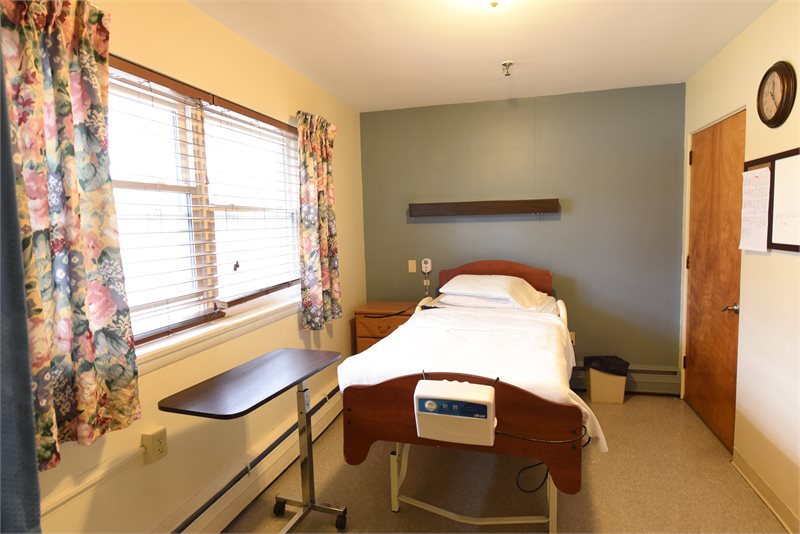
How is Kadima Rehabilitation & Nursing At Luzerne Staffed?

CMS rates KADIMA REHABILITATION & NURSING AT LUZERNE's staffing level at 3 out of 5 stars, which is average compared to other nursing homes. Staff turnover is 100%, which is 53 percentage points above the Pennsylvania average of 47%. High turnover can affect care consistency as new staff learn residents' individual needs. RN turnover specifically is 100%, which is notably high. RNs provide skilled clinical oversight, so turnover in this role can affect medical care quality.

What Have Inspectors Found at Kadima Rehabilitation & Nursing At Luzerne?

State health inspectors documented 64 deficiencies at KADIMA REHABILITATION & NURSING AT LUZERNE during 2022 to 2025. These included: 2 Immediate Jeopardy (the most serious level, indicating potential for serious harm or death), 1 that caused actual resident harm, 56 with potential for harm, and 5 minor or isolated issues. Immediate Jeopardy findings are rare and represent the most serious regulatory concerns. They require immediate corrective action.
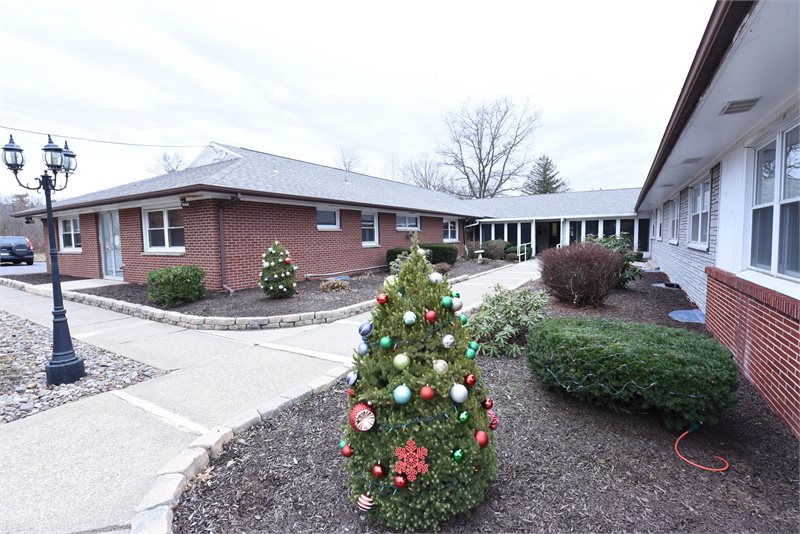
Who Owns and Operates Kadima Rehabilitation & Nursing At Luzerne?

KADIMA REHABILITATION & NURSING AT LUZERNE is owned by a for-profit company. For-profit facilities operate as businesses with obligations to shareholders or private owners. The facility is operated by KADIMA HEALTHCARE GROUP, a chain that manages multiple nursing homes. With 37 certified beds and approximately 35 residents (about 95% occupancy), it is a smaller facility located in DRUMS, Pennsylvania.
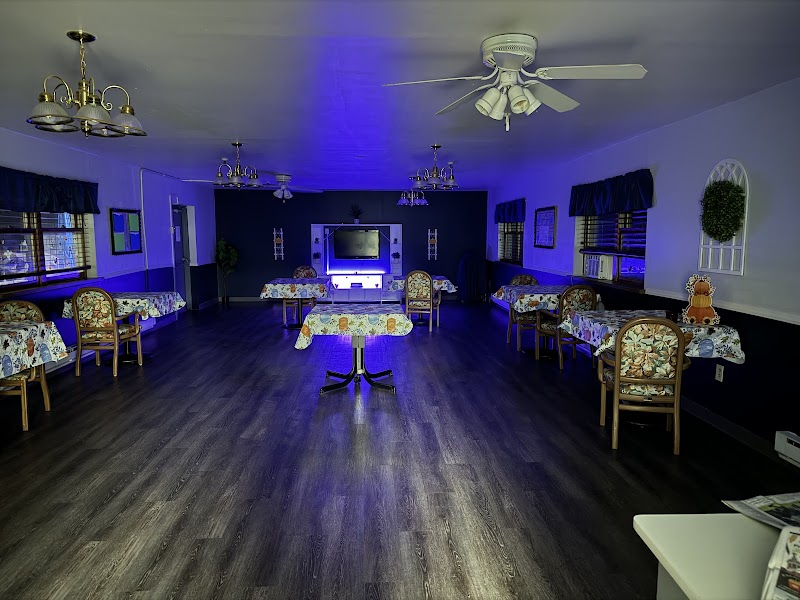
How Does Kadima Rehabilitation & Nursing At Luzerne Compare to Other Pennsylvania Nursing Homes?

Compared to the 100 nursing homes in Pennsylvania, KADIMA REHABILITATION & NURSING AT LUZERNE's overall rating (1 stars) is below the state average of 3.0, staff turnover (100%) is significantly higher than the state average of 47%, and health inspection rating (1 stars) is much below the national benchmark.

What Should Families Ask When Visiting Kadima Rehabilitation & Nursing At Luzerne?

Based on this facility's data, families visiting should ask: "What changes have been made since the serious inspection findings, and how are you preventing similar issues?" "How do you ensure continuity of care given staff turnover, and what is your staff retention strategy?" "Can I visit during a mealtime to observe dining assistance and food quality?" "How do you handle medical emergencies, and what is your hospital transfer rate?" These questions are particularly relevant given the facility's Immediate Jeopardy citations and the facility's high staff turnover rate.

Is Kadima Rehabilitation & Nursing At Luzerne Safe?

Based on CMS inspection data, KADIMA REHABILITATION & NURSING AT LUZERNE has documented safety concerns. Inspectors have issued 2 Immediate Jeopardy citations (the most serious violation level indicating risk of serious injury or death). The facility is currently on the Special Focus Facility watch list (a federal program monitoring the lowest-performing 1% of nursing homes nationwide). The facility has a 1-star overall rating and ranks #100 of 100 nursing homes in Pennsylvania. Families considering this facility should ask detailed questions about what corrective actions have been taken since these incidents.

Do Nurses at Kadima Rehabilitation & Nursing At Luzerne Stick Around?

Staff turnover at KADIMA REHABILITATION & NURSING AT LUZERNE is high. At 100%, the facility is 53 percentage points above the Pennsylvania average of 47%. Registered Nurse turnover is particularly concerning at 100%. RNs handle complex medical decisions and coordinate care — frequent RN changes can directly impact care quality. High turnover means new staff may not know residents' individual needs, medications, or preferences. It can also be disorienting for residents, especially those with dementia who rely on familiar faces. Families should ask: What is causing the turnover? What retention programs are in place? How do you ensure care continuity during staff transitions?

Was Kadima Rehabilitation & Nursing At Luzerne Ever Fined?

KADIMA REHABILITATION & NURSING AT LUZERNE has been fined $85,588 across 2 penalty actions. This is above the Pennsylvania average of $33,935. Fines in this range indicate compliance issues significant enough for CMS to impose meaningful financial consequences. Common causes include delayed correction of deficiencies, repeat violations, or care failures affecting resident safety. Families should ask facility leadership what changes have been made since these penalties.

Is Kadima Rehabilitation & Nursing At Luzerne on Any Federal Watch List?

KADIMA REHABILITATION & NURSING AT LUZERNE is currently an SFF Candidate, meaning CMS has identified it as potentially qualifying for the Special Focus Facility watch list. SFF Candidates have a history of serious deficiencies but haven't yet reached the threshold for full SFF designation. The facility is being monitored more closely — if problems continue, it may be added to the official watch list. Families should ask what the facility is doing to address the issues that led to this status.