STONEBRIDGE HEALTH & REHABILITATION CENTER
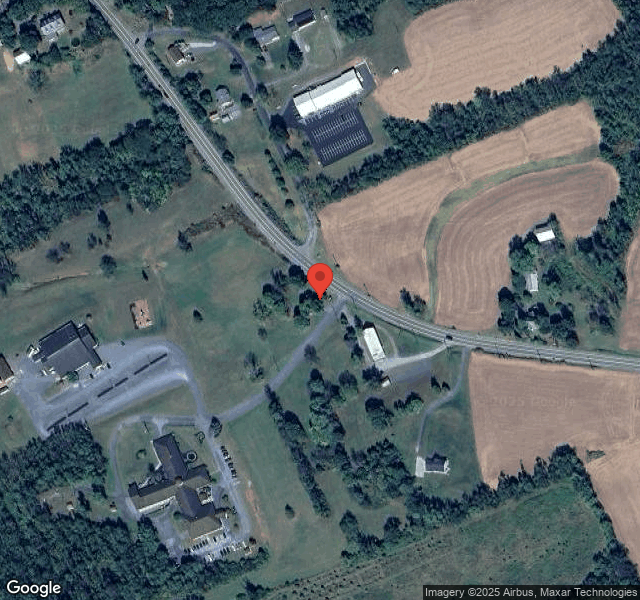

102 CHANDRA DRIVE, DUNCANNON, PA 17020 (717) 834-4111
For profit - Limited Liability company 60 Beds SABER HEALTHCARE GROUP Data: November 2025
Trust Grade
85/100
#128 of 653 in PA
Last Inspection: July 2025

Inspected within the last 6 months. Data reflects current conditions.

Overview

Stonebridge Health & Rehabilitation Center in Duncannon, Pennsylvania has a Trust Grade of B+, indicating it is above average and recommended for care. It ranks #128 out of 653 facilities in Pennsylvania, placing it in the top half, and it holds the top position in Perry County among three facilities. However, the trend is worsening, with issues increasing from 3 in 2024 to 6 in 2025. Staffing is a strength, with a rating of 4 out of 5 stars and a turnover rate of 40%, which is lower than the state average. Importantly, there have been no fines recorded, which is a positive sign. Despite these strengths, there are notable concerns. Recent inspections revealed issues with infection control practices, such as staff not following protocols for medication preparation, which could lead to infection risks. Additionally, there were failures to provide necessary medications for some residents, affecting their health needs. Another incident highlighted that a resident was not wearing the required protective boots for a pressure ulcer, which could hinder healing. Overall, while Stonebridge has several strengths, families should be aware of the increasing concerns regarding care practices.

Trust Score
B+
85/100
In Pennsylvania
#128/653
Top 19%
Safety Record
Low Risk
No red flags
Inspections
Getting Worse
3 → 6 violations
Staff Stability
○ Average
40% turnover. Near Pennsylvania's 48% average. Typical for the industry.
Penalties
✓ Good
No fines on record. Clean compliance history, better than most Pennsylvania facilities.
Skilled Nurses
○ Average
Each resident gets 41 minutes of Registered Nurse (RN) attention daily — about average for Pennsylvania. RNs are the most trained staff who monitor for health changes.
Violations
⚠ Watch
14 deficiencies on record. Higher than average. Multiple issues found across inspections.
★★★★★
5.0
Overall Rating
★★★★☆
4.0
Staff Levels
★★★★★
5.0
Care Quality
★★★★☆
4.0
Inspection Score
Stable
2024: 3 issues
2025: 6 issues

The Good

  • 4-Star Staffing Rating · Above-average nurse staffing levels
  • 5-Star Quality Measures · Strong clinical quality outcomes
  • Full Sprinkler Coverage · Fire safety systems throughout facility
  • No fines on record
  • Staff turnover below average (40%)

    8 points below Pennsylvania average of 48%

Facility shows strength in staffing levels, quality measures, fire safety.

The Bad

Staff Turnover: 40%

Near Pennsylvania avg (46%)

Typical for the industry

Chain: SABER HEALTHCARE GROUP

Part of a multi-facility chain

Ask about local staffing decisions and management

The Ugly 14 deficiencies on record

Jul 2025 3 deficiencies
CONCERN (D)

Potential for Harm - no one hurt, but risky conditions existed

Pressure Ulcer Prevention (Tag F0686)

Could have caused harm · This affected 1 resident

Based on observations, clinical record review, and staff interview, it was determined that the facility failed to ensure that residents receive necessary treatment and services, consistent with profes...

Read full inspector narrative →
Based on observations, clinical record review, and staff interview, it was determined that the facility failed to ensure that residents receive necessary treatment and services, consistent with professional standards of practice, to promote healing and prevent infection of a pressure ulcer for one of 16 residents reviewed (Resident 47). Findings include: Review of Resident 47's clinical record revealed diagnoses that included chronic kidney disease (a gradual loss of kidney function) and hyperlipidemia (high levels of fat in the blood). Review of Resident 47's clinical record revealed an active physician's order for prevalon boots on at all times every shift, with a start date of October 9, 2024. Observations of Resident 47 on June 30, 2025, at 12:15 PM and 2:16 PM, revealed the Resident was sitting in their wheelchair wearing sneakers instead of prevalon boots. Observation of Resident 47 on July 1, 2025, at 12:03 PM and 2:26 PM, revealed the Resident sitting in their wheelchair wearing sneakers instead of prevalon boots. Review of Resident 47's Medication Administration Record (MAR) for June 30, 2025, revealed that Resident 47 was marked off as having prevalon boots on during day, evening, and night shift. Review of Resident 47's MAR for July 2025, revealed the Resident was marked off as having her prevalon boots on during the day shift. Review of Resident 47's comprehensive care plan revealed a problem area for skin integrity, that the Resident is at risk for impaired skin integrity related to impaired mobility, cognitive deficits, incontinence, depression, and prescribed medications, with a problem start date of August 14, 2024, and an edited date of November 13, 2024. Further review of Resident 47's care plan revealed an approach area to wear prevalon boots at all times, with a start date of August 21, 2024, and an edited date of October 10, 2024. Review of Resident 47's clinical record revealed the Resident had a consult with a foot and ankle doctor on October 9, 2024, who gave the recommendation for the Resident to wear a prevalon boot to right foot daily at all times. Review of Resident 47's clinical record revealed a nursing progress note written on July 2, 2025, at 8:55 AM, with the following text: after reviewing prevalon boot order for the resident, the resident had heel skin alteration when admitted and prevalon boots were in place for this - heels are now completed healed and resolved. Family had provided shoes after heels healed that they wanted the resident to wear. Review of Resident 47's clinical record revealed the Resident had a stage 3 pressure wound to their right heel that has been resolved as of November 13, 2024. Review of Resident 47's clinical record on July 2, 2025, at 11:30 AM, revealed the order for prevalon boots was removed as well as the approach area on their care plan to wear prevalon boots at all times. Review of Resident 47's clinical record failed to indicate that the Resident or family preferred Resident 47 to wear the sneakers that were provided by the family daily instead of the prevalon boots that were ordered and recommended from the physician prior to July 2, 2025. Interview conducted with the Nursing Home Administer on July 2, 2025, at 11:41 AM, revealed he would have expected staff not to be documenting Resident 47 wearing prevalon boots if they were not, Resident 47's physician order to have been updated, and the care plan to have been updated at the time the family requested the Resident to wear shoes they brought in for her instead of prevalon boots. 28 Pa. Code 211.12(d)(1)(3)(5) Nursing services
CONCERN (D)

Potential for Harm - no one hurt, but risky conditions existed

Deficiency F0688 (Tag F0688)

Could have caused harm · This affected 1 resident

Based on observations, clinical record review, and resident and staff interviews, it was determined that the facility failed to ensure residents with limited mobility received appropriate services, eq...

Read full inspector narrative →
Based on observations, clinical record review, and resident and staff interviews, it was determined that the facility failed to ensure residents with limited mobility received appropriate services, equipment, and assistance to maintain or improve mobility for one of three residents reviewed for mobility (Resident 48). Findings Include: Review of Resident 48's clinical record revealed diagnoses that included stroke and elevated blood pressure. Review of Resident 48's current physician orders revealed an order, with a start date of October 15, 2024, for left hand splint, on at all times, may remove for care and to remove splint every shift to observe and monitor for skin breakdown. Review of Resident 48's current care plan revealed left hand splint on at all times, remove splint every shift and observe and monitor for skin breakdown, dated October 15, 2024. Observations of Resident 48 on June 30, 2025, at 10:14 AM, 12:37 PM, 1:39 PM, and on July 1, 2025, at 11:04 AM and 12:05 PM, revealed Resident 48's left hand splint was not in place. During an interview with Resident 48 on July 1, 2025, at 11:04 AM, Resident 48 stated that she does have a splint but they haven't put it on. At this time, a black splint was observed in a basket on Resident 48's bedside dresser. Review of Resident 48's Medication Administration Record (MAR) dated June 2025, revealed that Resident 48's splint was signed off as being on, on each shift, each day, with the exception of night shift on June 6 and 9, and evening shift on June 24 and 28. It was signed off as being refused by the Resident on those shifts. Review of Resident 48's MAR for July 2025, revealed the splint was signed off as being on on day shift on July 1, 2025. During an interview with the Nursing Home Administrator (NHA) and Director of Nursing (DON) on July 2, 2025, at 10:20 AM, the DON stated that on May 1, 2025, there is a progress note stating that the splint was put on hold due to swelling and that therapy discontinued the splint. The DON also stated she was unable to state why staff were documenting placement of the splint, when it was not applied. Review of Resident 48's nursing progress notes revealed a note on May 1, 2025, at 12:02 AM, stating that the Resident's hand splint was on hold due to swelling. Review of Resident 48's nursing progress note on May 1, 2025, at 11:35 AM, revealed that the left hand swelling had decreased, the splint was in place and the Resident was tolerating it well. Review of additional nursing progress notes on May 2, 2025, at 2:30 PM and 6:02 PM, revealed documentation that Resident 48's splint was in place. Review of Resident 48's Occupational Therapy (OT) evaluation and plan of treatment, dated June 3, 2025, revealed to continue with left hand wrist/forearm resting hand splint. Review of Resident 48's facility form titled Rehabilitation Services Screening, dated July 1, 2025, revealed that OT was discontinued on June 30, 2025, and the left hand splint is not needed. Review of a nursing progress note dated July 2, 2025, at 8:51 AM, revealed that, in speaking with the director of rehab, the splint has been discontinued due to swelling and increase in pressure caused by the splint. There is no evidence that the splint was to be discontinued prior to July 1, 2025, and no orders for the splint to be put on hold. In a follow-up interview with the NHA and DON on July 2, 2025, at 11:35 AM, no additional information was provided. 28 Pa. Code 211.12(d)(1)(3)(5) Nursing services
CONCERN (E)

Potential for Harm - no one hurt, but risky conditions existed

Infection Control (Tag F0880)

Could have caused harm · This affected multiple residents

Based on observations, facility policy review, clinical record review, and staff interviews, it was determined that the facility failed to maintain an effective infection control program related to th...

Read full inspector narrative →
Based on observations, facility policy review, clinical record review, and staff interviews, it was determined that the facility failed to maintain an effective infection control program related to the preparation and administration of medications for two of two residents observed; failed to ensure staff implemented infection control policies to prevent the spread of infection for one of 19 residents reviewed; and failed to maintain an accurate data collection system of infection surveillance from October 2024 through March 2025. Findings Include: Review of facility policy, titled 6.0 General Dose Preparation and Medication Administration, last revised November 15, 2024, revealed it stated, 1.2 Medications should not come in contact with any surface except for the medication cup .2.3 Facility staff should avoid touching the medication with bare hands when opening a bottle or unit dose package . Review of facility policy, titled Enhanced Barrier Precautions (EBP) Policy, revised May 19, 2025, revealed EBP are intended to prevent transmission of multi-drug-resistant organisms (MDROs) via contaminated hands and clothing of healthcare workers to high-risk residents during high contact activities. The policy further stated, in part, that high-risk residents include those with chronic wounds and high contact care activities include wound care. Further review of the policy revealed Staff engaging in high-contact activities will don both gloves and gown before initiating the activity . and that a sign will be placed on the resident's door indicating the appropriate type(s) of precautions. During medication administration observation on July 1, 2025, between approximately 8:54 AM and 9:10 AM, Employee 1 (Licensed Practical Nurse) was observed preparing and administering medications to Residents 18 and 38. During the medication preparation for Resident 18, Employee 1 was observed dispensing a medication from the medication card (tablets packed in individual blisters with paper backs to be punched out during preparation) directly to Employee 1's bare hand and then into the medication cup. During medication preparation for Resident 38, Employee 1 was observed dispensing a medication from the medication card, the medication tablet landed on the fingers of Employee 1's left hand, at which time Employee 1 dropped the medication tablet into the medication cup. During a staff interview on July 2, 2025, at approximately 11:40 AM, Nursing Home Administrator (NHA) confirmed that staff should follow the facility's policy on medication preparation and administration and not touch medications with their bare hands. Review of Resident 44's clinical record revealed diagnoses that included an unstageable pressure ulcer (injury to skin and underlying tissue resulting from prolonged pressure on the skin) to the sacrum (triangular bone at the base of the spine) and hypertension (elevated blood pressure). Observation of Resident 44's room on June 30, 2025, at 9:47 AM, and July 1, 2025, at 9:59 AM, revealed no signage on Resident 44's door indicating that Resident 44 was on EBP. Observation of Resident 44's wound care to her pressure ulcer, on July 1, 2025, at 10:00 AM, revealed Employee 2 wearing gloves, but no gown, while performing Resident 44's wound care. At the conclusion of Resident 44's wound care, Employee 2 was asked if Resident 44 should be on EBP. Employee 2 stated that she thought she should have worn a gown, but there was no sign on Resident 44's door for EBP. Observation of Resident 44's room on July 1, 2025, at 11:06 AM, revealed a sign had been placed on Resident 44's door, indicating she was on EBP. During an interview with the NHA and Director of Nursing (DON) on July 1, 2025, at 1:04 PM, the DON confirmed that Resident 44 should have been on EBP and a gown should have been worn during Resident 44's wound care. Review of facility form, titled Antibiotic Use Tracking Log, revealed data to be collected and documented each month included, in part, resident's name and room number, admission date, infection type, onset date, signs and symptoms, how/where the infection was acquired, labs, imaging, antibiotic information, and any isolation. Review of the facility's Antibiotic Use Tracking Log forms for August 2024 through June 2025, revealed no tracking was completed for October 2024 through March 2025. During an interview with the NHA and DON on July 2, 2025, at 11:36 AM, the DON confirmed that the Antibiotic Use Tracking Log form was not completed for the months of October 2024 through March 2025. 28 Pa. Code 201.14(a) Responsibility of licensee 28 Pa. Code 201.18(b)(1) Management 28. Pa Code 211.12(d)(1)(2)(5) Nursing services
Apr 2025 2 deficiencies
CONCERN (D) 📢 Someone Reported This

A family member, employee, or ombudsman was alarmed enough to file a formal complaint

Potential for Harm - no one hurt, but risky conditions existed

Pressure Ulcer Prevention (Tag F0686)

Could have caused harm · This affected 1 resident

Based on facility policy review, clinical record review, and staff interview, it was determined that the facility failed to ensure that residents receive necessary treatment and services, consistent w...

Read full inspector narrative →
Based on facility policy review, clinical record review, and staff interview, it was determined that the facility failed to ensure that residents receive necessary treatment and services, consistent with professional standards of practice, to promote healing of a pressure ulcer for one of two residents reviewed for pressure ulcers (Resident 6). Findings include: Review of facility policy, titled Clean Dressing Change Policy last revised, March 10, 2024, read, in part, Wounds will be dressed using a clean technique which avoids direct contamination of material and supplies. Apply new dressings as ordered. Document procedure and update findings. Review of Resident 6's clinical record revealed diagnoses that included pressure ulcer of right heel (wound that occurs when the skin and tissue are damaged by prolonged pressure) and osteoarthritis (a type of arthritis that affects the joints in your body). Review of Resident 6's physician orders revealed the following pressure wound order: Treatment as follows: Cleanse right heel with soap & water, pat dry. Apply betadine then calcium alginate to base of wound, secure with ABD (abdominal pad), three times a day, with a start date of March 26, 2025. Review of Resident 6's MAR (Medication Administration Record - documentation for treatments/medication administered or monitored), revealed his treatments were documented as not administered during night shift on March 31, 2025; and April 1 and 8, 2025. During an interview with the Director of Nursing (DON) on April 10, 2025, at 2:11 PM, revealed she spoke with Employee 2 (Licensed Practical Nurse) who stated she did not administer the treatments because it was noted on the evening shift on March 31, 2025, that the wound treatment order needs clarified. However, no one reached out to clarify the order throughout the week, so she just continued to not administer. The DON further revealed she would expect wound treatments to be administered as ordered and clarified timely if needed. 28 Pa. Code 211.12(d)(1)(3)(5) Nursing services
CONCERN (E) 📢 Someone Reported This

A family member, employee, or ombudsman was alarmed enough to file a formal complaint

Potential for Harm - no one hurt, but risky conditions existed

Pharmacy Services (Tag F0755)

Could have caused harm · This affected multiple residents

**NOTE- TERMS IN BRACKETS HAVE BEEN EDITED TO PROTECT CONFIDENTIALITY** Based on facility policy review, clinical record review, and staff interviews, it was determined that the facility failed to pro...

Read full inspector narrative →
**NOTE- TERMS IN BRACKETS HAVE BEEN EDITED TO PROTECT CONFIDENTIALITY** Based on facility policy review, clinical record review, and staff interviews, it was determined that the facility failed to provide routine drugs and biologicals to its residents and provide pharmaceutical services (including procedures that assure the accurate acquiring, receiving, dispensing, and administering of all drugs and biologicals) to meet the needs of each resident for three of seven residents reviewed (Residents 1, 2, and 3). Findings include: Review of facility policy, titled Delivery and Receipt of Routine Deliveries subsection Long-Term Care Facilities Receiving Products and Services from Pharmacy last revised August 1, 2024, read, in part, Receipt of Medications and Supplies: A facility nurse should inspect the package(s) for any damage or errors and notify pharmacy as soon as possible but within twenty-four hours of any damage or other discrepancies. If any item ordered by the facility is not received in the delivery, facility staff should check for a pharmacy slip explaining the reason a medication or item was not delivered. Facility should contact pharmacy if facility requires an explanation for the missing items or medications and document any delivery discrepancies. Review of Resident 1's clinical record revealed he was admitted to the facility on [DATE], with diagnoses that included orbital eye cellulitis (a serious bacterial infection that affects the fat and muscle tissue within the eye socket) and other lower back pain. Review of Resident 1's clinical record revealed he had physician orders for cefepime (antibiotic medication) via intravenous infusion (IV infusion- medication and fluid that is administered directly into a vein), three times daily, with a start date of February 12, 2025, and to be completed on February 26, 2025. Review of Resident 1's MAR (Medication Administration Record - documentation for treatments/medication administered or monitored) revealed it was noted he failed to receive four administrations of his IV antibiotic between when he was admitted to the facility and the next day, with corresponding notes that the medication was unavailable. Review of Resident 1's nursing progress notes revealed a note written by Employee 6 (Registered Nurse) on February 13, 2025, at 1:57 PM, that stated, IV medications arrived from pharmacy at this time, provider updated on missed doses from this morning. New order to extend IV antibiotic for additional doses not received this morning. It was not noted that the provider was made aware of the missed doses on February 12, 2025. Further review of Resident 1's physician orders revealed he had an order for MS Contin (morphine pain medication) tablet extended release, 15 mg, twice a day, and Morphine concentrate solution, three times a day, with a start date of February 12, 2025. Further review of Resident 1's MAR revealed the MS Contin was not administered on February 12, 2025, and three doses of the morphine concentrate solution were not administered between his admission and his AM dose on February 13, 2025. Review of Resident 1's nursing progress notes revealed a note written by Employee 6 on February 13, 2025, at 8:07 PM, that states she spoke to the pharmacy who stated MS Contin is unavailable on backorder and that the doctor was notified. The doctor ordered to discontinue the MS Contin and start Oxycodone, but that the Resident declined the Oxycodone, and stated he would just take the liquid morphine and hydrocodone (pain medication) that were available starting on February 13, 2025. Review of Resident 2's clinical record revealed he was admitted to the facility on [DATE], with diagnoses that included malignant neoplasm of prostate (malignant tumor involving the prostate gland) and generalized weakness. Review of Resident 2's clinical record revealed he had a physician order for Casodex (an anti-androgen, it works in the body by preventing the actions of androgens or male hormones), with a start date of March 16, 2025. Review of Resident 2's MAR revealed it was noted he failed to receive two administrations of the Casodex with corresponding notes that the medication was unavailable on March 16 and 17, 2025. Review of Resident 3's clinical record revealed she was admitted to the facility on [DATE], with diagnoses that included epilepsy (a neurological disorder that causes seizures or unusual sensations and behaviors) and multiple sclerosis (an autoimmune disease that affects the central nervous system). Review of Resident 3's clinical record revealed the following physician orders: Lacosamide (a medication used to treat seizures) 200 mg, twice a day, take with 50 mg tab twice a day, with a start date of April 7, 2025. Lacosamide 50 mg, twice a day, take with 200 mg tab twice a day, duration 30 days, with a start date of April 7, 2025. Review of Resident 3's MAR revealed it was noted she failed to receive two administrations of both orders of the Lacosamide, from when she was admitted to the facility and the next day, with corresponding notes that the medication was unavailable. Review of Resident 3's nursing progress notes revealed an admission note written by Employee 1 (Registered Nurse) on April 7, 2025, at 7:27 PM, that read, in part, Resident arrived to facility at 2:24 PM. All medications arrived STAT (without delay or immediately) to facility except Lacosamide. Further review of Resident 3's nursing progress notes revealed a note written by Employee 6 on April 8, 2025, at 9:04 PM, that stated, Spoke with provider and made aware of not receiving 50 mg dose of Lacosamide from pharmacy. Lacosamide 200 mg dose arrived from pharmacy this evening. Per provider, resident to receive Lacosamide 200 mg dose this evening. Spoke with pharmacy, 50 mg dose will be delivered on late pharmacy run. Interview with Employee 1 on April 9, 2025, at 11:43 AM, revealed they sometimes have issues with delayed medication deliveries or order discrepancies, but that it is the responsibility of the nursing staff to address these issues with the pharmacy and/or doctor when they are discovered. During an interview with the Nursing Home Administrator (NHA) and the Director of Nursing (DON) on April 9, 2025, at 2:15 PM, the surveyor revealed the concern with the delay in the medication deliveries and administrations for Residents 1, 2, and 3. In addition, the surveyor requested information as to the delay in contact with the pharmacy and/or doctor when the medications were initially noted to be unavailable, why the medications were unavailable for extended periods, if any delivery discrepancies were documented for review, and to provide information related to the medication delivery schedule from the pharmacy. Review of select facility documentation provided from the pharmacy, revealed scheduled medication delivery for new orders and admissions are as follows: Pharmacy departure on Monday through Friday at 11:30 AM and 12:30 AM overnight; and Saturday, Sunday, and Holidays at 1:00 PM. During a follow-up interview with the NHA and DON on April 10, 2025, at 2:03 PM, the DON revealed that in the case of the IV antibiotic medication, they had the medication onsite, but in a different dose, so they should have reached out to the doctor on the day he was admitted to see if he could utilize that until his proper dose arrived from pharmacy. The NHA and DON revealed they were unable to provide information related to the delay in medications delivered to the facility, as there are various delivery times from pharmacy. They further revealed they would be meeting with the pharmacist to evaluate their in-house medication stock; and revealed their expectation that medications would be available timely to meet the needs of each resident, and the doctor would be notified of discrepancies, delays, or medications unavailable from pharmacy. 28 Pa. Code 211.9(d)(2) Pharmacy services 28 Pa. Code 211.12(c)(d)(1)(2)(3)(5) Nursing services
Apr 2025 1 deficiency
CONCERN (D) 📢 Someone Reported This

A family member, employee, or ombudsman was alarmed enough to file a formal complaint

Potential for Harm - no one hurt, but risky conditions existed

ADL Care (Tag F0677)

Could have caused harm · This affected 1 resident

Based on facility policy, clinical record review, and staff interviews, it was determined that the facility failed to provide services necessary to maintain adequate personal grooming of residents dep...

Read full inspector narrative →
Based on facility policy, clinical record review, and staff interviews, it was determined that the facility failed to provide services necessary to maintain adequate personal grooming of residents dependent on staff for assistance with these activities of daily living for two of six residents reviewed (Residents 3 and 4). Findings Include: Review of the facility policy, titled Resident Bath/Showering/Scheduling Policy with a last revised date of September 9, 2022, revealed (A) Each resident will be asked about his/her bathing preferences upon admission (type of bath, preferred days and times), (H) If the bath/shower cannot be given or the resident refuses, the nursing assistant will promptly report this to the Charge Nurse, and (I) The Charge Nurse will speak with the resident who refuses to ascertain why they are refusing and to determine if alternate arrangement that suit the resident can be made. If the resident continues to refuse the Charge Nurse document the resident's refusal in the medical record. Review of Resident 3's clinical record revealed diagnoses that included chronic kidney disease (a long-term condition where the kidneys gradually lose their ability to filter waste products and excess fluid from the blood) and hypertension (high blood pressure). Review of Resident 3's clinical record revealed their shower days are on every Wednesday and Saturday. Review of Resident 3's clinical record failed to reveal their bathing preference. Review of Resident 3's current care plan revealed a problem area that the Resident is unable to effectively communicate related to dementia, hearing loss. Mostly non-verbal, speaks in non-sensical sentences, gibberish, unable to follow commands, unable to answer simple yes/no questions appropriately, created on August 14, 2024. Review of Resident 3's Activities of Daily Living (ADL's) type of bath task from March 1, 2025, through April 2, 2025, revealed that the Resident received a bed bath on their scheduled shower days on March 1, 5, 8, 15, 22, 26, 29, 2025, and on April 2, 2025. Review of Resident 3's progress notes from March 1, 2025, through April 2, 2025, failed to reveal any notes indicating a shower refusal on the dates listed above. Review of Resident 4's clinical record revealed diagnoses that included dementia (loss of memory, language, problem-solving and other thinking abilities that are severe enough to interfere with daily life) and hypertension. Review of Resident 4's Quarterly MDS (Minimum Data Set is part of the federally mandated process for clinical assessment of all Medicare and Medicaid certified nursing homes), dated February 11, 2025, revealed the Resident had a BIMS (brief interview for mental status) of 7, which indicates severe cognitive impairment. Review of Resident 4's clinical record revealed their shower days are on every Tuesday and Friday. Review of Resident 4's clinical record failed to reveal their bathing preference. Review of Resident 4's ADLs type of bath task from March 1, 2025, through April 2, 2025, revealed that the Resident received a bed bath on their scheduled shower days on March 4, 7, 11, 14, 18, 21, 25, and 28, 2025, and April 1, 2025. Review of Resident 4's progress notes from March 1, 2025, through April 2, 2025, failed to reveal any notes indicating a shower refusal on the dates listed above. During an interview with the Assistant Director of Nursing (ADON) on April 2, 2025, at 10:20 AM, revealed that the expectation is for staff to ask the resident every shower day what type of shower the resident prefers. Further, if the residents refuse a shower, the staff are to reapproach the resident and, if they refuse again, the staff are to inform the Licensed practical nurse (LPN). The LPN is then to document the resident's shower refusal and give them a bed bath. During a further interview with the ADON on April 2, 2025, at 12:13 PM, revealed the expectation is for staff to be providing non-verbal residents with showers unless they are giving non-verbal cues of refusing a shower on their shower day, and, if that occurs, they are to inform the LPN and give the resident a bed bath and document the refusal in a progress note. During an interview with the Nursing Home Administrator on April 2, 2025, at 2:02 PM, he revealed he would expect residents to be receiving showers on their shower days and staff to be documenting refusals. 28 Pa Code 211.12(a)(c)(d)(1)(3)(5)Nursing services
Jun 2024 3 deficiencies
CONCERN (D)

Potential for Harm - no one hurt, but risky conditions existed

Deficiency F0661 (Tag F0661)

Could have caused harm · This affected 1 resident

**NOTE- TERMS IN BRACKETS HAVE BEEN EDITED TO PROTECT CONFIDENTIALITY** Based on facility policy review, clinical record review, and staff interview, it was determined that the facility failed to incl...

Read full inspector narrative →
**NOTE- TERMS IN BRACKETS HAVE BEEN EDITED TO PROTECT CONFIDENTIALITY** Based on facility policy review, clinical record review, and staff interview, it was determined that the facility failed to include reconciliation of all pre-discharge medications with the resident's post-discharge medications in the resident's discharge summary for one of three closed records reviewed (Resident 55). Findings Include: Review of facility policy, titled Discharge Planning Policy, revised September 24, 2020, revealed When a discharge is anticipated, [Facility] will develop a discharge summary/instructions that includes, but is not limited to, the following: .Reconciliation of all pre-discharge medications with the resident's post-discharge medications (both prescribed and over-the-counter.) Review of Resident 55's clinical record revealed diagnoses that included cerebral infarction (stroke - occurs as a result of disrupted blood flow to the brain due to problems with the blood vessels that supply it) and anxiety (a feeling of fear, dread, and uneasiness). Further review of Resident 55's clinical record revealed that he was discharged from the facility to home on May 31, 2024. Review of Resident 55's Discharge summary dated [DATE], failed to reveal a reconciliation of all pre-discharge medications with the Resident's post-discharge medications. During an interview with the Director of Nursing on June 13, 2024, at 9:50 AM, she confirmed that Resident 55's discharge summary did not contain his medication reconciliation. 28 Pa. Code 211.5(f)(x) Medical Records 28 Pa. Code 211.12(d)(1)(2)(5) Nursing Services
CONCERN (D)

Potential for Harm - no one hurt, but risky conditions existed

Deficiency F0688 (Tag F0688)

Could have caused harm · This affected 1 resident

Based on clinical record review and resident and staff interviews, it was determined that the facility failed to ensure residents with limited mobility received appropriate services, equipment, and as...

Read full inspector narrative →
Based on clinical record review and resident and staff interviews, it was determined that the facility failed to ensure residents with limited mobility received appropriate services, equipment, and assistance to maintain or improve mobility for one of three residents reviewed for mobility (Resident 22). Findings Include: Review of Resident 22's clinical record revealed diagnoses that included hypertension (elevated blood pressure), congestive heart failure (CHF- a chronic condition in which the heart doesn't pump blood as well as it should), and depression (a mood disorder that causes a persistent feeling of sadness and loss of interest). During an interview with Resident 22 on June 10, 2024, at 10:38 AM, she stated that she wants to walk at least once a day, but stated that staff don't always assist her in doing so. During the resident group interview on June 11, 2024, at 11:00 AM, Resident 22 again expressed concern with her walking program and not being assisted with walking every day. Review of Resident 22's facility form, titled Restorative Ambulation Program Referral, dated January 23, 2024, revealed goals/objectives for Resident 22 to walk in cooridor with assist of one and to walk 50 feet. Review of Resident 22's restorative nursing order revealed an order dated April 10, 2024, for a walking goal- Resident will ambulate 50 feet per day in hallway with one-person assist and front wheeled walker. Review of Resident 22's current care plan revealed an intervention dated May 16, 2024, that Resident will ambulate 50 feet per day in hallway with one-person assist and front wheeled walker. Review of Resident 22's restorative nursing documentation for walking dated April 2024, revealed that on April 10, 2024, it was documented as not performed. Review of Resident 22's restorative nursing documentation for walking dated May 2024, revealed that on May 8 and 12, 2024, there is no documentation of Resident 22 walking; and on May 25, 2024 it was documented as not performed. Review of Resident 22's restorative nursing documentation for walking dated June 2024, revealed that on June 7 and 8, 2024, there is no documentation of Resident 22 walking. During an interview with the Nursing Home Administrator (NHA) and Director of Nursing (DON) on June 12, 2024, at 2:12 PM, they were made aware of Resident 22's statements regarding not being walked every day and asked about the restorative documentation on the aforementioned days. In a follow-up interview with the DON on June 13, 2024, at 9:45 AM, she stated that the facility recently changed providers for their electronic medical records and staff are still getting used to documenting in the new system. She stated that that could be the reason for the missing documentation or being documented as not performed. On June 13, 2024, at 10:15 AM, the NHA was again made aware of Resident 22 stating staff do not assist her to walk every day and the documentation supporting that interview. No additional information was provided. 28 Pa. Code 211.12(d)(1)(3)(5) Nursing services
CONCERN (D)

Potential for Harm - no one hurt, but risky conditions existed

Infection Control (Tag F0880)

Could have caused harm · This affected 1 resident

Based on review of facility policy, observations, and staff interviews, the facility failed to establish and maintain an infection prevention and control program designed to provide a safe, sanitary, ...

Read full inspector narrative →
Based on review of facility policy, observations, and staff interviews, the facility failed to establish and maintain an infection prevention and control program designed to provide a safe, sanitary, and comfortable environment and to help prevent the development and transmission of communicable diseases and infections for one of 21 residents on transmission-based precautions (Residents 46). Findings include: Review of facility policy, titled Transmission-Based Precautions Isolation Policy, revised April 15, 2024, read, in part, contact precautions also apply where there is urinary incontinence or other discharges from the body suggest an increased potential for environmental contamination and risk of transmission. Personal Protective Equipment (gloves, gown, face mask, face shield) recommended: gloves whenever touching the resident's intact skin or surfaces and articles in close proximity to the resident. Gowns whenever anticipating that clothing will have direct contact with the resident or potentially contaminated environmental surfaces. Review of Resident 46's revealed diagnoses that included dementia (a condition characterized by progressive loss of intellectual functioning, impairment of memory, and abstract thinking), Methicillin resistant Staphylococcus aureus infection (MRSA-Bacterial infection that is resistant to antibiotics and can be difficult to treat), contractures right and left hands (condition of shortening of muscles, tendons or other tissue leading to deformity and hardening of joints), and urinary tract infection (UTI). Observation of Resident 46's door revealed a contact precaution sign that read, in part: clean hands, including before room entry and when leaving the room; put on gloves and gown before entry and discard before exiting the room. Review of Resident 46's physician orders included contact isolation related to MRSA and proteus mirabilis (a bacterial infection), with a start date of June 10, 2024. Urinalysis dated May 16, 2024, revealed MRSA. Urinalysis dated June 6, 2024, revealed proteus mirabilis. Further clinical record review revealed Resident 46 is incontinent of urine. Observation on June 10, 2024, at 12:12 PM, revealed a contact precaution sign was on the door to Resident 46's room. Employee 1 (Nursing Assistant) entered Resident 46's room to serve lunch; touched the overbed table to position it closer to the Resident, and provided meal set up. Employee 1 failed to don gloves prior to entering Resident 46's room or assisting with meal set up, however, did utilize hand sanitizer upon exiting the room. Observation on June 11, 2024, at 12:20 PM, revealed Employee 2 (Nursing Assistant) entered Resident 46's room to serve lunch; touched the overbed table to position it closer to the Resident and provided meal set up, went into the hallway, retrieved a clothing protector from the linen cart, and then assisted Resident 46 with the clothing protector. Employee 2 failed to don gloves prior to entering Resident 46's room or assisting with meal set up and the clothing protector; and failed to complete hand hygiene both times when exiting the room. Employee 2 then went to C- hall, without completing hand hygiene, opened the food cart, obtained a lunch tray, entered Resident 7's room, served lunch, and assisted with tray set up. Employee 2 exited Resident 7's room without completing hand hygiene, went to the beverage cart, poured hot water, inserted a tea bag, and then served the hot tea to Resident 7. After exiting the room, Employee 2 went to the restroom to wash her hands. During an interview with Employee 3 (Registered Nurse) on June 12, 2024, at 11:30 AM, it was revealed that Resident 46 had tested positive for MRSA in his urine; most recent culture was positive for proteus mirabilis (bacterial infection). It was also revealed that she would expect staff to utilize Personal Protective Equipment (PPE-gloves, gown) and complete hand hygiene after doffing PPE and after serving each resident their meal, regardless if PPE was worn. It was further revealed that serving a meal to a Resident on contact precautions doesn't require full use of gloves and a gown, however, if surfaces are touched or contact is made with the Resident, at least gloves should be worn. Additionally, if there is a potential for staff's clothing to come into contact with the Resident or a surface, a gown should be worn. During an interview with Nursing Home Administrator and Director of Nursing on June 12, 2024, at 2:16 PM, the surveyor informed them of concerns with failure to utilize PPE and complete hand hygiene during meal service for Resident 46. No additional information was provided. During an interview with Director of Nursing on June 13, 2024, at 9:39 AM, it was revealed that if resident care wasn't provided and no resident contact was made, she wouldn't expect hand hygiene to be performed. It was also revealed that, because Resident 46 was assisted with a clothing protector, hand hygiene should've been completed. 28 Pa code 211.10(d) Resident care policies 28 Pa code 211.12(d)(5) Nursing services
Aug 2023 5 deficiencies
CONCERN (D)

Potential for Harm - no one hurt, but risky conditions existed

Deficiency F0578 (Tag F0578)

Could have caused harm · This affected 1 resident

**NOTE- TERMS IN BRACKETS HAVE BEEN EDITED TO PROTECT CONFIDENTIALITY** Based on facility policy review, clinical record review, and staff interviews, it was determined that the facility failed to ens...

Read full inspector narrative →
**NOTE- TERMS IN BRACKETS HAVE BEEN EDITED TO PROTECT CONFIDENTIALITY** Based on facility policy review, clinical record review, and staff interviews, it was determined that the facility failed to ensure each resident the right to formulate an advance directive for three of 17 residents reviewed (Residents 1, 28, and 212). Findings Include: Review of facility policy, titled Advanced Directives Protocol, undated, revealed Upon admission during Your Path Meetings, advance directives will be discussed with resident and/or resident representative to determine if any advance directives have been chosen .Advance directives will be reviewed at minimum annually according to MDS schedule. Review of Resident 1's clinical record revealed Resident 1's most recent admission to the facility was on April 12, 2023, with diagnoses that included paraplegia (paralysis that affects all or part of the trunk, legs, and pelvic organs) and Diabetes Mellitus Type 2. Further review of Resident 1's clinical record revealed no documentation of an advance directive or documentation of facility staff discussion with the Resident and/or Resident Representative regarding the right to formulate an advance directive. Review of Resident 28's clinical record revealed Resident 28 was admitted to the facility on [DATE], with diagnoses that included peripheral vascular disease (PVD- a circulatory condition in which narrowed blood vessels reduce blood flow to the limbs) and heart failure. Further review of Resident 28's clinical record revealed no documentation of an advance directive or documentation of facility staff discussion with the Resident and/or Resident Representative regarding the right to formulate an advance directive. During an interview with the Nursing Home Administrator (NHA) on August 8, 2023, at 1:20 PM, he stated that advance directives are reviewed with Residents at time of admission. He stated they are also sometimes reviewed during the care plan meetings, but that isn't always consistent. In a follow-up interview with the NHA on August 9, 2023, at 2:35 PM, he confirmed that there is no documentation of an advance directive for Residents 1 or 28, and no evidence that Residents 1 or 28 and/or their Representatives were offered the right to formulate an advance directive. Review of the clinical record for Resident 212 on August 8, 2023, revealed she was admitted to the facility on [DATE], with diagnoses that included Congestive heart failure (CHF - heart can't pump enough oxygen-rich blood to meet the body's needs) and Hypertension (high/elevated blood pressure). Further review of the clinical record for Resident 212 on August 8, 2023, revealed there was no Advance Directives form on record. Further, Resident 212's clinical record revealed Resident 28 had a Pennsylvania - Orders for Life Sustaining Treatment (POLST) form completed on file, which indicates their wishes. Review of Resident 212's comprehensive care plan on August 8, 2023, revealed a care plan with a focus area of: Resident has advance directives. Resident is full code, which was initiated on July 24, 2023. During an interview with the NHA on August 9, 2023, at 10:47 AM, the NHA confirmed that they do not have an advance directive for Resident 212. 28 Pa. Code 201.14 (a) Responsibility of licensee
CONCERN (D)

Potential for Harm - no one hurt, but risky conditions existed

Deficiency F0657 (Tag F0657)

Could have caused harm · This affected 1 resident

**NOTE- TERMS IN BRACKETS HAVE BEEN EDITED TO PROTECT CONFIDENTIALITY** Based on clinical record review and staff interviews, it was determined that the facility failed to review and revise the reside...

Read full inspector narrative →
**NOTE- TERMS IN BRACKETS HAVE BEEN EDITED TO PROTECT CONFIDENTIALITY** Based on clinical record review and staff interviews, it was determined that the facility failed to review and revise the resident's plan of care for two of 17 residents reviewed (Residents 1 and 46). Findings include: Review of Resident 1's clinical record revealed diagnoses that included paraplegia (paralysis that affects all or part of the trunk, legs, and pelvic organs) and Diabetes Mellitus Type 2. Further review of Resident 1's clinical record, including a wound consult dated August 2, 2023, revealed Resident 1 with the following wounds: stage 2 pressure ulcer to the sacrum (localized damage to the skin and/or underlying soft tissue usually over a bony prominence; stage 2 is partial-thickness skin loss); stage 4 pressure ulcer to the left buttock (full-thickness skin and tissue loss); and a wound to the right posterior (the back side) upper thigh. Review of Resident 1's current skin care plan, with a revision date of April 13, 2023, revealed no mention of the right posterior thigh wound or the stage 2 sacral pressure ulcer. Further review revealed seven additional wounds that have since been resolved, but remained on the care plan as current wounds. On August 10, 2023, the surveyor received an updated care plan for Resident 1, with a revision date of August 9, 2023. The right posterior thigh wound was added to the care plan as well as the stage 2 sacral pressure ulcer, which was resolved on August 9, 2023, and marked on the care plan as resolved. The seven additional wounds on the care plan were also revised to show they have resolved. During an interview with the Nursing Home Administrator (NHA) and Director of Nursing (DON) on August 10, 2023, at 10:40 AM, the DON stated that Resident 1's care plan should have been revised prior to August 9, 2023. Review of Resident 46's clinical record on August 8, 2023, revealed diagnoses including Vascular Dementia (persistent disorder of mental processes marked by memory disorders, personality changes, and impaired reasoning) and Major Depressive Disorder (at least two weeks of low mood that is present across most situations). Further review revealed that Resident 46 was admitted to the facility on [DATE]. Review of Resident 46's clinical record revealed Resident 46 had a diagnosis of contracture of muscle, right hand, and diagnosis of contracture of muscle, left hand, identified on October 19, 2022. Review of Resident 46's Occupational Therapy Discharge Summary completed on November 1, 2022, revealed that Resident 46 received occupational therapy from October 19, 2022, to November 1, 2022. Review of Resident 46's occupational therapy discharge recommendations were indicated as: no adaptive equipment needed for self-feeding; cue for hand stretches when complaining of stiffness. Review of Resident 46's comprehensive plan of care revealed a care plan with the focus of: Resident has Activities of Daily Living (ADL)/self -care deficit related to impaired mobility, cognitive deficits, generalized weakness, and history of falls, which was initiated on March 15, 2022, failed to include hand contractures in the goal or intervention/task area. During an interview on August 10, 2023, at 10:49 A.M., the DON confirmed that, if the Resident has a diagnosis of contractures, they should have been care planned. 28 Pa. Code 211.12(d)(5) Nursing services
CONCERN (D)

Potential for Harm - no one hurt, but risky conditions existed

Pressure Ulcer Prevention (Tag F0686)

Could have caused harm · This affected 1 resident

Based on observation, facility policy review, clinical record review, and staff interviews, it was determined that the facility failed to ensure that residents receive necessary treatment and services...

Read full inspector narrative →
Based on observation, facility policy review, clinical record review, and staff interviews, it was determined that the facility failed to ensure that residents receive necessary treatment and services, consistent with professional standards of practice, to promote healing and prevent infection of a pressure ulcer for one of two residents reviewed for pressure ulcers (Resident 1). Findings Include: Review of facility form, titled Clean Dressing Competency, undated, revealed 4 .Avoid crossing over clean supplies with soiled items. Review of Resident 1's clinical record revealed diagnoses that included paraplegia (paralysis that affects all or part of the trunk, legs, and pelvic organs) and Diabetes Mellitus Type 2. Further review of Resident 1's clinical record, including a wound consult dated August 2, 2023, revealed Resident 1 with a stage 4 pressure ulcer to the left buttock (localized damage to the skin and/or underlying soft tissue usually over a bony prominence; stage 4 is full-thickness skin and tissue loss). Review of Resident 1's current physician orders revealed a treatment order to cleanse the left buttock pressure ulcer with normal saline solution, apply magic cream (a mixture of nystatin, hydrocortisone and zinc oxide) to wound bed, cover with optilock (non-adhesive super absorbent wound dressing), and apply zinc oxide ointment to periwound. Observation of Resident 1's wound care on August 9, 2023, at 9:41 AM, revealed Employee 2 (Registered Nurse) cleansed the wound with normal saline solution. Employee 2 removed her gloves, performed hand hygiene, and then reached in her shirt pocket for tape. Employee 2 then opened two packages of the optilock, which had been laying on Resident 1's bedside table and was not cleaned prior to the wound care. With the same gloved hands, Employee 2 was observed dipping her gloved finger in the container of magic cream, placing magic cream on her gloved finger, and then applying the magic cream directly to Resident 1's wound bed using her gloved finger. On August 9, 2023, at 11:20 AM, the Nursing Home Administrator (NHA) was made aware of Resident 1's wound care observations. On August 9, 2023, at 11:22 AM, the Director of Nursing (DON) was made aware that Employee 2 used her gloved finger to apply the magic cream directly to Resident 1's wound. The DON stated she didn't believe use of an applicator was part of the facility's wound care policy. She also questioned if Employee 2's gloves were clean. Surveyor made the DON aware that Employee 2 reached into her shirt pocket with her gloved hands to pull out tape, and that she also opened the optilock with those gloved hands. The optilock had been lying on Resident 1's bedside table, which was not cleansed prior to the start of Resident 1's wound care. On August 9, 2023, at 2:35 PM, the wound care observation was again discussed with the NHA and DON. No additional information was provided. 28 Pa. Code 211.12(d)(1)(2)(3)(5) Nursing services
CONCERN (D)

Potential for Harm - no one hurt, but risky conditions existed

Medication Errors (Tag F0758)

Could have caused harm · This affected 1 resident

Based on clinical record review and staff interview, it was determined that the facility failed to act upon a recommendation to reduce a psychotropic medication in a timely manner for one of five resi...

Read full inspector narrative →
Based on clinical record review and staff interview, it was determined that the facility failed to act upon a recommendation to reduce a psychotropic medication in a timely manner for one of five residents reviewed for unnecessary medications (Resident 35). Findings Include: Review of Resident 35's clinical record revealed diagnoses that included stroke, depression, and anxiety. Review of Resident 35's psych consult dated July 26, 2023, revealed a recommendation to decrease Resident 35's sertraline (Zoloft- antidepressant medication) from 25 mg (milligrams) daily to 12.5 mg daily. Further review of the consult revealed agree and initials were written on the bottom. Review of Resident 35's nursing progress note dated July 27, 2023, revealed, Resident had psych visit on 7/26/23. New order recommendation to GDR [gradual dose reduction] Zoloft to 12.5 mg daily. [Resident representative] called and educated on risks vs benefits of GDR and in agreement; orders updated. RP [responsible party] notified. Review of additional nursing progress notes on July 31, 2023, and August 1, 2023, both revealed No behaviors noted R/T GDR of Zoloft. Review of Resident 35's current physician orders, on August 8, 2023, revealed an order dated June 23, 2023, for Zoloft, give 25 mg daily. Further review of the orders revealed no Zoloft order for 12.5 mg. On August 10, 2023, at 10:42 AM, the Director of Nursing (DON) provided a statement from Employee 2 (Registered Nurse) stating that on July 26, 2023, Employee 2 input a psych order recommendation for a GDR of Zoloft from 25 mg to 12.5 mg daily and that the provider was in agreement, as well as Resident 35's RP. The statement further stated that Employee 2 failed to update the Zoloft order and the order continued at 25 mg, as previously ordered. At that time, the DON confirmed that the Zoloft order was never changed, per recommendation, and that it was an oversight by the nurse. She stated that the new Zoloft order has been placed, an incident report has been initiated, and that the provider, Resident 35, and Resident 35's RP have all been notified. 28 Pa Code 211.12(d)(1)(3)(5) Nursing services
CONCERN (D)

Potential for Harm - no one hurt, but risky conditions existed

Infection Control (Tag F0880)

Could have caused harm · This affected 1 resident

Based on observations, facility policy review, clinical record review, and staff interviews, it was determined that the facility failed to maintain an infection prevention and control program designed...

Read full inspector narrative →
Based on observations, facility policy review, clinical record review, and staff interviews, it was determined that the facility failed to maintain an infection prevention and control program designed to provide a safe, sanitary, and comfortable environment and to help prevent the transmission of communicable diseases and infections for one of 17 residents reviewed (Resident 4). Findings Include: Review of facility policy, titled Transmission-Based Precautions Policy, with a revision date of February 3, 2023, revealed: 1. Contact Precautions- intended to prevent transmission of infectious agents which are spread by direct or indirect contact with the patient or the patient's environment. Contact precautions also apply where the presence of excessive wound drainage, urine or fecal incontinence, or other discharges from the body suggest an increased potential for environmental contamination and risk of transmission. Personal Protective Equipment recommended: a. Gloves- whenever touching the resident's intact skin or surfaces and articles in close proximity to the resident. b. Gowns- whenever anticipating that clothing will have direct contact with the patient or potentially contaminated environmental surfaces or equipment in close proximity to the resident Signage indicating the appropriate type(s) of precautions and indicating that visitors should stop at Nurses Station before entering, will be placed on the resident's door. Review of Resident 4's clinical record revealed diagnoses that included Type 2 Diabetes Mellitus, atrial fibrillation(Afib-an irregular heartbeat), and peripheral vascular disease (PVD- a circulatory condition in which narrowed blood vessels reduce blood flow to the limbs). Further review of Resident 4's clinical record revealed a urine culture was collected on July 29, 2023. Review of the results dated August 3, 2023, revealed >100,000 cfu/ml (colony forming units) Klebsiella pneumoniae ESBL (Extended Spectrum Beta-Lactamase). This isolate has been identified as an ESBL producer. Contact isolation is warranted. The results were signed off on by the provider, dated August 3, 2023, with new orders to start an antibiotic. Observation of Resident 4's room on August 7, 2023, at 12:28 PM, revealed no signage on Resident 4's door indicating it was a contact precautions room, nor a PPE (personal protective equipment) bin located outside of Resident 4's door. Review of Resident 4's clinical record revealed no order for contact precautions. On August 7, 2023, at 1:15 PM, the Director of Nursing (DON) was asked about the results of Resident 4's urine culture and if Resident 4 should be on contact precautions. Observation of Resident 4's room on August 7, 2023, at 1:58 PM, revealed a PPE bin located outside of Resident 4's room as well as a sign on Resident 4's door, stating the room was contact precautions. On August 7, 2023, at 2:33 PM, the DON and Employee 1 (Infection Preventionist) both confirmed that Resident 4 has now been placed on contact precautions based on the urine culture result. Review of Resident 4's physician orders revealed an order, dated August 7, 2023, for contact isolation when in contact with urine per facility policy. In a follow-up interview with Employee 1 on August 10, 2023, at 10:06 AM, Employee 1 stated that she has since educated the staff about reviewing labs and implementing transmission based precautions if warranted. 28 Pa. Code 211.12(d)(1)(2)(3)(5) Nursing services
Understanding Severity Codes (click to expand)
Life-Threatening (Immediate Jeopardy)
J - Isolated K - Pattern L - Widespread
Actual Harm
G - Isolated H - Pattern I - Widespread
Potential for Harm
D - Isolated E - Pattern F - Widespread
No Harm (Minor)
A - Isolated B - Pattern C - Widespread

Questions to Ask on Your Visit

  • "Can I speak with families of current residents?"
  • "What's your RN coverage like on weekends and overnight?"

Our Honest Assessment

Strengths
  • • Grade B+ (85/100). Above average facility, better than most options in Pennsylvania.
  • • No major safety red flags. No abuse findings, life-threatening violations, or SFF status.
  • • No fines on record. Clean compliance history, better than most Pennsylvania facilities.
  • • 40% turnover. Below Pennsylvania's 48% average. Good staff retention means consistent care.
Concerns
  • • 14 deficiencies on record. Higher than average. Multiple issues found across inspections.
Bottom line: Generally positive indicators. Standard due diligence and a personal visit recommended.

About This Facility

What is Stonebridge Health & Rehabilitation Center's CMS Rating?

CMS assigns STONEBRIDGE HEALTH & REHABILITATION CENTER an overall rating of 5 out of 5 stars, which is considered much above average nationally. Within Pennsylvania, this rating places the facility higher than 99% of the state's 100 nursing homes. This rating reflects solid performance across the metrics CMS uses to evaluate nursing home quality.

How is Stonebridge Health & Rehabilitation Center Staffed?

CMS rates STONEBRIDGE HEALTH & REHABILITATION CENTER's staffing level at 4 out of 5 stars, which is above average compared to other nursing homes. Staff turnover is 40%, compared to the Pennsylvania average of 46%. This relatively stable workforce can support continuity of care.

What Have Inspectors Found at Stonebridge Health & Rehabilitation Center?

State health inspectors documented 14 deficiencies at STONEBRIDGE HEALTH & REHABILITATION CENTER during 2023 to 2025. These included: 14 with potential for harm.

Who Owns and Operates Stonebridge Health & Rehabilitation Center?

STONEBRIDGE HEALTH & REHABILITATION CENTER is owned by a for-profit company. For-profit facilities operate as businesses with obligations to shareholders or private owners. The facility is operated by SABER HEALTHCARE GROUP, a chain that manages multiple nursing homes. With 60 certified beds and approximately 57 residents (about 95% occupancy), it is a smaller facility located in DUNCANNON, Pennsylvania.

How Does Stonebridge Health & Rehabilitation Center Compare to Other Pennsylvania Nursing Homes?

Compared to the 100 nursing homes in Pennsylvania, STONEBRIDGE HEALTH & REHABILITATION CENTER's overall rating (5 stars) is above the state average of 3.0, staff turnover (40%) is near the state average of 46%, and health inspection rating (4 stars) is above the national benchmark.

What Should Families Ask When Visiting Stonebridge Health & Rehabilitation Center?

Based on this facility's data, families visiting should ask: "Can I visit during a mealtime to observe dining assistance and food quality?" "How do you handle medical emergencies, and what is your hospital transfer rate?" "Can I speak with family members of current residents about their experience?"

Is Stonebridge Health & Rehabilitation Center Safe?

Based on CMS inspection data, STONEBRIDGE HEALTH & REHABILITATION CENTER has a clean safety record: no substantiated abuse findings (meaning no confirmed cases of resident harm), no Immediate Jeopardy citations (the most serious violation level indicating risk of serious injury or death), and is not on the Special Focus Facility watch list (a federal program monitoring the lowest-performing 1% of nursing homes). The facility has a 5-star overall rating and ranks #1 of 100 nursing homes in Pennsylvania. While no facility is perfect, families should still ask about staff-to-resident ratios and recent inspection results during their visit.

Do Nurses at Stonebridge Health & Rehabilitation Center Stick Around?

STONEBRIDGE HEALTH & REHABILITATION CENTER has a staff turnover rate of 40%, which is about average for Pennsylvania nursing homes (state average: 46%). Moderate turnover is common in nursing homes, but families should still ask about staff tenure and how the facility maintains care continuity when employees leave.

Was Stonebridge Health & Rehabilitation Center Ever Fined?

STONEBRIDGE HEALTH & REHABILITATION CENTER has no federal fines on record. CMS issues fines when nursing homes fail to meet care standards or don't correct problems found during inspections. The absence of fines suggests the facility has either maintained compliance or corrected any issues before penalties were assessed. This is a positive indicator, though families should still review recent inspection reports for the full picture.

Is Stonebridge Health & Rehabilitation Center on Any Federal Watch List?

STONEBRIDGE HEALTH & REHABILITATION CENTER is not on any federal watch list. The most significant is the Special Focus Facility (SFF) program, which identifies the bottom 1% of nursing homes nationally based on persistent, serious quality problems. Not being on this list means the facility has avoided the pattern of deficiencies that triggers enhanced federal oversight. This is a positive indicator, though families should still review the facility's inspection history directly.