TRANSITIONS HEALTHCARE ALLENS COVE
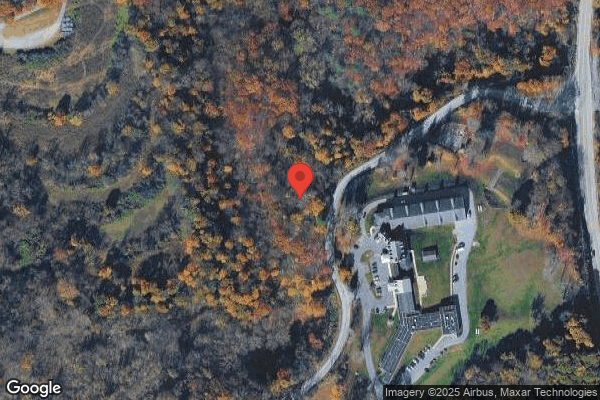

25 COVE ROAD, DUNCANNON, PA 17020 (717) 834-4887
For profit - Corporation 60 Beds TRANSITIONS HEALTHCARE Data: November 2025
Trust Grade
60/100
#368 of 653 in PA
Last Inspection: April 2025

Within standard 12-15 month inspection cycle. Federal law requires annual inspections.

Overview

Transitions Healthcare Allens Cove has a Trust Grade of C+, indicating it is slightly above average but still has room for improvement. It ranks #368 out of 653 nursing facilities in Pennsylvania, placing it in the bottom half of the state, and #3 out of 3 in Perry County, meaning there is only one local option that is better. The facility is improving, with a drop in issues from 13 in 2024 to 10 in 2025. Staffing is rated average with a turnover rate of 47%, which is slightly better than the Pennsylvania average of 46%, but the RN coverage is concerning as it ranks lower than 87% of state facilities. While there have been no fines recorded, which is a positive sign, recent inspections noted that medications were not stored at proper temperatures and food safety standards were not consistently followed, indicating areas that need attention.

Trust Score
C+
60/100
In Pennsylvania
#368/653
Bottom 44%
Safety Record
Low Risk
No red flags
Inspections
Getting Better
13 → 10 violations
Staff Stability
⚠ Watch
47% turnover. Above average. Higher turnover means staff may not know residents' routines.
Penalties
✓ Good
No fines on record. Clean compliance history, better than most Pennsylvania facilities.
Skilled Nurses
⚠ Watch
Each resident gets only 29 minutes of Registered Nurse (RN) attention daily — below average for Pennsylvania. Fewer RN minutes means fewer trained eyes watching for problems.
Violations
⚠ Watch
40 deficiencies on record. Higher than average. Multiple issues found across inspections.
★★★☆☆
3.0
Overall Rating
★★★☆☆
3.0
Staff Levels
★★★★★
5.0
Care Quality
★★☆☆☆
2.0
Inspection Score
Stable
2024: 13 issues
2025: 10 issues

The Good

  • 5-Star Quality Measures · Strong clinical quality outcomes
  • Full Sprinkler Coverage · Fire safety systems throughout facility
  • No fines on record

Facility shows strength in quality measures, fire safety.

The Bad

3-Star Overall Rating

Near Pennsylvania average (3.0)

Meets federal standards, typical of most facilities

Staff Turnover: 47%

Near Pennsylvania avg (46%)

Higher turnover may affect care consistency

Chain: TRANSITIONS HEALTHCARE

Part of a multi-facility chain

Ask about local staffing decisions and management

The Ugly 40 deficiencies on record

Apr 2025 8 deficiencies
CONCERN (D)

Potential for Harm - no one hurt, but risky conditions existed

Deficiency F0625 (Tag F0625)

Could have caused harm · This affected 1 resident

**NOTE- TERMS IN BRACKETS HAVE BEEN EDITED TO PROTECT CONFIDENTIALITY** Based on facility policy review, clinical record review, and staff interview, it was determined that the facility failed to ensu...

Read full inspector narrative →
**NOTE- TERMS IN BRACKETS HAVE BEEN EDITED TO PROTECT CONFIDENTIALITY** Based on facility policy review, clinical record review, and staff interview, it was determined that the facility failed to ensure that the resident and/or their representative received written notice of the facility bed-hold policy at the time of transfer for one of three residents reviewed for hospitalization (Resident 45). Findings Include: Review of facility policy, titled Bed Holds and Returns and Therapeutic Leave of Absence, last dated January 3, 2024, revealed The Facility is required to provide a bed hold under certain circumstances and make the Resident aware of the Facility's bed hold and return policy as related to hospitalization and therapeutic leave. The facility will provide information on bed hold requirements to all residents upon admission and again at time of transfer from the Facility. Bed Hold requirements will be included in the Facility admission packet to be reviewed during the admission process and will be considered the first notice of the Facility Bed Holds and Returns policy .The second notice, which details the duration of the bed hold policy, will be issued at the time of transfer. In cases of emergency transfer, notice 'at the time of transfer' means that the family, surrogate, or representative are provided with written notification within 24 hours of the transfer. The requirement is met if the resident's copy of the notice is sent with other papers accompanying the resident to the hospital. Review of Resident 45's clinical record revealed diagnoses that included hypertension (high blood pressure) and Type 1 Diabetes Mellitus (a lifelong condition where the pancreas makes little or no insulin, which leads to high blood sugar levels). Further review of Resident 45's clinical record revealed that she was transferred and admitted to the hospital on [DATE], and March 15, 2025. During an interview with the Nursing Home Administrator on April 23, 2025, at 10:19 AM, it was revealed that there is no evidence that Resident 45 and/or her Representative were provided with a written notice of the facility's bed hold notice at the time of either hospitalization. 28 Pa. Code 201.14(a) Responsibility of licensee
CONCERN (D)

Potential for Harm - no one hurt, but risky conditions existed

Assessment Accuracy (Tag F0641)

Could have caused harm · This affected 1 resident

**NOTE- TERMS IN BRACKETS HAVE BEEN EDITED TO PROTECT CONFIDENTIALITY** Based on clinical record review and staff interviews, it was determined that the facility failed to ensure that the resident ass...

Read full inspector narrative →
**NOTE- TERMS IN BRACKETS HAVE BEEN EDITED TO PROTECT CONFIDENTIALITY** Based on clinical record review and staff interviews, it was determined that the facility failed to ensure that the resident assessment accurately reflected the resident's status for two of 19 residents reviewed (Residents 9 and 32). Findings Include: Review of Resident 9's clinical record revealed diagnoses that included Multiple Sclerosis (MS - a disease that causes breakdown of the protective covering of nerves; can cause numbness, weakness, trouble walking, vision changes, and other symptoms) and neurogenic bladder (bladder dysfunction caused by nervous system conditions). Review of Resident 9's physician orders revealed an order dated June 28, 2024, for a Foley catheter (a thin, flexible tube inserted into the bladder through the urethra to drain urine; also known as an indwelling catheter). Review of Resident 9's Quarterly MDS (Minimum Data Set - an assessment tool to review all care areas specific to the resident such as a resident's physical, mental, or psychosocial needs) dated February 16, 2025, revealed in section H, it was coded that Resident 9 had an indwelling catheter and was also occasionally incontinent of urine. During an interview with the Nursing Home Administrator (NHA) and Director of Nursing (DON) on April 23, 2025, at 10:45 AM, the DON confirmed that the MDS was coded in error, as Resident 9 was not occasionally incontinent of urine due to her Foley catheter. Review of Resident 32's clinical record revealed diagnoses that included heart failure (a condition where the heart cannot pump enough blood to meet the body's needs) and chronic kidney disease (a progressive condition where the kidneys gradually lose their ability to filter waste and excess fluid from the blood). Review of Resident 32's clinical record revealed she had an unwitnessed fall on March 2, 2025, at 2:00 AM, which resulted in an abrasion on the left thigh. Review of Resident 32's Significant Change MDS dated [DATE], revealed in section J, it was coded that Resident 32 has not had any falls since admission/entry or reentry or prior assessment. During an interview with the NHA and DON on April 23, 2025, at 10:03 AM, the DON confirmed that the MDS was coded in error, as Resident 32's fall on March 2, 2025, should have been reflected. 28 Pa. Code 211.12(d)(1)(3)(5) Nursing services
CONCERN (D)

Potential for Harm - no one hurt, but risky conditions existed

ADL Care (Tag F0677)

Could have caused harm · This affected 1 resident

Based on facility policy review, clinical record review, and resident and staff interviews, it was determined that the facility failed to ensure a resident who is unable to carry out activities of dai...

Read full inspector narrative →
Based on facility policy review, clinical record review, and resident and staff interviews, it was determined that the facility failed to ensure a resident who is unable to carry out activities of daily living (ADLs) receives the necessary services to maintain good grooming and personal hygiene for one of two residents reviewed for ADLs (Resident 23). Findings Include: Review of the facility policy, titled Activities of Daily Living last reviewed May 31, 2024, read, in part, Residents will gain and/or maintain as much independence as possible in ADLs which are essential to the individual's lifestyle. This refers to activities an individual performs on a regular basis, such as eating, dressing, hygiene (make-up, shaving, washing), transfers, reading, writing, housework, smoking, walking, and even driving. The resident's performance may vary depending on the time of day, how the resident feels, setting, and the person with him/her. Review of Resident 23's clinical record revealed diagnoses that included spinal stenosis (a condition that narrows the space in the spine, putting pressure on the spinal cord or nerves), repeated falls, and muscle weakness. During an interview with Resident 23 on April 21, 2025, at 10:22 AM, she revealed she has sometimes not received a shower for over two weeks at a time, and recently did not receive a shower for eight days. Review of Resident 23's clinical record revealed she has a preferred shower schedule of Wednesday and Saturday on the 2-10 shift. Review of Resident 23's nurse aide task for showers revealed she did not receive a shower per her preferred schedule on January 8 and 11, 2025; February 5, 15, 22, and 26, 2025; March 1, 5, and 15, 2025; and April 16, and 19, 2025. During an interview with the Nursing Home Administrator on April 22, 2025, at 2:15 PM, he revealed sometimes Resident 23 refuses to get out of bed for the staff during her shower days. Further review of Resident 23's clinical record failed to revealed notation to indicate she refused to get out of bed or was reapproached for a shower at a later time on the aforementioned days. Interview with the Director of Nursing on April 23, 2025, at 10:41 AM, revealed he would expect staff to document refusal of showers and reapproach residents at a later day or time who refused a shower as per their preferred schedule. 28 Pa Code 211.12(c)(d)(1)(3)(5) Nursing services
CONCERN (D)

Potential for Harm - no one hurt, but risky conditions existed

Quality of Care (Tag F0684)

Could have caused harm · This affected 1 resident

**NOTE- TERMS IN BRACKETS HAVE BEEN EDITED TO PROTECT CONFIDENTIALITY** Based on clinical record review, observation, and staff interviews, it was determined that the facility failed to ensure care an...

Read full inspector narrative →
**NOTE- TERMS IN BRACKETS HAVE BEEN EDITED TO PROTECT CONFIDENTIALITY** Based on clinical record review, observation, and staff interviews, it was determined that the facility failed to ensure care and services are provided in accordance with professional standards of practice that will meet each resident's physical, mental, and psychosocial needs for one of one of 16 residents reviewed (Resident 24). Findings include: Review of Resident 24's clinical record revealed diagnoses that included Alzheimer's disease (a chronic disorder of the mental processes caused by brain disease, and marked by memory disorders, personality changes, and impaired reasoning), atrioventricular heart block (a type of heart block that occurs when the electrical signal traveling from the atria, or the upper chambers of the heart, to ventricles, or the lower chambers of the heart, is impaired), and presence of a cardiac pacemaker. Observation of Resident 24 on April 21, 2025, at 10:02 AM, revealed the presence of a [NAME] at Home (a remote telephonic pacemaker check device) on her bedside stand. Review of Resident 24's current physician orders failed to reveal any orders for a cardiology consult or pacemaker checks. Review of Resident 24's physician order history revealed an order for a yearly cardiology appointment on November 29, 2024, with a completion date of November 30, 2023; and an order for pacemaker check in 3 months by remote monitoring, with a completion date of January 25, 2023. Review of Resident 24's care plan revealed a care plan focus for a pacemaker with an intervention for pacemaker checks as ordered by cardiology and document in chart: Heart rate, Rhythm, Battery check, with a last revision date of July 7, 2022. Review of Resident 24's clinical record revealed that her last pacemaker remote check was completed on September 18, 2024. During a staff interview the Director of Nursing (DON) on April 23, 2025, at 9:19 AM, the DON indicated that, after being made aware of the concern regarding Resident 24's cardiology and pacemaker testing was shared, that he began to investigate. The DON indicated that Resident 24 should have a yearly cardiology appointment and would have been due for an appointment in November 2024 or December 2024. The DON indicated that the cardiology office did not call to set up the yearly appointment as was their typical practice. The DON said when he called the cardiology office yesterday and they indicated that they had sent letters in November 2024 and December 2024 to a local address that they had on file for Resident 24, which was not the facility address. He said that the office said since they did not receive a response to the letters, they dropped it. The DON indicated that the cardiology office indicated that the pacemaker was still transmitting, and they would notify the emergency contacts if there was an issue; however, they did not have the facility listed as the primary contact. The DON confirmed that Resident 24 has a cardiology office appointment the following week, and that the three-month remote pacer checks will be scheduled at that time. He also indicated that he had once again notified the cardiology office that Resident 24 plans to permanently reside at the facility. During a final staff interview with the Nursing Home Administrator and DON on April 23, 2025, at 10:53 AM, the DON confirmed that facility staff should have followed up and made sure Resident 24 had her annual cardiology appointment and remote pacemaker checks when the cardiology office did not follow up with the facility. 28 Pa. Code 211.12(c)(d)(1)(3)(5) Nursing services
CONCERN (D)

Potential for Harm - no one hurt, but risky conditions existed

Deficiency F0688 (Tag F0688)

Could have caused harm · This affected 1 resident

Based on review of clinical records and staff interviews, it was determined that the facility failed to provide restorative nursing care for range of motion exercises for one of three residents review...

Read full inspector narrative →
Based on review of clinical records and staff interviews, it was determined that the facility failed to provide restorative nursing care for range of motion exercises for one of three residents reviewed for position and mobility (Resident 29). Findings include: Review of Resident 29's clinical record revealed diagnoses that included peripheral vascular disease (a slow and progressive circulation disorder) and hypertension (high blood pressure). Review of Resident 29's clinical record revealed a Restorative Program Progress Note written on February 24, 2025, at 12: 17 PM, that read, in part, restorative nursing programs from passive range of motion (PROM) of right upper extremity (RUE) and right lower extremity (RLE) and active range of motion (AROM) of left lower extremity (LLE) continue. Resident 29 has a diagnosis of flaccid hemiplegia to right side; she is able to tolerate both PROM programs to right upper and lower extremities and continues to participate and complete three sets of ten reps for each of the exercises listed within the AROM LLE programs. Review of Resident 29's clinical record revealed a restorative nursing program task for AROM of LLE for 15 minutes twice daily. Further review of the documentation for restorative nursing revealed that for April 2025, there were 13 days where restorative nursing was not completed twice a day or was marked as not applicable. Review of Resident 29's clinical record revealed a restorative nursing program task for PROM of RLE for 15 minutes twice daily. Further review of the documentation for restorative nursing revealed that for April 2025, there were 13 days where restorative nursing was not completed twice a day or was marked as not applicable. Review of Resident 29's clinical record revealed a restorative nursing program task for PROM of RUE for 15 minutes twice daily. Further review of the documentation for restorative nursing revealed that for April 2025, there were 12 days where restorative nursing was not completed twice a day or was marked as not applicable. During an interview with the Nursing Home Administrator on April 23, 2025, at 10:35 AM, revealed that he would expect for Resident 29 to receive restorative nursing program services twice daily. 28 Pa. Code 211.12(d)(1)(5) Nursing services 28 Pa. Code 211.12(d)(3) Nursing services
CONCERN (D)

Potential for Harm - no one hurt, but risky conditions existed

Infection Control (Tag F0880)

Could have caused harm · This affected 1 resident

**NOTE- TERMS IN BRACKETS HAVE BEEN EDITED TO PROTECT CONFIDENTIALITY** Based on review of facility policies, observations, and staff interviews, it was determined that the facility failed to maintain...

Read full inspector narrative →
**NOTE- TERMS IN BRACKETS HAVE BEEN EDITED TO PROTECT CONFIDENTIALITY** Based on review of facility policies, observations, and staff interviews, it was determined that the facility failed to maintain an effective infection control program related to the preparation and administration of medications for three of three residents observed (Residents 9, 27, and 155). Findings include: Review of facility policy, titled General Guidelines for Medication Administration with a last revised date of August 2020, and a last review date of May 2024, revealed the following, The person administering medications adheres to good hand hygiene, which includes washing hands thoroughly: i. Before beginning a medication pass; ii. Prior to handling any medication; iii. After coming into direct contact with a resident and Hand sanitization is done with a facility approved sanitizer ii. At regular intervals during the medication pass such as after each room, again assuming handwashing is not indicated. Review of facility policy, titled Transitions Healthcare Allen's Cove IC-Infection Control Plan 2024 with a last revision date of September 1, 2024, revealed, Enhanced Barrier Precautions (EBP) are an infection control intervention designed to reduce transmission of MDRO's [multiple drug resistant organism] through gown and glove use by HCP [health care providers] in long-term care settings in accordance with the CDC [Centers for Disease Control] .EBP are recommended during high contact care .activities with residents who are at higher risk of acquiring or spreading an MDRO such as Residents with .indwelling medical devices .e[xample g[[NAME]] central line (a catheter placed into a large vein used to administer medication or fluids). Review of facility policy, titled IC-519 Glucometer Cleaning, Disinfecting and Use with a last revised date of October 1, 2017, and a last review date of May 2024, revealed, 1. All glucometers [device used to test blood sugar level] must be cleaned and disinfected after each use and between residents as follows: a) Clean the outside of the glucometer with a damp cloth with soap and water or an alcohol swab to remove any visible blood or body fluids. b) Disinfect the meter using a pre-moistened germicidal disposable wipe (PDI). During a medication pass observation on April 22, 2025, at approximately 8:30 AM, Employee 2 removed her gloves after administering an insulin injection to Resident 9, administered Resident 9 her oral medications, returned to the medication cart, and then began to prepare Resident 27's medications for administration. During the ongoing medication pass observation on April 22, 2025, at approximately 8:36 AM, Employee 2 entered Resident 27's room and was observed applying gloves to perform a blood glucose test. Resident 27 requested that the window be closed, and Employee 2 was observed using her gloved right hand to close the window and then proceeded to perform the glucose test. After completion of the test, Employee 2 returned to her medication cart and wiped down the glucometer with an alcohol pad. She then wrapped the glucometer in an alcohol pad and placed it in a clear plastic cup on top of the medication cart. Employee 2 indicated that she was not sure how the glucometer was to be cleaned, but that this is how she does it. Employee 2 removed her gloves and began to prepare the rest of Resident 27's medications when she was notified that Resident 155's intravenous medication administration pump was beeping. Employee 2 then proceeded to Resident 155's room. Observation of Resident 155's room on April 22, 2025, at approximately 8:39 AM, revealed that an Enhanced Barrier Precautions (EBP) sign was posted outside the door to the room, which indicated that staff were to wash/cleanse hands before entering the room and that staff should wear gloves and gowns when caring for a central line. During the ongoing medication pass observation on April 22, 2025, at approximately 8:40 AM, Employee 2 entered Resident 155's room without cleansing her hands, applied gloves, and flushed Resident 155's central line. Employee 2 then left the room and discarded intravenous fluid bag in the biohazard container in the dirty utility room. Employee 2 then cleansed her hands with hand sanitizer. This was the first observation of hand cleansing since medication pass observation began at 8:26 AM. During a medication pass observation on April 22, 2025, at approximately 8:46 AM, Employee 2 was observed to apply gloves in preparation of administering Resident 27 an insulin injection. Resident 27 requested that her trash can be moved closer to her chair. Employee 2 scooted the trash can across the floor with her feet, but when she got to Resident 27's chair, she used her gloved left hand to pick up the open top trash can and place it where Resident 27 requested. Employee 2 then proceeded to administer Resident 27's insulin injection wearing the same gloves. Employee 2 then removed her gloves and applied another pair of gloves to administer Resident 27 her nasal spray and her oral medications. Employee 2 then removed her gloves and used hand sanitizer to cleanse her hands. During a staff interview with Employee 2 on April 22, 2025, at 9:06 AM, Employee 2 indicated that she should have cleansed her hands between residents, between glove changes, and that she thought she only needed to wear a gown for a resident on EBP if she was going to be in close contact. After reading the EBP posting, Employee 2 confirmed that she should have worn a gown when flushing Resident 155's central line. During a staff interview with the Nursing Home Administrator (NHA) and Director of Nursing (DON) on April 22, 2025, at 2:36 PM, the NHA and DON confirmed that they would expect staff to follow personal protective equipment guidance for EBP and to wash and/or cleanse hands when changing gloves, between residents, and after touching dirty items. During a staff interview with the NHA on April 23, 2025, at 10:53 AM, the NHA confirmed that he would expect nursing staff to follow the facility glucometer cleaning policy. 28 Pa. Code 201.14(a) Responsibility of licensee 28 Pa. Code 201.18(b)(1) Management 28 Pa. Code 211.10(d) Resident care policies 28. Pa Code 211.12(c)(d)(1)(2)(5) Nursing services
CONCERN (E)

Potential for Harm - no one hurt, but risky conditions existed

Deficiency F0761 (Tag F0761)

Could have caused harm · This affected multiple residents

Based on facility policy review, observation, staff interview, and facility document review, it was determined that the facility failed to store medications under proper temperature controls in one of...

Read full inspector narrative →
Based on facility policy review, observation, staff interview, and facility document review, it was determined that the facility failed to store medications under proper temperature controls in one of one medication rooms reviewed. Findings include: Review of facility policy, titled Storage of Medications with a last revised date of August 2020, and a last review date of May 2024, revealed the following: II. Temperature 1. All medications are maintained within the temperature ranges noticed in the United States Pharmacopeia (USP) and by the Centers for Disease Control (CDC); c. Refrigerated: 36°F to 46°F (2°C to 8°C) with a thermometer to allow temperature monitoring; 2. Medications and biologicals are stored at their appropriate temperatures and humidity according to the USP guidelines for temperature ranges; 4. Medications requiring refrigeration are kept in a refrigerator at temperatures between 36°F (2°C) and 46°F (8°C) with a thermometer to allow temperature monitoring; and 6. The facility should maintain a temperature log in the storage area to record temperatures at least once a day or in accordance with facility policy. Observation of the medication room refrigerator on April 22, 2025, at 9:06 AM, with Employee 2, revealed that the thermometer was sitting inside the small freezer portion of the refrigerator, which had approximately one inch of ice build-up and the temperature read 20 degrees Fahrenheit (F). Review of facility provided medication room refrigerator temperature log for April 2025 revealed the following: April 1 temperature was recorded as 18 degrees F; April 2 temperature was recorded as 34 degrees F; April 3 temperature was recorded as 32 degrees F; April 6 temperature was recorded as 34 degrees F; April 7 temperature was recorded as 34 degrees F; April 8-11 no temperatures were recorded; April 12 temperature was recorded as 34 degrees F; and April 13 temperature was recorded as 32 degrees F. During a staff interview with the Nursing Home Administrator (NHA) and Director of Nursing on April 22, 2025, at 2:38 PM, the NHA indicated that he would expect medications to be stored at appropriate temperatures and that temperatures would be taken and recorded daily. 28 Pa. Code 201.18(b)(1) Management 28 Pa. Code 211.9(a)(1) Pharmacy services 28 Pa. Code 211.12(c)(d)(2)(3) Nursing services
CONCERN (E)

Potential for Harm - no one hurt, but risky conditions existed

Food Safety (Tag F0812)

Could have caused harm · This affected multiple residents

Based on facility policy review, observations, and staff interviews, it was determined that the facility failed to store food and utilize kitchen equipment in accordance with professional standards fo...

Read full inspector narrative →
Based on facility policy review, observations, and staff interviews, it was determined that the facility failed to store food and utilize kitchen equipment in accordance with professional standards for food service safety in the main kitchen. Findings include: Review of facility policy, titled Food Storage last reviewed May 31, 2024, read, in part, All stock must be rotated with each new order received. Rotating stock is essential to assure the freshness and highest quality of all foods. All containers or storage bags must be legible and accurately labeled and dated. All foods should be covered, labeled, and dated and routinely monitored to assure that foods will be consumed by their safe use by dates, or frozen (where applicable), or discarded. Observation in the dry storage area on April 21, 2025, at 10:03 AM, revealed four bags of white bread with a use by date of March 22, 2024, and six packs of English muffins not dated. Observation of the dish machine in the main kitchen on April 21, 2025, at 10:07 AM, revealed it was heavily soiled with a brown substance on the top; further observation revealed a brown substance consistent with food debris was observed in the corners of the top of the dish machine. Observation of the exhaust vent over top of the dish machine in the main kitchen on April 21, 2025, at 10:08 AM, revealed it was soiled with a fuzzy black substance. Interview with Employee 4 (Dietary Manager) on April 21, 2025, at 10:08 AM, revealed she was unsure of where the substance on the dish machine was coming from, that a kitchen staff member had just wiped the entire machine down three days prior, and she was unsure about when maintenance staff had last cleaned the exhaust hood. Observation of the dish machine temperature log in the main kitchen on April 21, 2025, at 10:09 AM, revealed the record final rinse temperature was below the minimum safe temperature during breakfast on April 7, 10, and 20, 2025. Further observation of the log failed to reveal any corrective action noted on those days. Observation in the walk-in refrigerator on April 21, 2025, at 10:11 AM, revealed a tub of hard-boiled eggs that was dirty on the top and not properly sealed. Further observation of the tub revealed the eggs had a use by date of February 23, 2025. Observation in the main kitchen on April 21, 2025, at 10:14 AM, revealed one bag of white bread open with a half of a loaf left. Further observation of the bread revealed a use by date of March 11, 2025. Review of the March 2024 dish machine temperature log revealed the record final rinse temperature was below the minimum safe temperature during breakfast on March 22-24, 30, and 31; during lunch on March 12-14, 18, 20, 21, 24, and 27; and during dinner on March 1, 11-13, 15, 19, 20, 24, 25, 27, 29, and 30. Further observation of the log failed to reveal any corrective action noted on those days. Return visit to the kitchen on April 22, 2025, at 12:29 PM, revealed the dish machine remained dirty with a brown substance on the top and a brown substance consistent with food debris was observed in the corners of the top of the dish machine. Observation of the exhaust vent over top revealed it was soiled with a fuzzy black substance. Interview with Employee 4 on April 22, 2025, at 12:46 PM, revealed staff should be regularly cleaning kitchen equipment and surfaces daily, but that she does not have a routine cleaning schedule checklist for review. Follow-up interview with Employee 4 on April 22, 2025, at 12:54 PM, revealed she was unable to locate dish machine temperature logs from July 2024 to December 2024. During an interview with the Nursing Home Administrator (NHA) on April 22, 2025, at 2:12 PM, the surveyor revealed the concern with food storage in the kitchen, as well as the dirty kitchen equipment, rinse temperature below safe minimum temperature on select days, and lack of dish machine temperature logs for review from July 2024 to December 2024. The NHA revealed his expectation that expired items are discarded, foods items are labeled and dated per facility policy, and food items and kitchen equipment are stored, cleaned, and utilized in accordance with professional standards. 28 Pa. Code 201.14(a) Responsibility of licensee 28 Pa. Code 211.6(f) Dietary services
Mar 2025 2 deficiencies
CONCERN (E) 📢 Someone Reported This

A family member, employee, or ombudsman was alarmed enough to file a formal complaint

Potential for Harm - no one hurt, but risky conditions existed

Safe Environment (Tag F0584)

Could have caused harm · This affected multiple residents

Based on facility policy review, observations, and staff interviews, it was determined that the facility failed to maintain a safe, clean, comfortable, and home-like environment in common areas and on...

Read full inspector narrative →
Based on facility policy review, observations, and staff interviews, it was determined that the facility failed to maintain a safe, clean, comfortable, and home-like environment in common areas and one of three resident rooms observed (South and East Hallways, Nurses Station, and Resident 1's room). Findings include: Review of facility policy, titled Cleaning & Disinfecting Environmental Surfaces last revised October 1, 2017, read, in part, Environmental surfaces will be disinfected (or cleaned) on a regular basis (e.g., daily, three times per week) and when surfaces are visibly soiled. Observation in the South Hallway on March 31, 2025, at 10:41 AM, revealed three ceiling tiles with ring circle stains on them. Observation at the Nurse's Station on March 31, 2025, at 10:44 AM, revealed a large ceiling tile to the left of the station with a large brown ring circle stain. Observation in the East Hallway on March 31, 2025, at 10:46 AM, revealed one ceiling tile with a large brown ring circle stain on it, and a brown liquid stain that was dripping down the side of the wall. Further observation down the hallway revealed three ceiling tiles with ring circle stains on them. During an interview with Employee 1 (Maintenance Director) on March 31, 2025, at 11:12 AM, he revealed maintenance staff conduct environmental rounds and room checks throughout the facility on a regular basis to identify issues that require repair or replacement. He further revealed the facility has issues with the roof leaking during periods of heavy rain, and that staff should have identified the soiled ceiling tiles and replaced them, and the soiled wall should have been cleaned. Observation in Resident 1's room on March 31, 2025, at 11:23 AM, revealed one ceiling tile at the entrance to the room with a brown ring circle stain, and two large ceiling tiles in the middle of the room stained with brown liquid. During an interview with the Nursing Home Administrator on March 31, 2025, at 12:42 PM, he revealed he would expect the ceiling tiles to be identified as soiled and replaced, and environmental surfaces to be cleaned when soiled. 28 Pa. Code 201.18(e)(2.1) Management
CONCERN (E) 📢 Someone Reported This

A family member, employee, or ombudsman was alarmed enough to file a formal complaint

Potential for Harm - no one hurt, but risky conditions existed

Deficiency F0730 (Tag F0730)

Could have caused harm · This affected multiple residents

Based on employee handbook review, review of select facility documentation, and staff interviews, it was determined that the facility failed to ensure that nurse aide performance evaluations were comp...

Read full inspector narrative →
Based on employee handbook review, review of select facility documentation, and staff interviews, it was determined that the facility failed to ensure that nurse aide performance evaluations were completed at least once every 12 months for three of five nurse aides reviewed (Employees 2, 3, and 4). Findings include: Based on facility document, titled Employee Handbook effective July 1, 2022, read, in part, All employees will be subject to a written annual rating and evaluation by the department supervisor based on his/her employment anniversary date to ensure that strengths, areas for improvement, and job goals for the next review period have been clearly communicated. An employee's evaluation will be reviewed with the employee by the supervisor at the time of presentation for the employee's signature. Review of select facility documentation revealed a list of nurse aide's that had worked at the facility for greater than a year. Employee 2 had a hire date of January 5, 2024; Employee 3 had a hire date of April 15, 2023; and Employee 4 had a hire date of July 1, 2022. During an interview with the Nursing Home Administrator (NHA) on March 31, 2025, at 9:54 AM, he revealed he was unable to locate the most recent annual evaluations for Employees 2, 3, and 4. He further revealed the facility recently switched electronic systems for their employee evaluations, so if any of the files hadn't been printed before the new system took over they were no longer able to be accessed. Interview with Employee 2 at the facility on March 31, 2025, at 11:48 AM, revealed she had not yet received an annual evaluation. During an interview with the NHA on March 31, 2025, at 12:44 PM, he revealed he would expect annual evaluations to be completed annually and available for review. 28 Pa. Code 201.14(a) Responsibility of licensee 28 Pa. Code 201.18(b)(1) Management
Sept 2024 1 deficiency
CONCERN (E) 📢 Someone Reported This

A family member, employee, or ombudsman was alarmed enough to file a formal complaint

Potential for Harm - no one hurt, but risky conditions existed

Food Safety (Tag F0812)

Could have caused harm · This affected multiple residents

Based on observations, facility policy review, and staff interviews, it was determined that the facility failed to prepare and store food and equipment in accordance with professional standards for fo...

Read full inspector narrative →
Based on observations, facility policy review, and staff interviews, it was determined that the facility failed to prepare and store food and equipment in accordance with professional standards for food service safety in the main kitchen area. Findings Include: Review of facility policy, titled Food Storage, dated 2021, revealed All foods should be covered, labeled, and dated and routinely monitored to assure that foods (including leftovers) will be consumed by their safe use by dates, or frozen (where applicable), or discarded. Review of facility policy, titled General Food Preparation and Handling, dated 2021, revealed The kitchen will be kept neat and orderly. The kitchen surfaces and equipment will be cleaned and sanitized as appropriate. Upon entering the kitchen on September 4, 2024, at 9:29 AM, with the Nursing Home Administrator (NHA) and Employee 1 (Food Service Director), Employees 2 (Cook) and 3 (Dietary Aide) were observed working in the kitchen without hairnets. Employee 1 immediately provided hairnets to Employees 2 and 3. Observation of the dry storage area in the kitchen on September 4, 2024, at 9:32 AM, revealed an open bottle of stir fry sauce, over halfway empty, sitting on a shelf. Further observation revealed the bottle did not have an open date and, on the back of the bottle, it stated refrigerate after opening. Employee 1 confirmed that the bottle was not dated with an open date and Employee 1 immediately discarded the bottle. Observation of the main kitchen area with the NHA and Employee 1 on September 4, 2024, at 9:35 AM, revealed a drawer with clean utensils stored inside, with numerous dried food particles laying inside of the drawer with the clean utensils. The lip of the drawer, as well as the outside of the drawer and cabinet, had what appeared to be dried food stuck on it. During an immediate interview with the NHA and Employee 1, both confirmed the presence of the dried food particles. During a follow-up interview with the NHA on September 4, 2024, at 12:46 PM, he stated that Employees 2 and 3 should have been wearing hairnets in the kitchen, food should be labeled and stored appropriately, and utensils should be clean and stored in a clean area. 28 Pa. Code 211.6(f) Dietary services
May 2024 12 deficiencies
CONCERN (D)

Potential for Harm - no one hurt, but risky conditions existed

Resident Rights (Tag F0550)

Could have caused harm · This affected 1 resident

Based on observations, facility policy review and staff interview, it was determined that the facility failed to ensure each resident the right to a dignified existence during meal service for one of ...

Read full inspector narrative →
Based on observations, facility policy review and staff interview, it was determined that the facility failed to ensure each resident the right to a dignified existence during meal service for one of one dining rooms observed. Findings Include: Review of facility policy titled Resident Rights, with a revision date of May 5, 2023, revealed Provide meals to all Residents at each table at the same time. Observation in the dining room during lunch on May 6, 2024, at 12:59 PM, revealed Residents 6, 10, 17, 30 and 50 all sitting at a table. Resident 50 was observed to be eating her lunch, while Residents 6, 10, 17 and 30 had not yet been served their lunch. Additional observations revealed the following: At 1:04 PM, Resident 30 was served her lunch. At 1:08 PM, Resident 6 was served her lunch. At 1:12 PM, Resident 17 was served her lunch. At 1:25 PM, Resident 10 was served her lunch. Further observations in the dining room during lunch on May 6, 2024, revealed there were 19 residents total eating in the dining room. Observations revealed all 19 residents were eating their lunch served on trays. Observation in the dining room on May 8, 2024, at 12:28 PM, revealed 22 residents in the dining room. All 22 residents were eating their lunch served on trays. During an interview with the Nursing Home Administrator (NHA) and Director of Nursing on May 8, 2024, at 1:46 PM, the NHA stated that residents should be provided meals at the same time and should not be served meals on trays. 28 Pa Code 201.29(a) Resident Rights
CONCERN (D) 📢 Someone Reported This

A family member, employee, or ombudsman was alarmed enough to file a formal complaint

Potential for Harm - no one hurt, but risky conditions existed

Deficiency F0625 (Tag F0625)

Could have caused harm · This affected 1 resident

**NOTE- TERMS IN BRACKETS HAVE BEEN EDITED TO PROTECT CONFIDENTIALITY** Based on facility policy review, clinical record review, and staff interviews, it was determined that the facility failed to pro...

Read full inspector narrative →
**NOTE- TERMS IN BRACKETS HAVE BEEN EDITED TO PROTECT CONFIDENTIALITY** Based on facility policy review, clinical record review, and staff interviews, it was determined that the facility failed to provide residents with a copy of the facility's bed-hold policy as a result of a transfer out of the facility for three of four residents reviewed for hospitalization (Residents 10, 14 and 26). Findings Include: Review of facility policy titled Bed Holds and Returns and Therapeutic Leave of Absence, revised September 28, 2022, revealed The Facility will provide information on bed hold requirements to all residents upon admission and again at time of transfer from the Facility. Bed Hold requirements will be included in the Facility admission packet to be reviewed during the admission process and will be considered the first notice of the Facility Bed Holds and Returns policy .The second notice, which details the duration of the bed hold policy, will be issued at the time of transfer. In cases of emergency transfer, notice 'at the time of transfer' means that the family, surrogate, or representative are provided with written notification within 24 hours of the transfer. Review of Resident 10's clinical record revealed diagnoses that included chronic kidney disease (a condition in which the kidneys are damaged and cannot filter blood as well as they should be) and hypertension (high blood pressure). Further review of Resident 10's clinical record revealed that she was transferred and admitted to the hospital on [DATE]. During an interview with the Nursing Home Administrator (NHA) on May 9, 2024, at 10:10 AM, he stated that the bed hold notice was not provided to Resident 10 or her responsible party upon her transfer to the hospital. Review of Resident 14's clinical record revealed diagnoses that included chronic obstructive pulmonary disease (COPD- a group of lung diseases that block airflow and make it difficult to breathe) and Multiple Sclerosis (MS- a disease in which the immune system eats away at the protective covering of nerves). Further review of Resident 14's clinical record revealed that she was transferred and admitted to the hospital on [DATE]. During an interview with the Nursing Home Administrator (NHA) on May 8, 2024, at 10:43 AM, he stated that Resident 14 was an automatic 15 day bed hold under Medicaid, and therefore, was not provided the bed hold notice upon transfer to the hospital. Review of Resident 26's clinical record revealed diagnoses that included stage 4 pressure ulcer of the sacrum (injury to skin and underlying tissue resulting from prolonged pressure on the skin; Stage 4 is full-thickness skin and tissue loss) and hypertension (elevated blood pressure). Further review of Resident 26's clinical record revealed that he was transferred and admitted to the hospital on [DATE]. During an interview with the NHA on May 8, 2024, at 2:11 PM, he stated that the bed hold notice was not provided to Resident 26 or his responsible party upon his transfer to the hospital. 28 Pa Code 201.14(a) Responsibility of licensee 28 Pa Code 201.18(b)(3) Management
CONCERN (D)

Potential for Harm - no one hurt, but risky conditions existed

Assessment Accuracy (Tag F0641)

Could have caused harm · This affected 1 resident

**NOTE- TERMS IN BRACKETS HAVE BEEN EDITED TO PROTECT CONFIDENTIALITY** Based on clinical record review and staff interview, it was determined that the facility failed to ensure that the resident asse...

Read full inspector narrative →
**NOTE- TERMS IN BRACKETS HAVE BEEN EDITED TO PROTECT CONFIDENTIALITY** Based on clinical record review and staff interview, it was determined that the facility failed to ensure that the resident assessment accurately reflected the resident's status for two of 17 residents reviewed (Resident 21 and 32). Finding include: Review of Resident 21's clinical record contained diagnosis that included: dementia (a condition characterized by progressive loss of intellectual functioning, impairment of memory and abstract thinking), Parkinson's disease (disorder of the central nervous system that affects movement), moderate protein calorie malnutrition (moderately-malnourished, protein and energy intake doesn't meet nutritional needs), and psychosis (a severe mental condition in which thought and emotions are so affected that contact is lost with external reality). Further review of Resident 21's clinical record on May 6, 2024, at 12:46 PM documented that Resident 21 had been on Hospice services since November 15, 2023. Review of Resident 21's quarterly Minimum Data Set (MDS- part of the federally mandated process for clinical assessment of all Medicare and Medicaid certified nursing homes) dated February 7, 2024, failed to documented resident received hospice services. During an interview with the Director of Nursing on May 9, 2024, at 9:05 AM it was revealed the Resident had a physician's order for hospice services with a start date of November 14, 2023, an end date of November 19, 2023, and therefore the order fell off the physician orders. May 9, 2024, at 10:00 AM the facility provided an amended quarterly MDS that included hospice services for Resident 21. During an interview with the Nursing Home Administrator on May 9, 2024, at 11:00PM it was noted the concern regarding hospice services not documented on Resident 21's quarterly MDS dated [DATE]; no further information was provided. Review of Resident 32's clinical record revealed diagnosis that included chronic respiratory failure (a condition that occurs when the lungs cannot get enough oxygen into the blood or eliminate enough carbon dioxide from the body) and hypoxemia (low levels of oxygen in the blood). Observation of Resident 32 on May 6, 2024, at 11:35 AM and May 7, 2024, at 1:19 PM, revealed that Resident 32 was using oxygen running at 2 liters. Further interview with Resident 32 on May 7, 2024, at 1:19 PM, revealed that she uses oxygen daily. Review of Resident 32's clinical record revealed a nurse's progress note on February 26, 2024, at 9:39 PM, that included the following text: Resident continues on oxygen as previous with no shortness of breath noted; and another note on February 28, 2024, at 9:44 AM, that included the following text: Resident continues on oxygen. Review of Resident 32's quarterly MDS dated [DATE], revealed that Section O0110 C1. Oxygen was marked 'No' indicating that Resident 32 has not used oxygen while a resident during the lookback period. During an interview with the Director of Nursing and the Nursing Home Administrator on May 9, 2024, at 10:13 AM, revealed that oxygen should have been marked Yes on Resident 32's February 29, 2024, MDS and that a modification MDS has been completed to reflect that. 28 Pa. Code 211.5(f) Clinical records. 28 Pa Code 211.12 (d)(3)(5) Nursing Services.
CONCERN (D)

Potential for Harm - no one hurt, but risky conditions existed

Deficiency F0655 (Tag F0655)

Could have caused harm · This affected 1 resident

Based on clinical record review and staff interview, it was determined that the facility failed to ensure that a baseline care plan that included the minimum healthcare information necessary to proper...

Read full inspector narrative →
Based on clinical record review and staff interview, it was determined that the facility failed to ensure that a baseline care plan that included the minimum healthcare information necessary to properly care for a resident was developed and implemented within 48 hours of admission for one of 17 residents reviewed (Residents 261) Findings include: During an interview with Resident 261 on May 7, 2024, at 9:00 AM it was revealed that she resided in Personal Care prior to hospitalization and then admission into skilled nursing care on May 3, 2024. It was also revealed she had been on hemodialysis (the process of removing excess water, solutes, and toxins from the blood in people whose kidneys can no longer preform these functions naturally) for some time, and received hemodialysis on Monday, Wednesday, and Friday outside of the nursing facility. Review of resident 261's clinical record documented diagnoses that included protein calorie malnutrition (moderately-malnourished, protein and energy intake doesn't meet nutritional needs), dependence on hemodialysis, and diabetes mellitus (the body's ability to produce or respond to the hormone insulin is impaired, resulting in abnormal metabolism of carbohydrates and elevated levels of glucose in the blood and urine). Review or Resident 261's physician orders failed to document an order for hemodialysis, or care needs surrounding hemodialysis. Review of Resident 261's baseline care plan failed to document hemodialysis and the required care surrounding dialysis. During an interview with the Nursing Home Administrator on May 8, 2024, at 2:00 PM it was revealed that hemodialysis, and resident care surrounding dialysis should've been included in the baseline care plan. 28 Pa. Code 211.12(d) Nursing Services
CONCERN (D)

Potential for Harm - no one hurt, but risky conditions existed

Pharmacy Services (Tag F0755)

Could have caused harm · This affected 1 resident

Based on clinical record review and resident and staff interviews, it was determined that the facility failed to provide routine drugs to its residents and ensure procedures to assure the accurate acq...

Read full inspector narrative →
Based on clinical record review and resident and staff interviews, it was determined that the facility failed to provide routine drugs to its residents and ensure procedures to assure the accurate acquiring, receiving, dispensing, and administering of all drugs to meet the needs of each resident for one of 17 residents reviewed (Resident 111). Findings Include: Review of Resident 111's clinical record revealed diagnoses that included chronic obstructive pulmonary disease (COPD- a group of lung diseases that block airflow and make it difficult to breathe) and obstructive sleep apnea (intermittent airflow blockage during sleep). During an interview with Resident 111 on May 6, 2024, at 10:20 AM, she stated that she wants her nicotine patch but is still waiting for it. She said she was told that the facility has not yet received it. Review of Resident 111's clinical record revealed an order for a Nicotine patch, with a start date of May 1, 2024, apply one patch once a day for smoking cessation. Review of Resident 111's medication administration record (MAR), dated May 2024, revealed that on May 1, 2, 3, 4 and 5, the Nicotine patch is signed off with a 9, meaning other/see nurse's note. On May 6, 2024, the Nicotine patch is signed off with a 5, meaning medication not administered/see nurse notes. Review of the corresponding nursing notes revealed the following regarding the Nicotine Patch: May 1- No corresponding note May 2- Medication unavailable May 3- Medication unavailable-on order from pharmacy May 4- Medication on order May 5- Medication on order May 6- Pending delivery from pharmacy. Medication administration observation on May 7, 2024, at 9:02 AM revealed Employee 4 (Licensed Practical Nurse) applying Resident 111's nicotine patch. During an interview with the Director of Nursing on May 9, 2024, at 9:29 AM, he stated that nicotine patches are on the list of medications that the pharmacy won't send unless there is an over the counter (OTC) authorization form completed. He stated that nicotine patches are not a house stock medication and there was a delay in nursing staff completing the OTC authorization form, resulting in a delay with pharmacy sending the medication. 28 Pa. Code 201.14(a) Responsibility of licensee 28 Pa. Code 201.18(b)(1)(3) Management 28 Pa. Code 211.9(a)(1) Pharmacy services 28 Pa. Code 211.12 (d)(2)(3)(5) Nursing services
CONCERN (D)

Potential for Harm - no one hurt, but risky conditions existed

Deficiency F0804 (Tag F0804)

Could have caused harm · This affected 1 resident

Based on observation, review of facility policy, and resident and staff interviews, it was determined that the facility failed to provide food and beverage that are at a safe and appetizing temperatur...

Read full inspector narrative →
Based on observation, review of facility policy, and resident and staff interviews, it was determined that the facility failed to provide food and beverage that are at a safe and appetizing temperature for one of one meal observed on the South unit. Findings include: Review of facility policy Hazard Analysis Critical Control Points and Food Safety, dated 2021, read, in part, staff will recognize potentially hazardous foods such as milk, and milk products, poultry, shell eggs, and meat and handle them carefully. The Director of Food Service and Registered Dietitian should determine the appropriate temperature ranges for the food service operation. The United States Department of Health and Human Services Food Code uses 41 degrees Fahrenheit for cold foods and 135 degrees for hot foods. Review of resident council meeting minutes for February 8, 2024, and March27, 2024, documented resident concern with cold food. Resident interviews during the initial pool process revealed concerns with the temperature of the food and beverages during meal service. Test tray completed on May 6, 2024, on south unit included maple glazed fish, egg noodles, carrots, cake, coffee, and milk. The coffee and milk temperatures were unsatisfactory; 134 degrees Fahrenheit, and 51 degrees Fahrenheit. During an interview with Employee 6, Dietary Aide, on May 6, 2024, at 1:30 PM it was revealed that the coffee should be 140 degrees Fahrenheit, and the milk should be 40 degrees Fahrenheit. During an interview with Employee 5, Food Service Director, on May 6, 2024, at 1:40 PM it was revealed that there isn't a test tray form or policy for food temperatures at point of service. During an interview with the Nursing Home Administrator on May 8, 2024, at 1:30 PM concerns regarding beverage temperatures during meal service on May 6th were noted and it was revealed that May 6th was the first day the main dining room was closed for renovations and all residents were served on meal trays. 28 Pa code 211.6 - Dietary Services
CONCERN (E) 📢 Someone Reported This

A family member, employee, or ombudsman was alarmed enough to file a formal complaint

Potential for Harm - no one hurt, but risky conditions existed

Transfer Notice (Tag F0623)

Could have caused harm · This affected multiple residents

**NOTE- TERMS IN BRACKETS HAVE BEEN EDITED TO PROTECT CONFIDENTIALITY** Based on clinical record review and staff interview, it was determined that the facility failed to provide notice of transfer to...

Read full inspector narrative →
**NOTE- TERMS IN BRACKETS HAVE BEEN EDITED TO PROTECT CONFIDENTIALITY** Based on clinical record review and staff interview, it was determined that the facility failed to provide notice of transfer to the Office of the State Long-Term Care Ombudsman, after a transfer out of the facility, for four of four residents reviewed for hospitalization (Residents 10, 14, 26 and 57). Findings include: Review of Resident 10's clinical record revealed diagnoses that included chronic kidney disease (a condition in which the kidneys are damaged and cannot filter blood as well as they should be) and hypertension (high blood pressure). Further review of Resident 10's clinical record revealed that she was transferred and admitted to the hospital on [DATE]. During an interview with the Nursing Home Administrator (NHA) on May 9, 2024, at 10:10 AM, he stated that the Office of the State Long-Term Care Ombudsman was not notified of Resident 10's transfer to the hospital. Review of Resident 14's clinical record revealed diagnoses that included chronic obstructive pulmonary disease (COPD- a group of lung diseases that block airflow and make it difficult to breathe) and Multiple Sclerosis (MS- a disease in which the immune system eats away at the protective covering of nerves). Further review of Resident 14's clinical record revealed that she was transferred and admitted to the hospital on [DATE]. During an interview with the Nursing Home Administrator (NHA) on May 8, 2024, at 10:37 AM, he stated that the Office of the State Long-Term Care Ombudsman was not notified of Resident 14's transfer to the hospital. Review of Resident 26's clinical record revealed diagnoses that included stage 4 pressure ulcer of the sacrum (injury to skin and underlying tissue resulting from prolonged pressure on the skin; Stage 4 is full-thickness skin and tissue loss) and hypertension (elevated blood pressure). Further review of Resident 26's clinical record revealed that he was transferred and admitted to the hospital on [DATE]. During an interview with the NHA on May 8, 2024, at 10:37 AM, he stated that the Office of the State Long-Term Care Ombudsman was not notified of Resident 26's transfer to the hospital. Review of Resident 57's clinical record review revealed diagnoses included dementia (a condition characterized by progressive loss of intellectual functioning, impairment of memory and abstract thinking), and ileus (a painful obstruction of the intestine). Further review of Resident 57 clinical record documented admitted to the facility on [DATE], and was transferred to the hospital on February 22, 2024, due to a change in condition. During an interview with Nursing Home Administrator on May 8, 2024, at 2:00PM with the Nursing Home Administration it was revealed that the facility hadn't notified the State Ombudsman of Resident 57's transfer. 28 Pa. Code 201.14(a) Responsibility of licensee 28 Pa Code 201.18(b)(3) Management
CONCERN (E)

Potential for Harm - no one hurt, but risky conditions existed

Deficiency F0676 (Tag F0676)

Could have caused harm · This affected multiple residents

Based on clinical record review and staff interview, it was determined that the facility failed to ensure one of two residents reviewed for activities of daily living was provided care and services in...

Read full inspector narrative →
Based on clinical record review and staff interview, it was determined that the facility failed to ensure one of two residents reviewed for activities of daily living was provided care and services in regard to hygiene and bathing (Resident 32). Finding include: Review of Resident 32's clinical record revealed diagnosis that included chronic respiratory failure (a condition that occurs when the lungs cannot get enough oxygen into the blood or eliminate enough carbon dioxide from the body) and hypoxemia (low levels of oxygen in the blood). During an interview with Resident 32 on May 6, 2024, at 10:35 AM, she revealed that she didn't get washed up the previous morning (May 5, 2024). Review of Resident 32's clinical record tasks revealed a restorative nursing program for activities of daily living (ADLs) for 15 minutes twice daily, that includes the resident washing and drying her face, hands, and upper body with mid-mod assist from staff and perform her grooming with set-up assist. Review of Resident 32's clinical record revealed a Restorative Program Note written on March 8, 2024, at 4:41 PM, that stated the following: Resident continues to wash and dry her face, hands, and upper body with min-mod assist from staff and perform her grooming with set-up assist. Further review of the ADL task revealed the following dates and times were marked Not Applicable, indicating it was not completed: January 16, 2024 at 11:59 AM, January 27, 2024 at 1:59 PM, January 28, 2024 at 8:37 AM, February 4, 2024 at 7:55 AM, February 10, 2024 at 12:09 PM, February 11, 2024, at 1:39 PM, February 17, 2024 at 1:18 PM, February 18, 2024 at 1:39 PM, February 24, 2024 at 1:39 PM, February 25, 2024 at 12:23 PM, February 26, 2024 at 6:46 AM, March 3, 2024 at 8:23 PM, March 17, 2024 at 12:19 PM, April 6, 2024 at 9:17 PM, April 13, 2024 at 5:06 PM, April 14, 2024 at 9:59 PM, and May 4, 2024 at 1:59 PM. During an interview with the Director of Nursing on May 9, 2024, at 11:32 AM, he stated he did not have an answer as to why the dates listed above were marked Not applicable. The Nursing Home Administrator revealed he would have expected the resident's ADL tasks to have been completed. 28 Pa code 211.12(d)(1)(5) Nursing services
CONCERN (E)

Potential for Harm - no one hurt, but risky conditions existed

Deficiency F0679 (Tag F0679)

Could have caused harm · This affected multiple residents

Based on resident interviews, staff interviews, and facility document review, it was determined that the facility failed to provide an ongoing activities program designed to meet the physical, mental ...

Read full inspector narrative →
Based on resident interviews, staff interviews, and facility document review, it was determined that the facility failed to provide an ongoing activities program designed to meet the physical, mental and psychosocial well-being for five out of five residents who attended group for Resident Council (Resident 2, 13, 39, 51, and 260). Findings include: An interview with Employee 3 on May 7, 2024, at 11:30 AM, revealed that the facility only has one activity staff member who works Monday through Friday, and that they do not hold activities for residents on weekends. Interviews with resident's during a group interview on May 8, 2024, at 9:00 AM, revealed the facility does not have any activities held on weekends for the residents, that scheduled activities sometimes get cancelled, and that the resident's feel the activity director needs help. Review of the facility's Resident Council Meeting Minutes from March 2024 revealed the following comments regarding activities: Activities have gone downhill. The activities director has not been here, residents are left alone in dayroom. Aides are in the room, on their phone. Left to watch movies. Can we get volunteers? No activities have been done in a month. Review of the facility's Resident Council Meeting Minutes from April 2024 revealed the following comments regarding activities: Activities director needs help. Residents left in day room all the time with movies on. Would like to have volunteer program. More outdoor activities/areas for outdoor use. Review of the facility's Activity Calendar for March 2024, April 2024, and May 2024 revealed there are no activities scheduled on the calendars for Saturdays or Sundays. During an interview with the Nursing Home Administrator on May 9, 2024, at 10:08 AM, he confirmed there are no activities scheduled on weekends, and that the Activity Director works from Monday through Friday. 28 PA Code 201.29 (j) Resident Rights 28 PA Code 211.10 (d) Resident Care Policies
CONCERN (E)

Potential for Harm - no one hurt, but risky conditions existed

Deficiency F0692 (Tag F0692)

Could have caused harm · This affected multiple residents

Based on review of the dietary extension sheets (guidelines as to what foods should or should not be served for specific therapeutic diets), the Diet Type facility report and staff interview it was de...

Read full inspector narrative →
Based on review of the dietary extension sheets (guidelines as to what foods should or should not be served for specific therapeutic diets), the Diet Type facility report and staff interview it was determined that the facility failed to provide a therapeutic diet per physician's order, for four residents on a Renal/ low potassium diet (a diet aimed at keeping levels of fluids, electrolytes, and minerals balance in the body in individuals who's kidneys don't function as they should or who receive treatments to remove excess water, solutes and toxins from the blood due to kidney failure) and 18 residents on a Consistent Carbohydrate diet (CCD- meals are planned to provide a consistent amount of carbohydrates day to day.) out of 22 residents reviewed on a therapeutic diets. Findings include: On May 8, 2024, review of facility report Diet Type, printed May 8, 2024; documented the following therapeutic diet were prescribed: eighteen residents were ordered consistent carbohydrate diet, and four residents were ordered a renal/low potassium. The in house census on May 8, 2024, was 55 residents. Review of extension sheets (a guide as to what items are t0 be served each meal basted on diet order) documented the following diets: regular, dysphagia advanced (bite sized foods that are moist), and puree (very smooth, crushed, of blended food). No therapeutic diets were documented on the extension sheets. Review of facility diet manual, Maryland Department of Health and Mental Hygiene Diet Manual for Long Term Care Residents, revised 2014, read, in part, low potassium diet should avoid the following foods and beverages: bananas, prunes and prune juice, orange Juice, baked potatoes and sweet potatoes, tomatoes, tomato juice, vegetable juice. Liberalized Renal Diet follow low potassium guidelines, limit obviously salted foods/meats: sausage, bacon, scrapple, ham, chipped beef, corned beef, hot dogs, canned meats, potato chips, salty snack foods, pickles, olives, sauerkraut. Further review of the facility diet manual read, in part, a CCD diet is designed for residents with diabetes mellitus (the body's ability to produce or respond to the hormone insulin is impaired, resulting in abnormal metabolism of carbohydrates and elevated levels of glucose in the blood and urine). Meals are planned to provide a consistent amount of carbohydrates day to day. Carbohydrates are distributed consistently per three meals and include an evening snack. Often portions of regular desserts are small so that the menu doesn't exceed the allowed amount of carbohydrates or calories. During an interview with Employee 5, Food Service Director on May 7, 2024, at 2:30 PM it was revealed that the facility doesn't offer a Renal, or CCD diet and therefore the therapeutic diet isn't documented on the extension sheets. Surveyor informed Employee 5 that there are physician orders for Renal, and CCD diets. Employee 5 stated that tomato products and pork products are limited on a renal diet, and the CCD diets receive sugar free jelly and maple syrup, and a sugar substitute. It was also noted that these restrictions would be verbally communicated to the dietary staff. During an interview with the Nursing Home Administrator on May 8, 2024, at 2:00 PM it was revealed that the facility should follow physician ordered therapeutic diets, and facility approved therapeutic diets should be documented on menu extension sheets as a guide for dietary personnel to provide appropriate menu items for each physician prescribed diet. 28 Pa. Code 211.12(d)(3) Nursing services 28 Pa Code 211.6(a) - Dietary Services
CONCERN (E)

Potential for Harm - no one hurt, but risky conditions existed

Respiratory Care (Tag F0695)

Could have caused harm · This affected multiple residents

Based on observations, facility policy review, clinical record review, and staff interviews, it was determined that the facility failed to provide respiratory care/oxygen services consistent with prof...

Read full inspector narrative →
Based on observations, facility policy review, clinical record review, and staff interviews, it was determined that the facility failed to provide respiratory care/oxygen services consistent with professional standards of practice for four of four residents reviewed for respiratory care (Residents 14, 31, 32 and 111). Findings Include: Review of facility policy titled Aerosol Therapy, with a revision date of Mach 21, 2016, revealed, in part, to wash and air dry the nebulizer (a small machine that turns liquid medicine into a mist that can be easily inhaled) after use. When nebulizer equipment is dry, place it back in labeled plastic bag. Plastic bag will have the date that the equipment was opened on the outside of the bag Change aerosol unit, mouth piece, tubing and plastic bag on a weekly basis and label with date. Review of facility policy titled Oxygen Concentrators, with a revision date of January 26, 2017, revealed DO NOT keep distilled water in a resident's room. Always date an opened bottle. Review of Resident 14's clinical record revealed diagnoses that included chronic obstructive pulmonary disease (COPD- a group of lung diseases that block airflow and make it difficult to breathe) and Multiple Sclerosis (MS- a disease in which the immune system eats away at the protective covering of nerves). Observation of Resident 14's room on May 7, 2024, at 10:07 AM and May 8, 2024, at 10:26 AM, revealed that Resident 14's nebulizer equipment was lying on her bedside table, not in a bag. On May 8, 2024, at 10:42 AM, the surveyor showed Employee 3 (Registered Nurse) Resident 14's nebulizer equipment, which was not in a bag. At this time, Employee 3 stated it should be in a bag and she would take care of it. In a follow up interview with Employee 3 on May 8, 2024, at 11:04 AM, Employee 3 stated she placed Resident 14's nebulizer equipment in a bag. During an interview with the Nursing Home Administrator (NHA) on May 8, 2024, at 1:48 PM, he stated that Resident 14's nebulizer equipment should have been in a bag. Review of Resident 31's clinical record documented diagnoses that included chronic respiratory failure (lungs don't function as they should), diabetes mellitus (the body's ability to produce or respond to the hormone insulin is impaired, resulting in abnormal metabolism of carbohydrates and elevated levels of glucose in the blood and urine), dementia (a condition characterized by progressive loss of intellectual functioning, impairment of memory and abstract thinking), and chronic pulmonary edema (excess flid in the lungs). Review of Resident 31's physician orders included Ipratropium-Albuterol Solution (a medication use to prevent wheezing, and difficulty breathing) 3 milliliters inhale orally every 4 hours as needed for wheezing, start date December 13, 2022. Review of Resident 31's Medication Administration Record (MAR - documentation of medication administration)documented the last time Albuterol was administered to Resident 31 was January 23, 2024, at 7:26 AM. Observations on May 6th at 12:14 PM; May 7th at 1:18PM; and May 8, 2024, at 10:11 AM Resident 31's nebulizer mask and treatment canister attached to mask were on the night stand not covered, tubing was dated January 23, 2024. It was also observed the top of night stand contained a white powdery residue that is able to be wiped off. During an interview with Employee 3, Registered Nurse on May 8, 2024, at 10:39AM revealed the mask/treatment canister should be covered, or removed from Resident 31's room as she hasn't needed the medication and it should be discontinued. It was also revealed that the top of the nightstand needed to be cleaned and housekeeping would be notified. During an interview with the NHA on May 8, 2024, at 2:00 PM it was revealed that the mask should have been bagged and the night stand should've been cleaned. Review of Resident 32's clinical record revealed diagnosis that included chronic respiratory failure (a condition that occurs when the lungs cannot get enough oxygen into the blood or eliminate enough carbon dioxide from the body) and hypoxemia (low levels of oxygen in the blood). Observation of Resident 32 on May 6, 2024, at 11:35 AM and May 7, 2024, at 1:19 PM, revealed that Resident 32 was using oxygen running at 2 liters. Further interview with Resident 32 on May 7, 2024, at 1:19 PM, revealed that she uses oxygen daily. Review of Resident 32's clinical record revealed a nurse's progress note on February 26, 2024, at 9:39 PM, that included the following text: Resident continues on oxygen as previous with no shortness of breath noted, and another one on February 28, 2024, at 9:44 AM, that included the following text: Resident continues on oxygen. Review of Resident 32's current physician orders on May 7, 2024, revealed there was no order for oxygen. Further review revealed an order to change oxygen equipment tubing/nasal cannula/mask-humidifier bottle and clean filter weekly when in use, every night shift every Tuesday, with a start date of January 23, 2024. Review of Resident 32's current physician orders on May 9, 2024, revealed the following order: oxygen supplemental via nasal canal, with a start date of May 8, 2024. Review of Resident 32's February 2024 Treatment Administration Record (TAR) revealed a 5 was marked on February 27, 2024, indicating to see nurses' notes, for the resident's oxygen equipment tubing/nasal cannula/mask/humidifier bottle to be changed and filter to be cleaned. Further review of Resident 32's nurses' progress notes revealed there was not one written pertaining to the treatment order being completed. Review of Resident 32's March 2024 TAR revealed a blank space on March 19, 2024, for the resident's oxygen equipment tubing/nasal cannula/mask/humidifier bottle to be changed and filter to be cleaned, indicating it has not been completed. Review of Resident 32's comprehensive person-centered care plan on May 7, 2024, revealed a focus area that the resident has a chronic respiratory failure, obstructive sleep apnea, hypoxemia, and severe morbid obesity with alveolar hypoventilation, with an initiation date of July 11, 2023, but did not mention the resident's oxygen use as an intervention. Review of Resident 32's comprehensive person-centered care plan on May 9, 2024, under the same focus area listed above, revealed a new intervention that included: oxygen via nasal canal/mask as ordered by the medical director, with an initiation date of May 8, 2024. During an interview with the Director of Nursing and Nursing Home Administrator on May 9, 2024, at 10:13 AM, they confirmed that they would have expected Resident 32's oxygen use to have been added to the care plan prior to May 8, 2024, along with an order to have been created for their oxygen use, as well as their oxygen equipment treatment to have been completed as ordered. Review of Resident 111's clinical record revealed diagnoses that included COPD and obstructive sleep apnea (intermittent airflow blockage during sleep). Observation of Resident 111's room on May 6, 2024, at 10:21 AM; May 7, 2024, at 9:02 AM; and May 8, 2024, at 8:57 AM, revealed Resident 111 receiving oxygen via an oxygen concentrator. Further observations during those times revealed a clear, gallon container of distilled water, sitting on Resident 111's windowsill. Observations revealed the water to be about 25% empty and the container was undated. On May 8, 2024, at 10:43 AM, Employee 3 was made aware of the undated distilled water in Resident 111's room. She stated that distilled water containers should be dated. In a follow up interview with Employee 3 on May 8, 2024, at 11:02 AM, she confirmed that the distilled water in Resident 111's room was open and undated and stated that she discarded it. During an interview with the NHA on May 8, 2024, at 1:52 PM, he stated that the opened distilled water should have been dated. 28 Pa. Code 211.12(d)(1)(2)(5) Nursing Services.
CONCERN (E)

Potential for Harm - no one hurt, but risky conditions existed

Food Safety (Tag F0812)

Could have caused harm · This affected multiple residents

**NOTE- TERMS IN BRACKETS HAVE BEEN EDITED TO PROTECT CONFIDENTIALITY** Based on observation, review of facility policy, and interview it was determined that the facility failed to store and serve foo...

Read full inspector narrative →
**NOTE- TERMS IN BRACKETS HAVE BEEN EDITED TO PROTECT CONFIDENTIALITY** Based on observation, review of facility policy, and interview it was determined that the facility failed to store and serve food/beverages in accordance with professional standards for food safety in the kitchen area and one of one nourishment pantry. Findings include: Review of facility policy Food Storage, dated 2021, read, in part, all stock must be rotated with each new order received, old stock will be utilized first. Food should be dated as it is placed on the shelves. All storage containers or storage [NAME] must be accurately labeled and dated. Leftover food must be used within seven days or discarded as per the 2017 Federal Food Code. Observation in the dry store room on May 6, 2024, at 9:25 AM one half package of pasta was open and not securely closed. During an interview with Employee 5, Food Service Director, on May 6, 2024, at 9:25 AM it was revealed that the past should've been securely closed. Observation in the walk-in refrigerator on May 6, 2024, at 9:30 AM one container of thirty hard boiled eggs was not securely closed or date marked, one 25 pound container hard boiled eggs was open and not date marked when opened. During an interview with Employee 5, on May 6, 2024, at 9:30 AM it was revealed that the eggs should've been securely closed, and date marked. Observation in the walk-in freezer on May 6, 2024, at 9:42 AM one plastic bag with six beef hamburgers, one-five pound bag chicken breasts, and one-five pound bag of pork sausage were not date marked. During an interview with Employee 5, on May 6, 2024, at 9:42 AM it was revealed that the aforementioned bags of meat should've been date marked. Observation in the nourishment pantry freezer on May 6, 2024, at 9:53 AM two 1.5 quart containers of vanilla ice cream and 2 boxes of chocolate coated vanilla ice cream cones weren't labeled with a resident identifier and weren't date marked. Observation in the nourishment pantry refrigerator on May 6, 2024, at 9:56 AM one-32 ounce vanilla fortified nutritional shake, two-32ounce butter pecan fortified nutritional shakes were open with contents removed and not date marked with an open date, and one plastic thermal bowl of tomato soup was not date marked. During an interview with Employee 5, on May 6, 2024, at 9:56 AM it was revealed that the ice cream in the freezer doesn't belong to the facility and should be marked with a resident identifier and date marked, the fortified shakes should be date marked when opened, and the soup shouldn't have been stored in the refrigerator it should've been discarded after meal service. During an interview with the Nursing Home Administrator on May 8, 2024, at 1:30 PM concerns regarding food storage of the aforementioned items were noted, and no further information was provided. 28 Pa code 211.6 - Dietary Services
Nov 2023 1 deficiency
CONCERN (D) 📢 Someone Reported This

A family member, employee, or ombudsman was alarmed enough to file a formal complaint

Potential for Harm - no one hurt, but risky conditions existed

Safe Environment (Tag F0584)

Could have caused harm · This affected 1 resident

Based on observations and staff interview, it was determined that the facility failed to maintain a safe, clean, and home-like environment in one of one dining room. Findings Include: Observation of ...

Read full inspector narrative →
Based on observations and staff interview, it was determined that the facility failed to maintain a safe, clean, and home-like environment in one of one dining room. Findings Include: Observation of the dining room on November 13, 2023, at 10:45 AM, 11:36 AM, 12:30 PM, and 1:35 PM, revealed eight sets of windows with windowsills. Observations of all of the windowsills in the dining room revealed numerous tiny dead black bugs. Further observations revealed additional tiny dead black bugs located on the registers below the windowsills, as well as on the floor below the windows. On November 13, 2023, at 1:45 PM, the Nursing Home Administrator (NHA) was shown the dead bugs in the dining room. At that time, he stated that the bugs appeared within the last week when the weather went from cold to warm. The NHA immediately notified housekeeping to clean the area. 28 Pa. Code 201.18(e)(2.1) Management
Aug 2023 2 deficiencies
CONCERN (D) 📢 Someone Reported This

A family member, employee, or ombudsman was alarmed enough to file a formal complaint

Potential for Harm - no one hurt, but risky conditions existed

Menu Adequacy (Tag F0803)

Could have caused harm · This affected 1 resident

Based on observations and resident and staff interviews, it was determined that the facility failed to note or update menu changes and notify Residents of a change to the posted menu for one of one me...

Read full inspector narrative →
Based on observations and resident and staff interviews, it was determined that the facility failed to note or update menu changes and notify Residents of a change to the posted menu for one of one meals observed (August 10, 2023, lunch meal). Findings include: During an interview with Resident 1 on August 10, 2023, at 11:05 AM, they indicated that they do not always get their preferences, and that they have not been getting dinner rolls as listed on the menu. During an interview with Resident 3 on August 10, 2023, at 12:10 PM, they indicated that they do not always get what is listed on the menu. Observation of Resident 3's lunch tray on August 10, 2023, at 12:15 PM, revealed that they had not received their roll or margarine as indicated on their tray ticket. Observation of Resident 4's lunch tray on August 10, 2023, at 12:25 PM, revealed that they had not received their dinner roll or unsweetened tea as indicated on their tray ticket. In addition, the tray ticket stated Send 2 butter cups with all meals. There were no butter cups noted on the tray. During an interview with Employee 1 (Director of Dietary) on August 10, 2023, at 12:25 PM, during observation and temperature check of Resident 4's tray items, he confirmed that the Resident did not have the dinner roll, the two butter cups, or unsweetened tea as indicated on their tray ticket. During an interview with the Nursing Home Administrator (NHA) on August 10, 2023, at 12:41 PM, he confirmed that the Residents should have received the dinner rolls as indicated on the menu and their tray tickets, and that he was not sure why they did not received them. He further indicated that he would look into the concern. In an email communication received from the NHA on August 11, 2023, at 12:13 PM, the NHA indicated that the facility did not have rolls because there were shipping logistic issues on the part of their supplier, and that the supplier was addressing the issue. In a follow-up email communication received from the NHA on August 11, 2023, at 1:58 PM, the NHA confirmed that the Residents had not been informed about the non-availability of the dinner rolls. During an interview with the NHA on August 11, 2023, at 3:30 PM, the NHA confirmed that the Residents should have been notified that dinner rolls were not available, that substitutions should have been offered, and that Resident's should receive all items and preferences as indicated on their tray tickets. Pa code 211.6(a)(b) - Dietary Services
CONCERN (E) 📢 Someone Reported This

A family member, employee, or ombudsman was alarmed enough to file a formal complaint

Potential for Harm - no one hurt, but risky conditions existed

Deficiency F0804 (Tag F0804)

Could have caused harm · This affected multiple residents

Based on observation, review of facility policy, service line temperature log, and resident and staff interviews, it was determined that the facility failed to provide food and beverage that are palat...

Read full inspector narrative →
Based on observation, review of facility policy, service line temperature log, and resident and staff interviews, it was determined that the facility failed to provide food and beverage that are palatable and at a safe and appetizing temperature for five of 13 meals reviewed. Findings include: Review of facility policy, titled Food: Quality and Palatability with a last revised date of September 2017, revealed Food will be palatable, attractive, and served at a safe and appetizing temperature. Review of the facility's Service Line Checklist revealed that Hot Food Temperatures should be equal to or greater than 135 degrees Fahrenheit, and Cold food temperatures should be less than or equal to 41 degrees Fahrenheit. Review of these checklists from July 28, 2023, through August 9, 2023, revealed the following concerns: July 28, 2023, dinner meal: the grilled cheese temperature was documented as 130 degrees Fahrenheit, not palatable temperature; July 29, 2023, lunch meal: the french fries temperature was documented as 134 degrees Fahrenheit, not palatable temperature; July 30, 2023, lunch meal: the peas temperature was documented as 112 degrees Fahrenheit, not palatable temperature; and August 6, 2023, lunch meal: the egg salad temperature was 46 degrees Fahrenheit, not palatable temperature; the macaroni salad temperature was 46 degrees Fahrenheit, not palatable temperature; the tomato salad temperature was 50 degrees Fahrenheit, not palatable temperature; the tuna salad temperature was 46 degrees Fahrenheit, not palatable temperature, the broccoli salad temperature was 44 degrees Fahrenheit, not palatable temperature; and that the pureed versions of these salads ranged from 45-46 degrees Fahrenheit, not palatable temperature (the checklist did not specify which puree food item the temperature was indicative of). During an with the Nursing Home Administrator (NHA) on August 10, 2023, at 12:41 PM, the above Service Line Checklist temperature concerns and the test tray findings were shared. He confirmed that all food items should be served at a palatable temperature. He also indicated that he would follow up with the Director of Dietary to see what was done to address the temperature concerns on the aforementioned dates. During an interview with Resident 1 on August 10, 2023, at 11:05 AM, they indicated that their food was often cold. During an interview with Resident 2 on August 10, 2023, at 11:35 AM, they indicated that, occasionally, their hot food was cold, and that sometimes the juice was still frozen. Interview with Resident 3 on August 10, 2023, at 12:10 PM, they indicated that their food was often cold, but that they do not usually ask for it to be reheated. A test tray was completed on August 10, 2023, in the North Hall. Test tray temperatures were taken by Employee 1 (Director of Dietary) on the tray that had been prepared for Resident 4, at approximately 12:25 PM, on the North Hall, and revealed the following: Beef Pepper Steak 134.5 degrees Fahrenheit, not palatable temperature Mashed Potatoes 133.7 degrees Fahrenheit, not palatable temperature Broccoli Florets 126.8 degrees Fahrenheit, not palatable temperature Chocolate Cream Pie 49.6 degrees Fahrenheit, not palatable temperature Coffee 128.7 degrees Fahrenheit, not palatable temperature Cranberry Juice 54.7 degrees Fahrenheit, not palatable temperature. During an immediate interview with Employee 1 on August 10, 2023, at 12:25 PM, at the time of the temperature check of the tray items, he confirmed that the temperatures of all items checked were not palatable. During a follow-up interview with the NHA on August 11, 2023, at 3:30 PM, the NHA again confirmed that all food items should be served at a palatable temperature, and further indicated that the Director of Dietary could not say what steps were taken on the aforementioned dates to correct the food temperatures. 28 Pa code 211.6(b)- Dietary Services
Jun 2023 14 deficiencies
CONCERN (D)

Potential for Harm - no one hurt, but risky conditions existed

Deficiency F0558 (Tag F0558)

Could have caused harm · This affected 1 resident

Based on observations, record review, staff and resident interviews, it was determined that the facility failed to ensure the environment meets the individual needs of each resident by ensuring the ca...

Read full inspector narrative →
Based on observations, record review, staff and resident interviews, it was determined that the facility failed to ensure the environment meets the individual needs of each resident by ensuring the call bell was reach of the resident for one of 16 residents reviewed (Resident 4). Findings include Review of Resident 4's clinical record on May 30, 2023, revealed diagnoses including chronic atrial fibrillation (a longstanding, chaotic, and irregular heart beat), epilepsy (disorder in which nerve cell activity in the brain is disturbed, causing seizures), and intervertebral disc disorders with myelopathy lumbar region (a medical condition of the middle/lower spine that results in pressure within the spinal cord). Review of Resident 4's Annual Minimum Data Set (MDS - periodic assessment of resident care and service needs) Assessment reference date of April 25, 2023, revealed in section, G0110. Activities of Daily Living (ADL) Assistance, subsection, B. Transfer - how resident moves between surfaces including to or from: bed, chair, wheelchair, standing position (excludes to/from bath/toilet) was coded as Resident 4 needing limited assistance of one person physically assisting. Further, subsection, E. Locomotion on unit - how resident moves between locations in his/her room and adjacent corridor on same floor was coded as Resident 4 needing limited assistance of one person physically assisting. Observations of Resident 4's room on May 30, 2023, at approximately 11:30 AM, revealed that Resident 4 was sitting in a recliner chair located beside Resident 4's bed. Observations revealed that Resident 4's call bell was on the floor behind Resident 4's chair. During an interview with Resident 4 on May 30, 2023, at 11:31 AM, Resident 4 requested to be transferred from the chair to the bed. At approximately 11:40 AM, staff entered the room to assist Resident 4 to the bed. Observations at 11:42 AM, revealed Resident 4 was in bed. Further, it was observed that Resident 4's call bell was located behind Resident 4's chair. Observations of Resident 4's room on May 31, 2023, at approximately 2:05 PM, revealed that Resident 4 was sitting in their recliner chair located beside their bed with Resident 4's call bell placed on the opposite side of the bed. Resident 4's walker was observed to be on the opposite side of the room by the door, not within reach of the Resident. During a staff interview on June 1, 2023, at approximately 10:50 AM, Nursing Home Administrator revealed it was the facility's expectation for call bells to be in reach of a resident. Pa. code 211.12(d)(1) Nursing services
CONCERN (D)

Potential for Harm - no one hurt, but risky conditions existed

Deficiency F0578 (Tag F0578)

Could have caused harm · This affected 1 resident

**NOTE- TERMS IN BRACKETS HAVE BEEN EDITED TO PROTECT CONFIDENTIALITY** Based on facility policy review, clinical record review, and staff interview, it was determined that the facility failed to ensu...

Read full inspector narrative →
**NOTE- TERMS IN BRACKETS HAVE BEEN EDITED TO PROTECT CONFIDENTIALITY** Based on facility policy review, clinical record review, and staff interview, it was determined that the facility failed to ensure each resident the right to formulate an advance directive and facilitate follow-up procedures to provide information to the resident or resident representative at an appropriate time for two of 19 residents reviewed (Residents 31 and 34). Findings Include: Review of facility policy, titled CLIN-130 Advanced Directive and Advanced Care Planning (end of life) with a revision date of June 5, 2017, revealed It is the policy and intent of the Facility to inquire, obtain, or provide, the completion of advanced directives for the purpose of prospectively identifying a healthcare decision maker, clarifying treatment preferences and developing individualized goals of care near the end of life .The facility is required to provide, at the time of a resident's admission, written information concerning the resident's rights to make decisions concerning medical care, including the right to refuse medical or surgical treatment, decline to participate in experimental research and the right to formulate advance directives. Review of Resident 31's clinical record revealed that Resident 31 was admitted to the facility on [DATE], with diagnoses that included epilepsy (seizure disorder) and hypertension (elevated blood pressure). Further review of Resident 31's clinical record revealed no documentation of an advance directive or documentation of facility staff discussion with the Resident and/or Resident Representative regarding the right to formulate an advance directive. During an interview with the Nursing Home Administrator (NHA) and Director of Nursing (DON) on May 31, 2023, at 1:04 PM, the DON stated he was unable to find Resident 31's advance directive or evidence that Resident 31 or Resident 31's Responsible Party was offered the right to formulate one. Review of Resident 34's clinical record revealed that Resident 34 was admitted to the facility on [DATE], with diagnoses that included dementia and diabetes. Further review of Resident 34's clinical record revealed no documentation of an advance directive or documentation of facility staff discussion with the Resident and/or Resident Representative regarding the right to formulate an advance directive. During an interview with the NHA and DON on May 31, 2023, at 1:04 PM, the DON stated he was unable to find Resident 34's advance directive or evidence that Resident 34 or Resident 34's Responsible Party was offered the right to formulate one. In a follow-up interview with the NHA and DON on June 1, 2023, at 12:07 PM, the NHA stated that advance directive screening is done upon admission during the psychosocial admission assessment and if the Resident does not have an advance directive, the facility will offer to help them formulate one if they wish. The DON stated that when the facility changed owners, the new question regarding advance directives was added to the admission questionaire and Residents who were admitted prior to the change in ownership may have gotten missed being offered the right to formulate one. 28 Pa. Code 201.14 (a) Responsibility of licensee 28 Pa. Code 211.5 (f) Clinical records
CONCERN (D)

Potential for Harm - no one hurt, but risky conditions existed

Safe Environment (Tag F0584)

Could have caused harm · This affected 1 resident

Based on observations and resident and staff interview, it was determined that the facility failed to maintain a safe, clean, and home-like environment for three of 33 resident rooms (Residents 19, 23...

Read full inspector narrative →
Based on observations and resident and staff interview, it was determined that the facility failed to maintain a safe, clean, and home-like environment for three of 33 resident rooms (Residents 19, 23, and 29). Findings include: Interview with Resident 29 on May 30, 2023, at 10:30 AM, revealed that frequently staff disposes of soiled/used briefs in bathroom trash can. Observation in Resident 29's bathroom on May 30, 2023, at 10:30 AM, revealed one used brief was in the bathroom trash can. Observation in Resident 23's room May 30, 2023, at 10:38 AM, revealed the privacy curtain between the door and window beds contained dried brown spots. Observation in Resident 23's room on May 31, 2023, at 10:24 AM, revealed the privacy curtain remained soiled. Observation in Resident 19's room on May 30, 2023, at 11:00 AM, revealed there was one used brief in the trash can to the left of the television inside the Resident's room. During an interview with Employee 6 (Housekeeping District Manager) on May 31, 2023, at 12:48 PM, it was revealed that the facility has one spare privacy curtain, which was hung in Resident 23's room; and the soiled curtain is in the laundry to be washed. It was also revealed that the facility has placed an order for privacy curtains to enable the staff the ability to launder soiled curtains and supply each resident/room with a privacy curtain. During an interview with the Nursing Home Administrator on May 31, 2023 at 1:50 PM, it was revealed that soiled/used briefs shouldn't be disposed of in resident room or bathroom trash cans. It was also revealed that the facility has ordered new privacy curtains for each resident room. 28 Pa. Code 207.2(a) Administration responsibility
CONCERN (D)

Potential for Harm - no one hurt, but risky conditions existed

Grievances (Tag F0585)

Could have caused harm · This affected 1 resident

Based on observations, review of facility policy, and staff interview, it was determined that the facility failed to provide residents access to grievance forms and failed to post the required informa...

Read full inspector narrative →
Based on observations, review of facility policy, and staff interview, it was determined that the facility failed to provide residents access to grievance forms and failed to post the required information of the Grievance Official for one of two areas identified (Nursing station). Findings include: Review of facility policy, titled OPS - 352 Grievance Policy last reviewed January 20, 2023, revealed section titled, Policy stated, .A Grievance Official will be appointed by the Facility Administrator and that person/position will be posted for identification. Review of subsection 2 of Procedure stated, Grievance forms are located at each nursing station, the receptionists' office and outside the Social Service office . Observations of all resident areas conducted on May 30, 31, 2023, and June 1, 2023, revealed the facility failed to post written information that identified the facility's Grievance Official, as well as the Grievance Official's business mailing and email address and phone number. Observations of the nursing station on May 30, 31, 2023, and June 1, 2023, revealed grievance/concern forms were not available to residents or family members as identified in the facility policy. During a staff interview on June 1, 2023, at approximately 10:50 AM, Nursing Home Administrator (NHA) confirmed that there were no grievance forms available at the nursing station and that the required information of the Grievance Official was not posted. During the interview, the NHA revealed it was the facility's expectation that grievance forms would be available at the nursing station, per policy, and that required Grievance Official information would be posted. 28 Pa code 201.18(b)(2)(3) Management 28 Pa code 201.29(a) Resident rights
CONCERN (D)

Potential for Harm - no one hurt, but risky conditions existed

ADL Care (Tag F0677)

Could have caused harm · This affected 1 resident

Based on clinical record review, policy review, observations, and resident and staff interviews, it was determined that the facility failed to maintain adequate personal hygiene and grooming of reside...

Read full inspector narrative →
Based on clinical record review, policy review, observations, and resident and staff interviews, it was determined that the facility failed to maintain adequate personal hygiene and grooming of residents dependent on staff for assistance with these activities of daily living for one of 21 residents reviewed (Resident 12). Findings include: Review of Facility provided policy, titled CLIN-006 Activities of Daily Living with a revision date of March 21, 2016, failed to reveal any standard for assisting dependent residents with shaving. Review of Resident 12's clinical record revealed diagnoses that included diabetes mellitus (a metabolic disease, involving inappropriately elevated blood glucose levels) and dementia (the impaired ability to remember, think, or make decisions that interferes with doing everyday activities). Observation of Resident 12 on May 30, 2023, at 10:47 AM, had noticeable facial hair present on her upper lip and chin. Immediate interview with Resident 12 at that time revealed that she prefers to have her face shaved and that the facility staff sometimes helps her accomplish that, but not always. Resident 12 revealed that she would prefer if her face was shaved now and hairless. Observation of Resident 12 on May 31, 2023, at 10:34 AM, had noticeable facial hair present on her upper lip and chin. Review of Resident 12 ' s care plan on May 30, 2023, revealed a care plan with a focus area of: Resident 12 has an ADL (Activities of Daily Living) self-care performance deficit, with a revision date of April 10, 2023. Further review of the care plan revealed an intervention of: encourage the Resident to participate to the fullest extent possible with each interaction, with a date initiated of April 7, 2023. Further review of the care plan failed to reveal any specific information regarding Resident 12's ability to shave. Review of Resident 12's Electronic Medical Record (EMR) on May 31, 2023, under the Personal Hygiene section, failed to reveal any instances of Resident 12 refusing assistance with shaving. Further review revealed that Resident 12 was shaved on May 29, 30, and 31, 2023. Interview with the Director of Nursing (DON) on June, 2023, at 12:15 PM, revealed that, when he interviewed the Employee who entered the shaving information in Resident 12's record, it was revealed that the shaving information from May 29, 30, and 31, 2023, was entered in error. The DON also revealed that he would expect the facility staff to assist dependent residents with ADL care including shaving. 28 Pa. Code 211.12(d)(1)(3)(5) Nursing services
CONCERN (D)

Potential for Harm - no one hurt, but risky conditions existed

Deficiency F0730 (Tag F0730)

Could have caused harm · This affected 1 resident

Based on document review and staff interview, it was determined that the facility failed to ensure an annual performance review is completed for each nurse aide for two of five nurse aide performance ...

Read full inspector narrative →
Based on document review and staff interview, it was determined that the facility failed to ensure an annual performance review is completed for each nurse aide for two of five nurse aide performance reviews documented (Employees 1 and 2). Findings Include: Review of Employee 1's employee file on June 1, 2023, reviewed that Employee 1 had a hire date of May 1, 2008. Further review failed to reveal an annual performance review within the previous 12 months. Review of Employee 2's employee file on June 1, 2023, reviewed that Employee 2 had a hire date of April 20, 2018. Further review failed to reveal an annual performance review within the previous 12 months. An interview with the Director of Nursing on June 1, 2023, at 1:07 PM, confirmed the annual performance reviews for Employees 1 and 2 were not completed on an annual basis. 28 Pa. Code 201.14 (a) Responsibility of licensee
CONCERN (D)

Potential for Harm - no one hurt, but risky conditions existed

Pharmacy Services (Tag F0755)

Could have caused harm · This affected 1 resident

Based on clinical record review and resident and staff interviews, it was determined that the facility failed to provide pharmaceutical services to accurately acquire, receive, dispense, and administe...

Read full inspector narrative →
Based on clinical record review and resident and staff interviews, it was determined that the facility failed to provide pharmaceutical services to accurately acquire, receive, dispense, and administer drugs to meet the needs of each resident (Resident 29). Findings include: Review of Resident 29's clinical record contained diagnoses that included: diabetes mellitus (the body's ability to produce or respond to the hormone insulin is impaired, resulting in abnormal metabolism of carbohydrates and elevated levels of glucose in the blood and urine), obesity (being overweight), chronic non-pressure ulcers on right and left legs, and high cholesterol. During an interview with Resident 29 on May 30, 2023, at 10:26 AM, it was revealed that she has missed several doses of medication because it was not available from the pharmacy; specifically her pravastatin (medication use to treat high cholesterol). Review of Resident 29's physician orders included: pravastatin 80 mg at bedtime for hyperlipidemia, with a start date of December 5, 2022. Review of Resident 29's March 2023 Medication Administration Record (MAR- documentation of medication administration): pravastatin 80 mg at bedtime elated to hyperlipidemia documented 9 - see nurses note on May 28th, 2023, (awaiting from pharmacy); an 5- hold see progress note May 29th, 2023 (pending from pharmacy). During an interview with the Director of Nursing (DON) on May 31, 2023, at 1:50 PM, the survey asked for documentation that the physician was notified that the pravastatin wasn't administered to Resident 29 on May 28th and 29th, 2023. During an interview with the DON on June 1, 2023, at 10:20 AM, revealed there is no documentation that the physician was notified of the missed doses of pravastatin. DON was not sure why the pravastatin wasn't available from pharmacy (whether it wasn't ordered by staff, not available from pharmacy, or not delivered). It was also noted that the facility received deliveries from pharmacy twice a day. Review of pharmacy tracking of Resident 29's pravastatin revealed it was reordered and the order processed on May 29, 2023, at 7:13 PM. During an interview with the DON on June 1, 2023, at 12:30 PM, it was revealed that Resident 29's pravastatin should've been reordered prior to May 28th, 2023. 28 Pa. Code 201.14(a) Responsibility of Licensee 28 Pa. Code 211.9(a)(1)(k) Pharmacy services 28 Pa. Code 211.10(c) Resident Care Policies 28 Pa. Code 211.12(d)(5) Nursing Services
CONCERN (D)

Potential for Harm - no one hurt, but risky conditions existed

Deficiency F0808 (Tag F0808)

Could have caused harm · This affected 1 resident

Based on observations, clinical record review, and resident and staff interview, it was revealed that the facility failed to ensure that one of 18 residents reviewed received a therapeutic diet per ph...

Read full inspector narrative →
Based on observations, clinical record review, and resident and staff interview, it was revealed that the facility failed to ensure that one of 18 residents reviewed received a therapeutic diet per physician order (Resident 29). Findings include: Review of Resident 29's clinical record contained diagnoses that included: diabetes mellitus (the body's ability to produce or respond to the hormone insulin is impaired, resulting in abnormal metabolism of carbohydrates and elevated levels of glucose in the blood and urine), obesity (being overweight), chronic non-pressure ulcers on right and left legs, and high cholesterol. Review of Resident 29's physician orders revealed: controlled carbohydrate 2 gram (unit of measure) sodium (low sodium diet) diet regular texture, thin liquids, and large meat/non-starchy entrée portions. Observation in Resident 29's room on May 31, 2023, at 12:35 PM, revealed Resident had completed her meal. Review of the meal ticket on Resident tray failed to document large meat/non-starchy entrée per physician order. Resident stated she wasn't aware that she was to receive large meat/non-starchy entrée portion. During an interview with the Nursing Home Administrator on June 1, 2023, at 9:30 AM, revealed that the tray ticket was updated to include large portion meat/non-starchy entrée portion. Pa code 211.6(a)(b) - Dietary Services
CONCERN (E)

Potential for Harm - no one hurt, but risky conditions existed

Deficiency F0565 (Tag F0565)

Could have caused harm · This affected multiple residents

Based on Resident Council Minutes review, policy review, and staff interview, it was determined that the facility acted on grievances identified during two of three Resident Council Minutes reviewed (...

Read full inspector narrative →
Based on Resident Council Minutes review, policy review, and staff interview, it was determined that the facility acted on grievances identified during two of three Resident Council Minutes reviewed (January 2023, February 2023). Findings include: Review of facility policy, titled OPS-373 Resident/Family Group and Response last reviewed January 20, 2023, revealed Procedure, subsection 3 stated, The facility must consider the views of a resident or family group and act promptly upon the grievances and recommendations of such groups concerning issues of resident care and life in the facility. Review of Resident Council Meeting minutes from January 30, 2023, revealed residents had shared concerns with nursing services. Concerns identified in the meeting minutes stated, Nursing: Concerns about agency aides not caring about their [the residents'] care. They feel weekend care is terrible. They feel there is no communication between nursing staff which leads to no proper care. Review of Resident Council Meeting minutes from February 22, 2023, revealed residents had concerns with nursing services. Concerns identified in the meeting minutes stated, Nursing: Concerns about agency aides not caring about their care. They [Residents in attendance] feel weekend care is terrible. Call lights not being answered for long periods of time. During a staff interview on May 31, 2023, at approximately 1:30 PM, a request was made for the facility's response to the January 2023 and February 2023 Resident Council Meeting concerns regarding concerns. During a staff interview on June 1, 2023, Nursing Home Administrator revealed there was no documented response to the concerns raised during the January 2023 and February 2023 Resident Council Meetings. 28 Pa code 201.18(c)(1) Management
CONCERN (E)

Potential for Harm - no one hurt, but risky conditions existed

Notification of Changes (Tag F0580)

Could have caused harm · This affected multiple residents

Based on clinical record review and staff interviews, it was determined that the facility failed to inform/notify the physician regarding a change in resident's physical status for one of 18 residents...

Read full inspector narrative →
Based on clinical record review and staff interviews, it was determined that the facility failed to inform/notify the physician regarding a change in resident's physical status for one of 18 residents reviewed (Resident 19). Findings include: Review of Resident 19's clinical record revealed diagnoses that included CVA (CVA - cerebrovascular accident - when blood flow to a part of your brain is stopped either by a blockage or the rupture of a blood vessel), left hemiparesis (weakness on one side of the body), obesity (a condition characterized by abnormal or excessive fat accumulation), osteoarthritis (a type of arthritis that affects the joints in your body), Diabetes mellitus (a form of diabetes that is characterized by high blood sugar, insulin resistance, and relative lack of insulin), epilepsy (a central nervous system disorder that causes seizures), dementia (a chronic disorder of the mental processes caused by brain disease, marked by memory disorders, personality changes, and impaired reasoning), and hypertension (elevated/high blood pressure). Review of Resident 19's progress note dated February 8, 2023, at 8:29 PM, read, in part, nursing assistant reported a lump in Resident's groin. Resident felt right lower quadrant with fingers to find lump and stated it's been there for about eight months. Writer palpated middle of right lower quadrant and felt a small lump, firm and non- moveable. Resident denies pain or discomfort from area. Will pass on for further evaluation. Further review of Resident 19's clinical record, including physician regulatory visit progress note dated February 17, 2023, failed to contain documentation addressing the concern with Resident 19' right lower quadrant. During an interview with the Director of Nursing (DON) on June 1, 2023, at 9:30 AM, revealed that the staff member who wrote the progress note stated that she left written notification for the physician to assess the aforementioned area. It was also revealed that there is no documentation that the Physician assessed the area. The DON stated that he informed the Physician on May 31, 2023, and an ultrasound has been ordered. 28 Pa code 211.2(a) Physician Services 28 Pa code 211.12(d)(5) Nursing services
CONCERN (E)

Potential for Harm - no one hurt, but risky conditions existed

Free from Abuse/Neglect (Tag F0600)

Could have caused harm · This affected multiple residents

Based on review of facility policy, clinical record review, documentation provided by the facility, resident and staff interview, and resident group interview, it was determined that the facility fail...

Read full inspector narrative →
Based on review of facility policy, clinical record review, documentation provided by the facility, resident and staff interview, and resident group interview, it was determined that the facility failed to ensure one of 18 residents reviewed was free of abuse/neglect (Resident 19). Findings include: Review of facility policy, titled Abuse revised January 20,2023, read, in part, facility will immediately report and thoroughly investigate all allegation of mistreatment, neglect, .neglect is the failure to provide services to a resident that are necessary to avoid physical harm, pain, mental anguish or emotional distress. Obtain written statements for all staff present during and/or involved in incident, Social Worker to monitor residents wellbeing. During resident group interview conducted on May 31, 2023, at approximately 10:00 AM, three of six resident attendees revealed concerns with the treatment received from staff when they have asked for assistance. Further, the three residents reported that, at times, when asking staff for assistance with picking up items, bathing, or incontinence care, staff would respond with statements such as, You're independent, you can do it yourself .You're not my resident [to care for] .That's not my hall .That's not my room . During an interview with Resident 19 on May 30, 2023, at 10:56 AM, the Resident stated that she asked Employee 8 (Nursing Assistant) at approximately 9:50 AM for assistance with toileting, and was told that she would have to wait that Employee 8 was on break. Resident 19 went on to explain that she ended up soiling herself because she couldn't wait, and was very upset and called her daughter. She also stated that Employee 8 assisted her with a shower when she returned from break and felt the Nursing Assistant was rough with her during the shower. When asked to clarify, Resident stated that Employee 8 wasn't gentle while bathing her and she was curt (short, like she was irritated with her) with her. Resident stated again that she was upset about it, especially that she soiled herself. Surveyor informed the Nursing Home Administrator (NHA) of Resident 19's concern on May 30, 2023, at 11:00 AM. During an interview with the NHA on May 30, 2023, at 11:14 AM, it was revealed that the facility was obtaining staff interviews/statements. Review of Resident 19's physician orders documented: shower scheduled for Tuesday and Friday on dayshift, with a start date of April 5, 2023; toilet transfer in the shower room with assistance of two staff members, with a start date of September 1, 2022; and transfers from bed to wheelchair with assistance of one staff member, with a start date of February 13, 2023. Further review of Resident 19's shower task documentation revealed one person physical assistance for shower provided May 30, 2023. During an interview with the Director of Nursing (DON) on June 1, 2023, at 9:45 AM, it was revealed that he has had several concerns from other resident regarding Employee 8's bed side manner. The DON expressed the opinion that Employee 8 provides good care, however, she does come across as being short or curt with residents; and has been counseled previously regarding customer service. It was revealed that the facility started an investigation of neglect and had submitted an event report into the state system, and that the investigation is ongoing. It was revealed that Employee 8 has been suspended during the investigation process. DON stated that he received a call from Resident 19's daughter on May 30th, 2023, at approximately 10:00 AM and was told that Resident 19 required assistance that she soiled herself. At that time, DON called Employee 3 (Unit Manager) to inform of the same, and Employee 3 in turn informed Employee 9 (Nursing Assistant) who was providing care to another resident. It was also revealed that Employee 8 told Resident 19 to put her call bell on and another staff member could assist her to the restroom, which Resident 19 didn't do. Employee 8 returned from break and provided Resident 19 with incontinence care and assistance with a shower. During the aforementioned interview with the DON on June 1, 2023, DON recalled one specific resident, Resident 106, who had a concern with Employee 8. Review of Resident 106's clinical record revealed Resident 106 resided at the facility between October 23, 2022, to November 17, 2023. Review of facility grievance logs revealed no grievance pertaining to Resident 106 and Employee 8 was filed. A request was made for any investigation regarding Resident 106's concern with Employee 8; however, during a staff interview on June 1, 2023, at approximately 12:00 PM, DON revealed that the facility did not have any documented investigation. Review of Employee 8's personnel file revealed: counseling February 16, 2023: verbal warning related to resident grievance communicating in a mean tone, Employee 8 stating to resident that she wouldn't help to get resident up, and was rough during care. Employee 8 was instructed to communicate with residents in such a way that supports dignity and well-being, and not to make assumptions about resident needs/wants. Review of the document revealed it contained an area for, Employee Signature, which was blank. Upon providing Surveyors with a copy of the document, DON stated that Employee 8 refused to sign the document. During an interview with the DON on June 1, 2023, at 12:07 PM, it was revealed that the expectation is that a staff member would communicate with other team members regarding resident care needs prior to leaving for break, and would communicate with residents in a dignified manner. During interview with Nursing Home Administrator and DON on June 1, 2023, at 12:12 PM, surveyor revealed concern with staff approach based on grievance log submissions, resident interviews during initial pool process, and resident group meeting; and lack of follow-up with resident concerns based on resident interviews. No additional information was provided. 28 Pa. code 201.14(a) Responsibility of Licensee 28 Pa. code 201.18(b)(1) Management 28 Pa. Code 201.29(a) Resident rights, 10/1/1998 edition 28 Pa. Code 211.10(d) Resident care policies 28 Pa. Code 211.12 (c)(d)(1)(5) Nursing services
CONCERN (E)

Potential for Harm - no one hurt, but risky conditions existed

Deficiency F0657 (Tag F0657)

Could have caused harm · This affected multiple residents

Based on observation, clinical record review, and staff interviews, it was determined that the facility failed to review and revise the resident's plan of care for three of 19 residents reviewed (Resi...

Read full inspector narrative →
Based on observation, clinical record review, and staff interviews, it was determined that the facility failed to review and revise the resident's plan of care for three of 19 residents reviewed (Residents 10, 19, and 34). Findings include: Review of Resident 10's clinical record revealed diagnoses that included Alzheimer's Disease and congestive heart failure (CHF- a chronic condition in which the heart doesn't pump blood as well as it should). Review of Resident 10's current care plan revealed a care plan, revised on November 7, 2022, that Resident 10 uses anti-anxiety medication, PRN (as needed) Ativan. Review of Resident 10's physician orders revealed that Resident 10's Ativan was discontinued on March 23, 2023. On June 1, 2023, at 11:08 AM, the Nursing Home Administrator (NHA) provided the surveyor with Resident 10's resolved Ativan care plan, with a resolved date of May 31, 2023. During an interview with the NHA and Director of Nursing (DON) on June 1, 2023, at 12:10 PM, they confirmed that Resident 10's Ativan care plan has been resolved. Review of Resident 19's clinical record revealed diagnoses that included CVA (CVA - cerebrovascular accident - when blood flow to a part of your brain is stopped either by a blockage or the rupture of a blood vessel), left hemiparesis (weakness on one side of the body), obesity (a condition characterized by abnormal or excessive fat accumulation), osteoarthritis (a type of arthritis that affects the joints in your body), Diabetes Mellitus (DM - a form of diabetes that is characterized by high blood sugar, insulin resistance, and relative lack of insulin), epilepsy (a central nervous system disorder that causes seizures), dementia (a chronic disorder of the mental processes caused by brain disease, marked by memory disorders, personality changes, and impaired reasoning), and hypertension (elevated/high blood pressure). Review of Resident 19's physician orders revealed an order for POSITIONING: left ankle/foot orthotic brace on in AM and off at HS (HS- bedtime). Check skin integrity prior to applying and after removing, dated August 8, 2022. Review of Resident 19's physical therapy evaluation, dated February 15, 2023, revealed prior equipment of left MAFO (MAFO - molded ankle-foot orthosis - bracing provides support to the food and ankle by limiting motion through painful or unstable motion segments). Review of Resident 19's clinical record on May 30, 2023, nurse aid tasks notated POSITIONING: right ankle/foot orthotic brace on in AM and off at HS. Check skin integrity prior to applying and after removing. The same nurse's aid task was recorded the brace was applied May 30, 2023. Review of Resident 19's care plan documented a focus area for at risk for falls related to gait/balance problems, history of CVA, obesity, DM, epilepsy, dementia, with a revision date of June 22, 2022. Interventions included right ankle/foot orthotic brace on in AM and off in PM, check skin for integrity before application of brace and when removing brace, brace must be on for all transfers, dated initiated May 6, 2022, revised on July 7, 2022. Observation of Resident 19 on May 31, 2023, at 11:02 AM, revealed the Resident was wearing an ankle/foot orthotic brace on her left ankle. During an interview with the DON on June 1, 2023, at 10:20 AM, DON revealed he would expect the tasks and care plan to reflect the physician order. The DON further revealed the tasks and care plan were incorrect and were fixed to reflect the appropriate physician order. Review of Resident 34's clinical record revealed diagnoses that included dementia and diabetes. Review of Resident 34's physician orders revealed an order dated December 14, 2022, to place hearing aides in every morning. Observation of Resident 34 on May 30, 2023, at 9:55 AM and 1:24 PM, revealed that Resident 10's hearing aides were not in her ears. Observation of Resident 34 on May 31, 2023, at 9:37 AM, 10:26 AM and 11:35 AM, revealed Resident 34's hearing aides were not in her ears. Review of Resident 34's Medication Administration Record (MAR) dated May 2023, revealed that on May 30, 2023, and May 31, 2023, staff signed off that Resident 34's hearing aides were put in in the morning. Review of witness statement from Employee 2 dated May 31, 2023, revealed that Resident 34's hearing aides are placed every morning but Resident 34 constantly takes them out; so Employee 2 puts them back so she doesn't lose or break them. Review of witness statement from Employee 7 dated May 31, 2023, revealed that Resident 34's hearing aides were placed that morning, but that Resident 34 takes the hearing aides out and places them in her bed. Review of Resident 34's current care plan dated October 6, 2022, revealed that Resident 34 wears bilateral hearing aides. Further review of the care plan revealed no evidence that Resident 34 removes her hearing aides. During an interview with the NHA and DON on June 1, 2023, at 10:26 AM, they confirmed that Resident 34's care plan has since been updated to reflect that Resident 34 often removes her hearing aides. Review of Resident 34's clinical record revealed that Resident 34 had a stage 4 pressure ulcer to her left lateral heel, that resolved as of April 28, 2023. During an interview with Employee 3 on May 30, 2023, at 1:31 PM, she confirmed that Resident 34's pressure ulcers have all healed. Review of Resident 34's current care plan, with a revision date of May 17, 2023, revealed that the left lateral heel was listed on the care plan as a current pressure ulcer. During an interview with the NHA and DON on June 1, 2023, at 10:26 AM, they stated that Resident 34's care plan has been updated to reflect that the left heel pressure ulcer has resolved. 42 CFR 483.21(b) Comprehensive Care Plans 28 Pa. Code 211.11(d) Resident care plan 28 Pa. Code 211.12(d)(5) Nursing services
CONCERN (E)

Potential for Harm - no one hurt, but risky conditions existed

Deficiency F0809 (Tag F0809)

Could have caused harm · This affected multiple residents

Based on facility policy review, observations, clinical record review, resident and staff interviews, it was determined that the facility failed to provide and/or have readily available snacks outside...

Read full inspector narrative →
Based on facility policy review, observations, clinical record review, resident and staff interviews, it was determined that the facility failed to provide and/or have readily available snacks outside of scheduled meal service times in accordance with resident's needs or preferences. Findings include: During resident group interview conducted on May 31, 2023, at approximately 10:00 AM, six of six resident attendees revealed the facility did not provide snacks between meals. One resident stated, They [the facility] stopped [providing snacks] a month or two ago. You can't get them. To which the five remaining resident attendees agreed. During an interview with Resident 29 on May 30, 2023, at 10:24 AM, it was revealed that snacks are no longer available between meals and at bedtime, and that she is diabetic and should have an evening snack. Review of the facility matrix (a grid used to identify pertinent care categories) revealed that there were six residents who receive insulin. Review of facility policy, titled Snacks revised September 2017, read, in part, bedtime snacks will be provided for all residents. Dining Services department will collaborate with the residents, nursing, and management team to identify necessary beverage and snack items to be provided to each resident. The Dining Services department assembles and delivers to each care area, on a daily basis, individually planned snack items and bulk snack items to be offered at bed time. Review of facility meal times revealed: breakfast 8:00 AM, lunch 12:00 PM, and dinner 5:00 PM; resulting in 15 hours between dinner and breakfast. Interview with Employee 3 (Registered Nurse) on May 30, 2023, at 9:50 AM, revealed that snacks are no longer available; especially diabetic snacks. She also revealed that she buys snacks to provide to the residents who are diabetic, because the pantry is not stocked with snacks. Surveyor observed a plastic container with individually wrapped items such as peanut butter, crackers, and granola bars/snack bars. Observation in the nourishment pantry on May 30, 2023, at 9:47 AM, the refrigerator contained several juice cups, two containers of thickened beverages, and several items marked with resident names/room numbers. In the cabinet was: one 11 oz can mandarin oranges with use by date of November 2020 with no resident name or room number; a small basket that contained one individual pack graham crackers and four individual packs of chocolate cookies; one 8 oz can chicken noodle soup; and half jar peanut butter. Interview with Employee 4 (Director of Food Service) on May 30, 3023 at 9:50 AM, revealed that the kitchen doesn't stock the pantry; if a resident wishes to have a snack, nursing will go to the kitchen and ask for it and the kitchen will supply nursing with several individual packed items, such as graham crackers or cookies. Employee 4 also stated that, at that time, there were no residents who received a labeled snack routinely. Observation in the nourishment pantry cabinet on May 31, 2023, at 11:08 AM, revealed one 8 oz chicken noodle soup, and 1/2 jar peanut butter. Observation in the nourishment pantry refrigerator on May 31, 2023 at 11:10 AM, revealed two containers of thickened juice; prune juice; as well as several items that were obtained outside of the facility, marked with resident names. Additional interview with Employee 3 on May 31, 2023, at 11:24 AM, revealed that the kitchen doesn't stock the nourishment pantry; if a resident wants a snack, nursing has to go to the kitchen to ask for something, and usually all that's available are graham crackers and soda crackers. It was also noted that labeled snacks are not available if a resident wishes to have an item routinely. Observation in the dry storeroom in the kitchen on May 31, 2023, at 11:41 AM, revealed: one half- filled milk crate with graham crackers; one case of graham crackers; nine individually wrapped chocolate fudge cookies; 3/4 case of individual bags pretzels; one case of individual packaged cheesy corn puffs; and as part of three day emergency supply, one case short bread cookies; and a half of case of soda crackers. Interview with Employee 5 (Dietary District Manager) on May 31, 2023 at 12:30 PM, revealed labeled snacks are delivered to the nourishment pantry at 9:00 AM, 1:00 PM, and 7:00 PM based on resident preference. It was revealed that Dietary doesn't stock the nourishment pantry with additional items; if a resident requests an item or nursing needs something, they can go to the kitchen to ask for it. It was also revealed that the kitchen maintains a stock basic snacks like graham crackers, pudding, yogurt, soda, chips, cookies; items on hand may vary. It was also revealed that the facility doesn't post or provide to nursing a list of items available for snacks; nursing could ask what items are available when they are requesting a snack items(s) for resident(s). Interview with the Nursing Home Administrator on May 31, 2023, at 1:50 PM, revealed that the kitchen doesn't stock the nourishment pantry with snacks. It was then revealed that nursing may not have access to the kitchen once dietary staff leave the facility after supper. It was then revealed that the facility is working on their snack program. 28 Pa. code 211.6 (c)(d) Dietary Services
CONCERN (E)

Potential for Harm - no one hurt, but risky conditions existed

Food Safety (Tag F0812)

Could have caused harm · This affected multiple residents

Based on observations, review of facility policy, and staff interviews, it was determined that the facility failed to store and serve food/beverages in accordance with professional standards for food ...

Read full inspector narrative →
Based on observations, review of facility policy, and staff interviews, it was determined that the facility failed to store and serve food/beverages in accordance with professional standards for food safety and maintain functionality of food service equipment in the kitchen and nourishment pantry. Findings include: Review of facility policy, titled Staff Attire revised September 2017, read, in part, all staff will have their hair off their shoulders, confined in a hair net or cap, and facial hair properly restrained. Review of facility policy, titled Food Storage revised September 2017, read, in part, all foods will be stored in accordance with expiration dates. Observation in the dry store room on May 30, 2023, at 9:33 AM, there was one half full milk crate of individually wrapped graham crackers that wasn't date marked. Additional observation in the dry store room on May 31, 2023, at 11:34 AM, the half full milk crate of individually wrapped graham crackers wasn't date marked. Observation in the walk-in Freezer on May 30, 2023, at 9:35 AM, revealed one half full milk crate of individually wrapped peanut butter and jelly sandwiches wasn't date marked, and one plastic bag with one pie crust wasn't date marked. During an interview with Employee 4 (Director of Food Service) on May 30, 2023, at 9:35 AM, it was revealed that there was a code on the individually wrapped peanut butter and jelly sandwiches; he wasn't sure how to interpret the code, but if needed he could research how to interpret it. Observation at the 3-compartment sink on May 30, 2023, at 9:38 AM, revealed the faucet was unable to be shut off, a solid stream of warm water was noted. Observation at the 3-compartment sink on May 31, 2023, at 11:53 AM, the faucet still had a solid stream of water running from it. During an interview with Employee 4 on May 30, 2023, at 11:53 AM, it was revealed that a work order has been submitted to maintenance several days prior. Observation in the nourishment pantry on May 30, 2023, at 9:47 AM, there were two green pea nutritional shakes with an expiration date of February 2023, marked with a resident name and room number. During an interview with Employee 4 revealed that the aforementioned nutritional shakes are not supplied by the facility, and should be discarded. Observation in the nourishment pantry on May 30, 2023, at 9:49 AM, revealed on the floor to the left and front of the ice machine were two soaked towels, and on the inside of the ice machine revealed the white drip guard contained a black substance. During an interview with Employee 4, it was revealed that maintenance is in charge of cleaning the ice machines. Observation on March 31, 2023, at 11:00 AM, the floor drain underneath the ice machine in the nourishment pantry didn't contain an air gap; the pipe from the ice machine and two hoses from the back side of the machine were inside the floor drain, below the grade of the floor. During an interview with Employee 10 on March 31, 2023, at 11:20 AM, it was revealed that the ice machine in the nourishment pantry was serviced on April 27, 2023, and that the machine is serviced every six months. Employee 10 stated he empties the ice, runs chemicals through the machine, and cleans the inside of the bin and removable parts. Observation with Employee 10 on March 31, 2023, at 11:25 AM, the surveyor utilized a clean paper towel and was able to remove the black substance on the top ledge of the white plastic drip cover. Employee 10 initially stated that there was an air gap; however, upon further investigation, Employee 10 revealed that there was one pie and two hoses down inside the floor drain. Surveyor explained that, if the drain were to back up, that the substance could back up into the ice machine. Employee 11 (Maintenance Employee) responded that it makes sense, and Employee 10 stated that it has always been that way. During an interview with the Nursing Home Administrator (NHA) on March 31, 2023, at 1:50 PM, it was revealed that the ice machine had been cleaned and the air gap fixed. Observation in the of tray line service on May 31, 2023, at 11:56 AM, revealed Employee 4 and Employee 5 both had a beard and a mustache, working or tray line and preparing/service food without a facial covering. During an interview with the NHA on May 31, 2023, at 1:50 PM, the surveyor informed of the concerns regarding food items not securely closed in the dry store room, the faucet running at the 3-compartment sink, and expired items in the nourishment pantry. No additional information was provided. During an interview with the NHA on June 1, 2023, at 10:20 AM, revealed the expectation the facial hair should be covered. 28 Pa code 211.6(b)(d) - Dietary Services
Understanding Severity Codes (click to expand)
Life-Threatening (Immediate Jeopardy)
J - Isolated K - Pattern L - Widespread
Actual Harm
G - Isolated H - Pattern I - Widespread
Potential for Harm
D - Isolated E - Pattern F - Widespread
No Harm (Minor)
A - Isolated B - Pattern C - Widespread

Questions to Ask on Your Visit

  • "Can I speak with families of current residents?"
  • "What's your RN coverage like on weekends and overnight?"

Our Honest Assessment

Strengths
  • • No major safety red flags. No abuse findings, life-threatening violations, or SFF status.
  • • No fines on record. Clean compliance history, better than most Pennsylvania facilities.
Concerns
  • • 40 deficiencies on record. Higher than average. Multiple issues found across inspections.
Bottom line: Mixed indicators with Trust Score of 60/100. Visit in person and ask pointed questions.

About This Facility

What is Transitions Healthcare Allens Cove's CMS Rating?

CMS assigns TRANSITIONS HEALTHCARE ALLENS COVE an overall rating of 3 out of 5 stars, which is considered average nationally. Within Pennsylvania, this rating places the facility higher than 0% of the state's 100 nursing homes. This mid-range rating indicates the facility meets federal standards but may have areas for improvement.
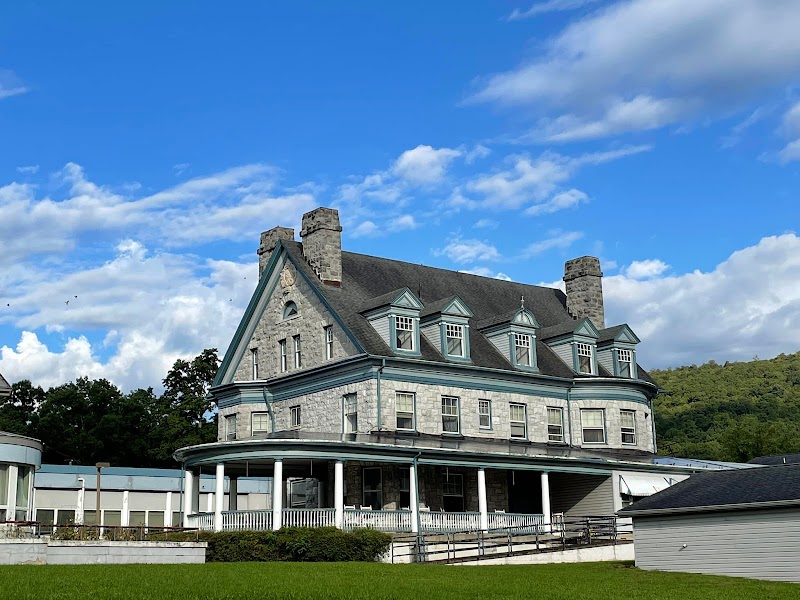
How is Transitions Healthcare Allens Cove Staffed?

CMS rates TRANSITIONS HEALTHCARE ALLENS COVE's staffing level at 3 out of 5 stars, which is average compared to other nursing homes. Staff turnover is 47%, compared to the Pennsylvania average of 46%.

What Have Inspectors Found at Transitions Healthcare Allens Cove?

State health inspectors documented 40 deficiencies at TRANSITIONS HEALTHCARE ALLENS COVE during 2023 to 2025. These included: 40 with potential for harm.

Who Owns and Operates Transitions Healthcare Allens Cove?

TRANSITIONS HEALTHCARE ALLENS COVE is owned by a for-profit company. For-profit facilities operate as businesses with obligations to shareholders or private owners. The facility is operated by TRANSITIONS HEALTHCARE, a chain that manages multiple nursing homes. With 60 certified beds and approximately 51 residents (about 85% occupancy), it is a smaller facility located in DUNCANNON, Pennsylvania.
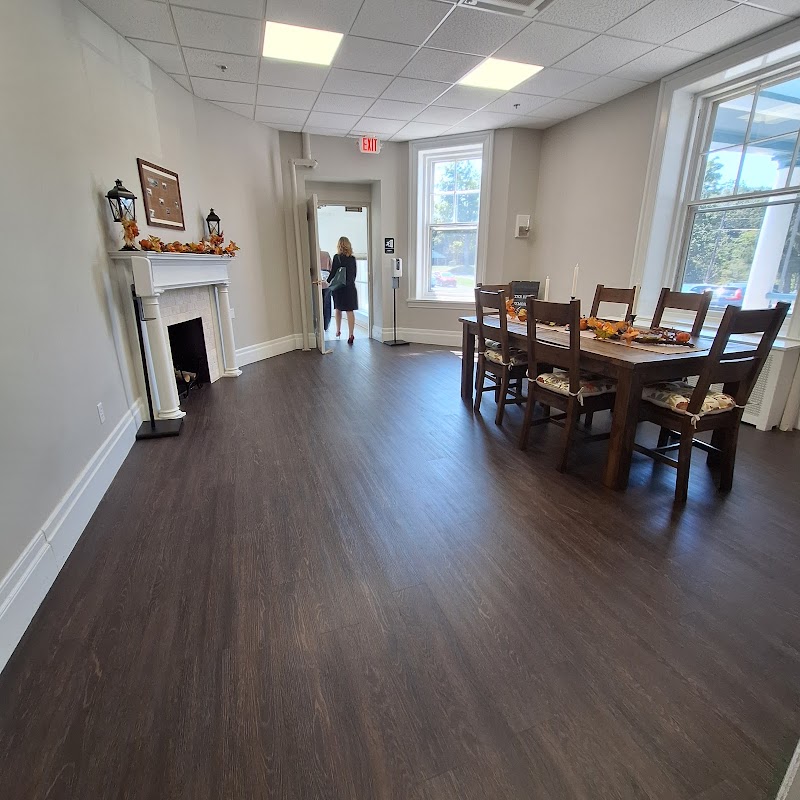
How Does Transitions Healthcare Allens Cove Compare to Other Pennsylvania Nursing Homes?

Compared to the 100 nursing homes in Pennsylvania, TRANSITIONS HEALTHCARE ALLENS COVE's overall rating (3 stars) matches the state average, staff turnover (47%) is near the state average of 46%, and health inspection rating (2 stars) is below the national benchmark.

What Should Families Ask When Visiting Transitions Healthcare Allens Cove?

Based on this facility's data, families visiting should ask: "Can I visit during a mealtime to observe dining assistance and food quality?" "How do you handle medical emergencies, and what is your hospital transfer rate?" "Can I speak with family members of current residents about their experience?"

Is Transitions Healthcare Allens Cove Safe?

Based on CMS inspection data, TRANSITIONS HEALTHCARE ALLENS COVE has a clean safety record: no substantiated abuse findings (meaning no confirmed cases of resident harm), no Immediate Jeopardy citations (the most serious violation level indicating risk of serious injury or death), and is not on the Special Focus Facility watch list (a federal program monitoring the lowest-performing 1% of nursing homes). The facility has a 3-star overall rating and ranks #1 of 100 nursing homes in Pennsylvania. While no facility is perfect, families should still ask about staff-to-resident ratios and recent inspection results during their visit.

Do Nurses at Transitions Healthcare Allens Cove Stick Around?

TRANSITIONS HEALTHCARE ALLENS COVE has a staff turnover rate of 47%, which is about average for Pennsylvania nursing homes (state average: 46%). Moderate turnover is common in nursing homes, but families should still ask about staff tenure and how the facility maintains care continuity when employees leave.

Was Transitions Healthcare Allens Cove Ever Fined?

TRANSITIONS HEALTHCARE ALLENS COVE has no federal fines on record. CMS issues fines when nursing homes fail to meet care standards or don't correct problems found during inspections. The absence of fines suggests the facility has either maintained compliance or corrected any issues before penalties were assessed. This is a positive indicator, though families should still review recent inspection reports for the full picture.

Is Transitions Healthcare Allens Cove on Any Federal Watch List?

TRANSITIONS HEALTHCARE ALLENS COVE is not on any federal watch list. The most significant is the Special Focus Facility (SFF) program, which identifies the bottom 1% of nursing homes nationally based on persistent, serious quality problems. Not being on this list means the facility has avoided the pattern of deficiencies that triggers enhanced federal oversight. This is a positive indicator, though families should still review the facility's inspection history directly.