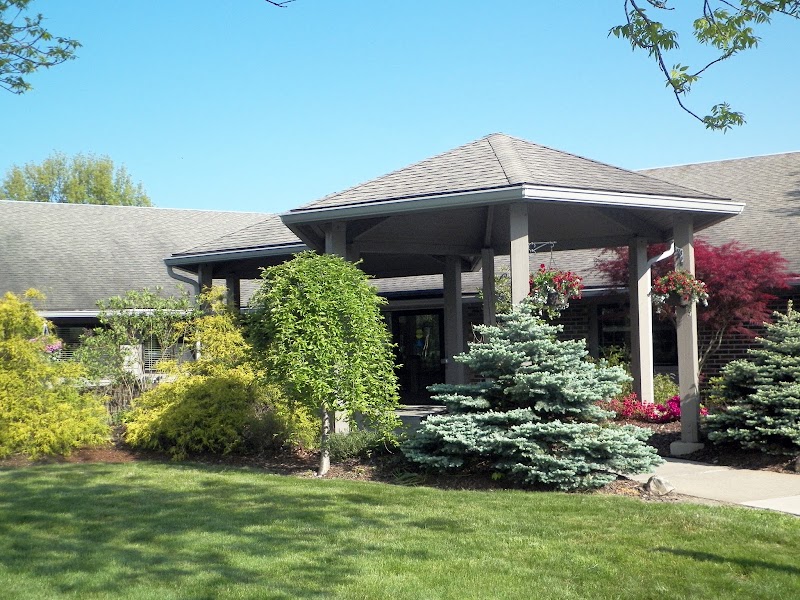

EDINBORO MANOR

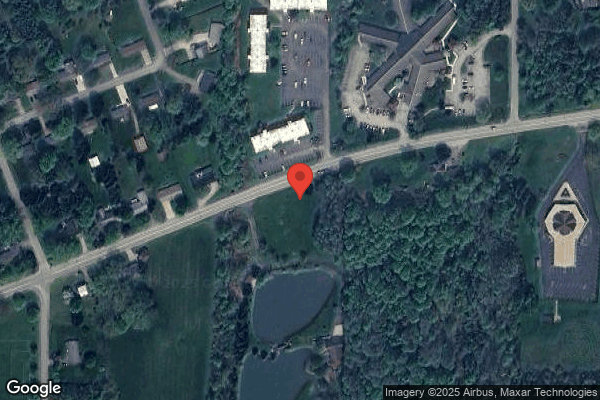
419 WATERFORD STREET, EDINBORO, PA 16412 (814) 734-5021
For profit - Corporation 121 Beds HCF MANAGEMENT Data: November 2025 1 Immediate Jeopardy citation
Trust Grade
36/100
#410 of 653 in PA
Last Inspection: January 2025

Within standard 12-15 month inspection cycle. Federal law requires annual inspections.

Overview

Edinboro Manor has received a Trust Grade of F, indicating significant concerns about its operations and care quality. It ranks #410 out of 653 in Pennsylvania, placing it in the bottom half of all facilities in the state, and #14 out of 18 in Erie County, meaning there are only a few local options that perform better. The facility is improving, having reduced the number of issues from 10 in 2024 to 5 in 2025. However, staffing is a significant weakness, with a low rating of 1 out of 5 stars and a 50% turnover rate, which is concerning. Specific incidents of concern include failing to safely store perishable foods, which created immediate jeopardy for resident safety, not having enough dietary staff to serve meals in the dining room, and lacking a proper antibiotic stewardship program to monitor antibiotic use and resistance. These findings highlight both the facility's weaknesses and its ongoing efforts to improve.

Trust Score
F
36/100
In Pennsylvania
#410/653
Bottom 38%
Safety Record
High Risk
Review needed
Inspections
Getting Better
10 → 5 violations
Staff Stability
⚠ Watch
50% turnover. Above average. Higher turnover means staff may not know residents' routines.
Penalties
○ Average
$18,738 in fines. Higher than 55% of Pennsylvania facilities. Some compliance issues.
Skilled Nurses
⚠ Watch
Each resident gets only 23 minutes of Registered Nurse (RN) attention daily — below average for Pennsylvania. Fewer RN minutes means fewer trained eyes watching for problems.
Violations
⚠ Watch
31 deficiencies on record. Higher than average. Multiple issues found across inspections.
★★☆☆☆
2.0
Overall Rating
★☆☆☆☆
1.0
Staff Levels
★★★☆☆
3.0
Care Quality
★★★☆☆
3.0
Inspection Score
Stable
2024: 10 issues
2025: 5 issues

The Good

  • Full Sprinkler Coverage · Fire safety systems throughout facility
  • No fines on record

Facility shows strength in fire safety.

The Bad

2-Star Overall Rating

Below Pennsylvania average (3.0)

Below average - review inspection findings carefully

Staff Turnover: 50%

Near Pennsylvania avg (46%)

Higher turnover may affect care consistency

Federal Fines: $18,738

Below median ($33,413)

Minor penalties assessed

Chain: HCF MANAGEMENT

Part of a multi-facility chain

Ask about local staffing decisions and management

The Ugly 31 deficiencies on record

1 life-threatening
Jan 2025 5 deficiencies
CONCERN (D)

Potential for Harm - no one hurt, but risky conditions existed

Deficiency F0655 (Tag F0655)

Could have caused harm · This affected 1 resident

Based on review of clinical records and staff interview, it was determined that the facility failed to provide a written summary of the baseline care plan and order summary to the resident and/or repr...

Read full inspector narrative →
Based on review of clinical records and staff interview, it was determined that the facility failed to provide a written summary of the baseline care plan and order summary to the resident and/or representative for two of 23 residents reviewed (Residents R110 and R112). Findings include: Resident R110's clinical record revealed an admission date of 9/6/24, with diagnoses that included dementia (a disease that affects short term memory and the ability to think logically), and chronic obstructive pulmonary disease (condition when your lungs do not have adequate air flow). R110's clinical record lacked evidence that a written summary of the baseline care plan and order summary was provided to Resident R110 and/or his/her representative. Resident R112's clinical record revealed an admission date of 9/17/24, with diagnoses that included dementia hypertension (high blood pressure), and hyperlipidemia (high cholesterol). R112's clinical record lacked evidence that a written summary of the baseline care plan and order summary was provided to Resident R112 and/or his/her representative. During an interview on 1/30/25, at 1:59 p.m. the Director of Nursing confirmed that the clinical records of the residents listed above lacked evidence that a written summary of the baseline care plan and order summary were provided to the resident and/or his/her representative upon admission to the facility. 28 Pa. Code 211.10(c)(d) Resident care policies 28 Pa. Code 201.18(b)(1) Management
CONCERN (D)

Potential for Harm - no one hurt, but risky conditions existed

Comprehensive Care Plan (Tag F0656)

Could have caused harm · This affected 1 resident

Based on review of facility policy and clinical records, and staff interview, it was determined that the facility failed to develop a splint care plan for one of 23 residents reviewed (Resident R27). ...

Read full inspector narrative →
Based on review of facility policy and clinical records, and staff interview, it was determined that the facility failed to develop a splint care plan for one of 23 residents reviewed (Resident R27). Findings include: Review of facility policy entitled Comprehensive Care Plan dated 12/18/24, indicated. The Manor will develop a comprehensive person centered care plan for each resident . and Periodically reviewed and revise . Review of Resident R27's clinical record revealed an admission date of 2/16/24, with diagnoses that included flaccid hemiplegia affecting left non-dominant side (a condition where a person is paralyzed and unable to move one side of their body), diabetes (a health condition caused by the body's inability to produce enough insulin), and hypertension (high blood pressure). Review of Resident R27's physician's orders revealed an order dated 12/26/24, for left resting hand splint every day/shift for left hand support; splint on during waking hours; skin to be checked frequently for signs of irritation or breakdown; may remove for hygiene. Review of Resident R27's care plans revealed no evidence of a care plan for a left resting hand splint. During an interview on 1/30/25, at 10:45 a.m. the Director of Nursing confirmed that there wasn't a care plan for Resident R27's left resting hand splint. He/she also confirmed that a care plan should have been developed for Resident R27's left resting hand splint. 28 Pa. Code 211.12(d)(1)(5) Nursing services 28 Pa. Code 211.10(c)(d) Resident care policies
CONCERN (D)

Potential for Harm - no one hurt, but risky conditions existed

Deficiency F0657 (Tag F0657)

Could have caused harm · This affected 1 resident

Based on review of clinical records and facility policies, and staff interview, it was determined that the facility failed to show evidence of having resident care plan conference meetings or invitati...

Read full inspector narrative →
Based on review of clinical records and facility policies, and staff interview, it was determined that the facility failed to show evidence of having resident care plan conference meetings or invitation to care plan meetings for one of 23 residents reviewed (Resident R106) Findings include: Review of facility policy entitled Comprehensive Care Plan dated 12/18/24, indicated Residents will have the opportunity to discuss their goals for care . Review of facility skills competency checklist entitled Resident Service Coordinator dated 12/18/24, indicated Demonstrates knowledge of the 72 hours care conference and care planning process. Review of Resident R106's clinical record revealed an admission date of 4/11/24, with diagnosis that include chronic obstructive pulmonary disease (condition when your lungs do not have adequate air flow), anxiety (a condition that causes a person to be nervous, uneasy, or worried about something or someone), and hypertension (high blood pressure). Review of Resident R106's clinical record lacked evidence that he/she and/or resident representative had been invited/attended a care plan conference meeting. During an interview on 1/28/25, at 2:14 p.m. Resident R106 disclosed that he/she had not attended and/or been invited to a care plan conference meeting. During an interview on 1/31/25, at 10:00 a.m. with Social Services Coordinator Employee E3, he/she confirmed there was no evidence that Resident R106 and/or his/her representative had attended and/or had been invited to a care plan conference meeting since Resident R106 was admitted to the facility. During an interview on 1/31/25, at 10:20 a.m. the Director of Nursing confirmed there was no evidence that Resident R106 and/or his/her representative had attended and/or had been invited to a care plan conference meeting. 28 Pa. Code 211.5(f)(ii) Medical records 28 Pa. Code 211.10(c)(d) Resident care policies 28 Pa. Code 211.12(d)(1)(5) Nursing services
CONCERN (D)

Potential for Harm - no one hurt, but risky conditions existed

Deficiency F0688 (Tag F0688)

Could have caused harm · This affected 1 resident

Based on review of clinical records, observations, and staff interview, it was determined that the facility failed to ensure that a resident with limited range of motion received physician ordered tre...

Read full inspector narrative →
Based on review of clinical records, observations, and staff interview, it was determined that the facility failed to ensure that a resident with limited range of motion received physician ordered treatment and services to prevent further decrease in range of motion for one of six residents reviewed (Resident R27). Findings include: Review of Resident R27's clinical record revealed an admission date of 2/16/24, with diagnoses that included flaccid hemiplegia affecting left non-dominant side (a condition where a person is paralyzed and unable to move one side of their body), diabetes (a health condition caused by the body's inability to produce enough insulin), and hypertension (high blood pressure). Review of Resident R27's physician's orders revealed an order dated 12/26/24, for left resting hand splint everyday/shift for left hand support; splint on during waking hours; skin to be checked frequently for signs of irritation or breakdown; may remove for hygiene. Observations on 1/28/25, at 12:45 p.m. and again at 2:45 p.m. revealed Resident R27 lying in bed without a left resting hand splint (a splint placed on the hand to help with contractures) to his/her left hand and the left resting hand splint was observed laying on Resident R27's bedside table. Observations on 1/29/25, at 8:40 a.m. and again at 1:00 p.m. revealed Resident R27 was sitting in his/her wheelchair in the lounge without a left resting hand splint to his/her left hand and the left resting hand splint was observed in Resident R27's room laying on the bedside table. Observations on 1/30/25, at 9:20 a.m. and again at 10:45 a.m. revealed Resident R27 was sitting in his/her wheelchair in the lounge without a left resting hand splint to his/her left hand and the left resting hand splint was observed in Resident R27's room laying on the bedside table. During an interview on 1/30/25, at 10:45 a.m. the Director of Nursing confirmed that Resident R27 did not have a left resting hand splint on his/her left hand per physician's orders. He/she also confirmed that Resident R27 should have his/her left resting hand splint on per physician's orders. 28 Pa. Code 201.18(b)(1) Management 28 Pa. Code 211.10(d) Resident care policies 28 Pa. Code 211.12(d)(1)(3)(5) Nursing services
CONCERN (D)

Potential for Harm - no one hurt, but risky conditions existed

Deficiency F0761 (Tag F0761)

Could have caused harm · This affected 1 resident

**NOTE- TERMS IN BRACKETS HAVE BEEN EDITED TO PROTECT CONFIDENTIALITY** Based on review of facility policies, manufacturer's guidelines, observations, and staff interviews, it was determined that the ...

Read full inspector narrative →
**NOTE- TERMS IN BRACKETS HAVE BEEN EDITED TO PROTECT CONFIDENTIALITY** Based on review of facility policies, manufacturer's guidelines, observations, and staff interviews, it was determined that the facility failed to store controlled schedule II-V medications (medications that may be abused or cause addiction that are closely monitored due to high risk of diversion) in a separately locked permanently affixed compartment and failed to ensure that medications were properly dated when opened in the main medication room, and failed to ensure an expired medication was discarded in a timely manner in one of two medication carts reviewed (A-Wing Cart). Findings include: Review of a facility policy entitled Vials and Ampules of Injectable Medications dated [DATE], indicated that, The date opened is recorded by the first person to use each multidose vial. Prior to each use, the solution in multidose vials is inspected for unusual cloudiness, precipitation, or foreign bodies. The rubber stopper is inspected for deterioration. Multi-dose vials expire 28 days after initial use, unless otherwise indicated by the manufacturer. Review of a facility policy entitled Medication Storage in the Facility dated [DATE], indicated that, Outdated, contaminated, or deteriorated medication and those in containers that are cracked, soiled, or without secure closures are immediately removed from stock, returned to ICP, and reordered from the pharmacy, if current order exists. Manufacturer's guidelines for Tubersol PPD (solution used for tuberculosis testing upon admission and for employment), indicated that vials which are entered and in use for 30 days should be discarded. Manufacturer's guidelines for Humalog insulin (a fast-acting insulin used to manage blood sugar levels in people with diabetes), indicates that after opened vials and pre-filled pens should be discarded after 28 days. Observation on [DATE], at 12:13 p.m. of the main medication room refrigerator revealed several vials of controlled scheduled II-V medications in two separately locked containers that were attached to a removeable shelf, therefore they were not permanently affixed to the refrigerator and an opened vial of Tubersol PPD without an open date, therefore the staff were unable to determine the discard date. During an interview at that time Licensed Practical Nurse (LPN) Employee E1 confirmed that the controlled scheduled II-V medications should be stored in a separately locked permanently affixed compartment, and not attached to a removeable shelf and also confirmed that the opened Tubersol PPD vial lacked an open date, and staff were unable to determine the discard date. Observation on [DATE], at 3:18 p.m. of the A-Wing medication cart revealed an open injector pen of Humalog insulin with an open date of [DATE], therefore the medication was expired. During an interview at that time LPN Employee E2 confirmed that the injector pen of Humalog insulin was expired and should have been discarded. 28 Pa. Code 211.9(a)(1) Pharmacy services 28 Pa. Code 211.10(c) Resident care policies 28 Pa. Code 211.12(d)(1)(3)(5) Nursing services
Feb 2024 10 deficiencies
CONCERN (D)

Potential for Harm - no one hurt, but risky conditions existed

Safe Environment (Tag F0584)

Could have caused harm · This affected 1 resident

**NOTE- TERMS IN BRACKETS HAVE BEEN EDITED TO PROTECT CONFIDENTIALITY** Based on observations, review of facility policy, and staff interviews, it was determined that the facility failed to provide ho...

Read full inspector narrative →
**NOTE- TERMS IN BRACKETS HAVE BEEN EDITED TO PROTECT CONFIDENTIALITY** Based on observations, review of facility policy, and staff interviews, it was determined that the facility failed to provide housekeeping services necessary to maintain a clean environment on one of four units (B Unit). Findings include: Review of facility policy entitled Housekeeping and Maintenance Services dated 12/14/23, indicated The Manor will provide housekeeping and maintenance services necessary to maintain a sanitary, orderly and comfortable interior. Observations on 2/12/24, between 12:40 p.m. - 12:48 p.m., 2/13/24, 9:30 a.m. - 9:39 a.m., and on 2/14/24, at 8:20 a.m. - 8:30 a.m. revealed in room [ROOM NUMBER] a white/brown substance on the floor to the right side of the resident's bed, a white substance on the floor to the left side of the resident's bed, pieces of paper under the bed and under the nightstand, and a large amount of gray fluffy substance over the floor of the resident room, under the resident's bed and covering the flat surfaces of the bed frame. Observations on 2/12/24, between 12:40 p.m. - 12:48 p.m., 2/13/24, 9:30 a.m. - 9:39 a.m., and on 2/14/24, at 8:20 a.m. - 8:30 a.m. revealed in room [ROOM NUMBER] a round quarter-size brown object under bed two, a large amount of gray fluffy substance over the floor of the resident room, and under both resident beds and covering the flat surfaces of both bed frames. In the resident bathroom observation of a brown dry substance on the floor to both sides of the toilet. Observations on 2/12/24, between 12:40 p.m. - 12:48 p.m., 2/13/24, 9:30 a.m. - 9:39 a.m., and on 2/14/24, at 8:20 a.m. - 8:30 a.m. revealed in room [ROOM NUMBER] a crumpled up facial tissue under bed one, a large amount of gray fluffy substance over the floor of the resident room, and under both resident beds and covering the flat surfaces of both resident's bed frames. Observations on 2/12/24, between 12:40 p.m. - 12:48 p.m., 2/13/24, 9:30 a.m. - 9:39 a.m., and on 2/14/24, at 8:20 a.m. - 8:30 a.m. revealed in room [ROOM NUMBER] empty candy wrappers under bed one, paper from dressing supplies under bed one, a used band aide stuck to the floor between bed one and bed two, a large amount of gray fluffy substance over the floor of the resident room, and under both resident beds and covering the flat surfaces of both bed frames. During observations with the Nursing Home Administrator on 2/14/24, at 9:00 a.m. he/she confirmed that Resident Rooms 48, 51, 55, and 61 were not appropriately cleaned. He/she also confirmed that resident rooms should be clean. During observations with Housekeeping Employee E4 on 2/14/24, at 9:15 a.m. he/she confirmed that the above resident rooms on B Unit were not appropriately cleaned. He/she also confirmed that resident rooms should be clean. 28 Pa. Code 201.14 (a) Responsibility of Licensee
CONCERN (D)

Potential for Harm - no one hurt, but risky conditions existed

Investigate Abuse (Tag F0610)

Could have caused harm · This affected 1 resident

Based on review of facility policy and clinical records, and staff interviews, it was determined that the facility failed to fully investigate an incident with injury in a timely manner for one of 24 ...

Read full inspector narrative →
Based on review of facility policy and clinical records, and staff interviews, it was determined that the facility failed to fully investigate an incident with injury in a timely manner for one of 24 residents reviewed (Resident R81). Findings include: Review of a facility policy entitled, Accidents and Incidents dated 12/14/2023, indicated that, all accidents and/or incidents occuring on Manor premises involving residents must be investigated. Review of Resident R81's clinical record revealed an admission date of 10/06/2021, with diagnoses that included dementia, history of falling and abnormalities of gait and mobility. Review of Resident R81's clinical record revealed a progress note dated 9/20/2023, that identified Resident R81 was lying on his/her back on the floor with feet towards the door and a large amount of bloody drainage noted on the floor and Resident R81's clothes. Resident R81 was assessed with a head laceration to posterior scalp. An order was received from the physician to transfer Resident R81 to the hospital. Review of Resident R81's clinical record and incident documentation revealed a lack of evidence that a full investigation was completed. Further review of the clinical record lacked evidence of interviews from staff present at the time of the incident or handwritten statements from staff. During an interview on 2/15/2024, at 11:00 a.m. the Nursing Home Administrator confirmed that there was not a complete investigation completed on Resident R81's unwitnessed incident with injury, and also confirmed that all incidents should be investigated which included obtaining written statements. 28 Pa. Code 201.14(a) Responsibility of licensee 28 Pa. Code 211.12(d)(1)(5) Nursing services
CONCERN (D)

Potential for Harm - no one hurt, but risky conditions existed

Assessment Accuracy (Tag F0641)

Could have caused harm · This affected 1 resident

**NOTE- TERMS IN BRACKETS HAVE BEEN EDITED TO PROTECT CONFIDENTIALITY** Based on review of clinical records and staff interviews, it was determined that the facility failed to accurately code the Mini...

Read full inspector narrative →
**NOTE- TERMS IN BRACKETS HAVE BEEN EDITED TO PROTECT CONFIDENTIALITY** Based on review of clinical records and staff interviews, it was determined that the facility failed to accurately code the Minimum Data Set (MDS-periodic assessment of resident care needs) for one of 23 residents reviewed (Resident R59). Findings include: Review of facility policy entitled Resident Assessment Policy dated 12/14/23, indicated Accuracy of assessment. The assessment will accurately reflect the resident's status. Resident R59's clinical record revealed an admission date of 4/20/2018, with diagnoses that included chronic kidney disease (a disease that affects the kidney's ability to filter waste products and extra fluid from the body), dependence of renal dialysis (a mechanical treatment that helps remove extra fluid and waste products from the blood when the kidneys are not able to), and diabetes (condition of improper blood sugar levels). Review of Resident R59's clinical record revealed a physician's order dated 1/29/24, that identified that the resident was ordered to go to dialysis on Monday, Wednesday, and Friday at 7:30 a.m. Review of Resident R59's Care Plans revealed a care plan with a focus that indicated I am receiving dialysis services related to kidney failure and chronic kidney disease stage five, with a care plan creation date of 2/15/21. Review of the MDS dated [DATE], Special Treatments, Procedures, and Programs Section O0100 revealed to check all of the following treatments, procedures, and programs that were performed during the last 14 days. Documentation on the MDS for O0100 while a resident under J Dialysis revealed it was answered no. During an interview on 2/14/24, at 1:42 p.m. the Registered Nurse Assessment Coordinator (RNAC) confirmed that the resident was currently receiving dialysis. The RNAC also confirmed that Section O0100 of the MDS dated [DATE], was incorrectly coded for Resident R59 regarding receiving dialysis. 28 Pa. Code 201.14 (a) Responsibility of Licensee
CONCERN (D)

Potential for Harm - no one hurt, but risky conditions existed

Deficiency F0655 (Tag F0655)

Could have caused harm · This affected 1 resident

Based on clinical record review and staff interview, it was determined that the facility failed to provide a resident and/or his/her representative with a summary of the baseline care plan for one of ...

Read full inspector narrative →
Based on clinical record review and staff interview, it was determined that the facility failed to provide a resident and/or his/her representative with a summary of the baseline care plan for one of 24 residents reviewed (Resident R1). Findings include: Review of Resident R1's clinical record revealed an admission date of 11/3/23, with diagnosis that included Chronic Obstructive Pulmonary disease (a disease that obstructs air flow from the lungs), Hypertension (high blood pressure), and Quadriplegia (a condition where a person is paralyzed and unable to move their body from the neck down). Review of Resident R1's clinical record lacked evidence that a summary of the care plan that included goals, treatments and services, and a summary of medications and dietary instructions was provided to Resident R1 and/or his/her representative. During an interview on 2/14/24, at 3:26 p.m. with the Director of Nursing he/she confirmed that there was no evidence that Resident R1 and/or his/her representative was provided a summary of the care plan that included goals, treatments and services, and a summary of medications and dietary instructions. 28 Pa. Code 201.14(a) Responsibility of Licensee 28 Pa. Code 211.12 (d)(1)(e) Nursing Services
CONCERN (D)

Potential for Harm - no one hurt, but risky conditions existed

Deficiency F0657 (Tag F0657)

Could have caused harm · This affected 1 resident

Based on review of facility policy and clinical records, and staff interview, it was determined that the facility failed to update a care plan for one of 24 residents reviewed (Resident R81). Findings...

Read full inspector narrative →
Based on review of facility policy and clinical records, and staff interview, it was determined that the facility failed to update a care plan for one of 24 residents reviewed (Resident R81). Findings include: Review of a facility policy entitled Comprehensive Care Plan dated 12/14/2023, indicated that, care plans are periodically reviewed and revised by a team of qualified persons after each assessment. Review of Resident R81's clinical record revealed an admission date of 10/06/2021, with diagnoses that included dementia, history of falling and abnormalities of gait and mobility. Review of Resident R81's clinical record revealed a progress note dated 9/20/2023, that indicated Resident R81 was lying on his/her back on the floor with feet towards the door and a large amount of bloody drainage noted on the floor and Resident R81's clothes. Resident R81 was assessed with a head laceration to posterior scalp. An order was received from the physician to transfer Resident R81 to the hospital. Review of clinical record documentation and fall investigation tool for Resident R81, revealed that he/she fell on 9/20/23, resulting in a head laceration requiring staples. There was no evidence that the care plan was updated to reflect the fall and interventions. During an interview on 2/15/2024, at 11:50 a.m. the Registered Nurse Assessment Coordinator confirmed that Resident R81's care plan was not updated to reflect the fall with injury from 9/20/23 and interventions. 28 Pa. Code 201.14(a) Responsibility of licensee 28 Pa. Code 211.12(d)(1)(5) Nursing services
CONCERN (D)

Potential for Harm - no one hurt, but risky conditions existed

Deficiency F0661 (Tag F0661)

Could have caused harm · This affected 1 resident

Based on clinical record review and staff interview, it was determined that the facility failed to include the recapitulation of stay (summary of resident's stay and course of treatment in the facilit...

Read full inspector narrative →
Based on clinical record review and staff interview, it was determined that the facility failed to include the recapitulation of stay (summary of resident's stay and course of treatment in the facility) for one of four closed records reviewed (Resident CR111). Findings include: Review of Resident CR111's clinical record revealed an admission date of 6/30/23, with diagnosis that include Hypertension (high blood pressure), Hyperlipidemia (high cholesterol), and Diabetes. Review of clinical record revealed that Resident CR111 was discharged on 12/14/23. Review of Resident CR111's clinical record lacked evidence of a recapitulation of Resident CR111's stay. During an interview on 2/15/24, at 12:00 p.m. with Employee E3 he/she confirmed that Resident CR111's closed record lacked a recapitulation of his/her stay. 28 Pa. Code 211.5(d)(f)(iv)(xi) Medical records
CONCERN (E)

Potential for Harm - no one hurt, but risky conditions existed

Deficiency F0577 (Tag F0577)

Could have caused harm · This affected multiple residents

Based on review of admission packet and facility documents, observations, and resident and staff interviews, it was determined that the facility failed to post the results of the most recent survey re...

Read full inspector narrative →
Based on review of admission packet and facility documents, observations, and resident and staff interviews, it was determined that the facility failed to post the results of the most recent survey results in a place readily accessible to residents on four of four units (Units A, B, C, D). Findings include: The admission Notice Packet presented on admission by the facility and posted on entrance and in the survey result book are the Resident Rights. Sec.1919(c)(1) Examination of Survey Results in the admission packet stated the survey results must be made available for your examination by the facility in a place readily accessible to you. Observation on 2/12/24, at 11:00 a.m. an unknown female (later identified by staff as being from Medicaid) was working on a laptop in the resident library, and remained until approximately 4:00 p.m. Observation on 2/13/24, at 8:15 a.m. an unknown female (later identified by staff as the Certified Registered Nurse Practitioner- CRNP) was working on a laptop in the resident library, and remained until approximately 3:00 p.m. Interview on 2/13/24, at 3:00 p.m. with the Nursing Home Administrator (NHA) confirmed who the above visitors were there working in the library. Observation on 2/13/24, revealed a sign located in a glass enclosed case in the facility entrance indicated that the survey results were located in the resident library. Interviews on 2/13/24, at 10:00 a.m. with Resident Council Members confirmed that they did not know where the survey results were located, and stated they assumed they were in the front office. Upon being informed that the survey results were located in the resident library, Resident Council Members confirmed that they do not have access to the resident library on most days, and that there is often someone in there working. Observation on 2/14/24, at approximately 8:45 a.m. five corporate consultants were working in the resident library until surveyors left the building at 3:45 p.m. Interview on 2/14/24, at 1:08 p.m. with the NHA confirmed the presence of individuals working in the resident library. Interview on 2/14/24, at 1:36 p.m. with the NHA identified that the survey results binder was not located in the resident library and was not able to state where it was. 28 Pa. Code 201.14(a) Responsibility of licensee 28 Pa. Code 201.18(a) Management
CONCERN (E)

Potential for Harm - no one hurt, but risky conditions existed

Grievances (Tag F0585)

Could have caused harm · This affected multiple residents

Based on review of facility policy and facility documentation, observations, resident and staff interviews, it was determined that the facility failed to make certain residents were aware of the proce...

Read full inspector narrative →
Based on review of facility policy and facility documentation, observations, resident and staff interviews, it was determined that the facility failed to make certain residents were aware of the procedure for filing a concern/grievance (written or verbal, the procedure to file a grievance anonymously), and make certain concern forms are easily located and accessible to all residents and/or representatives on four of four nursing units (A, B, C, D). Findings include: Review of the facility policy entitled, Grievance Policy last reviewed 12/14/23, indicated that: all persons will be provided with an opportunity to present their complaints through a formal grievance procedure; the grievance procedure will be reviewed with all residents at the time of admission, and posted in the Manor; if filing a written grievance, the forms are located in the Administrator's office, must be submitted in writing and signed by the resident or person filing the grievance on behalf of the resident, and lacked guidance related to filing an anonymous grievances. Observation on 2/12/24, at 11:00 a.m. revealed a green sample grievance form in flip chart at the entrance with a round wooden table blocking access to the chart, and no blank forms for resident use, or a box to anonymously place completed grievance forms. During an interview on 2/13/24, at 10:15 a.m. Resident Council Members confirmed that they tell someone if they have a complaint, and do not know if there is an official form or where to get it. During an interview on 2/14/24, at 1:11 p.m. the Nursing Home Administrator confirmed there was no postings of grievance procedures and no way for residents/family to anonymously submit a grievance. 28 Pa. Code 201.29(a)(b)(c) Resident rights 28 Pa. Code 201.18(e)(4) Management
CONCERN (E)

Potential for Harm - no one hurt, but risky conditions existed

Quality of Care (Tag F0684)

Could have caused harm · This affected multiple residents

Based on review of facility policy, and clinical records, observations, and staff interview, it was determined that the facility failed to provide oxygen according to physician's orders for one of fou...

Read full inspector narrative →
Based on review of facility policy, and clinical records, observations, and staff interview, it was determined that the facility failed to provide oxygen according to physician's orders for one of four residents reviewed for respiratory care and failed to follow physician's orders related to oxygen equipment for one of four residents reviewed for respiratory care (Residents R45 and R57). Findings include: Review of a facility policy entitled, Disposable Supply Changes dated 12/14/23, indicated that Guidelines of when disposable supplies for medical equipment need changed for infection control purposes. Disposable supplies need to be dated when changed And Oxygen Cannulas (a thin tube with two prongs that fits into the resident's nostrils to deliver oxygen), Oxygen Supply Lines (tubing that connects from the oxygen source to the nasal cannula), and Oxygen Humidifier Bottles) plastic bottles filled with distilled water used to humidify oxygen) should be changed weekly or prn (as needed). Resident R45's clinical record revealed an admission date of 10/25/23, with diagnoses that included heart disease, irregular heartbeat, difficulty speaking and swallowing and hypertension. There was no evidence in the clinical record of a physician's order for supplemental oxygen. Observations on 2/12/24, at 3:57 p.m. and 2/13/24, at 8:39 a.m. revealed Resident R45 sitting in a wheelchair in his/her room with supplemental oxygen via nasal canula (a thin tube with two prongs that fits into the resident's nostrils to deliver oxygen) set a 2 LPM (liters per minute). During an interview on 2/12/24, at 4:39 p.m. Registered Nurse (RN) Employee E2 confirmed that Resident R45 had oxygen in place at 2 LPM. Observation on 2/14/24, at 10:10 a.m. revealed Resident R45 sitting in wheelchair in D Hall with supplemental oxygen via nasal canula attached to a portable tank set at 2 LPM . During an interview at that time RN Employee E1 confirmed that Resident R45 was wearing supplemental oxygen, there was no physician's order and that it was applied in response to an episode of respiratory distress on 12/14/23, and staff failed to obtain a physician's order. Resident R57's clinical record revealed an admission date of 1/6/23, with diagnoses that included Chronic Obstructive Pulmonary Disease, (COPD - a condition that obstructs air flow in the lungs with symptoms of difficulty breathing, coughing and shortness of breath), pneumonia, and Heart Failure (a progressive heart disease that affects pumping action of the heart muscles, causing fatigue and shortness of breath). Resident R57's clinical record revealed a physician's order dated 1/6/23, indicating to Change O2 [oxygen] tubing and supply bag weekly . Change water jug (bottle) weekly. Review of Resident R57's treatment records for February 2024, revealed that Resident R57's oxygen tubing and water bottle was last changed on February 9, 2024. Observations on 2/12/24, at 2:30 p.m. and on 2/14/24, at 8:35 a.m. revealed Resident R57 lying in bed in his/her room with supplemental oxygen on. Resident R56's oxygen tubing had a piece of tape on it indicating it was last changed on 2/4/24, and the water bottle had 2/6/24 written on the top. During an interview on 2/14/24, at 8:42 a.m. Licensed Practical Nurse (LPN) Employee E5 confirmed that the oxygen tubing was dated 2/4/24, and was not changed per physician's orders and the water bottle was dated 2/6/24, and was not changed per physician's orders. 28 Pa. Code 211.10(d) Resident care policies 28 Pa. Code 211.12(d)(1)(5) Nursing Services
MINOR (C)

Minor Issue - procedural, no safety impact

Deficiency F0575 (Tag F0575)

Minor procedural issue · This affected most or all residents

Based on observations and staff interview, it was determined that the facility failed to display the Department of Health (DOH) Hotline (toll-free telephone number) number in a prominent/accessible lo...

Read full inspector narrative →
Based on observations and staff interview, it was determined that the facility failed to display the Department of Health (DOH) Hotline (toll-free telephone number) number in a prominent/accessible location for residents, resident representatives, and other visitors to observe and access in the facility. Findings include: Observations throughout the facility between 2/12/24, and 2/15/24, revealed that the DOH Hotline phone number was not posted for residents, resident representatives, and other visitors. During an interview on 2/14/24, at 1:11 p.m. the Nursing Home Administrator confirmed the facility failed to display the DOH Hotline phone number number in a prominent/accessible location for residents, resident representatives, and other visitors to observe and access in the facility. 28 Pa. Code 201.14(a) Responsibility of licensee 28 Pa. Code 201.18(e) (2.1) Management
Oct 2023 1 deficiency
CONCERN (E) 📢 Someone Reported This

A family member, employee, or ombudsman was alarmed enough to file a formal complaint

Potential for Harm - no one hurt, but risky conditions existed

Deficiency F0657 (Tag F0657)

Could have caused harm · This affected multiple residents

Based on review of facility policy and clinical records and staff interview, it was determined that the facility failed to review and/or revise resident care plans and ensure each care plan contained ...

Read full inspector narrative →
Based on review of facility policy and clinical records and staff interview, it was determined that the facility failed to review and/or revise resident care plans and ensure each care plan contained goals and interventions for seven of nine residents reviewed (Residents R4, R5, R11, R12, R13, R14, and R16). Findings include: Review of facility policy dated 12/15/22, entitled Comprehensive Care Plans indicated Periodically reviewed and revised care plan by a team of qualified persons after each assessment. Review of Resident R4's clinical record revealed an admission date of 4/20/18, with diagnoses that included end stage renal disease (medical condition in which a person's kidney stop functioning leading to the need for dialysis), diabetes (too much sugar in the blood), and high blood pressure. Review of Resident R4's comprehensive care plan revealed that of the 25 care plans present, 25 had an outstanding target date (a date that the resident's care plan must be updated by) of 5/31/23. Review of Resident R5's clinical record revealed an admission date of 10/4/22, with diagnoses that included end stage renal disease, depression, and anemia. Review of Resident R5's comprehensive care plan revealed that of the 25 care plans present, 24 had an outstanding target date of 7/7/23, and one had no goal. Review of Resident R11's clinical record revealed an admission date of 12/11/20, with diagnoses that included diabetes, high blood pressure, and dementia (loss of memory, language, problem-solving, and other thinking abilities). Review of Resident R11's comprehensive care plan revealed that of the 25 care plans present, 24 had an outstanding target date of 4/12/23, and one had no goal or interventions. Review of Resident R12's clinical record revealed an admission date of 11/9/20, with diagnoses that included diabetes, high blood pressure, and dementia. Review of Resident R12's comprehensive care plan revealed that of the 29 care plans present, 29 had an outstanding target date of 9/22/23. Review of Resident R13's clinical record revealed an admission date of 10/8/22, with diagnoses that included diabetes, high blood pressure, and dementia. Review of Resident R13's comprehensive care plan revealed that of the 23 care plans present, 23 had an outstanding target date of 8/31/23. Review of Resident R14's clinical record revealed an admission date of 10/6/21, with diagnoses that included dementia, history of falls, and glaucoma (eye disease where the optic nerve is damaged and could lead to vision loss). Review of Resident R14's comprehensive care plan revealed that of the 19 care plans present, one had an outstanding target date of 6/1/23, and 18 had an outstanding target date of 7/26/23. Review of Resident R16's clinical record revealed an admission date of 1/26/22, with diagnoses that included diabetes, dementia, and high blood pressure. Review of Resident R16's comprehensive care plan revealed that of the 25 care plans present, 24 had an outstanding target date of 5/2/23, and one had an outstanding target date of 7/31/23. During an interview on 10/4/23, at 1:52 p.m. the Director of Nursing confirmed that Residents R4, R5, R11, R12, R13, R14, and R16's care plans were not reviewed and/or revised as required and they did not all contain a goal with interventions. 28 Pa. Code 211.12(d)(1)(5) Nursing services
Mar 2023 15 deficiencies 1 IJ (1 facility-wide)
CRITICAL (L)

Immediate Jeopardy (IJ) - the most serious Medicare violation

Food Safety (Tag F0812)

Someone could have died · This affected most or all residents

⚠️ Facility-wide issue

Based on a review of facility policy and facility records, observations, and staff interviews, it was determined that the facility failed to maintain safe storage of perishable foods, safe preparation...

Read full inspector narrative →
Based on a review of facility policy and facility records, observations, and staff interviews, it was determined that the facility failed to maintain safe storage of perishable foods, safe preparation/service of foods, and a sanitary kitchen for all residents creating an Immediate Jeopardy situation for one of one kitchens. Findings include: Review of the facility policy entitled, Storage of Perishable Foods dated 12/15/22, indicated that All perishable goods are refrigerated at the appropriate temperature and in an orderly and sanitary manner. A reliable thermometer shall be provided in a clearly visible position placed inside each refrigerator and freezer close to the door. It is the responsibility of the A.M. and P.M. cook to read and record temperatures. Floor in walk-in refrigerator to be cleaned daily; shelves washed weekly, floor in freezer to be cleaned weekly. Frozen foods stored in recommended temperatures as -10 degrees to -0 degrees. Margarine and eggs are to be stored in packing cartons. Prepared or leftover foods should be stored tightly covered, clearly labeled, dated, and used within 3 days or discarded. Review of the facility policy entitled, Preparation and Holding of Foods dated 12/15/22, indicated that During preparation, food is protected from contamination, and growth of any pathogenic organisms. Bacterial growth is inhibited by holding cooked foods at temperatures of 135 degrees Fahrenheit (F). A thermometer must be available and able to probe thin meats. Temperatures can be measured by inserting a clean calibrated thermometer into the center of foods. Temperatures of each food should be taken at each meal. Review of the facility policy entitled, Food Temperatures dated 12/15/22, indicated that At point of service in the kitchen, all cold foods are served at 41 degrees F or below and all hot foods are served at 135 degrees F or higher. Temperatures are taken and recorded for each meal for all hot and cold foods. Foods allowed to remain at temperatures above 41 degrees and below 135 degrees for a period of two (2) hours must be discarded. Review of the Job Description for Cook for the Nutrition Services Department, provided on 3/1/23, indicated that The Position Summary: Prepares meals according to the daily menu and diet specifications in order to ensure successful completion of daily meal service operations. On 2/28/23, at 11:30 a.m. Registered Nurse (RN) Supervisor Employee E6 was instructed by facility administration to give the initial tour of the dietary department. At the start of the initial tour, the RN Supervisor Employee E6 disclosed that on the evening of Sunday, 2/26/23, he/she cooked the dinner meal, which included grilled cheese, hamburgers, tomato soup, carrots, and mashed potatoes and gravy, due to no dietary cook available. RN Supervisor Employee E6 also indicated he/she had no previous dietary training and did not temp any food items prior to serving the food to the resident population on 2/27/23. He/She verbalized, We just wanted to get hot food out to the residents, so they had something to eat. During the initial tour on 2/28/23, between 11:30 a.m. and 11:45 a.m. observations revealed the following: It was identified that the walk-in freezer was not functioning and food items such as, ice cream and waffles, in the freezer were soft. No internal thermometer was located in the freezer, due to numerous boxes stored on the floor and scattered in an unorganized manner throughout the entire freezer area. Two thermometers were observed on the outside of the freezer, one being a dial thermometer with 40 degrees F observed on it, and the other thermometer was off and blank. A few of the food items in the boxes on the floor were pizza, wax beans, and hot dogs. A box of chicken was observed open with the chicken exposed freely with no date or label to acknowledge when the box was opened. The fans were off in the freezer, and the freezer appeared to be thawing due to moisture dripping from the entire roof of the freezer. In the front corner of the walk-in refrigerator, a soiled mop head was observed on the floor somewhat covering a yellow-colored dried substance. Unpasteurized eggs were observed loosely stored on a plate in the refrigerator. A cookie also was observed laying on the floor. Ceiling fans in the dietary area were observed to be dirty and brown in color. Soiled dark, brown-colored mop heads were located on the floor of the dietary area including the food prep area and dishwashing area. During an interview on 2/28/23, at approximately 11:40 a.m. the RN Supervisor Employee E6 confirmed that the walk-in freezer was not functioning, and food was observed soft and unfrozen. He/She also confirmed unsanitary and unsafe conditions with food boxes stored on the floor, open chicken with no date and/or label to acknowledge when it was opened, a cookie laying on refrigerator floor, eggs stored loosely on a plate in the refrigerator, a yellow substance spilled on floor of refrigerator with a soiled mop head covering it, and dirty brown ceiling vents observed in dietary food storage area. No logs of freezer and refrigerator temperatures were available to review at initial tour. During an interview on 2/28/23, at approximately 1:00 p.m. the Dietary [NAME] Employee E5 was unable to provide evidence of final food temperatures for past several days of food items served to the resident population, in addition to daily records of freezer and refrigerator temperatures for the past several days. It was also indicated during the interview that the walk-in freezer was ultimately not functioning for approximately 24 hours due to a breaker being turned off on 2/27/23 in the afternoon, approximately 12:00 p.m. On 2/28/23, at 4:18 p.m. the Nursing Home Administrator (NHA) was informed that Immediate Jeopardy (IJ) was identified in the kitchen related to the facility failed to consistently monitor/document final food temperatures, refrigerator, and freezer temperatures in the main kitchen, and utilized untrained staff to perform food preparation service to residents. The IJ Template was provided to the NHA at that time. The immediate action plan for the kitchen to eliminate the immediate risk for food-borne illness was accepted on 2/28/23, at 6:45 p.m. The plan included: 1. Freezer and fridge monitoring to be completed by NHA or trained designee starting immediately 2/28/23. 2. Starting 3/1/23 will be reviewed daily by NHA or Designee for 14 days and then three times per week for 30 days. 3. Final food temperatures to be completed by Serve Safe Trained PM [NAME] Immediately on 2/28/23. This will be reviewed by the NHA or designee. 4. Starting 3/1/23 food temperatures will be completed by trained staff and will be reviewed daily by NHA or Designee for 14 days and then three times per week for 30 days. 5. Re-education will be provided to staff scheduled on 2/28/23 on food temps and freezer/fridge temps by Licensed Dietitian. 6. Licensed Dietitian and Administrator will ensure that properly trained staff are performing food preparation service to residents immediately 2/28/23. 7. Administrator or Designee will ensure properly trained personnel are scheduled starting 3/1/23 for all meals. The IJ was subsequently lifted on 3/01/23, at 3:44 p.m. when the plan was confirmed to be fully implemented and all kitchen areas were deemed safe to store and serve food and properly trained personnel were scheduled for all meals. 28 Pa. Code 201.14(a) Responsibility of licensee 28 Pa. Code 201.18(b)(1) Management 28 Pa. Code 201.18(b)(3)(e)(1)(3) Management 28 Pa. Code 207.2(a) Administrator's responsibility 28 Pa. Code 211.6(d) Dietary services 28 Pa. Code 211.6(f) Dietary services
CONCERN (D) 📢 Someone Reported This

A family member, employee, or ombudsman was alarmed enough to file a formal complaint

Potential for Harm - no one hurt, but risky conditions existed

Deficiency F0561 (Tag F0561)

Could have caused harm · This affected 1 resident

Based on review of clinical records and resident and staff interviews, it was determined that the facility failed to provide a shower/bath as resident preference for one of 21 residents reviewed (Resi...

Read full inspector narrative →
Based on review of clinical records and resident and staff interviews, it was determined that the facility failed to provide a shower/bath as resident preference for one of 21 residents reviewed (Resident R37). Findings include: Review of Resident R37's Activities of Daily Living (ADLs) for 2/17/23, through 3/02/23 revealed Resident R37 was total dependence (full staff performance) with one-person physical assist for how the resident takes a full-body bath/shower, sponge bath, and transfers in/out of tub/shower. Resident R37 was alert and oriented with a BIMS (Brief Interview for Mental Status) score of 12/15. No evidence of shower/bath documentation was provided for Resident R37 receiving evening showers/baths as per his/her choice. There was no shower policy provided by the facility. During an interview with Resident R37 on 2/28/23, at 3:05 p.m., he/she indicated that their shower/bath was scheduled for dayshift but desired to have it in the evenings, so he/she would not miss activities during the day. Resident R37 indicated he/she misses activities often due to receiving his/her shower. An interview with the Regional Director of Clinical Services on 3/03/23, at 10:30 a.m. revealed no facility policy was noted for resident's having a choice for when to have their shower/bath and there was no evidence provided for Resident R37 receiving a shower/bath in the evening hours per Resident R37's choice. 28 Pa. Code 201.4(a) Responsibility of licensee 28 Pa. Code 211.12 (d)(1)(3)(5) Nursing services
CONCERN (D)

Potential for Harm - no one hurt, but risky conditions existed

Employment Screening (Tag F0606)

Could have caused harm · This affected 1 resident

Based on review of facility policy and personnel files and staff interviews, it was determined that the facility failed to obtain reference checks for one of five newly hired employees (Dietary Employ...

Read full inspector narrative →
Based on review of facility policy and personnel files and staff interviews, it was determined that the facility failed to obtain reference checks for one of five newly hired employees (Dietary Employee E1). Findings include: Review of the Abuse, Neglect, Exploitation & Misappropriation of Resident Property Policy, dated 12/15/22, indicated that prior to hiring a new employee the facility will attempt to obtain references from prior employers for an applicant. Review of the Reference Check Request Policy, dated 12/15/22, indicated that the Administrator shall be responsible for ensuring that each applicant seeking employment with the Manor shall be required to also complete a release regarding reference checks, and upon receipt of satisfactory evidence of the reference checks an offer of employment shall be made. Review of Dietary Employee E1's personnel file revealed that he/she was hired on 11/08/22, and there was no evidence of reference checks being completed. During an interview on 3/03/23, at 10:00 a.m. the Human Resources Manager confirmed that no reference checks had been completed for Dietary Employee E1 prior to hire. 483.13 - Resident Behavior and Facility Practices, 10-1-1998 edition 28 Pa. Code 201.14(a) Responsibility of licensee
CONCERN (D)

Potential for Harm - no one hurt, but risky conditions existed

Assessment Accuracy (Tag F0641)

Could have caused harm · This affected 1 resident

**NOTE- TERMS IN BRACKETS HAVE BEEN EDITED TO PROTECT CONFIDENTIALITY** Based on review of clinical records, facility documentation and staff interviews, it was determined that the facility failed to ...

Read full inspector narrative →
**NOTE- TERMS IN BRACKETS HAVE BEEN EDITED TO PROTECT CONFIDENTIALITY** Based on review of clinical records, facility documentation and staff interviews, it was determined that the facility failed to complete the Minimum Data Set (MDS-periodic assessment of resident care needs) to accurately reflect the resident's status at the time of the assessment for one of 21 residents reviewed (Resident R27). Findings include: Review of Resident R27's admission record revealed an original admission date of 12/09/20, with diagnoses including cancer, irregular heart rate, blood clots, high blood pressure, dementia, and anxiety. Resident R27's clinical record revealed he/she had experienced falls on 11/27/22, 12/30/22, and 1/01/23, which resulted in transport to the hospital. The Annual MDS dated [DATE], under Health Conditions Section J1800 indicated that Resident R27 did not experience any falls since his/her prior assessment. During an interview on 3/02/23, at 1:26 p.m. Registered Nurse Employee E2 confirmed that Resident R27's falls on 11/27/22, 12/30/22, and 1/01/23, were not coded in Health Conditions Section J1800 on the Annual MDS dated [DATE]. During an interview on 3/02/23, at 2:33 p.m. the Clinical Reimbursement Specialist confirmed that Resident R27's falls on 11/27/22, 12/130/22, and 1/01/23, should have been coded in Health Conditions Section J1800 on the Annual MDS dated [DATE]. 28 Pa. Code 211.5(f) Clinical records
CONCERN (D)

Potential for Harm - no one hurt, but risky conditions existed

Drug Regimen Review (Tag F0756)

Could have caused harm · This affected 1 resident

Based on review of facility policy and clinical records, and staff interview, it was determined that the facility failed to ensure that monthly pharmacy medication reviews were completed for two of 21...

Read full inspector narrative →
Based on review of facility policy and clinical records, and staff interview, it was determined that the facility failed to ensure that monthly pharmacy medication reviews were completed for two of 21 residents reviewed (Residents R5 and R66). Findings include: Review of the facility policy entitled, Pharmaceutical Services dated 12/15/22, revealed Provide pharmaceutical services (including procedures that assure the accurate acquiring, receiving, dispensing and administering of all drugs and biologicals) to meet the needs of each resident. Drug regimen review-The regimen, including the medical record, of each resident must be reviewed at least once a month by a licensed pharmacist. Review of Resident R5's clinical record revealed an admission date of 9/14/18, with diagnoses that included iron deficiency anemia (too few healthy red blood cells in the body), chronic obstructive pulmonary disease (a group of diseases that block airflow and make it difficult to breathe), fibromyalgia (widespread muscle pain and tenderness), and symbolic dysfunctions. Resident R5's physician's orders included Aripiprazole 1 milligram/milliliter 3 ml by mouth daily for anxiety disorder, Cymbalta 90 milligrams (mg) by mouth daily for depression, Keppra 500 mg by mouth twice daily for seizure prevention, and Metoprolol Tartrate 50 mg by mouth twice daily for heart disease. There was no documented evidence that pharmacy completed a monthly drug regimen review for Resident R5 for September 2022, October 2022, November 2022, and January 2023. During an interview on 3/03/23, at 12:55 p.m. the Regional Director of Clinical Services confirmed there were no pharmacy reviews for Resident R5 for September 2022, October 2022, November 2022 and January 2023. Review of Resident R66's clinical record revealed an admission date of 12/12/22, with diagnoses that included Alzheimer's dementia (a disease of the brain that affects decision making, mood and behavior), kidney disease, adult failure to thrive, and anxiety disorder. Resident R66's physician's orders included Donepezil HCL 10 mg by mouth daily for dementia, Fluoxetine HCL 10 mg by mouth daily for depression, and Metoprolol Tartrate 12.5 mg by mouth two times daily for high blood pressure. There was no documented evidence that pharmacy completed a monthly drug regimen review for Resident R66 for January 2023. During an interview on 3/03/23, at 12:55 p.m. the Regional Director of Clinical Services confirmed there were no pharmacy reviews for Resident R66 for January 2023. 28 Pa. Code 201.14(a) Responsibility of licensee 28 Pa. Code 211.5(f) Clinical records
CONCERN (E)

Potential for Harm - no one hurt, but risky conditions existed

Resident Rights (Tag F0550)

Could have caused harm · This affected multiple residents

Based on observations and staff and resident interviews, it was determined that the facility failed to provide a homelike dining experience by not having the dining room open for residents to use for ...

Read full inspector narrative →
Based on observations and staff and resident interviews, it was determined that the facility failed to provide a homelike dining experience by not having the dining room open for residents to use for breakfast, lunch and dinner and having the residents eat on styrofoam disposable dishes for each meal. Findings include: Observations of meals served to all residents' rooms during 2/28/23, through 3/03/23, revealed that the dining room has not been open for the resident population to use for each meal (breakfast, lunch and dinner). All residents received their meal on disposable styrofoam dishes in their rooms. During an interview on 2/28/23, at 11:30 a.m. the Registered Nurse Supervisor Employee E6 confirmed the residents must eat in their rooms and have not been allowed to eat in the dining room consistently for the past several weeks. During a resident council meeting/interviews with five residents on 3/01/23, at 10:30 a.m. it was confirmed that they have been eating off styrofoam in their rooms for a long time and were told that there is not enough dietary staff to wash the dishes and that there is not enough floor staff to go down to the dining room. The residents reported that they never know what they are going to get to eat, and that there is trouble with getting their food hot, and they do not like the taste of the food on styrofoam. Residents confirmed that they want to be able to go to the dining room, know what they are going to eat and not eat on styrofoam. 28 Pa. Code 201.29(j) Resident rights 28 Pa. Code 211.12(d)(1)(5) Nursing Services
CONCERN (E)

Potential for Harm - no one hurt, but risky conditions existed

Deficiency F0725 (Tag F0725)

Could have caused harm · This affected multiple residents

**NOTE- TERMS IN BRACKETS HAVE BEEN EDITED TO PROTECT CONFIDENTIALITY** Based on review clinical records and the Long-Term Care Facility Resident Assessment (RAI) Instrument 3.0 dated 10/2019, and res...

Read full inspector narrative →
**NOTE- TERMS IN BRACKETS HAVE BEEN EDITED TO PROTECT CONFIDENTIALITY** Based on review clinical records and the Long-Term Care Facility Resident Assessment (RAI) Instrument 3.0 dated 10/2019, and resident and staff interviews, it was determined that the facility failed to provide sufficient staff to complete required time sensitive assessments and provide bathing needs as scheduled/chosen for three of 21 residents reviewed (Residents R17, R32, and R37). Findings include: Review of Resident R17's MDS dated [DATE], revealed Resident R17 required physical help in part of the bathing activity and is a one-person assist for how the resident takes a full-body bath/shower, sponge bath, and transfers in/out of tub/shower. Resident R17 was alert and oriented with a BIMS (Brief Interview for Mental Status) score of 12/15. During an interview on 2/28/23, at 4:30 p.m. Resident R17 verbalized, I get a shower only when there are enough people out there to give you one. Review of Resident R17's shower/bath task records, dated January, February, and March 2023, revealed that the resident received seven showers between 1/06/23 and 3/02/23. Resident R17 had not refused any showers. An interview with the Regional Director of Clinical Services on 3/03/23, at 10:30 a.m. confirmed that Resident R17 only had seven showers throughout the months of January, February, and March 2023. During an interview on 3/03/23, at 10:30 a.m. the Regional Director of Clinical Services confirmed there was no evidence of Resident R17 receiving a shower/bath in the evening hours as desired. A quarterly MDS assessment for Resident R32, dated 2/06/23, revealed that the resident was cognitively intact, and required assistance from staff for bathing. During an interview on 3/01/23, at 12:30 p.m. Resident R32 indicated that they have not had a shower and just washes up at the sink. Review of Resident R32's task records, dated January and February 2023, revealed that the resident received four showers in the last 59 days. Resident R32 had not refused any showers. Interview with the Regional Director of Clinical Services on 3/03/23, at 10:15 a.m. confirmed that Resident R32 only had four showers throughout the months of January and February 2023. Review of Resident R37's Activities of Daily Living (ADLs) for 2/17/23, through 3/02/23, revealed Resident R37 is total dependence (full staff performance) with one-person physical assist for how the resident takes a full-body bath/shower, sponge bath, and transfers in/out of tub/shower. Resident R37 was alert and oriented with a BIMS score of 12/15. During an interview with Resident R37 on 2/28/23, at 3:05 p.m. he/she indicated that their shower/bath was scheduled for dayshift due to lack of staffing in the evening. Resident R37 indicated he/she desires to have it in the evenings, but has to get it during the dayshift hours when it is convenient for staff. Resident R37 also indicated he/she misses activities often, due to receiving his/her shower. No evidence of shower/bath documentation was provided for Resident R37 receiving evening showers/baths as per his/her choice. During an interview on 3/03/23, at 10:30 a.m. the Regional Director of Clinical Services confirmed there was no evidence that Resident R37 received a shower/bath in the evening hours. Review of Chapter 5.2 in the RAI manual all non-admission OBRA and PPS assessments, the Minimum Data Set (MDS-periodic assessment of resident care needs) Completion Date must be no later than 14 days after the Assessment Reference Date (ARD). Review of the facility's CMS (Centers for Medicare/Medicaid Services) MDS Submission Reports dated 2/27/23, and 2/28/23 indicated that two of four resident assessments were completed more than 14 days after the Assessment Reference Date. During an interview on 3/03/23, at 8:40 a.m. the Registered Nurse Assessment Coordinator confirmed that he/she is pulled from his/her duties to take a cart and pass medications when there is not enough nurses to do so, and that even when he/she does this on off hours (11:00 a.m.-7:00 p.m.) he/she then loses two days of completing his/her job, and that there used to be staff to assist with care plan up-dating, but that is now an empty position and he/she has to also complete that along with the MDSs. 28 Pa. Code 201.18(e)(1) Management 28 Pa. Code 211.12(d)(5) Nursing services
CONCERN (E)

Potential for Harm - no one hurt, but risky conditions existed

Administration (Tag F0835)

Could have caused harm · This affected multiple residents

Based on observations, review of facility policy, facility records, and job descriptions and staff interviews, it was determined that the Nursing Home Administrator (NHA) failed to effectively manage ...

Read full inspector narrative →
Based on observations, review of facility policy, facility records, and job descriptions and staff interviews, it was determined that the Nursing Home Administrator (NHA) failed to effectively manage the facility to make certain that proper food preparation/service, storage and sanitation was effectively implemented in the facility kitchen. Findings include: The job description for the NHA revealed that the NHA is responsible to direct the overall operations of the care community in accordance with current, local, state, and federal regulations governing long-term care in-order to ensure the highest level of quality care is provided to each resident. Based on the findings in this report that identified the facility failed to supervise and consistently monitor/document final food temperatures, refrigerator and freezer temperatures in the main kitchen, and utilized untrained staff to perform food preparation service to residents and maintain a sanitary environment in the kitchen for their residents, the NHA failed to fulfill their essential job duties to ensure that the Federal and State guidelines and Regulations were followed. Refer to F812 28 Pa. Code 201.14(a) Responsibility of Licensee 28 Pa. Code 201.18(a) Management 28 Pa. Code 201.18(b)(1)(3) Management 28 Pa. Code 201.18(e)(1) Management 28 Pa. Code 211.12(c) Nursing Services 28 Pa. Code 211.12(d)(1)(5) Nursing Services
CONCERN (E)

Potential for Harm - no one hurt, but risky conditions existed

Deficiency F0865 (Tag F0865)

Could have caused harm · This affected multiple residents

Based on review of the facility's Quality Assurance Performance Improvement (QAPI), it was determined that the committee failed to ensure that plans to improve the delivery of care and services, and e...

Read full inspector narrative →
Based on review of the facility's Quality Assurance Performance Improvement (QAPI), it was determined that the committee failed to ensure that plans to improve the delivery of care and services, and effectively address identified staffing concerns were implemented. Findings include: Review of facility deficiencies and plan of correction (POC) for the Abbreviated Survey ending 10/23/22, revealed that the facility was cited for state regulation deficient practice. POC developed by the facility for the identified regulations included that the QAPI committee will review daily staffing levels on a monthly basis at the QAPI meeting. During review of the QAPI program and interview at that time on 3/03/23, at 10:45 a.m. the Nursing Home Administrator was unable to show evidence that the QAPI committee included plans to improve the delivery of care and services, effectively address identified staffing concerns, or reviewed daily staffing levels at monthly QAPI meetings. 28 Pa. Code 201.18(b)(1)(e)(1) Management 28 Pa. Code 201.14(a) Responsibility of licensee
CONCERN (E)

Potential for Harm - no one hurt, but risky conditions existed

QAPI Program (Tag F0867)

Could have caused harm · This affected multiple residents

Based on review of facility policy and documents, and staff interviews, it was determined that the facility failed to develop and implement action plans to correct identified quality deficiencies, and...

Read full inspector narrative →
Based on review of facility policy and documents, and staff interviews, it was determined that the facility failed to develop and implement action plans to correct identified quality deficiencies, and implement a Quality Assurance and Performance Improvement (QAPI) plan as required over the last year. Findings include: Review of a facility policy entitled, QAPI Policy and Procedure dated 12/15/22, indicated that the essential element of the QAPI Program is the thoughtful and candid review of HCF's provision of care to its residents by the QAPI Committee by obtaining information to review and documenting the conclusions reached by the committee. There was no evidence that a QAPI committee meeting occurred or plans of action implemented for the second and third quarters of 2022, (between 4/27/22, and 10/25/22). During an interview on 3/03/23, at 10:45 a.m. the Nursing Home Administrator confirmed that there was no evidence that a QAPI Committee meeting occurred or plans of action implemented for the second and third quarters of 2022, (between 4/27/22, and 10/25/22). 28 Pa. Code 201.18(e)(1)(2)(3) Management 28 Pa. Code 201.14(a) Responsibility of licensee
CONCERN (E)

Potential for Harm - no one hurt, but risky conditions existed

Deficiency F0868 (Tag F0868)

Could have caused harm · This affected multiple residents

Based on review of facility records and staff interview, it was determined that the facility failed to assure the required attendance of the Medical Director and Qualified Infection Preventionist to Q...

Read full inspector narrative →
Based on review of facility records and staff interview, it was determined that the facility failed to assure the required attendance of the Medical Director and Qualified Infection Preventionist to Quality Assurance and Performance Improvement (QAPI) Committee meetings for three of three quarterly QAPI Committee meetings (4/27/22, 10/25/22, 2/03/23). Findings include: Review of the QAPI Committee Attendance Records revealed two (10/25/22 and 2/03/23) of three attendance sign-in sheets for the required quarterly meetings did not have a Medical Director or a physician designated by the facility in attendance. Review of the QAPI Committee Attendance Records revealed three of three (4/27/22, 10/25/22, 2/03/23) attendance sign-in sheets for the required quarterly meetings did not have a Qualified Infection Preventionist. During an interview on 3/03/23, at 10:45 a.m. the Nursing Home Administrator confirmed that the attendance sign-in sheets for the required quarterly QAPI Committee meetings on 4/27/22, 10/25/22, and 2/03/23, lacked evidence of attendance by all required committee members. 28 Pa. Code 201.18(e)(1)(2)(3) Management 28 Pa. Code 201.14(a) Responsibility of licensee
CONCERN (F)

Potential for Harm - no one hurt, but risky conditions existed

Deficiency F0802 (Tag F0802)

Could have caused harm · This affected most or all residents

Based on observations and staff interviews, it was determined that the facility failed to provide sufficient staff to carry out the functions of the food and nutrition services in the main kitchen. Fi...

Read full inspector narrative →
Based on observations and staff interviews, it was determined that the facility failed to provide sufficient staff to carry out the functions of the food and nutrition services in the main kitchen. Findings include: No policy was provided regarding sufficient dietary staff, dining room availability, and/or utilizing disposable dishes. Observations on 2/28/23, through 3/03/23, revealed the dining room was not open for the residents to eat breakfast, lunch and/or dinner. Further observations on 2/28/23, through 3/03/23, revealed all meals delivered to the residents' rooms on disposable styrofoam dishes. An interview with the Dietary [NAME] Employee E7 on 3/01/23, at approximately 11:35 a.m. revealed the dining room is not open to the residents when there are only two dietary staff working in the kitchen. The Dietary [NAME] Employee E7 indicated two dietary staff cannot carry out the functions of serving the residents in the dining room and in their rooms. The Dietary [NAME] Employee E7 also indicated due to lack of dietary staff, disposable styrofoam dishes are used for the resident meals, so the dietary staff do not have to do so many dishes. 28 Pa. Code 201.14(a) Responsibility of licensee 28 Pa. Code 201.18(b)(3) Management
CONCERN (F)

Potential for Harm - no one hurt, but risky conditions existed

Antibiotic Stewardship (Tag F0881)

Could have caused harm · This affected most or all residents

Based on review of facility policy, infection control documentation and staff interview, it was determined that the facility failed to develop, promote, and implement a facility-wide system to monitor...

Read full inspector narrative →
Based on review of facility policy, infection control documentation and staff interview, it was determined that the facility failed to develop, promote, and implement a facility-wide system to monitor the use of antibiotics, and implement an antibiotic stewardship program that contained a system of reports related to monitoring antibiotic usage and resistance data for 10 consecutive months (June 2022-March 2023). Findings include: Review of a facility policy entitled Antibiotic Stewardship reviewed 12/15/22, indicated that: The primary purpose of the care community infection prevention and control program is designed to provide a safe, sanitary and comfortable environment and to help prevent the development and transmission of communicable disease and infection. The Antibiotic Stewardship Program (ASP) is comprehensive in that it addresses prevention, surveillance, documentation, monitoring, data analysis, education, and antibiotic review. The Infection Preventionist Nurse will collaborate with QAPI team including, but not limited to: Medical Director, the Director of Nursing, Administrator, Pharmacist, and Infection Control Preventionist. - The actions of the ASP would include: A. PREVENTION Care communities and partners will commit to minimizing resistance development and toxicity in antibiotic use through policy, procedures and education to residents and families. B. SURVEILLANCE OF ANTIBIOTICS An on-going surveillance and, monitoring including antibiotics trends, outcomes and patterns will be conducted. C. DATA ANALYSIS Evidence of an infection will be identified and reported. Data analysis may include the following but not limited to: comparing data for detection of unusual or unexpected outcomes, trends, MDRO's (multi drug resistant organisms), effective practices, and performance issues. All data will be reviewed through the QAPI process. D. EDUCATION The care community will regularly educate staff on infection prevention including antibiotic stewardship based on analysis, observation, and/or trends identified. E. ANTIBIOTIC REVIEW The care community will review the use of antibiotics, appropriateness, and suggest alternatives in consideration with physician and pharmacist recommendations. Review of facility infection control reports/documentation revealed there was no evidence to support that the facility; had the required Antibiotic Stewardship Program (ASP); had an antibiogram for 10 consecutive months (June 2022 -March 2023); used a criteria tool to monitor appropriateness of antibiotic use; monitored/measured/tracked antibiotic use, stewardship actions and outcomes for 10 months between June 2022, and March 2023; and completed a monthly ASP tracking report to discuss and distribute to administrative leadership. During an interview on 3/3/23, at 10:15 a.m. the Regional Director of Clinical Services confirmed that the facility was not able to provide evidence of infection and antibiotic use monitoring/measuring/tracking for 10 of 12 months between June 2022, and March 2023; antibiograms for 12 consecutive months; and evidence of monthly ASP meetings for 12 consecutive months. 28 Pa. Code 201.14(a) Responsibility of licensee 28 Pa. Code 201.18(b)(1) Management
CONCERN (F)

Potential for Harm - no one hurt, but risky conditions existed

Deficiency F0882 (Tag F0882)

Could have caused harm · This affected most or all residents

Based on review of facility records and staff interviews, it was determined that the facility failed to ensure the designated Infection Preventionist (IP) was qualified with specialized training in in...

Read full inspector narrative →
Based on review of facility records and staff interviews, it was determined that the facility failed to ensure the designated Infection Preventionist (IP) was qualified with specialized training in infection prevention and control. Findings include: During an interview on 3/1/23, at 12:00 p.m with the IP revealed that he/she had taken over the IP position in July 2022, and as of 3/1/23, had not successfully completed the required specialized Infection Preventionist course. During an interview on 3/3/23, at 10:15 a.m. the Regional Director of Clinical Services confirmed that the IP overseeing the infection control program and duties since July 2022 had not yet successfully completed the required specialized training / education. 28 Pa. Code 201.18(e)(1) Management 28 Pa. Code 211.10(d) Resident care policies 28 Pa. Code 211.12(d)(1)(5) Nursing services
MINOR (B)

Minor Issue - procedural, no safety impact

Deficiency F0625 (Tag F0625)

Minor procedural issue · This affected multiple residents

**NOTE- TERMS IN BRACKETS HAVE BEEN EDITED TO PROTECT CONFIDENTIALITY** Based on review of clinical records and staff interviews, it was determined that the facility failed to provide the resident/res...

Read full inspector narrative →
**NOTE- TERMS IN BRACKETS HAVE BEEN EDITED TO PROTECT CONFIDENTIALITY** Based on review of clinical records and staff interviews, it was determined that the facility failed to provide the resident/resident representative with a written notice of the facility bed-hold policy (explanation of how long a bed can be held during a leave of absence and the cost per day) upon or within twenty-four hours of transfer for two or four residents reviewed for transfers (Residents R35 and R38). Findings include: Review of a facility policy entitled, Bed Holds and Leave of Absence, dated 12/15/22, indicated that if residents leave the facility on overnight visits to the hospital it is considered a voluntary discharge unless residents elect to have the facility hold their bed so that they may return to it. Review of Resident R35's clinical record revealed an original admission date of 7/22/20, with diagnoses including quadriplegia (dysfunction or loss of motor and/or sensory function from the neck down, including the trunk, legs and arms), Type 2 Diabetes (affects how the body uses glucose (sugar)), and high blood pressure. A progress note indicated that Resident R35 was transferred to the hospital on 2/13/23, and then admitted for evaluation and treatment of respiratory issues. The clinical record lacked evidence that written notice of the facility bed-hold policy was provided to the resident or representative upon or within 24 hours of transfer. Review of Resident R38's clinical record revealed an admission date of 8/09/20, with diagnoses including Type 2 Diabetes, stroke, and prostate cancer. A progress not indicated that Resident R38 was transferred to the hospital on [DATE], and then admitted for evaluation and treatment abdominal pain. The clinical record lacked evidence that written notice of the facility bed-hold policy was provided to the resident or representative upon or within 24 hours of transfer. During an interview on 3/03/23, at 9:25 a.m. Registered Nurse Employee E2 confirmed that there was no evidence that the facility provided the resident/resident representative with a written notice of the facility bed-hold policy upon or within twenty-four hours of transfer for Residents R35 and R38. 28 Pa. Code 201.18(e)(1) Management 28 Pa. Code 201.29(f) Resident rights
Understanding Severity Codes (click to expand)
Life-Threatening (Immediate Jeopardy)
J - Isolated K - Pattern L - Widespread
Actual Harm
G - Isolated H - Pattern I - Widespread
Potential for Harm
D - Isolated E - Pattern F - Widespread
No Harm (Minor)
A - Isolated B - Pattern C - Widespread

Questions to Ask on Your Visit

  • "What changes have you made since the serious inspection findings?"
  • "Can I speak with families of current residents?"
  • "What's your RN coverage like on weekends and overnight?"

Our Honest Assessment

Strengths
  • • Licensed and certified facility. Meets minimum state requirements.
Concerns
  • • Multiple safety concerns identified: 1 life-threatening violation(s). Review inspection reports carefully.
  • • 31 deficiencies on record, including 1 critical (life-threatening) violation. These warrant careful review before choosing this facility.
  • • $18,738 in fines. Above average for Pennsylvania. Some compliance problems on record.
  • • Grade F (36/100). Below average facility with significant concerns.
Bottom line: Trust Score of 36/100 indicates significant concerns. Thoroughly evaluate alternatives.

About This Facility

What is Edinboro Manor's CMS Rating?

CMS assigns EDINBORO MANOR an overall rating of 2 out of 5 stars, which is considered below average nationally. Within Pennsylvania, this rating places the facility higher than 0% of the state's 100 nursing homes. A rating at this level reflects concerns identified through health inspections, staffing assessments, or quality measures that families should carefully consider.

How is Edinboro Manor Staffed?

CMS rates EDINBORO MANOR's staffing level at 1 out of 5 stars, which is much below average compared to other nursing homes. Staff turnover is 50%, compared to the Pennsylvania average of 46%. RN turnover specifically is 71%, which is notably high. RNs provide skilled clinical oversight, so turnover in this role can affect medical care quality.

What Have Inspectors Found at Edinboro Manor?

State health inspectors documented 31 deficiencies at EDINBORO MANOR during 2023 to 2025. These included: 1 Immediate Jeopardy (the most serious level, indicating potential for serious harm or death), 28 with potential for harm, and 2 minor or isolated issues. Immediate Jeopardy findings are rare and represent the most serious regulatory concerns. They require immediate corrective action.

Who Owns and Operates Edinboro Manor?

EDINBORO MANOR is owned by a for-profit company. For-profit facilities operate as businesses with obligations to shareholders or private owners. The facility is operated by HCF MANAGEMENT, a chain that manages multiple nursing homes. With 121 certified beds and approximately 112 residents (about 93% occupancy), it is a mid-sized facility located in EDINBORO, Pennsylvania.

How Does Edinboro Manor Compare to Other Pennsylvania Nursing Homes?

Compared to the 100 nursing homes in Pennsylvania, EDINBORO MANOR's overall rating (2 stars) is below the state average of 3.0, staff turnover (50%) is near the state average of 46%, and health inspection rating (3 stars) is at the national benchmark.

What Should Families Ask When Visiting Edinboro Manor?

Based on this facility's data, families visiting should ask: "What changes have been made since the serious inspection findings, and how are you preventing similar issues?" "Can you walk me through typical staffing levels on day, evening, and night shifts?" "Can I visit during a mealtime to observe dining assistance and food quality?" "How do you handle medical emergencies, and what is your hospital transfer rate?" These questions are particularly relevant given the facility's Immediate Jeopardy citations and the below-average staffing rating.

Is Edinboro Manor Safe?

Based on CMS inspection data, EDINBORO MANOR has documented safety concerns. Inspectors have issued 1 Immediate Jeopardy citation (the most serious violation level indicating risk of serious injury or death). The facility has a 2-star overall rating and ranks #100 of 100 nursing homes in Pennsylvania. Families considering this facility should ask detailed questions about what corrective actions have been taken since these incidents.

Do Nurses at Edinboro Manor Stick Around?

EDINBORO MANOR has a staff turnover rate of 50%, which is about average for Pennsylvania nursing homes (state average: 46%). Moderate turnover is common in nursing homes, but families should still ask about staff tenure and how the facility maintains care continuity when employees leave.

Was Edinboro Manor Ever Fined?

EDINBORO MANOR has been fined $18,738 across 2 penalty actions. This is below the Pennsylvania average of $33,266. While any fine indicates a compliance issue, fines under $50,000 are relatively common and typically reflect isolated problems that were subsequently corrected. Families should ask what specific issues led to these fines and confirm they've been resolved.

Is Edinboro Manor on Any Federal Watch List?

EDINBORO MANOR is not on any federal watch list. The most significant is the Special Focus Facility (SFF) program, which identifies the bottom 1% of nursing homes nationally based on persistent, serious quality problems. Not being on this list means the facility has avoided the pattern of deficiencies that triggers enhanced federal oversight. This is a positive indicator, though families should still review the facility's inspection history directly.