BROOKMONT HEALTHCARE AND REHABILITATION CENTER
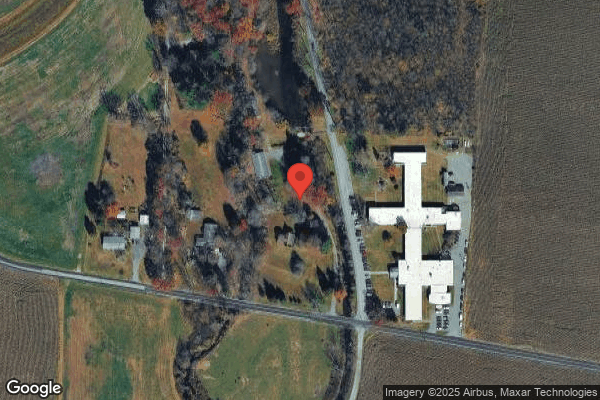
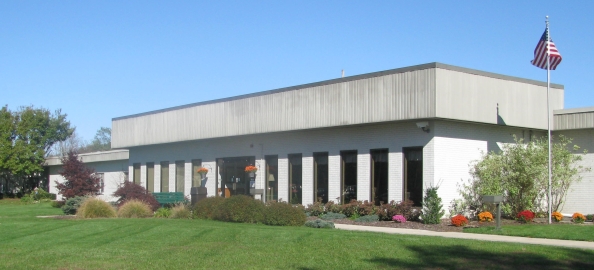
510 BROOKMONT DRIVE, EFFORT, PA 18330 (610) 681-4070
For profit - Corporation 119 Beds Independent Data: November 2025
Trust Grade
60/100
#266 of 653 in PA
Last Inspection: February 2025

Within standard 12-15 month inspection cycle. Federal law requires annual inspections.

Overview

Brookmont Healthcare and Rehabilitation Center has a Trust Grade of C+, indicating that it is slightly above average but not exceptional. It ranks #266 out of 653 facilities in Pennsylvania, putting it in the top half, and #2 out of 4 in Monroe County, meaning only one local facility is rated higher. The facility is improving, having reduced its reported issues from 17 in 2024 to 3 in 2025. Staffing is a concern, with a rating of 2 out of 5 stars and a turnover rate of 44%, which is slightly below the state average. Despite having no fines on record, which is a positive sign, there have been some troubling incidents. For instance, the facility failed to maintain safe food handling practices, increasing the risk of foodborne illness. Additionally, staff did not consistently monitor the weights of residents, leading to missed opportunities to address significant weight loss. Also, some residents reported delays in staff responding to call bells, with one resident waiting up to two hours for assistance. While there are notable strengths, families should weigh these concerns carefully when considering care for their loved ones.

Trust Score
C+
60/100
In Pennsylvania
#266/653
Top 40%
Safety Record
Low Risk
No red flags
Inspections
Getting Better
17 → 3 violations
Staff Stability
○ Average
44% turnover. Near Pennsylvania's 48% average. Typical for the industry.
Penalties
✓ Good
No fines on record. Clean compliance history, better than most Pennsylvania facilities.
Skilled Nurses
○ Average
Each resident gets 32 minutes of Registered Nurse (RN) attention daily — about average for Pennsylvania. RNs are the most trained staff who monitor for health changes.
Violations
⚠ Watch
47 deficiencies on record. Higher than average. Multiple issues found across inspections.
★★★☆☆
3.0
Overall Rating
★★☆☆☆
2.0
Staff Levels
★★★★★
5.0
Care Quality
★★☆☆☆
2.0
Inspection Score
Stable
2024: 17 issues
2025: 3 issues

The Good

  • 5-Star Quality Measures · Strong clinical quality outcomes
  • Full Sprinkler Coverage · Fire safety systems throughout facility
  • No fines on record
  • Staff turnover below average (44%)

    4 points below Pennsylvania average of 48%

Facility shows strength in quality measures, fire safety.

The Bad

3-Star Overall Rating

Near Pennsylvania average (3.0)

Meets federal standards, typical of most facilities

Staff Turnover: 44%

Near Pennsylvania avg (46%)

Typical for the industry

The Ugly 47 deficiencies on record

Feb 2025 3 deficiencies
CONCERN (D)

Potential for Harm - no one hurt, but risky conditions existed

Deficiency F0697 (Tag F0697)

Could have caused harm · This affected 1 resident

**NOTE- TERMS IN BRACKETS HAVE BEEN EDITED TO PROTECT CONFIDENTIALITY** Based on a review of select facility policies and clinical records and staff interview, it was determined the facility failed to...

Read full inspector narrative →
**NOTE- TERMS IN BRACKETS HAVE BEEN EDITED TO PROTECT CONFIDENTIALITY** Based on a review of select facility policies and clinical records and staff interview, it was determined the facility failed to administer pain medication as prescribed by the physician on an as needed basis for one of 24 residents reviewed. (Resident 10). Findings include: A review of the facility policy entitled Pain Assessment and Management last reviewed March 2024, indicated the purpose of the procedure is to help staff identify pain in the resident, and to develop interventions that are consistent with the resident's goals and needs and that address the underlying causes of pain. Review of Resident 10's clinical record revealed the resident was admitted to the facility on [DATE], with diagnoses to include post-surgical care for fracture of right tibia (leg bone), acute pain due to trauma, and hypertension. A review of current physician orders revealed that Resident 10 was prescribed pain medications based on a pain scale to guide appropriate administration. The pain scale categorizes pain levels as mild (1-3), moderate (4-7), and severe (8-10), with corresponding medications ordered to manage each level of pain effectively. Starting with the physician orders dated January 29, 2025, the resident was prescribed Acetaminophen 325 mg, two tablets every 4 hours as needed for mild pain (1-3). On January 30, 2025, additional pain medications were ordered to address increasing levels of pain: For moderate pain (4-7): Oxycodone HCL 5 mg - 0.5 (half) tablet every 4 hours as needed Tramadol HCL 50 mg - one tablet every 6 hours as needed For severe pain (8-10): Oxycodone HCL 5 mg - one tablet every 4 hours as needed (valid for 10 days, through February 9, 2025). Further review of the clinical record revealed that after February 9, 2025, there were no active physician orders for pain medication to treat severe pain (8-10). Despite this, Resident 10 continued to experience severe pain, and staff failed to notify the physician or obtain further pain management orders. An interview with the Director of Nursing (DON) on February 27, 2025, at approximately 1:30 PM confirmed that the facility failed to provide effective pain management and did not administer pain medication in accordance with physician orders. The DON acknowledged that the incorrect pain medication was given for severe pain, and no action was taken to update the physician or obtain additional orders after February 9, 2025. 28 Pa Code 211.12 (d)(1)(3)(5) Nursing services 28 Pa. Code 211.10 (c) Resident care policies
CONCERN (D)

Potential for Harm - no one hurt, but risky conditions existed

Pharmacy Services (Tag F0755)

Could have caused harm · This affected 1 resident

**NOTE- TERMS IN BRACKETS HAVE BEEN EDITED TO PROTECT CONFIDENTIALITY** Based on a review of clinical records and staff interview, it was determined the facility failed to implement procedures to ensu...

Read full inspector narrative →
**NOTE- TERMS IN BRACKETS HAVE BEEN EDITED TO PROTECT CONFIDENTIALITY** Based on a review of clinical records and staff interview, it was determined the facility failed to implement procedures to ensure accurate documentation of the disposition of controlled medications upon discharge for one (1) of three (3) discharged residents reviewed (Resident 109). Finding include: Review of Resident 109's clinical record revealed the resident was admitted to the facility on [DATE], and was discharged to the hospital on November 27, 2024. Review of controlled substance receipts indicated that 30 tablets of Tramadol 50 mg (dispensed as half tablets, totaling 60 tablets of 25 mg each) were delivered to the facility on November 21, 2024, for Resident 109. Review of the Medication Administration Record (MAR) for November 2024 documented the resident was administered three (3) doses of Tramadol during the month. Further review of the resident's closed record revealed no documentation of the disposition of the remaining 57 tablets of Tramadol 25 mg at the time of the resident's discharge to the hospital on November 27, 2024. In an interview on February 27, 2025, at approximately 11:00 AM, the Nursing Home Administrator confirmed there was no documentation regarding the disposition of the remaining Tramadol upon the resident's discharge. The facility's failed to maintain accurate records of controlled substance disposition upon discharge of a resident. 28 Pa Code 211.12 (a)(c)(d)(1)(3)(5) Nursing services. 28 Pa Code 211.5 (f)(x) Medical records 28 Pa Code 211.9(a)(1)(k) Pharmacy services.
CONCERN (E)

Potential for Harm - no one hurt, but risky conditions existed

Deficiency F0692 (Tag F0692)

Could have caused harm · This affected multiple residents

**NOTE- TERMS IN BRACKETS HAVE BEEN EDITED TO PROTECT CONFIDENTIALITY** Based on review of select facility policy and clinical records, and staff interview it was determined the facility failed to tim...

Read full inspector narrative →
**NOTE- TERMS IN BRACKETS HAVE BEEN EDITED TO PROTECT CONFIDENTIALITY** Based on review of select facility policy and clinical records, and staff interview it was determined the facility failed to timely identify significant weight loss and monitor resident's weights consistently and accurately to timely identify changes in nutritional parameters and timely implement nutritional interventions for two of 24 residents sampled. (Residents 72 and 27) Findings include: Review of the facility Weight Monitoring Policy last reviewed March 2024 indicated the facility will ensure all residents maintain acceptable parameters of nutritional status. Information from the nutritional status and dietary standards are used to develop an individualized care plan. The threshold for significant unplanned and undesired weight loss will be based on the following criteria: 1 month- 5% weight loss is significant; 3 months- 7.5% weight loss is significant; 6 months- 10% weight loss is significant. A review of Resident 72's clinical record revealed admission to the facility on September 21, 2022, with diagnoses to include dementia (the loss of thinking, remembering, and reasoning to such an extent that it interferes with a person's daily life and activities). A review of the resident's weights noted the following: September 3, 2024, 164.1 Lbs. October 8, 2024, 173.5 Lbs. It was noted the resident refused a weight in November of 2024. December 5, 3024- 155.1 pounds indicating a 17.4-pound weight loss or 10% loss of body weight within sixty days. Review of a dietary note dated December 13, 2024 (eight days after the weight loss occurred), confirmed the weight loss and recommended discontinuing health shakes, adding Boost twice daily, and initiating weekly weight monitoring. Further review of the clinical record revealed no documented evidence that weekly weights were obtained as ordered. Resident 72's care plan was reviewed, and her nutritional care plan was not updated after the significant weight loss was noted on December 13, 2024, as directed in the facility's policy and as noted in the Registered Dietician's dietary note dated December 13, 2024. Interview with the Registered Dietitian (RD) on February 27, 2025, at approximately 11:30 AM confirmed the resident's weekly weights were not obtained following the weight loss on December 5, 2024, and failed to provide documented evidence the resident's care plan was updated to address the residents weight loss. A review of a facility policy entitled Weight Assessment and Intervention that was last reviewed by the facility March 2024, indicated that the multidisciplinary team will strive to prevent, monitor, and intervene for undesirable weight loss. The nursing staff will measure resident's weights upon admission times two, then weekly for 4-weeks, then monthly thereafter if no further weight concerns. Any weight change of 5% or more since the last weight assessment will be retaken for confirmation. The dietitian will review the weight records. Negative trends will be evaluated by the treatment team whether the criteria for significant weight change have been met. Further review of a facility policy Nutritional Assessment, last reviewed by the facility March 2024, indicated as a part of the comprehensive assessment, a nutritional assessment, included current nutritional status and risk factors for impaired nutrition shall be conducted for each resident. The dietitian, in conjunction with the nursing staff and health care practitioners, will conduct a nutrition assessment for each resident upon admission and as indicated by a change in condition that places the resident at risk for impaired nutrition. A review of Resident 27's clinical record revealed the resident was initially admitted to the facility on [DATE], and most recently readmitted from the hospital to the facility on January 29, 2025, with diagnoses that included congestive heart failure (CHF a progressive heart disease that affects pumping action of the heart muscles and causes fatigue, fluid accumulation, and shortness of breath), chronic kidney disease (involves a gradual loss of kidney function and impacts the kidneys ability to filter wastes and remove excess fluids from the blood, which are then removed in urine. Advanced chronic kidney disease can cause dangerous levels of fluid, electrolytes and wastes to build up in your body), hemodialysis (a treatment to filter wastes and water from blood and helps control blood pressure and balance important minerals, such as potassium, sodium, and calcium, in blood), Clostridium difficile (C. diff a type of bacteria that can cause colitis, a serious inflammation of the colon and infections from C. diff often start after taking antibiotics and can sometimes be life-threatening), and moderate protein calorie malnutrition (an imbalance of nutrients from food and drinks that are needed to keep the body healthy and functioning properly). Additionally, Resident 27 had moderate cognitive impairment with a BIMS score of 9 (brief interview for mental status, a tool to assess the resident's attention, orientation and ability to register and recall new information, a score of 08-12 equates to moderate impaired cognition). Further review of Resident 27's clinical record revealed that he was hospitalized on [DATE], and readmitted to the facility on [DATE], with diagnosis nontraumatic intracerebral hemorrhage (a type of stroke that causes blood to pool between the brain and skull and prevents oxygen from reaching the brain) and actively being treated for C. Diff. A review of Resident 27's weight record revealed the following recorded weights: January 17, 2025, at 5:08 PM, 205.5 - pounds post dialysis January 29, 2025, at 8:21 PM, 189.2 - pounds with use of a mechanical lift (post hospitalization but not confirmed as per the facility policy) January 31, 2025, at 7:57 PM, 194.7 - pounds post dialysis February 1, 2025, at 2:53 PM, 181.1 - pounds with use of a mechanical lift The RD completed a nutrition progress note for a 5-day MDS (Minimum Data Set assessment-a federally mandated standardized assessment conducted at specific intervals to plan resident care) assessment dated [DATE] (5-days post readmission from the hospital) indicated a diet order for a CHO controlled (carbohydrate controlled diet is a diet that provides consistent amounts of carbohydrates to manage diabetes), NAS (no added salt diet involves restricting sodium intake to less than 4 grams, or 4,000 milligrams per day and is usually prescribed to decrease water retention for people who have high blood pressure), regular texture, thin consistency fluids, with an 1800 mL fluid restriction daily (the limitation of oral fluid intake to a prescribed amount for each 24-hour period. This therapeutic measure is indicated in patients who have edema associated with kidney disease). Additionally, the RD's progress note indicated that Resident 27 had a new Stage 2 pressure ulcer (partial thickness loss of skin without true ulceration) to sacrum as per wound care CRNP (certified registered nurse practitioner) note from January 30, 2025. This progress note documented a significant weight loss and a new Stage 2 sacral pressure ulcer but did not initiate immediate nutritional interventions. The dietitian recommended providing liquid protein (30 mL daily) for wound healing; however, the intervention was not implemented until February 4, 2025 (six days post-readmission and post-identification of the pressure ulcer) as per a review of the Medication Administration Record (MAR). The facility did not provide documented evidence of a timely comprehensive nutritional assessment related to the weight loss and pressure ulcer. During an interview with the Registered Dietitian (RD) on February 28, 2025, at 11:00 AM, it was reported a nutrition progress note was completed for Resident 27's 5-Day MDS and that it was within the set ARD (assessment reference date). Additionally, the RD confirmed that the nutrition progress note was not completed until 5-days after Resident 27 returned from the hospital with a significant weight loss of 24.4 lbs. or 11.9% in approximately 2 weeks and a significant loss of 29.2 lbs. or 13.9% in 30 days intervention was not put into place until 6-days post identification of a pressure ulcer. An interview with the Nursing Home Administrator on February 28, 2025, at 1:00 PM, confirmed the facility failed to timely assess and implement nutritional interventions for Resident 27. 28 Pa Code 211.5(f)(ii)(ix) Medical records 28 Pa Code 211.10 (c) Resident care policies 28 Pa. Code 211.12 (c)(d)(3)(5) Nursing services
May 2024 4 deficiencies
CONCERN (D) 📢 Someone Reported This

A family member, employee, or ombudsman was alarmed enough to file a formal complaint

Potential for Harm - no one hurt, but risky conditions existed

Safe Environment (Tag F0584)

Could have caused harm · This affected 1 resident

**NOTE- TERMS IN BRACKETS HAVE BEEN EDITED TO PROTECT CONFIDENTIALITY** Based on observation, clinical record review, and resident and staff interviews, it was determined that the facility failed to p...

Read full inspector narrative →
**NOTE- TERMS IN BRACKETS HAVE BEEN EDITED TO PROTECT CONFIDENTIALITY** Based on observation, clinical record review, and resident and staff interviews, it was determined that the facility failed to provide housekeeping and maintenance services to maintain a clean and safe resident environment. Findings include: An observation on May 23, 2024, at approximately 9:00 AM revealed a strong urine smell when entering the facility. An observation on May 23, 2024, at 9:10 AM revealed a strong urine smell emanated from resident room [ROOM NUMBER]. There were gouges in the paint on the wall behind the residents' beds. Paper and debris was observed on the floor. A used glucose monitoring strip was observed lying on the baseboard heater. The light at the first bed did not turn off. The light switch was broken and does not turn the light off. The handle was broken off the nightstand. An observation on May 23, 2024, at 9:26 AM, in the Nourishment Room in the Center Hallway revealed the hinges broken off the cabinet door. An observation on May 23, 2024, at approximately 10:00 AM revealed resident room [ROOM NUMBER]'s door was cracked and chipped. Dirt, debris, and food crumbs were observed on the floor and fall mats. In Resident room [ROOM NUMBER] dirt and debris was observed on the floor. The room had a strong odor of feces. The bedroom door was cracked and chipping. [NAME] spots were observed splattered on the privacy curtains. An observation on May 23, 2024, at 10:03 AM, in resident room [ROOM NUMBER] revealed a dark brown water stain in the bowl of bathroom toilet. The surface of the wall to the right upon entering the room was cracked, crumbling and flaking. An observation on May 23, 2024, at 10:43 AM, in resident room [ROOM NUMBER] revealed a used wet washcloth in shared resident bathroom hanging on the top of the toilet seat. Upon entering the to right of the room, several black marks were observed on the wall. Interview with the Nursing Home Administrator (NHA) and Director of Nursing (DON) on May 23, 2024, at approximately 1:00 PM confirmed that the facility is to be maintained daily to provide a clean and sanitary environment for the residents. 28 Pa. Code 201.18 (e)(2.1) Management
CONCERN (D) 📢 Someone Reported This

A family member, employee, or ombudsman was alarmed enough to file a formal complaint

Potential for Harm - no one hurt, but risky conditions existed

Comprehensive Care Plan (Tag F0656)

Could have caused harm · This affected 1 resident

Based on clinical record review and staff interviews, it was determined that the facility failed to develop person-centered care plans that addressed a resident's medical needs and prescribed medicati...

Read full inspector narrative →
Based on clinical record review and staff interviews, it was determined that the facility failed to develop person-centered care plans that addressed a resident's medical needs and prescribed medication therapy for one resident out of 17 sampled residents (Resident 13). Findings include: A review of the clinical record revealed Resident 13 was admitted to the facility April 29, 2024, with diagnoses of type two diabetes (a condition from insufficient production of insulin causing high blood sugar), sarcoidosis (a condition where there is an abnormal collection of inflammatory cells that form clumps in the skin or lymph nodes that result in dry cough and shortness of breath), and long-term use of anticoagulants (blood thinning medication) and insulin (injectable medication to treat diabetes). A review of a physician order initially dated April 29, 2024, revealed that the resident was receiving Lantus SoloStar Subcutaneous Solution Pen-injector 100 UNIT/milliliter (ml) inject 17 unit subcutaneously in the afternoon for diabetes and Apixaban (Eliquis) Oral Tablet 5 milligrams (mg) give every morning and at bedtime to prevent blood clots related to Atrial Fibrillation. A review of Resident 13's care plan, conducted during the survey ending May 23, 2024, revealed that the resident's comprehensive care plan did not include the resident's medical condition, type two diabetes and sarcoidosis, and the necessary care and services needed to manage those conditions and failed to identify the resident's daily insulin use for diabetes and interventions to monitor for signs and symptoms of hypo or hyperglycemia. The resident's plan of care failed to identify the resident's anticoagulant therapy and interventions to monitor for bleeding and related side effects. During an interview with the Nursing Home Administrator (NHA) and Director of Nursing (DON) on May 23, 2024, at approximately 1:15 PM confirmed the absence of Resident 13's medical conditions and failed to ensure that comprehensive care plans were developed in manner to meet the resident's medical and treatment needs. 28 Pa. Code 211.12 (d)(5) Nursing services
CONCERN (D) 📢 Someone Reported This

A family member, employee, or ombudsman was alarmed enough to file a formal complaint

Potential for Harm - no one hurt, but risky conditions existed

Deficiency F0761 (Tag F0761)

Could have caused harm · This affected 1 resident

**NOTE- TERMS IN BRACKETS HAVE BEEN EDITED TO PROTECT CONFIDENTIALITY** Based on select facility policy, observation, and staff interview, it was determined that the facility failed to ensure adherenc...

Read full inspector narrative →
**NOTE- TERMS IN BRACKETS HAVE BEEN EDITED TO PROTECT CONFIDENTIALITY** Based on select facility policy, observation, and staff interview, it was determined that the facility failed to ensure adherence to medication expiration/use by dates for one of 15 residents (Resident 15) and failed to properly label medication in one of five medication carts (Center Cart). Findings include: A review of facility policy entitled Storage of Medications indicated that the pharmacy dispenses medications in containers that meet legal requirements including standards established, medications are maintained in the dispensed packaging. Medications outdated are disposed of according to disposal guidelines. A review of facility policy entitled Medication Administration indicated that the individual administering medications must verify the resident's identity before giving the medication verifying the name and date of birth , checking identification band, checking photograph and medical record. The manufacturer's expiration/beyond use date on the medication label must be checked prior to administering. An Observation on [DATE], at 9:41 AM, of the Center Hall medication cart in the presence of Employee 1 Licensed Practical Nurse (LPN), revealed an opened Hemorrhoid (Phenylephrine-Mineral Oil) 0.25-14-74.9 % Ointment (hemorrhoid pain and discomfort relief ointment used rectally) and X-[NAME] Freeze (pain relieving cold therapy gel) 16-ounce bottle without a label identifying the resident or instructions of use. A clinical record review revealed that Resident 15 was admitted to the facility on [DATE], with diagnoses that include glaucoma (a condition where the eye's optic nerve is damaged with or without raised intraocular pressure and could cause gradual vision loss if untreated). A review of Medication Administration Record (MAR) for the month of May, revealed that Resident 15 was ordered Xalatan Solution (Latanoprost) with instructions to instill one drop in both eyes at bedtime for glaucoma with a start date of [DATE], and to be discontinued on [DATE]. An observation on [DATE], at 10:17 AM of the East Hall medication cart in the presence of Employee 2, LPN revealed an opened Latanoprost Ophthalmic (eye) drop medication with an open date of [DATE], and without an expiration date noted on the bottle. According to the product manufacturer storage instructions Latanoprost eye drops are to be thrown away and not used after six weeks of opening. The Latanoprost eye drops were opened on [DATE], and would have expired on [DATE] (six weeks after opening). During an interview with Director of Nursing (DON) and Nursing Home Administrator (NHA) on [DATE], at 1:00 PM it was confirmed that the eye drops should be dated when opened and discarded six weeks after the initial date opened and medications in use should have a proper label present prior to administering. 28 Pa. Code 211.9 (a)(1)(k)(1) Pharmacy Services 28 Pa Code 211.12 (d)(3)(5) Nursing services
CONCERN (E) 📢 Someone Reported This

A family member, employee, or ombudsman was alarmed enough to file a formal complaint

Potential for Harm - no one hurt, but risky conditions existed

Resident Rights (Tag F0550)

Could have caused harm · This affected multiple residents

**NOTE- TERMS IN BRACKETS HAVE BEEN EDITED TO PROTECT CONFIDENTIALITY** Based on observations, clinical record review and staff and resident interviews it was determined that the facility failed to pr...

Read full inspector narrative →
**NOTE- TERMS IN BRACKETS HAVE BEEN EDITED TO PROTECT CONFIDENTIALITY** Based on observations, clinical record review and staff and resident interviews it was determined that the facility failed to provide care in a manner that maintains the personal dignity, respect, and quality of life of seven residents out of 17 sampled (Resident 3, 4, 7, 9, 11,12, 16). Findings include: A review of Resident 11's clinical record revealed the resident was admitted to the facility April 11, 2024, with diagnoses which included type 2 diabetes and muscle weakness. An interview with Resident 11 on May 23, 2024, at 9:10 AM revealed that the resident stated that staff do not answer call bells timely. The resident stated that on a good day the staff will answer the call bells in 30 minutes. The resident stated that it can take up to two hours for staff to answer his call bell. The resident further explained that he was in the bathroom recently and rang for staff because there was no toilet paper left in the bathroom. The resident stated it took 25 minutes for a staff member to come in and ask what he needed. The staff member stated she would be right back with toilet paper and then the resident waited another 26 minutes on the toilet until the staff member came back. Resident 11 stated he waited 51 minutes in total in the bathroom waiting for staff assistance. Further the resident stated that staff are very rude and talk down to him. He stated he does not feel respected and when he has brought his concerns to the director of nursing attention, she gaslights him and tells him what he is saying is not true. The resident stated that there are many staff that will yell and talk down to the residents on all shifts. A review of Resident 16's clinical record revealed that the resident was admitted to the facility on [DATE], with diagnoses which included muscle wasting and cirrhosis of the liver. An interview with Resident 16 at 9:50 AM on May 23, 2024, revealed that the resident stated that staff take at least 30 minutes to answer his call bell when he rings for help. The resident stated this happens on all shifts. A review of Resident 7's clinical record revealed the resident was admitted to the facility on [DATE], with diagnoses which included type 2 diabetes and stage 3 kidney disease. An observation on May 23, 2024, at approximately 10:00 AM revealed Employee 3 NA (nurse aide) interacting with Resident 7 trying to get her dressed. The employee was heard yelling at Resident 7 telling her she needed to put these pants on. The employee was heard telling the resident resident your son called and said you need to do this. The resident replied to the employee, by stating Bullsh*t. The employee was heard yelling at Resident 7, Bullsh*t, Bullsh*t, call him you will see! The resident told Employee 3 to leave her alone, that she is not getting those pants on. The resident then yelled out ouch and stated, Don't fight with me. The employee got loud with the resident and stated, You don't fight with me! Resident 7 told the employee that she was not going to do what the employee was telling her to do. The resident stated she was not putting on those pants that the employee was trying to put on her. The employee said oh, why is this not your shirt or pants or walker here. The employee continued to try to force the resident to put the pants on. The resident continued to tell the employee that she doesn't feel good and to leave her alone. Employee 3 got loud and yelled, Whatever! at the resident and exited the resident's room. An interview with Resident 7 On May 23, 2024, at 10:07 AM, revealed that the resident was upset. The resident stated she was not doing well. The resident stated that Employee 3 tried to put a pair of pants on her she did not want on. The resident stated the employee was rude and fighting with her and went to go tellon her for not getting dressed. The resident stated she just wanted to be left alone but the employee kept fighting with her. The resident stated the employee just left her in a brief uncovered and pointed down. Observation at that time revealed the resident lying with no pants on just a brief in bed exposed. The resident stated staff are always rude and disrespectful to her. She stated that the call bell wait times are terrible. She stated that she has to wait an hour at times for staff to meet her needs. She stated she will be waiting for help while staff are yapping with each other in the halls. A review of Resident 9's clinical record revealed the resident was admitted to the facility on [DATE], with diagnoses which included muscle weakness, and osteoarthritis. An interview with Resident 9 on May 23, 2024, at approximately 10:15 AM revealed that the resident stated that staff do not answer call bells timely. The resident stated that he has waited up to two hours for staff to answer his bell and assist him. The resident stated normal wait time is over 30 minutes and it happens on all shifts. A clinical record review revealed that Resident 3 was admitted to the facility on [DATE], with diagnoses that include neurogenic bladder and the need for assistance with personal care. Interview with Resident 3 on May 23, 2024, at approximately 10:16 AM, the resident stated that staff do not answer call bells timely and has experienced very long waits for staff to answer the call bells and this happens on a regular basis. It just happened this morning, waited over 30 minutes. Some waits are up to two hours. The resident states what if it was a true emergency, I would be dead. The resident mentioned complaining to staff and the administration is aware but the more they complain the more rude staff becomes when they finally come in to assist. The resident stated waits results in sitting in their own urine and feces while waiting for someone to come help them. A clinical record review revealed that Resident 4 was admitted to the facility on [DATE], with diagnoses that include lack of coordination, muscle weakness, gait and mobility abnormalities and repeated falls. Interview with Resident 4 on May 23, 2024, at approximately 10:23 AM, revealed that she often waits up to an hour for staff to assist after ringing the call bell. The resident stated that she suffers from constipation and if she feel like having to hold a bowel movement ends up making this worse and becomes embarrassed when she becomes incontinent and requires total assistance to get cleaned up. An interview with Resident 12 (who wishes to remain anonymous in fear of retaliation) on May 23, 2024, at approximately 10:45 AM revealed the resident has to wait 30 minutes for the call bell to be answered. The resident stated it happens on all shifts. The resident further indicated that staff are rude and have bad attitudes. The resident stated some staff are disrespectful to the residents. The resident stated some employees speak very nasty to this resident and to other residents and tell them this is the way it is. The resident stated it is sometimes just the employee's demeanor and presence alone that make the resident uncomfortable. The resident stated employees are fighting with each other in that halls and residents can hear them. The resident reiterated please not to identify me for feat the staff will retaliate against the resident. During an interview on May 23, 2024, at approximately 1:15 PM with the Nursing Home Administrator (NHA) verified that it is the facility's expectation that all residents be treated with dignity and respect. The NHA was unable to explain why multiple residents are reporting untimely staff response times, resulting in the residents' feelings that the facility is not adequately staffed, which was negatively affecting the residents' quality of life in the facility. 28 Pa. Code 201.18 (e)(1) Management 28 Pa. Code 201.29 (a) Resident rights 28 Pa Code 211.12 (d)(5) Nursing services
Apr 2024 13 deficiencies
CONCERN (D)

Potential for Harm - no one hurt, but risky conditions existed

Deficiency F0676 (Tag F0676)

Could have caused harm · This affected 1 resident

**NOTE- TERMS IN BRACKETS HAVE BEEN EDITED TO PROTECT CONFIDENTIALITY** Based on observation, a review of clinical records and interviews with staff it was determined that the facility failed to consi...

Read full inspector narrative →
**NOTE- TERMS IN BRACKETS HAVE BEEN EDITED TO PROTECT CONFIDENTIALITY** Based on observation, a review of clinical records and interviews with staff it was determined that the facility failed to consistently provide a functional communication system to maintain the resident's ability to communicate for one of one resident sampled with communication needs/deficit (Resident 318). Findings include: A review of Resident 318's clinical record revealed that the resident was admitted to the facility on [DATE], with diagnoses to include dementia, depression, and anxiety. A review of Resident 318's nursing progress notes revealed a nursing note dated March 29, 2024, at 10:21 PM, indicating that the resident's first language is Spanish. Further review revealed that the resident exhibited increased agitation and was approached by several staff members who were unable to redirect her behaviors. A Spanish speaking nurse approached resident, engaged her in conversation, and eventually was able to calm the resident down. The nurse encouraged the resident to take her medications with coffee at which the resident replied that coffee upsets her stomach at night and medications were refused. A review of resident's clinical record during survey ending March 5, 2024, revealed the resident's care plan, initiated March 29, 2024, identified the resident as only Spanish speaking with a goal to make her basic needs known on a daily basis. Intervention was to refer to Speech therapy for evaluation and treatment as ordered. The care plan failed to develop interventions to address the resident's communication deficit and primary language and identify ways to make her basic needs know on a daily basis. The care plan failed to include the minimum healthcare information to properly care for the resident's immediate needs. The care plan failed to support the resident's communication deficit. Interview with Employee 2 (RN) on April 3, 2024, at approximately 9:50 AM revealed that non-Spanish speaking staff do not have a way to communicate with Resident 318 in her own language. Employee 2 verified that there was no communication board bedside or in the resident's room. Interview with the Director of Nursing on (DON) April 4, 2024, at approximately 11:35 AM confirmed that the facility failed to develop interventions to address Resident 318's language and communication deficit and had not provided the resident with any other means of communication to facilitate continuous communication between the resident and staff at all times. 28 Pa. Code 201.29 (a) Resident rights. 28 Pa. Code 201.18 (e)(1) Management
CONCERN (D)

Potential for Harm - no one hurt, but risky conditions existed

Deficiency F0699 (Tag F0699)

Could have caused harm · This affected 1 resident

**NOTE- TERMS IN BRACKETS HAVE BEEN EDITED TO PROTECT CONFIDENTIALITY** Based on a review of clinical records and staff interviews, it was determined that the facility failed to develop and implement ...

Read full inspector narrative →
**NOTE- TERMS IN BRACKETS HAVE BEEN EDITED TO PROTECT CONFIDENTIALITY** Based on a review of clinical records and staff interviews, it was determined that the facility failed to develop and implement an individualized person-centered plan to provide trauma informed care to a resident with a history of trauma for one out of 23 residents reviewed (Resident 23). Findings include: A clinical record review revealed that Resident 23 was admitted to the facility on [DATE], with diagnoses that included bipolar disorder (a mental health disorder that causes unusual shifts in a person's mood, energy, activity levels, and concentration) and major depressive disorder (a mental health disorder characterized by a persistently low or depressed mood, decreased interest in pleasurable activities, feelings of worthlessness, lack of energy, poor concentration, appetite changes, sleep disturbances, or suicidal thoughts). A review of an admission Minimum Data Set assessment (MDS - a federally mandated standardized assessment process conducted periodically to plan resident care) dated February 26, 2024 revealed that Resident 23 was moderately cognitively impaired with a BIMS score of 11 (Brief Interview for Mental Status- a tool within the Cognitive Section of the MDS that is used to assess the resident's attention, orientation, and ability to register and recall new information; a score of 8-12 indicates moderate cognitive impairment). The resident's care plan identified that Resident 23 had a mood problem related to anxiety, bipolar disorder, and depression, initiated on February 21, 2024, with planned interventions in place for administering psychiatric medication as ordered, monitoring for side effects and effectiveness, and providing behavioral health consultations as needed. A physician order was noted on February 23, 2024, for an outside behavioral health provider care to evaluate and treat the resident. The behavioral health services psychological evaluation report dated February 29, 2024, revealed that Resident 23 has the cognitive ability and verbal capacity to participate in and benefit from psychotherapy. The evaluation indicated that Resident 23's condition will deteriorate if the patient does not participate in psychotherapy. The report included a comprehensive trauma screening, indicating that Resident 23 has decreased social interaction, withdrawing behavior, and a persistent negative mood state related to a history of sexual assault and sexual abuse as a child. The report also includes a session summary in which the clinician indicates that the resident may have post-traumatic stress disorder (PTSD- mental health disorder that develops after exposure to a traumatic event. Symptoms may include persistent, frightening thoughts and memories, sleep problems, and feeling detached or numb). Following this psychological evaluation, there was no evidence that the facility had developed a resident-specific trauma-informed plan of care to meet Resident 23's needs for identifying and minimizing triggers or re-traumatization. At the time of the survey ending April 5, 2024, there was no evidence that the facility provided Resident 23 with any additional psychological services or behavioral health provider consultations following the session on February 29, 2024. During an interview on April 3, 2024, at 9:00 AM, Resident 23 stated that she is afraid when she utilizes her bathroom. She explained that she shares a bathroom with male residents and indicated that sometimes they jiggle the {door} handle. Resident 23 explained that it makes her upset and scared because she is worried that men will walk in on her when she is in the bathroom. During an interview on April 4, 2024, at approximately 1:15 PM, the Nursing Home Administrator (NHA) and Director of Nursing (DON) were unable to provide evidence that the facility provided trauma-informed care in accordance with professional standards of practice and accounting for resident's experiences and preferences to eliminate or mitigate triggers that may cause re-traumatization of Resident 23. The DON and NHA were unable to provide evidence that Resident 23 received any further behavioral health services following the psychological evaluation on February 29, 2024. 28 Pa Code 211.12 (d)(3)(5) Nursing services
CONCERN (D)

Potential for Harm - no one hurt, but risky conditions existed

Deficiency F0761 (Tag F0761)

Could have caused harm · This affected 1 resident

Based on observation, a review of select facility policy, and staff interview, it was determined that the facility failed to adhere to acceptable storage and use by dates for multi-dose medication on ...

Read full inspector narrative →
Based on observation, a review of select facility policy, and staff interview, it was determined that the facility failed to adhere to acceptable storage and use by dates for multi-dose medication on one of three medication carts observed (Center medication cart - Resident 40). Findings include: A review of facility policy entitled Administering Medications last reviewed by the facility March 25, 2024, indicated the expiration/beyond use date on the medication label must be checked prior to administering. When opening a multi-dose container, the date opened shall be recorded on the container. Observation of medication administration pass beginning at approximately 8:47 AM, on April 3, 2024, revealed Employee 1, Licensed Practical Nurse (LPN), on the center hall medication cart. One (1) Lantus Solostar (medication used for diabetes) belonging to Resident 40, was observed to be opened and available for use but not dated when initially opened. Employee 1, licensed practical nurse (LPN), confirmed the medication belonged to Resident 40, and that the insulin was not dated when first opened for resident use to determine acceptable storage time. Interview with the Director of Nursing (DON) on April 3, 2024, at approximately 12:10 PM, confirmed the that the facility failed to date multi-dose medications when opened to assure acceptable storage times. 28 Pa. Code 211.9 (a)(1)(k) Pharmacy Services 28 Pa. Code 211.12 (c)(d)(3)(5) Nursing services
CONCERN (D)

Potential for Harm - no one hurt, but risky conditions existed

Infection Control (Tag F0880)

Could have caused harm · This affected 1 resident

**NOTE- TERMS IN BRACKETS HAVE BEEN EDITED TO PROTECT CONFIDENTIALITY** Based on observation and staff interviews it was determined that the facility failed to ensure the consistent implementation of ...

Read full inspector narrative →
**NOTE- TERMS IN BRACKETS HAVE BEEN EDITED TO PROTECT CONFIDENTIALITY** Based on observation and staff interviews it was determined that the facility failed to ensure the consistent implementation of infection control procedures designed to prevent the spread of infection during the medication administration for one out of two residents observed (Resident 170) and one of three medication administration carts (center hall) sampled. Findings include: Observation of medication administration pass beginning at approximately 8:45 AM, on April 3, 2024, revealed Employee 1, Licensed Practical Nurse (LPN), on the center hall medication cart. Employee 1 was observed in the process of administering medications to Resident 170, who resided, in room [ROOM NUMBER]-B. The resident had a physician order dated March 22, 2024, for Mucinex (an expectorant medication to help loosen congestion) oral tablet extended release 12 hour, 600 milligram (mg), give 1 tablet by mouth every 12 hours for congestion. Employee 1, LPN, removed the medications from the medication cart. After removing the medications, which included Mucinex 400 mg, she proceeded to prepare the medications for administration. During this process, Employee 1 removed 2 tablets of the Mucinex and placed 1 in the medication cup and placed the other tablet directly on top of the surface of the medication cart, without placing a protective barrier, and or cleaning the top of the cart. Employee 1, LPN, then used hand sanitizer, and split the Mucinex tablet in half and placed it in the medication cup. She entered the resident's room and administered the medications including the Mucinex tablets. During the above observation of medication administration pass to resident 170, on April 3, 2024, a cell phone was observed inside the top drawer of the medication cart. Interview with Employee 1, LPN, at approximately 8:57 AM, on April 3, 2024, confirmed the observations stated above, and acknowledged it was her own personal cell phone placed in the med cart. Employee 1, LPN, confirmed she had not adhered to infection control procedures during this medication pass. Interview with the Nursing Home Administrator (NHA) on April 4, 2024, at approximately 1:05 P.M., confirmed the facility failed to ensure the consistent implementation of infection control procedures designed to prevent the spread of infection in the facility during medication administration. 28 Pa. Code 211.12 (c)(d)(1)(5) Nursing Services.
CONCERN (E)

Potential for Harm - no one hurt, but risky conditions existed

Deficiency F0574 (Tag F0574)

Could have caused harm · This affected multiple residents

**NOTE- TERMS IN BRACKETS HAVE BEEN EDITED TO PROTECT CONFIDENTIALITY** Based on a review of clinical records, select facility policy CMS guidance and facility documentation, and resident, resident re...

Read full inspector narrative →
**NOTE- TERMS IN BRACKETS HAVE BEEN EDITED TO PROTECT CONFIDENTIALITY** Based on a review of clinical records, select facility policy CMS guidance and facility documentation, and resident, resident representative, and staff interviews, it was determined that the facility failed to ensure that resident Medicare beneficiaries were only disenrolled from Medicare health plans with the beneficiary's or the beneficiary's representative's request, consent, knowledge, and/or complete understanding for four out of the 23 residents sampled (Residents 82, 95, 168, and 269). Findings include: A review of a CMS guidance titled Memo to Long Term Care (LTC) Facilities on Medicare Health Plan Enrollment dated October 2021 revealed CMS continues to hear reports of the unacceptable practice of nursing facilities or skilled nursing facilities (collectively, long-term care or LTC facilities) disenrolling beneficiaries from Medicare health plans (Medicare Advantage plans with and without Part D, Medicare-Medicaid plans, or Programs of All-Inclusive Care for the Elderly (PACE) without the beneficiary's or the beneficiary's representative's request, consent, knowledge, and/or complete understanding. Only a Medicare beneficiary, the beneficiary's authorized or designated representative, or the party authorized to act on behalf of the beneficiary under state law can request enrollment in or voluntary disenrollment from a Medicare health or drug plan. Further it is indicated changes in a beneficiary's health care coverage generally must be initiated by the beneficiary or their representative. If a beneficiary or their legal representative requests assistance from the LTC facility in changing the beneficiary's health care coverage, the LTC facility should take the following steps to help ensure changes to a beneficiary's health care coverage comply with regulations regarding enrollment/disenrollment and resident rights: 1) Explain orally and in writing the impact to the beneficiary if they change coverage (e.g., to a stand-alone prescription drug plan (PDP) and Original Medicare, or to a different Medicare health plan). 2) Develop written policies and procedures regarding the process of assisting beneficiaries with changing their health care coverage. At a minimum, information should include the circumstances under which the facility can assist a beneficiary with a plan change. The need to obtain a document signed by the beneficiary or representative that acknowledges that the specific information regarding the impact of a change in coverage was provided to them orally and in writing, and that that the beneficiary and/or the representative understand the information. The need to obtain an attestation signed by the facility staff member that assisted with the change in enrollment, attesting that the beneficiary or representative requested the change and that the beneficiary or representative (as applicable) received and understood the minimum required information listed above. In cases where beneficiaries request disenrollment from PACE, LTC facilities that are contracted with PACE organizations should work directly with the PACE organization and the participant's interdisciplinary team to ensure the PACE participant receives the information required under the PACE regulations and to coordinate the transition of care, including as specified in their contract requirements. According to the CMS memo if a LTC facility cannot provide documentation of a beneficiary's request to change enrollment, this may suggest that the enrollment action was not initiated by the beneficiary or their legal representative and therefore was not legally valid. Lastly, If the facility has the beneficiary sign documentation regarding their understanding of an enrollment change, CMS will expect to find that the beneficiary's assessed cognitive function also supports an ability to understand this type of information. If CMS becomes aware of enrollment actions that the beneficiary alleges were taken without their request, consent, knowledge, and/or complete understanding, CMS will expect the facility to provide the above noted documentation to support that it appropriately assisted the beneficiary with their choice to change coverage, including that the beneficiary's cognitive function supports such decision-making. A review of facility policy titled Medicare Enrollment/Disenrollment, last reviewed by the facility on March 25, 2024, revealed that the facility is committed to complying with regulations regarding enrollment and disenrollment and resident rights. The policy indicates that the facility will explain orally, and in writing, the impact to the beneficiaries if they change to Original Medicare. At a minimum, the information provided to the beneficiary should include: 1. An explanation that medical services will be billed to original Medicare and/or Medicaid and what this means regarding deductibles and copays and loss or lack of supplemental coverage for the beneficiary. 2. The name of the drug plan that will cover the beneficiary's medication, including the deductible and co-pays/coinsurances, especially related to their current drug therapy. The policy titled Medicare Enrollment/Disenrollment indicated that policies and procedures regarding the process for assisting beneficiaries with changing their healthcare coverage should include at a minimum: 1. Under what circumstances can the facility assist a beneficiary with a plan change. 2. A document must be signed by the beneficiary or representative acknowledging that specific information regarding the impact of a change in coverage was provided to the beneficiary orally and in writing, and that they understand the information. 3. An attestation signed by the facility staff member that assisted with the change in enrollment must indicate that the beneficiary or representative requested the change, and that the beneficiary or representative (as applicable) understood the minimum required information. Also, the policy indicated two web resources at www.medicare.gov to provide the resident or resident representative with information on comparing Original Medicare and Medicare Advantage plans, locating a Medicare-approved agent, and education regarding Medicare disenrollment. A review of Resident 168's clinical record revealed the resident was admitted to the facility on [DATE], with diagnoses that included moderate protein - calorie malnutrition, hypertension, and osteoporosis. An admission Minimum Data Set assessment (MDS - a federally mandated standardized assessment process conducted at specific intervals to plan resident care) dated March 27, 2024, revealed that Resident 168 was cognitively intact with a BIMS score of 13 (Brief Interview for Mental Status - a tool to assess cognitive function - a score of 13-15 indicates cognitively intact). Upon admission, Resident 168's primary insurance payer was Aetna Medicare Advantage Plan. On April 1, 2024, the resident's primary insurance payer was changed to traditional Medicare. A review of a facility form entitled Disenrollment Form dated March 28, 2024, revealed a request to disenroll Resident 168 from the resident's Aetna Medicare Advantage Plan so that the resident may be covered under original Medicare benefits. A clinical record review revealed that Resident 269 was admitted to the facility on [DATE], with diagnoses of muscle wasting and atrophy. A review of an admission MDS assessment dated [DATE] revealed that Resident 269 is cognitively intact with a BIMS score of 14 (a score of 13-15 indicates cognition is intact). Upon admission, Resident 269's primary insurance payer was noted to be Highmark Medicare Advantage Plan. On April 1, 2024, the resident's primary insurance payer was changed to traditional Medicare. A review of a facility form entitled Disenrollment Form, dated March 28, 2024, revealed a request to disenroll Resident 269 from the resident's Highmark Medicare Advantage Plan so that the resident may be covered under original Medicare benefits. During an interview on April 2, 2024, at 9:00 AM, Resident 269 stated that the facility approached her about disenrolling from her Medicare Advantage insurance plan and enrolling in original Medicare because it would allow her more days in the facility. The resident confirmed that it was her signature on the disenrollment form dated March 28, 2024. She explained that she was confused during the admission process and did not understand the insurance change the facility asked her make. The resident unaware and unable to state how the change impacted her copays, prescription plan, deductibles, or any supplemental insurance coverage, such as vision or dental. She stated that she did not recall anyone explaining that information to her when they asked her change. Resident 269 stated that she agreed to be disenrolled from her Medicare Advantage plan because the facility staff encouraged her to disenroll. A review of the clinical record revealed Resident 95 was admitted to the facility on [DATE], with diagnoses that included protein-calorie malnutrition, gastro-esophageal reflux disease (GERD), end-stage renal disease, and dependence on renal dialysis. An admission MDS assessment dated [DATE], revealed that Resident 95 was cognitively intact with a BIMS score of 15 (Brief Interview for Mental Status - a tool to assess cognitive function - a score of 13-15 indicates cognitively intact). Upon admission, Resident 95's primary insurance payer was noted to be [NAME] Quality Options Medicare Plan. On March 1, 2024, the resident's primary insurance payer was changed to traditional Medicare. A review of a facility form entitled Disenrollment Form dated February 28, 2024, revealed a request to disenroll Resident 95 from her [NAME] Medicare Plan so that the resident may be covered under original Medicare benefits. During an interview on April 4, 2024, at approximately 10:05 AM, Resident 95 stated that she was aware of the change in her insurance, but stated that she did not ask or initiate the request and did not ask the facility for assistance in changing her insurance. The resident stated that the facility approached her to initiate the change. Resident 95 stated she did not sign anything authorizing the change. The state surveyor shared the facility form entitled Disenrollment Form dated February 28, 2024, and the resident, who was alert and oriented resident stated, That's not my signature. In further interview, Resident 95 stated that her son, her identified emergency contact #1, had called her and informed her that the facility staff had reached out to him regarding her insurance. She said that her son had stated, This is what they do, meaning change insurance. A telephone interview with Resident 95's son, emergency contact #1, on April 5, 2024, at approximately 1:05 PM, revealed that the facility's Director of Marketing called him regarding changing his mother's Medicare insurance. He further stated that he believes the call was on February 28, 2024, and was late in the day. He explained that the facility informed him that his mother's Medicare insurance plan would be cutting her from therapy services, but if they changed her insurance, she will receive additional paid days in therapy. Resident 95's son stated the facility did not fully inform him of the pros and cons of switching, including specific pharmacy changes, co-pays, physician choices, re-enrollment in her prior plan, deadlines, and potential penalties or loss of any additional coverage or benefits. Resident 95's son further stated he felt pressured by the facility to decide because the facility stated it was the end of the month and they needed to make the change now so his mother would receive more services. Resident 95's son further stated he called back the next day to further the conversation with the facility about potentially making a change in Medicare plans and the facility told him, It's done; your mother already signed it. He further stated that he never gave his permission nor signed anything to allow this change, and that his mother would most certainly know her signature when she saw it. A review of Resident 95's clinical record revealed no documented evidence of the date or time the resident, or her son, initiated their wish or desire to change, nor the circumstances surrounding the request to disenroll from her [NAME] Medicare Plan. During an interview on April 4, 2024, at approximately 12:15 PM, the facility's Director of Marketing explained that she assists residents with the Medicare disenrollment process. The Director of Marketing explained that the facility does not have a specific policy or procedure that details under what circumstances the facility can assist a beneficiary with an insurance plan change. The Director of Marketing stated that she approaches residents when they are eligible for additional days of Medicare Part A stay, if they disenroll from a Medicare Advantage Plan and switch to Original Medicare. She confirmed during interview that she was not aware of the need to assess and document the residents' cognitive abilities prior to asking the residents to sign disenrollment forms to ensure the residents were fully capable of making an informed decision and possessed the functional abilities to understand the potential implications of disenrolling from their Medicare plans. The Director of Marketing provided the surveyors, an information packet that is provided to residents, when the facility approaches them to disenroll from a Medicare insurance plan. The packet failed to include the information indicated in the facility's Medicare Enrollment/Disenrollment policy to ensure that residents and residents' representatives are able to make fully informed decisions on disenrollment. Specifically, the packet failed to include an explanation regarding deductible costs, copays, and loss or lack of supplemental coverage specific to the beneficiary. Also, the packet did not include the specific name of the drug plan that will cover the beneficiary's medication, including the deductible and co-pays or coinsurance. The Director of Marketing confirmed that the facility does not provide residents information from www.medicare.gov for information on locating a Medicare-approved agent or education regarding Medicare disenrollment, as indicated in the facility policy. Residents are directed and provided with a third-party health insurance agent that represents many major health insurance carriers. During an interview on April 5, 2024, at approximately 10:00 AM, the Nursing Home Administrator (NHA) confirmed that the facility's policy does not explain under what circumstances the facility can assist a beneficiary with a Medicare insurance plan change. The NHA was unable to provide documentation that the Director of Marketing was aware of the resident's cognitive assessment prior to disenrolling residents' Medicare plans. The NHA was was also unable to state why some residents stated that they did not understand or authorize the facility to make changes to their healthcare insurance coverage. During the interview, the NHA confirmed that it is the facility's responsibility to ensure that resident Medicare beneficiaries are only disenrolled from Medicare health plans with the beneficiary's or the beneficiary's representative's request, consent, knowledge, and/or complete understanding. During an interview with the Nursing Home Administrator (NHA) on April 5, 2024, at approximately 1:28 PM, a request was made for documented evidence of resident 95's [NAME] insurance indicating that the resident was being released-cut from therapy services. In response, the NHA stated that he was not aware of the notification letter and that the information communicated to the resident and her resident representative may have been presented hypothetically not factually. 28 Pa. Code 201.18 (b)(1)(2)(e)(1) Management 28 Pa. Code 201.29 (a) Resident rights
CONCERN (E)

Potential for Harm - no one hurt, but risky conditions existed

Safe Environment (Tag F0584)

Could have caused harm · This affected multiple residents

Based on observation, clinical record review, and resident and staff interviews, it was determined that the facility failed to provide housekeeping and maintenance services to maintain a clean and saf...

Read full inspector narrative →
Based on observation, clinical record review, and resident and staff interviews, it was determined that the facility failed to provide housekeeping and maintenance services to maintain a clean and safe resident environment. Findings include: An observation on April 2, 2024, at 11:10 AM , in resident room E-58 revealed multiple dark brown water stains in the bowl of bathroom toilet. Interview with Resident 33, a cognitively intact resident with a BIMS score of 13 (BIMS-brief interview to assess cognitive status. A score of 13-15 indicates intact cognitive responses), indicated that the previous housekeeper used a special cleaner to remove the stains, but the new housekeeper does not use the same cleaner and the toilet looks dirty all the time. Further observation of resident room E-58, bed A, revealed light brown stains on the Resident 33's fitted sheet and a yellow stain on the pillowcase. Resident 33 stated that he makes his bed every day. He also stated that his bed linens are the same sheets since I came back (from the Covid isolation room). I've been back over a month. Resident 33 further stated that he chooses to bathe at the sink and does not like to take showers. He stated that he performs his own bathing at the sink without assistance from staff. Continued observation on April 2, 2024, at 11:25 AM, in resident room E-58, bed B, revealed soiled bed linens on Resident 88's bed. Two pillowcases were stained yellow, and the fitted sheet was stained with multiple light brown stains in the middle of the mattress and a large brown stain at the foot of the bed. Interview during the observation with Resident 88, a cognitively intact resident with a BIMS score of 15, revealed that her bed linens are not changed regularly. Resident 88 stated that she chooses not to take a shower but prefers to bathe at the sink in the bathroom. Resident 88 state that she performs her own bathing at the sink, without assistance from staff. A second observation of the above areas in Room E-58 on April 3, 2024, at 10:35 AM, revealed the above findings remained as initially observed and in the same condition as previously observed during the initial observation conducted on April 2, 2024. Interview with Employee 7 (nurse's aide) on April 3, 2024, at 10:45 AM revealed that bed linens are changed on shower days or as needed. When asked about bed linen changes for residents who do not take showers, Employee 7 indicated that the bed linens are changed on their scheduled shower day even if the resident does not receive a shower. Review of Resident 33's April 2024 Documentation Survey Report v2 indicated that he was scheduled to receive a shower on Mondays and Thursdays during the day shift. The report also indicated that Resident 33 received a shower on April 1, 2024, the day before the surveyor's observation and interview. Review of Resident 88's April 2023 Documentation Survey Report v2 indicated that she was scheduled to receive a shower on Mondays and Thursdays during the evening shift. The report also indicated that Resident 88 refused a shower on April 1, 2024, the day before the surveyor's observation and interview. Interview with the Director of Nursing (DON) on April 4, 2024, at approximately 11:35 AM confirmed that it is the facility's expectation that bed lines are changed upon soilage and on the residents' bed bath and shower days. She also confirmed that Resident 33 and 88's bed linens should have been changed on their scheduled shower day, April 1, 2024. An observation on April 2, 2024, at 11:50 AM , in resident room E-56 revealed that the wall behind/above the heating and cooling unit was cracked, crumbling and flaking. Further observation in room E-56 revealed the front corner of bedside nightstand veneer to be peeling, leaving an exposed rough edge. Interview with the Nursing Home Administrator (NHA) on April 5, 2024, at approximately 11: 00 AM confirmed that the facility is to be maintained daily to provide a clean and sanitary environment for the residents. 28 Pa. Code 201.18 (e)(2.1) Management
CONCERN (E)

Potential for Harm - no one hurt, but risky conditions existed

Comprehensive Care Plan (Tag F0656)

Could have caused harm · This affected multiple residents

**NOTE- TERMS IN BRACKETS HAVE BEEN EDITED TO PROTECT CONFIDENTIALITY** Based on clinical record review and staff interviews, it was determined that the facility failed to develop person-centered care...

Read full inspector narrative →
**NOTE- TERMS IN BRACKETS HAVE BEEN EDITED TO PROTECT CONFIDENTIALITY** Based on clinical record review and staff interviews, it was determined that the facility failed to develop person-centered care plans that addressed a resident's medical needs for one resident (Resident 82) and prescribed medication therapy for three residents out of 23 sampled residents (Resident 48, 80, and 53). Findings include: A review of the clinical record revealed Resident 82 was admitted to the facility January 24, 2024, with diagnoses of viral hepatitis C without hepatic coma, and cirrhosis of the liver. A review of Resident 82's care plan, conducted during the survey ending April 5, 2024, revealed that the resident's comprehensive care plan did not include the resident's medical condition, viral hepatitis or cirrhosis of the liver and the necessary care and services necessary to manage those conditions. Interview with the Director of Nursing (DON) on April 5, 2024, at approximately 9:10 AM, confirmed the absence of Resident 82's medical condition, viral hepatitis, and cirrhosis of the liver, on his care plan. A review of the clinical record revealed Resident 48 was admitted to the facility on [DATE], with diagnoses of congestive heart failure (weakness of the heart that leads to build-up of fluid in the lungs and surrounding body tissues), and atrial fibrillation (an irregular, often rapid heart rate that commonly causes poor blood flow). A review of a physician order initially dated August 15, 2023, revealed that the resident was receiving Xarelto (anticoagulant medication to thin your blood) 20 mg (milligram) in the evening. A review of the current resident's plan of care, conducted during the survey ending April 5, 2024, revealed that the resident's anticoagulant therapy was not addressed on the resident's care plan to include necessary monitoring for potential side effects, including bleeding risks. A review of the clinical record revealed Resident 80 was admitted to the facility on [DATE], with a diagnosis of type 2 diabetes. A review of a physician order initially dated January 11, 2024, revealed that the resident was receiving Insulin Glargine Subcutaneous Solution 100 UNIT/ML inject eight unit subcutaneously in the morning for diabetes. A review of the current resident's plan of care, in effect at the time of the survey ending April 5, 2024, revealed that the resident's care plan failed to identify the resident's insulin use for diabetes and interventions to monitor for signs and symptoms of hypo or hyperglycemia. A review of the clinical record revealed Resident 53 was admitted to the facility on [DATE], with diagnoses to include type 2 diabetes and atrial fibrillation. A review of a physician order initially dated January 11, 2024 revealed that the resident was receiving Lantus SoloStar Subcutaneous Solution Pen-injector 100 UNIT/ML inject eight unit subcutaneously in the morning for diabetes and Apixaban Oral Tablet 2.5 MG give every morning and at bedtime dated January 23, 2024. A review of the current resident's plan of care, in effect at the time of the survey, revealed that the resident's care plan failed to identify the resident's daily insulin use for diabetes and interventions to monitor for signs and symptoms of hypo or hyperglycemia. The resident's plan of care failed to identify the resident's anticoagulant therapy and interventions to monitor for bleeding and related side effects. Interview with the Nursing Home Administrator and Director of Nursing on April 5, 2024, at approximately 1:30 PM confirmed the facility failed to ensure that comprehensive care plans were developed in manner to meet the resident's medical and treatment needs. 28 Pa. Code 211.12 (d)(5) Nursing services
CONCERN (E)

Potential for Harm - no one hurt, but risky conditions existed

Quality of Care (Tag F0684)

Could have caused harm · This affected multiple residents

**NOTE- TERMS IN BRACKETS HAVE BEEN EDITED TO PROTECT CONFIDENTIALITY** Based on a review of clinical records and staff interview, it was determined that the facility failed to provide nursing service...

Read full inspector narrative →
**NOTE- TERMS IN BRACKETS HAVE BEEN EDITED TO PROTECT CONFIDENTIALITY** Based on a review of clinical records and staff interview, it was determined that the facility failed to provide nursing services consistent with professional standards of practice by failing to demonstrate consistent monitoring and thorough assessment of one resident displaying constipation (Resident 116) and by failing to follow physician orders for bowel protocol prescribed for two residents out of 23 sampled (Residents 36 and 48) to promote normal bowel activity to the extent practicable. Findings include: According to the American Academy of Family Physicians {The American Academy of Family Physicians is one of the largest medical organizations in the US founded to promote the science and art of family medicine}the primary goal of constipation management should be symptom improvement, and the secondary goal should be the passage of soft, formed stool without straining at least three times per week). According to the American Nurses Association Principles for Nursing Documentation, nurses document their work and outcomes and provide an integrated, real-time method of informing the health care team about the patient status. Timely documentation of the following types of information should be made and maintained in a patient's EHR (electronic health record) to support the ability of the health care team to ensure informed decisions and high quality care in the continuity of patient care: · Assessments · Clinical problems · Communications with other health care professionals regarding the patient · Communication with and education of the patient, family, and the patient ' s designated support person and other third parties. A review of the clinical record revealed that Resident 116 was admitted to the facility on [DATE], with diagnoses that included heart failure, pneumonia, severe protein-calorie malnutrition, and atrial fibrillation (irregular heart rate). Review of Resident 116's report of bowel activity from the Documentation Survey Report v2 for January 2024, revealed that the resident did not have a bowel movement on January 2, 3, 4, 5, and 6, 2024 (5 days or 15 shifts of nursing duty). Review of Resident 116's Medication Administration Record (MAR) for January 2024, revealed no physician orders to follow to promote normal bowel activity for this resident or to treat constipation in effect at the time of the resident's period of constipation (January 2nd thru January 6th). Physician orders were subsequently noted on January 13, 2024, for Colace Oral Capsule 100 MG, (Docusate Sodium) give 1 capsule by mouth two times a day for constipation hold for loose stools, and Senna Oral Tablet 8.6 MG (Sennosides) give 1 tablet by mouth at bedtime for constipation hold for loose stools and orders noted for Milk of Magnesia (MOM) Suspension 400 MG/5ML (Magnesium Hydroxide) give 30 ml by mouth as needed for constipation administer if no BM by the third day/9 shifts document effectiveness. Dulcolax Suppository (Bisacodyl) insert 1 suppository rectally as needed for constipation for no Bowel movement within 24 hours after administration of Milk of Magnesia (MOM). Fleet Enema 7-19 GM/118 ML (Sodium Phosphates) insert 1 applicatorful rectally as needed for constipation for no bowel movement by the end of the following shift after administration of suppository. Notify MD if ineffective. There was no documented evidence that nursing staff consulted with the physician during the resident's five days of bowel inactivity or of a documented nursing assessment of the resident's physical status during the period of constipation, including any pain or discomfort the resident was experiencing and additional physical assessment of the resident's bowel function and status. A review of the clinical record revealed that Resident 48 was admitted to the facility on [DATE], with diagnoses to include congestive heart failure (weakness of the heart that leads to build-up of fluid in the lungs and surrounding body tissues), and atrial fibrillation (an irregular, often rapid heart rate that commonly causes poor blood flow). The resident had physician orders dated August 7, 2023, for the following bowel regimen: Milk of Magnesia 400 MG/5 ML. Give 30 ml by mouth as needed for constipation. Administer if no BM (bowel movement) by the third day/9 shifts. Document effectiveness. Dulcolax Suppository. Insert 1 suppository rectally as needed for constipation. For no bowel movement within 24 hours after administration of MOM. Fleet Enema 7-19 GM/118 ML. Insert 1 applicatorful rectally as needed for constipation. For no bowel movement by the end of the following shift after administration of suppository. Notify MD is ineffective. Review of Resident 48 's report of bowel activity from the Documentation Survey Report v2 for the month of March 2024, revealed that the resident did not have a bowel movement on March 23, 24, 25, 26, 27, 2024 (five days - 15 shifts). Review of Resident 48's Medication Administration Record (MAR) for March 2024, revealed no documented evidence that nursing administered the prescribed bowel protocol during the period without a bowel movement to promote bowel activity. There was no documented evidence that the physician was notified of the five (5) consecutive days, March 23, 24, 25, 26, 27, 2024, without a bowel movement. A review of the clinical record revealed Resident 36 was admitted to the facility on [DATE], with diagnoses to include hemiplegia (paralysis of one side of the body) following cerebral infarction (disrupted blood flow to the brain). A review of physician's orders initially dated December 21, 2023, revealed the following bowel regimen: Milk of Magnesia 400 MG/5 ML. Give 30 ml by mouth as needed for constipation. Administer if no BM (bowel movement) by the third day/9 shifts. Document effectiveness. Dulcolax Suppository. Insert 1 suppository rectally as needed for constipation. For no bowel movement within 24 hours after administration of MOM. Fleet Enema 7-19 GM/118 ML. Insert 1 applicatorful rectally as needed for constipation. For no bowel movement by the end of the following shift after administration of suppository. Notify MD is ineffective. Review of Resident 36 's report of bowel activity from the Documentation Survey Report v2 for the month of February 2024, revealed that the resident did not have a bowel movement on February 12, 13, 14, 15, 2024 (four days - 12 shifts). Review of Resident 36's Medication Administration Record for February 2024 revealed no documented evidence that nursing administered the prescribed bowel protocol during the period without a bowel movement to promote bowel activity. Review of Resident 36 's report of bowel activity from the Documentation Survey Report v2 for the month of March 2024, revealed that the resident did not have a bowel movement on March 11, 12, 13, 14, 15, 2024 (15 shifts) and again on March 22, 23, 24, 25, 26, 2024 (15 shifts). Review of Resident 36's Medication Administration Record for February 2024 revealed no documented evidence that nursing administered the prescribed bowel protocol during the period without a bowel movement to promote bowel activity. There was no documented evidence that the physician was notified of the five consecutive days the resident went without a bowel movement. During an interview with the Director of Nursing (DON) on April 5, 2024, at approximately 12:15 PM, the DON was unable to provide evidence that nursing staff assessed and consulted with the physician regarding potential treatment of Resident 116's constipation and that nursing staff had followed physician orders for the prescribed bowel protocol for Residents 48 and 36 during the period without bowel activity or had notified the physician of the extended days without a bowel movement. 28 Pa. Code 211.12 (c)(d)(1)(3)(5) Nursing services 28 Pa. Code 211.5 (f) Medical records
CONCERN (E) 📢 Someone Reported This

A family member, employee, or ombudsman was alarmed enough to file a formal complaint

Potential for Harm - no one hurt, but risky conditions existed

Incontinence Care (Tag F0690)

Could have caused harm · This affected multiple residents

**NOTE- TERMS IN BRACKETS HAVE BEEN EDITED TO PROTECT CONFIDENTIALITY** Based on review of clinical records, and staff interview, it was determined that the facility failed to implement individualized...

Read full inspector narrative →
**NOTE- TERMS IN BRACKETS HAVE BEEN EDITED TO PROTECT CONFIDENTIALITY** Based on review of clinical records, and staff interview, it was determined that the facility failed to implement individualized approaches to restore normal bladder function to the extent possible and provide maintenance incontinence care for two out of 23 sampled residents (Resident 36 and 64). Findings include: A review of Resident 36's clinical record revealed that the resident was admitted to the facility on [DATE], with diagnoses, which included cerebral infarction (disrupted blood flow to the brain due to problems with the blood vessels that supply it) and epilepsy (seizure disorder). A review of the resident's plan of care for mixed bladder incontinence related to disease process revealed an intervention dated January 5, 2024, for the resident to have a scheduled toileting program for bowels only. The resident was to be toileted between 8:00 AM and 8:30 AM, 11:00 AM and 11:30 AM, 2:00 PM and 2:30 PM, 6:00 PM and 6:30 PM, 10:00 PM and 10:30 PM, and 11:30 PM and 12:00 AM. A review of the documented evidence of the implementation of the resident's scheduled toileting plan for January 2024 and February 2024, revealed that the facility failed to toilet the resident as scheduled on 34 occassions during the month of Janaury 2024 and on 36 occassions during the month of February 2024. A review of Resident 64's clinical record revealed that the resident was admitted to the facility on [DATE], with diagnoses of type 2 diabetes and heart failure. A review of the resident's plan of care for urinary incontinence related to impaired mobility revealed an intervention dated August 12, 2021, for the resident to have an incontinence care and comfort toileting program (check and change every two hours). A review of the documented evidence of the facility's provision of the resident's incontinence comfort and care during the months of January 2024, February 2024, and March 2024 revealed that the facility failed to provide the resident's every two hour check and change 90 times for the month of January 2024, 73 occassions during the month of February 2024, and . 52 times during the month of March 2024. Clinical record review revealed that Resident 301 was admitted to the facility on [DATE], with diagnoses to include chronic obstructive pulmonary disease (COPD is a condition caused by damage to the airways or other parts of the lung that blocks airflow and makes it hard to breathe) and dementia (a condition characterized by the loss of cognitive functioning such as thinking, remembering, and reasoning, to such an extent that it interferes with a person's daily life and activities). A review of a quarterly Minimum Data Set assessment (MDS - a federally mandated standardized assessment process conducted periodically to plan resident care) dated February 22, 2024 revealed that Resident 301 was cognitively intact with a BIMS score of 14 (Brief Interview for Mental Status- a tool within the Cognitive Section of the MDS that is used to assess the resident's attention, orientation, and ability to register and recall new information; a score of 13-15 indicates cognition is intact). MDS Section GG - Functional Abilities and Goals indicates that the resident usually requires caregivers to do more than half the effort when toileting. The resident's care plan, when reviewed at the time of the survey ending April 5, 2024, indicated that Resident 301 has a problem with urinary incontinence related to a cardiovascular accident {diagnosis not listed in resident medical diagnosis tab} initiated on May 25, 2021. Interventions in place were to establish toileting times, ask if toileting is needed and reminding resident that it is time to use the toilet, providing assistance with toileting or providing incontinent care as needed, and including the resident in the facility's incontinence comfort and care program {two-hour incontinence check and change if needed}. The resident's care plan also noted that Resident 301 has a self-care deficit related to immobility and deconditioning was initiated on March 10, 2021, with interventions in place include toileting the resident with the assistance of one staff member. During interview with Resident 301 on April 4, 2024, the resident stated that she waits long periods of time for staff assistance with toileting and often sits in her wet brief for long periods of time. Resident 301 explained that even yesterday she wanted to leave the facility because she did not get timely assistance with toileting from the nursing staff. The resident stated that she often waits over 20 minutes for staff to respond to her call-bell rings for assistance. The resident stated that she has brought this concern up with the facility in the past, but nothing has changed. A review of the facility Incontinence Comfort and Care Program logs revealed that the facility staff will check {the resident for incontinence} and change resident every two hours {if applicable}. A review of Resident 301's Incontinence Comfort and Care Program logs from March 6, 2024 through April 5, 2024 revealed that facility staff failed to indicate if the resident was checked every two hours for incontinence and changed if necessary as care planned and according to the facility's incontinence comfort and care program on the following date and times: March 6, 2024, from 8:30 PM through 12:00 AM March 9, 2024, from 2:30 PM through 10:00 PM March 10, 2024, from 6:30 AM through 4:00 PM March 11, 2024, from 6:30 AM through 4:00 PM March 16, 2024, from 2:30 PM through 12:00 AM March 17, 2024, from 2:30 PM through 12:00 AM March 18, 2024, from 2:30 PM through 10:00 PM March 19, 2024, from 4:30 PM through 12:00 AM March 20, 2024, from 2:30 PM through 10:00 PM March 23, 2024, from 2:30 PM through 12:00 AM March 25, 2024, from 8:30 PM through 12:00 AM March 27, 2024, from 2:30 PM through 12:00 AM March 28, 2024, from 8:30 PM through 12:00 AM March 29, 2024, from 8:30 PM through 12:00 AM March 30, 2024, from 8:30 PM through March 31, 2024 at 8:00 AM March 31, 2024, from 8:30 PM through April 1, 2024 at 8:00 AM April 3, 2024, from 10:30 PM through April 4, 2024 at 8:00 AM April 4, 2024, from 8:30 PM through 12:00 AM Interview with the Director of Nursing on April 5, 2024, at approximately 2:00 PM confirmed that the facility failed to demonstrate consistent implementation of scheduled toileting plans an the incontinence comfort and care programs 28 Pa. Code 211.12 (d)(5) Nursing services 28 Pa. Code 211.10 (a)(d) Resident care policies
CONCERN (E)

Potential for Harm - no one hurt, but risky conditions existed

Deficiency F0697 (Tag F0697)

Could have caused harm · This affected multiple residents

**NOTE- TERMS IN BRACKETS HAVE BEEN EDITED TO PROTECT CONFIDENTIALITY** Based on a review of clinical records and select facility policy, and a staff interview, it was determined that the facility fai...

Read full inspector narrative →
**NOTE- TERMS IN BRACKETS HAVE BEEN EDITED TO PROTECT CONFIDENTIALITY** Based on a review of clinical records and select facility policy, and a staff interview, it was determined that the facility failed to provide person-centered pain management consistent with professional standards of practice for one out of the 23 residents sampled (Resident 23). Findings include: A review of facility policy titled Pain Assessment and Management, last reviewed by the facility on March 25, 2024, revealed that it is the facility's policy to identify pain in the resident, and to develop interventions that are consistent with the resident's goals and needs that address the underlying causes of pain. The policy indicates that non-pharmacological interventions for managing residents' pain may be appropriate alone or in conjunction with medications. Also, the policy indicates that pharmacological interventions (i.e., analgesics medications) may be prescribed to manage pain; however, they do not usually address the cause of the pain and can have adverse effects on the resident. A clinical record review revealed that Resident 23 was admitted to the facility on [DATE], with diagnoses that included lumbar radiculopathy (a pinched nerve that may result in frequent pain, weakness, numbness, or tingling) and spondylosis (a weakness or stress fracture in one of the bony bridges that connect the upper and lower facet joints of the spine). The resident's care plan indicated that Resident 23 has acute right hip and shoulder pain after experiencing a fall initiated on February 21, 2024, with planned interventions to administer fentanyl patches as per physician orders, and the resident prefers to have pain controlled by fentanyl patches, lidocaine patches, and tylenol. The resident's care plan failed to identify any non-pharmacological interventions to be attempted to reduce or alleviate Resident 23's pain. A physician's order was initiated on February 26, 2024, for Resident 23 to receive a fentanyl transdermal patch 72 hours at 12 mcg/hr, which was discontinued on March 1, 2024. A physician's order was initiated on February 21, 2024, for Resident 23 to receive Hydrocodone-Acetaminophen Oral Tablet 10-325 mg (an opioid pain medication) with orders to give 2 tablets by mouth every 8 hours as needed for severe pain (7-10). A physician's order was initiated on February 21, 2024, for Resident 23 to receive Acetaminophen Oral Tablet 325 mg with orders to give 2 tablets by mouth every 4 hours as needed for mild pain (1-3). There was no physician order to treat moderate pain rated from (4-6). A review of the resident's Medication Administration Records (MARS) for March 2024 and April 2024 revealed that staff administered two tablets of Hydrocodone-Acetaminophen 10 -325 mg to the resident 55 times from March 1, 2024, through April 5, 2024. There was no documentation that any non-pharmacological interventions were attempted prior to any administration of the prn opioid pain medication. The resident MARs for March and April 2024 revealed that staff administered Hydrocodone-Acetaminophen 10 -325 mg outside the parameters of the physician's order (as needed for severe pain, level 7-10) on the following dates: March 15, 2024, at 2:47 AM for pain level 5 March 16, 2024, at 4:23 AM for pain level 6 March 25, 2024, at 3:21 AM for pain level 6 March 27, 2024, at 5:15 AM for pain level 6 March 30, 2024, at 9:25 PM for pain level 4 During an interview on February 5, 2024, at approximately 09:30 AM, the Director of Nursing (DON) was unable to provide evidence that the facility developed resident-centered non-pharmacological interventions for Resident 23's pain management. The DON was unable to provide evidence that the facility attempted non-pharmacological interventions prior to administering the prn opioid pain medication. The DON was unable to provide evidence that staff adminstered the opioid pain medication in accordance with physician's orders on the identified dates in March 2024. The DON confirmed that the facility failed to provide person-centered pain management consistent with professional standards of practice. 28 Pa. Code 211.12 (d)(1)(5) Nursing services 28 Pa. Code 211.5 (f) Medical records
CONCERN (E)

Potential for Harm - no one hurt, but risky conditions existed

Pharmacy Services (Tag F0755)

Could have caused harm · This affected multiple residents

Based on review of select facility policy and controlled drug shift count records, observations, and staff interview, it was determined that the facility failed to implement pharmacy procedures for th...

Read full inspector narrative →
Based on review of select facility policy and controlled drug shift count records, observations, and staff interview, it was determined that the facility failed to implement pharmacy procedures for the reconciliation of controlled drugs on three of five medication carts (Center, North, and West). Finding include: A review of the facility policy Controlled Substances last reviewed by the facility March 25, 2024, indicated that nursing staff must count controlled medications at the end of each shift. The nurse coming on duty, and the nurse going off duty must make the count together. They must document and report any discrepancies to the Director of Nursing Services. A review of the Inter Shift Drug Record sheet for April 2024, for the Center medication cart on April 3, 2024, at approximately 8:57 AM, revealed that the on-coming nurse and/or off-going nurse failed to sign the sheets during shift change on the following date to verify completion of the task to count the controlled drugs in the respective medication cart April 1, and 2, 2024. Interview with Employee 1 (LPN), on April 3, 2024, at approximately 8:57 AM, confirmed the observation and acknowledged the licensed nurse signatures are expected to be signed at change of shift. A review of the Inter Shift Drug Record sheet for April 2024, for the [NAME] medication cart on April 3, 2024, at approximately 9:05 AM, revealed that the on-coming nurse and/or off-going nurse failed to sign the sheets during shift change on the following date to verify completion of the task to count the controlled drugs in the respective medication cart April 1, 2024. Interview with Employee 2 (RN), on April 3, 2024, at approximately 9:05 AM, confirmed the observation and acknowledged the licensed nurse signatures are expected to be signed at change of shift. A review of the Inter Shift Drug Record sheet for April 2024, for the North medication cart on April 3, 2024, at approximately 9:10 AM, revealed that the on-coming nurse and/or off-going nurse failed to sign the sheets during shift change on the following date to verify completion of the task to count the controlled drugs in the respective medication cart April 1, 2024. Interview with Employee 3 (LPN), on April 3, 2024, at approximately 9:10 AM, confirmed the observation and acknowledged the licensed nurse signatures are expected to be signed at change of shift. Interview with the Director of Nursing (DON) on April 3, 2024, at approximately 12:10 PM, confirmed that it is her expectation that nursing staff signs the Control Substance logs, Inter Shift Drug Record, at change of shift to demonstrate that they completed the count of the controlled drugs to identify potential discrepancies. 28 Pa. Code 211.19(a)(1)(k) Pharmacy services 28 Pa. Code 211.12 (d)(3)(5) Nursing services
CONCERN (E)

Potential for Harm - no one hurt, but risky conditions existed

Food Safety (Tag F0812)

Could have caused harm · This affected multiple residents

Based on observations of the resident pantry areas, review of select facility policy, and staff interview, it was determined that the facility failed to maintain a sanitary environment and acceptable ...

Read full inspector narrative →
Based on observations of the resident pantry areas, review of select facility policy, and staff interview, it was determined that the facility failed to maintain a sanitary environment and acceptable practices for the storage and service of food to prevent the potential for microbial growth in foods and conditions, which increased the risk of food-borne illness in two of two resident pantry areas. Findings include: Food safety and inspection standards for safe food handling indicate that everything that comes in contact with food must be kept clean and food that is mishandled can lead to foodborne illness. Safe steps in food handling, cooking, and storage are essential in preventing foodborne illness. You cannot always see, smell, or taste harmful bacteria that may cause illness according to the USDA (The United States Department of Agriculture, also known as the Agriculture Department, is the U.S. federal executive department responsible for developing and executing federal laws related to food). Review of the facility policy titled Foods Brought by Family/Visitors last reviewed by the facility March 25, 2024, indicated that non-perishable foods will be stored in re-sealable containers with tight-fitting lids. Perishable foods must be stored in re-sealable containers with tightly fitting lids in a refrigerator. Containers will be labeled with the resident's name, the item, and the use by date. Nursing staff will discard perishable foods on or before the use by date. Observation of the resident food pantry located on Side 2 nursing unit on April 2, 2024, at 1:25 PM, revealed three Styrofoam Wawa bowls containing food without a name, leftover food wrapped in aluminum foil without a date or name, a clear plastic container of fruit without a date or name, a wheat germ container without a date or name, a 20 ounce strawberry lemonade beverage without a date or name, and a reusable bag containing an opened one-half gallon Silk almond milk, and a Tupperware container with leftover food without a date or name. Observation of the freezer revealed an opened blue Gatorade bottle without a date or name, a 16-ounce Styrofoam cup with an opened straw inserted in the lid without a date or name, ice bits scattered throughout the freezer and freezer door, and an aluminum soda can lid dislodged from the soda can on the freezer door shelf. Interview with Employee 5 (Concierge) on April 2, 2024, at 1:30 PM confirmed the observations of the Side 2 resident food pantry. Observation of the resident food pantry located on Side 1 nursing unit on April 2, 2024, at 1:45 PM, revealed two Styrofoam take-out containers without a date. Observation of the freezer revealed an opened one-half gallon of dark chocolate ice cream without a name and dated March 12, a Smart Ones frozen dinner without a name and dated March 5. Observation of the upper cabinet revealed an opened bag of honey barbecue Lays potatoe chips without a name. Interview with Employee 6 (RN) on April 2, 2024, at 1:50 PM confirmed the observations of the Side 1 resident food pantry. Further observation of the Side 2 resident food pantry on April 4, 2024, at 1:35 PM, in the presence of the Nursing Home Administrator (NHA) revealed the ice machine's condensation drain hose (hose which transports condensation from the ice machine to the floor drain) and the floor drain was visibly soiled with a black substance. Inside the cabinet supporting the ice machine, there was a black substance on the walls of the interior cabinet and on the floor tiles under the cabinet. Interview with the NHA on April 4, 2024, at 1:40 PM confirmed that the ice machine condensation drain hose, floor drain and cabinet were not maintained in a sanitary manner. He confirmed that the food in the resident pantry was to be labeled with a use by date and the name of the resident and that acceptable practices for food storage were to be followed. 28 Pa. Code 201.18 (e)(2.1) Management 28 Pa. Code 211.6 (f) Dietary Services
MINOR (B)

Minor Issue - procedural, no safety impact

Transfer Requirements (Tag F0622)

Minor procedural issue · This affected multiple residents

Based on clinical record review and staff interview, it was determined that the facility failed to ensure that the necessary resident information was communicated to the receiving health care provider...

Read full inspector narrative →
Based on clinical record review and staff interview, it was determined that the facility failed to ensure that the necessary resident information was communicated to the receiving health care provider for five residents out of 23 residents sampled with facility inititiated transfers (Residents 29, 46, 64, 80, and 269). The findings include: A review of Resident 29's clinical record revealed that the resident was transferred to the hospital on October 1, 2023, and returned to the facility on October 4, 2023. A review of Resident 80's clinical record revealed that the resident was transferred to the hospital on October 11, 2023, and returned to the facility on October 15, 2023. A review of Resident 46's clinical record revealed that the resident was transferred to the hospital on February 23, 2024, and returned to the facility on February 29, 2024. A review of Resident 64's clinical record revealed that the resident was transferred to the hospital on February 25, 2024, and returned to the facility on February 28, 2024. A review of Resident 269's clinical record revealed that the resident was transferred to the hospital on March 26, 2024, and returned to the facility on March 29, 2024. There was no documented evidence that the facility had communicated specific information to the receiving health care provider for the residents transferred and expected to return, which included the resident's care plan goals and all information necessary to meet the resident's specific needs at the receiving facility. Interview with the Director of Nursing (DON) on April 4, 2023, at approximately 11:30 AM, confirmed that there was no evidence that the necessary information was communicated to the receiving health care institution or provider upon transfer. 28 Pa. Code 201.29 (a)(c.3)(2) Resident rights
Nov 2023 4 deficiencies
CONCERN (D) 📢 Someone Reported This

A family member, employee, or ombudsman was alarmed enough to file a formal complaint

Potential for Harm - no one hurt, but risky conditions existed

Deficiency F0558 (Tag F0558)

Could have caused harm · This affected 1 resident

Based on observations and resident and staff interviews it was determined that the facility failed to accommodate residents' need for ready access to the call bell system to request staff assistance f...

Read full inspector narrative →
Based on observations and resident and staff interviews it was determined that the facility failed to accommodate residents' need for ready access to the call bell system to request staff assistance for one resident (Resident B1) and timely accommodation of the residents' needs for assistance in accordance with the residents' needs out of seven sampled. (B1 and B2). Findings include: Observation on November 8, 2023, at 10:00 a.m. revealed that Resident B1, a cognitively intact resident, was seated in her wheelchair at the end of her bed, next to the closet. The resident's call bell was clipped behind her bed and was not within reach of the resident. The resident was dressed in a hospital gown and had no socks on her feet. There was an overbed table in front of her. Her bare feet were observed resting on the metal bar at the bottom of the overbed table. During an interview at the time of the observation, Resident B1 stated that her nurse aide had cleaned her, dressed her and placed her out of bed into her wheelchair. The resident stated that her socks were on her bed when the nurse aide got her up, but not there now. She also stated that her slippers were thrown under bed. She stated that she would prefer to have her socks and slippers on at this time. Resident B1 also stated that she is often seated at the end of her bed with her call bell out of reach. She stated that she has to rely on her roommate to use the call bell to call staff if she needs assistance. Resident B1 stated that when she is in bed and has access to the call bell, the wait time for call bell response is from 30 minutes to an hour, especially on the night shift. An interview at the same time with Resident B2, Resident B1's roommate, revealed that Resident B2 stated that staff's response to residents' call bell are often greater than 30 minutes. She stated that she recently had to wait 1 hour for staff assistance. During an interview November 8, 2023 at 10:30 A.M. Resident B3 stated that she often waits 30 minutes for staff to respond to her call bell and provided needed assistance. Interview with the Director of Nursing on November 8, 2023, at approximately 2:00 PM confirmed that residents' call bells should be within reach of the resident and that the observed call bell placement was not within the residents' reach failing to accommodate the resident's need to summon staff assistance when required. The DON also confirmed the facility's expectation that residents should be dressed properly and call bells should be answered promptly by staff. 28 Pa. Code 211.12 (d)(5) Nursing services 28 Pa. Code 201.29 (a) Resident rights
CONCERN (D) 📢 Someone Reported This

A family member, employee, or ombudsman was alarmed enough to file a formal complaint

Potential for Harm - no one hurt, but risky conditions existed

Deficiency F0574 (Tag F0574)

Could have caused harm · This affected 1 resident

**NOTE- TERMS IN BRACKETS HAVE BEEN EDITED TO PROTECT CONFIDENTIALITY** Based on a review of clinical records and facility documentation and staff interview, it was determined the facility failed to p...

Read full inspector narrative →
**NOTE- TERMS IN BRACKETS HAVE BEEN EDITED TO PROTECT CONFIDENTIALITY** Based on a review of clinical records and facility documentation and staff interview, it was determined the facility failed to provide information orally and in writing regarding changes in Medicare eligibility and coverage in a language and format the resident understood for one of four reviewed (Resident CR1). Finding include: Clinical record review revealed that Resident CR1 was admitted to the facility on [DATE] with diagnoses which included an acute myocardial infarction (heart attack). An admission Minimum Data Set assessment (MDS - a federally mandated standardized assessment process conducted at specific intervals to plan resident care) dated October 4, 2023, revealed that the resident was cognitively intact with a BIMS score of 14 (Brief Interview for Mental Status - a tool to assess cognitive function - a score of 13-15 indicates cognitively intact). Upon admission the resident's primary insurance payer was noted to be a Medicare Advantage plan. On October 1, 2023, the primary insurance payer was changed to traditional Medicare. Further review of the clinical record revealed a facility untitled form dated September 29, 2023, which noted a request to disenroll the resident from the resident's Medicare Advantage plan so that the resident may be covered under her original Medicare benefits. The documented request indicated that the resident was currently a resident of a nursing home. The request was for the Medicare Advantage plan policy to be terminated on September 30, 2023, and the document was signed by the resident. Interview with the facility's director of marketing on November 8, 2023, at 2:20 PM confirmed that during review of admission paperwork residents are educated about copays and insurance coverage. The director of marketing confirmed that the request form to change the resident's insurance was signed by the resident after a conversation with the resident about insurance coverage. The director of marketing failed to provide documented evidence that a copy of the form was provided to the resident or the resident representative and that the resident and resident representative were fully informed of the consequences of changing insurances and deadlines for switching back to the Medicare Advantage plan after the resident's discharge from the skilled nursing facility to continue that coverage if desired. Interview with the administrator on November 8, 2023, at 3:00 PM failed to provide documented evidence that the required information for the resident to make an informed decision regarding changing Medicare coverage was provided orally and in writing in sufficient detail, and in a language and manner the resident understood. 28 Pa. Code 201.29 (a)(c) Resident rights
CONCERN (E) 📢 Someone Reported This

A family member, employee, or ombudsman was alarmed enough to file a formal complaint

Potential for Harm - no one hurt, but risky conditions existed

Quality of Care (Tag F0684)

Could have caused harm · This affected multiple residents

**NOTE- TERMS IN BRACKETS HAVE BEEN EDITED TO PROTECT CONFIDENTIALITY** Based on clinical record review and resident and staff interview, it was determined that the facility failed to provide person-c...

Read full inspector narrative →
**NOTE- TERMS IN BRACKETS HAVE BEEN EDITED TO PROTECT CONFIDENTIALITY** Based on clinical record review and resident and staff interview, it was determined that the facility failed to provide person-centered care for diabetes management and medication administration and blood glucose monitoring for one resident out of four sampled (Resident A1). Findings include: A review of the clinical record revealed Resident A1 was admitted to the facility on [DATE], with diagnoses to include diabetes. A quarterly Minimum Data Set assessment (MDS - a federally mandated standardized assessment process conducted at specific intervals to plan resident care) dated September 15, 2023, revealed that the resident was cognitively intact with a BIMS score of 13 (Brief Interview for Mental Status - a tool to assess cognitive function - a score of 13-15 indicates cognitively intact). During interview with Resident A1 on November 8, 2023, at 12:30 PM the resident stated that at times she receives her Metformin medication (anti-diabetic medication) late in the morning and that her morning blood glucose check is not always completed by staff before breakfast. A physician order dated April 12, 2023, was noted for Metformin HCL (oral anti-diabetic medication) 500 mg by mouth twice daily for diabetes. A physician order dated May 30, 2023, was noted for Humalog Insulin 100 unit/ml inject as per sliding scale if the resident's blood sugar was between: 200-250 give 4 units; 251-300 give 6 units; 301-350 give 8 units; 351-400 give 10 units; 401-450 give 12 units; 451-500 give 14 units, subcutaneously (injection given in the fatty tissue just under the skin) every morning (before or after breakfast not specified in the physician order) and at bedtime for Diabetes. Review of Resident A1's November 2023 Medication Administration record (MAR) revealed that Metformin 500 mg was scheduled for administration to the resident at 8:30 AM and 4:30 PM. Review of Resident A1's November Medication Administration Audit Report revealed that on November 4, 2023, Metformin scheduled for 8:30 AM, was administered at 10:21 AM and the accucheck was completed at 10:21 AM; on November 5, 2023, Metformin scheduled for 8:30 AM, was given at 9:39 AM; on November 7, 2023, Metformin, scheduled for 8:30 AM, was given at 10:42 AM, and the accucheck was completed at 10:41 AM; on November 8, 2023, Metformin scheduled for 8:30 AM, was given at 9:36 AM and the accucheck was completed at 9:17 AM. During an interview on November 8, 2023, at 1:30 PM, the director of nursing (DON) confirmed that Resident A1's Metformin was to be given within one hour of the scheduled medication time and Resident A1's morning accucheck was to be completed prior to breakfast for consistent diabetes management. 28 Pa Code 211.12 (c)(d)(1)(3)(5) Nursing services
CONCERN (E) 📢 Someone Reported This

A family member, employee, or ombudsman was alarmed enough to file a formal complaint

Potential for Harm - no one hurt, but risky conditions existed

Deficiency F0807 (Tag F0807)

Could have caused harm · This affected multiple residents

Based on observation, clinical record review and staff and resident interview it was determined that the facility failed to provide drinks consistent with resident needs and preferences for four out o...

Read full inspector narrative →
Based on observation, clinical record review and staff and resident interview it was determined that the facility failed to provide drinks consistent with resident needs and preferences for four out of seven residents sampled (Residents B1, B2, B3, and A1). Findings include: Observation on November 8, 2023, at approximately 10 A.M., Resident B1, a cognitively intact resident, was observed in her room, seated in her wheelchair. Resident B1's roommate, Resident B2, a cognitively intact resident, was in her room, lying in her bed at the time. Interview with both residents at that time revealed that these residents expressed concerns that during the 11 P.M. to 7 A.M. shift, nursing staff passes water to them, but then they often do not receive fresh water during the 7 A.M. to 3 P.M. and the 3 P.M. to 11 P.M. shifts. Both residents stated that they are often thirsty and would like fresh water provided to them on each shift of nursing duty. An observation at the time of the interview revealed that each resident's water cup was empty. An interview November 8, 2023 at approximately 10:30 A.M., with Resident B3, a cognitively intact resident, revealed that the resident stated that she gets fresh water on the 11 P.M. to 7 A.M. shift from the nursing staff. She stated that she often does not receive fresh water on the other two shifts, days and evening. She stated that her water cup was currently empty and she would like fresh water on each shift of nursing duty. When observed at that time, the resident's water cup was empty. Interview with Resident A1, a cognitively intact resident, on November 8, 2023 at 12:30 PM revealed that the resident stated that nursing staff does not always provide fresh water on each shift. Resident A1 stated that she does drink water and that water is usually only provided on the 11 PM to 7 AM shift and not during days and evenings as she would prefer. During an interview November 8, 2023, at approximately 2 P.M., the Nursing Home Administrator confirmed that nursing staff are to provide residents fresh water on each shift of nursing duty. 28 Pa. Code 211.12 (d)(3)(5) Nursing services 28 Pa. Code 201.29 (a) Resident rights
Jun 2023 4 deficiencies
CONCERN (D) 📢 Someone Reported This

A family member, employee, or ombudsman was alarmed enough to file a formal complaint

Potential for Harm - no one hurt, but risky conditions existed

Deficiency F0559 (Tag F0559)

Could have caused harm · This affected 1 resident

Based on clinical record review and resident and staff interviews, it was determined that the failed to provide reasonable notice to a resident in advance of facility initiated room changes and failed...

Read full inspector narrative →
Based on clinical record review and resident and staff interviews, it was determined that the failed to provide reasonable notice to a resident in advance of facility initiated room changes and failed to ensure that in preparation for room change each resident/resident representative received written notice, including the reason for the change before the resident's room was changed for two of five sampled residents (Residents A1 and A2). Findings include: Federal regulatory guidance notes that moving to a new room or changing roommates is challenging for residents. A resident's preferences should be taken into account when considering such changes. When a resident is being moved at the request of facility staff, the resident, family, and/or resident representative must receive an explanation in writing of why the move is required. The resident should be provided the opportunity to see the new location, meet the new roommate, and ask questions about the move. Review of the facility admission Packet, provided to each resident upon admission to the facility, indicated that the facility reserves the right and discretion to transfer a resident to another room or bed within the facility, and the right and discretion to transfer residents and resident roommates, if any, at any time consistent with the needs of the facility, subject to resident's rights to roommates of choice where practicable and agreeable to both. At the time of the survey ending June 27, 2023, all beds in the facility were licensed and dually certified for participation in both the Medicare and Medicaid programs. During an interview on June 27, 2023 at 10:00 AM Resident A1, a cognitively intact resident, stated that her room was recently changed and that the facility did not inform her of why her room needed to be changed. Resident A1 stated that she resided in the window bed (which she preferred) in her prior room and was now in the bed by the door. Resident A1 stated that the facility did not provide any written advance notice of the need for her room to be changed. Review of Resident A1's clinical record revealed that the resident's room was changed from the South Hall to the North Hall on June 23, 2023. During an interview on June 27, 2023, at 2:00 PM Resident A2, a cognitively intact resident, confirmed that her room was recently changed. Resident A2 stated that she had no idea why her room needed to be changed. Resident A2 confirmed that she was not provided any written advance notice of the need for her room to be changed. Review of the clinical record revealed that Resident A2 ' s room was changed from the South Hall to the Center Hall on June 23, 2023. During interview on June 27, 2023 at approximately 2:30 PM the administrator confirmed that there was no documented evidence that reasonable advanced notice of the room changes, including the reason for the facility initiated room changes, had been provided to Residents A1 and A2. 28 Pa Code 201.29 (a)(j) Resident Rights 28 Pa. Code 211.16 (a) Social Services
CONCERN (D) 📢 Someone Reported This

A family member, employee, or ombudsman was alarmed enough to file a formal complaint

Potential for Harm - no one hurt, but risky conditions existed

Deficiency F0565 (Tag F0565)

Could have caused harm · This affected 1 resident

Based on review of select facility policy and grievances lodged with the facility and staff interview it was determined that the facility failed to inform a resident and their interested representativ...

Read full inspector narrative →
Based on review of select facility policy and grievances lodged with the facility and staff interview it was determined that the facility failed to inform a resident and their interested representative of the facility's response to a grievance lodged or its procedures for the timing of grievance resolution as evidenced by one of 27 residents sampled (Resident CR1). Findings include: Review of the facility's current Grievance policy last reviewed by the facility March 2023 revealed that the facility will ensure prompt resolution of all grievances, keeping the resident and representitive informed through the investigation and resolution process. The grievance official will complete a written response to the resident or resident representative. A review of a grievance form dated April 27, 2023, revealed that Resident CR1's representative (his wife) filed a grievance with the facility regarding concerns with multiple resident care and services issues. The resident and his wife documented on the grievance that Our expectations are to receive written confirmation of your investigation and process improvement plan to ensure all residents safety. The form was then signed and dated April 27, 2023, by the resident and his wife. Further review revealed that the resident was discharged to home on the following day, on April 28, 2023. At the time of the survey ending June 27, 2023, there was no documented evidence that the facility had informed the resident and their representative of the outcome of the facility's investigation into the grievance they filed with the facility on April 27, 2023. There was no indication that the facility had provided the resident and his wife a status update to their grievance at the time of the resident's discharge from the facility or had informed them that because the resident was being discharged , the facility did not intend to provide them notice of the grievance resolution as requested. Interview with the Nursing Home Administrator (NHA) on June 27, 2023, at 12:30 PM revealed that because the resident was discharged from the facility on April 28, 2023, prior to the facility's completion of the grievance investigation, the facility did not have to notify the resident or his wife of the outcome of the grievance, despite their request to be informed of the resolution at the time the complaint was lodged on April 27, 2023, prior to the resident's discharge. 28 Pa. Code 201.18(e)(1)(3)(4) Management 28 Pa. Code 201.29(i)(j) Resident Rights
CONCERN (D) 📢 Someone Reported This

A family member, employee, or ombudsman was alarmed enough to file a formal complaint

Potential for Harm - no one hurt, but risky conditions existed

Comprehensive Care Plan (Tag F0656)

Could have caused harm · This affected 1 resident

Based on clinical record review and staff interview, it was determined that the facility failed to include the resident's discharge planning in the comprehensive care plan of one resident out of five ...

Read full inspector narrative →
Based on clinical record review and staff interview, it was determined that the facility failed to include the resident's discharge planning in the comprehensive care plan of one resident out of five reviewed (Resident D5). Findings include: A review of the clinical record revealed Resident D5 was admitted to the facility March 14, 2023, with a diagnoses to include sepsis (a condition in which the immune system has a dangerous reaction to an infection). Review of the admission Minimum Data Set assessment (MDS-a federally mandated standardized assessment process conducted at specific intervals to plan resident care) dated March 20, 2023, revealed that the resident was cognitively intact, with a BIMS score (Brief Interview for Mental Status - a tool to assess cognitive function) of 15. According to the MDS assessment, Section Q: Participation in Assessment and Goal Setting, the resident expects to discharge to another facility and that active discharge planning was occurring. A review of Resident D5's comprehensive care plan conducted on June 27, 2023, revealed that the resident's current care plan did not address a plan for the resident's discharge. Interview with the Director of Nursing (DON) on June 27, 2023, at approximately 3:30 PM, confirmed the absence of discharge planning on Resident D5's care plan. 28 Pa Code 211.11(d)(e) Resident care plan
CONCERN (D) 📢 Someone Reported This

A family member, employee, or ombudsman was alarmed enough to file a formal complaint

Potential for Harm - no one hurt, but risky conditions existed

Pressure Ulcer Prevention (Tag F0686)

Could have caused harm · This affected 1 resident

**NOTE- TERMS IN BRACKETS HAVE BEEN EDITED TO PROTECT CONFIDENTIALITY** Based on a review of clinical records and staff interviews, it was determined that the facility failed to provide nursing servic...

Read full inspector narrative →
**NOTE- TERMS IN BRACKETS HAVE BEEN EDITED TO PROTECT CONFIDENTIALITY** Based on a review of clinical records and staff interviews, it was determined that the facility failed to provide nursing services consistent with professional standards of practice by failing to implement planned interventions to prevent the development of a pressure area and evaluate the potential causative factors for pressure sore development by one of two sampled residents with pressure wounds (Resident B1). Findings include: According to the American Nurses Association Principles for Nursing Documentation, nurses document their work and outcomes and provide an integrated, real-time method of informing the health care team about the patient status. Timely documentation of the following types of information should be made and maintained in a patient's EHR (electronic health record) to support the ability of the health care team to ensure informed decisions and high-quality care in the continuity of patient care: · Assessments · Clinical problems · Communications with other health care professionals regarding the patient · Communication with and education of the patient, family, and the patient ' s designated support person and other third parties. A review of the clinical record revealed that Resident B1 was admitted to the facility on [DATE], with diagnoses that included dementia and diabetes. The resident had a physician order dated May 18, 2023, for hospice care due to cerebral vascular accident (a stroke). A Significant Change Minimum Data Set Assessment (MDS - a federally mandated standardized assessment conducted at specific intervals to plan resident care) dated May 16, 2023, revealed that the resident was severely cognitively impaired, required staff assistance for activities of daily living, had no pressure sores and was at risk for the development of pressure areas. A review of Resident B1's plan of care initiated June 1, 2022, revealed that the resident was at risk for alteration in skin integrity related to a history of falls, incontinence. Planned interventions were to assess/record/monitor wound healing, measure length, width and depth where possible, and assess and document status of wound perimeter, wound bed and healing progress. The goal was that the resident's skin will remain free of breakdown within limits of disease process and interventions were also noted as encourage/assist to suspend/float heels as able when in bed, observe for changes in skin condition and report abnormalities. A review of a outside consultant wound report (which are utilized as the facility's wound tracking) dated May 29, 2023, revealed that Resident B1 had a 9 cm x 7 cm area on the right heel, purple/maroon area of discolored intact skin with blood-filled blister roof. The wound edges are adherent to the base, no drainage, periwound without erythema (redness), crepitus (air gets trapped under the skin causing a crackling sound), edema (swelling) or induration ( refers to the thickening and hardening of soft tissues of the body, specifically the skin). Patient does not demonstrate evidence of pain when the wound is palpated. A review of a facility investigation report dated May 24, 2023 at 6:38 P.M. revealed Resident B1 had an open blister on the outer aspect of her right heel measuring 4 cm x 9 cm. The skin appeared boggy. The immediate action taken noted were that the resident's heels elevated while in bed, site measured by nursing staff and the physician notified and a treatment put into place. A communication placed to the contract wound nurse to see the resident for wound rounds and the nursing staff was educated on elevating the residents heels off the bed. The report also noted that Resident B1 had a recent health decline and placed on hospice. Resident B1 does not self position according to the investigation report. Prior to pressure sore development, there was no documented evidence that the facility staff had consistently implemented the care planned measures to prevent the development of the blister on the resident's heel. There was no evidence that staff were elevating the resident's heels off the bed or consistent turning and repositioning the resident. Interview with the Director of Nursing on June 27, 2023, at approximately 2 PM revealed that the DON stated that Residents B1's health was declining and was recently placed on hospice services, but was unable to demonstrate that the facility had consistently implemented measures planned to prevent pressure sores for this resident identified at risk for skin breakdown prior to being admitted to hospice care. 28 Pa. Code 211.12 (a)(c)(d)(1)(3)(5) Nursing services 28 Pa. Code 211.5(f)(g)(h) Clinical records. 28 Pa. Code 211.10 (c)(d) Resident care policies
May 2023 16 deficiencies
CONCERN (D)

Potential for Harm - no one hurt, but risky conditions existed

Deficiency F0604 (Tag F0604)

Could have caused harm · This affected 1 resident

**NOTE- TERMS IN BRACKETS HAVE BEEN EDITED TO PROTECT CONFIDENTIALITY** Based on observation, review of select facility policy and clinical records and resident and staff interviews, it was determined...

Read full inspector narrative →
**NOTE- TERMS IN BRACKETS HAVE BEEN EDITED TO PROTECT CONFIDENTIALITY** Based on observation, review of select facility policy and clinical records and resident and staff interviews, it was determined that the facility failed to ensure that residents were free from physical restraints for one of one resident reviewed with a physical restraint (Resident 31). Findings include: Review of facility policy entitled Use of Restraints, last reviewed by the facility March 29, 2023, indicated that restraints shall only be used to treat the resident's medical symptom(s) and never for discipline or staff convenience, or for the prevention of falls and that Physical Restraints are identified as any manual method or physical or mechanical device, material or equipment attached or adjacent to the resident's body that the individual cannot remove easily, which restricts freedom of movement or restricts normal access to one's body. A review of clinical record revealed Resident 31 was admitted to the facility on [DATE], with a history of falling. A review of a quarterly Minimum Data Set assessment (MDS - a federally mandated standardized assessment process conducted periodically to plan resident care) dated March 28, 2023, revealed that the resident was cognitively intact with a BIMS score of 14 (Brief Interview for Mental Status - a tool to assess cognitive function; a score of 14 indicates intact cognitive response). Resident 31 had two falls, occurring on March 18, 2023, and April 9, 2023, while attempting to stand from her wheelchair. A physician order dated April 11, 2023, was noted for bed bolsters (large, long soft wedges) as a fall intervention, although the resident's two falls did not occur from bed, but had occurred during attempts to stand from a seated position in a wheelchair. Observations conducted on May 3, 2023, at 9:46 a.m. revealed bed bolsters were attached the resident's mattress and secured under the fitted sheet, which extended the full length of the bed on both sides. The bed bolsters prohibited the resident from being able to freely enter and exit the bed. The resident was unable to remove the bolsters and were a physical restraint as they restricted the resident's freedom of movement and the resident was unable to remove them. Interview with Resident 31 on May 3, 2023, at 9:46 a.m. revealed that the resident did not consent to the use of the bed bolsters and that she did not want them. She stated they told me I had to have them, and I had no choice. Resident 31 also stated that the bolsters made her bed uncomfortable because I cannot move and the bolsters on both sides makes the bed too small. The resident also stated I barely sleep because I am so uncomfortable. The Director of Nursing (DON) was asked on May 4, 2023, at 1:50 p.m. to identify the purpose of the bed bolsters in Resident 31's care. The DON stated that they were present to keep the resident from falling from bed. The DON stated Resident 31 is non-compliant with transfers, non-compliant with using the call bell, tries to get out of bed by herself and wants to self-transfer, although her prior falls were from the wheelchair. There was no documented evidence the resident was agreeable to the use of the bed bolsters, or a physical restraint assessment was conducted prior to placing the bolsters on the resident's bed to determine their medical necessity and the medical symptom being treated with the bed bolsters, During the interview on May 4, 2023, at approximately 2:00 PM the DON confirmed that the bed bolsters were utilized to prevent the resident from freely exiting the bed and Resident 31 was physically restrained. 28 Pa. Code 201.29 (a)(d)(j) Resident Rights 28 Pa. Code 211.8(a)(f) Use of restraints
CONCERN (D)

Potential for Harm - no one hurt, but risky conditions existed

Deficiency F0655 (Tag F0655)

Could have caused harm · This affected 1 resident

**NOTE- TERMS IN BRACKETS HAVE BEEN EDITED TO PROTECT CONFIDENTIALITY** Based on clinical record review and staff interviews, it was determined that the facility failed to ensure that a resident's bas...

Read full inspector narrative →
**NOTE- TERMS IN BRACKETS HAVE BEEN EDITED TO PROTECT CONFIDENTIALITY** Based on clinical record review and staff interviews, it was determined that the facility failed to ensure that a resident's baseline care plan addressed the resident's identified history of mental health needs to safeguard against adverse events that may occur following admission of one resident out of 18 sampled (Resident 89). Findings include: Review of clinical record of Resident 89 revealed that the resident was admitted to the facility on [DATE], with diagnoses including Parkinson's disease (a brain disorder that causes unintended or uncontrollable movements, such as shaking, stiffness, and difficulty with balance and coordination). A social service assessment dated [DATE], which indicated the resident had a history of depression. A PHQ-9 (a multipurpose instrument for screening, diagnosing, monitoring and measuring the severity of depression), was completed on April 7, 2023, indicating the resident had minimal depression. An initial psychiatric evaluation, conducted due to a history of depression and Parkinson's disease, on April 22, 2023, revealed that the resident had a history of depression and suicidal ideation (thoughts of hanging himself) due to his progressing Parkinson's disease. It was recommended that resident be started on Lexapro and continue to monitor and document mood and behavior. During an interview with the Nursing Home Administrator and Director of Nursing on May 4, 2023, at approximately 2:00 p.m., stated they were aware of the content and recommendations of the initial psychiatric evaluation on April 25, 2023. Review of Resident 89's initial care plan revealed that the resident's care plan did not address the resident's depression and/or history of depression. A nursing progress note dated April 25, 2023, at 4:47 a.m., revealed that staff found the resident with his call bell wrapped around his neck. The resident was not injured. The resident was sent to the hospital at that time for an involuntary psychiatric evaluation and had not returned to the facility as of end of survey May 5, 2023. There was no documented evidence of that the monitoring resident's moods to identify any patterns (such as time of day, environmental stimuli, etc.), trends (frequency of similar behaviors) or other potential triggers. There was no evidence that the resident's baseline care plan included the resident's history of depression and the information necessary to properly care for this resident in a timely manner following the resident's admission and promptly addressed the resident-specific health and safety concerns to prevent injury and identify the resident's needs for supervision and behavioral interventions subsequent to the resident's admission. Interview with the Director of Nursing on May 4, 2023, at approximately 1:30 PM was unable to provide evidence that the facility was aware of Resident 89's history of depression and need for active monitoring of the resident's mood and behaviors upon admission. 28 Pa. Code 211.11 (d)(e) Resident care plan 28 Pa. Code 211.12 (a)(c)(d)(1)(3)(5) Nursing services
CONCERN (D)

Potential for Harm - no one hurt, but risky conditions existed

Deficiency F0685 (Tag F0685)

Could have caused harm · This affected 1 resident

**NOTE- TERMS IN BRACKETS HAVE BEEN EDITED TO PROTECT CONFIDENTIALITY** Based on observation, clinical record review, and resident and interview, it was determined that the facility failed to ensure a...

Read full inspector narrative →
**NOTE- TERMS IN BRACKETS HAVE BEEN EDITED TO PROTECT CONFIDENTIALITY** Based on observation, clinical record review, and resident and interview, it was determined that the facility failed to ensure a resident received necessary assistive devices to maintain hearing abilities for one resident out of 19 sampled (Resident 7). Findings include: Review of Resident 7's clinical record revealed that the resident was most recently admitted to the facility on [DATE], with diagnoses that included cerebral infarction and a history of transient ischemic attack. Review of the resident's care plan that was initiated on September 23, 2022, and modified on September 26, 2022, identified that Resident 7 had bilateral hearing impairment and that a right hearing aid was present and in use. The resident's goal was to be free from complications related to hearing deficits with planned interventions to wear a right hearing aid while awake and that staff/speaker increase the volume of their speech and speak distinctly. Review of Resident 7's quarterly Minimum Data Set [(MDS) is a federally mandated standardized assessment process completed periodically to plan resident care), dated April 4, 2023, revealed that the resident was severely cognitively impaired. According to the MDS assessment that the resident's hearing was highly impaired with absence of useful hearing and a hearing aid or other hearing appliance was used. Observation of Resident 7 on May 2, 2023, at 10:15 AM, revealed that she was awake and lying in bed. The resident's hearing aid was not present in her right ear. Attempts to interview the resident at that time were unsuccessful as the resident gestured that she could not hear the surveyor and was unable to understand. During an interview with Employee 3, a LPN, on May 2, 2023, at 10:20 AM, Employee 3 confirmed that Resident 7's right hearing aid was not in her ear during the observation. Employee 3 stated that the resident's resident's hearing aid was not inserted this morning because the resident likes to pull at things and then it will go missing. Employee 3 stated that staff gesture and speak closer to the resident for her to hear. The facility failed to consistently provide Resident 7's hearing aide as noted in the resident's plan of care to promote the resident's highest practicable level of hearing and communication/ Additionally, the facility failed to revise the resident's plan of care to accurately reflect behaviors related to use of her right hearing aid and measures needed to prevent loss or misplacement. Interview with the Nursing Home Administrator (NHA) on May 4, 2023, at 1:33 PM, confirmed that the facility failed to ensure that Resident 7's hearing impairment care plan was followed, failed to revise her plan of care to accurately reflect behaviors related to its use and failed to consistently provide the hearing aid to promote the resident's ability to hear and communicate. 28 Pa. Code 201.29(j) Resident rights. 28 Pa. Code 211.2 (a) Nursing services 28 Pa. Code 211.11 (d)(e) Resident care plan
CONCERN (D) 📢 Someone Reported This

A family member, employee, or ombudsman was alarmed enough to file a formal complaint

Potential for Harm - no one hurt, but risky conditions existed

Incontinence Care (Tag F0690)

Could have caused harm · This affected 1 resident

**NOTE- TERMS IN BRACKETS HAVE BEEN EDITED TO PROTECT CONFIDENTIALITY** Based on a review of select facility policy and clinical records, and staff interview, it was determined that the facility faile...

Read full inspector narrative →
**NOTE- TERMS IN BRACKETS HAVE BEEN EDITED TO PROTECT CONFIDENTIALITY** Based on a review of select facility policy and clinical records, and staff interview, it was determined that the facility failed to thoroughly assess and evaluate bladder function and implement individualized approaches to restore normal bladder function to the extent possible for one out of 19 sampled residents (Resident 189). Findings include: A review of facility policy entitled Incontinence Care Guidelines last reviewed on March 29, 2023, indicated the purpose of the incontinence care guidelines is to restore urinary continence without catheter whenever possible, avoid potential urinary tract infections, restore bowel continence whenever possible, improve the morale of the resident, restore the resident's dignity, and manage bowel and or bladder incontinence. Further it is indicated upon admission residents are assessed for incontinence and the resident's voiding pattern are monitored over several days to determine the continent status. The three-day bowel bladder record will be utilized to establish voiding and bowel movement patterns to assist in establishing a plan of care. A review of Resident 189's clinical record revealed that the resident was admitted to the facility on [DATE], with diagnoses that included chronic kidney disease, need for assistance with personal care, and diabetes. A review of the resident's admission bowel and bladder assessment dated [DATE], indicated that the resident was continent of bowel and bladder and a three-day bowel and bladder tracker was to be initiated. A review of the resident's three-day bowel and bladder tacking revealed that the facility failed to conduct the three-day tracking to assess bowel and bladder function to accurately identify the resident's toileting needs and appropriateness of a planned/scheduled/ or restorative toileting program. A review of the resident's bladder activity from April 14, 2023, until the time the resident was discharged to the hospital on April 24, 2023, revealed that the resident was incontinent of urine 17 times during that 10 day period. The facility failed to evaluate the resident's bladder activity in an effort to identify potential patterns of incontinence or voiding patterns and develop an individualized toileting plan to restore bladder function to the extent possible for the resident. Interview with the Nursing Home Administrator on May 4, 2023, at 12:38 PM confirmed that the facility failed to thoroughly assess bladder function and accurately identify the residents' toileting needs. 28 Pa. Code 211.12(a)(c)(d)(1)(3)(5) Nursing services
CONCERN (D)

Potential for Harm - no one hurt, but risky conditions existed

Respiratory Care (Tag F0695)

Could have caused harm · This affected 1 resident

Based on review of select facility policies and procedures and clinical records, observation, resident and staff interviews, it was determined that the facility failed to provide supplemental oxygen a...

Read full inspector narrative →
Based on review of select facility policies and procedures and clinical records, observation, resident and staff interviews, it was determined that the facility failed to provide supplemental oxygen administration care consistent in accordance with physician orders for one of two residents reviewed receiving oxygen therapy (Resident 31). Findings include: The facility policy entitled, Oxygen Administration, last reviewed by the facility March 29, 2023, revealed that the first step in the procedure for oxygen administration is to verify the physician's order. Clinical record review revealed that Resident 31 had a current physician's order, initially dated December 5, 2021, for oxygen administration at three liters a minute via nasal cannula (flexible plastic tubing with small prongs inserted into the nostrils to deliver supplemental oxygen) as needed. Observation of Resident 31 on May 3, 2023, at 9:46 a.m. revealed that the resident was seated in a wheelchair with receiving oxygen via an oxygen tank secured to the back of her wheelchair with the liter flow set at two liters per minute. Interview with Employee 1 (registered nurse) on May 3, 2023, at 9:50 a.m. confirmed that Resident 31 was prescribed three liters of oxygen as needed, but the resident was currently receiving only two liters per minute. Observation of Resident 31 on May 4, 2023, at 10:30 a.m. revealed that the resident was seated in her wheelchair with the oxygen tank secured to the back of her wheelchair. The oxygen was not turned on at the time and Resident 31 was not receiving supplemental oxygen at that time. The resident did not appear to be in respiratory distress at that time and was able to converse with the surveyor. Interview with Resident 31 on May 4, 2023, at 10:30 a.m. revealed that the resident stated that she wears the oxygen all the time, although it is prescribed on an as needed basis. The resident stated that she informs staff when she runs out. Interview with Employee 2 (licensed practical nurse) on May 4, 2023, at 10:32 a.m. confirmed that the resident was prescribed three liters of oxygen on an as needed basis and that the resident was observed receiving oxygen at two liters and the resident reported that she wears the oxygen continuously. Interview with Nursing Home Administrator and Director of Nursing on May 4, 2023, at 1:30 p.m. confirmed the facility failed to follow physician orders for the administration of oxygen. 28 Pa. Code 211.12 (a)(d)(1)(3)(5) Nursing services 28 Pa. Code 211.10 (a)(c) Resident Care Policies
CONCERN (D)

Potential for Harm - no one hurt, but risky conditions existed

Deficiency F0699 (Tag F0699)

Could have caused harm · This affected 1 resident

**NOTE- TERMS IN BRACKETS HAVE BEEN EDITED TO PROTECT CONFIDENTIALITY** Based on a review of clinical records and staff interview, it was determined that the facility failed to develop and implement a...

Read full inspector narrative →
**NOTE- TERMS IN BRACKETS HAVE BEEN EDITED TO PROTECT CONFIDENTIALITY** Based on a review of clinical records and staff interview, it was determined that the facility failed to develop and implement an individualized person-centered plan to render trauma informed care to a resident with a diagnosis of Post-Traumatic Stress Disorder for one out of 19 residents reviewed (Resident 36). Findings include: A review of the clinical record revealed that Resident 36 was admitted to the facility on [DATE], with diagnoses that included Post Traumatic Stress Disorder (PTSD). The resident's current care plan, in effect at the time of review on May 5, 2023, did not identify the resident PTSD diagnosis, symptoms or triggers related to this diagnosis and resident specific interventions to meet the resident's needs for minimizing triggers and/or re-traumatization. The facility failed to develop and implement an individualized person-centered plan to address, this resident's diagnosis of PTSD according to standards of practice to promote the resident's emotional well-being and safety. Interview with the Director of Nursing on May 4, 2023, at approximately 9:30 AM, confirmed the facility was unable to demonstrate that the facility provided culturally competent, trauma-informed care in accordance with professional standards of practice and accounting for resident's past experiences and preferences to eliminate or mitigate triggers that may cause re-traumatization of the resident. 28 Pa Code 211.12 (a)(d)(3)(5) Nursing services 28 Pa Code 211.11(d) Resident care plan 28 Pa. Code 211.16(a) Social Services
CONCERN (D)

Potential for Harm - no one hurt, but risky conditions existed

Deficiency F0744 (Tag F0744)

Could have caused harm · This affected 1 resident

**NOTE- TERMS IN BRACKETS HAVE BEEN EDITED TO PROTECT CONFIDENTIALITY** Based on a review of clinical records and staff interview, it was determined that the facility failed to develop and implement a...

Read full inspector narrative →
**NOTE- TERMS IN BRACKETS HAVE BEEN EDITED TO PROTECT CONFIDENTIALITY** Based on a review of clinical records and staff interview, it was determined that the facility failed to develop and implement an individualized person-centered plan to address a resident's dementia-related behavioral symptoms for one out of three residents (Resident 76) Findings include: A review of the clinical record revealed that Resident 8 was admitted to the facility on [DATE], with diagnoses to include dementia (a chronic or persistent disorder of the mental processes caused by brain disease or injury and marked by memory disorders, personality changes, and impaired reasoning). A review of the resident's current care plan in effect at the time of the survey ending May 5, 2023, revealed no documented evidence that the facility had developed an individualized person-centered plan to provide dementia care, to maximize the resident's dignity and safety and using individualized, non-pharmacological approaches to care, including purposeful and meaningful activities that addressed the resident's customary routines, interests, preferences, and choices to enhance the resident's well-being. An interview with NHA (Nursing Home Administrator) on May 4, 2023, at approximately 1:30 PM confirmed the facility failed to develop and implement an individualized person-centered plan to address the resident's dementia. 28 Pa Code 211.12 (a)(c)(d)(1)(3)(5) Nursing services 28 Pa Code 211.11(d) Resident care plan
CONCERN (D)

Potential for Harm - no one hurt, but risky conditions existed

Deficiency F0868 (Tag F0868)

Could have caused harm · This affected 1 resident

Based on review of facility QAPI meeting attendance records and staff interviews, it was determined the facility failed to ensure that the required committee members met at least quarterly for one qua...

Read full inspector narrative →
Based on review of facility QAPI meeting attendance records and staff interviews, it was determined the facility failed to ensure that the required committee members met at least quarterly for one quarter out of three reviewed. Findings include: An interview was conducted with the Nursing Home Administrator (NHA) on May 5, 2023, at approximately 11:30 AM, revealed that facility's QA/QAPI committee members included the Administrator (NHA), Director of Nursing (DON), Medical Director, and department heads. The NHA reported that the committee meets monthly. Review of the facility's QA/QAPI committee attendance sheets revealed that the committee met monthly from June 2022 through April 2023. Further review of the QA/QAPI committee attendance sheets revealed that there was no documented evidence the Medical Director attended in person or virtually, any of the meeting held from June 2022 through April 2023. Interview with the NHA on May 5, 2023, at approximately 11:35 AM, confirmed that the facility's QA/QAPI committee failed to provide documented evidence that the facility's Medical Director consistently attended/participated in the meetings at least quarterly. 28 Pa. Code 211.2 (d)(1) Physician services 28 Pa. Code 201.18(e)(2)(3) Management.
CONCERN (D)

Potential for Harm - no one hurt, but risky conditions existed

Deficiency F0886 (Tag F0886)

Could have caused harm · This affected 1 resident

Based on a review of the facility's COVID-19 testing, standards established by the Centers for Medicare & Medicaid Services, and staff interview, it was determined the facility failed to timely conduc...

Read full inspector narrative →
Based on a review of the facility's COVID-19 testing, standards established by the Centers for Medicare & Medicaid Services, and staff interview, it was determined the facility failed to timely conduct testing of one resident that exhibited signs and symptoms of COVID-19 out of 19 sampled residents. (Resident 67) Findings include: According to the Centers for Medicare and Medicaid Services, Center for Clinical Standards and Quality/Survey & Certification Group QSO-Memo - 20-38-NH initially dated August 26, 2020, and revised on September 10, 2021, residents either vaccinated or unvaccinated who exhibit signs and symptoms of COVID-19 must be tested for COVID-19. Review of a facility policy entitled SARS-CoV-2 Management indicated that people with symptoms of COVID-19 can range from mild to severe to include cough, congestion or runny nose, nausea vomiting, diarrhea, fatigue, headache, shortness of breath and/or difficulty breathing, etc. The facility's policy indicated that anyone even with mild symptoms of COVID-19, regardless of their vaccination status, should receive a viral test for SARS-CoV-2 as soon as possible. Testing is recommended immediately (but not earlier than 24-hours after the exposure) and, if negative, test again 48 hours after the first negative test, and if negative, again after the second negative test. Review of Resident 67's clinical record revealed a physician's order dated March 13, 2023, at 2:30 PM, Coricidin HBP Congestion/Cough [medicine used to treat cough and chest congestion] Oral Capsule 10-200 MG (Dextromethorphan-Guaifenesin), give 1 capsule by mouth every 4-hours as needed for cough and congestion for 14 Days. Review of the resident's Medication Administration Record (MAR) dated March 2023, revealed that Resident 67 was administered cough medication, prescribed prn, on March 15, 2023, at 9:15 PM. A nurse's note dated March 16, 2023, at 11:37 AM, indicated that the resident continued to complain of having a slight cough at times and chest congestion with a new order received by the CRNP for Delsym [medication is used for temporary relief of coughs without phlegm that are caused by certain infections of the air passages (such as sinusitis, common cold)10 ml every 12 hours as needed. March 2023 MAR revealed that the resident received the PRN cough medication, Delsym, on March 16, 2023, at 2:12 PM, on March 17, 2023, at 3:20 PM, on March 18, 2023, at 9:20 AM and it was noted to be ineffective, on March 19, 2023, at 12:54 AM and at 5:08 PM, and on March 22, 2023, at 2:01 PM and documented as ineffective. Review of the clinical record revealed an assessment that was completed by the facility's CRNP on March 21, 2023, revealed that the Resident 67 was noted to have had a dry, non-productive cough with associated head congestion and ordered duo nebulizer [is used to treat and prevent symptoms (wheezing and shortness of breath) caused by ongoing lung disease] due to the resident reported that it helped her cough in the past. Further review of Resident 67's clinical record failed to reveal that COVID-19 testing was promptly conducted in response to the resident exhibiting symptoms of COVID-19. During an interview with the facility's Infection Preventionist on May 4, 2023, 1:47 PM, confirmed that Resident 67 was not tested for COVID-19. The IP reported that despite the resident exhibiting a dry productive cough with associated head congestion that the CRNP evaluated and didn't feel that a COVID-19 test was warranted, despite the facility's testing policy and regulation that anyone with even mild symptoms of COVID-19, regardless of vaccination status, should receive a viral test for SARS-CoV-2 Viral Testing as soon as possible. 28 Pa. Code: 201.14(a) Responsibility of licensee. 28 Pa. Code: 201.18(b)(1)(e)(1) Management. 28 Pa. Code: 211.12 (c) Nursing services. 28 Pa. Code 211.10 (a)(c)(d) Resident care policies
CONCERN (E) 📢 Someone Reported This

A family member, employee, or ombudsman was alarmed enough to file a formal complaint

Potential for Harm - no one hurt, but risky conditions existed

Resident Rights (Tag F0550)

Could have caused harm · This affected multiple residents

Based on review of grievances lodged with the facility and resident and staff interviews, it was determined that the facility failed to provide care in an environment, which promotes each resident's q...

Read full inspector narrative →
Based on review of grievances lodged with the facility and resident and staff interviews, it was determined that the facility failed to provide care in an environment, which promotes each resident's quality of life, by failing to respond timely to residents' request for assistance as reported by nine residents out of nine interviewed (Residents 39, 240, 290, 291, 45, 90, 84, 14, and 76). Findings include: Review of a Resident Concern Form dated April 18, 2023, revealed that a grievance was filed on behalf of the residents attending Resident Council. The grievance indicated that residents complained that facility staff does not respond timely to their requests for assistance via the nurse call bell system and do not meet their needs in a timely manner. During interview with Resident 291 on May 2, 2023 at 12:30 PM, the resident expressed concerns that staff do not respond to call bells timely. The resident explained that waits for staff to respond to call bells are long, frequently more than 30 minutes. The resident further stated that the staff may respond to the call bell, but then state they say they'll be back in a minute and don't come back, to provide the needed care or service. During interview with Resident 39 on May 3, 2023, at 9:30 AM, the resident stated that staff takes a long time to respond to call bells, a very long time. The resident also stated that sometimes I cant even find it (call bell)-they put in up there (pointing to headboard). During interview with Resident 290 on May 3, 2023, at 10:20 AM, the resident stated that sometimes it takes forty-five minutes to an hour to get help from staff and that staff has informed her that she can't use the call bell unless it's an emergency. During interview with Resident 240 on May 3, 2023, at 10:33 AM, revealed that the call bell response times were long, at times, and the resident has waited 30-minutes or more before staff would respond. The resident reported that she was prescribed a water pill for her swelling and as a result needs to urinate more frequently. The resident explained that she needs staff assistance with toileting needs and when her husband visits she asks him to go out into the hallway or to the nurse's station to look for staff to take her to the bathroom. During a Resident Council meeting conducted with five cognitively intact residents on May 3, 2023, at 10:45 AM, all five residents in attendance voiced complaints with untimely staff response to their requests for assistance via the nursing call bell system to meet their needs and provide care in a timely manner. Interview with the Nursing Home Administrator (NHA) on May 4, 2023, at 1:45 PM, confirmed that he was aware that residents had concerns with long call bell response times, that call light responses were not always timely and the facility expects that requests for assistance were to be completed in a timely manner to ensure that the resident's quality of life was maintained. 28 Pa. Code 211.12 (a)(c)(d)(4)(5) Nursing Services 28 Pa. Code 201.29 (j) Resident rights 28 Pa. Code 201.18 (e)(1) Management
CONCERN (E)

Potential for Harm - no one hurt, but risky conditions existed

Deficiency F0697 (Tag F0697)

Could have caused harm · This affected multiple residents

**NOTE- TERMS IN BRACKETS HAVE BEEN EDITED TO PROTECT CONFIDENTIALITY** Based on observation, clinical record and select facility policy review and staff interview, it was determined that the facility...

Read full inspector narrative →
**NOTE- TERMS IN BRACKETS HAVE BEEN EDITED TO PROTECT CONFIDENTIALITY** Based on observation, clinical record and select facility policy review and staff interview, it was determined that the facility failed to provide effective pain management, administer pain medication as prescribed by the physician, and failed to attempt non-pharmacological interventions to alleviate pain prior to the administration of a pain medication prescribed on an as needed basis for one of 19 residents sampled (Resident 7). Findings include: Review of a facility policy entitled Pain Assessment and Management that was reviewed by the facility on March 29, 2023, indicated pain would be recognized based on observations of the resident for physiological and behavioral (non-verbal) signs of pain. Possible behavioral signs of pain include verbal expressions such as groaning and crying. Behaviors related to pain include resisting care, irritability, depression, and decreased participation in activities. Non-pharmacologic interventions may be appropriate alone or in conjunction with medications. Some non-pharmacological interventions include repositioning, cool or warm compresses, massage, and/or range of motion exercises. Staff are to administer medication regimens as ordered and carefully document the results of the interventions used to manage pain. During an interview with the Director of Nursing (DON) on May 4, 2023, at 1:43 PM, the DON explained that the pain scale used in the facility to assess a resident's level of pain prior to administration of prescribed PRN (as needed) pain medication was based on the following ratings verbalized by the residents or non-verbal pain indicators observed as follows: mild pain - rating of 1 to 3, moderate pain - 4 to 7, and severe pain - 8 to 10. Review of Resident 7's clinical record revealed that she was admitted to the facility on [DATE], with diagnoses including a contracture [a permanent tightening of the muscles, tendons, skin, and surrounding tissues that causes the joints to shorten and stiffen] to the left elbow and a history of cellulitis [a bacterial infection of the skin that usually affects the leg and the skin appears as swollen and red and painful] to the left lower limb. Review of Resident 7's plan of care initiated on September 23, 2022, for the problem of pain indicated that the resident had a history of left shoulder and arm pain related to a fall with hospitalization with noted interventions that included to administer pain medications per physician orders and to notify the physician if pain frequency/intensity is worsening or of current analgesia regimen has become ineffective. A physician orders dated October 26, 2022, at 4:30 PM, was noted for the resident to receive oxycodone HCL [is an opioid pain medication used to treat severe pain] tablet 5 mg, give 2.5 mg by mouth every 6 hours as needed (PRN) for severe pain. Review of the Resident 7's Medication Administration Record (MAR) dated January 2023 revealed that the prescribed PRN narcotic pain medication was administered to the resident on January 31, at 8:20 AM, for a reported pain level of 6 which was moderate pain according to the facility's pain scale and not consistent with the physician order. Additionally, there was no documented evidence that non-pharmacological interventions were attempted, and proved ineffective prior to administration of the prn opioid pain medication. The resident's February 2023 MAR revealed that staff adminstered oxycodone on February 18, at 12:30 AM, for a reported pain level of 8. There was no documented evidence that non-pharmacological interventions were attempted prior to administering the prn pain medication. Oxycodone was administered to Resident 7 on February 24, 2023, at 1:18 AM, for a reported pain level of 8. It was noted that the the resident stated, my knees hurt me so, but there was no documented evidence of that non-pharmacological interventions were attempted prior to administration of the opioid pain medication for the resident's knee pain. Staff administered oxycodone to the resident on February 26, at 8:57 PM, for a reported pain level of 8. There was no documented evidence that non-pharmacological interventions were attempted prior to administering the prn opioid pain medication. Staff administered oxycodone to the resident on March 6, 2023, at 5:32 AM according to the resident's March 2023 MAR. An eMAR progress note indicated that the resident's pain was not relieved by reposition or diversion and that the resident stated that her knees hurt horribly with a documented pain level 7, which was moderate pain according to the facility's pain scale and not consistent with physician orders for administration of oxycodone for severe pain. Staff administered oxycodone to the resident on March 10, 2023, at 11:42 AM, for a reported pain level of 5 (moderate pain), on March 12, 2023, at 12:52 PM, for a reported pain level of zero 0 (no pain) and on March 27, 2023, at 3:30 AM, for a reported pain level of 7 (moderate pain), all of which were not adminstered in accordance with physician orders for use of the opioid medication for severe pain. , Resident 7's clinical record failed to consistently reveal that non-pharmacological interventions were attempted prior to narcotic pain medication administration. The resident's April 2023 MAR revealed that that staff administered oxycodone to the resident on April 7, 2023, at 12:41 AM, for a reported pain level of 8; on April 8, 2023, at 3:09 AM, for a reported pain level of 8; on April 9, 2023, at 12:55 AM, for a reported pain level of 6 (moderate pain and not consistent with physician orders); on April 20, 2023, at 12:54 AM, for complaints of bilateral knee pain and a reported pain level of 8; on April 24, 2023, at 10:43 PM, for a reported pain level of 8; on April 25, 2023, at 2:03 PM, for a reported pain level of 6 (moderate pain level); on April 30, 2023, at 12:30 AM. Resident 7 stated my knees hurt so bad I can hardly stand it and a documented pain level at 8; and April 30, 2023, at 6:59 PM, the eMAR note indicated that the resident was yelling out and asking for help and the nurse noted that the pain was in the resident knees and documented a pain level of 8. Further review of Resident 7's clinical record failed to reveal that staff consistently attempted non-pharmacological pain relief interventions prior to administering narcotic PRN pain medication. According to the resident's clinical record and MARS, the resident frequently received the prn opioid pain medication for pain assessed as moderate. There was no documented evidence that the resident's pain management regiment had been evaluated for adequacy, effectiveness and appropriateness for treating moderate pain, individualized alternative pain relieving measures aside from the opioid drug and medications prescribed to treat moderate pain. There was no documented evidence of physician consultation regarding the resident's complaints of increased knee pain and the increasing frequency of administration of the prn opioid pain medication. Interview with the Director of Nursing (DON) on May 6, 2023, at 10:35 AM, confirmed that the facility failed to consistently attempt non-pharmacological pain relief interventions and non-narcotic medications, prior to the repeated administration of a PRN opioid drug prescribed for severe pain. The DON also verified that staff did not consistently follow the physician orders for the administration of the prn oxycodone for severe pain, which according to the facility's established scale is rated from 8-10 and that there had been no re-evaluation of the adequacy and appropriateness of the resident's pain management regimen in response to resident's complaints of pain and increased administration of the prn oxycodone. 28 Pa. Code 211.5(f)(g) Clinical records 28 Pa. Code 211.12 (a)(c)(d)(1)(3)(5) Nursing Services 28 Pa. Code 211.11 (d)(e) Resident care plan
CONCERN (E)

Potential for Harm - no one hurt, but risky conditions existed

Drug Regimen Review (Tag F0756)

Could have caused harm · This affected multiple residents

**NOTE- TERMS IN BRACKETS HAVE BEEN EDITED TO PROTECT CONFIDENTIALITY** Based on a review of clinical records and staff interview it was determined that the facility failed to ensure that the pharmaci...

Read full inspector narrative →
**NOTE- TERMS IN BRACKETS HAVE BEEN EDITED TO PROTECT CONFIDENTIALITY** Based on a review of clinical records and staff interview it was determined that the facility failed to ensure that the pharmacist conducted drug regimen reviews at least monthly for three residents (Residents 69, 43, and 14) and that the physician timely acted upon irregularities identified in the drug regimens of one resident (Resident 14) out of five sampled. Findings include: A review of the clinical record revealed that Resident 69 was admitted to the facility on [DATE], and had diagnoses that included dementia. A review of Resident 69's clinical record conducted at the time of the survey ending May 5, 2023, revealed no evidence at the time of the survey that the pharmacist had conducted drug regimen reviews at least once a month between June 2022 and April 2023. A review of the clinical record revealed that Resident 43 was admitted to the facility on [DATE] and had diagnoses that included dementia. A review of Resident 43's clinical record conducted at the time of the survey ending May 5, 2023, revealed no evidence at the time of the survey that the pharmacist had conducted drug regimen reviews at least once a month between June 2022 and April 2023. Review of Resident 14's clinical record revealed that the resident was admitted to the facility on [DATE], with diagnoses that included dementia with agitation and anxiety disorder. A review of Resident 14's clinical record review conducted during survey ending May 5, 2023, revealed that there was no documented evidence that the pharmacist had conducted drug regimen reviews at least once a month between June 2022 and April 2023. During an interview with the Director of Nursing on May 4, 2023, at approximately 2:00 p.m., it was confirmed that there was no evidence the pharmacist conducted at least monthly drug regimen reviews as required. Review of Resident 14's clinical record revealed that the resident was admitted to the facility on [DATE], with diagnoses that included dementia with agitation and anxiety disorder. Review of a physician's order dated February 21, 2023, at 5:44 PM, revealed an order for Zyprexa Oral Tablet 7.5 MG [(Olanzapine) antipsychotic medication) give 1 tablet by mouth at bedtime related to unspecified dementia, unspecified severity, with agitation. Review of the consultant pharmacist's monthly medication review of Resident 94's medications dated March 22, 2023, revealed a recommendation to the resident's attending physician that indicated that the resident had been receiving Zyprexa 7.5 mg at bedtime and that per CMS guidelines required periodic review of psychoactive medications and a gradual dose reduction (GDR) or trial discontinuation, as deemed appropriate. There was no documentation at the time of the survey ending May 5, 2023, that the attending physician responded to the consultant pharmacist's recommendation for a GDR of Resident 14's antipsychotic medication, Zyprexa, and the physician failed to indicate a resident-specific rationale for the continued use and of the antipsychotic medication. Refer F758 28 Pa. Code 211.9(a)(1)(k) Pharmacy services. 28 Pa. Code 211.2(a) Physician Services 28 Pa. Code 211.5 (f)(g)(h) Clinical records
CONCERN (E)

Potential for Harm - no one hurt, but risky conditions existed

Medication Errors (Tag F0758)

Could have caused harm · This affected multiple residents

**NOTE- TERMS IN BRACKETS HAVE BEEN EDITED TO PROTECT CONFIDENTIALITY** Based on clinical record review and staff interviews, it was determined that the facility failed to ensure the presence of physi...

Read full inspector narrative →
**NOTE- TERMS IN BRACKETS HAVE BEEN EDITED TO PROTECT CONFIDENTIALITY** Based on clinical record review and staff interviews, it was determined that the facility failed to ensure the presence of physician documentation of the clinical rationale for the continued administration and dose of psychoactive medications prescribed for three residents out of five reviewed (Residents 43, 69, and 14). Findings include: Review of Resident 43's clinical record revealed that she was admitted to the facility on [DATE], with diagnoses to include dementia. A physician order dated March 8, 2022, was noted for Lorazepam (an antianxiety medication) Tablet 0.5 mg give 0.5 mg by mouth every 12 hours for anxiety. There was no documentation at the time of the survey ending May 5, 2023, that a gradual dose reduction had been attempted of the psychoactive drug since ordered on March 8, 2022. Review of Resident 69's clinical record revealed that she was admitted to the facility on [DATE], with diagnoses to include dementia and bipolar disorder. Review of physician's order dated March 8, 2022, revealed an order for Geodon (an antipsychotic medication) Capsule 40 MG, give 1 capsule by mouth two times a day related to bipolar disorder. There was no documentation at the time of the survey ending May 5, 2023, that a gradual dose reduction had been attempted since the antipsychotic drug was ordered on March 8, 2022. Interview with the Director of Nursing (DON) on March 3, 2023, at 11:30 AM, verified that a GDRs had not been attempted. Review of Resident 14's clinical record revealed that the resident was admitted to the facility on [DATE], with diagnoses that included dementia with agitation and anxiety disorder. Review of a physician's order dated February 21, 2023, at 5:44 PM, revealed an order for Zyprexa Oral Tablet 7.5 MG [(Olanzapine) antipsychotic medication) give 1 tablet by mouth at bedtime related to unspecified dementia, unspecified severity, with agitation. There was no documented evidence that the physician noted resident-specific rationale for the continued use and dosage of this antipsychotic medication as of the time of the survey ending May 5, 2023. Interview with the Director of Nursing (DON) on May 5, 2023, at 12:35 PM, confirmed that Resident 14's attending physician failed to provide a resident-specific rationale for the continued use and dose of the antipsychotic medication. Refer F756 28 Pa. Code 211.5 (f)(g)(h) Clinical records 28 Pa. Code 211.9(a) (1)(k) Pharmacy Services 28 Pa. Code 211.2(a) Physician services
CONCERN (E)

Potential for Harm - no one hurt, but risky conditions existed

Deficiency F0809 (Tag F0809)

Could have caused harm · This affected multiple residents

Based on review of select facility policy and resident and staff interviews, it was determined that the facility failed to routinely offer bedtime snacks as desired by five alert and oriented resident...

Read full inspector narrative →
Based on review of select facility policy and resident and staff interviews, it was determined that the facility failed to routinely offer bedtime snacks as desired by five alert and oriented residents (Residents 45, 90, 84, 14, and 76). Findings include: Review of the facility's policy, entitled Snack Policy last reviewed by the facility March 2023 indicated that snacks will be offered daily to every resident to provide nourishment between the evening meal and breakfast. The nurse aides will distribute the snacks to the residents. During a group interview with five alert and oriented residents on May 3, 2023, at 10:00 AM, all five residents (Residents 45, 90, 84, 14, and 76) in attendance stated that snacks are not routinely offered to them in the evenings. The residents stated they would like to receive an evening/bedtime snack. During an interview with the Nursing Home Administrator on May 5, 2023, at 10:25 AM, he was unable to explain why the residents' were not routinely provided with an bedtime/evening snack. 28 Pa. Code 211.2 (a)(d)(3)(5) Nursing Services 28 Pa. Code 201.29(i) Resident rights
MINOR (B)

Minor Issue - procedural, no safety impact

Transfer Notice (Tag F0623)

Minor procedural issue · This affected multiple residents

**NOTE- TERMS IN BRACKETS HAVE BEEN EDITED TO PROTECT CONFIDENTIALITY** Based on clinical record review and staff interview, it was determined that the facility failed to provide a notice of facility ...

Read full inspector narrative →
**NOTE- TERMS IN BRACKETS HAVE BEEN EDITED TO PROTECT CONFIDENTIALITY** Based on clinical record review and staff interview, it was determined that the facility failed to provide a notice of facility initiated transfers to the hospital to the resident and the resident's representative written in a language and manner that could be easily understood and failed to send copies of the hospital transfer notices to a representative of the Office of the State Long Term-Care Ombudsman for five residents of 18 sampled (Resident 10, 14, 39, 57, and 39) Findings include: Review of Resident 14's clinical record revealed that the resident was transferred and admitted to the hospital on [DATE], and returned to the facility on February 1, 2023. Review of the facility provided Facility Initiated Notice of Transfer or Discharge indicated that the resident required an immediate transfer/discharge to an acute care facility on January 26, 2023, because the resident's urgent medical needs cannot be met in the facility due elevated BUN and creatinine. The facility failed to identify the reason for the resident's transfer to the hospital in a language that could be easily understood by the resident or resident representative. Review of Resident 57's clinical record revealed that the resident was transferred and admitted to the hospital on [DATE], and returned to the facility on April 23, 2023. There was no evidence that a copy of the written transfer notice was sent to a representative of the Office of State Long Term Care Ombudsman. Review of Resident 39's clinical record revealed that the resident was transferred and admitted to hospital on [DATE]. The notice of the resident's immediate transfer/discharge to an acute care facility on January 7, 2023, indicated that the resident's urgent medical needs cannot be met in the facility due to impaired gas exchange. The reason necessitating the resident's transfer was not written in a language and manner that could be easily understood by the resident or resident representative. Further review revealed that there was no documented evidence that the facility sent copies of the residents' transfer notices to a representative of the Office of the State Long-Term Care Ombudsman. A review of Resident 10's clinical record revealed that the resident was transferred to the hospital on December 21, 2022, and returned to the facility on January 4, 2023. The resident was transferred to the hospital on January 9, 2023, returning on January 20, 2023. The resident was transferred to the hospital again on January 22, 2023, and returned on January 31, 2023. There was no evidence that a written notice had been provided to this resident and their representatives for each hospital transfer. There was no also documented evidence that the facility sent copies of the facility initiated transfer notices to be transferred to a representative of the Office of the State Long-Term Care Ombudsman. Interview with the Director of Nursing (DON) on May 4, 2023, at 2:00 PM, confirmed that written notices provided to the residents and their representatives did not identify the reason for the resident's transfer in a language that could be easily understood. Interview with the Nursing Home Administrator on May 5, 2023, at approximately 2:00 PM, confirmed that there was no evidence that copies of the written notifications of transfer were provided to the resident and the resident's responsible party and the Office of the State Long-Term Care Ombudsman. 28 Pa. Code 201.29(h) Resident rights 28 Pa. Code 201.14(a) Responsibility of Licensee
MINOR (B)

Minor Issue - procedural, no safety impact

Deficiency F0625 (Tag F0625)

Minor procedural issue · This affected multiple residents

Based on a review of clinical records and staff interview it was determined that the facility failed to provide evidence of written information of the facility's bed hold policy provided upon transfer...

Read full inspector narrative →
Based on a review of clinical records and staff interview it was determined that the facility failed to provide evidence of written information of the facility's bed hold policy provided upon transfer to the hospital of two residents out of 19 residents sampled (Resident 10 and 14). Findings include: A review of Resident 10's clinical record revealed that the resident was transferred to the hospital on January 22, 2023, and returned on January 31, 2023. A review of Resident 14's clinical record revealed that the resident was transferred to the hospital on January 26, 2023, and returned to the facility on February 1, 2023. There was no documented evidence that the residents and/or their representatives were provided written information about the facility's bed-hold policy (an agreement for the facility to hold a bed for an agreed upon rate during a hospitalization) at the time of transfer. Interview with the Director of Nursing (DON) on May 5, 2023, at approximately 2:00 PM confirmed that the facility was unable to provide documented evidence of the provision of written notice of the facility's bed hold policy upon hospital transfer. 28 Pa Code 201.18 (e)(1) Management 28 Pa Code 201.29 (b)(d)(f) Resident rights
Jan 2023 3 deficiencies
CONCERN (D) 📢 Someone Reported This

A family member, employee, or ombudsman was alarmed enough to file a formal complaint

Potential for Harm - no one hurt, but risky conditions existed

Deficiency F0813 (Tag F0813)

Could have caused harm · This affected 1 resident

**NOTE- TERMS IN BRACKETS HAVE BEEN EDITED TO PROTECT CONFIDENTIALITY** Based on select facility policy, clinical record review and staff interview, it was determined that the facility failed to imple...

Read full inspector narrative →
**NOTE- TERMS IN BRACKETS HAVE BEEN EDITED TO PROTECT CONFIDENTIALITY** Based on select facility policy, clinical record review and staff interview, it was determined that the facility failed to implement procedures to ensure safe handling and consumption of food brought in to the facility by visitors. Findings include: A review of the current facility policy entitled Foods brought by family/visitors, reviewed by the facility October 2022 revealed the following: -Nursing staff will provide family/visitors who wish to bring foods to the facility with a copy of this policy. Residents will also be provided a copy in a language and format he or she can understand. -Foods brought by families/visitors for individual residents may not be shared with or distributed to other residents. -Foods that present potential choking hazard for residents with impaired cognitive function or swallowing difficulty will be taken from the resident and returned to the family/visitor. -When meals or snacks are provided by families/visitors, the nurse will inform the dietitian of these substitutions. A review of the clinical record revealed that Resident B1 was admitted to the facility on [DATE], with diagnoses to include a cerebral vascular accident (a stroke) and dysphagia (difficulty swallowing). A review of a Quarterly MDS (Minimum Data Set - a federally mandated standardized assessment conducted at specific intervals to plan resident care) assessment dated [DATE], revealed that the resident was cognitively intact with a BIMS (The Brief Interview for Mental Status (BIMS) is a structured evaluation aimed at evaluating aspects of cognition in elderly patients) score of 13. The resident had a current physician order dated August 12, 2022, for a Regular diet, mechanical soft, chopped texture, thin liquid diet. A nursing note dated December 19, 2022, at 5 P.M. revealed that nursing became aware that Resident B1 had provided his debit/credit card to Resident B2's wife to purchase food for Residents B1 and B2. A review of facility documentation revealed that Resident B2's wife purchased and brought into the facility the following food items: -8 pieces of fried chicken -a container of potato salad -a container of macaroni salad -cinnamon cake. During an inteview January 27, 2023, at approximately 11:30 P.M., Resident B1 confirmed that Resident B2's wife went to the store on the above date and bought the above noted food items. He stated that he did eat those food items with Resident B2 and Resident B2's wife. During an inteview January 27, 2023 at approximately 1:45 P.M., the Director of Nursing confirmed that on December 19, 2023, Resident B2's wife brought food into the facility and shared the food with Resident B1 who was on a mechanically altered diet. She stated that the facility nursing staff was aware of the food brought into the facility and that Resident B1 had eaten the food. The DON confirmed that the facility's personal food policy and procedure had not been implemented and followed whereas the food was shared with other residents and the foods that present potential choking hazard for Resident B1 was not taken from the resident and returned to the family/visitor. 28 Pa Code 211.6(c) Dietary services 28 Pa Code 211.12 (a)(c)(d)(5) Nursing Services 28 Pa. Code 211.10(a)(d) Resident care policies
CONCERN (D) 📢 Someone Reported This

A family member, employee, or ombudsman was alarmed enough to file a formal complaint

Potential for Harm - no one hurt, but risky conditions existed

Deficiency F0886 (Tag F0886)

Could have caused harm · This affected 1 resident

Based on observations, staff interview, standards established by the Centers for Medicare & Medicaid Services and select facility policies it was determined that the facility failed to develop and imp...

Read full inspector narrative →
Based on observations, staff interview, standards established by the Centers for Medicare & Medicaid Services and select facility policies it was determined that the facility failed to develop and implement procedures to assure effective COVID-19 testing of staff during a COVID-19 outbreak. Findings include: A review of Center for Clinical Standards and Quality/Survey & Certification Group, Ref: QSO - 20-38-NH dated August 26, 2020, revised September 23, 2022, revealed a final ruling, which establishes Long-Term Care (LTC) Facility Testing Requirements for Staff and Residents. Specifically, facilities are required to test residents and staff, including individuals providing services under arrangement and volunteers, for COVID-19 based on parameters set forth by the Secretary of Health and Human Services. According to this directive, an outbreak investigation is initiated when a single new case of COVID-19 occurs among residents or staff to determine if others have been exposed. Upon identification of a single new case of COVID-19 infection in any staff or residents, testing should begin immediately (but not earlier than 24 hours after the exposure) and refers to the CDC (Center for Disease Control) Interim Infection prevention and Control Recommendations for Healthcare Personnel During the Coronavirus Disease 2019 (COVID-19) Pandemic. According to the CDC, the approach to an outbreak investigation could involve either contact tracing or a broad-based approach; however, a broad-based approach is preferred if all potential contacts cannot be identified or managed with contact tracing or if contact tracing fails to halt transmission. Perform testing for all resident and HCP identified as close contacts or on the affected unit(s) if using broad-based approach, regardless of vaccination status. Testing is recommended immediately (but not earlier than 24 hours after the exposure) and, if negative, again 48 hours after the first negative test and, if negative, again 48 hours after the second negative test (Day 1, day 3, and Day 5 after exposure). If additional cases are identified, strong consideration should be given to shifting to the broad-based approach if not already being performed and implementing quarantine for residents in affected areas of the facility. As part of the broad-based approach, testing should continue on affected unit(s) or facility-wide every 3-7 days until there are no new cases for 14 days. A review of staff schedules revealed that on January 27, 2023, revealed that Employee 1 and Employee 2, dietary employees, were scheduled to work from 7 AM to 3 PM. Observation during the survey conducted on January 27, 2023, at approximately 9:50 AM, Employee 1 and Employee 2, both dietary staff, were observed working in the facility's kitchen. Observation on January 27, 2023, at 12:05 PM, reveled that Employee 1 was delivering meal carts to the units and Employee 2 was assisting with assembling the resident's lunch trays. Observation on January 27, 2023, at approximately 12:45 PM, revealed that Employee 1 and Employee 2 were observed to report to the staff COVID-19 testing area to be tested for COVID related to the facility's current COVID-19 outbreak. Employees 1 and 2 were tested for COVID-19 during the facility's outbreak testing after working in the facility from 7 AM until 12:45 PM, including working on the resident units. There was no documented evidence that Employee 1 and Employee 2 had completed COVID-19 testing prior starting their shift in the dietary department on January 27, 2023. Interview with the Director of Nursing (DON) January 27, 2023, at 1:45 PM, confirmed that Employee 1 and Employee 2 were not tested prior to beginning their shift and that they should have been tested prior to beginning their shift in the dietary department on that date. The DON also confirmed that the facility failed to fully develop their COVID-19 management policy to include procedures to ensure effective staff testing procedures to deter the spread of COVID-19 and that the facility continues to respond effectively to the COVID-19 Public Health Emergency. 28 Pa. Code: 201.14(a) Responsibility of licensee. 28 Pa. Code: 201.18(b)(1)(e)(1) Management. 28 Pa. Code: 211.12 (c) Nursing services.
CONCERN (F) 📢 Someone Reported This

A family member, employee, or ombudsman was alarmed enough to file a formal complaint

Potential for Harm - no one hurt, but risky conditions existed

Food Safety (Tag F0812)

Could have caused harm · This affected most or all residents

Based on observation and staff interview, it was determined that the facility failed to maintain acceptable practices for the storage and service of food to prevent the potential for contamination and...

Read full inspector narrative →
Based on observation and staff interview, it was determined that the facility failed to maintain acceptable practices for the storage and service of food to prevent the potential for contamination and microbial growth in food, which increased the risk of food-borne illness. Findings include: Food safety and inspection standards for safe food handling indicate that everything that comes in contact with food must be kept clean and food that is mishandled can lead to foodborne illness. Safe steps in food handling, cooking, and storage are essential in preventing foodborne illness. You cannot always see, smell, or taste harmful bacteria that may cause illness according to the USDA (The United States Department of Agriculture, also known as the Agriculture Department, is the U.S. federal executive department responsible for developing and executing federal laws related to food). Review of the current facility policy entitled Food Receiving and Storage revealed that foods shall be received and stored in a manner that complies with safe food handling practices. Culinary Services, or other designated staff, will maintain clean food storage areas at all times. Dry foods that are stored in bins and all foods stored in refrigerators or freezers will be covered and labeled and dated with a use by date noted. Refrigerated foods must be stored below 41 degrees Fahrenheit. Wrapper of frozen foods must stay intact until thawing. The current facility policy for Food Storage: Cold and Food Storage - Dry Goods revealed that the Dining Services Director is responsible for storing all items 6-inches above the floor and ensure that all perishable foods are maintained at temperature of 41 degrees Fahrenheit or below. Additionally, the Dining Services Director/Cook(s) ensures that all food items are stored properly in covered containers, labeled, and dated, and arranged in a manner to prevent cross contamination. Additionally, the Dining Services Director or designee ensures that the storage will be neat, arranged for easy identification, and date marked as appropriate. A tour of the kitchen was performed with the facility's Registered Dietitian (RD) on January 27, 2023, at 9:45 AM, and revealed the following observations/food safety concerns: The reach-in refrigerator was not maintaining acceptable temperatures and being used to store non-perishable items only. Upon opening the refrigerator, the temperature wa 43 degrees Fahrenheit. There were two trays of 4-ounce portions of apple sauce that were to be used on the resident meal trays. A cardboard box containing an opened bag of whipped topping was inside. This bag/box was not labeled or dated. The RD confirmed that the trays of applesauce and whipped topping should not have been stored in the broken refrigerator that was too warm inside and not maintaining an acceptable refrigeration temperature to store perishable food. The RD verified that the perishable items were not being stored at safe temperatures. Several cases of food were stacked directly on the floor in the center of the kitchen. The RD stated that their food delivery just arrived and staff were in the process of putting the order away. However, the food was placed directly on the floor and not on raised pallets or an elevated platform. Inside of the reach-in freezer that there was an opened bag of mixed vegetables that had spilled; the bag was also not labeled or dated. Inside of another reach-in freezer (to the left of the tray line), two opened packages of hamburger rolls that were undated. Inside of the walk-in produce cooler, along the perimeter and under the metal shelves an accummulation of dirt and debris was observed. On the left lower metal shelf, there was a 32-ounce opened carton of liquid eggs that was undated. The opening of the container was coated with a dried yellow substance. Observation in the dry storage area revealed stacked cases of food placed directly on the floor Along the right side of the dry storage area there were several onion skins accumulated on the floor and a whole potato on the floor behind the onion and potato cases. The plastic and metal shelving units, against the wall to the left of the doorway, were coated with spilled ingredients and felt sticky. Spilled cereal and other dry ingredients were observed accumulated underneath the shelving and a syrup-like substance had dripped from the shelving grates and onto the floor. Several opened bags dry goods/ingredients, including pancake mix, corn bread mix, biscuit mix, raisin bran, and frosted flakes lacked open or a discard dates. There was an opened bag of animal crackers dated 1/3 and the RD stated that the item should have been discarded. An open case of individual apple jelly packets had spilled and cereal and crumbs accumulated inside the box. On the bottom shelf, there was a large plastic storage bin of flour that was not dated when filled and the lid not fitted, exposing the contents. Debris was accumulated on the lid. The large plastic bin containing rice was not dated when filled, the lid that was not dated when filled, the lid did not fit properly exposing the contents. An accumulation of debris was adhered to the lid. A large plastic bin of sugar and salt were not dated when filled and the lids had an accumulation of debris. Salt and sugar packets were scattered on the floor of the dry goods storage area. cooling unit had debris and dried spilled substances on the top and sides of the heating/cooling unit. Interview with the facility's RD confirmed the above observations and confirmed that the kitchen and all storage areas should be maintained in a sanitary and orderly manner. Interview with the Nursing Home Administrator (NHA) on January 27, 2023, at 1:05 PM, confirmed that the confirmed that the dietary department and storage areas were to be maintained in a sanitary manner and that all open items should be properly stored, labeled and dated. 28 Pa. Code 207.2(a) Administrator's responsibility 28 Pa Code 211.6(c) Dietary services
Understanding Severity Codes (click to expand)
Life-Threatening (Immediate Jeopardy)
J - Isolated K - Pattern L - Widespread
Actual Harm
G - Isolated H - Pattern I - Widespread
Potential for Harm
D - Isolated E - Pattern F - Widespread
No Harm (Minor)
A - Isolated B - Pattern C - Widespread

Questions to Ask on Your Visit

  • "Can I speak with families of current residents?"
  • "What's your RN coverage like on weekends and overnight?"

Our Honest Assessment

Strengths
  • • No major safety red flags. No abuse findings, life-threatening violations, or SFF status.
  • • No fines on record. Clean compliance history, better than most Pennsylvania facilities.
  • • 44% turnover. Below Pennsylvania's 48% average. Good staff retention means consistent care.
Concerns
  • • 47 deficiencies on record. Higher than average. Multiple issues found across inspections.
Bottom line: Mixed indicators with Trust Score of 60/100. Visit in person and ask pointed questions.

About This Facility

What is Brookmont Healthcare And Rehabilitation Center's CMS Rating?

CMS assigns BROOKMONT HEALTHCARE AND REHABILITATION CENTER an overall rating of 3 out of 5 stars, which is considered average nationally. Within Pennsylvania, this rating places the facility higher than 0% of the state's 100 nursing homes. This mid-range rating indicates the facility meets federal standards but may have areas for improvement.

How is Brookmont Healthcare And Rehabilitation Center Staffed?

CMS rates BROOKMONT HEALTHCARE AND REHABILITATION CENTER's staffing level at 2 out of 5 stars, which is below average compared to other nursing homes. Staff turnover is 44%, compared to the Pennsylvania average of 46%. This relatively stable workforce can support continuity of care.

What Have Inspectors Found at Brookmont Healthcare And Rehabilitation Center?

State health inspectors documented 47 deficiencies at BROOKMONT HEALTHCARE AND REHABILITATION CENTER during 2023 to 2025. These included: 44 with potential for harm and 3 minor or isolated issues.

Who Owns and Operates Brookmont Healthcare And Rehabilitation Center?

BROOKMONT HEALTHCARE AND REHABILITATION CENTER is owned by a for-profit company. For-profit facilities operate as businesses with obligations to shareholders or private owners. The facility operates independently rather than as part of a larger chain. With 119 certified beds and approximately 108 residents (about 91% occupancy), it is a mid-sized facility located in EFFORT, Pennsylvania.

How Does Brookmont Healthcare And Rehabilitation Center Compare to Other Pennsylvania Nursing Homes?

Compared to the 100 nursing homes in Pennsylvania, BROOKMONT HEALTHCARE AND REHABILITATION CENTER's overall rating (3 stars) matches the state average, staff turnover (44%) is near the state average of 46%, and health inspection rating (2 stars) is below the national benchmark.

What Should Families Ask When Visiting Brookmont Healthcare And Rehabilitation Center?

Based on this facility's data, families visiting should ask: "Can you walk me through typical staffing levels on day, evening, and night shifts?" "Can I visit during a mealtime to observe dining assistance and food quality?" "How do you handle medical emergencies, and what is your hospital transfer rate?" "Can I speak with family members of current residents about their experience?" These questions are particularly relevant given the below-average staffing rating.

Is Brookmont Healthcare And Rehabilitation Center Safe?

Based on CMS inspection data, BROOKMONT HEALTHCARE AND REHABILITATION CENTER has a clean safety record: no substantiated abuse findings (meaning no confirmed cases of resident harm), no Immediate Jeopardy citations (the most serious violation level indicating risk of serious injury or death), and is not on the Special Focus Facility watch list (a federal program monitoring the lowest-performing 1% of nursing homes). The facility has a 3-star overall rating and ranks #1 of 100 nursing homes in Pennsylvania. While no facility is perfect, families should still ask about staff-to-resident ratios and recent inspection results during their visit.

Do Nurses at Brookmont Healthcare And Rehabilitation Center Stick Around?

BROOKMONT HEALTHCARE AND REHABILITATION CENTER has a staff turnover rate of 44%, which is about average for Pennsylvania nursing homes (state average: 46%). Moderate turnover is common in nursing homes, but families should still ask about staff tenure and how the facility maintains care continuity when employees leave.

Was Brookmont Healthcare And Rehabilitation Center Ever Fined?

BROOKMONT HEALTHCARE AND REHABILITATION CENTER has no federal fines on record. CMS issues fines when nursing homes fail to meet care standards or don't correct problems found during inspections. The absence of fines suggests the facility has either maintained compliance or corrected any issues before penalties were assessed. This is a positive indicator, though families should still review recent inspection reports for the full picture.

Is Brookmont Healthcare And Rehabilitation Center on Any Federal Watch List?

BROOKMONT HEALTHCARE AND REHABILITATION CENTER is not on any federal watch list. The most significant is the Special Focus Facility (SFF) program, which identifies the bottom 1% of nursing homes nationally based on persistent, serious quality problems. Not being on this list means the facility has avoided the pattern of deficiencies that triggers enhanced federal oversight. This is a positive indicator, though families should still review the facility's inspection history directly.