GUY AND MARY FELT MANOR, INC
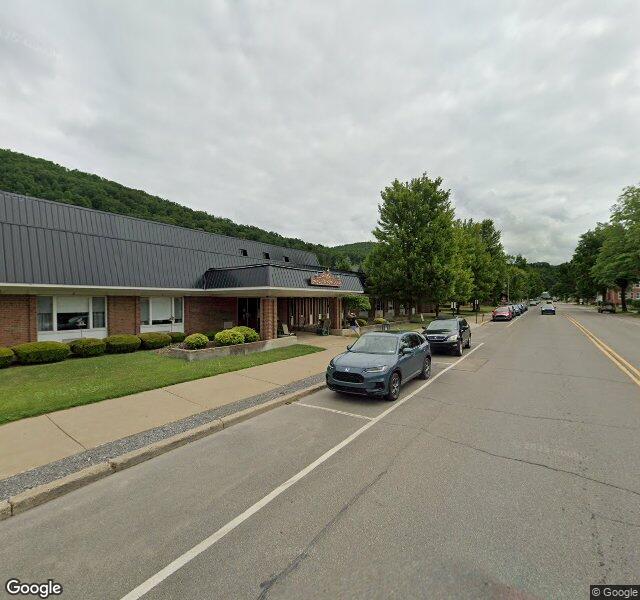
110 EAST FOURTH STREET, EMPORIUM, PA 15834 (814) 486-3736
Non profit - Corporation 30 Beds Independent Data: November 2025
Trust Grade
53/100
#430 of 653 in PA
Last Inspection: June 2025

Inspected within the last 6 months. Data reflects current conditions.

Overview

Guy and Mary Felt Manor, Inc. has a Trust Grade of C, which is considered average, placing it in the middle of the pack among nursing homes. It ranks #430 out of 653 facilities in Pennsylvania, meaning it is in the bottom half, but it is the only option available in Cameron County. The facility is worsening, with issues increasing from 10 in 2023 to 11 in 2025, indicating a concerning trend in care quality. Staffing is a strength, with a rating of 4 out of 5 stars and a low turnover rate of 26%, which is significantly better than the state average. While there are no fines recorded, which is a positive sign, specific incidents such as a failure to maintain proper food safety in the kitchen and issues with maintaining residents' range of motion raise concerns about overall care and hygiene.

Trust Score
C
53/100
In Pennsylvania
#430/653
Bottom 35%
Safety Record
Low Risk
No red flags
Inspections
Getting Worse
10 → 11 violations
Staff Stability
✓ Good
26% annual turnover. Excellent stability, 22 points below Pennsylvania's 48% average. Staff who stay learn residents' needs.
Penalties
✓ Good
No fines on record. Clean compliance history, better than most Pennsylvania facilities.
Skilled Nurses
✓ Good
Each resident gets 54 minutes of Registered Nurse (RN) attention daily — more than average for Pennsylvania. RNs are trained to catch health problems early.
Violations
⚠ Watch
29 deficiencies on record. Higher than average. Multiple issues found across inspections.
★★☆☆☆
2.0
Overall Rating
★★★★☆
4.0
Staff Levels
★☆☆☆☆
1.0
Care Quality
★★★☆☆
3.0
Inspection Score
Stable
2023: 10 issues
2025: 11 issues

The Good

  • 4-Star Staffing Rating · Above-average nurse staffing levels
  • Low Staff Turnover (26%) · Staff stability means consistent care
  • Full Sprinkler Coverage · Fire safety systems throughout facility
  • No fines on record
  • Staff turnover is low (26%)

    22 points below Pennsylvania average of 48%

Facility shows strength in staffing levels, staff retention, fire safety.

The Bad

2-Star Overall Rating

Below Pennsylvania average (3.0)

Below average - review inspection findings carefully

The Ugly 29 deficiencies on record

Jun 2025 10 deficiencies
CONCERN (D)

Potential for Harm - no one hurt, but risky conditions existed

Deficiency F0578 (Tag F0578)

Could have caused harm · This affected 1 resident

**NOTE- TERMS IN BRACKETS HAVE BEEN EDITED TO PROTECT CONFIDENTIALITY** Based on clinical record review and staff interview, it was determined that the facility failed to establish clear and consisten...

Read full inspector narrative →
**NOTE- TERMS IN BRACKETS HAVE BEEN EDITED TO PROTECT CONFIDENTIALITY** Based on clinical record review and staff interview, it was determined that the facility failed to establish clear and consistent resident wishes regarding advance directives for two of four residents reviewed for advance directive concerns (Residents 11 and 22). Findings include: Clinical record review of Resident 11's physical chart revealed a POLST (Physician Orders for Life-Sustaining Treatment, portable medical order form that records residents' treatment wishes so that emergency personnel know what treatment the resident wants in the event of a medical emergency) signed by a physician on [DATE], and signed by Resident 11 that indicated Resident 11 desired CPR (Full Code, cardiopulmonary resuscitation, chest compressions and artificial breathing assistance upon a medical emergency and/or death); however, limited other interventions such as refusing intubation (DNI, do not insert a tube into the airway to help with breathing). Review of active physician orders in Resident 11's electronic medical record instructed staff to implement Full Code treatment. Interview with Employee 1 (licensed practical nurse/infection prevention control preventionist) and Employee 2 (registered nurse) on [DATE], at 2:22 PM revealed that in the event of a medical emergency for Resident 11, both employees would refer to her electronic medical record physician's order that did not include a prohibition for intubation. Employees 1 and 2 confirmed that current physician orders for Resident 11 instructed staff to implement Full Code treatment. Employees 1 and 2 reviewed the POLST included in Resident 11's physical chart and confirmed Resident 11's wishes were to restrict intubation. Clinical record review of Resident 22's physical chart revealed social services documentation dated [DATE], at 4:31 PM that revealed that Resident 22 completed admission paperwork, and Resident 22 stated that her son is one person designated as her power-of-attorney. The documentation indicated that a POLST was completed with Resident 22 for Full Code, limited interventions. The writer indicated that the form would be forwarded to the physician for signature and filed. Social services documentation dated [DATE], at 4:17 PM revealed that Resident 22's son was present to discuss Resident 22's code status. Resident 22's son completed the POLST with Resident 22 and selected CPR with limited interventions. The writer indicated that the form would be forwarded to the physician for signature and filed in Resident 22's medical record. A POLST signed by a physician on [DATE], and signed by Resident 22's responsible party (son) indicated Resident 22 was to receive CPR; however, was not to receive intubation (DNI) as stipulated in the limited interventions. Review of active physician orders in Resident 22's electronic medical record (EMR) instructed staff to implement Full Code treatment. Interview with Employees 1 and 2 on [DATE], at 2:22 PM revealed that because Resident 22's active EMR (electronic medical record) physician orders instructed Full Code and there was no sticker on the outside of Resident 22's physical medical record, staff would determine that they were to implement Full Code CPR treatment without any restriction to intubation. The surveyor reviewed the DNI omission from Resident 11's and Resident 22's electronic physician orders during an interview with the Director of Nursing and the Nursing Home Administrator on [DATE], at 2:30 PM. 28 Pa. Code 201.18(b)(1) Management 28 Pa. Code 201.29(a) Resident rights 28 Pa. Code 211.12(d)(1)(5) Nursing services
CONCERN (D)

Potential for Harm - no one hurt, but risky conditions existed

Deficiency F0602 (Tag F0602)

Could have caused harm · This affected 1 resident

Based on clinical record review, review of select policies and procedures, and staff and resident interview, it was determined that the facility failed to thoroughly investigate and notify the appropr...

Read full inspector narrative →
Based on clinical record review, review of select policies and procedures, and staff and resident interview, it was determined that the facility failed to thoroughly investigate and notify the appropriate agencies of an identified incident of potential resident misappropriation of property (money) for one of one resident reviewed (Resident 130). Findings include: Review of the facility's active policy entitled Abuse Policy, last reviewed without changes on January 29, 2025, revealed that each resident will be free and protected from abuse, including misappropriation of resident property. Reports of misappropriation of resident property are promptly and thoroughly investigation. The administrator or designee will direct completion of an active search for missing item(s), immediately protect the resident, and coordinate delivery of appropriated medical and/or psychological care and attention. The investigation will consist of at least the following: Review of the completed complaint report Interview with the person or persons reporting the incident Interview with any witnesses Review of the resident record A search of the resident room (with resident permission) Interview with staff members having contact with the resident during the relevant periods or shifts of the alleged incident Interview with the resident's roommate, family members, and visitors Root-cause analysis of all circumstances surrounding the incident Results of the investigation will be documented and attached to the report. The resident and/or family will be notified of the completion of the investigation and whether the incident was substantiated. During an interview with Resident 130 on June 16, 2025, at 12:21 PM the resident indicated that their spouse had given them $100.00 for use at the beauticians to receive a perm. They had placed the money in their purse. One week prior to this interview, the resident checked the purse and noticed $80.00 of the $100.00 was missing. Resident 130 sent the purse home with her spouse upon identification of the missing funds. Resident 130 notified the facility on June 13, 2025. Clinical record review for Resident 130 revealed that on May 30, 2025, Resident 130's spouse indicated that they would not like to set up a resident fund account and did not wish to have a key to their locked drawer. On June 13, 2025, at 2:39 PM the facility's social worker re-educated Resident 130 and their spouse regarding the facility's petty cash fund and a key lock for the side table drawer. Both continued to deny a petty cash account or a key for the side drawer. Social services indicated to notify them should that wish to utilize either and requested the spouse notify staff when leaving funds for the resident's use. There was no documentation of any incidents regarding missing funds or reported misappropriation of any property for Resident 130. During interviews with the Nursing Home Administrator (NHA) and Director of Nursing (DON) on June 16, 2025, at 3:05 PM and June 17, 2025, at 2:50 PM, and with the Director of Nursing on June 18, 2025, at 8:49 AM information regarding the facility's investigation of Resident 130's allegation of missing money was requested. On June 18, 2025, at 12:15 PM, the facility provided copies of the Pennsylvania Department of Health's (PA DOH) Electronic Reporting System (ERS) dated June 18, 2025, the Pennsylvania Department of Aging and Pennsylvania Department of Human Services' Mandatory Abuse Report dated June 18, 2025, and two witness statements dated June 13, 2025. There was no documentation provided that indicated they initiated and/or thoroughly investigated Resident 130's allegation of misappropriation of resident funds prior to June 18, 2025. The surveyor reviewed this information during an interview the NHA on June 18, 2025, at 11:53 AM. 28 Pa. Code 201.14 (a) Responsibility of licensee 28 Pa. Code 201.18 (e)(1) Management
CONCERN (D)

Potential for Harm - no one hurt, but risky conditions existed

Report Alleged Abuse (Tag F0609)

Could have caused harm · This affected 1 resident

Based on review of select policies and procedures, resident and staff interview, and clinical record review, the facility failed to develop and/or implement policies and procedures for ensuring the re...

Read full inspector narrative →
Based on review of select policies and procedures, resident and staff interview, and clinical record review, the facility failed to develop and/or implement policies and procedures for ensuring the reporting of a reasonable suspicion of a crime in accordance with section 1150B of the Act for one of one resident reviewed (Resident 130). Findings include: The policy entitled Abuse, Neglect, Mistreatment and Misappropriation of Resident Property last reviewed without changes on January 29, 2025, revealed that all alleged violations involving misappropriation of resident property are reported immediately to the administrator. All owners, operators, employees, managers, agents, or contractors must report to the State Agency and law enforcement entities any reasonable suspicion of a crime against an individual who is a resident of or is receiving care from the facility no later than 24-hours if the events did not result in serious bodily injury. During an interview with Resident 130 on June 16, 2025, at 12:21 PM the resident indicated that their spouse had given them $100.00 for use at the facility's beautician to receive a perm. They had placed the money in their purse. One week prior to this interview, the resident checked the purse and noticed $80.00 of the $100.00 was missing. Resident 130 sent the purse home with her spouse upon identification of the missing funds. Resident 130 indicated they notified the facility on June 13, 2025. Clinical record review for Resident 130 revealed that on May 30, 2025, Resident 130's spouse indicated that they would not like to set up a resident fund account and did not wish to have a key to their locked drawer. On June 13, 2025, at 2:39 PM the facility's social worker re-educated Resident 130 and their spouse regarding the facility's petty cash fund and a key lock for side table drawer. Both continued to deny needing a petty cash account or a key for the side drawer. Social services indicated to notify them should they wish to utilize either and requested the spouse to notify staff when leaving funds for the resident's use. There was no documentation of any incidents regarding missing funds or reported misappropriation of property for Resident 130 in their clinical record. During interviews with the Nursing Home Administrator (NHA) and Director of Nursing (DON) on June 16, 2025, at 3:05 PM information regarding the facility's investigation of Resident 130's allegation of missing money was requested. The DON confirmed that the facility was aware of the need to timely investigate resident concerns of misappropriation and reporting reasonable suspicions of crime to the appropriate identified authorities. On June 18, 2025, at 12:15 PM the facility provided copies of the Pennsylvania Department of Health's (PA DOH) Electronic Reporting System (ERS) dated June 18, 2025, the Pennsylvania Department of Aging and Pennsylvania Department of Human Services Mandatory Abuse Report dated June 18, 2025, and two witness statements dated June 13, 2025. Review of the PA DOH ERS on June 18, 2025, revealed that the NHA submitted an electronic report regarding Resident 130's misappropriation allegations on June 18, 2025, at 10:06 AM, almost 5 days after Resident 130 notified the facility of potential misappropriation. Further review of the facility's ERS report dated June 18, 2025, revealed that the facility acknowledged Resident 130's notification and indicated that the surveyor was notified of the concern by Resident 130 on June 16, 2025. The surveyor informed the facility of the resident's concern on June 16, 2025. Further review revealed that the required agencies were not notified of the reasonable suspicion of crime until June 18, 2025. There was no documentation provided that indicated that they reported Resident 130's allegation of misappropriation of resident funds to the Department of Heath, Department of Aging, or any law enforcement entity prior to June 18, 2025. The surveyor reviewed this information during an interview with the NHA and DON on June 16, 2025, at 3:05 PM. 28 Pa. Code 201.18(b)(1)(3) Management 28 Pa. Code 201.19 Personnel policies and procedures 28 Pa. Code 201.29(a) Resident rights 28 Pa. Code 211.12(d)(1)(5) Nursing services
CONCERN (D)

Potential for Harm - no one hurt, but risky conditions existed

Comprehensive Care Plan (Tag F0656)

Could have caused harm · This affected 1 resident

**NOTE- TERMS IN BRACKETS HAVE BEEN EDITED TO PROTECT CONFIDENTIALITY** Based on clinical record review, observation, and resident and staff interview, it was determined that the facility failed to de...

Read full inspector narrative →
**NOTE- TERMS IN BRACKETS HAVE BEEN EDITED TO PROTECT CONFIDENTIALITY** Based on clinical record review, observation, and resident and staff interview, it was determined that the facility failed to develop a comprehensive care plan for two of 12 residents reviewed (Residents 11 and 22). Findings include: Clinical record review for Resident 11 revealed nursing documentation dated March 20, 2025, at 3:32 AM that staff found Resident 11 on the floor beside her wheelchair. Resident 11 stated that she fell asleep in her wheelchair. Staff assessed redness on the upper left corner of Resident 11's forehead. Review of the facility's investigation of Resident 11's fall on March 20, 2025, revealed that the new intervention to prevent fall recurrence was to remind staff to attempt to get Resident 11 to lay in bed when she appears sleepy in her wheelchair. Nursing documentation dated April 19, 2025, at 9:54 PM revealed that staff heard yelling and found Resident 11 on the floor beside her wheelchair. Resident 11 stated that she fell asleep, had a dream, and fell out of her wheelchair. Review of the facility's investigation of Resident 11's fall on April 19, 2025, revealed that the new intervention to prevent fall recurrence was for staff to attempt to offer Resident 11 to lay down in bed if sleepy at 10:00 PM. Review of Resident 11's plan of care developed by the facility on May 5, 2023, to address Resident 11's risk for falls revealed a list of interventions; however, the instruction for staff to attempt to get Resident 11 to lay in bed when she appears sleepy in her wheelchair (before or at 10:00 PM) was not included in the interventions. Review of Resident 11's medication regime revealed the use of Apixaban (Eliquis, an anticoagulant to thin blood and prevent blood clots) two times a day related to a history of thrombosis (stationary blood clot) and embolism (blood clot that has traveled from its original location). An annual MDS (Minimum Data Set, an assessment tool completed at specific intervals to determine resident care needs) dated March 6, 2025, revealed that Resident 11's medications included the use of an anticoagulant. A physician's progress note dated June 11, 2025, at 7:26 AM revealed a list of diagnoses that included the presence of a pacemaker (medical device surgically implanted in the chest that helps regulate the heart's rhythm by delivering electrical impulses to the heart as needed). Appointment documentation dated June 16, 2025, at 3:29 PM revealed that the facility received instructions from Resident 11's cardiologist (physician that specializes in diseases of the heart) to schedule a pacemaker check in the office on June 24, 2025, at 9:45 AM. Review of Resident 11's plans of care revealed no entries related to her use of an anticoagulant or the presence of a cardiac pacemaker. The surveyor reviewed the above concerns regarding Resident 11's plan of care during an interview with the Director of Nursing and the Nursing Home Administrator on June 17, 2025, at 2:00 PM. Interview with Resident 22 on June 16, 2025, at 1:46 PM revealed that she required antibiotics for a urinary tract infection with MRSA (Methicillin-resistant Staphylococcus aureus, bacteria that is resistant to many antibiotics and can cause serious infections) when first admitted to the facility. Clinical record review for Resident 22 revealed an admission MDS dated [DATE], that did not indicate that Resident 22 had a urinary tract infection in the last 30 days or that she presented with a multi-drug-resistant organism (MDRO). Nursing documentation dated November 26, 2024, at 10:17 AM revealed that the certified registered nurse practitioner requested Resident 22 have a urinalysis with culture and sensitivity test. Lab results documentation dated November 28, 2024, at 1:18 PM revealed that the facility was made aware that Resident 22's urine had greater than 100,000 cfu (colony-forming units of viable bacteria) of Staphylococcus present. A laboratory report dated as collected November 27, 2024, revealed that Resident 22 had a urinary tract infection with MRSA. Nursing documentation dated November 30, 2024, at 10:36 AM revealed that Resident 22 received Doxycycline (antibiotic) for a urinary tract infection with MRSA, and she was on contact isolation (interventions implemented to prevent the spread of infection that include the use of handwashing, isolation gowns, and gloves for all resident care). Nursing documentation dated January 1, 2025, at 6:57 AM revealed that Resident 22 was not responding well, was pale, and exhibited nonsensical conversation. Staff arranged for her transport to the hospital emergency room for evaluation, and Resident 22 left the facility. Nursing documentation dated January 1, 2025, at 2:09 PM revealed that Resident 22 returned to the facility with a diagnosis of a urinary tract infection and would receive Macrobid (antibiotic) for seven days. A physician's order dated January 1, 2025, instructed staff to administer Macrobid 100 mg (milligrams) twice daily for seven days for a urinary tract infection. Observation of Resident 22's room on June 16, 2025, at 1:08 PM revealed a sign to stop and see nursing staff before entering, and a sign to use contact precautions (clean hands before entering and when leaving the room, staff to don gloves and a gown before entering the room, and staff to use dedicated or disposable equipment for care). Interview with Employee 10 (nurse aide) on the date and time of the observation revealed that Resident 22 had MRSA in her urine, that she was incontinent of urine, and that she wears incontinent briefs. Observation of a medication administration pass for Resident 22 with Employee 7 (licensed practical nurse) on June 16, 2025, at 4:12 PM confirmed that the signage on Resident 22's room entry area indicated that she required contact isolation precautions. Review of Resident 22's plans of care revealed no evidence that the facility developed a plan of care to address Resident 22's history of urinary tract infections with an MDRO or that she required the implementation of contact precaution isolation. The surveyor reviewed the above concerns regarding Resident 22's plans of care during an interview with the Director of Nursing and Employee 1 (licensed practical nurse/infection control prevention coordinator) on June 18, 2025, at 9:00 AM. 28 Pa. Code 211.12(d)(1)(5) Nursing services
CONCERN (D)

Potential for Harm - no one hurt, but risky conditions existed

Drug Regimen Review (Tag F0756)

Could have caused harm · This affected 1 resident

Based on clinical record review and staff interview, it was determined that the facility failed to ensure that the resident's attending physician addressed pharmacy recommendations for two of five res...

Read full inspector narrative →
Based on clinical record review and staff interview, it was determined that the facility failed to ensure that the resident's attending physician addressed pharmacy recommendations for two of five residents reviewed for unnecessary medications (Residents 11 and 7). Findings include: Clinical record review for Resident 11 revealed a consultant pharmacist review note dated January 13, 2025, at 12:00 PM that indicated Resident 11 had physician orders to receive Vitamin D daily and oyster shell calcium daily for dietary supplements. The pharmacist reported that the supplements may be deemed unnecessary and asked the physician to consider discontinuing them. The consultant pharmacist report to the physician dated January 13, 2025, had no physician/prescriber response. Clinical record review for Resident 11 revealed a consultant pharmacist review note dated March 18, 2025, at 1:32 PM that current orders for Prozac (an antidepressant) daily in combination with Zyprexa (antipsychotic medication used to balance chemicals in the brain) daily was indicated for Treatment-Resistant Major Depressive Disorder (diagnosis used when a person with major depressive disorder does not respond adequately to at least two different antidepressant medications). The pharmacist requested that the physician update Resident 11's diagnosis to reflect the indication for use. The consultant pharmacist report to the physician dated March 18, 2025, noted the physician/prescriber response as, Orders Updated, on March 31, 2025. Resident 11's active physician orders for Resident 11's Prozac medication continued to list the indication for use diagnosis as major depressive disorder, recurrent severe without psychotic features since November 1, 2023. Resident 11's active physician orders for Resident 11's Zyprexa medication continued to list the indication for use diagnosis as major depressive disorder, recurrent unspecified since April 11, 2024. There was no indication that physician orders were updated regarding the indication for the combination use of Zyprexa and Prozac medications for Resident 11. Interview with the Director of Nursing on June 18, 2025, at 12:11 PM confirmed the above findings for Resident 11. Clinical record review for Resident 7 revealed current physician orders dated January 8, 2025, for Risperidone (an anti-psychotic) 0.25 mg (milligram) BID (twice daily) for therapeutic (dosage) related to unspecified Dementia without behavioral disturbance, psychotic disturbance, mood disturbance, and anxiety. The facility's consultant pharmacist completed a medication review on March 20, 2025. The pharmacist identified that Resident 7's Risperidone diagnosis was for Dementia, indicated that this was not an approved diagnosis, and requested that the physician address and provide an appropriate diagnosis for the medication. On March 31, 2025, Resident 7's physician addressed the pharmacist's recommendation and indicated that the Risperidone diagnosis was for depression. There was no documentation that the facility addressed the physician's response to the medication recommendation. The surveyor reviewed the above information during an interview with Nursing Home Administrator and the Director of Nursing on June 17, 2025, at 2:57 PM. 28 Pa. Code 211.9 (k) Pharmacy services 28 Pa. Code 211.12(d)(3)(5) Nursing services
CONCERN (D)

Potential for Harm - no one hurt, but risky conditions existed

Deficiency F0761 (Tag F0761)

Could have caused harm · This affected 1 resident

Based on observation and staff interview, it was determined that the facility failed to secure treatment biologicals during wound care for one of two residents observed (Resident 10). Findings include...

Read full inspector narrative →
Based on observation and staff interview, it was determined that the facility failed to secure treatment biologicals during wound care for one of two residents observed (Resident 10). Findings include: Observation of wound care with Employee 2 (registered nurse) on June 17, 2025, at 9:07 AM revealed Employee 2 gathered all wound care supplies from a treatment supply cart in the hallway and entered Resident 10's room, shut the door, and began her wound care. Employee 2 failed to secure (lock) the treatment supply cart before entering Resident 10's room. Interview with Employee 2 after completion of the dressing change and return to the treatment cart confirmed that he did not lock the treatment cart while the cart was unattended in the hallway. 28 Pa. Code 211.12(d)(1) Nursing services
CONCERN (D)

Potential for Harm - no one hurt, but risky conditions existed

Deficiency F0947 (Tag F0947)

Could have caused harm · This affected 1 resident

Based on review of employee education records and staff interview, it was determined that the facility failed to ensure that nurse aides received 12 hours of in-service training annually for two of th...

Read full inspector narrative →
Based on review of employee education records and staff interview, it was determined that the facility failed to ensure that nurse aides received 12 hours of in-service training annually for two of three nurse aides reviewed (Employees 8 and 9). Findings include: During a meeting with the Nursing Home Administrator and Director of Nursing on June 16, 2025, at 2:30 PM the surveyor asked for training records to indicate that nurse aides had received at least 12 hours of in-service training in the last year for Employees 8 and 9 (nurse aides). Review of Employee 8's training records revealed that she only received 9.50 hours in the last year. Review of Employee 9's training records revealed that she only received 11.00 hours in the last year. Interview with the Director of Nursing on June 18, 2025, at 9:10 AM confirmed there was no further evidence that Employees 8 and 9 received the required 12 hours of annual in-service training in the last year. 28 Pa. Code 201.19(7) Personnel policies and procedures 28 Pa. Code 201.20(a)(6)(d) Staff development
CONCERN (E)

Potential for Harm - no one hurt, but risky conditions existed

Deficiency F0688 (Tag F0688)

Could have caused harm · This affected multiple residents

**NOTE- TERMS IN BRACKETS HAVE BEEN EDITED TO PROTECT CONFIDENTIALITY** Based on clinical record review and staff interview, it was determined that the facility failed to provide services to maintain ...

Read full inspector narrative →
**NOTE- TERMS IN BRACKETS HAVE BEEN EDITED TO PROTECT CONFIDENTIALITY** Based on clinical record review and staff interview, it was determined that the facility failed to provide services to maintain a resident's range of motion for two of three residents reviewed for ROM concerns (Residents 12 and 14). Findings include: Clinical record review revealed the facility admitted Resident 12 on January 6, 2025. Review of Resident 12's admission MDS (Minimum Data Set, an assessment completed at specific intervals to determine care needs) dated January 13, 2025, noted staff assessed Resident 12 as having no impairment to her range of motion (ROM, movement of the body to maintain a resident's ability) of her bilateral upper and lower extremities. Review of 12's next quarterly MDS dated [DATE], noted staff assessed Resident 12 as having declined, with bilateral impairments to her upper and lower extremities. Review of Resident 12's physical therapy documentation revealed that she was discharged from therapy on April 10, 2025. There was no evidence that the facility addressed Resident 12's decline in range of motion. Interview with Employee 11 (registered nurse assessment coordinator) and Employee 12 (physical therapist assistant) on June 18, 2025, at 10:02 AM confirmed these findings for Resident 12. Clinical record review revealed the facility admitted Resident 14 on January 17, 2024. Review of Resident 14's annual MDS dated [DATE], noted staff assessed Resident 14 as having no impairment to her range of motion. Review of Resident 14's quarterly MDS assessment dated [DATE], noted staff assessed Resident 12 as having declined, with bilateral impairments to her upper and lower extremities. Review of Resident 14's physical therapy documentation revealed that she was discharged from therapy on April 10, 2025. Physical therapy discharge recommendations included a recommendation of a walk to dine program for Resident 14 with nursing. There was no evidence that the facility addressed Resident 14's decline in range of motion or implemented the recommended walk to dine program for Resident 14. Interview with Employees 11 and 12 on June 18, 2025, at 10:02 AM confirmed these findings for Resident 14. Further interview with Employee 12 on June 18, 2025, at 11:56 AM confirmed the nursing staff never implemented Resident 14's recommended walk to dine program. The above findings for Residents 12 and 14 were reviewed with the Director of Nursing and Nursing Home Administrator on June 17, 2025, at 2:00 PM. 28 Pa. Code 211.12(d)(1)(5) Nursing services
CONCERN (E)

Potential for Harm - no one hurt, but risky conditions existed

Infection Control (Tag F0880)

Could have caused harm · This affected multiple residents

Based on a review of select facility policies and procedures, Centers for Disease Control (CDC) standards, clinical record review, review of personnel payroll records, observation, and resident and st...

Read full inspector narrative →
Based on a review of select facility policies and procedures, Centers for Disease Control (CDC) standards, clinical record review, review of personnel payroll records, observation, and resident and staff interview, it was determined that the facility failed to ensure an environment free from the potential spread of infection related to COVID-19 work exclusions for two of two employees reviewed (Employees 3 and 4), COVID-19 outbreak testing for three of three episodes of facility COVID-19 outbreaks (July 29, 2024, to August 3, 2024; September 16, 2024; and February 9, 2025); transmission based precautions for one of one resident identified on transmission based precautions (Resident 22); enhanced barrier precautions for one of two residents observed for wound care (Resident 10); a process to obtain pertinent information following acute care hospital treatment for one of one resident reviewed for urinary tract infections (Resident 22); and resident personal laundry processing (Residents 11, 17, 15, 13, and 23). Findings include: Centers for Disease Control criteria for staff to return to work following COVID-19 infection (https://www.cdc.gov/covid/hcp/infection-control/guidance-risk-assesment-hcp.html?CDC_AAref_Val=https://www.cdc.gov/coronavirus/2019-ncov/hcp/guidance-risk-assesment-hcp.html) revealed that health care personnel (HCP) with mild to moderate illness who are not moderately to severely immunocompromised could return to work after the following criteria have been met: At least seven days have passed since symptoms first appeared if a negative viral test is obtained within 48 hours prior to returning to work (or 10 days if testing is not performed or if a positive test at day 5-7). At least 24 hours have passed since last fever without the use of fever-reducing medications. Symptoms (e.g., cough, shortness of breath) have improved. If using an antigen test (can give results in as little as 15 minutes, do not require laboratory testing for the results), HCP should have a negative test obtained on day 5 and again 48 hours later. Current CDC Infection Control Guidance for SARS-CoV-2 (COVID-19), at https://www.cdc.gov/covid/hcp/infection-control/index.html, revealed that asymptomatic residents with close contact with someone with COVID-19 infection should have a series of three viral tests for COVID-19 infection. Testing is recommended immediately (but not earlier than 24 hours after the exposure) and, if negative, again 48 hours after the first negative test and, if negative, again 48 hours after the second negative test. This will typically be at day one (where day of exposure is day zero), day three, and day five. Healthcare facilities should have a plan for how COVID-19 exposures in a healthcare facility will be investigated and managed and how contact tracing will be performed. If healthcare-associated transmission is suspected or identified, facilities might consider expanded testing of HCP (health care personnel), and residents as determined by the distribution and number of cases throughout the facility and ability to identify close contacts. When performing an outbreak response to a known case, facilities should always defer to the recommendations of the jurisdiction's public health authority. A single new case of COVID-19 infection in any HCP or resident should be evaluated to determine if others in the facility could have been exposed. The approach to an outbreak investigation could involve either contact tracing or a broad-based approach; however, a broad-based (e.g., unit, floor, or other specific area(s) of the facility) approach is preferred if all potential contacts cannot be identified or managed with contact tracing or if contact tracing fails to halt transmission. Perform testing for all residents and HCP identified as close contacts or on the affected unit(s) if using a broad-based approach, regardless of vaccination status. Testing is recommended immediately (but not earlier than 24 hours after the exposure) and, if negative, again 48 hours after the first negative test and, if negative, again 48 hours after the second negative test. This will typically be at day one (where day of exposure is day zero), day three, and day five. As part of the broad-based approach, testing should continue on affected unit(s) or facility-wide every three to seven days until there are no new cases for 14 days. Review of the facility's submissions to the Department of Health Event Reporting System (ERS, online system established for facilities to comply with required notification to the Department of the facility's reportable events) revealed that Employee 3 tested positive for COVD-19 on July 29, 2024 (day zero). Interview with Employee 3 (receptionist) on June 17, 2025, at 3:32 PM confirmed that she tested positive for COVID-19 while working on July 29, 2024. Employee 3 stated that she began to have sinus symptoms (congestion), so she followed the facility protocol and performed a rapid (antigen) test at the facility that confirmed COVID-19 infection. Employee 3 stated that she stayed to work while wearing a mask until leaving early at 1:30 PM that day, stayed home while sick the next two days, but that she returned to work the following day (day three after her positive test). Employee 3 stated that she believed that if she did not show symptoms, she could work. Employee 3 stated that she felt sick again on day four, so she did not come to work at the facility; however, she did not take any additional sick days after the fourth day. Employee 3 denied COVID-19 testing on days five or seven to ensure negative findings before returning to work. Review of Employee 3's timecard confirmed that she did not have regular work hours paid on days one, two, and four after her positive COVID-19 test; however, Employee 3 worked regular hours on days three, five, six, seven, eight, and nine. Review of the facility's submissions to the Department of Health Event Reporting System revealed that Employee 4, nurse aide, tested positive for COVD-19 on July 29, 2024 (day zero). Review of Employee 4's timecard revealed that she worked regular hours on the following dates: August 3, 2024, 3:00 PM to 11:00 PM (day five) August 5, 2024, 3:00 PM to 11:00 PM (day seven) August 6, 2024, 3:00 PM to 11:00 PM (day eight) August 7, 2024, 3:00 PM to 11:00 PM (day nine) August 8, 2024, 3:00 PM to 11:00 PM (day 10) Review of the facility's submissions to the Department of Health Event Reporting System revealed that the facility continued to report positive COVID-19 cases for both residents and staff until August 3, 2024. The facility reported two new staff COVID-19 positive tests on September 16, 2024. The facility reported a new resident COVID-19 positive test on February 9, 2025. Interview with Employee 1 (licensed practical nurse/infection control prevention coordinator) on June 18, 2025, at 9:00 AM confirmed that the facility had no evidence of testing staff (Employees 3 and 4) returning to work before CDC guidelines for HCP with known COVID-19 infection. The interview with Employee 1 indicated that the facility had no evidence of COVID-19 testing of staff during the August 2024, September 2024, or February 2025 COVID-19 outbreaks via either contract tracing or the broad-based approach. Employee 1 provided COVID-19 staff testing logs dated November 4 through 25, 2024; and December 2 through 30, 2024 (although the facility reported no new COVID-19 cases during that time). The logs provided indicated that testing occurred on a weekly basis; and did not follow any schedule established by CDC guidelines (on day one, day three, and day five and continued every three to seven days until there are no new cases for 14 days). The logs also indicated that no testing was performed on those staff that were recorded as vaccines up to date (despite CDC guidelines that stipulate testing is done regardless of vaccination status). Interview with Resident 22 on June 16, 2025, at 1:46 PM revealed that she required antibiotics for a urinary tract infection with MRSA (Methicillin-resistant Staphylococcus aureus, bacteria that is resistant to many antibiotics and can cause serious infections) when first admitted to the facility. Clinical record review for Resident 22 revealed a laboratory report dated as collected November 27, 2024, that indicated that Resident 22 had a urinary tract infection with MRSA. Observation of Resident 22's room on June 16, 2025, at 1:08 PM revealed a sign to stop and see nursing staff before entering; and a sign to use contact precautions (clean hands before entering and when leaving the room, staff to don gloves and a gown before entering the room, and staff to use dedicated or disposable equipment for care). Interview with Employee 10 (nurse aide) on the date and time of the observation revealed that Resident 22 had MRSA in her urine, that she was incontinent of urine, and that she wears incontinence briefs. Observation of medication administration for Resident 22 with Employee 7 (licensed practical nurse) on June 16, 2025, at 3:36 PM revealed that Employee 7 did not don a gown before entering Resident 22's room. Employee 7's clothing contacted Resident 22's bed several times as she leaned over Resident 22 to administer eye drops to both of Resident 22's eyes; and during the procedure to obtain a blood pressure assessment. Employee 7 returned to the medication cart and placed the blood pressure cuff and stethoscope used to obtain Resident 22's blood pressure assessment directly on the top of the medication cart. Employee 7 then used a sanitizing cloth to clean the stethoscope and cuff; however, Employee 7 did not clean the top of the medication cart. Employee 7 then continued medication administrations to five other residents. Interview with Employee 7 on June 16, 2025, at 4:12 PM confirmed that the signage on Resident 22's room entry area indicated that she required contact isolation precautions, and that those precautions were required due to a MRSA infection in her urine; however, the interview confirmed that no gown was donned before entering her room to administer her medications and obtain a blood pressure assessment. The interview also confirmed that Employee 7 had to clean the blood pressure cuff and stethoscope because those items were not dedicated equipment for Resident 22, but that she potentially contaminated the top of the medication cart when the equipment was placed there before cleaning. The surveyor reviewed the above concerns regarding Resident 22's isolation precautions during an interview with the Director of Nursing and the Nursing Home Administrator on June 17, 2025, at 2:40 PM. Observation of Resident 22's room on June 18, 2025, at 10:20 AM revealed continued use of contact isolation precaution signage. Nursing documentation dated January 1, 2025, at 6:57 AM revealed that Resident 22 was not responding well, was pale, and exhibited nonsensical conversation. Staff arranged for her transport to the hospital emergency room for evaluation, and Resident 22 left the facility. Nursing documentation dated January 1, 2025, at 2:09 PM revealed that Resident 22 returned to the facility with a diagnosis of a urinary tract infection and would receive Macrobid (antibiotic) for seven days. A physician's order dated January 1, 2025, instructed staff to administer Macrobid 100 mg (milligrams) twice daily for seven days for a urinary tract infection. Review of an MAR (medication administration record, electronic documentation of the administration of medications) dated January 2025 revealed that Resident 22 received Macrobid two times a day for her urinary tract infection from January 1, 2025, at 10:30 PM to January 8, 2025, at 10:30 AM. A laboratory report dated January 3, 2025, indicated that the bacteria in Resident 22's urine (Enterobacter cloacae complex) was only intermediately susceptible to Macrobid. The laboratory report indicated that the organism was susceptible to the antibiotic Bactrim. Interview with Employee 1 on June 17, 2025, at 1:04 PM indicated that laboratory culture and sensitivity reports are received by the licensed nurses who will notify a physician if an ordered antibiotic is not effective to treat a condition. Employee 1 stated that he was unaware if or when the facility staff received the urine culture and sensitivity report completed by the acute hospital emergency room on January 1, 2025. The facility had no evidence that staff notified Resident 22's physician with the report that a different antibiotic presented a better treatment response to Resident 22's infecting organism. Review of the Centers for Medicare and Medicaid Services (CMS) memo entitled, Enhanced Barrier Precautions in Nursing Homes, dated March 20, 2024, revealed that nursing care facilities are to use enhanced barrier precautions (EBP, gown and glove use) for residents with chronic wounds or indwelling medical devices (i.e., indwelling urinary catheters) during high-contact resident care activities regardless of their multidrug-resistant organism status. High-contact activity would include things like dressing, transferring, changing linens, providing hygiene, changing briefs, wound care, or device care. Review of the facility policy entitled, Isolation Precautions, last reviewed January 29, 2025, revealed Enhanced Barrier Precautions are in response to the detection of serious antibiotic resistance threats in nursing homes guided by the CDC in December 2019. EBP prevent transmission with residents known or suspected to be infected of novel or targeted MDROs. EBP are indicated for residents with indwelling medical devices and wounds who are at high risk for acquiring and being colonized with MDROs when they reside on the same unit as a resident colonized or infected with a novel or targeted MDRO. High-contact resident care activities requiring gown and glove use for Enhanced Barrier Precautions include wound care (any skin opening requiring a dressing). Implementation of EBP include to ensure access to alcohol-based hand rub. Review of the facility policy entitled, Clean Dressing Change, last reviewed January 29, 2025, revealed that procedural steps include the following sequence: Perform hand hygiene Put on (don) clean gloves Remove dressing and place in trash can Remove (doff) gloves and perform hand hygiene Put on clean gloves Cleanse wound Remove gloves and perform hand hygiene Put on clean gloves Apply clean dressings as ordered Remove gloves and perform hand hygiene Review of the facility policy entitled, Hand Hygiene Policy and Procedure, last reviewed January 29, 2025, revealed that indications for the use of alcohol-based hand rub (ABHR) include for routine decontaminating hands in clinical situations such as moving from a contaminated body site to a clean body site during resident care and after removing gloves. Clinical record review for Resident 10 revealed nursing documentation dated May 27, 2025, at 10:07 PM that Resident 10 had an open area to her coccyx (tailbone). Observation of Resident 10's room on June 16, 2025, at 12:43 PM revealed Enhanced Barrier signs on her doorway and a cart outside her doorway with reusable gowns and disposable gloves. Observation of Resident 10's wound care with Employee 2 (registered nurse) on June 17, 2025, at 9:10 AM revealed that Employee 2 did not don a gown before performing the procedure (despite the signage on Resident 10's doorway). Employee 2 donned gloves, removed the soiled dressing from Resident 10's buttocks, removed his gloves, donned new gloves (without performing hand hygiene), cleansed Resident 10's wounds with gauze, and reapplied the new dressings to Resident 10's buttocks. Interview with Employee 2 after completion of the dressing change and his return to the treatment cart in the hallway confirmed that he did not take any hand sanitizer into Resident 10's room or wash his hands between doffing the soiled gloves and donning new gloves. Review of the facility policy entitled, Laundry and Infection Control, last reviewed January 29, 2025, revealed that staff handle all used laundry as potentially contaminated and utilize standard precautions (i.e., gloves, gowns). Contaminated laundry is bagged at the point of collection (i.e., location where it was used). The facility follows manufacturer's instructions for all materials involved in the laundry process (i.e., washing machines, dryers, laundry detergents, and rinse aids). Review of the facility policy entitled, Laundry Policy and Procedure, last reviewed January 29, 2025, revealed that picking up personal clothing includes remove and tie laundry bags from the basket, and the laundry bag must be sealed before exiting the resident's room. Use 33-gallon black bags and/or laundry bags to replace the existing one. Do not place dirty laundry in linen storerooms, linen closets, or any room that contains clean linens. Steps for washing residents' laundry included to use proper PPE (personal protective equipment) and to not over fill washing machines. Interview with Employee 5 (director housekeeping/laundry) on June 18, 2025, at 9:50 AM revealed that resident personal laundry is collected from their rooms once or twice a week. A laundry employee collects the resident's soiled laundry from their closet. The interview indicated that each resident is to have a vented laundry hamper in their closet that is lined with either a plastic or linen bag that staff are to keep tied as the resident hampers do not have lids. Employee 5 stated that she was unaware of any concerns regarding staff not securing the soiled laundry bags between collections. Observation of the room used to process resident personal laundry revealed no isolation gowns. Interview with Employee 5 on the date and time of the observation confirmed that laundry staff do not don an isolation gown when transferring resident's soiled laundry into the washing machines. Employee 5 confirmed that there was no measure to protect staff clothing when transferring the soiled laundry. Employee 5 was unaware of the capacity limit of each washing machine in the laundry room (e.g., limit of how many pounds of laundry may be processed at one time to ensure appropriate agitation of clothing in the water and detergent to hygienically clean the laundry). Employee 5 confirmed that laundry staff do not weigh residents personal laundry loads before processing. Observation of Resident 11's room with Employee 6 (nurse aide) on June 18, 2025, at 10:45 AM revealed that Resident 11's closet hamper used for her soiled personal laundry had no lid, was lined with an open bag, and clothing was visible from the top of the hamper. Other clothing items hung on hangers from a bar above the open clothing hamper. Observation of Resident 17's closet hamper (tall, vented, white hamper) used for her soiled personal laundry with Employee 6 on June 18, 2025, at 10:46 AM revealed the hamper had no lid, was lined with an open black plastic bag, and clothing was visible from the top of the hamper. Other clothing items hung on hangers from a bar above the open clothing hamper. Observation of Resident 15's closet vented hamper used for her soiled personal laundry with Employee 6 on June 18, 2025, at 10:46 AM revealed the hamper had no lid, was lined with an open linen bag, and clothing was visible from the top of the hamper. Other clothing items hung on hangers from a bar above the open clothing hamper. Observation of Resident 13's closet with Employee 6 on June 18, 2025, at 10:47 AM revealed that an open black bag that lined a tall, vented, white hamper was falling inside the hamper. Clothing was visible from the top of the hamper. Other clothing items hung on hangers from a bar above the open clothing hamper. Observation of Resident 23's closet with Employee 6 on June 18, 2025, at 10:47 AM revealed that there was soiled clothing hanging over the top rim of a hamper, and the bag used to line the hamper was open. Other clothing items hung on hangers from a bar above the open clothing hamper. Observation of a soiled utility room with Employee 6 on June 18, 2025, at 10:50 AM revealed a hopper used by nurse aide staff to rinse excessively soiled resident clothing. Employee 6 confirmed that the room did not have any isolation gowns used by nursing staff for this procedure. One isolation gown was observed hanging on the wall; however, Employee 6 stated that was for the linen person (laundry personnel who collect linens such as sheets and towels). The facility failed to handle, store, or launder resident personal laundry in a manner to prevent the potential spread of infection. The surveyor reviewed the concerns regarding the facility's process for containing and laundering residents' personal soiled clothing during an interview with the Nursing Home Administrator on June 18, 2025, at 11:58 AM. 28 Pa. Code 211.12(d)(1)(3)(5) Nursing services
CONCERN (E)

Potential for Harm - no one hurt, but risky conditions existed

Deficiency F0883 (Tag F0883)

Could have caused harm · This affected multiple residents

**NOTE- TERMS IN BRACKETS HAVE BEEN EDITED TO PROTECT CONFIDENTIALITY** Based on a review of select facility policies and procedures, clinical record review, and staff interview, it was determined tha...

Read full inspector narrative →
**NOTE- TERMS IN BRACKETS HAVE BEEN EDITED TO PROTECT CONFIDENTIALITY** Based on a review of select facility policies and procedures, clinical record review, and staff interview, it was determined that the facility failed to offer pneumococcal vaccines to three of five residents reviewed for immunizations (Residents 20, 2, and 11). Findings include: The facility policy entitled, Pneumococcal Vaccines (PCV13, PCV20, and PPSV23) of Residents, last reviewed January 29, 2025, revealed that the purpose of the policy is to reduce morbidity and mortality from pneumococcal disease by vaccinating all residents who meet the criteria established by the Centers for Disease Control and Prevention's Advisory Committee on Immunization Practices. All residents of the facility should receive the pneumococcal vaccine (PCV13, PCV20, and/or PPSV23), unless there is a documented contraindication or right of refusal. The infection preventionist/designee will be responsible to monitor the facility's pneumococcal immunization program. Residents will have their immunization status determined at the time of admission and vaccine offered if not immunized. Each resident's immunization status will be documented in the resident's PCC (Point Click Care, electronic medical record system) immunization tab and on their consent form. Consent or declination is obtained upon admission. The facility distributes a consent/declination form annually to the resident/responsible party to update as needed as per regulatory guidelines. The infection preventionist is responsible for coordinating the administration of resident vaccines. The facility's active policy did not refer to the available pneumococcal vaccines PCV15 or PCV21. Clinical record review for Resident 20 revealed that the facility admitted her on December 27, 2021, at the age of 83. Resident 20's immunization tab indicated that she received a Pneumovax (PPSV23) immunization (on November 12, 2011) at the age of 73 before her admission to the facility. There were no other pneumococcal immunizations recorded in Resident 20's medical record. Current CDC recommendations (at https://www.cdc.gov/pneumococcal/hcp/vaccine-recommendations/index.html) note that the CDC offers PneumoRecs VaxAdvisor as a free application to quickly and easily provide patient-specific pneumococcal vaccine guidance. Per the PneumoRecs VaxAdvisor application, someone greater than [AGE] years old, who had the PPSV23 vaccine, should receive one dose of PCV15, PCV20, or PCV21 at least one year after the last dose of PPSV23. Interview with Employee 1 (licensed practical nurse/infection control prevention coordinator) on June 17, 2025, at 1:15 PM and June 18, 2025, at 9:00 AM confirmed that the facility had no additional evidence of pneumococcal immunizations for Resident 20. Clinical record review for Resident 2 revealed that the facility admitted her on June 5, 2019. Review of Resident 2's immunization tab revealed that Resident 2 received the PCV13 vaccine (before her admission to the facility) on May 20, 2016 (at [AGE] years old), and the PPSV23 vaccine (before her admission to the facility) on December 1, 2018 (at [AGE] years old). Per the PneumoRecs VaxAdvisor application, someone greater than [AGE] years old, who never received the PCV15, PCV20, or PCV21 immunizations, but received the PPSV23 and PCV13 immunizations at/after age [AGE] years old, should discuss with their clinical decision-making providers whether to administer one dose of PCV20 or PCV21 at least five years after the last pneumococcal vaccine dose to complete their pneumococcal vaccinations. Interview with Employee 1 on June 17, 2025, at 1:15 PM and June 18, 2025, at 9:00 AM confirmed that the facility had no additional evidence of offering Resident 2 either the PCV20 or PCV21 immunizations. Clinical record review for Resident 11 revealed that the facility admitted her on May 5, 2023. Review of Resident 11's immunization tab revealed that Resident 11 received the PCV13 vaccine (before her admission to the facility) on February 26, 2016 (at [AGE] years old), and the PPSV23 vaccine (before her admission to the facility) on November 7, 2016 (at [AGE] years old). Resident 11's clinical record contained no evidence that the facility offered the PCV20 or PCV21 vaccines. Interview with Employee 1 on June 17, 2025, at 1:15 PM and June 18, 2025, at 9:00 AM confirmed that the facility had no additional evidence of offering Resident 11 either the PCV20 or PCV21 immunizations per current CDC guidance. 28 Pa. Code 211.5(f)(i)-(xi) Medical records 28 Pa. Code 211.12(d)(1)(5) Nursing services
Mar 2025 1 deficiency
CONCERN (D) 📢 Someone Reported This

A family member, employee, or ombudsman was alarmed enough to file a formal complaint

Potential for Harm - no one hurt, but risky conditions existed

Deficiency F0676 (Tag F0676)

Could have caused harm · This affected 1 resident

**NOTE- TERMS IN BRACKETS HAVE BEEN EDITED TO PROTECT CONFIDENTIALITY** Based on closed clinical record review and staff interview, it was determined that the facility failed to implement treatment an...

Read full inspector narrative →
**NOTE- TERMS IN BRACKETS HAVE BEEN EDITED TO PROTECT CONFIDENTIALITY** Based on closed clinical record review and staff interview, it was determined that the facility failed to implement treatment and services for mobility for one of two residents reviewed (Resident CR1). Findings include: Closed clinical record review for Resident CR1 revealed a physical therapy Discharge summary dated [DATE], that stipulated that her wheelchair seat was too high for her feet to touch the ground, and she was unable to self-propel. The documentation indicated that there was a representative from an outside resource that assessed the situation, and there were adjustments pending. Resident CR1's closed clinical record contained no evidence of any further adjustments to Resident CR1's wheelchair. A physical therapy Discharge summary dated [DATE], noted the discontinuation of treatment as the patient discharged to hospital. Resident CR1's closed clinical record did not indicate that she was discharged to the hospital in December 2024. A physician's order dated December 11, 2024, instructed physical therapy to continue treatment up to 20 visits in 30 days. Resident CR1's closed clinical record did not contain evidence that the physical therapy staff assessed or treated Resident CR1 on or after December 11, 2024. The facility transferred Resident CR1 to the hospital on January 6, 2025, and discharged Resident CR1 from the facility on January 15, 2025. Interview with Employee 1 (physical therapy assistant) on March 11, 2025, at 1:30 PM revealed that Resident CR1 had decreased mobility of her lower extremities with contractures of her knees. Resident CR1 propelled herself in her wheelchair using her feet in the hallways; however, the height of her initial wheelchair seat allowed her knees to remain in a bent position as she propelled her wheelchair. Resident CR1 received a customized wheelchair to allow the stretching of her legs, which lessened the ability of her feet to come in complete contact with the floor. The facility evaluated the chair again and determined that another frame would lower the seat of the wheelchair slightly to increase the contact her feet would have with the floor and, potentially, improve her ability to self-propel. The interview confirmed that the facility had no further evidence that Resident CR1's chair was modified to improve the contact her feet had with the floor. The interview also confirmed that the facility had no documentation that Resident CR1 received skilled physical therapy services after December 6, 2024. The surveyor reviewed the above concerns during an interview with the Nursing Home Administrator and the Director of Nursing on March 11, 2025, at 2:00 PM. 28 Pa. Code 211.12(d)(3)(5) Nursing services
Jul 2023 10 deficiencies
CONCERN (D)

Potential for Harm - no one hurt, but risky conditions existed

Assessment Accuracy (Tag F0641)

Could have caused harm · This affected 1 resident

Based on clinical record review and staff interview it was determined that the facility failed to ensure assessments accurately reflected a resident's status for one of 12 residents reviewed (Resident...

Read full inspector narrative →
Based on clinical record review and staff interview it was determined that the facility failed to ensure assessments accurately reflected a resident's status for one of 12 residents reviewed (Resident 6). Findings include: Clinical record review for Resident 6 revealed a significant change MDS (Minimum Data Set, an assessment tool completed at specific intervals to determine resident care needs) dated June 19, 2023, that assessed she received insulin injections and an anticoagulant on seven of the previous seven days. Review of Resident 6's physician orders did not include evidence of insulin or anticoagulant medications in the month of June 2023. Interview with the Director of Nursing on July 6, 2023, at 12:38 PM confirmed that the June 19, 2023, significant change MDS was incorrect; that Resident 6 did not receive any anticoagulants or insulin during the lookback periods pertinent to the June 19, 2023, significant change MDS assessment. 28 Pa. Code 211.5(f) Clinical records 28 Pa. Code 211.12(d)(1)(5) Nursing services
CONCERN (D)

Potential for Harm - no one hurt, but risky conditions existed

Respiratory Care (Tag F0695)

Could have caused harm · This affected 1 resident

**NOTE- TERMS IN BRACKETS HAVE BEEN EDITED TO PROTECT CONFIDENTIALITY** Based on observation, clinical record review, review of select facility policies, and staff interview, it was determined that th...

Read full inspector narrative →
**NOTE- TERMS IN BRACKETS HAVE BEEN EDITED TO PROTECT CONFIDENTIALITY** Based on observation, clinical record review, review of select facility policies, and staff interview, it was determined that the facility failed to provide appropriate respiratory care and services for one of one resident reviewed (Resident 15). Findings include: Review of the facility policy entitled Oxygen Therapy, last reviewed without changes on January 18, 2023, revealed that oxygen therapy will be provided as ordered by the physician who will order the delivery source, the liter flow, and humidity bottle and distilled water if required or needed. The nasal cannula (prongs connected to tubing inserted in nose to deliver oxygen) tubing is to be changed every 14 days and the nurse is to place a piece of tape with the date on tubing. A physician's order dated June 10, 2021, indicated that Resident 15 was to receive oxygen by way of nasal cannula at 2 lpm (liters per minute) as needed for shortness of breath. Clinical record review for Resident 15 revealed that the resident's plan of care did not include oxygen therapy. Observation of Resident 15 on July 5, 2023, at 11:22 AM revealed that the resident was lying in bed with her eyes closed. She was receiving oxygen at 1 lpm by way of nasal cannula. The oxygen tubing had a piece of tape that was dated June 5, 2023. A humidity bottle was present on the oxygen concentrator (delivery system for oxygen). The humidity bottle was empty. Observation and interview with the Director of Nursing on July 5, 2023, at 3:45 PM confirmed that Resident 15 was receiving oxygen at 1 lpm by way of nasal cannula when 2 lpm was ordered, and the humidity bottle was to have distilled water. During an interview with the Director of Nursing on July 6, 2023, at 1:45 PM the surveyor discussed the omission of oxygen therapy in Resident 15's plan of care. 28 Pa. Code 211.10 (c) Resident care policies 28 Pa. [NAME] 211.11 (c)(d) Resident care plan 28 Pa. Code 211.12(d)(1)(5) Nursing services
CONCERN (D)

Potential for Harm - no one hurt, but risky conditions existed

Deficiency F0700 (Tag F0700)

Could have caused harm · This affected 1 resident

Based on review of select facility policies and procedures, clinical record review, observation, and staff interview, it was determined that the facility failed to regularly assess a resident's entrap...

Read full inspector narrative →
Based on review of select facility policies and procedures, clinical record review, observation, and staff interview, it was determined that the facility failed to regularly assess a resident's entrapment risk from the use of bed rails for one of six residents reviewed for accident hazards (Resident 1). Findings include: The facility policy entitled, Bed Rails/Entrapment, last reviewed without changes on January 18, 2023, noted that maintenance evaluates all beds annually to ensure that all entrapment zones are within FDA (Food and Drug Administration) recommendations. Observation of Resident 1's room on July 5, 2023, at 1:26 PM revealed bilateral assist bars mounted to the head of her bed. Clinical record review of Resident 1's Bed Zones Measurement Checklist (form utilized by the facility to document the assessment of the seven bed system entrapment zones) indicated that staff last completed an assessment of Resident 1's bed system entrapment zones on October 20, 2020. Interview with the Director of Nursing and the Nursing Home Administrator on July 6, 2023, at 1:45 PM confirmed that the facility had no evidence that staff assessed all potential entrapment zones for Resident 1 for more than two and two-thirds years since October 20, 2020. 28 Pa. Code 211.10(d) Resident care policies 28 Pa. Code 211.12(d)(1)(3)(5) Nursing services
CONCERN (D)

Potential for Harm - no one hurt, but risky conditions existed

Medication Errors (Tag F0758)

Could have caused harm · This affected 1 resident

Based on clinical record review and staff interview, it was determined that the facility failed to ensure a resident's medication regime was free from potentially unnecessary medications for one of fi...

Read full inspector narrative →
Based on clinical record review and staff interview, it was determined that the facility failed to ensure a resident's medication regime was free from potentially unnecessary medications for one of five residents reviewed (Resident 10). Findings include: Review of Resident 10's clinical record revealed a physician's order dated March 20, 2023, for staff to administer Lorazepam (generic name of Ativan, medication used to treat anxiety) oral concentrate 2mg/ml (milligrams/milliliter), 0.5 ml every four hours PRN (as needed for anxiety). Review of Resident 10's clinical record revealed a physician's order dated March 31, 2023, for staff to administer Ativan 0.5 mg two times a day. Review of Resident 10's Medication Administration Record (MAR, form used to document the administration of medications) revealed the resident received Lorazepam PRN on the following dates in 2023: March 20 at 7:50 PM March 23 at 12:51 AM March 28 at 6:39 AM, 11:19 AM, and 7:34 PM March 31 at 9:05 PM April 8 at 4:40 AM and 12:58 PM April 10 at 8:42 PM April 18 at 2:31 PM April 19 at 2:31 AM and 1:50 PM April 23 at 6:00 PM May 7 at 3:47 PM July 2 at 3:28 PM During a meeting with the Nursing Home Administrator and Director of Nursing on July 5, 2023, at 3:29 PM the surveyor asked for the documented rational for the PRN lorazepam being used beyond 14 days with the duration of the medication. During an interview with the Director of Nursing on July 6, 2023, at 8:44 AM it was confirmed that the PRN lorazepam did not have a 14 day stop date nor was there a documented rationale to indicate the continued use and the duration for the PRN medication. 28 Pa. Code 211.9(a)(1)(k) Pharmacy services 28 Pa. Code 211.10(a) Resident care policies 28 Pa. Code 211.12(c)(d)(1)(3)(5) Nursing services
CONCERN (D)

Potential for Harm - no one hurt, but risky conditions existed

Deficiency F0761 (Tag F0761)

Could have caused harm · This affected 1 resident

Based on review of select facility policies and procedures, clinical record review, observation, and staff interview, it was determined that the facility failed to ensure accurate labeling of medicati...

Read full inspector narrative →
Based on review of select facility policies and procedures, clinical record review, observation, and staff interview, it was determined that the facility failed to ensure accurate labeling of medications for one of two residents observed for medication administration (Resident 4). Findings include: The online resource https://www.webmd.com/drug-medication/what-are-the-7-rights-of-medication, instructed to always triple-check that you are giving the right medication to the right person. After confirming that you have the right individual, read the medication's label, and review the resident's charts to confirm you are going to give the correct medication. Along with giving the right medication comes giving the right dose. You will be able to find the right dose on the individual's chart alongside the form that the medication comes in. In addition to following the seven medication administration rights, there are three checks that you must perform. Read the individual's chart three times before letting your resident take their medication: before you prepare the medication, while you prepare the medication, and when returning or discarding the container. Review of the Medication Administration Observation competency outline completed with Employee 1 (licensed practical nurse) dated February 28, 2022, revealed that the steps for medication administration included to verify the medication and strength with the physician's order as transcribed on the medication record (MAR, electronic documentation of the administration of medications). The facility policy entitled, Safe Medication Administration, last reviewed without changes on January 18, 2023, revealed that the steps for procedures for administration within the Medication Administration Guidelines did not instruct staff to ensure the medication labeling matched the physician order/prescriber dosing instructions before dispensing a medication. Medication Dispensing is defined as an act by a practitioner or a person who is licensed in this state to dispense medications under the Pharmacy Act (63 P.S. 390-1-390-13) entailing the interpretation of an order for a medication and, under that order, the proper selecting, measuring, labeling, packaging, and issuance of the medication for a resident or for a service unit of the facility. The Pharmacy Act (63 P.S. 390-1-390-13) Chapter 27. State Board of Pharmacy, 27.12(b)(3), stipulated that the pharmacist shall ensure that the label of the container in which a nonproprietary drug is dispensed or sold pursuant to a prescription complies with the labeling requirements of 27.18, Standards of practice. The standards of practice listed in 27.18 included a drug not in unit dose shall be labeled to indicate the resident name, drug name, drug strength, dosing instructions, and lot number. The facility policy entitled, Medication Administration, last reviewed without changes, listed procedural steps that included medications will be administered in accordance with a physician's order by a licensed nurse. The nurse will consult the MAR for medications to be administered to the given resident. Staff will compare the medication sheet with the label of each medication for the following: right person, right medication, right date, right time, right route, right dose, and expiration date. If there is a discrepancy, the medication will not be administered. Instructions will be verified by contacting the assigned nurse who in turn may contact the pharmacist or prescriber. Staff will compare the label with the medication sheet for a second time and a third time before administering it to the individual. Observation of a medication administration pass on July 6, 2023, at 8:08 AM revealed Employee 1 prepared Tramadol (narcotic analgesic) 50 milligrams for administration to Resident 4. The labeling on the Tramadol packaging instructed staff to administer the medication four times a day (QID). Clinical record review for Resident 4 revealed a physician's order, active since November 27, 2021, that instructed staff to administer Tramadol 50 mg three times a day (TID) to Resident 4. Interview with Employee 1 on July 6, 2023, at 9:55 AM verified Resident 4's Tramadol had been ordered as TID since November 26, 2021; however, every card of Tramadol available in the medication cart for Resident 4's administration included instructions to administer QID. The dates on the available Tramadol medication labeling indicated the following pharmacy fill dates: One card, with one of 28 tablets left, dated February 17, 2023 Three cards, with 28 tablets, dated May 12, 2023 Three cards, with 28 tablets, dated June 9, 2023 The pharmacy continued to fill Resident 4's Tramadol's prescription with incorrect medication labeling since February 2023. 483.45(g)(h)(1)(2) Label/store Drugs and Biologicals Previously cited deficiency 08/04/22 28 Pa. Code 211.9(a)(1)(2) Pharmacy services 28 Pa. Code 211.10(c) Resident care policies 28 Pa. Code 211.12(d)(1)(3)(5) Nursing services
CONCERN (E)

Potential for Harm - no one hurt, but risky conditions existed

Pressure Ulcer Prevention (Tag F0686)

Could have caused harm · This affected multiple residents

**NOTE- TERMS IN BRACKETS HAVE BEEN EDITED TO PROTECT CONFIDENTIALITY** Based on a review of select facility policies and procedures, clinical record review, and responsible party, resident, and staff...

Read full inspector narrative →
**NOTE- TERMS IN BRACKETS HAVE BEEN EDITED TO PROTECT CONFIDENTIALITY** Based on a review of select facility policies and procedures, clinical record review, and responsible party, resident, and staff interview, it was determined that the facility failed to provide the highest practicable care to promote pressure ulcer healing for four of four residents reviewed (Residents 2, 3, 13, and 15). Findings include: The policy entitled Pressure Ulcer Treatment Policy and Procedure, last reviewed without changes on January 18, 2023, revealed the registered nurse will measure and document wounds at least weekly on shower assessment or wound rounding day for positive or negative changes and act accordingly. An interview with Resident 2 on July 5, 2023, at 1:11 PM revealed she had a pressure ulcer on her buttock and right thigh. A review of Resident 2's clinical record revealed Wound Healing Solutions assessed Resident 2's wounds on June 6, 2023. Wound Healing Solutions assessed Resident 2's full-thickness ulceration of her coccyx as healed, with macerated (softening and breaking down of skin) tissue. The partial thickness ulceration of Resident 2's right posterior thigh was measured as 1.5 by 0.8 by 0.1 centimeters (cm). Wound healing solutions identified a new wound on Resident 2's right buttock measuring 0.8 by 0.2 by 0.2 cm, adjacent to the coccyx ulcer. The next assessment of Resident 2's wounds was on June 20, 2023 (14 days later). Resident 2's full-thickness ulceration of her coccyx was now reopened and measured 0.5 by 0.5 by 0.1 cm. Her right posterior thigh measured 2.0 by 0.7 by 0.1 cm, and her right buttock measured 0.5 by 0.3 by 0.2 cm. An interview with Resident 3 on July 5, 2023, at 12:56 PM revealed that she had a pressure sore on her left foot and right leg stump. A review of Resident 3's clinical record revealed Wound Healing Solutions assessed Resident 3's wounds on June 6, 2023. Wound Healing Solutions assessed Resident 3's partial thickness wound on her right posterior stump (medial) 1.8 by 1.8 by 0.2 cm, full thickness wound left heel 4.8 by 4.5 by 0.2 cm, and full thickness wound of left second toe 0.6 by 0.6 by 0.2 cm. The next assessment of Resident 3's wounds was on June 20, 2023 (14 days later). An interview with the responsible party for Resident 15 on July 5, 2023, at 11:20 AM revealed the resident came to the facility with skin breakdown on her buttocks, and probably cancer has spread to her brain, and she is at the end of her life. The responsible party also indicated that the resident does not like to be repositioned in bed and only wants to lie on her back. Review of a consultation by Wound Healing Solutions for Resident 15 dated June 6, 2023, revealed the resident had wounds that healed on both buttocks and had developed a new skin ulceration over the coccyx (tailbone) that measured 3.5 cm x 3 cm x 0.1 cm. The wound was described as a partial thickness wound and moisture related. The next assessment for Resident 15 was on June 20, 2023 (14 days later), which revealed the partial-thickness ulceration was now a Stage III pressure ulcer/injury (full-thickness loss of skin) that measured 1.5 cm x 1 cm x 0.1 cm. The facility failed to provide the necessary treatment and services, consistent with professional standards of practice to promote pressure ulcer healing and prevent new ulcers from developing. An interview with the Director of Nursing on July 7, 2023, at 10:54 AM confirmed these findings for Residents 2, 3, and 15. Clinical record review for Resident 13 revealed a progress note dated June 22, 2023, at 11:10 AM noting an assessment of the resident after a fall. A dark hard area was noted on the residents left heel noting skin prep was applied and the resident would be placed on the list for the wound care team. There was no evidence of any additional assessment at the time to determine the origin of the area to indicate if the area was a result of the fall, pressure, friction, or the size of the area. A skin assessment dated [DATE], for Resident 13 assessed the resident as having a reabsorbed and hard right heel blister, nothing was noted on the left heel. There were no measurements of the area or interventions initiated. Resident 13 was not seen by the wound specialist until June 28, 2023, who noted an unstageable pressure area on the resident's left heel measuring 1.33 cm in area, 1.17 cm in length and 1.49 cm in width. No areas were noted on the resident's right heel. A treatment was ordered to be completed every three days to the left heel, and the wound specialist would follow up in two weeks. A skin assessment completed on Resident 13 dated July 4, 2023, assessed the resident as having a right heel blister with no measurements noted. The skin assessment did not note any area on the left heel. There was no evidence of any weekly assessment or measurements to identify any improvement, decline, or need of treatment change for the area on the resident's left heel. An observation of Resident 13's heels upon surveyor request with Employee 7, registered nurse, on July 6, 2023, at 2:28 PM revealed the resident had a treatment dressing removed from his left heel. A dark purple area was observed on the left heel. There was no evidence of any compromised area or recently healed area on the resident's right heel as the resident was noted as having a blister on the heel on assessments completed by the nursing staff dated June 27, and July 4, 2023. Employee 7 redressed the area to the resident's left heel per physician orders. No measurements or documented assessment as to the condition of the area was noted. Employee 7 indicated the facility did not have a wound nurse and a company comes in every other week to assess areas on the residents with measurements and any needed treatment changes. In an interview with the Director of Nursing on July 6, 2023, at 2:40 PM it was confirmed the facility did not have a wound nurse or the wound specialist available to assess the resident's area weekly, and Resident 13 would not be assessed by the wound specialist again until a visit the week of July 10, 2023, after the resident's initial visit on June 28, 2023. The Director of Nursing confirmed the skin assessment documentation dated June 27, and July 4, 2023, for Resident 13 inaccurately identified the area as being on the resident's right heel and not the left heel. 28 Pa. Code 211.10(d) Resident care policies 28 Pa. Code 211.12(d)(1)(3)(5) Nursing care services
CONCERN (E)

Potential for Harm - no one hurt, but risky conditions existed

Deficiency F0726 (Tag F0726)

Could have caused harm · This affected multiple residents

Based on review of select facility policies and procedures, facility assessment, select personnel files, observation, and staff interview, it was determined that the facility failed to complete skills...

Read full inspector narrative →
Based on review of select facility policies and procedures, facility assessment, select personnel files, observation, and staff interview, it was determined that the facility failed to complete skills competencies and/or annual performance reviews for three of three staff reviewed for staff competencies (Employees 1, 3 and 4; Resident 4). Findings include: The Facility Assessment, last updated May 15, 2023, indicated that the resident care and services correlating to the resident population included that medication administration is offered by the nursing staff. Medication management is provided by the pharmacy. Staff competencies are determined according to the amount of resident interaction required by the job role, job knowledge, skills, and abilities, and those needed to care for the resident. Competencies are based on current standards of practice and may include knowledge and a test, knowledge and return demonstration, knowledge and observed ability, knowledge and observed behavior, and annual performance evaluation. Competencies are based on the care and services needed by the resident population. The facility human resources policy entitled, Benefits, last reviewed January 18, 2023, stipulated that all employees will be evaluated on their job performance at the end of their probation period and/or annually. The criteria evaluated included skill level/competencies. The facility policy entitled, Medication Administration, last reviewed without changes on January 18, 2023, listed procedural steps that included medications will be administered in accordance with a physician's order by a licensed nurse. The nurse will consult the MAR (medication administration record) for medications to be administered to the given resident. Staff will compare the medication sheet with the label of each medication for the following: right person, right medication, right date, right time, right route, right dose, and expiration date. If there is a discrepancy, the medication will not be administered. Instructions will be verified by contacting the assigned nurse who in turn may contact the pharmacist or prescriber. Staff will compare the label with the medication sheet for a second time and a third time before administering it to the individual. Review of Employee 1's (licensed practical nurse) personnel record indicated that the facility hired him on April 21, 2020. Employee 1's last Employee Annual Evaluation was dated April 27, 2023. Review of a Medication Administration Observation competency outline completed with Employee 1 dated February 28, 2022, revealed that the steps for medication administration included to verify the medication and strength with the physician's order as transcribed on the MAR. Interview with the Director of Nursing on July 7, 2023, at 9:05 AM, revealed that the facility had no evidence of an annual medication administration competency for Employee 1 after the February 28, 2022, evaluation. Observation of a medication administration pass on July 6, 2023, at 8:08 AM revealed Employee 1 prepared Tramadol (narcotic analgesic) 50 milligrams for administration to Resident 4. The labeling on the Tramadol packaging instructed staff to administer the medication four times a day (QID). Clinical record review for Resident 4 revealed a physician's order, active since November 27, 2021, that instructed staff to administer Tramadol 50 mg three times a day (TID) to Resident 4. Interview with Employee 1 on July 6, 2023, at 9:55 AM verified Resident 4's Tramadol had been ordered as TID since November 26, 2021; however, every card of Tramadol available in the medication cart for Resident 4's administration included instructions to administer QID. The dates on the available Tramadol medication labeling indicated the following pharmacy fill dates: One card, with one of 28 tablets left, dated February 17, 2023 Three cards, with 28 tablets, dated May 12, 2023 Three cards, with 28 tablets, dated June 9, 2023 The pharmacy continued to fill Resident 4's Tramadol's prescription with incorrect medication labeling since February 2023. Staff who administered the 27 doses of the Tramadol medication from the packaging filled by pharmacy on February 17, 2023, failed to identify and/or correct that the labeling did not match the active physician order for Resident 4. Review of Employee 4's (registered nurse) personnel record revealed that the facility hired her on August 4, 2021. Interview with Employee 2 (business manager/human resources) on July 7, 2023, at 10:10 AM revealed that there was no evidence of an annual employee evaluation for Employee 4. Review of a Medication Administration Observation competency outline for Employee 4 revealed that more than a year had elapsed since the last competency assessment was completed on March 28, 2022. Review of Employee 3's (licensed practical nurse) personnel record revealed that the facility hired her on August 10, 2021. Employee 3's last Employee Annual Evaluation was dated August 12, 2022. Review of a Medication Administration Observation competency outline for Employee 3 revealed that more than a year had elapsed since the last competency assessment was completed on March 12, 2022. Interview with the Director of Nursing on July 7, 2023, at 9:39 AM revealed that all licensed nursing staff perform medication administration duties as part of their job duties. The interview confirmed that the facility had no evidence of a medication administration competency for Employees 1, 3, and 4 at least annually. 28 Pa. Code 201.20(a) Staff development 28 Pa. Code 211.12(d)(1)(5) Nursing services
CONCERN (E)

Potential for Harm - no one hurt, but risky conditions existed

Dental Services (Tag F0791)

Could have caused harm · This affected multiple residents

Based on clinical record review, observation, and resident and staff interviews, it was determined that the facility failed to arrange for routine dental care to the extent covered under the State pla...

Read full inspector narrative →
Based on clinical record review, observation, and resident and staff interviews, it was determined that the facility failed to arrange for routine dental care to the extent covered under the State plan for two of three residents reviewed for dental concerns (Residents 3 and 1). Findings include: Clinical record review revealed the facility admitted Resident 3 on July 3, 2019. Interview and observation of Resident 3 on July 5, 2023, at 12:53 PM revealed her front tooth appeared broken. Resident 3 stated that she goes to a dentist outside the facility when the facility schedules her appointments. Further review of Resident 3's clinical record revealed she saw a dentist on August 18, 2022, and then not again until May 23, 2023. Interview with the Director of Nursing on July 7, 2023, at 10:51 AM confirmed these findings and had no further information to indicate that Resident 3 received routine dental services every six months as the State plan allows. Observation of Resident 1 on July 5, 2023, at 1:34 PM revealed she was missing several teeth; however, Resident 1 had some natural teeth. Clinical record review for Resident 1 revealed progress note documentation by the facility's consultant dental provider dated November 19, 2019, indicating that Resident 1 had no new cavities and no signs of pathology. Progress note documentation on the following dates indicated that dental appointments for Resident 1 were cancelled/rescheduled: Transport documentation dated August 17, 2022, at 1:34 PM revealed that Resident 1 had an appointment for an annual dental cleaning on October 21, 2022, at 10:00 AM. Appointments documentation dated September 28, 2022, at 11:48 AM revealed that Resident 1's dental cleaning appointment was rescheduled for January 20, 2023, at 1:45pm. Appointments documentation dated December 7, 2022, at 1:24 PM revealed that Resident 1's dental cleaning appointment was rescheduled from January 20, 2023, to December 28, 2022, at 10:00 AM. Appointments documentation dated December 27, 2022, at 8:16 AM revealed that Resident 1's dental cleaning appointment for December 28, 2022, was rescheduled to February 7, 2023, at 10:00 AM. Progress note documentation from the facility's consulting dental provider dated February 7, 2023, indicated that Resident 1 had decay present on two teeth. Interview with Employee 5 (social services), on July 6, 2023, at 2:57 PM confirmed that the facility could not provide evidence that Resident 1 received appropriate routine care (e.g., dental prophy cleaning every six months); all evidence indicated that Resident 1 received one dental cleaning (February 2023) since the facility's last standard survey ending August 4, 2022. Interview with the Director of Nursing on July 7, 2023, at 10:58 AM indicated that prior to February 7, 2023, the only evidence the facility had of dental services for Resident 1 was a progress note on November 19, 2019, when Resident 1 had no new cavities and no signs of pathology. The interview confirmed that the facility had no evidence that a dental professional provided services for Resident 1 from November 19, 2019, to February 7, 2023. 483.55(b)(1)-(5) Routine/emergency Dental Srvcs in Nfs Previously cited deficiency 8/4/22 28 Pa. Code 211.12(d)(3) Nursing services 28 Pa. Code 211.15(a) Dental services 28 Pa. Code 211.16(a) Social services
CONCERN (F)

Potential for Harm - no one hurt, but risky conditions existed

Food Safety (Tag F0812)

Could have caused harm · This affected most or all residents

Based on observation and staff interview, it was determined that the facility failed to store food items in a safe and sanitary manner and maintain equipment in a safe and sanitary condition in the ma...

Read full inspector narrative →
Based on observation and staff interview, it was determined that the facility failed to store food items in a safe and sanitary manner and maintain equipment in a safe and sanitary condition in the main kitchen. Findings include: An observation of the facility's main kitchen on July 5, 2023, at 11:16 AM revealed the following: A countertop deep fryer had significant yellow grease buildup on the back of the fryer basket area where it connects to the base. The walk- in freezer contained significant ice buildup around the interior of the door. Pieces of ice were observed on the freezer floor. Ice buildup was also observed on the interior wall of the walk- in cooler that sits against the walk-in freezer. Employee 6, certified dietary manager, indicated the ice accumulation has been an ongoing problem and multiple repairs have been made including changing the seals around the door, but the ice continues to accumulate. Canned products including three cans of diced tomatoes, two cans of sweet corn, three cans of sweet potatoes, five cans of tomato paste, five cans of baked beans, and four cans of carrots were observed stored on shelving in the dry storage area. There was no evidence to indicate when the products were delivered, or when they needed used by. Three cardboard boxes of paper cups and foam food containers were observed stored directly on the floor in the dry storage area. Additional boxes of disposable cups and food containers were observed stored directly on the floor in the chemical room beside bottles of cleaning solutions. The above findings were reviewed with the Nursing Home Administrator and Director of Nursing on July 6, 2023, at 2:00 PM. 28 Pa. Code 211.6 (c)(f) Dietary services
MINOR (B)

Minor Issue - procedural, no safety impact

Transfer Notice (Tag F0623)

Minor procedural issue · This affected multiple residents

**NOTE- TERMS IN BRACKETS HAVE BEEN EDITED TO PROTECT CONFIDENTIALITY** Based on clinical record review and staff interview, it was determined that the facility failed to notify the representative of ...

Read full inspector narrative →
**NOTE- TERMS IN BRACKETS HAVE BEEN EDITED TO PROTECT CONFIDENTIALITY** Based on clinical record review and staff interview, it was determined that the facility failed to notify the representative of the Office of the State Long-Term Care Ombudsman about a resident transfer, for one of one resident reviewed for hospitalizations (Resident 24). Findings include: Clinical record review for Resident 24 revealed the resident was transferred and admitted to the hospital on [DATE]. Resident 24 did not return to the facility. There was no evidence to indicate the facility notified the Office of the State Long-Term Care Ombudsman about Resident 24's transfer to the hospital as required. Interview with the Director of Nursing on July 7, 2023, at 10:40 AM confirmed that the facility had not notified the Ombudsman as required of resident transfers out of the facility. 28 Pa. Code 201.14(a) Responsibility of license 28 Pa. Code 201.29(a) Resident rights
Dec 2022 1 deficiency
CONCERN (D) 📢 Someone Reported This

A family member, employee, or ombudsman was alarmed enough to file a formal complaint

Potential for Harm - no one hurt, but risky conditions existed

Deficiency F0839 (Tag F0839)

Could have caused harm · This affected 1 resident

**NOTE- TERMS IN BRACKETS HAVE BEEN EDITED TO PROTECT CONFIDENTIALITY** Based on clinical record review, review of facility documentation and staff interview, it was determined that the facility faile...

Read full inspector narrative →
**NOTE- TERMS IN BRACKETS HAVE BEEN EDITED TO PROTECT CONFIDENTIALITY** Based on clinical record review, review of facility documentation and staff interview, it was determined that the facility failed to ensure professional staff were licensed, certified, or registered in accordance with state laws for one of 10 licensed staff members (Employee 1). Findings include: Review of facility documentation revealed that Employee 1, graduate practical nurse, was issued a temporary graduate practice nurse permit on [DATE], that expired on [DATE]. Interview with the Nursing Home Administrator on [DATE], at 4:05 PM revealed that Employee 1 took the National Council Licensure Examination (NCLEX) for practice nurses on [DATE], but failed. An email communication from the NHA dated [DATE], revealed that Employee 1 was notified by the PA Department of State, Bureau of Professional & Occupational Affairs, State Board of Nursing via email on [DATE], at 8:45 AM that Employee 1 had failed the NCLEX. The email indicated that Employee 1 must STOP practicing nursing in the Commonwealth as your temporary practice permit is now expired. If you have been employed as a graduate nurse, it is your responsibility to immediately notify your employer that you are no longer eligible for employment in the capacity of graduate nurse. Clinical record review and review of facility documentation revealed that Employee 1 continued to work from [DATE] through 6, 2022, functioned as a graduate practical nurse, and administered medications and/or treatment to facility residents after failing her NCLEX and being notified in writing that she must stop practicing nursing in PA. The surveyor reviewed the above information during an interview on [DATE], at 5:30 PM with the Nursing Home Administrator. 28 Pa. Code 201.18(b)(1) Management 28 Pa. Code 211.12(c)(d)(1)(3)(5) Nursing services
Aug 2022 7 deficiencies
CONCERN (D)

Potential for Harm - no one hurt, but risky conditions existed

ADL Care (Tag F0677)

Could have caused harm · This affected 1 resident

Based on clinical record review, observation, and resident and staff interview, it was determined that the facility failed to provide shaving assistance for a resident dependent on staff assistance fo...

Read full inspector narrative →
Based on clinical record review, observation, and resident and staff interview, it was determined that the facility failed to provide shaving assistance for a resident dependent on staff assistance for one of one resident sampled for activities of daily living (Resident 10). Findings include: Observation and interview with Resident 10 on August 2, 2022, from 11:12 to 11:44 AM revealed a lot of facial hair with whiskers across her jaw line and chin. During the interview Resident 10 kept pulling her nightgown up and holding it over her lower face as she spoke, appearing embarrassed. Resident 10 stated that she needs staff assistance with her daily care. Review of Resident 10's most recent MDS (Minimum Data Set, an assessment completed at specific intervals to determine care needs) dated June 17, 2022, revealed staff assessed Resident 10 as requiring extensive assistance of one person for personal hygiene (including combing hair, brushing teeth, shaving). These findings were reviewed with the Nursing Home Administrator and Director of Nursing during a meeting on August 3, 2022, at 2:00 PM. The facility failed to provide shaving assistance to a dependent resident. 28 Pa. Code 211.12 (d)(1)(2)(3)(5) Nursing services
CONCERN (D)

Potential for Harm - no one hurt, but risky conditions existed

Accident Prevention (Tag F0689)

Could have caused harm · This affected 1 resident

Based on clinical record review and staff interview, it was determined that the facility failed to ensure an environment free from potential accident hazards for one of two residents reviewed for acci...

Read full inspector narrative →
Based on clinical record review and staff interview, it was determined that the facility failed to ensure an environment free from potential accident hazards for one of two residents reviewed for accident concerns (Resident 1). Findings include: Clinical record review for Resident 1 revealed a progress note from the Physician Assistant Certified (PA-C) dated February 9, 2022, at 12:31 PM, that indicated he was in to see Resident 1 on February 8, 2022, and noted that she had spilled hot chocolate on her lap and sustained some red blistering to her left leg. The PA-C diagnosed the area as a secondary burn on her left thigh. Further clinical record review for Resident 1 revealed a nursing progress note dated February 8, 2022, at 12:22 PM that revealed the PA-C was updated on a new issue of hot cocoa burns to thighs. The PA-C ordered for staff to apply Silvadene cream (a cream used on burns to prevent infection) daily to the burn on left thigh. The burn to right inner thigh had resolved prior to the PA-C assessing Resident 1. Review of the facility investigation into the above noted event dated February 8, 2022, at 10:33 AM revealed that Resident 1 was in the atrium and started crying, I'm wet. A nurse aide went to assist her and found she had spilled hot cocoa on herself. The facility investigation indicated that the resident obtained a burn to the right front thigh that measured 7 centimeters (cm) x 1 cm and a burn to the left front thigh that measured 10 cm x 15 cm. The new intervention was to observe resident with hot liquids. Clinical record review for Resident 1 revealed an intervention dated February 2, 2022, noted on her current care plan under the problem area entitled self-care performance deficit related to dementia and limited range of motion indicated that Resident 1 required hand over hand, reminding, prompting, cueing, and assistance to eat. Interview with the Director of Nursing on August 4, 2022, at 11:22 AM regarding the above noted event revealed that Resident 1 was provided the hot chocolate by an activity aide. She indicated the activity aide was not aware that Resident 1 needed assistance and that she has educated the activity aide. She was unable to provide evidence that she educated the activity aide. The facility failed to ensure an environment free from accident hazards for Resident 1, that resulted in a secondary burn to her left thigh. 28 Pa. Code 211.12(d)(1)(3)(5) Nursing services
CONCERN (D)

Potential for Harm - no one hurt, but risky conditions existed

Incontinence Care (Tag F0690)

Could have caused harm · This affected 1 resident

Based on clinical record review and staff interview, it was determined that the facility failed to have medical justification for a urinary catheter for one of one resident reviewed for catheters (Res...

Read full inspector narrative →
Based on clinical record review and staff interview, it was determined that the facility failed to have medical justification for a urinary catheter for one of one resident reviewed for catheters (Resident 19). Findings include: Observation of Resident 19 at 11:19 AM on August 2, 2022, revealed that she had a urinary catheter (a tube that is inserted into the bladder to drain urine from the bladder into a bag outside the bladder). Review of Resident 19's clinical record revealed that she was admitted with a urinary catheter to the facility on June 1, 2022. Further clinical record review revealed no diagnosis indicating a medical reason for the use of the urinary catheter. There was no documented evidence that the facility evaluated the continued need for the urinary catheter since Resident's 19 admission to the facility on June 1, 2022. Interview with the Director of Nursing on August 4, 2022, at 12:11 PM revealed that the resident was admitted with the catheter for comfort measures. When the surveyor inquired what the comfort need was the Director of Nursing confirmed that the reason for Resident 19's catheter was not addressed in the clinical record and she was not assessed for the possibility of removal of the catheter. The facility failed to have medical justification for Resident 19's urinary catheter, and they failed to evaluate the continued need for her urinary catheter. 28 Pa. Code 211.11(d) Resident care plan 28 Pa. Code 211.12(d)(1)(5) Nursing services
CONCERN (D)

Potential for Harm - no one hurt, but risky conditions existed

Deficiency F0761 (Tag F0761)

Could have caused harm · This affected 1 resident

Based on observation and staff interview, it was determined that the facility failed to ensure appropriate medication security for one of one nursing unit (Main Nursing Unit, Residents 16 and 21). Fin...

Read full inspector narrative →
Based on observation and staff interview, it was determined that the facility failed to ensure appropriate medication security for one of one nursing unit (Main Nursing Unit, Residents 16 and 21). Findings include: Observation of a medication administration pass with Employee 5, registered nurse, on August 2, 2022, at 11:10 AM, revealed the following: Employee 5 drew up Resident 21's Novolin R insulin (a medication to assist with blood sugar levels) in a syringe. Employee 5 placed the insulin vial on the top of the cart and proceeded to Resident 21's room, administered the insulin to her at 11:11 AM and returned to the medication cart. Employee 5 returned Resident 21's Novolin R to the medication cart at that time but did not lock the cart. At 11:15 AM Employee 5 proceeded to Resident 16's room, completed a blood sugar check, and returned to the medication cart. She then drew up Resident 16's Humalog insulin (a medication to assist with blood sugar levels) in a syringe, proceeded to Resident 16's room, administered the insulin at 11:23 AM, and returned to the medication cart at 11:25 AM. Employee 5 did not secure Resident 21's insulin or the medication cart during the resident's medication administration. She also did not secure the medication cart during Resident 16's blood sugar check and insulin administration. Interview on August 2, 2022, at 11:25 AM with Employee 5, and on August 2, 2022, at 2:10 PM with the Director of Nursing and Nursing Home Administrator acknowledged the above findings. 28 Pa. Code 211.10(d) Resident care policies 28 Pa. Code 211.12(d)(1)(5) Nursing services
CONCERN (D)

Potential for Harm - no one hurt, but risky conditions existed

Dental Services (Tag F0791)

Could have caused harm · This affected 1 resident

Based on clinical record review, observation, and resident and staff interviews, it was determined that the facility failed to arrange for routine dental care to the extent covered under the State pla...

Read full inspector narrative →
Based on clinical record review, observation, and resident and staff interviews, it was determined that the facility failed to arrange for routine dental care to the extent covered under the State plan for one of three residents reviewed for dental concerns (Resident 10). Findings include: Clinical record review revealed the facility admitted Resident 10 on June 18, 2018. Observation of Resident 10 on August 2, 2022, at 11:43 AM revealed that Resident 10's teeth appeared to be in poor condition. Interview with Resident 10 at this time revealed that she has not seen a dentist while residing in the facility. Interview with Employee 4 (social worker) on August 3, 2022, at 9:37 AM confirmed there was no documentation that the facility offered, or Resident 10 refused routine dental care. These findings were reviewed with the Director of Nursing and Nursing Home Administrator during a meeting on August 3, 2022, at 3:00 PM. They confirmed that the facility had no further information to indicate that Resident 10 received routine dental services every six months as the State plan allows. 28 Pa. Code 211.12(d)(3) Nursing services 28 Pa. Code 211.15(a) Dental services 28 Pa. Code 211.16(a) Social services
CONCERN (E)

Potential for Harm - no one hurt, but risky conditions existed

Quality of Care (Tag F0684)

Could have caused harm · This affected multiple residents

Based on select policy review, clinical record review, and staff interview, it was determined that the facility failed to provide the highest practicable care regarding bowel management for one of one...

Read full inspector narrative →
Based on select policy review, clinical record review, and staff interview, it was determined that the facility failed to provide the highest practicable care regarding bowel management for one of one resident reviewed (Resident 19). Findings include: The policy and procedure entitled Bowel Monitoring Policy last reviewed without changes on February 16, 2022, revealed the purpose was to ensure that each resident is having bowel movements on a regular basis, and provide interventions as needed to promote bowel health. The policy indicated that the charge nurse on the shift will assess each resident at or over six shifts with no bowel movement for bowel sounds and/or any abdominal distress. Anytime bowel sounds are not deemed present after listening for five minutes, the physician should be notified for further orders. At six shifts with no bowel movement, Milk of Magnesia (a laxative used to relief constipation) will be offered to the resident. Bowel sounds will be assessed each shift until a medium bowel movement or larger has occurred. At nine shifts, a rectal suppository (a small round or cone shaped medicated object inserted into the rectum to relieve constipation) will be offered and administered, and at 12 shifts and enema will be offered and administered. If the resident reaches 15 shifts or higher, the physician should be notified for further orders. Review of Resident 19's bowel continence record for July 2022, revealed that Resident 19 did not have a bowel movement on July 8 through 12, 2022, for a total of 15 shifts. She also did not have a bowel movement from July 23 through 27, 2022, for a total of 15 shifts. Clinical record review for Resident 19 revealed no progress note to indicate that she was assessed for bowel sounds or abdominal distress or that her physician was made aware that she did not have a bowel movement for 15 shifts, from July 8 to 12, 2022. There was no evidence that she was offered Milk of Magnesia after six shifts with no bowel movement or a rectal suppository after 12 shifts with no bowel movement. Clinical record review for Resident 19 revealed a progress note dated July 28, 2022, at 4:33 AM that indicated she did not have a bowel movement for 16 shifts, and she refused Milk of Magnesia and a Dulcolax suppository at that time. There was no evidence in the clinical record that Resident 19 was assessed for bowel sounds or abdominal distress after six shifts with no bowel movement or that the physician was notified after 15 shifts with no bowel movement, according to the facility policy. Interview with the Director of Nursing on August 4, 2022, at 10:42 AM confirmed the above noted findings that the facility failed to provide the highest practicable care regarding bowel management for Resident 19. 28 Pa. Code: 211.10(a)(c)(d) Resident care policies 28 Pa. Code 211.12(d)(1)(3)(5) Nursing services
CONCERN (E)

Potential for Harm - no one hurt, but risky conditions existed

Infection Control (Tag F0880)

Could have caused harm · This affected multiple residents

Based on review of select facility policies and procedures, observation, clinical record review, and staff interview, it was determined that the facility failed to ensure an environment free from the ...

Read full inspector narrative →
Based on review of select facility policies and procedures, observation, clinical record review, and staff interview, it was determined that the facility failed to ensure an environment free from the potential spread of infection during a medication administration pass for two of five residents (Resident 16 and 21) and failed to properly implement interventions to prevent the potential spread of COVID-19 for two of five residents reviewed for infection control concerns (Residents 22 and 23). Findings include: The PAHAN 624 (Pennsylvania Department of Health Alert Network Notice) dated February 8, 2022, revealed the facility should place a resident with suspected or confirmed SARS-CoV-2 infection in a single-person room. The door should be kept closed (if safe to do so). The resident should have a dedicated bathroom. Only residents with the same respiratory pathogen should be housed in the same room. Health Care providers who enter a room of a resident with suspected or confirmed SARS-CoV-2 infection should adhere to standard precautions and use a NIOSH-approved N95 or equivalent or higher-level respirator, gown, gloves, and eye protection (i.e., googles or a face shield that covers the front and sides of the face), also known as transmission-based precautions for COVID-19. Clinical record review revealed the facility admitted Resident 22 on July 12, 2022. Further review of Resident 22's clinical record revealed he tested positive for COVID-19 on July 29, 2022. Observation of Resident 22 on August 2, 2022, at 11:55 AM revealed he was in his room. Employee 1 (nurse aide) was feeding him lunch; she did not have any eye protection on. There was no sign outside Resident 22's room indicating he was on transmission-based precautions. Observation of the cart containing the personal protective equipment (PPE) outside Resident 22's room revealed there were gowns and gloves. There were no N95 masks or eye protection. Observation of Resident 22's room on August 2, 2022, at 12:37 PM revealed Employee 3 (housekeeper) was in Resident 22's room. Employee 3 was not wearing an N95 mask or eye protection. Observation of Resident 22's room on August 2, 2022, at 3:22 PM revealed Employee 2 (nurse aide) was in Resident 22's room. Employee 2 was not wearing eye protection. Observation of Resident 22's room on August 3, 2022, at 8:40 AM revealed that Resident 23 (Resident 22's roommate) was in the room with Resident 22. There was no barrier between Residents 22 and 23. Interview with the Director of Nursing on August 3, 2022, at 2:44 PM confirmed that Resident 22 was symptomatic when he tested positive for COVID-19 and the facility never moved his roommate (Resident 23) out of the room or moved Resident 22 to a separate room. Observation of Resident 22's room on August 4, 2022, at 10:49 AM revealed there was still no signage indicating Resident 22 was on any precautions. Interview with the Director of Nursing (infection preventionalist) on August 4, 2022, at 10:12 AM confirmed these findings. Observation of medication administration pass with Employee 5, registered nurse, on August 2, 2022, at 11:06 AM revealed the following: Employee 5 retrieved the glucometer (a device to check blood sugars) and fingerstick supplies from the medication cart for Resident 21. Employee 5 entered Resident 21's room and placed the glucometer case and fingerstick supplies directly on Resident 21's bedspread. She removed the glucometer from the case and laid it directly on Resident 21's bedspread while completing the resident's blood sugar check. Employee 5 returned the glucometer to the case, proceeded to the medication cart, and placed the case inside one of the drawers. At 11:15 AM, Employee 5 retrieved the same glucometer case used with Resident 21 from the medication cart and fingerstick supplies for Resident 16. Employee 5 entered Resident 16's room and placed the glucometer case and fingerstick supplies directly on Resident 16's overbed table. She removed the glucometer from the case and placed it directly on Resident 16's overbed table while completing the resident's blood sugar check. Employee 5 returned the glucometer to the case, proceeded to the medication cart, and placed the case in one of the drawers. Employee 5 did not place a barrier between the glucometer and Resident 21's bedspread or Resident 16's overbed table. She also did not clean the glucometer or case prior to returning it to the medication cart. Interview with Employee 5 on August 2, 2022, at 11:25 AM, and on August 2, 2022, at 2:10 PM with the Director of Nursing and Nursing Home Administrator acknowledged the above findings. 28 Pa. Code 201.18(b)(1)(3) Management 28 Pa. Code 211.10(d) Resident care policies 28 Pa. Code 211.12(d)(1)(5) Nursing services
Understanding Severity Codes (click to expand)
Life-Threatening (Immediate Jeopardy)
J - Isolated K - Pattern L - Widespread
Actual Harm
G - Isolated H - Pattern I - Widespread
Potential for Harm
D - Isolated E - Pattern F - Widespread
No Harm (Minor)
A - Isolated B - Pattern C - Widespread

Questions to Ask on Your Visit

  • "Can I speak with families of current residents?"
  • "What's your RN coverage like on weekends and overnight?"

Our Honest Assessment

Strengths
  • • No major safety red flags. No abuse findings, life-threatening violations, or SFF status.
  • • No fines on record. Clean compliance history, better than most Pennsylvania facilities.
  • • 26% annual turnover. Excellent stability, 22 points below Pennsylvania's 48% average. Staff who stay learn residents' needs.
Concerns
  • • 29 deficiencies on record. Higher than average. Multiple issues found across inspections.
  • • Grade C (53/100). Below average facility with significant concerns.
Bottom line: Mixed indicators with Trust Score of 53/100. Visit in person and ask pointed questions.

About This Facility

What is Guy And Mary Felt Manor, Inc's CMS Rating?

CMS assigns GUY AND MARY FELT MANOR, INC an overall rating of 2 out of 5 stars, which is considered below average nationally. Within Pennsylvania, this rating places the facility higher than 0% of the state's 100 nursing homes. A rating at this level reflects concerns identified through health inspections, staffing assessments, or quality measures that families should carefully consider.

How is Guy And Mary Felt Manor, Inc Staffed?

CMS rates GUY AND MARY FELT MANOR, INC's staffing level at 4 out of 5 stars, which is above average compared to other nursing homes. Staff turnover is 26%, compared to the Pennsylvania average of 46%. This relatively stable workforce can support continuity of care.

What Have Inspectors Found at Guy And Mary Felt Manor, Inc?

State health inspectors documented 29 deficiencies at GUY AND MARY FELT MANOR, INC during 2022 to 2025. These included: 28 with potential for harm and 1 minor or isolated issues.

Who Owns and Operates Guy And Mary Felt Manor, Inc?

GUY AND MARY FELT MANOR, INC is owned by a non-profit organization. Non-profit facilities reinvest revenue into operations rather than distributing to shareholders. The facility operates independently rather than as part of a larger chain. With 30 certified beds and approximately 27 residents (about 90% occupancy), it is a smaller facility located in EMPORIUM, Pennsylvania.

How Does Guy And Mary Felt Manor, Inc Compare to Other Pennsylvania Nursing Homes?

Compared to the 100 nursing homes in Pennsylvania, GUY AND MARY FELT MANOR, INC's overall rating (2 stars) is below the state average of 3.0, staff turnover (26%) is significantly lower than the state average of 46%, and health inspection rating (3 stars) is at the national benchmark.

What Should Families Ask When Visiting Guy And Mary Felt Manor, Inc?

Based on this facility's data, families visiting should ask: "Can I visit during a mealtime to observe dining assistance and food quality?" "How do you handle medical emergencies, and what is your hospital transfer rate?" "Can I speak with family members of current residents about their experience?"

Is Guy And Mary Felt Manor, Inc Safe?

Based on CMS inspection data, GUY AND MARY FELT MANOR, INC has a clean safety record: no substantiated abuse findings (meaning no confirmed cases of resident harm), no Immediate Jeopardy citations (the most serious violation level indicating risk of serious injury or death), and is not on the Special Focus Facility watch list (a federal program monitoring the lowest-performing 1% of nursing homes). The facility has a 2-star overall rating and ranks #100 of 100 nursing homes in Pennsylvania. While no facility is perfect, families should still ask about staff-to-resident ratios and recent inspection results during their visit.

Do Nurses at Guy And Mary Felt Manor, Inc Stick Around?

Staff at GUY AND MARY FELT MANOR, INC tend to stick around. With a turnover rate of 26%, the facility is 20 percentage points below the Pennsylvania average of 46%. Low turnover is a positive sign. It means caregivers have time to learn each resident's needs, medications, and personal preferences. Consistent staff also notice subtle changes in a resident's condition more quickly.

Was Guy And Mary Felt Manor, Inc Ever Fined?

GUY AND MARY FELT MANOR, INC has no federal fines on record. CMS issues fines when nursing homes fail to meet care standards or don't correct problems found during inspections. The absence of fines suggests the facility has either maintained compliance or corrected any issues before penalties were assessed. This is a positive indicator, though families should still review recent inspection reports for the full picture.

Is Guy And Mary Felt Manor, Inc on Any Federal Watch List?

GUY AND MARY FELT MANOR, INC is not on any federal watch list. The most significant is the Special Focus Facility (SFF) program, which identifies the bottom 1% of nursing homes nationally based on persistent, serious quality problems. Not being on this list means the facility has avoided the pattern of deficiencies that triggers enhanced federal oversight. This is a positive indicator, though families should still review the facility's inspection history directly.