GREENFIELD HEALTHCARE AND REHABILITATION CENTER
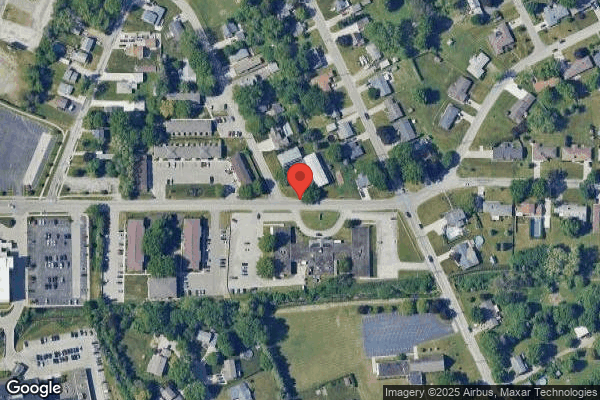

1521 WEST 54TH STREET, ERIE, PA 16509 (814) 864-0671
For profit - Corporation 133 Beds ABRAHAM SMILOW Data: November 2025
Trust Grade
35/100
#566 of 653 in PA
Last Inspection: February 2025

Within standard 12-15 month inspection cycle. Federal law requires annual inspections.

Overview

Greenfield Healthcare and Rehabilitation Center has received a Trust Grade of F, indicating significant concerns about its operations and care quality. With a state ranking of #566 out of 653, they are in the bottom half of facilities in Pennsylvania, and #17 out of 18 in Erie County, meaning there are very few local options that are worse. The facility is worsening overall, with issues increasing from 15 in 2024 to 16 in 2025. Staffing is a concern due to a high turnover rate of 59%, which is above the state average, suggesting instability among caregivers. While there have been no fines recorded, there are serious gaps in staff training and equipment maintenance, such as not providing evidence of mandatory training for nurse aides and failing to keep kitchen equipment in safe working condition, which raises potential health risks.

Trust Score
F
35/100
In Pennsylvania
#566/653
Bottom 14%
Safety Record
Low Risk
No red flags
Inspections
Getting Worse
15 → 16 violations
Staff Stability
⚠ Watch
59% turnover. Above average. Higher turnover means staff may not know residents' routines.
Penalties
✓ Good
No fines on record. Clean compliance history, better than most Pennsylvania facilities.
Skilled Nurses
○ Average
Each resident gets 31 minutes of Registered Nurse (RN) attention daily — about average for Pennsylvania. RNs are the most trained staff who monitor for health changes.
Violations
⚠ Watch
40 deficiencies on record. Higher than average. Multiple issues found across inspections.
★☆☆☆☆
1.0
Overall Rating
★★☆☆☆
2.0
Staff Levels
★☆☆☆☆
1.0
Care Quality
★★☆☆☆
2.0
Inspection Score
Stable
2024: 15 issues
2025: 16 issues

The Good

  • Full Sprinkler Coverage · Fire safety systems throughout facility
  • No fines on record

Facility shows strength in fire safety.

The Bad

1-Star Overall Rating

Below Pennsylvania average (3.0)

Significant quality concerns identified by CMS

Staff Turnover: 59%

13pts above Pennsylvania avg (46%)

Frequent staff changes - ask about care continuity

Chain: ABRAHAM SMILOW

Part of a multi-facility chain

Ask about local staffing decisions and management

Staff turnover is elevated (59%)

11 points above Pennsylvania average of 48%

The Ugly 40 deficiencies on record

Jul 2025 1 deficiency
CONCERN (D) 📢 Someone Reported This

A family member, employee, or ombudsman was alarmed enough to file a formal complaint

Potential for Harm - no one hurt, but risky conditions existed

Medical Records (Tag F0842)

Could have caused harm · This affected 1 resident

Based on review of clinical records, facility documentation, and facility policy, and staff interview, it was determined that the facility failed to maintain complete and accurate records for two of s...

Read full inspector narrative →
Based on review of clinical records, facility documentation, and facility policy, and staff interview, it was determined that the facility failed to maintain complete and accurate records for two of six residents reviewed (Closed Record Resident CR2 and Resident R5). Findings include: A facility policy entitled Assessing Falls and Their Cause dated 11/01/24, indicated that when a resident falls, the following information should be recorded in the resident's medical record: 1. The condition in which the resident was found (e.g. resident found laying on the floor between bed and chair). 2. Assessment data, including vital signs and any obvious injuries. 3. Interventions, first aid, or treatment administered. 4. Notification of the physician and family, as indicated. 5. Completion of a falls risk assessment. 6. Appropriate interventions taken to prevent future falls. 7. The signature and title of the person recording the data. Resident CR2's clinical record revealed an admission date of 5/03/23, with diagnoses including Parkinson's disease with dyskinesia uncontrollable (age-related degenerative brain condition with uncontrollable jerky movements), paranoid schizophrenia (a severe mental illness characterized by paranoia, delusions, and hallucinations), anxiety, and generalized muscle weakness. A departmental progress note dated 5/13/25, indicated that Resident CR2's family was informed that he/she was currently at the hospital. The clinical record lacked documentation of the cause for Resident CR2 being sent to the hospital. Review of facility documentation revealed that on 5/13/25, at 4:30 a.m. Resident CR2 was being provided personal hygiene and fell from the bed sustaining injuries to his/her face, right arm, and right foot and leg. Further review of Resident CR2's clinical record revealed no evidence of documentation of his/her fall, vital signs, assessment and injuries, first aid or treatments administered, notification to the family and physician, completion of the falls risk assessment, and signature and title of the person recording the data. Resident R5's clinical record revealed an admission date of 6/06/25, with diagnoses including stroke with left-sided weakness, muscle weakness, unsteady on feet, abnormal gait, mobility and posture, and history of falling. Review of facility documentation revealed that on 6/10/25, at 7:20 p.m. Resident R5 experienced a fall in his/her room while self-ambulating. Departmental progress note dated 6/11/25, indicated Resident R5 experienced a fall on 6/10/25. The clinical record lacked documentation of his/her fall, vital signs, assessment and injuries, first aid or treatments administered, notification of the family and physician, completion of the falls risk assessment, and signature and title of the person recording the data. Review of facility documentation revealed that on 6/13/25, at 1:50 p.m. Resident R5 experienced a fall in another resident's room and sustained injuries to his/her left knee and elbow. Departmental progress note dated 6/13/25, indicated Resident R5 experienced a fall and was assisted back to his/her wheelchair by staff. The clinical record lacked documentation of his/her vital signs, assessment and injuries, first aid or treatments administered, notification of the family and physician, and completion of the falls risk assessment. A provider note dated 6/27/25, indicated the presence of skin tear on Resident R5's left upper buttock, and referenced that the clinical record lacked documentation regarding the cause of the skin tear. Provider note dated 7/01/25, indicated the presence of dressings to Resident R5's to the left knee and elbow, Resident R5 disclosed to the provider that he/she had fallen. There was no documentation in the clinical record of a fall since last observed on 6/27/25, and the last noted fall in the clinical record was 6/13/25. During an interview on 7/09/25, at 4:05 p.m. the Director of Nursing confirmed that Resident CR2's clinical record lacked the required documentation regarding his/her fall on 5/13/25, and that Resident R5's clinical record lacked the required documentation regarding his/her falls on 6/10/25, and 6/13/25. 28 Pa. Code 201.18 (b)(1)(3) Management 28 Pa. Code 211.5(f)(ii)(iv)(ix) Medical records 28 Pa. Code 211.12(d)(1)(3)(5) Nursing services
Mar 2025 2 deficiencies
CONCERN (D) 📢 Someone Reported This

A family member, employee, or ombudsman was alarmed enough to file a formal complaint

Potential for Harm - no one hurt, but risky conditions existed

Resident Rights (Tag F0550)

Could have caused harm · This affected 1 resident

Based on review of facility policy and clinical records, observations, and resident and staff interviews, it was determined that the facility failed to maintain resident privacy and dignity related to...

Read full inspector narrative →
Based on review of facility policy and clinical records, observations, and resident and staff interviews, it was determined that the facility failed to maintain resident privacy and dignity related to the resident's room environment for one of 11 residents reviewed (Resident R2). Findings include: Review of facility policy entitled, Promoting/Maintaining Resident Dignity dated 11/1/24, revealed It is the practice . treat each resident with respect and dignity as well as care for each resident in a manner and in an environment, that maintains or enhances residents' quality of life . and All staff members are involved in providing care to residents to promote and maintain resident dignity and respect . Review of Resident R2's clinical record revealed an admission date of 1/5/24, with diagnoses that included anxiety (a condition that causes a person to be nervous, uneasy, or worried about something or someone), difficulty walking, and hypertension (high blood pressure). Review of Resident R2's physician orders revealed an order dated 1/6/24, for bedside commode at all times. Review of Resident R2's care plan for ADL (activities of daily living) self-care performance revealed an intervention for bedside commode at all times. Observations on 3/13/25, at 10:25 a.m. in Resident R2's room revealed a strong foul odor upon entering the room. Observation in the room revealed a bedside commode positioned against the wall and was approximately a quarter of the way full of a yellow and brown substance. The lid of the bedside commode was laying on the floor. Further observations on 3/13/25, at 12:00 p.m. revealed the bedside commode had not been emptied and remained with the same contents and the lid remained laying on the floor. Observation on 3/13/25, at 12:25 p.m. revealed the bedside commode and lid remained in the same conditions. During an interview on 3/13/25, at 10:25 a.m. Resident R2 expressed that his/her bedside commode needed to be emptied. He/she stated that their bedside commode had needed emptied since the previous night at 10:30 p.m. He/she stated that he/she is unable to empty the bedside commode due to his/her mobility. He/she also expressed that several staff had entered their room between 10:30 p.m. on 3/12/25, through the time of this interview being conducted. Further interview with Resident R2 on 3/13/25, at 12:00 p.m. revealed that he/she expressed that the bedside commode had still not been emptied. He/she then expressed that his/her lunch was getting ready to be delivered and stated Now I get to eat my lunch expressing this while he/she was looking at the bedside commode. During an interview on 3/13/25, at 12:25 p.m. and observations in Resident R2's room with the Nursing Home Administrator, he/she confirmed the contents in Resident R2's bedside commode and the lid of the bedside commode was laying on the floor. He/she also confirmed that Resident R2's bedside commode should be emptied after every use. 28 Pa. Code 201.14(a) Responsibility of licensee 28 Pa. Code 211.12(d)(1)(5) Nursing services
CONCERN (E) 📢 Someone Reported This

A family member, employee, or ombudsman was alarmed enough to file a formal complaint

Potential for Harm - no one hurt, but risky conditions existed

Deficiency F0711 (Tag F0711)

Could have caused harm · This affected multiple residents

Based on review of facility policy and clinical records, and staff interview, it was determined that the facility failed to ensure that the physician sign and date all orders and write, date, and sign...

Read full inspector narrative →
Based on review of facility policy and clinical records, and staff interview, it was determined that the facility failed to ensure that the physician sign and date all orders and write, date, and sign a progress note during each of his/her visits for six of seven residents reviewed (Residents R1, R3, R4, R5, R6 and R7). Findings include: Review of facility policy entitled Physician Visits and Physician Delegation dated 11/1/24, indicated The physician should: See resident within 30 days of initial admission to the facility. The resident must be seen at least once every 30 calendar days for the first 90 calendar days after admission and at least every 60 days thereafter by physician or physician delegate as appropriate by state law. Date, write and sign a progress note for each visit. Sign and date all orders . Resident R1's clinical record revealed an admission date of 1/1/25, with diagnoses that included fibromyalgia (a disorder that causes widespread muscle pain, tiredness, sleep problems and thought difficulties), and diabetes (a health condition that caused by the body's inability to produce enough insulin). Review of Resident R1's clinical record lacked evidence of the last time his/her physician wrote a progress note and reviewed, signed, and dated his/her physician orders. Resident R3's clinical record revealed an admission date of 1/10/25, with diagnoses that included diabetes and hypertension (high blood pressure). Review of Resident R3's clinical record lacked evidence of the last time his/her physician wrote a progress note and reviewed, signed, and dated his/her physician orders. Resident R4's clinical record revealed an admission date of 7/19/24, with diagnoses that included chronic obstructive pulmonary disease (when your lungs do not have adequate air flow), and hyperlipidemia (high cholesterol). Review of Resident R4's clinical record revealed that on 9/25/24, at 4:30 p.m. was the last time his/her physician wrote a progress note, reviewed, signed, and dated his/her physician orders. Resident R5's clinical record revealed an admission date of 7/6/24, with diagnoses that included diabetes and hypertension. Review of Resident R5's clinical record revealed that on 10/14/24, at 1:54 p.m. was the last time his/her physician reviewed, signed, and dated his/her physician orders. Further review of Resident R5's clinical record revealed that the last physician progress note dated 8/21/24, remained as a draft note (a progress note that has not been completed or signed by the author). Resident R6's clinical record revealed an admission date of 1/19/25, with diagnoses that included gastroesophageal reflux disease (a condition when stomach acid repeatedly flows back up into your throat), and hypertension. Review of Resident R6's clinical record lacked evidence of the last time his/her physician wrote a progress note and reviewed, signed, and dated his/her physician orders. Resident R7's clinical record revealed an admission date of 6/11/24, with diagnoses that included dementia (a disease that affects short term memory and the ability to think logically), and diabetes. Review of Resident R7's clinical record revealed that on 10/14/24, at 2:13 p.m. was the last time his/her physician reviewed, signed, and dated his/her physician orders. Further review of Resident R7's clinical record revealed that the last physician progress note dated 6/26/24, remained as a draft note. During an interview on 3/13/25, at 11:30 a.m. the Director of Nursing confirmed that physician progress notes and physician orders for Residents R1, R3, R4, R5, R6 and R7 were past due for being written, reviewed, and signed by the physician. He/she also confirmed that physician progress notes and physician orders should be written and signed on admission then every 30 days for the first 90 days then every 60 days. 28 Pa. Code 201.14(a) Responsibility of licensee 28 Pa. Code 201.18(b)(1)(3) Management 28 Pa. Code 211.5(f)(i) Medical records
Feb 2025 13 deficiencies
CONCERN (D) 📢 Someone Reported This

A family member, employee, or ombudsman was alarmed enough to file a formal complaint

Potential for Harm - no one hurt, but risky conditions existed

Deficiency F0561 (Tag F0561)

Could have caused harm · This affected 1 resident

Based on a review of facility and clinical records, resident and staff interviews, and observations, it was determined that the facility failed to provide a bath/shower as resident preference for two ...

Read full inspector narrative →
Based on a review of facility and clinical records, resident and staff interviews, and observations, it was determined that the facility failed to provide a bath/shower as resident preference for two of 21 residents reviewed (Residents R2 and R68). Findings include: A facility policy, Resident Showers, dated 11/01/24, revealed it is the practice of this facility to assist residents with bathing to maintain proper hygiene, stimulate circulation and help prevent skin issues as per current standards of practice. Residents will be provided showers as resident preference. Resident's R2's clinical record revealed an admission date of 12/28/23, with diagnoses that included lupus (a disease when the immune system attacks your own tissue and organs), chronic obstructive pulmonary disease (a group of diseases that affects the lungs and breathing), heart disease, and rheumatoid arthritis (a chronic inflammatory disorder that typically affects the hands and feet). During an interview with Resident R2 on 1/28/25, at 2:25 p.m., he/she indicated their bath/shower was scheduled for Wednesday and Saturday evenings, but he/she has not received scheduled bath/shower in the past several weeks. Resident R2 verbalized, I am really easy. All they have to do is get me in the shower room and up over a hump, and I can do the rest. I end up washing my hair and washing up in the sink here in my room cause I stink. Review of Resident R2's bath/shower documentation for 12/28/24, through 1/28/25, revealed he/she was scheduled for a bath/shower on Wednesday/Saturday 3-11 p.m., however, no bath/shower was provided on 12/29/24, 1/01/25, and 1/15/25. Resident's R68's clinical record revealed an admission date of 7/06/24, with diagnoses that included hemiplegia and hemiparesis following cerebral infarction (neurological conditions that cause weakness or paralysis on one side of the body after a stroke), aphasia (a language disorder that affects a person's ability to communicate), muscle weakness, and unsteadiness on feet. During an interview with Resident R68 on 1/28/25, at 2:30 p.m., he/she indicated their bath/shower was scheduled for Wednesday and Saturday evenings, but he/she has not received a shower since 1/14/25. Resident R68 verbalized, We are told also that the staff does not give showers on Sunday, so we never know when we will be getting an actual shower. But the last time I had water running over me was the 14th. Resident R68 was observed looking at his/her phone where he/she had the shower documented. Resident R68 was observed with greasy hair. Review of Resident 68's bath/shower documentation for 12/28/24, through 1/28/25, revealed he/she was scheduled for a bath/shower on Wednesday/Saturday 3-11 p.m., however, no bath/shower was provided on 12/29/24, 1/01/25, 1/12/25, 1/19/25, and 1/26/25. An interview with the Regional Clinical Consultant on 1/31/25, at 12:55 p.m. revealed frequency of Baths/Showers are based on resident preference and confirmed that baths/showers were not provided according to residents' scheduled days and preference for the period of 12/28/24, through 1/28/25, for above noted residents. 28 Pa. Code 211.10 (d) Resident care policies 28 Pa. Code 211.12 (d)(1)(3)(5) Nursing services
CONCERN (D) 📢 Someone Reported This

A family member, employee, or ombudsman was alarmed enough to file a formal complaint

Potential for Harm - no one hurt, but risky conditions existed

Notification of Changes (Tag F0580)

Could have caused harm · This affected 1 resident

**NOTE- TERMS IN BRACKETS HAVE BEEN EDITED TO PROTECT CONFIDENTIALITY** Based on review of facility policy and clinical records, review of the Long Term Care Facility Resident Assessment Instrument 3....

Read full inspector narrative →
**NOTE- TERMS IN BRACKETS HAVE BEEN EDITED TO PROTECT CONFIDENTIALITY** Based on review of facility policy and clinical records, review of the Long Term Care Facility Resident Assessment Instrument 3.0 User's Manual 2019 (RAI-assessment guide used to plan the provision of care for residents), and staff interviews, it was determined that the facility failed to notify the resident's representative of a change in condition timely for one of 21 residents reviewed (Resident R51). Findings include: The facility policy entitled The purpose of this policy is to ensure the facility promptly informs the resident, consults the resident's physician; and notifies, consistent with his or her authority, the resident's representative when there is a change requiring notification. Resident's R51's clinical record revealed an admission date of 3/23/22, with diagnoses that included multiple sclerosis (a disease in which the immune system destroys the protective covering of nerves resulting in nerve damage disrupting communication between body and brain), Alzheimer's disease (a disease of the brain resulting in mood and behavioral changes and poor decision making), neuromuscular dysfunction of the bladder (a condition where the nerves controlling bladder function are damaged), and muscle weakness. Review of the RAI manual for Section C0500 Brief Interview for Mental Status (BIMS) revealed that a score of 13-15 identified a resident as cognitively intact and a score of 8-12 identified a resident as moderately impaired, and a score of 0-7 as severely impaired. Resident R51's BIMS score was a 9/15. Resident R51's clinical record revealed progress notes dated 12/08/24, PCP [physician] notified of residents suprapubic cath [catheter-a thin tube inserted through abdominal wall into bladder to drain urine] leaking and no output into Foley Bag [urine collection bag]. Abdominal pain noted at insertion site. PCP ordered to send the resident to ER [emergency room] for evaluation, EMS [Emergency Medical Services] contacted and dispatched to the facility, Resident will be sent to UPMC [University of Pittsburgh Medical Center] Resident R51's clinical record revealed a physician's order dated 12/20/24, Citalopram Hydrobromide (a drug that can treat depression and/or regulates mood and behavior) 10 milligram (mg) Give 0.5 tablet by mouth daily. Resident R51's clinical record lacked evidence that Resident R51's resident representative was notified of transfer to hospital on [DATE], or a new physician's order on 12/20/24, for Citalopram Hydrobromide. During an interview on 1/30/25, at 1:25 p.m. the Regional Clinical Consultant confirmed the facility lacked evidence that Resident R51's resident representative was notified for the above noted change in condition/transfer to hospital or new physician's order and that Resident R51's resident representative should have been timely notified. 28 Pa. Code 201.14(a) Responsibility of licensee 28 Pa. Code 201.18(b)(1) Management 28 Pa. Code 211.12 (d)(1)(5) Nursing services
CONCERN (D)

Potential for Harm - no one hurt, but risky conditions existed

Accident Prevention (Tag F0689)

Could have caused harm · This affected 1 resident

Based on review of clinical records and facility policy, and resident and staff interviews, it was determined that the facility failed to assess and ensure safe smoking practices for one of 21 residen...

Read full inspector narrative →
Based on review of clinical records and facility policy, and resident and staff interviews, it was determined that the facility failed to assess and ensure safe smoking practices for one of 21 residents reviewed (Resident R50). Findings include: A facility policy entitled, Resident Smoking/Nonsmoking Facility dated 11/01/24, indicated that the facility will provide a safe and healthy environment for residents, visitors, and employees, including safety as related to smoking; smoking is prohibited; all residents and family members will be notified of this policy during the admission process, and as needed; and included electronic cigarettes. Resident R50's clinical record revealed an initial admission date of 4/12/22, with diagnoses that included nicotine dependence, respiratory failure, chronic obstructive pulmonary disease (lung disease causing restricted airflow and breathing problems), end-stage renal disease and dependence on dialysis (a procedure to remove waste products and excess fluid from the blood when the kidneys stop working properly), and dependence on supplemental oxygen. Resident R50's clinical record included a care plan entitled Resident is a smoker initiated 10/24/23, with interventions including instruct resident about smoking risks, hazards, and about smoking cessation aids that ae available; monitor oral hygiene; nicotine gum as scheduled while awake (added 2/28/24), notify charge nurse immediately if it is suspected resident has violated facility smoking policy. Resident R50's clinical record included a care plan entitled Resident had possession of nicotine substance not allowed on premises, history of smoking in resident bathroom initiated 10/26/22, with interventions including: continue to attempt to transfer to facilities that allow smoking, per resident request (added 11/20/22), discuss coping strategies (added 10/26/22), instruct patient/visitors that nicotine products may not be brought onto the premises, resident will be checked upon return of leave of absence (added 10/26/22), offer Nicorette gum per physician's order (added 11/03/22), provide information on support groups or addiction treatment (added 10/26/22), psychological/psychiatric services as indicated/ordered (added 10/26/22), and routinely check on resident to ensure he/she is not smoking inside of facility (added 11/03/22). Further review of Resident R50's clinical record revealed a departmental progress note dated 12/23/24, that indicated Resident R50 was caught by staff smoking in his/her bathroom, staff educated Resident R50 about the facility policies and not smoking in the building and that the supervisor was informed of the incident. Resident R50's clinical record lacked evidence of documentation of confiscation of cigarettes and lighters, a smoking assessment, signed smoking policy agreement, and signed admission agreement. Observation on 1/29/25, at 12:55 p.m. of two light blue empty packs and three light blue opened partial packs of cigarettes and two lighters in Nursing Home Administrator's (NHA) office. During an interview at that time, the NHA confirmed the products belonged to Resident R50 and he/she has taken several packs of cigarettes and lighters from Resident R50 and told him/her that he/she can't smoke at the facility. During an interview on 1/29/25, at 1:09 p.m. Licensed Practical Nurse (LPN) Employee E1 confirmed that he/she had not witnessed Resident R50 smoking but had heard that he/she had been caught smoking. During an interview on 1/29/25, at 1:13 p.m. LPN Employee E2 confirmed that he/she had smelled the cigarette smoke and notified the supervisor, but never actually caught Resident R50 in the act of smoking. During an interview on 1/29/25, at 1:20 p.m. the Social Worker confirmed that on two occasions (prior to 12/23/24) he/she was asked to accompany the NHA to confiscate cigarettes and lighters from Resident R50 due to staff reported smelling smoke in the bathroom and that when Resident R50 was asked he/she volunteered cigarettes and lighters from under his/her wheelchair cushion. During an interview on 1/30/25, at 8:22 a.m. the NHA confirmed that there was no evidence of a signed admission agreement by Resident R50. During an interview on 1/30/25, at 8:36 a.m. the Social Worker confirmed that there was a no smoking policy in the Resident Handbook that is provided to residents/families on admission and believes the policy is provided on a case-by-case basis. During an interview on 1/30/25, at 9:30 a.m. Resident R50 confirmed that he/she didn't have any cigarettes/lighters at that time and has been offered alternatives but didn't like the way they made him/her feel. 28 Pa. Code 201.14(a) Responsibility of licensee 28 Pa. Code 201.18(b)(1)(3)(1)(d) Management 28 Pa. Code 211.10(a)(d) Resident care policies
CONCERN (D)

Potential for Harm - no one hurt, but risky conditions existed

Respiratory Care (Tag F0695)

Could have caused harm · This affected 1 resident

Based on review of facility policies and clinical records, observations, and resident and staff interviews, it was determined that the facility failed to maintain proper care of respiratory equipment ...

Read full inspector narrative →
Based on review of facility policies and clinical records, observations, and resident and staff interviews, it was determined that the facility failed to maintain proper care of respiratory equipment for two of 21 residents reviewed (Residents R27 and R50). Findings include: A facility policy entitled Oxygen Concentrator dated 11/01/24, indicated that the concentrator filters are cleaned weekly and that the main body cabinet should be dusted when needed and can be wiped down clean with a damp cloth and mild cleanser. A facility policy entitled CPAP/BiPAP [continuous positive airway pressure/bilevel positive airway pressure] Support dated 11/01/24, revealed the following: -Only a qualified and properly trained nurse or respiratory therapist should administer oxygen through a CPAP mask. -Review the resident's medical record to determine his/her baseline oxygen saturation or arterial blood gases (ABGs- measures the balance of oxygen and carbon dioxide in your blood to see how well your lungs are working), respiratory(organs that are involved in breathing), circulatory (delivers nutrients and oxygen to all cells in the body) and gastrointestinal (group of organs that work together to digest and absorb nutrients from the food you eat) status. -Review the physician's order to determine the oxygen concentration and flow for the machine. -General guidelines included: wipe machine with warm water at last once a week; clean humidifier chamber weekly; masks, nasal pillows, and tubing are cleaned daily and allowed to air dry; and wash headgear as needed and allow to dry. -Documentation includes general assessment before procedure, time machine was started and duration of therapy, mode and settings of the machine, oxygen concentration and flow, resident tolerance, and oxygen saturation during procedure. -Notify the physician if the resident refuses the procedure. Resident R27's clinical record revealed an admission date of 8/30/24, with diagnoses including obstructive sleep apnea (sleep disorder characterized by repeated episodes of complete or partial blockage of the upper airway during sleep), respiratory failure, heart failure, and obesity. The clinical record lacked a physician's order and/or care plan to apply a CPAP. An Inventory of Personal Effects revealed that Resident 27 brought a CPAP machine with him into the facility upon admission. Departmental progress notes revealed the following: On 12/05/24, at 2:04 p.m. that the facility notified the physician of abnormal carbon dioxide levels in Resident R27's lab results, and the physician responded to encourage Resident R27 to use the CPAP machine as ordered. On 12/08/24, at 1:38 a.m. that Resident R27 had fallen and that his/her oxygen saturation levels dropped into the 60%'s, and that staff applied the CPAP machine and Resident R27's oxygen saturation level rose into the 80%'s. On 12/18/24, at 9:09 a.m. that Resident R27 experienced a mental decline and that he/she was removing his/her supplemental oxygen and CPAP. On 12/18/24, at 2:24 p.m. Resident R27 was transferred to the hospital in respiratory distress due to staff not able to improve his/her oxygen saturations by using supplemental oxygen and the CPAP machine. On 1/02/25, at 5:50 p.m. Resident R27 reported chest pain, upon staff assessment he/she was offered the CPAP and Resident R27 responded the . CPAP don't work, and that the Supervisor and Director of Nursing were both informed. Observations 1/28/25, at 2:02 p.m. revealed Resident R27's CPAP mask and tubing laying on the floor between the bed and nightstand, the humidifier chamber was empty, and the machine was not attached to the oxygen concentrator. During an interview at that time, Resident R27 confirmed that the mask and tubing have been laying on the floor, that no one has cleaned the machine because he/she can't use it because it doesn't attach to the oxygen concentrator he/she has now. Observation 1/29/25, at 11:05 a.m. revealed Resident R27's CPAP mask and tubing laying on the floor between the bed and nightstand, the humidifier chamber was empty, and the machine was not attached to the oxygen concentrator. During an interview on 1/30/25, at 2:40 p.m. Licensed Practical Nurse Employee E3 confirmed the CPAP mask and tubing were on the floor, that the CPAP machine was Resident R27's personal machine from home, and that he/she didn't believe that it can be hooked up to the concentrator. During an interview on 1/30/25, at 4:03 p.m. the Nursing Home Administrator confirmed there was no physician's order, care plan, or documentation of the necessary CPAP machine settings in Resident R27's clinical record. Resident R50's clinical record revealed an initial admission date of 4/12/22, with diagnoses that included nicotine dependence, respiratory failure, chronic obstructive pulmonary disease (lung disease causing restricted airflow and breathing problems), end-stage renal disease and dependence on dialysis (a procedure to remove waste products and excess fluid from the blood when the kidneys stop working properly), and dependence on supplemental oxygen. Resident R50's clinical record revealed a physician's order dated 1/24/25, to clean oxygen concentrator filter, change all oxygen tubing, change nebulizer tubing if in use every Friday. Observations on 1/28/25, at 3:00 p.m. and 1/29/25, at 11:30 a.m. revealed Resident R50's oxygen concentrator filter was covered in a thick layer of greyish white, fluffy substance. During an interview on 1/30/25, at 1:35 p.m. the Assistant Director of Nursing confirmed the oxygen concentrator filter was covered in a thick layer of greyish white, fluffy substance. 28 Pa. Code 211.12(d)(1)(2)(3)(5) Nursing services
CONCERN (D)

Potential for Harm - no one hurt, but risky conditions existed

Deficiency F0698 (Tag F0698)

Could have caused harm · This affected 1 resident

Based on review of the facility documents and clinical records, and resident and staff interview, it was determined that the facility failed to maintain complete and accurate records relating to dialy...

Read full inspector narrative →
Based on review of the facility documents and clinical records, and resident and staff interview, it was determined that the facility failed to maintain complete and accurate records relating to dialysis communication for one of 21 residents reviewed (Resident R50). Findings include: The Nursing Home Dialysis Transfer Agreement signed on 1/02/25, revealed that the facility shall ensure that all appropriate medical, social, administrative, and other information accompany all Designated Residents at the time of transfer to the center, and that the facility will provide for the interchange of information useful or necessary for the care of the Designated Resident and will inform the Center of a contact person at the Facility whose responsibilities include oversight of provision of dialysis services by Center to the Designated Residents of Facility. Resident R50's clinical record revealed an initial admission date of 4/12/22, with diagnoses that included nicotine dependence, respiratory failure, chronic obstructive pulmonary disease (lung disease causing restricted airflow and breathing problems), end-stage renal disease and dependence on dialysis (a procedure to remove waste products and excess fluid from the blood when the kidneys stop working properly), and dependence on supplemental oxygen. The clinical record also revealed a current physician's order dated 1/24/25, to send Resident R50 to dialysis center on Monday, Wednesday, and Friday for an 11:00 a.m. chair time. Review on 1/30/25, at 5:00 p.m. of Resident R50's designated dialysis book (kept in his/her room) revealed that it contained Dialysis Communication Forms dated 1/15/25, 12/24/24, 12/22/24, 11/18/24, 11/15/24, 11/13/24, 11/11/24, 1/04/24, 10/28/24, 10/11/24, 10/09/24, 10/07/24, 10/04/24, and 9/27/24. During an interview at that time, Resident R50 confirmed that staff from the facility don't ask to see it and it depends on who's working at the dialysis center. During an interview on 1/30/25, at 6:30 p.m. the Nursing Home Administrator confirmed that Resident R50's dialysis book was missing several Dialysis Communication Forms and the forms in the book were not current. 28 Pa. Code 211.5(f)(viii) Medical Records 28 Pa. Code 211.12(d)(1)(3)(5) Nursing services
CONCERN (D)

Potential for Harm - no one hurt, but risky conditions existed

Pharmacy Services (Tag F0755)

Could have caused harm · This affected 1 resident

Based on review of clinical and facility records, and resident and staff interviews, it was determined that the facility failed to ensure medications were administered, whether prescribed on a routine...

Read full inspector narrative →
Based on review of clinical and facility records, and resident and staff interviews, it was determined that the facility failed to ensure medications were administered, whether prescribed on a routine, emergency, or as needed basis, to not impede timely administration and adversely affect a resident's condition for one of 21 residents reviewed (Resident R234). Findings include: Facility pharmacy policy, Specialty Rx, Inc. PA ADS [Automated Dispensing System] Station Medication Policies and Procedures, dated 11/01/24, revealed Nursing and Pharmacy will use the ADS Station as an inventory, charging and information system for the control and distribution of medications for Emergency, First-Dose use and other situations where medications are not available from pharmacy. (NOT TO BE USED FOR CONTINUOUS DOSING). Emergency doses for narcotic medications removed from the ADS system will require a written order from a prescriber (order should include that medication can be taken from the ADS) and would require signature within 48 hours per regulations. The facility must contact the pharmacy and obtain an authorization code for removal of any controlled substance. An authorization code can only be given if the pharmacy has a script on file with quantity remaining matching the controlled substance the facility wishes to remove. If there is no script on file, the pharmacist will page the prescriber for an electronic prescription or an emergency supply. Facility provided report on 1/31/25, by the Nursing Home Administrator (NHA) entitled Inventory on Hand, C11 revealed Hydroco/APAP Tab 5-325 mg as medication available in the emergency ADS Station supply within the facility for resident emergency, first dose, and other situations where medications are not available from the pharmacy. Resident R234's admission Record revealed an admission date of 1/19/25, with diagnoses that included Parkinson's disease (a disorder of the central nervous system that affects movement), cardiac arrythmias (improper beating of the heart, whether irregular, too fast or too slow), bipolar disorder (a mental health condition that affects mood swings ranging from depressive lows to maniac highs), and dysphagia (difficulty swallowing foods or liquids). Resident R234's clinical record revealed progress notes dated 1/25/25, at 5:01 p.m. that Resident complained of pain this shift. Resident family (brother) called facility asked for pain medication for Resident R234. Facility nurse looked in resident orders to find resident has only prn (as needed) Tylenol ordered at this time for pain. Facility nurse called Nurse Practitioner (NP). New order for Norco 5 milligrams (mg) Q (every) 12 Hrs P.O. (by mouth) E-script (electronic medication prescription). NP sent E-scripts to pharmacy. This author called pharmacy and asked to be given a pull code for E-kit (emergency medication kit). Pharmacist stated no because I have already packed up the medication and it will be leaving here in about 20 minutes. Facility nurse stated to pharmacist I believe you maybe 5-6 hours away, and resident already have had to wait this long. Pharmacist stated, well I cannot unwrap medication from delivery stock. Facility nurse stated ok. Facility nurse notified nursing supervisor, RN. This author then called DON (Director of Nursing), because he/she was here in his/her office to see if he/she could talk with pharmacy about Resident R234's medication. Awaiting outcome. Resident R234's clinical record revealed his/her Medication Administration Record (MAR) dated 1/25/25, for a physician order Hydrocodone-Acetaminophen oral tablet 5-325 mg (Hydrocodone-Acetaminophen) Give one tablet by mouth every 12 hours as needed for Pain-Moderate with a start date 1/25/25, 3:00 p.m. and discontinue date date 1/27/25, at 12:01 p.m Resident R234's MAR further revealed that Resident R234 was administered the first dose of Hydrocodone-Acetaminophen 5-325 mg oral tablet at 11:09 p.m. on 1/25/25. During an interview with Resident R234 on 1/28/25, at 1:30 p.m. he/she indicated the facility did not ensure he/she was medicated for pain. Resident R234 further indicated he/she had to wait a long time for pain medication, even when it was finally ordered by the physician on 1/25/25, it took several hours to actually get it. Resident R234 indicated that he/she had discomfort with leg and back cramps related to Parkinson's disease. During an interview on 1/31/25, at 8:55 a.m. the NHA confirmed that the Hydrocodone-Acetaminophen 5-325 mg medication was available in the emergency medication stock in the facility and Resident R234 should have been administered the medication at 5:01 p.m. on 1/25/25, per the physician's order. The NHA further confirmed that the pharmacist failed to further communicate with the physician the need for a further script for a one-time dose, since he/she would not provide the facility nurse an authorization code from the initial script for the Hydrocodone Acetaminophen 5-325 mg medication at 5:01 p.m. 1/25/25, delaying the acquisition of a medication and impeding the timely administration to help with Resident R234's pain. 28 Pa. Code 211.9(a)(1)(d)(l)(4) Pharmacy services 28 Pa. Code 211.12(d)(1)(3)(5) Nursing services
CONCERN (D)

Potential for Harm - no one hurt, but risky conditions existed

Deficiency F0761 (Tag F0761)

Could have caused harm · This affected 1 resident

**NOTE- TERMS IN BRACKETS HAVE BEEN EDITED TO PROTECT CONFIDENTIALITY** Based on review of Centers for Disease Control (CDC) vaccine guidance, facility policy, observation, and staff interview, it was...

Read full inspector narrative →
**NOTE- TERMS IN BRACKETS HAVE BEEN EDITED TO PROTECT CONFIDENTIALITY** Based on review of Centers for Disease Control (CDC) vaccine guidance, facility policy, observation, and staff interview, it was determined that the facility failed to safely store medications in one of two medication rooms observed (East Wing). Findings include: A facility policy entitled Multi-Dose Vials (contain more than one dose of medication) dated [DATE], indicated that when a multiple dose vial is opened it shall be labeled with date open, medications will be discarded as per manufacturer guidelines for vaccines. Observation on [DATE], at 11:44 a.m. of the East Wing medication room revealed a multi-dose vial of Flucelvax (vaccine that protects against the flu) was opened, lacked an opened date, and lacked guidance related to discarding opened vials. During an interview at that time the Assistant Director of Nursing confirmed that the multi-dose vial lacked an open date, and that staff cannot tell when the vaccine should be discarded. Review of the CDC web site revealed that the guidance for opened multi-dose vials is to discard 28 days after opening. On [DATE], at 12:07 p.m. information obtained by the facility from the dispensing pharmacy confirmed pharmacy indicated the multi-dose vial would be expired 28 days after opening. 28 Pa. Code 211.9(a)(1) Pharmacy services 28 Pa. Code 211.12(d)(1)(5) Nursing Services
CONCERN (D)

Potential for Harm - no one hurt, but risky conditions existed

Infection Control (Tag F0880)

Could have caused harm · This affected 1 resident

Based on review of facility and clinical records, observations, and staff and resident representative interviews, it was determined the facility failed to ensure that residents with an indwelling cath...

Read full inspector narrative →
Based on review of facility and clinical records, observations, and staff and resident representative interviews, it was determined the facility failed to ensure that residents with an indwelling catheter (a tube inserted into the bladder to facilitate urine drainage) receive essential care for one of 21 residents reviewed with indwelling catheters (Resident R14). Findings include: Facility policy entitiled, Catheter Care dated 11/01/24, revealed it is the policy of this facility to ensure that residents with indwelling catheters receive appropriate catheter care and maintain their dignity and privacy when indwelling catheters are in use. Privacy bags will be available and catheter drainage bags will be covered at all times while in use. Ensure drainage bag is located below the level of the bladder to discourage backflow of urine and not to be located on the floor. Resident R14's clinical record revealed an admission date of 9/25/20, with diagnoses that included osteomyelitis of vertebra, sacral, and sacrococcygeal region (inflammation of bones of lower spine caused by infection), paraplegia (impairment or loss of motor and sensory functions of both legs), absence of left leg above knee, and protein-calorie malnutrition (a condition when the body does not receive enough protein through diet). Observation on 1/28/25, at 1:55 p.m., revealed Resident R14's catheter tubing stretched out with the drainage bag laying in the center of the floor beside the left of bed. Resident R14 indicated at this time, that he/she did not place the bag on the floor, but staff would be in to empty the catheter bag. Observation on 1/29/25, at 1:00 p.m., revealed Resident R14's catheter drainage bag laying on the floor beside the left of bed. Observation on 1/30/25, at 3:05 p.m., revealed Resident R14's catheter drainage bag uncovered and laying on the floor beside the left of bed. An interview with Licensed Practical Nurse (LPN) Employee E1 on 1/30/25, at 3:05 p.m. confirmed that Resident R14's foley catheter bag was observed laying on the floor. LPN Employee E1 further confirmed the foley catheter should be covered and maintained off the floor for dignity and infection control measures to prevent an infection. An interview with the Nursing Home Administrator on 1/30/25, at 5:00 p.m. confirmed that Resident R14's foley catheter bag should be covered to ensure dignity and be maintained off the floor and/or not touch an unclean surface due to risk for infection. 28 Pa. Code 211.12 (d)(1)(2)(3)(5) Nursing services
CONCERN (E)

Potential for Harm - no one hurt, but risky conditions existed

Deficiency F0661 (Tag F0661)

Could have caused harm · This affected multiple residents

**NOTE- TERMS IN BRACKETS HAVE BEEN EDITED TO PROTECT CONFIDENTIALITY** Based on review of facility policy and clinical record, and staff interview, it was determined that the facility failed to inclu...

Read full inspector narrative →
**NOTE- TERMS IN BRACKETS HAVE BEEN EDITED TO PROTECT CONFIDENTIALITY** Based on review of facility policy and clinical record, and staff interview, it was determined that the facility failed to include the recapitulation of stay (summary of resident's stay and course of treatment in the facility) that included a reconciliation of all pre-discharge medications with the resident's post-discharge medications for one of four closed record residents reviewed (Closed Record Resident CR82). Findings include: A facility policy entitled Discharge Summary dated 11/01/24, indicated that upon discharge of a resident a discharge summary will be provided to the receiving care provider at the time the resident leaves the facility. Resident CR82's clinical record revealed and admission date of 10/05/24, with diagnoses that included osteoarthritis of left knee (type of arthritis that occurs when flexible tissue at ends of bones in knee that wears down), pancytopenia (a blood disorder that occurs when the bone marrow does not form all three types of blood cells - red, white, and platelets), history of falling, and aortic valve stenosis (narrowing of the valve in the large blood vessel branching off the heart). Resident CR82's admission record indicated that Resident CR82 was discharged on 10/31/24, at 2:30 p.m. to home. Resident CR82's clinical record lacked documentation that the discharge summary included a reconciliation of all pre-discharge medications with the resident's post-discharge medications when Resident CR82 was discharged to home on [DATE]. During an interview on 1/31/25, at 12:53 p.m. the Regional Clinical Consultant confirmed CR82's clincial record lacked documentation that the discharge summary included a reconciliation of all pre-discharge medications with the resident's post-discharge medications. 28 Pa. Code 201.14(a) Responsibility of Licensee 28 Pa. Code 211.12(d)(1)(5) Nursing Services
CONCERN (E) 📢 Someone Reported This

A family member, employee, or ombudsman was alarmed enough to file a formal complaint

Potential for Harm - no one hurt, but risky conditions existed

Deficiency F0725 (Tag F0725)

Could have caused harm · This affected multiple residents

**NOTE- TERMS IN BRACKETS HAVE BEEN EDITED TO PROTECT CONFIDENTIALITY** Based on resident interviews and observations, it was determined that the facility failed to provide sufficient nursing staff to...

Read full inspector narrative →
**NOTE- TERMS IN BRACKETS HAVE BEEN EDITED TO PROTECT CONFIDENTIALITY** Based on resident interviews and observations, it was determined that the facility failed to provide sufficient nursing staff to promote the physical and mental well-being and meet the needs of seven of 21 residents interviewed (Residents R2, R55, R34, R6, R186, R68, R36, R2, R41, and R19). Findings include: Interviews during the Resident Council meeting on 1/29/25, between 1:00 p.m. and 1:45 p.m., revealed seven out of seven alert and oriented residents in attendance had concerns related to staff not responding to their call bells timely. Resident R68 indicated that it could take 45 minutes or more for his/her call bell to be answered and staff are observed on their phones and occasionally have earbuds in and talking on the phone when performing care. Resident R68 stated that he/she is left wet for long periods of time waiting for assistance. Resident R68 also disclosed that on weekends there is no use asking to get out of bed, because you will wait all day for assistance to get back in bed. Resident R6 indicated that he/she will wait for 30 minutes to an hour to recieve care or assistance with the call bell once turning it on. Resident R2 agreed that he/she observes and witnesses long call bell waits and employees constantly on their phones and talking to significant others on the phone or performing care with ear buds in. Residents R55, R34, R186, and R36 indicated they wait 30 minutes or longer when their call bell is turned on to be responded to by staff. During an interview on 1/28/25, at 2:25 p.m. Resident R2 revealed he/she was frustrated that it takes over an hour for his/her call bell to be responded to by staff. Resident R2 further indicated that staff are always sitting at the desk on their phones or in the hallways with their phones; sometimes, the staff will even be on their phones when they are in the residents' rooms. During an interview on 1/28/25, at 2:30 p.m. Resident R68 revealed that his/her call bell can be on for an hour easily and even more on the weekends. Resident R68 verbalized, I will not get out of bed on the weekends due to being left in my chair then for way too long. One weekend, I was left in my wheelchair for nine hours. I was in so much pain and I was totally soaked. An observation on 1/29/25, at 10:25 a.m. revealed a call light on for room [ROOM NUMBER]. The call light continued on for a period of 30 minutes and during that time, the Director of Nursing (DON) was requested to address the call light at 10:55 a.m. Resident R41 indicated that it was his/her call bell on for past 30 minutes and that he/she was incontinent and needed changed. The DON confirmed that 30 minutes was too long for a resident to have to wait for their call bell to be answered, being left incontinent and at risk for skin breakdown. During observation of a dressing change of Resident R19 on 1/30/2025, at about 10:30 a.m. it was observed upon preparing the resident for the dressing change that Resident R19 was lying in bed dressed with an adult undergarment on wet with urine and soaked through to the bed pad and bed sheets. Licensed Practical Nurse (LPN) Employee E4 was observed and cleaned and changed the resident prior to performing the dressing change. LPN Employee E4 confirmed that Resident R19 was lying in bed in urine for an extended period of time. 28 Pa. Code 201.14(a) Responsibility of licensee 28 Pa. Code 201.18(b)(1) Management 28 Pa. Code 211.12(d)(4)(5) Nursing services
CONCERN (E) 📢 Someone Reported This

A family member, employee, or ombudsman was alarmed enough to file a formal complaint

Potential for Harm - no one hurt, but risky conditions existed

Dental Services (Tag F0791)

Could have caused harm · This affected multiple residents

**NOTE- TERMS IN BRACKETS HAVE BEEN EDITED TO PROTECT CONFIDENTIALITY** Based on review of clinical and facility records, observation, and resident and staff interviews, it was determined that the fac...

Read full inspector narrative →
**NOTE- TERMS IN BRACKETS HAVE BEEN EDITED TO PROTECT CONFIDENTIALITY** Based on review of clinical and facility records, observation, and resident and staff interviews, it was determined that the facility failed to ensure the use of dentures for two of 21 residents reviewed (Residents R51 and R187 ). Findings include: Review of a facility policy entitled, Care of Dentures with an annual review date of 11/01/2024, revealed Dentures that are missing, damaged, or lost and the facility or facility are at fault, a referral will be made promptly within three days. Facility responsibilities include dropped, stolen, and/or broken by our employees. facility is not responsible for the resident discarding themselves or ill fitting dentures or partials at admission. Facility will assist resident/responsible party with non-facility related denture issues. Resident's R51's clinical record revealed an admission date of 3/23/22 with diagnoses that included multiple sclerosis (a disease in which the immune system destroys the protective covering of nerves resulting in nerve damage disrupting communication between body and brain), Alzheimer's disease (a disease of the brain resulting in mood and behavioral changes and poor decision making), neuromuscular dysfunction of the bladder (a condition where the nerves controlling bladder function are damaged), and muscle weakness. Resident R51's Inventory of Personal Effects dated 3/23/22, indicated the resident had upper and lower dentures. Resident R51's 360 Care of Pennsylvania Dental provider log revealed on 12/18/24, he/she was evaluated by the dentist. A description of the dental visit dated 12/18/24, revealed Exam Medical History - reviewed, Patient presents for periodic exam. Patient is edentulous has upper and lower denture. Denture(s) fit well and patient is satisfied. Resident R51's dental care plan dated 11/06/24, indicated Resident 51 required assistance with oral hygiene and to wear his/her dentures, and nursing staff are to report changes in oral cavity, chewing ability, signs and symptoms or oral pain, etc. An interview with Resident R51 on 1/29/25, at 1:00 p.m. revealed that he/she was missing his/her upper dentures. Resident R18 verbalized, Oh I would like to have my dentures. I need them. An interview with the Nursing Home Administrator (NHA) on 1/30/25, at 11:00 a.m. confirmed that Resident R51 did not have his/her upper and lower dentures, and no investigation or follow-up process had been initiated by the facility to replace the dentures. Resident's R187's clinical record revealed an admission date of 7/7/23 with diagnoses that included cerebral infarction (a condition in which blood flow to the brain is interrupted, causing brain tissue to die), [NAME] syndrome (an immune system illness that mainly causes dry eyes and mouth), vascular dementia with mood disturbance (experiencing mood changes such as depression, anxiety, depression, or apathy related to having dementia), and brief psychotic disorder. Resident R187's Inventory of Personal Effects dated 7/7/23, indicated the resident had one upper partial upon admission. An evaluation of speech sound production and language assessment on 7/10/23, revealed that upon a general, facial, and mandibular assessment: Oral Motor Function = WFL (for mechanical soft chopped food items. Resident has upper partial that she removes from oral cavity and does not always wear during oral intake). A social services progress note dated 7/11/23, at 8:57 a.m. revealed, Concern that upper partial is missing since Sunday 7/9, last seen Sat 7/8 in denture cup. Discussed dietary preferences No coffee/tea/milk, No eggs, enjoys orange juice, ice water and ginger ale. Resident does not like sandwiches nut enjoys fish, chicken, noodles, rice, vegetables and bananas. A progress note from 7/12/23, at 9:31 a.m. revealed observed a denture cup in the garbage can in res room. Looked through garbage can, in nightstand, dresser, in pockets of clothing items, in bathroom medicine cabinet; did not see partial. Res does not recall wearing partial. Partial not in residents mouth. Notified nursing of the above. LPN reported that clothing items were removed from res garbage can in the previous days. Nursing, Social services, DON [Director of Nursing], ADON [Assistant Director of Nursing] and Administrator notified. An interview with the Nursing Home Administrator (NHA) on 1/30/25, at about 3:00 p.m., confirmed that Resident R187 did have an upper partial upon being admitted to the facility on [DATE], according to the inventory sheet. They did go missing according to documentation record, and no evidence of an investigation or follow-up process had been initiated by the facility to replace the dentures. 28 Pa. Code 201.18(e)(1) Management 28 Pa. Code 201.29(a) Resident rights
CONCERN (F)

Potential for Harm - no one hurt, but risky conditions existed

Deficiency F0947 (Tag F0947)

Could have caused harm · This affected most or all residents

Based on review of facility employee in-service training records and staff interview, it was determined that the facility failed to assure that staff completed all the required mandatory trainings for...

Read full inspector narrative →
Based on review of facility employee in-service training records and staff interview, it was determined that the facility failed to assure that staff completed all the required mandatory trainings for the yearly Nurse Aide (NA) 12-hour mandatory trainings. Findings include: Review of requested records or evidence of in-service mandatory training for all NA's from 1/2024 through 1/2025 was incomplete upon review. The facility was unable to provide complete evidence of completed competencies the the past year. During an interview on 1/31/25, at 2:30 p.m. the Nursing Home Administrator confirmed that no evidence could be provided of NA's 12-hour mandatory in-service trainings as required. 28 Pa. Code 211.12(d)(3)(5) Nursing services 28 Pa. Code 201.18(e)(1) Management 28 Pa. Code 201.19(7) Personnel policies and procedures
MINOR (C)

Minor Issue - procedural, no safety impact

Staffing Information (Tag F0732)

Minor procedural issue · This affected most or all residents

Based on observations and staff interview, it was determined that the facility failed to ensure that the required nursing staffing information was posted on a daily basis. Findings include: Observatio...

Read full inspector narrative →
Based on observations and staff interview, it was determined that the facility failed to ensure that the required nursing staffing information was posted on a daily basis. Findings include: Observations on 1/28/25, at 1:00 p.m., 1/29/25, at 9:00 a.m., and 1/30/25, at 1:00 p.m. revealed that the daily staffing posting was not posted in the facility. During an interview on 1/30/25, at 1:10 p.m. the Nursing Home Administrator, confirmed that the staffing was not posted as required. 28 Pa. Code 211.12 (c) Nursing services
Nov 2024 2 deficiencies
CONCERN (D) 📢 Someone Reported This

A family member, employee, or ombudsman was alarmed enough to file a formal complaint

Potential for Harm - no one hurt, but risky conditions existed

Notification of Changes (Tag F0580)

Could have caused harm · This affected 1 resident

Based on review of facility policy, clinical records, and facility documents, and staff interview, it was determined that the facility failed to notify the responsible party and/or the physician of in...

Read full inspector narrative →
Based on review of facility policy, clinical records, and facility documents, and staff interview, it was determined that the facility failed to notify the responsible party and/or the physician of injuries of unknown origin for two of nine residents reviewed (Residents R2 and R9). Findings include: A facility policy entitled, Accidents and Incidents-Investigating and Reporting revised July 2017, indicated that: 1. Designated staff shall promptly initiate and document an investigation of the accident or incident. 2. The report shall include time physician was notified and the response, and the date and time of family notification. Review of Resident R2's clinical record revealed an original admission date of 9/22/17, with diagnoses that included stroke with right-sided weakness, difficulty swallowing, Type 2 Diabetes (a disease that occurs when the body doesn't use insulin properly resulting in high blood sugar levels), high blood pressure, and ataxia (a neurological condition that causes a lack of voluntary muscle coordination, which can affect balance, speech, and eye movements). The clinical record also identified that he/she required extensive assistance of one or two people for bed mobility. Review of Resident R2's departmental progress notes revealed that on 10/29/24, at 3:46 p.m. he/she was observed to have a dark purple bruise to left forearm measuring 4.5 cm [centimeters] long x 6.5 cm wide [1.77 x 2.56 inches], no swelling, redness, normal range of motion, no pain, no open areas, resident cannot recall how he/she got it, will monitor. Review of the facility's documentation of Resident R2's injury revealed no evidence that the responsible party and/or the physician was notified. Review of Resident R9's clinical record revealed an admission date of 7/31/22, with diagnoses that included stroke with right-sided weakness, difficulty swallowing, Parkinson's Disease (a condition where a part of your brain deteriorates, causing more severe symptoms over time), heart disease, and dysthymic disorder (a mental health condition that involves a chronic low-level depression that lasts for at least two years). Review of Resident R9's departmental progress notes revealed that on 10/29/24, at 1:19 p.m. he/she was observed to have a dark blue bruise of unknown origin to left hand measuring 6 cm long x 4 cm wide [2.36 x 1.57 inches], not raised, no redness to surrounding area, normal range of motion to left hand and wrist, no swelling. Resident stated, 'Maybe I bumped it on my table, but I'm not sure?' will monitor, family aware. Review of the facility's documentation of Resident R9's injury revealed no evidence that the physician was notified. During an interview on 11/18/24, at 7:17 p.m. the Director of Nursing confirmed that there was no evidence the responsible party and/or the physician was notified of the bruises of unknown origin for Residents R2 and R9. 28 Pa. Code 201.14(a) Responsibility of licensee 28 Pa. Code 201.18(b)(1)(3) Management 28 Pa. Code 211.10(c)(d) Resident care policies 28 Pa. Code 211.12(d)(1)(5) Nursing services
CONCERN (E) 📢 Someone Reported This

A family member, employee, or ombudsman was alarmed enough to file a formal complaint

Potential for Harm - no one hurt, but risky conditions existed

Investigate Abuse (Tag F0610)

Could have caused harm · This affected multiple residents

Based on review of facility policy, clinical records, and facility documents, and staff interview, it was determined that the facility failed to thoroughly investigate injuries of unknown origin for t...

Read full inspector narrative →
Based on review of facility policy, clinical records, and facility documents, and staff interview, it was determined that the facility failed to thoroughly investigate injuries of unknown origin for three of nine residents reviewed (Residents R2, R8, and R9). Findings include: A facility policy entitled, Accidents and Incidents-Investigating and Reporting revised July 2017, revealed that: 1. Designated staff shall promptly initiate and document an investigation of the accident or incident. 2. The report shall include date, time of accident/incident; nature of injury; circumstances surrounding the accident/incident; where; names of witnesses and their accounts of the accident/incident; time physician was notified and the response; date and time of family notification; resident's condition, including vital signs; disposition of injured; corrective action; follow-up, pertinent information; and signature, title of person completing the report. 3. The accident/incident report will be reviewed by the safety committee for trends. Review of Resident R2's clinical record revealed an original admission date of 9/22/17, with diagnoses that included stroke with right-sided weakness, difficulty swallowing, Type 2 Diabetes (a disease that occurs when the body doesn't use insulin properly, resulting in high blood sugar levels), high blood pressure, and ataxia (a neurological condition that causes a lack of voluntary muscle coordination, which can affect balance, speech, and eye movements). The clinical record also identified that he/she required extensive assistance of one or two people for bed mobility. Review of Resident R2's departmental progress notes revealed that on 10/29/24, at 3:46 p.m. he/she was observed to have a dark purple bruise to left forearm measuring 4.5 cm [centimeters] long x 6.5 cm wide [1.77 x 2.56 inches], no swelling, redness, normal range of motion, no pain, no open areas, resident cannot recall how he/she got it, will monitor. Review of the facility's investigation of Resident R2's injury revealed no identifiable witnesses and their accounts of the accident/incident; time physician was notified and the response; date and time of family notification; resident's condition, including vital signs; disposition of injured; corrective action; follow-up, pertinent information; and signature, title of person completing the report, and that the accident/incident report will be reviewed by the safety committee for trends. Review of Resident R8's clinical record revealed an original admission date of 6/22/16, with diagnoses that included traumatic brain injury, paraplegia (a chronic condition that causes partial or total paralysis of the lower body, usually due to a spinal cord injury), epilepsy (a chronic brain disorder that causes repeated seizures, which are episodes of abnormal electrical activity in the brain), and difficulty speaking and swallowing. The clinical record also identified that he/she required extensive assistance of one or two people for bed mobility. Review of Resident R8's departmental progress notes revealed that on 10/31/24, at 5:57 p.m. he/she was observed to have a new raised bruise of unknown origin to left wrist area, area is purple/red, measuring 6 cm long x 5 cm wide [2.36 x 1.97 inches], resident denies pain, normal range of motion, no warmth, no sign of distress at this time, resident unable to describe incident, Dr. aware, family notified, will monitor. Review of the facility's investigation of Resident R8's injury revealed no identifiable witnesses and their accounts of the accident/incident; time physician was notified and the response; resident's condition, including vital signs; disposition of injured; corrective action; follow-up, pertinent information; and signature, title of person completing the report, and that the accident/incident report will be reviewed by the safety committee for trends. Review of Resident R9's clinical record revealed an admission date of 7/31/22, with diagnoses that included stroke with right-sided weakness, difficulty swallowing, Parkinson's Disease (a condition where a part of your brain deteriorates, causing more severe symptoms over time), heart disease, and dysthymic disorder (a mental health condition that involves a chronic low-level depression that lasts for at least two years). Review of Resident R9's departmental progress notes revealed that on 10/29/24, at 1:19 p.m. he/she was observed to have a dark blue bruise of unknown origin to left hand measuring 6 cm long x 4 cm wide [2.36 x 1.57 inches], not raised, no redness to surrounding area, normal range of motion to left hand and wrist, no swelling. Resident stated, 'Maybe I bumped it on my table, but I'm not sure?' will monitor, family aware. Review of the facility's investigation of Resident R9's injury revealed no identifiable witnesses and their accounts of the accident/incident; time physician was notified and the response; resident's condition, including vital signs; disposition of injured; corrective action; follow-up, pertinent information; and signature, title of person completing the report, and that the accident/incident report will be reviewed by the safety committee for trends. During an interview on 11/18/24, at 7:17 p.m. the Director of Nursing confirmed that the investigations were missing information and they weren't complete investigations regarding the injuries of unknown origin for Residents R2, R8, and R9. 28 Pa. Code 201.14(a) Responsibility of licensee 28 Pa. Code 201.18(b)(1)(3) Management 28 Pa. Code 211.12(d)(3)(5) Nursing services
Apr 2024 1 deficiency
CONCERN (E) 📢 Someone Reported This

A family member, employee, or ombudsman was alarmed enough to file a formal complaint

Potential for Harm - no one hurt, but risky conditions existed

Medical Records (Tag F0842)

Could have caused harm · This affected multiple residents

Based on review of clinical records, facility policy, and facility documentation, and staff interview it was determined that the facility failed to maintain complete and accurate documentation as rela...

Read full inspector narrative →
Based on review of clinical records, facility policy, and facility documentation, and staff interview it was determined that the facility failed to maintain complete and accurate documentation as related to meal intake, medication administration records (MAR), and/or completion of treatment administration records (TAR) for six of six residents reviewed (Residents R2, R3, R4, R7, R8, and R9). Findings include: Review of facility policy dated 1/1/24, entitled Charting and Documentation indicated that any services provided to the resident shall be documented in the resident's medical record. Review of Resident R2's clinical record revealed an admission date of 12/7/17, with diagnoses that included dementia (a condition that affects the brains' ability to think, remember things, and function), stroke, and high blood pressure. Resident R2's clinical record lacked documentation indicating if he/she consumed their breakfast meal and what percent was consumed on 17 (2/27/24, 2/28/24, 3/1/24, 3/2/24, 3/3/24, 3/4/24, 3/5/34, 3/7/24, 3/8/24, 3/9/24, 3/10/24, 3/11/24, 3/12/24, 3/13/24, 3/17/24, 3/23/24, and 3/25/24) of 30 breakfast meals in the past 30 days. Resident R2's clinical record lacked documentation indicating if he/she consumed their lunch meal and what percent was consumed on 18 (2/27/24, 2/28/24, 3/1/24, 3/2/24, 3/3/24, 3/4/24, 3/5/34, 3/7/24, 3/8/24, 3/9/24, 3/10/24, 3/11/24, 3/12/24, 3/13/24, 3/17/24, 3/19/24, 3/23/24, and 3/25/24) of 30 lunch meals in the past 30 days. Resident R2's clinical record lacked documentation indicating if he/she consumed their supper meal and what percent was consumed on 22 (2/27/24, 2/28/24, 3/1/24, 3/2/24, 3/3/24, 3/4/24, 3/5/34, 3/6/24, 3/7/24, 3/8/24, 3/9/24, 3/10/24, 3/11/24, 3/12/24, 3/13/24, 3/15/24, 3/16/24, 3/18/24, 3/21/24, 3/22/24, 3/24/24, and 3/26/24) of 30 supper meals in the past 30 days. Resident R2's March 2024 TAR lacked documentation indicating that all ordered treatments were completed as ordered on five different dates on day shift (3/5/24, 3/7/24, 3/10/24, 3/11/24, and 3/12/24) and three different dates on evening shift (3/5/24, 3/7/24, and 3/11/24). Review of Resident R3's clinical record revealed an admission date of 5/12/21, with diagnoses that included emphysema (a lung disease that results in difficulty breathing), high blood pressure, and anxiety. Resident R3's clinical record lacked documentation indicating if he/she consumed their breakfast meal and what percent was consumed on 11 (3/1/24, 3/2/24, 3/3/24, 3/4/24, 3/7/24, 3/8/24, 3/12/24, 3/16/24, 3/17/24, 3/21/24, and 3/22/24) of 30 breakfast meals in the past 30 days. Resident R3's clinical record lacked documentation indicating if he/she consumed their lunch meal and what percent was consumed on 11 (3/1/24, 3/2/24, 3/3/24, 3/4/24, 3/7/24, 3/8/24, 3/12/24, 3/16/24, 3/17/24, 3/21/24, and 3/22/24) of 30 lunch meals in the past 30 days. Resident R3's clinical record lacked documentation indicating if he/she consumed their supper meal and what percent was consumed on 17 (2/28/24, 2/29/24, 3/1/24, 3/2/24, 3/4/24, 3/5/24, 3/6/24, 3/7/24, 3/8/24, 3/9/24, 3/10/24, 3/11/24, 3/12/24, 3/14/24, 3/15/24, 3/17/24, and 3/21/24) of 30 supper meals in the past 30 days. Resident R3's March 2024 TAR lacked documentation indicating that all ordered treatments were completed as ordered on seven different dates on evening shift (3/5/24, 3/7/24, 3/10/24, 3/11/24, 3/12/24, 3/25/24, and 3/26/24) and seven different dates on night shift (3/5/24, 3/7/24, 3/11/24, 3/15/24, 3/18/24, 3/25/24, and 3/26/24). Review of Resident R4's clinical record revealed an admission date of 1/25/19, with diagnoses that included congestive heart failure (CHF - progressive heart disease that the pumping action of the heart resulting in tiredness and difficulty breathing), high blood pressure, and depression. Resident R4's clinical record lacked documentation indicating if he/she consumed their breakfast meal and what percent was consumed on 14 (2/29/24, 3/1/24, 3/2/24, 3/3/24, 3/4/24, 3/5/24, 3/6/24, 3/8/24, 3/11/24, 3/12/24, 3/16/24, 3/17/24, 3/23/24, and 3/24/24) of 30 breakfast meals in the past 30 days. Resident R4's clinical record lacked documentation indicating if he/she consumed their lunch meal and what percent was consumed on 15 (2/28/24, 2/29/24, 3/1/24, 3/2/24, 3/3/24, 3/4/24, 3/5/24, 3/6/24, 3/8/24, 3/11/24, 3/12/24, 3/16/24, 3/17/24, 3/23/24, and 3/24/24) of 30 lunch meals in the past 30 days. Resident R4's clinical record lacked documentation indicating if he/she consumed their supper meal and what percent was consumed on 21 (2/27/24, 2/28/24, 3/2/24, 3/3/24, 3/4/24, 3/5/24, 3/6/24, 3/7/24, 3/9/24, 3/10/24, 3/11/24, 3/12/24, 3/13/24, 3/14/24, 3/15/24, 3/16/24, 3/17/24, 3/20/24, 3/21/24, 3/23/24, and 3/24/24) of 30 supper meals in the past 30 days. Resident R4's March 2024 MAR lacked documentation indicating that all ordered medications were administered as ordered one time on night shift (3/10/24). Resident R7's clinical record revealed an admission date of 10/29/22, with diagnoses that included dementia, high blood pressures, and seizures. Resident R7's clinical record lacked documentation indicating if he/she consumed their breakfast meal and what percent was consumed on 13 (2/29/24, 3/1/24, 3/2/24, 3/3/24, 3/4/24, 3/5/24, 3/6/24, 3/8/24, 3/11/24, 3/12/24, 3/16/24, 3/17/24, and 3/25/24) of 30 breakfast meals in the past 30 days. Resident R7's clinical record lacked documentation indicating if he/she consumed their lunch meal and what percent was consumed on 14 (2/28/24, 2/29/24, 3/1/24, 3/2/24, 3/3/24, 3/4/24, 3/5/24, 3/6/24, 3/8/24, 3/11/24, 3/12/24, 3/16/24, 3/17/24, and 3/25/24) of 30 lunch meals in the past 30 days. Resident R7's clinical record lacked documentation indicating if he/she consumed their supper meal and what percent was consumed on 20 (2/28/24, 3/2/24, 3/3/24, 3/4/24, 3/5/24, 3/7/24, 3/9/24, 3/10/24, 3/11/24, 3/12/24, 3/13/24, 3/14/24, 3/15/24, 3/16/24, 3/17/24, 3/18/24, 3/20/24, 3/21/24, 3/23/24, and 3/24/24) of 30 supper meals in the past 30 days. Resident R7's March 2024 TAR lacked documentation indicating that all ordered treatments were completed as ordered on one date on day shift (3/10/24), two dates on evening shift (3/15/24, and 3/19/24), and seven dates on night shift (3/5/24, 3/6/25, 3/13/24, 3/15/24, 3/18/24, 3/19/24, and 3/25/24). Review of Resident R8's clinical record revealed an admission date of 9/12/17, with diagnoses that included diabetes, high blood pressure, and dementia. Resident R8's clinical record lacked documentation indicating if he/she consumed their breakfast meal and what percent was consumed on 11 ( 2/28/24, 2/29/24 3/4/24, 3/6/24, 3/7/24, 3/8/24, 3/9/24, 3/10/24, 3/11/24, 3/12/24, and 3/18/24) of 30 breakfast meals in the past 30 days. Resident R8's clinical record lacked documentation indicating if he/she consumed their lunch meal and what percent was consumed on 12 (2/28/24, 2/29/24, 3/1/24, 3/4/24, 3/6/24, 3/7/24, 3/8/24, 3/9/24, 3/10/24, 3/11/24, 3/12/24, and 3/18/24) of 30 lunch meals in the past 30 days. Resident R8's clinical record lacked documentation indicating if he/she consumed their supper meal and what percent was consumed on 12 (2/29/24, 3/2/24, 3/3/24, 3/4/24, 3/5/24, 3/9/24, 3/10/24, 3/11/24, 3/12/24, 3/13/24, 3/16/24, and 3/17/24) of 30 supper meals in the past 30 days. Resident R8's March 2024 TAR lacked documentation indicating that all ordered treatments were completed as ordered on two different dates on day shift (3/2/24, and 3/24/24) and two different dates on night shift (3/1/24, and 3/17/24). Review of Resident R9's clinical record revealed an admission date of 12/28/23, with diagnoses that included CHF, Gastro-esophageal reflux disease (GERD - digestive disorder that occurs when stomach acid flows back into the esophagus [tube that carries food from the throat to the stomach]), and constipation. Resident R9's clinical record lacked documentation indicating if he/she consumed their breakfast meal and what percent was consumed on 12 (2/27/24, 2/28/24, 3/1/24, 3/6/24, 3/7/24, 3/8/24, 3/9/24, 3/10/24, 3/11/24, 3/18/24, 3/19/24, and 3/20/24) of 30 breakfast meals in the past 30 days. Resident R9's clinical record lacked documentation indicating if he/she consumed their lunch meal and what percent was consumed on 12 (2/27/24, 2/28/24, 3/1/24, 3/6/24, 3/7/24, 3/8/24, 3/9/24, 3/10/24, 3/11/24, 3/18/24, 3/19/24, and 3/20/24) of 30 lunch meals in the past 30 days. Resident R9's clinical record lacked documentation indicating if he/she consumed their supper meal and what percent was consumed on 8 (3/9/24, 3/10/24, 3/11/24, 3/12/24, 3/13/24, 3/19/24, 3/20/24, and 3/24/24) of 30 supper meals in the past 30 days. Resident R9's March 2024 TAR lacked documentation indicating that all ordered treatments were completed as ordered on two dates on day shift (3/1/24, and 3/24/24), and one date on night shift (3/1/24). During an interview on 3/27/24, at 5:52 p.m. the Director of Nursing confirmed that Residents R2, R3, R4, R7, R8, and R9 lacked documentation regarding their meal intake in the last thirty days, completion of MAR, and or completion of TAR for March 2024. 28 Pa. Code 211.5(f)(ii)(ix) Medical records 28 Pa. Code 211.12(d)(1)(5) Nursing services
Feb 2024 12 deficiencies
CONCERN (D)

Potential for Harm - no one hurt, but risky conditions existed

Deficiency F0582 (Tag F0582)

Could have caused harm · This affected 1 resident

**NOTE- TERMS IN BRACKETS HAVE BEEN EDITED TO PROTECT CONFIDENTIALITY** Based on review of clinical records and facility documents and staff interview, it was determined that the facility failed to pr...

Read full inspector narrative →
**NOTE- TERMS IN BRACKETS HAVE BEEN EDITED TO PROTECT CONFIDENTIALITY** Based on review of clinical records and facility documents and staff interview, it was determined that the facility failed to provide the Notice of Medicare Non-Coverage (NOMNC) Form 10123 as required for two of three residents reviewed for beneficiary notices (Residents R70 and R279). Findings include: The Skilled Nursing Facility (SNF) Beneficiary Notification Review revealed that Resident R70 began receiving skilled services on 9/18/23, that the last covered day of Part A Services was 10/31/23, and that the facility initiated the discharge from Medicare Part A Services when benefit days were not exhausted. Documentation indicated that Resident R70 remained in the facility following the last day covered, and that a NOMNC CMS Form 10123 was not issued. The SNF Beneficiary Notification Review revealed that Resident R279 began receiving skilled services on 10/26/23, that the last covered day of Part A Services was 11/6/23, and that the facility initiated the discharge from Medicare Part A Services when benefit days were not exhausted. Documentation indicated that Resident R279 was discharged [DATE], from the facility following the last covered day, and that a NOMNC CMS Form 10123 was not issued. During an interview on 1/31/24, at 10:43 a.m. the Nursing Home Administrator confirmed that the NOMNC Form 10123 was not provided to Residents R70 and R279 and/or their resident representatives as required. He/she also confirmed that Resident R70 and R279 should have been given a NOMNC before Medicare Part A coverage ended. 28 Pa. Code 201.18(b)(2)(e)(1) Management 28 Pa. Code 201.29(a) Resident rights
CONCERN (D)

Potential for Harm - no one hurt, but risky conditions existed

Deficiency F0655 (Tag F0655)

Could have caused harm · This affected 1 resident

Based on review of facility policy, clinical record review, and staff interview, it was determined that the facility failed to provide a written summary of the baseline care plan and order summary to ...

Read full inspector narrative →
Based on review of facility policy, clinical record review, and staff interview, it was determined that the facility failed to provide a written summary of the baseline care plan and order summary to the resident and/or representative for one of 23 residents reviewed (Resident R37). Findings include: A facility policy entitled, Care Plan-Baseline dated 9/14/23, indicated, The resident and/or representative are provided a written summary of the baseline care plan (in a language that the resident/representative can understand) that includes, but is not limited to the following: a. The stated goals and objectives of the resident; b. A summary of the resident's medications and dietary instructions; c. Any services and treatments to be administered by the facility and personnel acting on behalf of the facility; and d. Any updated information based on the details of the comprehensive care plan, as necessary. Resident R37's clinical record revealed an admission date of 10/02/23, with diagnoses that included end stage renal disease, dependance on renal dialysis, and type 2 diabetes (disorder of improper blood sugar usage in the body). R37's clinical record lacked evidence that a written summary of the baseline care plan and order summary was provided to Resident R37 and/or his/her representative. During an interview on 2/01/24, at 2:00 p.m. the Social Worker confirmed that the clinical record for Resident R37 lacked evidence that a written summary of the baseline care plan and order summary was provided to the Resident and/or his/her representative upon admission to the facility. 28 Pa. Code 211.10(c) Resident care policies
CONCERN (D)

Potential for Harm - no one hurt, but risky conditions existed

Comprehensive Care Plan (Tag F0656)

Could have caused harm · This affected 1 resident

**NOTE- TERMS IN BRACKETS HAVE BEEN EDITED TO PROTECT CONFIDENTIALITY** Based on review of facility policy and clinical records, observations, and staff interview, it was determined that the facility ...

Read full inspector narrative →
**NOTE- TERMS IN BRACKETS HAVE BEEN EDITED TO PROTECT CONFIDENTIALITY** Based on review of facility policy and clinical records, observations, and staff interview, it was determined that the facility failed to develop comprehensive care plans for two of 23 residents reviewed (Residents R14 and R72). Findings include: Review of a facility policy entitled Care Plans, Comprehensive Person-Centered dated 9/14/23, indicated that an interdisciplinary team, in conjunction with the resident and his/her family or legal representative, develops and implements a comprehensive, person-centered care plan for each resident. Review of a facility policy entitled Wanderguard dated 9/14/23, indicated that a physcian's order must be obtained and a careplan will be implemented once a wanderguard (alarming device attached to a resident to alert staff of their leaving a designated area/facility) is placed on a resident. Resident R72's clinical record revealed an admission date of 10/13/23, with diagnoses that included dementia, alcohol abuse and age related cognitive decline. Resident R72's clinical record revealed Resident R72 was sent to the hospital for chest pains on 11/16/23, and was readmitted to the facility on [DATE]. A Wandering Risk assessment dated [DATE], revealed that Resident R72 was at high risk for wandering. Observations on 1/30/24, at 3:30 p.m., and 1/31/24, at 11:30 a.m. revealed that Resident R72 was laying in bed and had a wanderguard bracelet on his/her right wrist. Resident R72 clinical record lacked evidence of a careplan for the wanderguard bracelet. During an interview on 1/31/24, at 11:45 a.m. the Director of Nursing confirmed that Resident R72 had a wanderguard bracelet placed upon return from his/her hospital admission on [DATE], a period of 75 days and lacked a comprehensive care plan during that time to reflect the use of the wanderguard. Resident R14's clinical record revealed an admission date of 1/05/24, with diagnoses that included Type 2 diabetes (condition that affects how the body uses glucose (blood sugar)), left below the knee amputation, high blood pressure, and asthma. Observations on 1/30/24, and 1/31/24, revealed Resident R14 lying in bed with a Continuous Positive Airway Pressure (CPAP- a machine that uses mild air pressure to keep breathing airways open while you sleep) mask on his/her face. Review of Resident R14's clinical record revealed there was no evidence of a care plan for the CPAP machine. During an interview on 2/01/24, at 9:01 a.m. the DON confirmed that the CPAP was not addressed in Resident R14's care plans. 28 Pa. Code 211.12(d)(5) Nursing services
CONCERN (D)

Potential for Harm - no one hurt, but risky conditions existed

Deficiency F0658 (Tag F0658)

Could have caused harm · This affected 1 resident

Based on review of Pennsylvania Code Title 49 Professional and Vocational Standards, clinical records, and facility documentation, and staff interviews, it was determined that the facility failed to f...

Read full inspector narrative →
Based on review of Pennsylvania Code Title 49 Professional and Vocational Standards, clinical records, and facility documentation, and staff interviews, it was determined that the facility failed to follow nursing standards of practice related to medical diagnosing for one of 23 residents reviewed (Resident R21). Findings include: Review of Pennsylvania Code Title 49. Professional and Vocational Standards § 21.11. General functions. (c) stated: The registered nurse may not engage in areas of highly specialized practice without adequate knowledge of and skills in the practice areas involved. Resident R21's clinical record revealed an admission date of 1/04/23, with diagnoses including right hip fracture, Parkinson's Disease (a progressive disorder that affects the nervous system and the parts of the body controlled by the nerves), Paranoid Schizophrenia (serious mental illness that affects how a person thinks, feels, and behaves - paranoia commonly happens with schizophrenia), and unspecified dementia. The clinical record also revealed a physician's orders dated 5/23/23, for Nuplazid (atypical antipsychotic-medication to treat mental disorders) for Parkinson's Disease, and dated 6/21/23, for Asenapine patch (atypical antipsychotic) for Paranoid Schizophrenia. The clinical record lacked evidence of a physician's diagnosis of Paranoid Schizophrenia. Resident R21's Pennsylvania readmission Screening Resident Review (PASRR- assessment that helps decide if a nursing facility is the best place for a person with a behavioral, intellectual, or developmental disability) dated 12/27/22, lacked evidence of a diagnosis of Paranoid Schizophrenia. Resident R21's psychiatric evaluations dated 2/09/23, and 3/30/23, lacked evidence of diagnosis of Paranoid Schizophrenia. Resident R21's Minimum Data Sets (MDS- period evaluation/assessment of a resident's medical condition and capabilities), Section I6000 dated 1/12/23, and 4/11/23, lacked an active diagnosis of Paranoid Schizophrenia, and MDS's Section I6000 dated 6/23/23, 7/12/23, 8/04/23, and 11/03/23, indicated an active diagnosis of Paranoid Schizophrenia. An interview on 2/01/24, at 9:37 a.m. with the Social Worker confirmed there was no evidence of previous diagnosis on Resident R21's clinical record prior to 6/21/23. During an interview on 2/01/24, at 12:41 p.m. the Social Worker and Director of Nursing confirmed that Resident R21 did not have a diagnosis of Schizophrenia, and that the staff nurse assigned the diagnosis for administering the Asenapine patch, and that he/she was not qualified to do so. 28 Pa. Code 201.14(a) Responsibility of licensee 28 Pa. Code 211.12(d)(1)(5) Nursing services
CONCERN (D)

Potential for Harm - no one hurt, but risky conditions existed

Quality of Care (Tag F0684)

Could have caused harm · This affected 1 resident

**NOTE- TERMS IN BRACKETS HAVE BEEN EDITED TO PROTECT CONFIDENTIALITY** Based on review of facility policy and clinical records, observations, and staff interviews it was determined that the facility ...

Read full inspector narrative →
**NOTE- TERMS IN BRACKETS HAVE BEEN EDITED TO PROTECT CONFIDENTIALITY** Based on review of facility policy and clinical records, observations, and staff interviews it was determined that the facility failed to obtain a physician's order for the application of a wanderguard bracelet for one of five residents reviewed for their usage (Resident R72) and failed to obtain a physician's order for the application of a Continuous Positive Airway Pressure (CPAP- a machine that uses mild air pressure to keep breathing airways open while you sleep) for one of 23 residents reviewed (Resident R14). Findings include: Review of a facility policy entitled Wanderguard dated 9/14/23, indicated that a physcian's order must be obtained and a careplan will be implemented once a wanderguard (alarming device attached to a resident to alert staff of their leaving a designated area/facility) is placed on a resident. Review of a facility policy entitled Medication and Treatment Orders dated 9/14/23, indicated that orders for medications and treatments will be consistent with principles of safe and effective order writing. Resident R72's clinical record revealed an admission date of 10/13/23, with diagnoses that included dementia, alcohol abuse and age related cognitive decline. Resident R72's clinical record revealed Resident R72 was sent to the hospital for chest pains on 11/16/23, and was readmitted to the facility on [DATE]. A Wandering Risk assessment dated [DATE], revealed that Resident R72 was at high risk for wandering. Observations on 1/30/24, at 3:30 p.m., and 1/31/24, at 11:30 a.m. revealed that Resident R72 was laying in bed and had a wanderguard bracelet on his/her right wrist. Resident R72 clinical record lacked evidence of a physician's order for the wanderguard bracelet. During an interview on 1/31/24, at 11:45 a.m. the Director of Nursing confirmed that Resident R72 had a wanderguard bracelet placed upon return from his/her hospital admission on [DATE], a period of 75 days and lacked any physician's orders for its usage. Resident R14's clinical record revealed an admission date of 1/05/24, with diagnoses including Type 2 diabetes (condition that affects how the body uses glucose (blood sugar)), left below the knee amputation, high blood pressure, and asthma, and lacked a physcian's order for a CPAP. Further review of Resident R14's clinical record revealed a Care of Valuables Acknowledgement dated 1/05/24, that identified the presence of a CPAP machine. Observations on 1/30/24, and 1/31/24, Resident R14 lying in bed with a CPAP mask on his/her face. Review of Resident R14's clinical record revealed a lack of lack of evidence of a physician's order for the CPAP machine. During an an interview on 2/01/24, 9:01 a.m. the DON confirmed that the CPAP was not included in Resident R14's physcian's orders. 28 Pa. Code 211.12(d)(5) Nursing services
CONCERN (D)

Potential for Harm - no one hurt, but risky conditions existed

Deficiency F0688 (Tag F0688)

Could have caused harm · This affected 1 resident

**NOTE- TERMS IN BRACKETS HAVE BEEN EDITED TO PROTECT CONFIDENTIALITY** Based on observations, review of clinical records and facility policy, and staff interviews, it was determined the facility fail...

Read full inspector narrative →
**NOTE- TERMS IN BRACKETS HAVE BEEN EDITED TO PROTECT CONFIDENTIALITY** Based on observations, review of clinical records and facility policy, and staff interviews, it was determined the facility failed to ensure that a resident with limited range of motion received physician ordered treatment and services to prevent further decrease in range of motion for one of one residents reviewed for range of motion (Resident R36). Findings include: Review of facility policy entitled Splints dated 9/14/23, indicated that Caregivers will apply the splint to the affected area, at the times scheduled by therapy. and Splinting will be charted . Review of Resident R36's clinical record revealed and admission date of 9/25/22, with diagnoses that included joint contracture (a condition when there is loss of joint mobility/movement), hypertension (high blood pressure), bradycardia (a condition when the heart beats slow), and atrial fibrillation (a condition when the heartbeat is irregular) Review of Resident R36's clinical record revealed a physician's order dated 9/20/23, for a left knee brace to be donned (put on) during the day, taken off at night, and skin checks every two hours. Further review of the clinical record lacked evidence that the brace was applied as ordered. Review of physical therapy Discharge summary dated [DATE], through 9/21/23, revealed, patient and caregiver training for passive stretching and application/wearing time of orthotic (knee brace). Observations on 1/31/24, at 9:47 a.m. and 12:44 p.m. revealed resident R36 laying in his/her bed without a brace on his/her left knee. Additional observation on 2/1/24, at 9:50 a.m. revealed Resident R36 seated in his/her wheelchair in the hallway without a brace on his/her left knee. During an interview on 2/01/24, at 10:35 a.m. the Director of Nursing confirmed that Resident R36 did not have a brace on his/her left knee. He/she also confirmed that the brace should be applied and removed from Resident R36's left knee according to the physician's orders. 28 Pa. Code 201.18(b)(1) Management 28 Pa. Code 211.12(d)(1)(3)(5) Nursing services
CONCERN (D)

Potential for Harm - no one hurt, but risky conditions existed

Respiratory Care (Tag F0695)

Could have caused harm · This affected 1 resident

Based on observations, review of facility policy and clinical records, and staff interviews, it was determined that the facility failed to promote cleanliness and help prevent the spread of infection ...

Read full inspector narrative →
Based on observations, review of facility policy and clinical records, and staff interviews, it was determined that the facility failed to promote cleanliness and help prevent the spread of infection regarding respiratory care equipment according to physician's orders for two of two residents reviewed for oxygen usage (Residents R42 and R14). Finding include: Review of facility policy entitled Treatments - Oxygen Concentrators (machine that uses the air in the atmosphere, filters it, and gives you air that is 90%-95% oxygen) dated 9/14/23, indicated Maintenance: Daily/Weekly: Condenser filters: removed weekly . place filter in unit washing machine . put clean backup filter on concentrator and Change the oxygen tubing and filter every other week. Review of a facility policy entitled CPAP/BiPAP (Continuous Positive Airway Pressure machine that uses mild air pressure to keep breathing airways open while you sleep/Bilevel Positive Airway Pressure machine that provides non-invasive ventilation therapy used to help you breathe) Support dated 9/14/23, revealed machine cleaning involved; wiping the machine with warm, soapy water and rinse at least once a week; rinse the washable filter under running water once a week to remove dust and debris; masks, nasal pillows and tubing are cleaned daily in warm, soapy water and soaking/agitating for five minutes, rinse with warm water and allow to air dry. Review of Resident R42's clinical record revealed an admission date of 12/20/23, with diagnoses that included Tracheostomy status (a surgical procedure that creates an opening in the neck which allows air to enter the lungs), Quadriplegia (a condition where a person is paralyzed and unable to move their body from the neck down), and Gastro-Esophageal Reflux Disease (heart burn or acid reflux). Review of Resident R42's clinical record revealed physician orders to change oxygen tubing every night shift every Sunday and Clean Oxygen concentrator filter every night shift every Sunday. Review of Resident R42's treatment record revealed a lack of evidence that the oxygen tubing and oxygen filter were changed as ordered on Sunday 1/21/24, and Sunday 1/28/24. Observation on 1/31/24, at 9:49 a.m. revealed an oxygen concentrator with filters on both sides of the concentrator with a large amount of a white substance covering the entire filter. Observation also revealed an oxygen tube (a soft tube that delivers oxygen) connected to the concentrator and attached to Resident R42's tracheostomy (artificial opening through the neck into the trachea) that lacked a date on which it was changed. During an interview on 1/31/24, at 9:54 a.m. the Director of Nursing confirmed that the tubing should have been dated, and the filter should have been cleaned weekly and also confirmed that when the tubing and filter are changed, there should be documentation in the clinical record. Resident R14's clinical record revealed an admission date of 1/05/24, with diagnoses including Type 2 diabetes (condition that affects how the body uses glucose (blood sugar)), left below the knee amputation, high blood pressure, and asthma. Observations on 1/30/24, and 1/31/24, revealed Resident R14 lying in bed with a mask on his/her face, and the tubing from the concentrator attached to her CPAP machine lacked a date indicating when it was last changed, and the CPAP machine casing was noted to have a build-up of dirt/dust where the exit tubing (large bore tubing leading from the machine to the face mask) was connected to the machine. During an interview on 1/31/24, at 10:00 a.m. Licensed Practical Nurse Employee E2 confirmed that the tubing to and from the CPAP machine was not dated and should have been; that the machine casing was dirty; that there was a build-up of dirt/dust where the exit tubing was connected to the machine; and that he/she did not know who was responsible for cleaning the machine. Further review of Resident R14's clinical record revealed a Care of Valuables Acknowledgement dated 1/05/24, that identified the presence of a CPAP machine. There was no physician's order or a care plan for Resident R14's CPAP machine. During an interview on 2/01/24, at 9:01 a.m. the Director of Nursing confirmed that facility staff takes care of CPAP machines, and there was no order or care plan for the CPAP machine used by Resident R14. 28 Pa. Code 211.5(f)(viii) Medical records 28 Pa. Code 211.12(d)(1)(5) Nursing services
CONCERN (D)

Potential for Harm - no one hurt, but risky conditions existed

Deficiency F0761 (Tag F0761)

Could have caused harm · This affected 1 resident

Based on review of facility policy, observations, and staff interview, it was determined that the facility failed to label a multi-dose injection pen of Lantus insulin (a long-acting insulin which is ...

Read full inspector narrative →
Based on review of facility policy, observations, and staff interview, it was determined that the facility failed to label a multi-dose injection pen of Lantus insulin (a long-acting insulin which is used to treat elevated blood sugar levels) with the date it was opened in one of two medication carts reviewed (West South Cart). Findings include: Review of a facility policy entitled, Medication Labeling and Storage dated 9/14/23, indicated that multi-dose vials that have been opened or accessed are dated and discarded within 28 days unless the manufacturer specifies a shorter or longer date for the open vial. Observation on 01/31/24, at 7:53 a.m. of the [NAME] South Cart revealed an opened multi-dose injection pen of Lantus insulin without an open date and instructions from the pharmacy on the storage bag to discard the medication 28 days after it is opened. At the time of the observation, Licensed Practical Nurse Employee E1 confirmed that the multi-dose injection pen of Lantus insulin did not have an open date. 28 Pa. Code 201.18(b)(1) Management 28 Pa. Code 211.9(a)(1) Pharmacy services 28 Pa. Code 211.12(d)(1) Nursing services
CONCERN (D)

Potential for Harm - no one hurt, but risky conditions existed

Infection Control (Tag F0880)

Could have caused harm · This affected 1 resident

Based on observations, review of facility policy, and staff interview, it was determined that the facility failed to prevent the potential for cross contamination (the spreading of germs/microorganism...

Read full inspector narrative →
Based on observations, review of facility policy, and staff interview, it was determined that the facility failed to prevent the potential for cross contamination (the spreading of germs/microorganisms from one surface to another) during wound care for one of five residents reviewed for wounds (Resident R16). Findings include: A facility policy entitled Handwashing/Hand Hygiene dated 9/14/23, indicated that staff are to perform hand hygiene after removing gloves. A facility policy entitled Dressing, Dry/Clean dated 9/14/23, indicated that staff are to change gloves and/or perform hand hygiene after removing the soiled dressing, and after opening clean supplies. Observation on 2/02/24, at 9:20 a.m. of wound care revealed Licensed Practical Nurse (LPN) Employee E6 removed the soiled wound dressing, changed his/her gloves, and failed to perform hand hygiene prior to donning (put on) clean gloves. LPN Employee E6 cleansed the wound, changed his/her gloves, and failed to perform hand hygiene prior to donning clean gloves. During an interview at that time LPN Employee E6 confirmed that he/she should have performed hand hygiene after removing the gloves. During an interview on 2/02/24, at 9:25 a.m. the Director of Nursing confirmed that staff are expected to perform hand hygiene after removing their gloves. 28 Pa. Code 211.10(c)(d) Resident care policies 28 Pa. Code 211.12(d)(1)(5) Nursing services
CONCERN (E)

Potential for Harm - no one hurt, but risky conditions existed

Deficiency F0553 (Tag F0553)

Could have caused harm · This affected multiple residents

Based on review of facility policy and clinical records, and resident and staff interviews, it was determined that the facility failed to ensure that residents and their responsible parties were affor...

Read full inspector narrative →
Based on review of facility policy and clinical records, and resident and staff interviews, it was determined that the facility failed to ensure that residents and their responsible parties were afforded the opportunity to participate in the care planning process for three of 23 residents reviewed (Residents R44, R56, and R71). Findings include: Review of the facility policy entitled Care Plan-Interdisciplinary Team dated 09/14/23, revealed that The resident, the resident's family and/or the resident's legal representative/guardian or surrogate are encouraged to participate in the development of and revisions to the resident's care plan. During an interview on 1/30/24, at 1:16 p.m. Resident R44 indicated that he/she didn't remember being invited to or participating in care plan meetings. Resident R44's clinical record revealed an admission date of 01/03/23, that he/she is alert and oriented and had diagnoses that included acute and chronic respiratory failure, chronic pain syndrome, and iron deficiency. The clinical record lacked evidence that Resident R44 was invited to participate at care plan meetings and/or participated in a care plan meeting. During an interview on 2/02/24, at 11:10 a.m. the Social Worker confirmed the clinical record lacked evidence of Resident R44 being invited to or participating in the care planning process. During an interview on 1/30/24, at 1:30 p.m. Resident R56 indicated that he/she has not been invited and/or participated in a care plan meeting. Review of Resident R56's clinical record revealed an admission date of 5/11/22, that he/she is alert and oriented and had diagnoses that included hypertension (high blood pressure), calculus of gallbladder (gall stones), and Vitamin D deficiency (low Vitamin D levels). Resident R56's clinical record lacked evidence that Resident R56 was invited to and/or participated in a care plan meeting. During an interview on 2/01/24, at 1:55 p.m. the Social Worker confirmed the clinical record lacked evidence of Resident R56 being invited to or participated in the care planning process. Resident R71's clinical record revealed an admission date of 9/23/23, with diagnoses that included dementia, mood disturbance and anxiety, left lower leg wound, irregular heartbeat, heart block, and high blood pressure. Resident R71's most recent Quarterly MDS with an ARD date 12/20/23, Section C0100 indicated he/she is rarely/never understood, and that a Brief Interview for Mental Status (BIMS- performance-based standardized cognitive assessment primarily utilized in nursing homes) should not be conducted. The clinical record lacked evidence that the resident and/or representative had been invited to or participated in a care plan conference. During an interview 1/30/24, at 12:28 p.m. Resident R71's legal representative confirmed that his/her resident was admitted in September, and they have not been invited to a care plan meeting. During an interview 2/01/24, at 1:55 p.m. the Social Worker confirmed there was no evidence that Resident R71 and/or representative had been invited to or participated in a care plan conferences. 28 Pa. Code 201.29(a) Resident rights 28 Pa. Code 201.18 (e)(1) Management 28 Pa. Code 211.12 (d)(1)(3) Nursing Services
CONCERN (E)

Potential for Harm - no one hurt, but risky conditions existed

Assessment Accuracy (Tag F0641)

Could have caused harm · This affected multiple residents

**NOTE- TERMS IN BRACKETS HAVE BEEN EDITED TO PROTECT CONFIDENTIALITY** Based on review of facility policy and clinical records, and staff interview, it was determined that the facility failed to accu...

Read full inspector narrative →
**NOTE- TERMS IN BRACKETS HAVE BEEN EDITED TO PROTECT CONFIDENTIALITY** Based on review of facility policy and clinical records, and staff interview, it was determined that the facility failed to accurately code the Minimum Data Set (MDS-periodic assessment of resident care needs) for four of 23 residents reviewed (Residents R2, R5, R37, and R72). Findings include: Review of a facility policy entitled, Certifying Accuracy of the Resident Assessment dated 9/14/23, indicated that Any person who completes any portion of the MDS assessment, tracking form, or correction request form is required to sign the assessment certifying the accuracy of that portion of that assessment. The information captured on the assessment reflects the status of the resident during the observation period for that assessment. Resident R2's clinical record revealed an admission date of 10/30/99, with diagnoses that included Type 2 diabetes (disorder of improper blood sugar usage in the body), muscle weakness, and traumatic brain injury. Resident R2's order summary revealed that a Victoza injection (an antihyperglycemic injection used to help control blood sugar, which is not classified as an insulin) was ordered 05/20/22 and discontinued on 1/23/24. The Victoza injection was replaced with a Trulicity injection (an antihyperglycemic injection used to help control blood sugar, which is not classified as an insulin) with an order to start on 1/24/24. The Quarterly MDS dated [DATE], Medications Section N0350A indicated that Resident R2 received insulin seven times during the seven day look back period. During an interview on 2/01/24, at 2:21 p.m. the Director of Nursing (DON) confirmed that the MDS Section N was coded incorrectly for insulin and should have been zero days for Resident R2. Resident R5's clinical record revealed an admission date of 1/08/24, with diagnoses that included end stage renal disease, Type 2 diabetes, and benign prosthetic hyperplasia (BPH- a noncancerous enlargement of the prostate gland). The clinical record also revealed a physician's order dated 12/24/23, for dialysis (mechanical removal of toxins from the blood) on Monday, Wednesday, and Friday. An admission and 5-Day MDS dated [DATE], revealed under Special Treatments, Procedures, and Programs Section OJ1, indicated that Resident R5 did not receive dialysis treatments. During an interview on 2/01/24, at 2:21 p.m. the DON confirmed that Resident R5's admission and 5-Day MDS Section OJ1 was incorrectly coded and should have been marked for receiving dialysis treatments. Resident R37's clinical record revealed an admission date of 10/02/23, with diagnoses that included end stage renal disease, dependance on renal dialysis, and Type 2 diabetes. Resident R37's care plan revealed Resident R37 received offsite dialysis Mondays, Wednesdays, and Fridays with an initiation date of 10/09/23. The Quarterly MDS dated [DATE], under section Special Treatments, Procedures, and Programs Section OJ1 indicated that Resident R37 did not receive dialysis treatments. Resident R72's clinical record revealed an admission date of 10/13/23, with diagnoses that included dementia, alcohol abuse and age related cognitive decline. Resident R72's clinical record revealed that Resident R72 was sent to the hospital for chest pains on 11/16/23, and was readmitted to the facility on [DATE]. The MDS lacked evidence that Resident R72 was discharged with return anticipated and also lacked evidence of entry on 11/18/23. During an interview on 2/01/24, at 2:21 p.m. the DON confirmed that Resident R72 was sent out to the hospital on [DATE], and returned on 11/18/23, and the MDS did not reflect that hospital admission. 28 Pa. Code 211.12(d)(3) Nursing services
CONCERN (F)

Potential for Harm - no one hurt, but risky conditions existed

Room Equipment (Tag F0908)

Could have caused harm · This affected most or all residents

Based on observations, review of facility records and staff interviews, it was determined that the facility failed to maintain kitchen equipment (one of two food steamers, and one of one walk-in coole...

Read full inspector narrative →
Based on observations, review of facility records and staff interviews, it was determined that the facility failed to maintain kitchen equipment (one of two food steamers, and one of one walk-in coolers) in safe, operating condition. Findings include: A facility policy entitled Equipment-Facility Repair/Maintenance Needs dated 9/14/23, indicated that the facility will ensure timely attention to any facility equipment or items that require attention, repair, or replacement. Observations on 1/30/24, 11:20 a.m. in the main kitchen revealed the walk-in cooler temperature log posted on door as out of order beginning 1/01/24, and one of two food steamers with an out of order sign posted on the front, and Dietary Employee E4 waiting for room in the food steamer to keep food hot. Review of facility records revealed the walk-in cooler has been out of service since the beginning of December 2023, a work order dated 1/19/24, to repair/replace the food steamer and walk-in cooler, lacked signatures indicating acceptance of the estimates. During an interview on 1/31/24, at 11:00 a.m. Dietary Employee E3, and the Dietary Manager confirmed that staff must carry boxes of food up two flights of stairs from the ground floor or push boxes of food on a cart outside around the building. During an interview on 2/01/24, 11:33 a.m. the Dietary Manager and Dietary Employee E3 confirmed that the steamer has been out of order since November 2023, when it caught fire. During an interview on 2/02/24, 9:52 a.m. Dietary Employees E3, E4, and E5 confirmed; that having one working food steamer impacts the quality of food and that certain foods (eggs, pureed meats) get a burnt crust on top in the oven and needs to be in steamer; there is the potential for meals to be late due to using one food steamer to prepare two food steamers worth of food. Dietary Employees E3, E4, and E5 also confirmed that the lack of the walk-in cooler requires that staff have to go down to the basement to get milk, juices, etc. which increases the chance of cold foods not holding proper temperatures in the kitchen; negatively affects efficiency and productivity due to staff must to run down stairs to get individual resident food/beverage requests. 28 Pa. Code 201.14(a) Responsibility of licensee 28 Pa. Code 201.18(b)(1)(3) Administrator's responsibility
Nov 2023 2 deficiencies
CONCERN (D) 📢 Someone Reported This

A family member, employee, or ombudsman was alarmed enough to file a formal complaint

Potential for Harm - no one hurt, but risky conditions existed

ADL Care (Tag F0677)

Could have caused harm · This affected 1 resident

Based on review of clinical records, and staff interviews, it was determined that the facility failed to provide appropriate services to maintain personal hygiene for one of four residents reviewed (R...

Read full inspector narrative →
Based on review of clinical records, and staff interviews, it was determined that the facility failed to provide appropriate services to maintain personal hygiene for one of four residents reviewed (Resident R1). Findings include: Review of Resident R1's clinical record revealed an admission date of 8/21/23, with diagnoses that included encephalopathy (abnormality of brain function or structure and can cause a wide range of symptoms depending on the cause), respiratory failure, need for assistance with personal care, and generalized muscle weakness. Review of the Quarterly Minimum Data Set (MDS-a mandated assessment of a resident's abilities and care needs) assessment for Resident R1, dated September 20, 2023, Section GG0130E revealed that the resident was totally dependent on staff for bathing. Review of Resident R1's current physician's orders lacked evidence that a frequency for bathing was ordered. Review of Resident R1's clinical record revealed lack of documentation for routine bathing and that Resident R1 was bathed on 10/07/23, 10/15/23, and 10/24/23, or three times during the month of October. During an interview on 11/06/23, at approximately 1:30 p.m. the Director of Nursing confirmed that there was no evidence that Resident R1 received routine bathing between 10/01/23, and 10/31/23, and that every resident should be scheduled twice weekly for bathing/showering. 28 Pa. Code 211.12(d)(5) Nursing services
CONCERN (D) 📢 Someone Reported This

A family member, employee, or ombudsman was alarmed enough to file a formal complaint

Potential for Harm - no one hurt, but risky conditions existed

Infection Control (Tag F0880)

Could have caused harm · This affected 1 resident

Based on review of clinical records, facility policies and documents, and the Pennsylvania Department of Health PAHAN-694, observations, and staff interviews, it was determined that the facility faile...

Read full inspector narrative →
Based on review of clinical records, facility policies and documents, and the Pennsylvania Department of Health PAHAN-694, observations, and staff interviews, it was determined that the facility failed to ensure SARS-CoV-2 (COVID-19) infection control protocols were followed to help prevent the development and transmission of communicable diseases and infections on one of two nursing units (East Wing). Findings include: Review of a facility policy entitled COVID-19 Prevention, Response, and Reporting dated 9/14/23, indicated that all staff who enter the room of a resident with suspected or confirmed COVID-19 infection should adhere to standard precautions and use a National Institute for Occupational Safety and Health (NIOSH)-approved particulate respirator with N95 filter masks (fit over the nose and mouth, and when properly fitted, can filter 95% of particles) or higher, gown, gloves, and eye protection. Review of the Pennsylvania Department of Health PAHAN-694 dated 5/11/23, instructed facilities to ensure everyone is aware of recommended IPC (Infection Prevention and Control) practices in the facility, post visual alerts (e.g., signs, posters) at the entrance and in strategic places (e.g., waiting areas, elevators, cafeterias) with instructions about current IPC recommendations (e.g., when to use source control and perform hand hygiene), and health care providers (HCP) who enter the room of a patient with suspected or confirmed COVID-19 infection should adhere to Standard Precautions and use a NIOSH-approved N95 or equivalent or higher-level respirator, gown, gloves, and eye protection (i.e., goggles or a face shield that covers the front and sides of the face). Review of Resident R3's clinical record revealed an admission date of 5/11/22, with diagnoses that included multiple sclerosis (a long-lasting [chronic] disease of the central nervous system), high blood pressure, and depression. Further review of his/her clinical record revealed that he/she was diagnosed with COVID-19 on 10/30/23. Review of a document provided by the facility on 11/06/23, indicated that Residents R2 and R3 were diagnosed with COVID-19 on 10/30/23, and would remain in quarantine until 11/10/23. Review of documents provided by the facility on 11/06/23, indicated that nursing staff were educated on 10/18/23, and 10/19/23, regarding hand hygiene, personal protective equipment (PPE), and types of precautions (standard, contact, droplet, airborne). Observation 11/6/23, at 11:05 a.m. revealed that Nurse Aid (NA) Employee E1 entered Resident R3's room wearing a surgical mask and donned (put on) one glove on his/her left hand and applied ointment to Resident R2's foot and failed to don an N95 mask, gown, eye protection and gloves. Upon exiting Resident R3's room NA Employee E1 doffed (take off) the glove on his/her left hand, used alcohol-based hand sanitizer, and failed to change his/her surgical mask. During an interview at that time NA Employee E1 confirmed that he/she knew to wear and N95 mask, gloves, and gown, and acknowledged signage posted on Resident R3's door indicating to don an N95, gloves, gown, and optional eye protection. Review of Resident R2's clinical record revealed an admission date of 3/23/22, with diagnoses including multiple sclerosis, Alzheimer's disease (dementia that affects memory, thinking and behavior), intellectual disabilities, and muscle weakness. Further review of his/her clinical record revealed that he/she was diagnosed with COVID-19 on 10/30/23. Observation on 11/6/23, at 11:07 a.m. revealed that NA Employee E2 entered Resident R2's room wearing a surgical mask, and failed to don an N95 mask, gown, and gloves. Upon exiting Resident R2's room Employee E2 used hand sanitizer and failed to change his/her surgical mask. During an interview at that time NA Employee E2 confirmed that according to the signage posted on the door he/she should have worn an N95, gloves, gown, and optional eye protection. Observation of posted signage on COVID-19 positive resident's doors revealed that staff were instructed to wear a mask (surgical, cloth, or N95). During an interview at 11:15 a.m. the Director of Nursing confirmed that the signage posted on COVID-19 positive resident's doors was inaccurate according to current infection control standards, and that NA Employees E1 and E2 have been educated on appropriate usage of PPE and should have donned N95's, gowns, gloves, and optional eye protection when entered COVID-19 positive resident's rooms. 28 Pa. Code 201.18(b)(1)(3) Management 28 Pa. Code 211.10(d) Resident Care Policies 28 Pa. Code 211.12(d)(1)(5) Nursing services
Aug 2023 1 deficiency
CONCERN (E) 📢 Someone Reported This

A family member, employee, or ombudsman was alarmed enough to file a formal complaint

Potential for Harm - no one hurt, but risky conditions existed

Deficiency F0726 (Tag F0726)

Could have caused harm · This affected multiple residents

Based on review of facility policy and facility assessment, and staff interview, it was determined that the facility lacked evidence that clinical staff completed their competencies for their resident...

Read full inspector narrative →
Based on review of facility policy and facility assessment, and staff interview, it was determined that the facility lacked evidence that clinical staff completed their competencies for their resident population of seven residents requiring respiratory treatments. Findings include: Review of the General Information policy, dated 1/5/23, indicated that evaluating and documenting competency of staff is required upon hire, annually and as otherwise indicated. Review of the Facility Wide Self Assessment dated 3/6/23, revealed that staff competency is required for Respiratory Treatment due to the Resident Population Assessment. The assessment also identified that seven residents were identified that required respiratory treatments. During an interview on 8/23/23, at approximately 12:54 p.m. the Nursing Home Administrator confirmed the facility lacked evidence that the clinical staff competencies were completed related to respiratory treatments. 28 Pa. Code 201.14(a) Responsibility of licensee 28 Pa. Code 211.12(d)(1)(3)(5) Nursing services
Jul 2023 1 deficiency
CONCERN (D) 📢 Someone Reported This

A family member, employee, or ombudsman was alarmed enough to file a formal complaint

Potential for Harm - no one hurt, but risky conditions existed

ADL Care (Tag F0677)

Could have caused harm · This affected 1 resident

Based on clinical record review and staff interviews, it was determined that the facility failed to provide appropriate services to maintain personal hygiene for one of 16 residents reviewed (Resident...

Read full inspector narrative →
Based on clinical record review and staff interviews, it was determined that the facility failed to provide appropriate services to maintain personal hygiene for one of 16 residents reviewed (Resident R2). Findings include: Review of Resident R2's clinical record revealed an admission date of October 25, 2022, with diagnoses that included dementia, a stroke, right and left knee pain, difficulty swallowing and falls. Review of the admission Minimum Data Set (MDS-a mandated assessment of a resident's abilities and care needs) assessment for Resident R2, dated June 23, 2023, revealed that the resident was totally dependent on staff for personal hygiene and bathing. Review of the 1/24/23 care plan revealed that Resident R2 required extensive assistance with bathing. Resident R2's responsible party expressed a concern on June 28, 2023, that the facility failed to regularly bathe Resident R2. Review of bathing/shower documentation sheets from June 1, 2023, through July 8, 2023, documented that Resident R2 was assisted with a bath/shower only once, which occurred on June 18, 2023. During an interview on 7/6/2023, at approximately 10:45 a.m. the Director of Nursing confirmed that there was no evidence that Resident R2 was bathed or showered more than one time from June 1, 2023 through July 8, 2023. 28 Pa. Code 211.12(d)(5) Nursing services
May 2023 1 deficiency
CONCERN (D) 📢 Someone Reported This

A family member, employee, or ombudsman was alarmed enough to file a formal complaint

Potential for Harm - no one hurt, but risky conditions existed

Deficiency F0655 (Tag F0655)

Could have caused harm · This affected 1 resident

Based on clinical record review and staff interview, it was determined that the facility failed to ensure that a baseline care plan was developed and implemented for one of five residents reviewed (Re...

Read full inspector narrative →
Based on clinical record review and staff interview, it was determined that the facility failed to ensure that a baseline care plan was developed and implemented for one of five residents reviewed (Resident R5). Findings include: Review of the facility policy entitled, Care Plans-Baseline confirmed that a baseline plan of care to meet the resident's immediate needs shall be developed for each resident within 48 hours of admission and will include: initial goals based on admission orders; physician's orders; dietary orders; therapy services; social services; and Preadmission Assessment Screening and Resident Review. Review of Resident R5's clinical record revealed an admission date of 5/13/23, with diagnoses that included broken sacrum (bone at the base of the spine), thrombocytopenia (low platelet count that impairs blood clotting), alcohol and cocaine abuse, low back pain, and insomnia (difficulty falling and staying asleep). Resident R5's clinical record lacked evidence that a baseline care plan was developed. During an interview on 5/20/23, at approximately 2:00 p.m. the Director of Nursing confirmed that a baseline care plan had not been developed for Resident R5. 28 Pa. Code 201.18 (b)(1) Management 28 Pa. Code 211.11(e) Resident care plan
Mar 2023 2 deficiencies
CONCERN (F)

Potential for Harm - no one hurt, but risky conditions existed

Food Safety (Tag F0812)

Could have caused harm · This affected most or all residents

Based on review of facility policy and documentation and manufacturer recommendations, observations, and staff interview, it was determined that the facility failed to maintain dish machine water temp...

Read full inspector narrative →
Based on review of facility policy and documentation and manufacturer recommendations, observations, and staff interview, it was determined that the facility failed to maintain dish machine water temperatures in accordance with manufacturer recommendations for food service safety in the main kitchen. Findings include: Review of the facility policy entitled, Dishwasher Machine Use dated January 5, 2023, revealed, Dishwashing machines that use hot water to sanitize must maintain the following wash solution temperatures, 160 degrees Fahrenheit for single tank, conveyor, dual temperature machines. Dishwashing machine hot water sanitation rinse temperatures may not be more that 194 degrees Fahrenheit, or less than: 180 degrees Fahrenheit for all other machines. Review of manufacturer recommendations that were placed directly on the machine revealed that the wash cycle of the machine should reach a minimum 160 degrees Fahrenheit, and the rinse cycle should reach a minimum of 180 degrees Fahrenheit. Observations on March 7, 2023, at approximately 2:00 p.m. of the dish washing machine temperatures accompanied by the Dietary Manager, revealed that the wash cycle temperature reached 168 degrees Fahrenheit, and the rinse cycle reached a temperature of 152 degrees Fahrenheit. Interview with the Dietary Manager during the observation, confirmed that the rinse cycle was reading low, although the temperature logs for March of 2023 indicated the dish washing machine was operating at appropriate temperatures. The Dietary Manager stated, The gauges were reading low, so staff was putting a digital thermometer through the machine, although that probably does not provide an accurate reading. Review of the temperature logs for March 2023 revealed no concerns with the wash or rinse temperatures March 1, 2023-March 8, 2023. A new log was created and the breakfast temperatures on March 9, 2023, revealed a wash temp of 170 degrees Fahrenheit and a rinse temperature of 175 degrees Fahrenheit. 28 Pa. Code 201.14(a) Responsibility of licensee 28 Pa. Code 201.18(b)(1) Management 28 Pa. Code 201.18(b)(3) Management 28 Pa. Code 201.18(e)(1) Management
MINOR (C)

Minor Issue - procedural, no safety impact

Transfer Notice (Tag F0623)

Minor procedural issue · This affected most or all residents

**NOTE- TERMS IN BRACKETS HAVE BEEN EDITED TO PROTECT CONFIDENTIALITY** Based on clinical record review and staff interviews, it was determined that the facility failed to send copies of notice for em...

Read full inspector narrative →
**NOTE- TERMS IN BRACKETS HAVE BEEN EDITED TO PROTECT CONFIDENTIALITY** Based on clinical record review and staff interviews, it was determined that the facility failed to send copies of notice for emergency transfer to the representative of the Office of State Long-Term Care (LTC) Ombudsman for two of two residents reviewed (Residents R63 and R3). Findings include: Review of Resident R63's clinical record revealed an admission date of 11/22/22, with diagnoses that included high blood pressure, stroke, and dysphagia (difficulty in swallowing). Review of clinical notes indicated that Resident R63 was transferred to the hospital on 1/30/23, and returned to the facility on 2/4/23. There was no evidence that the Office of the State LTC Ombudsman was notified. Review of Resident R3's clinical record revealed an admission date of 1/24/18, with diagnoses that included stroke, dysphagia (difficuly swallowing), and heart failure. Review of clinical notes revealed that Resident R3 was transferred to the hospital on [DATE], and returned to the facility on [DATE]. There was no evidence that the Office of the State LTC Ombudsman was notified. During an interview on 3/9/23, at 10:45 a.m. the Social Worker and Business Office Manager confirmed that the facility failed to notify the Office of the State LTC Ombudsman of any of the emergency transfers from the facility for Residents R63 and R3. 28 Pa. Code 201.14(a) Responsibility of licensee 28 Pa. Code 201.29(a) Resident rights
Dec 2022 2 deficiencies
CONCERN (D) 📢 Someone Reported This

A family member, employee, or ombudsman was alarmed enough to file a formal complaint

Potential for Harm - no one hurt, but risky conditions existed

Deficiency F0657 (Tag F0657)

Could have caused harm · This affected 1 resident

Based on clinical record review and staff interview, it was determined that the facility failed to include or offer the responsible party an opportunity participate in the development of plans of care...

Read full inspector narrative →
Based on clinical record review and staff interview, it was determined that the facility failed to include or offer the responsible party an opportunity participate in the development of plans of care for one of six residents reviewed (Resident R1). Findings include: Review of Resident R1's clinical record revealed an admission date of 9/13/22, with diagnoses that included Alzheimer's Disease (progressive neurologic disorder that causes the brain to shrink and brain cells to die), difficulty swallowing and anxiety. Resident R1's responsible party expressed a concern on November 10, 2022, regarding the failure of the facility to include the responsible party in the development of plans of care for Resident R1. There was no documented evidence to indicate that Resident R1's responsible party was invited to participate in the development of Resident R1's plans of care. During an interview on 12/21/22, at approximately 12:30 p.m. the facility Social Worker confirmed that there was no evidence that Resident R1's responsible party was included or invited to participate in the development of the plans of care. 28 Pa. Code 211.11(e) Resident care plan 28 Pa. Code 211.12(d)(1)(5) Nursing services
CONCERN (D) 📢 Someone Reported This

A family member, employee, or ombudsman was alarmed enough to file a formal complaint

Potential for Harm - no one hurt, but risky conditions existed

ADL Care (Tag F0677)

Could have caused harm · This affected 1 resident

Based on clinical record review and staff interview, it was determined that the facility failed to provide appropriate services to maintain personal hygiene for one of 16 residents reviewed (Resident ...

Read full inspector narrative →
Based on clinical record review and staff interview, it was determined that the facility failed to provide appropriate services to maintain personal hygiene for one of 16 residents reviewed (Resident R1). Findings include: Review of Resident R1's clinical record revealed an admission date of September 16, 2022, with diagnoses that included Alzheimer's Disease (progressive neurologic disorder that causes the brain to shrink and brain cells to die), difficulty swallowing and anxiety. Review of the admission Minimum Data Set (MDS-a mandated assessment of a resident's abilities and care needs) assessment for Resident R1, dated November 20, 2022, revealed that the resident required the Extensive Assistance (resident involved, staff provide weight bearing support) for Activities of Daily Living. It also revealed that under bathing in Section G that the activity did not occur. The 9/20/22 care plan revealed that Resident R1 required complete assistance with bathing. Resident R1's responsible party expressed a concern on November 10, 2022, concerning that the facility failed to regularly bathe Resident R1. The clinical record revealed that Resident R1 received hospice services starting on November 16, 2022. There was no documentation that facility staff provided Resident R1 bathing or shower assistance since admission. During interview on 12/21/22, at approximately 1:45 p.m. the Director of Nursing confirmed that there was no indication that the Resident R1 was bathed or showered since admission other than the assistance he/she received from hospice services once or twice a week. 28 Pa. Code 211.12(d)(5) Nursing services
Understanding Severity Codes (click to expand)
Life-Threatening (Immediate Jeopardy)
J - Isolated K - Pattern L - Widespread
Actual Harm
G - Isolated H - Pattern I - Widespread
Potential for Harm
D - Isolated E - Pattern F - Widespread
No Harm (Minor)
A - Isolated B - Pattern C - Widespread

Questions to Ask on Your Visit

  • "Why is there high staff turnover? How do you retain staff?"
  • "Can I speak with families of current residents?"
  • "What's your RN coverage like on weekends and overnight?"

Our Honest Assessment

Strengths
  • • No major safety red flags. No abuse findings, life-threatening violations, or SFF status.
  • • No fines on record. Clean compliance history, better than most Pennsylvania facilities.
Concerns
  • • 40 deficiencies on record. Higher than average. Multiple issues found across inspections.
  • • Grade F (35/100). Below average facility with significant concerns.
  • • 59% turnover. Above average. Higher turnover means staff may not know residents' routines.
Bottom line: Trust Score of 35/100 indicates significant concerns. Thoroughly evaluate alternatives.

About This Facility

What is Greenfield Healthcare And Rehabilitation Center's CMS Rating?

CMS assigns GREENFIELD HEALTHCARE AND REHABILITATION CENTER an overall rating of 1 out of 5 stars, which is considered much below average nationally. Within Pennsylvania, this rating places the facility higher than 0% of the state's 100 nursing homes. A rating at this level reflects concerns identified through health inspections, staffing assessments, or quality measures that families should carefully consider.

How is Greenfield Healthcare And Rehabilitation Center Staffed?

CMS rates GREENFIELD HEALTHCARE AND REHABILITATION CENTER's staffing level at 2 out of 5 stars, which is below average compared to other nursing homes. Staff turnover is 59%, which is 13 percentage points above the Pennsylvania average of 46%. High turnover can affect care consistency as new staff learn residents' individual needs. RN turnover specifically is 69%, which is notably high. RNs provide skilled clinical oversight, so turnover in this role can affect medical care quality.

What Have Inspectors Found at Greenfield Healthcare And Rehabilitation Center?

State health inspectors documented 40 deficiencies at GREENFIELD HEALTHCARE AND REHABILITATION CENTER during 2022 to 2025. These included: 38 with potential for harm and 2 minor or isolated issues.

Who Owns and Operates Greenfield Healthcare And Rehabilitation Center?

GREENFIELD HEALTHCARE AND REHABILITATION CENTER is owned by a for-profit company. For-profit facilities operate as businesses with obligations to shareholders or private owners. The facility is operated by ABRAHAM SMILOW, a chain that manages multiple nursing homes. With 133 certified beds and approximately 77 residents (about 58% occupancy), it is a mid-sized facility located in ERIE, Pennsylvania.

How Does Greenfield Healthcare And Rehabilitation Center Compare to Other Pennsylvania Nursing Homes?

Compared to the 100 nursing homes in Pennsylvania, GREENFIELD HEALTHCARE AND REHABILITATION CENTER's overall rating (1 stars) is below the state average of 3.0, staff turnover (59%) is significantly higher than the state average of 46%, and health inspection rating (2 stars) is below the national benchmark.

What Should Families Ask When Visiting Greenfield Healthcare And Rehabilitation Center?

Based on this facility's data, families visiting should ask: "How do you ensure continuity of care given staff turnover, and what is your staff retention strategy?" "Can you walk me through typical staffing levels on day, evening, and night shifts?" "Can I visit during a mealtime to observe dining assistance and food quality?" "How do you handle medical emergencies, and what is your hospital transfer rate?" These questions are particularly relevant given the facility's high staff turnover rate and the below-average staffing rating.

Is Greenfield Healthcare And Rehabilitation Center Safe?

Based on CMS inspection data, GREENFIELD HEALTHCARE AND REHABILITATION CENTER has a clean safety record: no substantiated abuse findings (meaning no confirmed cases of resident harm), no Immediate Jeopardy citations (the most serious violation level indicating risk of serious injury or death), and is not on the Special Focus Facility watch list (a federal program monitoring the lowest-performing 1% of nursing homes). The facility has a 1-star overall rating and ranks #100 of 100 nursing homes in Pennsylvania. While no facility is perfect, families should still ask about staff-to-resident ratios and recent inspection results during their visit.

Do Nurses at Greenfield Healthcare And Rehabilitation Center Stick Around?

Staff turnover at GREENFIELD HEALTHCARE AND REHABILITATION CENTER is high. At 59%, the facility is 13 percentage points above the Pennsylvania average of 46%. Registered Nurse turnover is particularly concerning at 69%. RNs handle complex medical decisions and coordinate care — frequent RN changes can directly impact care quality. High turnover means new staff may not know residents' individual needs, medications, or preferences. It can also be disorienting for residents, especially those with dementia who rely on familiar faces. Families should ask: What is causing the turnover? What retention programs are in place? How do you ensure care continuity during staff transitions?

Was Greenfield Healthcare And Rehabilitation Center Ever Fined?

GREENFIELD HEALTHCARE AND REHABILITATION CENTER has no federal fines on record. CMS issues fines when nursing homes fail to meet care standards or don't correct problems found during inspections. The absence of fines suggests the facility has either maintained compliance or corrected any issues before penalties were assessed. This is a positive indicator, though families should still review recent inspection reports for the full picture.

Is Greenfield Healthcare And Rehabilitation Center on Any Federal Watch List?

GREENFIELD HEALTHCARE AND REHABILITATION CENTER is not on any federal watch list. The most significant is the Special Focus Facility (SFF) program, which identifies the bottom 1% of nursing homes nationally based on persistent, serious quality problems. Not being on this list means the facility has avoided the pattern of deficiencies that triggers enhanced federal oversight. This is a positive indicator, though families should still review the facility's inspection history directly.