MANCHESTER COMMONS OF PRESBYTERIAN SENIORCARE
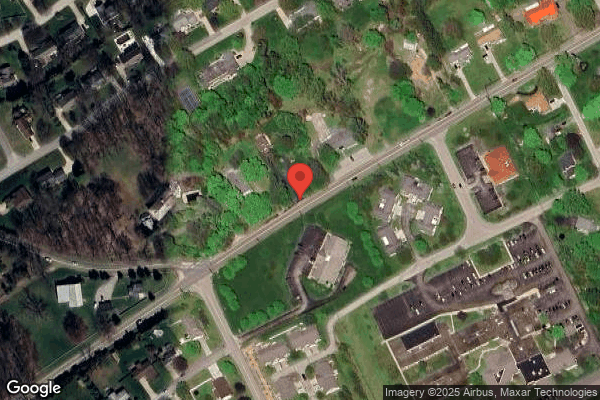
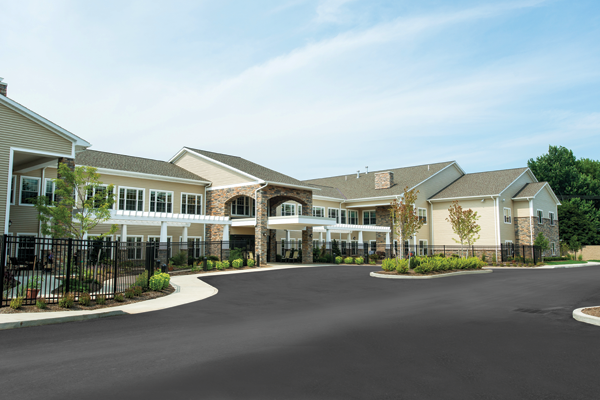
6351 WEST LAKE ROAD, ERIE, PA 16505 (814) 838-9191
Non profit - Corporation 78 Beds Independent Data: November 2025
Trust Grade
83/100
#77 of 653 in PA
Last Inspection: July 2025

Inspected within the last 6 months. Data reflects current conditions.

Overview

Manchester Commons of Presbyterian Seniorcare has received a Trust Grade of B+, indicating that it is above average and recommended for families considering nursing homes. It ranks #77 out of 653 facilities in Pennsylvania, placing it in the top half of the state, and #4 out of 18 in Erie County, meaning only three local options are rated higher. However, the facility is currently experiencing a trend of worsening conditions, with reported issues increasing from 5 in 2024 to 8 in 2025. Staffing appears to be a strength, with a perfect 5-star rating and a turnover rate of 40%, which is below the state average, suggesting that staff remain long enough to build relationships with residents. On the downside, the facility has incurred $4,226 in fines, which is average but indicates some compliance issues. Specific incidents noted during inspections include failing to offer a resident the opportunity to participate in their care plan development, inconsistent documentation regarding a resident's resuscitation preferences, and not providing proper notification to residents about hospital transfers. While the nursing home has excellent RN coverage, being above 81% of facilities in the state, these concerns highlight areas needing improvement. Overall, Manchester Commons shows potential with strong staffing and decent rankings, but families should weigh the recent compliance issues carefully.

Trust Score
B+
83/100
In Pennsylvania
#77/653
Top 11%
Safety Record
Low Risk
No red flags
Inspections
Getting Worse
5 → 8 violations
Staff Stability
○ Average
40% turnover. Near Pennsylvania's 48% average. Typical for the industry.
Penalties
⚠ Watch
$4,226 in fines. Higher than 87% of Pennsylvania facilities, suggesting repeated compliance issues.
Skilled Nurses
✓ Good
Each resident gets 72 minutes of Registered Nurse (RN) attention daily — more than 97% of Pennsylvania nursing homes. RNs are the most trained staff who catch health problems before they become serious.
Violations
⚠ Watch
15 deficiencies on record. Higher than average. Multiple issues found across inspections.
★★★★★
5.0
Overall Rating
★★★★★
5.0
Staff Levels
★★★☆☆
3.0
Care Quality
★★★★☆
4.0
Inspection Score
Stable
2024: 5 issues
2025: 8 issues

The Good

  • 5-Star Staffing Rating · Excellent nurse staffing levels
  • Full Sprinkler Coverage · Fire safety systems throughout facility
  • No fines on record
  • Staff turnover below average (40%)

    8 points below Pennsylvania average of 48%

Facility shows strength in staffing levels, fire safety.

The Bad

Staff Turnover: 40%

Near Pennsylvania avg (46%)

Typical for the industry

Federal Fines: $4,226

Below median ($33,413)

Minor penalties assessed

The Ugly 15 deficiencies on record

Jul 2025 8 deficiencies
CONCERN (D)

Potential for Harm - no one hurt, but risky conditions existed

Deficiency F0553 (Tag F0553)

Could have caused harm · This affected 1 resident

Based on review of facility policy and clinical records, and staff and resident interviews, it was determined that the facility failed to ensure that the resident was offered the opportunity to partic...

Read full inspector narrative →
Based on review of facility policy and clinical records, and staff and resident interviews, it was determined that the facility failed to ensure that the resident was offered the opportunity to participate in the development, review, and/or revision of their person-centered care plan for one of 18 residents reviewed (Resident R6). Findings include: Review of facility policy dated 2/2025, entitled Skilled Nursing - Comprehensive Care Plans indicated the resident will be notified of his/her right to request meetings, revisions to care plan, and to be informed in advance of changes to care plan. The policy further stated that the resident has the right to refuse to participate in the development of his/her care plan and medical and nursing treatments. When such refusals are made, appropriate documentation will be entered into the residents clinical records in accordance with established policies. Resident R6's clinical record revealed an admission date of 11/27/24, with diagnoses that included atrial fibrillation (an abnormal, rapid heartbeat that is present all the time, causing shortness of breath, heart palpitations, and weakness and can lead to development of blood clots), Gastroesophageal Reflux Disease (GERD - condition that happens when stomach acid flows back up into the esophagus and causes heartburn), and fractures right humerus (broken bone in upper arm). Resident R6's quarterly Minimum Data Set (MDS- a federally mandated standardized assessment conducted at specific intervals to plan resident care needs), with an Assessment Reference Date (ARD-a look back period of time for the MDS assessment) of 6/11/25, revealed that Resident R6 was cognitively intact. During an interview with Resident R6 on 6/30/25, at approximately 2:49 p.m. resident reported that he/she has not been invited to attend a care plan meeting nor had he/she recalled attending one since their admission meeting. Resident R6's clinical record lacked any evidence that a care plan meeting was scheduled or that the resident was invited to or attended a care plan meeting since 2/25/25. During an interview on 7/2/25, at 9:57 a.m. Social Worker (SW) Employee E1 confirmed that there was no evidence that a care plan meeting had been held for Resident R6 since 2/25/25. SW Employee E1 further stated that a care plan meeting is to be held at least every 90 days (90th day was 5/26/25) and it has been greater than 90 days (37 days past 90 days) since the facility has had a care plan meeting for Resident R6. 28 Pa. Code 201.29(a) Resident rights
CONCERN (D)

Potential for Harm - no one hurt, but risky conditions existed

Deficiency F0578 (Tag F0578)

Could have caused harm · This affected 1 resident

**NOTE- TERMS IN BRACKETS HAVE BEEN EDITED TO PROTECT CONFIDENTIALITY** Based on review of facility policy and clinical records, and staff interview, it was determined that the facility failed to ensu...

Read full inspector narrative →
**NOTE- TERMS IN BRACKETS HAVE BEEN EDITED TO PROTECT CONFIDENTIALITY** Based on review of facility policy and clinical records, and staff interview, it was determined that the facility failed to ensure physician's orders and resident Resuscitation Authorization (a legal document specifying the resident/responsible party choices regarding life-sustaining treatments) were consistent for one of 18 residents reviewed (Resident R18). Findings include: A facility policy entitled Resident Rights Advance Directives POLST Resuscitation Code Status dated 2/2025, revealed Resuscitation Code Status is the individual's preference regarding CPR [Cardio Pulmonary Resuscitation-CPR-emergency life-saving procedure that is done when breathing or a heartbeat has stopped and when performed immediately can double or triple chances of survival after cardiac arrest] and other lifesaving procedures. Resident R18's clinical record revealed an admission date of [DATE], with diagnoses that include diabetes (a health condition that is caused by the body's inability to produce enough insulin), chronic obstructive pulmonary disease (when your lungs do not have adequate air flow), and high blood pressure. Review of Resident R18's clinical record revealed a Resuscitation Authorization dated [DATE], for Do Not Resuscitate (DNR- allow natural death) signed by Resident R18. Review of physician's orders revealed an order dated [DATE], for Full Code (CPR to be initiated). During an interview with Resident R18 on [DATE], at 1:05 p.m. he/she revealed that they did not want CPR performed when his/her breathing or heartbeat has stopped and expressed their wishes were to allow natural death. During an interview on [DATE], at 2:29 p.m. the Director of Nursing (DON) confirmed that Resident R18's physician's orders and Resuscitation Authorization were not consistent with each other. The DON also confirmed that Resident R18's physician's orders and Resuscitation Authorization should reflect Resident R18's Advance Directive wishes and be consistent with each other. 28 Pa. Code 201.18 (b)(1) Management 28 Pa. Code 201.29(a) Resident rights 28 Pa. Code 211.5(f)(i) Medical records
CONCERN (D)

Potential for Harm - no one hurt, but risky conditions existed

Deficiency F0628 (Tag F0628)

Could have caused harm · This affected 1 resident

**NOTE- TERMS IN BRACKETS HAVE BEEN EDITED TO PROTECT CONFIDENTIALITY** Based on review of facility policy and clinical records, and staff interviews, it was determined that the facility failed to not...

Read full inspector narrative →
**NOTE- TERMS IN BRACKETS HAVE BEEN EDITED TO PROTECT CONFIDENTIALITY** Based on review of facility policy and clinical records, and staff interviews, it was determined that the facility failed to notify the resident and the resident's representative, in writing regarding the reason for transfer to the hospital and to ensure that a bed-hold notice was provided to the resident's responsible party for three of 18 residents reviewed (Residents R24, R37, and R40) and failed to make certain that the necessary resident information was communicated to the receiving health care provider upon transfer to the hospital for two of 18 residents reviewed (Residents R24 and R40). Findings include: Review of a facility policy entitled Skilled Nursing-Bed hold, last reviewed 2/2025, revealed that before a resident/patient is transferred to the hospital/goes on therapeutic leave, the community will provide to the resident and/or the resident representitive written information that specifies the duration of the state bed hold policy, if any, during which the resident is permitted to return and resume residence in the nursing community. The reserve bed payment policy in the state plan policy, if any. The community policies regarding bed-hold periods to include allowing a resident to return to the next available bed. Conditions upon which the resident would return to the community. Resident R37's clinical record revealed an admission date of 8/17/24, with diagnoses that included Alzheimer's Disease with late onset dementia (a gradual decline of cognitive functioning affecting a persons memory and behaviors starting after [AGE] years of age), history of myocardial infarction (blockage of blood flow to the heart muscle), kidney disease, and elevated blood pressure. A nurse's note for Resident R37, dated 3/22/25, at 6:08 p.m. revealed that the resident was sent to the hospital for evaluation after a fall and returned 3/28/25. There was no documented evidence that written notification of the transfer was provided to Resident 37 and the resident's representative and no documented evidence that a bed-hold notice was provided to the resident's responsible party as required. Interview with the Nursing Home Administrator (NHA) on 7/1/25, 12:35 p.m. confirmed that a written notification of hospital transfer was not provided to Resident R37 and their representative, and that a bed-hold notice was not provided to Resident R37's responsible party as required. Review of Resident R24's clinical record revealed an admission date of 5/1/24, with diagnoses that included diabetes (a health condition that is caused by the body's inability to produce enough insulin), congestive heart failure (the inability of the heart to maintain an adequate supply of blood to organs and tissues), and high blood pressure. Resident R24's clinical record revealed a progress noted dated 1/2/25, at 4:11 p.m. identifying a transfer to the hospital. The clinical record lacked evidence that his/her necessary clinical information was communicated to the receiving health care provider. The clinical record also lacked evidence indicating that the resident and/or their representative was provided with a copy of the facility bed-hold policy upon transfer. Review of Resident R40's clinical record revealed an admission date of 7/15/22, with diagnoses that included hypothyroidism (a condition when the thyroid produces low amounts of thyroid hormones), diabetes, and Gastro Esophageal Reflux Disease (a condition when stomach acid repeatedly flows back up into your throat). Resident R40's clinical record revealed a progress noted dated 12/23/24, at 8:05 p.m. identifying a transfer to the hospital. The clinical record lacked evidence that his/her necessary clinical information was communicated to the receiving health care provider. The clinical record also lacked evidence indicating that the resident and/or their representative was provided with a copy of the facility bed-hold policy upon transfer. During an interview on 7/2/25, at 12:30 p.m. the Director of Nursing (DON) confirmed that there was no evidence that Residents R24 and R40 and/or their representatives were provided with a copy of the facility bed-hold policy that included the cost per day. The DON confirmed that there was no evidence that Residents R24 and R40's necessary clinical information was provided to the receiving healthcare provider upon transfer. The DON also confirmed when the transfers occurred the resident and/or his/her representative should have been provided with bed hold policy and clinical information should be provided to the receiving healthcare provider upon transfer. 28 Pa. Code 201.29(c.3)(2) Resident rights 28 Pa. Code 201.18(e)(1) Management
CONCERN (D)

Potential for Harm - no one hurt, but risky conditions existed

Comprehensive Care Plan (Tag F0656)

Could have caused harm · This affected 1 resident

Based on review of facility policy and clinical records, and staff interview, it was determined that the facility failed to develop a comprehensive care plan for one of 18 residents reviewed (Resident...

Read full inspector narrative →
Based on review of facility policy and clinical records, and staff interview, it was determined that the facility failed to develop a comprehensive care plan for one of 18 residents reviewed (Resident R7). Findings include: Review of facility policy dated 2/2025, entitled Skilled Nursing - Comprehensive Care Plans indicated that a comprehensive person - centered care plan that includes measurable objectives and timetables to meet the resident's medical, nursing, mental, and psychological needs is developed for each resident. The policy further stated that the Care Planning / Interdisciplinary Team is responsible for the review and updating of care plans when there has been a significant change in the resident's condition; when the resident has been readmitted to the facility from a hospital stay; and at least quarterly. Resident R7's clinical record revealed an admission date of 7/4/23, with diagnoses that included stroke (occurs when blood flow to the brain is blocked or a blood vessel inside or on the surface of the brain bursts causing brain cells to die often times leading to permanent disabilities), high blood pressure, and Gastroesophageal Reflux Disease (GERD-condition that happens when stomach acid flows back up into the esophagus and causes heartburn). Resident R7's clinical record revealed a physician's order dated 11/6/24, for Insulin Glargine (medication used to treat diabetes - a health condition caused by the body's inability to produce enough insulin) 26 units subcutaneously (sq - a short needle is used to inject a drug into the tissue layer between the skin and the muscle) every morning due to new onset diabetes. Resident R7's clinical record further revealed a quarterly Minimum Data Set (MDS - federally mandated standardized assessment conducted at specific intervals to plan resident care) with an Assessment Reference Date (ARD - a look back period of time for the MDS assessment) of 11/13/24, and 2/12/25, and an annual MDS with an ARD of 5/5/25, indicating Resident R7 received insulin injections during the look-back period. Resident R7's clinical record lacked evidence that a care plan had been developed to address his/her new onset diabetes and usage of insulin. During an interview on 7/1/25, at 2:32 p.m. the Director of Nursing confirmed that a care plan had not been developed to address Resident R7's new onset diabetes and use of insulin. 28 Pa. Code 201.14(a) Responsibility of licensee 28 Pa. Code 211.12(d)(3)(5) Nursing services
CONCERN (D)

Potential for Harm - no one hurt, but risky conditions existed

Quality of Care (Tag F0684)

Could have caused harm · This affected 1 resident

Based on review of clinical records and staff interview, it was determined that the facility failed to obtain a physician's order for hospice services for one of two hospice residents reviewed (Reside...

Read full inspector narrative →
Based on review of clinical records and staff interview, it was determined that the facility failed to obtain a physician's order for hospice services for one of two hospice residents reviewed (Resident R58). Findings include: Review of Resident R58's clinical record revealed an admission date of 5/23/25, with diagnoses that included dementia (a disease that affects short term memory and the ability to think logically), anxiety (a condition that causes a person to be nervous, uneasy, or worried about something or someone), and Gastro Esophageal Reflux Disease (a condition when stomach acid repeatedly flows back up into your throat). Review of Resident R58's clinical record contained documentation that he/she had a routine hospice provider and services were being provided. Further review of Resident R58's clinical record lacked evidence of a physician's order for hospice services. During an interview on 7/1/25, at 2:33 p.m. the Director of Nursing (DON) confirmed that Resident R58 was receiving hospice services and Resident R58's physician's orders lacked an order for hospice services. The DON also confirmed that there should be a physician's order for hospice services. 28 Pa. Code 211.12(d)(1)(5) Nursing services 28 Pa. Code 211.5(f)(i) Medical records
CONCERN (D)

Potential for Harm - no one hurt, but risky conditions existed

Deficiency F0757 (Tag F0757)

Could have caused harm · This affected 1 resident

Based on review of facility policy and clinical records, and staff interview, it was determined that the facility failed to provide a clinical rationale for the continued use of a PRN (as needed) psyc...

Read full inspector narrative →
Based on review of facility policy and clinical records, and staff interview, it was determined that the facility failed to provide a clinical rationale for the continued use of a PRN (as needed) psychotropic (affecting the mind) medication beyond 14-days and failed to provide evidence that non-pharmacological interventions (interventions attempted to calm a resident other than medication) were attempted prior to the administration of a PRN psychotropic medication for one of three residents reviewed (Resident R58). Findings include: Review of facility policy entitled Use of Psychotropic Medications dated 2/2025, revealed Non Pharmacological approaches must be attempted, and documented . and Psychotropic medication used on a PRN basis must have a diagnosed specific condition and indication for PRN use documented in the medical record and is limited to 14 days with no exceptions. If new order is believed necessary by ordering provider, the resident must be evaluated .with needed documentation in the medical record. Review of Resident R58's clinical record revealed an admission date of 5/23/25, with diagnoses that included dementia (a disease that affects short term memory and the ability to think logically), anxiety (a condition that causes a person to be nervous, uneasy, or worried about something or someone), and Gastro Esophageal Reflux Disease (a condition when stomach acid repeatedly flows back up into your throat). Review of Resident R58's June 2025, Medication Administration Record (MAR) revealed a physician's order for Ativan 0.5 mg (milligrams) give one tablet every four hours as needed for 14 days with an order date of 6/10/25, and an end date of 6/24/25. Further review revealed a physician's order for Ativan 0.5 mg give one tablet every four hours as needed for 14 days with an order date of 6/24/25. Review of Resident R58's clinical record lacked evidence of a clinical rationale for continued use for the Ativan order dated 6/24/25. Review of documentation on Resident R58's MAR revealed that the PRN Ativan was used on 6/10/25, 6/11/25, 6/12/25, 6/13/25, 6/14/25, 6/16/25, 6/17/25, and 6/18/25. The clinical record revealed that there was no evidence of non-pharmacological interventions attempted prior to the administration of the PRN Ativan for the eight administrations in June 2025. During an interview on 7/2/25, at 12:30 p.m. the Director of Nursing confirmed that Residents R58's PRN Ativan order dated 6/24/25, lacked a clinical rationale for continued use and that Resident R58's clinical record lacked evidence that non-pharmacological interventions were being attempted prior to administering the Ativan. 28 Pa. Code 211.12(d)(1)(3)(5) Nursing services
CONCERN (D)

Potential for Harm - no one hurt, but risky conditions existed

Deficiency F0761 (Tag F0761)

Could have caused harm · This affected 1 resident

Based on review of facility policies, observations, and staff interviews it was determined that the facility failed to appropriately discard outdated medications for one of three medication carts revi...

Read full inspector narrative →
Based on review of facility policies, observations, and staff interviews it was determined that the facility failed to appropriately discard outdated medications for one of three medication carts reviewed and one of two medication rooms reviewed (Avonia Springs medication room and medication cart). Findings include: Review of facility policy entitled Medication Storage dated 2/2025, revealed Medications and biologicals are stored safely, securely and properly, following manufacturer's recommendations . and Outdated, contaminated, or deteriorated medications . are immediately removed from stock, disposed of according to procedures for medications . Review of manufacturer's guidelines revealed that an open vial of Tubersol should be discarded within 30 days after opening. Observation of drug storage on 6/30/25, at 12:45 p.m. of the Avonia Springs medication room revealed an open opened vial of Tubersol (a solution used for tuberculosis testing upon admission and employment) with an open date of 4/4/25. Further observations of the Avonia Springs medication cart revealed an open bottle of heartburn relief (an over the counter supplement that helps heartburn) with an expiration date of 4/2023, an open bottle of senna plus (an over the counter supplement for constipation) with an expiration date of 9/2024, and an open bottle of docusate sodium (an over the counter supplement for constipation) with an expiration date of 1/2024. During an interview on 6/30/25, at the time of observation Registered Nurse (RN) Employee E2 confirmed that the bottles of heartburn relief, senna plus, and docusate sodium were beyond their expiration dates and the open vial of Tubersol had an open date of 4/4/25. RN Employee E2 also confirmed that the bottles of heartburn relief, senna plus, docusate sodium and the vial of Tubersol should have been discarded. 28 Pa. Code 201.18(b)(1) Management 28 Pa. Code 211.9(a)(1) Pharmacy services 28 Pa. Code 211.12(d)(1) Nursing services
MINOR (C)

Minor Issue - procedural, no safety impact

Deficiency F0577 (Tag F0577)

Minor procedural issue · This affected most or all residents

**NOTE- TERMS IN BRACKETS HAVE BEEN EDITED TO PROTECT CONFIDENTIALITY** Based on observations and staff interview, it was determined that the facility failed to ensure that the most recent Department ...

Read full inspector narrative →
**NOTE- TERMS IN BRACKETS HAVE BEEN EDITED TO PROTECT CONFIDENTIALITY** Based on observations and staff interview, it was determined that the facility failed to ensure that the most recent Department of Health Survey results were in a place readily accessible to residents and visitors for five of five neighborhoods (Eagle Ridge, [NAME], Avonia Springs, Blue [NAME], and Sandpiper). Findings include: Observations conducted on 7/1/25, between 10:10 a.m. and 10:17 a.m. on each neighborhood of the facility revealed that the State Department of Health Survey binders lacked information / results from the State Surveys of 8/8/24, and 5/28/25, for residents and visitors to examine. During an interview on 7/1/25, at 11:25 a.m. the Nursing Home Administrator confirmed that the State Survey binders did not have the reports for all surveys, certifications, and complaint investigations made during the three preceding years, and any plan of correction in effect for residents and visitors to access and examine. 28 Pa. Code 201.14(a) Responsibility of licensee 28 Pa. Code 201.18(e)(1) Management
Aug 2024 5 deficiencies
CONCERN (D)

Potential for Harm - no one hurt, but risky conditions existed

Deficiency F0655 (Tag F0655)

Could have caused harm · This affected 1 resident

Based on review of facility policy and clinical records, and staff interview, it was determined that the facility failed to develop a baseline care plan for one of 19 residents (Resident R65) and fail...

Read full inspector narrative →
Based on review of facility policy and clinical records, and staff interview, it was determined that the facility failed to develop a baseline care plan for one of 19 residents (Resident R65) and failed to provide a resident and his/her representative with a summary of the baseline care plan for one of 19 residents (Resident R175). Findings include: A facility policy entitled Skilled Nursing-Baseline Care Plans dated 2/01/24, revealed a baseline plan of care to meet the resident's immediate needs and provide instructions needed to provide effective and person centered care shall be developed within 48 hours of the resident's admission, and the resident/representative will be provided a summary of the baseline care plans in a form or manner that is easily understood to include initial goals, medications, treatment, and diet. Resident R65's clinical record revealed an admission date of 7/10/24, with diagnoses including acute respiratory failure with hypoxia (a condition where there is not enough oxygen in your body), amyotrophic lateral sclerosis (a nervous system disease that weakens muscles and impacts physical function), severe protein-calorie malnutrition (a form of malnutrition that lacks dietary protein in severe proportions), and gastrostomy (a surgical procedure used to insert a tube through the abdominal wall for nutrition). Review of Resident R65's clinical record lacked evidence that a baseline care plan was developed. During an interview on 8/07/24, at 1:20 p.m. the Director of Nursing (DON) confirmed there was no evidence that a baseline care plan was developed for Resident R65. Resident R175's clinical record revealed an admission date of 7/26/24, with diagnoses including fractured left leg, irregular heartbeat, high blood pressure, heart failure, and speech disturbances. Resident R175's clinical record lacked evidence that a summary of the baseline care plan was provided to Resident R175 and their representative. During an interview on 8/07/24, at 11:00 a.m. the DON confirmed there was no evidence that a summary of the baseline care plan was provided to Resident R175 and their representative. 28 Pa. Code 211.10(c) Resident care policies 28 Pa. Code 211.12 (d)(1)(3)(5) Nursing services
CONCERN (D)

Potential for Harm - no one hurt, but risky conditions existed

Quality of Care (Tag F0684)

Could have caused harm · This affected 1 resident

Based on review of facility policy and clinical records, observations, and staff interview, it was determined that the facility failed to ensure that residents receive treatment and care in accordance...

Read full inspector narrative →
Based on review of facility policy and clinical records, observations, and staff interview, it was determined that the facility failed to ensure that residents receive treatment and care in accordance with professional standards of practice for one of seven residents observed for medication administration (Resident R227). Findings include: A facility policy entitled Infusion Therapies dated 2/01/24, revealed that flushing is performed prior to each infusion to access vascular device function. The procedure policy revealed to obtain and review a legal prescriber's order. Resident R227's clinical record revealed an admission date of 7/29/24, with diagnoses including spinal abscess, bacterial infection of the backbone, Methicillin Resistant Staphylococcus Aureus (MRSA- type of bacteria that's developed resistance to medications) infection, and resistance to Vancomycin (antibiotic used to treat severe but susceptible bacterial infections) related antibiotics. Resident R227's clinical record contained a physician's order to administer Vancomycin 750 mg intravenously (IV- inserted directly into the vein) every eight hours. There was no physician's order for flushing the IV prior to and after administration of medication. Observation during medication administration on 8/05/24, at 2:05 p.m. revealed that Registered Nurse Employee E1 cleansed Resident R227's IV tubing port and instilled 10 milliliters of saline solution and proceeded to go through the steps of administering the Vancomycin. During an interview on 8/06/24, at 2:39 p.m. the Director of Nursing confirmed that Resident R227's clinical record lacked a physician's order for IV flushes before and after Vancomycin administration. 28 Pa Code 211.12(d)(1)(5) Nursing services 28 Pa Code 211.10(c) Resident care policies
CONCERN (D)

Potential for Harm - no one hurt, but risky conditions existed

Drug Regimen Review (Tag F0756)

Could have caused harm · This affected 1 resident

Based on review of facility policy and clinical records, and staff interview, it was determined the facility failed to ensure recommendations made from the consultant pharmacist were acted upon for on...

Read full inspector narrative →
Based on review of facility policy and clinical records, and staff interview, it was determined the facility failed to ensure recommendations made from the consultant pharmacist were acted upon for one of five residents reviewed for unnecessary medications (Resident R36). Findings include: A facility policy entitled Documentation and Communication of Consultant Pharmacy Recommendations dated 2/01/24, revealed that recommendations are acted upon and documented by the community staff and/or the prescriber. Resident R36's clinical record revealed an admission date of 6/13/24, with diagnoses including Lewy Body dementia (disease associated with abnormal deposits of a protein in the brain), high blood pressure, falls, difficulty speaking, and moderate agitation. Resident R36's clinical record revealed a pharmacy consultant recommendation dated 7/03/24, for an Abnormal Involuntary Movement Scale (AIMS-rating scale that was to measure involuntary muscle/nerve movements) assessment be completed. Further review of Resident R36's clinical record revealed a lack of evidence that the pharmacist recommendation dated 7/03/24, for an AIMS assessment was completed by facility staff. During an interview on 8/08/24, at 9:42 a.m. the Director of Nursing confirmed there was no evidence that the pharmacy recommendation for an AIMs assessment for Resident R36 was completed. 28 Pa. Code 211.12 (d)(1)(3)(5) Nursing services
CONCERN (D)

Potential for Harm - no one hurt, but risky conditions existed

Deficiency F0761 (Tag F0761)

Could have caused harm · This affected 1 resident

**NOTE- TERMS IN BRACKETS HAVE BEEN EDITED TO PROTECT CONFIDENTIALITY** Based upon observation and staff interview, it was determined that the facility failed to ensure that medications subject to abu...

Read full inspector narrative →
**NOTE- TERMS IN BRACKETS HAVE BEEN EDITED TO PROTECT CONFIDENTIALITY** Based upon observation and staff interview, it was determined that the facility failed to ensure that medications subject to abuse were stored in a separately locked, permanently affixed compartment in one of five medication refrigerators (Blue [NAME]). Findings include: Observation on 8/08/24, at 9:30 a.m. revealed a locked refrigerator in the Blue [NAME] Medication Room that contained an unopened multi-dose vial of liquid Lorazapam (antianxiety medication) that was not stored in a separately locked, permanently affixed compartment. During an interview at the time of the observation, Licensed Practical Nurse Employee E2 confirmed that the refrigerator lacked a separately locked, permanently affixed compartment to store medications subject to abuse. 28 Pa. Code 201.18(b)(3) Management 28 Pa. Code 211.12(d)(1)(3)(5) Nursing services
CONCERN (D)

Potential for Harm - no one hurt, but risky conditions existed

Food Safety (Tag F0812)

Could have caused harm · This affected 1 resident

**NOTE- TERMS IN BRACKETS HAVE BEEN EDITED TO PROTECT CONFIDENTIALITY** Based on review of facility policy, observations, and staff interview, it was determined that the facility failed to maintain sa...

Read full inspector narrative →
**NOTE- TERMS IN BRACKETS HAVE BEEN EDITED TO PROTECT CONFIDENTIALITY** Based on review of facility policy, observations, and staff interview, it was determined that the facility failed to maintain sanitary food service operations for one of six kitchens (Blue [NAME] kitchen). Findings include: Review of facility policy entitled, Dietary-Sanitization dated 2/01/24, indicated that the dishwashing machines must be operated using the following specifications: High-Temperature Dishwasher (Chemical Sanitization) a. Wash temperature (150 degrees-165 degrees Fahrenheit (F)) for at least forty-five (45) seconds. b. Rinse temperature (165 degrees-180 degrees F) for at least twelve (12) seconds. Upon observation of the Blue [NAME] kitchen dish machine on 8/06/24, at 12:40 p.m. it was confirmed that the dish machine was a High Temperature hot water dishwasher machine. Further observations for approximately 10 minutes at that time, revealed the temperature dial for the rinse cycle was not functioning with the dial needle not moving and resting on 0. During an interview, on 8/06/24, at 12:50 p.m. it was confirmed by the Director of Dining Servcies, that the Blue [NAME] kitchen dish machine temperature for the rinse cycle was unable to be assessed due to the temperature dial not functioning, and additionally was unable to ensure rinse temperatures met the required 180 degrees F for proper sanitation. 28 Pa. Code 201.14(a) Responsibility of licensee 28 Pa. Code 211.6(f) Dietary services
Sept 2023 2 deficiencies
CONCERN (D)

Potential for Harm - no one hurt, but risky conditions existed

Comprehensive Care Plan (Tag F0656)

Could have caused harm · This affected 1 resident

Based on review of clinical records and staff interview, it was determined that the facility failed to develop a comprehensive care plan for one of 19 residents reviewed (Resident R42). Findings incl...

Read full inspector narrative →
Based on review of clinical records and staff interview, it was determined that the facility failed to develop a comprehensive care plan for one of 19 residents reviewed (Resident R42). Findings include: Review of Resident R42's clinical record revealed an admission date of 7/22/21, with diagnoses that included Alzheimer's Disease (brain disorder that slowly destroys memory and thinking skills and, eventually, the ability to carry out the simplest tasks), muscle weakness, and speech disturbances. Review of Resident R42's clinical record revealed a progress note dated 8/25/23, indicating a blister was noted to the right heel. Most recent physician's order for wound care dated 8/31/23, indicated treatment of Cavilon skin prep (type of treatment to address skin care/damage) one time per day to Resident R42's right heel. Resident R42's clinical record also revealed a quarterly Minimum Data Set (MDS - federally mandated standardized assessment conducted at specific intervals to plan resident care) with an Assessment Reference Date (ARD) of 9/13/23, Section M0210 entitled Unhealed Pressure Ulcer / Injuries coded as Resident R42 having one or more unhealed pressure ulcers / injuries. The clinical record lacked evidence that a care plan had been developed to address Resident R42's pressure ulcer to his/her right heel. During an interview on 9/29/23, at 11:34 a.m. the Director of Nursing confirmed that a care plan had not been developed to address Resident R42's pressure ulcer to his/her right heel. 28 Pa. Code 201.14(a) Responsibility of licensee 28 Pa. Code 211.12(d)(3)(5) Nursing service
MINOR (B)

Minor Issue - procedural, no safety impact

Deficiency F0655 (Tag F0655)

Minor procedural issue · This affected multiple residents

Based on review of facility policy, clinical records and staff interview, it was determined that the facility failed to ensure that a written summary of the baseline care plan was provided to resident...

Read full inspector narrative →
Based on review of facility policy, clinical records and staff interview, it was determined that the facility failed to ensure that a written summary of the baseline care plan was provided to residents and/or the resident's representative for four of 19 residents reviewed (Residents R49, R259, R260, and R262). Findings include: Review of a facility policy entitled, Skilled Nursing-Baseline Care Plans dated 2/2/23, revealed, The resident/representative will be provided a summary of the baseline care plan in a form or manner that is easily understood to include initial goals, medications, treatment, and diet. Review of Resident R49's clinical record revealed an admission date of 7/31/23, with diagnoses that included senile degeneration of brain, (loss of intellectual ability due to the deterioration of brain cells); dementia, (symptoms affecting memory, thinking, and social skills), anxiety, (feelings of tension, worried thoughts and physical changes like increased blood pressure), and depression, (mood disorder that causes persistent feelings of sadness and a lack of interest). Review of Resident R49's clinical record lacked evidence that a written summary of the baseline care plan was provided to the resident and/or resident representative. Review of Resident R259's clinical record revealed an admission date of 9/25/23, with diagnoses that included heart failure, atherosclerosis (the buildup of fats, cholesterol and other substances that can cause arteries to narrow, blocking blood flow), diabetes, and high blood pressure. Review of Resident R259's clinical record lacked evidence that a written summary of the baseline care plan was provided to the resident and/or resident representative. Review of Resident R260's clinical record revealed an admission date of 9/14/23, with diagnoses that included lung cancer, Chronic Obstructive Pulmonary Disease (COPD-lung disease where the tubes that carry air become swollen and irritated, which causes increased mucus and wheezing, making it difficult to breathe), chronic kidney disease (a loss of kidney function over time, causing toxins/poisons to build up in the blood). Review of Resident R260's clinical record lacked evidence that a written summary of the baseline care plan was provided to the resident and/or resident representative. Review of Resident R262's clinical record revealed an admission date of 9/18/23, with diagnoses that included diverticulosis of large intestine (condition where small pouches/bulges form in the wall of the intestine, developing weakened areas, which can leak intestine contents into the blood), gastrointestinal hemorrhage (bleeding that occurs from the digestive tract), and atrial fibrillation (an irregular, and very rapid heart rhythm that can lead to development of blood clots). Review of Resident R262's clinical record lacked evidence that a written summary of the baseline care plan was provided to the resident and/or resident representative. During an interview on 9/29/23, at 11:31 a.m. the Director of Nursing and Nursing Home Administrator confirmed there was no evidence that a written summary of the baseline care plan was provided to Residents R49, R259, R260, R262 and/or their representative. 28 Pa. Code 201.24 (e)(4) Admissions Policy
Understanding Severity Codes (click to expand)
Life-Threatening (Immediate Jeopardy)
J - Isolated K - Pattern L - Widespread
Actual Harm
G - Isolated H - Pattern I - Widespread
Potential for Harm
D - Isolated E - Pattern F - Widespread
No Harm (Minor)
A - Isolated B - Pattern C - Widespread

Questions to Ask on Your Visit

  • "Can I speak with families of current residents?"
  • "What's your RN coverage like on weekends and overnight?"

Our Honest Assessment

Strengths
  • • Grade B+ (83/100). Above average facility, better than most options in Pennsylvania.
  • • No major safety red flags. No abuse findings, life-threatening violations, or SFF status.
  • • $4,226 in fines. Lower than most Pennsylvania facilities. Relatively clean record.
  • • 40% turnover. Below Pennsylvania's 48% average. Good staff retention means consistent care.
Concerns
  • • 15 deficiencies on record. Higher than average. Multiple issues found across inspections.
Bottom line: Generally positive indicators. Standard due diligence and a personal visit recommended.

About This Facility

What is Manchester Commons Of Presbyterian Seniorcare's CMS Rating?

CMS assigns MANCHESTER COMMONS OF PRESBYTERIAN SENIORCARE an overall rating of 5 out of 5 stars, which is considered much above average nationally. Within Pennsylvania, this rating places the facility higher than 99% of the state's 100 nursing homes. This rating reflects solid performance across the metrics CMS uses to evaluate nursing home quality.

How is Manchester Commons Of Presbyterian Seniorcare Staffed?

CMS rates MANCHESTER COMMONS OF PRESBYTERIAN SENIORCARE's staffing level at 5 out of 5 stars, which is much above average compared to other nursing homes. Staff turnover is 40%, compared to the Pennsylvania average of 46%. This relatively stable workforce can support continuity of care.

What Have Inspectors Found at Manchester Commons Of Presbyterian Seniorcare?

State health inspectors documented 15 deficiencies at MANCHESTER COMMONS OF PRESBYTERIAN SENIORCARE during 2023 to 2025. These included: 13 with potential for harm and 2 minor or isolated issues.

Who Owns and Operates Manchester Commons Of Presbyterian Seniorcare?

MANCHESTER COMMONS OF PRESBYTERIAN SENIORCARE is owned by a non-profit organization. Non-profit facilities reinvest revenue into operations rather than distributing to shareholders. The facility operates independently rather than as part of a larger chain. With 78 certified beds and approximately 71 residents (about 91% occupancy), it is a smaller facility located in ERIE, Pennsylvania.

How Does Manchester Commons Of Presbyterian Seniorcare Compare to Other Pennsylvania Nursing Homes?

Compared to the 100 nursing homes in Pennsylvania, MANCHESTER COMMONS OF PRESBYTERIAN SENIORCARE's overall rating (5 stars) is above the state average of 3.0, staff turnover (40%) is near the state average of 46%, and health inspection rating (4 stars) is above the national benchmark.

What Should Families Ask When Visiting Manchester Commons Of Presbyterian Seniorcare?

Based on this facility's data, families visiting should ask: "Can I visit during a mealtime to observe dining assistance and food quality?" "How do you handle medical emergencies, and what is your hospital transfer rate?" "Can I speak with family members of current residents about their experience?"

Is Manchester Commons Of Presbyterian Seniorcare Safe?

Based on CMS inspection data, MANCHESTER COMMONS OF PRESBYTERIAN SENIORCARE has a clean safety record: no substantiated abuse findings (meaning no confirmed cases of resident harm), no Immediate Jeopardy citations (the most serious violation level indicating risk of serious injury or death), and is not on the Special Focus Facility watch list (a federal program monitoring the lowest-performing 1% of nursing homes). The facility has a 5-star overall rating and ranks #1 of 100 nursing homes in Pennsylvania. While no facility is perfect, families should still ask about staff-to-resident ratios and recent inspection results during their visit.

Do Nurses at Manchester Commons Of Presbyterian Seniorcare Stick Around?

MANCHESTER COMMONS OF PRESBYTERIAN SENIORCARE has a staff turnover rate of 40%, which is about average for Pennsylvania nursing homes (state average: 46%). Moderate turnover is common in nursing homes, but families should still ask about staff tenure and how the facility maintains care continuity when employees leave.

Was Manchester Commons Of Presbyterian Seniorcare Ever Fined?

MANCHESTER COMMONS OF PRESBYTERIAN SENIORCARE has been fined $4,226 across 1 penalty action. This is below the Pennsylvania average of $33,121. While any fine indicates a compliance issue, fines under $50,000 are relatively common and typically reflect isolated problems that were subsequently corrected. Families should ask what specific issues led to these fines and confirm they've been resolved.

Is Manchester Commons Of Presbyterian Seniorcare on Any Federal Watch List?

MANCHESTER COMMONS OF PRESBYTERIAN SENIORCARE is not on any federal watch list. The most significant is the Special Focus Facility (SFF) program, which identifies the bottom 1% of nursing homes nationally based on persistent, serious quality problems. Not being on this list means the facility has avoided the pattern of deficiencies that triggers enhanced federal oversight. This is a positive indicator, though families should still review the facility's inspection history directly.