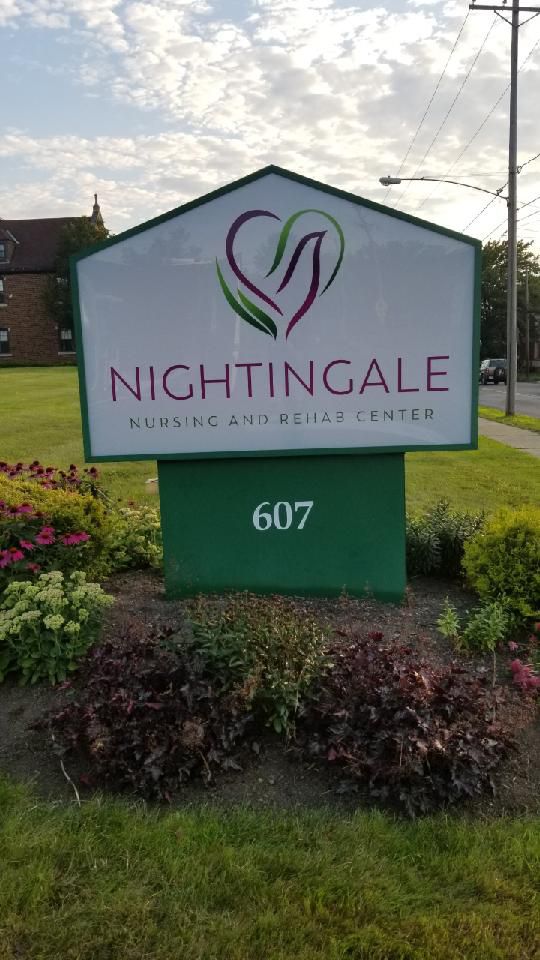
NIGHTINGALE NURSING AND REHAB CENTER
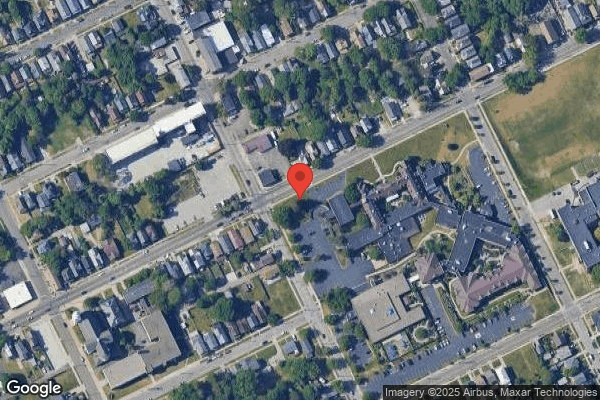
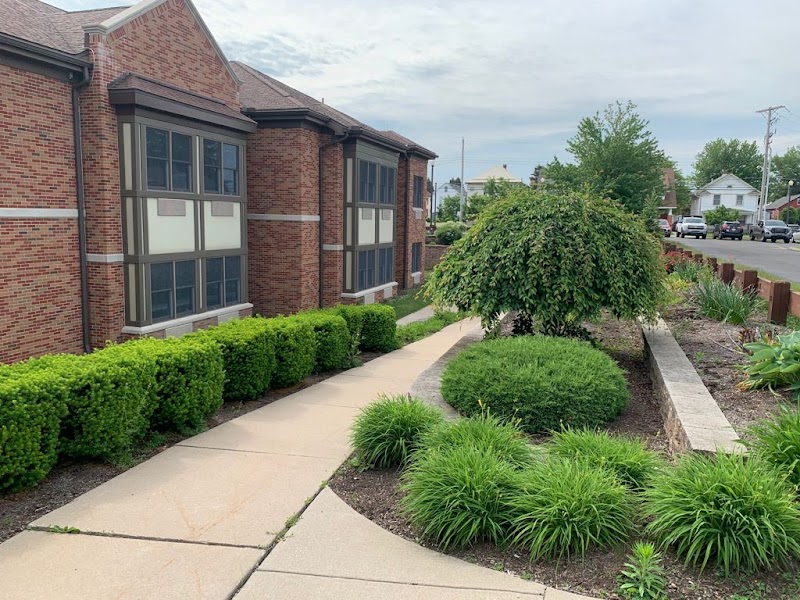
607 EAST 26TH STREET, ERIE, PA 16504 (814) 459-0621
For profit - Corporation 139 Beds Independent Data: November 2025
Trust Grade
68/100
#205 of 653 in PA
Last Inspection: February 2025

Within standard 12-15 month inspection cycle. Federal law requires annual inspections.

Overview

Nightingale Nursing and Rehab Center has a Trust Grade of C+, indicating it is slightly above average but not exceptional. It ranks #205 out of 653 facilities in Pennsylvania, placing it in the top half of the state's nursing homes, while locally, it is #10 out of 18, meaning there are only nine better options in Erie County. The facility's trend is stable, with 14 issues identified in both 2024 and 2025, suggesting ongoing challenges rather than improvement. Staffing is a concern, with a 58% turnover rate, which is higher than the state average, and a staffing rating of 3 out of 5 stars. Additionally, there have been some specific incidents, such as failing to ensure adequate nursing staff for residents' well-being and not properly labeling medications, which could pose risks to residents. While there are strengths in the facility's overall rating and good health inspections, these weaknesses highlight areas that families should carefully consider.

Trust Score
C+
68/100
In Pennsylvania
#205/653
Top 31%
Safety Record
Low Risk
No red flags
Inspections
Holding Steady
2 → 2 violations
Staff Stability
⚠ Watch
58% turnover. Above average. Higher turnover means staff may not know residents' routines.
Penalties
✓ Good
$6,292 in fines. Lower than most Pennsylvania facilities. Relatively clean record.
Skilled Nurses
○ Average
Each resident gets 35 minutes of Registered Nurse (RN) attention daily — about average for Pennsylvania. RNs are the most trained staff who monitor for health changes.
Violations
⚠ Watch
14 deficiencies on record. Higher than average. Multiple issues found across inspections.
★★★★☆
4.0
Overall Rating
★★★☆☆
3.0
Staff Levels
★★★★☆
4.0
Care Quality
★★★★☆
4.0
Inspection Score
Stable
2024: 2 issues
2025: 2 issues

The Good

  • 4-Star Quality Measures · Strong clinical quality outcomes
  • Full Sprinkler Coverage · Fire safety systems throughout facility
  • No fines on record

Facility shows strength in quality measures, fire safety.

The Bad

Staff Turnover: 58%

12pts above Pennsylvania avg (46%)

Frequent staff changes - ask about care continuity

Federal Fines: $6,292

Below median ($33,413)

Minor penalties assessed

Staff turnover is elevated (58%)

10 points above Pennsylvania average of 48%

The Ugly 14 deficiencies on record

Feb 2025 2 deficiencies
CONCERN (D)

Potential for Harm - no one hurt, but risky conditions existed

Deficiency F0658 (Tag F0658)

Could have caused harm · This affected 1 resident

Based on review of the Pennsylvania Code Title 49. Professional and Vocational Standards, facility job descriptions, clinical records, and facility documents, and staff interviews, it was determined t...

Read full inspector narrative →
Based on review of the Pennsylvania Code Title 49. Professional and Vocational Standards, facility job descriptions, clinical records, and facility documents, and staff interviews, it was determined that the facility failed to follow nursing standards of practice to ensure medications were administered appropriately and residents were assessed and treated in a timely manner for one of 24 residents reviewed (Resident R108). Findings include: Review of Pennsylvania Code Title 49. Professional and Vocational Standards 21.145. Functions of the Licensed Practical Nurse (LPN), (a) The LPN is prepared to function as a member of the health-care team by exercising sound nursing judgment based on preparation, knowledge, experience in nursing and competency. The LPN participates in the planning, implementation and evaluation of nursing care using focused assessment in settings where nursing takes place. Review of the facility job description for an LPN included: prepare and administer medication as ordered by the physician; be knowledgeable of nursing and medical practices and procedures, as well as, laws, regulations, and guidelines; must possess the ability to make independent decisions when circumstances warrant such action; implement and maintain established nursing objectives and standards; administer professional services; and monitor seriously ill residents as necessary. A facility policy entitled, Administering Oral Medications dated 1/07/25, included verifying the physician's medication order, and instructing the resident to place sublingual (situated beneath the tongue) medications under the tongue and allow the drug to dissolve. A facility policy entitled, Assessment of Chest Pain dated 1/07/25, revealed that assessing a resident experiencing chest pain in a skilled nursing facility requires prompt and systematic action to ensure resident safety, and included the following: 1. Immediate assessment and monitoring: pain evaluation- quickly assess the characteristics of the chest pain; vital signs monitoring- measure and document vital signs. 2. Medication administration: administer medications as per standing orders, and resident's care plan. Resident R108's clinical record revealed an admission date of 10/20/24, with diagnoses that included heart disease, heart failure, and anxiety. The clinical record revealed a physician's order dated 1/07/25, to give Nitrostat (nitroglycerin- prevents and treats chest pain by relaxing your blood vessels) 0.4 milligram tablet sublingual every five minutes as needed for chest pain every five minutes up to three doses. The clinical record revealed a care plan entitled Altered cardiovascular status with interventions including assess for chest pain, administer medications as ordered and monitor for side effects and effectiveness. Observations on 2/27/25 revealed the following: -At 2:09 p.m. female voice heard yelling help, nurse from behind a closed door. Resident R108 stated, Please help. I am having chest pain. Resident R108's right leg was over the side of bed, his/her oxygen tubing was laying on bed, and the call bell was under the bed. Licensed Practical Nurse (LPN) Employee E4 was observed seated at the nurse's station and was notified of Resident R108's report of chest pain, and responded Three people have already been in there and remained seated at nurse's station. -At 2:10 p.m. the Director of Nursing inquired of Resident R108's as needed medications, and was informed by LPN Employee E3 of the available nitroglycerin. -At 2:15 p.m. LPN Employee E3 sat at nurse's station with an amber plastic pharmacy bag containing nitroglycerin. -At 2:33 p.m. LPN Employee E3 entered Resident R108's room, administered one tablet of nitroglycerin with water to Resident R108 to swallow, and then returned to the nurse's station. -At 2:41 p.m. LPN Employee E3 remained at the nurse's station and was notified by the Assistant Director of Nursing that Resident R108 required another administration of nitroglycerin. -At 2:44 p.m. LPN Employee E3 entered Resident R108's room, administered one tablet of nitroglycerin with water to Resident R108 to swallow, and then returned to the nurse's station. -At 2:59 p.m. Emergency Medical Services arrived on the unit to transport Resident R108 to the hospital and LPN Employee E3 was observed seated at the nurse's station. LPN Employee E3 entered Resident R108's room twice to administer nitroglycerin with water and failed to assess Resident R108's medical condition and/or monitor for changes in condition. During an interview on 2/27/25, at approximately 3:05 p.m. the Director of Nursing confirmed that the Nitrostat should have been given sublingual and that having the resident swallow the medication was inappropriate. The Director of Nursing also confirmed that LPN Employee E3 failed to act within his/her professional standards in response to Resident R108's calling out about chest pain and possible medical condition. 28 Pa. Code 211.12(d)(1)(3)(5) Nursing services 28 Pa. Code 211.10(c) Resident care policies
CONCERN (E)

Potential for Harm - no one hurt, but risky conditions existed

Deficiency F0761 (Tag F0761)

Could have caused harm · This affected multiple residents

**NOTE- TERMS IN BRACKETS HAVE BEEN EDITED TO PROTECT CONFIDENTIALITY** Based on review of facility policy, observations, and staff interviews, it was determined that the facility failed to label a mu...

Read full inspector narrative →
**NOTE- TERMS IN BRACKETS HAVE BEEN EDITED TO PROTECT CONFIDENTIALITY** Based on review of facility policy, observations, and staff interviews, it was determined that the facility failed to label a multi-dose insulin (medication to treat elevated blood sugar levels) vial with the date it was opened and discard an expired multi-dose insulin vial; and failed to prevent the opportunity for unauthorized access to medications in three of five medication carts (Unit D North, Unit E, and Unit C South); and failed to store Schedule II-V medications in a separately locked, permanently affixed compartment in two of five medication rooms (Unit C North and Unit D South). Findings include: A facility policy entitled, Security of Medication Cart dated, [DATE], revealed that medication carts must be securely locked at all times when out of the nurse's view. A facility policy entitled, Storage of Medications dated, [DATE], revealed that unlocked medication carts are not left unattended, and Schedule II-V controlled medications are stored in separately locked permanently affixed compartments. A facility policy entitled, Insulin Administration dated, [DATE], revealed to check expiration date, if drawing from an opened multi-dose vial; if opening a new vial, record expiration date and time on the vial (follow manufacturer recommendations for expiration after opening). Observation on [DATE], at 8:52 a.m. of the Unit D North medication cart revealed one multi-dose vial of Lantus (long-acting insulin) labeled with an opened date of [DATE], (36 calendar days prior) and a pharmacy label that indicated to discard after 28 days opened. During an interview at that time, Licensed Practical Nurse (LPN) Employee E6 confirmed that the multi-dose vial was expired and should have been discarded. Observation on [DATE], at 10:13 a.m. of the Unit E medication cart revealed one opened multi-dose vial of insulin glargine (long-acting type of insulin) and lacked an opened date. During an interview at that time, Registered Nurse Employee E3 confirmed that the vial should contain an opened date and that he/she was unable to determine a discard date. Observation on [DATE], at 1:26 p.m. of the Unit C North medication refrigerator rack contained a locked compartment with two boxes of injectable lorazepam (controlled substance used to treat anxiety disorders). The rack of the refrigerator was not permanently affixed. During an interview at that time, the Assistant Director of Nursing confirmed that the refrigerator rack was not permanently affixed. Observation on [DATE], at 1:37 p.m. of the Unit S South medication refrigerator rack contained a locked compartment with one box of injectable lorazepam. The rack of the refrigerator was not permanently affixed. During an interview at that time, LPN Employee E1 confirmed that the refrigerator rack was not permanently affixed. Observation on [DATE], at 11:04 a.m. revealed the Unit C South medication cart was unsecured and unattended outside of a resident room (approximately 25 feet from nurse's station and was unable to be seen from nurse's station). Several staff and residents walked by the unsecured cart, and LPN Employee E4 approached the medication cart from nurse's station area. During an interview at that time, LPN Employee E4 confirmed that the medication cart should have been locked. During an interview on [DATE], at 11:35 a.m. the Director of Nursing confirmed the medication cart should have been locked when not attended to and/or in view. 28 Pa. Code 201.18(b)(1) Management 28 Pa. Code 201.14(a) Responsibility of licensee 28 Pa. Code 211.9(a)(1) Pharmacy services 28 Pa. Code 211.10(c) Resident care policies
Feb 2024 2 deficiencies
CONCERN (D)

Potential for Harm - no one hurt, but risky conditions existed

Notification of Changes (Tag F0580)

Could have caused harm · This affected 1 resident

Based on review of facility policy and clinical record, and staff interview, it was determined that the facility failed to notify the resident's responsible party of a change in condition for one of 2...

Read full inspector narrative →
Based on review of facility policy and clinical record, and staff interview, it was determined that the facility failed to notify the resident's responsible party of a change in condition for one of 22 residents reviewed (Resident R61). Findings include: A facility policy entitled Notification of Changes last reviewed in June 2023, indicated that the facility must inform the resident's representative, or family member when there is a Clinical Complication an example of which was the development of Stage 2 (partial-thickness skin loss) skin breakdown. Resident R61's clinical record revealed an admission date of 7/22/2022, with diagnoses that included Dementia, Type II Diabetes (condition of improper blood sugar control), Chronic Kidney Disease and Pain. A progress note dated 12/13/23, documented that Resident R61 had newly developed two Stage 2 open areas around the buttocks area. There was no further documentation to indicate that Resident R61's responsible party was notified of these areas of skin breakdown. During an interview on 2/28/24, at approximately 10:20 a.m. the Director of Nursing confirmed that Resident R61's responsible party was not notified of the areas of skin breakdown as required. 28 Pa. Code 201.14(a) Responsibility of licensee 28 Pa. Code 211.10(c) Resident care policies 28 Pa. Code 211.12(d)(1) Nursing services
CONCERN (D)

Potential for Harm - no one hurt, but risky conditions existed

Respiratory Care (Tag F0695)

Could have caused harm · This affected 1 resident

Based on review of facility policy and clinical records, observations, and staff interview, it was determined that the facility failed to provide oxygen according to physician's orders for one of one ...

Read full inspector narrative →
Based on review of facility policy and clinical records, observations, and staff interview, it was determined that the facility failed to provide oxygen according to physician's orders for one of one residents reviewed for respiratory services (Resident R7). Findings include: Review of facility policy dated 1/25/24, entitled Oxygen Administration indicated that Oxygen will be administered as per MD order to aid in breathing. Review of Resident R7's clinical record revealed an admission date of 6/27/22, with diagnoses that included chronic obstructive pulmonary disease (COPD - a progressive lung disease that results in shortness of breath and difficulty breathing), diabetes (condition of improper blood sugar control), and high blood pressure. Review of Resident R7's clinical record revealed a physician's order dated 2/14/24, for Oxygen via Nasal Cannula (a thin tube with two prongs that fit into the resident's nostrils to deliver oxygen) 2 lpm (liters per minute) every shift for shortness of breath. Observation on 2/26/24, at 2:50 p.m. revealed Resident R7 sitting in his /her wheelchair with supplemental oxygen in place and the oxygen concentrator liter flow set at 3 lpm. Observation on 2/28/24, at 1:38 p.m. revealed Resident R7 sitting in his/her wheelchair with supplemental oxygen in place via portable oxygen tank and set at 2.5 lpm. Oxygen concentrator was also noted to be on and set at 3 lpm. During an interview on 2/28/24, at 1:48 p.m. Licensed Practical Nurse Employee E1 confirmed that Resident R7's oxygen concentrator was on and set at 3 lpm and his/her portable oxygen was on, in use and set at 2.5 lpm and was not in accordance with the physician's order dated 2/14/24, for oxygen at 2 lpm every shift. 28 Pa. Code 211.10(c) Resident care policies 28 Pa. Code 211.12(d)(1)(5) Nursing services
May 2023 2 deficiencies
CONCERN (D) 📢 Someone Reported This

A family member, employee, or ombudsman was alarmed enough to file a formal complaint

Potential for Harm - no one hurt, but risky conditions existed

Quality of Care (Tag F0684)

Could have caused harm · This affected 1 resident

Based on review of clinical records and staff interviews, it was determined that the facility failed to accurately transcribe and act upon a physician's order to promote normal bowel regimen and/or pr...

Read full inspector narrative →
Based on review of clinical records and staff interviews, it was determined that the facility failed to accurately transcribe and act upon a physician's order to promote normal bowel regimen and/or prevent constipation for one of three residents reviewed (Resident R1). Findings include: Review of Resident R1's clinical record revealed an admission date of 2/23/23, with diagnoses that included diabetes, high blood pressure, and constipation. Review of a physician's progress note dated 2/27/23, at 9:13 a.m. revealed that the resident's appetite was not great, and he/she felt constipated. Physician's action / plan was to add Miralax (laxative) and Senokot-S (stool softener). Review of orders written by Resident R1's physician and signed and dated for 2/27/23, revealed orders for Miralax 17 grams (gm) by mouth every day and Senokot-S take two by mouth every day. Further review of the written order revealed that the nurse indicated that he/she noted (observed and initiated) the order for both the Miralax and Senokot on 3/1/23, or two days later. Review of Resident R1's medication administration record (MAR) revealed he/she received the first dose of Miralax at 8:00 a.m. on 3/2/23, and the first does of Senokot-S at 6:00 p.m. on 3/2/23. During an interview on 5/2/23, at 1:00 p.m. Director of Nursing confirmed that the 2/27/23, physician's order for Miralax and Senokot-S should have been noted on 2/27/23, and not two days later that delayed the administration of both medications. 28 Pa. Code 211.5(f) Clinical Records 28 Pa. Code 211.12(d)(1)(5) Nursing services
CONCERN (E) 📢 Someone Reported This

A family member, employee, or ombudsman was alarmed enough to file a formal complaint

Potential for Harm - no one hurt, but risky conditions existed

Medical Records (Tag F0842)

Could have caused harm · This affected multiple residents

Based on review of clinical records and staff interviews, it was determined that the facility failed to maintain accurate and complete documentation related to bowel movements for three of three resid...

Read full inspector narrative →
Based on review of clinical records and staff interviews, it was determined that the facility failed to maintain accurate and complete documentation related to bowel movements for three of three residents reviewed (Residents R1, R2, and R3) Findings include: Review of Resident R1's clinical record revealed an admission date of 2/23/23, with diagnoses that included diabetes, high blood pressure, and constipation. Review of Resident R1's bowel elimination flow sheet for the time period between 2/23/23, and 3/11/23, lacked documentation to indicate if Resident R1 had a bowel movement 23 of the 50 (46%) documentation opportunities. Review of Nurse Practitioner's progress note dated 3/2/23, indicated Resident R1 had a small bowel movement last night (3/1/23) and review of order administration note dated 3/2/23, indicated that the Milk of Magnesia that was administered earlier in the day was effective. There was no documented evidence on the bowel elimination flow sheet that Resident R1 had a bowel movement on 3/1/23, or 3/2/23. Review of Resident R2's clinical record revealed an admission date of 2/28/23, with diagnoses that included diabetes, high blood pressure, and dementia. Review of Resident R2's bowel elimination flow sheet for the time period between 2/28/23, and 3/31/23, lacked documentation to indicate if Resident R2 had a bowel movement 32 of the 95 (34%) documentation opportunities. Review Resident R3's clinical record revealed an admission date of 3/21/23, with diagnoses that included arthritis, constipation, and chronic obstructive pulmonary disease (respiratory disease that results in difficulty breathing). Review of Resident R3's bowel elimination flow sheet for the time period between 3/21/23, and 3/31/23, lacked documentation to indicate if Resident R3 had a bowel movement 13 of the 33 (39%) documentation opportunities. During an interview on 5/2/23, at 1:53 p.m. the Assistant to the Nursing Home Administrator confirmed that bowel documentation was not accurately completed for Residents R1, R2, and R3, and not only should it be completed every shift to identify if resident had a bowel movement or not, but should also reflect accurate information. 28 Pa. Code 211.5(f)(g)(h) Clinical records 28 Pa. Code 211.12(d)(1)(5) Nursing services
Mar 2023 7 deficiencies
CONCERN (D)

Potential for Harm - no one hurt, but risky conditions existed

Respiratory Care (Tag F0695)

Could have caused harm · This affected 1 resident

Based on observations, review of clinical records, and staff interview, it was determined that the facility failed to appropriately maintain, promote cleanliness and prevent the spread of infection re...

Read full inspector narrative →
Based on observations, review of clinical records, and staff interview, it was determined that the facility failed to appropriately maintain, promote cleanliness and prevent the spread of infection regarding respiratory care equipment according to physician orders for two of 23 residents reviewed (Residents R31 and R257). Findings include: Review of Resident R31's clinical record revealed an admission date of 12/30/22, with diagnoses that included hypertension (high blood pressure), morbid obesity, and obstructive sleep apnea (breathing issues during sleep). The clinical record also revealed a physician's order for change O2 [oxygen] tubing every night shift every Sun [Sunday]. Observation on 3/29/23, at 12:45 p.m. revealed Resident R31's nasal cannula (oxygen tubing that has prongs that go into the nostrils and loops around the ears to secure in place to ensure adequate oxygen delivery) had a piece of tape wrapped around the oxygen tubing dated 2/13. It was also noted that the oxygen tubing extender was not dated. During an interview on 3/29/23, at 2:35 p.m. Licensed Practical Nurse (LPN) Employee E3 confirmed that the oxygen tubing was dated 2/13, and that the oxygen tubing is to be changed weekly and dated when it is changed. Additional observation on 3/30/23, at 5:00 p.m. revealed Resident R31's nasal cannula remained the same with the piece of tape wrapped around the oxygen tubing dated 2/13. The oxygen tubing extender remained undated. During an interview on 3/30/23, at 5:10 p.m. LPN Employee E1 confirmed that the oxygen tubing was dated 2/13, that the oxygen tubing is to be changed weekly and dated when it is changed. Review of Resident R257's clinical record revealed an admission date of 3/6/23, with diagnoses that included fracture of the left arm, repeated falls, blood clots of veins in left leg, respiratory failure, muscle weakness and unsteadiness on feet. Review of R257's clinical record revealed physician's orders dated 3/6/23, to change oxygen tubing every night shift every Sunday. In addition, a physician's order dated, 3/07/23, indicated to keep and titrate oxygen above 90 percent. Observations on 3/28/23, at 1:00 p.m. and 3/29/23, at 1:25 p.m. revealed Resident 257 with nasal cannula tubing and a humidification bottle without a date. Further observations on 3/29/23, at 1:27 p.m. with Registered Nurse Unit Manager Employee E2 revealed he/she could not locate a date on oxygen tubing and humidification and confirmed tubing should be dated to acknowledge when it was changed. 28 Pa. Code 211.5(f)(h) Clinical records 28 Pa. Code 211.12(d)(1)(5) Nursing services
CONCERN (D)

Potential for Harm - no one hurt, but risky conditions existed

Deficiency F0744 (Tag F0744)

Could have caused harm · This affected 1 resident

Based on observations, clinical record review, and staff interview, it was determined that the facility failed to document active behaviors, develop intervention orders (pharmacological and/or non-pha...

Read full inspector narrative →
Based on observations, clinical record review, and staff interview, it was determined that the facility failed to document active behaviors, develop intervention orders (pharmacological and/or non-pharmacological), and develop an individualized person-centered dementia care plan in helping to maintain the highest practicable physical, mental, and psychosocial well-being for one of 24 residents reviewed (Resident R52). Findings include: Review of Resident R52's clinical record revealed an admission date of 11/22/19, with diagnoses that included Alzheimer's disease with late onset (memory loss), dementia with other behavioral disturbance (memory and social issues that affect daily living), and atrial fibrillation (irregular heartbeat). Observations on 3/28/23, at approximately 1:30 p.m. revealed Resident R52 heard yelling down the hallway while he/she was sitting in his/her wheelchair in his/her room. Upon walking to the doorway Resident R52 yelled loudly, get out of my window you explicit. Further review of Resident R52's clinical record revealed that there had not been any behavior documentation charting for the past three months of progress notes reviewed. The active behaviors observed on 3/28/23 at approximately 1:30 p.m. were not documented in the progress notes. Resident R52's active physician's orders revealed there were no interventions (pharmacological and/or non-pharmacological) in place to aid Resident R52 with the active behaviors. Resident R52's comprehensive care plan for dementia dated 2/09/23, lacked specific person-centered interventions designed to meet the individual needs to address the diagnosis of dementia with active behaviors. During an interview on 3/29/23, at approximately 10:00 a.m. Licensed Practical Nurse Employee E4 stated, the resident has these behaviors frequently, sometimes daily and these behaviors are normal for the resident and they generally start in the afternoon around 2:00 p.m. During an interview on 3/30/23, at approximately 2:00 p.m. the Director of Nursing confirmed that behavior charting, interventions (pharmacological and/or non-pharmacological), and a person-centered care plan should be in place for residents with dementia. 28 Pa. Code 211.12 (d)(1)(3)(5) Nursing services 28 Pa. Code 211.5(f) Clinical records
CONCERN (E)

Potential for Harm - no one hurt, but risky conditions existed

Drug Regimen Review (Tag F0756)

Could have caused harm · This affected multiple residents

Based on clinical record review and staff interviews, it was determined that the facility failed to ensure that monthly pharmacy drug regimen reviews were completed for five of 24 residents reviewed (...

Read full inspector narrative →
Based on clinical record review and staff interviews, it was determined that the facility failed to ensure that monthly pharmacy drug regimen reviews were completed for five of 24 residents reviewed (Residents R34, R71, R36, R100 and R62). Findings include: Resident R34's clinical record revealed an admission date of 5/07/2015. with a diagnosis Pick's Disease (a type of dementia that affects the frontal part of the brain), post-traumatic stress, and anxiety. The clinical record lacked evidence of a pharmacist monthly drug regimen review. Resident R71's clinical record revealed an admission date of 1/19/22, with a diagnosis of dementia, high blood pressure and diabetes. The clinical record lacked evidence of a pharmacist monthly drug regimen review. Resident R36's clinical record revealed an admission date of 8/01/16, with a diagnosis of dementia, major depression and chronic obstructive pulmonary disease (difficulty breathing). The clinical record lacked evidence of a pharmacist monthly drug regimen review. Resident R100's clinical record revealed an admission date of 01/13/2023, with a diagnosis of muscle weakness, high blood pressure, diabetes and muscle tremors. The clinical record lacked evidence of a pharmacist monthly drug regimen review. Resident R62's clinical record revealed an admission date of 01/16/2021, with a diagnosis of chronic pain, major depression and hypertension (high blood pressure) with heart failure. The clinical record lacked evidence of a pharmacist monthly drug regimen review. During an interview on 3/31/23, at 10:40 a.m. the Nursing Home Administrator (NHA) confirmed that the clinical records for Residents R34, R71, R36, R100, and R62 lacked evidence of monthly pharmacist drug regimen reviews. 28 Pa. Code 211.9(a)(1) Pharmacy Services 28 Pa. Code 211.12(d)(1)(3)(5) Nursing services
CONCERN (E)

Potential for Harm - no one hurt, but risky conditions existed

Deficiency F0761 (Tag F0761)

Could have caused harm · This affected multiple residents

**NOTE- TERMS IN BRACKETS HAVE BEEN EDITED TO PROTECT CONFIDENTIALITY** Based on observation, review of drug manufacturer instructions, and staff interview, it was determined that the facility failed ...

Read full inspector narrative →
**NOTE- TERMS IN BRACKETS HAVE BEEN EDITED TO PROTECT CONFIDENTIALITY** Based on observation, review of drug manufacturer instructions, and staff interview, it was determined that the facility failed to appropriately date and store medications on two of three nursing units ([NAME] and Third floor). Findings include: Observation on 3/29/23, at 10:30 a.m. of the [NAME] Unit medication room revealed an opened vial of Purified Protein Derivative (PPD-a skin testing agent for tuberculosis) without an opened date marked on the vial and verified by Registered Nurse Employee E5, who stated that the opened vial did not have the required date opened marked on the vial. Observation on 3/29/23, at 1:15 p.m. of the Third floor medication room, revealed an opened vial of PPD without an opened date marked on the vial. A review of the drug manufacturer leaflet indicated a vial of Tubersol which had been entered and in use for 30 days should be discarded. At the time of the observation, the Director of Nursing (DON) confirmed the PPD vial was opened, undated and not dated to indicate when the medication should be discarded. The DON confirmed on 3/29/23, at 1:16 p.m. the PPD vial should have been noted with an opened date to indicate after 30 days of use, the vial would be discarded. 28 Pa. Code 211.9(a)(1) Pharmacy services 28 Pa. Code 211.12(d)(1)(5) Nursing services
CONCERN (E)

Potential for Harm - no one hurt, but risky conditions existed

Deficiency F0809 (Tag F0809)

Could have caused harm · This affected multiple residents

Based on review of facility policy and resident and staff interviews, it was determined that the facility failed to offer evening snacks for five of 24 residents reviewed (Residents R27, R33, R86, R88...

Read full inspector narrative →
Based on review of facility policy and resident and staff interviews, it was determined that the facility failed to offer evening snacks for five of 24 residents reviewed (Residents R27, R33, R86, R88 and R89) Findings include: Review of the facility policy entitled, Food and Nutrition Services with a policy review date of 2/15/23, indicated that suitable, nourishing alternative meals and snacks will be provided to residents who want to eat at non-traditional times or outside of scheduled meal service times. During a resident group interview, held on 3/29/23, at 11:00 a.m. five of five residents (Residents R27, R33, R86, R88, and R89) all indicated that they or other residents were never offered and did not receive an evening snack. They disclosed that they have never seen a snack cart and have never been offered a snack by any staff member. During an interview on 3/30/23, at approximately 4:00 p.m. the Nursing Home Administrator confirmed that snacks are not passed in the evening and not offered by staff. 28 Pa. Code 201.14(a) Responsibility of licensee
CONCERN (E)

Potential for Harm - no one hurt, but risky conditions existed

Infection Control (Tag F0880)

Could have caused harm · This affected multiple residents

Based on clinical record review, observations, and staff interview, it was determined that the facility failed to follow acceptable infection control practices related to care and treatment of residen...

Read full inspector narrative →
Based on clinical record review, observations, and staff interview, it was determined that the facility failed to follow acceptable infection control practices related to care and treatment of residents with catheters (a tube inserted into the bladder to facilitate urine drainage) for two of five residents observed with catheters (Residents R8 and R257). Findings include: Review of Resident R8's clinical record revealed an admission date of 5/23/23, with diagnoses that included prostate cancer, obstructive and reflux uropathy (a condition in which the kidneys are damaged by the obstruction and backward flow of urine into the kidneys). Review of Resident R8's clinical record revealed physician's order summary sheet with orders for Cipro (antibiotic) to treat a urinary tract infection (UTI). Observation on 3/29/23, at 10:16 a.m. revealed Resident R8 seated in a recliner chair with his/her catheter drainage bag and tubing extended out and lying on the floor next to the chair. There was no cover over the catheter bag that was directly on the floor. Observation on 3/30/23, at 10:46 a.m. revealed Resident R8 seated in a recliner chair with his/her catheter drainage bag and tubing extended out and lying on the floor next to the chair. There was no cover over the catheter bag that was directly on the floor. Observation on 3/30/23, at 12:36 p.m. revealed Resident R8 seated in a recliner chair with his/her catheter drainage bag and tubing extended out and lying on the floor next to the chair. There was no cover over the catheter bag that was directly on the floor. Nurse Aide Employee E6 confirmed that the catheter drainage bag and tubing was laying on the floor without a covering on 3/30/23, at 12:40 p.m. and that the catheter bag and tubing should not be laying on the floor or touching an unclean surface. Review of Resident R257's clinical record revealed an admission date of 2/21/23, with diagnoses that included, but not limited to, retention of urine (involves the inability to empty urine from the bladder), seizure disorder, fracture of right lower extremity, and anxiety disorder. Observation on 3/30/23, at 11:20 a.m. revealed Resident R257's catheter drainage bag and tubing extended out and laying on the floor beside the bed. The catheter bag was without a covering. Licensed Practical Nurse Employee E1 confirmed that the catheter drainage bag and tubing was laying on the floor on 3/30/23, at 11:25 a.m. and that the catheter bag and tubing should not be laying on the floor or touching an unclean surface. During an interview on 3/30/23, at 3:15 p.m. the Nursing Home Administrator confirmed that catheter bags should not be lying on the floor and should have a covering over the catheter drainage bag. 28 Pa. Code 211.12 (d)(1)(3)(5) Nursing services
CONCERN (F) 📢 Someone Reported This

A family member, employee, or ombudsman was alarmed enough to file a formal complaint

Potential for Harm - no one hurt, but risky conditions existed

Deficiency F0725 (Tag F0725)

Could have caused harm · This affected most or all residents

Based on observations, review of clinical records, facility policy and protocol, facility documentation, review of the Long Term Care Facility Resident Assessment Instrument 3.0 User's Manual 2019 (RA...

Read full inspector narrative →
Based on observations, review of clinical records, facility policy and protocol, facility documentation, review of the Long Term Care Facility Resident Assessment Instrument 3.0 User's Manual 2019 (RAI-assessment guide used to plan the provision of care for residents), and resident/resident family and staff interviews, it was determined that the facility failed to ensure sufficient nursing staff to assure residents attain or maintain the well-being for 21 of 21 residents interviewed (Residents R3, R15, R23, R26, R27, R31, R33, R35, R41, R44, R51, R77, R86, R88, R89, R91, R100, R102, R259, R306, and R309). Findings include: Review of the RAI manual instructions for Section C0500 Brief Interview for Mental Status (BIMS) revealed that a score of 13-15 identified a resident as cognitively intact and a score of 8-12 identified a resident as moderately impaired, and a score of 0-7 as severly impaired. Review of facility policy entitled Staffing with a policy review date of 2/15/23, revealed that the facility provides sufficient numbers of staff with skills and competency necessary to provide care and services for all residents in accordance with resident care plans and the facility assessment. Review of facility protocol entitled, Lift/Transfer Education stated, Sara lift/Sit to stand lift always use 2 people and Hoyer [mechanical lift] Lift 2 person assist. During a resident group meeting on 3/29/23, at 11:00 a.m. with Residents R27, R33, R86, R88, and R89, all residents in attendance concurred that the facility was understaffed, call bells took over a half hour to be answered on a consistent basis because of the facility being understaffed. Calls bells would be turned off by a staff member, and the resident would be told they would be back, and nobody would come back for over a half hour. Resident R33 stated that staff sometimes use one person when using lifts that require two staff to assist because they cannot find another staff member for assistance. During an interview on 3/29/23, at 10:45 a.m. Resident R33 (BIMS score of 15) stated, They do not always have two people when using lifts, they often do it with one person because they are short and cannot find anyone to help. During an interview on 3/29/23, at 1:39 p.m. Resident R95 (BIMS score of 13) stated They usually have two when using my lift, but sometimes if they are short there is just one. I feel safe though, I have been doing this for a while. During an interview on 3/28/23, at 2:30 p.m. Resident R91 (BIMS score of 13) stated that he/she has to wait a long time for the nursing staff to answer his/her call light and provide needed assistance. The resident recalled one instance he/she had to wait three hours for nursing staff to clean him/her after he/she had an incontinence episode while in bed. During an interview on 3/29/23 at 9:30 a.m. Resident R41 (BIMS score of 13) stated that he/she has to wait a long time for the nursing staff to answer his/her call light and provide needed assistance. The staff do the best they can, but need more help. Resident R41 also stated that medications are given late a lot of times, and one occasion his/her morning medications were not given until 12:00 p.m. During an interview on 3/29/23, at 10:15 a.m. Resident R23 (BIMS score of 14) stated that he/she has to wait a long time for the nursing staff to answer his/her call light and provide needed assistance. Resident R23 also stated that sometimes there are only two nursing assistants for the whole floor and they are extremely busy. During an interview on 3/29/23, at 2:00 p.m. Resident R44 (BIMS score of 14) stated that he/she has to wait a long time for the nursing staff to answer his/her call light and provide needed assistance. When the staff do answer the call bell, they respond that they are sorry, they are short staffed today. During an interview on 3/30/23, at 9:30 a.m. Resident R51 (BIMS score of 15) stated that he/she has to wait a long time for the nursing staff to answer his/her call light and provide needed assistance. Frequently, call bell wait times are over 30 minutes long. He/she claimed that call bells are turned off and the staff member leaves because they are working with someone else, and you have to wait longer for staff to return because they are busy. He/she stated that his/her shower schedule is Mondays and Thursdays every week, and he/she frequently gets told they cannot give his/her shower on time due to lack of staff. He/she stated that he/she also gets his/her medications administered late or has to wait sometimes because they are understaffed. During interviews on 3/28/23, and 3/29/23 with Resident R35 (BIMS score of 14), R100 (BIMS score of 15), R102 (BIMS score of 13), and family members of Resident R26 (BIMS score of 3), and Resident R259 (BIMS score of 3), it was revealed call bells were not responded to in a timely manner with a range of response times from 30 minutes to two hours. These residents also verbalized that their call bell lights would be turned off by staff with the resident's need not addressed, staff verbalizing they would be right back, then staff would not return. The residents indicated that they would turn the call bell on again and continue the wait process all over again. Residents R35, R100, R102, and family member of Resident R26 all indicated their food is delivered cold for all meals due to not enough staff on each floor to get it to them soon enough after the dietary department delivered the trays. During an interview with Resident R26's spouse on 3/28/23, at approximately 1:30 p.m. it was disclosed that he/she would come into facility and find Resident R26 laying in linen that appeared wet with urine and several rings of dried urine surrounding his/her body. He/she indicated that there are just not enough staff to do everything needed for the residents, such as appropriate incontinence care. During an interview on 3/29/23, at approximately 9:00 a.m. Resident R35 indicated that he/she does not receive his/her showers twice weekly in the evening due to lack of nursing staff. Resident R35 disclosed that the Nurse Aide (NA), the night before came into his/her room at 8:00 p.m. and asked if he/she would like a shower, and the resident verbalized yes, absolutely. The NA left the room for what Resident R35 thought was to get the shower ready, but the NA never returned. Resident R35 then revealed, he/she will ask the dayshift nurse to give him/her a shower. After he/she is done with his/her shift, he/she gives me one when this happens. Resident R35 indicated he/she believes there just are not enough staff on afternoons to get showers done. Resident R35 also indicated he/she has to wait for extended periods of time for their as needed (prn) pain medication. Resident R35 indicated there is not enough staff on the unit and they are just too busy. A review of Resident R35's physician's orders revealed that he/she does have pain medication dated 2/22/23, ordered every six hours prn. During an interview with Resident R100 on 3/28/23, at approximately 2:15 p.m. he/she indicated he/she has to wait for extended periods of time for prn pain medication. Resident R100 verbalized he/she has to typically wait until dayshift nursing staff comes to work for pain medication due to not enough nurses on the night shifts. Resident R100 indicated he/she will request pain medication, but the nurse never brings it due to the nurse being so busy. A review of Resident R100's physician's orders revealed that he/she does have pain medication dated 3/17/23, ordered every four hours prn. During an interview with Resident R259's spouse on 3/29/23, at approximately 11:00 a.m., it was indicated that he/she would have to go out into the hallway and holler for staff to help with Resident R259's needs. He/she indicated there is just not enough staff to take of these residents. During interviews conducted on 3/28/23 and 3/29/23 with Residents R3 (BIMS score of 12), R33 (BIMS score of 15), R14 (BIMS score of 9), R31 (BIMS score of 15), R309 (BIMS score of 15), R15 (BIMS score of 12), and R306's family member, all revealed that they wait a very long time for call bell response, all stated 30 plus minutes. During interviews conducted on 3/29/23 with Residents R31(BIMS score of 15) and R15 (BIMS score of 12) revealed that they were left saturated with urine in their incontinence brief for the entire nightshift. During interviews on 3/28/23 and 3/29/23 with Residents R77 (BIMS score of 15) and R306's family member revealed that meals are often cold when they arrive. During an interview with Licensed Practical Nurse Employee E4 he/she stated, what the residents are telling you is true, staffing is a concern. During an interview with the Nursing Home Administrator on 3/31/23 at 10:30 a.m. it was confirmed that staffing is a concern and that the facilities mechanical lifts do require an assist of two employees. 28 Pa Code 211.12(d)(4) Nursing services 28 Pa Code 201.14(a) Responsibility of licensee 28 Pa Code 201.18(a)(3) Management
Dec 2022 1 deficiency
CONCERN (D) 📢 Someone Reported This

A family member, employee, or ombudsman was alarmed enough to file a formal complaint

Potential for Harm - no one hurt, but risky conditions existed

Deficiency F0727 (Tag F0727)

Could have caused harm · This affected 1 resident

Based on review of nursing schedules, facility policy and staff interview, it was determined that the facility failed to use the services of a registered nurse (RN) during an eight hour period (night ...

Read full inspector narrative →
Based on review of nursing schedules, facility policy and staff interview, it was determined that the facility failed to use the services of a registered nurse (RN) during an eight hour period (night shift) for two of 21 days reviewed (11/29/22 and 12/01/22). Findings include: Review of the facility policy entitled, Nursing Services / Departmental Supervision, dated 8/11/21, indicated that an RN is on duty twenty-four hours per day, seven days per week, to supervise the nursing services activities in accordance with physician orders and facility policy. During a review of nursing schedules for the time period from 11/13/22 through 12/03/22, it was identified that the facility lacked eight hours of RN coverage on the following dates: 11/29/22 RN hours worked on the night shift 2.62 12/01/22 RN hours worked on the night shift 1.55 During an interview on 12/15/22, at approximately 10:00 a.m., the Nursing Home Administrator confirmed that the facility lacked eight hours RN coverage on the days identified above. 28 Pa. Code 211.12(a) Nursing services 28 Pa. Code 211.12(d)(4) Nursing services 28 Pa. Code 211.12(e) Nursing services
Understanding Severity Codes (click to expand)
Life-Threatening (Immediate Jeopardy)
J - Isolated K - Pattern L - Widespread
Actual Harm
G - Isolated H - Pattern I - Widespread
Potential for Harm
D - Isolated E - Pattern F - Widespread
No Harm (Minor)
A - Isolated B - Pattern C - Widespread

Questions to Ask on Your Visit

  • "Why is there high staff turnover? How do you retain staff?"
  • "Can I speak with families of current residents?"
  • "What's your RN coverage like on weekends and overnight?"

Our Honest Assessment

Strengths
  • • No major safety red flags. No abuse findings, life-threatening violations, or SFF status.
Concerns
  • • 14 deficiencies on record. Higher than average. Multiple issues found across inspections.
  • • 58% turnover. Above average. Higher turnover means staff may not know residents' routines.
Bottom line: Mixed indicators with Trust Score of 68/100. Visit in person and ask pointed questions.

About This Facility

What is Nightingale Nursing And Rehab Center's CMS Rating?

CMS assigns NIGHTINGALE NURSING AND REHAB CENTER an overall rating of 4 out of 5 stars, which is considered above average nationally. Within Pennsylvania, this rating places the facility higher than 99% of the state's 100 nursing homes. This rating reflects solid performance across the metrics CMS uses to evaluate nursing home quality.
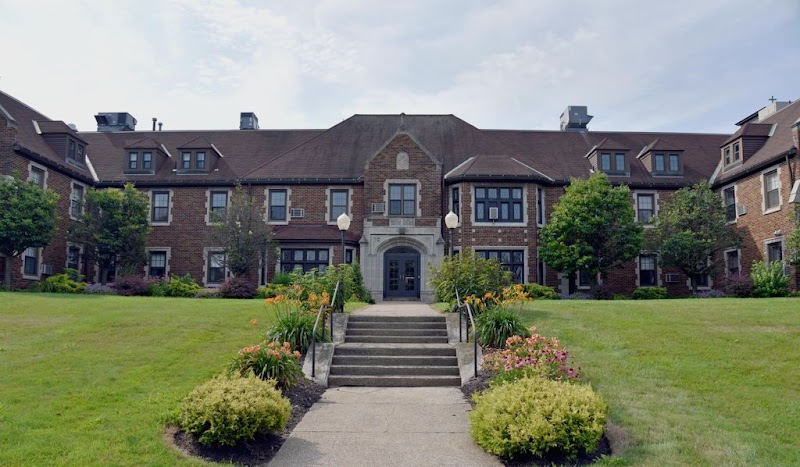
How is Nightingale Nursing And Rehab Center Staffed?

CMS rates NIGHTINGALE NURSING AND REHAB CENTER's staffing level at 3 out of 5 stars, which is average compared to other nursing homes. Staff turnover is 58%, which is 12 percentage points above the Pennsylvania average of 46%. High turnover can affect care consistency as new staff learn residents' individual needs. RN turnover specifically is 61%, which is notably high. RNs provide skilled clinical oversight, so turnover in this role can affect medical care quality.

What Have Inspectors Found at Nightingale Nursing And Rehab Center?

State health inspectors documented 14 deficiencies at NIGHTINGALE NURSING AND REHAB CENTER during 2022 to 2025. These included: 14 with potential for harm.
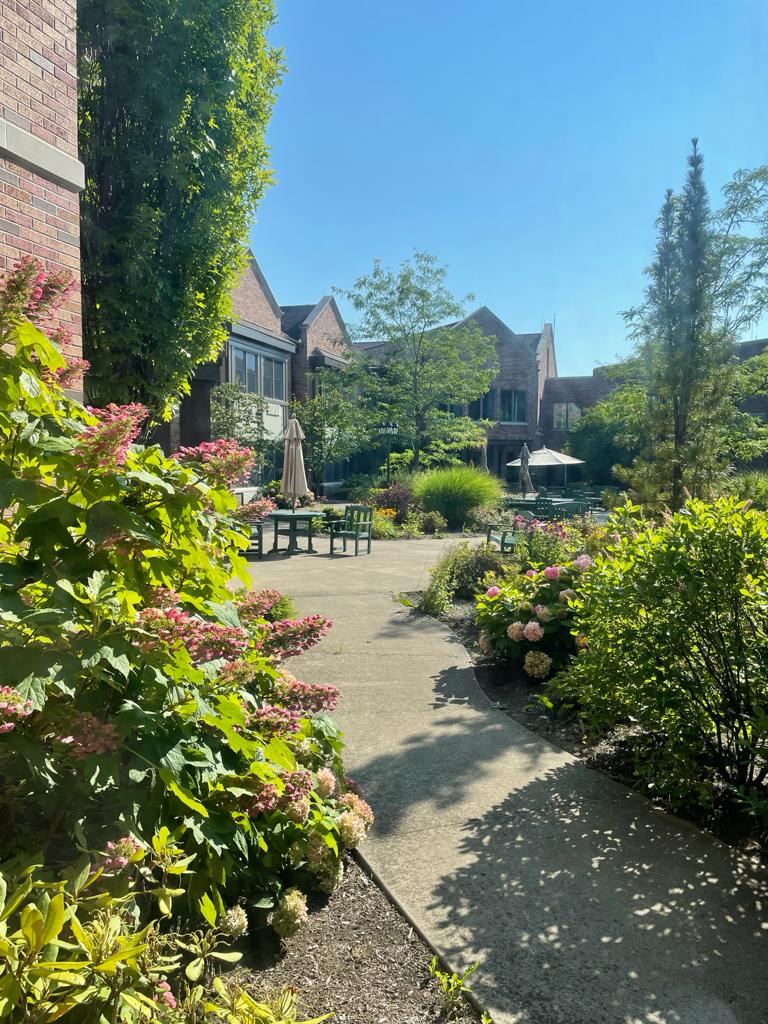
Who Owns and Operates Nightingale Nursing And Rehab Center?

NIGHTINGALE NURSING AND REHAB CENTER is owned by a for-profit company. For-profit facilities operate as businesses with obligations to shareholders or private owners. The facility operates independently rather than as part of a larger chain. With 139 certified beds and approximately 113 residents (about 81% occupancy), it is a mid-sized facility located in ERIE, Pennsylvania.
How Does Nightingale Nursing And Rehab Center Compare to Other Pennsylvania Nursing Homes?

Compared to the 100 nursing homes in Pennsylvania, NIGHTINGALE NURSING AND REHAB CENTER's overall rating (4 stars) is above the state average of 3.0, staff turnover (58%) is significantly higher than the state average of 46%, and health inspection rating (4 stars) is above the national benchmark.

What Should Families Ask When Visiting Nightingale Nursing And Rehab Center?

Based on this facility's data, families visiting should ask: "How do you ensure continuity of care given staff turnover, and what is your staff retention strategy?" "Can I visit during a mealtime to observe dining assistance and food quality?" "How do you handle medical emergencies, and what is your hospital transfer rate?" "Can I speak with family members of current residents about their experience?" These questions are particularly relevant given the facility's high staff turnover rate.

Is Nightingale Nursing And Rehab Center Safe?

Based on CMS inspection data, NIGHTINGALE NURSING AND REHAB CENTER has a clean safety record: no substantiated abuse findings (meaning no confirmed cases of resident harm), no Immediate Jeopardy citations (the most serious violation level indicating risk of serious injury or death), and is not on the Special Focus Facility watch list (a federal program monitoring the lowest-performing 1% of nursing homes). The facility has a 4-star overall rating and ranks #1 of 100 nursing homes in Pennsylvania. While no facility is perfect, families should still ask about staff-to-resident ratios and recent inspection results during their visit.

Do Nurses at Nightingale Nursing And Rehab Center Stick Around?

Staff turnover at NIGHTINGALE NURSING AND REHAB CENTER is high. At 58%, the facility is 12 percentage points above the Pennsylvania average of 46%. Registered Nurse turnover is particularly concerning at 61%. RNs handle complex medical decisions and coordinate care — frequent RN changes can directly impact care quality. High turnover means new staff may not know residents' individual needs, medications, or preferences. It can also be disorienting for residents, especially those with dementia who rely on familiar faces. Families should ask: What is causing the turnover? What retention programs are in place? How do you ensure care continuity during staff transitions?

Was Nightingale Nursing And Rehab Center Ever Fined?

NIGHTINGALE NURSING AND REHAB CENTER has been fined $6,292 across 2 penalty actions. This is below the Pennsylvania average of $33,142. While any fine indicates a compliance issue, fines under $50,000 are relatively common and typically reflect isolated problems that were subsequently corrected. Families should ask what specific issues led to these fines and confirm they've been resolved.

Is Nightingale Nursing And Rehab Center on Any Federal Watch List?

NIGHTINGALE NURSING AND REHAB CENTER is not on any federal watch list. The most significant is the Special Focus Facility (SFF) program, which identifies the bottom 1% of nursing homes nationally based on persistent, serious quality problems. Not being on this list means the facility has avoided the pattern of deficiencies that triggers enhanced federal oversight. This is a positive indicator, though families should still review the facility's inspection history directly.