TWINBROOK HEALTHCARE AND REHABILITATION CENTER
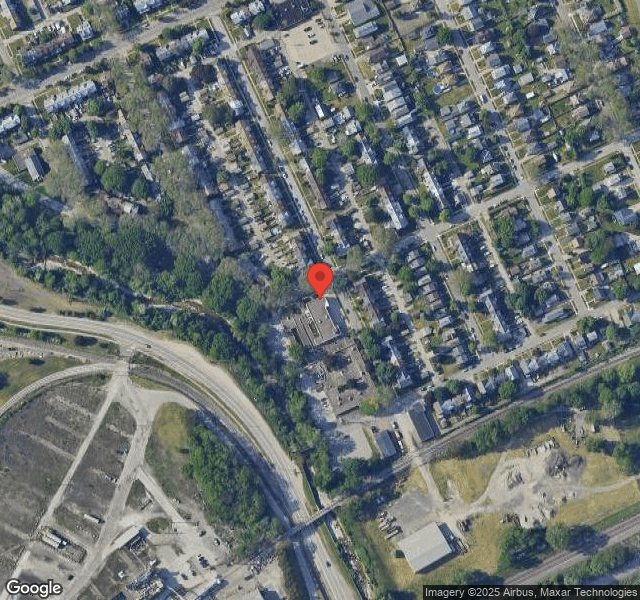

3805 FIELD STREET, ERIE, PA 16511 (814) 898-5600
For profit - Limited Liability company 118 Beds POLLAK HOLDINGS Data: November 2025
Trust Grade
40/100
#640 of 653 in PA
Last Inspection: April 2025

Within standard 12-15 month inspection cycle. Federal law requires annual inspections.

Overview

Twinbrook Healthcare and Rehabilitation Center has a Trust Grade of D, which indicates that the facility is below average and has some concerns that need attention. It ranks #640 out of 653 nursing homes in Pennsylvania, placing it in the bottom half of facilities in the state, and is the lowest-ranked option in Erie County. Although the facility is improving, with issues decreasing from 12 in 2024 to 11 in 2025, it still faces significant challenges. Staffing is rated average with a turnover rate of 46%, which is on par with the state average, and it has no fines, indicating compliance with regulations. However, there are concerns, such as inadequate RN coverage compared to 91% of facilities, and specific incidents like not maintaining proper dishwashing temperatures for food safety, failing to have enough skilled staff for nursing services, and not following infection control practices, which could increase risks for residents.

Trust Score
D
40/100
In Pennsylvania
#640/653
Bottom 2%
Safety Record
Low Risk
No red flags
Inspections
Getting Better
12 → 11 violations
Staff Stability
⚠ Watch
46% turnover. Above average. Higher turnover means staff may not know residents' routines.
Penalties
✓ Good
No fines on record. Clean compliance history, better than most Pennsylvania facilities.
Skilled Nurses
⚠ Watch
Each resident gets only 24 minutes of Registered Nurse (RN) attention daily — below average for Pennsylvania. Fewer RN minutes means fewer trained eyes watching for problems.
Violations
⚠ Watch
34 deficiencies on record. Higher than average. Multiple issues found across inspections.
★☆☆☆☆
1.0
Overall Rating
★★★☆☆
3.0
Staff Levels
★☆☆☆☆
1.0
Care Quality
★★☆☆☆
2.0
Inspection Score
Stable
2024: 12 issues
2025: 11 issues

The Good

  • Full Sprinkler Coverage · Fire safety systems throughout facility
  • No fines on record

Facility shows strength in fire safety.

The Bad

1-Star Overall Rating

Below Pennsylvania average (3.0)

Significant quality concerns identified by CMS

Staff Turnover: 46%

Near Pennsylvania avg (46%)

Higher turnover may affect care consistency

Chain: POLLAK HOLDINGS

Part of a multi-facility chain

Ask about local staffing decisions and management

The Ugly 34 deficiencies on record

Jun 2025 1 deficiency
CONCERN (E) 📢 Someone Reported This

A family member, employee, or ombudsman was alarmed enough to file a formal complaint

Potential for Harm - no one hurt, but risky conditions existed

Deficiency F0725 (Tag F0725)

Could have caused harm · This affected multiple residents

Based on review of facility policy, facility documents, and clinical records, and staff interviews, it was determined that the facility failed to have sufficient staff with the appropriate skill sets ...

Read full inspector narrative →
Based on review of facility policy, facility documents, and clinical records, and staff interviews, it was determined that the facility failed to have sufficient staff with the appropriate skill sets to provide nursing services. Findings include: A facility policy entitled Nursing Services and Sufficient Staff dated 11/8/24, indicated, The facility will supply services by sufficient numbers of each of the following personnel types on a 24-hour basis to provide nursing care to all residents in accordance with resident care plans . Providing care includes, but is not limited to, assessing, evaluating, planning and implementing resident care plans and responding to resident's needs. Review of Resident R1's clinical record and documentation for 5/25/25, revealed that Resident R1 was ordered an enteral feeding (method of providing nutrition directly to the stomach through a tube) to be started at 4:00 p.m. and Lispro Insulin (medication to control blood sugar levels) before meals. The May 2025 Medication Administration Record (MAR) revealed that the feeding was not started until 9:42 p.m. and the Lispro Insulin ordered before dinner at 5:00 p.m. was not administered until 9:42 p.m. Review of Resident R2's clinical record and documentation for 5/25/25, revealed that Resident R2 was ordered an enteral feeding to be started at 4:00 p.m. The May 2025 MAR revealed that the feeding was not started until 10:24 p.m. Review of Resident R3's clinical record and documentation for 5/25/25, revealed that Resident R3 was ordered an enteral feeding to be started at 6:00 p.m. The May 2025 MAR indicated the feeding was not started until 7:46 p.m. During an interview with Registered Nurse (RN) Employee E1 on 5/29/25, at 12:05 p.m. revealed that on 5/25/25, at the time of shift change he/she was the only nurse for the 3:00 p.m.-11:00 p.m. shift from 4:00 p.m. to 7:00 p.m. and he/she was responsible for all the medication cart keys. RN Employee E1 confirmed that there was a significant delay in medication administration times related to short staffing. During an interview with Licensed Practical Nurse (LPN) Employee E2 on 5/29/25, at 11:45 a.m. revealed that there were concerns with staffing levels on 5/25/25. He/she confirmed that there was not enough nursing staff in the facility on 5/25/25, which caused a significant delay in medication administration. Staff Interview conducted with LPN Employee E3 on 5/29/25, at 11:25 a.m. revealed that on 5/25/25, he/she worked the 7:00 a.m.-3:00 p.m. shift and during shift change for the 3:00 p.m.-11:00 p.m. shift there was only one nurse for the entire building. He/she confirmed that there was a significant delay in medication administration times related to short staffing. During an interview on 6/11/25, at approximately 1:50 p.m. the Nursing Home Administrator confirmed that the facility's nursing staff shortages on 5/25/25, led to a significant delay in medication administration for Resident R1 and a delay starting enteral feedings for Residents R1, R2, and R3. 28 Pa. Code 201.14(a) Responsibility of licensee 28 Pa. Code 211.12(d)(1)(4)(5) Nursing services 28 Pa. Code 211.12 (f.1)(4) Nursing services
Apr 2025 10 deficiencies
CONCERN (D)

Potential for Harm - no one hurt, but risky conditions existed

Deficiency F0578 (Tag F0578)

Could have caused harm · This affected 1 resident

**NOTE- TERMS IN BRACKETS HAVE BEEN EDITED TO PROTECT CONFIDENTIALITY** Based on review of clinical records and staff interview, it was determined that the facility failed to assure physician orders a...

Read full inspector narrative →
**NOTE- TERMS IN BRACKETS HAVE BEEN EDITED TO PROTECT CONFIDENTIALITY** Based on review of clinical records and staff interview, it was determined that the facility failed to assure physician orders and resident's Pennsylvania Order for Life Sustaining Treatment (POLST- a legal document specifying the resident/responsible party choices regarding life-sustaining treatments) were consistent for one of 24 residents reviewed (Resident R78). Findings include: Review of Resident R78's clinical record revealed an admission date of [DATE], with diagnoses that included dementia (a disease that affects short term memory and the ability to think logically), anxiety (a condition that causes a person to be nervous, uneasy, or worried about something or someone), and gastroesophageal reflux disease (a condition when stomach acid repeatedly flows back up into your throat). Review of Resident R78's POLST, revealed that POLST must be completed by a health care professional based on patient preferences and medical indicators or decisions by the patient or a surrogate, and must be signed by a physician/PA/CRNP and patient/surrogate . Resident R78's POLST revealed his/her name and birthdate, the POLST lacked evidence of his/her and/or his/her representative's advance directive wishes. Review of Resident R78's clinical record revealed an order for Cardiopulmonary Resuscitation (CPR-emergency life-saving procedure that is done when breathing or a heartbeat has stopped and when performed immediately can double or triple chances of survival after cardiac arrest)- Full Code. Further review of Resident R78's clinical record revealed other than an order for a Full Code, there was no evidence he/she and/or his/her representative was provided written information on advance directives or assisted with the opportunity to formulate advance directives regarding life sustaining treatment regarding his/her health care. During an interview on [DATE], at 10:15 a.m. Registered Nurse (RN) Employee E7 revealed that during an emergent situation the staff refer to resident's paper chart to determine resident life sustaining wishes. RN Employee E7 confirmed that Resident R78's POLST lacked evidence reflecting his/her and/or his/her representative's wishes. RN Employee E7 also confirmed that Resident R78's POLST should have been filled out and signed by the physician to reflect his/her current wishes. 28 Pa. Code 201.18 (b)(1) Management 28 Pa. Code 201.29(a) Resident rights 28 Pa. Code 211.5(f)(i) Medical records 28 Pa. Code 211.10(c) Resident care policies
CONCERN (D)

Potential for Harm - no one hurt, but risky conditions existed

Safe Environment (Tag F0584)

Could have caused harm · This affected 1 resident

**NOTE- TERMS IN BRACKETS HAVE BEEN EDITED TO PROTECT CONFIDENTIALITY** Based on review of facility policy, observations, and resident and staff interview, it was determined that the facility failed t...

Read full inspector narrative →
**NOTE- TERMS IN BRACKETS HAVE BEEN EDITED TO PROTECT CONFIDENTIALITY** Based on review of facility policy, observations, and resident and staff interview, it was determined that the facility failed to maintain a clean and sanitary resident room for three of three rooms (rooms [ROOM NUMBER]). Findings include: Review of facility policy entitled Maintenance Service dated 11/8/24, indicated The maintenance department is responsible for maintaining the building, grounds, and equipment in a safe and operable manner at all times. and Maintaining the building in good repair and free from hazards. Review of facility policy entitled Safe and Homelike Environment dated 11/8/24, indicated Housekeeping and maintenance services will be provided as necessary to maintain a sanitary, orderly, and comfortable environment. Observations on 4/22/25, at 2:00 p.m. and again on 4/23/25, at 9:45 a.m. in rooms [ROOM NUMBERS] revealed in room [ROOM NUMBER] a black substance on the wall where the paint had lifted next to the bottom corners of the window sill. Observation of room [ROOM NUMBER] revealed a black substance on the wall in the corners of the window sill and also a black substance on the wall below the window. Further observations in room [ROOM NUMBER] revealed a large area of the wall below the window had the paint peeling off. During an interview on 4/23/25, at 9:55 a.m. with the Maintenance Director, he/she confirmed there was a black substance next to the corners of the windows and on the wall in rooms [ROOM NUMBERS]. He/she confirmed that the paint on the wall in room [ROOM NUMBER] was peeling off. He/she also confirmed that the black substance should not be on the walls and the paint should not be peeling off the wall. During an interview with Resident R65, he/she expressed that his/her bathroom sink has not drained since he/she was admitted in March. He/she expressed that they have to go to another room to get washed up in the morning because the sink in his/her bathroom will not drain. Observations on 4/23/25, at 8:00 a.m. on 4/24/25, at 1:00 p.m. and again on 4/25/25, at 8:55 a.m. of room [ROOM NUMBER]'s bathroom revealed the sink was full of water and not draining. Under the sink was a line of a brown substance running down the wall to the floor. The wall and floor tile under the sink and over to the toilet had a bubbled appearance. During an interview on 4/25/25, at 9:40 a.m. with the Maintenance Director, he/she confirmed that room [ROOM NUMBER]'s bathroom sink was not draining. He/she also confirmed that there was a brown substance running down the wall under the sink and that the wall and floor under the sink and over to the toilet had a bubbled appearance. He/she also confirmed that the sink should drain appropriately, and the wall and floor should not have a bubbling appearance. 28 Pa. Code 201.14 (a) Responsibility of Licensee
CONCERN (D)

Potential for Harm - no one hurt, but risky conditions existed

Deficiency F0655 (Tag F0655)

Could have caused harm · This affected 1 resident

Based on review of facility policy and clinical records and staff interview, it was determined that the facility failed to provide a written summary of the baseline care plan and order summary to the ...

Read full inspector narrative →
Based on review of facility policy and clinical records and staff interview, it was determined that the facility failed to provide a written summary of the baseline care plan and order summary to the resident and/or representative for two of seven residents reviewed (Residents R59 and R92). Findings include: Review of facility policy entitled Care Plans-Baseline dated 11/8/24, revealed The resident and their representative will be provided a summary of the baseline care plan . Review of Resident R59's clinical record revealed an admission date of 6/7/24, with diagnoses that included diabetes (a health condition that caused by the body's inability to produce enough insulin), and hypertension (high blood pressure). Resident R59's clinical record lacked evidence that a written summary of the baseline care plan and order summary was provided to Resident R59 and/or his/her representative. Review of Resident R92's clinical record revealed an admission date of 11/4/24, with diagnoses that included diabetes, paraplegia (a condition where a person is paralyzed from the waist down), and hypertension. Resident R92's clinical record lacked evidence that a written summary of the baseline care plan and order summary was provided to Resident R92 and/or his/her representative. During an interview on 4/24/25, at 3:35 p.m. Registered Nurse Employee E7 confirmed that the clinical records of Residents R59 and R92 lacked evidence that a written summary of the baseline care plan and order summary were provided the resident and/or his/her representative upon admission to the facility. 28 Pa. Code 211.10(c)(d) Resident care policies 28 Pa. Code 201.18 (b)(1) Management
CONCERN (D)

Potential for Harm - no one hurt, but risky conditions existed

Comprehensive Care Plan (Tag F0656)

Could have caused harm · This affected 1 resident

**NOTE- TERMS IN BRACKETS HAVE BEEN EDITED TO PROTECT CONFIDENTIALITY** Based on review of facility policy and clinical records, and staff interview, it was determined that the facility failed to deve...

Read full inspector narrative →
**NOTE- TERMS IN BRACKETS HAVE BEEN EDITED TO PROTECT CONFIDENTIALITY** Based on review of facility policy and clinical records, and staff interview, it was determined that the facility failed to develop comprehensive care plans for one of 21 residents reviewed (Resident R92). Findings include: Review of facility policy entitled Care Plans, Comprehensive Person-Centered dated 11/8/24, revealed Assessments of residents are ongoing, and care plans are revised as information about the resident and the residents' condition change. Review of Resident R92's clinical record revealed an admission date of 11/4/24, with diagnoses that included diabetes (a health condition that caused by the body's inability to produce enough insulin), paraplegia (a condition where a person is paralyzed from the waist down), and hypertension (high blood pressure). Review of Resident R92's therapy Discharge summary dated [DATE], revealed Patient will safely wear a resting hand splint on left hand for up to 8 hours . Review of resident R92's physician's orders revealed an order dated 12/24/24, for patient to wear palm roll splint 4 hours in the a.m. and 4 hours in the p.m. for contracture management. Review of Resident R92's care plans revealed no evidence of a care plan for the resting hand splint/palm roll splint to left hand. During an interview on 4/25/25, at 11:18 a.m. with the Therapy Director he/she confirmed that Resident R92's plan of care lacked a care plan for resting hand splint/palm roll splint to left hand. He/she also confirmed that a care plan should have been developed for Resident R92's resting hand splint/palm roll splint to left hand. 28 Pa. Code 211.12(d)(1)(5) Nursing services 28 Pa. Code 211.10(c)(d) Resident care policies
CONCERN (D)

Potential for Harm - no one hurt, but risky conditions existed

Deficiency F0688 (Tag F0688)

Could have caused harm · This affected 1 resident

**NOTE- TERMS IN BRACKETS HAVE BEEN EDITED TO PROTECT CONFIDENTIALITY** Based on review of clinical records, observations, and staff interviews, it was determined that the facility failed to ensure th...

Read full inspector narrative →
**NOTE- TERMS IN BRACKETS HAVE BEEN EDITED TO PROTECT CONFIDENTIALITY** Based on review of clinical records, observations, and staff interviews, it was determined that the facility failed to ensure that a resident with limited range of motion received physician ordered treatment and services to prevent further decrease in range of motion for one of three residents reviewed (Resident R92). Findings include: Review of Resident R92's clinical record revealed an admission date of 11/4/24, with diagnoses that included diabetes (a health condition that caused by the body's inability to produce enough insulin), paraplegia (a condition where a person is paralyzed from the waist down), and hypertension (high blood pressure). Review of Resident R92's therapy Discharge summary dated [DATE], revealed Patient will safely wear a resting hand splint (a splint placed on the hand to help with contractures) on left hand for up to 8 hours . Review of Resident R92's physician's orders revealed an order dated 12/24/24, for patient to wear palm roll splint 4 hours in the a.m. and 4 hours in the p.m. for contracture management. Review of Resident R92's documentation lacked evidence that a palm roll splint was applied as ordered. Observations on 4/22/25, at 11:45 a.m. revealed Resident R92 laying in his/her bed with no palm roll splint to left hand; the palm roll splint was observed laying on Resident R92's bedside stand. Observations on 4/23/25, at 8:30 a.m., 11:25 a.m. and again at 12:50 p.m. revealed Resident R92 laying in his/her bed with no palm roll splint to left hand; the palm roll splint was observed laying on his/her bedside stand. Observations on 4/24/25, at 9:00 a.m. and 10:10 a.m. and again at 3:00 p.m. revealed Resident R92 laying in his/her bed with no palm roll splint to left hand; the palm roll splint was not observed to be in room. Observations on 4/24/25, at 3:40 p.m. revealed Resident R92 was sitting in his/her wheelchair outside with no palm roll splint to left hand. Observations on 4/25/25, at 8:55 a.m. and again at 9:45 a.m. revealed Resident R92 laying in his/her bed with no palm roll splint to left hand; the palm roll splint was not observed to be in the room. During an interview on 4/25/25, at 9:45 a.m. the Director of Nursing confirmed that Resident R92 did not have a palm roll splint on his/her left hand per physician's orders. He/she also confirmed that Resident R92 should have his/her palm roll splint to his/her left hand on per physician's orders. 28 Pa. Code 201.18 (b)(1) Management 28 Pa. Code 211.10 (d) Resident care policies 28 Pa. Code 211.12 (d)(1)(3)(5) Nursing services
CONCERN (D) 📢 Someone Reported This

A family member, employee, or ombudsman was alarmed enough to file a formal complaint

Potential for Harm - no one hurt, but risky conditions existed

Deficiency F0727 (Tag F0727)

Could have caused harm · This affected 1 resident

Based on review of facility documents and staff interview, it was determined that the facility failed to have a Director of Nursing (DON) working full-time of 35 hours per week in the building. Findin...

Read full inspector narrative →
Based on review of facility documents and staff interview, it was determined that the facility failed to have a Director of Nursing (DON) working full-time of 35 hours per week in the building. Findings include: Review of the facility deployment sheets documented that the DON was assigned to work as a charge nurse on 4/22/25, as a floor nurse 4/23/25, and worked on 4/25/25 as a charge nurse. During interview on 4/25/25, at approximately 1:40 p.m. the DON confirmed that he/she worked in the above capacities as documented on the deployment sheets rather than as the DON which did not meet the required hours to fulfill the DON full-time position. 28 Pa. Code 201.14(a) Responsibility of licensee 28 Pa. Code 211.12(b) Nursing services
CONCERN (D)

Potential for Harm - no one hurt, but risky conditions existed

Deficiency F0761 (Tag F0761)

Could have caused harm · This affected 1 resident

Based on review of facility policies, observations and staff interviews, it was determined that the facility failed to appropriately discard outdated medications for three of three medication carts re...

Read full inspector narrative →
Based on review of facility policies, observations and staff interviews, it was determined that the facility failed to appropriately discard outdated medications for three of three medication carts reviewed and one of three medication rooms reviewed (West, East One, and South medication carts and East One medication room). Findings include: Review of facility policy entitled Administering Medications dated 11/8/24, indicated The expiration/beyond use date on the medication label is checked prior to administering. When opening a multi-dose container, the date opened is recorded on the container. Review of manufacturer's guidelines revealed that an open pen of Lispro/Humalog Insulin must be used within 28 days after opening or be discarded. Review of manufacturer's guidelines revealed that an open pen of Lantus Insulin must be used within 28 days after opening or be discarded, even if the vial still contains insulin. Review of manufacturer's guidelines revealed that an open vial of Tubersol should be discarded within 30 days after opening. Observation of drug storage on 4/22/25, at 3:36 p.m. of the [NAME] medication cart revealed an open Lantus Insulin pen with no date indicating when the insulin pen was open. During an interview on 4/22/25, at the time of observation Licensed Practical Nurse (LPN) Employee E3 confirmed that the open Lantus insulin pen lacked an open date, and staff were unable to determine the discard date. He/she also confirmed that the insulin pen should have been discarded. Observation of drug storage on 4/22/25, at 3:46 p.m. of the South medication cart revealed an open Lantus Insulin pen with an open date of 3/15/25. During an interview on 4/22/25, at the time of observation LPN Employee E4 confirmed that the open Lantus insulin pen had an open date of 3/15/25. He/she also confirmed that the open date on the Lantus insulin pen was beyond the 28 days and should have been discarded. Observation of drug storage on 4/22/25, at 3:50 p.m. of the East One medication cart revealed an open Lantus Insulin pen, an open Lantus insulin vial, an open Lispro insulin vial and an open Humalog insulin pen with no dates indicating when the insulin pens and vials were open. During an interview on 4/22/25, at the time of observation LPN Employee E5 confirmed that the open Lantus and Humalog pens, and the open Lantus and Lispro insulin vials lacked open dates, and staff were unable to determine the discard dates. He/she also confirmed that the insulin pens and insulin vials should have been discarded. Observation of drug storage on 4/22/25, at 3:55 p.m. of the East One medication room revealed an open Lantus Insulin vial with no date indicating when the insulin vial was open. Further observations revealed an opened vial of Tubersol (a solution used for tuberculosis testing upon admission and employment) dated 3/5/25. During an interview on 4/22/25, at the time of observation LPN Employee E6 confirmed that the open Lantus insulin vial lacked an open date, and staff were unable to determine the discard date. He/she also confirmed that the open date on the Tubersol vial was beyond the 28 days and that the insulin vial and Tubersol vial should have been discarded. 28 Pa. Code 201.18(b)(1) Management 28 Pa. Code 211.9(a)(1) Pharmacy services 28 Pa. Code 211.12(d)(1) Nursing services
CONCERN (E)

Potential for Harm - no one hurt, but risky conditions existed

Infection Control (Tag F0880)

Could have caused harm · This affected multiple residents

**NOTE- TERMS IN BRACKETS HAVE BEEN EDITED TO PROTECT CONFIDENTIALITY** Based on review of facility policies, observations, and staff interviews, it was determined that the facility failed to follow a...

Read full inspector narrative →
**NOTE- TERMS IN BRACKETS HAVE BEEN EDITED TO PROTECT CONFIDENTIALITY** Based on review of facility policies, observations, and staff interviews, it was determined that the facility failed to follow acceptable infection control practices regarding enhanced barrier precautions (EBP) for five of five resident units (South East, South, West, East One and East Two units). The facility also failed to prevent the potential for cross-contamination during medication administration and completion of a wound dressing change for two of 21 residents reviewed (Residents R81 and Resident R92). Findings include: A facility policy entitled, Transmission-Based Precautions and Isolation Policy, dated 11/8/24, revealed Enhanced Barrier Precautions (EBP) - EBP are intended to prevent transmission of multi-drug resistant organisms (MDROs) via contaminated hands and clothing of healthcare workers to high risk residents. EBP are indicated for high contact care activities for residents with chronic wounds and indwelling devices (such as central lines, urinary catheters, and tracheostomy) and for all those colonized or infected with a MDRO currently targeted by the CDC. Other MDROs may be included at the discretion of the facility Infection Control Committee unless required by state guidance. A facility policy entitled, Clean Dressing Change, dated 11/8/24, indicated that staff should wash hands and place clean gloves on prior to the procedure and to remove gloves after removing the exisiting dressing and wash hands and place clean gloves to cleanse the wound. Review of facility policy entitled Administering Medications dated 11/8/24, indicated Staff follows established facility infection control procedures . for the administration of medications . Observations on 4/23/25, at 9:35 a.m. revealed Licensed Practical Nurse (LPN) Employee E2 completing a wound dressing change in Resident R81's room without donning (putting on) a gown. An interview on 4/23/25, at 11:10 a.m. with Registered Nurse (RN) Employee E8 confirmed the LPN should have donned the appropriate Personal Protective Equipment (PPE), gowns and gloves, prior to entering Resident R81's room to provide the wound care due to Resident R81 being in EBP for having a chronic stage three (full thickness loss of skin) right side of foot pressure ulcer. Observations during the dressing change revealed that LPN Employee E2 failed to wash hands prior to the procedure and then removed the dirty dressing from Resident 81's right foot and failed to change gloves and wash hands after removing the soiled dressing. An interview with LPN Employee E2 at the time of the observation, confirmed that he/she did not follow EBP by donning a gown and also failed to wash hands prior and change gloves and wash hands after removing the soiled dressing Observations on 4/22/25, at 12:45 p.m. and 4/23/25, at 9:35 a.m., revealed no PPE available at the doorway or in the hallways for EBP for room [ROOM NUMBER] (resident with a foley catheter-tubing entering the bladder to drain urine), room [ROOM NUMBER] (resident with chronic wound), room [ROOM NUMBER] (resident with tube feeding-a medical device that delivers nutrition directly into the stomach), room [ROOM NUMBER] (resident with suprapubic catheter and chronic wound), room [ROOM NUMBER] (resident with a tube feeding), room [ROOM NUMBER] (resident with a tube feeding), room [ROOM NUMBER] (resident with a tube feeding), room [ROOM NUMBER] (resident with a wound), room [ROOM NUMBER] (resident with a PICC line-a long thin tube inserted into a vein to deliver medications) and room [ROOM NUMBER] (resident with a dialysis perma cath-a catheter placed for dialysis treatment). During an interview on 4/23/25, at 11:10 a.m. RN Employee E8 confirmed that employees should be wearing appropriate PPE, such as gloves and gowns, when providing care for residents who are in EBP, and the PPE should be readily available and proper signage should be posted to alert staff that the resident is in EBP. Observations during medication administration on 4/23/25, between 8:00 a.m. and 8:15 a.m. for Resident R92 revealed LPN Employee E1 preparing medications for Resident R92. LPN Employee E1 placed gloves on his/her hands, he/she then proceeded to place one medication at a time into his/her hand and placed the medication into the medication cup. In between each medication he/she touched the medication cart, medication cards, medication bottles, garbage can and touched his/her head while wearing the same gloves. Further observations revealed LPN Employee E1 dropped a medication on top of the medication cart and another medication into the drawer of the medication cart he/she proceeded to pick the medications up and placed them into the medication cup. During an interview on 4/23/25, at the time of observations with LPN Employee E1, he/she confirmed that he/she placed medications into his/her hand after touching several items and not changing his/her gloves. He/she also confirmed that he/she should not place medications into his/her hand after touching several items without changing his/her gloves. 28 Pa. Code 211.10(c) Resident care policies 28 Pa. Code 211.12(d)(1)(5) Nursing services
CONCERN (F)

Potential for Harm - no one hurt, but risky conditions existed

Food Safety (Tag F0812)

Could have caused harm · This affected most or all residents

Based on observations, review of dishwashing machine manufacturer's instructions, and staff interviews, it was determined that the facility failed to maintain dishwashing machine water temperatures in...

Read full inspector narrative →
Based on observations, review of dishwashing machine manufacturer's instructions, and staff interviews, it was determined that the facility failed to maintain dishwashing machine water temperatures in accordance with manufacturer recommendations for food service safety for the kitchen dishwasher. Findings include: Review of manufacturer's instructions for the facility dishwashing machine revealed that the hot water sanitizing mode minimum wash temperature and recommended wash temperature was 150-165 degrees Farenheit (F). The rinse temperature was 180-194 degrees F. Review of the Dishwashing/Warewashing machine temperature log sheet revealed that the minimum temperature requirements for the wash cycle was: Wash 150 degrees F and the Rinse 180 degrees F. If temperatures were below standard, the person in charge was notified and dismachine was stopped. Observations of the dishwashing machine operation on 4/25/2025, at 10:10 a.m. in the kitchen dishroom, in the presence of the Dietary Manager, revealed a dishwasher temperature of 152-154 degrees F during the wash cycle and 166-168 degrees F on the rinse cycle. Dietary Manager confirmed, at the time of observation, that the rinse cycle was lower than the required 180 degrees F. Review of dishwasher temperature log for the kitchen for the month of April 2025 revealed that the kitchen dishwashing machine temperatures were not logged for the evening shift for dishwasher temperatures of the wash and rinse cycles for the entire month of April 2025. During an interview on 4/25/2025, at 10:15 a.m. the Dietary Manager confirmed that dishwashing machine temperatures are supposed to meet the 150 degrees F during the wash cycle and 180 degrees during the rinse cycle. Staff should record their readings on the dishwasher temperature log and are to inform management and maintenance if the dishwashing machines do not meet the required temperatures for wash and rinse cycles. 28 Pa. Code 201.14(a) Responsibility of licensee 28 Pa. Code 201.18(b)(1) Management
MINOR (C) 📢 Someone Reported This

A family member, employee, or ombudsman was alarmed enough to file a formal complaint

Minor Issue - procedural, no safety impact

Staffing Information (Tag F0732)

Minor procedural issue · This affected most or all residents

Based on observations and staff interview, it was determined that the facility failed to ensure that the required nursing staffing information was posted on a daily basis. Findings include: Observatio...

Read full inspector narrative →
Based on observations and staff interview, it was determined that the facility failed to ensure that the required nursing staffing information was posted on a daily basis. Findings include: Observations on 4/25/25 at 10:46 a.m. revealed that the daily staffing posting was not publicly posted in the facility. During interview at the time of the observation, the lack of the posting was confirmed by the Director of Nursing. 28 Pa. Code 201.14 (a) Responsibility of Licensee
Dec 2024 3 deficiencies
CONCERN (D) 📢 Someone Reported This

A family member, employee, or ombudsman was alarmed enough to file a formal complaint

Potential for Harm - no one hurt, but risky conditions existed

Safe Environment (Tag F0584)

Could have caused harm · This affected 1 resident

Based on observations, review of facility policy, and staff interview, it was determined that the facility failed to maintain a homelike environment for one of nine residents reviewed (Resident R5). F...

Read full inspector narrative →
Based on observations, review of facility policy, and staff interview, it was determined that the facility failed to maintain a homelike environment for one of nine residents reviewed (Resident R5). Findings include: Review of a facility policy entitled Safe and Homelike Environment dated 11/08/24, revealed Housekeeping and maintenance services will be provided as necessary to maintain a sanitary, orderly, and comfortable environment. Observation of Resident R5's room on 12/22/24, at approximately 10:30 a.m. revealed the baseboard heating system was detaching from the wall creating a noticeable gap between the baseboard heating system and the wall. During an interview on 12/22/24, at approximately 1:08 p.m. the Director of Nursing confirmed that the gap between the baseboard heating system and the wall was not homelike and should have been repaired or replaced. 28 Pa. Code 201.18 (e)(2.1) Management 28 Pa. Code 201.14(a) Responsibility of licensee
CONCERN (E) 📢 Someone Reported This

A family member, employee, or ombudsman was alarmed enough to file a formal complaint

Potential for Harm - no one hurt, but risky conditions existed

Quality of Care (Tag F0684)

Could have caused harm · This affected multiple residents

Based on review of facility policy, clinical records, and staff interview, it was determined that the facility failed to follow physician's orders related to laboratory blood draws for three of the fo...

Read full inspector narrative →
Based on review of facility policy, clinical records, and staff interview, it was determined that the facility failed to follow physician's orders related to laboratory blood draws for three of the four residents reviewed for laboratory testing (Residents R1, R2, and R3). Findings include: Review of a facility policy entitled, Provision of Physician Ordered Services dated 11/08/24, revealed Facility will maintain a schedule of diagnostic tests (laboratory and radiology) in accordance with the physician's orders. Review of Resident R1's clinical record revealed an admission date of 7/31/24, with diagnoses that included chronic obstructive pulmonary disease (COPD-a group of lung diseases that make it difficult to breath), muscle weakness, and respiratory failure. Review of Resident R1's clinical record revealed a physician's order dated 12/18/24, for a follow-up Comprehensive Metabolic Panel (CMP-a group of laboratory tests that measure various substances in the blood to assess overall health and detect potential medical conditions) and a Complete Blood Count (CBC) with differential (a blood test that measures the number and types of various blood cells) to be obtained on 12/19/24. Resident R1's clinical record revealed the CBC was drawn on 12/20/24, and lacked evidence that the CMP was drawn. Review of Resident R2's clinical record revealed an admission date of 2/08/22, with diagnoses that included COPD, respiratory failure, and dementia (a group of memory, thinking, and social symptoms that interfere with daily living). Review of Resident R2's clinical record revealed a physician's order dated 10/20/24, for a routine potassium level to be obtained on every first and third Monday of the month. Resident R2's clinical record lacked evidence that the potassium level blood draws were collected as ordered by the physician in December 2024. Review of Resident R3's clinical record revealed an admission date of 6/07/24, with diagnoses that included type 2 diabetes (condition where the body does not make enough insulin), muscle weakness, and lack of coordination. Review of Resident R3's clinical record revealed a physician's order dated 12/18/24, for a routine CMP and CBC with differential to be obtained on 12/19/24. Resident R3's clinical record lacked evidence that the CMP and CBC with differential were collected as ordered by the physician. During an interview on 12/22/24, at approximately 1:00 p.m. the Director of Nursing confirmed that Residents R1, R2, and R3's laboratory blood draws listed above were not obtained as ordered by the physician. 28 Pa. Code 201.14(a) Responsibility of licensee 28 Pa. Code 201.18(e)(1) Management 28 Pa. Code 211.12(d)(1)(3)(5) Nursing services
CONCERN (E) 📢 Someone Reported This

A family member, employee, or ombudsman was alarmed enough to file a formal complaint

Potential for Harm - no one hurt, but risky conditions existed

Laboratory Services (Tag F0770)

Could have caused harm · This affected multiple residents

Based on review of facility policy, clinical records, and facility documents, observations, and staff interview, it was determined that the facility failed to ensure an organized system and adequate s...

Read full inspector narrative →
Based on review of facility policy, clinical records, and facility documents, observations, and staff interview, it was determined that the facility failed to ensure an organized system and adequate supplies were in place for timely and accurate laboratory services for four of four residents reviewed for laboratory testing (Residents R1, R2, R3, and R4). Findings include: Review of a facility policy entitled, Laboratory Services and Reporting dated 11/08/24, revealed The facility must provide or obtain laboratory services to meet the needs of its residents. The facility is responsible for the timeliness of the services. Should the facility provide its own laboratory services, the services must meet the applicable requirement for laboratories. Observations made on 12/22/24, at approximately 10:45 a.m. in the laboratory supply room revealed the facility lacked adequate supplies to obtain laboratory blood draws in-house. Review of Resident R1's clinical record revealed an admission date of 7/31/24, with diagnoses that included chronic obstructive pulmonary disease (COPD-a group of lung diseases that make it difficult to breath), muscle weakness, and respiratory failure. Review of Resident R1's clinical record revealed a physician's order dated 12/18/24, for a follow-up Comprehensive Metabolic Panel (CMP-a group of laboratory tests that measure various substances in the blood to assess overall health and detect potential medical conditions) and a Complete Blood Count (CBC) with differential (a blood test that measures the number and types of various blood cells) to be obtained on 12/19/24. Resident R1's clinical record revealed the CBC was drawn on 12/20/24, and lacked evidence that the CMP was drawn. Review of facility documents (laboratory binder) on 12/22/24, at approximately 11:00 a.m. revealed a laboratory order sheet for Resident R1 which was incomplete. Review of Resident R2's clinical record revealed an admission date of 2/08/22, with diagnoses that included COPD, respiratory failure, and dementia (a group of memory, thinking, and social symptoms that interfere with daily living). Review of Resident R2's clinical record revealed a physician's order dated 10/20/24, for a routine potassium level to be obtained on every first and third Monday of the month. Resident R2s clinical record lacked evidence that the potassium level blood draws were collected as ordered by the physician in December 2024. Review of facility documents (laboratory binder) on 12/22/24, at approximately 11:00 a.m. revealed a laboratory order sheet for Resident R2 which was incomplete. Review of Resident R3's clinical record revealed an admission date of 6/07/24, with diagnoses that included type 2 diabetes (condition where the body does not make enough insulin), muscle weakness, and lack of coordination. Review of Resident R3's clinical record revealed a physician's order dated 12/18/24, for a routine CMP and CBC with differential to be obtained on 12/19/24. Resident R3's clinical record lacked evidence that the CMP and CBC with differential were collected as ordered by the physician. Review of facility documents (laboratory binder) on 12/22/24, at approximately 11:00 a.m. revealed a laboratory order sheet for Resident R3 which was incomplete. Review of Resident R4's clinical record revealed an admission date of 3/09/24, with diagnoses that included type 2 diabetes, muscle weakness, and cognitive communication deficit (difficulty communicating effectively related to impairments). Review of Resident R4's clinical record revealed a routine order for Thyroid Stimulating Hormone (TSH-measures how the thyroid is working), Cortisol level (measures the amount of cortisol in the blood), Basic Metabolic Panel (BMP-blood test that measures several key substances in the blood), CBC with differential, and a CMP were drawn on 12/09/24, and sent to Associated Clinical Laboratories (ACL). ACL then requested a redraw for the routine Adrenocorticotropic Hormone (ACTH-test to monitor the pituitary and adrenal glands) and B-type natriuretic peptide (BNP-monitors the level of the hormone called BNP in the blood) to be completed on 12/10/24. Resident R4's clinical record lacked evidence of the redraw for the ACTH and BNP being completed. Review of facility documents (laboratory binder) on 12/22/24, at approximately 11:00 a.m. revealed a laboratory order sheet dated 12/10/24, for Resident R4's redraw related to the ACTH and BNP was incomplete. During an interview on 12/22/24, at approximately 1:00 p.m. the Director of Nursing confirmed that Residents R1, R2, R3, and R4's laboratory blood draws listed above were not obtained in a timely and/or accurate manner related to the facilities absence of an organized laboratory system and insufficient laboratory supplies. 28 Pa. Code 201.14(a) Responsibility of licensee 28 Pa. Code 201.18(e)(1) Management 28 Pa. Code 211.12(d)(1)(3)(5) Nursing services
Oct 2024 1 deficiency
CONCERN (E) 📢 Someone Reported This

A family member, employee, or ombudsman was alarmed enough to file a formal complaint

Potential for Harm - no one hurt, but risky conditions existed

Deficiency F0711 (Tag F0711)

Could have caused harm · This affected multiple residents

Based on review of facility policy and clinical records and staff interview, it was determined that the facility failed to ensure that physicians wrote, signed, and dated progress notes at required vi...

Read full inspector narrative →
Based on review of facility policy and clinical records and staff interview, it was determined that the facility failed to ensure that physicians wrote, signed, and dated progress notes at required visits for six of six residents reviewed (Residents R1, R2, R3, R4, R5, and R6). Findings include: A facility policy entitled, Attending Physician Documentation Responsibility revealed: the attending physician will seek, provide, and analyze information regarding a resident's current status, recent history, medications, and treatments to enable safe, effective continuing care and to support facility compliance with regulations and care standards; and at each visit, the attending physician will provide a progress note (written, typed, or electronic) in a timely manner for placement in the medical record; the note should either be written or entered at the time of the visit or, if dictated or otherwise prepared after the visit, should be returned to the facility for placement on the chart within 30 days of the visit. Resident R1's clinical record revealed an admission date of 7/10/24, with diagnoses including dementia, Alzheimer's disease (brain disorder that gradually damages nerve cells and destroys memory and thinking skills), delirium (medical condition that causes a sudden change in mental state, resulting in confusion, disorientation, and an inability to think clearly), hallucinations, and cognitive communication deficit (difficulty paying attention to a conversation, staying on topic, remembering information, responding accurately, understanding jokes or metaphors, or following directions). Further review of Resident R1's clinical record revealed evidence of a physician's visit progress note reflecting Resident R1's current status, recent history, medications, and treatments dated 7/11/24, and was not provided to the facility until 8/16/24, or 36 days from the date of the physician's visit. Resident R2's clinical record revealed an original admission date of 6/03/24, with diagnoses including anorexia (eating disorder that involves severe calorie restriction and often a low body weight), malnutrition, esophageal obstruction, seizures, and adult failure to thrive (syndrome that describes a state of decline in older adults that can include weight loss, malnutrition, and disability). Further review of Resident R2's clinical record revealed evidence of a physician's visit progress note reflecting Resident R2's current status, recent history, medications, and treatments dated 8/02/24, and was not provided to the facility until 9/06/24, or 35 days from the date of the physician's visit. Resident R3's clinical record revealed an admission date of 9/12/24, with diagnoses including stroke with right-sided weakness, Type 2 Diabetes (condition that happens because of a problem in the way the body regulates and uses sugar as a fuel), respiratory failure, abnormal heartbeat, and bacterial pneumonia (inflammation and fluid in your lungs caused by a bacterial infection). Further review of Resident R3's clinical record revealed evidence of a physician's visit progress note reflecting Resident R3's current status, recent history, medications, and treatments dated 6/06/24, and was not provided to the facility until 7/27/24, or 51 days from the date of the physician's visit. Resident R4's clinical record revealed and admission date of 9/10/24, with diagnoses including Parkinson's disease (movement disorder of the nervous system that worsens over time), Type 2 Diabetes, stroke, difficulty swallowing, and altered mental status. Further review of Resident R4's clinical record lacked evidence of a physician's visit progress note reflecting Resident R4's current status, recent history, medications, and treatments as of 10/22/24, or 43 days since the date of admission. Resident R5's clinical record revealed an admission date of 2/26/23, with diagnoses including Type 2 Diabetes, Alzheimer's disease, paranoid personality disorder (mental condition in which a person has a long-term pattern of distrust and suspicion of others), and bipolar disorder (chronic mood disorder that causes intense shifts in mood, energy levels and behavior). Further review of Resident R5's clinical record revealed evidence of a physician's visit progress note reflecting Resident R5's current status, recent history, medications, and treatments dated 5/17/24, and was not provided to the facility until 7/06/24, or 50 days from the date of the physician's visit. Resident R6's clinical record revealed an admission date of 8/09/24, with diagnoses including metabolic encephalopathy (brain dysfunction caused by a chemical imbalance in the blood that affects the brain), cognitive communication deficit, dementia with psychotic disturbance (decline in thinking and problem-solving skills of dementia, as well as delusions or hallucinations of psychosis), and altered mental status. Further review of Resident R6's clinical record revealed evidence of a physician's visit progress note reflecting Resident R6's current status, recent history, medications, and treatments dated 8/13/24, and was not provided to the facility until 9/09/24, or 27 days from the date of the physician's visit. During an interview on 10/22/24, at 1:05 p.m. the Director of Nursing confirmed that the physician did not provide a written progress note of physician visits timely manner for placement in resident's medical records for the above identified residents. 28 Pa. Code 201.14(a) Responsibility of Licensee 28 Pa. Code 201.18(b)(1)(3) Management 28 Pa. Code 211.5(ii)(iv)(vii) Medical records
May 2024 8 deficiencies
CONCERN (D)

Potential for Harm - no one hurt, but risky conditions existed

Resident Rights (Tag F0550)

Could have caused harm · This affected 1 resident

Based on review of facility policy and clinical records, observations, and staff interview, it was determined that the facility failed to provide resident privacy and dignity regarding an exposed urin...

Read full inspector narrative →
Based on review of facility policy and clinical records, observations, and staff interview, it was determined that the facility failed to provide resident privacy and dignity regarding an exposed urinary catheter (a tube placed and held in the bladder to drain urine) bag for two of two residents reviewed for catheters (Residents R8 and R69). Findings include: Review of facility policy entitled, Indwelling Catheter Use and Storage dated 4/26/24, indicated Additional care practices include .keeping the catheter bag covered for resident's dignity and privacy. Review of Resident R8's clinical record revealed an admission date of 4/20/24, with diagnoses that included neuromuscular dysfunction of bladder (a condition when a person lacks bladder control due to the muscles and nerves that control the bladder not working properly), diabetes, and heart failure (a condition where the heart cannot supply the body with enough blood). Observation on 5/14/24, at 1:03 p.m. revealed Resident R8 was in his/her room laying in his/her bed with his/her urinary catheter drainage bag hanging on his/her bed frame. The urinary catheter drainage bag was visible from the hallway and lacked a privacy cover. Further observation on 5/14/24, at 3:15 p.m. revealed Resident R8's urinary catheter drainage bag continued to be hanging from his/her bed frame, visible from the hallway and lacking a privacy cover. Review of Resident R69's clinical record revealed an admission date of 2/27/24, with diagnoses that included diabetes, orthostatic hypotension (a condition when your blood pressure drops suddenly when you stand up making you feel dizzy or faint), and venous thrombosis (a blood clot that blocks the flow of blood). Observation on 5/14/24, at 1:03 p.m. revealed Resident R69 was in his/her room laying in his/her bed with his/her urinary catheter drainage bag hanging on his/her bed frame. The urinary catheter drainage bag was visible from the hallway and lacked a privacy cover. Further observation on 5/14/24, at 3:15 p.m. revealed Resident R69's urinary catheter drainage bag continued to be hanging from his/her bed frame, visible from the hallway and lacking a privacy cover. During an interview on 5/14/24, at 3:22 p.m. the Director of Nursing (DON), confirmed that Resident R8 and Resident R69's catheter drainage bags lacked privacy covers. He/she also confirmed that all catheter drainage bags should be covered to ensure resident privacy and dignity. 28 Pa. Code 201.14(a) Responsibility of licensee 28 Pa. Code 211.12(d)(1)(5) Nursing Services
CONCERN (D)

Potential for Harm - no one hurt, but risky conditions existed

Deficiency F0655 (Tag F0655)

Could have caused harm · This affected 1 resident

Based on review of facility policy and clinical record, and staff interview, it was determined that the facility failed to provide a written summary of the baseline care plan and order summary to the ...

Read full inspector narrative →
Based on review of facility policy and clinical record, and staff interview, it was determined that the facility failed to provide a written summary of the baseline care plan and order summary to the resident and/or representative for one of 20 residents reviewed (Resident R60). Findings include: A facility policy entitled, Baseline Care Plan dated 4/26/24, revealed A written summary of the baseline care plan shall be provided to the resident and representative in a language that the resident/representative can understand. The summary shall include at a minimum the following: a. The initial goals of the resident. b. A summary of the resident's medications and dietary instructions. c. Any services and treatments to be administered by the facility and personnel acting on behalf of the facility. Resident R60's clinical record revealed an admission date of 3/14/24, with diagnoses that included chronic respiratory failure, pneumonia (an infection in the lungs), and epileptic seizures (a sudden uncontrolled electric disturbance in the brain that can cause changes in behaviors and movements). R60's clinical record lacked evidence that a written summary of the baseline care plan and order summary was provided to Resident R60 and/or his/her representative. During an interview on 5/16/24, at 2:20 p.m. the Director of Nursing confirmed that the clinical record for Resident R60 lacked evidence that a written summary of the baseline care plan and order summary was provided to the resident and/or his/her representative upon admission to the facility. 28 Pa. Code 211.12(d)(1)(5) Nursing services
CONCERN (D)

Potential for Harm - no one hurt, but risky conditions existed

Deficiency F0697 (Tag F0697)

Could have caused harm · This affected 1 resident

Based on review of manufacturer's recommendations, facility policy, and clinical records, and staff interviews it was determined that the facility failed to ensure that pain management was provided to...

Read full inspector narrative →
Based on review of manufacturer's recommendations, facility policy, and clinical records, and staff interviews it was determined that the facility failed to ensure that pain management was provided to residents who require such services, consistent with professional standards of practice for one of 20 residents reviewed (Resident R19). Findings include: Review of manufacturer's recommendations for administering acetaminophen (Tylenol) included not to exceed six tablets in 24 hours. A facility policy entitled Medication Administration dated 4/26/24, indicated that medications will be administered as ordered and in accordance with manufacturer's specifications. Resident R19's clinical record revealed an admission date of 8/16/22, with diagnoses that included heart disease, irregular heartbeat, heart failure, and obstructive sleep apnea (condition that occurs when the throat muscles relax and block the airway). A physician's order dated 4/12/24, instructed staff to administer two acetaminophen 500 milligram (mg) tablets every four hours as needed for pain to Resident R19 (or up to 12 tablets 24 hours). Resident R19's clinical record revealed that he/she was administered acetaminophen 1,000 mg on 4/24/24, at 4:54 p.m. and 5:03 p.m., and on 4/25/24, at 4:46 p.m. and 5:22 p.m. During an interview on 5/16/24, at 1:50 p.m. the Director of Nursing confirmed that the physician's order for two acetaminophen 500 mg tablets every four hours exceeded the manufacturer's recommendations and staff incorrectly administered 1,000 mg of acetaminophen on 4/24/24, at 4:54 p.m. and 5:03 p.m., and on 4/25/24, at 4:46 p.m. and 5:22 p.m. 28 Pa. Code 211.12(d)(1)(3)(5) Nursing services
CONCERN (D)

Potential for Harm - no one hurt, but risky conditions existed

Pharmacy Services (Tag F0755)

Could have caused harm · This affected 1 resident

Based on a review of facility policy and clinical records, and staff interview, it was determined that the facility failed to implement procedures to promote accurate and safe disposition of controlle...

Read full inspector narrative →
Based on a review of facility policy and clinical records, and staff interview, it was determined that the facility failed to implement procedures to promote accurate and safe disposition of controlled medication records for one of three closed records reviewed (Resident CR94). Findings include: Review of the facility policy, entitled Disposal of Medications, dated 4/26/24, indicated, Controlled Substances listed in Schedules II, III, IV, and V remaining in the nursing care center after the order has been discontinued are retained in the nursing care center in a securely double locked area with restricted access until destroyed as outlined by state regulation. For the State of Pennsylvania, these controlled substances shall be disposed of by the nursing care center in the presence of appropriately titled professionals two licensed nurses employed by the nursing center. A controlled medication disposition log, or equivalent form shall be used for documentation and shall be retained as per federal privacy and state regulations. This log shall contain the following information, Resident's name, Medication name and strength, Prescription number, Quantity/amount disposed, Date of disposition, and Signatures of the required witnesses. Review of Resident CR94's closed clinical record revealed admission to the facility on 2/3/22. Resident CR94 ceased to breathe on 2/23/24. Review of Resident CR94's closed clinical record revealed a lack of evidence that two licensed nurses were present and signed on 1/24/24, and 2/12/24, for the removal of and destruction of Resident CR94's Fentanyl 25 micrograms/hour (mcg/hr) patch (a controlled schedule II drug used for pain management) and lacked evidence of the destruction of or return to pharmacy for Resident CR94's 22 remaining does of Methadone HCL 10 (milligram) mg Tablets (a controlled schedule II drug used for pain management). During an interview on 5/16/24, at 3:00 p.m. the Director of Nursing confirmed that Resident CR94's disposition of medications documentation lacked evidence that two licensed nurses were present and signed on 1/24/24, and 2/12/24, for the removal of and destruction of Resident CR94's Fentanyl 25 mcg/hr patch and lacked evidence of the destruction of or return to pharmacy for Resident CR94's 22 remaining does of Methadone HCL 10 mg tablets. 28 Pa. Code 211.9(a) Pharmacy services 28 Pa. Code 211.12(d)(3) Nursing services
CONCERN (D)

Potential for Harm - no one hurt, but risky conditions existed

Drug Regimen Review (Tag F0756)

Could have caused harm · This affected 1 resident

Based on review of facility policy and clinical records, and staff interview, it was determined that the facility failed to ensure that a pharmacist's recommendation was reviewed and acted upon for on...

Read full inspector narrative →
Based on review of facility policy and clinical records, and staff interview, it was determined that the facility failed to ensure that a pharmacist's recommendation was reviewed and acted upon for one of 20 residents reviewed (Resident R19). Findings: A facility policy entitled Medication Regimen Review dated 4/26/24, indicated that facility staff shall act upon all recommendations according to procedures for addressing medication regimen review irregularities. Resident R19's clinical record revealed an admission date of 8/16/22, with diagnoses that included heart disease, irregular heartbeat, heart failure, and obstructive sleep apnea (occurs when the throat muscles relax and block the airway). Resident R19's departmental progress notes revealed that on 1/27/24, the consultant pharmacist identified irregularities with Resident R19's medication regimen and referred to see the report. Resident R19's clinical record lacked evidence of a pharmacy recommendation report for January 2024 addressing the irregularities. During an interview on 5/16/24, at 2:00 p.m. the Director of Nursing confirmed there was no evidence that Resident R19's clinical record contained a pharmacy recommendation report for the irregularities identified 1/27/24. 28 Pa. Code 211.5(f)(x) Medical records 28 Pa. Code 211.10 (c) Resident care policies 28 Pa. Code 211.12(d)(1)(3)(5) Nursing services
CONCERN (E)

Potential for Harm - no one hurt, but risky conditions existed

Comprehensive Care Plan (Tag F0656)

Could have caused harm · This affected multiple residents

Based on review of facility policy and clinical records, and staff interview, it was determined that the facility failed to develop and implement resident centered comprehensive care plans for four of...

Read full inspector narrative →
Based on review of facility policy and clinical records, and staff interview, it was determined that the facility failed to develop and implement resident centered comprehensive care plans for four of 20 residents reviewed (Residents R19, R51, R54, and R66). Findings: A facility policy entitled Oxygen Administration dated 4/26/24, indicated the resident's care plan shall identify the interventions for oxygen therapy, based upon the resident's assessment and orders, such as, but not limited to a. type of oxygen delivery system; b. when to administer, such as continuous or intermittent and/or when to discontinue; c. equipment setting for the prescribed flow rates; d. monitoring of SpO2 (oxygen saturation) levels and/or vital signs, as ordered; and e. monitoring for complications associated with the use of oxygen. Resident R19's clinical record revealed an admission date of 8/16/22, with diagnoses that included heart disease, irregular heartbeat, heart failure, and obstructive sleep apnea (condition that occurs when the throat muscles relax and block the airway). A physician's order dated 1/10/24, revealed to administer supplemental oxygen (O2) at two liters per minute (lpm) via nasal cannula (n.c.- a flexible oxygen delivery tubing that consists of two prongs protruding from the center of a disposable tube to insert into the nostrils) to maintain saturations greater than 90% as needed every shift. Further review of Resident R19's clinical record lacked evidence of a comprehensive care plan to guide staff on providing resident centered care regarding the use of supplemental oxygen. Resident R51's clinical record revealed an admission date of 1/31/22, with diagnoses that included long-term respiratory failure, high blood pressure, bipolar disorder (mental illness that causes unusual shifts in a person's mood, energy, activity levels, and concentration), anxiety, and adjustment disorder. A physician's order dated 1/10/24, revealed to administer O2 at three lpm via n.c., maintain saturations above 89%, titrate (adjust) to discontinue oxygen as needed for saturations less than 89% for shortness of breath/anxiety. Further review of Resident R51's clinical record revealed comprehensive care plans entitled: 1) respiratory impairment dated 1/31/22, and included an intervention to administer O2 at three liters via n.c.; 2) oxygen therapy dated 2/28/22, and included interventions to monitor for signs of respiratory distress and to promote lung expansion and improve air exchange by positioning with proper body alignment. The Resident R51's comprehensive care plans lacked evidence of interventions to guide staff on providing resident centered care regarding the use of supplemental oxygen. Resident R54's clinical record revealed an admission date of 12/20/23, with diagnoses that included heart disease, respiratory failure, chronic obstructive pulmonary disease (COPD- chronic inflammatory lung disease that causes obstructed airflow from the lungs), high blood pressure, and bipolar disorder. A physician's order dated 5/10/24, revealed to administer O2 at three lpm, titrate down to maintain saturations above 90%, humidify oxygen via n.c. every shift. Further review of Resident R54's clinical record revealed a comprehensive care plans entitled: 1) cardiac disease dated 11/25/22, and included an intervention to administer O2 at two lpm via nc; 2) risk for infection dated 2/27/24, included the intervention to screen daily for elevated temperature, respiratory rate, and O2 saturation; and 3) risk for respiratory impairment dated 12/20/23, included an intervention to administer O2 at one-two via n.c. The Resident R54's comprehensive care plans lacked evidence of interventions to guide staff on providing resident centered care regarding the use of supplemental oxygen. Resident R66's clinical record revealed an admission date of 3/18/23, with diagnoses including COPD, end-stage renal disease, aorta bypass graft (procedure done to treat a blockage or narrowing of 1 or more of the coronary arteries), and heart failure. A physician's order dated 3/22/24, revealed to administer oxygen at two liters/minute via n.c. as needed for shortness of breath. Further review of Resident R66's clinical record revealed a comprehensive care plan entitled risk for respiratory impairment dated 2/10/24, and included the intervention for oxygen at two liters via n.c. Resident R66's comprehensive care plan lacked evidence of interventions to guide staff on providing resident centered care regarding the use of supplemental oxygen. During an interview on 5/16/24, at 10:40 a.m. the Assistant Director of Nursing confirmed that the comprehensive care plans for Residents R19, R51, R54, and R66 lacked adequate interventions to guide staff on providing resident centered care for the use of supplemental oxygen. 28 Pa. Code 211.12(d)(1)(5) Nursing services
CONCERN (E)

Potential for Harm - no one hurt, but risky conditions existed

Deficiency F0657 (Tag F0657)

Could have caused harm · This affected multiple residents

Based on review of facility policy and clinical records, and staff interview, it was determined that the facility failed to review and revise comprehensive care plans to reflect the current care and s...

Read full inspector narrative →
Based on review of facility policy and clinical records, and staff interview, it was determined that the facility failed to review and revise comprehensive care plans to reflect the current care and services for three of 20 residents reviewed (Residents R4, R20, and R58). Findings include: Review of facility policy entitled Care Plan Revision Upon Status Change dated 4/26/24, indicated that The comprehensive care plan will be reviewed, and revised as necessary, when a resident experiences a status change. Resident R4's clinical record revealed an admission date of 1/31/22, with diagnoses that included obstructive sleep apnea (a sleeping disorder where a person's breathing repeatedly stops and starts while sleeping), hypertension (high blood pressure), diabetes, and hyperlipidemia (high cholesterol). Review of care plan meeting documentation for Resident R4 revealed a care plan meeting was completed on 3/14/24. Review of Resident R4's clinical record revealed a physician order dated 12/5/23, for continuous positive airway pressure (CPAP), must wear every night. Review of Resident R4's care plans lacked evidence of a care plan to address the CPAP. Resident R20's clinical record revealed an admission date of 8/16/22, with diagnoses that included diabetes, hypertension, and chronic kidney disease (a disease that affects the kidney's ability to filter waste products and extra fluid from the body). Review of care plan meeting documentation for Resident R20 revealed a care plan meeting was completed on 4/9/24. Review of Resident R20's care plans revealed a care plan to address pain with a target date (a date that the care plan is to be updated by) of 4/9/24. Resident R58's clinical record revealed an admission date of 3/9/22, with diagnoses that included chronic obstructive pulmonary disease (when your lungs do not have adequate air flow), hypertension, and anxiety (a condition that causes a person to be nervous, uneasy, or worried about something or someone). Review of care plan meeting documentation for Resident R58 revealed a care plan meeting was completed on 3/14/24. Review of Resident R58's physician orders revealed an order for oxygen at four liters per minute dated 1/5/24. Review of Resident R58's care plans to address respiratory care revealed under interventions for oxygen at two liters per minute with a revision date of 3/28/24. During an interview on 5/16/24, at 1:25 p.m. the Director of Nursing confirmed the care plans for Residents R4, R20 and R58 were not reviewed/revised to reflect current resident care and services. He/she also confirmed that care plans should be reviewed and revised as required. 28 Pa. Code 211.10(c)(d) Resident care policies 28 Pa. Code 211.12(d)(1)(5) Nursing services
CONCERN (E)

Potential for Harm - no one hurt, but risky conditions existed

Respiratory Care (Tag F0695)

Could have caused harm · This affected multiple residents

Based on review of facility policy and clinical records, observations, and staff interview, it was determined that the facility failed to promote cleanliness and prevent the potential spread of infect...

Read full inspector narrative →
Based on review of facility policy and clinical records, observations, and staff interview, it was determined that the facility failed to promote cleanliness and prevent the potential spread of infection regarding respiratory care equipment according to physician's orders for six of 20 residents (Residents R4, R19, R51, R54, R58, and R66). Findings: A facility policy entitled Oxygen Administration dated 4/26/24, indicated: oxygen is administered to residents who need it, consistent with professional standards of practice, the comprehensive person-centered care plans, and the resident's goals and preferences; infection control measures included, a. clean/rinse oxygen concentrator (take air from your surroundings, extract oxygen and filter it into purified oxygen for you to breathe) filter weekly, change as needed; b. change oxygen tubing (lightweight tube used to delivery supplemental oxygen) and mask/cannula weekly and as needed if it becomes soiled of contaminated; c. clean humidifier bottle when empty, change weekly, use only sterile water for humidification; d. keep delivery devices covered in plastic bags when not in use. Resident R19's clinical record revealed an admission date of 8/16/22, with diagnoses that included heart disease, irregular heartbeat, heart failure, and obstructive sleep apnea (occurs when the throat muscles relax and block the airway). A physician's order dated 12/05/23, revealed to change oxygen tubing and canister, and clean oxygen concentrator filter on night shift every Tuesday. Observation on 5/14/24, at 1:18 p.m. revealed Resident R19's oxygen tubing was dated 4/24/24, and hanging over the handle of his/her bedside stand, the humidifier bottle was dated 5/01/24. The humidifier tubing was not attached to the concentrator, the water canister was almost empty, and the concentrator filters were covered with a white, fluffy substance. During an interview at that time, Resident R19 stated not sure how long the humidifier tubing had been disconnected. Additional observation on 5/14/24, at 3:15 p.m. (during medication administration), revealed that Resident R19 reported to medication nurse that the surveyor was 'looking' at the humidifier bottle earlier, and the medication nurse reconnected the humidifier bottle tubing to the concentrator. Resident R51's clinical record revealed an admission date of 1/31/22, with diagnoses that included long-term respiratory failure, high blood pressure, bipolar disorder (mental illness that causes unusual shifts in a person's mood, energy, activity levels, and concentration), anxiety (a condition that causes a person to be nervous, uneasy, or worried about something or someone), and adjustment disorder. A physician's order dated 12/05/23, revealed to change oxygen tubing and canister, and clean oxygen concentrator filter on night shift every Tuesday. Observation on 5/14/24, at 1:39 p.m. revealed Resident R51's oxygen tubing was dated 4/24/24, and the concentrator filters were covered with a white, fluffy substance. Resident R54's clinical record revealed an admission date of 12/20/23, with diagnoses that included heart disease, respiratory failure, chronic obstructive pulmonary disease (COPD- chronic inflammatory lung disease that causes obstructed airflow from the lungs), high blood pressure, and bipolar disorder. A physician's order dated 12/21/23, revealed to change oxygen tubing and canister, and clean oxygen concentrator filter on night shift every Tuesday. Observation on 5/14/24, at 1:34 p.m. revealed Resident R54's oxygen tubing was dated 4/24/24, and the concentrator filters were covered with a white, fluffy substance. Resident R66's clinical record revealed an admission date of 3/18/23, with diagnoses that included COPD, end-stage renal disease, aorta bypass graft (procedure done to treat a blockage or narrowing of one or more of the coronary arteries), and heart failure. A physician's order dated 3/22/24, revealed to change oxygen tubing and canister, and clean oxygen concentrator filter on night shift every Tuesday. Observation on 5/14/24, at 1:45 p.m. revealed Resident R66's oxygen tubing was dated 5/01/24, and the concentrator filters were covered with a white, fluffy substance. Resident R4's clinical record revealed an admission date of 1/31/22, with diagnosis that included obstructive sleep apnea (a sleeping disorder where a person's breathing repeatedly stops and starts while sleeping), Hypertension (high blood pressure), diabetes, and hyperlipidemia (high cholesterol). Review of Resident R4's physician orders revealed an order that Resident R4 Must wear continuous positive airway pressure (CPAP) every night. Observation on 5/14/24, at 1:35 p.m. revealed Resident R4's CPAP machine (a machine that prevents breathing interruptions caused by sleep apnea) with the tubing and face mask attached to the machine. The face mask was laying on the floor with no barrier between the face mask and the floor. Further observation on 5/14/24, at 3:40 p.m. revealed Resident R4's CPAP mask continued to lay on the floor without a barrier between the mask and floor. Resident R58's clinical record revealed an admission date of 3/9/22, with diagnoses that included COPD, hypertension, and anxiety. Observation on 5/14/24, at 1:30 p.m. revealed oxygen tubing was dated 5/1/24, humification bottle was dated 4/24/24, and filters to bilateral sides of the oxygen concentrator were covered with a white, fluffy substance. During an interview on 5/14/24, at 3:43 p.m. the Director of Nursing confirmed the dates on Residents R19, R51, R54, R58, and R66's oxygen tubing, humidifier bottles, and that the concentrator filters were dirty and Resident R4's CPAP mask was laying on the floor with no barrier between the mask and floor. He/she also confirmed that oxygen tubing, humidifier bottles and concentrator filters should be changed/cleaned per physician orders and the CPAP mask should have not been laying on the floor. 28 Pa. Code 211.12(d)(1)(5) Nursing services
Jun 2023 8 deficiencies
CONCERN (D)

Potential for Harm - no one hurt, but risky conditions existed

Deficiency F0561 (Tag F0561)

Could have caused harm · This affected 1 resident

Based on review of clinical records, and resident and staff interviews, it was determined that the facility failed to allow residents the right to make choices about aspects of his or her life in the ...

Read full inspector narrative →
Based on review of clinical records, and resident and staff interviews, it was determined that the facility failed to allow residents the right to make choices about aspects of his or her life in the facility that are significant to the resident for three of 21 residents (Residents R46, R87, and R97). Findings include: Review of Resident R46's clinical record revealed an admission date of 1/10/22, with diagnoses including lymphedema (condition of tissue swelling caused by an accumulation of protein-rich fluid that's usually drained through the body's lymphatic system), respiratory failure, heart failure, irregular heartbeat, and morbid obesity. Further review of Resident R46's clinical record revealed that he/she was provided personal hygiene by staff of the opposite gender on the 3 p.m.-11 p.m. shift on 5/14/23, 5/23/23, 5/28/23, and 6/07/23. Review of Resident R87's clinical record revealed an admission date of 10/02/22, with diagnoses including malnutrition, irregular heartbeat, open wound left ankle, low back pain, and muscle weakness. Further review of Resident R87's clinical record revealed that he/she was provided personal hygiene by staff of the opposite gender on the 3 p.m. -11 p.m. shift on 5/14/23, 5/23/23, 5/28/23, and 6/07/23. Review of Resident R97's clinical record revealed an admission date of 2/26/23, with diagnoses including epilepsy (disorder of the brain characterized by repeated seizures), traumatic brain injury, muscle weakness, repeated falls, and malnutrition. Further review of Resident R97's clinical record revealed that he/she was provided personal hygiene by staff of the opposite gender on 7 a.m.-3 p.m. and 3 p.m. -11 p.m. shifts on 5/27/23, 3-11 shift on 5/28/23, 7-3 shift on 6/01/23, and 6/06/23, and 3 p.m. -11 p.m. shift on 6/07/23. During interviews on 6/07/23, between 1:08 p.m. and 1:20 Residents R46 and R87 stated that when they expressed their displeasure with having staff of the opposite gender to provide personal hygiene on them, they were questioned by staff about the gender of their medical doctor and were told there was no difference. During an interview on 6/07/23, at approximately 1:30 p.m. Resident R97 stated that he/she told staff that he/she didn't want caregivers of the opposite gender and he/she was told, that's who's on your unit right now, we don't have time to run around and find you someone else, everyone is busy. During an interview on 6/08/23, at 9:40 a.m. the Nursing Home Administrator confirmed that it would be a breech of resident rights to not honor their choice of caregiver, and that the facility does not have anything in writing to document resident choices. 28 Pa. Code 201.29 (j) Resident rights 28 Pa. Code 201.18 (b)(1)(3) Management 28 Pa. Code 211.12(d)(1)(5) Nursing services
CONCERN (D)

Potential for Harm - no one hurt, but risky conditions existed

Abuse Prevention Policies (Tag F0607)

Could have caused harm · This affected 1 resident

Based on review of facility policies and employee files, and staff interviews, it was determined that the facility failed to provide evidence that appropriate screenings to include reference checks an...

Read full inspector narrative →
Based on review of facility policies and employee files, and staff interviews, it was determined that the facility failed to provide evidence that appropriate screenings to include reference checks and criminal background checks were performed prior to hire for two of five employee files reviewed (Employee E5 and Employee E6). Findings include: Review of the facility policy entitled Background Screening Investigations, dated 2/03/23, indicated that the facility conducts employment background screening checks, reference checks, and criminal conviction investigation checks on all applicants for positions with direct access to residents. Review of the employee file for Occupational Therapy Employee E5 revealed a start date of 4/06/23, with no documented evidence that reference checks or criminal background check were performed prior to hire as part of the new hire screening process. Review of the employee file for Housekeeping Employee E6 revealed a start date of 2/08/23, with no documented evidence that reference checks were performed prior to hire as part of the new hire screening process. During an interview on 6/08/23, at approximately 8:45 a.m. the Human Resources Director confirmed that there was no evidence that reference checks and a criminal background check were performed as part of the new hire screening process for Employees E5 and E6. 28 Pa. Code 201.14(a) Responsibility of licensee 28 Pa. Code 201.18(e)(1) Management
CONCERN (D)

Potential for Harm - no one hurt, but risky conditions existed

Assessment Accuracy (Tag F0641)

Could have caused harm · This affected 1 resident

Based on review of the Long Term Care Facility Resident Assessment Instrument 3.0 User's Manual 2019 (RAI-assessment guide used to plan the provision of care for residents), clinical records and staff...

Read full inspector narrative →
Based on review of the Long Term Care Facility Resident Assessment Instrument 3.0 User's Manual 2019 (RAI-assessment guide used to plan the provision of care for residents), clinical records and staff interviews, it was determined that the facility failed to ensure that the Minimum Data Set (MDS-federally mandated standardized assessment conducted at specific intervals to plan resident care) assessment accurately reflected the status for one of 21 residents reviewed (Resident R25) Findings include: Review of the RAI manual instructions for Section I6000 Active Diagnoses identified to code diseases that have a documented diagnosis in the last 60 days and have a direct relationship to the resident's current functional status, cognitive status, mood or behavior status. It also identified coding tips, that there may be specific documentation in the medical record by a physician, nurse practitioner, physician assistant, or clinical nurse specialist of active diagnosis. Resident R25's clinical record revealed an admission date of 8/16/22, with diagnoses that included bipolar disorder (a mental condition marked by alternating periods of elation and depression), high blood pressure and chronic kidney disease. Review of Resident R25's Quarterly MDS with an Assessment Reference Date (ARD) of 11/15/22, revealed that the diagnosis of schizophrenia was not checked. Clinical record documentation from a physician's progress note dated 9/19/22, indicated diagnoses of bipolar/schizophrenia and all additional physician's notes also indicated diagnoses of bipolar/schizophrenia. Resident R25's MDS with an ARD of 3/16/23, revealed under section I6000 a diagnosis of schizophrenia. During an interview on 6/7/23, at 10:45 a.m. Licensed Practical Nurse Assessment Coordinator Employee E3 confirmed that Resident R25's 11/15/22, MDS was coded incorrectly and should have indicated a diagnosis of schizophrenia and that it was not a new diagnosis. 28 Pa. Code 201.14(a) Responsibility of licensee 28 Pa. Code 211.5(f) Clinical Records
CONCERN (D)

Potential for Harm - no one hurt, but risky conditions existed

Pressure Ulcer Prevention (Tag F0686)

Could have caused harm · This affected 1 resident

Based on review of facility policy, observation, and staff interviews, it was determined that the facility failed to provide wound care consistent with professional standards to promote healing and pr...

Read full inspector narrative →
Based on review of facility policy, observation, and staff interviews, it was determined that the facility failed to provide wound care consistent with professional standards to promote healing and prevent infection for one of 21 residents (Resident R63). Findings include: Review of a facility policy entitled, Dressings Dry/Clean dated 3/05/23, indicated to position resident and adjust clothing, wash and dry hands, don (put on) clean gloves, and remove old dressing, wash and dry hands, prepare clean field, wash and dry hands, don clean gloves, assess the wound, cleanse the wound (using clean gauze for each cleansing stroke, from least contaminated to the most contaminated area, pat dry with gauze, and apply ordered dressing. Review of Resident R63's clinical record revealed an admission date of 9/01/22, with diagnoses that included stroke with left-sided weakness, Type 2 Diabetes (condition that effects how the body uses glucose [sugar]), non-pressure open wound on left lower leg, high blood pressure, and irregular heartbeat. Observation on 6/06/23, at 10:43 a.m. of wound care, revealed that the Certified Registered Nurse Practitioner (CRNP), removed bunny boot (cushioned device to protect skin from injury) and pulled up pant leg with bare hands, put on clean gloves without performing hand hygiene, removed old dressing via spraying wound cleanser on the outside of the soiled dressing while catching the dripping solution in a gauze pad against Resident R63's leg below the soiled dressing, and did not obtain clean gauze to clean the wound, then measured the wound, applied the triple antibiotic ointment with her gloved finger, and applied the dressing. During an interview at that time, the CRNP confirmed that she should have performed hand hygiene before donning clean gloves after touching the bunny boot and pant leg and that he/she cleansed the wound bed with the moistened gauze used to catch the cleaning solution running down the outside of the soiled dressing. During an interview on 6/06/23, at 12:16 p.m. the Infection Control Nurse confirmed that staff did not follow proper wound care technique and should have cleansed his/her hands before donning clean gloves to remove the soiled dressing and use clean gauze for cleansing wounds with the appropriate cleanser. 28 Pa. Code 211.12(d)(1)(5) Nursing services
CONCERN (D)

Potential for Harm - no one hurt, but risky conditions existed

Respiratory Care (Tag F0695)

Could have caused harm · This affected 1 resident

Based on review of facility policy and clinical records, observation, and staff interview, it was determined that the facility failed to follow physician orders for one of 21 residents reviewed receiv...

Read full inspector narrative →
Based on review of facility policy and clinical records, observation, and staff interview, it was determined that the facility failed to follow physician orders for one of 21 residents reviewed receiving oxygen therapy (Resident R78) Findings include: Review of facility policy entitled Oxygen Administration dated 2/3/23, revealed Oxygen is administered under orders of a physician, except in the case of an emergency. In such case, oxygen is administered and orders for oxygen are obtained as soon as practicable when the situation is under control. Review of Resident R78's clinical record revealed an admission date of 3/18/23, with diagnoses that included chronic obstructive pulmonary disease (a condition that obstructs air flow in the lungs with symptoms of difficulty breathing, coughing and shortness of breath), heart failure, and chest pain. Observation of Resident R78 on 6/6/23, at 8:30 a.m. revealed the resident was receiving oxygen at 1.5 Liters through a nasal cannula (a tube that delivers oxygen to your nose through soft prongs). Review of Resident R78's clinical record revealed no evidence of an order for oxygen and the clinical record also revealed that oxygen was administered to Resident R78 on the following dates: 3/26/23, 3/28/23, 4/10/23, 4/12/23, 4/13/23, 4/15/23, 4/16/23, 4/17/23, 4/18/23, 4/19/23, 4/22/23, 4/25/23, 4/26/23, 4/28/23, 4/29/23, 5/2/23, 5/3/23, 5/4/23, 5/8/23, 6/2/23, and 6/4/23. During an interview on 6/7/23, at 1:24 p.m. the Director of Nursing confirmed that Resident R78 did not have an order for oxygen usage. 28 Pa. Code 211.12(d)(1)(3)(5) Nursing services 28 Pa. Code 211.5(f)(g)(h) Clinical record
CONCERN (D)

Potential for Harm - no one hurt, but risky conditions existed

Deficiency F0761 (Tag F0761)

Could have caused harm · This affected 1 resident

Based on review of facility policy and manufacturer's recommendations, observations, and staff interviews, it was determined that the facility failed to store controlled medications in a separately lo...

Read full inspector narrative →
Based on review of facility policy and manufacturer's recommendations, observations, and staff interviews, it was determined that the facility failed to store controlled medications in a separately locked permanently affixed compartment, separate from non-controlled medications, and failed to ensure that medications were properly dated when opened and discarded in a timely manner in two of three medication rooms reviewed (South medication room and East Two medication room). Findings include: Review of a facility policy entitled Storage of Medications dated 2/03/23, indicated that controlled medications must be stored separately from non-controlled medications and must be stored in a separately locked permanently affixed compartment and outdated, contaminated, discontinued, or deteriorated medications are immediately removed from stock and disposed of. Manufacturer's recommendations for Tubersol PPD (solution used for tuberculosis testing upon admission and for employment), indicated that vials which are entered and in use for 30 days should be discarded. Observations of drug storage on 6/06/23, at approximately 12:43 p.m. in South's medication storage room refrigerator revealed a bottle of Ativan (a controlled medication used for anxiety) sitting on the shelf next to non-controlled medications and was not in a separately locked permanently affixed compartment. During an interview at that time Licensed Practical Nurse (LPN) Employee E1 confirmed that the Ativan was not stored separately from non-controlled medications and was not in a separately locked permanently affixed compartment. Observations of drug storage on 6/06/23, at approximately 12:50 p.m. in East Two's medication storage room refrigerator revealed an opened vial of Tubersol without an open date, therefore the staff were unable to determine the discard date. During an interview at that time LPN Employee E2 confirmed that the opened Tubersol vial lacked an open date and staff were unable to determine the discard date. 28 Pa. Code 211.9(a)(1) Pharmacy services 28 Pa. Code 211.10(c) Resident care policies 28 Pa. Code 211.12(d)(1)(3)(5) Nursing services
CONCERN (E)

Potential for Harm - no one hurt, but risky conditions existed

Quality of Care (Tag F0684)

Could have caused harm · This affected multiple residents

**NOTE- TERMS IN BRACKETS HAVE BEEN EDITED TO PROTECT CONFIDENTIALITY** Based on review of facility documents and clinical records, and resident and staff interviews, it was determined that the facili...

Read full inspector narrative →
**NOTE- TERMS IN BRACKETS HAVE BEEN EDITED TO PROTECT CONFIDENTIALITY** Based on review of facility documents and clinical records, and resident and staff interviews, it was determined that the facility failed to ensure the acquisition of resident specific specialty equipment in a timely manner to help prevent progression of chronic health conditions for one of 21 residents (Resident R46). Findings include: Review of Resident R46's clinical record revealed an admission date of 1/10/22, with diagnoses that included lymphedema (condition of tissue swelling caused by an accumulation of protein-rich fluid that's usually drained through the body's lymphatic system), respiratory failure, heart failure, irregular heartbeat, and morbid obesity. The clinical record revealed a physician's order dated 4/18/23, to schedule for an outside appointment for custom made lymphedema wraps. Review of a provider's progress note dated 2/13/23, indicated that Resident R46 had informed the provider that he/she is supposed to be getting lymphedema garments but wasn't sure when they would be coming. Review of a wound care provider's progress note dated 2/24/23, revealed that Resident R46 was to be fitted for [NAME] wraps (adjustable compression garments designed to provide relief for varying levels of edema and lymphedema), and that the facility was aware and making the appointment for the medical supplier to come and fit him/her. Review of a treatment timeline provided by the facility on 6/08/23, revealed: 2/02/23- the lymphedema clinic recommended compression stockings. 2/08/23- to transition to compression stockings. 2/21/23- wound nurse spoke with lymphedema clinic who recommended [NAME] wraps and the need to have medical supplier fit him/her. 3/23/23- wound nurse working on getting [NAME] wraps. 4/18/23- order for medical supplier requests/resident gets sent out to the office for two providers to fit him/her. 4/24/23- will have facility follow-up with medical supplier company 4/26/23- appointment made for 5/24/23, for resident to go out to the office for fitting. Review of a wound care provider's progress note dated 3/23/23, indicated that facility staff is working on obtaining [NAME] wraps. During an interview on 6/05/23, at 12:35 p.m. Resident R46 disclosed that he/she was supposed to have special compression stockings for his/her lymphedema months ago and had no idea why it's taking so long, and his/her legs are getting worse. During an interview on 6/08/23, at 8:48 a.m. the Infection Preventionist confirmed that the facility was waiting on the medical supplier and that it took from 2/02/23, to 4/18/23 for them to see Resident R46, and that as of 6/08/23 (or 126 days), Resident R46 still had not been provided the recommended [NAME] wraps to treat his/her lymphedema. 28 Pa. Code 201.14(a) Responsibility of licensee 28 Pa. Code 201.18(b)(1) Management 28 Pa. Code 211.12(d)(1)(5) Nursing services
CONCERN (E)

Potential for Harm - no one hurt, but risky conditions existed

Incontinence Care (Tag F0690)

Could have caused harm · This affected multiple residents

Based on review of clinical records, observations, and staff interview, it was determined that the facility failed to provide appropriate care regarding a urinary catheter (a tube placed and held in t...

Read full inspector narrative →
Based on review of clinical records, observations, and staff interview, it was determined that the facility failed to provide appropriate care regarding a urinary catheter (a tube placed and held in the bladder to drain urine) for four of 21 residents reviewed (Residents R17, R26, R57, and R100). Findings include: Review of a facility policy entitled, Indwelling Catheter Use and Storage dated 3/05/23, indicated that the catheter bag (leg or foley) should be covered for residents' dignity and privacy. Review of Resident R17's clinical record revealed an admission date of 5/10/23, with diagnoses that included pressure ulcer of sacral stage 4 (a large open sore to the top of buttocks area) hypertension (a condition where you blood flow is increased in your body causing your blood pressure to rise), and altered mental status (a condition where a person exhibits confusion and does not communicating appropriately). Observations between 6/5/23 and 6/7/23, revealed that Resident R17 was laying in his/her bed and the urinary drainage bag was hanging from their bed and was visible from the hallway and lacking a privacy cover. Review of Resident R26's clinical record revealed an admission date of 11/16/20, with diagnoses that included end stage renal disease, dependence on renal dialysis (procedure to remove waste products and excess fluid from the blood when the kidneys stop working properly), anemia in chronic kidney disease, and obstructive and reflux uropathy (condition that occurs when urine cannot drain through the urinary tract). Observations between 6/05/23, and 6/07/23 revealed that Resident R26 was sitting in his/her bed and the urinary drainage bag was hanging from their bed and was visible from the hallway and lacked a privacy cover. Review of Resident R57's clinical record revealed an admission date of 2/11/22, with diagnoses that included chronic kidney disease, obstructive and reflux uropathy and high blood pressure. Observations between 6/05/23, and 6/07/23 revealed that Resident R57 was sitting in his/her wheelchair and the urinary drainage bag was hanging from their wheelchair and was visible from the hallway and lacked a privacy cover. Review of Resident R100's clinical record revealed an admission date of 4/8/23, with diagnoses that included muscle weakness, acute kidney failure (occurs when kidneys are not functioning properly) and high blood sugars. Observations between 6/5/23 and 6/7/23, revealed that Resident R100 was laying in his/her bed and the urinary drainage bag was hanging from their bed and was visible from the hallway and lacking a privacy cover. Observation on 6/6/23, revealed that Resident R100 was sitting in his/her wheelchair and the urinary drainage bag was hanging from wheelchair dragging on the floor and was visible and lacking a privacy cover. During an interview on 6/07/23, at 10:07 a.m. the Director of Nursing confirmed that the catheter drainage bags should be covered. 28 Pa. Code 211.12(d)(1)(5) Nursing Services
May 2023 1 deficiency
CONCERN (D) 📢 Someone Reported This

A family member, employee, or ombudsman was alarmed enough to file a formal complaint

Potential for Harm - no one hurt, but risky conditions existed

Deficiency F0925 (Tag F0925)

Could have caused harm · This affected 1 resident

Based observations and resident and staff interviews, it was determined that the facility failed to maintain an effective pest control program for one of five units (West Unit). Findings include: Duri...

Read full inspector narrative →
Based observations and resident and staff interviews, it was determined that the facility failed to maintain an effective pest control program for one of five units (West Unit). Findings include: During interviews on April 26, 2023, at approximately 11:10 a.m. with Nurse Aides (NA) Employees E4 and E5 revealed that there are mice and an entire family lives in Resident R4's room. During an interview on April 26, 2023, at approximately 11:20 a.m. Resident R6 revealed that he/she has heard they have a mouse on the hall, but he/she has never seen it. During an interview on April 26, 2023, at approximately 11:25 a.m. Resident R5 revealed that he/she has seen mice recently. Resident R5 stated, Not long ago I couldn't sleep so I was on my phone, it was one in the morning, and I felt a something run across my leg while sitting on the edge of the bed, I looked down and saw a small mouse. I was told that there is a resident on this hall that feeds the mice in their room. During an interview on April 26, 2023, at approximately 11:35 a.m. Resident R3 revealed he/she has seen a mouse recently. Resident R3 stated, I saw a tiny mouse in here yesterday, it was just a small one, so it was not scary. During an interview on April 26, 2023, at approximately 11:45 a.m. Resident R4 stated they aren't hurting anyone, just leave them alone. Observation of Resident R4's room on April 26, 2023, at approximately 11:50 a.m. revealed mouse droppings in the corner with several food wrappers. At approximately 12:00 p.m. on April 26, 2023, it was confirmed with the Registered Nurse Supervisor Employee E6 that there were mouse droppings and wrappers in the corner of Resident R4's room indicating rodent activity. During an interview on April 26, 2023, at approximately 12:15 p.m. the Dietary/Housekeeping Manager Employee E7 stated that housekeeping was sent to [NAME] unit for rodent activity because there is a resident on the [NAME] unit who feeds the mice, so they would frequent his/her room in order to clean. During an interview on April 26, 2023, at approximately 2:15 p.m. the Nursing Home Administrator and Assistant Director of Nursing confirmed they have rodent activity on the [NAME] Unit of the facility. 28 Pa. Code 201.14(a) Responsibility of license
Jan 2023 2 deficiencies
CONCERN (D) 📢 Someone Reported This

A family member, employee, or ombudsman was alarmed enough to file a formal complaint

Potential for Harm - no one hurt, but risky conditions existed

Quality of Care (Tag F0684)

Could have caused harm · This affected 1 resident

Based on review of facility policy, clinical and facility records, and staff interviews, it was determined that the facility failed to recognize and/or assess risk factors placing the resident at risk...

Read full inspector narrative →
Based on review of facility policy, clinical and facility records, and staff interviews, it was determined that the facility failed to recognize and/or assess risk factors placing the resident at risk for specific conditions and not following professional standards of care for one of three residents reviewed (Resident R2). Findings include: A review of facility policy entitled, Change in Resident's Condition Status, dated 6/01/22, revealed that Our facility promptly notifies the resident, his or her attending physician, and the resident representative of changes in the resident's medical/mental condition and/or status (e.g. changes in level of care, billing/payments, resident rights, etc). A significant change of condition is a major decline or improvement in the resident's status that will not normally resolve itself without intervention by staff or by implementing standard disease-related clinical interventions (is not self-limiting). A review of Resident's R2's clinical record revealed an admission date of 11/17/22, with diagnoses that included hypoalbuminemia (a condition where your body doesn't produce enough albumin protein that's responsible for keeping fluid in your blood vessels), bilateral leg edema (swelling of both legs), liver cirrhosis (liver damage leading to scarring and liver failure), and perianal wounds (wounds around the rectum). A review of progress notes for Resident R2 dated 1/17/23, at 10:58 a.m. stated Resident's brother in to visit resident this morning. Resident's brother approached the unit Nursing station and stated that his brother needed to go to the hospital to get checked out. Resident's brother stated that he thought his brother was not acting right and maybe having a stroke. Progress notes further indicated nursing staff went into Resident R2's room to assess resident. Resident R2 displayed no clinical s/s of stroke as noted in progress note by nursing staff. Nursing Supervisor then contacted on call Certified Registered Nurse Practitioner (CRNP) and notified him/her of the situation and assessment of Resident R2, as well as vital signs being within normal limits. CRNP indicated that there was no clinical indication based on evaluation provided by nursing staff to send Resident R2 to the hospital. A review of progress notes for Resident R2 dated 1/17/23, at 1:39 p.m. noted CRNP was notified that Resident R2 requested to go to the hospital. CRNP also notified of Resident R2 eating one bite of breakfast and no lunch with no fluid intake that day. Resident R2 was transferred to hospital; Resident R2 was admitted to the hospital and immediately taken to the Operating Room (OR) for surgery for a bowel obstruction. A review of Resident R2's appetite intake for meals revealed that Resident ate 100% for breakfast, lunch, and dinner until 1/14/23. On 1/15/23, Resident R2 refused breakfast, consumed 25% lunch, no documentation for dinner. On 1/16/23, Resident R2 refused breakfast, refused lunch, refused dinner. On 1/17/23, Resident R2 ate one bite at breakfast, refused lunch. A review of Resident R2's daily physician ordered weights revealed that Resident R2 weighed 146.8 pounds on 1/14/23 and 134.8 pounds on 1/17/23 resulting in a 12 pound weight loss in the 3 day period prior to Resident R2's transfer to hospital for a bowel obstruction. Resident R2 did not have any recent diuretic medication changes in the prior 14 days. No evidence was provided to show acknowledgement and/or assessment by the nursing staff of Resident R2's refusals of meals, weight loss, bowel sounds and/or a gastrointestinal assessment during the days of 1/15/23, 1/16/23, or 1/17/23. Resident R2 was transferred to the hospital on 1/17/23, diagnosed with a bowel obstruction and required emergency surgery. 28 Pa. Code 211.12(d)(1) Nursing services 28 Pa. Code 211.12(d)(5) Nursing services
CONCERN (D) 📢 Someone Reported This

A family member, employee, or ombudsman was alarmed enough to file a formal complaint

Potential for Harm - no one hurt, but risky conditions existed

Deficiency F0760 (Tag F0760)

Could have caused harm · This affected 1 resident

**NOTE- TERMS IN BRACKETS HAVE BEEN EDITED TO PROTECT CONFIDENTIALITY** Based on review of facility policy and clinical records, and staff interviews, it was determined that the facility failed to ens...

Read full inspector narrative →
**NOTE- TERMS IN BRACKETS HAVE BEEN EDITED TO PROTECT CONFIDENTIALITY** Based on review of facility policy and clinical records, and staff interviews, it was determined that the facility failed to ensure that residents were free from significant medication errors for one of two residents reviewed (Resident R1). Findings include: A review of facility policy entitled, Medication and Treatment Orders, dated 6/03/22, revealed Orders for medications and treatments will be consistent with principles of safe and effective order writing. Review of Resident R1's clinical record revealed an admission date of 9/19/22, with diagnoses that included thrombocytopenia (platelets, which help the blood clot, are at low levels in the blood), cognitive communication deficit, muscle weakness, abnormalities of gait and mobility, and dementia (a disease of the brain affecting mood, behavior and decision making). A review of the clinical record for Resident R1 revealed that on 12/16/22, a physician's order was received for the medication Seroquel (antipsychotic medication) 25 milligrams (mg) by mouth (po) daily to be decreased to 12.5 mg daily. A review of Resident R1's clinical record and incident report dated 12/27/22, revealed a transcription error occurred when Registered Nurse (RN) Employee E1 received the order for the Seroquel reduction from 25 mg to 12.5 mg daily. RN Employee E1 wrote the order on 12/16/22, for Zyprexa (antipsychotic medication) 12.5 mg po daily instead of Seroquel 12.5 mg po daily. Zyprexa 12.5 mg po daily was administered to Resident R1 from 12/16/22 to 12/23/22. On 12/23/22, RN Employee E1 who made the initial transcription error amended the order with Zyprexa 25 mg po daily for Resident R1. The pharmacy communicated to the facility on [DATE], and indicated Zyprexa was not dispensed in that dose (25 mg). RN Employee E1 clarified the order to Zyprexa 15 mg tab to be given with Zyprexa 10 mg tab. This dose (25 mg) was administered to Resident R1 on 12/24/22 and 12/26/22. A review of the incident report dated 12/27/22, indicated that on 12/27/22, the Director of Nursing (DON) contacted the physician and requested a medication review and for the Zyprexa to be discontinued related to Resident R1's increased falls. The physician indicated he/she had not written an order for Zyprexa for Resident R1. The DON completed a further medication review of Zyprexa which revealed the transcription error originated on 12/16/22 when Zyprexa was written instead of Seroquel for Resident R1 by RN Employee E1. A review of Resident R1's clinical record revealed that Resident R1 had seven falls between 12/16/22 and 12/28/22. The DON confirmed on 1/26/23, at 3:20 p.m., Resident R1 had seven falls related to the Zyprexa transcription medication error, and that he/she contacted the physician on 12/27/22, related to concern for Resident R1's falling all the time since med changes. An interview with the DON on 1/26/23, at 3:20 p.m. confirmed Resident R1 was administered Zyprexa in error by mouth daily 12/16/22 to 12/23/22, 12/24/22 and 12/25/22 for a total of ten days. The DON confirmed that Resident R1 received the wrong medication for a total of ten days which resulted in a significant medication error. 28 Pa. Code 211.9(a) Pharmacy services 28 Pa. Code 211.12(d)(3) Nursing services 28 Pa. Code 211.12(d)(5) Nursing services
Understanding Severity Codes (click to expand)
Life-Threatening (Immediate Jeopardy)
J - Isolated K - Pattern L - Widespread
Actual Harm
G - Isolated H - Pattern I - Widespread
Potential for Harm
D - Isolated E - Pattern F - Widespread
No Harm (Minor)
A - Isolated B - Pattern C - Widespread

Questions to Ask on Your Visit

  • "Can I speak with families of current residents?"
  • "What's your RN coverage like on weekends and overnight?"

Our Honest Assessment

Strengths
  • • No major safety red flags. No abuse findings, life-threatening violations, or SFF status.
  • • No fines on record. Clean compliance history, better than most Pennsylvania facilities.
Concerns
  • • 34 deficiencies on record. Higher than average. Multiple issues found across inspections.
  • • Grade D (40/100). Below average facility with significant concerns.
Bottom line: Trust Score of 40/100 indicates significant concerns. Thoroughly evaluate alternatives.

About This Facility

What is Twinbrook Healthcare And Rehabilitation Center's CMS Rating?

CMS assigns TWINBROOK HEALTHCARE AND REHABILITATION CENTER an overall rating of 1 out of 5 stars, which is considered much below average nationally. Within Pennsylvania, this rating places the facility higher than 0% of the state's 100 nursing homes. A rating at this level reflects concerns identified through health inspections, staffing assessments, or quality measures that families should carefully consider.

How is Twinbrook Healthcare And Rehabilitation Center Staffed?

CMS rates TWINBROOK HEALTHCARE AND REHABILITATION CENTER's staffing level at 3 out of 5 stars, which is average compared to other nursing homes. Staff turnover is 46%, compared to the Pennsylvania average of 46%. RN turnover specifically is 59%, which is notably high. RNs provide skilled clinical oversight, so turnover in this role can affect medical care quality.

What Have Inspectors Found at Twinbrook Healthcare And Rehabilitation Center?

State health inspectors documented 34 deficiencies at TWINBROOK HEALTHCARE AND REHABILITATION CENTER during 2023 to 2025. These included: 33 with potential for harm and 1 minor or isolated issues.
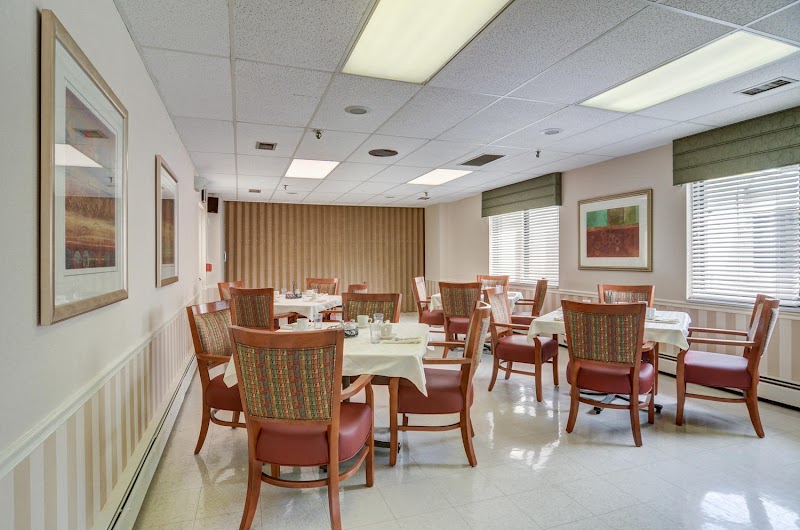
Who Owns and Operates Twinbrook Healthcare And Rehabilitation Center?

TWINBROOK HEALTHCARE AND REHABILITATION CENTER is owned by a for-profit company. For-profit facilities operate as businesses with obligations to shareholders or private owners. The facility is operated by POLLAK HOLDINGS, a chain that manages multiple nursing homes. With 118 certified beds and approximately 94 residents (about 80% occupancy), it is a mid-sized facility located in ERIE, Pennsylvania.
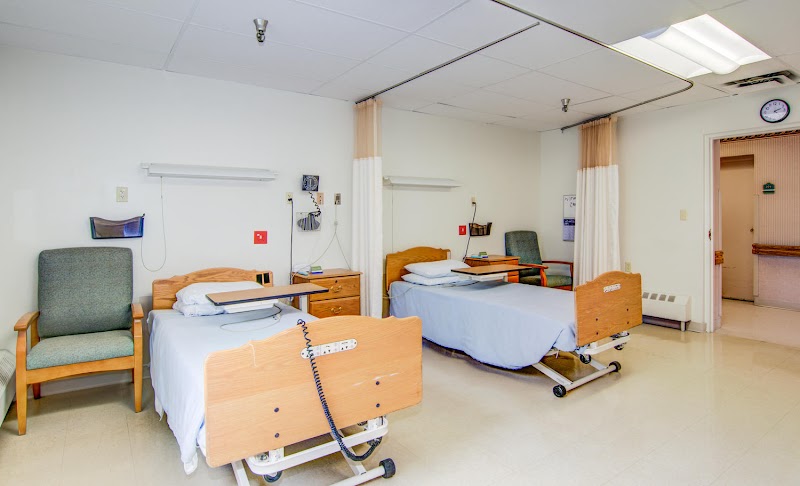
How Does Twinbrook Healthcare And Rehabilitation Center Compare to Other Pennsylvania Nursing Homes?

Compared to the 100 nursing homes in Pennsylvania, TWINBROOK HEALTHCARE AND REHABILITATION CENTER's overall rating (1 stars) is below the state average of 3.0, staff turnover (46%) is near the state average of 46%, and health inspection rating (2 stars) is below the national benchmark.

What Should Families Ask When Visiting Twinbrook Healthcare And Rehabilitation Center?

Based on this facility's data, families visiting should ask: "Can I visit during a mealtime to observe dining assistance and food quality?" "How do you handle medical emergencies, and what is your hospital transfer rate?" "Can I speak with family members of current residents about their experience?"

Is Twinbrook Healthcare And Rehabilitation Center Safe?

Based on CMS inspection data, TWINBROOK HEALTHCARE AND REHABILITATION CENTER has a clean safety record: no substantiated abuse findings (meaning no confirmed cases of resident harm), no Immediate Jeopardy citations (the most serious violation level indicating risk of serious injury or death), and is not on the Special Focus Facility watch list (a federal program monitoring the lowest-performing 1% of nursing homes). The facility has a 1-star overall rating and ranks #100 of 100 nursing homes in Pennsylvania. While no facility is perfect, families should still ask about staff-to-resident ratios and recent inspection results during their visit.

Do Nurses at Twinbrook Healthcare And Rehabilitation Center Stick Around?

TWINBROOK HEALTHCARE AND REHABILITATION CENTER has a staff turnover rate of 46%, which is about average for Pennsylvania nursing homes (state average: 46%). Moderate turnover is common in nursing homes, but families should still ask about staff tenure and how the facility maintains care continuity when employees leave.

Was Twinbrook Healthcare And Rehabilitation Center Ever Fined?

TWINBROOK HEALTHCARE AND REHABILITATION CENTER has no federal fines on record. CMS issues fines when nursing homes fail to meet care standards or don't correct problems found during inspections. The absence of fines suggests the facility has either maintained compliance or corrected any issues before penalties were assessed. This is a positive indicator, though families should still review recent inspection reports for the full picture.

Is Twinbrook Healthcare And Rehabilitation Center on Any Federal Watch List?

TWINBROOK HEALTHCARE AND REHABILITATION CENTER is not on any federal watch list. The most significant is the Special Focus Facility (SFF) program, which identifies the bottom 1% of nursing homes nationally based on persistent, serious quality problems. Not being on this list means the facility has avoided the pattern of deficiencies that triggers enhanced federal oversight. This is a positive indicator, though families should still review the facility's inspection history directly.