WALNUT CREEK NURSING AND REHAB
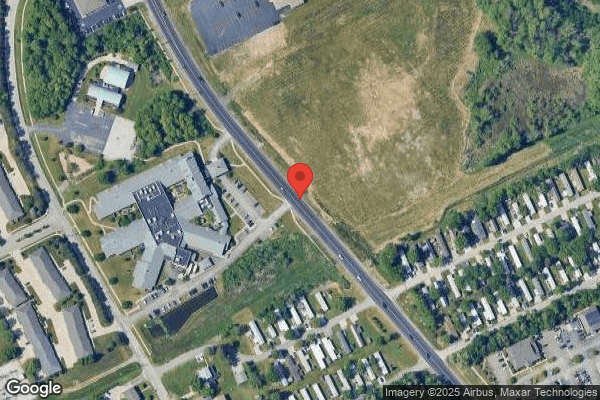

4850 ZUCK ROAD, ERIE, PA 16506 (814) 453-6641
For profit - Limited Liability company 115 Beds VALLEY WEST HEALTH Data: November 2025
Trust Grade
80/100
#246 of 653 in PA
Last Inspection: May 2025

Inspected within the last 6 months. Data reflects current conditions.

Overview

Walnut Creek Nursing and Rehab in Erie, Pennsylvania has a Trust Grade of B+, indicating it is above average and recommended for families seeking care. With a state rank of #246 out of 653, they are in the top half of facilities in Pennsylvania, and their county rank of #11 out of 18 shows that only a few local options perform better. However, the facility's trend is worsening, with the number of identified issues increasing from 3 in 2024 to 4 in 2025. Staffing is a concern, as it received a poor rating of 0 out of 5 stars, but the turnover rate of 40% is better than the state average of 46%, which may indicate some stability. Notably, the facility has no fines on record, which is a positive sign. However, there were specific incidents documented, such as failing to complete accurate assessments for several residents, and not maintaining proper dishwashing temperatures, which could lead to food safety risks. Overall, while the nursing home has strengths, such as good health inspection scores and no fines, families should be aware of the increasing issues and staffing challenges.

Trust Score
B+
80/100
In Pennsylvania
#246/653
Top 37%
Safety Record
Low Risk
No red flags
Inspections
Getting Worse
3 → 4 violations
Staff Stability
○ Average
40% turnover. Near Pennsylvania's 48% average. Typical for the industry.
Penalties
✓ Good
No fines on record. Clean compliance history, better than most Pennsylvania facilities.
Skilled Nurses
○ Average
RN staffing data not reported for this facility.
Violations
⚠ Watch
11 deficiencies on record. Higher than average. Multiple issues found across inspections.
★★★★☆
4.0
Overall Rating
☆☆☆☆☆
0.0
Staff Levels
★★★★☆
4.0
Care Quality
★★★★☆
4.0
Inspection Score
Stable
2024: 3 issues
2025: 4 issues

The Good

  • 4-Star Quality Measures · Strong clinical quality outcomes
  • Full Sprinkler Coverage · Fire safety systems throughout facility
  • No fines on record
  • Staff turnover below average (40%)

    8 points below Pennsylvania average of 48%

Facility shows strength in quality measures, fire safety.

The Bad

Staff Turnover: 40%

Near Pennsylvania avg (46%)

Typical for the industry

Chain: VALLEY WEST HEALTH

Part of a multi-facility chain

Ask about local staffing decisions and management

The Ugly 11 deficiencies on record

May 2025 4 deficiencies
CONCERN (D)

Potential for Harm - no one hurt, but risky conditions existed

Deficiency F0761 (Tag F0761)

Could have caused harm · This affected 1 resident

Based on review of facility policy, observation, and staff interview, it was determined that the facility failed to safely secure medications on one of five nursing unit medication carts (Neighborhood...

Read full inspector narrative →
Based on review of facility policy, observation, and staff interview, it was determined that the facility failed to safely secure medications on one of five nursing unit medication carts (Neighborhood Three medication cart). Findings include: A facility policy entitled Storage of Medications dated 2/03/25, indicated that unlocked medication carts are not left unattended. Observation on 5/20/25, at 11:10 a.m. revealed Neighborhood Three medication cart observed unlocked and unattended in a resident accessible hallway. During an interview at that time Licensed Practical Nurse Employee E3 confirmed that he/she should have locked the medication cart before leaving it unattended. 28 Pa. Code 211.9(a)(1) Pharmacy services 28 Pa. Code 211.12(d)(1)(5) Nursing Services
CONCERN (D)

Potential for Harm - no one hurt, but risky conditions existed

Medical Records (Tag F0842)

Could have caused harm · This affected 1 resident

**NOTE- TERMS IN BRACKETS HAVE BEEN EDITED TO PROTECT CONFIDENTIALITY** Based on review of clinical records, facility documentation, and staff interview, it was determined that the facility failed to ...

Read full inspector narrative →
**NOTE- TERMS IN BRACKETS HAVE BEEN EDITED TO PROTECT CONFIDENTIALITY** Based on review of clinical records, facility documentation, and staff interview, it was determined that the facility failed to maintain complete and accurate records for one of 21 residents reviewed (Resident R44). Findings include: Resident R44's clinical record revealed an admission date of 9/08/23, with diagnoses that included stroke with left-sided weakness, arthritis of the hips, migraine headaches, nausea, and major depression. Review of Resident R44's medical diagnoses revealed a diagnosis of Schizophrenia (a serious mental health condition that affects how people think, feel and behave, and may result in a mix of hallucinations, delusions, and disorganized thinking and behavior) added to the clinical record on 12/15/23. Continued review of Resident R44's diagnosis reports signed by the physician on 6/11/24, 9/04/24, 11/15/24, revealed the Schizophrenia diagnosis remained on his/her clinical record. Review of Resident R44's Pennsylvania Preadmission Screening Resident Review (federal requirement to help ensure that individuals with serious mental illness are not inappropriately placed in nursing facilities for long term care) dated 9/08/23, lacked evidence of a history of Schizophrenia prior to admission. Review of Resident R44's Order Summary Reports signed by the physician on 3/04/25, and 4/15/25 revealed a diagnosis of Schizophrenia listed. Review of Resident R44's Neuropsychology assessments dated 9/21/23, 12/07/23, and 7/11/24, lacked evidence of a diagnosis of Schizophrenia, and a Psychiatric Evaluation dated 12/30/24, that indicated Resident R44 had a psychiatric history of Schizophrenia. Review of Resident R44's Minimum Data Sets (MDS- a standardized assessment tool that measures health status in nursing home residents) revealed the Quarterly MDS dated [DATE], Annual MDS dated [DATE], Quarterly MDS dated [DATE], and Quarterly MDS dated [DATE], Section I-Active Diagnoses were coded to indicate that Schizophrenia was an active diagnosis. A departmental progress note dated 5/22/25, at 8:52 a.m. revealed that upon conversation with Resident R44, his/her physician, and family it was determined that Resident R44 did not have a history of Schizophrenia and that adding the diagnosis to the clinical record was a clerical error. During an interview on 5/22/25, at 9:05, a.m. the Director of Nursing confirmed that there is no evidence that Resident R44 had a history of schizophrenia and that the inclusion of the diagnosis in the clinical record was inaccurate. 28 Pa. Code 211.5(f)(iv) Medical records 28 Pa. Code 211.12(d)(1)(5) Nursing services
CONCERN (E)

Potential for Harm - no one hurt, but risky conditions existed

Assessment Accuracy (Tag F0641)

Could have caused harm · This affected multiple residents

Based on review of Minimum Data Sets (MDS - federally mandated standardized assessment conducted at specific intervals to plan resident care), clinical records and staff interviews, it was determined ...

Read full inspector narrative →
Based on review of Minimum Data Sets (MDS - federally mandated standardized assessment conducted at specific intervals to plan resident care), clinical records and staff interviews, it was determined that the facility failed to ensure that MDS assessments accurately reflected the status of three of 22 residents reviewed (Residents R2, R35, and R109). Findings include: Review of MDS instructions for Section O Special Treatments, Procedures, and Programs subsection O0110 K1 Hospice was to be checked if treatments, procedures, and programs were performed while a resident of this facility and within the last 14 days. Review of MDS instructions for Section A Identification Information subsection A2105 Discharge Status revealed to select the two-digit code that corresponds to the residents discharge status. Resident R2's clinical record revealed an admission date of 6/26/15, with diagnoses that included malignant neoplasm of prostate, (a cancer in a man's prostate), depression (condition characterized by persistent feeling of sadness loss of interest in activities once enjoyed), and high blood pressure. Resident R2's clinical record revealed a physician's order dated 9/25/24, to admit to Hospice Services. Resident R2's quarterly MDS with an Assessment Reference Date (ARD) of 3/19/25, Subsection O0100 K1 Hospice was not checked, although Resident R2 received hospice services while a resident of the facility during the fourteen-day look-back period. Resident R35's clinical record revealed an admission date of 5/10/24, with diagnoses that included senile degeneration of the brain (a group of neurological disorders that cause a gradual decline in cognitive function), acquired coagulation factor deficiency (blood clotting disorder is an inherited or acquired issue that makes you tend to form blood clots too easily), and an enlarged heart. Resident R35's clinical record revealed a physician's order dated 9/03/24, to admit to Hospice Services on 8/30/24. Resident R35's quarterly MDS with an ARD of 2/25/25, Subsection O0100 K1 Hospice was not checked, although Resident R2 received hospice services while a resident of the facility during the fourteen-day look-back period. During an interview on 5/21/25, at 11:10 a.m. Registered Nurse Assessment Coordinator (RNAC) confirmed that Resident R2's 3/19/25, MDS and Resident R35's 2/25/25, MDS were coded inaccurately and should have been checked for receiving Hospice while a resident for Residents R2 and R35. Resident R109's clinical record revealed an admission date of 1/23/25, with diagnoses that included aspiration pneumonia (a type of lunch infection that occurs when food, liquid, saliva, or vomit is inhaled into the lungs), Benign Prostatic Hyperplasia (BPH - a noncancerous enlargement of the prostate gland, which can result in frequent urination, difficulty starting or stopping urination and a weak urine stream) and high blood pressure. Resident R109's clinical record revealed a progress note dated 2/20/25, indicating Resident R109 was transferred to the Emergency Room. Further review revealed a physician's order dated 2/20/25, indicating to send Resident R109 to the emergency room for evaluation of his/her right lower extremity. Resident R109's Discharge Return Anticipated MDS with an ARD of 2/20/25, Section A Identification Information subsection A2105 Discharge Status was coded as 01. Home / Community. During an interview on 5/22/25, at 9:54 a.m. the RNAC confirmed that Resident R109 was discharged to the hospital on 2/20/25, and the Discharge Return Anticipated MDS with an ARD or 2/20/25, was coded inaccurately and should have been coded as 04. Short-Term General Hospital (acute hospital, IPPS). 28 Pa. Code 201.14(a) Responsibility of licensee 28 Pa. Code 211.5(f)(ix) Medical Records
CONCERN (E)

Potential for Harm - no one hurt, but risky conditions existed

Food Safety (Tag F0812)

Could have caused harm · This affected multiple residents

Based on review of facility policy, observations and staff interviews, it was determined that the facility failed to maintain dishwashing machine water temperatures in accordance with manufacturer rec...

Read full inspector narrative →
Based on review of facility policy, observations and staff interviews, it was determined that the facility failed to maintain dishwashing machine water temperatures in accordance with manufacturer recommendations for food service safety for the kitchen dishwasher and failed to ensure that food was stored in accordance with standards for food safety in one of five unit refrigerators reviewed (Neighborhood 4). Findings include: A facility policy entitled, Dishwashing Machine Use dated 2/3/25, revealed, The operator will check temperatures using the machine gauge with each dishwashing machine cycle, and will record the results in a facility approved log. Review of dishwasher temperature log for the kitchen for the dates of April 1, 2025, through May 18, 2025, revealed that the kitchen dishwashing machine temperatures were not logged for each of the dishwashing wash and rinse cycles. During an interview on 5/19/25, at 10:10 a.m. the Dietary Manager confirmed that the dishwashing machine wash and rinse temperatures were not being recorded with each cycle and should be recorded on the dishwasher temperature log with each dishwashing machine cycle. Observation on 5/19/25, at 10:15 a.m. and again at 2:00 p.m. of the Neighborhood 4 freezer revealed several ice packs that are used for treatments on resident's bodies stored next to popsicles and ice cream cups. During an interview on 5/19/25, at 2:00 p.m. Licensed Practical Nurse Employee E1 confirmed that the ice packs used as treatments for residents were in the freezer with food and he/she confirmed that ice packs that are used on resident's bodies should not be stored in the resident freezer with food. 28 Pa. Code 201.14(a) Responsibility of licensee 28 Pa. Code 201.18(b)(1) Management
Jun 2024 2 deficiencies
CONCERN (D)

Potential for Harm - no one hurt, but risky conditions existed

Deficiency F0583 (Tag F0583)

Could have caused harm · This affected 1 resident

Based on review of facility policy, observations, and staff interview, it was determined that the facility failed to provide resident privacy during medication administration for one of four residents...

Read full inspector narrative →
Based on review of facility policy, observations, and staff interview, it was determined that the facility failed to provide resident privacy during medication administration for one of four residents reviewed (Resident R22). Findings include: Review of facility policy entitled Confidentiality of Information and Personal Privacy dated 1/5/24, indicated The facility will safeguard the personal privacy and confidentiality of all resident personal and medical records. and Access to resident personal and medical records will be limited to authorized staff . During observation of medication administration for Resident R22 on 6/26/24, at 8:01 a.m. Registered Nurse (RN) Employee E1 prepared medications for a resident from the Neighborhood 400 medication cart parked sideways in the hallway with the computer open sitting on top of the medication cart. RN Employee E1 then proceeded into the resident room to administer medications to a resident in the room. RN Employee E1 did not cover/protect resident/medication information that was revealed on the computer on top of the medication cart and was visible to those walking in the hallway. During the medication administration, RN Employee E1 was unable to view the computer on top of the medication cart parked sideways in the hallway outside of the resident room. During an interview on 6/26/24, at 8:15 a.m. RN Employee E1 confirmed that he/she left the medication cart with the computer open and did not cover/protect resident/medication information that was on the computer on top of the medication cart from anyone walking through the hallway. RN Employee E1 also confirmed that resident information is to be covered when not within view. 28 Pa. Code 201.14(a) Responsibility of licensee 28 Pa. Code 211.12(d)(1)(5) Nursing services
CONCERN (D)

Potential for Harm - no one hurt, but risky conditions existed

Deficiency F0761 (Tag F0761)

Could have caused harm · This affected 1 resident

Based on review of facility policies, manufacturer's guidelines, observations, and staff interviews, it was determined that the facility failed to prevent the opportunity for potential unauthorized ac...

Read full inspector narrative →
Based on review of facility policies, manufacturer's guidelines, observations, and staff interviews, it was determined that the facility failed to prevent the opportunity for potential unauthorized access of medications and to appropriately discard outdated medications for two of two medication carts reviewed (Neighborhood 300 and Neighborhood 400). Findings include: Review of facility policy entitled Medication Storage in the Facility dated 1/5/24, indicated Medication rooms, carts and medication supplies are locked or attended by persons with authorized access. and Outdated, contaminated or deteriorated medications . are immediately removed from stock, disposed of according to procedures for medication disposal . Review of manufacturer's guidelines revealed that an open Insulin Lantus vial must be used within 28 days after opening or be discarded, even if the vial still contains insulin. Review of facility policy entitled Medication Administration - General Guidelines dated 1/5/24, indicated During administration of medications, the medication cart is kept closed and locked when out of sight of the medication nurse . Observation of drug storage on 6/25/24, at 3:22 p.m. of the Neighborhood 400 medication cart revealed an open bottle Insulin Lantus with an open date written on it of 5/20/24. Additional observations of Neighborhood 400 medication cart revealed an open bottle of Iron Gluconate (an over the counter supplement that helps increase red blood cells) with a best-by date of 4/2024, and an open date of 6/10/24, which was beyond the best by date. During an interview on 6/25/24, at 3:22 p.m. with Licensed Practical Nurse (LPN) Employee E2 he/she confirmed that the open date on the Insulin Lantus was beyond the 28 days and should have been discarded. He/she also confirmed that the open bottle of Iron Gluconate had a manufacturer best-by date of 4/2024, which should have not been opened after the best-by date and should have been discarded. Observation of drug storage on 6/25/24, at 3:30 p.m. of the Neighborhood 300 medication cart revealed an open bottle of Iron Gluconate with a best-by date of 4/2024, and an open date of 6/1/24, which was beyond the best by date. During an interview on 6/25/24, at 3:30 p.m. with Registered Nurse (RN) Employee E3, he/she confirmed that the open bottle of Iron Gluconate had a manufacturer best-by date of 4/2024, which should not have been opened after the best-by date and should have been discarded. During observation of medication administration on 6/26/24, at 8:10 a.m. RN Employee E1 walked away and left the medication cart unattended while it was unlocked with a resident sitting approximately one foot away from the unlocked medication cart. RN Employee E1 then proceeded to walk down the hall and entered a resident room two rooms away from the medication cart, which remained unlocked. During an interview on 6/26/24, at 8:13 a.m. RN Employee E1 confirmed that he/she left the medication cart unlocked that was out of his/her view when he/she was in a resident room. RN Employee E1 also confirmed that the medication cart was to be locked when out of view. 28 Pa. Code 201.18(b)(1) Management 28 Pa. Code 211.9(a)(1) Pharmacy services 28 Pa. Code 211.12(d)(1) Nursing services
Mar 2024 1 deficiency
CONCERN (E) 📢 Someone Reported This

A family member, employee, or ombudsman was alarmed enough to file a formal complaint

Potential for Harm - no one hurt, but risky conditions existed

Medical Records (Tag F0842)

Could have caused harm · This affected multiple residents

Based on review of clinical records, facility policy, and facility documentation, and staff interview it was determined that the facility failed to maintain complete and accurate documentation as rela...

Read full inspector narrative →
Based on review of clinical records, facility policy, and facility documentation, and staff interview it was determined that the facility failed to maintain complete and accurate documentation as related to bathing and meal intake for 13 of 14 residents reviewed (Residents R1, R2, R4, R5, R6, R7, R12, R13, R14, R15, R16, R17, and R18). Findings include: Review of facility policy dated 1/5/24, entitled Bed Bath, Shower / Tub indicated that staff documentation was to include the date and time shower/tub, or bed bath was performed and if resident refused the reason why and what interventions were taken. Review of facility policy dated 1/5/24, entitled Assisting the Resident with In-Room Meals indicated that staff documentation was to include how much of the meal the resident consumed and if the resident refused the reason why and what interventions were taken. Review of Resident R1's clinical record revealed an admission date of 12/2/22, with diagnoses that included diabetes, high blood pressure, and breast cancer. The clinical record revealed that Resident R1was to have a shower on Sunday and Wednesday on day shift. Resident R1's clinical record lacked documentation indicating if he/she received a shower or bath on five (2/21/24, 2/28/24, 3/3/24, 3/6/24, and 3/17/24) of eight scheduled showers in the past 30 days. Resident R1's clinical record lacked documentation indicating if he/she consumed their breakfast meal and what percent was consumed on 14 (2/21/24, 2/23/24, 2/26/24, 2/27/24, 2/28/24, 3/1/24, 3/2/24, 3/3/24, 3/4/24, 3/6/24, 3/9/24, 3/11/24, 3/16/24, and 3/17/24) of 30 breakfast meals in the past 30 days. Resident R1's clinical record lacked documentation indicating if he/she consumed their lunch meal and what percent was consumed on 15 (2/21/24, 2/23/24, 2/26/24, 2/27/24, 2/28/24, 3/1/24, 3/2/24, 3/3/24, 3/4/24, 3/5/24, 3/6/24, 3/9/24, 3/11/24, 3/16/24, and 3/17/24) of 30 lunch meals in the past 30 days. Resident R1's clinical record lacked documentation indicating if he/she consumed their supper meal and what percent was consumed on two (3/11/24, and 3/15/24) of 30 supper meals in the past 30 days. Resident R2's clinical record revealed an admission date of 8/17/23, with diagnoses that included high blood pressure, anemia, and arthritis. The clinical record revealed that Resident R2 was to have a shower on Tuesday and Friday on evening shift. Resident R2's clinical record lacked documentation indicating if he/she received a shower or bath on three (2/20/24, 2/29/24, and 3/14/24) of nine scheduled showers in the past 30 days. Resident R2's clinical record lacked documentation indicating if he/she consumed their supper meal and what percent was consumed on 3 (2/20/24, 3/1/24, and 3/15/24) of 30 supper meals in the past 30 days. Resident R4's clinical record revealed an admission date of 6/14/23, with diagnoses that included high blood pressure, anemia, and diabetes. The clinical record revealed that Resident R4 was to have a shower on Wednesday and Saturday on evening shift. Resident R4's clinical record lacked documentation indicating if he/she received a shower or bath on one (3/16/24) of eight scheduled showers in the past 30 days. Resident R4's clinical record lacked documentation indicating if he/she consumed their breakfast meal and what percent was consumed on five (2/23/24, 2/25/24, 2/29/24, 3/1/24, and 3/10/24) of 30 breakfast meals in the past 30 days. Resident R4's clinical record lacked documentation indicating if he/she consumed their lunch meal and what percent was consumed on five (2/23/24, 2/25/24, 2/29/24, 3/1/24, and 3/10/24) of 30 lunch meals in the past 30 days. Resident R4's clinical record lacked documentation indicating if he/she consumed their supper meal and what percent was consumed on three (2/27/24, 3/16/24, and 3/17/24) of 30 supper meals in the past 30 days. Resident R5's clinical record revealed an admission date of 6/26/15, with diagnoses that included high blood pressure, anemia, and dysphagia (difficulty in swallowing food and/or liquids). Resident R5's clinical record lacked documentation indicating if he/she consumed their breakfast meal and what percent was consumed on one (2/25/24) of 30 breakfast meals in the past 30 days. Resident R5's clinical record lacked documentation indicating if he/she consumed their lunch meal and what percent was consumed on one (2/25/24) of 30 lunch meals in the past 30 days. Resident R5's clinical record lacked documentation indicating if he/she consumed their supper meal and what percent was consumed on seven (2/23/24, 2/26/24, 2/27/24, 3/3/24, 3/9/24, 3/11/24, and 3/17/24) of 30 supper meals in the past 30 days. Resident R6's clinical record revealed an admission date of 9/12/22, with diagnoses that included high blood pressure, anemia, and venous insufficiency (a condition that affects the blood flow to your legs resulting in swelling, pain, and changes in your skin). The clinical record revealed that Resident R6 was to have a shower on Sunday and Wednesday on day shift. Resident R6's clinical record lacked documentation indicating if he/she received a shower or bath on one (2/25/24) of eight scheduled showers in the past 30 days. Resident R6's clinical record lacked documentation indicating if he/she consumed their breakfast and what percent was consumed on one (2/25/24) of 30 breakfast meals in the past 30 days. Resident R6's clinical record lacked documentation indicating if he/she consumed their lunch and what percent was consumed on one (2/25/24) of 30 lunch meals in the past 30 days. Resident R6's clinical record lacked documentation indicating if he/she consumed their supper and what percent was consumed on ten (2/20/24, 2/23/24, 2/25/24, 2/26/24, 2/27/24, 3/7/24, 3/8/24, 3/13/24, 3/18/24, and 3/19/24) of 30 supper meals in the past 30 days. Resident R7's clinical record revealed an admission date of 2/22/24, with diagnoses that included high blood pressure, anemia, and a stroke. The clinical record revealed that Resident R7 was to have a shower on Tuesday and Saturday on day shift. Resident R7's clinical record lacked documentation indicating if he/she received a shower or bath on three (3/9/24, 3/12/24, and 3/19/24) of eight scheduled showers in the past 30 days. Resident R7's clinical record lacked documentation indicating if he/she consumed their breakfast and what percent was consumed on eight (2/22/24, 2/26/24, 3/4/24, 3/6/24, 3/9/24, 3/12/24, 3/14/24, and 3/18/24) of 30 breakfast meals in the past 30 days. Resident R7's clinical record lacked documentation indicating if he/she consumed their lunch and what percent was consumed on eight (2/26/24, 2/29/24, 3/4/24, 3/6/24, 3/9/24, 3/12/24, 3/14/24, and 3/18/24) of 30 lunch meals in the past 30 days. Resident R7's clinical record lacked documentation indicating if he/she consumed their supper and what percent was consumed on one (2/22/24) of 30 supper meals in the past 30 days. Resident R12's clinical record revealed an admission date of 2/15/22, with diagnoses that included high blood pressure, anemia, and peripheral vascular disease (when arteries become narrow affecting blood supply most commonly in the legs). The clinical record revealed that Resident R12 was to have a shower on Sunday and Wednesday on day shift. Resident R12's clinical record lacked documentation indicating if he/she received a shower or bath on three (2/21/24, 2/28/24, and 3/3/24) of eight scheduled showers in the past 30 days. Resident R12's clinical record lacked documentation indicating if he/she consumed their breakfast and what percent was consumed on 12 (2/21/24, 2/26/24, 2/27/24, 2/28/24, 3/3/24, 3/4/24, 3/5/24, 3/7/24, 3/8/24, 3/9/24, 3/11/24, and 3/19/24) of 30 breakfast meals in the past 30 days. Resident R12's clinical record lacked documentation indicating if he/she consumed their lunch and what percent was consumed on 14 (2/21/24, 2/23/24, 2/25/24, 2/26/24, 2/27/24, 2/28/24, 3/3/24, 3/4/24, 3/5/24, 3/7/24, 3/8/24, 3/9/24, 3/11/24, and 3/19/24) of 30 lunch meals in the past 30 days. Resident R12's clinical record lacked documentation indicating if he/she consumed their supper and what percent was consumed on two (3/4/24, and 3/12/24) of 30 meals in the past 30 days. Resident R13's clinical record revealed an admission date of 7/28/22, with diagnoses that included diabetes, arthritis, and high blood pressure. The clinical record revealed that Resident R13 was to have a shower on Monday and Thursday on day shift. Resident R13's clinical record lacked documentation indicating if he/she received a shower or bath on six (2/22/24, 2/26/24, 2/29/24, 3/4/23, 3/14/24, and 3/18/24) of eight scheduled showers in the past 30 days. Resident R13's clinical record lacked documentation indicating if he/she consumed their breakfast meal and what percent was consumed on eight (2/26/24, 2/28/24, 3/3/24, 3/4/24, 3/5/24, 3/14/24, 3/18/24, and 3/19/24) of 30 breakfast meals in the past 30 days. Resident R13's clinical record lacked documentation indicating if he/she consumed their lunch meal and what percent was consumed on ten (2/22/24, 2/25/24, 2/26/24, 2/28/24, 3/3/24, 3/4/24, 3/5/24, 3/14/24, 3/18/24, and 3/19/24) of 30 lunch meals in the past 30 days. Resident R13's clinical record lacked documentation indicating if he/she consumed their supper meal and what percent was consumed on two (3/4/24, and 3/12/24) of 30 supper meals in the past 30 days. Resident R14's clinical record revealed an admission date of 5/27/23, with diagnoses that included high blood pressure, anemia, and dementia (a condition that affects the brains' ability to think, remember things, and function). The clinical record revealed that Resident R14 was to have a shower on Monday and Thursday on day shift. Resident R14's clinical record lacked documentation indicating if he/she received a shower or bath on seven (2/22/24, 2/26/24, 2/29/24, 3/4/24, 3/11/24, 3/14/24, and 3/18/24) of eight scheduled showers in the past 30 days. Resident R14's clinical record lacked documentation indicating if he/she consumed their breakfast meal and what percent was consumed on eight (2/26/24, 2/28/24, 3/4/24, 3/5/24, 3/6/24, 3/14/24, 3/18/24, and 3/19/24) of 30 breakfast meals in the past 30 days. Resident R14's clinical record lacked documentation indicating if he/she consumed their lunch meal and what percent was consumed on 11 (2/22/24, 2/25/24, 2/26/24, 2/28/24, 3/3/24, 3/4/24, 3/5/24, 3/6/24, 3/14/24, 3/18/24, and 3/19/24) of 30 lunch meals in the past 30 days. Resident R14's clinical record lacked documentation indicating if he/she consumed their supper meal and what percent was consumed on two (3/4/24, and 3/12/24) of 30 supper meals in the past 30 days. Resident R15's clinical record revealed an admission date of 12/26/23, with diagnoses that included diabetes, dementia, and high blood pressure. The clinical record revealed that Resident R15 was to have a shower on Tuesday and Saturday on day shift. Resident R15's clinical record lacked documentation indicating if he/she received a shower or bath on four (2/27/24, 3/5/24, 3/9/24, and 3/12/24) of nine scheduled showers in the past 30 days. Resident R15's clinical record lacked documentation indicating if he/she consumed their breakfast meal and what percent was consumed on 14 (2/21/24, 2/26/24, 2/27/24, 2/28/24, 3/3/24, 3/4/24, 3/5/24, 3/7/24, 3/8/23, 3/9/24, 3/10/24, 3/11/24, 3/12/24, and 3/17/24) of 30 breakfast meals in the past 30 days. Resident R15's clinical record lacked documentation indicating if he/she consumed their lunch meal and what percent was consumed on 15 (2/21/24, 2/23/24, 2/26/24, 2/27/24, 2/28/24, 3/3/24, 3/4/24, 3/5/24, 3/7/24, 3/8/24, 3/9/24, 3/10/24, 3/11/24, 3/12/24, and 3/17/24) of 30 lunch meals in the past 30 days. Resident R15's clinical record lacked documentation indicating if he/she consumed their supper meal and what percent was consumed on two (3/4/24, and 3/11/24) of 30 supper meals in the past 30 days. Resident R16's clinical record revealed an admission date of 7/1/22, with diagnoses that included dementia, high blood pressure, and anxiety. The clinical record revealed that Resident R16 was to have a shower on Tuesday and Friday on evening shift. Resident R16's clinical record lacked documentation indicating if he/she received a shower or bath on one (3/12/24) of nine scheduled showers in the past 30 days. Resident R16's clinical record lacked documentation indicating if he/she consumed their breakfast meal and what percent was consumed on 12 (2/21/24, 2/26/24, 2/27/24, 2/28/24, 3/3/24, 3/4/24, 3/5/24, 3/8/24, 3/9/24, 3/11/24, 3/18/24, and 3/19/24) of 30 breakfast meals in the past 30 days. Resident R16's clinical record lacked documentation indicating if he/she consumed their lunch meal and what percent was consumed on 15 (2/21/24, 2/23/24, 2/25/24, 2/26/24, 2/27/24, 2/28/24, 3/3/24, 3/4/24, 3/5/24, 3/8/24, 3/9/24, 3/10/24, 3/11/24, 3/18/24, and 3/19/24) of 30 lunch meals in the past 30 days. Resident R16's clinical record lacked documentation indicating if he/she consumed their supper meal and what percent was consumed on five (2/29/24, 3/4/24, 3/11/24, 3/12/24, and 3/16/24) of 30 supper meals in the last 30 days. Resident R17's clinical record revealed an admission date of 3/2/21, with diagnoses that included high blood pressure, arthritis, and peripheral vascular disease. Resident R17's clinical record lacked documentation indicating if he/she consumed their breakfast meal and what percent was consumed on 15 (2/26/24, 2/27/24, 2/28/24, 3/3/24, 3/4/24, 3/5/24, 3/7/24, 3/8/24, 3/9/24, 3/10/24, 3/11/24, 3/12/24, 3/16/24, 3/17/24, and 3/18/24) of 30 breakfast meals in the past 30 days. Resident R17's clinical record lacked documentation indicating if he/she consumed their lunch meal and what percent was consumed on 16 (2/23/24, 2/26/24, 2/27/24, 2/28/24, 3/3/24, 3/4/24, 3/5/24, 3/7/24, 3/8/24, 3/9/24, 3/10/24, 3/11/24, 3/12/24, 3/16/24, 3/17/24, and 3/18/24) of 30 lunch meals in the past 30 days. Resident R17's clinical record lacked documentation indicating if he/she consumed their supper meal and what percent was consumed on four (2/20/24, 2/22/24, 3/4/24, and 3/11/24) of 30 supper meals in the last 30 days. Resident R18's clinical record revealed an admission date of 7/4/23, with diagnoses that included high blood pressure, peripheral vascular disease, and epilepsy (neurological disorder that cause seizures). The clinical record revealed that Resident R18 was to have a shower on Monday and Friday on evening shift. Resident R18's clinical record lacked documentation indicating if he/she received a shower or bath on one (3/4/24) of eight scheduled showers in the past 30 days. Resident R18's clinical record lacked documentation indicating if he/she consumed their breakfast meal and what percent was consumed on 13 (2/21/24, 2/26/24, 2/27/24, 2/28/24, 3/3/24, 3/4/24, 3/5/24, 3/7/24, 3/8/24, 3/9/24, 3/11/24, 3/18/24, and 3/19/24) of 30 breakfast meals in the past 30 days. Resident R18's clinical record lacked documentation indicating if he/she consumed their lunch meal and what percent was consumed on 16 (2/21/24, 2/23/24, 2/25/24, 2/26/24, 2/27/24, 2/29/24, 3/3/24, 3/4/24, 3/5/24, 3/7/24, 3/8/24, 3/9/24, 3/10/24, 3/11/24, 3/18/24, and 3/19/24) of 30 lunch meals in the past 30 days. Resident R18's clinical record lacked documentation indicating if he/she consumed their supper meal and what percent was consumed on two (3/4/24, and 3/12/24) of 30 supper meals in the last 30 days. During an interview on 3/21/24, at 9:00 a.m. the Nursing Home Administrator confirmed that Residents R1, R2, R4, R5, R6, R7, R12, R13, R14, R15, R16, R17, and R18 lacked documentation indicating if a shower or bath was given as directed and / or meal intake in the last thirty days. 28 Pa. Code 211.5(f)(ii)(ix) Medical records 28 Pa. Code 211.12(d)(1)(5) Nursing services
Jul 2023 3 deficiencies
CONCERN (D)

Potential for Harm - no one hurt, but risky conditions existed

Respiratory Care (Tag F0695)

Could have caused harm · This affected 1 resident

Based on observations, review of clinical records, and staff interview, it was determined that the facility failed to promote cleanliness and help prevent the spread of infection regarding respiratory...

Read full inspector narrative →
Based on observations, review of clinical records, and staff interview, it was determined that the facility failed to promote cleanliness and help prevent the spread of infection regarding respiratory care equipment according to physician's orders for two of 24 residents reviewed (Residents R50 and R38). Findings include: Review of Resident R50's clinical record revealed an admission date of 4/14/22, with diagnoses that included hypertension (high blood pressure), pulmonary hypertension, (a condition that affects the blood vessels in the lungs and in the heart causing high blood pressure), and Chronic Obstructive Pulmonary Disease (COPD-a condition that obstructs air flow in the lungs with symptoms of difficulty breathing, coughing and shortness of breath). Additional review of the physician's orders revealed an order to change oxygen tubing and canister, label and date all tubing every night shift every Sun [Sunday]. Review of Resident R38's clinical record revealed an admission date of 5/17/22, with diagnoses that included hypertension, diabetes, and COPD. Additional review of the physician's orders revealed an order to change oxygen tubing and canister, change nebulizer tubing if in use, label and date all tubing every night shift every Sun. Observation on 7/11/23, at 3:25 p.m. revealed Resident R50's nasal cannula (oxygen tubing that has prongs that go into the nostrils and loops around the ears to secure in place to ensure adequate oxygen delivery) had a piece of tape wrapped around the oxygen tubing dated 7/3/23. It was also noted that the oxygen water canister was dated 7/3/23. There was no evidence of oxygen equipment changed on Sunday 7/9/23. Additional observations on 7/12/23, at 9:18 a.m. and again at 1:00 p.m. revealed Resident R50's nasal cannula remained with the same and had a piece of tape wrapped around the oxygen tubing dated 7/3/23. It was also noted that the oxygen water canister remained as dated 7/3/23. Observations on 7/12/23, at 9:18 a.m. and 1:00 p.m. revealed Resident R38's nasal cannula had a piece of tape wrapped around the oxygen tubing dated 6/6/23. There was no evidence of the oxygen equipment being changed according to physician's orders During an interview on 7/12/23, at 1:18 p.m. the Director of Nursing confirmed that the oxygen tubing was dated 7/3/23, on R50's oxygen tubing and canister and the oxygen tubing on R38 was dated 6/6/23, and that the oxygen tubing was to be changed weekly and dated when it is changed. 28 Pa. Code 211.12(d)(1)(5) Nursing services
CONCERN (D)

Potential for Harm - no one hurt, but risky conditions existed

Infection Control (Tag F0880)

Could have caused harm · This affected 1 resident

Based on review of clinical records, observations, and staff interview, it was determined that the facility failed to prevent the potential for cross contamination during a dressing change for one of ...

Read full inspector narrative →
Based on review of clinical records, observations, and staff interview, it was determined that the facility failed to prevent the potential for cross contamination during a dressing change for one of two residents with pressure ulcers requiring wound care reviewed (Resident R88). Findings include: Review of Resident R88's clinical record revealed an admission date of 10/27/22, with diagnoses that included bipolar disorder, pressure ulcer of the left hip, severe protein calorie malnutrition, dehydration and high blood pressure. Review of Resident R88's physician's orders dated July 2023, included an order to cleanse the coccyx wound and apply a wound vac (vacuum machine used to remove drainage from a wound). Observation of wound care on 7/13/23, at 10:30 a.m. revealed that upon entrance to Resident R88's room the wound vac machine and tubing were resting directly on the floor. During an interview on 7/14/23, at 9:45 a.m. the Director of Nursing confirmed that the wound vac machine and tubing should not be resting on the floor. 28 Pa. Code 201.18 (b)(2) Management 28 Pa. Code 211.12(d)(1)(2)(5) Nursing services
CONCERN (E)

Potential for Harm - no one hurt, but risky conditions existed

Safe Environment (Tag F0584)

Could have caused harm · This affected multiple residents

**NOTE- TERMS IN BRACKETS HAVE BEEN EDITED TO PROTECT CONFIDENTIALITY** Based on observations and staff interviews, it was determined that the facility failed to maintain a safe, clean, homelike envir...

Read full inspector narrative →
**NOTE- TERMS IN BRACKETS HAVE BEEN EDITED TO PROTECT CONFIDENTIALITY** Based on observations and staff interviews, it was determined that the facility failed to maintain a safe, clean, homelike environment by not monitoring for safe temperatures and cleanliness of residents' personal refrigerators and ensuring their electrical safety for use for three of six resident refrigerators observed (rooms [ROOM NUMBER]). Findings include: Observations on 7/14/23, at approximatley 9:20 a.m. revealed a personal resident refrigerator in room [ROOM NUMBER]. There was no identification tag observed on the refrigerator indicating that it was checked by maintenance for electrical safety for usage. It was also observed that there was no thermometer in the refrigerator and no temperature log sheet identifying that the refrigerator was monitored for safe temperatures to store food and beverage items. Observations of room [ROOM NUMBER] and room [ROOM NUMBER], revealed personal resident refrigerators present in the rooms. There was no identification tags on the refrigerators indicating that they were checked by maintenance for electrical safety for usage. It was also observed that there was no thermometer in either refrigerator or temperature log sheets identifying that the refrigerators were monitored for safe temperatures to store resident food and beverage items. During an interview on 7/14/23, at 10:00 a.m. the Director of Maintenance confirmed that the facility has not tagged the refrigerators showing that they were checked for electrical safety prior to use in the resident rooms, that there are no thermometers in the resident's personal refrigerators, and temperatures are not monitored for safety of resident personal food and beverage items in personal refrigerators. During an interview with the Nursing Home Administrator on 7/14/23, at approximately 10:30 a.m. it was confirmed that the facility does not have a policy for monitoring residents' personal refrigerators. 28 Pa. Code 201.14 (a) Responsibility of Licensee
Feb 2023 1 deficiency
CONCERN (E) 📢 Someone Reported This

A family member, employee, or ombudsman was alarmed enough to file a formal complaint

Potential for Harm - no one hurt, but risky conditions existed

Deficiency F0565 (Tag F0565)

Could have caused harm · This affected multiple residents

Based on review of facility documents, and staff and resident interviews it was determined that the facility failed to ensure that residents received timely resolution to Resident Council concerns for...

Read full inspector narrative →
Based on review of facility documents, and staff and resident interviews it was determined that the facility failed to ensure that residents received timely resolution to Resident Council concerns for two of three resident council meetings (November 2022, and December 2022). Findings include: Review of Resident Council meeting minutes revealed: On 10/06/22, residents attending the meeting reported that foul language use was a big concern with aides and nurses and the Administrator's response was that the concern would be discussed in the staff-managers meeting this month. On 11/30/22, residents attending the meeting reported that foul language was still a major issue, and that some aides and nurses were still swearing, and that they believed no consequences are being issued to staff. The Administrator's response was for residents to let him/her know who the staff was, and the facility will continue to educate staff. On 12/14/22, residents attending the meeting reported that foul language was still a major issue, and that some aides and nurses were still swearing, and that they believed no consequences are being issued to staff. The Social Worker responded he/she would let the Administrator know, and that the facility will continue to re-educate staff. Review of a facility document entitled, General Staff Meeting Agenda dated 10/19/22, lacked evidence that the topics of concern reported by the Resident Council were included in the employee education. Interviews on 2/02/23, between 9:15 a.m. and 3:00 p.m. revealed that Residents R1, R2, and R3 confirmed that they are still hearing staff swear and having inappropriate conversations daily, and Resident R5 confirmed that the swearing is better than it was, but that he/she still hears it. Residents R2 and R3 also confirmed that they are not sure who is responsible because they can't see the staff in the hallways and the masks make it worse. During an interview on 2/02/23, at approximately 3:15 p.m. the Nursing Home Administrator (NHA) confirmed that the General Staff Meeting Agenda dated 10/19/22, lacked topics specific to Resident Council concerns of staff language, and negative staff interactions with residents. During a phone interview on 2/03/23, at approximately 3:30 p.m. the NHA confirmed that the November and December Resident Council meetings lacked evidence of facility follow-up to resident concerns and how the facility responded to resident concerns. The concerns reported in the October Resident Council meeting continued to be reported in the November and December Resident Council meetings and in resident interviews on 2/02/23, and there was no evidence that the NHA reported to the Resident Council how the facility was going to monitor the facility response. The employee education provided to staff was not specific to concerns reported from the Resident Council and there was no evidence that the facility reported how they resolved the issue. 28 Pa. Code 201.14 (a) Responsibility of licensee 28 Pa. Code 201.18 (e)(1)(4) Management 28 Pa. Code 201.29(j) Resident rights
Understanding Severity Codes (click to expand)
Life-Threatening (Immediate Jeopardy)
J - Isolated K - Pattern L - Widespread
Actual Harm
G - Isolated H - Pattern I - Widespread
Potential for Harm
D - Isolated E - Pattern F - Widespread
No Harm (Minor)
A - Isolated B - Pattern C - Widespread

Questions to Ask on Your Visit

  • "Can I speak with families of current residents?"
  • "What's your RN coverage like on weekends and overnight?"

Our Honest Assessment

Strengths
  • • Grade B+ (80/100). Above average facility, better than most options in Pennsylvania.
  • • No major safety red flags. No abuse findings, life-threatening violations, or SFF status.
  • • No fines on record. Clean compliance history, better than most Pennsylvania facilities.
  • • 40% turnover. Below Pennsylvania's 48% average. Good staff retention means consistent care.
Concerns
  • • 11 deficiencies on record. Higher than average. Multiple issues found across inspections.
Bottom line: Generally positive indicators. Standard due diligence and a personal visit recommended.

About This Facility

What is Walnut Creek Nursing And Rehab's CMS Rating?

CMS assigns WALNUT CREEK NURSING AND REHAB an overall rating of 4 out of 5 stars, which is considered above average nationally. Within Pennsylvania, this rating places the facility higher than 99% of the state's 100 nursing homes. This rating reflects solid performance across the metrics CMS uses to evaluate nursing home quality.
How is Walnut Creek Nursing And Rehab Staffed?

Staff turnover is 40%, compared to the Pennsylvania average of 46%. This relatively stable workforce can support continuity of care. RN turnover specifically is 58%, which is notably high. RNs provide skilled clinical oversight, so turnover in this role can affect medical care quality.

What Have Inspectors Found at Walnut Creek Nursing And Rehab?

State health inspectors documented 11 deficiencies at WALNUT CREEK NURSING AND REHAB during 2023 to 2025. These included: 11 with potential for harm.

Who Owns and Operates Walnut Creek Nursing And Rehab?

WALNUT CREEK NURSING AND REHAB is owned by a for-profit company. For-profit facilities operate as businesses with obligations to shareholders or private owners. The facility is operated by VALLEY WEST HEALTH, a chain that manages multiple nursing homes. With 115 certified beds and approximately 0 residents (about 0% occupancy), it is a mid-sized facility located in ERIE, Pennsylvania.

How Does Walnut Creek Nursing And Rehab Compare to Other Pennsylvania Nursing Homes?

Compared to the 100 nursing homes in Pennsylvania, WALNUT CREEK NURSING AND REHAB's overall rating (4 stars) is above the state average of 3.0, staff turnover (40%) is near the state average of 46%, and health inspection rating (4 stars) is above the national benchmark.

What Should Families Ask When Visiting Walnut Creek Nursing And Rehab?

Based on this facility's data, families visiting should ask: "Can I visit during a mealtime to observe dining assistance and food quality?" "How do you handle medical emergencies, and what is your hospital transfer rate?" "Can I speak with family members of current residents about their experience?"

Is Walnut Creek Nursing And Rehab Safe?

Based on CMS inspection data, WALNUT CREEK NURSING AND REHAB has a clean safety record: no substantiated abuse findings (meaning no confirmed cases of resident harm), no Immediate Jeopardy citations (the most serious violation level indicating risk of serious injury or death), and is not on the Special Focus Facility watch list (a federal program monitoring the lowest-performing 1% of nursing homes). The facility has a 4-star overall rating and ranks #1 of 100 nursing homes in Pennsylvania. While no facility is perfect, families should still ask about staff-to-resident ratios and recent inspection results during their visit.

Do Nurses at Walnut Creek Nursing And Rehab Stick Around?

WALNUT CREEK NURSING AND REHAB has a staff turnover rate of 40%, which is about average for Pennsylvania nursing homes (state average: 46%). Moderate turnover is common in nursing homes, but families should still ask about staff tenure and how the facility maintains care continuity when employees leave.

Was Walnut Creek Nursing And Rehab Ever Fined?

WALNUT CREEK NURSING AND REHAB has no federal fines on record. CMS issues fines when nursing homes fail to meet care standards or don't correct problems found during inspections. The absence of fines suggests the facility has either maintained compliance or corrected any issues before penalties were assessed. This is a positive indicator, though families should still review recent inspection reports for the full picture.

Is Walnut Creek Nursing And Rehab on Any Federal Watch List?

WALNUT CREEK NURSING AND REHAB is not on any federal watch list. The most significant is the Special Focus Facility (SFF) program, which identifies the bottom 1% of nursing homes nationally based on persistent, serious quality problems. Not being on this list means the facility has avoided the pattern of deficiencies that triggers enhanced federal oversight. This is a positive indicator, though families should still review the facility's inspection history directly.