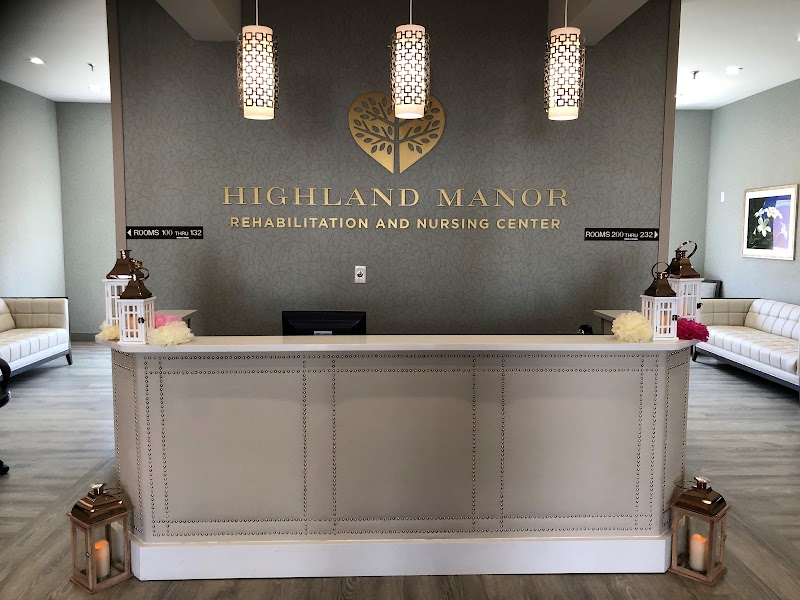
HIGHLAND MANOR REHABILITATION AND NURSING CENTER

750 SCHOOLEY AVENUE, EXETER, PA 18643 (570) 655-3791
Non profit - Corporation 120 Beds CONTINUUM HEALTHCARE Data: November 2025
Trust Grade
48/100
#294 of 653 in PA
Last Inspection: December 2024

Within standard 12-15 month inspection cycle. Federal law requires annual inspections.

Overview

Highland Manor Rehabilitation and Nursing Center has received a Trust Grade of D, which means it is below average and raises some concerns about the quality of care provided. It ranks #294 out of 653 facilities in Pennsylvania, placing it in the top half, and #4 out of 22 in Luzerne County, indicating only three local options are rated better. The facility is improving, with issues decreasing from 23 in 2024 to just 2 in 2025. Staffing is rated average, with a turnover rate of 45% that is slightly below the state average, suggesting that staff tend to stay longer, which can benefit resident care. However, there have been serious incidents, including a resident who suffered a fractured femur due to insufficient supervision and another who sustained a fractured tibia/fibula because the proper transfer equipment was not used, highlighting critical areas for improvement. While the facility has good quality measures, the overall health inspection score of 2 out of 5 is concerning, and there are ongoing issues related to infection control practices, which families should consider when evaluating care options.

Trust Score
D
48/100
In Pennsylvania
#294/653
Top 45%
Safety Record
Moderate
Needs review
Inspections
Getting Better
23 → 2 violations
Staff Stability
⚠ Watch
45% turnover. Above average. Higher turnover means staff may not know residents' routines.
Penalties
✓ Good
$19,760 in fines. Lower than most Pennsylvania facilities. Relatively clean record.
Skilled Nurses
○ Average
Each resident gets 32 minutes of Registered Nurse (RN) attention daily — about average for Pennsylvania. RNs are the most trained staff who monitor for health changes.
Violations
⚠ Watch
39 deficiencies on record. Higher than average. Multiple issues found across inspections.
★★★☆☆
3.0
Overall Rating
★★★☆☆
3.0
Staff Levels
★★★★★
5.0
Care Quality
★★☆☆☆
2.0
Inspection Score
Stable
2024: 23 issues
2025: 2 issues

The Good

  • 5-Star Quality Measures · Strong clinical quality outcomes
  • Full Sprinkler Coverage · Fire safety systems throughout facility
  • No fines on record

Facility shows strength in quality measures, fire safety.

The Bad

3-Star Overall Rating

Near Pennsylvania average (3.0)

Meets federal standards, typical of most facilities

Staff Turnover: 45%

Near Pennsylvania avg (46%)

Higher turnover may affect care consistency

Federal Fines: $19,760

Below median ($33,413)

Minor penalties assessed

Chain: CONTINUUM HEALTHCARE

Part of a multi-facility chain

Ask about local staffing decisions and management

The Ugly 39 deficiencies on record

2 actual harm
Sept 2025 1 deficiency
CONCERN (E) 📢 Someone Reported This

A family member, employee, or ombudsman was alarmed enough to file a formal complaint

Potential for Harm - no one hurt, but risky conditions existed

Safe Environment (Tag F0584)

Could have caused harm · This affected multiple residents

Based on observation and staff interview, it was determined that the facility failed to maintain a clean and orderly environment in the facility laundry department and the second hallway ice machine. ...

Read full inspector narrative →
Based on observation and staff interview, it was determined that the facility failed to maintain a clean and orderly environment in the facility laundry department and the second hallway ice machine. Findings include: An observation of the second hallway, resident unit ice machine, located in the hallway was noted with no airgap. An air gap is defined as the unobstructed vertical space between the end of a water supply or drainage pipe and the flood level of a fixture or drain. In an ice machine, the air gap prevents contaminated water from backing up into the potable (drinkable) water supply or the ice that residents consume. The importance of the air gap is to prevent cross-contamination, which occurs when dirty water or substances can enter and contaminate clean water or ice. Without an air gap, residents are at risk of exposure to harmful bacteria or other contaminants.Water was observed draining directly into the floor drainpipe. The floor underneath the drainage pipe, extending from the front of the ice machine to the drainpipe, contained a thick layer of sticky black material. An observation on September 12, 2025, at 11:30 A.M. in the facility laundry department dirty room (the area used for handling soiled laundry) revealed two slop sinks with clumps of lint and debris inside them, both filled with plastic hangers and a plastic bag containing soiled wheelchair/lift belts. The faucet was leaking water. A dirty mop bucket containing plastic garbage, mop covers, broken mops, and a plastic container were on the floor. An open, overflowing garbage can was present. Behind the washing machines, the floor contained plastic, paper, dirty used gloves, and clumps of lint. The floor had a buildup of a sticky black substance around the perimeter. The exhaust fan had a heavy buildup of lint and dirt. Additional items noted included open plastic bags of floor mats on the floor between the washing machines, two bags of dirty clothing on the floor, a floor cleaning machine placed in front of the washing machines, and a ripped, dirty fall mat propped against the wall. In the clean area (the side with dryers, folding tables, carts, and clothing racks), the garbage can was overflowing. The floor had visible dirt, dried liquid stains, and used plastic gloves scattered throughout. A large pile of lint was on the floor in front of a dryer. The windowsill, dryer exhaust tubing, wall exhaust fan, and door hinges all had a heavy buildup of lint. Clean linen and clothing racks contained mechanical lift pads that were in direct contact with the floor. A dirty washcloth was also observed on the floor. These observations were confirmed with the Nursing Home Administrator at the time of the survey. The facility failed to ensure that both the ice machine and laundry areas were maintained in a sanitary and orderly condition, placing residents at risk for cross-contamination, exposure to environmental contaminants, and a diminished homelike environment.28 Pa. Code 201.14 (a) Responsibility of licensee.28 Pa Code 201.18 (b)(1)(3) Management
Jun 2025 1 deficiency
CONCERN (E) 📢 Someone Reported This

A family member, employee, or ombudsman was alarmed enough to file a formal complaint

Potential for Harm - no one hurt, but risky conditions existed

Resident Rights (Tag F0550)

Could have caused harm · This affected multiple residents

**NOTE- TERMS IN BRACKETS HAVE BEEN EDITED TO PROTECT CONFIDENTIALITY** Based on a review of clinical records, resident grievances, observations, and resident and staff interviews, it was determined t...

Read full inspector narrative →
**NOTE- TERMS IN BRACKETS HAVE BEEN EDITED TO PROTECT CONFIDENTIALITY** Based on a review of clinical records, resident grievances, observations, and resident and staff interviews, it was determined the facility failed to provide care in a manner that promotes and enhances each resident's dignity and quality of life by failing to respond in a timely manner to residents' requests for assistance for 5 residents out of 10 sampled. (Residents CR1, 2, 3, 4, and 5). Findings include: A review of a grievance filed with the facility by the daughter of Resident CR1, dated April 9, 2025, revealed that Resident CR1 had a bowel movement in her brief and required staff assistance for hygiene care. She activated her call bell at 9:41 AM requesting assistance. Facility records indicated that by 11:41 AM no staff had responded to the call bell, and as of 12:00 PM she remained unchanged. Resident CR1 was ultimately provided incontinence care at 12:30 PM, approximately three hours after her initial request for assistance. The grievance documentation indicated the daughter informed the nurse on duty, who stated that someone would respond; however, timely care was not provided. Facility records show that the facility acknowledged to the daughter that the excessive delay in responding to the request for assistance was not acceptable and that she should notify the supervisor immediately if delays occur. An interview with Resident CR1 and her daughter could not be completed during the survey During an interview with Resident 2 on June 18, 2025, at 10:45 AM she reported she frequently has waited over an hour for staff to answer her call bell. She stated, I've soiled myself so many times waiting for them to come, I've lost count, and added Supper time is the worst. They don't come, so I had to stop asking. During an observation on June 18, 2025, at 10:55 AM in room [ROOM NUMBER], there was a strong odor of BM (bowel movement) permeating throughout the room. Resident 5 was observed lying in bed uncovered, with a visibly soiled brief. Bowel movement matter was observed to be leaking out of the sides of the brief, soiling the bedsheet underneath. Resident 5's call bell was activated at 10:55 AM. The call bell alert light was visible above the resident's doorway. At 11:10 AM Employee 1 (Occupational Therapist) entered Resident 5's room. The call bell light was turned off and Employee 1 exited the room without providing care. At 11:14 AM the call light was activated again with the resident yelling help me. At 11:25 AM the Activities Director entered the room, turned off the call bell, and told the resident Someone will be right in. Employee 2 exited the room and did not provide the required care. At 11:30 AM, 35 minutes after the resident first activated the call bell, a nurse aide entered the room to provide assistance for incontinence. During an interview with Resident 3 on June 18, 2025, at 11:40 AM, he stated he has often waited over an hour for staff to respond to his call bell. He reported that staff frequently enter his room, turn off the call bell light, and leave without providing assistance, stating they would return but often do not return for another hour or longer. He indicated that such delays occur more frequently during early morning and second shifts. During an interview with Resident 4 on June 18, 2025, at 12:00 PM she stated the first weekend after she was admitted (June 7-8, 2025), for staff to respond to her call bell while needing to use the bathroom She stated she was almost in tears and desperately needed to use the bathroom. She also reported this past weekend (June 14-15, 2025) she waited over one hour for staff assistance after she activated her call bell. She stated a nurse finally came in after an hour but did not assist her to the restroom. Instead, the nurse started yelling for the aides. She expressed frustration the nurse would not provide the assistance but instead had to continue to wait for a nurse aide to become available. During an interview on June 18, 2025, at approximately 1:00 PM, the Nursing Home Administrator (NHA) and the Director of Nursing (DON) acknowledged that the residents should not have to wait extended periods of time for staff to answer call bells. The DON verified that staff are not to turn off the call bell light until care is provided. 28 Pa. Code 201.18 (e)(1) Management. 28 Pa. Code 201.29 (a) Resident rights. 28 Pa. Code 211.12 (d)(1)(3)(4) Nursing services.
Dec 2024 6 deficiencies
CONCERN (D)

Potential for Harm - no one hurt, but risky conditions existed

Investigate Abuse (Tag F0610)

Could have caused harm · This affected 1 resident

**NOTE- TERMS IN BRACKETS HAVE BEEN EDITED TO PROTECT CONFIDENTIALITY** Based on a review of select facility policy, clinical records, information submitted by the facility, select investigative repor...

Read full inspector narrative →
**NOTE- TERMS IN BRACKETS HAVE BEEN EDITED TO PROTECT CONFIDENTIALITY** Based on a review of select facility policy, clinical records, information submitted by the facility, select investigative reports, and staff interviews, it was determined the facility failed to conduct a thorough investigation into an injury of unknown origin (a fractured humeral neck) for one resident out of 24 sampled (Resident 23). Findings include: A review of facility policy titled Abuse Prevention Policy and Procedure, last reviewed by the facility on January 2, 2024, revealed it is the facility policy that an incident or suspected incident of resident abuse, mistreatment, neglect, or injury of unknown source is reported, then the administrator will assign the investigation to an appropriate individual. The policy indicates the information to be collected includes a review of all events leading up to the incident, a review of the resident's medical record to determine events leading up to the incident, and interviews with staff members on all shifts who have had contact with the resident at the time of the incident. The policy defines an injury of unknown source as the injury was not observed by any person or the source of the injury could not be explained by the resident, and the injury is suspicious because of the extent of the injury, location of the injury, number of injuries, or the pattern of injuries over time. A clinical record review revealed that Resident 23 was admitted to the facility on [DATE], with diagnoses that included peripheral vascular disease (a circulatory condition that occurs when blood vessels outside the brain and heart narrow, spasm, or become blocked). A review of a quarterly Minimum Data Set assessment (MDS-a federally mandated standardized assessment process conducted periodically to plan resident care) dated April 2, 2024, revealed that Resident 23 is severely cognitively impaired with a BIMS score of 00 (Brief Interview for Mental Status- a tool within the Cognitive Section of the MDS that is used to assess the resident's attention, orientation, and ability to register and recall new information; a score of 00-07 indicates severe cognitive impairment). A progress note dated June 13, 2024, at 9:59 AM revealed Resident 23 rolled out of bed during care. During care, Employee 6, Nurse Aide (NA), reported the resident was rolled to her side to complete care and proceeded to fall out of bed. The resident landed on her knees on a fall mat with her torso remaining on the bed. New orders for X-rays to right femur and bilateral knees was obtained. The certified registered nurse practitioner was in to assess the resident and identified bruising to her lateral right femur. Resident 23 grimaced when bilateral knees were palpated. A witness statement dated June 13, 2024, provided by Employee 6, NA, revealed that while doing care, Resident 23's legs started going off the side of the bed. I grabbed her shirt to stop her upper half from going, but she rolled off the bed onto her knees. A fall investigation report dated June 13, 2024, revealed Resident 23 was unable to give a description of the incident. A progress note dated June 13, 2024, revealed Employee 7, Certified Registered Nurse Practitioner (CRNP), assessed Resident 23 following the fall incident. The note indicated Resident 23 had evidence of pain and discomfort on palpitation of both knees and the right femur. Resident 23 stated, I'm fine, during the assessment. Employee 7, CRNP, indicated Resident 23 jerks and moves legs during assessment and yelled out. The CRNP ordered an X-ray of bilateral knees and the right femur and Tylenol and morphine (an opioid analgesic medication) for as-needed pain An X-ray report dated June 13, 2024, at 1:53 PM, indicated multiple views of Resident 23's right femur, and routine views of bilateral knees revealed no fractures or acute findings. Physician's orders for Resident 23 to receive morphine sulfate (concentrate) oral solution 20 mg/ml with direction to give 0.25 ml by mouth every four hours as needed for pain was initiated on January 12, 2024 and was a current order as well as acetaminophen tablets of 325 mg with directions to give two tablets by mouth every four hours as needed for mild pain initiated on March 17, 2020. Physician's orders for Resident 23 to receive a pain screen every shift and medicate as needed with directions to check for pain each shift. A review of Resident 23's Medication Administration Record (MAR) from June 14, 2024, through June 17, 2024, revealed Resident 23 was assessed for pain each shift and had a pain level of 0 out of 10. A review of Resident 23's Medication Administration Record (MAR) from June 14, 2024, through June 17, 2024, revealed Resident 23 did not receive any as-needed pain medication during this date range. A progress note dated June 14, 2024, at 2:09 PM revealed Resident 23 with no injuries or complaints post fall from bed. A review of Resident 23's clinical record from June 14, 2024, through June 17, 2024, revealed no indication Resident 23 was experiencing pain. The first documented evidence indicating Resident 23 experienced shoulder pain was on June 18, 2024, five days after the resident fell. A progress note dated June 18, 2024, at 2:44 PM, revealed an X-ray report of Resident 23's right shoulder positive for right humeral fracture. The impressions indicate old fracture with a refracture. A new order is noted to consult with an orthopedic physician. Orders noted for the resident right upper extremity to be non-weight bearing, sling to right upper extremity, and hydrocodone (an opioid analgesic) straight for pain. A progress note dated June 18, 2024, revealed Employee 7, CRNP, assessed Resident 23 with reported increase in right shoulder pain. The note indicated Tylenol extra strength has been effective until recently and seems to not be working as per nursing staff. The resident is unable to answer questions correctly or verbalize the timeline of events correctly. Patient does wince and yell out with assessment of the right shoulder and humerus. An X-ray report dated June 18, 2024, indicated Resident 23 had a new linear lucency (a thin, dark line or transparent area on an X-ray that can indicate a foreign object or bone fracture) across the right humeral neck that is suspicious for fracture of an indeterminate age but appears non-united and potentially acute. The report indicated Resident 23 has a prior healed fracture of the right humeral neck, with reinjury and likely refracture on multiple views. A physician's order for hydrocodone-acetaminophen 5-325 mg with directions to give one tablet by mouth every eight hours for pain control initiated on June 19, 2024. A Medication Administration Record (MAR) dated June 2024 revealed Resident 23 received hydrocodone-acetaminophen 5-325 mg each shift from June 19, 2024, through June 30, 2024. A review of progress notes revealed Resident 23's representative declined further orthopedic consultation for the resident's humeral injury and agreed to the current plan of treatment. Further review of facility investigation reports and clinical records revealed no documented evidence the facility attempted to investigate the source of Resident 23's humeral fracture identified on June 18, 2024. During an interview on December 19, 2024, at approximately 9:00 AM, the Director of Nursing (DON) indicated the facility attributed Resident 23's humeral neck fracture identified on June 18, 2024, to the resident's fall on June 13, 2024. The DON was unable to provide any documented evidence indicating the facility reviewed and determined Resident 23's humeral neck fracture was a result of the fall on June 13, 2024. The DON confirmed that Resident 23 was not able to indicate how she sustained an injury. The DON confirmed that Resident 23 was assessed following the fall incident on June 13, 2024, by Employee 7, CRNP, and at the time of the assessment, no fractures or indicators of arm or shoulder pain were identified. Also, the DON confirmed the facility had no documented evidence indicating Resident 23 was experiencing pain from June 14, 2024, through June 17, 2024. The DON confirmed the first documented evidence that Resident 23 was experiencing increased shoulder pain was on June 18, 2024. The DON confirmed the facility failed to conduct a thorough investigation to attempt to identify how Resident 23 sustained a humeral neck fracture. 28 Pa. Code 201.14 (c) Responsibility of licensee. 28 Pa. Code 201.18 (b)(1) Management. 28 Pa. Code 201.29 (a) Resident rights.
CONCERN (D)

Potential for Harm - no one hurt, but risky conditions existed

Comprehensive Care Plan (Tag F0656)

Could have caused harm · This affected 1 resident

**NOTE- TERMS IN BRACKETS HAVE BEEN EDITED TO PROTECT CONFIDENTIALITY** Based on observation, clinical record review, and staff interviews, it was determined the facility failed to implement a person-...

Read full inspector narrative →
**NOTE- TERMS IN BRACKETS HAVE BEEN EDITED TO PROTECT CONFIDENTIALITY** Based on observation, clinical record review, and staff interviews, it was determined the facility failed to implement a person-centered fall and injury prevention plan of care for one resident out of 24 sampled (Resident 104). Findings include: A clinical record review revealed Resident 104 was admitted to the facility on [DATE], with diagnoses that included acute and chronic respiratory failure (a condition that occurs when the lungs can't exchange enough oxygen and carbon dioxide with the body, making it difficult to breathe). Further clinical record review revealed Resident 104 was at risk for falls and injury related to decreased mobility, medications, and history of falls with a care plan initiated on November 21, 2023. Interventions in place to protect Resident 104 from injury included bilateral fall mats on the sides of the bed initiated on December 13, 2024. A progress note dated December 13, 2024, at 4:15 AM revealed Resident 104 rolled out of his bed and was found on the floor. He was assessed and did not sustain any injury from the fall. An observation on December 17, 2024, at 9:30 AM in the resident's room revealed Resident 104 was in his bed. No mats were observed on either side of his bed. An observation on December 17, 2024, at 10:15 AM in the resident's room revealed Resident 104 was in his bed. No mats were observed on either side of his bed. At the time of the observation, Employee 5, Registered Nurse (RN), confirmed he has a current care plan intervention for bilateral floor mats. Employee 5, RN, confirmed the mats were not in place. During an interview on December 19, 2024, at approximately 9:30 AM, the Director of Nursing (DON) confirmed it is the facility's responsibility to ensure staff implement interventions developed on each resident's comprehensive person-centered care plan. The DON confirmed the facility failed to implement Resident 104's care plan to mitigate his risk of injury from falls, including implementation of bilateral mats in place when the resident is in bed. 28 Pa. Code 201.18(b)(1) Management. 28 Pa. Code 211.10(d) Resident care policies. 28 Pa. Code 211.12(d)(1)(5) Nursing services.
CONCERN (D)

Potential for Harm - no one hurt, but risky conditions existed

Quality of Care (Tag F0684)

Could have caused harm · This affected 1 resident

**NOTE- TERMS IN BRACKETS HAVE BEEN EDITED TO PROTECT CONFIDENTIALITY** Based on observation, review of clinical records, and resident and staff interviews it was determined the facility failed to pro...

Read full inspector narrative →
**NOTE- TERMS IN BRACKETS HAVE BEEN EDITED TO PROTECT CONFIDENTIALITY** Based on observation, review of clinical records, and resident and staff interviews it was determined the facility failed to provide services consistent with professional standards of practice by failing to follow physician orders for a medical treatment that manages chronic lung conditions and promotes lung capacity and recovery for one resident (Resident 15) out of 24 sampled residents. Findings included: According to the Pennsylvania Code, Title 49, Professional and Vocational Standards, State Board of Nursing, 21.11 (a)(1)(2)(4) indicates that the registered nurse was to carry out nursing care actions that promote, maintain, and restore the well-being of individuals. The Pennsylvania Code, Title 49, Professional and Vocational Standards, State Board of Nursing, 21.145 Functions of the Licensed Practical Nurse (LPN) (a) The LPN is prepared to function as a member of the health-care team by exercising sound judgement based on preparation, knowledge, skills, understandings and past experiences in nursing situations. The LPN participates in the planning, implementation, and evaluation of nursing care in settings where nursing takes place. 21.148 Standards of nursing conduct (a) A licensed practical nurse shall: (5) Document and maintain accurate records. According to the American Nurses Association Principles for Nursing Documentation, nurses document their work and outcomes and provide an integrated, real-time method of informing the health care team about the patient status. Timely documentation of the following types of information should be made and maintained in a patient's EHR (electronic health record) to support the ability of the health care team to ensure informed decisions and high-quality care in the continuity of patient care including Medication Records. A review of the clinical record revealed that Resident 15 was admitted to the facility on [DATE], with diagnoses which included pneumothorax (a collapsed lung that occurs when air enters into the pleural cavity, the space around lungs and can cause pain in the chest and difficulty breathing), and post coronary artery bypass (a surgical procedure wherein a healthy artery or vein is grafted to bypass the blocked artery/vein). Further review of the clinical record revealed Resident 15 had a follow-up consultation with a cardiothoracic surgeon on November 18, 2024, with new physician's orders dated November 18, 2024, at 2:14 PM, for the resident to utilize an incentive spirometer (a medical device that exercises the lungs and is typically used after an illness, surgery or an injury to the chest or abdomen to prevent lung infections by expanding the lungs) every-two hours while awake (resident and/or family may utilize). A review of Resident 15's medication and treatment administration records dated November 18, 2024, through December 17, 2024, failed to reveal documented evidence that the physician's orders for incentive spirometry were implemented. Additionally, Resident 15's clinical record revealed a nurse's note completed by the Director of Nursing (DON) effective December 17, 2024, at 5:25 PM and initiated on December 18, 2024, at 8:27 AM, indicated the facility received a call from physician office (thoracic surgeon) that the resident's chest tube was not draining and the lung was not expanded - and reported this had been ongoing issue for this resident, even when he was in hospital, and was going to admit the resident to the hospital to see if anything else can be completed. During an interview with the DON on December 18, 2024, at 11:15 AM, confirmed the facility could not provide documented evidence that physician's orders for medical treatment, incentive spirometry, was implemented and completed as prescribed. 28 Pa. Code 211.12 (d)(1)(3)(5) Nursing services 28 Pa. Code 211.5(f)(i)(ii)(iii) (viii)Medical records
CONCERN (D)

Potential for Harm - no one hurt, but risky conditions existed

Pressure Ulcer Prevention (Tag F0686)

Could have caused harm · This affected 1 resident

**NOTE- TERMS IN BRACKETS HAVE BEEN EDITED TO PROTECT CONFIDENTIALITY** Based on a review of clinical records, select facility policy, and staff interview, it was determined the facility failed to pre...

Read full inspector narrative →
**NOTE- TERMS IN BRACKETS HAVE BEEN EDITED TO PROTECT CONFIDENTIALITY** Based on a review of clinical records, select facility policy, and staff interview, it was determined the facility failed to prevent the development of a pressure injury for one resident out of 24 sampled residents (Resident 26). Findings included: A clinical record review revealed Resident 26 was admitted to the facility on [DATE], with diagnoses that included dementia (a syndrome characterized by a decline in cognitive function severe enough to interfere with daily life), muscle wasting (loss of muscle leading to its shrinking and weakening) and history of a left femoral neck fracture (a break in the upper part of the thigh bone). A review of the resident's person-centered plan of care, initiated on May 2, 2024, identified that Resident 26 was at risk for skin breakdown as evidence by impaired skin sensation, incontinence, and limited mobility with a resident goal to demonstrate no signs or symptoms of skin breakdown. Planned interventions included float heels while in bed, weekly skin assessments by a licensed nurse, and pressure redistribution mattress to the bed. A significant change Minimum Data Set (MDS - a federally mandated standardized assessment process conducted periodically to plan resident care) assessment was completed on June 6, 2024, due to the implementation of hospice service for comfort measures due to weakness and deteriorating medical status. Further review of a quarterly Minimum Data Set assessment dated [DATE], revealed that Resident 26 had severe cognitive impairment with a BIMS score of 6 (Brief Interview for Mental Status- a tool within the Cognitive Section of the MDS that is used to assess the resident's attention, orientation, and ability to register and recall new information; a score of 0-7 indicates severe cognitive impairment). Additionally, this quarterly MDS indicated that Resident 26 required extensive assistance of two-plus persons physical assistance with bed mobility, transfers, and toilet use. A review of a facility provided incident investigation completed by Employee 1, RN/Nursing Unit Coordinator, dated September 4, 2024, at 7:50 AM, revealed during am care a hospice aide reported to her that Resident 26 had a DTI (deep tissue injury - The National Pressure Ulcer Advisory Panel defines a deep tissue injury as a pressure-related injury to subcutaneous tissues under intact skin and has the appearance of a deep bruise) on her right heel. The area was cleansed and elevated and the facility contracted wound healing specialists were notified. Physician and RP (responsible party) were notified. Further review of Resident 26's clinical record revealed a progress note completed by the contracted wound healing specialist's CRNP (certified registered nurse practitioner) dated September 4, 2024, at 5:28 PM, revealed that the resident was evaluated due to a newly developed DTI to her right heel and measured 2.2 cm by 2.4 cm by 0 cm with 100% intact maroon/brown epithelial tissue and fragile intact area surrounding the wound without exudate (bloody fluid). New recommendations were to keep heels floated at all times with pillows and cleanse with normal saline and apply skin prep to base of the wound twice per day. Further review of Resident 26's comprehensive person-centered plan of care failed to reveal that the facility revised pressure relieving interventions were developed and implemented to prevent the development of pressure injuries. Additionally, the facility could not provide documented evidence that preventative pressure injury tasks were consistently completed by staff. During an interview with the Director of Nursing (DON) on December 19, 2024, at 2:00 PM, confirmed that the facility failed to develop and implement interventions that prevented Resident 24 from developing a facility acquired pressure area after a significant change in condition and implementation of hospice services. 28 Pa. Code 211.10(d) Resident care policies. 28 Pa. Code 211.12(c)(d)(1)(3)(5) Nursing services.
CONCERN (D)

Potential for Harm - no one hurt, but risky conditions existed

Deficiency F0697 (Tag F0697)

Could have caused harm · This affected 1 resident

**NOTE- TERMS IN BRACKETS HAVE BEEN EDITED TO PROTECT CONFIDENTIALITY** Based on clinical record review and staff interview, it was determined that the facility failed to attempt non-pharmacological i...

Read full inspector narrative →
**NOTE- TERMS IN BRACKETS HAVE BEEN EDITED TO PROTECT CONFIDENTIALITY** Based on clinical record review and staff interview, it was determined that the facility failed to attempt non-pharmacological interventions to alleviate pain prior to the administration of a narcotic pain medication prescribed on an as needed basis for one resident (Resident 33) of 24 residents reviewed. Findings include: A review of the clinical record revealed that Resident 33 was admitted to the facility on [DATE], with diagnoses to include low back pain and muscle weakness. A review of Resident 33's physician orders revealed the following orders: Tramadol 50mg (narcotic pain medication) give one tablet by mouth every six hours as needed (PRN) for pain initially dated November 20, 2024, and discontinued November 22, 2024. Oxycodone 5mg (narcotic pain medication) give one tablet by mouth every six hours as needed (PRN) for moderate to severe pain initially dated November 22, 2024, and discontinued November 29, 2024. Tramadol 50 mg give one tablet by mouth every 6 hours as needed for moderate to severe pain initially dated December 12, 2024, and remains as an active order. A review of the resident's November 2024 Medication Administration Record (MAR) revealed that staff administered the PRN Tramadol three times and the PRN Oxycodone eight times for the month of November. All doses of the pain medications were administered with no non-pharmacological interventions attempted prior to giving the pain medication. A review of the resident's December 2024 MAR revealed that staff administered the PRN Tramadol one time for the month of December. No non-pharmacological interventions were attempted prior to giving the pain medication. Interview with the Nursing Home Administrator and Director of Nursing on December 19, 2024, at approximately 2:00 PM confirmed that there was no evidence that non-pharmacological interventions were consistently attempted and proved ineffective prior to administration of the PRN pain medication. 28 Pa. Code 211.12(c)(d)(1)(5) Nursing Services
CONCERN (D)

Potential for Harm - no one hurt, but risky conditions existed

Drug Regimen Review (Tag F0756)

Could have caused harm · This affected 1 resident

**NOTE- TERMS IN BRACKETS HAVE BEEN EDITED TO PROTECT CONFIDENTIALITY** Based on a review of clinical records and staff interview, it was determined the attending physician failed to act upon pharmaci...

Read full inspector narrative →
**NOTE- TERMS IN BRACKETS HAVE BEEN EDITED TO PROTECT CONFIDENTIALITY** Based on a review of clinical records and staff interview, it was determined the attending physician failed to act upon pharmacist identified irregularities in the medication regimen of one of 24 residents sampled (Resident 1). Findings include: A review of the clinical record revealed Resident 1 was admitted to the facility on [DATE], and had diagnoses which included major depressive disorder and schizophrenia (a mental health condition that is marked by symptoms such as hallucinations and delusions). A review of an October 2024 Consultant Pharmacist Medication Regimen Review revealed the consultant pharmacist indicated the resident's order for Abilify 10 MG (antipsychotic medication) was to be reviewed for a gradual dose reduction. Further review revealed the resident's attending physician failed to write an appropriate response to the pharmacy recommendation. Instead, the facility's consultant psychiatric CRNP (certified registered nurse practitioner) had responded to the pharmacy recommendation and signed off as she reviewed it. The resident's attending physician failed to document in the resident's clinical record the rational and justification for the continued use of Abilify and a reason for the rejection of the gradual dose reduction. An interview with the Director of Nursing (DON) on December 19, 2024, at approximately 2:00 PM confirmed that consultant psychiatric CRNP was responding to the pharmacy recommendations. Further the DON confirmed the attending physician failed to provide justification in the clinical record for the continued use of Resident 1's Abilify. 28 Pa. Code 211.9 (k) Pharmacy services. 28 Pa. Code 211.12 (c)(d)(3) Nursing services.
Oct 2024 1 deficiency
CONCERN (E) 📢 Someone Reported This

A family member, employee, or ombudsman was alarmed enough to file a formal complaint

Potential for Harm - no one hurt, but risky conditions existed

Safe Environment (Tag F0584)

Could have caused harm · This affected multiple residents

**NOTE- TERMS IN BRACKETS HAVE BEEN EDITED TO PROTECT CONFIDENTIALITY** Based on observations and staff interview, it was determined that the facility failed to provide housekeeping and maintenance se...

Read full inspector narrative →
**NOTE- TERMS IN BRACKETS HAVE BEEN EDITED TO PROTECT CONFIDENTIALITY** Based on observations and staff interview, it was determined that the facility failed to provide housekeeping and maintenance services to maintain a clean and safe resident environment. Findings include: An observation on October 8, 2024, at approximately 9:45 AM, revealed the following: The shower room in the 200 hall was noted to have a black substance built-up on the caulking around the shower. room [ROOM NUMBER] was noted to have water damage to the ceiling. Old brown water stains were seen along with a black mold like substance. A bath blanket was noted on the floor with dried brown water stains on it. Further, there was a dead earwig (bug that is attracted to moisture) on the bath blanket. A bedside table was noted to be cracked and chipped. [NAME] spots and streaks were noted on the wall next to the nightstand. The molding was peeling off the wall. The center hallway had water damage to the ceiling. Brow stains were noted on the ceiling and a piece of plywood was screwed to the ceiling covering a hole. The shower room in the center hall was noted to have cracked tile in the shower, along with a black substance built-up on the caulking around the shower. The soiled utility room in the center hall had a large amount of a black like mold substance on the walls around the hopper (Flushing-Rim Clinical Sink is used for disposal of blood or body fluids). The hopper was noted to be leaking water. There was a strong smell of mildew in the soiled utility room. The hallway in front of the dining room had brown water stains on the ceiling. There was joint tape peeling away from the ceiling and wall with a black substance noted under the tape. Interview with the Nursing Home Administrator on October 8, 2024, at approximately 1:00 PM, confirmed that the facility failed to maintain a clean and sanitary environment for the residents. 28 Pa. Code 201.18 (e)(2.1) Management
Mar 2024 2 deficiencies
CONCERN (E) 📢 Someone Reported This

A family member, employee, or ombudsman was alarmed enough to file a formal complaint

Potential for Harm - no one hurt, but risky conditions existed

Resident Rights (Tag F0550)

Could have caused harm · This affected multiple residents

Based on review of minutes from the Residents' Council meeting and resident and staff interviews it was determined that the facility failed to provide care in a manner and environment, which promotes ...

Read full inspector narrative →
Based on review of minutes from the Residents' Council meeting and resident and staff interviews it was determined that the facility failed to provide care in a manner and environment, which promotes each resident's quality of life, by failing to respond timely to residents' request for assistance as evidenced by experiences reported by five residents out of five sampled (Residents 14, 11, 9, 13 and 10 ). Findings include: During interviews conducted throughout the day tour of duty on March 6, 2024, the residents stated that they feel the facility is not adequately staffed because they wait extended periods of time for staff to respond to their requests for assistance, including untimely responses to their requests via the nurse call bell system. A review of minutes from the Residents' Council meeting on February 1, 2024, revealed that Resident 14 was requesting staff assignments be reassessed as he has been left in the bathroom for long periods of time when his assigned aide is off the floor. He reported that staff tell him they do not have him on their assignment and do not provide the necessary assistance, which has caused him to wait extended periods of time in the bathroom. Interview with Resident 11 on March 6, 2024, at 10:43 AM revealed that she feels that short staffing and agency nursing staff are a problem in the facility. She stated that over that last couple of days I would ring the bell to use the bathroom because I can't do it myself. I had to wait over an hour. I couldn't hold it and, unfortunately, I soiled myself. Interview with Resident 9 on March 6, 2024, at 11:15 AM, revealed that she has waited over 2 hours for staff to answer her call bell. The resident stated that these long waits often occur an hour or so around shift changes. Resident 9 reported that on March 4, 2024, she was put in bed at 7:30 PM. At 1:00 AM an aide came in to check if the resident needed to be changed, and the resident replied that she did not at that time. Resident 9 stated she woke at 5:00 AM and activated the call bell as she needed to use the bathroom at that time. No one answered her call bell until 6:20 AM, when an aide peeked in the resident's room and said she would tell the other girls that she needed to be changed. Resident 9 stated that she soiled herself waiting for staff assistance. It was not until 7:30 AM, 2.5 hours after Resident 9 activated her call bell for assistance, that a nurse aide came in the resident's room to provide assistance. Resident 9 stated that she was so saturated with urine by that time that they had to change all the bed linens. She stated, I was so embarrassed, but I couldn't help it, I had to go. Interview with Resident 13 on March 6, 2024, at 11:30, revealed that the resident stated he has learned to do everything for himself because staff take forever to answer the call bell and provide assistance when needed. Interview with Resident 10 on March 6, 2024, at 12:00 PM, revealed that he has waited over an hour for staff to answer his call bell. The resident stated that these waits occur mostly on 2nd shift (evening shift). He further stated he feels that short staffing is a problem in the facility that creates these long waits for residents to receive personal care and assistance when requested from nursing staff. Interview on March 6, 2024, at approximately 2:15 PM with the Director of Nursing (DON) verified that it is her expectation that all residents be treated with dignity and respect. The DON was unable to explain why multiple residents are reporting untimely staff response times to their call bells and requests for assistance, resulting in the residents' feelings that the facility is not adequately staffed, which was negatively affecting the residents' quality of life in the facility. 28 Pa. Code 201.18 (e)(1) Management 28 Pa. Code 201.29 (a) Resident Rights 28 Pa. Code 211.12 (c)(d)(4)(5) Nursing Services
CONCERN (E) 📢 Someone Reported This

A family member, employee, or ombudsman was alarmed enough to file a formal complaint

Potential for Harm - no one hurt, but risky conditions existed

Deficiency F0807 (Tag F0807)

Could have caused harm · This affected multiple residents

Based on observation, review of clinical records and select facility policy, and resident and staff interviews, it was determined that the facility failed to ensure fresh water was consistently readil...

Read full inspector narrative →
Based on observation, review of clinical records and select facility policy, and resident and staff interviews, it was determined that the facility failed to ensure fresh water was consistently readily accessible to residents to promote adequate hydration, resident preference and comfort for five out of 14 residents reviewed (Residents 11, 9, 12, 13, and 2). Findings include: A review of the facility policy titled Water Pass provided by the facility on March 6, 2024, indicated that the facility will provide the residents with fresh water every shift and that straws, cups, and lids are changed at a minimum of every three days. During an interview with Resident 11 on March 6, 2024, at 10:43 AM, the resident expressed frustration that she has to consistently ask staff to provide fresh drinking water, and staff do not routinely provide fresh drinking water daily. She stated you have to ask for it, and even then, they're so busy, they forget. My son got me a cup yesterday, but no staff member has been in to give me any (fresh water) since then. During an interview with Resident 9 on March 6, 2024, at 11:15 AM, she reported that staff do not provide fresh drinking water every shift and that the only drinking water she receives is the one she gets on her breakfast tray. She stated, I have to ask them every day for ½ cup of ice. Observation at the time of the interview revealed a Styrofoam cup with lid and straw in it on which on the side of the cup was written the resident's room number and bed location (A or B) dated February 29, 2024. During an observation in Resident 12's room on March 6, 2024, at 11:25 AM, revealed a Styrofoam cup with lid and straw in it on the nightstand, out of reach of the resident on which was written, on the side of the cup, the resident's room number, bed location, and the date of February 29, 2024. During an interview with Resident 13 on March 6, 2024, at 11:30 AM, he reported that I get it (fresh water) myself. No one comes in to give me fresh water, so I go across the hall and get it myself. Observation at the time of the interview revealed a Styrofoam cup wit a lid and straw in it, on which was written, on the side of the cup, the resident's room number, bed location, and date of February 29, 2024. During an interview with Employee 1 (nurse aide) on March 6, 2024, at 11:35, she confirmed that the Styrofoam cups for drinking water, observed in the rooms of Residents 11, 12, and 13 were dated six days ago, February 29, 2024, and that Resident 12's cup was also out of the resident's reach. Observation in Resident 2's room on March 6, 2024, at 11:45 AM, revealed no water cup or other beverage available to the resident. Review of Resident 2's care plan revealed that the resident was on a regular diet with thin liquids and was independent with self-feeding. Interview with Employee 2 (licensed practical nurse) on March 6, 2024, at 11:48 AM, confirmed that Resident 2 was independent with drinking thin liquids and able to manipulate the water cup independently. She also confirmed the absence of fresh water or another beverage available to Resident 2. During an interview on March 6, 2024, at approximately 12:40 PM, the Director of Nursing (DON) stated that it is facility policy that the water pass is to be conducted once per shift and as needed. The DON stated it is facility policy to change straws, cups and lids every three days and as needed. The NHA confirmed that the facility failed to provide clean water drinking cups every three days and failed to demonstrate that fresh ice water was readily accessible as preferred by residents to promote adequate and hydration and comfort for residents. 28 Pa. Code 211.12 (d)(3)(5) Nursing services.
Jan 2024 14 deficiencies 1 Harm
SERIOUS (G)

Actual Harm - a resident was hurt due to facility failures

Accident Prevention (Tag F0689)

A resident was harmed · This affected 1 resident

**NOTE- TERMS IN BRACKETS HAVE BEEN EDITED TO PROTECT CONFIDENTIALITY** Based on an observation, review of clinical records, select facility policy and fall incident reports, and staff interviews, it ...

Read full inspector narrative →
**NOTE- TERMS IN BRACKETS HAVE BEEN EDITED TO PROTECT CONFIDENTIALITY** Based on an observation, review of clinical records, select facility policy and fall incident reports, and staff interviews, it was determined that the facility failed to consistently implement, and evaluate the effectiveness, of planned individualized fall prevention measures and provide sufficient staff supervision at the level and frequency required, of residents identified as at high risk for falls and known unsafe behaviors to prevent falls resulting in serious injuries, a fractured femur, for one resident (Resident 98) and a fractured neck for one resident (Resident 56), and failed to provide necessary assistance devices and assure that the resident's environment was free of potential accident hazards to prevent a fall and injuries, abrasions and bruises, to one resident (Resident 39) out of nine residents sampled for accidents. Findings include: A review of the facility policy titled Managing Falls and Fall Risk, last reviewed by the facility on January 2, 2024, indicated that it is the facility's policy to identify interventions related to the resident's specific risks and causes to try to prevent the resident from falling and to try to minimize complications from falling. Also, the policy indicates that if interventions have been successful in preventing falling, staff will continue the interventions or reconsider whether these measures are still needed if a problem that required the intervention has resolved. A clinical record review revealed that Resident 98 was initially admitted to the facility on [DATE], with diagnoses to include dementia (a condition characterized by the loss of cognitive functioning such as thinking, remembering, and reasoning, to such an extent that it interferes with a person's daily life and activities) and a history of repeated falls with significant injuries including a fracture of the right femur (thigh bone) and a fracture of the left radius (the radial bone is one of the two large bones of the forearm). Resident 98's care plan, initially dated October 25, 2022, revealed that Resident 98 was at-risk for falls with behaviors that do not allow staff to assist, including swinging at staff during redirection. The resident's care plan also noted the use of both chair and alarms, initiated November 12, 2022 and December 5, 2022, respectively. A Physical Therapy Discharge summary dated [DATE], indicated that Resident 98 required the assistance of one staff member for ambulation. A quarterly Minimum Data Set assessment (MDS - a federally mandated standardized assessment process conducted periodically to plan resident care) dated July 27, 2023, revealed that Resident 98 was severely cognitively impaired with a BIMS score of 01 (Brief Interview for Mental Status- a tool within the Cognitive Section of the MDS that is used to assess the resident's attention, orientation, and ability to register and recall new information; a score of 0-7 indicates severe cognitive impairment). This quarterly MDS assessment dated [DATE], Section G0300 Balance during Transition and Walking, indicated that Resident 98 was not steady when moving from a seated to a standing position or when walking and was only able to stabilize with staff assistance. A review of facility fall reports revealed that between July 2023 and September 2023 Resident 98 fell five times before falling on September 29, 2023, and sustaining a serious injury. The facility's fall investigations identified that Resident 98 had four unwitnessed falls during this time period. A facility fall report noted that Resident 98 had an unwitnessed fall on July 13, 2023, at 7:00 PM in her bathroom. Staff found the resident on the bathroom floor, near her wheelchair. No injuries were noted. The facility developed an intervention for staff to toilet Resident 98 each day at 7:00 PM. Facility fall reports revealed that Resident 98 had an unwitnessed fall on July 14, 2023, at 4:15 PM in the hallway. Staff found the resident on the floor lying in front of her wheelchair. No injuries were noted. An intervention was developed to evaluate labs and obtain a urine analysis A physician progress note dated July 31, 2023, indicated that the resident's recent labs, urine, medications, and medication management were reviewed. The entry noted that Resident 98's plan was being formulated. A facility fall report noted that Resident 98 had an unwitnessed fall on July 29, 2023, at 2:15 PM in the hallway. Staff found the resident on the floor in the doorway outside of her room. No injuries were noted. A care plan intervention was developed for staff to conduct 15-minute safety checks of the resident. The 15 minute safety checks of the resident were discontinued on July 31, 2023. A fall risk assessment dated [DATE], indicated that Resident 98 was at high risk for falls. A facility fall report noted that Resident 98 had an unwitnessed fall on August 19, 2023, at 9:05 PM near her room doorway. Staff found the resident lying on the floor in the doorway of her room. The preventative approach was developed for staff to restart every 15 minute safety checks, which was planned after the fall on July 29, 2023. An additional care plan intervention was developed for staff to check the resident's alarm pads to ensure proper placement. A review of the resident's clinical record and task and intervention tracking documentation revealed no evidence that staff were conducting every 15-minute checks of Resident 98 as a safety measure, after the resident's fall on August 19, 2023. Nursing documentation dated August 2023, indicated that the resident continued frequent attempts to ambulate without staff assistance. A nursing progress note dated August 22, 2023, at 2:04 PM indicated that Resident 98 was self-rising and attempting to ambulate at times. Nursing noted that redirection was unsuccessful at times but does well with one-to-one interaction. A nursing note dated August 22, 2023, at 7:06 PM indicated Resident 98 was frequently yelling out and attempting to stand and ambulate from the wheelchair. A nursing progress note dated August 23, 2023, at 3:22 AM indicated that Resident 98 was attempting to self-transfer out of bed. Staff assisted the resident into a wheelchair and to the nurse's station. Nursing progress note dated August 23, 2023, at 2:45 PM indicated that Resident 98 displayed frequent self-rising attempts. A nursing progress note dated August 23, 2023, at 6:11 PM indicated that the resident made multiple attempts at standing and ambulating without assistance this shift. The also entry noted that the resident does well with one-on-one assistance. Nursing noted on August 24, 2023, at 2:32 PM that Resident 98 continued with impulsive self-rising or attempting to ambulate unassisted. A nursing progress note dated August 25, 2023, at 11:19 PM indicated that Resident 98 displayed multiple behaviors, to include standing up frequently, kicking at staff, slapping, and poking staff. The entry noted Resident 98 enjoys one-on-one (interaction) but reverts to the same behavior when left by herself. Nursing noted on September 21, 2023, at 1:34 AM that Resident 98 made multiple attempts to get out of bed without assistance. The entry further noted that that reorientation, redirection, and distraction were attempted and failed. The resident's care plan included interventions to mitigate Resident 98's risk of falls as of September 29, 2023, including a chair alarm, ensuring the resident was wearing appropriate footwear when ambulating or mobilizing in a wheelchair, giving the resident a cat to hold to keep her busy in one spot, keeping frequently used articles within reach of the resident, 15 minute safety checks, and keeping the resident out at the nurse's station when restless to have staff around for close observation. However, review of the resident's clinical record, Resident 98's task and intervention tracking and fall investigation reports for September 29, 2023, revealed no documented evidence that staff had implemented all planned interventions in accordance with her care plan for mitigating her risk of falling. Specifically, the clinical record, task documentation and intervention tracking failed to reveal documented evidence that staff had implemented the follow care planned interventions: (1) provided Resident 98 with her toy cat to hold to keep her busy in one spot: (2) ensured that frequently used articles were within reach of Resident 98: or (3) conducted 15-minute safety checks. A nursing progress note dated September 29, 2023, at 11:16 AM indicated that staff found Resident 98 lying on her back with her left leg flexed near her wheelchair near the nurse's station. The resident was yelling out in pain. The note indicated that neurological checks were initiated and that a cold pack was provided to the resident. A mobile x-ray report dated September 29, 2023, at 11:44 AM indicated that Resident 98 had a mildly displaced, impacted, and angulated acute subcapital fracture of the proximal left femur. The nursing progress note dated September 29, 2023, also noted that the resident's x-ray was positive for a proximal femur fracture and the Certified Registered Nurse Practitioner (CRNP) evaluated the resident. The resident was transferred to the emergency room A facility investigation report dated September 29, 2023, indicated that Resident 98 had an unwitnessed fall near the nurse's station at 11:15 AM. Staff found the resident lying on her back with her wheelchair alarm sounding. A witness statement dated September 29, 2023, provided by Employee 5, a Licensed Practical Nurse (LPN), indicated that she did not witness Resident 98 fall. Employee 5, LPN, indicated that the last time she saw the resident was at 9:30 AM when administering medication. Employee 5, LPN, indicated that she was in the hallway administering medications when she heard a thump and saw the resident on the floor next to her wheelchair. Employee 5, LPN, indicated that Resident 98 was evaluated, and nursing supervisor notified about the incident. A witness statement dated September 29, 2023, provided by Employee 7, Nurse Aide (NA), indicated that she did not witness Resident 98 fall. Employee 7, NA, indicated that she last saw Resident 98 at 9:30 AM. A witness statement dated September 29, 2023, provided by Employee 6, Nurse Aide (NA), indicated that she did not witness Resident 98 fall. Employee 6, NA, indicated that the last time she saw Resident 98 was at 9:30 AM in front of the resident's room. A witness statement dated September 29, 2023, provided by Employee 8, Registered Nurse (RN), indicated that she did not witness Resident 98 fall. Employee 8, RN, indicated that the last time she saw Resident 98 was 11:00 AM in her wheelchair near the nurse's station. A hospital discharge summary indicated that Resident 98 was admitted on [DATE], due to a fall with hip pain and a fracture. The report indicated that Resident 98 underwent open reduction and internal fixation surgery (ORIF- a type of surgery that is used to repair broken bones) to repair a fracture of her left femoral neck. The resident was discharged from the hospital on October 2, 2023. Nursing noted on October 2, 2023, at 9:20 PM that Resident 98 was readmitted to the facility with intact surgical wound dressings. During an observation on January 7, 2024, at 12:51 PM, Resident 98 was observed seated in a wheelchair near the nurse's station. Resident 98 was observed moving from a seated position to a standing position multiple times, which caused her alarm to engage and disengage. There were no employees present at the nursing station, but after 60 seconds, Employee 3, Registered Nurse (RN), responded to Resident 98's alarm. Employee 3, RN, was observed talking to Resident 98. During an interview on January 9, 2024, at approximately 9:30 AM, the Director of Nursing (DON) confirmed that the facility was unable provide documented evidence of consistent implementation of planned safety and fall prevention measures, including sufficient staff supervision, to prevent Resident 98's fall and serious injury on September 29, 2023. A review of the clinical record of Resident 39 revealed admission to the facility on September 19, 2019, with a history of falls with fracture and heart failure. A review of the resident's annual MDS assessment dated [DATE], revealed that the resident was moderately cognitively impaired and required extensive staff assistance with activities of daily living, including bed mobility, transfers, and toileting. Review of Resident 39's care plan, last revised February 25, 2020, indicated that the resident was at risk for falls related to a history of falls, non-compliance with transfer status, impaired balance, impaired coordination, weakness, pain, and medication. Planned interventions for prevention included a high-density contour mattress, bilateral fall-[NAME] mats to the bedside, transfer via mechanical lift, keep pathways clear and free of clutter, maintain call bell within reach, and non-skid footwear at all times. According to the care plan, Resident 39 also utilized bilateral bed enablers (side rails) to assist in bed mobility, which was initiated October 7, 2019. Nursing noted on November 24, 2023, at 1:28 PM that the resident was transferred to another room for isolation precautions after testing positive for COVID. Nursing progress notes dated November 28, 2023, at 7 PM indicated that staff found the resident found face down on the floor next to the bed with arm of bed side table underneath right upper leg. The resident sustained abrasions to right upper thigh, the bridge of her nose was swollen with slight bruising, redness and swelling was observed on the left temporal area, and the resident complained of left shoulder pain. An x-ray was ordered due to complaints of left shoulder pain, which was negative for fracture or dislocation. A review of a facility investigation dated November 28, 2023, at 5:45 PM indicated that the resident had an unwitnessed fall from the bed. At time of event, the resident stated that she forgot I didn't have my handrails (side rails on the bed {enablers}). Facility description of potential contributing factors identified that when the resident was moved to another room for isolation, the temporary room's bed had an air mattress versus a high-density contour mattress, no bilateral bed enablers, and fall mats were not in place on each side of the bed. The facility failed to implement the resident's fall prevention measures when the resident was transferred to the temporary room for isolation precautions for COVID. The bed in which the resident was placed had a different type of mattress, no enabler bars and no fall mats were placed on the floor at the bedside. In response to the resident's fall from bed on November 28, 2023, the facility planned the immediate interventions of removing the air mattress and replace it with the appropriate mattress and apply bilateral enablers (side rails on the bed). Interview with the Director of Nursing on January 9, 2024, at approximately 2:00 PM confirmed that the facility failed to implement Resident 39's planned interventions, and assure that the resident's temporary environment was free of potential accident hazards, to prevent the resident's fall with injuries. Clinical record review revealed that Resident 56 was admitted to the facility on [DATE], for short-term therapy after a fall at home during which the resident sustained a hip fracture. The resident had a history of repeated falls and a diagnosis of rheumatoid arthritis. The resident's care plan, dated November 5, 2023, indicated that the resident was at risk for falls with an intervention for staff to be sure that the resident's call light was within reach, to encourage the resident to use it for assistance, and education to the resident on safety issues. The care plan also included an intervention for the resident's bed to be in lowest position, dated November 8, 2023. A review of a facility fall investigation report dated November 6, 2023 at 2:53 PM revealed that staff observed Resident 56 on the floor, next to the foot of the resident's bed. According to the report, he stood up and stepped out of the wheelchair. The investigation indicated that it appeared that he was attempting to pick up something from the floor. The noted intervention was to refer the resident to therapy for a reacher with associated education. A review of a facility investigation report dated December 10, 2023 at 5:30 AM revealed that staff found Resident 56 laying on the floor, on his right side, between the beds in his room. He told staff he was going to the ball game. He had a small bump on the top of his forehead approximately one inch under his hairline. Neuro checks were initiated. He had non skid socks on and was last given care at 5 AM The physician was contacted and because this resident was taking an anticoagulant medication (Eliquis) he was transferred to the hospital for evaluation. New interventions to prevent falls dated December 10, 2023, was for the resident to wear non-skid socks, although the facility's fall investigation report indicated that the resident was wearing non-skid socks at the time of this fall. Nursing documentation dated December 10, 2023 at 5:48 AM revealed that staff in the hall, heard Resident 56 say I hope that doesn't happen again. Staff went into the resident's room and found the resident lying on the floor, between both beds. The resident was facing his bed. Staff assessed the resident to have two small superficial open areas noted to the top of the forehead, approximately one inch inside the hairline. The area had a small, elevated purplish discolored lump at the site of the open area, no further bleeding or drainage noted. The resident's physician and responsible party notified. The ambulance was called and the resident was transported to the hospital for treatment. The emergency room staff contacted the facility and relayed information that the resident was being admitted to the hospital for a non-displaced fracture of the base of the odontoid in the cervical region (of the neck), and was to be seen by neurology services and also that the resident had a urinary tract infection. A review of hospital documentation dated December 12, 2023 at 7:39 A.M. revealed a CT scan (a computerized x-ray imaging procedure) revealed that Resident 56 had an acute type 2 odontoid fracture, undisplaced fractures of posterior arch C1 (cervical 1 vertibra). The hospital placed an Aspen collar (cervical collar, also known as a neck brace) on the resident and the resident was admitted to the facility on [DATE]. A significant change MDS assessment dated [DATE], revealed that the resident was moderately cognitively impaired with a BIMS score of 8 and was dependent on staff for activities of daily living. A review of a facility investigation dated December 26, 2023 at 4:30 P.M., revealed Resident 56 was found on the floor. His Aspen collar was in place. He had been sitting in the wheelchair at the time of the fall and was incontinent of bowel at that time. The resident stated that he was trying to go to the bathroom for a bowel movement. The noted intervention was to offer toileting at 4 PM daily and the additions of bed and chair alarms. A review of a facility investigation report dated December 30, 2023 at 3:45 P.M. revealed that Resident 56 was found on the floor in his room from bed. Planned interventions added at the time of this fall was to add bilateral fall mats next to his bed. A nurses note dated December 30, 2023 at 6:08 PM revealed that at 3:45 PM that date staff found the resident sitting on the floor next to his bed. He stated he was trying to get to call his wife. The facility failed to demonstrate the implementation of necessary fall prevention approaches, including sufficient staff supervision of resident with a known history of falls and identified at risk for falls to prevent repeated falls and serious injury. The facility failed to re-evaluate the effectiveness of existing planned safety measures as the resident continued to fall and revise the resident's fall prevention plan accordingly to include increased supervision of the resident, which was confirmed during interview conducted on January 10, 2024, at 10 AM with the Director of Nursing. 28 Pa. Code 201.18 (e)(2.1) Management 28 Pa. Code 211.12 (c)(d)(1)(3)(5) Nursing services
CONCERN (D)

Potential for Harm - no one hurt, but risky conditions existed

Deficiency F0637 (Tag F0637)

Could have caused harm · This affected 1 resident

**NOTE- TERMS IN BRACKETS HAVE BEEN EDITED TO PROTECT CONFIDENTIALITY** Based on a review of clinical records and the RAI manual and staff interview, it was determined that the facility failed to time...

Read full inspector narrative →
**NOTE- TERMS IN BRACKETS HAVE BEEN EDITED TO PROTECT CONFIDENTIALITY** Based on a review of clinical records and the RAI manual and staff interview, it was determined that the facility failed to timely complete a significant change Minimum Data Set assessment for one of the 24 residents reviewed (Resident 98). Findings include: The Long-Term Care Facility Resident Assessment Instrument (RAI) User's Manual, which provides instructions and guidelines for completing Minimum Data Set (MDS) assessments (mandated assessments of a resident's abilities and care needs), dated October 2023, indicates that a significant change MDS assessment must be completed no later than the assessment reference date (ARD) plus 14 calendar days. A clinical record review revealed a significant change MDS assessment for Resident 98 with an ARD dated October 8, 2023. However, the MDS assessment was not signed as completed until November 1, 2023, which was 10 days late. During an interview on January 9, 2024, at approximately 1:00 PM, the facility's Registered Nurse Assessment Coordinator (RNAC) confirmed that Resident 98's significant change MDS assessment dated [DATE], was completed late.
CONCERN (D)

Potential for Harm - no one hurt, but risky conditions existed

MDS Data Transmission (Tag F0640)

Could have caused harm · This affected 1 resident

**NOTE- TERMS IN BRACKETS HAVE BEEN EDITED TO PROTECT CONFIDENTIALITY** Based on a review of the Resident Assessment Instrument Manual and clinical records, and staff interviews, it was determined tha...

Read full inspector narrative →
**NOTE- TERMS IN BRACKETS HAVE BEEN EDITED TO PROTECT CONFIDENTIALITY** Based on a review of the Resident Assessment Instrument Manual and clinical records, and staff interviews, it was determined that the facility failed to transmit Minimum Data Set (MDS, a federally mandated standardized assessment conducted at specific intervals to plan resident care) assessments to the required electronic system, the CMS Quality Improvement and Evaluation System (QIES) Assessment Submission and Processing (ASAP) System, within the required time frame for one of three closed records reviewed (Resident 111). Findings included: The Long-Term Care Facility Resident Assessment Instrument (RAI) User's Manual, which provides instructions and guidelines for completing the Minimum Data Set (MDS) dated [DATE], requires that MDS Discharge Assessment-Return Not Anticipated (Non-Comprehensive) be completed no longer than the resident's discharge date + 14 calendar days. A clinical record review revealed that Resident 111 left the facility against medical advice to live in the community on November 10, 2023. A clinical record review revealed that a MDS Discharge Assessment-Return not anticipated was signed as completed on November 26, 2023 (2 days late). During an interview on January 9, 2024, at approximately 1:00 PM, the facility's Registered Nurse Assessment Coordinator (RNAC) confirmed that Resident 111's MDS Discharge Assessment-Return Not Anticipated, dated November 10, 2023, was completed late.
CONCERN (D)

Potential for Harm - no one hurt, but risky conditions existed

Assessment Accuracy (Tag F0641)

Could have caused harm · This affected 1 resident

**NOTE- TERMS IN BRACKETS HAVE BEEN EDITED TO PROTECT CONFIDENTIALITY** Based on a review of clinical records and the Resident Assessment Instrument and staff interviews, it was determined that the fa...

Read full inspector narrative →
**NOTE- TERMS IN BRACKETS HAVE BEEN EDITED TO PROTECT CONFIDENTIALITY** Based on a review of clinical records and the Resident Assessment Instrument and staff interviews, it was determined that the facility failed to ensure the Minimum Data Set Assessments (MDS - a federally mandated standardized assessment conducted at specific intervals to plan resident care) accurately reflected the status of one resident out of 24 sampled (Residents 29). Findings include: A review of Resident 29's Quarterly MDS assessment dated [DATE], Section P0100 Physical Restraints, indicated the resident had a restraint. Review of Resident 29's clinical record and observations performed during survey failed to provide evidence that the resident had a restraint in place. Interview with the Director of Nursing on January 8, 2024, at approximately 1:44 PM confirmed the resident's quarterly MDS assessment was inaccurate.
CONCERN (D)

Potential for Harm - no one hurt, but risky conditions existed

Tube Feeding (Tag F0693)

Could have caused harm · This affected 1 resident

**NOTE- TERMS IN BRACKETS HAVE BEEN EDITED TO PROTECT CONFIDENTIALITY** Based on review of select facility policy and clinical records, observations, and staff interview it was determined that the fac...

Read full inspector narrative →
**NOTE- TERMS IN BRACKETS HAVE BEEN EDITED TO PROTECT CONFIDENTIALITY** Based on review of select facility policy and clinical records, observations, and staff interview it was determined that the facility failed to ensure that the facility provided enteral feedings as prescribed and services designed to prevent potential complications associated with tube feedings for one resident out of two residents sampled receiving enteral tube feedings (Resident 67). Findings include: A review of facility policy entitled Enteral Tube Feeding via Continuous Pump last reviewed by the facility January 2, 2024, revealed procedures that when initiating the feeding, on the formula label staff are to document initials, date and time the formula was hung/administered prior to starting pump. Review of Resident 67's clinical record revealed that she was most recently admitted to the facility on [DATE], with diagnoses, which included Downs syndrome, sacral pressure ulcer (bed sore), protein-calorie malnutrition, and hypertension. According to the clinical record, Resident 67 required a percutaneous endoscopic gastrostomy (a tube is passed into the stomach through the abdominal wall to provide a means of feeding when oral intake is not adequate for enteral feeding [enteral nutrition generally refers to any method of feeding that uses the gastrointestinal (GI) tract to deliver part or all of a person's caloric requirements). The resident had a current physician orders dated November 22, 2022, for an enteral feeding, Vital 1.2. Provide 60 cubic centimeters (cc) per hour for 12 hours from 7 PM to 7 AM which provided 864 calories and 50 grams (g) protein, 534 cc free water. Free fluid water flush 100 cc every 6 hours via pump to provide additional 400 cc water daily. Observation of the resident's tube feeding pump on January 7, 2024, at approximately 12:20 PM revealed dried tube feed solution was observed on the pole, floor, and that the end of the tube, the port, was uncapped. The tube feeding revealed an enteral feeding Vital 1.2, was not labeled with the rate of delivery, resident's name, or staff initials, date, and time hung. In addition, observed was a clear bag containing a clear liquid substance unlabeled. There was no identifying details on the bag, to include the name of the content, rate of delivery, residents name, or staff initials, date, and time hung as noted in facility policy. A second observation of the resident's tube feeding pump on January 7, 2024, at approximately 1:10 PM revealed dried tube feed solution was observed on the pole, floor, and that the end of the tube, the port, was uncapped. The enteral feeding Vital 1.2, was not labeled with the rate of delivery, residents name, or staff initials, date, and time hung. In addition, a clear bag containing a clear liquid substance was unlabeled and lacked identifying details on the bag, to include the name of the content, rate of delivery, resident's name, or staff initials, date, and time hung. A third observation of the resident's tube feeding pump on January 7, 2024, at approximately 2:00 PM, in the presence of Employee 3, Registered Nurse (RN), confirmed the observations. Employee 3 stated that the enteral feeding, and the bag should be labeled, and verified that the end of the feeding tube was uncapped, and a possible source of contamination, which had the potential to cause complications. Interview with the Director of Nursing (DON) on January 8, 2024, at approximately 10:15 AM, confirmed that the staff failed to follow facility policy for labeling/documenting the initiation of enteral feedings and fluids and ensure that tube feeding equipment was maintained in a sanitary manner. 28 Pa. Code 211.10(a)(d) Resident care policies 28 Pa. Code 211.12 (d)(1)(2)(5) Nursing services
CONCERN (D)

Potential for Harm - no one hurt, but risky conditions existed

Deficiency F0698 (Tag F0698)

Could have caused harm · This affected 1 resident

**NOTE- TERMS IN BRACKETS HAVE BEEN EDITED TO PROTECT CONFIDENTIALITY** Based on a review of the clinical record and resident and staff interviews, it was determined that the facility failed to provid...

Read full inspector narrative →
**NOTE- TERMS IN BRACKETS HAVE BEEN EDITED TO PROTECT CONFIDENTIALITY** Based on a review of the clinical record and resident and staff interviews, it was determined that the facility failed to provide person-centered and coordinated care for one out of the one sampled resident receiving dialysis (Resident 14). Findings include: A clinical record review revealed Resident 14 was admitted to the facility on [DATE], with a diagnosis of end-stage renal disease (final stage of kidney decline where the kidneys are no longer able to function to meet the body's needs) and with a dependence on renal dialysis (a process of purifying the blood of a person whose kidneys are not working normally), and an acquired absence of kidney. A review of the quarterly Minimum Data Set assessment (MDS - a federally mandated standardized assessment process conducted periodically to plan resident care) dated October 19, 2023, revealed that Resident 14 is cognitively intact with a BIMS score of 13 (Brief Interview for Mental Status- a tool within the Cognitive Section of the MDS that is used to assess the resident's attention, orientation, and ability to register and recall new information; a score of 13-15 indicates cognition is intact). A physician order dated March 17, 2022, was noted for Resident 14 to receive dialysis treatment three times per week on Mondays, Wednesdays, and Fridays at an external provider. The resident also had a physician order initiated on June 15, 2022, for a 1000-ml fluid restriction distributed as follows: Nursing provide: 7:00 AM to 3:00 PM shift 120 cc (ml) 3:00 PM to 11:00 PM shift 150 cc (ml) 11:00 PM to 7:00 AM shift 120 cc (ml) Dietary was to provide: 240 cc breakfast 240 cc lunch 120 cc dinner The fluid breakdown totaled 990 ml. Resident 14's care plan, initiated on January 19, 2022, indicated that the resident has a need for a therapeutic diet and was on a 1000-ml fluid restriction per day and to see order for breakdown. A clinical record review revealed no documented evidence that the facility tracked and recorded Resident 14's fluid intake during breakfast, lunch, and dinner meals for adherence to physician's ordered fluid restriction and sufficient fluid intake to meet the resident's hydration needs. Resident 14's care plan, initiated January 18, 2022, indicated that the resident was scheduled for dialysis treatment three times per week on Mondays, Wednesdays, and Fridays for four hours and 15 minutes. The care plan also indicated that the resident would be transported to dialysis by ambulance at 3:30 PM. However, during an interview on January 7, 2024, at 12:26 PM, Resident 14 stated that his scheduled appointment times are on Mondays, Wednesdays, and Fridays at 1:30 PM. During an observation on January 8, 2024, Resident 14 was observed leaving the facility for his scheduled dialysis appointment at 1:25 PM. During an interview on January 9th, 2024, the Director of Nursing (DON) confirmed that the facility failed to track and record Resident 14's fluid intake at breakfast, lunch, and dinner meals. The DON also confirmed that Resident 14 leaves the facility for his dialysis appointments on Mondays, Wednesdays, and Fridays at 1:30 PM, not 3:30 PM as indicated in the resident's care plan. The resident also had a physician order dated October 25, 2022, for a regular renal diet (a diet designed to limit sodium, phosphorus and potassium, which becomes increasingly more restrictive as kidney function declines. It starts out with having you limit your salt and the amount of protein you eat. A full renal diet is designed for people who have advanced or end-stage kidney disease and need dialysis or when their kidneys are temporarily damaged and may recover over time). Observation of the resident's lunch tray ticket at the lunch meal on Monday January 8, 2024, revealed that the resident was to receive a regular renal diet. A review of the facility's planned weekly menu (week 4) revealed that the regular diets were to receive Chef's soup, stuffed cabbage, mashed potatoes, 2% milk, fruit juice and 1/2 cup sherbet. During an initial tour of the dietary department on January 8, 2024, the Certified Dietary Manager (CDM) provided the survey team with pre-planned facility menus with menu extensions for the cycle (planned portion sizes for each menu item). There was no written pre-planned menu planned for a Renal diet. Observation of Resident 14's lunch meal on January 8, 2024, revealed that the resident was served Chef's soup, stuffed cabbage, mashed potatoes, 2% milk, fruit juice and 1/2 cup sherbet. An interview at the time of the observation, the CDM stated that dietary staff meet with Resident 14 weekly to view the facility's regular diet menu. The CDM stated that Resident 14 has refused the renal diet since his admission to the facility. The resident chooses his diet and the kitchen complies with the resident's request. The CDM stated that the facility does not prepare a renal diet. During an interview January 9, 2024 at approximately 10 A.M., the Registered Dietitian confirmed that Resident 14 refused the physician ordered Renal diet that had been prescribed since October 2022. She confirmed that the resident's attending physician and the dialysis provider had not been informed of the resident's refusal of the prescribed therapeutic diet and that the facility was serving the resident a regular diet and not complying with the physician order. Refer F803 28 Pa. Code 211.12 (d)(3)(5) Nursing services
CONCERN (D)

Potential for Harm - no one hurt, but risky conditions existed

Deficiency F0808 (Tag F0808)

Could have caused harm · This affected 1 resident

Based on a review of clinical records and the facility's planned cycle menus, observation and staff interviews it was determined that the failed to assure that a resident received foods with the appro...

Read full inspector narrative →
Based on a review of clinical records and the facility's planned cycle menus, observation and staff interviews it was determined that the failed to assure that a resident received foods with the appropriate nutritive content as prescribed by the physician to support the resident's treatment of kidney disease for one resident out of one sampled receiving dialysis (Resident 14). Findings include: A review of the clinical record of Resident 14 revealed admission to the facility on October 25, 2022, with a diagnosis of end-stage renal disease (final stage of kidney decline where the kidneys are no longer able to function to meet the body's needs) and absence of a kidney. The resident was dependent on renal dialysis (a process of purifying the blood of a person whose kidneys are not working normally). A quarterly Minimum Data Set assessment (MDS - a federally mandated standardized assessment process conducted periodically to plan resident care) dated October 19, 2023, revealed that Resident 14 was cognitively intact with a BIMS score of 13 (Brief Interview for Mental Status- a tool within the Cognitive Section of the MDS that is used to assess the resident's attention, orientation, and ability to register and recall new information; a score of 13-15 indicates cognition is intact). The resident had a physician order dated October 25, 2022, for a regular renal diet (a diet designed to limit sodium, phosphorus and potassium, which becomes increasingly more restrictive as kidney function declines. It starts out with having you limit your salt and the amount of protein you eat. A full renal diet is designed for people who have advanced or end-stage kidney disease and need dialysis or when their kidneys are temporarily damaged and may recover over time). Observation of the resident's lunch tray ticket at the lunch meal on Monday January 8, 2024, revealed that the resident was to receive a regular renal diet. A review of the facility's planned weekly menu (week 4) revealed that the regular diets were to receive Chef's soup, stuffed cabbage, mashed potatoes, 2% milk, fruit juice and 1/2 cup sherbet. During an initial tour of the dietary department on January 8, 2024, the Certified Dietary Manager (CDM) provided the survey team with pre-planned facility menus with menu extensions for the cycle (planned portion sizes for each menu item). There was no written pre-planned menu planned for a Renal diet. Observation of Resident 14's lunch meal on January 8, 2024, revealed that the resident was served Chef's soup, stuffed cabbage, mashed potatoes, 2% milk, fruit juice and 1/2 cup sherbet. An interview at the time of the observation, the CDM stated that dietary staff meet with Resident 14 weekly to view the facility's regular diet menu. The CDM stated that Resident 14 has refused the renal diet since his admission to the facility. The resident chooses his diet and the kitchen complies with the resident's request. The CDM stated that the facility does not prepare a renal diet. During an interview January 9, 2024 at approximately 10 A.M., the Registered Dietitian confirmed that Resident 14 refused the physician ordered Renal diet that had been prescribed since October 2022. She confirmed that the resident's attending physician and the dialysis provider had not been informed of the resident's refusal of the prescribed therapeutic renal diet and that the facility was serving the resident a regular diet and not complying with the physician order to control the nutritive content of the resident's diet. Refer F 698 28 Pa. Code 211.12 (d)(3)(5) Nursing services 28 Pa. Code 211.6 (a) Dietary services.
CONCERN (E)

Potential for Harm - no one hurt, but risky conditions existed

Deficiency F0565 (Tag F0565)

Could have caused harm · This affected multiple residents

Based on a review of the minutes from resident group meetings and grievances lodged with the facility and resident and staff interviews, it was determined that the facility failed to demonstrate their...

Read full inspector narrative →
Based on a review of the minutes from resident group meetings and grievances lodged with the facility and resident and staff interviews, it was determined that the facility failed to demonstrate their response to resident complaints and grievances raised at group meetings, including complaints raised by four of the five residents (Residents 14, 40, 44, and 88) interviewed during a group interview. Findings include: During a resident group interview on January 8, 2024, at 10:00 AM, Residents 14, 40, 44, and 88 reported that they had raised concerns regarding the facility, which were affecting the quality of their care and/or quality of their life in the facility, during resident group meetings and individually over the past few months. The four residents stated that, to date, the facility did not address or attempt to address their complaints or grievances. During the resident group interview on January 8, 2024, at 10:00 AM, Resident 14 stated that he has complained many times to staff because of residents screaming and yelling near his bedroom. He explained that he is frustrated because staff tell him that the other residents have a right to yell. Resident 14 indicated that staff have not addressed or attempted to resolve his concern. During the resident group interview on January 8, 2024, at 10:00 AM, Resident 40 indicated that she has made complaints regarding other residents screaming and yelling in the hallway near her room. She stated that she is upset by this disruptive behavior and noise but when she raised this issue with staff, staff told her that the residents have the right to scream. Resident 40 stated that the facility has not attempted to resolve her complaint. During the resident group interview on January 8, 2024, at 10:00 AM, Resident 44 stated that she has complained many times about residents entering her room uninvited and residents yelling and screaming in the hallway. She explained that she is frustrated, because staff tell her that these other residents don't know any better and that the residents have the right to yell and scream. Resident 44 stated that the facility has not attempted to resolve her complaints. During the resident group interview on January 8, 2024, at 10:00 AM, Resident 88 indicated that she has voiced complaints multiple times about residents entering her room and residents yelling and screaming in the hallway. She explained that she is angry and frustrated because she is told that she has to be more understanding of the other residents. She indicated that she is angry because staff have not attempted to resolve her grievances. A review of grievances lodged with the facility during the time period from October 2023 through January 2024 revealed no evidence of the complaints voiced by Residents 14, 40, 44, or 88 were recorded. A review of the minutes from resident group meetings held from October 2023 through January 2024 revealed no evidence that complaints or grievances raised by Resident 14, 40, 44, or 88 regarding concerns with residents screaming and yelling or residents entering their rooms were recorded or addressed. In response to surveyor inquiry during the survey ending January 18, 2024, grievance forms were completed with Residents 14, 40, 44, and 88 dated January 9, 2024, regarding their concerns. During an interview on January 9, 2024, at approximately 10:30 AM, the Director of Nursing (DON) was not able to provide evidence that the facility promptly responded to complaints and grievances voiced by Residents 14, 40, 44, or 88 prior to surveyor inquiry during the survey ending January 10, 2024. The DON confirmed that the facility must act promptly upon the grievances concerning resident life in the facility and must be able to demonstrate the facility's response and rationale for responses to resident complaints and grievances. Refer F584 28 Pa. Code: 201.18 (e)(1) Management. 28 Pa. Code: 201.29 (a) Resident Rights.
CONCERN (E)

Potential for Harm - no one hurt, but risky conditions existed

Safe Environment (Tag F0584)

Could have caused harm · This affected multiple residents

Based on interviews with residents it was determined that the facility failed to maintain comfortable sound levels and reasonable protection of the resident's private space to maintain a homelike envi...

Read full inspector narrative →
Based on interviews with residents it was determined that the facility failed to maintain comfortable sound levels and reasonable protection of the resident's private space to maintain a homelike environment for residents including four of five interviewed during a group meeting (Residents 14, 40, 44, 88). Findings included: During the resident group interview on January 8, 2024, at 10:00 AM, Resident 14 stated that he has complained many times to facility staff that other residents screaming and yelling near his bedroom is noisy. He explained that he is frustrated because staff tell him that the other residents have a right to yell. Resident 14 reported that the facility has not addressed these disruptive behaviors displayed by other residents. During the resident group interview on January 8, 2024, at 10:00 AM, Resident 40 stated that that she has complained to facility staff about other residents screaming and yelling in the hallway near her room. She stated that she is upset by this disruptive behavior and noise but when she raised this issue with staff, staff told her that the residents have the right to scream. Resident 40 stated that the facility has not taken measures to prevent this disruptive behavior and control the noise. During the resident group interview on January 8, 2024, at 10:00 AM, Resident 44 stated that she has complained many times about residents entering her room uninvited and residents yelling and screaming in the hallway. She explained that she is frustrated, because staff tell her that these other residents don't know any better and that the residents have the right to yell and scream. Resident 44 stated that the facility has not addressed the residents' intrusive wandering and noise. During the resident group interview on January 8, 2024, at 10:00 AM, Resident 88 stated that she has voiced complaints multiple times about residents entering her room uninvited and residents yelling and screaming in the hallway. She explained that she is angry and frustrated by their behavior because she staff tells her that that she has to be more understanding of the other residents. She stated that she is angry because the facility has not taken measures to stop this intrusive wandering and control the noise level. The facility failed to maintain comfortable sound levels that do not interfere with residents' hearing and privacy by failing to to assure a resident's ability to control unwanted noise. The facility failed to maintain a homelike environment by including the residents' opinion of the living environment, to include preventing other residents from entering their rooms uninvited and controlled unwanted noise. Refer F565 28 Pa. Code 201.29 (a) Resident rights 28 Pa. Code 201.18 (e)(1) Management
CONCERN (E)

Potential for Harm - no one hurt, but risky conditions existed

Pressure Ulcer Prevention (Tag F0686)

Could have caused harm · This affected multiple residents

**NOTE- TERMS IN BRACKETS HAVE BEEN EDITED TO PROTECT CONFIDENTIALITY** Based on observation, a review of clinical records, and resident and staff interviews, it was determined that the facility faile...

Read full inspector narrative →
**NOTE- TERMS IN BRACKETS HAVE BEEN EDITED TO PROTECT CONFIDENTIALITY** Based on observation, a review of clinical records, and resident and staff interviews, it was determined that the facility failed to consistently implement planned care and services consistent with professional standards of practice and the resident's plan of care to prevent the development and worsening of pressure ulcers for two residents out of the 24 sampled residents (Residents 49 and 29). Findings include: According to the US Department of Health and Human Services, Agency for Healthcare Research & Quality, the pressure ulcer best practice bundle incorporates three critical components in preventing pressure ulcers: comprehensive skin assessment, standardized pressure ulcer risk assessment, and care planning and implementation to address the areas of risk. The American College of Physicians (ACP) is a national organization of internists who specialize in the diagnosis, treatment, and care of adults (the ACP is the largest medical-specialty organization and second-largest physician group in the United States). Clinical Practice Guidelines indicate that the treatment of pressure ulcers should involve multiple tactics aimed at alleviating the conditions contributing to ulcer development (i.e., support surfaces, repositioning, and nutritional support); protecting the wound from contamination and creating and maintaining a clean wound environment; promoting tissue healing via local wound applications, debridement, and wound cleansing; using adjunctive therapies; and considering possible surgical repair. A clinical record review revealed that Resident 49 was admitted to the facility on [DATE], with diagnoses of chronic respiratory failure, diabetes mellitus, and heart failure. An Minimum Data Set assessment (MDS - a federally mandated standardized assessment process conducted periodically to plan resident care) dated October 15, 2023, revealed that Resident 49 is cognitively intact with a BIMS score of 15 (Brief Interview for Mental Status- a tool within the Cognitive Section of the MDS that is used to assess the resident's attention, orientation, and ability to register and recall new information; a score of 13-15 indicates cognition is intact). A physician's order, dated October 11, 2023, was noted for the application of a pressure redistribution device to the resident's chair every day and evening shift when the resident was out of bed. Resident 49's plan of care initiated November 8, 2023, indicated that the resident was at risk for developing pressure ulcers due to a history of ulcers, immobility, and diabetes with planned interventions for turning and repositioning the resident at least every two hours, more often as needed or requested, and putting a pressure-reducing mattress and chair cushion in place. A wound consultant note dated December 14, 2023, at 3:56 PM revealed preventative measure recommendations for ongoing pressure reduction and turning and repositioning, and pressure reduction to the heels. A weekly skin check evaluation, dated December 19, 2023, at 11:01 AM, indicated that Resident 49 had no newly identified alteration in skin integrity. A wound consultant note dated December 21, 2023, at 11:33 AM revealed preventative measure recommendations for ongoing pressure reduction and turning and repositioning precautions, including pressure reduction to the heels. A review of facility task tracking from December 21, 2023, through December 26, 2023, revealed that the resident required partial to moderate assistance (staff does less than half the effort) for the resident to roll left and right in bed on 10 shifts and substantial to maximum assistance (staff does more than half the effort) to roll left and right in bed on 6 shifts. Facility turning and repositioning tracking dated from December 21, 2023, through December 26, 2023, revealed no documented evidence that staff turned and repositioned Resident 49 at least every two hours as noted in the resident's plan of care. The turn and reposition task indicated that the frequency of the task was every shift. During an interview on January 7, 2024, at 12:40 PM, Resident 49 stated that staff do not turn or reposition him every two hours. A weekly skin check evaluation, dated December 26, 2023, at 11:21 AM, indicated that Resident 49 had no newly identified alteration in skin integrity. A progress note dated December 26, 2023, at 2:45 PM indicated that during routine podiatry care, pressure areas were observed on Resident 49's feet. A physician phone order was initiated on December 26, 2023, to maintain bilateral heel lift boots at all times, which may be removed for skin checks. The resident's clinical record failed to include any further wound assessment or evaluation of the resident's pressure sores conducted on December 26, 2023, or on December 27, 2023, following podiatry's identification of the new pressure sores on the resident's feet. Wound consultant documentation dated December 28, 2023, at 7:39 AM indicated Resident 49 had two new wounds, a new unstageable pressure ulcer measuring 3.0 cm x 2.0 cm x 0.1 cm on Resident 49's right heel with a scant amount of serosanguineous (yellowish liquid with small amounts of blood). The periwound is intact with erythema (redness of the skin). The wound base has 100% granulation (pink tissue that is an indicator of healing). No odor was present. The second area was a new unstageable pressure ulcer measuring 4.0 cm x 3.5 cm x 0.1 cm on Resident 49's left heel with a scant amount of serosanguineous. The wound base has 100% granulation. No odor was present. An observation on January 10, 2024, at 11:30 AM of the resident's right heel wound, revealed that the area measured 1.0 cm x 0.5 cm x 0.1 cm with soggy tissue, no odor, and a scant amount of clear drainage around the wound. Brown, tan, and yellow stains were observed on the bandage. The resident's left heel wound measured 0.5 cm x 0.5 cm x 0.0 cm with dry tissue, no odor, and a scant amount of tan and yellow stains on the bandage. The resident stated he was not experiencing pain related to his heel injuries at the time of the observation. During an interview on January 10, 2024, at approximately 8:30 AM, the Director of Nursing (DON) was not able to provide documented evidence that facility staff were consistently turning and repositioning the resident at least every two hours according to the resident's plan of care and assuring pressure reduction to the resident's heels to prevent the development of the pressure sores on the resident's heels. Review of Resident 29's clinical record revealed admission to the facility on March 19, 2021, with diagnoses which included Parkinson's disease, dementia, and heart disease. A review of Resident 29's care plan, last revised March 19, 2021, revealed a problem of risk for skin breakdown as evidenced by decline in self-mobility and decrease in appetite with planned interventions to float resident's heels when in bed as he allows, heel boots and float heels off pillows, pressure re-distribution surface to bed and chair, observe skin condition daily with ADL care and report any changes, provide peri-care/incontinence care as needed and apply barrier cream after each cleansing, shower weekly, and skin prep to right heel every shift. A review of a Quarterly MDS assessment dated [DATE], revealed that the resident was moderately cognitively impaired, dependent on staff for personal hygiene, and required substantial/maximal assistance with toileting hygiene, bathing, and transfers, and was at risk for pressure ulcer development. The resident utilized a wheelchair for mobility and did not ambulate. Review of the clinical record revealed that on December 18, 2023, nursing staff identified an open area to the resident's right heel measuring 2 cm x 2.5 cm. The wound bed was white, and no drainage was noted. Review of Treatment Administration Record (TAR) dated December 2023, revealed no evidence that the resident's heels were floated off the pillows per the resident's plan of care to prevent skin break down until December 18, 2023, when the open area was identified. There was no documented evidence in the clinical record that heel boots were implemented for Resident 29, as per his plan of care, dated March 19, 2021. Review of a Skin and Wound note dated December 21, 2023, at 1:53 PM, completed by a consultant wound care physician, indicated that the condition of the resident's wound worsened. The wound care consultant recommended vascular dopplers of the right lower extremity. According to the documentation, the wound was a stage 3 pressure ulcer which now measured 2 cm x 2 cm x 0.1 cm with 1-24% granulation tissue (healthy tissue), and 50-74% slough (yellow/white material in the wound bed, dead skin cells that accumulate in the wound drainage). Interview with the Director of Nursing on January 9, 2024, at approximately 10 AM revealed that Resident 29 had a prior diagnosis of peripheral vascular disease as noted in podiatry documentation dated September 8, 2023, therefore, doppler studies were not performed as recommended by the wound care physician. The facility was unable to provide evidence that doppler studies were performed to confirm the diagnosis of PVD. There was no documented evidence in the resident's clinical record by attending physician that the resident had a diagnosis of peripheral vascular disease (PVD). Review of clinical record revealed that on December 27, 2023, nursing staff identified an open area on the resident's right 2nd toe, which measured 0.5 cm x 1 cm, with slight redness noted. Review of Skin and Wound note dated December 28, 2023, at 8:36 AM, completed by the consultant wound care physician, revealed that the stage 3 right heel pressure ulcer had not shown improvement and the right 2nd toe was identified as an abrasion. Recommendations were to continue with turning and repositioning for pressure prevention, float heels while in bed with use of heel boots, a low air-loss mattress, and vascular dopplers of the right heel wound. Review of Skin and Wound note dated January 3, 2023, at 9:52 AM, revealed that the resident's heel wound continued to decline and had been reclassified from a stage 3 to unstageable (full-thickness pressure injury in which the base of the wound is obscured by dead tissue) and measured 2.2 cm x 3 cm x 0.2 cm with 50% deep purple tissue and 50% slough. The recommendation were to float the resident's heels while in bed with use of pillows, float heels while out of bed with use of heel boots, turning/repositioning per protocol, obtain an alternating air/low air loss mattress for pressure redistribution and ensure settings are maintained at an appropriate level based on the patient's needs and body habitus. According to the wound care consultant documentation, all prevention measures were discussed with the staff at the time of the visit. Review of the resident's clinical record failed to provide evidence that interventions recommended by the wound care physician were timely and/or consistently implemented to prevent further skin break down and/or prevent worsening of existing wounds. Review of Resident 29's clinical record revealed that on January 7, 2024, nursing staff identified an open area to the resident's sacrum that measured 2 cm x 1.5 cm, wound bed yellow with pink surrounding tissue. Observation of Resident 29 on January 10, 2024, at approximately 10 AM revealed that the resident was in bed, and at that time, there was an alternating air mattress in place. Interview with the Director of Nursing on January 10, 2024, at approximately 1:30 PM, confirmed that there was no evidence that the facility implemented Resident 29's plan of care for pressure sore prevention and had failed to timely implement the wound care physician recommendations to promote healing and prevent worsening of pressure sores. 28 Pa Code 211.12 (c)(d)(1)(3)(5) Nursing services
CONCERN (E)

Potential for Harm - no one hurt, but risky conditions existed

Incontinence Care (Tag F0690)

Could have caused harm · This affected multiple residents

**NOTE- TERMS IN BRACKETS HAVE BEEN EDITED TO PROTECT CONFIDENTIALITY** Based on a review of clinical records, and staff interview, it was determined that the facility failed to implement individualiz...

Read full inspector narrative →
**NOTE- TERMS IN BRACKETS HAVE BEEN EDITED TO PROTECT CONFIDENTIALITY** Based on a review of clinical records, and staff interview, it was determined that the facility failed to implement individualized approaches to prevent declines in bowel continency and restore normal bowel function to the extent possible for two residents (Resident 18 and 56) and failed to assess a resident's bladder function following removal of indwelling foley catheter for one resident (Resident 165) out of five sampled. Findings include: A review of Resident 18's clinical record revealed admission to the facility on October 20, 2022, with diagnoses of osteoarthritis, transient cerebral ischemic attack (mini stroke - TIA), protein-calorie malnutrition, and hypertension. A review of Resident 18's quarterly Minimum Data Set assessment (MDS- a federally mandated standardized assessment process conducted periodically to plan resident care) dated April 5, 2023, section H, bowel and bladder, revealed that the resident was always continent of bowel. A review of Resident 18's quarterly MDS assessment dated [DATE], section H, bowel and bladder, revealed that the resident was now occasionally incontinent of bowel, and was not on a bowel toileting program. A review of Resident 18's annual MDS assessment dated [DATE], section H, bowel and bladder, revealed that the resident was now frequently incontinent of bowel, and was not on a bowel toileting program. A review of the resident's current care plan (a guide used to assist in directing resident care) failed to identify the resident's bowel incontinence status and specific interventions to address the resident's incontinence. During an interview with the Director of Nursing (DON) on January 10, 2024, at approximately 10:15 AM, it was confirmed that the facility failed to act upon the resident's decline in bowel continence and implement measures to restore normal bowel function to the extent possible for the resident. Clinical record review revealed that Resident 56 was admitted to the facility on [DATE], for short-term therapy after a fall at home during which the resident sustained a hip fracture. The resident had a history of repeated falls and a diagnosis of rheumatoid arthritis and urinary retention with a foley catheter. A review of an admission MDS assessment dated [DATE], revealed that the resident was moderately, cognitively impaired, required staff assistance for activities of daily living, including toileting and was frequently incontinent of bowel. As of the survey ending January 10, 2023, there was no further evaluation of the resident' bowel function. A review of a facility investigation dated December 26, 2023 at 4:30 PM revealed Resident 56 was found on the floor. He had been sitting in the wheelchair prior to the fall and had been incontinent of bowel at that time. The resident stated that he was trying to go to the bathroom for a bowel movement. The noted intervention was to offer toileting at 4 PM daily and the additions of bed and chair alarms. A review of a care plan initiated December 27, 2023, revealed that Resident 56 required assistance with ADL care, including toileting. There was no evidence at the time of the survey that the facility had evaluated the resident's bowel habits and status to develop an individualized bowel retraining program to decrease episodes of bowel incontinence. The facility noted an intervention to toilet the resident at 4 PM daily in response to a fall that occurred at 4:30 PM, but there was no indication that the facility had fully evaluated and assessed the resident's habits and patterns of elimination to plan scheduled toileting times. Clinical record review revealed that Resident 165 was admitted to the facility on [DATE], with diagnoses of cerebral vascular accident (stroke) and dementia and was admitted with an indwelling foley catheter. Nursing documentation indicated that Resident 165's indwelling foley catheter was removed on December 14, 2023. An MDS assessment dated [DATE], indicated the resident was severely cognitively impaired, required assistance with activities of daily living including toileting and was always incontinent of urine. A review of a bowel and bladder screen document dated December 21, 2023, revealed that Resident 165 was always incontinent of urine. However, following removal of the resident's foley catheter on December 14, 2023, two days after the resident's admission, there was no documented evidence that the facility had evaluated the resident's bladder function, including voiding habits and patterns, in an attempt to develop and implement an individualized toileting plan to restore normal bladder function to the extent practicable. During an interview with the Director of Nursing (DON) on January 10, 2024, at approximately 10:20 AM, it was confirmed that when the foley catheter was removed a full evaluation of the resident's bladder function in an attempt to restore bladder function. Refer F689 28 Pa. Code 211.12 (d)(5) Nursing services
CONCERN (E)

Potential for Harm - no one hurt, but risky conditions existed

Deficiency F0744 (Tag F0744)

Could have caused harm · This affected multiple residents

**NOTE- TERMS IN BRACKETS HAVE BEEN EDITED TO PROTECT CONFIDENTIALITY** Based on observations, a review of clinical records, and resident and staff interviews, it was determined that the facility fail...

Read full inspector narrative →
**NOTE- TERMS IN BRACKETS HAVE BEEN EDITED TO PROTECT CONFIDENTIALITY** Based on observations, a review of clinical records, and resident and staff interviews, it was determined that the facility failed to ensure that a resident's individualized dementia care needs are consistently met and that the facility assessed, developed, and implemented interdisciplinary care planned approaches and provided resources necessary for management of dementia related behaviors for one residents out of eight sampled residents (Resident 65). Findings include: A review of the clinical record revealed Resident 65 was admitted to the facility on [DATE], with diagnoses that included altered mental status, anxiety, and dementia without behavioral disturbance. A review of a BIMS (brief interview for mental status - a tool to assess cognitive status) report dated November 2, 2023, indicated that the resident was severely cognitively impaired with a BIMS score of 0. Resident 65's care plan, dated October 30, 2023, noted a goal that the resident adjust to the facility and participate in activity programs of her choosing and verbalize and demonstrate positive feelings about activities through next review of February 11, 2024. Planned interventions noted that Resident 65 likes being addressed by her name and prefers independent directed activities. The activity staff will provide resources and materials, coloring books. Her daily routine or preferences were identified as sitting, coloring, hallmark channel/listening to TV, her dog Whiskey, puzzles. Staff were to check with her regularly to assess satisfaction with activities offered, obtain preferences. Give her calendar of scheduled activities and events daily and encourage to attend, introduce her to other residents with similar interests, welcome Resident 65 to facility, and introduce activity staff members. The resident's care plan, initiated November 17, 2023, indicated that she has the potential to wander aimlessly with a noted goal to maintain the resident's safety through the next review, target date of February 11, 2024. Planned interventions were to distract the resident from wandering by offering pleasant diversions, structured activities, food, conversation, television, book. The care plan noted that she prefers coloring, puzzles talking about her dog Whiskey. The care planed further noted that staff were to identify pattern of wandering: Is wandering purposeful, aimless, or escapist? Is She looking for something or someone? Does it indicate the need for more exercise? Intervene as appropriate. Monitor for fatigue and weight loss, initiated November 17, 2023. A review of nurses note dated November 22, 2023, 10:49 PM, indicated the resident wandering in and out of rooms, upsetting some residents upon entering. Nursing noted that the resident was difficult to redirect and was becoming combative towards staff. Coloring activity was effective for short time. A review of nurses note dated December 6, 2023, 10:33 PM, revealed that the resident continued to wander in and out of other rooms throughout this shift. At one point resident attempted to pull fellow resident (221B) out of the wheelchair. Resident 65 became combative towards staff when redirecting. Diversional activity provided with effect at times. A nurse's note dated December 7, 2023, 10:04 PM, indicated that Resident 65 continued to wander in and out of fellow resident's rooms this shift. Many residents are becoming upset/agitated and fearful that Resident 65 was is in their room/rummaging through their belongings. Resident was also noted to be in room [ROOM NUMBER]A attempting to remove a sleeping resident from his bed. When staff was redirecting, Resident 65 became combative. Many attempts providing diversional activity with no effect. Nursing noted on December 20, 2023, 11:51 AM, indicated that Resident 65 was continually walking in hallway, and in and out of rooms, going in other resident's drawers and closets. It was noted that Resident 65 was very hard to redirect and slaps staff at times. Later that same date, nursing noted on December 20, 2023, 10:19 PM, that Resident 65 continued to ambulate throughout facility, and in and out of fellow resident rooms, continued to rummage through other resident's personal belongings, making fellow residents agitated and upset. Nursing noted that Resident 65 becomes combative towards staff with redirection. Nursing noted on December 23, 2023, 9:21 PM, that Resident 65 continued to wander throughout the hallways, continuously entering other resident's rooms and taking belongings. Redirection was ineffective at times. Resident 65 was refusing care at that time, refusing to sit in chair. Fluids were given. Resident 65's clinical record revealed documentation on the following dates that Resident 65 exhibited intrusive wandering, wandering in and out of other resident rooms: November 11, 12, 13, 17, 18, 21, 22, and 25, 2023; December 3, 4, 5, 6, 7, 8, 9, 15, 16, 20, 21, and 23, 2023; and January 2, 2024. An observation on January 9, 2024, at approximately 9:45 AM revealed Resident 65 wandering the hall of the resident unit and entering, uninvited, another's resident room [ROOM NUMBER]. Resident 65 walked through the other resident's room [ROOM NUMBER] touching the residents' personal belonging and then exiting the room without apparent staff's knowledge. A second observation on January 9, 2024, at approximately 2:17 PM found Resident 65 wandering the hall of the resident unit and entering another resident's room uninvited, room [ROOM NUMBER], and then shortly afterwards exiting the room. Interview with alert and oriented Resident 88 on January 9, 2024, at approximately 1:18 PM, revealed that on a daily basis, at any time (day, evening, or night),Rresident 65 enters her room (209) uninvited. While in the room, Resident 65 touches her personal items and moves things. Resident 88 stated that she has voiced her concerns many times to nursing and is told its her (Resident 65's) condition and she's okay. Resident 88 further stated that staff indicated that she (resident 88) could keep her door closed, however, she prefers it be kept open, and besides I have seen her (Resident 65) open doors, and remove things. Interview with alert and oriented Resident 44 on January 9, 2024, at approximately 1:31 PM, revealed that on a daily basis, at any time of day or night, and at times multiple times a day, Resident 65 enters her room (207) uninvited. While in the room, Resident 65 opens her drawers, touches personal items, and at times, eats food off the food trays in her room. Resident 44 stated that she has voiced her concerns many times to nursing and is told its her (Resident 65) condition. The Director of Nursing (DON) was asked on January 9, 2024, at approximately 1:50 PM, for any tracking or monitoring of the resident's identified patterns of wandering and determinations if the resident's wandering was purposeful, aimless, or escapist, and was she looking for something or someone, as indicated in the resident's care plan. However, the DON confirmed that the facility had no documentation to demonstrate that the care planned interventions to monitor and evaluate the resident's wandering had been completed as noted on the resident's care plan. There was no indication that the facility had reviewed the effectiveness of the interventions planned to address the resident's dementia related behavioral symptoms and modified and revised the approaches that staff were to employ in response to the resident's dementia related behaviors, including intrusive wandering, in an attempt to manage or modify the resident's behavioral symptoms, which was confirmed during interview with DON on January 10, 2024, at approximately 12:15 PM, 28 Pa Code 211.12 (d)(3)(5) Nursing services
CONCERN (E)

Potential for Harm - no one hurt, but risky conditions existed

Deficiency F0761 (Tag F0761)

Could have caused harm · This affected multiple residents

Based on observation, a review of select facility policy, and staff interview, it was determined that the facility failed to adhere to acceptable storage and use by dates for multi-dose medications on...

Read full inspector narrative →
Based on observation, a review of select facility policy, and staff interview, it was determined that the facility failed to adhere to acceptable storage and use by dates for multi-dose medications on one of two medication carts observed (Station B, Back Hall, B Hall - Resident 4, 8, 31, 55, and 86) and failed to secure one of two medication rooms to prevent unauthorized access (A Unit Medication Room) Findings include: A review of facility policy entitled Insulin Administration last reviewed by the facility January 2, 2024, indicated that the steps in the procedure includes to check the expiration date, if drawing from an opened multi-dose vial. If opening a new vial, record expiration date and time on the vial. Observation of medication administration pass conducted on January 7, 2024, at approximately 10:45 AM, with Employee 2, Licensed Practical Nurse (LPN), on the Station B, Back Hall, B Hall medication cart revealed one (1) Insulin Levemir Flex Pen belonging to Resident 4, opened and available for use, and not dated when initially opened, and or an expiration date; one (1) Insulin Lantus vial belonging to Resident 8, opened and available for use, and not dated when initially opened, and or an expiration date; one (1) Insulin Novolog vial belonging to Resident 31, opened and available for use, and not dated when initially opened, and or an expiration date; one (1) Insulin Humalog Kwik Pen, one (1) Lantus vial (medication used for diabetes) belonging to Resident 55, opened and available for use, and not dated when initially opened, and or an expiration date; and one (1) Insulin Basaglar kwik Pen belonging to Resident 86, opened and available for use, and not dated when initially opened, and or an expiration date. Employee 2, (LPN), confirmed the medications belonged to Resident(s) 4, 8, 31, 55, and 86, were opened and in use but not dated when initially opened for resident use to determine acceptable storage time. Interview with the Director of Nursing (DON) on January 8, 2024, at approximately 10:15 AM, confirmed the that the facility failed to date multi-dose medications when opened to assure acceptable storage times. A review of facility policy entitled Storage of Medications last reviewed by the facility January 2, 2024, indicated that drugs and biologicals used in the facility are stored in locked compartments under proper temperature, light, and humidity controls. Only persons authorized to prepare and administer medications have access to locked medications. The nursing staff is responsible for maintaining medication storage and preparation areas in a clean, safe, and sanitary manner. Further review of the policy indicated that medications requiring refrigeration are stored in a refrigerator located in the drug room at the nurse's station or other secured location. Medications are stored separately from food and are labeled accordingly. Observation of the medication room on January 9, 2024, at approximately 9 AM revealed that the door to the medication room was wide open. Upon entering the medication room, purses, and a travel mug were observed on the counter, and the medication storage refrigerator was unlocked. Observation of the refrigerator used to store medications revealed multiple liquid supplements and a sandwich were also being stored in the refrigerator. Observation of the box used to secure controlled medications that require refrigeration revealed that the box was unlocked, and a dirty syringe was observed inside. Further observation of the medication refrigerator revealed that the inside was soiled with crumbs, dirt, and hair. Additional observation of the medication storage room revealed that the cabinet above the sink was heavily soiled with a black substance and dirt, a heavy accumulation of a brown substance around the hot water knob and faucet base of the sink. [NAME] stains were observed along the back of the sink, and a clear plastic cup with a used tea bag was sitting on the counter along with medications intended for resident use. The cabinet beneath the sink was heavily soiled and appeared to have water damage to the bottom of the cabinet. A package of unused resident antibiotic medication was in the bottom of a cabinet next to the refrigerator (Surveyor confirmed that this medication was discontinued). A tackle box with unopened vials of multiple medications was unlocked/open atop a small medication/treatment cart, which was also unlocked. Medical supplies, syringes with needles, resident medications, and wound care supplies were observed in the open cart. These observations were confirmed by the Assistant Director of Nursing (ADON) on January 9, 2024, at 9:12 A.M. The ADON further confirmed that the medication storage room was not to be left unlocked and that the room was not kept in a safe, secure, or sanitary manner. Interview with the Director of Nursing on January 10, 2024, at approximately 1:45 PM, confirmed the that the facility failed to secure the medication room and its content and store medications in a sanitary manner. 28 Pa. Code 211.9 (a)(1)(k) Pharmacy Services 28 Pa. Code 211.12 (c)(d)(3)(5) Nursing services
CONCERN (F)

Potential for Harm - no one hurt, but risky conditions existed

Infection Control (Tag F0880)

Could have caused harm · This affected most or all residents

Based on observation, and staff interviews it was determined that the facility failed to maintain infection control practices during medication administration on one out of two medication carts (Stati...

Read full inspector narrative →
Based on observation, and staff interviews it was determined that the facility failed to maintain infection control practices during medication administration on one out of two medication carts (Station A, Back Hall), failed to maintain ice machines and ice distribution areas in a sanitary manner on two of two resident units and failed to maintain the facility's laundry area in a clean and sanitary manner. Findings include: Observation of medication administration pass, on January 7, 2024, at approximately 10:05 AM, revealed Employee 1, Registered Nurse (RN), on the Station A, Back Hall, medication cart. During the medication pass observation, the surveyor observed an open, purple can Monster energy drink, on the top left side of the medication cart. Additionally, a dark colored, winter jacket was draped over the rear, right side of the medication cart. Interview with Employee 1, RN, on January 7, 2024, at approximately 10:18 AM, confirmed the observation, and stated it was her drink, and winter coat. She further acknowledged she had not adhered to infection control procedures during this medication pass by placing personal items on the medication cart. An observation January 8, 2024, and January 9, 2024 at 10 AM and again at 1 PM on the A resident hallway, the ice machine, located outside the medication room, was observed to have large areas of a white, dried liquid on the stainless steel backsplash,, drain area and the front of the machine. There were multiple areas of a black substance at where the stainless steel back splash meets the drain area as well as in the drain area (on the front of the machine). There were dried liquid drips on the entire front of the machine. There was a styrofoam cup, multiple plastic cup lids and a metal basket with handles on the top of the ice machine. Food and liquid stains were observed on sides of the ice machine and food and liquid stains extending from the top to the bottom of the machine. The floor on both sides and underneath the ice machine was dirty and littered with paper and plastic materials as well as sticky food and liquid stains. The floor on the right side of the ice machine was dirty with a large brown stain, paper debris. There was a large build-up of a sticky substance with a large buildup of lint on the electrical lines from the machine to the outlet. There was a buildup of a black substance on the molding at the floor level. On the left side of the floor/machine, a large build-up of black substance was observed on the plastic PVC drain pipe leading from the machine to the floor drain. A large accummulation of the same black substance was observed inside of the plastic drain water collection device. Several areas of the black substance were observed on the bottom of the plastic drain pipe. The ice machine on the B resident hallway, located in the hallway was dirty with liquid stains on the front and sides. The stainless steel backsplash was covered in a dried white substance. The drain tray surrounding the ice machine drain was observed to have a large amount of white substance as well as a sticky red dried liquid substance. The floor on the right side of the machine was dirty with food and liquid debris. There was a black substance on the floor and also on the plastic PVC pipe leading into the machine drain. There was paper and plastic debris under the machine and on the left side floor. An environmental tour of the facility laundry facility, in the soiled/dirty area, January 8, 2024 at approximately 10 A.M., revealed that the floors were dirty in front and behind the washing machines. There was a large buildup of lint, dirt paper and plastic, used disposable gloves and spoons on the floor in the room, including around the 3 washing machines. There were clean, damp mop heads and rags used by cleaning staff in the facility, piled up on top of the washing machines. The window sill in the room had a large build up of cobwebs on the windows and the window sill. There were two pairs of resident shoes covered with cobwebs along with a used glove and 2 spoons on the windowsill. In front of the window there were 16, 5 gallon plastic pails of cleaning chemicals. There were 5 uncovered resident pillows on top of the containers of chemicals. There were multiple, just laundered floor rugs draped over large garbage cans. There was a dirty wheelchair mat on the floor next to the washing machine on the floor. A floor mop/duster and a dirty dust pan wa lying on the floor with paper and plastic debris on the floor next to the third washing machine. In between the first two washing machines there were multiple wheelchair cushions, a resident pillow, a bath blanket directly on the floor. In the clean area of the laundry room the floors were littered with dirt, paper and plastic debris. In the corner of the room there was a slop sink with multiple cleaning items including, a resident plastic basin, used scrub brushes. On the floor in this area were three dirty mop buckets with dirty brown water in them. A floor mop was directly in the dirty water in one of the buckets. There was a floor buffing machine in the area. The floor and wall areas were dirty with dirt and liquid stains as well as paper and plastic debris. The sink was observed with a large amount of a white substance on the front of the the sinks. Observation of the clean resident laundry room ( the area where resident clean clothing was received, folded/hung up prior to delivery to the resident) revealed that the floor was dirty with dirt, food and liquid debris. There was a black substance on the base board and along the floor running the perimeter of the room. There was a floor buffer stored next to the desk with clean resident clothing on and multiple floor buffer pads under the desk. There were multiple floor mops/dusters, dust pans and an overflowing garbage can in the corner of the room. There was a pair of resident shoes in between the mops and dust pans. During an interview at the time of the observation, Employee 4 (laundry) stated that there were 3 staff members in the laundry department. The last shift was completed at 3 PM. She stated that the laundry staff attempted to get residents' personal laundry back to them in 24 hours. She stated that it is the responsibility of the laundry staff to clean the laundry area and confirmed that the laundry area was not presently clean and orderly. Interview with the Director of Nursing (DON) on January 8, 2024, at approximately 1:45 PM confirmed the facility failed to ensure the consistent implementation of infection control procedures designed to prevent the spread of infection in the facility. 28 Pa. Code 211.12 (c)(d)(1) Nursing services 28 Pa. Code 205.26 (c) Laundry
Nov 2023 1 deficiency
CONCERN (E) 📢 Someone Reported This

A family member, employee, or ombudsman was alarmed enough to file a formal complaint

Potential for Harm - no one hurt, but risky conditions existed

Deficiency F0725 (Tag F0725)

Could have caused harm · This affected multiple residents

**NOTE- TERMS IN BRACKETS HAVE BEEN EDITED TO PROTECT CONFIDENTIALITY** Based on a review of nursing staffing hours and ratios, observations and resident, family and staff interviews it was determined...

Read full inspector narrative →
**NOTE- TERMS IN BRACKETS HAVE BEEN EDITED TO PROTECT CONFIDENTIALITY** Based on a review of nursing staffing hours and ratios, observations and resident, family and staff interviews it was determined that the facility failed to provide sufficient nursing staff to consistently provide timely quality of care, services, and supervision necessary to maintain the physical and mental well-being of the residents in the facility including Residents 1, 2, and 3. Findings include: Observations on November 14, 2023, at 11:45 AM on the A nursing unit revealed one nurse manager working the desk at the nurse's station, two nurses working the medication carts and 3 nurse aides on duty. Observations on the B nursing unit on November 14, 2023, revealed one nurse manager working the desk at the nurse's station, two nurses working the medication carts, and 4 nurse aides on duty. Observations of the A nursing unit on November 14, 2023, at 11:50 AM revealed Resident 1's call bell was ringing in resident room [ROOM NUMBER]. Resident 2's call bell was also ringing in resident room [ROOM NUMBER]. Resident 3 call bell was observed ringing in resident room [ROOM NUMBER]. An interview with Resident 2 on November 14, 2023, at 11:52 AM revealed she had been ringing her call bell for at least 15 minutes and with no nursing staff responding. The resident stated at that time she was ringing to be changed because her incontinence brief was soiled, and it was burning her skin and she was uncomfortable. Observations on the A nursing unit on November 14, 2023, at 12:00 PM revealed Employee 1, Nurse Manager, was seated at the nursing desk working on the computer as the three residents' call bells continued to sound. Employee 2, RN, arrived on the unit and was also observed at the nursing station. Neither nurse answered the residents' call bells or checked on the residents to determine the assistance required. Employee 3, a nurse aide, was heard, yelling out from resident room [ROOM NUMBER] that she needed help with a resident. Employee 2, RN, stated I can't help you because of my back and Employee 2, then asked Employee 3 where the other nurse aides were. No nurse aides were available at that time as they were assisting other residents. Employee 3 remained alone in resident room [ROOM NUMBER] awaiting another assistance from another nurse aide as neither licensed nurse assisted with the resident's care. During this time the call bells in resident room [ROOM NUMBER], room [ROOM NUMBER], and room [ROOM NUMBER] continued to sound and additional call bell began to sound, in resident rooms [ROOM NUMBERS]. Observations on November 14, 2023, at 12:10 PM revealed Employee 2 was standing at a medication cart next to resident room [ROOM NUMBER]. The call bells in resident rooms [ROOM NUMBERS] call bells were still ringing. Employee 2, did not enter either resident room to assist Resident 1 or Resident 2 who required assistance. Further observations revealed Resident 3 in room [ROOM NUMBER] call bell was still ringing for assistance without response. Observations on November 14, 2023, at 12:15 PM revealed Employee 3, nurse aide, was still in resident room [ROOM NUMBER] assisting with a resident. The other nurse aides on the unit were in other resident rooms assisting other residents on the unit. Rooms 127, 123, 114, 112, and 116 call bells were still activated and ringing without response from licensed nursing staff present on the unit. Employee 1 continued to work at the nurse's desk. Employee 2 was going between the medication and the nursing station but did not respond to the residents' requests for assistance failing to answer the call bells. Employee 4 RN was observed at a medication cart standing next to Resident 3's room. At the time of this observation Resident 3's daughter came out and informed Employee 4 that her mother was soiled and needed to be changed. Employee 4 did not go into the resident's room to assist the resident with incontinence care, but instead stated we will find one of the aides. Observations on November 14, 2023, at 12:20 PM revealed rooms 123, 114, 112, and 116 call bells were still activated and ringing. Employee 3, nurse aide was still assisting the resident in room [ROOM NUMBER]. Employees 2 and 4, licensed nurses, were standing at the medication carts. Resident 3's daughter was still asking for help with her mother informing the licensed nurses that the resident was sitting in a soiled brief that needed to be changed. Resident 2 was still sitting in her soiled brief and the licensed nursing staff failed to assist the resident. Observations on November 14, 2023, at 12:25 PM revealed rooms 123, 114, 112, and 116 call bells were still activated and ringing. An interview with Resident 3's daughter on November 14, 2023, at 12:25 PM revealed her mother had been ringing the call bell for 30 minutes. The resident's daughter stated that her mother needs assistance of 3 people to care for her or she would have just changed her mother herself. Resident 3's daughter stated her mother has been sitting in a wet brief and she is uncomfortable. At the time of the interview Employee 3, nurse aide, approached the resident's room [ROOM NUMBER] to provide assistance to the resident. An interview with Resident 2 on November 14, 2023, at 12:27 PM revealed the resident was [NAME] ringing her call bell for assistance. The resident stated she was still sitting in a soiled brief and her bottom was burning and really needed assistance. At this time the resident had been ringing her call bell for over 35 minutes since the first observation was conducted. Employee 2, RN, on November 14, 2023, at approximately 12:30 PM asked the surveyor if the resident needed assistance. At that time the surveyor relayed that the resident had been ringing her call bell for over 35 minutes and was soiled and needed assistance. Observations at 12:30 PM on November 14, 2023, revealed Resident 2 was still waiting to be assisted and changed as Employee 2 did not provide the incontinence care needed. The residents in rooms [ROOM NUMBERS] were still ringing their call bells for assistance. The facility failed to provide sufficient nursing staff to provide the necessary services to meet the clinical, safety and care needs of the residents residing in the facility. Observations revealed that the facility's licensed nursing staff failed to provide assistance to residents when requested and failed to perform general direct nursing care to the residents when needed. A review of the facility's weekly staffing records revealed that on the following dates the facility failed to provide minimum nurse aide staff of 1:12 on the day and evening shift and 1:20 on the night shift based on the facility's census. November 2, 2023 - 4 nurse aides on the night shift, versus the required 6 for a census of 113. November 3, 2023 - 5 nurse aides on the night shift, versus the required 6 for a census of 115. November 4, 2023 - 9 nurse aides on the day shift, versus the required 10 for a census of 115. November 4, 2023 - 9 nurse aides on the evening shift, versus the required 10 for a census of 115. November 4, 2023 - 4 nurse aides on the night shift, versus the required 6 for a census of 115. November 5, 2023 - 7 nurse aides on the evening shift, versus the required 10 for a census of 115. November 5, 2023 - 3 nurse aides on the night shift, versus the required 6 for a census of 115. November 6, 2023 - 5 nurse aides on the night shift, versus the required 6 for a census of 114. November 7, 2023 - 4 nurse aides on the night shift, versus the required 6 for a census of 111. November 8, 2023 - 5 nurse aides on the night shift, versus the required 6 for a census of 111. November 9, 2023 - 8 nurse aides on the evening shift, versus the required 10 for a census of 111. November 9, 2023 - 5 nurse aides on the night shift, versus the required 6 for a census of 111. November 10, 2023 - 7 nurse aides on the evening shift, versus the required 9 for a census of 107. November 10, 2023 - 5 nurse aides on the night shift, versus the required 6 for a census of 107. November 11, 2023 - 7 nurse aides on the evening shift, versus the required 9 for a census of 107. November 11, 2023 - 4 nurse aides on the night shift, versus the required 6 for a census of 107. November 12, 2023 - 8 nurse aides on the evening shift, versus the required 9 for a census of 106. November 12, 2023 - 4 nurse aides on the evening shift, versus the required 6 for a census of 106. November 13, 2023 - 7 nurse aides on the day shift, versus the required 9 for a census of 107. November 14, 2023 - 7 nurse aides on the day shift, versus the required 9 for a census of 107. A review of the facility's weekly staffing records revealed that on the following dates the facility failed to provide minimum licensed practical nurse (LPN) staff of 1:25 on the day shift and 1:40 on the night shift based on the facility's census. November 2, 2023 - 2 LPN on the night shift, versus the required 3 for a census of 113. November 3, 2023 - 2 LPNs on the night shift, versus the required 3 for a census of 115. November 4, 2023 - 4 LPN on the day shift, versus the required 5 for a census of 115. November 4, 2023 - 2 LPNs on the night shift, versus the required 3 for a census of 115. November 5, 2023 - 4 LPNs on the day shift, versus the required 5 for a census of 115. November 11, 2023 - 4 LPNs on the day shift, versus the required 5 for a census of 107. November 11, 2023 - 2 LPNs on the night shift, versus the required 3 for a census of 107. November 12, 2023 - 4 LPNs on the day shift, versus the required 5 for a census of 107. November 5, 2023 - 2 LPNs on the night shift, versus the required 3 for a census of 107. A review of the facility's weekly staffing levels revealed that on the following dates the facility failed to provide minimum nurse staffing of 2.87 hours of general nursing care to each resident: November 4, 2023 -2.50 direct care nursing hours per resident November 5, 2023 -2.46 direct care nursing hours per resident November 10, 2023 -2.76 direct care nursing hours per resident November 11, 2023 -2.54 direct care nursing hours per resident November 12, 2023 - 2.52 direct care nursing hours per resident During the time period of November 2, 2023, through November 13, 2023, the facility provided an average of 2.84 hours of general nursing care per resident failing to meet the minimum state regulatory requirement for nursing time on these days. 28 Pa. Code 211.12 (c)(d)(1)(4)(5)(g)(i) Nursing services 28 Pa. Code 201.18 (e)(1)(2)(3)(6) Management
Mar 2023 4 deficiencies
CONCERN (D) 📢 Someone Reported This

A family member, employee, or ombudsman was alarmed enough to file a formal complaint

Potential for Harm - no one hurt, but risky conditions existed

Deficiency F0744 (Tag F0744)

Could have caused harm · This affected 1 resident

**NOTE- TERMS IN BRACKETS HAVE BEEN EDITED TO PROTECT CONFIDENTIALITY** Based on a review of clinical records and staff interview, it was determined that the facility failed to develop and implement a...

Read full inspector narrative →
**NOTE- TERMS IN BRACKETS HAVE BEEN EDITED TO PROTECT CONFIDENTIALITY** Based on a review of clinical records and staff interview, it was determined that the facility failed to develop and implement an individualized person-centered plan to address a resident's dementia-related behavioral symptoms for one out of 7 residents (Resident 1). Findings include: A review of the clinical record revealed that Resident 1 was admitted to the facility on [DATE], with diagnoses to include dementia (a chronic or persistent disorder of the mental processes caused by brain disease or injury and marked by memory disorders, personality changes, and impaired reasoning). An admission MDS Assessment (Minimum Data Set, an assessment completed periodically to plan resident care) dated October 13, 2022, revealed that Resident 1 was severely cognitively impaired and exhibited no behaviors. A review of Resident 1's nursing progress notes from October 2022 until discharge on [DATE], revealed that the resident exhibited behaviors of restlessness, trying to get out of bed without staff assistance and unsafe self-transferring October 2022 until December 2022 due to these restless behaviors. The resident's care plan to address his psychosocial well being related to dementia and anxiety did not address the specific behaviors exhibited by the resident. There was no documented evidence that the facility had developed individualized person-centered interventions to address the resident's behavior utilizing individualized, non-pharmacological approaches to care, such as purposeful and meaningful activities that address the resident's customary routines, interests, preferences, and choices to enhance the resident's well-being. An interview with the Director of Nursing on March 17, 2023, at approximately 2:00 PM confirmed the facility failed to develop and implement an individualized person-centered plan to address the residents' dementia-related behavioral symptoms. 28 Pa Code 211.12 (a)(c)(d)(1)(3)(5) Nursing services 28 Pa Code 211.11(d) Resident care plan
CONCERN (D) 📢 Someone Reported This

A family member, employee, or ombudsman was alarmed enough to file a formal complaint

Potential for Harm - no one hurt, but risky conditions existed

Medication Errors (Tag F0758)

Could have caused harm · This affected 1 resident

**NOTE- TERMS IN BRACKETS HAVE BEEN EDITED TO PROTECT CONFIDENTIALITY** Based on review clinical records and staff interviews, it was determined that the facility failed to ensure that a resident was ...

Read full inspector narrative →
**NOTE- TERMS IN BRACKETS HAVE BEEN EDITED TO PROTECT CONFIDENTIALITY** Based on review clinical records and staff interviews, it was determined that the facility failed to ensure that a resident was free from unnecessary psychoactive drugs by failing to assure the presence of the documented prescriber clinical rationale for the continued use of a psychotropic medication and justification for the use of duplicate drug therapy for anxiety for one of five residents reviewed (Resident 1). Findings include: Review of Resident 1's clinical record revealed that the resident was admitted to the facility on [DATE], with diagnoses including dementia and anxiety. The resident had been admitted to the facility after a short hospital stay. A review of hospital discharge instructions dated October 6, 2022, revealed that the resident's discharge diagnosis was late onset Alzheimers dementia without behavioral disturbance. There was no diagnosis of anxiety or delusional disorder noted in the resident's hospital records. The resident's admission medication orders dated October 6, 2022, included Olanzapine (Zyprexa, an antipsychotic medication used severe agitation associated with certain mental/mood conditions such as schizophrenia, bipolar mania) 2.5 mg, by mouth, once a day for dementia. Along with the physician order for the antipsychotic drug, Olanzapine 2.5 mg, the resident had a physician's order dated October 21, 2022 for Ativan (an antianxiety medication) 0.5 mg, by mouth every 6 hours as needed for anxious behaviors and also an order dated October 22, 2022, for Cymbalta Delayed Release ( an antidepressant medication sometimes used for anxiety), one cap, by mouth every day for anxiety and Lorazepam, Ativan (used to treat anxiety) tablet 0.5 MG give 1 tablet by mouth every 6 hours as needed for Anxiety. Review of the resident's October 2022 Medication Administration Records (MAR) revealed that the prn medication (Lorazepam) was administered to the resident twice during the month of October 2022, 17 doses were given during the month of November 2022, and 22 doses during the month December 2022. The Cymbalta and Olanzapine was administered daily during all three months. A review of a psychiatric consultation report dated October 21, 2022, revealed that the resident was seen on that day for psychiatric evaluation, follow up psychiatric conditions and medication review. The consult report noted that the facility staff reported increased anxiety, restlessness and agitation. Impaired immediate and remote memory. Denies auditory of hallucinatory behaviors. Intermittant delusional behavior. The report noted that the resident had anxiety disorder, delusional disorder, and dementia. The consult also noted that He is taking Zyprexa (Olanzapine) for for delusional disorder without adverse effects. Persisting anxiety, restlessness and agitation. Would start Cymbalta 30 mg by mouth daily for anxiety. Would add Ativan 0.5 mg every 6 hours as needed until anxiety is more controlled. A review of a Pharmacy to Physician recommendation dated October 22, 2022 revealed that the pharmacist identified that the Antipsychotic medication was not indicated for resident's with a dementia diagnosis and to evaluate the continued use of the noted Olanzapine in this resident with dementia and if it was to be continued, provide a risk vs benefit assessment for facility compliance. The facility's contracted psychiatric services Nurse Practitioner, who does not have prescribing privledges at the facility, signed this pharmacy recommendation. There was no signature from the resident's attending physician acknowledging the pharmacist's identified irregularity. The nurse practitioner's response dated October 26, 2022, was to change Resident 1's diagnosis to delusional disorder to support the use of the antipsychotic drug olanzapine. There was no additional justification for the continued use of the antipsychotic medication. There was no documented evidence the resident's attending physician was aware of the drug irregularity or the addition of a diagnosis of delusional disorder. The pharmacist also did not identify the duplicate drug therapy for anxiety the resident was receiving, with both Ativan and Cymbalta. An interview was conducted with the Nursing Home Administrator on March 17, 2023, at approximately 2:15 p.m. verified that there was no physician documentation of the clinical rationale for the resident's antipsychotic drug use and duplicate drug therapy for anxiety. 28 Pa. Code 211.5 (f)(g)(h) Clinical records 28 Pa. Code 211.2(a) Physician services
CONCERN (E) 📢 Someone Reported This

A family member, employee, or ombudsman was alarmed enough to file a formal complaint

Potential for Harm - no one hurt, but risky conditions existed

Incontinence Care (Tag F0690)

Could have caused harm · This affected multiple residents

**NOTE- TERMS IN BRACKETS HAVE BEEN EDITED TO PROTECT CONFIDENTIALITY** Based on review of clinical records and select facility policy, resident and staff interview and observations, it was determined...

Read full inspector narrative →
**NOTE- TERMS IN BRACKETS HAVE BEEN EDITED TO PROTECT CONFIDENTIALITY** Based on review of clinical records and select facility policy, resident and staff interview and observations, it was determined the facility failed to ensure that residents are provided necessary services to maintain bowel and bladder continence to the extent possible and prevent further decline in continence for two residents out of seven sampled (Residents 1 and 2). Findings include: Clinical record review revealed that Resident 1 was admitted to the facility on [DATE], with a diagnosis of dementia. An admission MDS (Minimum Data Set - a federally mandated standardized assessment conducted at specific intervals to plan resident care) dated October 13, 2022, revealed Resident 1 was severely cognitively impaired, required staff assistance with activities of daily living and was frequently incontinent of bowel, had a foley catheter for a diagnosis of urinary retention and not currently on a bowel training program. A review of an admission nursing assessment dated [DATE], indicated that Resident 1 had problems with bowel incontinence, which were not specifically identified. The assessment did not contain any information on the frequency of the resident's bowel incontinence or the plan for toileting the resident, including the timing. There was no evidence of an evaluation of the resident's bowel habits or patterns of incontinency was conducted to determine if a toileting program was appropriate for this resident in an attempt to restore or maintain normal bowel function. The resident's care plan for ADL care, initiated October 7, 2022, revealed that Resident 1 was dependent on staff for ADL care to include toileting. Interventions planned were that the resident required the assistance of two staff for ADLs to include toileting. There was no specific toileting instructions to include the timing and frequency of the activity. A review of the resident's activities of daily living records for bowel activity dated October 7, 2022, through October 31, 2022, revealed inconsistent documentation, with multiple shifts of nursing duty during which staff failed to record the resident's bladder and bowel activity. A quarterly MDS assessment dated [DATE], revealed that Resident 1's bowel function remained frequently incontinent of bowel. There was no documented evidence of an evaluation of the resident's bowel activity, frequency and patterns of incontinence or any individualized toileting instructions. There was no documented evidence that the facility had developed and implemented an individualized plan bowel incontinency in an effort to prevent further decline in bowel function. There was no evidence at the time of a survey of any evaluations of the resident's bowel activity and habits and associated assessment to determine if a toileting plan or bowel program was appropriate in response to the resident's continued bowel incontinence. Review of Resident 2's clinical record revealed that the resident was admitted to the facility on [DATE], with diagnoses to have included chronic kidney disease and on dialysis. The resident's plan of care initiated, September 3, 2021, revealed that the resident will improve the current level of functioning in toilet use. There were no planned interventions related to the resident's toilet use noted on the resident's care plan. A review of a quarterly Minimum Data Set assessment dated [DATE], indicated that the resident was cognitively intact with a BIMS score of 15. She required supervision of one-person physical assist for transfers, dressing, and toileting. A trial of a toileting program (e.g., scheduled toileting, prompted voiding, or bladder training) had not been attempted on admission/entry or reentry to the facility and resident was continent of bladder and bowel. Resident 2's quarterly MDS dated [DATE], revealed that a trial of a toileting program had not been attempted on admission/entry or reentry to the facility and the resident was now occasionally incontinent of bladder and bowel. The resident's bladder and bowel continence had declined from the previous quarterly MDS assessment dated [DATE]. There was no documented evidence that the facility had acted upon the resident's decline in urinary incontinence from January 3, 20223 to February 7, 2023. The facility failed to provide documented evidence that a 3-day pattern record was initiated and completed or that the individualized toileting plan had been designed and implemented to restore Resident 2's urinary continence. Interview with the Director of Nursing (DON) on March 17, 2023, at 2 PM, confirmed that the facility failed to address residents with declines in urinary continence and develop individualized plans in an effort to restore continence to the extent practicable for these residents. During an interview on March 17, 2023 at approximately 2 P.M., the Director of Nursing stated that the facility does not conduct bladder or bowel assessments aside from MDS data, bowel and bladder diaries or determination of incontinence type. The DON confirmed that there were no current residents on toileting programs in the facility at the time of the survey ending March 17, 2022. She further confirmed that Resident 1 and 2's bowel and bladder decline was not assessed nor was a toileting program put into place in an attempt to maintain continence. 28 Pa. Code: 211.12(a)(c)(d)(1)(3)(5) Nursing Services 28 Pa. Code 211.11(d) Resident care plan
CONCERN (E) 📢 Someone Reported This

A family member, employee, or ombudsman was alarmed enough to file a formal complaint

Potential for Harm - no one hurt, but risky conditions existed

Pharmacy Services (Tag F0755)

Could have caused harm · This affected multiple residents

Based on review of controlled drug records and select facility policy and staff interview, it was determined that the facility failed to implement procedures to assure accurate administration of and r...

Read full inspector narrative →
Based on review of controlled drug records and select facility policy and staff interview, it was determined that the facility failed to implement procedures to assure accurate administration of and records of controlled drug administration to one of seven residents sampled (Resident 1) . Finding include: A review of the clinical record revealed that Resident 1 had a physician orders dated December 2, 2022, for Ativan (an antianxiety medication) solution, 2 mg/ml, give 0.125 ml by mouth one time a day AM for anxious mood; Ativan 2 mg/ml solution, give .25 ml by mouth at bedtime for anxious mood; and Ativan 2 mg/ml solution, give .25 ml by mouth as needed for anxious mood. A review of a December 2022 Medication Administration Record (MAR) revealed that from December 3, 2022 through December 12, 2022 staff had carried out all the physicians orders for Ativan administration to Resident 1. A review of a controlled drug sign out record for Ativan 2 mg/ml solution indicated that on December 1, 2022, 30 mls were received at the facility for administration to Resident 1. The drug record revealed that staff were signing out the administration of the Ativan solution, for all three physician orders, from the same controlled drug record and from the same bottle of liquid Ativan. However, according to the controlled record, staff administered the incorrect dose of liquid Ativan to Resident 1 on the following dates: The form indicated that on the following dates the incorrect dose of Ativan solution was administered to Resident 1: December 4, 2022 at 9 A.M, Ativan 0.25 ml December 9, 2022 at 9 A.M., Ativan 0.25 ml December 13, 2022 at 9 A.M., Ativan 0.25 ml The correct A.M. dose was Ativan 0.125 ml and staff erroneously administered Ativan .25 mls A review of the controlled sign out sheet for the Ativan 2 mg/ml solution revealed that nursing staff signed out 21 doses of the Ativan solution on the drug record. Of the 21 doses of Ativan 2 mg/ml, 11 doses of 0.125, and 10 doses of 0.25 ml were signed out as given. All 21 doses were subtracted from the dispensed quantity of liquid Ativan as 0.25 ml. The correct total signed out dosage of the Ativan given to Resident 1 was 3.875 ml and 26.125 ml should have remained in the bottle. The form indicated that the facility received Ativan 30 ml's bottle. The narcotic sign out record revealed that there was 24.875 ml which was destroyed on December 15, 2022. A difference of 1.25 ml overage of Ativan given to Resident 1. During an interview, March 17, 2023, at approximately 2 PM the Director of Nursing confirmed the inconsistencies in the accounting and the inaccurate administration of the antianxiety medication for the above resident. 28 Pa Code 211.12 (a)(c)(d)(1)(3)(5) Nursing services. 28 Pa Code 211.9(a)(1)(k)Pharmacy services. 28 Pa Code 211.5(f)(g)(h) Clinical records
Feb 2023 5 deficiencies
CONCERN (D)

Potential for Harm - no one hurt, but risky conditions existed

Notification of Changes (Tag F0580)

Could have caused harm · This affected 1 resident

**NOTE- TERMS IN BRACKETS HAVE BEEN EDITED TO PROTECT CONFIDENTIALITY** Based on a review of clinical records and staff interview, it was determined that the facility failed to timely consult with the...

Read full inspector narrative →
**NOTE- TERMS IN BRACKETS HAVE BEEN EDITED TO PROTECT CONFIDENTIALITY** Based on a review of clinical records and staff interview, it was determined that the facility failed to timely consult with the physician and notify resident's representative, of a significant weight loss, for one resident out of two sampled residents (Resident 26). Findings include: Review of facility policy change in resident's condition or status revealed that the facility will notify the physician and responsible party within 24 hours of a resident's change in status. A review of the clinical record revealed that Resident 26 was admitted to the facility on [DATE], with diagnoses to include moderate protein calorie malnutrition. A quarterly Minimum Data Set assessment (MDS-standardized assessment completed at specific intervals to identify specific resident care needs) dated February 2, 2023, indicated that the resident is cognitively intact. The resident's clinical record revealed a primary representative (responsible party and emergency contact #1) as a family member (daughter). The resident's weight record revealed the following recorded weights: December 29, 2022 - 159.6 pounds January 30, 2023 - 148.2 pounds, a loss of 11.4 lbs. or 7.1% significant weight loss in approximately one month There was no documented evidence that the facility had notified the physician or the resident's representative of the resident's significant, unplanned weight loss noted on January 30, 2023, within 24 hours as noted in facility policy. Interview with the Director of Nursing on February 23, 2023, at 11:30 a.m. confirmed that there was no documentation that the physician and resident's representative were notified of the significant weight loss for Resident 26. 28 Pa Code 211.12 (a)(c)(d)(3)(5) Nursing services 28 Pa Code 201.29(a)(l)(2) Resident rights
CONCERN (D)

Potential for Harm - no one hurt, but risky conditions existed

Assessment Accuracy (Tag F0641)

Could have caused harm · This affected 1 resident

**NOTE- TERMS IN BRACKETS HAVE BEEN EDITED TO PROTECT CONFIDENTIALITY** Based on a review of clinical records and the Resident Assessment Instrument and staff interviews, it was determined that the fa...

Read full inspector narrative →
**NOTE- TERMS IN BRACKETS HAVE BEEN EDITED TO PROTECT CONFIDENTIALITY** Based on a review of clinical records and the Resident Assessment Instrument and staff interviews, it was determined that the facility failed to ensure that the Minimum Data Set Assessments (MDS - a federally mandated standardized assessment conducted at specific intervals to plan resident care) accurately reflected the status of three residents out of 20 sampled (Resident 22, 43, and 96). Findings include: A review of Resident 22's clinical record revealed that the resident had diagnoses, which included end stage renal disease (a medical condition in which a person's kidneys cease functioning on a permanent basis leading to the need for a regular course of long-term dialysis or a kidney transplant to maintain life) and required dialysis three times weekly on Mondays, Wednesdays, and Fridays. A review of Resident 22's clinical record, quarterly MDS assessment dated [DATE], revealed that Section O0100 Special Treatment Procedures and Programs indicated the resident did not receive dialysis in the last 14 days. Review of the clinical record revealed Resident 22 was transferred from dialysis and admitted to the hospital on [DATE] for a complaint of chest pain. On February 2, 2023 the resident was readmitted to the facility and was to continue dialysis on Mondays, Wednesdays, and Friday. A nurses note dated, February 6, 2023 noted that the resident returned from dialysis without incident. Interview with the Director of Nursing (DON) on February 22, 2023, at approximately 11:45 AM, confirmed Resident 22 received dialysis during the assessment look-back period and that the MDS was inaccurate. A review of Resident 43's clinical record, quarterly MDS assessment dated [DATE], revealed Section K, swallowing/nutritional status, question K0510, nutrition approaches, indicated that Resident 43, had utilized a feeding tube - nasogastric or abdominal (PEG) tube, during the 7 day look back period. A physician order dated, January 4, 2023, was noted to please set up peg tube removal with interventional radiology (IR). Interview with the Director of Nursing (DON) on February 22, 2023, at approximately 11:45 AM, confirmed that Resident 43's feeding tube was removed in the beginning of January 2023. A review of Resident 96's Discharge Return Not Anticipated MDS assessment dated [DATE], in section A0310 G, Type of discharge it indicated that it was an unplanned discharge. The discharge was a planned discharge to the community making the December 9, 2022 Discharge Return Not Anticipated MDS inaccurate. Interview with the Administrator on February 23, 2022 at 10:45 a.m. confirmed the above noted MDS errors. 28 Pa. Code 211.5(g)(h) Clinical records. 28 Pa. Code 211.12(c)(d) (1)(3)(5) Nursing Services
CONCERN (D)

Potential for Harm - no one hurt, but risky conditions existed

Deficiency F0692 (Tag F0692)

Could have caused harm · This affected 1 resident

**NOTE- TERMS IN BRACKETS HAVE BEEN EDITED TO PROTECT CONFIDENTIALITY** Based on a review of clinical records and select facility policy and staff interview, it was determined that the facility failed...

Read full inspector narrative →
**NOTE- TERMS IN BRACKETS HAVE BEEN EDITED TO PROTECT CONFIDENTIALITY** Based on a review of clinical records and select facility policy and staff interview, it was determined that the facility failed to accurately and consistently assess residents' nutritional status and parameters and timely implement measures to prevent weight loss for one of 19 residents sampled (Resident 67) Findings include: Review of the facility policy entitled Weight Assessment and Intervention last revised March 2022, indicated that it is the facility policy that weights will be obtained upon admission and at intervals established by the interdisciplinary team. However, at the time of the survey ending February 24, 2023, the facility was following a November 2020 policy for obtaining weights during the COVID 19 pandemic whereas resident weights will be deferred during resident isolation due to COVID 19. A review of the clinical record revealed that Resident 67 was admitted to the facility on [DATE], with diagnoses to include Downs Syndrome. A review of Resident 67's weight record revealed an admission weight of 169.2 lbs. on April 8, 2022. On October 17, 2022, the resident's physician ordered an enteral tube feeding two times a day of Vital 1.2 @ 25 cc/hr. x 12 hours for nutritional support. The resident was hospitalized from [DATE]. Prior to the resident's hospitalization the resident's most recent weight was from September 30, at which time the resident weighed 170.3 lbs. On October 21, 2022, the resident was readmitted to the facility following the hospitalization. While hospitalized the resident's enteral feeding was increased from 25 cc/hr to 50cc/hr., which continued upon the resident's readmission to the facility on October 21, 2022. At the time of the resident's readmission on [DATE], the resident was diagnosed as COVID-19 positive and placed in isolation. As a result of the resident's COVID positive status upon readmission the resident was not weighed again until October 27, 2022. The resident's weight on October 27, 2022, had decreased to 149 lbs, a loss of 21.3 lbs which was a 12.4% weight loss of body weight in 28 days. The resident's readmission nutritional assessment was not conducted until October 30, 2022, nine days after the resident's readmission. At that time the registered dietician acknowledged the resident's significant weight loss, but planned no new interventions at that time. The RD's recommendation was to continue with current tube feeds, supplements, ProSource, check labs as medically feasible, adjust feedings if po (oral) intakes less than 50% or not taking supplements. The resident's most recent nutritional care plan, as of survey ending February 24, 2023, showed no revisions since June 3, 2022. The resident's care plan had not been revised or updated after the resident's significant weight loss noted October 27, 2022. The facility failed to timely and consistently develop and implement a nutritional care plan and applicable support regimen to prevent unplanned weight loss and decline in nutritional parameters. Interview with the Director of Nursing (DON), on February 23, 2023, at approximately 1:05 p.m., confirmed that the facility had failed to timely implement interventions to prevent further weight loss for a resident at nutritional risk. 28 Pa Code 201.29(a)(l)(2) Resident rights. 28 Pa Code 211.6(c)(d) Dietary services. 28 Pa Code 211.10 (a)(c)(d) Resident care policies. 28 Pa Code 211.12 (a)(c)(d)(3)(5) Nursing services.
CONCERN (D)

Potential for Harm - no one hurt, but risky conditions existed

Deficiency F0725 (Tag F0725)

Could have caused harm · This affected 1 resident

Based on observation, review of clinical records and nurse staffing, and staff and resident interviews it was determined that the facility failed to provide and/or efficiently deploy sufficient nursin...

Read full inspector narrative →
Based on observation, review of clinical records and nurse staffing, and staff and resident interviews it was determined that the facility failed to provide and/or efficiently deploy sufficient nursing staff to consistently provide timely and quality of care and assistance to residents' request for care via the facility nurse call bell system to maintain the physical and psychosocial well-being of two residents out of 20 sampled (Residents 27 and 35). Findings include: Review of Resident 27's clinical record revealed the resident had diagnoses, which included Parkinson's disease. A quarterly Minimum Data Set assessment (a federally mandated standardized assessment completed periodically to plan resident care) dated February 1, 2023 indicated the resident was cognitively intact with a BIMS score (brief interview for mental status -section of MDS that assesses cognition) of 13 (a score of 13-15 indicates cognitively intact) and required the assistance of two staff for toileting. Observations on February 21, 2023, at 1:20 PM and 1:30 PM revealed Resident 27's call light was on (as evidenced by an illuminated light above the resident's door). Observation and interview with Resident 27 at 1:50 PM revealed that Resident 27's call light was still on and she was still waiting for staff to respond to her call bell since it was activated approximately 30 minutes ago. Resident 27 stated please help me and that she needed to go to the bathroom. Interview with the director of nursing (DON) on February 21, 2023 at approximately 1:55 PM confirmed that staff were to promptly respond to call lights and provide needed assistance to residents. The DON then ensured that assistance was provided to Resident 27. Observation on February 23, 2023, at 1:00 PM revealed that Resident 35's call light was on. Interview with Resident 35 at this time revealed that she often waits a long time for the call light to be answered. Resident 35 stated that she needed the temperature in her room adjusted and needed to be changed. When asked how long she had been waiting she stated about 30 minutes. Resident 35 stated that she remembers looking at her clock at 12:30 PM when she first pressed the call light for assistance. Resident 35's call bell was answered and care was provided to the resident by Employee 1 (LPN) at 1:05 PM. Review of the nursing time for February 21 and February 23, 2023, indicated the facility was providing 3.07 general nursing hours of direct resident care for each resident on both days. Interview with the administrator (NHA) on February 24, 2023, at approximately 9:00 AM confirmed that call bells were to be answered and assistance promptly provided upon residents' requests for assistance. The NHA confirmed that nursing staff were to be deployed in a manner to ensure that call bells and needed assistance were timely provided to residents at all times of the day. 28 Pa. Code 211.12(a)(c)(d)(1)(3)(5) Nursing services 28 Pa. Code 201.18 (b)(3)(e)(1)(2)(3)(6) Management
MINOR (B) 📢 Someone Reported This

A family member, employee, or ombudsman was alarmed enough to file a formal complaint

Minor Issue - procedural, no safety impact

Safe Environment (Tag F0584)

Minor procedural issue · This affected multiple residents

Based on observation and staff interview, it was determined that the facility failed to provide maintenance services to maintain a clean and homelike resident environment. Findings include: An observ...

Read full inspector narrative →
Based on observation and staff interview, it was determined that the facility failed to provide maintenance services to maintain a clean and homelike resident environment. Findings include: An observation on February 23, 2023, at 1:10 PM revealed the exterior door frames of Resident rooms 100, 104, 219, 221, 223, and 226 had large areas of chipped paint. During an interview February 23, 2023, at approximately 2:00 PM the administrator (NHA) confirmed that the chipped paint occurred when maintenance staff removes zippered plastic (which is placed on the resident room for the isolation period when a resident tests positive for COVID-19) after the resident is no longer in isolation. The NHA confirmed the observations and the facility's failure to maintain a clean and homelike environment. 28 Pa Code 207.2 (a) Administrators responsibility
Nov 2022 4 deficiencies 1 Harm
SERIOUS (G) 📢 Someone Reported This

A family member, employee, or ombudsman was alarmed enough to file a formal complaint

Actual Harm - a resident was hurt due to facility failures

Accident Prevention (Tag F0689)

A resident was harmed · This affected 1 resident

Based on a review of clinical records and select facility fall investigation reports and staff interviews, it was determined that the facility failed to provide necessary assistance devices as planned...

Read full inspector narrative →
Based on a review of clinical records and select facility fall investigation reports and staff interviews, it was determined that the facility failed to provide necessary assistance devices as planned to safely transfer a resident identified at high risk for falls to prevent a fall resulting in a serious injury, a fractured tibia/fibula, sustained by one resident out of five residents reviewed for accidents/falls (Resident 42). Findings included: Review of Resident 42's clinical record revealed admission to the facility on September 19, 2019, with diagnoses that included a history of falling and abnormal gait. Resident 42 was identified at high risk for falls based on the resident's history of falls and abnormal gait. A review of resident's care plan for the problem/need of fall prevention dated August 31, 2022 indicated that the resident was to be transferred with a Vanderlift (a mechanical lift). An incident report completed by the facility on September 19, 2022, at 9:29 p.m. indicated that Resident 42 was in the bathroom with Employee 1 (CNA) and Employee 2 (CNA) for toileting. Employee 1 and 2 were attempting to transfer the resident from the toilet back into the wheelchair when her right leg gave out. The nurse aides indicated that they lowered the resident to the floor and the resident's right leg bent under her. The resident expressed pain in her right lower extremity and x-rays were ordered. X-ray results indicated the resident had a fracture of the right tibia and fibula (lower leg fracture). There was no indication Employees 1 and 2 used a Vanderlift to transfer the resident from the toilet to the wheelchair at the time of the resident's fall resulting in serious injury on September 19, 2022. Interview with the Administrator on November 15, 2022 at 2:05 p.m. confirmed that Resident 42 required the use of the mechanical lift, the Vanderlift, for safe transfers. The Administrator confirmed that Employees 1 and 2 failed to use the necessary assistance device to transfer the resident resulting in the resident's fall with injury on September 19, 2022. This deficiency is cited as past non-compliance. The facility's corrective action plan was to assess Resident 42 for proper transfer status and to update the care plan. All residents were audited for their current transfer status, care plan and cardex information. Corrections were made when found. Staff inserviced on proper transfer techniques. Any new nurse aides working in the facility will be paired up with an experienced nurse aide for transfers. Audits were completed weekly with results reported to the QAPI committee by the Director of Nursing. This plan of correction was completed by October 13, 2022. Refer F726 28 Pa. Code: 211.11(d) Resident Care Plans 28 Pa. Code: 211.12 (a)(c)(d)(3)(5) Nursing Services
CONCERN (D) 📢 Someone Reported This

A family member, employee, or ombudsman was alarmed enough to file a formal complaint

Potential for Harm - no one hurt, but risky conditions existed

Quality of Care (Tag F0684)

Could have caused harm · This affected 1 resident

**NOTE- TERMS IN BRACKETS HAVE BEEN EDITED TO PROTECT CONFIDENTIALITY** Based on review of clinical records and staff interviews it was determined that the facility failed to provide nursing services ...

Read full inspector narrative →
**NOTE- TERMS IN BRACKETS HAVE BEEN EDITED TO PROTECT CONFIDENTIALITY** Based on review of clinical records and staff interviews it was determined that the facility failed to provide nursing services consistent with professional standards of practice by failing to demonstrate that a professional nursing assessment of a resident's change in condition was conducted for one resident out of eight sampled. (Resident CR1). Findings included: According to the Pennsylvania Code, Title 49, Professional and Vocational Standards, State Board of Nursing, 21.11 (a)(1)(2)(4) indicates that the registered nurse was to collect complete ongoing data to determine nursing care needs, analyze the health status of individuals and compare the data with the norm when determining nursing care needs, and carry out nursing care actions that promote, maintain, and restore the well-being of individuals. The Pennsylvania Code, Title 49, Professional and Vocational Standards, State Board of Nursing, 21.145 Functions of the Licensed Practical Nurse (LPN) (a) The LPN is prepared to function as a member of the health-care team by exercising sound judgement based on preparation, knowledge, skills, understandings and past experiences in nursing situations. The LPN participates in the planning, implementation and evaluation of nursing care in settings where nursing takes place. 21.148 Standards of nursing conduct (a) A licensed practical nurse shall: (5) Document and maintain accurate records. A review of the clinical record revealed that Resident CR1 was admitted to the facility on [DATE], with diagnoses to include dementia and muscle weakness. A nurse's note dated September 18, 2022 at 5:33 a.m. indicated that the resident had a fall at the nurses station. The entry noted that the resident was assessed and orders were received for STAT x-rays of the left hip and shoulder and bloodwork. The x-rays and lab work were completed. On September 21, 2022 at 3:34 p.m. indicated that during his Physical Therapy (PT) session, the resident presented with decreased weight acceptance on the left lower extremity (LLE) during transfers and standing. Therapy made nursing staff aware. On September 22, 2022, at 12:37 p.m. nursing noted that Occupational Therapy (OT) and PT saw the resident today. After transfer to wheelchair, the resident was observed leaning to the side with increased stiffness and increased signs of discomfort. The resident experienced a fall on September 18, 2022, showed decreased weight acceptance on the LLE during therapy on September 21, 2022, and increased stiffness and increased signs of discomfort during therapy on September 22, 2022, but there was no documented evidence that licensed and professional nursing staff and fully assessed the resident for signs of injury and potential origin of the resident's pain and discomfort. There was no indication that nursing staff had consulted with the physician and informed the physician of the resident's decreased ability to bear weight on the left lower extremity, stiffness and increased signs of discomfort during therapy. Interview with the Director of Nursing on November 15, 2022 at 12:30 p.m. confirmed that there was no evidence of a professional nursing staff assessment of the resident's change in condition . 28 Pa. Code 211.12 (a)(c)(d)(1)(3)(5) Nursing services 28 Pa. Code 211.5(f)(g)(h) Clinical records. 28 Pa. Code 211.10 (c)(d) Resident care policies
CONCERN (D) 📢 Someone Reported This

A family member, employee, or ombudsman was alarmed enough to file a formal complaint

Potential for Harm - no one hurt, but risky conditions existed

Pressure Ulcer Prevention (Tag F0686)

Could have caused harm · This affected 1 resident

**NOTE- TERMS IN BRACKETS HAVE BEEN EDITED TO PROTECT CONFIDENTIALITY** Based on clinical record review and staff interview it was determined that the facility failed to provide care consistent with p...

Read full inspector narrative →
**NOTE- TERMS IN BRACKETS HAVE BEEN EDITED TO PROTECT CONFIDENTIALITY** Based on clinical record review and staff interview it was determined that the facility failed to provide care consistent with professional standards of practice by failing to consistently implement measures to promote healing of an identified pressure ulcer for one of three residents sampled (Resident CR1). Findings include: According to the US Department of Health and Human Services, Agency for Healthcare Research & Quality, the pressure ulcer best practice bundle incorporates three critical components in preventing pressure ulcers: Comprehensive skin assessment, Standardized pressure ulcer risk assessment and care planning and implementation to address areas of risk. A review of the clinical record revealed that Resident CR1 was admitted to the facility on [DATE], with diagnoses to include dementia and muscle weakness. admission assessment indicated that the resident had a Stage III pressure area on his sacrum. A Wound Healing Solutions (outside contracted wound consultant) note on September 1, 2022, and September 9, 2022, confirmed the Stage III area on thee resident's sacrum measuring 1.0 cm x 1.0 cm x 0.1 cm. Intervention recommended by Wound Healing Solutions both on September 1, 2022 and September 9, 2022, were to reposition the resident in accordance with resident needs, offload pressure to affected area, and a pressure redistribution support surface. Review of Resident CR1's plan of care for skin breakdown in effect during September 2022, revealed no indication that the resident had an current pressure area. The only intervention planned related to pressure sore prevention was noted as the placement of a pressure re-distribution surface to the resident's bed. Review of the resident's clinical record and nursing task documentation for the month of September 2022 revealed no documented evidence that Resident CR1 was being repositioned at the needed frequency to promote healing of the pressure area as per Wound Healing Solutions recommendations. Further review of the nurse aide tasks for September 2022 revealed that the placement of a pressure reducing device was only noted on six of possible 51 times. However, the resident's September 2022 Treatment Administration Record revealed that a pressure redistribution device was placed on the chair when out of bed twice daily during the month of September 2022. It could not be determined, based on the inconsistent documentation, that the pressure reducing devices were consistently in place for this resident during the month of September 2022. A Wound Healing Solutions note dated September 22, 2022, revealed that the resident's pressure area had declined to an unstageable area due to deep tissue injury measuring 5.5 cm x 4.5 cm x 0.1 cm. area of red tissue with purple discoloration. It was noted that the pressure sore was present on admission, but now larger due to the deep tissue injury. The resident's care plan did not address the Stage III pressure sore and measures to promote healing. The facility failed to demonstrate implementation of the the recommendations from Wound Healing Solutions to prevent worsening of the Stage III pressure sore. Interview with the Director of Nursing on November 15, 2022 at 12:30 p.m. verified that the Stage III pressure sore was not addressed on the resident's care plan with interventions to promote healing and prevent worsening and verified that the facility failed to consistently implement recommendations from Wound Healing Solutions. 28 Pa. Code 211.12(a)(c)(d)(1)(5) Nursing services 28 Pa. Code 211.10(a)(c)(d) Resident Care Policies 28 Pa. Code 211.5(f)(g)(h) Clinical records
CONCERN (D) 📢 Someone Reported This

A family member, employee, or ombudsman was alarmed enough to file a formal complaint

Potential for Harm - no one hurt, but risky conditions existed

Deficiency F0726 (Tag F0726)

Could have caused harm · This affected 1 resident

Based on a review of clinical records, employee training and orientation records, and a resident incident report and staff interviews it was determined that the facility failed to ensure that nurse ai...

Read full inspector narrative →
Based on a review of clinical records, employee training and orientation records, and a resident incident report and staff interviews it was determined that the facility failed to ensure that nurse aides demonstrate competency and skills necessary to safely transfer a resident according to the resident's assessed needs and care plan for one resident resident out of five sampled (Resident 42). Findings included: Review of Resident 42's clinical record revealed admission to the facility on September 19, 2019, with diagnoses that included a history of falling and abnormal gait. Resident 42 was identified at high risk for falls based on the resident's history of falls and abnormal gait. A review of resident's care plan for the problem/need of fall prevention dated August 31, 2022 indicated that the resident was to be transferred with a Vanderlift (a mechanical lift). An incident report completed by the facility on September 19, 2022, at 9:29 p.m. indicated that Resident 42 was in the bathroom with Employee 1 (CNA) and Employee 2 (CNA) for toileting. Employee 1 and 2 were attempting to transfer the resident from the toilet back into the wheelchair when her right leg gave out. The nurse aides indicated that they lowered the resident to the floor and the resident's right leg bent under her. The resident expressed pain in her right lower extremity and x-rays were ordered. X-ray results indicated the resident had a fracture of the right tibia and fibula (lower leg fracture). There was no indication Employees 1 and 2 used a Vanderlift to transfer the resident from the toilet to the wheelchair at the time of the resident's fall resulting in serious injury on September 19, 2022. Interview with the Administrator on November 15, 2022 at 2:05 p.m. confirmed that Resident 42 required the use of the mechanical lift, the Vanderlift, for safe transfers. The Administrator confirmed that Employees 1 and 2 failed to use the necessary assistance device to transfer the resident resulting in the resident's fall with injury on September 19, 2022. At the time of the resident's fall with serious injury on September 19, 2022, there was no documented evidence to demonstrate that the two nurse aides, Employees 1 and 2, were trained and competent in the use of the Vanderlift and that these employees were aware of the need to ascertain the resident's level of transfer assistance and assistance devices required prior to transferring a resident. During interview with the Administrator on November 15, 2022 at 2:15 p.m. he confirmed that there was no documented evidence that Employee 1 and Employee 2 were trained and demonstrated competency on the use of the Vanderlift. Refer F689 28 Pa. Code 201.19 Personnel policies and procedures 28 Pa. Code 201.20 (b) Staff development 28 Pa. Code 211.12(a)(c)(d)(5) Nursing services
Understanding Severity Codes (click to expand)
Life-Threatening (Immediate Jeopardy)
J - Isolated K - Pattern L - Widespread
Actual Harm
G - Isolated H - Pattern I - Widespread
Potential for Harm
D - Isolated E - Pattern F - Widespread
No Harm (Minor)
A - Isolated B - Pattern C - Widespread

Questions to Ask on Your Visit

  • "Can I speak with families of current residents?"
  • "What's your RN coverage like on weekends and overnight?"

Our Honest Assessment

Strengths
  • • Licensed and certified facility. Meets minimum state requirements.
Concerns
  • • 39 deficiencies on record, including 2 serious (caused harm) violations. Ask about corrective actions taken.
  • • $19,760 in fines. Above average for Pennsylvania. Some compliance problems on record.
  • • Grade D (48/100). Below average facility with significant concerns.
Bottom line: Trust Score of 48/100 indicates significant concerns. Thoroughly evaluate alternatives.

About This Facility

What is Highland Manor Rehabilitation And Nursing Center's CMS Rating?

CMS assigns HIGHLAND MANOR REHABILITATION AND NURSING CENTER an overall rating of 3 out of 5 stars, which is considered average nationally. Within Pennsylvania, this rating places the facility higher than 0% of the state's 100 nursing homes. This mid-range rating indicates the facility meets federal standards but may have areas for improvement.
How is Highland Manor Rehabilitation And Nursing Center Staffed?

CMS rates HIGHLAND MANOR REHABILITATION AND NURSING CENTER's staffing level at 3 out of 5 stars, which is average compared to other nursing homes. Staff turnover is 45%, compared to the Pennsylvania average of 46%. This relatively stable workforce can support continuity of care.

What Have Inspectors Found at Highland Manor Rehabilitation And Nursing Center?

State health inspectors documented 39 deficiencies at HIGHLAND MANOR REHABILITATION AND NURSING CENTER during 2022 to 2025. These included: 2 that caused actual resident harm, 36 with potential for harm, and 1 minor or isolated issues. Deficiencies causing actual harm indicate documented cases where residents experienced negative health consequences.
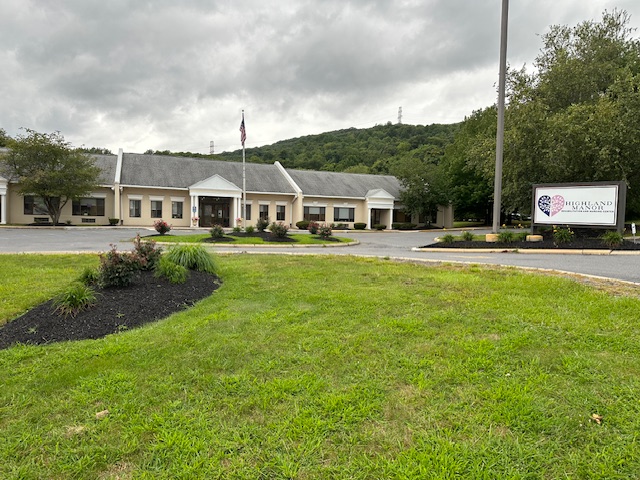
Who Owns and Operates Highland Manor Rehabilitation And Nursing Center?

HIGHLAND MANOR REHABILITATION AND NURSING CENTER is owned by a non-profit organization. Non-profit facilities reinvest revenue into operations rather than distributing to shareholders. The facility is operated by CONTINUUM HEALTHCARE, a chain that manages multiple nursing homes. With 120 certified beds and approximately 108 residents (about 90% occupancy), it is a mid-sized facility located in EXETER, Pennsylvania.
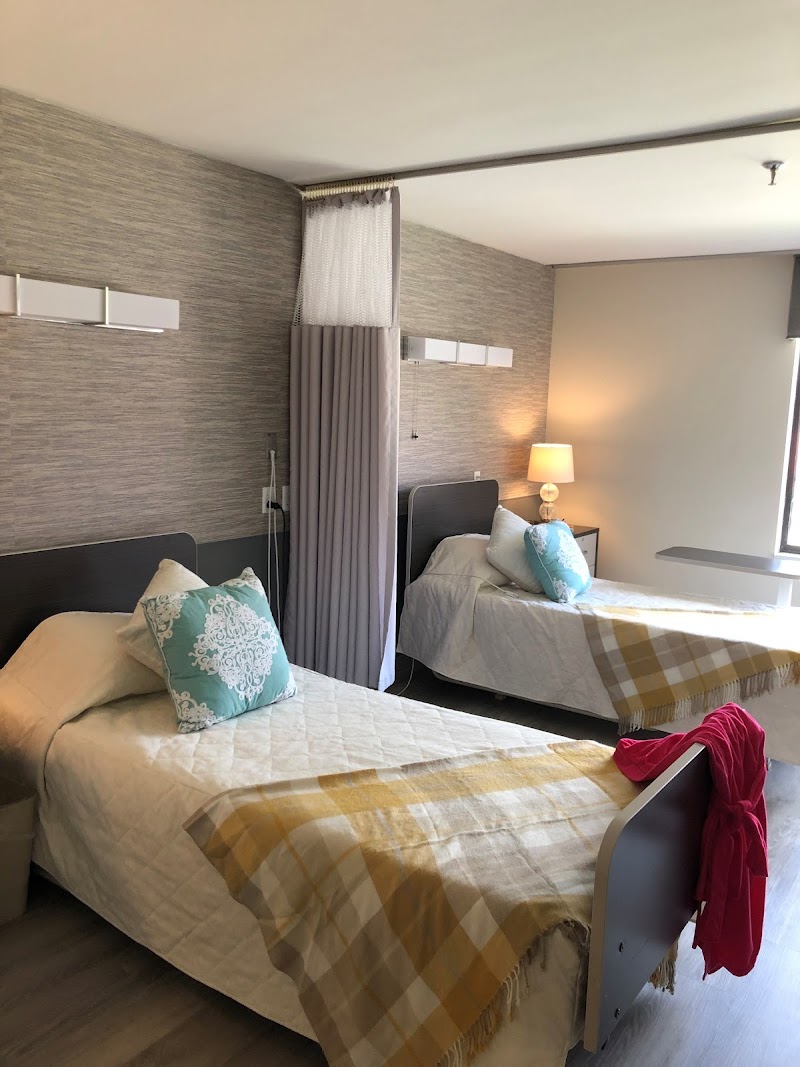
How Does Highland Manor Rehabilitation And Nursing Center Compare to Other Pennsylvania Nursing Homes?

Compared to the 100 nursing homes in Pennsylvania, HIGHLAND MANOR REHABILITATION AND NURSING CENTER's overall rating (3 stars) matches the state average, staff turnover (45%) is near the state average of 46%, and health inspection rating (2 stars) is below the national benchmark.

What Should Families Ask When Visiting Highland Manor Rehabilitation And Nursing Center?

Based on this facility's data, families visiting should ask: "Can I visit during a mealtime to observe dining assistance and food quality?" "How do you handle medical emergencies, and what is your hospital transfer rate?" "Can I speak with family members of current residents about their experience?"

Is Highland Manor Rehabilitation And Nursing Center Safe?

Based on CMS inspection data, HIGHLAND MANOR REHABILITATION AND NURSING CENTER has a clean safety record: no substantiated abuse findings (meaning no confirmed cases of resident harm), no Immediate Jeopardy citations (the most serious violation level indicating risk of serious injury or death), and is not on the Special Focus Facility watch list (a federal program monitoring the lowest-performing 1% of nursing homes). The facility has a 3-star overall rating and ranks #1 of 100 nursing homes in Pennsylvania. While no facility is perfect, families should still ask about staff-to-resident ratios and recent inspection results during their visit.

Do Nurses at Highland Manor Rehabilitation And Nursing Center Stick Around?

HIGHLAND MANOR REHABILITATION AND NURSING CENTER has a staff turnover rate of 45%, which is about average for Pennsylvania nursing homes (state average: 46%). Moderate turnover is common in nursing homes, but families should still ask about staff tenure and how the facility maintains care continuity when employees leave.

Was Highland Manor Rehabilitation And Nursing Center Ever Fined?

HIGHLAND MANOR REHABILITATION AND NURSING CENTER has been fined $19,760 across 1 penalty action. This is below the Pennsylvania average of $33,276. While any fine indicates a compliance issue, fines under $50,000 are relatively common and typically reflect isolated problems that were subsequently corrected. Families should ask what specific issues led to these fines and confirm they've been resolved.

Is Highland Manor Rehabilitation And Nursing Center on Any Federal Watch List?

HIGHLAND MANOR REHABILITATION AND NURSING CENTER is not on any federal watch list. The most significant is the Special Focus Facility (SFF) program, which identifies the bottom 1% of nursing homes nationally based on persistent, serious quality problems. Not being on this list means the facility has avoided the pattern of deficiencies that triggers enhanced federal oversight. This is a positive indicator, though families should still review the facility's inspection history directly.