
FAIRVIEW MANOR

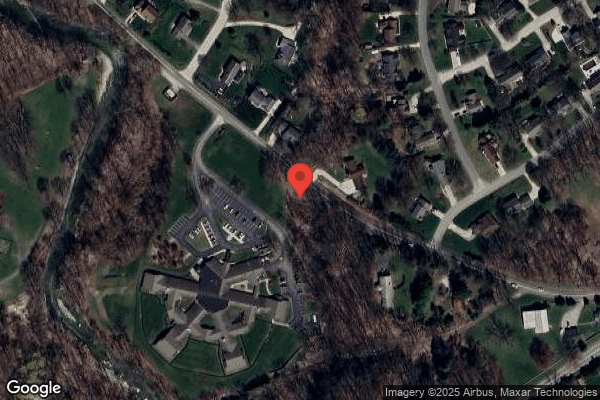
900 MANCHESTER ROAD, FAIRVIEW, PA 16415 (814) 838-4822
For profit - Corporation 121 Beds HCF MANAGEMENT Data: November 2025
Trust Grade
58/100
#418 of 653 in PA
Last Inspection: April 2025

Within standard 12-15 month inspection cycle. Federal law requires annual inspections.

Overview

Fairview Manor has a Trust Grade of C, which means it is average and falls in the middle of the pack among nursing homes. It ranks #418 out of 653 facilities in Pennsylvania, placing it in the bottom half, and #15 out of 18 in Erie County, indicating there are better options nearby. Unfortunately, the facility is worsening, with issues increasing from 1 in 2024 to 6 in 2025. Staffing is a significant concern, with a poor rating of 1 out of 5 stars and a turnover rate of 54%, which is higher than the state average. Additionally, there have been specific incidents such as staff not providing adequate nursing coverage for 21 days, residents complaining about staff being noisy and unprofessional, and failure to maintain proper hand hygiene during meal preparation, which raises concerns about overall care quality.

Trust Score
C
58/100
In Pennsylvania
#418/653
Bottom 36%
Safety Record
Low Risk
No red flags
Inspections
Getting Worse
1 → 6 violations
Staff Stability
⚠ Watch
54% turnover. Above average. Higher turnover means staff may not know residents' routines.
Penalties
✓ Good
$7,443 in fines. Lower than most Pennsylvania facilities. Relatively clean record.
Skilled Nurses
⚠ Watch
Each resident gets only 28 minutes of Registered Nurse (RN) attention daily — below average for Pennsylvania. Fewer RN minutes means fewer trained eyes watching for problems.
Violations
⚠ Watch
11 deficiencies on record. Higher than average. Multiple issues found across inspections.
★★☆☆☆
2.0
Overall Rating
★☆☆☆☆
1.0
Staff Levels
★★★★☆
4.0
Care Quality
★★★☆☆
3.0
Inspection Score
Stable
2024: 1 issues
2025: 6 issues

The Good

  • 4-Star Quality Measures · Strong clinical quality outcomes
  • Full Sprinkler Coverage · Fire safety systems throughout facility
  • No fines on record

Facility shows strength in quality measures, fire safety.

The Bad

2-Star Overall Rating

Below Pennsylvania average (3.0)

Below average - review inspection findings carefully

Staff Turnover: 54%

Near Pennsylvania avg (46%)

Higher turnover may affect care consistency

Federal Fines: $7,443

Below median ($33,413)

Minor penalties assessed

Chain: HCF MANAGEMENT

Part of a multi-facility chain

Ask about local staffing decisions and management

The Ugly 11 deficiencies on record

Apr 2025 5 deficiencies
CONCERN (D)

Potential for Harm - no one hurt, but risky conditions existed

Deficiency F0578 (Tag F0578)

Could have caused harm · This affected 1 resident

Based on review of facility policy and clinical records, and staff interview, it was determined that the facility failed to ensure physician's orders and resident Pennsylvania Order for Life Sustainin...

Read full inspector narrative →
Based on review of facility policy and clinical records, and staff interview, it was determined that the facility failed to ensure physician's orders and resident Pennsylvania Order for Life Sustaining Treatment (POLST- a legal document specifying the resident/responsible party choices regarding life-sustaining treatments) were consistent for one of 23 residents reviewed (Resident R29). Findings include: Facility policy entitled Pennsylvania Orders for Life-Sustaining Treatment policy (POLST) dated 12/4/24, indicated the purpose is to guide staff in providing care appropriate to the residents or surrogates wishes. It further stated that if a person is admitted with a POLST, it will be honored. If a person does not have one on admission, one will be completed with the person or surrogate. Resident R29's clinical record revealed an admission date of 3/9/25, with diagnoses that included kidney failure (kidneys are no longer able to work therefore cannot filter waste and toxins from the blood), gastro-esophageal reflux disease (GERD - a condition where stomach acid flows back into the esophagus [tube that passes food from the mouth into the stomach]), and high blood pressure. Resident R29's clinical recorded revealed a physician's order dated 3/11/25, for Full Code (staff to implement Cardiopulmonary Resuscitation [CPR] -emergency life-saving procedure that is done when breathing or a heartbeat has stopped and when performed immediately can double or triple chances of survival after cardiac arrest). Resident R29's care plans revealed a care plan indicating Full Code. Resident R29's clinical record revealed a POLST dated 3/14/25, signed by both Resident R29 and his/her physician indicating DNR / Do Not Attempt Resuscitation (allow natural death). During an interview with the Director of Nursing on 4/10/25, at 11:50 a.m. he/she confirmed Resident R29's physician's orders, POLST, and care plan were not consistent with each other. He/she also confirmed that Resident R29's physician's orders, POLST and care plan should reflect Resident R29's Advance Directive wishes and be consistent with each other. 28 Pa. Code 201.18 (b)(1) Management 28 Pa. Code 201.18 (e)(1) Management 28 Pa. Code 201.29(a) Resident rights 28 Pa. Code 211.5(f)(i) Medical records 28 Pa. Code 211.10(c) Resident care policies
CONCERN (D)

Potential for Harm - no one hurt, but risky conditions existed

Assessment Accuracy (Tag F0641)

Could have caused harm · This affected 1 resident

**NOTE- TERMS IN BRACKETS HAVE BEEN EDITED TO PROTECT CONFIDENTIALITY** Based on review of Minimum Data Set (MDS - federally mandated standardized assessment conducted at specific intervals to plan re...

Read full inspector narrative →
**NOTE- TERMS IN BRACKETS HAVE BEEN EDITED TO PROTECT CONFIDENTIALITY** Based on review of Minimum Data Set (MDS - federally mandated standardized assessment conducted at specific intervals to plan resident care), clinical records and staff interviews, it was determined that the facility failed to ensure that the MDS assessment accurately reflected the status for one of 23 residents reviewed (Resident R29). Findings include: Review of MDS instructions for Section H Bladder and Bowel subsection H0300 Urinary Continence indicated that urinary continence is to be coded as not rated if during the seven day look-back period the resident had an indwelling bladder catheter (tubing from the bladder to drain urine into the bag), condom catheter, ostomy, or no urine output for the entire seven days. Resident R29's clinical record revealed an admission date of 3/9/25, with diagnoses that included kidney failure (kidneys are no longer able to work therefore cannot filter waste and toxins from the blood), gastro-esophageal reflux disease (GERD - a condition where stomach acid flows back into the esophagus [tube that passes food from the mouth into the stomach]), and high blood pressure. Resident R29's clinical record revealed he/she had an Indwelling Catheter at the time of admission on [DATE]. Resident R29's admission MDS with Assessment Reference Date (ARD) of 3/16/25, Subsection H0100 Appliances was coded as Indwelling Catheter and Subsection H0300 Urinary Continence was coded as Occasionally Incontinent, Medicare-5 day MDS with ARD of 3/16/25 Subsection H0100 Appliances was coded as Indwelling Catheter and Subsection H0300 Urinary Continence was coded as Always Incontinent, although Resident R29 had an indwelling catheter for the entire seven-day look-back period. During an interview on 4/10/25, at 2:00 p.m. Registered Nurse Assessment Coordinator confirmed that the 3/16/25 MDS's were coded inaccurately and urinary continence should have been coded as not rated for Resident R29. 28 Pa. Code 201.14(a) Responsibility of licensee 28 Pa. Code 211.5(f)(ix) Medical Records
CONCERN (D)

Potential for Harm - no one hurt, but risky conditions existed

Quality of Care (Tag F0684)

Could have caused harm · This affected 1 resident

Based on review of clinical records and staff interview, it was determined that the facility failed to obtain a physician's order for hospice services for one of four hospice residents reviewed (Resid...

Read full inspector narrative →
Based on review of clinical records and staff interview, it was determined that the facility failed to obtain a physician's order for hospice services for one of four hospice residents reviewed (Resident R107). Findings include: Resident R107's clinical record revealed an admission date of 1/10/25, with diagnoses that included Cerebral Infarction (a condition where a part of the brain is damaged or dies due to a lack of blood supply), Atrial Fibrillation (A-Fib - irregular and often rapid heartbeat that can lead to stroke, heart failure, and other complications), and constipation. Resident R107's clinical record revealed he/she was readmitted to the facility from the hospital on 3/28/25. Review of the hospital records revealed that Resident R107 was returning to the facility with hospice services provided by a hospice agency. Resident R107's clinical record contained documentation from the hospice agency that identified services were being provided while a resident at the facility. Further review revealed his/her clinical record lacked a physician's order for hospice services. During an interview on 4/09/25, at approximately 12:00 p.m. the Director of Nursing confirmed that there was no documented evidence of a physician's order for the hospice services that Resident R107 had been receiving from the hospice agency since his/her return to the facility on 3/28/25. 28 Pa. Code 211.12(d)(1)(5) Nursing services 28 Pa. Code 211.5(f)(i) Medical records
CONCERN (D)

Potential for Harm - no one hurt, but risky conditions existed

Infection Control (Tag F0880)

Could have caused harm · This affected 1 resident

**NOTE- TERMS IN BRACKETS HAVE BEEN EDITED TO PROTECT CONFIDENTIALITY** Based on a review of facility policy and clinical records, observations, and staff interviews, it was determined that the facili...

Read full inspector narrative →
**NOTE- TERMS IN BRACKETS HAVE BEEN EDITED TO PROTECT CONFIDENTIALITY** Based on a review of facility policy and clinical records, observations, and staff interviews, it was determined that the facility failed to follow acceptable infection control practices regarding enhanced barrier precautions (EBP) during observations for one of eight residents reviewed (Resident R29). Findings include: Facility policy entitled Enhanced Barrier Precautions dated 12/4/24, indicated it is the intent of the facility to use Enhanced Barrier Precautions (EBP) in addition to Standard Precautions for residents to prevent transmission of MDRO's (Multidrug Resistant Organisms - a germ resistant to many antibiotics). The policy further stated that EBP may be considered for the following situations: indwelling medical devices (e.g., central line, urinary catheter, feeding tube, tracheostomy/ventilator). The Center for Disease Control and Prevention (CDC) defines Enhanced Barrier Precautions as an infection control intervention designed to reduce transmission of MDRO's using an approach of isolation gown and gloves during high-contact resident care activities including catheter and central line care. CDC further indicates that facilities should post clear signage indicating EBP requirements, and ensure easy access to gowns, gloves, and alcohol-based hand rub. Resident R29's clinical record revealed an admission date of 3/9/25, with diagnoses that included kidney failure (kidneys are no longer able to work therefore cannot filter waste and toxins from the blood), gastro-esophageal reflux disease (GERD - a condition where stomach acid flows back into the esophagus [tube that passes food from the mouth into the stomach]), and high blood pressure. Resident R29's clinical record revealed he/she had a PICC line (peripherally inserted central catheter - a long flexible thin tubing inserted into a vein in your upper arm then threaded to a central vein near your heart used to administer medications), and an indwelling catheter (tubing inserted into the bladder to drain urine) at time of admission on [DATE]. Resident R29's physician's order failed to include an order for EBP. Observations on 4/08/25, at 2:00 p.m. and 4/09/25, at 1:00 p.m. revealed Resident R29 sitting in a chair in his/her room with a capped PICC Line to the right upper arm and an indwelling catheter that was covered and positioned below the bladder. Observation of Resident R29's room revealed that there was no signage alerting persons entering the room of EBP for infection control and no personal protective equipment (PPE) such as gloves and gowns available inside or outside of the room for use. During an interview on 4/09/25, at 2:15 p.m. the Director of Nursing confirmed that Resident 29's room lacked signage of EBP and appropriate PPE, such as gloves and gowns, when providing care for residents who have an indwelling urinary catheter and PICC line, and that signage should have been posted and PPE should be readily available. 28 Pa. Code 211.10(c) Resident care policies 28 Pa. Code 211.12(d)(1)(5) Nursing services
CONCERN (E) 📢 Someone Reported This

A family member, employee, or ombudsman was alarmed enough to file a formal complaint

Potential for Harm - no one hurt, but risky conditions existed

Deficiency F0725 (Tag F0725)

Could have caused harm · This affected multiple residents

Based on resident interviews and review of resident council minutes, it was determined that the facility failed to provide sufficient nursing staff and services to promote the physical and mental well...

Read full inspector narrative →
Based on resident interviews and review of resident council minutes, it was determined that the facility failed to provide sufficient nursing staff and services to promote the physical and mental well-being and meet the needs for five of 23 residents interviewed (Residents R2, R9, R35, R37, and R82). Findings include: Review of resident council minutes from the last three months from January, February, and March of 2025, revealed the following: March 2025 resident council minutes revealed there were complaints of halls being noisy at all times and staff were observed on their cell phones in the hallways. February 2025 resident council minutes revealed concerns with staff on their cell phones in the hallways during resident care, staff being very loud and yelling in the hallways having conversations, weekend staff not present when needed, and residents waiting to be served during meals for long periods of time. January 2025 resident council minutes revealed concerns with staff using foul language and yelling in the hallways during meal service and while performing care on all hallways, non-homelike environment during meals and care due to staff speaking loudly and inappropriately, call bells not being answered on third shift for long periods of time, showers not being completed on designated days and sheets not getting changed on beds. Interviews during the Resident Council meeting on 4/9/25, between 10:00 a.m. and 10:45 a.m., revealed five out of five alert and oriented residents in attendance with concerns related to staff not responding to their call bells timely. Resident R82 indicated that it could take 30-45 minutes for his/her call bell to be answered and staff are typically seen in the hallways talking or on their phones. Resident R9 indicated that he/she will wait for 30 minutes to 60 minutes to receive assistance to use the restroom after placing his/her call bell on. Resident R9 further indicated if he/she is not able to use the restroom in his/her room due to it being too small and required assistance to the hallway restroom with assistance of two people. Resident R9 indicated that it takes a 30 minutes or longer most of the time to have call lights answered to use the restroom. Resident R9 further indicated that he/she is supposed to be walked, and staff are always too busy and never have time to walk him/her as ordered. Residents R2, R35 and R37 indicated they wait 30 minutes or longer when their call bell is placed on to be responded to by staff. All residents agreed that they observe staff on their phones and standing talking to one another during their shifts. During interview on 4/9/25, at 2:00 p.m. revealed that Resident R37 expressed concerns of poor call bell response times. Resident R37 revealed that on weekends and evenings he/she observes staff constantly watching tv, were on their phones, and talking in the back lounge area of B Hallway while call lights are on in the hallway. Resident R37 also indicated that he/she requires full assist with eating and there is not enough staff to assist everyone in a timely manner. By the time he/she gets someone to assist with his food it is cold and requires being heated up. Resident R37 stated this happens a lot. 28 Pa. Code 201.18(b)(1) Management 28 Pa. Code 211.12(d)(4)(5) Nursing services
Jan 2025 1 deficiency
CONCERN (F) 📢 Someone Reported This

A family member, employee, or ombudsman was alarmed enough to file a formal complaint

Potential for Harm - no one hurt, but risky conditions existed

Deficiency F0727 (Tag F0727)

Could have caused harm · This affected most or all residents

Based on a review of nursing time schedules and staff interviews, it was determined that the facility failed to provide the services of a Registered Nurse (RN) for 8 consecutive hour nursing shifts da...

Read full inspector narrative →
Based on a review of nursing time schedules and staff interviews, it was determined that the facility failed to provide the services of a Registered Nurse (RN) for 8 consecutive hour nursing shifts daily for 21 days out of 21 days reviewed (12/07/24 through 12/27/24). Findings included: A review of facility nurse staffing documents revealed there was no RN on duty for the following days and shifts: 12/07/24 3-11 shift 3.10 RN hours worked and 8.00 hours were required. 11-7 shift 0 RN hours worked and 8.00 hours were required. 12/08/24 7-3 shift 0 RN hours worked and 8.00 hours were required. 3-11 shift 0 RN hours worked and 8.00 hours were required. 11-7 shift 0 RN hours worked and 8.00 hours were required. 12/09/24 7-3 shift 0 RN hours worked and 8.00 hours were required. 3-11 shift 0 RN hours worked and 8.00 hours were required. 11-7 shift 0 RN hours worked and 8.00 hours were required. 12/10/24 7-3 shift 0 RN hours worked and 8.00 hours were required. 3-11 shift 0 RN hours worked and 8.00 hours were required. 11-7 shift 0 RN hours worked and 8.00 hours were required. 12/11/24 7-3 shift 0 RN hours worked and 8.00 hours were required. 3-11 shift 0 RN hours worked and 8.00 hours were required. 11-7 shift 0 RN hours worked and 8.00 hours were required. 12/12/24 7-3 shift 0 RN hours worked and 8.00 hours were required. 3-11 shift 0 RN hours worked and 8.00 hours were required. 11-7 shift 0 RN hours worked and 8.00 hours were required. 12/13/24 7-3 shift 0 RN hours worked and 8.00 hours were required. 3-11 shift 0 RN hours worked and 8.00 hours were required. 12/14/24 3-11 shift 6 RN hours worked and 8.00 hours were required. 11-7 shift 0 RN hours worked and 8.00 hours were required. 12/15/24 7-3 shift 6 RN hours worked and 8.00 hours were required. 3-11 shift 6 RN hours worked and 8.00 hours were required. 11-7 shift 0 RN hours worked and 8.00 hours were required. 12/16/24 7-3 shift 0 RN hours worked and 8.00 hours were required. 11-7 shift 0 RN hours worked and 8.00 hours were required. 12/17/24 7-3 shift 0 RN hours worked and 8.00 hours were required. 12/18/24 7-3 shift 0 RN hours worked and 8.00 hours were required. 11-7 shift 0 RN hours worked and 8.00 hours were required. 12/19/24 7-3 shift 0 RN hours worked and 8.00 hours were required. 11-7 shift 0 RN hours worked and 8.00 hours were required. 12/20/24 7-3 shift 4 RN hours worked and 8.00 hours were required. 3-11 shift 0 RN hours worked and 8.00 hours were required. 11-7 shift 0 RN hours worked and 8.00 hours were required. 12/21/24 7-3 shift 0 RN hours worked and 8.00 hours were required. 3-11 shift 0 RN hours worked and 8.00 hours were required. 11-7 shift 0 RN hours worked and 8.00 hours were required. 12/22/24 7-3 shift 0 RN hours worked and 8.00 hours were required. 3-11 shift 3 RN hours worked and 8.00 hours were required. 11-7 shift 0 RN hours worked and 8.00 hours were required. 12/23/24 3-11 shift 0 RN hours worked and 8.00 hours were required. 11-7 shift 0 RN hours worked and 8.00 hours were required. 12/24/24 3-11 shift 0 RN hours worked and 8.00 hours were required. 11-7 shift 0 RN hours worked and 8.00 hours were required. 12/25/24 7-3 shift 0 RN hours worked and 8.00 hours were required. 3-11 shift 0 RN hours worked and 8.00 hours were required. 11-7 shift 0 RN hours worked and 8.00 hours were required. 12/26/24 7-3 shift 0 RN hours worked and 8.00 hours were required. 3-11 shift 0 RN hours worked and 8.00 hours were required. 12/27/24 7-3 shift 0 RN hours worked and 8.00 hours were required. 3-11 shift 0 RN hours worked and 8.00 hours were required. During an interview on January 2, 2025, at 1:08 p.m.the Nursing Home administrator confirmed that the facility did not have an RN on duty for 8 consecutive hour shifts on the above dates. 28 Pa. Code 201.18(e)(1) Management 28 Pa. Code 211.12(c) Nursing Services
May 2024 1 deficiency
CONCERN (D)

Potential for Harm - no one hurt, but risky conditions existed

Medical Records (Tag F0842)

Could have caused harm · This affected 1 resident

Based on review of clinical records and staff interview, it was determined that the facility failed to maintain complete and accurate documentation for one of 25 residents reviewed (Resident R11). Fin...

Read full inspector narrative →
Based on review of clinical records and staff interview, it was determined that the facility failed to maintain complete and accurate documentation for one of 25 residents reviewed (Resident R11). Findings include: No policy was provided on documentation related to tube feeding. Resident R11's clinical record revealed an admission date of 10/7/14, with diagnoses that included gastrostomy (surgical opening into the stomach for nutritional support), dysphagia (difficulty in swallowing food and liquids, which may interfere with the person's ability to eat and drink) and stroke. Resident R11's clinical record revealed a physician's order dated 5/20/23, for the enteral feeding of Fibersource HN (nutritional formula) at 50 milliliters (ml) every hour continuous via gastric tube (a total of 400 ml per shift and 1200 ml total of formula). A physician's order dated 2/12/24, for enteral feeding revealed to change the Fibersource HN to 55 ml every hour continuous via gastric tube (a total of 440 ml per shift and 1320 ml total of formula). A physician's order dated 2/12/24, revealed to maintain hydration flush tube with 100 ml water every four hours (200 ml per shift). Review of the January 2024 Medication Administration Record (MAR) for Resident R11's enteral feeding dated 1/1/24, through 1/31/24, revealed that for day shift the documented ml intake was X for 31 of 31 days, for evening shift the documented ml intake was X for 30 of 31 days and was blank for one of 31 days, and for the overnight shift the documented ml intake was X for 30 of 31 days. Review of the February 2024 MAR for Resident R11's enteral feeding dated 2/1/24, through 2/29/24, revealed that for day shift the documented ml intake was X for four of 29 days and 240 ml below the ordered amount for two of 29 days, for evening shift the documented intake was X for three of 29 days, blank for two of 29 days, NA for one of 29 days, and 240 ml below the ordered amount for five of 29 days, for the overnight shift the documented ml intake was X for two of 29 days, blank for two of 29 days, 240 ml below the ordered amount for one of 29 days, and 390 ml below the ordered amount for one of 29 days. Review of the February 2024 MAR for Resident R11's every four hour water flush dated 2/12/24, through 2/29/24, revealed that for day shift the documented ml flush was 240 ml over the ordered amount for one of 17 days, for evening shift the documented ml flush was blank for two of 17 days, was 55/hr for two of 17 days, and was 240 ml over the ordered amount for four of 17 days, for the overnight shift the documented ml flush was blank for one of 18 days, was 50 ml/hr for one of 18 days, and was 240 ml over the ordered amount for five of 18 days. Review of the March 2024 MAR for Resident R11's enteral feeding dated 3/1/24, through 3/31/24, revealed that for day shift the documented ml intake was 240 ml below the ordered amount for one of 31 days, for evening shift the documented ml intake was NA for two of 31 days, blank for one of 31 days, zero for one of 31 days, 240 ml below the ordered amount for 18 of 31 days, 340 ml below the ordered amount for four of 31 days, and 476 ml above the ordered amount for one of 31 days, for the overnight shift the documented ml intake was blank for two of 31 days, and was 240 ml below the ordered amount for six of 31 days. Review of the March 2024 MAR for Resident R11's every four hour water flush dated 3/1/24, through 3/31/24, revealed that for day shift the documented ml flush was 240 ml above the ordered amount for one of 31 days, for evening shift the documented ml flush was blank for one of 31 days, NA for one of 31 days, was zero for one of 31 days, was 100 ml below the ordered amount for five of 31 days, and was 240 ml above the ordered amount for three of 31 days, for the overnight shift the documented ml flush was blank for two of 31 days and was 240 ml above the ordered amount for three of 31 days. Review of the April 2024 MAR for Resident R11's enteral feeding dated 4/1/24, through 4/30/24, revealed that for day shift the documented ml intake was 55 ml below the ordered amount for one of 30 days, 110 ml below the ordered amount for one of 30 days, and 240 ml below the ordered amount for one of 30 days, for evening shift the documented ml intake was 55 ml below the ordered amount for one of 30 days, 110 ml below the ordered amount for one of 30 days, 240 ml below the ordered amount for 16 of 30 days, 340 ml below the ordered amount for five of 30 days, and 786 ml above the ordered amount for 1 of 30 days, for the overnight shift the documented ml intake was 240 ml below the ordered amount for five of 30 days. Review of the April 2024 MAR for Resident R11's every four hour water flush dated 4/1/24, through 4/30/24, revealed for day shift the documented ml flush was 100 ml below the ordered amount for one of 30 days, for evening shift the documented ml flush was zero for one of 30 days, 100 ml below the ordered amount for four of 30 days, 130 ml below the ordered amount for one of 30 days, 200 ml above the ordered amount for one of 30 days, and 240 ml above the ordered amount for three of 30 days, for the overnight shift the documented ml intake was 240 ml above the ordered amount for five of 30 days. Review of the May 2024 MAR for Resident R11's enteral feeding dated 5/1/24, through 5/8/24, revealed that for evening shift the documented ml intake was blank for one of eight days, 220 ml below the ordered amount for one of eight days, and 240 ml below the ordered amount for four of eight days, for the overnight shift the documented ml intake was 240 ml below the ordered amount for one of eight days. Review of the May 2024 MAR for Resident R11's every four hour water flush dated 5/1/24, through 5/8/24, revealed that for evening shift the documented ml flush was blank for one of eight days, 20 ml below the ordered amount for one of eight days, 100 ml below the ordered amount for one of eight days, and 100 ml above the ordered amount for one of eight days, for the overnight shift the documented ml flush was 240 ml above the ordered amount for three of eight days. During an interview on 5/9/24, at approximately 3:02 p.m. the Director of Nursing confirmed that Resident R11's clinical record contained incomplete and inaccurate documentation related to his/her tube feeding formula and water flushes. 28 Pa. Code 201.14(a) Responsibility of licensee 28 Pa. Code 211.12(d)(1)(2)(5) Nursing services
Jun 2023 2 deficiencies
CONCERN (D) 📢 Someone Reported This

A family member, employee, or ombudsman was alarmed enough to file a formal complaint

Potential for Harm - no one hurt, but risky conditions existed

Quality of Care (Tag F0684)

Could have caused harm · This affected 1 resident

Based on review of clinical records and staff interviews, it was determined that the facility failed to follow physician's orders for treatments for one of 20 residents reviewed (Resident R41). Findin...

Read full inspector narrative →
Based on review of clinical records and staff interviews, it was determined that the facility failed to follow physician's orders for treatments for one of 20 residents reviewed (Resident R41). Findings include: Review of Resident R41's clinical record revealed an admission date of 8/30/22, with diagnoses including scalp wound, liver cancer, stroke with left-sided weakness, adrenal gland cancer, seizures, and dementia. Further review of Resident R41's clinical record revealed: a physician's order dated 4/06/23, to consult the neurosurgeon on 4/12/23, for suture removal and wound check; a physician's order dated 4/07/23, identified to apply saline soaked gauze to sutures to soften prior to removal every day shift until 4/10/23; give five milligrams (mg) of Valium (medication used to treat anxiety) by mouth one hour prior to suture removal until 4/10/23. Further review of Resident R41's clinical record lacked evidence of a physician's order to remove his/her sutures. Review of Resident R41's medication and treatment records for April 2023, revealed Valium five mg was administered on 4/10/23, at 1:01 p.m., and saline soaked gauze was applied to his/her sutures one time on 4/10/23. Review of Resident R41's clinical record revealed: a departmental progress note dated 4/06/23, that indicated the facility received a call from the neurosurgeon's office to schedule an appointment on 4/12/23, for suture removal and wound check; a departmental progress note dated 4/10/23, revealed that the sutures were removed by facility staff; a physician's progress note dated 4/12/23, that Resident R41's physician had been notified of the suture removal at the facility and would look into the matter further. An office visit progress note dated 4/12/23, indicated that the neurosurgeon believed the suture removal at the facility to be unfortunate and that the mid-portion of the incision had dehisced (opened back up). During an interview on 6/21/23, at 2:00 p.m. the Director of Nursing confirmed that the orders to administer Valium and apply saline soaked gauze did not instruct facility staff to remove Resident R41's sutures. 28 Pa. Code 211.12(d)(5) Nursing services
CONCERN (E)

Potential for Harm - no one hurt, but risky conditions existed

Food Safety (Tag F0812)

Could have caused harm · This affected multiple residents

Based on observations, review of facility policy, and staff interview it was determined that the facility failed to utilize proper hand hygiene during meal distribution in two of three resident kitche...

Read full inspector narrative →
Based on observations, review of facility policy, and staff interview it was determined that the facility failed to utilize proper hand hygiene during meal distribution in two of three resident kitchenette areas (B and D units). Findings include: Review of a facility policy dated 2/20/23, entitled Infection Control/Food Safety indicated that staff should complete thorough hand washing after handling soiled equipment and during food preparations to prevent cross contamination, and avoid direct contact with food by bare hands. Observation on 6/21/23, at approximately 11:30 a.m. revealed that Dietary Employee E1 was observed opening the refrigerator door on the D Unit kitchenette with gloved hands and grabbing a soda, then grabbed a pickle and placed it on a plate. After this exchange Dietary Employee E1 proceeded to grab a bun and start the next plate of food. Dietary Employee E1 did not remove gloves and perform hand hygiene during the entire exchange. Observation on 6/21/23, at 11:53 a.m. on the B Unit kitchenette revealed that Licensed Practical Nurse (LPN) Employee E2 touched a resident sandwich with bare hands to cut it with a knife. During an interview at that time LPN Employee E2 confirmed he/she believed that wearing gloves to touch resident food was a dignity issue. During an interview on 6/21/23, at 12:13 p.m. the Dietary Manager confirmed that hand hygiene should have been performed and gloves changed after opening the refrigerator to grab the soda, and that LPN Employee E2 should have worn gloves to touch the resident's sandwich. 28 Pa. Code 211.6(f) Dietary services 28 Pa. Code 201.14(a) Responsibility of licensee 28 Pa. Code 201.18(b)(1) Management
Jan 2023 2 deficiencies
CONCERN (E) 📢 Someone Reported This

A family member, employee, or ombudsman was alarmed enough to file a formal complaint

Potential for Harm - no one hurt, but risky conditions existed

Safe Environment (Tag F0584)

Could have caused harm · This affected multiple residents

**NOTE- TERMS IN BRACKETS HAVE BEEN EDITED TO PROTECT CONFIDENTIALITY** Based on observations and staff interviews, it was determined that the facility failed to provide adequate housekeeping services...

Read full inspector narrative →
**NOTE- TERMS IN BRACKETS HAVE BEEN EDITED TO PROTECT CONFIDENTIALITY** Based on observations and staff interviews, it was determined that the facility failed to provide adequate housekeeping services to maintain a clean and sanitary environment for eight resident rooms observed (Rooms 23, 33, 36, 40, 41, 45, 46 and 60), for two of two common baths observed (Units B and C) for three of three unit hallways (Units A, B and C) and for two of two public restrooms. Findings include: Observations on January 7, 2023, from 7:55 a.m. through 11:00 a.m., revealed the following: The resident toilets in the attached bathrooms of rooms 23, 33, 40 and 41 were dirty with dried stains on the outsides of the toilets and dark stains and dried brown matter in the bowls of the toilets. The floor of rooms 36, 45, 46 and 60 were dirty with debris throughout the room on the floors. The bedside commode in resident room [ROOM NUMBER] was observed to be dirty with dried brown smears over the surface of the device. There was also a lingering unpleasant odor noted when near the commode device. The floors of resident units A, B and C were dirty with debris the length of all three halls. The toilets in the resident common bathing areas for Units B and C were dirty with stains inside the bowls and dried stains on the outsides of the toilets and on the walls behind the toilets. The urinal and toilet in the 'Mens' public restroom were noted to have a strong unpleasant odor with stains inside the urinal and toilet. The 'Womens' restroom toilets both had stains inside the toilet bowls and both had an unpleasant odor. The above findings were confirmed with the Director of Nursing on January 7, 2023, between 9:00 a.m. and 11:00 a.m. During interview on January 7, 2023, at around 10:00 a.m. Housekeeping Employee E1 confirmed that they were the only housekeeping staff scheduled for dayshift to clean the entire facility and areas of 94 residents, including the common areas. A review of the housekeeping schedule for January 7 and 8, 2023, revealed one staff member for day shift only. 28 Pa. Code 201.18(b)(3) Management 28 Pa. Code 207.2(a) Administrator's responsibility
MINOR (C) 📢 Someone Reported This

A family member, employee, or ombudsman was alarmed enough to file a formal complaint

Minor Issue - procedural, no safety impact

Staffing Information (Tag F0732)

Minor procedural issue · This affected most or all residents

Based on observations and staff interviews, it was determined that the facility failed to ensure that the required nursing staffing information was posted as required for residents and visitors and ac...

Read full inspector narrative →
Based on observations and staff interviews, it was determined that the facility failed to ensure that the required nursing staffing information was posted as required for residents and visitors and accurately and on a daily basis. Findings include: Observations on January 7, 2023, at 9:00 a.m. with the Director of Nursing (DON) revealed that the daily staffing posting dated January 9, 2023, was posted inside the nursing supervisor's office and not visible/accessible to residents and visitors. During an interview at that time the DON confirmed that the staffing was not posted out in a public area and that the posting was not for the current date. 28 Pa. Code 211.12 (c) Nursing services
Understanding Severity Codes (click to expand)
Life-Threatening (Immediate Jeopardy)
J - Isolated K - Pattern L - Widespread
Actual Harm
G - Isolated H - Pattern I - Widespread
Potential for Harm
D - Isolated E - Pattern F - Widespread
No Harm (Minor)
A - Isolated B - Pattern C - Widespread

Questions to Ask on Your Visit

  • "Can I speak with families of current residents?"
  • "What's your RN coverage like on weekends and overnight?"

Our Honest Assessment

Strengths
  • • No major safety red flags. No abuse findings, life-threatening violations, or SFF status.
Concerns
  • • 11 deficiencies on record. Higher than average. Multiple issues found across inspections.
  • • Grade C (58/100). Below average facility with significant concerns.
Bottom line: Mixed indicators with Trust Score of 58/100. Visit in person and ask pointed questions.

About This Facility

What is Fairview Manor's CMS Rating?

CMS assigns FAIRVIEW MANOR an overall rating of 2 out of 5 stars, which is considered below average nationally. Within Pennsylvania, this rating places the facility higher than 0% of the state's 100 nursing homes. A rating at this level reflects concerns identified through health inspections, staffing assessments, or quality measures that families should carefully consider.

How is Fairview Manor Staffed?

CMS rates FAIRVIEW MANOR's staffing level at 1 out of 5 stars, which is much below average compared to other nursing homes. Staff turnover is 54%, compared to the Pennsylvania average of 46%. RN turnover specifically is 90%, which is notably high. RNs provide skilled clinical oversight, so turnover in this role can affect medical care quality.

What Have Inspectors Found at Fairview Manor?

State health inspectors documented 11 deficiencies at FAIRVIEW MANOR during 2023 to 2025. These included: 10 with potential for harm and 1 minor or isolated issues.

Who Owns and Operates Fairview Manor?

FAIRVIEW MANOR is owned by a for-profit company. For-profit facilities operate as businesses with obligations to shareholders or private owners. The facility is operated by HCF MANAGEMENT, a chain that manages multiple nursing homes. With 121 certified beds and approximately 109 residents (about 90% occupancy), it is a mid-sized facility located in FAIRVIEW, Pennsylvania.

How Does Fairview Manor Compare to Other Pennsylvania Nursing Homes?

Compared to the 100 nursing homes in Pennsylvania, FAIRVIEW MANOR's overall rating (2 stars) is below the state average of 3.0, staff turnover (54%) is near the state average of 46%, and health inspection rating (3 stars) is at the national benchmark.

What Should Families Ask When Visiting Fairview Manor?

Based on this facility's data, families visiting should ask: "Can you walk me through typical staffing levels on day, evening, and night shifts?" "Can I visit during a mealtime to observe dining assistance and food quality?" "How do you handle medical emergencies, and what is your hospital transfer rate?" "Can I speak with family members of current residents about their experience?" These questions are particularly relevant given the below-average staffing rating.

Is Fairview Manor Safe?

Based on CMS inspection data, FAIRVIEW MANOR has a clean safety record: no substantiated abuse findings (meaning no confirmed cases of resident harm), no Immediate Jeopardy citations (the most serious violation level indicating risk of serious injury or death), and is not on the Special Focus Facility watch list (a federal program monitoring the lowest-performing 1% of nursing homes). The facility has a 2-star overall rating and ranks #100 of 100 nursing homes in Pennsylvania. While no facility is perfect, families should still ask about staff-to-resident ratios and recent inspection results during their visit.

Do Nurses at Fairview Manor Stick Around?

FAIRVIEW MANOR has a staff turnover rate of 54%, which is 8 percentage points above the Pennsylvania average of 46%. Moderate turnover is common in nursing homes, but families should still ask about staff tenure and how the facility maintains care continuity when employees leave.

Was Fairview Manor Ever Fined?

FAIRVIEW MANOR has been fined $7,443 across 1 penalty action. This is below the Pennsylvania average of $33,153. While any fine indicates a compliance issue, fines under $50,000 are relatively common and typically reflect isolated problems that were subsequently corrected. Families should ask what specific issues led to these fines and confirm they've been resolved.

Is Fairview Manor on Any Federal Watch List?

FAIRVIEW MANOR is not on any federal watch list. The most significant is the Special Focus Facility (SFF) program, which identifies the bottom 1% of nursing homes nationally based on persistent, serious quality problems. Not being on this list means the facility has avoided the pattern of deficiencies that triggers enhanced federal oversight. This is a positive indicator, though families should still review the facility's inspection history directly.