FOREST CITY NURSING AND REHAB CENTER
915 DELAWARE STREET, FOREST CITY, PA 18421 (570) 785-3005
For profit - Corporation 132 Beds LME FAMILY HOLDINGS Data: November 2025
Trust Grade
43/100
#420 of 653 in PA
Last Inspection: February 2025

Within standard 12-15 month inspection cycle. Federal law requires annual inspections.

Overview

Forest City Nursing and Rehab Center has a Trust Grade of D, indicating below-average care with some concerns about the facility. It ranks #420 out of 653 nursing homes in Pennsylvania, placing it in the bottom half, and #2 out of 3 in Susquehanna County, meaning only one local option is better. The facility is worsening, with the number of issues identified growing from 4 to 9 over the last year. Staffing is rated average with a 3/5 star rating, and while the turnover rate is slightly better than the state average at 44%, the overall quality measures and health inspections received only 2/5 stars, which is below average. Specific incidents noted include a failure to provide necessary supervision for a resident with a history of falls, resulting in a serious wrist fracture, as well as improper food storage practices that could lead to foodborne illnesses. While there is a focus on staffing retention, the facility has faced significant challenges in both resident safety and food hygiene, highlighting the need for improvement in these critical areas.

Trust Score
D
43/100
In Pennsylvania
#420/653
Bottom 36%
Safety Record
Moderate
Needs review
Inspections
Getting Worse
4 → 9 violations
Staff Stability
○ Average
44% turnover. Near Pennsylvania's 48% average. Typical for the industry.
Penalties
✓ Good
$21,405 in fines. Lower than most Pennsylvania facilities. Relatively clean record.
Skilled Nurses
○ Average
Each resident gets 39 minutes of Registered Nurse (RN) attention daily — about average for Pennsylvania. RNs are the most trained staff who monitor for health changes.
Violations
⚠ Watch
22 deficiencies on record. Higher than average. Multiple issues found across inspections.
★★☆☆☆
2.0
Overall Rating
★★★☆☆
3.0
Staff Levels
★★☆☆☆
2.0
Care Quality
★★☆☆☆
2.0
Inspection Score
Stable
2024: 4 issues
2025: 9 issues

The Good

  • Full Sprinkler Coverage · Fire safety systems throughout facility
  • No fines on record
  • Staff turnover below average (44%)

    4 points below Pennsylvania average of 48%

Facility shows strength in fire safety.

The Bad

2-Star Overall Rating

Below Pennsylvania average (3.0)

Below average - review inspection findings carefully

Staff Turnover: 44%

Near Pennsylvania avg (46%)

Typical for the industry

Federal Fines: $21,405

Below median ($33,413)

Minor penalties assessed

Chain: LME FAMILY HOLDINGS

Part of a multi-facility chain

Ask about local staffing decisions and management

The Ugly 22 deficiencies on record

1 actual harm
Aug 2025 2 deficiencies
CONCERN (D) 📢 Someone Reported This

A family member, employee, or ombudsman was alarmed enough to file a formal complaint

Potential for Harm - no one hurt, but risky conditions existed

Deficiency F0655 (Tag F0655)

Could have caused harm · This affected 1 resident

**NOTE- TERMS IN BRACKETS HAVE BEEN EDITED TO PROTECT CONFIDENTIALITY** Based on clinical record review and staff interviews, it was determined that the facility failed to develop and implement a pers...

Read full inspector narrative →
**NOTE- TERMS IN BRACKETS HAVE BEEN EDITED TO PROTECT CONFIDENTIALITY** Based on clinical record review and staff interviews, it was determined that the facility failed to develop and implement a person-centered baseline care plan that incorporated individualized interventions for wound management for one resident out of five sampled (Resident 1). Findings include: A review of the clinical record revealed Resident 1 was admitted to the facility on [DATE], with diagnoses to include heart failure, diabetes and morbid obesity. A review of an admission Minimum Data Set assessment (Minimum Data Set a federally mandated standardized assessment conducted at specific intervals to plan resident care) dated July 23, 2025 revealed the resident was cognitively intact with a Brief Interview for Mental Status score of 15 (Brief Interview for Mental Status- a tool within the Cognitive Section of the MDS that is used to assess the resident's attention, orientation, and ability to register and recall new information, a score of 13-15 indicates the resident to be cognitively intact) had a surgical wound upon admission to the facility and required staff assistance with activities of daily living. A review of an admission nursing assessment dated [DATE], revealed that the resident was admitted to the facility with a surgical wound to the resident's left groin measuring 5 cm (centimeters) by 2 cm by 0.3 cm. The area was described as red and irritated, with no drainage noted. Physician's orders dated July 18, 2025, directed staff to cleanse the surgical wound with normal saline solution (a sterile mixture of water and salt used to irrigate and cleanse wounds), pat dry, apply a dry 4 x 4 gauze pad over the site, and cover with an ABD dressing (a thick, highly absorbent wound dressing) twice daily, in the morning and evening. A review of the baseline care plan, dated July 17, 2025, addressed the resident's potential for pressure sore development related to a mobility deficit. However, there was no evidence that the baseline care plan included the resident's surgical wound or the corresponding wound care interventions as ordered by the physician. During an interview on August 7, 2025, at approximately 1:00 PM, the Director of Nursing confirmed the baseline care plan did not reflect person-centered approaches specific to the resident's left groin surgical wound and that the physician-ordered wound care was not incorporated into the care plan. cross refer F684 28 Pa. Code 211.12 (d)(5) Nursing services.
CONCERN (D) 📢 Someone Reported This

A family member, employee, or ombudsman was alarmed enough to file a formal complaint

Potential for Harm - no one hurt, but risky conditions existed

Quality of Care (Tag F0684)

Could have caused harm · This affected 1 resident

**NOTE- TERMS IN BRACKETS HAVE BEEN EDITED TO PROTECT CONFIDENTIALITY** Based on clinical record review, physician order review, nursing documentation review, wound care consultation notes, diagnostic...

Read full inspector narrative →
**NOTE- TERMS IN BRACKETS HAVE BEEN EDITED TO PROTECT CONFIDENTIALITY** Based on clinical record review, physician order review, nursing documentation review, wound care consultation notes, diagnostic testing, and staff interview, it was determined the facility failed to ensure care and treatment was provided in accordance with professional standards of practice and physician orders for one of five sampled residents (Resident 1). Findings include: A review of the clinical record revealed Resident 1 was admitted to the facility on [DATE], with diagnoses to include heart failure, diabetes and morbid obesity and a recent vascular surgery to the left groin (a surgical procedure performed in the upper thigh where the leg meets the body, involving the large blood vessels that carry blood to and from the leg, done to repair or improve blood flow that may have been narrowed, blocked, or damaged). A review of the admission Minimum Data Set (MDS) dated [DATE], revealed the resident to be cognitively intact with a BIMS (Brief Interview for Mental Status) score of 15. A score of 13-15 indicates the resident is cognitively intact, meaning able to understand and make decisions about care. The assessment documented that the resident was admitted with a surgical wound and required staff assistance with activities of daily living. A nursing admission assessment dated [DATE], documented a surgical wound in the left groin measuring 5 cm x 2 cm x 0.3 cm, with the area noted as red and irritated. No drainage was documented at that time. Physician's admission orders dated July 18, 2025, directed staff to cleanse the left groin surgical wound with normal saline (a sterile saltwater solution commonly used for wound cleansing), pat dry, apply a dry 4x4 gauze pad, and cover with an ABD dressing (a thick, absorbent wound dressing) twice daily, morning and evening. A review of the resident's July 2025 Treatment Administration Record (TAR) revealed the above physician-ordered wound treatment was not transcribed onto the TAR. Physician progress notes dated July 20, 2025, documented that the surgical wound site had a reddish discharge. Vascular surgery, who evaluated the wound during the resident's hospital stay prior to admission, had determined the wound was not infected and ordered a dry dressing. Nursing documentation dated July 19, 2025, at 11:20 a.m., revealed the left groin surgical wound measured 4 cm x 1.5 cm with a large amount of serosanguineous drainage (a mixture of blood and clear yellow fluid commonly seen in wounds). The nurses' note stated the wound treatment was completed, with a large amount of drainage noted on the old dressing. The next available nursing documentation regarding wound care was July 22, 2025, at 1:59 a.m., stating the dressing was applied with moderate serosanguineous drainage and no signs of infection. Another nurses' note dated July 24, 2025, at 1:09 p.m., indicated the dressing was changed as ordered and the resident tolerated it well. A contracted wound care nurse practitioner assessment dated [DATE], documented that the wound now measured 1.5 cm x 1.7 cm x 4 cm deep, classified as an open, full-thickness wound. The wound bed was described as containing 30% granulation tissue (healthy red tissue that promotes healing) and 60% slough (dead tissue appearing white or yellow). The wound was draining a moderate amount of seropurulent drainage (a mixture of clear and pus-like drainage, suggesting possible infection). The wound treatment plan was updated to include cleansing with normal saline, application of Santyl (an enzymatic debriding agent used to remove dead tissue), packing with iodoform gauze (a sterile medicated gauze used for deep wounds), and covering with a 4x4 gauze and ABD pad. An ultrasound study (noninvasive imaging test that shows structures inside the body using high-intensity sound waves) of the left groin completed on July 24, 2025, revealed a fluid collection measuring 5.2 cm x 2 cm x 1.5 cm, consistent with either an abscess (a localized collection of pus due to infection) or hematoma (a localized collection of blood). The physician was notified, and an order was obtained for immediate follow-up with vascular surgery. Resident 1 was sent to the vascular surgeon on July 24, 2025, and admitted to the hospital for further treatment of the surgical wound. An interview with the Director of Nursing (DON) on August 7, 2025, at approximately 11:00 a.m., confirmed that the admission physician order for the left groin wound treatment had been entered into the physician's order section of the chart but was never transcribed onto the electronic treatment administration record. The DON stated that because the order was not transcribed, it could not be verified that the physician-ordered wound treatments were completed twice daily as prescribed. 28 Pa. Code 211.12(d)(3)(5) Nursing Services
Feb 2025 7 deficiencies
CONCERN (D)

Potential for Harm - no one hurt, but risky conditions existed

Deficiency F0658 (Tag F0658)

Could have caused harm · This affected 1 resident

**NOTE- TERMS IN BRACKETS HAVE BEEN EDITED TO PROTECT CONFIDENTIALITY** Based on review of clinical records and staff interview it was determined the facility failed to provide care and services in ac...

Read full inspector narrative →
**NOTE- TERMS IN BRACKETS HAVE BEEN EDITED TO PROTECT CONFIDENTIALITY** Based on review of clinical records and staff interview it was determined the facility failed to provide care and services in accordance with accepted professional standards of practice by inaccurately identifying a diagnosis of delusional disorder for one (1) of 19 residents (Resident 44) sampled without documented clinical evidence to support the diagnosis. Findings include: According to the American Psychiatric Association, Diagnostic and Statistical Manual of Mental Disorders (DSM-5), Fifth Edition, Delusional Disorder, Diagnostic Criteria includes, but is not limited to: Delusional Disorder A. Nonbizarre delusions (i.e., involving situations that occur in real life, such as being followed, poisoned, infected, loved at a distance, or deceived by spouse or lover, or having a disease) of at least 1 month's duration. A. The presence of one (or more) delusions with a duration of 1 month or longer. B. Criterion A for schizophrenia has never been met. Note: Tactile and olfactory hallucinations may be present in delusional disorder if they are related to the delusional theme. C. Apart from the impact of the delusion(s) or its ramifications, functioning is not markedly impaired, and behavior is not obviously odd or bizarre. D. If mood episodes have occurred concurrently with delusions, their total duration has been brief relative to the duration of the delusional periods. E. The disturbance is not due to the direct physiological effects of a substance (e.g., a drug of abuse, a medication) or a general medical condition. A review of the Resident 44's clinical record revealed the resident was admitted to the facility on [DATE], with Alzheimer's disease (a brain disorder that slowly destroys memory and thinking skills and, eventually, the ability to carry out the simplest tasks). A review of the consultant pharmacist's initial medication review on September 23, 2024, indicated the resident had an order for Olanzapine 7.5 mg daily, with a recommendation that a diagnosis be provided to justify its use. A review of the Medication Administration Record (MAR) during the survey ending February 7, 2024, revealed that the resident had an order for: Olanzapine 2.5 mg by mouth once daily for delusional disorder. Olanzapine 5 mg by mouth once daily for delusional disorder. A review of the resident's progress notes lacked documented clinical evidence that the resident was experiencing delusions or hallucinations to support the diagnosis of delusional disorder. A review of an initial consult from the facility's Psychological Service provider dated December 12, 2024, indicated that the resident had a psychiatric history of Alzheimer's disease with behavioral disturbances but did not mention delusional disorder. The consultant further documented the resident was not experiencing delusions or hallucinations at that time. A comprehensive review of the resident's clinical record from admission [DATE]) through the survey period ending February 7, 2024, revealed no documented evidence that a practitioner had diagnosed the resident with delusional disorder, nor were there supporting clinical findings to justify this diagnosis. In an interview with the Director of Nursing (DON) on February 5, 2025, at 2:00 PM, the DON confirmed that the facility did not have documented evidence of a practitioner diagnosing the resident with delusional disorder, and that the resident's medical record should reflect accurate clinical findings. The facility failed to ensure that services were provided in accordance with accepted professional standards of practice by assigning a diagnosis of delusional disorder to Resident 44 without documented clinical evidence or practitioner verification. 28 Pa. Code 211.2(d)(3) Medical director. 28 Pa. Code 211.12(d)(1)(3)(5) Nursing Services
CONCERN (D) 📢 Someone Reported This

A family member, employee, or ombudsman was alarmed enough to file a formal complaint

Potential for Harm - no one hurt, but risky conditions existed

Deficiency F0761 (Tag F0761)

Could have caused harm · This affected 1 resident

**NOTE- TERMS IN BRACKETS HAVE BEEN EDITED TO PROTECT CONFIDENTIALITY** Based on clinical record review, staff interviews, and observations, the facility failed to ensure medications were labeled in a...

Read full inspector narrative →
**NOTE- TERMS IN BRACKETS HAVE BEEN EDITED TO PROTECT CONFIDENTIALITY** Based on clinical record review, staff interviews, and observations, the facility failed to ensure medications were labeled in accordance with currently acceptable principles of medication storage and administration, including appropriate resident identification, medication information, and expiration/open dates for one of 19 sampled residents (Resident 28). Findings include: According to the FDA (federal drug administration) current as of January 21, 2025, and best practice, Expiration Dating of Multi-dose Vials indicated the date refers to the date after which an unopened multi-dose vial should not be used. The beyond-use-date refers to the date after which an opened multi-dose vial should not be used. The beyond-use-date should never exceed the manufacturer's original expiration date. Medication vials should always be discarded whenever sterility is compromised or cannot be confirmed. For example: If a multi-dose has been opened or accessed (e.g., needle-punctured) the vial should be dated with the last date that the product should be used (expiration date) and discarded within 28 days unless the manufacturer specifies a different (shorter or longer) date for that opened vial. Labeling the vial with the 'date opened' does not meet the intent of this requirement. If a multi-dose vial has not been opened or accessed (e.g., tab removed, needle-punctured), it should be discarded according to the manufacturer's expiration date which is generally printed on the label by the manufacturer. For expiration dates that only include the month/year, the unopened product is considered usable until the end of the month unless otherwise stated by the manufacturer. Clinical record review revealed that Resident 28 was admitted to the facility on [DATE], with diagnosis to include dementia and polyneuropathy (a condition where peripheral nerves outside the brain and spinal cord are damaged). A quarterly Minimum Data Set assessment (MDS a federally mandated standardized assessment conducted at specific intervals to plan resident care) dated January 22, 2025 revealed a BIMS score (brief interview for mental status, a tool to assess the residents attention, orientation and ability to register and recall new information of 9, (a score of 8-12 indicate moderate impairment), required staff assistance for activities of daily living and frequently had severe pain and frequently experienced severe pain and was prescribed both daily pain medications and as-needed (PRN) pain medications. Physician orders dated May 22, 2023, included an order for Morphine Sulfate Solution 100 mg/5 ml, with a dosage of 0.25 mL (5 mg) by mouth every four hours as needed for severe pain. A review of narcotic sign out sheets for Resident 28 revealed a 30 mL bottle of Morphine Sulfate dispensed from the pharmacy on May 22, 2023, was still in use as of January 1, 2025, despite multi-dose liquid medications requiring disposal within 28 days of opening unless otherwise specified by the manufacturer. This bottle was in use for approximately 20 months beyond recommended guidelines. Further review of the record revealed the medication was removed from the bottle and administered to Resident 28 on the following dates and times: December 8, 2023, at 2:30 A.M., May 6, 2024, at 5:00 P.M. May 6, 2024, at 8:00 P.M. May 7, 2024, at 8:00 A.M. May 7, 2024, at 4:00 P.M. May 8, 2024, at 9:00 A.M. May 8, 2024, at 4:00 P.M. May 10, 2024, at 4:00 A.M. May 10, 2024, at 2:00 P.M. June 26, 2024, at 4:00 P.M. August 22, 2024, at 9:30 A.M. October 31, 2024, at 12:00 P.M. November 1, 2024, at 2:00 P.M. November 1, 2024, at 8:00 P.M. November 1, 2024, at 12:25 P.M. December 13, 2024, at 2:00 P.M. December 29, 2024, at 4:45 A.M. December 31, 2024, at 5:30 P.M. January 1, 2025, at 8:00 A.M. January 1, 2025, at 12:29 P.M. The narcotic sign out record noted that 25 mls of the Morphine Sulfate Solution were destroyed by two facility licensed nurses on January 14, 2025, noting the reason for the medication destruction as, medication expired. A second 30 mL bottle dispensed on July 11, 2023, was administered to the resident through January 10, 2025, despite being open for 18 months. Further review of the record revealed the medication was removed from the bottle and administered to Resident 28 on the following dates and times: January 1, 2025, at 8:00 P.M. January 1, 2025, at 8:00 P.M. (The same licensed nurse documented that she spilled 15 mL on the floor-wasted medication.) January 3, 2025, at 6:30 P.M. January 4, 2025, at 8:31 A.M. January 4, 2025, at 1:52 P.M. January 5, 2025, at 9:26 A.M. January 5, 2025, at 5:56 P.M. January 6, 2025, at 8:00 A.M. January 6, 2025, at 12:00 P.M. January 6, 2025, at 4:00 P.M. January 6, 2025, at 8:00 P.M. January 8, 2025, at 7:15 A.M. January 9, 2025, at 3:30 P.M. January 10, 2025, at 7:00 A.M. January 10, 2025, at 3:00 P.M. The narcotic sign out record noted that 10.75 ml of the Morphine Sulfate Solution was destroyed by two facility licensed nurses on January 14, 2025, noting the reason for the medication destruction as, expired medication. An interview February 5, 2025, at 11:00 A.M. Employee 2 (agency LPN) indicated she was administering medications to residents on January 11, 2025, and noted Resident 28's bottle of Morphine Sulfate concentrate was faded in color. She stated that it should be a vibrant blue color and was a very faded shade of blue, almost clear. She stated she then checked the additional bottle in the locked narcotic box. The color was noted as the same. She confirmed both bottles were opened with approximately one half the medication remaining in the bottles. She indicated she had administered the Morphine Sulfate solution to Resident 28 on several previous occasions and did not check the label for expiration or open dates on either bottle. She stated that on January 11, 2025, when the discolored medication was discovered, a new bottle was retrieved from the emergency supply; however: an observation on February 5, 2025, at 8:00 A.M., in the presence of Employee 1 (LPN), of the locked narcotic drawer in the medication cart was a 30 ml plastic bottle of Morphine Sulfate Solution, 100 mg/5 cc (concentration) No label was affixed to the bottle. The resident's last name was handwritten on the cap with a marker. There was no pharmacy label or identifying information, including the medication name, concentration, dosing instructions, prescribing provider, or date of removal from the emergency supply. The controlled drug count sheet lacked essential details, including proper medication identification and tracking information. During an interview February 5, 2025, at 11:00 A.M., the Director of Nursing confirmed that both bottles the bottles of Morphine Sulfate solution had been opened and available for resident use since May 2023 (20 months) and July 2023 (18 months) and staff had not been monitoring open or expiration dates. The facility's expectation was to discard liquid medications 30 days after opening and staff failed to label the emergency supply medication and did not contact the pharmacy for proper labeling. This resulted in the administration of an unlabeled narcotic medication to Resident 28 from January 11, 2025, through February 3, 2025. During an interview on February 5, 2025, at 11:15 A.M., the DON confirmed that staff failed to label the emergency supply medication and did not contact the pharmacy for proper labeling. This resulted in the administration of an unlabeled narcotic medication to Resident 28 from January 11, 2025, through February 3, 2025. The facility failed to implement proper oversight and adherence to medication labeling protocols 28 Pa Code 211.12 (d)(1)(3)(5) Nursing services. 28 Pa Code 211.9(a)(1)Pharmacy services. 28 Pa Code 211.5(f)(x) Clinical records
CONCERN (E)

Potential for Harm - no one hurt, but risky conditions existed

Assessment Accuracy (Tag F0641)

Could have caused harm · This affected multiple residents

**NOTE- TERMS IN BRACKETS HAVE BEEN EDITED TO PROTECT CONFIDENTIALITY** Based on a review of clinical records and staff interview, it was determined the facility failed to ensure the Minimum Data Set ...

Read full inspector narrative →
**NOTE- TERMS IN BRACKETS HAVE BEEN EDITED TO PROTECT CONFIDENTIALITY** Based on a review of clinical records and staff interview, it was determined the facility failed to ensure the Minimum Data Set Assessment (MDS a federally mandated standardized assessment conducted at specific intervals to plan resident care) accurately reflected the status of 3 out of 19 sampled (Residents 7, 42, and 17). Findings included: A review of Resident 7's clinical record revealed the resident was admitted to the facility on [DATE], with diagnoses that included dementia and muscle weakness. A review of Resident 7's quarterly MDS assessment dated [DATE], indicated in Section K0200 - A height was coded as 62 inches, and Section K0200 - B weight was coded as 103 pounds (MDS instructions indicate to enter the weight taken within 30 days of this assessment and if the last recorded weight was taken more than 30 days prior to the assessment reference date (ARD) of the assessment or previous weight is not available, weigh the resident again). Record review revealed the weight used for coding was obtained on December 21, 2024, more than 30 days before the ARD. No weight had been obtained within the required timeframe. According to MDS coding instructions, when no weight is available within 30 days, a dash (-) should be used to indicate missing data. In an interview on February 4, 2025, at 1:15 AM, the Registered Dietitian (RD) stated she was unaware of the requirement to code a dash (-) and mistakenly used the outdated weight A review of Resident 42's clinical record revealed the resident was admitted to the facility on [DATE], with diagnoses which included pulmonary edema and spinal stenosis. A review of Resident 42's quarterly MDS assessment dated [DATE], indicated in Section K0200 that the resident's height was 62 inches, and the weight was 117 pounds. Review of Section K0300 indicated that Resident 42 experienced a weight loss of 5% or more in the last month or loss of 10% or more in last 6 months. The quarterly MDS dated [DATE], coded height as 62 inches and weight as 117 pounds. Section K0300 indicated the resident had a weight loss of 5% or more in one month or 10% or more in six months. Review of the clinical record found no evidence supporting this weight loss, as the resident had been admitted on ly two days prior to the assessment. The MDS inaccurately reflected the resident's weight status. A review of Resident 17's clinical record revealed the resident was admitted to the facility on [DATE], with diagnoses which included dementia. A review of Resident 17's admission MDS assessment dated [DATE], indicated in Section K0200 that the resident's height was 62 inches, and the weight was 139 pounds. Review of Section K0300 indicated that Resident 17 experienced a weight loss of 5% or more in the last month or loss of 10% or more in last 6 months. The clinical record review revealed no documented evidence that Resident 17 experienced a weight loss of 5% or more in the last month or loss of 10% or more in last 6 months since the resident had been newly admitted to the facility 4 days prior to the MDS submission. On February 4, 2025, at approximately 1:20 PM, the RD confirmed the MDS assessments contained errors. The RD stated she had been using self-reported weights or hospital data rather than documented facility weight records to evaluate weight loss. 28 Pa Code 201.5(f)(i)Medical records. 28 Pa Code 211.12(d)(3)Nursing services.
CONCERN (E)

Potential for Harm - no one hurt, but risky conditions existed

Deficiency F0697 (Tag F0697)

Could have caused harm · This affected multiple residents

**NOTE- TERMS IN BRACKETS HAVE BEEN EDITED TO PROTECT CONFIDENTIALITY** Based on clinical record review, select facility review and staff and resident interview, it was determined the failed to reasse...

Read full inspector narrative →
**NOTE- TERMS IN BRACKETS HAVE BEEN EDITED TO PROTECT CONFIDENTIALITY** Based on clinical record review, select facility review and staff and resident interview, it was determined the failed to reassess a resident's pain status and the repeated daily use of opioid pain medication prescribed on an as-needed (PRN) basis to ensure the development and implementation of an effective, individualized pain management plan for one of 19 residents sampled. (Resident 28). Findings include: A review of the facility's policy for pain assessment and management, last reviewed in January 2025, revealed that the purpose of the pain management procedure is to assist staff in identifying pain in residents and developing interventions that align with the resident's goals and needs while addressing the underlying causes of pain. The policy requires a comprehensive pain assessment upon admission, at quarterly reviews, when there is a significant change in condition, or when there is a new onset or worsening of pain. Clinical record review revealed that Resident 28 was admitted on [DATE], with diagnoses including dementia and polyneuropathy (a condition involving damage to peripheral nerves outside of the brain and spinal cord). A quarterly Minimum Data Set assessment (MDS a federally mandated standardized assessment conducted at specific intervals to plan resident care) dated January 22, 2025, revealed a BIMS score (Brief Interview for Mental Status. The BIMS test is used to get a quick snapshot of how well you are functioning cognitively at the moment) of 9, a score of 8-13 indicate moderate impairment, required staff assistance for activities of daily living and frequently had severe pain and was receiving both daily pain medications as well as needed (PRN) pain medications. Physician orders for pain management included: Morphine Sulfate Solution 100 mg/5ml (opioid narcotic medication)- 5 mg (0.25 mL) by mouth every 4 hours as needed (PRN) for severe pain, initiated July 11, 2023. Fentanyl transdermal patch (opioid narcotic medication) (12 mcg/hr.) - Applied every 72 hours for polyneuropathy, initiated May 21, 2024. Gabapentin 200 mg (a seizure medication used for nerve pain) - By mouth three times daily for chronic polyneuropathy, initiated March 13, 2024. Oxycodone HCL 5 mg (opioid narcotic medication) - Every 8 hours for chronic pain management, initiated October 19, 2024. A review of the resident's pain management care plan, initiated May 3, 2023, included interventions such as: Administer pain medications as ordered. Monitor for pain each shift and attempt nonpharmacological interventions (e.g., relaxation, repositioning, music therapy). Encourage the resident to communicate pain levels and try different pain relief methods. Evaluate the effectiveness of pain interventions, including compliance, symptom alleviation, and impact on function and cognition. A review of narcotic medication reconciliation records and medication administration records (MARs) from June 2024 through February 2025 indicated the following PRN Morphine administration: 1 dose in June 2024 1 dose in August 2024 1 dose in October 2024 4 doses in November 2024 2 doses in December 2024 37 doses in January 2025 7 doses from February 1-3, 2025 The MARs also confirmed that the resident received the Fentanyl patch, Oxycodone, and Gabapentin daily as ordered. A review of a resident evaluation dated August 21, 2024, revealed Resident 28 reported chronic, continuous, bilateral knee pain, rated 6/10 worst (on a scale of 0-10 with 0 being no pain and 10 being the most severe), but the assessment did not document factors exacerbating or relieving the pain. September 10, 2024 - Resident 28 denied pain. October 22, 2024 - Resident 28 denied pain. No additional documented pain assessments were found in the clinical record at the time of the survey. During an interview on February 6, 2025, at 1:00 PM, the Director of Nursing (DON) confirmed that no additional pain assessments had been conducted to justify the significant increase in daily PRN opioid use. The DON acknowledged that there was no evidence of a comprehensive pain reassessment to determine whether the resident's pain management regimen was effective, appropriate, or in need of adjustment. At the time of the survey, there was no documentation indicating that the facility had evaluated the causes of the resident's increased PRN opioid use or modified the pain management plan accordingly. The failure to reassess pain and adjust treatment as needed does not align with professional standards of practice, current clinical guidelines, or the facility's own pain management policy. This deficient practice resulted in the potential for unmanaged pain, unnecessary opioid exposure, or adverse medication effects, failing to ensure that Resident 28's pain management was individualized, effective, and consistent with their needs, goals, and preferences. 28 Pa Code 211.12 (c)(d)(1)(3)(5) Nursing services
CONCERN (E) 📢 Someone Reported This

A family member, employee, or ombudsman was alarmed enough to file a formal complaint

Potential for Harm - no one hurt, but risky conditions existed

Pharmacy Services (Tag F0755)

Could have caused harm · This affected multiple residents

**NOTE- TERMS IN BRACKETS HAVE BEEN EDITED TO PROTECT CONFIDENTIALITY** Based on review of controlled drug records and select facility policy and staff interview, it was determined the facility failed...

Read full inspector narrative →
**NOTE- TERMS IN BRACKETS HAVE BEEN EDITED TO PROTECT CONFIDENTIALITY** Based on review of controlled drug records and select facility policy and staff interview, it was determined the facility failed to implement procedures to promote accurate controlled medication records and failed to ensure medication availability for one of 19 residents sampled (Resident 28). Finding include: Clinical record review revealed that Resident 28 was admitted to the facility on [DATE], with diagnosis to include dementia and polyneuropathy (a condition where peripheral nerves outside the brain and spinal cord are damaged). A quarterly Minimum Data Set assessment (MDS a federally mandated standardized assessment conducted at specific intervals to plan resident care) dated January 22, 2025 revealed a BIMS score (brief interview for mental status, a tool to assess the residents attention, orientation and ability to register and recall new information of 9, (a score of 8-12 indicate moderate impairment), required staff assistance for activities of daily living and frequently had severe pain and frequently experienced severe pain and was prescribed both daily pain medications and as-needed (PRN) pain medications A review of the clinical record revealed that Resident 28 had a current physician's order dated May 22, 2023, for Morphine Sulfate Solution 100 mg/5 ml (a narcotic opioid pain medication) to be administered 0.25 mls (5 mg) by mouth every four hours as needed for severe pain. A review of the controlled substance record for the above medication revealed that nursing staff signed out doses of 0.25 mls on the following dates and times: December 31, 2024, at 5:30 P.M. January 3, 2025, at 6:30 P.M. January 6, 2025, at 12:00 P.M. January 7, 2025, at 8:00 A.M. January 11, 2025, at 2:30 P.M. January 13, 2025, at 8:00 P.M. January 27, 2025, at 4:00 P.M. January 29, 2025, at 5:00 P.M. February 1, 2025, at 9:40 A.M. February 3, 2025, at 11:00 P.M. However, there was no corresponding documentation on the resident's Medication Administration Record (MAR) indicating that the medication was administered on those dates and times. During an interview conducted on February 6, 2025, at 1:00 P.M., Resident 28 was unable to provide information regarding her pain or medication regimen due to cognitive impairment. During an interview on February 6, 2025, at approximately 11:00 A.M., the Director of Nursing (DON) confirmed that there were inconsistencies in the controlled medication records, specifically that doses were signed out but not documented on the MAR to confirm administration. The facility failed to ensure that appropriate procedures were followed for controlled medication documentation and administration. Cross refer F 761 28 Pa Code 211.12 (d)(1)(3)(5) Nursing services. 28 Pa Code 211.9(a)(1)Pharmacy services. 28 Pa Code 211.5(f)(x) Clinical records
CONCERN (E)

Potential for Harm - no one hurt, but risky conditions existed

Deficiency F0757 (Tag F0757)

Could have caused harm · This affected multiple residents

**NOTE- TERMS IN BRACKETS HAVE BEEN EDITED TO PROTECT CONFIDENTIALITY** Based on clinical record review and staff interview, it was determined that the facility failed to ensure that residents are fre...

Read full inspector narrative →
**NOTE- TERMS IN BRACKETS HAVE BEEN EDITED TO PROTECT CONFIDENTIALITY** Based on clinical record review and staff interview, it was determined that the facility failed to ensure that residents are free from unnecessary drugs to include duplicate pain medications for one of 19 sampled residents (Resident 28). Findings include: Clinical record review revealed that Resident 28 was admitted to the facility on [DATE], with diagnosis to include dementia and polyneuropathy (a condition where peripheral nerves outside the brain and spinal cord are damaged). A quarterly Minimum Data Set assessment (MDS a federally mandated standardized assessment conducted at specific intervals to plan resident care) dated January 22, 2025 revealed a BIMS score (brief interview for mental status, a tool to assess the residents attention, orientation and ability to register and recall new information of 9, (a score of 8-12 indicate moderate impairment), required staff assistance for activities of daily living and frequently had severe pain and frequently experienced severe pain and was prescribed both daily pain medications and as-needed (PRN) pain medications A review of the clinical record revealed that Resident 28 had current physician orders for multiple opioid and non-opioid pain medications, including: Morphine Sulfate Solution 100 mg/5ml (a narcotic opioid pain medication) solution, take 0.25 ml 5 mg by mouth every 4 hours as needed for severe pain initiated July 11, 2023. Fentanyl transdermal patch (an opioid narcotic medication) 72 hour-12 mcg/hr., Applied every 72 hours for polyneuropathy-initiated May 21, 2024. Gabapentin (a seizure medication sometimes used for nerve pain) 200 mg by mouth three times daily for chronic polyneuropathy (initiated March 13, 2024. Oxycodone HCL (a narcotic opioid pain medication) 5 mg by mouth every 8 hours for chronic pain management initiated October 19, 2024. Clinical record review did not include documentation justifying the use of duplicate opioid pain medications (Morphine, Fentanyl, and Oxycodone) for this resident. During an interview on February 6, 2025, at approximately 11:00 AM, the Director of Nursing confirmed that there was no justification for the duplicate pain medication therapy for Resident 28. Cross refer F 697 28 Pa Code 211.12 (d)(1)(3)(5) Nursing services. 28 Pa Code 211.9(a)(1)Pharmacy services.
CONCERN (F)

Potential for Harm - no one hurt, but risky conditions existed

Food Safety (Tag F0812)

Could have caused harm · This affected most or all residents

Based on observation and staff interview, the facility failed to maintain proper storage and service practices for food in the dietary department and second-floor resident pantry/nourishment room. Thi...

Read full inspector narrative →
Based on observation and staff interview, the facility failed to maintain proper storage and service practices for food in the dietary department and second-floor resident pantry/nourishment room. This failure created the potential for contamination, microbial growth, and an increased risk of foodborne illness. Findings include: Food safety and inspection standards for safe food handling indicate that everything that comes in contact with food must be kept clean and food that is mishandled can lead to foodborne illness. Safe steps in food handling, cooking, and storage are essential in preventing foodborne illness. You cannot always see, smell, or taste harmful bacteria that may cause illness according to the USDA (The United States Department of Agriculture, also known as the Agriculture Department, is the U.S. federal executive department responsible for developing and executing federal laws related to food). A review of a facility policy entitled Storage Areas provided by the facility on November 27, 2024, indicated that sufficient storage facilities are provided to keep food safe, wholesome, and appetizing. Food is started in an area that is clean, dry, and free from contaminants. All foods should be covered, labeled, dated, and stored off the floor. When taking dietary supplements out of the freezer to defrost, they should be labeled with a use by date. Magic Cups (high calorie, high protein ice cream/pudding nutrition supplement) within five days, 4-ounce Health Shakes/Nutritious Juice (high calorie, high protein oral nutrition supplements) within 14-days. The initial tour of the dietary department was conducted with the facility's food service director (FSD) on February 4, 2025, at 9:02 AM, and revealed the following unsanitary practices with the potential to introduce contaminants into food and increase the potential for food-borne illness, including: Upon entry to the dietary department/kitchen area observed an unlidded garbage can full of trash in the cook's prep area. Observations of a metal wire storage rack revealed three plastic white bulk food storage containers with sugar and flour left uncovered and stored less than six inches from the floor. Inside of the walk-in freezer two white bins containing Magic Cup frozen supplements in direct contact with the walk-in freezer floor. Inside of the walk-in produce cooler, a wet tray of 16 thawed Mighty Shakes in the walk-in produce cooler that were not labeled with a thaw date, contrary to manufacturer instructions requiring a use by date (manufacture notes a 14-day shelf life after thawing) A clear pitcher containing an unidentified tan-colored, gritty substance and an open gallon of whole milk, both unlabeled and undated, inside the walk-in produce cooler. The dry-storage area revealed seventeen cases of food and supplies in direct contact with the dry storage area floor post-delivery. Additional food safety concerns were noted in the food preparation area: A hole in the ceiling tile and reddish-brown splatters on multiple ceiling tiles. A drawer storing cooking equipment containing food particles and a reddish substance smeared inside. A soft, discolored (dark yellow) brick of butter with food particles adhered to the surface. Food debris and splatter on the wall behind the stove, oven, and griddle. Four uncovered knives stored on a magnetic strip in the cook's area. A red bucket with a rag left inside the prep sink. Ceiling tiles above the tray line and dish room area with visible food splatter and water staining. During an observation of the second-floor resident pantry/nourishment room on February 4, 2025, at 11:37 AM: A dirty breakfast tray was found on top of the ice machine next to an uncovered plastic bin with an ice scoop inside. Food splatter, chipping, and rust were observed inside the microwave. The pantry refrigerator/freezer contained multiple opened and unlabeled food items, including a 14-ounce bottle of ketchup, a 15-ounce container of butter, and a half gallon of ice cream and and a plastic gallon container of ice cream. A cabinet in the pantry area contained an unlabeled plastic storage container with peanut butter, a pre-portioned bag of cookies, and an opened loaf of bread, all without proper labeling. The inside of the cabinet had debris. An interview with the Nursing Home Administrator (NHA) on February 5, 2025, at 1:00 PM confirmed that the dietary department and pantry/nourishment areas should be maintained in a sanitary manner and all supplements should be labeled and stored according to manufacturer instructions. The facility's failure to adhere to proper food storage and sanitation practices increased the risk of food contamination and potential foodborne illness among residents 28 Pa. Code 201.18 (e) (2.1) Management 28 Pa. Code 211.6 (f) Dietary Services
Mar 2024 4 deficiencies 1 Harm
SERIOUS (G)

Actual Harm - a resident was hurt due to facility failures

Accident Prevention (Tag F0689)

A resident was harmed · This affected 1 resident

**NOTE- TERMS IN BRACKETS HAVE BEEN EDITED TO PROTECT CONFIDENTIALITY** Based on a review of clinical records and select investigation reports and staff interview, it was determined that the facility ...

Read full inspector narrative →
**NOTE- TERMS IN BRACKETS HAVE BEEN EDITED TO PROTECT CONFIDENTIALITY** Based on a review of clinical records and select investigation reports and staff interview, it was determined that the facility failed to implement effective fall prevention interventions including timely and necessary staff supervision of resident with a history of falls and known unsafe behaviors that increased the resident's risk for falls, to prevent a fall with serious injury, a fractured wrist, for one resident out of 18 sampled (Resident 49). Findings include: Clinical record review revealed that Resident 49 was admitted to the facility on [DATE], with diagnoses to include dementia, chronic kidney disease, and history of urinary tract infections. A Quarterly Minimum Data Assessment (MDS - a federally mandated standardized assessment conducted at specific intervals to plan resident care) dated April 24, 2023, indicated that Resident 49 was severely cognitively impaired with a BIMS score of 0 and required extensive assistance from two staff members for toileting and transfers and limited assistance of one staff member for ambulation in the resident's room and corridors. The resident was noted to be unsteady while walking and only able to stabilize with staff assistance according to the MDS. The resident's care plan, initially dated February 3, 2020, indicated that the resident had the potential for falls, with history of falls, related to wandering without purpose, not knowing physical limitations, impulsivity and/or poor safety awareness. Planned interventions, to reduce potential for falls, included the resident's bed in lowest position, call bell within reach, ensure resident is wearing proper footwear, monitor toileting needs, motion sensor alarm while in bed, non-skid strips to floor in front of dresser, offer bedrest in the evening after dinner, offer diversional activities when restless (music, snack, walk), place belongings within reach, pull tab alarm to bed and chair. A facility investigative report dated July 20, 2023, revealed that at 8:20 PM, Employee 2, registered nurse, was called to the first floor to evaluate Resident 49 after a witnessed fall. According to the incident description, staff observed the resident to be restless and nursing was unable to redirect the resident from the start of the 3 PM to 11 PM. The resident was in chair at nursing station for staff observation when the resident's chair alarm sounded as the resident refused to sit and wanted to ambulate. The resident fell to the floor and hit the back of head. The resident was transported to the emergency room for an evaluation after she began to vomit at the facility. The resident returned to the facility without evidence of fracture or injury. Interventions planned for implementation was to encourage the resident to take rest periods after supper, although the resident fell during a period of restless behavior, refusing to sit and displaying a desire to ambulate. A review of witness statement dated July 20, 2023, revealed that Employee 3, a nurse aide, heard an alarm while exiting another resident's room and observed Resident 49 standing at the end of the hallway. The resident turned around while holding onto the railing and when staff asked the resident to sit down, the resident lost her balance and fell backwards hitting her head on the floor. A facility investigation report dated August 10, 2023, at 8:40 PM revealed that Resident 49 had another fall while at the nurses station, which on this occasion was noted as unwitnessed. According to the incident description, the resident was in her wheelchair at the nurse's station prior to the fall. The resident was assessed with apparent injury to right wrist and was sent to the emergency room for evaluation and was diagnosed with a fractured wrist. The resident returned to the facility with a splint and sling in place, and orders to follow-up with orthopedics in one week. The planned intervention implemented after this fall was to change the resident's chair alarm, from a clip alarm to pressure sensor alarm. Additionally, the resident's seating was evaluated with a change from standard wheelchair to a Broda chair. Prior to each fall, the witnessed fall on July 20, 2023, and the unwitnessed fall on August 10, 2023, the resident had been placed at the nurse's station for staff observation. Review of witness statement dated August 10, 2023, completed by Employee 4, nurse aide, revealed that when she came down to the first floor at 8:40 PM, came off the elevator and found the resident on the floor. Employee 4 further added on August 11, 2023, at 10 AM, indicated that it appeared that the resident had removed the clip alarm prior to attempting to stand. Review of witness statement dated August 10, 2023, completed by Employee 5, licensed practical nurse, revealed that the resident was last seen by Employee 3 sitting peacefully in the hall conversing with a peer at approximately 8:30 PM with alarm in place. Review of witness statement dated August 10, 2023, completed by Employee 3, nurse aide, revealed that at 6 PM {after dinner} she took the resident to the bathroom and got her ready for bed. At 7 PM and 8 PM Employee 3 offered the resident toileting and the resident refused. Employee 3 indicated that the employee last saw the resident seated in her chair in the hall talking to another resident, her alarm was in place and working. Review of resident's clinical record completed during survey ending March 22, 2024, revealed no documented evidence that the nursing staff had offered the resident to take a rest after dinner, which was the intervention planned after the resident's fall on July 20, 2023. Employee 3 noted the resident's activities that evening from 6 PM after dinner through the time of the fall in her statement, which did not include offering bedrest. There was also no evidence that the facility had maintained necessary supervision of the resident, who was known to display unsafe behaviors, including unassisted transfers and ambulation. Review of Resident 49's [NAME] on March 21, 2024, revealed that safety interventions included in this resident's plan of care included all interventions identified on the resident's care plan, including to offer bedrest in the evening after dinner Interview with the Nursing Home Administrator on March 21, 2024, at approximately 1PM confirmed that there was no specific documentation that the nursing staff had offered the resident rest period after dinner prior to the resident's fall on August 10, 2023. According to the NHA, the nursing staff acknowledge completion of the planned interventions by clicking yes in the electronic record that care was provided according to [NAME] including skin prevention and safety measures. This documentation is completed on each shift. During an interview on March 22, 2024, at approximately 1 PM the Nursing Home Administrator was unable to provide evidence that the facility provided effective safety and fall prevention measures, including sufficient staff supervision, to prevent this resident's fall with fracture. 28 Pa. Code 211.12 (d)(5) Nursing services
CONCERN (D)

Potential for Harm - no one hurt, but risky conditions existed

Deficiency F0657 (Tag F0657)

Could have caused harm · This affected 1 resident

Based on review of select facility policy and interviews with residents and staff, it was determined that the facility failed to review the continued appropriateness and revise the resident's plan of ...

Read full inspector narrative →
Based on review of select facility policy and interviews with residents and staff, it was determined that the facility failed to review the continued appropriateness and revise the resident's plan of care in response to a significant weight loss for one resident out 18 residents (Resident 18). Findings include: Review of the clinical record of Resident 18 revealed admission to the facility on December 12, 2021, with diagnoses to include diabetes. Review of Resident 18's clinical record, conducted during the survey ending March 22, 2024, revealed that the resident had a significant weight loss identified in February 2024 and March 2024, which was addressed in nutritional progress notes with supportive interventions at the time of the identified weight losses. A review of Resident 18's care plan, dated as last revised by the facility on March 19, 2024, revealed the problem that the Resident may be nutritionally at risk related to dx of DM2 and therapeutic diet order. The resident's care plan, as of March 22, 2024, had not been updated to reflect the resident's significant weight loss, current planned interventions and the plan to monitor and prevent further decline in the resident's nutritional parameters. The facility failed to update the resident's care plan to reflect Resident 18's actual significant weight loss and need to continued monitoring of the resident's weight and nutritional parameters. Interview on March 24, 2024, at 2:30 p.m. the Nursing Home Administrator (NHA) confirmed that Resident 19's care plan was not revised after the resident experienced a significant weight loss.
CONCERN (D)

Potential for Harm - no one hurt, but risky conditions existed

Incontinence Care (Tag F0690)

Could have caused harm · This affected 1 resident

**NOTE- TERMS IN BRACKETS HAVE BEEN EDITED TO PROTECT CONFIDENTIALITY** Based on a review of clinical records, select facility policy and investigative reports and staff interviews it was determined t...

Read full inspector narrative →
**NOTE- TERMS IN BRACKETS HAVE BEEN EDITED TO PROTECT CONFIDENTIALITY** Based on a review of clinical records, select facility policy and investigative reports and staff interviews it was determined that the facility failed to assess and implement individualized measures to meet the toileting needs of one resident (Resident 70) and failed to evaluate the clinical necessity of an indwelling urinary catheter for of one resident (Resident 49)out of 18 sampled. Findings included: A review of a facility policy entitled Continence Management Bladder and Bowel Continence Policy that was last reviewed by the facility on April 18, 2023, indicated that the facility will make efforts for each resident to maintain their highest practical level of bowel and bladder function. Residents that are continent will remain continent and given the opportunity to improve continence through a retraining program. A Bowel and Bladder diary will be completed for a minimum of three days to evaluate current continence status and a program will be initiated based on established toileting times from the diary. The results of the program will be documented in the resident's plan of care. A review of Resident 70's clinical record revealed that the resident was admitted to the facility on [DATE], with diagnoses that included overactive bladder [is a bladder control problem which leads to a sudden urge to urinate], urinary tract infection [(UTI) is common in older adults, mainly due to several age-related risk factors such as malnutrition, inadequately controlled diabetes mellitus, poor bladder control leading to urinary retention or incontinence, constipation, long-term hospitalizations, vaginal atrophy, prostate hyperplasia, unhygienic living conditions, and altered mental state], Alzheimer's disease [is a type of brain disorder that causes problems with memory, thinking and behavior and is a gradually progressive condition]. A review of the resident's plan of care, initiated March 6, 2024, indicated that the resident had functional bladder incontinence related to active infections with symptoms of UTI, overactive bladder, activity intolerance, Alzheimer's, confusion, and impaired mobility. Planned interventions included to establish voiding patterns with changes in continence and a prompted bladder toileting program at specific times to assess the effects of timed voiding for the management of urinary incontinence in adults who cannot participate in independent toileting. A review of the resident's admission Comprehensive Bladder and Bowel Evaluation - V 2 that was initiated on March 9, 2024, and completed on March 13, 2024, revealed that the resident was assessed to be placed on a timed prompted toileting program. Resident 70's clinical record, when reviewed during the survey ending March 22, 2024, failed to reveal that the facility had implemented the timed prompted toileting program as noted on the bladder and bowel evaluation dated March 13, 2024. During an interview with the Director of Nursing (DON) on March 20, 2024, at 1:00 p.m., the DON confirmed that the facility was unable to provide documented evidence that Resident 70's timed prompted toileting program was implemented or completed. Review of a facility policy entitled Urinary Continence - Clinical Protocol reviewed April 18, 2023, indicated that, as part of the initial assessment, the physician will help identify individuals with impaired urinary continence; i.e., reduced ability to maintain urine in a socially appropriate manner. For example, review of a hospital discharge summary may reveal that the individual was incontinent with or without catheter placement during a recent hospitalization, or a previous urology evaluation may have identified bladder outlet obstruction. the purpose of urinary catheterization is to facilitate urinary drainage when medically necessary. The physician will identify and refer, as appropriate, individuals who might benefit from urological procedures to address retention or improve continence. Additionally, the physician will identify and document clinically pertinent reasons why an indwelling urethral or suprapubic catheter is indicated, and will document why other alternatives are not feasible. Urinary catheters should be evaluated every day for the need and removed promptly when no longer necessary. Clinical record review revealed that Resident 49 was admitted to the facility on [DATE], with diagnoses to include dementia, chronic kidney disease, and history of urinary tract infections. Review of quarterly Minimum Data Set (MDS) assessment dated [DATE], indicated that Resident 49 was severely cognitively impaired, required extensive assistance from two staff members for toileting and transfers, was occasionally incontinent of urine, and was on a toileting program. On December 10, 2023, a physician order was noted to obtain a urinary specimen via straight catheterization due to suspected contamination of previous specimen. Nursing noted on December 12, 2023, that the urine culture and sensitivity results were pending, and a physician order was received to insert an indwelling urinary catheter with urology follow-up. Review of Indwelling Catheter Evaluation dated December 13, 2023, revealed that the resident was not admitted from acute care with the indwelling catheter in place, the reason for insertion was due to urinary retention with chronic UTI [urinary tract infection] with urology follow-up. The evaluation revealed that the following tests were not completed to confirm the presence of urinary retention: evaluation of Post Void Residual (PVR- amount of urine remaining in bladder after urination) or intermittent catheterization. There was no plan to remove the indwelling catheter noted at that time. Review of Resident 49's clinical record, during the survey ending March 22, 2024, revealed no evidence the resident was evaluated by urology after indwelling urinary catheter placement on December 12, 2023. Interview with Employee 1, licensed practical nurse, on March 22, 2024, at 9:56 a.m. confirmed that there was no evidence that Resident 49 was seen by urology since placement of the indwelling urinary catheter in December 2023. Employee 1, further confirmed that there was no urology appointment scheduled/pending at this time. The Director of Nursing confirmed during interview on March 22, 2024, that there was no physician documentation to clinically support the use of the indwelling Foley catheter for Resident 49. The DON further confirmed that there was no evidence the resident was evaluated by urology as noted in the catheter evaluation dated December 13, 2023. 28 Pa. Code 211.12 (d)(3)(5) Nursing services 28 Pa. Code 211.10 (a)(c)(d) Resident care policies
CONCERN (D)

Potential for Harm - no one hurt, but risky conditions existed

Medication Errors (Tag F0758)

Could have caused harm · This affected 1 resident

**NOTE- TERMS IN BRACKETS HAVE BEEN EDITED TO PROTECT CONFIDENTIALITY** Based on review clinical records and staff interviews, it was determined that the facility failed to ensure that a resident was ...

Read full inspector narrative →
**NOTE- TERMS IN BRACKETS HAVE BEEN EDITED TO PROTECT CONFIDENTIALITY** Based on review clinical records and staff interviews, it was determined that the facility failed to ensure that a resident was free from unnecessary psychoactive drugs by failing to assure the presence of the documented prescriber clinical rationale for the use of a psychotropic medication and justification for the use of duplicate drug therapy for dementia with psychosis for one of five residents reviewed (Resident 11). Findings include: Review of Resident 11's clinical record revealed that the resident was admitted to the facility on [DATE], with diagnoses including dementia and psychosis. A review of a a quarterly MDS (Minimum Data Set - a federally mandated standardized assessment conducted at specific intervals to plan resident care) dated December 3, 2023 revealed a BIMS score (Brief Interview for Mental Status is a mandatory tool used to screen and identify the cognitive condition of residents upon admission into a long-term care facility) of 2, indicating severe cognitive impairment. A physician orders was noted May 26, 2023, for the antipsychotic drug Seroquel 25 mg, one by mouth twice a day for dementia with psychosis. A review of medication administration records (MAR) dated May 2023 through February 12, 2024, revealed that the resident received the Seroquel 25 mg BID as ordered during that time frame. A physician order was noted February 12, 2024, the Seroquel order was changed to Seroquel 25 mg every AM and Seroquel 12.5 mg at bedtime. A supportive care behavioral health note dated February 12, 2024, at 10:01 AM revealed, Nurse Practioner (NP) in to see resident with new recommendations to decrease Seroquel to 12.5 mg PO in the morning and continue Seroquel 25 mg PO at HS. Nursing notes dated between February 2024 through March 11, 2024, revealed that the resident had displayed an increase in behavioral symptoms. A behavioral health note dated March 8, 2024, Resident continues presenting intermittent behaviors. She is confused and disorganized, delusional but not hallucinations. Her moods are labile and hard to control. She was sedated with Seroquel 25 mg twice a day for which the morning dose was decreased, but then her behaviors returned. A change in antipsychotics will be attempted. A Behavior Note dated March 9, 2024 at 5:11 PM revealed Resident agitated this evening before dinner, observed walking in hallway without walker, this nurse attempted to calm resident down, resident became verbally and physically aggressive towards me. Pinching and pushing me away. Resident continued to ambulate towards her room, nurse aide and this nurse close by with geri chair follow. Resident continued to be upset with staff yelling at us and not allowing us to assist her in any way. Once safe in her room seated, we exited. This nurse offered dinner tray to resident, she then picked up the lid and threw it at this nurse. I once again exited her room to give her some time to cool down. Will continue to check on resident to make sure she is safe. A review of a supportive care behavioral health dated March 11, 2024, at 11:53 A. M. revealed Resident was seen by the NP with new recommendations to discontinue Seroquel 25 mg PO at bedtime. Start Risperdal 0.5 mg (antipsychotic) PO at HS. There was no documented evidence from the prescriber practitioner of the clinical necessity for the concurrent use of two antipsychotic medications to treat the resident's dementia with psychosis, which was confirmed during interview with the Director of Nursing on March 21, 2024, at approximately 1 PM. 28 Pa. Code 211.9 (a)(1) Pharmacy services 28 Pa. Code 211.5 (f) Medical records 28 Pa. Code 211.2 (d)(3) Medical director
Apr 2023 6 deficiencies
CONCERN (D)

Potential for Harm - no one hurt, but risky conditions existed

Deficiency F0757 (Tag F0757)

Could have caused harm · This affected 1 resident

Based on a review of clinical records and staff interviews it was determined that the facility failed to ensure that the resident's drug regimen was free of unnecessary antibiotic drugs for one out of...

Read full inspector narrative →
Based on a review of clinical records and staff interviews it was determined that the facility failed to ensure that the resident's drug regimen was free of unnecessary antibiotic drugs for one out of 18 residents sampled (Resident 2). Findings included: A review of Resident 2's clinical record revealed that the resident was seen by wound care consultant on February 20, 2023, for treatment of chronic nonhealing venous stasis type ulcerations of both lower legs. According to the consult progress note, a culture of the resident's wound and a culture of the bone and pathology of the bone specimen was removed. The physician ordered a course of Keflex (Cefalexin, an antibiotic) 500 mg every 8 hours for 10 days. At time of clinical record review on April 26, 2023, the facility did not have the results of the wound culture, bone culture or the bone pathology results from specimens obtained on February 20, 2023. present in the resident's clinical record. Interview with the Director of Nursing on April 26, 2023, at approximately 11:30 AM confirmed that the culture results were not available in the resident's clinical record. A review of Resident 2's Medication Administration record (MAR) for the months of February 2023 and March 2023, revealed that the resident received a total of 41 doses of the antibiotic Keflex for leg ulcer infection, from February 20, 2023, through March 5, 2023. Review of a wound care consultant progress note dated March 13, 2023, revealed that the wound culture obtained on February 20, 2023, returned with a the results of Proteus mirabilis (bacteria) and Methicillin sensitive staph aureus (bacteria). According to the consultant progress note a culture and sensitivity report was available. Instructions were provided for treatment to the chronic ulcers and to return on April 10, 2023. Review of the wound care consultant note dated April 10, 2023, revealed that a culture was obtained during the visit and the resident was prescribed Keflex (Cefalexin) 500 mg and follow-up with wound clinic in 2 weeks. The culture and sensitivity reports from the wound culture were not available in the resident's clinical record at the time of review on April 26, 2023. Review of the resident's April 2023 MAR revealed that Resident 2 received 30 doses of Keflex. Review of Wound Clinic Progress Notes dated April 24, 2023, revealed that a culture was obtained and the wound care consultant noted and will consider antibiotics targeted to pathogens isolated. A review of culture and sensitivity report dated April 26, 2023, revealed that the wound culture specimen had moderate bacterial growth of Proteus Mirabilis, a moderate bacterial growth of Pseudomonas Aeruginosa, and moderate bacterial growth of Enterococcus Faecalis. The sensitivity (report to indicate what antibiotic will treat the infection) report for Proteus Mirabilis, Pseudomonas Aeruginosa, and Enterococcus Faecalis did not include Keflex (Cefalexin) as a treatment option. There was no physician documentation to indicate the clinical necessity of initiating antibiotic treatment with Keflex to treat the residents' leg ulcer infections prior to receiving the results of the culture and sensitivity tests. Interview with the Director of Nursing on April 28, 2023, at 12:45 PM, confirmed that the administration of Keflex was not clinically justified for treatment of Resident 2's leg ulcer infections and that the facility failed to timely obtain culture and sensitivity results from wound clinic as part of their antibiotic stewardship and to demonstrate the resident's clinical need for antibiotic therapy. Refer F775 28 Pa. Code 211.2 (a) Physician services 28 Pa. Code 211.9 (k) Pharmacy Services 28 Pa. Code 211.5 (h) Clinical records
CONCERN (D)

Potential for Harm - no one hurt, but risky conditions existed

Medication Errors (Tag F0758)

Could have caused harm · This affected 1 resident

**NOTE- TERMS IN BRACKETS HAVE BEEN EDITED TO PROTECT CONFIDENTIALITY** Based on clinical record and staff interview, it was determined the facility failed to ensure that a resident's drug regimen was...

Read full inspector narrative →
**NOTE- TERMS IN BRACKETS HAVE BEEN EDITED TO PROTECT CONFIDENTIALITY** Based on clinical record and staff interview, it was determined the facility failed to ensure that a resident's drug regimen was free of unnecessary drugs by failing to clinically justify the use of an antihistamine medication for treatment of anxiety that is contraindicated in the elderly due to anticholinergic adverse side effects for one resident out of 18 sampled residents (Resident 5). Findings include: Review of Resident 5's clinical record revealed that she was [AGE] years old and initially admitted to the facility on [DATE], with diagnoses to have included dementia [is the loss of cognitive functioning - thinking, remembering, and reasoning - to such an extent that it interferes with a person's daily life and activities], anxiety, and Parkinson's disease [a chronic and progressive movement disorder that initially causes tremor in one hand, stiffness or slowing of movement]. Resident 5's quarterly Minimum Data Set [(MDS) is a federally mandated standardized assessment process completed periodically to plan resident care), dated December 12, 2022, revealed that the resident was severely cognitively impaired. Review of a Psychiatric Evaluation and Consultation that was completed by the psychiatric nurse practitioner (NP) on January 16, 2023, revealed that Resident 5 was presenting with increased anxiety after the recent discontinuation of Alprazolam [(Xanax) an antianxiety agent used to treat anxiety and panic disorders] and noted that her behaviors were stable although the resident presented with falls. The CRNP's plan was to start Hydroxyzine [(Vistaril/Atarax) is in the drug class of antihistamine type and antianxiety agent that is used to treat itching caused by allergies and can be used for the short-term treatment of nervousness and tension that may occur with certain mental/mood disorders (such as anxiety); it is a sedating drug and may cause confusion and over sedation in the elderly] 10 mg twice per day for anxiety. Review of physician's order dated January 17, 2023, at 4:34 AM, revealed an order for Hydroxyzine HCL Tablet 10 mg, give 1 tablet by mouth two times a day for diagnosis of anxiety. Review of Resident 5's clinical record from January 2023, through the survey ending April 28, 2023, revealed that the resident continued to exhibit signs and symptoms of anxiety such as repetitive statements of wanting to go home with her granddaughter and increased agitation. Review of the resident's clinical record failed to reveal justification for the continued use of an anticholinergic medication Hydroxyzine HCL that was noted in the 2019 American Geriatrics Society Beers Criteria® for Potentially Inappropriate Medication Use in Older Adults as highly anticholinergic and that clearance was reduced with advanced age and tolerance develops when used as hypnotic and risk of confusion, dry mouth, constipation, and other anticholinergic effects or toxicity. Interview with the director of nursing (DON) on April 26, 2023, at 10:00 AM, confirmed the facility failed to ensure that Resident 5's medication regime was free from unnecessary medications, anticholinergic drug, for the management of anxiety in a resident with diagnosis of dementia. 28 Pa. Code 211.9(a) (1)(k) Pharmacy Services 28 Pa. Code 211.2(a) Physician services
CONCERN (D)

Potential for Harm - no one hurt, but risky conditions existed

Deficiency F0775 (Tag F0775)

Could have caused harm · This affected 1 resident

Based on a review of clinical records and staff interviews it was determined that the facility failed to ensure that results of laboratory studies were present on the resident's clinical record for on...

Read full inspector narrative →
Based on a review of clinical records and staff interviews it was determined that the facility failed to ensure that results of laboratory studies were present on the resident's clinical record for one resident out of 18 sampled (Resident 2) Findings included: A review of Resident 2's clinical record revealed that the resident was seen wound care consultant on February 20, 2023, for treatment of chronic non-healing venous stasis type ulcerations of both lower legs. According to the consultant's progress note, a culture of the resident's wound and a culture of the bone and pathology of the bone specimen was removed. The physician ordered a course of Keflex (Cefalexin, an antibiotic) 500 mg every 8 hours for 10 days. At time of clinical record review on April 26, 2023, the results of the wound culture, bone culture and bone pathology results from specimens obtained on February 20, 2023, were not present on the resident's clinical record. Review of a wound care consultant progress note dated March 13, 2023, revealed that the wound culture obtained on February 20, 2023, returned with a the results of Proteus mirabilis (bacteria) and Methicillin sensitive staph aureus (bacteria). According to the consultant progress note a culture and sensitivity report was available. Review of the wound care consultant progress note dated April 10, 2023, revealed that a culture was obtained during the visit and the resident was placed on Keflex (Cefalexin) 500 mg and follow-up with wound clinic in 2 weeks. The results from the wound culture obtained on April 10, 2023, were not available in the resident's clinical record at the time of the survey ending April 28, 2023. Interview with the Director of Nursing on April 26, 2023, at approximately 11:30 AM confirmed that the culture results were not available in the resident's clinical record. Refer F 757 28 Pa. Code 211.5 (f) Clinical records
CONCERN (E)

Potential for Harm - no one hurt, but risky conditions existed

PASARR Coordination (Tag F0644)

Could have caused harm · This affected multiple residents

**NOTE- TERMS IN BRACKETS HAVE BEEN EDITED TO PROTECT CONFIDENTIALITY** Based on clinical record review and staff interview, it was determined that the facility failed to incorporate the recommendatio...

Read full inspector narrative →
**NOTE- TERMS IN BRACKETS HAVE BEEN EDITED TO PROTECT CONFIDENTIALITY** Based on clinical record review and staff interview, it was determined that the facility failed to incorporate the recommendations from the Pre-admission Screening and Resident Review (PASARR) level II determination and the PASRR evaluation report into a resident's assessment, care planning, and transitions of care for two of 18 residents reviewed (Resident 2 and 45). Findings include: Review of clinical record of Resident 2 revealed admission to the facility on March 13, 2017, with diagnoses to include Cerebral Palsy (congenital disorder of movement, muscle tone, or posture due to abnormal brain development often before birth). Further review of Resident 2's clinical record revealed a PASARR Level I (federally required assessment to help ensure that all individuals with serious mental disorders and/or intellectual disabilities are not inappropriately placed in nursing homes for long term care) dated October 28, 2016, with the following outcome: Individual has a positive screen for Serious Mental Illness, Intellectual Disability, and/or Other Related Condition; requires further evaluation (Level II). The facility was unable to provide a PASARR Level II determination letter at time of survey ending April 28, 2023. Review of Resident 2's current care plan conducted during the survey ending April 28, 2023, revealed no care plan developed in relationship to the PASARR II determination. The care plan failed to identify the individual and specific referrals made, or services recommended and/or provided to the resident as the result of the resident's disability and PASARR II. Review of clinical record of Resident 45 revealed admission to facility on August 24, 2018, with diagnoses to include Cerebral Palsy (congenital disorder of movement, muscle tone, or posture due to abnormal brain development often before birth). Further review of Resident 45's clinical record revealed a PASARR Level I (federally required assessment to help ensure that all individuals with serious mental disorders and/or intellectual disabilities are not inappropriately placed in nursing homes for long term care) dated August 18, 2018, with the following outcome: Individual has a positive screen for Serious Mental Illness, Intellectual Disability, and/or Other Related Condition; requires further evaluation (Level II). A PASARR Level II determination letter dated August 23, 2018, indicated that, You have evidence of an Other Related Condition. The Office of Long-Term Living, Department of Human Services has reviewed your information about nursing facility placement and has determined that you are a person with an ORC. Additional ORC specialized services are available for individuals who reside in a nursing facility. These services may include training, service coordination/advocacy services, peer counseling/support groups, community integration activities, equipment/assessments, and transportation to help people function as independently as possible. Based on the review of your information, the Department's determination appears below: You need specialized services at this time. Review of Resident 45's current care plan reviewed during the survey ending April 28, 2023, revealed a Focus for triggered as Level II PASRR, related to Cerebral Palsy prior to age [AGE]. date initiated: August 24, 2018; with a Goal of resident will remain stable with interventions and specialized services. The care planned intervention was to administer medication as ordered. Consider alternate strategies if/when resident refuses services/support. Monitor mood and behaviors. The resident's care plan failed to identify the individual and specific referrals made or services recommended and provided to the resident as the result of the resident's other related condition (Cerebral Palsy), and PASARR II. For a resident with a Level II determination and recommendations, the facility failed to incorporate the recommended services into the resident's care plan (Specialized services provided or arranged by the State may be provided in the NF or through off-site visits arranged by the NF, while the resident lives in the facility). The resident's PASARR II care plan also had not been reviewed or revised since initiation on August 24, 2018. Resident 45's clinical record revealed no documented evidence at the time of the survey ending April 28, 2023, that Resident 45's Level II PASARR for other related condition (Cerebral Palsy) had been coordinated with the Office of Long-Term Living to ensure that the resident received the eligible services. The facility failed to demonstrate that they had arranged for the residents to receive specialized services through off-site visits, if appropriate, to meet Resident 2 and 45's needs as identified in the residents' PASARR Level II recommendations. An interview with the Nursing Home Administrator and Director of Nursing on April 28, 2023, at 2:00 p.m. confirmed that the PA-PASARR-ID II form completed had identified Resident 2 and 45 as a target and were unable to provide evidence of coordination of services including care planning. There was no evidence at the time of the survey that the facility had timely identified and coordinated the provision of specialized services for these targeted residents. 28 Pa. Code 201.18(e)(1) Management 28 Pa. Code 211.12 (c)(d)(3)(5) Nursing services 28 Pa. Code 211.5(f) Clinical Records 28 Pa. Code 211.16 (a) Social Services
CONCERN (F)

Potential for Harm - no one hurt, but risky conditions existed

Food Safety (Tag F0812)

Could have caused harm · This affected most or all residents

Based on observation, a review of select facility policy and staff interview, it was determined that the facility failed to maintain acceptable practices for the storage and service of food to prevent...

Read full inspector narrative →
Based on observation, a review of select facility policy and staff interview, it was determined that the facility failed to maintain acceptable practices for the storage and service of food to prevent the potential for contamination and microbial growth in food, which increased the risk of food-borne illness in the food and nutrition services department and two of three resident pantries. Findings include: Food safety and inspection standards for safe food handling indicate that everything that comes in contact with food must be kept clean and food that is mishandled can lead to foodborne illness. Safe steps in food handling, cooking, and storage are essential in preventing foodborne illness. You cannot always see, smell, or taste harmful bacteria that may cause illness according to the USDA (The United States Department of Agriculture, also known as the Agriculture Department, is the U.S. federal executive department responsible for developing and executing federal laws related to food). Review of a facility policy titled Dating of Food Policy indicated that that all foods are dated so the growths of food borne illnesses are prevented. All food must be dated upon opening and dietary staff were responsible for monitoring expiration dates of food when they conduct the weekly cleaning of the refrigerator area. If the item is not eaten on the 3rd day, the item will be thrown away. Any food items, such as Jell-O, pudding, or fruit, must be dated to include the month and day the food was placed in the container. The facility policy entitled Food from Outside revealed that perishable foods with a use by date, which is 3-days from the date that it was brought into the facility. The initial tour of the kitchen was conducted with the facility's Certified Dietary Manager (CDM) and Registered Dietitian (RD) on April 25, 2023, at 9:15 AM, that revealed the following unsanitary practices with the potential to introduce contaminants into food and increase the potential for food-borne illness: Upon entering the walk-in cooler, the center floor tiles were observed to be missing grout and were loose, lifting off the sub-flooring. Observation of the walk-in freezer revealed that there were open bags of chicken patties and sausage patties that did not have an open date listed on the packaging. Further observations of the walk-in freezer revealed that the dual freezer fan lacked a cover and the blades were exposed. The CDM stated that a few months ago, maintenance staff removed the fan cover due because it was bent. Observations of the walk-in produce cooler revealed a 5 lbs. container of open cottage cheese that was dated by the facility that it was opened on April 20, 2023, but the listed manufacturer's best if used by date noted on the container was March 31, 2023. Observation of the walk-in produce cooler revealed a 32-ounce container of chopped garlic in water that was dated by the facility that it was opened on January 10, 2023, but the listed manufacturer's best if used by date on the container was November 20, 2022. There was a quart of liquid eggs that was opened and not dated. Observation of the dry storage area revealed an uncovered open case of lasagna noodles, that were not covered, or labeled or dated. Cobwebs were observed inside of the cabinet containing the emergency food supply. On the lower shelf of a cook's preparation table, dishes were stored a clear storage bin. The lid of this bin was dirty and debris had accummulated on the lid. Splattered food particles were observed inside the microwave. Observation of the white ceiling fans that were over food preparation areas revealed that the fans were coated with dust. Observation of the dish room area revealed a metal shelf located over the 3-compartment sink that was dusty and debris had accumulated on the shelf. Large and small plastic food containers, identified as clean, were stored on the shelf and there were dirty rags on the shelf next to the clean containers. Observation of the 2nd unit lunch tray service on April 25, 2023, at 11:55 AM, revealed that the 4-ounce bowls of fruit cocktail that were being served as the dessert. When the items were delivered to the resident units they were not covered or in a closed delivery cart. Observations of the 2nd Unit Pantry Area on April 25, 2023, at 12:15 PM, revealed that there were 5 bowls of portioned cold dry cereal that were not labeled or dated. The ice scoop container lid was dirty and the water inside the container appeared to be discolored a greyish color. Observation of the inside of the refrigerator revealed a half of a peanut butter and jelly sandwich that was hard to the touch and not labeled or dated. Inside of the freezer there was an ice pack stored that was used for resident treatment. Observations of the 1st Unit Pantry Area on April 25, 2023, at 12:35 PM, revealed that there was a dirty resident tray from breakfast on the countertop. Inside of the refrigerator, there was an assorted cheese platter with a handwritten discard date of June 24, 2023. However, the use by date on the platter was earlier than the date written on the package. On top of the refrigerator there was a red stain with dust and debris coating the surface. Observation of lunch meal tray pass on April 26, 2023, at 11:45 AM, revealed that the 4-ounce bowls of mandarin oranges were being served as the dessert were not covered and opened to air during delivery. During a follow up visit to dietary department during lunch tray line services on April 27, 2023, at 11:20 AM, revealed that coconut cream cake was uncovered on the resident trays and remained uncovered during delivery to residents on the unit. Interview with the Nursing Home Administrator on April 26, 2023, at 2:00 PM, confirmed that the dietary department and unit pantry areas were to be maintained in a sanitary manner and that food/beverages should be stored and served in a sanitary manner. 28 Pa. Code 211.6 (f) Dietary services. 28 Pa. Code 207.2(a) Administrator's responsibility.
CONCERN (F)

Potential for Harm - no one hurt, but risky conditions existed

Infection Control (Tag F0880)

Could have caused harm · This affected most or all residents

**NOTE- TERMS IN BRACKETS HAVE BEEN EDITED TO PROTECT CONFIDENTIALITY** Based on observations, review of the facility's infection control tracking logs and policy and staff interviews it was determine...

Read full inspector narrative →
**NOTE- TERMS IN BRACKETS HAVE BEEN EDITED TO PROTECT CONFIDENTIALITY** Based on observations, review of the facility's infection control tracking logs and policy and staff interviews it was determined that the facility failed to maintain a comprehensive program to monitor the development and spread of infections within the facility and plan preventative measures accordingly, failed to store resident care equipment in a manner to deter the spread of infection and failed to appropriately dispose of PPE after use. Findings include: A review of the current facility policy Infection Control Program Overview, dated as reviewed by the facility April 21, 2023, revealed that the purpose of the facility Infection Control Program is to provide a safe, sanitary and comfortable environment, to help prevent the development and transmission of communicable infections and to improve antibiotic use. The facility adheres to the mission and goals set forth in the infection control program. The infection prevention and control plan is a comprehensive process that addresses preventing, identifying, reporting, investigating and controlling infections and communicable diseases and monitoring judicious use of antibiotics to individuals. A review of the facility's infection control data revealed that the facility's infection control tracking did not reflect evidence of a functioning tracking system to monitor and investigate causes of infection and manner of spread. There was no documented evidence of a system, which enabled the facility to analyze clusters, changes in prevalent organisms, or increases in the rate of infection in a timely manner. A review of the facility's infection control data revealed that the facility's tracking included the following information: July 2022: 4-respiratory infections August 2022: 1- urinary tract infection, 5- skin infections September 2022: 1- urinary tract infection October 2022: 4-urinary tract infections,4 -skin infections November 2022: 8-skin infections, 1-urinary tract infection and 1- respiratory infections. December 2022: 5-urinary tract infections and 2- respiratory infections. January 2023: 2- urinary tract infection February 2023: 2-urinary tract infections and 2- respiratory infections. March 2023: 8-skin infections, 5-urinary tract infections and 9- respiratory infections. The facility's infection control tracking log revealed no documented evidence of detailed data collection that could be used by the facility to track these infections and to identify any potential trends contained in the tracking data. The data did not include resident room location or the infectious organism. There was no documented evidence at the time of the survey that based on the available tracking data that the facility had identified any possible trends in order to implement specific interventions to prevent the spread of any of the infections. There was no documentation by the facility of the any of the infections resolution date, symptoms, complete culture information for any of the infections noted in the facility's monthly infection control tracking logs and the treatments required, if any. It could not be determined if any of the noted infections required the implementation of isolation protocols. There was no indication that the limited data that was compiled was then evaluated to determine what could be done to prevent the spread or recurrence of infection. During an interview conducted on April 28, 2023, at approximately 11 AM the facility's Infection Preventionist confirmed that the facility's infection control tracking was incomplete and failed to include the necessary details to conduct routine, ongoing, and systematic collection, analysis, interpretation, and dissemination of surveillance data to identify infections (i.e., HAI and community-acquired), infection risks, communicable disease outbreaks, and to maintain or improve resident health status and to track staff for adherence to infection control policies and procedures and the potential need to for corrective action. An observation on April 25, 2023, at 10:00 a.m. in the shared resident bathroom in resident room [ROOM NUMBER] revealed an empty, uncovered urine collection container drying on the top of the toilet in the residents' bathroom. Clear liquid droplets were visible on the sides of the container. The urine container was not labeled with a resident's name. An additional observation on April 27, 2023, at 10:15 a.m. in the the shared resident bathroom of resident room [ROOM NUMBER] an empty, uncovered urine collection container was again drying on top of the toilet in the residents' bathroom. Liquid droplets were visible on the sides of the urine collection graduate and the container was not labeled with a resident's name. During an interview on April 27, 2023, at 11:10 a.m. with the Director of Nursing and the Infection Control Preventionist, the DON stated that the urine collection container should not be left drying on the back of the toilet A review of a CDC (Centers for Disease Control) document updated July 12, 2022 entitled Implementation of Personal Protective Equipment (PPE) use in Nursing Homes to prevent spread of Multidrug resistant organisms revealed required PPE donning and doffing when in isolation include, gloves and gown, don before room entry, doff before room exit. Position a trash can inside the resident room and near the exit for discarding PPE after removal, prior to exit of the room or providing care for another resident in the same room. Observation on April 27, 2023, at approximately 10:45 AM revealed clean PPE stored in over the door bags of the resident rooms identified as yellow isolation rooms on the first floor (Rooms 103-2, 108-2, 114-2, 115-2, 129-2). There was a large garbage can located in the hallway of this unit. During an interview on April 27, 2023 at 11 AM., Employee 1 (a nurse aide) stated that in the resident yellow isolation rooms, the PPE is stored in the outside of the room door in a hanging storage bag. Employee 1 stated that she dons clean PPE outside the room in the hallway, then enters the resident room, performs resident care, doffs the used PPE in the doorway within resident's room then steps out into the hallway and walks to the trash can in the hallway to dispose of the soiled PPE. Employee 1 stated that there were no trash cans located inside the resident rooms or immediately outside the yellow rooms to dispose of the used PPE. Observation on April 27, 2023, at 11:15 AM revealed that staff doff the used PPE in the resident's room then leave the room and walk down the resident hallway, a designated neutral zone, carrying the used PPE and discard the soiled in the garbage can in the hallway. During an interview with the Infection Preventionist and the DON on April 27, 2023, at 11:30 AM, the DON confirmed that the used PPE should be discarded in the resident room prior to leaving the resident room. 28 Pa Code 211.12 (c)(d)(1)(3)(5) Nursing services 28 Pa. Code 211.10(a)(d) Resident care policies
Feb 2023 3 deficiencies
CONCERN (E) 📢 Someone Reported This

A family member, employee, or ombudsman was alarmed enough to file a formal complaint

Potential for Harm - no one hurt, but risky conditions existed

Menu Adequacy (Tag F0803)

Could have caused harm · This affected multiple residents

Based on a review of the facility's planned cycle menus and menu substitution logs and staff interviews it was determined that the facility failed follow planned menus. Findings included: A review of ...

Read full inspector narrative →
Based on a review of the facility's planned cycle menus and menu substitution logs and staff interviews it was determined that the facility failed follow planned menus. Findings included: A review of the facility's planned menus and substitution logs revealed that on: On December 3, 2022, pot roast was the planned entree for the lunch meal, but hamburgers were substituted as the entree. On December 7, 2022, taco salad was the planned entree for the supper meal, but chili was substituted as the entree. The meal substitution log noted that the reason for the entree substitution as unavailable. On December 12, 2022, tuna casserole was the planned entree for the supper meal, but chicken salad was served as the substitute entree. The meal substitution log noted the reason for the substitution as unavailable. On December 15, 2022, chicken thighs were the planned entree for the supper meal, but pork was substituted as the entree. The meal substitution log noted the reason for the substitution as unavailable. On December 22, 2022, beets were the planned vegetable for the supper meal, but carrots were substituted as the vegetable. The meal substitution log noted the reason for the substitution as unavailable. On January 2, 2023, cucumber salad was the planned vegetable for the lunch mea, but Coleslaw was substituted as the vegetable. The meal substitution log noted the reason for the substitution as unavailable. On January 6, 2023, breadsticks were planned for the lunch meal, but a dinner roll was substituted. The meal substitution log noted the reason for the substitution as cut from the order. On January 21, 2023, BBQ pork was the planned entre for the hot supper meal, but Sloppy Joes were substituted as the entree. The meal substitution log noted the reason for the substitution was not enough BBQ pork. On January 21, 2023, baked beans were the planned vegetable for the hot supper meal, but French Fries were served as the substitute vegetable. The meal substitution log noted the reason for the substitution as not enough. On January 26, 2023, beef lasagna was the planned entree for the hot supper meal, but vegetable lasagna was substituted as the entree. The meal substitution log noted the reason for the substitution as no beef. On January 27, 2023, tomato salad was the planned vegetable for the lunch meal, but an unidentified Hot vegetable was served as the substitute vegetable. The meal substitution log noted the reason for the substitution as no tomatoes. On January 28, 2023, cauliflower was the planned vegetable for the lunch meal, but an unidentified Hot vegetable was served as a substitute vegetable. The meal substitution log noted the reason for the substitution as no cauliflower. On January 29, 2023, chocolate cookies was the planned dessert for the lunch meal, but a peanut butter bar was substituted for dessert. The meal substitution log noted the reason for the substitution as no chocolate. On January 30, 2023, cucumber salad was the planned vegetable for the lunch meal and a three bean salad was substituted. The meal substitution log noted the reason for the substitution as not enough cucumbers. On January 30, 2023, pears were the planned desert for the dinner meal, but lemon pudding was substituted for dessert. The meal substitution log noted the reason for the substitution was not there. On January 31, 2023, a dinner roll was planned for the lunch mea and breadsticks were substituted. The meal substitution log noted the reason for the substitution was unavailable. On January 31, 2023, cauliflower was the planned vegetable for the lunch mea, but a vegetable blend was substituted. The meal substitution log noted the reason for the substitution was unavailable. Interview with the Certified Dietary Manager (CDM) and the Registered Dietitian on February 2, 2023 at 2:15 p.m. revealed that the CDM places the food order weekly based on the planned menus. However, that food order is then reviewed by the food vender and adjustments are made to the facility's order based on the facility's dietary budget as well as availability of the items. The CDM stated that the outside vendor adjusts the food order without the dietary staff knowledge and and due to the lack of food availability, daily adjustments are made to planned menus. The CDM confirmed that the facility's planned menus are not consistently followed. 28 Pa. Code 211.6 (a)(b) Dietary Services 28 Pa. Code 201.18 (b)(3)(e)(3) Management
CONCERN (E) 📢 Someone Reported This

A family member, employee, or ombudsman was alarmed enough to file a formal complaint

Potential for Harm - no one hurt, but risky conditions existed

Deficiency F0925 (Tag F0925)

Could have caused harm · This affected multiple residents

Based on observations, a review of pest control records and resident and staff interviews it was determined that the facility failed to maintain an effective pest control program. Findings include: O...

Read full inspector narrative →
Based on observations, a review of pest control records and resident and staff interviews it was determined that the facility failed to maintain an effective pest control program. Findings include: Observation of the facility's kitchen at 9:30 a.m. on February 2, 2023, revealed numerous drain flies were observed flying around the kitchen and in the dishwashing area. Observation of the outside door located in the dry food storage room in the kitchen revealed a hole, approximately 4 inches x 3 inches on the outside edges of the door, creating an opening in the door to the outside of the building. The metal at the bottom of the door was rusted. A review of the facility's current pest management contract, initially signed by facility administration September 1, 2019, that automatically renews yearly, revealed that the pest control company maintained the pest program in the facility monthly. A review of monthly pest management service records revealed the following services provided: On January 11, 2022 - the kitchen drains were chemically treated. On February 8, 2022 - the kitchen drains were chemically treated. On March 9, 2022 - the kitchen drains were chemically treated. Targeted pests were observed as drain flies in the kitchen. 10 pest traps placed around the facility targeted for rodents. Of the 10 traps placed, 4 had rodents in them upon inspection. There was no pest control inspection and treatment in the month of April 2022. On May 10, 2022 - the kitchen drains were chemically treated. There was no pest control inspection and treatment in the month of June 2022. On July 12, 2022 - drain flies in the kitchen and mice were the targeted pests for the visit. The kitchen drains were chemically treated. 10 rodent traps were placed outside the facility. In the 10 traps set by the pest company, 5 contained rodents. The report noted that the dry storage area outside door needs replacement. Rust and rotting around the frame of the door and the door does not close properly. The dry storage area outside door remained in the same condition when observed during the survey ending February 2, 2023. On August 30, 2022 - the kitchen drains were cleaned and chemically treated. The pest company report noted again that the dry storage outside door needs replacement, rust and rotting around the frame of the door, it does not close properly. The pest control company noted Please fix the door to avoid pest entry. On September 13, 2022 - the kitchen drains were chemically treated. The report noted again that the dry storage outside door needs replacement, rust and rotting around the frame of the door and it does not close properly, Please fix the door to avoid pest entry. On November 8, 2022 - the kitchen drains were chemically treated. The pest company report noted again that the dry storage outside door needs replacement, rust and rotting around the frame of the door, it does not close properly. Please fix the door to avoid pest entry. On December 21, 2022 - fruit flies are a big problem in the drains in the kitchen area. Chemically treated all drains and recommended the facility clean them every night. The issue in the kitchen was noted as, debris accumulated in floor drain. Grease and debris filling up in the drains. The action taken by the pest company was to clear and clean gunk inside the floor drains. In addition, the pest company report again noted that the dry storage outside door needs replacement, rust and rotting around the frame of the door, it does not close properly. Please fix the door to avoid pest entry. The pest company noted that 5 rodent traps were placed outside the facility and one rodent was found in one trap. There was no evidence that the facility had implemented the recommendation to clean the drains in the kitchen every night to prevent accummulation of debris and grease. On January 10, 2023, the pest control company noted that the dry storage room outside door, door needs replacement-rust and rotting around the frame of the door and it does not close properly, and debris accumulated in the floor drain, grease and debris filling in the drains. The noted action was to clean and clean gunk inside the floor drains. Interview with the Maintenance Director on February, 2023, at 12 p.m. revealed that he was aware of the ongoing presence of the drain flies in the kitchen, but believed that the facility's pest control service had taken care of the problem. He further confirmed that he was aware of that the holes in the door in the kitchen dry storage area had been there for months. He stated that the facility was waiting for instillation of a new door. He stated that there was no interim measures taken to cover/close the open areas in the door in an attempt to keep pests out of the facility until the door was replaced. The Maintenance Director was unable to state why there was no pest control service provided during the months of April 2022 and June 2022. 28 Pa. Code 207.2 (a) Administrator's responsibility
CONCERN (F) 📢 Someone Reported This

A family member, employee, or ombudsman was alarmed enough to file a formal complaint

Potential for Harm - no one hurt, but risky conditions existed

Food Safety (Tag F0812)

Could have caused harm · This affected most or all residents

**NOTE- TERMS IN BRACKETS HAVE BEEN EDITED TO PROTECT CONFIDENTIALITY** Based on observation, review of select facility policy and staff interviews, it was determined that the facility failed to maint...

Read full inspector narrative →
**NOTE- TERMS IN BRACKETS HAVE BEEN EDITED TO PROTECT CONFIDENTIALITY** Based on observation, review of select facility policy and staff interviews, it was determined that the facility failed to maintain acceptable practices for the procurement, storage and service of food to prevent the potential for contamination and microbial growth in food, which increased the risk of food-borne illness. Findings include: Food safety and inspection standards for safe food handling indicate that everything that comes in contact with food must be kept clean and food that is mishandled can lead to foodborne illness. Safe steps in food handling, cooking, and storage are essential in preventing foodborne illness. You cannot always see, smell, or taste harmful bacteria that may cause illness according to the USDA (The United States Department of Agriculture, also known as the Agriculture Department, is the U.S. federal executive department responsible for developing and executing federal laws related to food). Review of a facility policy entitled Food Storage that was reviewed by the facility on May 17, 2022, indicated that food storage areas shall be maintained in a clean, safe, and sanitary manner. All foods or food items shall be stored at least six (6) inches above the floor on shelves, racks, dollies, or other surfaces which facilitate thorough cleaning, in a ventilated room, not subject to sewage or wastewater backflow or contamination by condensation, leakage, rodents, or vermin. Cold foods shall be maintained at temperatures of 41 degrees or below. All foods stored in walk-in refrigerators and freezers shall be stored above the floor on shelves, racks, dollies, or other surfaces that facilitate thorough cleaning. Un-served leftovers shall be labeled, dated, and stored for a period not to exceed three (3) days. House supplements will be dated at the time of receiving and again on thawing. Unserved leftovers shall be labeled, dated, and stored for a period not to exceed 3-days. House supplements will be dated at the time of receiving and again on thawing. The initial tour of the kitchen was conducted with the Certified Dietary Manager on February 2, 2023, at 9 AM, and revealed the following unsanitary practices with the potential to introduce contaminants into food and increase the potential for food-borne illness, was identified: Inside the walk-in freezer there was a large build up of ice on the floor and wall underneath the ceiling compressor unit. A build up of dust and debris was observed on the coils of the unit. The floor of the freezer was littered dirt and food and paper debris. Observation of the ceiling outside the walk in freezer revealed several ceiling tiles removed and wires observed hanging from the area. Observation inside the walk-in cooler revealed dirt, food and paper debris on the floor. Two trays of clean cereal bowl, ready for use, were observed to have dried food adhered to the interior of the bowls. Dried food residue was observed inside the three clean frying pans hanging over the food prep area. The floor of the dry storage area was observed to be dirty and littered with paper debris and dirt. Observation of the stainless steel hand washing sink, located outside the dishwasher area, revealed that the sink and the wall behind the sink were soiled. The floor beneath the sink was was dirty. The paper hand towel dispenser was empty. Observation of the cook's reach-in cooler, located next to the food prep table, revealed that the cooler was broken. The refrigerator in the kitchen was also broken. An observation of the second floor resident pantry area revealed approximaately 20 packages of packaged [NAME] noodle soups. The refrigerator was empty with no snacks or drinks available for resident use. Interview with the certified dietary manager (CDM), on February 2, 2023, at 11:55 AM verified that the kitchen should be maintained in a clean and sanitary manner. The assistant Director of Nursing stated during interview on February 2, 2023, that a night shift RN brought in the Ramen soup packages for resident use for snacks. The ADON verified that the facility had not evaluated the appropriateness of this food item, including its preparation and safety, for use by residents. 28 Pa. Code 207.2(a) Administrator's responsibility 28 Pa Code 211.6 (b)(c)(f) Dietary services
Understanding Severity Codes (click to expand)
Life-Threatening (Immediate Jeopardy)
J - Isolated K - Pattern L - Widespread
Actual Harm
G - Isolated H - Pattern I - Widespread
Potential for Harm
D - Isolated E - Pattern F - Widespread
No Harm (Minor)
A - Isolated B - Pattern C - Widespread

Questions to Ask on Your Visit

  • "Can I speak with families of current residents?"
  • "What's your RN coverage like on weekends and overnight?"

Our Honest Assessment

Strengths
  • • 44% turnover. Below Pennsylvania's 48% average. Good staff retention means consistent care.
Concerns
  • • 22 deficiencies on record, including 1 serious (caused harm) violation. Ask about corrective actions taken.
  • • $21,405 in fines. Higher than 94% of Pennsylvania facilities, suggesting repeated compliance issues.
  • • Grade D (43/100). Below average facility with significant concerns.
Bottom line: Trust Score of 43/100 indicates significant concerns. Thoroughly evaluate alternatives.

About This Facility

What is Forest City Nursing And Rehab Center's CMS Rating?

CMS assigns FOREST CITY NURSING AND REHAB CENTER an overall rating of 2 out of 5 stars, which is considered below average nationally. Within Pennsylvania, this rating places the facility higher than 0% of the state's 100 nursing homes. A rating at this level reflects concerns identified through health inspections, staffing assessments, or quality measures that families should carefully consider.
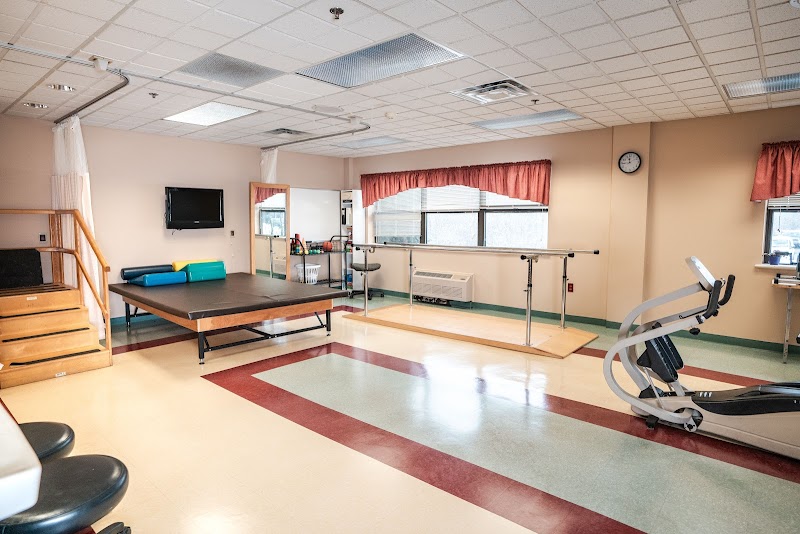
How is Forest City Nursing And Rehab Center Staffed?

CMS rates FOREST CITY NURSING AND REHAB CENTER's staffing level at 3 out of 5 stars, which is average compared to other nursing homes. Staff turnover is 44%, compared to the Pennsylvania average of 46%. This relatively stable workforce can support continuity of care.

What Have Inspectors Found at Forest City Nursing And Rehab Center?

State health inspectors documented 22 deficiencies at FOREST CITY NURSING AND REHAB CENTER during 2023 to 2025. These included: 1 that caused actual resident harm and 21 with potential for harm. Deficiencies causing actual harm indicate documented cases where residents experienced negative health consequences.

Who Owns and Operates Forest City Nursing And Rehab Center?

FOREST CITY NURSING AND REHAB CENTER is owned by a for-profit company. For-profit facilities operate as businesses with obligations to shareholders or private owners. The facility is operated by LME FAMILY HOLDINGS, a chain that manages multiple nursing homes. With 132 certified beds and approximately 93 residents (about 70% occupancy), it is a mid-sized facility located in FOREST CITY, Pennsylvania.

How Does Forest City Nursing And Rehab Center Compare to Other Pennsylvania Nursing Homes?

Compared to the 100 nursing homes in Pennsylvania, FOREST CITY NURSING AND REHAB CENTER's overall rating (2 stars) is below the state average of 3.0, staff turnover (44%) is near the state average of 46%, and health inspection rating (2 stars) is below the national benchmark.

What Should Families Ask When Visiting Forest City Nursing And Rehab Center?

Based on this facility's data, families visiting should ask: "Can I visit during a mealtime to observe dining assistance and food quality?" "How do you handle medical emergencies, and what is your hospital transfer rate?" "Can I speak with family members of current residents about their experience?"

Is Forest City Nursing And Rehab Center Safe?

Based on CMS inspection data, FOREST CITY NURSING AND REHAB CENTER has a clean safety record: no substantiated abuse findings (meaning no confirmed cases of resident harm), no Immediate Jeopardy citations (the most serious violation level indicating risk of serious injury or death), and is not on the Special Focus Facility watch list (a federal program monitoring the lowest-performing 1% of nursing homes). The facility has a 2-star overall rating and ranks #100 of 100 nursing homes in Pennsylvania. While no facility is perfect, families should still ask about staff-to-resident ratios and recent inspection results during their visit.

Do Nurses at Forest City Nursing And Rehab Center Stick Around?

FOREST CITY NURSING AND REHAB CENTER has a staff turnover rate of 44%, which is about average for Pennsylvania nursing homes (state average: 46%). Moderate turnover is common in nursing homes, but families should still ask about staff tenure and how the facility maintains care continuity when employees leave.

Was Forest City Nursing And Rehab Center Ever Fined?

FOREST CITY NURSING AND REHAB CENTER has been fined $21,405 across 1 penalty action. This is below the Pennsylvania average of $33,293. While any fine indicates a compliance issue, fines under $50,000 are relatively common and typically reflect isolated problems that were subsequently corrected. Families should ask what specific issues led to these fines and confirm they've been resolved.

Is Forest City Nursing And Rehab Center on Any Federal Watch List?

FOREST CITY NURSING AND REHAB CENTER is not on any federal watch list. The most significant is the Special Focus Facility (SFF) program, which identifies the bottom 1% of nursing homes nationally based on persistent, serious quality problems. Not being on this list means the facility has avoided the pattern of deficiencies that triggers enhanced federal oversight. This is a positive indicator, though families should still review the facility's inspection history directly.