GARDENS AT GETTYSBURG, THE
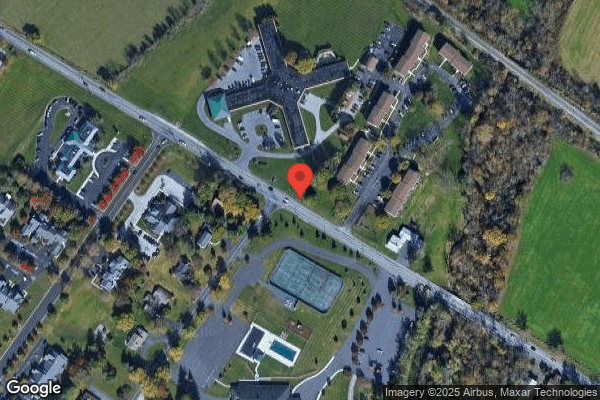

741 CHAMBERSBURG ROAD, GETTYSBURG, PA 17325 (717) 334-6764
For profit - Corporation 102 Beds PRIORITY HEALTHCARE GROUP Data: November 2025
Trust Grade
65/100
#175 of 653 in PA
Last Inspection: May 2025

Inspected within the last 6 months. Data reflects current conditions.

Overview

The Gardens at Gettysburg has a Trust Grade of C+, meaning it is slightly above average but still has room for improvement. In Pennsylvania, it ranks #175 out of 653 facilities, placing it in the top half, and #2 out of 6 in Adams County, indicating only one local facility is rated higher. The trend is improving, with reported issues decreasing from 10 in 2024 to 3 in 2025. Staffing is rated 2 out of 5 stars, which is below average, with a turnover rate of 55%, slightly higher than the state average. While there have been no fines, which is a positive sign, the facility did have some concerning incidents. For example, they failed to ensure that care plans for several residents were reviewed and updated, which could affect their treatment. Additionally, the dining areas and some resident rooms were found to have cleanliness issues, such as dried food debris on dining chairs. Overall, while the home has notable strengths like a good quality measure rating, the weaknesses regarding staffing and cleanliness should be carefully considered.

Trust Score
C+
65/100
In Pennsylvania
#175/653
Top 26%
Safety Record
Low Risk
No red flags
Inspections
Getting Better
10 → 3 violations
Staff Stability
⚠ Watch
55% turnover. Above average. Higher turnover means staff may not know residents' routines.
Penalties
✓ Good
No fines on record. Clean compliance history, better than most Pennsylvania facilities.
Skilled Nurses
○ Average
Each resident gets 35 minutes of Registered Nurse (RN) attention daily — about average for Pennsylvania. RNs are the most trained staff who monitor for health changes.
Violations
⚠ Watch
29 deficiencies on record. Higher than average. Multiple issues found across inspections.
★★★★☆
4.0
Overall Rating
★★☆☆☆
2.0
Staff Levels
★★★★★
5.0
Care Quality
★★★☆☆
3.0
Inspection Score
Stable
2024: 10 issues
2025: 3 issues

The Good

  • 5-Star Quality Measures · Strong clinical quality outcomes
  • Full Sprinkler Coverage · Fire safety systems throughout facility
  • No fines on record

Facility shows strength in quality measures, fire safety.

The Bad

Staff Turnover: 55%

Near Pennsylvania avg (46%)

Frequent staff changes - ask about care continuity

Chain: PRIORITY HEALTHCARE GROUP

Part of a multi-facility chain

Ask about local staffing decisions and management

Staff turnover is elevated (55%)

7 points above Pennsylvania average of 48%

The Ugly 29 deficiencies on record

May 2025 3 deficiencies
CONCERN (D) 📢 Someone Reported This

A family member, employee, or ombudsman was alarmed enough to file a formal complaint

Potential for Harm - no one hurt, but risky conditions existed

ADL Care (Tag F0677)

Could have caused harm · This affected 1 resident

**NOTE- TERMS IN BRACKETS HAVE BEEN EDITED TO PROTECT CONFIDENTIALITY** Based on clinical record review, observations, and resident and staff interviews, it was determined that the facility failed to ...

Read full inspector narrative →
**NOTE- TERMS IN BRACKETS HAVE BEEN EDITED TO PROTECT CONFIDENTIALITY** Based on clinical record review, observations, and resident and staff interviews, it was determined that the facility failed to maintain adequate personal hygiene and grooming for resident's dependent on staff for assistance with activities of daily living for one of 28 residents reviewed (Residents 91). Findings include: Review of Resident 91's clinical record revealed he was admitted to the facility on [DATE]. Diagnoses included dementia (a condition characterized by progressive loss of intellectual functioning, impairment of memory, and abstract thinking). Review of facility grievance log documented March 21, 2025, Resident 91's son was concerned that a haircut was paid for that his father didn't receive, and his wishes were made known for nursing to keep his father shaved. Resident 91 received a haircut on March 25, 2025. Review of Resident 91's care plan included a focus area for chronic/progressive decline in intellectual functioning characterized by; deficit in memory, judgment, decision making and thought process related to dementia; scored 6/15 on Brief Interview For Mental Status (BIMS- a screening tool used in Nursing Homes to assess cognition; 0-7= sever cognitive impairment, 8-12=moderate impairment, 13-15=intact cognitive response); presents with severe cognitive deficits in daily decision making, date initiated March 21,2025. Interventions included to cue and prompt Resident with simple direct verbal cures and reminders, and demonstrate tasks, date-initiated March 21,2025. Review of Resident 91's admission Minimum Data Set (MDS- periodic assessment of resident needs), dated March 21, 2025, revealed that Resident 91 BIMs score was 6, required supervision or touch assistance for shower/bathing, and partial to moderate assistance with personal hygiene (shaving washing hands and face). During an interview with Resident 91 on May 13, 2025, at 12:10 PM, he stated he hasn't had a shower. Surveyor observed a brown substance under Resident 91's fingernails and the Resident wasn't shaved, he had facial stubble. Resident 91 stated his nails needed to be cleaned and he wanted a shower; but doesn't mind some facial hair. Review of Resident 91's bathing documentation for the previous 30 days revealed: showers were provided April 18th, 20252, and May 3rd, 2025; and bed baths were provided April 15th, 16th, 20th, 26th, 27th, 28th, 29th, and 30th, 2025, and May 2nd, 5th, 6th, 8th, 9th, and 13th, 2025. Additional observation on May 14, 2025, at 11:40 AM, and an observation and interview with the Nursing Home Administrator (NHA) on May 14, 2025, at 11:55 AM, in main dining room, revealed Resident 91's fingernails were trimmed, however, two fingernails on his left hand contained a brown substance underneath, and the Resident wasn't shaved. The NHA stated that the Resident is fairly independent with care, and that his nails are trimmed and acknowledged that the two fingernails could be cleaned. It was also stated that she would have staff clean his nails. Observation and interview with Resident 91 on May 15, 2025, at 9:36 AM, revealed the Resident stated that his fingernails were cleaned yesterday, and it was observed the two fingernails on his left hand were better, minimal brown substance remained under his fingernails. During an interview with the NHA on May 15, 2025, at 10:40 AM, it was revealed that Resident 91's fingernails were cleaned yesterday. It was also revealed that Resident 91 is continent and utilizes the restroom himself, and that he was educated on hand hygiene. 28 Pa code 211.12.(d)(1)(5) Nursing services
CONCERN (D)

Potential for Harm - no one hurt, but risky conditions existed

Respiratory Care (Tag F0695)

Could have caused harm · This affected 1 resident

Based on observation, policy review, and resident and staff interviews, it was determined that the facility failed to ensure that a resident who needs respiratory care is provided such care consistent...

Read full inspector narrative →
Based on observation, policy review, and resident and staff interviews, it was determined that the facility failed to ensure that a resident who needs respiratory care is provided such care consistent with professional standards of practice for one of three residents reviewed for respiratory care (Resident 55). Findings Include: Review of the facility's policy, titled Oxygen Therapy, with no review date, revealed in the section, Oxygen Concentrators, staff are to connect one end of the cannula tubing to the concentrator and place the other end into the resident's nostrils. The policy does not address the addition of a humidification bottle. Review of Resident 55's clinical record revealed diagnoses that included chronic obstructive pulmonary disease (COPD- a group of lung diseases that cause persistent and progressive airflow obstruction and breathing problems) and difficulty in walking. An observation of Resident 55's oxygen concentrator on May 12, 2025, at 10:24 AM, revealed the tubing disconnected and not attached from the concentrator to the humidification bottle. The humidification bottle is used to produce and disperse water vapor, adding moisture to oxygen and restoring healthy levels of humidity. An immediate interview with Resident 55 revealed that, although she had the tubing inserted into her nostrils, she was not receiving any oxygen flow. An interview the Licensed Practical Nurse (Employee 4) on May 12, 2025, at 10:25 AM, confirmed the tubing to be unattached and was immediately reattached by Employee 4. An interview with the Nursing Home Administrator (NHA) on May 13, 2025, at 1:38 PM, revealed Resident 55 to be up and down and disconnects the tubing at times while using the restroom. Also, any nurse would be responsible for ensuring the appropriate care of the equipment for residents receiving oxygen therapy. An interview with Resident 55 on May 15, 2025, at 9:24 AM, revealed she does not remove the tubing from the concentrator to the humidification bottle. 28 Pa. Code 211.12 (b) (5) Nursing services
CONCERN (E)

Potential for Harm - no one hurt, but risky conditions existed

Deficiency F0657 (Tag F0657)

Could have caused harm · This affected multiple residents

**NOTE- TERMS IN BRACKETS HAVE BEEN EDITED TO PROTECT CONFIDENTIALITY** Based on observations, clinical record review, and staff interviews, it was determined that the facility failed to ensure the ca...

Read full inspector narrative →
**NOTE- TERMS IN BRACKETS HAVE BEEN EDITED TO PROTECT CONFIDENTIALITY** Based on observations, clinical record review, and staff interviews, it was determined that the facility failed to ensure the care plan was reviewed and revised for four of 28 residents reviewed (Residents 48, 83, 85, and 90). Findings Include: Review of Resident 48's clinical record revealed diagnoses that included diabetes (a disease characterized by high blood glucose) and muscle weakness (when your full effort doesn't produce a normal muscle contraction or movement). Observation of Resident 48 on May 12, 2025, at 12:41 PM, revealed Resident 48 lying in bed. Beside Resident 48 on his bedside stand was a CPAP (continuous positive airway pressure) machine with the mask lying on top of it. The mask was not in a bag or put away. Observation of Resident 48 on May 13, 2025, at 12:04 PM, revealed Resident 48 lying in bed. Beside Resident 48 on his bedside stand was a CPAP machine with the mask lying on top of it. The mask was not in a bag or put away. Review of Resident 48's care plan revealed a care plan with a focus are of: The Resident has altered respiratory status, with a revision date of January 31, 2025. The care plan failed to mention any preference of Resident 48 to have his CPAP mask available to him and not placed into a bag throughout the day. Interview with the Director of Nursing (DON) on May 13, 2025, at 10:40 AM, revealed Resident 48's CPAP mask was lying out because that is his preference, and Resident preferences should be on the care plan. Review of Resident 83's clinical record revealed diagnoses that included diabetes (a disease characterized by high blood glucose) and protein-calorie malnutrition (a nutritional status in which reduced availability of nutrients leads to changes in body composition and function). Observation of Resident 83 on Tuesday May 12, 2025, at 1:25 PM, revealed Resident 83 lying in bed. Resident 83 was wearing bilateral pressure offloading boots to relieve pressure on his heels. Review of Resident 83's care plan revealed a care plan with a focus are of: The resident has potential for pressure ulcer development, with a revision date of August 2, 2024, and did not include pressure offloading boots. Interview with the DON on May 15, 2025, at 10:30 AM, revealed Resident 83 required the use of a device to relieve pressure on his heels and it should be on his care plan. Review of Resident 85's clinical record revealed he was admitted to the facility on [DATE]. Diagnoses included dementia (a condition characterized by progressive loss of intellectual functioning, impairment of memory and abstract thinking), depression (feelings of severe despondency and dejection), and atrial fibrillation (an irregular often rapid heart rate commonly causes poor blood flow). Resident 85's physician orders included Apixaban 2.5 mg two times a day for atrial fibrillation, start date March 11, 2025. Resident 85's care plan failed to include use of an anticoagulant (Apixaban - blood thinner). During an interview with the DON on May 15, 2025, at 10:29 AM, it was revealed that the anticoagulant was added to the care plan. Review of Resident 90's clinical record revealed diagnoses that included cerebral infarction (ischemic stroke, a condition where blood flow to the brain is interrupted,causing brain tissue damage) and hypertension (elevated blood pressure). Observation of Resident 90 on Monday May 11, 2025, at approximately 11:30 AM, and on Tuesday May 12, 2025, at 10:45 AM, revealed Resident 90 out of bed in a wheelchair wearing a sling on his left arm. Review of Resident 90's care plan dated May 2025, failed to reveal a care plan for a sling. During an interview with the Nursing Home Administrator (NHA) on May 12, 2025, at approximately 1:30 PM, the NHA said that the care plan should have been revised to include the use of the sling. 28 Pa. Code 211.12(d)(5) Nursing services
Nov 2024 1 deficiency
CONCERN (D) 📢 Someone Reported This

A family member, employee, or ombudsman was alarmed enough to file a formal complaint

Potential for Harm - no one hurt, but risky conditions existed

Deficiency F0711 (Tag F0711)

Could have caused harm · This affected 1 resident

**NOTE- TERMS IN BRACKETS HAVE BEEN EDITED TO PROTECT CONFIDENTIALITY** Based on review of clinical records, hospital records review, facility policy review, and staff interview, it was determined tha...

Read full inspector narrative →
**NOTE- TERMS IN BRACKETS HAVE BEEN EDITED TO PROTECT CONFIDENTIALITY** Based on review of clinical records, hospital records review, facility policy review, and staff interview, it was determined that the facility failed to ensure that the resident's total program of care, including medications, was reviewed with accuracy at each physician visit for one of three residents reviewed (Resident 1). Findings include: A review of the facility policy, titled Physician Services, last reviewed February 2024, stated, the physician will perform pertinent, timely medical assessments; prescribe an appropriate medical regimen; provide adequate, timely information about the resident's condition and medical needs; visit the resident at appropriate intervals; and ensure adequate alternative coverage. Resident 1's clinical record revealed an admission date of August 12, 2023, with diagnoses that included symptomatic epilepsy and epileptic syndromes with complex partial seizures, intractable, without status epilepticus (most common type of seizure with a sudden absence of awareness regarding surroundings), bipolar disorder (episodes of mood swings ranging from depressive lows to manic highs), and migraines (headaches with varying intensity, often accompanied by nausea and sensitivity to light and sound). A review of Resident 1's medication administration record dated October 2024, revealed the Resident had been receiving Lamictal (a.k.a. lamotrigine- used to treat and prevent seizures and bipolar disorder) 150 mg (milligrams) twice a day since admission, and Gabapentin (Neurontin-used to treat and prevent seizures) 600 mg at bedtime since admission to the facility: On October 6, 2024, Resident 1 was sent to the hospital and diagnosed with acute enterocolitis (a digestive tract inflammation that affects the small and large intestine) and returned to the facility on October 8, 2024. Upon return to the facility, the hospital discharge orders included Lamictal and Gabapentin, but both medications were only ordered for 7 days. Facility documentation revealed that the orders for the Lamictal and Gabapentin were entered into Resident 1's facility orders to be discontinued after 7 days. Review of the MAR (medication adminitratoin record) for October 2024, revealed that the medications were not administered after October 15, 2024. Review of the FDA (food and drug administration) medicatoin insert stated, LAMICTAL should not be abruptly discontinued. In patients with epilepsy there is a possibility of increasing seizure frequency. Review of the FDA medication insert for Gabapentin sated, Antiepileptic drugs should not be abruptly discontinued because of the possibility of increasing seizure frequency. The insert also stated, If the NEURONTIN dose is reduced, discontinued, or substituted with an alternative medication, this should be done gradually over a minimum of 1 week (a longer period may be needed at the discretion of the prescriber). On October 30, 2024, Resident 1 was sent to the hospital after being found unresponsive. At the hospital an electroencephalogram (EEG -recording of brain activity) was performed and the Resident was negative for any seizure activity. Resident was diagnosed on [DATE], with pneumonia (inflammation in the lungs) and urinary tract infection. Based on the elevated lactate level (substance produced by the body when oxygen levels are low and greater levels indicate a more severe condition) and the delay to return to normal, the hospital was able to rule out a seizure. During an interview with the Nursing Home Administrator (NHA) on November 4, 2024, the NHA said that the facility realized on October 30, 2024, that both medications to treat seizures were discontinued on October 15, 2024. She notified the hospital about the medications being discontinued after 7 days but hadn't received any follow-up from the hospital. During the facility investigation, the facility reviewed the October 8, 2024, medication regimen review performed by pharmacy and there was no recommendation regarding the Lamictal and Gabapentin. A review of the October 8, 2024, physician/Nurse Practitioner note written on October 9, 2024, had no order change for the Lamictal and Gabapentin. The NHA confirmed there was no anti-seizure medication being administered to Resident 1 from October 8, 2024, to October 30, 2024, and there was no documentation to support the discontinuation of the medications on October 15, 2024. 28 Pa. Code 201.14(a) Responsibility of licensee 28 Pa. Code 201.18(b)(1)(3) Management 28 Pa. Code 211.5(ii)(iv)(vii) Medical records
Jun 2024 5 deficiencies
CONCERN (D)

Potential for Harm - no one hurt, but risky conditions existed

Deficiency F0657 (Tag F0657)

Could have caused harm · This affected 1 resident

Based on clinical record review, facility policy review, observation, and staff interviews, it was determined that the facility failed to ensure the care plan was reviewed and revised for one of 20 re...

Read full inspector narrative →
Based on clinical record review, facility policy review, observation, and staff interviews, it was determined that the facility failed to ensure the care plan was reviewed and revised for one of 20 residents reviewed (Resident 56). Finding include: Review of the facility policy, titled Care Plans, Comprehensive Person-Centered, last revised September 2022, read, in part, 13. Assessments of residents are ongoing and care plans are revised as information about the residents and the residents' conditions change. Review of Resident 56's clinical record revealed diagnoses that included unspecified dementia severe with agitation (overall decline in memory and other cognitive skills that reduce the ability to perform everyday activities) and muscle weakness (decreased strength in the muscles). An observation was made on June 12, 2024, at 11:44 AM, of Resident 56's mattress on the floor without a bed frame. Further review of Resident 56's clinical record revealed Resident 56 suffered a fall with major injury on June 5, 2024. Review of Resident 56's comprehensive care revealed a focus area for fall risk. Review of Resident 56's interventions failed reveal an intervention for Resident 56's mattress being placed on the floor. During a staff interview with the Nursing Home Administrator (NHA) on June 26, 2024, at 11:26 AM, it was revealed Resident 56's mattress was placed on the floor as a safety intervention due to Resident 56 having multiple falls and other fall interventions not being effective. During an addition staff interview with the NHA on June 26, 2024 at 1:09 PM, she revealed Resident 56's comprehensive plan of care should have been updated to include an intervention for the mattress being placed on the floor. The NHA stated it was the facility's expectation that care plan revisions be made timely. 28 Pa. Code 211.12(d)(5) Nursing services
CONCERN (D)

Potential for Harm - no one hurt, but risky conditions existed

Incontinence Care (Tag F0690)

Could have caused harm · This affected 1 resident

**NOTE- TERMS IN BRACKETS HAVE BEEN EDITED TO PROTECT CONFIDENTIALITY** Based on clinical record review and staff interview, it was determined that the facility failed to ensure residents received app...

Read full inspector narrative →
**NOTE- TERMS IN BRACKETS HAVE BEEN EDITED TO PROTECT CONFIDENTIALITY** Based on clinical record review and staff interview, it was determined that the facility failed to ensure residents received appropriate treatment and services to prevent urinary tract infections and complications related to the use of a foley catheter (small, flexible tube that can be inserted through the urethra and into the bladder, allowing urine to drain) for one of five residents reviewed for use of a catheter (Resident 92). Findings Include: Review of Resident 92's clinical record revealed diagnoses that included obstructive and reflux uropathy (structural or functional hindrance of normal urine flow) and hemiplegia and hemiparesis following cerebral infarction (one-sided weakness or inability to move following stroke). Further review of Resident 92's clinical record revealed he was admitted to the facility on [DATE]. Review of an admission nursing evaluation completed on May 8, 2024, revealed that Resident 92 had a foley catheter that was present when he arrived. Review of Resident 92's May 2024 MAR and TAR (Medication/Treatment Administration Records - forms used to document physician orders as well as when and how medications/treatments are administered to a resident) failed to reveal any orders related to the presence, indication for use, or care of his foley catheter until May 14, 2024 (six days following admission). Further review of Resident 92's clinical record failed to reveal any additional documentation of the daily care or maintenance of his foley catheter during the period of May 8 through 14, 2024. During an interview with the Nursing Home Administrator on June 27, 2024, she confirmed that the orders/documentation for catheter use and care were not timely. She revealed that the orders were entered into the electronic record at admission, but were pending confirmation, so they did not appear on the MAR and TAR until this issue was discovered and corrected. 28 Pa. Code 211.12(d)(1)(3)(5) Nursing services
CONCERN (D)

Potential for Harm - no one hurt, but risky conditions existed

Deficiency F0710 (Tag F0710)

Could have caused harm · This affected 1 resident

**NOTE- TERMS IN BRACKETS HAVE BEEN EDITED TO PROTECT CONFIDENTIALITY** Based on policy review, clinical record review, and staff interviews, it was determined that the facility failed to ensure timel...

Read full inspector narrative →
**NOTE- TERMS IN BRACKETS HAVE BEEN EDITED TO PROTECT CONFIDENTIALITY** Based on policy review, clinical record review, and staff interviews, it was determined that the facility failed to ensure timely practitioner services following discovery of a skin integrity concern for two of three residents reviewed for pressure injuries (Residents 26 and 92). Findings include: Review of facility policy, titled Skin and Wound Management System, revised September 2022, revealed, Residents identified with skin impairments will have appropriate interventions, treatment and services implemented to promote healing and impede infection. Review of Resident 26's clinical record revealed diagnoses that included Alzheimer's disease (gradually progressive brain disorder that causes problems with memory, thinking, and behavior) and peripheral vascular disease (circulation disorder that affects blood vessels outside of the heart and brain, often those that supply the arms and legs). Review of Resident 26's nursing progress note dated May 7, 2024, revealed, Resident noted to have dark area of discoloration on left outer ankle. Would benefit from wound team to assess. Review of Resident 26's nursing progress note dated May 14, 2024, revealed, Discolored area remains on left outer ankle. Review of wound assessment report completed on May 16, 2024, revealed that Resident 26 was evaluated by the nurse practitioner on that date and was determined to have a pressure injury (occurs when pressure reduces or cuts off blood flow to the skin) to his left lateral ankle. Review of Resident 26's May 2024 MAR/TAR (Medication/Treatment Administration Records - form used to document physician orders as well as when and how medications/treatments are administered to a resident) revealed an order for skin prep wipes (applies a protective barrier) to the left lateral ankle, effective May 16, 2024. Further review of Resident 26's clinical record failed to reveal any evidence that the physician or practitioner was notified of his change in skin integrity, that a practitioner evaluated the wound, or that treatment was prescribed for his wound between the time it was discovered on May 7, 2024, and when Resident 26 was evaluated by the wound consultant on May 16, 2024. During an interview with the Nursing Home Administrator (NHA) on June 26, 2024, at 1:05 PM, she confirmed that she did not have evidence that the practitioner was notified of or evaluated Resident 26's new skin integrity concern between May 7 and 16, 2024. Review of Resident 92's clinical record revealed diagnoses that included pressure ulcer of sacral region (area at base of the back, above the buttocks) and hemiplegia and hemiparesis following cerebral infarction (one-sided weakness or inability to move following stroke). Further review revealed that Resident 92 was admitted to the facility on [DATE]. Review of admission nursing evaluation dated May 8, 2024, revealed that, when Resident 92 was admitted , he had a sacral skin alteration that was covered by a dressing. The evaluation also indicated that Resident 92 would be seen by the wound consultant the following day. Review of history and physical form completed by Resident 92's physician on May 9, 2024, noted a stage III pressure injury (full thickness skin loss) under his primary medical history. Further review revealed the physician noted wound care following due to pressure. The history and physical included no ongoing plan for treatment of Resident 92's pressure injury. Review of Resident 92's clinical record revealed that he was seen for the first time and his wound was evaluated by the wound consultant on May 16, 2024. He was determined to have a stage II pressure injury (partial thickness wound, shallow open ulcer) to his sacrum. Treatment recommendations were made at that time. Review of Resident 92's May 2024 MAR revealed no orders for treatment or care of his sacral wound until May 20, 2024. During an interview with the NHA on June 27, 2024, at 11:29 AM, she revealed that the wound consultant was scheduled to come the day after Resident 92's admission. The facility wound care nurse forgot about the wound consultant's visit on the following day and did not arrive at work early to meet the wound consultant; therefore, the wound consultant was not aware of the need to see Resident 92 or evaluate his wound. The NHA revealed that the facility has since altered their process for notifying the wound consultant. The NHA confirmed that Resident 92's wound was not evaluated by a practitioner until eight days following admission. 28 Pa. Code 211.12(d)(1)(3)(5) Nursing services 28 Pa. Code 201.18(b)(1)(3)(e)(1) Management
CONCERN (D)

Potential for Harm - no one hurt, but risky conditions existed

Medical Records (Tag F0842)

Could have caused harm · This affected 1 resident

Based on observations, facility policy review, clinical record reviews, and staff interviews, it was determined that the facility failed to ensure clinical records were complete and accurately documen...

Read full inspector narrative →
Based on observations, facility policy review, clinical record reviews, and staff interviews, it was determined that the facility failed to ensure clinical records were complete and accurately documented for one of three residents reviewed for oxygen use (Resident 30). Findings include: Review of facility policy, titled Oxygen Administration, with a last revised date of October 2010, revealed in section titled Documentation: After completing the oxygen setup or adjustment, the following information should be recorded in the resident's medical record: 1) The date and time that the procedure was performed; 2) The name and title of the individual who performed the procedure; 3) The rate of oxygen flow, route, and rationale; 4) The frequency and duration of the treatment; 5) The reason for p.r.n.[as needed] administration; 6) All assessment data obtained before, during, and after the procedure; and 7) How the resident tolerated the procedure. Review of Resident 30's clinical record revealed diagnoses that included chronic obstructive pulmonary disease (COPD - a type of progressive lung disease characterized by long term respiratory symptoms and airflow limitations) and anoxic brain damage (brain damage caused from a lack of oxygen to the brain). Review of Resident 30's physician orders revealed an order for Oxygen at 2 liters per minute per nasal cannula as needed for shortness of breath, dated March 17, 2024. Observations of Resident 30 on June 24, 2024, at 10:44 AM; June 25, 2024, at 9:44 AM; and June 25, 2024, at 1:20 PM, revealed that the Resident was receiving oxygen at 2 liters per minute via a nasal cannula. The oxygen tubing was noted to be dated 6/24. Review of Resident 30's clinical record progress notes on June 25, 2023, at 1:21 PM, revealed that the last nurse's note present in their clinical record was dated June 20, 2024, at 2:09 PM, which indicated that Resident 30 was not receiving any oxygen. Review of Resident 30's June Treatment Administration Record (TAR) revealed that the oxygen administration was discontinued on June 3, 2024. During an interview with the Nursing Home Administrator (NHA) on June 25, 2024, at 1:35 PM, all the aforementioned observations and documentation concerns were shared. The NHA indicated that she would look into the concern and confirmed that Resident 30's oxygen administration should be documented. Further review of Resident 30's progress notes, revealed a nurse's note dated June 25, 2024, at 1:41 PM, indicated Resident 30 was short of breath, oxygen applied as ordered, and that the oxygen order was updated in the electronic health record. In addition, there was a nurse's note dated June 25, 2024, at 1:46 PM, that indicated it was a late entry note for June 24, 2024, and that Resident 30 was experiencing shortness of breath and that oxygen was applied per their physician orders. A follow-up review of Resident 30's June TAR on June 26, 2024, at 10:18 AM, revealed that their oxygen order was now present. During an interview with the NHA on June 26, 2024, at 11:22 AM, the NHA indicated that there was an error made when staff entered Resident 30's oxygen order, and that was why it was not populating on their TAR for staff to sign for the oxygen administration. 28 Pa. Code 211.5(f)(viii) Medical Records 28 Pa. Code 211.10(c) Resident Care Policies 28 Pa. Code 211.12(d)(1)(2)(5) Nursing Services
CONCERN (E)

Potential for Harm - no one hurt, but risky conditions existed

Assessment Accuracy (Tag F0641)

Could have caused harm · This affected multiple residents

**NOTE- TERMS IN BRACKETS HAVE BEEN EDITED TO PROTECT CONFIDENTIALITY** Based on clinical record review and staff interview, it was determined that the facility failed to ensure that the resident asse...

Read full inspector narrative →
**NOTE- TERMS IN BRACKETS HAVE BEEN EDITED TO PROTECT CONFIDENTIALITY** Based on clinical record review and staff interview, it was determined that the facility failed to ensure that the resident assessment accurately reflected the resident's status for four of 23 residents reviewed (Residents 14, 52, 56, and 69). Findings include: Review of Resident 14's clinical record revealed diagnoses that included chronic embolism and thrombosis of deep veins of left lower extremity (blockage in blood vessel, usually by a blood clot) and peripheral vascular disease (circulation disorder that affects blood vessels outside of the heart and brain, often those that supply the arms and legs). Review of Resident 14's May 2024 MAR (Medication Administration Record - form used to document physician orders as well as when and how medications are administered to a resident) revealed an order for Xarelto (anticoagulant) every evening, effective April 9, 2024. Further review of the MAR revealed that it was documented that this medication was administered each day in May 2024. Review of Resident 14's May 7, 2024, quarterly MDS assessment (Minimum Data Set - an assessment tool to review all care areas specific to the resident such as a resident's physical, mental or psychosocial needs) revealed that it was coded to indicate that Resident 14 did not receive an anticoagulant medication during the seven day look back period prior to the assessment date. During an interview with the Nursing Home Administrator (NHA) on June 26, 2024, at 1:05 PM, she confirmed that Resident 14's MDS was coded in error. Review of Resident 52's clinical record revealed diagnoses that included frontotemporal neurocognitive disorder (a group of disorders that cause damage to the frontal and temporal lobes of the brain, leading to changes in thinking and behavior) and dementia (overall decline in memory and other cognitive skills that reduce the ability to perform everyday activities). Review of Resident 52's quarterly MDS dated [DATE], revealed it was coded to indicate Resident 52 had no behaviors of wandering during the look back period. Review of Resident 52's progress notes revealed a note dated April 15, 2024 at 6:45 AM, that stated, Resident awake at approximately 0345 this morning. Resident wandering halls, walking on tips of toes and unsteady. Resident wearing helmet throughout shift but not compliant with walker. Resident attempting to take items off of linen cart while morning rounds are being done, wandering in and out of bedrooms, and slamming doors. Behaviors redirected but continued. Snacks and fluids given and incontinence care provided Review of progress note dated April 16, 2024, at 6:47 AM, that stated, Resident appears back to baseline behaviors, wandering halls and following staff around. Pleasant mood and able to have small conversation with staff. During a staff interview on June 27, 2024 at 12:37 PM, with the NHA, it was revealed that Resident 52's quarterly MDS dated [DATE], was coded incorrectly. The NHA stated that it was the facility's expectation that MDS assessments be accurate. Review of Resident 56's clinical record revealed diagnoses that included unspecified dementia severe with agitation (overall decline in memory and other cognitive skills that reduce the ability to perform everyday activities) and muscle weakness (decreased strength in the muscles). Review of Resident 56's physician orders revealed an order for Aripiprazole (antipsychotic medication) oral solution 7.5 milligrams daily, with a start date of November 13, 2023. Review of Resident 56's medication administration sheets for February 2024 and March 2024 revealed Resident 56 received Aripiprazole daily as ordered. Review of Resident 56's quarterly MDS dated [DATE], revealed it was coded to indicate Resident 56 had not received antipsychotic medication during the look back period. Further review of Resident 56's quarterly MDS dated [DATE], revealed Resident 56 was coded to indicate Resident 56 sustained a fall with major injury during the look back period. Further review of Resident 56's clinical record failed to reveal Resident 56 sustained a fall with major injury during the look back period. During a staff interview on June 27, 2024 at 11:35 AM, with the NHA, it was revealed that Resident 56's aforementioned MDS assessments had been coded incorrectly. The NHA stated it was the facility's expectation that MDS assessment be accurate. Review of Resident 69's clinical record revealed diagnoses that included dysphagia (difficulty swallowing) and gastrostomy status (creation of an artificial external opening into the stomach for nurtritional support). Review of Resident 69's June 2024 MAR revealed an order for daily enteral feeding (a way of delivering nutrition directly to the stomach or small intestine through a tube), effective January 20, 2024. Further review of the MAR revealed that it was documented that Resident 69 received enteral feeding daily. Review of Resident 69's June 22, 2024, quarterly MDS revealed that it was coded to indicate that Resident 69 did not receive nutrition via a feeding tube during the seven day look back period prior to the assessment date. During an interview with the NHA on June 27, 2024 at 12:39 PM, she confirmed that Resident 69's MDS was coded in error. 28 Pa. Code 211.12(d)(1)(3)(5) Nursing services
May 2024 3 deficiencies
CONCERN (D) 📢 Someone Reported This

A family member, employee, or ombudsman was alarmed enough to file a formal complaint

Potential for Harm - no one hurt, but risky conditions existed

Quality of Care (Tag F0684)

Could have caused harm · This affected 1 resident

Based on clinical record review and staff interview, it was determined that the facility failed to ensure care and services were provided in accordance with professional standards of practice to meet ...

Read full inspector narrative →
Based on clinical record review and staff interview, it was determined that the facility failed to ensure care and services were provided in accordance with professional standards of practice to meet each resident's physical, mental, and psychosocial needs for one of 12 residents reviewed (Resident 2). Findings Include: Review of Resident 2's clinical record revealed diagnoses that included osteoporosis (condition where bone strength weakens and is susceptible to fracture) and osteoarthritis (joint degeneration resulting in pain). Review of Resident 2's February and May 2024 MARs (Medication Administration Records - forms used to document physician orders as well as when and how medications are administered to a resident) revealed orders for Miacalcin Nasal Solution (medication that contains calcitonin, a hormone that helps prevent bone loss in postmenopausal women) daily for osteoporosis. Further review of the MARs revealed that Miacalcin was not adminstered on February 22-26, 2024, and on May 16, 2024. Review of corresponding nursing progress notes revealed the following: on February 22, 2024 - unavailable - pharmacy called - they will send in a new bottle; on February 23, 2024 - called [pharmacy] again - they had sent a supply earlier this month. they need DON [Director of Nursing] approval; on February 24 and 25, 2024 - On order; on February 26, 2024 - medication unavailable- awaiting pharmacy delivery; and on May 16, 2024 - unavailable - ordered from pharmacy. Further review of available clinical documentation failed to reveal that the physician was notified of the aforementioned missed doses of medication. During an interview with the Nursing Home Administrator on May 22, 2024, at 1:45 PM , she revealed that she was not able to provide evidence that the physician was notified of the aforementioned missed medication doses. 28 Pa. Code 211.12(d)(1)(3)(5) Nursing services
CONCERN (D) 📢 Someone Reported This

A family member, employee, or ombudsman was alarmed enough to file a formal complaint

Potential for Harm - no one hurt, but risky conditions existed

Pressure Ulcer Prevention (Tag F0686)

Could have caused harm · This affected 1 resident

Based on clinical record review and staff interview, it was determined that the facility failed to ensure that residents received necessary treatment and services, consistent with professional standar...

Read full inspector narrative →
Based on clinical record review and staff interview, it was determined that the facility failed to ensure that residents received necessary treatment and services, consistent with professional standards of practice, to promote healing and prevent infection of a pressure ulcer for one of 12 residents reviewed (Resident 1). Findings Include: Review of Resident 1's clinical record revealed diagnoses that included peripheral vascular disease (circulation disorder that affects blood vessels outside of the heart and brain, often those that supply the arms and legs) and congestive heart failure (weakness of the heart that leads to buildup of fluid in the lungs and surrounding body tissues). Review of wound consultant wound assessment report, dated May 16, 2024, revealed that Resident 1 was evaluated on that date for a new stage II pressure injury (an open wound that affects both the top and bottom layers of the skin) to her left medial distal foot (refers to the inner edge of the foot, extending from the heel to the big toe). Further review of the wound assessment report revealed daily treatment recommendations that included: cleanse the area with wound cleanser, apply calcium alginate to the wound (provides a moist cover to prevent the wound from drying out, allowing the wound to heal more quickly), and secure with bordered gauze (has an adhesive border of non-woven cloth tape and a non-adherent absorptive gauze pad). Review of Resident 1's active physician orders revealed an order to cleanse the open area to left medial distal foot with wound cleanser, apply silver alginate to the wound base, and cover with bordered gauze dressing daily. This order was effective May 21, 2024. Further review of Resident 1's clinical record failed to reveal any orders for treatment of the wound between May 16, 2024 and May 21, 2024. During an interview with the Nursing Home Administrator on May 22, 2024, at 1:45 PM, she stated she would have expected treatment orders to be into place immediately following discovery of Resident 1's new skin concern. 28 Pa. Code 211.12(d)(1)(3)(5) Nursing services.
CONCERN (D) 📢 Someone Reported This

A family member, employee, or ombudsman was alarmed enough to file a formal complaint

Potential for Harm - no one hurt, but risky conditions existed

Pharmacy Services (Tag F0755)

Could have caused harm · This affected 1 resident

Based on clinical record review and staff interview, it was determined that the facility failed to ensure the accurate acquiring, receiving, dispensing, and administering of all drugs to meet the need...

Read full inspector narrative →
Based on clinical record review and staff interview, it was determined that the facility failed to ensure the accurate acquiring, receiving, dispensing, and administering of all drugs to meet the needs of each resident for one of 12 residents reviewed (Resident 2). Findings Include: Review of Resident 2's clinical record revealed diagnoses that included osteoporosis (condition where bone strength weakens and is susceptible to fracture) and osteoarthritis (joint degeneration resulting in pain). Review of Resident 2's February and May 2024 MARs (Medication Administration Records - forms used to document physician orders as well as when and how medications are administered to a resident) revealed an order for Miacalcin Nasal Solution (medication that contains calcitonin, a hormone that helps prevent bone loss in postmenopausal women) daily for osteoporosis effective February 17, 2023. Further review of the MARs revealed that nursing staff documented that Miacalcin was not adminstered on February 22-26, 2024, and on May 16, 2024. Review of corresponding nursing progress notes revealed the following: on February 22, 2024 - unavailable - pharmacy called - they will send in a new bottle; on February 23, 2024 - called [pharmacy] again - they had sent a supply earlier this month. they need DON [Director of Nursing] approval; on February 24 and 25, 2024 - On order; on February 26, 2024 - medication unavailable- awaiting pharmacy delivery; and on May 16, 2024 - unavailable - ordered from pharmacy. During an interview with the Nursing Home Administrator (NHA) on May 22, 2024, at 1:45 PM she revealed that the Miacalcin was not administered to Resident 2 because the staff could not locate the medication, and when a replacement was requested from the pharmacy, the pharmacy had to request approval from the facility to fill it since it was a non-covered medication. The process took a couple of days. The NHA also revealed that she did not have any additional information regarding the missed dose on May 16, 2024. 28 Pa. Code 201.14(a) Responsibility of licensee 28 Pa. Code 201.18(b)(1)(3) Management 28 Pa. Code 211.9(a)(1) Pharmacy services 28 Pa. Code 211.12(d)(1)(3)(5) Nursing services
Feb 2024 1 deficiency
CONCERN (D) 📢 Someone Reported This

A family member, employee, or ombudsman was alarmed enough to file a formal complaint

Potential for Harm - no one hurt, but risky conditions existed

Deficiency F0658 (Tag F0658)

Could have caused harm · This affected 1 resident

Based on staff interviews, record review, policy review, and the facility's licensed staff scope of practice, it was determined that the facility failed to follow professional standards of practice wh...

Read full inspector narrative →
Based on staff interviews, record review, policy review, and the facility's licensed staff scope of practice, it was determined that the facility failed to follow professional standards of practice when providing medication administration for one of three residents reviewed (Resident 1). Findings include: Review of the Pennsylvania Nursing Practice Act for Licensed Practical Nurses (LPN), Chapter 21.145. revealed Functions of the LPN. (a) The LPN is prepared to function as a member of the health-care team by exercising sound nursing judgement based on preparation, knowledge, experience in nursing and competency. The LPN participates in the planning, implementation and evaluation of nursing care using focused assessment in settings where nursing takes place. (1) An LPN shall communicate with a licensed professional nurse and patient's healthcare team members to seek guidance when the patient's care needs exceed the licensed practical nursing scope of practice. A review of the facility policy, titled Medication Administration-General Guidelines, last reviewed February 2024, stated medications are administered in accordance with written orders of the attending physician. Review of the clinical record for Resident 1 on February 9, 2024, at 1:00 PM, revealed diagnoses that included tibia and fibula fractures (both bones in lower right leg) due to a motor vehicle accident and chronic obstructive pulmonary disease (COPD - disease process that causes decreased ability of the lungs to perform). A review of the facility event report revealed that on January 26, 2024, at 11:11 AM, Resident 1 was handed Resident 2's medications by Employee 1 (Licensed Practical Nurse). Resident 1 did take one of the pills from the cup and swallowed it, then stated to the nurse, these don't look like my pills. During an interview with the Director of Nursing (DON) on February 9, 2024, the DON confirmed that Employee 1 retrieved the remaining pills from Resident 1 and reported the medication error immediately to the DON. The pill swallowed was identified as Resident 2's Tamsulosin (medication used to treat an overactive bladder). The DON also confirmed that the physician was notified, and the physician informed the staff to monitor Resident 1 for any side effects. A review of the Medication Administration record for Resident 1 revealed she was never prescribed Tamsulosin during her stay at the facility from January 17, 2024, to February 5, 2024, when discharged to home. During an interview with the Nursing Home Administrator (NHA) on February 12, 2024, the NHA confirmed that Employee 1 did not follow the facility policy to prevent the medication error. 28 Pa. Code 211.10(c) Resident care policies 28 Pa. Code(d)(1)(5) Nursing services
Sept 2023 1 deficiency
CONCERN (D) 📢 Someone Reported This

A family member, employee, or ombudsman was alarmed enough to file a formal complaint

Potential for Harm - no one hurt, but risky conditions existed

Deficiency F0725 (Tag F0725)

Could have caused harm · This affected 1 resident

Based on review of select facility documentation, clinical record review as well as resident and staff interviews, it was determined that the facility failed to ensure sufficient staffing to meet resi...

Read full inspector narrative →
Based on review of select facility documentation, clinical record review as well as resident and staff interviews, it was determined that the facility failed to ensure sufficient staffing to meet resident need on two of four nursing units (200 and 400 hallways). Findings include: Review of Resident 1's clinical record revealed diagnoses that included spinal stenosis (narrowing of the spinal canal which may result in pain, numbness and loss of motor control) and chronic pain. Review of Resident 1's care plan revealed she required assistance from one person when bathing. Further review revealed Resident 1 was to be offered a shower first, then a bed bath if she refused a shower. During an interview with Resident 1 on September 26, 2023, at 9:50 AM she stated she was not getting her showers timely due to staffing. Review of nurse aide task sheets for the 200 hallway revealed that Resident 1 was scheduled for a shower on Tuesday and Friday evenings. Review of Resident 1's shower documentation for August 28 - September 26, 2023, revealed that on three scheduled shower dates it was documented that Resident 1 was given a bed bath, and on two scheduled dates it was marked as Not Applicable. Review of clinical documentation revealed that no refusals of showers were noted on these dates. During a later interview at 12:40 PM, Resident 1 revealed that she preferred showers, and would not have turned one down if offered. Resident also revealed that she did not receive bed baths from the staff, instead she washed herself up in her bathroom. During an interview with Employee 1 on September 26, 2023, at 9:30 AM Employee revealed that sometimes showers do not get done due to staffing deficits, and at times the residents who require more assistance get left until last. During an interview with Residents 7 and 8 on September 26, 2023, at 10:05 AM they revealed that they do not always receive their showers in a timely manner due to staffing concerns, and that when there is only one nurse aide assigned to the hallway, they don't have time to give showers. Resident 8 also indicated that she requires assistance with showering since she is paralyzed on one side. Review of Resident 7's clinical record revealed diagnoses that included chronic obstructive pulmonary disease (chronic inflammatory lung disease that causes obstructed airflow from the lungs) and spinal stenosis. Review of Resident 7's care plan revealed that Resident 7 required assistance from one staff person while bathing. Review of nurse aide task list for the 400 hallway revealed that Resident 7 was scheduled to receive a shower on Wednesday and Saturday evenings. Review of Resident 7's shower documentation for August 28 - September 26, 2023, revealed that on four scheduled shower dates it was marked as Not Applicable. Review of clinical documentation revealed that no refusals of showers were noted on these dates. Review of Resident 8's clinical record revealed diagnoses that included hemiplegia and hemiparesis following intracranial hemorrhage affecting left side (inability to move, severe weakness, or rigid movement on either the right or left side of the body resulting from bleeding within the skull) and epilepsy (neurological disorder that causes seizures or unusual sensations and behaviors). Review of nurse aide task list for the 400 hallway revealed that Resident 8 was scheduled to receive a shower on Monday and Thursday daylight shifts. Review of Resident 8's shower documentation for August 28 - September 26, 2023, revealed that on two dates it was marked as Not Applicable. Review of clinical documentation revealed that no refusals of showers were noted on these dates. During an interview with Employee 2 on September 26, 2023, at 10:25 AM, Employee revealed that they have been by themselves on a unit several times, and when this happens, it is difficult to get residents washed and dressed. Employee 2 stated that showers can't get done when assigned alone. Employee 2 also stated that when unable to give a shower, shower documentation is left blank or marked as Not Applicable. During an interview with Employee 3 on September 26, 2023, at 10:30 AM Employee stated that staffing had been bad for a while and licensed staff were having to assist the nurse aides with a lot of direct care. During an interview with Employee 4 on September 26, 2023, at approximately 10:40 AM Employee stated that staffing is awful on the weekends, and that some showers scheduled in the evening can't get done due to staffing. During an interview with Employee 5 on September 26, 2023, at 1:30 PM revealed Employee revealed that staffing is a concern, especially on evening shift. During an interview with the Nursing Home Administrator on September 26, 2023, at 2:28 PM she revealed that the plan was to revamp the shower schedule based on staffing in the evening so that more showers could be provided during the day. In email correspondence received from the Nursing Home Administrator on September 28, 2023, at 2:02 PM she revealed that she interviewed the staff and residents about showers and felt the facility was following their policy. She also revealed that she felt staffing difficulties were not affecting resident care. Finally, she confirmed that the facility would be adjusting the schedules to meet resident preferences. 28 Pa. Code 201.14(a) Responsibility of licensee. 28 Pa. Code 211.12(d)(1)(3)(5) Nursing services.
Jul 2023 10 deficiencies
CONCERN (D)

Potential for Harm - no one hurt, but risky conditions existed

Report Alleged Abuse (Tag F0609)

Could have caused harm · This affected 1 resident

Based on facility policy, review of facility investigation documentation, and staff interview, it was determined that the facility failed to ensure all alleged violations involving abuse were reported...

Read full inspector narrative →
Based on facility policy, review of facility investigation documentation, and staff interview, it was determined that the facility failed to ensure all alleged violations involving abuse were reported immediately for one of three residents reviewed for abuse (Resident 66). Findings include: Review of facility policy, titled Abuse Prohibition and Protection revised November 28, 2016, revealed, All reports of alleged or suspected abuse must be reported to the Administrator immediately. Review of facility's electronic incident report submission dated April 13, 2023, revealed that it was reported by Employee 5 that, while Employee 5 and 6 (Nurse Aides) were providing care to Resident 66 on April 12, 2023, the Resident became combative and Employee 6 said to Resident 66, If you hit me I'll be the last woman you'll hit because you'll leave in a body bag. Review of Employee 5's witness statement dated April 13, 2023, revealed that the alleged incident occurred the previous evening, on April 12, 2023, around 8:30 PM. Further review of the facility's electronic incident report submission revealed that Employee 5 first reported the incident the following day to the Director of Nursing on April 13, 2023, at 1:00 PM. During an interview with the Nursing Home Administrator on July 27, 2023, at 10:05 AM, she acknowledged that Employee 5 did not report the allegation of verbal abuse timely and that individual and staff-wide training was completed as a result. 28 Pa. Code 201.18(b)(1) Management 28 Pa. Code 211.12(d)(1)(2)(5) Nursing services
CONCERN (D)

Potential for Harm - no one hurt, but risky conditions existed

Deficiency F0637 (Tag F0637)

Could have caused harm · This affected 1 resident

Based on clinical record review and staff interview, it was determined the facility failed to complete a comprehensive assessment after a significant change in condition for one of 26 residents review...

Read full inspector narrative →
Based on clinical record review and staff interview, it was determined the facility failed to complete a comprehensive assessment after a significant change in condition for one of 26 residents reviewed (Resident 35). Findings include: Review of Resident 35's clinical record revealed diagnoses that included anoxic brain injury (injury to the brain that occurs when the oxygen supply to the brain is compromised or interrupted) and encounter for palliative care (specialized medical care for people living with a serious illness). Further review of Resident 35's clinical record revealed that they were admitted to hospice services on June 4, 2023. Review of Resident 35's Minimum Data Set's (MDS- an assessment tool to review all care areas specific to the resident such as a resident's physical, mental or psychosocial needs) revealed that there was not a significant change MDS completed when Resident 35 was admitted to hospice. During an interview with the Nursing Home Administrator (NHA) and Director of Nursing on July 26, 2023, at 1:08 PM, the NHA confirmed that the significant change MDS was not completed after Resident 35 was admitted to hospice and that it should have been completed. 28 Pa Code 211.12(d)(1)(5) Nursing services
CONCERN (D)

Potential for Harm - no one hurt, but risky conditions existed

Pharmacy Services (Tag F0755)

Could have caused harm · This affected 1 resident

Based on clinical record review, observation, and staff interviews, it was determined that the facility failed to provide pharmaceutical services to accurately acquire, receive, dispense, and administ...

Read full inspector narrative →
Based on clinical record review, observation, and staff interviews, it was determined that the facility failed to provide pharmaceutical services to accurately acquire, receive, dispense, and administer drugs to meet the needs of each resident for one of 26 residents reviewed (Resident 301). Findings include: Review of Resident 301's clinical record revealed diagnoses that included anemia (condition marked by a deficiency of red blood cells or of hemoglobin in the blood) and severe protein-calorie malnutrition (the state of inadequate food intake). Review of Resident 301's physician orders from July 21, 2023, through current revealed an order for Folite Oral Tablet (Folic Acid- Vitamin D3-Mag Cit-Acetylcysteine-Ca Cit) Give 0.5 milligrams by mouth one time a day related to UNSPECIFIED SEVERE PROTEIN-CALORIE MALNUTRITION and anemia. The order had an original start date of July 21, 2023, and a revision date of July 25, 2023. During a medication pass observation on July 26, 2023, at approximately 9:20 AM, for Resident 301, Employee 4 and Employee 7 indicated that the medication was not available to administer, and Employee 7 further indicated that they would follow-up with the pharmacy. Review of Resident 301's July 2023 Medication Administration Record revealed that the medication had been documented as administered on July 22, 23, 24, and 25, 2023. During an interview with Employee 1 (Assistant Director of Nursing) on July 26, 2023, at 12:01 PM, Employee 1 indicated that she had followed-up with the facility's pharmacy and was informed that this medication was not available and, therefore, had not been delivered to the facility. Employee 1 further indicated that the pharmacy was looking to see if they could obtain the medication or they would follow-up with the physician for a change in the order. At that time, the surveyor shared the concern that staff had documented that this medication was administered on July 22, 23, 24, and 25, 2023, even though Employee 1 had just confirmed that the pharmacy did not have the medication available to provide and had not delivered this medication to the facility. Employee 1 then indicated that they would look into the concern. During an interview with the Nursing Home Administrator (NHA) and Director of Nursing on July 26, 2023, at 1:10 PM, the surveyor shared the concerns that a medication that was ordered on July 21, 2023, had not been delivered as ordered, that staff had documented the medication as being administered on July 22, 23, 24, and 25, 2023, and that there was no documentation noted prior to today that the physician had been made aware that medication was not available. The NHA indicated that she would look into it. During a follow-up interview with the NHA on July 27, 2023, at 9:50 AM, the NHA confirmed that she would have expected staff to follow-up with the pharmacy regarding the medication when it was not received at time of the original order. The NHA provided no other information. 28 Pa. Code 201.14(a) Responsibility of Licensee 211.9(a)(1)(k) Pharmacy services 211.10(c) Resident Care Policies 211.12(d)(5) Nursing Services
CONCERN (D)

Potential for Harm - no one hurt, but risky conditions existed

Deficiency F0800 (Tag F0800)

Could have caused harm · This affected 1 resident

Based on clinical record review and staff interviews, it was determined that the facility failed to provide nutrition services to accommodate each resident's individual preferences and dietary choices...

Read full inspector narrative →
Based on clinical record review and staff interviews, it was determined that the facility failed to provide nutrition services to accommodate each resident's individual preferences and dietary choices for one of 30 resident's reviewed (Resident 22). Findings include: Review of Resident 22's clinical record on July 25, 2023, revealed diagnoses that included dysphagia (difficulty swallowing), protein-calorie malnutrition (a condition caused by not getting enough calories or the right amount of key nutrients), and diabetes mellitus (the body's ability to produce or respond to the hormone insulin is impaired, resulting in abnormal metabolism of carbohydrates and elevated levels of glucose in the blood and urine) Review of Resident 22's clinical record revealed a dietary note dated June 30, 2023, that stated, [Resident 22] conveys sister prepared meals at home and a more relaxed diet was followed .Liberal diet appropriate given increased nutrient needs/inadequate oral intake/weight loss. [Resident 22] is in agreement with plan: Recommend: liberalize diet to Regular/regular texture/thin liquids. Review of Resident 22's physician orders on July 25, 2023, revealed a therapeutic diet order CCHO (CCHO -consistent carbohydrate - diabetic) 2 gm NA (2 gm NA- limited to 2 grams sodium daily). Review of Resident 22's tray tickets on July 24, 2023, revealed 2 Gram Sodium CCHO Heart Healthy diet. Review of Resident 22's clinical record on July 27, 2023, revealed a dietary note dated July 27, 2023, stating [Resident 22] does prefer liberalized diet. Recommend Change to regular/regular texture/thin liquids. Interview with Employee 2 (Dietitian) on July 7, 2023, 12:06 PM, revealed she missed following through with the diet order being changed on June 30, 2023. Interview with Nursing Home Administrator on July 27, 2023, at 12:17 PM, revealed she would expect Resident 22 would have been provided a liberal diet as of June 30, 2023, per dietitian recommendation and in accordance with Resident 22's choice and preference. 28 Pa code 211.6(b)(d) Dietary Services 28 Pa code 201.18(b)(1)(3) Management
CONCERN (D)

Potential for Harm - no one hurt, but risky conditions existed

Infection Control (Tag F0880)

Could have caused harm · This affected 1 resident

Based on review of facility policy, observation, and staff interviews, it was determined that the facility failed to maintain an effective infection control program related to the preparation and admi...

Read full inspector narrative →
Based on review of facility policy, observation, and staff interviews, it was determined that the facility failed to maintain an effective infection control program related to the preparation and administration of medications to one of four Residents observed (Resident 16). Findings include: Review of the facility policy, titled Medication Administration-General Guidelines with a last review date of June 29, 2023, revealed that the policy did not include Infection Control measures to take during medication preparation or administration if a nurse must remove a pill or capsule from the medication cup after preparation. During a medication pass observation on July 26, 2023, at approximately 8:50 AM, for Resident 16, revealed Employee 4 cleansed their hands with hand sanitizer prior to preparing the Resident's medications. Employee 4 was observed touching drawers of the medication cart, the top of the medication cart, the pill packets, pill bottles, handle of the water pitcher, the controlled substance log book, an ink pen, the keypad of the medication cart laptop computer, and the lock on the medication cart during the process of preparing Resident 16's medications for administration. Upon entering Resident 16's room to administer the medications, Resident 16 indicated that they did not wish to take the vitamins for their eyes. Employee 4 then used their fingers on their right hand to remove these two pills, and then proceeded to administer the rest of the medications (eight medications) in the pill cup. During an interview with Employee 4 on July 26, 2023, at approximately 9:35 AM, Employee 4 indicated that they should not have touched the medications with their bare fingers, and that they realized it after they had already done it. During an interview with the Nursing Home Administrator (NHA) and Director of Nursing on July 26, 2023, at 1:10 PM, the NHA indicated that she would expect a nurse to have clean hands if they were going to handle medications with her hands. 28. Pa Code 211.12(c)(d)(1)(2)(3)(5) Nursing services
CONCERN (E)

Potential for Harm - no one hurt, but risky conditions existed

Safe Environment (Tag F0584)

Could have caused harm · This affected multiple residents

Based on observations, clinical record review, and resident and staff interviews, it was determined that the facility failed to maintain a safe, clean, and home-like environment for one of three dinin...

Read full inspector narrative →
Based on observations, clinical record review, and resident and staff interviews, it was determined that the facility failed to maintain a safe, clean, and home-like environment for one of three dining rooms (both 300 unit dining areas), and four of 46 resident rooms (Resident 7, 8, 35, and 51's rooms). Findings include: Observations in the 300 unit main and auxiliary dining areas on July 24, 2023, at 10:40 AM, and on July 26, 2023, at 10:50 AM and at 1:40 PM, revealed that an accumulation of dried food debris was present on the surface of several dining chairs. The chairs were observed to be in use by residents during meal times. During an interview with Employee 4 on July 24, 2023, at 10:40 AM, she confirmed that the chairs needed to be cleaned. During a tour of the unit with the Nursing Home Administrator (NHA) on July 26, 2023, at 1:40 PM, she acknowledged that the chairs needed to be cleaned. During an additional interview with the NHA on July 27 2023, at 10:05 AM, she revealed that the spoke with housekeeping staff and made a plan to clean the chairs that day. Observation of Resident 7's room on July 24, 2023, at 11:23 AM, revealed gouges in the paint on the closet doors and the bathroom door frame, as well as an overbed table with edging missing and cork exposed. Observation in Resident 8's bathroom on July 24, 2023, at 1:54 PM, revealed that the wall to left of toilet near the base of the door frame, there was a hole in the wall. The baseboard was pulled away and the size of the hole started at the floor and was approximately seven inches high (at the largest point) and 15 inches long. During an interview with Resident 8 on July 24, 2023, at 1:54 PM, it was revealed that she does utilize the bathroom. Observation in Resident 8's bathroom on July 26, 2023, at 12:58 PM, revealed the aforementioned hole remained in the wall. Observation of Resident 35's room on July 24, 2023, at 11:40 AM, revealed that the wood trim along the inside of the door frame was separated from the wall with approximately five nail heads exposed under the separated wood trim. Observations were shared with the NHA and Director of Nursing on July 26, 2023, at 1:15 PM. During a follow-up interview with the NHA on July 27, 2023 at 9:55 AM, in regards to the environmental concerns for Resident 7's and Resident 35's room, the NHA indicated that these items had been identified and a work order had been initiated. The surveyor requested any additional information that the facility could provide. During another follow-up interview with the NHA on July 27, 2023, at approximately 12:15 PM, the NHA indicated that she had started making environmental rounds with environmental services in the last month. She provided audit sheets some were dated and others were not. The concerns identified during observations above were not noted on these sheets. She further indicated that the identified concerns for Resident 7 and Resident 35 were being addressed. Observation in Resident 51's room on July 24, 2023, at 10:37 AM, revealed the chair rail at the head of the bed was missing 3/4 of the length of the wall, and brown dried glue was visible. During an interview with Resident 51 on July 24, 2023, at 10:37 AM, it was revealed that the chair rail had been missing since she was admitted . Review of Resident 51's clinical record revealed she had resided in that same room since November 4, 2022. Observation in Resident 51's room on July 26, 2023, at 12:58 PM, revealed the chair rail at the head of the bed remained missing. During an interview with the NHA on July 26, 2023, at 2:00 PM, the surveyor revealed concerns regarding Resident 8's bathroom wall and Resident 51's wall at the head of her bed. No further information was provided at that time. During an interview with the NHA on July 27, 2023, at 10:29 AM, it was revealed that staff have the ability to enter areas that need repaired into the facility's work order system. It was also revealed that environmental rounds are completed weekly and any areas of concern are documented. NHA did acknowledge that the chair rail in Resident 51's room is being repaired that day, and the wall in Resident 8's bathroom does need to be repaired. 28 Pa. Code 207.2(a) Administration responsibility
CONCERN (E)

Potential for Harm - no one hurt, but risky conditions existed

Assessment Accuracy (Tag F0641)

Could have caused harm · This affected multiple residents

Based on clinical record review, observations, and staff interviews, it was determined that the facility failed to ensure that the resident assessment accurately reflected the resident's status for si...

Read full inspector narrative →
Based on clinical record review, observations, and staff interviews, it was determined that the facility failed to ensure that the resident assessment accurately reflected the resident's status for six of 26 residents reviewed (Resident 22, 35, 44, 61, 75, and 84). Findings Include: Review of Resident 22's clinical record on July 25, 2023, revealed diagnoses that included dysphagia (difficulty swallowing), protein-calorie malnutrition (a condition caused by not getting enough calories or the right amount of key nutrients), and diabetes mellitus (the body's ability to produce or respond to the hormone insulin is impaired, resulting in abnormal metabolism of carbohydrates and elevated levels of glucose in the blood and urine). Review of Resident 22's speech therapy evaluation dated June 29, 2023, under evaluation of oral and pharyngeal swallow function, revealed cough to clear throat post swallow. Review of Resident 22's admission MDS (Minimum Data Set - an assessment tool to review all care areas specific to the resident such as a resident's physical, mental, or psychosocial needs) with an assessment reference date of June 29, 2023, revealed that Section K: Swallowing / Nutritional Status was not assessed to indicate that Resident 22 had coughing during meals. Review of Resident 22's 5-Day MDS with an assessment reference date June 29, 2023, revealed that Section K: Swallowing / Nutritional Status was not assessed to indicate that Resident 22 had coughing during meals. Email correspondence with Nursing Home Administrator (NHA), when the surveyor revealed the concern with the MDS not being coded for a swallowing problem related to coughing with meals, the NHA replied Understood- thank you. During a staff interview on July 26, 2023, at approximately 1:00 PM, NHA revealed it was the facility's expectation that the Resident MDS would be coded accurately for Resident 22's swallowing problem. Review of Resident 35's clinical record revealed diagnoses that included anoxic brain injury (injury to the brain that occurs when the oxygen supply to the brain is compromised or interrupted) and anxiety disorder (mental health disorder characterized by feelings of worry, anxiety, or fear that are strong enough to interfere with one's daily activities). Review of Resident 35's Quarterly MDS with the assessment reference date (last day of the assessment period) of May 15, 2023, indicated In Section P: Restraints and Alarms that, in the seven days prior to the assessment reference date, Resident 35 had a restraint coded as other and that it had been used less than daily. Further review of Resident 35's clinical record revealed no orders for a restraint and no documentation that indicated that a restraint was used. Observations of Resident 35 on July 24, 2023, at 12:01 PM, and on July 26, 2023, at 1:25 PM, revealed no use of a restraint. During an interview with the NHA and Director of Nursing (DON) on July 26, 2023, at 01:12 PM, the concern regarding the coding of a restraint was shared. The NHA indicated that she believed it was coded in error, but she would look into the concern. During a follow-up interview with the NHA on July 27, 2023, at 9:55 AM, the NHA confirmed that the MDS was coded for a restraint in error and that a modification was completed. The NHA also confirmed that she would expect the MDS to have been coded accurately. Review of Resident 44's clinical record revealed diagnosis that included gastro-esophageal reflux disease (a common condition in which the stomach contents move up into the esophagus) and congestive heart failure (CHF - a chronic condition in which the heart doesn't pump blood as well as it should). Review of Resident 44's Quarterly MDS (Minimum Data Set is part of federally mandated process for clinical assessment of all Medicare and Medicaid certified nursing homes) dated June 6, 2023, revealed that Section K0510. Nutritional Approaches, part D. Therapeutic diet (e.g., low salt, diabetic, low cholesterol) was marked that Resident 44 had received a therapeutic diet in the previous seven days. Review of physician's orders for Resident 44 revealed a physician's order from July 26, 2023, that Resident 44 was ordered a regular diet, puree texture, nectar consistency. Further review of the physician's orders failed to reveal any previous diet order for a therapeutic diet during the MDS look-back period. An interview with the NHA on July 27, 2023, at 10:00 AM, revealed that she agreed that Resident 44 had not had a therapeutic diet during the MDS look-back period and the MDS was going to be modified. Review of Resident 61's clinical record revealed diagnoses that included bipolar disorder (mental illness that brings severe high and low moods and changes in sleep, energy, thinking, and behavior) and dementia with agitation (loss of memory, language, problem-solving, and other thinking abilities that are severe enough to interfere with daily life). Review of Resident 61's February 2023 MAR (Medication Administration Record - form used to document physician orders as well as when and how medications are administered to a resident) revealed that Resident 61 received Pristiq (an antidepressant) daily (with exception of one day - February 11, 2023) during the month. Review of Resident 61's February 13, 2023, significant change comprehensive MDS revealed that it was not coded to indicate that Resident 61 received an antidepressant medication within the previous seven days. During an interview with the NHA on July 27, 2023, at 10:04 AM, she confirmed that this was missed on Resident 61's February 13, 2023 MDS. Review of Resident 75's clinical record revealed diagnoses that included dementia with behavioral disturbance and delusional disorder (disorder in which a person holds fixed false beliefs and is unable to tell what is real from what is imagined). Review of Resident 75's November 21, 2022, comprehensive admission MDS revealed that it was not coded to indicate that Resident 75 received an antipsychotic medication within the previous seven days. Review of Resident 75's November 2022 MAR revealed that Resident 75 received Quetiapine Fumarate (also known as Seroquel - an antipsychotic medication) daily November 16 through 21, 2023. During an interview with the NHA on July 27, 2023, at 10:04 AM, she confirmed that this was missed on Resident 75's November 21, 2022, MDS. Review of Resident 84's clinical record revealed diagnoses that included stroke (damage to the brain from interruption of its blood supply) and encounter for palliative care (specialized medical care for people living with a serious illness). Review of Resident 84's Significant Change MDS (Minimum Data Set - an assessment tool to review all care areas specific to the resident such as a resident's physical, mental, or psychosocial needs) with the assessment reference date (last day of the assessment period) of July 11, 2023, indicated in Section J: Health Conditions that in the five days prior to the assessment reference date, Resident 84 had received no as needed pain medication administration. Review of Resident 84's July Medication Administration Record revealed that they had received their ordered as needed pain medication on July 7, 2023 (three doses); July 8, 2023 (five doses); July 9, 2023 (two doses); and July 11, 2023 (three doses). Email communication received from NHA July 27, 2023, at 9:23 AM, indicated that the MDS was reviewed, and the PRN [as needed] Medication Administration was missed- we will be submitting a revision. During an interview with the NHA on July 27, 22023, at 9:52 AM, the NHA confirmed that she would expect the MDS to have been completed accurately. 28 Pa. Code 211.5(f) Clinical records 28 Pa Code 211.12 (d)(3)(5) Nursing Services
CONCERN (E)

Potential for Harm - no one hurt, but risky conditions existed

Quality of Care (Tag F0684)

Could have caused harm · This affected multiple residents

Based on facility policy, review of the clinical record, and staff interviews, it was determined that the facility failed to ensure care and services are provided in accordance with professional stand...

Read full inspector narrative →
Based on facility policy, review of the clinical record, and staff interviews, it was determined that the facility failed to ensure care and services are provided in accordance with professional standards of practice to meet each resident's physical, mental, and psychosocial needs for four of 30 residents reviewed (Residents 22, 23, 61, and 86). Findings include: Review of facility policy, titled Catheter care, urinary last reviewed June 29, 2023, revealed, Review the resident's care plan to assess for any special needs of the resident .Maintain an accurate record of the resident's daily output, per facility policy and procedure. Review of Resident 22's clinical record on July 25, 2023, revealed diagnoses that included dysphagia (difficulty swallowing), protein-calorie malnutrition (a condition caused by not getting enough calories or the right amount of key nutrients), and diabetes mellitus (the body's ability to produce or respond to the hormone insulin is impaired, resulting in abnormal metabolism of carbohydrates and elevated levels of glucose in the blood and urine) Review of Resident 22's care plan revealed an intervention for Provide catheter care per order. Review of Resident 22's physician orders revealed an order for Provide Suprapubic Catheter care and document urine output every shift, document urine output in mls (mls- unit of measure), with a start date of June 29, 2023. Review of Resident 22's TAR (Treatment Administration Record- documentation for treatments/medication administered or monitored) revealed no documentation to indicate catheter care was completed or urine output in mls were recorded on the following dates: June 30, 2023, day shift; July 1, 2023, day shift; July 7, 2023, evening and night shift; July 9, 2023, day shift; July 10, 2023, evening shift; July 11, 2023, day shift; July 16, 2023, day shift; July 17, 2023, day shift; July 21, 2023, evening shift; and July 26, 2023, evening and night shift. During an interview with Nursing Home Administrator (NHA) on July 27, 2023, at 10:00 AM, revealed the documentation that catheter care was completed and urine output recorded were missed, and she would expect documentation and catheter care to be completed as ordered. Review of the facility policy, titled Medication Administration General Guidelines not dated, read, in part, medications are administered in accordance with written orders of the attending physician. If a dose of regularly scheduled medication is withheld, refused, or given at other than the scheduled time, the space provided on the MAR for that dosage administration is initialed and coded appropriately. An explanatory note is entered in the record. If two consecutive doses of a vital medication are withheld or refused, the physician is notified. Review of Resident 23's clinical record documented diagnoses that included diabetes mellitus. Review of Resident 23's July 2023 physician orders included: metformin HCl 500 milligrams (mg-unit of measure) once a day related to type 2 diabetes mellitus, with an order date of July 14, 2023, at 8:31 AM, and a start date of July 15, 2023, at 9:00 AM. Review of Resident 23's July 2023 Medication Administration Record revealed: metformin 500 mg once daily at 9:00 AM, there was no documentation for July 15th and 16th, 2023. Review of nursing progress note dated July 17 2023, at 2:35 PM, read, in part, Metformin signed for in error at 9 AM, it wasn't given. Medication did not arrive until afternoon. Further review of progress notes failed to reveal documentation for the Metformin not being administered or for the physician being notified of ordered medication not being administered on July 15th and 16th, 2023. During an interview with the NHA on July 27, 2023, at 10:03 AM, revealed that Metformin was stocked in the facility's automated medication dispensing cabinet and should've been administered. During an interview with the NHA on July 27, 2023, at 12:17 PM, revealed that the physician wasn't notified timely, the notification was after the fact. Review of Resident 61's clinical record revealed diagnoses that included heart failure (heart's inability to pump an adequate supply of blood) and chronic obstructive pulmonary disease (COPD - chronic inflammatory lung disease that causes obstructed airflow from the lungs). Review of Resident 61's July 2023 MAR (Medication Administration Record - form used to document physician orders as well as when and how medications are administered to a resident) revealed an order for Midodrine (used to treat symptoms of low blood pressure when standing), effective October 24, 2022. Further review of the order revealed that the medication was not to be administered when Resident 61's systolic blood pressure (SBP - top number in blood pressure reading) was over 130. Review of Resident 61's March 2023, April 2023, and July 2023 MARs revealed that Midodrine was administered on the following dates when his systolic blood pressure reading was recorded as being over 130: March 2023: 5, 6, 15, 16, twice on 17, 18, 24 April 2023: 4, 17, 29 July 2023: 2, 9, 24. During an interview with the NHA on July 27, 2023, at 12:31 PM, she acknowledged that she was aware that the medication was administered outside of hold parameters. Review of Resident 86's clinical record on July 25, 2023, revealed diagnoses that included neuromuscular dysfunction of bladder (a bladder malfunction caused by an injury or disorder of the brain, spinal cord, or nerves), dysphagia (difficulty swallowing), and diabetes mellitus. Review of Resident 86's care plan on July 25, 2023, revealed an intervention: Provide Catheter care as per physician order. Review of Resident 86's physician orders revealed an order for Provide Suprapubic Catheter care and document [urine] output in mls each shift, with a start date June 29, 2023. Further review of Resident 86's physician orders revealed an order for Cefpodoxime Proxetil Oral Tablet 200 MG (Milligrams) (Cefpodoxime Proxetil) Give one tablet by mouth at bedtime related to Urinary Tract Infection for five Days, with a start date of June 27, 2023, and Completed July 2, 2023. Review of Resident 86's TAR revealed no documentation to indicate catheter care was completed or urine output in mls were recorded on the following dates: July 1, 2023, day shift; July 7, 2023, evening and night shifts; July 9, 2023, day shift; July 10, 2023, evening shift; July 11, 2023, day shift; July 16, 2023, day shift; and July 21, 2023 evening shift. During an interview with NHA on July 27, 2023, at 10:00 AM, revealed the documentation that catheter care was completed and urine output recorded were missed, and she would expect documentation and catheter care to be completed as ordered. Review of Resident 86's physician orders revealed an order for Magnesium Oxide Oral Tablet 400 MG (milligrams) (Magnesium Oxide) Give one tablet by mouth two times a day for low magnesium level, with a start date of June, 27, 2023. Review of Resident 86's MAR (Medication Administration Record- documentation for treatments/medication administered or monitored) revealed Magnesium Oxide was not given for two of two doses on July 18, 2023. Review of Resident 86's clinical record revealed a nursing progress note on July 18, 2023, at 10:30 AM, that Magnesium Oxide was not given due to being unavailable. Further review of clinical record revealed a nursing progress note on July 18, 2023, at 6:21 PM, that Magnesium Oxide was not given due to being unavailable. Email correspondence with NHA on July 26, 2023, at 9:56 AM, revealed there is no documentation to indicate the physician was notified that Magnesium Oxide was held due to being unavailable for two doses on July 18, 2023. Interview with NHA on July 26, 2023, at 1:20 PM, revealed she would expect that the physician was notified if a dose of regularly scheduled medication is withheld. 28 Pa. Code 201.18(b)(1) Management 28 Pa. Code 211.10(a)(c) Resident care policies 28 Pa. Code 211.12(d)(1)(3)(5) Nursing services
CONCERN (E)

Potential for Harm - no one hurt, but risky conditions existed

Pressure Ulcer Prevention (Tag F0686)

Could have caused harm · This affected multiple residents

Based on facility policy, clinical record review, and staff interview, it was determined that the facility failed to ensure that residents receive necessary treatment and services, consistent with pro...

Read full inspector narrative →
Based on facility policy, clinical record review, and staff interview, it was determined that the facility failed to ensure that residents receive necessary treatment and services, consistent with professional standards of practice, to promote healing of a pressure ulcer for one of 30 residents reviewed (Resident 22). Findings include: Review of facility policy, titled Dressings, Dry/Clean last reviewed June 29, 2023, revealed Review the resident's care plan, current orders, and diagnoses to determine if there are special resident needs .Report information in accordance with facility policy and professional standards of practice. Review of Resident 22's clinical record on July 25, 2023, revealed diagnoses that included pressure ulcer of sacral region, stage 4 (wound that occurs when the skin and tissue are damaged by prolonged pressure), protein-calorie malnutrition (a condition caused by not getting enough calories or the right amount of key nutrients), and dysphagia (difficulty swallowing). Review of Resident 22's care plan revealed an intervention for: Treatment to right and left buttock PU (PU-pressure ulcer) areas per order, monitor for effectiveness. Review of Resident 22's physician orders revealed an order to Cleanse Left buttock wound with 1/4 strength Dakins solution, lightly pack wound with silver calcium alginate, apply zinc oxide peri wound, and cover with dry dressing daily and PRN (PRN- as needed), with a start date of July 7, 2023. Review of Resident 22's TAR (Treatment Administration Record - documentation for treatments/medication administered or monitored) revealed no documentation to indicate wound treatment was completed as ordered on July 8, 9, 11, 16, 17, 19, and 20, 2023. Review of Resident 22's physician orders revealed an order to Cleanse Right buttocks wound with 1/4 strength Dakin's solution, apply santyl to open areas, and cover with dry dressing daily, with a start date July 7, 2023. Review of Resident 22's TAR revealed no documentation to indicate wound treatment was completed as ordered on July 8, 9, 11, 16, 17, 19, and 20, 2023. Review of Resident 22's physician orders revealed an order for Santyl External Ointment 250 UNIT/GM (unit of measure) (Collagenase), Apply to Right buttocks wound topically every day shift for Wound Care, with a start date of July 7, 2023. Review of Resident 22's TAR revealed no documentation to indicate wound treatment was completed as ordered on July 8, 9, 11, 16, 17, and July 19, 2023. Review of Resident 22's physician orders revealed an order for Cleanse Left gluteal region, left upper thigh, and peri area with NSS (NSS- normal saline solution), apply zinc oxide every shift, with a start date of July 6, 2023. Review of the TAR revealed no documentation to indicate wound treatment was completed as ordered on July 7, 2023, evening and night shift; July 9, 2023, day shift; July 10, 2023, evening shift; July 11, 2023, day shift; July 16, 2023, day shift; July 17, 2023, day shift; July 19, 2023, day shift; July 20, 2023, day shift; and July 21, 2023, evening shift. During an interview with Nursing Home Administrator on July 27, 2023, at 10:00 AM, revealed the documentation for wound care on dates in question were missed, and she would expect documentation and wound care to be completed per physician order and professional standards of practice. 28 Pa. Code 211.12(d)(1)(3)(5) Nursing services
CONCERN (E)

Potential for Harm - no one hurt, but risky conditions existed

Food Safety (Tag F0812)

Could have caused harm · This affected multiple residents

Based on policy review, observations, and staff interviews, it was determined that the facility failed to store food and equipment in accordance with professional standards for food service safety in ...

Read full inspector narrative →
Based on policy review, observations, and staff interviews, it was determined that the facility failed to store food and equipment in accordance with professional standards for food service safety in the main kitchen and two of four pantries. Findings include: Review of facility policy, titled Policy: Dry Storage Areas last reviewed June 29, 2023, revealed Frozen foods must be maintained at a temperature to keep food frozen solid. Temperatures for the freezer should be < or = [below or equal to] 0 degrees F (F- fahrenheit) to keep food frozen solid and should be checked at least two times each day .All foods should be covered, labeled and dated. All foods will be checked to assure that foods will be consumed by their safe use dates or discarded. Observation in the main kitchen dry storage area on July 24, 2023, at 9:38 AM, revealed one bag of macaroni pasta open and not dated, one bag of penne pasta open and not dated, and one pan of individual salad dressings not dated. Observation in the main kitchen walk-in refrigerator on July 24, 2023, at 9:43 AM, revealed one bag of lettuce opened without a label or date; one container of cheese without a label or date; one stick of margarine opened without a date; half of a bag of parmesan cheese opened and not dated; two pans of sliced ham not dated; one green pepper labeled with a use by date of July 12, 2023; half of one tomato not labeled or dated; and one pan of bacon without a label or date. Observation of walk-in freezer temperature logs on July 24, 2023, at 9:54 AM, revealed temperatures in PM section of log on July 4, 2023; July 8, 2023, through July 17, 2023; and July 19, 2023, through July 23, 2023, were all out of acceptable temperature ranges. Observation of the ice machine in the main kitchen on July 24, 2023, at 10:04 AM, revealed a brown substance on the inside left and right edges of the machine, and a black substance on the top of the inside of the machine. Further observation of the ice machine revealed no air gap between the piping of the machine and the drain. Observation in the main kitchen on July 24, 2023, at 10:07 AM, revealed the three-compartment sink with filled with quat sanitizer. Employee 3 (Food Service Director) was requested to test the sanitizer concentration with testing strips. Upon testing the sanitizer, the surveyor checked the expiration date on the strip container used to test the concentration of the sanitizer, which revealed an expiration date of June 1, 2023. Observation in the main kitchen reach-in refrigerator on July 24, 2023, at 10:11 AM, revealed one container of cranberry juice dated July 11, 2023; one container of milk opened without an open date; one container of thickened apple juice opened without a date; and three containers of thickened lemon water opened without a date. Observation during initial tour of the 300 hall pantry area on July 24, 2023, at 10:11 AM, revealed: one container of individual syrup cups with a use by date of September 5, 2022; one container of crackers with a use by date of September 5, 2022; one container of ketchup with a use by date of September 5, 2022; one container of mustard with a use by date of September 5, 2022; one container of mayonnaise with a use by date of September 5, 2022; and one container labeled salt with a use by date of September 5, 2022, that contained sugar packets. Further observation in the refrigerator revealed four containers of juice without a label or date; and one container of punch without a label or date. Observation during initial tour of the 200 hall pantry area on July 24, 2023, at 10:19 AM, revealed: 14 individual packs of graham crackers without a date, and five packs of animal crackers without a date. Interview with Employee 3 on July 24, 2023, at 10:30 AM, revealed that items should be labeled and dated per policy, and discarded once expired. Employee 3 also revealed the ice machine should be clean and have an air gap between the piping and drain, freezer temperatures should be at or below 0 degrees, and strips used to test sanitizer concentration should not be expired. Interview with the Nursing Home Administrator on July 26, 2023, at 1:20 PM, revealed it was the facility's expectation that expired items are discarded, food items are labeled and dated per facility policy, and food items and kitchen equipment are stored in accordance with professional standards. 28 Pa. Code 211.6(f) Dietary services
Jul 2023 3 deficiencies
CONCERN (D) 📢 Someone Reported This

A family member, employee, or ombudsman was alarmed enough to file a formal complaint

Potential for Harm - no one hurt, but risky conditions existed

Deficiency F0557 (Tag F0557)

Could have caused harm · This affected 1 resident

**NOTE- TERMS IN BRACKETS HAVE BEEN EDITED TO PROTECT CONFIDENTIALITY** Based on clinical record review and resident and staff interviews, it was determined that the facility failed to ensure each res...

Read full inspector narrative →
**NOTE- TERMS IN BRACKETS HAVE BEEN EDITED TO PROTECT CONFIDENTIALITY** Based on clinical record review and resident and staff interviews, it was determined that the facility failed to ensure each resident the right to be treated with respect and dignity for one of 12 residents reviewed (Resident 2). Findings Include: Review of clinical record revealed Resident 2 was admitted to the facility on [DATE], with diagnoses that included depression (a mood disorder that causes a persistent feeling of sadness and loss of interest in things), hypertension (elevated/high blood pressure), and hemiparesis (muscle weakness or partial paralysis on one side of the body that can affect the arms, legs, and facial muscles). Interview with Resident 2 on July 5, 2023, at 9:36 AM, revealed her body was searched involuntarily regarding allegations of being in possession of a vape electronic cigarette. Resident 2 further stated they searched my vagina, it was disgusting. Interview with Employee 1 on July 5, 2023, at 9:57 AM, revealed she was directed to search Resident 2 by the previous Nursing Home Administrator (NHA) with Employee 2, and that Resident 2 was searched involuntarily. Interview with Employee 2 on July 5, 2023, at 12:18 PM, revealed she was directed by the previous NHA to search Resident 2 with Employee 1. Employee 2 revealed she did not want to search Resident 2 and that it was involuntary. Employee 2 further revealed she looked in Resident 2's private area for a vaping device. No device was found from search. Interview with the current NHA on July 5, 2023, at 2:38 PM, revealed she was unaware of the incident occurring and that an involuntary search of a Resident should not be conducted. 28 Pa. Code 201.29 (j) Resident Rights
CONCERN (D) 📢 Someone Reported This

A family member, employee, or ombudsman was alarmed enough to file a formal complaint

Potential for Harm - no one hurt, but risky conditions existed

Deficiency F0676 (Tag F0676)

Could have caused harm · This affected 1 resident

Based on observation, clinical record review, and staff and resident interviews, it was determined the facility failed to provide care and services consistent with resident's needs and choices for one...

Read full inspector narrative →
Based on observation, clinical record review, and staff and resident interviews, it was determined the facility failed to provide care and services consistent with resident's needs and choices for one of 12 residents reviewed (Resident 3). Findings Include: Review of Resident 3's medical record revealed diagnoses that included chronic kidney disease (a condition characterized by a gradual loss of kidney function), depression (a mood disorder that causes a persistent feeling of sadness and loss of interest in things), and diabetes mellitus (a form of diabetes that is characterized by high blood sugar, insulin resistance, and relative lack of insulin). Observation of Resident 3 on July 5, 2023, at 9:25 AM, revealed the Resident's hair was disheveled and greasy. Interview with Resident 3 on July 5, 2023, at 9:25 AM, revealed she often does not get showers twice a week as per her preference and, when she does get a shower, it is at staff convenience on different days and shifts. Resident 3 revealed staff tells her they are unable to give her a shower at times due to being understaffed. Resident 3 further revealed she did not receive a shower per her desired shower schedule on Tuesday July 4, 2023, in the evening. Interview with Employee 1 on July 5, 2023, at 10:03 AM, revealed she has told Residents they are unable to give showers due to being understaffed. Review of Resident 3's Significant Change MDS (Minimum Data Set - an assessment tool to review all care areas specific to the resident such as a resident's physical, mental, or psychosocial needs) with the assessment reference date (last day of the assessment period) of November 21, 2022, revealed in Section F - Preferences for Routine & Activities, Resident 3 was marked Very Important for the question How important is it to you to choose between a tub bath, shower, bed bath, or sponge bath? Review of the medical record indicated Resident 3 had not received a shower on July 4, 2023. Review of shower schedule documentation revealed Resident 3 has a preferred shower schedule of Tuesday and Friday evenings. Review of March 2023 grievance log revealed Resident 3 had filed a grievance on March 21, 2023, regarding not receiving two showers a week. The grievance was noted to be resolved on April 3, 2023, with a resolution that Resident 3 is to receive two showers per week. Interview with Nursing Home Administrator on July 5, 2023, at 2:33 PM, the surveyor revealed the concern regarding Resident 3 not receiving showers per her preferred shower schedule and grievance resolution. No further information was provided. 28 Pa. Code 211.12(c)(d)(1)(3)(5) Nursing services
CONCERN (D) 📢 Someone Reported This

A family member, employee, or ombudsman was alarmed enough to file a formal complaint

Potential for Harm - no one hurt, but risky conditions existed

Deficiency F0806 (Tag F0806)

Could have caused harm · This affected 1 resident

**NOTE- TERMS IN BRACKETS HAVE BEEN EDITED TO PROTECT CONFIDENTIALITY** Based on clinical record review and resident and staff interviews, it was determined that the facility failed to ensure a timely...

Read full inspector narrative →
**NOTE- TERMS IN BRACKETS HAVE BEEN EDITED TO PROTECT CONFIDENTIALITY** Based on clinical record review and resident and staff interviews, it was determined that the facility failed to ensure a timely comprehensive nutrition assessment was conducted to include Resident preferences for one of 12 residents reviewed (Resident 1). Findings include: Review of clinical record revealed that Resident 1 was admitted to the facility on [DATE], with diagnoses that included chronic obstructive pulmonary disease (COPD - a group of lung disease that block airflow and make it difficult to breathe), osteoporosis (a condition that weakens bones and increases the risk of fractures), and chronic kidney disease (a condition characterized by a gradual loss of kidney function). Interview with Nursing Home Administrator (NHA) on July 3, 2023 at 10:18 AM, revealed food preferences are obtained upon admission by the Food Service Director or Registered Dietitian. Review of Resident 1's clinical record, revealed a comprehensive nutrition assessment was not completed until June 15, 2023. Review of Nutrition Risk assessment dated [DATE], revealed no dislikes identified. Interview with Resident 1 on July 3, 2023, at 11:37 AM, revealed they dislike sausage gravy and biscuits. Resident 1 revealed they prefer not to ask staff for an alternate item when they are served a disliked item. Resident 1 further revealed they couldn't recall meeting with someone about food preferences upon admission. Interview with NHA on July 3, 2023, at 12:49 PM, revealed she would expect a comprehensive nutrition assessment to be completed in the medical record within 14 days of admission. The surveyor notified the NHA of concern related to no comprehensive nutrition assessment conducted for Resident 1 until June 15, 2023. No further information was provided. 28 Pa. Code 201.14(a) Responsibility of licensee. 28 Pa. Code 201.29(j) Resident rights.
Jan 2023 1 deficiency
CONCERN (D) 📢 Someone Reported This

A family member, employee, or ombudsman was alarmed enough to file a formal complaint

Potential for Harm - no one hurt, but risky conditions existed

Deficiency F0943 (Tag F0943)

Could have caused harm · This affected 1 resident

Based on review of facility policy, review of personnel files and training records, as well as staff interviews, it was determined that the facility failed to provide annual abuse training for three o...

Read full inspector narrative →
Based on review of facility policy, review of personnel files and training records, as well as staff interviews, it was determined that the facility failed to provide annual abuse training for three of three employees reviewed (Employees 1, 2, 3). Findings include: Review of the facility's abuse policy, revised December 5, 2017, revealed, Comprehensive policies and procedures have been developed to aid our facility in preventing abuse, neglect, or mistreatment of our residents. Our abuse prevention program provides policies and procedures that govern, as a minimum: .Training - mandated staff training/orientation programs that include: 1. Prohibiting and preventing all forms of abuse .2. Identifying what constitutes abuse .3. Recognizing signs of abuse .4. Reporting abuse .5. Understanding behavioral symptoms of residents that may increase the risk of abuse and neglect and how to respond. Review of personnel information provided by the facility revealed the following: Employee 1 (Agency Registered Nurse) started working at the facility on January 1, 2022; Employee 2 (Nurse Aide) was hired on March 5, 2019; and Employee 3 (Nurse Aide) was hired on November 17, 2021. During an interview with the Director of Nursing on January 18, 2023, at 1:26 PM, she confirmed that all staff, including agency staff, are expected to receive abuse training. During an interview with Human Resources on January 18, 2023, at 1:33 PM, she revealed that neither the facility nor Employee 1's agency were able to provide evidence of abuse training for Employee 1. Review of training documentation provided by the facility revealed that Employee 2 last received abuse training on March 5, 2019, and Employee 3 last received abuse training on November 17, 2021. During an interview with the Nursing Home Administrator on January 18, 2023, at 3:03 PM, he acknowledged the concern and stated the facility will be working on it. 28 Pa. Code 201.14(a) Responsibility of licensee 28 Pa. Code 201.18(b)(1) Management 28 Pa. Code 201.20(a)(c) Staff development
Dec 2022 1 deficiency
CONCERN (D) 📢 Someone Reported This

A family member, employee, or ombudsman was alarmed enough to file a formal complaint

Potential for Harm - no one hurt, but risky conditions existed

Pharmacy Services (Tag F0755)

Could have caused harm · This affected 1 resident

**NOTE- TERMS IN BRACKETS HAVE BEEN EDITED TO PROTECT CONFIDENTIALITY** Based on clinical records review, policy review, and staff interview, it was determined that the facility failed to establish a ...

Read full inspector narrative →
**NOTE- TERMS IN BRACKETS HAVE BEEN EDITED TO PROTECT CONFIDENTIALITY** Based on clinical records review, policy review, and staff interview, it was determined that the facility failed to establish a system of records of receipt and disposition of all controlled drugs in sufficient detail to enable an accurate reconciliation; and determines that drug records are in order and that account of all controlled drugs is maintained and periodically reconciled for two of three residents reviewed (Residents 1 and 2). Findings include: Review of facility provided policy, Controlled Medication Disposal, without an effective or revision date, revealed, controlled medications remaining in the facility after a resident has been discharged , or the order discontinued, are disposed of in the facility by two licensed personnel such as the administrator, director of nursing, nursing supervisor and/or consultant pharmacist. Review of facility policy, Controlled Substances, Revised December 2012, revealed, Nursing staff must count controlled medications at the end of each shift. The nurse coming on duty and the nurse going off duty must make the count together. They must document and report any discrepancies to the Director of Nursing Services. Review of Resident 1's clinical record revealed diagnosis of anxiety disorder (a mental health disorder characterized by feelings of worry, anxiety, or fear that are strong enough to interfere with one's daily activities) and chronic pain (persistent pain that lasts weeks to years). Review of Resident 1's previous physician's orders on December 14, 2022, revealed that Resident 1 had a physician's order for Oxycodone (narcotic pain medication) 10 mg two times per day that was ordered by the physician on November 23, 2022, and valid until Resident 1's discharge on [DATE]. Further review of Resident 1's previous physician's orders on December 14, 2022, revealed that Resident 1 had a physician's order for Alprazolam (an antianxiety medication, classified as a benzodiazepine) 0.25 mg three times per day that was ordered by the physician on November 23, 2022, and valid until Resident 1's discharge on [DATE]. Review of a list of controlled substances provided to the facility by their pharmacy from August 1, 2022, through December 14, 2022, on December 14, 2022, at 2:40 PM, revealed on November 25, 2022, the pharmacy sent 60- 10 mg Oxycodone tablets and 42- 0.25 mg Alprazolam tablets to the facility to be dispensed to Resident 1, per physician order. Review of Resident 1's Medication Administration Record from November 2022 revealed seven of the 60- 10 mg Oxycodone tablets were administered to Resident 1 during their time at the facility. Further review of Resident 1's Medication Administration Record from November 2022 revealed 11 of the 42- 0.25 mg Alprazolam tablets were administered to Resident 1 during their time at the facility. Interview with the Director of Nursing (DON) on December 14, 2022, at 11:15 AM, revealed that she is unable to account for the disposition of the remaining 53- 10 mg Oxycodone tablets and 31- 0.25 mg Alprazolam tablets sent by the pharmacy for Resident 1 because the medications and the Medication and Controlled Medication Count sheets (facility form to account for the disposition of controlled medications) are missing. Review of Resident 2's clinical record revealed diagnosis of chronic pain (persistent pain that lasts weeks to years) and gastrointestinal hemorrhage (a symptom of a disorder in your digestive tract). Review of Resident 2's previous physician's orders on December 14, 2022, revealed that Resident 2 had a physician's order for Tramadol (opioid pain medication) 50 mg every six hours, as needed for pain, that was ordered by the physician on October 31, 2022, and valid until Resident 2's discharge on [DATE]. Review of a list of controlled substances provided to the facility by their pharmacy from August 1, 2022, through December 14, 2022, on December 14, 2022, at 2:40 PM, revealed that the on October 31, 2022, the pharmacy sent 32- 50 mg Tramadol tablets to the facility to be dispensed to Resident 2, per physician order. Review of Resident 2's Medication Administration Record from November 2022 revealed 14 of the 32- 50 mg Tramadol tablets were administered to Resident 2 during their time at the facility. Interview with the DON on December 14, 2022, at 11:15 AM, revealed that she is unable to account for the disposition of the remaining 18- 50 mg Tramadol tablets sent by the pharmacy for Resident 2 because the medications and the Medication and Controlled Medication Count sheet is missing. 28 Pa. Code 211.9(j)Pharmacy services 28 Pa. Code 211.12(d)(1)(3)(5) Nursing services
Understanding Severity Codes (click to expand)
Life-Threatening (Immediate Jeopardy)
J - Isolated K - Pattern L - Widespread
Actual Harm
G - Isolated H - Pattern I - Widespread
Potential for Harm
D - Isolated E - Pattern F - Widespread
No Harm (Minor)
A - Isolated B - Pattern C - Widespread

Questions to Ask on Your Visit

  • "Why is there high staff turnover? How do you retain staff?"
  • "Can I speak with families of current residents?"
  • "What's your RN coverage like on weekends and overnight?"

Our Honest Assessment

Strengths
  • • No major safety red flags. No abuse findings, life-threatening violations, or SFF status.
  • • No fines on record. Clean compliance history, better than most Pennsylvania facilities.
Concerns
  • • 29 deficiencies on record. Higher than average. Multiple issues found across inspections.
  • • 55% turnover. Above average. Higher turnover means staff may not know residents' routines.
Bottom line: Mixed indicators with Trust Score of 65/100. Visit in person and ask pointed questions.

About This Facility

What is Gardens At Gettysburg, The's CMS Rating?

CMS assigns GARDENS AT GETTYSBURG, THE an overall rating of 4 out of 5 stars, which is considered above average nationally. Within Pennsylvania, this rating places the facility higher than 99% of the state's 100 nursing homes. This rating reflects solid performance across the metrics CMS uses to evaluate nursing home quality.
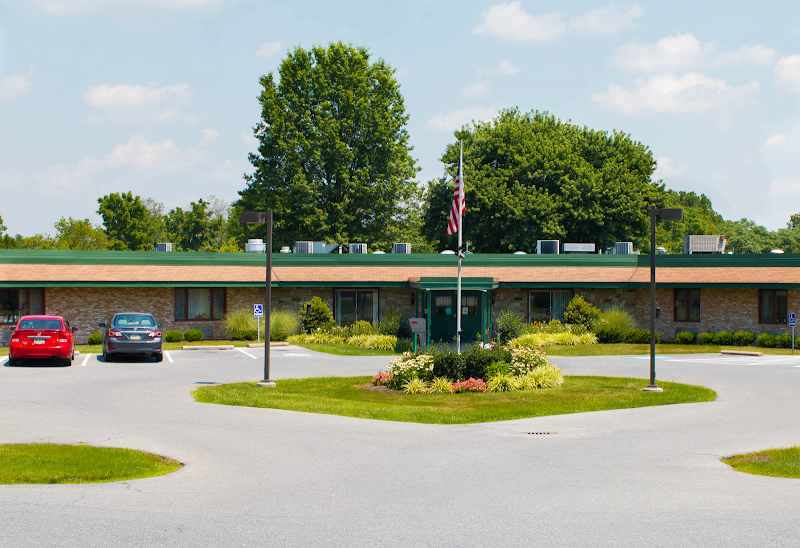
How is Gardens At Gettysburg, The Staffed?

CMS rates GARDENS AT GETTYSBURG, THE's staffing level at 2 out of 5 stars, which is below average compared to other nursing homes. Staff turnover is 55%, which is 9 percentage points above the Pennsylvania average of 46%. High turnover can affect care consistency as new staff learn residents' individual needs. RN turnover specifically is 62%, which is notably high. RNs provide skilled clinical oversight, so turnover in this role can affect medical care quality.

What Have Inspectors Found at Gardens At Gettysburg, The?

State health inspectors documented 29 deficiencies at GARDENS AT GETTYSBURG, THE during 2022 to 2025. These included: 29 with potential for harm.

Who Owns and Operates Gardens At Gettysburg, The?

GARDENS AT GETTYSBURG, THE is owned by a for-profit company. For-profit facilities operate as businesses with obligations to shareholders or private owners. The facility is operated by PRIORITY HEALTHCARE GROUP, a chain that manages multiple nursing homes. With 102 certified beds and approximately 98 residents (about 96% occupancy), it is a mid-sized facility located in GETTYSBURG, Pennsylvania.

How Does Gardens At Gettysburg, The Compare to Other Pennsylvania Nursing Homes?

Compared to the 100 nursing homes in Pennsylvania, GARDENS AT GETTYSBURG, THE's overall rating (4 stars) is above the state average of 3.0, staff turnover (55%) is near the state average of 46%, and health inspection rating (3 stars) is at the national benchmark.

What Should Families Ask When Visiting Gardens At Gettysburg, The?

Based on this facility's data, families visiting should ask: "How do you ensure continuity of care given staff turnover, and what is your staff retention strategy?" "Can you walk me through typical staffing levels on day, evening, and night shifts?" "Can I visit during a mealtime to observe dining assistance and food quality?" "How do you handle medical emergencies, and what is your hospital transfer rate?" These questions are particularly relevant given the facility's high staff turnover rate and the below-average staffing rating.

Is Gardens At Gettysburg, The Safe?

Based on CMS inspection data, GARDENS AT GETTYSBURG, THE has a clean safety record: no substantiated abuse findings (meaning no confirmed cases of resident harm), no Immediate Jeopardy citations (the most serious violation level indicating risk of serious injury or death), and is not on the Special Focus Facility watch list (a federal program monitoring the lowest-performing 1% of nursing homes). The facility has a 4-star overall rating and ranks #1 of 100 nursing homes in Pennsylvania. While no facility is perfect, families should still ask about staff-to-resident ratios and recent inspection results during their visit.

Do Nurses at Gardens At Gettysburg, The Stick Around?

Staff turnover at GARDENS AT GETTYSBURG, THE is high. At 55%, the facility is 9 percentage points above the Pennsylvania average of 46%. Registered Nurse turnover is particularly concerning at 62%. RNs handle complex medical decisions and coordinate care — frequent RN changes can directly impact care quality. High turnover means new staff may not know residents' individual needs, medications, or preferences. It can also be disorienting for residents, especially those with dementia who rely on familiar faces. Families should ask: What is causing the turnover? What retention programs are in place? How do you ensure care continuity during staff transitions?

Was Gardens At Gettysburg, The Ever Fined?

GARDENS AT GETTYSBURG, THE has no federal fines on record. CMS issues fines when nursing homes fail to meet care standards or don't correct problems found during inspections. The absence of fines suggests the facility has either maintained compliance or corrected any issues before penalties were assessed. This is a positive indicator, though families should still review recent inspection reports for the full picture.

Is Gardens At Gettysburg, The on Any Federal Watch List?

GARDENS AT GETTYSBURG, THE is not on any federal watch list. The most significant is the Special Focus Facility (SFF) program, which identifies the bottom 1% of nursing homes nationally based on persistent, serious quality problems. Not being on this list means the facility has avoided the pattern of deficiencies that triggers enhanced federal oversight. This is a positive indicator, though families should still review the facility's inspection history directly.