PLEASANT RIDGE MANOR EAST/WEST

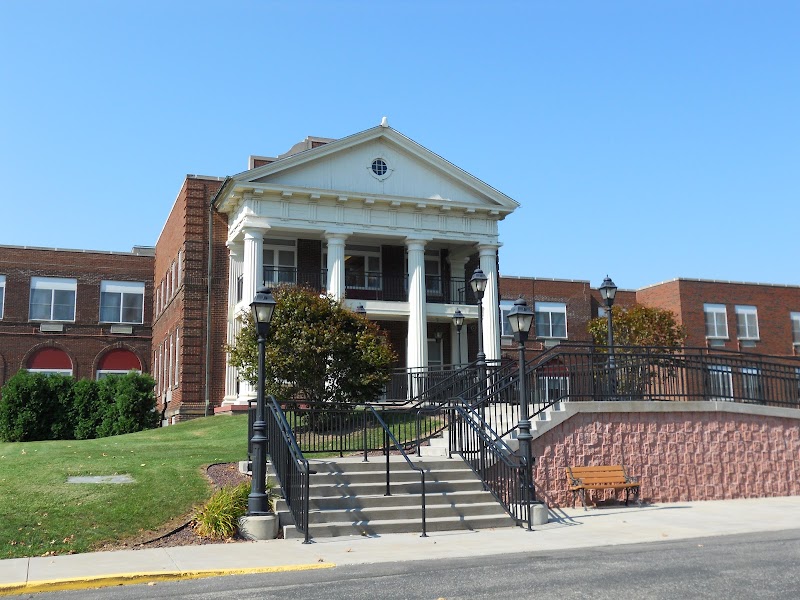
8300 WEST RIDGE ROAD, GIRARD, PA 16417 (814) 474-5521
Government - County 300 Beds Independent Data: November 2025
Trust Grade
43/100
#334 of 653 in PA
Last Inspection: June 2025

Inspected within the last 6 months. Data reflects current conditions.

Overview

Pleasant Ridge Manor East/West in Girard, Pennsylvania, has a Trust Grade of D, indicating below-average quality with some concerns. It ranks #334 out of 653 facilities in Pennsylvania, placing it in the bottom half of state options, and #13 out of 18 in Erie County, meaning only a few local facilities are ranked lower. The facility is showing improvement, reducing its issues from 8 in 2024 to 7 in 2025, but still faces significant challenges, including a concerning staffing turnover rate of 72%, well above the state average. Specific incidents include a serious failure to safely transfer a resident, which resulted in a femur fracture, and lapses in providing oxygen to residents as per physician orders, highlighting risks to resident safety. While the facility offers average overall care and a decent star rating for health inspections, the lack of adequate RN coverage and high turnover are significant weaknesses families should consider.

Trust Score
D
43/100
In Pennsylvania
#334/653
Bottom 49%
Safety Record
Moderate
Needs review
Inspections
Getting Better
8 → 7 violations
Staff Stability
⚠ Watch
72% turnover. Very high, 24 points above average. Constant new faces learning your loved one's needs.
Penalties
✓ Good
$15,435 in fines. Lower than most Pennsylvania facilities. Relatively clean record.
Skilled Nurses
⚠ Watch
Each resident gets only 25 minutes of Registered Nurse (RN) attention daily — below average for Pennsylvania. Fewer RN minutes means fewer trained eyes watching for problems.
Violations
⚠ Watch
21 deficiencies on record. Higher than average. Multiple issues found across inspections.
★★★☆☆
3.0
Overall Rating
★★★☆☆
3.0
Staff Levels
★★☆☆☆
2.0
Care Quality
★★★☆☆
3.0
Inspection Score
Stable
2024: 8 issues
2025: 7 issues

The Good

  • Full Sprinkler Coverage · Fire safety systems throughout facility
  • No fines on record

Facility shows strength in fire safety.

The Bad

3-Star Overall Rating

Near Pennsylvania average (3.0)

Meets federal standards, typical of most facilities

Staff Turnover: 72%

25pts above Pennsylvania avg (46%)

Frequent staff changes - ask about care continuity

Federal Fines: $15,435

Below median ($33,413)

Minor penalties assessed

Staff turnover is very high (72%)

24 points above Pennsylvania average of 48%

The Ugly 21 deficiencies on record

1 actual harm
Jun 2025 6 deficiencies
CONCERN (D)

Potential for Harm - no one hurt, but risky conditions existed

Deficiency F0628 (Tag F0628)

Could have caused harm · This affected 1 resident

Based on review of facility policy and clinical records and staff interview it was determined that the facility failed to make certain that the necessary resident information was communicated to the r...

Read full inspector narrative →
Based on review of facility policy and clinical records and staff interview it was determined that the facility failed to make certain that the necessary resident information was communicated to the receiving health care provider for one of 35 residents reviewed (Resident R19). Findings include: Review of facility policy entitled Transfer and Discharge Policy dated 6/18/25, indicated When the facility transfers or discharges a resident . the facility must ensure that the transfer or discharge is documented in the residents medical record and appropriate information is communicated to the receiving health care institution or provider. And Documentation of the resident's medical record must include: . Information provided to the receiving provider . Review of Resident R19's clinical record revealed an admission date of 12/12/24, with diagnoses that included respiratory failure (a condition where your lungs don't exchange air properly), congestive heart failure (the inability of the heart to maintain an adequate supply of blood to organs and tissues), and obstructive sleep apnea (a condition when a person repeatedly stops and starts breathing when they are sleeping). Review of Resident R19's clinical record revealed a progress note dated 5/15/25, at 3:50 p.m. indicating the resident was transfered to the hospital. The clinical record lacked evidence that Resident R19's necessary clinical information was communicated to the receiving health care provider. During an interview on 6/25/25, at 2:35 p.m. the Director of Nursing (DON) confirmed that there was no evidence that the necessary clinical information for Resident R19 was provided to the receiving healthcare provider upon transfer. The DON also confirmed when a resident is transferred the necessary clinical information should be provided to the receiving health care provider and documented in the resident's clinical record. 28 Pa. Code 201.18(e)(1) Management 28 Pa. Code 201.29(c.3) (2) Resident rights
CONCERN (D)

Potential for Harm - no one hurt, but risky conditions existed

Quality of Care (Tag F0684)

Could have caused harm · This affected 1 resident

Based on review of clinical records, observations, and staff interview, it was determined that the facility failed to ensure that physician's orders were followed for one of 35 residents reviewed (Res...

Read full inspector narrative →
Based on review of clinical records, observations, and staff interview, it was determined that the facility failed to ensure that physician's orders were followed for one of 35 residents reviewed (Resident R197). Findings include: Review of Resident R197's clinical record revealed an admission date of 12/11/24, with diagnoses that included hemiplegia (a condition where a person is paralyzed and unable to move one side of their body), hyperlipidemia (high cholesterol), and hypertension (high blood pressure). Review of Resident R197's clinical record revealed a physician's order dated 1/30/25, to apply edema glove (a compression glove to reduce swelling) to left hand. Review of tasks (area in the clinical record where nursing assistants document) revealed a task to apply Geri sleeve (special sleeve worn to protect the skin from injury) to left upper extremity on in the a.m. and off at hour of sleep (HS). Observations on 6/23/25, at 3:22 p.m. revealed Resident R197 sitting in his/her wheelchair in their room with no glove/sleeve on their left hand/arm. Observation on 6/24/25, at 9:18 a.m. revealed Resident R197 was lying in their bed with no glove/sleeve on their left hand/arm. Observation again on 6/24/25, at 12:40 p.m. revealed the resident was sitting in their wheelchair with no glove/sleeve on their left hand/arm. Observations on 6/25/25 at 9:00 a.m., 1:30 p.m., and again at 1:40 p.m. revealed the resident sitting in their wheelchair with no glove/sleeve on their left hand/arm. During an interview on 6/25/25, at 1:40 p.m. Licensed Practical Nurse (LPN) Employee E5 confirmed that Resident R197 did not have a glove/sleeve on his/her left hand/arm. LPN Employee E5 also confirmed that Resident R197 should have a glove/sleeve to their hand/arm according to physician's orders. 28 Pa. Code 211.12(d)(3)(5) Nursing services
CONCERN (D)

Potential for Harm - no one hurt, but risky conditions existed

Deficiency F0688 (Tag F0688)

Could have caused harm · This affected 1 resident

Based on review of facility policy and clinical record, observations, and staff interview, it was determined that the facility failed to ensure that resident with limited range of motion received phys...

Read full inspector narrative →
Based on review of facility policy and clinical record, observations, and staff interview, it was determined that the facility failed to ensure that resident with limited range of motion received physician ordered treatment and services to prevent further decrease in range of motion for one of four residents reviewed (Resident R120). Findings include: Review of policy entitled Restorative Nursing: Splints and Orthotics dated 6/18/25, indicated upon receipt of a physician's order the occupational/physical therapist will issue a splinting device for the resident and nursing staff will follow recommendations/physician's orders and instructions. Review of Resident R120's clinical record revealed an admission date of 3/2/21, with diagnoses that included dementia (a disease that affects short term memory and the ability to think logically), contracture of muscle (a condition that affects a muscle to fully stretch or relax causing the muscle to become stiff and unable to bend), and hypothyroidism (a condition when the thyroid produces low amounts of thyroid hormones). Review of Resident R120's clinical record revealed a physician's order dated 10/22/24, for bilateral resting hand splints per standard wear schedule off at breakfast, on at 1:00 p.m., off at supper, on at hour of sleep, off at 2:00 a.m., on at 4:00 a.m. Review of Resident R120's tasks (an area in the clinical record where the nursing assistants document) revealed that documentation lacked evidence that the bilateral resting hand splints were applied per physician's orders. Observations on 6/24/25, at 1:40 p.m. revealed Resident R120 was sitting in his/her wheelchair with no resting hand splints on their bilateral hands. Observation on 6/25/25, at 1:00 p.m. and again at 1:45 p.m. revealed Resident R120 lying in his/her bed with no resting hand splints on their bilateral hands. During an interview on 6/25/25, at 1:45 p.m. Licensed Practical Nurse (LPN) Employee E5 confirmed that Resident R120 did not have resting hand splints on his/her bilateral hands. LPN Employee E5 also confirmed that Resident R120 should have his/her resting hand splints on their bilateral hands per physician's orders. 28 Pa. Code 201.18 (b)(1) Management 28 Pa. Code 211.10 (d) Resident care policies 28 Pa. Code 211.12 (d)(1)(3)(5) Nursing services
CONCERN (D)

Potential for Harm - no one hurt, but risky conditions existed

Deficiency F0761 (Tag F0761)

Could have caused harm · This affected 1 resident

Based on review of facility policies, observations, and staff interviews, it was determined that the facility failed to ensure that medications subject to abuse were stored in separately locked, perma...

Read full inspector narrative →
Based on review of facility policies, observations, and staff interviews, it was determined that the facility failed to ensure that medications subject to abuse were stored in separately locked, permanently affixed compartment in one of three medication refrigerators (H Unit), and failed to ensure that medications were discarded in a timely manner for one of three medication rooms observed (A Unit). Findings include: A facility policy entitled Storage of Medications on Nursing Unit dated 6/18/25, revealed that controlled substances that require refrigeration will be secured in the red box designated for controlled substances and secured with a pull tight seal or lock. A facility policy entitled Return of Medication to the Pharmacy dated 6/18/25, revealed that all of the discontinued medication (except controlled substances) will be sent to the pharmacy for credit and/or disposal. Observation on 6/23/25, at 2:15 p.m. of the H Unit medication storage refrigerator revealed Ativan (anti-anxiety, controlled medication) injection syringes, in the red plastic box designated for controlled medications and the box lacked a lock/device to secure the contents. During an interview at the time of the observation, Licensed Practical Nurse (LPN) Employee E1 confirmed the controlled medication box was not secure. During an interview on 6/23/25, at 2:29 p.m. the Director of Nursing (DON) confirmed the red controlled medication box should have a lock/secure device. Observation on 6/23/25, at 3:05 p.m. of the A Unit medication storage refrigerator revealed 1 ½ - 100 milliliter (mL) multi-dose bottles of Cefpodoxime (antibiotic) and one 100 mL bag of Meropenem (antibiotic) intravenous (IV) solution labeled as filled on 6/16/25, and with instructions to discard after 6/21/25. During an interview at that time, LPN Employee E6 confirmed that the bottles and IV bag of antibiotics were expired and should have been discarded/returned to pharmacy. During an interview on 6/23/25, at 3:56 p.m. the DON confirmed that the expired medications should have been discarded or returned to the pharmacy. 28 Pa. Code 211.9(a)(1) Pharmacy services 28 Pa. Code 211.12(d)(1)(5) Nursing Services 28 Pa. Code 201.18(b)(1) Management
CONCERN (E)

Potential for Harm - no one hurt, but risky conditions existed

Respiratory Care (Tag F0695)

Could have caused harm · This affected multiple residents

Based on review of facility policies and clinical records, observations, and staff interview, it was determined that the facility failed to provide oxygen and maintain oxygen equipment according to ph...

Read full inspector narrative →
Based on review of facility policies and clinical records, observations, and staff interview, it was determined that the facility failed to provide oxygen and maintain oxygen equipment according to physician's orders for three of five residents reviewed for respiratory services (Residents R32, R153, and R195). Findings include: Review of facility policy entitled Oxygen Administration dated 6/18/25, revealed to verify that there is a physician's order for this procedure. Review the physician's order . for oxygen administration. and turn on oxygen. Unless otherwise ordered, start the flow of oxygen at . and adjust the oxygen delivery device so that it is comfortable for the resident and the proper flow of oxygen is being administered. Review of facility policy entitled Oxygen Saturation Pulse Oximetry (SPO2) Oximetry protocol dated 6/18/25, revealed to verify/obtain a physician's order; unless otherwise determined and prescribed by the physician, utilize 90% SPO2 as acceptable; increase or decrease oxygen liter flow by one liter per minute or more. Review of facility policy entitled Cleaning Nebulizer Cone and Mask or Mouth Piece dated 6/18/25, revealed that the resident will be provided with new nebulizer supplies every seven days; and rinse nebulizer T-set ( T-shaped connection between the mouthpiece or mask to the nebulizer chamber to facilitate delivery of aerosolized medication) nightly with wamr water and leave to dry on a clean paper towel. Review of facility policy entitled Medication Orders dated 6/18/25, revealed that oxygen orders must specify the rate of flow, route, and rationale. Resident R32's clinical record revealed an initial admission date of 7/28/22, with diagnoses that included Alzheimer's disease (progressive brain disorder that gradually destroys memory, thinking skills, and the ability to carry out even simple tasks), functional quadriplegia (complete inability to move due to severe disability or frailty, not caused by a spinal cord injury or brain damage), and adult failure to thrive (syndrome of decline in older adults characterized by weight loss, decreased appetite, poor nutrition, and inactivity). Resident R32's clinical record revealed a physician's order dated 5/20/25, for Ipratropium-Albuterol Solution (bronchodilators that relax muscles in the airways and increase air flow to the lungs) inhaled through a nebulizer mask four times a day. Review of Resident R32's Medication Administration Record (MAR) revealed that he/she routinely received the nebulized medications four times a day. There no evidence in the Treatment Administration Record (TAR) of cleaning/maintaining nebulizer equipment. Observations on 6/23/25, at 2:05 p.m., 6/24/25, at 11:46 a.m., and 6/25/25, at 11:06 a.m., revealed a nebulizer mask laying directly on Resident R32's nightstand and that the inside portion of the mask contained dried secretions, and an unidentifiable solid matter. During an interview on 6/26/25, at 1:10 p.m. Registered Nurse Employee E2 confirmed that the nebulizer mask was soiled, and there was no evidence of when the mask was changed or cleaned. Review of Resident R153's clinical record revealed an initial admission date of 1/06/23, with diagnoses that included prostate cancer, Type 2 diabetes (chronic condition where the body either doesn't produce enough insulin or can't properly use the insulin it produces, leading to high blood sugar levels), altered mental status, and dementia. The clinical record lacked evidence of a physician's order to provide supplemental oxygen (O2). A departmental progress note dated 6/23/25, at 11:50 a.m. revealed that Resident R153 experienced a potential seizure, and that O2 was initiated at two liters per minute and his/her oxygen saturation was recorded at 99%. Review of Resident R153's MAR/TAR and departmental progress notes dated 6/23/25, to 6/25/25, lacked evidence of documentation of his/her continued use of O2, the liter flow, or route. Observations on 6/23/25, at 3:48 pm., and 6/24/25, at approximately 10:10 a.m. revealed that Resident R153 was observed in bed with O2 in use at two liters per minute. During an interview on 6/25/25, at 1:30 p.m. Registered Nurse Employee E2 and Licensed Practical Nurse Employee E3 confirmed Resident R153's clinical record contained incomplete orders and parameters for the use of O2, and lacked documentation of continued use of O2, route and liter flow. Review of Resident R195's clinical record revealed an admission date of 2/18/25, with diagnoses that included Parkinson's (a chronic and progressive movement disorder that causes shaking, slows a person's ability to move and worsens over time), dementia (a disease that affects short term memory and the ability to think logically), and heart failure (the inability of the heart to maintain an adequate supply of blood to organs and tissues). Review of Resident R195's physician's orders revealed an order for oxygen via nasal cannula (a thin tube with two prongs that fit into the resident's nostrils to deliver oxygen) for comfort only, do not titrate SATS (blood oxygen saturation levels) dated 2/21/25, and another order for oxygen per oximetry (a device that provides an oxygen level by placing it on a person's finger) PRN (as needed) dated 2/18/25. The oxygen orders lacked a flow rate (the amount of oxygen to be delivered). During an interview on 6/26/25, at 10:10 a.m. the Director of Nursing (DON) confirmed that Resident R19's oxygen orders lacked a flow rate. The DON also confirmed that Resident R19's oxygen orders were incomplete, and all oxygen orders should indicate a flow rate. 28 Pa. Code 211.10(c) Resident care policies 28 Pa. Code 211.12(d)(1)(5) Nursing services
MINOR (B)

Minor Issue - procedural, no safety impact

Assessment Accuracy (Tag F0641)

Minor procedural issue · This affected multiple residents

**NOTE- TERMS IN BRACKETS HAVE BEEN EDITED TO PROTECT CONFIDENTIALITY** Based on review of Minimum Data Set (MDS - federally mandated standardized assessment conducted at specific intervals to plan re...

Read full inspector narrative →
**NOTE- TERMS IN BRACKETS HAVE BEEN EDITED TO PROTECT CONFIDENTIALITY** Based on review of Minimum Data Set (MDS - federally mandated standardized assessment conducted at specific intervals to plan resident care), clinical records and staff interview, it was determined that the facility failed to ensure that the MDS assessment accurately reflected the status for two of 35 residents reviewed (Residents R13 and R43). Findings include: Resident R13's clinical record revealed an admission date of 1/9/25, with diagnoses that included bipolar disorder (condition of mood swings characterized by manic highs and depressive lows), anxiety, and chronic pain. Review of MDS instructions for section K0300 indicated that if weight loss of five percent or more in the last month or loss of 10 percent or more in the last six months to code yes. During an interview on 6/26/25, at 8:55 a.m. the Registered Dietitian confirmed that R13 did not have significant weight loss and the MDS dated [DATE], for section Swallowing/Nutritional Status Section K0300 Weight Loss: Loss of 5% or more in the last month or loss of 10% or more in the last 6 months was coded incorrectly. Resident R43's clinical record revealed an initial admission date of 6/07/24, with diagnoses that included Type 2 diabetes (chronic condition where the body either doesn't produce enough insulin or can't properly use the insulin it produces, leading to high blood sugar levels), bipolar disorder (mental health condition causes extreme mood swings that include emotional highs, called mania, and lows, known as depression), long-term kidney disease, and adult failuer to thrive (syndrome of decline in older adults characterized by weight loss, decreased appetite, poor nutrition, and inactivity). Resident R43's clinical record revealed a physician's order originally dated 6/08/24, and reordered 5/28/25, to administer ticagrelor oral tablet (anti-platelet-prevents platelets in your blood from sticking together to prevent blood clots) three times a day. Review of MDS instructions for Section N0415 indicated to check if the resident is taking any of the listed medications by pharmacologial classification. Resident R43's Quarterly MDS dated [DATE], Quarterly MDS dated [DATE], Quarterly MDS dated [DATE], Annual MDS dated [DATE], and Quarterly MDS dated [DATE], Sections N0415 indicated that Resident R43 was receiving an anticoagulant. During an interview on 6/25/25, at 2:56 p.m. Registered Nurse Assessment Coordinator Employee E4 confirmed that Resident R43's Quarterly MDS dated [DATE], Quarterly MDS dated [DATE], Quarterly MDS dated [DATE], Annual MDS dated [DATE], and Quarterly MDS dated [DATE], Sections N0415 were coded incorrectly for receiving an anticoagulant. 28 Pa. Code 201.14(a) Responsibility of licensee 28 Pa. Code 211.5(f)(ix) Medical Records 28 Pa. Code 211.12(d)(3) Nursing services
Jun 2025 1 deficiency
CONCERN (D) 📢 Someone Reported This

A family member, employee, or ombudsman was alarmed enough to file a formal complaint

Potential for Harm - no one hurt, but risky conditions existed

Report Alleged Abuse (Tag F0609)

Could have caused harm · This affected 1 resident

Based on review of facility policy, clinical records, and facility documents, and staff interviews, it was determined that the facility failed to ensure all alleged violations involving abuse were rep...

Read full inspector narrative →
Based on review of facility policy, clinical records, and facility documents, and staff interviews, it was determined that the facility failed to ensure all alleged violations involving abuse were reported in a timely manner for one of six residents reviewed (Resident R1). Findings include: Review of facility policy entitled Abuse - Reasonable Suspicion of a Crime - Prevention / Reporting dated January 2024, revealed the facility will not tolerate any form of abuse, exploitation, mistreatment or neglect of its residents, nor will it tolerate misappropriation of residents' funds or property by anyone. All covered individuals shall report any incident or suspicion of abuse, neglect, mistreatment, or misappropriation of funds or property immediately to the Abuse Coordinator (Director of Human Resources), Director of Nursing, or the Administrator / Executive Director, or in their absence to the RN Supervisor, or Charge Nurse. The policy further states for Protection, Identification, and Reporting that The Administrator / Executive Director, the Director of Nursing, and the Abuse Coordinator, must be informed as soon as possible of alleged abuse, neglect, mistreatment, or misappropriation of resident funds or property. The policy Process revealed that when an employee has reasonable cause to suspect that a resident is a victim of abuse, neglect, exploitation or abandonment, the employee shall report it to their supervisor, who will immediately report it to the facilities Executive Director, Director of Nursing, or Abuse Coordinator, and that staff will complete a Star Witness Report indicating the time, location, resident, and details of the allegation and submit it to the supervisor prior to the completion of his/her shift. Facility policy defines Physical Abuse as including, but not being limited to hitting, slapping, kicking, biting, spitting, or throwing items, etc. Abuse, is defined at §483.5 as the willful infliction of injury, unreasonable confinement, intimidation, or punishment with resulting physical harm, pain or mental anguish. Abuse also includes the deprivation by an individual, including a caretaker, of goods or services that are necessary to attain or maintain physical, mental, and psychosocial well-being. Instances of abuse of all residents, irrespective of any mental or physical condition, cause physical harm, pain or mental anguish. It includes verbal abuse, sexual abuse, physical abuse, and mental abuse including abuse facilitated or enabled through the use of technology. Resident R1's clinical record revealed an admission date of 4/21/16, with diagnoses that included dementia (loss of cognitive functioning affecting a person's memory and behaviors), tracheostomy(a hole made through the front of the neck and into the windpipe [trachea] where a tube is placed to keep the hole open for breathing), and diabetes (a health condition caused by the body's inability to produce enough insulin). Resident R1's quarterly Minimum Data Set (MDS - federally mandated standardized assessment conducted at specific intervals to plan resident care) with an Assessment Reference Date (ARD) of May 22, 2025, revealed Resident R1 had a Brief Interview for Mental Status (BIMS) score of 5 indicating severe cognitive impairments. Review of information submitted by the facility dated 5/22/25, identified that there was an incident during the end of the third shift the morning of 5/21/25, between 6:00 a.m. and 7:00 a.m. during a transfer using a mechanical lift with Resident R1, where NA Employee E6 pulled the resident's fingers off the lift and bent them backwards. NA Employee E6 was also observed to punch and pinch the resident while in the lift and in the wheelchair. NA Employee E4 told NA Employee E6 to stop, and he/she replied, You will shut up, you didn't see anything. NA Employee E4 went to report the incident and did not see their nurse before leaving their shift to report the event and therefore did not report the incident immediately before leaving the facility. The occurrence of the incident was not discovered until 5/22/25, at 7:40 a.m. when the Director of Nursing received a call regarding an allegation of resident abuse. The facility immediately initiated an investigation. During an interview on 6/10/25, at 2:00 p.m. with the Nursing Home Administrator (NHA), Director of Nursing (DON) and the Assistant Director of Nursing (ADON), they acknowledged that there was a delay in reporting the aforementioned allegation of abuse as the incident occurred on 5/21/25, at 6:15 a.m. and the DON was not notified until 5/22/25, at 7:40 a.m. The NHA, DON, and ADON also confirmed that staff are to report suspected allegations of abuse immediately. 28 Pa. Code 201.14(a) Responsibility of licensee 28 Pa. Code 201.18(b)(1) Management 28 Pa. Code 201.18(e)(1) Management 28 Pa. Code 211.12(d)(1)(5) Nursing services
Jul 2024 7 deficiencies 1 Harm
SERIOUS (G)

Actual Harm - a resident was hurt due to facility failures

Accident Prevention (Tag F0689)

A resident was harmed · This affected 1 resident

Based on review of facility policy, clinical records, and facility documentation and staff interviews, it was determined that the facility failed to provide a safe transfer in a manner that protected ...

Read full inspector narrative →
Based on review of facility policy, clinical records, and facility documentation and staff interviews, it was determined that the facility failed to provide a safe transfer in a manner that protected a resident from injury during a transfer, and resulted in actual harm when the resident received an acute fracture of the femur (the thigh bone) for one of 35 residents reviewed (Resident R304). This deficiency is cited as past non-compliance. Findings include: The facility policy entitled, Lifting Machine, Using a Mechanical, dated January 26, 2024, indicated that at least two nursing assistants are needed to safely move a resident with a Full/Maxi mechanical lift and to follow transfer orders from Physical Therapy (PT) for sit to stand/Sara lift transfer orders. Review of Resident R304's clinical record revealed an admission date of 6/17/15, with diagnoses that included Alzheimer's disease (progressive mental deterioration that destroys memory and other important mental functions), dementia (condition of impaired ability to remember, think, or make decisions that interferes with everyday activities), history of falling and protein calorie malnutrition. Review of Resident R304's quarterly Minimum Data Set assessment (MDS-periodic assessment of resident care needs), dated 10/31/23, revealed that Resident R304's transfer status was total dependance, two-person physical assist, it also revealed that Resident R304 was severely cognitively impaired. Review of a physician's order dated 3/26/21, revealed that Resident R304 was ordered an assist x (times) 2 and with Maxi lift [full body mechanical lift] as needed with assist x 2 with transfers. A review of Resident R304's clinical record revealed a nurse's note dated 1/26/24, at 9:57 p.m. which indicated that Resident R304 had swelling to the right knee and bruising to the upper thigh and knee. A nurse's note dated 1/26/24, at 11:59 p.m. revealed that Resident R304 had large bruises noted to area behind the right knee and distal femur. Nursing Assistant (NA) Employee E13 stated that he/she used the Sara lift (sit to stand lift) to put resident to bed. The nurse's note also indicated that Resident R304's physician's order was a two-person assist or maxi lift. Orders received for x-rays in a.m. of the right hip, femur and knee. A nurse's note dated 1/27/24, at 11:36 a.m. revealed the physician was notified regarding the x-ray results of a displaced fracture of the right distal femur and indicated that Resident R304 was sent to the hospital for evaluation. Review of the facility's investigation revealed that NA Employee E12 confirmed verbally to Registered Nurse (RN) Employee E13 on a written statement dated 1/27/24, that he/she transferred Resident R304 with a Sara lift (sit to stand lift) to bed with assistance of one. A review of documentation submitted by the facility dated 1/27/24, revealed that the facility initiated an investigation, regarding Resident R304's injury of unknown origin on 1/26/24. The investigation revealed that the resident was transferred that day with an assist of one on 1/26/24. Following the transfer, the resident's leg had increased swelling and bruising. NA Employee E12 did not follow the resident's physician's orders for safe transfers resulting in harm and employment was terminated. An interview with the Director of Nursing (DON) on 7/29/24, at 10:40 a.m. confirmed that NA Employee E12 transferred Resident R304 with a Sara lift alone even though resident was ordered a Maxi lift as needed with an assist of two. The facility failed to ensure that Resident R304 was free from injury during a transfer resulting in actual harm of an acute fracture of the right femur. This deficiency is cited as past non-compliance. On 1/28/2024, the facility-initiated education for all nursing staff including Registered Nurses (RNs), Licensed Practical Nurses (LPNs), and NAs to ensure that proper transfer status must be followed. This plan included the following: Immediate suspension of NA Employee E12 followed by termination of employment. Immediate education regarding following the resident's transfer orders and proper transfer technique was provided to all facility nursing staff that included RNs, LPNs, and NAs, which occurred from 1/27/2024, to 2/5/2024. Interviews with RN Employee E13 and LPN Employees E2, E3, E4, E6, E8 and E9 and NA Employees E1, E5, E7, E10, E14 and E15 confirmed the facility initiated education starting 1/27/2024, which included education on resident transfer status, following the resident's care plan, and with knowledge of where to find the resident's care plans, and all lifts require two staff. Audits were conducted by the DON regarding transfers to include the correct number of staff, and performed correctly, these audits of 25% of residents on each unit requiring a lift on every shift have been ongoing in the facility since February 2024. Per interview with the Nursing Home Administrator (NHA) and the DON, audits will continue to be completed by the RN Supervisors on each shift as well as the DON quarterly. These audits will be reviewed by the Quality Assurance Performance Improvement (QAPI) Committee. The audits will continue until determined otherwise by the QAPI committee. During an interview with the NHA and DON on 7/30/24, at 11:40 a.m. and review of the facility's immediate actions, education, audits, and review of the QAPI monitoring process to sustain solutions, it was verified that the facility had implemented a plan of correction to ensure residents are free from harm regarding proper transfers and had achieved substantial compliance as of 3/29/24. 28 Pa. Code 201.14(a) Responsibility of licensee 28 Pa. Code 201.18(b)(1)(3) Management 28 Pa. Code 201.18(e)(1) Management 28 Pa. Code 211.12(c) Nursing services 28 Pa. Code 211.12(d)(1)(3)(5) Nursing services
CONCERN (D)

Potential for Harm - no one hurt, but risky conditions existed

Deficiency F0625 (Tag F0625)

Could have caused harm · This affected 1 resident

Based on review of facility policy and clinical records, and staff interviews, it was determined that the facility failed to provide the resident and/or resident representative with a written notice o...

Read full inspector narrative →
Based on review of facility policy and clinical records, and staff interviews, it was determined that the facility failed to provide the resident and/or resident representative with a written notice of the facility bed-hold policy (explanation of how long a bed can be held during a leave of absence and the cost per day) upon transfer for one of nine residents reviewed for bed-holds (Resident R65). Findings include: Review of facility policy entitled Bed Hold and Return Policy dated 1/26/24, indicated It is the policy . upon Admissions, Transfers and Therapeutic Leaves, residents and/or resident representatives will be informed in writing of the Bed Hold and Return Policy. Review of Resident R65's clinical record revealed an initial admission date of 8/10/23, with diagnoses that included dependence of renal dialysis (a treatment that helps remove extra fluid and waste products from the blood when the kidneys are not able to), diabetes (a health condition that caused by the body's inability to produce enough insulin), and obstructive and reflux uropathy (a condition that will not let the urine drain naturally). Review of Resident R65's clinical record revealed progress notes dated 10/3/23, at 4:13 a.m. and 2/2/24, at 10:40 p.m. indicating transfers to the hospital. The clinical record lacked evidence that Resident R65 and/or their representative were provided with a copy of the facility bed-hold policy upon transfers. During an interview on 7/30/24, at 2:41 p.m. the Director of Nursing confirmed that he/she had no evidence that Resident R65 and/or his/her representative was provided with a copy of the facility bed-hold policy that included the cost per day. He/she also confirmed that a copy of the facility bed-hold policy should have been provided to the resident and/or his/her representative upon transfer. 28 Pa. Code 201.18(e)(1) Management 28 Pa. Code 201.29(c.3)(2) Resident rights
CONCERN (D)

Potential for Harm - no one hurt, but risky conditions existed

Deficiency F0688 (Tag F0688)

Could have caused harm · This affected 1 resident

Based on review of facility policy and clinical records, observations, and staff interviews, it was determined that the facility failed to ensure that resident with limited range of motion received ph...

Read full inspector narrative →
Based on review of facility policy and clinical records, observations, and staff interviews, it was determined that the facility failed to ensure that resident with limited range of motion received physician ordered treatment and services to prevent further decrease in range of motion for two of 35 residents reviewed (Residents R79 and R43). Findings include: Review of facility policy dated 1/26/24, entitled Restorative Nursing: Splints and Orthotics: Care of Resident With indicated that The Resident will receive care to assess for, prevent, and treat contracture and that Specific program is written onto the CNA (certified nurse aide) flow sheet and A copy of the splint / orthotic wearing schedule is placed in the resident's closet. Resident R79's admission record revealed an admission date of 12/07/2016, with diagnoses that included dementia (a condition that affects your ability to reason, think, or remember things), diabetes, and chronic obstructive pulmonary disease. Resident R79's clinical record revealed a physician's order dated, 8/9/21, that identified Palm splint to left hand. Non-standard wear schedule. The clinical record lacked a wear schedule for the palm splint and the resident's closet lacked evidence of a wear schedule being posted per facility policy. Observation on 7/28/24, at 1:25 p.m. revealed Resident R79 in bed with left hand splint laying on the night stand. Observation on 7/29/24, at 9:54 a.m. revealed Resident R79 in wheelchair with left hand splint laying on the night stand. Observation on 7/31/24, at 8:51 a.m. revealed Resident R79 in bed with left hand splint laying on the night stand. During an interview on 7/31/24, at 8:55 a.m. with Licensed Practical Nurse (LPN) Employee E11, surveyor inquired when Resident R79 was to be wearing his/her left palm splint. LPN Employee E11 reviewed physician orders and stated he/she did not see a wearing schedule for the splint, but believed it was to be put on at night as he/she knows it is not put on during the day shift. During an interview on 7/31/24, at 9:08 a.m. Nurse Aide (NA) Employee E16 was questioned on what shifts he/she worked, who responded that he/she works all three shifts. Surveyor asked NA Employee E16 how he/she knew when Resident R79 was to wear his/her splint. NA Employee E16 stated they just put the splint on when they can and when Resident R79 will let them. During an interview on 7/31/24, at 11:18 a.m. the Director of Nursing (DON) provided a copy of Resident R79's splint schedule that was implemented on 8/9/21. The splint schedule indicated the left palm splint was to be placed on after breakfast and removed for lunch, placed on after lunch and removed for supper, placed on after supper and removed at bedtime, placed on at midnight and removed at 2:00 a.m. DON confirmed the schedule was not posted in Resident R79's closet as policy indicated, that the splint should have been on Resident R79 at the times the surveyor observed the splint to be laying on the night stand and if the resident was refusing to allow staff to apply the splint, the refusal should have been documented in the clinical record. Resident R43's clinical record revealed an admission date of 5/3/17, with diagnoses that included chronic respiratory failure (a condition were your lungs don't exchange air properly), intracranial injury (an injury to the brain caused by external force), and peripheral vascular disease (a condition where your arteries become narrow causing reduce or blocked blood flow). Review of Resident R43's clinical record revealed a physician's order dated 5/17/21, that identified an order for a left resting hand splint to be worn per standard wear schedule. Further review of clinical record revealed a care plan for Activities of Daily Living (ADL) for a left hand contracture. The ADL care plan also revealed interventions of splinting left hand program with standard wearing schedule. Review of therapy splint schedule and Restorative Nursing: Splints and Orthotics policy revealed resting hand splint should be on at 4:00 a.m. and taken off at 8:00 a.m., then on at 1:00 p.m. and taken off at 5:00 p.m., then on at 9:00 p.m. and taken off at 2:00 a.m. Observation on 7/28/24, at 1:00 p.m. revealed Resident R43 was sitting in his/her wheelchair in his/her room with no hand splint on his/her left hand. Observation on 7/28/24, at 3:47 p.m. revealed Resident R43 sitting in his/her wheelchair in the hall with no hand splint on his/her left hand. Observation on 7/29/24, at 2:17 p.m. revealed Resident R43 sitting in his/her wheelchair in his/her room with no hand splint on his/her left hand. Observation on 7/30/24, at 2:10 p.m. revealed Resident R43 sitting in his/her wheelchair in the hall with no hand splint on his/her left hand. Observation and interview with Licensed Practical Nurse (LPN) Employee E18 on 7/31/24, revealed that Resident R43's splint schedule was posted in Resident R43's closet. LPN Employee E18 opened Resident R43's closet door and revealed a paper taped to the inside of the door and indicated the standard wearing schedule for resting hand splint to left hand. Further interview with LPN Employee E18, revealed that he/she stated that Resident R43 did not wear the splint to his/her left hand during any part of LPN Employee E18's shifts on 7/28/24, and 7/29/24. During an interview with LPN Employee E18 on 7/31/24, at 8:57 a.m. he/she confirmed that Resident R43 did not wear his/her splint on his/her left hand as ordered and that the splint should have been on at the times of the observations. LPN Employee E18 also confirmed that the left resting hand splint should be placed to Resident R43's left hand as ordered. 28 Pa. Code 201.18 (b)(1) Management 28 Pa. Code 211.10 (d) Resident care policies 28 Pa. Code 211.12 (d)(1)(3)(5) Nursing services
CONCERN (D)

Potential for Harm - no one hurt, but risky conditions existed

Incontinence Care (Tag F0690)

Could have caused harm · This affected 1 resident

Based on review of facility policy and clinical records, observations, and staff interview, it was determined that the facility failed to provide appropriate urinary catheter (tubing inserted into the...

Read full inspector narrative →
Based on review of facility policy and clinical records, observations, and staff interview, it was determined that the facility failed to provide appropriate urinary catheter (tubing inserted into the bladder to drain urine into a bag) care for one of three residents reviewed for catheters (Resident R128). Findings include: A facility policy entitled Foley, Care Of dated 1/26/24, indicated Be sure the catheter tubing and drainage bag are kept off the floor and catheter bags should be covered with a catheter bag at all times. Review of Resident R128's clinical record revealed an admission date of 10/27/20, with diagnoses that included hypertension (high blood pressure), chronic kidney disease, and retention of urine (a condition where the bladder doesn't empty completely when urinating). Review of Resident R128's clinical record revealed a physician's order dated 3/3/23, for an indwelling catheter related to urinary retention. Observations on 7/28/24, at 12:00 p.m. revealed that the bottom of Resident R128's urinary drainage bag was on the floor with the catheter cover only partially covering the urinary drainage bag. At 3:00 p.m. observations revealed that Resident R128's urinary drainage bag was laying flat on the floor, the tubing was lying on the floor, and the catheter cover was completely off the urinary drainage bag and wrapped up around the tubing. During an interview on 7/28/24, at approximately 3:05 p.m. Licensed Practical Nurse Employee E9 confirmed that Resident R128's catheter tubing and bag should not be on the floor, and the catheter cover should be completely covering the urinary drainage bag and not wrapped up around the tubing. 28 Pa. Code 211.12(d)(1)(5) Nursing Services
CONCERN (D)

Potential for Harm - no one hurt, but risky conditions existed

Medication Errors (Tag F0758)

Could have caused harm · This affected 1 resident

Based on review of facility policy and clinical records, and staff interview, it was determined that the facility failed to provide a clinical rationale for the continued use of a PRN (as needed) psyc...

Read full inspector narrative →
Based on review of facility policy and clinical records, and staff interview, it was determined that the facility failed to provide a clinical rationale for the continued use of a PRN (as needed) psychotropic (affecting the mind) medication beyond 14 days and failed to provide evidence that non-pharmacological interventions (interventions attempted to calm a resident other than medication) were attempted prior to the administration of a PRN psychotropic medication for two of seven residents reviewed for unnecessary medications (Residents R87 and R17). Findings include: A facility policy entitled Psychotropic Drugs dated 1/26/24, revealed that 1) All psychotropic's are required to have behavioral interventions and GDR's (gradual dose reductions). 2) PRN orders are limited to 14 days. Antianxiety/Hypnotic - If extended past 14 days, must include prescriber documentation of the rationale in the medical record and have a duration. Resident R87's clinical record revealed an admission date of 6/15/22, with diagnoses that included anxiety, hypertension (high blood pressure), and respiratory failure (difficulty breathing). A physician's order dated 11/22/23, identified to administer Alprazolam (anti-anxiety) 0.5 milligrams (mg) by mouth every 1 hour as needed for anxiety, and lacked the required stop date within 14 days or a clinical rationale for continued use beyond 14 days. Review of the July 2024 Medication Administration Record (MAR) for Resident R87 revealed that the PRN Alprazolam was used on 7/1/24, 7/2/24, 7/3/24, 7/4/24, 7/5/24, 7/6/24, 7/7/24, 7/8/24, 7/9/24, 7/10/24, 7/11/24, 7/12/24, 7/13/24, 7/14/24, 7/15/24, 7/16/24, 7/17/24, 7/18/24, 7/19/24, 7/20/24, 7/21/24, 7/22/24, 7/23/24, 7/25/24, 7/26/24, 7/27/24, 7/28/24, and 7/29/24. Review of the July 2024 MAR, and clinical record progress notes revealed that there was no evidence of non-pharmacological interventions attempted prior to the administration of the PRN Alprazolam. During an interview on 7/30/24, at 2:10 p.m. the Director of Nursing confirmed that Resident R87's Alprazolam orders lacked the required stop date within 14 days or a clinical rationale for continued use beyond 14 days and R87's clinical record lacked evidence that non-pharmacological interventions were being attempted prior to administering Alprazolam. Resident R17's clinical record revealed an admission date of 2/17/23, with diagnoses that included dementia (a condition that affects your ability to reason, think, or remember things), arthritis, and transient ischemic attach (TIA - mini-stroke or where you develop stroke like symptoms that resolve within twenty-four hours). A physician's order dated 4/27/24, identified to administer Lorazepam (anti-anxiety) 0.5 mg / 0.25 milliliter (ml) sublingually (under the tongue) every 3 hours as needed for agitation, and lacked the required stop date within 14 days or a clinical rationale for continued use beyond 14 days. Resident R17's April 2024 MAR revealed that the PRN Lorazepam was used eight times (4/27/24 twice, 4/28/24 three times, 4/29/24, and 4/20/24 twice). Review of the April 2024 MAR and clinical record progress notes revealed that there was no evidence of non-pharmacological interventions attempted prior to the administration of the PRN Lorazepam eight of eight times it was used. Resident R17's May 2024 MAR revealed that the PRN Lorazepam was used 16 times (5/2/24 three times, 5/4/24, 5/6/24, 5/7/24 twice, 5/8/24, 5/9/24 twice, 5/10/24, 5/11/24, 5/12/24, 5/17/24, 5/23/24, and 5/26/24). Review of the May 2024 MAR and clinical record progress notes revealed that there was no evidence of non-pharmacological interventions attempted prior to the administration of the PRN Lorazepam 12 of the 16 times it was used. Resident R17's June 2024 MAR revealed that the PRN Lorazepam was used five times (6/9/24, 6/17/24, 6/22/24, 6/24/24, and 6/26/24). Review of the June 2024 MAR and clinical record progress notes revealed that there was no evidence of non-pharmacological interventions attempted prior to the administration of the PRN Lorazepam five of the five times it was used. Resident R17's July 2024 MAR revealed that the PRN Lorazepam was used three times (7/1/24, 7/3/24, and 7/13/24). Review of the July 2024 MAR and clinical record progress notes revealed that there was no evidence of non-pharmacological interventions attempted prior to the administration of the PRN Lorazepam one of the three times it was used. During an interview on 7/31/24, at 9:53 a.m. the Director of Nursing confirmed that Resident R17's Lorazepam orders lacked the required stop date within 14 days or a clinical rationale for continued use beyond 14 days and R17's clinical record lacked evidence that non-pharmacological interventions were attempted 26 of the 32 times PRN Lorazepam was administered. 28 Pa. Code 211.12(d)(1)(3)(5) Nursing services
CONCERN (D)

Potential for Harm - no one hurt, but risky conditions existed

Infection Control (Tag F0880)

Could have caused harm · This affected 1 resident

Based on review of facility policy and manufacturer's guidelines, observation, and staff interview, it was determined that the facility failed to properly clean and prevent the potential for cross con...

Read full inspector narrative →
Based on review of facility policy and manufacturer's guidelines, observation, and staff interview, it was determined that the facility failed to properly clean and prevent the potential for cross contamination during the use of a blood glucometer meter (BGM - a device to collect and measure the level of glucose [sugar] in the blood) for two of 13 residents observed during the administration of medications (Residents R165 and R51). Findings include: Review of facility policy entitled Obtaining a Fingerstick Glucose Level dated 1/26/24, indicated to Clean and disinfect reusable reusable equipment between uses according to the manufacturer's instructions and current infection control standards of practice. Review of manufacturer's guidelines for cleaning and disinfecting procedures for the blood glucose monitoring system indicated that a variety of the most commonly used EPA (Environmental Protection Agency) registered wipes have been tested and approved for cleaning and disinfecting the blood glucose meter. The guidelines go on to indicate four different disinfectants that are approved for use - Clorox Germicidal Wipes, Dispatch Disinfectant Towel with Bleach, Super Sani-Cloth Germicidal Disposable Wipes, and CaviWipes. Observation of medication administration on 7/28/24, between 3:50 p.m. and 4:10 p.m. revealed that Licensed Practical Nurse (LPN) Employee E17 removed a blood BGM from the medication cart, wiped the meter with a 70% isopropyl alcohol prep pad, entered Resident R165's room, obtained a blood glucose level, returned to the medication cart, wiped the meter with a 70% isopropyl alcohol prep pad and placed the meter in the medication cart. LPN Employee E17 proceeded to the next resident, wiped the meter with a 70% isopropyl alcohol prep pad, entered Resident R51's room, obtained a blood glucose level, returned to the medication cart, wiped the meter with a 70% isopropyl alcohol prep pad and placed the meter in the medication cart. During an interview on 7/28/24, during medication observation, surveyor asked LPN Employee E17 if the 70% isopropyl alcohol prep pad was an approved cleaner for the BGM to which he/she replied they assumed it was and it is what he/she always uses. During an interview on 7/29/24, at approximately 2:00 p.m. the Director of Nursing confirmed that use of 70% isopropyl alcohol prep pad was not an approved cleaning agent for the BGM and the BGM should be cleaned after each use with a manufacturer's approved cleaning agent. 28 Pa. Code 201.18(b)(1)(3) Management 28 Pa. Code 211.10(c)(d) Resident care policies 28 Pa. Code 211.12(d)(1)(5) Nursing services
MINOR (B)

Minor Issue - procedural, no safety impact

Deficiency F0655 (Tag F0655)

Minor procedural issue · This affected multiple residents

Based on review of clinical records and staff interview, it was determined that the facility failed to provide a written summary of the baseline care plan and order summary to the resident and/or repr...

Read full inspector narrative →
Based on review of clinical records and staff interview, it was determined that the facility failed to provide a written summary of the baseline care plan and order summary to the resident and/or representative for seven of nine residents reviewed for baseline care plans (Residents R39, R59, R68, R183. R188, R22 and R65). Findings include: Resident R39's clinical record revealed an admission date of 7/3/24, with diagnoses that included chronic obstructive pulmonary disease (COPD - lung disease that results in difficulty breathing, cough, and mucus production) diabetes, and Hodgkin lymphoma (cancer of the lymph nodes). R39's clinical record lacked evidence that a written summary of the baseline care plan and order summary was provided to Resident R39 and/or his/her representative. Resident R59's clinical record revealed an admission date of 10/4/23, with diagnoses that included dementia a condition that affects your ability to reason, think or remember things), COPD, and atrial fibrillation (irregular and often times a very fast heartbeat). R59's clinical record lacked evidence that a written summary of the baseline care plan and order summary was provided to Resident R59 and/or his/her representative. Resident R68's clinical record revealed an admission date of 1/23/24, with diagnoses that included dysphagia (difficulty swallowing), diabetes, and end stage renal disease (condition when your kidneys are no longer functioning properly). R68's clinical record lacked evidence that a written summary of the baseline care plan and order summary was provided to Resident R68 and/or his/her representative. Resident R183's clinical record revealed an admission date of 11/01/23, with diagnoses that included heart failure, chronic kidney disease, and anxiety. R183's clinical record lacked evidence that a written summary of the baseline care plan and order summary was provided to Resident R183 and/or his/her representative. Resident R188's clinical record revealed an admission date of 1/11/24, with diagnoses that included hearing loss, chronic kidney disease, and age-related physical debility. R188's clinical record lacked evidence that a written summary of the baseline care plan and order summary was provided to Resident R188 and/or his/her representative. Resident R22's clinical record revealed an admission date of 9/11/23, with diagnoses that included dementia (a disease that affects short term memory and the ability to think logically), hypertension (high blood pressure), and diabetes. R22's clinical record lacked evidence that a written summary of the baseline care plan and order summary was provided to Resident R22 and/or his/her representative. Resident R65's clinical record revealed an initial admission date of 8/10/23, with diagnoses that included diabetes, and obstructive and reflux uropathy (a condition that will not let the urine drain naturally). R65's clinical record lacked evidence that a written summary of the baseline care plan and order summary was provided to Resident R65 and/or his/her representative. During an interview on 7/30/24, at 2:04 p.m. the Director of Nursing confirmed that the clinical records of the residents listed above lacked evidence that a written summary of the baseline care plan and order summary was provided to the resident and/or his/her representative. 28 Pa. Code 211.12(d)(1) Nursing services
Mar 2024 1 deficiency
CONCERN (D) 📢 Someone Reported This

A family member, employee, or ombudsman was alarmed enough to file a formal complaint

Potential for Harm - no one hurt, but risky conditions existed

Quality of Care (Tag F0684)

Could have caused harm · This affected 1 resident

Based on review of facility policies and clinical records, and staff interview, it was determined the facility failed to provide care in accordance with professional standards for care of a gastrostom...

Read full inspector narrative →
Based on review of facility policies and clinical records, and staff interview, it was determined the facility failed to provide care in accordance with professional standards for care of a gastrostomy tube (G-tube-a surgically placed rubber tube placed into the stomach to deliver nutrition, water, and medications) for one of six residents reviewed. (Resident R1) Findings include: Review of facility policy entitled Administering medications via enteral feeding tube dated 1/2023, revealed, a slow gentle push with a piston syringe of water may only be done if medication will not flow in by gravity. Review of facility policy entitled Irrigation of feeding tubes dated 1/2023, revealed feeding tubes will be flushed with adequate amount of water to prevent formula residue from adhering to the tube causing a clogged tube. Review of Resident R1's clinical record revealed an admission date of 1/22/20, with diagnoses that included dysphagia (a condition that causes a person to not be able to swallow), diabetes (condition of improper blood sugar control), and Gastro Esophageal Reflux (acid reflux or heart burn). Review of Resident R1's clinical record revealed a nurse's progress note dated 2/20/24, that indicated Resident R1 was sent to the emergency room for evaluation due to a foreign object stuck in his/her G-tube. Review of a transfer form dated 2/20/24, indicated reason for transfer to emergency room was, G-tube clogged, and something stuck in it. Resident R1 was transferred to the emergency room on 2/20/24, at 9:00 p.m. Review of emergency department provider note dated 2/20/24, revealed on Resident R1's arrival to the emergency room his/her G-tube was removed and replaced with a new G-tube and a tip of a broken off Q-tip was felt in the G-tube that was removed. Review of Nurse Practitioner post emergency room documentation dated 2/22/24, indicated that Resident R1 was sent to hospital on 2/20/24, due to a foreign object that was inserted into Resident R1's G-tube which became lodged in the G-tube. During an interview on 3/05/24, at 2:50 p.m. the Director of Nursing confirmed that a foreign object should never be placed in a G-tube. He/she also confirmed that a foreign object should never be used to unclog a G-tube. 28 Pa. Code 211.12(d)(5) Nursing services
Nov 2023 1 deficiency
CONCERN (E) 📢 Someone Reported This

A family member, employee, or ombudsman was alarmed enough to file a formal complaint

Potential for Harm - no one hurt, but risky conditions existed

Medical Records (Tag F0842)

Could have caused harm · This affected multiple residents

Based on review of facility policies, clinical records, and facility documentation, and staff interview, it was determined that the facility failed to maintain complete and accurate records for three ...

Read full inspector narrative →
Based on review of facility policies, clinical records, and facility documentation, and staff interview, it was determined that the facility failed to maintain complete and accurate records for three of 12 residents reviewed (Residents R1, R2, and R3). Findings include: Review of a facility policy entitled Resident Incident Reporting indicated that: all resident incidents are identified and tracked for compliance to assure follow-up on all resident incidents and provide treatment as appropriate; at the time of the incident staff will complete the Resident Incident Report including family/physician notification; all incidents are reviewed and care planned; and incidents are forwarded to the Director of Nursing (DON), Administrator (NHA), and Medical Director (MD) for review and comments if applicable. Review of Resident R1's clinical record revealed an admission date of 2/22/22, with diagnoses that included brain injury, epilepsy (brain disorder that causes recurring, unprovoked seizures), inability to speak, tracheostomy (a procedure to help air and oxygen reach the lungs by creating an opening into the trachea [windpipe] from outside the neck), and quadriplegia (paralysis that affects all a person's limbs and body from the neck down). The clinical record also revealed a physician's order dated 9/18/23, at 11:50 p.m. to obtain an x-ray of the left pointer finger as soon as possible. Review of Resident R1's departmental progress notes revealed that on 9/19/23, at 8:17 a.m. staff Licensed Practical Nurse (LPN) documented discussed with second shift supervisor left pointer finger swollen, bruised, and possibly broken; at 11:00 a.m. x-ray to left pointer finger as soon as possible to rule out fracture, and may apply ice to finger; and at 2:11 p.m. an x-ray obtained at 11:30 a.m. Review of Resident R1's x-ray results dated 9/19/23, at 11:52 a.m. revealed no fracture nor dislocation of the left pointer finger. Further review of Resident R1's clinical record revealed lack of evidence that an investigation was initiated for an injury of unknown origin, or that the resident's representative was notified of the change in condition/injury and possible fracture. During an interview on 11/01/23, at 12:30 p.m. the Assistant Director of Nursing (ADON) and Administrator (NHA) confirmed that there was not evidence that an investigation was initiated or that Resident R1's family was notified of the injury and that there should have been an investigation initiated and notification to family. Review of Resident R2's clinical record revealed an admission date of 8/24/20, with diagnoses that included Alzheimer's Disease, obsessive-compulsive behavior (unreasonable thoughts and fears [obsessions] that lead to compulsive behaviors), difficulty walking, and restlessness/agitation. Review of an investigation dated 10/17/23, and provided by the facility on 11/01/23, indicated that staff discovered a bruise on Resident R2's right calf. There was no evidence that the physician and family were notified of the bruise. Review of Resident R2's departmental progress notes lacked follow-up assessments/treatments, and that notifications were made to the physician and family. Review of Resident R3's clinical record revealed an admission date of 6/03/21, with diagnoses that included epilepsy, dementia, wandering, and rhabdomyolysis (serious medical condition that can be fatal or result in permanent disability). Review of an incident investigation initiated 10/11/23, and provided by the facility on 11/01/23, lacked documentation of components of the investigation to include the type of incident, injury, assessment, treatment, follow-up actions, and notifications. Review of Resident R3's departmental progress notes lacked follow-up assessments/treatments, and that notifications were made to the physician and family. During an interview on 11/01/23, at 12:41 p.m. the ADON confirmed that Resident R3's clinical record lacked documentation related to lacked follow-up assessments/treatments, and notifications were made to the physician and family and additionally, during an interview on 11/01/23, at 1:02 p.m. the ADON confirmed there was no evidence that staff documented follow-up assessments and notified Resident R2's family of the bruise. 28 Pa. Code 211.12(d)(1)(5) Nursing services
Aug 2023 5 deficiencies
CONCERN (D)

Potential for Harm - no one hurt, but risky conditions existed

Resident Rights (Tag F0550)

Could have caused harm · This affected 1 resident

Based on review of facility policy and clinical records, observations, and staff interviews, it was determined that the facility failed to maintain resident dignity for one of two residents (Resident ...

Read full inspector narrative →
Based on review of facility policy and clinical records, observations, and staff interviews, it was determined that the facility failed to maintain resident dignity for one of two residents (Resident R189) with urinary catheters (tubing inserted into the bladder to drain urine into a bag) and two of 13 residents (R70 and R185) observed during medication administration. Findings include: Review of the facility policy entitled, Urinary Catheterization dated January 2023, revealed The continuous drainage bag is to be concealed with an outer bag to enhance resident privacy and dignity both when resident is in bed and out of bed. Review of Resident R189's clinical record revealed an admission date of 4/12/23, with diagnoses that included Adult Failure to Thrive (Adult loss of appetite, decreased food intake, weight loss and resident is less active than normal), Major Depressive Disorder (a mood disorder causing a feeling of sadness and loss of interest in normal activities), and Neuromuscular Dysfunction of the Bladder (a condition that affects the bladder's ability to store and empty urine properly). Observation on 8/08/2023, at 11:30 a.m. and 8/09/2023, at 9:20 a.m. revealed Resident R189's urinary catheter bag hanging from the resident's bed uncovered exposing the bag with urine to be viewed easily by all who walked by the room and/or by all who entered the room. During an interview on 8/09/2023, at 9:20 a.m. Licensed Practical Nurse (LPN) Employee E1 confirmed that Resident R189's urinary catheter bag was hanging from the bed with urine visible and that the catheter bag should have been covered to protect Resident R189's privacy/dignity. Review of the facility policy entitled, Administering medications via enteral feeding tube dated January 2023, revealed Procedure: 1. Identify resident, assure privacy. Medications should not be administered in pubic areas. During a medication pass observation on 8/08/2023, at 4:47 p.m. i was observed that LPN Employee E4 failed to pull the curtain or close the door to resident room when taking a blood glucose reading, and administering an insulin injection to Resident R70. LPN Employee E4 entered the room of Resident R70, and explained what he/she was there for, proceeded to obtain Resident R70's blood glucose reading. After obtaining the blood glucose reading, LPN Employee E4 left the room and returned to the medication cart to obtain the order of insulin for Resident R70. LPN Employee E4 returned to the resident room, entered the room with two other residents in the room, explained to Resident R70 that he/she would be administering insulin. LPN Employee E4 then proceeded to expose Resident R4's abdomen and administer an insulin injection with a needle. During an interview with LPN Employee E4 on 8/08/2023, after administering the injection at 4:47 p.m. it was confirmed that resident dignity was not maintained by pulling the privacy in the room while two residents were in the room, and not closing the door to the resident room while passers by were in the hall way when exposing Resident R70 to administer an insulin injection. During a medication pass observation on 8/08/2023, at 10:00 a.m. LPN Employee E5 failed to pull the privacy curtain or close the door to protect Resident R185's dignity and privacy when administering medications via Resident R185's peg tube (percutaneous endoscopic gastrostomy-a tube passed into a person's stomach through the abdominal wall to provide means of medication administration and nutritional intake). LPN Employee E5 entered the room of Resident R185 and administered the medications exposing Resident R185's abdomen without the privacy curtain pulled and/or door closed allowing all persons in the hallway to easily view the administration of medications. During an interview with LPN Employee E5 on 8/08/2023, after administering Resident R185's medications, it was confirmed that due to not closing Resident R185's door and/or pulling the privacy curtain, Resident R185's dignity and privacy was not protected during the administration of the peg tube medications. 28 Pa. Code 211.12 (d)(1)(5) Nursing Services
CONCERN (D) 📢 Someone Reported This

A family member, employee, or ombudsman was alarmed enough to file a formal complaint

Potential for Harm - no one hurt, but risky conditions existed

Investigate Abuse (Tag F0610)

Could have caused harm · This affected 1 resident

Based on review of clinical records and facility documentation and staff interview, it was determined that the facility failed to immediately notify the alleged victim's responsible party of potential...

Read full inspector narrative →
Based on review of clinical records and facility documentation and staff interview, it was determined that the facility failed to immediately notify the alleged victim's responsible party of potential physical abuse for one of 14 resident records reviewed (Resident R42). Findings include: Review of Resident R42's clinical record revealed an admission date of June 28, 2018, with diagnoses that included right and left above knee amputations, diabetes, high blood pressure and circulation problems. Review of a facility submitted event report dated July 13, 2023, reported an allegation in which a staff member was accused of an act of physical abuse against Resident R42. There was no evidence that Resident R42's responsible part facility was notified of the above abuse allegation or subsequent investigation. During interview on August 9, 2023, at 2:20 p.m. the Director of Nursing confirmed that there was no indication that Resident R42's responsible party was notified of the allegation. 28 Pa. Code 201.14(a) Responsibility of licensee 28 Pa. Code 211.12(d)(1)(5) Nursing services
CONCERN (D)

Potential for Harm - no one hurt, but risky conditions existed

Deficiency F0675 (Tag F0675)

Could have caused harm · This affected 1 resident

Based on observations, resident and staff interviews, and clinical record review, it was determined that the facility failed to ensure residents receive the necessary care and services to attain or ma...

Read full inspector narrative →
Based on observations, resident and staff interviews, and clinical record review, it was determined that the facility failed to ensure residents receive the necessary care and services to attain or maintain the highest practicable physical, mental, and psychosocial well-being, for one of five resident care areas observed (Unit G). Findings include: Observations on three separate days including 8/07/2023, at approximately 1:00 p.m. and 3:00 p.m., 8/08/2023, at approximately 3:15 p.m., and 8/09/2023, at approximately 3:30 p.m. revealed numerous residents (15 or greater number of residents) positioned by staff in their wheelchairs and independent chairs sitting in a centralized circle gathering area on Unit G. During each observation, residents were agitated, screaming out Shut up, swearing vulgarities, and raising their hands and fists at each other. Staff were observed placing more residents in the centralized circle gathering area, even when other residents were already agitated and talking loudly/screaming/cussing and swearing. During an interview at approximately 1:00 p.m. on 8/07/2023, Resident R7 verbalized, I am so unhappy. I hate it here. You will see why; everyone yells and screams, and it is just awful. Resident R7 indicated he/she was able to go off the nursing unit, however, indicated the screaming could be heard throughout the nursing unit while he/she was in his/her room and sometimes even down the hallways away from the Unit G resident care area. Review of the RAI manual instructions for Section C0500 Brief Interview for Mental Status (BIMS) revealed that a score of 13-15 identified a resident as cognitively intact and a score of 8-12 identified a resident as moderately impaired, and a score of 0-7 as severely impaired. Resident R7's clinical record revealed a BIMS score of 15/15. During an interview with Unit G Licensed Practical Nurse (LPN) Employee E5 on 8/09/2023, at approximately 3:30 p.m., he/she indicated he/she had a 4:00 p.m. medication pass to do, there were no activity aides, and this was how the residents were arranged daily (positioned closely together in a circle gathering area), regardless of residents who are alert and oriented, and without behaviors, and residents with cognitive impairment and behaviors. During an interview with the Director of Nursing and the Nursing Home Administrator on 8/10/2023, at 10:15 a.m. no policy or protocol was provided regarding quality of life for residents with cognitive impairment and behaviors and/or residents without behaviors who are alert, oriented. 28 Pa. Code 211.10(a)(c)(d) Resident care policies 28 Pa. Code 211.12 (d)(1)(2)(3)(5) Nursing services
CONCERN (D)

Potential for Harm - no one hurt, but risky conditions existed

Infection Control (Tag F0880)

Could have caused harm · This affected 1 resident

Based on review of facility policy, observations, and staff interviews, it was determined that the facility failed to follow acceptable infection control practices related to prevention of potential o...

Read full inspector narrative →
Based on review of facility policy, observations, and staff interviews, it was determined that the facility failed to follow acceptable infection control practices related to prevention of potential of cross-contamination for one of 13 residents observed for medication administration (Resident R70). Findings include: A review of facility policy entitled, Obtaining a fingerstick glucose level dated January 2023, indicated 6. [NAME] [put on] clean gloves Observation of medication administration on 8/8/2023, at 4:39 p.m. revealed that Licensed Practical Nurse (LPN) Employee E4 did not don gloves prior to the checking of blood glucose reading and administration of insulin for Resident R70. During an interview on 8/8/2023, at 4:45 p.m. LPN Employee E4 confirmed that he/she failed to don gloves prior to the checking of blood glucose level, and administration of insulin for Resident R70. LPN Employee E4 confirmed that he/she should have worn gloves when checking blood glucose readings and administering an insulin injection to Resident R70. 28 Pa. Code 201.14(a) Responsibility of licensee 28 Pa. Code 211.10(d) Resident care policies 28 Pa Code 211.12 (d)(1)(2)(5) Nursing services
CONCERN (E)

Potential for Harm - no one hurt, but risky conditions existed

Deficiency F0761 (Tag F0761)

Could have caused harm · This affected multiple residents

Based on observations, review of facility policy and manufacturer's instructions, and staff interviews, it was determined that the facility failed to properly store a multi-use vial of medication with...

Read full inspector narrative →
Based on observations, review of facility policy and manufacturer's instructions, and staff interviews, it was determined that the facility failed to properly store a multi-use vial of medication with an opened date for one of three medication storage rooms reviewed and failed to safely secure/store medications for three of four medication storage rooms (Unit A, G, and J) reviewed. Findings include: Review of the facility policy entitled, Policy and Procedure for Medications, Storage of, dated of January 2023, identified that Medications will be securely stored according to state and federal regulations. No discontinued, outdated, or deteriorated drugs or biologicals may be retained for use. All such drugs must be returned to the Pharmacy. Review of the manufacturer's instructions for storage of Lantus insulin vials revealed, The Lantus vials you are using should be thrown away after 28 days, even if it still has insulin left in it. Observation of medication storage room on Unit A, on 8/08/2023, at 2:39 p.m. revealed that a multi-use vial of Lantus insulin was in the refrigerator opened with no opened date and/or use-by date printed on the vial. During an interview with Licensed Practical Nurse (LPN) Employee E3 on 8/08/2023, at the time of the observation, it was confirmed that the multi-use vial of Lantus insulin was opened and in the refrigerator for use and there was no opened date and/or use-by date on the vial for staff to know if the medication was still safe for use or to discard. Review of the policy entitled, Storage of Medications, dated January 2023, revealed All medications for our residents are stored at the nurses' station in a locked cabinet, a locked medication room, or one or more locked mobile medication carts. Observations on 8/07/2023, 8/08/2023, and 8/09/2023, of the medication storage rooms on Units A, G, and J, revealed that various medications were stored in tackle boxes located at the nurses' stations. The nurses' stations were not a locked area and did not always have nursing personnel present in the area. The tackle boxes were not stored in the secured medication room. The tackle boxes were not secured at the nurses' stations and could be easily removed from the area by unauthorized persons. During an interview on 8/09/2023, at 10:57 a.m. the Director of Nursing confirmed that medications in the tackle boxes were not safely secured in a locked medication storage room on Units A, G, and J. 28 Pa. Code 211.12(d)(1)(2)(5) Nursing services 28 Pa. Code 211.10(c) Resident care policies
Understanding Severity Codes (click to expand)
Life-Threatening (Immediate Jeopardy)
J - Isolated K - Pattern L - Widespread
Actual Harm
G - Isolated H - Pattern I - Widespread
Potential for Harm
D - Isolated E - Pattern F - Widespread
No Harm (Minor)
A - Isolated B - Pattern C - Widespread

Questions to Ask on Your Visit

  • "Why is there high staff turnover? How do you retain staff?"
  • "Can I speak with families of current residents?"
  • "What's your RN coverage like on weekends and overnight?"

Our Honest Assessment

Strengths
  • • Licensed and certified facility. Meets minimum state requirements.
Concerns
  • • 21 deficiencies on record, including 1 serious (caused harm) violation. Ask about corrective actions taken.
  • • $15,435 in fines. Above average for Pennsylvania. Some compliance problems on record.
  • • Grade D (43/100). Below average facility with significant concerns.
  • • 72% turnover. Very high, 24 points above average. Constant new faces learning your loved one's needs.
Bottom line: Trust Score of 43/100 indicates significant concerns. Thoroughly evaluate alternatives.

About This Facility

What is Pleasant Ridge Manor East/West's CMS Rating?

CMS assigns PLEASANT RIDGE MANOR EAST/WEST an overall rating of 3 out of 5 stars, which is considered average nationally. Within Pennsylvania, this rating places the facility higher than 0% of the state's 100 nursing homes. This mid-range rating indicates the facility meets federal standards but may have areas for improvement.

How is Pleasant Ridge Manor East/West Staffed?

CMS rates PLEASANT RIDGE MANOR EAST/WEST's staffing level at 3 out of 5 stars, which is average compared to other nursing homes. Staff turnover is 72%, which is 25 percentage points above the Pennsylvania average of 46%. High turnover can affect care consistency as new staff learn residents' individual needs.

What Have Inspectors Found at Pleasant Ridge Manor East/West?

State health inspectors documented 21 deficiencies at PLEASANT RIDGE MANOR EAST/WEST during 2023 to 2025. These included: 1 that caused actual resident harm, 18 with potential for harm, and 2 minor or isolated issues. Deficiencies causing actual harm indicate documented cases where residents experienced negative health consequences.

Who Owns and Operates Pleasant Ridge Manor East/West?

PLEASANT RIDGE MANOR EAST/WEST is owned by a government entity. Government-operated facilities are typically run by state, county, or municipal agencies. The facility operates independently rather than as part of a larger chain. With 300 certified beds and approximately 205 residents (about 68% occupancy), it is a large facility located in GIRARD, Pennsylvania.

How Does Pleasant Ridge Manor East/West Compare to Other Pennsylvania Nursing Homes?

Compared to the 100 nursing homes in Pennsylvania, PLEASANT RIDGE MANOR EAST/WEST's overall rating (3 stars) matches the state average, staff turnover (72%) is significantly higher than the state average of 46%, and health inspection rating (3 stars) is at the national benchmark.

What Should Families Ask When Visiting Pleasant Ridge Manor East/West?

Based on this facility's data, families visiting should ask: "How do you ensure continuity of care given staff turnover, and what is your staff retention strategy?" "Can I visit during a mealtime to observe dining assistance and food quality?" "How do you handle medical emergencies, and what is your hospital transfer rate?" "Can I speak with family members of current residents about their experience?" These questions are particularly relevant given the facility's high staff turnover rate.

Is Pleasant Ridge Manor East/West Safe?

Based on CMS inspection data, PLEASANT RIDGE MANOR EAST/WEST has a clean safety record: no substantiated abuse findings (meaning no confirmed cases of resident harm), no Immediate Jeopardy citations (the most serious violation level indicating risk of serious injury or death), and is not on the Special Focus Facility watch list (a federal program monitoring the lowest-performing 1% of nursing homes). The facility has a 3-star overall rating and ranks #1 of 100 nursing homes in Pennsylvania. While no facility is perfect, families should still ask about staff-to-resident ratios and recent inspection results during their visit.

Do Nurses at Pleasant Ridge Manor East/West Stick Around?

Staff turnover at PLEASANT RIDGE MANOR EAST/WEST is high. At 72%, the facility is 25 percentage points above the Pennsylvania average of 46%. High turnover means new staff may not know residents' individual needs, medications, or preferences. It can also be disorienting for residents, especially those with dementia who rely on familiar faces. Families should ask: What is causing the turnover? What retention programs are in place? How do you ensure care continuity during staff transitions?

Was Pleasant Ridge Manor East/West Ever Fined?

PLEASANT RIDGE MANOR EAST/WEST has been fined $15,435 across 1 penalty action. This is below the Pennsylvania average of $33,233. While any fine indicates a compliance issue, fines under $50,000 are relatively common and typically reflect isolated problems that were subsequently corrected. Families should ask what specific issues led to these fines and confirm they've been resolved.

Is Pleasant Ridge Manor East/West on Any Federal Watch List?

PLEASANT RIDGE MANOR EAST/WEST is not on any federal watch list. The most significant is the Special Focus Facility (SFF) program, which identifies the bottom 1% of nursing homes nationally based on persistent, serious quality problems. Not being on this list means the facility has avoided the pattern of deficiencies that triggers enhanced federal oversight. This is a positive indicator, though families should still review the facility's inspection history directly.