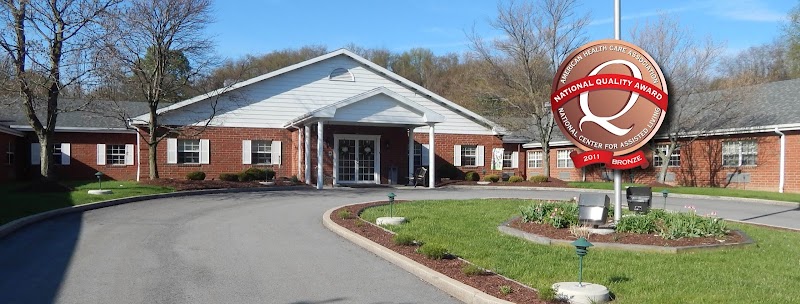


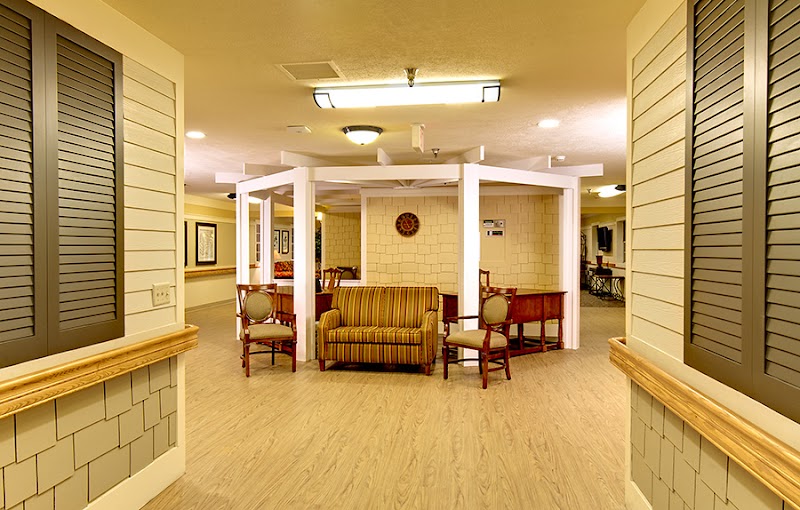
Hempfield Manor

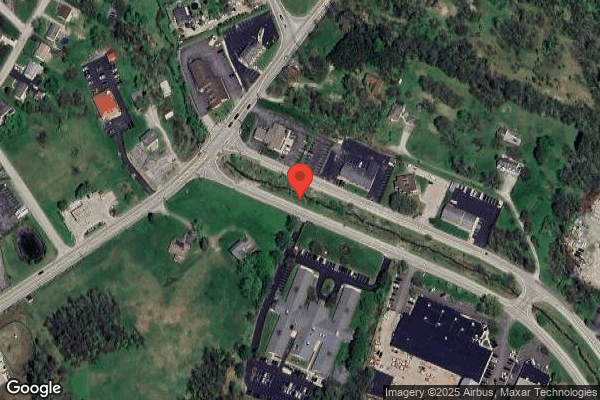
1118 WOODWARD DRIVE, GREENSBURG, PA 15601 (724) 836-4424
For profit - Corporation 120 Beds HCF MANAGEMENT Data: November 2025
Trust Grade
63/100
#184 of 653 in PA
Last Inspection: March 2025

Within standard 12-15 month inspection cycle. Federal law requires annual inspections.

Overview

Hempfield Manor in Greensburg, Pennsylvania, has a Trust Grade of C+, indicating it is slightly above average but not stellar. It ranks #184 out of 653 facilities in the state, placing it in the top half, and #2 out of 18 in Westmoreland County, meaning only one local facility is better. Unfortunately, it is showing a worsening trend, with issues increasing from 9 in 2024 to 10 in 2025. Staffing is a strength, with a good rating of 4 out of 5 stars and a turnover rate of 35%, which is better than the state average. However, the facility has concerning fines of $24,569, higher than 75% of Pennsylvania facilities, suggesting ongoing compliance problems. Additionally, while there is average RN coverage, there have been serious incidents, including a resident suffering a knee fracture due to neglect and failures in providing timely care for ten residents, indicating that some residents may not be receiving the attention they need. Overall, while Hempfield Manor has strengths in staffing and a decent ranking, there are critical areas of concern that families should consider.

Trust Score
C+
63/100
In Pennsylvania
#184/653
Top 28%
Safety Record
Moderate
Needs review
Inspections
Getting Worse
9 → 10 violations
Staff Stability
○ Average
35% turnover. Near Pennsylvania's 48% average. Typical for the industry.
Penalties
○ Average
$24,569 in fines. Higher than 61% of Pennsylvania facilities. Some compliance issues.
Skilled Nurses
✓ Good
Each resident gets 46 minutes of Registered Nurse (RN) attention daily — more than average for Pennsylvania. RNs are trained to catch health problems early.
Violations
⚠ Watch
29 deficiencies on record. Higher than average. Multiple issues found across inspections.
★★★★☆
4.0
Overall Rating
★★★★☆
4.0
Staff Levels
★★★★★
5.0
Care Quality
★★★☆☆
3.0
Inspection Score
Stable
2024: 9 issues
2025: 10 issues

The Good

  • 4-Star Staffing Rating · Above-average nurse staffing levels
  • 5-Star Quality Measures · Strong clinical quality outcomes
  • Full Sprinkler Coverage · Fire safety systems throughout facility
  • No fines on record
  • Staff turnover below average (35%)

    13 points below Pennsylvania average of 48%

Facility shows strength in staffing levels, quality measures, fire safety.

The Bad

Staff Turnover: 35%

11pts below Pennsylvania avg (46%)

Typical for the industry

Federal Fines: $24,569

Below median ($33,413)

Minor penalties assessed

Chain: HCF MANAGEMENT

Part of a multi-facility chain

Ask about local staffing decisions and management

The Ugly 29 deficiencies on record

1 actual harm
Jul 2025 1 deficiency
CONCERN (E) 📢 Someone Reported This

A family member, employee, or ombudsman was alarmed enough to file a formal complaint

Potential for Harm - no one hurt, but risky conditions existed

Resident Rights (Tag F0550)

Could have caused harm · This affected multiple residents

**NOTE- TERMS IN BRACKETS HAVE BEEN EDITED TO PROTECT CONFIDENTIALITY** Based on facility policy, document review, resident interviews, observation, and staff interviews, it was determined that the fa...

Read full inspector narrative →
**NOTE- TERMS IN BRACKETS HAVE BEEN EDITED TO PROTECT CONFIDENTIALITY** Based on facility policy, document review, resident interviews, observation, and staff interviews, it was determined that the facility failed to provide prompt assistance to meet residents care needs for ten of twenty residents who require care (Residents R1, R2, R3, R4, R5, R6, R7, R8, R9, and R10). Based on facility policy, document review, resident interviews, observation, and staff interviews, it was determined that the facility failed to provide prompt assistance to meet residents care needs for ten of twenty residents who require care (Residents R1, R2, R3, R4, R5, R6, R7, R8, R9, and R10). Findings included: Review of facility policy Resident Rights last reviewed 12/4/24, indicated in part The resident has a right to a dignified existence, self-determination, and communication with and access to person and services inside and outside the Manor. The Long-Term Care Facility Resident Assessment Instrument (RAI) User's Manual, which provides instructions and guidelines for completing the required Minimum Data Set (MDS) assessments (mandated assessments of a resident's abilities and care needs), dated October 2023, indicated that a BIMS (Brief Interview of Mental Status) is a brief screener that aids in detecting cognitive impairment. Scores from a BIMS assessment suggests the following distributions:13 - 15: cognitively intact8 - 12: moderately impaired0 - 7: severe impairmentReview of the clinical record revealed Resident R1 was admitted to the facility on [DATE].Review of the MDS dated [DATE], included diagnoses of cerebral infarction (stroke) and post-traumatic stress disorder (PTSD mental health condition caused by extremely stressful or terrifying event). Review of Section C: Cognitive Patterns, indicated, severe impairment with a BIMS Score of 3. Review of Section GG: 0130 Functional Abilities, indicated Resident R1 required substantial/maximal assistance with toileting hygiene (helper does more than half the effort. Helper lifts or holds trunk or limbs and provides more than half the effort). Review of facility records revealed Resident R1 on 5/2/25, filed a grievance related to the wait time for the call light response. Resident R1's grievance reads in part he waited a very long time; no one would come to help me to the bathroom. Review of the clinical record revealed Resident R2 was admitted to the facility on [DATE]. Review of the MDS dated [DATE], dementia (loss of thinking, remembering and reasoning skills) and pressure ulcer (damage to the skin and/or underlying tissue due to pressure on the skin). Review of Section C: Cognitive Patterns, indicated, severe impairment BIMS Score could not be assessed, resident is rarely/never understood. Review of Section GG: 0130 Functional Abilities, indicated Resident R2 is dependent with toileting hygiene (helper does all the effort. Resident does none of the effort to complete the activity. Or the assistance of two or more helpers is required for the resident to complete the activity). Review of facility records revealed Resident R2 on 5/2/25, sister filed a grievance related to care. Resident R2's grievance reads in part, family came in to visit, was in bed with clothing on upper body, no brief or clothes on. The bed was completely soiled, resident laying in feces apparently no one attended to him in a while. Review of the clinical record revealed Resident R3 was admitted to the facility on [DATE]. Review of the MDS dated [DATE], included diagnoses of cerebral infarction (stroke) and dysphagia (difficulty swallowing) and chronic pain syndrome. Review of Section C: Cognitive Patterns, indicated severe impairment with a BIMS Score could not be assessed, resident is rarely/never understood. Review of Section GG: 0130 Functional Abilities, indicated Resident R3 is dependent with hygiene including dressing (helper does all the effort. Resident does none of the effort to complete the activity. Or the assistance of two or more helpers is required for the resident to complete the activity). Review of facility records revealed Resident R3 on 5/6/25, daughter filed a grievance related to care. Resident R3's grievance reads in part, mom is still in her bed clothes, why is she not dressed. Review of the clinical record revealed Resident R4 was admitted to the facility on [DATE]. Review of the MDS dated [DATE], included diagnoses of cerebral infarction (stroke) and dysphagia (difficulty swallowing) and chronic pain syndrome. Review of Section C: Cognitive Patterns, indicated severe impairment with a BIMS Score of 6. Review of Section GG: 0130 Functional Abilities, indicated Resident R4 is dependent with hygiene including dressing. Review of Section GG: 0170 Mobility, indicated Resident is dependent with chair and bed transfers (helper does all the effort. Resident does none of the effort to complete the activity. Or the assistance of two or more helpers is required for the resident to complete the activity). Review of facility records revealed Resident R4 on 5/6/25, Power of Attorney (POA) filed a grievance related to care. Resident R4's grievance reads in part, POA was upset because she had requested that Resident R4 be up and out of bed right after breakfast and Resident R4 was still in bed at 12:30 p.m . Review of the clinical record revealed Resident R5 was admitted to the facility on [DATE]. Review of the MDS dated [DATE], included diagnoses of cellulitis of lower limb (bacterial infection of the skin), diabetes with a foot wound, and atherosclerosis of coronary artery bypass graph (hardening of arteries). Review of Section C: Cognitive Patterns, indicated, cognitively intact with a BIMS Score of 15. Review of Section GG: 0130 Functional Abilities, indicated Resident R5 required partial/moderate assistance with toileting hygiene (helper does less than half the effort. Helper lifts or holds or supports trunk or limbs but provides less than half the effort). Review of facility records revealed Resident R5 on 6/24/25, has a grievance that reads in part, resident is constantly wet and her behind in very red and hurts. She is worried about infection. Review of the clinical record revealed Resident R6 was admitted to the facility on [DATE]. Review of the MDS dated [DATE], included diagnoses of parkinson's disease (brain disorder that affects movement), anorexia (eating disorder), and muscle weakness. Review of Section C: Cognitive Patterns, indicated, cognitively intact with a BIMS Score of 15. Review of Section GG: 0130 Functional Abilities, indicated Resident R6 is dependent with toileting hygiene (helper does all the effort). Resident does none of the effort to complete the activity. Or the assistance of two or more helpers is required for the resident to complete the activity). Review of facility records revealed Resident R6 on 7/23/25, and spouse had a grievance that reads in part, the call light not answered for long periods, resident is having accidents because she can't wait. She should not go by herself, but the light is frequently not answered in a timely manner. Review of the clinical record revealed Resident R7 was admitted to the facility on [DATE]. Review of the MDS dated [DATE], included diagnoses of cellulitis of lower limb (bacterial infection of the skin), uterine cancer (cancer of the female reproductive system), and muscle weakness. Review of Section C: Cognitive Patterns, this portion not completed at this time. Review of Section GG: 0130 Functional Abilities, this portion not completed at this time. Review of facility records revealed Resident R7 on 7/27/25, daughter had a grievance that reads in part, mother called me last night crying was put on a bed pan for more than an hour without being shown where her call bell was placed, she was yelling for someone to come in and help her. Review of the clinical record revealed Resident R8 was admitted to the facility on [DATE]. Review of the MDS dated [DATE], included diagnoses of acute respiratory failure with hypoxia (not enough oxygen in your blood) amaurosis fugax (temporary loss of vision due to disruption of blood flow to the eye) and obesity. Review of Section C: Cognitive Patterns, indicated moderate impairment with a BIMS Score of 9. Review of Section GG: 0130 Functional Abilities, indicated Resident R8 is dependent with toileting hygiene (helper does all the effort). Review of Section GG: 0170 Mobility, indicated Resident R8 required substantial/maximal assistance with toilet transfers (helper does more than half the effort. Helper lifts or holds trunk or limbs and provides more than half the effort). During an interview with Resident R8 on 7/30/25, at 10:00 a.m. the following was stated: Often you wait a while for someone when you call for help to go to the bathroom. I have waited an hour on a few occasions recently. Review of the clinical record revealed Resident R9 was admitted to the facility on [DATE]. Review of the MDS dated [DATE], included diagnoses of parkinson's disease (brain disorder that affects movement), muscle weakness and pressure ulcer (damage to the skin and/or underlying tissue due to pressure on the skin). Review of Section C: Cognitive Patterns, cognitively intact with a BIMS Score of 15. Review of Section GG: 0130 Functional Abilities, indicated Resident R9 is dependent with toileting hygiene (helper does all the effort). Review of Section GG: 0170 Mobility, indicated Resident R9 required partial/moderate assistance with toileting hygiene (helper does less than half the effort. Helper lifts or holds or supports trunk or limbs but provides less than half the effort). During an interview with Resident R9 on 7/30/25, at 10:15 a.m. the following was stated: there is about a half an hour wait when you push the call button, sometimes it hard to wait that long. Review of the clinical record revealed Resident R10 was admitted to the facility on [DATE]. Review of the MDS dated [DATE], included diagnoses of cardiomyopathy (difficulty for the heart to pump blood), sleep apnea and left bundle branch block (disruption to normal electrical impulses that control the heart). Review of Section C: Cognitive Patterns, moderately impaired with a BIMS Score of 10. Review of Section GG: 0130 Functional Abilities, indicated Resident R10 is dependent with toileting hygiene (helper does all the effort). Review of Section GG: 0170 Mobility, indicated Resident R10 required partial/moderate assistance with toileting hygiene (helper does less than half the effort. Helper lifts or holds or supports trunk or limbs but provides less than half the effort). During an interview with Resident R10 on 7/30/25, at 10:30 a.m. the following was stated: you have to wait anywhere between a half hour to an hour when you ask for help, I can't do things for myself, like go to the bathroom on my own, you have to rely on others. During an interview with Employee E2 RN on 7/30/25 at 9:00 a.m. the following was stated: Residents aren't getting the care they should be due to the staffing. Resident care and outcomes are impacted. During an interview with Employee E4 LPN on 7/30/25 at 9:30 a.m. the following was stated: Residents' care is impacted due to the amount of staffing. During an interview on 7/30/25, at approximately 3:40 p.m. the Nursing Home Administrator confirmed the facility failed to provide an environment and care to promote dignity for each resident's quality of life for ten of twenty residents. 28 Pa. Code 211.12 (a)(c)(d)(4)(5) Nursing Services 28 Pa. Code 201.29 (j) Resident Rights
Mar 2025 9 deficiencies
CONCERN (D)

Potential for Harm - no one hurt, but risky conditions existed

Resident Rights (Tag F0550)

Could have caused harm · This affected 1 resident

**NOTE- TERMS IN BRACKETS HAVE BEEN EDITED TO PROTECT CONFIDENTIALITY** Based on review of facility policy, resident interviews, observation, and staff interviews, it was determined that the facility ...

Read full inspector narrative →
**NOTE- TERMS IN BRACKETS HAVE BEEN EDITED TO PROTECT CONFIDENTIALITY** Based on review of facility policy, resident interviews, observation, and staff interviews, it was determined that the facility failed to provide prompt assistance to meet residents care needs for two of ten residents who require care (Residents R14 and R49). Findings included: Review of facility policy Resident Rights last reviewed 1/06/25, indicated the facility must treat each resident with respect and dignity and care for each resident in a manner and in an environment that promotes maintenance or enhancement of his or her quality of life, recognizing each resident's individuality. The facility must protect and promote the rights of the resident. The Long-Term Care Facility Resident Assessment Instrument (RAI) User's Manual, which provides instructions and guidelines for completing required Minimum Data Set (MDS) assessments (mandated assessments of a resident's abilities and care needs), dated October 2023, indicated that a BIMS (Brief Interview of Mental Status) is a brief screener that aids in detecting cognitive impairment. Scores from a BIMS assessment suggests the following distributions: 13 - 15: cognitively intact 8 - 12: moderately impaired 0 - 7: severe impairment Review of the clinical record revealed Resident R14 was originally admitted to the facility on [DATE]. Review of the MDS dated [DATE], included diagnoses of adult failure to thrive (substantial decline in overall health and functional abilities) and venous insufficiency (veins have problems sending blood from the legs to the heart). Review of Section C: Cognitive Patterns, indicated, intact cognition with a BIMS Score of 15. Review of Section GG: 0170 Functional Abilities, indicated Resident R14 required substantial /maximal assistance for toileting hygiene. Review of Section H: 0300 Bladder and Bowel, indicated frequently incontinent. During an interview with Resident R14 on 3/3/25, at 12:54 p.m. the following was stated: last week Saturday night on the night shift around midnight I was left in a urine-soaked brief for 2 hours. The girl told me I must wait two hours because that's my schedule, I think she was fired, I haven't seen her in a week. Review of the clinical record revealed Resident R49 was originally admitted to the facility on [DATE]. Review of the MDS dated [DATE], included diagnoses of diabetes, bilateral lower extremity amputation (surgical removal of both legs) and stage II pressure ulcer sacral region (shallow, crater like wound or blister containing fluid just below the base of the spine). Review of Section C: Cognitive Patterns, indicated, intact cognition with a BIMS Score of 15. Review of Section GG: 0170 Functional Abilities, indicated Resident R49 required substantial /maximal assistance for toileting hygiene. Review of Section H: 0300 Bladder and Bowel, indicated frequently incontinent. During an interview with Resident R49 on 3/3/25, at 1:14 p.m. the following was stated: The staff works very hard and is very nice, sometimes you have to wait to be changed. I moved my bowels and had to sit in s*** once for four hours because the staff was so busy. During an interview on 3/5/25, at approximately 2:45 p.m. the Nursing Home Administrator and the Director of Nursing confirmed the facility failed to provide an environment and care to promote dignity for each resident's quality of life for two of ten residents. 28 Pa. Code 211.12 (a)(c)(d)(4)(5) Nursing Services 28 Pa. Code 201.29 (j) Resident Rights
CONCERN (D)

Potential for Harm - no one hurt, but risky conditions existed

Safe Environment (Tag F0584)

Could have caused harm · This affected 1 resident

Based on review of facility policy, observations and staff interviews it was determined that the facility failed to maintain a homelike environment throughout the facility (resident rooms) for three o...

Read full inspector narrative →
Based on review of facility policy, observations and staff interviews it was determined that the facility failed to maintain a homelike environment throughout the facility (resident rooms) for three of four nursing units. (A, C, and D nursing units). Findings include: A review of the facility policy Environment Policy dated 1/6/25, indicated the facility will provide a safe, clean, comfortable, and homelike environment. During an observation of the facility on 3/7/25, at 1:00 p.m., the following was revealed: A Wing resident rooms 5W, 2W, 13W, and 14W (window) air condition/heating unit had dusty debris on the unit. C Wing resident rooms 33W, 43W, 45W, and 47W (window) air condition/heating unit had dusty debris on the unit. D Wing resident rooms 54W, 55W, 58W, and 59W (window) air condition/heating unit had dusty debris on the unit. During an interview on 3/7/25, at 1:30 p.m., the Nursing Home Administrator confirmed that the facility failed to maintain the facility in a homelike environment on three of four nursing units. Pa Code: 207.2 (a) Administrator's responsibility.
CONCERN (D)

Potential for Harm - no one hurt, but risky conditions existed

Comprehensive Care Plan (Tag F0656)

Could have caused harm · This affected 1 resident

**NOTE- TERMS IN BRACKETS HAVE BEEN EDITED TO PROTECT CONFIDENTIALITY** Based on a review of facility policy, clinical records, and staff interview, it was determined that the facility failed to devel...

Read full inspector narrative →
**NOTE- TERMS IN BRACKETS HAVE BEEN EDITED TO PROTECT CONFIDENTIALITY** Based on a review of facility policy, clinical records, and staff interview, it was determined that the facility failed to develop care plans that included instructions to provide person centered care for two of five residents (Residents R4 and R86). Findings include: Review of facility's policy Comprehensive Care Plan dated 12/4/24, indicated the facility will develop a comprehensive care plan for each resident that includes measurable objectives and timetables to meet a resident's medical, nursing, and mental and psychosocial needs that are identified in the comprehensive assessment. Review of the clinical record revealed that Resident R4 was admitted to the facility on [DATE]. Review of Resident R4's Minimum Data Set (MDS - periodic assessment of resident care needs) dated 12/18/24, indicated diagnoses of dementia. Review of Resident R4's current care plan dated 9/12/24, failed to reveal a care plan with goals and interventions for dementia. Review of the clinical record revealed that Resident R86 was admitted to the facility on [DATE]. Review of a Psychology Initial Assessment dated 11/21/24, indicated Resident R86 had a history of Post Traumatic Stress Disorder (PTSD). Review of Resident R86's MDS (Minimum Data Set, periodic assessment of resident care needs) dated 1/30/25, indicated diagnoses of PTSD. Review of Resident R86's care plan dated 11/14/24, failed to reveal a care plan with goals and interventions for PTSD. During an interview on 3/7/25, at 1:05 p.m. the Director of Nursing confirmed that the facility failed to ensure that a comprehensive resident care plan was complete for resident care needs for Residents R4 and R86. 28 Pa. Code 211.12(d)(5) Nursing Services.
CONCERN (D)

Potential for Harm - no one hurt, but risky conditions existed

Deficiency F0657 (Tag F0657)

Could have caused harm · This affected 1 resident

**NOTE- TERMS IN BRACKETS HAVE BEEN EDITED TO PROTECT CONFIDENTIALITY** Based on review of facility policy, clinical records, and staff interview, it was determined the facility failed to update a car...

Read full inspector narrative →
**NOTE- TERMS IN BRACKETS HAVE BEEN EDITED TO PROTECT CONFIDENTIALITY** Based on review of facility policy, clinical records, and staff interview, it was determined the facility failed to update a care plan for one of five residents (Resident R4) to accurately reflect the current status of the resident and care needs. Findings include: Review of the facility policy Comprehensive Care Plans dated 1/6/25 indicated the facility will develop a comprehensive care plan for each resident that describes the services that are to be furnished to attain or maintain the resident's highest practicable physical, mental, and psychosocial wellbeing. Review of the admission record indicated Resident R4 admitted to the facility on [DATE]. Review of Resident R4's Minimum Data Set (MDS - a periodic assessment of care needs) dated 12/18/24, indicated the diagnoses of dementia, depression, anxiety, and bipolar disorder (a mental condition marked by alternating periods of elation and depression), the resident is alert and oriented and able to make needs known. Review of Resident R4's physician order dated 3/4/25, indicated to give Risperdal (antipsychotic), Depakote (treats depression), Ativan (anti-anxiety medication), and Effexor (an anti-depressant) daily. Review of Resident R4's current care plan revised on 9/12/24, indicated the resident was receiving Wellbutrin (anti-depressant). Review of Resident R4's medication administration record (MAR) dated February and March 2025 did not indicated that the resident was receiving Wellbutrin. Interview on 3/4/25, at 3:00 p.m. the Director of Nursing (DON)confirmed the facility failed to update a care plan for Resident R4 to accurately reflect the current status of the resident and care needs. 28 Pa. Code: 211.11(a)(b)(c)(d) Resident care plan. 28 Pa. Code: 211.12(d)(1)(5) Nursing services.
CONCERN (D)

Potential for Harm - no one hurt, but risky conditions existed

Deficiency F0658 (Tag F0658)

Could have caused harm · This affected 1 resident

**NOTE- TERMS IN BRACKETS HAVE BEEN EDITED TO PROTECT CONFIDENTIALITY** Based on review of facility job description, resident record review, and staff interviews, it was determined that the facility f...

Read full inspector narrative →
**NOTE- TERMS IN BRACKETS HAVE BEEN EDITED TO PROTECT CONFIDENTIALITY** Based on review of facility job description, resident record review, and staff interviews, it was determined that the facility failed to follow professional standards of practice for one of four residents observed (Resident R57). Review of the facility Registered Nurse (RN) job description, revised 2/07, indicated the RN must function within the scope of practice according to the State Board of Nursing. Administers medication and treatments as prescribed by the physician. Assumes responsibility for his/her own professional competence. Review of the clinical record indicated that Resident R57 was admitted to the facility on [DATE]. Review of the Minimum Data Set (MDS - periodic assessment of resident care needs) dated 1/10/25, included diagnoses of dysphagia (difficulty swallowing) and orthostatic hypotension (decrease in blood pressure after rising from laying or sitting). During an observation on 3/3/25 at approximately 11:29 a.m. RN Employee E2 administered medication to Resident R57 while Resident 57 was in the supine position (lying flat on their back) in bed. During an interview on 3/3/25 at approximately 11:30 a.m. with RN Employee E2, confirmed, she administered Midodrine HCl Oral Tablet 5 MG, to Resident R57 while Resident R57 was in the supine position. Review of Resident R57's 3/3/25 active orders indicate Midodrine HCl Oral Tablet 5 MG by mouth three times a day for hypotension. The Medication Administration Record (MAR) on 3/3/25 revealed RN Employee E2 documented Midodrine HCl Oral Tablet 5 MG lunch time dose was given. During an interview on 3/5/25 at 2:40 p.m. the Nursing Home Administrator and Director of Nursing confirmed that RN Employee E2 failed to follow professional standards of practice for one of four residents observed. During interviews on 3/6/25 at approximately 1:00 p.m. with RN Employee E3, Licensed Practical Nurse (LPN) Employee E4, and RN Employee E5, confirmed best practice is to elevate the head of the bed at least 30-45 degrees when administering medication to a resident in bed. 28 PA. Code: 201.14(a) Responsibility of licensee. 28 Pa. Code: 211.12(d)(1)(3)(5) Nursing services.
CONCERN (D)

Potential for Harm - no one hurt, but risky conditions existed

Deficiency F0698 (Tag F0698)

Could have caused harm · This affected 1 resident

**NOTE- TERMS IN BRACKETS HAVE BEEN EDITED TO PROTECT CONFIDENTIALITY** Based on review of facility policy and clinical records, and staff interview, it was determined that facility staff failed to ma...

Read full inspector narrative →
**NOTE- TERMS IN BRACKETS HAVE BEEN EDITED TO PROTECT CONFIDENTIALITY** Based on review of facility policy and clinical records, and staff interview, it was determined that facility staff failed to maintain ongoing communication with the hemodialysis (a machine filters wastes, salts and fluid from your blood when your kidneys are no longer healthy enough to do this work adequately) center for one of two residents reviewed (Resident R59). Findings include: A review of the facility policy Dialysis Care Policy reviewed 1/6/25, indicated residents ordered dialysis will have ongoing communication and collaboration with the dialysis facility regarding dialysis care and services. Qualified trained staff will communicate via written format with a dialysis communication form. A review of the clinical record indicated Resident R59 was re-admitted to the facility on [DATE], with diagnoses that included chronic renal disease (ESRD - the kidneys permanently fail to work) and high blood pressure. A review of the Minimum Data Set (MDS - periodic assessment of care needs) dated 12/27/24, indicated the diagnoses remain current. A review of a physician's order summary dated 1/3/25, indicated Resident R59 was to receive dialysis three days a week on Monday, Wednesday, and Friday. A review of the nurse progress notes indicated Resident R59 receives dialysis three times a week. A review of Resident R59's Dialysis Hand Off Communication Report forms from 12/1/24 through 3/3/25, revealed 11 communication forms out of 39 scheduled treatments were observed. The section to be completed by dialysis and returned with the resident were left blank on 12/6/24, 12/9/24, 12/16/24, 12/23/24, 1/3/25, 1/10/25, 1/27/25, 1/31/25, 2/3/25, 2/5/25 and 2/19/25. During an interview on 3/7/25, at 9:53 a.m. the Director of Nursing confirmed the above findings and the facility failed to ensure the dialysis communication form was completed between the facility and dialysis center for Resident R59. 28 Pa. Code: 211.12(d)(1)(3)(5) Nursing services.
CONCERN (D)

Potential for Harm - no one hurt, but risky conditions existed

Deficiency F0757 (Tag F0757)

Could have caused harm · This affected 1 resident

**NOTE- TERMS IN BRACKETS HAVE BEEN EDITED TO PROTECT CONFIDENTIALITY** Based on clinical record review and staff interview, it was determined the facility failed to ensure resident was free from unne...

Read full inspector narrative →
**NOTE- TERMS IN BRACKETS HAVE BEEN EDITED TO PROTECT CONFIDENTIALITY** Based on clinical record review and staff interview, it was determined the facility failed to ensure resident was free from unnecessary medication for one of twenty-four residents reviewed (Resident 39). Findings include: A review of the facility policy Medication Administration General Guidelines reviewed 1/6/25, indicated medications are administered according to written orders of the attending physician. When PRN (as needed) medications are administered, documentation of complaints or symptoms for which medication was given is to be provided. A review of the clinical record indicated Resident R39 was admitted to the facility on [DATE], diagnoses included pain in left knee and pain in right hip. A review of the Minimum Data Set (MDS - periodic assessment of care needs) dated 2/4/25, indicated the diagnoses remain current. Review of Resident 39's physician order dated December 6, 2024, revealed an order for Tramadol HCI (A medication used to treat severe pain) 50 mg Give one tablet by mouth every 6 hours as needed for pain 5-8 (Numeric Pain Scale: 0-no pain; 1-3-mild pain; 4-6-moderate pain; 7-10-severe pain). Review of Resident 39's February 2025, Medication Administration Record (MAR) revealed that from September 1, 2025, until September 28, 2025, the Tramadol medication was administered to Resident 39 a total of 8 times with a pain level rating of less than 5. Review of Resident 39's clinical record failed to reveal an explanation as to why the resident was administered with as needed Tramadol for a pain level rating of less than 5. During an interview on 3/7/25, at 11:20 am the Director of Nursing confirmed the above findings, and the facility failed to ensure Resident 39 was free from unnecessary use of as needed Tramadol. 28 Pa. Code 211.12(d)(1)(3)(5) Nursing services.
CONCERN (D)

Potential for Harm - no one hurt, but risky conditions existed

Medical Records (Tag F0842)

Could have caused harm · This affected 1 resident

**NOTE- TERMS IN BRACKETS HAVE BEEN EDITED TO PROTECT CONFIDENTIALITY** Based on review of facility policies and clinical records and staff interview, it was determined that the facility failed to mak...

Read full inspector narrative →
**NOTE- TERMS IN BRACKETS HAVE BEEN EDITED TO PROTECT CONFIDENTIALITY** Based on review of facility policies and clinical records and staff interview, it was determined that the facility failed to make certain that medical records on each resident are complete and accurately documented for two of four residents (Residents R4 and R168) A review of the facility policy Documentation Policy dated 1/6/25, indicated the facility will provide an account of the resident's care and treatment and information will be appropriate. The resident's medical record shall be complete, accurate, and timely. A review of the clinical record on 3/7/25, indicated that Resident R4 was admitted to the facility on [DATE]. Diagnoses included anxiety and bipolar disorder (a mental condition marked by alternating periods of elation and depression). A review of the MDS (minimum data set - resident assessment and care screening) dated 12/18/24, indicated the diagnoses remained current and the resident can make needs known. A review of physician orders dated 3/4/25, indicated Resident R4 received psychoactive medications daily for treatment. A review of Resident R4's Acknowledgment of Psychoactive Medication Use forms signed by the resident for consent, did not include a date when signed by the resident. During an interview on 3/7/25, at 12:00 p.m. the Director of Nursing (DON) confirmed the consent forms for Resident R4 were not dated when signed by the resident. A review of the clinical record on 3/7/25, indicated that Resident R168 was admitted to the facility on [DATE]. Diagnoses included diabetes and a diabetic wound to the left lower extremity. A review of a physician order dated 2/25/25 indicated a wound VAC (treatment to remove pressure over a wound) dressing change on Tuesday, Thursday, and Saturday. A review of the treatment administration record dated February and March 2025 did not include documentation that the dressing was changed as ordered on 2/27/25 and 3/1/25. During an interview on 3/7/25, at 3:15 p.m. Registered Nurse Employee E8 revealed the dressing was not changed on 2/27/25 because the resident refused, and the dressing was changed the next day. Further review revealed the order was to be changed to Monday, Wednesday, and Friday and this was not documented in the clinical record. During an interview on 3/7/25, at 3:30 p.m. the DON confirmed the above findings, and the facility failed to make certain that medical records on each resident are complete and accurately documented for Residents R4 and R168. 28 Pa. Code: 211.5(f)(g)(h) Clinical records.
CONCERN (E)

Potential for Harm - no one hurt, but risky conditions existed

Grievances (Tag F0585)

Could have caused harm · This affected multiple residents

Based on review of facility policy, observations, and resident and staff interviews, it was determined that the facility failed to make accessible grievance boxes to residents on two of two nursing un...

Read full inspector narrative →
Based on review of facility policy, observations, and resident and staff interviews, it was determined that the facility failed to make accessible grievance boxes to residents on two of two nursing unit resident lounge areas (East and [NAME] Wings). Findings include: A review of the facility policy Grievances reviewed 1/6/25, all persons will be provided with an opportunity to present these complaints through a formal grievance procedure. During an observation on 3/4/25, at 11:25 a.m. revealed the grievance box and forms were not accessible on the East and [NAME] nursing unit resident lounge areas. The grievance boxes had been placed on a shelf, out of the reach of residents in wheelchairs. During an interview on 3/4/25, at 11:40 a.m. The Activity Director Employee E1 confirmed the facility failed to make accessible grievance boxes to residents on two of two nursing units resident lounge areas (East and [NAME] Wings). During an interview on 3/5/25, at 2:45 p.m. The Nursing Home Administrator confirmed the facility failed to make accessible grievance boxes to residents on two of two nursing units resident lounge areas (East and [NAME] Wings). 28 PA Code: 201.18(e)(4) Management. 28 PA Code: 201.29(a)(b)(c) Resident rights.
Jul 2024 2 deficiencies
CONCERN (D) 📢 Someone Reported This

A family member, employee, or ombudsman was alarmed enough to file a formal complaint

Potential for Harm - no one hurt, but risky conditions existed

Deficiency F0557 (Tag F0557)

Could have caused harm · This affected 1 resident

Based on a review of facility policy, resident medical records, facility provided documents, staff statements and staff interviews, it was determined that the facility failed to provide a dignified li...

Read full inspector narrative →
Based on a review of facility policy, resident medical records, facility provided documents, staff statements and staff interviews, it was determined that the facility failed to provide a dignified living experience for one of three residents (Resident R4). Findings include: A review of facility Resident Rights policy dated 12/13/23, indicated that the residents have the right to a dignified existence, self determination, communication with access to persons and services within and outside the facility. A review of facility grievance form dated 5/20/24, revealed that Resident R4 filed a grievance on 5/18/24, Licensed Practical Nurse (LPN) E1 called the resident by her non preferred name. Review of a handwritten employee statement submitted on 5/18/24, by LPN Employee E1 confirmed that she had called the resident by her non preferred name. LPN Employee E1's statement indicated that LPN Employee E1 and Resident R4 were discussing a treatment for the resident when LPN Employee E1 stated she said ***** (resident's non preferred name) I have to go look at the computer. The resident became very confrontational and stated My name is **** (Resident's preferred name). LPN Employee E1 stated ***** was the name in the computer. A review of Resident R4 computerized medical record revealed that the resident's proper name ***** is listed on her medical record. Next to that name is quotation marks is listed **** the resident's preferred name. During an interview on 7/15/24, at 11:15 am Nursing Home Administrator confirmed that LPN Employee E1 confirmed in her statement that she failed to call Resident R4 by the resident's preferred name that was listed in the resident's medical record which created a non dignified living experience for the resident. PA Code: 211.29(a) Resident rights.
CONCERN (E) 📢 Someone Reported This

A family member, employee, or ombudsman was alarmed enough to file a formal complaint

Potential for Harm - no one hurt, but risky conditions existed

Investigate Abuse (Tag F0610)

Could have caused harm · This affected multiple residents

Based on a review of facility policies, documents and staff interviews it was determined that the facility failed to conduct a through investigation three of three allegations of possible abuse and ne...

Read full inspector narrative →
Based on a review of facility policies, documents and staff interviews it was determined that the facility failed to conduct a through investigation three of three allegations of possible abuse and neglect. (5/20/24, 6/11/24, and 6/26/24) Findings include: A review of facility Abuse, Neglect, Exploitation and Misappropriation of Resident Property policy date 12/23/23, revealed that abuse, neglect, exploitation and misappropriation of resident property will not be tolerated. An investigation of the allegations will be conducted. A review of grievance form dated 5/20/24. revealed Resident R4 alleged that Licensed Practical Nurse (LPN)Employee E1 refused to provide treatment on 5/18/24. A statement written date 5/18/24, by LPN Employee E1 confirmed that she refused to complete the treatment as she was unaware of the physician order. A review of Resident R4's May Electronic Treatment Administration Record (ETAR) revealed that LPN Employee E1 signed off on completing the treatment on 5/16/24, and 5/17/24. A review of grievance form dated 6/11/24, Resident R5 alleged that a staff member was bullying her and refused to complete her care needs. A review of grievance form date 6/26/24, Resident R5 alleged that staff are haters and refused to engage in conversation with the resident which as the resident stated made her feel like a second class citizen. During an interview on 7/9/24, the Nursing Home Administrator confirmed that the facility failed to complete a through investigation including the possible identification of alleged perpetrators and report to regulatory agencies for the incidents of 5/20/24, 6/11/24, and 6/26/24 as required. PA Code: 201.18(e)(1) Management.
Apr 2024 1 deficiency
CONCERN (D) 📢 Someone Reported This

A family member, employee, or ombudsman was alarmed enough to file a formal complaint

Potential for Harm - no one hurt, but risky conditions existed

Deficiency F0725 (Tag F0725)

Could have caused harm · This affected 1 resident

**NOTE- TERMS IN BRACKETS HAVE BEEN EDITED TO PROTECT CONFIDENTIALITY** Based on review of select facility documents, clinical record review as well as resident and staff interviews, it was determined...

Read full inspector narrative →
**NOTE- TERMS IN BRACKETS HAVE BEEN EDITED TO PROTECT CONFIDENTIALITY** Based on review of select facility documents, clinical record review as well as resident and staff interviews, it was determined that the facility failed to ensure sufficient staffing to meet resident need for one of three residents (Resident R1). Findings include: Review of the facility, Nursing Services Policy dated 12/8/23, indicated the facility will have sufficient nursing staff to provide nursing and related services to attain or maintain the highest physical, mental, and psychosocial well-being of each resident, as determined by resident assessments and individual plans of care. Review of the clinical record indicated Resident R1 was admitted to the facility on [DATE]. Review of the Minimum Data Set (MDS - periodic assessment of care needs) dated 3/27/24, included the diagnoses of chronic obstructive pulmonary disease (COPD - a group of progressive lung disorders characterized by increasing breathlessness), chronic respiratory failure with hypoxia (inadequate respiration resulting in low levels of oxygen in the blood), and the need for assistance with personal care. Review of Section O: Special Treatments and Programs revealed the use of oxygen therapy. During an interview on 4/21/24, beginning at 11:37 a.m. the family member of Resident R1 stated, her mother [Resident R1] had called her the evening of 4/3/24, ad stated that she was having a hard time breathing, and was still waiting to get into bed. Family member stated that she call the facility and spoke to the Assistant Director of Nursing, and was told that there had been an incident that night with her mother. Family member stated that she was told that her mother was in her chair without oxygen and her sats (level of oxygen saturation) were pretty low and that she was put on a concentrator and either is wasn't working or they didn't catch it. Review of an employee statement written by NA Employee E1, dated 4/3/24, revealed Me and [NA Employee E2] got on shift around 4:15 p.m. and started answering lights and changing people. I was in with a different resident, and [NA Employee E2] came in and said she went to check on Resident R2 and it's a different resident there, that it was a was [Resident R1] and she was having a hard time breathing. That someone had her on her portable oxygen had her portable was on zero, instead of the concentrator. [NA Employee E2] said she let the nurse know when they checked her oxygen and got her on the concentrator C-hall was going wild that night. Review of an Administration Follow-up with NA Employee E1 on 4/9/24: She could not verify time, but knows. It knows it was around dinner and first rounds. (Both nurse aides came in late to do rounds later). Believes it was between 5:00 - 6:00 p.m. that they went into room and saw oxygen issue. NA Employee E2 in first and got NA Employee E1. They got her on room concentrator. Asked about delay in answering Room Resident R1's call light (6:47 p.m. to 7:34 p.m.) stated she knows they were super busy, everyone's lights were on (told the NHA, Nursing Home Administrator to check whole C-hall light report). Does not recall resident having any issue with oxygen after that time on room concentrator. Review of an employee statement written by NA Employee E2, dated 4/3/24, revealed I want to check on Resident R2 because she hadn't rang at all since I been there which is not like her. I made it to the room I seen the new resident [Resident R1] sitting there panicking about her oxygen/ I then checked her tank because it was a portable one on her wheelchair and it was empty. I went to get a pulse ox (pulse oximeter, instrument to measure oxygen in the blood) to check her oxygen level and she was a 70%. Then I went to go get a nurse and connected her to a concentrator, which, by the way, was placed in the room but never connected. Nor was I informed she was there or needed to be connected. C-hall was going wild that night. Review of an Administration Follow-up with nurse on 4/9/24: Nurse aide stated she cannot remember exact time. Resident was found in the above statement, but that it was during dinner hour 5:30 p.m. to 6:00 p.m. as trays were being passed. When asked about delay and answering call light 6:47 p.m. to 7:34 p.m., nurse aide admitted that C-hall was extremely hectic and that the nurse aides were trying to get to all call lights timely, but that resident's oxygen was fine at that time. No more issues with that she would have remembered. During an interview on 4/29/24, at 12:30 p.m. NA Employee E2 stated that due to her school schedule, she does not get to work until 4:00 p.m., and no staff informed her that there had been a change of residents in the room. Stated, The hall was a mess. There was just me and NA Employee E1 on the hall. I went into the room and Resident R1 was gasping for air, saying Oh, I can ' t breathe. I took her oxygen and it was like in the 60's. I hooked her up to the concentrator. There wasn't even a nurse on the hall at that point, I had to go across the hall and found Licensed Practical Nurse (LPN) Employee E4. NA Employee E2 stated that after she had had gotten Resident R1 back into bed, she found and told Registered Nurse Employee E3 about Resident R1 being without oxygen. I don't remember her checking on (Resident R1). When asked about the delay in call lights, NA Employee E2 stated that the facility does not have enough staff. Review of an employee statement dated 4/3/24, written by RN Employee E3 On 4/3/24, I was a med nurse on C-hall. This nurse, and both (nurse aides) were never told that she had been moved to C- hall already. I was passing meds prior to dinner when the nurse aide informed me that [Resident R1] was on the hall and portable oxygen was empty. and she connected her to the oxygen concentrator in which case she came up to 92 - 96% via nasal canula. Review of an Administration Follow-up with RN Employee E3 on 4/9/24: Verbal follow-up on 4/8/24. RN cannot verify exact time she was notified of oxygen being out, but believes it was between 5-6:00 p.m. as she was passing evening meds. RN did not chart. During an interview on 4/29/24, at 1:15 p.m. RN Employee E3 confirmed the information in her provided statement and additionally stated, It was a crazy, crazy night. One thing after another. There is a high acuity on C-hall. When asked why she did not document in the clinical record Resident R1 being without oxygen, RN Employee E3 stated that she was too busy that night. Review of Resident R1's progress notes failed to reveal any notes related to her oxygen running out. Review of facility provided investigative documents regarding the investigation of 7/3/24, evening shift incident. The investigation confirmed the room change completed on this date. The 3-11 staff on hall (med nurse and two aides) all wrote statements confirming that on 4/3/24, evening resident was found in her room on the e-tank (portable oxygen tank) with no more oxygen left in the tank. Resident was immediately switched to the oxygen room concentrator. Her sats were low from not being on oxygen, but did go back up to 92% when oxygen applied. All three staff members cannot verify exact time this occurred, but all three state it was during dinner time as dinner meds were being given and dinner trays were being passed (between 5:00 - 6:00 p.m.). There was no charting in the medical record regarding this. This investigation further documented, The call bell log from resident's room shows she turned her light on at 6:47 p.m. and it was not turned off until 7:30 p.m. Upon further interviewing with the aides, they stated there was no further oxygen issues after the earlier one with the e-tank, and that they were having difficulty answering the call lights in a timely manner due to it being busy. The call bell log from that hall during 6:30 p.m. to 7:30 p.m. revealed 11 call lights going off. During an interview on 4/29/24, at approximately 2:00 p.m. the Nursing Home Administrator confirmed that the facility failed to ensure sufficient staffing to meet resident need for one of three residents. 28 Pa. Code 201.14(a) Responsibility of licensee. 28 Pa. Code 211.12(d)(1)(3)(5) Nursing services.
Apr 2024 1 deficiency
CONCERN (D) 📢 Someone Reported This

A family member, employee, or ombudsman was alarmed enough to file a formal complaint

Potential for Harm - no one hurt, but risky conditions existed

Pressure Ulcer Prevention (Tag F0686)

Could have caused harm · This affected 1 resident

**NOTE- TERMS IN BRACKETS HAVE BEEN EDITED TO PROTECT CONFIDENTIALITY** Based on review of facility policy, clinical records, and staff interviews, it was determined that the facility failed to make c...

Read full inspector narrative →
**NOTE- TERMS IN BRACKETS HAVE BEEN EDITED TO PROTECT CONFIDENTIALITY** Based on review of facility policy, clinical records, and staff interviews, it was determined that the facility failed to make certain that residents were monitored, assessed, and received the necessary services to prevent pressure ulcers from developing or worsening for one of three residents (Resident R1). Findings include: Review of facility policy Pressure Ulcer Policy dated 12/13/23, indicated a resident who enters the facility without a pressure ulcer will not develop a pressure ulcer unless the individual's clinical condition demonstrates they are unavoidable. All residents will be assessed for pressure ulcer risk on admission, monitored weekly and reviewed quarterly and as needed. Review of the clinical record indicated Resident R1 was admitted to the facility on [DATE]. Review of Resident R1's Minimum Data Set (MDS - a periodic assessment of care needs) dated 2/3/24, indicated diagnoses of high blood pressure, diabetes (high blood sugar levels), and anemia (too little iron in the blood). Section M: Skin Conditions, Question M0150 indicated Resident R1 had no unhealed pressure ulcers/injuries present on admission to the facility. Review of Resident R1's Nursing Admission/readmission Screener dated 1/30/24, indicated Resident R1 had shearing/incontinent dermatitis (inflammation of the skin) on the coccyx (center mid-buttocks region). Review of a physician order dated 2/2/24, indicated to apply Medihoney (a wound gel) to bilateral buttocks wounds topically every day and every evening shift and cover with border gauze (a self-adhering, multi-layer foam dressing). Review of a Nursing Weekly Skin and Body Review dated 2/6/24, indicated no new skin abnormalities were identified. Review of a Nursing Weekly Skin and Body Review dated 2/13/24, indicated no new skin abnormalities were identified. Review of a Skin/Wound Note dated 2/14/24, indicated Resident R1 had a Stage II Pressure Ulcer (partial thickness skin loss involving epidermis, dermis, or both) present on her buttocks, measuring 1.3 centimeters (cm) Length (L) x 1.3 cm Width (W) x 0.1 cm Depth (D). The wound had a status of not healed. Review of a Skin/Wound Note dated 2/21/24, indicated Resident R1's Stage 2 Pressure Ulcer to her buttocks measured L 4.4 cm x W 3.6 cm x D 0.1 cm. The wound had a status of not healed and that the wound was deteriorating. Review of Resident R1's Treatment Administration Record (TAR) dated February 2024, failed to reveal documentation to indicate that the dressing change to Resident R1's buttocks occurred on 2/12/24, during the day shift, 2/17/24, on the day and evening shifts, 2/18/24, on the evening shift, and 2/1924, on the day shift. During an interview on 4/2/24, at 3:00 p.m. the Nursing Home Administrator and Director of Nursing confirmed that the facility failed to make certain that residents were monitored, assessed, and received the necessary services to prevent pressure ulcers from developing or worsening for one of three residents (Resident R1). 28 Pa. Code:211.10(a)(c)(d) Resident care policies. 28 Pa. Code: 211.12(d)(1)(2)(3)(5) Nursing services.
Feb 2024 5 deficiencies
CONCERN (D)

Potential for Harm - no one hurt, but risky conditions existed

Resident Rights (Tag F0550)

Could have caused harm · This affected 1 resident

**NOTE- TERMS IN BRACKETS HAVE BEEN EDITED TO PROTECT CONFIDENTIALITY** Based on facility policy, observation and staff interview, it was determined that the facility failed to ensure that care was pr...

Read full inspector narrative →
**NOTE- TERMS IN BRACKETS HAVE BEEN EDITED TO PROTECT CONFIDENTIALITY** Based on facility policy, observation and staff interview, it was determined that the facility failed to ensure that care was provided in a manner which maintained resident dignity for one of three residents (Residents R59). Findings include: Review of facility policy Resident Rights dated 12/13/23, indicated the Resident has a right to a dignified existence. The facility must treat each Resident with respect and dignity and care for each resident in a manner and in an environment that promotes maintenance or enhancement of his or her quality of life. Review of the clinical record indicated that Resident R59 was admitted to the facility on [DATE], with diagnoses that included malnutrition, falls, heart disease and peripheral vascular disease. A review of the Minimum Data Set (MDS-a periodic assessment of resident care needs) dated 12/27/23, indicated the diagnoses remained current. Review of the facility provided pressure ulcer list indicated Resident R59 developed pressure ulcers of his right and left heels on 2/7/24. During an observation of wound care on 2/14/24, from 9:25 a.m. through 10:17 a.m., Licensed Practical Nurse (LPN) Employee E1 wrote on the dressing after it was placed on Resident R59's bilateral feet. During an interview on 2/14/24, at 10:17 a.m., LPN Employee E1 confirmed the facility failed to maintain Resident R59's dignity when writing on the dressings after placement on the resident. 28 Pa. Code: 201.29(j) Resident rights.
CONCERN (D) 📢 Someone Reported This

A family member, employee, or ombudsman was alarmed enough to file a formal complaint

Potential for Harm - no one hurt, but risky conditions existed

Quality of Care (Tag F0684)

Could have caused harm · This affected 1 resident

**NOTE- TERMS IN BRACKETS HAVE BEEN EDITED TO PROTECT CONFIDENTIALITY** Based on facility policy, clinical record, facility provided documents and staff interview it was determined that the facility f...

Read full inspector narrative →
**NOTE- TERMS IN BRACKETS HAVE BEEN EDITED TO PROTECT CONFIDENTIALITY** Based on facility policy, clinical record, facility provided documents and staff interview it was determined that the facility failed to ensure that residents receive treatment and care in accordance with professional standards of practice and the residents' choices for one of two residents (Resident R21). Review of the facility policy Physician Services, last reviewed on 12/13/23, indicated that all medications and treatments administered to the resident must be ordered by the physician. Review of the clinical record indicated that Resident R21 was admitted to the facility on [DATE], with diagnoses which included Type 2 Diabetes Mellitus, Parkinsons (a disorder of the nervous system that affects movement), anxiety, and cognitive disorder. Review of the Physician Orders Audit Report indicated that on 12/2/23, Resident R21 was ordered the Freestyle Libre 2 Sensor for glucose monitoring (device that requires no finger sticks). Resident R21's family member (FM1) requested due to Resident R21's inability to tolerate fingersticks. During a phone interview on 2/15/24, at 11:53 a.m., FM1 indicated that she asked for the Freestyle Libre system for Resident R21 due to crying in pain every time a fingerstick was done for glucose monitoring. The system was purchased and the facility utilized it instead of fingersticks. The physician wrote the order per FM1's request on 12/2/23. Review of Resident R21's Medication Administration Record (MAR) dated February 2024, indicated that from February 1, 2024 through February 14, 2024, Resident R21's Freestyle Libre was not provided as per the physician order of 12/2/23. During an interview on 12/15/24, at 1:17 p.m., the Nursing Home Administrator and Director of Nursing confirmed that the facility failed to ensure that residents receive treatment and care in accordance with professional standards of practice and the residents' choices. 28 Pa. Code: 201.14(a) Responsibility of licensee. 28 Pa. Code: 201.18(b)(1)(e)(1) Management. 28 Pa. Code: 201.29(j) Resident rights. 28 Pa. Code: 211.10(c)(d) Resident care policies. 28 Pa. Code: 211.12(d)(1)(2)(3)(5) Nursing services.
CONCERN (D)

Potential for Harm - no one hurt, but risky conditions existed

Accident Prevention (Tag F0689)

Could have caused harm · This affected 1 resident

Based on observations and staff interview it was determined that the facility failed to maintain an environment free of potential accident hazards when the salon was unsecured containing hazardous ite...

Read full inspector narrative →
Based on observations and staff interview it was determined that the facility failed to maintain an environment free of potential accident hazards when the salon was unsecured containing hazardous items in two unsecured cabinets (Beauty Salon). Findings include: During an observation on 2/13/24, at 10:50 a.m., the main hallway between the two nursing unit halls, the beauty salon door was unsecured with a hoyer lift placed inside and one upper cabinet with a bottle of eye wash, a bottle of Tylenol with tablets inside, and the lower cabinet had a bottle of sledge hammer all purpose cleaner. During an interview on 2/13/24, at 10:53 a.m., the Nursing Home Administrator (NHA) stated that the salon door should have been locked. The NHA confirmed that the cabinets should have been secured and that the facility failed to maintain the environment free from potential hazards. 28 Pa. Code 201.14(a) Responsibility of licensee. 28 Pa. Code: 201.18 (e)(1) Management. 28 Pa. Code 207.2(a) Administrator's responsibility. 28 Pa. Code: 211.10(d) Resident care policies.
CONCERN (D)

Potential for Harm - no one hurt, but risky conditions existed

Deficiency F0919 (Tag F0919)

Could have caused harm · This affected 1 resident

Based on a review of facility policy, observations and staff interviews, it was determined that the facility failed to provide a functional resident call bell system for the beauty salon (Beauty Salon...

Read full inspector narrative →
Based on a review of facility policy, observations and staff interviews, it was determined that the facility failed to provide a functional resident call bell system for the beauty salon (Beauty Salon). Findings include: Review of the facility provided checklists of Environmental Services monthly review indicated that the nurses call system of all call lights and bulbs are functioning is identified. During an observation on 2/13/24, at 10:50 a.m., of the hair salon, the emergency call bell alarm was triggered however, the light above the door and the alert sound were not in functioning order. During an interview on 2/13/24, at 10:50 a.m., Nurse Aide Employee E2 indicated that the light above the door should illuminate and a sound should be present to alert staff of the need for assistance. During an interview on 2/13/24, at 10:53 a.m., the Nursing Home Administrator and Maintenance Director Employee E3 confirmed that the facility failed to provide a functional call bell system for the hair salon to alert staff if assistance is needed. 28 Pa. Code: 205.28 (c) (1) Nurse's station. 28 Pa. Code: 205.67 (j) (k) Electric requirements for existing and new construction.
CONCERN (E)

Potential for Harm - no one hurt, but risky conditions existed

Infection Control (Tag F0880)

Could have caused harm · This affected multiple residents

Based on review of facility policies, review of Centers for Disease Control (CDC) guidelines for Legionella (bacterium that causes Legionnaires Disease found in pipes and heating systems) Control, the...

Read full inspector narrative →
Based on review of facility policies, review of Centers for Disease Control (CDC) guidelines for Legionella (bacterium that causes Legionnaires Disease found in pipes and heating systems) Control, the facility's infection control tracking logs for water management and staff interview, it was determined that the facility failed to implement a comprehensive program for water management to monitor the potential development and spread of Legionella within the facility, failed to exercise proper infection control techniques and dispose of contaminated PPE (personal protective equipment) during a dressing change to prevent the potential of spread of infection for one of three residents (Resident R59). Review of the facility Legionella Policy-Environmental reviewed 12/13/23, indicated that the facility will implement control measures to reduce the potential for the growth and spread of Legionella by quarterly testing of chlorine levels. The facility indicated that the Weekly Water Temperature Inspection logs are used to track the testing of the water temperatures and the chlorine levels. The log indicated quarterly chlorine levels will be a minimum residual level 0.5 mg/L (milligram per liter). During an observation of the facility provided Weekly Water Temperature/Inspection forms dated October 2023 through February 2024, indicated in November less than and an unidentifiable word. The February 2024 column indicated a date of 2/2/24, with no documented chlorine level. During an interview on 2/13/24, at 10:25 a.m., the Nursing Home Administrator and Maintenance Director confirmed that the facility failed to implement a comprehensive program for water management to monitor the potential development and spread of Legionella within the facility. During an interview on 2/14/23, at 9:25 a.m., Licensed Practical Nurse (LPN) Employee E1 indicated that Resident R59 was in enhanced precautions (staff to use PPE during dressing changes) as indicated by a sign above the bed. During an observation on 2/14/24, at 9:25 a.m., of Resident R59's wound care revealed the following: LPN Employee E1 removed scissors from her scrub pocket and cut off Resident R59's left foot dressing without first cleaning the scissors. LPN Employee E1 removed soiled gloves multiple times and placed them in the garbage can below the sink utilized by both residents in the room. LPN and the Nurse Aide (NA) Employee E4 removed their gowns, masks and gloves after treatment and placed them in the same garbage can and the bag was not removed prior to leaving the room. During an interview on 2/14/24, at 10:25 a.m., LPN Employee E1 confirmed that the facility failed to exercise proper infection control techniques and dispose of contaminated PPE during a dressing change to prevent the potential of spread of infection for Resident R59. 28 Pa. Code: 201.14(a) Responsibility of licensee. 28 Pa. Code: 201.18(b)(1)(e)(1) Management. 28 Pa. Code: 201.20(c) Staff Development. 28 Pa. Code: 211.10(d) Resident care policies. 28 Pa. Code: 211.12(d)(1)(2)(3)(5) Nursing services.
Apr 2023 10 deficiencies 1 Harm
SERIOUS (G)

Actual Harm - a resident was hurt due to facility failures

Free from Abuse/Neglect (Tag F0600)

A resident was harmed · This affected 1 resident

**NOTE- TERMS IN BRACKETS HAVE BEEN EDITED TO PROTECT CONFIDENTIALITY** Based on review of facility policy, clinical records, and staff interview, it was determined that the facility failed to protect...

Read full inspector narrative →
**NOTE- TERMS IN BRACKETS HAVE BEEN EDITED TO PROTECT CONFIDENTIALITY** Based on review of facility policy, clinical records, and staff interview, it was determined that the facility failed to protect a resident from neglect that resulted in actual harm for one of three residents reviewed (Resident R85), which resulted in actual harm of a knee fracture to Resident R85. This was identified as harm for past non-compliance for one resident (Resident R85). Findings include: Review of the United States Code of Federal Regulations (CFR), 42 CFR §483.12. Freedom from Abuse, Neglect, and Exploitation defines neglect as the failure of the facility, its employees or service providers to provide goods and services to a resident that are necessary to avoid physical harm, pain, mental anguish or emotional distress. Review of facility document entitled, Abuse, Neglect, Exploitation & Misappropriation of Resident Personal Property dated 12/6/22, stated the facility will not tolerate neglect of its residents. Review of Resident R85's admission record indicated she was admitted to the facility on [DATE], and readmitted on [DATE]. Review of Resident R85's Minimum Data Set (MDS) assessment (mandated assessment of a resident's abilities and care needs) dated 1/17/23, indicated diagnoses of neurogenic bladder (bladder problems due to disease or injury of the nervous system involved in the control of urination) and Guillain-Barre syndrome (disorder where the immune system attacks the nerves, eventually paralyzing the whole body). Review of Section G - Functional Status, Questions G0110B, ADL Assistance for Transfer, indicated that Resident R85 required extensive assistance of two or more staff members. Review of the physician's current orders on 3/3/23, failed to reveal a physician's order specifying Resident R85's required assistance level. Review of Resident R85's plan of care for ADL (activities of daily living) Self-care performance deficit related to limited mobility, weakness initiated 9/30/22, updated 10/3/22, indicated Resident R85 required Mechanical Lift with A (assistance) x 2 participation with transfers. Review of Resident R85's Nurse Aide (NA) Task List (Listing of ADLs, continence levels, and behaviors, which generates directly from the resident care plan) utilized by nurse aide staff dated 10/7/22, indicated that Resident R85 as Transferring via Mechanical Lift with Assist x2. Review of Resident R85's Documentation Survey Report (monthly calendar grid for a patient, showing the patient's tasks/intervention description) indicated that from 2/1/23, through 3/2/23, Resident R85 had transfer documented on 45 times, with 43 of those times (approximately 95%) documented has having required two persons and a mechanical lift. Review of a progress note written by Registered Nurse (RN) Employee E3 dated 3/3/23, at 9:45 a.m. indicated that Resident R85 reported pain 9/10 to left knee and stated, I heard a pop last night while being put to bed. Resident alert and oriented. able to make needs known. refuses medications. Review of a progress note written by RN Employee E3 dated 3/3/23, at 1:12 p.m. indicated Resident R85 had sustained an acute lateral tibial plateau fracture (a new break of the larger leg bone below the knee, that breaks into the knee joint itself). Review of a progress note written by RN Employee E4 dated 3/3/23, at 7:19 p.m. indicated that Resident R85 returned to the facility with a knee immobilizer on her left leg. Review of an employee statement written by NA Employee E5 dated 3/3/23, revealed Resident when being placed in bed her left leg/knee popped. Then once in bed when roller her opposite knee (right) popped. Resident mentioned slight pain in leg once pillow were placed under her leg. Resident was transferred by myself as an Ax1 (assist of one). Review of a facility report form for Investigation of Alleged Abuse, Neglect, and Misappropriation of Property dated 3/6/23, indicated on On 3/2/23 Nurse Aide Employee E5 transferred Resident R85 into bed with the assist of one, both the resident and the nurse aide heard a popping/cracking noise. The resident is a mechanical lift with assist of two for transfers. Nurse aide bear hugged the resident and assisted into bed. Immediately pain to the left knee as per the resident. Nurse aide did not inform anyone regarding pain or noise heard. The next morning resident complained of pain to the left knee nine of ten. Order obtained to get a stat x-ray of the left knee revealing an acute lateral tibial plateau fracture. Further review of this report indicated the facility found that NA Employee E5 failed to follow the plan of care for this resident and was terminated. The conclusion was indicated to be substantiated abuse. During an interview on 4/12/23, at 2:30 p.m. the Nursing Home Administrator confirmed that the facility failed to protect a resident from neglect that resulted in actual harm for one of three residents which resulted in actual harm of a knee fracture to Resident R85. On 3/3/23, the facility initiated education for all direct care nursing staff including Registered Nurses (RNs), Licensed Practical Nurses (LPNs), and Nurse Aides (NAs) to ensure that ordered transfer guidelines were understood and followed appropriately. This plan included the following: -Immediate termination of NA Employee E5. -Facility completed a full house audit to ensure correct transfer statuses were documented for each resident. -Education was provided on 3/28/23, to all nursing staff on abuse and neglect. -Audits and education were reviewed with the Quality Assurance and Performance Improvement Committee for trends and outcomes. The facility has demonstrated compliance with the regulation since 3/28/23. During an interview on 4/14/23, at 4:00 p.m. with the Nursing Home Administrator and Director of Nursing, and review of the facility's immediate actions, education, and review of the QAPI monitoring process to sustain solutions, it was verified that the facility had implemented a plan of correction and achieved compliance ensuring the prevention of resident neglect. 28 Pa. Code 201.14(a) Responsibility of licensee. 28 Pa. Code 201.18(b)(1)(e)(1) Management. 28 Pa. Code 201.20(b)(1) Staff Development. 28 Pa. Code 201.29(a) Resident rights. 28 Pa. Code 211.10(c) Resident care policies 28 Pa. Code 211.11(d) Resident care plan. 28 Pa Code 211.12(d)(1)(2)(5) Nursing services.
CONCERN (D)

Potential for Harm - no one hurt, but risky conditions existed

Comprehensive Care Plan (Tag F0656)

Could have caused harm · This affected 1 resident

**NOTE- TERMS IN BRACKETS HAVE BEEN EDITED TO PROTECT CONFIDENTIALITY** Based on review of facility policies and clinical records, observations and staff interviews it was determined the facility fail...

Read full inspector narrative →
**NOTE- TERMS IN BRACKETS HAVE BEEN EDITED TO PROTECT CONFIDENTIALITY** Based on review of facility policies and clinical records, observations and staff interviews it was determined the facility failed to develop a resident-centered plan of care for one of three residents (Resident R77). Findings include: Review of the Comprehensive Care Plan policy dated 12/6/22, indicated the facility will develop a comprehensive care plan for each resident that includes measurable objectives and timetables to meet a resident's medical, nursing, and mental and psychosocial needs. Review of Resident R77's Minimum Data Set (MDS-periodic assessment of care needs) dated 3/28/23, indicated Resident R77 was admitted to the facility on [DATE], with diagnosis of obstructed sleep apnea (a sleep disorder where breathing is interrupted repeatedly during sleep) and COPD (chronic inflammatory lung disease that causes obstructed airflow from the lungs.) Review of Resident R77's clinical record failed to reveal a resident-centered plan of care with goals and interventions related to his Bi-PAP (is a form of non-invasive ventilation (NIV) therapy used to facilitate breathing) machine. Review of Resident R77's physician order for Bi-PAP dated 3/24/23, was left blank and failed to include settings, mask size, and make (full or nasal). During an interview on 4/13/23, Resident R77 confirmed he uses Bi-PAP at night and the Bi-PAP machine was observed on his bedside nightstand During an interview on 4/13/23, at 12:58 p.m. the Case Manager, Employee E1,confirmed Resident R77 did not have a physician order for BiPAP and the facility failed to develop a resident-centered plan of care for (Resident R77. 28 Pa. Code: 201.18(b)(1)(e)(1) Management. 28 Pa. Code: §211.10(c) Resident care policies
CONCERN (D)

Potential for Harm - no one hurt, but risky conditions existed

Deficiency F0697 (Tag F0697)

Could have caused harm · This affected 1 resident

**NOTE- TERMS IN BRACKETS HAVE BEEN EDITED TO PROTECT CONFIDENTIALITY** Based on review of facility policies, clinical record review and staff interview, it was determined that the facility failed to ...

Read full inspector narrative →
**NOTE- TERMS IN BRACKETS HAVE BEEN EDITED TO PROTECT CONFIDENTIALITY** Based on review of facility policies, clinical record review and staff interview, it was determined that the facility failed to make certain the highest practicable pain management were obtained for one of two residents (Resident R77). Findings include: Review of the facility Pain Management skills competency checklist last reviewed on 12/6/22, indicated all residents will be assessed for pain on admission and routinely. It states analgesics will be administered as appropriate and ordered by the physician and the physician will be notified of new and or unchanged pain. Review of Resident R77's admission record indicated he was admitted to the facility on [DATE]. Review of Resident R77's Minimum Data Set (MDS-periodic assessment of care needs) dated 3/28/23, indicated diagnoses that included right leg below the knee amputation and a non-pressure chronic ulcer of the left heel and mid foot. Review of Resident R77's physician order dated 3/27/23, indicated that acetaminophen (a pain reliever) 650 mg may be given for mild pain (scale 1-3.) A further review of Resident R77's physician orders failed to reveal any other orders for medication for pain management. Review of Resident R77's care plan dated 3/24/23, failed to include a focus or interventions for pain. Review of Resident R77's progress notes from 3/25/23, through 4/14/23, failed to indicate the physician was updated on the resident's pain. Review of Resident R77's vital signs for pain from 3/30/23, through 4/12/23, indicated that he complained of a 4 out of 10 pain three out of nine times and complained of a 6 out of 10 pain one of nine times. During an interview on 4/13/22 at 9:07 a.m., Resident R77 indicated the pain to his left foot is not managed appropriately and he has waited over an hour to receive pain medication on multiple occasions. During an interview on 4/13/23, at 11:41 a.m., the Director of Nursing confirmed Resident R77 was only ordered pain medication to treat mild (1-3) pain although the resident was experiencing moderate (4-6) pain and the facility failed to make certain the highest practicable pain management for one of two residents (Resident R77). 28 Pa Code:201.14(a) Responsibility of licensee. 28 Pa. Code: 201.20(a)(b)(c)(d) Staff development. 28 Pa. Code: 201.29(j) Resident rights. 28 Pa. Code: 211.10(c)(d) Resident care policies. 28 Pa. Code: 211.12(d)(1)(2)(3)(5) Nursing services
CONCERN (D)

Potential for Harm - no one hurt, but risky conditions existed

Food Safety (Tag F0812)

Could have caused harm · This affected 1 resident

Based on a review of facility policies, observations and staff interviews, it was determined that the facility failed to properly monitor refrigerator temperatures on one of two nursing unit food pant...

Read full inspector narrative →
Based on a review of facility policies, observations and staff interviews, it was determined that the facility failed to properly monitor refrigerator temperatures on one of two nursing unit food pantries (East Wing) creating the potential for food-borne illness. Findings include: A review of facility policy Food Storage , dated 12/6/22, indicated that perishable foods or beverage will be maintained at temperature of 41 °F or below at all times. During an observation on 4/12/23, at 11:41 a.m., the East Wing Unit Pantry failed to reveal a temperature log for the refrigerator. During an interview on 11/4/23, at 1:59 p.m. Nursing Home Administrator confirmed that the facility failed to monitor refrigerator temperatures for one of two nursing unit pantries creating a potential for food-borne illness. 28 Pa. Code: 201.14(a) Responsibility of licensee 28 Pa. Code: 201.18(b)(1) Management. 28 Pa. Code: 211.6(c) Dietary services.
CONCERN (E)

Potential for Harm - no one hurt, but risky conditions existed

Quality of Care (Tag F0684)

Could have caused harm · This affected multiple residents

**NOTE- TERMS IN BRACKETS HAVE BEEN EDITED TO PROTECT CONFIDENTIALITY** Based on review of facility policy, clinical records and staff interview, it was determined that the facility failed to provide ...

Read full inspector narrative →
**NOTE- TERMS IN BRACKETS HAVE BEEN EDITED TO PROTECT CONFIDENTIALITY** Based on review of facility policy, clinical records and staff interview, it was determined that the facility failed to provide appropriate treatment and services to maintain bowel function for two of three residents reviewed (Resident R1, and R57). Findings include: A review of the facility policy Bowel Movement Protocol, last reviewed 12/6/22, revealed that if a resident does not have a bowel movement for three consecutive days, the resident will be placed on the laxative list for follow up. If the resident does not have an order for a laxative(s) or enema, one must be obtained from the attending physician. Review of Resident R1's admission record indicated she was admitted to the facility on [DATE]. Review of Resident R1's Minimum Data Set (MDS-periodic assessment of care needs) dated 3/7/23 indicated diagnoses that included paraplegia (paralysis of the legs and lower body, typically caused by spinal injury or disease), muscle weakness, need for assistance with personal care, and obesity. During an interview on 4/13/23 at 12:49 p.m., Resident R1 stated she has not had a bowel movement in three days and she feels bloated with a decrease in appetite. The resident stated she takes iron which makes it difficult to move her bowels and the Colace (stool softener) she takes is not working. Review of Resident R1's Documentation Survey Report, Bowel Continence, for April 2023, indicated Resident R1 did not have a bowel movement from 4/10/23 through 4/12/23 (six shifts/three days) and all the boxes are left blank for 4/13/23 and it is indicated the resident did not have a bowel movement on 4/14/23. Review of Resident R1's physician order dated 3/3/23 indicated to administer one tablet of 5mg Dulcolax (a laxative that stimulates bowel movements) by mouth every 24 hours for constipation. A review of Resident R1's April Medication Administration Record (MAR) from April 1-14, 2023, indicated Resident R1 did not receive 5 mg of Dulcolax for constipation. Review of Resident R1's physician order dated 4/3/23 indicated to administer 10 mg Dulcolax rectal suppository every 24 hours as needed for constipation. A review of Resident R1's April MAR indicated Resident R1 received one 10 mg Dulcolax suppository on 4/13/23 at 7:47 p.m. Review of Resident R1's physician order dated 3/3/23 indicated to administer two 8.6 mg sennosides (used to treat constipation) tablets by mouth at night, every 24 hours as needed for constipation. A review of Resident R1's April MAR indicated Resident R1 did not receive two 8.6 mg of sennosides tablets for constipation. During an interview on 4/13/23 at 12:54 p.m., Licensed Practical Nurse, Employee E7 confirmed she was unaware that Resident R1 did not have a bowel movement for more than three days. Review of the clinical record revealed that Resident R57 was admitted to the facility on [DATE], with diagnoses that included Parkinson' s disease (a disorder of the central nervous system that affects movement, often including tremors), left shoulder dislocation, and stroke (an event that occurs when something blocks blood supply to part of the brain or when a blood vessel in the brain bursts) Review of the MDS dated [DATE], indicated that the diagnoses remain current. Review of clinical record Documentation Survey Report, Bowel Continence, revealed that Resident R57 had 14 shifts in a row without documentation of having a bowel movement in February 2023 (from 2/6/23, day shift until 2/11/23, day shift), and 11 shifts in a row without having a bowel movement in March 2023 (from 3/15/23, day shift until 3/19/23, day shift). Review of Resident R57 physician orders did not include an order for any laxatives. During an interview on 4/14/23, at 11:50 a.m., the Director of Nursing confirmed that the facility failed to provide appropriate treatment and services to maintain bowel function. 28 Pa. Code 201.14(a) Responsibility of Licensee 28 Pa. Code 201.18(b)(1)(3) Management. 28 Pa. Code 201.29(a) Resident Rights 28 Pa. Code 201.29(c)(d)(j) Resident Rights. 28 Pa. Code 211.10(c) Resident Care Policies. 28 Pa. Code 211.10(d) Resident Care Policies. 28 Pa. Code 211.12(d)(1) Nursing services. 28 Pa. Code 211.12(d)(3) Nursing services. 28 Pa. Code 211.12(d)(5) Nursing services.
CONCERN (E)

Potential for Harm - no one hurt, but risky conditions existed

Respiratory Care (Tag F0695)

Could have caused harm · This affected multiple residents

**NOTE- TERMS IN BRACKETS HAVE BEEN EDITED TO PROTECT CONFIDENTIALITY** Based on facility policy review, resident observations and interviews, clinical record review and staff interviews, it was deter...

Read full inspector narrative →
**NOTE- TERMS IN BRACKETS HAVE BEEN EDITED TO PROTECT CONFIDENTIALITY** Based on facility policy review, resident observations and interviews, clinical record review and staff interviews, it was determined that the facility failed to make certain a physician order for use of a Bi-PAP machine (a form of non-invasive ventilation (NIV) therapy used to facilitate breathing), failed to develop a plan of care, and failed to make certain that resident assessments were accurate for two of three residents. (Resident R77 and R313) Findings include: Review of the Oxygen Bi-Level (Bi-Pap/C-Pap) Therapy policy dated 12/6/22, indicated the administration of Bi-PAP will be recorded on the treatment record. Review of Resident R77's Minimum Data Set (MDS-periodic assessment of care needs) dated 3/28/23, indicated Resident R77 was admitted to the facility on [DATE] with diagnosis of obstructed sleep apnea (a sleep disorder where breathing is interrupted repeatedly during sleep) and COPD (chronic inflammatory lung disease that causes obstructed airflow from the lungs). Section O0100. Special Treatments, Procedures, and Programs indicated the resident uses a non-invasive mechanical ventilator (BiPAP/CPAP) while not a resident and while a resident. Review of Resident R77's clinical record failed to reveal a resident-centered plan of care with goals and interventions related to the Bi-PAP machine. Review of Resident R77's physician order for Bi-PAP dated 3/24/23, was left blank and failed to include settings, mask size, and mask type (full or nasal). During an interview on 4/13/23, Resident R77 confirmed he uses Bi-PAP at night and the Bi-PAP machine was observed on his bedside nightstand Review of Resident R313's MDS dated [DATE], indicated an admission date of 3/30/23 with diagnosis of respiratory failure and obesity. Review of Resident R313's physician order dated 3/30/23, indicated to apply Bi-PAP with pressure of 11 and 2 liters per minute every night shift. Review of Resident R313's care plan 4/4/23 failed to include a resident-centered plan of care with goals and interventions related to the Bi-PAP machine. During an interview on 4/13/23, at 12:58 p.m. Case Manager, Employee E1, confirmed the facility failed to make certain a physician order for use of a Bi-PAP machine, failed to develop a plan of care, and failed to make certain that resident assessments were accurate for two of three residents. (Resident R77 and R313). 28 Pa. Code: 201.18(b)(1)(e)(1) Management. 28 Pa. Code: §211.10(c) Resident care policies
CONCERN (F)

Potential for Harm - no one hurt, but risky conditions existed

Deficiency F0849 (Tag F0849)

Could have caused harm · This affected most or all residents

**NOTE- TERMS IN BRACKETS HAVE BEEN EDITED TO PROTECT CONFIDENTIALITY** Based on review of facility policy, hospice records, clinical record review and staff interviews, it was determined that the fac...

Read full inspector narrative →
**NOTE- TERMS IN BRACKETS HAVE BEEN EDITED TO PROTECT CONFIDENTIALITY** Based on review of facility policy, hospice records, clinical record review and staff interviews, it was determined that the facility failed to maintain hospice records for three of three residents receiving hospice services (Resident R57 and R60, and R64) Findings include: Review of facility policy Hospice, last reviewed 12/6/22, stated that facility shall communicate and work with Hospice in the development and implementation of a coordinated plan of care between the nursing home and Hospice. This coordinated plan of care shall reflect the hospice philosophy. Be based on the assessment of the resident and the unique living situation in the nursing home and identify services, supplies, and equipment to be provided by the facility and those to be provided by the hospice care program. The facility shall take directions from the hospice regarding implementation of the coordinated plan of care related to the resident ' s terminal illness. Review of the clinical record revealed that Resident R57 was admitted to the facility on [DATE], with diagnoses that included Parkinson's disease (a disorder of the central nervous system that affects movement, often including tremors), left shoulder dislocation, and stroke (an event that occurs when something blocks blood supply to part of the brain or when a blood vessel in the brain bursts) Review of the Minimum Data Set (MDS- a periodic assessment of care needs) dated 2/28/23, indicated that the diagnoses remain current. Review of clinical record revealed a physician order to admit to hospice services on 12/13/22. Review of the facility's hospice binder for Resident R57 revealed that the binder failed to contain a current care plan, and a current hospice medication list. During an interview on 4/14/23, at 10:45 a.m. the Case Manager Employee E1 confirmed that the documentation failed to contain a current care plan, and a current hospice medication list. Review of the clinical record revealed that Resident R60 was admitted to the facility on [DATE], with diagnoses that included malignant neoplasm of prostate (prostate cancer) and metabolic encephalopathy (occurs when problems with your metabolism cause brain dysfunction.) Review of the Minimum Data Set (MDS- a periodic assessment of care needs) dated 4/5/23, was incomplete. Review of clinical record revealed a physician order to admit to hospice services on 4/4/23. Review of Resident R60's physician orders from 3/15/23, through 4/15/23, failed to include the following hospice orders: -325 mg acetaminophen, rectal suppository, every four hours as needed for fever. -0.01% atropine eye drop emulsion, 2 drops, every two hour as needed for respiratory failure. -2mg/ml lorazepam, 1 mg injected every four hours as needed for anxiety. -10mg/0. 5ml morphine concentrate oral syringe, every two hours as needed for pain. Review of the clinical record revealed that Resident R64 was admitted to the facility on [DATE], with diagnoses that included rheumatic tricuspid insufficiency (Malfunctioning of the valve between two right heart chambers resulting in backflow of the blood) and bradycardia (abnormal heart rate less than 60 beats per minute.) Review of the Minimum Data Set (MDS- a periodic assessment of care needs) dated 2/1/23, indicated the diagnoses remained current. Review of clinical record revealed a physician order to admit to hospice services on 2/24/23. Review of Resident R64's physician orders from 2/24/23, through 4/15/23, failed to include the following hospice orders: -15 ml Mylanta maximum strength, by mouth, every four hours as needed for constipation. -1-5 L of oxygen, as needed for end of life comfort/care. -6-10 L of oxygen, as needed for end of life comfort/care -40 mg pantoprazole, 1 tablet, by mouth daily. During an interview on 4/14/23, at 10:05 a.m. the Case Manager, Employee E1 confirmed that Resident R60 and R64's physician orders in the facility's elecetonic medical record did not align with the resident's hospice orders and confirmed the facility failed to ensure hospice care was coordinated. 28 Pa Code: 211.5(f)(h) Clinical records 28 Pa Code: 211.12 (d)(3)(5) Nursing services
MINOR (B)

Minor Issue - procedural, no safety impact

Comprehensive Assessments (Tag F0636)

Minor procedural issue · This affected multiple residents

Based on review of the Resident Assessment Instrument User's Manual, clinical records, and staff interview, it was determined that the facility failed to make certain that comprehensive Minimum Data S...

Read full inspector narrative →
Based on review of the Resident Assessment Instrument User's Manual, clinical records, and staff interview, it was determined that the facility failed to make certain that comprehensive Minimum Data Set assessments were completed in the required time frame for five of 25 residents (Resident R16, R60, R79, R99, and R150). Findings include: The Long-Term Care Facility Resident Assessment Instrument (RAI) User's Manual, which provides instructions and guidelines for completing required Minimum Data Set (MDS) assessments (mandated assessments of a resident's abilities and care needs), dated October 2019, indicated that an admission MDS assessment was to be completed no later than 14 days following admission, and annual MDS assessment was to be completed no later than Assessment Reference Date (ARD). Resident R16 had an admission date of 3/17/23, with an MDS completion date of 4/6/23. Resident R60 had an admission date of 3/15/23, with an MDS completion date of 4/4/23. Resident R79 had an ARD of 10/21/22, with an MDS completion date of 11/28/22. Resident R99 had an admission date of 10/24/22, with an MDS completion date of 11/9/22. Resident R150 had an admission date of 1/18/23, with an MDS completion date of 2/10/23. During an interview on 4/13/23, at 2:30 p.m. the Director of Nursing confirmed that the facility failed to make certain that MDS assessments were completed in the required time frame for five for 25 residents. 28 Pa. Code: 211.5(f) Clinical records.
MINOR (B)

Minor Issue - procedural, no safety impact

Deficiency F0637 (Tag F0637)

Minor procedural issue · This affected multiple residents

Based on review of the Resident Assessment Instrument User's Manual, clinical records, and staff interview, it was determined that the facility failed to make certain that significant Change Minimum D...

Read full inspector narrative →
Based on review of the Resident Assessment Instrument User's Manual, clinical records, and staff interview, it was determined that the facility failed to make certain that significant Change Minimum Data Set (MDS- assessments completed indicating a change in condition of a resident requiring change in care) were completed in the required time frame for three of five residents (Resident R42, R69, and R79). Findings include: The Long-Term Care Facility Resident Assessment Instrument (RAI) User's Manual, which provides instructions and guidelines for completing required Minimum Data Set (MDS) assessments (mandated assessments of a resident's abilities and care needs), dated October 2019, indicated that a Significant Change in Status assessment be completed by the 14th calendar day after determination that a significant change in a resident's status occurred (determination date + 14 calendar days). Resident R16 had progress note dated 3/20/23, and 3/21/23, which indicated a change in condition after returning from a hospitalization. Review of the Significant Change MDS in the clinical record that indicated an ARD of 3/20/23, with an MDS completion date of 4/11/23. Resident R69 had a Significant Change MDS in the clinical record that indicated an ARD of 6/8/22, with an MDS completion date of 6/23/22. Resident R79 had a Significant Change MDS in the clinical record that indicated an ARD of 12/12/22, with an MDS completion date of 1/4/23. During an interview on 4/13/23, at 2:30 p.m. the Director of Nursing confirmed that the facility failed to make certain that Significant Change MDS assessments were completed in the required time frame for three of five residents. 28 Pa. Code: 211.5(f) Clinical records.
MINOR (B)

Minor Issue - procedural, no safety impact

Deficiency F0638 (Tag F0638)

Minor procedural issue · This affected multiple residents

Based on review of the Resident Assessment Instrument User's Manual, clinical records, and staff interview, it was determined that the facility failed to make certain that quarterly Minimum Data Set a...

Read full inspector narrative →
Based on review of the Resident Assessment Instrument User's Manual, clinical records, and staff interview, it was determined that the facility failed to make certain that quarterly Minimum Data Set assessments were completed within the required time frame for seven of 25 residents reviewed (Resident R3, R21, R41, R65, R90, R92, and R104). Findings include: The Long-Term Care Facility Resident Assessment Instrument (RAI) User's Manual, which provides instructions and guidelines for completing required Minimum Data Set (MDS) assessments (mandated assessments of a resident's abilities and care needs), dated October 2019, indicated that quarterly MDS assessments were to be completed no later than 14 days after the Assessment Reference Date (ARD). Resident R3 had an ARD of 2/9/23, with an MDS completion date of 2/24/23. Resident R21 had an ARD of 3/21/23, with an MDS completion date of 4/11/23. Resident R41 had an ARD of 3/21/23, with an MDS completion date of 4/11/23. Resident R65 had an ARD of 3/20/23, with an MDS completion date of 4/10/23. Resident R92 had an ARD of 3/3/23, with an MDS completion date of 3/20/23. Resident R97 had an ARD of 12/7/22, with an MDS completion date of 1/2/23. Resident R104 had an ARD of 3/17/23, with an MDS completion date of 4/7/23. During an interview on 4/13/23, at 2:30 p.m. the Director of Nursing confirmed that the facility failed to make certain that quarterly MDS assessments were completed in the required time frame for seven of 25 residents. 28 Pa. Code: 211.5(f) Clinical records.
Understanding Severity Codes (click to expand)
Life-Threatening (Immediate Jeopardy)
J - Isolated K - Pattern L - Widespread
Actual Harm
G - Isolated H - Pattern I - Widespread
Potential for Harm
D - Isolated E - Pattern F - Widespread
No Harm (Minor)
A - Isolated B - Pattern C - Widespread

Questions to Ask on Your Visit

  • "Can I speak with families of current residents?"
  • "What's your RN coverage like on weekends and overnight?"

Our Honest Assessment

Strengths
  • • 35% turnover. Below Pennsylvania's 48% average. Good staff retention means consistent care.
Concerns
  • • 29 deficiencies on record, including 1 serious (caused harm) violation. Ask about corrective actions taken.
  • • $24,569 in fines. Higher than 94% of Pennsylvania facilities, suggesting repeated compliance issues.
Bottom line: Mixed indicators with Trust Score of 63/100. Visit in person and ask pointed questions.

About This Facility

What is Hempfield Manor's CMS Rating?

CMS assigns Hempfield Manor an overall rating of 4 out of 5 stars, which is considered above average nationally. Within Pennsylvania, this rating places the facility higher than 99% of the state's 100 nursing homes. This rating reflects solid performance across the metrics CMS uses to evaluate nursing home quality.

How is Hempfield Manor Staffed?

CMS rates Hempfield Manor's staffing level at 4 out of 5 stars, which is above average compared to other nursing homes. Staff turnover is 35%, compared to the Pennsylvania average of 46%. This relatively stable workforce can support continuity of care.

What Have Inspectors Found at Hempfield Manor?

State health inspectors documented 29 deficiencies at Hempfield Manor during 2023 to 2025. These included: 1 that caused actual resident harm, 25 with potential for harm, and 3 minor or isolated issues. Deficiencies causing actual harm indicate documented cases where residents experienced negative health consequences.

Who Owns and Operates Hempfield Manor?

Hempfield Manor is owned by a for-profit company. For-profit facilities operate as businesses with obligations to shareholders or private owners. The facility is operated by HCF MANAGEMENT, a chain that manages multiple nursing homes. With 120 certified beds and approximately 110 residents (about 92% occupancy), it is a mid-sized facility located in GREENSBURG, Pennsylvania.

How Does Hempfield Manor Compare to Other Pennsylvania Nursing Homes?

Compared to the 100 nursing homes in Pennsylvania, Hempfield Manor's overall rating (4 stars) is above the state average of 3.0, staff turnover (35%) is significantly lower than the state average of 46%, and health inspection rating (3 stars) is at the national benchmark.

What Should Families Ask When Visiting Hempfield Manor?

Based on this facility's data, families visiting should ask: "Can I visit during a mealtime to observe dining assistance and food quality?" "How do you handle medical emergencies, and what is your hospital transfer rate?" "Can I speak with family members of current residents about their experience?"

Is Hempfield Manor Safe?

Based on CMS inspection data, Hempfield Manor has a clean safety record: no substantiated abuse findings (meaning no confirmed cases of resident harm), no Immediate Jeopardy citations (the most serious violation level indicating risk of serious injury or death), and is not on the Special Focus Facility watch list (a federal program monitoring the lowest-performing 1% of nursing homes). The facility has a 4-star overall rating and ranks #1 of 100 nursing homes in Pennsylvania. While no facility is perfect, families should still ask about staff-to-resident ratios and recent inspection results during their visit.

Do Nurses at Hempfield Manor Stick Around?

Hempfield Manor has a staff turnover rate of 35%, which is about average for Pennsylvania nursing homes (state average: 46%). Moderate turnover is common in nursing homes, but families should still ask about staff tenure and how the facility maintains care continuity when employees leave.

Was Hempfield Manor Ever Fined?

Hempfield Manor has been fined $24,569 across 3 penalty actions. This is below the Pennsylvania average of $33,325. While any fine indicates a compliance issue, fines under $50,000 are relatively common and typically reflect isolated problems that were subsequently corrected. Families should ask what specific issues led to these fines and confirm they've been resolved.

Is Hempfield Manor on Any Federal Watch List?

Hempfield Manor is not on any federal watch list. The most significant is the Special Focus Facility (SFF) program, which identifies the bottom 1% of nursing homes nationally based on persistent, serious quality problems. Not being on this list means the facility has avoided the pattern of deficiencies that triggers enhanced federal oversight. This is a positive indicator, though families should still review the facility's inspection history directly.