MOUNTAIN CITY NURSING & REHABILITATION CENTER
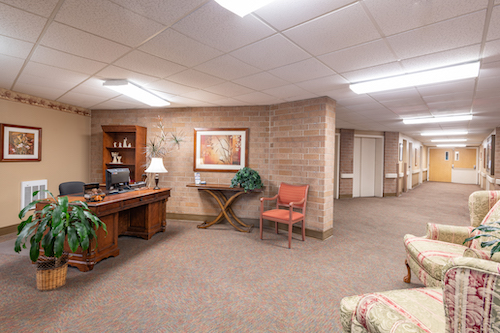
403 HAZLE TOWNSHIP BOULEVARD, HAZLETON, PA 18202 (570) 454-8888
For profit - Corporation 297 Beds SABER HEALTHCARE GROUP Data: November 2025 1 Immediate Jeopardy citation
Trust Grade
0/100
#608 of 653 in PA
Last Inspection: February 2025

Within standard 12-15 month inspection cycle. Federal law requires annual inspections.

Overview

Mountain City Nursing & Rehabilitation Center has received an F grade, indicating poor performance with significant concerns about care quality. It ranks #608 out of 653 facilities in Pennsylvania, placing it in the bottom half and #21 out of 22 in Luzerne County, meaning there are very few local options that are worse. Although the facility is improving-issues decreased from 25 in 2024 to 9 in 2025-its record still raises alarms with a concerning total of $179,593 in fines, which is higher than 87% of Pennsylvania facilities. Staffing is rated average with a 3/5 star rating and a 45% turnover rate, slightly better than the state average, but it has less RN coverage than 98% of state facilities, which is a worry since RNs are crucial for monitoring residents' health. Specific incidents of concern include a failure to prevent a resident from eloping, which put many residents at risk, and serious issues where residents experienced physical and sexual abuse from other residents, leading to significant harm. While there are some positive aspects, the serious nature of these deficiencies should be carefully considered by families.

Trust Score
F
0/100
In Pennsylvania
#608/653
Bottom 7%
Safety Record
High Risk
Review needed
Inspections
Getting Better
25 → 9 violations
Staff Stability
⚠ Watch
45% turnover. Above average. Higher turnover means staff may not know residents' routines.
Penalties
✓ Good
$179,593 in fines. Lower than most Pennsylvania facilities. Relatively clean record.
Skilled Nurses
⚠ Watch
Each resident gets only 19 minutes of Registered Nurse (RN) attention daily — below average for Pennsylvania. Fewer RN minutes means fewer trained eyes watching for problems.
Violations
⚠ Watch
51 deficiencies on record. Higher than average. Multiple issues found across inspections.
★☆☆☆☆
1.0
Overall Rating
★★★☆☆
3.0
Staff Levels
★★★☆☆
3.0
Care Quality
★☆☆☆☆
1.0
Inspection Score
Stable
2024: 25 issues
2025: 9 issues

The Good

  • Full Sprinkler Coverage · Fire safety systems throughout facility
  • No fines on record

Facility shows strength in fire safety.

The Bad

1-Star Overall Rating

Below Pennsylvania average (3.0)

Significant quality concerns identified by CMS

Staff Turnover: 45%

Near Pennsylvania avg (46%)

Higher turnover may affect care consistency

Federal Fines: $179,593

Well above median ($33,413)

Significant penalties indicating serious issues

Chain: SABER HEALTHCARE GROUP

Part of a multi-facility chain

Ask about local staffing decisions and management

The Ugly 51 deficiencies on record

1 life-threatening 4 actual harm
Mar 2025 2 deficiencies
CONCERN (D) 📢 Someone Reported This

A family member, employee, or ombudsman was alarmed enough to file a formal complaint

Potential for Harm - no one hurt, but risky conditions existed

Free from Abuse/Neglect (Tag F0600)

Could have caused harm · This affected 1 resident

**NOTE- TERMS IN BRACKETS HAVE BEEN EDITED TO PROTECT CONFIDENTIALITY** Based on review of the facility's abuse prohibition policy, clinical records, information submitted by the facility, and select ...

Read full inspector narrative →
**NOTE- TERMS IN BRACKETS HAVE BEEN EDITED TO PROTECT CONFIDENTIALITY** Based on review of the facility's abuse prohibition policy, clinical records, information submitted by the facility, and select investigative reports and staff interview, it was determined the facility failed to assure that one resident (Resident 2) out of 15 sampled were free from physical abuse perpetrated by another resident (Resident 1). Findings include: A review of facility policy titled Pennsylvania Resident Abuse: Abuse, Neglect, and Exploitation last reviewed by the facility on November 12, 2024, revealed it is the policy of the facility to not tolerate abuse, neglect, mistreatment, exploitation of residents, or misappropriation of resident property by anyone. The policy defines abuse as the willful infliction of injury, unreasonable confinement, intimidation, or punishment with resulting physical harm, pain, or mental anguish. Willful, as used in this definition of abuse, means the individual must have acted deliberately, not that the individual must have intended to inflict injury or harm. A review of Resident 2's clinical record revealed the resident was admitted to the facility on [DATE], with diagnoses which included dementia (a chronic or persistent disorder of the mental processes caused by brain disease or injury and marked by memory disorders, personality changes, and impaired reasoning). and malignant neoplasm of the prostate (cancerous tumor in the prostate gland). A review of the resident's Quarterly Minimum Data Set Assessment (MDS - a federally mandated standardized assessment conducted at specific intervals to plan resident care) dated March 14, 2025, indicated the resident was moderately cognitively impaired with a BIMS score of 9 (Brief Interview for Mental Status - a tool to assess cognition, a score of 8-12 indicates moderate cognitive impairment), and was independent for ambulation. A review of Resident 1's clinical record revealed the resident was admitted to the facility on [DATE], with diagnoses which included dementia with behavioral disturbances (a condition characterized by progressive or persistent loss of intellectual functioning, especially with impairment of memory and abstract thinking, and often with personality change), bipolar disorder (a mental health condition that causes extreme mood swings that include emotional highs (mania or hypomania) and lows (depression), and parkinsonism (a broad term for various neurodegenerative diseases that cause motor symptoms with symptoms similar to Parkinson's disease). A review of the resident's Quarterly Minimum Data Set assessment dated [DATE], indicated the resident was severely cognitively impaired with a BIMS score of 0 (a score of 0-7 indicates severe cognitive impairment), and was independent for ambulation. Review of Resident 1's plan of care dated July 11, 2024, identified issues related to wandering into other residents' rooms and various aggressive behaviors, including physical aggression toward staff and other residents. Interventions included offering activities of interest, involving family, utilizing Spanish-speaking staff for redirection, and psychiatric referrals as needed. Continued review of Resident 1's plan of care revealed a problem area identified related to restlessness, aggression, depressed mood and exhibits the following behaviors related to the same: wandering, agitation, combativeness, tearfulness, verbal outbursts, history of resident-to-resident altercations, verbal aggression directed to staff, talks loudly, physical behaviors and physical aggression directed at staff, threatening staff, machining sexually inappropriate statements, urinating on floor in hallway, inappropriate touching, bowel movements in trash can in hallway, spitting on floor, using other resident bathrooms, refusing care, activities and showers. Interventions included: administration of medications as ordered, encourage activities of interest, provide Spanish TV and music, attend activities that he enjoys, engage in simple, structured activities that avoid overly demanding tasks, and refer to psych as needed. A review of nursing documentation from January 2025 through March 2025, revealed that Resident 1 exhibited behaviors such as pacing, wandering into other residents' rooms, yelling, agitation, aggression, verbal and physical abuse toward staff, urinating in hallways, and attempted elopement. It was documented that constant redirection was provided, but the resident was difficult to redirect and would become aggressive and abusive toward staff. Nursing documentation dated March 4, 2025, at 9:08 PM revealed that Resident 1 was involved in a physical altercation with Resident 3 in the doorway of Resident 3's room, involving pushing and shoving. A Review of the Mandatory Abuse Report dated March 4, 2025, at 7:15 PM documented that Resident 1 wandered into Resident 3's room via a closed door. Resident 3 pushed Resident 1 out of his room with his hand on Resident 1's back. Resident 1 turned around and grabbed Resident 3 by the neck. Staff immediately separated the residents. Both residents were placed on every 15-minute checks. Continued review of nursing documentation dated March 12, 2025, at 10:46 AM displayed increased behaviors, including wandering without pants/briefs, urinating on the floor, aggression, and attempting to punch staff. Nursing documentation dated March 13, 2025, at 3:41 AM revealed Resident 1 stood in front of the elevators blocked elevator access, yelled, swung at staff, and wandered into peers' rooms while talking loudly that he is the boss and refused to move away from the elevator. Nursing documentation dated March 13, 2025, at 9:27 AM revealed the resident wandered into other residents' rooms, was difficult to redirect, got on the elevator triggering alarms, refused to get off, and threatened to punch staff. Nursing documentation dated March 13, 2025, at 7:00 PM (recorded as a late entry note on March 14, 2025, at 2:02 AM) staff found Resident 1 and Resident 2 lying on the floor outside Resident 2's room. A Review of the Mandatory Abuse Report dated March 13, 2025, at 6:25 PM documented that Resident 2 was the victim, and that Resident 1 was the perpetrator. The report indicated that the RN was called to the floor by staff to evaluate Resident 1 and Resident 2 noted to be lying in the hallway on the floor outside Resident 2's room. Residents were immediately separated. Both residents were evaluated, and treatment was provided. Upon interview, Resident 2 stated We got into a fight. He came into my room and was doing something with the curtain. Resident 2 stated that he punched Resident 1, and that Resident 1 punched him. Facility interventions included placing Resident 1 on one-to-one supervision, relocating Resident 2 to another wing, initiating staff education, notifying physicians and responsible parties, and reporting the incident to law enforcement. Despite documented patterns of aggressive and intrusive behaviors by Resident 1 prior to the incident, the facility failed to implement adequate supervision and monitoring measures to prevent the physical abuse of Resident 2. An interview with Nursing Home Administrator on March 27, 2025, at approximately 2:30 PM confirmed the facility failed to prevent the physical abuse of Resident 2 perpetrated by Resident 1, which resulted in a punch to the face. The facility failed to implement sufficient supervision and monitoring measures to address Resident 1's known history of aggression, resulting in physical abuse of another resident. 28 Pa. Code 201.14(a) Responsibility of licensee 28 Pa. Code 201.18(e)(1) Management 28 Pa. Code 201.29(a)(c) Resident Rights 28 Pa. Code 211.12(c)(d)(5) Nursing Services
CONCERN (D) 📢 Someone Reported This

A family member, employee, or ombudsman was alarmed enough to file a formal complaint

Potential for Harm - no one hurt, but risky conditions existed

QAPI Program (Tag F0867)

Could have caused harm · This affected 1 resident

Based on a review of the facility's Plan of Correction from the survey ending February 7, 2025, the results of the revisit survey conducted on March 27, 2025, clinical record review, facility-submitte...

Read full inspector narrative →
Based on a review of the facility's Plan of Correction from the survey ending February 7, 2025, the results of the revisit survey conducted on March 27, 2025, clinical record review, facility-submitted documentation, and staff interview, it was determined that the facility failed to implement and sustain corrective actions through its Quality Assurance and Performance Improvement (QAPI) program to prevent the recurrence of deficiencies related to abuse prevention for one resident out of 15 residents reviewed. (Resident 1) Findings include: As a result of the deficiencies cited under the requirements related to abuse prevention during the survey of February 7, 2025, the facility developed a plan of correction to serve as their allegation of compliance, which included a quality assurance monitoring component to ensure solutions were sustained. The corrective plan was to be completed and functional by March 11, 2025. However, during the survey ending March 27, 2025, continuing deficient facility practice was identified with these same requirements. According to the facility's plan of correction for the deficiency cited on February 7, 2025, relating to implementation and adherence to procedures to ensure abuse prevention and to ensure deficient practice was corrected included update activity assessments to assess possible diversional activity interest, identify other residents that have the potential to be affected, residents that exhibit aggressive behaviors will be reviewed by the IDT. Care plans will be updated, as necessary, to prevent this from reoccurring, re-education of the abuse policy and behavior interventions will be completed with facility staff by the staff educator/designee, and monitor and maintain compliance, the DON/designee will review 10 residents that exhibit aggressive behaviors to ensure that behaviors are addressed, and care plan interventions are appropriate for behaviors exhibited. The audits will be completed weekly times 4 weeks and then monthly times 3. The results of the audits will be forwarded to QAPI committee for further review and recommendations. The results of the revisit survey conducted on March 27, 2025, cited under F600, revealed that the facility's QAPI committee failed to successfully implement their plan to prevent abuse and to ensure residents in the facility are protected from residents with aggressive behaviors. The facility's QAPI monitoring process, which was intended to ensure sustainability of solutions, did not detect ongoing risk to residents nor prevent further similar deficient practice as cited during the survey ending February 7, 2025. Refer F600 28 Pa. Code 201.14(a) Responsibility of Licensee. 28 Pa. Code 201.18(e)(1) Management. 28 Pa. Code 211.12 (c)(d)(1)(5) Nursing services
Feb 2025 6 deficiencies
CONCERN (D)

Potential for Harm - no one hurt, but risky conditions existed

Assessment Accuracy (Tag F0641)

Could have caused harm · This affected 1 resident

**NOTE- TERMS IN BRACKETS HAVE BEEN EDITED TO PROTECT CONFIDENTIALITY** Based on a review of clinical records and the Resident Assessment Instrument (RAI) and staff interview, it was determined the fa...

Read full inspector narrative →
**NOTE- TERMS IN BRACKETS HAVE BEEN EDITED TO PROTECT CONFIDENTIALITY** Based on a review of clinical records and the Resident Assessment Instrument (RAI) and staff interview, it was determined the facility failed to ensure the Minimum Data Set Assessments accurately reflected the status of two residents out of 35 sampled (Resident 179 and Resident 159). Findings include: A review of the clinical record revealed that Resident 179 was admitted to the facility on [DATE], with diagnoses that included chronic obstructive pulmonary disease (an ongoing lung condition caused by damage to the lungs) and dementia (a chronic or persistent disorder of the mental processes caused by brain disease or injury and marked by memory disorders and personality changes). A review of Resident 179's quarterly MDS assessment dated [DATE], revealed that Section E-Behavior, item E0900, was coded as 0-Behavior not exhibited, indicating the resident did not exhibit wandering behaviors. However, a review of the clinical record revealed documentation of wandering behavior. A progress note dated November 6, 2024, at 9:49 PM indicated that the resident had multiple incidents of wandering into and out of other residents' rooms. An interview with the Nursing Home Administrator on February 7, 2025, at 11:27 AM confirmed that Resident 179's quarterly MDS dated [DATE], was coded inaccurately in Section E-Behavior, item E0900, as it did not reflect the resident's documented wandering behavior. A review of the clinical record revealed that Resident 159 was admitted to the facility on [DATE], with diagnoses that included psychosis (mental disorder characterized by a disconnection from reality). A review of Resident 159's quarterly MDS dated [DATE], indicated the following in Section N: N0415 High-Risk Drug Classes was coded to indicate the resident was receiving a hypnotic medication (a psychoactive medication prescribed to treat sleeplessness); however, a review of the clinical record revealed no documented evidence that the resident was receiving a hypnotic medication. N0450 Antipsychotic Medication Review was coded in: N0450A to indicate the resident was receiving antipsychotic medication on a routine basis. N0450B to indicate that a Gradual Dose Reduction (GDR, a stepwise tapering of a medication dose to determine if symptoms, conditions, or risks can be managed by a lower dose) had not been attempted. N0450E did not indicate a date that the physician determined a GDR was clinically contraindicated. Further review of the clinical record revealed a physician order dated November 17, 2024, to discontinue Secuado (an antipsychotic) 0.8 mg/24 hours one patch applied transdermally (administer a drug through the skin) one time daily for psychosis and removed per schedule. A nurse's note dated December 13, 2024, at 12:48 PM, documented that the resident was scratching their face during the shift and required redirection with one-on-one intervention. The note also indicated the resident had recently undergone a GDR of the Secuado patch and that the resident's representative and physician were aware, with orders pending. A subsequent nurse's note dated December 13, 2024, at 6:28 PM documented that the resident was exhibiting behaviors including restlessness, agitation, and repetitive movements. A new physician's order was received to restart Secuado 0.8 mg/24 hours, one patch applied transdermally once daily for psychosis and removed per schedule. A physician's order dated December 13, 2024, documented the reinstatement of Secuado 0.8 mg/24 hours, one patch applied transdermally once daily for psychosis and removed per schedule. A social services note dated December 16, 2024, indicated that an interdisciplinary review had determined that the GDR had failed. An interview with the Director of Nursing on February 6, 2025, at approximately 2:00 PM confirmed that Resident 159's quarterly MDS assessment dated [DATE], was inaccurate. The facility failed to ensure that MDS assessments accurately reflected the clinical status of Residents 179 and 159, resulting in incomplete or inaccurate assessments used for care planning. 28 Pa. Code 201.18(e)(1) Management 28 Pa. Code 211.12(c)(d)(1)(5) Nursing services
CONCERN (D)

Potential for Harm - no one hurt, but risky conditions existed

Accident Prevention (Tag F0689)

Could have caused harm · This affected 1 resident

**NOTE- TERMS IN BRACKETS HAVE BEEN EDITED TO PROTECT CONFIDENTIALITY** Based on a review of clinical records, select facility investigative reports, and resident and staff interviews, it was determin...

Read full inspector narrative →
**NOTE- TERMS IN BRACKETS HAVE BEEN EDITED TO PROTECT CONFIDENTIALITY** Based on a review of clinical records, select facility investigative reports, and resident and staff interviews, it was determined the facility failed to implement effective safety measures to prevent an injury during transfer for one out of the 35 sampled residents (Resident 157). Findings include: A clinical record review revealed Resident 157 was admitted to the facility on [DATE], with diagnoses to include but not limited to arthritis (a disease that causes swelling and tenderness in one or more joints) and morbid obesity (a chronic disease that's characterized by a body mass index of 40 or higher, or a body mass index of 35 or higher with obesity-related health issues). A review of a quarterly Minimum Data Set assessment (MDS-a federally mandated standardized assessment process conducted periodically to plan resident care) dated December 3, 2024, revealed that Resident 157 was cognitively intact with a BIMS score of 15 (Brief Interview for Mental Status-a tool within the Cognitive Section of the MDS that is used to assess the resident's attention, orientation, and ability to register and recall new information; a score of 13-15 indicates cognition is intact). A review of Resident 157's plan of care dated August 28, 2024, indicated that the resident had a self-care deficit related to decreased mobility requiring extensive-to-total assistance with mobility and transfers. Interventions implemented included assisting the resident during all transfers with the assistance of two staff members via mechanical lift with a black sling (a lift that uses hydraulic power to transfer a person while cradled in a sling). A care plan indicating Resident 157 has a self-care deficiency requiring extensive-to-total assistance with mobility and transfers related to decreased mobility initiated on August 28, 2024. Interventions implemented include assisting the resident during all transfers with the assistance of two staff members via mechanical lift with a black sling. A facility investigation report dated August 30, 2024, at 9:03 PM, revealed Resident 157 sustained a forehead laceration during a transfer from her bed to a bariatric bed with a new air mattress using a mechanical lift. The investigation report indicated the forehead laceration injury was new and bleeding. A wound report dated August 30, 2024, at 10:31 PM, revealed a forehead laceration measuring 5 cm x 0.5 cm. A witness statement dated August 30, 2024, no time indicated, provided by Employee 1 (nurse aide), revealed she was using the mechanical lift to transfer Resident 157 from her bed to a bariatric bed with new air mattress. Employee 1 indicated she was driving the lift and put her in the hallway to transfer the resident into the new bed. When lowering the bed, the leg of the lift got caught between the wheels of the bed, and Employee 2 (nurse aide), pushed Resident 157 and pulled himself toward her, and then he flipped over and hit Resident 157 in the head where the top part of the sling was, causing a small wound. An injury was identified, and Employee 1 immediately reported to the supervisor. A witness statement dated August 30, 2024, no time indicated, provided by Employee 2 revealed Resident 157 was transferred into a bariatric bed in the hallway next to her room in the mechanical lift and was positioned over the bariatric bed, and during lowering the resident, her weight became displaced, and the base of the lift tipped over. A progress note dated August 30, 2024, at 9:03 PM provided by Employee 3, Registered Nurse, revealed that Resident 157 was being transferred to a different bed in the hallway to allow the contractor to put a new air mattress on the resident's bed. Upon transfer, via mechanical lift, Resident 157 suddenly hit the bed and was heard screaming OW, OW, OW. Employee 3 was at the nurses' desk, looked up, and saw that Resident 157 was in the bed and the lift was tipped on top of her. Upon arrival, Employee 3 pulled the lift from the resident's forehead and assessed the laceration that was actively bleeding, and pressure was placed on the wound, and 911 was called. A progress note by Employee 3, RN, dated August 30, 2024, 9:03PM, revealed the cause of the injury was improper placement and use of the mechanical lift. A statement from Resident 157 dated September 3, 2024, no time indicated, revealed that her air mattress had popped, and Employee 1 and Employee 2 transferred her to a bariatric bed with a new mattress via mechanical lift in the hallway. Resident 157 stated that during the transfer, the lift was pulled and hit her in the head. Resident 157 stated, I am not in any pain, but they said I have a cut. A community emergency department report dated August 30, 2024, at 11:10 PM documented that Resident 157 was evaluated for a laceration after being struck in the head with the mechanical lift during transfer. A head CT scan (a noninvasive medical procedure that uses x-rays to create detailed images of the body), was performed and was negative. The resident was prescribed Tylenol for pain. A progress note dated August 30, 2024, at 2:55 AM, revealed the resident returned from the emergency department. During an interview on February 4, 2024, at 1:00 PM, Resident 157 confirmed that she was hit in the head during a transfer into a new bariatric bed and had to be transferred to an emergency department for evaluation of her bleeding wound. A review of the facility's investigation confirmed the injury occurred due to improper placement and use of the lift during the transfer. Competency evaluations revealed that both Employee 1 and Employee 2 had satisfactory transfer skills and knowledge. During an interview on February 7, 2025, at 9:15 AM, the Nursing Home Administrator (NHA) confirmed that it was the facility's responsibility to ensure effective safety measures were implemented to prevent accidents and injuries to residents. The NHA acknowledged that Resident 157 sustained a laceration during the transfer on August 30, 2024. This deficiency is cited as past non-compliance. The facility's corrective action plan was to identify other residents with the potential to be affected; the Director of Nursing (DON)/designee completed a house-wide audit of proper lift technique and that air mattresses had proper inflation. To prevent this from recurring the unit manager provided education to nursing staff regarding proper transfer technique and lift competencies were completed, and mechanical lifts were inspected for safety. To monitor and maintain ongoing compliance, the DON/designee audits and assesses 5 residents weekly x 4 to ensure proper lift technique is used during transfers and air mattresses are inflated without issues. Any negative findings will be immediately corrected. Results of audits will be forwarded to facility QAPI for review and recommendation as indicated. The facility's immediate corrective action plan was completed on September 2, 2024. 28 Pa. Code 211.18 (e)(1) Management. 28 Pa. Code 211.12 (d)(1)(3)(5) Nursing services
CONCERN (D) 📢 Someone Reported This

A family member, employee, or ombudsman was alarmed enough to file a formal complaint

Potential for Harm - no one hurt, but risky conditions existed

Medical Records (Tag F0842)

Could have caused harm · This affected 1 resident

**NOTE- TERMS IN BRACKETS HAVE BEEN EDITED TO PROTECT CONFIDENTIALITY** Based on review of clinical records, select facility investigative reports, and staff interview, it was determined the facility ...

Read full inspector narrative →
**NOTE- TERMS IN BRACKETS HAVE BEEN EDITED TO PROTECT CONFIDENTIALITY** Based on review of clinical records, select facility investigative reports, and staff interview, it was determined the facility failed to maintain accurate and complete clinical records, in accordance with professional standards of practice for one (1) of 35 sampled residents (Resident 266). Findings include: According to the American Nurses Association Principles for Nursing Documentation, nurses document their work and outcomes and provide an integrated, real-time method of informing the health care team about the patient status. Timely documentation of the following types of information should be made and maintained in a patient record to support the ability of the health care team to ensure informed decisions and high quality care in the continuity of patient care: Assessments, Clinical problems, Communications with other health care professionals regarding the patient, Communication with and education of the patient, family, and the patient's designated support person and other third parties. According to the Title 49, Professional and Vocational Standards, Department of State, Chapter 21 State Board of Nursing Subsection 21.11 (a) The registered nurse assesses human responses and plans, implements and evaluates nursing care for individuals or families for whom the nurse is responsible. In carrying out this responsibility, the nurse performs all of following functions: (4) Carries out nursing care actions which promote, maintain, and restore the well-being of individuals (6)(b) The registered nurse is fully responsible for all actions as a licensed nurse and is accountable to clients for the quality of care delivered and Subsection 21.18. (a)(5) document and maintain accurate records. According to the Title 49, Professional and Vocational Standards, Department of State, Chapter 21 State Board of Nursing Subsection 21.145. (a) The licensed practical nurse (LPN) is prepared to function as a member of a health-care team by exercising sound nursing judgement based on preparation, knowledge, skills, understanding and past experiences in nursing situations. The LPN participates in the planning, implementation, and evaluation of nursing care in settings where nursing takes place. Review of the clinical record revealed that Resident 266 was admitted to the facility on [DATE], with diagnoses to include diabetes and dementia (chronic or persistent disorder of the mental processes caused by brain disease or injury and marked by memory disorders and personality changes). A physician order dated December 24, 2024, noted an order for a LCS (low concentrated sweets) regular texture diet. Review of an Occupational Therapy Evaluation dated November 2, 2024, indicated the resident was independent for self-feeding. Review of a nurses note dated January 19, 2025, at 6:45 PM written by Employee 7 (RN) revealed the resident was found unresponsive, was determined to be a full code (medical order that instructs healthcare team to perform all possible life-saving measures if the patient's heart or lungs stop working), and life-saving measures were immediately initiated, 911 was called immediately, EMS (Emergency Medical Services) arrived at the facility, continued life-saving measures, and the resident was transferred to the hospital. Physician and Resident Representative were made aware. A nurses note dated January 19, 2025, at 11:11 PM written by Employee 7 (RN) revealed that the hospital notified the facility that the resident expired at the hospital on January 19, 2025, approximately 7:30 PM. Review of the resident's SBAR Communication Form (situation, background, assessment recommendation used in healthcare to share information about a patient's condition) dated January 19, 2025, completed by Employee 7 (RN) revealed that Resident 266 was found unresponsive at 6:45 PM, it was determined that resident was a full code and life saving measures were immediately initiated, 911 was called immediately with their arrival at 7:10 PM, EMT continued lifesaving measures and resident transported to the hospital emergency room. Resident representative and physician notified. Further review of the resident's SBAR Communication Form dated January 19, 2025, revealed that Employee 7 (RN) electronically completed the form. However, Employee 7 (RN) indicated at the bottom of the SBAR Communication Form that Employee 5 (LPN) completed the form. Review of a facility investigative report dated January 19, 2025, revealed that Resident 266 was noted to be choking on his dinner. The Heimlich Maneuver (first-aid technique that uses abdominal thrusts to help someone who is choking) was immediately performed without success. The resident then became unresponsive, and CPR (cardiopulmonary resuscitation-emergency life-saving procedure that is done when someone's breathing or heartbeat has stopped) was initiated. The resident was sent to the emergency room for further evaluation of the situation. A review of a witness statement from Employee 4 (nurse aide) dated January 21, 2025, revealed on January 19, 2025, at 6:45 PM Employee 4 (nurse aide) heard the resident choking. Employee 4 (nurse aide) went into the resident's room to assist while he was coughing. Employee 4 (nurse aide) performed the Heimlich Maneuver until the resident went completely unresponsive. By then the nurse had arrived and CPR was started. A review of a witness statement from Employee 6 (LPN) which was signed but not dated revealed that on January 19, 2025, Employee 6 (LPN) was alerted by staff that Resident 266 was choking. Upon entering the resident's room, the resident was sitting at the side of the bed and color was cyanotic (bluish, grayish). Employee 4 (nurse aide) was behind the resident performing the Heimlich Maneuver, the resident was unresponsive, laid on bed, mouth sweep done unable to feel or see anything. Dentures were in resident's mouth. Resident suctioned, small pieces of food, resident with no respirations, no pulse, Code Blue called, CPR initiated. 911 called. AED (automated external defibrillator which is a medical device that delivers an electric shock to the heart to help restore a normal rhythm) pads placed, no call for shock. CPR continued. Emergency Medical Technician (EMT) arrived. LUCAS (mechanical chest compression system that helps healthcare providers perform CPR on patients in cardiac arrest) device placed on resident. IV (intravenous- giving medications or fluids through a needle or tube inserted into a vein) line started. Two doses of medication were administered. While EMT was attempting to intubate (medical procedure which involves inserting a tube into a patient's airway to help them breathe) resident, a full-size meatball was pulled out of the resident's throat. CPR continued. Pulse obtained. Resident was transferred to the hospital emergency department. A review of a witness statement from Employee 5 (LPN) dated January 19, 2025, revealed that on January 19, 2025, noted that Resident 266 was observed prior to the incident moving around the unit and talking with everybody without any problems or concerns. Upon returning from break, heard the Code Blue and ran to the scene. Employee 5 (LPN) started helping. Resident 266 was sent to the hospital via ambulance. Resident unresponsive. Family made aware of the transfer. The investigative report documented a choking episode, but the resident's clinical record lacked any documentation of the choking incident, the Heimlich Maneuver, or the removal of a full-size meatball from the resident's airway by EMT personnel. Review of facility documentation revealed inconsistencies between the nursing notes, SBAR Communication Form, witness statements, and the facility's investigative report. An interview with the Nursing Home Administrator (NHA) and Director of Nursing (DON) on February 5, 2025, at approximately 11:30 AM confirmed the facility's nursing staff failed to accurately and consistently document the incident in the resident's clinical record. The NHA and DON confirmed there was no documented evidence of the resident's choking incident. The DON verified that the staff member listed at the bottom of the SBAR Communication Form should have accurately reflected the individual completing the form. The facility failed to ensure that the residents clinical record was accurate and complete. 28 Pa. Code 211.5 (f)(ii)(iii)(ix) Medical records. 28 Pa. Code 211.12 (c)(d)(1)(5) Nursing services.
CONCERN (D)

Potential for Harm - no one hurt, but risky conditions existed

Deficiency F0883 (Tag F0883)

Could have caused harm · This affected 1 resident

**NOTE- TERMS IN BRACKETS HAVE BEEN EDITED TO PROTECT CONFIDENTIALITY** Based on a review of select facility policy and clinical records and staff interviews, it was determined the facility failed to ...

Read full inspector narrative →
**NOTE- TERMS IN BRACKETS HAVE BEEN EDITED TO PROTECT CONFIDENTIALITY** Based on a review of select facility policy and clinical records and staff interviews, it was determined the facility failed to offer and/or provide the influenza immunization, unless the immunization was medically contraindicated or the resident had already been immunized, to one resident out of five residents reviewed for administration of the flu vaccine. (Resident 110). Findings include: A review of facility policy titled Resident Vaccination Policy, last reviewed November 12, 2024, revealed that each resident is to be offered an influenza immunization unless the immunization is medically contraindicated. Nursing staff will provide educational information to the resident/authorized representative prior to the administration of each vaccine. Once education has been completed, a signed consent form is to be obtained prior to the administration of the vaccine. A review of the clinical record revealed that Resident 110 was admitted to the facility on [DATE], with diagnoses to include dementia (a chronic or persistent disorder of the mental processes caused by brain disease or injury and marked by memory disorders, personality changes, and impaired reasoning) and major depressive disorder (a serious mental illness characterized by persistent sadness, loss of interest in activities, fatigue, and feelings of worthlessness). Review of Resident 110's Informed Consent for Influenza, Pneumococcal, and Covid Vaccines signed by Resident 110's resident representative on August 26, 2024, confirmed authorization for the facility to administer the influenza vaccine., Covid vaccine, and pneumococcal vaccines. However, there was no documented evidence that the influenza vaccine was administered as per the signed consent. An interview with the Director of Nursing on February 7, 2025, at 12:24 PM confirmed the facility failed to provide the influenza immunization to Resident 110 despite having obtained the required valid signed consent. 28 Pa. Code 201.14(a) Responsibility of licensee. 28 Pa. Code 201.18(b)(1) Management. 28 Pa Code 211.5 (f)(i) Medical records. 28 Pa. Code 211.10(a)(d) Resident care policies . 28 Pa code 211.12 (c)(d)(1)(5) Nursing Services.
CONCERN (E)

Potential for Harm - no one hurt, but risky conditions existed

Grievances (Tag F0585)

Could have caused harm · This affected multiple residents

Based on review of select facility policy, facility grievance forms, and resident, family and staff interviews, it was determined the facility failed to make ongoing efforts to resolve grievances and ...

Read full inspector narrative →
Based on review of select facility policy, facility grievance forms, and resident, family and staff interviews, it was determined the facility failed to make ongoing efforts to resolve grievances and the provision of timely follow-up with residents and/or their representative regarding the status update on the resolution progress of a grievance for three of seven residents reviewed (Residents 107, 15 and 4). Findings include: A review of the facility's policy titled Resident Grievances and Concerns Policy last reviewed by the facility on November 12, 2024, indicated that upon receipt of an oral, written, or anonymous grievance submitted by a resident, the Grievance Official will take immediate action to prevent further potential violations of any resident right while the alleged violation is being investigated, if indicated. The grievance review will be completed in a reasonable time frame consistent with the type of grievance, but in no event will the review exceed thirty (30) days. If the Grievance Committee/Grievance Official determines that a resident rights violation has occurred, then violation must be corrected within ten (10) days. Upon completion of the review, the Grievance Official will complete a written grievance decision. The Grievance Official will meet with the resident and inform the resident of the results of the investigation and how the resident's grievance was resolved or will be resolved. A copy of the written grievance decision will be provided to the resident, upon request. The facility will keep evidence of the resolution of all grievances for a period of three (3) years from the date the grievance decision is issued. During a group interview conducted on February 5, 2025, at 10:00 AM with six alert and oriented residents, two of the six residents in attendance reported they filed grievances but never received a response from the facility. Resident 107 stated she had filed three grievances within the last 2 months and never received a response from the facility. She reported that an aide filled out the concern forms for me because I can't write so good. I saw her put it in the box(grievance box) Resident 15 stated that she filed a written grievance about six months ago and never received a response. An interview conducted on February 6, 2025, at 8:13 AM with Resident 4's family member revealed that, We have 30-40 concern forms filed since admission to the facility in April (2024). Maybe 2-3 have been addressed, otherwise we have received no response, nothing has been resolved and no appropriate steps have been taken. The family member continued to report that Assistant Director of Nursing, RN Supervisor, nurses, Social Services and/or kitchen manager are the staff members who have taken he and his mother's verbal concerns and complaints. He indicated that many of the grievances centered around dietary issues, lack of receiving fresh water daily, staff treatment of his mother, wandering residents, and other care and service concerns. He reported that They come in and fill out the paperwork and say they'll take care of it and then I don't hear from them again. No resolution, no response. The lack of follow-up is concerning. Review of the grievance log for Resident 4 revealed three (3) grievances on file since admission to the facility in April 2024. The results of the three grievances indicated that they were resolved. There was no documented evidence the resident's additional complaint/grievances were investigated. There was no documented evidence of a summary of findings or conclusion regarding the resident's concerns as a result of the grievances. During an interview on January 7, 2025, at 9:30 AM the Nursing Home Administrator (NHA) confirmed the facility only had three grievances on file for Resident 4. The NHA was unable to provide evidence of prompt efforts to resolve a grievance and to keep the resident/family appropriately apprised of progress toward resolution. 28 Pa. Code 201.18(e)(1) Management
CONCERN (E)

Potential for Harm - no one hurt, but risky conditions existed

Free from Abuse/Neglect (Tag F0600)

Could have caused harm · This affected multiple residents

**NOTE- TERMS IN BRACKETS HAVE BEEN EDITED TO PROTECT CONFIDENTIALITY** Based on review of the facility's abuse prohibition policy, clinical records, information submitted by the facility, and select ...

Read full inspector narrative →
**NOTE- TERMS IN BRACKETS HAVE BEEN EDITED TO PROTECT CONFIDENTIALITY** Based on review of the facility's abuse prohibition policy, clinical records, information submitted by the facility, and select investigative reports and staff interview, it was determined the facility failed to assure that two residents (Residents 366 and 52) out of 35 sampled were free from physical abuse perpetrated by another resident (Resident 180). Findings include: A review of facility policy titled Pennsylvania Resident Abuse: Abuse, Neglect, and Exploitation last reviewed by the facility on November 12, 2024, revealed it is the policy of the facility to not tolerate abuse, neglect, mistreatment, exploitation of residents, or misappropriation of resident property by anyone. The policy defines abuse as the willful infliction of injury, unreasonable confinement, intimidation, or punishment with resulting physical harm, pain, or mental anguish. Willful, as used in this definition of abuse, means the individual must have acted deliberately, not that the individual must have intended to inflict injury or harm. A review of Resident 366's clinical record revealed the resident was admitted to the facility on [DATE], with diagnoses which included congestive heart failure (weakness of the heart that leads to build-up of fluid in the lungs and surrounding body tissues) and diabetes mellitus (body has trouble controlling blood sugar and using it for energy). A review of the resident's admission Minimum Data Set Assessment (MDS - a federally mandated standardized assessment conducted at specific intervals to plan resident care) dated December 6, 2024, indicated that the resident was cognitively intact with a BIMS (Brief Interview for Mental Status - a tool to assess cognition) score of 15 (13-15 represents intact cognitive responses). A review of Resident 180's clinical record revealed that the resident was admitted to the facility on [DATE], with diagnoses which included vascular dementia, severe with behavioral disturbances (a decline in thinking skills caused by conditions that block or reduce blood flow to parts of the brain, depriving them of oxygen and nutrients) and metabolic encephalopathy (chemical imbalance in the blood that affects the brain which can cause loss of memory and difficulty coordinating motor tasks). A review of the resident's Quarterly Minimum Data Set assessment dated [DATE], indicated the resident was severely cognitively impaired with a BIMS score of 2. A review of nursing documentation from June 2024 through December 2024, revealed that Resident 180 displayed behaviors of pacing, wandering the halls, wandering into other residents' rooms, yelling, agitation, aggressive behavior, verbally abusive with staff and other residents, physically abusive to staff, cursing, walking the hallway with no pants on, and attempting to elope from the facility. It was further noted that the resident would kick and hit staff while walking past him in the hall. It was documented that constant redirection was given, but the resident does not consistently follow redirection. A review of nursing documentation dated December 10, 2024, at 3:33 AM revealed that Resident 180 was found in Resident 366's room. Staff noted that Resident 180 was standing next to Resident 366's bed. When redirection was attempted, resident 180 became agitated and was directed back to his room. Resident 366 reported Resident 180 initiated physical aggression towards her. One-to-one support provided and assessed for injuries. No injuries were noted. A review of the Mandatory Abuse Report dated December 10, 2024, at 4:26 AM documented that Employee 8 (nurse aide) responded to Resident 366's call light and observed Resident 180 in her room. Resident 366 reported that Resident 180 poked her right thigh forcefully, causing pain. Employee 11 (registered nurse) assessed Resident 366, who stated that Resident 180 entered her room and punched her leg multiple times with full force. Resident 366 described feeling shocked and noted that Resident 180 was significantly larger than her. Facility interventions included redirecting Resident 180 to his room, administering PRN lorazepam, offering Resident 366 a room change, relocating her to another hall, providing one-to-one emotional support, offering Tylenol for pain, and reporting the incident to law enforcement. Facility documentation indicated a pattern of aggressive behaviors and intrusive wandering behaviors by Resident 180 prior to the reported incident involving Resident 366. The facility failed to demonstrate proactive measures to prevent the incident. A review of Resident 52's clinical record revealed the resident was admitted to the facility on [DATE], with diagnoses which included epilepsy (disorder in which nerve cell activity in the brain is disturbed, causing seizures) and cerebral infarction (brain damage that results from a lack of blood). A review of the resident's Quarterly Minimum Data Set Assessment (dated December 17, 2024, indicated that the resident was severely cognitively impaired with a BIMS score of 4. On December 27, 2024, at 8:46 AM, Resident 180 approached Resident 52 in the hallway and slapped him on the right cheek. A review of the Mandatory Abuse Report dated December 27, 2024, at 8:47 AM indicated that Resident 52 was seated in the hallway, singing and talking to himself, when Resident 180 approached him, raised both fists, and struck Resident 52 on the right cheek with one hand. A physical assessment revealed no noted injuries, redness, or marks. Facility interventions included the immediate separation of the residents, initiation of safety checks for Resident 52 every 15 minutes, implementation of one-to-one supervision for Resident 180, completion of body assessments, and notification of the physician and responsible party. A review of a witness statement submitted by Employee 10 (Physical Therapist) on December 27, 2024, with an additional statement signed on December 31, 2024, indicated that Employee 10 observed Resident 180 walking up and down the [NAME] Hall several times. While documenting at the nurse's desk, Employee 10 heard Resident 52 singing and repeating a phrase from a kitchen aide's t-shirt. Employee 10 observed Resident 52 seated in a wheelchair at the start of East Hall across from the desk. Resident 180 was seen walking from [NAME] Hall past the desk, stopping in front of Resident 52, raising his fists, and striking Resident 52 on the right cheek. Employee 10 immediately intervened, escorting Resident 180 away and redirecting him to his room. A nurse aide approached Resident 52, and the LPN was notified. The LPN then informed the RN Supervisor. The facility failed to ensure that Residents 366 and 52 were free from physical abuse perpetrated by Resident 180. An interview with Nursing Home Administrator on February 7, 2025, at approximately 9:35 AM confirmed the facility failed to prevent the physical abuse of Residents 366 and 52 perpetrated by Resident 180, which resulted in a punch to the thigh and a slap to the face. The facility failed to implement sufficient supervision and monitoring measures to address Resident 180's known history of aggression, resulting in physical abuse of other residents. 28 Pa. Code 201.14(a) Responsibility of licensee 28 Pa. Code 201.18(e)(1) Management 28 Pa. Code 201.29(a)(c) Resident Rights 28 Pa. Code 211.12(c)(d)(5) Nursing Services
Jan 2025 1 deficiency
CONCERN (D) 📢 Someone Reported This

A family member, employee, or ombudsman was alarmed enough to file a formal complaint

Potential for Harm - no one hurt, but risky conditions existed

Deficiency F0692 (Tag F0692)

Could have caused harm · This affected 1 resident

**NOTE- TERMS IN BRACKETS HAVE BEEN EDITED TO PROTECT CONFIDENTIALITY** Based on review of clinical records, select facility policy, and staff interview it was determined the facility failed to monito...

Read full inspector narrative →
**NOTE- TERMS IN BRACKETS HAVE BEEN EDITED TO PROTECT CONFIDENTIALITY** Based on review of clinical records, select facility policy, and staff interview it was determined the facility failed to monitor and evaluate weight and hydration requirements of a resident to ensure acceptable parameters of nutritional status are maintained to the extent possible for one resident out of six sampled (Resident A1). Findings include: Review of the facility Resident Weight Policy last reviewed December 2024 indicated weights must be obtained routinely to monitor nutritional health over time. Each resident's weight will be determined upon admission/readmission to the facility, weekly for the first four weeks after admission/readmission, and monthly or more often if risk is identified, or as ordered. Review of the Resident Hydration Policy last reviewed December 2024 indicated residents will be offered/administered sufficient fluid intake to maintain hydration. A variety of fluids will be offered to residents, depending on preference and nutritional/diagnosis considerations. A dietitian will evaluate resident fluid status within 14 days of admission, quarterly, and as needed. This may include laboratory testing by the provider as ordered. Fluids include water, juices, coffee/tea, gelatin, ice cream, soups, popsicles, and any other substance which is essentially liquid in nature. Nursing staff will be primarily responsible for resident fluid intake during and between meals. Fluids may be provided by others determined by resident fluid and dietary orders (such as activities, dietary, visitors). Nursing, medical providers, and dietitians will monitor for signs of dehydration and monitor resident medications which may alter fluid balance. Fluids will be provided with meals, snacks, and at the bedside, unless otherwise ordered by the provider. If resident fluid status is identified as inadequate, the interdisciplinary team will discuss with the resident and provider and determine if alternative (non-oral) methods of hydration are desired/warranted. A review of the clinical record revealed Resident A1 was admitted to the facility on [DATE], with diagnoses which included dementia, congestive heart failure (chronic condition in which the heart does not pump blood as well as it should), and chronic kidney disease (disease characterized by progressive damage and loss of function to the kidneys). A review of the resident's quarterly Minimum Data Set Assessment (MDS- a federally mandated standardized assessment conducted at specific intervals to plan resident care) dated December 3, 2024, indicated the resident was severely cognitively impaired with a BIMS (brief screener that aids in detecting cognitive impairment) score of 0 (a score of 0-7 indicates severe cognitive impairment). A physician order dated October 19, 2024, noted an order for Furosemide (a diuretic or water pill, used to treat a build- up of fluid in the body which increases urination and may increase risk for dehydration) 20 mg one tablet by mouth daily for a diagnosis of edema (buildup of fluid in the body's tissue). Review of a Medical Nutritional Therapy Observation and admission Nutrition assessment dated [DATE], indicated the resident was prescribed a Regular diet and consumed 76-100% of food and fluids. The resident's calorie needs were 1375-1650 kcal per day and fluid needs were 1375 ml-1650 ml per day. The resident was noted to have non-blanchable areas (area of redness on the skin that does not turn white when pressure is applied) to the sacrum and right upper back. The resident's nutrition goals were stable weight, stable or improved skin, and adequate hydration. A nutrition intervention of 90 ml med pass (nutritional supplement) every day was recommended. A review of the resident's weights noted the resident experienced weight loss as follows: October 18, 2024- 114 pounds October 23, 2024- 107 pounds (which indicated a 7-pound significant weight loss (defined as 5% loss of body weight in one month interval) or 6.1% loss of body weight in one week. A dietary note dated October 25, 2024, noted current weight shows 7 pounds, 6.1 % weight loss in the first week of admission. No fluid changes noted. BMI (body mass index a screening tool based on height and weight to evaluate weight categories) indicates low body weight. Meal intake variable but greater than 50% intake of many meals. 90 ml med pass in place every day. Supplement accepted two of three offerings. Resident has impaired skin. Recommend Mighty Shake every day to promote weight stability and adequate oral intake for wound healing. Further review of the resident's weights noted the following: October 29, 2024- 106 pounds November 5, 2024- 104 pounds November 12, 2024- 104 pounds November 19, 2024- 98.6 pounds which indicated a 5.4-pound significant weight loss or 5.1% loss of body weight in one week. There was no documented evidence of a reweight to verify the weight loss or that the dietitian evaluated the resident following the significant weight changes. There was no documented evidence of physician or resident representative notification of the weight changes. Review of the resident's appetite record from December 1 through December 9, 2024, indicated the resident was consuming less than 75 % at most meals. Review of the resident's fluid intake from December 1 through December 9, 2024, indicated the following: December 1, 2024- 1140 cc fluids (with and between meals) and 76-100% supplements. December 2, 2024- 520 cc fluids (with and between meals) and 76-100% supplements. December 3, 2024- 760 cc fluids (with and between meals) and 76-100% supplements. December 4, 2024- 720 cc fluids (with and between meals) and 76-100% supplements. December 5, 2024- 320 cc fluids (with and between meals) and 76-100% supplements. December 6, 2024- 700 cc fluids (with and between meals) and 76-100% supplements. December 7, 2024- 720 cc fluids (with and between meals) and 26-50% supplements. December 8, 2024- 720 cc fluids (with and between meals) and 1-100% supplements. December 9, 2024- 720 cc fluids (with and between meals) and 76-100% supplements. From December 1 to December 9, 2024, the resident's fluid intake ranged from 320 cc to 1140 cc per day, consistently below the required range of 1375-1650 ml/day. There was no documented evidence based on the resident's weight loss, decreased appetite, decreased fluid intake, and diuretic use that the facility was timely monitoring and evaluating the resident's appetite and fluid intake to ensure the resident's caloric and fluid needs were met to the extent possible. A nurses note dated December 9, 2024, at 12:16 PM noted the resident was documented as lethargic with poor appetite. A nurse's note indicated the physician was notified, and labs were ordered along with a urinalysis with C&S (culture and sensitivity). The resident's diet was downgraded to a pureed texture. A nurses note dated December 10, 2024, at 3:02 PM noted lab results received. Physician called due to high abnormal lab results. Per physician resident is to be sent to emergency department for intravenous fluids and further evaluation. Review of the resident's lab results dated December 10, 2024, showed significantly elevated BUN 144 mg/dL (normal value 7-25 mg/dL, may be elevated with dehydration); Creatinine was elevated at 3.14 mg/dL (normal value 0.40-1.10 mg/dL, may be elevated with dehydration); Sodium elevated at 167 mmol/L (normal value 135-145 mmol/L, may be elevated with dehydration); and Chloride elevated at 127 mmol/L (normal value 100-109 mmol/L, may be elevated with dehydration). Review of the hospital Discharge summary dated [DATE], revealed the resident was admitted to the hospital for treatment of hypernatremia likely secondary to fluid deficit secondary to diuretic use, acute kidney injury superimposed on chronic kidney disease secondary to fluid deficit secondary to diuretic, and urinary tract infection. The resident was readmitted from the hospital to the facility on December 13, 2024. There was no documented evidence the facility identified or addressed the resident's significant weight loss and inadequate fluid intake. Interview with the director of nursing on January 3, 2024, at approximately 12:00 PM failed to provide documented evidence that the facility timely identified the resident's significant weight loss and decreased oral intake and, nor did they reassess nutritional, and hydration needs to ensure the resident's nutritional parameters were maintained and plan nutritional support as necessary. 28 Pa. Code 211.5 (f) (ii) (ix) Medical Records. 28 Pa. Code 211.12 (c)(d)(1)(3)(5) Nursing services.
Jul 2024 5 deficiencies 1 Harm
SERIOUS (G) 📢 Someone Reported This

A family member, employee, or ombudsman was alarmed enough to file a formal complaint

Actual Harm - a resident was hurt due to facility failures

Free from Abuse/Neglect (Tag F0600)

A resident was harmed · This affected 1 resident

**NOTE- TERMS IN BRACKETS HAVE BEEN EDITED TO PROTECT CONFIDENTIALITY** Based on review of clinical records, the facility's abuse prohibition policy, and select investigative reports, and interviews w...

Read full inspector narrative →
**NOTE- TERMS IN BRACKETS HAVE BEEN EDITED TO PROTECT CONFIDENTIALITY** Based on review of clinical records, the facility's abuse prohibition policy, and select investigative reports, and interviews with staff, residents and resident representatives, it was determined that the facility failed to ensure that one resident was free from sexual abuse and resultant psychosocial harm (Resident 16) and that one resident (Resident 106) was free from physical abuse out of 11 residents sampled for abuse prohibition. Findings include: A review of a facility policy entitled Pennsylvania Resident Abuse: Abuse, Neglect, and Exploitation, dated August 30, 2023, revealed that it is the policy of the facility to not tolerate abuse, neglect, mistreatment, exploitation of residents, or misappropriation of resident property by anyone. The policy defines abuse as the willful infliction of injury, unreasonable confinement, intimidation, or punishment with resulting physical harm, pain, or mental anguish. Willful, as used in this definition of abuse, means the individual must have acted deliberately, not that the individual must have intended to inflict injury or harm. It is the facility's policy to investigate all allegations, suspicions and incidents of abuse, neglect, involuntary seclusion, intimidation, exploitation of residents, misappropriation of resident property an injuries, of unknown source. The definition of sexual abuse incudes but is not limited to, non-consensual sexual contact of any type, sexual harassment. sexual coercion, or sexual assault. A review of Resident 16's clinical record revealed the resident was admitted to the facility on [DATE], with diagnoses, which included mild cognitive impairment of uncertain or unknown etiology. A review of the resident's admission Minimum Data Set Assessment (MDS - a federally mandated standardized assessment conducted at specific intervals to plan resident care) dated April 24, 2024, revealed that the resident was severely cognitively impaired with a BIMS score of 7 (Brief Interview For Mental Status score of 7, a tool to assess the resident's attention, orientation and ability to register and recall new information, a score of 00-07 equates to severe cognitive impairment). A review of Resident 91's clinical record revealed the resident was admitted to the facility on [DATE], with diagnoses of hemiplegia (paralysis of one side of the body) affecting the left non dominant side due to history of a cerebral infarct (when a cluster of brain cells die due to lack of blood flow), depression and congestive heart failure (CHF occurs when the heart is unable to pump sufficiently to maintain blood flow to meet the body's needs A review of Resident 91's admission MDS assessment dated [DATE], revealed that the resident was cognitively intact with a BIMS score of 14 (scores of 13-15 equate to intact cognition). A review of a facility investigation report dated July 6, 2024, at 6:00 PM revealed that Employee 1, a nurse aide, walked into Resident 16's room and observed Resident 16 and Resident 91 naked in Resident 16's bed. A review of Employee 1's witness statement dated July 6, 2024 revealed that she entered Resident 16's room to give her a dinner tray and found both residents lying naked in the resident's bed. When Resident 16 saw Employee 1 she quickly sat up. The nurse aide immediately notified the nurse. The residents were quickly separated and were placed in their own rooms. Nursing documentation dated July 6, 2024, at 10:13 PM from Employee 2 the Registered Nurse indicated Resident 91 reported that Resident 16, called him over into her room and they engaged in a sexual act. A review of the facility investigation dated July 9, 2024, revealed statements from both residents. Employee 2, RN, obtained a statement from Resident 16, which indicated that this female resident did not remember a guy being in her room. She stated if a guy was in her room it would be her boyfriend. Resident 16 continued to state that all she did all was stay in her room and change her clothing twice. Employee 2 stated the resident had no recollection of the sexual encounter with Resident 91. A statement was obtained from Resident 91, whose primary language is not English, and may require a translator as requested, and was translated and written by Employee 3, Licensed Practical Nurse (LPN) on July 6, 2024. According to Resident 91's statement, he observed Resident 16 in her room across the hall. Resident 91 stated that Resident 16 was naked and gestured to him to come to her room. He walked over to Resident 16's room and he climbed on top of her and had sexual intercourse with Resident 16. He stated a girl walked in while he was still engaged in sexual intercourse with Resident 16. He then stopped the sexual act, pulled his pants up and left the room and went back to his room. Resident 91 also stated Resident 16 was provoking him the prior day by talking and conversing with him. A telephone interview conducted on July 9, 2024, at 1:26 AM with Employee 1. the nurse aide, revealed that she found both residents naked in bed in Resident 16's room on the evening of July 6, 2024, and immediately told a nurse. She stated she was very surprised because Resident 91 usually stays to himself in his room and he barely comes out. She stated he rings his call bell when he needs something. She stated she usually didn't see him conversing with Resident 16. Employee 1 stated that Resident 91 does speak to her because she is able to converse with him in his primary language. She stated on the evening of this sexual encounter Resident 91 was taken to the dayroom and staff watched him on a one-to-one basis until Resident 16 was moved to another room. Employee 1 stated Resident 16 is very social and was frequently observed walking up and down the hallway on a regular basis and often spoke to others about her boyfriend. An interview with Resident 91 was attempted on July 9, 2024 however the resident was not available as he was out at an appointment on the day of the survey. An interview with Resident 16 was conducted on July 9, 2024, but she was unable to recall the event and shared pictures of her boyfriend with the surveyor, that were on her dresser next to her bed in her new room. An interview with Employee 2, RN, at 12:52 PM on July 9, 2024, revealed that the residents were both separated that evening and placed on every 15 minute security checks. Resident 16 was moved to another room in a different building of the facility (facility comprised of two separate buildings on the same campus). A telephone interview was conducted with Resident 16's interested representative, a close friend, on July 9, 2024, at 11:46 PM. The resident's friend stated that Resident 16 is a long time friend, and she was not surprised of her actions with the male resident. The resident's friend stated that Resident 16 may have thought the male resident was her boyfriend. She stated that the resident may not want to remember what happened because she is very forgetful and may not want to accept what happened because of the loyalty she has to her boyfriend. The resident's friend stated that the resident can be very outgoing and that she wished had the opportunity to speak with facility staff to apprise them of the resident's resident's behavior and relationship with her boyfriend. The resident's representative stated that she believed that information would be necessary for the facility to explain the resident's behaviors. Resident 16's interested representative also relayed that she could never allow the resident's boyfriend to be aware of this sexual encounter because of the negative effects it would have on their relationship and also did not wish to notify the resident's daughter of the event due to the humiliation and embarrassment. A review of the resident's admission paperwork revealed that her daughter signed the documents upon admission and remained listed as a second emergency contact. The resident's friend was listed as the primary contact. A review of Resident 16's care plan, at the time of the survey, did not identify the significance of the resident's relationship with her boyfriend. Neither Resident 16's or Resident 91's care plans, identified any history of sexual behaviors. Resident 16 is cognitively impaired and did not possess the ability to consent to sex with Resident 91. A repeat BIMS score was obtained shortly after the encounter and her score was assessed at a 3 indicating severe cognitive impairment. Applying the reasonable person concept, in the case of Resident 16, who is unable to cognizantly speak for herself due to severe cognitive impairment, and the assessment of how most people would react to the situation of being sexually abused by Resident 91, Resident 16 would have been negatively affected by Resident 91's actions. A review of Resident 106's clinical record revealed admission to the facility on May 18, 2016, with diagnoses which include dementia (a chronic or persistent disorder of the mental processes caused by brain disease or injury and marked by memory disorders, personality changes, and impaired reasoning) and anxiety. A review of the resident's Quarterly Minimum Data Set assessment dated [DATE], indicated the resident was severely cognitively impaired with a BIMS score of 3. A review of Resident 12's clinical record revealed admission to the facility on August 7, 2023, with diagnoses which included intermittent explosive disorder and epilepsy. A review of the resident's annual Minimum Data Set assessment dated [DATE], indicated that the resident was severely cognitively impaired with a BIMS score of 3. A facility incident report dated June 21, 2024, at 2:30 PM indicated that Resident 109, a cognitively intact resident, reported observing Resident 12 hit Resident 106 in the stomach as Resident 106 was walking in the hallway. The residents were redirected and separated and placed on increased supervision. Assessment completed and no injuries were noted. Applying the reasonable person concept, in the case of Resident 106, who is severely cognitively impaired, and the assessment of how most people would react to the situation of being physically abused by Resident 12, Resident 106 would have suffered psychosocial harm and humiliation. An interview with the nursing home administrator on July 9, 2024, at approximately 1:00 PM confirmed that the facility failed to ensure that Residents 16 was free from sexual abuse perpetrated by Resident 91 and Resident 106 was free from physical abuse perpetrated by Resident 12. 28 Pa. Code 201.14 (a) Responsibility of licensee 28 Pa. Code 201.18 (e)(1) Management 28 Pa. Code 201.29 (a)(c) Resident Rights 28 Pa. Code 211.12(c)(d)(5) Nursing Services
CONCERN (E) 📢 Someone Reported This

A family member, employee, or ombudsman was alarmed enough to file a formal complaint

Potential for Harm - no one hurt, but risky conditions existed

Abuse Prevention Policies (Tag F0607)

Could have caused harm · This affected multiple residents

**NOTE- TERMS IN BRACKETS HAVE BEEN EDITED TO PROTECT CONFIDENTIALITY** Based on review of clinical records, the facility's abuse prohibition policy, and select investigative reports, and interviews w...

Read full inspector narrative →
**NOTE- TERMS IN BRACKETS HAVE BEEN EDITED TO PROTECT CONFIDENTIALITY** Based on review of clinical records, the facility's abuse prohibition policy, and select investigative reports, and interviews with staff, residents, and resident representatives, it was determined that the facility failed to implement their established procedures for responding to an incident of sexual abuse of one resident (Resident 16) perpetrated by another resident (Resident 91) out of 11 residents reviewed for abuse prohibition. Findings include: Review of the facility policy entitled Pennsylvania Resident Abuse: Abuse, Neglect, and Exploitation, dated August 30, 2023, revealed that it is the policy of the facility to not tolerate abuse, neglect, mistreatment, exploitation of residents, or misappropriation of resident property by anyone. The policy defines abuse as the willful infliction of injury, unreasonable confinement, intimidation, or punishment with resulting physical harm, pain, or mental anguish. Willful, as used in this definition of abuse, means the individual must have acted deliberately, not that the individual must have intended to inflict injury or harm. It is the facility's policy to investigate all allegations, suspicions and incidents of abuse, neglect, involuntary seclusion, intimidation, exploitation of residents, misappropriation of resident property an injuries, of unknown source. The definition of sexual abuse incudes but is not limited to, non-consensual sexual contact of any type, sexual harassment. sexual coercion, or sexual assault. Procedures include Screening, Training, prevention & Identification, Protection of the Resident and Reporting. The Facility will educate its staff upon orientation and periodically thereafter regarding the facility's policy concerning abuse, neglect, mistreatment, exploitation, involuntary seclusion and/or misappropriation of property and how to handle resident-to-resident Abuse and Injuries of Unknown Source. Protection of the resident includes if the resident is injured as a result of the alleged or suspected incident, the Facility should take immediate action to treat the resident. Staff should report all incidents immediately to their direct supervisors. Staff should not leave a resident unattended, unless it is necessary to summon assistance. Staff should not move the resident until he/she has been assessed by a nurse supervisor for possible injuries. A nurse should perform an initial assessment of the resident. The assessment should generally include the following: range of motion (ROM); full body assessment for signs of injury; and vital signs. The resident's attending physician should be notified if an incident has occurred requiring physician involvement. If appropriate, the facility should send the resident to the hospital for an examination. The facility will contact the police for any allegation of misappropriation of resident property. Administrator or designee will notify police when the facility receives a complaint of, or suspect sexual abuse, serious bodily injury or suspicious death in Allegations of Sexual Abuse every effort will be made to preserve evidence on both the resident and the perpetrator. For both the Resident and the perpetrator: Will not be bathed or cleaned Will not receive incontinence care Incontinence brief will not be changed Clothing will not to be changed No oral care will be provided Both resident and perpetrator will be evaluated in the ER. Linens will be bagged and provided as evidence, if applicable Police to be notified A review of Resident 16's clinical record revealed that the resident was admitted to the facility on [DATE], with diagnoses, which included mild cognitive impairment of uncertain or unknown etiology. A review of the resident's admission Minimum Data Set Assessment (MDS - a federally mandated standardized assessment conducted at specific intervals to plan resident care) dated April 24, 2024, revealed the resident was severely cognitively impaired with a BIMS score of 7 (Brief Interview For Mental Status score of 7, a tool to assess the resident's attention, orientation and ability to register and recall new information, a score of 00-07 equates to severe cognitive impairment). A review of Resident 91's clinical record revealed that the resident was admitted to the facility on [DATE], with diagnoses of hemiplegia (paralysis of one side of the body) affecting the left non dominant side due to history of a cerebral infarct (when a cluster of brain cells die due to lack of blood flow), depression and congestive heart failure (CHF occurs when the heart is unable to pump sufficiently to maintain blood flow to meet the body's needs. A review of Resident 91's admission MDS dated [DATE], revealed that he was cognitively intact with a BIMS score of 14 (13-15 equates to intact cognition). An investigative report date July 6, 2024, revealed that Employee 1, a nurse aide found, Resident 16 and Resident 91 naked in bed together. The residents were immediately separated. Employee 3, Licensed Practical Nurse (LPN), translated Resident 91's statement, as English is not Resident 91 primary language. The resident's translated statement, obtained on July 6, 2024, indicated that he observed Resident 16 in her room across the hall. Resident 91 stated that Resident 16 was naked and gestured to him to come to her room. He walked, across the hall, over to Resident 16's room. He climbed on top of her and had sexual intercourse with Resident 16. He stated a girl walked in while he was still engaged in sexual intercourse with Resident 16. He then stopped the sexual act, pulled his pants up and left the room and went back to his room. Resident 91 also stated Resident 16 was provoking him the prior day by talking and conversing with him. Nursing documentation written by Employee 2, a Registered Nurse (RN), dated July 6, 2024, at 10:13 PM AM revealed the Administrator, DON and family was notified. The physician was notified, the family declined any medical treatment at the hospital. Agency of Aging was notified at 8:11 PM. The police was notified at 8:21. The police came in and did an investigation and talked to both parties. Head to toe assessment was completed on both residents. There is no history of either of the resident conversing prior to this. The male resident continues to be on 1:1 until tomorrow. She is moving to white building in a different room. An interview with the nursing home administrator (NHA) and Director of Nursing (DON) on July 9, 2024 at 10:00 AM revealed that the facility notified the resident's representative, which was a close friend. The resident's daughter was listed as a contact but she was not notified since the friend is the resident's first emergency contact to be notified. The NHA and DON also confirmed that neither residents was sent to the hospital for an evaluation as per facility policy because Resident 16's representative declined to have her sent out and the physician did not want Resident 91 sent to the hospital for an evaluation. A telephone interview with Resident 16's representative on July 9, 2024 at 11:46 PM revealed that she did not want Resident 16 sent to the hospital for an evaluation after the sexual encounter because she did not want to upset the resident. She stated that she also did not call the resident's daughter because she didn't want to get her involved because she is very busy and lives out of state. The resident's representative stated that she was very concerned about the resident's boyfriend finding out because he would be upset and the resident would not want him to know. The resident's representative stated she was not aware the facility policy required the resident to be examined at the hospital. She stated if she was knew it was facility policy she would have agreed to the transfer for an exam. The resident's representative stated that the facility told her they would examine the resident in the facility. She was concerned about the potential for sexually transmitted communicable disease and suggested testing to rule out disease. The resident's representative stated that she did not want the resident moved to another building (the facility is comprised of two buildings within the same campus) but the facility insisted it was for her safety and so she agreed. A Focused Head to Toe Observation of Resident 16 dated July 6, 2024 at 7:46 PM completed by Employee 2, RN, in response to the sexual incident did not include documented evidence of an comprehensive examination of her entire body to identify any possible injuries to her mouth, anus, or genitalia. The resident was also not tested for potential STIs (sexually transmitted infections) until July 8, 2024. There was no evidence that the residents' clothing or bedding was preserved as evidence according to facility policy. Interview with the NHA and DON on July 9, 2024 at 11:00AM confirmed that the residents were not sent to the hospital for evaluation according to facility policy. The NHA confirmed that the facility did not inform Resident 16's representative that it was facility policy to send the resident to the hospital for an examination and testing following sexual abuse. The NHA and DON confirmed that the facility had not followed their policy for sending the residents to the hospital and preserving evidence. The DON stated that Resident 91's physician did not want to send the resident to the hospital to be evaluated despite facility policy. Resident 16 was transferred to another room in an another building of the facility even though the resident's representative was not in agreement with the room change and move to the other building on the facility's campus. During a telephone interview with Employee 2, RN, on July 9, 2024, at 12:52 PM she stated that she completed the head to toe assessment on Resident 16 but verified that she did not document that she examined Resident 16's mouth, anus, or genitalia and no orders were obtained to acquire bloodwork to rule out STI. She confirmed that she had not completed a sexual assault examination and verified that she is not trained to complete that type of examination. When asked about the facility policy for preservation and collection of evidence she stated the bed linens should be washed, but stated she was unsure what was done with the resident's bedding and clothing. Employee 2, RN also verified that she did not conduct an assessment of Resident 91 following the incident according to facility policy. A telephone interview with Employee 1, the nurse aide, on July 9,2024 at 11:26 AM revealed she was unaware that according to facility policy she was to preserve the bed linens. She stated Resident 16 was independent and able to shower herself. Interview via telephone with Employee 3 an LPN on July 9, 2024 at 11:34 AM confirmed that Resident 91 showered shortly after the incident. Interview with Employee 3 revealed that she was aware of the facility policy indicating that the residents should not shower, and the need for preservation of evidence but stated that since the resident was not transferred out for an examination, when he asked to shower she told the resident that it was OK. In response to this incident the facility completed training with Employee 1 and Employee 2 on the facility's abuse policy on July 7, 2024. However, when interviewed by telephone on July 9, 2024, these employees were unaware of the facility policy and procedures for collection and preservation of evidence following a sexual incident. Refer F600 and F726 28 Pa. Code 201.18 (e)(1) Management 28 Pa. Code 211.12 (c)(d)(1)(5) Nursing Services 28 Pa. Code 201.29 (a)(c)Resident Rights 28 Pa. Code 201.14(a) Responsibility of Licensee
CONCERN (E) 📢 Someone Reported This

A family member, employee, or ombudsman was alarmed enough to file a formal complaint

Potential for Harm - no one hurt, but risky conditions existed

Accident Prevention (Tag F0689)

Could have caused harm · This affected multiple residents

**NOTE- TERMS IN BRACKETS HAVE BEEN EDITED TO PROTECT CONFIDENTIALITY** Based on observation, review of select facility incident reports and clinical records, and staff interview, it was determined th...

Read full inspector narrative →
**NOTE- TERMS IN BRACKETS HAVE BEEN EDITED TO PROTECT CONFIDENTIALITY** Based on observation, review of select facility incident reports and clinical records, and staff interview, it was determined that the facility failed to provide adequate supervision and maintain an environment free of accident hazards to prevent a minor injury (a cut to the thumb) sustained by one of 11 sampled residents (Resident 65). Findings include: A review of clinical record revealed that Resident 65 was admitted to the facility on [DATE], with diagnoses which included chronic alcoholism and hypertension. A review of the resident's Quarterly Minimum Data Set Assessment (MDS - a federally mandated standardized assessment conducted at specific intervals to plan resident care) dated June 10, 2024, indicated the resident was moderately cognitively impaired with a BIMS (brief screener that aids in detecting cognitive impairment) score of 8 (a score of 8-12 indicates moderate cognitive impairment). A review of the resident's current care plan revealed that the resident did have a self-care deficit and required the assistance of one staff for bathing and was independent for ambulation and toileting. A facility incident report dated July 3, 2024, at 6:35 PM revealed that the resident sustained a cut to his right thumb. The resident was found standing at the medication cart holding multiple used razors. The resident stated that he had to dig them out in the shower room. The resident sustained a cut measuring 1.0 cm x 0.2 cm with a scant amount of dried blood. Resident washed hands with antibacterial soap. Right thumb flushed with normal saline and patted dry. Physician and Resident Representative notified. New physician order to cleanse right thumb with normal saline solution, apply triple antibiotic ointment, and band aid daily. STAT {immediate} CBC, BMP, and Hepatitis Panel were ordered. Tdap Vaccine ordered. Resident placed on increased supervision. All Sharps containers (container used for disposal of used needles and other sharps to reduce risk of harm to others) were checked and changed as necessary. Sharps containers were removed from the shower rooms. During an onsite survey on July 9, 2024, at 2:05 PM observations were conducted on the third floor which revealed the following potential accident hazards -the sharps container was removed from the wall, but the mounted encasement that previously held the sharps container remained on the shower wall, and a razor was observed in the hollow case allowing for access of the sharp object by just placing a hand inside -this same situation was observed in the third floor bathroom of the lounge area. The sharps container was removed from the wall, but the mounted encasement that previously held the sharps container remained on the wall, and a razor was observed in the hollow case allowing for access of the sharp object by just placing a hand inside - observation in room [ROOM NUMBER]'s bathroom revealed no sharps container, but the encasement, that previously held the container, contained two razors that were easily accessible by placing a hand inside in the case. Observation on the second floor nursing unit revealed two razors in the encasement receptacle, that previously held the sharps container, mounted on the wall of the shower room. The director of nursing stated the facility removed the sharps container from the boxes that held them to the walls but staff continued to place the razors in that box which allowed continued access to the sharp items they contained. Interview with the director of nursing on July 9, 2024, at approximately 2:30 PM failed to provide evidence the facility provided adequate supervision and maintained an environment free of accident hazards to prevent injury to Resident 65. 28 Pa. Code 211.12 (d)(5) Nursing services. 28 Pa. Code 201.18 (e)(2.1) Management
CONCERN (E) 📢 Someone Reported This

A family member, employee, or ombudsman was alarmed enough to file a formal complaint

Potential for Harm - no one hurt, but risky conditions existed

Deficiency F0726 (Tag F0726)

Could have caused harm · This affected multiple residents

Based on review of select facility policy and staff interview, it was determined the facility failed to ensure that nursing staff possessed the appropriate competencies and skill sets to conduct a tho...

Read full inspector narrative →
Based on review of select facility policy and staff interview, it was determined the facility failed to ensure that nursing staff possessed the appropriate competencies and skill sets to conduct a thorough resident assessment of residents following an incident of sexual abuse involving two out of 11 residents reviewed (Resident 16 and Resident 91) Findings include: A review of the facility's policy entitled Pennsylvania Resident Abuse last reviewed by the facility August 2023, indicated that after an allegation of sexual abuse The resident's attending physician should be notified if an incident has occurred requiring physician involvement. If appropriate, the facility should send the resident to the hospital for an examination. The facility will contact the police for any allegation of misappropriation of resident property. Administrator or designee will notify police when the facility receives a complaint of, or suspect sexual abuse, serious bodily injury or suspicious death in Allegations of Sexual Abuse every effort will be made to preserve evidence on both the resident and the perpetrator. The facility policy included the following procedures to be implemented for both the resident victim and the perpetrator: Will not be bathed or cleaned Will not receive incontinence care Incontinence brief will not be changed Clothing will not to be changed No oral care will be provided Both resident and perpetrator will be evaluated in the ER. Linens will be bagged and provided as evidence, if applicable Police to be notified A review of nursing documentation in Resident 16's clinical record, dated July 6, 2024 at 10:13 PM, written by Employee 2 an RN, revealed that Aide came to LPN stating she walked in on resident (Resident 16} and another resident {91} having sex. This RN went to their rooms. At this point each resident was in their separate rooms. The male resident {Resident 91} said that the female resident was naked and motioning for him to come over {to her room}. Once the male resident came over they started to engage in sex. Once the aide came in with the meal tray they stopped and he went back to their separate rooms. The female resident {Resident 16} stated that she doesn't remember a guy being here and if there was a guy here it would be {Resident 16's boyfriend name} Administrator, DON and family was notified. The physician was notified, the family declined any medical treatment at the hospital. Agency of Aging was notified at 8:11 PM. The police were notified at 8:21 PM. The police came in and did an investigation and talked to both parties. Head to toe assessment was completed on both residents. There is no history of either of the resident conversing prior to this. The male resident {Resident 91} continues to be on 1:1 until tomorrow. She {Resident 16} is moving to white building in a different room. Employee 2 wrote an identical entry in Resident 91's medical record. Further review of Resident 16's clinical record revealed nursing documentation entitled Focused Head to Toe Observation regarding sexual occurrence dated July 6, 2024 at 7:46 PM. Employee 2 did not document the results of an examination an examination of the resident's mouth, anus, or genital areas. The residents were not sent to the hospital for evaluation according to facility policy. During a telephone interview with Employee 2, RN, on July 9, 2024, at 12:52 PM she stated that she completed the head to toe assessment on Resident 16. However, she verified that she did not document that she examined Resident 16's mouth, anus, or genitalia and did not obtain orders to complete bloodwork to rule out sexually transmitted diseases She confirmed that she had not performed a sexual assault examination on Resident 16 and confirmed that she is not trained to conduct that type of examination. When asked about preservation and collection of evidence, she stated the bed linens should be washed. Employee 2 stated that she was unsure what was done with the residents' bedding and clothing. Employee 2 also confirmed she did not complete or document any assessment of Resident 91. As per the International Association of Forensic Nurses, a healthcare provider trained to conduct sexual assault exams performs a sexual assault exam. A sexual assault forensic examiner (SAFE), a sexual assault nurse examiner (SANE), or one of these types of doctors. A review of Employee 2's records revealed that she was not trained to conduct a sexual assault forensic exam. The DON and NHA confirmed during interview on July 9, 2024, that the residents were not sent to the hospital according to facility policy and Employee 2, RN, did not possess the necessary competencies to perform a sexual assault exam and she was not specifically trained to perform that type of sexual examination on the residents to include mouth, anus and genitalia. 28 Pa. Code 211.10 (a)(d) Resident care policies 28 Pa. Code 211.5 (f)(ii) (iii) (iv)Medical records 28 Pa. Code: 201.18 (e)(1) Management. 28 Pa. Code 211.12 (c)(d)(1)(5) Nursing Services. 28 Pa. Code 201.19 (1)(3) Personnel records
CONCERN (E) 📢 Someone Reported This

A family member, employee, or ombudsman was alarmed enough to file a formal complaint

Potential for Harm - no one hurt, but risky conditions existed

QAPI Program (Tag F0867)

Could have caused harm · This affected multiple residents

Based on review of the facility's plan of correction from the survey of April 19, 2024, and the findings of the survey ending July 10, 2024, it was determined that the facility's Quality Assurance Per...

Read full inspector narrative →
Based on review of the facility's plan of correction from the survey of April 19, 2024, and the findings of the survey ending July 10, 2024, it was determined that the facility's Quality Assurance Performance Improvement (QAPI) committee failed to develop and implement corrective action plans to prevent a continued quality deficiency related to abuse prohibition to ensure that plans designed to improve the delivery of care and services were consistently implemented to effectively deter future quality deficiencies. Findings include: During a standard survey completed at the facility on April 19, 2024, deficient facility practice was identified under the requirement for residents to be free from abuse and neglect. In response to this quality deficiency the facility developed a plan of correction, to include a quality assurance monitoring component to ensure that solutions were sustained. This plan was to be completed by May 14, 2024. In response to the quality of care deficiency cited during the survey of April 19, 2024, related to the facility's failure to prevent resident abuse the facility's plan of correction was to: Educate facility staff (interdisciplinary) on identifying behaviors and placing interventions to reduce initiating and/or receiving physical aggression. To prevent abuse from reoccurring, the nursing home administrator (NHA)/designee educated staff on the Abuse Policy. To monitor and maintain ongoing compliance, the director of nursing (DON)/designee reviewed progress notes five times per week times four weeks then monthly times two to identify any residents exhibiting aggressive behaviors. To monitor and maintain ongoing compliance, the DON/designee reviewed progress notes five times per week for four weeks then monthly times two to identify residents having increased behaviors that put them at risk for receiving aggression. To monitor and maintain ongoing compliance the DON/designee interviewed five interviewable residents weekly times four then monthly times two to ensure they feel safe in the facility. To monitor and maintain ongoing compliance, the DON/designee will review resident to resident incidents weekly times four then monthly times two to establish patterns of day of the week and shift. However, during the revisit survey ending July 10, 2024, a review clinical records, facility incident reports, and staff interviews revealed that the facility failed to ensure that one resident (Resident 106) was free from physical abuse and one resident (Resident 16) was free from sexual abuse and resultant psychosocial harm out of 11 sampled residents. The facility's quality assurance monitoring plans failed to identify the ongoing quality deficiency and sustain solutions to the identified quality deficiency to be free from abuse and neglect. Refer F600 28 Pa. Code 211.12 (c) Nursing services 28 Pa. Code 201.18(e)(3)(4) Management
May 2024 6 deficiencies 1 IJ (1 affecting multiple)
CRITICAL (K) 📢 Someone Reported This

A family member, employee, or ombudsman was alarmed enough to file a formal complaint

Immediate Jeopardy (IJ) - the most serious Medicare violation

Accident Prevention (Tag F0689)

Someone could have died · This affected multiple residents

**NOTE- TERMS IN BRACKETS HAVE BEEN EDITED TO PROTECT CONFIDENTIALITY** Based on review of clinical records and select facility policy, observations, and staff and resident interviews it was determine...

Read full inspector narrative →
**NOTE- TERMS IN BRACKETS HAVE BEEN EDITED TO PROTECT CONFIDENTIALITY** Based on review of clinical records and select facility policy, observations, and staff and resident interviews it was determined that the facility failed to provide necessary supervision and effective safety measures to monitor a resident's whereabouts and prevent an elopement by one resident (Resident 181) out of 14 sampled residents, placing the 65 residents out of 238 residents residing in the facility, identified at risk for elopement, including Resident 142, in immediate jeopardy to their health and safety. Findings include: Review of facility policy entitled Elopement/ Unauthorized absence, last revised by the facility February 6, 2024, revealed that elopement occurs when a resident leaves the premises or a safe area without authorization and/or any necessary supervision to do so. The facility will identify residents with potential/or actual risk factors for elopement and protect the resident through development and implementation of safety interventions. In the event of a resident elopement the facility will implement its policies and procedures promptly to locate the resident in a timely manner. The corresponding procedures included: -all residents will be assessed for the risk of elopement -residents identified at risk will have interventions promptly implemented to reduce the risk of elopement -residents identified at risk will have their picture and face sheet form placed in the binder that is kept in an area accessible by staff. Upon determining that a resident cannot be located, a head count (of residents) will be conducted. If the resident is still missing, code green using the resident name, room number and unit name will be announced. The clinical supervisor or designee will notify the administrator, the Director of Nursing and the attending Physician. The highest-ranking staff member becomes the Team Leader and coordinates the search process. If the resident is not located on the premises, the team leader will direct staff to conduct an external search. A review of a facility policy Resident leave of absence revised April 25, 2024 revealed, that a leave of absence is defined as, time away from the facility, either on or off the property, where the resident is not under the direct care or supervision of facility staff, regardless of the amount of time, and someone other than facility stff has assumed responsibility for the resident during such time. Corresponding procedures were noted as: -The resident/responsible party will be requested to sign-out of the facility, which indicates the resident's/responsible party's acceptance of responsibility for self/resident while participating in an LOA and reminded to sign back in and alert staff upon return. -prior to leaving the facility, the charge nurse will request the address and phone number of the location where the resident will be, if known and estimated date and time of return. A review of the clinical record revealed that Resident 181 was admitted to the facility on [DATE], with diagnoses, which included bipolar disorder ( a mental health condition that causes extreme mood swings between depression and mania or hypomania) and difficulty walking. The resident was cognitively intact with a BIMS score of 13 (Brief Interview for Mental Status a score of 13-15 indicates intact cognition). He independently propelled on the nursing unit in the wheelchair. The resident was homeless prior to this recent admission to the facility. When reviewed at that time of the survey ending May 31, 2024, there was no evidence that an elopement risk assessment had been completed upon the resident's admission or at any time prior to his elopement from the facility. There was also no documented evidence at the time of the survey ending May 31, 2024, of a physician order permitting the resident to go out on a leave of absence. An anonymous facility employee reported a concern to the State Survey Agency reporting that on Saturday May 18, 2024, Resident 181, a resident residing on the second floor of the the Blue building (facility is comprised of two facilities on the same campus), left the facility unsupervised, without staff knowledge, and walked independently with his cane, traveling approximately 0.5 miles to a convience store. The nursing supervisor was called, found him brought him back to the building, but staff did not document the incident in the resident's clinical record. A review of Resident 181's clinical record, conducted during the survey on May 31, 2024, confirmed that there was no documentation in the resident's clinical record regarding the resident's elopement. Observation and interview conducted on May 31, 2024 at 10 AM revealed that Resident 181 was in his room on the second floor of the Blue building seated in his wheelchair. In the presence of the surveyor, Resident 181 wheeled to the nurses station and signed his name and the time in the resident sign out book. There was no nursing staff at the nurses desk or anywhere in the immediate vicinity at that time. The resident and the surveyor then entered the elevator, exited on the first floor, passed the front desk (which was also unattended at that time) and wheeled outside through front entrance into the parking lot area. An interview at that with Resident 181, revealed that he stated that on Saturday May 18, 2024, early in the morning he signed the Leave of Absence (LOA) sheet, in the binder on the nurses desk (on the second floor resident unit). He stated that there was no nursing staff in the area at the time he signed out. He also stated that he goes out of the building several times a day, unaccompanied, stating that he does not tell anyone he is leaving the floor. Resident 181 stated that on Saturday May 18, 2024 he left the second floor in his wheelchair and had his cane with him. He took the elevator downstairs and left the building through the front entrance. When he got outside, he stood up from his wheelchair, and walked with his cane off the facility campus. He stated that it took him about an hour to walk from the facility to the convience store, stopping 4 to 5 times, sitting on the curb to rest. He stated that when he got to the store, he was shopping and he was approached by a gang of people from the facility. He stated that he was approached by a male nurse from the facility as well as 2 female nurse aides. These employees took him in a car and brought him back to the facility. He stated that the male nurse yelled at him and took his outside privledges away. Resident 181 stated that he is not steady on his feet and it was not easy to walk, and that he had to cross a busy street to get to the convenience store. Interview May 31, 2024 at 11:15 AM Employee 6, a nurse aide, stated that she worked 7 AM to 3 PM on Saturday May 18, 2024. She explained that residents who are independent can sign themselves out in a book that is at the nursing station, to go outside. Therapy and other services also use this book to sign residents off the unit. Employee 6 said, but if a resident leaves LOA (leave of Absence) there are papers to be signed in the resident's medical record. She stated sometimes people forget to sign in and/or out in this book, and staff have at times, needed to search for a resident because they didn't sign out. She stated she went on break with another aide sometime between 9:30 AM and 10:30 AM heading to a nearby convience store. While traveling in the car they noticed a resident sitting on the curb at the convience store. They returned to the facility and told the nursing supervisor that they saw the resident at the convience store. The nursing supervisor and two other staff members went to get the resident. Employee 6 stated she never saw any other employees with the resident or near the resident when they saw him sitting on the curb. She also stated that no facility staff member had asked her for a witness statement to give her account of the incident. An interview with Employee 7, a nurse aide, conducted at approximately 11:00 AM on May 31, 2024, revealed that she worked on Saturday May 18, 2024, during 7 AM to 3 PM shift. Employee 7 stated that she had not taken care of the resident who eloped, but recalled hearing the Code [NAME] (the facility's elopement code) sound and she participated in performing a head count and checked rooms for the missing resident, but were unable to find him. She stated that she heard the resident was found at the convience store and was returned to the facility. She stated no facility staff member had asked her for a witness statement as part of an investigation into incident. An interview with Employee 1, a nurse aide, on May 31, 2024, at 11:15 AM revealed the employee was working the dayshift on May 18, 2024. The employee stated the facility called a Code Green, the code called when a resident elopes from the facility. Employee 1 stated they began to look for the resident. Employee 1 stated she did not find him but heard he was found at the Turkey Hill down the street. Employee 1 stated that when residents are leaving the unit, they are supposed to sign out in the book that sits on the nursing station. She stated that the book is not supervised and at times, staff doesn't know who has signed themselves off the units. Employee 1 stated that if they are looking for a resident and cannot find them, they will check the book to see if they signed out. Employee 1 stated that there is no real procedure for ensuring the residents are signing the book or staff monitoring when residents are leaving the unit. An interview with Employee 2, LPN, (license practical nurse) on May 31, 2024, at 11:25 AM revealed this nurse was working the dayshift on May 18, 2024. Employee 2 stated that Resident 181 went out for fresh air during the first cigarette break around 8:30 AM. Employee 2 stated that Employee 3, RN, called a Code [NAME] when the resident could not be found on the unit. Another employee who was on break saw the resident at the Turkey Hill down the street. Employee 2 stated that the resident was brought back to the facility at approximately 9:30 AM. Employee 2 stated that the resident was allowed to sign the book on the unit and go outsides on the facility grounds for fresh air independently. Employee 2 stated that staff don't monitor the book unless they need to check on a specific resident, and there is no procedure in place to ensure residents are signing the book and staff monitoring to ensure the residents return to the unit. An interview with Employee 4, nurse aide, on May 31, 2024, at 11:35 AM revealed the employee was working the dayshift on May 18, 2024. Employee 4 stated that while she was on her 15 minute break, she went to [NAME] Donuts to get a coffee. The employee stated when she was leaving [NAME] Donuts to return to the facility, she spotted the resident sitting on the curb at the Turkey Hill. The employee stated the resident was alone in the parking lot of the store, with no staff with him or nearby. Employee 4 stated that she did not see him outside in the facility parking lot prior to him leaving the facility and did not see him outside for the morning smoke break. Employee 4 stated that she came back to the facility and told Employee 3 (RN) and Employee 5 RN that the resident was at the Turkey hill. Employee 3 called a Code Green, and he drove his car down to the Turkey Hill to pick the resident up. Employee 4 stated that there is no procedure in place to supervise residents signing out to leave the unit and confirm their return. The employee stated the residents are not supervised and sign themselves out. Employee 4 stated that if they can't find a resident, they would look in the book to see if they signed themselves off the unit. Employee 4 stated there have been times when a resident was not on the unit but did not sign off in the book. There was no evidence that the facility had interviewed their staff to determine when staff had last seen the resident, or how he was able to exit the nursing unit and building without staff awareness of the resident's whereabouts. The facility failed to demonstrate that staff adequately monitored this resident's whereabouts and activities. Nursing staff outside the building on a break called the facility to inform the facility staff that the resident had left the building as facility staff were unaware and the duration of the resident's absence could not be determined due to the lack of investigation by the facility. At the time of the survey ending May 31, 2024, the facility had not investigated the incident to determine the circumstances and how long the resident was gone. Interview with the Director of Nursing on May 31, 2024, at approximately 2:00 PM, revealed that staff had informed her of the incident and she came into the facility on May 18, 2024. The DON confirmed that the facility failed to provide necessary supervision and implement effective safety measures for this resident. The DON also confirmed that the facility failed to investigate the resident's elopement to prevent recurrence and the incident was documented in the resident's clinical record or reported to the State Survey Agency. A review of the LOA binder located at the second floor nurses desk revealed on May 31, 2024, revealed the names of residents who signed out to leave the floor independently on multiple days. The residents' names were not listed on the list of residents approved to sign out and leave the floor independently provided during the survey by facility administration. This was confirmed during the survey by the DON and NHA on May 31, 2024, at 11:30 AM. Further, at the time of the survey of May 31, 2024, facility administration could not locate the sign-out sheet for May 18, 2024. Clinical record review revealed that Resident 142 was admitted to the facility on [DATE], with diagnoses to include schizophrenia, anxiety, major depression, bipolar disorder and difficulty walking and was moderately, cognitively impaired with a BIMS score of 10 (8012 indicates moderate cognitive impairment). A review of the LOA binder located on the second floor nurses station, revealed that May 29, 30 and 31, 2024, Resident 142 signed herself and left the floor. Review of the resident's clinical record revealed no evidence that the resident could leave the floor and the facility independently, which was confirmed by Director of Nursing during interview on May 31, 2024, at 1 PM. Immediate Jeopardy was called on May 31, 2024, due to the facility's failure to timely identify resident absences from the facility and prevent elopements. Lack of functioning operational procedures for monitoring residents who are signing out to leave the unit, building and facility grounds. The facility was notified of the Immediate Jeopardy on May 31, 2024, at 1:30 PM and the IJ template provided to the facility. An immediate plan of correction was requested and received on May 31, 2024. The plan included: - Identify residents who go outside independently and have the ability to be affected -policy and procedure reviewed with residents affected to ensure they know the process for leaving the unit -Therapy screen current residents affected to ensure they are able to leave safely -Residents with cognitive impairment will be reviewed to ensure the elopement assessments are accurate and interventions are in place to prevent elopement -review of current residents to ensure residents have an appropriate LOA order, if issues identified, call Physician for appropriate orders -Staff were made aware if a resident is not independent to go off the unit and outside and ensured they knew the policy for leaving the unit and/or LOA, Staff were educated that is a resident is not independently able to leave the unit, they must be stopped and supervision provided. -current staff educated on the LOA policy/procedure and the elopement policy and procedure -elopement drill completed on all shifts The Immediate Jeopardy was lifted on May 31, 2024, at 4:40 PM when the removal plan was verified as completed. 28 Pa. Code 201.18 (e)(1) Management 28 Pa. Code 211.12 (c)(d)(5) Nursing services 28 Pa. Code 211.10 (a)(c)(d) Resident care policies
SERIOUS (G) 📢 Someone Reported This

A family member, employee, or ombudsman was alarmed enough to file a formal complaint

Actual Harm - a resident was hurt due to facility failures

Deficiency F0805 (Tag F0805)

A resident was harmed · This affected 1 resident

**NOTE- TERMS IN BRACKETS HAVE BEEN EDITED TO PROTECT CONFIDENTIALITY** Based on review of clinical records, the facility's diet manual and select facility incident reports, and staff interviews, it w...

Read full inspector narrative →
**NOTE- TERMS IN BRACKETS HAVE BEEN EDITED TO PROTECT CONFIDENTIALITY** Based on review of clinical records, the facility's diet manual and select facility incident reports, and staff interviews, it was determined that the facility failed to ensure that a resident identified with swallowing difficulties was consistently served food in a form to meet the resident's individual needs, which caused a choking incident and aspiration (when food, drink, or foreign objects are breathed into the lungs) requiring hospitalization of one of 14 residents reviewed (Resident 196). Findings Include: Review of Resident 196's clinical record revealed that the resident was admitted to the facility on [DATE], with a diagnosis of dysphagia (difficulty swallowing). Review of resident's current care plan dated March 5, 2024, and in effect on April 21, 2024, revealed the resident required the assistance of one staff person with eating. Resident 196's admission Minimum Data Set assessment (MDS-a federally mandated standardized assessment process conducted at specific intervals to plan resident care) dated March 9, 2024, indicated that the resident was provided a mechanically altered diet (a diet that required a change in texture of food) daily. Resident 196 had a current physician order for a regular Pureed texture diet with nectar thickened consistency liquids (liquids thickened to the consistency similar to apricot nectar) initially dated March 27, 2024 (pureed diet is a type of diet that consists of foods with a smooth pudding-like consistency). A review of a facility incident report dated April 21, 2024, at 5:45 p.m. indicated that Employee 7 (RN) was called to the unit to assist Resident 196, because he was coughing. Employee 7 arrived to find resident coughing mucous out, and eventually spits out a small piece of shrimp. Further stating that only a small amount of food was eaten from the top of the resident's meal plate. Review of employee witness statements for this incident revealed none of the nurse aide employees interviewed as witnesses indicated that they had provided feeding assistance to the resident during the dinner meal on April 24, 2024. Review of nurse aide tasks dated April 21, 2024, revealed Employee 6 (NA) provided resident 196's ADL (activities of daily living) care of toileting and other tasks associated with activities of daily living. Employee 6's witness statement indicated that she was not in the room with Resident 196 when he was eating his dinner meal on April 21, 2024. There was no documented evidence that any staff member was present when Resident 196 began eating his dinner meal on April 21, 2024. A review of facility planned menu for the evening meal on April 21, 2024, revealed that Shrimp Scampi over angel hair pasta was the dinner for residents receiving pureed diets. A review of the recipe for pureed shrimp scampi indicated that the shrimp and pasta servings should be separately put into the food processor, should be blended until smooth, served scoop of blended pureed shrimp over blended pureed pasta. Further review of resident's clinical record revealed that a stat chest x-ray was ordered by the physician at 5:45 p.m., on April 21, 2024. At approximately 10:00 p.m., the mobile x-ray company responded that they would not be able to make it to the facility until the next morning. Resident 196 was sent to the emergency room at approximately 10:19 p.m., on April 21, 2024, due to potential aspiration and drop in Spo2 (what percentage of your blood is saturated) registering in the 60's (normal range is 95-100%) requiring 2 liters of oxygen. Hospital documentation dated April 22, 2024, indicated that Resident 196 had acute respiratory failure requiring 4 liters of oxygen to maintain oxygen levels above 89%, had scattered rhonchi, moist respirations and an elevated temperature. The resident was started on Rocephin and Flagyl for likely aspiration pneumonia. Interviews with the director of nursing (DON) and nursing home administrator (NHA) on May 31, 2024, at approximately 3:00 p.m. the DON and NHA confirmed that the facility failed to serve food to Resident 196 that met the resident's individual needs for safe swallowing and consistent with the current prescribed pureed diet with nectar thick liquids resulting in a choking episode and aspiration pneumonia. Refer 677 28 Pa. Code 211.6 (a) Dietary Services 28 Pa. Code 211.12 (d)(3)(5) Nursing services
CONCERN (D) 📢 Someone Reported This

A family member, employee, or ombudsman was alarmed enough to file a formal complaint

Potential for Harm - no one hurt, but risky conditions existed

Resident Rights (Tag F0550)

Could have caused harm · This affected 1 resident

**NOTE- TERMS IN BRACKETS HAVE BEEN EDITED TO PROTECT CONFIDENTIALITY** Based on review clinical records, and resident and staff interview it was determined that the facility failed to provide care in...

Read full inspector narrative →
**NOTE- TERMS IN BRACKETS HAVE BEEN EDITED TO PROTECT CONFIDENTIALITY** Based on review clinical records, and resident and staff interview it was determined that the facility failed to provide care in a manner and environment, which promotes each resident's quality of life by failing to respond timely to residents' requests for assistance as reported by two residents out of 14 residents sampled (Residents 14 and Anonymous Resident 1). Findings include: During interview On May 31, 2024, at 11:40 AM with Anonymous Resident 1 ( resident who preferred to remain anonymous for fear of retaliation), the cognitively intact resident stated that over the past weekend on the second shift he/she waited an hour for staff to answer the call bell to be answered and his/her brief to be changed. The resident stated that wait times seem to be longer when agency staff are working. Clinical record review revealed that Resident 14 was admitted to the facility on [DATE], with diagnoses which included diabetes and hypertension. The resident was cognitively intact. During interview on May 31, 2024, at 12:00 PM Resident 14 stated that in the evening after 6:00 PM it is not unusual to wait one hour or more for staff to answer the call bell and needed care such as toileting to be provided by staff Interview on May 31, 2024, at approximately 1:30 PM with the Nursing Home Administrator (NHA) confirmed that all residents are to be treated with dignity and respect, including timely response to their requests for assistance. The NHA confirmed that call bells were to be promptly answered and timely care and assistance provided to promote each residents' quality of life. 28 Pa. Code 201.18 (e)(1) Management. 28 Pa. Code 201.29 (a) Resident rights. 28 Pa Code 211.12 (d)(5) Nursing services
CONCERN (D) 📢 Someone Reported This

A family member, employee, or ombudsman was alarmed enough to file a formal complaint

Potential for Harm - no one hurt, but risky conditions existed

ADL Care (Tag F0677)

Could have caused harm · This affected 1 resident

**NOTE- TERMS IN BRACKETS HAVE BEEN EDITED TO PROTECT CONFIDENTIALITY** Based on a review of clinical records and select incident reports, observation, and staff interview, it was determined that the ...

Read full inspector narrative →
**NOTE- TERMS IN BRACKETS HAVE BEEN EDITED TO PROTECT CONFIDENTIALITY** Based on a review of clinical records and select incident reports, observation, and staff interview, it was determined that the facility failed to provide dependent residents with the necessary feeding assistance to promote safe swallowing for one of 14 residents sampled (Resident 196). Findings include: Review of Resident 196's clinical record revealed that the resident was admitted to the facility on [DATE], with diagnoses to have included dysphagia (difficulty swallowing). Review of Resident 196's care plan initiated March 5, 2024, revealed the problem of self-care deficit with an intervention for staff assistance of one person for eating. The resident had a physician order dated March 27, 2024, for a pureed texture diet, nectar consistency liquids. Review of an incident revealed that the resident was coughing during the dinner meal on April 21, 2024, and the resident coughed up a small piece of shrimp. The incident report included employee witness statements, and none of the employees interviewed as witnesses stated that they had provided feeding assistance to the resident at this dinner meal as indicated in the resident's care plan. Review of the resident's clinical record, including nurse aide tasks, showed no evidence that he was assisted with his dinner meal on this date. During interview with the Nursing Home Administrator (NHA) and Director of Nursing on May 31, 2024, at 1:30 PM, they were unable to provide evidence that the facility provided necessary staff assistance with eating in accordance with Resident 196's care plan that indicated that the resident should have had staff supervision or assistance while eating to promote safe swallowing. Refer 805 28 Pa. Code 211.12 (d)(1)(5) Nursing services
CONCERN (D) 📢 Someone Reported This

A family member, employee, or ombudsman was alarmed enough to file a formal complaint

Potential for Harm - no one hurt, but risky conditions existed

Deficiency F0809 (Tag F0809)

Could have caused harm · This affected 1 resident

**NOTE- TERMS IN BRACKETS HAVE BEEN EDITED TO PROTECT CONFIDENTIALITY** Based on a review of clinical records and select facility policy, and resident and staff interview, it was determined that the f...

Read full inspector narrative →
**NOTE- TERMS IN BRACKETS HAVE BEEN EDITED TO PROTECT CONFIDENTIALITY** Based on a review of clinical records and select facility policy, and resident and staff interview, it was determined that the facility failed to ensure the provision of a nourishing (satisfying to the resident) evening snack for one resident out of 14 sampled (Resident 14). Findings include: Review of the facility Nourishment and Supplement Policy last reviewed August 21, 2023, indicated that the facility will assure a supply of nourishments such as snacks between meals, and supplements that have been ordered are available. Clinical record review revealed that Resident 14 was admitted to the facility on [DATE], with diagnoses which included diabetes and hypertension. During an interview with Resident 14 on May 31, 2024, at 12:00 PM the resident stated that he has diabetes and feels that a bedtime snack would be beneficial to help control his blood sugars and to keep him from getting too hungry between supper and breakfast the next day. Resident 14 stated that he had requested a bedtime snack over the last four or five days but has not yet started receiving a snack at bedtime. Further review of the clinical record revealed no documented evidence that a bedtime snack was being provided to Resident 14. Interview with the director of nursing on May 31, 2024, at 1:30 PM confirmed that there was no documented evidence that a bedtime snack was being offered to Resident 14. 28 Pa. Code 211.12 (d)(3)(5) Nursing Services
CONCERN (E) 📢 Someone Reported This

A family member, employee, or ombudsman was alarmed enough to file a formal complaint

Potential for Harm - no one hurt, but risky conditions existed

Administration (Tag F0835)

Could have caused harm · This affected multiple residents

Based on a review of clinical records, select facility policies, investigate reports, and employee job descriptions it was determined the facility's administration failed to effectively use its resour...

Read full inspector narrative →
Based on a review of clinical records, select facility policies, investigate reports, and employee job descriptions it was determined the facility's administration failed to effectively use its resources to promote resident safety by failing to implement established procedures to monitor resident whereabouts and prevent an elopement for one out of 16 sampled residents (Resident 181 ). Findings include: Based on review of clinical records and select facility policy, observations, and staff and resident interviews it was determined that the facility failed to provide necessary supervision and effective safety measures to monitor a resident's whereabouts and prevent an elopement by one resident (Resident 181) out of 14 sampled residents, placing the 65 residents out of 238 residents residing in the facility, identified at risk for elopement, including Resident 142, in immediate jeopardy to their health and safety. A review of the job description for the Administrator of the facility revealed that the Administrator leads and directs the overall operations of the facility in accordance with community policies and procedures, customer, and resident needs, and both state and federal guidelines. To maintain excellent care for the residents/patients and achieve the facility's business objective. The administrator is delegated the administrative authority, responsibility, and accountability for carrying out assigned duties. Responsible for carrying out the operational core responsibilities established by the company and the facility. Responsible for oversight of the resident care policies established by the facility. Essential functions, duties, and responsibilities include: monitoring each department's activities, ensuring that each department attains and maintains compliance with state and federal requirements, rounds frequently throughout the facility to monitor the delivery of nursing care, overall cleanliness and appearance of the facility, develops an environment where positive and creative thinking helps solve problems, and meets regularly with the residents of the facility to ensure they are satisfied with the delivery of care, ensures that company consultants and other support resources are appropriately utilized and a high level of interdepartmental teamwork is maintained, hold monthly all staff meetings, and meet at least quarterly with staff on evening and night shift. A review of the job description for the Director of Nursing (DON) indicated that under the supervision of the administrator, the DON is to organize, develop, and direct the overall operations of the Nursing Service Department in accordance with current federal, state, and local standards, guidelines and regulations that govern the facility. The DON is to work directly with the Administrator and Medical Director to ensure the highest degree of quality of care is maintained for each resident at all times. The DON plans, develop, organize, implement, evaluate, and direct the nursing service department, as well as its programs and activities, in accordance with current rules, regulations, and guidelines that govern the nursing care facilities. Ensure nursing personnel have completed orientation, competencies, and perform annual and periodic evaluations. Responsible for the daily calculation of the direct nursing care personnel on duty each shift. Maintain a master schedule to enhance staffing and enable an accurate need for staffing at all times. Monitor nursing care to ensure all residents are treated fairly and with kindness, dignity, and respect. Participate in interviewing and selection of residents for admission. Responsible to complete daily rounds of the facility with the administrator. Responsible in developing a written comprehensive care plan to meet the nursing needs of each resident. Encourage the resident and his/her family to participate in the development and review of the resident's plan of care. Ensure all personnel are involved in providing care to the resident in accordance to the plan of care. Responsible for maintaining staffing levels to comply with the 5-Star review. The deficiency cited under the Code of Federal Regulatory Groups for Long Term Care, Quality of Care (F689) 483.25(d)(2) each resident receives adequate supervision and assistive devices to prevent accidents revealed that the Administrator and DON failed to fulfill the essential job duties for ensuring the health and safety of the residents and adherence to regulatory guidelines. Refer F689 28 Pa. Code: 201.12 (a) Responsibility of licensee 28 Pa. Code: 201.18 (b)(1)(e)(1) Management 28 Pa. Code:211.12 (c) Nursing Services
Apr 2024 12 deficiencies 1 Harm
SERIOUS (H)

Actual Harm - a resident was hurt due to facility failures

Free from Abuse/Neglect (Tag F0600)

A resident was harmed · This affected multiple residents

**NOTE- TERMS IN BRACKETS HAVE BEEN EDITED TO PROTECT CONFIDENTIALITY** Based on review of clinical records, the facility's abuse prohibition policy, and select investigative reports, and staff interv...

Read full inspector narrative →
**NOTE- TERMS IN BRACKETS HAVE BEEN EDITED TO PROTECT CONFIDENTIALITY** Based on review of clinical records, the facility's abuse prohibition policy, and select investigative reports, and staff interviews, it was determined that the facility failed to ensure that six residents (Residents 212, 93, 203, 178, 487, and 152) were free from physical abuse perpetrated by other residents (Residents 3, 188, 225, 212, 221, 213, and 56) out of 41 residents sampled for abuse prevention, which resulted in serious harm and injury to one resident, a fractured leg and hip (Resident 203). Findings include: A review of a facility policy entitled Pennsylvania Resident Abuse: Abuse, Neglect, and Exploitation, dated August 30, 2023, revealed that it is the policy of the facility to not tolerate abuse, neglect, mistreatment, exploitation of residents, or misappropriation of resident property by anyone. The policy defines abuse as the willful infliction of injury, unreasonable confinement, intimidation, or punishment with resulting physical harm, pain, or mental anguish. Willful, as used in this definition of abuse, means the individual must have acted deliberately, not that the individual must have intended to inflict injury or harm. A review of Resident 212's clinical record revealed that the resident was admitted to the facility on [DATE], with diagnoses, which included dementia with behavioral disturbances (a chronic or persistent disorder of the mental processes caused by brain disease or injury and marked by memory disorders, personality changes, and impaired reasoning. A review of the resident's Quarterly Minimum Data Set Assessment (MDS - a federally mandated standardized assessment conducted at specific intervals to plan resident care) dated December 18, 2023, revealed that the resident was severely cognitively impaired. A review of Resident 3's clinical record revealed that the resident was admitted to the facility on [DATE], with diagnoses, which included dementia and unspecified psychosis. The resident's Quarterly Minimum Data Set assessment dated [DATE], revealed that the resident was severely cognitively impaired. A facility investigation report dated January 3, 2024, revealed that at 8:40 PM Resident 212 was outside Resident 3's room. The residents appeared to be arguing. At that time Resident 3 hit Resident 212 in the left side of her face. A review of a witness statement from Employee 6, NA (nurse aide), dated January 3, 2024, revealed that the employee was walking through the hallway when she heard Resident 212 and Resident 3 arguing. Employee 6 indicated she walked over to see what was going on and saw Resident 3 hit Resident 212 on the cheek. A review of a witness statement from Employee 7, NA, dated January 3, 2024, indicated that she was in front of Resident 3's room and heard the residents arguing. The employee indicated that she and Employee 6 were telling the residents to calm down and Resident 3 hit Resident 212. Applying the reasonable person concept, in the case of Resident 212, who is unable to speak for herself, and the assessment of how most people would react to the situation of being physically abused by Resident 3, Resident 212 would have suffered psychosocial harm and humiliation. An interview with the Nursing Home Administrator and Director of Nursing on April 19, 2024, at approximately 1:45 PM confirmed the facility failed to ensure that Resident 212 was free from physical abuse perpetrated by Resident 3. A review of Resident 212's clinical record revealed admission to the facility on June 17, 2023, with diagnoses to include dementia with other behavioral disturbances (a condition characterized by progressive or persistent loss of intellectual functioning, especially with impairment of memory and abstract thinking, and often with personality change), anxiety, and major depressive disorder (persistent depressed mood or loss of interest in activities). A quarterly Minimum Data Set assessment dated [DATE], indicated that the resident was severely cognitively impaired with a BIMS (Brief Interview for Mental Status - a tool to assess cognition) score of 3 (0-7 represents severe cognitive impairment). The resident's initial care plan dated June 19, 2023, indicated that Resident 212 exhibited the following behaviors due to anxiety and depression: verbal aggression directed at others, non-nonsensical and rambled speech, exit-seeking, verbal outbursts, talking to self, removes clothes, wanders, yells at peers, propels self into other resident's rooms under stop sign, and holds/pushes other residents wheelchairs. The planned interventions were to administer medications as ordered, provide opportunity for positive interaction, encourage activity distraction, and reorient as needed. A review of Resident 178's clinical record revealed admission to the facility on April 5, 2023, with diagnoses to include vascular dementia with behavioral disturbances, anxiety, and major depressive disorder with severe psychotic symptoms. A quarterly Minimum Data Set assessment dated [DATE], indicated that the resident was severely cognitively impaired with a BIMS score of 3. A nursing note dated February 9, 2024, at 9:45 PM indicated Resident 212 had increased confusion and behaviors, and was wandering into other residents' rooms. Nursing noted on February 12, 2024, at 1:00 AM indicated that Resident 212 exhibited increased agitation and restlessness and was wandering into residents' rooms looking for her purse and cigarettes. On February 12, 2024, at 10:28 AM nursing indicated that resident displayed agitation, increased anxiety and verbal outbursts. A nursing note dated February 12, 2024, at 12:55 PM indicated that Resident 212 had increased behaviors of yelling outbursts and cursing at staff. Nursing documentation dated February 14, 2024, at 7:34 PM indicated that Resident 212 had increased behaviors, yelling at staff and peers, wandering, and refusing assistance. A nursing note dated February 16, 2024, at 10:58 AM revealed Resident 212 was an aggressor of physical aggression with a peer. The note indicated that Resident 212 was observed wheeling herself into the dining room for activities. The Activities Assistant observed Resident 212 speaking loudly with a peer. The activities aide came and tried to separate the residents but was unable to do so prior to the physical incident occurring. Review of the facility investigation report dated February 16, 2024, at 10:20 AM, revealed that Resident 212 stood up from her wheelchair and punched another resident (Resident 178) on the left side of her face after a verbal aggression, causing Resident 178 to sustain a small abrasion. Review of the ACT-13 Mandatory Abuse Report dated February 16, 2024, at 12:15 PM, revealed the facility identified Resident 178 as the victim and Resident 212 as the perpetrator. The facility reported that Resident 178 was seated in the dining room participating in activities at 10:20 AM. At that time, Resident 212 was observed rolling in her wheelchair into the room, where the activities program was occurring. The activities aide could see Resident 212 and Resident 178 talking to one another and, as she walked over, Resident 212 stood up from her wheelchair and struck the left side of Resident 178's face. The actions taken by facility included immediately separating the resident and placing both on increased supervision. New orders for lab work obtained for Resident 212. A review of Employee 5 (Activities Assistant) witness statement dated February 16, 2024, (no time indicated) revealed that she was getting the morning snack ready for the residents around 10:15-10:20 AM when she heard Resident 212 arguing with Resident 178. She walked over to separate the residents but Resident 212 stood up from her wheelchair and punched Resident 178 in the left cheek. Resident 212 was removed from the dining room and two nurses' aides came in to assist. Afterwards, Resident 178 told Employee 5 that she called Resident 212 a whore in response to her repeatedly accusing Resident 178 of stealing her purse, clothes, etc. Applying the reasonable person concept, in the case of Resident 178, who is unable to speak for herself, and the assessment of how most people would react to the situation of being physically abused by Resident 212, Resident 178 would have suffered psychosocial harm and humiliation. The facility was aware of the physically aggressive behavior of Resident 212 but failed to demonstrate sufficient supervisory measures of this resident to monitor her whereabouts to prevent the physical abuse of another resident. During an interview with the Nursing Home Administrator on April 19, 2024, at approximately 9:45 AM, it was confirmed that the facility failed to protect Resident 178 from physical abuse and failed to effectively monitor and supervise a resident with known episodes of aggressive behaviors to prevent resident-to-resident alterations. Clinical record review revealed that Resident 93 had diagnoses, which included dementia (a chronic or persistent disorder of the mental processes caused by brain disease or injury and marked by memory disorders, personality changes, and impaired reasoning. Resident 93's quarterly Minimum Data Set assessment dated [DATE], indicated that the resident had severe cognitive impairment, had no behaviors, and required staff assistance for eating. Clinical record review revealed that Resident 188 was admitted to the facility on [DATE], and had diagnoses which included bipolar disorder (mental illness that causes unusual shifts in a person's mood, energy, activity levels, and concentration) and Lewy body dementia (a type of progressive dementia that leads to a decline in thinking, reasoning, and independent function). Resident 188's admission MDS assessment dated [DATE], indicated that the resident had severe cognitive impairment, inattention, disorganized thinking, verbal and physical behaviors, puts others at significant risk of physical injury, intrudes on the privacy or activity of others, and wandering behavior. A review of Resident 188's care plan, dated March 11, 2024, revealed that the resident was identified to exhibit behaviors due to cognitive status which include agitation, verbal outbursts, physical aggression, combativeness, stands unassisted, attempts to transfer, and attempting to hit, choke, and punch staff. Interventions planned were to allow resident to vent thoughts and feelings, always approach in a calm, relaxed manner, encourage to express feelings, listen with empathy and non-judgmental acceptance, compassion, and ensure residents feels safe in environment. A nurses note dated March 15, 2024 at 6:58 PM indicated that Resident 188 was observed hitting Resident 93 on top of the head while staff were feeding Resident 93. Employee 1, a nurse aide, witnessed the abuse, and attempted to redirect Resident 188, the aggressor. Resident 188 then struck Employee 1 (nurse aide) in the stomach and arms. Resident 188 was immediately redirected out of the area and brought to the resident's room. Physician and resident representative notified. Increased supervision per protocol. Plan to Redirect Resident 188 to high visibility areas to maintain watchful eye. Review of the facility investigation dated March 15, 2024, at 5:30 PM indicated that no injuries were observed to Resident 93 at the time of the incident. Review of Employee 1 (nurse aide)'s witness statement revealed that after Resident 188 hit Resident 93, Employee 1 made sure Resident 93 had no red marks on top of her head and Resident 93 seemed fine. Employee 1 was standing behind Resident 188's chair trying to redirect him to sit back down in his chair. As Employee 1 tried to redirect Resident 188, Resident 188 hit Employee 1 in the stomach and arm. Resident 188 became agitated while Employee 1 was assisting him back into his chair. Interview with employee 1 (nurse aide) on April 18, 2024, at 1:05 PM revealed that on the date of the incident she was feeding Resident 93 in the unit 5 (blue building third floor) dining room. At the same time, Resident 188 was also in the dining room at a table with other residents. Resident 188 was repeatedly attempting to stand from his wheelchair. Employee 1 stated that she was the only employee in the dining room at this time as other staff were passing meal trays in the hall for residents who eat in their rooms. Employee 1 stated that Resident 188 started hanging on the table with his hands while attempting to stand and seemed to be getting aggressive. Employee 1 brought Resident 188 closer to where she was feeding Resident 93 so she could supervise Resident 188. Resident 188 stood up again and when she asked him to sit down he grabbed the back of Resident 93's wheelchair and hit her on the top of the head. Employee 1 stated that Resident 93 did not seem to realize she was hit on the head. Employee 1 stated that Resident 188 then punched her twice. Employee 1 stated that after the incident she was able to get to the nurses station for assistance. The facility failed to protect Resident 93 from physical abuse and failed to effectively monitor and supervise a resident with known episodes of aggressive behaviors to prevent a physical abuse of another resident. Applying the reasonable person concept, in the case of Resident 93, who is unable to speak for herself, and the assessment of how most people would react to the situation of being physically abused by Resident 188, Resident 93 would have suffered psychosocial harm and potential injury. During an interview with the administrator on April 18, 2024, at 2:00 PM, it was confirmed that the facility failed to protect Resident 93 from physical abuse and failed to effectively monitor and supervise a resident with known episodes of aggressive behaviors to prevent a resident-to-resident altercation. A review of Resident 225's clinical record revealed admission to the facility on February 3, 2024, with diagnoses to include dementia with other behavioral disturbances (a condition characterized by progressive or persistent loss of intellectual functioning, especially with impairment of memory and abstract thinking, and often with personality change), and paranoid schizophrenia (a severe mental health disorder in which a person interprets reality abnormally, experiencing hallucinations, delusions, and extremely disordered thinking and behaviors). An admission Minimum Data Set assessment dated [DATE], indicated that the resident was severely cognitively impaired with a BIMS score of 0. The resident's initial care plan dated February 5, 2024, and revised March 25, 2024, indicated that she was an independent ambulator on the unit and was impaired in her ability to make herself understood and to understand others related to Spanish-speaking only. According to the resident's care plan, she exhibited behaviors of repetitiveness, anxiousness, looking for her checks, refused activity programs and showers, and accusatory regarding her clothing. The planned interventions were to approach the resident in a calm manner, be reassuring, allow resident to vent thoughts and feelings, and ensure resident feels safe in environment. A review of Resident 203's clinical record revealed admission to the facility on June 15, 2023, with diagnoses to include dementia, anxiety, and hypertension (a condition in which the force of the blood against the artery walls is too high) A quarterly Minimum Data Set assessment dated [DATE], indicated that the resident was severely cognitively impaired with a BIMS score of 0. A review of the resident's care plan, initially dated June 20, 2023, indicated that Resident 203 was bilingual, communicating in Hindi and English. A review of a nursing note dated March 22, 2204, at 7:35 PM revealed that Resident 203 was observed in the doorway of the lounge on the east wing of Blue 3. She was speaking in loud voice to Resident 225. According to the witness, the aggressor, Resident 225, pushed Resident 203 causing her to fall on the floor. The nurse, who witnessed the event, separated them immediately. Resident 203 was assessed for injuries and noted the resident with left leg in abduction. The resident was tearful and guarding her leg with her hands. A review of ACT-13 Mandatory Abuse Report dated March 22, 2024, at 7:15 PM identified Resident 203 as the victim and Resident 225 as the perpetrator. The report indicated that Resident 225 was observed to push Resident 203. Actions taken by the facility included immediate separation, increased supervision for the perpetrator and to send the victim to the ER to be evaluated for left hip abduction and pain. The report also indicated that both residents have a diagnosis of dementia. A review of an Employee 4's (licensed practical nurse) witness statement dated March 22, 2024, (no time indicated) revealed the date of the incident was March 22, 2024. According to the employee's witness statement she reported that Resident 203 was standing in the doorway of the South dining room. Resident 225 was standing in front of her, and they were speaking loudly to each other in their native languages. Resident 225 pushed Resident 203, and Resident 203, fell backwards. Resident 203's left leg was rotated out and she had pain with movement. The supervisor came to the floor to assess the resident. A nursing note on March 22, 2024, at 8:15 PM, revealed Resident 203 was sent to the hospital, where she was diagnosed with a left leg and hip fracture. Review of the x-ray report dated March 22, 2024, at 10:33 PM revealed that Resident 203 sustained an acute fracture of the left proximal femur (upper leg) and an acute nondisplaced fracture of the left hip as a result of the fall. A nursing note dated April 1, 2024, at 5:14 PM revealed Resident 203 was readmitted to the facility from the hospital on April 2, 2024, at 5:00 PM status post a left hip fracture. A review of Resident 203's Physical Therapy Evaluation upon return to the facility from the hospital dated April 2, 2024, revealed that the resident sustained a left hip fracture as a result of being pushed by another resident. The resident underwent a left hip ORIF (open reduction internal fixation- surgical procedure to stabilize and heal a broken bone using hardware to hold the bone together). Prior to the incident and fall, the resident was independent to transfer and ambulate on the unit. Since suffering the fall, fracture, and surgery, the resident was totally dependent on staff to stand and perform transfers. The resident was no longer able to ambulate. The facility failed to prevent the physical abuse of Resident 203 perpetrated by Resident 225, which resulted in Resident 203 being pushed to the ground, sustaining a left hip fracture which required surgical repair. As a result of the fall, Resident 203 experienced a significant decline in her functional abilities, transfers and ambulation and was now dependent on staff for her mobility needs. During an interview with the Nursing Home Administrator on April 19, 2024, at approximately 9:30 AM, it was confirmed that the facility failed to ensure that Resident 203 was free from physical abuse perpetrated by Resident 225. A review of Resident 221's clinical record revealed that the resident was admitted to the facility on [DATE], with diagnoses to have dementia with other behavioral disturbance. A quarterly MDS assessment dated [DATE], revealed that the resident was severely cognitively impaired. A review of Resident 487's clinical record revealed that the resident was admitted to the facility on [DATE], with diagnoses that included mild neurocognitive disorder due to known physiological condition without behavioral disturbances and reduced mobility. An admission MDS dated [DATE], indicated the resident was cognitively intact. A progress note dated April 11, 2024, at 10:11 AM revealed that Resident 221 was noted to have verbal behaviors including yelling/screaming and verbal aggression towards staff and her roommate, Resident 487. She was encouraged to be respectful to roommate, no mood concerns at present time and staff will continue to monitor. A facility investigation dated April 12, 2024, at 1:24 AM revealed that staff heard yelling from Resident 221's and Resident 487's room. Upon entering the room staff observed Resident 221 attempting to remove a shirt from Resident 487, who was sitting on her bed. Resident 221 was stating that it was her shirt. While Resident 221 was attempting to remove the shirt from Resident 487, Resident 221 pulled Resident 487's hair. No injuries were noted. Staff separated the residents. Resident 221 stated she is going through my stuff; she is going to end up eating everything. Resident 221 was assessed to have a superficial scratch on her chest measuring approximately 4.5 centimeters (cm) long. Resident 221 was placed on increased supervision. The local police department and Area on Aging Agency (AAA) was notified of the altercation between the residents involved. Resident 487 had a room change to a different unit in the building. A review of a witness statement from Employee 4, Licensed Practical Nurse (LPN), dated April 12, 2024, revealed that the employee was working at the desk and heard yelling coming from the East wing, went down the hall and found Resident 221 trying to take a shirt off Resident 487's body and immediately separated the residents. Resident 487 was sitting on Resident 221's bed and holding Resident 221's necklace. A review of a witness statement from Resident 487 on April 12, 2024, revealed that I put the blue shirt on because it was cold and then {Resident 221} came in and thought I was stealing it, she tried pulling it off me until she took it off completely. I did not get hurt; I would have offered her money for it. Further review of progress notes dated April 12, 2024, at 1:36 AM revealed that during the altercation when Resident 221 forcefully attempted to remove a shirt from Resident 487. Resident 487 stated that she got me real good with those knuckle punches and pointed to her head. An interview with the NHA and DON on April 19, 2024, at approximately 1:45 PM confirmed the facility failed to ensure that Resident 487 was free from physical abuse perpetrated by Resident 221. Review of clinical record of Resident 213 revealed that the resident was admitted to the facility on [DATE], with diagnoses including dementia. A 5-Day/admission Minimum Data Set assessment dated [DATE], indicated that Resident 213 was severely cognitively impaired with a BIMS score of 1. A review of Resident 152's clinical record revealed that the resident was admitted to the facility on [DATE], with diagnoses, which included schizoaffective disorder. A review of the resident's Quarterly Minimum Data Set assessment dated [DATE], revealed that the resident was moderately impaired with a BIMS score of 12. A review of Resident 213's clinical record revealed the resident had been intrusively wandering into other resident rooms since his admission on [DATE], which occurred almost daily while in the facility. A review of a facility investigation dated February 21, 2024, revealed Resident 213 wandered into Resident 152's room and would not leave. Resident 152 punched Resident 213 in the face. Resident 152 went to the nurses' station and informed Employee 8 LPN that he had punched Resident 213 in the face. A review of a witness statement from Employee 8 LPN (Licensed Practical Nurse) dated February 21, 2024, revealed the employee was at the nurses' station when Resident 152 walked up to the desk and told her that Resident 213 came in his room and would not leave so he punched him in his face. Employee 8 noted that Resident 152 had blood on his hand. Employee 8 went to Resident 152's room and saw Resident 213 was still in Resident 152's room and he was on the floor and bleeding. Resident 213 was assisted back to his room and an ice pack was applied. Resident 213's clinical record revealed that the resident had a 3 cm by 3 cm laceration on his forehead. An x-ray was completed and there was no fracture to his nose noted. The facility failed to protect Resident 152 from physical abuse and failed to effectively monitor and supervise this resident with known episodes of intrusive wandering behaviors to prevent physical abuse. An interview with the NHA and DON on April 19, 2024, at approximately 1:45 PM confirmed the facility failed to ensure that Resident 152 was free from physical abuse perpetrated by Resident 213. A review of Resident 203's clinical record revealed admission to the facility on June 15, 2023, with diagnoses to include dementia, anxiety, and hypertension (high blood pressure). A quarterly Minimum Data Set assessment dated [DATE], indicated that the resident was severely cognitively impaired with a BIMS score of 0. A review of Resident 56's clinical record revealed that the resident was admitted to the facility on [DATE], with diagnoses, which included schizophrenia. A review of the resident's Quarterly Minimum Data Set assessment dated [DATE], revealed that the resident was severely cognitively impaired. A review of a facility investigation dated January 29, 2024, revealed Resident 203 was outside Resident 56's room. Employee 10, NA (Nurse Aide), was taking Resident 56 out of her room and Resident 56 punched Resident 203 in the chest. A review of a witness statement from Employee 10 NA (nurse aide) dated January 29, 2024, revealed the Resident 56 was leaving her room and saw Resident 203 and started calling her derogatory names and then struck out and punched Resident 203 before Employee 10 could stop her. Applying the reasonable person concept, in the case of Resident 203, who is unable to speak for herself, and the assessment of how most people would react to the situation of being physically abused by Resident 56, Resident 203 would have suffered psychosocial harm and humiliation. An interview with the Nursing Home Administrator and Director of Nursing on April 19, 2024, at approximately 1:45 PM confirmed that the facility failed to ensure that Resident 203 was free from physical abuse perpetrated by Resident 56. 28 Pa. Code 201.14 (a) Responsibility of licensee 28 Pa. Code 201.18 (e)(1) Management 28 Pa. Code 201.29 (a)(c) Resident Rights 28 Pa. Code 211.12(c)(d)(5) Nursing Services
CONCERN (D)

Potential for Harm - no one hurt, but risky conditions existed

Deficiency F0561 (Tag F0561)

Could have caused harm · This affected 1 resident

**NOTE- TERMS IN BRACKETS HAVE BEEN EDITED TO PROTECT CONFIDENTIALITY** Based on review of clinical records and staff and resident interview, it was determined that the facility failed to incorporate ...

Read full inspector narrative →
**NOTE- TERMS IN BRACKETS HAVE BEEN EDITED TO PROTECT CONFIDENTIALITY** Based on review of clinical records and staff and resident interview, it was determined that the facility failed to incorporate preferred resident schedules into the residents' daily routine and to allow resident to make choices about aspects of their life that were important to them as evidenced by three of 35 sampled residents (Resident 19, 26 and 64). Findings include: Review of Resident 19's clinical record revealed that the resident was admitted to the facility on [DATE], with diagnoses of hemiplegia (paralysis of one side of the body) unspecified side and chronic obstructive pulmonary disease ([COPD]a respiratory disease characterized by persistent respiratory symptoms like progressive breathlessness and cough). An annual Minimum Data Set ([MDS] - a federally mandated assessment of a resident's abilities and care needs) dated August 20, 2023, at 12:03 PM revealed that it was somewhat important to the resident to go outside to get fresh air when the weather is good. Review of Resident 19's current care plan with a revision date of February 29, 2024, indicated that the resident participates actively in room activities of choice and will occasionally accept escort to group activities with a goal of participating actively with daily activities of choice. Planned interventions are for activity staff to provide a monthly calendar of events and invite and escort the resident to groups of his choice. A quarterly MDS assessment dated [DATE], revealed that the resident was moderately cognitively impaired with a BIMS score of 8 severe (brief interview for mental status, a tool to assess the residents' attention, orientation, and ability to register and recall new information) and was dependent on staff for substantial/maximal assistance for all activities of daily living (ADL) and transfers. During an interview with Resident 19 on April 16, 2024, at 9:56 AM the resident was observed in his room, lying in his bed. The resident stated that he enjoys going to church but would really love to be able to go outside and get some fresh air. During an interview with Employee 1, Certified Nurse Aide (CNA), on April 18, 2024, at 11:10 AM revealed that the residents, including Resident 19, often complain of not being able to go outside, saying that they were not prisoners and should be able to go outside for fresh air. Employee 1 stated that the activities department staff is responsible for bringing the residents outside and she does not ever see this happen. She states that the only residents that go outside consistently are the residents who smoke. During an interview with Employee 3, Director of Life Enrichment Services (DLES) on April 18, 2024, at 2:45 PM revealed that the residents do go outside for fresh air breaks. Employee 3 stated there is no established list or scheduled times, for residents wishing to go outside for fresh air breaks. Employee 3 stated that outdoor activities will be scheduled, weather permitting, but for residents not attending a scheduled activity outside, there was no established schedule for activities staff to assist those residents outside for fresh air breaks. Review of Resident 26's clinical record revealed that the resident was admitted to the facility on [DATE], with diagnoses of COPD and major depressive disorder ([MDD] a mental health disorder having episodes of psychological depression [sadness]). Review of document titled Resident Centered Care/All About Me Information Form - V2.0 dated February 11, 2024, at 12:01 PM indicated that the resident preferred showering in the AM hours independently with supervision. A quarterly MDS for Resident 26, dated February 14, 2024, revealed that the resident had moderate cognitive impairment, with a BIMS score of 12. The resident showered independently with supervision. During an interview conducted with Resident 26 on April 16, 2024, at 9:26 AM the resident stated that when she showers, she likes to also wash her hair but because she is a smoker she is not allowed to go outside with wet hair and staff are unable to accommodate her by allowing her to take a shower after her smoke break. Therefore, she skips washing her hair when she showers to be able to go outside for a smoke break. During an interview on April 16, 2024, at 11:02 AM with the Nursing Home Administrator (NHA) revealed that scheduled smoking times are at 8:30 AM, 11:00 AM, 2:00 PM, 4:30 PM and 8:00 PM. The NHA stated that all residents are supervised in the shower, therefore, Resident 26 would not be able to shower without staff present. Review of Resident 26's [NAME] tasks dated April 17, 2024, indicated that the resident was scheduled for a shower every Wednesday and Saturday during 3:00 PM to 11:00 PM shift. Review of Resident 64's clinical record revealed that the resident was admitted to the facility on [DATE], with diagnoses of depressive (sadness) episodes and reduced mobility. An admission MDS for Resident 64, dated March 22, 2024, revealed that the resident was cognitively intact with a BIMS of 14 and that it was very important for her to do her favorite activities. Review of Resident 64's current care plan dated March 29, 2024, indicated the resident would engage in her own independent activities such as television and word puzzles with a goal that the residents activity wishes will be honored through the next review with planned interventions to provide the resident with a monthly calendar of activities and invite and escort to the activities of choice and encourage social activities. Interview with Resident 64 on April 16, 2024, at 10:01 AM revealed that the resident stated that she is a smoker and is upset that some of the activity times are scheduled at the same time as her smoking breaks. She states that the 2:00 PM activities are usually the ones that are the best that she would like to attend but also does want to be able to go out and smoke in the mid afternoon as well. She states that she has mentioned this conflict several times to staff and their response to her was that she would have to split the time to be able to attend both the activity and the smoking break. She stated that you cannot go to a BINGO game halfway through the game. Interview with the NHA and Director of Nursing (DON) on April 19, 2024, at 1:45 PM, confirmed that the facility failed to reasonably accommodate preferred resident schedules into the residents' daily routines and allow residents to make choices about aspects of their life that were important to them. 28 Pa. Code 201.29 (a) Resident rights
CONCERN (D)

Potential for Harm - no one hurt, but risky conditions existed

Deficiency F0699 (Tag F0699)

Could have caused harm · This affected 1 resident

**NOTE- TERMS IN BRACKETS HAVE BEEN EDITED TO PROTECT CONFIDENTIALITY** Based on a review of clinical records and staff interview, it was determined that the facility failed to develop and implement a...

Read full inspector narrative →
**NOTE- TERMS IN BRACKETS HAVE BEEN EDITED TO PROTECT CONFIDENTIALITY** Based on a review of clinical records and staff interview, it was determined that the facility failed to develop and implement an individualized person-centered plan to render trauma informed care to a resident with a diagnosis of Post-Traumatic Stress Disorder for one out of 35 residents reviewed (Resident 29). Findings include: A review of the clinical record revealed that Resident 29 was admitted to the facility on [DATE], with diagnoses that included Post Traumatic Stress Disorder (PTSD). The resident's current care plan, in effect at the time of review on April 19, 2024, did not identify the resident's PTSD symptoms or triggers related to this diagnosis and resident specific interventions to meet the resident's needs for minimizing triggers and/or re-traumatization. The facility failed to develop and implement an individualized person-centered plan to address, this resident's diagnosis of PTSD according to standards of practice to promote the resident's emotional well-being and safety. Interview with the Nursing Home Administrator on April 19, 2024, at approximately 1:45 PM, confirmed the facility was unable to demonstrate that the facility provided culturally competent, trauma-informed care in accordance with professional standards of practice and accounting for resident's experiences and preferences to eliminate or mitigate triggers that may cause re-traumatization of the resident. 28 Pa Code 211.12 (d)(3)(5) Nursing services
CONCERN (D)

Potential for Harm - no one hurt, but risky conditions existed

Deficiency F0760 (Tag F0760)

Could have caused harm · This affected 1 resident

**NOTE- TERMS IN BRACKETS HAVE BEEN EDITED TO PROTECT CONFIDENTIALITY** Based on a review of clinical records and staff interviews it was determined that the facility failed to ensure that residents w...

Read full inspector narrative →
**NOTE- TERMS IN BRACKETS HAVE BEEN EDITED TO PROTECT CONFIDENTIALITY** Based on a review of clinical records and staff interviews it was determined that the facility failed to ensure that residents were free from significant medication errors for one resident out of (Resident 103) out of 35 sampled. Findings included: A review of the clinical record review revealed that Resident 103 was admitted to the facility on [DATE], with diagnoses of unspecified psychosis, and dementia (a condition characterized by progressive or persistent loss of intellectual functioning, especially with impairment of memory and abstract thinking, and often with personality change, resulting from organic disease of the brain) with agitation. Resident 103 had a physician order, initially dated February 22, 2024, for risperidone (antipsychotic drug) tablet 0.25 mg give one tablet in the evening, and a physician order, initially dated March 14, 2024, for Asenapine (antipsychotic drug) transdermal patch 3.8 mg/24 hours, apply one patch transdermal at bedtime when available; discontinue the risperidone. A review of Resident 103's March 2024 Medication Administration Record (MAR) revealed that on March 15, 2024, the physician prescribed Asenapine patch was available for administration to the resident and applied at 8:00 PM, and daily thereafter as ordered. However, further review of the resident's March 2024 MAR revealed that nursing staff also continued to administer risperidone 0.25 mg to the resident from March 15, 2024, through March 26, 2024, despite the physician's order to discontinue the risperidone .25 mg when the Asenapine patch was available. Nursing staff administered 12 additional daily doses of the antipsychotic drug risperidone .25 mg, when the medication should have been discontinued per physician orders. During an interview April 19, 2024, at approximately 1:45 PM the Director of Nursing and Nursing Home Administrator confirmed that nursing staff failed to follow physician orders for accurate medication administration resulting in a medication error, whereas Resident 103 received 12 doses of risperidone after it was discontinued by the physician. 28 Pa. Code 211.9 (a)(1)(d) Pharmacy services 28 Pa. Code 211.12 (c)(d)(1)(3)(5) Nursing services
CONCERN (D)

Potential for Harm - no one hurt, but risky conditions existed

Administration (Tag F0835)

Could have caused harm · This affected 1 resident

Based on a review of clinical records, select facility policies, investigate reports, and employee job descriptions it was determined the facility's administration failed to effectively use its resour...

Read full inspector narrative →
Based on a review of clinical records, select facility policies, investigate reports, and employee job descriptions it was determined the facility's administration failed to effectively use its resources to promote resident safety by failing to implement established procedures to prevent physical abuse of six out of 41 sampled residents (Residents 212, 93, 203, 178, 487, and 213). Findings include: A review of a facility policy entitled Pennsylvania Resident Abuse: Abuse, Neglect, and Exploitation, dated August 30, 2023, revealed that it is the policy of the facility to not tolerate abuse, neglect, mistreatment, exploitation of residents, or misappropriation of resident property by anyone. The policy defines abuse as the willful infliction of injury, unreasonable confinement, intimidation, or punishment with resulting physical harm, pain, or mental anguish. Willful, as used in this definition of abuse, means the individual must have acted deliberately, not that the individual must have intended to inflict injury or harm. A review of facility reports and clinical records between January 1, 2024, and the time of the survey ending April 19, 2024, revealed that the facility failed to protect Residents 212, 93, 203, 178, 487, and 213 from physical abuse, perpetrated by other residents. A review of the job description for the Administrator of the facility revealed that the Administrator leads and directs the overall operations of the facility in accordance with community policies and procedures, customer, and resident needs, and both state and federal guidelines. To maintain excellent care for the residents/patients and achieve the facility's business objective. The administrator is delegated the administrative authority, responsibility, and accountability for carrying out assigned duties. Responsible for carrying out the operational core responsibilities established by the company and the facility. Responsible for oversight of the resident care policies established by the facility. Essential functions, duties, and responsibilities include: monitoring each department's activities, ensuring that each department attains and maintains compliance with state and federal requirements, rounds frequently throughout the facility to monitor the delivery of nursing care, overall cleanliness and appearance of the facility, develops an environment where positive and creative thinking helps solve problems, and meets regularly with the residents of the facility to ensure they are satisfied with the delivery of care, ensures that company consultants and other support resources are appropriately utilized and a high level of interdepartmental teamwork is maintained, hold monthly all staff meetings, and meet at least quarterly with staff on evening and night shift. A review of the job description for the Director of Nursing (DON) indicated that under the supervision of the administrator, the DON is to organize, develop, and direct the overall operations of the Nursing Service Department in accordance with current federal, state, and local standards, guidelines and regulations that govern the facility. The DON is to work directly with the Administrator and Medical Director to ensure the highest degree of quality of care is maintained for each resident at all times. The DON plans, develop, organize, implement, evaluate, and direct the nursing service department, as well as its programs and activities, in accordance with current rules, regulations, and guidelines that govern the nursing care facilities. Ensure nursing personnel have completed orientation, competencies, and perform annual and periodic evaluations. Responsible for the daily calculation of the direct nursing care personnel on duty each shift. Maintain a master schedule to enhance staffing and enable an accurate need for staffing at all times. Monitor nursing care to ensure all residents are treated fairly and with kindness, dignity, and respect. Participate in interviewing and selection of residents for admission. Responsible to complete daily rounds of the facility with the administrator. Responsible in developing a written comprehensive care plan to meet the nursing needs of each resident. Encourage the resident and his/her family to participate in the development and review of the resident's plan of care. Ensure all personnel are involved in providing care to the resident in accordance to the plan of care. Responsible for maintaining staffing levels to comply with the 5-Star review. The deficiency cited under the Code of Federal Regulatory Groups for Long Term Care, Freedom from Abuse, Neglect, and Exploitation (F600) 483.12(a)(1) each resident has the right to be free from abuse, neglect and corporal punishment of any type by anyone, revealed that the Administrator and DON failed to fulfill the essential job duties for ensuring the health and safety of the residents and adherence to regulatory guidelines. Refer F600 28 Pa. Code: 201.12 (a) Responsibility of licensee 28 Pa. Code: 201.18 (b)(1)(e)(1) Management 28 Pa. Code:211.12(c) Nursing Services
CONCERN (E)

Potential for Harm - no one hurt, but risky conditions existed

Safe Environment (Tag F0584)

Could have caused harm · This affected multiple residents

**NOTE- TERMS IN BRACKETS HAVE BEEN EDITED TO PROTECT CONFIDENTIALITY** Based on observations and staff interview, it was determined that the facility failed to maintain a clean and orderly environmen...

Read full inspector narrative →
**NOTE- TERMS IN BRACKETS HAVE BEEN EDITED TO PROTECT CONFIDENTIALITY** Based on observations and staff interview, it was determined that the facility failed to maintain a clean and orderly environment on four of five resident units (Nursing Unit 2, 3, 4, 5 in the blue and white buildings) Findings include: Observations on April 16, 2024, at approximately 11:15 AM of the Unit 4 second floor of the blue building revealed the following: The closet door handles were broken off and the door was unable to open or close properly with several items on the floor inside the closet of resident room [ROOM NUMBER]. There were two large bags observed on the floor that contained several personal items that included food. The bathroom had a strong urine smell. In the hallway exiting this room there was a strong odor of feces. A ceiling block was missing directly above an occupied resident bed in resident room [ROOM NUMBER]. There was an unattended wheeled cart, a toolbox, tools and the ceiling block with dirt and debris covering the floor in this room room [ROOM NUMBER] was noted to have two large boxes were on the floor in Resident room [ROOM NUMBER], along with several positional wedge cushions stacked on top. A broda reclining wheelchair was observed with several items piled up on the seat of the chair. Two bedside tables in the room observed to dirty with sticky substances and debris adhering to the surface. A urinal half filled with a yellow urine like substance was observed on the floor. room [ROOM NUMBER] was noted to have two meal trays with food from breakfast was observed on the dresser in Resident room [ROOM NUMBER], and an offensive foul odor was detected in the room. Observations on April 16, 2024, at approximately 11:45 AM of the Unit 5 third floor of the blue building revealed the following: The heating unit vent was detached from the base in resident room [ROOM NUMBER]. The over-the-bed table tray veneer coating was chipped and cracked along the edges and a 8-inch by 2-inch portion of veneer was torn away on the top of the tray. The privacy curtain was stained with multiple brown stains. In resident room [ROOM NUMBER], heating unit vent was detached from the base. The night light cover was loose and coming off the wall. There are multiple gouges in the wall outside the bathroom door. There are approximately 70 staples in the wall next to the window. In resident room [ROOM NUMBER] the middle drawer of the nightstand would not close. The privacy curtains were stained with brown and white substances. Observations on April 17, 2024, at approximately 10:50 AM of the Unit 3 first floor of the blue building revealed the following: Dried brown streaks were observed on the wall next to the bed room sink in resident room [ROOM NUMBER]. Dirt and debris was observed on the bathroom floor in this same room; brown spots were on the walls in the bathroom and there was a strong urine smell in the bathroom. Observation in resident room [ROOM NUMBER] revealed a tube feeding pole and pump coated with a large amount of thick dried tube feeding formula on the base of the pole, dried tube feeding formula dripped down the pole and onto the feeding pump. The bathroom tiles in the bathroom of resident room [ROOM NUMBER] were stained with brown spots. On top of the back of the toilet, there was two graduated cylinders and one urinal that contained a yellow urine like substance in the bottom of the containers. The bathroom had a strong smell of urine. A tied up dirty garbage bag was on the floor in resident room [ROOM NUMBER]. Food debris was observed on the floor. Sticky drip spots were observed on the wall next to the bathroom door and sink. [NAME] spots were observed on the tile in the bathroom. A graduated cylinder was on top of the toilet with a yellow urine like substance in the bottom of cylinder. The bathroom had a strong urine smell. The wall molding was missing on the wall next the closet. In resident room [ROOM NUMBER], a brown substance was observed around the bottom of the toilet. Two urinals with a yellow urine like liquid substance in the bottom of them were on the back of the toilet. A strong urine smell was detected in the bathroom. Large gouges were observed on the wall, behind the residents' beds. Observations in resident room [ROOM NUMBER] revealed that the closet door handles were broken off and brown spots were observed on the closet doors. Observations on April 17, 2024, at approximately 10:51 AM of the Unit 4 second floor of the blue building revealed the following: Observations in resident room [ROOM NUMBER] revealed a large brown stain on the ceiling block and stains that appeared as substance was dripping down the wall, starting from the ceiling block, extending downwards, in the bathroom. Observation on April 18, 2024, at 11:30 AM of Unit 2 second floor of the white building revealed that the phone in Resident room [ROOM NUMBER]-W was visibly soiled and sticky. There was a build-up of dirt on the metal base of the over-the-bed table located at 215-W. The fabric of a chair located in room [ROOM NUMBER]-D was soiled. Interview with the Director of Nursing on April 19, 2024, at approximately 1:45 PM confirmed the facility is to be maintained daily to provide a clean and sanitary environment for the residents. 28 Pa. Code 201.18 (e)(2.1) Management
CONCERN (E)

Potential for Harm - no one hurt, but risky conditions existed

Grievances (Tag F0585)

Could have caused harm · This affected multiple residents

Based on observations, review of select facility policy and staff interviews, it was determined that the facility failed to make information and forms accessible regarding the facility's grievance/com...

Read full inspector narrative →
Based on observations, review of select facility policy and staff interviews, it was determined that the facility failed to make information and forms accessible regarding the facility's grievance/complaint process and the residents' rights to file a grievance anonymously in prominent locations on four of seven floors in the facility (blue and white buildings). Findings include: Review of the facility's policy titled Concern Resolution and Grievance Procedure last reviewed by the facility on January 16, 2024, indicated that each resident has the right to file grievances orally (spoken) or in writing, and the right to file grievances anonymously. If choosing to report anonymously, residents can fill out a Concern/Grievance Form located on each floor in each lobby. Once the form is completed, residents can place it in the black boxes located on each floor on each lobby. Observation of the Blue building first-floor nursing unit on April 19, 2024, at 10:10 AM revealed there were no postings to indicate the location of grievance forms, the process of filing a grievance, the expectation of how long it would take the facility to resolve a grievance, identification of the facility's grievance official, and how to contact the grievance official. There was no posting to indicate how to file a grievance anonymously. In addition, there were no concern/grievance forms available for residents and no black box available to file a grievance anonymously in the lobby of the first-floor nursing unit. Observation of the Blue Building second-floor nursing unit on April 19, 2024, at 10:15 AM, revealed there were no postings to indicate how to file a grievance form, the process of filing a grievance, the expectation of how long it would take the facility to resolve a grievance, identification of the facility's grievance official, and how to contact the grievance official. There was no posting to indicate how to file a grievance anonymously. Observation of the Blue Building third-floor nursing unit on April 19, 2024, at 10:20 AM revealed there were no postings to indicate the location of grievance forms, the process of filing a grievance, the expectation of how long it would take the facility to resolve a grievance, identification of the facility's grievance official, and how to contact the grievance official. There was no posting to indicate how to file a grievance anonymously. In addition, there were no concern/grievance forms available for residents and no black box available to file a grievance anonymously in the lobby of the third-floor nursing unit. Observation of the [NAME] Building Lobby on April 19, 2024, at 10:40 AM revealed there were no postings to indicate how to file a grievance form, the process of filing a grievance, the expectation of how long it would take the facility to resolve a grievance, identification of the facility's grievance official, and how to contact the grievance official. There was no posting to indicate how to file a grievance anonymously. An interview with the Nursing Home Administrator on April 19. 2024 at approximately 11:00 AM acknowledged that the facility failed to post the grievance process procedural information, to include how to file a grievance anonymously and that no grievance forms/boxes were present on the first and third floor nursing units. 28 Pa. Code 201.18(e)(1) Management 28 Pa. Code 201.29 (a)(c) Resident rights
CONCERN (E)

Potential for Harm - no one hurt, but risky conditions existed

Respiratory Care (Tag F0695)

Could have caused harm · This affected multiple residents

**NOTE- TERMS IN BRACKETS HAVE BEEN EDITED TO PROTECT CONFIDENTIALITY** Based on select facility policy and clinical records, observations, and staff interview it was determined that the facility fail...

Read full inspector narrative →
**NOTE- TERMS IN BRACKETS HAVE BEEN EDITED TO PROTECT CONFIDENTIALITY** Based on select facility policy and clinical records, observations, and staff interview it was determined that the facility failed to consistently administer oxygen as ordered and maintain sanitary oxygen delivery systems for six out of 35 sampled residents (Resident 8, 26, 48, 59, 64 and 124). Findings included: According to the American Thoracic Society, O2 is a medication that requires a prescription from a healthcare provider. The provider will prescribe your O2 at a specific flow rate and a specific number of hours per day. It is very important that O2 is used as prescribed. Using too little O2 may put a strain on the heart and brain, causing heart failure, fatigue, or memory loss. Using too much O2 can also be a problem. For some patients, using too much O2 can cause them to slow their breathing to dangerously low levels. It is important to wear O2 as your provider ordered it. If the patient starts to experience headaches, confusion, or increased sleepiness after using supplemental O2, the patient may be getting too much. Review of a facility policy entitled Oxygen Administration last reviewed on January 16, 2024, indicated that licensed clinicians with demonstrated competence will administer O2 via the specified route as order by a provider. For O2 cylinder, verify tank is clearly labeled indicating O2 is the gas within the tank, check the cylinder gauge to assess adequacy of O2 supply. For O2 concentrator (bedside machine that concentrates ambient air to supply an oxygen-rich gas stream), plug in power cord, turn on and set flow meter to correct flow rate. When O2 not in use, store O2 tubing and nasal cannula or mask in separate, labeled plastic bag. Label bottles with the date and initials upon opening. Clean the concentrator and change tubing, mask, and cannula weekly and document according to facility policy. A review of clinical record revealed Resident 59 was admitted to the facility on [DATE], with diagnoses to include chronic respiratory failure (lung condition where organs have inadequate O2 supply due to fluid buildup in the lungs) with hypercapnia (presence of higher-than-normal level of carbon dioxide in the blood), chronic obstructive pulmonary disease ([COPD]a respiratory disease characterized by persistent respiratory symptoms like progressive breathlessness and cough). and morbid (severe) obesity with alveolar (relating to the alveolus of alveoli of the lung) hypoventilation (breathing at an abnormally slow rate, resulting in an increased amount of carbon dioxide in the blood). The resident had a current current physician order initially dated October 27, 2020, at 9:02 PM that the O2 tubing must be in a bag when not in use and an order initially dated October 31, 2020, at 11:00 PM to change O2 tubing, and set-up weekly night shift every Saturday, label tubing with date when changed. The resident's current physician order for oxygen, initially dated January 14, 2021, at 6:50 AM indicated that the resident was to receive, O2 therapy at 4 liters per minute (L/min) via nasal cannula, every shift, related to chronic respiratory failure with hypercapnia and COPD. An observation on April 16, 2024, at 11:15 AM revealed Resident 59's O2 concentrator was turned on and running, but set at 1.5 L/min not 4 liters as ordered. However, the resident was also not wearing the nasal cannula as it was observed laying on top the resident's bed. The O2 set-up nasal cannula tubing and humidification bottle was not dated, and the tubing was not in a bag while not in use failing to follow physician's orders. An observation on April 17, 2024, at 11:03 AM revealed Resident 59 was not receiving O2 therapy at 4 L/min via nasal cannula. The O2 set-up, nasal cannula tubing and humidification bottle, were not dated, and the nasal cannula tubing was observed on the floor, not in a bag while not in use. There was no bag observed readily available. A review of the resident's clinical record and current care plan revealed no documented evidence of the resident's refusal or removal of the prescribed supplemental oxygen. A review of clinical record revealed Resident 26 was admitted to the facility on [DATE], with diagnoses of COPD and major depressive disorder ([MDD] a mental health disorder having episodes of psychological depression [sadness]). The resident had a current physician order, initially dated September 29, 2022, at 12:18 PM, for O2 at 2 L/min via nasal cannula, as needed, if pulse oximetry ([SPO2] peripheral oxygen saturation, measures the amount of oxygen bound to hemoglobin in tour red blood cells - normal ranges fall between 92%-100%) is less than 92%. tubing must be in a bag when not in use. The resident had also had current physician orders dated December 21, 2022, at 5:54 AM for Albuterol Sulfate nebulizer solution 2.5 milligrams (mg)/3 milliliters (ml) 0.083 %, one vial inhale by mouth every six hours as needed for COPD and an order dated September 15, 2022, at 12:05 AM for the nebulizer tubing to be kept in a bag when not in use. An observation on April 16, 2024, at 11:53 AM revealed Resident 26 was not receiving O2 therapy at this time. The O2 concentrator was turned on at 2 L/min. The O2 set-up nasal cannula tubing was not dated nor in a bag while not in use. The resident's nebulizer tubing and mask were not dated and was placed on top of the bedside table not in bag. A review of clinical record revealed Resident 124 was admitted to the facility on [DATE], with diagnoses of atrial fibrillation (a disease of the heart characterized by irregular and often faster heartbeat). The resident had a current physician order dated October 1, 2022, at 3:20 AM for O2 at 2 L/min via nasal cannula, as needed, for shortness of breath and to change nasal cannula/O2 tubing and clean concentrator and filter weekly on night shift on Saturday for infection control and as needed for infection control. An observation on April 16, 2024, at 11:58 AM revealed Resident 124 lying in bed receiving humidified O2 therapy via nasal cannula at 2 L/min. The O2 set-up nasal cannula tubing in use was not dated. A review of clinical record revealed Resident 8 was admitted to the facility on [DATE], with diagnoses of COPD and acute and chronic respiratory failure with hypoxia. The resident had current physician's order dated November 14, 2022, at 9:46 PM to change nasal cannula/O2 tubing and clean concentrator and filter weekly for infection control and as needed for infection control and an order dated November 14, 2022, at 11:00 PM for O2 at 4 L/min via nasal cannula continuous every shift for COPD and acute and chronic respiratory failure with hypoxia. An observation on April 16, 2024, at 11:18 AM revealed Resident 8 lying in bed receiving humidified O2 therapy via nasal cannula at 4 L/min. The O2 set-up nasal cannula tubing and humidification bottle were not dated. A review of clinical record revealed Resident 64 was admitted to the facility on [DATE], with diagnoses of COPD and chronic respiratory failure with hypoxia. The resident had a current physician order dated March 22, 2024, at 4:03 AM to change the nasal cannula/O2 tubing and clean concentrator and filter weekly on night shift on Sunday for infection control and as needed for infection control and an order dated March 29, 2024, at 12:20 PM for O2 at 3 L/min via nasal cannula continuous every shift for COPD. An observation on April 16, 2024, at 11:18 AM revealed Resident 64 seated in her wheelchair receiving humidified O2 therapy via nasal cannula at 3 L/min. The O2 set-up nasal cannula tubing and humidification bottle were not dated to reflect when they were last changed. An observation on April 17, 2024, at 10:57 AM revealed Resident 64's O2 concentrator was turned on and running set at 3 L/min. The resident was not present in the room and the nasal cannula was observed laying on the floor. The O2 set-up nasal cannula tubing and humidification bottle were not dated, and the tubing was not in a bag while not in use. A review of clinical record revealed that Resident 48 was admitted to the facility on [DATE], with diagnoses of chronic atrial fibrillation. The resident had a current physician order dated June 11, 2023, at 10:09 PM for O2 at 2 L/min via nasal cannula as needed for SPO2 less than 90%. and an order dated June 12, 2023, at 12:17 PM to change O2 tubing and set-up weekly on 11:00 PM to 7:00 AM (night shift). An observation on April 16, 2024, at 11:18 AM revealed that Resident 64 was seated in a wheelchair receiving O2 therapy via nasal cannula at 2 L/min in Unit 4's sitting room. The O2 set-up nasal cannula tubing and were not dated when last changed. The oxygen cylinder tank was observed to be empty. An observation on April 17, 2024, at 12:42 PM revealed Resident 64 seated in a wheelchair receiving O2 therapy via nasal cannula at 2 L/min in Unit 4's sitting room. The O2 set-up nasal cannula tubing and were not dated and the oxygen cylinder tank was empty. Interview with the Nursing Home Administrator (NHA) on April 18, 2024, at 11:41 AM confirmed that the O2 equipment should be dated when changed/cleansed and when not being used masks and nasal cannula/nebulizer equipment should be placed in a bag when not in use. Interview with the NHA and Director of Nursing (DON) on April 19, 2024, at approximately 1:45 PM, confirmed that the physician's order for supplemental O2 was not followed for Residents 48, 59 and 64 and O2 equipment is to be kept clean, stored properly, and that the tubing is to be changed and dated weekly. 28 Pa. Code 211.12 (c)(d)(1)(3)(5) Nursing services 28 Pa. Code 211.10(a)(c)(d) Resident care policies
CONCERN (E)

Potential for Harm - no one hurt, but risky conditions existed

Deficiency F0741 (Tag F0741)

Could have caused harm · This affected multiple residents

**NOTE- TERMS IN BRACKETS HAVE BEEN EDITED TO PROTECT CONFIDENTIALITY** Based on observations, a review of clinical records and facility investigations, and staff interview, it was determined that the...

Read full inspector narrative →
**NOTE- TERMS IN BRACKETS HAVE BEEN EDITED TO PROTECT CONFIDENTIALITY** Based on observations, a review of clinical records and facility investigations, and staff interview, it was determined that the facility failed to provide sufficient staff, providing direct services to residents, who possess the necessary competencies and skills sets to provide nursing and related services to assure resident safety and attain or maintain the highest practicable physical, mental, and psychosocial well-being of each resident as evidenced by three residents out of 35 sampled (Residents 213, 214, and 188). Findings include: Review of clinical record of Resident 213 revealed that the resident was admitted to the facility on [DATE], with diagnoses including dementia. A 5-Day/admission Minimum Data Set assessment (MDS- a federally mandated standardized assessment process completed at specific intervals to plan resident care) dated February 14, 2024, indicated that Resident 213 was severely cognitively impaired with had a BIMS (brief screener that aids in detecting cognitive impairment) score of 1. Review of Section E Behavioral Symptoms revealed multiple behavioral symptoms including Physical behavioral symptoms directed towards others (e.g., hitting, kicking, pushing, scratching, grabbing, abusing others sexually); Verbal behavioral symptoms directed towards others (e.g., threatening others, screaming at others, cursing at others); Other behavioral symptoms not directed towards others (e.g., physical symptoms such as hitting or scratching self, pacing, rummaging, public sexual acts, disrobing in public, throwing or smearing food or bodily wastes, or verbal/vocal symptoms like screaming. Further review under section E impact on resident, indicated these behaviors significantly impacted the resident negatively and potentially impacted other residents negatively. Continued review under section E Wandering revealed the resident had wandering behavior 4-6 days during the 7 day look back period and this wondering behavior significantly impacted the privacy of other residents. A review of a facility investigation dated February 21, 2024, revealed Resident 213 wandered into Resident 152's room and would not leave. Resident 152 punched Resident 213 in the face. Resident 152 went to the nurses' station and informed Employee 8, LPN, that he had punched Resident 213 in the face. The facility investigation indicated that the resident, who was cognitively intact would be educated regarding asking for assistance if other residents wandered into their rooms. However, the underlying resident behavior which lead to the incident of abuse, Resident 213's intrusive wandering, was not addressed by the facility. Review of clinical record revealed Resident 213 had consistent behaviors of intrusively wandering into other residents room since admission to the facility on February 8, 2024. Review of clinical record revealed Resident 214 was admitted to the facility on [DATE], with a diagnosis of latent syphilis. Review of resident record revealed repeated behaviors including consistent daily behaviors of attempting to get onto the elevator. Observations of the facility's white building second floor on April 11, 2024, at approximately 9:20 a.m., revealed that Resident 214 wheeled himself onto the elevator after this surveyor got off the elevator. The resident had a wanderguard to deter elopement and an alarm was triggered. No staff was observed to assist the resident off the elevator. This surveyor asked a person at the nurses' station if the resident was supposed to be on the elevator and the individual responded that they were not sure. There was no staff visible in the immediate area. A staff member was then informed and took the resident off the elevator. Further observations, as the surveyor, was at the end of the hallway with a view of the elevators, a short time later, revealed Resident 214 got back on the elevator, again setting the alarm off. After a few minutes the resident was assisted off the elevator. Staff were observed during both incidents wheeling Resident 214 off elevator and back towards the resident's room. No other interventions were observed to be employed by staff to occupy, divert or distract the resident during these incidents. An interview on April 18, 2024, at approximately 11:10 AM with Employee 1, CNA, confirmed that individualized diversional activities were not attempted for the residents with behaviors. Employee 1 stated that none of the residents with behaviors or dementia are provided one to one planned activities to distract or occupy them. Employee 1 stated that No one sits with them and when they are attending a group activity and begin to display any type of behavior, they are removed from the group by the activity aide and moved to the hallway for nursing staff to monitor due to disrupting the group. Clinical record review revealed that Resident 188 was admitted to the facility on [DATE], and had diagnoses, which included bipolar disorder (mental illness that causes unusual shifts in a person's mood, energy, activity levels, and concentration) and Lewy body dementia (a type of progressive dementia that leads to a decline in thinking, reasoning, and independent function). Resident 188's admission MDS dated [DATE], indicated that the resident had severe cognitive impairment, inattention, disorganized thinking, verbal and physical behaviors, puts others at significant risk of physical injury, intrudes on the privacy or activity of others, and wandering behavior. A review of Resident 188's care plan dated March 11, 2024, revealed that the resident was identified to exhibit behaviors, due to cognitive status, which included agitation, verbal outbursts, physical aggression, combativeness, stands unassisted, attempts to transfer, and attempting to hit, choke, and punch staff. Interventions included allow resident to vent thoughts and feelings, always approach in a calm, relaxed manner, encourage to express feelings, listen with empathy and non-judgmental acceptance, compassion, and ensure residents feels safe in environment. A nurses note dated March 15, 2024 at 6:58 PM indicated that Resident 188 was observed hitting Resident 93 on top of the head while she was being fed. The incident was observed by Employee 1 (nurse aide) who attempted to redirect the aggressor, Resident 188. Resident 188 struck Employee 1 (nurse aide) in the stomach and arms. Resident 188 was immediately redirected out of the area by staff and brought to the resident's room. The plan was to provide increased supervision per protocol. Redirect Resident 188 to high visibility areas to maintain watchful eye. Interview with employee 1 (nurse aide) on April 18, 2024, at 1:05 PM revealed that on the date of the incident she was feeding Resident 93 in the unit 5 (blue building third floor) dining room. At the same time, Resident 188 was also in the dining room at a table with other residents. Resident 188 was repeatedly attempting to stand from his wheelchair. Employee 1 stated that she was the only employee in the dining room at this time as other staff were passing dinner trays in the hall for residents who eat in their rooms. Employee 1 stated that Resident 188 started hanging on the table with his hands while attempting to stand and seemed to be getting aggressive. Employee 1 brought Resident 188 closer to where she was feeding Resident 93 so she could supervise Resident 188. Resident 188 stood up again and when she asked him to sit down he grabbed the back of Resident 93's wheelchair and hit her on the top of the head. Employee 1 noted that Resident 93 did not seem to realize she was hit on the head. Employee 1 stated that Resident 188 then punched her twice. Employee 1 stated that after the incident she was able to get to the nurses station for assistance. Interview with the Nursing Home Administrator on April 18, 2024, at approximately 2:10 PM were unable to provide evidence that the facility employed sufficient staff, with the necessary competencies and skills, sets to provide nursing and related services, to assure resident safety and attain or maintain the highest practicable physical, mental, and psychosocial well-being. Refer F600 and F744 28 Pa Code 211.12 (d)(3)(4)(5) Nursing services 28 Pa. Code 201.18 (e)(1)(3) Management 28 Pa. Code 201.20 (a)(6) Staff development
CONCERN (E)

Potential for Harm - no one hurt, but risky conditions existed

Deficiency F0744 (Tag F0744)

Could have caused harm · This affected multiple residents

**NOTE- TERMS IN BRACKETS HAVE BEEN EDITED TO PROTECT CONFIDENTIALITY** Based on observations, a review of select facility policy, clinical records and reports, and staff interviews, it was determined...

Read full inspector narrative →
**NOTE- TERMS IN BRACKETS HAVE BEEN EDITED TO PROTECT CONFIDENTIALITY** Based on observations, a review of select facility policy, clinical records and reports, and staff interviews, it was determined that the facility failed to develop and/or implement individualized plans to manage residents' dementia-related behavioral symptoms to promote resident safety and highest practicable physical and mental well-being for four residents out of 35 sampled (Residents 138, 213, 221 and 225). Findings include: Review of a facility policy entitled Dementia Care Services Policy with a review date of January 16, 2024, indicated that residents who are diagnosed with forms of dementia will receive the appropriate treatment and services to attain or maintain their highest practicable physical/mental/psychosocial wellbeing. Staff will demonstrate competencies and skills to support residents through the implementation of individualized approaches to care (including direct care and activities) that are focused on understanding, preventing, relieving and or accommodating a resident's distress or loss of abilities. Review of a facility policy entitled Behavior Management Program with a review date of January 16, 2024, indicated that the goal of the facility is to improve management of behaviors and move closer to the goal of ending any inappropriate or unnecessary use of antipsychotic medications. The facility will assess and track behavior(s) that negatively impact each resident regarding their quality of life. Upon review of data and analysis the interdisciplinary team will develop a resident specific care plan to include non-pharmacological interventions and any as needed medications. Non-pharmacological interventions will be placed on the resident's care plan and [NAME]. Staff will be educated on any updates. Review of clinical record of Resident 213 revealed that the resident was admitted to the facility on [DATE], with diagnoses including dementia. A 5-Day/admission Minimum Data Set assessment (MDS- a federally mandated standardized assessment process completed at specific intervals to plan resident care) dated February 14, 2024, indicated that Resident 213 was severely cognitively impaired with had a BIMS (brief screener that aids in detecting cognitive impairment) score of 1. Review of Section E Behavioral Symptoms, of the above MDS, revealed that the resident displayed multiple behavioral symptoms including physical behavioral symptoms directed towards others (e.g., hitting, kicking, pushing, scratching, grabbing, abusing others sexually); Verbal behavioral symptoms directed towards others (e.g., threatening others, screaming at others, cursing at others); Other behavioral symptoms not directed towards others (e.g., physical symptoms such as hitting or scratching self, pacing, rummaging, public sexual acts, disrobing in public, throwing or smearing food or bodily wastes, or verbal/vocal symptoms like screaming. Section E, impact on resident, indicated that these behaviors significantly impacted the resident negatively and potentially impacted other residents negatively. Under section E Wandering, it was noted that the resident had wandering behavior 4-6 days during the 7 day look back period and this wondering behavior significantly impacted the privacy of other residents. Clinical record reviewed revealed that Resident 213 exhibited consistent wandering behaviors, including wandering into other residents' rooms, documented from the time of the resident's admission February 8, 2024, and continuing daily, culminating in an incident during which Resident 213 was physically abused by another resident as a result of Resident 213's intrusive wandering behavior on February 21, 2024. Following that incident, the facility initiated increased supervision of Resident 213, planned as 15 minute checks of the resident, However, this intervention was not effective as Resident 213 continued to repeatedly enter other residents' rooms uninvited. Review of Resident 213's current care plan in effect at the time of the survey ending April 19, 2024, revealed a problem area of the resident's behavioral concerns including wandering into other resident rooms. The interventions planned, however, were not individualized to this resident, not revised until after the incident on February 21, 2024, when the resident was physically abused due to this wandering behavior. There was no evidence that the facility had developed an interdisciplinary approach to the resident's dementia care and ensured that staff demonstrated the necessary competencies and skills to provide appropriate services to the resident, to include individualized approaches to the resident's care, including direct care and activities. There was no evidence that the facility had attempted to provide meaningful activities, which promote resident engagement based on the resident's customary routines, interests, preferences, to enhance the resident's mental health and well-being. An interview with the Nursing Home Administrator and Director of Nursing (DON) on April 19, 2024, at 1:35 PM, unable to provide evidence that the facility had provided this resident with an individual plan to manage the resident's dementia related behavioral symptoms. A review of the clinical record revealed that Resident 138 was admitted to the facility on [DATE], with diagnoses to include dementia (irreversible, progressive degenerative disease of the brain, resulting in loss of reality contact and functioning ability), without behavioral disturbance (globally described as agitation, wandering, and hoarding), unsteadiness on feet. A review of the resident's care plan, initially dated March 11, 2022, with revision on February 15, 2024, revealed the problem of altered neurological status related to dementia with a goal that the resident will remain free of complications related to the altered neurological status. Planned interventions included, educating the family of the disease process, encouraging the resident to express feelings, maintain a regular daily schedule and routine, observe the resident for changes in memory and difficulty communicating, speak slowly using a low voice, facing the resident and call resident by name, utilize staff for Spanish speaking translation purposes. The resident's care plan, revised March 1, 2024, also identified the resident's wandering and that the resident suffers from dementia with a goal that the resident will be as comfortable as possible, and to provide the resident with any requested materials. Planned interventions included always using a Spanish speaking interpreter as the resident only speaks Spanish and provide the resident with a monthly activity calendar. Also the resident's care plan that was initially dated May 16, 2022, and revised on February 15, 2024, noted the problem of behaviors of agitation, delusions, verbal and physical aggression, biting kicking, pushing and hitting staff related to dementia revealed interventions in place were to approach the resident in a calm and relaxed manner, encourage activities of interest, observe and report to the nurse any behaviors, offer a room change as needed, and when exhibiting behaviors, redirect and assist in attending activities that are meaningful and of interest, such as praying and watching religious television, reapproach later if applicable. A significant change in condition Minimum Data Set assessment (MDS - a federally mandated standardized assessment conducted at specific intervals to plan resident care) dated February 23, 2024, revealed that the resident was severely cognitively impaired. A review of a facility incident report dated March 2, 2024, at 3:45 AM revealed that the resident had an unwitnessed fall. Staff were called to find the resident lying on her stomach on the floor in another resident's room, confused at her baseline. There was a small amount of blood observed on the floor from her indwelling foley catheter being out, no signs or symptoms of pain or discomfort upon assessment. The resident was combative towards staff, attempting to bite and kick staff upon assessment. The resident stated Run in Spanish. The resident was redirected and transferred using a mechanical lift to bed and then to the chair and kept in high visible area per request. The Doctoral Nurse Practitioner (DNP) was made aware and staff planned to monitor. The immediate intervention was to keep the resident in a high visible area and conduct a sleep assessment every shift for seven days. A witness statement from Employee 2 (nurse aide) revealed that the resident was provided care at 2:20 AM and that Employee 2 did not witness Resident 138 fall as she was on her lunch break at the time of the incident. When returning from lunch, a call bell was ringing from another resident room and as Employee 2 was going to answer the call bell, walking down the hall, observed Resident 138 on the floor in another resident's room and then notified the nursing staff on duty. A Fall Risk Evaluation - V1 dated March 2, 2024, at 4:45 AM revealed that the resident has had one to two falls in the past 90 days. The resident displayed the following behaviors: easily distracted, periods of altered perception or awareness of surroundings, episodes of disorganized speech, periods of restlessness, periods of lethargy, mental function varies over the course of the day, wanders and is abusive and resists care. The resident is independent and incontinent of going to the bathroom and ambulates with problems and with devices (i.e., unsteady, slow, lurching), not steady and only able to stabilize with physical assistance. A physical and occupational therapy referral was placed related to this fall. A progress note dated March 3, 2024, at 2:43 AM revealed that neurological checks continued as ordered and were within normal limits, vital signs stable, out of bed to wheelchair this shift with increased restlessness at times, one to one, fluids and snacks provided. The resident attempted to hit staff when attempts were made to redirect. There was no evidence that the care planned interventions identified in the resident's plan of care for responding to the resident's behaviors were consistently implemented in an attempt to distract or divert this resident's attention and behaviors. A review of a facility incident report dated March 28, 2024, at 2:58 AM revealed that the resident was observed to be digging her nails into her skin causing an opening in her middle finger left hand. The resident's nails were found to be long, no contractures in the hand were noted. The resident was recently provided pain management and vital signs were stable. Resident was unable to give description of the incident. Immediate action taken was to provide care to the area. The resident was responsive and combative. There was no evidence that interventions established in the resident's care were implemented to divert or distract this resident from the self-injurious behaviors. A review of progress notes dated March 24, 2024, at 3:38 AM revealed that the resident was awake and out of bed throughout the night yelling loudly at times and attempting to stand unassisted, becoming combative when attempts were made to redirect. Fluids were provided and the resident squeezed the cup, spilling the fluids all over. The resident was placed in the television (TV) lounge to watch TV (television program not specified) Observations on April 16, 2024, at approximately 10:06 AM and again on April 18, 2024, at approximately 9:00 AM revealed that resident was seated in a Broda chair (a wheelchair that reclines and provides comfort, support, and mobility) in the hallway near the nurse's station by herself. The resident was confused and was unable to communicate. The resident was not provided any diversional activities as outlined in the resident's dementia care plan at the time of these observations. A review of progress notes dated April 17, 2024, at 9:38 AM revealed that the resident was rejecting care including refusing to be seen by the in-house dentist, becoming combative toward the dental team. Social services will continue to encourage compliance to said refusal and will monitor. An interview on April 18, 2024 at 11:10 PM with Employee 1 (nurse aide) also verified that individualized diversional activities were not provided as care planned for Resident 138. Employee 1 stated that none of the residents with behaviors or dementia have one-to-one planned diversional activities to distract or occupy them. Employee 1 stated that No one sits with them and when they are attending a group activity and begin to display any type of behavior, they are removed from the group by the activity aide and moved to the hallway for nursing staff to monitor the resident because they are disrupting the group activity. There was no documented evidence to demonstrate that facility staff had implemented the specific interventions planned to manage the resident's dementia related behaviors, including providing specific individualized diversional activities and care as outlined in the resident's plan of care in response to the behaviors displayed by the resident. A review of the clinical record revealed that Resident 221 was admitted to the facility on [DATE], with diagnoses to include dementia with other behavioral disturbance. The resident's care plan, initially dated December 8, 2023, and revised on April 1, 2024, for impaired cognitive function or thought processes indicated that the resident is at risk of behaviors and/or mood issues. The goal was that the resident will have no behaviors and maintain behavioral manifestation to a minimum with planned interventions to encourage the resident to express feelings of anger, sadness or guilt and help to come up with alternative ways to handle feelings, establish trust offering unconditional acceptance, maintain a calm, non-threatening manor while working with the resident, provide reassurance and comfort measures, refer to psychiatric services and use short, simple directions. The care plan dated December 11, 2023, for altered neurological status related to Dementia noted a goal that the resident will remain free of complications related to the altered neurological status. Planned interventions included encouraging the resident to express feelings, maintain a regular daily schedule and routine, observe the resident for changes in memory and difficulty communicating, speak slowly using a low voice, facing the resident and call resident by name. A quarterly MDS dated [DATE], revealed that the resident was severely cognitively impaired. A progress note dated April 11, 2024, at 10:11 AM revealed that the resident displayed verbal behaviors including yelling/screaming and verbal aggression towards staff and roommate. She was encouraged to be respectful to her roommate, and no mood concerns at present time, will continue to monitor. A review of a facility investigation dated April 12, 2024, at 1:24 AM revealed that staff heard yelling from the resident's room. Upon entering the room, staff observed Resident 221 attempting to remove a shirt from another resident that was sitting on the bed, telling that resident, that it was her shirt. Staff separated the residents. Resident 221 stated she is going through my stuff; she is going to end up eating everything. The resident was assessed to have a superficial scratch on her chest measuring approximately 4.5 centimeters (cm) long. She also stated the other resident broke her necklace. She was placed on increased supervision. A further review of progress notes dated April 12, 2024, at 1:36 AM revealed that during the altercation when Resident 221 forcefully attempted to remove a shirt from her roommate, her roommate stated that she got me real good with those knuckle punches and pointed to her head. There was no documented evidence at the time of the survey ending April 19, 2024, to demonstrate that facility had updated the resident's care plan with respect to the resident's dementia related behaviors to plan for implementation of specific person centered interventions to respond to the resident's behaviors, in an effort to deter, modify or safely manage the behaviors displayed. A review of Resident 225's clinical record revealed admission to the facility on February 3, 2024, with diagnoses to include dementia with other behavioral disturbances (a condition characterized by progressive or persistent loss of intellectual functioning, especially with impairment of memory and abstract thinking, and often with personality change), and paranoid schizophrenia (a severe mental health disorder in which a person interprets reality abnormally, experiencing hallucinations, delusions, and extremely disordered thinking and behaviors). An admission Minimum Data Set assessment (a federally mandated standardized assessment completed periodically to plan resident care) dated February 9, 2024, indicated that the resident was severely cognitively impaired. A review of a progress note dated March 27, 2024, at 1:51 PM indicated that the resident was wandering in other residents' rooms and staff provided redirection, but did not identify the measures used to redirect the resident's behaviors at that time. A progress note dated March 29, 2024, at 4:56 PM revealed that the resident was on increased supervision due to wandering into other residents' rooms. Redirection was provided, and alternate activities/snacks/fluids and 1:1 interaction were effective. A review of a progress note dated March 31, 2024, at 9:48 PM revealed that the resident was roaming the halls and getting into other resident's rooms and redirection was provided. A progress note dated April 1, 2024, at 2:55 PM revealed that the resident was wandering in the hall and behind the nurses station. Redirection was provided multiple times and increased supervision continued. A review of a progress note dated April 2, 2024, at 5:14 AM revealed that the resident was roaming outside her bedroom, undressed. Resident dressed and redirected back to bedroom. A review of a progress note dated April 5, 2024, at 2:45 PM revealed resident wandering in and out of other residents' rooms. Redirection was provided. A review of a progress note dated April 7, 2024, at 11:51 AM revealed that resident had increased behaviors, going in and out of residents rooms and touching other residents belongings. Redirection was attempted however unsuccessful. There was no documented evidence of the interventions attempted, and proved unsuccessful in diverting the resident's behaviors at that time, to review and revise the resident's dementia care plan. A progress note dated April 18, 2024, at 4:55 AM revealed that the resident was awake most of the shift and staff were unable to redirect the resident. The resident was yelling aloud to staff and wandering in other residents' rooms. Staff offered food/fluids, which were ineffective. A review of a progress note dated April 19, 2024, at 7:02 AM revealed that the resident was awake all shift and would not lay in bed. The resident was disrobing at times and yelling aloud. Food/fluids, toileting and back rub provided. Effectiveness these interventions were not noted. The resident's current care plan, in effect at the time of the survey ending April 19, 2024, did not identify the resident's specific behaviors of intrusive wandering the resident had been exhibiting due to her dementia diagnosis and the development of specific individualized interventions for staff to employ to address this dementia-related behavior. The facility failed to develop and implement an individualized person-centered plan to address, modify and manage, to the extent possible, this resident's dementia-related behaviors. The resident's care plan for behavioral symptoms failed to include individualized interventions based on an assessment of the resident in an effort to manage the resident's dementia-related behavioral symptoms. Interview with Nursing Home Administrator on April 19, 2024, at approximately 1:30 PM, confirmed the facility was unable to provide evidence of the development and/or implementation of an individualized person-centered plan to address dementia-related behaviors. The facility also failed to demonstrate timely and consistent efforts to implement a person-centered individualized dementia-related care plan to address the residents' ongoing behaviors and minimize, modify, or manage dementia-related behaviors. Refer F600 28 Pa. Code 211.12 (d)(3)(5) Nursing services 28 Pa. Code 201.18 (e)(1) Management 28 Pa. Code 211.10 (a)(d) Resident care policies 28 Pa. Code 201.29 (a) Resident rights
CONCERN (E)

Potential for Harm - no one hurt, but risky conditions existed

Deficiency F0838 (Tag F0838)

Could have caused harm · This affected multiple residents

Based on staff interviews and a review of the facility's assessment and the medical, psychiatric, and mental health conditions of the resident census it was determined that the facility failed to cond...

Read full inspector narrative →
Based on staff interviews and a review of the facility's assessment and the medical, psychiatric, and mental health conditions of the resident census it was determined that the facility failed to conduct and document a facility wide assessment, which identified the specific resources necessary to care for its specific resident population. Findings include: At the time of the survey ending April 19, 2024, the facility had completed a facility assessment to determine the specific and unique needs of its resident population. Following surveyor inquiry, the facility provided a Facility Assessment document last reviewed January 9, 2024, which identified that the facility's average daily census was 232 residents. The number/average or range of residents with behavioral health needs was 20 to 30. A review of facility documentation as of the date of the survey ending April 19, 2024, revealed that there were 73 residents with Alzheimer's disease/dementia and 54 residents with a mental disorder, intellectual disability, or related condition. Review of facility documentation revealed that there were seven incidents of resident-to-resident abuse between January 1, 2024, and April 19, 2024. The Facility Assessment failed to accurately reflect the current population in the facility and the behavioral health and dementia care needs of the residents to ensure resident safety and that residents remained free from physical abuse. The facility assessment presented to the survey team did not include comprehensive data and corresponding resources in order to competently care for the current behavioral health care needs and dementia related behavioral care of the resident population in the facility. Refer F600, F741, F744 28 Pa. Code 201.18 (b)(3) Management
CONCERN (F)

Potential for Harm - no one hurt, but risky conditions existed

Food Safety (Tag F0812)

Could have caused harm · This affected most or all residents

Based on observation and staff interview, it was determined that the facility failed to maintain acceptable practices for the storage and service of food to prevent the potential for contamination and...

Read full inspector narrative →
Based on observation and staff interview, it was determined that the facility failed to maintain acceptable practices for the storage and service of food to prevent the potential for contamination and microbial growth in food, which increased the risk of food-borne illness in the food and nutrition services department and one of five resident pantries. Findings include: Food safety and inspection standards for safe food handling indicate that everything that comes in contact with food must be kept clean and food that is mishandled can lead to foodborne illness. Safe steps in food handling, cooking, and storage are essential in preventing foodborne illness. You cannot always see, smell, or taste harmful bacteria that may cause illness according to the USDA (The United States Department of Agriculture, also known as the Agriculture Department, is the U.S. federal executive department responsible for developing and executing federal laws related to food). Review of the facility policy titled Food Brought in from Outside the Facility last reviewed by the facility January 16, 2024, indicated that food brought in from an outside source will be stored in a clean, sealed container. The container will be labeled with the name of the food item, the resident name, dated. Food dated by facility staff will be discarded within seven days from the date mark. The refrigerator will be cleaned routinely. The initial tour of the kitchen was conducted with the facility's foodservice directors and Registered Dietitian (RD) on April 16, 2024, at 9:25 AM, revealed unsanitary practices with the potential to introduce contaminants into food and increase the potential for food-borne illness The following was observed during a tour of the blue building's kitchen area on April 16, 2024, at 9:25 AM: There were four large garbage cans which were visibly soiled with a heavy accumulation of food spills adhered to the exterior surface of the garbage cans. Two of six hood vents located above the stove area had a thick accumulation of dust. There was a thick layer of dust on the fins of the filter of the ice machine. There was plastic container of powdered milk with a plastic cup stored inside (being used as a scooper). There were multiple plastic pitchers stored on a shelf and identified as clean which were visible soiled with iced tea stains. Also stored on the shelf were multiple pitchers with a heavy build-up of adhesive label residue. There was a build-up of dirt on the floor of the dry storage room. There was a thick build-up of dirt, spills, and food stains along the front and bottom shelf of the stainless-steel table located in the dishroom. There was a black colored substance adhered to the plastic lid of a 5 gallon container of chemical sanitizer connected to the three-compartment sink. The floor basin located in the janitor closet was heavily soiled had a build-up of debris in the drain. Interview with the foodservice director and RD at the time of these observations confirmed that the food and nutrition services department was to be maintained in a sanitary manner to prevent food contamination. The following was observed during tours of the white building's kitchen area on April 16, 2024, at 10:00 AM: There was a one pound block of margarine and plastic container of solidified melted margarine stored on the shelf in the cook's area. The manufacturer label on the margarine noted the margarine was to be kept refrigerated. There was an approximate six inch missing section of wall above the floor basin located in the janitor closet. Observation of the resident food pantry located ion the third floor of the Blue building on April 16, 2024, at 12:15 PM, revealed that inside the refrigerator there was an opened 15-ounce bottle of strawberry banana juice without a name or date, a bag containing two lemons, an apple and a jar of cayenne pepper without a name or date, a bag containing two boxes of Tastycake donuts without a name or date, two 5-ounce cartons of nutritional juice drink that lacked a thaw date or discard date (manufacturer's label noted that the drinks were to be used within 14 days of thawing). A red substance was spilled on the shelving and in the fruit drawer of the refrigerator. Interview with Employee 9 (licensed practical nurse) on April 16, 2024, at 12:26 PM confirmed the observations of the third-floor resident food pantry. Interview with the Nursing Home Administrator on April 18, 2024, at approximately 1:00 PM confirmed that the food in the resident pantry was to be labeled and dated and that the dietary department was to be maintained in a sanitary manner. 28 Pa. Code 211.6 (f) Dietary services. 28 Pa. Code 201.18 (e) (2.1) Management
Mar 2024 2 deficiencies
CONCERN (E) 📢 Someone Reported This

A family member, employee, or ombudsman was alarmed enough to file a formal complaint

Potential for Harm - no one hurt, but risky conditions existed

Resident Rights (Tag F0550)

Could have caused harm · This affected multiple residents

Based on review clinical records, facility provided documentation, grievances lodged with the facility, and the minutes from Resident Council meetings, and resident and staff interviews it was determi...

Read full inspector narrative →
Based on review clinical records, facility provided documentation, grievances lodged with the facility, and the minutes from Resident Council meetings, and resident and staff interviews it was determined that the facility failed to provide care in a manner and environment, which promotes each resident's quality of life by failing to respond timely to residents' requests for assistance as reported by 15 residents out of 33 interviewed (Residents 6, 17, 24, 27, 43, 53, 54, 58, 72, 77, 112, 113,117, 141 and 163). Findings include: A review of the minutes from the Resident Council meeting dated January 23, 2024, revealed that the residents in attendance voiced concerns that staff do not answer their requests for assistance, via the nurse the call bell system, in a timely manner. A review of grievances lodged with the facility revealed a grievance filed on January 23, 2024, on behalf of a resident, indicating that the resident's call bell was on for an extended period of time with no response from staff. A grievance was lodged with the facility on January 30, 2024, indicating that a resident's call bell was on for an extended period of time with no response from staff. A review of a grievance filed on February 2, 2024, indicating that the resident was full of (saturated) with urine and staff told the resident that the resident would have to wait, they are busy, passing trays at lunch time. A review of resident clinical records, and a facility provided BIMS (brief interview mental status - to assess cognitive status) report, and random interviews conducted on March 20, 2024, with 33 alert and oriented residents, to include seven residents residing on the 100 unit, 14 residents residing on the 200 unit in the White Building, three residents residing on the 300 unit, and two residents residing on the 400 unit in the Blue Building, revealed that 15 residents' interviewed expressed complaints regarding staff's failure to respond to their requests for assistance and provide needed care and services in a timely manner. During the random interviews, the residents stated that they feel the facility is not adequately staffed because they wait extended periods of time for staff to respond to their requests for assistance, including untimely responses to their requests via the nurse call bell system. Of those residents interviewed on March 20, 2024, 3 of 7 residents residing on the 100 unit, 7 of 14 residents residing on the 200-unit, three out of four residing on the 300 unit, and two out of eight residing on the 400 unit, expressed similar complaints regarding untimely staff response to their requests for care and assistance. Interview with Resident 141 on March 20, 2024, at approximately 9:47 AM, revealed that she has waited over an hour at times for staff to answer her call bell. More recently on March 17, 2024, she stated that she was soaked with urine after being incontinent and then 2nd shift (3:00 PM - 11:00 PM) got mad that they had to change her and all her bed linens because of the urine. Interview with Resident 6 on March 20, 2024, at approximately 10:02 AM, revealed that he feels that short staffing is a problem in the facility because he waits 20 -30 minutes, 2 or 3 times a week, for staff to answer his call bell. The resident stated that these waits occur mostly on 1st (day shift) of nursing duty, during lunch time. Interview with Resident 17 on March 20, 2024, at approximately 10:09 AM, revealed she waits long time, greater than 30 minutes, for staff to answer her call bell, and that there have been times she has soiled herself while waiting for the call bell to be answered. Resident 17 indicated the extended wait time is daily, and occurs at any time (day, evening, or night shift). Interview with Resident 163 on March 20, 2024, at approximately 10:15 AM, revealed she has waited over for staff to answer her call bell waiting for as needed medication. Resident 163 states I become very frustrated when it gets to an hour, because I am in pain. I know the staff are busy with other patients, but I am a patient too. Interview with Resident 24 on March 20, 2024, at approximately 10:17 AM, revealed that she feels the building needs more help, because she has waited greater than 1 hour for assistance. The resident stated that these waits occur weekly, mostly on 1st (day shift) of nursing duty. Interview with Resident 112 on March 20, 2024, at approximately 10:40 AM, revealed that he has waited as recent as last week for 30 minutes to get some water. Interview with Resident 113 on March 20, 2024, at approximately 10:42 AM, revealed that he waits up to an hour for someone to answer his call bell. The resident states I would do things myself, but I need staff to help me, that is why I am here. Interview with Resident 117 on March 20, 2024, at approximately 10:46 AM, revealed that she waits a minimum of 30 minutes on 2nd shift and 3rd shift (11:00 PM - 7:00 AM) on a regular basis. About a month ago she waited over an hour for staff to assist her. This resident requires extensive assistance with transfers, repositioning, toileting, and activities of daily living (ADLs). Interview with Resident 27 on March 20, 2024, at approximately 1:15 PM, revealed that he waits 30 - 45 minutes, weekly, for staff to answer his call bell. The resident stated that these waits occur mostly on 2nd (evening shift) of nursing duty. Interview with Resident 43 on March 20, 2024, at approximately 10:38 AM, revealed that she feels that short staffing is a problem in the facility because they are slow to answer the call bell. Resident 43 stated she waits up to 1 hour, daily, for staff to answer her call bell. The resident stated that these waits occur mostly on 1st (day shift) of nursing duty, and that there have been times she has soiled herself while waiting for the call bell to be answered. Interview with Resident 53 on March 20, 2024, at approximately 11:06 AM, revealed that she waits 30 - 40 minutes, once in a while, for staff to answer her call bell. The resident stated that these waits occur mostly on 3rd (night shift) of nursing duty. Interview with Resident 54 on March 20, 2024, at approximately 11:11 AM, revealed that she can wait greater than 1 hour, daily, for staff to answer her call bell. The resident stated that these waits occur mostly on 3rd (night shift) of nursing duty. Interview with Resident 58 on March 20, 2024, at approximately 11:24 AM, stated you can wait till your dead, hours, for staff to answer the call bell. According to Resident 58, this occurs 1 or 2 times a week. The resident stated that these waits occur mostly on 1st (day shift) of nursing duty, morning, after breakfast. Interview with Resident 72 on March 20, 2024, at approximately 10:55 AM, revealed that he waits greater than 30 minutes, 2 or 3 times a week, for staff to answer his call bell. The resident stated that these waits occur mostly on 1st (day shift) of nursing duty, during lunch time. Interview with Resident 77 on March 20, 2024, at approximately 10:49 AM, revealed that she waits 30 - 45 minutes, twice weekly, for staff to answer her call bell. The resident stated that these waits occur mostly on 2nd (evening shift) of nursing duty. Interview on March 20, 2024, at approximately 3:15 PM with the Nursing Home Administrator (NHA) verified that it is her expectation that all residents be treated with dignity and respect. The NHA was unable to explain why multiple residents are reporting untimely staff response times to their requests for care and assistance, resulting in the residents' feelings that the facility is not adequately staffed, which was negatively affecting the residents' quality of life in the facility. 28 Pa. Code 201.18 (e)(1) Management. 28 Pa. Code 201.29 (a) Resident rights. 28 Pa Code 211.12 (d)(5) Nursing services
CONCERN (E) 📢 Someone Reported This

A family member, employee, or ombudsman was alarmed enough to file a formal complaint

Potential for Harm - no one hurt, but risky conditions existed

Safe Environment (Tag F0584)

Could have caused harm · This affected multiple residents

Based on observations and staff interviews, it was determined that the facility failed to provide housekeeping and maintenance services to maintain a clean and orderly environment in resident areas on...

Read full inspector narrative →
Based on observations and staff interviews, it was determined that the facility failed to provide housekeeping and maintenance services to maintain a clean and orderly environment in resident areas on four of five nursing units (Blue Building Unit 200, 300, [NAME] Building Unit 100 and 200). Findings included: An observation of resident lounge area on the third floor of the Blue Building on March 20, 2024, at 12:51 PM, revealed a dried brown fecal-like substance on the seat cushion of a teal-colored dining chair, that had a foul odor. An observation of resident dining area on the second floor of the Blue Building on March 20, 2024, at 12:55 PM, revealed a large soiled area from an unknown substance on the seat cushion of a teal-colored dining chair. An observation of resident sitting area on the second floor of the Blue Building on March 20, 2024, at 12:56 PM, revealed multiple brown and white stained areas of from an unknown substance on the seat cushion of a teal-colored chair. An observation of resident sitting area on the second floor of the [NAME] Building on March 20, 2024, at 1:07 PM, revealed a worn armrest of a cushioned sofa chair. An observation of resident dining area on the second floor of the [NAME] Building on March 20, 2024, at 1:09 PM, revealed multiple brown stains from an unknown substance on the seat cushions of two beige colored dining chairs. An observation of resident dining area on the first floor of the [NAME] Building on March 20, 2024, at 1:11 PM, revealed multiple brown and white stained areas of from an unknown substance on the seat cushion of a teal-colored dining chair. An observation of resident sitting area on the first floor of the [NAME] Building on March 20, 2024, at 1:13 PM, revealed a cushioned fabric recliner to have multiple stained areas on the seat and the fabric was worn. A sofa couch was observed to be worn and torn on the left and right side of the armrests exposing the underlying cushion of the couch. An interview with the DON on March 19, 2024 at approximately 1:20 PM in the third floor resident lounge in the Blue Building confirmed the brown fecal-like substance on the seat cushion of a chair and stated she would inform maintenance staff to have it cleaned immediately. During an interview on March 19, 2024, at approximately 2:45 PM, the Nursing Home Administrator (NHA) and Director of Nursing (DON) confirmed that the facility's environment should be kept in good repair and maintained in a clean and homelike manner. 28 Pa Code 201.18 (e)(2.1) Management
Nov 2023 2 deficiencies
CONCERN (E) 📢 Someone Reported This

A family member, employee, or ombudsman was alarmed enough to file a formal complaint

Potential for Harm - no one hurt, but risky conditions existed

Resident Rights (Tag F0550)

Could have caused harm · This affected multiple residents

Based on a review of grievances lodged with the facility and the minutes from Residents' Council meetings and resident and staff interviews, it was determined that the facility failed to provide care ...

Read full inspector narrative →
Based on a review of grievances lodged with the facility and the minutes from Residents' Council meetings and resident and staff interviews, it was determined that the facility failed to provide care in a manner and environment that promotes each resident's quality of life by failing to respond timely to residents' requests for assistance, including experiences reported by five alert and oriented residents out of 16 sampled (Residents 1, 2, 11, 16, and 17). Findings include: A review of the minutes from the Resident Council meeting August 22, 2023, revealed that the residents in attendance voiced concerns about waiting over two hours for staff to respond to their call bells when assistance is needed. A review of a grievance filed with the facility dated September 7, 2023, revealed that a resident complained that he rang the call bell to get staff assistance to be changed, and staff responded initially, but never returned to provide the needed care. A review of Resident Council meeting minutes dated September 18, 2023, revealed that the residents in attendance raised concerns about waiting over one and a half hours for staff assistance when requested A review of a grievance filed with the facility dated September 20, 2023, revealed that a resident's family member complained that her brother waits too long for call bells to be answered and assistance provided. She stated that her brother waited 35 minutes for staff to assist him onto a bedpan. A review of a grievance filed with the facility dated September 25, 2023, revealed that a resident complained that she waits one hour for staff to respond to her call and provide needed assistance during all shifts of nursing duty. A review of a grievance filed with the facility dated September 28, 2023, revealed that a resident complained that it took 44 minutes for staff to provide him care when requested. A review of a grievance filed with the facility dated October 3, 2023, revealed that a resident complained about the length of the wait times for staff to respond to a call bell when assistance is needed. During an interview on November 21, 2023, at 9:45 AM, Resident 11 stated that sometimes it takes 30 minutes for staff to respond to her call bell and it is her feeling that the facility does not have enough staff to provide timely care to the residents. During an interview on November 21, 2023, at 9:50 AM, Resident 2 stated that it takes 30 minutes or longer for staff to answer her call bell and the delays happen on all shifts of nursing duty. During an interview on November 21, 2023, at 10:05 AM, Resident 1 stated that it takes anywhere from 25 minutes for an hour for staff to respond to her call bell and provide assistance when requested. The resident stated that the long waits happen on all shifts of nursing duty. During an interview on November 21, 2023, at 10:15 AM, Resident 16 stated that she does not ring her call bell a lot, but when she does, it takes staff over 20 minutes to respond to her request for assistance. Resident 16 stated that it is her impression that the facility is short on help. During an interview on November 21, 2023, at 10:20 AM, Resident 17 stated that she tries to do everything herself, but when she needs assistance, it can take over 20 minutes for staff to respond to her call bell. She also relayed that when meals are being served, it could take even longer to get assistance from staff. The resident stated that she feels hat there's not a lot of staff on duty and that causes the delays. During an interview on November 21, 2023, at approximately 2:00 PM, the Nursing Home Administrator (NHA) and Director of Nursing (DON) verified that all residents at the facility should be treated with dignity and respect. The NHA and DON were unable to explain why residents are reporting untimely staff responses to residents' assistance, which is negatively affecting their quality of life in the facility. 28 Pa. Code 201.29 (a) Resident Rights 28 Pa. Code 201.18 (e)(1) Management
CONCERN (E) 📢 Someone Reported This

A family member, employee, or ombudsman was alarmed enough to file a formal complaint

Potential for Harm - no one hurt, but risky conditions existed

Comprehensive Care Plan (Tag F0656)

Could have caused harm · This affected multiple residents

**NOTE- TERMS IN BRACKETS HAVE BEEN EDITED TO PROTECT CONFIDENTIALITY** Based on a review of clinical records and resident and staff interviews, it was determined that the facility failed to consisten...

Read full inspector narrative →
**NOTE- TERMS IN BRACKETS HAVE BEEN EDITED TO PROTECT CONFIDENTIALITY** Based on a review of clinical records and resident and staff interviews, it was determined that the facility failed to consistently implement a resident's plan of care to assure the use of the necessary level of staff assistance and assistance device to perform safe transfers of one resident out of 20 sampled (Resident 11). Findings include: A clinical record review revealed that Resident 11 was admitted to the facility on [DATE], with diagnoses to include radiculopathy (an injury or damage to nerve roots in the area where they leave the spine). A nursing progress note dated October 12, 2023, at 3:50 PM, indicated that the resident requires two staff for transfers. The Minimum Data Set assessment (MDS - a federally mandated standardized assessment process conducted periodically to plan resident care) dated October 18, 2023, revealed that Resident 11 is cognitively intact with a BIMS score of 13 (Brief Interview for Mental Status- a tool to assess cognitive function; a score of 13-15 indicates cognition is intact). According to the assessment the resident was dependent on staff (i.e., resident does none of the effort to complete the activity or the assistance of two or more helpers is required) for sitting to standing, chair-to-bed transfers, bed-to-chair transfers, toilet transfers, and shower transfers at the time of the admission assessment. Resident 11's care plan for activities of daily life and self-care deficit related to decreased mobility, initiated on October 12, 2023, with interventions to provide Assistance of two staff for sit-to-stand transfers from October 13, 2023, through October 26, 2023; assistance of two staff with rollator walker (a wheeled mobility device utilized for improved balance and ambulation) for transfers from October 26, 2023, through November 8, 2023; assistance of two staff with a mechanical lift for all transfers from November 8, 2023, through November 16, 2023, and assistance of two staff with RW for transfers initiated on November 16, 2023. The documentation of the resident's activities of daily life-transferring tasks performed by staff revealed that only staff member assisted with the resident's transfers, instead of two as the resident was assessed to require and care planned on the following dates: October 23, 2023, at 8:39 PM October 24, 2023, at 7:19 AM October 26, 2023, at 9:03 AM October 27, 2023, at 12:03 AM October 30, 2023, at 9:09 PM November 1, 2023, at 12:06 AM November 4, 2023, at 4:00 PM November 20, 2023, at 10:39 PM During an interview on November 21, 2023, at 9:45 AM, Resident 11 stated that the facility is short-handed and will sometimes transfer her with only one staff member present instead of two. Resident 11 also stated that there were times she was transferred with only one staff member utilizing a mechanical lift. A physician order for Resident 11 to be transferred with the assistance of two staff using a mechanical lift from November 8, 2023, through November 21, 2023, was noted. A current physician order dated November 15, 2023, was also noted Resident 11 to be transferred with the assistance of two staff using a rollator walker During an interview on November 21, 2023, at approximately 2:00 PM, the Nursing Home Administrator (NHA) and Director of Nursing (DON) were not able to provide evidence that the facility consistently implemented Resident 11's plan of care for transfer assistance. The NHA and DON were unable to provide evidence that Resident 11 was being consistently transferred with the assistance of two staff members, as indicated in her current plan of care to maintain the resident's safety. 28 Pa. Code 211.10 (d) Resident care policies 28 Pa. Code 211.12 (d)(5) Nursing services
Sept 2023 3 deficiencies
CONCERN (D) 📢 Someone Reported This

A family member, employee, or ombudsman was alarmed enough to file a formal complaint

Potential for Harm - no one hurt, but risky conditions existed

Free from Abuse/Neglect (Tag F0600)

Could have caused harm · This affected 1 resident

**NOTE- TERMS IN BRACKETS HAVE BEEN EDITED TO PROTECT CONFIDENTIALITY** Based on review of clinical records, select facility policy, and facility investigative reports, and staff interview, it was det...

Read full inspector narrative →
**NOTE- TERMS IN BRACKETS HAVE BEEN EDITED TO PROTECT CONFIDENTIALITY** Based on review of clinical records, select facility policy, and facility investigative reports, and staff interview, it was determined that the facility failed to ensure that one resident out of the eight sampled residents was free from physical abuse (Resident 2). Findings including: A review of a facility policy entitled Pennsylvania Resident Abuse: Abuse, Neglect, and Exploitation, dated August 30, 2023, revealed that it is the policy of the facility to not tolerate abuse, neglect, mistreatment, exploitation of residents, or misappropriation of resident property by anyone. The policy defines abuse as the willful infliction of injury, unreasonable confinement, intimidation, or punishment with resulting physical harm, pain, or mental anguish. Willful, as used in this definition of abuse, means the individual must have acted deliberately, not that the individual must have intended to inflict injury or harm. A clinical record review revealed that Resident 1 was admitted to the facility on [DATE], with diagnosis of dementia (a group of symptoms affecting memory, thinking, and social abilities). Resident 1's quarterly Minimum Data Set Assessment (MDS - a federally mandated standardized assessment conducted at specific intervals to plan resident care), dated August 22, 2023, revealed that the resident had severe cognitive impairment. A review of Resident 1's current care plan revealed that the resident was identified as having a history of wandering into other residents' rooms, with interventions in place to offer diversional activities as needed, such as coloring, cards, and board games. A nursing facility referral and pre-admission documentation dated June 9, 2023, indicated that Resident 2 was admitted to the hospital when he became aggressive with police, was living with his sisters until the resident became too aggressive for them, and had been incarcerated for 10 years due to attempted murder. A clinical record review revealed that Resident 2 was admitted to the facility on [DATE], with a diagnosis of dementia (a group of symptoms affecting memory, thinking, and social abilities) and bipolar disorder (a mental illness that causes unusual shifts in a person's mood, energy, activity levels, and concentration). Resident 2's Minimum Data Set assessment dated [DATE], revealed that the resident had severe cognitive impairment. A review of Resident 2's current care plan revealed that the resident was identified as having a psychosocial well-being problem related to dementia, bipolar disorder, and a history of aggression and violence dated July 28, 2023. Interventions included allowing the resident time to answer questions and to verbalize feelings, perceptions, and fears as needed, as well as community psychological and support services as needed. A review of investigative reports and clinical record progress note documentation revealed Resident 2 displayed ongoing physical aggression and violence towards others. A nursing progress note dated July 30, 2023, at 1:45 p.m. indicated that Resident 2 attempted to punch a nurse aide as the aide attempted to assist the resident in a wheel chair. A nursing progress note dated July 30, 2023, at 5:32 p.m. indicated that Resident 2 physically assaulted a nurse aide by punching the aide in the right side of the neck and punching another aide in the breast area. A nursing progress note dated August 1, 2023, at 6:20 p.m. and investigation report review indicated that Resident 2 struck another resident. Resident 2 was placed on a continuous 1 staff to 1 observation on August 1, 2023. Nursing progress notes dated August 13, August 16, September 10, and September 12 of 2023 indicated that the resident was striking at the bed footboard and television. A review of Resident 2's care plan revealed identified the resident as having a behavior problem related to dementia and mental illness with history of violence, physical aggression directed at others, and punching television dated August 1, 2023. A nursing progress note dated September 16, 2023, at 6:45 p.m. indicated that while on a 1:1 level of supervision, Resident 2 physically assaulted Resident 1. According to an employee witness statement dated September 16, 2023, Resident 1 entered Resident 2's room. Resident 2 attempted to choke Resident 1, elbowed the staff attempting to intervene and punched the staff and Resident 1. Other staff arrived and the two residents were able to be separated. A progress note dated September 16, 2023, at 5:28 p.m. indicated that Resident 1 was assessed to have no injury and that no skin compromise was noted. A progress note dated September 16, 2023, at 5:30 p.m. indicated that Resident 2's vitals were evaluated, neurological checks were within normal limits, and the resident's pain was assessed at 3 out of 10. A clinical record review revealed a nursing progress note dated September 16, 2023, at 6:45 p.m. that indicated Resident 2 was sent to the hospital for evaluation, and per facility administration, the resident was not going to be permitted to return to the facility. The facility failed to protect Resident 1 physical abuse and failed to effectively monitor and supervise a resident with known episodes of aggressive behaviors to prevent a physical abuse of another resident. The facility incident investigation revealed that the facility assessed Resident 1 and Resident 2 for injuries. No injuries were noted, and physicians and resident representatives were notified. During an interview with the Director of Nursing (DON) on September 28, 2023, at 1:00 p.m., it was confirmed that the facility failed to protect Resident 1 from physical abuse and failed to effectively monitor and supervise a resident with known episodes of aggressive behaviors to prevent a resident-to-resident altercation. This deficiency is cited as past non-compliance. To identify other residents that had the potential to be affected, on September 16, 2023, the interdisciplinary team (IDT) identified residents in the [NAME] Building and Blue Building that entered or attempted to enter other resident rooms. The facility conducted skin evaluations for any signs of abuse. The facility indicated that no signs of abuse were identified. To prevent a reoccurrence, the Staff Development Director educated staff on how to handle aggressive residents when interacting with other residents. Additionally, to monitor and maintain on-going compliance, Social Services or the designee will review behavior notes five times a week for the next four weeks, then weekly for the following four weeks, and then monthly for the following two months to identify aggressive behaviors towards peers. The results of the audits will be forwarded to the facility quality assurance performance improvement committee for further review and recommendations. The completion of the corrective action was September 17, 2023. 28 Pa. Code 201.29(a) Resident rights 28 Pa. Code 201.14(a) Responsibility of Licensee 28 Pa. Code 201.18(e)(1) Management
CONCERN (D) 📢 Someone Reported This

A family member, employee, or ombudsman was alarmed enough to file a formal complaint

Potential for Harm - no one hurt, but risky conditions existed

Transfer Requirements (Tag F0622)

Could have caused harm · This affected 1 resident

**NOTE- TERMS IN BRACKETS HAVE BEEN EDITED TO PROTECT CONFIDENTIALITY** Based on a review of clinical records and staff interview it was determined that the facility failed to permit a resident to rem...

Read full inspector narrative →
**NOTE- TERMS IN BRACKETS HAVE BEEN EDITED TO PROTECT CONFIDENTIALITY** Based on a review of clinical records and staff interview it was determined that the facility failed to permit a resident to remain in the facility and not discharge the resident except for defined necessary reasons and failed to ensure the presence of necessary documentation supporting the specific reasons for discharge of one resident out of three residents reviewed (Resident 2) Findings include: A review of the clinical record revealed that Resident 2 was transferred to the emergency room on September 16, 2023, due to aggressive behavior. Review of the resident's Discharge summary dated [DATE], revealed that the resident's discharge date from the facility was September 16, 2023. The reason for the resident's discharge was the resident's aggressive behavior. The resident's clinical record contained no physician documentation of the specific reasons why the resident could not be treated at the facility and documented evidence of the facility's attempts to meet this resident's needs. There was no documentation of the level of services provided at the receiving facility, which could not be provided at the long-term care facility. Interview with the director of nursing (DON) on September 28, 2023, at 2:00 p.m. confirmed that the resident was not permitted to return to the facility and was discharged on the date of hospital transfer. The DON also confirmed that the resident's clinical record did not contain the required physician documentation as to why the resident's clinical symptoms could not be treated at the facility and documented evidence of the facility's attempts to meet the resident's needs. Refer F626 28 Pa. Code 201.29 (a)(c) Resident rights
CONCERN (D) 📢 Someone Reported This

A family member, employee, or ombudsman was alarmed enough to file a formal complaint

Potential for Harm - no one hurt, but risky conditions existed

Safe Transfer (Tag F0626)

Could have caused harm · This affected 1 resident

**NOTE- TERMS IN BRACKETS HAVE BEEN EDITED TO PROTECT CONFIDENTIALITY** Based on review of clinical records and interview with facility staff it was determined that the facility failed to develop and ...

Read full inspector narrative →
**NOTE- TERMS IN BRACKETS HAVE BEEN EDITED TO PROTECT CONFIDENTIALITY** Based on review of clinical records and interview with facility staff it was determined that the facility failed to develop and implement a policy and procedure to ensure that a resident transferred from the facility with the expectation of returning to the facility was permitted to return or met the specific requirements for a facility initiated discharge for one out of three discharged residents reviewed (Resident 2). Findings included: A review of the clinical record revealed that Resident 2 was transferred to the emergency room on September 16, 2023, due to aggressive behavior. Review of the resident's Discharge summary dated [DATE], noted that the resident's discharge date from the facility was September 16, 2023. The reason for discharge was noted to be due to the resident's aggressive behavior. The hospital attempted to discharge the resident back to the facility, and facility would not open the doors and let the resident back in. The resident's clinical record contained no physician documentation of the specific reasons why the resident's symptoms could not be treated at the facility and documented evidence of the facility's attempts to meet this resident's needs and maintain the resident's safety and the safety of others. There was no documentation of the level of services provided at the receiving facility, which could not be provided at the long-term care facility. There was no indication that the facility had evaluated the resident's current treatment plan and the resident's response to that plan while he was hospitalized to determine if the resident may be permitted to return to the long-term care facility. Interview with the director of nursing (DON) on September 28, 2023 at 2:00 p.m. failed to explain the specific reasons for Resident CR1's discharge, but speculated that it was due to the resident's behaviors while at the facility and concern that the resident would continue to have behaviors if readmitted to the facility. The DON was unable to provide any established facility policy and procedures to permit residents to return to the facility following a hospitalization. There was no physician documentation in the resident's clinical record regarding the circumstances surrounding the resident's discharge or why the facility was unable to meet the resident's needs at the time the resident was ready to be readmitted to the facility from the hospital. Cross Refer F622 28 Pa. Code 201.29 (a)(c) Resident rights
Sept 2023 3 deficiencies
CONCERN (D) 📢 Someone Reported This

A family member, employee, or ombudsman was alarmed enough to file a formal complaint

Potential for Harm - no one hurt, but risky conditions existed

Deficiency F0761 (Tag F0761)

Could have caused harm · This affected 1 resident

Based on observation and staff interview it was determined that the facility failed to store drugs and pharmacy supplies in a safe and sanitary manner. Findings include: An observation September 6, 2...

Read full inspector narrative →
Based on observation and staff interview it was determined that the facility failed to store drugs and pharmacy supplies in a safe and sanitary manner. Findings include: An observation September 6, 2023, of the facility central supply area revealed two metal cabinets containing over the counter non prescription medications. The doors to the central supply area was unlocked and opened and both cabinets were observed to be open and unlocked. The the floor of central supply area, in which this cabinet of OTC drugs were stored, was observed to be coated with a build-up of direct and accummulation of cobwebs. Paper and plastic debris was observed on the floor surrounding the cabinet. Dirt and debris was observed on the bottom shelf of the cabinet, in front of, and underneath the cabinet. Brown stains were observed on multiple ceiling tiles located above the cabinet of medications. During an interview at the time of the observation, the Nursing Home Administrator confirmed the observation and stated the maintenance department stated that there had been several roof leaks above the cabinets in the past and the tiles had not been replaced. She confirmed that the medications were not stored secured or stored in sanitary manner. 28 Pa. Code 201.18 (e)(2.1) Management 28 Pa. Code 211.9 (k) Pharmacy Services 28 Pa code 211.9(a)(1)(k)(l) Pharmacy services
CONCERN (E) 📢 Someone Reported This

A family member, employee, or ombudsman was alarmed enough to file a formal complaint

Potential for Harm - no one hurt, but risky conditions existed

Safe Environment (Tag F0584)

Could have caused harm · This affected multiple residents

Based on observation and staff interview, it was determined that the facility failed to store resident care equipment and supplies in a sanitary and orderly manner. Findings include: An observation of...

Read full inspector narrative →
Based on observation and staff interview, it was determined that the facility failed to store resident care equipment and supplies in a sanitary and orderly manner. Findings include: An observation of the facility's central supply area, located across from the main entrance to the facility, September 6, 2023 at 10 AM. revealed that the exterior door was door open to the outside. On the wooden shelving unit to the left of the door was an opened cardboard box of facial tissues, one opened box of facial tissues, a can of wasp insect spray, a can of WD40 lubricant spray, mechanical tools, a roll of plastic and an unbagged resident CPAP machine. On the next shelving unit there were multiple open boxes of resident incontinence briefs. Loose single briefs were observed out of their original packaging strewn about on the shelf and the floor. There were additional opened cardboard boxes containing resident supplies with a broom placed on top of these boxes of resident care supplies. Opened boxes and containers of resident care supplies were observed throughout the entire room, with multiple cardboard boxes stored directly on the floor. On the right side of the room, a metal multiple shelf storage unit contained multiple uncovered air mattresses with unbagged control units. Opened cardboard boxes containing resident care supplies were observed piled next to the mattresses along with a very dirty dust pan. The second shelf contained opened card board boxes of resident care supplies, a bottle of body lotion and an unbagged respiratory nebulizer machine. On the floor underneath the shelving unit an accummulation of dirt and debris, paper and plastic, cups and a large buildup of insect webs were observed. Wooden pallets, on which cardboard boxes were placed, were broken, which caused the boxes to rest directly on the floor. The floor beneath the pallets was dirty and an accummulation of dirt, paper and plastic debris and a large amount of insect webs were observed. In front of the boxes were 2 large animal trap cages. Multiple ceiling tiles in the room were stained with large brown stains. A second room located beyond this first room contained resident care supplies, which were stored directly on the floor. The floor was littered with dirt, papers, opened resident care supplies and insect webs. There was a large uncovered trash can containing trash located inside. The shelving units on which the resident care supplies was stored was dirty with a layer of dust. Resident care supplies were observed to be strewn on the floor. An additional room containing resident equipment, cleaning chemicals, and bagged resident personal belongings was observed to be disorderly, cluttered and dusty. There were multiple dirty mattresses observed and an open metal cabinet with therapy supplies. Cardboard boxes of resident care supplies were stored directly on the floor. Resident care supplies were also observed to be loose and in unorganized piles on the metal shelving unit. There was a rolling cart of clean linens located in the middle of the room. Dirty wheelchairs, commode chairs, geri chairs were noted to be in the room. Resident room divider curtains and bed linen were noted to be on the floor. Clean bagged bed covers were noted on top of a card board box. Dietary equipment was noted on an uncovered metal shelving unit. Multiple ceiling tiles were observed to be stained brown. An accummulation of dirt, paper and plastic debris and insect webs were observed on the floor. The Nursing Home Administrator confirmed the observations at the time of the tour. Refer F812 28 Pa Code 201.18(e)(2.1) Management
CONCERN (E) 📢 Someone Reported This

A family member, employee, or ombudsman was alarmed enough to file a formal complaint

Potential for Harm - no one hurt, but risky conditions existed

Food Safety (Tag F0812)

Could have caused harm · This affected multiple residents

Based on observations during a tour of the dietary department equipment storage area and staff interview, it was determined that the facility failed to maintain acceptable food services sanitation pra...

Read full inspector narrative →
Based on observations during a tour of the dietary department equipment storage area and staff interview, it was determined that the facility failed to maintain acceptable food services sanitation practices for the preparation and service of food. Findings include: Food safety and inspection standards for safe food handling indicate that everything that comes in contact with food must be kept clean and food that is mishandled can lead to foodborne illness. Safe steps in food handling, cooking, and storage are essential in preventing foodborne illness. You cannot always see, smell, or taste harmful bacteria that may cause illness according to the USDA (The United States Department of Agriculture, also known as the Agriculture Department, is the U.S. federal executive department responsible for developing and executing federal laws related to food). During a tour of the dietary department equipment storage area on September 6, 2023, at approximately, 10:30 a.m., with the Nursing Home Administrator, the following sanitation issues, with the potential to introduce contaminants into food and increase the potential for food-borne illness, were identified: In the back area of the storage room there was an uncovered three tiered metal shelving unit with multiple metal banquet serving pans, kitchen serving utensils, metal bowls, cooking racks, opened boxes of styrofoam cups, open cardboard boxes of coffee, plastic bed protectors, chemicals including floor cleaner, soap, and floor wax A second three tiered metal shelving unit had multiple boxes contained resident bed rails, an opened boxes of drinking straws, multiple boxes of styrofoam cups and next to this shelving unit were three uncovered commode chairs. Several ceiling tiles located above the metal shelving unit were covered with large brown water stains. There was an accummulation of dust, dirt, cobwebs, paper and plastic products, empty cardboard boxes, open containers of paper dining products littered about on the floor An observation September 6, 2023 at 12 PM in the third floor resident dining room revealed a meal tray delivery cart that was coated with a large build up of thick sticky material around and under the doors of the cart. There was a significant build-up of old food particles and debris on the floor and tiers of the delivery cart as well as the shelves. The outside of the cart was dirty with food and liquid stains. In the resident hallway there was an open food cart with liquid stains and food stains. Observations of meal tray delivery carts on the first floor and second floors revealed that the food delivery carts were soiled with dried food debris and a thick sticky substance around and under the doors. During an additional interview September 6, 2023, at approximately 10:30 AM, the Nursing Home Administrator confirmed that these observations were food safety and sanitation issues. 28 Pa. Code 211.6 (f) Dietary services.
Jun 2023 1 deficiency 1 Harm
SERIOUS (G) 📢 Someone Reported This

A family member, employee, or ombudsman was alarmed enough to file a formal complaint

Actual Harm - a resident was hurt due to facility failures

Free from Abuse/Neglect (Tag F0600)

A resident was harmed · This affected 1 resident

**NOTE- TERMS IN BRACKETS HAVE BEEN EDITED TO PROTECT CONFIDENTIALITY** Based on review of clinical records, select facility policy and investigative reports, and resident and staff interview, it was ...

Read full inspector narrative →
**NOTE- TERMS IN BRACKETS HAVE BEEN EDITED TO PROTECT CONFIDENTIALITY** Based on review of clinical records, select facility policy and investigative reports, and resident and staff interview, it was determined that the facility failed to ensure that one resident out of 25 sampled residents out was free from physical abuse resulting in serious injury, a fractured hip. (Resident 201). Findings including Review of a facility policy entitled Abuse Policy and Procedure with a policy review date of January 17, 2023, revealed It is the policy of the facility to protect our residents from abuse, neglect, misappropriation of property, corporal punishment, and involuntary seclusion. Abuse as used in this policy will refer to the willful infliction of injury, unreasonable confinement, intimidation or punishment with resulting physical pain or mental anguish and to misappropriation of resident property. Willful means the individual must have acted deliberately, not that the individual must have intended to inflict injury or harm. Physical abuse includes hitting slapping, pinching, and kicking. Our facility is committed to protecting our residents from abuse. Prevention of abuse is to include monitoring residents with needs and behaviors. Review of Resident 201's clinical record revealed that the resident was admitted to the facility on [DATE], with diagnoses to have included dementia without behaviors disturbance [a group of symptoms affecting memory, thinking and social abilities], anxiety, unspecified lack of coordination, and depression. Review of Resident 201's annual Minimum Data Set Assessment (MDS - a federally mandated standardized assessment conducted at specific intervals to plan resident care) assessment dated [DATE], revealed that the resident had severe cognitive impairment and ambulated without an assistive device. Review of Resident 201's comprehensive care plan initiated on October 26, 2018, identified that the resident had self-care deficits with a noted intervention to supervise the resident when ambulating without an assistive device. Review of Resident 185's clinical record revealed that she was most recently admitted to the facility on [DATE], with diagnoses of paranoid schizophrenia [involves a range of problems with thinking (cognition), behavior and emotions. Signs and symptoms may vary, but usually involve delusions, hallucinations, or disorganized speech, and reflect an impaired ability to function], major depressive disorder, anxiety, and unspecified psychosis [is the term for a collection of symptoms that happen when a person has trouble telling the difference between what's real and what's not and a disconnection from reality can happen for several reasons, including many different mental and physical conditions]. A review of Resident 185's annual MDS dated [DATE], revealed that the resident had Brief Interview for Mental Status [(BIMS) section of the MDS which assesses cognition, a tool to assess the resident's attention, orientation, and ability to register and recall new information], revealed that the resident had scored 13 and indicated that she was cognitively intact. Resident 185's care plan dated as initiated on April 23, 2019, identified that Resident 185 had an altered or at risk for altered behaviors and/or mood due to diagnosis of depression with a noted goal that the resident would be free of behavioral outbursts and/or unusual behaviors daily thru next review. Intervention planned were to to remove the resident from negative stimuli and model calm behaviors. The resident's care plan, initiated April 23, 2019, identified that Resident 185 exhibited behaviors such as verbal aggression toward staff and peers at times, curses at staff, dumps water pitcher, accusatory statements directed at others, enters other resident's rooms, and goes through their clothing, noted with a history of bumping into other residents, self-propels and ambulates, crawls and scoots on floor, undresses in hallway, puts toothpaste on self, grabs at staff's hair, states she is not going to eat at times, states that she is leaving at times, wandering behaviors at times, attempts to enter the elevator noted with exhibiting paranoid behaviors, noted with verbal and vocal outbursts, noted with repetitive questions and vocalizations. Review of an incident reported dated June 6, 2023, at 4:00 PM, revealed that Resident 201 was attending an activity when she was approached by Resident 185. Resident 185 then pushed Resident 201, causing Resident 201 to fall to the floor. Resident 201 was observed lying on the floor in the dining room with staff around her. Resident 201 had pain and was grabbing her left leg and crying. Resident 201's left leg was externally rotated. According to the incident report, the incident was unprovoked. As a result of the fall, Resident 201 was admitted to an acute care facility and treated for subtrochanteric fracture of the left hip [a fracture in the upper part of the femur, the upper bone of the thigh that extends from hip to knee] as a result of being pushed by Resident 185. A fall witness statement completed by Employee 1, an activities aide, dated June 6, 2023, at 4:04 PM, revealed that Resident 201 was just ambulating when she was deliberately pushed by another resident {Resident 185}, and she fell to the floor onto her left side. The facility failed to protect residents from physical abuse and failed to effectively monitor and supervise a resident with known episodes of aggressive behaviors to prevent a resident-to-resident altercation and serious injury to Resident 201. The facility incident revealed that the facility interviewed all like residents that were capable of being interviewed to identify concerns regarding abuse and/or neglect. Residents that were not capable of participating in an interview were assessed by licensed nurse staff and body audits were completed to rule out or confirm abuse and/or neglect. The facility did not identify any negative findings related to abuse and/or neglect. During interview with the Director of Nursing (DON) on June 21, 2023, at 12:00 PM, confirmed that the facility failed to consistently monitor residents with known physical aggressive behaviors to prevent resident to resident abuse that resulted in Resident 201 sustaining a major injury, a fractured hip. This deficiency is cited as past non-compliance. To identify other resident that had the potential to have the potential to be affected, on June 7, 2023, the interdisciplinary team (IDT) reviewed all residents with a BIMs of 12 or higher located on unit Blue 3 to ensure that residents were appropriate for that unit and any issues were corrected, as needed. To prevent a reoccurrence, the Nursing Home Administrator (NHA)/designee provided education to all residents regarding abuse, types of abuse, examples of abuse, how to report abuse, and what to do and what not to do. Education was completed on June 7, 2023. To monitor and maintain on-going compliance the NHA/designee will interview five residents weekly for four weeks, and then monthly for two months on abuse. Additionally, to monitor and maintain on-going compliance the Director or Nursing (DON)/designee will complete body checks on five residents weekly, then monthly for two months to rule out abuse. Any negative findings will be corrected as needed. Results of audits will be brought to QAPI for review and revision as indicated. The facility's immediate corrective action plan was completed June 8, 2023. 483.13 - Resident Behavior and Facility Practices, 10-1-1998 edition 28 Pa. Code 201.29(a)(c)(d) Resident rights 28 Pa. Code 201.14(a) Responsibility of Licensee 28 Pa. Code 201.18(e)(1) Management
May 2023 8 deficiencies
CONCERN (D)

Potential for Harm - no one hurt, but risky conditions existed

Deficiency F0676 (Tag F0676)

Could have caused harm · This affected 1 resident

**NOTE- TERMS IN BRACKETS HAVE BEEN EDITED TO PROTECT CONFIDENTIALITY** Based on observation, a review of clinical records and interviews with staff it was determined that the facility failed to ensur...

Read full inspector narrative →
**NOTE- TERMS IN BRACKETS HAVE BEEN EDITED TO PROTECT CONFIDENTIALITY** Based on observation, a review of clinical records and interviews with staff it was determined that the facility failed to ensure that staff consistently provided a functional communication system to maintain the resident's ability to communicate for two residents out of 35 sampled (Residents 140 and 70). Findings included: A review of clinical record revealed that Resident 140 was admitted to the facility on [DATE], with diagnoses to include dementia, schizophrenia, and depression. An Annual Minimum Data Set assessment (MDS - a federally mandated standardized assessment process conducted at specific intervals to plan a resident's care) dated March 16, 2023, revealed that Resident 140 was severely cognitively impaired with a BIMS score of 00 (Brief Interview for Mental Status - a tool to assess cognitive function - a score of 0-7 indicates severely cognitively impaired). The assessment noted that the resident's preferred language was Spanish, and that the resident needed an interpreter to communicate with a doctor or health care staff. Further review of the clinical record revealed that Resident 140 was being seen by psychiatric services due to behaviors related to her Schizophrenia and dementia. There was no evidence that the physician providing psychiatric services provided the resident's psych services in the resident's preferred language, if the evaluation was conducted in Spanish or a translator was used to conduct an accurate and thorough evaluation of the resident's psychiatric needs. Observation of Resident 140, on May 9, 2023, at approximately 10:05 AM, revealed that the resident was lying in bed watching a television program in Spanish. There was a Stop sign across the resident's room doorway. The surveyor attempted to communicate with Resident 140 in English, but the resident did not appear to understand and looked at the surveyor curiously. There was no communication tool available, such as a translation device, book or communication board visibly present in the resident's room to allow the surveyor to communicate with the resident. A second observation of Resident 140, on May 11, 2023, at approximately 8:55 AM, again found the resident lying in her bed, Stop sign across the doorway. The resident was watching a Spanish speaking program on television. The resident again looked at the surveyor curiously appearing to wonder what was occurring. A review of Resident 140's comprehensive plan of care in effect during the survey ending May 12, 2023, revealed that the resident has impaired ability to make self-understood and understand others related to: Spanish speaking only. The resident's goal was that the resident will answer questions appropriately through next review, and the resident will use non-verbal techniques (gestures) to supplement communication through next review. Interventions were to arrange for an interpreter. as needed, and maintain eye contact when communicating. Interview with Employee 4, a Spanish speaking nurse aide, on May 11, 2023, at approximately 9:30 AM, confirmed that there was no communication board or tools readily available in the resident's room to assist staff with communicating in Spanish with the resident. Employee 4 further stated that there was a Spanish speaking staff member available to translate for the resident most of the time and stated that there was a book kept at the nurse's station to help translate. Interview with Director of Nursing on May 12, 2023, at approximately 1:30 PM, confirmed that the facility failed ensure ready availability of a functioning communication system to promote communication between the resident and staff and allow the resident to continue to communicate with others. Review of Resident 70's clinical record revealed that the resident was initially admitted to the facility on [DATE], and most recently readmitted to the facility on [DATE], with diagnoses to have included dementia without behavioral disturbances, acute fracture of the patella, and anxiety. Review of the resident's care plan dated July 12, 2022, identified that that Resident 70 had the inability to understand others related to severe cognitive impairment and noted that the resident had a language barrier and that her primary language was Romanian. Planned interventions were to arrange for an interpreter, as needed, and to maintain eye contact when communicating. Interview with Employee 2, an Activity Aide, on May 10, 2023, at 12:30 PM, revealed that Resident 70 was able to understand when spoken to in Spanish, although her primary language was Romanian. Employee 2 stated there were several Spanish speaking employees throughout the facility on all shifts and that they were able to converse with the resident in Spanish. Employee 2 stated that staff used signs and gestures that assisted with the resident's communication. Interview with Employee 3, a nurse aide, on May 10, 2023, at 12:45 PM, revealed that she used signs and gestures to communicate with Resident 70 and that Spanish speaking staff were able to communicate with her. Observation on May 10, 2023, at 1 PM revealed that a a Spanish speaking nursing staff asked the resident if she was happy at the facility and Resident 70 responded to staff in Spanish, stating contenido (content in English). Resident 70's care plan failed to identify the specific interventions to be used to communicate with the resident and assure that Spanish speaking staff were consistently available to fulfill the role of interpreter during each shift and what approaches should be used and their location, such as communication tools/devices, if Spanish speaking staff were not available or present when communicating with the resident. Interview with the Director of Nursing (DON) on May 11, 2023, at 1:35 PM, confirmed that Resident 70's care plan failed to include the specifics of the functional communication system used to ensure Resident 70's communication needs were consistently met and the resident's ability to communicate with others was maintained. 28 Pa Code 211.11(d) Resident care plan. 28 Pa Code 211.12 (c)(d)(3)(5) Nursing Services.
CONCERN (D)

Potential for Harm - no one hurt, but risky conditions existed

Incontinence Care (Tag F0690)

Could have caused harm · This affected 1 resident

**NOTE- TERMS IN BRACKETS HAVE BEEN EDITED TO PROTECT CONFIDENTIALITY** Based on review of clinical records and select facility investigations and staff interview, it was determined that the facility ...

Read full inspector narrative →
**NOTE- TERMS IN BRACKETS HAVE BEEN EDITED TO PROTECT CONFIDENTIALITY** Based on review of clinical records and select facility investigations and staff interview, it was determined that the facility failed to thoroughly assess and evaluate a resident's bladder and bowel habits and toileting needs to develop individualized approaches to maintain continence and meet the resident's needs for toileting assistance to the extent possible for one resident (Resident 182) out of 35 sampled residents. Findings include: A review of the clinical record revealed that Resident 182 was admitted to the facility on [DATE], with diagnoses to include chronic obstructive pulmonary disease, diabetes, and dementia. A review of Resident 182's Evaluation for continence and retraining/ scheduled toileting dated April 5, 2023, revealed that the resident required the use of a cane for physical functioning and was placed on a 72-hour bowel and bladder tracking to evaluate voiding pattern. However, there was no documented evidence that the 72-hour tracker was fully completed. Resident 182's care plan initiated April 5, 2023, revealed that the resident had ADL/ self-care deficit related to dementia with planned intervention to assist with activities of daily living, dressing, grooming, toileting, feeding, and oral care. Review of information provided by the facility dated April 8, 2023, at 5:30 a.m. revealed that the resident was found on the floor in her bathroom. The resident stated lost balance and the lights were not on. The resident was dressed, had removed clean brief and placed on floor, the resident's orientation was at baseline with orientation to self, and her cane was located by the closet. According to the investigation completed by the facility, the resident was last seen in her bed at 4:45 a.m. There was no reference in the facility's investigation as to the when the resident last toileted or whether she voided or had a bowel movement at the time of the fall. The immediate intervention after her fall without injury was that the resident was to use the call bell for assistance. Additional interventions included therapy screen, Neurological checks, and social services to provide support visit. However, the post fall interventions did not include an evaluation of the resident's toileting needs or toileting plan to prevent similar occurrences. A review of Resident 182's Evaluation for continence and retraining/ schedule toileting dated April 9, 2023, upon re-admission to the facility following an evaluation at the hospital, revealed that the resident required the use of a cane for physical functioning and was to be placed on a 72-hour bowel and bladder tracking to determine toileting needs. There was no documented evidence that the 72-hour tracker consistently completed and documented evidence that the resident was re-assessed for toileting needs/toileting plan. An admission Minimum Data Set Assessment (MDS -a federally mandated standardized assessment completed at specific intervals to define resident care needs) dated April 11, 2023, indicated that the resident was severely cognitively impaired, required staff assistance for activities of daily living (ADLs - the basic tasks of everyday life, such as eating, bathing, dressing, toileting, and transferring and repositioning) and was always continent of bowel and bladder and was not on a toileting program. A review of information provided by the facility dated April 13, 2023, at 1:55 a.m. revealed that the resident was found on the floor of her room to the left of the open bathroom door. Resident stated that when she came out of the bathroom with her walker, she lost her balance and fell backwards. She then crawled over to the window side of the bed to activate the call be to get help. The resident was then sent to the hospital for an evaluation and returned without injuries. Interventions planned after this fall included therapy screen, orthostatic blood pressure evaluation (lying, sitting, and standing blood pressures) 3-day bowel and bladder tracking, sign to call for assistance to be placed at bedside as visual reminder and cueing, social services to provide support visit, and resident to be care planned for noncompliance with tasks. There was no evidence that the facility reviewed the data collected from the previous bowel and bladder evaluation to determine the resident's toileting needs to in attempt prevent future falls of a similar nature. A review of Resident 182's Evaluation for continence and retraining/ schedule toileting dated April 13, 2023, revealed that the resident was again placed on a 72-hour bowel and bladder tracking program to determine toileting needs. A review of information provided by the facility dated April 18, 2023, at 7:52 a.m. revealed that the resident was found attempting to climb out of bed. The resident was lowered to floor safely by staff. The resident was wet (with urine) at time of event. There was no evidence of the time the resident was last toileted prior to the resident attempting to get out of bed and being found wet. According to the investigation, the resident was to be provided prompted voiding every 4 hours, with new interventions to include a soft touch (tap) call bell, and a room closer to the nurse's station. Review of Documentation Survey report (nursing tasks completed for the resident) dated April 2023, failed to provide evidence that the resident was on a prompted voiding program and that the resident's toileting habits were monitored to design a individualized toileting plan based on the resident's patterns and habits. Resident 182's care plan initiated on April 18, 2023, revealed that the resident was incontinent of bladder with planned intervention of a 3-day bladder assessment, assess resident pattern of urination and episodes of incontinence, implement toileting program as indicated, and provide incontinence care as needed. The resident's care plan did not address the status of the resident's bowel continence Review of information provided by the facility dated May 5, 2023, at 3:50 a.m. revealed that the resident was found lying on the floor on her right side, head against the bathroom door and legs out straight. A wet adult brief was observed on the resident's wheelchair seat. The resident stated that she was coming out of the bathroom and fell, I put my brief on the chair. The immediate action provided was initiation of 3-day (72-hour) bowel and bladder tracking, therapy screen, and neurological checks. Contributing factors identified by the facility's investigation was that the severely cognitively impaired resident was non-compliant for calling for assistance with transfers. New interventions included a urology consult and 3-day bowel and bladder tracking. According to the investigation, the resident was last toileted at 2 a.m. and voided, and was last seen at 3:45 a.m., 5 minutes prior to finding the resident on the floor by the bathroom door. A review of Resident 182's Evaluation for continence and retraining/ schedule toileting dated May 5, 2023, revealed that the resident was again placed on a 72-hour bowel and bladder tracking program to determine toileting needs, however, previous documentation noted that a prompted toileting program had been initiated on April 18, 2023. Review of information provided by the facility dated May 8, 2023, at 9:15 p.m. revealed that the resident was found lying on the floor in front of the bathroom door. When interviewed by staff, the resident stated that she was walking back from the bathroom when she fell. Immediate interventions included a pad sensor alarm to the resident's wheelchair. According to the investigation, the root cause for the resident fall was the resident self-toileted without calling for assistance or utilizing the call bell system. According to the incident report, the resident was last toileted at 6:31 p.m. and was last seen by staff at 9 p.m. in her wheelchair in the hallway. The need for the resident to be toileted was not addressed in the facility's fall investigation and/or plan for prevention of future falls of a similar nature. Interview with the Nursing Home Administrator and Director of Nursing on May 12, 2023, at approximately 1:30 p.m. confirmed that the facility failed to timely and consistently implement an individualized toileting plan and meet this resident's toileting needs in a timely manner. Refer F689 28 Pa. Code 211.10(a)(d) Resident care policies. 28 Pa. Code 211.12(a)(c)(d)(1)(3)(5) Nursing services
CONCERN (D)

Potential for Harm - no one hurt, but risky conditions existed

Deficiency F0740 (Tag F0740)

Could have caused harm · This affected 1 resident

**NOTE- TERMS IN BRACKETS HAVE BEEN EDITED TO PROTECT CONFIDENTIALITY** Based on observations, clinical record review and staff interviews, it was determined that the facility failed to ensure each re...

Read full inspector narrative →
**NOTE- TERMS IN BRACKETS HAVE BEEN EDITED TO PROTECT CONFIDENTIALITY** Based on observations, clinical record review and staff interviews, it was determined that the facility failed to ensure each resident received the necessary behavioral health care in a timely manner to attain or maintain the highest practicable mental and psychosocial well-being for one of 12 residents sampled (Resident 40). Findings include: Review of clinical record of Resident 51 revealed that the resident was admitted to the facility on [DATE], with diagnoses including bipolar disorder (a mental health condition that causes extreme mood swings that include emotional highs (mania or hypomania) and lows (depression), and dementia (the loss of cognitive functioning - thinking, remembering, and reasoning - to such an extent that it interferes with a person's daily life and activities). Further review of Resident 51's clinical record revealed that the resident exhibited multiple behaviors, including resident to resident altercations, crying, verbal behaviors towards staff, urinating in hallway, and sexually inappropriate behavior with staff. Resident 51 was noted to have had two resident-to -resident altercations in the last year. One on March 24, 2023, and the other on April 20, 2023, there were no physical injuries and no psychosocial harm to resident victims involved. Review of Resident 51's care plan, initiated by the facility on December 19, 2018, indicated that the resident has a behavior problem related to history of resident-to-resident altercations. The care plan noted that the resident cries at times while walking through halls, and displays verbal behaviors directed at staff. The resident had been observed urinating on the floor in the hallway. Interventions planned were to attempt to calm and reassure resident with episodes of same, medications per physician orders, monitor behavior episodes and attempt to determine underlying cause, and a psych consult. There were no new or revised behavioral interventions for staff to employ added to the resident's care plan following the most recent incidents on March 24, 2023, and April 20, 2023, aside from a psych consult added on April 21, 2023. Resident 51 was consistently seen by psych services prior to this date, and the date of the incidents. Review of Resident 51 nursing progress notes in the resident's clinical record between November 2022, and May 12, 2023, revealed that the resident also continued to consistently exhibit behaviors of rejection of care, wandering in hallways, physical and verbal behaviors with staff. According to Resident 51's clinical record, staff were to track the resident's behaviors in resident's clinical record under tasks and on the resident's Medication Administration Record (MAR). A review of these task reports staff completed for Resident 51 from November 2022, through end of survey May 12, 2023, revealed that staff were not consistently tracking the resident's specific behaviors identified for monitoring that included delusions or hallucinations. There were no interventions identified for staff to use when the resident displayed the specific behaviors that were to be monitored and tracked. There was no documented evidence of the use of interventions or tracking of resident behaviors to identify any patterns (such as time of day, environmental stimuli, etc.), trends (frequency of similar behaviors) or other potential triggers. There was no evidence that the facility had developed and implemented plans to provide meaningful activities, which promote resident engagement based on the resident's customary routines, interests, preferences, to enhance the resident's mental health and well-being Interview with the Director of Nursing and Nursing Home Administrator on May 12, 2023, at approximately 1:30 PM verified that the facility was unable to provide evidence that the facility tracks resident behaviors and/or interventions used in response, as part of behavior management or modification plans. There is no mechanism in place to assess the effectiveness of any behavioral management approaches, diversional activities, or behavioral modification interventions noted on the resident's care plan. The facility failed to ensure that each resident was provided with the necessary behavioral health care in a timely manner to attain or maintain the highest practicable mental and psychosocial well-being and to protect residents from resident to resident alterations. 28 Pa. Code 211.12 (a)(c)(d)(3)(5) Nursing services 28 Pa. Code 211.16(a) Social Services
CONCERN (D)

Potential for Harm - no one hurt, but risky conditions existed

Deficiency F0744 (Tag F0744)

Could have caused harm · This affected 1 resident

**NOTE- TERMS IN BRACKETS HAVE BEEN EDITED TO PROTECT CONFIDENTIALITY** Based on a review of clinical records and staff interview, it was determined that the facility failed to develop and implement a...

Read full inspector narrative →
**NOTE- TERMS IN BRACKETS HAVE BEEN EDITED TO PROTECT CONFIDENTIALITY** Based on a review of clinical records and staff interview, it was determined that the facility failed to develop and implement an individualized person-centered plan to address a resident's dementia-related behavioral symptoms for one out of five residents (Resident 36) Findings include: A review of the clinical record revealed that Resident 36 was admitted to the facility on [DATE], with diagnoses to include depression and anxiety. Review of clinical record revealed resident was newly diagnosed, March 7, 2023, with dementia (a chronic or persistent disorder of the mental processes caused by brain disease or injury and marked by memory disorders, personality changes, and impaired reasoning). A review of the resident's current care plan in effect at the time of the survey ending May 12, 2023, revealed no documented evidence that the facility had developed an individualized person-centered plan for the resident's dementia care, which maximized the resident's dignity, autonomy, privacy, socialization, independence, choice, and safety and using individualized, non-pharmacological approaches to care, including purposeful and meaningful activities that address the resident's customary routines, interests, preferences, and choices to enhance the resident's well-being. An interview with NHA (Nursing Home Administrator) on May 12, 2023, at approximately 1:30 PM confirmed the facility failed to develop and implement an individualized person-centered plan to address the resident's dementia. 28 Pa Code 211.12 (d)(1)(3)(5) Nursing services 28 Pa Code 211.11(d) Resident care plan
CONCERN (E)

Potential for Harm - no one hurt, but risky conditions existed

Deficiency F0565 (Tag F0565)

Could have caused harm · This affected multiple residents

Based on review of minutes from Resident Council meetings and resident and staff interviews, it was determined that the facility failed to demonstrate sufficient efforts to promptly resolve continued ...

Read full inspector narrative →
Based on review of minutes from Resident Council meetings and resident and staff interviews, it was determined that the facility failed to demonstrate sufficient efforts to promptly resolve continued resident complaints and grievances expressed during Resident Council meetings, including those voiced by five (5) of seven (7) residents (Residents 98, 104, 121, 128, 174, 189, and 208). Findings include: A review of the minutes from the Resident Council meetings held from May 2022 through April 2023 revealed that residents in attendance at those resident group meetings voiced their concerns regarding resident care and facility services during the meetings. During the September 13, 2022, Resident Council meeting, the residents raised concerns with the timeliness of staff response to their requests for assistance via the nurse call bell system. During the January 10, 2023, Resident Council meeting, the residents again voiced concerns with the timeliness of staff response to their requests for assistance via the nurse call bell system. During the March 21, 2023, Resident Council meeting, the residents also expressed complaints with the timeliness of staff response to their requests for assistance via the nurse call bell system. During a group meeting held on May 10, 2023, at 10:30 a.m. with seven (7) alert and oriented residents, five (5) residents (Residents 98, 104, 128, 174, and 208) reported that untimeliness of staff response to their requests for assistance via the nurse call bell system remains a problem. The residents stated that they have repeatedly brought this complaint to the facility's attention without resolution to date. The facility was unable to provide documented evidence that the facility had determined if the residents' felt that their complaints and grievances had been resolved through any efforts taken by the facility in response to the residents' expressed concerns regarding untimely staff response to call bells and delays in meeting residents' needs for assistance. During an interview with the Nursing Home Administrator (NHA) and Director of Nursing (DON) on May 12, 2023, at approximately 9:00 a.m., the NHA and DON were unable to provide documented evidence that the facility had followed up with the residents to ascertain the effectiveness of the facility's efforts in resolving their complaints regarding facility services and resident care. 28 Pa. Code 201.18(e)(1)(3)(4) Management 28 Pa. Code 201.29(i)(j) Resident Rights
CONCERN (E)

Potential for Harm - no one hurt, but risky conditions existed

Accident Prevention (Tag F0689)

Could have caused harm · This affected multiple residents

**NOTE- TERMS IN BRACKETS HAVE BEEN EDITED TO PROTECT CONFIDENTIALITY** Based on a review of clinical records, and resident and staff interview it was determined that the facility failed to maintain a...

Read full inspector narrative →
**NOTE- TERMS IN BRACKETS HAVE BEEN EDITED TO PROTECT CONFIDENTIALITY** Based on a review of clinical records, and resident and staff interview it was determined that the facility failed to maintain an environment free of potential accident hazards in one resident's room (Resident 70) and failed to timely and adequately address factors contributing to repeated falls for one resident (Resident 182) out of 35 sampled residents. Findings include: Review of Resident 70's clinical record revealed that the resident was initially admitted to the facility on [DATE], and most recently readmitted to the facility on [DATE], with diagnoses to have included dementia without behavioral disturbances, acute fracture of the patella, and anxiety. Review of the resident's care plan dated April 5, 2021, and revised on April 6, 2023, identified that the resident was non-compliant with care and that she pocketed disposable gloves in her mouth. It was noted that Resident 70 spoke Romanian and had a diagnosis of dementia and the planned interventions were to offer the resident activities to meet her needs such as food-related activities, walking, and coloring books. The care plan also noted that the staff was to explore reasons/root cause why the resident was non-compliant and put into place interventions based on findings. A nurses note by Employee 1, an LPN, on April 5, 2023, at 10:07 PM, revealed that staff observed Resident 70 putting disposable gloves into her mouth and pocketing disposable gloves in her mouth. When PM medication was administered to the resident staff saw a white object was seen in the resident's right buccal (mouth/cheek) and when the resident opened her mouth again Employee 1 noted that, I was able to scoop it out with the spoon used for the medication administration. Observation of Resident 70's room [ROOM NUMBER]-304-D on May 10, 2023, at 10:40 AM revealed that there was a full box of latex disposable gloves above the handwashing sink inside the resident's room, that were accessible and visible to the resident. Resident 70 was observed on May 10, 2023, throughout the day tour of duty wandering about the unit. At this time, boxes of latex gloves were observed on the medication carts and on clean linen carts, which were accessible to the wandering resident. Additional observation on May 10, 2023, at 12:30 PM, revealed that the box of gloves remained in Resident 70's room. Interview with the Director of Nursing (DON) on May 11, 2023, at 1:15 PM, confirmed that staff leave boxes of gloves in the resident's room for their convenient access when providing resident care. The DON stated that the facility determined that the incident with Resident 70 pocketing gloves in her mouth was an isolated incident. The DON confirmed, however, that latex gloves remained easily accessible to Resident 70, who had displayed unsafe behaviors in the past by oral pocketing a disposable glove and the gloves did pose a potential accident hazard to the resident by allowing the potential for recurrence of similar unsafe behavior. A review of the clinical record revealed that Resident 182 was admitted to the facility on [DATE], with diagnoses to include chronic obstructive pulmonary disease, diabetes, and dementia. Resident 182's care plan initiated April 5, 2023, revealed that the resident had ADL/ self-care deficit related to dementia with planned intervention to assist with activities of daily living, dressing, grooming, toileting, feeding, and oral care. Review of information provided by the facility dated April 8, 2023, at 5:30 a.m. revealed that the resident was found on the floor in her bathroom. The resident stated lost balance and the lights were not on. The resident was dressed, had removed clean brief and placed on floor, the resident's orientation was at baseline with orientation to self, and her cane was located by the closet. According to the investigation completed by the facility, the resident was last seen in her bed at 4:45 a.m. There was no reference in the facility's investigation as to the when the resident last toileted or whether she voided or had a bowel movement at the time of the fall. The immediate intervention after her fall without injury was that the resident was to use the call bell for assistance. Additional interventions included therapy screen, Neurological checks, and social services to provide support visit. However, the post fall interventions did not include an evaluation of the resident's toileting needs or toileting plan to prevent similar occurrences. An admission Minimum Data Set Assessment (MDS -a federally mandated standardized assessment completed at specific intervals to define resident care needs) dated April 11, 2023, indicated that the resident was severely cognitively impaired, required staff assistance for activities of daily living (ADLs - the basic tasks of everyday life, such as eating, bathing, dressing, toileting, and transferring and repositioning) and was always continent of bowel and bladder and was not on a toileting program. A review of information provided by the facility dated April 13, 2023, at 1:55 a.m. revealed that the resident was found on the floor of her room to the left of the open bathroom door. Resident stated that when she came out of the bathroom with her walker, she lost her balance and fell backwards. She then crawled over to the window side of the bed to activate the call be to get help. The resident was then sent to the hospital for an evaluation and returned without injuries. Interventions planned after this fall included therapy screen, orthostatic blood pressure evaluation (lying, sitting, and standing blood pressures) 3-day bowel and bladder tracking, sign to call for assistance to be placed at bedside as visual reminder and cueing, social services to provide support visit, and resident to be care planned for noncompliance with tasks. There was no evidence that the facility reviewed the data collected from the previous bowel and bladder evaluation to determine the resident's toileting needs to in attempt prevent future falls of a similar nature. A review of Resident 182's Evaluation for continence and retraining/ schedule toileting dated April 13, 2023, revealed that the resident was again placed on a 72-hour bowel and bladder tracking program to determine toileting needs. A review of information provided by the facility dated April 18, 2023, at 7:52 a.m. revealed that the resident was found attempting to climb out of bed. The resident was lowered to floor safely by staff. The resident was wet (with urine) at time of event. There was no evidence of the time the resident was last toileted prior to the resident attempting to get out of bed and being found wet. According to the investigation, the resident was to be provided prompted voiding every 4 hours, with new interventions to include a soft touch (tap) call bell, and a room closer to the nurse's station. Review of Documentation Survey report (nursing tasks completed for the resident) dated April 2023, failed to provide evidence that the resident was on a prompted voiding program and that the resident's toileting habits were monitored to design a individualized toileting plan based on the resident's patterns and habits to deter the resident's attempt at self-toileting and self-transferring into the bathroom. Review of information provided by the facility dated May 5, 2023, at 3:50 a.m. revealed that the resident was found lying on the floor on her right side, head against the bathroom door and legs out straight. A wet adult brief was observed on the resident's wheelchair seat. The resident stated that she was coming out of the bathroom and fell, I put my brief on the chair. The immediate action provided was initiation of 3-day (72-hour) bowel and bladder tracking, therapy screen, and neurological checks. Contributing factors identified by the facility's investigation was that the severely cognitively impaired resident was non-compliant for calling for assistance with transfers. New interventions included a urology consult and 3-day bowel and bladder tracking. According to the investigation, the resident was last toileted at 2 a.m. and voided, and was last seen at 3:45 a.m., 5 minutes prior to finding the resident on the floor by the bathroom door. Review of information provided by the facility dated May 8, 2023, at 9:15 p.m. revealed that the resident was found lying on the floor in front of the bathroom door. When interviewed by staff, the resident stated that she was walking back from the bathroom when she fell. Immediate interventions included a pad sensor alarm to the resident's wheelchair. According to the investigation, the root cause for the resident fall was the resident self-toileted without calling for assistance or utilizing the call bell system. According to the incident report, the resident was last toileted at 6:31 p.m. and was last seen by staff at 9 p.m. in her wheelchair in the hallway. The need for the resident to be toileted was not addressed in the facility's fall investigation and/or plan for prevention of future falls of a similar nature. Interview with the Nursing Home Administrator and Director of Nursing on May 12, 2023, at approximately 1:30 p.m. confirmed that the facility was unable to demonstrate that the resident's toileting habits and needs had been timely and adequately addressed as contributing factors to the resident's falls in an effort to prevent repeated incidents while attempting to self-toilet. Refer F690 28 Pa Code 211.12 (a)(c)(d)(1)(3)(5) Nursing services 28 Pa. Code 211.11 (d)(e) Resident care plan
CONCERN (E)

Potential for Harm - no one hurt, but risky conditions existed

Deficiency F0692 (Tag F0692)

Could have caused harm · This affected multiple residents

**NOTE- TERMS IN BRACKETS HAVE BEEN EDITED TO PROTECT CONFIDENTIALITY** Based on review of clinical records and select facility policy and staff interviews, it was determined that the facility failed ...

Read full inspector narrative →
**NOTE- TERMS IN BRACKETS HAVE BEEN EDITED TO PROTECT CONFIDENTIALITY** Based on review of clinical records and select facility policy and staff interviews, it was determined that the facility failed to demonstrate timely and consistent monitoring of nutritional paramaters, resident weights, and timely assessment of resident's nutritional status and needs to ensure prompt implementation of measures to prevent continued weight loss for two residents out of four sampled with significant weight loss (Resident 41 and 211) Findings include: A review of facility policy entitled Weights Policy that was last reviewed by the facility on January 17, 2023, indicated that upon admission/readmission, the resident will be weighed as soon as practicably possible, but no later than 24-hours after admission/readmission. After admission weight is obtained, the individual will be weighed for 4-weeks, or more often as per provider order. All weekly weights will be obtained the same day of each week and the facility will designate a specific day of the week for weekly weights (can vary for each unit). The day following weekly weight day, the weights will be reviewed by the Director of Nursing (DON) or designee to ensure compliance to standards and determine if any re-weights are required. Any resident with a new significant weight change, (5% or more in one-month, 7.5% or more in 3-months, or 10% or more in 6-months), will be weighed weekly until stable or unless the provider orders otherwise. For residents who weigh greater than 100-pounds, all weight changes showing a gain or loss of 5-pounds or more from the previous weight require a reweigh within 24-hours. For residents who weigh less than 100-pounds, all weight changes showing a gain or loss of 3-pounds or more from the previous weight require a reweigh within 24-hours. All weights for each resident are to be recorded in one central weight record (Electronic Health Record (EHR/Vital signs and Weight Record). Review of Resident 41's clinical record revealed that the resident was admitted to the facility on [DATE], with diagnoses dysphagia (difficulty swallowing), dementia, and cirrhosis of the liver. Review of Resident 41's survey documentation report (nurse aide tasks performed for the resident) for December 2022 revealed that staff failed to consistently record the resident's meal consumption during the month. There was documented evidence of the resident's meal intake at 20 of 93 meals served during the month of December. A review of the resident's meal consumption that had been recorded revealed that the resident consumed 0-25% for 17 meals, 26-50% for 10 meals, and consumed 51-75% for 33 meals out of 93 meals served. A review of the resident's record of meal consumption for the months of January 2023 through March 2023 revealed that the staff failed to consistently record the resident's intake at meals. The available documentation of the resident's meal intake during those months revealed that the resident's appetite continued to fluctuate. Review of Resident 41's weight record revealed that on December 5, 2022, at 2:05 PM, the resident weighed 140-pounds and then on January 7, 2023, at 11:13 AM, the resident weighed 131.4-pounds. A re-weight was obtained on January 8, 2023, at 11:14 AM, and was noted as 132.2-pounds and confirmed a significant weight loss of 8.6-pounds or 6% loss of body weight in approximately 30-days. On February 6, 2023, at 1:13 PM, the weight was noted as 130-pounds. On February 8, 2023, at 2:22 AM, the CRNP (Certified Registered Nurse Practitioner) ordered for a calorie count to be completed for 5-days and weekly weights to be completed for 6-weeks. There was no documented evidence that a 5-day calorie count was completed as ordered by the CRNP on February 8, 2023. According to Title 28 Pa. Code Commonwealth of Pennsylvania Long Term Care Licensure Regulations 211.5 (h) each professional discipline shall enter the appropriate historical and progress notes in a timely fashion in accordance with the individual needs of the resident. Review of a Dietary Medical Nutrition Therapy Assessment completed by the RD (registered dietitian) that had a create date (the date the practitioner initiated the assessment) of March 10, 2023, at 10:13 AM, with an effective date of February 10, 2023, at 9:43 AM, and identified as a late entry noted that the resident had varied intakes with recent need for intravenous fluids. Interview with the facility's RD on May 11, 2023, at 1:15 PM, revealed that she was not aware that staff were not consistently recording the resident's meal intakes, although the RD had noted in the late entry of March 10, 2023, that the resident's intake were variable. The RD also stated that the CRNP's orders for a 5-day calorie county and weekly weights were not communicated to her or the food and nutrition services department. The RD confirmed that the CRNP's orders for a calorie count were not carried out. The facility failed to follow the CRNP's order ot conduct a 5 -day calorie count to timely evaluate the adequacy of the resident's oral intake and failed to demonstrate timely development and implementation of individualized nutritional support interventions to deter further weight loss. A clinical records review revealed that Resident 211 was admitted to the facility on [DATE], with diagnoses that included unspecified dementia, dysphagia (difficulty swallowing), and muscle atrophy. Resident 211's weight record revealed that on March 10, 2023, at 12:08 PM, the resident weighed 131.0 pounds, and then on April 6, 2023, at 09:54 AM, the resident weighed 113.2 pounds, which was loss of 17.8 lbs or 13.6% significant weight loss in one month. A re-weight was obtained on April 7, 2023, at 09:48 AM, and noted as 114.2-pounds and confirmed a significant weight loss of 16.6 lbs or 12.7% in 30-days. A Nursing Progress Note dated April 11, 2023, identified that the Resident 211 had a 13% weight loss in one month, and that the MD and RP made aware. A clinical record review revealed that Resident 211 has an active order for weights as per protocol signed by the resident's physician on February 24, 2023. A clinical record review revealed that there was no evidence that Resident 211 was weighed the first week following the significant weight loss identified on April 6, 2023, as per facility policy. A Quarterly Dietary Assessment note was created by the facility's Resident Dietician (RD) on May 9, 2023 but entered into the clinical record as a late entry note dated April 13, 2023. This note reported that Resident 211 was eating 50-100% of breakfast, 50-100% of lunch, and 50-100% of dinner. The RD identified that Resident 211 had a significant 13.7% weight loss in one month, that Resident 211's body mass index was within normal limits, and that Resident 211 was tolerating foods and liquids without difficulty. The RD recommended intervention was to initiate fortified milk at meals for weight maintenance and skin maintenance. There was no documented evidence that RD's recommendation for Resident 211 to receive fortified milk at meals was implemented until survey inquiry during the survey ending May 12, 2023. During an interview with the Resident Dietician (RD) on May 11, 2023, at 1:15 PM, the RD confirmed that there was no evidence that the fortified milk at Resident 211's meal, as recommended in the RD's late entry note of May 9, 2023, but dated for April 13, 2023, had been provided to the resident until surveyor inquiry during the survey ending May 12, 2023. The RD also verified that there was no evidence that Resident 211 was weighed the first week following the significant change in weight identified on April 6, 2023, according to facility policy. 28 Pa. Code 211.5 (h) Clinical records 28 Pa Code 211.6(c)(d) Dietary services. 28 Pa Code 211.10 (a)(c)(d) Resident care policies. 28 Pa Code 211.12 (a)(c)(d)(3)(5) Nursing services.
CONCERN (F)

Potential for Harm - no one hurt, but risky conditions existed

Food Safety (Tag F0812)

Could have caused harm · This affected most or all residents

Based on observation and staff interview, it was determined that the facility failed to maintain acceptable practices for the storage and service of food to prevent the potential for contamination and...

Read full inspector narrative →
Based on observation and staff interview, it was determined that the facility failed to maintain acceptable practices for the storage and service of food to prevent the potential for contamination and microbial growth in food, which increased the risk of food-borne illness in the food and nutrition services department and two of three resident pantries. Findings include: Food safety and inspection standards for safe food handling indicate that everything that comes in contact with food must be kept clean and food that is mishandled can lead to foodborne illness. Safe steps in food handling, cooking, and storage are essential in preventing foodborne illness. You cannot always see, smell, or taste harmful bacteria that may cause illness according to the USDA (The United States Department of Agriculture, also known as the Agriculture Department, is the U.S. federal executive department responsible for developing and executing federal laws related to food). The initial tour of the kitchen was conducted with the facility's Dietary Managers and Registered Dietitian (RD) on May 9, 2023, at 9:44 AM, revealed unsanitary practices with the potential to introduce contaminants into food and increase the potential for food-borne illness The following was observed during a tour of the blue building's kitchen area on May 9, 2023, at 9:45 AM: In the cook's area that there was a black plastic bin of cooking utensils that were not covered and there were debris particles inside of the bin. The lids of two clear plastic bins of bulk sugar and flour were dirty and sticky substance with debris adhering to the lids. Splatter stains were observed on the sides of the steamer and splatter stains and food debris in the lower grates of the cook's refrigerator. Behind a reach-in cooler there were two metal grates with an accumulation of debris, a plastic cup, an individual coffee creamer in the grates. Inside the dry storage area there was a case of pasta and a case of egg noodles directly on the floor. A large bottle of Prostat® (liquid hi-protein supplement) was observed to be leaking and sticky. Inside of the walk-in milk cooler that there was an 8-ounce carton of milk on the floor and debris observed on the floor. Inside of the walk-in freezer there was a box of frozen spinach directly on the floor and dirt and debris on the floor. In the food preparation area, on the bottom shelf of a stainless-steel workstation, there were 3 bins of plastic lids used to cover food were uncovered. Cobwebs were observed on the top of the ventilation grates of a reach-in prep cooler Cobwebs and debris were also observed on a wire storage rack that stored coffee and tea carafes. Bins of uncovered adaptive eating equipment and flatware were stored uncovered on a wire storage rack and debris was observed in the bins along with the eating equipment and flatware. A large white substance was observed to be stuck to a ceiling tile in the food preparation area Further observation of the preparation area revealed visible dust on the surface of a wire rack that stored clean pots and pans. On the bottom rack, cobwebs were observed attached on the floor and molding behind the rack. An accumulation of debris was observed on the floor underneath the rack and a loose cracked floor tile in the corner. Observation of the food preparation area revealed a wire rack on which a dusty thermostat and a dusty neon green thermal lunch bag was stored on a shelf with clean pots/pans. Behind the ice machine, dirt and debris had accumulated including a 4-ounce cranberry colored dessert bowl, a 4-ounce juice cup, and a 4-ounce clear plastic cup. On top of the ice machine, there was an accumulation of dust with cobwebs that extended to the ceiling light covers. The juice gun at the juice station was dirty and sticky. An accumulation of dust and debris was observed on hanging cream colored plastic shelving. In the dish room area, a loose ceiling tile was observed . In the corridor leading to the blue building's kitchen there were 6 cases of food directly on the floor. Interview with the dietary manager and RD at the time of these observations confirmed that the food and nutrition services department was to be maintained in a sanitary manner to prevent food contamination. The following was observed during tours of the white building's kitchen area on May 9, 2023: Upon entering the white building's kitchen, it was observed that dietary staff members with facial hair were not wearing beard guards. Inside the walk-in freezer there was an accumulation of debris and resident snack stickers stuck to freezer floor. Inside the dry storage area there were racks of dishware, plates, bowls, that were not covered. In the cook's area there were bins of cooking utensils that were not covered and had debris collected inside the bins. Dust and debris were observed on a power strip located above the cook's preparation table. In the tray assembly area, there was an uncovered plastic bin of adaptive eating equipment with an accumulation of debris and sugar packets inside the bin. An accummulation of crumbs and debris was observed in a 3-compartment plastic silverware storage container. A large mobile garbage bin that contained broken down cardboard and two full bags of trash was along side a clean resident meal carts. Interview with the Nursing Home Administrator on May 11, 2023, at 1:30 PM, confirmed that the dietary department was to be maintained and stored in a sanitary manner. 28 Pa. Code 211.6 (f) Dietary services. 28 Pa. Code 207.2(a) Administrator's responsibility.
Understanding Severity Codes (click to expand)
Life-Threatening (Immediate Jeopardy)
J - Isolated K - Pattern L - Widespread
Actual Harm
G - Isolated H - Pattern I - Widespread
Potential for Harm
D - Isolated E - Pattern F - Widespread
No Harm (Minor)
A - Isolated B - Pattern C - Widespread

Questions to Ask on Your Visit

  • "What changes have you made since the serious inspection findings?"
  • "What safeguards are in place to prevent abuse and neglect?"
  • "Can I speak with families of current residents?"
  • "What's your RN coverage like on weekends and overnight?"

Our Honest Assessment

Strengths
  • • Licensed and certified facility. Meets minimum state requirements.
Concerns
  • • Multiple safety concerns identified: Federal abuse finding, 1 life-threatening violation(s), 4 harm violation(s), $179,593 in fines, Payment denial on record. Review inspection reports carefully.
  • • 51 deficiencies on record, including 1 critical (life-threatening) violation. These warrant careful review before choosing this facility.
  • • $179,593 in fines. Extremely high, among the most fined facilities in Pennsylvania. Major compliance failures.
  • • Grade F (0/100). Below average facility with significant concerns.
Bottom line: This facility has a substantiated abuse finding. Extreme caution advised. Explore alternatives.

About This Facility

What is Mountain City Nursing & Rehabilitation Center's CMS Rating?

CMS assigns MOUNTAIN CITY NURSING & REHABILITATION CENTER an overall rating of 1 out of 5 stars, which is considered much below average nationally. Within Pennsylvania, this rating places the facility higher than 0% of the state's 100 nursing homes. A rating at this level reflects concerns identified through health inspections, staffing assessments, or quality measures that families should carefully consider.
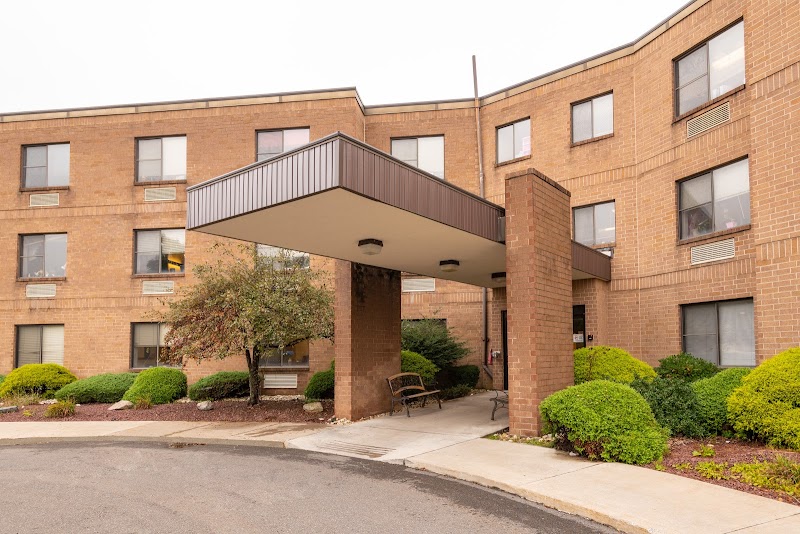
How is Mountain City Nursing & Rehabilitation Center Staffed?

CMS rates MOUNTAIN CITY NURSING & REHABILITATION CENTER's staffing level at 3 out of 5 stars, which is average compared to other nursing homes. Staff turnover is 45%, compared to the Pennsylvania average of 46%. This relatively stable workforce can support continuity of care.

What Have Inspectors Found at Mountain City Nursing & Rehabilitation Center?

State health inspectors documented 51 deficiencies at MOUNTAIN CITY NURSING & REHABILITATION CENTER during 2023 to 2025. These included: 1 Immediate Jeopardy (the most serious level, indicating potential for serious harm or death), 4 that caused actual resident harm, and 46 with potential for harm. Immediate Jeopardy findings are rare and represent the most serious regulatory concerns. They require immediate corrective action.
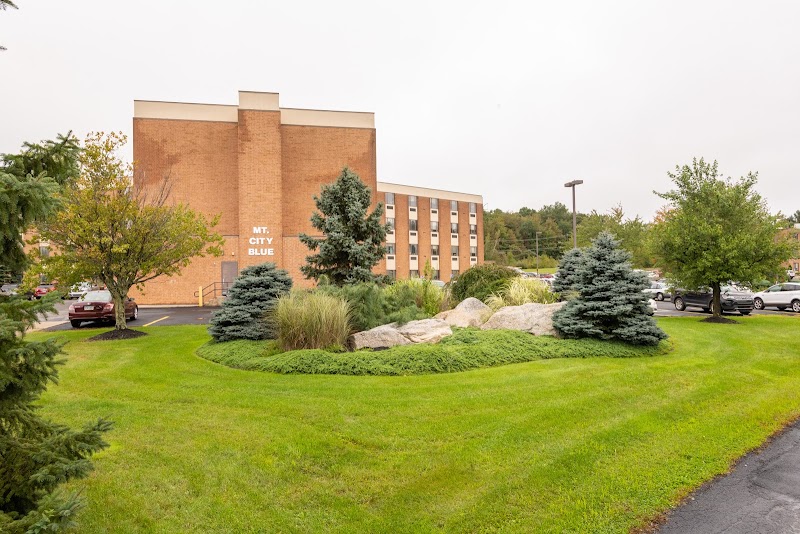
Who Owns and Operates Mountain City Nursing & Rehabilitation Center?

MOUNTAIN CITY NURSING & REHABILITATION CENTER is owned by a for-profit company. For-profit facilities operate as businesses with obligations to shareholders or private owners. The facility is operated by SABER HEALTHCARE GROUP, a chain that manages multiple nursing homes. With 297 certified beds and approximately 214 residents (about 72% occupancy), it is a large facility located in HAZLETON, Pennsylvania.
How Does Mountain City Nursing & Rehabilitation Center Compare to Other Pennsylvania Nursing Homes?

Compared to the 100 nursing homes in Pennsylvania, MOUNTAIN CITY NURSING & REHABILITATION CENTER's overall rating (1 stars) is below the state average of 3.0, staff turnover (45%) is near the state average of 46%, and health inspection rating (1 stars) is much below the national benchmark.

What Should Families Ask When Visiting Mountain City Nursing & Rehabilitation Center?

Based on this facility's data, families visiting should ask: "What changes have been made since the serious inspection findings, and how are you preventing similar issues?" "What safeguards and monitoring systems are in place to protect residents from abuse or neglect?" "Can I visit during a mealtime to observe dining assistance and food quality?" "How do you handle medical emergencies, and what is your hospital transfer rate?" These questions are particularly relevant given the facility's Immediate Jeopardy citations and the substantiated abuse finding on record.

Is Mountain City Nursing & Rehabilitation Center Safe?

Based on CMS inspection data, MOUNTAIN CITY NURSING & REHABILITATION CENTER has documented safety concerns. The facility has 1 substantiated abuse finding (meaning confirmed case of resident harm by staff or other residents). Inspectors have issued 1 Immediate Jeopardy citation (the most serious violation level indicating risk of serious injury or death). The facility has a 1-star overall rating and ranks #100 of 100 nursing homes in Pennsylvania. Families considering this facility should ask detailed questions about what corrective actions have been taken since these incidents.

Do Nurses at Mountain City Nursing & Rehabilitation Center Stick Around?

MOUNTAIN CITY NURSING & REHABILITATION CENTER has a staff turnover rate of 45%, which is about average for Pennsylvania nursing homes (state average: 46%). Moderate turnover is common in nursing homes, but families should still ask about staff tenure and how the facility maintains care continuity when employees leave.

Was Mountain City Nursing & Rehabilitation Center Ever Fined?

MOUNTAIN CITY NURSING & REHABILITATION CENTER has been fined $179,593 across 2 penalty actions. This is 5.1x the Pennsylvania average of $34,875. Fines at this level are uncommon and typically indicate a pattern of serious deficiencies, repeated violations, or failure to correct problems promptly. CMS reserves penalties of this magnitude for facilities that pose significant, documented risk to resident health or safety. Families should request specific documentation of what issues led to these fines and what systemic changes have been implemented.

Is Mountain City Nursing & Rehabilitation Center on Any Federal Watch List?

MOUNTAIN CITY NURSING & REHABILITATION CENTER is not on any federal watch list. The most significant is the Special Focus Facility (SFF) program, which identifies the bottom 1% of nursing homes nationally based on persistent, serious quality problems. Not being on this list means the facility has avoided the pattern of deficiencies that triggers enhanced federal oversight. This is a positive indicator, though families should still review the facility's inspection history directly.