PAVILION AT ST LUKE VILLAGE, THE
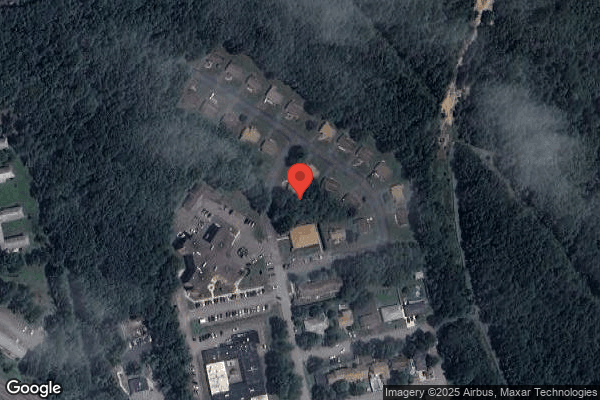

1000 STACIE DRIVE, HAZLETON, PA 18201 (570) 453-5100
For profit - Limited Liability company 120 Beds CONSULATE HEALTH CARE/INDEPENDENCE LIVING CENTERS/NSPIRE HEALTHCARE/RAYDIANT HEALTH CARE Data: November 2025
Trust Grade
30/100
#473 of 653 in PA
Last Inspection: September 2025

Inspected within the last 6 months. Data reflects current conditions.

Overview

The Pavilion at St. Luke Village has a Trust Grade of F, indicating significant concerns about the quality of care provided. Ranking #473 out of 653 facilities in Pennsylvania places it in the bottom half, and #15 out of 22 in Luzerne County suggests that only a few options in the area are better. While the facility is improving, with issues decreasing from 31 in 2024 to 10 in 2025, there are still serious problems, including the failure to properly prevent and treat pressure ulcers for some residents. Staffing is rated average with a turnover rate of 41%, which is better than the state average, but the facility has incurred $65,478 in fines, raising concerns about compliance. Specific incidents include a resident developing a pressure ulcer due to inadequate care and another resident facing worsening conditions because necessary treatments were not provided, highlighting both the strengths and weaknesses of the facility.

Trust Score
F
30/100
In Pennsylvania
#473/653
Bottom 28%
Safety Record
High Risk
Review needed
Inspections
Getting Better
31 → 10 violations
Staff Stability
○ Average
41% turnover. Near Pennsylvania's 48% average. Typical for the industry.
Penalties
✓ Good
$65,478 in fines. Lower than most Pennsylvania facilities. Relatively clean record.
Skilled Nurses
○ Average
Each resident gets 34 minutes of Registered Nurse (RN) attention daily — about average for Pennsylvania. RNs are the most trained staff who monitor for health changes.
Violations
⚠ Watch
42 deficiencies on record. Higher than average. Multiple issues found across inspections.
★★☆☆☆
2.0
Overall Rating
★★★☆☆
3.0
Staff Levels
★★★☆☆
3.0
Care Quality
★★☆☆☆
2.0
Inspection Score
Stable
2024: 31 issues
2025: 10 issues

The Good

  • Full Sprinkler Coverage · Fire safety systems throughout facility
  • No fines on record
  • Staff turnover below average (41%)

    7 points below Pennsylvania average of 48%

Facility shows strength in fire safety.

The Bad

2-Star Overall Rating

Below Pennsylvania average (3.0)

Below average - review inspection findings carefully

Staff Turnover: 41%

Near Pennsylvania avg (46%)

Typical for the industry

Federal Fines: $65,478

Above median ($33,413)

Moderate penalties - review what triggered them

Chain: CONSULATE HEALTH CARE/INDEPENDENCE

Part of a multi-facility chain

Ask about local staffing decisions and management

The Ugly 42 deficiencies on record

2 actual harm
Sept 2025 8 deficiencies
CONCERN (D)

Potential for Harm - no one hurt, but risky conditions existed

Deficiency F0657 (Tag F0657)

Could have caused harm · This affected 1 resident

**NOTE- TERMS IN BRACKETS HAVE BEEN EDITED TO PROTECT CONFIDENTIALITY** Based on clinical record review, review of select facility policy, and staff interview, it was determined the facility failed to...

Read full inspector narrative →
**NOTE- TERMS IN BRACKETS HAVE BEEN EDITED TO PROTECT CONFIDENTIALITY** Based on clinical record review, review of select facility policy, and staff interview, it was determined the facility failed to ensure that a resident's comprehensive care plan was reviewed and revised as needed to accurately reflect the current needs and services required by one of 22 residents sampled (Resident 96). Findings include: A review of the facility policy entitled Comprehensive Care Plans last reviewed on May 28, 2025, revealed the facility will develop and implement a comprehensive person-centered care plan for each resident that includes measurable objectives and timeframes to meet a resident's medical, nursing, mental, and psychosocial needs and all services that are identified in the resident's comprehensive assessment and meet professional standards of quality. A clinical record review revealed Resident 96 was admitted to the facility on [DATE], with diagnoses which included schizophrenia (a disorder that affects a person's ability to think, feel, and behave clearly), depression, and anxiety. A nurses note date June 2, 2025, indicated the resident was transferred to the hospital and admitted with a Hospital 302 (involuntary psychiatric commitment under Section 302 of Pennsylvania's Mental Health Procedures Act which allows a person to be admitted to a hospital for emergency psychiatric evaluation and treatment if they are a danger to themselves or others due to a mental illness) for verbal and physical aggression toward staff and verbal aggression toward another resident. Resident 96 was readmitted to the facility from a behavioral hospital on June 17, 2025, with diagnosis which included schizophrenia. Review of the behavioral hospital's Patient Safety Plan for the resident noted that red flags and warning signs (things that indicate a crisis may be developing, they can be big signs or little ones. Sometimes they are thoughts, images, moods, certain situations or behaviors that indicate things are not going well) include increase in paranoia (mental health condition characterized by an irrational and persistent fear or distrust of others), presence of auditory hallucinations (false perceptions of sound, such as hearing voices or noises that are not present) and visual hallucinations (perception of a vivid image, scene, or object that is not actually there, occurring without an external stimulus to cause it), and increase in agitation. Internal Coping Strategies included deep breathing and activity. The plan also noted that the resident identified his family as the most important thing that is worth living for. A review of Resident 96's comprehensive care plan, initially dated December 11, 2018, indicated a focus concern that the resident has a behavior problem related to hallucinations/delusions (no description of recent episodes or type of hallucinations/delusions), angry outbursts, mood swings, hears voices, slamming of his door, refusing care, picks at right cheek and applies toothpaste to the area with a diagnosis of schizoaffective disorder (a type of schizophrenia which is diagnosed when depression is present for the majority of time when they also experience symptoms like hallucinations, delusions, and disorganized thinking). The care plan failed to identify the resident had a diagnosis of schizophrenia. The goal last revised September 4, 2025, was for the resident to have fewer episodes of mood swings, outbursts, and hallucinations daily. A review of interventions last revised December 16, 2024, failed to reflect the resident's red fags and warnings signs, internal coping strategies, and the importance of the resident's family as identified in the behavioral hospital's Patient Safety Plan. The care plan failed to indicate that the resident's behaviors escalated to the extent that a Hospital 302 and Inpatient Behavioral Hospital stay was needed to address and evaluate the resident's mental health needs. An interview with the director of nursing on September 11, 2025, at 10:00 AM failed to provide documented evidence that the facility reviewed and revised Resident 96's care plan to accurately reflect his current mental health status, risks, and required interventions. 28 Pa. Code 211.10 (a)(b)(c)(d) Resident care policies. 28 Pa. Code 211.12 (c)(d)(1)(3)(5) Nursing services.
CONCERN (D)

Potential for Harm - no one hurt, but risky conditions existed

Tube Feeding (Tag F0693)

Could have caused harm · This affected 1 resident

**NOTE- TERMS IN BRACKETS HAVE BEEN EDITED TO PROTECT CONFIDENTIALITY** Based on observations, clinical record review, select policy review, and staff interviews, it was determined the facility failed...

Read full inspector narrative →
**NOTE- TERMS IN BRACKETS HAVE BEEN EDITED TO PROTECT CONFIDENTIALITY** Based on observations, clinical record review, select policy review, and staff interviews, it was determined the facility failed to provide care and services designed to prevent potential complications associated with enteral tube feedings for one resident receiving enteral nutrition out of 22 residents sampled (Resident 8).Findings include: Review of the facility policy titled Enteral Feeding -Enteral Nutrition Pump last reviewed by the facility April 28, 2025, indicated that nurses are responsible for administering enteral feedings (a method of providing nutrition directly into the gastrointestinal tract) when volume control is indicated and as ordered by the physician. The policy further states that closed system enteral feeding containers and tubing can hang safely for up to 48 hours. Clinical record review revealed that Resident 8 was admitted to the facility on [DATE], with diagnoses to include dysphagia (difficulty swallowing), and Alzheimer's disease (a progressive brain disease that destroys memory and other important mental functions).Resident 8 required a PEG tube (Percutaneous endoscopic gastrostomy is an endoscopic medical procedure in which a tube is passed into the patient's stomach through the abdominal wall, most commonly to provide a means of feeding when oral intake is not adequate).The resident had a physician order, dated June 25, 2025, for continuous enteral feeding with Jevity 1.2 at 65 ml/hour (a liquid high calorie enteral feeding formula). Observation of the resident on September 9, 2025, at 12:08 PM revealed the resident was lying in bed. The tube feeding and pump were running and delivering enteral feedings to the resident. The tube feeding container lacked a label indicating the date and time it was opened and hung, which is necessary to ensure safe administration within the recommended 48-hour timeframe. Further observation identified a feeding pole attached to the resident's wheelchair that was coated with a dried tan residue. The same residue was observed on multiple wheelchair surfaces, including the seat cushion, seat support, back support, armrests, and wheels.Interview with the Nursing Home Administrator on September 12, 2025, at 10:30 AM, confirmed that housekeeping is responsible for scheduled cleaning of all wheelchairs and that all staff are expected to clean wheelchairs immediately when they become soiled. The facility failed to ensure proper labeling of enteral feeding containers when opened and hung, and failed to maintain resident equipment, specifically the wheelchair and feeding pole, in a sanitary condition. These deficiencies increase the risk of infection and other complications related to enteral feeding. 28 Pa. Code 211.12 (c)(d)(1)(5) Nursing services. 28 Pa. Code 211.10 (c)(d) Resident care policies.
CONCERN (D)

Potential for Harm - no one hurt, but risky conditions existed

Deficiency F0699 (Tag F0699)

Could have caused harm · This affected 1 resident

**NOTE- TERMS IN BRACKETS HAVE BEEN EDITED TO PROTECT CONFIDENTIALITY** Based on a review of clinical records, select facility policy, and staff interviews, it was determined the facility failed to de...

Read full inspector narrative →
**NOTE- TERMS IN BRACKETS HAVE BEEN EDITED TO PROTECT CONFIDENTIALITY** Based on a review of clinical records, select facility policy, and staff interviews, it was determined the facility failed to develop and implement an individualized person-centered plan to render trauma-informed care to a resident with a diagnosis of Post-Traumatic Stress Disorder for one out of 22 residents reviewed (Resident 98). Findings include: A review of the facility policy titled Trauma Informed Care, last reviewed by the facility on May 28, 2025, revealed it is the policy of the facility to provide care and services that, in addition to meeting professional standards, are delivered using approaches that are culturally competent, account for experiences and preferences, and address the needs of trauma survivors by minimizing triggers and/or re-traumatization.A review of Resident 98's clinical record revealed the resident was admitted to the facility on [DATE], with diagnoses that included Post Traumatic Stress Disorder (PTSD, a mental health condition that's caused by an extremely stressful or terrifying event, either being part of it or witnessing it. Symptoms may include flashbacks, nightmares, severe anxiety and uncontrollable thoughts about the event) and anxiety (a mental condition that causes a feeling of worry, nervousness, or unease).A review of an outside psychiatry consultation for Resident 98 dated August 21, 2025, revealed no mention of history for PTSD. The resident's current care plan, in effect at the time of review on September 10, 2025, did not identify the resident's PTSD symptoms or triggers related to this diagnosis and resident-specific interventions to meet the resident's needs for minimizing triggers and re-traumatization. The facility failed to develop and implement an individualized person-centered plan to address Resident 98's diagnosis of PTSD according to standards of practice to promote the resident's emotional well-being and safety. An interview with the Nursing Home Administrator and Social Services Director on September 10, 2025, at 10:00 A.M., confirmed the facility was unable to demonstrate the facility provided culturally competent, trauma-informed care in accordance with professional standards of practice and accounting for the resident's experiences and preferences to eliminate or alleviate triggers that may cause re-traumatization of the resident. 28 Pa Code 211.12 (d)(3)(5) Nursing services. 28 Pa Code 211.10 (a)(c) Resident care policies.
CONCERN (E)

Potential for Harm - no one hurt, but risky conditions existed

Resident Rights (Tag F0550)

Could have caused harm · This affected multiple residents

**NOTE- TERMS IN BRACKETS HAVE BEEN EDITED TO PROTECT CONFIDENTIALITY** Based on a review of clinical records, resident council meeting minutes, and resident, resident representative, and staff interv...

Read full inspector narrative →
**NOTE- TERMS IN BRACKETS HAVE BEEN EDITED TO PROTECT CONFIDENTIALITY** Based on a review of clinical records, resident council meeting minutes, and resident, resident representative, and staff interviews, it was determined the facility failed to provide care in a manner that promotes each resident's quality of life by failing to respond timely to residents' requests for assistance, including experiences reported by two residents out of the 22 residents sampled (Residents 5 and 17) and experiences reported by seven out of the 11 residents during a resident group interview (Residents 26, 30, 34, 37, 49, 50, and 69). Findings include: A review of Resident Council meeting minutes dated June 2025 through August 2025 revealed residents raised concerns regarding facility staff failing to respond timely to residents' requests for assistance. A review of the Resident Council meeting minutes dated June 25, 2025, revealed that six residents in attendance were continuing to experience long wait times for care. The issue was marked as unresolved, and a grievance was filed on the residents' behalf. A review of Resident Council meeting minutes dated July 16, 2025, revealed that five residents in attendance continued to express concerns regarding facility staff failing to respond timely to residents' requests for assistance. Documentation in the meeting minutes indicated that a grievance was filed on behalf of the residents in attendance that expressed these concerns. A review of grievances provided by the facility revealed no record of a grievance related to the resident's concerns for wait times for care or related concerns. A review of Resident Council meeting minutes dated August 20, 2025, revealed that six residents in attendance continued to express concerns regarding facility staff failing to respond timely to residents' requests for assistance. Documentation in the meeting minutes indicated that a grievance was filed on behalf of the residents in attendance that expressed these concerns. A review of grievances provided by the facility revealed no record of a grievance related to the resident's concerns for wait times for care or related concerns. During a resident group interview on September 10, 2025, at 10:00 AM, seven out of 11 residents in attendance expressed they continually experience long wait times for care despite continually bringing up this issue with staff and at resident council meetings (Residents 26, 30, 34, 37, 49, 50, and 69). During the meeting, Resident 26 indicated that she sometimes waits one hour to one and a half hours before staff responds to her call bell for assistance. She explained that recently she waited 3 hours for staff to assist her to bed. During the meeting, Resident 50 indicated that she waits the longest for staff assistance on the second shift. She explained that she often waits an hour for care and believes the issue is because there does not seem to be enough staff. During the meeting, Resident 69 indicated he waits about an hour for care. He explained that he has brought this issue up at Resident Council meetings in the past, but nothing has changed with the wait times. During the meeting, Resident 37 indicated he waits about an hour for care after ringing his call bell for assistance. He expressed frustration with the long wait times. During the meeting, Resident 49 indicated that the quickest response she experiences is about 20 minutes. She explained that staff will not provide any care during a meal, so if she needs assistance at that time, she is forced to wait longer. She expressed frustration that no one seems to care when the residents bring this issue up with staff. During the meeting, Resident 34 indicated he waits 30 minutes for staff to respond to his call bell rings for assistance. He also indicated that during meal times the wait is longer than 30 minutes. During the meeting, Resident 30 indicated she consistently waits 30 minutes or longer for staff to respond to her call bell rings for assistance. She explained that this issue has been ongoing for months. A clinical record review revealed that Resident 5 was admitted to the facility on [DATE], with diagnoses that included chronic obstructive pulmonary disease (COPD is a condition caused by damage to the airways or other parts of the lung that blocks airflow and makes it hard to breathe) and chronic kidney disease (gradual loss of kidney function). A review of an admission (following an acute hospitalization) Minimum Data Set assessment (MDS-a federally mandated standardized assessment process conducted periodically to plan resident care) dated August 17, 2025, revealed that Resident 5 was cognitively intact with a BIMS score of 15 (Brief Interview for Mental Status- a tool within the Cognitive Section of the MDS that is used to assess the resident's attention, orientation, and ability to register and recall new information; a score of 13-15 indicates cognition is intact). During an interview on September 9, 2025, at 11:00 AM, Resident 5 explained that she experiences 20- to 30-minute wait times for care. She expressed frustration that it takes so long for staff to respond to her call bell when she asks for assistance. Resident 5 indicated that she has brought this issue up with staff, but nothing changes. She explained that she believes that there are not enough staff available to help residents. A clinical record review revealed that Resident 17 was admitted to the facility on [DATE], with diagnoses that included chronic obstructive pulmonary disease and chronic kidney disease. A review of a significant change in status Minimum Data Set assessment dated [DATE], revealed that Resident 17 was severely cognitively impaired with a BIMS score of 05 (a score of 00-07 indicates cognition is severely impaired). During an interview on September 9, 2025, at 11:45 AM, Resident 17's resident representative (resident-selected individual(s) that supports and advocates for the resident in healthcare decision-making, care-planning, and expressing desires and preferences for the resident) expressed concerns about the long wait times for care and staff assistance. She explained that last week Resident 17 waited from 11:00 AM until 1:00 PM for staff to assist him out of bed. Resident 17's representative indicated that it often takes 30 to 45 minutes for staff to respond to the call bell for assistance. She expressed frustration that Resident 17 has to wait so long for care and assistance. During an interview on September 12, 2025, at 9:00 AM, the Nursing Home Administrator (NHA) indicated there were no grievances filed on behalf of residents who raised concerns regarding the long wait times for care at the July 2025 and August 2025 resident council meetings. The NHA was unable to explain why residents were expressing ongoing concerns regarding the long wait times for care. The NHA was unable to provide documented evidence regarding actions the facility has taken to implement effective change and resolution to resident concerns regarding staff responding timely to residents' requests for assistance and care. Refer F565 28 Pa. Code 201.18(e)(1) Management. 28 Pa. Code 201.29 (a) Resident rights. 28 Pa. Code 211.12 (d)(4) Nursing services.
CONCERN (E)

Potential for Harm - no one hurt, but risky conditions existed

Deficiency F0565 (Tag F0565)

Could have caused harm · This affected multiple residents

Based on a review of facility policy, the minutes from facility Resident Council meetings, and grievances filed with the facility, and resident and staff interviews, it was determined the facility fai...

Read full inspector narrative →
Based on a review of facility policy, the minutes from facility Resident Council meetings, and grievances filed with the facility, and resident and staff interviews, it was determined the facility failed to put forth sufficient efforts to resolve continued resident complaints and grievances expressed during Resident Council meetings, including those voiced by seven of 11 residents attending a resident group meeting (Residents 26, 30, 34, 37, 49, 50, and 69), and failed to keep the residents apprised of the status of the facility's decisions and efforts toward grievance resolution.Findings include: A review of the facility's policy titled Complaint/Grievance, last reviewed on May 28, 2025, indicated the facility will support each resident's right to voice a complaint/grievance without fear of discrimination or reprisal. The facility will make prompt efforts to resolve the complaint/grievance and inform the resident of progress towards resolution. The resident should have reasonable expectations of care and services, and the center should address those expectations in a timely, reasonable, and consistent manner. The Grievance Officer or designee shall act on the grievance and begin follow-up of the concern or submit it to the appropriate department director for follow-up. The grievance follow-up should be completed in a reasonable time frame; this should not exceed 14 days. A review of Resident Council meeting minutes dated June 2025 through August 2025 revealed residents raised concerns regarding facility staff failing to respond timely to residents' requests for assistance and concerns that meal trays were being delivered to resident areas but not distributed to residents in a timely manner. A review of the Resident Council meeting minutes dated June 25, 2025, revealed that six residents in attendance were continuing to experience long wait times for care. The issue was marked as unresolved for six residents in attendance, and a grievance was filed on the residents' behalf. The Resident Council meeting minutes also revealed residents raising concerns that dinner has arrived late on multiple occasions. The issue continued to be a concern from a previous meeting and was indicated as unresolved for six residents in attendance. The minutes indicated a grievance was filed. A review of Resident Council meeting minutes dated July 16, 2025, revealed that five residents in attendance continued to express concerns regarding facility staff failing to respond timely to residents' requests for assistance. Also, the minutes indicated that three residents in attendance addressed concerns that dinner is late. Documentation in the meeting minutes indicated that a grievance was filed on behalf of the residents in attendance that expressed these concerns. A review of grievances provided by the facility revealed no record that a grievance was filed related to the resident's concerns for wait times for care or late meals following the July 2025 resident council meeting. A review of Resident Council meeting minutes dated August 20, 2025, revealed that six residents in attendance continued to express concerns regarding facility staff failing to respond timely to residents' requests for assistance. Also, six residents indicated that meal trays are sitting in carts at dinner (arriving timely but not being distributed to residents) and food is becoming cold. Documentation in the meeting minutes indicated that a grievance was filed on behalf of the residents in attendance that expressed these concerns. A review of grievances provided by the facility revealed no record a grievance was filed related to the resident's concerns for wait times for care or related concerns. During a resident group interview on September 10, 2025, at 10:00 AM, seven out of 11 residents in attendance expressed they continually experience long wait times for care despite continually bringing up this issues with staff and at resident council meetings (Residents 26, 30, 34, 37, 49, 50, and 69). The residents also explained that dinner is consistently served late. Resident 50 indicated the meals arrive on time, but the trays often sit for 45 minutes to an hour before they are distributed to residents by nursing staff. Residents 26, 30, 34, 37, 49, and 69 confirmed this is an ongoing problem, and they have brought it up at resident council meetings, but the issue has not been resolved. During an interview on September 12, 2025, at 9:00 AM, the Nursing Home Administrator (NHA) indicated that there were no grievances filed on behalf of residents who raised concerns regarding the long wait times for care or late meal distribution following the July 2025 and August 2025 resident council meetings. The NHA was unable to explain why residents expressed ongoing concerns regarding the long wait times for care or late distribution of meals. The NHA was unable to provide documented evidence regarding actions the facility has taken to implement effective change and resolution to resident concerns regarding staff responding timely to residents' requests for assistance and care and late distribution of meals. Refer F550 28 Pa. Code 201.18 (e)(1)(4) Management. 28 Pa. Code 201.29(a) Resident rights. 28 Pa. Code 211.10(d) Resident care policies. 28 Pa. Code 211.12(d)(3)(4) Nursing services.
CONCERN (E)

Potential for Harm - no one hurt, but risky conditions existed

Assessment Accuracy (Tag F0641)

Could have caused harm · This affected multiple residents

**NOTE- TERMS IN BRACKETS HAVE BEEN EDITED TO PROTECT CONFIDENTIALITY** Based on a review of clinical records and the Resident Assessment Instrument (RAI) and staff interview, it was determined the fa...

Read full inspector narrative →
**NOTE- TERMS IN BRACKETS HAVE BEEN EDITED TO PROTECT CONFIDENTIALITY** Based on a review of clinical records and the Resident Assessment Instrument (RAI) and staff interview, it was determined the facility failed to ensure the Minimum Data Set Assessments (MDS) accurately reflected the status of three residents out of 22 sampled (Residents 1, 4, and 96).Findings include: The Long-Term Care Facility RAI User's Manual (a standardized tool used in long-term care facilities to evaluate residents' strengths and needs),which provides instructions and guidelines for completing the Minimum data Set (MDS-a federally mandated standardized assessment conducted at specific intervals to plan resident care) dated October 2024, requires the assessment to accurately reflect the resident's status; a registered nurse conducts or coordinates each assessment with the appropriate participation of health professionals; and the assessment process includes direct observation, as well as communication with the resident and direct care staff on all shifts. A review of the clinical record revealed that Resident 1 was admitted to the facility on [DATE], with diagnoses to include respiratory failure with hypoxia (a condition where there is an inadequate supply of oxygen to the body's tissues) with dependence on a tracheostomy (a surgical procedure that creates an opening in the neck to access the windpipe through which a tube is inserted to help with breathing or to clear the airway) and continuous oxygen. A review of Resident 1's clinical record revealed a physician's order, dated May 19, 2025, for trach suctioning as needed. A physician's order, dated May 20, 2025, to provide trach care daily and for oxygen at 6 L (liters per minute) with 28% humidification (adds moisture to oxygen) continuously. A review of Resident 1's quarterly MDS assessment dated [DATE], revealed in Section O, Special Treatments, for 0110C2 continuous oxygen therapy, that the resident was not receiving continuous oxygen therapy; for 0110D3 suctioning as needed, it indicated the resident was not receiving as-needed suctioning; and for 0110E1 tracheostomy care, it indicated that the resident was not receiving tracheostomy care. A review of Resident 1's Treatment Administration Record during September 2025 revealed the resident was receiving tracheostomy care, continuous oxygen therapy, and suction as needed, as ordered by the physician. An interview with the Nursing Home Administrator (NHA) on September 12, 2025, at 8:30 AM confirmed the resident was receiving tracheostomy care, along with continuous oxygen therapy and as-needed suctioning during the period reviewed for the quarterly MDS assessment dated [DATE]. A review of Resident 96's clinical record revealed the resident was admitted to the facility on [DATE], and had diagnoses, which include schizophrenia (a disorder that affects a person's ability to think, feel, and behave clearly). A review of Resident 96's annual MDS assessment dated [DATE], indicated that Section A1500 was coded as 0, indicating the resident was not considered by the State to require a Level II PASARR (process, to have serious mental illness, and/or to have intellectual disability or mental retardation or a related condition. (Preadmission Screening and Resident Review [PASARR] is a federal requirement to help ensure that individuals are not inappropriately placed in nursing homes for long-term care. PASARR requires that 1) all applicants to a Medicaid-certified nursing facility be evaluated for serious mental disorder and/or intellectual disability; 2) be offered the most appropriate setting for their needs (in the community, a nursing facility, or acute care setting); and 3) receive the services they need in those settings. However, a review of Resident 96's clinical record revealed a Level I PASARR was completed on February 2, 2018, which indicated the resident did meet the criteria for a Level II PASARR. A determination letter dated February 12, 2018, from the Pennsylvania Department of Health Office of Mental Health and Substance Abuse confirmed Resident 96's need for specialized services due to a mental condition. An interview with the NHA on September 12, 2025, at 8:30 AM confirmed that the Annual MDS assessment dated [DATE], for Resident 96 was inaccurate with respect to the completion of Section A 1500 related to the PASARR. A clinical record review revealed Resident 4 was admitted to the facility on [DATE], with diagnoses that included quadriplegia (a condition that results in the paralysis of all four limbs). A review of Resident 4's admission MDS assessment dated [DATE], Section H Bladder and Bowel, H0100 Appliances - Indwelling Catheter (including suprapubic catheter and nephrostomy) with instructions to mark all that apply, revealed the resident was assessed to have an indwelling catheter. During an observation on September 9, 2025, at 10:45 AM, an indwelling urinary catheter was not present or observed. During an interview on September 12, 2025, at 8:30 AM, the NHA confirmed that Resident 4's MDS admission assessment was not accurate with respect to Section H Bladder and Bowel- H0100 Appliances. 28 Pa. Code 211.5(f)(iii)(ix) Medical records. 28 Pa. Code 211.12 (c)(d)(1)(3)(5) Nursing services.
CONCERN (E)

Potential for Harm - no one hurt, but risky conditions existed

Quality of Care (Tag F0684)

Could have caused harm · This affected multiple residents

**NOTE- TERMS IN BRACKETS HAVE BEEN EDITED TO PROTECT CONFIDENTIALITY** Based on a review of clinical records, select facility policy, and staff interviews, it was determined that the facility failed ...

Read full inspector narrative →
**NOTE- TERMS IN BRACKETS HAVE BEEN EDITED TO PROTECT CONFIDENTIALITY** Based on a review of clinical records, select facility policy, and staff interviews, it was determined that the facility failed to provide nursing services consistent with professional standards of practice by failing to thoroughly assess, obtain physician orders, and develop and implement a person-centered comprehensive care plan in accordance with standards of practice, for one resident out of 22 sampled (Resident 8) and failed to provide person-centered care to meet the clinical needs by failing to monitor intravenous therapy (a way of giving medication or fluids through a needle or tube inserted into a vein) in accordance with professional standards of practice for one of 22 residents sampled (Resident 1). Findings include: According to the American Nurses Association Principles for Nursing Documentation, nurses document their work and outcomes and provide an integrated, real-time method of informing the health care team about the patient status. Timely documentation of the following types of information should be made and maintained in a patient's EHR (electronic health record) to support the ability of the health care team to ensure informed decisions and high-quality care in the continuity of patient care: Assessments Clinical problems Communications with other health care professionals regarding the patient Communication with and education of the patient, family, and the patient's designated support person. Clinical record review revealed that Resident 8 was admitted to the facility on [DATE], with diagnoses to include first-degree atrioventricular block (AV block-a heart rhythm disorder), hypertension (high blood pressure), and Alzheimer's disease (a progressive brain disease that destroys memory and other important mental functions).A review of Resident 8's hospital records dated September 16, 2024, indicated the resident underwent a cardiac pacemaker implantation (device implanted in the body to deliver electrical impulses to the heart to help the heart beat at a normal rate and rhythm) on August 18, 2021. A review of Resident 8's admission assessment dated [DATE], failed to document the presence of a pacemaker upon the resident's admission to the facility. Review of Resident 8's physician orders failed to identify the presence of, or care for, the resident's pacemaker. Review of Resident 8's plan of care, in effect at the time of the survey ending September 12, 2025, identified that Resident 8 had altered cardiovascular status due to hypertension and first-degree AV block. The facility failed to identify the presence of, or the care for, the resident's implantable pacemaker on the resident's current plan of care. Interview with the Director of Nursing on September 12, 2025, at 9:30 AM confirmed the facility failed to identify or include the pacemaker in the resident's admission assessment and comprehensive care plan. A review of the facility policy titled Short Peripheral Intravenous Catheter (PIVC) Insertion, last reviewed by the facility on May 28, 2025, revealed it is the policy of the facility that assessment of the PIVC site is performed during dressing changes, at least every two hours during continuous therapy, before and after administration of interim intravenous medication, at least once every shift when not in use, and routinely for signs and symptoms of IV-related complications. Further review of the policy revealed that documentation in the medical record includes date and time performed, verbal consent, catheter type, gauge, and length, site location, site assessment, and dressing type. A review of the facility policy titled Peripheral Intravenous Catheter Flushing, last reviewed by the facility on May 28, 2025, revealed it is the policy of the facility to obtain specific flush orders, and that flushing is performed to ensure and maintain catheter patency.A review of the facility policy titled Short PIVC Dressing Change, last reviewed by the facility on May 28, 2025, revealed it is the policy of the facility that transparent dressings are changed with each site rotation every seven days or sooner if the integrity of the dressing is compromised.A review of the clinical record revealed that Resident 1 was admitted to the facility on [DATE], with diagnoses to include respiratory failure with hypoxia (a condition where there is an inadequate supply of oxygen to the body's tissues) with dependence on a tracheostomy (a surgical procedure that creates an opening in the neck to access the windpipe through which a tube is inserted to help with breathing or to clear the airway) and continuous oxygen. A review of Resident 1's clinical record revealed a physician's order, dated September 5, 2025, for Zosyn (an antibiotic) 3.375 grams IV three times a day for five days due to sputum culture infection. A review of Resident 1's clinical record revealed a physician's order, dated September 6, 2025, for a peripheral IV to be placed due to IV antibiotics. Observation of Resident 1 on September 9, 2025, at 11:40 AM, revealed the peripheral IV catheter was present in the resident's left hand with a date on the dressing of September 7, 2025. A review of the clinical record for Resident 1 revealed no documented evidence of a physician order for care and monitoring of the peripheral IV site. Following surveyor inquiry, a review of Resident 1's physician's orders, dated September 10, 2025, revealed orders to change the IV dressing every seven days and as needed, to evaluate the IV site for leaking, bleeding, and signs of infection every shift, and to flush the IV site with 10 milliliters of normal saline every shift and as needed. An interview with the Director of Nursing on September 11, 2025, at 10:00 AM confirmed that the facility failed to provide documented evidence of required care related to Resident 1's peripheral IV as per facility policy. 28 Pa. Code 211.10(c)(d) Resident care policies. 28 Pa. Code 211.12(d)(1)(3)(5) Nursing Services. 28 Pa. Code 211.5211.5 (f)(i)(iv)(vi) Medical records.
CONCERN (E)

Potential for Harm - no one hurt, but risky conditions existed

Medical Records (Tag F0842)

Could have caused harm · This affected multiple residents

**NOTE- TERMS IN BRACKETS HAVE BEEN EDITED TO PROTECT CONFIDENTIALITY** Based on a review of clinical records and staff interviews, it was determined that the facility failed to maintain accurate and ...

Read full inspector narrative →
**NOTE- TERMS IN BRACKETS HAVE BEEN EDITED TO PROTECT CONFIDENTIALITY** Based on a review of clinical records and staff interviews, it was determined that the facility failed to maintain accurate and complete clinical records for one of 22 sampled residents (Resident 5). Findings include: A clinical record review revealed that Resident 5 was admitted to the facility on [DATE], with diagnoses that included chronic obstructive pulmonary disease (COPD is a condition caused by damage to the airways or other parts of the lung that blocks airflow and makes it hard to breathe) and chronic kidney disease (gradual loss of kidney function). A physician's order for Resident 5 to receive Cefazolin (an antibiotic medication) sodium injection solution reconstituted to 2.0 g with directions to use 2.0 grams intravenously every eight hours for MRSA (methicillin-resistant Staphylococcus aureus -a type of bacterial infection that can be resistant to antibiotic medications) for 15 days was initiated on August 15, 2025. A review of Resident 5's medication administration record (MAR) dated August 2025 revealed there was missing documentation for seven scheduled administrations of Cefazolin Sodium Injection Solution Reconstituted 2.0 g. There was no documentation for the administration of cefazolin sodium injection solution reconstituted to 2.0 g on the following dates: August 18, 2025, at 2:00 PMAugust 22, 2025, at 2:00 PMAugust 25, 2025, at 2:00 PMAugust 27, 2025, at 2:00 PMAugust 28, 2025, at 6:00 AMAugust 28, 2025, at 2:00 PM During an interview on September 12, 2025, at 9:00 AM, the Nursing Home Administrator (NHA) indicated that nursing staff omitted the information from the clinical record. The NHA provided an attestation from Employee 1, Registered Nurse (RN), indicating that she administered Resident 5's cefazolin antibiotic medication but forgot to document it in the Electronic Health Record. The NHA confirmed that it is the facility's responsibility to ensure accurate and complete medical records. 28 Pa. Code 211.5(f)(ii) Medical records. 28 Pa. Code 211.12(d)(1)(5) Nursing services.
Mar 2025 2 deficiencies 1 Harm
SERIOUS (G) 📢 Someone Reported This

A family member, employee, or ombudsman was alarmed enough to file a formal complaint

Actual Harm - a resident was hurt due to facility failures

Pressure Ulcer Prevention (Tag F0686)

A resident was harmed · This affected 1 resident

**NOTE- TERMS IN BRACKETS HAVE BEEN EDITED TO PROTECT CONFIDENTIALITY** Based on a comprehensive review of clinical records, facility policies, and staff interviews, it was determined that the facilit...

Read full inspector narrative →
**NOTE- TERMS IN BRACKETS HAVE BEEN EDITED TO PROTECT CONFIDENTIALITY** Based on a comprehensive review of clinical records, facility policies, and staff interviews, it was determined that the facility failed to develop and implement care and services consistent with professional standards of practice to prevent the development of a pressure ulcer for one of 14 sampled residents (Resident CR 1), resulting in actual harm. Findings include: According to the US Department of Health and Human Services, Agency for Healthcare Research & Quality, the pressure ulcer best practice bundle incorporates three critical components in preventing pressure ulcers: Comprehensive skin assessment, Standardized pressure ulcer risk assessment, and care planning and implementation to address the areas of risk. The American College of Physicians (ACP) is a national organization of internists who specialize in the diagnosis, treatment, and care of adults. Clinical Practice Guidelines indicate that the treatment of pressure ulcers should involve multiple tactics aimed at alleviating the conditions contributing to ulcer development (i.e., support surfaces, repositioning, and nutritional support); protecting the wound from contamination and creating and maintaining a clean wound environment; promoting tissue healing via local wound applications, debridement, and wound cleansing; using adjunctive therapies; and considering possible surgical repair. A review of facility policy titled Unavoidable Pressure Injury, last reviewed by the facility on June 6, 2024, revealed it is the facility's policy that a resident who enters the facility without pressure injuries does not develop pressure injuries unless the individual's risk factors demonstrate they were unavoidable. A clinical record review revealed Resident CR 1 was admitted to the facility on [DATE], with diagnoses that included muscle weakness, dysphagia (difficulty swallowing) and urinary retention, with a foley catheter (a flexible tube inserted into the bladder to drain urine into a collection bag). A review of Resident CR 1's admission Minimum Data Set assessment (MDS-a federally mandated standardized assessment process conducted periodically to plan resident care) dated January 23, 2025, revealed that Resident CR 1 is cognitively intact with a BIMS score of 14 (Brief Interview for Mental Status-a tool within the Cognitive Section of the MDS that is used to assess the resident's attention, orientation, and ability to register and recall new information; a score of 13-15 indicates cognition is intact), and required substantial/maximal assistance for rolling in bed, required partial/moderate staff assistance for activities of daily living, required dependent total staff assistance for transfers, and was at-risk for the development of pressure ulcers and injuries. A review of Resident CR 1's plan of care initiated on January 17, 2025, revealed the resident was identified with skin impairments related to MASD (Moisture Associated Skin Damage). Planned interventions included providing a pressure-reducing mattress and wheelchair cushion, encouraging proper nutrition and hydration, conducting weekly skin assessments, and repositioning the resident every two hours. The goal was to maintain or achieve clean and intact skin. On February 15, 2025, the care plan was revised to address newly identified Stage II pressure ulcers on the buttocks and sacrum, with updated interventions including repositioning every hour and the use of positioning wedges. The revised goal was for the pressure injuries to show signs of healing with minimal risk of infection. A Braden Scale for Predicting Pressure Sore Risk form on admission dated January 17, 2025, identified Resident CR 1 as being at moderate risk for pressure injury development. Physician's orders dated January 17, 2025, included repositioning every two hours and the application of zinc cream each shift for MASD. A review of a facility skin assessment titled Weekly Skin Evaluation dated January 31, 2025, revealed the resident had existing skin issues that included MASD. No areas of pressure injury were noted on the weekly skin assessment. A review of an outside consultant wound report dated February 5, 2025, revealed no mention of any skin issues in the areas of the buttocks and sacrum. A review of a facility skin assessment titled Weekly Skin Evaluation dated February 7, 2025, revealed the resident had existing skin issues that included scar tissue on the buttocks and thighs. No areas of pressure injury were noted on the weekly skin assessment. A review of an outside consultant wound report dated February 12, 2025, revealed resident with IAD (Incontinence Associated Dermatitis) to the bilateral buttocks and sacrum. The right buttocks measured 1 cm in length, 1 cm in width, and 0.1 cm in depth; the left buttocks measured 3.5 cm in length, 2.5 cm in width, and 0.1 cm in depth; and the sacrum measured 2 cm in length, 2 cm in width, and 0.1 cm in depth. The wound base for the right buttocks, the left buttocks, and the sacrum all presented with granulation tissue (a type of new, temporary tissue that forms in response to an injury or wound). New treatment orders included cleansing the area with NSS (normal saline solution), apply medical-grade honey to the base of the wound, and secure with a bordered gauze twice a day and as needed. A review of a facility skin assessment titled Weekly Skin Evaluation dated February 14, 2025, revealed the resident had no mention of any skin issues in the areas of the buttocks and sacrum. No areas of pressure injury were noted on the weekly skin assessment. A review of a facility skin assessment titled Pressure Ulcer Wound Rounds dated February 15, 2025, revealed the resident had stage II pressure wounds and defined that as partial thickness loss of dermis presenting as a shallow open ulcer with a red/pink wound bed, without slough. The wounds assessed included the right buttock, which measured 1.5 cm in length, 1.5 cm in width, and 0.1 cm in depth; the left buttock, which measured 3.0 cm in length, 3.0 cm in width, and 0.1 cm in depth; and the sacrum, which measured 2.0 cm in length, 2.0 cm in width, and 0.1 cm in depth. All wounds were noted to have granulation tissue in the wound base. A review of a facility document titled Unavoidable Wound Documentation listed the resident had or was undergoing the following conditions as risk factors for developing pressure ulcers of malnutrition, weight loss, and refusal of treatments (as in hygiene, wound care, medications, and repositioning). Facility interventions noted in place prior to the development or worsening of pressure ulcers included turning and repositioning as indicated and that the resident took supplements as ordered. There was a discrepancy in the dates of this document, as one side was dated February 15, 2025, and the back side was dated January 17, 2025, before the resident had even acquired a pressure injury. An interview with the Director of Nursing (DON) on March 26, 2025, at approximately 1:45 PM revealed the document titled Unavoidable Wound Documentation should reflect February 17, 2025; however, it was not corrected on the document. The DON confirmed the facility was unable to provide evidence of weight loss or any refusal of treatments, and a review of physician's orders revealed an order for a Juven (nutritional supplement) one packet by mouth one time a day and increased to twice a day on February 21, 2025. The DON also confirmed the facility was unable to provide documented evidence of turning and repositioning every 2 hours as ordered by the physician from January 17, 2025, to February 15, 2025. A review of Resident CR 1's task summary reports (reports that capture care-related tasks completed by nurse aides) dated January 17 through February 15, 2025, failed to reveal that staff performed pressure ulcer prevention tasks of scheduled turning and repositioning to prevent the development of pressure areas. Resident CR 1's clinical record review failed to reveal that licensed nursing staff developed and implemented interventions for the prevention of the development of pressure areas related to the resident's declined mobility, to include turning and repositioning every 2 hours as ordered by the physician from January 17 through February 15, 2025. A review of a facility skin assessment titled Pressure Ulcer Wound Rounds dated February 19, 2025, revealed the resident had unstageable pressure wounds and defined that as full-thickness tissue loss in which the base of the ulcer is covered by slough (yellow/white material consisting of dead cells) or eschar (dead tissue) in the wound bed. The wounds assessed included the right buttock that measured 2.0 cm in length, 2.0 cm in width, and 0.1 cm in depth; the left buttock measured 2.5 cm in length, 2.5 cm in width, and 0.1 cm in depth; and the sacrum measured 3.0 cm in length, 4.5 cm in width, and 0.1 cm in depth. All wounds were noted to have slough in the wound base. A review of an outside consultant wound report dated February 19, 2025, revealed resident with wound deterioration to the bilateral buttocks and sacrum and noted prior assessment of wounds were a stage II and now wounds present with slough and restaged to unstageable ulcers. The right buttocks measured at 2.0 cm in length, 2.0 cm in width, and 0.1 cm in depth; the left buttocks measured 2.5 cm in length, 2.5 cm in width, and 0.1 cm in depth; and the sacrum measured 3.0 cm in length, 4.5 cm in width, and 0.1 cm in depth. New treatment orders included cleansing the area with NSS, apply Santyl to the base of the wound, and secure with ABD (a gauze pad used to absorb drainage) daily and as needed. A review of a facility skin assessment titled Weekly Skin Evaluation dated February 21, 2025, revealed the resident had bilateral buttocks and sacrum wounds. A review of an outside consultant wound report dated February 26, 2025, revealed an assessment that the wounds of the right buttock, left buttock, and sacrum had merged into one ulceration with increased measurements and remain unstageable with 20% slough and 80% eschar in the wound base. The three wounds were then referred to as the sacrum wound and measured 9.0 cm in length, 10.0 cm in width, and 0.1 cm in depth. New treatment orders included cleansing the area with NSS, apply silver alginate to the base of the wound, and secure with ABD twice a day and as needed. A review of a facility skin assessment titled Pressure Ulcer Wound Rounds dated February 26, 2025, revealed the resident had an unstageable pressure wound. The wound assessed included the sacrum, which measured 9.0 cm in length, 10.0 cm in width, and 0.1 cm in depth. The wound was noted to have eschar in the wound base. A review of a sacrum/coccyx x-ray dated February 26, 2025, revealed findings that showed a question of subtle bone loss of the dorsal aspect of the sacrum/coccyx and soft tissues that appear swollen with ulceration dorsally, and cannot exclude osteomyelitis (bone infection). Resident CR 1 was sent out to the emergency room on February 28, 2025, for evaluation due to worsening of the sacral wound. An interview with the Director of Nursing (DON) on March 26, 2025, revealed the facility could not provide evidence of weight loss or treatment refusals by the resident. Additionally, the facility lacked documented evidence of consistent implementation of turning and repositioning every two hours as ordered from January 17 to February 15, 2025. Furthermore, records indicated the Juven nutritional supplement was not administered consistently on February 25, 26 and 27, 2025. A review of Resident CR 1's task summary reports from January 17 through February 15, 2025, failed to demonstrate that staff consistently performed scheduled turning and repositioning to prevent pressure ulcer development. Furthermore, licensed nursing staff did not develop and implement timely interventions addressing the resident's decreased mobility to prevent pressure injuries during this period. 28 Pa. Code 211.10(d) Resident care policies. 28 Pa. Code 211.12(c)(d)(1)(3)(5) Nursing services.
CONCERN (D) 📢 Someone Reported This

A family member, employee, or ombudsman was alarmed enough to file a formal complaint

Potential for Harm - no one hurt, but risky conditions existed

Deficiency F0895 (Tag F0895)

Could have caused harm · This affected 1 resident

Based on policy review, review of facility documentation, and staff interviews, it was determined that the facility failed to effectively implement and enforce its compliance and ethics program in a m...

Read full inspector narrative →
Based on policy review, review of facility documentation, and staff interviews, it was determined that the facility failed to effectively implement and enforce its compliance and ethics program in a manner that uses internal controls to more effectively monitor adherence to applicable statutes, regulations, and program requirements, in order to prevent and detect criminal, civil, and administrative violations under the Act, and promote quality of care for two employees identified (Employee 1 and Employee 2) out of two employees employed by the activity department and business office. Findings include: Review of facility's current Code of Ethics manual revealed all employees are required to undergo compliance training on the Code of Ethics as a condition of employment. The principles discussed are mandatory standards and employees must follow the code to remain employed. If an employee knows or suspects a situation is unethical, illegal, or unprofessional, the employee has an obligation to report that suspicion or concern. If an employee knows of a violation and does not report it, they could face disciplinary action for not reporting. Continued review of the Code of Ethics manual revealed that the Anti-Kickback statute makes it a crime to knowingly offer or receive payment or solicit anything of value to obtain or reward a referral of business under federal health care programs. In order to follow both the letter and spirit of the Anti-Kickback stature, and to avoid even the appearance of a violation, both the company and all employees will not accept or offer to provide any items of value in exchange for the referral of a patient, or a resident, or a business opportunity; nor will the company or any employee accept any item of value in return for buying services or supplies. The prohibition on offering or accepting items of value extends to anything that may influence or even appear to influence a decision regarding a healthcare service. A kickback or item of value can include cash, as well as goods, services, or gifts of more than a nominal value. Review of the facility's Employee Corrective Action Form dated February 13, 2025, revealed that Employee 1 (Activities Director) was terminated from employment due to a violation of Level 2 #9 Solicitation or acceptance of any gratuities or gifts. Review of the facility investigation dated February 4, 2025, revealed that the Nursing Home Administrator was initially informed of a situation on February 4, 2025, at approximately 1:30 PM and started an investigation. Review of a statement from Employee 2 (Business Office Manager) on February 4, 2025, no time indicated, revealed that Employee 2 called Employee 1 regarding unconfirmed information regarding Employee 1 receiving $100.00 cash from an insurance vendor for assisting him in getting members signed up for his company's insurance plan. Employee 2 told Employee 1 what she had heard. Employee 1 stated I'm going to lie but not lie to you. Employee 1 said she was giving the money back to the vendor. Continued review of Employee 2's statement revealed that she witnessed conversations about receiving compensation for the vendor's insurance enrollments in the past. In September 2024, at a party, the insurance vendor spoke of compensating staff for helping him get residents on the plan. There were a few facility employees siting at the table when he brought it up. At that time, no one entertained his conversation. Also in September 2024, there was a situation with a family member who was upset her mother was enrolled in the insurance plan. Employee 2 contacted the vendor and asked him to reach out to the resident and daughter to get on the same page about the plan. The vendor was concerned about losing the resident as a member and asked Employee 2 to talk to the resident and family. He offered to pay Employee 2 to do so. Employee 2 told the vendor to contact the family and clear it up. Review of a statement from Employee 1 (Activities Director) on February 5, 2025, no time indicated, revealed she accepted money from an insurance vendor for introducing the vendor to residents and/or their responsible parties. She stated that around the end of the Summer 2024, the insurance vendor began encouraging her to accept payment from him in compensation for the residents she introduced him to that were signed onto his insurance plan. Employee 1 stated she declined all offers at that time. She continued to state that the verbal encouragements from the vendor continued into the Fall 2024. By the end of November 2024, Employee 1 stated that she made a comment to the vendor that her rent increased, and the vendor reiterated his offer that he would pay her $25.00 per person. She responded that she would do it for $20.00 per person and that she was going to continue the way she was making the introductions before she was accepting payment. By the end of November 2024, four (4) residents had been added to the insurance plan which the vendor paid Employee 1 $80.00. Employee 1 stated that she was not paid again until the week of January 5-10, 2025, which she was paid $100.00. She acknowledged her actions were motivated by financial need and indicated the vendor had persistently encouraged the arrangement over several months. Employee 1 stated that on February 4, 2025, the vendor arrived at the facility and came into her office with cupcakes and $100.00. She stated that she did not accept them because she was informed that it was illegal. Interview with the Nursing Home Administrator (NHA) on March 26, 2025, at approximately 4:00 PM, confirmed that Employee 1 had been terminated after an investigation was conducted which determined Employee 1 accepted money from an insurance vendor. The NHA revealed she had no knowledge that the insurance vendor had approached Employee 1 and provided monetary payments to Employee 1 for introductions/referrals. The NHA confirmed that accepting money from an outside vendor for referrals was against the facility's Code of Ethics. Continued interview with the NHA revealed that she was unaware that the insurance vendor spoke to Employee 2 and other facility employees at a party in September 2024, regarding compensation for obtaining referrals. Review of the facility's Course Completion History for employee training revealed Employee 2 completed annual training on the Code of Ethics and Corporate Compliance. There was no evidence that Employee 2, or other facility employees who attended the party and witnessed the vendor openly discuss compensating staff for facilitating enrollments, reported the unethical, illegal or unprofessional behavior of the insurance vendor. Further, there was no evidence that Employee 2 reported to the NHA or compliance hotline, of the insurance vendor's unethical, illegal, or unprofessional offer to pay Employee 2 to call a family member, despite undergoing training on the mandatory obligation of employees to report an unethical, illegal or an unprofessional situation. Despite completing required annual Code of Ethics and Corporate Compliance training, neither Employee 1 nor Employee 2 reported these unethical solicitations to facility leadership or the compliance hotline, in direct violation of facility policy and their mandatory reporting responsibilities. The facility failed to effectively implement and enforce the facility's compliance and ethics program, to be effective in preventing and detecting criminal, civil, and administrative violations. 28 Pa. Code 201.14 (a) Responsibility of licensee
Nov 2024 7 deficiencies
CONCERN (D)

Potential for Harm - no one hurt, but risky conditions existed

Incontinence Care (Tag F0690)

Could have caused harm · This affected 1 resident

**NOTE- TERMS IN BRACKETS HAVE BEEN EDITED TO PROTECT CONFIDENTIALITY** Based on a review of clinical records, select facility policies, and staff interviews it was determined the facility failed to a...

Read full inspector narrative →
**NOTE- TERMS IN BRACKETS HAVE BEEN EDITED TO PROTECT CONFIDENTIALITY** Based on a review of clinical records, select facility policies, and staff interviews it was determined the facility failed to assess and implement individualized measures to meet the toileting needs of one resident out of 21 sampled residents. (Residents 26). Findings included: A facility policy entitled Bladder and Bowel Evaluation last reviewed by the facility June 6, 2024, indicated that residents are evaluated for continence on admission/readmission, quarterly, and with a significant change in status. Residents who are determined to be incontinent without a documented irreversible cause are to be further evaluated for potential bowel and/or bladder management and will have a Bowel and Bladder Evaluation completed and a Bowel and Bladder Elimination Pattern Evaluation completed. Based on the data collected from the patterning evaluation, residents are to be provided an individualized continence management program, a scheduled toileting program, a re-training program, or routine incontinence care which is to be documented on the resident's care plan. A review of Resident 26's clinical record revealed the resident was initially admitted to the facility on [DATE], with diagnoses that included Alzheimer's disease (decline in brain function which causes memory loss and causes brain tissue to breakdown). A review of the resident's comprehensive person-centered plan for bladder and bowel incontinence last revised on August 13, 2024, indicated that Resident 26 had activity incontinence (stress incontinence when movement or activity puts pressure on the bladder causing urine to leak) and would remain free from skin breakdown due to incontinence. Planned interventions included to check and change the resident as required for incontinence and clean peri-area with each incontinence episode. Further review of the clinical record revealed that Resident 26 was transferred to the hospital on August 21, 2024, and readmitted to the facility on [DATE], with diagnoses of anemia with blood transfusion, left hip fracture, and reduced mobility. A review of the resident's significant change Minimum Data Set assessment (MDS - a federally mandated standardized assessment process conducted periodically to plan resident care) assessment dated [DATE], revealed the resident had a BIMS of 7, (brief interview for mental status, a tool to assess the residents attention, orientation and ability to register and recall new information, a score of 00-07 equates to being severely cognitively impaired), always incontinent of bladder and bowel, and dependent with substantial to maximum assistance for toileting, showering, upper and lower dressing, and personal hygiene. Additionally, she was dependent with partial to moderate assistance with bed mobility. A review of Resident 26's Potential for Bowel and Bladder Retraining form dated September 3, 2024, at 12:45 PM, revealed that the resident was always incontinent of bowel and bladder and a retraining program was not recommended. A facility investigation for skin impairment completed by Employee 2, a RN/Unit Manager, dated October 28, 2024, at 7:00 AM, revealed Resident 26 was assessed following a report of an open area on the sacrum over the weekend. Stage II wound present 4.0 cm by 3.0 cm area. Immediate action taken was to provide topical treatment turn and reposition the resident every two hours, and check and change the resident every two-hours. Further review of Resident 26's survey documentation reports (a report that summarizes recorded tasks that staff document based on resident individualized care needs) dated September 2024 through October 28, 2024, failed to reveal that staff performed more frequent incontinence checks and incontinence care. The facility could not provide documented evidence that staff performed more frequent incontinence checks and incontinence care to prevent the development of pressure ulcers. Additionally, the facility failed to revise Resident 26's comprehensive person-centered plan to reflect her individualized incontinence needs with interventions such as frequent incontinence checks and incontinence care to prevent the development of pressure ulcers. Interview with the Nursing Home Administrator on November 21, 2024, at approximately 1:00 PM, confirmed the facility was unable to provide evidence the facility had consistently provided timely care for the resident's toileting needs, including incontinence management, to prevent Resident 26 from developing pressure ulcers. 28 Pa. Code 211.12 (d)(1)(3)(5) Nursing services 28 Pa. Code 211.10(a)(d) Resident care policies
CONCERN (D)

Potential for Harm - no one hurt, but risky conditions existed

Pharmacy Services (Tag F0755)

Could have caused harm · This affected 1 resident

**NOTE- TERMS IN BRACKETS HAVE BEEN EDITED TO PROTECT CONFIDENTIALITY** Based on a review of clinical records, select facility policy, and staff interview, it was determined the facility failed to pro...

Read full inspector narrative →
**NOTE- TERMS IN BRACKETS HAVE BEEN EDITED TO PROTECT CONFIDENTIALITY** Based on a review of clinical records, select facility policy, and staff interview, it was determined the facility failed to provide pharmaceutical services in acquiring medication to meet the needs of one resident out of 21 sampled (Resident 9). Findings include: A review of facility policy titled, 4.1 New Orders for Controlled Substances, last reviewed by the facility on June 6, 2024, revealed it is the facility's policy that all controlled substance orders should be communicated to the pharmacy. If the medication is needed before the next scheduled delivery, facility staff should indicate the exact time by which the medication is needed. If the controlled substance is needed before the pharmacy can make arrangements for a timely delivery, then the facility should fax a request to remove a controlled substance from the emergency medication supply to the pharmacy. A clinical record review revealed Resident 9 was admitted to the facility on [DATE], with diagnoses that included neuropathy (a nerve condition that can cause pain, numbness, tingling, swelling, or muscle weakness in different parts of the body). Further clinical record review revealed a physician order for Resident 9 to receive Lyrica Oral Capsule 25 mg (pregabalin-an anticonvulsant drug used to treat neuropathic pain) with instructions to give 25 mg by mouth three times a day for pain management, initiated on February 22, 2024, and discontinued on November 6, 2024. A clinical record review revealed Resident 9 was in the community hospital from [DATE], through her readmission to the facility on November 8, 2024. A physician order for Resident 9 to receive Pregabalin Oral Capsule 25 mg with instructions to give 25 mg by mouth three times a day for pain management was initiated on November 8, 2024. A Medication Administration Record for November 2024 revealed Resident 9 did not receive six doses of Pregabalin Oral Capsule 25 mg from November 8, 2024, through November 10, 2024. A review of progress notes from November 8, 2024, through November 10, 2024, revealed communication between the facility and pharmacy services indicating the Pregabalin Oral Capsule 25 mg medication was not administered to Resident 9 because the pharmacy did not send the medication to the facility. A progress note dated November 9, 2024, at 8:30 AM, revealed a call was made to the pharmacy regarding delivery of Lyrica {Pregabalin Oral Capsule 25 mg}. The facility requested a STAT (immediately) delivery of the medication and verified receipt of the prescription from the physician with the pharmacy. The request was approved, and the nurse was assured of STAT delivery of ordered medication. However, further clinical review revealed Resident 9 did not receive Pregabalin Oral Capsule 25 mg until November 10, 2024, at 9:00 PM. During an interview on November 21, 2024, at approximately 11:00 AM, the Director of Nursing (DON) confirmed Resident 9 did not receive six doses of Pregabalin Oral Capsule 25 mg as prescribed by her physician because the medication was not provided by the pharmacy until November 10, 2024, at 9:00 PM. The DON confirmed it is the facility's responsibility to ensure pharmacy services acquire and provide medication to meet each resident's need. 28 Pa Code 211.12 (d)(3) Nursing services. 28 Pa Code 211.9(k) Pharmacy services.
CONCERN (D)

Potential for Harm - no one hurt, but risky conditions existed

Medication Errors (Tag F0758)

Could have caused harm · This affected 1 resident

**NOTE- TERMS IN BRACKETS HAVE BEEN EDITED TO PROTECT CONFIDENTIALITY** Based on clinical record review and staff interviews, it was determined the facility failed to ensure the presence of physician ...

Read full inspector narrative →
**NOTE- TERMS IN BRACKETS HAVE BEEN EDITED TO PROTECT CONFIDENTIALITY** Based on clinical record review and staff interviews, it was determined the facility failed to ensure the presence of physician documentation of the clinical rationale for the continued administration of an antipsychotic medication for one resident out of five sampled residents for unnecessary medication use. (Resident 96). Findings included: A clinical record review revealed Resident 96 was admitted to the facility on [DATE], with diagnoses that included Alzheimer's disease (a brain disorder that slowly destroys memory and thinking skills and, eventually, the ability to carry out the simplest tasks) and generalized anxiety disorder (a mental health disorder characterized by the presence of excessive anxiety and worry about a variety of topics, events, or activities). A review of a quarterly Minimum Data Set assessment (MDS-a federally mandated standardized assessment process conducted periodically to plan resident care) dated November 20, 2024, revealed Resident 96 is severely cognitively impaired with a BIMS score of 3 (Brief Interview for Mental Status-a tool within the Cognitive Section of the MDS that is used to assess the resident's attention, orientation, and ability to register and recall new information; a score of 01-07 indicates severe cognitive impairment). A physician's order for Resident 96 to receive quetiapine fumarate oral tablet 25 mg (Seroquel-an antipsychotic medication) with directions to give 25 mg by mouth at bedtime for anxiety was initiated on July 11, 2024. A review of a nursing progress note dated September 17, 2024, at 5:57 PM indicated the resident was noted to be restless. She was walking in the hall and attempting to go in other residents' rooms. She denied any pain or discomfort. The resident's call bell was in reach. A progress note dated September 18, 2024, at 6:01 PM indicated the resident had restless behaviors this evening. She was walking in the hall, and staff supervision continued. No complaint of pain or discomfort. A progress note dated September 19, 2024, at 9:21 PM indicated the resident was redirected throughout the evening when attempting to go into other residents' rooms. Resident denies any pain or discomfort. Resting in bed now. A medication administration record (MAR) dated September 2024 revealed behavior tracking for anxiety initiated on July 11, 2024. The record indicated that Resident 96 displayed no maladaptive behaviors related to the resident's anxiety (i.e., agitation, crying, calling out, combativeness, screaming hallucinations) from September 1, 2024, through September 30, 2024. A progress note dated September 20, 2024, at 12:01 PM, indicating the physician recommended increasing Seroquel to 25 mg twice a day due to a recent increase in behaviors. A physician's order for Resident 96 to receive quetiapine fumarate oral tablet 25 mg (Seroquel-an antipsychotic medication) with directions to give 25 mg by mouth two times a day for anxiety initiated on September 20, 2024. A medication administration record (MAR) dated September 2024 revealed Resident 96 received seventeen doses of quetiapine fumarate oral tablet 25 mg (Seroquel-an antipsychotic medication) from September 22, 2024, through September 30, 2024. A medication administration record (MAR) dated October 2024 revealed Resident 96 received sixty-one doses of quetiapine fumarate oral tablet 25 mg (Seroquel-an antipsychotic medication) from October 1, 2024, through October 31, 2024. A medication administration record (MAR) dated October 2024 revealed behavior tracking for anxiety initiated on July 11, 2024. The record indicated that Resident 96 displayed no maladaptive behaviors related to the resident's anxiety (i.e., agitation, crying, calling out, combativeness, screaming hallucinations) from October 1, 2024, through October 31, 2024. A pharmacy consultation report dated October 2024 revealed Resident 96 receives an antipsychotic medication (quetiapine) without adequate indication for use in the medical record. The pharmacy consultation report contains recommendations to the physician, including (1) if the antipsychotic order is to continue, please update the medical record to include the specification diagnosis/indication requiring treatment that is based upon an assessment and therapeutic goals, a list of the symptoms of target behaviors (e.g., hallucinations) including their impact on the resident, and documentation that other causes and medications have been considered and individualized nonpharmacological interventions are in place. In response to the October 2024 pharmacy consultation report, the physician's note dated November 6, 2024, indicated a plan to reduce Resident 96's Seroquel 25 mg from twice daily to once daily at bedtime, with a complete discontinuation of the antipsychotic medication after 14 days. A medication administration record (MAR) dated November 2024 revealed Resident 96 received twelve doses of quetiapine fumarate oral tablet 25 mg (Seroquel-an antipsychotic medication) from November 1, 2024, through November 7, 2024. A physician's order for Resident 96 to receive quetiapine fumarate oral tablet 25 mg (Seroquel-an antipsychotic medication) with directions to give 25 mg by mouth at bedtime for anxiety was initiated on November 7, 2024, and discontinued on November 21, 2024. A medication administration record (MAR) dated November 2024 revealed behavior tracking for anxiety initiated on July 11, 2024. The record indicated that Resident 96 displayed no maladaptive behaviors related to the resident's anxiety (i.e., agitation, crying, calling out, combativeness, screaming hallucinations) from November 1, 2024, through November 21, 2024. Further clinical record review revealed Resident 96's plan of care had no documented evidence that anxiety or individualized behavioral symptoms due to anxiety were identified as a problem. Resident 96's plan of care had no documented evidence that individualized nonpharmacological interventions were developed or implemented to assist the resident with anxiety-related behaviors. During an interview on November 21, 2024, at approximately 11:30 AM, the Nursing Home Administrator (NHA) and Director of Nursing (DON) were unable to provide documented evidence necessitating the use of an antipsychotic medication to treat Resident 96's anxiety. The DON and NHA were unable to provide documented evidence the facility attempted to develop and implement individualized non-pharmacological interventions to address resident 96's anxiety. 28 Pa. Code 211.2 (d)(3) Medical Director 28 Pa. Code 211.9 (k) Pharmacy services. 28 Pa. Code 211.12 (d)(5) Nursing services.
CONCERN (E)

Potential for Harm - no one hurt, but risky conditions existed

Resident Rights (Tag F0550)

Could have caused harm · This affected multiple residents

**NOTE- TERMS IN BRACKETS HAVE BEEN EDITED TO PROTECT CONFIDENTIALITY** Based on a review of clinical records, resident council meeting minutes, grievances filed with the facility, and resident and st...

Read full inspector narrative →
**NOTE- TERMS IN BRACKETS HAVE BEEN EDITED TO PROTECT CONFIDENTIALITY** Based on a review of clinical records, resident council meeting minutes, grievances filed with the facility, and resident and staff interviews, it was determined the facility failed to provide care in a manner that promotes each resident's quality of life by failing to respond timely to residents' requests for assistance, including experiences reported by two residents out of 21 sampled (Residents 25 and 74) and experiences reported by five out of the nine residents during a resident group interview (Residents 24, 28, 31, 55, and 57). Findings include: A review of Resident Council meeting minutes dated October 2, 2024, revealed that residents in attendance had concerns regarding call bell response wait times. The meeting minutes contained no further documentation regarding the residents' concerns. A grievance dated October 2, 2024, revealed residents had concerns regarding call bells not answered timely. The document indicated individual concerns would be addressed as needed and reviewed during resident council. A clinical record review revealed Resident 25 was admitted to the facility on [DATE], with diagnoses that included chronic heart failure (a condition that occurs when the heart can't pump enough blood to meet the body's needs). A review of an annual Minimum Data Set assessment (MDS-a federally mandated standardized assessment process conducted periodically to plan resident care) dated September 11, 2024, revealed that Resident 25 is moderately cognitively impaired with a BIMS score of 9 (Brief Interview for Mental Status-a tool within the Cognitive Section of the MDS that is used to assess the resident's attention, orientation, and ability to register and recall new information; a score of 08-12 indicates moderate cognitive impairment). During an interview on November 19, 2024, at 12:00 PM, Resident 25 indicated she experiences long wait times for care. She indicated she sometimes waits 20 minutes or longer for staff to respond to her call bell after she rings for assistance. A clinical record review revealed Resident 74 was admitted to the facility on [DATE], with diagnoses that included chronic kidney disease (gradual loss of kidney function) and pulmonary embolism (a condition in which one or more arteries in the lungs become blocked by a blood clot). A review of an annual Minimum Data Set assessment (MDS-a federally mandated standardized assessment process conducted periodically to plan resident care) dated November 4, 2024, revealed that Resident 74 is cognitively intact with a BIMS score of 15 (Brief Interview for Mental Status-a tool within the Cognitive Section of the MDS that is used to assess the resident's attention, orientation, and ability to register and recall new information; a score of 13-15 indicates cognition is intact). During an interview on November 19, 2024, at 12:55 PM, Resident 74 indicated that he experiences long wait times for care. He explained that he waits from 15 minutes to two hours for assistance. He explained that a few days ago he told the nurse aide that he was having pain and would like his medication, but he had to wait 2 hours before the nurse checked in on him. Resident 74 indicated he is frustrated regarding the wait times for assistance. During a resident council group interview on November 20, 2024, at 10:00 AM, five alert and oriented residents out of nine in attendance indicated they experience distress because of the long wait times for care (Residents 24, 28, 31, 55, and 57). During the group interview, Resident 24 indicated that she waits 20 to 30 minutes for staff to respond to her call bell after she rings for assistance. She expressed that she is frustrated and upset that it takes so long before someone responds to her when she needs help. During the group interview, Resident 28 indicated she waits 30 minutes for staff to respond to her call bell after she rings for assistance. She explained the wait time is the worst in the evening and indicated she is upset when no one responds when she needs to use the bathroom. During the group interview, Resident 31 indicated she often waits 30 minutes or more for staff to respond after she rings her call bell for assistance. Resident 31 explained that sometimes staff will initially respond and turn off her call bell, then tell her they will be right back to provide care but then do not return. Resident 31 expressed that she is upset when she must wait and wait for assistance. During the group interview, Resident 55 indicated she has been left on the toilet for 30 minutes before staff responded to her call bell for assistance. She explained that waiting that long for care is frustrating and upsetting. During the group interview, Resident 57 indicated she often waits 30 minutes for staff to respond to her call bell after she rings for assistance. She explained that she needs assistance to safely ambulate to the bathroom. Resident 57 indicated that when staff do not respond after 30 minutes, she transfers herself to the bathroom even though she knows it is not safe. During an interview on November 21, 2024, at approximately 11:30 AM, the Nursing Home Administrator (NHA) and Director of Nursing (DON) verified that all residents at the facility should be treated with dignity and respect and provided care in a manner that promotes each resident's quality of life. The NHA and DON were unable to explain why residents are reporting untimely staff responses to residents' requests for assistance and care. 28 Pa. Code 201.18 (e)(1) Management. 28 Pa. Code 201.29 (a) Resident rights. 28 Pa. Code 211.12 (d)(5) Nursing services.
CONCERN (E)

Potential for Harm - no one hurt, but risky conditions existed

Pressure Ulcer Prevention (Tag F0686)

Could have caused harm · This affected multiple residents

**NOTE- TERMS IN BRACKETS HAVE BEEN EDITED TO PROTECT CONFIDENTIALITY** Based on a review of clinical records and select facility investigative reports, observation and resident and staff interview it...

Read full inspector narrative →
**NOTE- TERMS IN BRACKETS HAVE BEEN EDITED TO PROTECT CONFIDENTIALITY** Based on a review of clinical records and select facility investigative reports, observation and resident and staff interview it was determined the facility failed to consistently provide care and services to prevent the development of a pressure sore for two residents out of 21 sampled (Residents 19 and 26). Findings include: A review of facility policy titled Unavoidable Pressure Injury, last reviewed by the facility on June 6, 2024, revealed it is the facility's policy that a resident who enters the facility without pressure injuries does not develop pressure injuries unless the individual's risk factors demonstrate they were unavoidable. A clinical record review revealed Resident 19 was admitted to the facility on [DATE], with diagnoses that included chronic obstructive pulmonary disease (COPD is a condition caused by damage to the airways or other parts of the lung that blocks airflow and makes it hard to breathe). A review of a quarterly Minimum Data Set assessment (MDS - a federally mandated standardized assessment process conducted periodically to plan resident care) dated September 7, 2024, revealed that Resident 19 is cognitively intact with a BIMS score of 15 (Brief Interview for Mental Status- a tool within the Cognitive Section of the MDS that is used to assess the resident's attention, orientation, and ability to register and recall new information; a score of 13-15 indicates cognition is intact). A comprehensive care plan indicating Resident 19 has the potential impairment to skin integrity with a goal to maintain clean and intact skin was initiated on July 20, 2023. An intervention implemented by the facility to achieve this goal included ensuring oxygen tubing has ear padding to prevent skin breakdown, initiated on February 16, 2024. The care plan indicated the resident had a history of skin breakdown due to oxygen tubing rubbing against Resident 19's ear, including the development of a Stage II pressure injury (partial thickness loss of skin presenting as a shallow open ulcer with a red or pink wound bed and may also present as an intact, open, or ruptured blister) dated February 16, 2024. A Braden Scale for Predicting Pressure Sore Risk form dated June 6, 2024, identified Resident 19 as at risk for the development of pressure injuries. Further clinical record review revealed a skin impairment assessment report dated August 27, 2024, indicating staff observed a new Stage II pressure injury on the top of Resident 19's left ear due to oxygen tubing. The report indicated Resident 19 said that her left ear is tender from oxygen tubing rubbing. A pressure ulcer wound round report dated August 28, 2024, described Resident 19's left ear wound as a Stage II pressure injury measuring 1.5 cm x 1.5 cm x 0.0 cm with firm edges, no drainage, and a wound bed with slough (accumulation of dead cells usually yellow or white). The surrounding wound area was red with intact skin. A progress note dated September 12, 2024, at 11:04 AM indicated Resident 19's Stage II left ear wound was resolved and staff were continuing to ensure the oxygen tubing was padded to prevent further skin breakdown. A review of weekly skin integrity documentation dated November 16, 2024, at 4:25 PM indicated Resident 19 had no current skin conditions noted, and preventative treatment for skin breakdown was ongoing. During an observation on November 21, 2024, at 10:40 AM, Employee 2, Licensed Practical Nurse (LPN), removed a 2.0-inch x 2.0-inch gauze pad from Resident 19's left ear in the area where the oxygen tubing would be present, revealing an open wound measuring 0.7 cm x 0.3 cm x 0.1 cm. The gauze pad contained yellow and brown discolorations. The wound bed had small amounts of clear yellow liquid present. The wound edges were intact. There was no odor from the wound detected. Resident 19 indicated she did not feel any pain associated with the wound. During an interview on November 22, 2024, at 11:00 AM, the Nursing Home Administrator (NHA) and Director of Nursing (DON) confirmed it is the facility's responsibility to prevent the development of pressure injuries. The NHA and DON confirmed that the facility failed to consistently implement effective interventions such as consistently padding the oxygen tubing to prevent Resident 19 from developing a pressure injury to her left ear. A review of Resident 26's clinical record revealed the resident was most recently readmitted to the facility on [DATE], with diagnoses that include a left hip fracture, reduced mobility, and Alzheimer's disease (decline in brain function which causes memory loss and causes brain tissue to breakdown). A review of the resident's significant change Minimum Data Set assessment (MDS - a federally mandated standardized assessment process conducted periodically to plan resident care) assessment dated [DATE], revealed the resident had a BIMS of 7, which indicated severe cognitive impairment, always incontinent of bladder and bowel, and dependent with substantial/maximum assistance for toileting, showering, upper and lower dressing, and personal hygiene. Additionally, she was dependent with partial to moderate assistance with bed mobility. A review of Resident 26's clinical record a form entitled Pressure Ulcer Wound Rounds completed by Employee 1, a Registered Nurse (RN), dated October 27, 2024, at 10:33 AM, indicated the resident had a pressure area to her left buttock that measured 0.5 cm in length by 0.5 cm in width and no documented depth Stage II pressure area (the sore has broken through the top layer of the skin and part of the layer below and typically results in a shallow, open wound and may appear as a shallow, crater-like wound or a blister containing a clear or yellow fluid), wound was bed pink, wound edges firm, no redness, no drainage. Further review of a Pressure Ulcer Wound Round documentation completed by Employee 1(RN) on October 27, 2024, at 11:14 AM, revealed a second pressure area to her sacrum that measured 1.0 cm in length by 1.0 cm in width with depth not noted, Stage II pressure area, wound bed pink, wound edges firm, no redness, no drainage, peri area intact. There was no documentation to determine if the physician or responsible party of the resident was notified at the time of discovering the new pressure ulcers. A facility investigation for skin impairment completed by Employee 2, a RN/Unit Manager, dated October 28, 2024, at 7:00 AM, revealed Resident 26 was assessed following a report of the aforementioned open area on the sacrum over the weekend. Stage II wound present 4.0 cm by 3.0 cm area measured as one area with three separate superficial openings. The treatment was changed to wound gel twice per day. Immediate action was to provide topical treatment initiated, turn and repositioning every two hours, and every two-hour check and change program. Noted predisposing factors included incontinence and Gait (walking pattern) imbalance. A review of the resident's task summary reports (reports that capture care related tasks completed by nurse aides) dated August 28, 2024, through October 28, 2024, failed to reveal that staff performed pressure ulcer prevention tasks, such as scheduled turning and repositioning and more frequent incontinence care/management to prevent the development of pressure areas. Resident 26's clinical record review failed to reveal that licensed nursing staff developed and implemented interventions for prevention of the development of pressure areas related to the resident's declined mobility post left hip fracture. A review of a Pressure Ulcer Wound Round form completed by Employee 2, dated November 13, 2024, at 12:57 PM, revealed the Stage II on the resident's sacrum was showing a depth at 0.01 cm with granulation (formation of new tissue) present in the wound bed, no drainage or odor. Wound gel was recommended by the physician. Additionally, a nurses' progress notes in Resident 26's clinical record dated November 18, 2024, at 10:45 AM, revealed the sacral wound progressed to an unstageable pressure area (full-thickness tissue loss with the base of the ulcer covered by slough a yellow, tan, gray, green, or brown substance) in the wound bed that measured 4.0 cm in length, by 4.5 cm in width, with 0.1 cm depth. A review of the facility's contracted wound nurse practitioner assessment dated [DATE], revealed Resident 26 was seen for a follow-up of a Stage II pressure area to the sacrum and indicated that staff reported the area had deteriorated throughout the week. Treatment was changed to Santyl (is a topical enzyme medication used to remove damaged or burned skin, aiding in wound care and the growth of healthy skin). During an interview with the Director of Nursing (DON) on November 22, 2024, at 2:00 PM, confirmed the facility failed to implement consistent and appropriate measures to prevent the development and worsening of pressure sores for residents. 28 Pa. Code 211.10(d) Resident care policies. 28 Pa. Code 211.12(c)(d)(1)(3)(5) Nursing services.
CONCERN (E)

Potential for Harm - no one hurt, but risky conditions existed

Deficiency F0688 (Tag F0688)

Could have caused harm · This affected multiple residents

**NOTE- TERMS IN BRACKETS HAVE BEEN EDITED TO PROTECT CONFIDENTIALITY** Based on a review of clinical records, select facility policy, and resident and staff interviews, it was determined the facility...

Read full inspector narrative →
**NOTE- TERMS IN BRACKETS HAVE BEEN EDITED TO PROTECT CONFIDENTIALITY** Based on a review of clinical records, select facility policy, and resident and staff interviews, it was determined the facility failed to ensure residents receive appropriate services and assistance to maintain or improve mobility with the maximum practicable independence for one out of 21 residents sampled (Resident 74). Findings include: A review of the facility policy titled Restorative Nursing Services, last reviewed by the facility on June 6, 2024, revealed the facility provides restorative nursing to encourage and enable residents to be as independent as possible based on their individual condition and goals. A clinical record review revealed Resident 74 was admitted to the facility on [DATE], with diagnoses that included chronic kidney disease (gradual loss of kidney function) and pulmonary embolism (a condition in which one or more arteries in the lungs become blocked by a blood clot). A review of an annual Minimum Data Set assessment (MDS - a federally mandated standardized assessment process conducted periodically to plan resident care) dated November 4, 2024, revealed that Resident 74 is cognitively intact with a BIMS score of 15 (Brief Interview for Mental Status- a tool within the Cognitive Section of the MDS that is used to assess the resident's attention, orientation, and ability to register and recall new information; a score of 13-15 indicates cognition is intact). Review of the comprehensive plan of care indicated Resident 74 is on the restorative nursing program for ambulation and active range of motion to maintain mobility, initiated on April 16, 2024, and discontinued on November 20, 2024. Interventions in place included encouraging the resident's participation in the restorative nursing program, monitoring progress, and referring the resident to therapy services as needed. A review of the documentation survey report from October 1, 2024, through November 20, 2024, revealed no documented evidence that Resident 74 received or was offered his scheduled restorative nursing program on 18 occasions: October 11, 12, 19, 20, 22, 23, 25, 26, 27, 28, 2024, or on November 2, 3, 5, 6, 7, 16, 17, or 19, 2024. A physical therapy Discharge summary dated [DATE], revealed Resident 74's prognosis to maintain the current level of function is excellent with participation in the restorative nursing program, and the discharge recommendations indicated discharge from the restorative nursing program. During an interview on November 19, 2024, at 12:55 PM, Resident 74 indicated that he is not receiving therapy or restorative nursing services. He explained it is frustrating because his goal is to regain his independence and ambulatory abilities. During an interview, on November 21, 2024, at approximately 11:30 AM, the Nursing Home Administrator (NHA) confirmed it is the facility's responsibility to ensure residents receive appropriate services and assistance to maintain or improve mobility. The NHA was unable to provide documented evidence that Resident 74 received restorative nursing services as planned. 28 Pa. Code 211.5(f)(xi) Medical records. 28 Pa. Code 211.12(c)(d)(1)(3)(5) Nursing services.
CONCERN (F) 📢 Someone Reported This

A family member, employee, or ombudsman was alarmed enough to file a formal complaint

Potential for Harm - no one hurt, but risky conditions existed

Infection Control (Tag F0880)

Could have caused harm · This affected most or all residents

**NOTE- TERMS IN BRACKETS HAVE BEEN EDITED TO PROTECT CONFIDENTIALITY** Based on observations, review of the facility's infection control tracking logs and infection control and prevention policy and ...

Read full inspector narrative →
**NOTE- TERMS IN BRACKETS HAVE BEEN EDITED TO PROTECT CONFIDENTIALITY** Based on observations, review of the facility's infection control tracking logs and infection control and prevention policy and staff interviews it was determined the facility failed to develop and implement a comprehensive infection control program to prevent the spread of infectious diseases including scabies for two of 21 residents reviewed (Resident 7 and Resident 54) and failed to maintain an environment conducive to infection prevention. Findings include: A review of the current facility policy for Infection prevention and control, last June 6, 2024, revealed, the infection prevention and control program is established and maintained to provide a safe, sanitary, and comfortable environment and to help prevent the development and transmission of communicable diseases and infections. 1. The infection prevention and control program is developed to address the facility-specific infection control needs and requirements identified in the facility assessment and the infection control risk assessment. The program is reviewed annually and updated as necessary. 2. The program is based on accepted national infection prevention and control standards. 3. The infection prevention and control program is a facility wide effort involving all disciplines and individuals and is an integral part of the quality assurance and performance improvement program. 4. The elements of the infection prevention and control program consist of coordination/oversight, policies/procedures, surveillance, data analysis, antibiotic stewardship, outbreak management, prevention of infection and employee health and safety. Outbreak management to include the following: a. Outbreak management is a process that consists of: 1. determining the presence of an outbreak 2. managing the affected residents 3. preventing the spread to other residents 4. documenting information about the outbreak 5. reporting the information about the outbreak 6. educating the staff and public 7. monitoring for recurrences 8. reviewing the care after the outbreak has subsided 9. recommending new or revised policies to handle similar events in the future. b. Specific criteria will be used to help differentiate sporadic cases from true outbreaks or epidemics. c. The medical staff will help the facility comply with pertinent state and local regulations concerning the reporting and management of those with reportable communicable diseases. A review of the facility's infection control data conducted during the survey ending November 21, 2024, revealed the facility's infection control tracking did not reflect evidence of a functional tracking system to monitor and investigate causes of infection and manner of spread. There was no documented evidence of a system which enabled the facility to analyze clusters, changes in prevalent organisms, or increases in the rate of infection in a timely manner. A review of infection control data revealed the following infections were tracked as noted: August 2024: 5 urinary tract infections (UTI), 2 eye infections, 1 ear infection, 2 skin infections and 5 upper respiratory infections (URI). September 2024: 3 UTI, 1 ear infection, 8 upper respiratory infection and 1 skin infection. A separate tracking log for September 2024 revealed 16 residents tested positive for COVID-19. There was no tracking or trending for the noted COVID-19 positive residents. October 2024: 3 UTI, 3 upper respiratory infections, 8 skin infections and 1 unidentified infection. November 2024: 4 UTI, 2 upper respiratory infection, 3 skin infection and 2 GI (gastro-intestinal infection) and 1 unidentified infection and 2 residents notes as rash/scabies and 8 additional with rash. A review of November 2024 tracking and trending documentation did not include any further information or documentation of any treatments. The facility's infection control log revealed no documented evidence of detailed data collection that could be used by the facility to track these infections and to identify any potential trends contained in the tracking data. The data did not include resident room location, the infectious organism or treatment. There was no documented evidence at the time of the survey that based on the available tracking data the facility had identified any possible trends to implement specific interventions to prevent the spread of any of the infections. There was no documentation by the facility of the any of the infection start dates, resolution date, symptoms, complete culture information for any of the infections noted in the facility's monthly infection control tracking logs and the treatments required, if any. It could not be determined if any of the noted infections required isolation protocols to be implemented. There was no indication the limited data that was compiled was then evaluated to determine what could be done to prevent the spread or recurrence of the infections. During an interview conducted on November 20, 2024, at approximately 1:00 PM the Director of Nursing confirmed the infection control tracking was incomplete and failed to include the necessary details to conduct routine, ongoing, and systematic collection, analysis, interpretation, and dissemination of surveillance data to identify infections (i.e., HAI healthcare associated infections and community-acquired), infection risks, communicable disease outbreaks, and to maintain or improve resident health status and to track staff for adherence to infection control policies and procedures and the potential need to for corrective action. A review of a facility policy entitled Scabies Identification, Treatment and Environmental Cleaning reviewed June 6, 2024, revealed, the purpose of the policy and procedure is to treat residents infected with scabies and to prevent the spread of scabies to other residents and staff. Scabies is an itchy skin rash caused by a tiny burrowing mite called Sarcoptes scabiei. Intense itching occurs in the area where the mite burrows. The need to scratch may be stronger at night. Scabies is contagious and can spread quickly through close person-to-person contact. The policy indicated Scabies is spread by skin to skin contact with the infected area through contact with bedding, clothing, privacy curtains and some furniture. Diagnosis may be established by recovering the mite from its burrow (under the skin) and identifying it microscopically. Failure to identify scrapings as positive does not necessarily exclude the diagnosis. It is difficult to obtain a positive scraping because on one or two mites may cause multiple lesions. Often diagnosis is made from signs and symptoms and treatment followed without scrapings, although scrapings are preferred. Affected residents should remain on Contact precautions (used in addition to routine infection control practice for residents known or suspected to be infected with microorganisms that can be transferred by direct or indirect contact to include, wearing gown, gloves, and a mask during care) until 24 hours after treatment. Family and friends of residents who have had close contact should be notified and given instructions regarding self-examination and treatment. Staff members who may have been exposed should report any rashes developing on their bodies to the Infection Preventionist or Director of Nursing Services. A resident sharing a room with someone infected with scabies should be examined carefully for scabies. If signs and symptoms are present, the resident should be treated in accordance with these procedures. If symptoms are not present, daily assessments should be made until the case has resolved. During a scabies outbreak among residents and/or personnel, the infection Preventionist or Committee will coordinate interdepartmental planning to facilitate a rapid and effective treatment program. Control of an epidemic depends on treating all residents at risk. Specific drug selection for each resident will depend on that individual's risk factors, possible medication interactions etc. Treatment with Permethrin (Scabicide): Bathe the resident. Allow the body to cool. Apply Permethrin cream into the skin from the chin to the soles of the feet. Dress the resident in clean clothing. Use freshly laundered bed linens and towels. Leave the cream on for at least 8 hours but no more than 12 hours, and then shower or bathe the resident in warm water. Put on clean clothing. Re-launder towels and bed linens used during treatment. Environmental Control: Typical Scabies Place residents with typical scabies on contact precautions during the treatment period. Place bed linens, towels and clothing used by an affected person during the 4 days prior to initiation of treatment in plastic bags inside the resident's room, handled by gloved and gowned staff without sorting, and washed in hot water for at least 10-20 minutes. Use the hot cycle of the dryer for at least 10-20 minutes. Place non-washable blankets and articles in a plastic bag for at least 72 hours. Vacuum mattresses, upholstered furniture, and carpeting. Documentation: The date and time the care was provided. The name and title of the individual who assisted with the care. If the resident refused the treatment, the reasons why and the interventions taken. The signature and title of the person recording the data. Infection control documentation revealed that on October 29, 2024, 13 residents and 3 nursing staff members presented with itchy rashes. A review of infection control documentation dated October 28,2024 indicated Resident 54 was noted with a rash on his trunk. There was no further description of the area. The Physician was called and ordered Triamcinolone cream, a glucocorticoid, steroid used to treat certain skin diseases, allergies, and rheumatic disorders. Clinical record review revealed that Resident 7 was admitted to the facility on [DATE], with diagnosis to include heart disease and chronic kidney disease. A review of an annual (Minimum Data Set - a federally mandated standardized assessment conducted at specific intervals to plan resident care) dated October 8, 2024, revealed, the resident to be cognitively intact with a BIMS score of 15 (Brief Interview for Mental Status a mandatory tool used to screen and identify the cognitive condition of residents upon admission into a long-term care facility. A score of 13-15 indicates intact cognition) and required staff assistance for activities of daily living. A review of a care plan dated October 29, 2024, revealed, the resident had a rash on body. Interventions to include, avoid scratching and keep hands and body parts from excessive moisture., give anti-pruritic medication as ordered by the Physician, monitor skin rashes for increased spread or signs of infection, seek medical attention if skin becomes bloody or infected. Nursing documentation dated October 25, 2024, at 12:05 P.M., revealed, Resident 7 made nursing aware of itch to her upper back, lower abdomen, bilateral upper legs, and all over her abdomen. The rash was described as red raised areas. Nursing documentation dated Friday October 25, 2024, at 1:29 P.M. revealed, the Physician was notified of a rash on Resident 7 and indicated nursing to continue to monitor the resident until seen again on October 28, 2024. Nursing documentation dated October 28, 2024, at 12:28 P.M., revealed, the Physician was in to see the resident and ordered triamcinolone Acetonide External cream (Triamcinolone is a glucocorticoid used to treat certain skin diseases, allergies, and rheumatic disorders among others) 0.1%, apply to itchy body rash, topically every 12 hours, as needed for body rash for 2 weeks. The resident was placed on contact precautions and isolation precautions related to the rash. Nursing documentation dated October 29, 2024, November 2, 2024, November 3, 2024, revealed the itchy rash continued all over Resident 7's body. A physician's order dated November 4, 2024, at 10:40 A.M. revealed a new order for, Cetirizine (an antihistamine medication, used to treat allergies and allergic reactions) HCL oral tablet, 10 mg, 1 tablet by mouth one time a day for pruritus (itching) for 2 weeks. Nursing documentation dated November 4, 2024, at 1:07 P.M., indicated that contact precautions were discontinued by the infection control Preventionist. Further documentation at 6:46 P.M. that day indicated that Resident 7 complained of itchy skin. Nursing documentation dated November 7, 2024, at 1:49 P.M., revealed that Resident 7 still complained of itch despite treatment and new order for Cetirizine. Nursing documentation dated November 8, 2024, revealed, Resident 7 continues to complain of itchy rash. The resident placed back on contact precautions and a dermatology consult appointment was ordered. A review of a dermatology consult dated November 14, 2024 (no time indicated) revealed, the resident was seen for complaint of rash, located on the arms and trunk. The rash is itchy and mild in severity. The rash has been present for one month. The resident reports no household contacts (people in close contact with the resident) with similar rash, no new medications, no new personal care products, and no recent infections. She is not currently on any treatment. Patient was treated for scabies at the facility 2 weeks ago with Permethrin treatment. The diagnosis included, Scabietic nodules (lumps that appear after scabies treatment, may be secondary to persistent infection). Recommended treatment to include, Permethrin cream applied neck down to feet, leave on for 8 hours, shower off and repeat in one week. Facility expectations to include, household contacts should be treated. Contaminated clothing should be isolated for 72 hours and wash and dried on high heat. Contact the dermatology office if scabies fails to resolve after several weeks of treatment. Nursing documentation dated November 14, 2024, at 9:05 P.M. revealed, Resident 7 had Permethrin cream applied. There was no documentation of the removal (bathing or shower) 8 hours after the application of the Permethrin cream application. There was also no documentation of environmental interventions, linen change, washing clothing etc. Nursing documentation dated November 16, 2024, at 4:06 A.M., revealed Resident 7's rash remains unchanged. An interview with Resident 7 on November 21, 2024, at approximately 12 P.M., revealed she still had a rash on her abdomen, back and arms and complained of an itch. An observation of the resident's skin at the time of the observation revealed a red rash on her abdomen, back and bilateral arms. The areas on her back were noted to have crusted with fresh scabbed areas. The resident stated that her skin is very itchy, and she scratches sometimes until the areas bleed. She stated the itching is very distressing to her. A review of a medication administration record for October 2024 and November 2024 revealed that Resident 7 received the steroid cream (Triamcinolone) twice daily as ordered. A review of weekly skin integrity forms (completed by nursing staff on resident shower days) dated October 28, 2024, October 31, 2024, November 4, 2024, November 18, 2024, indicated that Resident 7's skin was intact with a rash. A review of Infection control documentation, (a line listing of residents with body rashes) dated October 29, 2024, revealed 12 additional residents were noted with itchy body rashes. Nursing documentation dated October 29, 2024, at 2:53 P.M. revealed, the Medical Director was contacted and deemed it necessary to treat all the residents who were symptomatic and preventative treatment to all the residents in the facility due to the current rash outbreak. The facility census on October 29, 2024, was 104. Infection control documentation indicated, -October 29, 2024, 17 residents were treated with Permethrin cream -October 30, 2024, 31 residents were treated with Permethrin cream -October 31, 2024, 40 residents were treated with Permethrin cream -November 1, 2024, 11 residents were treated with Permethrin cream The infection control documentation indicated that 5 residents were newly admitted to the facility or hospitalized at that time. Infection control documentation indicated that on October 29, 2024, after the initial 12 residents presented with the itchy rash, the Infection Preventionist informed the facility nursing staff of the resident rashes and offered staff Permethrin cream treatment. At that time, three nursing staff stated to the Infection Preventionist that they had itchy rashes and these staff along with an additional 5 nursing staff accepted the Permethrin cream treatment. There was no evidence at the time that any staff were examined by a physician during or after treatment for scabies. Nursing documentation for all the above treated residents indicated the residents and or responsible party were notified of the rash outbreak in the facility, however there was no evidence that possible side effects and or a consent for treatment was obtained. An interview with the DON (director of nursing) on November 21, 2024, at 1:00 PM, confirmed the unresolved rashes have been discussed with the Medical Director and the decision was made to treat all residents at the facility. She stated that staff did not come forward with rashes until after residents had been treated. She could not confirm that residents or responsible party's or staff were presented with possible side effects or the opportunity to consent to treatment. She further confirmed there were no consistent nursing assessments regarding resident rashes as well as no documentation regarding staff rashes and treatments. An interview with the DON on November 21, 2024, at approximately 1:00 PM also verified the facility failed to implement proper infection control practices, including the facility's established policy and procedures, to prevent and mitigate further spread of scabies after Resident 7 began treatment for scabies and the other residents' rashes continued. An environmental tour of the facility central supply room (a storage area for resident care supplies, over the counter medication storage as well as clean resident care equipment) on November 20, 2024, at approximately 12 P.M., in the presence of the central supply clerk, revealed the floor to be dirty with visible dirt and paper and plastic debris. There were leaves on the floor near the exit door. There were cardboard boxes directly on the floor. There were 4 unbagged oxygen concentrators, 5 tube feeding poles with dried liquid on the bottom. There were 9 unbagged mattresses piled up in the middle of the floor. Holiday decorations in a box as well as on a metal shelving. There was a shopping cart with 2 cardboard boxes containing unbagged plastic suction canisters and an opened bag of resident briefs. There were multiple commode chairs as well as additional unclean tube feeding poles in this area. There were 3 unbagged suction machines on a shelving unit. There was an open cardboard box which contained multiple pieces of Styrofoam directly on the floor. An interview with the DON on November 21, 2024, at approximately 1:00 PM confirmed that infection control practices were not maintained in the facility central supply area. 28 Pa Code 211.10 (c)(d) Resident Care Policies. 28 Pa Code 211.12 (d)(1)(2)(3)(5) Nursing Services. 28 Pa. Code 201.18 (b)(1)(e)(1) Management
Oct 2024 3 deficiencies
CONCERN (D) 📢 Someone Reported This

A family member, employee, or ombudsman was alarmed enough to file a formal complaint

Potential for Harm - no one hurt, but risky conditions existed

Safe Environment (Tag F0584)

Could have caused harm · This affected 1 resident

Based on observations and resident and staff interviews, it was determined the facility failed to provide services to maintain a clean and homelike environment for one of nine residents sampled (Resid...

Read full inspector narrative →
Based on observations and resident and staff interviews, it was determined the facility failed to provide services to maintain a clean and homelike environment for one of nine residents sampled (Resident 76). Findings include: During an interview on October 16, 2024, at 11:35 AM, Resident 76 indicated the facility is not taking her soiled clothing to the laundry. She explained there have been dirty clothes in the bottom of her closet, and this continues to occur. An observation on October 16, 2024, at 11:35 AM revealed Resident 76's closet had several dirty clothing articles crumpled up on the bottom shelf of her closet. During an interview on October 16, 2024, at 11:40 AM, Employee 1, Licensed Practical Nurse (LPN), indicated the facility washes Resident 76's clothing. She confirmed that worn, soiled, or dirty clothing should be placed in a laundry receptacle and sent to the laundry for cleaning. Employee 1, LPN, confirmed there was dirty clothing in Resident 76's closet and removed the dirty clothing. During an interview on October 16, 2024, at approximately 12:30 PM, the Nursing Home Administrator (NHA) confirmed the facility is responsible for providing services to maintain a clean and homelike environment for all residents. 28 Pa. Code 201.18 (e)(1)(2.1) Management. 28 Pa. Code 201.29 (a) Resident rights. 28 Pa. Code 211.12 (d)(3) Nursing services.
CONCERN (D) 📢 Someone Reported This

A family member, employee, or ombudsman was alarmed enough to file a formal complaint

Potential for Harm - no one hurt, but risky conditions existed

Quality of Care (Tag F0684)

Could have caused harm · This affected 1 resident

**NOTE- TERMS IN BRACKETS HAVE BEEN EDITED TO PROTECT CONFIDENTIALITY** Based on clinical record review and resident interview, it was determined that the facility failed to provide nursing services c...

Read full inspector narrative →
**NOTE- TERMS IN BRACKETS HAVE BEEN EDITED TO PROTECT CONFIDENTIALITY** Based on clinical record review and resident interview, it was determined that the facility failed to provide nursing services consistent with professional standards of practice by failing to ensure physician ordered medication, an antibiotic, was timely obtained and administered to treat cellulitis for one resident (Resident 75). Findings include: A review of the facility policy titled Notification of Change in Condition, last reviewed by the facility on May 9, 2024, revealed that the facility will promptly notify the resident, the attending physician, and the resident representative when there is a change in the resident's status or condition. The policy indicates the nurse will notify the attending physician and resident representative when there is a need to alter treatment significantly. Also, the policy states the nurse will contact the physician. In the event that the attending physician does not respond in a reasonable amount of time, the medical director may be contacted. A clinical record review revealed that Resident 75 was admitted to the facility on [DATE], with a diagnosis to include chronic atrial fibrillation (an abnormal heart rhythm). A progress note dated October 14, 2024, at 5:27 PM revealed Resident 75 was noted to have a slight pink discoloration on her right lower extremity. A physician's order dated October 14, 2024, indicated Doxycycline 100 mg by mouth twice a day for seven days for diagnosis of right leg cellulitis (a bacterial infection of the skin). A clinical record review revealed the pharmacy did not send the medication because the resident has a tetracycline medication allergy (an antibiotic medication allergy is a harmful reaction to an antibiotic). Doxycycline is contraindicated with a known tetracycline allergy. A progress note dated October 14, 2024, at 5:27 PM revealed a possible drug allergy with the medication Doxycycline 100 mg (an antibiotic medication). A progress note dated October 15, 2024, at 11:58 PM stated awaiting pharmacy and it is ok to start when received. A progress note dated for October 16, 2024, at 12:17 AM revealed the pharmacy did not send the Doxycycline 100 mg because the resident is allergic to the medication; the order must be clarified by the physician, and we are still waiting for a response. A progress note dated for October 16, 2024, at 10:55 AM indicated the pharmacy would not send medication due to residents' allergies and that the physician was notified. During an interview on October 16, 2024, at 11:25 AM, Resident 75 indicated that she still did not receive any doses of the Doxycycline 100 mg or other medication to treat her cellulitis identified on October 14, 2024. During an interview on October 16, 2024, at 12:30 PM, the Nursing Home Administrator (NHA) indicated the physician did not respond to the facility's attempts to clarify and confirm the order for Doxycycline 100 mg. The NHA confirmed the facility failed to administer physician-ordered medication to Resident 75. Additionally, the NHA confirmed that nursing staff failed to implement provisions to contact the medical director to have the medication changed to prevent a delay in treatment. A clinical record review revealed, on October 16, 2024, at approximately 1:00 PM, Resident 75 did not receive the prescribed Doxycycline 100 mg or other medication to treat her cellulitis. 28 Pa. Code 211.2 (d)(3) Medical director. 28 Pa. Code 211.12 (d)(3) Nursing services.
CONCERN (D) 📢 Someone Reported This

A family member, employee, or ombudsman was alarmed enough to file a formal complaint

Potential for Harm - no one hurt, but risky conditions existed

Deficiency F0757 (Tag F0757)

Could have caused harm · This affected 1 resident

**NOTE- TERMS IN BRACKETS HAVE BEEN EDITED TO PROTECT CONFIDENTIALITY** Based on a review of clinical records, select facility policies, and staff interview, it was determined that the facility failed...

Read full inspector narrative →
**NOTE- TERMS IN BRACKETS HAVE BEEN EDITED TO PROTECT CONFIDENTIALITY** Based on a review of clinical records, select facility policies, and staff interview, it was determined that the facility failed to ensure that the resident's drug regimen was free of unnecessary antibiotic drugs for one out of nine residents sampled (Resident 76). Findings included: A review of the facility policy titled Antibiotic Stewardship, last reviewed by the facility on May 9, 2024, revealed that antibiotics are to be prescribed and administered to residents under the guidance of the facility's antibiotic stewardship program. The policy states that staff orientation, training, and education will emphasize the importance of antibiotic stewardship and include how the inappropriate use of antibiotics affects individual residents and the overall community. The training and education will focus on the relationship between antibiotic use and gastrointestinal disease, opportunistic infections, medication interactions, and the evolution of drug-resistant pathogens. A clinical record review revealed that Resident 76 was admitted to the facility on [DATE], with diagnoses including idiopathic peripheral neuropathy (a condition in which nerve damage interferes with the functioning of the peripheral nervous system) and peripheral vascular disease (a condition in which narrowed arteries reduce blood flow to the arms or legs). A review of a quarterly Minimum Data Set assessment (MDS - a federally mandated standardized assessment process conducted periodically to plan resident care) dated August 28, 2024, revealed that Resident 76 is cognitively intact, with a BIMS score of 14 (Brief Interview for Mental Status - a tool within the Cognitive Section of the MDS used to assess the resident's attention, orientation, and ability to register and recall new information; a score of 13-15 indicates cognition is intact). A progress note dated August 18, 2024, at 5:27 PM, indicated that a urinalysis and culture and sensitivity urine sample (culture and sensitivity- A urine culture is a method to grow and identify bacteria that may be in the urine. The sensitivity test helps select the best medicine to treat the infection) was obtained and placed in the refrigerator for pickup in the morning. A progress note dated August 21, 2024, at 3:07 AM, indicated the culture was still pending. A urinalysis and culture report dated August 21, 2024, revealed that Resident 76's urine culture showed a growth of Escherichia coli (E. coli, a type of bacteria) greater than 100,000 CFU/ml. A communication fax dated August 22, 2024, revealed that Resident 76's criteria for antibiotic therapy were reviewed, and the criteria were not met. Antibiotic therapy was not started. However, the communication indicated that Resident 76's family insisted on antibiotic therapy, and Macrodantin 50 mg for five days was ordered by the physician. A physician's order for Resident 76, dated August 23, 2024, prescribed Macrodantin oral capsule 50 mg (Nitrofurantoin Macrocrystal), with directions to administer 50 mg by mouth three times a day for five days for a urinary tract infection. A clinical record review revealed no documented evidence the resident had experienced any symptoms of a urinary tract infection, such as fever, chills, mental changes/confusion, fatigue, nausea/vomiting, pressure in the lower part of the pelvis, or increased urination, from August 18, 2024, through August 26, 2024. A Medication Administration Record for August 2024 revealed that Resident 76 was administered Macrodantin oral capsule 50 mg (Nitrofurantoin Macrocrystal) on August 23, 2024, at 9:00 AM, 1:00 PM, and 5:00 PM, and on August 26, 2024, at 9:00 PM. During an interview on October 16, 2024, at approximately 11:30 AM, the Nursing Home Administrator (NHA) confirmed that Resident 76 did not meet the criteria to justify treatment with antibiotic therapy (Macrodantin oral capsule 50 mg) on August 23, 2024, and August 26, 2024. The NHA confirmed that it is the facility's responsibility to ensure that residents' drug regimens are free of unnecessary antibiotics. 28 Pa. Code 211.2 (d)(3) Medical director. 28 Pa. Code 211.9 (k) Pharmacy services. 28 Pa. Code 211.12 (d)(3) Nursing services.
Jul 2024 19 deficiencies 1 Harm
SERIOUS (G)

Actual Harm - a resident was hurt due to facility failures

Pressure Ulcer Prevention (Tag F0686)

A resident was harmed · This affected 1 resident

**NOTE- TERMS IN BRACKETS HAVE BEEN EDITED TO PROTECT CONFIDENTIALITY** Based on select facility policy and clinical records, and staff interviews it was determined that the facility failed to provide...

Read full inspector narrative →
**NOTE- TERMS IN BRACKETS HAVE BEEN EDITED TO PROTECT CONFIDENTIALITY** Based on select facility policy and clinical records, and staff interviews it was determined that the facility failed to provide necessary care to promote healing, and prevent worsening of a pressure sore, resulting in deterioration and clinical complications with the resident's pressure sore for one resident out of 24 sampled (Resident 94). Findings include: According to the US Department of Health and Human Services, Agency for Healthcare Research & Quality, the pressure ulcer best practice bundle incorporates three critical components in preventing pressure ulcers: Comprehensive skin assessment, Standardized pressure ulcer risk assessment and care planning and implementation to address areas of risk. ACP (The American College of Physicians is a national organization of internists, who specialize in the diagnosis, treatment, and care of adults. The largest medical-specialty organization and second-largest physician group in the United States) Clinical Practice Guidelines indicate that the treatment of pressure ulcers should involve multiple tactics aimed at alleviating the conditions contributing to ulcer development (i.e., support surfaces, repositioning and nutritional support); protecting the wound from contamination and creating and maintaining a clean wound environment; promoting tissue healing via local wound applications, debridement and wound cleansing; using adjunctive therapies; and considering possible surgical repair. A review of facility policy entitled Skin and Wound dated as reviewed by the facility May 9, 2024, revealed it is the policy to provide a system for identifying risk and implementing resident centered interventions to promote skin health and the prevention and healing of pressure injuries. The facility policy entitled Pressure Injury Record dated as reviewed by the facility May 9, 2024, revealed that residents will have a pressure injury record competed for each skin impairment that is related to pressure. The staff will mark the pressure area on the body description identifying the site. The staff then will enter the date, stage of the pressure injury, the size of the pressure injury, the tissue type and color, the wound edges, drainage, and peri-wound information. A review of the clinical record of Resident 94 revealed admission to the facility on June 28, 2024, with diagnoses, which included Type 2 diabetes, a pressure ulcer to the right heel, a non-pressure ulcer to the right lower leg, and a non-pressure ulcer to the left lower leg. An admission Minimum Data Set assessment dated [DATE], (MDS - a federally mandated standardized assessment process completed periodically to plan resident care) revealed that the resident needed partial to moderate assistance in rolling to the left and right, from sitting to lying, lying to sitting, sitting to standing, transferring from the bed to chair, and toileting. The resident was at risk for developing pressure ulcers and had unhealed pressure ulcers. admission assessment dated [DATE], revealed that the resident had a 3 cm x 3 cm unstageable pressure wound to the right heel that appeared necrotic (dead black tissue). No further assessment was documented upon admission to include any other wound characteristics, to include any drainage, odor, the wound edges, or appearance of surrounding tissue. A review of the resident's baseline plan of care dated June 28, 2024, revealed the resident had a pressure wound to the right heal. The care plan did not include measures to reduce pressure to the unstageable pressure ulcer to the right heel, such as offloading pressure to the heels, turning and repositioning, or floating heels while in bed. A Non-Pressure Skin Condition assessment was conducted June 30, 2024, but this assessment did not include a complete assessment of the resident's pressure wound, the unstageable pressure wound to the resident's right heel. The wound was noted as right heel 3 cm x 3 cm, but no further assesment details were documented, to include stage of the pressure wound and current appearance and wound characteristics (drainage, appearance, wound bed, surrounding tissue, and any odor) of pressure wound to the resident's right heel. A review of a Non-Pressure Skin Condition assessment dated as completed on July 5, 2024, revealed no evidence that nursing staff conducted a thorough assessment of the pressure wound to the right heel. The wound had increased in size, noted as right heel 3.5 cm x 4 cm x 0.1 cm. but no further assesment details were documented, to include stage of the pressure wound and current appearance and wound characteristics (drainage, appearance, wound bed, surrounding tissue, and any odor) of pressure wound to the resident's right heel. A review of a wound consult note dated July 10, 2024, revealed the resident's right heel pressure sore was an unstageable pressure sore measuring 3 cm x 7 cm x 0.5 cm and the wound base was 100 percent eschar (dead tissue). The wound consultant indicated that the facility should implement a repositioning schedule per protocol for pressure prevention and float the resident's heels while in bed with use of prevalon boots (a device applied to the foot to reduce pressure). The wound consultant noted that the resident's right heel appeared boggy (soft and spongy) with foul odor and soft eschar and recommended an x-ray of the right heel due to deterioration. Following this wound consult completed on July 10, 2024, there was no documented evidence that the facility implemented the recommendations for a turning and repositioning schedule or use of prevalon boots. A nursing progress note dated July 11, 2024, at 12:00 PM revealed an x-ray of Resident 94's right heel was completed. A review of a Radiology Result Report dated July 11, 2024, at 2:06 PM revealed the resident had a calcaneus erosion consistent with osteomyelitis (bone infection caused by bacteria or fungi). A review of a change in condition assessment dated [DATE], five days after the resident was identified with a bone infection, revealed the resident has increased pain and osteomyelitis. The physician was notified on July 16, 2024, at 3:00 PM and recommended to send the resident out to the hospital for treatment. A review of hospital records dated July 17, 2024, revealed the resident presented to the hospital with worsening right heel pain and a non-healing worsening wound with osteomyelitis. The resident had a low grade temperature of 100 degrees Fahrenheit and IV (intravenous) antibiotics were initiated. The hospital records noted that the resident's wounds were extensive and with wound debridement and dressing changes they may temporarily improve but the underlying bone infection wound not resolve even with months of IV antibiotics. The wounds will colonize with antibiotic resistant organisms and without debridement of dead bone the chances to cure the osteomyelitis are nil. The facility failed to demonstrate timely implementation of recommended measures to promote healing of the pressure sore, including pressure reducing measures and devices, Prevalon boots and repositioning. The facility failed to timely notify the physician of the results of the xray identifying the bone infection to assure prompt treatment. Nursing staff failed to consistently document thorough assessment of the pressure sore to timely identify declines in the wound's condition. An interview with the Nursing Home Administrator on July 18, 2024, at approximately 10:30 AM confirmed the facility was unable to provide evidence of timely development and implementation of measures necessary to promote healing of a pressure ulcer. 28 Pa. Code 211.10 (a)(c)(d) Resident care policies 28 Pa. Code 211.12 (c)(d)(1)(3)(5) Nursing services.
CONCERN (D)

Potential for Harm - no one hurt, but risky conditions existed

Deficiency F0561 (Tag F0561)

Could have caused harm · This affected 1 resident

**NOTE- TERMS IN BRACKETS HAVE BEEN EDITED TO PROTECT CONFIDENTIALITY** Based on observation, review of clinical records and the minutes from Residents' Council meetings, and staff and resident interv...

Read full inspector narrative →
**NOTE- TERMS IN BRACKETS HAVE BEEN EDITED TO PROTECT CONFIDENTIALITY** Based on observation, review of clinical records and the minutes from Residents' Council meetings, and staff and resident interviews, it was determined that the facility failed to afford residents the right to make choices about aspects of their life in the facility that are significant to them for two out of 24 sampled residents (Residents 21 and 72). Findings include: Clinical record review revealed Resident 21 was admitted to the facility on [DATE], with diagnoses that included chronic obstructive pulmonary disease (COPD is a condition caused by damage to the airways or other parts of the lung that blocks airflow and makes it hard to breathe) and heart failure (a condition that develops when the heart doesn't pump enough blood to meet the body's needs). A quarterly Minimum Data Set assessment (MDS - a federally mandated standardized assessment process conducted periodically to plan resident care) dated April 24, 2024, revealed that Resident 21 is cognitively intact with a BIMS score of 15 (Brief Interview for Mental Status- a tool within the Cognitive Section of the MDS that is used to assess the resident's attention, orientation, and ability to register and recall new information; a score of 13-15 indicates cognition is intact). Resident 21's plan of care, dated September 1, 2020, indicated that the resident's preferred activity was going outside to smoke. An Occupational Therapy Evaluation Form, dated January 23, 2024, indicated that Resident 21 used a wheelchair for mobility with minimal help required from staff. A Smoking Evaluation Form dated May 11, 2024, indicated that Resident 21 is a safe smoker who needs constant supervision while smoking. Clinical record review revealed Resident 72 was admitted to the facility on [DATE], with diagnoses that included hemiplegia (weakness on one side of the body) and hemiparesis (paralysis on one side of the body) following a cerebral infarction (brain damage that results from a lack of blood) affecting the right dominant side. A review of a quarterly Minimum Data Set assessment dated [DATE], revealed that Resident 72 has moderate cognitive impairment with a BIMS score of 09 (a score of 08-12 indicates moderate cognitive impairment). Resident 72's plan of care, dated October 21, 2021, indicated that the resident was a smoker A Smoking Evaluation Form dated February 1, 2024, indicated that Resident 72 is a safe smoker who needs constant supervision while smoking. An Occupational Therapy Evaluation Form, dated May 14, 2024, indicated that Resident 72 used a wheelchair for mobility with substantial help from staff required. A behavior contract titled Smoke-free/Tobacco-Free Violation indicated that the residents met with the facility's administrative staff to discuss changes to the smoking policy and the consequences of not following the new rules effective May 10, 2024. The contract document stated that smoking was no longer allowed on facility grounds. If residents choose to smoke, they are required to sign out of the facility on a leave of absence. All smoking items, including lighters and cigarettes, are to be kept at the facility front desk. Any violations could result in the resident being discharged from the facility. A review of Resident Council meeting minutes dated June 5, 2024, revealed that the smoking policy changes and revisions were discussed and the facility is a non-smoking facility as of May 10, 2024. During an interview on July 17, 2024, at 2:00 PM, Resident 21 stated that about three months ago, the facility changed the resident smoking policy. The Nursing Home Administrator (NHA) informed her that smoking would no longer be allowed at the facility. Resident 21 stated that if she wanted to continue smoking, staff would not provide assistance or supervision, and she would need to sign out and smoke across the street. She stated that she uses a wheelchair for mobility and has tried to reach the designated smoking area, but she is not strong enough to make the trip without help. Resident 21 said she can only smoke when her family visits and assists her to the smoking location. She expressed frustration, saying she is very upset that the facility no longer allows her smoke on facility grounds. During an interview on July 18, 2024, at 10:00 AM, Resident 72 stated that a few months ago, the facility had a meeting during which he was informed that staff would no longer assist residents with smoking. The resident stated that now, if he wants to smoke, he must travel across the street. Resident 72, stated he needs a wheelchair for mobility and cannot cross the street without assistance. He explained that he has smoked all his life and feels terrible that the facility no longer provides him assistance with smoking. Resident 72 explained that his family member has tried to help him get to the smoking area, but she has difficulty pushing him to the location. During an observation and interview on July 18, 2024, at 10:30 AM, the NHA confirmed the location of designated resident smoking area is loacted across the street from the facility. Observation revealed that the road was uneven, with a sloped gradient, multiple cracks, and divots, which potential hazards and obstacles to safe mobility to the location, including wheelchair mobility. The NHA confirmed that a resident in a wheelchair may have difficulty making the trip safely to the smoking location. The NHA confirmed that the facility implemented a smoke and tobacco free policy on May 10, 2024, and ceased to provide Residents 21 and 72 with staff assistance to continue to smoke safely. The NHA stated smoking cessation programs and assistance with transferring to another facility were offered to residents who wished to continue to smoke. The facility failed to allow current residents who smoke to continue smoking in an area that maintains the quality of life and safety of these residents, while taking into account non-smoking residents. The facility failed to provide an accessible outside smoking area that may be safely accessed by the current residents who smoked at the time the facility changed their smoking policy. 28 Pa. Code 201.18 (e)(1) Management 28 Pa. Code 201.29 (a) Resident Rights
CONCERN (D)

Potential for Harm - no one hurt, but risky conditions existed

Notification of Changes (Tag F0580)

Could have caused harm · This affected 1 resident

**NOTE- TERMS IN BRACKETS HAVE BEEN EDITED TO PROTECT CONFIDENTIALITY** Based on review of clinical records, select facility incident reports, and select facility grievance reports, and staff intervie...

Read full inspector narrative →
**NOTE- TERMS IN BRACKETS HAVE BEEN EDITED TO PROTECT CONFIDENTIALITY** Based on review of clinical records, select facility incident reports, and select facility grievance reports, and staff interview, it was determined that the facility failed to timely notify the resident representative of an allegation of physical abuse of one resident out of 24 sampled (Resident 35). Findings include: A review of the clinical record revealed that Resident 35 was admitted to the facility on [DATE], with diagnoses which included spinal stenosis (the space around the spinal cord becomes too narrow which puts pressure on the spinal cord and nerves) and hypertension. A review of Resident 87's clinical record revealed that the resident was admitted to the facility on [DATE], with diagnoses, which included Alzheimer's disease. Review of a facility incident report dated July 9, 2024, at 4:30 PM revealed that Resident 35 reported to a staff member that Resident 87 was in her room uninvited and slapped her in the face, when Resident 35 told Resident 87 to put down her orange. Review of a facility grievance report dated, July 11, 2024, indicated that Resident 35's resident representative (also the resident's medical and financial Power of Attorney) was upset that she was not called regarding the incident on July 9, 2024, during which Resident 87 wandered into Resident 35's room and slapped Resident 35 in the face. A review of Resident 35's clinical record revealed no documented evidence that the facility had notified the resident's representative of the reported physical abuse of Resident 35 perpetrated by Resident 87. An interview with the Nursing Home Administrator on July 18, 2024, at approximately 1:30 PM confirmed the facility failed to timely notify the resident's representative that Resident 35 reported being physically abused by Resident 87. 28 Pa. Code 211.12 (d)(3)(5) Nursing services 28 Pa. Code 201.29 (b) Resident rights
CONCERN (D)

Potential for Harm - no one hurt, but risky conditions existed

Safe Environment (Tag F0584)

Could have caused harm · This affected 1 resident

**NOTE- TERMS IN BRACKETS HAVE BEEN EDITED TO PROTECT CONFIDENTIALITY** Based on observations and resident and staff interviews, it was determined that the facility failed to provide a comfortable env...

Read full inspector narrative →
**NOTE- TERMS IN BRACKETS HAVE BEEN EDITED TO PROTECT CONFIDENTIALITY** Based on observations and resident and staff interviews, it was determined that the facility failed to provide a comfortable environment for one resident out of the 24 sampled (Residents 89). Findings include: Clinical record review revealed Resident 89 was admitted to the facility on [DATE], with diagnoses that included spinal stenosis ( a condition where the spaces in the spine narrow and create pressure on the spinal cord and nerve roots that may cause pain or weakness). A review of an admission Minimum Data Set assessment (MDS - a federally mandated standardized assessment process conducted periodically to plan resident care) dated June 21, 2024, revealed that Resident 89 is cognitively intact with a BIMS score of 15 (Brief Interview for Mental Status- a tool within the Cognitive Section of the MDS that is used to assess the resident's attention, orientation, and ability to register and recall new information; a score of 13-15 indicates cognition is intact). During an interview on July 16, 2024, at 1:55 PM, Resident 89 stated that he was admitted to the facility over a month ago. He stated that he has complained to facility staff that the temperature in his room (room [ROOM NUMBER]) was too warm and often very uncomfortable for him. Resident 89 stated that the cooling unit in his room has not been working since he was admitted to the facility. He recalled that the hottest days over the past few weeks were awful because it was so warm in his room. He stated that the facility offered him a room change, but he wants to remain in this room, but to able to lower the room temperature and have a working cooling unit. During an observation and interview on July 19, 2024, at 9:45 AM, Employee 5, a maintenance technician, stated that the air cooling unit in resident room [ROOM NUMBER] has not been functioning for over a month. He tested the air temperature, at 75.1 °F. Employee 5 stated that he did not know the status of the work orders to repair the air-cooling unit in Resident 89's room. A review of a maintenance request order dated May 24, 2024, at 10:00 AM revealed that the AC in resident room [ROOM NUMBER] was not working but had not yet been repaired at the time of the survey ending July 19, 2024. During an interview on July 19, 2024, at approximately 10:45 AM, the Nursing Home Administrator (NHA) was not able to provide evidence that repairs or replacements were scheduled or in progress for the cooling unit in resident room [ROOM NUMBER]. The NHA confirmed that it is the facility's responsibility to ensure that residents are provided with a comfortable environment, including comfortable and safe temperatures. 28 Pa. Code 201.18 (e)(2.1) Management 28 Pa. Code 201.29 (a) Resident Rights
CONCERN (D)

Potential for Harm - no one hurt, but risky conditions existed

Free from Abuse/Neglect (Tag F0600)

Could have caused harm · This affected 1 resident

**NOTE- TERMS IN BRACKETS HAVE BEEN EDITED TO PROTECT CONFIDENTIALITY** Based on review of clinical records, the facility's abuse prohibition policy and select investigative reports, and resident and ...

Read full inspector narrative →
**NOTE- TERMS IN BRACKETS HAVE BEEN EDITED TO PROTECT CONFIDENTIALITY** Based on review of clinical records, the facility's abuse prohibition policy and select investigative reports, and resident and staff interviews, it was determined that the facility failed to ensure that one resident was free was free from physical abuse and mental anguish out of 11 residents sampled (Resident 35). Findings include: The facility's Abuse, Neglect, Exploitation, and Misappropriation Policy, last reviewed on May 9, 2024, revealed Abuse is the willful infliction of injury, unreasonable confinement, intimidation, or punishment with resulting physical harm, pain, or mental anguish. Physical abuse includes but is not limited to hitting, slapping, punching, biting, and kicking. Acts of abuse directed against residents are absolutely prohibited. Prevention includes having sufficient numbers of staff to meet the needs of residents, monitoring of residents who may be at risk is the responsibility of all facility staff. The abuse coordinator or designee will investigate all reports of allegation of abuse, neglect, misappropriation and exploitation. The abuse coordinator or director of nursing will take statements from the victim, the suspect, and all possible witnesses including all other employees in the vicinity of the alleged abuse. Upon completion of the investigation, a detailed report shall be prepared. The policy noted that all reported events will be investigated by the Director of Nursing or designee. Patterns or trends will be identified that might constitute abuse. This information will be forwarded to the Executive Director, who will serve as the facility's abuse coordinator, and an abuse investigation will be conducted in the absence of the Executive Director. The DON will serve as the abuse coordinator. Furthermore, the policy indicates that residents will be evaluated for any signs of injury, including a physical exam and/or psychosocial assessment, as appropriate. A review of the clinical record revealed that Resident 35 was admitted to the facility on [DATE], with diagnoses, which included spinal stenosis (the space around the spinal cord becomes too narrow which puts pressure on the spinal cord and nerves) and hypertension. The resident was cognitively intact with a BIMS (Brief Interview for Mental Status - a score of 13-15 equates to intact cognition) score of 13 according to the admission MDS assessment dated [DATE]. A review of Resident 87's clinical record revealed that the resident was admitted to the facility on [DATE], with diagnoses which included Alzheimer's disease and was severely cognitively impaired. Review of a facility incident report dated July 9, 2024, at 4:30 PM revealed that Resident 35 reported to a staff member that Resident 87 was in her room uninvited and slapped her in the face when she told Resident 87 to put down her orange. The facility incident report revealed that Employee 7 (RN Supervisor) was called to Resident 35's room to discuss a complaint received. Resident 35 stated that she went to go bingo with her roommate (Resident 38). Resident 35 placed the stop sign (Velcro door guard placed between door jams of door) on the door before leaving. After bingo, Resident 35 went back to her room and the stop sign was off the door. Resident 35 entered the room with Resident 38 behind her. When Resident 35 passed the bathroom door, it swung open and almost hit Resident 38's wheelchair. Resident 35 stated that Resident 87 came out of the bathroom and proceeded to walk around the room. Resident 87 was touching and grabbing everything. Resident 87 picked up an orange from her table and Resident 35 told her to put it back. Resident 87 put the orange in her pocket. Resident 35 yelled at Resident 87 put it back! It's not yours and you can't have it!. Resident 35 stated that Resident 87 became angry and slapped her in the face. Resident 35 yelled at Resident 87 again and Resident 87 then left the room. The facility incident report Immediate Action Taken section revealed Resident 35 was assessed and no injuries were noted. Resident 35 stated that she was fine. Resident 38 (roommate) was unable to give witness statement due to impaired cognition. Resident 35 was encouraged to close her door when exiting her room and visit with Resident 87 if she wishes in a common area. Resident 87 placed with residential assistant for closer supervision and redirection. Interview with Employee 7 (RN Supervisor) on July 18, 2024, at 1:30 PM revealed that she was initially notified of the incident of physical abuse of Resident 35 by a nurse aide (was unable to recall which aide) who came to her and said that you need to talk to Resident 35 because Resident 35 and Resident 87 got into it. Employee 7 stated that Resident 87 was becoming more agitated lately and had the potential to hit someone if they told her no or tried to take something she wanted. Employee 7 confirmed that Resident 87 would enter other residents' rooms uninvited. During interview with Resident 35 on July 17, 2024, at 11:00 AM the alert and oriented resident confirmed that the incident with Resident 87 did occur on July 9, 2024, and that Resident 87 slapped her in the face and she was upset that the incident occurred. Resident 35 stated that she was not afraid of Resident 87 but did not want Resident 87 entering her room and taking her things due to Resident 87's potential to become angry and hit her again. An interview with the nursing home administrator on July 19, 2024, at approximately 9:30 AM confirmed that the facility failed to ensure that Resident 35 was free from physical abuse and mental anguish perpetrated by Resident 87. Refer F610 28 Pa. Code 201.14 (a) Responsibility of licensee 28 Pa. Code 201.18 (e)(1) Management 28 Pa. Code 201.29 (a)(c) Resident Rights 28 Pa. Code 211.12(c)(d)(5) Nursing Services
CONCERN (D)

Potential for Harm - no one hurt, but risky conditions existed

Investigate Abuse (Tag F0610)

Could have caused harm · This affected 1 resident

**NOTE- TERMS IN BRACKETS HAVE BEEN EDITED TO PROTECT CONFIDENTIALITY** Based on a review of clinical records, the facility's abuse prohibition policy, and select facility incident reports, and reside...

Read full inspector narrative →
**NOTE- TERMS IN BRACKETS HAVE BEEN EDITED TO PROTECT CONFIDENTIALITY** Based on a review of clinical records, the facility's abuse prohibition policy, and select facility incident reports, and resident and staff interview, it was determined that the facility failed to investigate an injury of unknown source to rule out abuse, neglect, or mistreatment for one resident (Resident 24) and failed to thoroughly investigate an allegation of physical abuse of one resident (Resident 35) out of 24 residents sampled. Findings include: The facility's Abuse, Neglect, Exploitation, and Misappropriation Policy, last reviewed on May 9, 2024, revealed that it is the facility policy that any employee who has knowledge of an injury of an unknown source is obligated to report such information immediately, but no later than two hours or no later than 24 hours if the events do not result in serious bodily injury to the administrator and to other officials in accordance with state law. Abuse is the willful infliction of injury, unreasonable confinement, intimidation, or punishment with resulting physical harm, pain, or mental anguish. Physical abuse includes but is not limited to hitting, slapping, punching, biting, and kicking. Acts of abuse directed against residents are absolutely prohibited. Prevention includes having sufficient numbers of staff to meet the needs of residents, monitoring of residents who may be at risk is the responsibility of all facility staff. The abuse coordinator or designee will investigate all reports of allegation of abuse, neglect, misappropriation and exploitation. The abuse coordinator or director of nursing will take statements from the victim, the suspect, and all possible witnesses including all other employees in the vicinity of the alleged abuse. Upon completion of the investigation, a detailed report shall be prepared. All reported events will be investigated by the Director of Nursing or designee. Patterns or trends will be identified that might constitute abuse. This information will be forwarded to the Executive Director, who will serve as the facility's abuse coordinator, and an abuse investigation will be conducted in the absence of the Executive Director. The DON will serve as the abuse coordinator. Furthermore, the policy indicates that residents will be evaluated for any signs of injury, including a physical exam and/or psychosocial assessment, as appropriate. A clinical record review revealed Resident 24 was admitted to the facility on [DATE], with diagnoses that include dementia (a condition characterized by the loss of cognitive functioning such as thinking, remembering, and reasoning, to such an extent that it interferes with a person's daily life and activities) and atrial fibrillation (a condition that causes the heart to beat irregularly and sometimes much faster than normal). A review of a quarterly Minimum Data Set assessment (MDS - a federally mandated standardized assessment process conducted periodically to plan resident care) dated July 6, 2024. revealed that Resident 24 was severely cognitively impaired with a BIMS score of 03 (Brief Interview for Mental Status- a tool within the Cognitive Section of the MDS that is used to assess the resident's attention, orientation, and ability to register and recall new information; a score of 01-07 indicates severe cognitive impairment). The resident's care plan, dated October 21, 2020, revealed that the resident was receiving anticoagulant therapy (a class of medication that prevents blood clots from forming in the bloodstream) related to atrial fibrillation. The care plan, dated January 1, 2021, indicated that Resident 24 had impaired cognition, functioning, or impaired thought processes related to dementia, impaired decision-making, short-term memory loss, and difficulty making decisions. The resident had a physician's order for Pradaxa oral capsule 150 mg (an anti-coagulant medication) with instructions to give 1 capsule by mouth every 12 hours. A nursing progress note dated June 13, 2024, at 9:55 AM revealed that Resident 24 had blood clots in her brief that appeared to be coming from her vagina. The resident denied pain and her vitals were within normal limits. The physician was notified. A nursing progress note dated June 14, 2024, at 4:26 AM indicated that the resident's Pradaxa medication would be held for three days, then restarted. Resident 24's son was notified. A nursing progress note dated June 15, 2024, at 10:24 AM indicated that a small amount of pink blood was found in the resident's brief. The resident denied pain. A nursing progress note dated June 27, 2024, at 10:31 AM indicated that Resident 24 had vaginal bleeding in brief, the physician was notified, and a new order noted to hold Pradaxa Oral capsule 150 mg (anti-coagulant) for three days for moderate amounts of vaginal bleeding. A physician order was noted on July 5, 2024, to hold the resident's Pradaxa for moderate vaginal bleeding. A nursing progress note dated July 5, 2024, at 11:13 PM indicated Resident 24 had moderate vaginal bleeding without complaints or signs or symptoms of pain. A nursing progress note dated July 14, 2024, at 3:34 PM indicated that hematuria was noted in Resident 24's brief. A nursing progress note dated July 15, 2024, at 3:21 PM indicated that the physician was aware of the vaginal bleeding and ordered a consultation with a gynecologist. During an interview on July 16, 2024, at approximately 1:00 PM, the Nursing Home Administrator (NHA) and Director of Nursing (DON) were unable to provide documented evidence that Resident 24's unexplained vaginal bleeding was investigated as a potential injury of unknown origin and Resident 24 was physically examined to ensure she was free from abuse or mistreatment. The NHA and DON confirmed that Resident 24 was severely cognitively impaired and unable to communicate the possible cause of the bleeding. The NHA and DON confirmed that the facility did conduct an investigation and examination to rule out abuse, neglect or mistreatment as a potential cause of the resident's vaginal bleeding. In response to surveyor inquiry during the survey, a nursing progress note dated July 16, 2024, at 3:31 PM was entered into the clinical record noting that a head-to-toe assessment was conducted of Resident 24 for vaginal bleeding. The resident was examined for signs of abuse, and no suspicious findings were identified. A review of the clinical record revealed that Resident 35 was admitted to the facility on [DATE], with diagnoses which included spinal stenosis (the space around the spinal cord becomes too narrow which puts pressure on the spinal cord and nerves) and hypertension. The resident's admission MDS assessment dated [DATE], indicated that the resident was cognitively intact. A review of Resident 87's clinical record revealed that the resident was admitted to the facility on [DATE], with diagnoses which included Alzheimer's disease. A facility incident report dated July 9, 2024, at 4:30 PM revealed that Resident 35 reported to a staff member that Resident 87 was in her room uninvited and slapped her in the face when she told Resident 87 to put down her orange. The facility incident report revealed that Employee 7 (RN Supervisor) was called to Resident 35's room to discuss a complaint received. Resident 35 stated that she went to go bingo with her roommate (Resident 38). Resident 35 placed the stop sign (Velcro door guard placed between door jams of door to deter intrusive wandering) on the door before leaving. After bingo, Resident 35 went back to her room and the stop sign was off the door. Resident 35 entered the room with Resident 38 behind her. When Resident 35 passed the bathroom door, it swung open and almost hit Resident 38's wheelchair. Resident 35 stated that Resident 87 came out of the bathroom and proceeded to walk around the room. Resident 87 was touching and grabbing everything. Resident 87 picked up an orange from her table and Resident 35 told her to put it back. Resident 87 put the orange in her pocket. Resident 35 yelled at Resident 87 put it back! It's not yours and you can't have it!. Resident 35 stated that Resident 87 became angry and slapped her in the face. Resident 35 yelled at Resident 87 again and Resident 87 then left the room. The facility incident report, Immediate Action Taken section, revealed that Resident 35 was assessed and no injuries were noted. Resident 35 stated that she was fine. Resident 38, Resident 35's roommate, was unable to give a witness statement due to cognition. Resident 35 was encouraged to close her door when exiting her room and visit with Resident 87 if she wishes in a common area. Resident 87 was placed with residential assistant for closer supervision and redirection. The investigation concluded that Resident 87 or Resident 38 were unable to give a statement about what occurred due to cognition and that no staff or residents witnessed the incident occurred. Due to the lack of corroborating evidence to support the allegation, the facility is unable to substantiate that physical abuse occurred. However, a review of the witness statements, revealed that the facility failed include a statement from the staff member who initially reported the incident to Employee 7 (RN Supervisor). The investigation noted that Resident 38 was unable to give a statement due to cognition. Interview with Employee 7 (RN Supervisor) on July 18, 2024, at 1:30 PM revealed that she was initially notified of the physical abuse of Resident 35 by a nurse aide (was unable to recall which nurse aide) who came to her and said that you need to talk to Resident 35 because Resident 35 and Resident 87 got into it. Employee 7 stated that Resident 87 was becoming more agitated lately and had the potential to hit someone if they told her no or tried to take something she wanted. Employee 7 confirmed that Resident 87 would enter other residents' rooms uninvited. During interview with Resident 35 on July 17, 2024, at 11:00 AM the alert and oriented resident confirmed that the incident with Resident 87 did occur on July 9, 2024, and that Resident 87 slapped her in the face and she was upset that the incident occurred. Resident 35 stated that she was not afraid of Resident 87 but did not want Resident 87 entering her room because she takes things and has the potential to become angry and hit her again. Interview with the administrator on July 19, 2024, at approximately 9:30 AM failed to provide documented evidence that a thorough investigation, which included interviewing all potential witnesses, was completed as per the facility abuse policy in response to Resident 35's report that she was physically abused by Resident 87. Refer F600 28 Pa. Code 201.14 (a)(c) Responsibility of licensee 28 Pa. Code 201.18(e)(1) Management 28 Pa. Code 201.29 (a)(c) Resident Rights 28 Pa. Code 211.12 (c) Nursing Services
CONCERN (D)

Potential for Harm - no one hurt, but risky conditions existed

Assessment Accuracy (Tag F0641)

Could have caused harm · This affected 1 resident

**NOTE- TERMS IN BRACKETS HAVE BEEN EDITED TO PROTECT CONFIDENTIALITY** Based on a review of clinical records and the Resident Assessment Instrument and staff interview, it was determined that the fac...

Read full inspector narrative →
**NOTE- TERMS IN BRACKETS HAVE BEEN EDITED TO PROTECT CONFIDENTIALITY** Based on a review of clinical records and the Resident Assessment Instrument and staff interview, it was determined that the facility failed to ensure that the Minimum Data Set Assessments (MDS - a federally mandated standardized assessment conducted at specific intervals to plan resident care) accurately reflected the status of one resident out of 24 sampled (Residents 96). Findings included: A review of Resident 96's clinical record revealed that the resident was admitted to the facility on [DATE], and discharged from the facility on June 18, 2024. A review of Resident 96's Discharge MDS assessment dated [DATE], revealed in Section A2105 Discharge Status that Resident 96 was discharged to a short term general hospital. A review of the resident's Discharge Plan and Instructions revealed the resident was discharged home, and the June 18, 2024, discharge MDS was inaccurate. Interview with the Nursing Home Administrator on July 19, 2024, at approximately 9:20 AM, confirmed the aforementioned MDS Assessment was inaccurate.
CONCERN (D) 📢 Someone Reported This

A family member, employee, or ombudsman was alarmed enough to file a formal complaint

Potential for Harm - no one hurt, but risky conditions existed

Incontinence Care (Tag F0690)

Could have caused harm · This affected 1 resident

**NOTE- TERMS IN BRACKETS HAVE BEEN EDITED TO PROTECT CONFIDENTIALITY** Based on review of clinical records and select facility policy, and resident and staff interviews, it was determined that the fa...

Read full inspector narrative →
**NOTE- TERMS IN BRACKETS HAVE BEEN EDITED TO PROTECT CONFIDENTIALITY** Based on review of clinical records and select facility policy, and resident and staff interviews, it was determined that the facility failed to thoroughly assess and evaluate bowel and bladder function, to identify factors for decline, and implement individualized interventions, including timely toileting assistance, to improve bladder and bowel function to the extent possible for one out of 24 sampled residents (Residents 38). Findings include: Review of the facility Bowel and Bladder Evaluation Policy last reviewed May 9, 2024, indicated that residents are evaluated for continence on admission/readmission, quarterly, and with significant change in status. Residents without a documented reversible cause for bowel and bladder incontinence are to have a Bowel and Bladder evaluation completed and Bowel and Bladder Elimination Pattern evaluation completed. Based on data collected from the patterning evaluation residents to be provided an individualized continence management program. Review of Resident 38's clinical record revealed admission to the facility on January 10, 2024, with diagnoses that included diabetes and depression. A review of the resident's admission Minimum Data Set Assessments (MDS - a federally mandated standardized assessment completed at specific intervals to define resident care needs) dated January 16, 2024, Section H Bladder and Bowel indicated the resident was frequently incontinent of bladder and bowel. Review of the resident's quarterly MDS dated , March 15, 2024, Section H Bladder and Bowel indicated the resident was frequently incontinent of bladder and occasionally incontinent of bowel. The assessments indicated the resident was not on a bladder or bowel training program. Resident 38's Quarterly MDSs assessment dated [DATE], Section H Bladder and Bowel, noted that the resident was frequently incontinent of bladder and now frequently incontinent of bowel (a decline of bowel function). Further review of Resident 38's clinical record revealed no documented evidence that a Bowel and Bladder evaluation or Bowel and Bladder Elimination Pattern evaluation was completed upon admission or quarterly as per facility policy for Resident 38 and decline in bowel continence noted on the Quarterly MDS assessment dated [DATE]. During interview with Resident 38 on July 16, 2024, at 12:20 PM the resident stated that nursing staff often take a long time to answer her call bell and provide assistance with toileting when needed. The resident explained that the other day she waited longer than 15 minutes for nursing staff to answer the call bell when she had to have a bowel movement, and as a result of the long wait for staff assistance with toileting, she had an accident (bowel incontinence). During an interview with the nursing home administrator on July 19, 2024, at 11:30 AM the NHA confirmed that there was documented evidence that the facility had acted upon the resident's increased bowel incontinence and completed incontinence evaluations and implemented any scheduled toileting programs in response to the resident's decline in bowel function and frequent incontinence of urine. 28 Pa. Code 211.12 (d)(5) Nursing services 28 Pa. Code 211.10 (a)(d) Resident care policies
CONCERN (D)

Potential for Harm - no one hurt, but risky conditions existed

Deficiency F0744 (Tag F0744)

Could have caused harm · This affected 1 resident

**NOTE- TERMS IN BRACKETS HAVE BEEN EDITED TO PROTECT CONFIDENTIALITY** Based on a review of clinical records and select incident reports, and resident and staff interview, it was determined that the ...

Read full inspector narrative →
**NOTE- TERMS IN BRACKETS HAVE BEEN EDITED TO PROTECT CONFIDENTIALITY** Based on a review of clinical records and select incident reports, and resident and staff interview, it was determined that the facility failed to develop and implement individualized plans to manage residents' dementia-related behavioral symptoms to promote resident safety and highest practicable physical and mental well-being residents including one resident out of 24 sampled (Resident 87). Findings include: A review of Resident 87's clinical record revealed that the resident was admitted to the facility on [DATE], with diagnoses which included Alzheimer's disease and was severely cognitively impaired. Review of a facility incident report dated July 9, 2024, at 4:30 PM revealed that Resident 35 reported to a staff member that Resident 87 was in her room uninvited and slapped her in the face when she told Resident 87 to put down her orange. Interview with Employee 7 (RN Supervisor) on July 18, 2024, at 1:30 PM revealed that a nurse, she cannot recall which aide, initially notified her of the incident of physical abuse of Resident 35. The aide came to her and said that you need to talk to Resident 35 because Resident 35 and Resident 87 got into it. Employee 7 stated that Resident 87 was becoming more agitated lately and had the potential to hit someone if they told her no or tried to take something she wanted. Employee 7 confirmed that Resident 87 would enter other residents' rooms uninvited. Review of Resident 87's care plan. initially dated April 10, 2024, indicated that Resident 87 is an elopement risk/wanderer related to dementia (a chronic or persistent disorder of the mental processes caused by brain disease or injury and marked by memory disorders, personality changes, and impaired reasoning) and that the resident wanders aimlessly. An intervention dated July 10, 2024, was noted to deter the resident and redirect the resident from entering other residents' rooms, especially Resident 35's room. Resident 87's dementia related care plan failed to identify Resident 87's actual behavior of intrusive wandering and y entering other residents 'room, potential for taking items which do not belong to her, and potential for becoming agitated towards residents who tell her no or attempt to take the item which she wants back from her. Interview with Resident 37, a cognitively intact resident, on July 18, 2024, at 11:00 AM revealed that Resident 87 enters her room uninvited and touches her things. Resident 37 stated that she does not want Resident 87 entering her room. During interview with Resident 35 on July 17, 2024, at 11:00 AM the alert and oriented resident confirmed that the incident with Resident 87 did occur on July 9, 2024, and that Resident 87 slapped her in the face and she was upset that the incident occurred. Resident 35 stated that she was not afraid of Resident 87 but did not want Resident 87 entering her room and taking her things due to Resident 87's potential to become angry and hit her again. The resident's current care plan, in effect at the time of the survey ending July 19, 2024, did not identify the resident's specific behaviors, incident of physical abuse of Resident 35 on July 9, 2024, and intrusive wandering into other residents' rooms the resident had been exhibiting due to her dementia diagnosis and the development of specific individualized interventions for staff to employ to address this dementia-related behavior. The facility failed to develop and implement an individualized person-centered plan to address, modify and manage, to the extent possible, this resident's dementia-related behavior of intrusive wandering and agitation. The resident's care plan for behavioral symptoms failed to include individualized interventions based on an assessment of the resident in an effort to manage the resident's dementia-related behavioral symptoms. Interview with Nursing Home Administrator on July 19, 2024, at approximately 9:30 AM, confirmed the facility was unable to provide documented evidence of the development and/or implementation of a comprehensive individualized person-centered plan to address dementia-related behaviors for Resident 87. The facility also failed to demonstrate timely and consistent efforts to implement a person-centered individualized dementia-related care plan to address Resident 87's ongoing behavior of intrusive wandering, and potential to become physically agitated and abusive, and minimize, modify, or manage dementia-related behaviors. Refer F600 28 Pa. Code 211.12 (d)(3)(5) Nursing services 28 Pa. Code 201.18 (e)(1) Management 28 Pa. Code 201.29 (a) Resident rights
CONCERN (D)

Potential for Harm - no one hurt, but risky conditions existed

Deficiency F0777 (Tag F0777)

Could have caused harm · This affected 1 resident

**NOTE- TERMS IN BRACKETS HAVE BEEN EDITED TO PROTECT CONFIDENTIALITY** Based on review of clinical records and staff interviews, it was determined that the facility failed to ensure that the physicia...

Read full inspector narrative →
**NOTE- TERMS IN BRACKETS HAVE BEEN EDITED TO PROTECT CONFIDENTIALITY** Based on review of clinical records and staff interviews, it was determined that the facility failed to ensure that the physician was promptly notified of abnormal x-ray results for one of 24 residents reviewed (Resident 94). Findings include: A review of the clinical record of Resident 94 revealed admission to the facility on June 28, 2024, with diagnoses, which included Type 2 diabetes, pressure ulcer to the right heel, non-pressure ulcer to the right lower leg, and non-pressure ulcer to the left lower leg. A review of a wound consult note dated July 10, 2024, revealed the wound consultant noted that the resident's right heel appears boggy (soft and spongy) with foul odor and soft eschar (dead tissue). The wound consultant recommended an X-ray of the right heel be obtained due to its deterioration. A nursing progress note dated July 11, 2024, at 12:00 PM revealed that the facility's contracted mobile x-ray company was in the facility and completed the x-ray of Resident 94's right heel. A review of a Radiology Result Report dated July 11, 2024, at 2:06 PM revealed the resident had a calcaneus erosion consistent with osteomyelitis (heel bone infection). The resident's clinical record revealed no documentation that the resident's attending physician was promptly notified of the results of the resident's x-ray the facility received on July 11, 2024. A review of a change in condition assessment dated [DATE], five days after the x-ray results revealed the resident's bone infection, indicated that the resident had increased pain and osteomyelitis. It was not until this date, that the physician was notified on July 16, 2024 at 3:00 PM and it was recommended to send the resident out to the hospital for treatment at that time. Interview with the Nursing Home Administrator on July 19, 2024, at approximately 1:45 PM confirmed that the facility failed to timely notify the physician of Resident 94's abnormal x-ray results received by the facility on July 11, 2024. Refer F684 28 Pa. Code 211.12 (c)(d)(1)(3)(5) Nursing services
CONCERN (D)

Potential for Harm - no one hurt, but risky conditions existed

Medical Records (Tag F0842)

Could have caused harm · This affected 1 resident

**NOTE- TERMS IN BRACKETS HAVE BEEN EDITED TO PROTECT CONFIDENTIALITY** Based on review of clinical records and select investigative reports and staff interview, it was determined that the facility fa...

Read full inspector narrative →
**NOTE- TERMS IN BRACKETS HAVE BEEN EDITED TO PROTECT CONFIDENTIALITY** Based on review of clinical records and select investigative reports and staff interview, it was determined that the facility failed to maintain accurate and complete clinical records, according to professional standards of practice for two of 24 sampled residents (Residents 35 and 87). Findings include: According to the American Nurses Association Principles for Nursing Documentation, nurses document their work and outcomes and provide an integrated, real-time method of informing the health care team about the patient status. Timely documentation of the following types of information should be made and maintained in a patient record to support the ability of the health care team to ensure informed decisions and high quality care in the continuity of patient care: Assessments, Clinical problems, Communications with other health care professionals regarding the patient, Communication with and education of the patient, family, and the patient's designated support person and other third parties. According to the Title 49, Professional and Vocational Standards, Department of State, Chapter 21 State Board of Nursing Subsection 21.11 (a) The register nurse assesses human responses and plans, implements and evaluates nursing care for individuals or families for whom the nurse is responsible. In carrying out this responsibility, the nurse performs all of following functions: (4) Carries out nursing care actions which promote, maintain, and restore the well-being of individuals (6)(b) The registered nurse is fully responsible for all actions as a licensed nurse and is accountable to clients for the quality of care delivered and Subsection 21.18. (a)(5) document and maintain accurate records. According to the Title 49, Professional and Vocational Standards, Department of State, Chapter 21 State Board of Nursing Subsection 21.145. (a) The licensed practical nurse (LPN) is prepared to function as a member of a health-care team by exercising sound nursing judgement based on preparation, knowledge, skills, understanding and past experiences in nursing situations. The LPN participates in the planning, implementation, and evaluation of nursing care in settings where nursing takes place. A review of the clinical record revealed that Resident 35 was admitted to the facility on [DATE], with diagnoses which included spinal stenosis (the space around the spinal cord becomes too narrow which puts pressure on the spinal cord and nerves) and hypertension. A review of Resident 87's clinical record revealed that the resident was admitted to the facility on [DATE], with diagnoses which included Alzheimer's disease. Review of a facility incident report dated July 9, 2024, at 4:30 PM revealed that Resident 35 reported to a staff member that Resident 87 was in her room uninvited and slapped her in the face when she told Resident 87 to put down her orange. A review of the clinical records of both Resident 35's and Resident 87's revealed no documentation in either resident's clinical record regarding Resident 87's intrusive wandering into Resident 35's room and Resident 35's report of physical abuse perpetrated by Resident 87. An interview with the Nursing Home Administrator on July 18, 2024, at approximately 11:00 AM confirmed that there was no documented evidence that Resident 35's report of physical abuse and Resident 87's intrusive wandering were documented in the clinical records of both Resident 35 and Resident 87. 28 Pa. Code 211.5 (f)(iii) Medical records. 28 Pa. Code 211.12 (c)(d)(1)(5) Nursing services.
CONCERN (D)

Potential for Harm - no one hurt, but risky conditions existed

Deficiency F0849 (Tag F0849)

Could have caused harm · This affected 1 resident

Based on a review of clinical records and staff interviews it was determined the facility failed to ensure coordination of care and services between the facility and the Hospice Agency for one residen...

Read full inspector narrative →
Based on a review of clinical records and staff interviews it was determined the facility failed to ensure coordination of care and services between the facility and the Hospice Agency for one resident out of 24 sampled residents (Resident 84). Findings include: A review of Resident 84's clinical record revealed admission to the facility on January 8, 2024, with a diagnosis of include malignant neoplasm (cancer) of the liver and bile duct. A physician order was noted February 5, 2024, for the resident to be admitted into hospice services at the facility. A review of the resident's care plan conducted during the survey ending July 19, 2024, revealed that the resident's care plan failed to reflect coordination of services between the facility and the Hospice agency in meeting the resident's daily care needs and specific needs related to care and services provided for the resident's terminal diagnosis. An interview with the Nursing Home Administrator on July 19, 2024, at approximately 1:45 PM, confirmed the resident's care plan was not coordinated with hospice services. 28 Pa. Code 211.12 (c)(d)(1)(3)(5) Nursing services 28 Pa. Code 201.21(c) Use of outside resources
CONCERN (E)

Potential for Harm - no one hurt, but risky conditions existed

Quality of Care (Tag F0684)

Could have caused harm · This affected multiple residents

**NOTE- TERMS IN BRACKETS HAVE BEEN EDITED TO PROTECT CONFIDENTIALITY** Based on review of select facility policy and clinical records and staff interviews it was determined that the facility failed t...

Read full inspector narrative →
**NOTE- TERMS IN BRACKETS HAVE BEEN EDITED TO PROTECT CONFIDENTIALITY** Based on review of select facility policy and clinical records and staff interviews it was determined that the facility failed to provide nursing services consistent with professional standards of quality to ensure that licensed nurses accurately and fully evaluated and documented the results of those evaluations and assessments to demonstrate that the resident received timely and necessary care to promote the health of one resident (Resident 94) out of 24 residents reviewed. Findings included: According to the Pennsylvania Code, Title 49, Professional and Vocational Standards, State Board of Nursing, 21.11 (a)(1)(2)(4) indicates that the registered nurse was to collect complete ongoing data to determine nursing care needs, analyze the health status of individuals and compare the data with the norm when determining nursing care needs, and carry out nursing care actions that promote, maintain, and restore the well-being of individuals. The Pennsylvania Code, Title 49, Professional and Vocational Standards, State Board of Nursing, 21.145 Functions of the Licensed Practical Nurse (LPN) (a) The LPN is prepared to function as a member of the health-care team by exercising sound judgement based on preparation, knowledge, skills, understandings and past experiences in nursing situations. The LPN participates in the planning, implementation and evaluation of nursing care in settings where nursing takes place. 21.148 Standards of nursing conduct (a) A licensed practical nurse shall: (5) Document and maintain accurate records. A review of facility policy entitled Non-Pressure Skin Condition Record last reviewed May 9, 2024, revealed a resident will have a Non-Pressure Skin Record completed for each skin impairment that is not related to pressure. The facility staff will document the date, size, drainage, description of the wound area and the peri-wound area. A review of the clinical record of Resident 94 revealed admission to the facility on June 28, 2024, with diagnoses, which included Type 2 diabetes, pressure ulcer to the right heel, non-pressure ulcer to the right lower leg, and non-pressure ulcer to the left lower leg. A review of an admission assessment dated [DATE], revealed the resident had the following wounds: A 14.5 cm x 16 cm venous ulcer to the front right lower leg which appeared red with exposed fat tissue. A 13 cm x 26 cm venous ulcer to the front left lower leg which appeared red with exposed fat tissue. A 5.5 cm x 2.5 cm venous ulcer to the back lower right leg which appeared red with exposed fat tissue. A 3 cm x 3 cm unstageable pressure wound to the right heel that appeared necrotic (dead black tissue). Necrotic areas between the right and left toes. No measurements were documented. Nursing staff did not document any any further description or characteristics of these wounds to include any drainage, edges of the wound, condition and appearance of surrounding tissue, or any odor at the time of this admission assessment. A review of a Non-Pressure Skin Condition assessment dated [DATE], revealed that licensed nursing staff did not complete the assessment form for each non-pressure wound. Nursing staff also included the resident's pressure wound, on the non-pressure wound assessment, and recorded the following assessment details: Lower left leg 13 cm x 26 cm. Right heel 3 cm x 3 cm. Right and left toes necrotic. Right lower leg 14.5 cm x 16 cm and Right lower leg 5.5 cm x 2.5 cm. Licensed nursing staff did not identify the type of wound for each measured area noted. The licensed nursing staff also noted the presence of two separate wounds on the resident's right lower leg but failed to identify the specific location of each wound on the right lower leg and their proximity to each other. The assessment failed to identify the presence of any drainage, wound description or appearance, wound bed, appearance of the surrounding tissue, and any odor present for each wound. A review of a Non-Pressure Skin Condition assessment dated as completed July 5, 2024, revealed the licensed professional nursing staff solely documented the measurements of the resident's wounds, and did not complete assessment form for each non-pressure wound. Nursing staff also included the resident's pressure wound on the non-pressure wound assessment. The following was documented as the wound assessment: Left lower extremity 13 cm x 26 cm x 0.2 cm Right heel 3.5 cm x 4 cm x 0.1 cm. Both feet toes necrotic tiny areas scabbed. Right lower extremity front 15 cm x 16 cm x 0.2 cm and Right lower extremity rear 6 cm x 3 cm x 0.2 cm. Licensed nursing staff did not identify the type of wound for each measured area noted. The assessment failed to identify the presence of any drainage, wound description or appearance, wound bed, appearance of the surrounding tissue, and any odor present for each wound. A review of a wound consult note dated July 10, 2024, revealed that the wound consultant indicated that the resident's right heel appeared boggy (soft and spongy) with foul odor and soft eschar (dead tissue). The wound consultant recommended an X-ray of the right heel due to deterioration. A review of a nursing progress note dated July 11, 2024, at 12:00 PM revealed the contracted x-ray company was in the facility and obtained an x-ray of Resident 94's right heel. A review of a Radiology Result Report dated July 11, 2024, at 2:06 PM revealed the resident had a calcaneus erosion consistent with osteomyelitis (heel bone infection). A review of the resident's clinical record revealed no documentation the resident's attending physician was notified of the results of the resident's x-ray received on July 11, 2024. A review of a Change in condition assessment dated [DATE], five days after the resident was identified with a bone infection, revealed that the resident had increased pain and osteomyelitis. The physician was notified on July 16, 2024 at 3:00 PM and recommended to send the resident out to the hospital for treatment. The facility's licensed and professional nursing staff failed to accurately and thoroughly assess the resident's multiple skin impairments and wounds and document complete assessment results to assure necessary details were noted for continued monitoring the resident's wounds and the timely identification of deterioration and potential need for changes in treatment. A review of hospital records dated July 17, 2024, revealed the resident presented to the hospital with worsening right heel pain and a non-healing worsening wound with osteomyelitis. The resident was noted to have a low grade temperature of 100 degrees Fahrenheit and IV (intravenous) antibiotics were initiated. The hospital documentation noted that the resident's wounds were extensive and with wound debridement and dressing changes they may temporarily improve but the underlying bone infection wound not resolve even with months of IV antibiotics. The wounds will colonize with antibiotic resistant organisms and without debridement of dead bone the chances to cure the osteomyelitis are nil. Interview with the Nursing Home Administrator on July 19, 2024, at approximately 1:40 PM confirmed that the facility's professional nursing staff failed to fully assess a resident's wounds to timely identify and act upon declines in the resident's condition and assure prompt and necessary treatment to prevent further decline. Refer F777 and F686 28 Pa. Code 211.12 (c)(d)(1)(3)(5) Nursing Services
CONCERN (E)

Potential for Harm - no one hurt, but risky conditions existed

Deficiency F0694 (Tag F0694)

Could have caused harm · This affected multiple residents

**NOTE- TERMS IN BRACKETS HAVE BEEN EDITED TO PROTECT CONFIDENTIALITY** Based on review of clinical records and select facility policy, and staff and resident interviews it was determined that the fac...

Read full inspector narrative →
**NOTE- TERMS IN BRACKETS HAVE BEEN EDITED TO PROTECT CONFIDENTIALITY** Based on review of clinical records and select facility policy, and staff and resident interviews it was determined that the facility failed to ensure that physician ordered intravenous (IV- medication is administered through needle or tube inserted into a vein) medications, an antibiotic, were administered as prescribed for one resident out of 24 sampled (Resident 148). Findings include: Review of a facility policy titled Administering Medications last reviewed by the facility on May 9, 2024, indicated that medications are administered in a safe and timely manner. It indicated that medications are administered in accordance with prescriber orders, including any required time frame. Medication errors are documented, reported, and reviewed by the QAPI committee to inform process changes and/or the need for additional staffing. Prescribed medications are to be administered within one hour of their prescribed time, unless otherwise specified. Review of Resident 148's clinical record revealed that the resident was admitted to the facility on [DATE], with a PICC line (peripherally inserted central catheter- thin flexible tube inserted into a vein in the upper arm and guided into a large vein above the right side of the heart and used to administer fluid and medications) and diagnoses to include septic (infected with bacteria) left knee and diabetes. An admission physician order was noted for Daptomycin (an antibiotic used to treat bacterial infections) 750 MG intravenously daily for septic left knee. Review of Resident 148's Medication Administration Record dated July 12, 2024, through July 14, 2024, revealed that the physician ordered intravenous antibiotic medication, Daptomycin, was not administered to the resident on July 12, 2024, July 13, 2024, and July 14, 2024 as prescribed. Interview with the Director of Nursing (DON) on June 13, 2024, at 12:00 PM, confirmed that the facility failed to administer three daily doses of the IV antibiotic therapy prescribed for Resident 86, and failed notify the attending physician of a missed doses. Interview with the nursing home administrator on July 19, 2024, at approximately 10:00 AM, confirmed that the facility failed to administer three doses of Resident 148's prescribed IV antibiotic therapy, and failed to notify the attending physician of three missed doses of the prescribed antibiotic. Refer F755 28 Pa. Code 211.9(a)(1)(k) Pharmacy services 28 Pa. Code 211.12(c)(d)(1)(3)(5) Nursing Services 28 Pa. Code 211.10 (a)(c)(d) Resident care policies
CONCERN (E)

Potential for Harm - no one hurt, but risky conditions existed

Deficiency F0697 (Tag F0697)

Could have caused harm · This affected multiple residents

**NOTE- TERMS IN BRACKETS HAVE BEEN EDITED TO PROTECT CONFIDENTIALITY** Based on clinical record review and staff interview, it was determined that the facility failed to attempt non-pharmacological i...

Read full inspector narrative →
**NOTE- TERMS IN BRACKETS HAVE BEEN EDITED TO PROTECT CONFIDENTIALITY** Based on clinical record review and staff interview, it was determined that the facility failed to attempt non-pharmacological interventions to alleviate pain prior to the administration of an opioid pain medication prescribed on an as needed basis and failed to ensure that the physician orders for administration of pain medication were followed for two residents (Resident 8 and 20) of 24 residents reviewed. Findings include: A review of the clinical record revealed that Resident 8 was admitted to the facility on [DATE], with diagnoses to include fibromyalgia. The resident had a current physician order initially dated November 16, 2023, for oxycodone ( an opioid pain medication) 5 mg tablet give 2.5 mg by mouth, every 8 hours, as needed, for pain rating 4 to 10 (on a scale of 1-10, with 1 being the least pain and 10 being the most severe pain). A review of the resident's May 2024 Medication Administration Record (MAR) revealed that staff administered the prn opioid pain medication to the resident on May 11, 2024 and May 16, 2024. Of the two doses given, both were administered without attempting non-pharmacological interventions prior to administering the pain medication. A review of the resident's June 2024 MAR revealed that nursing staff administered the as needed opioid pain medication to the resident on June 4, 2024, June 14, 2024, June 17, 2024, June 22, 2024, and June 29, 2024. Of the five doses given, three were administered with no evidence that staff attempted non-pharmacological interventions prior to administering the opioid pain medication prescribed on an as needed basis. A review of the resident's July 2024 MAR revealed that nursing staff administered the as needed opioid pain medication to the resident on July 3, 2024, July 4, 2024, July 5, 2024, and July 12, 2024. Of the four doses given, two were administered without first attempting non-pharmacological interventions prior to administering the as needed opioid pain medication to the resident. A review of Resident 20's clinical record revealed that the resident was admitted to the facility on [DATE], with diagnoses which included Multiple Sclerosis (A disease in which the immune system eats away at the protective covering of nerves). The resident had a physician order, initially dated September 19, 2023, for Oxycodone HCL 5 mg give one by mouth every 6 hours as needed for a pain level 7 to 10 on the pain scale. A review of Resident 20's May 2024 MAR revealed that on the following dates nursing staff administered the prn opioid pain medication for pain rated below the physician ordered parameters: May 1, 2024 - for a pain level of six May 5, 2024 - for a pain level of six May 11, 2024 - for a pain level of six May 19, 2024 - for a pain level of six May 27, 2024 - for a pain level of five May 29, 2024 - for a pain level of six A review of the resident's June 2024 MAR revealed that on the following dates nursing staff administered the prn opioid pain medication a pain level below the physician ordered parameters: June 5, 2024 - for a pain level of six June 6, 2024 - for a pain level of five June 18, 2024 - for a pain level of six June 25, 2024 - for a pain level of six A review of the resident's July 2024 MAR revealed that on the following dates nursing staff administered the prn opioid pain medication a pain level below the physician ordered parameters: July 4, 2024 - for a pain level of five July 6, 2024 - for a pain level of five July 7, 2024 - for a pain level of five July 10, 2024 - for a pain level of zero July 16, 2024 - for a pain level of six Interview with the Nursing Home Administrator on July 19, 2024, at approximately 1:45 PM confirmed that there was no documented evidence that non-pharmacological interventions were consistently attempted and proved ineffective prior to administration of a as needed pain medication and the facility failed to follow physician's orders for administration of pain medication. 28 Pa. Code 211.10 (a)(c) Resident care policies 28 Pa. Code 211.12 (c)(d)(1)(5) Nursing Services
CONCERN (E) 📢 Someone Reported This

A family member, employee, or ombudsman was alarmed enough to file a formal complaint

Potential for Harm - no one hurt, but risky conditions existed

Deficiency F0725 (Tag F0725)

Could have caused harm · This affected multiple residents

**NOTE- TERMS IN BRACKETS HAVE BEEN EDITED TO PROTECT CONFIDENTIALITY** Based on observation, a review of clinical records, a review of nurse staffing, and grievances filed with the facility, and inte...

Read full inspector narrative →
**NOTE- TERMS IN BRACKETS HAVE BEEN EDITED TO PROTECT CONFIDENTIALITY** Based on observation, a review of clinical records, a review of nurse staffing, and grievances filed with the facility, and interviews with staff and residents, it was determined that the facility failed to provide sufficient nursing staff to provide timely and quality care to each resident including eight residents out of 24 sampled (Residents 19, 20, 21, 48, 151, 38, 30 and 85), including concerns expressed in grievances filed with the facility (Resident 85). Findings included: A grievance lodged with the facility dated April 3, 2024, indicated that Resident 48 reported that she was continuously dissatisfied with nursing staff's untimely call bell response time. The facility noted that the grievance is not resolved to the resident's liking, despite facility improvements in staff's call bell response. A grievance filed with the facility dated April 29, 2024, indicated that Resident 85 expressed concerns that staff initially responded to his call bell but left and never came back to get him out of bed as requested. The grievance indicated that he remained in bed all day as a result. The facility noted that the grievance was resolved. A grievance lodged with the facility dated June 1, 2024, indicated that a resident's family member/representative voiced concerns on behalf of the resident, reported that the resident waited over four hours for nursing staff to answer the resident's call bell and that nursing staff does not provide his morning care at the resident's preferred time. The grievance identified the family member but did not include the resident's name. The facility noted that the grievance was resolved. Clinical record review revealed that Resident 21 was admitted to the facility on [DATE], with diagnoses that include chronic obstructive pulmonary disease (COPD is a condition caused by damage to the airways or other parts of the lung that blocks airflow and makes it hard to breathe) and heart failure (a condition that develops when the heart doesn't pump enough blood to meet the body's needs). A review of a quarterly Minimum Data Set assessment (MDS - a federally mandated standardized assessment process conducted periodically to plan resident care) dated April 24, 2024 revealed that Resident 21 is cognitively intact with a BIMS score of 15 (Brief Interview for Mental Status- a tool within the Cognitive Section of the MDS that is used to assess the resident's attention, orientation, and ability to register and recall new information; a score of 13-15 indicates cognition is intact). A review of the clinical record revealed that Resident 48 was admitted to the facility on [DATE], with diagnoses to include major depressive disorder (a mental health disorder characterized by a persistently low or depressed mood, decreased interest in pleasurable activities, feelings of worthlessness, lack of energy, poor concentration, appetite changes, sleep disturbances, or suicidal thoughts). A review of a quarterly MDS assessment dated [DATE] revealed that Resident 48 is cognitively intact with a BIMS score of 15. A clinical record review revealed Resident 20 was admitted to the facility on [DATE], with diagnoses that included coronary artery disease (a type of heart disease where the arteries cannot deliver enough oxygen-rich blood to the heart). A review of a quarterly MDS assessment dated [DATE], revealed that Resident 20 is cognitively intact with a BIMS score of 13. Clinical record review revealed Resident 19 was admitted to the facility on [DATE], with diagnoses that included coronary artery disease (a type of heart disease where the arteries cannot deliver enough oxygen-rich blood to the heart). A review of a quarterly MDS assessment dated [DATE], revealed that Resident 19 is cognitively intact with a BIMS score of 15. During a group interview conducted on July 17, 2024, at 10:00 AM, Resident 48 stated that she waits 30 to 40 minutes for nursing staff to provide her care. She explained that the facility is particularly short staffed on the evening shift. Resident 48 stated that if she has to go to the bathroom after 15 minutes, she will start yelling from her room for staff assistance with a bedpan. Resident 48 stated that if she doesn't yell, then nursing staff don't respond. Resident 48 further explained that during meal times, nursing staff don't respond even when she is yelling for their assistance because they are helping residents in the dining room. She stated that the wait times for nursing staff to provide requested and needed care causes her to feel frustrated and angry. During an interview on July 17, 2024, at 10:45 AM, Resident 21 stated that she experiences long wait times for nursing staff to provide her care, stating that she often waits over 20 minutes for nursing staff to provide her care. Resident 21 stated that she feels frustrated, and after 25 minutes, she starts screaming for help from nursing staff. She explained that there are not a lot of nursing staff, and the wait times are worse when there is less nursing staff working. Resident 21 stated that when there is only one nurse aide assigned to her hallway, it makes her feel rushed when she needs assistance to use the bathroom. She explained that she is upset, because she doesn't want to be dependent on nursing staff for assistance, but she needs their help with activities of daily living. During an interview on July 17, 2024, at 11:15 AM, Resident 20 stated that she rings her call bell and waits between 20 and 40 minutes for nursing staff to respond. She explained that she is independent and can do most things herself, but she is upset when it takes so long for nursing staff to respond when she does need their help. Resident 20 stated that she believes that the issue is because there are not enough nursing staff working at the facility. During an interview on July 18, 2024, at 9:45 AM Resident 19 stated that the facility is often short on nurse staffing and sometimes only assigns one nurse aide to his hallway. He explained that the facility is short on nursing staff at least twice a week, and the weekends are the worst. Resident 19 stated the facility has increased the number of new residents admitted over the past few weeks, but has not increased the amount of nursing staffing. He explained that he waits 20 minutes or longer for nursing care after ringing his call bell for staff assistance. Interview with Resident 38 on July 16, 2024, at 12:20 PM the resident stated that nursing staff often take a long time to answer her call bell and the other day she waited longer than 15 minutes for the call bell to be answered and had an accident (bowel incontinence) because nursing staff did not respond timely to the resident's request for toileting assistance. Observation on July 18, 2024, at 1:00 PM revealed that Resident 30's bed was not yet made. Interview with Resident 30 at this time revealed that her sheets were due to be changed and were removed that morning but had not yet been replaced. Observation of the Third-floor nursing unit on July 19, 2024, at 9:00 AM revealed that there were 4 nurse aides and 2 LPNs (Employee 7 RN Supervisor was working as an LPN) working on the unit. During interview at this time with Employee 7 (RN Supervisor), Employee 7 stated that 2 nurse aides and 2 LPNs had called off and were not replaced. Review of the facility's deployment sheet for the day shift of July 19, 2024, revealed that the facility's census was 104 residents. There were 4 nurse aides and 2 LPNs working on the Second-floor Nursing Unit, and 4 nurse aides and 2 LPNs working on the Third-floor nursing unit. There was also a restorative nurse aide who covered both nursing units and one RN Charge nurse floating between the nursing units. Interview with Resident 151, a cognitively intact resident, on July 19, 2024, at 9:30 AM revealed that she was unhappy with the nursing care at the facility. Resident 151 stated that due to long call bell waits (longer than 15 minutes) she had soiled herself on three different occasions. Resident 151 stated that it seems the facility does not have enough nursing staff. Resident 151 stated that the facility was aware of her concerns with her call bells not being answered timely and stated that they were to start offering toileting after meals. Resident 151 stated that she finished breakfast around 8:00 AM and, as of 9:30 AM nursing staff still had not offered her toileting. Resident 151 stated that she did have to go to the bathroom presently and the surveyor offered to seek out nursing staff assistance for the resident. Upon entering the hall and nurses station there were no staff available other than Employee 7 who stated that other nursing staff were busy helping other residents. Employee 7 (RN Supervisor) then assisted Resident 151 to the bathroom. Interview with the nursing home administrator (NHA) on July 19, 2024, at 10:30 AM confirmed that nursing staff are to make resident beds timely. The NHA confirmed that nursing staff are to answer call bells timely answered and offer Resident 151 after meals. The NHA confirmed that nursing staff call-offs were a problem, that negatively affected sufficient nurse staffing levels. A review of nurse staffing hours revealed the facility averaged 3.22 direct care hours for each resident with an average census of 98 residents for the week of June 24, 2024, through June 30, 2024. However, with an increase in their census, from June 11, 2024, through June 17, 2024, the facility averaged 3.06 direct care hours for each resident, with an average census of 104 residents. A review of the facility's nurse staffing from June 11, 2024, through July 17, 2024, revealed the facility failed to meet the required minimum state ratio for nurse aides on 18 of the 63 shifts reviewed. The facility failed to meet the required minimum state ratio for licensed practical nurses on 9 of the 63 shifts reviewed. The facility failed to meet the state minimum required nursing staff direct care hours per day for each resident on 10 out of 21 days reviewed. During an interview on July 19, 2024, at approximately 11:00 AM, the Nursing Home Administrator (NHA) confirmed that the facility failed to meet the state minimum requirements for nurse aides, licensed practical nurses, and nurse staff direct care hours for residents per day. The NHA was unable to provide evidence that additional direct care staff were provided to ensure residents needs were met with the increase in the resident census from the week of June 11, 2024 (98 residents) to the week of July 11, 2024 (104 residents). The NHA confirmed that it is the facility's responsibility to provide sufficient nursing staff to provide timely and quality care to each resident. 28 Pa. Code 201.18 (b)(1)(3)(e)(1)(2)(3)(6) Management. 28 Pa. Code 201.29 (a) Resident rights. 28 Pa. Code 211.12 (c)(d)(4)(5)(f.1)(2)(4)(i)(1)(2) Nursing services.
CONCERN (E)

Potential for Harm - no one hurt, but risky conditions existed

Pharmacy Services (Tag F0755)

Could have caused harm · This affected multiple residents

**NOTE- TERMS IN BRACKETS HAVE BEEN EDITED TO PROTECT CONFIDENTIALITY** Based on review of clinical records and staff interview it was determined that the facility failed to provide pharmacy services ...

Read full inspector narrative →
**NOTE- TERMS IN BRACKETS HAVE BEEN EDITED TO PROTECT CONFIDENTIALITY** Based on review of clinical records and staff interview it was determined that the facility failed to provide pharmacy services to assure timely receiving of a prescribed antibiotic medication for one resident out of 24 residents reviewed (Resident 148). Findings include: Review of clinical record revealed that Resident 148, was admitted to the facility on [DATE], with diagnoses to include septic (infected with bacteria) left knee and diabetes. An admission physician order was noted for Daptomycin (an antibiotic medication) 750 mg intravenously (IV- medication is administered through needle or tube inserted into a vein) in the morning daily with end date August 12, 2024, for septic left knee. Review of Resident 148's Medication Administration Record dated July 12, 2024, through July 14, 2024, revealed the physician ordered intravenous antibiotic medication, Daptomycin, was not administered on July 12, 2024 July 13, 2024, and July 14, 2024. Interview with the Nursing Home Administer (NHA) on July 19, 2024, at approximately 10:00 AM confirmed the facility failed to provide Resident 148's intravenous antibiotic medication as prescribed because it was not available in the facility as the facility's pharmacy did not timely deliver the antibiotic drug. Refer F694 28 Pa. Code 211.9 (a)(l)(d)(k) Pharmacy Services. 28 Pa. Code 211.12 (d)(3)(5) Nursing Services.
CONCERN (E)

Potential for Harm - no one hurt, but risky conditions existed

Drug Regimen Review (Tag F0756)

Could have caused harm · This affected multiple residents

**NOTE- TERMS IN BRACKETS HAVE BEEN EDITED TO PROTECT CONFIDENTIALITY** Based on a review of clinical records and a staff interview, it was determined that the facility failed to demonstrate that the ...

Read full inspector narrative →
**NOTE- TERMS IN BRACKETS HAVE BEEN EDITED TO PROTECT CONFIDENTIALITY** Based on a review of clinical records and a staff interview, it was determined that the facility failed to demonstrate that the pharmacist identified and reported irregularities in the drug regimen of residents and that the physician acted upon the identified irregularities in the drug regimens of four of the 24 residents sampled (Residents 78, 20, 52, and 17). Findings include: A review of the clinical record revealed that Resident 78 was admitted to the facility on [DATE], and had diagnoses that included type 2 diabetes, depression, and anxiety. A review of a pharmacy consultant note revealed that on February 4, 2024, the pharmacist completed a medication regimen review and noted to see the report for any noted irregularities. A review of a pharmacy consultant note revealed that on May 28, 2024, the pharmacist completed a medication regimen review and noted to see the report for any noted irregularities. A review of the clinical record revealed that Resident 20 was admitted to the facility on [DATE], and had diagnoses that included type 2 diabetes, generalized anxiety disorder, and major depressive disorder. A review of a pharmacy consultant note revealed that on February 5, 2024, the pharmacist completed a medication regimen review and noted to see the report for any noted irregularities. A review of a pharmacy consultant note revealed that on March 5, 2024, the pharmacist completed a medication regimen review and noted to see the report for any noted irregularities. A review of a pharmacy consultant note revealed that on May 28, 2024, the pharmacist completed a medication regimen review and to see the report for any noted irregularities. A review of the clinical record revealed that Resident 52 was admitted to the facility on [DATE], with diagnoses that included type 2 diabetes and viral hepatitis. A pharmacy consultation note dated June 25, 2024, at 3:10 PM indicated that the pharmacist completed a medication regimen review and to see the report for any noted irregularities. A pharmacy consultation note dated May 28, 2024, at 12:10 PM indicated that the pharmacist completed a medication regimen review and to see the report for any noted irregularities. A pharmacy consultation note dated December 4, 2023, at 12:21 PM indicated that the pharmacist completed a medication regimen review and noted to see the report for any noted irregularities. A review of the clinical record revealed that Resident 17 was admitted to the facility on [DATE], with diagnoses that included chronic obstructive pulmonary disease (COPD). A pharmacy consultation note dated May 28, 2024, at 9:44 AM indicated that the pharmacist completed a medication regimen review and to see the report for any noted irregularities. A pharmacy consultation note dated March 5, 2024, at 1:31 PM indicated that the pharmacist completed a medication regimen review and to see the report for any noted irregularities. At the time of the survey ending July 19, 2024, the facility was unable to provide the documentation of the results of the above noted pharmacist medication reviews, the irregularities notes, recommendations made and ay physician response to the identified reports. During an interview on July 19, 2024, at approximately 9:20 AM, the Nursing Home Administrator (NHA) verified that the facility was unable to provide documented evidence of the results of these pharmacy drug regimen reviews, and the pharmacist's recommendations or identification of irregularities in the above residents' drug regimens and documented evidence that the physician had acted upon these reports when required. 28 Pa. Code 211.9 (k) Pharmacy services. 28 Pa. Code 211.12 (c) Nursing services. 28 Pa. Code 211.2 (d)(3) Medical Director
CONCERN (E)

Potential for Harm - no one hurt, but risky conditions existed

Infection Control (Tag F0880)

Could have caused harm · This affected multiple residents

Based on a review of select facility policies and the facility's infection monitoring and surveillance system, and staff interviews, it was determined that the facility failed to maintain and implemen...

Read full inspector narrative →
Based on a review of select facility policies and the facility's infection monitoring and surveillance system, and staff interviews, it was determined that the facility failed to maintain and implement a comprehensive program to monitor and prevent infections in the facility for two out the eight months reviewed (June 2024 and July 2024). Findings include: A review of the facility policy titled Policies and Practices: Infection Control, reviewed last by the facility on May 9, 2024, revealed that this facility's infection control policies and practices are intended to facilitate maintaining a safe, sanitary, and comfortable environment and to help prevent and manage the transmission of diseases and infections. The objectives of the infection control policies and practices are to prevent, detect, investigate, and control infections in the facility and maintain records of incidents and corrective actions related to infections. The policy also indicates that surveillance tools are used for recognizing the occurrence of infections, recording their number and frequency, detecting outbreaks and epidemics, monitoring employee infections, monitoring adherence to infection prevention and control practices, and detecting unusual pathogens with infection control implications. Data gathered during surveillance is used to oversee infections and spot trends. The infection preventionist collects data from nursing units, categorizes each infection by body site, and records the number of infections. A review of the facility infection control data revealed that the last recorded data to monitor, investigate, analyze, and manage causes of healthcare associated infections was completed on May 27, 2024. The facility was unable to provide documented evidence that infection control surveillance and data analysis activities were completed from May 27, 2024, through July 19, 2024. During this time period, there was no documented evidence of the implementation of a functional system that enabled the facility to analyze infection clusters, changes in prevalent organisms, or increases in the rate of infection in a timely manner. During an interview on July 19, 2024, at 10:30 AM, Employee 6, Infection Preventionist, indicated that she had coordinated and implemented the facility's infection control program, including surveillance activities, until June 5, 2024, when she transitioned to a different role in the facility. She was unable to provide any evidence of infection control surveillance activities after May 27, 2024. During an interview on July 19, 2024, at approximately 11:00 AM, the Nursing Home Administrator (NHA) confirmed that Employee 6, Infection Preventionist, was not performing the required duties to implement a comprehensive and effective infection control program. The NHA confirmed that the facility failed to fully implement a comprehensive program to monitor and prevent infections in June 2024 or July 2024. 28 Pa. Code 211.12 (c)(d)(3)(5) Nursing services. 28 Pa. Code 211.10 (a)(d) Resident care policies
Apr 2024 2 deficiencies
CONCERN (D) 📢 Someone Reported This

A family member, employee, or ombudsman was alarmed enough to file a formal complaint

Potential for Harm - no one hurt, but risky conditions existed

Infection Control (Tag F0880)

Could have caused harm · This affected 1 resident

Based on observation and staff interviews it was determined that the facility failed to ensure the consistent implementation of infection control procedures designed to prevent the spread of infection...

Read full inspector narrative →
Based on observation and staff interviews it was determined that the facility failed to ensure the consistent implementation of infection control procedures designed to prevent the spread of infection in one out of two medication rooms (3 rd floor medication room). Findings include: Observation of the facility's third floor medication room on April 9, 2024, at approximately 9:28 AM accompanied by Employee 1 (Licensed Practical Nurse - LPN) revealed a small, dormitory size medication refrigerator located on the floor. Inside the refrigerator observations revealed resident medications were stored along with Observed two plastic, one-gallon containers of iced tea and on the door of the refrigerator were six {6}, 16 fluid oz. bottles of salad dressings. Interview with Employee 1, LPN, on April 9, 2024, at approximately 9:40 AM, confirmed that the food and beverages stored in the medication refrigerator belonged to staff. Interview with the Director of Nursing (DON) on April 9, 2024, at approximately 10:20 AM, confirmed the facility failed to store medication medications under sanitary conditions to prevent the potential spread of infection. 28 Pa. Code 211.10 (a)(d) Resident care policies 28 Pa. Code 211.12 (c)(d)(5) Nursing Services.
CONCERN (E) 📢 Someone Reported This

A family member, employee, or ombudsman was alarmed enough to file a formal complaint

Potential for Harm - no one hurt, but risky conditions existed

Pharmacy Services (Tag F0755)

Could have caused harm · This affected multiple residents

**NOTE- TERMS IN BRACKETS HAVE BEEN EDITED TO PROTECT CONFIDENTIALITY** Based on observations, review of select facility policy and clinical records, and staff interview, it was determined that the fa...

Read full inspector narrative →
**NOTE- TERMS IN BRACKETS HAVE BEEN EDITED TO PROTECT CONFIDENTIALITY** Based on observations, review of select facility policy and clinical records, and staff interview, it was determined that the facility failed to implement a system to assure timely disposition of resident medications (the process of returning and/or destroying unused medications) to prevent loss and potential drug diversion. Finding include: Review of facility policy entitled, Disposal/Destruction of Expired or Discontinued Mediation, date revised [DATE], revealed that facility staff should destroy and dispose of medications in accordance with Facility policy and Applicable Law, and applicable environmental regulations. Facility should place all discontinued or outdated medications in a designated, secure location which is solely for discontinued medications or marked to identify the medications are discontinued and subject to destruction. In Pennsylvania, discontinued and unused medications and medications of discharged or deceased residents shall be immediately removed from the medication cart and brought to nursing supervisory staff. Discontinued and unused medications shall be disposed of at least quarterly. Facility should dispose of discontinued medication, outdated medications, or medications left in Facility after a resident has been discharged in a timely fashion or no more than 90 days. During an observation of the facility's second floor medication room on [DATE], at approximately 9:05 AM accompanied by Employee 2 (Registered Nurse RN - Unit Manager) revealed resident medications stored in the drawers below the counter that included antibiotics, potassium, diabetes, anti-inflammatory, hypertension, pain, and diuretic medications. These medications were in bubbled, blister cards with a preprinted pharmacy label noting the medication, dosage, quantity, and resident names. Located on top of one of the stacks of blister cards, was a white, unlined, piece of paper, with a handwritten note that said all need to take turns as read by Employee 2 RN. A prelabeled bubbled, blister card of Macrobid, noted the dosage and amount of the medication, but lacked a resident's name, which appeared to have been scratched off the label as observed by Employee 2, RN. The label noted Macrobid (an antibiotic) 100 mg, give (illegible- written over) capsules (300 mg) by mouth 2 times a day for UTI for 3 days. Prep date [DATE]. Handwritten was *direction change* 100 mg BID. Located within the labeled bubbled, blister card were 11 capsules, as counted by Employee 2, RN, at that time. Resident CR3 had a physician order for Rifampin (an antibiotic medication) oral capsule 300 mg, give 1 capsule by mouth 2 times a day for joint infection right knee until [DATE], start date [DATE], and discontinued [DATE]. Resident CR3 was transferred to another skilled nursing facility on [DATE]. The resident's medications were located within the labeled bubbled, blister card were 8 capsules, as counted by Employee 2, RN when observed on [DATE]. Resident 5 had a physician order for glipizide (a diabetic medication) oral tablet 5 mg, give 2.5 mg by mouth in the evening related to diabetes, start date [DATE], discontinued [DATE], and observed remaining in the labeled bubbled, blister card were 12 tablets, as counted by Employee 2, RN, on [DATE]. Resident CR2 had a physician order for Linezolid (an antibiotic medication) oral tablet 600 mg, give 1 tablet by mouth 2 times a day for sepsis (a blood stream infection) for 14 days, start [DATE], the resident was discharged to home on [DATE]. The resident's remaining medication in the blister card were 4 tablets, as counted by Employee 2, RN, on [DATE]. Resident 18 had a physician order for Mobic (an anti-inflammatory medication) oral tablet 7.5 mg, give 1 tablet by mouth in the afternoon for shoulder pain for 5 days, start [DATE], and the resident's remaining medication in the bubbled, blister card was 1 tablet, as counted by Employee 2, RN, on [DATE]. Resident 69 had a physician order for Metolazone (a diuretic) oral tablet 5 mg, give 1 tablet by mouth in the morning related to essential hypertension for 5 days, start [DATE], and the 24 tablets remaining in the observed blister card, as counted by Employee 2, RN, on [DATE]. Resident 26 had a physician order for Metolazone (a diuretic) oral tablet 5 mg, give 5 mg by mouth 1 time a day for bilateral lower extremity (BLE) edema for 4 days, start date [DATE]. with one tablet remaining in the observed card when counted by Employee 2, RN, on [DATE]. Resident 52 had a physician order for Gabapentin (pain medication) oral capsule 100 mg, give 1 capsule by mouth 1 time a day for pain, take 2 capsules to equal 200 mg, start date [DATE], discontinued [DATE]. When observed on [DATE], in the med room the blister card contained 29 capsules, as counted by Employee 2, RN. Resident 44 had a physician order for Potassium Chloride ER (a medication to treat low potassium) oral tablet 20 MEQ, give 1 tablet by mouth one time a day for hypokalemia, start date [DATE], discontinued [DATE], with four tablets remaining in the med room in the card on [DATE]. During an interview with Employee 2, RN, on [DATE], at approximately 9:22 AM, she was unable to explain why the medications were stored in the drawer or explain the meaning of the handwritten note that stated all need to take turns on top of the discontinued medications. She further confirmed that these discontinued meds were not in a location designated for storage of medications awaiting final disposition. Employee 2 stated that when medications have been discontinued, changed, and or if a resident expires, the medications are to be inventoried, and placed in a pharmacy bag. She further stated that pharmacy deliveries to the facility occur daily so discontinued medications could possibly be returned to the facility daily. She also confirmed that nursing staff should have given these medications to the pharmacy for disposition and they should not remain in the facility in storage. During an observation of the facility's third floor medication room on [DATE], at approximately 9:28 AM accompanied by Employee 1 (Licensed Practical Nurse - LPN) medications were observed in drawer and cupboard below the counter, along with resident care equipment to include blood pressure cuff, medical machinery such as cardiac transmitters, paper tablets, dressings, laboratory test tubes, tape measures, pill crushers, markers, and pens. These medications were in boxes, and a plastic zip lock bag with preprinted pharmacy label noting the medication, dosage, quantity, and resident names. The medications in these drawers, and cabinet with resident names, included heparin vials (medication to treat blood clots), Paxlovid (medication to treat Covid), and Ipratropium - Albuterol solution (medication to treat wheezing). Resident CR1 had a physician order for Paxlovid (300/100) oral tablet, give 1 tablet by mouth two times a day for COVID for 5 days, start date [DATE], and the resident expired [DATE]. Observation on [DATE], revealed 4 tablets were remaining in the box as counted by Employee 1, LPN. Resident 66 had a physician order for Heparin Sodium injection solution, 5000 unit/ml, inject 1 ml subcutaneously BID for deep vein thrombosis (DVT) prevention for 15 days. 1 ml (5,000 units), start date February 8, 2024. Observation on [DATE], revealed a labeled plastic zip lock bag containing 5 vials, as counted by Employee 1, LPN. Resident 71 had a physician order for Ipratropium - Albuterol solution 0.5 - 2.5 (3) MG/3 ML, take 3 ml inhale orally via nebulizer every 4 hours as needed for wheezing, start date [DATE]. Observation revealed 5 packets remaining in labeled box for a total 25 solutions, as counted by Employee 1, LPN, on [DATE]. During an interview with Employee 1, LPN, on [DATE], at approximately 9:40 AM, she was unable to explain why the discontinued resident medications were stored in the drawer and cabinet, among numerous supplies. She further confirmed that they were not stored in a location designated for discontinued medications awaiting final disposition or marked to identify the medications are discontinued and subject to destruction. Employee 1 stated that when medications are discontinued or changed, or if a resident expires, the medications are to be inventoried, and placed in a pharmacy bag. She further stated that pharmacy deliveries occur daily to the facility, and on occasion, multiple times a day. She also confirmed that nursing staff should have given these medications to the pharmacy for disposition and the medications should not remain in the facility in storage. During an interview with the Director of Nursing (DON) on [DATE], at approximately 10:20 AM, revealed that all the discontinued medications should be picked up by the pharmacy timely or destroyed by nursing staff, and not stockpiled in the nursing medication rooms. The DON confirmed that medications are to be in a designated, secure location which is solely for discontinued medications or marked to identify the medications are discontinued and subject to destruction. During an interview with the Nursing Home Administrator (NHA) on [DATE], at approximately 11:22 AM, the NHA stated that the facility is to return the discontinued medications awaiting final disposition to the pharmacy, at a minimum 4 times a year (quarterly). However, the NHA unable to explain the medications belonging to Resident CR3, who had been discharged from the facility in [DATE]. She further confirmed the facility failed to implement procedures to promote the timely disposition of resident medications and security of medications awaiting final dispositions. 28 Pa Code 211.12 (d)(3)(5) Nursing services. 28 Pa Code 211.9 (a)(1)(d)(j.1)(1)(2)(3)(4)(5)(k) Pharmacy services
Sept 2023 1 deficiency
CONCERN (D) 📢 Someone Reported This

A family member, employee, or ombudsman was alarmed enough to file a formal complaint

Potential for Harm - no one hurt, but risky conditions existed

Deficiency F0558 (Tag F0558)

Could have caused harm · This affected 1 resident

**NOTE- TERMS IN BRACKETS HAVE BEEN EDITED TO PROTECT CONFIDENTIALITY** Based on clinical record review and staff interview, it was determined that the facility failed to accommodate one resident's ne...

Read full inspector narrative →
**NOTE- TERMS IN BRACKETS HAVE BEEN EDITED TO PROTECT CONFIDENTIALITY** Based on clinical record review and staff interview, it was determined that the facility failed to accommodate one resident's needs for assistive positioning devices during wheelchair transport of one of three resident reviewed (Resident 74). Findings include: Review of clinical records revealed Resident 74 was admitted to the facility on [DATE], with diagnoses to include aneurysm of carotid artery (a bulge in one of the arteries supplying blood to the brain), muscle weakness and need for assistance with personal care. An admission Minimum Data Set assessment (MDS- a federally mandated standardized assessment process conducted periodically to plan resident care) dated May 22, 2023, indicated that the resident required total dependence of two+ persons physical assist for transfers. Review of the resident's Occupational Therapy Evaluation dated May 16, 2023, revealed that the resident was unable to sit unsupported, and was dependent (requires 100% assist, or 2 or more helpers) for repositioning in a standard wheelchair. A nursing progress note dated May 25, 2023, at 8:05 AM, revealed that the resident was out on a doctor's appointment transported by a transportation company in a facility issued wheelchair. A nurses note dated May 25, 2023, at 12:45 PM revealed that the resident returned to the facility following the appointment. Upon the resident's return, the transport attendant reported to the facility that he had to go into the doctor's office to get help with the resident's transport and obtain a different wheelchair with leg rests because the resident was sliding down in the wheelchair the facility had provided. The transport attendant transferred Resident 74 into the other wheelchair with leg rests obtained from the physician's office. The facility-provided wheelchair in which the resident was did not have leg rests at the time she was picked up for the appointment. The transport attendant borrowed a wheelchair with leg rests from the physician's office to return the resident to the facility. Interview with the Director of Rehab on September 7, 2023, at 12:45 PM revealed Resident 74 was dependent for transfers and mobility and is unable to reposition herself in the wheelchair. The Director of Rehab confirmed that leg rests on the resident's wheelchair are necessary for positioning and safety. Interview with the Director of Nursing on September 7, 2023, at 1:30 PM confirmed that the resident required wheelchair leg rests, and that the facility failed to provide them for the outside physician appointment on May 25, 2023. 28 Pa. Code 211.12(d)(3)(5) Nursing services
Understanding Severity Codes (click to expand)
Life-Threatening (Immediate Jeopardy)
J - Isolated K - Pattern L - Widespread
Actual Harm
G - Isolated H - Pattern I - Widespread
Potential for Harm
D - Isolated E - Pattern F - Widespread
No Harm (Minor)
A - Isolated B - Pattern C - Widespread

Questions to Ask on Your Visit

  • "Can I speak with families of current residents?"
  • "What's your RN coverage like on weekends and overnight?"

Our Honest Assessment

Strengths
  • • 41% turnover. Below Pennsylvania's 48% average. Good staff retention means consistent care.
Concerns
  • • Multiple safety concerns identified: 2 harm violation(s), $65,478 in fines. Review inspection reports carefully.
  • • 42 deficiencies on record, including 2 serious (caused harm) violations. Ask about corrective actions taken.
  • • $65,478 in fines. Extremely high, among the most fined facilities in Pennsylvania. Major compliance failures.
  • • Grade F (30/100). Below average facility with significant concerns.
Bottom line: Trust Score of 30/100 indicates significant concerns. Thoroughly evaluate alternatives.

About This Facility

What is Pavilion At St Luke Village, The's CMS Rating?

CMS assigns PAVILION AT ST LUKE VILLAGE, THE an overall rating of 2 out of 5 stars, which is considered below average nationally. Within Pennsylvania, this rating places the facility higher than 0% of the state's 100 nursing homes. A rating at this level reflects concerns identified through health inspections, staffing assessments, or quality measures that families should carefully consider.

How is Pavilion At St Luke Village, The Staffed?

CMS rates PAVILION AT ST LUKE VILLAGE, THE's staffing level at 3 out of 5 stars, which is average compared to other nursing homes. Staff turnover is 41%, compared to the Pennsylvania average of 46%. This relatively stable workforce can support continuity of care.

What Have Inspectors Found at Pavilion At St Luke Village, The?

State health inspectors documented 42 deficiencies at PAVILION AT ST LUKE VILLAGE, THE during 2023 to 2025. These included: 2 that caused actual resident harm and 40 with potential for harm. Deficiencies causing actual harm indicate documented cases where residents experienced negative health consequences.

Who Owns and Operates Pavilion At St Luke Village, The?

PAVILION AT ST LUKE VILLAGE, THE is owned by a for-profit company. For-profit facilities operate as businesses with obligations to shareholders or private owners. The facility is operated by CONSULATE HEALTH CARE/INDEPENDENCE LIVING CENTERS/NSPIRE HEALTHCARE/RAYDIANT HEALTH CARE, a chain that manages multiple nursing homes. With 120 certified beds and approximately 103 residents (about 86% occupancy), it is a mid-sized facility located in HAZLETON, Pennsylvania.

How Does Pavilion At St Luke Village, The Compare to Other Pennsylvania Nursing Homes?

Compared to the 100 nursing homes in Pennsylvania, PAVILION AT ST LUKE VILLAGE, THE's overall rating (2 stars) is below the state average of 3.0, staff turnover (41%) is near the state average of 46%, and health inspection rating (2 stars) is below the national benchmark.

What Should Families Ask When Visiting Pavilion At St Luke Village, The?

Based on this facility's data, families visiting should ask: "Can I visit during a mealtime to observe dining assistance and food quality?" "How do you handle medical emergencies, and what is your hospital transfer rate?" "Can I speak with family members of current residents about their experience?"

Is Pavilion At St Luke Village, The Safe?

Based on CMS inspection data, PAVILION AT ST LUKE VILLAGE, THE has a clean safety record: no substantiated abuse findings (meaning no confirmed cases of resident harm), no Immediate Jeopardy citations (the most serious violation level indicating risk of serious injury or death), and is not on the Special Focus Facility watch list (a federal program monitoring the lowest-performing 1% of nursing homes). The facility has a 2-star overall rating and ranks #100 of 100 nursing homes in Pennsylvania. While no facility is perfect, families should still ask about staff-to-resident ratios and recent inspection results during their visit.

Do Nurses at Pavilion At St Luke Village, The Stick Around?

PAVILION AT ST LUKE VILLAGE, THE has a staff turnover rate of 41%, which is about average for Pennsylvania nursing homes (state average: 46%). Moderate turnover is common in nursing homes, but families should still ask about staff tenure and how the facility maintains care continuity when employees leave.

Was Pavilion At St Luke Village, The Ever Fined?

PAVILION AT ST LUKE VILLAGE, THE has been fined $65,478 across 2 penalty actions. This is above the Pennsylvania average of $33,734. Fines in this range indicate compliance issues significant enough for CMS to impose meaningful financial consequences. Common causes include delayed correction of deficiencies, repeat violations, or care failures affecting resident safety. Families should ask facility leadership what changes have been made since these penalties.

Is Pavilion At St Luke Village, The on Any Federal Watch List?

PAVILION AT ST LUKE VILLAGE, THE is not on any federal watch list. The most significant is the Special Focus Facility (SFF) program, which identifies the bottom 1% of nursing homes nationally based on persistent, serious quality problems. Not being on this list means the facility has avoided the pattern of deficiencies that triggers enhanced federal oversight. This is a positive indicator, though families should still review the facility's inspection history directly.