EDENBROOK ON SECOND AVE
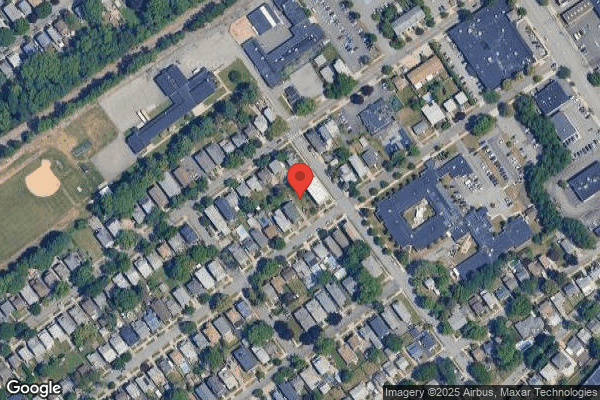

200 SECOND AVENUE, KINGSTON, PA 18704 (570) 288-9315
For profit - Corporation 160 Beds EDEN EAST HEALTHCARE MANAGEMENT Data: November 2025
Trust Grade
25/100
#409 of 653 in PA
Last Inspection: June 2025

Inspected within the last 6 months. Data reflects current conditions.

Overview

Edenbrook on Second Ave has received a Trust Grade of F, which indicates significant concerns about the facility's quality of care. It ranks #409 out of 653 nursing homes in Pennsylvania, placing it in the bottom half of all facilities in the state, and #11 out of 22 in Luzerne County, meaning there are only a few better options nearby. Although the facility is showing improvement in its overall issues, reducing from 27 in 2024 to 12 in 2025, it still has serious concerns, including $355,493 in fines, which is higher than 98% of Pennsylvania facilities, indicating repeated compliance problems. Staffing is a mixed bag; it has an average rating of 3 stars, but the turnover rate is concerning at 67%, well above the state average, suggesting instability in caregiver staff. Specific incidents include a failure to transfer a severely cognitively impaired resident using the required mechanical lift, which could lead to falls, and multiple violations related to food safety practices, increasing the risk of foodborne illness. Overall, while there are some improvements, families should weigh these significant weaknesses before making a decision.

Trust Score
F
25/100
In Pennsylvania
#409/653
Bottom 38%
Safety Record
High Risk
Review needed
Inspections
Getting Better
27 → 12 violations
Staff Stability
⚠ Watch
67% turnover. Above average. Higher turnover means staff may not know residents' routines.
Penalties
✓ Good
$355,493 in fines. Lower than most Pennsylvania facilities. Relatively clean record.
Skilled Nurses
○ Average
Each resident gets 30 minutes of Registered Nurse (RN) attention daily — about average for Pennsylvania. RNs are the most trained staff who monitor for health changes.
Violations
⚠ Watch
63 deficiencies on record. Higher than average. Multiple issues found across inspections.
★★☆☆☆
2.0
Overall Rating
★★★☆☆
3.0
Staff Levels
★★★☆☆
3.0
Care Quality
★★☆☆☆
2.0
Inspection Score
Stable
2024: 27 issues
2025: 12 issues

The Good

  • Full Sprinkler Coverage · Fire safety systems throughout facility
  • No fines on record

Facility shows strength in fire safety.

The Bad

2-Star Overall Rating

Below Pennsylvania average (3.0)

Below average - review inspection findings carefully

Staff Turnover: 67%

21pts above Pennsylvania avg (46%)

Frequent staff changes - ask about care continuity

Federal Fines: $355,493

Well above median ($33,413)

Significant penalties indicating serious issues

Chain: EDEN EAST HEALTHCARE MANAGEMENT

Part of a multi-facility chain

Ask about local staffing decisions and management

Staff turnover is elevated (67%)

19 points above Pennsylvania average of 48%

The Ugly 63 deficiencies on record

1 actual harm
Sept 2025 2 deficiencies
CONCERN (E) 📢 Someone Reported This

A family member, employee, or ombudsman was alarmed enough to file a formal complaint

Potential for Harm - no one hurt, but risky conditions existed

Safe Environment (Tag F0584)

Could have caused harm · This affected multiple residents

**NOTE- TERMS IN BRACKETS HAVE BEEN EDITED TO PROTECT CONFIDENTIALITY** Based on observations, a review of clinical records, resident council meeting minutes, and resident and staff interviews, it was...

Read full inspector narrative →
**NOTE- TERMS IN BRACKETS HAVE BEEN EDITED TO PROTECT CONFIDENTIALITY** Based on observations, a review of clinical records, resident council meeting minutes, and resident and staff interviews, it was determined the facility failed to provide services to maintain a clean and homelike environment for four out of five nursing units (Units Medbridge Hall, A Hall, B Hall, and D Hall), including experiences reported by two out of three residents interviewed (Residents 1 and 2). Findings include:A review of resident council meeting minutes dated August 4, 2025, revealed residents in attendance expressed concerns regarding the housekeeping services. Residents reported that only garbage is emptied, and floors are occasionally mopped. Additional concerns included housekeepers using dirty water to mop floors, particularly in hallways and dining areas; lack of top dusting; dusty surfaces; spider webs; over-bed tables not being cleaned; and bathroom floors uncleaned. Observations on September 25, 2025, at 8:26 AM revealed a black mat with multiple pieces of white debris, a wet paper towel, and black-gray discolorations in front of the ice machine in the Medbridge Nursing Unit dining area.Observations on September 25, 2025, at 8:44 AM revealed a clump of hair measuring 2 inches by 1 inch and multiple pieces of dirt and debris in the Nursing A Hall.Observations on September 25, 2025, at 8:51 AM revealed missing and stained tiles, saturated paper, and hair in the B Hall shower room drain. A resident bathtub in the B Hall shower room was also observed with several pieces of hair and debris inside the tub. The shower room floor had multiple areas with discolorations, a discarded plastic glove, stains, and pieces of debris.Observations on September 25, 2025, at 8:55 AM revealed dirt, debris, and stains on the floor around the A Hall nursing station. The running board adjacent to the Nursing A Hall nursing station was observed with a brown-red substance stain and buildup.A clinical record review revealed Resident 1 was admitted to the facility on [DATE], with diagnoses that included schizophrenia (a chronic mental health condition characterized by a combination of symptoms, such as flat affect, hallucinations, and/or impairments with cognitive functioning, that significantly impact a person's thoughts, emotions, and behaviors).A review of a quarterly Minimum Data Set assessment (MDS-a federally mandated standardized assessment process conducted periodically to plan resident care) dated August 3, 2025, revealed that Resident 1 was moderately cognitively impaired with a BIMS score of 10 (Brief Interview for Mental Status-a tool within the Cognitive Section of the MDS that is used to assess the resident's attention, orientation, and ability to register and recall new information; a score of 8-12 indicates moderate cognitive impairment).During an interview on September 25, 2025, at 8:57 AM, Resident 1 stated that his room is never cleaned. He explained that he saw staff cleaning today because the surveyors were here. An observation of Resident 1's room revealed the resident's floor with a substance splattered near his bed measuring 5 inches by 10 inches, small white pieces of paper, dirt, and debris.Observations on September 25, 2025, at 8:58 AM revealed the Resident B Hall hallway with dirt, debris, and a substance buildup on the edges of the floor near the baseboard. The dirt and substance buildup extended several feet along the B Hall walls on both sides.Observation on September 25, 2025, at 9:35 AM revealed Resident D Hall's shower room with a floor with dirt, debris, and discolorations; a bathtub with brown substance stains; a shower chair with brown substance stains on the seat opening; and a drain with clumps of hair.Observations on September 25, 2025, at 9:45 AM revealed the Resident B Hall lounge with two overlapping trays. Both trays had multiple substance stains on the base of the trays. A green rocking chair was observed with a red substance buildup near the armrest measuring 2 inches by 4 inches. The floor of the B Hall lounge was observed with pink and red stains.A clinical record review revealed Resident 2 was admitted to the facility on [DATE], with diagnoses that included chronic obstructive pulmonary disease (COPD is a condition caused by damage to the airways or other parts of the lung that blocks airflow and makes it hard to breathe).A review of a quarterly Minimum Data Set assessment (MDS) dated [DATE], revealed that Resident 2 was cognitively intact with a BIMS score of 15; a score of 13-15 indicates cognition is intact.During an interview on September 25, 2025, at 9:55 AM, Resident 2 explained the facility staff do not clean every day, and it has been this way for a while. Resident 2 pointed out a buildup of dirt, dust, discolorations, and debris that ran along the wall of her room near her closet.An observation on September 25, 2025, at 10:04 AM revealed the Medbridge Hall hallway adjacent to the nursing station with brown liquid stains on the wall and dirt, debris, and dust on the floor near the floorboards.An observation on September 25, 2025, at 10:07 AM revealed resident room [ROOM NUMBER]'s window side wall with brown-gray liquid stains and dirt, debris, cobwebs, and a leaf near the tall armoire. The resident bathroom was observed with brown substance stains on the floor and a brown substance smear near the shower drain.An observation on September 25, 2025, at 10:10 AM revealed the Medbridge Hall hallway outside of resident room [ROOM NUMBER] with paper, plastic pieces, and red stains.An observation on September 25, 2025, at 10:16 AM revealed the Medbridge Hall shower room with a clump of brown substance near the shower drain and brown substance smears on the floor. There was dirt, debris, stains, and dust in multiple areas of the shower room floor.During an interview on September 25, 2025, at 10:45 AM, the Nursing Home Administrator (NHA) confirmed it is the facility's responsibility to provide services to maintain a clean and homelike environment for all residents living at the facility. 28 Pa. Code 201.18 (e)(1) (2.1) Management.28 Pa. Code 201.29 (a) Resident rights.28 Pa. Code 211.12 (d)(3) Nursing services.
CONCERN (F) 📢 Someone Reported This

A family member, employee, or ombudsman was alarmed enough to file a formal complaint

Potential for Harm - no one hurt, but risky conditions existed

Food Safety (Tag F0812)

Could have caused harm · This affected most or all residents

Based on observation and staff interviews, it was determined the facility failed to maintain acceptable practices for the storage and service of food to prevent the potential for contamination and mic...

Read full inspector narrative →
Based on observation and staff interviews, it was determined the facility failed to maintain acceptable practices for the storage and service of food to prevent the potential for contamination and microbial growth in food, which increased the risk of food-borne illness in the food and nutrition services department and three of five resident pantry areas (Nursing Units Medbridge Hall, A Hall, and B Hall). Findings include: Food safety and inspection standards for safe food handling indicate that everything that comes in contact with food must be kept clean, and food that is mishandled can lead to foodborne illness. Safe steps in food handling, cooking, and storage are essential in preventing foodborne illness. You cannot always see, smell, or taste harmful bacteria that may cause illness, according to the USDA (The United States Department of Agriculture, also known as the Agriculture Department, is the U.S. federal executive department responsible for developing and executing federal laws related to food). Observations on September 25, 2025, at 8:28 AM revealed the kitchen floor with dirt, discolorations, dust, and food pieces along the kitchen floor perimeter. Observations on September 25, 2025, at 8:36 revealed the A Hall pantry with an opened, undated chocolate instant pudding mix; cabinets with dust and discolorations; a refrigerator with substance stains and discolorations; and a microwave with used brown napkins and substance stains inside and around the exterior of the appliance. Observations on September 25, 2025, at 8:43 AM revealed the B Hall pantry with an opened plastic bag containing white crackers, a microwave with food substance stains and pieces of food, and a refrigerator with a soiled brown paper towel. Observations of September 25, 2025, at 10:12 AM revealed the Medbridge Hall pantry with an undated plastic bowl containing a tan food in the refrigerator. The refrigerator had brown-red substance stains along the bottom shelf and an undated frozen liquid drink in the freezer. The microwave was observed with food pieces and a substance stain on the interior of the appliance. An interview with the nursing home administrator on September 25, 2025, at 10:45 AM confirmed the food and nutrition services department and resident pantry areas were to be maintained in a sanitary manner and confirmed food items were to be dated to ensure quality and food safety to prevent opportunities for foodborne illness. 28 Pa Code 211.6(f) Dietary services. 28 Pa Code 210.18 (e) (2.1) Management.
Jun 2025 7 deficiencies
CONCERN (D)

Potential for Harm - no one hurt, but risky conditions existed

Deficiency F0553 (Tag F0553)

Could have caused harm · This affected 1 resident

**NOTE- TERMS IN BRACKETS HAVE BEEN EDITED TO PROTECT CONFIDENTIALITY** Based on clinical record review and resident and staff interviews, it was determined that the facility failed to conduct a care ...

Read full inspector narrative →
**NOTE- TERMS IN BRACKETS HAVE BEEN EDITED TO PROTECT CONFIDENTIALITY** Based on clinical record review and resident and staff interviews, it was determined that the facility failed to conduct a care plan conference and failed to ensure that the resident was invited to participate in the care planning process for one of 29 residents reviewed (Resident 112). Findings include: A clinical record review revealed Resident 112 was admitted to the facility on [DATE], with diagnosis to include a below the knee amputation of the left lower extremity (leg), and end stage renal disease (final, permanent stage of chronic kidney disease, where the kidneys can no longer function on their own). A review of the quarterly Minimum Data Set assessment (MDS - a federally mandated standardized assessment conducted at specific intervals to plan resident care) dated May 12, 2025, revealed that Resident 112 was cognitively intact with a BIMS score of 13 (Brief Interview for Mental Status, a tool within the Cognitive Section of the MDS that is used to assess the resident's attention, orientation, and ability to register and recall new information; a score of 13-15 indicates cognitively intact). During an interview on June 3, 2025, at 12:05 PM, Resident 112 stated he has not been invited to participate in the care planning process for development of his comprehensive person-centered care plan or attend any care plan meetings. A further review of the clinical record revealed no documented evidence that a care plan conference had been conducted for Resident 112 or that the resident had been invited to participate in the development or review of his comprehensive care plan. During an interview with the Director of Nursing (DON) and the Admission's Director on June 5, 2025, at 11:20 AM, both confirmed there was no documentation to show that a care plan conference had been held for Resident 112 or that the resident had been invited to participate in the care planning process. 28 Pa. Code 201.29 (a) Resident rights. 28 Pa. Code 211.12(d)(3) Nursing services.
CONCERN (D)

Potential for Harm - no one hurt, but risky conditions existed

Accident Prevention (Tag F0689)

Could have caused harm · This affected 1 resident

**NOTE- TERMS IN BRACKETS HAVE BEEN EDITED TO PROTECT CONFIDENTIALITY** Based on a review of clinical records, facility investigative documentation, and staff interviews, it was determined the facilit...

Read full inspector narrative →
**NOTE- TERMS IN BRACKETS HAVE BEEN EDITED TO PROTECT CONFIDENTIALITY** Based on a review of clinical records, facility investigative documentation, and staff interviews, it was determined the facility failed to provide adequate supervision and implement a planned intervention to prevent intrusive wandering by a cognitively impaired resident (Resident 103) which resulted in a resident-to-resident altercation for two of 29 sampled residents (Residents 91 and 103). Findings include: A clinical record review revealed that Resident 91 was admitted to the facility on [DATE], with diagnoses that included diabetes (a chronic disease that occurs either when the pancreas does not produce enough insulin or when the body cannot effectively use the insulin it produces) and hypertension (blood pressure that is higher than normal). A review of a quarterly Minimum Data Set assessment (MDS-a federally mandated standardized assessment process conducted periodically to plan resident care) dated April 4, 2025, revealed that Resident 91 is cognitively intact with a BIMS score of 15 (Brief Interview for Mental Status-a tool within the Cognitive Section of the MDS that is used to assess the resident's attention, orientation, and ability to register and recall new information; a score of 13-15 indicates cognition is intact). A review of Resident 91's comprehensive care plan, initiated on July 5, 2023, indicated the resident had the potential to be verbally aggressive and/or loud with outbursts toward others, using vulgar or foul language, secondary to ineffective coping skills and poor impulse control. An intervention initiated on September 24, 2024, directed the placement of a stop sign at Resident 91's doorway to deter wandering residents from entering. A clinical record review for Resident 103 revealed an admission date of November 5, 2024, with diagnoses including dementia (a chronic or persistent disorder of the mental processes caused by brain disease or injury and marked by memory disorders, personality changes, and impaired reasoning) and depression (a mental health condition characterized by low mood or loss of pleasure or interest in activities for long periods of time). A quarterly MDS of Resident 103, dated April 23, 2025, revealed the resident was severely cognitively impaired. A quarterly MDS dated [DATE], documented that Resident 103 was severely cognitively impaired. The comprehensive care plan, initiated on November 5, 2024, identified the resident as an elopement risk and a wanderer due to dementia. A nurse progress note dated April 29, 2025, at 5:00 PM documented that a Certified Nurse Aide (CNA) observed Resident 91 backing his wheelchair into Resident 103 and then striking him with his arm. At that time, the planned intervention of a stop sign on Resident 91's door had not been implemented. The stop sign was only applied after the altercation had occurred. A subsequent nurse progress note dated April 29, 2025, at 6:26 PM revealed that Resident 103 was redirected out of Resident 91's room after a verbal outburst from Resident 91, Get out of my room. Shortly afterward, Resident 103 again passed by Resident 91, at which time Resident 91 attempted to roll backward toward Resident 103 and then physically struck the resident's arm. The incident was reported to the nurse supervisor, and a full assessment of Resident 103 found no injury or pain. Notifications were made to the resident representative, local police, and the Department of Aging. A review of a facility investigation report dated April 30, 2025, revealed that Resident 103 was attempting to enter Resident 91's room, and Resident 91 was sitting in his doorway and was yelling, Get out of my room, and Resident 103 self-propelled past Resident 91, and a CNA witnessed Resident 91 attempt to roll backwards into Resident 103 and was not successful, so Resident 91 shoved and hit Resident 103's right arm with his elbow. A body audit was completed, and no injuries were noted on Resident 103. Immediate interventions included separation of Resident 91 and Resident 103, and a stop sign was placed in front of Resident 91's doorway to deter Resident 103 from re-entering his room. Further review of this investigation revealed the conclusion was Resident 91 became physically aggressive towards Resident 103 due to the resident's wandering behaviors. During an interview conducted on June 7, 2025, at 9:00 AM, Resident 91 confirmed there had been no stop sign at his door at the time of the incident on April 29, 2025. Observations conducted on June 7, 2025, at 9:00 AM revealed the absence of a stop sign at Resident 91's doorway, contrary to the intervention outlined in his care plan. This was confirmed with Employee 1, Registered Nurse. In an interview conducted on June 7, 2025, at approximately 12:30 PM, the Director of Nursing confirmed the facility's failure to implement the planned intervention of a stop sign at Resident 91's doorway, acknowledging this may have contributed to Resident 103's entry into the room and the resulting physical altercation. The Director of Nursing further confirmed that it is the facility's responsibility to implement appropriate safety measures to prevent resident-to-resident altercations and potential abuse. 28 Pa. Code 201.18 (b)(1)(e)(1) Management. 28 Pa. Code 211.12 (d)(1)(3)(5) Nursing services.
CONCERN (D)

Potential for Harm - no one hurt, but risky conditions existed

Respiratory Care (Tag F0695)

Could have caused harm · This affected 1 resident

**NOTE- TERMS IN BRACKETS HAVE BEEN EDITED TO PROTECT CONFIDENTIALITY** Based on observation, staff interview, and review of facility policy and clinical record, the facility failed to ensure respirat...

Read full inspector narrative →
**NOTE- TERMS IN BRACKETS HAVE BEEN EDITED TO PROTECT CONFIDENTIALITY** Based on observation, staff interview, and review of facility policy and clinical record, the facility failed to ensure respiratory equipment was maintained in a sanitary and functional condition for one resident (Resident 40) out of 29 sampled residents. Findings include: A review of facility policy entitled Oxygen Administration and Storage last reviewed on May 5,2025, revealed a nebulizer mouthpiece (a piece of medical equipment that a person with asthma or other respiratory conditions use to administer medication directly and quickly to the lungs) and tubing should be labeled with the date and changed weekly. A review of Resident 40's clinical record revealed the resident was admitted to the facility on [DATE], with diagnoses which included Chronic Obstructive Pulmonary Disease (COPD a disease that restricts airflow to the lungs and causes breathing problems). A review of the Resident 40's clinical record revealed a physician's order dated May 5,2025, for Ipratropium 0.5mg- Albuterol Sulfate Inhalation solution 3 mg (2.5mg base)/3ml nebulization solution one inhalation orally via nebulizer every six hours as needed for shortness of breath. On June 3, 2025, at approximately 1:55 PM, an observation of Resident 40's room revealed a nebulizer machine located on the bedside table. Attached to the machine was a nebulizer mouthpiece and tubing, visibly labeled with a piece of tape marked March 9. During an interview conducted on June 3, 2025, at 2:00 PM, Employee 2 nurse aide confirmed that the tubing was labeled March 9 and acknowledged that it had not been changed since that date. In a subsequent interview on June 4, 2025, at approximately 9:10 AM, the Director of Nursing (DON) confirmed that, in accordance with facility policy, nebulizer tubing and mouthpieces should be changed weekly. The DON acknowledged that the tubing for Resident 40 had not been replaced in accordance with that policy and confirmed the facility's failure to maintain the resident's respiratory equipment. 28 Pa. Code 211.12 (c)(d)(1)(3)(5) Nursing Services
CONCERN (D) 📢 Someone Reported This

A family member, employee, or ombudsman was alarmed enough to file a formal complaint

Potential for Harm - no one hurt, but risky conditions existed

Dental Services (Tag F0791)

Could have caused harm · This affected 1 resident

**NOTE- TERMS IN BRACKETS HAVE BEEN EDITED TO PROTECT CONFIDENTIALITY** Based on clinical record review, payor source data, resident and staff interview, it was determined the facility failed to ensur...

Read full inspector narrative →
**NOTE- TERMS IN BRACKETS HAVE BEEN EDITED TO PROTECT CONFIDENTIALITY** Based on clinical record review, payor source data, resident and staff interview, it was determined the facility failed to ensure timely and necessary dental services for one resident who is a Medicaid recipient (Resident 110) out of 29 residents reviewed. Findings included: Review of the clinical record indicated Resident 110 was admitted to the facility on [DATE], with diagnoses to include unspecified dementia (the loss of cognitive functioning that affects a person's ability to perform everyday activities). Review of a Quarterly Minimum Data Set assessment (MDS-standardized assessment completed at specific intervals to identify specific resident care needs) dated May 5, 2025, revealed Resident 110 was cognitively impaired with a BIMS score of 7 (Brief Interview for Mental Status, which assesses cognition, a tool to assess the resident's attention, orientation, and ability to register and recall new information, a score of 0-7 equates to being severely cognitively impaired). The resident's care plan, initiated on February 10, 2025, identified a potential for oral/dental health problems related to having her own teeth. Interventions included: coordinating arrangements for dental care and transportation as needed or as ordered, and monitoring and documenting any signs or symptoms of oral/dental issues, including missing, loose, or broken teeth. A document labeled MDS Section L Oral Status, dated February 15, 2025, and the admission Nursing Evaluation dated March 7, 2025, both indicated the resident had her own natural teeth with no dental concerns documented. However, review of the Inventory Sheet of Personal Effects dated February 7, 2025, recorded that the resident had both upper and lower dentures upon admission to the facility. An interview with Resident 110 on June 3, 2025, at approximately 11:35 AM, revealed she had been admitted to the facility with both upper and lower dentures. During the interview, Resident 110 stated her lower denture went missing a few weeks after admission. She could not recall the exact date but stated she informed her husband. She was unsure whether her husband reported this to the facility. Resident 110 stated she had adapted by eating a soft, bite-sized diet. Observation of Resident 110 on June 3, 2025, at approximately 11:35 AM confirmed the resident was wearing an upper denture only, the lower denture was not present. Further review of the document labeled Documentation Survey Report v2 [DATE] indicated that Resident 110 required maximum assistance or was totally dependent on staff to perform her oral care. An interview conducted on June 4, 2025, at approximately 11:00 AM with the Director of Nursing (DON) confirmed the facility failed to identify the resident's lower denture was missing. The DON acknowledged that the inaccurate documentation at admission, failing to recognize the presence of dentures, contributed to the oversight. The DON also confirmed that, following surveyor inquiries, the resident was subsequently scheduled for a dental appointment to replace the missing lower denture. The DON affirmed that it is the facility's responsibility to ensure residents receive the required dental services. 28 Pa Code 211.12 (c)(d)(3)(5) Nursing services.
CONCERN (E)

Potential for Harm - no one hurt, but risky conditions existed

Resident Rights (Tag F0550)

Could have caused harm · This affected multiple residents

**NOTE- TERMS IN BRACKETS HAVE BEEN EDITED TO PROTECT CONFIDENTIALITY** Based on a review of clinical records and resident and staff interviews, it was determined the facility failed to provide care i...

Read full inspector narrative →
**NOTE- TERMS IN BRACKETS HAVE BEEN EDITED TO PROTECT CONFIDENTIALITY** Based on a review of clinical records and resident and staff interviews, it was determined the facility failed to provide care in a manner that promotes each resident's quality of life by failing to respond timely to residents' requests for assistance, including experiences reported by three residents out of 29 residents sampled (Residents 2, 3, and 5) and four out of five residents interviewed during a resident group interview (Residents 4, 61, 77, and 112). Findings include: During a resident council meeting on June 4, 2025, at 10:00 AM, Residents 4, 61, 77, and 112 voiced concerns about the timeliness of staff response to activated call bell lights. Resident 112 stated he rang his call bell for assistance the night before but did not receive help for over one hour. He needed assistance with toileting. He reported that he has waited at least 30 minutes anytime he utilized the call bell. Resident 4 stated that he frequently waited over an hour for staff to answer his call bell. He stated that staff often enter his room, turn off his call bell light, and leave without providing care. He said they tell him they will be right back, but they never come back He recalled an incident where he soiled his incontinence brief and waited two hours for care after his call bell was silenced. He expressed that delays are more frequent during the evening shift. Resident 77 stated that she frequently waited one to two hours at night for staff assistance after she had activated her call bell. She expressed frustration that staff enter her room, turn off her call bell light, say they will return, but never return or only return after she re-activated the call bell light a second time. Resident 61 stated she rarely used her call bell, but when she did, it typically took over 30 minutes for staff to respond. A clinical record review revealed Resident 5 was admitted to the facility on [DATE], with diagnoses that included chronic obstructive pulmonary disease (lung disease that blocks airflow and makes it difficult to breathe) and type 2 diabetes (body has trouble controlling blood sugar and using it for energy). A review of a quarterly Minimum Data Set assessment (MDS-a federally mandated standardized assessment process conducted periodically to plan resident care) dated May 30, 2025, revealed that Resident 5 is cognitively intact with a BIMS score of 15 (Brief Interview for Mental Status-a tool within the Cognitive Section of the MDS that is used to assess the resident's attention, orientation, and ability to register and recall new information; a score of 13-15 indicates intact cognitive responses). During an interview on June 3, 2025, at 11:20 AM, the resident stated she waited up to an hour for care during the day shift and was concerned about the delays. A clinical record review revealed Resident 3 was admitted to the facility on [DATE], with diagnoses that included below the knee amputation of the right lower extremity (leg), blindness of the left eye, and low vision of the right eye. A review of an annual MDS dated [DATE], revealed that Resident 3 is cognitively intact with a BIMS score of 14 (a score of 13-15 indicates intact cognition). During an interview on June 3, 2025, at 11:30 AM Resident 3, reported excessive wait times for staff assistance. He stated staff often responded to his call bell, said they needed to find another staff member (due to his two-person assist needs), and then did not return. He also reported difficulty locating the call bell when seated in his wheelchair due to his vision impairment. At the time of the interview, observation revealed the call bell was on the floor near the head of the bed and out of his reach. A clinical record review revealed Resident 2 was admitted to the facility on [DATE], with diagnoses that included type 2 diabetes and chronic obstructive pulmonary disease. A review of a quarterly MDS dated [DATE], revealed that Resident 2 is cognitively intact with a BIMS score of 15. During an interview on June 3, 2025, at 11:55 AM, Resident 2 indicated she experiences long wait times for care. She indicated she often waits 30 minutes or longer before receiving assistance after activating her call bell. During an interview on June 5, 2025, at approximately 10:30 AM, the Nursing Home Administrator (NHA) acknowledged that all residents should be treated with dignity and respect and receive care in a timely manner that promotes quality of life. The NHA was unable to explain why multiple residents reported consistent delays in staff response to call bells. 28 Pa. Code 201.18 (e)(1) Management. 28 Pa. Code 201.29 (a) Resident rights. 28 Pa. Code 211.12 (d)(4) Nursing services.
CONCERN (E)

Potential for Harm - no one hurt, but risky conditions existed

Quality of Care (Tag F0684)

Could have caused harm · This affected multiple residents

**NOTE- TERMS IN BRACKETS HAVE BEEN EDITED TO PROTECT CONFIDENTIALITY** Based on a review of clinical records and staff interview, it was determined that the facility failed to provide nursing service...

Read full inspector narrative →
**NOTE- TERMS IN BRACKETS HAVE BEEN EDITED TO PROTECT CONFIDENTIALITY** Based on a review of clinical records and staff interview, it was determined that the facility failed to provide nursing services consistent with professional standards of practice by failing to thoroughly assess, obtain physician orders, and develop and implement a person-centered comprehensive care plan in accordance with standards of practice, for one residents out of 29 sampled residents (Resident 3) and failed to provide nursing care consistent with professional standards of practice in accordance with physician orders for one resident out of 29 sampled residents (Resident 93). Findings include: According to the American Nurses Association Principles for Nursing Documentation, nurses document their work and outcomes and provide an integrated, real-time method of informing the health care team about the patient status. Timely documentation of the following types of information should be made and maintained in a patient's EHR (electronic health record) to support the ability of the health care team to ensure informed decisions and high-quality care in the continuity of patient care: Assessments Clinical problems Communications with other health care professionals regarding the patient Communication with and education of the patient, family, and the patient's designated support person A review of the clinical record revealed that Resident 3 was admitted to the facility on [DATE], with diagnoses that included chronic pain syndrome, right below the knee amputation, and Type 2 diabetes (body has trouble controlling blood sugar and using it for energy). A review of Resident 3's hospital records dated June 21, 2024, documented the resident previously underwent a spinal cord stimulator stage I implantation of lead and generator (refers to the initial trial phase of spinal cord stimulation therapy. It involves temporary placement of leads (electrodes) in the spinal epidural space to evaluate whether electrical stimulation can effectively relieve a patient's chronic pain before permanent implantation) performed on November 26, 2019. A review of Resident 3's admission assessment dated [DATE], failed to document the presence of the spinal cord stimulator implant. Physician orders for Resident 3 did not reflect the presence of, or any required care or precautions related to, the spinal cord stimulator. Additionally, review of the resident's plan of care, current as of the survey ending June 6, 2025, failed to address the spinal cord stimulator despite identifying multiple comorbidities including chronic pain from phantom limb syndrome and osteoarthritis. An interview with the Director of Nursing (DON) on June 5, 2025, at 11:35 AM, confirmed the facility failed to perform a comprehensive assessment related to the spinal cord stimulator, failed to obtain relevant physician orders, and failed to include the device in the resident's plan of care to meet the resident's medical and treatment needs. A review of the facility policy titled Physician Orders, last reviewed by the facility on May 5, 2025, revealed that it is the policy of the facility to provide guidance to ensure physicians orders are transcribed and implemented in accordance with professional standards. The licensed nurse is required to record the order accurately in the medical record and is required to record the order on the appropriate administration record of the MAR/TAR (Medication Administration Record/Treatment Administration Record). A review of the facility policy titled Administering Medications, last reviewed by the facility on May 5, 2025, revealed that it is the policy of the facility that the individuals administering medications shall sign the residents MAR for the specific time and date the medication was administered, and if it is discovered the person administering the medications has forgotten to sign in the e-Mar, the supervisor or designee shall notify that person to investigate if the medication or treatment has been administered or performed. If the response indicates the medication or treatment was administered, the staff member shall return to the facility to complete appropriate documentation, and a late entry note will be documented indicating the administration of the medication. A review of the clinical record revealed that Resident 93 was admitted to the facility on [DATE], with diagnoses to include epilepsy (a chronic brain disorder in which groups of nerve cells, or neurons, in the brain sometimes send the wrong signals and cause seizures, which include uncontrolled jerking, loss of consciousness, blank stares, or other symptoms caused by abnormal electrical activity in the brain) and depression (a mental health condition characterized by low mood or loss of pleasure or interest in activities for long periods of time). A review of a quarterly Minimum Data Set assessment (MDS-a federally mandated standardized assessment process conducted periodically to plan resident care) dated April 20, 2025, revealed that Resident 93 is cognitively intact with a BIMS score of 15 (Brief Interview for Mental Status-a tool within the Cognitive Section of the MDS that is used to assess the resident's attention, orientation, and ability to register and recall new information; a score of 13-15 indicates cognition is intact). Physician orders dated April 9, 2025, directed the resident receive Levetiracetam 750 mg (an anti-seizure medication used in those with epilepsy, and it is crucial to follow the prescribed dosage and to not stop taking it suddenly, as this can increase seizure frequency) by mouth daily for idiopathic epilepsy. Further review of the clinical record revealed a physician's order dated April 21, 2025, for the night shift to give 9:00 AM meds at 7:00 AM due to Resident 93 having an appointment and leaving at 7:15 AM, and the appointment location was an hour away from the facility. A nurse's progress note dated April 22, 2025, at 7:15 AM, confirmed that the resident was transferred to the appointment accompanied by a Certified Nursing Assistant (CNA). A later progress note at 9:54 AM documented that the facility received a call from the CNA reporting the resident became unresponsive during the appointment and was transported to the emergency department. Resident 93's representative was present at the appointment and aware of the incident. A 2:22 PM note on the same day indicated the resident was diagnosed with a possible seizure and treated with appropriate medications as per telephone contact by the emergency department. A clinical review of an outside report from an emergency room, dated April 22, 2025, for Resident 93 revealed that she came in after an unresponsive episode at her appointment, and there were concerns that she had experienced a focal seizure. Resident 93 was then treated with the appropriate medications and became she became responsive after. Review of the facility's Medication Administration Record (MAR) for April 2025 showed that Levetiracetam 750 mg was documented as administered at 10:21 AM by Employee 5, LPN. However, the resident was not present in the facility at that time. There was no documentation of a late entry or clinical progress note to justify this late recording. The facility's internal investigative documentation dated April 24, 2025, stated that the nurse administered the medication prior to the resident's departure but failed to document it due to a shift change. The investigation noted the nurse was re-educated but did not provide statements from the resident, her representative (who was present at the appointment), or the accompanying CNA. The facility also failed to explain why the night shift did not administer the medication as ordered. During an interview on June 3, 2025, at 11:25 AM, Resident 93 stated she had not received her seizure medication prior to leaving for her appointment despite requesting it several times and voiced concern over leaving the facility without taking her prescribed anti-seizure medication. Resident 93 stated that they did not give her a reason as to why her medications could not be given prior to leaving and stated she questioned why she was leaving the facility prior to taking her seizure medication, with no answer She stated that she experienced a seizure during the appointment and required emergency treatment as a result. During an interview with the DON on June 7, 2025, at approximately 9:00 AM, the DON acknowledged the facility failed to document the medication administration at the time of actual administration and failed to follow established policy for documenting late entries. The DON confirmed that nursing staff failed to comply with physician orders and standards of nursing documentation. 28 Pa. Code 211.12 (c)(d)(1)(3)(5) Nursing services. 28 Pa. Code 211.5(f)(i)(iii)(iv) Medical records.
CONCERN (E)

Potential for Harm - no one hurt, but risky conditions existed

Infection Control (Tag F0880)

Could have caused harm · This affected multiple residents

**NOTE- TERMS IN BRACKETS HAVE BEEN EDITED TO PROTECT CONFIDENTIALITY** Based on a review of clinical records, select facility policy, observations, and staff interviews, it was determined the facilit...

Read full inspector narrative →
**NOTE- TERMS IN BRACKETS HAVE BEEN EDITED TO PROTECT CONFIDENTIALITY** Based on a review of clinical records, select facility policy, observations, and staff interviews, it was determined the facility failed to properly store resident personal care equipment on one of five nursing units (A wing) and failed to store a urinary catheter drainage bag in a manner to limit the potential for infection for one of three sampled residents (Resident 29). Findings include: A review of the facility Infection Control Program Policy last reviewed May 5, 2025, indicated the infection control program exists to assure a safe, sanitary, and comfortable environment for residents and personnel. It is designed to help prevent the development and transmission of disease and infection. An observation on June 3, 2025, at 11:58 AM in the bathroom of resident room A 05 revealed a grey bedpan on the floor under the sink, wedged between the garbage can and the wall. The bedpan was not enclosed in a plastic bag and was in direct contact with the floor, wall, and garbage can. A pink wash basin was also observed on the floor in the corner of the bathroom, similarly, unbagged and in direct contact with the floor and wall. Two urinals containing a small amount of yellow liquid were hanging on the grab bar. The urinals were not labeled with a resident name to indicate resident ownership. A second observation of the same bathroom on June 4, 2025, at 2:09 PM revealed the same grey bedpan unbagged and, on the floor, and two unlabeled urinals containing a small amount of yellow liquid still on the grab bar. An additional observation on June 3, 2025, at 12:15 PM of the bathroom in resident room A 09 revealed a grey bedpan on the floor under the sink with a dry washcloth draped over the side of the bedpan. The bedpan was unbagged and in direct contact with the floor. Further observation revealed four wash basins (3 pink and 1 grey) stacked on top of the toilet tank. The basins were not labeled with a resident name or bed number to identify which basin belonged to each resident. There was a bag of unlabeled supplied inside the top basin. An interview conducted on June 5, 2025, at 11:30 AM with the Director of Nursing confirmed that facility procedure requires bedpans and basins to be cleaned after use, bagged, and stored on the bottom shelf of each resident's nightstand. The Director acknowledged that these items should not be stored on the floor or on top of toilet tanks and confirmed the observed practices did not align with facility protocol. A clinical record review revealed Resident 29 was admitted to the facility on [DATE], with diagnoses which include spastic quadriplegic cerebral palsy (brain damage that affects both sides of the brain leading to muscle stiffness and difficulty controlling movement in all four limbs). A physician's order dated April 14, 2025, indicated a suprapubic catheter (18 French/30 cc balloon) to be maintained on a closed drainage system for neuromuscular dysfunction, with monitoring every shift. A physician order dated April 14, 2025, noted an order for a Suprapubic catheter (a type of urinary catheter that is inserted directly into the bladder through a small incision in the lower abdomen, rather than through the urethra) 18 French (catheter's outer diameter)/30 cc balloon (balloon's capacity for holding fluid) to closed drainage system for a diagnosis of neuromuscular dysfunction (disease which affects the motor and sensory nerves that connect the brain and spinal cord to the rest of the body) to be maintained with monitoring the catheter/dignity drainage bag every shift. An observation on June 3, 2025, at 1:50 PM revealed Resident 29's catheter drainage bag, though covered for privacy, was resting directly on the floor. An interview at the time with Employee 3 (Registered Nurse) confirmed the observation and stated that catheter drainage bags are required to be positioned to avoid contact with the floor. An interview on June 5, 2025, at 1:00 PM with the facility's Infection Preventionist confirmed that infection control protocols require catheter drainage bags to be positioned so that they do not touch the floor, to reduce the risk of environmental contamination and infection transmission. The facility failed to ensure personal care equipment and urinary drainage systems were stored and maintained according to infection prevention best practices. 28 Pa. Code 211.10(d) Resident care policies. 28 Pa code 211.12 (d)(1)(5) Nursing services.
Feb 2025 1 deficiency
CONCERN (D) 📢 Someone Reported This

A family member, employee, or ombudsman was alarmed enough to file a formal complaint

Potential for Harm - no one hurt, but risky conditions existed

Deficiency F0583 (Tag F0583)

Could have caused harm · This affected 1 resident

**NOTE- TERMS IN BRACKETS HAVE BEEN EDITED TO PROTECT CONFIDENTIALITY** Based on a review of clinical records, select facility policy, documentation provided by the facility, and staff and resident fa...

Read full inspector narrative →
**NOTE- TERMS IN BRACKETS HAVE BEEN EDITED TO PROTECT CONFIDENTIALITY** Based on a review of clinical records, select facility policy, documentation provided by the facility, and staff and resident family interviews, it was determined the facility failed to ensure residents have the right to personal privacy for one resident out of eight sampled (Resident 1). Findings include: A review of facility policy titled Photographing, Video and Audio Recording, and Other Imaging of Residents, Visitors, and Associates, dated April 1, 2022, revealed it is the facility's policy to take reasonable steps to protect residents, visitors, and associates from unauthorized photography, video or audio recordings, or other images. The policy indicates photography and audio recording of residents within the facility by associates for personal use is prohibited. A clinical record review revealed Resident 1 was admitted to the facility on [DATE], with diagnoses that include down syndrome (a genetic condition that causes physical and intellectual disabilities) and dementia (a condition characterized by the loss of cognitive functioning such as thinking, remembering, and reasoning to such an extent that it interferes with a person's daily life and activities). A review of a quarterly Minimum Data Set assessment (MDS-a federally mandated standardized assessment process conducted periodically to plan resident care) dated December 12, 2024, Section C1000. Cognitive Skills for Daily Decision Making revealed Resident 1 is severely impaired in her ability to make decisions regarding tasks of daily life. Further review of the MDS revealed a Brief Interview for Mental Status (BIMS- a tool used to identify cognitive impairment) was not completed because Resident 1 is rarely or never understood. A review of a facility investigative report indicated a witness statement dated February 10, 2025, revealed Employee 1, Nurse Aide (NA), stated, I sure did take a picture of Resident 1 and showed it to her family member. During an interview on February 19, 2025, at 8:25 AM, Resident 1 was not able to answer questions or communicate her thoughts or ideas when greeted. During a telephone interview on February 19, 2025, at 9:32 AM, Resident 1's family member expressed concerns that a facility employee took a photograph of Resident 1 on her personal mobile device. The family member indicated that she is Resident 1's Power of Attorney and confirmed that no consent had been given for the photograph, and the family member requested that any images of Resident 1 be deleted immediately. Attempts to contact Employee 1 for further investigation were unsuccessful, and the provided phone number was no longer in service. During an interview on February 19, 2025, at approximately 11:00 AM, the Director of Nursing (DON) confirmed that Employee 1, NA, admitted to taking a photograph of Resident 1. The DON explained that Employee 1 was an agency employee and was subsequently placed on the do-not-return list for failure to comply with facility policies. The DON was not able to provide documented evidence that Resident 1 or Resident 1's representative authorized the photographing of Resident 1. The DON and Nursing Home Administrator (NHA) confirmed it is the facility's responsibility to ensure residents at the facility have a right to personal privacy. 28 Pa. Code 201.18 (e)(1) Management. 28 Pa. Code 201.29 (a) Resident rights. 28 Pa. Code 211.12 (c) Nursing services.
Jan 2025 2 deficiencies
CONCERN (D) 📢 Someone Reported This

A family member, employee, or ombudsman was alarmed enough to file a formal complaint

Potential for Harm - no one hurt, but risky conditions existed

Deficiency F0560 (Tag F0560)

Could have caused harm · This affected 1 resident

**NOTE- TERMS IN BRACKETS HAVE BEEN EDITED TO PROTECT CONFIDENTIALITY** Based on review of clinical records and staff interview it was determined the facility failed to ensure that a resident's room c...

Read full inspector narrative →
**NOTE- TERMS IN BRACKETS HAVE BEEN EDITED TO PROTECT CONFIDENTIALITY** Based on review of clinical records and staff interview it was determined the facility failed to ensure that a resident's room change was not completed for the purpose of staff convenience for one resident out of 8 sampled residents. (Resident 1) Findings include: A review of the clinical record revealed that Resident 1 was admitted to the facility on [DATE], with diagnoses which included hypertension (high blood pressure) and type 2 diabetes (disease that occurs when your body doesn't produce enough insulin or doesn't use it properly, resulting in high blood sugar levels). Further review of the resident's clinical revealed the resident resided in Room A6 from June 2, 2024, until December 24, 2024, when he was moved to room B 11. A social service progress note dated December 24, 2024, at 12:00 PM indicated that staff attempted to notify Resident 1 of the room change by calling his phone three times while the resident was at the hospital. Messages were left on his voicemail. A subsequent progress note dated December 24, 2024, at 1:28 PM documented that a written notification of the room change was left at the resident's new bedside (Room B 11). A review of a Room Change Request Letter indicated that on December 24, 2024, the resident's room had changed from A6 to B 11. Further it was indicated that the move was due to facility discretion. The letter was left at the resident's bedside, and there was no documentation of the resident's agreement or signed acknowledgment of the room change. The facility failed to afford the resident the right to refuse the room change and stay in his original room. The facility moved the resident out of his room and into a new room while the resident was in the emergency room for a fall that occurred. During an interview with Resident 1 on January 10, 2025, at 9:39 AM, the resident stated he had fallen while using the shower room alone and was sent to the hospital for an evaluation on December 24, 2024, after 2:00 AM. While at the hospital, the resident was unable to answer phone calls from the facility regarding the room change. Upon returning to the facility at approximately 1:00 PM on December 24, 2024, the resident discovered his room had been changed, and his belongings were moved without his consent. The resident reported that his request to return to his original room was denied. He stated the administrator told him, I am the administrator; I can do whatever I want. The resident indicated the room change negatively affected his sleep, and he often goes to the dining room to sleep due to discomfort in his new room. An interview with the Nursing Home Administrator on January 10, 2025, at approximately 2:40 PM confirmed the facility failed to afford Resident 1 the right to refuse the room change. The facility failed to honor Resident 1's right to refuse the room change and to ensure the move was not made solely for staff convenience. 28 Pa. Code 201.29 (a) Resident Rights
CONCERN (D) 📢 Someone Reported This

A family member, employee, or ombudsman was alarmed enough to file a formal complaint

Potential for Harm - no one hurt, but risky conditions existed

Medical Records (Tag F0842)

Could have caused harm · This affected 1 resident

**NOTE- TERMS IN BRACKETS HAVE BEEN EDITED TO PROTECT CONFIDENTIALITY** Based on review of facility investigative reports, clinical records, and staff interview, it was determined the facility failed ...

Read full inspector narrative →
**NOTE- TERMS IN BRACKETS HAVE BEEN EDITED TO PROTECT CONFIDENTIALITY** Based on review of facility investigative reports, clinical records, and staff interview, it was determined the facility failed to maintain accurate and complete clinical records, according to professional standards of practice for one of 8 sampled residents (Resident 1). Findings include: According to the American Nurses Association Principles for Nursing Documentation, nurses document their work and outcomes and provide an integrated, real-time method of informing the health care team about the patient status. Timely documentation of the following types of information should be made and maintained in a patient record to support the ability of the health care team to ensure informed decisions and high quality care in the continuity of patient care: Assessments, Clinical problems, Communications with other health care professionals regarding the patient, Communication with and education of the patient, family, and the patient's designated support person and other third parties. According to the Title 49, Professional and Vocational Standards, Department of State, Chapter 21 State Board of Nursing Subsection 21.11 (a) The register nurse assesses human responses and plans, implements, and evaluates nursing care for individuals or families for whom the nurse is responsible. In carrying out this responsibility, the nurse performs all of following functions: (4) Carries out nursing care actions which promote, maintain, and restore the well-being of individuals (6)(b) The registered nurse is fully responsible for all actions as a licensed nurse and is accountable to clients for the quality of care delivered and Subsection 21.18. (a)(5) document and maintain accurate records. According to the Title 49, Professional and Vocational Standards, Department of State, Chapter 21 State Board of Nursing Subsection 21.145. (a) The licensed practical nurse (LPN) is prepared to function as a member of a health-care team by exercising sound nursing judgement based on preparation, knowledge, skills, understanding and past experiences in nursing situations. The LPN participates in the planning, implementation, and evaluation of nursing care in settings where nursing takes place. A review of the clinical record revealed that Resident 1 was admitted to the facility on [DATE], with diagnoses which included hypertension (high blood pressure) and type 2 diabetes (disease that occurs when the body doesn't produce enough insulin or doesn't use it properly, resulting in high blood sugar levels). A review of a facility investigative report dated December 24, 2024 at 1:11 AM revealed the resident was heard yelling from the shower room while the staff were helping other residents. The shower chair had collapsed as the resident sat down. Staff responded to the shower room and the resident had already gotten himself back into his wheelchair. The resident was noted to have scratches on his sacrum (area at the base of the spine) and legs. At that time, it was indicated the resident was not taken to the hospital. Further review of the investigative report revealed a note dated December 24, 2024, indicating at 11:00 PM on December 23, 2024, staff were made aware that the resident had a fall in the shower room. Scratches were noted to his sacrum and legs which were cleaned, and a dressing was applied. The resident then informed staff at 2:15 AM that his head was hurting, and he felt nauseous and wanted to go to the hospital. The ambulance was called, and the resident was transferred to the hospital. A review of the resident's clinical record revealed the facility failed to document the resident's fall and transfer to the hospital. The clinical record failed to identify what time the fall occurred occurred, any assessments that were performed after the fall, and if the resident had injuries, or what time the resident was transferred out to the hospital. Further there was no documentation the resident's physician was notified after the fall occurred. An interview with the Nursing Home Administrator and Director of Nursing on January 10, 2025, at approximately 2:40 PM confirmed the facility's nursing staff failed to document consistently and accurately in the residents' clinical records. As a result, the residents' clinical records were inaccurate and incomplete. 28 Pa. Code 211.5 (f)(iii)(viii)(ix) Medical records. 28 Pa. Code 211.12 (c)(d)(1)(5) Nursing services.
Nov 2024 2 deficiencies
CONCERN (D) 📢 Someone Reported This

A family member, employee, or ombudsman was alarmed enough to file a formal complaint

Potential for Harm - no one hurt, but risky conditions existed

Deficiency F0558 (Tag F0558)

Could have caused harm · This affected 1 resident

**NOTE- TERMS IN BRACKETS HAVE BEEN EDITED TO PROTECT CONFIDENTIALITY** Based on clinical record review, observation, and staff and resident interviews, it was determined the facility failed to reason...

Read full inspector narrative →
**NOTE- TERMS IN BRACKETS HAVE BEEN EDITED TO PROTECT CONFIDENTIALITY** Based on clinical record review, observation, and staff and resident interviews, it was determined the facility failed to reasonably accommodate a request and need for more frequent bed linen changes for one resident out of eight residents sampled (Resident 2). Findings incudes: Clinical record review revealed that Resident 2 was admitted to the facility on [DATE], with diagnoses to include morbid obesity (complex chronic disease in which a person has a body mass index of 40 or higher) and lymphedema (chronic condition that causes tissue swelling usually in the arms or legs in which accumulated fluid could break the skin resulting in leakage). A review of a quarterly Minimum Data Set assessment (MDS - a federally mandated standardized assessment conducted at specific intervals to plan resident care) dated August 31, 2024, revealed the resident had a BIMS (brief interview for mental status- tool to screen and identify the cognitive condition of long-term care residents) score of 15 (a score of 13-15 indicates cognitively intact), required the assistance of one staff member for bed mobility, and the assistance of two staff members for transfers. During an interview conducted on November 26, 2024, at 11:45 AM Resident 2 stated that he utilizes a bariatric bed (a specialized bed to accommodate overweight or obese patients). Resident 2 stated the sheets frequently need to be changed every shift due to excessive leakage from his legs due his diagnosis of lymphedema. Resident 2 revealed there are times the staff is unable to change the bed because sheets are unavailable. Observation at this time revealed that Resident 2 was lying on visibly soiled sheets. Interview with Employee 1 (laundry aide) on November 26th, 2024, at 12:50 PM revealed the facility frequently did not have enough sheets for Resident 2's bariatric bed to be changed each shift due to the sheets tearing or finding the sheets cut with scissors by other staff to fit the bariatric bed. Interview with the nursing home administrator and director of nursing on November 26, 2024, at approximately at 3:00 PM failed to provide documented evidence that Resident 2's bed linens were being changed frequently enough to ensure a reasonable accommodation of the resident's individual needs. 28 Pa Code 204.13 Linen 28 Pa Code 201.18 (e)(2.1) Management 28 Pa Code 211.12 (c)(d)(3)(5) Nursing services
CONCERN (D) 📢 Someone Reported This

A family member, employee, or ombudsman was alarmed enough to file a formal complaint

Potential for Harm - no one hurt, but risky conditions existed

Deficiency F0559 (Tag F0559)

Could have caused harm · This affected 1 resident

Based on clinical record and facility policy review and staff interview, it was determined the facility failed to ensure that in preparation for a room change each resident/resident representative rec...

Read full inspector narrative →
Based on clinical record and facility policy review and staff interview, it was determined the facility failed to ensure that in preparation for a room change each resident/resident representative received written notice, including the reason for the change before the resident's room was changed for two of 15 room changes completed by the facility from October 30, 2024, through November 4, 2024 (Resident 1 and Resident 2). Findings include: Federal regulatory guidance under §483.10(e)(6) notes that moving to a new room or changing roommates is challenging for residents. A resident's preferences should be taken into account when considering such changes. When a resident is being moved at the request of facility staff, the resident, family, and/or resident representative must receive an explanation in writing of why the move is required. The resident should be provided the opportunity to see the new location, meet the new roommate, and ask questions about the move. A review of the facility Room Change/Roommate Assignment Policy, last reviewed July 2024, indicated that changes in room or roommate assignment shall be made when the facility deems it necessary or when the resident requests the change. The policy guideline indicated the following: 1) The facility reserves the right to discuss room changes or roommate assignments when the facility deems it necessary or when the resident requests the change. 2) Prior to changing a room or roommate assignment all parties involved in the change/environment (e.g., residents or their representatives will be given advance notice of such change. 3) The notice of a change in room or roommate assignment may be oral or in writing, or both, and will include the reason(s) for such change. 4) When making a change in room or roommate assignment, the resident's needs and preferences will be considered and to the extent practical, will be accommodated. However, the facility will also review the room management policy. 5) Room changes or roommate assignments will not be based on racial or other forms of discrimination. 6) Information regarding transfers will be documented in the resident's medical record. 7) Inquiries concerning changes in room or roommate assignment should be referred to the Administrator, Director of Nursing Services, or Social Services. The facility policy noted that the provision of a written explanation of why the move is required to the resident and/or representative may be oral or in writing, or both despite the federal regulatory guidance to receive an explanation in writing of why the move is required. A review of Resident 1's clinical record revealed a Room/Roommate Change Advance Notification Form dated November 4, 2024, indicated the resident was notified on November 4, 2024, that the resident's room would be changed on November 4, 2024, for the reason of room availability. There was no documented evidence the facility provided the form to the resident and/or the resident's representative. A review of Resident 2's clinical record revealed a Room/Roommate Change Advance Notification Form dated October 30, 2024, indicated the resident was notified on October 30, 2024, that the resident's room would be changed on October 30, 2024, because the resident is a short-term resident and will be moved to the short-term side of the building. During an interview with Resident 2, a cognitively intact resident, on November 26, 2024, at approximately 11:45 AM the resident confirmed that he was transferred from his room to another room on October 30,2024, because the resident was deemed as a short-term admission. During this interview the resident stated he did not receive any written notification of the room change. There was no documented evidence the facility provided written notice, with an explanation for the reason for the room change to the resident and/or the resident's representative. A review of documentation provided by the facility revealed the facility initiated resident room changes on 15 occasions between October 30, 2024, and November 4, 2024. During an interview with the nursing home administrator (NHA) on November 26, 2024, at approximately 2:30 PM the NHA failed to provide documented evidence the facility provided any written explanation of the reasons for these moves to the residents and/or their representatives. 28 Pa Code 201.29 (a) Resident Rights
Aug 2024 12 deficiencies
CONCERN (D)

Potential for Harm - no one hurt, but risky conditions existed

Report Alleged Abuse (Tag F0609)

Could have caused harm · This affected 1 resident

**NOTE- TERMS IN BRACKETS HAVE BEEN EDITED TO PROTECT CONFIDENTIALITY** Based on review of the facility's abuse policy, clinical records, facility investigations, information submitted by the facility...

Read full inspector narrative →
**NOTE- TERMS IN BRACKETS HAVE BEEN EDITED TO PROTECT CONFIDENTIALITY** Based on review of the facility's abuse policy, clinical records, facility investigations, information submitted by the facility to the state agency, and staff interview it was determined the facility failed to timely report an alleged violation of misappropriation of resident property for one resident out of 26 reviewed (Resident 42). Findings include: Review of the facility's Abuse Policy reviewed by the facility July 18, 2024, indicated the resident has the right to be free from abuse, neglect, misappropriation of resident property (deliberate misplacement, exploitation, or wrongful temporary, or permanent use of a resident's belongings or money without the resident's consent) and exploitation. It is the policy of the facility that abuse allegations (abuse, neglect, exploitation, or mistreatment, including injuries of unknown source and misappropriation of resident property) are reported per Federal and State Law. The facility will ensure that all alleged violations involving abuse, neglect, exploitation or mistreatment, including injuries of unknown source and misappropriation of resident property, are reported immediately, but not later than 2 hours after the allegation is made, if the events that cause the allegation involve abuse or result in serious bodily injury, or not later than 24 hours if the events that cause the allegation do not involve abuse and do not result in serious bodily injury, to the administrator of the facility and to other officials (including to the State Survey Agency and adult protective services where state law provides for jurisdiction in long-term care facilities) in accordance with State law through established procedures. In addition, local law enforcement will be notified of any reasonable suspicion of a crime against a resident in the facility. Review of the clinical record revealed that Resident 42 was admitted to the facility on [DATE], with diagnoses of end stage renal disease with hemodialysis (a treatment that filters waste, salts, and fluids form the blood when the kidneys are no longer able to do so) and a right femur (thigh bone) fracture. An admission Minimum Data Set assessment (MDS- a federally mandated standardized assessment process conducted periodically to plan resident care) dated August 4, 2024, indicated the resident was cognitively intact with a BIMS score of 15 (brief interview for mental status, a tool to assess the resident's attention, orientation, and ability to register and recall new information, a score of 13 to 15 indicates cognitively intact). Review of a nurses note dated August 10, 2024, at 10:21 PM revealed at approximately 4:30 PM the resident refused medication, stated she won't take it because she hasn't and won't be eating. The resident was on her cellphone at the time, requesting the direct phone number to the local police. Resident was very distraught and tearful, stating someone took her seventy dollars worth of snacks at her bedside along with her phone charger. The registered nurse supervisor was informed of the situation. The registered nurse supervisor went to the resident's room to assess and remedy the situation. The resident was thankful for the help and cooperative to care for remainder of the shift. Review of a facility report to the State Survey Agency revealed the incident, which occurred on August 9, 2024, and documented in the clinical record August 10, 2024, was not reported to the State Agency, Area Agency on Aging, and the police until August 13, 2024. The facility's investigation which concluded on August 13, 2024, was unable to identify a perpetrator. An interview with the administrator on August 23, 2024, at approximately 10:00 AM failed to provide documented evidence the facility timely implemented the facility Abuse Policy for reporting to appropriate agencies including the state agency, the local area agency on aging, and law enforcement in response to the resident's allegation of potential misappropriation of resident property on August 9, 2024. 28 Pa. Code 211.10 (c) Resident care policies 28 Pa. Code 201.14(a)(c) Responsibility of Licensee 28 Pa. Code 201.18(e)(1) Management 28 Pa. Code 201.29(a)(c) Resident rights
CONCERN (D)

Potential for Harm - no one hurt, but risky conditions existed

Comprehensive Care Plan (Tag F0656)

Could have caused harm · This affected 1 resident

**NOTE- TERMS IN BRACKETS HAVE BEEN EDITED TO PROTECT CONFIDENTIALITY** Based on observation, clinical record review, and staff interview, it was determined the facility failed to develop and implemen...

Read full inspector narrative →
**NOTE- TERMS IN BRACKETS HAVE BEEN EDITED TO PROTECT CONFIDENTIALITY** Based on observation, clinical record review, and staff interview, it was determined the facility failed to develop and implement a person-centered care plan to meet the specific needs of two residents out of 29 sampled (Residents 63 and 87). Findings including: A clinical record review revealed Resident 63 was admitted to the facility on [DATE], with diagnoses that include hemiplegia (paralysis on one side of the body) and cerebral infarction (brain damage that results from a lack of blood). A review of an admission Minimum Data Set assessment (MDS - a federally mandated standardized assessment process conducted periodically to plan resident care) dated July 4, 2024, revealed that Resident 63 is severely cognitively impaired with a BIMS score of 03 (Brief Interview for Mental Status- a tool within the Cognitive Section of the MDS that is used to assess the resident's attention, orientation, and ability to register and recall new information; a score of 01-07 indicates severe cognitive impairment). A care plan indicated Resident 63 is at risk for falls related to his diagnoses of hemiplegia initiated on June 28, 2024. Interventions in place to mitigate Resident 63's risk for falling include bilateral floor mats and a scoop mattress (a type of mattress with edges built higher than the center to mitigate rolling out of bed). An admission Nursing Evaluation Fall Risk assessment dated [DATE], revealed Resident 63 is a high risk for falling. The assessment indicates Resident 63's fall risk care plan needs to include bilateral floor mats. An observation on August 21, 2024, at 1:40 PM revealed Resident 63 was in his room, lying in bed. Bilateral floor mats and a scoop mattress were not observed as planned. During an interview and observation on August 22, 2024, at 11:00 PM, Employee 6, Licensed Practical Nurse, confirmed that Resident 63 was in his room lying in bed. Employee 6, LPN, confirmed the resident did not have a scoop mattress and there were not bilateral floor mats in the room. During an interview on August 23, 2024, at approximately 10:30 AM, the Nursing Home Administrator (NHA) confirmed it is the facility's responsibility to ensure that person-centered care plans are implemented to mitigate residents' risk of falling. A review of the clinical records revealed that Resident 87 was admitted to the facility on [DATE], with diagnoses to include Parkinson's disease (a disorder of the central nervous system that affects movement, often including tremors), and fracture of the neck of the left femur (hip fracture). A physician's order dated June 17, 2024, revealed an order for ace wraps to his bilateral legs, on in the AM and off at HS (hours of sleep). Check skin integrity with application and removal two [NAME] a day. A nurses note date June 25, 2024, at 1:08 PM indicated the resident had increased edema in the lower extremities. The CRNP (certified registered nurse practitioner) is aware and will be in to see resident. A review of the physician progress note dated July 5, 2024, indicated the chief complaint/nature of presenting problem was lower extremity edema, hypokalemia (low potassium), and congestive heart failure. Review of Resident 87's current comprehensive care plan in effect at the time of the survey ending August 23, 2024, revealed no evidence the facility had addressed the resident's specific needs related to his lower extremity edema and it did not any therapeutic measures, such as ace wraps, that were to be applied to his legs. During an interview with the Nursing Home Administrator on August 23, 2024 at approximately 11:00 AM, he confirmed that the resident's edema and measures to treat the edema were not addressed on the resident's plan of care. 28 Pa. Code 211.10(d) Resident care policies. 28 Pa. Code 211.12(c)(d)(5) Nursing services.
CONCERN (D) 📢 Someone Reported This

A family member, employee, or ombudsman was alarmed enough to file a formal complaint

Potential for Harm - no one hurt, but risky conditions existed

ADL Care (Tag F0677)

Could have caused harm · This affected 1 resident

**NOTE- TERMS IN BRACKETS HAVE BEEN EDITED TO PROTECT CONFIDENTIALITY** Based on a review of clinical records and resident and staff interviews, it was determined the facility failed to ensure that de...

Read full inspector narrative →
**NOTE- TERMS IN BRACKETS HAVE BEEN EDITED TO PROTECT CONFIDENTIALITY** Based on a review of clinical records and resident and staff interviews, it was determined the facility failed to ensure that dependent residents were provided with the necessary services to maintain good personal hygiene, by failing to provide showers/bed bath as scheduled and personal grooming for two of 26 residents sampled (Residents 42 and 138). Findings include: Review of the clinical record revealed that Resident 42 was admitted to the facility on [DATE], with diagnoses to end stage renal disease with hemodialysis (a treatment that filters waste, salts, and fluids form the blood when the kidneys are no longer able to do so) and a right femur (thigh bone) fracture. An admission Minimum Data Set assessment (MDS- a federally mandated standardized assessment process conducted periodically to plan resident care) dated August 4, 2024, indicated the resident was cognitively intact with a BIMS score of 15 (brief interview for mental status, a tool to assess the resident's attention, orientation, and ability to register and recall new information, a score of 13 to 15 indicates cognitively intact) and was dependent on staff for bathing. A review of Resident 42's August 1, 2024 through August 22, 2024, Task Documentation Report revealed the resident was to be showered twice weekly on Tuesday and Saturday on the 3:00 PM to 11:00 PM shift. Further review of the Task Documentation Report revealed the resident received a bed bath on August 3, August 13, and August 20, 2024. The resident's scheduled shower/bed bath was not provided on August 6, August 10, or August 17, 2024. The resident did not receive two bed baths per week as scheduled. Interview with Resident 42 on August 20, 2024, at approximately 11:00 AM confirmed she did prefer a bed bath instead of a shower. Resident 42 confirmed that her preference was for two bed baths per week. A review of clinical record revealed that Resident 138 was admitted on [DATE], with diagnoses which included Type 2 diabetes, heart attack, acute kidney failure with dependence on dialysis, and acute respiratory failure with hypoxia (low levels of oxygen in your body tissue) and required extensive assistance from staff with activities of daily living. An observation of Resident 138 on August 21, 2024, at approximately 11:00 AM. observed the resident in bed, with grossly long and dirty fingernails on both hands and his lips were dry with numerous areas of peeling skin. During observation, the resident was attempting to peel the skin from his lips with his long dirty fingernails. During an interview with Resident 138 at time of observation, the resident stated that he needs help to perform oral and nail care. Resident 138 further stated that he isn't always accepting of staff assistance but could not provide a reason for not letting staff assist him with his hygiene needs. A review of Resident 138's care plan initiated July 3, 2024, revealed the resident has an ADL (activity of daily living) self-care performance deficit related to impaired balance and limited mobility. Planned interventions included to check nail length and trim and clean his nails on bath day and as needed, with the assistance of one staff member. An additional focus of care plan initiated June 13, 2024, identified Resident 138 is non-compliant with the acceptance of medication and treatments. Planned interventions included two staff for all care, if possible, negotiate a time for ADLs so the resident participates in the decision making process and return at the agreed upon time, if resident resists with ADLs, reassure resident, leave the room and return 5-10 minutes later and try again., Inform the resident of potential complications of non-compliance up to and including death. Praise the resident when behavior is appropriate, and provide consistency in care to promote comfort with ADLs, to include timing of ADLs, caregivers and routine as much as possible. A review of the resident's clinical record failed to provide evidence the facility staff implemented planned interventions to promote completion of personal hygiene, oral care and nail care. During an interview on August 22, 2024, at approximately 1:00 PM, the regional nurse consultant confirmed it is the facility's responsibility to assist residents with activities of daily living to maintain good personal grooming and hygiene for residents dependent on staff for assistance. 28 Pa. Code 211.12 (d)(4)(5) Nursing services
CONCERN (D)

Potential for Harm - no one hurt, but risky conditions existed

Quality of Care (Tag F0684)

Could have caused harm · This affected 1 resident

**NOTE- TERMS IN BRACKETS HAVE BEEN EDITED TO PROTECT CONFIDENTIALITY** Based on a review of clinical records and resident and staff interview, it was determined the facility failed to provide person-...

Read full inspector narrative →
**NOTE- TERMS IN BRACKETS HAVE BEEN EDITED TO PROTECT CONFIDENTIALITY** Based on a review of clinical records and resident and staff interview, it was determined the facility failed to provide person-centered quality care by failing to follow physician orders for NPO (nothing by mouth) in preparation for an abdominal ultrasound for one resident (Resident 133) and failed to follow physician orders for the consistent application of a prescribed therapeutic measure, ace wraps, for one resident of 29 sampled (Resident 87). Findings include: A review of the clinical record revealed that Resident 133 was admitted to the facility on [DATE], with diagnoses to include hepatic encephalopathy (loss of brain function when a damaged liver does not remove toxins from the blood), dementia (a chronic or persistent disorder of the mental processes caused by brain disease or injury and marked by memory disorders, personality changes, and impaired reasoning), and gastro-esophageal reflux disease (stomach acid or bile irritates the food pipe lining). A review of a physician's order dated August 20, 2024, ordered the resident to have an ultrasound of the abdomen for a diagnosis of abdominal pain. A physician's order dated August 20, 2024, at 2:53 PM, indicated the resident was to be NPO after midnight (August 20, 2024 into August 21, 2024) until the ultrasound of the abdomen was obtained. A nurses note dated August 21, 2024, at 11:42 AM noted the facility was unable to complete the ultrasound this AM. The ultrasound was rescheduled for Friday morning. The physician and responsible party aware. Interview with Employee 7 (licensed practical nurse) on August 21, 2024, at 12:00 PM indicated that Resident 133's ultrasound was cancelled because the resident ate breakfast. Interview with Employee 1(nurse aide) on August 21, 2024, at 12:37 PM revealed that while she was picking up breakfast trays around 10:00 AM, she noticed that Resident 133 did not have a breakfast tray. She asked Resident 133 if he wanted something to eat at which he replied yes. Employee 1 went to the kitchen to get him a tray which consisted of an egg on an English muffin. Employee 1 indicated that she was unaware that he was having a test and was not informed he was NPO. Interview with the Corporate Registered Nurse on August 21, 2024, at 1:20 PM stated that during rounds for each change of shift, nursing staff are to communicate with each other if any residents in their care have had any change of condition, any scheduled tests, or require any restrictions, such as NPO status. She confirmed that staff failed to communicate Resident 133's NPO status with the nurse aide which resulted in the resident eating and the ultrasound being cancelled and that the facility failed to follow the physician's order for the resident to be NPO prior to the scheduled abdominal ultrasound. A review of the clinical records revealed that Resident 87 was admitted to the facility on [DATE], with diagnoses to include Parkinson's disease (a disorder of the central nervous system that affects movement, often including tremors), and fracture of the neck of the left femur (hip fracture). A physician's order dated June 17, 2024, revealed an order for ace wraps to his bilateral legs, on in the AM and off at HS (hours of sleep). Two times a day and check skin integrity with application and removal. Observation of Resident 87 sitting in his Broda chair (specialty chair used for positioning and pressure reducing) in the B Hall dining room on August 20, 2024, revealed the resident was not wearing ace wraps on his bilateral lower extremities (legs) as ordered. Additional observation of Resident 87 sitting in his Broda chair in the large dining room on August 21, 2024, at 10:00 AM, revealed the resident was not wearing ace wraps on his bilateral lower extremities as ordered at the time of the observation. Interview with Employee 2 (registered nurse), on August 21, 2024, at 10:00 AM confirmed the resident had an active physician's orders for ace wraps to his bilateral lower extremities. Employee 2 confirmed Resident 87 was not wearing ace wraps at the time observed. An additional observation of Resident 87 sitting in this Broda chair in the hallway on August 22, 2024, at 10:40 AM revealed the resident was not wearing ace wraps on his bilateral lower extremities as ordered at the time of the observation. Interview with Employee 3 (registered nurse) on August 22, 2024, at 10:40 AM confirmed that the resident was not wearing ace wraps as ordered. Employee 3 also confirmed there were no ace wraps present in the resident's room or nurse's treatment cart for the resident to use. 28 Pa. Code 211.5(f) Medical records 28 Pa Code 211.12 (c)(d)(1)(3)(5) Nursing services
CONCERN (D)

Potential for Harm - no one hurt, but risky conditions existed

Deficiency F0694 (Tag F0694)

Could have caused harm · This affected 1 resident

Based on a review of clinical records, select facility policy, and staff interview it was determined the facility failed to ensure that physician ordered intravenous (IV- medication is administered th...

Read full inspector narrative →
Based on a review of clinical records, select facility policy, and staff interview it was determined the facility failed to ensure that physician ordered intravenous (IV- medication is administered through needle or tube inserted into a vein) medications, an antibiotic, were administered as prescribed for one resident out of 26 sampled (Resident 67). Findings include: Review of the facility Medication Administration Policy last reviewed by the facility on July 18, 2024, indicated medications shall be administered in a safe and timely manner, and as prescribed. Medications must be administered in accordance with orders, including any required time frame. Review of Resident 67 clinical record revealed the resident was readmitted to the facility from the hospital on July 30, 2024, with a PICC line (peripherally inserted central catheter- thin flexible tube inserted into a vein in the upper arm and guided into a large vein above the right side of the heart and used to administer fluid and medications) and diagnoses to include osteomyelitis (bone infection that causes inflammation and swelling). An admission physician order dated July 31, 2024, was noted for Daptomycin (an antibiotic used to treat bacterial infections) 650 MG intravenously daily for osteomyelitis, surgical wound infection with an end date of August 27, 2024. Review of Resident 67's August 2024 Medication Administration Record revealed that the Daptomycin was not administered as ordered on August 12, 2024, at 6:00 AM. An admission physician order dated July 31, 2024, was noted for Cefepime (an antibiotic used to treat bacterial infections) 2 grams intravenously every eight hours daily for osteomyelitis, surgical wound infection. Review of Resident 67's August 2024 Medication Administration Record revealed that the Cefepime was not administered on August 3, 2024, at 7:00 PM and August 15, 2024, at 12:00 PM. Interview with the regional nurse consultant on August 23, 2024, at approximately 9:30 AM confirmed the facility failed to administer three doses of the IV antibiotic therapy prescribed for Resident 67 and failed to notify the attending physician of the missed doses. 28 Pa. Code 211.9(a)(1)(k) Pharmacy services 28 Pa. Code 211.12(c)(d)(1)(3)(5) Nursing Services 28 Pa. Code 211.10 (a)(c)(d) Resident care policies
CONCERN (D)

Potential for Harm - no one hurt, but risky conditions existed

Medical Records (Tag F0842)

Could have caused harm · This affected 1 resident

**NOTE- TERMS IN BRACKETS HAVE BEEN EDITED TO PROTECT CONFIDENTIALITY** Based on review of clinical records and staff interview, it was determined the facility failed to maintain complete and accurate...

Read full inspector narrative →
**NOTE- TERMS IN BRACKETS HAVE BEEN EDITED TO PROTECT CONFIDENTIALITY** Based on review of clinical records and staff interview, it was determined the facility failed to maintain complete and accurate records of treatment administration to one resident of 29 sampled (Resident 87). Findings included: A review of the clinical records revealed Resident 87 was admitted to the facility on [DATE], with diagnoses to include Parkinson's disease (a disorder of the central nervous system that affects movement, often including tremors), and fracture of the neck of the left femur (hip fracture). A physician's order dated June 17, 2024, revealed an order for ace wraps to his bilateral legs, on in the AM and off at HS (hours of sleep). Two times a day check skin integrity with application and removal. Observation of Resident 87 sitting in his Broda chair (specialty chair used for positioning and pressure reducing) in the B Hall dining room on August 20, 2024, revealed that the resident was not wearing ace wraps on his bilateral lower extremities (legs) as ordered. However, a review of Resident 87's Treatment Administration Record (TAR) for August 20, 2024, indicated he had had received the ace wraps to his bilateral extremities with the application time of 6:00 AM. Additional observation of Resident 87 sitting in his Broda chair in the large dining room on August 21, 2024, at 10:00 AM revealed that the resident was not wearing ace wraps on his bilateral lower extremities as ordered at the time of the observation. Interview with Employee 2 (registered nurse), on August 21, 2024, at 10:00 AM confirmed that the resident had an active physician's orders for ace wraps to his bilateral lower extremities. Employee 2 confirmed Resident 87 was not wearing ace wraps at the time observed. However, a review of Resident 87's Treatment Administration Record (TAR) for August 21, 2024, indicated he had had received the ace wraps to his bilateral extremities with the application time of 6:00 AM. An additional observation of Resident 87 sitting in this Broda chair in the hallway on August 22, 2024, at 10:40 AM revealed that the resident was not wearing ace wraps on his bilateral lower extremities as ordered at the time of the observation. Interview with Employee 3 (registered nurse) on August 22, 2024, at 10:40 AM confirmed that the resident was not wearing ace wraps as ordered. Employee 3 also confirmed that there were no ace wraps present in the resident's room or nurse's treatment cart for the resident to use. However, a review of Resident 87's Treatment Administration Record (TAR) for August 22, 2024, indicated he had had received the ace wraps to his bilateral extremities with the application time of 6:00 AM. Interview with the Nursing Home Administrator on August 23, 2024, at approximately 11:00 AM failed to explain why nursing staff had documented the resident received the above treatment on the morning of August 20, 21, and 22, 2024, when staff had not administered the treatment as scheduled. 28 Pa. Code 211.12 (c)(d)(1)(3)(5) Nursing services 28 Pa. Code 211.5(f) Medical records
CONCERN (D)

Potential for Harm - no one hurt, but risky conditions existed

Infection Control (Tag F0880)

Could have caused harm · This affected 1 resident

**NOTE- TERMS IN BRACKETS HAVE BEEN EDITED TO PROTECT CONFIDENTIALITY** Based on observation, a review of clinical records, CDC infection control guidance, and staff interview it was determined the fa...

Read full inspector narrative →
**NOTE- TERMS IN BRACKETS HAVE BEEN EDITED TO PROTECT CONFIDENTIALITY** Based on observation, a review of clinical records, CDC infection control guidance, and staff interview it was determined the facility failed to implement transmission-based precaution control practices to mitigate the risk of COVID-19 infections in the facility for four out of five residents sampled for transmission-based precautions (Residents 2, 63, 66, and 121) and failed to provide a safe, sanitary and comfortable environment and to help prevent the development and transmission of communicable diseases and infections for one out of 29 residents sampled (Resident 49). Findings include: A review of The Centers for Disease Control and Prevention 2007 Guideline for Isolation Precautions: Preventing Transmission of Infection Agents in Healthcare Settings, last updated July 2023, Section II.E. Personal Protective Equipment (PPE) for Healthcare Personnel, revealed that designated containers for used disposable or reusable PPE should be placed in a location that is convenient to the site of removal to facilitate disposal and containment of contaminated materials. Furthermore, the guidance indicates PPE should be removed at the doorway before leaving a patient room. A clinical record review revealed Resident 2 was admitted to the facility on [DATE]. A progress note dated August 17, 2024, at 11:11 PM revealed the resident tested positive for SARS-CoV-2 (COVID-19). A physician's order for Resident 2 to be placed on droplet isolation precautions for COVID-19 was initiated on August 17, 2024. An observation on August 23, 2024, at 11:15 AM revealed Resident 2's room C-4 was not furnished with a designated container for the disposal of PPE gear at the point of exit. Residents' personal waste bins were the only observed trash containers. A clinical record review revealed Resident 121 was admitted to the facility on [DATE]. A progress note dated August 21, 2024, at 12:39 PM indicated the resident is COVID-19 positive. A physician's order for Resident 121 to be placed on droplet isolation precautions for COVID-19 was initiated on August 21, 2024. An observation on August 23, 2024, at 11:17 AM revealed Resident 121's room C-11 was not furnished with a designated container for the disposal of PPE gear at the point of exit. Residents' personal waste bins were the only observed trash containers. A clinical record review revealed Resident 66 was admitted to the facility on [DATE]. A progress note dated August 19, 2024, at 5:20 PM indicated the resident is COVID-19 positive. A review of physician's orders revealed no documented evidence that isolation precautions were ordered for Resident 66. An observation on August 23, 2024, at 11:20 AM revealed Resident 66's room B-15 was identified with signage indicating droplet transmission-based precautions were in effect. The room was not furnished with a designated container for the disposal of PPE gear at the point of exit. Residents' personal waste bins were the only observed trash containers. A clinical record review revealed Resident 63 was admitted to the facility on [DATE]. A progress note dated August 21, 2024, at 2:18 PM indicated the resident is COVID-19 positive. A physician's order for Resident 63 to be placed on droplet/airborne isolation precautions was initiated on August 21, 2024. An observation on August 23, 2024, at 11:25 PM revealed Resident 63's room B-5 was not furnished with a designated container for the disposal of PPE gear at the point of exit. Residents' personal waste bins were the only observed trash containers. An observation of the B Station Nursing Unit Resident Pantry on August 23, 2024, at 10:40 AM revealed that Resident 121's partially eaten breakfast tray was on the counter next to the sink. There was a used N-95 mask and used gloves on the tray. During an interview on August 23, 2024, at approximately 12:00 PM, the infection Preventionist confirmed that the facility failed to furnish resident rooms B-5, B-11, C-4, and C-11 with a designated container for the disposal of PPE equipment. The infection Preventionist indicated the resident's personal trash bins were utilized when staff were disposing of used PPE equipment. The infection Preventionist further confirmed that meal trays were to be promptly returned to the kitchen after being removed from resident rooms and that PPE should be properly disposed of and not to be placed on meal trays. Clinical record review revealed Resident 49 was admitted to the facility on [DATE], with diagnoses to include stage 4 pressure ulcer of the sacral region, and chronic pain syndrome. Review of facility documentation Report of Consultation dated October 20, 2023, revealed Resident 49 underwent a procedure for a suprapubic catheter placement (a thin, flexible tube inserted into the bladder via a small incision in the lower abdomen to collect and drain urine). Review of a physician's order dated October 23, 2023 revealed an order to flush SPT (suprapubic tube) with 45 mls of Acetic acid 0.25% Q shift (every shift) for patency (being open or unobstructed). Observation on August 20, 2024, at 11:42 AM, revealed an undated, unlabeled piston syringe inside a plastic bottle with 7 fluid ounces of a clear liquid remaining in the bottle, and an undated, unlabeled, opened 500 mL bottle of Acetic Acid with 50 mls remaining in the bottle. The piston syringe/bottle and bottle of Acetic Acid was placed on top of the bedside nightstand. Also on the bedside nightstand was a Styrofoam cup containing un unknown liquid, a bag of Lays chips, an opened bottle of antiseptic skin cleanser, an opened jar of zinc oxide, a spray bottle of wound cleanser, a reacher, a bottle of shampoo, a bottle of lotion, and a gray basin filled with toiletries and bandages. Interview with Employee 4 (licensed practical nurse), on August 21, 2024, at 9:20 AM confirmed the observations and further confirmed there was no evidence of how old the items were, the items should have been labeled and dated, and the items were not in a manner to prevent the potential spread of infection. During an interview with the Infection Preventionist on August 22, 2024, at approximately 1:30 PM, he confirmed the facility failed to maintain resident care equipment in a manner to prevent the potential spread of infection. 28 Pa. Code 211.10(a)(c)(d) Resident care policies 28 Pa. Code 211.12 (c)(d)(1)(5) Nursing services 28 Pa. Code 201.14(a) Responsibility of licensee. 28 Pa. Code 201.18(b)(1) Management.
CONCERN (D)

Potential for Harm - no one hurt, but risky conditions existed

Deficiency F0914 (Tag F0914)

Could have caused harm · This affected 1 resident

**NOTE- TERMS IN BRACKETS HAVE BEEN EDITED TO PROTECT CONFIDENTIALITY** Based on a review of clinical records, observations, and resident and staff interviews, it was determined the facility failed to...

Read full inspector narrative →
**NOTE- TERMS IN BRACKETS HAVE BEEN EDITED TO PROTECT CONFIDENTIALITY** Based on a review of clinical records, observations, and resident and staff interviews, it was determined the facility failed to ensure each resident room is designed and equipped to assure full visual privacy for one out of the 29 residents sampled (Resident 107). Findings include: A clinical record review revealed Resident 107 was admitted to the facility on [DATE], with diagnoses that include acute kidney failure (a sudden loss of kidney function) and intellectual disabilities (significant deficits in general cognitive abilities such as reasoning, planning, and problem solving). A review of an admission Minimum Data Set assessment (MDS - a federally mandated standardized assessment process conducted periodically to plan resident care) dated June 22, 2024, revealed that Resident 107 is cognitively intact with a BIMS score of 15 (Brief Interview for Mental Status- a tool within the Cognitive Section of the MDS that is used to assess the resident's attention, orientation, and ability to register and recall new information; a score of 13-15 indicates cognition is intact). An observation on August 20, 2024, at 10:20 AM in room A-11 revealed that Resident 107's bed lacked ceiling privacy curtains. Room A-11 is a triple-occupancy room, and Resident 107 had two roommates at the time. The two other beds in resident room A-11 were equipped with privacy curtains. During an interview at the same time as the observation, Resident 107 indicated there were no ceiling privacy curtains around her bed since she moved into the room about a week ago. During an interview on August 21, 2024, at approximately 1:00 PM, the Nursing Home Administrator (NHA) confirmed that each resident room should be designed and equipped to assure privacy. 28 Pa Code 201.18 (e)(2.1) Management
CONCERN (E) 📢 Someone Reported This

A family member, employee, or ombudsman was alarmed enough to file a formal complaint

Potential for Harm - no one hurt, but risky conditions existed

Resident Rights (Tag F0550)

Could have caused harm · This affected multiple residents

**NOTE- TERMS IN BRACKETS HAVE BEEN EDITED TO PROTECT CONFIDENTIALITY** Based on a review of clinical records and resident and staff interview, it was determined the facility failed to provide care in...

Read full inspector narrative →
**NOTE- TERMS IN BRACKETS HAVE BEEN EDITED TO PROTECT CONFIDENTIALITY** Based on a review of clinical records and resident and staff interview, it was determined the facility failed to provide care in a manner that promotes each resident's quality of life by failing to respond timely to residents' requests for assistance, including experiences reported by seven residents out of the 29 residents sampled (Residents 3, 34, 85, 66, 57, 6, and 38). Findings include: A clinical record review revealed that Resident 3 was admitted to the facility on [DATE]. A review of a quarterly Minimum Data Set assessment (MDS - a federally mandated standardized assessment process conducted periodically to plan resident care) dated August 5, 2024 revealed that Resident 3 is cognitively intact with a BIMS score of 15 (Brief Interview for Mental Status- a tool within the Cognitive Section of the MDS that is used to assess the resident's attention, orientation, and ability to register and recall new information; a score of 13-15 indicates cognition is intact). A clinical record review revealed Resident 34 was admitted to the facility on [DATE]. A review of a MDS assessment dated [DATE], revealed that Resident 34 is cognitively intact with a BIMS score of 13 (a score of 13-15 indicates cognition is intact). A clinical record review revealed Resident 85 was admitted to the facility on [DATE]. A review of a MDS assessment dated [DATE], revealed that Resident 85 is cognitively intact with a BIMS score of 15 (a score of 13-15 indicates cognition is intact). A clinical record review revealed Resident 66 was admitted to the facility on [DATE]. A review of a MDS assessment dated [DATE], revealed that Resident 66 is cognitively intact with a BIMS score of 15 (a score of 13-15 indicates cognition is intact). A clinical record review revealed Resident 57 was admitted to the facility on [DATE]. A review of a MDS assessment dated [DATE], revealed that Resident 57 is cognitively intact with a BIMS score of 15 (a score of 13-15 indicates cognition is intact). A clinical record review revealed Resident 6 was admitted to the facility on [DATE]. A review of a MDS assessment dated [DATE], revealed that Resident 6 is cognitively intact with a BIMS score of 15 (a score of 13-15 indicates cognition is intact). During an interview on August 20, 2024, at 10:45 AM, Resident 85, expressed that she is frustrated and embarrassed because she often waits an hour or longer for staff to provide her incontinence care. She indicated she uses her cell phone to call the facility administration when staff fails to respond to her call bell. Resident 85 explained that sometimes when she soils herself, it leaks out onto her bedsheet, and staff will sometimes put her back to bed and not change her linens. During an interview on August 20, 2024, at 11:00 AM, Resident 66 indicated last night she waited two and a half hours for staff to provide care. She explained she rang her call bell to be changed and waited for hours in her soiled brief. Resident 66 indicated she was not able to go to sleep until after 1:00 AM. She expressed feeling frustrated about her care at the facility because she usually waits over an hour for staff to respond to her call bell for assistance. During an interview on August 20, 2024, at 12:15 PM, Resident 3 indicated she experiences long wait times for care. She explained that she has recently waited two hours to be changed after she soiled her brief. Resident 3 indicated that it usually takes at least 30 minutes before someone provides her care after she rings her call bell for assistance. During an interview on August 20, 2024, at 12:40 PM, Resident 57 indicated that he is upset with the lack of care he experiences at the facility. He explained that he is in the process of transferring to another facility. Resident 57 expressed that he wants to stay but is frustrated with the long wait times for assistance. He indicated this morning he waited three hours for staff to bring him a cup of water. Resident 57 explained when his regular staff are off, he waits 30 minutes or longer for care. During an interview on August 20, 2024, at 12:50 PM, Resident 34 indicated that she rings her call bell for assistance, but no one answers. She explained she needs assistance to get to her to the bathroom. Resident 34 indicated she sometimes waits over an hour for help and has started transferring herself to her toilet. She explained that she knows it is not safe, but she can't hold it and does not want to soil herself. Resident 34 expressed she is frustrated because she is not getting the care she needs. During an interview on August 21, 2024, at 10:30 AM, Resident 6 indicated he sometimes waits over 30 minutes for staff to respond after ringing his call bell for assistance. He explained in the past week he waited over two and a half hours for staff to assist him to the bathroom. Resident 6 indicated if his regular nurse aide is not working, he does not receive his scheduled shower. He explained that agency staff will not help, and it results in long wait times for care and missed showers for residents. During interview with Resident 38, a cognitively intact resident, on August 20, 2024, at 10:00 AM the resident stated he often waits over an hour on the 3:00 PM to 11:00 PM and 11:00 PM to 7:00 AM shift for staff to answer the call bell. During an interview on August 23, 2024, at approximately 1:00 PM, the Nursing Home Administrator (NHA) verified all residents at the facility should be treated with dignity and respect and provided care in a manner that promotes each resident's quality of life. The NHA was unable to explain why residents are reporting untimely staff responses to residents' requests for assistance or why residents are reporting they are not receiving regular showers. 28 Pa. Code 201.18 (e)(1) Management
CONCERN (E) 📢 Someone Reported This

A family member, employee, or ombudsman was alarmed enough to file a formal complaint

Potential for Harm - no one hurt, but risky conditions existed

Safe Environment (Tag F0584)

Could have caused harm · This affected multiple residents

Based on observation, review of select facility policy, clinical record review, and resident and staff interviews, it was determined the facility failed to provide housekeeping services to maintain a ...

Read full inspector narrative →
Based on observation, review of select facility policy, clinical record review, and resident and staff interviews, it was determined the facility failed to provide housekeeping services to maintain a clean and safe resident environment in two resident rooms and the A unit. (Resident 68 and Resident 39) Findings include: Review of facility policy titled Shower/Bath last reviewed by the facility on July 18, 2024, indicated that staff will change a resident's bed linens on shower days or when visible soilage is observed. An observation on August 20, 2024, at 11:44 AM , in resident room A06, bed A, revealed soiled bed linens on Resident 68's bed. The resident's pillowcase contained multiple reddish-brown stains, the fitted sheet had a large yellow stain in the middle of the mattress, and there were multiple light brown stains at the foot of the bed. Interview with Resident 68, a cognitively intact resident with a BIMS score of 15 (BIMS-brief interview to assess cognitive status. A score of 13-15 indicates intact cognitive responses), indicated he has not had his sheets changed in a couple of weeks. He stated his shower days are Mondays and Thursdays and he received a shower yesterday (Monday), but that staff did not change his sheets. Further observation of resident room A06, bed B, revealed multiple light brown stains of various sizes on Resident 39's fitted sheet. Interview with Resident 39, a cognitively intact resident with a BIMS score of 15, stated that he takes a shower every Monday and Friday. He further stated his bed lines haven't been changed in a while, can't you tell? He also stated the shower room is often dirty and that yesterday the shower chair had a piece of sh*t on it. Review of Resident 68's August 2024 Documentation Survey Report indicated he was scheduled to receive a shower on Mondays and Thursdays during the day shift. The report also indicated that Resident 68 received a shower on August 19, 2024, the day before the surveyor's observation and interview. Review of Resident 39's April 2023 Documentation Survey Report indicated that she was scheduled to receive a shower on Mondays and Fridays during the evening shift. The report also indicated that Resident 39 received a shower on August 19, 2024, the day before the surveyor's observation and interview. Observation conducted of the A Hall shower room on August 20, 2024, at 2:32 PM revealed brown stains on the seat of a shower chair and a brown pebble-shaped substance on the left outer surface of the shower chair seat. A second observation of the above areas in Room A06 on August 21, 2024, at 2:00 PM, revealed the above findings remained as initially observed and in the same condition as previously observed during the initial observation conducted on August 20, 2024. Interview with the Infection Preventionist on August 23, 2024, at approximately 11:25 AM confirmed it is the facility's policy that bed lines are changed upon soilage and on the residents' shower days. He also confirmed Resident 68 and 39's bed linens should have been changed on their scheduled shower day, and the facility is to be maintained daily to provide a clean and sanitary environment for the residents. 28 Pa. Code 201.18 (e)(2.1) Management
CONCERN (E)

Potential for Harm - no one hurt, but risky conditions existed

Respiratory Care (Tag F0695)

Could have caused harm · This affected multiple residents

**NOTE- TERMS IN BRACKETS HAVE BEEN EDITED TO PROTECT CONFIDENTIALITY** Based on review of clinical records, select facility policy, observation, and staff interview, it was determined the facility fa...

Read full inspector narrative →
**NOTE- TERMS IN BRACKETS HAVE BEEN EDITED TO PROTECT CONFIDENTIALITY** Based on review of clinical records, select facility policy, observation, and staff interview, it was determined the facility failed to maintain oxygen equipment in a functional and sanitary manner for three residents out of 29 sampled (Residents 9, 22, and 135). Findings include: Review of facility policy titled Oxygen Administration last reviewed by the facility on July 18, 2024, revealed when oxygen is not in use, the oxygen tubing, nasal cannula (flexible plastic tubing with small prongs inserted into the nostrils to deliver supplemental oxygen) or mask is to be stored separately in a labeled plastic bag. Review of Resident 9's clinical record revealed the resident was admitted to the facility on [DATE], with diagnoses to include chronic obstructive pulmonary disease (COPD- lung disease that blocks airflow and makes it difficult to breathe), and atherosclerotic heart disease (build-up of fats, cholesterol, and other substances in and on the artery walls which causes obstruction of blood flow). The resident had a physician's order dated July 19, 2024, for Ipratropium-Albuterol Solution 0.5-2.5 (3) MG/3ML [medication inhaled into the lungs using a nebulizer machine (a small machine that turns liquid medicine into a mist that can be inhaled into the lungs)] - 3 ml inhale orally via nebulizer every six hours for congestion for 5 days. The physician's order end date for the nebulizer treatment was July 24, 2024. An observation conducted on August 20, 2024, at 1:15 PM revealed Resident 9 was awake and lying in bed. The resident's nebulizer machine, including the tubing and mask, were placed on the overbed table. Also present on the overbed table were opened beverages. The nebulizer mask was uncovered and not bagged. Review of Resident 22's clinical record revealed the resident was admitted to the facility on [DATE], with diagnoses to include heart failure (a chronic, progressive condition in which the heart muscle is unable to pump enough blood to meet the body's needs for blood and oxygen), and cerebral infarction (brain damage that results from a lack of blood). The resident had a current physician's order, dated July 27, 2024, for Albuterol Sulfate Nebulization Solution (2.5MG/3ML) 0.083. One vial inhale orally via nebulizer every 6 hours as needed for SOB (shortness of breath). An observation conducted on August 20, 2024, at 1:20 PM revealed Resident 22 was sitting in her wheelchair next to her bed. The resident's nebulizer machine, including the tubing and mask, were placed on the bedside nightstand. Also present on the nightstand were an opened canister of hair spray, a bottle of lotion and opened snack bags. The nebulizer mask was left uncovered and not bagged. There was a labeled plastic bag tied to Resident 22's nebulizer tubing. The name and room number written on the plastic bag tied to the resident's nebulizer tubing was not the name or room number of Resident 22. Review of Resident 135's clinical record revealed the resident was admitted to the facility on [DATE], with diagnoses to include asthma (airways become inflamed, narrow and swell, and produce extra mucus, which makes it difficult to breathe), chronic pulmonary edema (fluid accumulation in the lungs, making it difficult to breathe normally), and obstructive sleep apnea (intermittent airflow blockage during sleep). The resident had a current physician's order, dated July 15, 2024, for BiPAP (Bilevel Positive Airway Pressure-a mechanical breathing device with a mask that delivers air pressure to ensure breathing airways stay open during sleep) due to obstructive sleep apnea. Apply at hours of sleep and remove in the AM. An observation conducted on August 20, 2024, at 10:47 AM revealed Resident 135 was sitting in her wheelchair next to her bed. The resident's BiPAP machine, including the tubing and the fabric mask, were placed on the bedside nightstand. Also present on the nightstand were open beverage containers, opened snack packages and toiletries. The BiPAP mask was left uncovered and not bagged. An additional observation made on August 21, 2024, at 8:18 AM revealed the BiPAP tubing, and fabric mask were laying on the floor next to her bed. Also on the floor, in direct contact the mask, was a used latex glove. The mask and tubing were not bagged. Interview with the Infection Preventionist on August 23, 2024, at approximately 11:20 AM confirmed that residents' respiratory equipment and supplies should be bagged when not in use to prevent contamination. 28 Pa. Code 211.12 (d)(1)(3)(5) Nursing services 28 Pa. Code 211.10 (a)(c)(d) Resident Care Policies
CONCERN (E)

Potential for Harm - no one hurt, but risky conditions existed

Deficiency F0761 (Tag F0761)

Could have caused harm · This affected multiple residents

Based on observation, select facility policy review and staff interview, it was determined the facility failed to implement procedures to ensure acceptable storage for medications on one of two nursin...

Read full inspector narrative →
Based on observation, select facility policy review and staff interview, it was determined the facility failed to implement procedures to ensure acceptable storage for medications on one of two nursing units observed. (Medication Storage Room B). Findings include: A review of facility policy titled Disposition of Discontinued Medications, last reviewed by the facility on July 18, 2024, revealed the facility will destroy or return medication in accordance with the facility policy. The discontinued medication procedure includes four steps: 1. Obtain order for discontinued medications 2. Timely remove medication from medication cart 3. Follow pharmacy/facility policy specific to a. controlled substances b. fentanyl patches c. medication returns 4. Medication awaiting final disposition will be locked in the medication room once removed from the medication cart. A review of facility policy titled 3.0 Returned Medications to the Pharmacy & Credits last reviewed by the facility on July 18, 2024, revealed the procedure of returning medication from the facility to the pharmacy indicated, if allowed, medications are to be promptly returned to the pharmacy for credit after medications have been discontinued. Observation of the medication storage room B on August 22, 2024, at 9:25 AM, in the presence of Employee 5 (licensed practical nurse), revealed two (2) mauve wash basins and one cardboard box on the counter. One basin contained 33 medication cards, another 27, and the cardboard box contained 29 medications cards that needed to be destroyed or returned to the pharmacy. Interview with Employee 5 indicated it is the responsibility of the medication nurse to remove any medications from their cart that are no longer in use due to resident discharge, death, or discontinuation and place them in the bin in the medication room. It is also the responsibility of the medication nurse to complete disposition of medication paperwork when the medication is removed from the cart to inventory the medications, complete disposition paperwork, and destroy or return the medications to pharmacy. Observation of one of the mauve basins revealed that medications prescribed for Resident CR4, who was discharged on August 10, 2024, remained in the medication room, awaiting return to the pharmacy. There was no evidence a medication disposition form had been completed until inquiry of the surveyor on August 22, 2024. Interview with the Infection Preventionist on August 23, 2024, at approximately 11:20 AM confirmed the disposition of medications and pharmacy return of medication was not completed timely for discontinued/discharged medications. 28 Pa. Code 211.9 (a)(1)(k) Pharmacy Services 28 Pa. Code 211.12 (d)(3)(5) Nursing services
May 2024 4 deficiencies
CONCERN (D) 📢 Someone Reported This

A family member, employee, or ombudsman was alarmed enough to file a formal complaint

Potential for Harm - no one hurt, but risky conditions existed

Free from Abuse/Neglect (Tag F0600)

Could have caused harm · This affected 1 resident

**NOTE- TERMS IN BRACKETS HAVE BEEN EDITED TO PROTECT CONFIDENTIALITY** Based on review of the facility's abuse prohibition policy, clinical records, and select investigative reports and staff intervi...

Read full inspector narrative →
**NOTE- TERMS IN BRACKETS HAVE BEEN EDITED TO PROTECT CONFIDENTIALITY** Based on review of the facility's abuse prohibition policy, clinical records, and select investigative reports and staff interview it was determined that the facility failed to ensure that one resident out of 10 sampled was free from verbal abuse (Resident 2). Findings include: A review of the facility's Abuse policy last reviewed by the facility on March 2024, indicated that the objective of the abuse policy is to comply with the seven-step approach to abuse and neglect detention and prevention. Verbal abuse is defined as the use of oral, written or gestured language that willfully includes disparaging and derogatory terms to residents or their families or within hearing distance, regardless of their age, ability to comprehend, or disability. A review of the clinical record revealed that Resident 2, was admitted to the facility on [DATE], with diagnoses, which included dementia. Review of Resident 2's quarterly Minimum Data Set Assessment (MDS- a federally mandated standardized assessment process conducted periodically to plan resident care) dated March 31, 2023, indicated that the resident was severely cognitively impaired with a BIMS (brief interview mental screen which evaluates cognitive ability) score of 1 (a score of 0-7 indicates severe, cognitive impairment), and required the assistance of two staff for bed mobility and toileting. Review of Resident 2's current care plan initially, dated January 11, 2023, indicated that the resident required the assistance of two staff for bed mobility and toileting. A review of a facility investigation report dated April 12, 2024, at 2 PM revealed that on Tuesday April 16, 2024 at 11 AM, Resident 2's personal companion, Employee 1 (employed by the resident's family) called the Nursing Home Administrator to report an incident that occurred on Friday April 12, 2024. She stated that there was a tall black aide (identified as Employee 2) that entered Resident 2's room at 2 PM after she rang the call bell because the resident had a bowel movement (BM). The aide came into the resident's room, while on her cell phone with ear buds in the aide's ears, using profanity on the phone to whomever she was speaking to while caring for Resident 2. Resident 2, who is hard of hearing and blind, asked the aide if she was speaking to her (the resident). The aide responded, per Employee 1 (companion) I don't need to speak to you to clean shit out of your vagina, I'm having a convo with my brother. Employee 1 (companion) stated that the aide repeatedly made comments about the resident being covered in shit while on the cellphone. The aide was not removed from the facility and suspended until Tuesday April 16, 2024, after the resident's companion notified the NHA. The employee was not prevented from having access to residents, at the time Employee 1 notified Employee 3, LPN, of the allegation of abuse on April 12, 2024, and continued to care for the resident victim. A review of a witness statement dated April 16, 2024, (no time indicated) Employee 1 (companion) stated, on Friday April 12, 2024, at approimately 2 PM Employee 2, a nurse aide, answered the resident's call light, on her phone (ear buds). The aide remained on her phone having a conversation with her brother using profanity. The resident became disoriented and upset and began yelling Are you talking to me?, What is going on? Employee 2 got in Resident 2's face and said I don't need to speak to you to clean shit out of your vagina, I'm having a convo with my brother. The resident responded stop breathing on me. The aide repeatedly made comments about the resident being covered in shit while on the phone. After the incident I (Employee 1, companion) told Employee 3 (LPN supervisor), Please don't ever send that aide (Employee 2) in the room again. Employee 3 (LPN supervisor) advised me to write statement. I declined for fear of retaliation. Later that night (April 12, 2024) around 7 P.M. I asked Employee 4 (RN Supr) if Employee 3 (LPN supervisor) told him not to let Employee 1, nurse aide, care for the resident. He said no, but will pass the message on. On Saturday April 13, 2024, at approximately 10 AM I arrived at the facility. Resident 2 asked who her aide was. The resident stated that the aide was not nice and barely fed her breakfast, but what she did feed her, did it forcefully and almost made her choke. I found out the aide was the same women from Friday (April 12, 2024, Employee 2 na). I reported the situation again to Employee 5 (RN Supr) who, at that time, removed Employee 1 from the resident's room for the remainder of the shift. Employee 1 (companion) again stated that she informed all the above noted nursing employees of the incident of verbal abuse of Resident 2. An interview conducted on April 16, 2024, (no time indicated) by the Nursing Home Administrator (NHA) and the Director of Nursing (DON) with Employee 3 (LPN Supr) revealed that this LPN stated that she was in Resident 2's room Friday April 12, 2024 after 2 P.M. She stated that nothing was reported to her concerning any reported abuse. She stated This (abuse) did not occur. I was never told there was any abuse to the patient and I do not believe this happened with the aide. The employee was then given a witness statement and told to write a more detailed statement. A review of a written witness statement dated April 16, 2024, (no time indicated) Employee 3(LPN), revealed I was called into Resident 2's room in the afternoon (April 12, 2024) to look at Resident 2's toe. The resident's care taker (Employee 1, companion) began to tell me that she did not want the nurse aide that took care of her (Employee 2) to come back in the room, that she was scary. I was not told that she (nurse aide, Employee 2) was on her ear piece yelling at the resident and cursing. There was no abuse reported to me. A review of a witness statement dated April 16, 2024, (no time indicated), Employee 6 (LPN) stated that she worked on Friday April 12, 2024 3 PM to 11 PM shift. She stated that Employee 1 (companion) told her that evening that an aide was in her {Resident 2's } room on her cell phone cursing while providing care. She told me that the LPN charge nurse (Employee 3) was aware of the situation and wanted to ensure that the aide would not work on that hallway with Resident 2 again. A review of a telephone witness statement dated April 16, 2024, (no time indicated) from Employee 4 (RN supr, worked 7 A.M. to 7 P.M. Friday April 12, 2024) stated I texted Employee 7 (employee scheduler), that Employee 2 had been on her ear piece and phone and cursed while on the phone. I was told this by Employee 1 (companion) between 8 PM and 9 PM. She said nothing about abuse or anything. A review of a second telephone interview the facility conducted April 16, 2024, (no time indicated) with Employee 4 (RN Supr) indicated that I didn't think about calling the DON because Employee 1 (companion) said it was already taken care of by Employee 3 (LPN). I messaged Employee 7 (scheduler) to make sure she knew that Employee 1 (companion) did not want Employee 2 on that unit. A review of a telephone statement dated April 16, 2024, (no time indicated) revealed that Employee 6, LPN (who worked Friday April 12, 2024) revealed, Employee 1 (companion) told me that there was an aide today in her room (Employee 1), on her cell phone, cursing while providing care. She told me that Employee 3 (LPN) was ware of the situation and wanted to make ensure the aide Employee 2 was not working with Resident 2 anymore. A review of the first telephone statement dated April 16, 2024, (no time indicated) from Employee 7, LPN ( who worked Saturday April 13, 2024, as the 7AM to 3 PM shift LPN) revealed that Employee 1 (companion) stated that on Friday April 12, 2024, Employee 2 was in Resident 2's room on her phone with her ear buds in, speaking to her boyfriend, using foul language. Employee 1 (companion) stated that on Friday April 12, 2024 Employee 2 was changing the resident and told the resident that she was full of shit and I'm cleaning it out of your vagina. A review of a second telephone interview dated April 16, 2024 (no time indicated ) conducted with Employee 7 ( LPN) during which Employee 7 stated I did not report it again because I was told by Employee 1 (companion) that the incident was already reported to Employee 3 (LPN) and taken care of. A review of a written witness statement dated April 16, 2024, (no time indicated) from Employee 8 (LPN) indicated that On Friday April 12, 2024, Employee 1 (companion) came to the nurses desk and asked where Employee 3 (LPN) was. I said she was taking care of something. Employee 3 (LPN) was notified by me that Employee 1 (companion) wanted to speak to her. Employee 3 (LPN) went to speak to Employee 1 (companion). On Saturday April 13, 2024, Employee 1 (companion) reported I told Employee 3(LPN) that I did not want Employee 2 in Resident 2's room. Employee 1 stated Employee 2 is scary, she is dangerous. I asked why do you say that? Employee 1 (companion) stated she was on the phone when taking care of the resident and was cursing on the phone, I said, You told this to Employee 3 (LPN)? Employee 1 (companion) stated yes. Then said, This girl is going to kill someone. She is scary. I told Employee 1 (companion) that I would get the supervisor. Employee 1 (na) then said, Don't tell that girl (Employee 2) I said anything. I notified Employee 5 (RN Supr) and she went to talk to Employee 1 (companion). A witness statement dated April 16, 2024, (no time indicated) from Employee 2 stated On Friday April 12, 2024, I was assigned to Resident 2's room and was told I can not go into the room, so I only went into the room to change her in the morning and did not go into the room anymore that day. The only reason I was in the room to change her was because there were no aides that could change her at the time. This was before breakfast. I was told not to go back into the room around lunch time. There was no witness statement regarding the alleged incident that occurred Friday April 12, 2024. Employee 2's statement was referencing the following day, Saturday April 13, 2024. The facility investigation conclusion was noted as The abuse is unsubstantiated due to Resident 2 not being affected by the incident, the resident does not recall anything from the incident. Employee 2, a nurse aide, and Employee 3 (LPN) were not suspended until Tuesday April 16, 2024. According to the Centers for Medicare and Medicaid Services psychosocial outcome guide, application of reasonable person concept, considers the effect of the non-compliance on a reasonable person and the resident may consider the facility to be his/her home, where there is an expectation that he/she is safe, has privacy, and will be treated with respect and dignity. The resident trusts and relies on facility staff to meet his/her needs. The resident may be frail and vulnerable. The facility failed to apply the reasonable person concept, according to regulatory guidance, by stating that Resident 2 was not affected by the alleged verbal abuse. During an interview May 15, 2024 at approximately 1 PM, Employee 1 (companion) confirmed that verbal abuse occurred Friday April 14, 2024. She further confirmed that she informed the above noted nursing personnel on Friday April 12, 2024, and Saturday April 13, 2024, of the abuse. She stated that Resident 2 was affected by the incident. She stated that the resident has been more agitated since the incident. During a telephone interview on April 16, 2024 at approximately 10 AM, the resident's son stated that he was very upset about Employee 2's treatment of his mother. He stated that she had been more agitated since the incident. The facility failed to ensure Resident 2 was free from verbal abuse. 28 Pa. Code 201.29 (a)(c) Resident Rights 28 Pa. Code 211.12 (c)(d)(3)(5) Nursing Services 28 Pa. Code 201.18 (e)(1) Management
CONCERN (D) 📢 Someone Reported This

A family member, employee, or ombudsman was alarmed enough to file a formal complaint

Potential for Harm - no one hurt, but risky conditions existed

Investigate Abuse (Tag F0610)

Could have caused harm · This affected 1 resident

**NOTE- TERMS IN BRACKETS HAVE BEEN EDITED TO PROTECT CONFIDENTIALITY** Based on review of clinical records, the facility's abuse prohibition policy and staff witness statements, and staff and family ...

Read full inspector narrative →
**NOTE- TERMS IN BRACKETS HAVE BEEN EDITED TO PROTECT CONFIDENTIALITY** Based on review of clinical records, the facility's abuse prohibition policy and staff witness statements, and staff and family interview, it was determined that the facility failed to timely and thoroughly investigate an allegation of resident abuse and prevent the potential for further abuse during the course of the investigation for one resident out of 10 resident sampled (Resident 2). Findings include: A review of the facility's Abuse prohibition policy last reviewed by the facility on March 2024, indicated that the objective of the abuse policy is to comply with the seven-step approach to abuse and neglect detention and prevention. Verbal abuse is defined as the use of oral, written or gestured language that willfully includes disparaging and derogatory terms to residents or their families or within hearing distance, regardless of their age, ability to comprehend, or disability. It is the policy of this facility that reports of abuse are promptly and thoroughly investigated. The designated facility personnel will begin the investigation immediately. A root cause investigation and analysis will be completed. The information gathered is given to administration. Employees accused of abuse will be immediately removed from the facility and will remained removed pending the results of a thorough investigation. Review of the clinical record revealed Resident 2 was admitted to the facility on [DATE], with diagnoses, which included dementia. Review of a Quarterly MDS assessment dated [DATE], revealed that the resident was severely cognitively impaired with a BIMS score of 1 (Brief Interview for Mental Status (BIMS section of the MDS which assesses cognition, a tool to assess the resident's attention, orientation, and ability to register and recall new information, a score of 1-7 equates to being severely, cognitively impaired) and required assistance of two staff for bed mobility and toileting. Review of Resident 2's current care plan, initially dated January 11, 2023, indicated that the resident required the assistance of two staff for bed mobility and toileting. A review of a witness statement dated April 16, 2024, (no time indicated) Employee 1 (companion) stated, on Friday April 12, 2024, at approimately 2 PM Employee 2, a nurse aide, answered the resident's call light, on her phone (ear buds). The aide remained on her phone having a conversation with her brother using profanity. The resident became disoriented and upset and began yelling Are you talking to me?, What is going on? Employee 2 got in Resident 2's face and said I don't need to speak to you to clean shit out of your vagina, I'm having a convo with my brother. The resident responded stop breathing on me. The aide repeatedly made comments about the resident being covered in shit while on the phone. After the incident I (Employee 1, companion) told Employee 3 (LPN supervisor), Please don't ever send that aide (Employee 2) in the room again. Employee 3 (LPN supervisor) advised me to write statement. I declined for fear of retaliation. Later that night (April 12, 2024) around 7 P.M. I asked Employee 4 (RN Supr) if Employee 3 (LPN supervisor) told him not to let Employee 1, nurse aide, care for the resident. He said no, but will pass the message on. On Saturday April 13, 2024, at approximately 10 AM I arrived at the facility. Resident 2 asked who her aide was. The resident stated that the aide was not nice and barely fed her breakfast, but what she did feed her, did it forcefully and almost made her choke. I found out the aide was the same women from Friday (April 12, 2024, Employee 2 na). I reported the situation again to Employee 5 (RN Supr) who, at that time, removed Employee 1 from the resident's room for the remainder of the shift. A review of a facility investigation report dated April 12, 2024, at 2 PM revealed that on Tuesday April 16, 2024 at 11 AM, Resident 2's personal companion, Employee 1 (employed by the resident's family) called the Nursing Home Administrator to report an incident that occurred on Friday April 12, 2024. She stated that there was a tall black aide (identified as Employee 2) that entered Resident 2's room at 2 PM after she rang the call bell because the resident had a bowel movement (BM). The aide came into the resident's room, while on her cell phone with ear buds in the aide's ears, using profanity on the phone to whomever she was speaking to while caring for Resident 2. Resident 2, who is hard of hearing and blind, asked the aide if she was speaking to her (the resident). The aide responded, per Employee 1 (companion) I don't need to speak to you to clean shit out of her vagina, I'm having a convo with my brother. Employee 1 (companion) stated that the aide repeatedly made comments about the resident being covered in shit while on the cellphone. The facility did not obtain written or telephone statements from any staff or residents regarding this allegation of verbal abuse Employee 1 made on April 12, 2024, until April 16, 2024 after Employee 1 (companion) notified the facility's administrator. The facility failed to timely investigate and protect residents, including Resident 2 from the potential for further abuse perpetrated by Employee 2. According to written employee statements and interviews, Employee 1 (companion) informed nursing staff on both Friday April 12, 2024, and Saturday April 13, 2024, that Employee 2 verbally abused Resident 2. The facility did not initiate an investigation to rule out potential abuse, or mistreatment when the allegation was received by Employee 3, LPN. Employee 2 remained on duty, providing care to residents, on the resident units allowing the potential for further abuse to occur. During an interview on May 15, 2023, at 2 PM the DON (director of nursing) was unable to provide evidence that the facility conducted a timely and thorough investigation and protected residents from the potential for further abuse during the course of an abuse investigation. Refer F600 28 Pa. Code 201.14 (a) Responsibility of Licensee 28 Pa. Code 201.18 (e)(1) Management 28 Pa. Code 211.12 (c) Nursing services 28 Pa. Code 201.29 (a)(c) Resident rights
CONCERN (D) 📢 Someone Reported This

A family member, employee, or ombudsman was alarmed enough to file a formal complaint

Potential for Harm - no one hurt, but risky conditions existed

Accident Prevention (Tag F0689)

Could have caused harm · This affected 1 resident

**NOTE- TERMS IN BRACKETS HAVE BEEN EDITED TO PROTECT CONFIDENTIALITY** Based on review of clinical records and select facility policy and resident and staff interviews it was determined that the faci...

Read full inspector narrative →
**NOTE- TERMS IN BRACKETS HAVE BEEN EDITED TO PROTECT CONFIDENTIALITY** Based on review of clinical records and select facility policy and resident and staff interviews it was determined that the facility failed to provide necessary supervision and effective safety measures to prevent an elopement by one resident (Resident 1) out of 10 sampled residents Findings include: A review of a select facility policy for Leave of Absence (LOA), reviewed April 1, 2024 revealed It is the policy of the facility to coordinate, when appropriate, the preparation for nd return from a leave of absence but not limited to physical, medical and medication needs. The purpose of the policy is to ensure resident's are met during their absence from the facility and to ensure sfety of the wheelchair user and other individuals while out in the community. Procedures to include: - the licensed nurse will ensure that there is a physician's order and perform any needed education. -having a personal cell phone to use during LOA is recommended -when the resident is ready to leave the facility, the nurse will initiate the LOA form, including destination, telephone number and expected time of return. A review of the clinical record revealed that Resident 1 was admitted to the facility on [DATE], with diagnoses, which included, recent diagnosis of lung cancer, bipolar disease, tardive dyskinesia and a history of substance abuse. The resident was cognitively intact with a BIMS score of 15 (13-15 indicates cognitively intact) and independently ambulatory. Review of Resident 1's Elopement Risk initial assessment dated [DATE], indicated that the resident was cognitively intact, had a pertinent diagnosis (bipolar disorder), was independently mobile, did not demonstrate exit seeking behavior, and that the resident was homeless prior to admission to the facility. With respect to the question Does the resident use illicit drugs or have Substance Use Disorder asked during the assessment, no was incorrectly answered, as the resident did have a known substance use disorder as a documented diagnosis for Resident 1. The following was noted on the assessment If any question above was answered as YES, the resident has the potential to be at risk for elopement. Admitting nurse should implement interventions as appropriate until IDT(interdisciplinary team) reviews for final decision. A review of an initial, 3 day care plan dated May 3, 2024 revealed that Resident 1 was identified as an elopement risk, but no planned interventions were identified. A review of the Medbridge unit LOA binder (a book kept at the nurses station in which residents /family signed before leaving the facility) revealed that the sign out form included, date and time leaving the facility, anticipated time of return, signature of resident/family and the same for signing back into the facility on return from LOA. In addition to this Sign in and sign out form, the LOA form must be completed and placed into the binder. After signing out at the nurses station, the resident and/or family member are to stop at the front of the building reception desk. The receptionist then calls the resident unit nurses station to confirm the LOA and opens the front door for the resident to leave. A review of the current LOA sign out sheet (at the Medbridge nursing station) revealed that Resident 1 signed out May 5, 2024 at 12:45 P.M. with the estimated time of return, 1 hour. The resident signed the time back in as returning at 1:34 P.M. She signed herself out on May 7, 2024 at 1:45 P.M., with an estimated to return in one half hour, but the signature on form was illegible with the time in scratched out. There were no LOA forms completed for these 2 noted LOAs from the facility as noted in facility policy. There was no evidence at the time of the survey that nursing had obtained a physician order approving Resident 1 to go LOA as noted in facility policy. A review of nurses notes dated May 8, 2024 at 4:56 P.M., revealed, Resident 1 was inquiring about leaving the facility to go walk down the street to a grocery store .02 miles away. Nursing noted that a call was placed to CRNP (certified Registered Nurse Practitioner). A New order was received that resident may go LOA with family/friends but may not leave the facility property unsupervised. Resident updated of the same. A Nurses Note dated May 9, 2024 at 8:00 A.M. revealed that {Resident 1} requesting to go LOA this AM, unsupervised. Call placed to CRNP, gave new order, LOA order that resident may leave the facility unsupervised. A physician order dated May 9, 2024, (no time indicted) was noted May go LOA. This physician order did not indicate that the resident could leave the facility unsupervised. A review of a physical therapy skilled services note dated May 9, 2024, and signed as completed at 3:08 P.M. indicated a summary of daily skilled services to include, gait training over outside surfaces over concrete, grass, curbs with cane No loss of balance with any mobility indoors as well as outdoors. During an interview May 15, 2024 at approximately 2 P.M., the Director of Therapy stated that the assessment was completed on May 9, 2024. She stated that she sometimes completed her therapy documentation at home, later in the day. She could not remember what time the therapy evaluation was completed on May 9, 2024. She stated that she thought it was in the morning that day. A review of the Medbridge unit leave of absence sign out/in form indicated that Resident 1 signed out LOA on May 9, 2024 at 8:15 AM. She did not include the estimated time of return. The time in and return signature was not on the form. There was LOA form in the Medbridge nursing unit indicating where this resident planned to go when she left the facility. During an interview on May 15, 2024 at 12 PM, Resident 1 stated that she had been leaving the facility unsupervised since she was admitted , to go to the grocery store for her snacks. She stated that she did sign out and back in on the sheet in the binder, but did not fill out any other forms. She stated that the facility did not tell her about any other forms that needed to filled out to leave. She stated that on May 9, 2024 at around 8 A.M she left the facility and at about 8:30 AM, she saw the county bus stop sign outside the grocery store and decided to get on the bus and return to her home town for a visit. She had her bus pass in her wallet. The town is approximately 8.5 miles from the facility. She stated that the social services director called her while she was on the bus and told the resident that she had to return to the facility. She stated that she just decided to get on the bus when she got to the grocery store. There was no documentation in the resident's clinical record concerning this incident when reviewed at the time of the survey ending May 15, 2024. During an interview May 15, 2024 at approximately 1 P.M., the director of social services (SW) stated that on May 9, 2024, sometime in the morning she was informed that Resident 1 had left the facility. The SW stated that she called Resident 1 on her cell phone and told her that she had to return to the facility, that she could not leave and go on a bus by herself. The SW did not relay any additional information concerning this event. She confirmed that no additional assistance was given to this resident, and that the staff just waited for her to return to the facility by herself. During an interview May 15, 2024 at 2 P.M., the Director of Nursing (DON) stated that on May 9, 2024, during morning IDT meeting (she could not state a time) she was informed by nursing staff that Resident 1 could not be located in the facility. The DON then called code orange indicating a resident elopement from the facility. The resident was not located and the SW called her cell phone at which time the resident informed her that she was on a bus, traveling to a nearby town. There was no evidence that a physician order was obtained prior to this resident leaving the facility LOA. The resident was assessed as an elopement risk at the time of admission and left the facility unaccompanied multiple times prior to her getting on public transportation without facility staff's knowledge. Interview with the Director of Nursing on May 15, 2024, at approximately 2:00 PM, confirmed that the facility did not implement their LOA policy and was unaware that the resident had left the facility without authorization. 28 Pa. Code 211.10 (a)(d) Resident care policies 28 Pa. Code 211.12 (d)(3)(5) Nursing services
CONCERN (D) 📢 Someone Reported This

A family member, employee, or ombudsman was alarmed enough to file a formal complaint

Potential for Harm - no one hurt, but risky conditions existed

Deficiency F0761 (Tag F0761)

Could have caused harm · This affected 1 resident

Based on observation, select facility policy review and staff interview, it was determined that the facility failed to implement procedures to ensure acceptable storage and use by dates for multi-dose...

Read full inspector narrative →
Based on observation, select facility policy review and staff interview, it was determined that the facility failed to implement procedures to ensure acceptable storage and use by dates for multi-dose medications on two of four medication carts observed (B hall and C hall). Findings include: A review of facility policy titled Administering Medications last reviewed by the facility November 2023, revealed the procedure for staff to check the expiration date on the medication label. When opening a multi-dose container, place the date on the container. Observation of the B Hall medication cart on May 15, 2024, at 9:40 AM in the presence of Employee 1 (licensed practical nurse), revealed a vial of Lantus injectable 100 ml (a medication used to treat diabetes), a vial of Novolog injectable 100 ml (a medication used to treat diabetes), and a vial of Levemir injectable (a medication used to treat diabetes) opened and used, but not dated when initially opened. Observation of the C Hall medication cart on May 15, 2024, at 9:55 AM in the presence of Employee 2 (licensed practical nurse), revealed a vial of Lantus injectable opened and in use, but not dated when initially opened. Interview with the Nursing Home Administrator on May 15, 2024, at approximately 11:20 AM, confirmed that medications were to be dated when initially opened and put into use. 28 Pa. Code 211.9 (a)(1)(k) Pharmacy Services 28 Pa. Code 211.12 (d)(3)(5) Nursing services
Mar 2024 9 deficiencies
CONCERN (D)

Potential for Harm - no one hurt, but risky conditions existed

Comprehensive Care Plan (Tag F0656)

Could have caused harm · This affected 1 resident

**NOTE- TERMS IN BRACKETS HAVE BEEN EDITED TO PROTECT CONFIDENTIALITY** Based on a review of clinical records, and resident and staff interview, it was determined that the facility failed to develop a...

Read full inspector narrative →
**NOTE- TERMS IN BRACKETS HAVE BEEN EDITED TO PROTECT CONFIDENTIALITY** Based on a review of clinical records, and resident and staff interview, it was determined that the facility failed to develop and implement a comprehensive person-centered care plan that included specific and individualized interventions to address a resident's hydration needs for one resident out of 25 reviewed (Resident 94). Findings include: A review of Resident 94's clinical record revealed that the resident was admitted to the facility on [DATE], with diagnoses of Multiple Sclerosis (MS-a disease in which the immune system eats away at the protective covering of the nerves resulting in disruption in the communication of the nerves between the brain and the body), diabetes, and breast cancer. An admission Minimum Data Set assessment (MDS-standardized assessment completed at specific intervals to identify specific resident care needs) dated December 27, 2023, indicated that the resident was cognitively intact with a BIMS (brief interview to assess cognitive status) score of 15 (13-15 represents cognitively intact responses). MDS Section GG: Functional Abilities and Goals, indicated that the resident has an impairment on both sides of the upper extremities (arms) and is dependent for eating, which includes the ability to use utensils to bring food and/or liquid to the mouth. Further review of the MDS, Section V: Care Area Assessment (CAA) Summary indicated that the care area for Dehydration/Fluid Maintenance was triggered as an area of concern for the resident. The CAA worksheet indicated that Dehydration/Fluid Maintenance would be addressed in the resident's care plan. A review of Resident 94's current care plan, initially dated December 22, 2023, and revised December 29, 2023, revealed that the resident had nutritional concerns related to overweight/obesity, MS, breast cancer, diabetes mellitus, paraplegia, edema, hospice care, numerous food dislikes, allergies, skin alterations, and inability to feed self for long periods. The goal was for the resident to display no signs or symptoms of dehydration with planned interventions to monitor for signs/symptoms of dehydration, keep MD informed and obtain and monitor lab/diagnostic work as ordered. However, the resident's care plan failed to identify that the resident was dependent on staff for assistance to meet hydration needs and include specific interventions developed to provide and assist the resident with consuming adequate fluid intake to meet the resident's assessed fluid intake needs to maintain adequate hydration status and to monitor the resident's intake to prevent dehydration. During an interview with Resident 94 on March 12, 2024, at 9:50 AM, she revealed that she is completely dependent on staff for assistance with drinking and meeting her hydration needs. She stated that she is often thirsty and has resorted to asking any staff member around, a housekeeper, maintenance, and laundry personnel, to hold her cup because nursing staff does not come in frequently enough. She expressed frustration with these long wait times as she has no means to provide herself with a drink. Interview with the Director of Nursing (DON) on March 15, 2024, at approximately 11:00 AM failed to provide documented evidence the facility developed and implemented a care plan to assure that this dependent resident is provided the necessary care to meet the resident's hydration needs. Refer F807 28 Pa Code 211.12 (d)(3)(5) Nursing Services
CONCERN (D)

Potential for Harm - no one hurt, but risky conditions existed

Quality of Care (Tag F0684)

Could have caused harm · This affected 1 resident

**NOTE- TERMS IN BRACKETS HAVE BEEN EDITED TO PROTECT CONFIDENTIALITY** Based on a review of clinical records and select facility policy and protocol, and staff interview it was determined that the fa...

Read full inspector narrative →
**NOTE- TERMS IN BRACKETS HAVE BEEN EDITED TO PROTECT CONFIDENTIALITY** Based on a review of clinical records and select facility policy and protocol, and staff interview it was determined that the facility failed to provide nursing services consistent with professional standards of practice by failing to follow physician orders for the bowel protocol prescribed for one resident (Resident 11) to promote normal bowel activity to the extent possible and failed to follow physician orders for diabetes management for one resident (Resident 8) out of 25 sampled. Findings include: According to the American Academy of Family Physicians {The American Academy of Family Physicians is one of the largest medical organizations in the US founded to promote the science and art of family medicine}the primary goal of constipation management should be symptom improvement, and the secondary goal should be the passage of soft, formed stool without straining at least three times per week). A review of the facility policy titled Bowel Protocol, last reviewed by the facility November 2023, stated the bowel protocol is as follows: 1. Bowel Protocol- Day 3-Day Shift - MOM (Milk of Magnesia) Milk of Magnesia Oral Suspension Give 30 cc by mouth as needed for 3 days no bowel movement on dayshift. Give 30 cc x 1 on 7 AM-3 PM shift for no bowel movement medium or greater in 3 days. 2. Bowel Protocol- Day 3- Evening Shift- Dulcolax Dulcolax Rectal Suppository Insert 1 suppository rectally as needed for 3 days no bowel movement on evening shift. Give one suppository per rectum x 1 on 3 PM - 11 PM shift for no bowel movement medium or greater in 3 days. 3. Bowel Protocol- Day 4 - Night Shift - Fleet Enema Fleet Enema Rectal Enema Insert 1 application rectally as needed for Day 4 no bowel movement on night shift. Give fleets enema per instruction on packet x 1 on 11 PM to 7 AM shift for no bowel movement medium or greater in 4 days. A review of the clinical record revealed that Resident 11 was admitted to the facility on [DATE], with diagnoses to include congestive heart failure (weakness of the heart that leads to build-up of fluid in the lungs and surrounding body tissues) and constipation. The resident had physician orders dated December 6, 2023, for the following bowel regimen: - Milk of Magnesia Oral Suspension (Magnesium Hydroxide). Give 30 cc by mouth as needed for 3 days no Bowel Movement Dayshift. Give 30 cc x 1 on 7-3 shift for no bowel movement medium or greater in 3 days. - Dulcolax Rectal Suppository (Bisacodyl). Insert 1 suppository rectally as needed for 3 days no bowel movement evening shift. Give one Suppository per rectum x1 on 3-11 Shift for no bowel movement medium or greater in 3 days. - Fleet Enema Rectal Enema (Sodium Phosphates). Insert 1 application rectally as needed for day 4 no Bowel Movement night shift Give Fleets Enema per instruction on packet x1 on 11-7 Shift for no bowel movement medium or greater in 4 days. Review of Resident 11's report of bowel activity from the Documentation Survey Report v2 for the month of January 2024 and the Medication Administration Record (MAR) for January 2024, revealed the that the resident did not have a bowel movement on: - January 10, 2024 - day one without a bowel movement - January 11, 2024 - day two without a bowel movement - January 12, 2024 - day three without a bowel movement, 30 cc of Milk of Magnesia was ordered for day shift but no evidence that it was administered to the resident. Dulcolax suppository was ordered for evening shift but not evidence that it was administered. - January 13, 2024 - day four without a bowel movement, Fleet enema was ordered but no evidence that it was administered. - January 14, 2024 - day five without a bowel movement, no evidence that the above ordered treatments were administered. Review of Resident 11's report of bowel activity from the Documentation Survey Report v2 for the month of February 2024 and the Medication Administration Record (MAR) for February 2024, revealed the that the resident did not have a bowel movement on: - February 2, 2024 - day one without a bowel movement - February 3, 2024 - day two without a bowel movement - February 4, 2024 - day three without a bowel movement, 30 cc of Milk of Magnesia was ordered for day shift but no evidence that it was administered to the resident. Dulcolax suppository was ordered for evening shift but no evidence that it was administered. - February 5, 2024 - day four without a bowel movement, Fleet enema was ordered but no evidence that it was administered. During an interview with the Director of Nursing (DON) on March 14, 2024, at 11:50 AM, the DON confirmed that nursing staff failed to carry out the physician ordered bowel protocol prescribed for Resident 11 to prevent constipation and promote normal bowel activity. A clinical record review revealed that Resident 8 was admitted to the facility on [DATE], with diagnoses that include diabetes mellitus (a disease of inadequate control of blood glucose levels). A nurses note dated March 8, 2024, at 9:00 PM noted that the resident voiced a complaint that Employee 3 (LPN) took her blood sugar and never came back to give the resident, the 14 units of insulin prescribed. After speaking to the resident, the resident stated that Employee 3 (LPN) did administer the insulin but was late with its administration. Education was provided to Employee 3 (LPN) that proper insulin times needed to be followed. A physician order initially dated March 10, 2023, indicated that staff were to administer Humalog Solution 100 units/milliliter (Insulin) with instructions for the dose to be based on a sliding scale before meals and at bedtime depending on the resident's blood sugar reading; inject as per the sliding scale: if the resident's blood sugar was between 151-200, administer 2 units; if 201-250, administer 4 units; if 251-300 administer 6 units; if 301-350 administer 8 units; if 351-400, administer 10 units; if 401-999, administer 12 units. The physician was to be made aware if the resident's blood sugar reading is less than 70 or greater than 400. A physician order dated January 6, 2024, was noted for Humalog injection solution (insulin) inject 14 units subcutaneously two times per day for diabetes with hyperglycemia. Review of Resident 8's March 2024 Medication Administration Record (MAR) revealed that the Humalog injection solution 14 units two times per day was scheduled to be administered at 11:30 AM and 4:30 PM. Further review of Resident 8's March 2024 MAR revealed that on March 8, 2024, Employee 3, LPN, documented that she administered the resident's insulin as ordered by the physician, at 4:30 PM, for a blood sugar reading of 131 obtained at an hour later 5:30 PM. A review of Resident 8's Medication Administration Audit Report for March 8, 2024, confirmed that the Humalog injection solution scheduled for 4:30 PM was not administered by Employee 3 (LPN) until 8:42 PM (4 hours and 12 minutes after the scheduled time). During an interview on March 12, 2024, at approximately 1:30 PM, the Director of Nursing confirmed that Resident 8's insulin was not administered timely as per the physician order for diabetes management. 28 Pa. Code 211.12 (c)(d)(1)(3)(5) Nursing services 28 Pa. Code 211.5(f) Medical records
CONCERN (D)

Potential for Harm - no one hurt, but risky conditions existed

Pressure Ulcer Prevention (Tag F0686)

Could have caused harm · This affected 1 resident

**NOTE- TERMS IN BRACKETS HAVE BEEN EDITED TO PROTECT CONFIDENTIALITY** Based on review of clinical records and staff interviews it was revealed that the facility failed to conduct timely and thorough...

Read full inspector narrative →
**NOTE- TERMS IN BRACKETS HAVE BEEN EDITED TO PROTECT CONFIDENTIALITY** Based on review of clinical records and staff interviews it was revealed that the facility failed to conduct timely and thorough assessments of pressure sores and initiate timely treatment to promote healing and prevent worsening of an existing pressure sore for one of 25 residents reviewed (Resident 38). Findings include: A review of the clinical record revealed that Resident 38 was readmitted to the facility on [DATE], with diagnoses that included heart failure. A review of a readmission skin assessment dated [DATE], revealed the resident had a pressure sore located on her sacrum. There was no documented assessment of the pressure sore completed upon readmission to identify the stage of the pressure sore, the size, the appearance, characteristics of the wound, to include wound bed and surrounding skin, and if any drainage or odor was present. There were no physician orders for treatment of the sacral pressure sore upon readmission on [DATE]. There was no documented evidence of a physician order for treatment of the pressure sore until January 30, 2024. A review of a wound summary, which was not included in the resident's clinical record, when reviewed at the time of the survey ending March 15, 2024, revealed that the resident's pressure sore was not assessed until January 31, 2024. At the time of assessment, the wound was identified as a deep tissue injury measuring 2.5 cm (centimeter) x 1.0 cm x 0.2 cm. An interview with the Director of Nursing on March 15, 2024, at approximately 1:45 PM confirmed the facility was unable to demonstrate that they had timely assessed and had implemented prompt and adequate measures to prevent the worsening of a pressure sore on the resident's sacrum upon admission to the facility. 28 Pa. Code 211.5(f) Medical records. 28 Pa. Code 211.12(c)(d)(3)(5) Nursing Services
CONCERN (D)

Potential for Harm - no one hurt, but risky conditions existed

Accident Prevention (Tag F0689)

Could have caused harm · This affected 1 resident

**NOTE- TERMS IN BRACKETS HAVE BEEN EDITED TO PROTECT CONFIDENTIALITY** Based on observation, review of clinical records and select facility incident reports, and resident and staff interviews it was ...

Read full inspector narrative →
**NOTE- TERMS IN BRACKETS HAVE BEEN EDITED TO PROTECT CONFIDENTIALITY** Based on observation, review of clinical records and select facility incident reports, and resident and staff interviews it was determined that the facility failed to provide sufficient staff assistance, the correct assistance devices planned for the resident's use, and utilize safe technique during transfers to prevent a fall for one resident out of six sampled (Resident 8). Findings include: A review of the clinical record revealed that Resident 8 was admitted to the facility on [DATE], with diagnoses which included displacement of internal fixation device (hardware failure) of left femur (thigh bone) and congestive heart failure. A review of an admission Minimum Data Set assessment (MDS - a federally mandated standardized assessment process conducted periodically to plan resident care) dated February 5, 2024, revealed that the resident was cognitively intact with a BIMS score of 15 (brief interview for mental status - a tool to assess cognitive function; a score of 13-15 indicates intact cognition). A review of Resident 8's care plan, initially dated January 28, 2023, indicated that the resident has a self-care performance deficit due to limited weight bearing on the left lower extremity. Planned interventions to improve the resident's current level of functioning included that the resident will be transferred with a stand-up lift (sit-to-stand lift) with the assistance of two staff and the use of a yellow sling from bed to wheelchair and the wheelchair to toilet. A nurses note dated March 11, 2024, indicated that a nurse aide was transporting the resident out of the bathroom, in the stand-up lift and the resident began to slide down, out of the lift sling. The resident was sitting on her coccyx while still in the stand-up lift. The nurse aide lowered the resident to ground and sought help. The resident was assessed for injuries and no injuries were noted and the resident had no complaints of pain. The resident stated that she cannot hold herself up for long periods on the stand-up lift. During interview with Resident 8 on March 12, 2024, at 10:40 AM the resident stated that yesterday she ended up on the floor during a transfer with the stand-up lift. The resident confirmed that thankfully she did not get hurt during the fall. Resident 8 stated that only one nurse aide was present for the transfer and that the yellow sling, which is supposed to be used, was not in her room, so the aide used a different color which was too big for the resident. Observation on March 12, 2024, at 1:20 PM in the presence of the director of nursing revealed that a yellow sling was in the bottom drawer of the resident's dresser. The resident's electronic [NAME] (quick reference for staff that includes summary of resident information to provide care) also noted that a yellow sling was to be used for the resident's transfers. Review of an employee statement by Employee 2 (agency nurse aide) obtained on the date of the incident, dated March 11, 2024, at 10:50 AM indicated that while Employee 2 (agency nurse aide) was transferring Resident 8 from the bathroom with the sit-to-stand lift the resident started to slide down out of the sling as Employee 2 (agency nurse aide) was traveling to the bed. Employee 2 (agency nurse aide) sat the resident on her legs to keep the resident steady and lowered the resident to the floor so she could go for help. The resident did not hit her head. The yellow sling was utilized according to the nurse aide's statement. Review of an Employee Education/Counseling Form provide to Employee 2 (agency nurse aide) dated March 11, 2024, noted that employee 2 (nurse aide) was educated that two staff are required when operating any lift in the building. Review of an Occupational Therapy Evaluation dated March 12, 2024, indicated that the resident had a fall from the stand-up lift while transferring to/from the bathroom. The clinical impression noted the use of stand-up lift for transfer to bed to wheelchair to toilet with the assist of two staff using the yellow sling on the first hook/hole loop. The resident was noted to be able to transfer bed to wheelchair to toilet using the stand-up lift and yellow sling. During a telephone interview with Employee 2 (agency nurse aide) on March 13, 2024, at 10:45 AM, the employee stated at the time of the incident on March 11, 2024, Resident 8 insisted that she needed to use the bathroom. Employee 2 (agency nurse aide) confirmed that she attempted to find another staff member to help transfer the resident but that there were no other staff available. Employee 2 confirmed that she was aware that two staff were required for all transfers when utilizing a lift. Employee 2 (agency nurse aide) further stated that on the date of the incident she was not able to find the sling (yellow) in the resident's room. Employee 2 (agency nurse aide) stated that she found a red sling in the supply room where the extra slings are stored. At the time, the resident told her it was the wrong color, but the resident also insisted that she needed to go to the bathroom, so she used the red sling (despite noting in her statement that she used the yellow sling). Employee 2 (agency nurse aide) confirmed that she was transferring the resident back to the bed from the bathroom when the resident started to slide and she sat the resident on her legs, lowered the resident to the floor, and went for help. Employee 2 (agency nurse aide) confirmed that she transferred Resident 8 directly from the bed to the lift and then to the toilet in the resident's bathroom (which required pushing the resident across the room in the lift) instead of from the bed to the wheelchair to the toilet and vice versa after the resident used the toilet. Interview with the Director of Nursing (DON) on March 13, 2024, at 1:00 PM confirmed that the facility failed to provide documented evidence that the proper colored sling was utilized on the date of Resident 8's fall. The DON confirmed that two staff are to be used when any lift if used to transfer a resident. The DON also confirmed that the sit-to-stand lift is to be used to transfer Resident 8 from the bed to the wheelchair to the toilet. 28 Pa. Code 211.12 (c)(d)(3)(5) Nursing services.
CONCERN (D)

Potential for Harm - no one hurt, but risky conditions existed

Deficiency F0698 (Tag F0698)

Could have caused harm · This affected 1 resident

**NOTE- TERMS IN BRACKETS HAVE BEEN EDITED TO PROTECT CONFIDENTIALITY** Based on a review of clinical records and staff interview, it was determined that the facility failed to ensure that person-cent...

Read full inspector narrative →
**NOTE- TERMS IN BRACKETS HAVE BEEN EDITED TO PROTECT CONFIDENTIALITY** Based on a review of clinical records and staff interview, it was determined that the facility failed to ensure that person-centered care plans are accurately developed to meet the individualized needs of a resident receiving dialysis for one resident out of 25 sampled (Resident 11). Findings included: A review of the clinical record revealed that Resident 111 was admitted to the facility on [DATE], with diagnoses to include end stage renal disease (kidney failure). A review of current physician's orders for Resident 111 indicated that the resident receives dialysis three times a week on Mondays, Wednesdays, and Fridays. The physician orders indicated that the resident had a right chest Tesio site (dialysis access site), and the Tesio site is to be monitored for signs and symptoms infection. Emergency care of dialysis access site was to apply pressure as needed and call 911. Review of Resident 111's current plan of care for dialysis related to renal failure and end stage renal disease initiated March 1, 2024, revealed that the care plan failed to identify that the resident had a right chest Tesio site. The care plan did not include planned interventions on how to care for the Tesio site or how to provide emergency care. Interview with the Director of Nursing on March 15, 2024, at approximately 1:45 PM confirmed that Resident 111's plan of care for dialysis did not accurately reflect the resident's current status and care needs. 28 Pa. Code 211.12 (d)(3)(5) Nursing Services
CONCERN (D)

Potential for Harm - no one hurt, but risky conditions existed

Deficiency F0761 (Tag F0761)

Could have caused harm · This affected 1 resident

Based on observation, select facility policy review and staff interview, it was determined that the facility failed to implement procedures to ensure acceptable storage and use by dates for multi-dose...

Read full inspector narrative →
Based on observation, select facility policy review and staff interview, it was determined that the facility failed to implement procedures to ensure acceptable storage and use by dates for multi-dose medications on one of two medication storage room observed (Station A). Findings include: A review of facility policy entitled Administering Medications last reviewed by the facility November, 2023, revealed the procedure for staff to check the expiration date on the medication label. When opening a multi-dose container, place the date on the container. Observation of Station A, medication room, on March 15, 2024, at approximately 9:00 AM, in the presence of Employee 1, Licensed Practical Nurse (LPN), revealed three (3) multi-dose bottles of Tuberculin (solution used for screening for tuberculosis) that were opened and used, but not dated when initially opened. Interview with the Director of Nursing (DON) on March 15, 2024, at approximately 10:05 AM, confirmed that medications were to be dated when opened. 28 Pa. Code 211.9 (a)(1)(k) Pharmacy Services 28 Pa. Code 211.12 (d)(3)(5) Nursing services
CONCERN (D)

Potential for Harm - no one hurt, but risky conditions existed

Deficiency F0806 (Tag F0806)

Could have caused harm · This affected 1 resident

**NOTE- TERMS IN BRACKETS HAVE BEEN EDITED TO PROTECT CONFIDENTIALITY** Based on observation, review of clinical records and resident and staff interviews, it was determined that the facility failed t...

Read full inspector narrative →
**NOTE- TERMS IN BRACKETS HAVE BEEN EDITED TO PROTECT CONFIDENTIALITY** Based on observation, review of clinical records and resident and staff interviews, it was determined that the facility failed to accommodate a resident's food preferences for one resident out of 25 reviewed (Resident 94). Findings include: A review of Resident 94's clinical record revealed that the resident was admitted to the facility on [DATE], with diagnoses of Multiple Sclerosis (a disease in which the immune system eats away at the protective covering of the nerves resulting in disruption in the communication of the nerves between the brain and the body) and breast cancer. An admission Minimum Data Set assessment (MDS-standardized assessment completed at specific intervals to identify specific resident care needs) dated December 27, 2023, indicated that the resident was cognitively intact with a BIMS (brief interview to assess cognitive status) score of 15 (13-15 represents cognitively intact responses). During an interview with Resident 94 on March 12, 2024, at 9:50 AM, she stated that upon admission, dietary staff documented her food allergies/dislikes and preferences. One of the resident's dislike was fresh tomatoes. She stated that no fresh tomatoes is identified as a dislike on her meal tray ticket. She also stated that, at her request, she is served a side salad daily for lunch and dinner. She expressed frustration that the salad served to her twice a day contained fresh tomatoes. Resident 94 explained that she informed the registered dietitian (RD) and the dietary manager that she cannot eat fresh tomatoes and that even after speaking with them, the problem had not been corrected. Observation of the lunch meal on March 12, 2024, at 12:45 PM revealed that Resident 94's side salad contained fresh tomatoes. A review of the resident's meal ticket revealed the notation no fresh tomatoes. During an interview with the Registered Dietitian (RD) on March 14, 2024, at 10:10 AM, the RD confirmed Resident 94's dislikes/preferences and that no fresh tomatoes was identified and documented on her meal tray ticket. He confirmed that Resident 94's preferences and dislikes should be honored, and that the facility failed to accommodate the resident's food preferences.
CONCERN (E)

Potential for Harm - no one hurt, but risky conditions existed

Drug Regimen Review (Tag F0756)

Could have caused harm · This affected multiple residents

**NOTE- TERMS IN BRACKETS HAVE BEEN EDITED TO PROTECT CONFIDENTIALITY** Based on a review of clinical records and staff interview that the attending physician failed to act on pharmacist identified dr...

Read full inspector narrative →
**NOTE- TERMS IN BRACKETS HAVE BEEN EDITED TO PROTECT CONFIDENTIALITY** Based on a review of clinical records and staff interview that the attending physician failed to act on pharmacist identified drug irregularities in the drug regimen of three residents out of 5 sampled (Resident 21, 102, and 112). Findings include: Review of Resident 21's clinical record revealed she was admitted to the facility on [DATE], with diagnosis to include depression, and anxiety. A review of a Consultation Report, Note to attending Physician/Prescriber, from the Pharmacist date printed November 16, 2023, revealed that the pharmacist identified that Resident 21 had an order for Trazodone 50 milligram (mg) for depression and this medication was due for assessment, if no dose reduction (GDR) is indicated, please include a brief, patient specific, rationale below. The physician response, dated November (illegible), defer to meditelecare (telehealth services). Review of Resident 102's clinical record revealed that the resident was admitted to the facility on [DATE], with diagnosis to include depression, anxiety, and bipolar. A review of a Note to attending Physician/Prescriber, from the Pharmacist date printed October 19, 2023, revealed that the pharmacist identified that Resident 102 had an order for Lexapro 20 mg every day (QD) for depression. The pharmacist identified that this medication was due for assessment, if no dose reduction (GDR) is indicated, please include a brief, patient specific, rationale below. The physician responded, dated October 26, (no year), defer to psych. A review of a Note to attending Physician/Prescriber, from the Pharmacist date printed November 16, 2023, revealed that the pharmacist identified that Resident 102 had an order for Clonazepam oral tablet 0.5 mg, give 1 tablet by mouth two times a day for anxiety (GDR from three times a day (TID) May 2023. The pharmacist identified that this medication is due for assessment, if no dose reduction (GDR) is indicated, please include a brief, patient specific, rationale below. The physician did not respond to the identified irregularity, however, the Certified Registered Nurse Practitioner (CRNP) noted, dated November (illegible), defer to meditelecare. A review of a Note to attending Physician/Prescriber, from the Pharmacist date printed November 16, 2023, revealed that the pharmacist identified that Resident 102 has an order for Lamictal 150 QD for anxiety/depression (GDR May 2023). The pharmacist reported that this medication is due for assessment, if no dose reduction (GDR) is indicated, please include a brief, patient specific, rationale below. The physician response, dated November (illegible), defer to meditelecare. Review of Resident 112's clinical record revealed the resident was admitted to the facility on [DATE], with diagnoses to include anxiety and depression. A review of a Consultation Report, Note to attending Physician/Prescriber, from the pharmacist dated February 8, 2024, revealed that the pharmacist identified that Resident 112 has an order for Paroxetine (antidepressant medication) 10 mg for depression. The pharmacist reported to the physician that this medication is on the Beers List (list of potentially inappropriate medication used in older adults over age [AGE], and is noted as a high-risk medication for utilization in the elderly due to potential for anticholinergic effects, that include dry mouth, constipation, urinary retention, increased heart rate, sedation, and orthostatic hypertension). The pharmacist requested that the physician Please review risks versus benefits for continued utilization of the medication and consider if alternative SSRI (selective serotonin reuptake inhibitor, type of antidepressant medication) would be appropriate for the resident. The physician response dated February 14, 2024, was solely noted as refer to psych. The attending physician(s) failed to document their actions in response to these reports and recommendations and the rationale for their response, agreement or disagreement with each recommendation, in the residents' medical records. Interview with the Director of Nursing (DON) on March 15, 2024, at approximately 8:25 AM confirmed there was no documentation at the time of the survey ended, that the attending physicians had acted upon these reports of drug irregularities. The attending physician and CRNP solely deferred or referred the recommendations, without documentation of the action taken or not taken to address these irregularities, which was confirmed during interview with the Nursing Home Administrator on March 15, 2024, at approximately 8:31 AM. 28 Pa. Code 211.9 (k) Pharmacy services. 28 Pa. Code 211.2 (d)(3)(8) Medical director
CONCERN (E)

Potential for Harm - no one hurt, but risky conditions existed

Deficiency F0807 (Tag F0807)

Could have caused harm · This affected multiple residents

Based on review of select facility policy and the minutes from Resident Council meetings and resident and staff interviews, it was determined that the facility failed to ensure fresh water was consist...

Read full inspector narrative →
Based on review of select facility policy and the minutes from Resident Council meetings and resident and staff interviews, it was determined that the facility failed to ensure fresh water was consistently readily accessible to residents to promote adequate hydration, meet residents' preference and maintain their comfort for four out of 25 residents reviewed (Residents 79, 67, 29, and 325). Findings include: A review of the facility policy titled Water at Bedside last reviewed by the facility in November 2023, indicated that the facility will provide fresh water to the residents on a daily basis during the 11 PM -7 AM shift in a 16-ounce Styrofoam cup equipped with lid and straw. The cups will be refilled on each shift of nursing duty, and as needed, with ice and water. During an interview with Resident 79 on March 12, 2024, at 10:30 AM, the resident expressed frustration that she has to consistently ask staff to provide her fresh water, and staff do not routinely provide fresh water daily. She stated you only get fresh water if you ask. Review of the minutes from a Resident Council meeting dated January 8, 2024, revealed that the residents in attendance expressed complaints with staff's failure to provide them fresh water regularly. 17 out of the 18 residents in attendance voiced this complaint, that staff on the night shift are not passing fresh water to residents. During a resident group interview on March 13, 2024, at 11:00 AM, three of five alert and oriented residents in attendance (Residents 67, 29, and 325) raised concerns that staff only provide fresh ice water on third shift (11 PM to 7 AM) and not during any other shift of nursing duty unless the residents specifically ask staff for it (fresh water). During the group interview on March 13, 2024, Resident 67 stated that he enjoys drinking fresh ice water, but he is not provided with fresh water during the day or evening unless he asks staff to provide it. During the group interview on March 13, 2024, Resident 29 stated that she is not provided with fresh ice water during any shift and that she has to ask for fresh ice water every day. During the group interview on March 13, 2024, Resident 325 stated that the third shift (11 PM to 7 AM) pass water around 11 PM but that during the day, refills of fresh ice water are not provided during the other shifts. Interview with the Nursing Home Administrator (NHA) on March 15, 2024, at approximately 2:00 PM stated that it is his understanding and expectation that the water pass is to be conducted once per shift and as needed. The NHA confirmed the facility failed to demonstrate that fresh ice water was readily accessible as preferred by residents to promote adequate and hydration and comfort for residents. 28 Pa. Code 211.12 (d)(3)(5) Nursing services. 28 Pa. Code 211.10 (a)(d) Resident care policies
Sept 2023 2 deficiencies
CONCERN (D) 📢 Someone Reported This

A family member, employee, or ombudsman was alarmed enough to file a formal complaint

Potential for Harm - no one hurt, but risky conditions existed

Quality of Care (Tag F0684)

Could have caused harm · This affected 1 resident

**NOTE- TERMS IN BRACKETS HAVE BEEN EDITED TO PROTECT CONFIDENTIALITY** Based on a review of clinical records and staff interviews, it was determined that the facility failed to provide nursing servic...

Read full inspector narrative →
**NOTE- TERMS IN BRACKETS HAVE BEEN EDITED TO PROTECT CONFIDENTIALITY** Based on a review of clinical records and staff interviews, it was determined that the facility failed to provide nursing services consistent with professional standards of practice by failing to follow physician orders for diabetes management for one resident (Resident 7) out of 25 sampled. Findings included: A clinical records review revealed that Resident 7 was admitted to the facility on [DATE], with diagnoses that include diabetes mellitus (a disease of inadequate control of blood glucose levels). A physician order initially dated March 10, 2023, indicated that staff were to administer HumaLOG Solution 100 units/milliliter (Insulin) with instructions for the dose to be based on a sliding scale depending on the resident's blood sugar reading; inject as per the sliding scale: if the resident's blood sugar was between 151-200, administer 2 units; if 201-250, administer 4 units; if 251-300 administer 6 units; if 301-350 administer 8 units; if 351-400, administer 10 units; if 401-999, administer 12 units. The physician was to be made aware if the resident's blood sugar reading is less than 70 or greater than 400. A physician order initially dated March 14, 2023, also noted that the resident was to receive HumaLOG Subcutaneous Solution 100 units/milliliter (Insulin) with instructions to inject 14 units subcutaneously with meals for diabetes mellitus and Insulin Glargine Subcutaneous Solution 100 units/milliliter (Insulin Glargine) with instructions to inject 26 units subcutaneously at bedtime for diabetes mellitus. The physician order also noted that if Resident 7's blood sugar is less than 100 prior and straight insulin is due, please hold and recheck blood sugar after eating. Administer a straight dose if blood sugar >80 for diabetes mellitus. A review of Resident 7's medication administration record (MAR) for August 2023 revealed that on five occasions (August 7th, 8th, twice on 11th, and 23rd), Resident 7's blood sugar was less than 100, indicating that the resident's straight doses of insulin should be held and the resident's blood sugar rechecked following a meal and prior to insulin administration. However, there was no documented evidence that nursing staff rechecked Resident 7's blood sugar level prior to administration of straight dose of insulin on those five occasions. Resident 7's August 2023 MAR revealed no documentation that the resident's blood sugar was checked and recorded on August 20, 2023, in the night record area for the order that indicated if blood sugar less than 100 prior and straight insulin due, please hold and recheck blood sugar after eating. A review of Resident 7's September 2023 MAR revealed no documentation that the resident received HumaLOG Subcutaneous Solution 100 units/milliliter (Insulin Lispro) 14 units, at 11:30 a.m., on September 13, 2023. The resident's August 2023 and September 2023 MARs revealed no documentation that the resident required HumaLOG Sliding Scale insulin administration on August 21 at 6:30 a.m., August 25 at 6:30 a.m., September 3 at 9:00 p.m., September 11 at 6:30 a.m., September 13 at 11:30 a.m., or September 21 at 6:30 a.m. The administration records contained no documentation as to whether the resident required and/or received insulin coverage on those dates and times and no documented evidence of the resident's blood sugar reading on those dates and times. A review of the medication administration record for August 2023 revealed that on August 29, 2023, at 9:00 p.m., Resident 7's blood sugar was 180 mg/dl, indicating that, according to physician orders, the resident should have received 2 units of HumaLOG Solution 100 units/milliliter. However, the medication administration record indicated that the resident did not receive medication because No insulin required. During an interview on September 21, 2023, at approximately 1:30 p.m., the Director of Nursing confirmed that licensed and professional nursing staff failed to follow physican orders for diabetes management to include blood sugar monitoring and physician orders. 28 Pa. Code 211.12 (c)(d)(1)(3)(5) Nursing Services 28 Pa. Code 211.5 (f) Medical Records
CONCERN (E) 📢 Someone Reported This

A family member, employee, or ombudsman was alarmed enough to file a formal complaint

Potential for Harm - no one hurt, but risky conditions existed

Incontinence Care (Tag F0690)

Could have caused harm · This affected multiple residents

**NOTE- TERMS IN BRACKETS HAVE BEEN EDITED TO PROTECT CONFIDENTIALITY** Based on clinical record, select facility policy and incident report reviews and staff interviews it was determined that the fac...

Read full inspector narrative →
**NOTE- TERMS IN BRACKETS HAVE BEEN EDITED TO PROTECT CONFIDENTIALITY** Based on clinical record, select facility policy and incident report reviews and staff interviews it was determined that the facility failed to provide individualized services necessary to maintain continence and prevent continued decline and assure the resident received the necessary staff assistance to meet the resident's toileting needs in an attempt to decrease incontinency for one resident out of 25 sampled (Resident 27). Findings included: A review of the current facility policy for urinary and bowel incontinence revealed, it is the policy of the facility to identify, assess and provide the appropriate treatment and service to achieve or maintain as much normal urinary and bowel function as possible. Residents shall have their continence status assessed upon admission, re-admission and after identified decline/change in condition. Once an incontinent resident is identified, the staff will develop a plan of care to manage issues with incontinence, allowing them to reach their highest level of function. When applicable, nursing will initiate a three day bladder/bowel diary. Following the 3 day pattern record, a bladder/bowel evaluation will be completed and scored to determine retraining potential. Once appropriateness for a toileting schedule(plan), the resident will have a plan of care developed specifically to meet the residents needs. Residents not a candidate for a schedule (plan) will be placed on incontinent care and comfort (check and change every 2 to 3 hours. Review of Resident 27's clinical record revealed that the resident was admitted to the facility on [DATE], with diagnoses of dementia, anxiety and diabetes insipitus (A condition that results from an imbalance of water in the body. This causes extreme thirst, and frequent excessive urination). Review of Resident 27's Annual Minimum Data Set [(MDS) is a federally mandated standardized assessment process completed periodically to plan resident care), dated May 17, 2023, revealed that the resident was severely cognitively impaired,with a BIMS score of 7 (The Brief Interview for Mental Status (BIMS) is a test used to assess cognitive function), required use of a walker and limited assistance with support of one-person physical assistance for bed mobility, transfers, dressing, toilet use, and for personal hygiene. Resident 27 was assessed as occasionally incontinent of urine, but without a toileting program in place. A review of Resident 27's quarterly MDS assessment dated [DATE] that the resident was now frequently incontinent of urine without a toileting plan. A review of Resident 27's quarterly MDS assessment dated [DATE] revealed that the resident was now always incontinent of urine. The resident's care plan for ADL (activities of daily living) self-care deficit initiated June 20, 2021, revealed that the resident required assistance of one for toileting. The resident's care plan was not updated until August 30, 2023, after the resident experienced a fall while attempting to self-toilet to now indicate that the resident required the assistance of two staff for toileting. The resident's care plan also included the problem/need of functional bowel and bladder incontinence related to dementia and impaired mobility initiated June 20, 2021, with planned interventions to monitor/document for symptoms of a urinary tract infection UTI: pain, burning, blood tinged urine, cloudiness, no output, deepening of urine color, increased pulse,increased temp, Urinary frequency, foul smelling urine, fever, chills, altered mental status, change in behavior, change in eating patterns. On August 30, 2023, the resident's care plan was updated to include the provision of incontinent care and comfort. There was no toileting plan or schedule noted on the resident's care plan. A review of a facility unwitnessed fall report dated August 24, 2023, at 1:20 AM, revealed that staff found Resident 27 on the floor near her bathroom. The resident stated that she ambulated to go to the bathroom and on her way back she slipped and fell. She sustained a left hip fracture as result of this fall and was hospitalized for surgical intervention and returned to the facility on August 26, 2023. Facility documentation indicated that the resident was last seen by nursing staff at 12:45 AM and was dry when checked, but there was no evidence of the last time staff toileted the resident. There was no indication of the frequency that staff assisted the resident with toileting prior to this fall, which the resident incurred while self-toileting. There was no evidence that the facility had acted upon the resident's decline in urinary continence noted on the June 20, 2023, and July 31, 2023, MDS assessments whereas the resident went from occasionally incontinent, to frequently incontinent, and then always incontinent. Her urinary incontinence was not evaluated until after her fall with a fracture on August 24, 2023. The interdisciplinary team review of the fall, no time or date, indicated that Resident 27 self transferred to the bathroom at 1:20 AM on August 24, 2023. The resident stated that she slipped and fell. She is an assist of 1 for transfers, was last toileted at 12:45 AM and was dry. Urine was noted in the toilet at the time of the resident's fall. The floor was clean and dry as well as the resident's brief was dry at the time of the fall. The resident was wearing slipper socks. The IDT review noted that the resident was on a toileting schedule, upon rising. No new or revised interventions were noted at that time to prevent future falls. Review of Resident 27's clinical record revealed that the planned 3-Day bowel and bladder diary was conducted after the resident's fall on August 24, 2023, in an attempt to develop an individualized toileting program. Employee 6's witness statement indicated that the resident was last seen at 12:50 AM and found to be dry, but the resident was not toileted at that time. However, the IDT team review indicated that the resident was last toileted at 12:45 AM and was dry, which was not consistent with Employee 6's witness statement. The toileting schedule noted in the IDT review of the fall was not included on the resident's plan of care. The resident's toileting needs, habits and frequency were not addressed on the resident's plan of care at the time of this resident's fall with serious injury on August 24, 2023. The resident's bladder status was evaluated upon readmission to the facility on August 26, 2023. Prior to this evaluation, the last bowel and bladder evaluation provided at the time of the survey was dated June 16, 2021, and indicated that the resident was incontinent and incontinence care was provided for comfort. An incident investigation report dated September 6, 2023 at 4:06 PM revealed Resident 27 was found on the floor of the bathroom of resident room D11 (Resident 27 resides in room C13). She was complaining of left hip pain. Nursing staff assisted her to the wheelchair then back to her room. The physician was called and an xray was ordered, which was completed on September 6, 2023, and no new fracture was noted at that time. A witness statement dated September 6, 2023, revealed that Employee 7 (LPN) stated this nurse was alerted to a resident on the bathroom floor in resident room D11. {Resident 27} was laying on her back. Resident was incontinent of bowel movement and complaining of left hip pain. The resident was assessed by the RN supervisor. I last saw the resident at 3:30 PM in the D unit hallway. In wheelchair with no complaints of pain or discomfort. Resident was offered the toilet at 3 PM and declined. The facility failed to timely conduct a thorough evaluation of the resident's voiding patterns and toileting habits and consistently provide the type and frequency of physical assistance necessary to assist the resident to access the toilet and the types of prompting needed to encourage toileting to decrease incontinency. Refer F689 28 Pa. Code 211.12 (d)(5) Nursing services 28 Pa. Code 211.10 (a)(d) Resident care policies
Jul 2023 2 deficiencies 1 Harm
SERIOUS (G) 📢 Someone Reported This

A family member, employee, or ombudsman was alarmed enough to file a formal complaint

Actual Harm - a resident was hurt due to facility failures

Accident Prevention (Tag F0689)

A resident was harmed · This affected 1 resident

**NOTE- TERMS IN BRACKETS HAVE BEEN EDITED TO PROTECT CONFIDENTIALITY** Based on a review of clinical records and select incident reports and staff and resident interviews it was determined that the f...

Read full inspector narrative →
**NOTE- TERMS IN BRACKETS HAVE BEEN EDITED TO PROTECT CONFIDENTIALITY** Based on a review of clinical records and select incident reports and staff and resident interviews it was determined that the facility failed to provide necessary staff assistance and assistance devices as planned for performing resident transfers resulting in a fractured arm for one resident (Resident 7) and failed to ensure safe technique was used during transfers causing a fractured finger for one resident (Resident 49) out of three sampled residents. Findings include: A review of the clinical record revealed that Resident 7 was admitted to the facility on [DATE], with diagnoses, which included diabetes, chronic kidney disease, and fracture of the upper end of the right humerus. A quarterly Minimum Data Set assessment (MDS - a federally mandated standardized assessment process conducted at specific intervals to plan resident care) dated May 28, 2023, revealed that Resident 7 was severely cognitively impaired with a BIMS score of 3 (the Brief Interview for Mental Status a tool that assesses cognition) and required extensive assistance with transferring. A review of the resident's care plan, initiated June 21, 2021, for the resident's activity of daily living (ADL) self-care performance deficit revealed that the resident had problems with activity intolerance, fatigue, impaired balance. A planned intervention for this problem of performance deficit was to use of a mechanical lift (Hoyer) to transfer the resident, with a large lift sling, initiated June 21, 2021. A review of the facility's [NAME] Report (a communication tool for staff compiling the resident's care needs and current status) dated July 2, 2023, indicated that Resident 7 is to be transferred using a mechanical lift with a large sling. Nurses notes dated July 2, 2023, at 10:39 AM revealed that Resident 7 complained of increased right shoulder pain following transfer that morning and the CRNP was notified and pain medication and an x-ray were ordered. Nursing noted on July 2, 2023, at 2:52 PM that an x-ray of the resident's arm/shoulder that was obtained that date, in response to the resident's shoulder pain, revealed an acute (develops suddenly, immediate), spiral (twisting or torque) fracture of the right humerus (long bone of the arm). New orders were received to send the resident to hospital ER for evaluation. A hospital Radiology Results Report dated July 2, 2023, indicated that Resident 7 had a right shoulder X-ray completed for the purpose of pain, and that the impression was: 1. Acute spiral fracture of the proximal humeral diaphysis with approximately 2.3 cm lateral displacement and approximately 30 - degree lateral angulation of the distal humeral fracture. 2. Old ununited horizontal fracture through the proximal right humeral metaphysis, with approximately 2.4 cm medial displacement of the distal fracture. Nursing notes dated July 3, 2023, at 8:57 AM revealed that the resident returned from hospital with a diagnosis of an acute closed fracture of the upper right arm and sling was in place. A nurses note, dated July 6, 2023, at 1:55 PM, revealed that nursing spoke with Dr. this date after reviewing records, Dr. feels that X-ray from July 2, 2023, is a new fracture of the humeral shaft in comparison with previous chronic fracture of humeral neck (May 2023). The facility incident investigation into the resident's fracture dated July 2, 2023, revealed that the resident was complaining of increased pain to her right shoulder area. STAT X-rays revealed acute spiral fracture through the proximal humeral diaphysis. An employee witness statement dated July 3, 2023, revealed that Employee 1, a nurse aide, indicated that she and Employee 2, an LPN, transferred Resident 7 from bed to the wheelchair without using a mechanical lift. Employee 1 reported that after the resident's transfer she heard the resident's shoulder pop. An employee witness statement dated July 3, 2023, from Employee 2, LPN, however, revealed that Employee 2 denied assisting Employee 1 with Resident 7's transfer on July 2, 2023, and denied providing any care for Resident 7 that day. Employee 2 denied transferring, boosting or assisting Resident 7 with bed mobility. Employee 2's statement noted that when she returned to the resident's room, the resident was already transferred and complaining of increased shoulder pain. On July 3, 2023, at the conclusion of the facility's investigation, Employee 1 was suspended for not transferring Resident 7 as care planned. Employee 1 acknowledged not looking at Resident 7's [NAME] before transferring the resident. Employee 2 was also suspended. During an interview on July 6, 2023, at approximately 10:58 AM, the Nursing Home Administrator (NHA) confirmed that Employee 1, and possibly Employee 2 as well, did not follow the resident's care plan and [NAME] for transfers. The mechanical lift was not used for transferring the resident from the bed to wheelchair and Resident 7 sustained a serious injury and experienced pain. A review of the clinical record revealed that Resident 49 had diagnoses, which included cerebral infarction (stroke caused by a blockage in a blood vessel in the brain) and hemiplegia (paralysis/weakness of one side of the body) of the left non-dominant side. A quarterly Minimum Data Set assessment dated [DATE], revealed that the resident was cognitively intact with a BIMS score of 14 and required extensive assistance with transferring. A review of the resident's care plan for activity of daily living (ADL) self-care performance deficit related to residual deficits from CVA (stroke) and hemiplegia with a date-initiated June 20, 2021, and revised November 25, 2022, included the intervention that for resident transfers (how resident moves between surfaces including from bed to chair) the resident required the assistance of one staff to transfer. A nurses note dated July 3, 2023, at 8:27 AM revealed that the resident stated that while a staff member was transferring her out of bed this morning, the resident's left finger fifth finger (pinky or little finger) was pinched on her wheelchair. The resident's left fifth finger was swollen at the base with no redness or bruising noted. The resident stated that she was experiencing pain and a new order was received for STAT (immediate) x-ray of left fifth finger and ice. A nurses note dated July 3, 2023, at 11:00 AM revealed that the resident was transferred to the emergency room. Review of Resident 49's Radiology Results Report dated July 3, 2023, indicated that the resident had sustained a minimally displaced and intra-articular fracture (a fracture that crosses a joint surface) at the base of the fifth proximal phalanx. A nurses note dated July 3, 2023 at 3:49 PM indicated that the resident returned to the facility with a left finger splint in place for fractured finger. Review of a facility Incident Investigation dated July 3, 2023, indicated that the resident sat on her hand while being placed in the wheelchair by staff. The resident was educated on transferring into wheelchair and to use both hands securely and slowly transfer into the chair. The resident's care plan was updated for staff to check placement of the resident's hands before sitting resident down in her wheelchair. The facility's incident investigation did not include staff education or interview/observation of staff regarding technique used during transfer. Interview with Resident 49 on July 6, 2023 at 11:15 AM revealed that the resident stated that when Employee 3, a nurse aide, was transferring her out of bed into the wheelchair, Employee 3 (nurse aide) quickly seated the resident in the wheelchair before the resident had a chance to move her hand, which resulted in her pinky finger getting injured. Resident 49 described the incident as an accident, but stated that nursing staff needs to be more careful when moving her to and from her wheelchair and not so rushed. During interview on July 6, 2023 at approximately 1:30 PM the director of nursing confirmed that the facility did not evaluate staff transfer technique or educate staff and failed to provide documented evidence that the facility had assured that staff used safe technique during Resident 49's transfer resulting in a fractured finger. 28 Pa. Code 211.12 (d)(5) Nursing services
CONCERN (D) 📢 Someone Reported This

A family member, employee, or ombudsman was alarmed enough to file a formal complaint

Potential for Harm - no one hurt, but risky conditions existed

Quality of Care (Tag F0684)

Could have caused harm · This affected 1 resident

**NOTE- TERMS IN BRACKETS HAVE BEEN EDITED TO PROTECT CONFIDENTIALITY** Based on a review of clinical records, resident and staff interviews, it was determined that the facility failed to provide pers...

Read full inspector narrative →
**NOTE- TERMS IN BRACKETS HAVE BEEN EDITED TO PROTECT CONFIDENTIALITY** Based on a review of clinical records, resident and staff interviews, it was determined that the facility failed to provide person-centered care by failing to consistently provide the use of a prescribed therapeutic device for one resident out of nine sampled (Resident 88). Findings include: A review of the clinical record revealed that Resident 88 was most recently admitted to the facility on [DATE], with diagnoses that included anxiety, gastro-esophageal reflux disease (GERD), bipolar (periods - episodes of extreme mood disturbances that affect mood, thoughts, and behavior), and atrial fibrillation (an irregular and often very rapid heart rhythm). A review of a Quarterly Minimum Data Set assessment (MDS - a federally mandated standardized assessment process conducted periodically to plan resident care) dated April 3, 2023, revealed the resident was cognitively intact with a BIMS score of 14 (Brief Interview for Mental Status - a tool to assess cognitive function - a score of 13-15 indicates cognitively intact). A physician order dated August 26, 2022, was noted to apply ace wraps to bilateral legs, on in AM, off at the hour of sleep (HS), two times a day for edema. Review of the resident's Treatment Administration Records (TAR) for the months of April 2023, through July 2023, revealed no documented evidence that the ace wraps were consistently applied and removed daily as ordered. There was multiple blanks on the TAR, which according to interview with the Director of Nursing (DON) on July 6, 2023, at approximately 2:40 PM indicated that the task was either not completed or not documented. A review of the TAR for the month of April 2023, revealed on that on April 5, 16, and 27, 2023, the ace wraps were not placed on in the AM. On April 1, and 28, 2023, there was no evidence that the ace wraps were taken off in the hour of sleep (HS). A review of the TAR for the month of May 2023, revealed that on May 18, 29, and 31, 2023, the ace wraps were not applied in the AM. On May 14, 2023, the ace wraps were not taken off in the hour of sleep (HS). A review of the TAR for the month of June 2023, revealed that on June 1, 3, 12, 14, 18, 27, and 28, 2023, there was no evidence that the ace wraps placed on in the AM. On June 10, 2023, the ace wraps were not taken off in the hour of sleep (HS). A review of the TAR for the month of July 2023, through the time the survey on July 6, 2023, revealed that on July 1, 2023, and July 4, 2023, there was no evidence that the ace wraps were placed on in the AM. Interview on July 6, 2023, at approximately 12:15 PM, with alert and oriented Resident 88, revealed that the resident stated that sometimes the staff put the ace wraps on, and sometimes they don't. During an interview on July 6, 2023, at approximately 2:44 PM, with the Director of Nursing (DON), confirmed that the facility failed to provide treatments as ordered 28 Pa. Code 211.12 (d)(5) Nursing services
May 2023 5 deficiencies
CONCERN (D) 📢 Someone Reported This

A family member, employee, or ombudsman was alarmed enough to file a formal complaint

Potential for Harm - no one hurt, but risky conditions existed

Deficiency F0602 (Tag F0602)

Could have caused harm · This affected 1 resident

**NOTE- TERMS IN BRACKETS HAVE BEEN EDITED TO PROTECT CONFIDENTIALITY** Based on a review of clinical records, select facility policy and investigative reports and staff interview, it was determined t...

Read full inspector narrative →
**NOTE- TERMS IN BRACKETS HAVE BEEN EDITED TO PROTECT CONFIDENTIALITY** Based on a review of clinical records, select facility policy and investigative reports and staff interview, it was determined that the facility failed to implement procedures to identify and prevent potential misappropriation of resident property, medications, for one resident out of nine sampled (Resident 4). Findings include: The facility policy for Abuse Protection, reviewed by the facility October 24, 2022, revealed that allegations of misappropriation of resident property are promptly and thoroughly investigated. A review of the clinical record revealed Resident 4 was admitted to the facility on [DATE], with diagnoses that included a fracture of the right shoulder on May 19, 2023, and diabetes. The resident had a physician order dated May 20, 2023, for Tylenol with Codeine (#3) 300-30 mg ( a combination of a non narcotic, acetaminophen and narcotic pain medication), take 1 tablet, by mouth every 4 hours as needed for pain. A review of a narcotic sign out record revealed that the pharmacy dispensed 17 Tylenol with Codeine 300 -30 mg pills on May 20, 2023, for administration to Resident 4 (once dispensed medications are the property of the resident). The form indicated that on May 20, 2023, at 9 PM; May 21, 2023 at 5 AM and 9:30 AM; and May 22, 2023 at 6 AM, four doses of the controlled narcotic pain medication were removed from the resident's supply leaving 14 pills in the pack. The Tylenol with Codeine 300-30 mg order was discontinued on May 22, 2023. According to the resident's May 2023 MAR the above doses were administered to the resident on the above dates and times. However, a review of a facility investigative report dated May 22, 2023, revealed that on May 22, 2023, on the 3 PM to 11 PM shift Employee 7 (RN Supervisor) approached Employee 8 (RN) and asked her if she would waste the (Resident 4's remaining supply of Tylenol #3) medication with her. Employee 7 then then handed an empty medication card to Employee 8 (RN). Employee 8 (RN) went with Employee 7 (RN supervisor) to witness the disposal of the controlled medication. However, upon entering the medication room, Employee 8 (RN) witnessed Employee 7 (RN) put what appeared to be medication into the left pocket of scrubs. Employee 7 (RN) stated I should have waited to see you waste them (the controlled drug) with me. Employee 8 (RN) refused to sign the narcotic sign out sheet because of what she had witnessed and could not confirm the appropriate disposal of the controlled medication, but asked Employee 9 (LPN) to sign the narcotic sign record indicating that she witnessed the destruction of the 14 narcotic pills. The investigation report indicated that Employee 9 (LPN) did not witness the destruction of the pills, but signed the form indicating that she did. Employee 8 (RN) called the Director of Nursing at 10 PM and the local police were notified. The investigation conclusion dated May 25, 2023, at 12 PM revealed that the facility determined that Employees 7 and 9 failed to follow the facility protocol for disposal of narcotics. The narcotic in question was a discontinued medication that needed to be destroyed, so no resident property was involved and no misappropriation is suspected. A review of a witness statement dated May 22, 2023, from Employee 9 (LPN) stated she was asked to co-sign that she destroyed narcotics that had been discontinued. Employee 9 stated that I saw the blister pack was empty. I signed the paper. I did not open the drug buster (a method of destroying medications) to see if the medication was in there. I felt that Employee 7 (RN) would be upset with me if I didn't sign the paper. I had no prior knowledge that this was her intention. Employee 8 (RN) stated that he saw Employee 7(RN) pocket the medications. They Employees 7 (RN) and 8 (RN) were arguing with each other. I remained on the unit and helped Employee 7 (RN) finish the medication pass and remained on the unit with her until administration arrived. Employee 7(RN) showed me the the pill bottle in her pocket. It had multiple different pills in it. The label on the front of the bottle was worn. There was no witness statement from Employee 7 (RN) available at the time of the survey. The facility did not remove Employee 7 to prevent the potential for further misappropriation of resident property and drug diversion during the course of their investigation. The investigation indicated that she resigned from the facility before she could be terminated, however no termination date was available at the time of the survey ending May 30, 2023. The facility did not report the potential incident of misappropriation of resident property or investigate the incident until surveyor inquiry during the survey. During an interview May 30, 2023 at 3 PM, the Nursing Home Administrator confirmed that an investigation into potential misappropriation of resident property was not conducted and the incident was not reported. The NHA stated during interview May 30, 2023 at 3:15 PM, that their corporate Nursing Home Administrator stated that there was no misappropriation of resident property because Resident 4's Tylenol #3 (14 pills) were discontinued on May 22, 2023, prior to the pills going missing and the remaining supply of the medication that had been dispensed for the resident were not the resident's property. 28 Pa. Code 201.29 (a)(c) Resident rights 28 Pa. Code 201.18 (e)(1) Management 28 Pa. Code 211.9 (a)(1)(b)(d)(k) Pharmacy services
CONCERN (D) 📢 Someone Reported This

A family member, employee, or ombudsman was alarmed enough to file a formal complaint

Potential for Harm - no one hurt, but risky conditions existed

Pharmacy Services (Tag F0755)

Could have caused harm · This affected 1 resident

**NOTE- TERMS IN BRACKETS HAVE BEEN EDITED TO PROTECT CONFIDENTIALITY** Based on a review of clinical records, select facility policy and investigative reports and staff interview it was determined th...

Read full inspector narrative →
**NOTE- TERMS IN BRACKETS HAVE BEEN EDITED TO PROTECT CONFIDENTIALITY** Based on a review of clinical records, select facility policy and investigative reports and staff interview it was determined that the facility failed to implement procedures to promote accurate disposition of controlled drugs and deter potential drug diversion for one of nine residents sampled (Resident 4). Findings include: The facility's current policy for medication disposal/destruction indicated that the facility will adhere to all federal, state and local regulations related to medication destruction/disposal when discarding any medication and medical waste. Controlled substances may be disposed of at the facility by two licensed personnel, as directed by state laws, regulations and the DEA. The facility will maintain a record of all discontinued medications for record keeping purposes for a period of three years. A review of the clinical record revealed Resident 4 was admitted to the facility on [DATE], with diagnoses that included a fracture of the right shoulder on May 19, 2023, and diabetes. The resident had a physician order dated May 20, 2023, for Tylenol with Codeine (#3) 300-30 mg (a combination of a non narcotic, acetaminophen and narcotic pain medication), take 1 tablet, by mouth every 4 hours as needed for pain. A review of a narcotic sign out record revealed that the pharmacy dispensed 17 Tylenol with Codeine 300 -30 mg pills on May 20, 2023, for administration to Resident 4 (once dispensed medications are the property of the resident). The form indicated that on May 20, 2023, at 9 PM; May 21, 2023 at 5 AM and 9:30 AM; and May 22, 2023 at 6 AM, four doses of the controlled narcotic pain medication were removed from the resident's supply leaving 14 pills in the pack. The Tylenol with Codeine 300-30 mg order was discontinued on May 22, 2023. According to the resident's May 2023 MAR the above doses were administered to the resident on the above dates and times. However, a review of a facility investigative report dated May 22, 2023, revealed that on May 22, 2023, on the 3 PM to 11 PM shift Employee 7 (RN Supervisor) approached Employee 8 (RN) and asked her if she would waste the (Resident 4's remaining supply of Tylenol #3) medication with her. Employee 7 then then handed an empty medication card to Employee 8 (RN). Employee 8 (RN) went with Employee 7 (RN supervisor) to witness the disposal of the controlled medication. However, upon entering the medication room, Employee 8 (RN) witnessed Employee 7 (RN) put what appeared to be medication into the left pocket of scrubs. Employee 7 (RN) stated I should have waited to see you waste them (the controlled drug) with me. Employee 8 (RN) refused to sign the narcotic sign out sheet because of what she had witnessed and could not confirm the appropriate disposal of the controlled medication, but asked Employee 9 (LPN) to sign the narcotic sign record indicating that she witnessed the destruction of the 14 narcotic pills. The investigation report indicated that Employee 9 (LPN) did not witness the destruction of the pills, but had signed the form indicating that she did. A review of a witness statement dated May 22, 2023, from Employee 8 (RN) revealed that while making rounds (May 22, 2023) on the 3 PM to 11 PM shift, this RN was checking to see if anyone needed help on the floor. Employee 7 (RN) was on a medication cart and then stated, can you waste these pills with me, but then handed an empty bubble pack of Tylenol #3 and the narcotic sheet for those narcotics. She then had a medication cup with the narcotics in her hand and started walking to the medication room to destroy the medications. This RN followed Employee 7 (RN) to the medication room to witnessed the pills being destroyed properly, but Employee 7(RN) did not know I was following her to witness those controlled substances. Upon walking into the medication room, this RN witnessed her put medications into her left scrub pocket. She then said oh gosh, I should have waited to see you waste them with me. This RN then would not sign the narcotic sheet because witnessed the whole situation. A review of a witness statement dated May 22, 2023, from Employee 9 (LPN) revealed that the employee stated I was the LPN for C hall. Two RN supervisors were on duty on the D hall. Employee 7 (RN) called me into the medication room. She asked me to co sign that she destroyed narcotics that had been discontinued. I saw the blister pack was empty. I signed the paper. I did not open the drug buster (a method of destroying medications) to see if the medication was in there. I felt that Employee 7 (RN) would be upset with me if I didn't sign the paper. I had no prior knowledge that this was her intention. Employee 8(RN) stated that he saw Employee 7(RN) pocket the medications. They Employees 7 (RN) and 8(RN) were arguing with each other. I remained on the unit and helped Employee 7(RN) finish the medication pass and remained on the unit. The investigation report indicated that Employee 9 (LPN) did not witness the destruction of the pills, but signed the form indicating that she did. During an interview May 30, 2023 at 3 PM, the Nursing Home Administrator confirmed that nursing staff failed to implement procedures for disposal of controlled medications and failed to demonstrate that procedures were followed to prevent potential drug diversion. 28 Pa Code 211.12 (c)(d)(1)(3)(5) Nursing services 28 Pa Code 211.9(a)(1)(k) Pharmacy services
CONCERN (D) 📢 Someone Reported This

A family member, employee, or ombudsman was alarmed enough to file a formal complaint

Potential for Harm - no one hurt, but risky conditions existed

Deficiency F0804 (Tag F0804)

Could have caused harm · This affected 1 resident

Based on review of test tray results and resident and staff interviews, it was determined that the facility failed to serve foods at palatable temperatures and quality as discerned by residents includ...

Read full inspector narrative →
Based on review of test tray results and resident and staff interviews, it was determined that the facility failed to serve foods at palatable temperatures and quality as discerned by residents including three of five residents sampled (Residents 1 and 3). Findings include: Random interviews with alert and oriented residents during the survey of May 30, 2023, revealed that the residents complained about the palatability of the food served in the facility, including taste and temperatures of food. The residents stated that at times the hot food is served ice cold, which was decreasing their oral intake at meals due to the quality of the food in the facility. The residents stated that the quality, variety and palatability of the food has decreased in the facility over the last few months. During an interview May 30, 2023 at 11 AM, Resident 1 stated that she eats in the dining room. She stated that the food is served cold at most meals and the vegetables are soft and mushy and the meals arrive late. During interview with Resident 3 on May 30, 2023, at 9:45 AM revealed that the resident stated that the hot food served is cold and arrives late. She stated that the food doesn't taste good and the vegetables are often too soft. Observation of the lunch meal on May 30, 2023, on the nursing unit revealed the following: The cart food cart was delivered at approximately 11:55 a.m., to the Med Bridge dining room. At the time the last tray was served to the resident at approximately 12:25 p.m., the temperatures of the test tray food items revealed the following unpalatable food beverage temperatures: sausage - 133.7 degrees Fahrenheit (cold to taste) pasta with tomato sauce 121.5 degrees Fahrenheit (cold to taste) vegetable blend - 122.4 degrees Fahrenheit (cool to taste and very soft texture) milk - 42.8 degrees Fahrenheit (luke warm) These food and beverages were not palatable at the temperatures served and the mixed vegetables were soft and bland. During an interview May 30, 2023 at approximately 12:30 P.M., the Certified Dietary Manager confirmed that the temperatures of the food and beverages were not within palatable range. 28 Pa. Code 201.29(j) Resident rights. 28 Pa. Code 211.6(c) Dietary services.
CONCERN (E) 📢 Someone Reported This

A family member, employee, or ombudsman was alarmed enough to file a formal complaint

Potential for Harm - no one hurt, but risky conditions existed

Deficiency F0802 (Tag F0802)

Could have caused harm · This affected multiple residents

Based on observation, resident and staff interviews, and review of dietary employee schedules, and review of the facility's meal service schedule, it was determined that the facility failed to consist...

Read full inspector narrative →
Based on observation, resident and staff interviews, and review of dietary employee schedules, and review of the facility's meal service schedule, it was determined that the facility failed to consistently maintain sufficient staffing in the dietary department to effectively and efficiently carry out the functions of the food and nutrition service department. Findings include: A review of a facility grievance written by Employee 3 (RN Supervisor) dated May 16, 2023, revealed that the RN noted that all the residents in the facility were served their dinner meal late on that date. The facility's census on the May 16, 2023, was 121 residents. A review of witness statements from 12 cognitively intact residents (Residents 5, 6, 7, 8, 9, 10, 11, 12, 13, 14, 15,and 16) dated May 16, 2023, revealed that all residents stated that the supper meal on May 16, 2023, was not served until 7:55 PM and all residents stated that they were hungry. The grievance noted that residents PM care, including medications and activities were delayed due to the meal times that shift. A review of facility meal time documentation revealed that the supper meal is scheduled for delivery to the dining rooms and the resident rooms between 5:10 PM and 6:20 PM. Review of the facility's dietary staffing revealed that on Tuesday May 16, 2023, at the supper meal, that there were only three dietary employees on duty. Employee 3 (cook) worked from 12 PM to 8 PM, Employee 6 (a dietary aide) from 12 PM to 8 PM and Employee 4 (dietary aide) from 4 PM to 8 PM. Only two employees were responsible for meal delivery as the cook, Employee 3 was responsible for meal preparation. Three dietary aides were scheduled on May 16, 2023, but Employee 5 (dietary aide) was scheduled to work 4 PM to 8 PM shift, but called off for that noted shift. Interview with the dietary manager on May 30, 2023, at 12:00 PM, confirmed that on May 16, 2023, the afternoon shift, a dietary aide had called in and the department was running with only two dietary aides remaining to deliver the supper meal and as result the evening meal was served from 2 to 3 hours late. The dietary manager stated that there should have been four staff on duty for that meal. Interview with the Nursing Home Administrator (NHA) on May 30, 2023, at 3:00 PM, confirmed that on May 16, 2023, the supper meal, was served approximately 2-3 hours late due to limited dietary staff working in the dietary department, which negatively affected the timeliness of meal served to residents. 28 Pa. Code: 211.6 (c) Dietary services. 28 Pa. Code 201.18 (e)(1)(6) Management
CONCERN (F) 📢 Someone Reported This

A family member, employee, or ombudsman was alarmed enough to file a formal complaint

Potential for Harm - no one hurt, but risky conditions existed

Food Safety (Tag F0812)

Could have caused harm · This affected most or all residents

Based on observations during a tour of the dietary department and staff interview, it was determined that the facility failed to maintain acceptable food services sanitation practices for the preparat...

Read full inspector narrative →
Based on observations during a tour of the dietary department and staff interview, it was determined that the facility failed to maintain acceptable food services sanitation practices for the preparation and service of food. Findings include: Food safety and inspection standards for safe food handling indicate that everything that comes in contact with food must be kept clean and food that is mishandled can lead to foodborne illness. Safe steps in food handling, cooking, and storage are essential in preventing foodborne illness. You cannot always see, smell, or taste harmful bacteria that may cause illness according to the USDA (The United States Department of Agriculture, also known as the Agriculture Department, is the U.S. federal executive department responsible for developing and executing federal laws related to food). During a tour of the dietary department on May 30, 2023, at approximately, 10 a.m., with the Dietary Manager, the following sanitation issues, with the potential to introduce contaminants into food and increase the potential for food-borne illness, were identified: The ceiling tiles and the ceiling vent located adjacent to the steam table ( the area where hot food is plated during meals) were covered with an accummulation of grease, lint and dirt. The ceiling tile connecting metal spacers located directly over the steam table was also coated with the same greasy debris. The entrance door (located at the dishwasher area of the kitchen), adjacent walls and base boards were observed to be dirty and stained with dried liquid stains from the top to the bottom of the door. During an observation after the breakfast meal on May 30, 2023 at approximately 10:15 AM Employee 1 (dietary aide) was observed using gloved hands, to place dirty dishes into the dishwasher and with the same gloved hands removed the clean dishes from the clean side. She then went back to the dirty side of the dishwasher and placed dirty dishes into the rack and into the wash cycle. Employee 1 wore the same gloved hands to remove the clean dishes from the dishwasher. The employee did not change gloves and perform hand hygiene between handling clean and dirty dishware. These failures to maintain a separate flow of work for clean and dirty dishware was confirmed by the Dietary Manager at the time of the observation. During an additional interview May 30, 2023, at approximately 1:30 PM, the Dietary Manager confirmed that these observations were food safety and sanitation issues and unsanitary employee technique used while handling dishware in the dishroom. 28 Pa. Code 211.6 (c)(f) Dietary services. 28 Pa Code 201.18(e)(6) Management
May 2023 4 deficiencies
CONCERN (D) 📢 Someone Reported This

A family member, employee, or ombudsman was alarmed enough to file a formal complaint

Potential for Harm - no one hurt, but risky conditions existed

Deficiency F0557 (Tag F0557)

Could have caused harm · This affected 1 resident

**NOTE- TERMS IN BRACKETS HAVE BEEN EDITED TO PROTECT CONFIDENTIALITY** Based on observation, clinical record review and resident and staff interview, it was determined that the facility failed to pro...

Read full inspector narrative →
**NOTE- TERMS IN BRACKETS HAVE BEEN EDITED TO PROTECT CONFIDENTIALITY** Based on observation, clinical record review and resident and staff interview, it was determined that the facility failed to provide care in a manner respectful of each resident's personal dignity by failing to ensure the resident maintained a dignified personal appearance for one resident out of 17 sampled (Resident C1). Findings included Clinical record review revealed that Resident C1 was admitted to the facility on [DATE], with a diagnosis of breast cancer. An observation conducted on May 2, 2023 at 10 AM revealed Resident C1 was in her room, lying in bed. A nurse aide had just completed the resident's morning care. An interview conducted at the time of the observation revealed that Resident C1 stated that she had a dentist appointment the day before and had dental work completed. The resident stated that she was very embarrased at the appointment because of the large amount of facial hair on her face. The resident stated that nursing staff had not removed her facial hair for approximately 10 days and significant regrowth was present. The resident was upset that nursing staff did not remove her facial hair prior to attending the dental appointment and that nursing had not yet removed her facial hair as of the time of this interview. A review of the resident's care plan for activities of daily living revealed that the resident's care plan did not address the resident's need for assistance with facial hair removal and the resident's preference for hair removal to remain free of facial hair. During an interview May 2, 2023 at approximately 1 P.M., the Nursing Home Administrator confirmed that the facility failed to ensure the personal dignity for this resident by failing to consistently provide services necessary to maintain a dignified personal appearance. 28 Pa. Code 201.19 (j) Resident rights 28 Pa Code 201.18(e)(1) Management
CONCERN (D) 📢 Someone Reported This

A family member, employee, or ombudsman was alarmed enough to file a formal complaint

Potential for Harm - no one hurt, but risky conditions existed

Grievances (Tag F0585)

Could have caused harm · This affected 1 resident

**NOTE- TERMS IN BRACKETS HAVE BEEN EDITED TO PROTECT CONFIDENTIALITY** Based on review of select facility policy, resident and staff interviews it was determined that the facility failed to demonstra...

Read full inspector narrative →
**NOTE- TERMS IN BRACKETS HAVE BEEN EDITED TO PROTECT CONFIDENTIALITY** Based on review of select facility policy, resident and staff interviews it was determined that the facility failed to demonstrate sufficient efforts to promote prompt resolution of an oral grievance for one of 17 sampled residents (Resident C1). Findings include: The facility's grievance policy, last reviewed by the facility January 2023, revealed that the purpose of the grievance program was to promote an environment and culture open to feedback positive and/or negative from residents, family members, employees, physicians, and any other visitors. All grievances whether filed with staff or the grievance officer will be completed by the following procedure: upon receipt of the grievance, the grievance officer will designate an administrative staff member to investigate the concern, the grievance officer will maintain the grievance log, concerns related to alleged abuse, neglect, exploitation, or misappropriation of funds or belongings will be handled according to the state and federal guidelines. Immediate actions will be taken that are necessary to prevent further potential violations of any resident right. Clinical record review revealed that Resident C1 was admitted to the facility on [DATE] with diagnoses to include, breast cancer and morbid obesity. A review of a significant change MDS assessment dated [DATE] (Minimum Data Set - a federally mandated standardized assessment conducted at specific intervals to plan resident care) revealed that Resident C1 was cognitively intact and required maximum assistance for activities of daily living, including bed mobility, transfers and toileting. A review of the resident's care plan dated September 20, 2022, for the problem/need of activities of daily living (ADL) deficit revealed that Resident C1 required assistance of two staff for bed mobility and toileting. The resident currently used a bed pan when in bed for toileting needs according to the resident's care plan. During an interview May 2, 2023 at 10 AM, Resident C1 stated that she waits up to 45 minutes for staff assistance when she rings the call bell requesting care, including toileting. She stated that because she requires assistance of two staff for toileting, and because of the facility's staffing levels, she sometimes has to wait a long time for staff to assist her onto the bed pan and off the bed pan. Resident C1 stated that she has voiced her concerns regarding the long waits for staff assistance both on and off the bed pan to nursing staff, but to date, her complaint has not been resolved and the long waits for staff assistance with her toileting needs have continued. There was no evidence at the time of the survey ending May 2, 2023, that the facility had addressed Resident C1's verbal complaint regarding long waits for assistance to use the bed pan and then to be removed from the bed pan. Interview with the Nursing Home Administrator on May 2, 2023, at approximately 1:00 PM confirmed that there was no evidence that Resident C1's oral grievance regarding untimely staff assistance to meet her toileting needs were timely and adequately addressed by the facility. 28 Pa Code 201.29 (i) Resident rights 28 Pa. Code 201.18(e)(1) Management
CONCERN (D) 📢 Someone Reported This

A family member, employee, or ombudsman was alarmed enough to file a formal complaint

Potential for Harm - no one hurt, but risky conditions existed

Comprehensive Care Plan (Tag F0656)

Could have caused harm · This affected 1 resident

**NOTE- TERMS IN BRACKETS HAVE BEEN EDITED TO PROTECT CONFIDENTIALITY** Based on a review of clinical records and staff interview, it was determined that the facility failed to develop and implement a...

Read full inspector narrative →
**NOTE- TERMS IN BRACKETS HAVE BEEN EDITED TO PROTECT CONFIDENTIALITY** Based on a review of clinical records and staff interview, it was determined that the facility failed to develop and implement a comprehensive person-centered care plan to meet a resident's needs for maintaining skin integrity, psychoactive drug use and pain management for one resident out of 17 sampled (Resident B1). Findings include: A review of the clinical record revealed that Resident B1 was admitted to the facility on [DATE], with diagnoses that included morbid obesity due to excessive calories, Major Depressive Disorder, malignant neoplasm of rectum, bone, and intrathoracic lymph nodes. A review of Resident B1's admission Minimum Data Set (MDS-periodic assessment of care needs) dated February 8, 2023, indicated the Care Area Assessments triggered and were to proceed with care planning included pressure ulcers, psychotropic drug use and pain. The resident's MDS assessment also noted that the resident had moisture associate skin disorder. A review of Resident B1 's current comprehensive plan of care conducted on May 2, 2023 at approximately 9:00 a.m., revealed that the resident's care plan failed to identify the interventions planned to meet the resident's needs related to moisture associated skin disorder, psychotropic drug use, and pain. Interview with the Registered Nurse Assessment Coordinator on May 2,2023 at approximately 2:30 PM confirmed that the facility failed to proceed with care planning for each area triggered as identified on the CAA and the resident's comprehensive care plan was not fully developed. 28 Pa Code 211.11(d) Resident care plan. 28 Pa Code 211.12 (c)(d)(3)(5) Nursing Services.
CONCERN (E) 📢 Someone Reported This

A family member, employee, or ombudsman was alarmed enough to file a formal complaint

Potential for Harm - no one hurt, but risky conditions existed

Quality of Care (Tag F0684)

Could have caused harm · This affected multiple residents

**NOTE- TERMS IN BRACKETS HAVE BEEN EDITED TO PROTECT CONFIDENTIALITY** Based on a review of clinical records and grievances lodged with the facility and staff interviews it was determined that the fa...

Read full inspector narrative →
**NOTE- TERMS IN BRACKETS HAVE BEEN EDITED TO PROTECT CONFIDENTIALITY** Based on a review of clinical records and grievances lodged with the facility and staff interviews it was determined that the facility failed to provide care, consistent with professional standards of practice, by failing to demonstrate consistent monitoring of the use of a therapeutic device, a wound vac, (therapeutic technique using a suction pump, tubing and dressing to remove excess exudate [fluid that leaks out of blood vessels into nearby tissues, pus] and promote healing) in the resident's wound care for one resident out of 17 sampled (Resident A4). Findings included: A review of the clinical record revealed that Resident A4 was admitted to the facility on [DATE], with diagnoses to include end-stage kidney disease with dependence on kidney dialysis, heart disease, and diabetes. The resident was readmitted to the facility April 4, 2023, after hospitalization for a non-healing wound of right outer thigh. A physician order dated April 5, 2023, was noted for wound vac therapy to the resident's right outer thigh 3 times a week. The wound vac dressing was to be changed each Monday, Wednesday, and Friday. The physician order also noted that staff were to check the placement and function of the wound vac on the right thigh each shift. Resident A4's physician orders also noted that the resident was scheduled for dialysis every Monday, Wednesday, and Friday, at 3 PM. Review of grievance dated April 22, 2023, revealed that Resident A4's daughter/ responsible party, expressed a complaint that her father's wound vac on his right leg was not in consistently in use as ordered. According to the resident's daughter every time he comes back from dialysis, the next day (Tuesday, Thursday, and Saturday) I find the vac is not plugged in or even turned on. The grievance also noted that the resident's daughter noticed a small amount of bleeding at the site of the resident's suprapubic (a tube inserted into the bladder through a small whole in the belly) catheter site and questioned if the area should be covered. The grievance further detailed that, Employee 9, an LPN, licensed practical nurse, investigated the daughter's concern. The findings indicated that a physician order was obtained to apply a drainage sponge to the suprapubic catheter site daily and education. The facility noted that that education was provided to two nurses, Employee 1 and Employee 2, on April 24, 2023, via the telephone. The educational content provided was verbal instruction to follow MD orders, wound vac to be checked Q (every) shift for function and placement. Review of Resident A4's Treatment Administration Record (TAR) dated April 2023, revealed that there were 8 potential days from April 4, 2023, through April 24, 2023, that met the criteria noted in the grievance (Tuesdays, Thursdays and Saturdays after dialysis) on which the resident's wound vac may not have been plugged in or turned on as ordered as reportedly observed by the resident's daughter. However, the facility's response to the grievance was to verbally educate only two nurses, Employee 1 and 2. There was no evidence that the facility conducted observations of the wound vac for proper functioning and consistent use as ordered by the physician. There was no evidence that the facility had provided education to all applicable licensed and professional nursing staff that provided care to Resident A4 from April 4, 2023 through April 22, 2023 to ensure staff knowledge and awareness of the resident's use of the wound vac. The facility failed to demonstrate that Resident A4 received consistent physician ordered treatment and care to promote wound healing of his right thigh wound. 28 Pa. Code 211.12 (a)(c)(d)(1)(5) Nursing services 28 Pa. Code 211.5 (g)(h) Clinical records
Apr 2023 1 deficiency
CONCERN (E) 📢 Someone Reported This

A family member, employee, or ombudsman was alarmed enough to file a formal complaint

Potential for Harm - no one hurt, but risky conditions existed

Deficiency F0660 (Tag F0660)

Could have caused harm · This affected multiple residents

**NOTE- TERMS IN BRACKETS HAVE BEEN EDITED TO PROTECT CONFIDENTIALITY** Based on a review of clinical records, staff and resident interviews it was determined that the facility failed to develop and i...

Read full inspector narrative →
**NOTE- TERMS IN BRACKETS HAVE BEEN EDITED TO PROTECT CONFIDENTIALITY** Based on a review of clinical records, staff and resident interviews it was determined that the facility failed to develop and implement an individualized discharge plan for two of three residents reviewed for discharge planning (Resident 87 and 128). Findings Include: A review of Resident 87's clinical record revealed that the resident was admitted to the facility on [DATE], with diagnoses to have included diabetes, left ankle sprain, thyroid disorder, urinary tract infection, and displacement of internal fixation of left femur. An admission Minimum Data Set assessment (MDS - a federally mandated standardized assessment process conducted at specific intervals to plan resident care) dated February 3, 2023, revealed that the resident was cognitively intact with a BIMS (brief interview to assess cognitive status) score of 15 (13 - 15 represents cognitively intact). A nurse's note dated March 1, 2023, at 5:50 PM, indicated that the the resident's sister-in-law, informed nursing staff that Resident 87 would like to speak to Social Services staff and the Nurse Practitioner (NP). The entry noted that both services were made aware of the resident's request. There was no indication that the Social Services had spoken with the resident regarding this request until March 24, 2023. A Social Service Progress Note, dated March 24, 2023, at 10:48 AM, indicated that the social service staff spoke to the resident today and the resident requested that her records be sent to (name of nursing facility, name of nursing facility, and name of nursing facility) three (3), nursing care facilities. Social services noted that the resident's records would be sent to those facilities as requested. A Social Service Progress Note, dated March 24, 2023, at 11:56 AM, indicated that the facility received an email reply from (name of of one of the resident's select facilities) informing the facility that they currently do not have any long term availability, but had a waitlist of 6 months or greater until long term availability occurs. Resident 87 was put on wait list for that nursing care facility. A Social Service Progress Note dated March 29, 2023, at 3:15 PM, indicated this writer (Social Services) spoke with resident today about other options to facilities to transfer to. The resident stated to send to all in Lackawanna County. This writer stated that she is on a waiting list at (name of nursing facility), which she was told last week and still waiting to hear back from (name of nursing facility) and (name of nursing facility). Paperwork was sent today to an additional nursing care facility (name of nursing facility). This writer stated that when we get some replies back from these facilities and they don't accept her, that this writer will send to more in that area. Review of Resident 87's care plan, initiated March 29, 2023, revealed that the resident's discharge plan was long term placement with the goal as long term and the resident's needs are being met at the facility. The care plan noted that the a discharge planning meeting would be conducted if the resident decides to discharge back into the community or transfer to another facility. The resident's care plan for discharge planning was not initiated until March 29, 2023, and did not address the resident's request to speak with social services for a desired discharge to another area nursing care facility as noted by nursing on March 1, 2023. A Social Service Progress Note, dated April 4, 2023, at 10:07 AM, indicated spoke to (name of nursing facility), they are still reviewing paperwork. Will let Social Services know asap. Also awaiting call back from (name of nursing facility). Interview with alert and oriented Resident 87, on April 4, 2023, at approximately 10:10 AM, revealed that the resident stated that she is trying to get transferred to another facility for weeks. Interview with Employee 1, Social Services, on April 4, 2023, at approximately 12:10 PM, confirmed that the resident requested to speak with Social Services on March 1, 2023, and no documented evidence that social services had replied until March 24, 2023. She further confirmed that the resident's discharge care plan was not initiated until March 29, 2023, approximately 2 months the resident's after admission. The social services worker confirmed that resident's goal noted on that discharge care plan was long term placement, and the intervention to hold a discharge planning meeting if the resident decides to discharge back into the community or transfer to another facility was added to the resident's care plan after the resident had requested a transfer and her records had been already sent to other nursing care facilities on March 24, 2023. A review of Resident 128's clinical record revealed that the resident was admitted to the facility on [DATE], with diagnoses to have included diabetes, gastro-esophageal reflux disease (GERD), morbid obesity due to calories, major depressive disorder, chronic kidney disease, and malignant neoplasm of the rectum, left breast, and bone. An admission Minimum Data Set assessment dated [DATE], revealed that the resident was cognitively intact with a BIMS (brief interview to assess cognitive status) score of 15 (13 - 15 represents cognitively intact), and in section Q - participation in Assessment and Goal Setting, question Q0300, resident's overall expectation indicated 1, expects to be discharged to the community. Review of Resident 128's care plan initiated February 1, 2023, failed to identify a discharge care plan. Further review of the resident's clinical record, revealed that as of the time of survey of April 4, 2023, there we no social services progress notes in the resident's clinical record nor any evidence of discharge planning. Interview with alert and oriented Resident 128, on April 4, 2023, at approximately 11:20 AM, revealed that the resident stated she was planning and expecting to return home. Interview with Employee 1, Social Service Worker, on April 4, 2023, at approximately 12:10 PM, confirmed that there was no documented evidence of social services provided to the resident since admission, no care plan for discharge planning and no documentation in the resident's clinical record of any discharge planning for this resident as of the time of the survey. During an interview with the Nursing Home Administrator (NHA) on April 4, 2023, at approximately 12:20 PM, confirmed that the facility failed to demonstrate that it had a process, beginning upon admission, and involving the identification of the resident's discharge goals and needs, developing and implementing interventions to address them, and continuously evaluating them throughout the resident's stay to ensure a successful discharge. 28 Pa. Code 201.25 Discharge policy 28 Pa. Code 211.11 (d)(e) Resident care plan 28 Pa. Code 201.29 (i)(j) Resident rights
Mar 2023 8 deficiencies
CONCERN (D) 📢 Someone Reported This

A family member, employee, or ombudsman was alarmed enough to file a formal complaint

Potential for Harm - no one hurt, but risky conditions existed

Deficiency F0557 (Tag F0557)

Could have caused harm · This affected 1 resident

**NOTE- TERMS IN BRACKETS HAVE BEEN EDITED TO PROTECT CONFIDENTIALITY** Based on observation, clinical record review and staff interview, it was determined that the facility failed to respect resident...

Read full inspector narrative →
**NOTE- TERMS IN BRACKETS HAVE BEEN EDITED TO PROTECT CONFIDENTIALITY** Based on observation, clinical record review and staff interview, it was determined that the facility failed to respect residents' rights in regards to personal hygeine for one of 17 residents reviewed. (Residents C1) Findings include: Clinical record review revealed that Resident C1 was admitted to the facility on [DATE], with a diagnosis of breast cancer. An observation on Mat 2, 2023 at 10 A.M. of Resident C1 in her room, lying in bed. Am care had just been completed by nurse aide staff. An interview conducted at the time of the observation revealed Resident C1 stated that she had a dentist appointment the day before and had dental work. She stated that she was very embarrased because of the large amount of facial hair on her face. She stated that a nurse aide shaved her face approximately 10 days prior and no one had approached her concerning this care since that time. A review of the residents care plan for activitys of daily living, did not note the residents excessive facial hair and the need for assistance for the same. During an interview May 2, 2023 at approximately 1 P.M., the Nursing Home Administrator confirmed that the facility failed to ensure dignity for this resident. 28 Pa Code 201.18(e)(1)(h) Management 28 Pa Code 201.29 (a)(c)(j)(k) Resident rights
CONCERN (D) 📢 Someone Reported This

A family member, employee, or ombudsman was alarmed enough to file a formal complaint

Potential for Harm - no one hurt, but risky conditions existed

Grievances (Tag F0585)

Could have caused harm · This affected 1 resident

**NOTE- TERMS IN BRACKETS HAVE BEEN EDITED TO PROTECT CONFIDENTIALITY** Based on review of select facility policy, resident and staff interviews it was determined that the facility failed to demonstra...

Read full inspector narrative →
**NOTE- TERMS IN BRACKETS HAVE BEEN EDITED TO PROTECT CONFIDENTIALITY** Based on review of select facility policy, resident and staff interviews it was determined that the facility failed to demonstrate sufficient efforts to promote prompt resolution of a grievance for one of 17 sampled residents (Resident C1). Findings include: Review of facility policy entitled Grievance Program, last reviewed January 2023, revealed that the purpose of the grievance program was to promote an environment and culture open to feedback positive and/or negative from residents, family members, employees, physicians, and any other visitors. All grievances whether filed with staff or the grievance officer will be completed by the following procedure: upon receipt of the grievance, the grievance officer will designate an administrative staff member to investigate the concern, the grievance officer will maintain the grievance log, concerns related to alleged abuse, neglect, exploitation, or misappropriation of funds or belongings will be handled according to the state and federal guidelines. Immediate actions will be taken that are necessary to prevent further potential violations of any resident right. Clinical record review revealed that Resident C1 was admitted to the facility on [DATE] with diagnosis to include, breast cancer and morbid obesity. A review of a significant change MDS assessment dated [DATE](Minimum Data Set - a federally mandated standardized assessment conducted at specific intervals to plan resident care) revealed Resident C1 to be cognitively intact and require maximum assistance for activities of daily living, including bed mobility, transfers and toileting. A review of a care plan dated September 20, 2022 for ADL deficit revealed Resident C1 required assistance of 2 for bed mobility and toileting. The resident currently uses a bed pan when in bed for toileting. During an interview May 2, 2023 at 10 A.M, Resident C1 stated that she waits up to 45 minutes for staff assistance when she rings the call bell. She stated that because she requires assistance of 2 staff for toileting, because of nurse staffing she sometimes has to wait long times to be put on and taken off the bedpan. She further stated that she has told nursing staff about the long call bell wait times and the long wait times have continued. Interview with the Nursing Home Administrator on May 2, 2023, at approximately 1:00 PM confirmed that there was no evidence that Resident C1's concerns were addressed by the facility. 28 Pa Code 201.29 (i) Resident rights 28 Pa. Code 201.18(e)(1) Management
CONCERN (D) 📢 Someone Reported This

A family member, employee, or ombudsman was alarmed enough to file a formal complaint

Potential for Harm - no one hurt, but risky conditions existed

Comprehensive Care Plan (Tag F0656)

Could have caused harm · This affected 1 resident

Deficiency Text Not Available

Read full inspector narrative →
Deficiency Text Not Available
CONCERN (D) 📢 Someone Reported This

A family member, employee, or ombudsman was alarmed enough to file a formal complaint

Potential for Harm - no one hurt, but risky conditions existed

Medical Records (Tag F0842)

Could have caused harm · This affected 1 resident

**NOTE- TERMS IN BRACKETS HAVE BEEN EDITED TO PROTECT CONFIDENTIALITY** Based on clinical record review and staff and resident interview it was determined the facility failed to maintain accurate and ...

Read full inspector narrative →
**NOTE- TERMS IN BRACKETS HAVE BEEN EDITED TO PROTECT CONFIDENTIALITY** Based on clinical record review and staff and resident interview it was determined the facility failed to maintain accurate and complete clinical records reflecting the medical care of one resident out of 29 sampled (Resident 7). Findings included: A review of the clinical record revealed Resident 7 was admitted to the facility on [DATE], with diagnoses including diabetes mellitus and disorder of the thyroid. The resident's clinical record revealed that on February 27, 2023, the CRNP (certified registered nurse practitioner) ordered a consult for the resident with an endocrinologist (medical practitioner specializing in the diagnosis and treatment of disorders with the endocrine gland) after reviewing the resident's laboratory results. An appointment was scheduled on March 8, 2023 at 10:40 AM. Interview with Resident 7 on March 14, 2023, revealed she had an appointment with the endocrinologist on March 8, 2023, and was concerned about the outcome of that visit and the recommendations from that physician. A review of this resident's clinical record revealed no documented evidence that the resident had left the facility to attend the appointment on March 8, 2023, or the results of that appointment upon the resident's return to the facility. Following survey inquiry on March 14, 2023, the endocrinologist called to the facility and provided orders for the resident's insulin. Interview with the NHA (nursing home administrator) on March 14, 2023, confirmed there was no documented evidence the resident left and returned to the facility for an appointment on March 8, 2023, and the outcome of the visit until orders were received on March 14, 2023, following surveyor inquiry . 28 Pa. Code 211.12 (a)(d)(3)(5) Nursing services 28 Pa. Code 211.5(f)(h) Clinical records
CONCERN (E) 📢 Someone Reported This

A family member, employee, or ombudsman was alarmed enough to file a formal complaint

Potential for Harm - no one hurt, but risky conditions existed

Safe Environment (Tag F0584)

Could have caused harm · This affected multiple residents

Based on observation and staff interview it was determined that the facility failed to provide housekeeping and maintenance services to maintain a clean, safe, and orderly environment on resident unit...

Read full inspector narrative →
Based on observation and staff interview it was determined that the facility failed to provide housekeeping and maintenance services to maintain a clean, safe, and orderly environment on resident units (Station B, C, D halls and Heritage Dining Room). Findings include: Observations during the environmental tour of the facility on March 7, 2023, at approximately 6:40 PM, in the C, D, unit hall lounge there were three mechanical lifts, seven wheelchairs, including high back wheelchairs, two of which had oxygen tanks behind them, and two wheeled pushcarts stored in the resident lounge. Observations on March 7, 2023, at approximately 6:48 PM, of the Heritage Dining room revealed one mechanical lift, nine wheelchairs, one of which had an oxygen tank behind it, three pairs of shoes on the seats of the wheelchairs, a brand new (in plastic, with sale labels still attached) pride lift chair, and a three tiered wheeled pushcart containing several cardboard boxes of resident clothing, picture frame, duffel bag, a white desk top oscillating fan, and a stainless steel garbage type container labeled linen, stored in the resident dining room. Interview with the Nursing Home Administrator (NHA) on March 8, 2023, at approximately 11:50 AM, confirmed the resident environment was to be maintained in a clean, safe, and orderly manner. 28 Pa. Code 207.2(a) Administrator's responsibility
CONCERN (E) 📢 Someone Reported This

A family member, employee, or ombudsman was alarmed enough to file a formal complaint

Potential for Harm - no one hurt, but risky conditions existed

ADL Care (Tag F0677)

Could have caused harm · This affected multiple residents

**NOTE- TERMS IN BRACKETS HAVE BEEN EDITED TO PROTECT CONFIDENTIALITY** Based on a review of clinical records and staff and resident interview it was determined that the facility failed to ensure that...

Read full inspector narrative →
**NOTE- TERMS IN BRACKETS HAVE BEEN EDITED TO PROTECT CONFIDENTIALITY** Based on a review of clinical records and staff and resident interview it was determined that the facility failed to ensure that residents dependent on staff for assistance with activities of daily living consistently received showers and bathing as planned to maintain good personal hygiene for two of 29 residents sampled (Resident 133 and Resident 7). Findings include: A review of the clinical record revealed that Resident 133 was admitted to the facility on [DATE], with a diagnoses to include diabetes, legal blindness, bilateral osteoarthritis of knees, cerebral infarction, hemiplegia and hemiparesis of left non-dominant side. A quarterly Minimum Data Set assessment (MDS- a federally mandated standardized assessment process conducted at specific intervals to plan a resident's care) dated January 16, 2023, revealed that the resident was moderately impaired with a BIMS score of 11 (Brief Interview for Mental Status - a tool to assess cognitive function - a score of 8-12 indicates moderately impaired), required extensive staff assistance with bed mobility, transfers, dressing, toilet use, and personal hygiene (combing hair, brushing teeth, applying makeup), and had functional limitations in Range of Motion (ROM), having impairment on one side of her upper and lower extremity. A review of Resident 133's care plan revealed a problem of activity of daily living (ADL) self-care performance deficit related to diabetes, and stroke (CVA), initially dated December 21, 2022, with planned interventions to provide staff assistance with bathing, showering, dressing, personal hygiene and oral care. Interview with the Director of Nursing (DON) on March 10, 2023, at approximately 10:15 AM, confirmed that nursing staff are to document on the residents' shower record when a shower or bed bath are completed for each resident Review of Resident 133's Documentation Survey Report (direct care nursing tasks completed for the resident) dated January 2023, February 2023, and March 2023, through the time of the survey ending March 10, 2023, revealed that the resident was scheduled to receive a bathing on day shift every Wednesday and Saturday. There was no documented evidence that the resident was bathed as planned on Wednesday January 4, 11, 18, 2023, and on Saturday January 7, and 21, 2023, on Wednesday, February 15, 2023, and on Saturday February 11, and 25, 2023, and Saturday March 4, 2023, and Wednesday March 1, 2023. Interview with the Director of Nursing (DON) on March 10, 2023, at approximately 10:15 AM, confirmed that a blank/empty space on the documentation survey reports indicates that staff had not completed the task or failed to document its completion and noting 97 indicates that the task was not applicable for the resident. Interview with the Director of Nursing (DON) on March 10, 2023, at approximately 10:15 AM, confirmed that staff were to document on the residents' shower record when a shower or bed bath are completed and that there was no documented evidence that the facility staff consistenly bathed the resident as planned. A review of Resident 7's clinical record revealed she was admitted to the facility on [DATE], with diagnoses of abnormality of gait and mobility and displacement of a fixation device to the left femur and the need for assistance with personal care. A review of the resdient's admission MDS assessment dated [DATE], indicated that the resident required extensive assistance of two staff members for bed mobility and transfers between surfaces and extensives assistance of one person for personal hygeine. The MDS Assessment did not indicate how she took a bath or a shower because the activity did not occur and was not able to be assssed at that time. The resident was cognitively intact with a BIMS score of 15. A review of the Documentation Survey Report (direct care nursing tasks completed for the resident) dated January 2023, February 2023, and March 2023 revealed that the resident preferred showers on Monday and Thursday on dayshift. According to these reports, the resident was not showered during the months of January 2023 and February 2023. Staff noted that a bed bath provided on February 7, 2023. The report noted that the resident was showered on March 13, 2023. During a telephone interview with this Resident 7 on March 14, 2023, the resident confirmed that she was not showered for 45 days. The resident stated that the first shower she received since her admission on [DATE], was on March 13, 2023. The resident confirmed that she was not showered during January 2023 and February 2023 as noted in the documentation survey report. 28 Pa. Code 201.29 (j) Resident rights 28 Pa. Code 211.11 (d) Resident care plan 28 Pa. Code 211.12 (a)(c)(d)(5) Nursing services. 28 Pa. Code 211.10(a)(d) Resident care policies
CONCERN (E) 📢 Someone Reported This

A family member, employee, or ombudsman was alarmed enough to file a formal complaint

Potential for Harm - no one hurt, but risky conditions existed

Deficiency F0725 (Tag F0725)

Could have caused harm · This affected multiple residents

**NOTE- TERMS IN BRACKETS HAVE BEEN EDITED TO PROTECT CONFIDENTIALITY** Based on a review of clinical records, grievances lodged with the facility, and nursing staffing hours, observations and staff a...

Read full inspector narrative →
**NOTE- TERMS IN BRACKETS HAVE BEEN EDITED TO PROTECT CONFIDENTIALITY** Based on a review of clinical records, grievances lodged with the facility, and nursing staffing hours, observations and staff and resident interviews it was determined that the facility failed to provide and/or efficiently deploy sufficient nursing staff to consistently provide timely quality of care, services, and supervision necessary to maintain the physical and mental well-being of the residents in the facility including Residents 133, 7, 20, 24, 76, 78, 104, 108). Findings include: A review of the facility's weekly staffing levels revealed that on the following dates the facility failed to provide the state minimum nurse staffing of 2.7 hours of general nursing care to each resident daily on the following dates: January 1, 2023 -2.69 direct care nursing hours per resident January 2, 2023 -2.57 direct care nursing hours per resident January 5, 2023 -2.48 direct care nursing hours per resident January 23, 2023 -2.69 direct care nursing hours per resident January 24, 2023 -2.62 direct care nursing hours per resident January 25, 2023 -2.66 direct care nursing hours per resident January 26, 2023 -2.53 direct care nursing hours per resident January 27, 2023 -2.16 direct care nursing hours per resident February 4, 2023 -2.41 direct care nursing hours per resident February 5, 2023 -2.43 direct care nursing hours per resident February 9, 2023 -2.60 direct care nursing hours per resident February 11, 2023 -2.46 direct care nursing hours per resident February 12, 2023 -2.62 direct care nursing hours per resident February 24, 2023 -2.52 direct care nursing hours per resident February 25, 2023 -2.01 direct care nursing hours per resident February 26, 2023 -2.5 direct care nursing hours per resident February 27, 2023 -2.5 direct care nursing hours per resident March 3, 2023 -2.3 direct care nursing hours per resident March 4, 2023 -2.4 direct care nursing hours per resident March 5, 2023 -2.5 direct care nursing hours per resident March 6, 2023 -2.4 direct care nursing hours per resident March 11, 2023 -2.46 direct care nursing hours per resident March 12, 2023 -2.62 direct care nursing hours per resident On the above noted dates, the facility failed to provide 2.7 hours of direct nursing care daily. The facility continued to admit new residents during this time period despite failing to provide minimum nurse staffing on a daily basis. The facility admitted 24 residents in the past 30 days. A review of Resident 133's care plan revealed a problem of activity of daily living (ADL) self-care performance deficit related to diabetes, and stroke (CVA), initially dated December 21, 2022, with planned interventions to provide staff assistance with bathing, showering, dressing, personal hygiene and oral care. Interview with the Director of Nursing (DON) on March 10, 2023, at approximately 10:15 AM, confirmed that nursing staff are to document on the residents' shower record when a shower or bed bath are completed for each resident Review of Resident 133's Documentation Survey Report (direct care nursing tasks completed for the resident) dated January 2023, February 2023, and March 2023, through the time of the survey ending March 10, 2023, revealed that the resident was scheduled to receive a bathing on day shift every Wednesday and Saturday. There was no documented evidence that the resident was bathed as planned on Wednesday January 4, 11, 18, 2023, and on Saturday January 7, and 21, 2023, on Wednesday, February 15, 2023, and on Saturday February 11, and 25, 2023, and Saturday March 4, 2023, and Wednesday March 1, 2023. Interview with the Director of Nursing (DON) on March 10, 2023, at approximately 10:15 AM, confirmed that a blank/empty space on the documentation survey reports indicates that staff had not completed the task or failed to document its completion and noting 97 indicates that the task was not applicable for the resident. Interview with the Director of Nursing (DON) on March 10, 2023, at approximately 10:15 AM, confirmed that staff were to document on the residents' shower record when a shower or bed bath are completed and that there was no documented evidence that the facility staff consistenly bathed the resident as planned. A review of Resident 7's clinical record revealed she was admitted to the facility on [DATE], with diagnoses of abnormality of gait and mobility and displacement of a fixation device to the left femur and the need for assistance with personal care. A review of the resident's admission MDS assessment dated [DATE], indicated that the resident required extensive assistance of two staff members for bed mobility and transfers between surfaces and extensive assistance of one person for personal hygeine. The MDS Assessment did not indicate how she took a bath or a shower because the activity did not occur and was not able to be assessed at that time. The resident was cognitively intact with a BIMS score of 15. A review of the Documentation Survey Report (direct care nursing tasks completed for the resident) dated January 2023, February 2023, and March 2023 revealed that the resident preferred showers on Monday and Thursday on dayshift. According to these reports, the resident was not showered during the months of January 2023 and February 2023. Staff noted that a bed bath provided on February 7, 2023. The report noted that the resident was showered on March 13, 2023. During a telephone interview with this Resident 7 on March 14, 2023, the resident confirmed that she was not showered for 45 days. The resident stated that the first shower she received since her admission on [DATE], was on March 13, 2023. The resident confirmed that she was not showered during January 2023 and February 2023 as noted in the documentation survey report. A review of nursing documentation dated November 27, 2022 at 08:35 AM revealed that Resident 20 had a order for Silvadene (an occlusive ointment) and dry sterile dressing twice a day to a blister on her right chest. A nurses note dated November 28, 2022 at 2:41 P.M. revealed, Resident 20 was assessed by the previous Director of Nursing (DON). Left upper chest with open blister measuring 3 cm x 2 cm x 0 cm. No active drainage noted. Surrounding tissue pink in color. Resident states current pain level is 2 (on a scale of 1-10) Spoke with CRNP will continue with Silvadene and added nonadherent dressing. There was no documented evidence that the resident's blister had been assessed by licensed nursing staff from November 27, 2022, when first identified until December 27, 2022, when it was evaluated by the consultant wound care physician, which was confirmed during interview with the Director of Nursing on March 10, 2023. Review of Resident 24's clinical record revealed admission August 5, 2010, with diagnoses of cerebral palsy [is a group of disorders that affect a person ' s ability to move and maintain balance and posture], dysphagia (difficulty swallowing), and severe intellectual disabilities. Resident 24's plan of care initiated June 22, 2021, and revised on February 13, 2022, identified that Resident 24 required a restorative program related to poor balance with a goal to maintain ADL (activities of daily living) ability with planned interventions to ambulate/walk the resident, handheld, with assist of one staff for 75 feet twice per day. Review of Resident 24's Survey Documentation Report (a report that records care and service tasks completed by nurse aides as per planned schedule) dated November 2022, December 2022, and January 2023, revealed that the resident was not consistently provided the planned RNP required to maintain her functional abilities. The facility was not able to provide documented evidence that the resident's planned RNP was consistently performed as planned, and that nursing staff identified Resident 24's declined in functional abilities to perform activities of daily living, of transfers and dressing, and evaluated the resident's need for restorative services to prevent further decline. Interview with the Nursing Home Administrator on March 10, 2023, at 10:15 AM, revealed that the facility did not have an actual restorative nursing program (RNP) and confirmed that the facility failed to provide Resident 24 with the restorative nursing services planned to prevent a functional decline in ADLs. The facility was aware that Resident 76 had a history of falls and poor safety awareness. On the night of Mach 5, 2023, the resident was restless and displaying unsafe behaviors of trying to get out of bed unassisted. Nursing staff assisted the resident out of bed into the broda chair in response to the resident's behavior, but failed to consistently supervise the resident to prevent a fall with serious injury. The resident was found on the floor of an unsupervised dining room by nursing staff passing by the room. The facility failed to demonstrate the resident was sufficiently supervised while wandering/self-propelling in the facility. There was no evidence that the facility had provided the resident with diversional activities to occupy the resident's attention as noted on the resident's plan of care after assisting the resident out of bed into the broda chair on the night of the resident's fall. Interview with the director of nursing on March 8, 2023, at 1 PM failed to provide evidence that Resident 76 was adequately supervised or that necessary individualized fall prevention interventions had been implemented to prevent the resident's fall with serious injury. A review of an admission nursing assessment dated [DATE], indicated that Resident 20 had problems with urinary incontinence, but the bladder incontinence type was not identified. The assessment noted that the resident was to utilize incontinence briefs and is to be toileted upon rising, before and after meals, at bedtime and upon request. There was no evidence that a three day bladder diary or an evaluation of the resident's voiding habits or patterns of incontinency was conducted to determine if a toileting program was appropriate for this resident in an attempt to restore normal bladder function. The resident's care plan, initiated October 19, 2022, revealed that Resident 20 has stress bladder incontinence related to advanced age. Interventions planned were that the resident uses medium sized (incontinence) briefs and staff were to toilet the resident upon rising, after meals, at bedtime and upon request. A review of the resident's activities of daily living records for bowel and bladder activity dated dated October 19, 2022, through October 31, 2022, revealed inconsistent documentation, with multiple shifts of nursing duty during which staff failed to record the resident's bladder and bowel activity. A quarterly MDS assessment dated [DATE] revealed that Resident 20's bladder function had now declined to being frequently incontinent of urine and the resident remained always continent of bowel. There was no documented evidence that the facility had reviewed and revised the resident's are plan for urinary incontinency in an effort to prevent further decline in bladder function. There was no evidence at the time of a survey of any urinary or bowel assessment or three day bladder/bowel diary with an associated evaluation to determine if a toileting plan or program was appropriate in response to the resident's increase in urinary incontinence. A review of the resident's activities of daily living records for bowel and bladder activity for the month of November 2022 revealed inconsistent documentation, with multiple shifts of nursing duty during which staff failed to record the resident's bladder and bowel activity. A quarterly MDS assessment dated [DATE], revealed that Resident 20's bladder status remained frequently incontinent of urine and the resident and now the resident's bowel continence had declined to frequently incontinent. A review of the resident's activities of daily living records for bowel and bladder activity dated dated February 22, 2023, through March 1, 2023, revealed inconsistent documentation, with multiple shifts of nursing duty during which staff failed to record the resident's bladder and bowel activity. During an interview March 7, 2023 at 8 PM Resident 20 stated that recently she used the call bell to notify staff she needed to use the bathroom. Resident 20 stated that the wait was about one hour for staff to respond. The resident stated that because she waited so long, that she urinated in her brief. Resident 20 was very angry and upset that staff did not answer the call bell timely in order to remain continent of urine. During an interview March 9, 2023 at approximately 11 A.M., the Director of Nursing stated that the facility does not conduct bladder or bowel assessments, 3 day bladder diaries or determination of incontinence type. The DON confirmed that there were no current residents on toileting programs in the facility at the time of the survey ending March 10, 2022. She further confirmed that Resident 20's bowel and bladder decline was not assessed nor was a toileting program put into place in an attempt to maintain continence. Resident 78's plan of care initiated August 28, 2021, and revised on October 11, 2022, identified that the resident had an ADL (activities of daily living) self-care performance deficit related to weakness and had a documented goal to improve functional mobility to modified independence. The planned interventions included to offer the resident bedpan/toilet every two-hours to promote continence. Resident 78's plan of care identified that the resident had mixed bladder incontinence related to decreased mobility with a goal for the resident to be continent during waking hours through the review date. The planned interventions included to establish voiding patterns and to toilet the resident upon arising, before and after meals, at bedtime, and upon request. A review of a quarterly Minimum Data Set assessment dated [DATE], indicated that the resident was cognitively intact with a BIMS score of 14. She required supervision of one-person physical assist for transfers, dressing, and toileting. A trial of a toileting program (e.g., scheduled toileting, prompted voiding, or bladder training) had not been attempted on admission/entry or reentry to the facility and resident was occasionally incontinent of bladder and always continent of bowel. Resident 78's quarterly MDS dated [DATE], revealed that a trial of a toileting program had not been attempted on admission/entry or reentry to the facility and the resident was now frequently incontinent of bladder and always continent of bowel. The resident's bladder continency had declined from the previous quarterly MDS dated [DATE]. There was no documented evidence that the facility had acted upon the resident's decline in urinary incontinence from November 20, 2022, to February 20, 2023. The facility failed to provide documented evidence that a 3-day pattern record was initiated and completed or that the individualized toileting plan had been designed and implemented to restore Resident 78's urinary continence. Resident 104's care plan dated June 20, 2021, indicated that Resident 104 had potential for bladder incontinence related to activity intolerance due to COPD with a goal to be continent at all times through the review date. The planned interventions were to monitor/document for signs and symptoms of UTI: pain, burning, blood-tinged urine, cloudiness, no output, deepening of urine color, increased pulse, increased temp, urinary frequency, foul smelling urine, fever, chills, altered mental status, change in behavior, change in eating patterns The facility failed to act upon the resident's decline in urinary incontinence from November 20, 2022, to February 24, 2023. There was no evidence that the facility had implemented individualized measures in an attempt to restore urinary continence for this resident to the extent possible. A 3-day pattern record was not initiated and completed according to facility policy. Interview with the Director of Nursing (DON) on March 9, 2023, at 9:08 AM, confirmed that the facility failed to address residents with declines in urinary continence and develop individualized plans in an effort to restore continence to the extent practicable for these residents. An admission MDS dated [DATE] revealed Resident 108 was cognitively intact with a BIMS score of 13, required staff assistance for activities of daily living and was admitted to the facility from the hospital with an indwelling foley catheter in place. A review of a nurses note dated January 6, 2023 at 12:21 PM revealed that the resident's Foley catheter was discontinued and the resident voided without difficulty. There was no evidence at the time of the survey ending March 10, 2023, that a bladder assessment/evaluation along with a 3 day bladder diary was completed according to facility policy to determine if a toileting program was appropriate for this resident upon removal of the resident's foley catheter. A review of urinary continence records dated January 6, 2023 through January 31, 2023 indicated that Resident 108 was both continent and incontinent of urine. The documentation was inconsistent with many shifts with no documentation of the resident's urinary activity. A review of current bladder records dated February 12, 2023 though [NAME] 10, 2023 indicated that Resident 108 has had multiple episodes of urinary incontinence. During an interview March 9, 2023 at approximately 1:15 P.M., the DON stated that the facility corporation nurse stated that no urinary assessment was to be conducted after the removal of a resident's indwelling urinary foley catheter. The DON confirmed that bowel and bladder assessments are not conducted at the facility aside from MDS assessments. An additional interview with Resident 7 on March 13, 2023, revealed that the resident stated that nursing staff tells her that they cannot provide toileting to her during meal times and she becomes incontinent. The facility failed to provide sufficient nursing staff to provide the necessary care and services, in a timely manner to meet the clinical, safety and personal care needs of the residents residing in the facility. Refer F677, F684, F688, F689, F690 28 Pa. Code 211.12(a)(c)(d)(1)(4)(5)(i) Nursing services 28 Pa. Code 201.18(e)(1)(2)(3)(6) Management
CONCERN (E) 📢 Someone Reported This

A family member, employee, or ombudsman was alarmed enough to file a formal complaint

Potential for Harm - no one hurt, but risky conditions existed

Deficiency F0726 (Tag F0726)

Could have caused harm · This affected multiple residents

Based on observation, a review of clinical records and staff and resident interviews it was determined that the facility failed to assure that licensed and professional nursing staff possessed the nec...

Read full inspector narrative →
Based on observation, a review of clinical records and staff and resident interviews it was determined that the facility failed to assure that licensed and professional nursing staff possessed the necessary skills and competencies to perform medication administration as prescribed and according to manufacturers' directions for use for one resident out of 29 sampled (Resident 75). Findings included: Review of Resident 75's clinical record revealed admission to the facility on August 10, 2022, with diagnoses, which included diabetes. The resident had current physician orders dated February 21, 2023, for Novolog PenFill (Insulin Aspart) 100 unit/mL, inject 12 units subcutaneously with meals for diabetes. Observation of the medication cart located on the B hall, in the presence of Employee 17, licensed practical nurse, on March 7, 2023, (during a medication pass observation he previous evening) at approximately 7:15 p.m. revealed that there were insulin pens in the cart as prescribed for Resident 75. During an observation March 8, 2023 at 12:15 P.M, Employee 14 (LPN), cleaned the port of the pen with an alcohol wipe and drew up the required amount of insulin with a regular insulin needle and syringe. Observation revealed that insulin flex pen revealed that it was the correct medication and dose, however there was no pharmacy label identifying the medication had been dispensed for Resident 75's use. During an interview at the time of the observation, Employee 14 (LPN) stated that she did not like to use the pen needle tips because she did not believe that method was as accurate as using an insulin syringe. She stated that she did not think it was incorrect practice drawing up the insulin with a regular insulin needle and syringe instead of using the designated pen needle tips. She stated that this was the method she utilized when administering insulin from a flex pen. According to manufacturer directions for use the only way to administer insulin with the Novolog PenFill is to remove the pen cap, cleanse the rubber seal with an alcohol swab, and apply a new sterile needle to the tip of the pen. The manufacturer instructions revealed that there is no other acceptable way to prepare and administer this Novolog Penfill insulin than using an insulin pen. Interview with the Director of Nursing on March 8, 2023, at 12:30 p.m. confirmed that the facility failed to ensure that nursing staff had the appropriate competencies and skills sets to accurately administer insulin from a flex pen 28 Pa. Code 211.12(a)(c)(d)(1)(3)(5) Nursing services.
Dec 2022 2 deficiencies
CONCERN (D) 📢 Someone Reported This

A family member, employee, or ombudsman was alarmed enough to file a formal complaint

Potential for Harm - no one hurt, but risky conditions existed

Grievances (Tag F0585)

Could have caused harm · This affected 1 resident

Based on review of select facility policy and grievances lodged with the facility and resident interviews and staff interviews it was determined that the facility failed to demonstrate sufficient effo...

Read full inspector narrative →
Based on review of select facility policy and grievances lodged with the facility and resident interviews and staff interviews it was determined that the facility failed to demonstrate sufficient efforts to promote prompt resolution of grievances and the immediate actions taken to prevent possible violations of resident rights during investigation of the grievance for two out of eight sampled residents (Residents CR2 and 1). Findings include: A review of the facility's policy entitled Grievance Program dated January 25, 2022, and provided during the survey ending December 28, 2022, the purpose of the grievance program is to promote an environment and culture open to feedback positive or negative from resident's, family members, employees, physicians, and any other visitors. Residents and visitors have the right to present concerns/ grievances on behalf of himself or herself or others to the staff or administrator of the facility either verbally or in writing. The definition of a grievance is a concern that cannot be resolved to the satisfaction of the person making the objections at the bedside or immediately. The process indicates a grievance are formal written or verbal complaints made to the facility when prompt or beside resolution to the satisfaction of the person making the objection was not possible. When there is a grievance it will be: documented on paper form, routed to the grievance officer, discussed with appropriate individuals, investigated accordingly, reported as required by State and Federal laws as, as warranted. The grievance decision will include the following: dates, summary statement of resident's grievance, summary of findings, statement confirming or not confirming the grievance, correction actions as indicated, the date that the resolution was followed up with the person filling the grievance, and the date that the written decision was issued to the person filling the grievance, if requested. Review of a grievance filed by Resident CR2 dated November 1, 2022, revealed that during a care plan meeting on November 1, 2022, the resident stated that staff had not assisted the resident out of bed during the prior weekend (October 29, 2022-October 30, 2022) and that on October 29, 2022, he was left on the bed pan filled with feces for over an hour. The resident requested to be provided follow-up to this complaint. There was no documented evidence that the facility had investigated the resident's specific complaints of not OOB all weekend and was on a bedpan for over an hour and had informed Resident CR2 of the results of their investigation and actions taken to resolve this grievance. Review of a grievance filed by Resident 1 dated November 9, 2022, revealed that the resident stated she was wearing the same gown for two days, she was left on bed pan for 2 hours and 15 minutes and call bells are hardly answered. The resident requested facility follow-up with her in response to this grievance. There was no documented evidence that the facility had investigated the resident's specific complaint of being left on the bed pan for over 2 hours and had informed Resident 1 of the results of their investigation and actions taken to resolve this grievance. Interview with Resident 1 on December 28, 2022, at approximately 2:30 PM revealed that the resident confirmed that the facility had not provided her any response or follow up to her grievance filed. She stated that no one came to speak with her nor provide her with written follow up to her complaint. During an interview on December 28, 2022, at approximately 3:00 PM the Director of Nursing acknowledged that the above grievances failed to show an adequate investigation was conducted related to the residents' concerns and that there was no documented evidence of written follow up being provided to the individuals despite each resident requests on the grievance form. 28 Pa Code 201.29 (i) Resident rights 28 Pa. Code 201.18(e)(1) Management
MINOR (B) 📢 Someone Reported This

A family member, employee, or ombudsman was alarmed enough to file a formal complaint

Minor Issue - procedural, no safety impact

Deficiency F0573 (Tag F0573)

Minor procedural issue · This affected multiple residents

Based on information provided to the State Survey Agency and staff interview it was determined that the facility failed to timely provide copies of clinical records when requested by one of three resi...

Read full inspector narrative →
Based on information provided to the State Survey Agency and staff interview it was determined that the facility failed to timely provide copies of clinical records when requested by one of three residents (Resident 2). Findings include: A review of a written request completed by Resident 2 dated November 7, 2022, revealed that the resident requested entire medical record for purpose or need of this information noted as disability. The medical record information was not released (faxed) until November 11, 2022, 4 days after the resident's request was submitted. The facility failed to provide a complete copy of medical records within two working days of the resident's request. The nursing home administrator, during interview on December 28, 2022, at 2 PM, confirmed that the facility failed to timely provide a copy of the clinical record to Resident 2 upon request. 28 Pa. Code 201.18(e)(1) Management 28 Pa. Code 201.29 (a)(1)(2) Resident Rights 28 Pa. Code 211.5 (b) Clinical Records
Understanding Severity Codes (click to expand)
Life-Threatening (Immediate Jeopardy)
J - Isolated K - Pattern L - Widespread
Actual Harm
G - Isolated H - Pattern I - Widespread
Potential for Harm
D - Isolated E - Pattern F - Widespread
No Harm (Minor)
A - Isolated B - Pattern C - Widespread

Questions to Ask on Your Visit

  • "Why is there high staff turnover? How do you retain staff?"
  • "Can I speak with families of current residents?"
  • "What's your RN coverage like on weekends and overnight?"

Our Honest Assessment

Strengths
  • • Licensed and certified facility. Meets minimum state requirements.
Concerns
  • • Multiple safety concerns identified: 1 harm violation(s), $355,493 in fines, Payment denial on record. Review inspection reports carefully.
  • • 63 deficiencies on record, including 1 serious (caused harm) violation. Ask about corrective actions taken.
  • • $355,493 in fines. Extremely high, among the most fined facilities in Pennsylvania. Major compliance failures.
  • • Grade F (25/100). Below average facility with significant concerns.
Bottom line: Trust Score of 25/100 indicates significant concerns. Thoroughly evaluate alternatives.

About This Facility

What is Edenbrook On Second Ave's CMS Rating?

CMS assigns EDENBROOK ON SECOND AVE an overall rating of 2 out of 5 stars, which is considered below average nationally. Within Pennsylvania, this rating places the facility higher than 0% of the state's 100 nursing homes. A rating at this level reflects concerns identified through health inspections, staffing assessments, or quality measures that families should carefully consider.
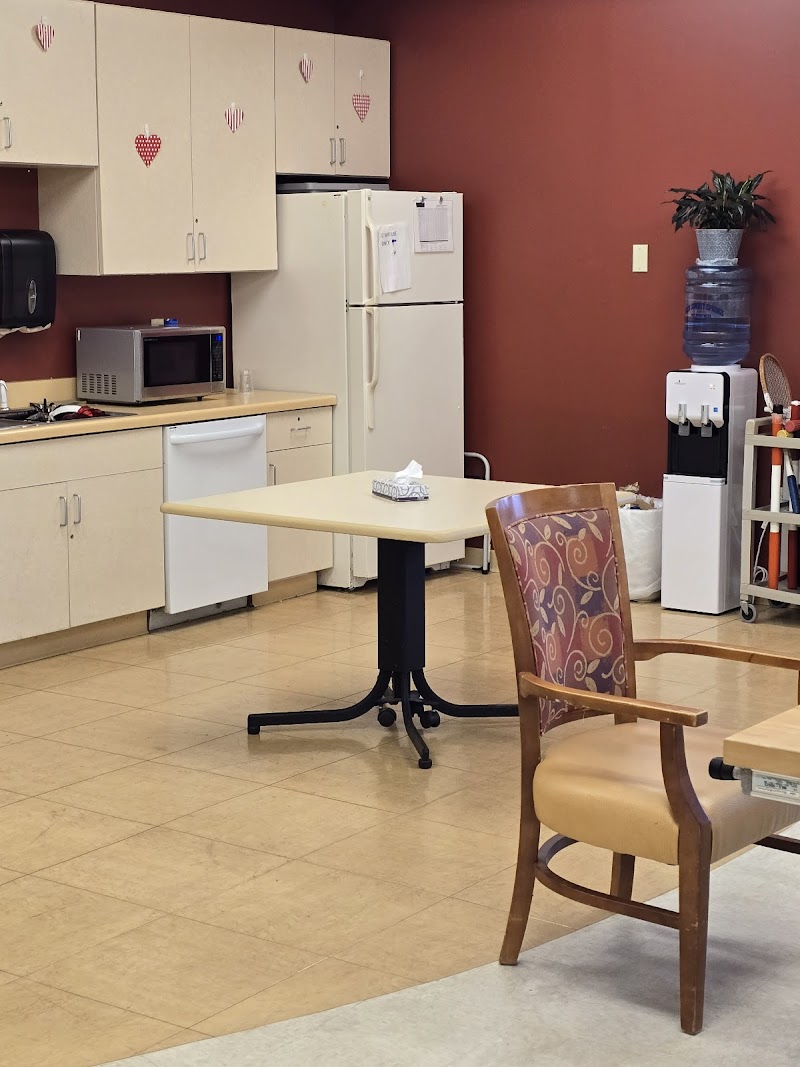
How is Edenbrook On Second Ave Staffed?

CMS rates EDENBROOK ON SECOND AVE's staffing level at 3 out of 5 stars, which is average compared to other nursing homes. Staff turnover is 67%, which is 21 percentage points above the Pennsylvania average of 46%. High turnover can affect care consistency as new staff learn residents' individual needs.

What Have Inspectors Found at Edenbrook On Second Ave?

State health inspectors documented 63 deficiencies at EDENBROOK ON SECOND AVE during 2022 to 2025. These included: 1 that caused actual resident harm, 61 with potential for harm, and 1 minor or isolated issues. Deficiencies causing actual harm indicate documented cases where residents experienced negative health consequences.

Who Owns and Operates Edenbrook On Second Ave?

EDENBROOK ON SECOND AVE is owned by a for-profit company. For-profit facilities operate as businesses with obligations to shareholders or private owners. The facility is operated by EDEN EAST HEALTHCARE MANAGEMENT, a chain that manages multiple nursing homes. With 160 certified beds and approximately 125 residents (about 78% occupancy), it is a mid-sized facility located in KINGSTON, Pennsylvania.

How Does Edenbrook On Second Ave Compare to Other Pennsylvania Nursing Homes?

Compared to the 100 nursing homes in Pennsylvania, EDENBROOK ON SECOND AVE's overall rating (2 stars) is below the state average of 3.0, staff turnover (67%) is significantly higher than the state average of 46%, and health inspection rating (2 stars) is below the national benchmark.

What Should Families Ask When Visiting Edenbrook On Second Ave?

Based on this facility's data, families visiting should ask: "How do you ensure continuity of care given staff turnover, and what is your staff retention strategy?" "Can I visit during a mealtime to observe dining assistance and food quality?" "How do you handle medical emergencies, and what is your hospital transfer rate?" "Can I speak with family members of current residents about their experience?" These questions are particularly relevant given the facility's high staff turnover rate.

Is Edenbrook On Second Ave Safe?

Based on CMS inspection data, EDENBROOK ON SECOND AVE has a clean safety record: no substantiated abuse findings (meaning no confirmed cases of resident harm), no Immediate Jeopardy citations (the most serious violation level indicating risk of serious injury or death), and is not on the Special Focus Facility watch list (a federal program monitoring the lowest-performing 1% of nursing homes). The facility has a 2-star overall rating and ranks #100 of 100 nursing homes in Pennsylvania. While no facility is perfect, families should still ask about staff-to-resident ratios and recent inspection results during their visit.

Do Nurses at Edenbrook On Second Ave Stick Around?

Staff turnover at EDENBROOK ON SECOND AVE is high. At 67%, the facility is 21 percentage points above the Pennsylvania average of 46%. High turnover means new staff may not know residents' individual needs, medications, or preferences. It can also be disorienting for residents, especially those with dementia who rely on familiar faces. Families should ask: What is causing the turnover? What retention programs are in place? How do you ensure care continuity during staff transitions?

Was Edenbrook On Second Ave Ever Fined?

EDENBROOK ON SECOND AVE has been fined $355,493 across 1 penalty action. This is 9.7x the Pennsylvania average of $36,634. Fines at this level are uncommon and typically indicate a pattern of serious deficiencies, repeated violations, or failure to correct problems promptly. CMS reserves penalties of this magnitude for facilities that pose significant, documented risk to resident health or safety. Families should request specific documentation of what issues led to these fines and what systemic changes have been implemented.

Is Edenbrook On Second Ave on Any Federal Watch List?

EDENBROOK ON SECOND AVE is not on any federal watch list. The most significant is the Special Focus Facility (SFF) program, which identifies the bottom 1% of nursing homes nationally based on persistent, serious quality problems. Not being on this list means the facility has avoided the pattern of deficiencies that triggers enhanced federal oversight. This is a positive indicator, though families should still review the facility's inspection history directly.