THIRD AVENUE HEALTH & REHAB CENTER
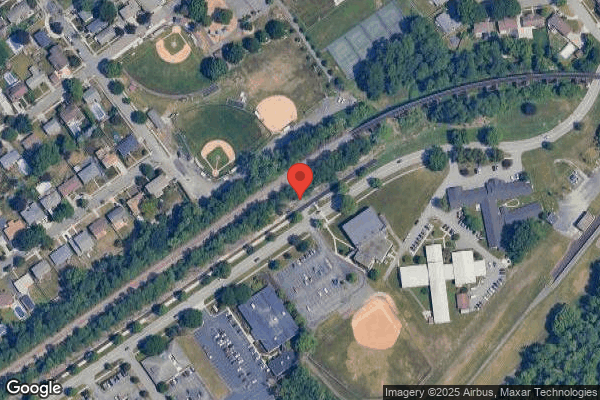

702 THIRD AVENUE, KINGSTON, PA 18704 (570) 283-5848
For profit - Corporation 65 Beds SABER HEALTHCARE GROUP Data: November 2025
Trust Grade
48/100
#366 of 653 in PA
Last Inspection: May 2025

Inspected within the last 6 months. Data reflects current conditions.

Overview

Third Avenue Health & Rehab Center has received a Trust Grade of D, indicating that it is below average and has some concerning issues. It ranks #366 out of 653 facilities in Pennsylvania, placing it in the bottom half, and #9 out of 22 in Luzerne County, meaning only eight local options are better. The facility is showing improvement, with the number of issues found dropping from 19 in 2024 to 6 in 2025. Staffing is rated average with a turnover rate of 54%, which is close to the state average of 46%, and the facility has good RN coverage, providing more than 75% of Pennsylvania facilities. However, there have been serious incidents, including one resident experiencing multiple falls that led to significant injuries due to inadequate supervision and fall prevention measures, as well as pest control issues that raised health concerns. Despite these weaknesses, the facility excels in quality measures, receiving a perfect score of 5/5 in that area.

Trust Score
D
48/100
In Pennsylvania
#366/653
Bottom 44%
Safety Record
Moderate
Needs review
Inspections
Getting Better
19 → 6 violations
Staff Stability
⚠ Watch
54% turnover. Above average. Higher turnover means staff may not know residents' routines.
Penalties
⚠ Watch
$7,443 in fines. Higher than 81% of Pennsylvania facilities, suggesting repeated compliance issues.
Skilled Nurses
✓ Good
Each resident gets 51 minutes of Registered Nurse (RN) attention daily — more than average for Pennsylvania. RNs are trained to catch health problems early.
Violations
⚠ Watch
41 deficiencies on record. Higher than average. Multiple issues found across inspections.
★★★☆☆
3.0
Overall Rating
★★★☆☆
3.0
Staff Levels
★★★★★
5.0
Care Quality
★★☆☆☆
2.0
Inspection Score
Stable
2024: 19 issues
2025: 6 issues

The Good

  • 5-Star Quality Measures · Strong clinical quality outcomes
  • Full Sprinkler Coverage · Fire safety systems throughout facility
  • No fines on record

Facility shows strength in quality measures, fire safety.

The Bad

3-Star Overall Rating

Near Pennsylvania average (3.0)

Meets federal standards, typical of most facilities

Staff Turnover: 54%

Near Pennsylvania avg (46%)

Higher turnover may affect care consistency

Federal Fines: $7,443

Below median ($33,413)

Minor penalties assessed

Chain: SABER HEALTHCARE GROUP

Part of a multi-facility chain

Ask about local staffing decisions and management

The Ugly 41 deficiencies on record

2 actual harm
May 2025 6 deficiencies 1 Harm
SERIOUS (G)

Actual Harm - a resident was hurt due to facility failures

Accident Prevention (Tag F0689)

A resident was harmed · This affected 1 resident

**NOTE- TERMS IN BRACKETS HAVE BEEN EDITED TO PROTECT CONFIDENTIALITY** Based on review of clinical records, facility policies, documentation provided by the facility, and staff interviews, it was det...

Read full inspector narrative →
**NOTE- TERMS IN BRACKETS HAVE BEEN EDITED TO PROTECT CONFIDENTIALITY** Based on review of clinical records, facility policies, documentation provided by the facility, and staff interviews, it was determined the facility failed to consistently provide adequate supervision and implement appropriate, individualized fall prevention interventions based on assessed needs to ensure the safety of one of 18 sampled residents (Resident 50), resulting in multiple unwitnessed falls and significant injury, including a traumatic subdural hemorrhage and multiple fractures of the arm. Findings include: A review of the facility policy titled Fall Prevention and Management Policy, last reviewed by the facility February 13, 2025, revealed it is the policy of the facility to assist in fall management and prevention. The policy indicated an individualized, person-centered nursing care plan will be initiated and/or updated by the interdisciplinary team upon readmission to the facility. A clinical record review revealed Resident 50 was admitted to the facility on [DATE], with diagnoses including chronic kidney disease (gradual loss of kidney function), and history of recurrent falls. A review of a quarterly Minimum Data Set assessment (MDS-a federally mandated standardized assessment process conducted periodically to plan resident care) dated December 11, 2024, revealed that Resident 50 was severely cognitively impaired with a BIMS score of 3 (Brief Interview for Mental Status-a tool within the Cognitive Section of the MDS that is used to assess the resident's attention, orientation, and ability to register and recall new information; a score of 0-7 indicates severe cognitive impairment). A review of a Fall Risk assessment dated [DATE], revealed the resident lacks understanding of her physical and cognitive limitations and was assessed as being at high risk for falls. A review of the resident's plan of care initially dated October 30, 2024, revealed the resident had a series of falls and was at risk for injury Interventions included: use of a brightly colored call bell reminder sign, anti-rollback devices on the wheelchair, pre-bedtime toileting, rest period after dinner, therapy referrals, and application of Dycem (a thin, non-slip material) to the wheelchair. The care plan did not include documented interventions specifically addressing the resident's poor safety awareness, severe cognitive impairment, or repeated attempts to self-transfer. Progress notes revealed a repeated pattern of Resident 50 attempting to rise or transfer without staff assistance, despite her severely impaired cognition and known fall risk status. A review of a progress note dated November 14, 2024, at 6:30 PM revealed the resident was sitting near the entrance of the TV area. Staff heard someone say, she's on the floor. Staff found the resident on the floor in front of her wheelchair with her back against the wall. The resident asked to go to bed. No injury was noted at that time. A progress note dated November 15, 2024, at 6:31 AM documented the resident attempted to rise without assistance. The note further described her gait as unsteady with one-person assistance during transfers. On November 16, 2024, at 7:05 PM, another progress note indicated the resident continued to attempt rising without assistance at times. A review of a progress note dated November 30, 2024, at 11:03 AM indicated the resident was observed in the process of self-transferring between bed and wheelchair. Staff noted that redirection efforts were ineffective due to her cognitive status. A review of a progress note dated December 7, 2024, at 3:11 AM revealed the resident was found sitting on the floor against the wall in her room. She had sustained skin tears to the left elbow, left upper arm, and left ring finger. A review of a progress note dated December 18, 2024, at 10:22 PM, revealed the resident was using the phone in her room. When she stood up to hang up the phone and then attempted to sit back down, she missed the chair and landed on her buttocks. Staff documentation indicated that the resident was re-educated on waiting for assistance, despite her severe cognitive impairment, which made such education ineffective as an intervention. On December 21, 2024, at 6:05 PM, staff were called to the resident's room and found her sitting on the floor with her wheelchair behind her and the bathroom door closed. Her roommate reported the resident had attempted to stand up and slid to the floor. The wheelchair brakes were not fully engaged at the time of the incident. Despite the repeated self-transfer attempts, the only new intervention added was the application of Dycem to the wheelchair. Between November 14 and December 25, 2024, multiple progress notes documented Resident 50 attempting to rise without assistance and engaging in unsafe self-transfer behaviors. Staff repeatedly documented the resident required redirection, which was often ineffective due to her cognitive status. Despite this pattern, the facility did not revise the plan of care to include additional supervision or more targeted interventions to prevent further falls. A review of a progress note dated December 25, 2024, at 7:38 AM, revealed at 6:50AM the resident was found lying on the floor at the head of the bed. She sustained two additional skin tears, which were treated with saline, Xeroform gauze (wound dressing), and a dry sterile dressing. Once again, staff documented the resident was educated on the use of her call bell, even though prior documentation repeatedly identified her as severely cognitively impaired and resistant to redirection. According to the investigative documentation provided by the facility the cause of this fall was due to the resident's self-transfer attempts. A Progress note on December 25, 2024, indicated later that same day, at 6:57 PM, staff were alerted by another resident and found Resident 50 lying face down on the floor, with blood above her right eyebrow and complaints of pain in the left shoulder and arm. She had been lying on her broken eyeglasses. The resident's roommate reported she had walked into the room and fell. The physician was notified, and new orders were obtained for stat (immediate) X-rays. A review of the facility provided investigative documentation identified the root cause as another unassisted attempt to ambulate and noncompliance with transfer assistance. A review of a progress note dated December 26, 2024, at 3:25 AM revealed the resident was medicated for complaints of pain to her left upper extremity. An X-ray performed the following morning, December 26, 2024, at 11:00 AM revealed that Resident 50 sustained a closed fracture of the left shoulder and wrist. She was transferred to the emergency department for further evaluation. Hospital records documented a traumatic subdural hemorrhage (a life-threatening collection of blood between the brain and its outer covering), a closed fracture of the distal end of left ulna (a break in the lower end of the ulna bone), a closed fracture of the left proximal humerus (a break in the upper arm bone), and lacerations of multiple sites (a wound caused by a tear or cut in the skin caused by trauma). The facility failed to implement enhanced interventions in response to the resident's ongoing fall attempts and did not reassess or revise the care plan to provide more frequent supervision, scheduled checks, or appropriate use of assistive technology such as bed or chair alarms. Furthermore, repeated re-education efforts were inappropriate for a resident with a severe cognitive deficit. An interview conducted with the Director of Nursing (DON) on May 29, 2025, at approximately 1:00 PM confirmed the facility failed to provide adequate supervision and implement appropriate fall prevention interventions based on the resident's assessed needs to prevent falls with injury. 28 Pa. Code 201.14(a) Responsibility of licensee. 28 Pa. Code 201.18(b)(1) Management. 28 Pa. Code 211.12(d)(3)(5) Nursing services.
CONCERN (D)

Potential for Harm - no one hurt, but risky conditions existed

Deficiency F0552 (Tag F0552)

Could have caused harm · This affected 1 resident

**NOTE- TERMS IN BRACKETS HAVE BEEN EDITED TO PROTECT CONFIDENTIALITY** Based on clinical record review, observation, and staff interviews, it was determined the facility failed to ensure that one res...

Read full inspector narrative →
**NOTE- TERMS IN BRACKETS HAVE BEEN EDITED TO PROTECT CONFIDENTIALITY** Based on clinical record review, observation, and staff interviews, it was determined the facility failed to ensure that one resident out of 18 sampled (Resident 26) was afforded the right to participate in care and treatment decisions, to be fully informed of treatment, and to make choices about preferred treatment options. The findings include: Review of the clinical record revealed that Resident 26 was admitted to the facility on [DATE], with diagnoses to include osteoarthritis (a joint disease characterized by the breakdown of cartilage causing pain and stiffness), and chronic pain. A review of a quarterly Minimum Data Set assessment (MDS-a federally mandated standardized assessment process conducted periodically to plan resident care) dated May 2, 2025, revealed that Resident 26 was severely cognitively impaired with a BIMS score of 15 (Brief Interview for Mental Status-a tool within the Cognitive Section of the MDS that is used to assess the resident's attention, orientation, and ability to register and recall new information (a score of 13-15 indicates a resident is cognitively intact). A review of Resident 26's clinical record revealed an order for Torsemide 20mg (diuretic medication used to help the body eliminate excess salt and water) to be administered as two tablets by mouth once daily as needed. On May 27, 2025, at approximately 8:45 a.m., during observation of the morning medication pass, Employee 4 (Licensed Practical Nurse) was observed placing multiple medications, including Torsemide, into a medication cup and offering them to Resident 26. During this interaction, Resident 26 expressed concern and stated he did not want to take his water pill because it would cause him to urinate excessively throughout the day. In response, Employee 4 stated, There is no water pill in here, please take your medications, and proceeded to administer the medications, including the Torsemide, despite the resident's verbal refusal. An interview conducted with Employee 4 following the observation confirmed that she administered the Torsemide to Resident 26. She further stated that she was unaware Torsemide was a diuretic, commonly referred to by residents as a water pill. During an interview on May 27, 2025, at approximately 12:00 p.m., the Nursing Home Administrator (NHA) confirmed the nurse failed to provide Resident 26 with the opportunity to refuse the medication and acknowledged the resident's right to participate in treatment decisions was not upheld. 28 Pa. Code 201.29(a) Resident rights. 28 Pa. Code 211.12(d)(3)(5) Nursing services
CONCERN (D)

Potential for Harm - no one hurt, but risky conditions existed

Deficiency F0688 (Tag F0688)

Could have caused harm · This affected 1 resident

**NOTE- TERMS IN BRACKETS HAVE BEEN EDITED TO PROTECT CONFIDENTIALITY** Based on review of clinical records, select facility policy, and staff interview, it was determined the facility failed to consi...

Read full inspector narrative →
**NOTE- TERMS IN BRACKETS HAVE BEEN EDITED TO PROTECT CONFIDENTIALITY** Based on review of clinical records, select facility policy, and staff interview, it was determined the facility failed to consistently provide restorative nursing services as planned to maintain mobility for one resident (Resident 53) out of 13 residents sampled. Findings include: Review of the facility Restorative Nursing Services Policy last reviewed February 13, 2025, indicated residents who could benefit from the nursing restorative programs can be identified at the following times: on admission, when other assessment are required such as a Minimum Data Set Assessment (MDS- a federally mandated standardized assessment process conducted at specific intervals to plan resident care), from the 24-hour report and the change of shift report, at morning standup meeting, at care planning, and other resident-focused meetings, at risk management meetings such as behavior management, nutrition at risk, and during weekly restorative weekly reviews. If appropriate the resident will begin the restorative program. Care plan will be developed. Orders are not needed for resident to participate in restorative programming. Review of the clinical record revealed that Resident 53 was initially admitted to the facility on [DATE], transferred to the hospital on March 23, 2025, and readmitted to the facility on [DATE], with diagnoses which include obstructive hydrocephalus (a condition where the normal flow of cerebrospinal fluid is blocked within the brain's ventricles or the pathways connecting them leading to a buildup of fluid and increased pressure within the brain) with placement of a ventricular intracranial communicating shunt (device used to treat hydrocephalus), anxiety, and depression. Review of an admission MDS dated [DATE], indicated the resident was severely cognitively impaired and was non-ambulatory. Further review of the clinical record revealed that Physical Therapy was provided to the resident from April 16, 2025, until May 15, 2025. Review of the resident's Physical Therapy Discharge summary dated [DATE], indicated at the time of discharge the resident could ambulate 25 feet with contact guard assistance (a hand or two is placed on the resident's body to help with balance). Prognosis to maintain current level of functioning was described as good with consistent staff follow-through. Discharge recommendations included gait (ambulation) with rolling walker (walker with wheels) to bathroom or short distances. Review of a care plan initially dated May 19, 2025, revealed the resident required training and skill practice in walking with a goal to walk in room with the assistance of one staff with a rolling walker for 10 feet. Review of Resident 53's Point of Care Restorative Nursing Report for Walking dated May 19, 2025, through May 29, 2025, indicated that staff were to document the distance and number of minutes the resident walked on the first and second shift. The report indicated the resident ambulated on only four of 11 days. Reasons for not being ambulated included refusal, deferred due to condition, and unavailable. Further review of the clinical record revealed no documented evidence that licensed staff were aware that the resident's newly implemented ambulation program was not being implemented as planned to ensure the resident's ambulation goal was met to the extent possible. Interview with the Assistant Director of Nursing (ADON) on May 30, 2025, at approximately 1:30 PM failed to provide documented evidence that Resident 53's restorative ambulation program was implemented as planned. The ADON failed to provide documented evidence that Resident 53's reasons for refusal to ambulate or episodes of staff not providing ambulation assistance to the resident as planned were evaluated at the time of occurrence by licensed staff to ensure the resident's goals for ambulation are met to the extent possible. 28 Pa. Code: 211.5(f)(viii) Medical records 28 Pa Code 211.12(c)(d)(5) Nursing services
CONCERN (D)

Potential for Harm - no one hurt, but risky conditions existed

Deficiency F0761 (Tag F0761)

Could have caused harm · This affected 1 resident

Based on observation, review of select facility policy and clinical records, and staff interviews, it was determined the facility failed to adhere to acceptable storage and labeling for multi-dose med...

Read full inspector narrative →
Based on observation, review of select facility policy and clinical records, and staff interviews, it was determined the facility failed to adhere to acceptable storage and labeling for multi-dose medications in one of two medication carts observed (Teal Hall). Findings include: Review of the facility policy titled Medication Labeling and Storage last reviewed by the facility February 13,2025, indicated that multi-use vials that have been opened or accessed (e.g. needle punctured) are dated and discarded within 28 days unless the manufacturer specifies a shorter or longer date for the open vial. An observation of the medication cart located on Teal Hall unit on May 29, 2025, at 8:24 AM, in the presence of Employee 2 (Licensed Practical Nurse ) of the medication stored in the medication cart, revealed two (2) multi-dose insulin pens of Insulin Lispro ( a fast acting insulin medication used to lower blood sugar ) and Insulin Glargine (a long acting insulin medication used to lower blood sugar) that had been opened and available for use, but not dated when initially opened. An interview with Employee 2 (LPN) on May 29,2025, at 8:24 AM, confirmed both multi dose insulin pens: Insulin Lispro and Insulin Glargine were opened, and available for use, and not dated when initially opened. Interview with the Nursing Home Administrator (NHA) on May 29,2025, at approximately 11:00 AM, confirmed the facility failed to adhere to acceptable storage and labeling practice for multi-dose medications. 28 Pa. Code 211.9(a)(1)(k) Pharmacy services 28 Pa. Code 211.12(c)(d)(1)(5) Nursing services
CONCERN (E)

Potential for Harm - no one hurt, but risky conditions existed

Food Safety (Tag F0812)

Could have caused harm · This affected multiple residents

Based on observation, a review of facility-provided documents, and employee interviews, it was determined the facility failed to maintain acceptable practices for the storage and service of food to pr...

Read full inspector narrative →
Based on observation, a review of facility-provided documents, and employee interviews, it was determined the facility failed to maintain acceptable practices for the storage and service of food to prevent the potential for contamination, including rodent activity, which increased the risk of food-borne illness in multiple areas of the kitchen. Findings include: According to the Centers for Disease Control (CDC), Controlling Wild Rodent Infestations, rodents can carry many diseases that can spread directly or indirectly to people, including through contact with rodent droppings, urine, or saliva. Signs of rodents include droppings (feces) and gnaw marks. The CDC indicates that to determine if the activity is current, regular cleaning and disinfecting are required. When droppings are identified following cleaning, it can confirm the presence of rodents. During an interview on May 28, 2025, the Director of Maintenance indicated the facility has an external pest management company that provides services to the building about once a month. The Director of Maintenance explained the pest management company has not reported any identification of rodent activity. The Director of Maintenance provided invoices for services rendered by the pest management company; however, a review of the invoices from December 2024 through May 2025 revealed the external company failed to identify any rodent activity. An observation on May 28, 2025, at 1:15 PM, revealed evidence of mouse activity in the facility's main dining room. Over 50 mouse-like droppings were seen on the floor in the resident main dining room underneath a cabinet running along the kitchen-side wall. During an observation on May 28, 2025, at 1:20 PM, active signs of mouse activity were noted in two areas of the kitchen. The dry storage area contained mouse-like droppings on the floor under metal storage racks. Also, in the corner of the meal preparation area of the kitchen, additional mouse-like droppings were identified scattered amongst silicone caulking pieces. The mouse-like droppings were found near a crevice in the wall, suggesting a potential entry point or an attempt by the mice to access the wall void. During an interview on May 30, 2025, at approximately 10:00 AM, the Nursing Home Administrator (NHA) confirmed the presence of mouse-like droppings in the facility's kitchen. The NHA confirmed it is the facility's responsibility to maintain acceptable practices for the storage and service of food to prevent the potential for contamination, including rodent activity, which increases the risk of food-borne illness. Refer F925 28 Pa. Code 201.18 (e)(2.1) Management.
CONCERN (E)

Potential for Harm - no one hurt, but risky conditions existed

Deficiency F0925 (Tag F0925)

Could have caused harm · This affected multiple residents

Based on observations, a review of facility-provided documents, and resident and employee interviews, it was determined the facility failed to maintain an effective pest control program, including obs...

Read full inspector narrative →
Based on observations, a review of facility-provided documents, and resident and employee interviews, it was determined the facility failed to maintain an effective pest control program, including observations made on one of the three nursing units (Grey Unit- bedrooms of Residents 4, 23, and 39), experiences reported by one resident out of 18 sampled (Resident 23), and experiences reported by two residents during a group interview (Residents 27 and 28). Findings include: According to the Centers for Disease Control (CDC), Controlling Wild Rodent Infestations, rodents can carry many diseases that can spread directly or indirectly to people, including through contact with rodent droppings, urine, or saliva. Signs of rodents include droppings (feces) and gnaw marks. The CDC indicates that to determine if the activity is current, regular cleaning and disinfecting are required. When droppings are identified following cleaning, it can confirm the presence of rodents. During an interview on May 28, 2025, the Director of Maintenance indicated the facility has an external pest management company that provides services to the building about once a month. The Director of Maintenance explained the pest management company has not reported any identification of rodent activity. The Director of Maintenance provided invoices for services rendered by the pest management company; however, a review of the invoices from December 2024 through May 2025 revealed the external company failed to identify any rodent activity. A review of facility-provided pest control invoices from December 2024 through May 2025 revealed no documented evidence of rodent or other pest activity. A facility tour and observations on May 28, 2025, revealed evidence of rodent activity in multiple resident rooms and common areas: An observation at 9:40 AM of Resident 39's bedroom revealed several mouse-like droppings (small, long, black pellets that were tapered at the ends- resembling a black grain of rice) on the floor in the window-side corner of the room. An observation at 12:38 PM of Resident 4's bedroom revealed over 20 mouse-like droppings in the window-side corner of the room. At the time of the observation, the Assistant Director of Nursing (ADON) confirmed the observation of the mouse-like droppings. An observation at 12:48 PM of Resident 23's bedroom revealed several mouse-like droppings on the floor, against the wall, and behind the window-side bed. An interview with Resident 23 at the same time as the observation revealed that he has seen mice a few times over the past few months running across the floor in his room. An observation on May 28, 2025, at 1:15 PM, revealed evidence of mouse activity in the facility's main dining room. Over 50 mouse-like droppings were seen on the floor in the resident main dining room underneath a cabinet running along the kitchen-side wall. During an observation on May 28, 2025, at 1:20 PM, active signs of mouse activity were noted in two areas of the kitchen. The dry storage area contained mouse droppings on the floor under metal storage racks. In the corner of the kitchen, additional mouse-like droppings were identified scattered amongst silicone caulking pieces found near a crevice in the wall, suggesting a potential entry point or an attempt by the mice to access the wall void. During a resident group interview, two out of eight residents interviewed (Residents 27 and 28) indicated they observed rodents at the facility. Resident 27 recalled seeing a mouse last week in her bedroom. She explained she has been seeing the rodents for a few months and has reported it to staff. Resident 28 indicated that she saw mice a few months ago at the facility but has not had any recent experiences. During an interview on May 30, 2025, at approximately 10:00 AM, the Nursing Home Administrator (NHA) confirmed the facility had no documented evidence of an effective pest management program, including identification of mouse activity, specifically, mouse-like droppings in the facility kitchen, dining room, and multiple resident rooms. The NHA confirmed it is the facility's responsibility to maintain an effective pest control program to ensure the facility is free of rodents. Refer F812 28 Pa. Code 201.18 (e)(2.1) Management.
Sept 2024 6 deficiencies
CONCERN (D) 📢 Someone Reported This

A family member, employee, or ombudsman was alarmed enough to file a formal complaint

Potential for Harm - no one hurt, but risky conditions existed

Notification of Changes (Tag F0580)

Could have caused harm · This affected 1 resident

**NOTE- TERMS IN BRACKETS HAVE BEEN EDITED TO PROTECT CONFIDENTIALITY** Based on review of clinical records, and staff interview, it was determined that the facility failed to timely notify the physic...

Read full inspector narrative →
**NOTE- TERMS IN BRACKETS HAVE BEEN EDITED TO PROTECT CONFIDENTIALITY** Based on review of clinical records, and staff interview, it was determined that the facility failed to timely notify the physician and the resident's responsible party of medication error for one resident out of 12 sampled (Resident 1). Findings include: A review of the clinical record revealed Resident 1 was admitted to the facility on [DATE], with diagnosis to include Alzheimer's disease (a brain disorder that gradually destroys memory and thinking skills). A review of Resident 1's quarterly minimum data set (MDS- a federally mandated standardized assessment conducted at specific intervals to plan resident care) dated August 2, 2024 revealed a BIMS score of 3 (BIMS- brief interview for mental status, a tool to assess the residents attention, orientation and ability to register and recall new information, a score of 00- 07 equates to severe cognitive impairment). A review of a facility investigative report dated September 18, 2024 at 12:38 PM revealed on September 15, 2024, the resident was given a medication not prescribed to her. It was indicated Resident 1 was given short acting insulin (a regular or short-acting insulin injection treats diabetes. It uses human-made insulin to lower the blood sugar. Regular insulin is most effective between two and three hours after injection. It reduces the blood sugar for three to six hours after it starts working) prior to lunch in error on Sunday September 15, 2024. Further it was indicated that nursing was made aware on September 18, 2024. The report failed to identify the name of the insulin, the amount administered, and which resident's insulin was given to Resident 1. A review of a witness statement from Employee 1, LPN (licensed practical nurse) dated September 18, 2024, revealed on Sunday September 15, 2024 Employee 2, LPN was on orientation (required supervision by licensed nurse) and preparing Resident 2's insulin and medications. Employee 1, LPN stated Employee 2, LPN asked where the resident was and Employee 1, LPN stated the resident was in the dining room where they do activities. Employee 1 stated she told Employee 2, LPN the resident would answer to her name if she asked and she assumed Employee 2, LPN would ask other staff to confirm the resident's identity. Employee 1, LPN revealed Employee 2, LPN came back to her and stated she gave the wrong resident the insulin. Employee 2, LPN stated to Employee 1, LPN that Employee 3, NA (nurse aide) had witnessed her give Resident 1, Resident 2's insulin. At that time, Employee 1 then reported the medication error to Employee 4, RN (registered nurse). Employee 1 stated that Employee 4, RN told her she spoke with the Director of Nursing (DON), and she was aware of the medication error. Resident 1 did not have a diagnosis of diabetes (is a group of metabolic diseases in which there are high blood sugar levels over a prolonged period) and did not require insulin. A review of a witness statement from Employee 2, LPN dated September 18, 2024, revealed the employee was on orientation in the grey hall. The employee stated she was preparing medication for Resident 2 and asked Employee 1, LPN who the resident was. Employee 2, LPN indicated that Employee 1, LPN told her that Resident 2 responds to her name. The employee stated she went down to the activities room and called out Resident 2's name three times. The employee indicated that Resident 1 answered to the name, and she administered 12 units of insulin to Resident 1. At that time Employee 3, nurse aide asked her if she knew who that resident was. The employee stated yes. Employee 3, nurse aide stated to her, I didn't know you were helping on both halls. Employee 3, nurse aide realized at that time she gave the wrong resident the insulin. The employee indicated she told Employee 1, LPN what had happened, and they both told Employee 4, RN that Resident 1 received Resident 2's insulin. A review of Resident 1's clinical record revealed no documented evidence the facility had contacted the physician on September 15, 2024, to inform the physician Resident 1 received 12 units of insulin in error. Further review revealed the facility failed to notify Resident 1's representative of the medication error. An interview with the Director of Nursing and Nursing Home Administrator on September 20, 2024, at approximately 2:15 PM confirmed the facility failed to notify the resident's responsible party and physician of a significant medication error. 28 Pa Code 211.12 (c)(d)(3)(5)Nursing services.
CONCERN (D) 📢 Someone Reported This

A family member, employee, or ombudsman was alarmed enough to file a formal complaint

Potential for Harm - no one hurt, but risky conditions existed

Deficiency F0726 (Tag F0726)

Could have caused harm · This affected 1 resident

**NOTE- TERMS IN BRACKETS HAVE BEEN EDITED TO PROTECT CONFIDENTIALITY** Based on a review of clinical records, a facility investigative report, nurse competencies and staff interview, it was determine...

Read full inspector narrative →
**NOTE- TERMS IN BRACKETS HAVE BEEN EDITED TO PROTECT CONFIDENTIALITY** Based on a review of clinical records, a facility investigative report, nurse competencies and staff interview, it was determined the facility failed to to ensure that licensed nursing staff possessed the skills and competencies necessary to assure administration of medications accurately and safely for one resident out of 12 sampled (Residents 1). Findings include: According to the Pennsylvania Code, Title 49, Professional and Vocational Standards, State Board of Nursing, 21.145 Functions of the Licensed Practical Nurse (LPN) (a) The LPN is prepared to function as a member of the health-care team by exercising sound judgement based on preparation, knowledge, skills, understanding and past experiences in nursing situations. The LPN participates in the planning, implementation, and evaluation of nursing care in settings where nursing takes place. 21.148 Standards of nursing conduct (a) A licensed practical nurse shall: (1) undertake a specific practice only if the licensed practical nurse has the necessary knowledge, preparation, experience, and competency to properly execute the practice. A review of the clinical record revealed that Resident 1 was admitted to the facility on [DATE], with diagnosis to include Alzheimer's disease (a brain disorder that gradually destroys memory and thinking skills). A review of Resident 1's quarterly minimum data set (MDS- a federally mandated standardized assessment conducted at specific intervals to plan resident care) dated August 2, 2024 revealed a BIMS score of 3 (BIMS- brief interview for mental status, a tool to assess the residents attention, orientation and ability to register and recall new information, a score of 00- 07 equates to severe cognitive impairment). A review of a facility investigative report dated September 18, 2024 at 12:38 PM revealed on September 15, 2024, the resident was given a medication not prescribed to her. It was indicated Resident 1 was given short acting insulin (a regular or short-acting insulin injection treats diabetes. It uses human-made insulin to lower the blood sugar. Regular insulin is most effective between two and three hours after injection. It reduces the blood sugar for three to six hours after it starts working) prior to lunch in error on Sunday September 15, 2024. Further it was indicated that nursing was made aware on September 18, 2024. The report failed to identify the name of the insulin, the amount administered, and which resident's insulin was given to Resident 1. A review of a witness statement from Employee 2, LPN dated September 18, 2024, revealed the employee was training and on orientation in the grey hall. The employee stated she was preparing medication for Resident 2 and asked Employee 1, LPN who the resident was. Employee 2, LPN indicated that Employee 1, LPN told her that Resident 2 responds to her name. The employee stated she went down to the activities room and called out Resident 2's name three times. The employee indicated that Resident 1 answered to the name (not the resident who was prescribed the insulin), and she administered 12 units of insulin to Resident 1. At that time Employee 3, nurse aide asked her if she knew who that resident was. The employee stated yes. Employee 3, nurse aide stated to her, I didn't know you were helping on both halls. Employee 3, nurse aide realized at that time she gave insulin to the wrong resident. The employee indicated she told Employee 1, LPN what happened, and they both told Employee 4 RN, that Resident 1 received Resident 2's insulin. A review of the Resident 2's clinical record revealed a physician's order for Lispro insulin (a fast-acting, human-made insulin that helps regulate blood sugar levels in people with diabetes) 100 units/ml (milliliter) inject 12 units subcutaneously (under the skin) at 8:00 AM, 12:00 PM, and 5:00 PM. An interview with Employee 2 LPN on September 20, 2024, at 10:18 AM revealed she had just started employment at the facility on September 12, 2024. The employee stated she was by herself on the medication cart on September 15, 2024. The employee stated she prepared 12 units of Resident 2's insulin and went down to the activities room to administer it. The employee stated she called out Resident 2's name three times and Resident 1 answered. Employee 2, LPN stated she gave the insulin to the resident who had answered to the name. The employee stated she did not look at the photo because they don't always look like the resident, and she did not ask any staff to help identify the resident. The employee stated Employee 3, nurse aide asked her if she knows who she just gave insulin to. The employee stated she said yes Resident 2 and that is when Employee 3, nurse aide told the employee that she was not Resident 2 but Resident 1. The employee stated she went and told Employee 1, LPN who in return they both told Employee 4, RN that a medication error had occurred. The Employee stated that she did not have competencies completed to ensure she was competent in medication pass prior to administering medications alone. She stated she had only been working at the facility a couple of days. An interview with the Nursing Home Administrator (NHA) on September 20, 2024, at approximately 12:30 PM revealed the facility has an orientation check list for licensed nurses that needs to be completed prior to being assigned their duties. The NHA stated that all licensed staff are to have medication administration competencies completed with the Director of Nursing (DON) prior to administering medications without supervision. A review of Employee 2's, LPN employee file revealed the facility failed to complete the medication administration competencies with Employee 2, LPN prior to allowing her to safely administer medications to residents. Further review of the employee's file revealed no competencies were completed during her orientation prior to the assumption of her assignment. During an interview on September 20, 2024, at approximately 2:15 PM, The Nursing Home Administrator and Director of Nursing confirmed that Employee 2, LPN failed to demonstrate competency on accurately and safely administering medication for Resident 1. The facility failed to ensure that licensed nursing staff possessed the skills and competencies related to medication administration. 28 Pa Code 211.12 (c)(d)(1)(3)(5) Nursing services. 28 Pa. Code 211.9 (a)(1)(b)(d)(k) Pharmacy services.
CONCERN (D) 📢 Someone Reported This

A family member, employee, or ombudsman was alarmed enough to file a formal complaint

Potential for Harm - no one hurt, but risky conditions existed

Pharmacy Services (Tag F0755)

Could have caused harm · This affected 1 resident

**NOTE- TERMS IN BRACKETS HAVE BEEN EDITED TO PROTECT CONFIDENTIALITY** Based on a review of pharmacy documentation, clinical records and staff interviews it was determined the facility failed to impl...

Read full inspector narrative →
**NOTE- TERMS IN BRACKETS HAVE BEEN EDITED TO PROTECT CONFIDENTIALITY** Based on a review of pharmacy documentation, clinical records and staff interviews it was determined the facility failed to implement procedures to assure timely acquiring and administration of medications to one of 12 sampled residents (Resident 4). Findings include: A review of Resident 4's clinical record revealed the resident was readmitted to the facility on [DATE], with diagnoses which included malignant neoplasm of the vulva (cancer of the female genitals). A review of physician orders dated September 13, 2024, revealed the following orders: Oxycodone (narcotic pain medication) 5mg (milligrams) every 6 hours as needed for moderate to severe pain. Ativan (anti-anxiety medication) 0.5mg every 12 hours as needed for generalized anxiety disorder. A review of a pharmacy delivery slip dated September 17, 2024, revealed the resident's medications were not delivered to the facility until September 17, 2024, four days after the medication was ordered. The resident did not receive the medications as ordered due to the failure of the timely arrival of the medications by the pharmacy. An interview with the Nursing Home Administrator on September 20, 2024, at 12:15 PM revealed the facility failed to assure timely acquiring and administration of medications to provide medications as ordered to meet the needs of residents. 28 Pa. Code 211.12 (d)(1)(3)(5) Nursing services. 28 Pa. Code 211.9 (a)(1)(d)(k)(l)(1) Pharmacy services.
CONCERN (D) 📢 Someone Reported This

A family member, employee, or ombudsman was alarmed enough to file a formal complaint

Potential for Harm - no one hurt, but risky conditions existed

Deficiency F0760 (Tag F0760)

Could have caused harm · This affected 1 resident

**NOTE- TERMS IN BRACKETS HAVE BEEN EDITED TO PROTECT CONFIDENTIALITY** Based on review of resident clinical records, select facility policy, facility investigative reports, and staff interview it was...

Read full inspector narrative →
**NOTE- TERMS IN BRACKETS HAVE BEEN EDITED TO PROTECT CONFIDENTIALITY** Based on review of resident clinical records, select facility policy, facility investigative reports, and staff interview it was revealed the facility failed to assure that one of 12 residents reviewed were free of significant medication errors (Resident 1). Findings include: A review of a facility pharmacy policy, entitled General Dose Preparation and Medication Administration last reviewed April 30, 2024 revealed prior to the administration of medication facility staff should verify each time a medication is administered that it is the correct medication, at the correct dose, and the correct route, at the correct rate, at the correct time, for the correct resident. Further it is indicated the facility staff should verify the resident's identification (e.g. picture, armband, name). A review of the clinical record revealed that Resident 1 was admitted to the facility on [DATE], with diagnosis to include Alzheimer's disease (a brain disorder that gradually destroys memory and thinking skills). A review of Resident 1's quarterly minimum data set (MDS- a federally mandated standardized assessment conducted at specific intervals to plan resident care) dated August 2, 2024 revealed a BIMS score of 3 (BIMS- brief interview for mental status, a tool to assess the residents attention, orientation and ability to register and recall new information, a score of 00- 07 equates to severe cognitive impairment). A review of a facility investigative report dated September 18, 2024 at 12:38 PM revealed on September 15, 2024, the resident was given a medication not prescribed to her. It was indicated Resident 1 was given short acting insulin (a regular or short-acting insulin injection treats diabetes. It uses human-made insulin to lower the blood sugar. Regular insulin is most effective between two and three hours after injection. It reduces the blood sugar for three to six hours after it starts working) prior to lunch in error on Sunday September 15, 2024. Further it was indicated that nursing was made aware on September 18, 2024. The report failed to identify the name of the insulin, the amount administered, and which resident's insulin was given to Resident 1. A review of a witness statement from Employee 1, LPN (licensed practical nurse) dated September 18, 2024, revealed on Sunday September 15, 2024 Employee 2, LPN was on orientation and preparing Resident 2's insulin and medications. Employee 1, LPN stated Employee 2, LPN asked where the resident was and Employee 1, LPN stated the resident was in the dining room where they do activities. Employee 1, LPN stated she told Employee 2, LPN the resident would answer to her name if she asked and that she assumed Employee 2, LPN would ask other staff who the resident was. Employee 1, LPN revealed Employee 2, LPN came back to her and stated she gave the wrong resident the insulin. Employee 2, LPN stated to Employee 1, LPN that Employee 3, nurse aide had witnessed her give Resident 1 the wrong medication. At that time, Employee 1, LPN then reported the medication error to Employee 4 RN (registered nurse). Employee 1, LPN stated that Employee 4, RN told her she spoke with the Director of Nursing (DON), and she was aware of the medication error. A review of a witness statement from Employee 2, LPN dated September 18, 2024, revealed the employee was on orientation under the supervision of and LPN located in the grey hall. The employee stated she was preparing medication for Resident 2 and asked Employee 1, LPN who the resident was. Employee 2, LPN indicated that Employee 1, LPN told her that Resident 2 responds to her name. The employee stated she went down to the activities room and called out Resident 2's name three times. The employee indicated that Resident 1 answered to the name, and she administered 12 units of insulin to Resident 1. At that time Employee 3, nurse aide asked her if she knew who that resident was. The employee stated yes. Employee 3, nurse aide realized at that time she gave the wrong resident the insulin. The employee indicated she told Employee 1, LPN what had happened, and they both told Employee 4, RN that Resident 1 received Resident 2's insulin. A review of a witness statement from Employee 3, nurse aide (statement not dated) indicated on September 15, 2024, the employee entered the activity dining room. The employee stated she noticed Employee 2 by Resident 1 and, observed her give the resident an injection in her right upper arm. The employee stated she asked Employee 2, LPN if she was helping both nurses, not just the nurse on the gray hall. Employee 2, LPN walked swiftly away. Employee 3, nurse aide stated she went to Employee 5, LPN at that time to tell her what she witnessed. A review of a witness statement from Employee 5, LPN dated September 18, 2024, revealed on September 15, 2024, during the morning medication pass Employee 3, nurse aide pulled this employee into the clean utility closet. Employee 5, LPN stated that Employee 3, nurse aide told her that Employee 2, LPN gave the wrong resident insulin. Employee 5, LPN stated she asked Employee 2, LPN if she gave Resident 1 Resident 2's insulin. Employee 2, LPN stated that she did give Resident 1, 12 units of insulin. Employee 5, LPN stated that Employee 1, LPN told Employee 4, RN about the medication error. Employee 4, RN stated to Employee 5, LPN that she reached out to the DON. Employee 5, LPN stated a couple hours passed and they were still waiting for the DON to call the facility back. Employee 5, LPN stated the DON finally called the facility back and told Employee 4, RN to tell Employee 5, LPN to give Resident 1 glucagon ( a medication that stimulates the liver to release stored sugar into the blood, which raises blood sugar levels) mixed in with Boost high calorie supplement. The employee indicated she administered the medication and supplement, and the resident drank 100 percent. Employee 5, LPN indicated the DON advised not to document on the medication error due to the Department of Health revisit approaching. A review of a witness statement from Employee 4, RN dated September 19, 2024, revealed she was made aware by Employee 1, LPN that Employee 2, LPN gave insulin to Resident 1. The Employee stated she asked Employee 2, LPN if she gave the wrong resident insulin, and she would not admit to it. Employee 4, RN asked Employee 5, RN to check Resident 1's blood sugar and monitor the resident. Employee 4, RN stated she reached out to the DON and told her what had happened. The employee stated the DON told her education would be completed and she would follow up the next day. Employee 4, RN stated she gave the resident one teaspoon of glucose (sugar supplement) in boost and had the resident drink it. A review of the Resident 2's clinical record revealed a physician's order for Lispro insulin (a fast-acting, human-made insulin that helps regulate blood sugar levels in people with diabetes) 100 units/ml (milliliter) inject 12 units subcutaneously (under the skin) at 8:00 AM, 12:00 PM, and 5:00 PM. A review of Resident 1's clinical record revealed no documentation on September 15, 2024, that the resident was administered Resident 2's insulin. Further there was no documentation the physician was made aware of the medication error or orders obtained to obtain the resident's blood sugar, administer medications, or supplements. An interview with Employee 2, LPN on September 20, 2024, at 10:18 AM revealed she had just started employment at the facility on September 12, 2024. The employee stated she was by herself on the medication cart on September 15, 2024. The employee stated she prepared 12 units of Resident 2's insulin and went to the dining room, where the resident was located, to administer it. The employee stated she called out Resident 2's name three times and Resident 1 answered. Employee 2, LPN stated she gave the insulin to the resident who had answered to the name. The employee stated she did not look at the photo because they don't always look like the resident, and she did not ask any staff to help identify the resident. The employee stated Employee 3, nurse aide asked her if she knows who she just gave insulin to. The employee stated she said yes Resident 2, and that is when Employee 3 told the employee that she was not Resident 2 but Resident 1. The employee stated she went and told Employee 1, LPN who in return told Employee 4, RN that a medication error had occurred. The employee stated that she did not have competencies completed to ensure she was competent in medication pass prior to administering medications without supervision. She stated she had only been working at the facility a couple of days. An interview with Employee 4, RN on September 20, 2024, at 10:30 AM revealed on September 15, 2024, Employee 1, LPN had told her that Employee 2, LPN had administered Resident 2's insulin to Resident 1. The employee stated that she called the DON and told her that Resident 1 received the wrong medication. The employee stated the DON informed her education would be provided. The employee stated she was not told to call the doctor, so she did not make him aware of the medication error. The Employee stated she had Employee 5, LPN check the resident's blood sugar and give her glucagon in Boost supplement. When asked if she received an order to obtain the resident's blood sugar and provide treatment, this employee stated no. An interview with Employee 5, LPN on September 20, 2024, at 10:40 AM revealed the employee stated that she was pulled aside by Employee 3, Nurse Aide and was informed that Employee 2, LPN had given Resident 1, Resident 2's insulin. The employee stated she then asked Employee 2, LPN if she had administered 12 units of insulin to the wrong resident and she confirmed she did administer the insulin to the wrong resident. She stated she was then informed by Employee 4, RN to check the resident's blood sugar and give her glucagon in a Boost supplement. The employee stated she provided that treatment however there was no documentation of the resident;s blood sugar results. A telephone interview was conducted with Employee 1, LPN on September 20, 2024, at 12:53 PM. revealed she was instructed by Employee 4, RN to let Employee 2, LPN administer medications on September 15, 2024. Employee 1, LPN stated Employee 4, RN told her Employee 2, LPN, who was on orientation, she needed to learn. The employee stated Employee 2, LPN asked where Resident 2 was, and she stated she told Employee 2, LPN she was in the activities room. The employee stated the next thing she knew Employee 2, LPN came up to her and stated I just gave the wrong resident the insulin. The employee stated at that time she reported to Employee 4, RN that Resident 1 had received Resident 2's insulin. The employee indicated Employee 4, RN told her the DON was aware and she would make the regional nurse aware. Resident 1 received 12 units of insulin which was not prescribed to her. The resident did not have a diagnosis to require insulin. An interview with the Nursing Home Administrator and Director of Nursing on September 20, 2024 at approximately 2:15 PM confirmed that Employee 2, LPN who at the time was on orientation, administered the incorrect medication to Resident 1, failing to ensure the resident was free from significant medication errors. Cross Refer F684, F726, F580 28 Pa. Code 211.12 (d)(5) Nursing Services. 28 Pa. Code 211.9 (a)(1)(d) Pharmacy Services.
CONCERN (D) 📢 Someone Reported This

A family member, employee, or ombudsman was alarmed enough to file a formal complaint

Potential for Harm - no one hurt, but risky conditions existed

Medical Records (Tag F0842)

Could have caused harm · This affected 1 resident

**NOTE- TERMS IN BRACKETS HAVE BEEN EDITED TO PROTECT CONFIDENTIALITY** Based on review of clinical records and staff interview, it was determined the facility failed to maintain accurate and complete...

Read full inspector narrative →
**NOTE- TERMS IN BRACKETS HAVE BEEN EDITED TO PROTECT CONFIDENTIALITY** Based on review of clinical records and staff interview, it was determined the facility failed to maintain accurate and complete clinical records, according to professional standards of practice for one of 12 sampled residents (Resident 1). Findings include: According to the American Nurses Association Principles for Nursing Documentation, nurses document their work and outcomes and provide an integrated, real-time method of informing the health care team about the patient status. Timely documentation of the following types of information should be made and maintained in a patient record to support the ability of the health care team to ensure informed decisions and high quality care in the continuity of patient care: Assessments, Clinical problems, Communications with other health care professionals regarding the patient, Communication with and education of the patient, family, and the patient's designated support person and other third parties. According to the Title 49, Professional and Vocational Standards, Department of State, Chapter 21 State Board of Nursing Subsection 21.11 (a) The registered nurse assesses human responses and plans, implements and evaluates nursing care for individuals or families for whom the nurse is responsible. In carrying out this responsibility, the nurse performs all of following functions: (4) Carries out nursing care actions which promote, maintain, and restore the well-being of individuals (6)(b) The registered nurse is fully responsible for all actions as a licensed nurse and is accountable to clients for the quality of care delivered and Subsection 21.18. (a)(5) document and maintain accurate records. According to the Title 49, Professional and Vocational Standards, Department of State, Chapter 21 State Board of Nursing Subsection 21.145. (a) The licensed practical nurse (LPN) is prepared to function as a member of a health-care team by exercising sound nursing judgement based on preparation, knowledge, skills, understanding and past experiences in nursing situations. The LPN participates in the planning, implementation, and evaluation of nursing care in settings where nursing takes place. A review of the clinical record revealed that Resident 1 was admitted to the facility on [DATE], with diagnosis to include Alzheimer's disease (a brain disorder that gradually destroys memory and thinking skills). A review of a facility investigative report dated September 18, 2024 at 12:38 PM revealed on September 15, 2024, the resident was given a medication which was not prescribed to her. It was indicated Resident 1 was given short acting insulin prior to lunch in error, on Sunday September 15, 2024. Further it was indicated that nursing was not made aware on September 18, 2024. The report failed to identify the name of the insulin, the amount administered, and which resident's insulin was given to Resident 1. A review of a witness statement from Employee 5, LPN dated September 18, 2024, revealed on September 15, 2024, during the morning medication pass Employee 3, Nurse Aide pulled this employee into the clean utility closet to speak in privacy. Employee 5, LPN stated Employee 3, nurse aide told her that Employee 2, LPN gave insulin to the wrong resident. Employee 5, LPN stated she asked Employee 2. LPN if she gave Resident 1 Resident 2's insulin. Employee 2, LPN stated that she did give Resident 1, 12 units of insulin. Employee 5, LPN stated that Employee 1, LPN told Employee 4, RN about the medication error. Employee 4, RN stated to Employee 5, LPN she reached out to the DON. Employee 5 stated a couple hours passed and they were still waiting for the DON to return their call. Employee 5, LPN stated the DON finally called the facility back and told Employee 4, RN to tell Employee 5, LPN to give Resident 1 glucagon (a medication that stimulates the liver to release stored sugar into the blood, which raises blood sugar levels) mixed in with Boost high calorie supplement. The employee indicated she administered the glucagon and high calorie supplement. The resident drank 100 percent of the supplement. Further, Employee 5, LPN indicated the DON advised them not to document the medication error due to the Department of Health revisit approaching. A review of the resident's clinical record revealed the facility failed to document the medication error on September 15, 2024. The clinical record failed to identify what time the medication error occurred, what medication Resident 1 received in error, or the dosage of medication the resident received. Further there was no documentation that the resident's physician was notified after the resident received the wrong medication. The record also failed to indicate if the resident sustained any side effects from receiving medication that was not prescribed for her. A review of the resident's Medication Administration Record for September 2024, failed to identify the resident received blood glucose monitoring, administration of glucagon gel, or Boost high calorie supplement as indicated by Employee 5,LPN. An interview with the Nursing Home Administrator and Director of Nursing on September 20, 2024, at approximately 2:15 PM confirmed the facility's nursing staff failed to document consistently and accurately in the residents' clinical records. As a result, the residents' clinical records were inaccurate and incomplete. 28 Pa. Code 211.5 (f)(iii) Medical records. 28 Pa. Code 211.12 (c)(d)(1)(5) Nursing services.
CONCERN (E) 📢 Someone Reported This

A family member, employee, or ombudsman was alarmed enough to file a formal complaint

Potential for Harm - no one hurt, but risky conditions existed

Quality of Care (Tag F0684)

Could have caused harm · This affected multiple residents

**NOTE- TERMS IN BRACKETS HAVE BEEN EDITED TO PROTECT CONFIDENTIALITY** Based on a review of facility investigative documentation, clinical records, and staff interviews it was determined the facility...

Read full inspector narrative →
**NOTE- TERMS IN BRACKETS HAVE BEEN EDITED TO PROTECT CONFIDENTIALITY** Based on a review of facility investigative documentation, clinical records, and staff interviews it was determined the facility failed to provide nursing services consistent with professional standards of quality to ensure that licensed nurses promptly assessed and evaluated a resident after a significant medication error occurred to assure the resident received necessary care and services timely for one resident (Resident 1) and failed to implement physician's orders for wound treatments for two residents (Resident 3 and 4) out of 12 sampled. Findings include: According to the Pennsylvania Code, Title 49, Professional and Vocational Standards, State Board of Nursing, 21.11 (a)(1)(2)(4) indicates the registered nurse was to collect complete ongoing data to determine nursing care needs, analyze the health status of individuals and compare the data with the norm when determining nursing care needs, and carry out nursing care actions that promote, maintain, and restore the well-being of individuals. The Pennsylvania Code, Title 49, Professional and Vocational Standards, State Board of Nursing, 21.145 Functions of the Licensed Practical Nurse (LPN) (a) The LPN is prepared to function as a member of the health-care team by exercising sound judgement based on preparation, knowledge, skills, understandings, and past experiences in nursing situations. The LPN participates in the planning, implementation, and evaluation of nursing care in settings where nursing takes place. 21.148 Standards of nursing conduct (a) A licensed practical nurse shall: (5) Document and maintain accurate records. According to the American Nurses Association Principles for Nursing Documentation, nurses document their work and outcomes and provide an integrated, real-time method of informing the health care team about the patient status. Timely documentation of the following types of information should be made and maintained in a patient's EHR (electronic health record) to support the ability of the health care team to ensure informed decisions and high quality care in the continuity of patient care: · Assessments · Clinical problems · Communications with other health care professionals regarding the patient · Communication with and education of the patient, family, and the patient's designated support person and other third parties. A review of the clinical record revealed Resident 1 was admitted to the facility on [DATE], with diagnosis to include Alzheimer's disease (a brain disorder that gradually destroys memory and thinking skills). A review of Resident 1's quarterly minimum data set (MDS- a federally mandated standardized assessment conducted at specific intervals to plan resident care) dated August 2, 2024 revealed a BIMS score of 3 (BIMS- brief interview for mental status, a tool to assess the residents attention, orientation and ability to register and recall new information, a score of 00- 07 equates to severe cognitive impairment). A review of a facility investigation documentation dated September 18, 2024 at 12:38 PM revealed on September 15, 2024, the resident was given a medication not prescribed to her. It was indicated Resident 1 was given short acting insulin (a regular or short-acting insulin injection treats diabetes. It uses human-made insulin to lower the blood sugar. Regular insulin is most effective between two and three hours after injection. It reduces the blood sugar for three to six hours after it starts working) prior to lunch in error on Sunday September 15, 2024. Further it was indicated that nursing was made aware on September 18, 2024. The report failed to identify the name of the insulin, the amount administered, and which resident's insulin was given to Resident 1. A review of a witness statement from Employee 1 LPN (licensed practical nurse) dated September 18, 2024, revealed on Sunday, September 15, 2024 Employee 2 LPN was on orientation and preparing Resident 2's insulin and medications. Employee 1, LPN stated Employee 2, LPN asked where Resident 1 was located and Employee 1, LPN stated the resident was in the dining room doing activities. Employee 1, LPN stated she told Employee 2, LPN the resident would answer to her name if she asked and she assumed Employee 2, LPN would ask other staff member to identify Resident 2. Employee 1, LPN revealed Employee 2, LPN came back to her and stated she gave the wrong resident the insulin. Employee 2, LPN stated to Employee 1, LPN that Employee 3. a nurse aide had witnessed her give Resident 1, Resident 2's insulin. At that time, Employee 1, LPN then reported the medication error to Employee 4, RN (registered nurse). Employee 1, LPN stated that Employee 4, LPN told her she spoke with the Director of Nursing (DON), and she was aware of the medication error. A review of a witness statement from Employee 2, LPN, on orientation at the time, dated September 18, 2024, revealed the employee was being trained in the area identified as the gray hall. The employee stated she was preparing medication for Resident 2 and asked Employee 1, LPN who the resident was. Employee 2, LPN indicated that Employee 1, LPN told her that Resident 2 responds to her name. The employee stated she went down to the activities room and called out Resident 2's name three times. The employee indicated that Resident 1 answered to the name, and she administered 12 units of insulin to Resident 1. (Resident 1 was identified with severe cognitive impairment and was just responding to a name being called). At that time Employee 3, nurse aide, asked her if she knew who that resident was. The employee stated yes. Employee 3, nurse aide stated to her, I didn't know you were helping on both halls. Residents from all areas of the facility were located in the dining room. Employee 3 nurse aide realized at that time Employee 2, nurse aide gave the wrong resident the insulin. The employee indicated she told Employee 1, LPN what had happened, and they both told Employee 4, RN that Resident 1 received Resident 2's insulin. A review of a witness statement from Employee 3, nurse aide (statement not dated) indicated on September 15, 2024, the employee entered the dining room. The employee stated she observed Employee 2, LPN give Resident 1 an injection (insulin) in her right upper arm. The employee stated she asked Employee 2, LPN if she was helping the nurses on both medication carts because Resident 1 did not reside in the gray hall where Employee 2, LPN was on orientation. Employee 2, LPN walked swiftly away without a response. Employee 3, nurse aide stated she went to Employee 5, LPN at that time to tell her what she witnessed. A review of a witness statement from Employee 5, LPN dated September 18, 2024, revealed on September 15, 2024, during the morning medication pass Employee 3, Nurse Aide pulled this employee into the clean utility closet to speak in privacy. Employee 5, LPN stated Employee 3, nurse aide told her that Employee 2, LPN gave insulin to the wrong resident. Employee 5, LPN stated she asked Employee 2. LPN if she gave Resident 1 Resident 2's insulin. Employee 2, LPN stated that she did give Resident 1, 12 units of insulin. Employee 5, LPN stated that Employee 1, LPN told Employee 4, RN about the medication error. Employee 4, RN stated to Employee 5, LPN she reached out to the DON. Employee 5 stated a couple hours passed and they were still waiting for the DON to return their call. Employee 5, LPN stated the DON finally called the facility back and told Employee 4, RN to tell Employee 5, LPN to give Resident 1 glucagon (a medication that stimulates the liver to release stored sugar into the blood, which raises blood sugar levels) mixed in with Boost high calorie supplement. The employee indicated she administered the glucagon and high calorie supplement. The resident drank 100 percent of the supplement. Further, Employee 5, LPN indicated the DON advised them not to document the medication error due to the Department of Health revisit approaching. A review of a witness statement from Employee 4, RN, dated September 19, 2024, revealed she was made aware by Employee 1 LPN, that Employee 2, LPN, gave insulin to Resident 1. The Employee stated she asked Employee 2, LPN if this error was true and she would not admit to it. Employee 4 RN, asked Employee 5, LPN to check Resident 1's blood sugar (no documented result noted in clinical record) and monitor the resident. Employee 4, RN stated she reached out to the DON and told her what had happened. The employee stated the DON told her education would be completed and she would follow up the next day. Employee E4 stated she gave the resident one teaspoon of glucose (sugar supplement) in boost and had the resident drink it. A review of the Resident 2's clinical record revealed a physician's order for Lispro insulin (a fast-acting, human-made insulin that helps regulate blood sugar levels in people with diabetes) 100 units/ml (milliliter) inject 12 units subcutaneously (under the skin) at 8:00 AM, 12:00 PM, and 5:00 PM. A review of Resident 1's clinical record revealed the licensed staff failed to assess Resident 1 after the resident received 12 units of insulin in error. There was no documented evidence the resident's blood sugar was monitored to ensure the resident did not have side effects from receiving Resident 2's insulin such as low blood sugar resulting in but not limited to, shakiness, sweating, and dizziness The facility staff failed to call the physician after the medication error had occurred. The staff provided treatment of glucagon and Boost supplement without a physician's order. An interview with the Director of Nursing on September 20, 2024, at approximately 12:00 PM confirmed the facility staff failed to provide a timely assessment to Resident 1 after the resident was administered Resident 2's insulin. The Director of Nursing confirmed facility staff provided medication and a supplement to Resident 1 without a physician order. A review of Resident 3's clinical record revealed the resident was admitted to the facility on [DATE], with diagnoses which included peripheral vascular disease (condition in which narrowed blood vessels reduce blood flow to the limbs) and type 2 diabetes (high blood sugar). A review of a skin and wound note dated September 16, 2024, at 12:29 PM revealed the resident was being seen for left lower leg wounds. The resident was noted to have a venous wound (a wound on the leg or ankle caused by abnormal or damaged veins) to the left calf measuring 5.7 cm (centimeters) x 6.3 cm x 0.3 cm. The wound consultant indicated the resident is to receive the following treatment: cleanse the wound with Hibiclens (antiseptic skin cleanser), apply Vitamin A&D ointment (ointment that provides a protective barrier) to intact skin on the left lower leg before the application of zinc paste wrap (bandage soaked in zinc oxide which provide soothing and cooling properties to relieve itching and soreness) to the base of the wound, secure the zinc paste wrap with an ace bandage, and change the dressing every other day. A review of the resident's Medication and Treatment Administration Record for September 2024 revealed the facility staff failed to implement the resident's treatment as indicated by the wound consultant. The resident had gone four days without the recommended treatment. A review of Resident 4's clinical record revealed the resident was admitted to the facility on [DATE], with diagnoses which included malignant neoplasm of the vulva (cancer of the female genitals). A review of a skin and wound note dated September 16, 2024, at 1:03 PM revealed moisture associated skin damage (MASD inflammation and erosion of the skin caused by prolonged exposure to moisture and its contents, including urine, stool, perspiration, wound exudate, mucus, or saliva). The resident was noted to have a MASD to the sacrum (area at the base of the spine) measuring 5cm x 7. 5cm x 0. 1cm. The wound consultant indicated the resident is to receive the following treatment: cleanse the wound with soap and water, pat dry, apply zinc based barrier cream to the base of the wound, secure with and ABD (gauze pads are used to absorb discharge), and change the dressing daily and as needed. A review of the resident's Medication and Treatment Administration Record for September 2024 revealed the facility staff failed to implement the resident's treatment as indicated by the wound consultant. The resident had gone four days without the recommended treatment. An interview with the Director of Nursing on September 20, 2024, at approximately 2:15 PM confirmed the facility staff failed to implement physician's orders for wound treatments. 28 Pa. Code 211.12 (c)(d)(1)(3)(5) Nursing services 28 Pa. Code 211.5 (f) Medical records
Jul 2024 10 deficiencies
CONCERN (D)

Potential for Harm - no one hurt, but risky conditions existed

Safe Environment (Tag F0584)

Could have caused harm · This affected 1 resident

**NOTE- TERMS IN BRACKETS HAVE BEEN EDITED TO PROTECT CONFIDENTIALITY** Based on observation and staff interview, it was determined that the facility failed to maintain a safe, sanitary, and orderly e...

Read full inspector narrative →
**NOTE- TERMS IN BRACKETS HAVE BEEN EDITED TO PROTECT CONFIDENTIALITY** Based on observation and staff interview, it was determined that the facility failed to maintain a safe, sanitary, and orderly environment in the resident's main dining room area. Findings include: Observations of the resident's main dining room on [DATE], at 9:30 a.m., revealed four grey-pattered chairs with leather-like seats that appeared significant worn. Also, observed that the dining room windowpanes had significant debris and deceased bugs inside and the white colored blinds that covered the exit door window had cobwebs and live spiders adhered to the surface. Observed that the grey garbage inside of the resident's main dining room had splatter and debris adhered to the lid and the floor was sticky. Further observations of the resident's main dining room area on [DATE], at 12:30 p.m., revealed that the above observations continued. Interview with the Nursing Home Administrator on [DATE], at 1:39 p.m., confirmed the above observations and confirmed that the resident's dining area should be maintained in a clean and homelike environment. 28 Pa Code 207.2(a) Administrator's responsibility
CONCERN (D)

Potential for Harm - no one hurt, but risky conditions existed

Deficiency F0602 (Tag F0602)

Could have caused harm · This affected 1 resident

**NOTE- TERMS IN BRACKETS HAVE BEEN EDITED TO PROTECT CONFIDENTIALITY** Based on a review of clinical records, select facility policy and investigative reports and staff interview, it was determined t...

Read full inspector narrative →
**NOTE- TERMS IN BRACKETS HAVE BEEN EDITED TO PROTECT CONFIDENTIALITY** Based on a review of clinical records, select facility policy and investigative reports and staff interview, it was determined that the facility failed to implement procedures to identify and prevent potential misappropriation of resident property, medications, for one resident out of 13 sampled (Resident 49). Findings include: The facility policy for Abuse Protection, reviewed by the facility April 8, 2024, revealed, it is the policy of the facility to investigate all allegations, suspicions, and incidents of abuse, neglect, involuntary seclusion, intimidation, exploitation of residents, misappropriation of resident property and injuries of unknown injury. Facility staff must immediately begin an investigation and notify the applicable local and state agencies in accordance with the procedures in the policy. All allegations of abuse, neglect, involuntary seclusion, injuries of unknown source, and misappropriation of resident property must be reported immediately to the Administrator, Director of Nursing, and to the applicable state agency. A review of the clinical record revealed Resident 49 was admitted to the facility on [DATE], with diagnoses of wedge compression fracture of second lumbar vertebra, anxiety, and dysphagia (difficulty swallowing). The resident had a physician order dated June 15, 2024, for hydrocodone-acetaminophen 5/325 mg orally every 4 hours as needed for pain. A review change of shift controlled substance inventory sheet revealed that on June 17, 2024, on the 3p to 11p shift, Resident 49 received a controlled substance from the pharmacy. The sheet failed to identify the medication name, the medication strength, or which nurse added the medication to the substance inventory, or which nurse verified that the medication was added to the inventory. Review of pharmacy Proof of Delivery form indicated that the facility received 30 hydrocodone-acetaminophen 5mg-325mg tablets on June 17, 2024, which was received by Employee 1, registered nurse, at 2:18 PM. The medication card containing the 30 hydrocodone-acetaminophen 5mg-325mg tablets as well as the controlled drug sign-out sheet was identified as missing on June 25, 2024, at 2:18 PM. A review of a facility investigation dated June 25, 2024, nursing staff notified facility administration that Resident 49's Hydrocodone-Acetaminophen 5mg-325mg tablets (30 tablets) and the controlled drug sign out sheet were missing from the medication cart and an investigation was initiated. A witness statement dated June 25, 2024, (no time indicated) from Employee 10 (LPN) revealed that the nurse stated that Resident 49 expressed that he had an increase in pain. According to the statement, when this nurse went to pull Vicodin [hydrocodone-acetaminophen] from the narcotic box, there was no Vicodin available for resident. This nurse asked resident if they had used the Vicodin, and the resident stated that they had not. The Vicodin order was still in the computer. There was no sheet for the completed Vicodin card found. This nurse informed the ADON [assistant director of nursing] the Vicodin card with 30 tablets was seen on Thursday, June 20, 2024, during the 7-3 shift. A review of a controlled substance shift to shift count sheet revealed that on June 22, 2024, 7 AM to 3 PM shift, Employee 5 (LPN) the off going 7 A.M. to 3 P.M. nurse signer and Employee 7 (LPN) the oncoming 3 P.M. to 11 P.M. nurse signer, the 28 was crossed out and 27 was written in its place, which indicated that there were 27 cards of narcotic medication in the cart. Further review of the controlled substance sheet failed to provide evidence that a narcotic medication card was removed from the cart. There was no evidence that on June 22, 2024, during the shift-to-shift narcotic count, the discrepancy in the count of cards was reported to administration. The discrepancy was not identified and/or reported until June 25, 2024, when Employee 3 went to administer the medication to the resident. A witness statement provided by Employee 5 (LPN), dated June 25, 2024, stated that on June 20, 2024, I did not destroy anything, and it was not exhausted, and in an additional interview on June 24, 2024, she did not recall the count and counted with Employee 8. A written witness statement provided by Employee 9 (RN), dated June 27, 2024, stated that while counting the narcotic cart with Employee 6 (LPN) on June 22, 2024, at 7 PM, she did not have a pen in my hand at the time to sign the book. When the 11 o'clock [PM] shift nurse came in, Employee 4 (LPN), I signed the book and corrected the card count while the nurse was at the cart with me. There was no evidence that the facility nursing staff reported the discrepancy in narcotic medication cards to administration. According to the controlled substance inventory record, there was no evidence to support that the number of narcotic medication cards changed from 28 to 27. Resident 49 had not requested the narcotic pain medication prior to June 25, 2024. A supply of the medication was provided by the pharmacy. Further review of the facility investigation, which included review of witness statements, revealed that the nursing staff failed to consistently complete shift-to-shift narcotic reconciliation according to facility policy. The investigation conclusion dated June 26, 2024, revealed that the facility determined that the misappropriation of property was confirmed, however a perpetrator was not identified. Despite the education provided by facility administration to all licensed nursing staff during the investigation, at the time of survey ending July 31, 2024, review of the shift change controlled substance inventory sheets revealed that the nursing staff failed to be complete the shift-to-shift narcotic inventory accordingly. 28 Pa. Code 201.29 (a)(c) Resident rights 28 Pa. Code 201.18 (e)(1) Management 28 Pa. Code 211.9 (a)(1)(b)(d)(k) Pharmacy services
CONCERN (D)

Potential for Harm - no one hurt, but risky conditions existed

Comprehensive Care Plan (Tag F0656)

Could have caused harm · This affected 1 resident

**NOTE- TERMS IN BRACKETS HAVE BEEN EDITED TO PROTECT CONFIDENTIALITY** Resident #37 FTag Initiation 07/31/24 11:31 AM resident noted to be on palliative care. no order for same, no care plan for same...

Read full inspector narrative →
**NOTE- TERMS IN BRACKETS HAVE BEEN EDITED TO PROTECT CONFIDENTIALITY** Resident #37 FTag Initiation 07/31/24 11:31 AM resident noted to be on palliative care. no order for same, no care plan for same. provided on 7/30/24 from facility, which confirmed were not developed and/or implemented accordingly. Based on observation, clinical record review and staff interview, it was determined that the facility failed to timely develop and implement a person-centered care plan to meet one resident's current needs for two of 13 sampled resident (Resident 26). Findings including: Clinical record review revealed that Resident 26 was admitted to the facility on [DATE], with diagnoses to include dementia. Review of quarterly Minimum Data Set Assessment (Minimum Data Set - a federally mandated standardized assessment conducted at specific intervals to plan resident care) dated May 18, 2024, revealed that Resident 26 was severely cognitively impaired with a BIMS score (BIMS (Brief Interview for Mental Status) is a mandatory tool used to screen and identify the cognitive condition of residents upon admission into a long-term care facility) of 0 and required assistance from staff for activities of daily living. An observation of Resident 26's room on July 30, 2024, at approximately 10:30 a.m., revealed the resident's bed was against the wall. During an interview with the Director of Nursing on July 30, 2024, she indicated the resident's bed was against the wall as a fall prevention measure. A review of the resident's current plan of care regarding falls, initially dated May 15, 2024, did not include any reference to the residents bed being placed against the wall as a preventative measure. There was no evidence at the time of the survey that the survey that Resident 26's care plan had been updated to reflect the bed being placed against the wall for fall prevention. During an interview on July 31, 2024, at 12 PM, the Director of nursing confirmed that the resident's fall prevention care plan was developed to accurately reflect current interventions. 28 Pa Code 211.12 (5) Nursing Services
CONCERN (D)

Potential for Harm - no one hurt, but risky conditions existed

Deficiency F0661 (Tag F0661)

Could have caused harm · This affected 1 resident

**NOTE- TERMS IN BRACKETS HAVE BEEN EDITED TO PROTECT CONFIDENTIALITY** Based on clinical record review and staff interview, it was determined that the facility failed to complete a discharge summary,...

Read full inspector narrative →
**NOTE- TERMS IN BRACKETS HAVE BEEN EDITED TO PROTECT CONFIDENTIALITY** Based on clinical record review and staff interview, it was determined that the facility failed to complete a discharge summary, which included a recapitulation of the resident's stay, the course of illness, corresponding treatment, discharge instructions, and a post-discharge care plan for one of three discharged resident records reviewed (Resident 23). Findings include: A review of the closed clinical record revealed that Resident 53 was admitted to the facility on [DATE], with diagnoses including MRSA infection, pneumonia, and heart failure, and discharged to home on May 25, 2024. A review of Resident 53's physician orders upon discharge revealed that the following medications were prescribed; amiodarone 200mg daily, amlodipine 5mg daily, calcitriol 0.25mcg weekly on Monday, Eliquis 5mg two times a day, furosemide 40mg daily, levothyroxine 75mcg daily, metoprolol succinate 50mg daily, and potassium chloride 10meq two times a day. Review of the closed record failed to provide evidence of disposition of the resident's prescription medication upon discharge. There was no evidence that the medication was exhausted, sent back to pharmacy, destroyed, or sent home with the resident. Additional review of the closed clinical record failed to provide evidence that the resident and/or resident representative were provided with a summary of the resident's stay, medication tips and treatments, medication information, functional mobility, nutrition, and activities. At the time of the survey ending July 31, 2024, there was no documented evidence that a discharge summary was provided to the resident or the resident's representative, which included a complete recapitulation of the resident's stay which included the course of illness, corresponding treatment, complete nutrition and activities information, and written discharge instructions related to medications to ensure the resident transitioned safely from the facility to home. During an interview conducted on July 31, 2024, at approximately 2:00 PM, the nursing home administrator was not able to provide documented evidence that a discharge summary or disposition of medications was completed for Resident 53. 28 Pa. Code 211.12 (d)(3)(5) Nursing services
CONCERN (D)

Potential for Harm - no one hurt, but risky conditions existed

Quality of Care (Tag F0684)

Could have caused harm · This affected 1 resident

**NOTE- TERMS IN BRACKETS HAVE BEEN EDITED TO PROTECT CONFIDENTIALITY** Based on review of clinical records and staff interview it was determined that the facility failed to provide nursing services c...

Read full inspector narrative →
**NOTE- TERMS IN BRACKETS HAVE BEEN EDITED TO PROTECT CONFIDENTIALITY** Based on review of clinical records and staff interview it was determined that the facility failed to provide nursing services consistent with professional standards of quality by failing to ensure that licensed nurses accurately administered prescribed medication to one of 13 sampled residents (Resident 13). Findings included: According to the Pennsylvania Code, Title 49, Professional and Vocational Standards, State Board of Nursing, 21.145 Functions of the Licensed Practical Nurse (LPN) (a) The LPN is prepared to function as a member of the health-care team by exercising sound judgement based on preparation, knowledge, skills, understanding and past experiences in nursing situations. The LPN participates in the planning, implementation, and evaluation of nursing care in settings where nursing takes place. 21.148 Standards of nursing conduct (a) A licensed practical nurse shall: (5) Document and maintain accurate records. Review of the clinical record revealed that Resident 13 was admitted to the facility on [DATE], with diagnoses which included stroke, hypertension, and anxiety. A physician order dated June 13, 2024, was noted for Metoprolol tartrate 25mg administer ½ tab (12.5mg) orally two times a day for diagnosis of hypertension. Hold the medication for systolic blood pressure (SBP - top number on blood pressure reading) less than 110 or heart rate less than 60. Review of Resident 13's Medication Administration Record for the month of June 2024, revealed that there was no documented evidence that the nursing staff had monitored the resident's blood pressure or heart rate prior to the administration of the medication to ensure administration was within the physician prescribed parameters June 13 through June 30, 2024. Review of Resident 13's Medication Administration Record for the month of July 2024, revealed that there was no documented evidence that the nursing staff had monitored the resident's blood pressure or heart rate prior to the administration of the medication from July 1 through July 9, 2024. Interview with the Director of Nursing on July 31, 2024, at approximately 11:30 a.m. confirmed that there was no evidence that Resident 13's blood pressure medication was administered by the licensed nurses as prescribed by the physician. 28 Pa Code 211.12 (c)(d)(1)(3)(5) Nursing services 28 Pa. Code 211.10(a)(c)(d) Resident care policies 28 Pa. Code 211.5 (f) Medical records
CONCERN (D)

Potential for Harm - no one hurt, but risky conditions existed

Incontinence Care (Tag F0690)

Could have caused harm · This affected 1 resident

**NOTE- TERMS IN BRACKETS HAVE BEEN EDITED TO PROTECT CONFIDENTIALITY** Based on clinical record and select facility policy review and staff interview, it was determined that the facility failed to cl...

Read full inspector narrative →
**NOTE- TERMS IN BRACKETS HAVE BEEN EDITED TO PROTECT CONFIDENTIALITY** Based on clinical record and select facility policy review and staff interview, it was determined that the facility failed to clinically justify the use of a foley (indwelling) catheter for two of 4 sampled residents with catheters (Resident 7 and 24). Findings include: Review of Resident 7's clinical record revealed that he was admitted to the facility on [DATE], with diagnoses to have included dementia (is a term for a group of diseases and conditions that affect your thinking, memory, reasoning, personality, mood, and behavior), dysphagia (difficulty swallowing), and major depressive disorder (is a mood disorder that causes a persistent feeling of sadness and loss of interest). A review of a hospital urology consult dated February 24, 2024, revealed that Resident 7 had a urinary tract infection (UTI - is a sudden and severe inflammation of kidney due to a bacterial infection) due to use of a Foley catheter (is a device that drains urine from the bladder into a collection bag outside of the body when an individual has difficulty urinating on their own or for various medical reasons) and retention and recommended to follow up with primary care provider and urology. A review of a Resident 7's annual MDS (Minimum Data Set - a federally mandated standardized assessment process conducted periodically to plan resident care) dated May 6, 2024, revealed that Bowel and Bladder - Urinary Continence was coded that the resident required an indwelling catheter. Further review of Resident 7's clinical record revealed a urology consult dated May 22, 2024, related to cannot remove, failed void trial, unable to void and maintain catheter. Resident 7's clinical record failed to include documented evidence to clinically justify the use of a Foley catheter. Review of Resident 24's clinical record revealed that he was admitted to the facility on [DATE], with diagnoses to have included kidney disease. A review of a residents medication administration record revealed the resident was admitted to the facility on [DATE], from the hospital with a foley catheter. Further review of Resident 24's clinical record revealed a nursing progress note dated June 25, 2024, related to the resident failed void trial, unable to void. Further review of nursing progress notes revealed a message was left at urology office, however there was no further indication that a urology appointment had been scheduled. Resident 24's clinical record failed to include documented evidence to clinically justify the use of a Foley catheter. During interview with the director of nursing (DON) on July 30, 2024, at 9:58 a.m., confirmed that Resident 7's and 24's clinical record failed to include a clinical diagnosis to justify chronic use of a Foley catheter. 28 Pa. Code 211.12 (d)(3)(5) Nursing services 28 Pa. Code 211.10 (a)(c)(d) Resident care policies
CONCERN (D)

Potential for Harm - no one hurt, but risky conditions existed

Deficiency F0744 (Tag F0744)

Could have caused harm · This affected 1 resident

**NOTE- TERMS IN BRACKETS HAVE BEEN EDITED TO PROTECT CONFIDENTIALITY** Based on a review of clinical records and staff interview, it was determined that the facility failed to develop and implement a...

Read full inspector narrative →
**NOTE- TERMS IN BRACKETS HAVE BEEN EDITED TO PROTECT CONFIDENTIALITY** Based on a review of clinical records and staff interview, it was determined that the facility failed to develop and implement an effective individualized person-centered plan to address a resident's dementia-related behavioral symptoms for one out of 13 residents reviewed (Resident 29). Findings include: A review of Resident 29's clinical record revealed the resident was admitted to the facility on [DATE], with diagnoses to include Alzheimer's disease (progressive brain disorder that affects memory, thinking, and behavior) A review of Resident 29's Quarterly Minimum Data Set Assessment (MDS - a federally mandated standardized assessment conducted at specific intervals to plan resident care) dated May 2, 2024, revealed the resident was severely cognitively impaired. A review of progress notes in the resident's clinical record dated from February 01, 2024 to July 30, 2024, revealed that the resident exhibited behaviors of spitting, striking out, biting, and agitation. The resident's current care plan, in effect at the time of the survey ending July 31, 2024, did not address her diagnosis of Alzheimers Disease. The facility failed to develop and implement an individualized person-centered plan to address, modify and manage this resident's dementia-related behaviors. The resident's care plan for dementia failed to include individualized interventions based on an assessment of the resident's preferences, social/past life history, customary routines, and interests in an effort to manage, modify or decrease the resident's dementia-related behavioral symptoms. The facility failed to demonstrate the provision of necessary care and services, including individualized interdisciplinary non-pharmacological approaches to care, purposeful and meaningful activities, that address the resident's customary routines, interests, preferences, and choices to enhance the resident's well-being. There was no evidence that the facility provided the resident with specialized services and supports, such specialized activities, nutrition, and environmental modifications, based on the individual's abilities and dementia related behaviors Interview with Nursing Home Administrator on July 31, 2024, at approximately 10:00 a.m., confirmed the facility was unable to provide evidence of the development and implementation of an individualized person-centered plan to address the resident's dementia-related behaviors. 28 Pa Code 211.12 (d)(3)(5) Nursing services
CONCERN (D)

Potential for Harm - no one hurt, but risky conditions existed

Medication Errors (Tag F0758)

Could have caused harm · This affected 1 resident

**NOTE- TERMS IN BRACKETS HAVE BEEN EDITED TO PROTECT CONFIDENTIALITY** Based on review clinical records and staff interviews, it was determined that the facility failed to ensure that a resident was ...

Read full inspector narrative →
**NOTE- TERMS IN BRACKETS HAVE BEEN EDITED TO PROTECT CONFIDENTIALITY** Based on review clinical records and staff interviews, it was determined that the facility failed to ensure that a resident was free from unnecessary psychoactive drugs by failing to ensure the presence of clinical rationale for the continued use of an as needed psychotropic medication for one of five residents reviewed (Resident 29). Findings include: A review of Resident 29's clinical record revealed the resident was admitted to the facility on [DATE], with diagnoses to include Alzheimer's disease (progressive brain disorder that affects memory, thinking, and behavior) Review of Resident 29's clinical record revealed a physician's order for alprazolam (used to treat anxiety) tablet 0.25 MG give 1 tablet by mouth every 12 hours as needed for Anxiety with a start date of April 02, 2024, and no end date . Review of the June 2024 Medication Administration Records (MAR) revealed that the medication (alprazolam) was administered to the resident four times during the month of June 2024. Review of the July 2024 Medication Administration Records (MAR) revealed that the medication (alprazolam) was administered to the resident one time during the month of July 2024. Review of the physician's notes for the months of June and July 2024, revealed that the physician failed to document the clinical rationale for the continued use or identify the need for the extended duration for the prn (as needed) order for the psychoactive drug without re-evaluation of its necessity. An interview was conducted with the Director of Nursing on July 31, 2024, at approximately 12:30 p.m. verified that there was no physician documentation of the clinical rationale for the prn medication to be used more than 14 days. 28 Pa. Code 211.9 (k) Pharmacy services. 28 Pa Code 211.5 (f) Medical records 28 Pa. Code 211.2 (d)(7) Medical director
CONCERN (D)

Potential for Harm - no one hurt, but risky conditions existed

Dental Services (Tag F0791)

Could have caused harm · This affected 1 resident

**NOTE- TERMS IN BRACKETS HAVE BEEN EDITED TO PROTECT CONFIDENTIALITY** Based on review of clinical records and staff interview, it was determined that the facility failed to follow-up with required d...

Read full inspector narrative →
**NOTE- TERMS IN BRACKETS HAVE BEEN EDITED TO PROTECT CONFIDENTIALITY** Based on review of clinical records and staff interview, it was determined that the facility failed to follow-up with required dental services for one Medicaid payor source out of 13 residents sampled. (Resident 37). Findings include: Review of Resident 37's clinical record indicated that the resident was admitted to the facility on [DATE], and that the resident's payor source was Medicaid. Review of Resident 37's clinical record revealed documentation dated May 9, 2024, at 6:04 PM, which indicated that the mobile dental services had been running behind and that it was now too late to come to facility for dental checks and resident's two extractions. Stated they would be calling the facility to reschedule the day that they would be in to complete. provided by the facility indicated that the resident was last seen by a dentist on October 26, 2022. A review of Oral Hygiene Consult Sheet dated May 16, 2024, indicated that the resident had no dental complaints. Recommendations included to continue care, brush daily, and continue with routine cleanings. There was no evidence that the resident's need for two dental extractions was addressed. Review of Resident 37's clinical record revealed that the resident's meal intake and/or nutritional status was impacted by the need for two teeth to be extracted. Further review did not identify concerns with resident complaints of pain/discomfort related to the need to have teeth extracted. At time of survey ending July 31, 2024, there was no documented evidence that the facility followed up with dental services related to the need for Resident 37 to have teeth extracted as noted on May 9, 2024. 28 Pa Code 211.5 Dental Services
CONCERN (E)

Potential for Harm - no one hurt, but risky conditions existed

Deficiency F0697 (Tag F0697)

Could have caused harm · This affected multiple residents

**NOTE- TERMS IN BRACKETS HAVE BEEN EDITED TO PROTECT CONFIDENTIALITY** Based on a review of clinical records and select facility policy review and staff interview, it was determined that the facility...

Read full inspector narrative →
**NOTE- TERMS IN BRACKETS HAVE BEEN EDITED TO PROTECT CONFIDENTIALITY** Based on a review of clinical records and select facility policy review and staff interview, it was determined that the facility failed to timely respond to a resident's increased level of pain and provide an effective pain management to alleviate pain for one resident of 13 residents sampled (Resident 52). Findings include: Review of a facility policy entitled Pain Assessment and Management Protocol provided by the facility on July 31, 2024, indicated that any resident admitted to the facility would be assessed for pain and/or the potential for pain for the resident to reach and maintain his/her highest practicable level of physical, mental, and psychosocial well-being in accordance with the comprehensive assessment and plan of care. The physician/provider will be notified of new onset of pain or significant increase in pain as appropriate. A review of Resident 52's clinical record revealed that the resident was admitted to the facility on [DATE], with diagnoses that included cerebral infarction (is a medical emergency caused by a blockage in a blood vessel that supplies blood to a region of the brain), transient cerebral ischemic attack (TIA, is a temporary blockage of blood flow to the brain by a clot that usually dissolves on its own or gets dislodged, and the symptoms usually last less than five minutes and is a warning stroke signaling a possible full-blown stroke ahead), and cerebral atherosclerosis (is a disease that occurs when the arteries in the brain become hard, thick, and narrow due to the buildup of plaque (fatty deposits) inside the artery walls which decreases the amount of blood flow to certain areas of the brain and if the buildup becomes too severe, it can block flow and cause an ischemic stroke). A review of physician's admission orders for Resident 52 dated June 16, 2024, for acetaminophen [(Tylenol) an over-the-counter pain medication used to manage mild to moderate pain] 325 milligrams (mg) administer two tablets (650 mg) by mouth every six hours as needed for headache/pain. A review of an incident report completed by Employee 1, a Registered Nurse, June 18, 2024, at 9:30 p.m., revealed that she was notified by a Nurse Aide (NA) that Resident 52 was trying to get out of bed and saying that he wanted to go to work and upon returning to the resident's room, found him laying on the floor on his left side, slightly on his buttocks. Resident 52 was confused and was talking about Satan getting him and needing to go to the bathroom. Employee 1 indicated that the resident was assessed with no redness, edema, or ecchymosis noted with complaints of left knee pain and discomfort to the left thigh area. Resident was able to bend the leg back, but not able to fully extend straight and was guarding area with his hand. Physician was notified and ordered x-rays to the left hip and knee. Further review of the incident report revealed that Resident 52's wife (responsible party) was notified and stated that sometimes he got confused, especially at night. Employee 1 indicated that Resident 52 was last seen at 9:15 p.m. and was repositioned and offered his urinal. X-ray results reported June 19, 2024, at 9:49 a.m., indicated negative left hip fracture and limited assessment of the knee, no fracture. A review of occupational therapy treatment encounter notes completed by Employee 2, an Occupational Therapist (OT), dated June 19, 2024, at 4:51 p.m., revealed precautions related due to the resident's fall at this facility after admission and reports severe left thigh area pain at a reported pain level of 10 out or 10 pain with negative x-rays for fracture. Additionally, the Employee 2 indicated that nursing was notified of the resident's complaints of severe pain level. There was no documented evidence that nursing was notified of Resident 52's complaints of severe 10/10 pain level to the left thigh area and that resident's attending physician was notified to address increased pain for further pain management interventions. Review of occupational therapy treatment encounter notes completed by Employee 2, dated June 20, 2024, at 3:14 p.m., indicated that the resident reported complaints of severe left thigh area pain at a reported pain level of 10/10 and unable to pivot and indicated that nursing was aware. There was no documented evidence that nursing was notified of Resident 52's complaints of severe 10/10 pain level to the left thigh area and that resident's attending physician was notified to address increased pain for further pain management interventions. A review nurses progress notes in Resident 52's clinical record completed by Employee 3, a RN, dated June 24, 2025, at 2:28 p.m., revealed that the resident's wife was asking about applying ice to left hip and that the resident had a bruise there from a fall on June 19, 2024. The attending physician's Certified Registered Nurse Practitioner (CRNP) was made aware with new order received to apply cool compress for 20-minutes every two hours and as needed. Further review of Employee 2's occupational therapy encounter notes for Resident 52 dated June 24, 2024, at 5:02 p.m., indicated that pivot was attempted and assistance of two staff and that the resident was not able to safely turn and sit and continued to not that the resident had 10/10 pain of his left hip and observed bruising the area and had limited movement of left lower extremity and noted that nursing was aware of same. Further review nurses progress notes in Resident 52's clinical record completed by Employee 3, dated June 25, 2024, at 10:31 a.m., revealed that the CRNP was in facility and saw Resident 51 due to complaints of left hip discomfort and orders given for X-ray hips with or without pelvis. A review of x-ray results dated June 25, 2024, at 1:36 p.m., revealed a intertrochanteric fracture (is a type of broken hip) of the neck of the left femur and Resident 52 was transported to the hospital for an evaluation. A review of Resident 52's electronic Medication Administration Record (MAR, or eMAR for electronic versions), commonly referred to as a drug chart, is the report that serves as a legal record of the drugs administered to a patient at a facility by a health care professional) dated June 18, 2024, through June 25, 2024, revealed that the resident was administered prn Tylenol four times for a noted pain level of 3 (mild pain). The facility failed to timely respond to Resident 52's complaints of severe pain (10/10) and develop effective pain management interventions to relieve severe pain. During an interview with the facility's Director of Nursing (DON) on July 31, 2024, confirmed that the facility failed to respond timely and effectively address Resident 52's increased reports of severe left hip pain. 28 Pa. Code 211.12 (d)(3)(5) Nursing Services
Apr 2024 3 deficiencies
CONCERN (D) 📢 Someone Reported This

A family member, employee, or ombudsman was alarmed enough to file a formal complaint

Potential for Harm - no one hurt, but risky conditions existed

Accident Prevention (Tag F0689)

Could have caused harm · This affected 1 resident

Based on observation, clinical record review and staff interview, it was determined that the facility failed to maintain an environment free of potential accident hazards to the extent possible on one...

Read full inspector narrative →
Based on observation, clinical record review and staff interview, it was determined that the facility failed to maintain an environment free of potential accident hazards to the extent possible on one of three resident hallways (Rooms 9-16). Findings include: Observations made during an environmental tour of the facility on April 16, 2024, at approximately 11 AM revealed an unattended, and unlocked, treatment cart in the hallway of the resident unit. Further observation of the treatment cart revealed that the second drawer was open, exposing the contents of prescription creams and/or ointments. The sixth drawer was also open and exposed treatment supplies used to perform treatments to residents. Observation of the top of the cart revealed a laptop, and packages of unopened curettes (tool with a sharp blade to remove nonviable skin). Observation further revealed residents were ambulating and self-propelling in wheelchairs in the hallway while the opened cart was left unattended. Interview with the Director of Nursing revealed that the facility's wound care consultant was performing wound care in a resident's room during observation. The Director of Nursing confirmed that the cart was not to be left opened and unattended with its contents accessible to residents creating a potential accident hazard. During an interview on April 16, 2024, at approximately 11 AM, the Director of Nursing confirmed the potential accident hazards in the resident hallway and the presence of independently mobile residents in that same hallway. on the unit. 28 Pa. Code 211.12 (d)(5) Nursing Services. 28 Pa. Code 201.18 (e)(2.1) Management
CONCERN (E) 📢 Someone Reported This

A family member, employee, or ombudsman was alarmed enough to file a formal complaint

Potential for Harm - no one hurt, but risky conditions existed

Food Safety (Tag F0812)

Could have caused harm · This affected multiple residents

Based on observation and staff interview, it was determined that the facility failed to maintain acceptable practices for the storage and service of food to prevent the potential for contamination and...

Read full inspector narrative →
Based on observation and staff interview, it was determined that the facility failed to maintain acceptable practices for the storage and service of food to prevent the potential for contamination and microbial growth in food, which increased the risk of food-borne illness. Findings include: Food safety and inspection standards for safe food handling indicate that everything that comes in contact with food must be kept clean and food that is mishandled can lead to foodborne illness. Safe steps in food handling, cooking, and storage are essential in preventing foodborne illness. You cannot always see, smell, or taste harmful bacteria that may cause illness according to the USDA (The United States Department of Agriculture, also known as the Agriculture Department, is the U.S. federal executive department responsible for developing and executing federal laws related to food). Observations during a tour of the dry storage room was conducted with the Director of Nursing on April 16, 2024, at approximately 11:30 AM, revealed the following unsanitary practices with the potential to introduce contaminants into food and increase the potential for food-borne illness, was identified: The door to the dry storage room was open. A 5 lb. bag of chicken bread coating and a 25 lb. bag of flour were opened, and no date was noted when they were opened and put into use. The packages were not closed securely, simply loosely folded closed at the opening at the top of each bag, failing to fully protect the contents. A ziplock plastic bag, containing an opened package of walnuts was observed in a brown box on a metal shelf. The brown box also contained another bag of opened walnuts and loose walnuts were observed in the bottom of the box. The baseboard molding running along the bottom of the wall of dry storage room, beneath the metal shelving unit on the right-hand side of the room was missing, exposing dry wall and approximately a ½ inch gap was observed between the wall and the floor. A glue trap and mouse droppings were observed along the same wall. The dry storage room is located next to the kitchen. Observation of the kitchen revealed a grey and orange personal backpack on the metal kitchen counter next to the toaster and below the kitchen knives mounted on the wall. Observations of the kitchen and dry storage room were confirmed with the facility's Certified Dietary Manager on April 16, 2024, at approximately 11:45 AM. Interview with the Director of Nursing on April 16, 2024, at approximately 12:30 PM, confirmed that the kitchen and all food storage areas should kept in a sanitary manner and all foods and beverages should be stored in a safe and sanitary manner. Refer F925 28 Pa. Code 201.18 (e) (2.1) Management 28 Pa. Code 211.6 (f) Dietary Services
CONCERN (F) 📢 Someone Reported This

A family member, employee, or ombudsman was alarmed enough to file a formal complaint

Potential for Harm - no one hurt, but risky conditions existed

Deficiency F0925 (Tag F0925)

Could have caused harm · This affected most or all residents

Based on observations and interviews with resident sand staff, it was determined that the facility failed to maintain an effective pest control program. Findings include: Observations during an enviro...

Read full inspector narrative →
Based on observations and interviews with resident sand staff, it was determined that the facility failed to maintain an effective pest control program. Findings include: Observations during an environmental tour of the facility on April 16, 2024, at approximately 11:30 AM, down the service entrance hallway in the presence of the Director of Nursing, revealed that the doors to the kitchen, dry storage room, and mechanical room were open. Further observation revealed that the door from the mechanical room leading to the outside of the building was also open to the outside, providing a means of entry for pests. Observation of the dietary dry storage room revealed that there were mice droppings on the floor and on a pest glue trap located beneath a metal shelving unit on the right-hand side of the room. The facility's pest control company invoice/report dated March 6, 2024, failed to include information related to services provided and/or results of any inspection. Review of the facility's pest control company invoice/report dated April 3, 2024, indicated that service to all rooms and restrooms, service to kitchen and dining room, check all rooms for mice, and rebait exterior bait stations was completed. The report did not identify the outcome of the checks and bait stations related to presence of rodent/mice activity. Interview with the Director of Nursing on April 16, 2024, at approximately 12 PM confirmed the presence of rodent activity in the facility, as evidenced by by mice droppings in the facility's dietary dry goods storage room, and that the reports from the pest control company were limited in information regarding pest activity and recommendations for the facility to employ to deter and eliminate the pest activity. Refer F812 28 Pa. Code 201.18 (e)(2.1) Management
Nov 2023 5 deficiencies
CONCERN (D) 📢 Someone Reported This

A family member, employee, or ombudsman was alarmed enough to file a formal complaint

Potential for Harm - no one hurt, but risky conditions existed

Report Alleged Abuse (Tag F0609)

Could have caused harm · This affected 1 resident

Based on a review of clinical records, information submitted by the facility and the facility's abuse prohibition policy and staff interviews, it was revealed the facility failed to timely report an i...

Read full inspector narrative →
Based on a review of clinical records, information submitted by the facility and the facility's abuse prohibition policy and staff interviews, it was revealed the facility failed to timely report an injury of unknown origin, a fractured arm, and the results of the facility's completed investigation into possible resident abuse or neglect within 5 working days of the incident to the State Survey agency for one of four residents reviewed (Resident 2). Findings include: A review of facility policy titled, Abuse, neglect and misappropriation, reviewed by the facility August 30, 2023, revealed that the facility will not tolerate abuse, neglect, mistreatment and exploitation of residents and misappropriation of resident property by anyone. Facility staff must immediately report all such allegations to the administrator/abuse coordinator. The administrator/abuse coordinator will immediately begin an investigation and notify the applicable and local and state agencies in accordance with the procedures in this policy. The time frame for investigation is notes as, the investigation must be completed within 5 working days from the alleged occurrence. The administrator or designee will provide a written report for employees, using the PB-22, to the Department of Health within 5 calendar days of the incident. A review of a facility investigation dated September 22, 2023 at 4:10 P.M. revealed that when a nurse aide went into the Resident 2's room to provide care, and as she went to change her, the resident was complaining of pain in her left arm. As the nurse aide removed the resident's shirt, she noticed a dark purple bruise to the resident's left upper arm/axilla (underarm), extending into her left chest. The nurse aide called the nurse in to see the resident. Resident 2 was unable to say what happened to cause the bruising. She did say that her arm hurt. An x-ray completed that date revealed that the resident sustained a fractured humerus. The facility failed to investigate this resident's injury of unknown origin, and rule out neglect or mistreatment of the resident as the potential cause of the injury, until the day of the survey ending November 15, 2023. A review of the facility's investigation into this incident revealed no indication that the facility had notified the State Survey Agency, Pennsylvania Department of Health, Division of Regulatory Oversight & Nursing care Facilities of the resident's injury of unknown origin which may have been related to potential neglect due to the possible lack of proper assistance with the resident's care and transfers. The resident required assist of two staff for transfers and care and the facility failed to ascertain if the resident had consistently received the care and services as planned to prevent the injury, a fractured arm. Following surveyor inquiry during the survey of November 14, 2023, the facility reported the potential neglect of Resident 1 with serious physical injury to the appropriate agencies as noted in their procedures and regulatory requirements. The facility did not timely report and thoroughly investigate the resident's injury of unknown origin and potential neglect that was identified on September 22, 2023, until surveyor inquiry during the survey of November 14, 2023. Refer F610 28 Pa. Code 201.14 (c) Responsibility of licensee 28 Pa. Code 201.18 (e)(1) Management 28 Pa. Code 201.29(a) Resident Rights 28 Pa. Code 211.12 (c) Nursing Services
CONCERN (D) 📢 Someone Reported This

A family member, employee, or ombudsman was alarmed enough to file a formal complaint

Potential for Harm - no one hurt, but risky conditions existed

Investigate Abuse (Tag F0610)

Could have caused harm · This affected 1 resident

**NOTE- TERMS IN BRACKETS HAVE BEEN EDITED TO PROTECT CONFIDENTIALITY** Based on a review of the facility's abuse prohibition policy and procedures, facility provided documentation, and clinical recor...

Read full inspector narrative →
**NOTE- TERMS IN BRACKETS HAVE BEEN EDITED TO PROTECT CONFIDENTIALITY** Based on a review of the facility's abuse prohibition policy and procedures, facility provided documentation, and clinical records and interviews with staff it was determined that the facility failed to timely and thoroughly investigate an injury of unknown source to rule out abuse, neglect or mistreatment for one of the four residents sampled (Resident 2). Findings include: A review of facility policy titled, Abuse, neglect and misappropriation, dated as reviewed August 30, 2023, revealed that the facility will not tolerate abuse, neglect, mistreatment and exploitation of residents and misappropriation of resident property by anyone. Facility staff must immediately report all such allegations to the administrator/abuse coordinator. The administrator/abuse coordinator will immediately begin an investigation and notify the applicable and local and state agencies in accordance with the procedures in this policy. The time frame for investigation is notes as, the investigation must be completed within 5 working days from the alleged occurrence. The administrator or designee will provide a written report for employees, using the PB-22, to the Department of Health (State Survey Agency) within 5 calendar days of the incident. A review of the clinical record revealed that Resident 2 was admitted to the facility on [DATE], with diagnoses to include dementia (a group of thinking and social symptoms that interfere with daily functioning). A quarterly MDS (Minimum Data Set-a federally mandated standardized assessment conducted at specific intervals to plan resident care) assessment, dated August 16, 2023, indicated that the resident was severely cognitively impaired with Brief Interview for Mental Status (BIMS) score was 5 and required extensive assistance with activities of daily living to include, bed mobility, transfers and toileting. The resident's care plan for activities of daily living (ADLs) initiated June 4, 2023, indicated that the resident required the assistance of two staff for all care. A review of a nurses note dated September 22, 2023, 7:38 P.M. revealed that Resident 2 had bruising to the left shoulder/axilla extending into left chest. Slight puffiness was noted to the resident's left shoulder. The resident had complaints of pain with movement. The immediate intervention was that the CRNP (Certified Registered Nurse Practitioner) was notified and an x-ray left of the resident's shoulder and humerus ordered. An x-ray of the left shoulder completed on September 22, 2023, 11:14 P.M. revealed, findings suspicious for acute proximal humeral neck and humeral head fracture. A nurses note dated September 23, 2023 12:13 AM revealed that the results of the X-ray report were called to CRNP reporting that the resident had sustained a fractured humerus. New orders were received for the resident to wear a sling to left upper extremity at all times. May remove for care. Tramadol (narcotic pain medication) 50 mg every 8 hrs as needed for pain, 4-10 (pain level, 1-10, one least pain, 10 greatest pain) was ordered. A nurses note dated September 23, 2023, at 10:03 AM revealed that Resident 2's sling to the left arm remained in place as ordered, bruising was observed to be dark purple/blue in color. A review of a CRNP progress note (documented at a late entry) dated September 25, 2023, at 10:05 AM revealed that Resident 2 was seen for an acute visit for reports of a fractured humerus. The resident was noted with some left upper extremity ecchymosis (black and blue bruising) and discomfort on September 22, 2023. X-ray was ordered and it was noted that she had acute proximal humeral neck and humeral head fracture. Patient denies any recent injury or fall. Resident is DNR (do not resuscitate) comfort per power of attorney. Family would like patient kept comfortable in the facility and do not want her sent to orthopedics for a consult given her advanced age. Impression and Plan noted as follows: 1. fx Left humerus - POA declined ortho consult 2. Pain - Tramadol 25 mg q 6 hours x 3 days 3. ambulatory dysfunction - receives assistance with ADLS. During the survey ending November 14, 2023, the surveyor requested the facility's investigation into the resident's injury of unknown origin, fractured humerus, as to date, none had been submitted to the State Survey Agency since the finding of the injury on September 22, 2023. The facility provided documentation dated September 22, 2023 at 4:10 P.M. that revealed that when a nurse aide went into the Resident 2's room to provide the resident care, and as she went to change the resident, the resident complained of pain in her left arm. As the nurse aide removed the resident's shirt, she noticed a dark purple bruise to the resident's left upper arm/axilla (underarm), extending into the resident's left chest. The nurse aide called the nurse in to see the resident. Resident 2 was unable to say what happened to cause the bruising, but stated that her arm hurt. The following witness statements were provided during the survey of November 14, 2023, but not submitted with a completed investigation into the resident's fracture of unknown origin, to the State Survey Agency within 5 working days of the incident. A witness statement dated September 25, 2023, from Employee 5, a nurse aide, indicated that on (on September 21, 2023, during the 7 PM to 7 AM shift) I took over [NAME] (hallway) assignment which included room [ROOM NUMBER] D (Resident 2' s room) at 3 P.M. I went to check on {Resident 2}, she was still in bed. So when I took her shirt off to put a hospital gown on her, I put my hand on her back to raise her up to lift her shirt the rest of the way off. Her dermasavers ( fabric sleeves used to protect a residents skin) were still in position. I didn't see any bruises at that time. I continued with her care. I went from side to side to change her, using the chux to bring her to me. The other nurse aide took over the assignment around 5 PM. A witness statement dated September 22, 2023, from Employee 4, a nurse aide, indicated that I was taking care of {Resident 2} the day before (September 21, 2023). I came on the shift around 4:30 PM and {Resident 2} was already in bed and changed. I helped with her dinner then changed her around 7:30 PM., then changed her again around 10 PM Then this morning (September 22, 2023) I gave her her breakfast tray, but she was dressed already. I didn't see any bruising on September 21 or 22, 2023. A witness statement dated September 22, 2023, from Employee 2, a nurse aide, indicated that (In the) early morning (September 22, 2023), I gave {Resident 2 care}. I took her night gown off. I did notice a bruise on her left arm, but thought it was old. I didn't report it because I thought it was reported already. A verbal statement obtained by the former Director of Nursing (DON) dated September 23, 2023, indicated that Employee 2, a nurse aide, also stated that Resident 2's bruise was observed during 5 AM rounds that morning, but she didn't visualize it (the bruise) on first rounds (at 1 A.M.) and didn't remove her gown (at that time). Resident 2 didn't complain of or display pain during this 1 A.M. round. A witness statement dated September 22, 2023, from Employee 3, a nurse aide, indicated that I had Resident 2 today (September 22, 2023, 7 AM to 3 PM. shift). She was already dressed by (the staff on the ) 11 P.M. to 7 A.M. shift. I repositioned her in bed. I helped her with her meals and I changed her. At no time did she complain of pain. She did nothing to indicate that she was in pain. I changed her around 2:10 PM and positioned her on her left side. She didn't complain when I was positioning her. She was not out of bed. I had her yesterday (Thursday September 21, 2023 morning) and she was not dressed. She did not have any complaints. I washed and dressed her. She did not have any bruising to her left shoulder. I did not get her out of bed that day. Nothing unusual. A witness statement dated September 22, 2023, from Employee 6, a nurse aide, stated I had Resident 2 on September 20, 2023. I assisted another nurse aide with the resident's shower, transfer and dressing the resident. Resident 2 had no marks. Her skin was also checked after the shower by the licensed nurse. On September 22, 2023, today, around 4:15 P.M. I went to change and dress down the resident. She complained that her arm hurt after getting her right arm out of the sleeve and neck of her shirt. Resident got rolled for a new brief and took her left arm out of the shirt. I seen {Resident 2's} arm was bruised. I went and notified the resident's nurse and the RN Supervisor. I did not work September 21, 2023. Another aide and myself continued changing and dressing the resident. An employee witness statement dated September 22, 2023, from Employee 7, RN Supervisor, indicated that I was called to {Resident 2's} room by {Employee 6}, nurse aide, reported bruising of the left shoulder/axilla area. {Resident 2} did complain of pain with movement of the left upper extremity. Bruising and puffiness to the left shoulder with bruising extending into the left axilla and left upper chest. {Resident 2} was not able to say how or what happened to cause the bruising due to her cognitive status. The physician was notified and ordered left shoulder/humerus x-ray. The family was notified. I (Employee 7 RN Supervisor) worked September 20, 2023, 7 P.M to 7 A.M Nothing was reported to me about bruising or pain in Resident 2's left shoulder. There was no documented evidence at the time of the survey ending November 14, 2023, that the facility had thoroughly investigated to determine if the resident's care plan for the assistance of two staff with all ADL care was consistently followed in the days prior to the resident's injury being identified. Resident 2's bruise and associated fracture were not timely reported by staff and timely and thoroughly investigated by the facility. The facility failed to fully investigate to determine if all direct care staff involved in the resident's care in days leading up to the resident's fracture had consistently provided the assistance of two staff members with all her care to rule out neglect the cause of the resident's fracture. During an interview on November 14, 2023, at approximately 2 p.m., the former Director of Nursing (DON) was unable to provide evidence that the facility fully investigated Resident 2's fracture of unknown source to rule out neglect as the potential cause. 28 Pa. Code 201.29 (a) Resident rights 28 Pa. Code 201.14 (c) Responsibility of Licensee
CONCERN (D) 📢 Someone Reported This

A family member, employee, or ombudsman was alarmed enough to file a formal complaint

Potential for Harm - no one hurt, but risky conditions existed

Accident Prevention (Tag F0689)

Could have caused harm · This affected 1 resident

**NOTE- TERMS IN BRACKETS HAVE BEEN EDITED TO PROTECT CONFIDENTIALITY** Based on review of information submitted by the facility, select facility policy, select facility reports and clinical records a...

Read full inspector narrative →
**NOTE- TERMS IN BRACKETS HAVE BEEN EDITED TO PROTECT CONFIDENTIALITY** Based on review of information submitted by the facility, select facility policy, select facility reports and clinical records and staff interviews it was determined that the facility failed to provide necessary supervision and effective safety measures to monitor the resident's whereabouts to prevent an elopement by one resident (Resident 1) out of six sampled residents. Findings include: Review of facility policy entitled Elopement/Unauthorized Absence Policy, last revised by the facility March 18, 2022, indicated that the facility will identify resident with potential and/or actual risk factors for elopement and protect the resident through development and implementation of safety interventions. In the event of a resident elopement the facility will implement its policies and procedures promptly to locate the resident in a timely manner. The facility's policy did not include procedures for staff monitoring and awareness of the the whereabouts of residents that are not identified at risk for elopement, but should not leave the facility unsupervised for their safety. A review of the clinical record revealed that Resident 1 was admitted to the facility on [DATE], with diagnoses, which included cerebral infarction (stroke), dementia, and depression. The resident's admission MDS assessment dated [DATE], revealed that the resident was independent with activities of daily living, which included self-care, indoor mobility/ambulation, and stairs, but was severely cognitively impaired. Review of Resident 1's Elopement Risk Evaluation dated November 8, 2023, indicated that the resident was physically capable of leaving the facility, that the resident was alert and oriented x 3 (person, place, and time - although the MDS assessment noted that the resident was severely cognitively impaired), did not wander within facility or have a history of wandering, did not verbalize or exhibit exit seeking behavior, and did not have a previous history of attempted or actual elopement. A nursing noted dated January 1, 2024, at 2:59 PM indicated that at approximately 12:42 PM, this RN was notified by staff that the activity aide reported she opened the front door for ambulance transport who was leaving the facility. The activity aide then stated that she witnessed {Resident 1} follow the ambulance staff out the door. The activity aide then alerted the nurse in the dining room that {Resident 1} got outside. Multiple staff members went outside to look for resident, while other staff members searched inside of the building for the resident. {Resident 1} was located at approximately 12:50 PM walking towards the building from a neighboring building. {Resident 1} was then escorted back into the building by staff. According to the resident, he was just going outside to wait for my niece to pick me up. I got so excited to go out that I wanted to wait outside for her. No injuries were identified. The facility documentation further indicated that it was 38 degrees Fahrenheit outside at the time of the event and Resident 1 was wearing jeans, sneakers, a t-shirt, a long-sleeve t-shirt, a button-down shirt, and a vest at the time he went outside. Review of the facility's Elopement event investigation dated January 1, 2024, revealed that immediate interventions to prevent Resident 1 from exiting the building unsupervised was to place the resident on 1:1 supervision while in the facility. (Resident frequently went out of the facility with family and/or friends according to the report). A witness statement dated January 1, 2024, written by Employee 1, activity aide, revealed that as she let the ambulance transport out of the building with a resident on the stretcher, Resident 1 slipped out of the door. I saw him, and I told him to come back inside the building. I saw the nurse in the dining room, we ran outside. Review of witness statement dated January 1, 2024, written by Employee 2, Human Resources/Payroll, revealed that Employee 2 witnessed staff looking for resident in all rooms and restrooms. While some staff were searching for the resident on the grounds on foot, Employee 2 took her vehicle to do a wider search of the area around the building. Employee 2 found Resident 1 at approximately 12:50 PM walking between an adjacent building and the facility, heading back towards the facility. Resident 1 was then escorted back into the facility. The facility failed to provide consistent necessary supervision, at the frequency and level required, for a resident who was independently ambulatory but severely cognitively impaired. Employee 1 witnessed the resident exiting the facility without supervision, but did not intervene by redirecting the resident back inside the facility. Employee 1 instead sought assistance of a nurse, and then both went outside to look for the resident. Interview with the Director of Nursing on January 23, 2024, at approximately 3:00 PM, confirmed that the facility failed to provide necessary supervision and implement effective safety measures for this resident, who was witnessed leaving the facility unsupervised. This deficiency is cited as past non-compliance. Resident 1 was placed on 1:1 supervision until family arrived for planned leave of absence (LOA). The facility's corrective action plan was to identify like residents and complete elopement assessments on current residents. The facility completed a head count on current residents, and the DON/designee interviewed alert and oriented resident to ensure they had no feelings of wanting to leave the facility without supervision and that no other immediate interventions were warranted. To prevent this from recurring, the DON/designee provided 1:1 education with the involved staff member regarding elopement policy and to stay with a resident if you witness them leaving community [facility]. The DON/designee educated staff on the elopement policy. The DON/designee completed elopement drills on each shift following the incident. The DON/designee educated nursing staff that Resident 1 is to be placed on increased supervision when LOA is scheduled to ensure no further negative incidents. To monitor and maintain on-going compliance, the NHA/designee will observe the front door area/outside of facility to ensure that no resident who are not authorized are outside of facility weekly x 4 and monthly x2 or until a period of compliance has been reached as determined by QAPI. The facility's corrective action plan was by January 8, 2024, when records indicate that all staff education was completed, which was confirmed during the survey ending January 23, 2024. 28 Pa. Code 211.10(a)(d) Resident care policies 28 Pa. Code 211.12 (d)(3)(5) Nursing services.
CONCERN (D) 📢 Someone Reported This

A family member, employee, or ombudsman was alarmed enough to file a formal complaint

Potential for Harm - no one hurt, but risky conditions existed

Deficiency F0726 (Tag F0726)

Could have caused harm · This affected 1 resident

**NOTE- TERMS IN BRACKETS HAVE BEEN EDITED TO PROTECT CONFIDENTIALITY** Based on a review of clinical records, select facility reports and employee personnel files, and resident and staff interviews i...

Read full inspector narrative →
**NOTE- TERMS IN BRACKETS HAVE BEEN EDITED TO PROTECT CONFIDENTIALITY** Based on a review of clinical records, select facility reports and employee personnel files, and resident and staff interviews it was determined that the facility failed to assure that licensed and professional nursing staff possessed the necessary skills and competencies to accurately perform medication administration as prescribed to one resident out of four sampled (Resident 1). Findings included: Review of Resident 1's clinical record revealed admission to the facility on September 24, 2022, with diagnoses, which included cerebral vascular disease ( a stroke) with left sided hemiparesis. A review of a facility investigation report dated September 9, 2023, at 6:30 P.M. revealed that a licensed nurse administered the wrong medications to Resident 1, which the resident identified prior to ingestion. Resident 1, who resided in room [ROOM NUMBER] W, notified staff of the error and pills were removed. Nursing staff then provided Resident 1 the correct medications. Resident 1 reported that I was given 8 pills instead of my prescribed 5. I looked them (the pills) up to make sure they were the wrong ones (pills). I informed the facility that I would be filing a report. A witness statement dated September 9 2023, from Employee 1, LPN, revealed that During the 3 PM. to 11 PM med pass I decided to get (the medications for the residents residing in) rooms 30 D and 30 W first due to timing of the medication to be given. I gathered (resident residing in room [ROOM NUMBER] Window) 29 W medications to be given but she is independent and was in the bathroom so I didn't want to leave them in the resident room, so I labeled the cup because I didn't want to get it mixed up and would return (to the resident's room) in a little bit. I then returned down the hall. I had went into room [ROOM NUMBER] D and 27 W first and the resident in 27 W was upset that I put her meds in applesauce, so I had to get them for her ( reported her medications). When I got to room [ROOM NUMBER] W, I got {Resident 1}'s meds together and just when I was going into {Resident 1's} room, I got called back into resident room [ROOM NUMBER] W because she had dropped her call bell. I went into that room to assist the resident. I came back out to go into {Resident 1's} room. I grabbed her (cup of prepared medications). When i got into her room, I placed the cup of medications on the side table with a cup of ice water. I asked {Resident 1} how she was doing today, she said not so good.'' I lifted her head of the bed up so she could take her meds. {Resident 1} picked up the cup and put it to her mouth as she usually does and said thank you. I said no problem and started out of the room where my medication cart was and said, let me know if you need a little more water. She replied, no, this is fine. The resident in room [ROOM NUMBER] D called me into her room for me to pull the side table closer to her. I went into room [ROOM NUMBER] then up towards the nursing station. I went back into the med cart for the resident in room [ROOM NUMBER] W's medications and thought I was going crazy because I only had 2 meds in the cup. So I thought I knocked them over (in the med cart) while coming up the hall. I rechecked The resident in room [ROOM NUMBER] W's meds and got them together and went to give them to her now that she was done in the bathroom. The supervisor then gave me the (cup of pills) meds and says that {Resident 1} said that these were not her pills. I went into the cart and the medication administration record and got the correct meds for her (Resident 1). I took them down to her immediately and told her I apologize. {Resident 1} stated, I get that you may have made a mistake, but I will be reporting you. I know that these were not my meds, so I looked them up (on the internet). A review of Employee 1 (LPN)'s employee file revealed that she was hired on April 3, 2023. A medication skills checklist, competencies for medication administration was signed as completed on April 5, 2023. An interview conducted on November 14, 2023 at 11 AM with Resident 1 confirmed that on September 9, 2023, second shift, Employee 1 (LPN) gave her a cup of medications that was not hers. She stated that the LPN handed her the cup of pills then left the room. The resident then poured the meds out on her table. She stated that she did not recognize the meds. She then took out her phone and looked up the meds to identify them. She stated that she then took a photo of the medications and called the nursing supervisor to inform her of the situation. She stated that she did not take the wrong pills. Employee 1 (LPN) had prepared multiple residents' medications prior to administration resulting in Resident 1 being provided the the incorrect medications. Interview with the former Director of Nursing on November 14, 2023, at 1 p.m. confirmed that the facility failed to ensure that nursing staff had the demonstrated the competencies and skills sets to accurately administer resident medications. She confirmed that Employee 1 (LPN) did prepour medications resulting in the error. 28 Pa. Code 211.12 (c)(d)(1)(5) Nursing services.
CONCERN (E) 📢 Someone Reported This

A family member, employee, or ombudsman was alarmed enough to file a formal complaint

Potential for Harm - no one hurt, but risky conditions existed

Deficiency F0760 (Tag F0760)

Could have caused harm · This affected multiple residents

Based on a review of clinical records and select facility reports and staff interview it was determined that the facility failed to assure that one resident out of six sampled was free from a signific...

Read full inspector narrative →
Based on a review of clinical records and select facility reports and staff interview it was determined that the facility failed to assure that one resident out of six sampled was free from a significant medication error. (Resident 2). Findings include: A review of Resident 2's clinical record revealed that the resident had diagnoses that included dementia and hypertension. Further review of the resident's clinical record revealed that the resident required that her medications be crushed. A pharmacy consultant report dated October 24, 2023, identified that some of the resident's prescribed medications not recommended to be crushed per manufacturer guidelines. The pharmacist recommended changing Metoprolol succinate 25 mg (antihypertensive) to Metoprolol tartrate 12.5 mg two times a day (immediate release antihypertensive that may be crushed). The physician reviewed and accepted the pharmacist's recommendations on November 28, 2023. Review of a time sensitive pharmacy consultant report dated December 20, 2023, indicated that Resident 2 was receiving duplicate drug therapy. The resident was receiving both Metoprolol succinate 25 mg QD and Metoprolol tartrate 12.5 mg BID for hypertension. According to the report, the pharmacist called the facility on December 20, 2023, to alert them of the duplicate antihypertensive drug therapy and potential medication error. Review of a facility Medication investigation dated December 20, 2023, revealed that a new order had been received to change the antihypertensive medication from Metoprolol succinate to Metoprolol tartrate, but Resident 2 received both medications from November 28, 2023, through December 20, 2023. The Metoprolol Succinate 25 mg once daily was not discontinued as ordered by the physician on November 28, 2023, when metoprolol tartrate 12.5 mg BID was ordered. Further review of the facility's investigation revealed that the resident had no adverse effects as the result of receiving both antihypertensive medications for approximately three weeks. Review of witness statement dated December 20, 2023, completed by Employee 3, registered nurse, indicated that Employee 3 thought she had discontinued the order, but stated I did not review the orders portal before I got out of the resident's chart. Review of Resident 2's Medication Administration Records dated November 2023 and December 2023 revealed that Resident 2 received both antihypertensive medications for 18 days. Interview with the Director of Nursing on January 23, 2024, at approximately 1:00 PM confirmed that due to a nursing transcription error the antihypertensive medication was not discontinued as ordered by the physician. The director of nursing further confirmed that the facility had failed to timely identify the transcription error to prevent the significant medication error and potential adverse outcome to the resident. 28 Pa. Code 211.12 (c)(d)(1)(3)(5) Nursing services.
Jul 2023 2 deficiencies
CONCERN (D) 📢 Someone Reported This

A family member, employee, or ombudsman was alarmed enough to file a formal complaint

Potential for Harm - no one hurt, but risky conditions existed

Assessment Accuracy (Tag F0641)

Could have caused harm · This affected 1 resident

**NOTE- TERMS IN BRACKETS HAVE BEEN EDITED TO PROTECT CONFIDENTIALITY** Based on a review of clinical records and the Resident Assessment Instrument and staff interviews, it was determined the facilit...

Read full inspector narrative →
**NOTE- TERMS IN BRACKETS HAVE BEEN EDITED TO PROTECT CONFIDENTIALITY** Based on a review of clinical records and the Resident Assessment Instrument and staff interviews, it was determined the facility failed to ensure that the Minimum Data Set Assessments (MDS - a federally mandated standardized assessment conducted at specific intervals to plan resident care) accurately reflected the status of one resident out of 9 sampled (Residents 1). Findings include: Review of the Resident Assessment Instrument (RAI) User's Manual, which provides instructions and guidelines for completing Minimum Data Set Assessments (MDS - a federally mandated standardized assessment process conducted periodically to plan resident care) and identified as the facility's reference for completing Minimum Data Set Assessments, revealed that for the coding of Section C, Cognitive Patterns, the items in this section are intended to determine the resident's attention, orientation and ability to register and recall new information. These items are crucial factors in many care-planning decisions. The manual indicates to attempt to conduct the interview with ALL residents. This interview is conducted during the look-back period of the Assessment Reference Date (ARD). If the resident interview was not conducted within the look-back period (preferably the day before or the day of) the ARD, item C0100 must be coded 1, Yes, and the standard no information code (a dash -) entered in the resident interview items. A review of Resident 1's quarterly MDS assessment dated [DATE], Section C for cognition revealed dashes, which indicated it was not completed. However, Section Z was signed by Employee 1, the facility's social service worker, dated June 28, 2023, indicating that Section C was completed. An interview with the NHA (nursing home administrator) on July 17, 2023 at 10:00 AM revealed that Employee 1 did not complete Section C and was unable to state why it was not completed at the time the resident's MDS assessment.
CONCERN (E) 📢 Someone Reported This

A family member, employee, or ombudsman was alarmed enough to file a formal complaint

Potential for Harm - no one hurt, but risky conditions existed

Accident Prevention (Tag F0689)

Could have caused harm · This affected multiple residents

**NOTE- TERMS IN BRACKETS HAVE BEEN EDITED TO PROTECT CONFIDENTIALITY** Based on observations and staff and resident interview it was determined that the facility failed to maintain an environment fre...

Read full inspector narrative →
**NOTE- TERMS IN BRACKETS HAVE BEEN EDITED TO PROTECT CONFIDENTIALITY** Based on observations and staff and resident interview it was determined that the facility failed to maintain an environment free of potential accident hazards on one of three nursing units and one out of 13 residents reviewed (Resident 1). Findings include: Observations conducted during a tour of resident rooms on July 17, 2023, between 8:00 AM and 9:00 AM revealed peri cream barrier cream left on the bedside tables of select occupied resident rooms. Peri Guard ointment ( a zinc oxide skin protectant) was observed at the residents' bedside resident rooms 21W and 21D 8D and 7W. The label of the product noted that it is not for use inside of the mouth and in case of accidental ingestion flush contact a physician or poison control right away for instructions zinc oxide can cause symptoms if it is eaten, to include nausea, vomiting, stomach upset, mouth and throat irritation and diarrhea. A review of the clinical record revealed that Resident 1 was admitted to the facility on [DATE], requiring assistance with personal care and with diagnoses of altered mental status and diabetes mellitus. The resident's most recent quarterly MDS (Minimum Data Set Assessment - a federally mandated standardized assessment conducted at specific intervals to plan resident care) dated June 22, 2023, revealed that the section assessing the resident's cognition was not completed. A review of a previous quarterly MDS assessment dated [DATE], indicated that the resident was moderately cognitively impaired with a BIMS score of 8 (brief interview for mental status, a tool to assess the resident's attention, orientation and ability to register and recall new information a score of 08 - 12 equates to being moderately cognitively impaired). Resident 1 had a physician's order dated December 13, 2022, for zinc oxide barrier cream to the buttocks every shift. Resident 2 was admitted to the facility on [DATE], with diagnoses to include but not limited to include major depression, fracture of left lower leg and cardiac concerns. A quarterly MDS assessment dated [DATE], indicated that the Resident 2 was cognitively intact with a BIMS of 15 (a score of 12-15 equates to being cognitively intact. Observations in the shared room of Residents 1 and 2 conducted on July 17, 2023, at 8:04 AM revealed a small medication cup containing a white substance and a spoon on Resident 1's bedside table. Interview with Resident 2 on July 17, 2023, at approximately 9 AM revealed that Resident 2 stated that last Friday July 14, 2023, her roommate Resident 1 asked her if she had sour cream on her breakfast tray. Resident 2 stated that she did not and that it was not a part of the breakfast meal. Resident 2 then told Resident 1 that her orange juice tasted bad and Resident 2 began to vomit. Resident 1 stated she was concerned about her roommate and called for help from. Resident 2 stated that Resident 1 consumed Zinc Oxide which was on her breakfast tray. Resident 2 stated that Resident 1 can be a bit confused at times and she that on Friday morning Resident 1 consumed Zinc oxide cream which was on her bedside table thinking it was sour cream. Resident 1 stated that Resident 2 experienced vomited at least three times on Friday. Resident 2 stated that Resident 1 thought her orange juice was bad. Resident 2 stated that Resident 1 told her that she put white stuff on her potatoes that morning and became sick shortly afterwards. Resident 2 stated that she looks out for her roommate so she looked up zinc cream on her computer and saw that it would cause vomiting and perhaps a sore throat. Resident 2 stated that on July 14, 2023, Employee 2, a nurse aide, cleaned Resident 2 up after vomiting. A review of Resident 1's clinical record conducted during the survey of July 17, 2023, revealed no documented evidence that the resident had vomited on Friday July 14, 2023, or any documentation regarding Resident 2's accident ingestion of the zinc oxide. Interview with the director of nursing (DON) on July 17, 2023, at approximately 9:30 am revealed that she was just made aware that Resident 1 may have swallowed skin cream. The facility did not initiate an investigation into the potential adverse event until July 17, 2023. The DON stated that the licensed nurses are responsible for administering a physician ordered Zinc cream to a resident and she was unable to state why the product was left at residents' bedsides as observed by the surveyor upon entrance to the facility at approximately 8 AM on July 17, 2023, and as reported by Resident 1. An interview with Employee 2, a nurse aide, at 10:05 AM on July 17, 2023, revealed that Employee 2 stated that on Friday July 14, 2023, Resident 2 called her to their room and saw that Resident 1 had vomit on her gown. Employee 2 stated that the vomit was mostly orange juice. She then cleaned up Resident 1 and removed the breakfast tray. Employee 2 confirmed that there was a container with a white substance on Resident 2's breakfast tray. Employee 2 stated that she could not remember which nurse she had informed of the incident, but believed it was Employee 3. Employee 2 also stated that Resident 1 vomited a few times. Employee 2 stated that nurse aides are not allowed to apply the zinc oxide/barrier creams and only licensed nurses apply the cream. An interview with Employee 3, LPN, on July 17, 2023, at approximately 10:30 AM revealed that she worked the dayshift on July 14, 2023, but was not the nurse who was responsible for Resident 1 and she was unaware of the incident. A review of the nursing schedules revealed that Employee 4 an LPN was the nurse responsible for Resident 1's care during the dayshift on July 14, 2023. A telephone interview conducted Employee 4 on July 17, 2023, at 10:52 AM revealed that on July 14, 2023, she was at the nurses' station and a nurse aide told her that Resident 1 was throwing up. Employee 4 stated that Resident 1 told her that she put something white on her potatoes. Employee 4 stated that she took the resident's vital signs, but verified that she did not document anything in the resident's clinical record. She said after she took the resident's vital signs, she wrote them on a piece of paper and provided them to the charge nurse Employee 5, the Assistant Director of Nursing. Employee 4 stated that she takes the zinc out of a tub stored in the treatment cart, removes it with a tongue depressor and places it in a medicine cup and gives it to the girls referring to the nurse aides. When asked if she reported the Resident 1's episode of vomiting to the staff on the next shift, Employee 4 stated that she did not inform the oncoming shift to ensure continued monitoring of Resident 1. An interview with the Employee 5, the ADON, on July 17, 2023, at 12:30 PM revealed that Employee 5 stated that Employee 4 did not make her aware of Resident 1's vital signs or the resident's condition. Employee 5 denied any knowledge of the occurrence Clinical record review confirmed that there was no documented nursing assessment of the resident in the resident's clinical record. Further review of the resident's clinical record and treatment records revealed that Employee 6, an LPN, documented that she administered the zinc oxide to Resident 1 during the night shift on July 13, 2023, and this same nurse also documented that she administered the zinc oxide to Resident 1 on the night shift of January 13th, 2023. Resident 2 reported that Resident 1 had ingested the cream morning of July 14, 2023. Observations on the morning of the survey on July 17, 2023, at 8:05 AM revealed that zinc oxide, possibly from the night shift of July 16, 2023, was observed on the bedside table of Resident 1. The cream was within Resident 1' reach. Employee 6 had worked the prior shift and documented the application of the zinc oxide to Resident 1, but based on these observations, may not have applied the product. Interview with the DON on July 17, 2023, revealed that she had spoken to Employee 6 via telephone following surveyor inquiry, but did not relay the contents of the conversation to the surveyor. The DON stated that Employee 6 was waiting to speak to the surveyor. The surveyor attempted to call Employee 6 on two occasions on July 17, 2023, at 12:31 PM and 1:00 PM, but the employee did not respond. At the time of the survey ending July 17, 2023, it could not be determined which employee had left the zinc oxide creams at the bedsides observed, including Resident 1. Continued interview with the DON on July 17, 2023, revealed that the facility has a tub of stock zinc cream and licensed nursing staff are to remove what is needed and apply to resident as ordered. The DON stated the cream is contained in the treatment cart. On July 17, 2023, at approximately 11:00 AM the treatment cart was in the hallway unattended the bottom drawer was unlocked as the DON opened the drawer without the use of the keys. This drawer contained the zinc cream and multiple items used for treatments. The various other drawers were locked. The bottom drawer was intended to be locked and another staff member came to wiggle the locks that all the drawers locked. An observation of the zinc cream label revealed the ointment contained 25% zinc the label indicated if swallowed seek medical help or contact the poison Control Center. Interview with nursing and administrative staff on July 17, 2023, confirmed that no one had contacted poison control or consulted with the physician regarding Resident 2's ingestion of zinc oxide until July 17, 2023, the day of survey. According to the NHA and DON they were unaware of the occurrence on Friday July 14, 2023, and did not become aware until July 17, 2023. The facility failed to maintain the residents' environment free of potential accident hazards by leaving zinc oxide cream accessible to residents at their bedside, which allows accidental consumption. 28 Pa. Code 201.18 (e)(2.1) Management 28 Pa. Code 211.12 (d)(1)(5)(e) Nursing services
Jun 2023 4 deficiencies 1 Harm
SERIOUS (G)

Actual Harm - a resident was hurt due to facility failures

Accident Prevention (Tag F0689)

A resident was harmed · This affected 1 resident

**NOTE- TERMS IN BRACKETS HAVE BEEN EDITED TO PROTECT CONFIDENTIALITY** Based on resident and staff interviews and a review of clinical records and select incident reports it was determined that the f...

Read full inspector narrative →
**NOTE- TERMS IN BRACKETS HAVE BEEN EDITED TO PROTECT CONFIDENTIALITY** Based on resident and staff interviews and a review of clinical records and select incident reports it was determined that the facility failed to consistently provide necessary precautionary measures planned to maintain resident safety and prevent injury during transport resulting in a fractured ankle and pain for one resident out of four sampled (Resident 55). Findings include: A review of the clinical record revealed that Resident 55 was admitted to the facility on [DATE], with diagnoses to include nontraumatic intracerebral hemorrhage (stroke) and muscle weakness. A review of a Quarterly Minimum Data Set assessment (MDS - a federally mandated standardized assessment process conducted periodically to plan resident care) dated May 10, 2023, revealed that the resident was cognitively intact with a BIMS score of 15 (brief interview for mental status - a tool to assess cognitive function; a score of 15 indicates intact cognition). The resident required extensive staff assistance of one person for transfers, exhibited an impairment on one side of both the upper and lower extremity (arm and leg) and required substantial/maximal assistance to propel a wheelchair. Resident 55 had a physician order, initially dated dated September 28, 2022, and care planned intervention, dated May 15, 2023, for pressure reducing cushion to high back reclining wheelchair with rear anti-tippers (form of wheelchair stabilizer that prevent chair from flipping backwards), left arm bolster and padding to left wheelchair leg rest. A review of a facility incident report dated May 27, 2023, revealed that the occupational therapist was transporting Resident 55 in the wheelchair from therapy back to the resident's room on May 26, 2023. During transport the resident's foot caught on the carpet and bend backwards. Resident 55's description of the event was that my foot got caught on the carpet and bent backwards. Nursing noted that an x-ray was obtained of the resident's left ankle on May 27, 2023, with the conclusion that shows: mild degenerative change with possible avulsion fracture (when a tendon or ligament fractures off a piece of the bone to which it its attached) of the medial malleolus (inner ankle). An orthopedic consult completed on June 2, 2023, revealed that the resident had sustained a closed avulsion fracture of the left medial malleolus of the left tibia (long bone of the lower leg) and closed avulsion fracture of the lateral malleolus left fibula (calf bone, the smaller of the two bones in the lower leg located on the lateral side of the tibia). Interview with Resident 55 on May 30, 2023, at 10:18 AM revealed that on May 26, 2023, after finishing with morning therapy, Employee 1 (Occupational Therapist) was pushing Resident 55's wheelchair down the hallway when her left foot dropped and twisted under the wheelchair. Resident 55 reported that the left leg rest was not on her wheelchair at the time of the incident. Resident 55 stated that since the incident she is now non-weight bearing on her left leg and is unable to transfer into her wheelchair by standing and pivoting. She stated that she now required the use of a mechanical lift (an assistive device that uses electrical/hydraulic power to lift and transfer a person) in order to get out of and into bed so to adhere to her physician orders for non-weight bearing. She expressed frustration with now having to use the mechanical lift and no longer being able to stand and pivot for transfers. The resident also stated that after the incident the pain in her left ankle was 8 out of 10. The resident stated that she asked nursing staff for for pain medication, but was only given Tylenol because they told me they couldn't get anything stronger because it's a holiday weekend. Interview with Employee 1 (Occupational Therapist) on May 31, 2023, at 12:37 PM confirmed Resident 55's left wheelchair leg rest was not on the wheelchair while she was transporting the resident down the hallway at the time of the incident. As a result of the incident during transport on May 26, 2023, Resident 55's care plan for transfer status was revised on May 30, 2023, from requiring transfers with assist of two persons, to the use of a mechanical lift with assist of two persons. Interview with the Director of Nursing (DON) on June 1, 2023, at 9:25 AM confirmed the wheelchair leg rest should be on the resident's wheelchair at all times during transport in the wheelchair. The DON confirmed that during the resident's transport on May 26, 2023, the left wheelchair leg rest was not in place and the resident sustained a fractured ankle. The DON also confirmed that Resident 55's transfer abilities have declined as the result of the injury as the resident was now non-weight bearing on her left leg and required to use the mechanical lift for all transfers. 28 Pa. Code 211.12 (d)(3)(5) Nursing services. 28 Pa. Code 211.11 (d) Resident care plan
CONCERN (D)

Potential for Harm - no one hurt, but risky conditions existed

Deficiency F0697 (Tag F0697)

Could have caused harm · This affected 1 resident

**NOTE- TERMS IN BRACKETS HAVE BEEN EDITED TO PROTECT CONFIDENTIALITY** Based on review of clinical records, select facility policy and incident reports and resident and staff interview, it was determ...

Read full inspector narrative →
**NOTE- TERMS IN BRACKETS HAVE BEEN EDITED TO PROTECT CONFIDENTIALITY** Based on review of clinical records, select facility policy and incident reports and resident and staff interview, it was determined that the facility failed to provide prompt and adequate pain management, follow physician orders for administration of pain medication and implement the facility's established pain management protocol for timely notification of the physician of an increase in pain displayed by one resident out of out of 17 sampled (Resident 55). Findings include: A review of the facility policy titled Pain Management Protocol last revised October 24, 2002, states It is the policy of this community to ensure any resident that is admitted to the facility is assessed for pain and/or the potential for pain in order for the resident to reach and maintain his/her highest practicable level of physical, mental and psychological well-being in accordance with the comprehensive assessment and plan of care. The Procedure states that a pain evaluation will occur on admission/readmission to the facility, at each quarterly review, with significant change in condition, and with any onset of new pain. The Pain Protocol also states, the physician/provider will be notified of new onset of pain or a significant increase in pain as appropriate. A review of the clinical record revealed that Resident 55 was admitted to the facility on [DATE], with diagnoses to include nontraumatic intracerebral hemorrhage (stroke) and muscle weakness. A review of a Quarterly Minimum Data Set assessment (MDS - a federally mandated standardized assessment process conducted periodically to plan resident care) dated May 10, 2020, revealed that the resident was cognitively intact with a BIMS score of 15 (brief interview for mental status - a tool to assess cognitive function; a score of 15 indicates intact cognition). The resident required extensive staff assistance of one person for transfers, exhibited an impairment on one side of both the upper and lower extremity (arm and leg) and required substantial/maximal assistance to propel a wheelchair. A review of the resident's clinical record, incident report and ortheopedic consult revealed that during an incident that occurred during wheelchair transport on the morning of May 26, 2023, Resident 55 sustained a closed avulsion fracture of the medial malleolus of the left tibia and a closed avulsion fracture of the lateral malleolus left fibula (fracture of the ankle) The incident occurred on May 26, 2023, x-ray obtained on May 27, 2023, revealing a possible fractured ankle, which was confirmed during the orthopedic consult on June 2, 2023. Resident 55 had a physician order dated March 13, 2023, for Acetaminophen (Tylenol - non-narcotic analgesic) 650 mg by mouth every 4 hours as needed for Pain 1-3 (pain rated on a scale from 0-10, with 0 being no pain and 10 the most severe pain). Do not exceed 3 gms in 24 hrs. Review of Resident 55's May 2023 medication administration record (MAR) revealed that she received Tylenol 650 mg, on the following dates and times for pain rated above the physician prescribed paramaters of 1-3 May 26, 2023, for a pain level of 8 at 4:15 pm (day of the incident) May 28, 2023, for a pain level of 5 at 9:00 am May 29, 2023, for a pain level of 8 at 8:20 am Interview with Resident 55 on May 30, 2023, at 10:18 AM revealed that after the incident on May 26, 2023, and the injury to her ankle the pain in her left ankle was 8 out of 10. The resident stated that she asked nursing staff for for pain medication, but was only given Tylenol because they told me they couldn't get anything stronger because it's a holiday weekend. Resident 55 stated the Tylenol just took the edge off and only lowered her pain to about a 6 out of 10 and sometimes the pain was still an 8 even while taking the Tylenol. The resident stated that she had trouble sleeping due to the pain was waking me up. The resident stated that she was in pain from Friday to Monday. I was in a lot of pain until they finally got me Tramadol after the Memorial Day holiday weekend On May 29, 2023, three days after the resident's fracture occurred on May 26, 2023, the Certified Registered Nurse Practitioner (CRNP) assessed the resident and noted that the Acetaminophen 650 mg was not relieving the resident's pain. A new order was placed on May 29, 2023, for Tramadol 50 mg as needed and Tylenol 1000 mg 3 times a day for 5 days. Review of Resident 55's clinical record revealed staff administered Tylenol to the resident when her pain was rated higher than the physician prescribed parameters on May 26, 2023, May 28, 2023, and May 29, 2023. The facility also failed to timely consult with the physician/physician extender, as per facility policy, due to a significant change in the level of pain and the facility failed to provide Residents 55 with the highest practicable pain management. Interview with the Nursing Home Administrator (NHA) on June 1, 2023, at 835 AM confirmed the pain medication administered was not given as per physician's order and the resident's pain was not effectively managed following the resident's incident and ankle injury. The NHA also verified that there was no documented evidence that the physician was notified in a timely manner of Resident 55's increased pain to assure prompt treatment for the resident's pain 28 Pa. Code 211.12 (a)(c)(d)(1)(3)(5) Nursing services 28 Pa. Code 211.10 (a)(c)(d) Resident care policies
CONCERN (E) 📢 Someone Reported This

A family member, employee, or ombudsman was alarmed enough to file a formal complaint

Potential for Harm - no one hurt, but risky conditions existed

Resident Rights (Tag F0550)

Could have caused harm · This affected multiple residents

Based on resident and staff interviews it was determined that the facility failed to provide care in an environment, which promotes each resident's quality of life by failing to respond timely to resi...

Read full inspector narrative →
Based on resident and staff interviews it was determined that the facility failed to provide care in an environment, which promotes each resident's quality of life by failing to respond timely to residents' request for assistance as reported by 10 residents out of 13 interviewed (Residents 32, 25, 8, 53, 19, 43, 18, 3, 58, and 44). Findings include: A group interview conducted with 11 alert and oriented residents on May 30, 2023, at 11:00 AM , revealed that eight of the residents in attendance voiced concerns that staff did not respond to their requests for assistance, via the nurse call bell system, and meet their needs, in a timely manner. These eight residents resided throughout the facility on each of the three resident units in the facility. The residents stated that they experience waits of 20 minutes or longer, and up to an hour, for staff to respond to their call bell and provide requested care. Interview with Resident 58 on May 30, 2023, at 10:00 AM revealed that the resident stated that that she has waited for extended periods of time, sometimes up 1.5 hours, for staff to respond to her call bell. The resident stated that the long waits occur during all shifts and during the week and on weekends. During an interview with Resident 44 on May 30, 2023, at 9:45 a.m. the resident stated that he has waited for 30 minutes or more staff on the 11 PM to 7 AM shift to respond to his call bell. Interview with the Nursing Home Administrator on May 31, 2023, at 1:30 PM indicated she was aware of some resident concerns with call bells and had department heads conducting call bell audits, but at the time of the survey exit on June 1, 2023, there was no documented evidence of call bell audits conducted and the results. 28 Pa. Code 201.18 (e)(1)(2)(3)(6) Management 28 Pa. Code 201.29 (j) Resident Rights 28 Pa. Code 211.12 (a)(c)(d)(4)(5) Nursing Services.
CONCERN (E)

Potential for Harm - no one hurt, but risky conditions existed

Deficiency F0688 (Tag F0688)

Could have caused harm · This affected multiple residents

**NOTE- TERMS IN BRACKETS HAVE BEEN EDITED TO PROTECT CONFIDENTIALITY** Based on a clinical record review and interviews with resident and resident representative and staff interview, it was determine...

Read full inspector narrative →
**NOTE- TERMS IN BRACKETS HAVE BEEN EDITED TO PROTECT CONFIDENTIALITY** Based on a clinical record review and interviews with resident and resident representative and staff interview, it was determined that the facility failed to provide restorative nursing services to increase and/or prevent further decrease in range of motion to the extent possible for two residents out of eight residents sampled (Resident 29 and 12). Findings include: A review of the clinical record revealed that Resident 29 was admitted to the facility on [DATE], and had diagnoses to include cerebral infarction (stroke) with hemiplegia (paralysis on one side of the body) and hemiparesis (weakness on one side of the body) affecting the right dominant side. A Physical Therapy Discharge Summary note dated February 10, 2023, indicated that Resident 29's prognosis to maintain current level of function was good with strong family support. Discharge recommendations noted that the resident was discharged to long term care and family instructed in passive range of motion to the right upper and lower extremity. Therapy did not included a recommendation for a restorative nursing program after discharge from skilled therapy. Interview with Resident 29's interested representative on June 1, 2023, at 11:00 AM confirmed that when Resident 29's skilled physical therapy ended the facility did not implement a restorative nursing program for the resident. Resident 29's representative confirmed that he was not aware that a restorative nursing program was an available option to maintain the resident's range of motion after the skilled therapy ended. A review of the clinical record revealed that Resident 12 was admitted to the facility on [DATE] and had diagnoses to include muscle weakness and difficulty in walking. Physical Therapy (PT) and Occupational Therapy (OT) Discharge Summary notes dated May 11, 2023, both noted that the resident was discharged to long term care and no recommendations for providing a restorative nursing program to maintain the resident's functional abilities were made at that time. Interview with Resident 12 on May 30, 2023, at 10:15 a.m. confirmed that when skilled OT and PT therapy ended the facility did not provide restorative nursing program to maintain the resident's abilities. The resident stated that she was concerned about her abilities because she wants to return home, but has not been walking or exercising to keep up her strength so she could go home. Interview with the administrator on June 1, 2023, at approximately 11:00 AM confirmed that residents with limited range of motion were to be provided restorative nursing services to increase and/or prevent decline in range of motion and functional abilities to the extent possible. The administrator confirmed that there was no evidence of the provision of maintenance/restorative programming provided to Resident 29 from February 11, 2023 through surveyor inquiry on June 1, 2023, and to Resident 12 from May 11, 2023 through surveyor inquiry on June 1, 2023. 28 Pa. Code: 211.5(f) Clinical records 28 Pa Code 211.12 (a)(c)(d)(3)(5) Nursing services
Dec 2022 5 deficiencies
CONCERN (D) 📢 Someone Reported This

A family member, employee, or ombudsman was alarmed enough to file a formal complaint

Potential for Harm - no one hurt, but risky conditions existed

Deficiency F0806 (Tag F0806)

Could have caused harm · This affected 1 resident

**NOTE- TERMS IN BRACKETS HAVE BEEN EDITED TO PROTECT CONFIDENTIALITY** Based on observation, review of clinical records and resident and staff interviews, it was determined that the facility failed t...

Read full inspector narrative →
**NOTE- TERMS IN BRACKETS HAVE BEEN EDITED TO PROTECT CONFIDENTIALITY** Based on observation, review of clinical records and resident and staff interviews, it was determined that the facility failed to accommodate a resident's food preferences and intolerances or one resident out of five residents reviewed (Resident 1). Findings include: A review of Resident 1's clinical record revealed that the resident was admitted to the facility on [DATE], with diagnoses of gastroesophageal reflux [a chronic digestive disease where the liquid content of the stomach refluxes into the esophagus, the tube connecting the mouth and stomach. Foods containing tomato, such as spaghetti sauce, salsa, or pizza, spicy foods, such as those containing chili or curry, and citrus foods could trigger symptoms such as acid reflux, difficulty swallowing, chest pain, and a persistent dry cough], hiatal hernia [is a condition in which the upper part of the stomach bulges through an opening in the diaphragm], and diverticulitis [is an inflammation or infection of the pouches formed in the colon (diverticula). This may cause sudden abdominal pain, vomiting and nausea]. Observation during the survey of January 12, 2023, at the lunch meal at 12:13 PM revealed that when Resident 1 was served lunch Resident 1 requested an alternate lunch meal stating I can' t eat this, it has tomatoes in it and I've been telling the kitchen, but they (the kitchen) continues to send meals that I can't eat. Interview with Resident 1 on January 12, 2023, at 1:05 PM, revealed that the resident stated that she was unable to eat the lunch meal served on that date. The resident stated that the meal contained foods that she cannot eat. Resident 1 explained that she informed the certified dietary manager (CDM) that she cannot tolerate tomatoes due to acid reflux and that she continues to be served food items that bother her stomach. The resident stated that for dinner the night previous night (1/11/23) she received spaghetti with red sauce and that today (1/12/2023) she received food with barbecue sauce that had a tomato base. A review of the resident's meal ticket revealed the notation no tomatoes. Interview with the CDM on January 12, 2023, revealed that this was interpreted as the resident not wanting to receive raw tomatoes. Resident 1 stated that she had spoken to the RD (registered dietitian) a few days ago for completion of her admission nutritional assessment and informed the RD that she could not tolerate tomatoes or spicy foods due to her reflux and recent bout of diverticulitis. Resident 1 stated that she had been receiving foods since admission on [DATE], and that even after speaking with the RD the problem has not been corrected. Review of a late entry assessment that was created by the Registered Dietitian (RD) on January 9, 2023, at 4:20 PM, 11-days after the resident's admission, and dated for December 31, 2022, at 1:55 PM revealed that the RD noted the resident's Dietary History/Preference indicating that Resident 1 stated that she followed a bland diet at home and avoided foods such as tomatoes/tomato products, all raw fruits, citrus fruits, creamy sauces, spices/spicy food, breaded/fried foods, and gassy foods. During an interview with the Nursing Home Administrator (NHA) on January 12, 2023, at 2:05 PM, the NHA stated that a resident's diet history/food preference should be obtained as soon as possible upon admission or on the next business day to ensure that the resident's food preferences/intolerances/allergies were promptly accommodated. The NHA confirmed that Resident 1's diet history and food preferences were not obtained in a timely manner and as a result the resident continued to receive foods that she was unable to tolerate. 28 Pa. Code 211.6 (a)(c)(d) Dietary services. 28 Pa. Code 201.29(j) Resident rights.
CONCERN (E) 📢 Someone Reported This

A family member, employee, or ombudsman was alarmed enough to file a formal complaint

Potential for Harm - no one hurt, but risky conditions existed

Deficiency F0801 (Tag F0801)

Could have caused harm · This affected multiple residents

Based on observation, staff interviews and a review of employee credentials and current staffing of the facility's food and nutrition services department it was determined that the facility failed to ...

Read full inspector narrative →
Based on observation, staff interviews and a review of employee credentials and current staffing of the facility's food and nutrition services department it was determined that the facility failed to ensure a full-time qualified dietary services supervisor in the absence of a full time qualified dietitian. Findings include: During a tour of the food and nutrition services department on December 19, 2022, at approximately 1:00 p.m., the Certified Dietary Manager (CDM) stated that his responsibilities included oversight of food preparation, service and storage of food. He further stated that he works as a cook at the facility on the weekends and he helps in the kitchen at a sister facility in another several days a week. He stated that the other facility does not currently have a CDM and he is filling in several days week in the other building. Interview with dietary staff on duty on December 19, 2022, revealed that the two dietary employees interviewed stated that the facility's CDM is only present in this facility about 2 or 3 days each week and there is no full time registered dietitian. A review of weekly work schedule for the CDM confirmed that he did not work in a supervisory capacity full time at the facility. At the time of the survey ending December 19, 2022, the facility failed to consistently provide the services of a full-time qualified dietitian or certified dietary manager to ensure the presence of sufficient staff with the appropriate competencies and skills sets to carry out the functions of the food and nutrition service department including oversight of staff and daily operations. The NHA (nursing home administrator) stated during interview on December 19, 2022, that the facility's CDM, was working at two facilities during the week and the facility did not employee a full time qualified dietitian. The NHA confirmed that the CDM works as a cook in the facility on the weekends. The NHA stated that the Registered Dietitian works one day a week at the facility, on Wednesdays. Refer F804, F812 28 Pa. Code 211.6 (c)(d) Dietary services. 28 Pa Code 201.18 (e)(1)(6) Management.
CONCERN (E) 📢 Someone Reported This

A family member, employee, or ombudsman was alarmed enough to file a formal complaint

Potential for Harm - no one hurt, but risky conditions existed

Menu Adequacy (Tag F0803)

Could have caused harm · This affected multiple residents

**NOTE- TERMS IN BRACKETS HAVE BEEN EDITED TO PROTECT CONFIDENTIALITY** Based on observation, review of the facility planned menus and resident and staff interviews it was determined that the facility...

Read full inspector narrative →
**NOTE- TERMS IN BRACKETS HAVE BEEN EDITED TO PROTECT CONFIDENTIALITY** Based on observation, review of the facility planned menus and resident and staff interviews it was determined that the facility failed to follow planned menus to meet the nutritional needs of the residents, failed to ensure a qualified dietitian reviewed menu revisions and failed to update the menus periodically to reflect input from residents regarding the lack of variety. Findings include: Interviews with alert and oriented residents during the survey of December 19, 2022, revealed that the residents complained about the palatability of the food served in the facility, including taste and temperatures of food. The residents stated that at times the hot food is served ice cold, which was decreasing their oral intake at meals due to the quality of the food in the facility. The residents stated that the quality, variety and palatability of the food has decreased in the facility over the last few months. During an interview December 19, 2022 at 9:30 AM, Resident 1 stated that she eats in her room. She stated that there are too many chicken entrees on the menu. During an interview on December 19, 2022 at approximately 12 PM Resident 4 stated that there is too much chicken served as entrees. Review of the facility's menu for the lunch meal on December 19, 2022, it was determined that for regular diets, Chicken Teriyaki, 3 ounces, Steamed rice (1/2 cup) and vegetables (1/2 cup, # 10 size scoop) and a dinner roll or bread would be served at this lunch meal. During observation of the meal service on December 19, 2022, at 11:40 AM Employee 3, the cook, was plating food items on the residents' meal trays. Employee 3 was observed to utilize a long handled spoon to serve the rice and the peas. By using this serving utensil it could not be determined that the amounts of these foods that were spooned onto the residents plates were uniform and consistent with the planned menu portion sizes. The employee did not use portion sized scoops to assure accurate plating for portion sizes to meet nutritional adequacy. A review of the menu indicated that 1/2 cup of rice and 1/2 cup of peas should be served. Employee 3 should have been using the #10 scoop, which held 4 ounces to serve portion sizes according to the planned menu. Additionally, baked chicken or breaded chicken patties were served instead of the Chicken Teriyaki that was planned on the menu and an apple crisp dessert was served instead of the pears that were noted on the menu. A review of the facility fall/winter 2022/2023 week 2 menu, indicated that the lunch meal dated December 19, 2022 Monday (the day of the survey) indicated that the entree was Chicken Teriyaki, a dinner roll or bread and pears for dessert. The fall/winter menu 2022/2023 week 2 menu indicated that the lunch meal dated December 20, 2022 was fried chicken, pan gravy, garlic mashed potatoes, spinach, cornbread and peach cobbler. The menu posted in the facility kitchen indicated that this meal was changed to Polish Sausage, spinach, mashed potatoes and cobbler. The fall/winter menu 2022/2023 week 2 menu indicated that the lunch meal dated December 21, 2022 was noted as, Lasagna with meat sauce, Squash medley, breadstick and a brownie. The menu posted in the facility kitchen indicated that this meal was changed to Fettuccine with meat sauce, breadstick, Italian blend vegetables and a brownie. The fall/winter menu 2022/2023 week 2 menu indicated that the lunch meal dated December 23, 2022, was noted as, marinated chicken, noodles [NAME], spinach, dinner roll and pineapple tidbits. The menu posted in the kitchen indicated that this meal was changed to macaroni and cheese, stewed tomatoes and pineapple. The supper meal dated December 23, 2022, was noted as breaded fish on a bun, red skinned potatoes, baby carrots and pudding parfait. The posted menu in the kitchen indicated that the meal was changed to cheeseburger, potato wedges, tomatoes, pickle and pudding. A review of a facility dietary department document entitled, Menu Alternatives, always available menu included the following items: --Tomato soup or chicken noodle soup --deli sandwich --grilled cheese sandwich --peanut butter and jelly sandwich --cottage cheese and fruit plate --mashed potatoes --ice cream --sherbet --pudding --cookies --canned or fresh fruit An observation during an environmental tour of the facility December 19, 2022 at 9 A.M. revealed that the weekly meal menu and the always available menu were posted on the wall outside the main resident dining room. There were no additional menus posted in any other areas of the facility or in resident room. During an interview December 19, 2022 at 9:30 AM, Resident 1 stated that she eats in her room and does not know in advance of the planned meals on the menu. She stated that she can ask for a grilled cheese sandwich if she doesn't like what is served to her and she does not have a weekly menu or an alternative menu available to her so she can determine if she prefers the planned meal or an alternate. Interview with Resident 2 on December 19, 2022, at 9:45 AM revealed that the resident stated that she does not know what is on the menu prior to receiving her meal tray. She stated that she eats her meals in her room. She stated that the facility recently changed their telephone system and the kitchen extension was removed as an extension. Resident 2 stated that in the past, she was able to call the kitchen when she did not like a meal item served. The resident stated that now she must call a nursing staff member to make a request and has to wait for the end of meal service for her request to to be submitted to the kitchen. An interview December 19, 2022 at approximately 12 P.M., Resident 4 stated that he eats most meals in his room. He stated that he does not have access to a weekly menu. He does not know what is on his meal tray prior to receiving a meal. Interview December 19, 2022 at 2 P.M., with the CDM (certified dietary manager, Employee 2), during this observation confirmed that Employee 3 (cook) was not using the correct serving utensil and failed to use the #10 scoop to ensure the residents were receiving the proper portion size. He further confirmed that he had altered the Week 2 menu and placed posted notes with the changed menu items on the posted menu in the kitchen. He confirmed that there too many chicken entrees on the menu. He also confirmed that the corporate dietitian had signed the menus and extensions as reviewed, but that he was changing the resident menus weekly. He confirmed that facility Registered Dietitian (RD) and the Corporate RD had no knowledge of the menu changes he was making on a daily or weekly basis. The facility failed to consistently serve meals in manner that assures residents are receiving food in the amount, type, consistency and frequency to maintain normal body weight and acceptable nutritional values. The facility failed to demonstrate that resident preferences and needs are incorporated into the development of the individual food plan. The facility further failed to ensure that menus are periodically updated to mitigate the risk of menu fatigue and reviewed and revised as needed by a qualified dietitian or other qualified nutrition professional. 28 Pa Code 211.6 (a)(b)(c)(d) Dietary services.
CONCERN (E) 📢 Someone Reported This

A family member, employee, or ombudsman was alarmed enough to file a formal complaint

Potential for Harm - no one hurt, but risky conditions existed

Deficiency F0804 (Tag F0804)

Could have caused harm · This affected multiple residents

Based on review of test tray results and resident and staff interviews, it was determined that the facility failed to serve foods at palatable temperatures and quality as discerned by residents for th...

Read full inspector narrative →
Based on review of test tray results and resident and staff interviews, it was determined that the facility failed to serve foods at palatable temperatures and quality as discerned by residents for three of five residents sampled (Residents 1,2 and 4). Findings include: Interviews with alert and oriented residents during the survey of December 19, 2022, revealed that the residents complained about the palatability of the food served in the facility, including taste and temperatures of food. The residents stated that at times the hot food is served ice cold, which was decreasing their oral intake at meals due to the quality of the food in the facility. The residents stated that the quality, variety and palatability of the food has decreased in the facility over the last few months. During an interview December 19, 2022 at 9:30 AM, Resident 1 stated that she eats in her room. She stated that there are too many chicken entrees served to residents and the vegetables are hard and difficult to chew. She stated that the bread served often crumbles in her hands when she picks up a sandwich. During interview with Resident 2 on December 19, 2022, at 9:45 AM revealed that the resident stated that the hot food served is cold and arrives late. She stated that the breakfast and lunch meals are often served late . She stated that her food preferences and dislikes are noted on her dietary assessment. She stated that she dislikes fish, chicken and turkey. Resident 2 stated that she has no food allergies to fish, chicken or turkey, she just doesn't like these foods. She stated that she does not like solid pieces of baked or fried fish, but will eat crab and shrimp. However, Resident 2 stated that recently crab cakes and shrimp fettuccine was on the menu, which she would like to have eaten, but she received a ham sandwich consisting of two slices of bread and 2 slices of ham, instead. Resident 2 stated that she asked nursing staff to get her the crab cakes and the shrimp fettuccine when they were on the menu, but staff failed to get the alternate meals for the resident when requested. was served. Resident 2 stated that the vegetables are served hard and difficult to chew. During an interview on December 19, 2022 at approximately 12 P.M., Resident 4 stated that when he receives a sandwich, the bread crumbles in his hands and there are only one or one and half pieces of meat on the sandwich. Resident 4 stated that there is too much chicken served as entrees. Resident 4 stated that the vegetables are served hard and are hard to chew. Resident 4 also stated that the hot food is cold when it is served. Observation of the lunch meal on December 19, 2022, on the nursing unit revealed the following: The cart food cart was delivered at approximately 11:45 p.m., to the resident unit. At the time the last tray was served to the resident at approximately 12:15 p.m., the temperatures of the test tray food items revealed the following unpalatable food beverage temperatures: chopped (mechanically altered) chicken - 111.5 degrees Fahrenheit (cold to taste) Lima Beans - 120 degrees Fahrenheit (cool to taste) Orange Juice served in Styrofoam cup - 45.9 degrees Fahrenheit (luke warm) These food and beverages were not palatable at the temperatures served and the peas were hard and difficult to chew. There was also no roll or bread served with the meal as per the menu. The test tray temperatures were confirmed in the presence of Employee 1(dietary aide). During an interview December 19, 2022 at approximately 1:30 P.M., the Certified Dietary Manager confirmed that they were not within palatable range. 28 Pa. Code 201.29(j) Resident rights. 28 Pa. Code 211.6(c) Dietary services.
CONCERN (F) 📢 Someone Reported This

A family member, employee, or ombudsman was alarmed enough to file a formal complaint

Potential for Harm - no one hurt, but risky conditions existed

Food Safety (Tag F0812)

Could have caused harm · This affected most or all residents

**NOTE- TERMS IN BRACKETS HAVE BEEN EDITED TO PROTECT CONFIDENTIALITY** Based on observations during a tour of the dietary department and staff interview, it was determined that the facility failed to...

Read full inspector narrative →
**NOTE- TERMS IN BRACKETS HAVE BEEN EDITED TO PROTECT CONFIDENTIALITY** Based on observations during a tour of the dietary department and staff interview, it was determined that the facility failed to maintain acceptable practices for the storage and service of food to prevent the potential for microbial growth in food, which increased the risk of food-borne illness. Findings include: Food safety and inspection standards for safe food handling indicate that everything that comes in contact with food must be kept clean and food that is mishandled can lead to foodborne illness. Safe steps in food handling, cooking, and storage are essential in preventing foodborne illness. You cannot always see, smell, or taste harmful bacteria that may cause illness according to the USDA (The United States Department of Agriculture, also known as the Agriculture Department, is the U.S. federal executive department responsible for developing and executing federal laws related to food). During a tour of the dietary department on December 19, 2022, at approximately, 1:30 p.m., with the Dietary Manager, the following sanitation issues, with the potential to introduce contaminants into food and increase the potential for food-borne illness, were identified: The floor of the dry storage room was dirty; food debris and dirt was observed beneath the metal tiered storage units. There was a box of straws on the floor. There was a dried brown substance on one of the metal shelves. There was two opened plastic bags of spaghetti, three open bags of penne pasta, an open box of corn starch, an open bag of rice and an opened box 10 pound of raisins lacking dates when initially opened. There was a multi- tiered shelving unit located in the dry storage unit with a large cardboard box containing an opened plastic bag with bagels and an additional cardboard box containing an opened plastic bag with English muffins. Both boxes had an open date of December 2, 2022. There were 2 opened cardboard boxes with opened plastic bags containing [NAME] buns and the second hoagie rolls that were not dated. There was a metal shelving unit in the room with cans of food. There was a plastic case containing tools (a ratchet set) placed in the middle of the cans on the top shelf. At the time of the survey December 19, 2022, the facility's steamer was broken. Employee 3 (cook) stated that the steamer has been broken for approximately one week, but the CDM directed staff that they could still use the steamer for food preparation. Employee 3 (cook) stated that the cooking time was not altered for food items cooked in the steamer while it was not functioning properly. During an observation of the kitchen December 19, 2022 at approximately 8:30 AM Employee 1 (dietary aide) was observed to placing dirty dishes into the dishwasher. Employee 1 was not wearing gloves when handling the dirty dishes and then without performing hand hygiene removed the clean dishes from the clean side. Employee 1 then went back to the dirty side of the dishwasher and placed additional dirty dishes into the rack and into the wash cycle. Employee 1 was not wearing gloves and again removed the clean dishes from the dishwasher, without performing hand hygiene after handling the dirty dishes. These failures to maintain a separate flow of work for clean and dirty dishware was confirmed by the Nursing Home Administrator directly after the observation. During an additional interview December 19, 2022, at approximately 1:30 PM, the Dietary Manager confirmed that these observations were food safety and sanitation issues and unsanitary employee technique used while handling dishware in the dishroom. The CDM also confirmed that the steamer had been broken for approximately one week. He stated that the steamer could be used, however, in its present condition. He stated that there was no seal when the machine was closed and cooking food. He also verified that he did not instruct the dietary staff to alter the recipes or cooking time while the machine was not fully functional. The Dietary Manager stated that he was unaware of the residents' complaints that the vegetables, prepared in the steamer, were hard and difficult to chew. Refer F801, F803, F804 28 Pa. Code 211.6 (c)(f) Dietary services. 28 Pa Code 201.18(e)(6) Management
Understanding Severity Codes (click to expand)
Life-Threatening (Immediate Jeopardy)
J - Isolated K - Pattern L - Widespread
Actual Harm
G - Isolated H - Pattern I - Widespread
Potential for Harm
D - Isolated E - Pattern F - Widespread
No Harm (Minor)
A - Isolated B - Pattern C - Widespread

Questions to Ask on Your Visit

  • "Can I speak with families of current residents?"
  • "What's your RN coverage like on weekends and overnight?"

Our Honest Assessment

Strengths
  • • Licensed and certified facility. Meets minimum state requirements.
Concerns
  • • 41 deficiencies on record, including 2 serious (caused harm) violations. Ask about corrective actions taken.
  • • Grade D (48/100). Below average facility with significant concerns.
Bottom line: Trust Score of 48/100 indicates significant concerns. Thoroughly evaluate alternatives.

About This Facility

What is Third Avenue Health & Rehab Center's CMS Rating?

CMS assigns THIRD AVENUE HEALTH & REHAB CENTER an overall rating of 3 out of 5 stars, which is considered average nationally. Within Pennsylvania, this rating places the facility higher than 0% of the state's 100 nursing homes. This mid-range rating indicates the facility meets federal standards but may have areas for improvement.
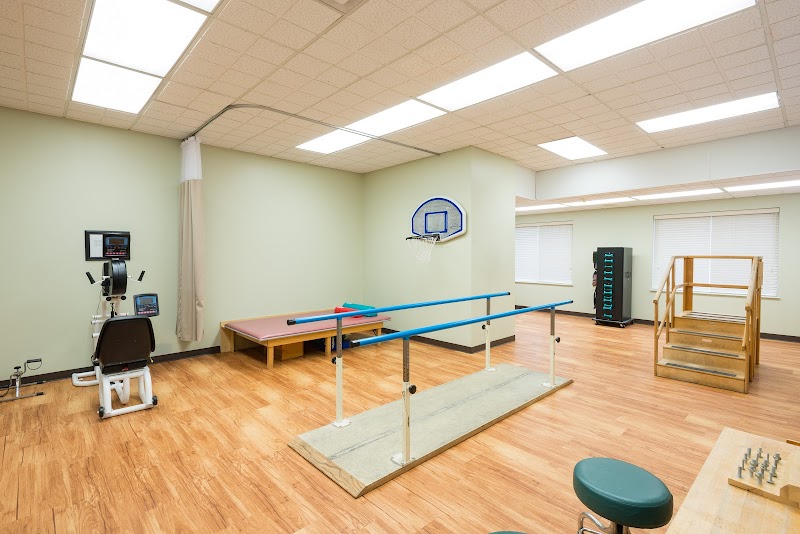
How is Third Avenue Health & Rehab Center Staffed?

CMS rates THIRD AVENUE HEALTH & REHAB CENTER's staffing level at 3 out of 5 stars, which is average compared to other nursing homes. Staff turnover is 54%, compared to the Pennsylvania average of 46%.

What Have Inspectors Found at Third Avenue Health & Rehab Center?

State health inspectors documented 41 deficiencies at THIRD AVENUE HEALTH & REHAB CENTER during 2022 to 2025. These included: 2 that caused actual resident harm and 39 with potential for harm. Deficiencies causing actual harm indicate documented cases where residents experienced negative health consequences.
Who Owns and Operates Third Avenue Health & Rehab Center?

THIRD AVENUE HEALTH & REHAB CENTER is owned by a for-profit company. For-profit facilities operate as businesses with obligations to shareholders or private owners. The facility is operated by SABER HEALTHCARE GROUP, a chain that manages multiple nursing homes. With 65 certified beds and approximately 55 residents (about 85% occupancy), it is a smaller facility located in KINGSTON, Pennsylvania.
How Does Third Avenue Health & Rehab Center Compare to Other Pennsylvania Nursing Homes?

Compared to the 100 nursing homes in Pennsylvania, THIRD AVENUE HEALTH & REHAB CENTER's overall rating (3 stars) matches the state average, staff turnover (54%) is near the state average of 46%, and health inspection rating (2 stars) is below the national benchmark.

What Should Families Ask When Visiting Third Avenue Health & Rehab Center?

Based on this facility's data, families visiting should ask: "Can I visit during a mealtime to observe dining assistance and food quality?" "How do you handle medical emergencies, and what is your hospital transfer rate?" "Can I speak with family members of current residents about their experience?"

Is Third Avenue Health & Rehab Center Safe?

Based on CMS inspection data, THIRD AVENUE HEALTH & REHAB CENTER has a clean safety record: no substantiated abuse findings (meaning no confirmed cases of resident harm), no Immediate Jeopardy citations (the most serious violation level indicating risk of serious injury or death), and is not on the Special Focus Facility watch list (a federal program monitoring the lowest-performing 1% of nursing homes). The facility has a 3-star overall rating and ranks #1 of 100 nursing homes in Pennsylvania. While no facility is perfect, families should still ask about staff-to-resident ratios and recent inspection results during their visit.

Do Nurses at Third Avenue Health & Rehab Center Stick Around?

THIRD AVENUE HEALTH & REHAB CENTER has a staff turnover rate of 54%, which is 8 percentage points above the Pennsylvania average of 46%. Moderate turnover is common in nursing homes, but families should still ask about staff tenure and how the facility maintains care continuity when employees leave.

Was Third Avenue Health & Rehab Center Ever Fined?

THIRD AVENUE HEALTH & REHAB CENTER has been fined $7,443 across 1 penalty action. This is below the Pennsylvania average of $33,153. While any fine indicates a compliance issue, fines under $50,000 are relatively common and typically reflect isolated problems that were subsequently corrected. Families should ask what specific issues led to these fines and confirm they've been resolved.

Is Third Avenue Health & Rehab Center on Any Federal Watch List?

THIRD AVENUE HEALTH & REHAB CENTER is not on any federal watch list. The most significant is the Special Focus Facility (SFF) program, which identifies the bottom 1% of nursing homes nationally based on persistent, serious quality problems. Not being on this list means the facility has avoided the pattern of deficiencies that triggers enhanced federal oversight. This is a positive indicator, though families should still review the facility's inspection history directly.