ARMSTRONG REHABILITATION AND NURSING CENTER
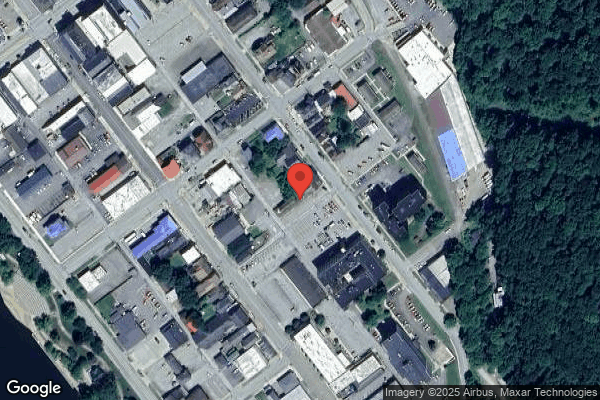

265 SOUTH MCKEAN STREET, KITTANNING, PA 16201 (724) 548-2222
For profit - Corporation 113 Beds POLLAK HOLDINGS Data: November 2025 1 Immediate Jeopardy citation
Trust Grade
0/100
#524 of 653 in PA
Last Inspection: December 2024

Within standard 12-15 month inspection cycle. Federal law requires annual inspections.

Overview

Armstrong Rehabilitation and Nursing Center has received a Trust Grade of F, indicating significant concerns about the quality of care provided. It ranks #524 out of 653 facilities in Pennsylvania, placing it in the bottom half of state options and #3 out of 4 in Armstrong County, meaning there is only one local facility rated higher. Although the facility is improving-reducing issues from 57 in 2024 to 15 in 2025-staffing remains a concern with a below-average rating of 2 out of 5 stars and a turnover rate of 54%, which is around the state average. The facility has incurred a troubling $132,513 in fines, which is higher than 92% of Pennsylvania facilities, signaling ongoing compliance problems. While RN coverage is average, some serious incidents have occurred, including a critical failure to supervise residents, leading to an elopement, and medication errors that caused actual harm to a resident, resulting in a hospital transfer. Families should weigh these strengths and weaknesses carefully when considering this facility for their loved ones.

Trust Score
F
0/100
In Pennsylvania
#524/653
Bottom 20%
Safety Record
High Risk
Review needed
Inspections
Getting Better
57 → 15 violations
Staff Stability
⚠ Watch
54% turnover. Above average. Higher turnover means staff may not know residents' routines.
Penalties
✓ Good
$132,513 in fines. Lower than most Pennsylvania facilities. Relatively clean record.
Skilled Nurses
⚠ Watch
Each resident gets only 29 minutes of Registered Nurse (RN) attention daily — below average for Pennsylvania. Fewer RN minutes means fewer trained eyes watching for problems.
Violations
⚠ Watch
93 deficiencies on record. Higher than average. Multiple issues found across inspections.
★☆☆☆☆
1.0
Overall Rating
★★☆☆☆
2.0
Staff Levels
★★★★☆
4.0
Care Quality
★☆☆☆☆
1.0
Inspection Score
Stable
2024: 57 issues
2025: 15 issues

The Good

  • 4-Star Quality Measures · Strong clinical quality outcomes
  • Full Sprinkler Coverage · Fire safety systems throughout facility
  • No fines on record

Facility shows strength in quality measures, fire safety.

The Bad

1-Star Overall Rating

Below Pennsylvania average (3.0)

Significant quality concerns identified by CMS

Staff Turnover: 54%

Near Pennsylvania avg (46%)

Higher turnover may affect care consistency

Federal Fines: $132,513

Well above median ($33,413)

Significant penalties indicating serious issues

Chain: POLLAK HOLDINGS

Part of a multi-facility chain

Ask about local staffing decisions and management

The Ugly 93 deficiencies on record

1 life-threatening 4 actual harm
Aug 2025 3 deficiencies
CONCERN (D) 📢 Someone Reported This

A family member, employee, or ombudsman was alarmed enough to file a formal complaint

Potential for Harm - no one hurt, but risky conditions existed

Deficiency F0559 (Tag F0559)

Could have caused harm · This affected 1 resident

**NOTE- TERMS IN BRACKETS HAVE BEEN EDITED TO PROTECT CONFIDENTIALITY** Based on review of clinical record and staff interview it was determined that the facility failed to ensure that in preparation ...

Read full inspector narrative →
**NOTE- TERMS IN BRACKETS HAVE BEEN EDITED TO PROTECT CONFIDENTIALITY** Based on review of clinical record and staff interview it was determined that the facility failed to ensure that in preparation for a room change each resident/responsible party received written notice, including the reason for the change before the resident room was changed for one of three residents (Resident R1).Findings include: Review of facility policy Notification of Changes dated 7/1/25, indicated the purpose of this policy is to ensure the facility promptly informs the resident, physician, and notifies the resident's representative when there is a change requiring notification. Circumstances requiring notification include accidents, significant changes, the need to change treatment, a transfer or discharge, and a notice of room change. Review of Resident R1 was admitted to the facility on [DATE]. Review of Resident R1 clinical record MDS (minimum data set a periodic assessment of resident needs) dated 6/13/25, indicated diagnosis of anxiety (are a group of mental health conditions that cause fear, dread and other symptoms that are out of proportion to the situation), (are a group of mental health conditions that cause fear, dread and other symptoms that are out of proportion to the situation), and muscle weakness. Resident R1's MDS assessment section C0200 Brief Interview for Mental Status (BIMS, a screening test that aides in detecting cognitive impairment). The BIMS total score suggests the following distributions: 13-15: cognitively intact, 8-12: moderately impaired, 0-7: severe impairment. Resident R1's BIMS score was a 12 indicating Resident R1 was moderately impaired. Review of Resident R1's clinical record progress notes indicated on 7/15/25, that Resident R1 was transferred to the third floor with limited access to the elevator. Resident R1 was moved from second floor, resident is not happy at the moment, but willing to try this change. Review of Resident R1's clinical record failed to indicate that responsible party was notified of room change on 7/15/25. During an interview on 8/18/25, at 2:52 p.m. admission Employee E1 stated that Resident R1 had to be moved for safety reasons and did not ask/give options to the resident's responsible party prior to move. During an interview on 8/18/25, at 3:15 p.m. Director of Nursing confirmed that the facility failed to ensure that in preparation for a room change each resident/responsible party received written notice, including the reason for the change before the resident room was changed for one of three (Resident R1). 28 Pa. Code 201.29(a)(c.3)(1) Resident rights
CONCERN (D) 📢 Someone Reported This

A family member, employee, or ombudsman was alarmed enough to file a formal complaint

Potential for Harm - no one hurt, but risky conditions existed

Deficiency F0657 (Tag F0657)

Could have caused harm · This affected 1 resident

**NOTE- TERMS IN BRACKETS HAVE BEEN EDITED TO PROTECT CONFIDENTIALITY** Based on review of facility policy, clinical records, and staff interview, it was determined the facility failed to make certain...

Read full inspector narrative →
**NOTE- TERMS IN BRACKETS HAVE BEEN EDITED TO PROTECT CONFIDENTIALITY** Based on review of facility policy, clinical records, and staff interview, it was determined the facility failed to make certain exit seeking/wandering residents had a person-centered care plan individualized to each specific resident's needs for one of six residents identified as high risk for wandering/elopement (Residents R1). Findings included: Review of the facility Care Plan Revisions Upon Status Change dated 7/1/25, indicated this procedure is to provide a consistent process for reviewing and revising the care plan for those residents experiencing a status change. Review of the facility Elopements and Wandering Residents dated 7/1/25, indicated the facility ensures that residents who exhibit wandering behavior and are at risk for elopement receive adequate supervision to prevent accidents, and receive care in accordance with their person-centered care addressing the unique factors contributing to wandering or elopement risk. The facility shall implement interventions to reduce risks and modify interventions when necessary. Review of Resident R1 was admitted to the facility on [DATE]. Review of Resident R1 clinical record MDS (minimum data set a periodic assessment of resident needs) dated 6/13/25, indicated diagnosis of anxiety (are a group of mental health conditions that cause fear, dread and other symptoms that are out of proportion to the situation), (are a group of mental health conditions that cause fear, dread and other symptoms that are out of proportion to the situation), and muscle weakness. Resident R1's MDS assessment section C0200 Brief Interview for Mental Status (BIMS, a screening test that aides in detecting cognitive impairment). The BIMS total score suggests the following distributions: 13-15: cognitively intact, 8-12: moderately impaired, 0-7: severe impairment. Resident R1's BIMS score was a 12 indicating Resident R1 was moderately impaired. Review of Resident R1's Elopement Evaluation Form dated 7/22/25, indicated resident wanders through facility or prior residence, but does not leave interior setting. Elopement score was 13, indicating resident is a risk for elopement. Review of Resident R1's care plan revised on 7//22/25, indicated resident exhibits wandering. Intervention included: - Administer medication as ordered- Initiate psychiatric evaluation as needed- Initiate psychology evaluation as needed Review of Resident R1's care plan did not identify any resident person-centered interventions and/or goals specific to the resident in the wandering care plan. During an interview on 8/18/25, at 1:46 p.m. Director of Nursing confirmed the facility failed to make certain exit seeking/wandering residents had a person-centered care plan individualized to each specific resident's needs for one of six residents identified as high risk for wandering/elopement (Residents R1). 28 Pa. Code 201.24(e)(1)(5) Admissions Policy28 Pa. Code 211.12(d)(1)(3)(5) Nursing services.
CONCERN (D) 📢 Someone Reported This

A family member, employee, or ombudsman was alarmed enough to file a formal complaint

Potential for Harm - no one hurt, but risky conditions existed

Accident Prevention (Tag F0689)

Could have caused harm · This affected 1 resident

**NOTE- TERMS IN BRACKETS HAVE BEEN EDITED TO PROTECT CONFIDENTIALITY** Based on review of facility policy, clinical record review, and staff interview it was determined that the facility failed to pr...

Read full inspector narrative →
**NOTE- TERMS IN BRACKETS HAVE BEEN EDITED TO PROTECT CONFIDENTIALITY** Based on review of facility policy, clinical record review, and staff interview it was determined that the facility failed to provide adequate supervision to prevent elopement for one of six residents (Resident R1).Findings include: Review of the facility Elopements and Wandering Residents dated 7/1/25, indicated the facility ensures that residents who exhibit wandering behavior and are at risk for elopement receive adequate supervision to prevent accidents, and receive care in accordance with their person-centered care addressing the unique factors contributing to wandering or elopement risk. The facility shall implement interventions to reduce risks and modify interventions when necessary. Review of Resident R1 was admitted to the facility on [DATE]. Review of Resident R1 clinical record MDS (minimum data set a periodic assessment of resident needs) dated 6/13/25, indicated diagnosis of anxiety (are a group of mental health conditions that cause fear, dread and other symptoms that are out of proportion to the situation), (are a group of mental health conditions that cause fear, dread and other symptoms that are out of proportion to the situation), and muscle weakness. Resident R1's MDS assessment section C0200 Brief Interview for Mental Status (BIMS, a screening test that aides in detecting cognitive impairment). The BIMS total score suggests the following distributions: 13-15: cognitively intact, 8-12: moderately impaired, 0-7: severe impairment. Resident R1's BIMS score was a 12 indicating Resident R1 was moderately impaired. Review of Resident R1's Elopement Evaluation Form dated 7/22/25, indicated resident wanders through facility or prior residence, but does not leave interior setting. Elopement score was 13, indicating resident is a risk for elopement. During a review of Resident R1's progress note dated 7/15/25, indicated the following: - Received a phone call from dietary director that Resident R1 helped himself into the kitchen and took a tray and a few cups back to the second floor with him. She advised me that he always goes into the kitchen and has been told multiple times that he was not permitted in there due to safety concerns. To prevent injury or accident at this time, Resident R1 was transferred to the third floor with limited access to the elevator. During an interview on 8/18/25, Dietary Manager Employee E2 stated that on 7/15/25, employee was sitting in her office and observed Resident R1 head towards the kitchen. He asked for a tray and two coffee mugs. Resident R1 stated he wanted to show his roommate how to put his finished tray onto the food cart like he does. Dietary Manager Employee E2 educated resident that was not a good idea and escorted resident back to unit. During a review of Resident R1's clinical record, the facility failed to have a physical assessment completed of resident upon return to unit, and the physician and the resident's responsible party were not made aware of incident on 7/15/25.During an interview on 8/18/25, at 11:57 a.m. Director of Nursing (DON) confirmed that Resident R1 has a history of wandering, he did go into an area that was not designated for residents, and that the resident was identified in the area by a dietary staff member who escorted resident back to the nursing unit. During an interview on 8/18/25, at 2:30 p.m. DON confirmed that the facility failed to provide adequate supervision to prevent elopement and failed to complete proper assessments and notifications after an incident occurs for one of six residents (Resident R1). 28 Pa. Code 201.14 (a) Responsibility of licensee28 Pa. Code 201.18 (b)(1) Management28 Pa. Code 211.12 (d)(1)(3)(5) Nursing services
Jul 2025 3 deficiencies 2 Harm
SERIOUS (G) 📢 Someone Reported This

A family member, employee, or ombudsman was alarmed enough to file a formal complaint

Actual Harm - a resident was hurt due to facility failures

Deficiency F0726 (Tag F0726)

A resident was harmed · This affected 1 resident

**NOTE- TERMS IN BRACKETS HAVE BEEN EDITED TO PROTECT CONFIDENTIALITY** Based on review of facility policy, job description, clinical record review, facility documents, resident interview, and staff i...

Read full inspector narrative →
**NOTE- TERMS IN BRACKETS HAVE BEEN EDITED TO PROTECT CONFIDENTIALITY** Based on review of facility policy, job description, clinical record review, facility documents, resident interview, and staff interviews it was determined that the facility failed to ensure that nursing staff possessed the specific competencies and skill sets related to medication administration for one of two residents reviewed (Resident R1) which resulted in actual harm (chest pain, shortness of breath, and hospital transfer) for one of two residents (Resident R1). This was identified as harm for past non-compliance for Resident R1. Findings include: Review of the facility's Registered Nurse (RN) job description indicated the RN will prepare and administer medications as ordered by the physician. Review of facility policy Medication Administration dated 12/3/24, indicated medications are administered by licensed nurses, or other staff who are legally authorized to do so in this state, as ordered by the physician and in accordance with professional standards of practice, in a manner to prevent contamination or infection. Compare medication source (such as, bubble pack and vials). Ensure that the six rights of medication administration are followed: - Right resident - Right drug - Right dose - Right route - Right time - Right documentation Review of the admission record indicated Resident R1 was admitted to the facility on [DATE], with diagnoses that included high blood pressure, schizophrenia (a mental disorder characterized by delusions, hallucinations, disorganized speech and behavior) and, weakness. Review of Resident R1's progress note dated 5/24/25, at 10:56 a.m. indicated that Resident R1 had been given the wrong medications that included amiodarone (medication used to regulate abnormal heart rhythms). Resident did not receive his own medications. Resident is complaining of mild chest pain and shortness of breath which started after med was given. Diagnosis, Assessment/Plan: Failure in dosage during medical care. This is an acute new problem. Condition is guarded given multiple meds including amiodarone, now symptomatic will send to ER (Emergency Room) for close monitoring. Orders: Transfer to emergency department for med error with amiodarone and complaints of chest pain and shortness of breath. Review of Resident R1's clinical record revealed that resident was not ordered amiodarone. Review of a written statement dated 5/24/25, indicated that Registered Nurse (RN) Employee E1 stated the following: I went into the room to give medication and gave the wrong medication to Resident R1. I realized at once I made a mistake. I assessed patient and got vitals and called for supervisor. I didn't realize it was 3 person room at this time. I try to double check myself. Review of documentation provided by the facility indicated that RN Employee E1 was suspended pending investigation, and opted to resign. The facility implemented a plan of correction that included the following: · Facility initiated education on 5/24/25, for all nursing staff including Registered Nurse's (RN's), and Licensed Practical Nurses (LPN's) for Safe Medication Administration. All nurses completed training and a quiz to demonstrate their understanding. · Reviewed RN Employee E1's file to ensure she had received education on Safe Medication Administration prior to the incident. This was verified to have been completed 2/12/25. · Evaluated all other residents on the same unit as Resident R1 to observe for adverse effects, which included obtaining vitals every four hours for 24 hours. · Ensured resident photos are up to date in the Electronic Charting System, which was completed on 5/28/25. · Audit medication carts starting 6/2/25. · Randomly observe Medication Pass to ensure 6 Rights of medication administration are being completed prior to medication administration, which began on 5/27/25. · QAPI (Quality Assurance Performance Improvement) conducted 5/24/25. During an interview on 7/1/25, at 9:50 a.m. LPN Employee E2 verified that he had received education on Safe Medication Administration and was able to verbalize understanding, adding You have to double check. During an interview on 7/1/25, at 9:56 a.m. RN Employee E3 verified that she had received education on Safe Medication Administration and was able to verbalize understanding, adding I check the orders at least twice, as well as the photo in the chart. During an interview on 7/1/25, at 10:06 a.m. LPN Employee E4 verified that she had received education on Safe Medication Administration and was able to verbalize understanding. She added that all residents have an updated picture in their chart, and that you have to look at their picture to make sure you have the right person. The facility has demonstrated compliance with the above since 5/24/25. Information was verified via review of Plan of Correction binder. During an interview on 7/1/25, at 1:42 p.m. with the Nursing Home Administrator (NHA) and review of the facility's immediate actions, education, and review of the QAPI monitoring process, it was verified that the facility had implemented a plan of correction and achieved compliance ensuring residents are provided adequate safety during medication administration. During an interview on 7/1/25, at 3:08 p.m. the Nursing Home Administrator, and Director of Nursing confirmed the facility failed to ensure that nursing staff possessed the specific competencies and skill sets related to medication administration, which resulted in harm for Resident R1. 28 Pa. Code: 201.14(a) Responsibility of licensee. 28 Pa. Code 211.12(d)(1)(2)(3)(5) Nursing services.
SERIOUS (G) 📢 Someone Reported This

A family member, employee, or ombudsman was alarmed enough to file a formal complaint

Actual Harm - a resident was hurt due to facility failures

Deficiency F0760 (Tag F0760)

A resident was harmed · This affected 1 resident

**NOTE- TERMS IN BRACKETS HAVE BEEN EDITED TO PROTECT CONFIDENTIALITY** Based on review of facility policy, clinical record review, facility documents, and staff interviews it was determined the facil...

Read full inspector narrative →
**NOTE- TERMS IN BRACKETS HAVE BEEN EDITED TO PROTECT CONFIDENTIALITY** Based on review of facility policy, clinical record review, facility documents, and staff interviews it was determined the facility failed to ensure that residents were free from any significant medication errors which resulted in actual harm (chest pain, shortness of breath, and hospital transfer) for one of two residents (Resident R1). This was identified as harm for past non-compliance for Resident R1. Findings include: Review of facility policy Medication Administration dated 12/3/24, indicated medications are administered by licensed nurses, or other staff who are legally authorized to do so in this state, as ordered by the physician and in accordance with professional standards of practice, in a manner to prevent contamination or infection. Compare medication source (such as, bubble pack and vials). Ensure that the six rights of medication administration are followed: - Right resident - Right drug - Right dose - Right route - Right time - Right documentation Review of the admission record indicated Resident R1 was admitted to the facility on [DATE], with diagnoses that included high blood pressure, schizophrenia (a mental disorder characterized by delusions, hallucinations, disorganized speech and behavior) and, weakness. Review of Resident R1's progress note dated 5/24/25, at 10:56 a.m. indicated that Resident R1 had been given the wrong medications that included amiodarone (medication used to regulate abnormal heart rhythms). Resident did not receive his own medications. Resident is complaining of mild chest pain and shortness of breath which started after med was given. Diagnosis, Assessment/Plan: Failure in dosage during medical care. This is an acute new problem. Condition is guarded given multiple meds including amiodarone, now symptomatic will send to ER (Emergency Room) for close monitoring. Orders: Transfer to emergency department for med error with amiodarone and complaints of chest pain and shortness of breath. Review of Resident R1's clinical record revealed that resident was not ordered amiodarone. Review of a written statement dated 5/24/25, indicated that Registered Nurse (RN) Employee E1 stated the following: I went into the room to give medication and gave the wrong medication to Resident R1. I realized at once I made a mistake. I assessed patient and got vitals and called for supervisor. I didn't realize it was 3 person room at this time. I try to double check myself. Review of documentation provided by the facility indicated that RN Employee E1 was suspended pending investigation, and opted to resign. The facility implemented a plan of correction that included the following: · Facility initiated education on 5/24/25, for all nursing staff including Registered Nurse's (RN's), and Licensed Practical Nurses (LPN's) for Safe Medication Administration. All nurses completed training and a quiz to demonstrate their understanding. · Reviewed RN Employee E1's file to ensure she had received education on Safe Medication Administration prior to the incident. This was verified to have been completed 2/12/25. · Evaluated all other residents on the same unit as Resident R1 to observe for adverse effects, which included obtaining vitals every four hours for 24 hours. · Ensured resident photos are up to date in the Electronic Charting System, which was completed on 5/28/25. · Audit medication carts starting 6/2/25. · Randomly observe Medication Pass to ensure 6 Rights of medication administration are being completed prior to medication administration, which began on 5/27/25. · QAPI (Quality Assurance Performance Improvement) conducted 5/24/25. During an interview on 7/1/25, at 9:50 a.m. LPN Employee E2 verified that he had received education on Safe Medication Administration and was able to verbalize understanding, adding You have to double check. During an interview on 7/1/25, at 9:56 a.m. RN Employee E3 verified that she had received education on Safe Medication Administration and was able to verbalize understanding, adding I check the orders at least twice, as well as the photo in the chart. During an interview on 7/1/25, at 10:06 a.m. LPN Employee E4 verified that she had received education on Safe Medication Administration and was able to verbalize understanding. She added that all residents have an updated picture in their chart, and that you have to look at their picture to make sure you have the right person. The facility has demonstrated compliance with the above since 5/24/25. Information was verified via review of Plan of Correction binder. During an interview on 7/1/25, at 1:42 p.m. with the Nursing Home Administrator (NHA) and review of the facility's immediate actions, education, and review of the QAPI monitoring process, it was verified that the facility had implemented a plan of correction and achieved compliance ensuring residents are provided adequate safety during medication administration. During an interview on 7/1/25, at 3:08 p.m. the Nursing Home Administrator and Director of Nursing confirmed the facility failed to ensure that residents were free from any significant medication errors for one of two residents, which resulted in harm for Resident R1. 28 Pa Code: 201.18 (b)(1)(3) Management 28 Pa Code: 211.10 (d) Resident care policies
CONCERN (D) 📢 Someone Reported This

A family member, employee, or ombudsman was alarmed enough to file a formal complaint

Potential for Harm - no one hurt, but risky conditions existed

Pressure Ulcer Prevention (Tag F0686)

Could have caused harm · This affected 1 resident

**NOTE- TERMS IN BRACKETS HAVE BEEN EDITED TO PROTECT CONFIDENTIALITY** Based on review of facility policy, national accepted guidelines for Pressure Ulcers, and staff interview, it was determined tha...

Read full inspector narrative →
**NOTE- TERMS IN BRACKETS HAVE BEEN EDITED TO PROTECT CONFIDENTIALITY** Based on review of facility policy, national accepted guidelines for Pressure Ulcers, and staff interview, it was determined that the facility failed to accurately assess pressure ulcers for one of three residents (Resident R2). Findings include: The facility policy Wound Treatment Management reviewed 12/3/24 indicated to promote wound healing of various wounds, it is the policy of the facility to provide evidence-based treatments in accordance with current standards or practice and physician orders. In the absence of treatment orders, the licensed nurse will notify physician to obtain treatment orders. Review of the clinical record indicated Resident R2 was admitted to the facility on [DATE]. Review of the Minimum Data Set (MDS - periodic assessment of care needs) dated 5/22/25, indicated that Resident R2 had diagnoses that included thrombophilia(a condition where the blood has an increased tendency to clot), chronic embolism and rhabdomyolysis(condition where damaged muscle tissue breaks down, releasing its contents into the bloodstream). Review of the clinical admission assessment dated [DATE], indicated that Resident R2 has a stage 2 pressure ulcer on coccyx, unstageable pressure ulcer right medial ankle and a blister left heel. Review of physician orders dated 6/26/25 indicated Resident R2 did not have orders for these skin impairment's until 4/9/25. During an interview on 7/1/25, at 2:30 p.m. the Director of Nursing confirmed the facility failed to accurately assess pressure ulcers for one of three residents as required. 28 Pa. Code: 211.12(d)(1)(5) Nursing services.
Jun 2025 5 deficiencies
CONCERN (D) 📢 Someone Reported This

A family member, employee, or ombudsman was alarmed enough to file a formal complaint

Potential for Harm - no one hurt, but risky conditions existed

Safe Environment (Tag F0584)

Could have caused harm · This affected 1 resident

**NOTE- TERMS IN BRACKETS HAVE BEEN EDITED TO PROTECT CONFIDENTIALITY** Based on observations, facility policy, and staff interview, it was determined that the facility failed to ensure comfortable ai...

Read full inspector narrative →
**NOTE- TERMS IN BRACKETS HAVE BEEN EDITED TO PROTECT CONFIDENTIALITY** Based on observations, facility policy, and staff interview, it was determined that the facility failed to ensure comfortable air temperature levels were provided for eight of 49 resident rooms (209, 212, 218, 219, 221, 302, 303, and 305). Findings Include: Review of the facility policy Safe and Homelike Environment indicated the facility will provide a safe, clean, comfortable, and homelike environment. The facility will provide and maintain comfortable and safe temperature levels. The facility should strive to keep the temperature in common resident areas between 71 and 81 degrees Fahrenheit. Observations conducted on 6/10/25, from 2:32 p.m. to 2:59 p.m. with the Maintenance Director, Employee E7 revealed the following air temperatures: 2nd floor Nursing Floor -room [ROOM NUMBER]-82.2 of degrees Fahrenheit -room [ROOM NUMBER]-81.5 of degrees Fahrenheit -room [ROOM NUMBER]-82.4 of degrees Fahrenheit -room [ROOM NUMBER]-82.8 of degrees Fahrenheit -room [ROOM NUMBER]-82.8 of degrees Fahrenheit 3nd floor Nursing Floor -room [ROOM NUMBER]-83.5 of degrees Fahrenheit -room [ROOM NUMBER]-82.0 of degrees Fahrenheit -room [ROOM NUMBER]-82.4 of degrees Fahrenheit During an interview on 6/10/25, at 5:11 p.m. the Nursing Home Adminstrator confirmed the facility failed to ensure comfortable air temperature levels were provided for eight of 49 resident rooms (209, 212, 218, 219, 221, 302, 303, and 305). 28 Pa. Code: 201.18(b)(3) Management
CONCERN (D) 📢 Someone Reported This

A family member, employee, or ombudsman was alarmed enough to file a formal complaint

Potential for Harm - no one hurt, but risky conditions existed

Free from Abuse/Neglect (Tag F0600)

Could have caused harm · This affected 1 resident

**NOTE- TERMS IN BRACKETS HAVE BEEN EDITED TO PROTECT CONFIDENTIALITY** Based on review of facility policy and documentation, staff and resident interview it was determined that the facility failed to...

Read full inspector narrative →
**NOTE- TERMS IN BRACKETS HAVE BEEN EDITED TO PROTECT CONFIDENTIALITY** Based on review of facility policy and documentation, staff and resident interview it was determined that the facility failed to protect resident from neglect for two of four residents (Resident R4 and Resident R5). Findings include: Review of facility's policy dated 11/27/24, Abuse, Neglect, and Exploitation stated it is the policy of the facility to provide protections for the health, welfare, and rights of each resident by developing and implementing written policies and procedures that prohibit abuse and neglect. Neglect means failure of the facility, its employees, or service providers to provide good and services to a resident that are necessary to avoid physical harm, pain, mental anguish, or emotional distress. Review of Resident R4's admission record indicated resident was admitted to facility on 1/27/25, with the diagnosis of chronic pain, hemiplegia (paralysis of one side of the body), and weakness. Review of Residents R4's Minimum Data Set (MDS - a periodic assessment of care needs) dated 3/27/25, indicated the diagnoses were current. Review of Resident R4's care plan dated 3/23/25, revealed the resident was at risk for alternation in nutrition and hydration. Interventions included to assist as needed, encourage food and fluid as ordered. Review of Resident R4's Kardex (a documentation system that enables nurses to write, organize, and easily reference key patient information that shapes their nursing care plan) on 6/10/25, revealed the resident required assistance with meals as needed. Review of undated facility documentation titled Total Feeds on 6/10/25, revealed Resident R4 must be fed for meals. During an interview on 6/10/25, at 12:32 p.m. Nurse Aide, Employee E2 was asked how to know which residents require assistance with meals. NA, Employee E2 stated It will populate a task, each person says set up, assist, or supervision. During an observation on 6/10/25, at 12:32 p.m. the lunch cart arrived to the 2C nursing unit. During an observation on 6/10/25, at 12:33 p.m. staff began passing trays to residents on the unit. During an interview on 6/10/25, at 12:52 p.m. Resident R4 stated they don't come in to help. Resident R4 stated I asked NA, Employee E4 to put in my dentures and NA, Employee E4 wouldn't do it. Resident R4 stated I don't eat much, if I could feed myself, I would. That's why I am drinking Ensure. Resident R4's dentures were observed on the bed side dresser, not in reach of the resident. During an observation on 6/10/25, at 1:02 p.m. NA, Employee E4 was observed picking up trays and placing them back on the lunch tray cart. During observations completed on 6/10/25, from 12:21 p.m. to 1:03 p.m. Resident R4's door was closed. No staff member entered Resident R4's room. During an interview on 6/10/25, at 1:04 p.m. NA, Employee E4 confirmed Resident R4 was not offered their meal tray once the cart arrived to the floor. NA, Employee E4 confirmed Resident R4's dentures were not put in. During an interview on 6/10/25, at 1:07 p.m. Registered Nurse (RN), E3 indicated the nurse aides are expected to offer the residents meal once it arrives to the unit. During an interview completed on 6/10/25, at 11:11 a.m. the Assistant Director of Nursing, Employee E1 confirmed that the facility failed to protect Resident R4 from neglect. Review of the clinical record revealed that Resident R5 was admitted to the facility on [DATE], with diagnoses of depression, anxiety, diabetes (occurs when your blood sugar is too high). Review of Resident R5's MDS (Minimum Data Set, periodic assessment of resident care needs) dated 5/2/25, indicated diagnoses were current. Resident R5's Brief Interview for Mental Status (BIMS) assessment revealed the resident had a BIMS of 15, cognitively intact. During an interview on 6/10/25, at 11:50 a.m. Resident R5 was sitting in a wheelchair in the resident's common area and stated there is not enough staff. Resident R5 stated I have to wait a long time when I put on my call bell, I have to be put on a bed pan, I have to wait a while to be put on, then I already go in my pants. Resident R5 stated when I sit in the dayroom, I pee my pants and have to sit in it. Resident R5 stated staff puts me in the day room a little before lunch, then I sit there until after dinner mostly every day. Resident R5 stated this occurs five out of seven days a week and by the time the brief is changed it is soak and wet. Some aides tell me, just go in the dayroom and poop and pee in your pants. Review of Resident R5's June 2025 Documentation Survey Report v2 on 6/10/25, revealed the resident was incontinent of bladder on the following dates: -6/1/25, at 11:57 a.m. -6/2/25, at 8:56 a.m. -6/7/25, at 8:02 a.m. -6/8/25, at 10:23 a.m. -6/10/25, at 2:38 p.m. A further review of Resident R5's June 2025 Documentation Survey Report v2 failed to include evidence the resident was toileted on the night shift on 6/2/25, 6/5/25, and 6/7/25. The following was documented. -6/1/25, Resident R5 was toileted at 11:56 a.m. then at 6:38 p.m. a total of 6 hours and 42 minutes later. -6/2/25, Resident R5 was toileted at 8:56 a.m. then at 6:03 p.m. a total of 9 hours and 7 minutes later. -6/3/25, Resident R5 was toileted at 9:03 a.m. then at 7:59 p.m. a total of 10 hours and 56 minutes later. -6/4/25, Resident R5 was toileted at 11:42 a.m. then at 5:19 p.m. a total of 5 hours and 37 minutes later. -6/5/25, Resident R5 was toileted at 9:56 a.m. then at 6:29 p.m. a total of 5 hours and 37 minutes later. -6/6/25, Resident R5 was toileted at 7:57 a.m. then at 4:53 p.m. a total of 8 hours and 56 minutes later. -6/7/25, Resident R5 was toileted at 9:12 a.m. then at 8:01 p.m. a total of 10 hours and 49 minutes later. -6/8/25, Resident R5 was toileted at 10:23 a.m. then at 7:36 p.m. a total of 9 hours and 13 minutes later. -6/9/25, Resident R5 was toileted at 6:16 a.m. then at 4:53 p.m. a total of 10 hours and 37 minutes later. During an interview on 6/10/25, at 5:10 p.m. the Nursing Home Administrator confirmed that the facility failed to protect resident from neglect for two of four residents (Resident R4 and Resident R5). 28 Pa. Code 201.14(a) Responsibility of licensee 28 Pa. Code 211.10 (a) (d) Resident care policies
CONCERN (D) 📢 Someone Reported This

A family member, employee, or ombudsman was alarmed enough to file a formal complaint

Potential for Harm - no one hurt, but risky conditions existed

Deficiency F0840 (Tag F0840)

Could have caused harm · This affected 1 resident

**NOTE- TERMS IN BRACKETS HAVE BEEN EDITED TO PROTECT CONFIDENTIALITY** Based on review of clinical records, facility documents, and staff interviews, it was determined that the facility failed to sch...

Read full inspector narrative →
**NOTE- TERMS IN BRACKETS HAVE BEEN EDITED TO PROTECT CONFIDENTIALITY** Based on review of clinical records, facility documents, and staff interviews, it was determined that the facility failed to schedule an appointment for outside services in a timely manner for one of three residents (Resident R5). Findings include: Review of the clinical record revealed that Resident R5 was admitted to the facility on [DATE], with diagnoses of depression, anxiety, diabetes (occurs when your blood sugar is too high). Review of Resident R5's MDS (Minimum Data Set, periodic assessment of resident care needs) dated 5/2/25, indicated diagnoses were current. Review of Resident R5's physician order dated 5/23/25, indicated to consult dermatology for ongoing rash. Review of Resident R5's clinical record revealed on 5/27/25, Medical Doctor, Employee E4 seen the resident for a monthly follow up. The resident was complaining of their chronic rash, that is getting worse. The resident's skin was observed to have a rash present, hands are scaly, very dry. It was indicated a skin scraping was completed of the resident's left hand. A dermatologist consult has been ordered. Review of Resident R5's clinical record revealed on 5/30/25, Certified Registered Nurse Practitioner (CRNP), Employee E5 evaluated the resident for follow up of the rash. The rash was negative for scabies. Ongoing rash/pruritus to abdomen and left arm. It was indicated the resident was agreeable to a dermatologist appointment. During an interview on 6/10/25, at 3:42 p.m. Resident R5 was observed with a rash on their face, upper chest, and arms. Resident R5's hands were visible dry and scaly. Resident R5 stated They don ' t know what it is. Resident R5 stated the rash had be ongoing for three weeks. Review of Resident R5's clinical record on 6/10/25, failed to reveal evidence dermatology was consulted for Resident R5's ongoing rash as ordered. A total of 18 days since Resident R5 was ordered a dermatology consult. During an interview on 6/10/25, at 3:48 p.m. Scheduler, Employee E6 was asked if dermatology had been consulted for Resident R5. Scheduler, Employee E6 stated I do handle appointments, and not that I am aware of. Scheduler, Employee E6 confirmed the facility failed to timely consult dermatology as ordered. During an interview on 6/10/25, at 5:10 p.m. the Nursing Home Administrator confirmed the facility failed to schedule an appointment for outside services in a timely manner for one of two residents reviewed (Resident R5). 28 Pa. Code 211.12(d)(3) Nursing services
CONCERN (E) 📢 Someone Reported This

A family member, employee, or ombudsman was alarmed enough to file a formal complaint

Potential for Harm - no one hurt, but risky conditions existed

ADL Care (Tag F0677)

Could have caused harm · This affected multiple residents

**NOTE- TERMS IN BRACKETS HAVE BEEN EDITED TO PROTECT CONFIDENTIALITY** Based on review of clinical records, staff, and resident interviews, it was determined that the facility failed to provide Activ...

Read full inspector narrative →
**NOTE- TERMS IN BRACKETS HAVE BEEN EDITED TO PROTECT CONFIDENTIALITY** Based on review of clinical records, staff, and resident interviews, it was determined that the facility failed to provide Activity of Daily Living (ADL) assistance, including eating and toileting for four of seven residents (Resident R4, R5, R6, and R7). Findings include: Review of the facility's Activities of Daily Living (ADLs) policy dated 11/27/24, indicated care and services such as eating, transferring, and toileting will be provided. A resident who is unable to carry out activities of daily living will receive necessary services to maintain good nutrition, grooming, and personal and oral hygiene. Review of the facility's undated Certified Nursing Assistant job description revealed major duties and responsibilities include performing activities of daily living (ADL) for residents in accordance with care plans and established policies and procedures, assist nursing staff in carrying out toileting program activities, and complete flow sheets daily to indicate the specified task was done. Additional tasks included to treat all residents with dignity and respect, and to follow appropriate safety and hygiene measures at all times to protect residents an themselves. Review of Resident R4's admission record indicated resident was admitted to facility on 1/27/25, with the diagnosis of chronic pain, hemiplegia (paralysis of one side of the body), and weakness. Review of Residents R4's Minimum Data Set (MDS - a periodic assessment of care needs) dated 3/27/25, indicated the diagnoses were current. Review of Resident R4's care plan dated 3/23/25, revealed the resident was at risk for alternation in nutrition and hydration. Interventions included to assist as needed, encourage food and fluid as ordered. Review of Resident R4's Kardex (a documentation system that enables nurses to write, organize, and easily reference key patient information that shapes their nursing care plan) on 6/10/25, revealed the resident required assistance with meals as needed. Review of undated facility documentation titled Total Feeds on 6/10/25, revealed Resident R4 must be fed for meals. During an interview on 6/10/25, at 12:32 p.m. Nurse Aide, Employee E2 was asked how to know which residents require assistance with meals. NA, Employee E2 stated It will populate a task, each person says set up, assist, or supervision. During an observation on 6/10/25, at 12:32 p.m. the lunch cart arrived to the 2C nursing unit. During an observation on 6/10/25, at 12:33 p.m. staff began passing trays to residents on the unit. During an interview on 6/10/25, at 12:52 p.m. Resident R4 stated they don't come in to help. Resident R4 stated I asked NA, Employee E4 to put in my dentures and NA, Employee E4 wouldn't do it. Resident R4 stated I don't eat much, if I could feed myself, I would. That's why I am drinking Ensure. Resident R4's dentures were observed on the bed side dresser, not in reach of the resident. During an observation on 6/10/25, at 1:02 p.m. NA, Employee E4 was observed picking up trays and placing them back on the lunch tray cart. During observations completed on 6/10/25, from 12:21 p.m. to 1:03 p.m. Resident R4's door was closed. No staff member entered Resident R4's room. During an interview on 6/10/25, at 1:04 p.m. NA, Employee E4 confirmed Resident R4 was not offered their meal tray once the cart arrived to the floor. During an interview on 6/10/25, at 1:07 p.m. Registered Nurse (RN), E3 indicated the nurse aides are expected to offer the residents meal once it arrives to the unit. During an interview completed on 6/10/25, at 11:11 a.m. the Assistant Director of Nursing, Employee E1 confirmed that the facility failed to provide eating assistance for Resident R4. Review of the clinical record revealed that Resident R5 was admitted to the facility on [DATE], with diagnoses of depression, anxiety, diabetes (occurs when your blood sugar is too high). Review of Resident R5's MDS (Minimum Data Set, periodic assessment of resident care needs) dated 5/2/25, indicated diagnoses were current. Resident R5's Brief Interview for Mental Status (BIMS) assessment revealed the resident had a BIMS of 15, cognitively intact. During an interview on 6/10/25, at 11:50 a.m. Resident R5 was sitting in a wheelchair in the resident's common area and stated there is not enough staff. Resident R5 stated I have to wait a long time when I put on my call bell, I have to be put on a bed pan, I have to wait a while to be put on, then I already go in my pants. Resident R5 stated when I sit in the dayroom, I pee my pants and have to sit in it. Resident R5 stated staff puts me in the day room a little before lunch, then I sit there until after dinner mostly every day. Resident R5 stated this occurs five out of seven days a week and by the time the brief is changed it is soak and wet. Some aides tell me, just go in the dayroom and poop and pee in your pants. Review of Resident R5's June 2025 Documentation Survey Report v2 on 6/10/25, revealed the resident was incontinent of bladder on the following dates: -6/1/25, at 11:57 a.m. -6/2/25, at 8:56 a.m. -6/7/25, at 8:02 a.m. -6/8/25, at 10:23 a.m. -6/10/25, at 2:38 p.m. A further review of Resident R5's June 2025 Documentation Survey Report v2 failed to include evidence the resident was toileted on the night shift on 6/2/25, 6/5/25, and 6/7/25. The following was documented. -6/1/25, Resident R5 was toileted at 11:56 a.m. then at 6:38 p.m. a total of 6 hours and 42 minutes later. -6/2/25, Resident R5 was toileted at 8:56 a.m. then at 6:03 p.m. a total of 9 hours and 7 minutes later. -6/3/25, Resident R5 was toileted at 9:03 a.m. then at 7:59 p.m. a total of 10 hours and 56 minutes later. -6/4/25, Resident R5 was toileted at 11:42 a.m. then at 5:19 p.m. a total of 5 hours and 37 minutes later. -6/5/25, Resident R5 was toileted at 9:56 a.m. then at 6:29 p.m. a total of 5 hours and 37 minutes later. -6/6/25, Resident R5 was toileted at 7:57 a.m. then at 4:53 p.m. a total of 8 hours and 56 minutes later. -6/7/25, Resident R5 was toileted at 9:12 a.m. then at 8:01 p.m. a total of 10 hours and 49 minutes later. -6/8/25, Resident R5 was toileted at 10:23 a.m. then at 7:36 p.m. a total of 9 hours and 13 minutes later. -6/9/25, Resident R5 was toileted at 6:16 a.m. then at 4:53 p.m. a total of 10 hours and 37 minutes later. Review of the clinical record revealed that Resident R6 was admitted to the facility on [DATE], and readmitted on [DATE], with diagnoses of high blood pressure, diabetes, and cardiac arrythmia (irregular heart rate). Review of Resident R6's MDS (Minimum Data Set, periodic assessment of resident care needs) dated 5/6/25, indicated diagnoses were current. Review of Resident R6's care plan revealed the resident required an assist of two staff members for toileting. During an interview on 6/10/25, at 11:30 a.m. Resident R6 stated They won't help me when I need it. Resident R6 stated At night, it's terrible here. Resident R6 stated Last night I had to wait a half hour. I got out of bed myself, it's so hard to get someone. I wheeled myself out. I took myself to bathroom. I waited forever to get back in bed. Resident R6 indicated every night I wait more than 30 minutes to use the bathroom. The resident stated the call light is turned on, they come in and say they have to get someone else, then they turn off the call light, then I still wait, and typically I fall asleep. It was indicated there is only one aide on floor on overnights. A review of Resident R6's June 2025 Documentation Survey Report v2 on 6/10/25, failed to include evidence the resident was toileted for 14 of 27 shifts from 6/1/25, to 6/9/25. Review of the clinical record revealed that Resident R7 was admitted to the facility on [DATE], with diagnoses of high blood pressure, diabetes, and depression. Review of Resident R7's MDS (Minimum Data Set, periodic assessment of resident care needs) dated 5/24/25, indicated diagnoses were current. Review of Resident R7's care plan dated 9/27/24, stated to encourage resident to sit on toilet to evacuate bowels if possible. During an interview on 6/10/25, at 11:37 a.m. Resident R7 stated it can take staff a long time to respond to call bells. The resident stated they need assistance with reconnecting the oxygen tubing when going to the bathroom. Resident R7 indicated they have soiled themselves waiting to go to the bathroom. Resident R7 was asked how often that occurs and stated It happens a lot. A review of Resident R7's June 2025 Documentation Survey Report v2 on 6/10/25, failed to include evidence the resident was toileted for 12 of 27 shifts from 6/1/25, to 6/9/25. During an interview on 6/10/25, at 5:10 p.m. the Nursing Home Administrator confirmed that the facility failed to provide Activity of Daily Living (ADL) assistance, including eating and toileting for four out of seven residents (Resident R4, R5, R6, and R7). 28 Pa. Code: 201.14(a) Responsibility of licensee. 28 Pa. Code: 201.18(e)(2.1) Management.
CONCERN (E) 📢 Someone Reported This

A family member, employee, or ombudsman was alarmed enough to file a formal complaint

Potential for Harm - no one hurt, but risky conditions existed

Deficiency F0725 (Tag F0725)

Could have caused harm · This affected multiple residents

**NOTE- TERMS IN BRACKETS HAVE BEEN EDITED TO PROTECT CONFIDENTIALITY** Based on review of clinical records, facility policy, job descriptions, and resident and staff interviews, it was determined tha...

Read full inspector narrative →
**NOTE- TERMS IN BRACKETS HAVE BEEN EDITED TO PROTECT CONFIDENTIALITY** Based on review of clinical records, facility policy, job descriptions, and resident and staff interviews, it was determined that the facility failed to have sufficient staff to provide nursing services including toileting for three of seven residents reviewed (Residents R5, R6, and R7). Findings include: Review of the facility's Activities of Daily Living (ADLs) policy dated 11/27/24, indicated care and services such as transferring and toileting will be provided. A resident who is unable to carry out activities of daily living will receive necessary services to maintain good grooming and personal hygiene. Review of the facility's undated Certified Nursing Assistant job description revealed major duties and responsibilities include performing activities of daily living (ADL) for residents in accordance with care plans and established policies and procedures, assist nursing staff in carrying out toileting program activities, and complete flow sheets daily to indicate the specified task was done. Additional tasks included to treat all residents with dignity and respect, and to follow appropriate safety and hygiene measures at all times to protect residents an themselves. During an interview on 6/10/25, at 10:58 a.m. Registered Nurse (RN), Employee E8 was asked if they had a concern for staffing. RN, Employee E8 stated the facility uses a lot agency that is unreliable. RN, Employee E8 stated I work once a week. RN, Employee E8 was asked if they have to stay later than there scheduled shift on the days they work and RN, Employee E8 stated I have to stay later to document and due to not having enough staff to fill the spots. During an interview on 6/10/25, at 11:18 a.m. Nurse Aide (NA), Employee E9 was asked if they had a concern for staffing and replied, the only real problem is night shift. NA, Employee E9 stated generally there is only one aide per unit. I feel a longer wait time for residents occurs when short staffed, anywhere from 15 to 30 minutes, maybe a little longer depending on the situation. Review of the clinical record revealed that Resident R5 was admitted to the facility on [DATE], with diagnoses of depression, anxiety, diabetes (occurs when your blood sugar is too high). Review of Resident R5's MDS (Minimum Data Set, periodic assessment of resident care needs) dated 5/2/25, indicated diagnoses were current. Resident R5's Brief Interview for Mental Status (BIMS) assessment revealed the resident had a BIMS of 15, cognitively intact. During an interview on 6/10/25, at 11:50 a.m. Resident R5 was sitting in a wheelchair in the resident's common area and stated there is not enough staff. Resident R5 stated I have to wait a long time when I put on my call bell, I have to be put on a bed pan, I have to wait a while to be put on, then I already go in my pants. Resident R5 stated when I sit in the dayroom, I pee my pants and have to sit in it. Resident R5 stated staff puts me in the day room a little before lunch, then I sit there until after dinner mostly every day. Resident R5 stated this occurs five out of seven days a week and by the time the brief is changed it is soak and wet. Some aides tell me, just go in the dayroom and poop and pee in your pants. Review of Resident R5's June 2025 Documentation Survey Report v2 on 6/10/25, revealed the resident was incontinent of bladder on the following dates: -6/1/25, at 11:57 a.m. -6/2/25, at 8:56 a.m. -6/7/25, at 8:02 a.m. -6/8/25, at 10:23 a.m. -6/10/25, at 2:38 p.m. A further review of Resident R5's June 2025 Documentation Survey Report v2 failed to include evidence the resident was toileted on the night shift on 6/2/25, 6/5/25, and 6/7/25. The following was documented. -6/1/25, Resident R5 was toileted at 11:56 a.m. then at 6:38 p.m. a total of 6 hours and 42 minutes later. -6/2/25, Resident R5 was toileted at 8:56 a.m. then at 6:03 p.m. a total of 9 hours and 7 minutes later. -6/3/25, Resident R5 was toileted at 9:03 a.m. then at 7:59 p.m. a total of 10 hours and 56 minutes later. -6/4/25, Resident R5 was toileted at 11:42 a.m. then at 5:19 p.m. a total of 5 hours and 37 minutes later. -6/5/25, Resident R5 was toileted at 9:56 a.m. then at 6:29 p.m. a total of 5 hours and 37 minutes later. -6/6/25, Resident R5 was toileted at 7:57 a.m. then at 4:53 p.m. a total of 8 hours and 56 minutes later. -6/7/25, Resident R5 was toileted at 9:12 a.m. then at 8:01 p.m. a total of 10 hours and 49 minutes later. -6/8/25, Resident R5 was toileted at 10:23 a.m. then at 7:36 p.m. a total of 9 hours and 13 minutes later. -6/9/25, Resident R5 was toileted at 6:16 a.m. then at 4:53 p.m. a total of 10 hours and 37 minutes later. Review of the clinical record revealed that Resident R6 was admitted to the facility on [DATE], and readmitted on [DATE], with diagnoses of high blood pressure, diabetes, and cardiac arrythmia (irregular heart rate). Review of Resident R6's MDS (Minimum Data Set, periodic assessment of resident care needs) dated 5/6/25, indicated diagnoses were current. Review of Resident R6's care plan revealed the resident required an assist of two staff members for toileting. During an interview on 6/10/25, at 11:30 a.m. Resident R6 stated They won't help me when I need it. Resident R6 stated At night, it's terrible here. Resident R6 stated Last night I had to wait a half hour. I got out of bed myself, it's so hard to get someone. I wheeled myself out. I took myself to bathroom. I waited forever to get back in bed. Resident R6 indicated every night I wait more than 30 minutes to use the bathroom. The resident stated the call light is turned on, they come in and say they have to get someone else, then they turn off the call light, then I still wait, and typically I fall asleep. Resident R6 stated there is only one aide on floor on overnights. Review of the clinical record revealed that Resident R7 was admitted to the facility on [DATE], with diagnoses of high blood pressure, diabetes, and depression. Review of Resident R7's MDS (Minimum Data Set, periodic assessment of resident care needs) dated 5/24/25, indicated diagnoses were current. Review of Resident R7's care plan dated 9/27/24, stated to encourage resident to sit on toilet to evacuate bowels if possible. During an interview on 6/10/25, at 11:37 a.m. Resident R7 stated it can take staff a long time to respond to call bells. The resident stated I need assistance with reconnecting the oxygen tubing when going to the bathroom. Resident R7 indicated they have soiled themselves waiting to go to the bathroom. Resident R7 was asked how often that occurs and stated It happens a lot. During an interview on 6/10/25, at 1:11 p.m. the Assistant DIrector of Nursing (ADON), was notified of the concerns realted to Resident R5, R6, and R7 not being toileted timely. During an interview on 6/10/25, at 5:10 p.m. the Nursing Home Administrator confirmed that the facility failed to have sufficient staff to provide nursing services including toileting for three of seven residents reviewed (Residents R5, R6, and R7). 28 Pa. Code 201.14(a) Responsibility of licensee 28 Pa. Code 211.12(d)(1)(4)(5) Nursing services
Mar 2025 2 deficiencies
CONCERN (D) 📢 Someone Reported This

A family member, employee, or ombudsman was alarmed enough to file a formal complaint

Potential for Harm - no one hurt, but risky conditions existed

Safe Environment (Tag F0584)

Could have caused harm · This affected 1 resident

Based on a review of facility documents, observations, and staff interviews, it was determined that the facility failed to maintain a homelike environment on one of two nursing floors (Second floor). ...

Read full inspector narrative →
Based on a review of facility documents, observations, and staff interviews, it was determined that the facility failed to maintain a homelike environment on one of two nursing floors (Second floor). Findings include: A review of facility policy Safe and Homelike Environment dated 12/3/24, indicated that residents are provided with a safe, clean, comfortable, and homelike environment. During an observation on 3/5/25, from 10::10 a.m. through 10:20 a.m. the following was revealed: -Second Floor C4 shower room, brown/rust colored ceiling tiles were noted -Second Floor C3 bathroom an area of approximately 15 inches wide and four inches high of cracked and peeling plaster was noted on the wall. -Second Floor Restroom across from nurses' station (far left) had brown stained ceiling tiles, and an area of approximately 24 inches across of chipped paint and plaster. -Second Floor Restroom across from the nurses' station (middle) had an area of approximately 24 inches across of chipped paint and plaster. -Second Floor Restroom across form the nurses' station (far right) had an area of approximately 18 inches across of chipped paint and plaster. During an interview on 3/5/24, at 1:36 p.m. the Director of Nursing confirmed that the facility failed to create a home-like environment. 28 Pa. Code: 201.18(b)(3) Management F
CONCERN (E) 📢 Someone Reported This

A family member, employee, or ombudsman was alarmed enough to file a formal complaint

Potential for Harm - no one hurt, but risky conditions existed

Deficiency F0725 (Tag F0725)

Could have caused harm · This affected multiple residents

Based on review of facility policy, resident observations, resident and staff interviews, it was determined that the facility failed to have sufficient nursing staff to provide nursing and related ser...

Read full inspector narrative →
Based on review of facility policy, resident observations, resident and staff interviews, it was determined that the facility failed to have sufficient nursing staff to provide nursing and related services to attain or maintain the highest practicable physical, mental, and psychosocial well-being of three of ten residents (Residents R1, R2, and R3). Findings Include: Review of the facility policy, Resident Showers dated 12/3/24, indicated residents will be provided showers as per request or as per facility schedule protocols and based on resident safety. During an interview on 3/4/25, at 10:13 a.m. Resident R1 stated I didn't get a shower on Monday because they were low on staff. I am scheduled for showers on Mondays and Thursdays. Now I have to wait until Thursday. This isn't the first time this has happened. It happens a lot. Review of Resident R1's clinical record revealed a nurses note dated 2/27/25, that stated the following Shower twice weekly on Monday and Thursday's daylight shift in the morning every Monday, Thursday. Client requesting to be a daylight shower Unable to shower due to having 51 residents to 4 Nas (nurse aides) and 2 nurses for the second floor. During an interview on 3/5/25, at 10:18 a.m. Nurse Aide Employee E1 stated All us aides are tired of working short. Showers are getting missed and there is no time to do anything extra. During an interview on 3/5/25, at 10:35 a.m. Resident R2 stated I don't always get showers. It depends on how much staff they have. During an interview on 3/5/25, at 10:47 a.m. Resident R3 replied Not always, when she was asked if she was getting showers. Review of clinical record revealed that Resident R3 has a physician's order dated 7/8/24, to shower twice weekly on Tuesday and Friday on the night shift (Wednesday and Saturday Mornings). Review of clinical record revealed Shower Tasks was not completed for Resident R3 on 2/12/25, 2/15/25, 2/19/25, and 2/22/25. During an interview on 3/5/25, at approximately 1:30 p.m. the Director of Nursing confirmed that the facility failed to have sufficient nursing staff to provide nursing and related services to attain or maintain the highest practicable physical, mental, and psychosocial well-being of three of ten residents. 28 Pa. Code: 201.14(a) Responsibility of licensee. 28 Pa. Code 201.18(e)(6) Management. 28 Pa. Code: 201.20(a) Staff development. 28 Pa. Code: 211.12(a)(c)(d)(1)(2)(3)(4) Nursing services.
Feb 2025 2 deficiencies
CONCERN (D) 📢 Someone Reported This

A family member, employee, or ombudsman was alarmed enough to file a formal complaint

Potential for Harm - no one hurt, but risky conditions existed

Deficiency F0658 (Tag F0658)

Could have caused harm · This affected 1 resident

**NOTE- TERMS IN BRACKETS HAVE BEEN EDITED TO PROTECT CONFIDENTIALITY** Based on review of facility policy, job description, clinical record review, facility documents, resident interview, and staff i...

Read full inspector narrative →
**NOTE- TERMS IN BRACKETS HAVE BEEN EDITED TO PROTECT CONFIDENTIALITY** Based on review of facility policy, job description, clinical record review, facility documents, resident interview, and staff interviews it was determined that the facility failed to provide care and services to meet the accepted standards of practice for one of two residents reviewed (Resident R1). Findings include: Review of the facility's Registered Nurse (RN) job description indicated the RN will prepare and administer medications as ordered by the physician. Review of facility policy Medication Administration dated 12/3/24, indicated medications are administered by licensed nurses, or other staff who are legally authorized to do so in this state, as ordered by the physician and in accordance with professional standards of practice, in a manner to prevent contamination or infection. Compare medication source (such as, bubble pack and vials). Ensure that the six rights of medication administration are followed: - Right resident - Right drug - Right dose - Right route - Right time - Right documentation Review of the admission record indicated Resident R1 was admitted to the facility on [DATE], with diagnoses that included influenza (flu- a viral infection of the nose, throat, and lungs), resistant hypertension (uncontrolled high blood pressure), and weakness. Review of Resident R1's progress note dated 2/1/25, at 10:00 a.m. indicated that Resident R1 had been given the wrong medication, and that family and physician were made aware. Review of Resident R1's progress note dated 2/1/25, at 1058 a.m. indicated that Resident R1 Mistakenly received medication for her roommate (Resident R2), and that vital signs were being monitored every shift for three days. Review of Resident R2's clinical record revealed that her scheduled medications that morning included amlodipine besylate 5 milligrams (mg) (a medication used to treat high blood pressure), furosemide 20 mg (a water pill that prevents the body from absorbing too much salt, causing it to be passed in the urine), and potassium chloride extended release 20 milliequivalents (a mineral supplement used to treat low amounts of potassium in the blood). Review of Resident R1's clinical record revealed that she was not ordered any of the above medications. Review of a written statement dated 2/4/25, indicated that Registered Nurse (RN) Employee E1 Did not realize that there were two residents in the room as the curtain was pulled and there was a new admission. During an interview on 2/6/25, at 11:10 a.m. Resident R1 confirmed that she had received Resident R2's medication by mistake. Resident R1 stated that although she is fine now, the event was scary. During an interview on 2/6/25, at 2:17 p.m. RN Employee E1 stated that she was responsible for giving Resident R1 the wrong medication, and that she did not see that there were two residents in the room as the curtain was pulled on the other side which obstructed her view of Resident R2. RN Employee E1 stated that she realized her mistake immediately. During an interview on 2/6/25, at 2:22 p.m. the Nursing Home Administrator confirmed that the facility failed to provide care and services to meet the accepted standards of practice as required. 28 Pa. Code: 201.14(a) Responsibility of licensee. 28 Pa. Code 211.12(d)(1)(2)(3)(5) Nursing services.
CONCERN (D) 📢 Someone Reported This

A family member, employee, or ombudsman was alarmed enough to file a formal complaint

Potential for Harm - no one hurt, but risky conditions existed

Deficiency F0760 (Tag F0760)

Could have caused harm · This affected 1 resident

**NOTE- TERMS IN BRACKETS HAVE BEEN EDITED TO PROTECT CONFIDENTIALITY** Based on review of facility policy, clinical record review, facility documents, resident interview, and staff interviews it was ...

Read full inspector narrative →
**NOTE- TERMS IN BRACKETS HAVE BEEN EDITED TO PROTECT CONFIDENTIALITY** Based on review of facility policy, clinical record review, facility documents, resident interview, and staff interviews it was determined the facility failed to ensure that residents were free from any significant medication errors for one of two residents. (Resident R1). Findings include: Review of facility policy Medication Administration dated 12/3/24, indicated medications are administered by licensed nurses, or other staff who are legally authorized to do so in this state, as ordered by the physician and in accordance with professional standards of practice, in a manner to prevent contamination or infection. Compare medication source (such as, bubble pack and vials). Ensure that the six rights of medication administration are followed: - Right resident - Right drug - Right dose - Right route - Right time - Right documentation Review of the admission record indicated Resident R1 was admitted to the facility on [DATE], with diagnoses that included influenza (flu- a viral infection of the nose, throat, and lungs), resistant hypertension (uncontrolled high blood pressure), and weakness. Review of Resident R1's progress note dated 2/1/25, at 10:00 a.m. indicated that Resident R1 had been given the wrong medication, and that family and physician were made aware. Review of Resident R1's progress note dated 2/1/25, at 1058 a.m. indicated that Resident R1 Mistakenly received medication for her roommate (Resident R2), and that vital signs were being monitored every shift for three days. Review of Resident R2's clinical record revealed that her scheduled medications that morning included amlodipine besylate 5 milligrams (mg) (a medication used to treat high blood pressure), furosemide 20 mg (a water pill that prevents the body from absorbing too much salt, causing it to be passed in the urine), and potassium chloride extended release 20 milliequivalents (a mineral supplement used to treat low amounts of potassium in the blood). Review of Resident R1's clinical record revealed that she was not ordered any of the above medications. Review of a written statement dated 2/4/25, indicated that Registered Nurse (RN) Employee E1 Did not realize that there were two residents in the room as the curtain was pulled and there was a new admission. During an interview on 2/6/25, at 11:10 a.m. Resident R1 confirmed that she had received Resident R2's medication by mistake. Resident R1 stated that although she is fine now, the event was scary. During an interview on 2/6/25, at 2:17 p.m. RN Employee E1 stated that she was responsible for giving Resident R1 the wrong medication, and that she did not see that there were two residents in the room as the curtain was pulled on the other side which obstructed her view of Resident R2. RN Employee E1 stated that she realized her mistake immediately. During an interview on 2/6/25, at 2:22 p.m. the Nursing Home Administrator and Director of Nursing confirmed the facility failed to ensure that residents were free from any significant medication errors for one of two residents. (Resident R1). 28 Pa. Code 201.29 (j) Resident rights. 28 Pa Code: 201.18 (b)(1)(3) Management 28 Pa Code: 211.10 (d) Resident care policies
Dec 2024 36 deficiencies
CONCERN (D)

Potential for Harm - no one hurt, but risky conditions existed

Deficiency F0552 (Tag F0552)

Could have caused harm · This affected 1 resident

Based on review of facility policy, clinical records, group interview, and staff interviews, it was determined that the facility failed to inform residents in advance of the proposed care for two of s...

Read full inspector narrative →
Based on review of facility policy, clinical records, group interview, and staff interviews, it was determined that the facility failed to inform residents in advance of the proposed care for two of seven residents (Resident R39 and Resident R66). Findings include: The facility policy Resident rights reviewed 12/3/24, indicated that the facility will support and facilitate a resident's right to request, refuse, and discontinue medical or surgical treatment. The facility will provide the resident information in a manner that is easy to understand. During a group interview on 12/17/24, at 1:30 p.m. two of seven residents voiced concerns of not knowing in advance of when their appointments are. During a group interview residents stated they used to get index cards prior to their appointment with who their appointment was for, date, and what time their appointment was for. During a group interview residents voiced concern about not having enough time to prepare for an appointment and stated I'd like to know at least a day ahead so I know that I need to get ready instead of the same day, and I only know that I have an appointment because the staff will come in and say it's time to get ready for your appointment today. During an interview on 12/18/24, at 2:32 p.m. [NAME] Clerk Employee E5 stated, I haven't figured out a process yet to notify the residents. I used to give them index cards but that didn't work. During an interview on 12/18/24, at 3:00 p.m. the Nursing Home Administrator confirmed that the facility failed to inform residents in advance of the proposed care for two out of seven residents (Resident R39, and Resident R66). 28 Pa. Code 201.29(j) Resident rights. 28 Pa. Code 211.12(d)(1) Nursing services.
CONCERN (D)

Potential for Harm - no one hurt, but risky conditions existed

Deficiency F0558 (Tag F0558)

Could have caused harm · This affected 1 resident

**NOTE- TERMS IN BRACKETS HAVE BEEN EDITED TO PROTECT CONFIDENTIALITY** Based on clinical record review, staff and resident interview, it was determined that the facility failed to accommodate residen...

Read full inspector narrative →
**NOTE- TERMS IN BRACKETS HAVE BEEN EDITED TO PROTECT CONFIDENTIALITY** Based on clinical record review, staff and resident interview, it was determined that the facility failed to accommodate resident needs and preferences for one of six residents (Resident 71). Findings include: Review of Resident R71's clinical record indicated he was admitted to the facility on [DATE], with diagnoses of depression, insomnia (difficulty falling or staying asleep), and orthostatic hypotension (a drop in blood pressure when you stand up, which can cause dizziness, fainting, and other symptoms). Review of Resident R71's MDS dated [DATE], indicated the diagnoses were current. Review of Resident R71's progress note dated 9/26/24, entered by Social Service Director, Employee E4 stated she attempted to order a free phone for the resident however was unable to complete the process as it required a debit card for a processing fee. During an interview on 12/16/24, at 10:43 a.m. Resident R71 stated he asked the social worker to help him apply for a free phone. He stated it's been a while. Review of Resident R71's clinical record failed to indicate any follow-up on obtaining Resident R71 a free phone as he requested. During an interview on 12/17/24, at 9:47 a.m. Social Service Director, Employee E4 stated I have the application for phone, I still have to do one page.When asked about the debit processing fee, it was indicated the facility attempted to get him a free phone and a debit card was needed for a $2.50 processing fee. Social Service Director, Employee E4 confirmed the facility failed to accommodate resident needs and preferences for one of six residents reviewed (Resident R71). 28 Pa. Code 211.12(d)(1)(5) Nursing services
CONCERN (D)

Potential for Harm - no one hurt, but risky conditions existed

Deficiency F0578 (Tag F0578)

Could have caused harm · This affected 1 resident

**NOTE- TERMS IN BRACKETS HAVE BEEN EDITED TO PROTECT CONFIDENTIALITY** Based on review of facility policy, clinical records, and staff interview, it was determined that the facility failed to provide...

Read full inspector narrative →
**NOTE- TERMS IN BRACKETS HAVE BEEN EDITED TO PROTECT CONFIDENTIALITY** Based on review of facility policy, clinical records, and staff interview, it was determined that the facility failed to provide the opportunity to formulate an advance directive (a written instruction such as a living will or durable power of attorney for health care for when the individual is incapacitated) for two of two residents (Resident R47, and R142). Findings include: A review of the facility Resident Rights Regarding Treatment and Advance Directives dated 12/3/24, and previously dated 9/12/24, indicated that upon admission, the facility will determine if the resident has executed an advance directive, and if not, determine whether the resident would like to formulate an advance directive. Review of Resident R47's admission record indicated the resident was admitted to the facility 3/10/23. A review of Resident R47's Minimum Data Set (MDS - periodic assessment of care needs) dated 11/8/24, included diagnoses of depression, diabetes (a metabolic disorder in which the body has high sugar levels for prolonged periods of time), and hyperlipidemia (a high level of fat particles in the blood). A review of the clinical record failed to reveal an advanced directive or documentation that Resident R47 was given the opportunity to formulate an Advanced Directive. A review of the medical record indicated Resident R142 was re- admitted to the facility on [DATE], with diagnoses that included high blood pressure, wound infection, and pain. A review of the clinical record failed to reveal an advanced directive or documentation that Resident R142 was given the opportunity to formulate an Advanced Directive. During an interview on 12/17/24, at 12:53 p.m. Social Worker Employee E4 confirmed that the clinical record did not include documentation that Resident R47, and R142 were afforded the opportunity to formulate Advanced Directives. 28 Pa. Code: 201.29(b)(d)(j) Resident rights.
CONCERN (D)

Potential for Harm - no one hurt, but risky conditions existed

Notification of Changes (Tag F0580)

Could have caused harm · This affected 1 resident

**NOTE- TERMS IN BRACKETS HAVE BEEN EDITED TO PROTECT CONFIDENTIALITY** Based on review of facility policy, clinical records and staff interview, it was determined that the facility failed to notify t...

Read full inspector narrative →
**NOTE- TERMS IN BRACKETS HAVE BEEN EDITED TO PROTECT CONFIDENTIALITY** Based on review of facility policy, clinical records and staff interview, it was determined that the facility failed to notify the family and/or physician of a change in condition in a timely manner for two of six residents (Resident R17 and R39). Findings include: Review of the facility policy Notification of Changes dated 12/3/24, indicated purpose of this policy is to ensure the facility promptly inform the resident, consults the resident's physician, and notifies, consistent with his or her authority, the resident's representative when there is a change requiring notification. The facility must inform the resident, consult with the resident's physician and/or notify the resident's family member or legal representative when there is a change requiring such notification such as a significant change in the resident's physical, mental, or psychosocial condition such as deterioration in health. This may include life threatening conditions, clinical complications, or a transfer of the resident from the facility. Review of the clinical record indicated that Resident R17 was admitted to the facility on [DATE], with diagnoses of Chronic Obstructive Pulmonary Disease (an ongoing lung condition caused by damage to the lungs), Obstructive Sleep Apnea (a sleep disorder in which the throat muscles relax and block the airway, causing breathing to become restricted and briefly stop), and respiratory failure. Review of the Minimum Data Set (MDS - a periodic assessment of care needs) dated 8/1/24, indicated the diagnoses were current. Review of Resident R17's progress note dated 10/30/24, at 10:29 p.m. indicated resident was using his stomach muscles to breath and had a red face. Resident blood pressure was 150/100, pulse 141 beats per minutes, respiration 40, temperature 100.8, and Spo2 83% on BIPAP. Resident was transferred to hospital. Review of Resident R17's progress note dated 10/31/24, at 8:07 a.m. indicated a call was placed to hospital for an update. It was indicated the resident was being transferred to Intensive Care Unit with respiratory failure and elevated ammonia levels. Review of Resident R17's progress note dated 11/1/24, at 11:22 a.m. indicated a call was placed to the resident's sister to make sure she knew resident was in the hospital. Sister upset that no call from facility was made to alert her. Please call sister with any updates. During an interview on 12/19/24 11:30 a.m. the Nursing Home Administrator confirmed that the facility failed to notify the family of a change in condition in a timely manner for one of four residents (Resident R17). Review of the clinical record indicated that Resident R39 was admitted to the facility on [DATE], with diagnoses of overactive bladder and kidney disease. Review of the MDS dated [DATE], indicated the diagnoses were current. Review of Resident R39's progress note dated 12/1/24, indicated the resident was lethargic and weak. Did not eat breakfast. Saturated urine brief with red colored urine and urine in commode red as well. Resident was shaking and required an extensive two person assist for transfers. RN alerted and came to assess. Ordered sick tray for lunch, however resident has no appetite. Review of Resident R39's progress note dated 12/1/24, at 12:15 p.m. indicated the provider was notified about residents' status. The nurse practitioner stated to monitor and assess the resident's vitals more frequently. It was indicated if changes occur to contact the provider. Review of Resident R39's progress note dated 12/1/24, at 5:07 p.m. indicated resident was drowsy, fatigued and drifts to sleep while talking. Says she hurts all over, including her ears, throat, upper and lower extremities. She is shaky and dropped her water cup on the floor. Resident had loss of appetite. Bright red blood noted in urine after voiding. It was indicated the resident's daughter was notified in residents change in condition and requested for her to be sent to hospital for evaluation since she is concerned due to her rapid decline. Review of the resident's clinical record failed to reveal the resident's provider was notified as ordered. During an interview on 12/20/24, at 9:24 a.m. Assistant Director of Nursing, Employee E14 confirmed the facility failed to notify a physician for a change in condition as ordered for one of six residents (Resident R39). 28 Pa. Code: 201.29(a)(b)(c)(d)(j)(m) Resident rights. 28 Pa. Code: 201.14(a)(c)(d)(e) Responsibility of licensee. 28 Pa. Code: 211.12(d)(1)(2)(3)(5) Nursing services. 28. Pa. Code: 211.10(a)(c)(d) Resident care policies.
CONCERN (D)

Potential for Harm - no one hurt, but risky conditions existed

Deficiency F0582 (Tag F0582)

Could have caused harm · This affected 1 resident

Based on a review of facility documents and staff interview, it was determined that the facility failed to ensure a Notice of Medicare Non-Coverage (NOMNC) form notice were provided timely for one of ...

Read full inspector narrative →
Based on a review of facility documents and staff interview, it was determined that the facility failed to ensure a Notice of Medicare Non-Coverage (NOMNC) form notice were provided timely for one of three residents (Resident R76). Findings include: Review of facility policy Advance Beneficiary Notices dated 12/3/24, indicated it is the policy of the facility to provide timely notices regarding Medicare eligibility and coverage. To ensure that the resident or representative had enough time to make a decision whether or not to receive the services and assume financial responsibility the notice shall be provided at least two days before the end of coverage. Review of Resident R76's admission record indicated the resident was admitted to the facility 10/23/24. Review of Resident R76's Minimum Data Set (MDS - periodic assessment of care needs) dated 10/30/24, included diagnoses of thyroid disorder (any dysfunction of the butterfly-shaped gland at the base of the neck), depression, and shortness of breath. Review of the NOMNC form indicated services will end 10/31/24. Resident R76 signed the NOMNC on 10/31/24. The facility failed to issue the NOMNC in a timely manner. During an interview on 12/17/24, at 12:53 p.m. the Social Service Director Employee E4 confirmed the facility failed to ensure a Notice of Medicare Non-Coverage (NOMNC) form notice were provided timely for one of three residents (Resident R76). 28 Pa. Code 201.24 (b) admission Policy. 28 Pa. Code 201.14(a) Responsibility of Licensee. 28 Pa. Code 201.18(b)(2) Management. 28 Pa. Code 201.29(a) Resident Rights.
CONCERN (D)

Potential for Harm - no one hurt, but risky conditions existed

Deficiency F0583 (Tag F0583)

Could have caused harm · This affected 1 resident

**NOTE- TERMS IN BRACKETS HAVE BEEN EDITED TO PROTECT CONFIDENTIALITY** Based on review of facility policy, observation, and staff interview it was determined that the facility failed to maintain the ...

Read full inspector narrative →
**NOTE- TERMS IN BRACKETS HAVE BEEN EDITED TO PROTECT CONFIDENTIALITY** Based on review of facility policy, observation, and staff interview it was determined that the facility failed to maintain the confidentiality of residents' medical information on one of three medication carts (2A Medication Cart). Findings include: Review of facility policy Confidentiality of Personal and Medical Records dated 12/3/24, indicated this facility honors the resident's right to secure and confident personal and medical records. This includes the right to confidentiality of all information contained in a resident's records, regardless of the form of storage or location of the record. During an observation on 12/16/24, at 10:42 a.m. the 2A Medication Cart outside of resident room [ROOM NUMBER] was left unattended with the computer screen open with identifiable information any passerby could see resident personal and confidential information. During an interview on 12/16/24, at 10:43 a.m. Registered Nurse Employee E1 confirmed the above observation and that the facility failed to maintain the confidentiality of residents' medical information as required. 28 Pa. code: 211.5(b) Clinical records. 28 Pa. Code: 201.29(i) Resident Rights. 28 Pa. Code: 211.12(d)(3) Nursing Services.
CONCERN (D)

Potential for Harm - no one hurt, but risky conditions existed

Abuse Prevention Policies (Tag F0607)

Could have caused harm · This affected 1 resident

**NOTE- TERMS IN BRACKETS HAVE BEEN EDITED TO PROTECT CONFIDENTIALITY** Based on review of facility documents, facility policy, clinical records, and staff interviews, it was determined that the facil...

Read full inspector narrative →
**NOTE- TERMS IN BRACKETS HAVE BEEN EDITED TO PROTECT CONFIDENTIALITY** Based on review of facility documents, facility policy, clinical records, and staff interviews, it was determined that the facility failed to implement written policies and procedures to ensure a complete and thorough investigation of an allegation of neglect for one of three residents (Resident R6) and failed to conduct a criminal background check prior to the start of employment for one of five staff (Dietary Employee E21). Findings include: Review of facility policy Abuse, Neglect, and Exploitation dated 12/3/24, indicated neglect means failure of the facility, its employees, or service providers to provide goods and services to a resident that are necessary to avoid physical harm, pain, mental anguish, or emotional distress. Possible indicators of abuse include failure to provide care needs such as comfort, safety, feeding, bathing, dressing, turning and repositioning. An immediate investigation is warranted when suspicion or abuse, neglect, or exploitation, or reports of abuse, neglect, or exploitation occur. Potential employees will be screened for a history of abuse, neglect, exploitation, or misappropriation of resident property. A background, reference, and credentials' check shall be conducted on potential employees. The facility will maintain documentation of proof the screening occurred. Review of the clinical record indicated Resident R6 was admitted to the facility on [DATE]. Review of Resident R6's Minimum Data Set (MDS - a periodic assessment of care needs) dated 11/28/24, indicated diagnoses of high blood pressure, anemia (too little iron in the blood), and hyperlipidemia (high levels of fat in the blood). Review of a facility Grievance/Concern Form dated 11/12/24, indicated the following: Physical Therapy performing quarterly eval at 2:00 p.m. and Resident R6 revealed that she was concerned today about her care. She had put her call light on between 11:00 a.m. and 11:30 a.m. and her aide came in prior to lunch and shut bell off, stating there were a lot of call bells on. Resident R6 communicated she needed changed. The aide did not return until 1:40 p.m. to change her. Review of the Results of Action Taken section indicated the following: Staff interviewed and educated about shutting off call lights. Social Worker spoke to resident, explained staff was educated on care and call lights. Resident was pleased. During an interview on 12/18/24 at 2:13 p.m. Social Services Director Employee E4 stated, I went up and talked to Resident R6 and she got really upset and started crying, she said she didn't want to get anyone in trouble. She seemed ok after that. I didn't report that as neglect. During an interview on 12/19/24, at 2:13 p.m. Social Services Director Employee E4 confirmed that the facility failed to implement written policies and procedures to ensure a complete and thorough investigation of an allegation of neglect for one of three residents (Resident R6). Review of Dietary Aide, Employee E21's employee file on 12/19/24, at 2:24 p.m. revealed a start date of 10/22/24. Review of Dietary Aide, Employee E21's employee file failed to indicate a criminal background check was completed. During an interview on 12/20/24, at 9:38 a.m. Director of Human Resources, Employee E22 confirmed the facility failed to conduct a criminal background check prior to the start of employment for one of five staff (Dietary Employee E21). 28 Pa. Code 201.14(a) Responsibility of licensee. 28 Pa. Code 201.18(e)(1) Management.
CONCERN (D)

Potential for Harm - no one hurt, but risky conditions existed

Report Alleged Abuse (Tag F0609)

Could have caused harm · This affected 1 resident

**NOTE- TERMS IN BRACKETS HAVE BEEN EDITED TO PROTECT CONFIDENTIALITY** Based on review of facility policy, clinical record review, reports submitted to the State, and staff interview, it was determin...

Read full inspector narrative →
**NOTE- TERMS IN BRACKETS HAVE BEEN EDITED TO PROTECT CONFIDENTIALITY** Based on review of facility policy, clinical record review, reports submitted to the State, and staff interview, it was determined that the facility failed to report an allegation of neglect in the required timeframe one of three residents (Resident R6). Findings include: Review of facility policy Abuse, Neglect, and Exploitation dated 12/3/24, indicated neglect means failure of the facility, its employees, or service providers to provide goods and services to a resident that are necessary to avoid physical harm, pain, mental anguish, or emotional distress. Possible indicators of abuse include failure to provide care needs such as comfort, safety, feeding, bathing, dressing, turning and repositioning. Reporting of all alleged violations to the Administrator, state agency, adult protective services and to all other required agencies within specified timeframes: not later than 24 hours if the events that cause the allegation do not involve abuse and do not result in serious bodily injury. Review of the clinical record indicated Resident R6 was admitted to the facility on [DATE]. Review of Resident R6's Minimum Data Set (MDS - a periodic assessment of care needs) dated 11/28/24, indicated diagnoses of high blood pressure, anemia (too little iron in the blood), and hyperlipidemia (high levels of fat in the blood). Review of a facility Grievance/Concern Form dated 11/12/24, indicated the following: Physical Therapy performing quarterly eval at 2:00 p.m. and Resident R6 revealed that she was concerned today about her care. She had put her call light on between 11:00 a.m. and 11:30 a.m. and her aide came in prior to lunch and shut bell off, stating there were a lot of call bells on. Resident R6 communicated she needed changed. The aide did not return until 1:40 p.m. to change her. Review of the Results of Action Taken section indicated the following: Staff interviewed and educated about shutting off call lights. Social Worker spoke to resident, explained staff was educated on care and call lights. Resident was pleased. During an interview on 12/18/24 at 2:13 p.m. Social Services Director Employee E4 stated, I went up and talked to Resident R6 and she got really upset and started crying, she said she didn't want to get anyone in trouble. She seemed ok after that. I didn't report that as neglect. Review of incidents submitted to the State Agency of 12/19/24, at 10:00 a.m. did not include the neglect allegation involving Resident R6. During an interview on 12/19/24, at 10:39 a.m. the Nursing Home Administrator (NHA) confirmed that Resident R6's allegation of neglect was not reported to the State Agency. During an interview on 12/19/24, at 10:39 a.m. the NHA confirmed that the facility failed to report an allegation of neglect in the required timeframe one of three residents as required. 28 Pa. Code 201.14(a)(c.)(e.) Responsibility of licensee. 28 Pa. Code 201.18(b)(1)(3)(e)(1) Management. 28 Pa. Code 201.20(b) Staff development. 28 Pa. Code 211.10(c.)(d) Resident care policies.
CONCERN (D)

Potential for Harm - no one hurt, but risky conditions existed

Investigate Abuse (Tag F0610)

Could have caused harm · This affected 1 resident

**NOTE- TERMS IN BRACKETS HAVE BEEN EDITED TO PROTECT CONFIDENTIALITY** Based on review of facility documents, facility policy, clinical records, and staff interview, it was determined that the facili...

Read full inspector narrative →
**NOTE- TERMS IN BRACKETS HAVE BEEN EDITED TO PROTECT CONFIDENTIALITY** Based on review of facility documents, facility policy, clinical records, and staff interview, it was determined that the facility failed to conduct a thorough investigation of an allegation of neglect for one of three residents (Resident R6). Findings include: Review of facility policy Abuse, Neglect, and Exploitation dated 12/3/24, indicated neglect means failure of the facility, its employees, or service providers to provide goods and services to a resident that are necessary to avoid physical harm, pain, mental anguish, or emotional distress. Possible indicators of abuse include failure to provide care needs such as comfort, safety, feeding, bathing, dressing, turning and repositioning. An immediate investigation is warranted when suspicion or abuse, neglect, or exploitation, or reports of abuse, neglect, or exploitation occur. Review of the clinical record indicated Resident R6 was admitted to the facility on [DATE]. Review of Resident R6's Minimum Data Set (MDS - a periodic assessment of care needs) dated 11/28/24, indicated diagnoses of high blood pressure, anemia (too little iron in the blood), and hyperlipidemia (high levels of fat in the blood). Review of a facility Grievance/Concern Form dated 11/12/24, indicated the following: Physical Therapy performing quarterly eval at 2:00 p.m. and Resident R6 revealed that she was concerned today about her care. She had put her call light on between 11:00 a.m. and 11:30 a.m. and her aide came in prior to lunch and shut bell off, stating there were a lot of call bells on. Resident R6 communicated she needed changed. The aide did not return until 1:40 p.m. to change her. Review of the Results of Action Taken section indicated the following: Staff interviewed and educated about shutting off call lights. Social Worker spoke to resident, explained staff was educated on care and call lights. Resident was pleased. During an interview on 12/18/24 at 2:13 p.m. Social Services Director Employee E4 stated, I went up and talked to Resident R6 and she got really upset and started crying, she said she didn't want to get anyone in trouble. She seemed ok after that. I didn't report that as neglect. During an interview on 12/19/24, at 10:39 a.m. the Nursing Home Administrator (NHA) confirmed that they did not perform an investigation of Resident R6's allegation of neglect. During an interview on 12/19/24, at 10:39 a.m. the NHA confirmed that the facility failed to conduct a thorough investigation of an allegation of neglect for one of three residents as required. 28 Pa Code: 201.18 (e)(1)(2) Management. 28 Pa Code: 201.29 (a )(c)(d) Resident Rights. 28 Pa Code: 211.12 (a)(c)(d)(1)(3)(5) Nursing services.
CONCERN (D)

Potential for Harm - no one hurt, but risky conditions existed

Deficiency F0621 (Tag F0621)

Could have caused harm · This affected 1 resident

**NOTE- TERMS IN BRACKETS HAVE BEEN EDITED TO PROTECT CONFIDENTIALITY** Based on a review of facility documents, and resident and staff interview, it was determined that the facility failed to not dis...

Read full inspector narrative →
**NOTE- TERMS IN BRACKETS HAVE BEEN EDITED TO PROTECT CONFIDENTIALITY** Based on a review of facility documents, and resident and staff interview, it was determined that the facility failed to not distinguish between residents based on their source of payment when providing services that are required to be provided for two of twelve residents (Resident R45, and R87). Findings Include: Review of the clinical record indicated Resident R45 was admitted to the facility on [DATE]. Review of Resident R45's Minimum Data Set (MDS - a periodic assessment of care needs) dated 11/26/24, indicated diagnoses of high blood pressure, muscle weakness, and adult failure to thrive (seen in older adults with multiple medical conditions resulting in downward spiral of poor nutrition, weight loss, inactivity, depression, and decrease in functional abilities). Review of a physician order dated 11/26/24, indicated dental consult ASAP (as soon as possible), for abscess (a swollen area within body tissue, containing an accumulation of pus)/infection. Review of Resident R45's care plan dated 11/27/24, indicated the resident is on antibiotic therapy related to dental abscess. Review of a progress note dated 11/26/24, at 8:14 a.m. completed by Licensed Practical Nurse (LPN) Employee E20 stated, During morning medication pass, noted philtrum area (space between nose and upper lip) to be swelled and tender to touch. Client opened mouth and noted a sore on the top left side of mouth. Client is able to chew food/eat/drink. Educated client if she I having difficulty eating/chewing to let staff know so diet can be changed accordingly. Alerted Nurse Practitioners/physician and provided ice for area. Review of a physician order dated 11/26/24, indicated to administer Clindamycin Phosphate 600 mg (milligrams) intravenously (through a vein) every 8 hours for dental infection for 7 days. Review of a progress note dated 11/29/24, completed by Certified Registered Nurse Practitioner (CRNP) Employee E6 stated, Resident R45 seen today for follow up of dental infection, pain, and elevated blood sugar. Patient seen while resting in bed in NAD (no acute distress). Swelling to top lip much improved, no longer red or swollen. Patient reports pain is gone and she is feeling much better. IV (intravenous) antibiotics changed to PO (by mouth) for remainder of treatment. Assessment and plan for dental abscess/infection, discontinue IV start PO Clindamycin 300 mg QID (four times a day) x 5 days. Start Peridex (a germicidal mouthwash that reduces bacteria in the mouth) swish and spit mouth rinse BID (twice a day), dental consult, monitor worsening condition. Review of a progress note dated 12/2/24, completed by CRNP Employee E6 stated, Resident R45 seen today for follow up of dental infection/abscess. Patient seen while resting in bed in NAD. She reports feeling much better. Denies any pain to upper lip/gum area. Swelling resolved. No difficulty eating or drinking at present. Upper gum area with small red, swollen area under lip, so symptoms of infection at present. Teeth remain decayed/chipped. Awaiting dental appointment. Review of a progress note dated 12/4/24, completed by CRNP Employee E6 stated, Resident R45 seen today for follow up of dental abscess and diabetes. Patient seen while resting in bed in NAD. Swelling to upper lip resolved since antibiotics, now completed. Denies any further pain/discomfort. Assessment and plan for dental abscess/infection, completed Clindamycin with improvement in symptoms. Continue Peridex swish and spit mouth rinse BID. Dental consult pending for decayed teeth. Review of a physician order dated 12/18/24, indicated to administer Augmentin 875 mg-125 mg give one tablet by mouth every 12 hours for dental infection for 7 days. Review of a progress note dated 12/18/24, completed by CRNP Employee E7 stated, Resident R45 seen today while resting in bed in NAD. Lab and abdominal x-ray results. Labs indicated critical blood glucose at 465 and WBC (white blood count) elevated at 12.8. Was recently treated for dental infection with current elevated WBC of 12.8. Assessment and plan for leukocytosis (elevated WBC level) possible returning dental infection, start Augmentin 875 mg-125 mg BID for 7 days until 12/25. Review of Resident R45's clinical record on 12/19/24, failed to indicate that Resident R45 received dental services as ordered. During an interview on 12/19/24, at 12:41 p.m. [NAME] Clerk Employee E5 stated, The dentist is coming to the facility on January 8th, I have Resident R45 on the list to be seen. I was unable to get her an appointment anywhere outside of the facility because she was MA (medical assistance) pending at the time the dental consult order was written. She has insurance now. The dentist did come to the facility this month, but I was unable to put her on the list to be seen because she was MA pending. During an interview on 12/19/24, at 1:02 p.m. the Business Office Manager (BOM) Employee E8 stated, Resident R45 was just recently approved for medical assistance. She did not have insurance coverage at the time of admission that I can recall. During an interview on 12/20/24, at 1:59 p.m. the Nursing Home Administrator (NHA) stated, I left a message with our dental provider that comes into the facility. They stated they want payment the day of services, but we're going to have to work something out going forward. During this interview, the NHA confirmed that the facility failed to provide required services for Resident R45. Review of the clinical record revealed that Resident R87 was admitted to the facility on [DATE]. Review of Resident 87's MDS dated [DATE], indicated diagnoses of high blood pressure, heart failure (a progressive heart disease that affects pumping action of the heart muscles), and diabetes (a disorder in which the body has high sugar levels for prolonged periods of time). Review of medical records revealed that Resident R87 had physician's orders for Physical Therapy (PT) Evaluation and Treatment as needed, and Occupational Therapy (OT) Evaluation and Treatment as needed, and a Speech Therapy (ST) Evaluation and Treatment as needed, all dated 11/26/24. Review of medical record revealed a Rehabilitation admission Screen dated 11/26/24, indicated that Resident R87 was screened for PT, OT, and ST, however it was noted that Resident R87 was to be Screened only per NHA (Nursing Home Administrator). PT noted that Resident R87 is recommended for PT as she has had a decline in functional mobility as prior to admission she walked community distances without an assisted device, and now requires a front wheeled walker and is with limited distance. OT noted that Resident R87 is recommended for OT to promote activities of daily living and functional mobility and independence with positioning, seating, balance, safety, activity tolerance, general strength and decrease the risk of falls during functional tasks. High risk for falls. Wheelchair seating system recommended at this time. During an interview on 12/16/24, at 11:37 a.m. Resident R87 indicated that she had not received any therapy, as the facility was filling out her insurance paperwork. During an interview on 12/17/24, at 2:15 p.m. Rehabilitation Manager (RM) Employee E17 stated that the Resident R87 was not picked up by therapy as she did not have insurance. During an interview on 12/18/24, at 10:17 a.m. BOM Employee E8 stated that Resident R87 had applied for medical assistance to pay for her stay upon admission, and that this this status was pending. BOM Employee E8 stated that it appears that she will be approved but confirmed that she has not started the therapy services that she was ordered. During an interview on 12/18/24, at 1:44 p.m. RM Employee E17 stated that Resident R87 was screened only but not started on therapy services until a payer source was obtained. During an interview on 12/18/24, at 1:46 p.m. NHA confirmed that the facility failed to administer therapy sources as ordered for Resident R87 and stated, I just told therapy to screen her. 28 Pa Code: 201.18(e)(1) Management.
CONCERN (D)

Potential for Harm - no one hurt, but risky conditions existed

Transfer Requirements (Tag F0622)

Could have caused harm · This affected 1 resident

**NOTE- TERMS IN BRACKETS HAVE BEEN EDITED TO PROTECT CONFIDENTIALITY** Based on review of facility policy, clinical record review, and staff interview, it was determined that the facility failed to m...

Read full inspector narrative →
**NOTE- TERMS IN BRACKETS HAVE BEEN EDITED TO PROTECT CONFIDENTIALITY** Based on review of facility policy, clinical record review, and staff interview, it was determined that the facility failed to make certain that the necessary resident information was communicated to the receiving health care provider for two of two residents with facility-initiated transfers (Residents R18 and R47). Findings include: Review of facility policy Transfer and Discharge (Including AMA) dated 12/3/24, indicated for a transfer to another provider, for any reason, the following information must be provided to the receiving provider: contact information of the practitioner who was responsible for the care of the resident, resident representative information including contact information, advice director information, all other information necessary to meet the resident's needs, which includes but is not limited to resident status, diagnoses and allergies, medications, most recent relevant labs, diagnostic tests, treatments, special risks, and the resident's comprehensive care plan. Review of the clinical record indicated Resident R18 was admitted to the facility on [DATE]. Review of Resident R18's Minimum Data Set (MDS - a periodic assessment of care needs) dated 11/13/24, indicated diagnoses of high blood pressure, hyperlipidemia (high levels of fat in the blood), and dependence on supplemental oxygen. Review of Resident R18's clinical record revealed that the resident was transferred to the hospital on [DATE]. Review of Resident R18's clinical record revealed no documented evidence that the facility had communicated specific information to the receiving health care provider for the residents transferred and expected to return, which included the resident's care plan goals, advanced directive information, specific instructions for ongoing care, resident representative information, and all information necessary to meet the resident's specific needs at the receiving facility. Review of Resident R47's admission record indicated the resident was admitted to the facility 3/10/23. Review of Resident R47's MDS dated [DATE], included diagnoses of depression, diabetes (a metabolic disorder in which the body has high sugar levels for prolonged periods of time), and hyperlipidemia (a high level of fat particles in the blood). Review of Resident R47's clinical record revealed that the resident was transferred to the hospital on 4/16/24. Review of Resident R47's clinical record revealed no documented evidence that the facility had communicated specific information to the receiving health care provider for the residents transferred and expected to return, which included the resident's care plan goals, advanced directive information, specific instructions for ongoing care, resident representative information, and all information necessary to meet the resident's specific needs at the receiving facility. During an interview on 12/20/24, at 1:38 p.m. the Director of Nursing confirmed that the facility failed to make certain that the necessary resident information was communicated to the receiving health care provider for two of two residents as required. 28 Pa. Code 201.29 (a) (c.3) (2) Resident rights.
CONCERN (D)

Potential for Harm - no one hurt, but risky conditions existed

Accident Prevention (Tag F0689)

Could have caused harm · This affected 1 resident

**NOTE- TERMS IN BRACKETS HAVE BEEN EDITED TO PROTECT CONFIDENTIALITY** Based on review of facility policy, clinical records, resident, and staff interviews, it was determined that the facility failed...

Read full inspector narrative →
**NOTE- TERMS IN BRACKETS HAVE BEEN EDITED TO PROTECT CONFIDENTIALITY** Based on review of facility policy, clinical records, resident, and staff interviews, it was determined that the facility failed to complete quarterly wander guard (a device that triggers alarms when close to an exit) assessments for two of two residents (Resident R8, and Resident R53). Findings include: Review of facility Elopements and Wandering Residents policy dated 12/3/24, indicated that the facility ensures that residents who exhibit wandering behavior and at risk for elopement receive adequate supervision to prevent accidents, and receive care in accordance with their person-centered plan of care addressing the unique factors contributing to wandering or elopement risk. Residents will be assessed for risk of elopement and unsafe wandering upon admission and throughout their stay. Review of Resident R8's clinical record indicated the resident was admitted to the facility on [DATE]. Review of Resident R8's MDS (Minimum Data Set, periodic assessment of resident care needs) dated 10/2/24, indicated diagnoses of high blood pressure, arthritis, and diabetes (a metabolic disorder in which the body has high sugar levels for prolonged periods of time). Restraint and Alarm Section P0200 wander-elopement alarm is coded. Review of Resident R8's plan of care, as of 1/4/24, indicated Resident R8 will wear a wander guard. Check placement every shift. Check function daily on night shift. Review of Resident R8's clinical record on 12/19/24, at 10:55 a.m. revealed that Resident R8's last elopement assessment was completed on 7/1/24. Review of Resident R53's clinical record indicated the resident was admitted to the facility on [DATE]. Review of Resident R53's MDS dated [DATE], indicated diagnoses of high blood pressure, diabetes (a metabolic disorder in which the body has high sugar levels for prolonged periods of time), and dementia (a group of symptoms that affects memory, thinking and interferes with daily life). Restraint and Alarm Section P0200 wander-elopement alarm is coded. Review of Resident R53's plan of care, as of 1/2/24, indicated Resident R53 will wear a wander guard. Check placement every shift. Check function daily on night shift. Review of Resident R53's clinical record on 12/19/24, at 10:58 a.m. revealed that Resident R53's last elopement assessment was completed on 5/3/24. During an interview on 12/19/24, at 1:33 p.m. Registered Nurse Employee E14 confirmed that the facility failed to complete quarterly wander guard (a device that triggers alarms when close to an exit) assessments for two of two residents (Resident R8, and Resident R53). 28 Pa. Code 201.14(a) Responsibility of licensee. 28 Pa. Code 201.18(b)(1)(e)(1) Management. 28 Pa. Code 211.10(c)(d) Resident care policies. 28 Pa. Code 211.12(d)(1)(2)(3)(5) Nursing services.
CONCERN (D)

Potential for Harm - no one hurt, but risky conditions existed

Incontinence Care (Tag F0690)

Could have caused harm · This affected 1 resident

**NOTE- TERMS IN BRACKETS HAVE BEEN EDITED TO PROTECT CONFIDENTIALITY** Based on review of facility policy, clinical records, and staff interview, it was determined that the facility failed to make ce...

Read full inspector narrative →
**NOTE- TERMS IN BRACKETS HAVE BEEN EDITED TO PROTECT CONFIDENTIALITY** Based on review of facility policy, clinical records, and staff interview, it was determined that the facility failed to make certain that residents were provided appropriate treatment and services to maintain bowel function for one two residents (Resident R36). Findings include: Review of facility policy Medication Administration dated 12/3/24, indicated medications are administered by licensed nurses, or other staff who are legally authorized to do so in this state, as ordered by the physician and in accordance with professional standards of practice, in a manner to prevent contamination or infection. Review MAR (Medication Administration Record) to identify medication to be administered. Review of the clinical record indicated Resident R36 was admitted to the facility on [DATE]. Review of Resident R36's Minimum Data Set (MDS - a periodic assessment of care needs) dated 11/1/24, indicated diagnoses of high blood pressure, muscle wasting, and Post Traumatic Stress Disorder (PTSD - a disorder in which a person has difficulty recovering after experiencing or witnessing a terrifying event and may have triggers that can bring back memories of trauma accompanied by intense emotional and physical reactions). Review of a physician order dated 10/25/24, indicated to administer Milk of Magnesia 30 mL (milliliters) by mouth as needed for constipation, give if no bowel movement in 48 hours. Review of a physician order dated 10/25/24, indicated to administer a Dulcolax suppository 10 mg (milligrams) rectally as needed for constipation if Milk of Magnesia is ineffective. Review of a physician order dated 11/14/24, indicated to administer Miralax 17 gm give one packet by mouth every 24 hours as needed for constipation. Review of Resident R36's care plan on 12/20/24, failed to indicate goals and interventions related to constipation management. Review of Resident R36's bowel record for December 2024 revealed: - No bowel movement from 12/6/24, day shift until 12/10/24, evening shift; four days, 13 shifts with no bowel movement. Review of Resident R36's December 2024 MAR indicated the following: - Dulcolax suppository was not administered. - Milk of Magnesia administered 12/10/24, at 5:37 a.m. - Miralax not was administered. Review of progress note dated 12/10/24, at 3:51 p.m. indicated that Resident R36 was given 30 mL of Milk of Magnesia. The note further indicated that the Milk of Magnesia was effective and Resident R36 had a large bowel movement. During an interview on 12/20/24, at 12:50 p.m. the Director of Nursing (DON) stated that the facility does not have a bowel protocol and that the facility failed to follow physician orders and administer medications as ordered. During an interview on 12/20/24, at 12:50 p.m. the DON confirmed that the facility failed to make certain that residents were provided appropriate treatment and services to maintain bowel function for one two residents as required. 28 Pa Code: 201.14 (a) Responsibility of licensee. 28 Pa. Code 201.29(a)(c)(d)(j) Resident Rights. 28 Pa code: 211.10 (c)(d) Resident care policies. 28 Pa. Code 211.12(d)(1)(3)(5) Nursing services.
CONCERN (D)

Potential for Harm - no one hurt, but risky conditions existed

Deficiency F0691 (Tag F0691)

Could have caused harm · This affected 1 resident

**NOTE- TERMS IN BRACKETS HAVE BEEN EDITED TO PROTECT CONFIDENTIALITY** Based on facility policy review, clinical record review, resident, and staff interviews, it was determined that the facility fai...

Read full inspector narrative →
**NOTE- TERMS IN BRACKETS HAVE BEEN EDITED TO PROTECT CONFIDENTIALITY** Based on facility policy review, clinical record review, resident, and staff interviews, it was determined that the facility failed to provide colostomy care and services consistent with professional standards of practice for one of two residents reviewed (Resident R39). Findings include: Review of facility policy Ostomy Care-Colostomy, Urostomy, and Ileostomy dated 12/3/24, indicated it is the facility policy to ensure that residents who require colostomy (a stoma that has been constructed by connecting a part of the colon onto the anterior abdominal wall) services receive care consistent with professional standards of practice, the comprehensive person-centered care plan, and the resident's goals and preferences. Ostomy care will be provided by licensed nurses under the orders of the attending physician. Review of the clinical record indicated that Resident R39 was admitted to the facility on [DATE], with diagnoses of overactive bladder and kidney disease. Review of the Minimum Data Set (MDS - a periodic assessment of care needs) dated 10/28/24, indicated the diagnoses were current. Review of Resident R39's care plan dated 1/25/24, failed indicated to change the resident's ostomy (any type of surgically created opening of the gastrointestinal tract for discharge of body waste) appliance every seven days and as needed. Review of Resident R39's physician orders dated 1/26/24, indicated to change ostomy appliance every 3 days and as needed with a 2.75-inch wafer and bag. During an interview on 12/16/24, at 10:48 a.m. Resident R39 indicated her ostomy appliance was changed last Wednesday, 5 days ago. Review of Resident R39's clinical record on 12/16/24, at 11:53 a.m. failed to indicate the resident's care plan was updated to reflect the current physician order to change the ostomy device every three days and as needed. Review of Resident R39's December 2024 Treatment Administration Record (TAR) failed to indicate Resident R39's ostomy appliance was changed as ordered on 12/15/24. During an interview on 12/17/24, at 9:17 a.m. Licensed Practical Nurse, Employee E15 confirmed Resident R39's ostomy appliance was not changed as ordered. LPN, Employee E15 indicated if a treatment is completed then it is signed off in the electronic record on the TAR. Interview on 12/17/24, at 9:44 a.m. the Nursing Home Administrator confirmed the facility failed to provide colostomy care and services consistent with professional standards of practice for one of three residents reviewed (Resident R39). 28 Pa. Code: 201.18 (b) (1) (e) (1) Management. 28 Pa. Code: 211.10(c)(d) Resident care policies. 28 Pa. Code: 211.12(d)(1)(5) Nursing services.
CONCERN (D)

Potential for Harm - no one hurt, but risky conditions existed

Respiratory Care (Tag F0695)

Could have caused harm · This affected 1 resident

**NOTE- TERMS IN BRACKETS HAVE BEEN EDITED TO PROTECT CONFIDENTIALITY** Based on review of facility policies, observations, clinical record review, and staff, resident, and family interviews, it was d...

Read full inspector narrative →
**NOTE- TERMS IN BRACKETS HAVE BEEN EDITED TO PROTECT CONFIDENTIALITY** Based on review of facility policies, observations, clinical record review, and staff, resident, and family interviews, it was determined that the facility failed to provide appropriate respiratory care for one of three residents (Residents R17). Findings include: Review of the facility policy Noninvasive Ventilation dated 12/3/24, indicated it is the policy of the facility to provide non-invasive ventilation as per physician orders and current standards of practice. The facility will obtain an order for the use of a BIPAP (a mechanical breathing device that uses positive pressure ventilation to treat sleep apnea and other health conditions that affect your breathing) device and settings from the practitioner. If a resident's personal BIPAP device is brought into the facility, the nurse/respiratory therapist will verify settings on the machine prior to use. The facility will follow manufacturer instructions for the frequency of cleaning/replacing filters and servicing the machine. Only the supplier may service the machine. The use of machine, resident's tolerance, any skin, respiratory or other changes and responses will be documented. Equipment will be replaced immediately when it is broken or malfunctions, or if visible soiling remains after cleaning. Equipment is replaced routinely in accordance with manufacturer recommendations. General guidelines include face mask and tubing once every three months. Head gear, non-disposable filters, and humidifier chamber, once every six months, and disposable filters, twice monthly. Review of the facility policy Provision of Physician Ordered Services dated 12/3/24, indicated the purpose of this policy is to provide a reliable process for the proper and consistent provision of physician ordered services according to professional standards of practice. Documentation of consultations, and date/time of physician notification will be maintained in the resident's clinical record. In instances where diagnostic testing or consultations are not available to be performed on-site or the physician has requested that the services be performed at an off-site facility, the facility will work with the resident and their family to secure appropriate transportation arrangements for such appointments. Review of the facility policy Comprehensive Care Plans dated 12/3/24, indicated it is the policy of the facility to develop and implement a comprehensive person-centered care plan for each resident, consistent with resident rights, that includes measurable objectives and timeframes to meet a resident's medical, nursing, and mental and psychosocial needs that are identified in the resident's comprehensive assessment. The comprehensive care plan will be developed within seven days after the completion of the MDS (periodic assessment of care needs). The comprehensive care plan will include measurable objectives and timeframes to meet the resident needs as identified in the resident's comprehensive assessment. The objectives will be utilized to monitor the resident's progress. Alternative interventions will be documented, as needed. Review of the clinical record indicated that Resident R17 was admitted to the facility on [DATE], with diagnoses of Chronic Obstructive Pulmonary Disease (an ongoing lung condition caused by damage to the lungs), Obstructive Sleep Apnea (a sleep disorder in which the throat muscles relax and block the airway, causing breathing to become restricted and briefly stop), and respiratory failure. Review of Resident R17's clinical record indicated referral paperwork from the hospital effective 7/25/24, uploaded 12/17/24, indicated the resident wears a BIPAP machine at night but states his broke and he hasn't worn it in about 3 nights. Review of Resident R17's Hospital Discharge summary dated [DATE], indicated the resident has COPD and uses 4L (liters) oxygen via nasal canula (medical device that delivers oxygen to your nose through a flexible tube with two prongs) continuously, and has obstructive sleep apnea and uses BIPAP. Review of Resident R17's physician orders dated 7/25/24, indicated to follow up with pulmonary within seven days. Review of Resident R17's clinical record from 7/25/24, through 8/1/24, failed to indicate the resident followed up with pulmonary. Review of Resident R17's progress note dated 7/26/24, entered by, Registered Nurse, Employee E9 stated the resident is on oxygen or BIPAP at all times. No physician order was entered for the resident oxygen or BIPAP use. Review of Resident R17's progress note dated 7/28/24, entered by Licensed Practical Nurse, Employee E10 stated Resident said to writer that he can't breathe. The resident's Spo2 (blood oxygen level that measures how much oxygen is circulating in your bloodstream) was 88% via 2 L nasal cannula. Care is ongoing. Review of Resident R17's active physician order dated 7/28/24, indicated to administer 2L oxygen continuously, every shift for oxygen therapy. Review of Resident R17's MDS dated [DATE], indicated the diagnoses were current. Review of Resident R17's History and Physical note dated 8/7/24, entered by Medical Doctor, Employee E11 indicated the resident had a history of COPD with respiratory failure and obstructive sleep apnea. It was indicated the resident was on BIPAP with settings of 12/8. The plan was to continue to use his BIPAP. No physician order was entered for the resident's BIPAP settings. Review of Resident R17's clinical record indicated he was transferred out to the hospital on the following dates for respiratory distress. -9/9/24 -9/15/24 -9/18/24 -9/28/24 -10/30/24 Review of Resident R17's Readmission note dated 9/23/24, entered by Nurse Practitioner, Employee E7 indicated the resident was readmitted from the hospital. It was indicated per ER documentation they suspect that him being off the BIPAP at night while in the facility for two nights may have caused him to retain carbon dioxide (a colorless, odorless gas formed by the chemical reaction of carbon and oxygen, and it plays a critical role in various biological and physical processes). The BIPAP settings were adjusted while he was in the hospital. It was indicated he is to use a BIPAP at bedtime. A physician order for BIPAP settings was not entered. Review of Resident R17's physician order dated 10/7/24, entered by Nurse Practitioner, Employee E7 indicated the resident is to wear BIPAP at night and any time during the day when sleeping. The settings were 12/8 with 4L oxygen. Review of Resident R17's hospital Discharge summary dated [DATE], indicated to follow-up with pulmonary within 4-6 weeks. During an interview on 12/16/24, 10:38 a.m. Resident R17's was observed wearing 5 L of oxygen via nasal cannula. Resident R17's BIPAP mask was observed on a dresser next to his bed not in a bag. The mask was unclean and visibly dirty. Resident R17 stated he was unsure the last time it was cleaned. During an interview on 12/16/24, at 10:47 a.m. LPN, Employee E15 confirmed Resident R17 was not receiving his oxygen as ordered, the humidification bottle was undated, and the BIPAP face mask was visibly dirty and not stored properly. During an interview on 12/17/24, at 11:13 a.m. Nurse Partitioner, Employee E7 confirmed Resident R17 did not have an order for BIPAP entered prior to 10/7/24. NP, Employee E7 stated there were orders in the hospital discharge paperwork that did not get put in. During an interview on 12/17/24, at 11:36 a.m. [NAME], Employee E5 confirmed she is responsible for scheduling appointments. [NAME], Employee E5 confirmed Resident R17 has not been scheduled a pulmonary appointment as ordered. During an interview on 12/17/24, at 1:24 p.m. Resident R17's family member expressed concerns regarding Resident R17 hospitalizations and care. During a phone interview on 12/19/24, at 9:06 a.m. Resident R17's Case Manager stated Resident R17's had his BIPAP since he has been at the facility. It was indicated the facility can't take care of him, that's why he keeps going back to the hospital. During an observation and interview on 12/19/24, at 9:57 a.m. Resident R17's BiPAP mask was observed not in a bag again. Resident R17 stated I told them to put it in the bag. Resident R17's BIPAP filter was observed filthy with lint. Resident R17 stated he has never refused his BIPAP, and stated I know I need it. I don't mind it. During an interview on 12/19/24, at 10:10 a.m. RN, Employee E16 confirmed Resident R17's BIPAP mask was not stored properly and the BIPAP filter was unclean. During an interview on 12/19/24, at 1:30 p.m. the Nursing Home Administrator confirmed Resident R17 had a BIPAP since he was admitted on [DATE], with no orders for settings or to clean the machine. It was indicated on 9/16/24, the facility rented a new BIPAP machine because Resident R17's was not working. The NHA confirmed the facility failed to provide appropriate respiratory care for one of three residents (Residents R17). 28 Pa. Code: 201.14(a) Responsibility of licensee 28 Pa. Code 211.12(d)(1)(2)(5) Nursing services
CONCERN (D)

Potential for Harm - no one hurt, but risky conditions existed

Deficiency F0698 (Tag F0698)

Could have caused harm · This affected 1 resident

**NOTE- TERMS IN BRACKETS HAVE BEEN EDITED TO PROTECT CONFIDENTIALITY** Based on review of facility policy and clinical record and staff interview it was determined that the facility failed to make ce...

Read full inspector narrative →
**NOTE- TERMS IN BRACKETS HAVE BEEN EDITED TO PROTECT CONFIDENTIALITY** Based on review of facility policy and clinical record and staff interview it was determined that the facility failed to make certain consistent dialysis communication was maintained for one of one dialysis resident (Resident R64). Findings include: Review of the admission record indicated Resident R64 was admitted to the facility on [DATE]. Review of Resident R64's Minimum Data Set (MDS - a periodic assessment of care needs) dated 10/29/24, indicated the diagnoses of heart failure (heart doesn't pump blood as well as it should), renal failure (condition where the kidneys lose the ability to remove waste and balance fluids) with dialysis, and high blood pressure. Review of current physician orders on 1/30/24, indicated Resident R64 attends dialysis on Monday, Wednesday, and Friday each week. A review of the clinical record did not include complete communication forms for the month of December 2024. There were seven incomplete communication sheets (Portion Completed by Nursing Home was incomplete) for the following dates: 12/6/24, 12/9/24, 12/11/24, 12/13/24, 12/16/24 and two without a date. Interview on 12/17/24, at 10:59 a.m. Licensed Practical Nurse confirmed the above dates did not include complete communication forms as required for Resident R64. Interview on 12/17/24, at 2:55 p.m. the Nursing Home Administrator confirmed the facility failed to make certain consistent dialysis communication was maintained for one of one dialysis resident (Resident R39). 28 Pa. Code: 201.14(a) Responsibility of licensee. 28 Pa. Code: 211.10(d) Resident care policies. 28 Pa. Code: 201.18 (b) (1) (e) (1) Management. 28 Pa. Code: 211.12 (d) (1) (2) (5) Nursing services.
CONCERN (D)

Potential for Harm - no one hurt, but risky conditions existed

Deficiency F0699 (Tag F0699)

Could have caused harm · This affected 1 resident

**NOTE- TERMS IN BRACKETS HAVE BEEN EDITED TO PROTECT CONFIDENTIALITY** Based on review of facility policy, resident record review, and staff interviews, it was determined that the facility failed to ...

Read full inspector narrative →
**NOTE- TERMS IN BRACKETS HAVE BEEN EDITED TO PROTECT CONFIDENTIALITY** Based on review of facility policy, resident record review, and staff interviews, it was determined that the facility failed to provide a trauma survivor with trauma informed care to eliminate or mitigate triggers that may cause re-traumatization of the resident for two of two residents (Resident R36 and R85). Findings include: Review of facility policy Trauma Informed Care dated 12/3/24, indicated the facility will collaborate with resident trauma survivors, and as appropriate, the resident's family, friends, the primary care physician, and any other health professionals to develop and implement individualized care plan interventions. The facility will identify triggers which may re-traumatize residents with a history of trauma. Trigger-specific interventions will identify ways to decrease the resident's exposure to triggers which may re-traumatize the resident, as well as identify ways to mitigate or decrease the effect of the trigger on the resident, and will be added to the residents care plan. Review of the clinical record indicated Resident R36 was admitted to the facility on [DATE]. Review of Resident R36's Minimum Data Set (MDS - a periodic assessment of care needs) dated 11/1/24, indicated diagnoses of high blood pressure, muscle wasting, and Post Traumatic Stress Disorder (PTSD - a disorder in which a person has difficulty recovering after experiencing or witnessing a terrifying event and may have triggers that can bring back memories of trauma accompanied by intense emotional and physical reactions). Review of Resident R36's care plan on 12/16/24, did not include a plan of care developed with goals and interventions related to post-traumatic stress disorder. During an interview on 12/17/24, at 10:04 a.m. Registered Nurse Assessment Coordinator (RNAC) Employee E2 confirmed that the facility failed to develop a care plan related to post-traumatic stress disorder for Resident R36. Review of the clinical record indicated Resident R85 was admitted to the facility on [DATE]. Review of Resident R85's MDS dated [DATE], indicated diagnoses of anxiety, depression, and PTSD. Review of Resident R85's care plan on 12/16/24, did not include a plan of care developed with goals and interventions related to post-traumatic stress disorder. During an interview on 12/17/24, at 11:03 a.m. Resident R85 stated no one from the facility has asked her about her trauma or triggers. During an interview on 12/17/24, at 1:00 p.m. Social Services Director Employee E4 confirmed that the facility failed to provide a trauma survivor with trauma informed care to eliminate or mitigate triggers that may cause re-traumatization of the resident for two of two residents (Resident R36 and R85). 28 Pa. Code: 201.14(a) Responsibility of licensee. 28 Pa. Code: 201.18(b)(1) Management.
CONCERN (D)

Potential for Harm - no one hurt, but risky conditions existed

Deficiency F0700 (Tag F0700)

Could have caused harm · This affected 1 resident

**NOTE- TERMS IN BRACKETS HAVE BEEN EDITED TO PROTECT CONFIDENTIALITY** Based on observations, review of facility policy, clinical record review, and staff interview, it was determined that the facili...

Read full inspector narrative →
**NOTE- TERMS IN BRACKETS HAVE BEEN EDITED TO PROTECT CONFIDENTIALITY** Based on observations, review of facility policy, clinical record review, and staff interview, it was determined that the facility failed to conduct ongoing accurate assessments to ensure that bedrails were used to meet residents' needs and the risks associated with bedrail usage for one of two residents (Resident R56). Findings include: Review of facility policy Proper Use of Bed Rails dated 12/3/24, indicated a nurse assigned to the resident will complete reassessments in accordance with the facility's assessment schedule, but not less than quarterly, upon a significant change in status, or a change in the type of bed/mattress/rail. Review of the clinical record indicated Resident R56 was admitted to the facility on [DATE]. Review of Resident R56's Minimum Data Set (MDS - a periodic assessment of care needs) dated 11/2/24, indicated diagnoses of high blood pressure, muscle weakness, and anemia (too little iron in the blood). Review of a physician order dated 7/26/22, indicated bilateral (both sides) bed enablers (enabler bars) to promote bed mobility independence. Review of Resident R56's care plan dated 3/19/21, indicated I require the use of bilateral enablers when in bed to assist with bed mobility, positioning, transfers in and out of bed and to increase functional independence. A nursing assessment will be completed quarterly, annually and with significant change in my status for the need of enablers. Review of Resident R56's clinical record revealed the last Side Rail/Grab Bar Review was completed on 5/2/24. During an observation on 12/16/24, at 11:24 a.m. two top enabler bars were present on Resident R56's bed. During an interview on 12/20/24, at 12:49 p.m. the Director of Nursing (DON) confirmed that the Side Rail/Grab Bar Review was last completed for Resident R56 on 5/2/24. During an interview on 12/20/24, at 12:49 p.m. the DON confirmed that the facility failed to conduct ongoing accurate assessments to ensure that bedrails were used to meet residents' needs and the risks associated with bedrail usage for one of two residents (Resident R56). 28 Pa. Code: 201.14 (a) Responsibility of licensee. 28 Pa. Code: 211.12 (d) (1)(3)(5) Nursing services. 28 Pa. Code 211.10(c)(d) Resident care policies.
CONCERN (D)

Potential for Harm - no one hurt, but risky conditions existed

Deficiency F0711 (Tag F0711)

Could have caused harm · This affected 1 resident

**NOTE- TERMS IN BRACKETS HAVE BEEN EDITED TO PROTECT CONFIDENTIALITY** Based on review of clinical records, hospital records review, facility policy review, and staff interview, it was determined tha...

Read full inspector narrative →
**NOTE- TERMS IN BRACKETS HAVE BEEN EDITED TO PROTECT CONFIDENTIALITY** Based on review of clinical records, hospital records review, facility policy review, and staff interview, it was determined that the facility failed to ensure that the resident's total program of care, including medications and treatments, were reviewed with accuracy at each physician visit for one of three residents reviewed (Resident 1). Findings include: Review of the facility policy Provision of Physician Ordered Services dated 12/3/24, indicated the purpose of this policy is to provide a reliable process for the proper and consistent provision of physician ordered services according to professional standards of practice. Review of the clinical record indicated that Resident R17 was admitted to the facility on [DATE], with diagnoses of Chronic Obstructive Pulmonary Disease (an ongoing lung condition caused by damage to the lungs), Obstructive Sleep Apnea (a sleep disorder in which the throat muscles relax and block the airway, causing breathing to become restricted and briefly stop), and respiratory failure. Review of Resident R17's MDS dated [DATE], indicated the diagnoses were current. Review of Resident R17's History and Physical note dated 8/7/24, entered by Doctor of Medicine, Employee E11 indicated the resident had a history of COPD with respiratory failure and obstructive sleep apnea. It was indicated the resident was on BIPAP with settings of 12/8. The plan was to continue to use his BIPAP. No physician order was entered for the resident's BIPAP settings. Review of Resident R17's Readmission note dated 9/23/24, entered by Nurse Practitioner, Employee E7 indicated the resident was readmitted from the hospital. It was indicated per ER documentation they suspect that him being off the BIPAP at night while in the facility for two nights may have caused him to retain CO2. The BIPAP settings were adjusted while he was in the hospital. It was indicated he is to use a BIPAP at bedtime. A physician order for BIPAP settings was not entered. Review of Resident R17's physician order dated 10/7/24, entered by Nurse Practitioner, Employee E7 indicated the resident is to wear BIPAP at night and any time during the day when sleeping. The settings were 12/8 with 4L oxygen. During an interview on 12/17/24, at 11:13 a.m. Nurse Partitioner, Employee E7 confirmed Resident R17 did not have an order for BIPAP entered prior to 10/7/24. Nurse Practitioner, Employee E7 stated there were orders in the hospital discharge paperwork that did not get put in. During an interview on 12/19/24, at 10:25 a.m. Doctor of Medicine, Employee E11 confirmed the facility failed to ensure that the resident's total program of care, including medications and treatments, were reviewed with accuracy at each physician visit for one of three residents reviewed (Resident 17). 28 Pa. Code 201.14(a) Responsibility of licensee 28 Pa. Code 201.18(b)(1)(3) Management 28 Pa. Code 211.5(ii)(iv)(vii) Medical records
CONCERN (D)

Potential for Harm - no one hurt, but risky conditions existed

Deficiency F0730 (Tag F0730)

Could have caused harm · This affected 1 resident

**NOTE- TERMS IN BRACKETS HAVE BEEN EDITED TO PROTECT CONFIDENTIALITY** Based on review of facility policy, personnel records and staff interview it was determined that the facility failed to complete...

Read full inspector narrative →
**NOTE- TERMS IN BRACKETS HAVE BEEN EDITED TO PROTECT CONFIDENTIALITY** Based on review of facility policy, personnel records and staff interview it was determined that the facility failed to complete annual performance evaluations for one of three nurse aide personnel records (Nurse Aide Employee E26). Findings include: The facility Certified Nursing Assistant position description last reviewed 12/3/24, indicated that compliance is a factor in evaluating job performance. It was indicated individual performance will be evaluated using a scale ranging from unsatisfactory to exceeds standards. Review of Nurse aide (NA) Employee E26's personnel record indicated she was hired to the facility on [DATE]. The record indicated that the position description and the employee handbook were both signed on 11/30/23. Review of Nurse aide (NA) Employee E26's performance evaluation on 12/20/24, at 9:30 a.m. for the evaluation period of 11/30/23 to 1/30/24, failed to reveal an annual performance evaluation was performed. During an interview on 12/20/24, at 9:38 p.m. the Director of Human Resources Employee E22 confirmed that the facility failed to complete an annual performance evaluation for NA Employee E26 as required. 28 Pa Code: 201.20 (a)(b)(c)(d) Staff development.
CONCERN (D)

Potential for Harm - no one hurt, but risky conditions existed

Pharmacy Services (Tag F0755)

Could have caused harm · This affected 1 resident

**NOTE- TERMS IN BRACKETS HAVE BEEN EDITED TO PROTECT CONFIDENTIALITY** Based on review of facility policy, review of clinical documentation. observation and staff interview it was determined the faci...

Read full inspector narrative →
**NOTE- TERMS IN BRACKETS HAVE BEEN EDITED TO PROTECT CONFIDENTIALITY** Based on review of facility policy, review of clinical documentation. observation and staff interview it was determined the facility failed to dispose and reconcile discontinued medication in a timely manner for one of two residents (Resident R55). Findings: Review of facility policy Discontinued Medications, dated 12/3/24, indicated when medications are discontinued by prescriber order, a resident is transferred or discharged and does not take medications with him or her, or in the event of resident ' s death, the medications are marked as discontinued and destroyed or returned to the issuing pharmacy. Medications are stored in a locked secure area designated for that purpose until destroyed. Review of the clinical record indicated Resident R55 was admitted to the facility on [DATE]. Review of Resident R55's Minimum Data Set (MDS - a periodic assessment of care needs) dated 11/16/24, indicated diagnoses of depression, muscle weakness, and hypothyroidism (a condition in which they thyroid gland doesn't produce enough thyroid hormone. Review of Resident R55's physician orders dated 12/17/24, indicated that Buspirone (a medication used to treat anxiety) 7.5 mg was ordered with a discontinued date of 12/17/24. During an observation on 12/20/24, at 12:07 p.m. the facility had a blister pack of Buspirone 7.5 mg laying on a shelf beside the refrigerator in the medication room. The blister pack of Buspirone contained 28 pills. During an interview on 12/20/24 at 12:15 p.m. Registered Nurse Employee E14 stated, The facility should have destroyed them when the order was discontinued. During an interview on 12/20/24, at 2:23 p.m. the Director of Nursing confirmed that the facility failed to dispose and reconcile discontinued medication in a timely manner for one of two residents (Resident R55). 28 Pa. Code211.12(d)(1)(3)(5) Nursing services.
CONCERN (D)

Potential for Harm - no one hurt, but risky conditions existed

Drug Regimen Review (Tag F0756)

Could have caused harm · This affected 1 resident

**NOTE- TERMS IN BRACKETS HAVE BEEN EDITED TO PROTECT CONFIDENTIALITY** Based on clinical record review, facility policy review, and staff interviews, it was determined that the facility failed to ens...

Read full inspector narrative →
**NOTE- TERMS IN BRACKETS HAVE BEEN EDITED TO PROTECT CONFIDENTIALITY** Based on clinical record review, facility policy review, and staff interviews, it was determined that the facility failed to ensure Medication Regimen Reviews (MRR) were completed by the facility after the consultant pharmacist recommendations were made for two of two residents (Resident R48, and Resident R53). Findings include: The facility policy Medication Regimen Review and Reporting reviewed 12/3/24, indicated a MRR is a thorough evaluation of the medication regimen of a resident, with the goal of promoting positive outcomes and minimizing adverse consequences and potential risks associated with medication. The consultant pharmacist reviews the medication regimen and medical chart of each resident at least monthly to appropriately monitor the medication regimen and ensure that the medications each resident receives are clinically indicated. Review of Resident R48's admission record indicated she was admitted to the facility on [DATE]. Review of Resident R48's MDS assessment (Minimum Data Set assessment: MDS -a periodic assessment of resident care needs) dated 11/26/24, indicated the diagnoses high blood pressure, depression, and dementia (a group of symptoms that affects memory, thinking and interferes with daily life). Review of Resident R48's clinical pharmacy review notes on 12/20/24, at 10:00 a.m. indicated the following: January 2024 - no recommendations in clinical record March 2024- no recommendations in clinical record May 2024- no recommendations in clinical record July 2024- no recommendations in clinical record September 2024- no recommendations in clinical record December 2024 - no recommendations in clinical record Review of Resident R53's clinical record indicated the resident was admitted to the facility on [DATE]. Review of Resident R53's MDS dated [DATE], indicated diagnoses of high blood pressure, diabetes (a metabolic disorder in which the body has high sugar levels for prolonged periods of time), and dementia (a group of symptoms that affects memory, thinking and interferes with daily life). Review of Resident R53's clinical pharmacy review notes on 12/20/24, at 10:00 a.m. indicated the following: January 2024 - no recommendations in clinical record March 2024 - no recommendations in clinical record April 2024 - no recommendations in clinical record July 2024 - no recommendations in clinical record September 2024 - no recommendations in clinical record December 2024 - no recommendations in clinical record During an interview on 12/20/24, at 11:30 a.m. the Director of Nursing (DON) stated, I know the pharmacy does monthly reviews, but I can't find them in the residents record. During an interview on 12/20/24, at 12:52 p.m. the DON confirmed that the facility failed to ensure Medication Regimen Reviews (MRR) were completed by the facility after the consultant pharmacist recommendations were made for two out of two residents (Resident R48, and Resident R53). 28 Pa Code: 201.14 (a) Responsibility of licensee. 28 Pa. Code 211.5(f) Clinical records. 28 Pa. Code 211.9 (k) Pharmacy services.
CONCERN (D) 📢 Someone Reported This

A family member, employee, or ombudsman was alarmed enough to file a formal complaint

Potential for Harm - no one hurt, but risky conditions existed

Deficiency F0773 (Tag F0773)

Could have caused harm · This affected 1 resident

**NOTE- TERMS IN BRACKETS HAVE BEEN EDITED TO PROTECT CONFIDENTIALITY** Based on review of facility policy, review of clinical records, and staff interview it was determined that the facility failed t...

Read full inspector narrative →
**NOTE- TERMS IN BRACKETS HAVE BEEN EDITED TO PROTECT CONFIDENTIALITY** Based on review of facility policy, review of clinical records, and staff interview it was determined that the facility failed to ensure that a resident's physician was promptly notified about abnormal laboratory test results for one of two residents (Resident R34) Findings include: The facility policy Notification of Changes: dated 12/3/24, and previously dated 9/12/24, indicated that the facility will promptly inform the physician when there is a change requiring notification. Review of the clinical record revealed that Resident R34 was admitted to the facility on [DATE] from a hospital. Review of Resident 34's MDS dated [DATE], indicated diagnoses of high blood pressure, diabetes (a disorder in which the body has high sugar levels for prolonged periods of time), and pain. Review of medical records revealed that Resident R34 had a physician's order dated 9/20/24, indicated to complete a CBC (Complete Blood Count- a group of blood tests that measure the number and size of the different cells in your body), and BMP (Basal Metabolic Panel- a blood test that measures the body's metabolism). Review of Resident R34's lab results dated 9/20/24, indicated the following out of range results: BUN 28 RBC 3.28 HGB 9.0 HCT 29.7 MCHC 30.3 Review of Resident R34's clinical record did not include a call to the physician to review the abnormal results and/or obtain new orders related to the results from 9/20/24. Review of medical records revealed that Resident R34 had a physician's order dated 12/4/24, indicated to complete a CBC, and BMP. Review of Resident R34's lab results dated 12/4/24, indicated the following out of range results: Glucose 111 BUN 40 Creatinine 1.5 Anion Gap 2 Review of Resident R34's clinical record did not include a call to the physician to review the abnormal results and/or obtain new orders related to the results from 12/4/24. Review of medical records revealed that Resident R34 had a physician's order dated 12/9/24, indicated to complete a BMP, and an H and H level (a blood test that provides information about the oxygen-carrying capacity of the blood). Review of Resident R34's lab results dated 12/4/24, indicated the following out of range results: BUN 37 Anion Gap 1 HGB 8.5 HCT 26.6 Review of Resident R34's clinical record revealed a signature from a nurse practitioner that labs from 12/9/24, were reviewed, however it failed to indicate a date that this was reviewed to ensure a prompt notification. During an interview on 12/20/24, at 12:18 p.m. the Director of Nursing (DON) confirmed that the facility failed to ensure that a resident's physician was notified promptly about abnormal laboratory test results for Resident R34. 28 Pa. Code 211.12(d)(3)(5) Nursing services.
CONCERN (D)

Potential for Harm - no one hurt, but risky conditions existed

Dental Services (Tag F0791)

Could have caused harm · This affected 1 resident

**NOTE- TERMS IN BRACKETS HAVE BEEN EDITED TO PROTECT CONFIDENTIALITY** Based on review of facility policies, clinical record review, and staff interviews, it was determined that the facility failed t...

Read full inspector narrative →
**NOTE- TERMS IN BRACKETS HAVE BEEN EDITED TO PROTECT CONFIDENTIALITY** Based on review of facility policies, clinical record review, and staff interviews, it was determined that the facility failed to provide timely dental services for one of two residents reviewed (Resident R45). Findings include: Review of facility policy Dental Services dated 12/3/24, indicated the facility is to assist residents in obtaining routine (to the extent covered under the State plan) and emergency dental care. Emergency dental services includes services needed to treat and episode of acute pain in teeth, gums, or palate; broken, or otherwise damaged teeth, or any other problem of the oral cavity that required immediate attention by a dentist. Review of the clinical record indicated Resident R45 was admitted to the facility on [DATE]. Review of Resident R45's Minimum Data Set (MDS - a periodic assessment of care needs) dated 11/26/24, indicated diagnoses of high blood pressure, muscle weakness, and adult failure to thrive (seen in older adults with multiple medical conditions resulting in downward spiral of poor nutrition, weight loss, inactivity, depression, and decrease in functional abilities). Review of a physician order dated 11/26/24, indicated dental consult ASAP (as soon as possible), for abscess (a swollen area within body tissue, containing an accumulation of pus)/infection. Review of Resident R45's care plan dated 11/27/24, indicated the resident is on antibiotic therapy related to dental abscess. Review of a progress note dated 11/26/24, at 8:14 a.m. completed by Licensed Practical Nurse (LPN) Employee E20 stated, During morning medication pass, noted philtrum area (space between nose and upper lip) to be swelled and tender to touch. Client opened mouth and noted a sore on the top left side of mouth. Client is able to chew food/eat/drink. Educated client if she I having difficulty eating/chewing to let staff know so diet can be changed accordingly. Alerted Nurse Practitioners/physician and provided ice for area. Review of a physician order dated 11/26/24, indicated to administer Clindamycin Phosphate 600 mg (milligrams) intravenously (through a vein) every 8 hours for dental infection for 7 days. Review of a progress note dated 11/29/24, completed by Certified Registered Nurse Practitioner (CRNP) Employee E6 stated, Resident R45 seen today for follow up of dental infection, pain, and elevated blood sugar. Patient seen while resting in bed in NAD (no acute distress). Swelling to top lip much improved, no longer red or swollen. Patient reports pain is gone and she is feeling much better. IV (intravenous) antibiotics changed to PO (by mouth) for remainder of treatment. Assessment and plan for dental abscess/infection, discontinue IV start PO Clindamycin 300 mg QID (four times a day) x 5 days. Start Peridex (a germicidal mouthwash that reduces bacteria in the mouth) swish and spit mouth rinse BID (twice a day), dental consult, monitor worsening condition. Review of a progress note dated 12/2/24, completed by CRNP Employee E6 stated, Resident R45 seen today for follow up of dental infection/abscess. Patient seen while resting in bed in NAD. She reports feeling much better. Denies any pain to upper lip/gum area. Swelling resolved. No difficulty eating or drinking at present. Upper gum area with small red, swollen area under lip, so symptoms of infection at present. Teeth remain decayed/chipped. Awaiting dental appointment. Review of a progress note dated 12/4/24, completed by CRNP Employee E6 stated, Resident R45 seen today for follow up of dental abscess and diabetes. Patient seen while resting in bed in NAD. Swelling to upper lip resolved since antibiotics, now completed. Denies any further pain/discomfort. Assessment and plan for dental abscess/infection, completed Clindamycin with improvement in symptoms. Continue Peridex swish and spit mouth rinse BID. Dental consult pending for decayed teeth. Review of a physician order dated 12/18/24, indicated to administer Augmentin 875 mg-125 mg give one tablet by mouth every 12 hours for dental infection for 7 days. Review of a progress note dated 12/18/24, completed by CRNP Employee E7 stated, Resident R45 seen today while resting in bed in NAD. Lab and abdominal x-ray results. Labs indicated critical blood glucose at 465 and WBC (white blood count) elevated at 12.8. Was recently treated for dental infection with current elevated WBC of 12.8. Assessment and plan for leukocytosis (elevated WBC level) possible returning dental infection, start Augmentin 875 mg-125 mg BID for 7 days until 12/25. Review of Resident R45's clinical record on 12/19/24, failed to indicate that Resident R45 received dental services as ordered. During an interview on 12/19/24, at 12:41 p.m. [NAME] Clerk Employee E5 stated, The dentist is coming to the facility on January 8th, I have Resident R45 on the list to be seen. I was unable to get her an appointment anywhere outside of the facility because she was MA (medical assistance) pending at the time the dental consult order was written. She has insurance now. The dentist did come to the facility this month, but I was unable to put her on the list to be seen because she was MA pending. During an interview on 12/19/24, at 1:02 p.m. the Business Office Manager Employee E8 stated, Resident R45 was just recently approved for medical assistance. She did not have insurance coverage at the time of admission that I can recall. During an interview on 12/20/24, at 1:59 p.m. the Nursing Home Administrator (NHA) stated, I left a message with our dental provider that comes into the facility. They stated they want payment the day of services, but we're going to have to work something out going forward. During this interview, the NHA confirmed that the facility failed to provide timely dental services for one of two residents as required. 28 Pa. Code 211.12(d)(3) Nursing services. 28 Pa. Code 211.15 Dental services.
CONCERN (D)

Potential for Harm - no one hurt, but risky conditions existed

Deficiency F0825 (Tag F0825)

Could have caused harm · This affected 1 resident

**NOTE- TERMS IN BRACKETS HAVE BEEN EDITED TO PROTECT CONFIDENTIALITY** Based on a review of facility documents, and resident and staff interview, it was determined that the facility failed to provide...

Read full inspector narrative →
**NOTE- TERMS IN BRACKETS HAVE BEEN EDITED TO PROTECT CONFIDENTIALITY** Based on a review of facility documents, and resident and staff interview, it was determined that the facility failed to provide specialized rehabilitative services for one of six residents (Resident R87). Findings Include: Review of the clinical record revealed that Resident R87 was admitted to the facility on [DATE]. Review of Resident 87's MDS (Minimum Data Set, periodic assessment of resident care needs) dated 12/3/24, indicated diagnoses of high blood pressure, heart failure (a progressive heart disease that affects pumping action of the heart muscles), and diabetes (a disorder in which the body has high sugar levels for prolonged periods of time). Review of medical records revealed that Resident R87 had physician's orders for Physical Therapy (PT) Evaluation and Treatment as needed, and Occupational Therapy (OT) Evaluation and Treatment as needed, and a Speech Therapy (ST) Evaluation and Treatment as needed, all dated 11/26/24. Review of medical record revealed a Rehabilitation admission Screen dated 11/26/24, indicated that Resident R87 was screened for PT, OT, and ST, however it was noted that Resident R87 was to be Screened only per NHA (Nursing Home Administrator). PT noted that Resident R87 is recommended for PT as she has had a decline in functional mobility as prior to admission she walked community distances without an assisted device, and now requires a front wheeled walker and is with limited distance. OT noted that Resident R87 is recommended for OT to promote activities of daily living and functional mobility and independence with positioning, seating, balance, safety, activity tolerance, general strength and decrease the risk of falls during functional tasks. High risk for falls. Wheelchair seating system recommended at this time. During an interview on 12/16/24, at 11:37 a.m. Resident R87 indicated that she had not received any therapy, as the facility was filling out her insurance paperwork. During an interview on 12/17/24, at 2:15 p.m. Rehabilitation Manager (RM) Employee E17 stated that the Resident R87 was not picked up by therapy as she did not have insurance. During an interview on 12/18/24, at 10:17 a.m. Business Officer Manager (BOM) Employee E8 stated that Resident R87 had applied for medical assistance to pay for her stay upon admission, and that this this status was pending. BOM Employee E8 stated that it appears that she will be approved but confirmed that she has not started the therapy services that she was ordered. During an interview on 12/18/24, at 1:44 p.m. RM Employee E17 stated that Resident R87 was screened only but not started on therapy services until a payer source was obtained. During an interview on 12/18/24, at 1:46 p.m. NHA confirmed that the facility failed to administer therapy sources as ordered for Resident R87 and stated, I just told therapy to screen her. 28 Pa Code: 201.18(e)(1) Management. 28 Pa. Code: 211.10(c)(d) Resident care policies.
CONCERN (D)

Potential for Harm - no one hurt, but risky conditions existed

Deficiency F0849 (Tag F0849)

Could have caused harm · This affected 1 resident

**NOTE- TERMS IN BRACKETS HAVE BEEN EDITED TO PROTECT CONFIDENTIALITY** Based on a review of facility policy, resident clinical records, and staff interview, it was determined the facility failed to o...

Read full inspector narrative →
**NOTE- TERMS IN BRACKETS HAVE BEEN EDITED TO PROTECT CONFIDENTIALITY** Based on a review of facility policy, resident clinical records, and staff interview, it was determined the facility failed to obtain a diagnosis, and order for hospice services and to ensure the coordination of hospice services with facility services to meet the needs of each resident for end-of-life care for one of two residents (Resident R12). Findings include: Review of the facility policy Providing End of Life Care dated 12/3/24, and previously dated 9/12/24, indicated that if a resident chooses hospice services (care for terminally ill residents) the plan of care will include the resident's underlying diagnoses. The facility will maintain communication with Hospice. Review of the clinical record revealed that Resident R12 was admitted to the facility on [DATE]. Review of Resident 12's MDS (Minimum Data Set- periodic assessment of resident care needs) dated 11/15/24, indicated diagnoses of high blood pressure, diabetes (a disorder in which the body has high sugar levels for prolonged periods of time), and hypokalemia (low potassium levels in the blood). Section O - Special Treatments, Procedures, and Programs indicated hospice care while a resident. Review of Resident R12's clinical record revealed a physician order dated 11/12/24, for a referral for hospice services, but did not include a diagnosis related to the need of hospice services, or to admit the resident to hospice services. Review of Resident R12's current comprehensive care plan failed to indicate a plan of care by the facility that displayed the coordination of hospice services by failing to included contact information for the hospice agency and how to access the hospice's 24 hour on-call system. During an interview on 12/19/24, at 11:45 a.m. Registered Nurse Assessment Coordinator Employee E2 confirmed that the facility failed to obtain a diagnosis and order for hospice services and to ensure the coordination of hospice services with facility services to meet the needs of each resident for end-of-life care for one of two hospice residents (R12). 28 Pa. Code 211.2(a) Physician services 28 Pa. Code 211.11(d) Resident care plan
CONCERN (D)

Potential for Harm - no one hurt, but risky conditions existed

Infection Control (Tag F0880)

Could have caused harm · This affected 1 resident

**NOTE- TERMS IN BRACKETS HAVE BEEN EDITED TO PROTECT CONFIDENTIALITY** Based on review of facility policy, observations, and staff interviews, it was determined that the facility failed to implement ...

Read full inspector narrative →
**NOTE- TERMS IN BRACKETS HAVE BEEN EDITED TO PROTECT CONFIDENTIALITY** Based on review of facility policy, observations, and staff interviews, it was determined that the facility failed to implement infection control practices to prevent cross contamination during a dressing change for one of three residents (Resident R84) Findings include: A review of the facility policy Enhanced Barrier Precautions, last reviewed 12/3/24, indicated enhanced barrier precautions will be implemented for residents who have a wound. Review of the Center for Disease Control How to Safely Remove Personal Protective Equipment (PPE) indicated all PPE is removed before exiting the patient room except a respirator, if worn. The first step of doffing PPE is removing the gown. Then the gloves are removed without contaminating your hands. A review of the facility procedure Hand Hygiene last reviewed 12/3/24, indicated staff must perform hand hygiene when indicated, using proper technique consistent with accepted standards of practice. Handwashing should take about 20 seconds and a clean towel is used to turn off the faucet. Review of the admission record indicated Resident R84 was admitted to the facility on [DATE]. Review of R84's Minimum Data Set (MDS-periodic assessment of care needs) dated 10/22/24, included diagnoses of anemia (the blood doesn't have enough healthy red blood cells), cellulitis (infection of skin), and unstageable pressure ulcer (full-thickness skin and muscle loss, with slough (soft, yellowish, or white dead tissue) or eschar (black, hard dead tissue) obstructing the wound bed.) Review of Resident 84's physician order dated 12/18/24, indicated to cleanse right medial and posterior thigh wounds with wound cleanser, apply alginate (highly absorbent wound care product from natural seaweed extracts) to wound base, add dry gauze to help pack wounds. Cover with abdominal pads. During an observation of Resident R84's wound dressing change on 12/19/24, at 10:55 a.m. Licensed Practical Nurse, Employee E24 failed to wash her hands longer than 20 seconds and failed to use a barrier to turn off the faucet on four separate occasions. Nurse Aide, Employee E28 removed her gloves prior to removing her gown while doffing of PPE. During an interview on 12/19/24, at 11:28 a.m. Licensed Practical Nurse Employee E24 confirmed the facility failed to implement infection control practices to prevent cross contamination during a dressing change for one of three residents (Resident R84). 28 Pa. code: 201.14 (a) Responsibility of licensee. 28 Pa. Code: 201.18 (b) (1) (e) (1) Management. 28 Pa. Code: 211.10 (d) Resident care policies. 28 Pa. Code: 211.12 (d) (1) (2) (5) Nursing services.
CONCERN (E)

Potential for Harm - no one hurt, but risky conditions existed

Deficiency F0565 (Tag F0565)

Could have caused harm · This affected multiple residents

Based on review of facility policy, facility grievance forms, group interview, resident interview, and staff interview it was determined that the facility failed to respond to concerns from facility g...

Read full inspector narrative →
Based on review of facility policy, facility grievance forms, group interview, resident interview, and staff interview it was determined that the facility failed to respond to concerns from facility grievances and failed to respond to concerns in a timely manner for six out of six months (June 2024 through November 2024). Findings include: The facility policy Resident and Family Grievances dated 12/3/24, indicated that the facility will support each residents and family members right to voice grievances without discrimination, reprisal, or fear of discrimination. The grievance official is responsible for overseeing the grievance process. The written decision will include at a minimum: - The date the grievance was received. - The steps taken to investigate the grievance. - A summary of the pertinent findings or conclusions regarding the resident ' s concern. - A statement as to whether the grievance was confirmed or not confirmed. - Any corrective action taken. - The date the written decision was issued. Review of facility provided grievance forms on 12/17/24, at 10:53 a.m. revealed that grievance forms were incomplete and residents or resident representatives were not made aware of the outcome of the filed grievance from June 2024 through November 2024. During a group interview on 12/17/24, at 1:30 p.m. two of seven residents voiced a concern that the facility does not notify residents of the outcome of their grievance. During an interview on 12/18/24, at 2:09 p.m. the Social Service Director Employee E4 confirmed that the facility failed to respond to concerns from facility grievances and failed to respond to concerns in a timely manner for six out of six months (June 2024 through November 2024). 28 Pa. Code 201.18(b)(1) Management
CONCERN (E)

Potential for Harm - no one hurt, but risky conditions existed

Deficiency F0575 (Tag F0575)

Could have caused harm · This affected multiple residents

Based on observations and staff interview it was determined that the facility failed to have required postings for the facility in areas that are accessible to all residents throughout the facility fo...

Read full inspector narrative →
Based on observations and staff interview it was determined that the facility failed to have required postings for the facility in areas that are accessible to all residents throughout the facility for State Agency information, Adult Protective Service information, Medicare Fraud Unit information, and how to file a complaint with State Agency on two of two nursing floors (Second and Third Floor). Findings include: Observation by the facilities entrance bulletin board had required postings displayed, however residents would be required to descend a staircase consisting of nine steps to view the postings and climb back up nine step to get back to the Main Floor. Observation on the nursing care units on the second and third floor failed to include information on State Agency, Adult Protective Services, Medicare Fraud Unit, and how to file a complaint with State Agency. During an interview on 12/19/24, at 1:39 p.m. Nursing Home Administrator confirmed that the facility failed to post above required information where it is easily accessible to residents to refer to, if needed, for two of two nursing floors (Second and Third Floor). 28 Pa. Code: 201.14(a)Responsibility of licensee. 28 Pa. Code: 201.18e Management.
CONCERN (E)

Potential for Harm - no one hurt, but risky conditions existed

Deficiency F0579 (Tag F0579)

Could have caused harm · This affected multiple residents

Based on observations and staff interview, it was determined the facility failed to display written information on applying for Medicare and Medicaid benefits and receiving refunds for previous paymen...

Read full inspector narrative →
Based on observations and staff interview, it was determined the facility failed to display written information on applying for Medicare and Medicaid benefits and receiving refunds for previous payments covered by Medicare and Medicaid on two of two nursing units (Second, and Third Floor). Findings include: Observation by the facilities entrance bulletin board had required postings posted, however residents would be required to descend a staircase consisting of nine steps to view the postings and climb back up nine step to get back to the Main Floor. Observation on the nursing care units on the second and third floor failed to include information on how to apply for Medicare and Medicaid. During an interview on 12/19/24, at 1:39 p.m. Nursing Home Administrator confirmed that the facility failed to post above required information where it is easily accessible to residents to refer to, if needed, on two of two nursing units (Second and Third Floor). 28 Pa. Code: §201.29(i) Resident rights.
CONCERN (E)

Potential for Harm - no one hurt, but risky conditions existed

Deficiency F0625 (Tag F0625)

Could have caused harm · This affected multiple residents

**NOTE- TERMS IN BRACKETS HAVE BEEN EDITED TO PROTECT CONFIDENTIALITY** Based on review of facility policy, clinical record review, and staff interviews, it was determined that the facility failed to ...

Read full inspector narrative →
**NOTE- TERMS IN BRACKETS HAVE BEEN EDITED TO PROTECT CONFIDENTIALITY** Based on review of facility policy, clinical record review, and staff interviews, it was determined that the facility failed to notify the resident or resident's representative of the facility bed-hold policy (an agreement for the facility to hold a bed for an agreed upon rate during a hospitalization) for three of three resident hospital transfers (Residents R17, R18, and R47). Findings include: Review of facility policy Transfer and Discharge (Including AMA) dated 12/3/24, indicated during an emergency transfer/discharge, the facility will provide a notice of transfer and the facility's bed hold policy to the resident and representative as indicated. Review of the clinical record indicated that Resident R17 was admitted to the facility on [DATE]. Review of the Minimum Data Set (MDS - a periodic assessment of care needs) dated 8/1/24, indicated diagnoses of Chronic Obstructive Pulmonary Disease (an ongoing lung condition caused by damage to the lungs), Obstructive Sleep Apnea (a sleep disorder in which the throat muscles relax and block the airway, causing breathing to become restricted and briefly stop), and respiratory failure. Review of Resident R17's clinical record revealed the resident was transferred out to the hospital on the following dates: -9/9/24 -9/15/24 -9/18/24 -9/28/24 -10/30/24 Review of Resident R17's clinical record failed to include documented evidence that the resident or the resident's representative were provided with written information about the facility's bed hold policy at the time of the transfer to the hospital on the following dates: -9/9/24 -9/15/24 -9/18/24 -9/28/24 -10/30/24 Review of the clinical record indicated Resident R18 was admitted to the facility on [DATE]. Review of Resident R18's MDS dated [DATE], indicated diagnoses of high blood pressure, hyperlipidemia (high levels of fat in the blood), and dependence on supplemental oxygen. Review of Resident R18's clinical record revealed that the resident was transferred to the hospital on [DATE]. Review of Resident R18's clinical record failed to include documented evidence that the resident or the resident's representative were provided with written information about the facility's bed hold policy at the time of the transfer to the hospital on [DATE]. Review of Resident R47's admission record indicated the resident was admitted to the facility 3/10/23. Review of Resident R47's MDS dated [DATE], included diagnoses of depression, diabetes (a metabolic disorder in which the body has high sugar levels for prolonged periods of time), and hyperlipidemia (a high level of fat particles in the blood). Review of Resident R47's clinical record revealed that the resident was transferred to the hospital on 4/16/24. Review of Resident R47's clinical record failed to include documented evidence that the resident or the resident's representative were provided with written information about the facility's bed hold policy at the time of the transfer to the hospital on 4/16/24. During an interview on 12/20/24, at 1:38 p.m. the Director of Nursing confirmed that the facility failed to notify the resident or resident's representative of the facility bed-hold policy for three of three resident hospital transfers (Residents R17, R18, and R47). 28 Pa. Code 201.29 (a) (c.3) (2) Resident rights.
CONCERN (E)

Potential for Harm - no one hurt, but risky conditions existed

Assessment Accuracy (Tag F0641)

Could have caused harm · This affected multiple residents

**NOTE- TERMS IN BRACKETS HAVE BEEN EDITED TO PROTECT CONFIDENTIALITY** Based on a review of the RAI (Resident Assessment Instrument), clinical records, and staff interviews it was determined that the...

Read full inspector narrative →
**NOTE- TERMS IN BRACKETS HAVE BEEN EDITED TO PROTECT CONFIDENTIALITY** Based on a review of the RAI (Resident Assessment Instrument), clinical records, and staff interviews it was determined that the facility failed to make certain that resident assessments were accurate for three of twelve residents (Residents R1, R17, and R91). Findings include: The Resident Assessment Instrument (RAI) User's Manual, which gives instructions for completing Minimum Data Set (MDS) assessments (periodic assessments of resident care needs), dated October 2024, indicated the following: Section A1500: Preadmission Screening and Resident Review (PASRR): code 1, yes if: PASSR Level II screening determined that the resident has a serious mental illness and/or ID/DD (Intellectual Disability/Developmental Disability) or related condition, and continue to A1510, Level II Preadmission Screening and Resident Review (PASRR) Conditions. Section A2105: Discharge Status: This item documents the location to which the resident is being discharged at the time of discharge. Select the two-digit code that corresponds to the resident's discharge status. Code 01, Home/Community: if the resident was discharged to a private home, apartment, board and care, assisted living facility, group home, transitional living, or adult foster care. A community residential setting is defined as any house, condominium, or apartment in the community, whether owned by the resident or another person. Section O0110G2: Special Treatments, procedures, and Programs: Check if resident received BiPAP (a device that helps to breathe). Review of the clinical record revealed Resident R1 was admitted to the facility on [DATE]. Review of Resident R1's MDS dated [DATE], indicated diagnoses of anxiety (a feeling of worry, nervousness, or unease), Schizoaffective disorder (a mental health condition marked by a mix of schizophrenia symptoms, such as hallucinations and delusions, and a mood disorder symptoms, such as depression and mania), and anoxic brain damage (occurs when the brain is deprived of oxygen, leading to damage or deal of brain cells). Review of Resident R1's admission MDS dated [DATE], Question A1500 Preadmission Screening and Resident Review (PASRR) indicated yes the resident is currently considered by the state Level II PASRR process to have a serious mental illness and/or intellectual disability or a related condition. Review of Resident R1's annual comprehensive MDS dated [DATE], Question A1500 Preadmission Screening and Resident Review (PASRR) indicated no the resident is not currently considered by the state level II PASRR process to have a serious mental illness and/or intellectual disability or a related condition. During an interview on 12/19/24, at 11:54 a.m. Registered Nurse Assessment Coordinator (RNAC) Employee E2 stated, I checked with Social Work and once a resident is determined to be a Level II, it does not change, the annual MDS should have been coded as yes. During an interview on 12/19/24, at 11:54 a.m. RNAC Employee E2 confirmed that the facility failed to make certain that resident assessments were accurate for Resident R1. Review of the clinical record indicated that Resident R17 was admitted to the facility on [DATE]. Review of Resident R17's MDS dated [DATE], indicated diagnoses of Chronic Obstructive Pulmonary Disease (an ongoing lung condition caused by damage to the lungs), Obstructive Sleep Apnea (a sleep disorder in which the throat muscles relax and block the airway, causing breathing to become restricted and briefly stop), and respiratory failure. Section O-Special Treatments, Procedures, and Programs C1. Oxygen Therapy and G1. Non-invasive Mechanical Ventilator was not checked and failed to indicate the resident was receiving oxygen and BIPAP therapy. Review of Resident R17's active physician order dated 7/28/24, indicated to administer 2L oxygen continuously, every shift for oxygen therapy. Review of Resident R17's physician order dated 10/7/24, entered by Nurse Practitioner, Employee E7 indicated the resident is to wear BIPAP (a mechanical breathing device that uses positive pressure ventilation to treat sleep apnea and other health conditions that affect your breathing) at night and any time during the day when sleeping. The settings were 12/8 with 4L oxygen. During an interview on 12/20/24, at 12:18 p.m. the Director of Nursing confirmed the facility failed to make certain that resident assessments were accurate for Resident R17. Review of the admission record indicated Resident R91 was admitted to the facility on [DATE]. Review of Resident R91's MDS dated [DATE], indicated the diagnoses of anemia (too little iron in the body causing fatigue), high blood pressure, and dementia (a group of symptoms that affects memory, thinking and interferes with daily life). Section A2105 was entered as 04, which indicated that resident R91 was discharged to a Short-Term General Hospital. Review of progress notes dated 11/1/24, indicated that Resident R91 was discharged to home with family. During an interview on 12/17/24, at 10:01 a.m. RNAC Employee E2 confirmed the facility failed to make certain that resident assessments were accurate for Resident R91. 28 Pa. Code: 211.12(d)(1)(2)(3)(5) Nursing Services.
CONCERN (E)

Potential for Harm - no one hurt, but risky conditions existed

Deficiency F0679 (Tag F0679)

Could have caused harm · This affected multiple residents

Based on a review of the clinical record, resident council group, and staff interviews, it was determined that the facility failed to provide an ongoing program of activities to meet the interests of ...

Read full inspector narrative →
Based on a review of the clinical record, resident council group, and staff interviews, it was determined that the facility failed to provide an ongoing program of activities to meet the interests of and support the physical, mental, and psychosocial well-being of each resident for four of four weeks (December 2024). Findings include: Review of facility policy Activities dated 12/3/24, indicated the facility is to provide an ongoing program to support residents in their choice of activities. Facility group, individual, and independent activities will be designed to meet the interest of each resident, as well as support their physical, mental, and psychosocial well-being. Activities will include individual, small, and large group activities. Activities will be designed with the intent to; - Enhance the resident's sense of well-being, belonging, and usefulness. - Create opportunities of each resident to have a meaningful life. - Promote or enhance physical activity. - Promote or enhance cognition. - Promote or enhance emotional health. - Promote self-esteem, dignity, pleasure, comfort, education, creativity, success, and independence. - Reflect residents ' interests and age. - Reflect cultural and religious interest of the residents. - Reflect choices of the residents. During an interview on 12/16/24, at 10:03 a.m. Activity Director Employee E18 stated We are not having group activities because we have positive COVID-19 in the building. During resident group on 12/17/24, at 1:30 p.m. four out of seven residents voiced concerns that the activities don't always meet their needs. Residents stated that the activity calendar can change, and activities don't take place, and they are unaware of when the changes are going to take place. Resident stated, I ' ve sat here waiting for an activity for awhile and then they will come in to tell me that its cancelled and BINGO has been cancelled for four weeks in a row now. During resident group on 12/17/24, at 1:37 p.m. residents indicated that they would like to have group activities and that the only evening activity is on Thursdays. Resident stated, Evening activities would give us something to do. A review of facility activity calendar dated December 2024, indicated that activities are scheduled until 3:00 p.m. and no evening activities are scheduled except for Thursdays. A review of facility activity calendar dated December 2024, indicated that activites are subject to change without notice. During an interview on 12/20/24, at 10:13 a.m. Activities Director Employee E18 confirmed that the facility failed to provide an ongoing program of activities to meet the interests of and support the physical, mental, and psychosocial well-being of each resident for four of four weeks (December 2024). 28 Pa. Code: 201. 18(b)(3) Management. 28 Pa. Code: 207.2(a) Administrators Responsibility.
CONCERN (E)

Potential for Harm - no one hurt, but risky conditions existed

Quality of Care (Tag F0684)

Could have caused harm · This affected multiple residents

**NOTE- TERMS IN BRACKETS HAVE BEEN EDITED TO PROTECT CONFIDENTIALITY** Based on review of facility policy, clinical record review, and staff interviews, it was determined that the facility failed to ...

Read full inspector narrative →
**NOTE- TERMS IN BRACKETS HAVE BEEN EDITED TO PROTECT CONFIDENTIALITY** Based on review of facility policy, clinical record review, and staff interviews, it was determined that the facility failed to make certain that residents were provided appropriate treatment and care for five of 20 residents (Residents R17, R45, R47, R50, and R53). Findings include: Review of facility policy Hypoglycemia Management dated 12/3/24, indicated if the blood glucose reading is 70 mg/dL (milligram per deciliter) or below, the nurse will utilize the hypoglycemic protocol as per the practitioner's orders, with follow up blood glucoses as indicated, and notify the practitioner of the results as ordered. The Centers for Disease Control defines diabetes as: Diabetes Mellitus is a chronic (long-lasting) health condition that affects how your body turns food into energy. Most of the food you eat is broken down into sugar (also called glucose) and released into your bloodstream. When your blood sugar goes up, it signals your pancreas to release insulin. Insulin acts like a key to let the blood sugar into your body's cells for use as energy. If you have diabetes, your body either doesn't make enough insulin or can't use the insulin it makes as well as it should. When there isn't enough insulin or cells stop responding to insulin, too much blood sugar stays in your bloodstream. Over time, that can cause serious health problems, such as heart disease, vision loss, and kidney disease. Hypoglycemia is a condition that occurs when blood glucose is lower than normal, usually below 70 mg/dL. If left untreated, hypoglycemia may lead to weakness, confusion, unconsciousness, arrhythmias and even death. People with Diabetes Mellitus may be prescribed injectable insulin to assist in maintaining acceptable levels of CBG's. Hyperglycemia, or high blood glucose, occurs when there is too much sugar in the blood. This happens when your body has too little insulin. Hyperglycemia is blood glucose greater than 125 mg/dL while fasting (not eating for at least eight hours, or a blood glucose greater than 180 mg/dL one to two hours after eating. If you have hyperglycemia and it's untreated for long periods of time, you can damage your nerves, blood vessels, tissues and organs. Damage to blood vessels can increase your risk of heart attack and stroke, and nerve damage may also lead to eye damage, kidney damage and non-healing wounds. Review of facility policy Medication Administration dated 12/3/24, indicated medications are administered by licensed nurses, or other staff who are legally authorized to do so in this state, as ordered by the physician and in accordance with professional standards of practice, in a manner to prevent contamination or infection. Review MAR (Medication Administration Record) to identify medication to be administered. Review of facility policy Blood Glucose Monitoring dated 12/3/24, indicated that facility is to perform blood glucose monitoring to diabetic residents as per physician's orders. Report critical test results to physician timely. The facility policy Resident rights reviewed 12/3/24, indicated that the facility will support and facilitate a resident ' s right to request, refuse, and discontinue medical or surgical treatment. The facility will provide the resident information in a manner that is easy to understand. Review of the clinical record indicated that Resident R17 was admitted to the facility on [DATE], with diagnoses of depression, anxiety, and insomnia (difficulty falling and/or staying asleep), and bipolar (a serious mental illness characterized by extreme mood swings. They can include extreme excitement episodes or extreme depressive feelings). Review of Resident R17's MDS dated [DATE], indicated the diagnoses were current. Review of Resident R17's physician order dated 10/7/24, indicated to administer one capsule of 50 milligrams (mg) of Doxepin (an antidepressant medication used to treat depression, anxiety, and insomnia) at bedtime for bipolar disorder and depression. Review of Resident R17's care plan dated 10/28/24, indicated the resident uses antidepressant and psychotropic medications medication due to depression and bipolar. Interventions indicated to administer medications as ordered by physician, consult with pharmacy and physician to consider dosage reduction when clinically appropriate. Review of Resident R17's November 2024 Medication Administration Record (MAR) revealed 13 missed doses on the following dates. -11/12/24 Not administered, awaiting delivery from Pharmacy. -11/14/24 Per pharmacy, on order. Awaiting pharmacy deliver. -11/15/24 Awaiting delivery from Pharmacy. -11/17/24 Per pharmacy, on order. -11/18/24 Per pharmacy, on order. -11/19/24 Per pharmacy this remains on order. -11/20/24 Unavailable -11/21/24 MD notified pharmacy called, waiting for delivery. -11/22/24 Awaiting delivery from pharmacy. -11/25/24 On order at pharmacy. -11/26/24 On order at pharmacy. -11/27/24 On order at pharmacy. -11/28/24 Waiting on pharmacy. Review of Resident R17's December 2024 MAR revealed two missed doses on the following dates. -12/1/24 Medications not here. -12/5/24 'Remains on order from pharmacy. During an interview on 12/19/24, at 9:57 a.m. Resident R17 stated he was not receiving his Doxepin for a while. During an interview on 12/20/24, at 9:24 a.m. the Assistant Director of Nursing, Employee E14 confirmed Resident R17's Doxepin was not available or dispensed from the facility from 11/12/24, through 12/5/24. ADON, Employee E14 confirmed the facility failed to administer Resident R17's Doxepin as ordered. Review of the clinical record indicated Resident R45 was admitted to the facility on [DATE]. Review of Resident R45's MDS dated [DATE], indicated diagnoses of high blood pressure, diabetes, and adult failure to thrive (seen in older adults with multiple medical conditions resulting in downward spiral of poor nutrition, weight loss, inactivity, depression, and decrease in functional abilities). Review of Resident R45's care plan dated 10/16/24, indicated the resident has diabetes and to monitor/document/report to physician as needed signs and symptoms of hypo- and hyperglycemia. Review of Resident R45's vitals record for November 2024, indicated the following blood glucose measurements: 11/12/24 at 8:09 a.m. 50 mg/dL 11/13/24 at 7:28 a.m. 64 mg/dL 11/13/24 at 4:55 p.m. 57 mg/dL 11/16/24 at 8:19 a.m. 59 mg/dL 11/16/24 at 12:07 p.m. 58 mg/dL 11/28/24 at 3:50 p.m. 431 mg/dL 11/28/24 at 8:54 p.m. 456 mg/dL 11/30/24 at 4:56 p.m. 66 mg/dL Review of Resident R45's progress notes from 11/1/24, through 11/30/24, failed to include documentation that the physician was made aware of Resident R45's abnormal blood glucose readings on the dates listed above. Review of a physician order dated 12/16/24, indicated to administer Lantus (a long-acting insulin) inject 40 units subcutaneously (under the skin into the fatty tissue layer) at bedtime for diabetes. Hold if less than 80 blood sugar. Review of a Medication Administration Note dated 12/18/24, at 10:55 p.m. completed by Licensed Practical Nurse (LPN) Employee E19 stated, Lantus held, blood sugar 206. Resident did not eat. Review of Resident R45's progress notes from 12/18/24, to 12/19/24, failed to include documentation that the physician was made aware of Resident R45 not eating. Review of the documentation also failed to include an order from the physician to hold Resident R45's scheduled Lantus dose. During an interview on 12/19/24, at 10:55 a.m. the Director of Nursing (DON) confirmed that the facility failed to notify the physician of Resident R45's abnormal blood glucose readings and held a medication without a physician order. During this interview, the DON confirmed that the facility failed to make certain that Resident R45 was provided appropriate treatment and care. Review of Resident R47's admission record indicated the resident was admitted to the facility 3/10/23. Review of Resident R47's MDS dated [DATE], included diagnoses of depression, diabetes (a metabolic disorder in which the body has high sugar levels for prolonged periods of time), and hyperlipidemia (a high level of fat particles in the blood). Review of Resident R47's care plan dated 12/16/24, indicated the resident has diabetes and to monitor/document/report to physician as needed signs and symptoms hyperglycemia. Review of Resident R47's vitals record for December 2024, indicated the following blood glucose measurements: 12/1/24 at 8:53 p.m. 422 mg/dL 12/3/24 at 8:00 p.m. 369 mg/dL 12/4/24 at 7:43 p.m. 360 mg/dL 12/7/24 at 7:13 p.m. 443 mg/dL 12/8/24 at 6:05 p.m. 438 mg/dL 12/8/24 at 8:10 p.m. 389 mg/dL 12/9/24 at 7:20 p.m. 365 mg/dL 12/10/24 at 5:09 p.m. 388 mg/dL 12/10/24 at 9:41 p.m. 378 mg/dL 12/11/24 at 4:37 p.m. 385 mg/dL 12/11/24 at 7:01 p.m. 371 mg/dL 12/14/24 at 7:43 p.m. 375 mg/dL 12/16/24 at 4:31 p.m. 406 mg/dL Review of Resident R47's progress notes from 12/1/24, through 12/16/24, failed to include documentation that the physician was made aware of Resident R47's abnormal blood glucose readings on the dates listed above. Review of a physician order dated 12/10/24, indicated to administer Humalog (a short acting insulin) three units. Hold is blood sugar is less than 100, wait until food in front of to make sure eating. Review of a physician order dated 12/14/24, indicated Lantus (a long-acting insulin) ten units in the morning. No parameters are given as to when to notify physician. During an interview on 12/19/24, at 11:05 a.m. the Director of Nursing confirmed above findings and that the facility did not notify physician of abnormal blood glucose readings for Resident R47. Review of Resident R50's clinical record indicated the resident was admitted to the facility on [DATE]. Review of Resident R50's MDS dated [DATE], indicated diagnoses of high blood pressure, seizure disorder (a disorder in which nerve cell activity in the brain is disturbed), and depression. Review of Resident R50's physician orders dated 4/3/24, indicated to schedule resident a neurology appointment due to possible seizures. Review of Resident R50's clinical record on 12/18/24, at 11:33 a.m. failed to have neurology appointment records to review. During an interview on 12/18/24, at 2:15 p.m. [NAME] Clerk Employee E5 stated, I tried making an appointment and the physician office declined taking the resident due to past noncompliance with medical appointments prior to admission and referred me to another office. I did not call and set up that appointment. During an interview on 12/18/24, at 2:32 p.m. [NAME] Clerk Employee E5 confirmed that the facility failed to make an appointment per physician order for Resident R50. Review of Resident R53's clinical record indicated the resident was admitted to the facility on [DATE]. Review of Resident R53's MDS dated [DATE], indicated diagnoses of high blood pressure, diabetes (a metabolic disorder in which the body has high sugar levels for prolonged periods of time), and dementia (a group of symptoms that affects memory, thinking and interferes with daily life). Review of Resident R53's physician orders dated 2/11/24, indicated to schedule resident a screening colonoscopy. Review of Resident R53's clinical record on 12/18/24, at 10:33 a.m. failed to have colonoscopy records to review. During an interview on 12/20/24, at 11:43 a.m. [NAME] Clerk Employee E5 stated, He hasn't gotten a colonoscopy yet. I haven't scheduled it. During an interview on 12/20/24, at 11:50 a.m. [NAME] Clerk Employee E5 confirmed that the facility failed to make an appointment per physician order for Resident R53. 28 Pa. Code 201.18 (b)(1) Management 28 Pa. Code 201.29(a) Resident Rights 28 Pa. Code 211.10 (c)(d) Resident Care policies 28 Pa. Code 211.12 (d)(1)(2)(3)(5) Nursing services
CONCERN (E)

Potential for Harm - no one hurt, but risky conditions existed

Deficiency F0761 (Tag F0761)

Could have caused harm · This affected multiple residents

**NOTE- TERMS IN BRACKETS HAVE BEEN EDITED TO PROTECT CONFIDENTIALITY** Based on review of facility policy, observations, and staff interviews, it was determined that the facility failed to properly s...

Read full inspector narrative →
**NOTE- TERMS IN BRACKETS HAVE BEEN EDITED TO PROTECT CONFIDENTIALITY** Based on review of facility policy, observations, and staff interviews, it was determined that the facility failed to properly store medical supplies and biologicals in one of three medication carts (3A medication cart), and in one of three medication rooms (Medication room [ROOM NUMBER]BC) and failed to properly secure a medication cart for one of three medication carts (3A medication cart). Findings include: Review of facility Medication Storage policy dated 12/3/24, indicated the facility will ensure all medication housed on our premises will be stored in the medication rooms according to manufacturer's guideline. All drugs and biologicals will be stored in locked compartments. During a medication pass, medication must be under the direct observation of the person administering medications or locked in the medication storage area or cart. During a tour of the facility on 12/17/24, at 10:53 a.m. revealed a medication cart that was unattended, and unlocked on 3A. During an interview on 12/17/24, at 11:00 a.m. Licensed Practical Nurse (LPN) Employee E23 confirmed that 3A medication cart was unlocked. During an observation on a medication pass on 12/18/24, at 9:50 a.m. revealed a liquid medication in a cup poured sitting on top of the medication cart 3A. During an interview on 12/18/24, at 9:53 LPN Employee E24 stated I'm waiting for a resident to finish eating then I am going to give it to her. During an interview on 12/18/24, at 9:55 a.m. LPN Employee E24 confirmed that a pre-poured medication was sitting on top of the medication cart and was not given to the resident. During a medication room storage review on 12/20/24, at 11:50 a.m. revealed that the secured narcotic lock box inside the refrigerator was unlocked with two oral concentrated Ativan (narcotic controlled medication used to treat anxiety) in it. During an interview on 12/20/24, at 12:05 p.m. LPN Employee E25 confirmed that the narcotic lock box was unlocked in medication room [ROOM NUMBER]BC. 28 Pa. Code: 211.9(a)(1)(k) Pharmacy services. 28 Pa. Code: 211.10(c) Resident care policies. 28 Pa. Code 211.12(d)(1)(5) Nursing services.
CONCERN (E)

Potential for Harm - no one hurt, but risky conditions existed

Medical Records (Tag F0842)

Could have caused harm · This affected multiple residents

**NOTE- TERMS IN BRACKETS HAVE BEEN EDITED TO PROTECT CONFIDENTIALITY** Based on review of facility policy, review of clinical records and staff interview, it was determined that the facility failed t...

Read full inspector narrative →
**NOTE- TERMS IN BRACKETS HAVE BEEN EDITED TO PROTECT CONFIDENTIALITY** Based on review of facility policy, review of clinical records and staff interview, it was determined that the facility failed to make certain that medical records on each resident are complete and accurately documented for three of six residents (Resident R17, R34, and R66). Findings include: A review of the facility policy Documentation in Medical Record dated 12/3/24, and previously dated 9/12/24, indicated that each resident's medical record shall contain an accurate representation of the actual experiences of the resident and include enough information to provide a picture of the resident's progress through complete, accurate, and timely documentation. Review of the clinical record indicated that Resident R17 was admitted to the facility on [DATE], with diagnoses of Chronic Obstructive Pulmonary Disease (an ongoing lung condition caused by damage to the lungs), Obstructive Sleep Apnea (a sleep disorder in which the throat muscles relax and block the airway, causing breathing to become restricted and briefly stop), and respiratory failure. Review of Resident R17's MDS dated [DATE], indicated the diagnoses were current. Review of Resident R17's clinical record indicated he was transferred out to the hospital on the following dates for respiratory distress. -9/9/24 -9/15/24 -9/18/24 -9/28/24 -10/30/24 Review of Resident R17's clinical record on 12/17/24, at 9:30 a.m. failed to include Resident R17's hospital discharge summary from the above hospital stays. During an interview on 12/18/24, at 1:46 p.m. the Nursing Home Administrator confirmed that the facility failed to make certain that medical records were complete and accurately documented for Resident R17. Review of the clinical record revealed that Resident R34 was admitted to the facility on [DATE] from a hospital. Review of Resident 34's MDS dated [DATE], indicated diagnoses of high blood pressure, diabetes (a disorder in which the body has high sugar levels for prolonged periods of time), and pain. Review of medical records revealed that Resident R34 had a physician's order dated 9/20/24, indicated to complete a CBC (Complete Blood Count- a group of blood tests that measure the number and size of the different cells in your body), and BMP (Basal Metabolic Panel- a blood test that measures the body's metabolism). Review of medical records revealed that Resident R34 had a physician's order dated 12/4/24, indicated to complete a CBC, and BMP. Review of medical records revealed that Resident R34 had a physician's order dated 12/9/24, indicated to complete a BMP, and an H and H level (a blood test that provides information about the oxygen-carrying capacity of the blood). Review of medical records on 12/18/24, failed to reveal any hospital records, or lab results for Resident R34. During an interview on 12/19/24, at 9:36 a.m. a request was made to Nursing Home Administrator (NHA) to provide Resident R34's hospital records and lab results. During an observation, the Facility was unable to produce the requested documents for Resident R34 until 12/19/24, at 2:02 p.m. During an interview on 12/19/24 at 2:45 p.m. NHA confirmed that the facility failed to make certain that medical records were complete and accurately documented for Resident R34. Review of Resident R66's clinical record indicated the resident was admitted to the facility on [DATE]. Review of Resident R66's MDS dated [DATE], indicated diagnoses of high blood pressure, depression, and cerebral infarction (necrotic tissue in the brain resulting loss of blood and oxygen to the brain). Review of medical records revealed that Resident R66 had a physician's order dated 7/26/24, indicated a diagnostic mammogram (an x-ray image of the breast to screen for cancer) was ordered. Review of medical records on 12/17/24, failed to reveal any hospital mammogram results for Resident R66. During an interview on 12/17/24, at 1:33 p.m. a request was made to [NAME] Clerk Employee E5 to provide Resident R66's mammogram results. During an observation, the Facility was unable to produce the requested document for Resident R66 until 12/19/24, at 2:15 p.m. in which it was faxed from the hospital. During an interview on 12/20/24, at 1:33 p.m. the Director of Nursing confirmed that the facility failed to make certain that medical records were complete and accurately documented for Resident R66. 28 Pa. Code: 211.5(f)(g)(h) Clinical records.
Nov 2024 3 deficiencies
CONCERN (D) 📢 Someone Reported This

A family member, employee, or ombudsman was alarmed enough to file a formal complaint

Potential for Harm - no one hurt, but risky conditions existed

Safe Environment (Tag F0584)

Could have caused harm · This affected 1 resident

Based on observation, and staff interview, it was determined that the facility failed to maintain a clean homelike environment in one of two nursing units (Second Floor). Findings include: Review of ...

Read full inspector narrative →
Based on observation, and staff interview, it was determined that the facility failed to maintain a clean homelike environment in one of two nursing units (Second Floor). Findings include: Review of facility policy Safe and Homelike Environment dated 9/12/24, indicated in accordance with residents' rights, the facility will provide a safe, clean, comfortable, and homelike environment. During an observation on 11/19/24, at 10:50 a.m. the Resident's Day Room (activity/dining area) in the 200 hallway indicated two wheelchairs and a stretcher were being stored in the room. During an interview on 11/19/24, at 11:08 a.m. Registered Nurse (RN) Employee E1 confirmed the above observation. RN Employee E1 stated, Resident wheelchairs are stored in the hallway during the morning while staff are getting residents out of bed. In the evenings, equipment is stored in the Day Rooms. The stretcher was left by transport. During an interview on 11/19/24, at 1:39 p.m. the Director of Nursing confirmed that the facility failed to maintain a clean homelike environment in one of two nursing units as required. 28 Pa. Code 201.29(j) Resident rights. 29 Pa. Code 207.2(2) Administrator's Responsibility.
CONCERN (D) 📢 Someone Reported This

A family member, employee, or ombudsman was alarmed enough to file a formal complaint

Potential for Harm - no one hurt, but risky conditions existed

Deficiency F0657 (Tag F0657)

Could have caused harm · This affected 1 resident

**NOTE- TERMS IN BRACKETS HAVE BEEN EDITED TO PROTECT CONFIDENTIALITY** Based on review of facility documents, facility policy, clinical records, and staff interviews, it was determined that the facil...

Read full inspector narrative →
**NOTE- TERMS IN BRACKETS HAVE BEEN EDITED TO PROTECT CONFIDENTIALITY** Based on review of facility documents, facility policy, clinical records, and staff interviews, it was determined that the facility failed to ensure that a resident's care plan was updated and revised to reflect the resident's specific care needs for one of five residents (Resident R1). Findings include: Review of facility policy Care Plan Revision Upon Status Change dated 9/12/24, indicated the comprehensive care plan will be reviewed, and revised as necessary, when a resident experiences a status change. Review of the clinical record indicated Resident R1 was admitted to the facility on [DATE], with diagnoses of depression (a constant feeling of sadness and loss of interest), anxiety (a feeling of worry, nervousness, or unease), and constipation (a problem with passing stool). Review of a Nursing Progress Note dated 11/6/24, at 10:45 a.m. completed by the Director of Nursing (DON) stated, Resident demanding to be sent to ER (emergency room) stating that he needed to have a bowel movement. He had however moved his bowels. Sent as per residents request. Physician aware. Nursing to be educated on the protocol. Review of a Nursing Progress Note dated 11/6/24, at 10:45 a.m. completed by Licensed Practical Nurse (LPN) Employee E3 stated, Resident OTH (out to hospital) per his request, stating to writer that he is constipated despite going yesterday and today, telling different stories to different staff. Took morning medications by mouth without issue and ate breakfast before departure. Review of a Nursing Progress Note dated 11/6/24, at 7:17 p.m. completed by Registered Nurse (RN) Employee E1 stated, Resident returned from hospital around 4:00 p.m. No new orders, continue regular constipation medications. Review of a Nursing Progress Note dated 11/13/24, at 9:26 a.m. completed by LPN Employee E4 revealed Resident R1 refused his scheduled Senna (medication used to treat constipation) 17.2 milligrams, stating, the doctor wants him to have a suppository daily. Review of a Nursing Progress Note dated 11/13/24, at 11:58 a.m. completed by the DON stated, Spoke with resident today about bowel movements and his refusal of Senna. States that the doctors here don't know anything and that the ER doctor stated on his last admission that he should have regular enemas. Resident educated on facility bowel regimen and that he must follow the protocol. Educated that we do not send him out without following the guidelines and having an abdominal assessment, flat plate (an x-ray of the abdomen), acceptance of medications. States he removes his bowel movements by hand. Physician aware. Review of a Nursing Progress Note dated 11/16/24, at 8:52 a.m. completed by LPN Employee E5 stated, Resident called 911 by himself in room due to being constipated. Resident sent to hospital. Supervisor notified. Review of a Clinical Nurses Note dated 11/16/24, at 10:01 a.m. completed by RN Employee E6 stated, Resident stating that he needs to go to the hospital due to constipation. Resident stated that his last bowel movement was 3 days ago. LPN and RN tried to encourage resident to remain in house and utilize bowel movement protocol. Notified physician. Review of Resident R1's care plan on 11/19/24, failed to reveal goals and interventions related to Resident R1's constipation concerns and refusal of physician ordered bowel regimen. During an interview on 11/19/24, at 1:39 p.m. the DON confirmed that the facility failed to ensure a resident's care plan was updated and revised to reflect the resident's specific care needs for one of five residents as required. 28 Pa. Code 211.5(f) Clinical records. 28 Pa. Code 211.11(a) Resident care plan. 28 Pa. Code 211.12(d)(1)(3)(5) Nursing services.
CONCERN (D) 📢 Someone Reported This

A family member, employee, or ombudsman was alarmed enough to file a formal complaint

Potential for Harm - no one hurt, but risky conditions existed

Deficiency F0761 (Tag F0761)

Could have caused harm · This affected 1 resident

**NOTE- TERMS IN BRACKETS HAVE BEEN EDITED TO PROTECT CONFIDENTIALITY** Based on review of facility policy, observations, and staff interview, it was determined that the facility failed to properly se...

Read full inspector narrative →
**NOTE- TERMS IN BRACKETS HAVE BEEN EDITED TO PROTECT CONFIDENTIALITY** Based on review of facility policy, observations, and staff interview, it was determined that the facility failed to properly secure a medication cart while not in use for one of four medication carts (Medication Cart 3C). Findings include: Review of facility policy Medication Storage dated 9/12/24, indicated all drugs and biologicals will be stored in locked compartments (i.e., medication carts, cabinets, drawers, refrigerators, medication rooms) under proper temperature controls. During a medication pass, medications must be under the direct observation of the person administering medications or locked in the medication storage area/cart. During an observation on 11/19/24, at 11:24 a.m. the 3C Medication Cart was observed outside of resident room [ROOM NUMBER] with the cart unlocked and unattended. During an interview on 11/19/24, at 11:25 a.m. Licensed Practical Nurse Employee E2 confirmed the 3C Medication Cart was unlocked and unattended. During an interview on 11/19/24, at 1:39 p.m. the Director of Nursing confirmed that the facility failed to properly secure a medication cart while not in use for one of four medication carts as required. 28 Pa. Code: 211.9(a)(1)(h)(k)(l)(1) Pharmacy services. 28 Pa. Code:211.12(d)(1)(2)(3)(5) Nursing services.
Oct 2024 1 deficiency
CONCERN (D) 📢 Someone Reported This

A family member, employee, or ombudsman was alarmed enough to file a formal complaint

Potential for Harm - no one hurt, but risky conditions existed

Quality of Care (Tag F0684)

Could have caused harm · This affected 1 resident

**NOTE- TERMS IN BRACKETS HAVE BEEN EDITED TO PROTECT CONFIDENTIALITY** Based on facility policy, clinical record review, and staff interview, it was determined that the facility failed to follow phys...

Read full inspector narrative →
**NOTE- TERMS IN BRACKETS HAVE BEEN EDITED TO PROTECT CONFIDENTIALITY** Based on facility policy, clinical record review, and staff interview, it was determined that the facility failed to follow physician orders for surgical wound care for one out of three residents (Resident R1). Findings include: Review of facility policy Wound Treatment Management, dated 9/12/24, revealed that wound treatments will be provided in accordance with physician order. In the absence of treatment orders, the licensed nurse will notify physician to obtain treatment orders. Review of hospital documentation revealed that Resident R1 was discharged from the hospital on 9/9/24, after receiving surgery to the spine. Review of hospital discharge documents included a physician's orders to provide wound care to Resident R1's surgical incision on her back with a dry dressing, daily. Review of the clinical record revealed that Resident R1 was admitted to the facility on [DATE]. Review of Resident R1's MDS (Minimum Data Set, periodic assessment of resident care needs) dated 9/16/24, indicated diagnoses of high blood pressure, diabetes (a metabolic disorder in which the body has high sugar levels for prolonged periods of time), and pain. Review of clinical record did not reflect the physician's orders from the hospital to provide wound care to Resident R1's surgical incision on her back with a dry dressing, daily. Review of the clinical record revealed that Resident R1 did not receive any dressing changes to her surgical incision on her back from 9-9-24 through 9/18/24. During an interview on 10/18/24, at 2:56 p.m., the Nursing Home Administrator confirmed that the facility failed to follow physician orders for surgical wound care for one of three residents (Resident R1). 28 Pa. Code: 211.10(c)(d) Resident care policies. 28 Pa. Code: 211.12(d)(1)(2)(3)(5) Nursing services
Sept 2024 1 deficiency
CONCERN (E) 📢 Someone Reported This

A family member, employee, or ombudsman was alarmed enough to file a formal complaint

Potential for Harm - no one hurt, but risky conditions existed

Deficiency F0725 (Tag F0725)

Could have caused harm · This affected multiple residents

**NOTE- TERMS IN BRACKETS HAVE BEEN EDITED TO PROTECT CONFIDENTIALITY** Based on review of facility policy, resident observations, resident and staff interviews, and grievance review, it was determine...

Read full inspector narrative →
**NOTE- TERMS IN BRACKETS HAVE BEEN EDITED TO PROTECT CONFIDENTIALITY** Based on review of facility policy, resident observations, resident and staff interviews, and grievance review, it was determined that the facility failed to have sufficient nursing staff to provide nursing and related services to attain or maintain the highest practicable physical, mental, and psychosocial well-being of four of eight residents (Residents R1, R2, R3, R4). Findings Include: Review of the facility policy Accidents and Supervision dated 5/24/23, last reviewed 9/12/24, indicated each resident will receive adequate supervision and assistive devices to prevent accidents. Review of the facility policy Nursing Services and Sufficient Staff dated 5/24/23, last reviewed 9/12/24, indicated it is the facility policy to provide sufficient staff with appropriate competencies and skill sets to assure resident safety and attain or maintain the highest practicable physical, mental, and psychosocial well-being of each resident. Review of the facility policy Fall Prevention Program dated 5/24/23, last reviewed 9/12/24, indicated each resident will receive care and services in accordance with their individualized level of risk to minimize the likelihood of falls. Review of Resident R1's clinical record indicated she was admitted to the facility on [DATE], with diagnoses of encephalopathy (damage or disease that affects the brain), alerted mental status, and delirium (a serious change in mental abilities). Review of Resident R1's Minimum Data Set (MDS- a periodic assessment of care needs) dated 8/6/24, indicated the diagnoses were current. Review of Resident R1's care plan dated 8/7/24, indicated to provide me with 1:1 monitoring when I am in danger of hurting myself with my behaviors. Review of Resident R1's progress note dated 8/17/24, at 3:29 a.m. indicated the resident has been redirected several times to no avail. It was indicated the resident was going in into other resident rooms taking their items. Resident went into areas that are not safe for residents to be. Resident is going through items at nursing station while staff is assisting other residents. Resident trying to open doors that lead to stair cases. Staff had to lock med cart in treatment room due to resident taking items off the cart. Redirection is unsuccessful. Resident starting to get physically aggressive when redirected. Review of Resident R1's progress note dated 8/17/24, at 9:51 a.m. indicated the resident was wake with gross confusion. Does not redirect even briefly. It was indicated the resident wanders constantly, goes into other resident's belongings constantly, very disruptive, and requires 1:1 often. Review of Resident R1's progress note dated 8/18/24, at 10:01 a.m. indicated the resident began wandering as soon as she woke up. Gross confusion and does not redirect. Removed from 2 residents rooms within minutes of waking up. Removed all garbage can lines from 3A bathroom and does not want to give them back. During an interview on 9/24/24, at 9:55 a.m. the Interim Director of Nursing (DON) stated I did 16 hours on Saturday. When asked what does the facility do when there is not a licensed nurse available in a 24 hour period, the DON indicated she comes in, I actually did 40 hours because a Registered Nurse (RN) quit. During an interview on 9/24/24, at 10:20 AM Resident R2 stated call bells are not answered quickly, and stated she has waited up to an hour and a half. During an interview on 9/24/24, at 10:27 a.m. Resident R3 indicated it can take staff a while to answer her light because they are busy. Resident R2 stated she has waited up to a half hour. During an interview on 9/24/24, at 10:33 a.m. Nurse Aide, Employee E1 stated staff are not reliable, it's the same shift, same people calling off. NA, Employee E1 stated she sometimes comes in at 3 a.m. because they are short. NA, Employee E1 stated I don't think they have enough staff in general, they are working them like dogs. During an interview on 9/24/24, at 10:37 a.m. Nurse Aide, Employee E2 stated there is a staffing concern for the overnight shift. NA, Employee E2 stated there are a lot of residents with behaviors on the third floor, and there are some residents that should be 1:1 supervision depending on the day, and it can be overwhelming. During an interview on 9/24/24, at 10:44 a.m. Licensed Practical Nurse, Employee E3 stated it is sometime overwhelming when we don't have enough staff, during the week we are very busy. LPN, Employee E3 stated she has to stay every day after her shift to document. LPN, Employee E3 stated she knows there are two residents that sit around the nursing station, so they always have eyes on them. It was indicated there was one point we had 4 to 6 residents who needed to be fed for meals, when there were only two aides or a nurse. There were not enough staff to feed residents, and she would call downstairs asking for help, and it was indicated they were not qualified and could not help to feed. During an interview on 9/24/24, at 11:06 a.m. Resident R4 stated they need to hire more people. It was indicated she can wait up to 45 minutes for help. During an interview on 9/24/24, at 11:11 a.m. NA, Employee E4 stated Resident R1 often sits at the nurses station because she needs supervision. We don't have staff for 1:1, that the reason she is at the nursing station. Somedays she gets a little antsy. Review of the facility's list of incidents on 9/24/24, at 11:22 a.m. Resident R1 had a total of 16 incidents since she was admitted . During an observation on 9/24/24, at 11:48 a.m. Resident R1 was observed sitting at the nursing station trying to get out of her chair. During an interview on 9/24/24, at 11:49 a.m. LPN, Employee E5 stated if it was possible, a 1:1 would be beneficial for Resident R1. During an interview on 9/24/24, at 12:52 a.m. Registered Nurse, Employee E6 stated Resident R1 is very confused, hard to redirect, she can't help it. It's difficult to implement 1:1. LPN, Employee E6 stated she could benefit from 1:1, however I don ' t know we can always supply that, that's a question better directed towards the Nursing Home Administrator. LPN, Employee E6 indicated a concern for staffing. During an interview on 9/24/24, at 2:01 p.m. the Nursing Home Administrator and the interim Director of Nursing confirmed that the facility failed to have sufficient nursing staff to provide nursing and related services to attain or maintain the highest practicable physical, mental, and psychosocial well-being of four of eight residents (Resident R1, R2, R3, and R4). 28 Pa. Code: 201.14(a) Responsibility of licensee. 28 Pa. Code 201.18(e)(6) Management. 28 Pa. Code: 201.20(a) Staff development. 28 Pa. Code: 211.12(a)(c)(d)(1)(2)(3)(4) Nursing services.
Jan 2024 1 deficiency
CONCERN (D) 📢 Someone Reported This

A family member, employee, or ombudsman was alarmed enough to file a formal complaint

Potential for Harm - no one hurt, but risky conditions existed

Abuse Prevention Policies (Tag F0607)

Could have caused harm · This affected 1 resident

Based on review of policies and personnel files, as well as staff interviews, it was determined that the facility failed to ensure that the status of nursing licenses were checked with the State Board...

Read full inspector narrative →
Based on review of policies and personnel files, as well as staff interviews, it was determined that the facility failed to ensure that the status of nursing licenses were checked with the State Board of Nursing and failed to ensure that references were checked from previous employers and/or current employers for one of one newly hired nurses reviewed (Registered Nurse 1). This deficiency was cited as past non-compliance. Findings include: The facility's policy regarding abuse, neglect, and exploitation, dated July 6, 2022, indicated that potential employees will be screened for a history of abuse, neglect, exploitation, or misappropriation of resident property. Background, reference, and credentials' checks shall be conducted on potential employees, contracted temporary staff, students affiliated with academic institutions, volunteers, and consultants. The facility will maintain documentation of proof that the screening occurred. The personnel file for Registered Nurse 1 revealed a start date of November 30, 2022. However, there was no documented evidence that her license was checked with the State Board or that her references were checked from previous employers and/or current employers prior to her working. Interview with the Director of Nursing on December 20, 2023, at 1:50 p.m. revealed that she cannot speak for that period of time because she was not at the facility. She indicated that the person in the corporate office that would have completed the checks no longer works there, so they were unable to provide any documented evidence that Registered Nurse 1's license and reference checks were completed prior to her working. The facility's corrective action included these Quality Assurance and Performance Improvement (QAPI) initiatives: Medication administration and errors. All licensed staff were educated on the facility's medication administration policy, and in May 2023 the facility initiated daily routine audits of missing medication administrations and treatments by their Regional Quality Registered Nurse (RN) with associated follow ups. All licensed staff completed in-servicing on medication errors in July 2023. Resident abuse and neglect education was whole house completed during the first quarter of 2023. Accountability has been ongoing throughout the facility's Quality Assurance (QA) process. The facility has also instituted increased displays for their Med-Net corporate compliance, which is a third-party reporting hotline throughout the building. As of May 2023, the Regional Quality RN reviews all incidents, accidents, and documentation of transfers to ensure such receive appropriate follow-up. The facility completed a comprehensive review of Registered Nurse 1's file to confirm appropriate hiring practices were followed. Although there was no evidence of wrongdoing, and her license was in good standing during her employment with the facility, the facility amended the hiring process as they have gone from a contract Human Resources (HR) to an in-house HR Department. The facility has instituted processes including checklists to ensure that new hires have all required references and background checks completed. Effective November the Nursing Home Administrator and the HR department received in-depth training on completing background checks. The facility's hypoglycemia/hyperglycemia policy, assessing for change in condition, and physician notification policies were reviewed and in-serviced to all licensed staff in July 2023. 28 Pa. Code 201.14(a) Responsibility of licensee. 28 Pa. Code 201.18(e)(1) Management
Jan 2024 15 deficiencies
CONCERN (D)

Potential for Harm - no one hurt, but risky conditions existed

Resident Rights (Tag F0550)

Could have caused harm · This affected 1 resident

**NOTE- TERMS IN BRACKETS HAVE BEEN EDITED TO PROTECT CONFIDENTIALITY** Based on review of facility policy, clinical records, observation and staff interviews it was determined that the facility faile...

Read full inspector narrative →
**NOTE- TERMS IN BRACKETS HAVE BEEN EDITED TO PROTECT CONFIDENTIALITY** Based on review of facility policy, clinical records, observation and staff interviews it was determined that the facility failed to maintain resident dignity by not clothing a resident on the Third floor (Resident R74) and failing to cover a resident's catheter bag (Resident R14) for two of five residents. Findings include: The facility Promoting and maintaining dignity policy last reviewed 2/21/23, indicated that it is the practice of the facility to protect and promote resident rights and treat each resident with respect and dignity. Review of the facility Catheter Care policy last reviewed 2/21/23, indicated the catheter bag should have a privacy cover applied at all times. During an observation on 1/4/24, at 9:25 a.m. Resident R14 was observed utilizing a foley catheter without a privacy cover on the urine collection bag. During an observation on 1/4/24, at 9:30 a.m. Licensed Practical Nurse, Employee E6 confirmed Resident R14 did not have a dignity bag covering the urine collection bag and confirmed that the facility failed to uphold the privacy and dignity of one resident utilizing catheter care for Resident R14. Review of Resident R74's admission record indicated she was originally admitted on [DATE], and readmitted on [DATE] with diagnoses that included chronic kidney disease (a loss of kidney function resulting in the swelling of feet, fatigue, high blood pressure and change in urination), dementia (a condition characterized by memory loss and progressive or persistent loss of intellectual functioning), hypertension (a condition impacting blood circulation through the heart related to poor pressure). Review of Resident R74's MDS assessment (Minimum Data Set Assessment-MDS: a periodic assessment of resident care needs) dated 6/29/23, indicated that the diagnoses were current upon review. Review of Resident R74's care plan dated 6/1/23 did not indicate the disrobing behavior. During observations on the Third floor on 1/2/24, at 11:38 a.m. the following was observed: Resident R74 was observed in the Third floor day room observed sitting in love seat, with pink top and no pants. Her incontinence pull up was on and exposed. During an interview on 1/2/24, at 11:39 a.m. interview with Licensed Practical Nurse (LPN) Employee E2 stated: she takes off her pants all the time; its a behavior. During an interview on 1/4/24, at 1:40 p.m. the Registered Nurse Assessment Coordinator (RNAC) Employee E3 stated that Resident R74 had behaviors of disrobing on 4/16/23. During an interview on 1/4/24, at 1:42 p.m. Registered Nurse (RN) Employee E4 confirmed that the facility failed to maintain Resident R74 dignity. 28 Pa Code: 201.29 (i) Resident rights. 28 Pa Code 211.12 (d)(1) Nursing services.
CONCERN (D)

Potential for Harm - no one hurt, but risky conditions existed

Deficiency F0582 (Tag F0582)

Could have caused harm · This affected 1 resident

**NOTE- TERMS IN BRACKETS HAVE BEEN EDITED TO PROTECT CONFIDENTIALITY** Based on review of facility policy, notice of non-coverage documents, clinical record review and staff interview, it was determi...

Read full inspector narrative →
**NOTE- TERMS IN BRACKETS HAVE BEEN EDITED TO PROTECT CONFIDENTIALITY** Based on review of facility policy, notice of non-coverage documents, clinical record review and staff interview, it was determined that the facility failed to provide the Advanced Beneficiary Notice prior to discharge from Medicare Part A services for one of three sampled residents (Resident R83). Findings include: The facility Statement of resident rights policy indicated that the resident has the right to receive information about the services available in the facility and about the charges for those services, including any changes for services not covered under Medicare. Review of Resident R83's admission record indicated he was admitted on [DATE], with diagnoses that included hypertension (a condition impacting blood circulation through the heart related to poor pressure), diabetes (a metabolic disorder impacting organ function related to glucose levels in the human body), and anxiety disorder. Review of Resident R83's MDS assessment (Minimum Data Set Assessment-MDS: a periodic assessment of resident care needs) dated 10/20/23, indicated that the diagnoses were current upon review. Review of Resident R83's Notice of Medicare Non-Coverage (NOMNC-form provided to residents that are being discharged from skilled therapy services typically covered by Medicare Part A or Part B) dated 11/24/23, indicated that Resident R83 last covered day of therapy was 11/28/23 and Resident R83 would be staying at the facility for long-term care services. Review of Resident R83's clinical record did not include evidence that an advanced beneficiary notice (ABN-a document explaining potential liability for services usually covered by Medicare) was provided. During an interview on 1/3/24, at 10:31 a.m. the Director of Therapy Services Employee E5 stated the following: assuming the resident meets all Medicare requirements, Resident R83 was discharged on day 47 out of 100 Medicare therapy days. During an interview on 1/3/24, at 10:37 a.m. the Director of Social Services Employee E1 confirmed that the facility failed to provide the Advanced Beneficiary Notice prior to discharge from Medicare Part A services for Resident R83 as required. 28 Pa Code: 201.29(b)(n) Resident rights.
CONCERN (D)

Potential for Harm - no one hurt, but risky conditions existed

Safe Environment (Tag F0584)

Could have caused harm · This affected 1 resident

**NOTE- TERMS IN BRACKETS HAVE BEEN EDITED TO PROTECT CONFIDENTIALITY** Based on observation, and staff interview, it was determined that the facility failed to maintain a clean homelike environment i...

Read full inspector narrative →
**NOTE- TERMS IN BRACKETS HAVE BEEN EDITED TO PROTECT CONFIDENTIALITY** Based on observation, and staff interview, it was determined that the facility failed to maintain a clean homelike environment in one of two nursing units (second floor), and two of two facility elevators (Elevator A and Elevator C). Findings Include: Review of the facility policy Safe and Homelike Environment dated 2/21/23, indicated in accordance with residents' rights, the facility will provide a safe, clean, comfortable, and homelike environment. Observation on 1/2/23, at 9:20 a.m. Resident R21's resident room [ROOM NUMBER]A, indicated a ceiling tile above the head of the bed area that was stained brown. Observation on 1/2/23, at 9:42 a.m. Resident R187's resident room [ROOM NUMBER], indicated peeling plaster down the wall by the window, with lifted and jagged edges protruding from wall. Observation on 1/2/23, at 9:53 a.m. Residents' Day Room (activity/dining area) in the 200 hallway indicated 15 wheelchairs were stored to the right side of the room, occupying over a quarter of the room's space. Observation on 1/2/23, at 10:05 a.m. Residents' Day Room in the opposite hallway indicated 9 wheelchairs, several walkers and two rollators (walkers with wheels and brakes). Observation on 1/2/23, at 11:38 a.m. Elevator A indicated a cracked blue, plastic, covering to the lower perimeter of the elevator car with shards of broken plastic with sharp edges at the level of leg rests on residents' wheelchairs. Observation on 1/2/23, at 11:40 a.m. Resident R31's resident room [ROOM NUMBER]-2, indicated a ceiling tile above the head of the bed area that was stained brown. Observation on 1/2/23, at 11:58 a.m. Elevator C indicated a lifted piece of black vinyl square flooring that could cause a tripping hazard. During a tour on 1/3/23, at 1:09 p.m. the Director of Nursing confirmed the observations as stated above. Interview on 1/3/23, at 1:10 p.m. the Director of Nursing confirmed the facility failed to maintain a clean homelike environment in one of two nursing units (second floor), and two of two facility elevators (Elevator A and Elevator C). 29 Pa. Code 207.2(2) Administrator's Responsibility. 28 Pa. Code 201.29(j) Resident rights.
CONCERN (D)

Potential for Harm - no one hurt, but risky conditions existed

Grievances (Tag F0585)

Could have caused harm · This affected 1 resident

**NOTE- TERMS IN BRACKETS HAVE BEEN EDITED TO PROTECT CONFIDENTIALITY** Based on review of facility policy, observations of resident areas and nursing units, and staff interview it was determined that...

Read full inspector narrative →
**NOTE- TERMS IN BRACKETS HAVE BEEN EDITED TO PROTECT CONFIDENTIALITY** Based on review of facility policy, observations of resident areas and nursing units, and staff interview it was determined that the facility failed failed to post all required information to submit a grievance on two of three resident areas (Second floor and Third floor). Findings include: The facility Resident and family grievances policy dated 2/21/23, indicated that it is the poicy of the facility to support each resident's right to voice grievances. During a tour on 1/2/24, the following was observed: At 11:41 a.m. observations of the postings on the Third floor common areas and hallways found no grievance procedure or grievance policy posted. At 11:52 a.m. observations of the postings on the Second floor common areas and hallways found no grievance procedure or grievance policy posted. During a tour on 1/3/24 with the Director of Social Services Employee E1, the following was observed: At 9:38 a.m. the Second Floor day room by room [ROOM NUMBER] was observed with no grievance policy posted (name of grievance official, address, phone number or e-mail). At 9:40 AM the Second Floor day room by room [ROOM NUMBER] was observed with no grievance policy posted (name of grievance official, address, phone number or e-mail). At 9:42 a.m. the Third floor day room by room [ROOM NUMBER] was observed with no grievance policy posted (name of grievance official, address, phone number or e-mail). At 9:43 a.m. the Third floor day room by room [ROOM NUMBER] was observed with no grievance policy posted (name of grievance official, address, phone number or e-mail). During an interview on 1/3/24, at 9:45 a.m. the Director of Social Services Employee E1 confirmed that the facility failed failed to post all required information to submit a grievance on two of three resident areas. 28 Pa Code: 201.18 (e )(4) Management 28 Pa Code: 201.29(l) Resident rights
CONCERN (D)

Potential for Harm - no one hurt, but risky conditions existed

Free from Abuse/Neglect (Tag F0600)

Could have caused harm · This affected 1 resident

**NOTE- TERMS IN BRACKETS HAVE BEEN EDITED TO PROTECT CONFIDENTIALITY** Based on review of facility policies, documents and clinical records and staff interviews, it was determined that the facility f...

Read full inspector narrative →
**NOTE- TERMS IN BRACKETS HAVE BEEN EDITED TO PROTECT CONFIDENTIALITY** Based on review of facility policies, documents and clinical records and staff interviews, it was determined that the facility failed to make certain a resident was free from abuse and neglect for one of six residents reviewed (Resident R31). Findings include: The facility's policy Abuse Neglect, and Exploitation Policy dated 2/21/23, indicated it is the facility's policy to provide protections for the health, welfare and rights of each resident by developing and implementing written policies and procedures that prohibit and prevent abuse neglect, exploitation and misappropriation of resident property. Neglect means failure of the facility, its employees, or service providers to provide goods and services to a resident that are necessary to avoid physical harm, pain, mental anguish, or emotional distress. Review of admission record indicated Resident R31 was admitted to the facility on [DATE]. Review of Resident R31's Minimum Data Set (MDS - a periodic assessment of care needs) dated 10/4/23, indicated the diagnoses of stroke (damage to the brain from an interruption of blood supply), high blood pressure, and renal insufficiency (condition where the kidneys lose the ability to remove waste and balance fluids). Section GG indicated substantial/maximum assistance for toileting and hygiene needs. Review of a facility submitted report dated 10/7/23, indicated Resident R31 was not changed the entire shift (left saturated in urine without receiving hygiene). Review of Nurse Aide (NA) Employee E7's witness statement dated 10/7/23, indicated the linen cart was left for the other NA to use on B hallway. At 2:30 a.m. the cart was in the same spot. The other NA was on break at that time. NA Employee E7 and Licensed Practical Nurse (LPN) Employee E8 went to check residents and found quite a few full bed changes and soaked briefs. Review of LPN Employee E8's witness statement dated 10/7/23, indicated they had the impression that B hall nurse aide did not check residents for incontinence care (clean of urine and feces) and proceeded to check on residents. Resident R31 was found to be a complete bed change (urine saturated through all linens on bed and resident's brief). When Resident R31 was interviewed by LPN Employee E8 he indicated no one had checked on him. Review of facility investigation dated 10/11/23, at 1:15 p.m. indicated the facility's conclusion that Nurse Aide was found to be negligent in care practices and was terminated. Interview on 1/5/23, at 1:00 p.m. the Director of Nursing confirmed that the facility failed to make certain a resident was free from abuse and neglect for one of six residents reviewed (Resident R31). 28 Pa. Code 201.18 (b)(1) Management 28 Pa. Code 201.29(d) Resident Rights 28 Pa. Code 211.10 (c)(d) Resident Care policies 28 Pa. Code 211.12 (d)(1)(2)(3)(5) Nursing services
CONCERN (D)

Potential for Harm - no one hurt, but risky conditions existed

Deficiency F0637 (Tag F0637)

Could have caused harm · This affected 1 resident

**NOTE- TERMS IN BRACKETS HAVE BEEN EDITED TO PROTECT CONFIDENTIALITY** Based on review of the Minimum Data Set (MDS-periodic assessment of resident care needs) User's Manual, clinical record, and sta...

Read full inspector narrative →
**NOTE- TERMS IN BRACKETS HAVE BEEN EDITED TO PROTECT CONFIDENTIALITY** Based on review of the Minimum Data Set (MDS-periodic assessment of resident care needs) User's Manual, clinical record, and staff interview, it was determined that the facility failed to complete a comprehensive assessment after a significant change in condition for one of four residents receiving hospice services (Resident R21). Findings include: The Long-Term Care Facility Resident Assessment Instrument (RAI) User's Manual, which provides instructions and guidelines for completing Minimum Data Set (MDS) assessments (mandated assessments of a resident's abilities and care needs), dated October 2019, indicated that a significant change in status assessment is required to be performed when a terminally ill resident enrolls in a hospice program and remains a resident at the nursing home. The Assessment Reference Date (ARD) must be within 14-days from effective date of the hospice election. Review of the admission record indicated Resident R21 was admitted to the facility on [DATE]. Review of Resident R21's Minimum Data Set (MDS - a periodic assessment of care needs) dated 9/26/23, indicated the diagnoses of stroke, high blood pressure, and Alzheimer's disease (a progressive disease that destroys memory and other important mental functions). A review of the clinical record revealed a physician's order, dated 9/28/23, indicating that hospice services were initiated for Resident R21. Further review of the clinical record failed to indicate documented evidence that a significant change MDS with an ARD was completed within 14-days from when Resident R21 was admitted to hospice. Interview on 1/4/23, at 9:13 a.m., Registered Nurse Assessment Coordinator (RNAC) Employee E3, confirmed that the facility failed to complete a comprehensive assessment after a significant change in condition for Resident R21 receiving hospice services. During an interview on 1/5/23, at 2:00 p.m., Nursing Home Administrator (NHA) confirmed that the facility failed to complete a comprehensive assessment after a significant change in condition for one of four residents that received hospice services (Resident R21). 28 Pa. Code: 211.12 (d)(1)(2)(5) Nursing services. 28 Pa. Code: 201.29(j) Resident Rights 28 Pa Code: 211.10 (c ) Resident care policies.
CONCERN (D)

Potential for Harm - no one hurt, but risky conditions existed

Assessment Accuracy (Tag F0641)

Could have caused harm · This affected 1 resident

**NOTE- TERMS IN BRACKETS HAVE BEEN EDITED TO PROTECT CONFIDENTIALITY** Based on review of the Minimum Data Set (MDS-a periodic assessment of resident care needs) user's manual, facility policy, clini...

Read full inspector narrative →
**NOTE- TERMS IN BRACKETS HAVE BEEN EDITED TO PROTECT CONFIDENTIALITY** Based on review of the Minimum Data Set (MDS-a periodic assessment of resident care needs) user's manual, facility policy, clinical records and staff interview, it was determined that the facility failed to ensure that MDS assessments accurately reflected the resident's status for one of two sampled residents (Resident R74). Findings include: The Resident Assessment Instrument (RAI) User's Manual (the manual providing instructions for completing Minimum Data Set assessments) dated 10/2023 indicated that the intent of the active diagnoses section is to code diseases that have a direct relationship to the resident ' s current functional status, cognitive status, mood or behavior status, medical treatments, nursing monitoring, or risk of death. One of the important functions of the MDS assessment is to generate an updated, accurate picture of the resident ' s current health status. The facility Conducting an accurate resident assessment policy last reviewed 2/21/23, indicated that accuracy of assessment means that the appropriate health professional correctly document the resident's medical, functional and psychosocial problems. Review of Resident R74's admission record indicated she was originally admitted on [DATE], and readmitted on [DATE] with diagnoses that included chronic kidney disease (a loss of kidney function resulting in the swelling of feet, fatigue, high blood pressure and change in urination), dementia (a condition characterized by memory loss and progressive or persistent loss of intellectual functioning), hypertension (a condition impacting blood circulation through the heart related to poor pressure). Review of Resident R74's admission record also indicated she had a diagnoses of Post-Traumatic Stress disorder (PTSD-a mental health condition following a traumatic event with characterized behaviors of recurrent anxiety and stress). The Post-Traumatic Stress disorder diagnoses was indicated with a line across it. Review of Resident R74's MDS assessment (Minimum Data Set Assessment-MDS: a periodic assessment of resident care needs) dated 6/29/23, indicated that the diagnoses were current upon review. Review of Resident R74's MDS assessment dated [DATE], Section I6100 -(Active Diagnoses Psychiatric Mood disorder) was indicated with an (x) for an active diagnosis of Post-Traumatic Stress disorder. Review of Resident R74's MDS assessments dated 6/8/23, 6/29/23 and 9/29/23 found that Section I6100 -(Active Diagnoses Psychiatric Mood disorder) indicated PTSD was an active diagnoses. Review of Resident R74's hospital records, physician notes, and psychiatric notes did not include an indication of an active diagnoses of Post-Traumatic stress disorder. Review of Resident R74's care plan did not indicate a diagnoses of PTSD. During an interview on 1/3/24, at 2:18 p.m. the Registered Nurse Assessment Coordinator (RNAC) Employee E3 stated: we looked through everything, we cannot figure out or understand why diagnoses of PTSD was on record. when you put things in the electronic health record, it can pull over to the MDS. The diagnoses was not verified. no one in our building has it. The diagnoses was an error. During an interview on 1/4/24, at 10:40 a.m. the Director of Nursing (DON) confirmed that the facility failed to ensure that MDS assessments accurately reflected Resident R74's status. 28 Pa. Code: 211.12 (d)(1)(2)(5) Nursing services.
CONCERN (D)

Potential for Harm - no one hurt, but risky conditions existed

Comprehensive Care Plan (Tag F0656)

Could have caused harm · This affected 1 resident

**NOTE- TERMS IN BRACKETS HAVE BEEN EDITED TO PROTECT CONFIDENTIALITY** Based on review of facility policy, resident observations, clinical record review and staff interviews, it was determined that t...

Read full inspector narrative →
**NOTE- TERMS IN BRACKETS HAVE BEEN EDITED TO PROTECT CONFIDENTIALITY** Based on review of facility policy, resident observations, clinical record review and staff interviews, it was determined that the facility failed to develop a plan of care to include a focus and interventions to maintain a resident's highest practicable physical well-being as required for three of six residents (Resident R14, R44, and R63). Findings include: Review of the facility Care Plan policy dated 2/21/23, indicated the facility must develop and implement a comprehensive person-centered care plan for each resident, consistent with resident rights to meet a resident's medical, nursing, and mental and psychosocial needs that are identified in the resident's comprehensive assessment. Review of the facility Catheter Care policy last reviewed 2/21/23, indicated it is the facility's policy to ensure residents with indwelling catheters receive appropriate catheter care and maintain their dignity and privacy when indwelling catheters are in use. Review of the facility Hemodialysis policy dated 2/21/23, indicated the facility will provide the necessary care and treatment, consistent with professional standards of practice, physician orders, the comprehensive person-centered care plan, and the resident's goal and preferences, to meet the special medical, nursing, mental, and psychosocial needs of resident's receiving hemodialysis. Review of Resident R14's face sheet indicated he was admitted to the facility on [DATE]. Review of Resident R14's Minimum Data Set (MDS-periodic assessment of care needs) dated 12/4/23, indicated Resident R14 was admitted with diagnoses of high blood pressure, muscle weakness, and depression. Section H. Bladder and Bowel H0100. Appliances indicated the resident has a indwelling catheter. Review of Resident R14's physician order dated 12/1/23, indicated to provide foley catheter care every shift and as needed. Review of Resident R14's physician order dated 12/1/23, indicated the resident had a 16 Fr. 10 ml foley catheter inserted due to urinary retention (inability to voluntarily empty the bladder completely or partially.) During an observation on 1/4/24, at 9:25 a.m. Resident R14 was observed lying in bed with a foley catheter intact and draining yellow urine. Review of Resident R14's clinical record on 1/4/24, failed to reveal a resident-centered plan of care with goals and interventions related to the resident's foley catheter. During an interview on 1/4/24, at 9:30 a.m., Licensed Practical Nurse (LPN), Employee E6 confirmed the facility failed to develop a care plan to include a focus and interventions for Resident R14's catheter. Review of Resident R44's face sheet indicated he was admitted to the facility on [DATE]. Review of Resident R44's MDS dated [DATE], indicated Resident R44 was admitted with diagnoses of high blood pressure, heart failure, and renal insufficiency. Section O. Special Treatments, Procedures, and Programs indicated the resident receives hemodialysis (a machine filters wastes, salts and fluid from your blood when your kidneys are no longer healthy enough to do this work adequately.) Review of Resident R44's physician order dated 11/30/23, indicated the resident receives dialysis on Monday, Wednesday, and Fridays. Review of Resident R44 care plan dated 1/2/24, failed to include a focus or interventions for Resident R44's dialysis. During an interview on 1/5/24, at 9:40 a.m. Registered Nurse Assessment Coordinator (RNAC), Employee E3 confirmed the facility failed to update Resident R44's care plan to include a focus and interventions for dialysis. Review of Resident R63's face sheet indicated she was admitted to the facility on [DATE]. Review of Resident R63's MDS dated [DATE], indicated the diagnoses of high blood pressure, heart failure, and renal insufficiency. Review of Resident R63's physician order dated 12/12/23, indicated start every seven days to bladder scan (ultrasound of bladder to see how much urine is retained), for 30 days. Review of Resident R63's care plan dated 12/11/23, failed to include a focus or interventions for urinary retention. Interview with the Director of Nursing on 1/5/23, at 9:15 a.m. indicated the facility did not have a plan of care to address Resident R63's urinary retention concerns and that the facility failed to develop a plan of care to include a focus and interventions to maintain a resident's highest practicable physical well-being as required for three of six residents (Resident R14, R44, and R63). 28 Pa. Code: 201.18(b)(1)(e)(1) Management. 28 Pa. Code: §211.10(c) Resident care policies. 28 Pa Code: 211.11(a)(d)Resident care plan.
CONCERN (D)

Potential for Harm - no one hurt, but risky conditions existed

Deficiency F0691 (Tag F0691)

Could have caused harm · This affected 1 resident

**NOTE- TERMS IN BRACKETS HAVE BEEN EDITED TO PROTECT CONFIDENTIALITY** Based on facility policy review, clinical record review, resident, and staff interviews, it was determined that the facility fai...

Read full inspector narrative →
**NOTE- TERMS IN BRACKETS HAVE BEEN EDITED TO PROTECT CONFIDENTIALITY** Based on facility policy review, clinical record review, resident, and staff interviews, it was determined that the facility failed to provide colostomy care and services consistent with professional standards of practice for one of two residents reviewed (Resident R40). Findings include: Review of facility policy Ostomy Care- Colostomy, Urostomy, and Ileostomy dated 2/21/23, indicated the frequency of pouch changes and the products required for changing ostomy devices will be noted on the resident's plan of care for the ostomy. It was indicated the comprehensive care plan will reflect any special products or pouching techniques needed to prevent or manage any skin breakdown surrounding the ostomy. Interventions to prevent complications or promote dignity associated with the ostomy will be included in the person-centered care plan. Review of the admission record indicated Resident R40 was admitted to the facility on [DATE], and readmitted [DATE] Review of Resident R40's MDS dated [DATE], indicated the diagnoses of colostomy, constipation, and high blood pressure. Section H indicated a colostomy (a surgical process that diverts bowel through an artificial opening in the abdomen wall) was present. Observation of Resident R40 on 1/4/24, at 1:16 a.m. revealed she had a colostomy. Review of Resident R40's physician order dated 9/17/19, indicated to change colostomy as needed. The order failed to include the frequency of changes and the products required to change the ostomy device. Review of Resident R40's care plan dated 10/24/23, failed to include the type of appliance, size of the appliance or wafer, and type of collection bag required for colostomy maintenance. Interview on 1/4/24, at 1:18 p.m. the Licensed Practical Nurse (LPN), Employee E11 confirmed the facility failed to provide colostomy care and services consistent with professional standards of practice for one of two residents reviewed (Resident R40). 28 Pa. Code: 211.11 (a)(c)(d) Resident care plan 28 Pa. Code: 211.10(c) Resident care policies. 28 Pa. Code:211.12(d)(1) Nursing services.
CONCERN (D)

Potential for Harm - no one hurt, but risky conditions existed

Deficiency F0761 (Tag F0761)

Could have caused harm · This affected 1 resident

Based on review of facility policies, observations and staff interview it was determined that the facility failed to store all drugs and biologicals in a safe, secure, and orderly manner for one of tw...

Read full inspector narrative →
Based on review of facility policies, observations and staff interview it was determined that the facility failed to store all drugs and biologicals in a safe, secure, and orderly manner for one of two nursing units (second floor). Findings include: Review of the facility policy Storage of Medications dated 2/21/23, indicated medications are stored in locked compartments, only authorized personnel will have access to keys to locked compartments, and during a medication pass all medications must be in direct observation of the person administering the medications. Observation on 1/2/24, at 10:47 a.m. revealed Resident R80 had a cup of medication and a cup of water with Miralax in it, and an inhaler left on the bedside table unattended. During an interview on 1/2/24, at 10:49 a.m. Licensed Practical Nurse (LPN), Employee E12 confirmed one capsule of 0.5mg Dutasteride (used in men to treat the symptoms of an enlarged prostate), one tablet of 1mg Folic Acid (vitamin B-9 supplement), one scoop of 17 gm Miralax (used to treat constipation) mixed in 8 ounces of water, a 2.5-2.5 mcg/act Stiolto Respimat inhaler (used to control and prevent symptoms such as wheezing and shortness of breath, caused by ongoing lung disease), two capsules of 0.4mg Tamsulosin HCL (used to treat the symptoms of an enlarged prostate), and one tablet of 100mg Thiamine HCL (a vitamin B1 supplement) was left on Resident R80's bedside table unattended. Observation on 1/2/24, at 11:38 a.m. medication cart 2B on the second floor was observed unlocked and unattended. Interview on 1/2/24, at 11:40 a.m. with Registered Nurse (RN) Employee E10, upon her return to medication cart 2B, confirmed that the cart was unlocked and unattended, and apologized stating she knew it should have been locked. Observation on 1/2/24, at 12:27 p.m. of the medication cart labeled 2B revealed two medication cups in the top drawer of the cart. One cup had the letters B1 on it and had 15 white pills inside it and the other cup had no lettering on it and had 30 plus green pills inside it. Interview on 1/2/24, at 12:28 p.m. Registered Nurse (RN) Employee E10 confirmed the medications were not labeled in a manufacturers packaging and that the medications were in fact Vitamin B1 and Oscal (calcium supplement) and that they come in such a large bottles that the nurses pour them into smaller cups so the other carts can have some. Interview with the Director of Nursing on 1/5/23, at 2:00 p.m. confirmed the facility failed to store all drugs and biologicals in a safe, secure, and orderly manner for one of two nursing units (second floor). 28 Pa Code: 211.9 (a) Pharmacy services. 28 Pa code: 211.12 (d) (1) (5) Nursing services.
CONCERN (D)

Potential for Harm - no one hurt, but risky conditions existed

Infection Control (Tag F0880)

Could have caused harm · This affected 1 resident

Based on facility policy, review of facility documents, and staff interviews, it was determined the facility failed to accurately track infections in the facility for one of six months (December 2023)...

Read full inspector narrative →
Based on facility policy, review of facility documents, and staff interviews, it was determined the facility failed to accurately track infections in the facility for one of six months (December 2023). Findings include: Review of the Infection Surveillance policy dated 2/21/23, indicated the purpose to track infections is to identify infections and to monitor adherence to recommend infection prevention and control practices in order to reduce infections and the prevent spread of infections. It was indicated all residents and infections will be tracked and monthly time periods will be used to capture and report data. Review of the facility's Monthly Facility Infection Analysis dated December 2023 was left blank and not completed. During an interview on 1/5/24, at 11:07 a.m. Infection Preventionist, Employee E13 confirmed the facility failed to actively track infections for December 2023. 28 Pa. Code: 201.14(a) Responsibility of licensee. 28 Pa. Code: 211.10(d) Resident care policies. 28 Pa. Code: 201.18 (b) (1) (e) (1) Management.
CONCERN (E)

Potential for Harm - no one hurt, but risky conditions existed

Notification of Changes (Tag F0580)

Could have caused harm · This affected multiple residents

**NOTE- TERMS IN BRACKETS HAVE BEEN EDITED TO PROTECT CONFIDENTIALITY** Based on facility policy and clinical record review, and staff interview, it was determined the facility failed to notify a resi...

Read full inspector narrative →
**NOTE- TERMS IN BRACKETS HAVE BEEN EDITED TO PROTECT CONFIDENTIALITY** Based on facility policy and clinical record review, and staff interview, it was determined the facility failed to notify a resident of a room change and the physician for a change in condition for three of five residents (Resident R12, R34, and R85). Findings include: Review of the facility policy Notification of Changes last reviewed 2/21/23, indicated the facility will promptly inform the resident, consult the resident's physician, and notify the resident's representative when there is a change requiring notification. It was indicated if a change in the resident's room occurs, the facility must inform the resident. Review of the facility policy Change of Room or Roommate dated 2/21/23, stated it is the policy of the facility to notify a resident in writing prior to changing a resident's room, and it must include the reason for the room change. Review of the face sheet indicated Resident R12 was admitted to the facility on [DATE]. Review of Resident R12's Minimum Data Set (MDS- a periodic assessment of care needs) dated 11/11/23, indicated the diagnoses of high blood pressure, diabetes (too much sugar in the blood), and depression. Review of Resident R12's progress note dated 12/30/23, stated the resident was upset with room move. During an interview on 1/2/24, at 9:54 a.m. Resident R12 indicated he was unhappy with his current room and he was moved to a different room without being notified of the room change. Review of Resident R12's Census List last revised 1/1/23, indicated Resident R12 had a room change on 12/29/23, then again on 12/30/23. Review of Resident R12's clinical record on 1/2/23, failed to include documentation for the reason of the room change and that the resident was notified of the room change. During an interview on 1/3/23, at 1:16 p.m. the Director of Nursing (DON) confirmed the facility failed to document the reason for Resident R12's room change and provide evidence the resident was informed of the room change in writing. Review of the face sheet indicated Resident R34 was admitted to the facility on [DATE]. Review of Resident R34's MDS dated [DATE], indicated the diagnoses of high blood pressure, diabetes, and an overactive bladder. Review of Resident R34's progress note dated 8/21/23, stated the resident rang tonight several times with complaints of urinary urgency as well as a burning sensation in her vaginal area. It was documented that the Registered Nurse (RN) was notified. During an interview on 1/4/23, at 10:49 a.m. LPN, Employee E8 indicated if a resident has a change in condition or has signs and symptoms of a urinary tract infection, the RN must be notified and the RN contacts the physician. It was indicated a doctor should be notified by then end of the shift and it must be documented in the clinical record. LPN, Employee E8 confirmed the facility failed to notify a physician for Resident R34's change in condition on 8/21/23. Review of the Clinical Record indicated Resident R85 was admitted to the facility on [DATE]. Review of Resident R85's MDS dated [DATE], indicated the diagnoses of high blood pressure, diabetes, and renal insufficiency (condition where the kidneys lose the ability to remove waste and balance fluids). Review of Resident R85's progress notes indicated the following: -10/29/23, at 2:37 p.m. indicated Nurse Aide (NA) alerted floor nurse that resident was shivering and talking out of the normal. Resident having emesis (vomiting), and given medication. Registered Nurse (RN) Supervisor notified. -10/29/23, at 3:11 p.m. this nurse spoke with supervisor. Resident put on doctor book. -10/29/23, at 9:36 p.m. NA alerted nurse to resident shaking and vomiting again. Temperature elevated at 101.2 degrees. Resident denied pain but stated his stomach doesn't feel right. Resident cleaned up and given medications. -10/30/23, at 8:25 p.m. resident with emesis and not feeling well. Oxygen saturation 72-84 % (low), heart rate 138 beats per minute (high), and blood pressure 174/95 (high). Send to emergency room for eval and treatment of decreased oxygen saturation and emesis. Review of Residents R85's progress notes indicated the facility failed to notify the physician of a change in condition from 10/29/23, at 2:37 p.m. until 10/20/23, at 8:25 p.m. despite ongoing symptoms. Interview with Director of Nursing on 1/5/23, at 1:00 p.m. confirmed the facility failed to notify a resident of a room change and the physician for a change in condition for three of five residents (Resident R12, R34, and R85). 28 Pa. Code 201.18 (b)(1) Management 28 Pa. Code 201.29(d) Resident Rights 28 Pa. Code 211.10 (c)(d) Resident Care policies 28 Pa. Code 211.12 (d)(1)(2)(3)(5) Nursing services
CONCERN (E)

Potential for Harm - no one hurt, but risky conditions existed

Report Alleged Abuse (Tag F0609)

Could have caused harm · This affected multiple residents

**NOTE- TERMS IN BRACKETS HAVE BEEN EDITED TO PROTECT CONFIDENTIALITY** Based on review of facility policy, resident clinical record, incident reports, facility supplied documentation, and staff inter...

Read full inspector narrative →
**NOTE- TERMS IN BRACKETS HAVE BEEN EDITED TO PROTECT CONFIDENTIALITY** Based on review of facility policy, resident clinical record, incident reports, facility supplied documentation, and staff interview it was determined that the facility failed to report allegations of abuse for four of six residents (Resident R12, R43, R84, and R85). Findings include: The facility policy Abuse, Neglect, and Exploitation dated 2/21/23, indicated the facility staff must immediately, no later than 24 hours after the allegation is made, report all alleged allegations of abuse to the Administrator, State agency, adult protective services, and to all other required agencies. Review of the face sheet indicated Resident R12 was admitted to the facility on [DATE]. Review of Resident R12's Minimum Data Set (MDS- a periodic assessment of care needs) dated 11/11/23, indicated the diagnoses of high blood pressure, diabetes (too much sugar in the blood), and depression. A review of Resident R12's progress note dated 12/25/23, stated resident states she won't take care of me and she threw my EpiPen at me and wanted me to give my own insulin. This RN clarified with resident that it was not EpiPen but insulin dial pen. He agrees it was his insulin pen. Resident states maybe I feel threatened. During an interview on 1/2/24, at 9:04 a.m. Resident R12 indicated last weekend there was a nurse who refused to administer his insulin injection and she threw it at him. It was indicated the Director of Nursing was notified of the incident. During an interview on 1/2/24, at 11:19 a.m. the Director of Nursing (DON) confirmed the facility failed to report the allegation of abuse for Resident R12 to the local State field office and stated It did not happen. Review of incidents of abuse reported to the local State field office from 12/25/23, through 1/2/24, did not include the incident involving Resident R12. Review of the admission Record indicated Resident R43 was admitted to the facility on [DATE]. Review of Resident R43's Minimum Data Set (MDS- a periodic assessment of care needs) dated 11/20/23, indicated the diagnoses of high blood pressure, diabetes (too much sugar in the blood), and renal insufficiency (condition where the kidneys lose the ability to remove waste and balance fluids). Review of Resident R43's care plan dated 12/11/23, indicated activity of daily living deficit related to toilet use, total assist. Performed in bed. Review of the admission Record indicated Resident R84 was admitted to the facility on [DATE]. Review of Resident R84's MDS dated [DATE], indicated the diagnoses of high blood pressure, anemia (the blood doesn ' t have enough healthy red blood cells), Coronary artery disease (narrow arteries decreasing blood flow to heart), and heart failure (the heart doesn't pump as well as it should). Review of Resident R84's care plan dated 12/5/23, indicated resident requires assistance of one with toileting and to report incontinence to the nurse. Review of the admission Record indicated Resident R85 was admitted to the facility on [DATE]. Review of Resident R85's MDS dated [DATE], indicated the diagnoses of high blood pressure, diabetes, and renal insufficiency. Review of Resident R85's care plan dated 11/5/23, indicated resident requires assistance of one with toileting and to report incontinence to the nurse. Review of LPN Employee E8's witness statement dated 10/7/23, indicated they had the impression that B hall nurse aide did not check residents for incontinence care (clean of urine and feces) and proceeded to check on residents. Resident R43 was found to need a complete bed change due to urine saturation, Resident R84 was found to need a complete bed change due to urine saturation, and R85 was saturated in urine. LPN Employee E8's interview with Resident R43 indicated that nobody had been in to check on her. Review of the facility's reportable events as of 1/5/23, at 9:00 a.m. did not include the above allegations of abuse and neglect for Residents R43, R84, or R85. Interview with the Director of Nursing on 1/5/23, at 9:15 a.m. indicated she had not reported Residents R43, R84, or R85 to the state agency as required. Interview with the Director of Nursing on 1/5/23, at 2:00 p.m. confirmed the facility failed to report allegations of abuse for four out of six residents (Resident R12, R43, R84, and R85). 28 Pa Code: 201.14 (a)(c )(e ) Responsibility of management 28 Pa Code: 201.18 (b)(1) (e)(1) Management.
CONCERN (E)

Potential for Harm - no one hurt, but risky conditions existed

Investigate Abuse (Tag F0610)

Could have caused harm · This affected multiple residents

**NOTE- TERMS IN BRACKETS HAVE BEEN EDITED TO PROTECT CONFIDENTIALITY** Based on review of facility policy, clinical records, facility documents, and staff interview, it was determined that the facili...

Read full inspector narrative →
**NOTE- TERMS IN BRACKETS HAVE BEEN EDITED TO PROTECT CONFIDENTIALITY** Based on review of facility policy, clinical records, facility documents, and staff interview, it was determined that the facility failed to fully investigate allegations of abuse for four of six residents reviewed (Resident R12, R43, R84, and R85). Findings include: The facility policy Abuse, Neglect, and Exploitation dated 2/21/23, indicated it is the facility's policy to provide protections for the health, welfare, and rights of each resident by developing and implementing written policies and procedures that prohibit and prevent abuse. Neglect, exploitation, and misappropriation of resident property. The Administrator must follow up with government agencies, during business hours, to confirm the initial report was received, and to report the results of the investigation within final within five working days of the incident, as required by stated agencies. Review of the face sheet indicated Resident R12 was admitted to the facility on [DATE]. Review of Resident R12's Minimum Data Set (MDS- a periodic assessment of care needs) dated 11/11/23, indicated the diagnoses of high blood pressure, diabetes (too much sugar in the blood), and depression. A review of Resident R12's progress note dated 12/25/23, stated resident states she won't take care of me and she threw my EpiPen at me and wanted me to give my own insulin. This RN clarified with resident that it was not EpiPen but insulin dial pen. He agrees it was his insulin pen. Resident states maybe I feel threatened. During an interview on 1/2/23, at 9:04 a.m. Resident R12 indicated last weekend there was a nurse who refused to administer his insulin injection and she threw it at him. It was indicated the Director of Nursing was notified of the incident. Review of the facility's Incident Report dated 1/2/23, failed to include the incident that involved Resident R12 that occurred on 12/25/23. During an interview on 1/2/23, at 11:19 a.m. the Director of Nursing (DON) confirmed the facility failed to investigate the allegation of abuse for Resident R12 and stated It did not happen. Review of the admission Record indicated Resident R43 was admitted to the facility on [DATE]. Review of Resident R43's MDS dated [DATE], indicated the diagnoses of high blood pressure, diabetes, and renal insufficiency (condition where the kidneys lose the ability to remove waste and balance fluids). Review of Resident R43's care plan dated 12/11/23, indicated activity of daily living deficit related to toilet use, total assist. Performed in bed. Review of the admission Record indicated Resident R84 was admitted to the facility on [DATE]. Review of Resident R84's MDS dated [DATE], indicated the diagnoses of high blood pressure, anemia (the blood doesn ' t have enough healthy red blood cells), Coronary artery disease (narrow arteries decreasing blood flow to heart), and heart failure (the heart doesn't pump as well as it should). Review of Resident R84's care plan dated 12/5/23, indicated resident requires assistance of one with toileting and to report incontinence to the nurse. Review of the admission Record indicated Resident R85 was admitted to the facility on [DATE]. Review of Resident R85's MDS dated [DATE], indicated the diagnoses of high blood pressure, diabetes, and renal insufficiency. Review of Resident R85's care plan dated 11/5/23, indicated resident requires assistance of one with toileting and to report incontinence to the nurse. Review of LPN Employee E8's witness statement dated 10/7/23, indicated they had the impression that B hall nurse aide did not check residents for incontinence care (clean of urine and feces) and proceeded to check on residents. Resident R43 was found to need a complete bed change due to urine saturation, Resident R84 was found to need a complete bed change due to urine saturation, and R85 was saturated in urine. LPN Employee E8's interview with Resident R43 indicated that nobody had been in to check on her. Interview with the Director of Nursing (DON) on 1/5/23, at 9:15 a.m. to review the facility's investigation of the neglect allegations above for residents R43, R84, or R85 and DON could not produce and confirmed the facility failed to fully investigate allegations of abuse for four of six residents reviewed (Resident R12, R43, R84, and R85). 28 Pa. Code: 201.14 (a) Responsibility of licensee. 28 Pa. Code: 201.14 (c)(e) Responsibility of licensee. 28 Pa. Code: 201.18 (e)(1) Management.
CONCERN (E)

Potential for Harm - no one hurt, but risky conditions existed

Quality of Care (Tag F0684)

Could have caused harm · This affected multiple residents

**NOTE- TERMS IN BRACKETS HAVE BEEN EDITED TO PROTECT CONFIDENTIALITY** Based on review of facility policy, clinical records and staff interviews, it was determined that the facility failed to impleme...

Read full inspector narrative →
**NOTE- TERMS IN BRACKETS HAVE BEEN EDITED TO PROTECT CONFIDENTIALITY** Based on review of facility policy, clinical records and staff interviews, it was determined that the facility failed to implement the bowel regimen protocol and provide treatment as required for four of six residents (Resident R1, R34, R63, and R237). Findings include: Review of facility policy Provision of Quality Care dated 2/21/23, indicated the facility will ensure that residents receive treatment and care by qualified persons in accordance with professional standards of practice. A review of the Bowel Routine Policy dated 2/21/23, indicated if a resident has not had a bowel movement in three days (six shifts), 30 ml of Milk of Magnesia (a stimulant laxative used to treat constipation) must be administered. If Milk of Magnesia is ineffective, then a Dulcolax Suppository (a laxative that stimulates bowel movement designed to be inserted into the rectum to dissolve) must be administered on Day 4. If still no bowel movement then a fleet enema (liquid medicine used to help you have a bowel movement that is inserted into the rectum) should be administered on Day 5. It stated if the Fleet enema is ineffective, the physician must be notified. A review of the clinical record indicated that Resident R1 was admitted to the facility on [DATE], with diagnoses that included constipation, retention of urine, and anoxic brain injury (brain injury caused by lack of oxygen). A review of Resident R1's MDS dated [DATE], indicated the diagnoses were current. Review of Resident R1's physician order dated 2/28/23, indicated to administer 30 ml of Milk of Magnesia every 24 hours as needed for constipation. Review of Resident R1's physician order dated 3/26/23, indicated to administer 10mg Dulcolax suppository every 24 hours as needed for constipation if Milk of Magnesia is infective. Review of Resident R1's physician order dated 3/26/23, indicated to administer 7-19 gm/118 ml Fleet Enema as needed for constipation, if no bowel movement after Dulcolax suppository. A review of Resident R1's care plan dated 12/11/23, failed to include a focus and interventions for constipation. A review of Resident R1's Documentation Survey Report v2 December 2023, indicated the resident did not have a bowel movement from 12/6/23, through 12/11/23. A review of Resident R1's Medication Administration Record (MAR) for December 2023 indicated the facility failed to implement the bowel regimen protocol from 12/6/23, through 12/12/23. Resident R1 did not receive Milk of Magnesia, Dulcolax Suppository, or a fleet enema from 12/6/23, through 12/11/23. During an interview on 1/4/24, at 10:14 a.m. LPN, Employee E9 stated nurse aides document resident's bowel movements in the clinical record. LPN, Employee E9 stated if a resident does not have a bowel movement in three days, the bowel protocol must be implemented. It was stated the orders for the bowel regimen protocol are entered upon admission for all residents. During an interview on 1/4/24, at 10:19 a.m. Registered Nurse, Employee E4 stated if a resident has not had a bowel movement in six shifts, then the bowel protocol must be implemented. RN, Employee E4 confirmed the facility failed to implement the bowel regimen protocol for Resident R1 from 12/6/23, through 12/11/23. A review of the clinical record indicated that Resident R34 was admitted to the facility on [DATE], and readmitted on [DATE], with diagnoses that included overactive bladder, high blood pressure, and renal failure. A review of Resident R34's MDS dated [DATE], indicated the diagnoses were current. Review of Resident R34's progress note dated 8/21/23, stated the resident rang tonight several times with complaints of urinary urgency as well as a burning sensation in her vaginal area. It was documented that the Registered Nurse (RN) was notified. Review of Resident R34's clinical record from 8/21/23, through 8/22/23, failed to include documentation that a physician was notified of the resident's change in condition. Review of Resident R34's progress note dated 8/23/23, stated She also endorsed to nursing staff after I left the unit that she had urinary frequency, urgency, and burning. Review of Resident R34's physician order dated 8/24/23, indicated to obtain a urinalysis culture and sensitivity (a diagnostic test used to screen for diseases or medical conditions related to urinary tract infection for persons experiencing symptoms such as frequent and painful urination) via a straight catheter (a hollow tube that is inserted into the urethra or a in order to drain the bladder one time only for dysuria (pain or discomfort when urinating). Review of Resident R34's progress note dated 8/24/23, entered at 9:30 a.m. indicated the urinalysis was not obtained that morning and stated night shift is to obtain for tomorrow during morning lab rounds. Review of Resident R34's progress note dated 8/24/23, entered at 8:37 p.m. indicated at approximately at 7:45 p.m. the resident returned from bingo and was at baseline orientation. It was indicated the resident had a change in condition and was very weak, unable to answer questions, and unable to follow commands. It was indicated the resident became nauseated and shaking all over. The resident's physician was notified and the resident was transferred to the hospital. Review of Resident R34's Transfer Form (Premier) dated 8/24/23, indicated the resident was transferred to the hospital for altered mental status. Review of Resident R34's progress note dated 8/25/23, indicated the resident was admitted to the hospital due to urosepsis (a life-threatening condition that occurs when a urinary tract infection (UTI) spreads to the bloodstream and causes sepsis, a severe inflammatory response). During an interview on 1/4/23, at 10:49 a.m. LPN, Employee E8 indicated if a resident has a change in condition or has signs and symptoms of a urinary tract infection, the RN must be notified and the RN contacts the physician. It was indicated a doctor should be notified by then end of the shift and it must be documented in the clinical record. LPN, Employee E8 confirmed the facility failed to provide care timely for Resident R34's change in condition that occurred on 8/21/23. Review of the admission record indicated Resident R63 was admitted to the facility on [DATE]. Review of Resident R63's Minimum Data Set (MDS - a periodic assessment of care needs dated 11/10/23, indicated the diagnoses of high blood pressure, heart failure, and renal insufficiency. Review of Resident R63's physician order dated 12/12/23, indicated start every seven days to bladder scan (ultrasound of bladder to see how much urine is retained), for 30 days. Review of Resident R63's treatment administration record for December 2023 and January 2024, indicated a bladder scan was not conducted on 12/19/23, or 12/26/23. Review of Resident R63's progress notes failed to include any details regarding lack of bladder scan results on 12/19/23, or 12/26/23, and failed to include a notification to the physician of the bladder scans not being completed as ordered. A review of the clinical record indicated Resident R237 was admitted to the facility on [DATE], with diagnoses that included bronchitis (inflammation of the mucous membrane in the bronchial tubes), obesity and hypertension (a condition in which the force of the blood against the artery walls is too high). A review of Resident R237's physician orders dated 12/22/23 indicated to empty foley drainage bag every shift and record output. A review of resident R237's input and output record revealed no recording of output 12/24/23, 12/25/23, 12/26/23 and 12/27/23. Interview on 1/5/23, at 1:00 p.m. the Director of Nursing confirmed the bladder scans, catheter output were not conducted at ordered and the physician was not notified that they were not completed as ordered. Interview on 1/5/23, at 2:00 p.m. the Director of Nursing confirmed the facility failed to provide quality of care for four of six residents (Resident R1, R34, R63, and R237) 28 Pa. Code 201.18 (b)(1) Management 28 Pa. Code 201.29(d) Resident Rights 28 Pa. Code 211.10 (c)(d) Resident Care policies 28 Pa. Code 211.12 (d)(1)(2)(3)(5) Nursing services
Jun 2023 8 deficiencies
CONCERN (D)

Potential for Harm - no one hurt, but risky conditions existed

Resident Rights (Tag F0550)

Could have caused harm · This affected 1 resident

Based on review of facility policy, resident records, observation, and staff interview it was determined that the facility failed to uphold the privacy and dignity of two of four residents utilizing c...

Read full inspector narrative →
Based on review of facility policy, resident records, observation, and staff interview it was determined that the facility failed to uphold the privacy and dignity of two of four residents utilizing catheter care (Residents R10, R29). Findings include: The facility Promoting/Maintaining Resident Dignity policy last reviewed 2/21/23, indicates that all staff members are involved in providing care to residents to promote and maintain resident dignity and respect resident rights. During an observation on 6/12/23, at 9:30 a.m. Resident R10 was observed in her room utilizing a foley catheter without a privacy cover on the urine collection bag. During an observation on 6/13/23, at 10:30 a.m. Resident R10 was observed in her room utilizing a foley catheter without a privacy cover on the urine collection bag. During an observation on 6/12/23, at 9:45 a.m. Resident R29 was observed in her room utilizing a foley catheter without a privacy cover on the urine collection bag. During an observation on 6/13/23, at 11:30 a.m. Resident R29 was observed in her room utilizing a foley catheter without a privacy cover on the urine collection bag. During an interview on 6/14/23, at 2:00 p.m. the License Practical Nurse LPN Employee E2 confirmed that the facility failed to uphold the privacy and dignity of two of four residents keeping catheter drainage bags in a cover (Residents R10, R29).
CONCERN (D)

Potential for Harm - no one hurt, but risky conditions existed

Assessment Accuracy (Tag F0641)

Could have caused harm · This affected 1 resident

**NOTE- TERMS IN BRACKETS HAVE BEEN EDITED TO PROTECT CONFIDENTIALITY** Based on review of facility clinical records and staff interview, it was determined that the facility failed to make certain tha...

Read full inspector narrative →
**NOTE- TERMS IN BRACKETS HAVE BEEN EDITED TO PROTECT CONFIDENTIALITY** Based on review of facility clinical records and staff interview, it was determined that the facility failed to make certain that resident assessments were accurate for one of ten residents (Resident R8). Findings include: A review of the Resident Assessment Instrument (RAI) Manual (provides instructions and guidelines for completing a Minimum Data Set Section (MDS-periodic assessment of care needs) dated October 2019, Section P: Restraints and Alarms; Question P0200 Alarms: An alarm is any physical or electronic device that monitors resident movement and alerts staff when movement is detected; Question P0200E. Wander/elopement alarm; Coding 0. Not used, 1. Used less than daily, and 2. Used daily. A review of clinical records indicated that Resident R8 was admitted [DATE], with diagnoses that included influenza, pulmonary disease, diabetes mellitus (a metabolic disorder in which the body has high sugar levels for prolonged periods of time), and schizoaffective disorder (a mental health disorder that is marked by a combination of schizophrenia symptoms, such as hallucinations or delusions, and mood disorder symptoms, such as depression or mania). A review of Resident R8's MDS assessment (MDS-Minimum Data Set assessment: periodic assessment of resident care needs) dated 5/3/23, indicated that diagnoses remain current upon review. A review of a physician's order dated 4/22/23, indicated that Resident R8 was ordered Wanderguard placement for safety. A review of facility documents, Medication/Treatment Record, for April 2023 and May 2023, indicated that Resident R8's wanderguard function was checked every night shift for safety, and wanderguard placement was checked every shift for safety. A review of Resident R8's current plan of care indicated that resident (R8) will wear an electronic elopement/wandering monitoring device; Check placement every shift and functioning once daily, initiated 3/28/23. Further review of Resident R8's Quarterly MDS assessment (MDS-Minimum Data Set assessment: periodic assessment of resident care needs) dated 5/3/23, indicated Section P, Question P0200E. Wander/elopement alarm was coded as 0, not used. During an interview on 6/15/23, at 11:09 a.m., Resident Nurse Assessment Coordinator (RNAC) Employee E1 confirmed that the facility failed to make certain that resident assessments were accurate for one of ten residents reviewed (Resident R8). 28 Pa. Code: 211.12 (d)(1)(2)(5) Nursing services.
CONCERN (D)

Potential for Harm - no one hurt, but risky conditions existed

Deficiency F0657 (Tag F0657)

Could have caused harm · This affected 1 resident

**NOTE- TERMS IN BRACKETS HAVE BEEN EDITED TO PROTECT CONFIDENTIALITY** Based on review of facility policy, clinical records and staff interview, it was determined that the facility failed to update a...

Read full inspector narrative →
**NOTE- TERMS IN BRACKETS HAVE BEEN EDITED TO PROTECT CONFIDENTIALITY** Based on review of facility policy, clinical records and staff interview, it was determined that the facility failed to update a care plan for two of ten residents (Resident R53, and R62) to accurately reflect the current status of the resident. Findings include: Review of the facility policy Comprehensive Care Plans reviewed 7/6/22 and 2/21/23, indicated the facility will develop and implement a comprehensive person-centered care plan for each resident that includes measurable objectives and timeframes to meet a resident ' s medical, nursing, mental, and psychosocial needs that are identified in the resident ' s assessment. The care plan will be reviewed and revised by the interdisciplinary team after each comprehensive and quarterly Minimum Data Set (MDS - a mandated assessment of a resident's abilities and care needs) assessment. Review of a clinical record indicated Resident R53 was admitted to the facility on [DATE], with diagnoses that included diabetes, seizures (sudden, uncontrolled electrical disturbance in the brain which can cause changes in behavior, movements, feelings, and consciousness), and high blood pressure. Review of Resident R53's MDS dated [DATE], indicated the diagnoses remain current. Review of a Resident R53's physician order dated 2/23/23, indicated glucometer checks before meals and at bedtime. A review of Resident R53's current care plan failed to reveal interventions for diabetes. Review of a clinical record indicated Resident R62 was admitted to the facility on [DATE], with diagnoses that included diabetes, and acute osteomyelitis (infection in the bone caused by bacteria or fungi), and gangrene (death of body tissues due to lack of blood flow). Review of Resident R62's MDS dated [DATE], indicated the diagnoses remain current. Review of Resident R62's physician order dated 3/9/23, indicated Resident R62 was to be give glucose gel 40% (used to treat very low blood sugar) if blood sugar less than 60. A review of Resident R62's care plan failed to reveal interventions for diabetes. During an interview on 6/16/23, at 12:35 p.m. the Registered Nurse admission Coordinator (RNAC) Employee E1 confirmed the facility failed to include interventions for diabetes for Residents R53, and Resident R62. 28 Pa. Code: 211.11(d) Resident care plan.
CONCERN (D)

Potential for Harm - no one hurt, but risky conditions existed

Deficiency F0760 (Tag F0760)

Could have caused harm · This affected 1 resident

**NOTE- TERMS IN BRACKETS HAVE BEEN EDITED TO PROTECT CONFIDENTIALITY** Based on facility policy, manufacturers recommendations, observation, clinical record review and staff interview, it was determi...

Read full inspector narrative →
**NOTE- TERMS IN BRACKETS HAVE BEEN EDITED TO PROTECT CONFIDENTIALITY** Based on facility policy, manufacturers recommendations, observation, clinical record review and staff interview, it was determined that the facility failed to make certain that residents are free of significant medication errors for one of four residents (Resident R4). Findings included: A review of facility policy Medication Administration reviewed on 7/6/22, indicated that medications are administered as ordered by physician and in accordance with professional standards of practice. A review of manufacturers' guidelines for Basaglar Kwik pen (insulin injector that treats diabetes with long acting insulin that decrease blood sugar) indicated to avoid injecting air and ensure proper dosing, prime the pen by turning the dose selector to two units, hold the pen with needle pointing up, tap the cartridge gently to make any air bubble collect at the top of the cartridge then press the push button all the way in so the dose selector returns to zero. A drop of insulin should appear at the needle tip. A review of Resident R4's record indicated R4 was admitted on [DATE], and their current diagnosis included type two diabetes mellitus (a metabolic disorder in which the body has high sugar levels for prolonged periods of time). A review of Residents R4's physician orders revealed a standing insulin order instructing the nurse to administer 50 of units of insulin subcutaneously (injection under the skin) with the Basaglar Kwik pen two times a day. During an observation of a medication administration on 6/14/23, at 9:00 a.m., License Practical Nurse (LPN) Employee E11 set the Basaglar Kwik pen to 50 units, and administered the insulin. During an interview on 6/14/23, at 9:10 a.m., Registered Nurse Employee E1 confirmed that she did not prime the needle to prime insulin pen needles prior to each administration and unaware of the manufacturers guidelines to prime the insulin pen before each use. During an interview on 6/14/23, at 2:10 pm., the Director of Nursing confirmed that facility failed administer right dose of insulin by failing to prime the Basaglar Kwik pen resulting in a medication administration error. 28 Pa. Code 201.14(a) Responsibility of Licensee. 28 Pa. Code: 211.10(c)(d) Resident care policies. 28 Pa. Code: 211.12(d)(1)(5) Nursing services.
CONCERN (D)

Potential for Harm - no one hurt, but risky conditions existed

Deficiency F0761 (Tag F0761)

Could have caused harm · This affected 1 resident

**NOTE- TERMS IN BRACKETS HAVE BEEN EDITED TO PROTECT CONFIDENTIALITY** Based on review of facility policy, observations and staff interviews it was determined that the facility failed to store all dr...

Read full inspector narrative →
**NOTE- TERMS IN BRACKETS HAVE BEEN EDITED TO PROTECT CONFIDENTIALITY** Based on review of facility policy, observations and staff interviews it was determined that the facility failed to store all drugs and biologicals in a safe, secure and orderly manner for one of three med rooms (2C wing). Findings include: A review of facility policy Storage of Medications last review on 2/21/23, indicated all drugs and biologicals will be stored in locked compartments (i.e., medication carts, cabinets, drawers, refrigerators, and medication rooms) under proper temperature controls. During an observation on 6/12/23, at 10:00 a.m., the 2C unit medication treatment room was left unsecured and door not latched. During an interview on 6/12/23, at 10:10 a.m., License Practical Nurse Employee E2 confirmed that the 2C medication room was left unsecure and door not latched. During an observation on 6/13/23, at 9:30 a.m., the 2C unit medication treatment room was left unsecured and door not latched. During an interview on 6/13/23, at 9:40 a.m., License Practical Nurse Employee E2 confirmed that the 2C medication room was left unsecure and door not latched. During an observation on 6/14/23, at 12:00 p.m., the 2C unit medication treatment room was left unsecured and door left propped open. During an interview on 6/14/23, at 12:10 p.m., License Practical Nurse Employee E2 confirmed that the 2C medication room door propped open and was left unsecure. During an interview on 6/14/23, at 2:10 p.m., the DON (Director of Nursing) confirmed that the 2C Hall medication room was left unsecure for three consecutive days. During an observation on 6/15/23, at 8:45 a.m., 2A nursing unit medication cart was unlocked and unattended in the hall outside of rooms [ROOM NUMBERS]. Registered Nurse Employee E4 was observed walking out of resident room [ROOM NUMBER]. During an interview on 6/15/23, at 8:48 a.m., RN Employee E4 confirmed the medication cart should have been locked. 28 PA Code 211.9: (a)(1)(h) Pharmacy services 28 PA Code 211.12: (1)(2) Nursing services.
CONCERN (D)

Potential for Harm - no one hurt, but risky conditions existed

Deficiency F0947 (Tag F0947)

Could have caused harm · This affected 1 resident

Based on review of staff education records, and staff interviews, it was determined that the facility failed to conduct at least 12 hours of in-service education for nurse aides as required for three ...

Read full inspector narrative →
Based on review of staff education records, and staff interviews, it was determined that the facility failed to conduct at least 12 hours of in-service education for nurse aides as required for three of five nurse aides (Employee E8, E9, and E10). Finding include: Review of Nurse Aide (NA) Employees E8, E9, and E10's education records with hire date greater than 12 months revealed the following: NA Employee E8 with a hire date of 11/28/11, with no trainings within the past year NA Employee E9 with a hire date of 4/13/05, with no trainings within the past year. NA Employee E10 with a hire date of 5/10/22, with no trainings within the past year. During an interview on 6/16/23, at 9:50 a.m. the Director of Nursing confirmed that the facility failed to provide the required 12 hours of annual in-service education annually for three of five nurse aides. 28 Pa Code: 201.14 (a) Responsibility of licensee. 28 Pa Code: 201.18 (b)(1) Management. 28 Pa Code: 201.20 (a)(c) Staff development.
CONCERN (E)

Potential for Harm - no one hurt, but risky conditions existed

Quality of Care (Tag F0684)

Could have caused harm · This affected multiple residents

**NOTE- TERMS IN BRACKETS HAVE BEEN EDITED TO PROTECT CONFIDENTIALITY** Based on review of facility policy, clinical records, and staff interviews, it was determined that the facility failed to notify...

Read full inspector narrative →
**NOTE- TERMS IN BRACKETS HAVE BEEN EDITED TO PROTECT CONFIDENTIALITY** Based on review of facility policy, clinical records, and staff interviews, it was determined that the facility failed to notify physicians of increased and decreased Capillary Blood Glucose (CBG) levels and failed to assess residents for hyperglycemia (high blood glucose) and hypoglycemia (low blood glucose), for 10 of 14 Residents (Residents R4, R5, R8, R14, R24, R25, R30, R38, R53, and R62). Findings include: The Centers for Disease Control defines diabetes as: Diabetes Mellitus is a chronic (long-lasting) health condition that affects how your body turns food into energy. Most of the food you eat is broken down into sugar (also called glucose) and released into your bloodstream. When your blood sugar goes up, it signals your pancreas to release insulin. Insulin acts like a key to let the blood sugar into your body's cells for use as energy. If you have diabetes, your body either doesn't make enough insulin or can't use the insulin it makes as well as it should. When there isn't enough insulin or cells stop responding to insulin, too much blood sugar stays in your bloodstream. Over time, that can cause serious health problems, such as heart disease, vision loss, and kidney disease. Hypoglycemia is a condition that occurs when blood glucose is lower than normal, usually below 70 milligrams per deciliter (mg/dl). If left untreated, hypoglycemia may lead to weakness, confusion, unconsciousness, arrhythmias and even death. People with Diabetes Mellitus may be prescribed injectable insulin to assist in maintaining acceptable levels of CBG's. Hyperglycemia, or high blood glucose, occurs when there is too much sugar in the blood. This happens when your body has too little insulin. Hyperglycemia is blood glucose greater than 125 mg/dL while fasting (not eating for at least eight hours, or a blood glucose greater than 180 mg/dL one to two hours after eating. If you have hyperglycemia and it's untreated for long periods of time, you can damage your nerves, blood vessels, tissues and organs. Damage to blood vessels can increase your risk of heart attack and stroke, and nerve damage may also lead to eye damage, kidney damage and non-healing wounds. Review of the facility policy Blood Glucose Monitoring reviewed 7/6/22 and 2/21/23, indicated the facility will preform blood glucose monitoring as per physician's order. Review of the facility policy Hypoglycemia Management last reviewed 7/6/22 and 2/21/23, indicated the facility will ensure effective management of a resident who experiences a hypoglycemic episode. If the blood glucose reading is 70 or below, the nurse will utilize the hypoglycemic protocol, with follow up blood glucoses as indicated, and notify the practitioner of the results as ordered. The blood sugar(s) and treatment will be documented as per facility protocol. The facility was unable to provide a Hypoglycemic Protocol that the nurses follow. A review of the facility policy Notification of Changes last reviewed 7/6/22 and 2/31/23, indicated the facility shall promptly notify the resident, his or her attending physician, and representative when there is a change requiring notification, such as a significant change in the resident's physical, mental, or psychosocial condition such as deterioration in health, mental, or psychosocial status, and clinical complications. Review of the medical record indicated Resident R4 was re-admitted to the facility on [DATE], with diagnoses that included diabetes with hyperglycemia, high blood pressure, and depression. Review of Resident R4's Minimum Data Set (MDS - a mandated assessment of a resident's abilities and care needs) dated 6/1/23, indicated the diagnoses remain current. Review of a physician order dated 12/16/22, indicated blood glucose testing before meals and at bedtime, and Lantus (long-acting insulin that starts to work several hours after injection and keeps working evenly for 24 hours) inject 22 units every 12 hours. An order dated 12/28/22, indicated to inject 20 units of Lantus two times a day. An order dated 1/23/23, indicated to inject 30 units of Lantus two times a day. An order dated 1/25/23, indicated to inject Lantus 40 units two times a day. An order dated 1/29/23, indicated to inject Levemir (a long-acting modified form of insulin used to diabetes and is effective for up to 24 hours), 40 units two times a day. An order dated 2/17/23, indicated to inject Lantus 44 units two times a day. An order dated 4/14/23, indicated to inject 46 units of insulin glargine (Lantus). An order dated 4/18/23, indicated to inject 48 units of Lantus two times a day. Review of the clinical record electronic Medication Administration Record (eMAR) revealed that the resident's CBG's were as follows: On 4/26/23, at 11:44 a.m., CBG was noted to be 417. On 4/19/23, at 11:07 a.m., CBG was noted to be 425. On 4/17/23, at 11:32 a.m., CBG was noted to be 400. On 4/10/23, at 12:01 p.m., CBG was noted to be 400. On 3/4/23, at 8:02 p.m., CBG was noted to be 407. On 3/4/23, at 8:31 a.m., CBG was noted to be 447. On 2/21/23, at 9:03 p.m., CBG was noted to be 478. On 2/21/23, at 1:10 p.m., CBG was noted to be 534. On 2/18/23, at 8:48 p.m., CBG was noted to be 400. On 2/17/23, at 10:18 a.m., CBG was noted to be 413, confirmed with re-check at 10:23 a.m. On 2/15/23, at 12:54 p.m., CBG was noted to be 487, confirmed with re-check at 12:55 p.m. On 1/26/23, at 12:36 p.m., CBG was noted to be 401. On 1/25/23, at 4:24 p.m., CBG was noted to be 407. On 1/25/23, at 12:01 p.m., CBG was noted to be 415. On 1/24/23, at 8:54 p.m., CBG was noted to be 559. On 1/24/23, at 5:09 p.m., CBG was noted to be 563. On 1/24/23, at 8:20 a.m., CBG was noted to be 429, confirmed with re-check at 8:23 a.m. On 1/23/23, at 9:02 p.m., CBG was noted to be 482. On 1/23/23, at 5:09 p.m., CBG was noted to be 473, confirmed with re-check at 5:11 p.m. On 1/23/23, at 12:01 p.m., CBG was noted to be 452. On 1/22/23, at 9:21 p.m., CBG was noted to be 546. On 1/22/23, at 4:09 p.m., CBG was noted to be 466, confirmed with re-check at 4:11 p.m. On 1/22/23, at 12:20 p.m., CBG was noted to be 446. On 1/21/23, at 9:26 p.m., CBG was noted to be 496. On 1/21/23, at 3:50 p.m., CBG was noted to be 445, confirmed with re-check at 3:51 p.m. On 1/21/23, at 11:57 a.m., CBG was noted to be 535, confirmed with re-check at 11:58 a.m. On 1/20/23, at 11:41 p.m., CBG was noted to be 402, confirmed with re-check at 11:42 a.m. On 1/19/23, at 11:56 p.m., CBG was noted to be 443. On 1/18/23, at 6:03 p.m., CBG was noted to be 407. On 1/18/23, at 9:00 p.m., CBG was noted to be 459. On 1/17/23, at 9:15 p.m., CBG was noted to be 412. On 1/16/23, at 3:49 p.m., CBG was noted to be 551. On 1/15/23, at 9:33 p.m., CBG was noted to be 429. On 1/15/23, at 4:11 p.m., CBG was noted to be 517. On 1/14/23, at 3:40 a.m., CBG was noted to be 524. On 1/14/23, at 1:15 p.m., CBG was noted to be 486. On 1/14/23, at 12:14 p.m., CBG was noted to be 486. On 1/13/23, at 3:43 p.m., CBG was noted to be 416, confirmed with re-checks at 3:44 p.m. and 4:03 p.m. On 1/13/23, at 12:01 p.m., CBG was noted to be 425. On 1/12/23, at 8:17 p.m., CBG was noted to be 492. On 1/12/23, at 4:49 p.m. CBG was noted to be 559. On 1/12/23, at 4:09 p.m., CBG was noted to be 559. On 1/12/23, at 12:09 p.m., CBG was noted to be 536. On 1/11/23, at 5:04 p.m., CBG was noted to be 529, confirmed with re-check at 5:05 p.m. On 1/10/23, at 3:32 p.m., CBG was noted to be 577, confirmed with re-check at 3:33 p.m. On 1/10/23, at 12:32 p.m., CBG was noted to be 442. On 1/9/23, at 8:21 p.m., CBG was noted to be 540. On 1/6/23, at 11:56 a.m., CBG was noted to be 462. On 1/5/23, at 4:05 p.m., CBG was noted to be 419, confirmed with re-check at 4:06 p.m. On 1/5/23, at 12:48 p.m., CBG was noted to be 452. On 1/4/23, at 8:13 p.m., CBG was noted to be 441. On 1/4/23, at 4:54 p.m., CBG was noted to be 434. On 1/3/23, at 11:17 p.m., CBG was noted to be 407. On 1/3/23, at 12:13 p.m., CBG was noted to be 462. On 1/1/23, at 4:56 p.m., CBG was noted to be 423. On 12/31/22, at 4:07 p.m., CBG was noted to be 413. On 12/30/22, at 8:05 p.m., CBG was noted to be 440. On 12/29/22, at 9:49 p.m., CBG was noted to be 495. On 12/29/22, at 4:47 p.m., CBG was noted to be 566, confirmed with re-check at 4:49 p.m. On 12/29/22, at 12:13 p.m., CBG was noted to be 482. On 12/29/22, at 6:08 a.m., CBG was noted to be 408. On 12/28/22, at 9:15 p.m., CBG was noted to be 600. On 12/28/22, at 11:41 a.m., CBG was noted to be 484, confirmed with re-check at 11:42 a.m. On 12/26/22, at 8:15 p.m., CBG was noted to be 417. Review of Resident R4's eMAR and clinical progress notes indicated the resident was not assessed for hyperglycemia, the blood glucose was not monitored for effectiveness of treatment, and the physician was not notified of abnormal results on the above listed dates. Review of the care plan dated 2/13/21, indicated give diabetes medication and insulin as ordered, monitor for side effects and effectiveness; monitor blood sugars as ordered twice a day and as needed; monitor, document, and report signs and symptoms of hyperglycemia, and give medications as ordered, refer to eMAR; Review of a clinical record indicated Resident R5 was admitted to the facility on [DATE], with diagnoses that included diabetes, spina bifida (birth defect in the baby that occurs when the spine and the spinal cord do not develop completely), and high blood pressure. Review of Resident 5's MDS dated [DATE], indicated the diagnoses remain current. Review of a physician order dated 12/27/22, indicated to check blood glucose before meals and at bedtime with sliding scale insulin coverage. Review of Resident R5's eMAR revealed that the resident's CBG's were as follows: On 1/5/23, at 8:56 p.m., CBG was noted to be 406. On 1/5/23, at 548 p.m., CBG was noted to be 424. On 12/30/22, at 10:18 p.m., CBG was noted to be 411. On 12/30/22, at 6:52 p.m., CBG was noted to be 411. On 12/29/22, at 9:56 p.m., CBG was noted to be 436. On 12/29/22, at 5:02 p.m., CBG was noted to be 401. On 12/29/22, at 1:11 p.m., CBG was noted to be 451. On 12/28/22, at 9:40 p.m., CBG was noted to be 543. On 12/28/22, at 5:10 p.m., CBG was noted to be 473. On 12/28/22, at 1:39 p.m., CBG was noted to be 537. On 12/27/22, at 8:52 p.m., CBG was noted to be 562. On 12/27/22, at 5:21 p.m., CBG was noted to be 485. A review of Resident R5's eMAR and clinical progress notes indicated the resident was not assessed for hyperglycemia, interventions were not documented, blood sugar was not rechecked, and the physician was not notified of abnormal results. A review of Resident R5's care plan initiated on 9/16/20, failed to indicate interventions for diabetes. Review of a clinical record indicated Resident R8 was re-admitted to the facility on [DATE], with diagnoses that included diabetes, and high blood pressure. Review of Resident R8's MDS dated [DATE], indicated the diagnoses remain current. Review of a physician order dated 12/24/22, indicated glucometer checks before meals and at bedtime to inject Novolog insulin per sliding scale, if over 400 notify MD before meals and at bedtime. A physician order dated 1/4/23, indicated to inject Humalog insulin (fast-acting insulin that starts to work about 15 minutes after injection, peaks in about 1 hour, and keeps working for 2 to 4 hours) per sliding scale with meals and notify the doctor if over 400. Review of Resident R8's eMAR revealed that the resident's CBG's were as follows: On 1/27/23, at 5:09 p.m., CBG was noted to be 62. A review of Resident R8's eMAR and clinical progress notes indicated the resident was not assessed for hypoglycemia, interventions were not documented, and the physician was not notified of abnormal results on the above listed date. A review of a progress note dated 1/27/23, at 5:08 p.m. indicated Resident R8 did not want her blood sugar taken or insulin until 9:00 p.m. A review of the care plan dated 2/28/23, failed to indicate interventions were in place prior to the hypoglycemic episode that occurred on 1/27/23. Review of a clinical record indicated Resident R14 was re-admitted to the facility on [DATE], with diagnoses that included diabetes, anxiety, and high blood pressure. Review of Resident R14's MDS dated [DATE], indicated the diagnoses remain current. Review of a physician order dated 11/18/22, indicated to inject Degludec (a long-acting type of insulin that works slowly, over about 24 hours) 18 units at bedtime. Review of Resident R14's eMAR revealed that the resident's CBG's were as follows: On 11/12/22, at 5:30 a.m., CBG was noted to be 584. A review of Resident R14's eMAR and clinical progress notes indicated the resident was not assessed for hyperglycemia, interventions were not documented, blood sugar was not rechecked, and the physician was not notified of abnormal results on the above listed date. A review of Resident R14's care plan indicated to administer diabetes medication as ordered, monitor the blood sugars as ordered, and monitor, document, and report signs and symptoms of hyperglycemia. A review of a clinical record indicated Resident R24 was admitted to the facility on [DATE], with diagnoses that included diabetes, high blood pressure, and anxiety. A review of the MDS dated [DATE], indicated the diagnoses remain current. A review of a physician order dated 12/28/21, indicated for accucheck blood sugars three times a day before meals and at bedtime. Further review of a physician order dated 6/5/22, indicated to give Glucagon (medicine that can raise blood glucose levels in diabetic patients that have very low sugar) intramuscularly (within the muscles) as needed for hypoglycemia less than 60. Review of Resident R24's eMAR revealed that the resident's CBG's were as follows: On 10/11/22, at 11:42 a.m., CBG was noted to be 58. A review of Resident R24's eMAR and clinical progress notes indicated the resident was not assessed for hypoglycemia, interventions were not documented, blood sugar was not rechecked, and the physician was not notified of abnormal results on the above listed date. A review of Resident R24's care plan dated 12/22/21, indicated to administer diabetes medication as ordered, monitor the blood sugars as ordered, and monitor, document, and report signs and symptoms of hypoglycemia. Review of a clinical record indicated Resident R25 was admitted to the facility on [DATE], with diagnoses that included diabetes, low back pain, and high blood pressure. Review of Resident R25's MDS dated [DATE], indicated the diagnoses remain current. Review of a physician order dated 3/31/22, indicated glucometer checks twice a day on Mondays and Thursdays, notify doctor blood sugar 400. Review of Resident R25's eMAR revealed that the resident's CBG's were as follows: On 5/8/23, at 5:44 p.m., CBG was noted to be 468. A review of Resident R25's eMAR and clinical progress notes indicated the resident was not assessed for hyperglycemia, interventions were not documented, and the physician was not notified of abnormal results on the above listed date. A review of the care plan dated 4/1/20, indicated to give diabetes medication/insulin as ordered by the doctor, monitor for side effects and effectiveness, monitor/document/report as needed any sign or symptoms of hyperglycemia. Review of a clinical record indicated Resident R30 was re-admitted to the facility on [DATE], with diagnoses that included diabetes, anxiety, and depression. Review of Resident R30's MDS dated [DATE], indicated the diagnoses remain current. Review of a physician order dated 2/14/23, indicated glucometer checks before meals and at bedtime, and inject Humalog insulin 5 units three times a day with meals. Review of Resident R30's eMAR revealed that the resident's CBG's were as follows: On 5/26/23, at 12:09 p.m., CBG was noted to be 421. On 5/21/23, at 11:43 a.m., CBG was noted to be 445. On 5/21/23, at 9:00 a.m., CBG was noted to be 408. On 5/20/23, at 12:13 p.m., CBG was noted to be 419. On 3/12/23, at 9:01 p.m., CBG was noted to be 403. On 3/11/23, at 4:02 p.m., CBG was noted to be 411. A review of Resident R30's eMAR and clinical progress notes indicated the resident was not assessed for hyperglycemia, interventions were not documented, and the physician was not notified of abnormal results on the above listed date. A review of the care plan dated 2/18/21, indicated to administer diabetes medication as ordered. Monitor for side effects and effectiveness. Monitor blood sugars as ordered, accuchecks twice a day on Monday/Thursday and report values to MD if above 400. Monitor, document, report any signs/symptoms of hyperglycemia. Review of a clinical record indicated Resident R38 was re-admitted to the facility on [DATE], with diagnoses that included diabetes, depression, and high blood pressure. Review of Resident R38's MDS dated [DATE], indicated the diagnoses remain current. Review of a physician order dated 10/18/21, indicated to check blood glucose fingerstick before meals and at bedtime every Monday, Wednesday, and Friday. Review of Resident R38's eMAR revealed that the resident's CBG's were as follows: On 9/18/22, at 4:27 p.m., CBG was noted to be 48. On 8/2/22, at 11:05 a.m., CBG was noted to be 425. On 8/1/22, at 7:11 p.m., CBG was noted to be 406. A review of Resident R38's eMAR and clinical progress notes indicated the resident was not assessed for hypo-/hyperglycemia, interventions were not documented, and the physician was not notified of abnormal results on the above listed date. A review of the care plan dated 6/3/19, indicated to administer insulin as ordered. Monitor blood sugars as ordered and report values over 400 to the doctor. Monitor, document, report any signs or symptoms of hyper-/hypoglycemia. Review of a clinical record indicated Resident R53 was admitted to the facility on [DATE], with diagnoses that included diabetes, seizures (sudden, uncontrolled electrical disturbance in the brain which can cause changes in behavior, movements, feelings, and consciousness), and high blood pressure. Review of Resident R53's MDS dated [DATE], indicated the diagnoses remain current. Review of a physician order dated 2/23/23, indicated glucometer checks before meals and at bedtime. To inject 5 units of insulin lispro (Humalog) at bedtime, and 12 units with meals. Review of Resident R53's eMAR revealed that the resident's CBG's were as follows: On 5/18/23, at 5:12 p.m., CBG was noted to be 60. On 5/15/23, at 4:16 p.m., CBG was noted to be 68. On 4/18/23, at 4:03 p.m., CBG was noted to be 60. On 4/13/23, at 4:21 p.m., CBG was noted to be 67. On 4/11/23, at 4:07 p.m., CBG was noted to be 45. Snack given. On 4/10/23, at 8:50 p.m., CBG was noted to be 56. On 4/1/23, at 3:38 p.m., CBG was noted to be 53. On 3/25/23, at 3:59 p.m., CBG was noted to be 54. Snack given On 3/20/23, at 4:58 p.m., CBG was noted to be 51. A review of Resident R53's eMAR and clinical progress notes indicated the resident was not assessed for hypoglycemia, interventions were not documented, and the physician was not notified of abnormal results on the above listed date. The review of the care plan failed to reveal interventions for diabetes. Review of a clinical record indicated Resident R62 was admitted to the facility on [DATE], with diagnoses that included diabetes, and acute osteomyelitis (infection in the bone caused by bacteria or fungi), and gangrene (death of body tissues due to lack of blood flow). Review of Resident R62's MDS dated [DATE], indicated the diagnoses remain current. Review of a physician order dated 3/9/23, indicated to give glucose gel 40% (used to treat very low blood sugar) if blood sugar less than 60. Review of Resident R62's eMAR revealed that the resident's CBG's were as follows: On 3/21/23, at 11:54 a.m., CBG was noted to be 55. A review of Resident R62's eMAR and clinical progress notes indicated the resident was not assessed for hypoglycemia, glucose gel was not administered as ordered, interventions were not documented, and the physician was not notified of abnormal results on the above listed date. A review of the care plan failed to reveal interventions for diabetes. During an interview on 6/15/23, at 8:42 a.m. Licensed Practical Nurse (LPN) Employee E2 stated for residents with no blood glucose parameters and a CBG under 70 she would implement the hypoglycemic protocol, and over 150, she would call the doctor and document. During an interview on 6/15/23, at 8:45 a.m. Registered Nurse (RN) Employee E3 stated it would depend on the resident's baseline and what they ate. If less than 100 or over 300, she would call the doctor, monitor, document, give any orders received, re-check the blood glucose, and document it under the vitals section of the clinical record. During an interview on 6/15/23, at 8:48 a.m. RN Employee E4 stated if the resident did not have parameters listed he would question giving insulin if blood glucose was under 80-90 depending on resident's baseline, and if it was over 300 he would call the doctor and document. During an interview on 6/15/23, at 8:53 a.m. LPN Employee E5 stated if blood glucose is over 400 she usually call the doctor. If the blood glucose was under 60-70 she would initiate the hypoglycemic protocol of giving juice/snacks, and re-check the blood glucose every 15 minutes until it was stable, and would especially call the doctor if under 70. During an interview on 6/15/23, at 8:57 a.m. LPN Employee E6 stated if the resident did not have blood glucose parameters ordered she would call the doctor if blood sugar was over 160 or under 60. If Blood sugar was under 70 she would initiate the hypoglycemic protocol, document, and re-check in 15 minutes. During an interview on 6/15/23, at 9:00 a.m. LPN Employee E7 stated for residents with blood glucose under 60 he would start hypoglycemic protocol and call the doctor. If the blood glucose was over 350-400, he would call the doctor, give the prescribed insulin, re-check every 15-30 minutes and document in the clinical record. During an interview on 6/15/23, at 9:50 a.m. the Director of Nursing confirmed the facility failed to document hypo-/hyperglycemic episodes, failed to follow hypoglycemic protocols, and failed to notify the MD of changes in condition for Residents R4, R5, R8, R14, R24, R25, R30, R38, R53, and R62. 28 Pa. Code 201.18 (b)(1) Management 28 Pa. Code 201.29(d) Resident Rights 28 Pa. Code 211.10 (c)(d) Resident Care policies 28 Pa. Code 211.12 (d)(1)(2)(3)(5) Nursing services
MINOR (B)

Minor Issue - procedural, no safety impact

Deficiency F0582 (Tag F0582)

Minor procedural issue · This affected multiple residents

Based on facility policy, facility documents, and staff interviews, it was determined that the facility failed to provide the Notice of Medicare Non-Coverage (NOMNC) in a timely manner and failed to p...

Read full inspector narrative →
Based on facility policy, facility documents, and staff interviews, it was determined that the facility failed to provide the Notice of Medicare Non-Coverage (NOMNC) in a timely manner and failed to provide a Skilled Nursing Facility Advance Beneficiary Notice (SNFABN - a form provided to residents when the facility identifies that services may not be covered by Medicare which includes choices for continuation or discontinuation of services) to include information to make an informed decision for two of three residents reviewed (Resident R63 and R65). Findings include: Review of Centers for Medicare & Medicaid Services (CMS), Form Instructions for the Notice of Medicare Non-Coverage (NOMNC) CMS-10123, (a notice that informs the recipient when care receive from skilled nursing facility is ending and how you can contact a Quality Improvement Organization (QIO) to appeal) dated 1/1/20, indicated that A Medicare provider or health plan must deliver a completed copy of the Notice of Medicare Non-Coverage (NOMNC) to beneficiaries/enrollees receiving covered skilled nursing, home health (including psychiatric home health), comprehensive outpatient rehabilitation facility, and hospice services. The NOMNC must be delivered at least two calendar days before Medicare covered services end or the second to last day of service if care is not being provided daily. Review of instructions for the completion of an SNFABN indicated that the form was to be provided to residents by the facility when services provided may not be covered by Medicare. The instructions indicated that the SNFABN provided information to the beneficiary (resident receiving services) so that he/she can decide whether or not to get the care that may not be paid for by Medicare and assume the financial responsibility. All sections are to be completed including the specific service/care in question, the reason why the service/care may not be covered, and the estimated cost of the care. Review of facility's Advance Beneficiary Notice policy, dated 2.21.23, indicated that the facility is to provide timely notices regarding Medicare eligibility and coverage. A Notice of Medicare Non-Coverage (NOMNC), Form CMS-10123, shall be issued to the resident/representative when Medicare covered service(s) are ending, no matter is the resident is leaving the facility or remaining in the facility. This informs the resident on how to request an appeal or expedited determination from the Quality Improvement Organization (QIO). To ensure that the resident, or representative, has enough time to make a decision whether or not to receive the services in question and assume financial responsibility, the notice shall be provided at least two days before the end of a Medicare covered Part A stay. For Part A items and services, the facility shall use the Skilled Nursing Facility Advanced Beneficiary Notice (SNFABN), Form CMS-10055. A Skilled Nursing Facility (SNF) Beneficiary Protection Notification Review form completed by the facility revealed that Resident R63's last covered day of Medicare coverage was 4/7/23. Review of the facility provided NOMNC form for Resident R63 indicated payment for skilled nursing services will end 4/7/23. Handwritten documentation on the form indicated this information was communicated to Resident R63's resident representative on 4/6/23. Further review of facility documentation indicated that Resident R63 did not receive a SNFABN. A Skilled Nursing Facility (SNF) Beneficiary Protection Notification Review form completed by the facility revealed that Resident R65's last covered day of Medicare coverage was 6/3/23. Review of the facility provided NOMNC form for Resident R65 indicated payment for skilled nursing services will end 6/3/23. Handwritten documentation on the form indicated this information was communicated to Resident R65 on 6/3/23. Further review of facility documentation indicated that Resident R65 did not receive a SNFABN. During an interview on 6/15/23, at 9:51a.m., Nursing Home Administrator (NHA) confirmed that the facility failed to provide the Notice of Medicare Non-Coverage (NOMNC) in a timely manner and failed to provide a Skilled Nursing Facility Advance Beneficiary Notice to include information to make an informed decision for two of three residents reviewed (Resident R63 and R65). 28 Pa. Code 201.18(e)(1) Management.
Apr 2023 3 deficiencies 1 IJ
CRITICAL (J) 📢 Someone Reported This

A family member, employee, or ombudsman was alarmed enough to file a formal complaint

Immediate Jeopardy (IJ) - the most serious Medicare violation

Accident Prevention (Tag F0689)

Someone could have died · This affected 1 resident

**NOTE- TERMS IN BRACKETS HAVE BEEN EDITED TO PROTECT CONFIDENTIALITY** Based on review of facility policy, clinical records, facility provided documents, and staff interview, it was determined that t...

Read full inspector narrative →
**NOTE- TERMS IN BRACKETS HAVE BEEN EDITED TO PROTECT CONFIDENTIALITY** Based on review of facility policy, clinical records, facility provided documents, and staff interview, it was determined that the facility failed to provide adequate supervision for two residents resulting in an elopement (a situation in which a resident leaves the premises or a safe area without the facility's knowledge and supervision). This failure created an immediate jeopardy situation for two of eleven residents (Closed Record Resident CR1 and Resident R2). Findings include: The facility Elopements and wandering residents policy last reviewed on 2/21/23, indicated that the facility ensures that residents who exhibit wandering behaviors or are at risk for elopement receive adequate supervision to prevent accidents, and receive care in accordance with their person-centered plan of care. An elopement is when a resident leaves the premises or a safe area without authorization or necessary supervision. The facility shall utilize a systematic approach to monitor and manage residents at risk for elopement. Procedure post elopement include staff education on reasons for the elopement and possible strategies for avoiding such behaviors. Review of Closed Resident Record CR1's admission record indicated they were admitted on [DATE]. Review of Closed Resident Record CR1's nurse admission assessment dated [DATE], indicated resident had diagnoses that included traumatic brain injury (violent blow to the head resulting in psychological and physiological changes to the brain), depressive disorder, hypertension (condition impacting blood circulation through the heart related to poor pressure) and seizure disorder. Review of Closed Resident Record CR1's clinical record indicated they were admitted from an inpatient hospital (psychosis unit) from a 302 (An involuntary commitment an application for emergency evaluation and treatment for persons who are a danger to themselves or others due to a mental illness. A person applying for a 302 because they are concerned about another is referred to as a petitioner) after attacking a staff member at her memory care home. Per inpatient progress notes Closed Resident Record CR1 was evicted from her facility and so remained on our unit for quite some time as we sought placement for her at a TBI focused SNF. Review of Closed Resident Record CR1's hospital record indicated: Psychiatric - legal 305 (A 305 hearing requires the treating psychiatrist to testify about the consumer's mental health status, at which time the mental health review officer can order treatment for a period not to exceed an additional 180 days ) as of 2/10/23 the following was indicated: Precautions : Elopement, aggression, aspiration , falls Review of Closed Resident Record CR1's care plan dated 3/28/23, indicated that resident required supervision with decision making and has deficit in short term memory. Review of Closed Resident Record CR1's clinical record showed two MDS's (minimum data set - a periodic brief assessment of resident needs) dated 3/28/23 and 4/7/23, which failed to include a BIMS (brief interview for mental status). On the MDS dated [DATE], under cognitive skills for daily decision making Closed Resident Record CR1 was listed as independent. Review of Closed Resident Record CR1's physician orders dated 3/29/23, indicated to place wander guard to right ankle, placement is for safety, check placement every shift, and check function every night. Review of Closed Resident Record CR1's fall incident report dated 3/30/23, indicated that around 9:45 a.m. Closed Resident Record CR1 requested to go outside to staff on the third floor. Ten minutes later, staff on the third floor received a call from Receptionist Employee E6 stating the resident was on the first floor and fell while trying to leave. Closed Resident Record CR1 was sent to the emergency department due to a potential head injury from the fall. Facility investigation form dated 3/30/23, determined that Closed Resident Record CR1 had removed wander guard that was placed on 3/29/23. The wander guard was placed on 3/29/23, due to elopement attempts via the third-floor elevator. Closed Resident Record CR1 was re-educated upon return from the hospital 3/30/23, and the wander guard was discontinued. Review of Closed Resident Record CR1's clinical record dated 3/30/23 to 4/5/23, did not include any new interventions to prevent any wandering off the nursing unit (supervision, redirection, activities, planned leave of absences). Review of Closed Resident Record CR1's clinical record failed to include care plan for elopements. Review of Closed Resident Record CR1's elopement incident report dated 4/6/23, indicated that 10:00 a.m. Receptionist Employee E6 staff went to front exit and saw Closed Resident Record CR1 walking out of the facility. Receptionist Employee E6 requested help. Admissions Coordinator Employee E10 and Assistant Director of Nursing (ADON) spoke to Closed Resident Record CR1 and assisted in redirecting back to the facility. Approximately 30 minutes later, Closed Resident Record CR1 was at the front lobby again and was redirected by the Director of Nursing (DON). Closed Resident Record CR1 was then placed on 15-minute observations. Per facility information submitted to the state survey agency Closed Resident Record CR1 was re-educated after trying to elope 30 minutes after Closed Resident Record CR1's first attempt to elope - re-education was on Closed Resident Record CR1 not being able to go outside unattended, at which time CR1 became irate and was slamming walker on the ground-eventually convinced to return to third floor room. Per facility information submitted to the state survey agency Closed Resident Record CR1 was placed on Q15 minute checks for safety due to being difficult to redirect on 4/7/23, resident was placed on a 1:1 for safety until resident was seen by CRNP and decision was made to send resident to the ER for evaluation. Review of Admissions Coordinator Employee E10's incident statement dated 4/6/23, indicated that Admissions Coordinator Employee E10 overheard Receptionist Employee E6 saying she heard a walker at the front door. Admissions Coordinator Employee E10 went outside to find Closed Resident Record CR1 down the block about 100 feet with walker and no jacket. Weather was between 42 and 64 degrees. Admissions Coordinator Employee E10 requested assistance from the Assistant Director of Nursing (ADON). Admissions Coordinator Employee E10 asked Closed Resident Record CR1 to return to the facility. Review of Closed Resident Record CR1's clinical record indicated they were placed on one-to-one observations on 4/7/23, and then discharged to the hospital for an evaluation. During an interview on 4/10/23, at 9:05 a.m. Nurse aide Employee E1, Licensed Practical Nurse (LPN) Employee E2, and Registered Nurse (RN) Employee E3 did not recall having any recent training about residents wandering or at risks of elopement. During a tour of the third floor on 4/10/23, at 9:14 a.m. a posting of residents with wandering/elopement residents was observed dated 1/17/23. Closed Resident Record CR1 was not observed on the list of potentially wandering/ elopement residents. During an interview on 4/10/23, at 9:14 a.m., LPN Employee E7 stated did not recently receive any training about residents wandering or elopements. During an interview on 4/10/23, at 10:46 a.m., Therapy office manager Employee E5 stated the following about Closed Resident Record CR1's elopement on 3/30/23: I was leaving the morning meeting. I saw Closed Resident Record CR1 laying at the front entrance in the lobby. Closed Resident Record CR1 was holding their walker with one hand. I called Receptionist Employee E6 and told her to get help. I went to assist Closed Resident Record CR1. I thought Closed Record Resident R1 was a family member because of how they were dressed. I did not see a wander guard. Closed Resident Record CR1 told me he/she was trying to go out the front door. The ADON then came to assist. The front entrance is locked to enter but not to leave the facility. During an interview on 4/10/23, at 10:55 a.m., with LPN Employee E4, about Closed Resident Record CR1 elopement 3/30/23: I was here that morning. I was told Closed Resident Record CR1 had a wander guard on. It was found ripped off her ankle. I was told her BIMS was 15; way too high and she did not qualify for a 2nd wander guard placement. She was on the Third floor when this occurred. During an interview on 4/10/23, at 11:14 a.m., Receptionist Employee E6 was asked about Closed Resident Record CR1's elopement 3/30/23: I did not hear Closed Resident Record CR1 coming in the hallway. I was on the phone. I heard a bang when Closed Resident Record CR1 fell. I went out and Admissions Coordinator Employee E10 was there. The resident was down the stairs and Admissions Coordinator Employee E10 was with the resident. Staff brought Closed Resident Record CR1 to the front desk area to sit down and we talked and explained that he/she could not go outside. The Emergency Medical Technicians came and took Closed Resident Record CR1 to the hospital. During an interview on 4/10/23, at 12:04 p.m. Registered Nurse Assessment Coordinator (RNAC) Employee E9 stated that Closed Resident Record CR1's wander guard order was put in on 3/29/23, because he/she was an elopement risk. During an interview on 4/10/23, at 12:15 p.m. the DON stated Closed Resident Record CR1's wander guard was in place on 3/29/23 because he/she attempted to elope from the third floor using the elevator. During an interview on 4/11/23, at 11:56 a.m. RN Employee E3 confirmed that the facility failed to provide adequate supervision to prevent Closed Resident Record CR1 elopement, as required. During an interview on 4/11/23, at 3:00 p.m. the Nursing Home Administrator (NHA) and DON confirmed that Closed Resident Record CR1 did get out of the facility on 4/6/23, but was next to the facility, never made it past the parking lot and was not 100 feet away. Review of Resident R2's clinical record admission record indicated they were admitted on [DATE]. Review of Resident R2's MDS (minimum data set - a periodic assessment of resident needs) dated 3/20/23, indicated that they had the following diagnoses, psychotic disorder (severe mental disorders that cause abnormal thinking and perceptions), anxiety disorder (symptoms of intense anxiety or panic that are directly caused by a physical health problem) , and schizophrenia (a breakdown in the relation between thought, emotion and behavior leading to faulty perception) and had a BIMS (brief interview of mental status) of 15 cognitively intact. Resident was allowed to go outside based on clinical note dated 3/26/23, Resident R2 was to stay either in the courtyard or on the parking lot adjacent to the facility. Review of Resident R2's clinical record progress notes dated 3/26/23, indicated the following: DON alerted by LPN on unit that resident was not on unit and had stated going to sit outside but was not in the courtyard or parking lot. Immediate search of area resulted in finding resident at [NAME] with alcohol in possession, approximately 0.2 miles away (greater than 1000 feet). Review of Resident R2's clinical record revealed that the facility failed to complete an elopement assessment after the first elopement dated in the progress note on 3/26/23. Review of Resident R2's clinical record progress notes dated 4/16/23, indicated that Resident R2 was found in the kitchen area (located on the ground floor of the facility - not an approved area without staff). Per clinical note Resident R2 stated they were going to heat something up. During an interview on 4/19/23, at 10:30 a.m. Resident R2 stated that he/she went outside and down to the kitchen. Resident R2 stated he didn't agree with having to tell the facility his whereabouts. Review of Resident R2's clinical record failed to identify additional information on elopements. Elopement assessment on admission not an elopement risk. Review of Resident R2's clinical record did not include a care plan for elopement on the first elopement or the second. Care plan not completed until after an interview with the surveyor that was on -site regarding the 2nd elopement as the facility did not feel Resident R2 going to kitchen was an elopement. During an interview on 4/19/23, at 3:00 p.m. the NHA and DON confirmed that Closed Record Resident CR1 did leave the nursing unit without staff knowledge, one time made it out of the building and the other time fell down the stairs while attempting to leave the facility. Resident R2 left the facility and made it to the convenience store and a second time made it to the ground floor kitchen area unattended without staff knowledge. The NHA and the DON confirmed that Residents until properly assessed are not permitted off the nursing unit without staff approval, potentially an escort family, etc. The NHA and DON confirmed that residents are not to leave the building or unit without knowledge of the staff - and that these are elopements. The NHA and the DON confirmed that immediate jeopardy was identified. The NHA and the DON were made aware that an Immediate Jeopardy situation existed for residents and an immediate action plan was requested at 3:02 p.m. On 4/19/23, an Immediate Jeopardy template was provided to the facility at 3:02 p.m. On 4/19/23, at 8:14 p. m. An acceptable plan of correction was received which included the following interventions: 1. Elopement evaluations completed by 4/12/23, of all residents living in the facility. If a current resident was identified as exit-seeking, an alert bracelet was applied, and care plan updated. 2. QAPI completed 4/19/23. 3. Whole house education for all departments including agency and hospice staff conducted and completed by 4/20/23 by 4:00 p.m. The training consists of putting interventions in place after incidents/accidents, behavior management, dementia, exit-seeking and wandering interventions for behaviors and wandering/exit - seeking, elopement protocol including root cause analysis and checking all exits at time of incident, updates on door functioning. 4. Missing person and elopement checklist was implemented on 4/19/23. 5. Audits of the doors were initiated by maintenance to ensure proper functioning for wander guard for elopement risks. 6. Audits for new admission/returns and quarterly exit-seeking assessment to ensure care plan with appropriate interventions. 7. Wander guards are audited Q (every) shift by nursing staff through orders to check placement, and function daily on night shift. 8. Ongoing results will be submitted to QAPI. During an interview on 4/20/23, at 11:27 a.m. Registered Nurse (RN) (Shift 7am/3pm) Employee E10 confirmed that they received training on putting interventions in place after incidents/accidents, behavior management, dementia, exit-seeking and wandering interventions for behaviors and wandering/exit - seeking, elopement protocol including root cause analysis and checking all exits at time of incident, updates on door functioning. During an interview on 4/20/23, at 11:30 a.m. RN (Shift 7am/3pm agency) Employee E11 confirmed that they received training on putting interventions in place after incidents/accidents, behavior management, dementia, exit-seeking and wandering interventions for behaviors and wandering/exit - seeking, elopement protocol including root cause analysis and checking all exits at time of incident, updates on door functioning. During an interview on 4/20/23, at 11:33 a.m. Housekeeping Employee E12 confirmed that they received training on putting interventions in place after incidents/accidents, behavior management, dementia, exit-seeking and wandering interventions for behaviors and wandering/exit - seeking, elopement protocol including root cause analysis and checking all exits at time of incident, updates on door functioning. During an interview on 4?20/23, at 11:58 a.m. Housekeeping Employee E13 confirmed that they received training on putting interventions in place after incidents/accidents, behavior management, dementia, exit-seeking and wandering interventions for behaviors and wandering/exit - seeking, elopement protocol including root cause analysis and checking all exits at time of incident, updates on door functioning. During an interview on 4/20/23, at 12:00 RN (Shift 7am/3pm and 3pm/11pm) Employee E14 confirmed that they received training on putting interventions in place after incidents/accidents, behavior management, dementia, exit-seeking and wandering interventions for behaviors and wandering/exit - seeking, elopement protocol including root cause analysis and checking all exits at time of incident, updates on door functioning. During an interview on 4/20/23, at 12:05 p.m. LPN (Shift 7am/3pm and 11pm/7am) Employee E15 confirmed that they received training on putting interventions in place after incidents/accidents, behavior management, dementia, exit-seeking and wandering interventions for behaviors and wandering/exit - seeking, elopement protocol including root cause analysis and checking all exits at time of incident, updates on door functioning. During an interview on 4/20/23, at 12:31 p.m. NA Employee E16 confirmed that they received training on putting interventions in place after incidents/accidents, behavior management, dementia, exit-seeking and wandering interventions for behaviors and wandering/exit - seeking, elopement protocol including root cause analysis and checking all exits at time of incident, updates on door functioning. During an interview on 4/20/23, at 12:53 p.m. Dietary Aide Employee E17 confirmed that they received training on putting interventions in place after incidents/accidents, behavior management, dementia, exit-seeking and wandering interventions for behaviors and wandering/exit - seeking, elopement protocol including root cause analysis and checking all exits at time of incident, updates on door functioning. During an interview on 4/20/23, at 12:57 p.m. Receptionist Employee E18 confirmed that they received training on putting interventions in place after incidents/accidents, behavior management, dementia, exit-seeking and wandering interventions for behaviors and wandering/exit - seeking, elopement protocol including root cause analysis and checking all exits at time of incident, updates on door functioning. During an interview on 4/20/23, at 1:01 p.m. Director of Activities Employee E19 confirmed that they received training on putting interventions in place after incidents/accidents, behavior management, dementia, exit-seeking and wandering interventions for behaviors and wandering/exit - seeking, elopement protocol including root cause analysis and checking all exits at time of incident, updates on door functioning. The review of the documentation received from the facility 4/20/23, at 4:00 p.m. revealed all elements of the Corrective Action Plan were substantially completed per the facility action plan. Verification of the facility's plan was completed, and the Immediate Jeopardy was lifted on April 20, 2023, at 4:05 p.m. 28 Pa. Code 201.18 (e)(1)(3) Management. 28 Pa. Code 207.2(a)Administrators Responsibility 28 Pa. Code 211.12(a)(c)(d)(3)(5)Nursing services.
CONCERN (D) 📢 Someone Reported This

A family member, employee, or ombudsman was alarmed enough to file a formal complaint

Potential for Harm - no one hurt, but risky conditions existed

Comprehensive Care Plan (Tag F0656)

Could have caused harm · This affected 1 resident

**NOTE- TERMS IN BRACKETS HAVE BEEN EDITED TO PROTECT CONFIDENTIALITY** Based on review of facility policy, clinical records, and staff interview it was determined that the facility failed to review a...

Read full inspector narrative →
**NOTE- TERMS IN BRACKETS HAVE BEEN EDITED TO PROTECT CONFIDENTIALITY** Based on review of facility policy, clinical records, and staff interview it was determined that the facility failed to review and revise the interdisciplinary person-centered care plans for two out of seven residents involved in elopement incidents (Closed Resident Record CR1 and Resident R2). Findings include: The facility Comprehensive care plan policy last reviewed on 2/21/23, indicated that it is the policy of the facility to develop and implement a comprehensive person-centered care plan for each resident, consistent with resident rights, that includes measurable objectives and timeframes to meet a resident's medical, nursing, and mental and psychosocial needs. The comprehensive care plan will be reviewed and revised by the interdisciplinary team. Review of Resident CR1's admission record indicated she was admitted on [DATE]. Review of Resident CR1's nurse admission assessment dated [DATE], indicated she had diagnoses that included Traumatic brain injury (a violent blow to the head resulting in psychological and physiological changes to the brain), depressive disorder, hypertension (a condition impacting blood circulation through the heart related to poor pressure) and seizure disorder. Review of Resident CR1's care plan dated 3/28/23, indicated that she required supervision with decision making and Resident CR1 has a deficit in short term memory. Review of Resident CR1's fall incident report dated 3/30/23, indicated that around 9:45 a.m. Resident CR1 requested to go outside to staff on the third floor. Ten minutes later, staff on the third floor received a call from Front desk receptionist Employee E6 stating Resident CR1 was on the first floor and fell while trying to leave. She was then sent to the emergency department because she struck her head. Facility investigation determined that she had removed her wander guard that was placed on 3/29/23, due to elopement attempts via the third-floor elevator. Review of Resident CR1's elopement incident report dated 4/6/23, indicated that at around 10:00 a.m. Front desk receptionist Employee E6 staff went to front exit and saw Resident CR1 walking out of the facility. Front desk Receptionist Employee E6 requested help. Admissions Coordinator Employee E10 and Assistant Director of Nursing (ADON) spoke to her and assisted in redirecting her back to the facility. Approximately 30 minutes later, Resident CR1 was at the front lobby again and she was redirected by the Director of Nursing (DON). Resident CR1 was then placed on 15-minute observations. Review of Resident CR1's clinical record indicated she was placed on one-to-one observations on 4/7/23, and then she was discharged to the hospital for an evaluation. Review of Resident CR1's care plans, elopement investigation documents and clinical records did not include any updates to the person-centered care plan after each elopement attempts on 3/29/23, 3/30/23, and 4/6/23. Review of Resident R2's admission record dated 3/13/23, indicated that Resident R2 was admitted with diagnoses that included right foot fracture, anxiety disorder (a medical condition creating a sense of acute fear, restlessness, and worry), schizophrenia (a mental disorder characterized by delusions, hallucinations, disorganized thoughts, and disordered behaviors impacting daily functioning), and hypertension. Review of Resident R2's MDS assessment dated [DATE], indicated that the diagnoses were the most recent upon review. Review of Resident R2's elopement incident dated 3/26/23, indicated that Resident R2 was not on the third floor. Staff started a search and could not find him in the parking lot or courtyard. Staff looked at the local gas station and found Resident R2 with alcohol in his possession. Resident R2 was escorted back and placed on 15-minute observations. Review of Resident R2's care plans, elopement investigation documents and clinical records did not include an update to the person-centered care plan after the elopement 3/26/23. During an interview on 4/10/23, at 12:04 p.m. Registered Nurse Assessment Coordinator (RNAC) Employee E9 confirmed that the facility failed to review and revise the interdisciplinary person-centered care plans for Closed Resident Record CR1 and Resident R2 after the elopement incidents as required. During review of Resident R2 clinical record Resident R2 had a second elopement on 4/16/23, when found in the kitchen area of the facility located in the ground floor of the facility. Resident R2 stated that they were going to heat up food. During an interview on 4/19/23, at 3:00 p.m. Director of Nursing confirmed that the facility failed to complete a care plan for Resident R2 second elopement. 28 Pa. Code: 211.12(d)(1)(5) Nursing services. 28 Pa. Code 211.11(d)(e) Resident care plan.
CONCERN (F) 📢 Someone Reported This

A family member, employee, or ombudsman was alarmed enough to file a formal complaint

Potential for Harm - no one hurt, but risky conditions existed

Administration (Tag F0835)

Could have caused harm · This affected most or all residents

Based on review of job descriptions, clinical records and staff interviews, it was determined that the Nursing Home Administrator (NHA) and the Director of Nursing (DON) did not effectively manage the...

Read full inspector narrative →
Based on review of job descriptions, clinical records and staff interviews, it was determined that the Nursing Home Administrator (NHA) and the Director of Nursing (DON) did not effectively manage the facility to make certain that residents were free form accidents and safety. Findings include: The job description for Nursing Home Administrator specified that the NHA plans, develops, organizes, implements, evaluates and directs the overall operation of the facility as well as its programs and activities in accordance with current state and federal laws and regulations. ' The job description for Director of Nursing specified that the DON plans, develops, organizes, implements, evaluates,and directs the overall operations of the Nursing Services department, as well as its programs and activities in accordance with current state and federal laws and regulations. Based on the findings in this report that identified that the facility failed ot prevent elopements for four residents which placed residents in Immediate Jeopardy. The NHA and The DON failed to fulfill their essential job duties to ensure the the federal and state guidelines and regulations were followed. Refer to F689. 28 Pa. Code 201.14(a) Responsibility of licensee. 28 Pa. Code 201.18(b)(1)(3)(e)(1)Management. 28 Pa. Code 207.2 (a) Administrator's responsibility. 28 Pa. Code 211.12(d)(1)(2)(3)(5) Nursing services.
Jan 2023 2 deficiencies 1 Harm
SERIOUS (G) 📢 Someone Reported This

A family member, employee, or ombudsman was alarmed enough to file a formal complaint

Actual Harm - a resident was hurt due to facility failures

Deficiency F0745 (Tag F0745)

A resident was harmed · This affected 1 resident

**NOTE- TERMS IN BRACKETS HAVE BEEN EDITED TO PROTECT CONFIDENTIALITY** Based on review of the clinical record, court documents, and resident, Ombudsman, and staff interviews, it was determined that t...

Read full inspector narrative →
**NOTE- TERMS IN BRACKETS HAVE BEEN EDITED TO PROTECT CONFIDENTIALITY** Based on review of the clinical record, court documents, and resident, Ombudsman, and staff interviews, it was determined that the facility failed to provide medically-related social services to maintain the psychosocial needs, resulting in psychosocial harm for one of three residents (Resident R1). Findings include: A review of the Resident Assessment Instrument 3.0 User's Manual effective October 2019, indicated that a Brief Interview for Mental Status (BIMS, a screening test that aides in detecting cognitive impairment). The BIMS total score suggests the following distributions: 13-15: cognitively intact 8-12: moderately impaired 0-7: severe impairment Review of the clinical record indicated Resident R1 was admitted to the facility on [DATE]. Review of the Minimum Data Set (MDS, mandated assessment of a resident's abilities and care needs) for Resident R1 dated 10/27/22, included diagnoses of diabetes (a metabolic disorder in which the body has high sugar levels for prolonged periods of time), high blood pressure, and a seizure disorder. Review of Section C: Cognitive Patterns, Questions C0500 BIMS Summary Score revealed Resident R1's score to be 15, cognitively intact. Review of Resident R1's plan of care for disccharge initiated on 3/17/22, indicated that Discharge plans are long-term care as needs are too great to be met at any lesser level of care. The plan of care was not updated to reflect Resident R1's request for a medical evaluation to release guardianship, and his desire to return to the community. Review of Court of Common Pleas, Orphans' Court Division, Expert Report (report is undated, but information in the report indicated that Resident R1 was evaluated on 9/16/21) completed by Doctor of Medicine (MD) Employee E1, indicated that Resident R1 is totally impaired and considered an incapacitated person (an adult whose ability to receive and evaluate information effectively and communicate decisions in a way is impaired to such a significant extent that he/she is partially or totally unable to manage her/her financial resources or to meet essential requirements for his/her physical health and safety). Review of Court of Common Pleas, Orphans' Court Division, Final Decree dated 11/18/21, indicated Resident R1 to be adjudged a totally incapacitated person; Family Member of Resident R1 (FM R1), to be the Plenary Guardian (a Plenary Guardian is given the full authority to make all decisions for the incapacitated person) of Resident R1. Review of Court of Common Pleas, Orphans' Court Division, Order of Court dated 7/11/22, indicated Resident R1 was the Petitioner for a Review Hearing, to be held on 8/16/22. Review of Court of Common Pleas, Orphans' Court Division, Order of Court dated 8/16/22, indicated that hearing needed to be continued 9/22/22, at 11:00 a.m., to allow MD Employee E1 or another attending physician to prepare the Orphans' Court Medical Expert Report. Review of a progress note dated 9/11/22, at 9:35 p.m. indicated FM R1 stated that he will be dropping the guardianship of Resident R1 on 9/22/22, and does not want any calls after that date. Review of Court of Common Pleas, Orphans' Court Division, Order of Court dated 9/22/22, indicated the review hearing needed to be continued 10/12/22, at 11:00 a.m., for the convenience of the court. Review of Ombudsman provided email communication dated 9/26/22, at 1:39 p.m. revealed the Ombudsman notified facility staff of the date and time of the hearing scheduled on 10/12/22. A confirmatory reply email from Facility Employee E2 on 9/26/22, at 1:41 p.m. indicated I will arrange transportation. Review of Ombudsman provided notes dated 10/14/22, indicated the following: -10/12/22, OMB (Ombudsman), at the resident's request, attended resident's second court hearing to determine whether guardianship is required and if he can leave the nursing home and live in a less restrictive setting. -The resident's facility failed to arrange transportation through the resident had the OMB email Facility Employee E2 at the facility and request transportation weeks in advance. Facility had confirmed to OMB that transportation will be arranged. Facility ended up getting maintenance crew to drive resident to courthouse. -Upon arrival at the courthouse, the lawyer stated he wanted to speak with the judge. Ten minutes later the lawyer returned to tell the resident that the hearing was canceled again. The doctor did not complete the medical report so the hearing has to be postponed again. -(Resident) was visibly upset and began to weep. Review of Court of Common Pleas, Orphans' Court Division, Order of Court dated 10/12/22, indicated no expert report concerning the condition of (Resident R1) has yet been obtained. The review hearing was continued 12/8/22, at 11:00 a.m. Review of an Ombudsman provided information dated 11/3/22, at 4:29 p.m. indicated that the lawyer was still attempting to get the report from MD Employee E1. Review of a progress note dated 11/6/22, at 9:05 p.m. indicated Resident R1 received a phone call with the nurse hearing Resident R1 yelling I hate this fucking nut house a bunch of fucking nuts work here I am going to walk out of the fucking door I swear I'm going to walk right out the front fucking door I want my freedom. Review of Ombudsman provided information dated 11/29/22, at 11:32 a.m. indicated that the lawyer was still attempting to get the report from MD Employee E1 and/or the facility. Review of a Social Services progress note dated 11/30/22, at 1:44 p.m. indicated SW (social worker) called the Ombudsman about the resident. The Ombudsman reported that paperwork from the doctor needed filled out before the hearing. The Ombudsman contacted the attorney on the case who then forwarded the paperwork to the SW. The SW printed that paperwork for the doctor and gave it to the Assistant Director of Nursing to give to the doctor. Review of Ombudsman provided information dated 12/12/22, at 9:16 a.m. to the lawyer indicated that Resident R1 had not been told he had a hearing, that the facility had not provided transportation to the hearing, and that the expert report MD Employee E1 or another attending physician had yet to be completed. Review of Ombudsman submitted information dated 1/10/23, at 11:28 a.m. stated: Resident R1 has been put through a demeaning and depressing by the facility physician ignoring a court order and not completing a medical examination in a timely manner. Resident R1 was admitted into the facility in August 2021, due to brain surgery. The surgery left him incapacitated. A guardian was appointed. In May of 2022, Resident R1 called the ombudsman and requested help getting released from the facility. He was no longer incapacitated and wanted to live in a less restrictive setting. Resident's attorney arranged the first hearing to get the guardianship revoked and start the process to get Resident R1 released. On 8/25/22, the judge ordered a medical evaluation be completed by the facility physician and another hearing was scheduled. Second hearing was on 9/22/22. Resident R1 was present at hearing. Hearing cancelled. Facility physician did not complete the court ordered medical examination. Resident R1 was crushed and distraught. Third hearing was on 10/12/22. Resident R1 did not attend. This ombudsman did not feel he could tolerate another disappointment. The third hearing was postponed because the physician did not complete the court ordered medical examination. Now it is January 2023 and Resident R1 is extremely upset, depressed and often talks of helplessness and suicide. At this point Resident R1's mental health is shaky. He has been waiting since May 2022 for a ruling and a release from the nursing facility. Review of a Social Services note dated 1/10/23, at 3:05 p.m. indicated SW explained to resident that there will be people coming to talk to him about the papers that need filled out for court he agreed. The SW did do a typical BIMS on the resident at this time he scored a 14. Resident was also able to tell SW about his police career and past people in the community that he knows. Review of a Social Services note dated 1/19/23, at 12:30 p.m. indicated SW emailed copies of the paperwork ordered by the court. Review of Ombudsman provided information dated 1/19/23, at 9:15 p.m. indicated the expert report was completed on 1/13/23, and received by the lawyer on 1/19/23. During an interview on 1/20/23, at 10:00 a.m. the Ombudsman confirmed the accuracy of the emails and notes that had been provided, and confirmed that during multiple conversations with Resident R1, he had become despondent, tearful, made statements about harming himself, and had stated that he felt trapped in the facility. During an interview on 1/20/23, at 12:00 p.m. the Social Worker (SW) Employee E3 stated that she had begun her employment at the facility in September 2022, and there had been no one in the position for a few weeks prior to her starting, to alert her to the need of the report being completed. During an interview on 1/20/23, at 12:45 p.m. Resident R1 stated the legal process had been too long, too God damn long. This is God damn stupid, it screwed my whole life up. I'm here today, fighting for my life, fighting for my respect. It's hell, I hate it. When asked, Resident R1 confirmed that suicide had crossed his mind. Resident R1 stated, I spent nine years in the Army, and 25 years carrying a badge, and then this happens, what am I supposed to do? When asked if he was still feeling suicidal, Resident R1 stated, Not now. Observation of Resident R1's room revealed monthly wall calendars, with the only item written on them was the dates his hearing were scheduled. During an interview on 1/20/23, at 1:10 p.m. the Nursing Home Administrator confirmed the facility failed to provide medically-related social services to maintain the psychosocial needs, resulting in psychosocial harm for one of three residents. 28 Pa. Code 201.14(a) Responsibility of licensee. 28 Pa. Code 201.18 (b)(1))(3)(e)(1) Management. 28 Pa. Code 201.29 (a)(j) Resident rights. 28 Pa. Code 211.2 (a) Physician services. 28 Pa. Code 211.16 (a) Social services. 28 Pa. Code 211.12(d)(1)(3)(5) Nursing services.
CONCERN (D) 📢 Someone Reported This

A family member, employee, or ombudsman was alarmed enough to file a formal complaint

Potential for Harm - no one hurt, but risky conditions existed

Accident Prevention (Tag F0689)

Could have caused harm · This affected 1 resident

**NOTE- TERMS IN BRACKETS HAVE BEEN EDITED TO PROTECT CONFIDENTIALITY** Based on review of facility policy, clinical records, and staff interviews, it was determined that the facility failed to provid...

Read full inspector narrative →
**NOTE- TERMS IN BRACKETS HAVE BEEN EDITED TO PROTECT CONFIDENTIALITY** Based on review of facility policy, clinical records, and staff interviews, it was determined that the facility failed to provide adequate supervision during transfers for one of three residents (Resident R2). Findings include: Review of the Resident Assessment Instrument (RAI) 3.0 User's Manual effective October 2019, indicated that transfer is defined as how resident moves between surfaces including to or from: bed, chair, wheelchair, standing position Review of facility document entitled, Fall Prevention Program dated 1/3/23, previously dated 10/22/21, indicated residents will receive care and services in accordance with their individualized level of risk to minimize the likelihood of falls. Review of Resident R2's admission record indicated he was admitted to the facility on [DATE]. Review of Resident R2's Minimum Data Set (MDS) assessment (mandated assessment of a resident's abilities and care needs) dated 8/10/22, and 11/5/22/22, indicated diagnoses of epilepsy (disorder of the brain characterized by repeated seizures), hemiplegia (paralysis on one side of the body), and history of falling. Review of Resident R2's MDS assessments, Section G - Functional Status, Questions G0110A, ADL Assistance for transfer, dated 8/1/22, 8/10/22, and 11/5/22, indicated that Resident R2 required extensive assistance of two or more staff members. Review of the Fall Screening Form, dated 6/1/22, in response to a fall that occurred on 6/1/22, signed by Therapy Employee E3 and Therapy Employee E4, indicated Resident R2 required Extensive assist x2, use of w/w (wheeled walker) or grab bars for transfers. Review of the Fall Screening Form, dated 9/16/22, in response to a fall that occurred on 9/15/22, signed by Therapy Employee E3 and Therapy Employee E4, indicated Resident R2 required Extensive assist x2, use of w/w for transfers. Review of the Fall Screening Form, dated 10/31/22, in response to a fall that occurred on 10/28/22, signed by Therapy Employee E3 and Therapy Employee E4, indicated Resident R2 required x2 max, using w/w for transfers. Review of the physician's orders dated 5/28/22, indicated Resident R2 required Transfers with extensive A (assist) x 2 with use of w/w or grab bars. No ambulation. Review of Resident R2's active plan of care indicated the following sections: -Plan of care for My Falls initiated 10/22/20, indicated Transfer with extensive assist of one using w/w or GB. Ambulated 100 feet with w/w and limited assist of two with w/c (wheelchair) to follow, no turns. -Plan of care for Restorative program initiated 10/22/20, indicated Transfer with extensive assist of 1 using w/w or grab bars. -Plan of care for Resident requires assist with activities of daily living initiated 11/1/22, indicated Transfers with extensive A x 2 with use of w/w or grab bars. No ambulation. Review of a progress note dated 10/31/22, at 10:51 a.m. revealed, CNA (nurse aide) made nurse aware of resident sitting on the floor beside his recliner chair. CNA stated that she was transferring him to his recliner chair and resident slid to the floor miss his recliner chair. Nurse upon entering residents room noted him sitting on the floor with his legs out in front of him he denied having any pain/discomfort on hip palpation and able to move all extremities without difficulty. Review of a facility provided incident report dated 10/31/22, at 12:09 p.m. revealed, As CNA was transferring resident from bed to chair, resident slid down from chair landing on buttocks with legs stretched out in front of him. No injuries noted. No head injury. A hand-written note was adhered to the front of the incident report that indicated, No transfer status on [NAME] (a paper and/or electronic document used by nurse aides that outlines the residents' ADLs, continence levels, and behaviors, as well as physician, advanced directives, diet, and allergies). During an interview on 8/12/22, at approximately 2:15 p.m. the Nursing Home Administrator and the Assistant Director of Nursing confirmed that the facility failed to provide adequate supervision during transfers for one of three residents. 28 Pa. Code 201.14(a) Responsibility of licensee. 28 Pa. Code 201.18(b)(1)(e)(1) Management. 28 Pa. Code 201.20(b) Staff Development. 28 Pa. Code 211.10(c)(d) Resident care policies 28 Pa. Code 211.11(a) (d) Resident care plan. 28 Pa. Code 211.12(d)(1)(2) )(5) Nursing services.
Jan 2023 8 deficiencies 1 Harm
SERIOUS (G) 📢 Someone Reported This

A family member, employee, or ombudsman was alarmed enough to file a formal complaint

Actual Harm - a resident was hurt due to facility failures

Pressure Ulcer Prevention (Tag F0686)

A resident was harmed · This affected 1 resident

**NOTE- TERMS IN BRACKETS HAVE BEEN EDITED TO PROTECT CONFIDENTIALITY** Based on review of facility policy and records, observations, and staff interviews, it was determined that the facility failed t...

Read full inspector narrative →
**NOTE- TERMS IN BRACKETS HAVE BEEN EDITED TO PROTECT CONFIDENTIALITY** Based on review of facility policy and records, observations, and staff interviews, it was determined that the facility failed to consistently assess and provide prescribed treatment and services, consistent with professional standards of practice, to prevent pressure sore development, promote healing, and prevent worsening of pressure injuries as required for three of three residents reviewed (R2, R3 and R7), resulting in harm for one of three residents due to inappropriate treatment and dressing changes, a wound increased in size. (Resident R3). Findings include: A review of the facility policy, Completing an Accurate Assessment Regarding Pressure Injuries dated 1/3/23, indicated the facility will ensure that all residents receive an accurate assessment of pressure injures, including risk, presence, appearance, and change of pressure injuries. Policy explanation and compliance guidelines indicate the following: 1. Accurate assessments addressing each resident's skin status will be conducted by qualified staff and correctly documented in the medical record. 2. A nurse will document the resident risk for pressure ulcer in accordance with procedures for a pressure injury risk assessment via the Braden Scale. 3. A qualified health professional will document the presence, number, stage, and pertinent characteristics of any pressure injury on the wound documentation form in the medical record. A review of the facility policy, Clean Dressing Change dated 1/3/23 indicates the facility will provide wound care in a manner to decrease potential for infection and/or cross contamination. Physician's orders will specify the type of dressing and frequency of changes. Wounds are cleansed as ordered and measured using disposable measuring guide. A review of the facility policy, Documentation of Wound Treatments dated 1/3/23 indicates the facility completes accurate documentation of wound assessments and treatments, including response to treatment, change in condition, and change in treatment. Policy explanation and compliance guidelines indicate the following: 1. Wound assessments are documented upon admission, weekly, and as needed if the resident or wound condition deteriorates. 2. The following elements are documented as part of a complete wound assessment: a. Type of wound (pressure injury, surgical, etc.) and anatomical location b. Stage of wound, if pressure injury (stage 1,2,3,4, deep tissue pressure injury, unstageable pressure injury) or the degree of skin loss if non-pressure partial or full thickness) c. Measurements: height, width, depth, undermining, tunneling d. Description of wound characteristics: i. Color of wound bed ii. Type of tissue in the wound bed (i.e., granulations, slough, eschar, epithelium) iii. Condition of the peri wound skin (dry, intact, cracked, warm, inflamed, macerated) iv. Presence, amount, and characteristics of wound drainage/exudate v. Presence or absence of odor vi. Presence or absence of pain 3. Wound treatments are documented at the time of each treatment, if no treatment is due, an indication on the status of the dressing shall be documented each shift (i.e., clean, dry, intact.) Review of Resident R3's MDS dated [DATE], indicated his most recent admission was on 10/25/22 with diagnoses of diabetes (a metabolic disorder in which the body has high sugar levels for prolonged periods of time) and a contracture (an abnormal, often permanent shortening, as of muscle or scar tissue, that results in distortion or deformity) of the right knee. A further review of Resident R3's MDS Section I: Active Diagnoses does not include a diagnosis of a pressure ulcer. Section M: Skin Conditions M0300. indicates Resident R3 has an unstageable pressure ulcer that was not present upon admission. Review of Resident R3's progress note dated 9/5/22 created by Registered Nurse, Employee E9 indicated a Braden Scale was completed with a score of 15, low risk of developing a pressure ulcer. No further Braden Scale Assessments were documented in the clinical record from 9/6/22 through 1/4/23. Review of Resident R3's medical record indicated a Braden Scale Assessment was not completed after his readmission to the facility on [DATE]. Review of Resident R3's physician order with a start date of 7/11/22, indicated to reposition every two hours for preventative care. A review of Resident R3's November TAR revealed a total 17 boxes that were left blank and not signed off for completion for the above-mentioned treatment. Review of Resident R3's physician order with a start date of 7/15/22, and an end date of 11/8/22, indicated to elevate/float heels off bed using heels up every shift for wound care. A review of Resident R3's November TAR revealed two boxes were left blank and not signed off for completion for the above-mentioned treatment. Review of Resident R3's physician orders (from 10/8/22 through 11/29/22) indicated there are multiple wound care orders for Resident R3's right heel unstageable pressure ulcer with different prescribed treatment. Review of Resident R3's physician order with a start date of 10/8/22, and an end date of 11/29/22, indicated to cleanse right heel-with 0.125% Dakin's solution, apply nickel thick layer of Santyl ointment edge to edge, add a layer of calcium alginate ag+ cut to fit, cover with dry dressing daily. May use tubigrips to keep dressing in place every day and evening shift. A further review of Resident R3's physician orders with a start date of 10/26/22, and end date of 1/4/23, indicated to apply Santyl Ointment 250 UNIT/GM(Collagenase) to right heel topically one time a day for wound care. Both above-mentioned orders remained active from 10/26/22 through 12/29/22. Review of Resident R3's November TAR indicated Resident R3 did not have his right heel cleansed with 0.125% Dakin's solution, a nickel thick layer of Santyl ointment applied edge to edge, a layer of calcium alginate ag+ cut to fit applied and covered with a dry dressing on 11/2/22, 11/14/22. 11/19/22, 11/23/22, and 11/28/22. Review of Resident R3's November TAR indicated that on 11/2/22 the treatment order was left blank and not signed off for completion. Review of Resident R3's eMAR progress note dated 11/14/22, indicated calcium alginate not available to apply. Review of Resident R3's November TAR indicated that on 11/19/22, the treatment was left blank and not signed off for completion. Review of Resident R3's November TAR indicated 11/23/22, the treatment was left blank and not signed off for completion. Review of Resident R3's eMAR progress note dated 11/28/22 indicated no supplies available. Review of Resident R3's progress Skin/Wound Note Follow-up note dated 11/4/22 entered by Registered Nurse, Employee E9 indicated Resident R3 is receiving treatment to his right heel pressure ulcer that measures 1.5cm x2.5cm x 0.2 cm. The treatment included to clean with Dakin's, apply Santyl, alginate, and border dressing daily. Recommendations included offloading, side to side turning, and to float heels at all times (patient has heel float and bunny boots). Review of Resident R3's progress Skin/Wound Note Follow-Up note dated 11/11/22 indicated Resident R3 had a stage 3 right heel pressure ulcer that worsened, measuring 2 x 2.5 x 0.3 (the previous measurement as of 11/4/22 was 1.5cm x2.5cm x 0.2 cm.) The treatment is to continue Dakin's, Santyl, Alginate, border daily. Recommendations include offloading, side to side turning, and to float heels at all times (patient has heel float and bunny boots). A further review of Resident R3's progress Skin/Wound Note Follow-Up note dated 11/11/22, failed to include documentation that the physician order to elevate/float heels off bed, every shift for wound care was discontinued on 11/8/22. Review of Resident R3's Weekly Skin Observation note dated 11/15/22 indicated he has a wound to his right heel that is receiving treatment as ordered. A further review of Resident R3's clinical record revealed no further Weekly Skin Observation assessments were completed from 11/16/22 through 1/4/23. Review of RN, Employee E9 facility documentation titled Weekly Wound Report dated 11/18/22, indicated Resident R3 had a stage 3 right heel pressure ulcer that was measuring 3 x 2.4 x 0.2 which worsened since the previous measurement on 11/11/22 (2 x 2.5 x 0.3cm). Review of RN, Employee E9, facility documentation titled Weekly Wound Report dated 11/25/22, indicated Resident R3 had an unstageable right heel pressure ulcer that was measured 1.9 x 1.5cm. The description of wound states fascia over bone?, moderate drainage. The above-mentioned information regarding Resident R3's wound was never entered into her medical record. Review of Resident R3's progress notes for the month of December failed to include a Skin/Wound Note Follow-Up note. Review of Resident R3's physician order dated 12/21/22, indicated to cleanse right heel with normal saline solution, apply Medi honey to wound base, cover with Opti foam daily, every day shift for wound care. Review of Resident R3's progress notes indicated the above treatment on 12/21/22 was not completed as ordered and stated, Order needs confirmed; two orders in for right heel. Applied Santyl ointment. A further review of Resident R3's progress notes failed to include documentation that the two orders were clarified. Review of RN, Employee E9, facility documentation titled Weekly Wound Report dated for the month of December, it was revealed only one week of assessments were partially completed. Review of RN, Employee E9, facility documentation titled Weekly Wound Report dated 12/21/22 indicated Resident R3 had a wound that measured 1.3 x 1.3cm with <20% slough edge and the current treatment included to apply Medi honey and covering with Opti foam. The above-mentioned information regarding Resident R2's wound was never entered into her medical record. A further review of Resident R3's medical record failed to include documentation of his right heel pressure ulcer for the month of December. During an interview on 1/3/23 at 10:12 a.m., Licensed Practical Nurse, LPN, Employee E8 confirmed Resident R3 had duplicate wound care orders for the right heel pressure ulcer. The care plan dated 9/18/22 indicated Resident R3 is to receive treatment as prescribed and to cleanse right heel with Dakin's 0.125% solution, apply nickel thick layer of Santyl, ointment edge to edge, add alginate, cover with dry dressing daily. During an observation of Resident R3's dressing change on 1/3/23 at 11:48 a.m., LPN Employee E8 confirmed that Resident R3 does not have Opti foam applied to right heel as ordered and the heels are not off-loaded as recommended from the last Skin/Wound Follow Up note dated 11/11/22. LPN Employee E8 stated bordered gauze was being used in replace of the prescribed treatment of Opti foam as long as she can remember. LPN Employee E8 also stated they try to make do with the supplies the facility has. LPN Employee E8 also confirmed Resident R3 has some depth to his right heel wound. Review of Resident R3's medical record failed to include documentation that the physician was notified that Opti foam was not available. During an observation of a wound assessment on 1/3/23 at 2:13 p.m., completed by Registered Nurse (RN) Employee E9, indicated Resident R3's wound of the right heel measured as a stage 3 pressure ulcer with measurements of 1.3cm x 1.3cm x 0.4cm. Registered Nurse, RN Employee E9 confirmed upon review of the most recent facility documentation Weekly Wound Report dated 12/21/22, the wound has worsened and developed a depth of 0.4 cm. Review of Resident R2's Minimum Data Set (MDS, periodic assessment of care needs) dated 11/2/22 indicated her most recent admission date as of 4/22/21. Her diagnosis include a stage 4 sacrum region pressure ulcer that was present on admission and an unspecified pressure ulcer of the right scapula. Section M: Skin Conditions indicated she had one Stage 3 pressure ulcer that was not present upon admission and one Stage 4 pressure ulcer that was present on admission. A further review of Resident R2's MDS indicated no other pressure ulcers were present. Review of Resident R2's clinical record revealed that no risk assessment via the Braden Scale was completed from 11/11/22 through 1/4/23. Review of Resident R2's care plan dated 8/22/22 indicated she had a Stage 3 pressure ulcer to her right scapula, a Stage 4 pressure area to sacrum, and a Stage 2 pressure area to her buttocks. Interventions last revised on 9/11/22 by Employee E13, indicated the doctor and nurse is to follow up with wound dressing. Current physician orders for this care plan dated 8/22/22 last revised by Registered Nurse, Employee E13, on 9/1/22 indicated to cleanse left buttock with soap and water, apply calmoseptine three times a day and as needed. On 9/5/22 it was initiated to cleanse right scapula with include with NSS (resident refused to use Dakin's solution), apply a nickel thick layer of Santyl ointment edge to edge, apply drawtex, cover with silicon backed foam dressing. A further review of the care plan last revised by Employee E13 on 9/5/22 indicated to cleanse coccyx with NSS, apply thick layer of Medi honey, pack with Nu Gauze, and cover with silicon backed foam sacral dressing. A review of Resident R2's clinical record revealed this was the last care plan completed. Review of Resident R2's physician Order Summary Report dated 1/5/23, indicated Resident R2 has active orders for her right upper shoulder (scapula), coccyx, and buttock wounds. A physician order dated 10/29/22 indicated to apply prisma border foam dressing (a dressing used for the management of exuding wounds) to left buttock pressure ulcer, one time a day, every night shift. A physician order dated 11/4/22, indicated to cleanse coccyx wound with Dakin's 1/4 strength wet to dry, pack in wound with 4x4 gauze, cover with foam border dressing daily, and as needed when soiled, every night shift. A physician order dated 11/21/22 indicated to cleanse scapula with normal saline solution, apply layer of adaptic (non-adhering dressing) then a layer of alginate (dressing used for wounds that have large drainage), cover with large dry dressing daily, every night shift on Monday, Tuesday, Wednesday, and Thursday. The wound doctor applies a biologic graft every Friday so the dressing should not be changed Saturday or Sunday. Review of Resident R2's late entry progress note Skin/Wound Note Follow-Up created on 11/7/22 and entered by Registered Nurse (RN), Employee E9, with an effective date of 11/4/22 indicated she was noted to have a wound to her left buttock on 8/12/22, and patient states she had it for several days and that she got a pressure sore from sitting in the chair and in bed so much and didn't seem phased about it, thought staff was putting creams on it. It was indicated her left buttock pressure ulcer is a stage 3 and a new stage 3 pressure ulcer is located on the same side. A further review of the Skin/Wound Note Follow-Up did not include documentation of the measurements of Resident R2's left buttock wounds. It is indicated Resident R2's Coccyx wound getting a bit bigger despite our efforts. A further review of the Skin/Wound Note Follow-Up did not include documentation of the measurements of Resident R2's coccyx wound. It also indicates she has a chronic stage 4 scapula pressure ulcer that measures 14 x 6.5 x 0.3 centimeters (cm) and the wound team will continue to follow through graft applications. A further review of Resident R2's progress notes (from 11/5/22 through 1/3/23) indicated no other Skin/Wound Follow-Up notes were completed and failed to include any assessment or documentation of the resident's wounds. Review of RN, Employee E9, facility documentation titled Weekly Wound Report dated 11/11/22, indicated Resident R2 had a Stage 4 pressure ulcer to her right scapula measuring 14 x 6.6 x 0.3 cm. A description of the wound is not documented. Resident R2's pressure ulcer to her sacrum and buttocks were not documented. The above-mentioned information regarding Resident R2's wound was never entered into her medical record. Review of RN, Employee E9, facility documentation titled Weekly Wound Report dated 11/18/22, indicated Resident R2 had a Stage 4 pressure ulcer to the right scapula measuring 14 x 6.5 x 0.2 cm. The report failed to include an accurate description of the wound. The description of the wound indicated there are five new areas of epi tissue (thin tissues that cover all the exposed surfaces of the body) pink, red, granulation, dusky areas with some exudate and no slough. Resident R2's pressure ulcer to the sacrum and buttocks were not documented. The above-mentioned information regarding Resident R2's wound was never entered into her medical record. Review of RN, Employee E9, facility documentation titled Weekly Wound Report dated 11/25/22, indicated Resident R2 has a right scapula wound that measures 13.8 x 6.5 x 0.2 cm. The report has missing information and blanks. The report failed to include the stage of the pressure ulcer and an accurate description of the wound. The description of the wound stated, larger epi bridges. Resident R2's pressure ulcer to her sacrum and buttocks were not documented. The above-mentioned information regarding Resident R2's wound was never entered into her medical record. Review of Resident R2's December Treatment Assessment Record (TAR) indicated to gently cleanse scapula with normal saline, apply layer of Adaptic then a layer of alginate, cover with large dry dressing daily. Will need to be changed on 12/18/22 - no biologic graft was applied on 12/16/22 as ordered. Review of December TAR indicated the above-mentioned treatment was administered on both days 12/18/22 and 12/19/22. Review of RN, Employee E9, facility documentation titled Weekly Wound Round dated 12/21/22 failed to include an assessment of Resident R2's pressure ulcers. During observation of wound rounds on 1/3/23 at 2:24 p.m., with Registered Nurse Employee E9, Resident R2 was away at an activity and unavailable for assessment and observation by the surveyor. During an interview on 1/3/23, at 10:41 a.m., RN Employee E9 confirmed she failed to manage and track and accurately assess Resident R2's pressure ulcers. Review of Resident R7's MDS dated [DATE], her most recent admission to the facility was 7/22/19 with diagnoses of anemia (condition in which you lack enough healthy red blood cells to carry adequate oxygen to your body's tissues.) and malnutrition (deficiencies, excesses, or imbalances in a person's intake of energy and/or nutrients.) Section M: Skin Conditions M0300. indicates Resident R3 does not have a pressure ulcer and is at risk for developing a pressure ulcer. Review of Resident R7's Weekly Skin Observation dated 12/7/22 indicated buttocks red, applied cream to area. Who documented and who applied the cream? Note I have downloaded does not include who it is written by. A review of Resident R7's Order Summary Report dated 1/5/23 indicated Resident R7 began receiving treatment to her buttocks on 12/9/22. A physician order dated 12/9/22 indicated cleanse buttocks with soap and water, pat dry, apply thick layer of ZGaurd (skin protectant paste) and cover with dry dressing daily, and as needed when soiled. A review of Resident R7's care plan last updated 8/27/22 was not revised to include interventions for treatment regarding Resident R7's buttocks. Review of Resident R7's progress notes dated 12/14/22 indicated, Hospice CNA alerted this writer that client's left outer ankle has an area that measures approximately 5 cm. RN supervisor aware, wound nurse aware. Resident R7's progress notes failed to include documentation that a wound follow-up assessment was completed. A further review of Resident R7's progress note failed to include documentation of an assessment of Resident R7's left ankle or buttock from 12/15/22 through 1/4/22. Review of Resident R7's care plan dated 8/27/22 indicated resident R7 was admitted to hospice and care would be coordinated with hospice. A review of Resident R7's physician orders do not include any treatment orders to her left ankle until 12/21/22, seven days later. Review of R7's physician orders dated 12/21/22, indicated cleanse left lateral ankle with soap and water, pat dry, apply layer of Medi honey to open areas and cover with Opti foam daily, every day shift. Review of R7's physician orders dated 12/21/22, indicated cleanse buttocks with soap and water, pat dry, apply layer of Medi honey to open areas and cover with Opti foam daily, every day shift. Review of RN, Employee E9, facility documentation titled Weekly Wound Report dated 12/21/22, indicated Resident R7 has a wound to the left ankle that measures 1.5 x 1.5 cm with slough and serosanguinous (discharge that contains both blood and a clear yellow liquid known as blood serum.) drainage. The above-mentioned information regarding Resident R2's wound was never entered into her medical record. No information regarding Resident R7's pressure ulcers were documented in the medical record for the month of December. During an interview with RN Employee E9 on 1/3/23 at 10:41 a.m., she confirmed she has been the wound nurse since 7/18/22 and is responsible for managing and tracking resident's wounds. During the interview RN, Employee E9 stated 90% of the wound team does skin evaluations on admission and confirmed she failed to accurately assess and document resident wounds in the clinical record. During an observation of a wound assessment on 1/3/23, at 2:21 p.m., RN Employee E9 confirmed she failed to manage and track and accurately assess Resident R7's pressure ulcers and she developed a new stage 2 pressure ulcer her left buttock measuring 2cm x 0.3cm x <0.1cm. During an interview on 1/4/23, at 12:17 p.m., the Assistant Director of Nursing, Employee E1, confirmed the staff member responsible for ordering supplies is the Environmental Service Manager and is not ordering appropriate nursing supplies for wound care treatments. ADON, Employee E1 also confirmed the facility does not have enough wound care supplies to perform wound care treatments as ordered. During an interview on 1/4/23, at 2:04 p.m., the Assistant Director of Nursing, Employee E1, confirmed the facility failed to consistently assess and provide prescribed treatment and services, consistent with professional standards of practice, to prevent pressure sore development, promote healing, and prevent worsening of pressure injuries as required for two of three residents reviewed (Resident R2, R3 and R7), resulting in harm for one of two residents due to inappropriate treatment and dressing changes, a wound increased in size and failed to progress towards healing as anticipated (Resident R3). 28 Pa. Code 201.14(a) Responsibility of licensee. 28 Pa. Code 201.18(b)(1)(e)(1) Management. 28 Pa. Code 201.29(a) Resident rights. 28 Pa. Code 211.10 (c) Resident care policies. 28 Pa. Code 211.10 (c) Resident care policies.
CONCERN (D) 📢 Someone Reported This

A family member, employee, or ombudsman was alarmed enough to file a formal complaint

Potential for Harm - no one hurt, but risky conditions existed

Grievances (Tag F0585)

Could have caused harm · This affected 1 resident

**NOTE- TERMS IN BRACKETS HAVE BEEN EDITED TO PROTECT CONFIDENTIALITY** Based on review of the grievance policy, and facility documents and staff interviews it was determined that the facility failed ...

Read full inspector narrative →
**NOTE- TERMS IN BRACKETS HAVE BEEN EDITED TO PROTECT CONFIDENTIALITY** Based on review of the grievance policy, and facility documents and staff interviews it was determined that the facility failed to document, resolve, and provide response to resident and/or their responsible party regarding concerns for one of five documented concerns (Resident R5.) Findings include: Review of the facility policy Grievances/Complaints, Filing dated 1/3/23, indicated it is the practice of the facility to support each resident's and family member right to voice grievances without discrimination, reprisal or fear of discrimination or reprisal. Also included the definition of prompt efforts to resolve meaning the facility acknowledgement of a complaint/grievance and actively working toward resolution of that complain/grievance. Review of facility documentation on 1/4/23, at 10:15 a.m. of resident's voiced concerns dated 12/13/22, indicated Resident R5 stated his bandage was not changed and medication was not given. Review of admission record indicated Resident R5 was admitted to the facility on [DATE]. Review of Resident R5's Minimum Data Set (MDS- a periodic assessment of care needs) dated 12/7/22, indicated diagnoses of heart failure (a condition in which the heart doesn't pump blood as well as it should), diabetes (disease resulting in too much sugar in the blood), and vascular disease (a condition affecting the circulatory system or system of blood vessels). The Brief Interview for Mental Status (BIMS, a screening test that aides in detecting cognitive impairment). The BIMS total score suggests the following distributions: 13-15: cognitively intact 8-12: moderately impaired 0-7: severe impairment Resident R5's score was 14 - cognitively intact. As of survey date 1/4/23, no prompt effort to resolve the grievance was documented. Resident R5 discharged from the facility on 12/23/22. Interview on 1/4/23, at 10:30 a.m. Social Services Employee E2 confirmed grievance was not addressed. 28 Pa. Code 207.2(a) Administrator's Responsibility. 28 Pa. Code: 211.10(c)(d) Resident care policies. 28 Pa. Code: 211.12(d)(1)(5) Nursing services. 28 Pa. Code 201.14(a) Responsibility of licensee. 28 Pa. Code 201.18(b)(1) Management. 28 Pa. Code 201.18(b)(3) Management. 28 Pa. Code 201.18(e)(1) Management. 28 Pa. Code 211.12(c) Nursing services. 28 Pa. Code 211.12(d)(3) Nursing services.
CONCERN (D) 📢 Someone Reported This

A family member, employee, or ombudsman was alarmed enough to file a formal complaint

Potential for Harm - no one hurt, but risky conditions existed

Deficiency F0883 (Tag F0883)

Could have caused harm · This affected 1 resident

**NOTE- TERMS IN BRACKETS HAVE BEEN EDITED TO PROTECT CONFIDENTIALITY** Based on review of facility policy and documentation, clinical record reviews, and staff interview it was determined that the fa...

Read full inspector narrative →
**NOTE- TERMS IN BRACKETS HAVE BEEN EDITED TO PROTECT CONFIDENTIALITY** Based on review of facility policy and documentation, clinical record reviews, and staff interview it was determined that the facility failed to accurately document education and immunization administration related to influenza vaccinations for four of four residents reviewed (Resident R6, R8, R10 and R11). Findings include: A review of the facility policy Influenza, Prevention and Control of Seasonal dated 1/3/23, indicated The Infection Preventionist organizes and oversees an annual influenza vaccine campaign. Review of admission Record indicated Resident R6 was admitted to the facility on [DATE]. Review of Resident R6's Minimum Data Set (MDS- a periodic assessment of care needs) dated 11/12/22, indicated the diagnoses of high blood pressure, stroke, and seizures. Review of Resident R6's immunization record indicated consent refused and failed to include a date and or year of refusal. Review of admission record indicated Resident R8 was admitted to the facility on [DATE]. Review of Resident R8's Minimum Data Set (MDS - a periodic assessment of care needs) dated 12/8/22, indicated the diagnoses of high blood pressure, Dementia (brain disorder affecting memory and daily life), and Parkinson's disease (disorder of the nervous system affecting movement, often with tremors). Review of Resident R8's immunization record indicated influenza 11/17/22 historical. Interview with Director of Nursing on 1/4/23, at 2:30 p.m. confirmed that she did not know what historical meant and there were no progress notes explaining the entry on the vaccination record. Review of admission Record indicated Resident R10 was admitted to the facility on [DATE]. Review of Resident R10's MDS dated [DATE], indicated the diagnoses of high blood pressure, heart failure, and coronary artery disease. Review of Resident R10's immunization record failed to have any documentation relating to influenza immunization for 2022. Review of admission Record indicated Resident R11 was admitted to the facility on [DATE]. Review of Resident R11's MDS dated [DATE], indicated the diagnoses of anemia, anxiety, and chronic pain. Review of Resident R11'a immunization record indicated influenza 10/30/22 historical. Interview with Director of Nursing on 1//4/23, at 2:35 p.m. Confirmed she did not know what historical meant and there were no progress notes explaining the entries on the vaccinations records that the facility failed to accurately document education and immunization administration related to influenza vaccinations for four of four residents reviewed (Resident R6, R8, R10 and R11). 28 Pa. Code: 211.10(c)(d) Resident care policies. 28 Pa. Code: 211.12(d)(1)(5) Nursing services. 28 Pa. Code 201.14(a) Responsibility of licensee. 28 Pa. Code 201.18(b)(1) Management. 28 Pa. Code 201.18(b)(3) Management. 28 Pa. Code 201.18(e)(1) Management. 28 Pa. Code 211.12(c) Nursing services. 28 Pa. Code 211.12(d)(3) Nursing services.
CONCERN (E) 📢 Someone Reported This

A family member, employee, or ombudsman was alarmed enough to file a formal complaint

Potential for Harm - no one hurt, but risky conditions existed

Deficiency F0657 (Tag F0657)

Could have caused harm · This affected multiple residents

**NOTE- TERMS IN BRACKETS HAVE BEEN EDITED TO PROTECT CONFIDENTIALITY** Based on review of facility policy, clinical records, and staff interview, it was determined the facility failed to update a car...

Read full inspector narrative →
**NOTE- TERMS IN BRACKETS HAVE BEEN EDITED TO PROTECT CONFIDENTIALITY** Based on review of facility policy, clinical records, and staff interview, it was determined the facility failed to update a care plan for three of three residents (Resident R8, R9, and R12).to accurately reflect the current status of the resident. Findings included: A review of the facility Care planning policy dated 1/3/23, indicated that the facility's interdisciplinary team will meet to develop a comprehensive person centered care plan for residents with change in conditions. Review of admission record indicated Resident R8 was admitted to the facility on [DATE]. Review of Resident R8's Minimum Data Set (MDS - a periodic assessment of care needs) dated 12/8/22, indicated the diagnoses of high blood pressure, Dementia (brain disorder affecting memory and daily life), and Parkinson's disease (disorder of the nervous system affecting movement, often with tremors). Review of Resident R8's progress notes from 12/30/22 - 1/1/23, indicated the following: 12/30/22, at 8:33p.m. indicated weakness and difficulty standing 12/31/22, at 10:45 p.m. indicated flat affect (lack of response to emotional stimuli), blank fixed stare on face, and warm to touch. 911 was called to transport to Emergency Department due to Altered Mental Status. 1/1/23, at 3:45 a.m. Resident R8 returned from hospital with positive Influenza A. Review of Resident R8's physician orders dated 1/1/23, at 3:59 a.m. indicated Tamiflu (an antiviral medicine to treat influenza A) for 5 days. Physician orders did not include orders for isolation precautions. Prior to hospital visit physician orders did not include orders for isolation precautions, preventable treatment, or swabbing for Influenza A. Review of Resident R8's care plan on 1/4/23, at 10:00 a.m. indicated no problem, goal, or interventions for Influenza A treatment, management, or isolation requirements. Review of admission record indicated Resident R9 was admitted to the facility on [DATE]. Review of Resident R9's Minimum Data Set (MDS - a periodic assessment of care needs) dated 11/2/22, indicated the diagnoses of high blood pressure, anemia (blood lacks health red blood cells), and diabetes (disease resulting in too much sugar in the blood). Review of Resident R9's progress notes dated 1/3/23, at 10:32 p.m. indicated resident continued to have a non-productive cough, a temperature of 99.7, and decreased appetite and again coughing on 1/4/23. Review of Resident R9's physician orders dated 1/3/23, at 2:18 p.m. indicated Geri tussin for 14 days for coughing and Cefpodoxime (a medicine to treat bronchitis) for 7 days. Physician orders did not include orders for isolation precautions, preventable treatment, or swabbing for Influenza A. Review of Resident R9's care plan on 1/4/23, at 10:00 a.m. indicated no problem, goal, or interventions for potential Influenza A treatment, management, or isolation requirements. Review of admission record indicated Resident R12 was admitted to the facility on [DATE]. Review of Resident R12's Minimum Data Set (MDS - a periodic assessment of care needs) dated 11/16/22, indicated the diagnoses of high blood pressure, anxiety, and renal insufficiency (the kidneys lose the ability to excrete waste and balance fluids). Review of Resident R12's progress notes indicated: 1/2/23, at 9:36 p.m. indicated nonproductive cough. 1/3/23, at 3:44 a.m. indicated nonproductive cough. 1/4/23, at 10:48 p.m. indicated a stuffy nose. Review of Resident R12's physician order dated 1/2/23, at 9:15 a.m. indicated Amoxicillin (a medicine to treat infections) for 7 days for sinusitis (inflamed passages of the nasal cavity). Physician orders did not include orders for isolation precautions, preventable treatment, or swabbing for Influenza A. Review of Resident R12's care plan on 1/4/23, at 10:15 a.m. indicated no problem, goal, or interventions for potential Influenza A treatment, management, or isolation requirements. Interview on 1/4/23, at 2:30 p.m. Director of Nursing confirmed the facility failed to update the care plans to accurately reflect the current status of the resident for three of three residents (Resident R8, R9, and R12). 28 Pa. Code: 211.10(c)(d) Resident care policies. 28 Pa. Code: 211.12(d)(1)(5) Nursing services. 28 Pa. Code 201.14(a) Responsibility of licensee. 28 Pa. Code 201.18(b)(1) Management. 28 Pa. Code 201.18(b)(3) Management. 28 Pa. Code 201.18(e)(1) Management. 28 Pa. Code 211.12(c) Nursing services. 28 Pa. Code 211.12(d)(3) Nursing services.
CONCERN (E) 📢 Someone Reported This

A family member, employee, or ombudsman was alarmed enough to file a formal complaint

Potential for Harm - no one hurt, but risky conditions existed

Deficiency F0658 (Tag F0658)

Could have caused harm · This affected multiple residents

**NOTE- TERMS IN BRACKETS HAVE BEEN EDITED TO PROTECT CONFIDENTIALITY** Based on facility policies, clinical record review, observations, and staff interviews, it was determined that the facility fail...

Read full inspector narrative →
**NOTE- TERMS IN BRACKETS HAVE BEEN EDITED TO PROTECT CONFIDENTIALITY** Based on facility policies, clinical record review, observations, and staff interviews, it was determined that the facility failed to complete elopement assessments and to test the Wander Guard System (an alarm system used to monitor residents who are wander risks) to provide care that meet accepted standards of quality for one of two residents reviewed (Resident R4.) Findings include: The facility's policy Elopement-Assessment, Risk, and Prevention last reviewed 1/3/23, indicates that an elopement risk assessment will be completed on admission (or re-admission), 30 days post admission, quarterly, and as needed with a condition change. The facility's policy Wander Guard: Testing the Wrist Device last reviewed 1/3/23, indicates that signaling devices must be tested frequently. No piece of equipment is fail-safe. Regular testing is essential. The procedure indicates signaling devices should be tested daily as a routine of resident care. A signaling Device tester should be used and all test results should be recorded. The Test is to be performed as follows: 1. Check for interference. Hold the Signaling Device tester 3 to 5 feet from the resident, push and hold the test button. A light will flash and should go out immediately while the button remains pressed. 2. Test the signaling device. Bring the tester no closer than 4 to 6 inches from the signaling device; push and hold the test button. The test light should come on and stay on. If it does, the signaling device is working properly. If the light goes out, or if it stays on only at less than six inches, the signaling device battery is running low, and the device must be replaced. 3. Check the wrist bands for tears and other damage. Replace damaged bands immediately. 4. Record the results. Documentation of testing results will be located on the Treatment Administration Record (TAR) of the resident and will be a permanent part of the medical record. Review of Resident R4's Minimum Data Set (MDS, mandated assessments of a resident's abilities and care needs) dated 12/16/22, indicates Resident R4 was admitted to the facility on [DATE], with diagnoses that included depression and encephalopathy (a disease that affects brain structure or function. It causes altered mental state and confusion.) Section C0100 Cognitive Patterns indicated a Brief Interview for Mental Status (BIMS) should not be completed. Section C0700. Short Term Memory and C0800. Long term Memory indicates she has a memory problem. Section C1000. Cognitive Skills for Daily Decision Making indicates she is severely impaired, never/rarely made decisions. Review of Resident R4's progress note dated 12/14/22 indicates she had exit-seeking behavior and states insists that this writer get her a wheelchair so that she may go across the street & smoke a cigarette. Review of Resident R4's progress note dated 12/15/22 indicates she had exit-seeking behavior and states resident confused at times. Attempting to put on tennis shoes and unsuccessful. Wanting to go to car and drive home. Review of Resident R4's progress note dated 12/19/22 indicates An alert resident witnessed Resident M.N. get onto elevator on 2AB side of floor. The alert resident notified CNA [NAME] S. The alert CNA made it to the first floor via stairway before the elevator doors opened and Resident M.N. was able to leave the elevator. The CNA assisted Resident M.N. back to assigned unit. This RN made MD aware and transferred the Resident to the 3rd floor with a Wander Guard and frequent safety checks in place. Review of Resident R4's progress note dated 12/21/22 indicated the resident eloped off the unit. Review of Resident R4's clinical record indicated the only Elopement Risk Assessment that was completed was on 12/21/22. During an interview on 12/29/22, at 2:56 p.m. the Director of Nursing stated the facility is just checking placement and not functioning of the Wander Guard system and is not following the facility's policy guidelines. During an interview on 12/29/22, at 2:59 p.m., the Director of Nursing confirmed the facility failed to complete elopement assessments and test the Wander Guard system to provide care that meet accepted standards of quality for one of two residents. 28 Pa. Code 201.29(d) Resident rights. 28 Pa. Code 211.12(d)(1) Nursing services. 28 Pa. Code 211.12(d)(3) Nursing services. 28 Pa. Code 211.12(d)(5) Nursing services.
CONCERN (E) 📢 Someone Reported This

A family member, employee, or ombudsman was alarmed enough to file a formal complaint

Potential for Harm - no one hurt, but risky conditions existed

Quality of Care (Tag F0684)

Could have caused harm · This affected multiple residents

**NOTE- TERMS IN BRACKETS HAVE BEEN EDITED TO PROTECT CONFIDENTIALITY** Based on observation, clinical record review, and staff interviews, it was determined that the facility failed to ensure that re...

Read full inspector narrative →
**NOTE- TERMS IN BRACKETS HAVE BEEN EDITED TO PROTECT CONFIDENTIALITY** Based on observation, clinical record review, and staff interviews, it was determined that the facility failed to ensure that residents received treatment and care in accordance with standards of practice and physicians' orders regarding wound care which resulted in treatments not being administered for two of two residents reviewed (Resident CR5 and Resident R6). Findings Include: A review of the facility policy, Clean Dressing Change dated 1/3/23 indicates the facility will provide wound care in a manner to decrease potential for infection and/or cross contamination. Physician's orders will specify the type of dressing and frequency of changes. Wounds are cleansed as ordered and measured using disposable measuring guide. A review of the facility policy, Documentation of Wound Treatments dated 1/3/23 indicates the facility completed accurate documentation of wound assessments and treatments, including response to treatment, change in condition, and change in treatment. 1. Wound assessments are documented upon admission, weekly, and as needed if the resident or wound condition deteriorates. 2. The following elements are documented as part of a complete wound assessment: a. Type of wound (pressure injury, surgical, etc.) and anatomical location b. Stage of wound, if pressure injury (stage 1,2,3,4, deep tissue pressure injury, unstageable pressure injury) or the degree of skin loss if non-pressure partial or full thickness) c. Measurements: height, width, depth, undermining, tunneling d. Description of wound characteristics: i. Color of wound bed ii. Type of tissue in the wound bed (i.e., granulations, slough, eschar, epithelium) iii. Condition of the peri wound skin (dry, intact, cracked, warm, inflamed, macerated) iv. Presence, amount, and characteristics of wound drainage/exudate v. Presence or absence of odor vi. Presence or absence of pain 3. Wound treatments are documented at the time of each treatment, if no treatment is due, an indication on the status of the dressing shall be documented each shift (i.e., clean, dry, intact.) Review of admission record indicated Resident CR5 was admitted to the facility on [DATE]. Review of Resident CR5's Minimum Data Set (MDS- a periodic assessment of care needs) dated 12/7/22, indicated diagnoses of heart failure (a condition in which the heart doesn't pump blood as well as it should), diabetes (disease resulting in too much sugar in the blood), and vascular disease (a condition affecting the circulatory system or system of blood vessels). Review of the Skin/Wound Follow-Up progress note dated 12/1/22 indicates Resident CR5 has a diabetic ulcer of the right heel and osteomyelitis of the right foot. The wound measures 3 x 2.5 x 3cm and his wound vac is to be changed every Monday, Wednesday, and Friday. A right posterior thigh scabbed wound measuring 3.5 x 2cm was also documented. No further Skin/Wound Follow-Up progress notes were completed. Review of admission documentation from physician dated 12/2/22, indicated Resident CR5 had a diabetic ulcer (an ulcer common to diabetics located on the bottom of the foot) to the right heel. Reivew of Resident CR5's physican order with a start date of 12/5/22 and an end date of 12/14/22, to apply wound vac to right heel diabetic ulcer-continuous suction to 125mmHg (millimeters of mercury, a measurement of pressure) change Monday, Wednesday, Friday. Cleanse wound with normal saline prior to applying wound vac every day shift every Monday, Wednesday, and Friday. Review of Resident CR5's Treatment Administration Record dated December 2022, indicated that the above treatment was not administered per physician's order. A review of Resident CR5's December TAR indicates he received 0 of 4 the above-mentioned prescribed treatment. A reivew of his progress notes did not indicate refusal or other situations that may have prevented treatment from being administered. Upon review of the Weekly Wound Round reports for the month of December, it was revealed only one week of assessments were partially completed for the month of December. Review of the Weekly Wound Report dated 12/21/22 indicates Resident CR5 has a right heel wound that previously measured as 3 x 4 x 1 cm. The current measurement was left blank and not documented. The description of wound states granulation. The report failed to include an accurate description of the condition of the peri wound skin, presence, amount, and characteristics of wound drainage/exudate, presence or absence of odor, and presence or absence of pain. The report failed to include an assessment or documentation of his right posterior scabbed wound. Review of Resident CR5's physician orders dated 12/21/22 indicated treatment of right heel-cleanse with NSS, pack lateral aspect of wound with NSS soaked gauze, cover with 4x4 gauze and wrap daily every evening shift. Review of Resident CR5's Treatment Administration Record dated December 2022, indicated that the above treatment was not administered per physician's order on 12/22, 12/23, and 12/24/22. Progress notes did not indicate refusal or other situations that may have prevented treatment from being administered. A review Resident R6's Minimum Data Set (MDS, mandated assessments of a resident's abilities and care needs) dated 12/12/22 indicates an admission date of 9/16/21, with diagnoses that include high blood pressure and depression. Section M1040: Other Ulcers, Wounds, and Skin Problems indicate she has open lesion(s) other than ulcer, rashes, and cuts. Upon review of the Weekly Wound Round reports for the month of December, it was revealed only one week of assessments were partially completed for the month of December. Review of the Weekly Wound Report dated 12/21/22 indicates Resident R6 has a left upper chest wound measuring 1 x 1 and the current treatment is honey. The report failed to include an accurate description of the condition of the peri wound skin, presence, amount, and characteristics of wound drainage/exudate, presence or absence of odor, and presence or absence of pain. It is also documented the Resident R6 has a wound to the right forearm that is described as a closed blister. During an observation of a wound assessment completed by Registered Nurse, RN, Employee E9 on 1/3/23 at 2:23 p.m., Resident R6 developed an open wound to her right forearm measuring 1.1cm x 1cm. Registered Nurse, RN, Employee E9 confirmed that she is uncertain when it opened and her right arm wound was not assessed, managed, or treated properly in a timely manner. Interview with Director of Nursing on 1/4/23, at 2:40 p.m. confirmed the facility failed to ensure that residents received treatment and care in accordance with standards of practice and physicians' orders regarding wound care which resulted in treatments not being administered for two of two residents reviewed (Resident CR5 and Resident R6). 28 Pa. Code: 211.10(c)(d) Resident care policies. 28 Pa. Code: 211.12(d)(1)(5) Nursing services. 28 Pa. Code 201.14(a) Responsibility of licensee. 28 Pa. Code 201.18(b)(1) Management. 28 Pa. Code 201.18(b)(3) Management. 28 Pa. Code 201.18(e)(1) Management. 28 Pa. Code 211.12(c) Nursing services. 28 Pa. Code 211.12(d)(3) Nursing services.
CONCERN (E) 📢 Someone Reported This

A family member, employee, or ombudsman was alarmed enough to file a formal complaint

Potential for Harm - no one hurt, but risky conditions existed

Deficiency F0725 (Tag F0725)

Could have caused harm · This affected multiple residents

**NOTE- TERMS IN BRACKETS HAVE BEEN EDITED TO PROTECT CONFIDENTIALITY** Based on observations, clinical record review, resident and staff interviews, and three week nursing hours review, it was determ...

Read full inspector narrative →
**NOTE- TERMS IN BRACKETS HAVE BEEN EDITED TO PROTECT CONFIDENTIALITY** Based on observations, clinical record review, resident and staff interviews, and three week nursing hours review, it was determined that the facility failed to have sufficient nursing staff to provide nursing and related services to attain or maintain the highest practicable physical, mental, and psychosocial well-being of 12 of 12 residents (Residents R3, R5, R6, R10, R11, R12, R13, R14, R15, R16, CR1 and CR2). Findings Include: Review of job description for Certified Nursing Assistant indicated the purpose of the position is to provide certified nursing assistant services to assigned residents in accordance with care plans, facility policy and procedures, and at the direction of supervisors. Review of job description for Licensed Practical Nurse indicated the purpose of the position is to assume responsibility and accountability for a group of residents for a shift of duty. Nursing care is provided through the implementation and evaluation of the care plan. Review of Resident Assessment Instrument 3.0 User's Manual effective October 2019, indicated that a Brief Interview for Mental Status (BIMS, a screening test that aides in detecting cognitive impairment). The BIMS total score suggests the following distributions: 13-15: cognitively intact 8-12: moderately impaired 0-7: severe impairment Review of Grievance logs from October 2022 - December 2022, indicated nine complaints regarding call bell response time and being turned off, missed medications and treatments and concerns with not enough staff to care for them. Review of admission Record indicated Resident R13 was admitted to the facility on [DATE]. Review of Resident R13's Minimum Data Set (MDS- a periodic assessment of care needs) dated 11/22/22, indicated the diagnoses of cerebral palsy (a congenital disorder of movement, muscle tone, or posture), anxiety, and depression. The BIMS score for Resident R13 was 14, cognitively intact. Review of facility documentation of grievance dated 10/21/22, indicated the facility was short staffed. Review of admission Record indicated Resident CR1 was admitted to the facility on [DATE]. Review of CR1's MDS dated [DATE], indicated the diagnoses of back cancer, high blood pressure, and diabetes. The BIMS score for CR1 was 15, cognitively intact. Review of facility documentation of grievance dated 10/28/22 indicated CR1 did not want cared for by a certain nurse. Review of admission Record indicated Resident R3 was admitted to the facility on [DATE]. Review of Resident R3's MDS dated [DATE], indicated the diagnoses of ulcer to right heel, high blood pressure, and diabetes. Review of facility documentation of grievance dated 10/28/22, indicated R3 said there was no nurse and complained of care to wound on the heel. Review of admission record indicated Resident R5 was admitted to the facility on [DATE]. Review of Resident R5's MDS dated [DATE], indicated diagnoses of heart failure (a condition in which the heart doesn't pump blood as well as it should), diabetes (disease resulting in too much sugar in the blood), and vascular disease (a condition affecting the circulatory system or system of blood vessels). The BIMS score for Resident R5 was 14, cognitively intact. Review of facility documentation of grievance dated 12/13/22, indicated Resident R5 stated his bandage was not changed and medication was not given. Review of admission Record indicated R6 was admitted to the facility on [DATE]. Review of Resident R6's MDS dated [DATE], indicated the diagnoses of high blood pressure, stroke, and seizures. Interview with Resident R6 on 1/4/23, at 11:46 a.m. indicated There is not enough help and I miss my showers. Review of admission Record indicated Resident R10 was admitted to the facility on [DATE]. Review of Resident R10's MDS dated [DATE], indicated the diagnoses of high blood pressure, heart failure, and coronary artery disease. Interview with Resident R10 on 1/4/23, at 11:50 a.m. indicated A nurse aide on nights is always put out about changing me. Review of admission Record indicated Resident R11 was admitted to the facility on [DATE]. Review of Resident R11's MDS dated [DATE], indicated the diagnoses of anemia, anxiety, and chronic pain. Interview with Resident R11 on 1/4/23, at 11:55 a.m. indicated There is not enough staff, I even miss my showers sometimes on Mondays. Review of admission record indicated Resident R12 was admitted to the facility on [DATE]. Review of Resident R12's MDS dated [DATE], indicated the diagnoses of high blood pressure, anxiety, and renal insufficiency (the kidneys lose the ability to excrete waste and balance fluids). Review of facility documentation of grievance dated 11/2/22 indicated Resident R12 did not receive meals. Interview with Resident R12 on 1/4/23, at 11:40 a.m. indicated I've waited over an hour for help, overnights only come in once if that, I only wear brief in case they don't come. Review of admission Record indicated Resident CR2 was admitted to the facility on [DATE]. Review of Resident CR2's MDS dated [DATE], indicated the diagnoses of Guillain Barre Disease (a condition where the immune system attacks the nerves), high blood pressure, and anemia (lacking healthy red blood cells). The BIMS score for CR2 was 15, cognitively intact. Review of facility documentation of grievance dated 11/7/22 indicated Resident CR2 did not receive their medications. Review of admission Record indicated Resident R14 was admitted to the facility on [DATE]. Review of Resident R14's MDS dated [DATE], indicated the diagnoses of high blood pressure, anxiety, and anemia. BIMS score for Resident R14 was 14, cognitively intact. Review of facility documentation of grievance dated 11/8/22 indicated Resident R14 stated staff are shutting off their call bell. Review of Social Service Progress Note dated 11/8/22, at 2:11 p.m. indicated Social worker and DON met with Resident R14 in her room. Resident R14 reported that her and her roommate over the weekend had issues with getting their care. She reported that they turned their call lights on and then the call lights where turned off. She stated she felt it was around 3 hours before someone came to check on them when the aide came into work. Review of admission Record indicated Resident R15 was admitted to the facility on [DATE]. Review of Resident R15's MDS dated [DATE], indicated the diagnoses of high blood pressure, urinary tract infection, and renal insufficiency (kidney lose the ability to remove waste and balance fluids). BIMS score for Resident R15 was 14, cognitively intact. Review of facility documentation of grievance dated 11/8/22 indicated Resident R15 stated staff are shutting off their call bell. Review of Resident R15's progress note dated 11/4/22, at 9:58 p.m. indicated resident wanted to get a shower this shift due to refusing it on 11-7 shift thinking the shower schedule was going to be changing tonight, however there was not enough time to shower resident due to there being 8 showers already. This writer explained to resident that maybe 11-7 could do just this one shower this evening but this writer was not guaranteeing anything but this writer would ask at shift change. Review of Resident R15's Social Service Progress Note dated 11/8/22, at 2:09 p.m. indicated Social Worker and DON met with Resident R15 in her room about an incident over the weekend. Resident R15 reported that her and her roommate repeatedly put their call lights on and nobody came to answer them and stated that she told her roommate she felt doing this was ineffective so they decided to yell for help. Resident R15 then reported at around 3:00 a.m., a nurse aide was called into work and then assisted them. Review of admission Record indicated Resident R16 was admitted to the facility on [DATE]. Review of Resident R16's MDS dated [DATE], indicated the diagnoses of high blood pressure, anxiety, and diabetes. BIMS score for Resident R16 was 15, cognitively intact. Review of facility documentation of grievance dated 11/15/22 indicated Resident R16 stated they did not receive their medications on 11/14/22, at 8:00 p.m. Interview with DON and Assistant Director of Nursing on 1/4/23, at 2:00 p.m. indicated they have staff but LPN's feel aide work is beneath them and will not assist with resident care. Interview on 1/4/23, at 3:15 p.m. the Nursing Home Administrator confirmed that the facility failed to have sufficient nursing staff to provide nursing and related services to attain or maintain the highest practicable physical, mental, and psychosocial well-being for 12 of 12 residents (Residents R3, R5, R6, R10, R11, R12, R13, R14, R15, R16, CR1 and CR2). 28 Pa. Code 207.2(a) Administrator's Responsibility. 28 Pa. Code: 211.10(c)(d) Resident care policies. 28 Pa. Code: 211.12(d)(1)(5) Nursing services. 28 Pa. Code 201.14(a) Responsibility of licensee. 28 Pa. Code 201.18(b)(1) Management. 28 Pa. Code 201.18(b)(3) Management. 28 Pa. Code 201.18(e)(1) Management. 28 Pa. Code 211.12(c) Nursing services. 28 Pa. Code 211.12(d)(3) Nursing services.
CONCERN (E) 📢 Someone Reported This

A family member, employee, or ombudsman was alarmed enough to file a formal complaint

Potential for Harm - no one hurt, but risky conditions existed

Deficiency F0882 (Tag F0882)

Could have caused harm · This affected multiple residents

Based on review of facility records and staff interviews, it was determined that the facility failed to have a designated qualified Infection Preventionist (IP) working at least part time in the facil...

Read full inspector narrative →
Based on review of facility records and staff interviews, it was determined that the facility failed to have a designated qualified Infection Preventionist (IP) working at least part time in the facility from 12/23/22 to current. Findings include: Review of the regulation 483.80(b) requires the facility to have a designated Qualified Infection Preventionist working at least part time at the facility. Interview with the Director of Nursing on 1/4/23, at 2:00 p.m., confirmed that on 12/23/22, the Infection Preventionist RN went on vacation and has not come back to the role of (IP) and left the facility without a qualified Infection Preventionist. Interview also reveal the facility is currently operating without a qualified Infection Preventionist at the facility. 8 Pa. Code 207.2(a) Administrator's Responsibility. 28 Pa. Code: 211.10(c)(d) Resident care policies. 28 Pa. Code: 211.12(d)(1)(5) Nursing services. 28 Pa. Code 201.14(a) Responsibility of licensee. 28 Pa. Code 201.18(b)(1) Management. 28 Pa. Code 201.18(b)(3) Management. 28 Pa. Code 201.18(e)(1) Management. 28 Pa. Code 211.12(c) Nursing services. 28 Pa. Code 211.12(d)(3) Nursing services.
Understanding Severity Codes (click to expand)
Life-Threatening (Immediate Jeopardy)
J - Isolated K - Pattern L - Widespread
Actual Harm
G - Isolated H - Pattern I - Widespread
Potential for Harm
D - Isolated E - Pattern F - Widespread
No Harm (Minor)
A - Isolated B - Pattern C - Widespread

Questions to Ask on Your Visit

  • "What changes have you made since the serious inspection findings?"
  • "What safeguards are in place to prevent abuse and neglect?"
  • "Can I speak with families of current residents?"
  • "What's your RN coverage like on weekends and overnight?"

Our Honest Assessment

Strengths
  • • Licensed and certified facility. Meets minimum state requirements.
Concerns
  • • Multiple safety concerns identified: Federal abuse finding, 1 life-threatening violation(s), 4 harm violation(s), $132,513 in fines. Review inspection reports carefully.
  • • 93 deficiencies on record, including 1 critical (life-threatening) violation. These warrant careful review before choosing this facility.
  • • $132,513 in fines. Extremely high, among the most fined facilities in Pennsylvania. Major compliance failures.
  • • Grade F (0/100). Below average facility with significant concerns.
Bottom line: This facility has a substantiated abuse finding. Extreme caution advised. Explore alternatives.

About This Facility

What is Armstrong Rehabilitation And Nursing Center's CMS Rating?

CMS assigns ARMSTRONG REHABILITATION AND NURSING CENTER an overall rating of 1 out of 5 stars, which is considered much below average nationally. Within Pennsylvania, this rating places the facility higher than 0% of the state's 100 nursing homes. A rating at this level reflects concerns identified through health inspections, staffing assessments, or quality measures that families should carefully consider.

How is Armstrong Rehabilitation And Nursing Center Staffed?

CMS rates ARMSTRONG REHABILITATION AND NURSING CENTER's staffing level at 2 out of 5 stars, which is below average compared to other nursing homes. Staff turnover is 54%, compared to the Pennsylvania average of 46%. RN turnover specifically is 62%, which is notably high. RNs provide skilled clinical oversight, so turnover in this role can affect medical care quality.

What Have Inspectors Found at Armstrong Rehabilitation And Nursing Center?

State health inspectors documented 93 deficiencies at ARMSTRONG REHABILITATION AND NURSING CENTER during 2023 to 2025. These included: 1 Immediate Jeopardy (the most serious level, indicating potential for serious harm or death), 4 that caused actual resident harm, 87 with potential for harm, and 1 minor or isolated issues. Immediate Jeopardy findings are rare and represent the most serious regulatory concerns. They require immediate corrective action.

Who Owns and Operates Armstrong Rehabilitation And Nursing Center?

ARMSTRONG REHABILITATION AND NURSING CENTER is owned by a for-profit company. For-profit facilities operate as businesses with obligations to shareholders or private owners. The facility is operated by POLLAK HOLDINGS, a chain that manages multiple nursing homes. With 113 certified beds and approximately 91 residents (about 81% occupancy), it is a mid-sized facility located in KITTANNING, Pennsylvania.

How Does Armstrong Rehabilitation And Nursing Center Compare to Other Pennsylvania Nursing Homes?

Compared to the 100 nursing homes in Pennsylvania, ARMSTRONG REHABILITATION AND NURSING CENTER's overall rating (1 stars) is below the state average of 3.0, staff turnover (54%) is near the state average of 46%, and health inspection rating (1 stars) is much below the national benchmark.

What Should Families Ask When Visiting Armstrong Rehabilitation And Nursing Center?

Based on this facility's data, families visiting should ask: "What changes have been made since the serious inspection findings, and how are you preventing similar issues?" "What safeguards and monitoring systems are in place to protect residents from abuse or neglect?" "Can you walk me through typical staffing levels on day, evening, and night shifts?" "Can I visit during a mealtime to observe dining assistance and food quality?" These questions are particularly relevant given the facility's Immediate Jeopardy citations, the substantiated abuse finding on record, and the below-average staffing rating.

Is Armstrong Rehabilitation And Nursing Center Safe?

Based on CMS inspection data, ARMSTRONG REHABILITATION AND NURSING CENTER has documented safety concerns. The facility has 1 substantiated abuse finding (meaning confirmed case of resident harm by staff or other residents). Inspectors have issued 1 Immediate Jeopardy citation (the most serious violation level indicating risk of serious injury or death). The facility has a 1-star overall rating and ranks #100 of 100 nursing homes in Pennsylvania. Families considering this facility should ask detailed questions about what corrective actions have been taken since these incidents.

Do Nurses at Armstrong Rehabilitation And Nursing Center Stick Around?

ARMSTRONG REHABILITATION AND NURSING CENTER has a staff turnover rate of 54%, which is 8 percentage points above the Pennsylvania average of 46%. Moderate turnover is common in nursing homes, but families should still ask about staff tenure and how the facility maintains care continuity when employees leave.

Was Armstrong Rehabilitation And Nursing Center Ever Fined?

ARMSTRONG REHABILITATION AND NURSING CENTER has been fined $132,513 across 4 penalty actions. This is 3.9x the Pennsylvania average of $34,404. Fines at this level are uncommon and typically indicate a pattern of serious deficiencies, repeated violations, or failure to correct problems promptly. CMS reserves penalties of this magnitude for facilities that pose significant, documented risk to resident health or safety. Families should request specific documentation of what issues led to these fines and what systemic changes have been implemented.

Is Armstrong Rehabilitation And Nursing Center on Any Federal Watch List?

ARMSTRONG REHABILITATION AND NURSING CENTER is not on any federal watch list. The most significant is the Special Focus Facility (SFF) program, which identifies the bottom 1% of nursing homes nationally based on persistent, serious quality problems. Not being on this list means the facility has avoided the pattern of deficiencies that triggers enhanced federal oversight. This is a positive indicator, though families should still review the facility's inspection history directly.