BERKS COUNTY HOME- BERKS HEIM
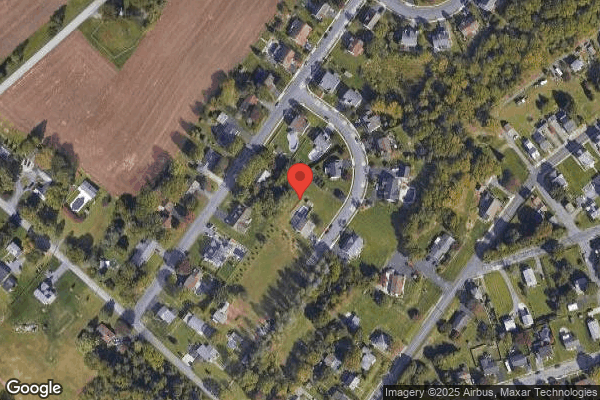
1011 BERKS ROAD, LEESPORT, PA 19533 (610) 376-4841
Government - County 420 Beds Independent Data: November 2025
Trust Grade
83/100
#7 of 653 in PA
Last Inspection: September 2024

Within standard 12-15 month inspection cycle. Federal law requires annual inspections.

Overview

Berks County Home - Berks Heim has received a Trust Grade of B+, indicating it is above average and recommended for families considering care for their loved ones. It ranks #7 out of 653 facilities in Pennsylvania, placing it in the top half, and is the best option among 15 facilities in Berks County. The facility's performance has been stable, with 4 issues reported in both 2023 and 2024, and it has a strong staffing rating of 5/5 stars and a low turnover rate of 25%, which is much better than the state average of 46%. While it has no fines on record, indicating solid compliance, there are areas of concern; recent inspections found that a resident suffered a bone fracture due to inadequate supervision, and there were issues with food storage practices that could lead to contamination. Overall, Berks Heim presents a mix of strengths in staffing and compliance, but families should be aware of the specific care concerns highlighted in the inspection findings.

Trust Score
B+
83/100
In Pennsylvania
#7/653
Top 1%
Safety Record
Moderate
Needs review
Inspections
Holding Steady
4 → 4 violations
Staff Stability
✓ Good
25% annual turnover. Excellent stability, 23 points below Pennsylvania's 48% average. Staff who stay learn residents' needs.
Penalties
✓ Good
No fines on record. Clean compliance history, better than most Pennsylvania facilities.
Skilled Nurses
✓ Good
Each resident gets 49 minutes of Registered Nurse (RN) attention daily — more than average for Pennsylvania. RNs are trained to catch health problems early.
Violations
⚠ Watch
20 deficiencies on record. Higher than average. Multiple issues found across inspections.
★★★★★
5.0
Overall Rating
★★★★★
5.0
Staff Levels
★★★★☆
4.0
Care Quality
★★★★☆
4.0
Inspection Score
Stable
2023: 4 issues
2024: 4 issues

The Good

  • 5-Star Staffing Rating · Excellent nurse staffing levels
  • 4-Star Quality Measures · Strong clinical quality outcomes
  • Low Staff Turnover (25%) · Staff stability means consistent care
  • Full Sprinkler Coverage · Fire safety systems throughout facility
  • No fines on record
  • Staff turnover is low (25%)

    23 points below Pennsylvania average of 48%

Facility shows strength in staffing levels, quality measures, staff retention, fire safety.

The Bad

No Significant Concerns Identified

This facility shows no red flags. Among Pennsylvania's 100 nursing homes, only 1% achieve this.

The Ugly 20 deficiencies on record

1 actual harm
Sept 2024 4 deficiencies
CONCERN (D)

Potential for Harm - no one hurt, but risky conditions existed

Assessment Accuracy (Tag F0641)

Could have caused harm · This affected 1 resident

**NOTE- TERMS IN BRACKETS HAVE BEEN EDITED TO PROTECT CONFIDENTIALITY** Based on clinical record review and staff interview, it was determined that the facility failed to complete an accurate Minimum ...

Read full inspector narrative →
**NOTE- TERMS IN BRACKETS HAVE BEEN EDITED TO PROTECT CONFIDENTIALITY** Based on clinical record review and staff interview, it was determined that the facility failed to complete an accurate Minimum Data Set (MDS) assessment for two of 36 sampled residents. (Residents 60, 65) Findings include: Clinical record review revealed that section P of the MDS assessment dated [DATE], indicated that Resident 60 used a trunk restraint while in chair or out of bed daily during the seven-day review period. Review of Resident 60's clinical record revealed that Resident 60 did not have a physician's order for and did not use a trunk restraint while in chair or out of bed during the seven-day review period, as inaccurately identified on the MDS assessment. Clinical record review revealed that Resident 65 had diagnoses that included end stage renal disease. Review of Resident 65's care plan revealed she required hemodialysis. On November 7, 2022, the physician ordered for the resident to receive dialysis on Mondays, Wednesdays, and Fridays. Review of the MDS assessment, dated August 29, 2024, did not indicate that Resident 65 received dialysis.
CONCERN (D)

Potential for Harm - no one hurt, but risky conditions existed

Accident Prevention (Tag F0689)

Could have caused harm · This affected 1 resident

Based on clinical record review and review of facility documentation, it was determined that the facility failed to ensure that assessed safety interventions were in place to prevent falls for one of ...

Read full inspector narrative →
Based on clinical record review and review of facility documentation, it was determined that the facility failed to ensure that assessed safety interventions were in place to prevent falls for one of seven sampled residents who were at risk for falls. (Resident 152) Findings include: Clinical record review revealed that Resident 152 had diagnoses that included anxiety, a history of falling, abnormal gait and mobility, a lack of coordination, and unsteadiness on her feet. The Minimum Data Set assessments dated June 6, 2024, and August 2, 2024, indicated that the resident had some memory impairment, used a walker, and had experienced two or more falls during both of the assessment periods. Review of the care plan revealed that the resident was at risk for falls due to being unaware of her safety needs. There was an intervention from March 1, 2024, for staff to ensure that the resident wore appropriate footwear when ambulating. There was another intervention from June 18, 2024, for staff to encourage the resident to wear non-skid socks at night. Review of nursing documentation revealed that the resident had fallen six times on the evening shift from July through September 2024. Review of facility documentation dated September 5, 2024, revealed that at 9:34 p.m., the resident had been walking on the nursing unit with her wheeled walker. The resident fell backwards and hit her head on the floor. The resident had been wearing regular socks. The interdisciplinary review of the fall revealed that the facility had failed to ensure that the resident had appropriate, non-skid footwear on when she had been walking on the nursing unit. CFR 483,25(d)(1)(2) Free of Accident Hazards/Supervision/Devices Previously cited 10/20/23 28 Pa. Code 211.12(d)(1)(5) Nursing services.
CONCERN (D)

Potential for Harm - no one hurt, but risky conditions existed

Medication Errors (Tag F0758)

Could have caused harm · This affected 1 resident

**NOTE- TERMS IN BRACKETS HAVE BEEN EDITED TO PROTECT CONFIDENTIALITY** Based on clinical record review and staff interview, it was determined that the facility failed to document the rationale for th...

Read full inspector narrative →
**NOTE- TERMS IN BRACKETS HAVE BEEN EDITED TO PROTECT CONFIDENTIALITY** Based on clinical record review and staff interview, it was determined that the facility failed to document the rationale for the continued use of as needed (PRN) anti-anxiety medications for two of five sampled residents who were on psychotropic medications. (Residents 40, 51) Findings include: Clinical record review revealed that Resident 40 had diagnoses that included dementia with behavioral disturbance and anxiety. On February 19, 2023, a physician ordered for staff to apply an anti-anxiety gel (Ativan gel) PRN for anxiety and the order was still current for the PRN medication. The Minimum Data Set (MDS) assessment dated [DATE], indicated that the resident had memory impairment and had been administered an anti-anxiety medication in the last seven days of the assessment period. Review of the Medication Administration Records (MAR) revealed that staff had administered the PRN anti-anxiety medication 13 times in June, nine times in July, seven times in August, and nine times in September 2024. There was no documentation in the clinical record from the physician for the rationale to extend the PRN Ativan gel beyond 14 days from the original order on February 19, 2023. Clinical record review revealed that Resident 51 had diagnoses that included Alzheimer's disease and anxiety disorders. On March 22, 2024, a physician ordered for staff to administer an anti-anxiety medication (Ativan) every four hours PRN for anxiety. The MDS assessment dated [DATE], indicated that the resident had memory impairment and had been administered an anti-anxiety medication in the last seven days. Review of the MAR revealed that staff had administered the PRN anti-anxiety medication two times in June, one time in July, eight times in August, and three times in September 2024. There was no documentation in the clinical record from the physician for the rationale to extend the PRN Ativan beyond 14 days from the original order on March 22, 2024. In addition, review of pharmacy recommendations for Resident 51 revealed that on May 27, 2024, and again on June 17, 2024, the pharmacist recommended to include the duration of time for the Ativan PRN order. The physician failed to acknowledge both recommendations and failed to act upon the recommendations in a timely manner related to the use of the PRN Ativan. In an interview on September 19, 2024, the Director of Nursing confirmed that there was no stop date or rationale in the orders to continue to extend the PRN Ativan for either resident. 28 Pa. Code 211.12(d)(1)(5) Nursing services.
CONCERN (F)

Potential for Harm - no one hurt, but risky conditions existed

Food Safety (Tag F0812)

Could have caused harm · This affected most or all residents

Based on facility policy review, observation, and staff interview, it was determined that the facility failed to store foods in a sanitary manner in the dietary department to prevent the potential for...

Read full inspector narrative →
Based on facility policy review, observation, and staff interview, it was determined that the facility failed to store foods in a sanitary manner in the dietary department to prevent the potential for foodborne illness. Findings include: Review of the facility policy entitled, Storing: Food and Equipment, last reviewed March 14, 2024, revealed that food was to be stored in a manner that ensured quality and freshness and safeguarded against foodborne illness. The policy indicated that staff was to ensure all food items were labeled. The label was to include product name, use by date, and date the product was prepared or opened. If applicable, the label was to include the date frozen or thawed. Containers were to be covered, labeled, and dated. All food bins were to be covered. Observation during the initial tour of the dietary department on September 17, 2024, at 9:45 a.m., revealed the following: Warming Cabinet (large, tall warming oven) #1 had five containers of prepared food items that were not labeled or dated. The Dietary manager had to uncover the containers to identify the food that was in them and she was not aware of when the containers had been placed in the warming cabinet. Warming Cabinet #2 had a container of pureed chicken that was not dated. There were also several mugs of fortified food that were not labeled or dated. In addition, there was a container of ground chicken that was not dated. On the other side of the warming cabinets in the dietary department, there were air curtain refrigerators. The Dietary Manager stated that staff was to place prepared food on trays inside of the air curtain refrigerators. The staff was to cover, label, and date the food items on these trays. Air curtain refrigerator #1 had five trays of multiple cups of regular prepared peppered cabbage. None of the cups were covered or dated. There were two trays of several cups of pureed peppered cabbage that were not covered or dated. There was a tray with several bowls of tossed salad that were not labeled or dated. Air curtain refrigerator #2 had nine trays of several cups of desserts that were not labeled, dated, or covered. In another large refrigerator in the dietary department, there were seven trays of several dishes of desserts that were not covered, labeled, or dated. In an interview on September 17, 2024, at 10:00 a.m., the Dietary Manager stated that all prepared foods were to be covered, labeled, and dated as per facility policy and standards of practice to prevent foodborne illness. 201.14(a) Responsibility of licensee.
Oct 2023 4 deficiencies
CONCERN (D)

Potential for Harm - no one hurt, but risky conditions existed

Resident Rights (Tag F0550)

Could have caused harm · This affected 1 resident

**NOTE- TERMS IN BRACKETS HAVE BEEN EDITED TO PROTECT CONFIDENTIALITY** Based on observation and resident interview, it was determined that the facility failed to ensure that meals were served in a ma...

Read full inspector narrative →
**NOTE- TERMS IN BRACKETS HAVE BEEN EDITED TO PROTECT CONFIDENTIALITY** Based on observation and resident interview, it was determined that the facility failed to ensure that meals were served in a manner that maintained each resident's dignity on one of six nursing units. ([NAME] Commons) Findings include: Observations of the lunch meal on [NAME] Commons nursing unit on Ocotber 18, 2023, between 12:18 p.m. and 1:05 p.m., revealed Residents 120 and 247 seated at a table, taking utensils and food off each other's meal trays. Resident 120 then proceeded to eat her meal using a folded piece of paper as a utensil. During the same observation period, Resident 299 was seated at the table next to Residents 120 and 247. Resident 299 was observed making comments like I'm hungry, where is the food, it's ridiculous to wait, and why are they eating? Resident 299 was not served her lunch tray until 1:05 p.m. Observation of the lunch meal on [NAME] Commons nursing unit on October 19, 2023, between 12:41 p.m. and 1:04 p.m., revealed residents 142, 282, and 296 seated at a table. The residents had been served and were eating their lunch meals. Residents 185 and 246 were seated in chairs, next to the table while residents 142, 282, and 296 ate their meals. Resident 246 was not served a lunch tray until 1:03 p.m. During the same observation period, Residents 100, 239, 134, and 82 were seated together at a table. Residents 100, 134, and 239 were served a lunch tray and were eating their meals. Resident 82 was not served a lunch tray until 1:04 p.m. 28 Pa. Code 201.29(a) Resident rights.
CONCERN (D)

Potential for Harm - no one hurt, but risky conditions existed

Deficiency F0558 (Tag F0558)

Could have caused harm · This affected 1 resident

Based on clinical record review, observation, and resident interview, it was determined that the facility failed to accomodate resident needs by providing access to the call bell system and personal i...

Read full inspector narrative →
Based on clinical record review, observation, and resident interview, it was determined that the facility failed to accomodate resident needs by providing access to the call bell system and personal items for one of 37 sampled residents. (Resident 195) Findings include: Clinical record review revealed that Resident 195 had diagnoses that included Parkinson's disease. According to the Minimum Data Set assessment, dated October 5, 2023, the resident had no cognitive impairment, could communicate care needs, had impaired vision, and was dependent on staff for care. Review of the care plan revealed that the resident was at risk for falls and that staff was to keep her call bell and other objects within reach. On October 17, 2023, at 11:09 a.m., the resident was observed in her chair near the foot of the bed. The call bell was at the head of the bed. The resident stated at that time that she could not reach it. On October 18, 2023, at 9:45 a.m., the resident was observed in her chair near the foot of the bed. The television remote control was on the floor. The resident's cell phone was on the overbed table and out of reach. Her call light was under a pillow that was propping her arm and the resident stated she could not reach these items. On October 19, 2023, at 11:02 a.m., the resident was observed seated in her chair near the foot of the bed. The call bell was on the overbed table at the foot of the bed. The resident stated that she could not reach it. 28 Pa. Code 211.12(d)(5) Nursing services.
CONCERN (D)

Potential for Harm - no one hurt, but risky conditions existed

Quality of Care (Tag F0684)

Could have caused harm · This affected 1 resident

Based on clinical record review and staff interview, it was determined that the facility failed to ensure physician's orders were implemented for one of 37 sampled residents. (Resident 137) Findings i...

Read full inspector narrative →
Based on clinical record review and staff interview, it was determined that the facility failed to ensure physician's orders were implemented for one of 37 sampled residents. (Resident 137) Findings include: Clinical record review revealed that Resident 137 had diagnoses that included hypertension (high blood pressure). On September 6, 2023, the physician ordered staff to administer a blood pressure medication (metoprolol tartrate) twice a day. Staff were not to administer the medication if the resident's systolic blood pressure (SBP, the first measurement of blood pressure when the heart beats and the pressure is at its highest) was less than 105 millimeters of mercury (mmHg). Review of Resident 137's medication administration records revealed that staff administered the medication when the resident's SBP was less than 105 mm/Hg one time in September and four times in October of 2023. In an interview on October 20, 2023, at 12:35 p.m., the Assistant Director of Nursing (ADON1) confirmed that the medications were administered outside of established parameters for Resident 137. 28 Pa. Code 211.12(d)(1)(5) Nursing services.
CONCERN (D) 📢 Someone Reported This

A family member, employee, or ombudsman was alarmed enough to file a formal complaint

Potential for Harm - no one hurt, but risky conditions existed

Accident Prevention (Tag F0689)

Could have caused harm · This affected 1 resident

**NOTE- TERMS IN BRACKETS HAVE BEEN EDITED TO PROTECT CONFIDENTIALITY** Based on clinical record review, observation, and staff interview, it was determined that the facility failed to ensure that saf...

Read full inspector narrative →
**NOTE- TERMS IN BRACKETS HAVE BEEN EDITED TO PROTECT CONFIDENTIALITY** Based on clinical record review, observation, and staff interview, it was determined that the facility failed to ensure that safety interventions for falls were in place for two of 37 sampled residents. (Residents 162, 297) Findings include: Clinical record review revealed that Resident 162 had diagnoses that included dementia, anxiety, unsteadiness on feet, and muscle weakness. Review of the Minimum Data Set (MDS) assessment dated [DATE], revealed that the resident had cognitive impairment and required extensive assistance from staff with transferring, personal hygiene, and dressing. Review of the care plan revealed that staff was to use bilateral (both sides) elevating leg rests for transport in the wheelchair. On October 18, 2023, at 12:20 p.m., and October 19, 2023, at 10:47 a.m. and 1:15 p.m., Resident 162 was observed in her wheelchair being transported by staff without bilateral elevating leg rests in the hallway. In an interview on October 20, 2023 at 9:24 a.m., the Director of Nursing confirmed that staff should have used bilateral elevating leg rests when transporting Resident 162 in her wheelchair. Clinical record review revealed that Resident 297 had diagnoses that included dementia, anxiety, osteoarthritis, and unsteadiness on feet. Review of the MDS assessment dated [DATE], revealed that the resident had cognitive impairment. Review of the care plan revealed that staff were to ensure that the resident had his walker with him at all times while ambulating. Review of a facility incident report dated October 17, 2023, revealed that Resident 297 was standing in the hallway holding the rail on the wall and needed to be lowered to the floor by staff. The intervention was for staff to encourage the use of a walker while the resident was ambulating and to offer rest periods. On multiple occasions on October 18, 2023, between 12:14 p.m. and 12:56 p.m., Resident 297 was observed ambulating in the common area without his walker. 28 Pa. Code 211.12(d)(1)(5) Nursing services.
Nov 2022 12 deficiencies 1 Harm
SERIOUS (G)

Actual Harm - a resident was hurt due to facility failures

Accident Prevention (Tag F0689)

A resident was harmed · This affected 1 resident

**NOTE- TERMS IN BRACKETS HAVE BEEN EDITED TO PROTECT CONFIDENTIALITY** Based on clinical record review, facility documentation review, observation, and staff interview, it was determined that the fac...

Read full inspector narrative →
**NOTE- TERMS IN BRACKETS HAVE BEEN EDITED TO PROTECT CONFIDENTIALITY** Based on clinical record review, facility documentation review, observation, and staff interview, it was determined that the facility failed to provide adequate supervision and interventions to prevent accidents related to falls for two of 36 residents (Residents 94 and 187) which resulted in actual harm of a bone fracture for one resident. (Resident 187) Findings include: Clinical record review revealed that Resident 187 had diagnoses that included dementia (disease that causes progressive cognitive impairment that includes memory loss and personality changes), abnormalities of gait and mobility, unsteadiness on feet, muscle weakness (generalized), and repeated falls. The Minimum Data Set (MDS) assessment (a periodic evaluation of resident care needs) dated June 2, 2022, indicated that the resident had memory problems, was severely impaired for daily decision making, used a walker, required staff assistance for walking, and had a history of falling. The care plan identified that Resident 187 was at risk for falls and interventions added on August 6, 2021, included that the resident needed a safe environment and to maintain a clear pathway, free of obstacles. Review of facility incident report documentation revealed that Resident 187 had an unwitnessed fall in the hallway on May 17, 2022, at 7:45 p.m., did not have her walker close by, and sustained a hematoma (a swollen collection of blood in the tissues) to the back of the head and a bruise to the right knee. Interventions to prevent falls included that staff was to ensure the walker was within reach and to continue therapy. According to the physical therapy Discharge summary dated [DATE], the therapist recommended that the resident receive assistance of one staff with rolling (wheeled) walker for all transfers (moving from one surface to another) and ambulation (walking). Review of behavioral documentation dated June 6, 2022, revealed that the resident sometimes forgot to use the walker. Nursing documentation dated June 29, 2022, identified an incident where the Resident 187 screamed and staff found the resident on a floor mat in another resident's room. At that time the resident complained of right shoulder and arm pain. Review of the facility incident report revealed that the resident fell at 2:45 p.m., and it was determined that Resident 187 had probably tripped over mats that remained on the floor after the other resident was out of bed and that the walker had been left in the hallway. A witness statement indicated that the resident had also been observed walking without the walker earlier the same day. A radiology report dated June 29, 2022, indicated that the resident sustained a fracture of the proximal head of the right humerus (top part of the long bone in the arm that runs from the shoulder to the elbow). Clinical record review revealed that Resident 94 had diagnoses that included dementia, unsteadiness on feet, and repeated falls. The MDS assessment dated [DATE], indicated that the resident was cognitively impaired with memory problems and required staff assistance for transfers and ambulation. The care plan identified that the resident was at moderate risk for falls and for staff to ensure that the resident was wearing proper footwear when walking or moving about in the wheelchair. Review of facility incident reports revealed that the resident fell on September 20, 2022, and October 3, 2022, while wearing Crocs footwear (a brand of foam clog with an adjustable heel strap). Documentation on the reports indicated that the probable cause of each fall was that the resident was wearing this type of shoe which did not provide adequate support, causing her to trip. Fall risk evaluations completed for Resident 94 on September 20 and October 3, 2022, identified that the resident was at high risk for falls. During an interview on November 4, 2022, at 1:40 p.m., the Nursing Home Administrator confirmed that proper footwear had been obtained for the resident on October 6, 2022. Observation revealed that Resident 94 was wearing Crocs foam clog footwear on November 1, 2022, at 10:12 a.m., and November 2, 2022, at 9:40 a.m., with the alternate footwear placed under the resident's bed. CFR: 483.25(d) Accidents Previously cited 12/03/2021. 28 Pa. Code 201.14(a) Responsibility of licensee. 28 Pa. Code 201.18(a)(b)(1)(d) Management. 28 Pa. Code 211.12(c)(d)(1)(2)(5) Nursing Services.
CONCERN (D)

Potential for Harm - no one hurt, but risky conditions existed

Deficiency F0553 (Tag F0553)

Could have caused harm · This affected 1 resident

**NOTE- TERMS IN BRACKETS HAVE BEEN EDITED TO PROTECT CONFIDENTIALITY** Based on clinical record review, and resident and staff interview, it was determined that the facility failed include a resident...

Read full inspector narrative →
**NOTE- TERMS IN BRACKETS HAVE BEEN EDITED TO PROTECT CONFIDENTIALITY** Based on clinical record review, and resident and staff interview, it was determined that the facility failed include a resident in care plan developement and review, and discharge care planning for two of 36 sampled residents. (Residents 159, 161) Findings include: Clinical record review revealed that Resident 159 had diagnoses that included blindness and anxiety. Review of the Minimum Data Set (MDS) assessment dated [DATE], revealed the resident was not cognitively impaired. On August 18, 2022, the facility held a care plan meeting to review Resident 159's plan of care. There was no evidence that Resident 159 was invited to, or attended, the care plan meeting. In an interview on November 4, 2022, at 2:27 p.m., the Nursing Home Administrator confirmed that Resident 159 was not invited to, and did not participate in, the care plan meeting. Clinical record review revealed that Resident 161 was admitted to the facility on [DATE], with diagnoses that included anxiety and depression. Review of the MDS assessment dated [DATE], revealed that the resident was not cognitively impaired, could make her needs known and was independent with most activities of daily living. In an interview on November 1, 2022, at 1:00 p.m., Resident 161 indicated that she is independent with most activities of daily living and that she would like to be discharged from the facility. Resident 161 stated that she had expressed her desire to be discharged to staff and felt that they were not listening to her. Review of the behavioral health services note on August 26, 2022, revealed that Resident 161 stated she was upset being at the facility, she was doing very well on her medications, and continually talked about wanting to leave the facility. The psychiatrist recommended a home safety evaluation and an evaluation by a psychologist regarding discharge. On September 27, 2022, the social worker meet with Resident 161 and noted that she expressed that she wanted to be discharged to her own place and live independently. There was no documented evidence that a home safety evaluation or psychological evaluation regarding the resident's desire to be discharged were ever offered to the resident or completed. In an interview on November 4, 2022, at 10:30 a.m., the Nursing Home Administrator confirmed that discharge options for Resident 161 had not been discussed with the resident. 28 Pa. Code 211.11(e) Resident care plan.
CONCERN (D)

Potential for Harm - no one hurt, but risky conditions existed

Safe Environment (Tag F0584)

Could have caused harm · This affected 1 resident

Based on clinical record review, observation and resident interview, it was determined that the facility failed to ensure that a homelike environment was maintained for one of 36 sampled residents (Re...

Read full inspector narrative →
Based on clinical record review, observation and resident interview, it was determined that the facility failed to ensure that a homelike environment was maintained for one of 36 sampled residents (Resident 168). Findings include: Clinical record review revealed that Resident 168 had diagnosis that included diabetes and overactive bladder. Review of the Minimum Data Set assessment, dated September 28, 2022, revealed Resident 168 had no cognitive impairment and required extensive assistance from staff with activities of daily living. On November 1, 2022, from 10:48 a.m. until 12:52 p.m., and November 2, 2022, at 9:38 a.m., Resident 168's bed was observed without sheets. In an interview on November 1, 2022, at 10:48 a.m., Resident 168 stated she wished that staff would make her bed. 28 Pa. Code 207.2(a) Administrator's responsibility.
CONCERN (D)

Potential for Harm - no one hurt, but risky conditions existed

Comprehensive Assessments (Tag F0636)

Could have caused harm · This affected 1 resident

**NOTE- TERMS IN BRACKETS HAVE BEEN EDITED TO PROTECT CONFIDENTIALITY** Based on clinical record review, it was determined that the facility failed to complete a comprehensive assessment for one of 36...

Read full inspector narrative →
**NOTE- TERMS IN BRACKETS HAVE BEEN EDITED TO PROTECT CONFIDENTIALITY** Based on clinical record review, it was determined that the facility failed to complete a comprehensive assessment for one of 36 sampled residents. (Resident 122) Findings include: Clinical record review revealed that Resident 122 was admitted [DATE], and had diagnoses that included dementia (impaired cognition), depression (an emotional disorder with general loss of interest and feelings of sadness), and anxiety disorder (short periods of overwhelming fear with no warning or rational reason). Review of the admission Minimum Data Set assessment dated [DATE], revealed that Section F, Preferences for Customary Routine and Activities indicated that an interview for daily preferences and activities should not be conducted due to the resident was rarely/never understood and family/significant other was not available. Review of the clinical record revealed that the resident's spouse was the responsible party and that he visited the facility during the assessment period. There was no documentation to support that an attempt was made to interview the resident's responsible party for completion of Section F of the MDS assessment.
CONCERN (D)

Potential for Harm - no one hurt, but risky conditions existed

Comprehensive Care Plan (Tag F0656)

Could have caused harm · This affected 1 resident

Based on clinical record review and staff interview, it was determined that the facility failed to develop a comprehensive care plan that addressed individual resident needs as identified in the compr...

Read full inspector narrative →
Based on clinical record review and staff interview, it was determined that the facility failed to develop a comprehensive care plan that addressed individual resident needs as identified in the comprehensive assessment for one of 36 sampled residents. (Resident 257) Findings include: Clinical record review revealed that Resident 257 had a Minimum Data Set (MDS) assessment that was completed on October 12, 2022. According to the assessment, the resident had pressure ulcers. According to the Care Area Assessment summary from that assessment, the facility identified that pressure ulcers were a problem for the resident, and should have been included on the resident's comprehensive plan of care. Review of the care plan revealed that the facility did not develop any interventions to address the resident's pressure ulcers. In an interview on November 4, 2022, at 3:13 p.m., the Nursing Home Administrator confirmed that pressure ulcer interventions were not included in Resident 257's care plan. 28 Pa. Code 211.11(d) Resident care plan. 28 Pa. Code 211.12(d)(5) Nursing services.
CONCERN (D)

Potential for Harm - no one hurt, but risky conditions existed

Deficiency F0657 (Tag F0657)

Could have caused harm · This affected 1 resident

**NOTE- TERMS IN BRACKETS HAVE BEEN EDITED TO PROTECT CONFIDENTIALITY** Based on clinical record review, incident report review and staff interview, it was determined that the facility failed to revis...

Read full inspector narrative →
**NOTE- TERMS IN BRACKETS HAVE BEEN EDITED TO PROTECT CONFIDENTIALITY** Based on clinical record review, incident report review and staff interview, it was determined that the facility failed to revise a care plan to meet the current needs of three of 36 sampled residents. (Residents 64, 94, 205) Findings include: Clinical record review revealed that Resident 64 had diagnoses that included psychotic disorder with delusions, hallucinations, and anxiety. Review of Resident 64's care plan revealed that the resident had behaviors of verbally threatening staff, delusions, and wandering. Review of incident reports revealed that on [DATE], the resident had an episode of delusions and became physically aggressive towards staff and the environment. The care plan failed to address the physical behaviors or include facility developed interventions for for the physical behaviors. In an interview on [DATE], at 3:18 p.m., the Director of Nursing confirmed that the care plan did not address the new physical behaviors. Clinical record review revealed that Resident 94 was admitted to the facility on [DATE], and had diagnoses that included cognitive communication deficit (difficulty with thinking and using language), depression (an emotional disorder with general loss of interest and feelings of sadness), and anxiety disorder (short periods of overwhelming fear with no warning or rational reason). The quarterly MDS assessment, dated [DATE], indicated that the resident had verbal and other behavioral symptoms. In addition, nursing documentation [DATE], through [DATE], revealed the resident had multiple episodes of mood/behavioral symptoms, including crying, exit-seeking, and looking for her husband who had expired. Review of the resident's care plan revealed that there were no psychosocial interventions to address the resident's mood and behavioral symptoms. Clinical record review revealed that Resident 205 had diagnoses that included metabolic encephalopathy, Alzheimer's dementia, and a history of falls. Review of Resident 205's care plan revealed that the resident was at risk of falls. Review of incident reports revealed that on [DATE], the resident leaned forward to reach and fell from the wheelchair. The incident report further revealed that the resident would be provided a reacher and that the care plan would be updated with the intervention. The care plan failed to include the facility developed intervention for a reacher. In an interview on [DATE], at 1:49 p.m., the Administrator confirmed that the care plan did not include the intervention for a reacher. 28 Pa. Code 211.11(d) Resident care plan.
CONCERN (D)

Potential for Harm - no one hurt, but risky conditions existed

Deficiency F0676 (Tag F0676)

Could have caused harm · This affected 1 resident

**NOTE- TERMS IN BRACKETS HAVE BEEN EDITED TO PROTECT CONFIDENTIALITY** Based on clinical record review, and staff and resident interview, it was determined that the facility failed to provide service...

Read full inspector narrative →
**NOTE- TERMS IN BRACKETS HAVE BEEN EDITED TO PROTECT CONFIDENTIALITY** Based on clinical record review, and staff and resident interview, it was determined that the facility failed to provide services to improve activities of daily living including communication for two of 36 sampled residents. (Residents 34, 159) Findings include: Clinical record review revealed that Resident 34 had diagnoses that included intellectual disabilities. Review of the care plan revealed that the resident had a communication problem. The intervention was for use of alternate communication tools as needed, such as a communication board or writing pad. Review of the Minimum Data Set (MDS) assessment dated [DATE], revealed that Resident 34 had moderate difficulty with hearing, and unclear speech. On November 3, 2022, at 1:31 p.m., a dry erase writing pad was observed on the wall on Resident 34's room. The marker attached to the dry erase writing pad was not functioning and unable to be used for communication. In an interview on November 4, 2022, at 11:04 a.m., the Nursing Home Administrator confirmed that the dry erase writing pad and marker are communication tools and should be available to use as required by the resident. Clinical record review revealed that Resident 159 had diagnoses that included blindness, anxiety, and depression. Review of the care plan revealed that Resident 159 had a communication problem related to a language barrier and communicated in only Spanish. The interventions were to utilize Spanish speaking staff and ensure the availability of adaptive communication equipment. Review of the MDS assessment dated [DATE], revealed that Resident 159's vision was highly impaired. In an interview translated by Nurse Aide 1 (NA1) on November 2, 2022, at 10:44 a.m., Resident 159 stated a preference to communicate in Spanish. In an interview on November 1, 2022, at 1:35 p.m., Licensed Practical Nurse 1 (LPN 1), stated that there was no adaptive communication device available for use with Resident 159. In an interview on November 2, 2022, at 10:07 a.m., Registered Nurse 1 (RN 1), stated that there was no adaptive communication device available for use with Resident 159. There was no evidence that staff were aware of the availability of adaptive communciation devices for communicating with Resident 159 as needed. 28 Pa. Code 211.12(d)(1)(3)(5) Nursing services.
CONCERN (D)

Potential for Harm - no one hurt, but risky conditions existed

Deficiency F0679 (Tag F0679)

Could have caused harm · This affected 1 resident

**NOTE- TERMS IN BRACKETS HAVE BEEN EDITED TO PROTECT CONFIDENTIALITY** Based on observation, clinical record review, and staff interview, it was determined that the facility failed to provide an acti...

Read full inspector narrative →
**NOTE- TERMS IN BRACKETS HAVE BEEN EDITED TO PROTECT CONFIDENTIALITY** Based on observation, clinical record review, and staff interview, it was determined that the facility failed to provide an activity program that met the needs and interests of residents in accordance with care planned interventions for two of nine sampled residents on the [NAME] Commons (dementia) unit. (Residents 122, 240) Findings include: Clinical record review revealed that Resident 122 had diagnoses that included dementia (impaired cognition), depression (an emotional disorder with general loss of interest and feelings of sadness), and anxiety disorder (short periods of overwhelming fear with no warning or rational reason). The Minimum Data Set (MDS) assessment (a periodic evaluation of resident care needs), dated August 11, 2022, indicated that the resident required extensive assistance from staff to move about the unit. Review of the care plan revealed that the resident was dependent on staff to attend activities and favorite recreational activities included spending time with the dog, cooking, and watching television and that the resident was to be invited to scheduled activities and provided with one to one visits if unable to attend. The social worker's documentation, dated March 29, 2022, indicated that the resident would like to meet the chaplain and attend chapel services. Review of the October 2022 activities calendar for [NAME] Commons revealed that bible study was offered twice per week. There was a lack of documentation to support that the resident was invited to any religious activities/services in October. In addition, there was documentation of her involvement in four scheduled activities in October; one of those was Resident Council (which would not have been a meaningful activity based on the resident's impaired cognition.) Resident 122 was observed on all days of the survey with no involvement in any scheduled activities. Clinical record review revealed that Resident 240 had diagnoses that included Alzheimer's disease (a type of progressive brain disorder that causes problems with memory, thinking and behavior) and hearing loss. The MDS assessment, dated July 15, 2022, indicated that the resident was dependent on staff to move about the unit and that listening to preferred music was very important. Review of the resident's care plan revealed that the resident was dependent on staff for activities, cognitive stimulation, and social interaction. Review of an activities assessment dated [DATE], and the care plan revealed that the resident enjoyed listening to music. Observation of Resident 240 on all days of the survey revealed a lack of participation in scheduled activities. On November 3, 2022, from 10:49 a.m. through 11:02 a.m., Resident 240 was observed in a wheelchair in the corridor across from the nurses' desk on the [NAME] Commons unit. The resident was seated alone and looking up at the ceiling. During that time, a musical group activity was taking place in the furthest section of the high side of the unit. There was no evidence that the resident was invited to attend the activity. Observation on the [NAME] Commons nursing unit on November 2, 2022, revealed that activities scheduled for 9:30 a.m. and 2:30 p.m. did not take place and there were no activities on the unit. In an interview on November 3, 2022, at 11:30 a.m., Activities Staff (AS 1) assigned to the [NAME] Commons unit confirmed that the activities did not take place due to staff being assigned to other duties/areas. 28 Pa. Code 201.29(j) Resident rights.
CONCERN (D)

Potential for Harm - no one hurt, but risky conditions existed

Pressure Ulcer Prevention (Tag F0686)

Could have caused harm · This affected 1 resident

Based on facility policy review, clinical record review, staff interview, and observation, it was determined that the facility failed to ensure pressure ulcer treatments were done in accordance with f...

Read full inspector narrative →
Based on facility policy review, clinical record review, staff interview, and observation, it was determined that the facility failed to ensure pressure ulcer treatments were done in accordance with facility policy for one of 36 sampled residents. (Resident 20) Findings include: Review of the facility policy entitled Skill: Dressing Change - Clean Technique, last reviewed January 12, 2022, revealed that during the treatment of wounds staff was to place all supplies on a clean field, discard old dressings in a plastic bag, and wash hand or use alcohol based hand rub (ABHR) before applying new gloves. Clinical record review revelaed that on October 25, 2022, the physician ordered that staff clean the pressure ulcer on Resident 20's lower back with normal saline and apply Silvercel (antimicrobial wound dressing) and a dry dressing. On November 2, 2022, at 1:28 p.m., licensed practical nurse (LPN) 2 was observed providing the prescribed treatment to Resident 20's lower back. LPN 2 placed the new dressings on the resident's bed prior to beginning the treatment. After removing the old dressing, LPN 2 placed the discarded treatment on the resident's bed and removed her gloves. LPN 2 then applied new gloves but failed to cleanse her hands. In an interview on November 4, 2022, at 11:15 a.m., the Administrator confirmed that the staff is expected to utilize a clean field, cleanse their hands when changing gloves, and discard old treatments in a bag per facility policy. 28 Pa Code 211.10(a)(d) Resident care policies. 28 Pa Code 211.12 (d)(1)(3)(5) Nursing services.
CONCERN (D)

Potential for Harm - no one hurt, but risky conditions existed

Deficiency F0688 (Tag F0688)

Could have caused harm · This affected 1 resident

**NOTE- TERMS IN BRACKETS HAVE BEEN EDITED TO PROTECT CONFIDENTIALITY** Based on clinical record review and observation, it was determined that the facility failed to provide treatment and services to...

Read full inspector narrative →
**NOTE- TERMS IN BRACKETS HAVE BEEN EDITED TO PROTECT CONFIDENTIALITY** Based on clinical record review and observation, it was determined that the facility failed to provide treatment and services to prevent further decline in range of motion and contracture for one of 36 sampled residents. (Resident 65) Findings include: Clinical record review revealed that Resident 65 had diagnoses that included dementia, anxiety, and contracture (tightening of the muscles, tendons, and skin causing joints to shorten and stiffen) of the right hand. Review of the Minimum Data Set assessment dated [DATE], revealed Resident 65 was totally dependent on staff for activities of daily living and had a limitation in range of motion on both sides of upper (shoulder, elbow, wrist, hand) and lower (hip, knee, ankle, foot) extremities. A physician's order dated April 8, 2021, directed staff to apply a modified palm protector on the right hand at all times except for care. On November 2, 2022, at various times between 9:53 a.m., and 11:03 a.m., Resident 65 was observed in a wheelchair, the palm protector was not in place on the resident's right hand. On November 2, 2022, at 1:58 p.m., the resident was observed in bed, the right palm protector was again not in place on the resident's hand. 28 Pa. Code 211.12 (d)(1)(5) Nursing services.
CONCERN (D)

Potential for Harm - no one hurt, but risky conditions existed

Deficiency F0742 (Tag F0742)

Could have caused harm · This affected 1 resident

**NOTE- TERMS IN BRACKETS HAVE BEEN EDITED TO PROTECT CONFIDENTIALITY** Based on facility policy review, clinical record review, observation, and staff interview, it was determined that the facility f...

Read full inspector narrative →
**NOTE- TERMS IN BRACKETS HAVE BEEN EDITED TO PROTECT CONFIDENTIALITY** Based on facility policy review, clinical record review, observation, and staff interview, it was determined that the facility failed to ensure that residents with psychosocial adjustment difficulty and/or past trauma received the necessary treatment and services for two of five sampled residents with identified emotional and/or behavioral symptoms. (Residents 64, 94) Findings include: Review of the facility policy entitled, Trauma Informed Care, dated [DATE] and reviewed [DATE], revealed that the purpose of the policy was to train and assist staff to avoid re-victimization of those residents who have survived trauma and to create an environment where the resident felt safe and secure. Upon admission, the resident was to be assessed for any trauma, information was to be evaluated by Social Service personnel in coordination with the interdisciplinary team, to identify risk factors, and approaches were to be developed to mitigate/eliminate triggers. Trauma-specific interventions were to be placed upon the individualized care plan upon admission and assessment. Clinical record review revealed that Resident 64 had diagnoses that included psychotic disorder with delusions, hallucinations, and anxiety. On [DATE], the physician ordered that the resident be evaluated by the mental health clinic. There was no documentation in the clinical record that the resident had ever been evaluated by a mental health specialist or psychiatrist since admission to the facility. According to various nurses' notes, the resident had combative behaviors towards staff, hallucinations, and delusions. In an interview on [DATE], at 12:35 p.m., the Director of Nursing confirmed that the resident had not been evaluated by mental health service providers. Clinical record review revealed that Resident 94 was admitted to the facility on [DATE], with diagnoses that included cognitive communication deficit (difficulty with thinking and using language), depression (an emotional disorder with general loss of interest and feelings of sadness), and anxiety disorder (short periods ofoverwhelming fear with no warning or rational reason). A social history and evaluation dated [DATE], included documentation by the social worker that indicated the resident's spouse had died two days prior to admission, that it was a solid marriage, that the family had decided not to tell the resident prior to burial, and that Resident 94 would not participate in the services. Also included was a Trauma Screening Questionnaire identifying that the resident had childhood trauma, that upsetting thoughts were present at least twice in the past week, and that irritability or outbursts of anger were experienced at least twice in the past week. Documentation on the day of admission reflected that Resident 94 repeatedly stated that she did not belong in the facility, did not know why she was there, wanted to go home, and was too far for her husband to get there. On [DATE], during a family visit, Resident 94 was informed of her spouse's death. It was noted by nursing that the resident was upset, crying, and unable to be consoled. Review of documentation in the record reflected that the resident continued to experience psychosocial difficulties that included episodes of screaming, crying, anxiety, agitation, combativeness, looking for her spouse, and exit-seeking. On [DATE], it was noted by nursing that the resident had an increase in symptoms. Subsequent ongoing nurses' notes through [DATE], reflected that the resident continued to display emotional and behavioral symptoms such as crying, exit-seeking, and looking for her spouse. The Minimum Data Set (MDS) assessment (a periodic assessment of resident needs) dated [DATE], indicated that the resident showed little pleasure in doing things during the previous seven day assessment period. On all days of the survey, the resident was observed in bed when not eating a meal. There was a lack of documentation to support that interventions were developed, implemented, and added to the care plan to address Resident 94's difficulty with psychosocial adjustment, including emotional and behavioral symptoms, and history of trauma. During an interview on [DATE], at 12:12 p.m., the Nursing Home Administrator confirmed that the resident had not received psychosocial mental health interventions, other than psychotropic medication management by the psychiatrist. 28 Pa. Code 211.12(d)(3)(5) Nursing services. 28 Pa. Code 211.16(a) Social services.
CONCERN (E)

Potential for Harm - no one hurt, but risky conditions existed

Deficiency F0692 (Tag F0692)

Could have caused harm · This affected multiple residents

Based on facility policy review, clinical record review, and staff interview, it was determined that the facility failed to monitor and assess nutrition status for three of seven sampled residents at ...

Read full inspector narrative →
Based on facility policy review, clinical record review, and staff interview, it was determined that the facility failed to monitor and assess nutrition status for three of seven sampled residents at nutritional risk. (Residents 74, 259, 266) Findings include: Review of facility policy entitled, Weighing of Residents and Point Click Care Documentation, dated January 12, 2022, revealed that if a resident exhibited a weight change of five or more pounds (lbs.) from their previous weight, and the resident was over 100 lbs., the resident should be re-weighed within 24 hours and the re-weigh should be recorded. A resident may be placed on weekly weights and nursing, medical doctor, and/or dietary designee will monitor the weekly weights. Resident weight records would be monitored at a minimum, on a weekly basis by the Registered Dietitian and/or designee. Clinical record review revealed that resident 74 had diagnoses that included hypertension (high blood pressure), renal insufficiency, Alzheimer's disease, depression, diabetes mellitus, and asthma. On September 1, 2022, the resident weighed 200.0 lbs., on October 13, 2022, the resident weighed 191.3 lbs., a weight loss of 8.7 lbs. from the previous weight. There was no evidence that a re-weigh was obtained within 24 hours of the weight loss that was identified on October 13, 2022, per the facility policy. Clinical record review revealed that Resident 259 had diagnoses that included hypertension, thyroid disorder, arthritis, dementia, muscle weakness. On August 29, 2022, the resident weighed 180.7 lbs., on September 8, 2022, the resident weighed 172.0 lbs., an 8.7 lb. weight loss from the previous weight. A physician order dated September 13, 2022, directed staff to obtain weekly weights for four weeks. There was no evidence that the resident was weighed during the weeks of September 18, 2022, or October 2, 2022, per the physician's order. Clinical record review revealed that Resident 266 had diagnoses that included anxiety, diabetes mellitus, and dementia. On July 5, 2022, the resident weighed 130.8 lbs., and on August 5, 2022, the resident weighed 117.6 lbs., a 13.2 lb. loss from the previous weight. A physician's order dated August 10, 2022, directed staff to weigh the resident weekly for four weeks. There was no evidence that the resident was weighed during the weeks of August 14 or 21, 2022, per the physician's order. In an interview on November 4, 2022, at 3:20 p.m., the Nursing Home Administrator confirmed there was no evidence that the weights were obtained weekly per the physician's orders. CFR 483.25(g)(1) Maintain acceptable parameters of nutritional status Previously cited 12/03/21 28 Pa. Code 211.12 (d)(1)(3)(5) Nursing services.
Understanding Severity Codes (click to expand)
Life-Threatening (Immediate Jeopardy)
J - Isolated K - Pattern L - Widespread
Actual Harm
G - Isolated H - Pattern I - Widespread
Potential for Harm
D - Isolated E - Pattern F - Widespread
No Harm (Minor)
A - Isolated B - Pattern C - Widespread

Questions to Ask on Your Visit

  • "Can I speak with families of current residents?"
  • "What's your RN coverage like on weekends and overnight?"

Our Honest Assessment

Strengths
  • • Grade B+ (83/100). Above average facility, better than most options in Pennsylvania.
  • • No fines on record. Clean compliance history, better than most Pennsylvania facilities.
  • • 25% annual turnover. Excellent stability, 23 points below Pennsylvania's 48% average. Staff who stay learn residents' needs.
Concerns
  • • 20 deficiencies on record, including 1 serious (caused harm) violation. Ask about corrective actions taken.
Bottom line: Generally positive indicators. Standard due diligence and a personal visit recommended.

About This Facility

What is Berks County Home- Berks Heim's CMS Rating?

CMS assigns BERKS COUNTY HOME- BERKS HEIM an overall rating of 5 out of 5 stars, which is considered much above average nationally. Within Pennsylvania, this rating places the facility higher than 99% of the state's 100 nursing homes. This rating reflects solid performance across the metrics CMS uses to evaluate nursing home quality.

How is Berks County Home- Berks Heim Staffed?

CMS rates BERKS COUNTY HOME- BERKS HEIM's staffing level at 5 out of 5 stars, which is much above average compared to other nursing homes. Staff turnover is 25%, compared to the Pennsylvania average of 46%. This relatively stable workforce can support continuity of care.

What Have Inspectors Found at Berks County Home- Berks Heim?

State health inspectors documented 20 deficiencies at BERKS COUNTY HOME- BERKS HEIM during 2022 to 2024. These included: 1 that caused actual resident harm and 19 with potential for harm. Deficiencies causing actual harm indicate documented cases where residents experienced negative health consequences.

Who Owns and Operates Berks County Home- Berks Heim?

BERKS COUNTY HOME- BERKS HEIM is owned by a government entity. Government-operated facilities are typically run by state, county, or municipal agencies. The facility operates independently rather than as part of a larger chain. With 420 certified beds and approximately 316 residents (about 75% occupancy), it is a large facility located in LEESPORT, Pennsylvania.

How Does Berks County Home- Berks Heim Compare to Other Pennsylvania Nursing Homes?

Compared to the 100 nursing homes in Pennsylvania, BERKS COUNTY HOME- BERKS HEIM's overall rating (5 stars) is above the state average of 3.0, staff turnover (25%) is significantly lower than the state average of 46%, and health inspection rating (4 stars) is above the national benchmark.

What Should Families Ask When Visiting Berks County Home- Berks Heim?

Based on this facility's data, families visiting should ask: "Can I visit during a mealtime to observe dining assistance and food quality?" "How do you handle medical emergencies, and what is your hospital transfer rate?" "Can I speak with family members of current residents about their experience?"

Is Berks County Home- Berks Heim Safe?

Based on CMS inspection data, BERKS COUNTY HOME- BERKS HEIM has a clean safety record: no substantiated abuse findings (meaning no confirmed cases of resident harm), no Immediate Jeopardy citations (the most serious violation level indicating risk of serious injury or death), and is not on the Special Focus Facility watch list (a federal program monitoring the lowest-performing 1% of nursing homes). The facility has a 5-star overall rating and ranks #1 of 100 nursing homes in Pennsylvania. While no facility is perfect, families should still ask about staff-to-resident ratios and recent inspection results during their visit.

Do Nurses at Berks County Home- Berks Heim Stick Around?

Staff at BERKS COUNTY HOME- BERKS HEIM tend to stick around. With a turnover rate of 25%, the facility is 20 percentage points below the Pennsylvania average of 46%. Low turnover is a positive sign. It means caregivers have time to learn each resident's needs, medications, and personal preferences. Consistent staff also notice subtle changes in a resident's condition more quickly. Registered Nurse turnover is also low at 13%, meaning experienced RNs are available to handle complex medical needs.

Was Berks County Home- Berks Heim Ever Fined?

BERKS COUNTY HOME- BERKS HEIM has no federal fines on record. CMS issues fines when nursing homes fail to meet care standards or don't correct problems found during inspections. The absence of fines suggests the facility has either maintained compliance or corrected any issues before penalties were assessed. This is a positive indicator, though families should still review recent inspection reports for the full picture.

Is Berks County Home- Berks Heim on Any Federal Watch List?

BERKS COUNTY HOME- BERKS HEIM is not on any federal watch list. The most significant is the Special Focus Facility (SFF) program, which identifies the bottom 1% of nursing homes nationally based on persistent, serious quality problems. Not being on this list means the facility has avoided the pattern of deficiencies that triggers enhanced federal oversight. This is a positive indicator, though families should still review the facility's inspection history directly.