Mahoning Operating LLC
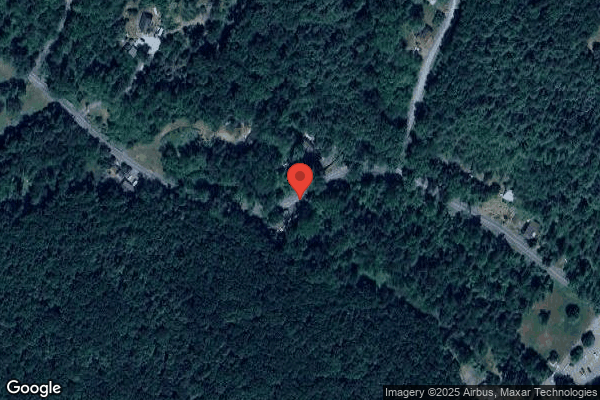
397 HEMLOCK DRIVE, LEHIGHTON, PA 18235 (570) 386-5522
For profit - Corporation 142 Beds Independent Data: November 2025
Trust Grade
75/100
#203 of 653 in PA
Last Inspection: February 2025

Within standard 12-15 month inspection cycle. Federal law requires annual inspections.

Overview

Mahoning Operating LLC in Lehighton, Pennsylvania, has a Trust Grade of B, indicating it is a good choice for families seeking care. It ranks #203 out of 653 facilities in Pennsylvania, placing it in the top half, and is the best option in Carbon County. The facility's trend is stable, with the number of issues remaining consistent over the last two years. Staffing is a strength, with a 4 out of 5 rating and a turnover rate of 41%, which is lower than the state average. However, the facility has faced several concerns, including failing to provide consistent oxygen administration for three residents, not meeting pain management standards for two residents, and issues with food safety that could lead to contamination risks. Overall, while there are notable strengths, families should be aware of the reported concerns.

Trust Score
B
75/100
In Pennsylvania
#203/653
Top 31%
Safety Record
Low Risk
No red flags
Inspections
Holding Steady
5 → 5 violations
Staff Stability
○ Average
41% turnover. Near Pennsylvania's 48% average. Typical for the industry.
Penalties
✓ Good
No fines on record. Clean compliance history, better than most Pennsylvania facilities.
Skilled Nurses
○ Average
Each resident gets 41 minutes of Registered Nurse (RN) attention daily — about average for Pennsylvania. RNs are the most trained staff who monitor for health changes.
Violations
⚠ Watch
14 deficiencies on record. Higher than average. Multiple issues found across inspections.
★★★★☆
4.0
Overall Rating
★★★★☆
4.0
Staff Levels
★★☆☆☆
2.0
Care Quality
★★★★☆
4.0
Inspection Score
Stable
2024: 5 issues
2025: 5 issues

The Good

  • 4-Star Staffing Rating · Above-average nurse staffing levels
  • Full Sprinkler Coverage · Fire safety systems throughout facility
  • No fines on record
  • Staff turnover below average (41%)

    7 points below Pennsylvania average of 48%

Facility shows strength in staffing levels, fire safety.

The Bad

Staff Turnover: 41%

Near Pennsylvania avg (46%)

Typical for the industry

The Ugly 14 deficiencies on record

Apr 2025 1 deficiency
CONCERN (D) 📢 Someone Reported This

A family member, employee, or ombudsman was alarmed enough to file a formal complaint

Potential for Harm - no one hurt, but risky conditions existed

Pressure Ulcer Prevention (Tag F0686)

Could have caused harm · This affected 1 resident

**NOTE- TERMS IN BRACKETS HAVE BEEN EDITED TO PROTECT CONFIDENTIALITY** Based on observation, a review of clinical records and facility investigative reports, resident and staff interview it was deter...

Read full inspector narrative →
**NOTE- TERMS IN BRACKETS HAVE BEEN EDITED TO PROTECT CONFIDENTIALITY** Based on observation, a review of clinical records and facility investigative reports, resident and staff interview it was determined the facility failed to consistently provide care and services consistent with professional standards of practice, to prevent the development of pressure ulcers for one resident out of 10 sampled residents. (Resident 1) Findings: According to the US Department of Health and Human Services, Agency for Healthcare Research & Quality, the pressure ulcer best practice bundle incorporates three critical components in preventing pressure ulcers: Comprehensive skin assessment, Standardized pressure ulcer risk assessment and care planning and implementation to address the areas of risk. The American College of Physicians (ACP) is a national organization of internists, who specialize in the diagnosis, treatment, and care of adults. The largest medical-specialty organization and second-largest physician group in the United States) Clinical Practice Guidelines indicate that the treatment of pressure ulcers should involve multiple tactics aimed at alleviating the conditions contributing to ulcer development (i.e. support surfaces, repositioning and nutritional support); protecting the wound from contamination and creating and maintaining a clean wound environment; promoting tissue healing via local wound applications, debridement and wound cleansing; using adjunctive therapies; and considering possible surgical repair. A review of Resident 1's clinical record revealed the resident was admitted to the facility on [DATE], with diagnoses including dementia, respiratory failure, and a history of falling at home. Resident 1 was discharged home on March 13, 2025. A review of a quarterly Minimum Data Set assessment (MDS - a federally mandated standardized assessment process conducted periodically to plan resident care) dated February 5, 2025, indicated the resident was moderately impaired with a BIMS score of 3(brief interview for mental status, a tool to assess the residents attention, orientation and ability to register and recall new information, a score of 00-07 equates to severe cognitive impairment). The MDS further identified the resident as requiring staff assistance for activities of daily living (ADLs) and at risk for pressure ulcer development. A review of Resident 1's care plan-initiated January 29, 2025, identified the resident as being at risk for impaired skin integrity related to aspirin therapy (a medication with anticoagulant, bleeding, properties), which made the resident prone to bruising with slight pressure, decreased mobility, history of falls, and incontinence. Interventions included assessing skin integrity for changes (noting color, texture, temperature, redness,) keeping the skin clean and dry, applying protective creams or lotions, preventing friction, and toileting the resident after meals. An additional care plan problem identified on January 29, 2025, indicated the resident experienced decreased ADL performance due to muscle wasting and atrophy (breakdown of body tissue). Interventions included the use of a mechanical lift for all transfers and assistance of two staff for toileting. A review of facility investigative documentation dated February 16, 2025, at 3:00 AM, revealed that Employee 3 (RN) was called to Resident 1's room by nurse aide staff to assess a new open area on Resident 1's left inner gluteal fold. Upon assessment the area measured 1.5 cm x 0.5 cm x 0.1 cm, with red granulation tissue and minimal serosanguinous drainage (combination or blood and fluid). The physician was called, and a treatment was ordered. The report noted that the resident was resistive when staff tries to reposition him on his side. Documentation indicated the resident was resistant to repositioning, utilized a mechanical lift for transfers, was confused, and was incontinent of urine at the time of discovery. Witness statements dated February 16, 2025, at 3:00 AM from Employees 1 and 2 (Nurse Aides) confirmed they observed the area during care on February 16, 2025, and reported it to the nurse. A subsequent facility investigative report dated February 16, 2025, at 9:30 AM, revealed that Employee 4 (Nurse Aide) observed additional open and discolored areas on the resident's buttocks and sacrum during care. Employee 6 (RN) assessed the areas, which included: Sacrum: open area measuring 1 cm x 1 cm, no drainage. Left buttock: open area measuring 1.5 cm x 1.5 cm with surrounding dark purple, non-blanchable skin measuring 7 cm x 3.5 cm. Left outer buttock: open area measuring 3 cm x 1 cm with surrounding dark purple, non-blanchable skin. Left upper outer buttock: intact, non-blanchable purple area measuring 1 cm x 0.5 cm. The physician was notified of these additional areas. Witness statements from Employee 5 indicated that the resident was last observed at 8:00 AM on February 16, 2025, lying in bed. A physician's order dated February 17, 2025, directed the use of an alternating air mattress and Juven nutritional supplement (used to promote wound healing). Weekly wound assessments documented the progression of wound status as follows: February 21, 2025 Sacrum: 1 cm x 1 cm x 0.1 cm, deep tissue injury (DTI) (damage beneath intact skin, typically presenting as a dark purple area). clean the area with normal saline and apply silver alginate (protect the wound from external contaminants, maintain a moist environment conducive to healing, and help manage exudate, drainage) and cover with a foam dressing every shift and as needed. Left buttock: 4 cm x 3 cm x 0.1 cm, DTI. with scant serosanguinous drainage Right buttock: 5 cm x 3 cm x 0.1 cm, DTI. the peri wound noted as deep purple in color with scant serosanguinous drainage. Treatments included cleansing with normal saline and applying silver alginate dressings (used to manage exudate and support healing), covered with foam dressings. February 28, 2025 Sacral wound resolved. Left and right buttocks: unstageable pressure injuries (wounds obscured by slough - soft, yellow dead tissue - or eschar - hard, black dead tissue). The left buttock measured 4 cm x 3 cm x 0.1 cm, and the right buttock measured 5 cm x 3 cm x 0.1 cm Wounds contained 20% granulation tissue and 80% slough. Treatment changed to cleanse with normal saline and wet-to-dry dressings (used to assist with gentle debridement). March 7, 2025 Wounds remained unstageable with the same measurements and tissue composition. Treatment regimen unchanged. A review of a nurses note dated March 10, 2025, at 12:25 PM revealed, described the resident being combative during care, striking staff. The eschar from one wound was dislodged, revealing 1 cm depth and red granulation tissue. Minor drainage was noted. The resident's wife was informed at the time of observation. A review of a nurses note dated March 12, 2025, at 11:58 AM documented providing the resident's wife with education about the wounds to the resident's buttocks and provided treatment supplies. The resident's wife verbally acknowledged understanding the wound condition and treatment needs. A review of interdisciplinary discharge instructions dated March 13, 2025, revealed wound care treatment instructions. However, no measurements or detailed descriptions of the wounds were documented as being provided to the resident's wife prior to discharge An interview with the Director of Nursing (DON) and Nursing Home Administrator (NHA) on April 10, 2025, at approximately 1:00 PM, confirmed the facility failed to implement timely and adequate preventive measures necessary to prevent the development of pressure ulcers to the sacrum and buttocks for Resident 1. 28 Pa. Code: 211.12 (d)(1)(3)(5) Nursing Services
Feb 2025 4 deficiencies
CONCERN (D)

Potential for Harm - no one hurt, but risky conditions existed

Quality of Care (Tag F0684)

Could have caused harm · This affected 1 resident

**NOTE- TERMS IN BRACKETS HAVE BEEN EDITED TO PROTECT CONFIDENTIALITY** Based on review of clinical records, select facility policy, and staff interview it was determined the facility failed to provid...

Read full inspector narrative →
**NOTE- TERMS IN BRACKETS HAVE BEEN EDITED TO PROTECT CONFIDENTIALITY** Based on review of clinical records, select facility policy, and staff interview it was determined the facility failed to provide nursing services consistent with professional standards of quality by failing to ensure that licensed nurses accurately administered prescribed medication according to the physician's parameters for two out of 19 sampled residents. (Resident 75 and 11). Findings include: According to the Pennsylvania Code, Title 49, Professional and Vocational Standards, State Board of Nursing, 21.11 (a)(1)(2)(4) indicates the registered nurse was to carry out nursing care actions that promote, maintain, and restore the well-being of individuals. The Pennsylvania Code, Title 49, Professional and Vocational Standards, State Board of Nursing, 21.145 Functions of the Licensed Practical Nurse (LPN) (a) The LPN is prepared to function as a member of the health-care team by exercising sound judgement based on preparation, knowledge, skills, understandings and past experiences in nursing situations. The LPN participates in the planning, implementation, and evaluation of nursing care in settings where nursing takes place. 21.148 Standards of nursing conduct (a) A licensed practical nurse shall: (5) Document and maintain accurate records. Review of the facility policy titled Medication Administration last reviewed by the facility on November 13, 2024, revealed that medications are administered as prescribed to all residents in a timely fashion and within prescribed parameters. Medications are administered in accordance with written orders of the attending physician. Prior to administering a medication to a resident, the nurse will verify: 1) The correct resident 2) The correct medication, dosage, and route, as per physician order 3) The correct time for the medication 4) Any special instructions are followed 5) Required parameter (s) are obtained prior to administration, as per order A review of the clinical record revealed Resident 75 was admitted to the facility on [DATE], with diagnoses to include diabetes (a chronic disease that occurs either when the pancreas does not produce enough insulin or when the body cannot effectively use the insulin it produces) and chronic kidney disease (gradual loss of kidney function). A review of a quarterly Minimum Data Set assessment (MDS-a federally mandated standardized assessment process conducted periodically to plan resident care) dated January 15, 2025, revealed that Resident 75 had moderately impaired cognition with a BIMS score of 9 (Brief Interview for Mental Status-a tool within the Cognitive Section of the MDS that is used to assess the resident's attention, orientation, and ability to register and recall new information; a score of 8-12 indicates cognition is moderately impaired). A review of the physician's order dated January 4, 2025, revealed an order for Humalog injection (medication used to treat high blood glucose) 5 units twice a day and 8 units once daily, HOLD for BS<120 mg/dl (a blood sugar less than 120 mg/dl) for diabetes. A review of the physician's order dated January 19, 2025, revealed an order for Humalog injection 8 units in the morning, 12 units in the afternoon and 15 units in the evening, HOLD for BS<120 (a blood sugar less than 120) for diabetes. Review of the Medication Administration Record (MAR) for January 2025, and February 2025, revealed Resident 75's Humalog was administered on the following dates two times outside of the physician ordered parameters: January 8, 2025: 5 units of Humalog administered at 7:45 AM despite a blood glucose level of 117 (below the prescribed threshold). February 10, 2025: 8 units administered at 7:34 AM with a blood glucose level of 102. (below the prescribed threshold). During an interview on February 21, 2025, at approximately 12:30 PM, the Director of Nursing (DON) confirmed that nursing staff failed to follow the physician-ordered parameters and did not adhere to professional nursing standards during medication administration. A clinical records review revealed that Resident 11 was admitted to the facility on [DATE], with diagnoses of Parkinson's disease, benign prostatic hyperplasia (BPH enlarged prostate), and history of COVID-19. A physician order, initially dated February 17, 2025, was noted for Midodrine (medication to treat low blood pressure) 5 mg one tablet by mouth two times a day for hypotension (low blood pressure) with instructions to hold the medication if the resident's systolic blood pressure (measures pressure inside the arteries and is the top number of a blood pressure reading) is greater than 120 mm/Hg. According to the resident's February 2025 Medication Administration Record, nursing administered Midodrine 5mg tablet on February 17, 2025, at 5:00 p.m. Further review of the MAR revealed that the medication was administered when Resident 11's systolic blood pressure was 132 mm/Hg, exceeding the prescribed threshold of 120 mm/Hg. During an interview on February 21, 2025, at approximately 1:00 p.m., the Nursing Home Administrator and Director of Nursing confirmed the medication was improperly administered, contrary to the physician's orders. The facility failed to adhere to professional standards of nursing care by not ensuring prescribed medications were administered according to the specific physician-ordered parameters for two residents. 28 Pa. Code 211.5 (f) (ix) Medical Records 28 Pa. Code 211.12 (c)(d)(1)(3)(5) Nursing services 28 Pa. Code 211.10(c) Resident care policies
CONCERN (D)

Potential for Harm - no one hurt, but risky conditions existed

Deficiency F0868 (Tag F0868)

Could have caused harm · This affected 1 resident

Based on review of facility documents and staff interview, it was determined the facility failed to ensure the Medical Director or designee attended quarterly Quality Assurance Process Improvement (QA...

Read full inspector narrative →
Based on review of facility documents and staff interview, it was determined the facility failed to ensure the Medical Director or designee attended quarterly Quality Assurance Process Improvement (QAPI) Committee meetings for two of four quarters (April 2024 and January 2025). Findings include: A review of QAPI Committee meeting sign-in sheets for the period of April 2024 through January 2025, revealed the Medical Director or designee was not in attendance at the quarterly QA meeting held on April 25, 2024, and January 30, 2025. Interview with the director of nursing on February 21, 2025, at 11:00 AM confirmed the Medical Director or designee failed to attend the facility's QAPI meetings on a quarterly basis. 28 Pa. Code 211.2 (d)(3)(4)(5)(6) Medical director. 28 Pa. Code 201.18 (e)(1)(3) Management.
CONCERN (E)

Potential for Harm - no one hurt, but risky conditions existed

Respiratory Care (Tag F0695)

Could have caused harm · This affected multiple residents

Based on review of select facility policies and procedures and clinical records, observations, and staff interviews, it was determined the facility failed to provide supplemental oxygen administration...

Read full inspector narrative →
Based on review of select facility policies and procedures and clinical records, observations, and staff interviews, it was determined the facility failed to provide supplemental oxygen administration care consistent with professional standards of practice for three out of 19 residents sampled (Resident 2, 16, and 82). Findings include: Review of facility policy entitled Oxygen Administration, last reviewed November 13, 2024, revealed that oxygen is administered under orders of a physician, except in the case of an emergency. Infection control measures performed during the administration of oxygen include change and date oxygen tubing and mask/cannula every two weeks and as needed. Change and date humidifier bottle every 72 hours and keep delivery devices covered in plastic bag when not in use. Observation of Resident 2 on February 19, 2025, at 10:57 a.m. revealed the resident was receiving oxygen via nasal cannula set (tube with two prongs placed in the nostrils to deliver oxygen) at 3.0 liters per minute (l/m) with humidification. The humidifier bottle, dated February 15, 2025, was empty, and the oxygen tubing was not dated as per facility policy. Observation of Resident 16 on February 19, 2025, at 10:45 a.m. revealed nebulizer tubing and mask in a clear bag on the resident's nightstand. The tubing was dated January 26, 2025-indicating that it had not been replaced for over 25 days, exceeding the recommended timeframe. Observations were confirmed by Employee 2, licensed practical nurse (LPN), on February 19, 2025, at approximately 9:30 a.m. Resident 82: On February 20, 2025, at 9:32 a.m., the resident was observed resting in bed while the oxygen concentrator was on. The nasal cannula was placed in a clear bag attached to the concentrator rather than applied to the resident. The oxygen tubing was also not dated. An interview with Employee 1, a licensed practical nurse, revealed the resident was being evaluated for discontinuation of oxygen therapy; however, a review of the resident's clinical records showed no physician order to withhold oxygen therapy, as a current order dated January 29, 2025, prescribed 2.5 liters/min via nasal cannula. Additional interview with Employee 1 on February 20, 2025, confirmed that Resident 82 was not receiving oxygen as prescribed and acknowledged the lack of a physician's order for discontinuation. Interview with Nursing Home Administrator (NHA) and the Director of Nursing on February 21, 2025, at 1:00 p.m. confirmed that nursing staff failed to adhere to facility policies concerning oxygen administration and infection control practices. The Director of Nursing further confirmed that nursing staff failed to consistently provide oxygen therapy to Resident 82 in accordance with the physician's order. 28 Pa. Code 211.12 (c)(d)(1)(5) Nursing services
MINOR (B)

Minor Issue - procedural, no safety impact

Transfer Notice (Tag F0623)

Minor procedural issue · This affected multiple residents

**NOTE- TERMS IN BRACKETS HAVE BEEN EDITED TO PROTECT CONFIDENTIALITY** Based on review of clinical records, facility-initiated transfer notices, and staff interview, it was determined the facility fa...

Read full inspector narrative →
**NOTE- TERMS IN BRACKETS HAVE BEEN EDITED TO PROTECT CONFIDENTIALITY** Based on review of clinical records, facility-initiated transfer notices, and staff interview, it was determined the facility failed to provide copies of written notice of facility-initiated hospital transfers of residents to a representative of the Office of the State Ombudsman for one out of five residents reviewed (Resident 56). Findings include: A review of the clinical record revealed that Resident 56 was transferred to the hospital on September 17, 2024, and was readmitted to the facility on [DATE]. Resident 56 was also transferred to the hospital on September 28, 2024, and was readmitted to the facility on [DATE]. Although written notices were provided to the resident and resident representative of the facility-initiated transfers, there was no documented evidence the facility sent copies of written notices of these facility-initiated transfers to the representative of the Office of the State Long-Term Care Ombudsman. An interview with the social services director (SSD)on February 21, 2025, at approximately 9:30 AM confirmed there was no documented evidence that copies of facility-initiated transfer notices for Resident 56 were sent to a representative of the Office of the State Long-Term Care Ombudsman. The SSD further confirmed there was no evidence that copies were sent to a representative of the Office of the State Long-Term Care Ombudsman during the months of May 2024 (for facility-initiated transfers in the month of April 2024), July 2024 (for facility-initiated transfers in the month of June 2024), August 2024 (for facility-initiated transfers in the month of July 2024), and October 2024 (for facility-initiated transfers in the month of September 2024). 28 Pa. Code 201.14(a) Responsibility of Licensee
Mar 2024 5 deficiencies
CONCERN (D)

Potential for Harm - no one hurt, but risky conditions existed

Report Alleged Abuse (Tag F0609)

Could have caused harm · This affected 1 resident

Based on the review of the facility's abuse prohibition policy, clinical records, select facility investigations, and staff interviews, it was determined that the facility failed to timely report resi...

Read full inspector narrative →
Based on the review of the facility's abuse prohibition policy, clinical records, select facility investigations, and staff interviews, it was determined that the facility failed to timely report resident physical abuse to the State Survey Agency for one of the 20 residents reviewed (Resident 5). Findings include: A review of the facility's Prevention of Abuse/Neglect/Involuntary Seclusion/Exploitation: The Facility Procedures Policy, last reviewed by the facility in October 2023, revealed that the facility's policy is for staff to report any allegations of abuse, neglect, misappropriation of property, exploitation, or involuntary seclusion to their supervisor immediately. The facility administrator or designee will be responsible for the follow-up investigation and reporting to the required agencies within the required time frames. The policy indicated that the investigation results will be reported to the State Survey Agency and all other required agencies within five days of the allegation. Facility investigation documents dated February 29, 2024, indicated that a nurse aide observed Resident 4 use the back of her hand to hit Resident 5 in the mouth. A Resident Incident Investigation form dated February 29, 2024, revealed that Employee 2, a Nurse Aide, observed Resident 4 in the hallway telling Resident 5 to shut up and was holding her {Resident 5's} left wrist. {Resident 4} let go of Resident 5's wrist and slapped {Resident 5} with the backside of her hand across {Resident 5's} mouth. The residents were separated, and the incident was reported to supervisory staff. A progress note dated February 29, 2024, at 5:25 PM indicated that {Resident 4} hit her roommate with the back of her hand. Resident 4 stated that she wouldn't knock it off! I want her to shut up! A progress note dated February 29, 2024, at 5:25 PM indicated that Resident 5 was unable to describe details of the interaction but indicated to staff that I'm okay. Resident 5 was assessed with no skin impairments, open areas, bruising, swelling, or dental issues. During an interview on March 21, 2024, at approximately 1:00 PM, the Nursing Home Administrator (NHA) and Director of Nursing (DON) confirmed that the facility failed to report physical abuse of Resident 5 perpetrated by Resident 4 to State Survey Agency within the required time frames. 28 Pa Code 201.14 (c) Responsibility of licensee 28 Pa Code 201.18 (e)(1) Management
CONCERN (D)

Potential for Harm - no one hurt, but risky conditions existed

Comprehensive Care Plan (Tag F0656)

Could have caused harm · This affected 1 resident

**NOTE- TERMS IN BRACKETS HAVE BEEN EDITED TO PROTECT CONFIDENTIALITY** Based on clinical record review and staff interview it was determined that the facility failed to develop a comprehensive person...

Read full inspector narrative →
**NOTE- TERMS IN BRACKETS HAVE BEEN EDITED TO PROTECT CONFIDENTIALITY** Based on clinical record review and staff interview it was determined that the facility failed to develop a comprehensive person-centered plan of care to meet the individualized needs of one resident out 20 sampled (Resident 19). Findings include: Review of Resident 19's clinical record revealed that the resident was admitted to the facility on [DATE], with diagnoses to include heart failure (a condition in which the heart fails to sufficiently pump blood throughout the body) and the presence of an automatic implantable cardiac defibrillator (AICD- is a microcomputer that is implanted under the skin of the upper chest area. It monitors heart rate and delivers therapy in the form of small electrical pulses. An AICD is a permanent device inserted into the right ventricle and typically placed near the collarbone under the skin of the chest). A review of a cardiology progress note dated January 26, 2024, revealed that the resident had a single AICD implanted for heart failure. The cardiologist indicated that the resident was seen due to a planned move to the skilled nursing facility. He further indicated that a note was sent to the facility to ensure that the move does not affect his AICD device. A review of the resident's current comprehensive care plan, conducted during the survey ending March 22, 2024, indicated that the facility identified a problem area of Resident 19's diagnosis of coronary artery disease (damage or disease in the heart's major blood vessels) due to hypertension, atrial fibrillation, AICD, and ischemic cardiomyopathy. However, the resident's care plan did not include AICD checks or monitoring for signs and symptoms of AICD complications. The resident's care plan did not include any emergency care of the AICD device and actions to be taken if the AICD was activated (i.e., consulting the physician, obtaining vital signs [clinical measurements, specifically pulse rate, temperature, respiration rate, and blood pressure, that indicate the state of a patient's essential body functions] and keeping the resident and staff safe from the electrical shock. The resident should notify staff if a shock is felt, and staff should be aware not to touch resident is being shocked since the shock can be felt). Interview with Employee 1 (RN, MDS Coordinator) on March 20, 2024, at 2:16 PM confirmed that the facility failed to fully address the care and management of Resident 19's AICD on the resident's person-centered plan of care. 28 Pa. Code 211.12 (c)(d)(3)(5) Nursing services.
CONCERN (D)

Potential for Harm - no one hurt, but risky conditions existed

Deficiency F0744 (Tag F0744)

Could have caused harm · This affected 1 resident

**NOTE- TERMS IN BRACKETS HAVE BEEN EDITED TO PROTECT CONFIDENTIALITY** Based on a review of clinical records and staff interviews, it was determined that the facility failed to develop and implement ...

Read full inspector narrative →
**NOTE- TERMS IN BRACKETS HAVE BEEN EDITED TO PROTECT CONFIDENTIALITY** Based on a review of clinical records and staff interviews, it was determined that the facility failed to develop and implement individualized plans to manage residents' dementia related behavioral symptoms to promote resident safety and the residents' highest practicable physical and mental well-being for one resident out of 20 sampled (Resident 4). Findings include: A clinical record review revealed that Resident 4 was admitted to the facility on [DATE], with diagnoses that included Alzheimer's disease (a brain disorder that slowly destroys memory and thinking skills and, eventually, the ability to carry out the simplest tasks). A review of an annual Minimum Data Set assessment (MDS - a federally mandated standardized assessment process conducted periodically to plan resident care) dated February 2, 2024 revealed that Resident 4 has severe cognitive impairment with a BIMS score of 02 (Brief Interview for Mental Status- a tool within the Cognitive Section of the MDS that is used to assess the resident's attention, orientation, and ability to register and recall new information; a score of 00-07 indicates severe cognitive impairment). Nursing progress notes dated January 10, 2024, at 11:25 AM that indicated that Resident 4 was having increased behaviors that morning, incessantly calling out different things at staff, yelling for help, and yelling for different people. A progress note dated January 13, 2024, at 4:46 AM indicated that the resident was calling out and yelling, Get me the hell out of here! On January 23, 2024, at 4:30 PM progress notes indicated that the resident was consistently yelling out help, entering other residents rooms, arguing with other residents, and stating, I am going to throw myself to the floor. Nursing noted January 24, 2024, at 12:38 PM that the resident was agitated during a shower. The note indicated that the resident was swinging a shower head and attempting to bite and kick staff. On February 16, 2024, at 12:34 AM, nursing noted that the resident was calling out continually, Help! Help! Who the hell am I? Does anybody know me? Nursing progress notes dated February 28, 2024, at 10:43 PM indicated that the resident was agitated and restless throughout the shift, wheeling herself into other residents' rooms, yelling, and pulling apart her oxygen tubing and on February 29, 2024, at 5:25 PM the resident hit her roommate with the back of her hand. Resident 4 stated that she wouldn't knock it off! I want her to shut up! Nursing documentation dated 2, 2024, at 1:57 AM indicated that the resident was screaming and yelling throughout the shift; on March 7, 2024, at 10:30 PM it was noted that the resident was entering other residents rooms, yelling at other residents, and attempting to open locked doors like the maintenance closet; and on March 15, 2024, at 3:50 AM it was documented that the resident was continually calling out and disrupting other residents. A review of Resident 4's care plan, conducted during the survey ending March 22, 2024, revealed that the resident's plan of care did not include the resident's behaviors, such hitting, biting, yelling out, screaming, and entering other residents' rooms. The facility failed to demonstrate the provision of necessary care and services, including individualized interdisciplinary non-pharmacological approaches to care, purposeful and meaningful activities, that address the resident's customary routines, interests, preferences, and choices to enhance the resident's well-being. There was no evidence that the facility provided the resident with specialized services and supports, such specialized activities, nutrition, and environmental modifications, based on the individual's abilities and dementia related behaviors. During an interview on March 21, 2024, at approximately 1:10 PM, the Nursing Home Administrator (NHA) and Director of Nursing (DON) confirmed that the facility failed to demonstrate the development or implementation of an individualized interdisciplinary person-centered care plan that addressed Resident 4's dementia care and behaviors. 28 Pa. Code 201.18 (e)(1) Management 28 Pa. Code 211.12 (d)(3)(5) Nursing services
CONCERN (E)

Potential for Harm - no one hurt, but risky conditions existed

Deficiency F0697 (Tag F0697)

Could have caused harm · This affected multiple residents

**NOTE- TERMS IN BRACKETS HAVE BEEN EDITED TO PROTECT CONFIDENTIALITY** Based on a review of clinical records and select facility policy and resident and staff interviews, it was determined that the f...

Read full inspector narrative →
**NOTE- TERMS IN BRACKETS HAVE BEEN EDITED TO PROTECT CONFIDENTIALITY** Based on a review of clinical records and select facility policy and resident and staff interviews, it was determined that the facility failed to provide person-centered pain management consistent with professional standards of practice for two out of the 20 residents sampled (Residents 8 and 43). Findings include: A clinical record review revealed Resident 43 was admitted to the facility on [DATE], with diagnoses that included cervical and intervertebral disc disorders (conditions characterized by the breakdown of one or more of the discs that separate the bones of the spine and neck, causing pain in the back, neck, or frequently in the legs and arms). A review of a quarterly Minimum Data Set assessment (MDS - a federally mandated standardized assessment process conducted periodically to plan resident care) dated February 16, 2024 revealed that Resident 43 is cognitively intact with a BIMS score of 13 (Brief Interview for Mental Status- a tool within the Cognitive Section of the MDS that is used to assess the resident's attention, orientation, and ability to register and recall new information; a score of 13-15 indicates cognition is intact). The MDS Section J-Health Conditions indicated that the resident almost constantly experiences pain or was hurting. Resident 43's care plan noted the resident's potential for pain related to his disc disorders, which was initiated on November 10, 2023. Interventions developed to assist the resident with his pain included monitoring, recording, and reporting complaints of pain or requests for pain treatment, evaluating the effectiveness of pain treatment, and offering and encouraging non-pharmacological pain relieving methods such as repositioning, back rubs, soothing or distraction activity, guided imagery, breathing exercises, offering pillows or blankets, bathing, or elevation. A physician's order was initiated on November 9, 2023, for Resident 43 to receive oxycodone HCL oral tablet 5 mg (an opioid medication) with instructions to give 1 tablet every 6 hours as needed for moderate to severe pain. The resident's medication administration record (MAR) for March 2024 revealed that Resident 43 received oxycodone 5 mg on 22 occassions from March 1, 2024, through March 21, 2024. There was no evidence that staff attempted any non-pharmacological attempts to relieve Resident 43's pain prior to administering as-needed opioid medication. There was no documented evidence that the facility had consistently assessed Resident 43's level of pain to ensure that the opioid medication was administered as per physician's orders, for moderate to severe pain. A review of progress note documentation and Resident 43's MAR for March 2024 revealed that the resident received oxycodone 5 mg on 18 occassions without documentation of the resident's pain level prior to administration of the medication. During an interview on March 19, 2024, at 10:10 AM, Resident 43 stated that he experiences consistent back pain. The resident explained that the facility provides a medicated ointment and pain medication that helps with the pain but further stated that the facility is not offering alternative non-pharmacological interventions to assist with his pain relief. During an interview on March 22, 2024, at approximately 10:00 AM, the Director of Nursing (DON) and Nursing Home Administrator (NHA) were unable to provide evidence that the facility consistently attempted non-pharmacological interventions prior to pain medications prescribed on an as needed basis. The NHA and DON were not able to provide evidence that the facility was consistently assessing the resident's pain levels prior to medication administration to ensure medications were being administered consistent with physician's orders. A review of the clinical record revealed that Resident 8 was admitted to the facility on [DATE], with diagnoses to include pyogenic arthritis, and spondylosis (degenerative arthritis of the spine). A review of Resident 8's physician order's initially dated January 11, 2024, revealed an order for oxycodone (a narcotic opioid pain medication) 5 mg tablet, give two tablets by mouth, every four hours, as needed, for severe pain. A review of the resident's February 2024 Medication Administration Record (MAR) revealed that staff administered the pain medication 48 times during the month of February. Of the 48 doses given, all were administered without non-pharmacological interventions attempted prior to giving the pain medication. A review of the resident's March 2024 Medication Administration Record (MAR) revealed that staff administered the pain medication 12 times during the month of March Of the 12 doses given, 11 were administered with no non-pharmacological interventions attempted prior to giving the pain medication. Interview with the Director of Nursing on March 22, 2024, at approximately 1:30 PM confirmed that there was no evidence that non-pharmacological interventions were consistently attempted and proved ineffective prior to administration of as needed pain medication. 28 Pa. Code 211.12 (c)(d)(1)(5) Nursing Services 28 Pa. Code 211.5 (f) Medical records
MINOR (B)

Minor Issue - procedural, no safety impact

Transfer Notice (Tag F0623)

Minor procedural issue · This affected multiple residents

**NOTE- TERMS IN BRACKETS HAVE BEEN EDITED TO PROTECT CONFIDENTIALITY** Based on clinical record reviews and staff interview, it was determined that the facility failed to ensure that a written notice...

Read full inspector narrative →
**NOTE- TERMS IN BRACKETS HAVE BEEN EDITED TO PROTECT CONFIDENTIALITY** Based on clinical record reviews and staff interview, it was determined that the facility failed to ensure that a written notice of facility-initiated transfer to the hospital was provided to the resident and resident's representative for four residents out of 20 residents sampled (Residents 47, 8, 18 and 39). Findings include: A review of Resident 47's clinical record revealed that the resident was transferred to the hospital on August 28, 2023, and returned to the facility on September 18, 2023. A review of Resident 8's clinical record revealed that the resident was transferred to the hospital on December 14, 2023, and returned to the facility on December 20, 2023. The resident was transferred to the hospital on December 22, 2023, and returned to the facility on December 30, 2023 and transferred again on January 5, 2024, and returned to the facility on January 11, 2024. A review of Resident 18's clinical record revealed that the resident was transferred to the hospital on September 9, 2023, and returned to the facility on September 12, 2023. A review of Resident 39's clinical record revealed that the resident was transferred to the hospital on February 21, 2024, and readmitted to the facility on [DATE]. Clinical record reviews of the above residents revealed no evidence written notices had been provided to these residents and their representatives regarding the transfer that included all required contents: reason for the transfer, effective date of the transfer, location to which the resident was transferred, contact and address information for the Office of the State Long-Term Care Ombudsman, and, if applicable, information for the agency responsible for the protection and advocacy of individuals with developmental disabilities. Interview with the Nursing Home Administrator on March 21, 2024, at 11:10 AM confirmed that there was no evidence that a written notification of transfer which contained all required contents was provided to residents and the residents' representatives for these facility initiated transfers. 28 Pa. Code 201.29 (c.3)(2) Resident rights 28 Pa. Code 201.14 (a) Responsibility of Licensee
Mar 2023 4 deficiencies
CONCERN (D)

Potential for Harm - no one hurt, but risky conditions existed

Assessment Accuracy (Tag F0641)

Could have caused harm · This affected 1 resident

**NOTE- TERMS IN BRACKETS HAVE BEEN EDITED TO PROTECT CONFIDENTIALITY** Based on a review of clinical records and the Resident Assessment Instrument and staff interviews, it was determined that the fa...

Read full inspector narrative →
**NOTE- TERMS IN BRACKETS HAVE BEEN EDITED TO PROTECT CONFIDENTIALITY** Based on a review of clinical records and the Resident Assessment Instrument and staff interviews, it was determined that the facility failed to ensure the Minimum Data Set Assessments (MDS - a federally mandated standardized assessment conducted at specific intervals to plan resident care) accurately reflected the status of one resident out of 17 sampled (Resident 46) Findings include: According to the RAI User's Manual, Section A1500 Preadmission Screening and Resident Review (PASRR) is to be completed if the type of assessment is an admission assessment, significant change or annual assessment. An annual MDS assessment dated [DATE] of Resident 46 revealed that Section A1500 was coded as 0 indicating that the resident was not considered by the State to require a Level II PASRR process, to have serious mental illness, and/or intellectual disability or mental retardation or a related condition. However, a review of Resident 46's clinical record revealed a Level I PASRR was completed on June 15, 2018, which indicated the resident met the criteria for a Level II PASRR, and a letter from PA Department of Human Services dated June 22, 2018, confirmed the level II PASRR. Interview with the Social Service Director on March 16, 2023, at 10:20 a.m. confirmed the resident's MDS assessment dated [DATE], was inaccurate, with respect to completion of Section A1500 related to the PASRR. Interview with the RNAC (Registered Nurse Assessment Coordinator) on March 16, 2022, at approximately 11:00 a.m. confirmed that Resident 46's MDS was inaccurate. 28 Pa. Code 211.5(g)(h) Clinical records 28 Pa. Code 211.12(c)(d)(1)(5) Nursing services
CONCERN (D)

Potential for Harm - no one hurt, but risky conditions existed

Quality of Care (Tag F0684)

Could have caused harm · This affected 1 resident

**NOTE- TERMS IN BRACKETS HAVE BEEN EDITED TO PROTECT CONFIDENTIALITY** Based on a review of clinical records, and staff interviews, it was determined that the facility failed to provide nursing servi...

Read full inspector narrative →
**NOTE- TERMS IN BRACKETS HAVE BEEN EDITED TO PROTECT CONFIDENTIALITY** Based on a review of clinical records, and staff interviews, it was determined that the facility failed to provide nursing services consistent with professional standards of practice by failing to accurately transcribe physician medication orders in accordance with standards of practice resulting in administration of the incorrect dose of an antidepressant medication to one resident out of 17 sampled (Resident 37). Findings include: A review of the clinical record revealed that Resident 37 admitted to the facility on [DATE], with diagnoses that included gastro-esophageal reflux disease (GERD), chronic kidney disease, atrial fibrillation (an irregular and often very rapid heart rhythm), cellulitis, chronic respiratory failure, major depression, and dysphagia (difficulty swallowing). A Hospital Discharge Summary dated, February 20, 2023, indicated that upon the resident's discharge from the hospital the resident was to continue taking Sertraline (Zoloft) 50 milligram (mg), take 100 mg by mouth daily, with the next dose due on February 21, 2023 However, upon admission to the skilled nursing facility on February 20, 2023, the admission physician order was noted as Sertraline HCL oral tablet 50 mg, give 1 tablet by mouth at bedtime for anxiety and depression. The resident received 50 mg of Zoloft from February 20, 2023, through March 2, 2023, when the resident's son identified the error and reported it to facility nursing staff. Progress notes dated March 2, 2023, at 11:14 AM, indicated that the resident's representative, in reviewing the resident's clinical records, identified that the resident's physician order for the antidepressant medication Zoloft was 50 mg, but the resident had been taking Zoloft 100 mg for about a decade and was inquiring if the resident's dose of the antidepressant drug Zoloft could be increased to his usual dose. The entry noted that the charge nurse notified the CRNP (Certified Registered Nurse Practitioner) of the resident's representative's request and nursing was awaiting a response. A progress note dated March 2, 2023, at 1:43 PM, indicated that the CRNP ordered an increase in the resident's dose of Zoloft from 50 mg to 100 mg. Current physician orders dated March 2, 2023, were noted as Sertraline HCL oral tablet 50 mg, give 2 tablets by mouth at bedtime for anxiety and depression, 2 tablets (100 mg). Interview on March 17, 2023, at approximately 9:25 AM, with Employee 1 Registered Nurse Supervisor (RN supervisor), confirmed that the resident's hospital discharge summary identified that the resident was to receive Zoloft 100 mg, but the physician medication order was not accurately transcribed upon the resident's admission and as a result the resident received 9 doses of Zoloft 50 mg until his son identifed the error. During an interview on March 17, 2023, at approximately 9:40 AM, with the Nursing Home Administrator (NHA), he confirmed the error in transcribing the medication order upon the resident's admission, which resulted in the resident receiving the incorrect dose of Zoloft. 28 Pa. Code 211.12 (a)(c)(d)(1)(3)(5) Nursing services 28 Pa. Code 211.5 (f) Clinical records. 28 Pa. Code 211.2 (a) Physician orders
CONCERN (D)

Potential for Harm - no one hurt, but risky conditions existed

Accident Prevention (Tag F0689)

Could have caused harm · This affected 1 resident

Based on a review of clinical records and select facility incident reports, and staff interview it was determined that the facility failed to implement an individualized fall prevention measure to pre...

Read full inspector narrative →
Based on a review of clinical records and select facility incident reports, and staff interview it was determined that the facility failed to implement an individualized fall prevention measure to prevent a fall for one resident (Resident 62) out of five sampled. Findings include: Review of Resident 62's clinical record revealed that the resident had diagnoses which included Alzheimer's disease. Review of Resident 62's quarterly Minimum Data Set (MDS- a federally mandated standardized assessment process completed periodically to plan resident care) dated December 2, 2022, revealed the resident was moderately cognitively impaired with a BIMS (tool used to screen and identify the cognitive impairment) score of 8 (8 to 12 indicating moderate cognitive impairment), was independent with transfers and ambulation in her room, and required one-person physical assistance for dressing. The resident's care plan, initially dated September 13, 2021, indicated that the resident was at risk for falls related to confusion, gait/balance problems, and unaware of safety needs. Interventions planned to prevent falls included keeping the resident's call bell within reach, ensure the resident is wearing appropriate non-skid footwear when ambulating or mobilizing in wheelchair, safe environment, bed in low position at night, items in reach, glare-free light, and clutter free environment. Review of a nurses note dated February 14, 2023, at 6:03 PM noted that at 4:15 PM on that date the resident was found seated on the floor next to the foot of the resident's bed and wheelchair. According to the note, no call bell was sounding, but surrounding residents called for help. Resident 62 was not wearing non-skid footwear and the note did not identify whether the resident's was barefoot or what type of footwear the resident was wearing at the time of the fall. The resident was not incontinent and was noted as independent in room. Neurochecks were completed and within normal limits. Nursing noted that the resident had a raised area on top of head non-open, non-worsening, ice applied. The resident stated that I just fell I don't know how just help me up. Nursing also noted that the current fall prevention interventions included non-skid footwear, bed low/locked, items in reach, room well lit and clutter free. The facility planned to provide education to the resident on proper footwear and initiate therapy re-eval at this time. The facility also educated staff to encourage proper footwear throughout the shift. Physician and responsible party made aware. Nursing noted that they will continue to monitor. A review of a facility incident report dated February 14, 2023, at 4:15 PM, revealed that the resident was observed on the floor with back against the foot of the bed. The suspected root cause analysis was that the resident ambulates independently without a device. The resident was re-educated to ensure proper footwear is intact prior to ambulating. The incident report noted that the resident was assisted to the bathroom at 4:00 PM (15 minutes prior to the incident). The incident report failed to indicate what type of footwear, if any, the resident was wearing at the time of the fall. There was no indication of who assisted the resident with dressing prior to the fall to ensure proper non-skid footwear was in place as per the resident's care plan as the resident was assessed as moderately cognitively impaired and required staff assistance with dressing. The facility failed to provide documented evidence that the planned intervention for non-skid footwear as per the resident's care plan was implemented at the time of the resident's fall. Interview with the assistant nursing home administrator on March 17, 2023, at 10:00 AM failed to provide documented evidence that the facility implemented the planned care plan intervention for non-skid footwear to prevent the resident's fall. 28 Pa. Code 211.12 (a)(c)(d)(3)(5) Nursing services
CONCERN (E)

Potential for Harm - no one hurt, but risky conditions existed

Food Safety (Tag F0812)

Could have caused harm · This affected multiple residents

Based on observation and staff interview, it was determined that the facility failed to maintain acceptable practices for the storage and service of food to prevent the potential for contamination and...

Read full inspector narrative →
Based on observation and staff interview, it was determined that the facility failed to maintain acceptable practices for the storage and service of food to prevent the potential for contamination and microbial growth in food, which increased the risk of food-borne illness. Findings include: Food safety and inspection standards for safe food handling indicate that everything that comes in contact with food must be kept clean and food that is mishandled can lead to foodborne illness. Safe steps in food handling, cooking, and storage are essential in preventing foodborne illness. You cannot always see, smell, or taste harmful bacteria that may cause illness according to the USDA (The United States Department of Agriculture, also known as the Agriculture Department, is the U.S. federal executive department responsible for developing and executing federal laws related to food). Observation of the food and nutrition services department in the presence of Employee 2 (dietary supervisor) on March 17, 2023 at 11:15 AM, revealed the following sanitation concerns with the potential to introduce contaminants into food and increase the potential for food-borne illness: There was a layer of dust on the exterior surface of the metal fins of the hood vents located above the stove area. There was a layer of dust on the fins of the ceiling vent covers located near the diet office and the three-compartment sink. Observation of the three-compartment sink revealed the wash compartment of the sink contained dirty water with floating food debris. The sink's spray hose and nozzle, detergent hose, and sanitizer hose were submerged under the surface of the dirty water. Observation of the ice machine located in a room adjacent to the food and nutrition services department revealed a layer of dust on the outer fins of the ice machine's filter cover. Interview with employee 2 (dietary supervisor) on March 17, 2023 at 11:30 AM, confirmed that the food and nutrition services department is to maintain acceptable practices for food storage and the department is to be maintained in a sanitary manner. 28 Pa. Code 211.6 (c) Dietary services. 28 Pa. Code 207.2(a) Administrator's responsibility.
Understanding Severity Codes (click to expand)
Life-Threatening (Immediate Jeopardy)
J - Isolated K - Pattern L - Widespread
Actual Harm
G - Isolated H - Pattern I - Widespread
Potential for Harm
D - Isolated E - Pattern F - Widespread
No Harm (Minor)
A - Isolated B - Pattern C - Widespread

Questions to Ask on Your Visit

  • "Can I speak with families of current residents?"
  • "What's your RN coverage like on weekends and overnight?"

Our Honest Assessment

Strengths
  • • No major safety red flags. No abuse findings, life-threatening violations, or SFF status.
  • • No fines on record. Clean compliance history, better than most Pennsylvania facilities.
  • • 41% turnover. Below Pennsylvania's 48% average. Good staff retention means consistent care.
Concerns
  • • 14 deficiencies on record. Higher than average. Multiple issues found across inspections.
Bottom line: Generally positive indicators. Standard due diligence and a personal visit recommended.

About This Facility

What is Mahoning Operating Llc's CMS Rating?

CMS assigns Mahoning Operating LLC an overall rating of 4 out of 5 stars, which is considered above average nationally. Within Pennsylvania, this rating places the facility higher than 99% of the state's 100 nursing homes. This rating reflects solid performance across the metrics CMS uses to evaluate nursing home quality.

How is Mahoning Operating Llc Staffed?

CMS rates Mahoning Operating LLC's staffing level at 4 out of 5 stars, which is above average compared to other nursing homes. Staff turnover is 41%, compared to the Pennsylvania average of 46%. This relatively stable workforce can support continuity of care.

What Have Inspectors Found at Mahoning Operating Llc?

State health inspectors documented 14 deficiencies at Mahoning Operating LLC during 2023 to 2025. These included: 12 with potential for harm and 2 minor or isolated issues.

Who Owns and Operates Mahoning Operating Llc?

Mahoning Operating LLC is owned by a for-profit company. For-profit facilities operate as businesses with obligations to shareholders or private owners. The facility operates independently rather than as part of a larger chain. With 142 certified beds and approximately 81 residents (about 57% occupancy), it is a mid-sized facility located in LEHIGHTON, Pennsylvania.

How Does Mahoning Operating Llc Compare to Other Pennsylvania Nursing Homes?

Compared to the 100 nursing homes in Pennsylvania, Mahoning Operating LLC's overall rating (4 stars) is above the state average of 3.0, staff turnover (41%) is near the state average of 46%, and health inspection rating (4 stars) is above the national benchmark.

What Should Families Ask When Visiting Mahoning Operating Llc?

Based on this facility's data, families visiting should ask: "Can I visit during a mealtime to observe dining assistance and food quality?" "How do you handle medical emergencies, and what is your hospital transfer rate?" "Can I speak with family members of current residents about their experience?"

Is Mahoning Operating Llc Safe?

Based on CMS inspection data, Mahoning Operating LLC has a clean safety record: no substantiated abuse findings (meaning no confirmed cases of resident harm), no Immediate Jeopardy citations (the most serious violation level indicating risk of serious injury or death), and is not on the Special Focus Facility watch list (a federal program monitoring the lowest-performing 1% of nursing homes). The facility has a 4-star overall rating and ranks #1 of 100 nursing homes in Pennsylvania. While no facility is perfect, families should still ask about staff-to-resident ratios and recent inspection results during their visit.

Do Nurses at Mahoning Operating Llc Stick Around?

Mahoning Operating LLC has a staff turnover rate of 41%, which is about average for Pennsylvania nursing homes (state average: 46%). Moderate turnover is common in nursing homes, but families should still ask about staff tenure and how the facility maintains care continuity when employees leave.

Was Mahoning Operating Llc Ever Fined?

Mahoning Operating LLC has no federal fines on record. CMS issues fines when nursing homes fail to meet care standards or don't correct problems found during inspections. The absence of fines suggests the facility has either maintained compliance or corrected any issues before penalties were assessed. This is a positive indicator, though families should still review recent inspection reports for the full picture.

Is Mahoning Operating Llc on Any Federal Watch List?

Mahoning Operating LLC is not on any federal watch list. The most significant is the Special Focus Facility (SFF) program, which identifies the bottom 1% of nursing homes nationally based on persistent, serious quality problems. Not being on this list means the facility has avoided the pattern of deficiencies that triggers enhanced federal oversight. This is a positive indicator, though families should still review the facility's inspection history directly.