BUFFALO VALLEY LUTHERAN VILLAG
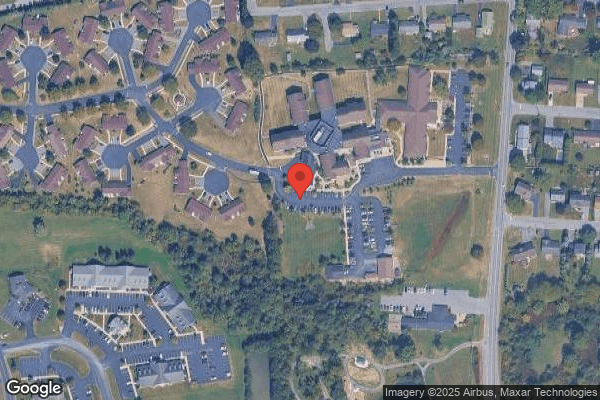
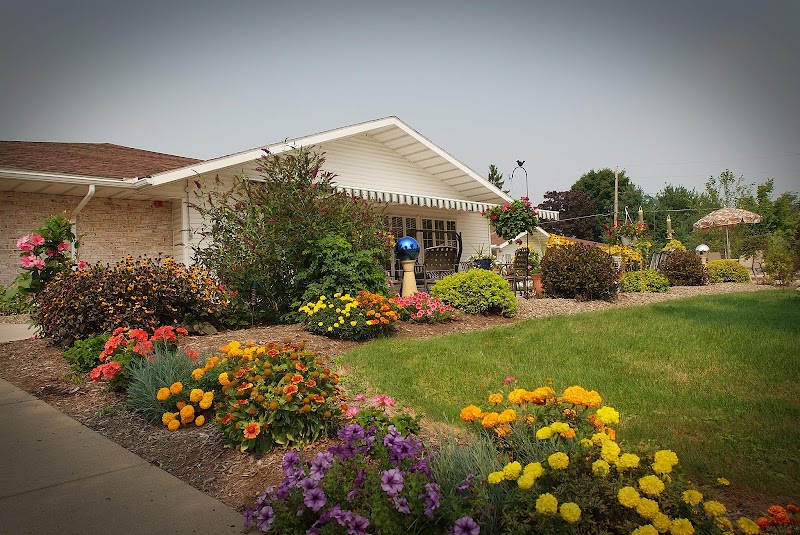
189 EAST TRESSLER BOULEVARD, LEWISBURG, PA 17837 (570) 524-2221
Non profit - Corporation 102 Beds Independent Data: November 2025
Trust Grade
40/100
#392 of 653 in PA
Last Inspection: September 2025

Inspected within the last 6 months. Data reflects current conditions.

Overview

Buffalo Valley Lutheran Village has a Trust Grade of D, which means it is below average and raises some concerns about the quality of care provided. In Pennsylvania, it ranks #392 out of 653 facilities, placing it in the bottom half, and it is the third-ranked facility in Union County, with only two other options available locally. The facility is worsening, having increased from 10 issues in 2024 to 15 in 2025, which indicates a decline in operational quality. Staffing is a concern as well, with a turnover rate of 93%, significantly higher than the state average of 46%, although it has a 3/5 staffing rating overall. While there are no fines recorded, which is a positive aspect, the facility has been found to have issues such as unsanitary food preparation conditions in the kitchen and insufficient staff competencies in critical care areas, which raises serious safety concerns for residents.

Trust Score
D
40/100
In Pennsylvania
#392/653
Bottom 40%
Safety Record
Low Risk
No red flags
Inspections
Getting Worse
10 → 15 violations
Staff Stability
⚠ Watch
93% turnover. Very high, 45 points above average. Constant new faces learning your loved one's needs.
Penalties
✓ Good
No fines on record. Clean compliance history, better than most Pennsylvania facilities.
Skilled Nurses
⚠ Watch
Each resident gets only 25 minutes of Registered Nurse (RN) attention daily — below average for Pennsylvania. Fewer RN minutes means fewer trained eyes watching for problems.
Violations
⚠ Watch
38 deficiencies on record. Higher than average. Multiple issues found across inspections.
★★☆☆☆
2.0
Overall Rating
★★★☆☆
3.0
Staff Levels
★★★☆☆
3.0
Care Quality
★★☆☆☆
2.0
Inspection Score
Stable
2024: 10 issues
2025: 15 issues

The Good

  • Full Sprinkler Coverage · Fire safety systems throughout facility
  • No fines on record

Facility shows strength in fire safety.

The Bad

2-Star Overall Rating

Below Pennsylvania average (3.0)

Below average - review inspection findings carefully

Staff Turnover: 93%

46pts above Pennsylvania avg (46%)

Frequent staff changes - ask about care continuity

Staff turnover is very high (93%)

45 points above Pennsylvania average of 48%

The Ugly 38 deficiencies on record

Sept 2025 13 deficiencies
CONCERN (D)

Potential for Harm - no one hurt, but risky conditions existed

Deficiency F0582 (Tag F0582)

Could have caused harm · This affected 1 resident

**NOTE- TERMS IN BRACKETS HAVE BEEN EDITED TO PROTECT CONFIDENTIALITY** Based on clinical record review and staff interview, it was determined that the facility failed to provide timely notification t...

Read full inspector narrative →
**NOTE- TERMS IN BRACKETS HAVE BEEN EDITED TO PROTECT CONFIDENTIALITY** Based on clinical record review and staff interview, it was determined that the facility failed to provide timely notification to a resident whose payment coverage changed for two of three residents reviewed (Residents 93 and 57).Findings include: A review of the form Instructions for the Notice of Medicare Non-Coverage (NOMNC) CMS-10123, (a notice that informs the recipient when care received from the skilled nursing facility is ending; and how to contact a Quality Improvement Organization (QIO) to appeal) revealed instructions that a Medicare provider must ensure that the notice is delivered at least two calendar days before Medicare covered services end. Skilled Nursing Facility (SNF) Advanced Beneficiary Notice of Non-coverage (SNF ABN, CMS-10055) is issued if the beneficiary intends to continue services and the SNF believes the services may not be covered under Medicare. It is the facility's responsibility to inform the beneficiary about potential non-coverage and the option to continue services with the beneficiary accepting financial liability for those services. Key elements of compliance with the provision of the notice include that the facility notified an eligible resident in writing of the items and services which are/are not covered under Medicaid or by the facility's per diem rate, including the cost of those items and services as soon as reasonably possible when a change in coverage occurs. The SNF enters a good faith estimate of the cost of the corresponding care that may not be covered by Medicare. In the blank that follows Beginning on ., the skilled nursing facility enters the date on which the beneficiary may be responsible for paying for care that Medicare is not expected to cover. The beneficiary selects an option box to indicate a desire to continue to receive the care or not to continue to receive the care and if there is a desire to have the bill submitted to Medicare for consideration. The beneficiary or their authorized representative must sign the signature box to acknowledge that they read and understood the notice. The SNF must issue this notice when there is a termination of all Medicare Part A services for coverage reasons. If after issuing the NOMNC, the SNF expects the beneficiary to remain in the facility in a non-covered stay, the SNFABN must be issued to inform the beneficiary of potential liability for the non-covered stay. Clinical record review for Resident 93 revealed census information that the facility provided services primarily paid for by Medicare A starting [DATE]. Resident 93's Medicare payment for services ended [DATE]. Resident 93 discharged out of the facility on [DATE]. Physical therapy documentation dated [DATE], at 11:59 AM indicated that therapy was provided; and that Resident 93 was scheduled for discharge on [DATE]. Physical therapy documentation dated [DATE], at 12:26 PM revealed that Resident 93 had no further skilled therapy needs and would discharge home the next day with home health services. The surveyor reviewed concerns that the facility did not provide a CMS-10123 notice to Resident 93 two days before the discontinuation of her Medicare A services during an interview with the Director of Nursing and the Nursing Home Administrator on [DATE], at 2:00 PM. The interview confirmed that Resident 93 did not leave the facility against medical advice (AMA). Clinical record review for Resident 57 revealed that the facility admitted her on [DATE], to receive services primarily paid for by Medicare A. Review of census information for Resident 57 revealed that the last day of Medicare A payment for services was [DATE]. Resident 57 began private payment for services beginning [DATE]. Resident 57 remained in the facility until she expired on [DATE]. Review of a CMS-10123 form for Resident 57 confirmed that Medicare A coverage for services ended [DATE]. The notice included documentation that facility staff discussed the notice and change in payment coverage with the responsible party on [DATE]. Resident 57's responsible party signed the notice on [DATE] Review of a CMS-10055 form for Resident 57 indicated that beginning on [DATE], Resident 57 would be responsible for an estimated cost per day. Resident 57's responsible party signed the notice on [DATE] (one day before). The notice did not include documentation that facility staff attempted to discuss the change in payment for services that included the estimated cost per day with Resident 57's responsible party as soon as reasonably possible when a change in coverage was anticipated (e.g., during the discussion on [DATE]). The surveyor reviewed the above concerns regarding Resident 57's CMS-10055 notice with the Nursing Home Administrator on [DATE], at 10:09 AM. 28 Pa. Code 201.18(b)(2)(e)(1) Management 28 Pa. Code 201.29(a) Resident rights
CONCERN (D)

Potential for Harm - no one hurt, but risky conditions existed

Deficiency F0583 (Tag F0583)

Could have caused harm · This affected 1 resident

Based on review of select facility policy and procedures, observations, and staff interview, it was determined that the facility failed to ensure a resident's rights to secure and confidential persona...

Read full inspector narrative →
Based on review of select facility policy and procedures, observations, and staff interview, it was determined that the facility failed to ensure a resident's rights to secure and confidential personal and medical information in the facility's main lobby for one of one resident reviewed for privacy concerns (Main Lobby Area; Resident 94). Findings include: A review of the facility policy titled, Confidentiality, last reviewed without changes on April 7, 2025, revealed a policy statement to ensure that a resident's confidential health information is protected from use or disclosure that is in violation of the Health Insurance Portability and Accountability Act (HIPAA) or other applicable federal or state requirements. Further review of the policy revealed that an individual's protected health information (PHI) should not be discussed with those not entitled to the information. Observation of the main lobby of the facility on September 26, 2025, at 9:30 AM revealed a binder titled Department of Health Surveys. The binder contained the results of the most recent survey of the facility conducted by Federal or State surveyors and any plan of correction in effect with respect to the facility. Review of the contents of the binder revealed that the facility placed the full health survey and complaint survey results in the binder. Further review of the binder revealed a complaint deficiency letter and associated Statement of Deficiencies (Form CMS-2567) for a complaint investigation on June 12, 2025. The letter noted the name and associated specific resident identifier for Resident 94. The facility failed to ensure Resident 94's right to privacy of their personal and medical information. The above information was reviewed in a meeting with the Nursing Home Administrator and Director of Nursing on September 26, 2025, at 1:35 PM. 28 Pa. Code: 201.18(e)(1) Management
CONCERN (D)

Potential for Harm - no one hurt, but risky conditions existed

Deficiency F0655 (Tag F0655)

Could have caused harm · This affected 1 resident

**NOTE- TERMS IN BRACKETS HAVE BEEN EDITED TO PROTECT CONFIDENTIALITY** Based on clinical record review and staff interview, it was determined that the facility failed to develop baseline care plans w...

Read full inspector narrative →
**NOTE- TERMS IN BRACKETS HAVE BEEN EDITED TO PROTECT CONFIDENTIALITY** Based on clinical record review and staff interview, it was determined that the facility failed to develop baseline care plans within 48 hours of admission for two of 18 residents reviewed (Residents 5 and 33).Findings include: Clinical record review for Resident 5 revealed that the facility admitted him on September 5, 2025. Hospital transfer documentation dated September 5, 2025, revealed that his medication regime included the administration of Warfarin (anticoagulant medication used to prevent and treat blood clots) daily at 3:00 PM. Nursing documentation dated September 5, 2025, at 5:00 PM revealed that Resident 5 arrived at the facility after hospitalization for left lower extremity cellulitis (common bacterial infection of the layers of the skin) from a venous stasis ulcer (wound that occurs due to poor blood flow in the veins). Resident 5's medication administration record (MAR, electronic documentation of the administration of medications) dated September 2025 revealed that Resident 5 received the Warfarin medication on September 6, 2025, at 9:00 PM. Review of Resident 5's baseline care plan (developed by the facility within 48 hours of admission) did not include the use or complications of anticoagulant therapy. A plan of care (initiated September 13, 2025, one week after Resident 5's admission) noted that Resident 5 was on anticoagulant therapy. Review of diagnoses listed for Resident 5 revealed that he was diagnosed with prediabetes (higher than normal blood sugar assessments, but not high enough to meet the criteria for a diabetes diagnosis) on his admission date of September 5, 2025. Nursing documentation dated September 8, 2025, at 6:01 PM revealed that the practitioner provided an order to perform an Accu-Chek assessment (glucose testing of a drop of blood obtained from a finger prick) at breakfast and supper and implement a sliding scale of insulin administration doses (the hormone insulin is injected in dosages based on the blood sugar level of the Accu-Chek assessment). An admission MDS (Minimum Data Set, an assessment tool completed at specific intervals to determine resident care needs) assessment dated [DATE], noted that Resident 5 received insulin injections on three of the seven days reviewed. Review of the care plans developed by the facility for Resident 5 revealed no evidence that staff included Resident 5's use of insulin for his elevated blood sugars. The surveyor reviewed the above concerns regarding Resident 5's care plan development during an interview with the Nursing Home Administrator and the Director of Nursing on September 25, 2025, at 2:00 PM. Clinical record review for Resident 33 revealed hospital documentation dated August 12, 2025, by an infectious disease practitioner that indicated Resident 33 was admitted to the hospital on [DATE] for a pressure ulcer (wound that progresses through several stages from a simple break in the skin to depths that may expose bone or muscle) on her sacrum (tailbone) that presented with sacral osteomyelitis (infection that spread to the bone). The treatment recommendations for Resident 33 included the use of the intravenous antibiotic, Unasyn. Nursing documentation dated August 13, 2025, at 5:13 PM revealed that the facility admitted Resident 33 with a PICC line (peripherally inserted central catheter, a long, thin tube that's inserted through a vein in your arm and passed to the larger veins near your heart); and that she would receive the antibiotic, Unasyn. A medical diagnoses list for Resident 33 dated August 13, 2025, included osteomyelitis of the sacral region and pressure ulcer of the sacral region. admission nursing documentation dated August 13, 2025, at 5:13 PM assessed a pressure ulcer, Stage 4 (full thickness skin and tissue loss with exposed bone, tendon, or muscle) to Resident 33's sacrum that measured 13 cm (centimeters) by 7 cm by 3 cm. Review of Resident 33's care plans revealed that the facility did not initiate a plan of care to address interventions implemented for her skin integrity impairment (Stage 4 sacral pressure ulcer) until August 28, 2025 (more than two weeks after her admission). The plans of care available in Resident 33's medical record contained no plan of care to address the care and potential complications of a PICC site. Interview with the Director of Nursing on September 26, 2025, at 11:13 AM confirmed that Resident 33's baseline plan of care did not address the care and services for her Stage 4 pressure ulcer or the care and potential complications for her PICC line intravenous access. 28 Pa. Code 211.12(d)(1)(5) Nursing services
CONCERN (D)

Potential for Harm - no one hurt, but risky conditions existed

Quality of Care (Tag F0684)

Could have caused harm · This affected 1 resident

Based on clinical record review and staff interview, it was determined that the facility failed to provide the highest practicable care regarding wound assessment for one of three residents reviewed f...

Read full inspector narrative →
Based on clinical record review and staff interview, it was determined that the facility failed to provide the highest practicable care regarding wound assessment for one of three residents reviewed for skin concerns (Resident 58). Findings include: Clinical record review for Resident 58 revealed a diagnosis list that included dementia (general term to describe a group of symptoms related to loss of memory, judgment, language, complex motor skills, and other intellectual function, caused by the permanent damage or death of the brain's nerve cells, or neurons). Further clinical record review for Resident 58 revealed a quarterly Minimum Data Set Assessment (MDS, an assessment completed at specific intervals to determine care needs) dated August 28, 2025, that noted facility staff assessed the resident as rarely/never understood. A review of the task list (located in the electronic health record where staff document specific care related events for a resident) for Resident 58 revealed that staff were to apply a moisture barrier to the buttocks with incontinence care. Resident 58's care plans revealed that the resident was at risk for altered skin integrity and the resident had bladder incontinence related to activity intolerance. Braden Score documentation for Resident 58 dated June 3, 2025, at 6:18 PM revealed a Braden Score of 12.0 (a clinical tool used to assess the risk of developing pressure ulcers; a score of 12 indicates a high risk). A skin/wound note dated June 6, 2025, at 2:46 AM revealed that Resident 58 is developing MASD (moisture associated skin damage) on the sacrum. A fax was sent to the medical provider to update. Clinical documentation for Resident 58 dated June 6, 2025, at 2:47 AM revealed a skin check note that indicated a new skin issue on the middle sacrum that was inquired in-house. The skin issue was documented as MASD and was measured at 1.3 centimeters (cm) in width and 0.9 centimeters in depth. It was noted as, New Skin Issue. A skin/wound note for Resident 58 dated June 6, 2025, at 11:03 AM revealed documentation that the resident had Sacral MASD noted measuring 1.5 cm x 0.5 cm, treatment in place. A health status note for Resident 58 dated June 23, 2025, at 2:24 PM revealed that a three day bowel and bladder diary noted the resident is incontinent of bowel and bladder. Skin check documentation for Resident 58 revealed that the resident had MASD; however, the documentation noted Skin issue has not been evaluated, and staff continued to document, Wound is new, for the following dates: June 12, 2025, at 7:28 PMJune 19, 2025, at 8:34 PMJune 26, 2025, at 4:34 PM July 3, 2025, at 5:13 PMJuly 10, 2025, at 4:25 PMJuly 17, 2025, at 9:34 AMJuly 24, 2025, at 7:21 PMJuly 31, 2025, at 4:11 PM August 7, 2025, at 6:06 PMAugust 14, 2025, at 4:04 PMAugust 21, 2025, at 6:07 PMAugust 28, 2025, at 3:45 PM September 4, 2025, at 4:36 PMSeptember 11, 2025, at 3:48 PMSeptember 18, 2025, at 3:59 PMSeptember 25, 2025, at 3:30 PM A long term care evaluation for Resident 58 dated August 28, 2025, at 9:28 AM revealed that Z-guard (a topical medication to protect the skin) continues related to incontinence. The documentation revealed that the resident had MASD; however, the documentation noted Skin issue has not been evaluated, and staff continued to document the wound as new. Further clinical record review for Resident 58 revealed no evidence that the resident's MASD was routinely or comprehensively assessed after the initial assessment on June 6, 2025, to determine if the wound was improving or worsening. An interview with the Director of Nursing on September 26, 2025, at 2:10 PM revealed the facility could provide no further evidence that Resident 58's MASD was routinely or comprehensively assessed. 483.25 Quality of CarePreviously cited deficiency 8/30/2024 28 Pa. Code 211.12(d)(1)(3)(5) Nursing services
CONCERN (D)

Potential for Harm - no one hurt, but risky conditions existed

Pressure Ulcer Prevention (Tag F0686)

Could have caused harm · This affected 1 resident

Based on clinical record review, review of select facility policies and procedures, and staff interview, it was determined that the facility failed to assess and implement treatment and services to pr...

Read full inspector narrative →
Based on clinical record review, review of select facility policies and procedures, and staff interview, it was determined that the facility failed to assess and implement treatment and services to promote the healing of pressure ulcers for one of three residents reviewed for pressure ulcer concerns (Resident 63).Findings include: The policy entitled Pressure Injury Treatment Protocol, last reviewed without changes April 7, 2025, revealed the purpose of this procedure is to provide guidelines for the care of existing pressure injuries. All pressure injuries will be assessed every week and as needed using the 52 Week Wound Assessment. If the wound does not improve in 14 days, the facility is to notify the physician, re-evaluate nutritional support, offloading or redistribution devices, and advanced wound product changes. Clinical record review revealed the facility admitted Resident 63 on April 15, 2025. Nursing documentation dated April 15, 2025, at 5:08 PM revealed Resident 63 was admitted with a Stage 2 (partial thickness loss of skin with exposed dermis) on her sacrum, measuring 2 centimeters (cm) by 0.5 cm by 0.1 cm. Further review of Resident 63's clinical record revealed the following assessments of Resident 63's sacrum completed by a wound care specialist: April 17, 2025, Stage 2 measuring 3.6 cm by 1.5 cm by 0.1 cm April 24, 2025, Stage 2 measuring 3.3 cm by 1.4 cm by 0.1 cm May 1, 2025, the wound care specialist rescheduled Resident 63's appointment May 8, 2025, the wound care specialist rescheduled Resident 63's appointment Resident 63's wound was not assessed again until May 16, 2025, when the wound care specialist noted the open area on Resident 63's sacrum was now a Stage 3 (full thickness skin loss, exposing the fatty tissue beneath) pressure ulcer, measuring 1.2 cm by 0.8 cm, by 0.3 cm There was no assessment of Resident 63's sacral pressure ulcer from April 24 to May 16, 2025 (three weeks), going from a Stage 2 to Stage 3 pressure ulcer. Interview with the Director of Nursing on September 26, 2026, at 1:49 PM confirmed Resident 63's pressure ulcer was not assessed at least weekly, with an evaluation including the date observed, location and staging, and size. 28 Pa. Code 211.12(d)(1)(3)(5) Nursing services
CONCERN (D)

Potential for Harm - no one hurt, but risky conditions existed

Deficiency F0688 (Tag F0688)

Could have caused harm · This affected 1 resident

**NOTE- TERMS IN BRACKETS HAVE BEEN EDITED TO PROTECT CONFIDENTIALITY** Based on clinical record review, and family and staff interviews, it was determined that the facility failed to ensure a residen...

Read full inspector narrative →
**NOTE- TERMS IN BRACKETS HAVE BEEN EDITED TO PROTECT CONFIDENTIALITY** Based on clinical record review, and family and staff interviews, it was determined that the facility failed to ensure a resident with limited range of motion received appropriate treatment and services to increase and/or prevent further decrease in range of motion for one of two residents reviewed for range of motion concerns (Resident 7).Findings include: Interview with Resident 7's family on September 23, 2025, at 10:23 AM revealed Resident 7 was struggling to walk now. She stated that Resident 7 has been unsteady and has a difficult time lifting his right foot. Clinical record review revealed the facility admitted Resident 7 on October 18, 2022. Review of Resident 7's MDS (Minimum Data Set, an assessment completed at specific intervals to determine resident care needs) dated April 3, 2025, revealed Resident 7 had no limitations to his range of motion, and was able to walk 150 feet with supervision of staff, or touching assistance. Review of a therapy referral form dated June 7, 2025, revealed Resident 7's wife requested a physical therapy screen due to his shuffling and unsteady gait, and difficulty with transfers. There was an undated note at the bottom of the therapy referral form indicating no skilled therapy needs, no change in function. Resident 7's next MDS dated [DATE], revealed staff now assessed Resident 7 as having upper extremity limitations to his one side, and needed partial to moderate staff assistance to walk 150 feet. Review of a therapy referral form dated June 30, 2025, revealed after staff interview, it was determined that Resident 7 is partial to moderate assistance with toileting hygiene, substantial assistance with upper body dressing, and dependent on staff assistance for lower body dressing. A therapy referral was placed for the significant decline in Resident 7's activities of daily living functional abilities. Review of Resident 7's occupational therapy documentation revealed an evaluation dated July 17, 2025, due to the decline in his activities of daily living. Resident 7 and family were present for the evaluation and stated no change in Resident 7's functional status indicating Resident 7 frequently has bad days. Resident 7's family reported shaking in Resident 7's lower right extremity with difficulty lifting his foot during ambulation. Occupational therapy noted no further needs identified for Resident 7 and made a referral to physical therapy for ambulation training. Review of physical therapy documentation revealed they did not assess Resident 7 until August 14, 2025, and he remained on caseload until September 1, 2025. Review of physical therapy's discharge recommendations dated September 1, 2025, revealed Resident 7 is to continue ambulation via restorative nursing program as nursing staff have been doing. A restorative ambulation program was established. Physical therapy revealed Resident 7's prognosis to maintain his current level of function would be excellent with consistent staff support and participation in restorative nursing program. The facility was unable to provide any documentation of a restorative nursing program for Resident 7's decline in ambulation. There was no evidence of the restorative nursing ambulation program referenced by physical therapy Interview with the Nursing Home Administrator and Director of Nursing on September 26, 2025, at 1:39 PM confirmed the delay in Resident 7 receiving therapy services and no evidence of a restorative nursing ambulation program for Resident 7. 28 Pa. Code 211.12 (d)(1)(2)(3)(5) Nursing services
CONCERN (D)

Potential for Harm - no one hurt, but risky conditions existed

Incontinence Care (Tag F0690)

Could have caused harm · This affected 1 resident

**NOTE- TERMS IN BRACKETS HAVE BEEN EDITED TO PROTECT CONFIDENTIALITY** Based on clinical record review and staff interview, it was determined that the facility failed to assess and implement individu...

Read full inspector narrative →
**NOTE- TERMS IN BRACKETS HAVE BEEN EDITED TO PROTECT CONFIDENTIALITY** Based on clinical record review and staff interview, it was determined that the facility failed to assess and implement individualized interventions to promote bowel continence for one of two residents reviewed for incontinence (Resident 7).Findings Clinical record review revealed a quarterly MDS (Minimum Data Set, an assessment completed at specific intervals to determine care needs) assessment dated [DATE], that staff assessed Resident 7 as continent of his bowel. Further review of Resident 7's clinical record revealed an MDS assessment completed on April 3, 2025, noting staff assessed Resident 7 as now occasionally incontinent of bowel, and a significant change MDS completed on June 30, 2025, revealed staff assessed Resident 7's bowel continence declining to now being frequently incontinent of bowel. Interview with the Director of Nursing and Nursing Home Administrator on September 26, 2025, at 1:37 PM revealed the facility did not have a policy addressing bowel continence. Review of Resident 7's plan of care for toilet use initiated February 6, 2023, revealed Resident 7 requires assistance of one staff for his toileting needs. Further review of Resident 7's clinical record revealed a bowel and bladder three-day observation record for April 17, 18, and 19, 2025 and again on July 4, 5, and 6, 2025. There was no documented evidence that staff reviewed Resident 7's observation records to implement individualized interventions to promote bowel continence. Review of Resident 7's task documentation revealed on April 22, 2025, staff were to offer to assist Resident 7 to the bathroom daily at midnight, 3:00 AM, after breakfast, and at 5:00 PM. Review of task documentation dated July 17, 2025, revealed staff were now to only offer to assist Resident 7 to the bathroom at midnight and 3:00 AM The facility failed to assess and implement individualized interventions to promote Resident 7's bowel continence. The findings were reviewed during a meeting with the Nursing Home Administrator and Director of Nursing on September 26, 2025, at 1:30 PM. 28 Pa. Code 211.12(d)(1)(5) Nursing services
CONCERN (D)

Potential for Harm - no one hurt, but risky conditions existed

Deficiency F0761 (Tag F0761)

Could have caused harm · This affected 1 resident

Based on review of select facility policies and procedures, clinical record review, observation, and staff interview, it was determined that the facility failed to ensure medication security for two o...

Read full inspector narrative →
Based on review of select facility policies and procedures, clinical record review, observation, and staff interview, it was determined that the facility failed to ensure medication security for two of 18 residents reviewed (Residents 4 and 62).Findings include: The facility policy entitled, Discarding and Destroying Medications, last reviewed without changes on April 7, 2025, revealed that non-controlled and Schedule V (non-hazardous) controlled substances will be disposed of in accordance with state regulations and federal guidelines regarding disposition of non-hazardous medications. Should the facility contract with a DEA-registered collector, controlled substances may be disposed of in an authorized collection receptacle located at the facility. Both controlled and non-controlled substances may be disposed of in the collection receptacle. For unused, non-hazardous controlled substances that are not disposed of by an authorized collector, the steps include mixing the medication (either liquid or solid) with an undesirable substance (to include sand, coffee grounds, kitty litter, or other absorbent materials). Place the waste mixture in a sealable bag, empty can, or other container to prevent leakage. Dispose with solid waste (i.e. regular trash) in the presence of two witnesses. Ointments, creams, and other like substances may be discarded into the trash receptacle in the medication room. Clinical record review for Resident 4 revealed nursing documentation created August 21, 2025, at 9:51 AM for an effective date of August 20, 2025, at 9:45 AM that staff found Resident 4 in her room taking two pills. The documentation indicated that the nurse did not know where the medication came from or how many pills Resident 4 took before discovered by staff. Resident 4 (who had the diagnosis of dementia and exhibited cognitive deficits) stated that she took a couple other pills. The writer indicated that they did not administer morning medications and did not know what medications Resident 4 had. Incident note documentation dated August 22, 2025, at 12:32 PM revealed that the writer was notified on August 21, 2025, at 4:00 PM that staff observed Resident 4 with unknown medications in her possession and an incident report was completed. It was reported that this incident occurred on August 20, 2025, at 12:00 PM and no documentation was completed. It was unclear if she ingested any of the medications or not. The medications were removed and disposed of by the unit licensed practical nurse. Review of the facility's incident investigation dated August 20, 2025, at 12:00 PM revealed notes dated August 22, 2025, that the interdisciplinary team discussed the incident and Whole house education started for all nursing staff to never leave medications unattended on the medication cart or in resident rooms. Interview with the Director of Nursing on September 25, 2025, at 11:03 AM revealed that the facility did not have evidence of completion of education with all house nursing staff regarding medication security. Observation of Resident 62's room on September 24, 2025, at 9:17 AM revealed a privately paid caregiver (Employee 7) at his bedside. Employee 7 stated that she observed a medication tablet on Resident 62's floor when she entered his room this morning, that she reported it to the nurse on the unit, and that the nurse on the unit disposed of it in the garbage receptacle in Resident 62's room. Observation of the area around Resident 62's room trash receptacle revealed an oblong, ruddy-colored, tablet on the floor near the garbage receptacle. Observation and interview with Employee 8 (licensed practical nurse) on September 24, 2025, at 9:46 AM confirmed that Employee 7 pointed out the tablet to her that morning and she disposed of it in the garbage in Resident 62's room. When compared to house stock Omeprazole (medication used to decrease stomach acid), it was determined that the tablet in Resident 62's room was delayed-release Omeprazole 20 milligrams (mg). Clinical record review for Resident 62 revealed no physician orders for staff to administer Omeprazole to Resident 62. The surveyor reviewed the above concerns regarding medication security with the Nursing Home Administrator on September 25, 2025, at 10:15 AM. 28 Pa. Code 211.12(d)(1)(5) Nursing services
CONCERN (D)

Potential for Harm - no one hurt, but risky conditions existed

Deficiency F0925 (Tag F0925)

Could have caused harm · This affected 1 resident

Based on observation, staff interview, and review of facility documentation, it was determined that the facility failed to maintain an effective pest control program so that the facility is free from ...

Read full inspector narrative →
Based on observation, staff interview, and review of facility documentation, it was determined that the facility failed to maintain an effective pest control program so that the facility is free from pests in the main kitchen area.Findings include: Observation of the facility's main kitchen on September 23, 2205, at 9:03 AM with Employee 6, dietary manager, revealed the following: The wall of the dishwashing area contained multiple black colored, winged, smaller insects. At least four were observed on the wall. A concurrent interview with Employee 6 revealed that these insects have been present for at least one and a half weeks and the facility placed traps to help remedy the insects. Further observation of the main part of the kitchen revealed multiple additional black colored, winged insects located on the ceiling next to a vent. The ceiling area adjacent to the vent had unidentified splash stains. A large spider was observed walking across the floor in the area that held the heated meal delivery carts and proceeded to enter a floor drain. The above information was reviewed in a meeting with the Nursing Home Administrator and Director of Nursing on September 24, 2025, at 2:00 PM. Pest control documentation dated May 31, 2025, June 30, 2025, and July 9, 2025, revealed that pest management provided services to the facility for general pest control - maintenance, exterior insect perimeter treatment - maintenance, and bioremediation. This pest control documentation revealed no evidence that the pest control service was notified of the winged insects in the facility's main kitchen. Pest control documentation dated September 24, 2025, at 5:38 PM revealed a pest management visit that noted some phorid flies and fruit flies around the drains due to grease and food build up. Pest management treated around the drains and drain lines to help resolve the current issue and prevent future problems from occurring. The facility failed to maintain an effective pest control program so that the facility's main kitchen is free of pests. 28 Pa Code 201.14(a) Responsibility of licensee 28 Pa Code 201.18(b)(3) Management
CONCERN (E)

Potential for Harm - no one hurt, but risky conditions existed

Accident Prevention (Tag F0689)

Could have caused harm · This affected multiple residents

**NOTE- TERMS IN BRACKETS HAVE BEEN EDITED TO PROTECT CONFIDENTIALITY** Based on a review of select facility policies and procedures, observation, clinical record review, and staff interview, it was d...

Read full inspector narrative →
**NOTE- TERMS IN BRACKETS HAVE BEEN EDITED TO PROTECT CONFIDENTIALITY** Based on a review of select facility policies and procedures, observation, clinical record review, and staff interview, it was determined that the facility failed to appropriately implement a safety intervention to prevent potential resident injury for one of eight residents reviewed for accidents (Resident 6); and failed to ensure an environment free from potential accident hazards for residents with elopement behaviors for one of one resident reviewed for elopement concerns (Resident 4). Findings include: The State Operations Manual, Appendix PP, Guidance to Surveyors for Long Term Care Facilities, requires facilities to provide an environment that is free from accident hazards over which the facility has control, which includes implementing interventions to reduce hazards and risks. Observation of Resident 6's bedroom on September 23, 2025, at 12:35 PM, September 24, 2025, at 2:55 PM, and September 25, 2025, at 11:40 AM revealed the resident was lying in bed and the bed was not in a low position. Interview with Employee 13, licensed practical nurse, on September 25, 2025, at 11:40 AM revealed that the resident bed had been elevated for resident care and was not returned to a low position. Clinical record review for Resident 6 revealed a physician's order active since May 5, 2025, for a low bed. The care plan initiated on June 21, 2025, lists a low bed as an intervention related to fall prevention. The facility failed to implement the planned accident interventions for Resident 6 indicated by the physician's order and care plan. The above information was reviewed with the Nursing Home Administer and the Director of Nursing on September 25, 2025, at 2:45 PM. The State Operations Manual, Appendix PP, Guidance to Surveyors for Long Term Care Facilities, defines elopement as a situation in which a resident leaves the premises or a safe area without the facility's knowledge and supervision, if necessary. This situation represents a risk to the resident's health and safety and places the resident at risk of heat or cold exposure, dehydration and/or other medical complications, drowning, or being struck by a motor vehicle. Clinical record review for Resident 4 revealed that the facility admitted her on July 17, 2025, to the first-floor [NAME] nursing unit. A physician's order dated July 17, 2025, instructed staff to ensure that a wander guard (wander guard is a wireless system that protects memory care residents from elopement with bracelets and door controllers) device was placed and blinking every shift. A baseline plan of care dated July 17, 2025, indicated that the facility identified Resident 4 had a risk for wandering and elopement. An elopement evaluation dated July 17, 2025, at 2:10 PM revealed that Resident 4 had a history of elopement while at home, and her wandering behavior had both a pattern/was goal-directed and that she wandered aimlessly (was non-goal-directed). Observation of the [NAME] nursing unit on September 23, 2025, at 10:25 AM revealed that entering and exiting the unit was possible by either waving a hand over a wall sensor or by using a push-bar on the door.Clinical record review for Resident 4 revealed nursing documentation dated July 17, 2025, at 3:09 PM that Resident 4 was ambulating on the unit with her walker stating, I'm not staying tonight; that she was exit-seeking, and that redirection was effective for short intervals.Nursing documentation dated July 18, 2025, at 12:52 PM revealed that Resident 4 was wandering and attempting to elope.Nursing documentation dated July 20, 2025, at 3:11 PM revealed that Resident 4 attempted to exit the nursing unit. Review of a fall incident investigation dated July 26, 2025, at 4:15 AM revealed that staff identified, Resident is new to SNF (skilled nursing facility). She is independent in the facility and wanders all around but is severely cognitively impaired Nursing documentation dated August 3, 2025, at 3:19 PM revealed that a licensed practical nurse notified the writer that Resident 4 left the facility and could not be redirected to return to the facility. Interview with the Nursing Home Administrator and the Director of Nursing on September 24, 2025, at 2:00 PM revealed that the facility interdisciplinary team did not have an incident investigation or report to the Department details related to the events of August 3, 2025, for Resident 4 because staff did not recognize the incident as elopement given staff were with Resident 4 when she left the building. The interview indicated that the facility did not recognize the area outside the [NAME] nursing unit as having potential accident hazards (an unsafe area). Resident 4's wander guard alerted staff of her attempt to exit when she reached the facility's front doors. Nursing documentation dated August 4, 2025, at 1:25 PM revealed that the facility moved Resident 4 to a second-floor nursing unit room due to safety concerns.Observation of the lobby area outside the [NAME] nursing unit on September 26, 2025, at 9:52 AM revealed no impediments that would prevent a confused and wandering resident from leaving the unit, making a left hand turn into a long hallway past the main kitchen area, to the unlocked and unmonitored doors of the personal care facility attached to the nursing care facility, and exiting an unlocked and unmonitored door to the left of the personal care facility entrance, that allowed sidewalk access to a parking area.Observation of the facility's open cafe area outside the main kitchen on September 26, 2025, at 10:15 AM revealed a male individual ambulating towards the personal care facility. Interview with the male individual indicated that he resided in the personal care section of the building but walked back and forth between the personal care facility and the long-term care facility as desired.Interview with Employee 6 (dietary manager) on September 26, 2025, at 9:54 AM confirmed that she was aware of the male individual in the area of the cafe. Employee 6 walked with the surveyor through the hallway, into the personal care facility, and to the unlocked and unmonitored door to confirm unfettered exit from the long-term care facility to a parking area.Interview and observation with Employee 12 (social services) on September 26, 2025, at 9:59 AM confirmed the observation of unmonitored and unlocked egress to the personal care facility and potential to exit the building to a parking area from an unlocked and unmonitored door. The surveyor reviewed the above environmental safety concerns regarding the unmonitored and unlocked doors during an interview with the Nursing Home Administrator on September 26, 2025, at 10:20 AM. The interview confirmed that there is another resident who resided on a first-floor nursing unit with a wander guard (who had known wandering behaviors) that the facility would try to relocate to a second-floor nursing unit to ensure that an attempt to exit the building would lockdown the elevator and prevent an elopement from the building.The facility failed to identify and implement interventions to correct all potential accident hazards for a resident with elopement behaviors. 483.25(d)(1)(2) Free of Accident Hazards/supervision/devicesPreviously cited deficiency 8/30/24 28 Pa. Code 201.18(b)(1)(e)(1) Management 28 Pa. Code 211.10(c)(d) Resident care policies 28 Pa. Code 211.12(d)(1)(3)(5) Nursing services
CONCERN (E)

Potential for Harm - no one hurt, but risky conditions existed

Deficiency F0726 (Tag F0726)

Could have caused harm · This affected multiple residents

Based on review of facility documentation and staff interview, it was determined that the facility failed to ensure that nursing staff possessed the appropriate competencies and skill sets related to ...

Read full inspector narrative →
Based on review of facility documentation and staff interview, it was determined that the facility failed to ensure that nursing staff possessed the appropriate competencies and skill sets related to the care and assessment of residents with enteral tube feeding, who utilize a lift, catheter care, medication administration, transmission based precautions, intravenous therapy, and dressing changes for four of four employees reviewed for competencies (Employees 2, 3, 4, and 5). Findings include: A review of the facility documentation revealed that the facility had a total of 87 residents receiving medications, 25 residents that utilize lifts, five residents with indwelling urinary catheters (insertion of a tube into the bladder to remove urine), 12 residents with dressing changes, 23 residents with enhanced barrier precautions, one resident with intravenous therapy (technique that delivers fluids, medications, and nutrients directly into a patient's bloodstream through a vein), and one resident with enteral tube feedings (device that allows liquid food to enter your stomach or intestine through a tube). A request for nursing staff competencies for the above-mentioned areas revealed the facility was unable to provide any competencies for Employees 2 and 3 (licensed practical nurses) and Employees 4 and 5 (registered nurses). The findings were reviewed with the Nursing Home Administrator and Director of Nursing on September 25, 2025, at 1:07 PM. They confirmed the facility could provide no documentation that ensured Employees 2, 3, 4, and 5 had specific competencies and skill sets to care for the residents needs listed above. 483.25(c)(1)-(3) Increase/prevent Decrease in ROM/mobilityPreviously cited deficiency 8/30/2024 28 Pa. Code 201.20 (a) Staff Development
CONCERN (E)

Potential for Harm - no one hurt, but risky conditions existed

Food Safety (Tag F0812)

Could have caused harm · This affected multiple residents

Based on observation and staff interview, it was determined that the facility failed to store food items in a safe and sanitary manner and maintain the environment in a safe and sanitary condition in ...

Read full inspector narrative →
Based on observation and staff interview, it was determined that the facility failed to store food items in a safe and sanitary manner and maintain the environment in a safe and sanitary condition in the facility's main kitchen.Findings included: Observation of the facility's main kitchen with Employee 6, dietary manager, on September 23, 2025, at 9:03 AM revealed the following: The splash guard on the wall adjacent to the dishwasher had a black, greasy build-up on it and the surrounding hoses. The dishwasher room had a rack holding various items. The bottom shelf of the rack held various cooking pans that were identified as clean by Employee 6. The cooking pans and the splash guard under them contained a significant number of debris, crumbs, and dirt and were not protected from the ambient environment. The floor of the walk-in cooler had debris, which included food debris and dirt, especially under the food storage racks. There were two red-colored puddles of fluid on the floor of the cooler. The bottom shelf of a rack held a box of chicken breasts with rib meat and had a puddle of unidentified fluid on it next to the food item. The walk-in freezer had a package of ravioli with a use by date of September 2, 2025, and waffles with a use by date of May 11, 2025. Two black-colored, wheeled carts had an extensive build-up of grease and dirt. A stainless-steel table that had a coffee machine on top of it had debris build-up in the shelving area underneath. There were brown colored dried stains on the wall next to the coffee machine. A storage area had a shelving rack that held various cooking pans on the bottom shelf. There was an extensive build-up of cobwebs between the cooking pans and the wall. There was no splash guard protecting the items on the bottom rack from mop splash. The above information was reviewed in a meeting with the Nursing Home Administrator and Director of Nursing on September 24, 2025, at 2:00 PM. 28 Pa. Code 201.14(a) Responsibility of licensee
MINOR (C)

Minor Issue - procedural, no safety impact

Garbage Disposal (Tag F0814)

Minor procedural issue · This affected most or all residents

Based on observation and staff interview, it was determined that the facility failed to properly contain and dispose of garbage at two of two observed facility dumpsters.Findings include: Observation ...

Read full inspector narrative →
Based on observation and staff interview, it was determined that the facility failed to properly contain and dispose of garbage at two of two observed facility dumpsters.Findings include: Observation of the main dumpsters outside of the kitchen dock entrance with Employee 6, dietary manager, on September 23, 2025, at 9:30 AM revealed the following: There were discarded medical gloves, debris, paper products, and a washcloth around two of the dumpsters. The top of one dumpster had a discarded plastic apple sauce container and unidentified debris between the lids. The above information was reviewed in a meeting with the Nursing Home Administrator and Director of Nursing on September 24, 2025, at 2:00 PM. 28 Pa. Code 201.14(a) Responsibility of licensee
Jun 2025 2 deficiencies
CONCERN (D) 📢 Someone Reported This

A family member, employee, or ombudsman was alarmed enough to file a formal complaint

Potential for Harm - no one hurt, but risky conditions existed

Grievances (Tag F0585)

Could have caused harm · This affected 1 resident

Based on a review of select facility policies and procedures, facility grievance log documentation, clinical record review, and family and staff interview, it was determined that the facility failed t...

Read full inspector narrative →
Based on a review of select facility policies and procedures, facility grievance log documentation, clinical record review, and family and staff interview, it was determined that the facility failed to make a prompt effort to resolve resident grievances for one of six residents reviewed (Resident 1). Findings include: The facility policy entitled, Resident Grievance Report and Tracking Log, last reviewed April 7, 2025, revealed that the facility, upon receiving a concern or grievance, would actively seek a resolution and keep the resident/health care agent appropriately apprised of the findings towards resolution. Upon receipt of a grievance or concern, the community staff member receiving the grievance or concern will immediately initiate a Resident Concern/Grievance Report. All pertinent data will be gathered and documented to promptly investigate, follow through, and provide timely resolution to the grievance/concern. Resolution will be communicated to the resident, health care agent or surrogate, and documented on the Resident Concern/Grievance Report. The grievance officer will ensure that the complaint is investigated and that there is a resolution to the complaint. If satisfactory resolution has not occurred, the community grievance officer will enlist the assistance of the appropriate department head and/or Administrator to continue attempts toward resolution. The facility's grievance policy did not include that the resident/health care agent/or surrogate has the right to obtain the review in writing and the right to obtain a written decision regarding his or her grievance. Review of Resident/Resident Representative Grievance Forms revealed that Resident 1's son and daughter submitted a concern on June 2, 2025, at 8:00 AM pertaining to events that occurred on May 31, 2025, to June 1, 2025. The three-page typed Summary of Concern and Expectation for Resolution submitted by Resident 1's son and daughter included an allegation of unauthorized administrations of a narcotic pain medication, and Employee 1 (licensed practical nurse), proclaimed .that we were abusing (Resident 1) by forcing her to eat and not allowing her to receive needed narcotic pain medication. The family requested .a full explanation of what happened during the overnight of 5/31-6/1 (May 31, 2025, to June 1, 2025), including all vital signs taken during that period and all medications administered. We would also like a copy of the hospital discharge documents and records of all medications ordered and administered since her admission to this facility. Page two of the Grievance Form included the signatures of the Grievance Officer (Employee 3), the Director of Nursing, and the Nursing Home Administrator, that indicated completion of the form on June 5, 2025. Clinical record review for Resident 1 revealed that her daughter was recorded as her first emergency contact and that her son was recorded as her second emergency contact. An active physician order dated May 29, 2025, (the date of Resident 1's admission to the facility), stipulated that Resident 1 was not capable of understanding her rights and responsibilities. Interview with Resident 1's son and daughter on June 12, 2025, from 11:57 AM to 12:28 PM revealed that they did not consider their grievance resolved as they did not receive any requested written documentation that pertained to why nursing staff administered the narcotic pain medication, Morphine, when they believed their mother's condition did not meet the criteria for administration. Resident 1's son stated that he want(ed) it in writing why the nurse gave the Morphine. Resident 1's son stated that the facility did not thoroughly investigate his concern because staff never investigated if the nurse attempted anything else (non-medicinal interventions) before giving the Morphine. Resident 1's son indicated that the copy of the Grievance Form that he has only has the first page completed, and the sections on the second page are blank. The interview confirmed that the son and daughter present during the interview were the family present in the dining room when Resident 1 was screaming on June 1, 2025, but both Resident 1's son and daughter denied any action of force-feeding Resident 1. Interview with Employee 3 (social services coordinator identified by the facility as the facility's Grievance Officer) and Employee 4 (licensed practical nurse/clinical manager) on June 12, 2025, at 3:55 PM revealed that they were not aware of a regulatory requirement that pertained to issuing written grievance decisions to the resident/responsible party. The interview confirmed that the facility did not provide any written documentation to Resident 1's family as requested in the three-page typewritten grievance. The interview confirmed that although Resident 1's son documented in his grievance that Employee 1 alleged he abused his mother, the facility did not investigate the allegation or report the allegation of abuse to state and county agencies (Department of Health State Survey Agency and/or the county Area Agency on Aging). The interview indicated that Resident 1's family grievance was reopened, on this date prior to the surveyor's questioning as Employee 3 became aware that Resident 1's son did not consider his grievance resolved. 28 Pa. Code 201.14(a) Responsibility of licensee 28 Pa Code: 201.18(b)(2)(3)(e)(1) Management 28 Pa. Code 201.29(a) Resident rights 28 Pa. Code 211.12(d)(3)(5) Nursing services
CONCERN (D) 📢 Someone Reported This

A family member, employee, or ombudsman was alarmed enough to file a formal complaint

Potential for Harm - no one hurt, but risky conditions existed

Investigate Abuse (Tag F0610)

Could have caused harm · This affected 1 resident

Based on a review of select facility policies and procedures, clinical record review, and staff and family interview, it was determined that the facility failed to thoroughly investigate and report to...

Read full inspector narrative →
Based on a review of select facility policies and procedures, clinical record review, and staff and family interview, it was determined that the facility failed to thoroughly investigate and report to the appropriate agencies an incident of potential resident abuse for one of six residents reviewed (Resident 1). Findings include: The facility policy entitled, Abuse/Neglect Prevention and Response, last reviewed April 7, 2025, revealed that an allegation of potential or actual abuse, neglect, or exploitation will be immediately reported to the appropriate leadership and government agencies, the resident protected, and the allegation investigated. The definition of abuse includes willful intimidation with resulting pain or mental anguish. Physical abuse is defined as hitting, slapping, pinching, kicking, and the like. It also includes controlling a resident's behavior through physical punishment and/or intimidating behaviors such as shaking a finger in a resident's face. It is the facility's responsibility to investigate each concern that is raised and it is the Administrator who is responsible for overseeing the investigation. The Administrator may designate the investigation to be conducted by a designee. Staff will immediately see to the safety of an alleged resident victim upon an allegation of abuse. This includes, but is not limited to, removing accused person from contact with all residents. The measures necessary to provide for the safety of the alleged resident victim will remain in effect, modified as necessary, until no longer necessary for the safety of the alleged resident victim. Staff will immediately report to the Administrator, or Administrator's designee any actual, potential or alleged complaint of abuse regardless of source. Failure to immediately report any such allegation will not be tolerated and appropriate action will be taken. The facility documents each incident of possible abuse/neglect and immediately notifies the appropriate authorities in accordance with facility policy. The facility's active policy included state-specific guidelines for Illinois and Missouri; however, did not refer to Pennsylvania's regulatory agencies. Clinical record review for Resident 1 revealed nursing documentation by Employee 1 (licensed practical nurse) dated June 1, 2025, at 8:54 AM that Resident 1's grandson inappropriately speaks to the resident when providing care. When resident expresses that she no longer wants food and that she's going to throw up, the grandson 'shushes' her and tells her to be quiet while continuing to force feed her whichever meal she is currently eating. Grandson forces her head forward aggressively and shakes the resident's shoulder while yelling at her to 'wake up' to rouse her .Grandson states that when the resident says she is in pain, that she is not in pain, only he knows when the resident is in pain .This nurse is concerned the resident is being mistreated when she is capable of expressing her needs. Supervisor is aware and has spoken to family, care is ongoing. Nursing documentation by Employee 2 (registered nurse) dated June 1, 2025, at 10:00 AM revealed that there was a conversation with family at Resident 1's bedside regarding several concerns. The documentation stipulated that, This writer could hear resident moaning loudly from supervisor's office. Went to investigate and found resident in dining room with grandson and daughter attempting to feed resident breakfast. LPN (licensed practical nurse) was present and could be heard explaining to family that resident appears to be painful and would like to offer pain medication to help with symptoms. Family resistive to any intervention and were noted to be forcing resident to eat when she was clearly stating no. Daughter voiced concern over starving resident and states this is how resident has been for years. Explained that resident has the right to refuse and that forcing her to eat could cause more harm and discomfort. Resident had consumed approx (approximately) 50 percent of her meal. She was moaning loudly, and CNAs (nurse aides) assisted resident back to bed. Interview with Resident 1's daughter and son on June 12, 2025, at 11:57 AM confirmed that there was an incident in the dining room when Employee 1 approached them while feeding Resident 1 to suggest that she could administer pain medication to Resident 1. The interview indicated that they remained with their mother at her bedside following the incident. The interview indicated that it was her son and daughter who were present in the dining room, and Resident 1 does not have a grandson that visits her in the facility. Interview with the Director of Nursing on June 12, 2025, at 2:00 PM revealed that the facility did not complete an incident report regarding the above incident described by Employees 1 and 2 that recorded Resident 1's family was force-feeding her, forced her head forward aggressively, and shook her shoulder while yelling at her. The facility did not obtain witness statements from any staff, residents, or family present during the incident to refute or corroborate the described details of the interaction. The facility did not report the incident to the Department of Health or Area Agency on Aging. The facility did not remove the family to investigate the incident to ensure the residents' safety. The interview confirmed that Resident 1's son filed a grievance on June 2, 2025, that documented that Employee 1 alleged, .we were abusing (Resident 1) by forcing her to eat and not allowing her to receive needed narcotic pain medication. 28 Pa. Code 201.14(a)(c) Responsibility of licensee 28 Pa. Code 201.18(b)(1)(2)(3)(e)(1)Management 28 Pa. Code 201.29(a) Resident rights
Aug 2024 10 deficiencies
CONCERN (D)

Potential for Harm - no one hurt, but risky conditions existed

Deficiency F0625 (Tag F0625)

Could have caused harm · This affected 1 resident

Based on clinical record review and staff and family interview, it was determined that the facility failed to ensure that the resident and the resident representative received written notice that spec...

Read full inspector narrative →
Based on clinical record review and staff and family interview, it was determined that the facility failed to ensure that the resident and the resident representative received written notice that specified the duration of the bed-hold policy for one of seven residents reviewed for hospitalizations (Resident 7). Findings include: Interview with Resident 7's sister on August 27, 2024, at 10:29 AM revealed that Resident 7 had been to the hospital. Resident 7's sister stated that all communication from the facility regarding the hospitalization was verbal, and she did not receive any written notices. Clinical record review for Resident 7 revealed nursing documentation dated June 28, 2024, at 8:45 PM that staff found Resident 7 on the floor in her room. Staff assessed swelling to Resident 7's forehead, notified the physician, and obtained instructions to send her to the emergency department for testing. The documentation noted, RP (responsible party) aware and gave verbal request for bed hold. The surveyor requested evidence of written information to Resident 7's responsible party that specified the duration of the state bed-hold policy during an interview with the Nursing Home Administrator and the Director of Nursing on August 28, 2024, at 1:00 PM. Information provided by the facility the morning of August 29, 2024, indicated that staff sent a copy of the bed-hold notice with Resident 7 when she went to the hospital. Her sister, her responsible party, was to meet her at the hospital and would have received the papers there. The facility had no evidence that Resident 7's responsible party received the written information. 483.15(d)(1)(2) Notice of Bed Hold Policy Before/Upon Transfer Previously cited deficiency 9/1/23 28 Pa. Code 201.14(a) Responsibility of licensee 28 Pa. Code 201.29(f) Resident rights
CONCERN (D)

Potential for Harm - no one hurt, but risky conditions existed

Assessment Accuracy (Tag F0641)

Could have caused harm · This affected 1 resident

**NOTE- TERMS IN BRACKETS HAVE BEEN EDITED TO PROTECT CONFIDENTIALITY** Based on clinical record review and staff interview, it was determined that the facility failed to ensure complete and accurate ...

Read full inspector narrative →
**NOTE- TERMS IN BRACKETS HAVE BEEN EDITED TO PROTECT CONFIDENTIALITY** Based on clinical record review and staff interview, it was determined that the facility failed to ensure complete and accurate Minimum Data Set assessments for two of 19 residents reviewed (Residents 2 and 88). Findings include: Review of Resident 88's closed clinical record revealed a Minimum Data Set Assessment (MDS, a form completed at specific intervals to determine care needs) dated May 29, 2024, that indicated the facility indicated that Resident 88 was discharged from the facility to a hospital setting. Nursing documentation dated May 29, 2024, at 10:58 AM indicated that Resident 88 was discharged home with her husband. Interview with the Administrator and Director of Nursing on August 29, 2024, at 10:26 AM confirmed that Resident 88's discharge location was coded in error on the MDS dated [DATE]. Review of Resident 2's clinical record revealed an MDS dated [DATE], that indicated that staff assessed Resident 2 as being on an antibiotic. Further review of Resident 2's clinical record revealed no evidence that Resident 2 received an antibiotic during the assessment period for the MDS. Interview with the Nursing Home Administrator on August 29, 2024, at 2:03 PM confirmed that Resident 2 did not receive an antibiotic and the data entered into the MDS was an error. 483.20(g) Accuracy of Assessments Previously cited 9/1/23 28 Pa. Code 211.5(f)(ix) Medical records 28 Pa. Code 211.12(d)(1)(5) Nursing services
CONCERN (D)

Potential for Harm - no one hurt, but risky conditions existed

Quality of Care (Tag F0684)

Could have caused harm · This affected 1 resident

Based on clinical record review and resident and staff interview, it was determined that the facility failed to provide the highest practicable care regarding physician ordered weight assessments for ...

Read full inspector narrative →
Based on clinical record review and resident and staff interview, it was determined that the facility failed to provide the highest practicable care regarding physician ordered weight assessments for one of 19 residents reviewed (Resident 43). Findings include: Interview with Resident 43 on August 27, 2024, at 11:36 AM revealed that he often has swelling of his lower extremities and weight gain due to fluid retention. Resident 43 stated that he is to abide by a physician ordered fluid restriction. Clinical record review for Resident 43 revealed active physician orders as follows: Fluid restriction, 1800 ml (milliliters) related to congestive heart failure (inefficient ability of the heart to pump blood and oxygen through the body; causes blood and fluids to collect in inappropriate areas like the lungs and legs over time) Lasix (Furosemide, diuretic medication used to remove excess fluid from the body) oral tablet 80 MG (milligrams) by mouth one time a day related to acute and chronic respiratory failure (insufficient oxygenation of the body) Physician orders instructed staff to assess Resident 43's weight as follows: Weigh on admission daily for two days, then weekly for four weeks from April 20, 2024, to May 3, 2024. Weigh on admission daily for two days, then weekly for four weeks from May 4, 2024, to May 31, 2024. Weigh on admission daily for two days, then weekly for four weeks from June 1, 2024, to July 1, 2024. Weigh on admission daily for two days, then weekly for four weeks from July 9, 2024, to August 8, 2024. The physician orders above did not provide additional information to staff regarding what fluctuations in weight should be considered significant or what to do when Resident 43's assessed weight fluctuated significantly. A review of Resident 43's weight assessments revealed the following: April 20, 2024, 190.6 pounds May 5, 2024, 193.4 pounds May 6, 2024, 197.4 pounds, a four-pound increase in one day May 13, 2024, 205.6 pounds, an 8.2-pound increase in one week May 20, 2024, 203.2 pounds, a 12.6-pound, 6.61 percent, significant increase in one month Nursing documentation dated May 27, 2024, at 4:47 AM revealed that Resident 43 was calling out with complaints that he was not able to breathe. Resident 43 was pale, diaphoretic (sweaty), and had audible wheezing in his upper lung areas and had diminished breathing sounds in his lower lung areas. His oxygen saturation (percentage of oxygen in a person's blood; for most healthy adults, a normal oxygen saturation level is greater than 90 percent) was 84 percent while wearing oxygen at two liters per minute. He was belly breathing (using abdominal muscles to assist with respirations) and his nostrils were flaring. Resident 43's daughter, physician, and emergency services were notified. Nursing documentation dated May 28, 2024, at 9:07 AM revealed that the hospital admitted Resident 43 with a diagnosis of CHF. A physician's order dated July 25, 2024, instructed staff to implement daily weight assessments and notify the physician if Resident 43's weight increased by more than five pounds in one week. Resident 43's weight assessments revealed the following: August 2, 2024, 207.2 pounds August 9, 2024, 213 pounds (a 5.8-pound increase in one week) August 16, 2024, 217 pounds (an additional four-pound increase in one week; 9.8-pound increase in two weeks) There was no evidence in Resident 43's clinical record that staff implemented daily weight assessments or notified the physician of the above weight increase, at the time of the assessments. Nursing documentation dated August 19, 2024, at 3:06 PM indicated that staff assessed that Resident 43 had wheezing from his lungs and noted that Resident 43 had a 10-pound weight gain in two weeks. Staff notified the physician and nursing documentation dated August 19, 2024, at 6:01 PM indicated that the physician instructed staff to increase Resident 43's Lasix medication to 80 mg daily (was ordered as Furosemide Oral Tablet 40 mg daily at the time) and to obtain bloodwork on August 22, 2024. Interview with the Nursing Home Administrator and the Director of Nursing on August 30, 2024, at 9:30 AM confirmed the above findings for Resident 43. 483.25 Quality of Care Previously cited deficiency 9/1/23 28 Pa. Code 211.12(d)(1)(3)(5) Nursing services
CONCERN (D)

Potential for Harm - no one hurt, but risky conditions existed

Deficiency F0688 (Tag F0688)

Could have caused harm · This affected 1 resident

**NOTE- TERMS IN BRACKETS HAVE BEEN EDITED TO PROTECT CONFIDENTIALITY** Based on clinical record review and resident and staff interview, it was determined that the facility failed to provide physicia...

Read full inspector narrative →
**NOTE- TERMS IN BRACKETS HAVE BEEN EDITED TO PROTECT CONFIDENTIALITY** Based on clinical record review and resident and staff interview, it was determined that the facility failed to provide physician ordered services to maintain a resident's range of motion for one of five residents reviewed (Resident 23) and failed to provide services to maintain a resident's range of motion for one of five residents reviewed (Resident 40). Findings include: Clinical record review for Resident 23 revealed a current physician's order dated October 15, 2023, where occupational therapy indicated that staff should place a palmar roll (foam cushioning) on her right hand every evening at bedtime (HS) for contracture prevention. Resident 23 was to wear the palmar roll per her tolerance at HS with staff completing skin checks each shift while the palmar roll was worn. There was no documentation available that indicated staff placed the palmar roll nightly or completed skin checks while the palmar roll was placed. Observation and concurrent interview with Resident 23 on August 27, 2024, at 10:12 AM revealed that her right hand was contracted. Resident 23 indicated that she did her own physical therapy program on it. No palmar roll was noted in Resident 23's room. The surveyor reviewed the above information on August 29, 2024, at 1:00 PM with the Director of Nursing. Clinical record review revealed an MDS (Minimum Data Set, an assessment completed at specific intervals to determine resident care needs) dated June 4, 2024, noting staff assessed Resident 40 as having no lower extremity impairments. Further review of Resident 40's clinical record revealed his next quarterly MDS assessment dated [DATE], revealed that nursing staff assessed Resident 40 as having bilateral lower extremity impairment. Interview with the Director of Nursing on August 30, 2024, at 10:14 AM confirmed there was no evidence that the facility assessed Resident 40's decline in her lower extremity range of motion (ROM, movement of the body to maintain a resident's ability). The facility failed ensure Resident 40 received appropriate treatment and services to increase her range of motion and to prevent further decrease in range of motion. 28 Pa. Code 211.10(a)(c)(d) Resident care policies 28 Pa. Code 211.12(c)(d)(1)(3)(5) Nursing services
CONCERN (D)

Potential for Harm - no one hurt, but risky conditions existed

Deficiency F0700 (Tag F0700)

Could have caused harm · This affected 1 resident

**NOTE- TERMS IN BRACKETS HAVE BEEN EDITED TO PROTECT CONFIDENTIALITY** Based on observation, clinical record review, and staff interview, it was determined that the facility failed to receive informe...

Read full inspector narrative →
**NOTE- TERMS IN BRACKETS HAVE BEEN EDITED TO PROTECT CONFIDENTIALITY** Based on observation, clinical record review, and staff interview, it was determined that the facility failed to receive informed consent and assess for the risk of side rail entrapment for two of six residents reviewed for accident hazards (Residents 12 and 66). Findings include: Observation of Resident 12's room on August 27, 2024, at 9:57 AM and August 28, 2024, at 10:53 AM revealed that there were bilateral one-quarter enabler bars (side rails) on the bed. Clinical record review for Resident 12 revealed a nursing enabler bar assessment dated [DATE], that indicated Resident 12 was assessed by therapy for enabler bars. Therapy indicated that Resident 12 did not need enabler bars. On August 13, 2024, maintenance staff evaluated the one-quarter enabler bars on Resident 12's bed and indicated that they passed for potential entrapment. There was no documentation that indicated the facility received consent from Resident 12 or their responsible party to utilize enabler bars, that the facility provided education to Resident 12 and their responsible party regarding the potential risks of utilizing enabler bars, or that nursing staff assessed Resident 12 for the need to utilize enabler bars for entrapment zones. The surveyor reviewed the above information during an interview with the Nursing Home Director and the Director of Nursing on August 29, 2024, at 2:00 PM. In a facility note received on August 30, 2024, at 9:00 AM the facility indicated that (Resident 12) - bilateral rails - should not have been on bed. (Resident 12) expressed desire to staff to have enabler rails for bed mobility. This request was not passed on to nursing or therapy. On August 20, 2024, at 9:30 AM the Director of Nursing confirmed the facility note that Resident 12 should not have enabler bars. Observation of Resident 66 on August 28, 2024, at 10:43 AM revealed she was in a bed that was equipped with a side rail on her left side. Nursing documentation dated July 10, 2024, at 11:41 AM indicated that staff obtained consent from Resident 66 for an enabler bar on the left side of her bed. A physician's order dated July 19, 2024, noted that Resident 66 was not capable of understanding her rights and responsibilities. The surveyor requested any evidence that the facility obtained informed consent from Resident 66's responsible party for the use of the side rail and any side rail entrapment risk assessments for Resident 66 during an interview with the Nursing Home Administrator and the Director of Nursing on August 28, 2024, at 1:00 PM. An Enabler Evaluation dated July 10, 2024, noted, left per therapy, in the section labeled for, Resident/ Responsible Party Signature and Date. Review of census information for Resident 66 revealed that she resided on the [NAME] nursing unit from her admission on [DATE], to August 16, 2024, when she moved to the Chestnut nursing unit. A Bed System Measurement Device Test Results Worksheet provided by the facility for Resident 66 revealed there was a left-sided bed rail assessed on July 5, 2024, for the bed she currently utilized on the Chestnut nursing unit. This date was before Resident 66's admission to the facility. The document did not include a resident's name, type of bed, or type of mattress. A Bed System Measurement Device Test Results Worksheet provided by the facility for Resident 66 revealed that there was a left-sided bed rail assessed on August 13, 2024, for the bed she currently utilized on the Chestnut nursing unit; however, Resident 66 resided on the [NAME] nursing unit on that date. The surveyor reviewed the above findings for Resident 66 during an interview with the Director of Nursing and the Nursing Home Administrator on August 29, 2024, at 1:00 PM. The interview confirmed that the Bed System Measurement Device Test Results Worksheets do not become a permanent part of the residents' medical record. The information contained on the forms provided was insufficient to determine what resident was assessed in a particular type of bed model. The facility was unable to provide clarification how the staff document evidence that a bed's dimensions are appropriate for a particular resident's size and weight when the documentation provided does not include a resident name or type of bed/mattress. Following the surveyor's additional questioning, on August 29, 2024, at 2:10 PM the Director of Nursing provided an additional Bed System Measurement Device Test Results Worksheet dated August 13, 2024, for Resident 66's bed assignment on the [NAME] nursing unit. This form also did not include a resident name, make, and model of the bed, or make and model of the mattress. The facility failed to provide an informed consent signed by either Resident 66, or her responsible party, for the use of a side rail. 483.25(n)(1)-(4) Bedrails Previously cited deficiency 9/1/24 28 Pa. Code 211.12(d)(1)(3)(5) Nursing services
CONCERN (D)

Potential for Harm - no one hurt, but risky conditions existed

Deficiency F0947 (Tag F0947)

Could have caused harm · This affected 1 resident

Based on review of facility staff education records and staff interview, it was determined that the facility failed to ensure that all nurse aide staff completed a minimum of 12 hours of in-service ed...

Read full inspector narrative →
Based on review of facility staff education records and staff interview, it was determined that the facility failed to ensure that all nurse aide staff completed a minimum of 12 hours of in-service education training each year for two of three nurse aides reviewed (Employees 1 and 2). Findings include: During an interview with the Nursing Home Administrator (NHA) and the Director of Nursing (DON) on August 28, 2024, at 1:00 PM the surveyor requested evidence of annual in-service education for Employee 1, nurse aide, hired January 10, 2017, and Employee 2, nurse aide, hired June 5, 2023. Interview with the NHA on August 29, 2024, at 12:20 PM confirmed that Employee 1 only completed 7.25 hours and Employee 3 only completed 9.0 hours of the required 12 hours of annual in-service education, which included dementia training, abuse prevention training, and any areas of weakness or resident special care needs in the past year. 28 Pa. Code 201.18(b)(3) Management 28 Pa. Code 201.20(a)(d) Staff development 28 Pa. Code 211.12(c) Nursing services
CONCERN (E)

Potential for Harm - no one hurt, but risky conditions existed

Accident Prevention (Tag F0689)

Could have caused harm · This affected multiple residents

Based on a review of select facility policies and procedures, clinical record review, and family and staff interview, it was determined that the facility failed to thoroughly investigate resident inci...

Read full inspector narrative →
Based on a review of select facility policies and procedures, clinical record review, and family and staff interview, it was determined that the facility failed to thoroughly investigate resident incidents and implement individualized interventions to prevent falls for one of seven residents reviewed for fall concerns (Resident 7). Findings include: The facility policy entitled, Fall Management, last reviewed without changes on January 25, 2024, revealed that the definition of a fall includes that unless there is evidence suggesting otherwise, when a resident is found on the floor, a fall is considered to have occurred. The purpose of the procedure is to provide assessment, after care, and identify new interventions to prevent further falls. As soon as possible after caring for the resident, the nurse will complete an Incident and Investigation Report and a Post Fall Investigation form. Staff document pertinent information regarding the fall in the resident's electronic health record. Interview with Resident 7's sister on August 27, 2024, at 10:26 AM revealed that Resident 7 fell approximately two months ago. Resident 7 hit her head on her bed frame, her face was black and blue, and she bruised her left leg. Resident 7's sister stated that Resident 7 would recount a story that would make no sense. Resident 7's sister indicated that Resident 7 has had many falls because she tries to get herself up from her chair. Resident 7's sister stated that the facility is currently trying a video alarm, to alert staff that Resident 7 is getting up from her chair. Clinical record review for Resident 7 revealed admission documentation dated December 6, 2023, at 3:10 PM that Resident 7 arrived at her room. Resident 7 had recent falls with the most recent one resulting in a right forehead hematoma (swelling due to the accumulation of blood under the skin). A review of Resident 7's clinical record revealed evidence that Resident 7 sustained a fall on 11 occasions in the 10 weeks from June 1, 2024, to August 11, 2024. A plan of care developed by the facility to address Resident 7's risk for falls identified that Resident 7 was non-compliant with her transfer status. Interventions listed on the plan of care included the following: PSA (pressure sensitive alarm, used to monitor residents who may be prone to wandering or falls; alerts caregivers when a resident gets out of a chair or bed) to recliner until VST (VSTAlert, an artificial intelligence-based fall prevention sensor that detects when residents intend to exit a chair or bed without assistance and alerts care staff to help. The device is to alert care staff before a resident stands, allowing a team member to arrive before a fall can occur. The device calibrates the room: the floor, the wall, the bed, and the chair. Once calibrated the device can either monitor in bed mode or chair mode.) available; active from January 28, 2024, to February 6, 2024. VST alert monitor to chair; may apply chair alarm if VST not working and notify DON (Director of Nursing); active from February 6, 2024, to May 2, 2024. PSA sensor alarm to recliner active from February 9, 2024, to February 22, 2024 Sensor alarm to chair active from May 2, 2024, to May 28, 2024 VST alert monitor to chair, check function every shift, active from May 28, 2024, to May 29, 2024 VST alert monitor to chair (without the directive to check the function every shift) active since May 30, 2024 Nursing documentation dated June 1, 2024, at 8:30 AM revealed that the licensed practical nurse alerted the registered nurse that Resident 7 fell. The incident documentation specifically noted that the VST did not alarm. Review of the nurse aide staff statement included with the facility's investigation dated June 1, 2024, noted that while two nurse aides served breakfast, a nurse stated Resident 7 was on the floor. Review of the interdisciplinary team documentation dated June 3, 2024, noted that the, VST in place and functioning. Staff responded timely . Interview with the Nursing Home Administrator and the Director of Nursing on August 29, 2024, at 10:00 AM revealed that the VST device initially alerts the nurse aide, then the licensed nurse if the nurse aide does not respond via a facility cell phone. The interview indicated that the facility could not provide information regarding how long the alert would sound after activation to the nurse aide before referral to the licensed nurse. The interview indicated that the facility believed that a report would indicate how long an alert sounded before staff responded; however, the facility had no reports to provide to the surveyor. The interview confirmed that a nurse aide may be providing care elsewhere on another hallway during an alert activation and no staff potentially near Resident 7's room would receive an alert to respond until some time passed after activation. Although the clinical record documentation and nurse aide statement following Resident 7's June 1, 2024, fall indicated that the VST did not alert staff to respond, the interdisciplinary team did not investigate the discrepancy regarding the functioning of the VST alarm. The facility did not provide evidence of any new intervention to improve the reliability of the alert system should Resident 7 attempt to self-transfer. Nursing documentation dated June 6, 2024, at 10:59 PM revealed that the unit licensed practical nurse notified the registered nurse that Resident 7 fell while ambulating without assistance. The documentation specified that the, VST did not alarm at the time of the fall. The facility's investigation of the fall on June 6, 2024, substantiated that no alarm activated to alert staff that Resident 7 was attempting to ambulate without assistance. The facility interdisciplinary documentation dated one week later (on June 13, 2024) indicated that the VST was not working properly and that a chair alarm was added until a new VST arrived. Incident Note documentation dated June 10, 2024, at 1:52 PM indicated that a chair alarm was discontinued due to the arrival of a new VST. Nursing documentation dated June 14, 2024, at 9:56 PM revealed that the licensed practical nurse (LPN) and the nurse aides (NA) were in the opposite hall when another staff member was on unit, walked past Resident 7's room doorway, and saw her on the floor. He alerted the LPN and NAs. The documentation indicated that Resident 7's VST did not alert the LPN or RN's (registered nurse) phones at the time of the incident. The documentation available did not indicate if the VST did or did not alert NA staff of Resident 7's attempt to ambulate independently. There was no evidence that the facility attempted to obtain a report of the device's activation to determine if, or for how long, the VST alerted NA staff before staff discovered Resident 7 on the floor. The facility intervention after the fall included to educate staff regarding the calibration of the VST device; however, no information provided indicated that it was the calibration of the device that resulted in a device failure. Nursing documentation dated June 26, 2024, at 2:50 PM revealed that nurse aide staff lowered Resident 7 to the floor. The interdisciplinary documentation dated June 27, 2024, indicated that therapy would screen Resident 7. The facility did not provide evidence that skilled therapy evaluated Resident 7 after the June 26, 2024, fall. Nursing documentation dated June 28, 2024, at 8:45 PM revealed that staff found Resident 7 on the floor. Staff assessed, a large knot of swelling, to the top of Resident 7's forehead. The physician directed staff to send Resident 7 to the emergency department for evaluation. Nursing documentation dated June 28, 2024, at 9:00 PM assessed the large knot, as 5 cm (centimeters) wide by 5 cm long by 3 cm high, with an abrasion over the site. Review of the Event Report System (ERS, an electronic method used by facilities to notify the Department of incidents/accidents that require a resident's transfer to the hospital) notification submitted July 1, 2024, noted that Resident 7 sustained a fall on June 28, 2024, at 8:25 PM. The information provided indicated that Resident 7 was non-compliant with her transfer status and fell while attempting to stand from her recliner. The information specifically noted that Resident 7's, .POC (plan of care) followed. The facility's follow-up action again noted that skilled therapy would screen Resident 7. Review of the facility's investigation of Resident 7's fall on June 28, 2024, indicated that staff included in a witness statement that, VST did not go off. Other staff statements noted that Resident 7 was previously in her recliner, the VST was set to chair, and the VST did not go off. There was no indication that the facility investigated the failure of the VST alarm to alert staff of Resident 7's attempt to ambulate or transfer independently before discovering Resident 7 on the floor. No evidence provided indicated that the facility investigated the availability of a report to determine if, or for how long, the VST alarmed before staff found Resident 7 on the floor. The facility did not report the failure of the plan of care intervention in the details of the ERS notification. Nursing documentation dated July 16, 2024, at 2:20 PM revealed that the LPN called the RN to the unit where staff observed Resident 7 on the floor in the hallway between her room and her bathroom. The documentation noted, .all interventions in place at time of fall. Review of the facility's investigation of Resident 7's fall on July 16, 2024, reiterated details that Resident 7 was in the hallway by her bathroom. A signed statement from staff noted that Resident 7 was sitting in her wheelchair in the little hallway that connects two resident rooms. Resident 7 refused staff assistance and the staff left the room to assist another resident to her room when there was a loud bang. This staff returned to Resident 7's room and saw Resident 7 on the floor. The LPN also provided a signed statement that there was a loud bang, a resident called out, and Resident 7 was on the floor in the hallway between her bathroom and her bedroom. The LPN noted that there was no one in Resident 7's or her neighbor's room. No staff attested to the functioning of the VST alarm; however, the interdisciplinary team noted that the plan of care was followed and that appropriate fall interventions were in place. Interview with the Director of Nursing on August 30, 2024, at 9:30 AM confirmed that Resident 7's VST would not detect her attempt to rise from her wheelchair if she was positioned in the hallway near her bathroom. The interview confirmed that the statement from the staff indicated that staff left Resident 7 unattended while she was in the hallway and not in an area that provided VST monitoring. Even though Resident 7's VST was not calibrated to function when Resident 7 was not in her recliner chair or in her room and Resident 7 was outside the calibrated area when in the hallway near her bathroom, the interdisciplinary team noted that the plan of care was followed, and all the appropriate fall interventions were in place. Nursing documentation dated July 23, 2024, at 2:52 PM revealed that staff observed Resident 7 on the floor in front of her recliner. The documentation indicated that the VST sounded. The facility provided one staff statement included in the facility's investigation of the July 23, 2024, fall. The statement indicated that the staff was, busy attending with other resident. The investigation did not determine which staff was first to receive the VST alert, how long Resident 7's VST alarm activated before the second staff received or responded to Resident 7's VST alert, or if any new plan of care interventions were implemented in response to this fall. Nursing documentation dated July 29, 2024, at 6:15 AM revealed that NA staff called the writer because Resident 7 was on the floor. Review of the facility's investigation of the July 29, 2024, fall revealed that Resident 7 sustained a bruise to her left inner, posterior, thigh that measured 9 inches by 2.2 inches. The one staff statement provided with the facility's investigation indicated that a staff member received a notification that Resident 7, was ringing . and that the, .bell was on for 11 m 49 s (eleven minutes and 49 seconds). No staff attested that there was an initial VST alert to the NA, or a secondary VST alert to the licensed staff. Interview with the Director of Nursing on August 30, 2024, at 9:30 AM confirmed that the statement from the staff indicated a bell, not a VST, alert. The interview also confirmed that there was no evidence that the facility obtained a VST report that indicated the alert continued for almost 12 minutes or that a second staff received an alert (while the nurse aide was caring for another resident) as is intended for the device. Despite the unclear information as noted above for Resident 7's fall on July 29, 2024, the interdisciplinary team documented on July 31, 2024, that, Appropriate fall interventions in place; and POC followed. Nursing documentation dated August 11, 2024, at 7:05 PM indicated that the LPN found Resident 7 sitting on the floor in front of her recliner. Documentation by the RN (who responded to the scene following the LPN notification to her) dated August 11, 2024, at 8:12 PM indicated that Resident 7 has a VST in place that was sounding at the time of the incident. Review of the facility's investigation of Resident 7's fall on August 11, 2024, revealed that the facility obtained two staff statements. One staff statement indicated, was giving a shower when incident occurred. The second staff statement noted, I was assisting resident in (another room) with supper when I heard charge nurse alerted staffs that resident was on the floor inside her room. There was no indication from either staff that a VST alarm activated for Resident 7. The documentation in Resident 7's electronic medical record and the incident investigation initiated by the LPN on the unit did not indicate a VST alarm activated for Resident 7. The LPN noted on the incident investigation that while standing at the medication cart outside the nurses' station, Resident 7 called out, help, and set off her call bell. Upon entering the room, the LPN found Resident 7 on the floor. The interdisciplinary documentation on the investigation dated August 12, 2024, noted, MD (physician) and RP (responsible party) aware POC (plan of care) was followed. Interview with the Director of Nursing on August 30, 2024, at 9:30 AM confirmed that the VST device was not set up to alert the RN first; however, the RN was the only staff that noted a VST activated. The interdisciplinary team documentation did not indicate that anyone identified the irregularity regarding the available information pertaining to the functioning of the VST device. Inservice attendance provided by the facility dated August 18, 2024, in response to the surveyor's questions regarding Resident 7's falls, instructed staff to, Please ensure VST in (Resident 7's roommate's room, not Resident 7's room number) is on, functioning, and setting in appropriate location of resident (bed or chair); make LPN aware if not functioning so a different form of monitoring can be put in place. A handwritten note at the bottom of the attendance sheet noted, VST was not working. The facility provided the evidence of in-service education in response to the surveyor's questions regarding Resident 7's falls; however, the evidence indicated an issue with VST use for Resident 7's roommate. The facility failed to thoroughly investigate Resident 7's incidents to ensure that the intervention intended to alert staff of her non-compliance with requesting staff assistance functioned as intended. 28 Pa. Code 211.12(d)(1)(5) Nursing services
CONCERN (E)

Potential for Harm - no one hurt, but risky conditions existed

Deficiency F0692 (Tag F0692)

Could have caused harm · This affected multiple residents

Based on clinical record review, observation, and staff, resident, and family interview, it was determined that the facility failed to implement interventions, consistent with physician orders and res...

Read full inspector narrative →
Based on clinical record review, observation, and staff, resident, and family interview, it was determined that the facility failed to implement interventions, consistent with physician orders and resident preferences, for two of two residents reviewed for nutrition and hydration concerns (Residents 43 and 66). Findings include: Interview with Resident 43 on August 27, 2024, at 11:28 AM revealed that he was to abide by a physician ordered fluid restriction. Resident 43 stated that he was not sure how much fluid he was allowed and, they (staff) take care of it. Clinical record review for Resident 43 confirmed that the physician ordered an 1800 ml (milliliter) fluid restriction within which dietary would provide 360 ml per each day shift meal. Interview with Resident 43 during observation of the lunch meal on August 27, 2024, at 1:19 PM revealed that he did not receive milk as per his meal tray ticket. Resident 43 stated that he requested cranberry juice and milk. Review of Resident 43's tray ticket confirmed that he circled cranberry juice and milk as his beverage choices. Resident 43 requested two, four-ounce, cranberry juices and one, four-ounce, milk. Resident 43 received only the two, four-ounce, cranberry juices. Interview with Employee 4 (nurse aide) on August 27, 2024, at 1:30 PM confirmed that she delivered Resident 43's lunch meal after she obtained his beverages. Employee 4 confirmed that Resident 43 should have received his three, four-ounce, beverage choices; however, she failed to provide milk per his choice. Clinical record review for Resident 66 revealed the following weight assessments: July 9, 2024, 170 pounds July 10, 2024, 168.2 pounds July 15, 2024, 163.2 pounds July 16, 2024, 161.2 pounds July 22, 2024, 159.4 pounds July 29, 2024, 156.4 pounds August 5, 2024, 153.2 pounds (a 9.88 percent significant weight loss in one month) A physician's order dated July 15, 2024, instructed staff to provide extra gravy/sauce with meat. A physician's order dated July 17, 2024, instructed staff to provide fortified food during the lunch meal. Nutrition progress note documentation dated July 16, 2024, at 2:02 PM revealed Resident 66 presented with a weight loss since her admission and there was a new order for fortified mashed potatoes at lunch. Nutrition progress note documentation dated July 30, 2024, at 2:57 PM revealed that staff monitored Resident 66 for weight loss of eight percent in one month, and Resident 66 received fortified mashed potatoes at the lunch meal. Nutrition progress note documentation dated August 7, 2024, at 11:23 PM again noted that staff monitored Resident 66 for weight loss of eight percent in one month, and Resident 66 received fortified mashed potatoes at the lunch meal. Observation of the lunch meal on August 27, 2024, at 12:47 PM revealed Resident 66 at a table with her daughter who was cutting her food items and assisting her mother to eat. Interview with Resident 66's daughter while reviewing Resident 66's meal ticket confirmed that Resident 66 was to receive extra gravy on her meat; however, Resident 66 received no gravy with her meal that included chicken. Interview with Employee 5 (dietary aide) on August 27, 2024, at 12:49 PM confirmed that she did not provide gravy on Resident 66's chicken. Employee 5 confirmed that Resident 66's tray ticket indicated that she was on a fortified diet; however, Employee 5 stated that she did not know what made Resident 66's fortified diet different than other residents' regular meal. The surveyor pointed to a sign posted on the lunch steam table that indicated a fortified food at the lunch meal was mashed potatoes. Employee 5 confirmed that she did not provide mashed potatoes on Resident 66's lunch meal tray. Employee 5 then portioned a serving of mashed potatoes with gravy for Resident 66. The surveyor reviewed the above findings for Residents 43 and 66 during an interview with the Nursing Home Administrator and the Director of Nursing on August 28, 2024, at 1:00 PM. 28 Pa. Code 211.12(d)(1)(3)(5) Nursing services
CONCERN (E)

Potential for Harm - no one hurt, but risky conditions existed

Deficiency F0744 (Tag F0744)

Could have caused harm · This affected multiple residents

**NOTE- TERMS IN BRACKETS HAVE BEEN EDITED TO PROTECT CONFIDENTIALITY** Based on clinical record review and staff interview, it was determined that the facility failed to develop and implement individ...

Read full inspector narrative →
**NOTE- TERMS IN BRACKETS HAVE BEEN EDITED TO PROTECT CONFIDENTIALITY** Based on clinical record review and staff interview, it was determined that the facility failed to develop and implement individualized person-centered care plans to address dementia and cognitive loss displayed by three of three residents reviewed (Residents 52, 60, and 79). Findings include: Clinical record review for Resident 52 revealed the facility admitted her on February 24, 2021. A diagnosis of dementia (loss of memory, language, problem-solving, and other thinking abilities that interfere with daily life) was added on November 8, 2022. A review of Resident 52's most recent annual Minimum Data Set Assessment (MDS, a form completed at specific intervals to determine care needs) dated July 3, 2024, indicated that the facility assessed Resident 52 as having a diagnosis of dementia. The facility determined that a care plan for dementia and cognitive loss would be developed. A review of Resident 52's care plan revealed that there was no indication that the facility had developed and implemented a person-centered care plan to address the resident's dementia and cognitive loss. Clinical record review for Resident 60 revealed the facility admitted her on August 12, 2021. A diagnosis of dementia with agitation was added on May 30, 2023. A review of Resident 60's most recent annual MDS assessment dated [DATE], indicated that the facility assessed Resident 60 as having a diagnosis of dementia. The facility determined that a care plan for dementia and cognitive loss would be developed. A review of Resident 60's care plan revealed that there was no indication that the facility had developed and implemented a person-centered care plan to address the resident's dementia and cognitive loss. Clinical record review for Resident 79 revealed the facility admitted her on December 11, 2023, with a diagnosis of dementia with anxiety. A review of Resident 79's admission MDS assessment dated [DATE], indicated that the facility assessed Resident 79 as having a diagnosis of dementia. The facility determined that a care plan for dementia and cognitive loss would be developed. A review of Resident 79's care plan revealed that there was no indication that the facility had developed and implemented a person-centered care plan to address the resident's dementia and cognitive loss. Interview with the Director of Nursing on September 29, 2024, at 2:12 PM confirmed the facility had no further documentation that the facility developed and implemented individualized person-centered care plans to address Resident 52, 60, and 79's dementia and cognitive loss. 28 Pa Code 211.12 (d)(1)(3)(5) Nursing services
CONCERN (E)

Potential for Harm - no one hurt, but risky conditions existed

Deficiency F0757 (Tag F0757)

Could have caused harm · This affected multiple residents

Based on clinical record review and staff interview it was determined that the facility failed to ensure a resident's medication regime was free from potentially unnecessary medication for one of five...

Read full inspector narrative →
Based on clinical record review and staff interview it was determined that the facility failed to ensure a resident's medication regime was free from potentially unnecessary medication for one of five residents selected for medication regimen review (Resident 7). Findings include: Clinical record review for Resident 7 revealed a physician order dated March 13, 2024, for staff to administer Zyrtec (allergy medication) 10 mg (milligrams) by mouth one time a day for, .cold and runny nose. A consultant pharmacist review dated April 5, 2024, requested that the physician evaluate the need for Resident 7's continued daily use of Zyrtec. The physician accepted the recommendation with the direction to reassess the need for the medication in two weeks. Resident 7's clinical record contained no evidence that staff reassessed Resident 7's need for the Zyrtec medication after two weeks. The physician order for Resident 7's Zyrtec remained active until it was discontinued on July 3, 2024. A review of Medication Administration Records (MARs, electronic documentation of the administration of medication) dated April, May, June, and July 2024, confirmed that Resident 7 received the Zyrtec medication daily until July 3, 2024. Interview with the Director of Nursing on August 29, 2024, at 2:10 PM confirmed that staff did not complete a reassessment of Resident 7's use of the Zyrtec medication and the medication remained active for three months after the physician responded to the consultant pharmacist's recommendation. 28 Pa. Code 211.12(d)(1)(3)(5) Nursing services
Sept 2023 11 deficiencies
CONCERN (D)

Potential for Harm - no one hurt, but risky conditions existed

Deficiency F0625 (Tag F0625)

Could have caused harm · This affected 1 resident

Based on clinical record review and staff interview, it was determined that the facility failed to provide a written notice of the facility's bed hold policy to the resident or responsible party for t...

Read full inspector narrative →
Based on clinical record review and staff interview, it was determined that the facility failed to provide a written notice of the facility's bed hold policy to the resident or responsible party for two of six residents reviewed for hospitalizations (Resident 50 and 81). Findings include: Review of Resident 81's clinical record revealed that the facility sent him to the hospital on June 29, 2023. There was no documented evidence in Resident 81's clinical record to indicate that the facility provided him, or his responsible party written information on the facility's bed hold policy. Clinical record review for Resident 50 revealed the resident was sent to the hospital on June 28, 2023, and admitted . There was no evidence to indicate Resident 50's responsible party was provided written information on the facility's bed hold policy. Interview with the Administrator and Director of Nursing on August 31, 2023, at 12:12 PM confirmed the above findings for Resident 81 and 50. 483.15(d) Notice of bed-hold policy and return Previously cited 9/30/22 28 Pa. Code 201.14(a) Responsibility of licensee 28 Pa. Code 201.29(f) Resident rights
CONCERN (D)

Potential for Harm - no one hurt, but risky conditions existed

Assessment Accuracy (Tag F0641)

Could have caused harm · This affected 1 resident

**NOTE- TERMS IN BRACKETS HAVE BEEN EDITED TO PROTECT CONFIDENTIALITY** Based on clinical record review and staff interview, it was determined that the facility failed to ensure complete and accurate ...

Read full inspector narrative →
**NOTE- TERMS IN BRACKETS HAVE BEEN EDITED TO PROTECT CONFIDENTIALITY** Based on clinical record review and staff interview, it was determined that the facility failed to ensure complete and accurate Minimum Data Set (MDS) assessments for two of two residents reviewed (Residents 3 and 32). Findings include: Review of Resident 3's clinical record revealed a Minimum Data Set Assessment (MDS, a form completed at specific intervals to determine care needs) dated March 10, 2023, indicating that the facility assessed him as being on an antibiotic. Resident 3's MDS dated [DATE], also indicated that the facility assessed him as being on an antibiotic. Review of Resident 3's clinical record revealed no documented evidence of his physician ordering an antibiotic during the lookback time frames for his March 10, 2023, and June 6, 202,3 MDS. Interview with the Administrator and Director of Nursing on August 31, 2023, at 9:32 AM confirmed that Resident 3's MDS's were coded in error for using an antibiotic. Review of Resident 32's clinical record revealed an annual MDS dated [DATE], indicating the facility assessed her as having schizophrenia (a mental illness that is characterized by thoughts or experiences that are out of touch with reality). Interview with the Administrator on August 31, 2023, at 9:26 AM confirmed that Resident 32 did not have a diagnosis of schizophrenia and that when the facility changed to a different electronic medical record that it was added in error. 483.20(g) Accuracy of Assessments Previously cited 9/30/22 28 Pa. Code 211.5(f) Clinical records 28 Pa. Code 211.12(d)(5) Nursing services
CONCERN (D)

Potential for Harm - no one hurt, but risky conditions existed

Quality of Care (Tag F0684)

Could have caused harm · This affected 1 resident

Based on clinical record review and staff interview, it was determined that the facility failed to provide treatment and care for the prevention of skin excoriation for one of one resident reviewed fo...

Read full inspector narrative →
Based on clinical record review and staff interview, it was determined that the facility failed to provide treatment and care for the prevention of skin excoriation for one of one resident reviewed for skin concerns (Resident 23). Findings include: Review of a consultant wound evaluation for Resident 23 dated August 1, 2023, revealed the resident had MASD (MASD, moisture associated skin damage, excoriation of the skin due to prolonged exposure to feces, urine, or perspiration) that measured 0.6 cm (centimeter) x 0.3 cm. The wound was improved as evidenced by the decreased surface area. House barrier cream (protective skin care such as Calmoseptine ointment) was to be applied once daily for 16 days. Review of the TAR (TAR, treatment administration record) for Resident 23 dated August 8 through 21, 2023, revealed that Calmoseptine ointment was applied to the sacrum (low back) area daily for 14 days then the physician indicated to reassess for a new treatment. Review of a consultant wound evaluation for Resident 23 dated August 15, 2023, revealed the consultant signed off from the resident's care as she was on Hospice (health care that focuses on the care of terminally ill residents, that prioritizes comfort and quality of life by reducing pain and suffering). The resident was not seen by the consultant on this date. Review of the TAR for Resident 23 revealed that on August 22, 2023, the resident was reassessed for further treatment of the sacrum if needed. Review of a nursing progress note for Resident 23 dated August 24, 2023, at 2:38 PM revealed the sacral area was assessed and measured as 0.1 cm x 0.1 cm, with no observed drainage or redness. The Calmoseptine treatment was to continue. Review of the August TAR revealed that Calmoseptine was not applied since August 24, 2023. Review of a nursing skin/wound note for Resident 23 dated August 30, 2023, at 8:07 AM revealed documentation of skin issues was labeled by numbers. Skin issue #002, with the right buttocks was 0.1 cm x 0.1 cm. Skin issue #004, with the left buttocks was excoriation. Skin issue #006 buttocks generalized, 0.1 x 0.1. Observation of Resident's 23 sacral area and buttocks on August 31, 2023, at 11:12 AM with Employee 6, licensed practical nurse, revealed the resident had healing MASD as described in the above note. The surveyor asked Employee 6 what treatment was ordered. Employee 6 indicated that there was no treatment ordered and she would be calling the supervisor for a treatment. Interview with Employee 7, nurse aide, on August 31, 2023, at 11:22 AM revealed that she did not apply any treatment to Resident 23's buttocks this date. Review of a skin/wound nursing note dated August 31, 2023, at 11:40 AM revealed that a new order was received from the physician for Calmoseptine ointment to the sacrum, right and left buttocks after cleansing with soap and water and patting dry, every shift until healed. During a meeting with the Nursing Home Administrator and Director of Nursing on August 31, 2023, at 2:00 PM it was confirmed that a treatment was not in place for Resident 23's MASD since August 24, 2023. 483.25 Quality of Care Previously cited 1/30/23 and 9/30/22 28 Pa. Code 211.12(d)(1)(2)(5) Nursing services
CONCERN (D)

Potential for Harm - no one hurt, but risky conditions existed

Respiratory Care (Tag F0695)

Could have caused harm · This affected 1 resident

Based on observation, clinical record review, and resident and staff interview, it was determined that the facility failed to provide appropriate respiratory care and services for two of two residents...

Read full inspector narrative →
Based on observation, clinical record review, and resident and staff interview, it was determined that the facility failed to provide appropriate respiratory care and services for two of two residents reviewed for respiratory care (Residents 309 and 310). Findings include: Observation of Resident 309 on August 29, 2023, at 11:28 AM revealed a continuous positive airway pressure (CPAP, a machine used during sleep to keep the airway open) machine in the resident's room. A concurrent interview revealed the resident utilized the CPAP, every night. An opened gallon container of distilled water was also noted. The container did not have an opened date on the bottle. Observation of Resident 309 on August 30, 2023, at 11:24 AM revealed a CPAP mask draped across the top drawer of the resident's bedside dresser. The mask was not bagged or protected from contamination from the ambient environment. The opened container of distilled water still did not have an opened date marked on it. Observation of Resident 309 on August 30, 2023, at 12:28 PM revealed the CPAP mask was still draped across the top drawer of the resident's bedside dresser. The CPAP mask remained unbagged or protected from contamination from the ambient environment. A concurrent interview with Employee 5, licensed practical nurse, confirmed that the container of distilled water was not labeled with an opened date, the CPAP mask should be bagged when not in use, and it was unclear if the CPAP was cleaned. Clinical record review for Resident 309 revealed a care plan dated August 18, 2023, that indicated the resident had a care plan for CPAP / BiPAP Therapy. The interventions included: the resident will adhere to the regimen and staff are to encourage the resident's use of the CPAP / the resident utilizes the CPAP when asleep. The care plan and physician orders did not address the CPAP settings or cleaning instructions for the mask/unit. Clinical record review for Resident 310 revealed the resident was admitted to the facility with a diagnosis list that included pneumothorax (a collapsed lung). A current physician's order for Resident 310 dated August 18, 2023, revealed the resident was to use an incentive spirometer (a handheld breathing device utilized to strengthen the lungs, help prevent infections, and provide respiratory feedback to staff). The order noted the resident was to utilize the incentive spirometer 10 - 15 breaths, making sure to wait several seconds between each breath, every one to two hours during daytime hours. A current care plan for Resident 310 dated August 19, 2023, revealed the resident has an altered respiratory status related to a recent pneumothorax. An intervention noted the resident was to utilize the incentive spirometer per physician orders. Observation of Resident 310 on August 29, 2023, at 12:02 PM revealed there was no incentive spirometer in the resident's room for use. Observation of Resident 310 on August 30, 2023, at 9:27 AM revealed there was no incentive spirometer in the resident's room for use. Observation of Resident 310 on August 30, 2023, at 10:43 AM revealed there was no incentive spirometer in the resident's room for use. A concurrent interview revealed the resident does not have an incentive spirometer in the room and has not been using one. Further review of Resident 310's clinical record revealed no evidence that the staff were administering the incentive spirometer as ordered by the physician and as indicated by the resident's care plan. An interview with Employee 5 on August 30, 2023, at 10:47 AM regarding Resident 310's incentive spirometer use revealed that the incentive spirometers are, normally kept at bedside if ordered. Upon review of the clinical record, Employee 5 revealed that the resident has not been completing the incentive spirometer because it did not pop in the clinical record for staff to ensure the task was being completed and documented as being performed. The above information for Residents 309 and 310 were reviewed in a meeting on August 30, 2023, at 2:12 PM with the Nursing Home Administrator and Director of Nursing. 28 Pa. Code 211.10(a) Resident care policies 28 Pa. Code 211.12(d)(1)(5) Nursing services
CONCERN (D)

Potential for Harm - no one hurt, but risky conditions existed

Deficiency F0700 (Tag F0700)

Could have caused harm · This affected 1 resident

Based on observation, clinical record review, and resident and staff interview, it was determined that the facility failed to assess for risk of side rail entrapment and review the risk and benefits o...

Read full inspector narrative →
Based on observation, clinical record review, and resident and staff interview, it was determined that the facility failed to assess for risk of side rail entrapment and review the risk and benefits of side rail utilization with the resident or resident representative for two of 11 residents reviewed for accident hazards (Residents 70 and 309). Findings include: Observation of Resident 70 on August 29, 2023, at 2:16 PM revealed the resident's bed had bilateral side rails. A concurrent interview revealed the resident was not aware why the side rails were on the bed, for safety, I think. Clinical record review for Resident 70 revealed no informed consent, assessment for risk of side rail entrapment, or a review of the risks and benefits of side rails with the resident. Documentation for Resident 70 titled Enabler Evaluation, that was dated August 28, 2023, at 1:37 PM revealed an evaluation form that noted that side rail replacement recommendations were marked as none, and side rail placement was documented as Side Rails / Assist Bar are not indicated at this time. Observation of Resident 309 on August 29, 2023, at 11:33 AM revealed that the resident had a side rail attached to the resident's left side of the bed. Clinical record review for Resident 309 revealed no informed consent, assessment for risk of side rail entrapment, or a review of the risks and benefits of side rails with the resident. Documentation for Resident 309 titled Enabler Evaluation, that was dated August 21, 2023, at 1:50 PM revealed an evaluation form that noted that side rail replacement recommendations were marked as none, and side rail placement was documented as Side Rails / Assist Bar are not indicated at this time. An interview with the Director of Nursing on August 31, 2023, at 1:55 PM revealed that therapy had assessed both Residents 70 and 309 as not needing the side rails; however, the side rails were still on the beds from previous admissions and should have been removed. 28 Pa. Code 211.12 (d)(1)(3)(5) Nursing services
CONCERN (D)

Potential for Harm - no one hurt, but risky conditions existed

Deficiency F0726 (Tag F0726)

Could have caused harm · This affected 1 resident

Based on review of facility documentation, clinical record review, and staff interview, it was determined that the facility failed to ensure nurses demonstrated competency in skills necessary for resi...

Read full inspector narrative →
Based on review of facility documentation, clinical record review, and staff interview, it was determined that the facility failed to ensure nurses demonstrated competency in skills necessary for resident care for three of four staff reviewed for bladder scanning competencies (Employees 1, 2, and 3; Resident 14). Findings include: Review of a physician's order dated June 22, 2022, through July 29. 2023, for Resident 14 revealed the nurse was to perform a bladder scan (a device that measures an approximate volume of urine within the bladder, to determine if the bladder needs emptied when a person cannot empty the bladder to prevent kidney damage and/or infections) every shift and if the amount was greater than 250 ml (milliliters), the nurse was to straight catheterize the resident. If having to straight catheterize the resident frequently, get a urology (a physician who specializes in medical illness related to the urinary tract, i.e., bladder, kidneys, and associated area) appointment. Review of a physician's order dated July 29, 2023, from August 20, 2023, for Resident 14 revealed the nurse was to perform a bladder scan every dayshift and as needed, and if the amount was 350 ml, the nurse was to straight catheterize (a short-term insertion of a tube into the bladder to drain urine) the resident. If having to straight catheterize three times or more in one week, place a Foley urinary catheter (a type of indwelling catheter, a flexible tube placed in the bladder that is connected to a bag to drain urine from the bladder). Review the MAR (MAR, record for documenting medication administration) for Resident 14 during June 2023 revealed that Employee 1, LPN (licensed practical nurse) performed bladder scanning. Review of the MAR for Resident 14 during June and July 2023, revealed Employees 1 and 2, LPN, performed bladder scanning. Review of the MAR for Resident 14 during August 2023, revealed that Employee 3, LPN, performed bladder scanning. Review of the facility's documentation for Employees 1, 2, and 3 revealed that there was no evidence that the LPNs had been assessed for bladder scanning competencies (proof of ability to perform the task successfully). During a meeting with the Nursing Home Administrator on August 31, 2023, at 2:00 PM it was confirmed that bladder scanning competencies were not competed for LPNs hired through an agency. 28 Pa Code 201.20(a)(6)(b)(d) Staff development
CONCERN (D)

Potential for Harm - no one hurt, but risky conditions existed

Medication Errors (Tag F0758)

Could have caused harm · This affected 1 resident

Based on clinical record review and staff interview, it was determined that the facility failed to ensure a resident's medication regimen was free from potentially unnecessary medications for one of f...

Read full inspector narrative →
Based on clinical record review and staff interview, it was determined that the facility failed to ensure a resident's medication regimen was free from potentially unnecessary medications for one of five residents reviewed (Resident 14). Findings include: Clinical record review for Resident 14 revealed the resident had a diagnosis of unspecified dementia without behavioral disturbance, psychotic (out of touch with reality) disturbance, mood disturbance, and anxiety. Review of a physician's order for Resident 14 dated July 20, 2023, revealed the nurse was to administer lorazepam (a controlled substance prescribed for anxiety) 1 mg (milligram), give 0.25 tablet orally two times a day for agitation and anxiety and 0.25 tablet every six hours as needed for agitation and anxiety. Review of the August MAR (MAR, medication administration record) for Resident 14 revealed the resident received as needed Ativan (brand name for lorazepam) on August 3, 5, 6, 8, 9, 10, 11, and 15, 2023. Clinical record review for Resident's 14 revealed there was no physician's order limiting the timeframe of the as needed Lorazepam to 14 days or documented rationale to indicate the continued use and duration of the as needed medication. During an interview with the Nursing Home Administrator on August 31, 2023, at 2:00 PM the findings for Resident 14 were acknowledged. 28 Pa. Code 211.10(c) Resident care policies 28 Pa. Code 211.12(d)(1)(3)(5) Nursing services
CONCERN (D)

Potential for Harm - no one hurt, but risky conditions existed

Dental Services (Tag F0791)

Could have caused harm · This affected 1 resident

**NOTE- TERMS IN BRACKETS HAVE BEEN EDITED TO PROTECT CONFIDENTIALITY** Based on observation, clinical record review, and resident family and staff interview, it was determined that the facility faile...

Read full inspector narrative →
**NOTE- TERMS IN BRACKETS HAVE BEEN EDITED TO PROTECT CONFIDENTIALITY** Based on observation, clinical record review, and resident family and staff interview, it was determined that the facility failed to arrange for routine dental care to the extent covered under the State plan for one of two residents reviewed for dental concerns (Resident 50). Findings include: Clinical record review for Resident 50 revealed the resident was admitted to the facility on [DATE]. An observation of Resident 50 on August 29, 2023, at 11:40 AM revealed the resident had natural teeth and some buildup was observed on the resident's teeth. A family member present in Resident 50's room at the time of the observation indicated she was not aware of the resident being offered or receiving dental services since he was admitted to the facility. The family member noticed the resident needed a dental cleaning, and indicated the resident was always very good about receiving dental care routinely prior to residing at the facility. Further clinical record review for Resident 50 did not reveal any evidence the resident was offered or received dental services since his admission to the facility nearly one year ago. An interview with the Nursing Home Administrator and Director of Nursing on August 31, 2023, at 9:23 AM confirmed there was no evidence of Resident 50 being offered or receiving dental services since his admission to the facility for routine dental services at least every six months as the State plan allows. In a follow up interview with the Director of Nursing on August 31, 2023, at 12:00 PM, the Director of Nursing indicated contact had since been made with the family who consented to dental service for the resident and the resident was now scheduled to receive services on September 18, 2023. 28 Pa. Code 211.12(d)(3) Nursing services 28 Pa. Code 211.16(a) Social services
CONCERN (F)

Potential for Harm - no one hurt, but risky conditions existed

Food Safety (Tag F0812)

Could have caused harm · This affected most or all residents

Based on observation and staff interview, it was determined that the facility failed to store and prepare food in a safe and sanitary environment in the facility's main kitchen. Findings include: Obs...

Read full inspector narrative →
Based on observation and staff interview, it was determined that the facility failed to store and prepare food in a safe and sanitary environment in the facility's main kitchen. Findings include: Observation of the facility's main kitchen on August 29, 2023, at 10:05 AM with Employee 4, chef, revealed the following: A foot pedal garbage inside the entrance of the kitchen to the preparation area was covered in dried debris and dried food splatter on the exterior of the can. The exterior door and sides of an upright ice cream freezer contained dried food and food splatter. The backsplash of the stove was observed covered with dried food splatter, which extended to the walls behind the stove area, the sides of the stove, and the lower shelf of a preparation table to the left of the stove. Two kettle units to the right of the stove were observed with dried food on the sides of the kettle, back, and sides of the base of the kettle stand. The tilt kettle was observed with dried food on the sides and back of the tilt kettle. The flooring under the stove, kettles, and tilt kettle had visible debris and dried food under the equipment with significant buildup along the wall edges. A wall mounted knife rack beside the cooking equipment mentioned above was covered in dust and dried food, with a large dried brown substance splattered on the front of it. A metal rolling storage unit storing cans of food sat next to a metal rolling bakers rack in the corner of the kitchen. Papers and debris were observed on the flooring under them extending to where the floor meets the wall. Three pans of canned peaches were observed in an upright two-door cooler. The pans of peaches did not contain any evidence as to when they were opened and placed in the pans or when they needed to be used by. The interior base of the cooler contained multiple colors of dried liquid spills. A lower shelf of a preparation table of the raw meat sink area contained dust and dried splatter. A clear plastic container with a white powdery substance in it was observed on the tabletop next to the sink noted above. The container was labeled as thickener. A white plastic scoop was observed inside the container under the lid, pushed down into the product. The handle of the scoop contained dark colored debris. The lower shelf of an additional preparation table where cutting boards were stored was soiled with dried dust and dried splatter. The walk-in cooler was observed with multiple open wire rack shelving units with food items stored on the bottom racks six inches from the floor. There was no barrier to protect the food items from the potential contamination from mop water splash or sweeping debris. The lower racks of food storage shelving in the dry storage room contained a buildup of dust and debris. The wall surrounding the entrance to the dish/pan washing area was covered in dried red colored splatter. Employee 4, chef, asked a food service worker nearby if it, was Jell-O from the day before, and the worker stated, maybe. The above findings were reviewed with the Nursing Home Administrator and Director of Nursing on August 31, 2023, at 2:15 PM. 28 Pa. Code 201.14(a) Responsibility of licensee
MINOR (B)

Minor Issue - procedural, no safety impact

Transfer Notice (Tag F0623)

Minor procedural issue · This affected multiple residents

Based on clinical record review and staff interview, it was determined that the facility failed to notify a resident and/or the resident's responsible party in writing of a transfer to the hospital fo...

Read full inspector narrative →
Based on clinical record review and staff interview, it was determined that the facility failed to notify a resident and/or the resident's responsible party in writing of a transfer to the hospital for three of six residents reviewed (Residents 24, 50, and 81). Findings include: Review of Resident 81's clinical record revealed that the facility transferred him to the hospital on June 29, 2023. There was no documented evidence to indicate that the facility provided a written notice to Resident 81 or his responsible party regarding his transfer to the hospital that included the required contents: reason for the transfer, effective date of the transfer, location to which the resident was transferred to, contact and address information for the Office of the State Long-Term Care Ombudsman, and information for the agency responsible for the protection and advocacy of individuals with developmental disabilities. Clinical record review for Resident 50 revealed the resident was transferred to the hospital on June 28, 2023, for a change in condition and admitted . There was no evidence to indicate the resident's responsible party was provided written notification to include the above required contents. Clinical record review for Resident 24 revealed the resident was transferred to the hospital on May 4, 2023, for a change in condition and admitted . There was also no documented evidence that the facility notified the Office of the State Long-Term Care Ombudsman of Residents 81, 50, or 24's transfer to the hospital. Interview with the Administrator and Director of Nursing on August 31, 2023, at 12:12 PM confirmed the above findings for Resident 81, 50, and 24, and indicated that the facility just started to send notices of transfers to the Office of the State Long-Term Care Ombudsman starting in July 2023. 483.15(c)(3)-(6)(8) Notice Requirements Before Transfer/discharge Previously cited 9/30/22 28 Pa. Code 201.14(a) Responsibility of license 28 Pa. Code 201.29(a) Resident rights
MINOR (B)

Minor Issue - procedural, no safety impact

Staffing Information (Tag F0732)

Minor procedural issue · This affected multiple residents

Based on observation and staff interview, it was determined that the facility failed to post at the beginning of each shift the nurse staffing information in a prominent place readily accessible to re...

Read full inspector narrative →
Based on observation and staff interview, it was determined that the facility failed to post at the beginning of each shift the nurse staffing information in a prominent place readily accessible to residents and visitors. Findings include: Observation of the facility's main entrance on August 29, 2023, at 9:06 AM revealed the current posting of nurse staffing information that included the facility name, current date, total number, and the actual hours worked by licensed and unlicensed nursing staff, and the resident census was dated August 23, 2023. During an interview with the Employee 8, Executive Director, on August 29, 2023, at 10:01 AM the surveyor asked for the nurse staff posting information for the past 30 days. There was no staffing information from August 24 through August 28, 2023. The staffing sheet for August 29, 2023, was provided for after the surveyor asked. The surveyor reviewed the above findings with the Nursing Home Administrator on August 30, 2023, at 2:00 PM. 28 Pa. Code 201.18(b)(3) Management 28 Pa. Code 211.12(d)(3) Nursing services
Dec 2022 2 deficiencies
CONCERN (D) 📢 Someone Reported This

A family member, employee, or ombudsman was alarmed enough to file a formal complaint

Potential for Harm - no one hurt, but risky conditions existed

Quality of Care (Tag F0684)

Could have caused harm · This affected 1 resident

Based on clinical record review and staff interview, it was determined that the facility failed to provide the highest practicable care regarding physician ordered medication parameters for one of six...

Read full inspector narrative →
Based on clinical record review and staff interview, it was determined that the facility failed to provide the highest practicable care regarding physician ordered medication parameters for one of six residents reviewed (Resident CR1). Findings include: Closed clinical record review for Resident CR1 revealed a hospital history and physical dated November 29, 2022, at 7:28 PM that indicated Resident CR1's diabetes mellitus (disease that causes excessive glucose presence in the blood) was uncontrolled. The assessment/plan included to continue accuchecks (capillary blood sugar assessment obtained from a small sample of blood from a finger prick) and SSI (sliding scale insulin, synthetic hormone injected in doses determined by the results of a capillary blood sugar assessment). Hospitalization discharge instructions dated November 30, 2022, at 9:50 AM included, Accu-Cheks (brand name of accucheck machine) twice daily and notify provider if less than 60 or greater than 300. The registered nurse supervisor completed an admission nursing assessment for Resident CR1 on November 30, 2022, at 3:53 PM. Resident CR1's facility admission physician orders dated November 30, 2022, instructed staff to obtain an, Accucheck Two Times Daily for Five Days, starting November 30, 2022; and to, update MD (physician) after 5 (five) days. The facility's admission physician orders for Resident CR1 did not include parameters to call the physician or a sliding scale coverage schedule as per the hospital discharge instructions and plan. Resident CR1's clinical record contained no evidence that nursing staff attempted to clarify the admission orders with Resident CR1's physician. Review of Resident CR1's TAR (treatment administration record, electronic documentation used to document the completion of treatments) dated November 2022, indicated that staff did not obtain an Accucheck assessment on November 30, 2022, at 9:00 PM. Review of Resident CR1's TAR dated December 2022, revealed that staff initialed that the nurse obtained an Accucheck assessment on the following dates and times; however, the documentation did not indicate the results of the testing: December 1, 2022, at 9:00 AM and 9:00 PM December 2, 2022, at 9:00 AM Interview with the Nursing Home Administrator and Employee 1 (registered nurse) on December 21, 2022, at 10:55 AM confirmed that the facility had no evidence that nursing staff documented the results of Resident CR1's Accucheck testing on the above dates and times. 483.25 Quality of Care Previously cited deficiency 9/30/22 28 Pa. Code 211.12(d)(1)(3)(5) Nursing care services
CONCERN (E) 📢 Someone Reported This

A family member, employee, or ombudsman was alarmed enough to file a formal complaint

Potential for Harm - no one hurt, but risky conditions existed

ADL Care (Tag F0677)

Could have caused harm · This affected multiple residents

**NOTE- TERMS IN BRACKETS HAVE BEEN EDITED TO PROTECT CONFIDENTIALITY** Based on clinical record review and staff interview, it was determined that the facility failed to ensure dependent residents re...

Read full inspector narrative →
**NOTE- TERMS IN BRACKETS HAVE BEEN EDITED TO PROTECT CONFIDENTIALITY** Based on clinical record review and staff interview, it was determined that the facility failed to ensure dependent residents received bathing assistance in accordance with the residents' preferences for six of six residents reviewed (Residents 1, 2, 3, 4, 5, and CR1). Findings include: Clinical record review for Resident 1 revealed a quarterly MDS (Minimum Data Set, an assessment tool completed at specific intervals to determine resident care needs) dated November 2, 2022, that indicated Resident 1 was totally dependent on the physical assistance of two staff for bathing. A plan of care developed by the facility to address his self care deficits instructed staff to provide a bath per the unit schedule or as requested two times weekly. Current task documentation (electronic system used to convey resident care needs to nurse aide staff responsible for the provision of care) for Resident 1 included instructions to provide bathing only on Fridays. The documentation did not include any instruction regarding Resident 1's preference for bathing (e.g., bed bath, shower, or tub bath). A review of the history of task documentation instructions indicated that on November 10 and 18, 2022, the facility stipulated that Resident 1 preferred showers. Bathing records reviewed for Resident 1 dated November 1 through December 21, 2022, revealed no evidence that staff provided a shower after November 19, 2022. Clinical record review for Resident 2 revealed a quarterly MDS assessment dated [DATE], that assessed her as totally dependent on the physical assistance of one staff for bathing. Task documentation dated November 9, 2022, instructed staff to provide showers. The documentation did not include a frequency for Resident 2's bathing. Task documentation dated December 13, 2022, clarified the instructions for staff to provide Resident 2 a shower every Tuesday on second shift. Review of Resident 2's bathing records indicated that staff did not provide shower assistance to Resident 2 between November 29, 2022, and December 13, 2022 (14 days). Clinical record review for Resident 3 revealed a quarterly MDS assessment dated [DATE], that assessed her as totally dependent on the physical assistance of one staff for bathing. Task documentation dated November 10, 2022, instructed staff to provide shower assistance for bathing; however, the instructions did not include a frequency for Resident 3's bathing. Task documentation dated December 5, 2022, clarified the instructions to provide bathing assistance every Saturday on first shift; however, the instructions no longer specified Resident 3's bathing preference (e.g., shower or bed bath). Review of Resident 3's bathing records dated November 1, 2022, through December 21, 2022, indicated that Resident 3 received assistance only with bed baths. There was no indication that Resident 3 refused showers or that bed baths were her preference. Clinical record review for Resident 4 revealed a quarterly MDS assessment dated [DATE], that indicated Resident 4 required setup assistance of staff for bathing. Task documentation dated November 8, 2022, noted, Bathing (Prefers: SPECIFY). The documentation neither included frequency or preference for Resident 4's bathing. Task documentation dated November 10, 2022, instructed staff to provide bathing assistance on the first shift each Friday; however, the documentation did not include Resident 4's preference for bathing. Task documentation dated November 18, 2022, instructed staff to provide bathing assistance on the first shift each Thursday; however, the documentation continued to omit Resident 4's preference for bathing. Review of Resident 4's bathing records dated November 1, 2022, through December 21, 2022, revealed no evidence that staff attempted to shower Resident 4 between November 26, 2022, and December 15, 2022. The documentation indicated that staff provided assistance with a shower on November 24, 2022, a bed bath on November 26, 2022, a bed bath on December 5 and 11, 2022, and a shower on December 15, 2022. Resident 4's clinical record contained no evidence that Resident 4 refused a shower on either December 5 or 11, 2022; or that her preference was a bed bath on those dates. Clinical record review for Resident 5 revealed an annual MDS assessment dated [DATE], that assessed her as totally dependent on the physical assistance of one staff for bathing. A plan of care developed by the facility to address Resident 5's self care deficit related to her cognitive disease listed interventions that included to provide a shower per schedule and as requested in the evening, one time weekly. Review of Resident 5's bathing records indicated that staff provided a shower on December 10, 2022; however, did not provide a shower again until December 21, 2022 (11 days later). The documentation contained no evidence that Resident 5 refused a weekly shower. Closed clinical record review for Resident CR1 revealed that the facility admitted her on November 30, 2022. Task documentation instructed staff to provide Resident CR1 bathing on the first shift each Friday. The documentation did not specify the type of bathing Resident CR1 preferred. Review of Resident CR1's bathing records revealed that staff documented the provision of a tub bath on December 1, 2022 (in water that the staff documented as 81.4 degrees Fahrenheit); and a bed bath on December 2, 2022. Interview with Employee 1 (registered nurse) on December 21, 2022, at 1:20 PM confirmed that the facility had no evidence of a baseline care plan or task list instructions that would provide staff information regarding Resident CR1's bathing preferences. The interview confirmed that the facility would consider bath water of 81.4 degrees Fahrenheit too cold for comfortable bathing. Email communication with the Nursing Home Administrator dated December 22, 2022, at 10:32 AM and 2:01 PM, confirmed that there was no additional information to indicate that the facility developed and implemented interventions in accordance with the residents assessed needs, goals for care, preferences, and recognized standards of practice that addressed the identified limitations in the residents' ability to perform ADLs. 483.24(a)(2) ADL Care Provided for Dependent Residents Previously cited deficiency 9/30/22 28 Pa. Code 211.11(d) Resident care plan 28 Pa. Code 211.12(d)(1)(5) Nursing care services
Understanding Severity Codes (click to expand)
Life-Threatening (Immediate Jeopardy)
J - Isolated K - Pattern L - Widespread
Actual Harm
G - Isolated H - Pattern I - Widespread
Potential for Harm
D - Isolated E - Pattern F - Widespread
No Harm (Minor)
A - Isolated B - Pattern C - Widespread

Questions to Ask on Your Visit

  • "Why is there high staff turnover? How do you retain staff?"
  • "Can I speak with families of current residents?"
  • "What's your RN coverage like on weekends and overnight?"

Our Honest Assessment

Strengths
  • • No major safety red flags. No abuse findings, life-threatening violations, or SFF status.
  • • No fines on record. Clean compliance history, better than most Pennsylvania facilities.
Concerns
  • • 38 deficiencies on record. Higher than average. Multiple issues found across inspections.
  • • Grade D (40/100). Below average facility with significant concerns.
  • • 93% turnover. Very high, 45 points above average. Constant new faces learning your loved one's needs.
Bottom line: Trust Score of 40/100 indicates significant concerns. Thoroughly evaluate alternatives.

About This Facility

What is Buffalo Valley Lutheran Villag's CMS Rating?

CMS assigns BUFFALO VALLEY LUTHERAN VILLAG an overall rating of 2 out of 5 stars, which is considered below average nationally. Within Pennsylvania, this rating places the facility higher than 0% of the state's 100 nursing homes. A rating at this level reflects concerns identified through health inspections, staffing assessments, or quality measures that families should carefully consider.
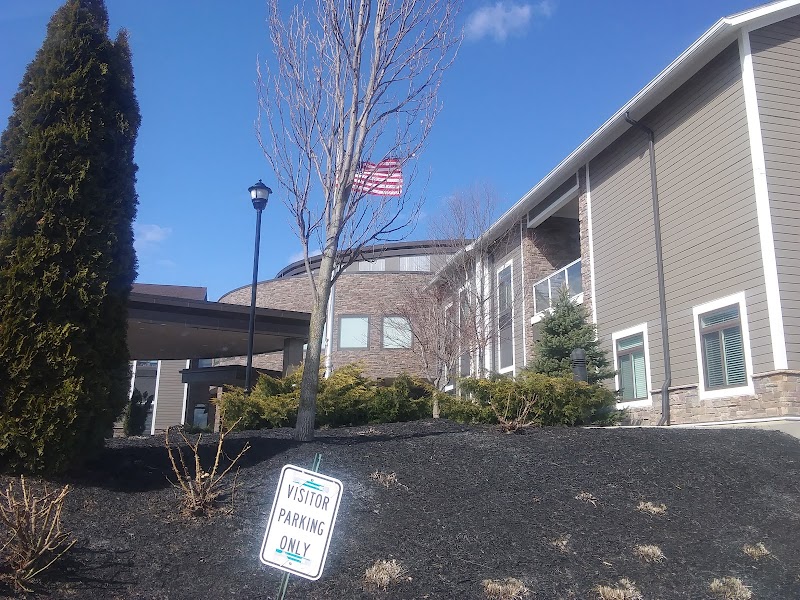
How is Buffalo Valley Lutheran Villag Staffed?

CMS rates BUFFALO VALLEY LUTHERAN VILLAG's staffing level at 3 out of 5 stars, which is average compared to other nursing homes. Staff turnover is 93%, which is 46 percentage points above the Pennsylvania average of 46%. High turnover can affect care consistency as new staff learn residents' individual needs. RN turnover specifically is 89%, which is notably high. RNs provide skilled clinical oversight, so turnover in this role can affect medical care quality.

What Have Inspectors Found at Buffalo Valley Lutheran Villag?

State health inspectors documented 38 deficiencies at BUFFALO VALLEY LUTHERAN VILLAG during 2022 to 2025. These included: 35 with potential for harm and 3 minor or isolated issues.
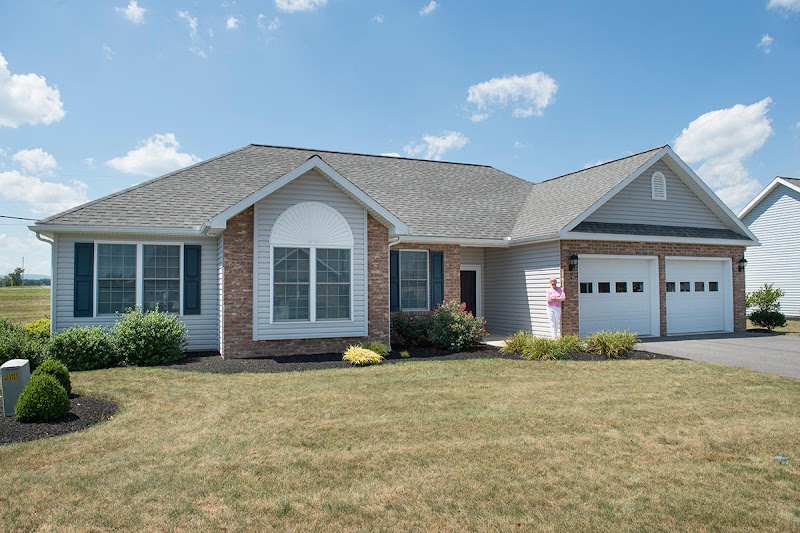
Who Owns and Operates Buffalo Valley Lutheran Villag?

BUFFALO VALLEY LUTHERAN VILLAG is owned by a non-profit organization. Non-profit facilities reinvest revenue into operations rather than distributing to shareholders. The facility operates independently rather than as part of a larger chain. With 102 certified beds and approximately 91 residents (about 89% occupancy), it is a mid-sized facility located in LEWISBURG, Pennsylvania.
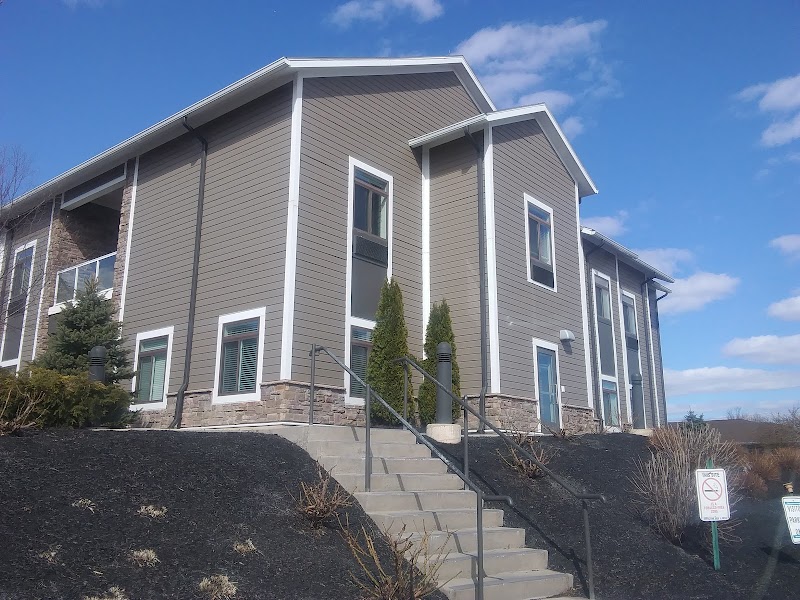
How Does Buffalo Valley Lutheran Villag Compare to Other Pennsylvania Nursing Homes?

Compared to the 100 nursing homes in Pennsylvania, BUFFALO VALLEY LUTHERAN VILLAG's overall rating (2 stars) is below the state average of 3.0, staff turnover (93%) is significantly higher than the state average of 46%, and health inspection rating (2 stars) is below the national benchmark.

What Should Families Ask When Visiting Buffalo Valley Lutheran Villag?

Based on this facility's data, families visiting should ask: "How do you ensure continuity of care given staff turnover, and what is your staff retention strategy?" "Can I visit during a mealtime to observe dining assistance and food quality?" "How do you handle medical emergencies, and what is your hospital transfer rate?" "Can I speak with family members of current residents about their experience?" These questions are particularly relevant given the facility's high staff turnover rate.

Is Buffalo Valley Lutheran Villag Safe?

Based on CMS inspection data, BUFFALO VALLEY LUTHERAN VILLAG has a clean safety record: no substantiated abuse findings (meaning no confirmed cases of resident harm), no Immediate Jeopardy citations (the most serious violation level indicating risk of serious injury or death), and is not on the Special Focus Facility watch list (a federal program monitoring the lowest-performing 1% of nursing homes). The facility has a 2-star overall rating and ranks #100 of 100 nursing homes in Pennsylvania. While no facility is perfect, families should still ask about staff-to-resident ratios and recent inspection results during their visit.

Do Nurses at Buffalo Valley Lutheran Villag Stick Around?

Staff turnover at BUFFALO VALLEY LUTHERAN VILLAG is high. At 93%, the facility is 46 percentage points above the Pennsylvania average of 46%. Registered Nurse turnover is particularly concerning at 89%. RNs handle complex medical decisions and coordinate care — frequent RN changes can directly impact care quality. High turnover means new staff may not know residents' individual needs, medications, or preferences. It can also be disorienting for residents, especially those with dementia who rely on familiar faces. Families should ask: What is causing the turnover? What retention programs are in place? How do you ensure care continuity during staff transitions?

Was Buffalo Valley Lutheran Villag Ever Fined?

BUFFALO VALLEY LUTHERAN VILLAG has no federal fines on record. CMS issues fines when nursing homes fail to meet care standards or don't correct problems found during inspections. The absence of fines suggests the facility has either maintained compliance or corrected any issues before penalties were assessed. This is a positive indicator, though families should still review recent inspection reports for the full picture.

Is Buffalo Valley Lutheran Villag on Any Federal Watch List?

BUFFALO VALLEY LUTHERAN VILLAG is not on any federal watch list. The most significant is the Special Focus Facility (SFF) program, which identifies the bottom 1% of nursing homes nationally based on persistent, serious quality problems. Not being on this list means the facility has avoided the pattern of deficiencies that triggers enhanced federal oversight. This is a positive indicator, though families should still review the facility's inspection history directly.