LOCK HAVEN REHABILITATION AND SENIOR LIVING
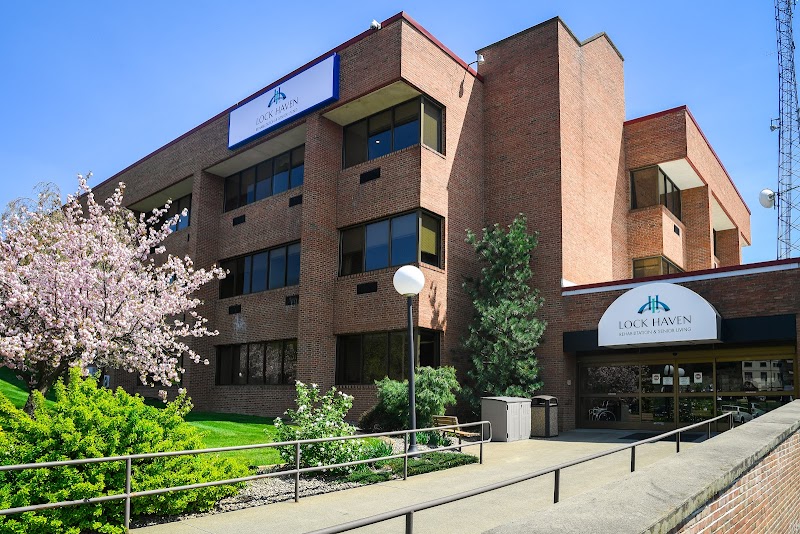
22 CREE DRIVE, LOCK HAVEN, PA 17745 (570) 748-9377
For profit - Corporation 146 Beds ALLAIRE HEALTH SERVICES Data: November 2025
Trust Grade
15/100
#600 of 653 in PA
Last Inspection: October 2024

Within standard 12-15 month inspection cycle. Federal law requires annual inspections.

Overview

Lock Haven Rehabilitation and Senior Living has received a Trust Grade of F, indicating significant concerns about the quality of care provided. Ranking #600 out of 653 facilities in Pennsylvania places this nursing home in the bottom half of the state, and as #2 out of 2 in Clinton County, it shows that there is only one better local option. While the facility is trending in an improving direction, with issues decreasing from 17 in 2024 to 9 in 2025, it still faces serious concerns, including three incidents that caused actual harm to residents. Staffing is rated at 3 out of 5, which is average, but the turnover rate of 66% is troubling, indicating many staff members leave, which can impact resident care. Specific incidents included a failure to follow up on a resident's health changes which led to death, and another resident who suffered a fractured femur due to inadequate fall prevention measures. Overall, while there are some strengths, the significant issues and poor ratings raise red flags for families considering this facility for their loved ones.

Trust Score
F
15/100
In Pennsylvania
#600/653
Bottom 9%
Safety Record
High Risk
Review needed
Inspections
Getting Better
17 → 9 violations
Staff Stability
⚠ Watch
66% turnover. Above average. Higher turnover means staff may not know residents' routines.
Penalties
○ Average
$27,131 in fines. Higher than 52% of Pennsylvania facilities. Some compliance issues.
Skilled Nurses
○ Average
Each resident gets 31 minutes of Registered Nurse (RN) attention daily — about average for Pennsylvania. RNs are the most trained staff who monitor for health changes.
Violations
⚠ Watch
46 deficiencies on record. Higher than average. Multiple issues found across inspections.
★☆☆☆☆
1.0
Overall Rating
★★★☆☆
3.0
Staff Levels
★★★☆☆
3.0
Care Quality
★☆☆☆☆
1.0
Inspection Score
Stable
2024: 17 issues
2025: 9 issues

The Good

  • Full Sprinkler Coverage · Fire safety systems throughout facility
  • No fines on record

Facility shows strength in fire safety.

The Bad

1-Star Overall Rating

Below Pennsylvania average (3.0)

Significant quality concerns identified by CMS

Staff Turnover: 66%

20pts above Pennsylvania avg (46%)

Frequent staff changes - ask about care continuity

Federal Fines: $27,131

Below median ($33,413)

Moderate penalties - review what triggered them

Chain: ALLAIRE HEALTH SERVICES

Part of a multi-facility chain

Ask about local staffing decisions and management

Staff turnover is elevated (66%)

18 points above Pennsylvania average of 48%

The Ugly 46 deficiencies on record

3 actual harm
Sept 2025 6 deficiencies
CONCERN (D) 📢 Someone Reported This

A family member, employee, or ombudsman was alarmed enough to file a formal complaint

Potential for Harm - no one hurt, but risky conditions existed

Deficiency F0565 (Tag F0565)

Could have caused harm · This affected 1 resident

Based on a review of Resident Council meeting minutes, resident grievances, and resident and staff interview, it was determined that the facility failed to resolve resident complaints regarding laundr...

Read full inspector narrative →
Based on a review of Resident Council meeting minutes, resident grievances, and resident and staff interview, it was determined that the facility failed to resolve resident complaints regarding laundry services on three of four nursing units (Units 2, 3, and 4; Residents 5, 6, 12, 38, 93, 95, 108, and 115). Findings include: A review of Resident Council meeting minutes dated July 16, 2025, revealed residents voiced concerns at the meeting regarding resident laundry being backed up and residents were missing their clothing, blankets, and other personal items. A review of the Resident Council meeting minutes dated August 13, 2025, revealed environmental services was going to introduce a new laundry system bag and tag, (place all resident laundry in mesh bag in the room and wash to keep it together), and a lost and found display was to be set up for residents to claim items. Review of facility resident/family grievance/concern forms for July 2025, revealed concerns regarding laundry being wrinkled, missing/lost clothes, and not getting clothing returned when sent to laundry to be labeled. In an interview with Resident 12 on September 17, 2025, at 11:06 AM he indicated laundry is a real problem at the facility. The resident stated he sent a shirt to get labeled and did not get it back for two months, and that it takes two weeks to get your laundry back. Resident 12 stated he was fortunate he has a lot of extra shirts, but some residents on his unit don't have extra clothing and he knows some residents on his unit have had to wear the same clothes for a week and a half. In an interview with Resident 93 on September 17, 2025, at 11:47 AM he stated facility staff did his laundry, but he doesn't get his clothes back for weeks and he is currently missing a bunch of clothing that is down in laundry somewhere. Resident 93 stated staff brought him some clothing they said would fit him, but they were not his own clothes. Resident 93 stated he started washing some items himself and hangs them up to dry in his room. A plastic basin full of water with articles of clothing in it was observed on a chair in the front of the resident's room. Resident 93 stated it is quicker to wash his clothes that way than to send any more clothing to laundry. Resident 93 stated someone gave him a special bag to put his dirty clothes in to keep them together, but he still hasn't received any clothing. An interview with Resident 38 on September 17, 2025, at 12:10 PM she stated she received three outfits for her birthday in the middle of August and sent them to laundry to get labeled and washed, and she has not yet received them back as of the time of the interview. Resident 38 also stated she is missing a blanket that was sent to get washed, and laundry staff told her it was in the laundry room, but that was weeks ago, and no one has brought it to her. An interview with Resident 95 on September 17, 2025, at 12:20 PM she stated she has been wearing the same black pants for two weeks due to her other three pairs being down in the laundry. The resident stated she only has a clean shirt to wear because a friend brought her in some shirts. Observation of the resident's closet and clothing drawers with the resident's permission revealed two shirts in the closet and only one pair of black dress pants in the drawer. The resident indicated that the dress pants are only worn when she leaves the facility to go to church, she did not have any of the pants she wears in the facility. Directly before the interview with Resident 95 as noted above Employee 2, environmental services, was overheard and observed speaking to Resident 95, looking in her dresser drawers and asking the resident what size pants she wore so she could find her a pair to wear. Resident 95 replied to Employee 2 that she wanted her own pants back. In an interview with Resident 108 on September 17, 2025, at 12:33 PM she stated she is missing a new pair of shorts, a pair of jeans and a pair of cut offs she sent to laundry weeks ago. Resident 108 stated the clothing was labeled. Resident 108 stated they brought her a pair of cut offs but they were not hers. Resident 108 stated she was going out of the facility the next day with family and is taking her laundry with her to wash it there, so she has her clothing. During an interview with Resident 6 on September 16, 2025, at 2:17 PM Resident 6 revealed he's had an issue for months with laundry not returning his clothes timely, and he indicated the facility is aware of the issue. Resident 6 stated that he frequently runs out of laundry. Observation of Resident 6's closet revealed no pants, two pairs of shorts, and one shirt in his closet and drawers. Follow up interview and observation with Resident 6 on September 17, 2025, at 9:52 AM revealed that Resident 6 still had no pants, and now had no shirts left in his closet or drawers. Resident 6 was wearing pajama pants with the last shirt that was hanging in his closet. Resident 6 stated I guess I am wearing my pajama pants downstairs to the activity. Further observation of Resident 6's room revealed piles of clothes on the floor under the sink in his room, visible from the hallway. Resident 6 stated that is where staff told him and his roommate to put their dirty laundry. An observation of the facility laundry room area on September 17, 2025, at 12:53 PM with Employee 2 revealed multiple carts and racks filled with resident clothing. One large, 5 feet wide and four feet deep wheeled hopper bin was observed filled and overflowing with resident clothing, which was piled three feet above the top of the bin. Two additional wheeled metal carts and another hopper bin were observed by the large cart filled and overflowing with resident clothing. Two wheeled hanging racks used to sort resident clothing by room were also observed with some resident clothing on them. Employee 2 stated one of the laundry employees had sorted some of the clothing from the piles onto the racks and delivered it to residents that day but was continuing to sort through the piles that were there for labeled clothing to make another delivery. A large six-foot-wide linen rack with several shelves packed with clothing and blankets was also observed in the area. Employee 2 indicated the rack had items that were not labeled and/or they did not know who they belonged to. Some mesh laundry bags full of articles of clothing were observed on top of some of the stacks of clothing. Employee 2 stated they were trialing the bags on some of the resident units to keep clothing together, so items do not get lost. Employee 2 stated the clothing gets washed in the bag and dried in the bag to keep the resident items together. Employee 2 stated the laundry department has been working short staffed without any applicants for open positions since at least March 2025. Employee 2 stated there was some help from company regional staff prior to the Labor Day holiday a few weeks prior and all the laundry was caught up, to get the department back on a three-day turnaround for resident laundry, but then the holiday weekend came, and laundry has not been caught up since. Employee 2 stated nursing staff has come down to laundry at times to find some clothes for the residents. Two washers and two dryers were observed in the laundry room, all in operation during the above observation. They were all filled with wash cloths, towels, and gowns. Two large gray trash bins were also observed on the washer side filled with towels/wash cloths (facility owned linens), of which Employee 2 indicated had been washed once, but needed treated, and were waiting to be washed again. Interview with Resident 5 on September 18, 2025, at 11:56 AM revealed that the laundry people are not picking up laundry timely. She said that they have blue bags now to put their dirty laundry in, but the laundry staff are not picking it up. She said they had not picked up her laundry since last week. She also indicated that they are bringing her laundry back in the blue bag after it is washed and dried and all her clothes are wrinkled. Observation in Resident 5's bathroom revealed a blue laundry bag hanging on the door with dirty laundry in it. The bag was noted to be half full. There were clothes hanging on a metal laundry stand belonging in her bathroom. Resident 5 indicated that she put them there. She then proceeded to show the surveyor the wrinkled green dress that was returned to her from laundry. The surveyor observed a green silk dress with wrinkled lines throughout it. Interview with Resident 115 on September 16, 2025, at 1:30 PM revealed that about two weeks ago she was completely out of shirts to wear. She stated that the laundry was not being done and when it was it was not coming back timely. She said her daughter is now doing her laundry because of issues with the laundry at the facility. Concerns regarding laundry services were reviewed with the Nursing Home Administrator and Director of Nursing on September 17, 2025, at 2:40 PM. 28 Pa. Code 201.18 (e)(1)(4) Management28 Pa. Code 201.29(a) Resident rights
CONCERN (D) 📢 Someone Reported This

A family member, employee, or ombudsman was alarmed enough to file a formal complaint

Potential for Harm - no one hurt, but risky conditions existed

Deficiency F0947 (Tag F0947)

Could have caused harm · This affected 1 resident

Based on a review of employee personnel and education records and staff interview, it was determined that the facility failed to ensure that each nurse aide received 12 hours of in-service training an...

Read full inspector narrative →
Based on a review of employee personnel and education records and staff interview, it was determined that the facility failed to ensure that each nurse aide received 12 hours of in-service training annually for one of one nurse aide reviewed (Employee 6). Findings include: Review of Employee 6's personnel record revealed that the facility hired her on September 5, 2023. The surveyor requested training records for Employee 6 during an interview with the Nursing Home Administrator and the Director of Nursing on September 17, 2025, at 2:15 PM. Review of training records provided by the facility for Employee 6 dated September 5, 2024, to September 5, 2025, revealed that Employee 6 completed only 8.6 hours of in-service education. Interview with the Director of Nursing on September 19, 2025, at 9:48 AM confirmed the above findings for Employee 6. 28 Pa. Code 201.19(7) Personnel policies and procedures 28 Pa. Code 201.20(a)(6)(d) Staff development
CONCERN (E) 📢 Someone Reported This

A family member, employee, or ombudsman was alarmed enough to file a formal complaint

Potential for Harm - no one hurt, but risky conditions existed

Safe Environment (Tag F0584)

Could have caused harm · This affected multiple residents

Based on observation and staff and resident interview, it was determined that the facility failed to provide a clean, comfortable, homelike environment on four of four nursing units (Units 1, 2, 3, an...

Read full inspector narrative →
Based on observation and staff and resident interview, it was determined that the facility failed to provide a clean, comfortable, homelike environment on four of four nursing units (Units 1, 2, 3, and 4; Residents 5, 8, 12, 14, 15, 28, 38, 71, 95, 108 115, and 129), and maintain comfortable water temperatures on two of four nursing units (Unit 1, and 4; Resident 71). Findings include: An observation of Resident 28 and Resident 38's shared room on September 16, 2025, at 2:00 PM revealed dried spills on the flooring in the room, and a significant number of crumbs and debris surrounding Resident 38's recliner. Resident 28 stated a housekeeper was just in to empty the trash can, but that was it. Resident 28 stated when staff does sweep and mop it is only in the middle of the floor or just inside the door where they can see, they don't move anything. An observation of Resident 12's room on September 16, 2025, at 2:24 PM revealed a garbage can by the sink area in the room. The garbage can did not have a liner and contained trash including medicine cups, tissues, etc. The interior of the can had dust/debris built up in the bottom of the can and contained some dried brown liquid spills on the interior sides of the can. In an interview with Resident 12 on September 17, 2025, at 11:06 AM the resident indicated that staff change his roommates brief and then dispose of it in the trash can by this sink and take the bag with them and don't put a new liner in the can, so things get thrown in the can without a liner. Resident 12 stated It gets pretty rancid (unpleasant smell) at times. An observation of Resident 15's room on September 16, 2025, at 2:49 PM revealed debris on the resident's flooring, debris beside and under the resident's bed, and black buildup on the flooring in front of the bathroom door and the transition strip between the room and bathroom. The floor was sticky to walk on. Resident 15 stated staff come into clean the room, but they don't do a very good job. An observation of Resident 95's room on September 17, 2025, at 12:20 PM revealed multiple stains on the privacy curtain between the resident and the roommate's bed. In an interview with Resident 108 on September 17, 2025, at 12:33 PM the resident stated her room hasn't been cleaned in three days. Debris, wrappers, and food crumbs were observed on the floor beside the resident's bed. A broom was observed leaning against the wall at the front of the resident's room. Resident 108 stated she brought her own broom in for when it gets too bad, she can sweep up the dirt and debris into piles in the room for housekeeping. In an interview with Resident 71 on September 16, 2025, at 11:42 AM the resident stated the water from the sink in her room doesn't get warm and she uses the sink to get cleaned up in the morning and evenings before bed. Resident 71 also stated at times the shower water temperature is cold. Observation of Resident 71's water temperature at the sink in the room was tepid (slightly warm) at 104.1 degrees Fahrenheit after allowing the water to run for four minutes. An observation of the Unit 1 shower room on September 19, 2025, at 1:45 PM revealed the water temperature from the shower head after the hot water was running at the highest setting for six minutes only reached a slightly warm temperature of 91 degrees Fahrenheit. A sink in the shower room running for three minutes on the highest hot water setting only reached 81 degrees Fahrenheit. In an interview with Employee 11, maintenance director, on September 19, 2025, at 2:07 PM Employee 11 indicated he had checked water temperatures in the Unit 1 shower room earlier that morning and had a temperature of 106 degrees Fahrenheit, and indicated the dietary staff was currently running the dishwasher and it may be drawing down the water temperature to the nursing unit. Employee 11 concurrently retested the water temperature in the Unit 1 shower room and indicated the temperature was 91 degrees initially but reached 105 degrees Fahrenheit after seven minutes. The above concerns regarding the cleanliness of Residents 12, 15, 28, 38, 95 and 108 rooms were reviewed with the Nursing Home Administrator and Director of Nursing on September 17, 2025, at 2:30 PM. Concerns regarding comfortable water temperatures and the length of time to reach comfortable warm water temperature was reviewed with the Nursing Home Administrator on September 19, 2025, at 2:07 PM. Observation of Unit 4 on September 17, 2025, at 9:49 AM revealed piles of dirt in the corners and along the edges in the hallways. An observation of Resident 14's room on September 16, 2025, at 11:42 AM revealed trash on the floor, and multiple black sticky spots. During an interview with Resident 71 on September 16, 2025, at 1:43 PM the surveyor closed Resident 71's door and there were dirty gloves and a pile of dirt behind the door. Resident 71 stated that housekeeping usually comes into her room and only cleans the main area. A follow up observation of Resident 71's room on September 17, 2025, at 9:48 AM revealed the dirt and gloves were still on the floor behind Resident 71's door. The above concerns regarding the cleanliness of Unit 4's hallway floors, and Resident 14 and 71's rooms were reviewed with the Nursing Home Administrator and Director of Nursing on September 17, 2025, at 2:10 PM Observation of Resident 5's room on September 17, 2025, at 11:16 AM revealed the nonskid adhesive that was left after the strips were removed remained on the floor as you walk towards the bathroom. The non-skid strip in front of her recliner was dirty and there were scuff marks noted by the closet. Concurrent interview of Resident 5 revealed that most of the time housekeeping only dust mops the floor and only the part that you can see. Observation of Resident 8's room on September 16, 2025, at 1:20 PM revealed the floor was dirty with crumbs and lose dirt. Behind the door to the room were crumbs, paper, and dirt particles in a small pile. There were two plastic medication cups near the head of her bed on the side near the window. The top of the air conditioner unit was dirty. The bathroom toilet seat was dirty. Behind the toilet was dirty with built up dirt around the cove base. Interview with Resident 8 revealed that they never clean too much and when they do it is just what they can see. Observation of Resident 115's room on September 16, 2005, at 1:30 PM revealed her floor was dirty and there was a clear sticky dried liquid substance in front of her recliner. Interview with Resident 115 revealed that they run the dust mop every day, but they hardly ever scrub the floor. Interview of Resident 129 on September 16, 2025, at 1:16 PM reveled that all they ever do is dust mop her room. She said they never mop the floor. Observation of her room during the interview revealed dirty nonskid strips in front of her recliner, beside her bed, and in her bathroom. There was loose dirt under the bed. There was a buildup of dirt around the cove base and behind the toilet. The toilet was dirty. The environmental concerns related to Residents 5, 8, 115, and 129 were reviewed with the Nursing Home Administrator and Director of Nursing on September 17, 2025, at 2:20 PM 483.10(i)(1)-(7) Safe/clean/comfortable/homelike EnvironmentPreviously cited deficiency 10/18/2428 Pa. Code 201.18(b)(3) (e)(2.1) Management
CONCERN (E) 📢 Someone Reported This

A family member, employee, or ombudsman was alarmed enough to file a formal complaint

Potential for Harm - no one hurt, but risky conditions existed

Deficiency F0726 (Tag F0726)

Could have caused harm · This affected multiple residents

Based on review of facility documentation and staff interview, it was determined that the facility failed to ensure that nursing staff possessed the appropriate competencies and skill sets related to ...

Read full inspector narrative →
Based on review of facility documentation and staff interview, it was determined that the facility failed to ensure that nursing staff possessed the appropriate competencies and skill sets related to the care and assessment of residents dressing changes for four of four employees reviewed for competencies (Employees 7, 8, 9, and 10). Findings The Centers for Medicare and Medicaid Services (CMS) QSO-24-13-NH memo dated June 18, 2024, noted that requirements specify that the facility assessment must include an evaluation of diseases, conditions, physical or cognitive limitations of the resident population, acuity (the level of severity of residents' illnesses, physical, mental, and cognitive limitations, and conditions) and any other pertinent information about the resident population as a whole that may affect the services the facility must provide. The assessment of the resident population should drive staffing decisions and inform the facility about what skills and competencies staff must possess to deliver the necessary care required by the residents being served. The facility assessment reviewed during the onsite survey on September 18, 2025, revealed that LPN (licensed practical nurse) competency and training would include blood glucose monitoring, finger sticks, hand hygiene, donning and doffing PPE (personal protective equipment), cleaning/disinfection/sterilization, Heimlich maneuver, urine specimen collection, foley catheter insertion, and medication administration. The facility assessment did not include competencies for RNs (registered nurses). Further review of the facility assessment revealed wound care is a service provided by facility staff. Interview with the Director of Nursing on September 19, 2025, at 9:52 AM revealed the facility currently had 12 residents with pressure ulcers, and 54 residents with dressing changes. A request for nursing staff competencies of dressing change-wound care for Employees 7 and 8 (licensed practical nurses) and Employees 9 and 10 (registered nurses) revealed the facility was unable to provide any competencies addressing these areas. These findings were reviewed during an interview with the Director of Nursing and Nursing Home Administrator on September 19, 2025, at 10:14 AM. 28 Pa Code 201.20(a) Staff development
CONCERN (F) 📢 Someone Reported This

A family member, employee, or ombudsman was alarmed enough to file a formal complaint

Potential for Harm - no one hurt, but risky conditions existed

Deficiency F0802 (Tag F0802)

Could have caused harm · This affected most or all residents

Based on observations, review of facility documents, and resident and staff interview, it was determined that the facility failed to provide sufficient staff to carry out the functions of the food and...

Read full inspector narrative →
Based on observations, review of facility documents, and resident and staff interview, it was determined that the facility failed to provide sufficient staff to carry out the functions of the food and nutrition services in the main kitchen and one of four nursing units (Unit 3, Residents 37 and 38).Findings include: During an interview and observation in the facility's main kitchen on September 16, 2025, at 9:00 AM Employee 2, food service director, indicated he was working as a dietary aide because he had to fill in for the position. Employee 2 stated regular staffing for the shift would include one cook, four dietary aides, and himself as the director, but currently, they only had one cook, himself, and one additional dietary aide. Employee 12, regional food service director, was present during the observation and indicated he had recently started with the company, and it was his first time at the facility. Employee 12 stated he was now going to plan on being at the facility a few days a week to help and cover some of the directors' duties. In an interview with Resident 37 on September 16, 2025, at 11:40 AM the resident stated she was served an early lunch due to an appointment, but it was the first day in several that she got her food on real plates with real silverware. It often comes served in all disposables the resident stated, I guess they only had two workers in the kitchen. Interview with Resident 38 on September 17, 2025, at 12:10 PM in the resident's room, she stated she had not wanted to go to the main dining room because she has to wait too long to get served her meal. The resident stated, We are to go to the main dining room at 11:30 AM and don't get served any food until 12:30 PM, we should not have to go and wait an hour for our meals. An observation of the lunch meal service on September 17, 2025, on Unit 3 revealed the first meal cart for residents who eat in their rooms arrived on the unit at 12:26 PM, the second meal cart for the unit arrived at 12:51 PM, delivered by Employee 12, regional food service director. Employee 12 stated the kitchen staff was working short, and a cook had also gone home sick earlier in the morning. A review of facility meal service times revealed the first cart for Unit 3 was delivered at 12:26 PM was to start being plated in the kitchen at 11:25 PM, and the second cart for Unit 3 noted above was to start at 11:40 AM but did not arrive on the unit until 12:51 PM over an hour later. In an interview with Employee 2, and Employee 12 on September 18, 2025, at 3:20 PM, it was confirmed paper products (foam containers and plastic ware) were used to serve resident meals for lunch on Sunday, August 31, September 7, and September 14, as well as dinner on September 14, 2025, due to not having enough food service staff to operate the dish machine to wash dishes and silverware and complete other duties. Employee 2 stated only the plastic meal serving tray and any adaptive feeding equipment was utilized. Review of the food service staff schedule for the week of September 14 to 20, 2025, with Employee 2, on September 19, 2025, at 11:40 AM revealed the following open positions for food service workers on the schedule required to meet the needs of the department: Sunday, September 14, 2025, two morning shifts and one evening shiftMonday, September 14, 2025, three morning shiftsTuesday, September 16, 2025, two morning shifts, and replacement for one who left sickWednesday, September 17, 2025, two morning shiftsThursday, September 18, 2025, two morning shiftsFriday, September 19, 2025, one morning shift, one evening shiftSaturday, September 20, 2025, two morning shift and one evening shift Employee 2 indicated in the same meeting above interviews have been occurring to fill open positions. The above concerns regarding the timing of meals, and utilization of paper products due to staffing was reviewed with the Nursing Home Administrator on September 18, 2025, at 2:20 PM. 28 Pa. Code 201.14(a) Responsibility of licensee28 Pa. Code 201.18(b)(3) ManagementCross reference F812
CONCERN (F) 📢 Someone Reported This

A family member, employee, or ombudsman was alarmed enough to file a formal complaint

Potential for Harm - no one hurt, but risky conditions existed

Food Safety (Tag F0812)

Could have caused harm · This affected most or all residents

Based on observation and staff interview, it was determined that the facility failed to maintain food service equipment in accordance with professional standards for food service safety and store food...

Read full inspector narrative →
Based on observation and staff interview, it was determined that the facility failed to maintain food service equipment in accordance with professional standards for food service safety and store food in a sanitary manner in the facility's main kitchen and one of two nursing unit pantries (Unit 3/4).Findings include: Observation of the facility's main kitchen on September 16, 2025, at 9:00 AM with Employee 2, food service director revealed the following: Removable plastic slotted shelves holding food products in the walk-in cooler were observed with black buildup down in the slots of the shelves throughout the cooler. A large, wheeled storage bin labeled as flour in the main kitchen production area was observed with crumbs and debris on the top and sliding lid of the container. The exterior sides of the bin had dried spills and were soiled. The label indicated the product was placed in the bin on December 5, 2024, and had a use by date of March 5, 2025. The interior base of the glass two-door cooler contained dried spills and debris. Two sandwiches were observed on a shelf in the cooler with no label or date. The lower shelf of the food preparation table where cooking equipment/pans were stored was soiled with dried food, grease spots, and dust, which extended onto some of the sides of the pans. A clear plastic container with a tan colored substance in it was also observed on the lower shelf of the food preparation table. A plastic scoop was observed down in the substance. The container was not labeled with its contents or dated. Employee 2 indicated it was potato flakes. Observation of the resident food pantry located between Unit 3 and Unit 4, on September 18, 2025, at 12:03 PM revealed dried food, debris, and pieces of hair stuck in the interior of the refrigerator and freezer. A large area of dried orange/brown substance was observed under the lower drawer/rack of the refrigerator. A set of cabinets in the pantry revealed dust and debris in the drawers where coffee filters, and unwrapped plastic utensils were stored. The cabinet under the sink contained a large plastic tub under the drainpipes of the sink. A dried yellowish substance was in the tub. The interior base of the cabinet under the sink contained dirt and debris. A lower cabinet to the right of the sink where two boxes of straws were stored was dirty with dust/debris. A lower cabinet to the left of the sink contained a loose plastic cup and a plastic lid on the lower shelf among dust/dirt and a dead insect. The top shelf in the cabinet where a plastic tub of sanitizing wipes was stored contained two large spots of black substance beside the container. The above findings were reviewed with the Nursing Home Administrator and Director of Nursing on September 18, 2025, at 2:20 PM. 483.60(i)(2) Store food safe and sanitaryPreviously cited 10/18/24 28 Pa. Code 201.14 (a) Responsibility of Licensee Cross reference F802
Jan 2025 3 deficiencies 2 Harm
SERIOUS (G) 📢 Someone Reported This

A family member, employee, or ombudsman was alarmed enough to file a formal complaint

Actual Harm - a resident was hurt due to facility failures

Deficiency F0578 (Tag F0578)

A resident was harmed · This affected 1 resident

**NOTE- TERMS IN BRACKETS HAVE BEEN EDITED TO PROTECT CONFIDENTIALITY** Based on clinical record review and staff interview, it was determined that the facility failed to establish clear and consisten...

Read full inspector narrative →
**NOTE- TERMS IN BRACKETS HAVE BEEN EDITED TO PROTECT CONFIDENTIALITY** Based on clinical record review and staff interview, it was determined that the facility failed to establish clear and consistent resident wishes regarding advance directives for one of six residents reviewed resulting in actual harm (Resident CR1). Findings include: Closed clinical record review for Resident CR1 revealed Durable Health Care Power of Attorney and Health Care Treatment Instructions (Living Will) for the resident dated [DATE], in which the resident appointed a sister as his health care agent to make decisions on his behalf per terms and conditions described in the document. Further review of the document revealed the terms included the sister was authorized to obtain health information for the resident regardless whether the resident was competent or not, but only at such time the resident was determined incompetent should the agent (sister) be authorized to make health care decisions on the resident's behalf regarding health care treatment which included giving directions to initiate, continue, withhold, or withdraw any or all forms of life-sustaining treatment, or request that a physician responsible for his care issue a do-not-resuscitate (DNR) order, including an out -of -hospital DNR order or a POLST (Physician Orders for Life-Sustaining Treatment, a document for specific medical orders to be honored by health care workers during a medical crisis). In an interview with the Director of Nursing on [DATE], at 11:30 AM it was revealed Resident CR1's sister who was appointed as the agent in the document above was deceased (no date provided), and there was no evidence the resident ever appointed another individual to act on his behalf should he be deemed incapable, or developed a new living will. Review of Resident CR1s closed record revealed the resident was listed with a diagnosis that included intellectual disabilities as an admitting diagnosis (admitted [DATE]), although there was no evidence in the record to indicate the resident was not capable of making decisions affecting his care or had ever been deemed incapable during his stay at the facility. A quarterly MDS assessment (Minimum Data Set - an assessment completed at periodic intervals of time to assesses resident care needs) completed on [DATE], revealed facility staff assessed the resident as having a BIMS (brief interview for mental status) score of 15, indicating the resident was cognitively intact. A POLST was identified as part of the resident's closed clinical record dated [DATE], in which the resident indicated it was his wish to receive CPR (cardio-pulmonary resuscitation, an emergency treatment that is done when someone's breathing or heartbeat has stopped). The POLST was signed by Resident CR1 and a nurse practitioner. Review of Resident CR1's physician orders revealed the resident was ordered a DNR on [DATE], which was discontinued on [DATE], and reordered on [DATE], after a hospital leave of absence. A review of a physician's readmission note for Resident CR1 dated [DATE], upon return from a hospital stay listed the resident as having a code status of No Code (no CPR), and that advance directives were discussed. The document does not indicate who the advance directives were discussed with, i.e., if it was the resident himself or family. A Code Status document with the same date of [DATE], was identified for the resident with DNR, and DNI (do not intubate), checked off and the sheet was signed by the physician and the nurse receiving the order. There was no resident or family signature on the form or who determined the DNR/DNI for the resident. The facility was not able to provide evidence to show Resident CR1 was ordered to have CPR administered after the resident completed the POLST indicating desired CPR on [DATE], or if the order was changed from wishing to have CPR between the [DATE], date and the order dated [DATE], as the Director of Nursing indicated in an interview on [DATE], that the facility changed electronic records in [DATE], and any current orders at the time were carried over to the new system, which is why the DNR order for the resident was dated [DATE]. A physician's readmission note dated [DATE], after the resident had another hospital leave noted the resident's code status was No Code, and per record review his code status remains DNR/DNI. The note indicated advance directives were discussed, the patient is a DNR. Again, there was no evidence as to who advance directives were discussed with and if the resident was involved or made the decision. Another Code Status sheet dated [DATE], was completed for Resident CR1, which checked off DNR and DNI for the resident and was signed by the physician and nurse receiving the order, but the form did not indicate any discussion with the resident. Resident CR1 was noted to have a change in condition beginning [DATE], with nausea, progressing to emesis from [DATE] - 7, 2025. A nursing note dated [DATE], at 2:30 PM noted the nurse was called to the resident's room to assess the resident as he was vomiting and cool to touch but alert and speaking. It was noted the nurse was unable to get a blood pressure and the provider was consulted and the decision was made to send the resident to the emergency department. Emergency services were noted as contacted. The note then indicated the resident expired at 2:20 PM as there were no respirations or apical heartrate for one full minute and emergency personnel were updated upon arrival. A physician's death pronouncement note dated [DATE], at 12:11 PM noted the resident expired at the facility on [DATE], noting the resident had worsening status in the afternoon of [DATE], and emergency services were called due to transfer to the emergency department for further evaluation, but the patient was noted by nursing to have agonal breathing, respiratory distress, and became pulseless. It was noted no code blue was called as the patient is known DNR/DNI. There was no evidence to indicate it was Resident CR1's decision to change from his desire to have CPR as the resident signed a POLST in October of 2021, indicated to become a DNR (no CPR) as orders reflected after that date, as there is no evidence to indicate a discussion actually occurred with the resident himself, or that the resident signed a new document indicating a desire to change his wishes. There was no evidence the resident became incapable to not make that decision during his stay at the facility. The above information was reviewed with the Nursing Home Administrator and Director of Nursing on [DATE], at 3:45 PM. Cross Refer F684 483.10(c)(6)(8)(g)(12)(i)-(v) Request/Refuse/Discontinue Trmnt; Formulate Adv Dir Previously cited deficiency [DATE] 28 Pa. Code 211.5(f) Clinical records 28 Pa. Code 211.12(d)(1)(3)(5) Nursing services
SERIOUS (G) 📢 Someone Reported This

A family member, employee, or ombudsman was alarmed enough to file a formal complaint

Actual Harm - a resident was hurt due to facility failures

Quality of Care (Tag F0684)

A resident was harmed · This affected 1 resident

**NOTE- TERMS IN BRACKETS HAVE BEEN EDITED TO PROTECT CONFIDENTIALITY** Based on closed clinical record review and staff interview, it was determined that the facility failed to provide the highest pr...

Read full inspector narrative →
**NOTE- TERMS IN BRACKETS HAVE BEEN EDITED TO PROTECT CONFIDENTIALITY** Based on closed clinical record review and staff interview, it was determined that the facility failed to provide the highest practicable care for a resident's change in condition that resulted in death for one of six residents reviewed causing actual harm (Resident CR1). Findings include: Closed clinical record review for Resident CR1 revealed that the resident had been a long-term resident of the facility with an admission date of [DATE]. Review of Resident CR1's closed clinical record revealed a nursing note dated [DATE], at 8:25 PM noting the resident had complaints of nausea and not feeling well. A nursing note followed dated [DATE], at 2:38 AM noting no further emesis, and a clear liquid tray was ordered for breakfast. There was no further documentation identified between the notes identified above between the evening of [DATE], through the night to [DATE], regarding the number of times emesis occurred or any other details. A review of meal intakes for Resident CR1 for [DATE], revealed the resident was documented as only consuming 1-26 percent of breakfast and lunch and had refused dinner on that day. Review of meal intakes for the resident prior to [DATE], back to [DATE], revealed the resident had normally consumed at least 51% of meals and mostly 76-100 percent of meals. Resident CR1's meal intakes for [DATE], breakfast continued to be low for the resident at 0-25 percent, with lunch slightly better at 26-50 percent and dinner 51-75 percent. Resident CR1 was also documented on his bowel record of having a loose/diarrhea bowel movement on the evening of [DATE]. The resident was documented as having normal stools almost daily for several days leading up to [DATE]. There were no further nursing notes for Resident CR1 for [DATE], reflecting the decrease in meal intakes, whether his nausea had subsided, if there was any further emesis during the day of [DATE], or that the resident had a loose/diarrhea bowel movement since nausea and vomiting has been recently documented. The next nursing note for the resident was dated [DATE], at 2:13 PM, which noted the resident had emesis twice during the shift with coffee ground appearance, very foul odor, and the resident complaining overall of not feeling well. It was noted the registered nurse supervisor was notified and observed the emesis, and the resident would be monitored for increased emesis and vital sign changes. A late entry note documented by the registered nurse on [DATE], at 9:54 AM for [DATE], at 2:51 PM noted the resident was having multiple emesis during the shift, it was liquid brown in color, there was no concern for gastrointestinal (GI) bleeding, and the emesis had no coffee brown texture noted upon assessment. The note indicated GI illness was circulating around the building and the resident's provider was aware with Zofran (an anti-nausea medication) ordered and fluids encouraged. A review of Resident CR1's orders revealed Zofran was ordered on [DATE], at 10:00 PM to be administered every eight hours for nausea/vomiting for three days. An order for the resident to have vital sign checks each shift was also identified as ordered on [DATE], at 11:00 PM. Further review of Resident CR1's bowel records for [DATE], also revealed loose stools/diarrhea were documented for that day. Nursing documentation dated [DATE], at 8:05 PM noted the resident refused an evening snack due to nausea and vomiting. A nursing note dated [DATE], at 10:22 PM noted the resident had two extra-large emesis during the shift of dark brown liquid noting the resident consumes a chocolate nutritional supplement, and the Zofran was given. Resident CR1's bowel records also indicated the resident had a loose/diarrhea stool documented the early morning hours of [DATE]. A review of resident CR1's vital signs on [DATE], revealed the resident's blood pressure obtained at 8:49 AM as 87/49 mmHg (millimeters of mercury) with a warning indicating the Diastolic (bottom number) was low below 60, and the Systolic (top number) was low below 90. Review of Resident CR1's [DATE], medication administration record revealed a medication Lisinopril (medication used to treat high blood pressure) was ordered for the resident daily in the morning and is to be held for a Systolic blood pressure less than 110 mmHg. The Lisinopril was documented as not administered due to vitals outside parameters for administration. A correlated administration note for [DATE], at 10:38 AM noted the medication order as it appears on the medication administration record to hold for a Systolic blood pressure of less than 110 mmHg. An administration note also followed for Resident CR1 at 10:39 AM on [DATE], noting the resident's sliding scale insulin was not administered as the resident is vomiting and refusing meals. The resident's routine insulin was also noted in an administration note that followed at 10:41 AM that it was not administered as the resident was refusing meals, and an administration note at 12:03 PM that the resident's nutritional supplement was refused as the resident was vomiting. A nursing note dated [DATE], at 12:58 PM indicated Resident CR1 was assessed by the provider on that day for nausea and vomiting and the resident continued to receive Zofran every eight hours for three days, labs were to be completed the next day, and clear liquids were to be given for 24 hours. A review of Resident CR1's physician orders revealed the following orders on [DATE]: 7:00 AM encourage 120 milliliters of fluid every shift 7:00 AM clear liquids for 24 hours 12:45 PM KUB (an Xray/scan of the urinary system) 12:45 PM CBC, BMP, and LFT's (diagnostic testing of complete blood count, basic metabolic panel, and liver function testing) A review of physician assistant (PA) documentation for [DATE], for an encounter with Resident CR1 on [DATE], revealed the resident was noted as seen for evaluation of nausea and vomiting and the PA was asked to see the resident after having developed symptoms of nausea and vomiting yesterday, ([DATE], even though the nausea and vomiting started on [DATE]), and upon evaluation had vomited once on [DATE], prior to the visit. The resident indicated to the PA that his bowels were moving normally, and he did not have a fever. It was noted staff reported the resident had coffee ground emesis on [DATE], however, the registered nurse reported it was slightly brown in color but did not feel it was coffee ground emesis. The PA noted the resident's blood sugar was over 200 for the day and his blood pressure from 1/6 was 132/69 mmHg. The encounter note indicated the PA reviewed the most recent facility's vitals for the resident and due to the discrepancy reports on the coffee ground emesis would check the CBC, BMP, LFT's, continue the Zofran, clear liquid diet, check KUB given slightly hypoactive bowel sounds, and recheck on [DATE], after KUB was reviewed. The time of the PA's visit was not indicated on the encounter visit report although per interview with the Director of Nursing on [DATE], at 3:45 PM indicated the PA reported she had visited the resident around 11:00 AM on [DATE]. The note was electronically signed by the PA on [DATE], at 2:49 PM. A nursing note dated [DATE], at 2:30 PM noted the nurse was called to Resident CR1's room as the resident was again vomiting and cool to tough. He was alert and speaking. The resident's blood sugar was noted as high at 476 mg/dL, and the provider was consulted, and the decision was made to send the resident to the emergency department for further evaluation. It was noted emergency medical services was called, and the resident expired at 2:20 PM, noting emergency medical services was updated upon arrival. An additional note from the PA with an encounter date of [DATE], electronically signed by the PA on [DATE], at 12:41 PM, noted a few hours after the PA had seen Resident CR1, the registered nurse came to the PA's office indicating the resident had several more episodes of vomiting since she has seen him and seemed to be declining. The registered nurse reported the resident's color did not look good and the resident seemed diaphoretic, also reporting his blood pressure was low. The registered nurse reported that there were a few spots of bright red blood on the resident's sheet but on assessment concluded it to be from a sacral wound. The PA advised to call emergency medical services and have the resident transferred to the emergency department. The PA noted the registered nurse then called her moments later and reported the resident was not responsive and had signs of respiratory distress, the nurse confirmed the resident did have a pulse and the resident's code status was reviewed and confirmed the resident was a do not resuscitate/do not intubate. The nurse was advised if the resident still had a pulse to call 911. It was noted the nurse called again a few moments later and reported 911 had been called; however, the resident was now pulseless and ceased to breathe. Emergency staff arrived just after they hung up the phone, and the nurse pronounced the resident. A physician's note dated [DATE], at 12:11 PM as a death pronouncement noted the resident's date of expiration was [DATE], with a cause of death as aspiration pneumonia, acute hypoxic respiratory failure, with secondary diagnosis listed of diabetes type 2, peripheral vascular disease, ventral hernia, neurogenic bladder, major depressive disorder, and intellectual disability. The note only referenced on [DATE], the resident was noted to have nausea and vomiting, and a GI virus had been affecting other residents in the facility. It noted symptoms continued [DATE], and the resident was evaluated by the medical team and noted to be at baseline mental state, stating he was feeling nauseous and tired. It was noted there had been some concerns of coffee ground emesis but on further evaluation of emesis by nursing was not found to be the case, more consistent with bilious/stomach acid. It was noted later that afternoon the resident had a worsening of status, emergency services were called for transfer to the emergency department, and unfortunately while they were enroute the resident was noted to have agonal breathing, respiratory distress, became pulseless, and no code blue (emergency alert for a patient in cardiac arrest) was called as the patient was a known do not resuscitate/do not intubate. There was no evidence the PA or the resident's physician was made aware Resident CR1's nausea and vomiting had actually started as documented late on [DATE] into the early morning hours of [DATE], as the PA referenced in the note as symptoms started on [DATE], per staff, or that the either was aware the resident had loose stools identified in bowel records also beginning [DATE], and significantly decreased intakes of meals due to nausea and vomiting beginning [DATE], not one day before on [DATE]. The PA's note did not reflect being made aware of the resident's significant decrease in blood pressure as it was obtained on [DATE], in the morning at 8:49 AM as the PA's note reflected the resident's blood pressure from the day before ([DATE]) in normal range in the visit on [DATE]. The PA did not reference being made aware of any low blood pressure until the later encounter with the registered nurse on [DATE], as noted above when the resident rapidly declined in the afternoon. Facility staff were not able to provide any evidence to the surveyor to indicate Resident CR1's providers were made aware the resident's change in condition began late on [DATE], greater than 24 hours prior, and not [DATE], as indicated in provider reports. Additional diagnostics were not ordered until [DATE], after the PA visited the resident. There was no evidence of any follow up to the resident's condition on [DATE], as emesis was noted in the very early morning hours, the resident had loose stools documented, and the resident's meal intakes reflected significant decline for the day with refusal of dinner, until emesis was documented on [DATE]. Resident CR1 expired on [DATE], at 2:20 PM prior to any of the ordered diagnostic testing being completed. The above information was reviewed with the Nursing Home Administrator and Director of Nursing on [DATE], at 3:45 PM. Cross Refer F578 483.25 Quality of Care Previously cited deficiency [DATE] 28 Pa. Code 211.12(d)(1)(3)(5) Nursing services
CONCERN (D) 📢 Someone Reported This

A family member, employee, or ombudsman was alarmed enough to file a formal complaint

Potential for Harm - no one hurt, but risky conditions existed

Pharmacy Services (Tag F0755)

Could have caused harm · This affected 1 resident

Based on staff interview and clinical record review, it was determined that the facility failed to ensure that a medication was available in a timely manner for two of four residents reviewed for medi...

Read full inspector narrative →
Based on staff interview and clinical record review, it was determined that the facility failed to ensure that a medication was available in a timely manner for two of four residents reviewed for medication availability concerns (Residents CR1 and 2). Findings include: Closed clinical record review for Resident CR1 revealed a physician's order dated August 7, 2024, for the resident to be administered insulin glargine (a long-acting insulin medication used to control blood sugar levels) to be administered/injected via an insulin pen 30 units two times a day for a diagnosis of diabetes (a disease effecting the body's ability to control blood sugar levels). Resident CR1 was also ordered blood sugar checks before meals and at bedtime for use of sliding scale insulin. Review of Resident CR1's medication administration record for January 2024, revealed Resident CR1's evening dose of routine insulin glargine noted above for January 3, 2025, was identified as not administered. A corresponding medication administration record note dated January 3, 2025, at 8:26 PM noted the insulin was not administered as it was unavailable. Review of Resident CR1's vital sign blood sugar check on January 3, 2025, at 8:23 PM revealed the resident's blood sugar was documented as 227 milligrams (mg)/deciliter (dL), which was flagged as a high level as it exceeded 99 mg/dL in the vital check system. In an interview with the Director of Nursing on January 9, 2025, at 1:22 PM it was revealed the insulin glargine was marked unavailable due to not arriving from the pharmacy in time for administration. There was no evidence any facility staff contacted Resident CR1's physician regarding not being able to administer the resident's evening dose of insulin due to unavailability on January 3, 2025, and the resident's blood sugar level was high at 227 mg/dL. There was no evidence the resident received any alternative to the missed dose of the insulin glargine. A nursing note dated January 4, 2025, at 4:59 AM (the next morning) noted the resident's blood sugar level had significantly increased and was 449 mg/dL and the on-call physician was notified and ordered a one-time dose of rapid/fast acting insulin to be administered to the resident. A recheck of the resident's blood sugar level at 7:46 AM was decreased to 95 mg/dL. Clinical record review for Resident 2 revealed a physician's order dated September 11, 2024, for the resident to have a lidocaine external patch (pain reliever) applied to the right hip topically daily in the morning for pain. Review of Resident 2's medication administration record for January 2025, revealed the resident was marked as not having the lidocaine patch administered on the morning of January 7, 2025. A corresponding administration note for Resident 2, dated January 7, 2025, at 8:20 AM noted the lidocaine patch was on order. Interview with the Director of Nursing on January 9, 2025, at 3:45 PM revealed the patch was not available to be administered to the resident. The above findings were reviewed with the Nursing Home Administrator and Director of Nursing on January 9, 2025, at 3:45 PM. 28 Pa. Code 211.9(a)(1)(k) Pharmacy services 28 Pa. Code 211.10(c) Resident care policies 28 Pa. Code 211.12 (d)(1)(3) Nursing services
Oct 2024 11 deficiencies
CONCERN (D)

Potential for Harm - no one hurt, but risky conditions existed

Deficiency F0625 (Tag F0625)

Could have caused harm · This affected 1 resident

Based on clinical record review and staff interview, it was determined that the facility failed to ensure that the resident or resident representative received written notice of the facility bed hold ...

Read full inspector narrative →
Based on clinical record review and staff interview, it was determined that the facility failed to ensure that the resident or resident representative received written notice of the facility bed hold policy at the time of transfer for seven of nine residents reviewed for hospitalizations (Residents 5, 14, 35, 79, 87, 104, and 131). Findings include: Clinical record review revealed that Resident 131 was transferred to the hospital on August 22, 2024, after they had a change in condition. There was no documentation available that the facility provided written notice regarding a bed hold to the resident and the resident's responsible party upon transfer out to the hospital. Clinical record review revealed that Resident 5 was transferred to the hospital on August 18, 2024, and September 10, 2024, after she had a change in condition. There was no documentation available that the facility provided written notice regarding a bed hold to the resident and the resident's responsible party upon transfer out to the hospital. Clinical record review revealed that Resident 14 was transferred to the hospital on September 13, 2024, and September 10, 2024, after he had a change in condition. There was no documentation available that the facility provided written notice regarding a bed hold to the resident and the resident's responsible party upon transfer out to the hospital. Clinical record review for Resident 35 revealed the resident was transferred to the hospital for a change in condition on April 23, 2024, and admitted . Clinical record review for Resident 87 revealed the resident was sent to the hospital for a change in condition on August 24, 2024, and admitted . There was no evidence the facility provided written information to Resident 35 or Resident 87 and their responsible party regarding a bed hold upon transfer out to the hospital. The surveyor reviewed the above information for Residents 35 and 87 during an interview with the Director of Nursing on October 17, 2024, at 12:39 PM. Clinical record review revealed that Resident 79 was transferred to the hospital on May 22, May 29, June 30, and July 29, 2024, after she had a change in condition. There was no documentation available that the facility provided written notice regarding a bed hold to the resident and the resident's responsible party upon transfer out to the hospital. Clinical record review revealed that Resident 104 was transferred to the hospital on August 26, 2024, after she had a change in condition. There was no documentation available that the facility provided written notice regarding a bed hold to the resident and the resident's responsible party upon transfer out to the hospital. The surveyor reviewed the above information for Residents 79 and 104 during an interview with the Director of Nursing on October 17, 2024, at 12:44 PM. 28 Pa. Code 201.14(a) Responsibility of licensee 28 Pa. Code 201.29(f) Resident rights
CONCERN (D)

Potential for Harm - no one hurt, but risky conditions existed

Comprehensive Care Plan (Tag F0656)

Could have caused harm · This affected 1 resident

**NOTE- TERMS IN BRACKETS HAVE BEEN EDITED TO PROTECT CONFIDENTIALITY** Based on clinical record review and staff interview, it was determined that the facility failed to develop and implement a compr...

Read full inspector narrative →
**NOTE- TERMS IN BRACKETS HAVE BEEN EDITED TO PROTECT CONFIDENTIALITY** Based on clinical record review and staff interview, it was determined that the facility failed to develop and implement a comprehensive person-centered care plan to maintain the highest practicable care for two of two residents reviewed (Residents 78 and 86). Findings Include: Clinical record review for Resident 78 revealed an annual MDS (Minimum Data Set, an assessment completed at intervals by the facility to determine care needs) dated September 6, 2024, that indicated it is somewhat important to him to have books, newspapers, and magazines, to listen to music, to be around pets, keep up with the news, and to do his favorite activity. Review of Resident 78's current care plan entitled, adjustment to group living/activities related to new admission failed to address any of the activities that were somewhat important to him or identify what his favorite activity was to incorporate it into his activity plan. Clinical record review for Resident 86 revealed an annual MDS dated [DATE], that indicated it is somewhat important to him to attend groups and to do his favorite activity. Review of Resident 86's current care plan entitled, adjustment to group living/activities related to new admission failed to identify what his favorite activity was to incorporate it into his activity plan. Interview with Employee 3, Activity Director, on October 18, 2024, at 11:15 AM confirmed the above noted findings related to Resident 78 and 86's care plan. The facility failed to implement a person center care plan to maintain the highest practicable care for Residents 78 and 86. 28 Pa. Code 211.12(d)(5) Nursing services
CONCERN (D)

Potential for Harm - no one hurt, but risky conditions existed

Pressure Ulcer Prevention (Tag F0686)

Could have caused harm · This affected 1 resident

**NOTE- TERMS IN BRACKETS HAVE BEEN EDITED TO PROTECT CONFIDENTIALITY** Based on clinical record review, review of select facility policies and procedures, and staff interview, it was determined that ...

Read full inspector narrative →
**NOTE- TERMS IN BRACKETS HAVE BEEN EDITED TO PROTECT CONFIDENTIALITY** Based on clinical record review, review of select facility policies and procedures, and staff interview, it was determined that the facility failed to assess and implement treatment and services to prevent the development and promote the healing of pressure ulcers for two of five residents reviewed for pressure ulcer concerns (Residents 104 and 14). Findings include: The facility policy entitled Pressure Injury Prevention and Treatment, last reviewed without changes January 2024 revealed each resident will be assessed routinely to prevent skin breakdown, provide appropriate treatment, and monitor healing progress. A Braden Pressure Injury Risk Assessment and identification of primary risk factors will be completed to identify residents individual risk needs related to the development of pressure injury. This assessment will be completed within eight hours of admission, quarterly, annually, and with each significant change in condition. The weekly skin assessment will be completed by the licensed nurse and documented on the treatment administration record. Clinical record review revealed the facility admitted Resident 104 on December 14, 2023. The last Braden Scale for predicting pressure sore risk was completed on January 16, 2024. Nursing staff assessed Resident 104 as a moderate risk. Review of Resident 104's clinical record revealed she returned from the hospital on September 1, 2024, with no pressure ulcers. Nursing documentation dated September 26, 2024, at 1:26 PM revealed the licensed practical nurse was called to Resident 104's room to assess a new wound on her coccyx measuring 2 centimeters (cm) by 1.5 cm. Nursing documentation dated September 26, 2024, at 1:57 PM noted the registered nurse documented she was called to Resident 104's room to assess a worsening area of pressure to the coccyx, noting WHS (wound healing solutions) consulted. Review of skin observation/checks dated October 3 and 10, 2024, revealed Resident 104 is followed by the wound team for her coccyx and no assessment of the area was completed. Further review of Resident 104's clinical record revealed a Skin Wound note dated October 3, 2024, noting Resident 104 was out of the facility and not assessed. The Skin Wound note dated October 10, 2024, revealed Resident 104's coccyx was not assessed. Review of the skin and wound note dated October 17, 2024, noted Resident 104's coccyx measured 1.7 cm by 0.5 cm by 0.1 cm. Interview with the Director of Nursing on October 18, 2024, confirmed these findings indicating Resident 104's coccyx was not assessed from September 26, 2024, to October 17, 2024. Clinical record review for Resident 14 revealed that he was readmitted to the facility on [DATE], from the hospital, with a Stage 1 pressure ulcer (redness of an area but skin is intact) located behind his right ear. Review of a wound assessment dated [DATE], revealed that the area behind his right ear was .50 cm x .20 cm x .20 cm with a scant amount of serous drainage noted. The wound was documented on this assessment as a Stage 2 pressure ulcer (a shallow open wound that occurs when the skin breaks through its top layer into the layer below presenting as a shallow open area). The current treatment order that was initiated on September 20, 2024, was to cleanse the right ear pressure area with normal saline and apply Hydrocolloid (moisture retentive dressing) to the base of the wound and change 3 times per week, and as needed for soilage or dislodgement. There was also an order dated October 10, 2024, that indicated to wrap the oxygen tubing with foam for protection above the right ear. Observation of Resident 14 on October 16, 2024, at 10:15 AM with Employee 4, Licensed Practical Nurse, revealed he was sitting in his stationary chair in his room with his oxygen on. Observation of his right ear and the oxygen tubing revealed that there was no dressing on his right ear and there was no foam wrapped on the tubing. The tubing was laying directly on top of the open area behind his right ear. Concurrent interview of Employee 4 confirmed the above noted findings related to Resident 14's right ear pressure ulcer. The Director of Nursing was made aware of concerns with Resident 14's pressure ulcer on October 17, 2024, at 3:15 PM. 28 Pa. Code 211.10(d) Resident care policies 28 Pa. Code 211.12 (d)(1)(3)(5) Nursing services
CONCERN (D)

Potential for Harm - no one hurt, but risky conditions existed

Deficiency F0744 (Tag F0744)

Could have caused harm · This affected 1 resident

Based on clinical record review and staff interview, it was determined that the facility failed to develop and implement individualized person-centered care plans to address dementia and cognitive los...

Read full inspector narrative →
Based on clinical record review and staff interview, it was determined that the facility failed to develop and implement individualized person-centered care plans to address dementia and cognitive loss displayed by one of two residents reviewed (Resident 78). Findings include: Clinical record review for Resident 78 revealed the facility admitted him on May 11, 2023, with a diagnosis of dementia (loss of memory, language, problem-solving, and other thinking abilities that interfere with daily life). A review of Resident 78's most recent annual Minimum Data Set Assessment (MDS, a form completed at specific intervals to determine care needs) dated September 6, 2024, indicated that the facility assessed Resident 78 as having a diagnosis of dementia and his cognition was moderately impaired. A review of Resident 78's care plan revealed that there was no indication that the facility had developed and implemented a person-centered care plan to address the resident's dementia and cognitive loss. Interview with the Director of Nursing on October 17, 2024, at 3:15 PM confirmed the facility had no further documentation that the facility developed and implemented individualized person-centered care plans to address Resident 78's dementia and cognitive loss. 483.40(b)(3) Dementia Treatment and Services Previously cited 12/15/23 28 Pa Code 211.12 (d)(1)(3)(5) Nursing services
CONCERN (D)

Potential for Harm - no one hurt, but risky conditions existed

Infection Control (Tag F0880)

Could have caused harm · This affected 1 resident

**NOTE- TERMS IN BRACKETS HAVE BEEN EDITED TO PROTECT CONFIDENTIALITY** Based on observation, review of select facility policies, clinical record review, and staff interview, it was determined that th...

Read full inspector narrative →
**NOTE- TERMS IN BRACKETS HAVE BEEN EDITED TO PROTECT CONFIDENTIALITY** Based on observation, review of select facility policies, clinical record review, and staff interview, it was determined that the facility failed to ensure an environment free from the potential spread of infection for two of five residents reviewed for transmission-based precaution concerns (Residents 19 and 288). Findings include: Review of the facility policy entitled Infection Control Plan, last approved September 6, 2024, indicated the infection control plan is comprehensive in that it addresses detection, prevention, and control of infections among residents and personnel and all staff are responsible for adhering to the plan, policies, and processes regardless of their position. The policy also indicated Transmission-Based Precautions (TBP) are the second tier of basic infection control and are used in addition to standard precautions for patients who may be infected or colonized with certain infectious pathogens for which additional precautions are needed requiring a gown and gloves for room entry and patient care activities where contact precautions are in place, and additionally, droplet precautions require a face mask for room entry and patient care, and airborne precautions require a respirator (N95 mask) for room entry and patient care. An observation of Resident 19's room on October 15, 2024, at 12:30 PM revealed a sign on the exterior of the resident's door frame noting Droplet and Contact precautions for the room noting Resident's 19's bed number. Continued observation revealed two staff members in the hall entering and exiting resident rooms collecting meal trays. The unidentified staff members were observed entering Resident 19's room, assisting the roommate with positioning in bed, and collecting Resident 19's meal tray, exiting the room to the hallway. The staff member with the tray opened the door to a meal delivery cart and placed the tray in the cart and continued to move down the hall to other resident rooms collecting meal trays. The two unidentified staff members observed did not don or doff any mask, gown, or gloves when entering Resident 19's room. The staff member obtained the tray without gloves, touched the meal delivery cart, and continued to other resident room without hand washing or hand sanitizing. Clinical record review for Resident 19 revealed the resident had an active physician's order dated October 15, 2024, for Droplet Precautions: Norovirus 10/11/24 (a group of viruses that causes severe vomiting and diarrhea). An observation of Resident 288's room on October 17, 2024, at 11:41 AM revealed a sign outside the resident's room noting Droplet Precautions with Resident 288's bed number written on the sign. Two visitors were observed in the resident rooms standing over the resident's bed as the resident was consuming lunch. The visitors were not observed wearing any personal protective equipment (PPE) such as gloves, mask, or gown. At 11:59 AM an unidentified facility staff member entered Resident 288's room and was observed walking past the resident's bed, briefly talking with the visitors, and then obtaining a jacket from the roommate's side of the room. The staff member walked out towards the nurse's station and proceeded to give the jacket to another resident. The staff member did not don any PPE to enter the room. At 12:06 PM Employee 2, nurse aide, entered Resident 288's room without donning any PPE, and obtained the resident's meal tray as the visitors were still present in the room with the resident. Employee 2 proceeded to exit the room with the meal tray, open the door to the meal delivery cart, place the tray in the cart, and close the cart door. A concurrent interview with Employee 2 revealed that donning PPE for Resident 288's room was only needed when we change her. Clinical record review for Resident 288 revealed the resident was admitted to the facility on [DATE], and was ordered droplet precautions upon admission for MRSA (Methicillin-resistant Staphylococcus aureus) of the nares. The order also indicated You will be required to follow droplet precautions until nares is resolved. Facility staff failed to follow appropriate donning of required PPE for Resident's 19 and 288 who were ordered droplet precautions while entering the resident's room and exiting the resident's room, touching other high contact surfaces (meal delivery cart) without any further sanitization leading to the potential spread of infection. No staff were observed educating the visitors in Resident 288's room without PPE of the risks or recommended PPE for visitation. The above observations for Residents 19 and 288 were reviewed with the Nursing Home Administrator and Director of Nursing on October 17, 2024, at 2:30 PM. 483.80 Infection control Previously cited 11/3/23 28 Pa. Code 201.18(b)(3)(d)(e)(1) Management 28 Pa. Code 211.12(d)(1)(5) Nursing services
CONCERN (E)

Potential for Harm - no one hurt, but risky conditions existed

Deficiency F0578 (Tag F0578)

Could have caused harm · This affected multiple residents

**NOTE- TERMS IN BRACKETS HAVE BEEN EDITED TO PROTECT CONFIDENTIALITY** Based on clinical record review and staff interview, it was determined that the facility failed to establish clear and consisten...

Read full inspector narrative →
**NOTE- TERMS IN BRACKETS HAVE BEEN EDITED TO PROTECT CONFIDENTIALITY** Based on clinical record review and staff interview, it was determined that the facility failed to establish clear and consistent resident wishes regarding advance directives or provide resident's an opportunity to formulate an advance directive for nine of 16 residents reviewed for advance directives (Residents 5, 14, 18, 20, 53, 61, 112, 126, and 238). Findings include: Clinical record review for Resident 61 revealed a physician's order dated [DATE], indicating the resident was a full code, which would include CPR (cardiopulmonary resuscitation). Other than an order for resuscitation, there was no evidence Resident 61 was provided written information on advance directives (written instruction, such as a living will or durable power of attorney, relating to the provision of healthcare for a resident that may be incapacitated and not able to make decisions) or assisted with the opportunity to formulate advance directives regarding treatment in the event Resident 61 could not make decisions regarding her health care. An interview with the Director of Nursing on [DATE], at 9:48 AM confirmed the above information regarding Resident 61. Clinical record review for Resident 5 revealed a physician's order dated [DATE], for a DNR (Do not resuscitate). Other than an order for a DNR, there was no evidence Resident 5 was provided written information on advance directives or assisted with the opportunity to formulate advance directives regarding treatment in the event she could not make decisions regarding her health care. Clinical record review for Resident 14 revealed a physician's order dated [DATE], for a DNR. Other than an order for a DNR, there was no evidence Resident 14 was provided written information on advance directives or assisted with the opportunity to formulate advance directives regarding treatment in the event he could not make decisions regarding his health care. Clinical record review for Resident 112 revealed a physician's order dated [DATE], indicating the resident was a full code, which would include CPR. Other than an order for resuscitation, there was no evidence Resident 112 was provided written information on advance directives or assisted with the opportunity to formulate advance directives regarding treatment in the event he could not make decisions regarding his health care. Clinical record review for Resident 126 revealed a physician's order dated [DATE], for a DNR. Other than an order for a DNR, there was no evidence Resident 126 was provided written information on advance directives or assisted with the opportunity to formulate advance directives regarding treatment in the event she could not make decisions regarding her health care. Clinical record review for Resident 238 revealed a physician's order dated [DATE], indicating the resident was a full code, which would include CPR. Other than an order for resuscitation, there was no evidence Resident 238 was provided written information on advance directives or assisted with the opportunity to formulate advance directives regarding treatment in the event she could not make decisions regarding her health care. Interview with administrative staff on [DATE], at 12:13 PM confirmed the above noted information related to Residents 5, 14, 112, 126, and 238. Clinical record review for Resident 18 revealed a physician's order dated [DATE], indicating the resident was a DNR. Other than an order for a DNR, there was no evidence Resident 18 was provided written information on advance directives or assisted with the opportunity to formulate advance directives regarding treatment in the event she could not make decisions regarding her health care. Clinical record review for Resident 20 revealed a physician's order dated [DATE], indicating the resident was a DNR. Other than an order for a DNR, there was no evidence Resident 20 was provided written information on advance directives or assisted with the opportunity to formulate advance directives regarding treatment in the event she could not make decisions regarding her health care. An interview with the Director of Nursing on [DATE], at 12:09 PM confirmed the above information regarding Resident 20. Clinical record for Resident 53 revealed a physician's order dated [DATE], indicating the resident was a DNR. Other than an order for a DNR, there was no evidence Resident 53 was provided written information on advance directives or assisted with the opportunity to formulate advance directives regarding treatment in the event she could not make decisions regarding her health care. An interview with the Director of Nursing on [DATE], at 10:03 AM confirmed the above information regarding Residents 18 and 53. 28 Pa. Code 201.18(b)(1) Management 28 Pa. Code 201.29(a) Resident rights
CONCERN (E) 📢 Someone Reported This

A family member, employee, or ombudsman was alarmed enough to file a formal complaint

Potential for Harm - no one hurt, but risky conditions existed

Safe Environment (Tag F0584)

Could have caused harm · This affected multiple residents

Based on observation and staff and resident interview, it was determined that the facility failed to provide adequate housekeeping and maintenance services to maintain a clean and orderly environment ...

Read full inspector narrative →
Based on observation and staff and resident interview, it was determined that the facility failed to provide adequate housekeeping and maintenance services to maintain a clean and orderly environment on three of four nursing units (Unit 1, 2, and 3; Residents 14, 18, 23, 86, 106, and 116). Findings include: Observation of Resident 106's room on October 15, 2024, at 12:47 PM revealed the resident was out of bed in her specialty chair. The chair had dried food, dried spills, dust, and debris on the arms of the chair and metal frame. The sheets on the resident's bed were observed with brown stains and food crumbs on the bed. The flooring was observed with dried liquid spots and black smudges. A fall mat folded at the front of the room was covered in dust, debris, and dried liquid spills. Two tray tables observed in the room contained dried food, dried spills, and a significant amount of adhesive residue all around the perimeter of the tray tables. Significant crumbs and debris were observed on the floor around the air conditioning unit. The corner of the wall near the resident's bathroom door was cracked and chipped with drywall exposed. The flooring of the bathroom was blackened, and debris buildup was observed along the bathroom wall edges and flooring door strip to an adjoining room. The floor strip between tiles from the bathroom to Resident 106's room was missing with a gap between the two types of tiles. The gap was filled with dirt and debris. A follow up observation of Resident 106's room on October 16, 2024, at 9:44 AM revealed the resident was out of bed with the bed made. The sheets remained with brown stains and the other room observations noted above remained unchanged. An observation of Resident 116's room on October 16, 2024, at 9:24 AM revealed the room flooring was dull and dirty with crumbs, blackened spots, and streaks throughout the flooring. An observation of Resident 23's room on October 16, 2024, at 9:32 AM revealed debris/crumbs on the floor beside and under the resident's bed, with a significant amount around the non-slip strips on the floor beside the bed. Fall mats were observed folded up beside the resident's dresser in the front of the room. The fall mats were dusty/dirty and had dried liquid spills on them. The above concerns for Residents 106, 116, and 23 were reviewed with the Nursing Home Administrator and Director of Nursing on October 17, 2024, at 2:25 PM. An observation of Resident 14's room on October 16, 2024, at 11:40 AM revealed the room floor was dull with blackened spots and streaks throughout the flooring. There was dirt along the cove base around the sink. The overbed table along the edge had areas with adhesive material stuck on it. An observation of Resident 86's room on October 15, 2024, at 12:00 PM revealed the floor was dull and dirty with blackened spots and streaks throughout the flooring. There was also dirt noted around the cove base in the room. An observation of Nursing Unit 2 on October 15, 2024, at 11:30 AM revealed the hallway floor was dull and dirty with blackened spots and streaks throughout the flooring throughout the entire hallway. The above concerns for Residents 14 and 86, and the hallway on Unit 2 were reviewed with the Nursing Home Administrator and Director of Nursing on October 17, 2024, at 3:10 PM. Observation of the floor in front of Unit 2's nursing station on October 15, 2024, at 2:48 PM revealed several black sticky areas. A follow up observation on October 16, 2024, at 9:52 AM revealed that black spots remained. Observation of Resident 18's room during an interview on October 15, 2024, at 2:20 PM revealed Resident 18 was seated in her recliner chair. There was a large amount of food on the floor around Resident 18's recliner and along her wall. Resident 18 stated a man just carried a mouse out of my room. A follow up observation of Resident 18's room on October 16, 2024, at 9:54 AM revealed the food remained on Resident 18's floor. The above concerns for Resident 18 and Station II's hallway floor were reviewed with the Nursing Home Administrator and Director of Nursing on October 16, 2024, at 2:05 PM. 483.10(i)(1)(2) Safe, clean, homelike environment Previously cited 11/3/23, 6/10/24, and 8/8/24 28 Pa. Code 201.18 (e)(2.1) Management
CONCERN (E)

Potential for Harm - no one hurt, but risky conditions existed

Deficiency F0676 (Tag F0676)

Could have caused harm · This affected multiple residents

Based on review of select facility policies and procedures, clinical record review, and staff interview, it was determined that the facility failed to provide care and services identified to reduce a ...

Read full inspector narrative →
Based on review of select facility policies and procedures, clinical record review, and staff interview, it was determined that the facility failed to provide care and services identified to reduce a resident's decline in ADL's (activities of daily living) for three of three residents reviewed (Residents 29, 34, and 128). Findings include: Clinical record review for Resident 29 revealed that she had a diagnosis of a stroke which affected her left side. There was a current physician's order for staff to complete a restorative nursing program (RNP) of ADL tasks for self-grooming with set up and upper body dressing with extensive assist. Review of Resident 29's task documentation revealed that staff did not complete the RNP self-grooming task on the following dates: Day Shift: July 1, 4, 5, 14, and 25, 2024 August 2, 3, 5, 24, and 31, 2024 September 1, 6, 7, 8, and 16, 2024 October 6, 13, and 15, 2024 Evening Shift: July 7, 2024 August 17 and 26, 2024 September 9, 2024 October 8, 2024 Further review of Resident 29's RNP self-grooming task revealed that staff documented NA (not applicable) on the following dates: Day Shift: July 20, 27, and 28, 2024 August 16, 17, and 19, 2024 September 21, 27, and 29, 2024 Evening Shift: July 21, 2024 August 11 and 15, 2024 September 7, 8, 10, and 19, 2024 October 10, 11, 15, and 16, 2024 Clinical record review for Resident 34 revealed a physician's order from August 29, 2024, through September 26, 2024, for staff to complete an RNP ADL task to provide complete upper body bathing and dressing with limited assist while seated and self-grooming with limited assist. Further review revealed Resident 34 had a current physician's order for the restorative dining program to promote self-feeding. Review of Resident 34's task documentation revealed that staff did not complete the RNP ADL task to provide complete upper body bathing and dressing with limited assist while seated and self-grooming with limited assist on the following dates: Day Shift: August 2, 3, 4, 5, 12, 15, and 31, 2024 September 12 and 16, 2024 Evening Shift: August 17, 2024 September 9 and 12, 2024 Further review of Resident 34's RNP bathing, dressing and self-grooming task revealed that staff documented NA on the following dates: Day Shift: September 2, 2024 Evening Shift: August 8, 11, and 15, 2024 September 7, 8, 10, and 19, 2024 Review of Resident 34's task documentation revealed that staff did not complete the restorative dining program on the following dates: Day Shift: July 25 and 28, 2024 August 2, 3, 4, 7, 15, 24 and 31, 2024 September 12 and 16, 2024 October 6, 13, and 15, 2024 Evening Shift: July 25, 2024 August 17, 25, and 26, 2024 September 9 and 12, 2024 October 4, 5, 6, and 8, 2024 Further review of Resident 34's restorative dining program revealed that staff documented NA on the following dates: Day Shift: September 2, 2024 Evening Shift: August 8, 15, and 30, 2024 September 7, 8, 10, and 19, 2024 October 1, and 10, 2024 Clinical record review for Resident 128 revealed that there was a current physician's order for staff to complete an RNP ADL task to be seated upright with supervision for upper and lower body bathing, dressing, and self-grooming with supervision. Review of Resident 128's task documentation revealed that staff did not complete the RNP bathing, dressing, and self-grooming task on the following dates: Day Shift: August 30, 2024 September 1, 2, 6, 12, 17, and 20, 2024 October 14 and 15, 2024 Evening Shift: September 9, 2024 Further review of Resident 128's RNP bathing, dressing, and self-grooming task revealed that staff documented NA on the following dates: Evening Shift: July 21, 2024 August 11 and 15, 2024 September 7, 8, 10, 19, and 24, 2024 October 6 and 8, 2024 The surveyor reviewed the above information during an interview with the Director of Nursing on October 18, 2020, at 10:00 AM. 28 Pa. Code 211.10(c) Resident care policies 28 Pa. Code 211.12(d)(1)(3)(5) Nursing services
CONCERN (E)

Potential for Harm - no one hurt, but risky conditions existed

Quality of Care (Tag F0684)

Could have caused harm · This affected multiple residents

Based on clinical record review and staff interview, it was determined that the facility failed to provide the highest practicable care regarding physician ordered weights and vital signs for two of 2...

Read full inspector narrative →
Based on clinical record review and staff interview, it was determined that the facility failed to provide the highest practicable care regarding physician ordered weights and vital signs for two of 27 residents (Residents 34 and 123). Findings include: Clinical record review for Resident 34 revealed physician orders for staff to administer and complete the following: From July 11, 2024, to October 14, 2024, check blood pressure (BP) and heart rate (HR) between 11:00 AM and 12:00 PM on Wednesdays. Call the physician if the systolic blood pressure (SBP, when the heart contracts) was less than 100 mmHg (millimeters of mercury) or the HR was greater than 120 BPM (beats per minute) or less than 60 BPM. Call results to the physician once weekly. From August 17, 2024, to October 10, 2024, Nifedipine Extended Release (ER) 24 hour 30 mg (milligrams) two tablets by mouth (PO) daily (QD) for Hypertension. Hold for SBP less than 110 mmHg. On August 6, 2024, Losartan Potassium 50 mg PO every 12 hours for BP. Hold if SPB is less than 110 mmHg. On October 10, 2024, Hydralazine 25 mg PO every eight hours for Hypertension. Hold for SBP less than 120 mmHg. On October 19, 2024, check BP QD and notify provider if SBP was less than 160 mmHg. Review of Resident 34's July, August, September, and October 2024, task documentation (an action intended to improve the resident's health and comfort) revealed the following: Staff did not notify the physician for a HR less than 60 BPM on: July 11, 2024, HR 51 BPM July 18, 2024, HR 58 BPM August 8, 2024, HR 58 BPM Nifedipine ER 10 mg two tablets PO QD. Hold for SBP less than 110 mmHg. Administered Nifedipine ER when SPB was less than 110 mmHg or documented NA(not applicable): September 9, 2024, SBP NA September 20, 2024, SBP 106 September 21, 2024, SBP 108 October 4, 2024, SBP 108 Losartan 50 mg PO every 12 hours. Hold for SBP less than 110 mmHg. Administered Losartan when SPB was less than 110 mmHg, documented NA, or no BP documented: August 18, 2024, at 9:00 PM, SBP 104 September 3, 2024, at 9:00 PM, SBP 108 September 5, 2024, at 9:00 PM, SBP NA September 9, 2024, at 9:00 AM, SBP NA September 13, 2024, at 9:00 PM SBP not documented September 20, 2024, at 9:00 AM, SBP 106 September 20, 2024, at 9:00 PM, SBP not documented September 21, 2024, at 9:00 AM, SBP 108 September 27, 2024, at 9:00 PM, SBP 106 September 28, 2024, at 9:00 PM, SBP not documented September 29, 2024, at 9:00 PM, SBP not documented October 4, 2024, at 9:00 AM, SBP 108 Hydralazine 25 mg PO every eight hours. Hold for SBP less than 120 mmHg. Administered Hydralazine when SBP was less than 120 mmHg, on October 12, 2024, at 10:00 PM, SBP was 118 mmHg. Clinical record review for Resident 123 revealed physician orders for staff to complete the following: BP and HR QD Weights QD Review of Resident 123's May, July, August, and September 2024, task documentation revealed that there was no documentation that staff completed the following: BP and HR daily on: May 16, 2024 June 24, 2024 September 14, 2024 Weights daily on: May 14, 20, and 30, 2024 July 5, 22, and 23, 2024 August 3, 2024 September 14, 2024 The surveyor reviewed the above information during an interview on October 18, 2024, at 9:50 AM with the Director of Nursing. 28 Pa. Code 211.10(c) Resident care policies 28 Pa. Code 211.12(c)(d)(1)(3)(5) Nursing Services
CONCERN (F)

Potential for Harm - no one hurt, but risky conditions existed

Food Safety (Tag F0812)

Could have caused harm · This affected most or all residents

Based on observation and staff interview, it was determined that the facility failed to store and serve food in accordance with professional standards for food service safety and sanitation to prevent...

Read full inspector narrative →
Based on observation and staff interview, it was determined that the facility failed to store and serve food in accordance with professional standards for food service safety and sanitation to prevent the potential for food borne illness in the facility's main kitchen. Findings include: An observation of the facility's main kitchen on October 15, 2024, at 9:40 AM revealed the following: A large storage area located outside the entrance to the kitchen containing a milk cooler, storage cabinets, bread products and other storage, contained dried food and dirt debris on the flooring under the pieces of equipment and along wall and equipment edges where they meet the floor. An ice scoop was observed stored on the side of the ice machine totally open to air and potential contaminants. The exterior of the convection ovens contained significant dust and debris buildup on the top of the ovens and control panels. The wall behind the oven, fryer, and stove top area contained dried food splatter. The flooring under and behind the equipment contained significant debris. The drain on the front of the steamer contained a large amount of food debris inconsistent with items prepared in the kitchen at the time. A perforated pan stored inverted on the top of the steamer contained dried food stuck to the pan. A slicer was observed uncovered on a countertop. Employee 1, director of dining services, was not sure when the slicer was used last. Dried food was observed in the blade area and beside the controls. A large floor stand mixer was observed not in use and uncovered. Dried food and dust were observed on the metal wire guard at the top of the mixer and the bowl was open and uncovered with the potential to collect dust, debris, and contaminants. Two small floor ramps to a two-door cooler across from the mixer were observed with significant dirt and debris collected along the sides of the ramps. A grid type ceiling vent in the chemical storage room was covered in dust. An additional square metal ceiling vent was blackened and dusty. A sprinkler head next to the vent appeared corroded and dusty. The dry storage area contained multiple brown spotted ceiling tiles. Employee 1 was unsure what the brown spots came from. The following items were observed in the emergency supply room: A case of corn flakes with a received date of September 28, 2023, and a manufacturer's expiration date of June 20, 2024. A case of crispy rice cereal with a manufacturer's expiration date of July 11, 2024. A box of graham crackers received on September 28, 2023, with no expiration date. Employee 1 was not sure if the product was expired or when it expires. A case of oatmeal cream pies received on September 28, 2023, which Employee 1 indicated were good for one hundred years, by a number code located on the product. Additional numbers on the box also interpreted a code that the product may have expired on June 23, 2024. Employee 1 confirmed he was not sure of the product's actual expiration date. A bottle and one case of cranberry juice cocktail received on September 28, 2023, with a manufacturer's expiration date of August 8, 2024. Two cases of apple juice with a manufacturer's expiration date of May 8, 2024. A follow up observation in the main kitchen on October 17, 2024, at 11:06 AM revealed the following: Multiple square ceiling vents over the production and serving area blackened and contained dust buildup. Staff were observed serving pork, mashed potatoes, and vegetables on the lunch serving line in addition to mechanically altered ground pork, pureed pork, and pureed vegetables. A review of the temperature log sheet of serving temps for the food items revealed there was no evidence the temperature was checked for the ground pork or pureed items that were being served on the line prior to service to assure appropriate temperatures were met. The above findings were reviewed with the Nursing Home Administrator and Director of Nursing on October 17, 2024, at 2:55 PM. 483.60 (i)(2) Food store, distribute, maintain, sanitary Previously cited 11/3/23 28 Pa. Code 201.14 (a) Responsibility of licensee
MINOR (B)

Minor Issue - procedural, no safety impact

Transfer Notice (Tag F0623)

Minor procedural issue · This affected multiple residents

Based on clinical record review and staff interview, it was determined that the facility failed to notify a resident and/or their responsible party in writing of a transfer to the hospital with the re...

Read full inspector narrative →
Based on clinical record review and staff interview, it was determined that the facility failed to notify a resident and/or their responsible party in writing of a transfer to the hospital with the required information for seven of nine residents reviewed (Residents 5, 14, 35, 79, 87, 104, and 131). Findings include: Clinical record review for Resident 131 revealed that they were transferred to the hospital on August 22, 2024, after a change in their condition. There was no documentation that the facility provided written notification to the resident or the resident's responsible party regarding the transfer that included the required contents: reason for the transfer, effective date of the transfer, location to which the resident was transferred, a statement of the resident's right to appeal, including the name, contact, email, and address, how to obtain and appeal form, assistance completing and submitting the appeal form and hearing request, and contact, email, and address information for the Office of the State Long-Term Care Ombudsman, and information for the agency responsible for the protection and advocacy of individuals with developmental disabilities. The facility did not notify the State Ombudsman of the transfer as required until October 14, 2024. The surveyor reviewed the above information for during an interview with the Director of Nursing on October 17, 2024, at 12:39 PM. Clinical record review for Resident 5 revealed that she was transferred to the hospital on August 18, 2024, after vomiting blood and again on September 10, 2024, related to an infection of her surgical wound. There was no documentation that the facility provided written notification to the resident or the resident's responsible party regarding the transfer that included the required contents noted above. The facility also did not notify the State Ombudsman of the transfer as required until October 14, 2024. Clinical record review for Resident 14 revealed that he was transferred to the hospital on September 13, 2024, due to signs of a possible stroke. There was no documentation that the facility provided written notification to the resident or the resident's responsible party regarding the transfer that included the required contents noted above. The facility also did not notify the State Ombudsman of the transfer as required until October 14, 2024. The surveyor reviewed the above noted information related to Residents 5 and 14, on October 17, 2024, at 12:44 PM with the Director of Nursing who confirmed that there was no evidence that the notice of transfer was provided to the responsible parties. Clinical record review for Resident 35 revealed the resident was transferred to the hospital for a change in condition on April 23, 2024, admitted , and returned to the facility on April 28, 2024. There was no evidence the facility provided written notification regarding the transfer to the resident and the resident's responsible party including the contents list above. The facility also did not notify the State Ombudsman of the transfer until October 14, 2024. Clinical record review for Resident 87 revealed the resident was sent to the hospital for a change in condition on August 24, 2024, admitted , and returned to the facility on August 31, 2024. There was no evidence the facility provided written notification regarding the transfer to the resident and the resident's responsible party including the contents list above. The facility also did not notify the State Ombudsman of the transfer until October 14, 2024. In an interview with the Director of Nursing on October 17, 2024, at 12:46 PM it was confirmed the facility had not provided a written notice of transfer with the required contents noted above to Resident 35 or Resident 87 and their responsible party or notified the State Ombudsman until October 14, 2024. Clinical record review for Resident 79 revealed the resident was transferred and admitted to the hospital for a change in condition on May 22, May 29, June 30, and July 29, 2024. There was no evidence the facility provided written notification regarding the transfer to the resident and the resident's responsible party including the contents list above. The facility also did not notify the State Ombudsman of the transfer until October 14, 2024. Clinical record review for Resident 104 revealed the resident was transferred and admitted to the hospital for a change in condition on August 26, 2024. There was no evidence the facility provided written notification regarding the transfer to the resident and the resident's responsible party including the contents list above. The facility also did not notify the State Ombudsman of the transfer until October 14, 2024. In an interview with the Director of Nursing on October 17, 2024, at 12:44 PM it was confirmed the facility had not provided a written notice of transfer with the required contents noted above to Resident 79 or Resident 104 and their responsible party or notified the State Ombudsman until October 14, 2024. 28 Pa. Code 201.14 (a) Responsibility of license 28 Pa. Code 201.29(a) Resident rights
Aug 2024 2 deficiencies
CONCERN (E) 📢 Someone Reported This

A family member, employee, or ombudsman was alarmed enough to file a formal complaint

Potential for Harm - no one hurt, but risky conditions existed

Safe Environment (Tag F0584)

Could have caused harm · This affected multiple residents

Based on observation and staff and resident interview, it was determined that the facility failed to provide adequate housekeeping and maintenance services to maintain a clean and orderly environment ...

Read full inspector narrative →
Based on observation and staff and resident interview, it was determined that the facility failed to provide adequate housekeeping and maintenance services to maintain a clean and orderly environment on three of four nursing units (Unit 1, 2, and 3, Residents 1, 2, 3, 5, 6, and 9). Findings include: Observation of the shared room for Resident's 3 and 6 on August 8, 2024, at 11:00 AM revealed the flooring appeared dull and dirty. Dried food and debris were observed under Resident 6's recliner and under the head of bed against the wall. Resident 6 indicated housekeeping does sweep and mop the room. Pieces of cereal and dried food and debris were observed inside the heating/air conditioner through the top vent located beside Resident 6's recliner. An observation of Unit 1 and Unit 2 nursing units on August 8, 2024, at 11:11 AM revealed tile flooring of the hallways outside resident rooms and nursing stations appeared dirty, significantly blackened with black spots and streaks throughout the flooring. Observation of Resident 9's room on August 8, 2024, at 11:20 AM revealed the tile flooring of the room was blackened and appeared dull and dirty. Observation of Resident 1 and 2's shared room on August 8, 2024, at 11:31 AM revealed the tile flooring appeared dull and dirty. Resident 1 indicated housekeeping is just rushed when they clean, and Resident 2 stated housekeeping stinks, and she had to make an appointment for someone to come and move the bin and trash can under the sink so the area on the floor could be cleaned better, that it was a mess under there. Residents 1 and 2 were observed to have many personal items in the room including stacks of plastic totes, and additional furniture. Residents 1 and 2 could not recall the last time everything was moved in the room for a thorough cleaning. An observation of Resident 5's room on August 8, 2024, at 12:09 PM revealed the flooring of the resident's room had a dirty, dull appearance with black streaks throughout the flooring. Resident 5 indicated housekeeping staff come and sweep and mop her room daily. Dried food and debris were observed inside the heating/air conditioner unit visible through the top vent of the unit. In an interview with the Nursing Home administrator on August 8, 2024, at 1:26 PM the administrator indicated housekeeping has been able to strip and wax the flooring in some areas of the facility, but has been without a designated floor guy, who did the stripping and waxing of the tile flooring, since he retired a few months ago. The administrator indicated housekeeping has been doing deep cleans of resident rooms, just not getting them all stripped and waxed. In a follow up interview with the Nursing Home Administrator and Employee 1, director of environmental services, on August 8, 2024, at 3:05 PM it was determined the floor guy, had retired in November 2023, and not just a few months ago, and the facility had hired someone, but they have only been able to work part-time. Employee 1 indicated in the interview that housekeeping staff complete basic cleaning of resident rooms daily to include sweeping, mopping, emptying the trash, and restocking supplies, and deep clean (pull out and clean under and behind furniture) once a month. Review of a deep room cleaning schedule Employee 1 stated was recently started indicated only 10 rooms had received a deep clean since June 28, 2024, and only six resident rooms had been stripped and waxed (complete removal of all items in the room) since February 2024, none of which belonged to the resident's noted above nor the nursing unit hallways. Employee 1 was not able to provide any additional evidence all resident rooms were deep cleaned monthly. The facility census was 136 on August 8, 2024. 483.10(i)(1)(2) Safe, clean, homelike environment Previously cited 11/3/23, and 6/10/24 28 Pa. Code 201.18 (e)(2.1) Management
CONCERN (E) 📢 Someone Reported This

A family member, employee, or ombudsman was alarmed enough to file a formal complaint

Potential for Harm - no one hurt, but risky conditions existed

Deficiency F0925 (Tag F0925)

Could have caused harm · This affected multiple residents

**NOTE- TERMS IN BRACKETS HAVE BEEN EDITED TO PROTECT CONFIDENTIALITY** Based on observation, review of pest control logs, and interviews with residents and staff, it was determined that the facility ...

Read full inspector narrative →
**NOTE- TERMS IN BRACKETS HAVE BEEN EDITED TO PROTECT CONFIDENTIALITY** Based on observation, review of pest control logs, and interviews with residents and staff, it was determined that the facility failed to maintain an effective pest control program on two of four nursing units (Unit Two, Unit Three, Residents 3, 6, 1, and 2). Findings include: A review of facility resident council minutes from a July 17, 2024, meeting it was noted Resident 3 stated there was a mouse in the heater of her room making messes. In an interview with Resident 3 on August 8, 2024, at 11:00 AM the resident stated she had not heard a mouse lately. In a concurrent interview with Resident 6, Resident 3's roommate who resides in the bed next to the window and heating/air conditioner unit, Resident 6 stated she has recently had mice in her room and pointed under her recliner and towards the head of the bed. Some food crumbs and paper wrappers were observed under the recliner base and towards the head of bed. Observation of the heating/air conditioner unit through the top vent revealed broken pieces of cereal and other food and debris inside the unit. Resident's 3 and 6 reside on Unit 2 of the facility. Resident 6 was admitted to the facility in April of 2024, and indicated housekeeping does come to her room to clean but could not recall any furniture being removed from her room or moved within her room to be cleaned under. The flooring in the room was blackened, and dull with a dirty appearance. Resident 6 did not recall staff ever deep cleaning or waxing her floor. In an interview with Resident's 1 and 2 who reside together on August 8, 2024, at 11:31 AM, Resident's 1 and 2 stated they have had mice in their room, and Resident 1 had even watched one come out from under the dresser and he threw a brief he had in the room over it and killed it with his cane. Resident 1 did not recall the exact date of the incident, but stated there are mice problems all over the facility. Resident's 1 and 2 stated they try to keep all their snacks in plastic containers. Resident 1 and 2 stated they continually hear staff and other residents talking about seeing mice in their rooms recently. Resident's 1 and 2 were observed to have a large amount of personal property stacked throughout their room, and the flooring appeared blackened, and dull, although they stated housekeeping did mop it. Resident's 1 and 2 did not recall any furniture being moved inside the room or taken out of the room for several months to deep clean under furniture or other belongings. In an interview with Resident 5 on August 8, 2024, at 12:09 PM who was admitted to the facility on [DATE], stated she has watched a mouse come out from under the bathroom door move around the room and go back into the bathroom (which is adjoined to another resident room) one day and then saw a mouse come out from under the bathroom door and go over to the heater/air conditioner unit under the window and never saw it come back out on another day. Resident 5 indicated one was seen just last week. An observation of the heating/air conditioning unit in Resident 5's room revealed dried food, and debris inside the unit visible through the top vent. The flooring in resident's 5's room appeared dirty, even though the resident stated housekeeping does sweep and mop the floor. The tile flooring was blackened and dull. Resident 5 could not recall any furniture such as dressers being moved for a more thorough cleaning of her room, or her heater/air conditioning unit being cleaned since her admission. Resident's 1, 2, and 5 reside on Unit 3 of the facility. A review of a pest tracking log dated May 20 - August 8, 2024, revealed 8 mouse sightings in May 2024, in various resident rooms on Units 3, and 4 of the facility, which included Resident 1 and 2's room, as well as the mail room and basement breakroom of the facility. Ten mouse sightings were reported in June 2024, to include various rooms on Units 2 and 3 of the facility including Resident 5's room as well as the kitchen area and gift shop. Thirteen reports of mice were documented in July 2024, in various resident rooms on Units 2, and 3 including Residents 3, and 6's room. To date in August 2024, five reports of mouse sighting were reported in a resident room on Unit 2, Unit 3, and the physical therapy area. Each entry in the log noted a trap was placed and a total of five mice were documented as caught. A review of facility pest control company visits since May 2024, revealed the pest control company made visits to the facility on May 20, June 13, 17, 26, July 3, and 22, 2024. The May 20, 2024, report noted exterior bait stations were refilled and interior maintenance areas were sprayed including the kitchen. June 13, 2024, visit noted bait stations on the third floor were refilled and additional stations were added to the kitchen and that 72 glue boards were left for use by maintenance staff. June 17, 26, and July 3, again noted the refilling of bait stations. The last visit on July 22, 2024, noted spraying of the baseboards in the kitchen and some rooms in the basement and filling of the exterior bait stations. In the same noted interviews above for Resident's 1, 2, 5 and 6, the residents did not recall any additional measures to control mice in the facility other than staff placing traps. In an interview with the Nursing Home Administrator on August 8, 2024, at 1:26 PM the administrator denied any additional measures to help remedy the rodent problem in the facility that had existed in the facility for several months without improvement. The administrator indicated that there was possibly more mouse sightings due to the use of the bait stations. There was no evidence the resident rooms were deep cleaned (removal or relocation of large pieces of furniture and swept and mopped) to limit dried food or debris in the rooms, or the heating/air conditioner units were cleaned of any dried food/debris due to the potential to act as an attractant to pests. In an interview with Employee 1, director of environmental services, on August 8, 2024, at 3:05 PM, Employee 1 indicated housekeeping staff complete basic cleaning of resident rooms daily to include sweeping, mopping, emptying the trash, and restocking supplies, and deep clean (pull out and clean under and behind furniture) once a month. Review of a deep room cleaning schedule Employee 1 stated was recently started indicated only 10 rooms had received a deep clean since June 28, 2024, and only six resident rooms had been stripped and waxed (complete removal of all items in the room) since February 2024, none of which belonged to the resident's noted above. Employee 1 was not able to provide any additional evidence all resident rooms were deep cleaned monthly. The facility census was 136 on August 8, 2024. The above information was reviewed with the Nursing Home Administrator and Director of Nursing on August 8, 2024, at 3:40 PM. 483.90(i)(4) Maintain an effective pest control program Previously cited 3/26/24 28 Pa. Code 201.14(a) Responsibility of licensee 28 Pa. Code 201.18(b)(1)(3) Management
Jun 2024 1 deficiency
CONCERN (D) 📢 Someone Reported This

A family member, employee, or ombudsman was alarmed enough to file a formal complaint

Potential for Harm - no one hurt, but risky conditions existed

Safe Environment (Tag F0584)

Could have caused harm · This affected 1 resident

Based on observation and resident and staff interview, it was determined that the facility failed to provide adequate housekeeping and maintenance services to ensure a clean, safe, and orderly environ...

Read full inspector narrative →
Based on observation and resident and staff interview, it was determined that the facility failed to provide adequate housekeeping and maintenance services to ensure a clean, safe, and orderly environment on two of four nursing units (Unit 3 and 4; Residents 3, 5, 6, and 7). Findings include: Observation of the facility on June 10, 2024, revealed concerns upon entry to Unit 4 at 3:42 PM. There was a faint underlying smell of urine with the urine smell becoming more notable/strong when nearing Resident 6's room and continued to Resident 5 and 7's room. Upon entering Resident 5 and 7's room a strong smell of urine was noted. When Resident 7 self-propelled into the room while speaking with Resident 5, the urine smell intensified. Undetermined spots and stains were noted in front of Resident 5's bed and to the right of Resident 7's recliner. Interview with Resident 5 and her roommate Resident 7 on June 10, 2024, at 3:43 PM acknowledged their floor had unknown spots and stains that were sticky. Resident 5 revealed their floors aren't mopped/cleaned very often. Interview with Resident 3 and her roommate Resident 4 on June 10, 2024, at 4:18 PM revealed concerns with cleanliness and odors in the facility. Resident 3 indicated that her floor had not been cleaned in a week and was filthy until she threw a fit today and staff finally cleaned it. Resident 3 revealed that she has a disease that causes her to have difficulty controlling her muscles therefore she spills food and/or drinks when she eats, which fall on the floor. Staff don't pick it/wipe it up timely. Concurrent observation of Resident 3 and 4's room revealed a few small stains on the floor around Resident 3's wheelchair. The surveyor reviewed the above information during an interview with the Nursing Home Administrator on June 10, 2024, at 5:30 PM. 483.10(i)(1)-(7) Safe/clean/comfortable/homelike Environment Previously cited 11/3/23 28 Pa. Code 201.18(b)(3) Management 28 Pa. Code 207.2(a) Administrator's responsibility
Mar 2024 3 deficiencies
CONCERN (D) 📢 Someone Reported This

A family member, employee, or ombudsman was alarmed enough to file a formal complaint

Potential for Harm - no one hurt, but risky conditions existed

Abuse Prevention Policies (Tag F0607)

Could have caused harm · This affected 1 resident

Based on review of select policies and procedures and staff interview, it was determined that the facility failed to implement their abuse policy regarding reporting to the proper state agencies for m...

Read full inspector narrative →
Based on review of select policies and procedures and staff interview, it was determined that the facility failed to implement their abuse policy regarding reporting to the proper state agencies for misappropriation of resident property for five of 17 residents reviewed (Residents CR1, 4, 5, 6 and 7). Findings include: The policy entitled Abuse, last reviewed on July 6, 2023, indicates that the facility will ensure that all alleged violations involving misappropriation of resident property are reported immediately to the state survey and certification agency. Further reporting to law enforcement agencies will be initiated for misappropriation of resident funds and/or property. Interview with Employee 4, assistant director of nursing, on March 26, 2024, at 8:45 AM confirmed that the facility just recently investigated an incident where a large number of narcotics went missing. Review of the facility's investigation indicated that on February 19, 2024, it was noted that 60 tablets of Resident 7's hydrocodone/acetaminophen (a narcotic pain reliever) and 60 tablets of Resident 4's Oxycodone (a narcotic pain reliever) was missing from the medication carts. On February 20, 2024, it was noted that Resident 5 had 120 tablets of Oxycodone missing from the medication cart. Further investigation revealed that Resident CR1 and Resident 6 were both was missing 60 tablets of Oxycodone. In total, the facility determined that 360 tablets of narcotic pain relievers went missing. There was no documented evidence in the facility's investigation to indicate that the Pennsylvania Department of Health was notified of the misappropriation of narcotics for Resident CR1, 4, 5, 6, and 7. The facility also did not notify local law enforcement until February 22, 2024, three days after the initial discovery of missing narcotics. Interview with the Administrator and Employee 4 on March 26, 2024, at 2:00 PM revealed that since the missing narcotics were replaced, the facility felt that they did not have report the incident to the Pennsylvania Department of Health. 28 Pa. Code 201.18(b)(1) Management 28 Pa. Code 201.29(a)(c) Resident rights
CONCERN (E) 📢 Someone Reported This

A family member, employee, or ombudsman was alarmed enough to file a formal complaint

Potential for Harm - no one hurt, but risky conditions existed

Medical Records (Tag F0842)

Could have caused harm · This affected multiple residents

Based on review of clinical records and resident and staff interview, it was determined that the facility failed to ensure accurate and complete clinical documentation for three of 17 residents review...

Read full inspector narrative →
Based on review of clinical records and resident and staff interview, it was determined that the facility failed to ensure accurate and complete clinical documentation for three of 17 residents reviewed (Residents 2, 8, and 10). Findings include: Interview with Resident 8, on March 26, 2024, at 9:15 AM revealed that she continues to have issues with staff not washing her up in the mornings. Resident 8 indicated that she is incontinent overnight, and that nursing staff will not wash her properly in the morning but only hand her a washcloth and tell her to wash her face, then dress her. Resident 8 indicated that it happened this morning and keeps happening. Review of a grievance filed February 20, 2024, indicated that Resident 8 was not washed and that the nurse only dressed her. A grievance filed on March 19, 2024, again indicated that Resident 8 laid in piss all night and that she was not washed up this morning and that it has been happening all week. Review of Resident 8's clinical record revealed no documented evidence to indicate that AM care (morning care provided to get them ready for the day) is being provided. Morning care can include bathing, dressing, brushing teeth, etc. There was no documented evidence in Resident 8's clinical record to indicate that the facility made any changes to her plan of care to ensure that AM care was being provided. Review of Resident 2's clinical record revealed a nursing intervention for Resident 2 to receive a weekly shower on Tuesdays. Review of Resident 2's shower completions from February 27, 2024, to March 26, 2024, revealed two showers were documented as not applicable and two showers were marked as no. There was no documented evidence to indicate that Resident 2 received a shower in the last month. Review of Resident 10's clinical record revealed a nursing intervention for nursing staff to complete a shower every Tuesday. Review of Resident 10's shower completions from February 29, 2024, to March 26, 2024, revealed no documented evidence to indicate nursing staff completed a shower for her. Interview with the Administrator and Employee 4, assistant director of nursing, on March 26, 2024, at 2:30 PM confirmed the above findings. 28 Pa. Code 211.12(d)(1)(5) Nursing services
CONCERN (E) 📢 Someone Reported This

A family member, employee, or ombudsman was alarmed enough to file a formal complaint

Potential for Harm - no one hurt, but risky conditions existed

Deficiency F0925 (Tag F0925)

Could have caused harm · This affected multiple residents

Based on observation, review of pest control logs, and interviews with residents and staff, it was determined that the facility failed to maintain an effective pest control program on one of three nur...

Read full inspector narrative →
Based on observation, review of pest control logs, and interviews with residents and staff, it was determined that the facility failed to maintain an effective pest control program on one of three nursing units (Unit Three, Residents 1 and 3). Findings include: Interview with Resident 1 on March 26, 2024, at 9:30 AM revealed that he sees mice come in his room all the time. Resident 1 indicated that the mice enter his room from the hallway. Interview with Employee 1, licensed practical nurse, on March 26, 2024, at 9:40 AM confirmed that staff are seeing mice on Unit Three all the time and mostly at night. Review of the facility's pest control logs revealed that a contracted company is coming in monthly. The pest control being completed monthly is spraying the baseboards in the kitchen and basement and placing exterior bait stations. There was no evidence to indicate that the pest control company was providing interior pest control to eradicate mice. Interview with Employee 2, director of maintenance, on March 26, 2024, at 10:00 AM confirmed that the facility has not spoken to the pest control company regarding the mice problem inside the building. Review of a handwritten log revealed how many traps the facility placed and how many mice were caught. Since February 13, 2024, the facility placed 28 traps, and have caught seven mice, mainly on Unit Three. Employee 2 confirmed that the mice problem continues to be an issue and has not contacted the pest control company for advice. A grievance filed February 19, 2024, revealed that Resident 3's room contained many fruit flies. The grievance indicated that the room was treated for fruit flies. Prior to the surveyors questioning, there was no documented evidence to indicate when the room was treated, who treated the room, what product was used to treat the room, or follow up to ensure the treatment worked. Interview with Employee 3, environmental services director, on March 26, 2024, at 1:35 PM confirmed this information. 28 Pa. Code 201.14(a) Responsibility of licensee 28 Pa. Code 201.18(b)(1)(3) Management
Nov 2023 10 deficiencies
CONCERN (D) 📢 Someone Reported This

A family member, employee, or ombudsman was alarmed enough to file a formal complaint

Potential for Harm - no one hurt, but risky conditions existed

Deficiency F0558 (Tag F0558)

Could have caused harm · This affected 1 resident

Based on clinical record review, observation, and resident and staff interview, it was determined that the facility failed to accommodate resident needs regarding the accessibility to a call bell for ...

Read full inspector narrative →
Based on clinical record review, observation, and resident and staff interview, it was determined that the facility failed to accommodate resident needs regarding the accessibility to a call bell for one of 28 residents reviewed (Resident 62). Findings include: Interview and observation with Resident 62 on October 31, 2023, at 2:00 PM revealed the resident was sitting in a motorized wheelchair that she can operate on the window side of the bed. The call bell was on the other side of the bed at the head of the bed on the floor. Resident 62 said she would not be able to reach the call bell to pull it off the floor. Resident 62 said that she asked for a clip for the call bell and bed remote as they often fall on the floor. Interview and observation with Resident 62 on November 1, 2023, at 8:43 AM revealed the resident was in bed eating breakfast. The call bell was hanging over the right side of the bedrail out of the resident's reach. Concurrently, the surveyor found Employee 5, nurse aide, in the hallway and informed her the call bell was out of reach. On return to Resident 62's room, the resident showed Employee 5 how she could not reach the call bell. During an interview with the Nursing Home Administrator and Director of Nursing on November 1, 2023, at 2:50 PM the above concerns regarding Resident 62's inability to reach the call bell and lack of clip to prevent the call bell and bed remote from falling on the floor was discussed. 28 Pa. Code 211.12(d)(1)c(2)(3)(5) Nursing services
CONCERN (D) 📢 Someone Reported This

A family member, employee, or ombudsman was alarmed enough to file a formal complaint

Potential for Harm - no one hurt, but risky conditions existed

Respiratory Care (Tag F0695)

Could have caused harm · This affected 1 resident

Based on clinical record review, observation, and staff interview, it was determined that the facility failed to store supplemental oxygen equipment per professional standards of practice for one of s...

Read full inspector narrative →
Based on clinical record review, observation, and staff interview, it was determined that the facility failed to store supplemental oxygen equipment per professional standards of practice for one of six residents reviewed (Resident 114). Findings include: A review of current physician orders for Resident 114 revealed an order dated August 24, 2023, that noted oxygen via nasal cannula (medical tubing with two nasal prongs used to deliver supplemental oxygen into the nose) at two liters per minute to keep the resident's oxygen saturation above 90 percent. Another physician order dated August 24, 2023, instructed staff to change the oxygen equipment every Thursday on night shift for infection control purposes change oxygen equipment every Thursday on 11-7 every night shift every Thu for infection control. The current care plan for Resident 114 revealed the resident has a potential for an altered respiratory status / difficulty breathing / shortness of breath related to the medical history. An intervention is to administer oxygen as ordered. Observation on October 31, 2023, at 11:16 AM and again on November 2, 2023, at 11:57 AM of a chair in the main hallway with Resident 114's name on it revealed a used nasal cannula draped over the back of the chair. The nasal cannula was not bagged or protected from the ambient environment. Observation with Employee 4, registered nurse, on November 2, 2023, at 12:19 PM revealed the same nasal cannula draped over the back of the chair and not bagged or protected from the ambient environment. A concurrent interview with Employee 4 revealed the nasal cannula should be bagged. The above information was reviewed in a meeting on November 2, 2023, at 2:30 PM with the Nursing Home Administrator. 28 Pa. Code 211.10(a) Resident care policies 28 Pa. Code 211.12(d)(1)(5) Nursing services
CONCERN (D) 📢 Someone Reported This

A family member, employee, or ombudsman was alarmed enough to file a formal complaint

Potential for Harm - no one hurt, but risky conditions existed

Deficiency F0700 (Tag F0700)

Could have caused harm · This affected 1 resident

Based on observation, clinical record review, and resident and staff interview, it was determined that the facility failed to assess the resident for the need for side rails and risk of side rail entr...

Read full inspector narrative →
Based on observation, clinical record review, and resident and staff interview, it was determined that the facility failed to assess the resident for the need for side rails and risk of side rail entrapment for one of three residents reviewed (Resident 28). Findings include: Observation and interview on November 1, 2023, at 11:05 AM revealed Resident 28 had enabler bars (side rails) on both sides of the bed. Resident 28 indicated that he uses the bars to move in bed and help him get out of bed. A safety risk evaluation dated May 12, 2023, revealed the facility assessed Resident 28 as not needing side rails. There was no documented evidence in Resident 28's clinical record to indicate that the facility assessed the resident as having the need for side rails and assessed for entrapment risks. Interview with Employee 3, registered nurse consultant, on November 3, 2023, at 8:30 AM confirmed the above findings for Resident 28 and indicated that the staff completing the assessment did not realize that enabler bars were side rails. 28 Pa. Code 211.12 (d)(1)(3)(5) Nursing services
CONCERN (D) 📢 Someone Reported This

A family member, employee, or ombudsman was alarmed enough to file a formal complaint

Potential for Harm - no one hurt, but risky conditions existed

Deficiency F0744 (Tag F0744)

Could have caused harm · This affected 1 resident

**NOTE- TERMS IN BRACKETS HAVE BEEN EDITED TO PROTECT CONFIDENTIALITY** Based on a review of clinical records and staff interview, it was determined that the facility failed to develop and implement a...

Read full inspector narrative →
**NOTE- TERMS IN BRACKETS HAVE BEEN EDITED TO PROTECT CONFIDENTIALITY** Based on a review of clinical records and staff interview, it was determined that the facility failed to develop and implement an individualized person-centered plan to address dementia symptoms displayed by two of four residents reviewed (Residents 107 and 124). Findings include: Review of Resident 107's clinical record revealed that the facility admitted her on July 21, 2023. The facility implemented a diagnosis of unspecified dementia on August 10, 2023. Documentation along with the diagnosis indicated that Resident 107 scored an 18 out of 30 on the St. Louis University Mental Status Examination (SLUMS test, a tool used to screen for various types of dementia). Resident 107's score of 18 out of 30 indicated dementia. A physician progress note dated August 14, 2023, indicated that Resident 107's primary diagnosis was Dementia in Alzheimer's disease with delirium. A Minimum Data Set Assessment (MDS, a form completed at specific intervals to determine care needs) dated May 27, 2023, indicated that the facility assessed Resident 107 as having the diagnosis of dementia and cognitive loss. The MDS triggered for the facility to complete a care plan regarding cognitive loss and/or dementia. There was no documented evidence to indicate that the facility developed an individualized person-centered plan to address her known diagnosis of dementia. Interview with Employee 3, nurse consultant, on November 2, 2023, at 11:45 AM confirmed the above findings for Resident 107. Clinical record review revealed Resident 124 was admitted to the facility on [DATE], with a diagnosis of Alzheimer's Disease (a progressive disease that destroys memory and other important functions). Review of Resident 124's medications revealed that she was on Donepezil (medication to help a person's memory and thinking) 5 mg (milligrams) daily related to Alzheimer's Disease. Review of a psychiatric consultation for Resident 124 dated October 16, 2023, revealed the resident had limited orientation and cognition (a term for mental processes). Review of Resident 124's care plan revealed that there was no indication that the facility had developed and implemented a person-centered non-pharmacological care plan to address the resident's dementia. These findings were reviewed with the Nursing Home Administrator during an interview on November 2, 2023, at 2:20 PM. 28 Pa Code 211.12 (d)(1)(2)(3)(5) Nursing services
CONCERN (E) 📢 Someone Reported This

A family member, employee, or ombudsman was alarmed enough to file a formal complaint

Potential for Harm - no one hurt, but risky conditions existed

Safe Environment (Tag F0584)

Could have caused harm · This affected multiple residents

Based on observations and staff and resident interview, it was determined that the facility failed to provide a clean, comfortable environment on two of four nursing units (Unit 3 and Unit 4; Resident...

Read full inspector narrative →
Based on observations and staff and resident interview, it was determined that the facility failed to provide a clean, comfortable environment on two of four nursing units (Unit 3 and Unit 4; Residents 24, 81, 92, 119, and 124). Findings include: Observation of the Unit 4 Nursing Unit on October 31, 2023, at 12:00 PM and again on November 1, 2023, at 11:44 AM revealed two blue resident chairs in front of the elevators that had various white, dried stains. Observation of Resident 92's sink on November 1, 2023, at 10:47 AM revealed a large eight inch by eight inch damaged area of wall under the sink. The wall directly above the heating / air conditioning unit under the window was damaged and crumbling. Observation of the Unit 4 Nursing Unit shower room on November 1, 2023, at 12:20 PM revealed the following: A shower gurney had a significant accumulation of debris and hair under the white overlying padding. There were also brown colored stains on the blue fabric of the shower gurney underneath the padding. Two Tango shower chairs had a significant accumulation of hair in each wheel of the chairs. There were dried and brown colored stains on the outside of the commode lid. A used razor with noted white debris and cut hairs was on a shelf above the commode. Two folded towels, two washcloths, and a balled up sheet was noted on top of a plastic storage container. The folded towels and washcloths were on top of a large dried white stain that was located on the plastic storage container. There was a used band aid on the floor. The protective wrapping of a shower wand was peeling off the hose at the base of the handheld wand. There were several strands of the wrap that was peeling off and a sharp piece of plastic near the base of the wand. The bottom of a shower curtain had various black colored stains. The above findings were reviewed with the Nursing Home Administrator and Director of Nursing on November 1, 2023, at 2:00 PM. Observation of a resident lift in the hallway on November 2, 2023, at 12:19 PM with Employee 4, registered nurse, on November 2, 2023, at 12:19 PM revealed the base of the lift was covered in a brown colored and dried on crusted substance. The findings for the lift were reviewed in a meeting with the Nursing Home Administrator on November 2, 2023, at 2:30 PM. Observation of the tub room on Unit 3 on October 31, 2023, at 12:40 PM revealed a bottle of baby shampoo, a bottle of skin protectant, a bottle of skin cleanser, and a bottle of lavender hand soap were on the shelf above the sink. There were no names on these items. Concurrent interview with Employee 6, nurse aide, revealed that these items did not belong there, and she discarded them. Employee 6 revealed that currently there are no residents that take a bath; however, some residents use the toilet in this room. In the adjacent shower room, the bucket that sets below a shower chair was on the floor of the shower and it had a dried yellow substance on the bottom of the bucket. A blue chair mat and blue transfer pad was on the floor of the shower room. Employee 6 indicated that someone may have placed them in there to be washed. The wheels of the shower chair had rust stains. The shower curtain had brown stains and a build-up of a white substance in spots on the lower section. Observation of the privacy curtain for Resident 81 on November 1, 2023, at 8:52 AM revealed it had multiple stains of various colors. Observation of the privacy curtain for Resident 119 on November 1, 2023, at 9:25 AM revealed it had multiple stains of various colors. Observation of the floor under Resident 24's bed on November 1, 2023, at 10:02 AM revealed black marks in a diagonal pattern. Observation of the privacy curtain for Resident 124 on November 2, 2023, at 9:34 AM revealed multiple stains of various colors. The findings for the environment for the tub/shower room and Residents 81, 119, 24, and 124 were reviewed with the Nursing Home Administrator on November 2, 2023, at 2:00 PM. 28 Pa. Code 201.18 (b)(1)(3) Management
CONCERN (E) 📢 Someone Reported This

A family member, employee, or ombudsman was alarmed enough to file a formal complaint

Potential for Harm - no one hurt, but risky conditions existed

Deficiency F0688 (Tag F0688)

Could have caused harm · This affected multiple residents

**NOTE- TERMS IN BRACKETS HAVE BEEN EDITED TO PROTECT CONFIDENTIALITY** Based on clinical record review and staff and resident interview, it was determined that the facility failed to implement a rest...

Read full inspector narrative →
**NOTE- TERMS IN BRACKETS HAVE BEEN EDITED TO PROTECT CONFIDENTIALITY** Based on clinical record review and staff and resident interview, it was determined that the facility failed to implement a restorative range of motion therapy program for five of six residents reviewed (Residents 18, 79, 81, 96, and 107). Findings include: Review of Resident 107's clinical record revealed that she was on occupational therapy caseload from July 22, 2023, until August 6, 2023, at which time Resident 107 was discharged from occupational therapy. Review of the occupational therapy Discharge summary dated [DATE], indicated that the occupational therapy discharge recommendations was to establish a restorative range of motion program by implementing active range of motion to Resident 107's bilateral upper extremities. There was no documented evidence in Resident 107's clinical record to indicate that the recommended occupational therapy restorative program was established. Occupational therapy documentation from September 24, 2023, until October 14, 2023, indicated that Resident 107 was on occupational therapy caseload. Resident 107 was discharged from occupational therapy on October 14, 2023. Review of the occupational therapy Discharge summary dated [DATE], indicated that the occupational therapy discharge recommendations was to establish a restorative ADL (Activities of Daily Living) program by implementing active range of motion to Resident 107's bilateral upper extremities. m There was no documented evidence in Resident 107's clinical record to indicate that the recommended occupational therapy restorative program was established. Interview with Employee 4, registered nurse, on November 2, 2023, at 1:30 PM confirmed the above findings for Resident 107 and indicated that Resident 107's restorative programs for both August and October were never initiated. Clinical record review for Resident 79 revealed a current physician's order for the resident to participate with a restorative nursing program. Review of a physical therapy Discharge summary dated [DATE], indicated that the facility established a restorative ambulation program for Resident 79 for him to ambulate daily with his prosthesis and the use a front wheeled walker with one staff assisting and a wheelchair to follow to maintain functional mobility. Review of Resident 79's task documentation dated April 6, 2023, revealed that staff were to provide restorative AROM (active range of motion) to their bilateral upper extremities (BUE) and the right lower extremity (RLE). Review of task and facility documentation for Resident 79 for August, September, and October 2023, revealed that staff did not document completion of or documented not applicable on the restorative task on the following dates: Ambulation August 30, 2023 September 1, 2, 3, 4, 6, 7, 8, 9, 10, 12, 14, 15, 16, 18, 23, 24, 25, 26, and 30, 2023 October 1, 2, 4, 6, 7, 8, 9, 10, 11, 12, 13, 14, 15, 16, 17, 18, 19, 20, 21, 22, 23, 24, 27, and 28, 2023 AROM BUE and RLE August 1, 4, 5, 6, 7, 11, 12, 13, 14, 18, 19, 20, 21, 22, 23, 26, 27, 28, and 30, 2023 September 1, 2, 3, 4, 6, 7, 8, 9, 10, 12, 14, 15, 16, 18, 23, 24, 25, 26, 29, and 30, 2023 October 1, 2, 4, 7, 8, 10, 11, 12, 13, 14, 15, 16, 17, 19, 20, 21, 22, 23, 24, 27, 28, and 29, 2023 Clinical record review for Resident 96 revealed a current physician's order for the resident to receive restorative ambulation six times per week. Review of Resident 96's task documentation dated July 14, 2023, revealed that staff are to provide restorative AROM to their BUE and bilateral lower extremities (BLE) five times per week. Review of task and facility documentation for Resident 96 for August, September, and October 2023, revealed that staff did not document completion of or documented not applicable on the restorative task on the following dates: Ambulation August 1, 4, 5, 6, 11, 12, 13, 14, 16, 17, 18, 19, 20, 21, 22, 23, 26, 28, and 30, 2023 September 1, 2, 3, 4, 6, 7, 8, 9, 10, 15, 17, 18, 20, 23, 24, 25, 26, and 30, 2023 October 1, 4, 7, 8, 9, 13, 14, 15, 18, 19, 20, 21, 27, 28, and 29, 2023 AROM BUE and BLE August 1, 4, 5, 6, 7, 11, 12, 13, 14, 17, 18, 19, 20, 21, 22, 23, 26, 28, and 30, 2023 September 1, 2, 3, 4, 6, 7, 8, 9, 10, 11,13, 15, 17, 18, 20, 23, 24, 25, 26, 29, and 30, 2023 October 1, 2, 4, 5, 7, 8, 9, 10, 13, 14, 15, 18, 20, 21, 23, 24, 27, 28, and 29, 2023 Interview on November 1, 2023, at 9:35 AM and 10:34 AM with the Director of Nursing (DON) acknowledged that there was not a frequency indicated for Resident 79's and 96's restorative programs, but facility policy was for staff to complete a resident's restorative program six times per week. The DON acknowledged that resident restorative programs were not being completed. The surveyor reviewed the above information on November 2, 2023, at 2:15 PM, with the Nursing Home Administrator. During an interview with Resident 81 on October 31, 2023, at 11:08 AM the resident revealed that she was unable to walk, and staff use a mechanical lift to get her out of bed. When asked if staff help her exercise, she said no. Resident 81 pointed to her right side indicating she is unable to move her arm and leg. Review of a physical therapy Discharge summary dated [DATE], for Resident 81 revealed that the resident was discharged the day prior and recommended a restorative nursing program of active range of motion to the bilateral lower extremities at all joints and in all planes of motion (in all directions) daily. Prognosis for Resident 81 to maintain her current level of function was identified as good with consistent staff follow-through. Review of an occupational Discharge summary dated [DATE], for Resident 81 revealed the recommendation of a restorative nursing program for active range of motion to the bilateral upper extremities. Prognosis for Resident 81 to maintain her current level of function was excellent with consistent staff support. There was no documented evidence in Resident 81's clinical record to indicate that the recommended physical therapy and occupational therapy restorative programs were established. During an interview with Employee 3, registered nurse consultant, on November 2, 2023, at 1:00 PM confirmed the above findings for Resident 81 that the restorative nursing programs for Resident 81 was never initiated. Review of the physician orders for Resident 18 revealed an order for Resident 18 dated March 20, 2023, that noted the resident may participate with restorative nursing programs. Review of the current care plan for Resident 18 revealed the resident has a potential for decreased function in activities of daily living (ADLs) / functional abilities due to the resident's balance being compromised, debility, fatigue, and immobility. A review of the tasks for Resident 18 revealed the resident has an AROM program to the bilateral upper and lower extremities. A restorative program note for Resident 18 dated October 30, 2023, at 2:40 PM revealed the resident .participates in AROM to bilateral upper and lower extremities needing visual and verbal cues to follow along. Review of task and facility documentation for Resident 18 for September and October 2023, revealed that staff did not document completion of or documented not applicable on the restorative task on the following dates: September 2, 3, 4, 5, 6, 7, 8, 9, 10, 16, 23, 24, 25, 26, 29, and 30, 2023. October 1, 2, 4, 5, 7, 8, 9, 10, 11, 12, 13, 14, 15, 17, 19, 20, 21, 22, 24, 28, 29, 31, 2023. An interview with Employee 8, Restorative Aide Manager Lead, revealed that Resident 18 did have a current AROM program. However, the missing days noted on the documentation and the days marked NA revealed the program was not completed for those days. 28 Pa. Code 211.12 (d)(1)(2)(3)(5) Nursing services
CONCERN (E) 📢 Someone Reported This

A family member, employee, or ombudsman was alarmed enough to file a formal complaint

Potential for Harm - no one hurt, but risky conditions existed

Deficiency F0697 (Tag F0697)

Could have caused harm · This affected multiple residents

Based on review of select facility policies, clinical record review, and staff interview, it was determined that the facility failed to provide the highest practicable care regarding physician ordered...

Read full inspector narrative →
Based on review of select facility policies, clinical record review, and staff interview, it was determined that the facility failed to provide the highest practicable care regarding physician ordered pain medications for two of four residents reviewed (Residents 29 and 40). Findings include: The facility policy entitled, Pain Management Guidelines, last reviewed without changes in January 2023, revealed that the facility identified the numeric pain rating scale (parameters) from zero to 10 indicated that no pain was identified as zero, mild pain was identified as one to three, moderate pain was identified as four to seven, and severe pain was identified as eight to 10. The facility policy entitled, Monitoring Usage of PRN (as needed) Pain Medication, last reviewed without changes on January 2023, revealed that the facility will monitor and review PRN pain drugs bi-monthly. Clinical record review for Resident 29 revealed physician's orders for the following pain medications: Ordered on August 29, 2023, Tylenol 325 milligrams (mg) 2 tablets by mouth (PO) every 6 hours PRN for mild pain and Oxycodone 5 mg 1 tablet PO every 6 hours PRN for pain. Review of Resident 29's August, September, and October 2023 MAR (medication administration record, a form to document medication administration) revealed the following: Staff administered the following PRN pain medications: Tylenol 325 mg 2 tablets PO every 6 hours PRN for mild pain September 17, 2023, at 5:56 AM for a pain level of 10. September 23, 2023, at 5:07 AM for a pain level of 5. October 2, 2023, at 2:02 AM for a pain level of 5. October 17, 2023, at 8:02 PM for a pain level of 4. October 19, 2023, at 12:43 AM for a pain level of 4. Oxycodone 5 mg every 6 hours PRN for pain August 30, 2023, at 4:41 PM for a pain level of 3. September 6, 2023, at 12:56 AM for a pain level of 3. September 14, 2023, at 1:40 AM for a pain level of 0. September 10, 2023, at 5:22 PM for a pain level of 2. October 4, 2023, at 2:07 AM for a pain level of 3. October 12, 2023, at 4:19 AM for a pain level of 3. October 19, 2023, at 12:38 AM for a pain level of 7. October 29, 2023, 6:43 PM for a pain level of 0. Staff did not administer Resident 29's pain medications according to the physician ordered pain scale level(s) nor did they identify the potential for poly pharmacy and administered Tylenol and Oxycodone simultaneously or almost simultaneously in October 2023. Clinical record review for Resident 40 revealed physician's orders for the following pain medications: Ordered on May 12, 2023, Tylenol 500 mg 1 tablet PO every 6 hours PRN for pain. Ordered on August 21, 2023, Norco 5-325 mg 1 tablet PO every 6 hours PRN for moderate to severe pain. Review of Resident 40's August, September, and October 2023 MAR revealed the following: Staff administered the following PRN pain medications: Tylenol 500 mg 1 tablet PO every 6 hours PRN for pain August 21, 2023, at 6:44 PM for a pain level of 4. August 22, 2023, at 1:36 PM for a pain level of 4. September 7, 2023, at 8:16 AM for a pain level of 5. September 23, 2023, at 5:07 AM for a pain level of 5. October 2, 2023, at 2:02 AM for a pain level of 5. October 17, 2023, at 8:02 PM for a pain level of 4. October 19, 2023, at 12:43 AM for a pain level of 4. Norco 5-325 mg every 6 hours PRN for moderate to severe pain August 26, 2023, at 3:08 PM for a pain level of 2. September 7, 2023, at 8:16 AM for a pain level of 5. September 14, 2023, at 1:40 AM for a pain level of 0. September 10, 2023, at 5:22 PM for a pain level of 2. Staff did not administer Resident 40's pain medications according to the physician ordered pain scale level(s) nor did they identify the potential for poly pharmacy and administered Tylenol and Norco simultaneously or almost simultaneously in September 2023. There was no documentation that the facility identified which pain medication that staff were to administer for mild, moderate, and/or severe pain parameters or that the facility identified that multiple medications were available for the same pain parameters. The surveyor reviewed Resident 29 and 40's pain medication information during an interview with the Nursing Home Administrator and Director of Nursing on November 1, 2023, at 2:15 PM. 28 Pa. Code 211.12(c)(d)(1)(3)(5) Nursing services
CONCERN (E) 📢 Someone Reported This

A family member, employee, or ombudsman was alarmed enough to file a formal complaint

Potential for Harm - no one hurt, but risky conditions existed

Unnecessary Medications (Tag F0759)

Could have caused harm · This affected multiple residents

Based on observation, clinical record review, review of select facility policies and procedures, and staff interview, it was determined that the facility failed to ensure a medication error rate below...

Read full inspector narrative →
Based on observation, clinical record review, review of select facility policies and procedures, and staff interview, it was determined that the facility failed to ensure a medication error rate below five percent (Residents 11, 62, and 88). Findings include: The facility's medication error rate was 11.54 percent based on 26 medication opportunities with three medication errors. The policy entitled Medication Administration, last reviewed in January 2023, indicates that medications are administered by licensed staff, as ordered by the physician, and in accordance with professional standards of practice, in a manner to prevent contamination or infection. Administer medication as ordered in accordance with manufacturer's specifications. Observation of a medication administration pass on October 31, 2023, at 9:01 AM revealed Employee 1, licensed practical nurse, preparing to administer Insulin Aspart (an injectable insulin to treat diabetes) two units to Resident 11. Employee 1 administered the Insulin Aspart to Resident 11 one hour and 15 minutes after she was served her breakfast. Review of the Insulin Aspart package insert revealed that it is to be administered five to 10 minutes prior to a meal. Interview with Employee 1 at this time confirmed that Resident 11 was served her breakfast prior to 8:00 AM. Observation of a medication administration pass on October 31, 2023, at 9:08 AM revealed Employee 1 administering Fluticasone (treats allergies) nasal spray to Resident 62. Employee 1 administered two sprays in both of Resident 62's nostrils. Review of Resident 62's clinical record revealed a physician's order dated March 15, 2023, that indicated nursing staff were to administer one spray of Fluticasone once a day. Observation of a medication administration pass on October 31, 2023, at 10:26 AM revealed Employee 2, licensed practical nurse, administering Insulin Aspart four units to Resident 88. Employee 2 administered the insulin almost one hour and 45 minutes prior to his lunch. Resident 88 did not receive his meal tray until 12:07 PM and had not received any other snack or food after the administration. Review of the Novolog package insert revealed that it is to be administered five to 10 minutes prior to a meal. Interview with Employee 2 at 12:10 PM confirmed that she administered Resident 88's insulin too early. Interview with the Administrator and Director of Nursing on November 1, 2023, at 2:00 PM acknowledged the above findings. 28 Pa. Code 211.10(a) Resident care policies 28 Pa. Code 211.12(d)(1)(5) Nursing services
CONCERN (E) 📢 Someone Reported This

A family member, employee, or ombudsman was alarmed enough to file a formal complaint

Potential for Harm - no one hurt, but risky conditions existed

Food Safety (Tag F0812)

Could have caused harm · This affected multiple residents

Based on observation and staff interview, it was determined that the facility failed to store food items and maintain equipment in a safe and sanitary manner in the facility's main kitchen. Findings i...

Read full inspector narrative →
Based on observation and staff interview, it was determined that the facility failed to store food items and maintain equipment in a safe and sanitary manner in the facility's main kitchen. Findings include: A tour of the facility's main kitchen with Employee 7 (Interim General Manager of the Kitchen) on October 31, 2023, at 9:10 AM revealed the following: A meat slicer was covered with dust. The dry goods storage area had the following open items that were not labeled with open dates: bag of cream of wheat, a bag of noodles, a bag of thick and easy thickener. There was a large plastic storage container with a white product that Employee 7 identified as flour. There was no label or dates on the product. The oven, steamer, and hot holder appliances had a build-up of dust and debris on the top of each unit. The hot holder had various hot pads that Employee 7 identified as clean. The hot pads had various stains on them. The spice storage area had a large container of parsley flakes and a box of corn starch that were both open with no open date on the products. There were multiple brown colored stains on six of the ceiling tiles on the ceiling above a food prep area. Employee 7 was unable to identify what the stains were from. There was a winged insect flying near the three-basin sink and another winged insect in the housekeeping closet. The housekeeping closet had a dustpan hanging on the wall with the dustpan covered with various waste debris. The wall near the three-basin sink had stuck on debris and dried stains running down the wall. Employee 7 revealed that this is where the garbage can is typically located. There were multiple various sized stainless steel food lids that Employee 7 identified as clean. The lids were in a large plastic basin on a portable cart. The plastic basin had various unidentified debris on the bottom. There was a jagged piece of 1 inch x 1 inch broken plastic on the floor. In the corner area near the walk in cooler and freezer and where the stainless steel lids were being stored was a large accumulation of debris. Closer inspection by the surveyor revealed concerns for mouse droppings. An open and unlabeled bag of what appeared to be French fries was found in the freezer. The floor of the freezer under the storage racks had significant debris that included discarded paper products, large unidentified debris, a discarded container of strawberry sherbet, and three discarded magic cup nutrition cups. There was a build-up of stains and splash stains noted on the wall surface where the hand sprayer is operated prior to placing items in the dishwasher. There were diffuse dark colored stains on the ceiling above the dishwasher area. Multiple ceiling tiles had the stains and Employee 7 was unable to identify what the stains were. A camera on the ceiling and two fans mounted on the walls near the dishwasher area had a significant build-up of dust. The first aid cabinet top was covered in dust. There were freshly washed cups observed on a mobile cart below it. There was a build-up of a black colored substance and debris along the perimeter of the wall and the floor, which spanned from the dry goods storage area to the area behind the stove. The cabinets in an adjacent room of the kitchen revealed the following: a plastic Tupperware bowl with a lid had a significant amount of moisture in it and it was unknown how long it was in the cabinet without being properly dried, and there was a significant build-up of debris on the shelf holding the salt and pepper shakers. There was an area storing serving bowls that were for resident use and identified as clean by Employee 7 revealed a build-up of dust and debris on the shelving. The above information regarding the main kitchen was reviewed at the time of the findings with Employee 7 and again on October 31, 2023, at 10:00 AM. Observations of the resident dining area on October 31, 2023, at 10:00 AM and again on November 2, 2023, at 11:10 AM revealed an egress door that had various cobwebs near the floor and windowsills, and three dead millipede like pests on the floor. The above information was reviewed in a meeting with the Nursing Home Administrator on November 2, 2023, at 3:01 PM. 483.60 Food Procure, Store/Prepare/Serve - Sanitary Previously cited 12/16/22 28 Pa. Code 201.14(a) Responsibility of licensee
CONCERN (E) 📢 Someone Reported This

A family member, employee, or ombudsman was alarmed enough to file a formal complaint

Potential for Harm - no one hurt, but risky conditions existed

Infection Control (Tag F0880)

Could have caused harm · This affected multiple residents

Based on review of facility documentation, clinical record review, observation, and staff interview, it was determined that the facility failed to implement measures to prevent the potential spread of...

Read full inspector narrative →
Based on review of facility documentation, clinical record review, observation, and staff interview, it was determined that the facility failed to implement measures to prevent the potential spread of infections for one of five residents reviewed for infections (Resident 7) and the main laundry unit of the facility. Findings include: Review of an annual MDS (minimum data set, an assessment tool design to direct the plan of care) for Resident 7 dated August 16, 2023, revealed that the resident was always incontinent (loss of bladder control) of urine. Review of a report of a urine culture for Resident 7 dated August 27, 2023, indicated the resident had under 100,000 colonies/milliliter Escherichia coli ESBL (extended spectrum beta lactamase, chemicals produced due to certain type of bacteria, a person infected with ESBL can be a carrier and spread the bacteria to others, which is difficult to treat with antibiotics) producing organism. The report indicated the person may require isolation (special precautions to prevent the spread of infection) and directed the facility to contact infectious disease service. Clinical record review for Resident 7 revealed no evidence in the physician orders, progress notes, MAR (medication administration record), or TAR (treatment administration record) that the resident was placed on isolation/contact precautions, or the facility contacted infectious disease services. During an interview with the Nursing Home Administrator and Director of Nursing on November 1, 2023, the surveyor reviewed the findings for Resident 7 and the facility indicated that the physician did not order isolation precautions. A follow up interview with Employee 3, registered nurse consultant, on November 2, 2023, at 10:30 AM confirmed that Resident 7 should have been on isolation precautions. Observation on November 1, 2023, at 11:20 AM of the soiled linen room where the facility's dirty laundry is received in the basement by a laundry chute revealed mopheads and towels were on the floor unbagged. Concurrent interview with Employee 10, laundry aide, revealed sometimes the bags break open in the laundry chute. Other clothing items and linen were bagged appropriately and on the floor below the laundry chute. Employee 10 was sorting dirty laundry while wearing disposable gloves. The dirty laundry touched Employee's 10 sweatshirt. The surveyor questioned Employee 10 if gowns were available to prevent cross contamination. The surveyor observed and talked with Employee 10 on Unit 3 earlier that day. Employee 10 acknowledged that she also works on the units and said that she is new to the facility and doesn't know about gowns. Concurrent, observation in the hallway outside of the laundry room in the basement revealed a wheelchair washer. Next to the wheelchair washer were cardboard boxes of resident gowns and sheets that were overflowing onto the floor. A blanket, sheets, and towel were on the floor near the wheelchair washer. Interview with Employee 11, laundry aide, revealed that these linens are rags used to dry the wheelchairs, which is managed by another department. The observations in the dirty linen room and wheelchair washer were reviewed with the Nursing Home Administrator and Director of Nursing on November 1, 2023, at 2:50 PM. The facility failed to prevent the spread of infection by not implementing isolation precautions for ESBL for Resident 7 and by failing to prevent cross contamination in the main laundry area. 28 Pa. Code 201.14(a)(b) Responsibility of licensee 28 Pa. Code 211.12(d)(1)(2)(3)(5) Nursing services
Aug 2023 1 deficiency
CONCERN (D) 📢 Someone Reported This

A family member, employee, or ombudsman was alarmed enough to file a formal complaint

Potential for Harm - no one hurt, but risky conditions existed

Deficiency F0800 (Tag F0800)

Could have caused harm · This affected 1 resident

Based on clinical record review, staff interview, and review of dietary purchase orders and invoices, it was determined that the facility failed to ensure effective management and execution of the dut...

Read full inspector narrative →
Based on clinical record review, staff interview, and review of dietary purchase orders and invoices, it was determined that the facility failed to ensure effective management and execution of the duties and responsibilities of the facility's food and nutrition department to provide enough food in accordance with physician ordered dietary needs for one of six residents reviewed (Resident 3). Findings include: Review of Resident 3's clinical record revealed a physician's order dated March 14, 2023, for the facility to provide her with a gluten free diet. Interview with Employee 2, licensed practical nurse, on August 23, 2023, at 9:15 AM revealed that Resident 3 did not get the breakfast she usually gets every morning. Employee 2 indicated she usually gets two pieces of gluten free toast every morning but stated that the kitchen ran out of the gluten free bread. Interview with Employee 3, dietary manager, on August 23, 2023, at 11:30 AM revealed that the facility ran out of Resident 2's bread starting on August 21, 2023, and that dietary staff did not inform her that the gluten free bread was gone. Employee 3 also indicated that she placed an order to get more of the gluten free bread on August 9, 2023, but that it did not arrive in the August 14, 2023 delivery. Employee 3 indicated that she was not aware that the gluten free bread was not included in the delivery until the surveyor questioned the supply of the bread on August 23, 2023. Review of the facility's purchase order dated August 9, 2023, and invoices dated August 14, 2023, confirmed the above findings and information from Employee 3. Interview with Employee 3 on August 23, 2023, at 10:43 AM revealed that the facility has a food budget of $6.80 per patient day. Employee 3 indicated that the food budget also included paper products and any chemical products that she had to order. Employee 3 indicated that her orders go in on Mondays, that she is not able to order extra, and can only order according to the current census. Further interview with Employee 3 on August 23, 2023, at 11:25 AM revealed that if she orders on a Monday for a census of 127 residents, and if the facility received admissions in the next week, there was a chance the facility would not have enough food to provide meals for the new admissions with the current menu choices. The facility failed to ensure that the dietary department was effectively managed to ensure the appropriate ordering and acquisition of food items to fulfill physician ordered diets. 28 Pa. Code 201.18 (b)(3)(e)(2)(2.1)(3)(6) Management 28 Pa. Code 201.14 (a) Responsibility of licensee
Dec 2022 7 deficiencies
CONCERN (D)

Potential for Harm - no one hurt, but risky conditions existed

Abuse Prevention Policies (Tag F0607)

Could have caused harm · This affected 1 resident

Based on clinical record review, review of facility documents, and resident and staff interview, it was determined that the facility failed to thoroughly investigate an incident to rule out potential ...

Read full inspector narrative →
Based on clinical record review, review of facility documents, and resident and staff interview, it was determined that the facility failed to thoroughly investigate an incident to rule out potential neglect for one of one resident reviewed (Resident 61). Findings include: Clinical record review for Resident 1 revealed a progress note dated December 6, 2022, at 6:56 AM, which noted the resident has two skin tears on her right elbow one is three centimeters, and the other is one and a half centimeters, the resident bumped her arm on the shower wall when being assisted off the shower chair. Review of Resident 61's quarterly MDS (Minimum Data Set, an assessment completed at specific intervals of time to determine resident care needs) dated October 7, 2022, revealed facility staff assessed the resident as requiring extensive assist of two plus persons for transfers and total dependance of two plus persons for bathing. Review of facility documentation dated December 6, 2022, regarding the incident noted above revealed a statement from an LPN (licensed practical nurse) who indicated she assisted another staff member identified as a nurse aide, on the 11 PM- 7 AM shift in giving care to Resident 61, on the shift the incident occurred. The LPN noted the resident bumped her elbow on the shower wall when being transferred from the shower chair causing two skin tears on her right elbow. The statement did not indicate if the LPN was assisting the nurse aide with Resident 61 during the shower, or transfer from the shower chair, when the incident occurred. There was no statement or follow up from the nurse aide available to review. In an interview with Resident 61 on December 16, 2022, at 11:25 AM the resident acknowledged sustaining skin tears to her right arm about a week ago in the shower, and stated she believed they were healing. Resident 61 indicated she had her arm on the rail along the wall, which she hangs on to for support and that is where she hit it when she was being moved. Resident 61 stated a girl was with her, whom she identified as the nurse aide on duty during the shift. Regarding the incident in the shower, Resident 61 stated, There was just one girl, usually there is two, but I only had one, now days they are so short staffed. There was no evidence the level of assistance provided during the incident in which Resident 61 sustained skin tears to her arm in the shower was investigated. There was no statement or evidence of follow up with the nurse aide assigned to the resident to rule out the potential neglect, as the resident stated only one person was with her at the time of the incident in the shower, and Resident 61 required two person assistance. Neither the LPN nor the nurse aide were available for interview during the survey process. In an interview with the Director of Nursing (DON) on December 16, 2022, at 12:58 PM the above information was reviewed, and confirmed no statement was available from the nurse aide assigned to Resident 61 during the incident. The DON confirmed there was no investigation to determine if the appropriate level of assistance of two people was provided during the incident in the shower, only noting the nurse aide assisted the LPN during the shift with Resident 61. 28 Pa. Code 201.18(b)(1)(e)(1) Management 28 Pa. Code 201.29(a) Resident rights 28 Pa. Code 211.12(d)(1)(5) Nursing services
CONCERN (D)

Potential for Harm - no one hurt, but risky conditions existed

Deficiency F0761 (Tag F0761)

Could have caused harm · This affected 1 resident

Based on review of select facility policies and procedures, observation, clinical record review, and staff interview, it was determined that the facility failed to ensure appropriate medication securi...

Read full inspector narrative →
Based on review of select facility policies and procedures, observation, clinical record review, and staff interview, it was determined that the facility failed to ensure appropriate medication security for two of four nursing units (Unit 1 and Unit 4 Nursing Units, Resident 38). Findings include: The facility policy entitled, Medication Storage in the Facility, last reviewed without changes in January 2022, revealed that medications should not be transferred to alternate containers in which they were not received. Observation of Employee 1, licensed practical nurse, on December 13, 2022, at 8:50 AM revealed she was pouring medications. This surveyor approached the medication cart and noted four souffle cups filled with substances on top of the cart. Employee 1 indicated that two of the souffle cups were filled with Biofreeze (muscle pain relief cream), and the other two souffle cups were pre-poured Tamiflu (a medication used for an influenza diagnosis) dosages. There were also two individual units of Albuterol Sulfate for a nebulizer (used to treat breathing problems) on top of the medication cart. Employee 1 left the cart to administer medications twice during this observation and left the above-mentioned medications on top of the cart accessible to other visitors, staff, and residents. Employee 1 opened the first drawer of the medication cart to reveal six souffle cups, each filled with one kind of medication in tablet form of various colors. Employee 1 indicated that she pre-pours these medications to make it easier because there isn't a lot of time. Employee 1 identified the souffle cups as having Acetaminophen (pain relief), Senna Plus (for constipation), Senna (for constipation), Colace (for constipation), Iron, and a Multivitamin. Observation of a medication administration pass with Employee 4 (licensed practical nurse) on December 14, 2021, at 9:50 AM revealed that while passing medications to Resident 38 she left the Unit 1 medication cart unlocked. Interview with Employee 4 on December 14, 2022, at 9:57 AM acknowledge leaving the medication cart unlocked. The surveyor reviewed the above findings during an interview with the Director of Nursing on December 16, 2022, at 10:00 AM. 483.45(g)(h)(1)(2) Label/store Drugs and Biologicals Previously cited 12/10/21 28 Pa. Code 211.10(d) Resident care policies 28 Pa. Code 211.12(d)(1)(5) Nursing services
CONCERN (D)

Potential for Harm - no one hurt, but risky conditions existed

Deficiency F0810 (Tag F0810)

Could have caused harm · This affected 1 resident

Based on observation and staff interview it was determined the facility failed to provide adaptive equipment to assist a resident with self-feeding for one of one resident reviewed (Resident 113). Fi...

Read full inspector narrative →
Based on observation and staff interview it was determined the facility failed to provide adaptive equipment to assist a resident with self-feeding for one of one resident reviewed (Resident 113). Findings include: An observation of Resident 113 on December 13, 2022, at 10:47 AM revealed he was in bed after just returning from an appointment. Resident 113 asked the surveyor to get him a drink of water. A foam cup with liquid was observed on the resident's tray table, the resident stated he could not give himself a drink. The resident indicated that was his cup of water. There were no other cups present near the resident. Resident 113 stated they think I can feed myself now because my arms are better, but my hands still don't work right. A review of Resident 113's physician orders revealed an order dated October 25, 2022, for the resident to have a thermal mug with straw at water pass/bedside. Review of Resident 113's plan of care revealed an intervention dated October 25, 2022, of a thermal mug with straw at water pass/bedside. An observation of Resident 113 on December 16, 2022, at 8:45 AM revealed he was in bed, with the bedside tray table pushed in front of him. Resident 113 again asked the surveyor for a drink of water. A foam cup with liquid sat in front of the resident on the tray table. The resident indicated that was his water, but he could not hold the cup and give himself a drink. No thermal mug with straw was present near the resident. These findings were reviewed during an interview with the Nursing Home Administrator and Director of Nursing on December 16, 2022, at 12:00 PM. 28 Pa. code 211.12 (d)(1)(5) Nursing services
CONCERN (D)

Potential for Harm - no one hurt, but risky conditions existed

Safe Environment (Tag F0921)

Could have caused harm · This affected 1 resident

Based on observation and staff interview, it was determined that the facility failed to ensure a safe environment for residents on one of four nursing units (Unit 4). Findings include: Observation on ...

Read full inspector narrative →
Based on observation and staff interview, it was determined that the facility failed to ensure a safe environment for residents on one of four nursing units (Unit 4). Findings include: Observation on December 14, 2022, at 9:15 AM revealed a door adjacent to the Unit 4 nursing station with a Do not Enter sign, and a written sign that indicated door must be locked at all times. This surveyor was able to open the unlocked door without difficulty and observed a laundry chute with a small door that was not locked. The laundry chute measured 18 inches by 18 inches. There were no nursing staff in the area monitoring the door, with residents wandering and sitting nearby. Interview with Employee 2, licensed practical nurse, on December 14, 2022, at 9:32 AM confirmed the above findings and indicated that the door to the laundry chute should have been locked. 28 Pa code 207.2(a) Administrators responsibility
CONCERN (E)

Potential for Harm - no one hurt, but risky conditions existed

Deficiency F0625 (Tag F0625)

Could have caused harm · This affected multiple residents

Based on clinical record review, review of select facility policies and procedures, and resident and staff interview, it was determined that the facility failed to notify the resident's responsible pa...

Read full inspector narrative →
Based on clinical record review, review of select facility policies and procedures, and resident and staff interview, it was determined that the facility failed to notify the resident's responsible party in writing of the facility's bed hold policy for three of four residents reviewed for hospitalizations (Residents 7, 76, 90). Findings include: The Bed Hold Policy, last reviewed without changes on January 2022, revealed it is the facility policy and in accordance with regulatory requirements to notify the resident and/or responsible party of the facility bed hold and return policy for periods of absence, such as during hospitalization or therapeutic leave. Written notice of bed hold and return information will be provided at time of admission, at time of transfer, or in cases of emergency transfer, within 24 hours to a hospital. The facility will document multiple attempts to reach the Responsible Party in cases where the facility was unable to notify the responsible party. Review of Resident 7's clinical record revealed that the facility transferred him to the hospital on September 28, 2022, after a change in his condition. There was no documented evidence indicating the facility provided written notice regarding a bed hold to Resident 7 or his responsible party upon his transfer out of the facility. Review of Resident 76's clinical record revealed that the facility transferred her to the hospital on October 1, 2022, after a change in her condition. There was no documented evidence indicating the facility provided written notice regarding a bed hold to Resident 76 or her responsible party upon her transfer out of the facility. Review of Resident 90's clinical record revealed that the facility transferred her to the hospital on September 23, and November 28, 2022, after changes in her condition. There was no documented evidence indicating the facility provided written notice regarding a bed hold to Resident 76 or her responsible party upon her transfers out of the facility. Interview with the Director of Nursing on December 15, 2022, at 11:09 AM confirmed that the facility had no evidence that staff provided written information regarding the facility's bed hold policy for Residents 7, 76, and 90 as noted above. 28 Pa. Code 201.14(a) Responsibility of licensee 28 Pa. Code 201.29(f) Resident rights
CONCERN (E) 📢 Someone Reported This

A family member, employee, or ombudsman was alarmed enough to file a formal complaint

Potential for Harm - no one hurt, but risky conditions existed

ADL Care (Tag F0677)

Could have caused harm · This affected multiple residents

**NOTE- TERMS IN BRACKETS HAVE BEEN EDITED TO PROTECT CONFIDENTIALITY** Based on clinical record review, observation, and resident and staff interview, it was determined that the facility failed to pr...

Read full inspector narrative →
**NOTE- TERMS IN BRACKETS HAVE BEEN EDITED TO PROTECT CONFIDENTIALITY** Based on clinical record review, observation, and resident and staff interview, it was determined that the facility failed to provide activities of daily living care for 15 of 18 residents reviewed that are dependent on staff assistance (Residents 9, 45, 75, 90, 102, 42, 56, 13, 38, 39, 71, 111, 273, 274, and 113). Findings include: Clinical record review for Resident 42 revealed a quarterly MDS (Minimum Data Set, an assessment completed at periodic intervals of time to assess resident care needs) dated November 9, 2022, in which facility staff assessed the resident as totally dependent on two plus person physical assistance for personal hygiene. Observation on December 13, 2022, at 10:00 AM revealed Resident 42 was dressed for the day and sitting at the nursing station. Resident 42's hair was disheveled and appeared uncombed. Pieces of Resident 42's hair was sticking straight out from her head. Clinical record review for Resident 56 revealed a quarterly MDS dated [DATE], in which facility staff assessed the resident as requiring extensive assistance of one person physical assist for personal hygiene. Observation on December 13, 2022, at 10:02 AM revealed Resident 56 was dressed for the day and sitting at the nursing station. Resident 56's hair appeared curly but disheveled. Resident 56 had a flat spot of the left side of her head where her hair was flattened down, while the rest of her hair appeared curly. Resident 56's hair was uncombed. Observation on December 14, 2022, at 9:22 AM revealed both Resident 42 and Resident 56 were dressed for the day sitting at the nursing station. Both Resident 42 and Resident 56's hair continued to be disheveled and appeared uncombed. An observation of Resident 113 on December 13, 2022, at 10:44 AM revealed the resident was in bed. Resident 113 had a full beard and moustache greater than one inch in length. Interview with Resident 113 regarding his shaving preference revealed the resident stated, I guess the beard is easier, but I do prefer to be clean shaven. Resident 113 indicated it had been approximately three months since he had been shaved. Resident 113's fingernails were long and dirty. Resident 113 indicated the staff would not give him clippers. Clinical record review for Resident 113 revealed a quarterly MDS dated [DATE], in which facility staff assessed Resident 113 as requiring extensive assistance of two plus persons for personal hygiene. The above information regarding Resident 113 was reviewed with the Nursing Home Administrator and Director of Nursing on December 14, 2022, at 2:15 PM. An observation of Resident 113 on December 16, 2022, at 8:41 AM revealed he was in bed with his face clean shaven. The resident stated the staff had shaved him, and going forward it did not matter to him, whatever was easier for the staff, but he prefers to be clean shaven. There was no evidence the staff had obtained Resident 113's preference to be clean shaven and maintain a clean shave for the resident who could not complete the task independently. Observation of Resident 9 on December 13, 2022, at 10:14 AM revealed she was in bed and dressed. Her hair appeared disheveled and not combed. Observation of Resident 9 on December 14, 2022, at 10:50 AM revealed she was again in bed and dressed with her hair disheveled and not combed. Resident 9 was unable to be interviewed due to her current cognitive status. Review of Resident 9's most recent quarterly MDS dated [DATE], noted staff assessed Resident 9 as requiring extensive assistance of two staff physical assistance for personal hygiene and totally dependent on two staff for bathing. Review of Resident 9's ADL (activities of daily living) documentation revealed there was no documentation that Resident 9 received a shower from November 29 to December 11, 2022 (13 days). Further review of Resident 9's clinical record revealed a preference of a weekly bath or shower and no documented refusals. The facility failed to provide Resident 9 assistance with her activities of daily living. Observation of Resident 45 on December 13, 2022, at 10:41 AM revealed she was in bed and dressed. Her hair appeared greasy, disheveled, and not combed. Observation of Resident 45 on December 14, 2022, at 10:45 AM revealed she was again in bed and dressed with her hair greasy, disheveled, and not combed. Resident 45 was unable to be interviewed due to her current cognitive status. Review of Resident 45's most recent quarterly MDS dated [DATE], noted staff assessed Resident 45 as requiring extensive assistance of two staff physical assistance for personal hygiene and totally dependent on two staff for bathing. Review of Resident 45's ADL documentation revealed there was no documentation that Resident 45 received a shower from November 12 to 24, 2022, (13 days), and December 3 to 15, 2022 (12 days). Further review of Resident 45's clinical record revealed a preference of a weekly bath or shower and no documented refusals. The facility failed to provide Resident 45 assistance with her activities of daily living. Observation of Resident 75 on December 13, 2022, at 9:56 AM revealed she was dressed for the day and sitting at the nursing station in her wheelchair. Her hair appeared disheveled and uncombed. Observation of Resident 75 on December 14, 2022, at 10:50 AM revealed she was dressed and sitting in her wheelchair at the nurse's station. Resident 75's hair was again disheveled and not combed. Review of Resident 75's most recent quarterly MDS dated [DATE], noted staff assessed Resident 75 as requiring extensive assistance of two staff physical assistance for personal hygiene and totally dependent on two staff for bathing. Review of Resident 75's ADL documentation revealed there was no documentation that Resident 75 received a shower from November 11 to 23, 2022 (13 days), and November 25 to December 7, 2022 (13 days). Further review of Resident 75's clinical record revealed a preference of a weekly bath or shower and no documented refusals. The facility failed to provide Resident 75 assistance with her activities of daily living. Observation of Resident 90 on December 13, 2022, at 9:47 AM revealed she was dressed in bed. Her hair appeared disheveled and uncombed. Review of Resident 90's most recent quarterly MDS dated [DATE], noted staff assessed Resident 90 as requiring extensive assistance of two staff physical assistance for personal hygiene and totally dependent on two staff for bathing. Review of Resident 90's ADL documentation revealed there was no documentation that Resident 90 received a shower from November 16 to December 12, 2022 (27 days). Further review of Resident 90's clinical record revealed a preference of a weekly bath or shower and no documented refusals. The facility failed to provide Resident 90 assistance with her activities of daily living. Observation of Resident 102 on December 13, 2022, at 10:12 AM revealed she was dressed for the day and sitting at the nursing station in her wheelchair. Her hair appeared disheveled and uncombed. Observation of Resident 102 on December 14, 2022, at 10:57 AM revealed she was dressed and sitting in her wheelchair at the nurse's station. Resident 102 was unable to be interviewed due to her current cognitive status. Resident 102's hair was again disheveled and not combed. Review of Resident 102's most recent quarterly MDS dated [DATE], noted staff assessed Resident 102 as requiring extensive assistance of two staff physical assistance for personal hygiene and totally dependent on two staff for bathing. Review of Resident 102's ADL documentation revealed there was no documentation that Resident 102 received a shower from December 2 to 15, 2022 (14 days). Further review of Resident 102's clinical record revealed a preference of a weekly bath or shower and no documented refusals. The facility failed to provide Resident 102 assistance with her activities of daily living. Clinical record review for Resident 13 revealed the facility admitted him on October 31, 2022. A physician's order indicated that staff provide a bath/shower weekly on Mondays during the evening shift. Review of Resident 13's Preferences for Customary Routine and Activities document (a form to determine a Resident's daily preferences) dated November 4, 2022, revealed that Resident 13 preferred to be showered. Review of Resident 13's admission MDS assessment dated [DATE], revealed that staff assessed him as totally dependent on one staff for bathing. Review of Resident 13's Point of Care (POC) History documentation (a form for staff to document provision of care and services) from admission on [DATE], to December 15, 2022, revealed that staff only showered him twice, on November 21, 2022, (21 days after admission) and December 12, 2022 (21 days later). The POC history and care plan revealed that he was totally dependent on one staff member to receive a shower or bath. Observation of Resident 13 on December 13, 2022, at 12:14 PM and December 14, 2022, at 9:31 AM revealed that he was sleeping in bed. Resident 13's hair was noted to be uncombed. Clinical record review for Resident 38 revealed a current physician order for staff to bath/shower him weekly on Tuesdays during the evening shift. Review of Resident 38's Preferences for Customary Routine and Activities document dated July 25, 2022, revealed that Resident 38 preferred to be showered. Review of Resident 38's significant change MDS assessment dated [DATE], revealed that staff assessed him as totally dependent on two plus staff for bathing. Review of Resident 38's POC History documentation from October 1 to December 15, 2022, revealed that staff showered him on the following dates: October 4, 2022 October 26, 2022 (22 days later) November 18, 2022 (23 days later) November 22, 2022 (4 days later) November 29, 2022 (7 days later) December 1, 2022 (21 days later). Clinical record review for Resident 39 revealed that she was admitted on [DATE]. A current physician order indicated that staff were to bath/shower her weekly on Tuesdays during the day shift. Review of Resident 39's Preferences for Customary Routine and Activities document dated November 23, 2022, revealed that it was very important for Resident 39 to choose between a bath or a shower and that she preferred to be showered. Review of Resident 39's admission MDS assessment dated [DATE], revealed that staff assessed her as totally dependent on one staff for bathing. Review of Resident 39's POC History documentation from November 22 to December 15, 2022, (23 days) revealed that there was no documentation available indicating that staff showered her. Her care plan revealed that Resident 39 was totally dependent on staff to receive a shower or bath. Observation of Resident 39 on December 13, 2022, at 12:19 PM revealed that she was in her room, dressed, and sitting in a wheelchair. Her hair was disheveled. Clinical record review for Resident 71 revealed that he was admitted on [DATE]. A current physician order indicated that staff were to bath/shower him weekly on Sundays during the evening shift. Review of Resident 71's Preferences for Customary Routine and Activities document dated November 4, 2022, revealed that he preferred to be showered. Review of Resident 71's admission MDS assessment dated [DATE], revealed that staff assessed him as totally dependent on two plus staff for bathing. Review of Resident 71's POC History documentation from November 2 to December 15, 2022, revealed that staff showered him on December 4, 2022, 32 days after admission. His admission observation (an assessment to determine a resident's baseline needs) dated November 2, 2022, revealed that Resident 71 was totally dependent on two staff members due to body habitus and inability to clean self appropriately. Clinical record review for Resident 111 revealed a current physician's order for staff to bath/shower him weekly on Sundays during the day shift. Review of Resident 111's Preferences for Customary Routine and Activities document dated July 26, 2022, revealed that it was very important to choose between a bath and shower and that he preferred to be showered. Review of Resident 111's significant change MDS assessment dated [DATE], revealed that staff assessed him as totally dependent on two plus staff for bathing. Review of Resident 111's POC History documentation from November 6 to December 15, 2022, revealed that staff showered him on November 6, 2022. He was showered again on November 27, 2022 (21 days later). Staff provided a tub bath on December 4, 2022. There was no documentation that staff had showered or provided a tub bath to Resident 111 after December 4, 2022. The POC history revealed that Resident 111 was totally dependent on staff for bathing. Clinical record review for Resident 273 revealed that he was admitted on [DATE]. A current physician's order directed staff to bath/shower him weekly on Saturdays during the day shift. Review of Resident 273's Preferences for Customary Routine and Activities document dated December 7, 2022, revealed that he preferred to be showered. Observation and concurrent interview with Resident 273 on December 14, 2022, at 11:23 AM revealed that he was dressed in bed watching TV. His hair was disheveled and sticking straight up, and his face had long whiskers. Resident 273 indicated that he had not been showered since admission and that he was normally clean shaven except his mustache and sideburns. Review of Resident 273's POC History documentation from December 6 to December 14, 2022, revealed that staff showered him on December 14, 2022, at 5:31 PM after being identified as not receiving a shower by this surveyor. There was no documentation that staff showered Resident 273 prior to December 14, 2022. The facility had not completed Resident 273's admission MDS assessment at the time of survey. The POC history revealed that Resident 273 either needed physical help or was totally dependent on staff for bathing. Clinical record review for Resident 274 revealed that she was admitted on [DATE]. A current physician's order directed staff to bath/shower her weekly on Saturdays during the evening shift. Review of Resident 274's POC History documentation from December 9, 2022, to December 15, 2022, revealed that there was no documentation that staff showered Resident 274. The facility had not completed Resident 274's admission MDS assessment at the time of survey. Review of nursing documentation dated December 11, 2022, at 12:37 PM revealed that Resident 274 was dependent on staff for care. Interview on December 16, 2022, at 9:03 AM, with the Director of Nursing confirmed that staff were not showering residents per their preference as indicated above. 483.24 (a)(2) ADL's for dependent residents Previously cited 12/10/2021 28 Pa. Code 211.12 (d)(1)(2)(3)(5) Nursing services
CONCERN (E)

Potential for Harm - no one hurt, but risky conditions existed

Food Safety (Tag F0812)

Could have caused harm · This affected multiple residents

Based on observation and staff interview, it was determined that the facility failed to store food items and maintain equipment in a safe and sanitary manner in the facility's main kitchen. Findings ...

Read full inspector narrative →
Based on observation and staff interview, it was determined that the facility failed to store food items and maintain equipment in a safe and sanitary manner in the facility's main kitchen. Findings include: An observation of the facility's main kitchen on December 13, 2022, at 9:15 AM revealed the following: A buildup of food debris on the lower bumper edges of a roll away cooler located in the production area. The bottom shelves in the walk-in cooler located 6-8 inches off the floor, on which boxes of juices and eggs were stored contained open holes in the shelving allowing the potential contamination from mop water splash or debris from sweeping. The deep fryer contained a significant buildup of food debris in the oil and sides of the fryer. Concurrent interview with Employee 3, dietary manager, indicated the last documented cleaning of the fryer was in October of 2022. The wall area behind the dented can shelf in the dry storage room was covered in brown splatter. A bread rack was observed with 12 packs of hot dog buns, 26 loaves of bread, and 19 packages of hamburger buns. Interview with Employee 3 indicated the facility recently changed to using frozen bread products and all the items had been pulled from the freezer. All the items listed were thawed and room temperature to touch. There was no indication as to when the items were pulled from the freezer or when they needed to be used by. The above information was reviewed with the Nursing Home Administrator and Director of Nursing on December 14, 2022, at 2:30 PM. 28 Pa. Code 211.6 (c) Dietary services
Nov 2022 2 deficiencies 1 Harm
SERIOUS (G) 📢 Someone Reported This

A family member, employee, or ombudsman was alarmed enough to file a formal complaint

Actual Harm - a resident was hurt due to facility failures

Accident Prevention (Tag F0689)

A resident was harmed · This affected 1 resident

**NOTE- TERMS IN BRACKETS HAVE BEEN EDITED TO PROTECT CONFIDENTIALITY** Based on closed clinical record review, review of facility documentation, and staff interview, it was determined that the facili...

Read full inspector narrative →
**NOTE- TERMS IN BRACKETS HAVE BEEN EDITED TO PROTECT CONFIDENTIALITY** Based on closed clinical record review, review of facility documentation, and staff interview, it was determined that the facility failed to implement assessed interventions to prevent accidents for one of two residents reviewed for falls, resulting in harm with a fractured femur (Resident CR1). Findings include: Closed clinical record review for Resident CR1 revealed the resident was admitted to the facility on [DATE], with a diagnosis of dementia, abnormal gait and mobility, and a history of falling. Repeated falls was listed as a diagnosis on [DATE]. Closed clinical record review for Resident CR1 revealed the resident did have a history of frequent falls with evidence of the resident having 13 falls since [DATE] ([DATE]; February 9; [DATE]; [DATE]; [DATE], 28; [DATE]; [DATE]; and [DATE], 2022, with no major injury reported). Resident CR1 fell again on [DATE], and sustained a fractured femur. A comprehensive MDS (Minimum Data Set, an assessment completed a periodic intervals of time to determine resident care needs) dated [DATE], revealed facility staff assessed the resident with a BIMS (Brief interview for mental status) score of three, indicating severe cognitive impairment, and requiring assistance of one person physical assistance for transfers. A review of Resident CR1's plan of care for falls initiated on February 28, 2020, revealed an intervention of placing the resident's bed against the wall with the head of the bed facing the doorway was initiated on [DATE]. A physician's order dated [DATE], also ordered the resident to have her bed against the wall and the head of the bed facing the doorway. A physician's order dated [DATE], ordered anti-skid strips to be placed in front of the resident's recliner chair, toilet, and the open side of the bed. An updated physician's order and plan of care intervention dated [DATE], indicated anti-skid strips in front of the toilet and open side of the bed. Nursing documentation dated [DATE], at 3:24 PM noted the staff member was called to Resident CR1's room at 2:00 PM for a fall, and the resident was observed laying on her back on the floor with her head partially under the end of her bed by the wheel of the bed. The resident's left leg was internally rotated and on palpitation the resident screamed in pain. Upon contacting the resident's physician, the resident was transferred to the emergency room at 2:20 PM. Review of Resident CR1's fall investigation report dated [DATE], revealed the resident was in bed prior to the fall, and a corrective action measure was to replace non-skid strips on the floor beside the bed, and noted the floor was tacky, recently waxed, and non-skid strips not replaced after floors waxed. Closed clinical record review for Resident CR1 revealed a new intervention was added to the resident's plan of care on [DATE], which indicated, fall from bed to floor - replace non-skid strips at bedside. The investigation also indicated staff placed the resident in bed at 1:45 PM. In an interview with the Director of Nursing on [DATE], at 10:00 AM she indicated Resident's CR1's floor was waxed earlier in the day by housekeeping on [DATE], and the non-skid strips were not put back on the floor prior to the resident's return to the room. In an interview with Employee 1, Director of Environmental services, at 12:27 PM she indicated room Resident CR1's room was waxed on [DATE], and the non-skid strips were not placed back on the floor on the resident's open side of the bed (other side against the wall as ordered) prior to the resident returning to the room. Employee 1 provided the schedule of room waxing for [DATE], and Resident CR1's room was listed for [DATE]. A review of resident CR1's CT (computerized tomography) scan provided to the facility obtained on [DATE], at 3:15 PM revealed the resident sustained an acute impacted comminuted intertrochanteric and subtrochanteric fracture of the left proximal femur. A nursing note dated [DATE], at 5:48 PM noted a facility staff member was notified Resident CR1 was positive for a fracture and that the resident would be transferred to another acute care facility for further evaluation. A nursing note dated [DATE], at 6:02 PM revealed the facility was notified Resident CR1 had expired at the hospital. An interview with the Nursing Home Administrator and Director of Nursing on [DATE], at 3:15 PM confirmed the above findings regarding Resident CR1's fall on [DATE], resulting in a fracture, and the non-skid strips were not on the floor beside the resident's bed at the time of the fall. 28 Pa. Code 211.12(d)(1)(3)(5) Nursing services
CONCERN (D) 📢 Someone Reported This

A family member, employee, or ombudsman was alarmed enough to file a formal complaint

Potential for Harm - no one hurt, but risky conditions existed

Social Worker (Tag F0850)

Could have caused harm · This affected 1 resident

Based on staff interview and review of employee personnel records, it was determined the facility failed to employ a qualified social worker for a facility with 146 licensed beds and a census of 125 r...

Read full inspector narrative →
Based on staff interview and review of employee personnel records, it was determined the facility failed to employ a qualified social worker for a facility with 146 licensed beds and a census of 125 residents at the time of the survey (Employee 2). Findings include: In an interview with Employee 2, social service director, on November 18, 2022, at 9:45 AM the employee indicated she was the social services director since October 19, 2022, when the prior director left employment at the facility. Employee 2 stated she had been the social service assistant at the facility for over a year prior to assuming the director role. Employee 2 indicated she was the only social service employee at the facility. A review of Employee 2's personnel file/resume revealed Employee 2 received a Bachelor of Science degree in Health Care Administration in 2018, and had worked as a social worker at the facility from August 2021 to present. There was no evidence Employee 2 had possessed a bachelor's degree in social work or a human services field. In an interview with the Nursing Home Administrator on November 18, 2022, at 12:15 PM he confirmed Employee 2 had been promoted to the social service director's position in October 2022, when the prior employee left the facility, and he was unaware that the degree in health care administration would not qualify as a human services field. The facility failed to employee a qualified social worker on a full-time basis for a facility with more than 120 beds. 28 Pa. Code 211.16 (b) Social Services 28 Pa. Code 201.18 (e)(6) Management
Understanding Severity Codes (click to expand)
Life-Threatening (Immediate Jeopardy)
J - Isolated K - Pattern L - Widespread
Actual Harm
G - Isolated H - Pattern I - Widespread
Potential for Harm
D - Isolated E - Pattern F - Widespread
No Harm (Minor)
A - Isolated B - Pattern C - Widespread

Questions to Ask on Your Visit

  • "Why is there high staff turnover? How do you retain staff?"
  • "Can I speak with families of current residents?"
  • "What's your RN coverage like on weekends and overnight?"

Our Honest Assessment

Strengths
  • • Licensed and certified facility. Meets minimum state requirements.
Concerns
  • • Multiple safety concerns identified: 3 harm violation(s), $27,131 in fines. Review inspection reports carefully.
  • • 46 deficiencies on record, including 3 serious (caused harm) violations. Ask about corrective actions taken.
  • • $27,131 in fines. Higher than 94% of Pennsylvania facilities, suggesting repeated compliance issues.
  • • Grade F (15/100). Below average facility with significant concerns.
Bottom line: Trust Score of 15/100 indicates significant concerns. Thoroughly evaluate alternatives.

About This Facility

What is Lock Haven Rehabilitation And Senior Living's CMS Rating?

CMS assigns LOCK HAVEN REHABILITATION AND SENIOR LIVING an overall rating of 1 out of 5 stars, which is considered much below average nationally. Within Pennsylvania, this rating places the facility higher than 0% of the state's 100 nursing homes. A rating at this level reflects concerns identified through health inspections, staffing assessments, or quality measures that families should carefully consider.
How is Lock Haven Rehabilitation And Senior Living Staffed?

CMS rates LOCK HAVEN REHABILITATION AND SENIOR LIVING's staffing level at 3 out of 5 stars, which is average compared to other nursing homes. Staff turnover is 66%, which is 20 percentage points above the Pennsylvania average of 46%. High turnover can affect care consistency as new staff learn residents' individual needs.

What Have Inspectors Found at Lock Haven Rehabilitation And Senior Living?

State health inspectors documented 46 deficiencies at LOCK HAVEN REHABILITATION AND SENIOR LIVING during 2022 to 2025. These included: 3 that caused actual resident harm, 42 with potential for harm, and 1 minor or isolated issues. Deficiencies causing actual harm indicate documented cases where residents experienced negative health consequences.

Who Owns and Operates Lock Haven Rehabilitation And Senior Living?

LOCK HAVEN REHABILITATION AND SENIOR LIVING is owned by a for-profit company. For-profit facilities operate as businesses with obligations to shareholders or private owners. The facility is operated by ALLAIRE HEALTH SERVICES, a chain that manages multiple nursing homes. With 146 certified beds and approximately 131 residents (about 90% occupancy), it is a mid-sized facility located in LOCK HAVEN, Pennsylvania.
How Does Lock Haven Rehabilitation And Senior Living Compare to Other Pennsylvania Nursing Homes?

Compared to the 100 nursing homes in Pennsylvania, LOCK HAVEN REHABILITATION AND SENIOR LIVING's overall rating (1 stars) is below the state average of 3.0, staff turnover (66%) is significantly higher than the state average of 46%, and health inspection rating (1 stars) is much below the national benchmark.

What Should Families Ask When Visiting Lock Haven Rehabilitation And Senior Living?

Based on this facility's data, families visiting should ask: "How do you ensure continuity of care given staff turnover, and what is your staff retention strategy?" "Can I visit during a mealtime to observe dining assistance and food quality?" "How do you handle medical emergencies, and what is your hospital transfer rate?" "Can I speak with family members of current residents about their experience?" These questions are particularly relevant given the facility's high staff turnover rate.

Is Lock Haven Rehabilitation And Senior Living Safe?

Based on CMS inspection data, LOCK HAVEN REHABILITATION AND SENIOR LIVING has a clean safety record: no substantiated abuse findings (meaning no confirmed cases of resident harm), no Immediate Jeopardy citations (the most serious violation level indicating risk of serious injury or death), and is not on the Special Focus Facility watch list (a federal program monitoring the lowest-performing 1% of nursing homes). The facility has a 1-star overall rating and ranks #100 of 100 nursing homes in Pennsylvania. While no facility is perfect, families should still ask about staff-to-resident ratios and recent inspection results during their visit.

Do Nurses at Lock Haven Rehabilitation And Senior Living Stick Around?

Staff turnover at LOCK HAVEN REHABILITATION AND SENIOR LIVING is high. At 66%, the facility is 20 percentage points above the Pennsylvania average of 46%. High turnover means new staff may not know residents' individual needs, medications, or preferences. It can also be disorienting for residents, especially those with dementia who rely on familiar faces. Families should ask: What is causing the turnover? What retention programs are in place? How do you ensure care continuity during staff transitions?

Was Lock Haven Rehabilitation And Senior Living Ever Fined?

LOCK HAVEN REHABILITATION AND SENIOR LIVING has been fined $27,131 across 2 penalty actions. This is below the Pennsylvania average of $33,350. While any fine indicates a compliance issue, fines under $50,000 are relatively common and typically reflect isolated problems that were subsequently corrected. Families should ask what specific issues led to these fines and confirm they've been resolved.

Is Lock Haven Rehabilitation And Senior Living on Any Federal Watch List?

LOCK HAVEN REHABILITATION AND SENIOR LIVING is not on any federal watch list. The most significant is the Special Focus Facility (SFF) program, which identifies the bottom 1% of nursing homes nationally based on persistent, serious quality problems. Not being on this list means the facility has avoided the pattern of deficiencies that triggers enhanced federal oversight. This is a positive indicator, though families should still review the facility's inspection history directly.