LECOM AT SNYDER MEMORIAL
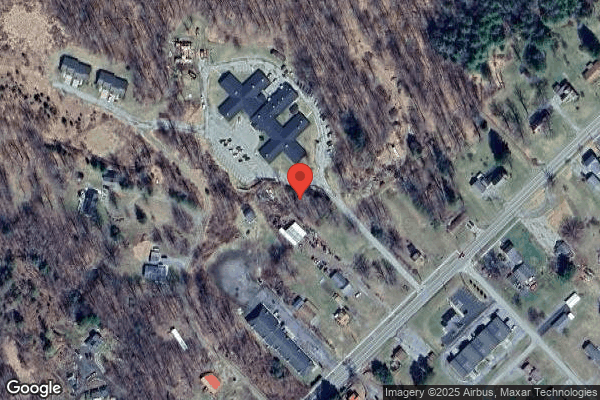
156 SNYDER MEMORIAL RD, MARIENVILLE, PA 16239 (814) 927-6670
For profit - Corporation 100 Beds Independent Data: November 2025 1 Immediate Jeopardy citation
Trust Grade
23/100
#598 of 653 in PA
Last Inspection: May 2025

Inspected within the last 6 months. Data reflects current conditions.

Overview

LECOM at Snyder Memorial has a Trust Grade of F, indicating significant concerns about the facility's quality and care. With a state rank of #598 out of 653, they are in the bottom half of nursing homes in Pennsylvania, although they are the only option in Forest County. The facility is improving, having reduced issues from 9 in 2024 to 5 in 2025. Staffing is rated 4 out of 5, which is a strength, but the turnover rate of 53% is average for the state. However, the facility has concerning fines totaling $25,853, higher than 78% of Pennsylvania facilities, suggesting ongoing compliance problems. There are critical incidents that families should consider. For instance, the facility failed to administer CPR to a resident who had requested it, putting multiple residents at risk. Additionally, the kitchen was found to be unsanitary, with dust and debris on fans above food preparation areas, which raises hygiene concerns. Finally, the facility has not adequately documented meetings related to quality assurance, indicating potential gaps in oversight. Overall, while there are some staffing strengths, the serious compliance issues and critical incidents suggest families should carefully weigh their options.

Trust Score
F
23/100
In Pennsylvania
#598/653
Bottom 9%
Safety Record
High Risk
Review needed
Inspections
Getting Better
9 → 5 violations
Staff Stability
⚠ Watch
53% turnover. Above average. Higher turnover means staff may not know residents' routines.
Penalties
○ Average
$25,853 in fines. Higher than 64% of Pennsylvania facilities. Some compliance issues.
Skilled Nurses
○ Average
Each resident gets 41 minutes of Registered Nurse (RN) attention daily — about average for Pennsylvania. RNs are the most trained staff who monitor for health changes.
Violations
⚠ Watch
25 deficiencies on record. Higher than average. Multiple issues found across inspections.
★☆☆☆☆
1.0
Overall Rating
★★★★☆
4.0
Staff Levels
★☆☆☆☆
1.0
Care Quality
★★☆☆☆
2.0
Inspection Score
Stable
2024: 9 issues
2025: 5 issues

The Good

  • 4-Star Staffing Rating · Above-average nurse staffing levels
  • Full Sprinkler Coverage · Fire safety systems throughout facility
  • No fines on record

Facility shows strength in staffing levels, fire safety.

The Bad

1-Star Overall Rating

Below Pennsylvania average (3.0)

Significant quality concerns identified by CMS

Staff Turnover: 53%

Near Pennsylvania avg (46%)

Higher turnover may affect care consistency

Federal Fines: $25,853

Below median ($33,413)

Moderate penalties - review what triggered them

The Ugly 25 deficiencies on record

1 life-threatening
May 2025 5 deficiencies
CONCERN (D)

Potential for Harm - no one hurt, but risky conditions existed

Deficiency F0657 (Tag F0657)

Could have caused harm · This affected 1 resident

Based on review of facility policy, clinical records, and staff interview, it was determined that the facility failed to review and revise comprehensive care plans to reflect the current care and serv...

Read full inspector narrative →
Based on review of facility policy, clinical records, and staff interview, it was determined that the facility failed to review and revise comprehensive care plans to reflect the current care and services for one of 21 residents reviewed (Resident R34). Findings include: Review of facility policy entitled Care Plans dated 4/1/25, indicated The care plan will be reviewed, evaluated and updated with any significant change ., and Care plans will outline resident's care needs based on . physician orders . Review of Resident R34's clinical record revealed an admission date of 7/6/23, with diagnoses that included chronic obstructive pulmonary disease (when your lungs do not have adequate air flow), chronic respiratory failure (a condition where your lungs don't exchange air properly), and sleep apnea (a condition when a person repeatedly stops and starts breathing when they are sleeping). Review of Resident R34's physician orders revealed an order for O2 (oxygen) via NC (nasal cannula-oxygen delivery) 2-3LPM (liters per minute) continuous, goal sats (oxygen saturation percent) 88-92%, dated 10/14/23. Review of Resident R34's care plans revealed a plan of care for recent history of tracheostomy with interventions for oxygen via nasal cannula at 2L PRN (as needed), and a plan of care for ADL self-care deficit with an intervention of oxygen at 2L via nasal cannula continuously. During an interview on 5/7/25, at 1:40 p.m. the Director of Nursing (DON) confirmed the care plans for Resident R34's oxygen were not reviewed/revised to reflect current resident care and services. He/she also confirmed that care plans should be reviewed and revised as necessary. 28 Pa. Code 211.5(f)(i) Medical records 28 Pa. Code 211.10(c)(d) Resident care policies 28 Pa. Code 211.12(d)(1)(5) Nursing services
CONCERN (D)

Potential for Harm - no one hurt, but risky conditions existed

Deficiency F0868 (Tag F0868)

Could have caused harm · This affected 1 resident

Based on review of facility records and staff interview, it was determined that the facility failed to ensure required attendance of the Director of Nursing and Infection Preventionist to Quality Assu...

Read full inspector narrative →
Based on review of facility records and staff interview, it was determined that the facility failed to ensure required attendance of the Director of Nursing and Infection Preventionist to Quality Assurance and Performance Improvement (QAPI) Committee meetings for two of four quarterly QAPI Committee meetings. Findings include: Review of facility policy entitled Leadership and Communication dated 4/1/25, indicated the facility will have a QAPI steering committee which included the following members Administrator, Director of Nursing, Infection Control, Medical Director . and Committee Members - Per CMS regulations . Review of the QAPI Committee Attendance Records for the October 2024 meeting revealed no evidence on the attendance sign-in for the required QAPI meeting that the Director of Nursing was in attendance. Review of the QAPI Committee Attendance Records for the February 2025 meeting revealed no evidence on the attendance sign-in sheets for the required QAPI meeting that the Infection Preventionist was in attendance. During an interview on 5/8/25, at 12:15 p.m. the Nursing Home Administrator (NHA) confirmed the facility lacked evidence that the Director of Nursing and the Infection Preventionist attended the Quarterly QAPI Committee meetings as required. He/she also confirmed that the Director of Nursing and the Infection Preventionist should be in attendance for the QAPI meetings as required. 28 Pa. Code 201.18(e)(1)(3) Management
CONCERN (E)

Potential for Harm - no one hurt, but risky conditions existed

Assessment Accuracy (Tag F0641)

Could have caused harm · This affected multiple residents

**NOTE- TERMS IN BRACKETS HAVE BEEN EDITED TO PROTECT CONFIDENTIALITY** Based on review of the Resident Assessment Instrument (RAI-manual that guides facilities with completing resident Minimum Data S...

Read full inspector narrative →
**NOTE- TERMS IN BRACKETS HAVE BEEN EDITED TO PROTECT CONFIDENTIALITY** Based on review of the Resident Assessment Instrument (RAI-manual that guides facilities with completing resident Minimum Data Set [MDS-periodic assessment of resident care needs] assessments), clinical records, facility documentation, and staff interviews, it was determined that the facility failed to complete the MDS to accurately reflect the resident's status at the time of the assessment for seven of 21 residents reviewed (R8, R9, R13, R15, R41, R55, and R76). Findings include: Review of the October 2024 RAI Manual revealed that restraints (a device, material or equipment attached or adjacent to the resident's body that the individual cannot remove easily, which restricts freedom of movement or normal access to one's body) used in the seven-day assessment look-back period were to be documented in Section P (Restraints and Alarms) of the MDS, coding 0 for not used, 1 for used less than daily, and 2 for used daily. Review of Resident R8's clinical record revealed an admission date of 10/09/08, with diagnoses that included epilepsy, bipolar disorder, and anxiety (a condition that causes a person to be nervous, uneasy, or worried about something or someone). A Quarterly MDS dated [DATE], under Section P0100A, revealed that Resident R8's bed rails were coded as a restraint used daily. A physician's order dated 3/27/25, indicated Resident R8 was to have bilateral one-half side rails for bed mobility every shift. An incident report dated 2/28/25, revealed Resident R8 sustained a fall and was transferred to the hospital and returned with staples to the head. A Quarterly MDS dated [DATE], under section J1900, revealed Resident R8 had zero falls with major injury. Observations between 5/5/25, and 5/8/25, revealed Resident R8 had two quarter-sized rails on the bed. Review of Resident R9's clinical record revealed an admission date of 4/1/10, with diagnoses that included heart disease, mood disorder, and anxiety. A Quarterly MDS dated [DATE], under Section P0100A, revealed that Resident R9's bed rails were coded as a restraint used daily. A physician's order dated 3/27/25, indicated Resident R9 was to have left, one-half side rails for bed mobility every shift. Observations between 5/5/25, and 5/8/25, revealed Resident R9 had one quarter-sized rail on the bed. Review of Resident R13's clinical record revealed an admission date of 12/23/24, with diagnoses that included pulmonary embolism (blood clot in the lung), paraplegia (paralysis of both legs and lower part of body), and pressure ulcers (wounds caused by prolonged pressure). A Quarterly MDS dated [DATE], under Section P0100A, revealed that Resident R13's bed rails were coded as a restraint used daily. A physician's order dated 3/27/25, indicated Resident R13 was to have bilateral one-half side rails for bed mobility every shift. Observations between 5/5/25, and 5/8/25, revealed Resident R13 had two quarter-sized rails on the bed. Review of Resident R41s clinical record revealed an admission date of 10/10/19, with diagnoses that included atrial fibrillation (irregular heartbeat), heart failure, and alcohol abuse with alcohol induced psychotic disorder. A Quarterly MDS dated [DATE], under Section P0100A, indicated that Resident R41's bed rails were coded as a restraint used daily. A physician's order dated 3/27/25, indicated Resident R41 was to have one-half side rails two times a day for transfer. Observations between 5/5/25, through 5/8/25, revealed Resident R41 had two quarter-sized rails on the bed. Review of Resident R15's clinical record revealed an admission date of 3/15/21, with diagnoses that included hemiplegia (a condition where a person is paralyzed and unable to move one side of their body), anxiety, and diabetes (a health condition that caused by the body's inability to produce enough insulin). A Quarterly MDS dated [DATE], under Section P0100A, revealed that Resident R15's bed rails were coded as a restraint used daily. A physician's order dated 3/27/25, indicated Resident R15 was to have bilateral one-half side rails for bed mobility every shift. Observations between 5/5/25, through 5/8/25, revealed Resident R15 had two quarter-sized rails on the bed. Review of Resident R55's clinical record revealed an admission date of 11/19/18, with diagnoses that included pyschotic disorder, mood disorder, and profound intellectual disabillities. A Quarterly MDS dated [DATE], under Section P0100B, revealed that Resident R55 was coded as trunk restraint not used. A physician's order dated 4/16/25, indicated that Resident R55 had an order for PSD (pelvic safety device) in SBC (straight back chair) for periods of low stimulation and calm during mealtimes, check and release every two hours and as needed for 15 minutes. Observations between 5/5/25, and 5/8/25, revealed Resident R55 had a PSD on while up in chair. Review of Resident R76's clinical record revealed an admission date of 9/7/24, with diagnoses that included bipolar disorder, blindness in one eye, high blood pressure and anxiety. A Quarterly MDS dated [DATE], under Section P0100A, revealed that Resident R76's bed rails were coded as a restraint used daily. A physician's order dated 3/27/25, indicated Resident R76 was to have left one-half side rails for bed mobility every shift. Observations between 5/5/25, and 5/8/25, revealed Resident R76 had one quarter-sized rail on the bed. During an interview on 5/7/25, at 12:45 p.m. the Director of Nursing confirmed that Residents R8, R9, R13, R15, R41, R55, and R76 MDS's Section P0100A as listed above were coded incorrectly and the quarter-sized rails were not used as restraints. During an interview on 5/7/25, at 1:45 p.m. the Nursing Home Administrator confirmed that Resident R8's MDS Section J1900 was coded incorrectly regarding falls with major injury. 28 Pa. Code 211.5(f)(i)(ii)(ix) Medical records
CONCERN (E)

Potential for Harm - no one hurt, but risky conditions existed

Respiratory Care (Tag F0695)

Could have caused harm · This affected multiple residents

Based on review of facility policies and clinical records, observations, and staff interview, it was determined that the facility failed to provide oxygen according to physician's orders for one of 25...

Read full inspector narrative →
Based on review of facility policies and clinical records, observations, and staff interview, it was determined that the facility failed to provide oxygen according to physician's orders for one of 25 residents reviewed (Resident R34). Findings include: Review of facility policy entitled Oxygen Administration dated 4/1/25, indicated Check physician's order for liter flow . Review of facility policy entitled Documentation, Clinical dated 4/1/25, indicated Documentation shall be done by nursing staff according to the needs of the resident and the care provided. Review of Resident R34's clinical record revealed an admission date of 7/6/23, with diagnoses that included chronic obstructive pulmonary disease (when your lungs do not have adequate air flow), chronic respiratory failure (a condition where your lungs don't exchange air properly), and sleep apnea (a condition when a person repeatedly stops and starts breathing when they are sleeping). Review of Resident R34's physician's orders revealed an order for O2 (oxygen) via NC (nasal cannula-oxygen tubing that has prongs that go into the nostrils and loops around the ears to secure in place to ensure adequate oxygen delivery) 2-3LPM (liters per minute) continuous, goal sats (oxygen saturation percent) 88-92%, dated 10/14/23. Review of Resident R34's oxygen saturation documentation revealed it lacked evidence that his/her oxygen saturation was obtained routinely to know if he/she was within his/her oxygen goal sats per physician orders. During an interview on 5/7/25, at 1:40 p.m. the Director of Nursing (DON) confirmed that Resident R34's clinical record lacked evidence of his/her oxygen saturation percentages to ensure that he/she was within his/her oxygen goal sats. He/she also confirmed that Resident R34's oxygen saturation levels should be monitored to ensure he/she is within his/her oxygen goal sats per physician orders. 28 Pa. Code 211.10(c) Resident care policies 28 Pa. Code 211.12(d)(1)(5) Nursing services
CONCERN (E)

Potential for Harm - no one hurt, but risky conditions existed

Infection Control (Tag F0880)

Could have caused harm · This affected multiple residents

Based on review of facility policies and clinical records, observations, staff interviews, and resident interview, it was determined that the facility failed to maintain proper infection prevention an...

Read full inspector narrative →
Based on review of facility policies and clinical records, observations, staff interviews, and resident interview, it was determined that the facility failed to maintain proper infection prevention and control isolation by failing to remove isolation precautions for non-transmittable diseases which were confirmed by laboratory testing for three of five residents reviewed on droplet precautions (a type of transmission based precautions used to prevent the spread of respiratory infections) (Residents R56, R77, and R33). Findings include: Review of the facility policy entitled Policy on Isolation and Infection Precautions dated 4/1/25, revealed when it is determined that a resident needs isolation or special infection precautions to prevent the spread of infection, the appropriate isolation and/or precautions are utilized. Review of the facility policy entitled Infection Prevention & Control Program dated 4/1/25, revealed prevention of spread of infections is accomplished by the use of Standard and Transmission based precautions and other barriers, appropriate treatment and follow-up .Transmission based precautions chosen based on circumstances and are least restrictive as possible. Review of Resident R56's clinical record revealed an admission date of 2/26/25, with diagnoses that included neuralgic amyotrophy (nerve damage and muscle wasting that causes severe pain), anxiety, depression, and other seasonal allergic rhinitis. Review of Resident R56's clinical record revealed progress notes dated 4/21/25, indicating he/she was placed on droplet precautions and that rapid COVID testing was negative. Progress notes on 5/1/25, revealed he/she was tested for flu and COVID in the emergency room, which were both negative. Clinical record vitals indicated that Resident R56 remained afebrile (free of fever). Resident R56's Brief Interview for Mental Status (BIMs-15-point cognitive screening measure that evaluates memory and orientation and includes free and cued recall items) was 15 (cognitively intact). Interview conducted with Registered Nurse Employee E2 on 5/5/25, at approximately 2:00 p.m. revealed Resident R56 was on droplet precautions and he/she was unaware of any positive testing that would require droplet isolation. Interview conducted with Resident R56 on 5/6/25, at approximately 9:30 a.m. revealed he/she is very dissatisfied with the isolation precautions because all testing has been negative. He/she prefers to be out and about to socialize, but is uncomfortable wearing a mask, therefore he/she stays in his/her room. Review of Resident R77's clinical record revealed an admission date of 6/2/23, with diagnoses that included dementia (thinking and social symptoms that interfere with daily living), weakness, pulmonary embolism (blood clot in lung), and dysphagia (difficulty swallowing). Review of Resident R77's clinical record revealed progress notes dated 4/29/25, indicating he/she was placed on droplet precautions and that rapid COVID testing was negative. Clinical record vitals indicated that Resident R77 remained afebrile. Review of Resident R33's clinical record revealed an admission date of 2/25/23, with diagnoses that included dementia, anxiety, dysphagia, and hypertension (high blood pressure). Review of Resident R33's clinical record revealed progress notes dated 4/29/25, indicating he/she was placed on droplet precautions and that rapid COVID testing was negative. Clinical record vitals indicated that Resident R33 remained afebrile. Interview conducted with Licensed Practical Nurse (LPN) Employee E1 on 5/6/25, at 9:06 a.m. revealed Residents R56, R77, and R33 are generally not in their rooms. He/she indicated Resident R56 is alert and oriented and enjoys socializing, which is beneficial due to Resident R56 becoming more depressed related to some new diagnoses. LPN Employee E1 indicated Residents R77 and R33 are always brought out of their rooms and into the living room for stimulation and socialization and have not been able to do so related to the isolation. During an interview on 5/6/25, at approximately 10:45 a.m. the Infection Control Infection Preventionist confirmed that Residents R56, R77, and R33's testing for transmittable diseases were negative and that isolation should have been discontinued at that time. 28 Pa. Code 201.14(a) Responsibility of licensee 28 Pa. Code 201.18(b)(1) Management 28 Pa. Code 201.18(e)(1) Management 28 Pa. Code 211.12(d)(1)(5) Nursing services
Oct 2024 1 deficiency
CONCERN (D) 📢 Someone Reported This

A family member, employee, or ombudsman was alarmed enough to file a formal complaint

Potential for Harm - no one hurt, but risky conditions existed

Deficiency F0761 (Tag F0761)

Could have caused harm · This affected 1 resident

Based on review of facility policy, observation, and staff interview, it was determined that the facility failed to properly safeguard and administer resident medications for one of six residents revi...

Read full inspector narrative →
Based on review of facility policy, observation, and staff interview, it was determined that the facility failed to properly safeguard and administer resident medications for one of six residents reviewed (Resident R1). Findings include: Review of facility policy dated 10/11/23, entitled Medication Administration indicated that All medications shall be given by the person who prepared the dose. Assure that the resident has enough fluids to swallow their medication. Never leave medication at the bedside. Be sure that all medication is administered and that no medication remnants remain in the cup. Observation of Resident R1's room on 10/01/24, at approximately 11:25 a.m. revealed a medication cup from the morning medication pass with two pills identified as Eliquis 2.5 mg (a blood thinner) and Celexa 10 mg (an antidepressant) sitting on the resident's bedside tray table. Resident R1 was sound asleep, and the Licensed Practical Nurse (LPN) Employee E1 who prepared the medication was at the nurse's station. During an interview on 10/01/24, at the time of the observation, Registered Nurse Employee E2 confirmed that Resident R1's medications should not have been left alone in the room for the resident and the administering LPN Employee E1 should have ensured Resident R1 took the mediations prior to leaving the room. 28 Pa. Code 211.10(c)(d) Resident care policies 28 Pa. Code 211.12(d)(1)(3)(5) Nursing services
Jun 2024 5 deficiencies
CONCERN (D)

Potential for Harm - no one hurt, but risky conditions existed

Deficiency F0565 (Tag F0565)

Could have caused harm · This affected 1 resident

Based on review of resident council minutes, and resident and staff interviews, it was determined that the facility failed to respond to resident concerns identified during resident council minutes fo...

Read full inspector narrative →
Based on review of resident council minutes, and resident and staff interviews, it was determined that the facility failed to respond to resident concerns identified during resident council minutes for three of three months reviewed (March, April, and May 2024). Findings include: Review of the March 2024 Resident Council Meeting Minutes revealed: lack of evidence that previous Resident Council concerns were discussed with the Resident Council; new concerns included using chewing tobacco in resident room, main dining room doors being locked, and staff call bell response times. There was no evidence that the concerns were assigned to a department responsible for investigation. Review of facility Grievance Concerns dated 3/27/24, revealed Resident Council concerns were documented and corrective actions included reviewing tobacco policy with resident, education provided about resident safety while dining room construction is completed, and reported to nursing staff and nurse aid supervisor to discuss and educate staff on call bell response times. Concern forms lacked evidence of resolutions of resident concerns. Review of the April 2024 Resident Council Meeting Minutes revealed: lack of evidence that previous Resident Council concerns were discussed with the Resident Council; new concerns included a resident's dentures not fitting, continued delay in call bell response times, staff not available at nurse's station, smoke break times not consistent, dirty bathroom, resident not able to fully utilize his/her wheelchair, and missing clothing. There was no evidence that the concerns were assigned to a department responsible for investigation. Review of facility Grievance Concerns dated 4/25/24, revealed Resident Council concerns were documented and corrective actions included that someone spoke with housekeeping and educated resident to report to staff when the bathroom needed cleaned, consulted nursing staff about resident's dentures not fitting, educated nursing staff on call bell response times and initiate testing/observation of call bell responses, and educate resident and nursing staff about staff availability at nurse's station. Concern forms lacked evidence of resolutions of resident concerns. Review of the May 2024 Resident Council Meeting Minutes revealed: lack of evidence that previous Resident Council concerns were discussed with the Resident Council; new concerns included rules for visiting peers of the opposite gender in their rooms, and missing clothing. There was no evidence that the concerns were assigned to a department responsible for investigation. Review of facility Grievance Concerns dated 5/29/24, revealed Resident Council concerns were documented and corrective actions included a search conducted by staff and laundry notified of missing clothing, resident educated that staff should be made aware of room visits and roommates need to concur and be respected, educated nursing staff on call bell response times and initiate testing/observation of call bell responses, and educate resident and nursing staff about staff availability at nurse's station. Concern forms lacked evidence of resolutions of resident concerns. During interviews on 6/16/24, between 10:30 a.m. and 11:30 a.m. Resident Council members (Residents R31, R77, R58, and R86) confirmed that previous concerns are not discussed at Resident Council Meetings, and they are not informed by the facility of how their concerns are being resolved. During an interview on 6/17/24, at 2:30 p.m. the Director of Nursing and Nursing Home Administrator confirmed that there was lack of evidence that the repeated education was effective, there was a lack of developing an alternative method of resolution to the repeated concerns, and there was a lack of evidence that the Resident Council was informed of the outcome and was satisfied with the outcomes by the facility. During an interview on 6/18/24, at 10:12 a.m. the Nursing Home Administrator and Registered Nurse Assessment Coordinator confirmed there is no evidence that previous concerns were discussed at Resident Council Meetings, and residents are not informed by the facility of how their concerns were resolved. 28 Pa. Code 201.14(a) Responsibility of Licensee 28 Pa. Code 201.18(b)(1)(3) Management 28 Pa. Code 201.18(e)(1)(4) Management
CONCERN (D)

Potential for Harm - no one hurt, but risky conditions existed

Quality of Care (Tag F0684)

Could have caused harm · This affected 1 resident

Based on review of clinical records, observations, and staff interviews, it was determined that the facility failed to ensure care and services were provided in accordance with professional standards ...

Read full inspector narrative →
Based on review of clinical records, observations, and staff interviews, it was determined that the facility failed to ensure care and services were provided in accordance with professional standards of practice that will meet each residents' physical, mental, and psychosocial needs. The facility failed to obtain physician orders for smoking for one of 19 residents reviewed (Resident R9). Findings include: Resident's R9's clinical record revealed an admission date of 4/01/10, with diagnoses of multiple sclerosis (disease in which the immune system eats away at the protective covering of nerves), heart problems, anxiety, and bipolar (disorder with mood swings ranging from depressive lows to manic highs). Review of a facility policy entitled, Tobacco and Vaping Policy, dated 8/09/23, indicated that the purpose to ensure that the facility meets Federal and State regulations and guidelines regarding smoking under the home's safety rules and under applicable Federal and State laws and rules unless not medically advisable as documented in the resident's medical record by the attending physician or unless contradictory to written admission policies. Review of Resident R9's clinical record lacked evidence a physician's order was obtained for smoking. Observations on 6/15/24, and 6/16/24, revealed Resident R9 smoking outside in a gathering area. During an interview on 6/18/24, at 11:50 a.m., the Director of Nursing (DON) confirmed that there was no physician's order for Resident R9 to be smoking. The DON further confirmed that a physician's order is necessary to ensure smoking is appropriate for Resident R9 to safely participate. 28 Pa. Code 209.3(a) Smoking 28 Pa. Code 211.10(d) Resident care policies 28 Pa. Code 211.12(d)(1) Nursing services
CONCERN (D)

Potential for Harm - no one hurt, but risky conditions existed

Medication Errors (Tag F0758)

Could have caused harm · This affected 1 resident

Based on review of clinical records, facility policy and staff interviews, it was determined that the facility failed to assure that medication regimens were free of potentially unnecessary medication...

Read full inspector narrative →
Based on review of clinical records, facility policy and staff interviews, it was determined that the facility failed to assure that medication regimens were free of potentially unnecessary medications for two of 19 residents reviewed (Residents R38 and R69). Findings include: A facility policy entitled Drug Regimen Review dated 8/09/23, indicated that: the facility shall maintain copies of completed pharmacy reports; that the prescriber/licensed designee shall act upon the Drug Regimen Review findings/recommendation in a timely manner of 21 days or less; and that the prescriber/licensed designee shall document on the drug regimen review form whether he/she disagrees with the recommendations, and provide a brief clinical rationale if no change is to be made. Resident R38's clinical record revealed an admission date of 10/1019, with diagnoses including alcohol abuse with alcoholic-induced psychotic disorder, dementia with behavioral disturbances, and stroke. Resident R38's clinical record contained a Physician's Communication Form dated 4/26/24. The clinical record lacked copies of additional completed pharmacy reports and physician communication forms since the last full health survey of 7/25/23. During an interview on 6/17/24, at 2:55 p.m. the Director of Nursing confirmed that the facility was only able to locate one Physician Communication Form from the pharmacy dated 4/26/24. Resident R69's clinical record revealed and admission date of 9/02/22, with diagnoses including dementia with behavioral disturbance, anxiety, major depression with psychotic symptoms, and stroke. Resident R69's clinical record contained a Physician's Communication Form dated 1/31/24. The clinical record lacked copies of additional completed pharmacy reports and physician communication forms since the last full health survey of 7/25/23. During an interview on 6/18/24, at 8:43 a.m. the Director of Nursing (DON) confirmed that the facility was only able to locate one Physician Communication Form from the pharmacy for Resident R38 dated 4/26/24, and one form for Resident R69 dated 1/31/24. 28 Pa. Code 211.12(d)(1)(3)(5) Nursing services
CONCERN (E)

Potential for Harm - no one hurt, but risky conditions existed

ADL Care (Tag F0677)

Could have caused harm · This affected multiple residents

Based on review of facility policy and clinical records, observations, and resident and staff interviews, it was determined that the facility failed to provide the necessary assistance to maintain gro...

Read full inspector narrative →
Based on review of facility policy and clinical records, observations, and resident and staff interviews, it was determined that the facility failed to provide the necessary assistance to maintain grooming and personal hygiene for five of 19 residents (Residents R2, R5, R15, R16, and R22). Findings include: A facility policy entitled, A.M. Care (Morning Care), dated 8/09/23, indicated that the purpose of a.m. care was to: refresh the resident; provide cleanliness, comfort, and neatness; prepare the resident for breakfast; assess the resident's condition; assess the resident's needs; and promote psychosocial well-being. Resident R15's clinical record revealed an admission date of 3/15/21, with diagnoses including stroke affecting his/her left side, lack of coordination, urinary incontinence, blindness, and dementia. A care plan entitled self-care deficit indicated that he/she required extensive assistance (resident involved, staff provide weight bearing support) of two staff members for grooming, hygiene, and dressing. Observation on 6/15/24, at 1:10 p.m. revealed Resident R15 sitting in the hallway in his/her wheelchair, dressed in street clothes, and disclosed to the surveyor that he/she had not been cleaned up yet, thought that he/she should be cleaned up before lunch, and that it was not his/her scheduled shower day. Resident R22's clinical record revealed an admission date of 8/10/17, with diagnoses including psychotic disorder, mild intellectual disabilities, limitations of activities due to disabilities, and muscle wasting. A care plan entitled person-centered care indicated that he/she required extensive assistance of one staff for grooming, hygiene, and limited assistance of one staff for dressing. Observation on 6/15/24, at 1:17 p.m. revealed Resident R22 sitting in his/her wheelchair in their room and disclosed to the surveyor that he/she had not been washed up yet, and that it was not his/her scheduled shower day. Resident R5's clinical record revealed an admission date of 10/25/18, with diagnoses including traumatic brain injury, abnormal posture, mild intellectual disabilities, limitations of activities due to disabilities, and muscle wasting. A care plan entitled person-centered care indicated that he/she required supervision of one staff for dressing and extensive assistance of one staff for grooming and hygiene. Observation on 6/15/24, at 1:21 p.m. revealed Resident R5 sitting in his/her wheelchair dressed in street clothes and disclosed to the surveyor that he/she had not had his/her a.m. care completed. Resident R2's clinical record revealed an admission date of 10/25/18, with diagnoses including multiple sclerosis (damages the protective cover around nerves in the brain, spinal cord, and optic nerves and causes muscle weakness, vision changes, numbness, and memory issues), a care plan entitled person-centered care indicated that he/she required extensive assistance of one-two staff for grooming, and hygiene. Observation on 6/15/24, at 1:32 p.m. revealed Resident R2 lying in bed with his/her soiled shirt pulled up and disclosed to the surveyor that he/she had not been cleaned up yet and liked it to be done before breakfast. Resident R16's clinical record revealed an admission date of 10/12/22, with diagnoses including broken right leg, muscle wasting, Schizophrenia (chronic brain disorder with symptoms that may include delusions, hallucinations, disorganized speech, trouble with thinking and lack of motivation), Bipolar disorder (mental illness that causes unusual shifts in a person's mood, energy, activity levels, and concentration). A care plan entitled indicated he/she required extensive assistance of one-two staff for grooming and hygiene. Observation on 6/15/24, at 1:40 p.m. revealed Resident R16 sitting in his/her wheelchair in their room and disclosed to the surveyor that he/she hasn't' been washed up yet and probably won't be until he/she gets undressed for bed. During an interview on 6/15/24, at 1:47 p.m. Nurse Aide Employee E2 confirmed that as far as he/she knew all residents on the hall had been cleaned up except for the independent residents. During an interview on 6/15/24, at 1:50 p.m. Licensed Practical Nurse Employee E1 confirmed that each resident should be cleaned up in the morning every day, and that all residents on that hall required at least an assist of one staff person with personal hygiene, grooming and dressing, and that no one on that hall was independent. During an interview on 6/16/24, at 12:36 p.m. the Director of Nursing confirmed all residents are to be freshened/cleaned up every day by 10:30 a.m. 28 Pa. Code 211.12 (d)(1)(5) Nursing Services
CONCERN (E)

Potential for Harm - no one hurt, but risky conditions existed

Food Safety (Tag F0812)

Could have caused harm · This affected multiple residents

Based on review of facility policy, observations, and staff interview, it was determined that the facility failed to maintain sanitary food service operations for one of one kitchens. Findings include...

Read full inspector narrative →
Based on review of facility policy, observations, and staff interview, it was determined that the facility failed to maintain sanitary food service operations for one of one kitchens. Findings include: Review of facility policy entitled, Dish Machine Setup, last reviewed 8/09/2023, indicated that the procedure of checking and documenting temperatures on the appropriate form was to occur at all meals. The policy and procedure also identified that the High Temp dish machine wash temperature ranges should be 150 degrees Fahrenheit (F) to 160 degrees F and that the final rinse temperatures should be at least 180 degrees F and up to 194 degrees F to ensure proper sanitization. Upon observation of the dish machine on 6/15/2024, at 3:30 p.m. it was confirmed that the dish machine was a hot water temperature machine. Review of the dish machine temperature logs revealed that for the month of May 2024, out of 93 temperatures documented there were 73 temperatures in the range of 160 -170 degrees F and all below the required 180 degrees F. For the month of June 2024, out of 42 temperatures documented there were 28 in the range of 160-170 degrees F and all below the required 180 degrees F. During an interview, on 6/15/24, at 3:35 p.m. it was confirmed by the Dietary Manager, that the documented temperatures as above did not meet the required 180 degrees F for the final rinse and that staff had not been properly trained on recording dish machine temperatures. 28 Pa. Code 201.14(a) Responsibility of licensee 28 Pa. Code 211.6(f) Dietary services
Mar 2024 3 deficiencies 1 IJ (1 affecting multiple)
CRITICAL (K) 📢 Someone Reported This

A family member, employee, or ombudsman was alarmed enough to file a formal complaint

Immediate Jeopardy (IJ) - the most serious Medicare violation

Deficiency F0678 (Tag F0678)

Someone could have died · This affected multiple residents

**NOTE- TERMS IN BRACKETS HAVE BEEN EDITED TO PROTECT CONFIDENTIALITY** Based on review of established guidelines from the American Heart Association (AHA) for cardiopulmonary resuscitation (CPR - eme...

Read full inspector narrative →
**NOTE- TERMS IN BRACKETS HAVE BEEN EDITED TO PROTECT CONFIDENTIALITY** Based on review of established guidelines from the American Heart Association (AHA) for cardiopulmonary resuscitation (CPR - emergency life-saving procedure that is done when the heart stops beating and when performed immediately can double or triple chances of survival after cardiac arrest), facility policy and clinical records, and staff interviews, it was determined that the facility failed to provide CPR as required for one of one resident reviewed who had requested that CPR be administered in the event that they became unresponsive with no pulse. Resident R1 became unresponsive and pulseless, facility did not administer CPR to Resident R1 as required. This failure placed 43 of 95 residents ( R2, R3, R4 R5, R6, R7, R8, R9, R10, R11, R12, R13, R14, R15, R16, R17, R18, R19, R20, R21 R22, R23 R24 R25, R26, R27 R28, R29, R30, R31, R32 R33, R34, R35 R36, R37, R38 R39, R40, R41, R42, R43, and R44), that had requested to have CPR administered if they became unresponsive and pulseless, at a high risk for death and resulted in an Immediate Jeopardy situation. Findings include: Review of guidelines from the AHA, dated 2020, revealed, the AHA urged all potential rescuers to initiate CPR unless a valid Do Not Resuscitate (DNR) order was in place; if there were obvious clinical signs of irreversible death present, including rigor mortis (stiffness of the limbs and body that develops 2 to 4 hours after death and may take up to 12 hours to fully develop), dependent lividity (reddish-blue discoloration of the skin resulting from the gravitational pooling of blood in the lower lying parts of the body in the position of death), decapitation (separation of the head from the body), transection (division by cutting across the body), or decomposition (decay); or if initiating CPR could cause injury or peril (serious or immediate danger) to the rescuer. Review of facility policy entitled Cardiopulmonary Resuscitation Procedure CPR For The Adult Victim dated [DATE], indicates to: Check for response, tap the victim's shoulder and shout are you all right. If there is no response shout/summons help; assign someone to check the code status of the victim; if victim has orders for resuscitation delegate staff to call 911, get AED, announce code, obtain emergency cart, call physician, and call family; check for pulse - if no definite pulse, start chest compressions; open airway and give two breaths; and to continue until EMS arrives. Residents R2 through R44's clinical record review of physician's orders revealed that CPR be administered in the event that they became unresponsive with no pulse. Resident R1's clinical record revealed an admission date of [DATE], with diagnoses including chronic obstructive pulmonary disease (COPD - progressive lung disease resulting in shortness of breath), dysphagia (difficulty swallowing), and high blood pressure. A POLST (Pennsylvania Order for Life-Sustaining Treatment) dated [DATE], stated, FIRST follow these orders, THEN contact physician, certified registered nurse practitioner, or physician assistant. This is an Order Sheet based on the person's medical condition and wishes at the time the orders were issued. Everyone shall be treated with dignity and respect. The POLST was signed by both the physician and Resident R1 and Section A revealed that CPR/attempt resuscitation was to occur when no pulse and no breathing were present. Physician's Order dated [DATE], identified Resident R1 as a FULL CODE (allows for all interventions needed to restore breathing or heart functioning). Care plan initiated on [DATE], indicated Resident R1 is a FULL CODE and will receive CPR in the event of cardiac and/or respiratory arrest. Progress note completed by Registered Nurse (RN) Employee E1 dated [DATE], at 3:42 a.m. indicated that Resident sends roommate down to nurses station stating she can't breathe, resident won't keep oxygen on, educated that she needs to keep oxygen face mask up on her face covering her nose and mouth, moaning, lungs with a few rales / diminished in bases. Resident can talk in complete sentences with no distress noted in speech. Reassurance that she is doing fine, continues to be nervous / anxious. Resident encouraged to close eyes and sleep, she is doing fine, she needs to relax. Progress note completed by RN Employee E1 dated [DATE], at 3:51 a.m. indicated that Resident on rounds noted to have ceased to breathe, resident cold and mottled with no heart rate or breathing noted, pronounced at 0351. Progress note completed by Licensed Practical Nurse (LPN) Employee E2 dated [DATE] at 4:00 a.m. indicated that During rounds, CNA reported that resident was not breathing, RN Supervisor notified for assessment. Mottling present with absence of breath sounds or pulse. Progress note completed by RN Employee E1 dated [DATE], at 4:10 a.m. indicated that Husband was notified that resident had ceased to breath Progress note completed by RN Employee E1 dated [DATE], at 7:16 a.m. indicated (name mentioned) CRNP (Certified Registered Nurse Practitioner) notified of resident CTB at 0351. During interview on [DATE], at 9:20 a.m. Director of Nursing (DON) provided the following information: RN Employee E1 was working the night Resident R1 passed way. RN Employee E1 did call the DON to inform her of Resident R1 passing away and informed the DON that he/she did not provide CPR as ordered as he/she felt Resident R1 had been gone for a while and it would have been abuse of a corpse. DON was not in the facility at the time and was unable to assess Resident R1 herself having to go solely on what RN Employee E1 reported to her via telephone. During a telephone interview on [DATE], at 9:27 a.m. RN Employee E1, provided the following information: Certified Nurse Aides (CNA) completed rounds around 2:00 a.m. to 2:30 a.m. and there was no indication of any changes with Resident R1. Around 3:51 a.m. RN Employee E1 was starting to do his/her routine rounds, when the CNA's informed him/her that they thought Resident R1 was gone. RN Employee E1 went to assess Resident R1 and found him/her to be in bed with eyes open, and pupils fixed and dilated, mouth open, cool to touch, mottled (red or purple blotches or streaks caused by lowered blood flow to the skin) to his/her upper chest, and with no respirations or heart rate. RN Employee E1 stated he/she attempted to call the physician, but it was not going through, and he/she notified the CRNP at 7:15 a.m. RN Employee E1 stated he/she notified Resident R1's husband at 4:15 a.m. and the husband did ask if Resident R1 was revivable, and he/she informed the husband that Resident R1 was not. RN Employee E1 stated that he/she did not perform CPR as Resident R1 wished, as he/she felt Resident R1 had been gone for a while and it would have been abuse of a corpse. During interview on [DATE], at 10:45 a.m. Nursing Home Administrator (NHA) and DON provided the following information: Licensed Practical Nurse (LPN) Employee E2 was outside on break at the time of the incident and did not see Resident R1. LPN Employee E2 did complete a progress note based on what he/she was told by staff who were present. During a telephone interview on [DATE], at 12:28 p.m. CNA Employee E3 provided the following information: Resident R1 was last checked on between 1:30 a.m. and 2:00 a.m. At that time, he/she was in bed with his/her oxygen on and was responding to staff. At 3:40 a.m. CNA Employee E3 went into Resident R1's room and found him/her with dried blood all over his/her face and arm was cold. CNA Employee E3 left Resident R1's room and tried to call LPN Employee E2 who was on break. LPN Employee E2 did not pick up her phone, so CNA Employee E3 found RN Employee E1 and told him/her who then went to Resident R1's room. The facility failed to promptly initiate CPR in accordance with the resident's wishes and professional standards of nursing to a resident who had requested CPR upon admission, had a physician's order for CPR and had been identified as a FULL CODE, when finding the resident unresponsive, without a pulse or breathing and without clear clinical signs of death placing 43 other residents who had requested that CPR be administered in the event that they were to suddenly become unresponsive and pulseless in Immediate Jeopardy. The NHA was notified of the Immediate Jeopardy (IJ) situation and IJ template was provided to the NHA on [DATE], at 12:21 p.m. An Immediate Action Plan was requested. The Immediate Action Plan was provided by the NHA, DON, and Corporate Quality Assurance (QA) Director on [DATE], at 2:13 p.m. which was accepted at 2:32 p.m. The plan include: The facility Corporate QA RN reviewed the facilities CPR policy and worked with the facility Administrator and DON to develop the facilities IJ Abatement plan. All facility Licensed nurses will be immediately re-educated on the facilities CPR policy and Emergency procedures policy. The Emergency procedures policy was reviewed and revised to clearly guide the facility license nursing staff on emergency measures including CPR. The education was started [DATE] and will be completed today. If the nurses are not working today and have not yet been re-educated on the policies they will be reached via phone and re-educated. The licensed nurses will not be allowed to work until re-education completed. This education will be done by the facility Clinical Director RN and the facility RN Staff Developer. The facility nurse infection preventionist will also review all current resident's advanced directive / POLST forms to be sure that current advance directive / code status orders are currently and clearly noted on the medical record and that the resident care plan clearly reflects the residents current code status. These reviews have started and will be completed today. The facility contacted the facility Medical Director and as part of the facilities QAPI committee reviewed with the Medical Director the facilities action plan to address the IJ at F678. The facility will continue to monitor through daily reviews of clinical record / EHR to ensure the facility CPR policy is followed and CPR is provided per policy if a resident is a full code. The facility will ensure that all new nursing staff to the facility have the CPR policy reviewed as part of their orientation before providing resident care. This will be monitored by the facility DON, and Clinical Director. The facility CPR policy will be part of their orientation paperwork. On [DATE], during an onsite visit, the Immediate Jeopardy was lifted at 12:53 p.m. after ensuring the Immediate Action Plan had been implemented. 28 Pa. Code 201.14(a) Responsibility of licensee 28 Pa. Code 201.18(b)(1) Management 28 Pa. Code 201.18(3)(e)(1) Management 28 Pa. Code 211.10(c) Resident care policies 28 Pa. Code 211.12(c) Nursing services 28 Pa. Code 211.12(d)(1)(5) Nursing services
CONCERN (D) 📢 Someone Reported This

A family member, employee, or ombudsman was alarmed enough to file a formal complaint

Potential for Harm - no one hurt, but risky conditions existed

Quality of Care (Tag F0684)

Could have caused harm · This affected 1 resident

Based on review of facility policy and clinical records and staff interview, it was determined that the facility failed to follow physician's orders for laboratory work for one of five residents revie...

Read full inspector narrative →
Based on review of facility policy and clinical records and staff interview, it was determined that the facility failed to follow physician's orders for laboratory work for one of five residents reviewed (Resident R45). Findings include: Review of facility policy entitled RN Supervisor Guide dated 8/9/23, indicated that laboratory orders are entered into PCC (Point Click Care) and that staff is to write down the physician initials, order date, and labs in the RN Lab Book. Review of Resident R45's clinical record revealed an admission date of 1/24/24, with diagnoses that included dysphagia (difficulty swallowing), atrial flutter (abnormal heart rhythm causing your heart to beat too fast), and kidney failure. Review of Resident R45's clinical record revealed a physician's order dated 2/19/24, at 13:17 for a CBC (complete blood count), Iron, and Ferritin level one time only for anemia. Further review of Resident R45's clinical record revealed that the laboratory work that was collected and completed on 2/20/24, lacked evidence of the Iron and Ferritin level being completed as ordered. During an interview on 3/6/24, at 12:12 p.m. the Director of Nursing confirmed that the clinical record lacked evidence of the Iron and Ferritin levels being drawn per physician's orders for Resident R45. 28 Pa. Code 211.10(d) Resident care policies 28 Pa. Code 211.12(d)(1)(5) Nursing services
CONCERN (E) 📢 Someone Reported This

A family member, employee, or ombudsman was alarmed enough to file a formal complaint

Potential for Harm - no one hurt, but risky conditions existed

Administration (Tag F0835)

Could have caused harm · This affected multiple residents

Based on review of facility records and job descriptions, it was determined that the Nursing Home Administrator (NHA) and the Director of Nursing (DON) failed to effectively manage the facility to mak...

Read full inspector narrative →
Based on review of facility records and job descriptions, it was determined that the Nursing Home Administrator (NHA) and the Director of Nursing (DON) failed to effectively manage the facility to make certain that professional licensed staff implemented life-saving interventions regarding residents requiring cardiopulmonary resuscitation (CPR - emergency life-saving procedure that is done when the heart stops beating and when performed immediately can double or triple chances of survival after cardiac arrest) as required by the facility. Findings include: Review of the job description for the NHA revealed that the NHA's purpose is to direct the overall operation of the facility's activities in accordance with current Federal, State, and local laws and regulations, guidelines and standards, as directed by Company policy. The NHA also has duties and responsibilities to develop systems and standards for the delivery of health care services and is accountable for assuring the delivery of high-quality care, including adherence to professional standards of care in accordance with State, Local, and Federal regulations. Review of the job description for the DON revealed that the DON's purpose is to organize, develop, and direct nursing services and to maintain standards of good nursing practice. The DON also has duties and responsibilities to organize, develop, and direct nursing administration and patient care. Develops and maintains nursing service objectives and standards of nursing practice. Develops and maintains nursing objectives for the institution. Ensures nursing policies and procedures are followed. Based on the findings that the facility failed to ensure that professional licensed staff implemented life-saving interventions regarding residents requiring CPR, the NHA and the DON failed to fulfill their purpose and essential job duties to ensure that the Federal and State guidelines and regulations were followed. Refer to F678 28 Pa. Code 201.14(a) Responsibility of Licensee 28 Pa. Code 201.18(b)(1)(3) Management 28 Pa. Code 201.18(e)(1) Management 28 Pa. Code 211.12(c) Nursing Services 28 Pa. Code 211.12(d)(1)(5) Nursing Services
Nov 2023 2 deficiencies
CONCERN (D) 📢 Someone Reported This

A family member, employee, or ombudsman was alarmed enough to file a formal complaint

Potential for Harm - no one hurt, but risky conditions existed

Medical Records (Tag F0842)

Could have caused harm · This affected 1 resident

Based on review of facility policy and clinical records and staff interview, it was determined that the facility failed to maintain accurate and complete documentation related to falls for one of thre...

Read full inspector narrative →
Based on review of facility policy and clinical records and staff interview, it was determined that the facility failed to maintain accurate and complete documentation related to falls for one of three residents reviewed (Resident R1). Findings include: Review of facility policy dated 8/9/23, entitled Fall Prevention and Fall Management indicated that When a fall occurs the following will be followed by the nurse - Complete a QA Incident Report and Document the assessment of the resident and any orders / interventions in the medical record. Resident R1's clinical record revealed an admission date of 4/23/23, with diagnoses that included Multiple Sclerosis (MS - a degenerative disease that affects the nerves disrupting the signals between the brain and body), Traumatic Brain Injury (TBI - injury to the brain caused by trauma), and Epilepsy (neurological disorder resulting in seizures). Investigation into Resident R1's fall history revealed there was no evidence in Resident R1's clinical record of a fall occurring on or around 10/13/2023. Interview with Director of Nursing (DON) on 11/21/2023, at approximately 11:47 a.m. revealed that although he/she was not present at the time of the fall, Resident R1 was in the Nursing Home Administrator's (NHA) office when he/she attempted to stand on his/her own and fell. Phone interview with NHA confirmed that this did occur and that the Emergency Medical Service (EMS) were present and that EMS assisted Resident R1 to the stretcher, treated a skin tear that was sustained and transported Resident R1 to the emergency room due to an unrelated issue. During an interview on 11/21/2023, at approximately 12:00 p.m. the DON confirmed that the clinical record should contain a progress note or an incident report related to the fall and that Resident R1's clinical record lacked evidence of either one being completed. 28 Pa. Code 211.5(f)(ii)(iii) Medical records 28 Pa. Code 211.12(d)(1)(5) Nursing services
CONCERN (E) 📢 Someone Reported This

A family member, employee, or ombudsman was alarmed enough to file a formal complaint

Potential for Harm - no one hurt, but risky conditions existed

Deficiency F0657 (Tag F0657)

Could have caused harm · This affected multiple residents

Based on review of facility policy and clinical records and staff interview, it was determined that the facility failed to review and/or revise resident care plans for seven of 10 residents reviewed (...

Read full inspector narrative →
Based on review of facility policy and clinical records and staff interview, it was determined that the facility failed to review and/or revise resident care plans for seven of 10 residents reviewed (Residents R1, R2, R7, R8, R10, R11, and R12). Findings include: Review of facility policy entitled Care Plans dated 8/9/23, indicated The care plan will be reviewed, evaluated, and updated at a minimum of every 90 - days. Resident R1's clinical record revealed an admission date of 4/23/23, with diagnoses that included Multiple Sclerosis (MS - a degenerative disease that affects the nerves disrupting the signals between the brain and body), Traumatic Brain Injury (TBI - injury to the brain caused by trauma), and Epilepsy (neurological disorder resulting in seizures). Review of Resident R1's comprehensive care plan revealed that of the eight care plans present, eight had an outstanding target date (a date that the resident's care plan must be updated by) of 7/23/23. Resident R2's clinical record revealed an admission date of 11/18/23, with diagnoses that included Metabolic Encephalopathy (condition when brain function is disturbed due to disease), Hypothyroidism (disorder when the thyroid gland does not produce enough thyroid hormone), and Kidney Failure. Review of Resident R2's comprehensive care plan revealed that of the 15 care plans present, 15 had an outstanding target date of 10/17/23. Resident R7's clinical record revealed an admission date of 11/18/21, with diagnoses that included Epilepsy, Multiple Sclerosis, and Dysphagia (difficulty swallowing food and/or liquids). Review of Resident R7's comprehensive care plan revealed that of the 17 care plans present, 17 had an outstanding target date of 9/25/23. Resident R8's clinical record revealed an admission date of 3/15/11, with diagnoses that included Dementia (condition that affects the brains ability to think, remember, and function normally), Peripheral Vascular Disease (disorder that affects the blood flow to your legs), and Cirrhosis of the Liver (a degenerative disease of the liver) Review of Resident R8's comprehensive care plan revealed that of the 17 care plans present, 17 had an outstanding target date of 10/12/23. Resident R10's clinical record revealed an admission date of 5/17/19, with diagnoses that included Hypothyroidism, Diabetes, and Dysphagia. Review of Resident R10's comprehensive care plan revealed that of the 17 care plans present, 17 had an outstanding target date of 10/31/23. Resident R11's clinical record revealed an admission date of 5/8/19, with diagnoses that included Dysphagia, Alzheimer's, and Depression. Review of Resident R11's comprehensive care plan revealed that of the 15 care plans present, 15 had an outstanding target date of 11/1/23. Resident R12's clinical record revealed an admission date of 10/23/23, with diagnoses that included High Blood Pressure, Dysphagia, and Stroke. Review of Resident R12's comprehensive care plan revealed that of the 13 care plans present, 13 had an outstanding target date of 11/10/23. During an interview on 11/22/23 at 2:59 p.m. the Director of Nursing confirmed that Residents R1, R2, R7, R8, R10, R11, and R12's care plans were not reviewed and /or revised timely as required. 28 Pa. Code 211.12(d)(1)(5) Nursing services
Sept 2023 1 deficiency
CONCERN (F) 📢 Someone Reported This

A family member, employee, or ombudsman was alarmed enough to file a formal complaint

Potential for Harm - no one hurt, but risky conditions existed

Food Safety (Tag F0812)

Could have caused harm · This affected most or all residents

Based on observation, staff interview, and review of facility documents, it was determined that the facility failed to ensure the food preparation area was maintained in a safe and sanitary manner in ...

Read full inspector narrative →
Based on observation, staff interview, and review of facility documents, it was determined that the facility failed to ensure the food preparation area was maintained in a safe and sanitary manner in the main kitchen. Findings include: Observations conducted on 9/19/2023, at approximately 10:00 a.m. of the main kitchen revealed two fans over the meal prep area and one fan facing the meal prep area with a thick layer of dust and a fuzzy substance. Review of the maintenance logs revealed the last time the main kitchen fans were cleaned was on 8/1/2023. Interview conducted with the Kitchen Manager on 9/19/2023, at the time of the observation confirmed that the two fans over the meal prep area and the one fan facing the meal prep area had a thick layer of dust and a fuzzy substance. 28 Pa. Code 211.6(c)(f) Dietary services. 28 Pa. Code 201.14(a) Responsibility of licensee 28 Pa. Code 201.18(b)(1) Management
Sept 2023 3 deficiencies
CONCERN (D) 📢 Someone Reported This

A family member, employee, or ombudsman was alarmed enough to file a formal complaint

Potential for Harm - no one hurt, but risky conditions existed

Deficiency F0561 (Tag F0561)

Could have caused harm · This affected 1 resident

Based on review of facility and clinical records, resident and staff interviews, and observations, it was determined that the facility failed to provide a bath/shower in accordance with resident prefe...

Read full inspector narrative →
Based on review of facility and clinical records, resident and staff interviews, and observations, it was determined that the facility failed to provide a bath/shower in accordance with resident preferences for two of two residents reviewed (Residents R1, R2). Findings include: Review of the Bath (Shower) policy, dated 8/2018, revealed The purpose of Bath (Shower) is to cleanse and refresh the resident. Frequency of Baths/Showers are based on resident preference. During an interview with Resident R1 on 8/30/23, at 1:05 p.m. it was indicated that a bed bath was preferred over a shower. Resident R1 further indicated his/her hair gets wet during a shower and a bath was not offered by staff anymore. He/she indicated he/she has only had a few bed baths in the past months, and it was a struggle to get the ones he/she did get. Resident R1 was observed with curled set hair. A review of clinical documentation revealed Resident R1 received a bed bath on 8/09/23, 8/30/23, and 9/02/23. No further bath/shower documentation was noted within the thirty-day period between 8/06/23 and 9/05/23. During an interview with Resident R2 on 8/30/23, at 12:00 p.m. it was indicated that he/she never gets a shower/bath. Resident R2 verbalized he/she would like to receive a shower/bath each week. Resident R2 was observed with greasy hair during the interview. A review of clinical documentation revealed that Resident R2 received a bed bath on 8/09/23, 8/13/23, 8/16/23, 8/20/23, and 9/2/23; Refusals were noted on 8/08/23, 8/15/23, and 8/29/23. No further documentation of baths/shower provided was noted within the thirty-day period between 8/06/23 and 9/05/23. An interview with the Nursing Home Administrator and Director of Nursing on 9/05/23, at 3:55 p.m. confirmed there was no evidence to indicate that Resident R1 and Resident R2 received a bath/shower per resident preferences for the 30 days reviewed. 28 Pa. Code 201.14(a) Responsibility of licensee 28 Pa. Code 211.12 (d)(1)(3)(5) Nursing services
CONCERN (D) 📢 Someone Reported This

A family member, employee, or ombudsman was alarmed enough to file a formal complaint

Potential for Harm - no one hurt, but risky conditions existed

Staffing Information (Tag F0732)

Could have caused harm · This affected 1 resident

Based on observations and staff interview, it was determined that the facility failed to ensure that the required nurse staffing information was posted on a daily basis. Findings include: Observations...

Read full inspector narrative →
Based on observations and staff interview, it was determined that the facility failed to ensure that the required nurse staffing information was posted on a daily basis. Findings include: Observations on 9/03/23, at 5:20 p.m. revealed that the daily staffing posting was not publicly posted in the facility. During an interview at the time of the observation, the lack of the posting was confirmed by the Registered Nurse Supervisor Employee E1. 28 Pa. Code 211.12 (c) Nursing services
CONCERN (E) 📢 Someone Reported This

A family member, employee, or ombudsman was alarmed enough to file a formal complaint

Potential for Harm - no one hurt, but risky conditions existed

Infection Control (Tag F0880)

Could have caused harm · This affected multiple residents

Based on a review of facility policy, observations, and staff interviews, it was determined that the facility failed to adhere to proper infection control practices related to COVID-19 for six employe...

Read full inspector narrative →
Based on a review of facility policy, observations, and staff interviews, it was determined that the facility failed to adhere to proper infection control practices related to COVID-19 for six employees observed on Units East and [NAME] (Employees E2, E3, E4, E5, E6, and E7). Findings include: Review of facility policy, COVID-19 Infection Prevention and Control Measures and Management, dated 5/10/23, revealed Responding to a newly identified SARS-CoV-2 infected HCP or resident: Source control (well-fitted face mask) should be worn by all individuals. Source control should be worn by everyone in the facility-facemasks will be offered to visitors if they do not wear their own mask or face covering. Observations on 9/03/23, at approximately 5:00 p.m. revealed Nurse Aide (NA) Employee E2 walking down the hallway towards Unit E with no mask on. Further observations during a tour of the facility with Registered Nurse (RN) Supervisor Employee E1, revealed Licensed Practical Nurse (LPN) Employee E3 of Unit E, LPN Employee E4 of Unit E, and NA Employee E5 of Unit E, without masks on. Further observations during the tour then followed on the [NAME] Unit with LPN Employee E6 with no mask on and LPN Employee E7 with a mask on but pulled down around chin exposing mouth and nose. RN Supervisor Employee E1 confirmed during the noted tour of facility, that the facility was in an outbreak related to COVID-19, and all staff should be following proper infection control practices and wearing masks. During an interview on 9/03/23, at 7:30 p.m. the Director of Nursing confirmed that staff was not following proper infection control practices due to not wearing masks and confirmed the facility is in an outbreak status for COVID-19. 28 Pa. Code 201.14(a) Responsibility of licensee 28 Pa. Code 211.12(d)(1)(3)(5) Nursing services
Jul 2023 5 deficiencies
CONCERN (D) 📢 Someone Reported This

A family member, employee, or ombudsman was alarmed enough to file a formal complaint

Potential for Harm - no one hurt, but risky conditions existed

Notification of Changes (Tag F0580)

Could have caused harm · This affected 1 resident

Based on review of clinical records and staff interviews, it was determined that the facility failed to notify the resident's representative of a change in condition for one of 18 residents reviewed (...

Read full inspector narrative →
Based on review of clinical records and staff interviews, it was determined that the facility failed to notify the resident's representative of a change in condition for one of 18 residents reviewed (Resident R90). Findings include: Review of Resident R90's clinical record revealed an admission date of 3/13/23, with diagnoses that included dementia, high blood pressure, stroke, and heart disease, and a diagnostic result of COVID-19 positive on 5/31/23. Review of a departmental progress note indicated that Resident R90's representative was not notified of the positive COVID-19 diagnosis until 6/04/23, or four days after being diagnosed. During an interview on 7/19/23, at 1:04 p.m. Resident R90's representative confirmed that he/she was not notified of Resident R90's positive COVID-19 diagnosis in a timely manner. During an interview on 7/21/23, at 11:40 a.m. the Director of Nursing confirmed that Resident R90's representative should have been notified of his/her COVID-19 positive diagnosis the same day the facility obtained the results. 28 Pa. Code 201.14(a)(c) Responsibility of licensee 28 Pa. Code 201.18(b)(1) Management 28 Pa. Code 211.12 (d)(1)(5) Nursing services
CONCERN (D) 📢 Someone Reported This

A family member, employee, or ombudsman was alarmed enough to file a formal complaint

Potential for Harm - no one hurt, but risky conditions existed

Incontinence Care (Tag F0690)

Could have caused harm · This affected 1 resident

Based on review of clinical records, observation, and staff interview, it was determined that the facility failed to provide appropriate urinary catheter (tubing inserted into the bladder to drain uri...

Read full inspector narrative →
Based on review of clinical records, observation, and staff interview, it was determined that the facility failed to provide appropriate urinary catheter (tubing inserted into the bladder to drain urine into a bag) care for one of 18 residents reviewed (Resident R34). Findings include: Review of Resident R34's clinical record revealed an admission date of 4/17/23, with diagnoses that included chronic kidney disease, retention of urine and pressure ulcer of left buttock. Physcian orders dated 7/13/23, identified that Resident R34 had an indwelling urinary catheter. Observation in Resident R34's room on 7/19/23, at 9:00 a.m. revealed that the resident's urinary drainage bag and tubing were lying on the floor without a cover over the drainage bag. During an interview on 7/19/23, at 9:10 a.m. the Director of Nursing confirmed that Resident R34's urinary drainage bag and tubing should not have been on the floor and should have a cover over the drainage bag. 28 Pa. Code 211.12(d)(1)(5) Nursing services
CONCERN (D) 📢 Someone Reported This

A family member, employee, or ombudsman was alarmed enough to file a formal complaint

Potential for Harm - no one hurt, but risky conditions existed

Deficiency F0761 (Tag F0761)

Could have caused harm · This affected 1 resident

Based on review of facility policies, observations and staff interviews, it was determined that the facility failed to prevent the opportunity for potential unauthorized access of medications on one o...

Read full inspector narrative →
Based on review of facility policies, observations and staff interviews, it was determined that the facility failed to prevent the opportunity for potential unauthorized access of medications on one of four medication carts (East 1), failed to label multi-dose containers of insulin (medication to treat elevated blood sugar levels) on one of four medication carts (East 1) and tuberculin solution (Tubersol- used to test for the disease tuberculosis) with the date they were opened in one of two medication storage rooms (East Unit), and failed to store Schedule II-V medications (controlled medications) in a separately locked, permanently affixed compartments and store Schedule II-V medications separately from non-scheduled medications (East Unit). Findings include: Review of a facility policy entitled, Medication Administration dated 5/27/22, indicated that medication carts are locked when out of sight of a licensed nurse. Review of a facility policy entitled, Insulin, Ordering and Storage dated 5/27/22, indicated that insulin vials should have the date of the first use written on the vial, and that Levemir (long-acting insulin) was to be discarded after 42 days. Review of a facility policy entitled, Tuberculin Test (Mantoux), dated 5/27/22, indicated that Tuberculin solution is dated upon opening and discarded after thirty days. Observation on 7/21/23, at 10:11 a.m. of East 1 medication cart revealed the cart was unlocked and unattended by licensed staff, and one opened multi-dose vial of Levemir lacked an opened date. During an interview at that time, Licensed Practical Nurse Employee E2 confirmed that the East 1 medication cart should have been locked, and that he/she was unable to confirm when the Levemir was opened to determine when it should be discarded. Observation on 7/21/23, at 10:42 a.m. of the East Unit medication storage refrigerator revealed an opened multi-dose vial of Tubersol that lacked an opened date, and that the Schedule II-V medications compartment was not permanently affixed. During an interview at that time, Registered Nurse Employee E1 confirmed that the opened multi-dose vial of Tubersol was not dated when opened and that the Schedule II-V compartment was not permanently affixed. 28. Pa. Code 201.18(b)(1) Management 28. Pa. Code 211.9(a)(1) Pharmacy services 28 Pa. Code 211.12(d)(1) Nursing services
CONCERN (E) 📢 Someone Reported This

A family member, employee, or ombudsman was alarmed enough to file a formal complaint

Potential for Harm - no one hurt, but risky conditions existed

Pharmacy Services (Tag F0755)

Could have caused harm · This affected multiple residents

Based on review of facility policy, facility documentation, and staff interviews it was determined that the facility failed to provide physician ordered medications as scheduled during one shift to re...

Read full inspector narrative →
Based on review of facility policy, facility documentation, and staff interviews it was determined that the facility failed to provide physician ordered medications as scheduled during one shift to residents on two of six hallways (East Red Maple and East [NAME] Birch). Findings include: Review of a facility policy entitled, Medication Administration dated 5/27/22, indicated that medications are administered as prescribed in accordance with good nursing standards of practice, and medications are to be given within one hour prior to or after time ordered. Review of a facility document entitled, Job Description- Clinical Supervisor dated, 5/27/22, indicated that duties and responsibilities included directing and supervising nursing personnel to ensure residents are given care necessary to attain or maintain the highest practical level of well being, provide any support necessary for the well being of the residents, and do all things necessary for the resident's health, safety and welfare. Review of a facility follow-up investigation revealed that on 6/11/23, residents on East [NAME] Birch Hall and half of the residents on East Red Maple Hall did not receive their medications and/or treatments scheduled at hour of sleep (HS). No residents were noted to have experienced adverse effects from missing their medications and the Medical Director was notified. Written statements provided by the facility on 7/20/23, and obtained from the Registered Nurse (RN) Supervisor on 6/16/23, indicated that he/she instructed the Licensed Practical Nurse (LPN) not to complete any work that the prior LPN who left at 6:30 p.m. did not complete, which included half of the HS mediations and treatments for the East Unit. During an interview on 7/21/23, at 9:00 a.m. the Director of Nursing confirmed that on 6/11/23, the day shift LPN left at 6:30 p.m. and that there was not a second LPN on duty when the medications should have been passed at bedtime, and that the RN Supervisor should have administered the HS medications. 28 Pa. Code 211.9(d) Pharmacy services 28 Pa. Code 211.12(d)(1)(5) Nursing services
CONCERN (F) 📢 Someone Reported This

A family member, employee, or ombudsman was alarmed enough to file a formal complaint

Potential for Harm - no one hurt, but risky conditions existed

Deficiency F0868 (Tag F0868)

Could have caused harm · This affected most or all residents

Based on review of facility policy and facility records, and staff interview, it was determined that the facility failed to provide evidence of a Quality Assurance and Performance Improvement (QAPI) C...

Read full inspector narrative →
Based on review of facility policy and facility records, and staff interview, it was determined that the facility failed to provide evidence of a Quality Assurance and Performance Improvement (QAPI) Committee meeting for three of four quarterly QAPI Committee meetings reviewed occurring in 2022 and 2023 (Third and Fourth quarter 2022 and Second quarter 2023). Findings include: Review of facility policy entitled, Quality Assurance and Performance Improvement Plan dated 5/27/2022 stated, The facility Medical Director, Pharmacy Consultant, Lab Services representative, and Skilled Rehab services manager/representative will be actively engaged with the QAPI committee and involved in the QAPI committee meeting at least quarterly. The facility QAPI committee will meet monthly to review facility data. Review of the QAPI Committee Attendance Records revealed no evidence of an attendance sign-in sheet for the third and fourth quarter of 2022 and the second quarter of 2023. During an interview on 7/20/23, at 2:55 p.m. the Nursing Home Administrator and Director of Nursing confirmed that he/she was not able to locate or provide documented evidence of QAPI Committee meetings for the third and fourth quarter meetings in 2022 and the second quarter meeting in 2023. 28 Pa. Code 201.18(e)(1)(2)(3) Management
Understanding Severity Codes (click to expand)
Life-Threatening (Immediate Jeopardy)
J - Isolated K - Pattern L - Widespread
Actual Harm
G - Isolated H - Pattern I - Widespread
Potential for Harm
D - Isolated E - Pattern F - Widespread
No Harm (Minor)
A - Isolated B - Pattern C - Widespread

Questions to Ask on Your Visit

  • "What changes have you made since the serious inspection findings?"
  • "Can I speak with families of current residents?"
  • "What's your RN coverage like on weekends and overnight?"

Our Honest Assessment

Strengths
  • • Licensed and certified facility. Meets minimum state requirements.
Concerns
  • • Multiple safety concerns identified: 1 life-threatening violation(s), $25,853 in fines. Review inspection reports carefully.
  • • 25 deficiencies on record, including 1 critical (life-threatening) violation. These warrant careful review before choosing this facility.
  • • $25,853 in fines. Higher than 94% of Pennsylvania facilities, suggesting repeated compliance issues.
  • • Grade F (23/100). Below average facility with significant concerns.
Bottom line: Trust Score of 23/100 indicates significant concerns. Thoroughly evaluate alternatives.

About This Facility

What is Lecom At Snyder Memorial's CMS Rating?

CMS assigns LECOM AT SNYDER MEMORIAL an overall rating of 1 out of 5 stars, which is considered much below average nationally. Within Pennsylvania, this rating places the facility higher than 0% of the state's 100 nursing homes. A rating at this level reflects concerns identified through health inspections, staffing assessments, or quality measures that families should carefully consider.
How is Lecom At Snyder Memorial Staffed?

CMS rates LECOM AT SNYDER MEMORIAL's staffing level at 4 out of 5 stars, which is above average compared to other nursing homes. Staff turnover is 53%, compared to the Pennsylvania average of 46%. RN turnover specifically is 64%, which is notably high. RNs provide skilled clinical oversight, so turnover in this role can affect medical care quality.

What Have Inspectors Found at Lecom At Snyder Memorial?

State health inspectors documented 25 deficiencies at LECOM AT SNYDER MEMORIAL during 2023 to 2025. These included: 1 Immediate Jeopardy (the most serious level, indicating potential for serious harm or death) and 24 with potential for harm. Immediate Jeopardy findings are rare and represent the most serious regulatory concerns. They require immediate corrective action.
Who Owns and Operates Lecom At Snyder Memorial?

LECOM AT SNYDER MEMORIAL is owned by a for-profit company. For-profit facilities operate as businesses with obligations to shareholders or private owners. The facility operates independently rather than as part of a larger chain. With 100 certified beds and approximately 95 residents (about 95% occupancy), it is a mid-sized facility located in MARIENVILLE, Pennsylvania.
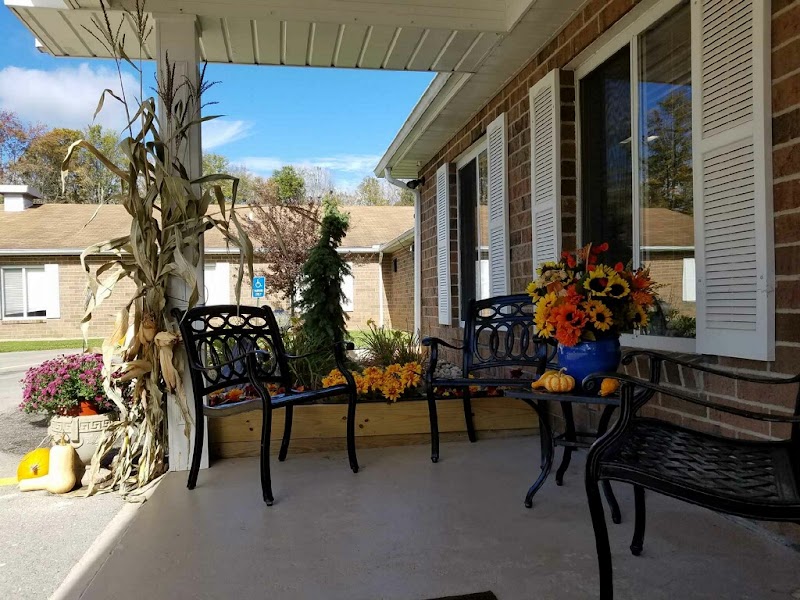
How Does Lecom At Snyder Memorial Compare to Other Pennsylvania Nursing Homes?

Compared to the 100 nursing homes in Pennsylvania, LECOM AT SNYDER MEMORIAL's overall rating (1 stars) is below the state average of 3.0, staff turnover (53%) is near the state average of 46%, and health inspection rating (2 stars) is below the national benchmark.

What Should Families Ask When Visiting Lecom At Snyder Memorial?

Based on this facility's data, families visiting should ask: "What changes have been made since the serious inspection findings, and how are you preventing similar issues?" "Can I visit during a mealtime to observe dining assistance and food quality?" "How do you handle medical emergencies, and what is your hospital transfer rate?" "Can I speak with family members of current residents about their experience?" These questions are particularly relevant given the facility's Immediate Jeopardy citations.

Is Lecom At Snyder Memorial Safe?

Based on CMS inspection data, LECOM AT SNYDER MEMORIAL has documented safety concerns. Inspectors have issued 1 Immediate Jeopardy citation (the most serious violation level indicating risk of serious injury or death). The facility has a 1-star overall rating and ranks #100 of 100 nursing homes in Pennsylvania. Families considering this facility should ask detailed questions about what corrective actions have been taken since these incidents.

Do Nurses at Lecom At Snyder Memorial Stick Around?

LECOM AT SNYDER MEMORIAL has a staff turnover rate of 53%, which is 7 percentage points above the Pennsylvania average of 46%. Moderate turnover is common in nursing homes, but families should still ask about staff tenure and how the facility maintains care continuity when employees leave.

Was Lecom At Snyder Memorial Ever Fined?

LECOM AT SNYDER MEMORIAL has been fined $25,853 across 1 penalty action. This is below the Pennsylvania average of $33,337. While any fine indicates a compliance issue, fines under $50,000 are relatively common and typically reflect isolated problems that were subsequently corrected. Families should ask what specific issues led to these fines and confirm they've been resolved.

Is Lecom At Snyder Memorial on Any Federal Watch List?

LECOM AT SNYDER MEMORIAL is not on any federal watch list. The most significant is the Special Focus Facility (SFF) program, which identifies the bottom 1% of nursing homes nationally based on persistent, serious quality problems. Not being on this list means the facility has avoided the pattern of deficiencies that triggers enhanced federal oversight. This is a positive indicator, though families should still review the facility's inspection history directly.