FULTON COUNTY MEDICAL CENTER
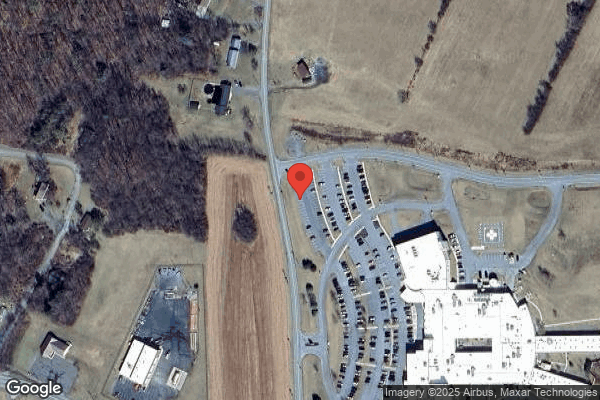
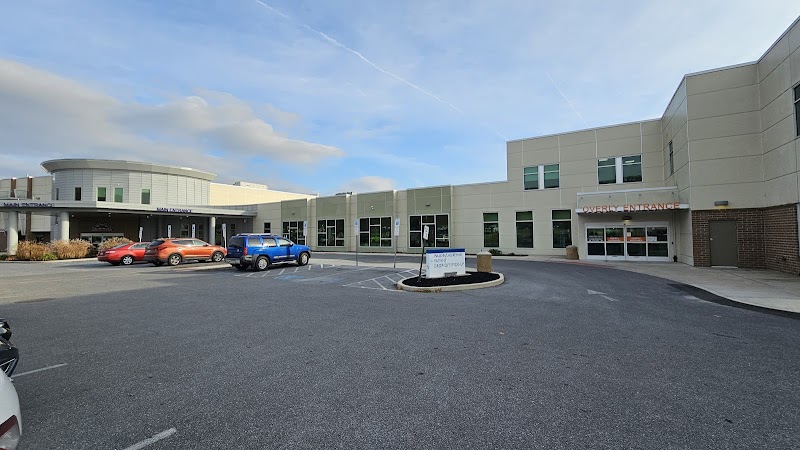
214 PEACH ORCHARD ROAD, MCCONNELLSBURG, PA 17233 (717) 485-3155
Non profit - Other 67 Beds Independent Data: November 2025
Trust Grade
70/100
#173 of 653 in PA
Last Inspection: April 2025

Within standard 12-15 month inspection cycle. Federal law requires annual inspections.

Overview

Fulton County Medical Center has a Trust Grade of B, which indicates it is a good option for families considering a nursing home. It ranks #173 out of 653 facilities in Pennsylvania, placing it in the top half, and is the only option in Fulton County. The facility is showing improvement, with the number of issues decreasing from nine in 2024 to seven in 2025. Staffing is a strong point, earning a perfect 5/5 rating, with a turnover rate of 37%, which is lower than the state average. However, there are some weaknesses, including specific incidents where food safety standards were not followed, a medication error for one resident, and expired medical supplies found in the facility, highlighting areas that need attention. Overall, while there are strengths in staffing and the absence of fines, families should be aware of these concerns as they evaluate care for their loved ones.

Trust Score
B
70/100
In Pennsylvania
#173/653
Top 26%
Safety Record
Low Risk
No red flags
Inspections
Getting Better
9 → 7 violations
Staff Stability
○ Average
37% turnover. Near Pennsylvania's 48% average. Typical for the industry.
Penalties
✓ Good
No fines on record. Clean compliance history, better than most Pennsylvania facilities.
Skilled Nurses
○ Average
Each resident gets 41 minutes of Registered Nurse (RN) attention daily — about average for Pennsylvania. RNs are the most trained staff who monitor for health changes.
Violations
⚠ Watch
21 deficiencies on record. Higher than average. Multiple issues found across inspections.
★★★★☆
4.0
Overall Rating
★★★★★
5.0
Staff Levels
★★★☆☆
3.0
Care Quality
★★★☆☆
3.0
Inspection Score
Stable
2024: 9 issues
2025: 7 issues

The Good

  • 5-Star Staffing Rating · Excellent nurse staffing levels
  • Full Sprinkler Coverage · Fire safety systems throughout facility
  • No fines on record
  • Staff turnover below average (37%)

    11 points below Pennsylvania average of 48%

Facility shows strength in staffing levels, fire safety.

The Bad

Staff Turnover: 37%

Near Pennsylvania avg (46%)

Typical for the industry

The Ugly 21 deficiencies on record

Apr 2025 7 deficiencies
CONCERN (D)

Potential for Harm - no one hurt, but risky conditions existed

Transfer Notice (Tag F0623)

Could have caused harm · This affected 1 resident

Based on clinical record reviews and staff interviews, it was determined that the facility failed to ensure that a written notice regarding emergency transfer to the hospital was provided to the Offic...

Read full inspector narrative →
Based on clinical record reviews and staff interviews, it was determined that the facility failed to ensure that a written notice regarding emergency transfer to the hospital was provided to the Office of the State Long-Term Care Ombudsman, and failed to ensure that a written notice was provided to the resident and the resident's responsible party regarding the reason for transfer to the hospital for two of 25 residents reviewed (Residents 8, 23). Findings include: A quarterly Minimum Data Set (MDS) assessment (a mandated assessment of a resident's abilities and care needs) for Resident 8, dated March 25, 2025, indicated that the resident was cognitively intact, was understood, could understand others, and required assistance from staff for care needs. A review of the medical record revealed that Resident 8 had his sister listed as the person to be notified in an emergency. A nursing note, dated September 23, 2024, at 3:45 p.m., revealed that Resident 8 reported he was not himself, was shaking, and was confused. He had developed a skin rash to creases in skin folds, behind his knees, under his arms, and groin. The rash spread to his arms, legs, trunk, and back. He was then sent to the emergency room for evaluation and treatment. Nursing notes, dated January 7, 2025, at 5:52 a.m. and 8:13 a.m., revealed that nursing staff reported that there was blood in the toilet and that Resident 8 appeared to have blood at both his rectum and urethra. After another episode of hematuria (blood in urine) and rectal bleeding the resident reported he did not feel well. He was then sent to the emergency room for evaluation and treatment. There was no documented evidence that a written notice of Resident 8's transfer to the hospital was provided to the State Long-Term Care Ombudsman and that a written notice was provided to the resident and the resident's responsible party regarding the reason for transfer to the hospital on September 23, 2024, or January 7, 2025. An annual Minimum Data Set (MDS) assessment (a mandated assessment of a resident's abilities and care needs) for Resident 23, dated January 30, 2025, indicated that the resident was cognitively intact, was understood, could understand others, required assistance from staff for care needs, and had diagnoses that included sepsis (a medical emergency in response to an infection). A nursing note, dated March 9, 2025, at 6:45 a.m., revealed that Resident 23 was found to be shaking and experiencing tremors. The resident's blood pressure was abnormal at 142/46, and labwork indicated an elevated white blood cell (cells that fight infection) count. She was then sent to the emergency room for evaluation and treatment. There was no documented evidence that a written notice of Resident 23's transfer to the hospital was provided to the State Long-Term Care Ombudsman and that a written notice was provided to the resident and the resident's responsible party regarding the reason for transfer to the hospital on March 9, 2025, Interview with the Director of Nursing on April 15, 2025, at 12:25 p.m. confirmed that there was no documented evidence that a written notice of Resident 8's and 23's transfer to the hospital was provided to the State Long-Term Care Ombudsman and that a written notice was provided to the resident and the resident's responsible party regarding the reason for transfer to the hospital. 28 Pa. Code 201.14(a) Responsibility of Licensee.
CONCERN (D)

Potential for Harm - no one hurt, but risky conditions existed

Deficiency F0657 (Tag F0657)

Could have caused harm · This affected 1 resident

Based on review of policies and clinical records, as well as observations and staff interviews, it was determined that the facility failed to revise/update the care plan for one of 25 residents review...

Read full inspector narrative →
Based on review of policies and clinical records, as well as observations and staff interviews, it was determined that the facility failed to revise/update the care plan for one of 25 residents reviewed (Resident 37). Findings include: The facility's policy regarding care plans, dated March 6, 2025, indicated that nurses and interdisciplinary team members were responsible for updating the resident's care plan to reflect changes in the resident's status. A quarterly Minimum Data Set (MDS) assessment (a mandated assessment of a resident's abilities and care needs) for Resident 37, dated September 7, 2024, indicated that the resident was cognitively intact, usually understood and understands, required assistance from staff for his daily care needs, and had diagnoses that included end-stage renal disease. A care plan, dated August 7, 2023, revealed that Resident 37 had a hemodialysis catheter (a type of catheter used for vascular access during hemodialysis treatment that is typically inserted into a large vein, such as the jugular or femoral vein, to facilitate the removal and return of blood during hemodialysis sessions) in place. Nursing notes for Resident 37, dated November 6, 2023, indicated that on that day, he had a left upper arm fistula (connection between an artery and a vein to facilitate dialysis) placed at the hospital. Nursing notes, dated May 8, 2024, indicated that on May 7, 2024, the resident had his hemodialysis catheter removed. Interview with the resident on April 15, 2024, at 2:02 p.m. indicated that his hemodialysis catheter was removed and now he has a fistula in his left arm. Interview with the Director of Nursing on April 15, 2025, at 3:25 p.m. confirmed that Resident 37's care plan should have been updated to reflect the fact that the resident's hemodialysis catheter was removed in May 2024 and was now using a fistula for dialysis treatment. 28 Pa. Code 201.24(e)(4) admission Policy. 28 Pa. Code 211.12(d)(5) Nursing Services.
CONCERN (D)

Potential for Harm - no one hurt, but risky conditions existed

Deficiency F0849 (Tag F0849)

Could have caused harm · This affected 1 resident

Based on review of hospice contracts, facility policies, and residents' clinical records, as well as staff interviews, it was determined that the facility failed to ensure that the designated interdis...

Read full inspector narrative →
Based on review of hospice contracts, facility policies, and residents' clinical records, as well as staff interviews, it was determined that the facility failed to ensure that the designated interdisciplinary team member obtained the required information from the contracted hospice provider for two of 25 residents reviewed (Residents 27, 36) who received hospice services. Findings include: An agreement between the facility and a hospice provider (provider of end-of-life services), dated March 9, 2018, revealed that it was the responsibility of the hospice to provide information to the skilled nursing facility to include plan of care, Benefit of Election form (a form used to formally enroll a patient in hospice care), advance directives, certification and recertification of terminal illness (a form signed by the resident's hospice physician and specific to each patient), names and contact info of hospice personnel, instructions for access of hospice 24 hour on-call system, hospice medication information, hospice and attending orders. The facility's policy regarding hospice care (specialized care that provides physical comfort and emotional, social and spiritual support for people nearing the end of life), dated March 6, 2025, revealed that residents electing to receive hospice services will be referred to the hospice agency of choice, and care will be coordinated with the nursing home through the interdisciplinary care planning process. Nursing will communicate with hospice in coordinating the resident's overall care and incorporate hospice care into the resident's care plan. An admission Minimum Data Set (MDS) assessment (a mandated assessment of a resident's abilities and care needs) for Resident 27, dated February 6, 2025, revealed that the resident was usually understood, could usually understand others, had diagnoses that included heart failure (occurs when the heart can not pump enough blood to meet the body's needs), and adult failure to thrive (a syndrome characterized by a decline in a person's overall health, function, and well-being, often accompanied by symptoms like weight loss, decreased appetite, and cognitive impairment), and received hospice care. A care plan, dated January 31, 2025, revealed that the resident had an anticipated decline due to the progression of the disease process, with a less than six months life expectancy. A nursing note for Resident 27, dated January 31, 2025, revealed that the resident was admitted to the facility this afternoon and that the resident was receiving hospice care. A hospice provider care plan for Resident 27, for the hospice certification period of February 23, 2025, through April 23, 2025, revealed that the hospice nurse would visit the resident two times per week for six weeks, then one time a week for one week and would make four as needed visits for any changes in condition. As of April 17, 2025, there was no documented evidence that Resident 27's clinical record and/or the hospice provider's clinical record contained the Hospice Benefit of Election form and communication from the contracted hospice provider after March 14, 2025. An admission MDS assessment for Resident 36, dated March 18, 2025, revealed that the resident was sometimes understood, could sometimes understand others, had a diagnoses that included cerebral vascular accident (CVA - commonly known as a stroke) with hemiplegia (paralysis on one side of the body), aphasia (a language disorder that results from damage to the brain's language centers, affecting the ability to speak, understand language, and read or write), and adult failure to thrive, and received hospice care. A care plan, dated March 12, 2025, revealed that the resident has an anticipated decline due to the progression of the disease process, with a less than six months life expectancy. A nursing note for Resident 36, dated March 12, 2025, revealed that the resident was admitted to the facility, and that the resident has been receiving hospice care for the past two months. As of April 17, 2025, there was no documented evidence that Resident 36's clinical record and the hospice provider's clinical record contained the Hospice Benefit of Election form. Interview with the Nursing Home Administrator on April 17, 2025, at 11:00 a.m. confirmed that the Hospice Benefit of Election form and Hospice nurse visit notes for Resident 27 and the Hospice Benefit of Election form for Resident 36 had to be faxed over from the contracted hospice provider and that there was no documented evidence that as of April 17, 2025, that the above information was in Resident 27's and Resident 36's clinical records and/or the hospice provider's clinical records. 28 Pa. Code 211.12(d)(3)(5) Nursing Services.
CONCERN (D)

Potential for Harm - no one hurt, but risky conditions existed

Infection Control (Tag F0880)

Could have caused harm · This affected 1 resident

Based on review of policies and clinical records, as well as observations and staff interviews, it was determined that the facility failed to ensure that proper infection control practices were follow...

Read full inspector narrative →
Based on review of policies and clinical records, as well as observations and staff interviews, it was determined that the facility failed to ensure that proper infection control practices were followed during wound care for one of 25 residents reviewed (Resident 23). Findings include: The facility's policy regarding hand hygiene, dated March 6, 2025, indicated that hand hygiene is an important infection control measure to prevent illness in skilled nursing homes, and that hands should be sanitized or washed before and after the use of gloves. An annual Minimum Data Set (MDS) assessment (a mandated assessment of a resident's abilities and care needs) for Resident 23, dated January 30, 2024, indicated that the resident was cognitively intact, was understood, could understand others, required assistance from staff for care needs, and had diagnoses that included left arm hematoma (blood clot) and sepsis (a medical emergency in response to an infection). Physician's orders for Resident 23, dated April 11, 2025, included an order to cleanse the left arm with normal saline (salt water) solution, lightly pack 1/4-inch iodoform (sterile gauze infused with antiseptic) into left forearm surgical site, cover with gauze, abdominal pad and kerlix then secure with tape. Observations on April 16, 2025, at 1:30 p.m. revealed that Licensed Practical Nurse 1 donned a gown and gloves and with scissors she removed Resident 23's left forearm dressing, cleansed the area with normal saline infused gauze, removed her gloves and without performing hand hygiene she donned new ones. Using a Q-tip she packed the wound with a 1/4-inch iodoform packing strip; covered the area with gauze, an abdominal pad, and kerlix and secured it with tape; gathered the garbage; and without removing her gloves and performing hand hygiene, Licensed Practical Nurse 1 repositioned three of the resident's pillows, then removed her gloves and washed her hands. Interview with Licensed Practical Nurse 1 on April 16, 2025, at 1:45 p.m. confirmed that while performing wound care on Resident 23, she did not perform hand hygiene after removing her gloves and donning new gloves, and did not remove her gloves and hand sanitize prior to repositioning the resident's pillows. Interview with the Director of Nursing on April 16, 2025, at 3:18 p.m. confirmed that Licensed Practical Nurse 1 should have washed her hands or sanitized them after removing her gloves and before donning new gloves, and should have removed her gloves and performed hand hygiene prior to repositioning Resident 23's pillows. 28 Pa. Code 211.12(d)(1)(5) Nursing Services.
CONCERN (D)

Potential for Harm - no one hurt, but risky conditions existed

Room Equipment (Tag F0908)

Could have caused harm · This affected 1 resident

Based on review of manufacturer's direction for use, as well as observations and staff interviews, it was determined that the facility failed to ensure essential equipment was in safe operating condit...

Read full inspector narrative →
Based on review of manufacturer's direction for use, as well as observations and staff interviews, it was determined that the facility failed to ensure essential equipment was in safe operating condition in the facility's laundry area. Findings include: A facility policy regarding chemical dispensing, dated August March 6, 2025, indicated that the automatic dispensing system was to ensure safe dispensing of chemicals for the laundry department. The automatic liquid dispensing system would dispense chemicals for the recommended amounts of detergent per the chemical manufacturer. Observations in the laundry department on April 18, 2025, at 12:50 p.m. revealed that the laundry area had two washing machines. There was a five-gallon bucket on the floor and a smaller bucket on the counter with blue liquid in it. Interview with Environmental Service Staff (ESS) 3 at the time of the observation revealed that the second washing machine's automatic feeder was not working and was not adding the detergent to the washing machine. She had to open the five-gallon bucket on the floor that had plastic tubing to the automatic feeding system, transfer some of the detergent to another bucket using a clear handled cup to put approximately 1/4 cup in the washer. This issue has been a concern for about three months, and she reported it to her supervisor. ESS 3 was the primary staff responsible for operating the facilities personal laundry. Interview with the Nursing Home Administrator on April 17, 2025, at 1:05 p.m. revealed that the Environmental Service Director was aware that the automatic detergent feeder was not working. The Environmental Service Director had contacted the company for replacement parts but was unsure when, and had no other contact with the manufacturer. Interview with the Nursing Home Administrator on April 17, 2025, at 1:35 p.m. revealed that she was unaware that the automatic feeding system was not working, there were no work orders for the repairs, and confirmed that the washing machine should be in functional order. 28 Pa. Code 201.18(b)(3) Administrator's Responsibility.
CONCERN (E)

Potential for Harm - no one hurt, but risky conditions existed

Deficiency F0760 (Tag F0760)

Could have caused harm · This affected multiple residents

Based on a review of facility policies, clinical records, and staff interviews, it was determined that the facility failed to ensure that it was free from significant medication errors for one of 25 r...

Read full inspector narrative →
Based on a review of facility policies, clinical records, and staff interviews, it was determined that the facility failed to ensure that it was free from significant medication errors for one of 25 residents reviewed (Resident 8). Findings include: A facility policy regarding administering medication, dated August March 6, 2025, revealed that staff were to administer medications that were ordered by the physician; to ensure the right resident received the right medication at the right time. Medication given to a resident shall be prescribed by the physician. A quarterly Minimum Data Set (MDS) assessment (a mandated assessment of a resident's abilities and care needs) for Resident 8, dated March 25, 2025, indicated that the resident was cognitively intact, required assistance from staff for care needs, had diagnoses that included Type I diabetes (unable to produce insulin needed to regulate blood sugar), and was administered insulin (medication to lower blood sugar). Physician's orders for Resident 8, dated January 10, 2025, included an order for the resident to receive Insulin Admelog (Lispro- a rapid-acting insulin) based on a sliding scale (the amount of insulin is based on the result of a fingerstick blood sugar test) before meals and bedtime. The sliding scale for before meals included giving 3 units of insulin for a blood sugar of 151-200 milligrams per deciliter (mg/dL); 6 units for a blood sugar of 201-250 mg/dL; 9 units for a blood sugar of 251-300 mg/dL; 12 units for a blood sugar of 301-350 mg/dL; and 15 units for a blood sugar of 351-400 mg/dL. The sliding scale for bedtime included giving 0 units of insulin for a blood sugar of 151-200 mg/dL; 2 units for a blood sugar of 201-250 mg/dL; 3 units for a blood sugar of 251-300 mg/dL; 4 units for a blood sugar of 301-350 mg/dL; and 5 units for a blood sugar of 351-400 mg/dL. Special instruction that were included indicated that the dosages of insulin for before meals and bedtime were different and to read the entire scale before administering. Review of the Medication Administration Record (MAR) for Resident 8, dated March and April 2025, revealed that on March 18, 2025, at 7:59 p.m. the resident had a blood sugar of 258 mg/dl and was administered 9 units when 3 units of Admelog was ordered; on March 19, 2025, at 8:24 p.m. the resident had a blood sugar of 268 mg/dl and was administered 9 units when 3 units of Admelog was ordered; on March 20, 2025, at 7:41 p.m. the resident had a blood sugar of 173 mg/dl and was administered 3 units of Admelog when the insulin should have been held as ordered; on March 31, 2025, at 7:56 p.m. the resident had a blood sugar of 202 mg/dl and was administered 6 units when 2 units of Admelog was ordered; on April 3, 2025, at 7:56 p.m. the resident had a blood sugar of 160 mg/dl and was administered 3 units when the insulin should have been held as ordered; on April 7, 2025, at 7:42 p.m. the resident had a blood sugar of 161 mg/dl and was administered 3 units when the insulin should have been held as ordered; and on April 15, 2025, at 8:14 p.m. the resident had a blood sugar of 204 mg/dl and was administered 6 units when 2 units of Admelog was ordered. Interview with the Director of Nursing on April 16, 2025, at 9:25 a.m. confirmed that Resident 8's bedtime insulin was not administered as physician ordered for the dates listed above. 28 Pa Code 211.9(a)(1) Pharmacy Services. 28 Pa. Code 211.12(d)(1)(5) Nursing Services.
CONCERN (E)

Potential for Harm - no one hurt, but risky conditions existed

Deficiency F0761 (Tag F0761)

Could have caused harm · This affected multiple residents

**NOTE- TERMS IN BRACKETS HAVE BEEN EDITED TO PROTECT CONFIDENTIALITY** Based on observations and staff interviews, it was determined that the facility failed to discard expired medical supplies in tw...

Read full inspector narrative →
**NOTE- TERMS IN BRACKETS HAVE BEEN EDITED TO PROTECT CONFIDENTIALITY** Based on observations and staff interviews, it was determined that the facility failed to discard expired medical supplies in two of two medication rooms reviewed (Overly Meadows and [NAME] Trails). Findings include: Observations in the Overly Meadows medication room on [DATE], at 11:22 a.m. revealed that there were six 24 gauge angiocatheters (small teflon tubing inserted into the vein to administer fluids or medication) that expired [DATE]; one 18 gauge needle expired on [DATE]; and one 25 vial box of 20 cc's each normal saline solution that expired on [DATE]. Interview with Licensed Practical Nurse 1 on [DATE], at 11:26 a.m. confirmed that the above angiocatheters, needles and syringe should not have been in circulation in the medication room if they were expired. Observations in the [NAME] Trails medication room on [DATE], at 12:20 p.m. revealed that there were nine 24 gauge IV catheters that expired [DATE]; two 20 gauge IV catheters that expired [DATE]; twenty- seven 22 gauge IV catheters, 26 that expired [DATE], and one that expired [DATE]; four 18 gauge needles that expired [DATE]; and one 10 cc syringe that expired [DATE]. Interview with Licensed Practical Nurse 2 on [DATE], at 12:25 p.m. confirmed that the above angiocatheters, needles and syringe should not have been in circulation in the medication room if they were expired. Interview with the Nursing Home Administrator on [DATE], at at 12:46 p.m. confirmed that the intravenous catheters, needles and syringe should not have been in circulation in the medication rooms if they were expired, and they were. 28 Pa. Code 211.9(a)(1) Pharmacy Services.
May 2024 9 deficiencies
CONCERN (D)

Potential for Harm - no one hurt, but risky conditions existed

Deficiency F0554 (Tag F0554)

Could have caused harm · This affected 1 resident

**NOTE- TERMS IN BRACKETS HAVE BEEN EDITED TO PROTECT CONFIDENTIALITY** Based on review of policies and clinical records, as well as observations and staff interviews, it was determined that the facil...

Read full inspector narrative →
**NOTE- TERMS IN BRACKETS HAVE BEEN EDITED TO PROTECT CONFIDENTIALITY** Based on review of policies and clinical records, as well as observations and staff interviews, it was determined that the facility failed to determine if residents were safe to self-administer medications for one of 27 residents reviewed (Resident 28). Findings include: The facility's self-administration of medications policy, dated March 13, 2024, indicated that if a resident desired to self-administer medications they would require a physician's order. The facility's medication administration policy, dated March 13, 2024, indicated that the nurse must stay with the resident until medication is taken. An annual Minimum Data Set (MDS) assessment (a mandated assessment of a resident's abilities and care needs) for Resident 28, dated January 30, 2024, indicated that the resident was cognitively intact, required extensive assistance from staff with care, had impaired movement of one side of upper and lower extremities, and had diagnoses that included hemiplegia (the inability to move one side of the body). Current physician's orders included an order for the resident to receive 1 gram of Carafate (a medication used to treat and prevent ulcers in the intestines) by mouth four times daily. The resident's record contained no documented evidence that an evaluation was completed to determine if the resident was capable of self-administering medications and no evidence of a physician's order for self-administering medications. Observations during medication administration on May 1, 2024, at 10:48 a.m. revealed that Licensed Practical ([NAME]) prepared a 1 gram tablet of Carafate in a cup, placed the cup on Resident 28's bedside table, and left the room. Interview with Licensed Practical Nurse 1 on May 1, 2024, at 10:49 a.m. confirmed that she left the Carafate with Resident 28 and should not have. Interview with the Assistant Director of Nursing on May 1, 2024, at 3:00 p.m. confirmed that there was no assessment completed to determine if Resident 28 was safe to self-administer medications and no physician's order for self administration. She also confirmed that Licensed Practical Nurse 1 should not have left the Carafate tablet with Resident 28. 28 Pa. Code 211.12(d)(1)(5) Nursing Services.
CONCERN (D)

Potential for Harm - no one hurt, but risky conditions existed

Notification of Changes (Tag F0580)

Could have caused harm · This affected 1 resident

Based on a review of clinical records and staff interviews, it was determined that the facility failed to ensure that the physician was notified timely about a change in condition for one of 27 reside...

Read full inspector narrative →
Based on a review of clinical records and staff interviews, it was determined that the facility failed to ensure that the physician was notified timely about a change in condition for one of 27 residents reviewed (Resident 25). Findings include: A quarterly Minimum Data Set (MDS) assessment (a mandated assessment of a resident's abilities and care needs) for Resident 25, dated March 29, 2024, indicated that the resident was understood and could understand, was cognitively intact, and independent for care. A care plan for Resident 25, dated January 24, 2024, indicated that the physician must be notified of all refusals of medication. Physician's orders for Resident 25, dated January 25, 2024, included an order for the resident to receive Cefdinir (a medication that destroys bacteria) twice a day for 11 doses. Physician's orders for Resident 25, dated November 15, 2023, included an order for Miacalcin nasal spray (a medication to treat the thinning of bones) 1 unit daily at 8:00 a.m. A review of the electronic medication administration record (MAR), dated January, February, and March 2024, for Resident 25 revealed that the resident refused her morning medication on January 3, 21, 23, 26, 2024; February 2, 25, 27, 2024; and March 3, 7, 15, 26, 2024. There was no documented evidence that the physician was notified of the refusals on the above dates. Interview with the Director of Nursing on April 30, 2024, at 11:54 a.m. confirmed that there was no documented evidence that Resident 25's physician was notified about the refusals of morning medications on the dates listed. 28 Pa. Code 211.12(d)(3) Nursing Services.
CONCERN (D)

Potential for Harm - no one hurt, but risky conditions existed

Pressure Ulcer Prevention (Tag F0686)

Could have caused harm · This affected 1 resident

Based on review of clinical records, as well as staff interviews, it was determined that the facility failed to ensure that appropriate treatment and services were provided to prevent the development ...

Read full inspector narrative →
Based on review of clinical records, as well as staff interviews, it was determined that the facility failed to ensure that appropriate treatment and services were provided to prevent the development of pressure ulcers for one of 27 residents reviewed (Resident 39). Findings include: An admission Minimum Data Set (MDS) assessment (a mandated assessment of a resident's abilities and care needs) for Resident 39, dated February 26, 2024, revealed that the resident was usually understood, could usually understands others, was frequently incontinent of bowel and bladder, had diagnoses that included Parkinson's disease and dementia, and had one Stage 2 pressure injury (a partial thickness loss of dermis presenting as a shallow open ulcer with a red pink wound bed) that was not present upon admission. A nursing note for Resident 39, dated February 19, 2024, revealed that the resident was admitted from another nursing care facility and that the resident had a small red mark to his right posterior thigh from his brief. A care plan for Resident 39, dated February 19, 2024, revealed that the resident was at risk for impaired skin integrity. A nursing note for Resident 39, dated February 24, 2024, revealed that at 3:05 a.m. the writer received a call from the licensed practical nurse that this resident had a blister to his leg. There was a 30 centimeter (cm) by 7 cm water blister to his left upper/inner thigh in the area of where the incontinent brief would normally be present. A nursing note for Resident 39, dated February 25, 2024, at 10:56 a.m. and completed as an addendum to the nursing note dated February 24, 2024, revealed that the serum-filled blister measured 1.5 cm x 3.0 cm x 0.0 cm. The resident's brief was checked at this time and noted with proper placement. A nursing note at 1:39 p.m. revealed that the serum-filled blister drained when the resident got up to go to the bathroom. A nursing note for Resident 39, dated February 26, 2024, revealed that the interdisciplinary team review of the blister to the resident's left leg revealed that the root cause was related to the brief placement, and that the intervention was to evaluate the placement of the brief and to reposition appropriately for comfort, as well as apply skin prep (a liquid film-forming dressing that, upon application to intact skin, forms a protective film to help reduce friction) to the blister. However, there was no documented evidence that Resident 39's brief was evaluated and/or that preventive interventions were started when a red mark caused by the brief was identified on February 19, 2024, and progressed to a blister on February 24, 2024. Interview with the Director of Nursing on May 1, 2024, at 2:15 p.m. confirmed that there was no documented evidence that Resident 39's brief was evaluated and/or that preventive interventions were started when an area of concern was identified on February 19, 2024, and progressed to a blister on February 24, 2024. 28 Pa. Code 211.12(d)(3)(5) Nursing Services.
CONCERN (D)

Potential for Harm - no one hurt, but risky conditions existed

Accident Prevention (Tag F0689)

Could have caused harm · This affected 1 resident

Based on a review of policies and clinical records, as well as observations and staff interviews, it was determined that the facility failed to ensure that each resident received assistance devices to...

Read full inspector narrative →
Based on a review of policies and clinical records, as well as observations and staff interviews, it was determined that the facility failed to ensure that each resident received assistance devices to prevent accidents for two of 27 residents reviewed (Residents 40, 42). Findings include: The facility's policy on wheelchairs, dated March 13, 2024, indicated that all wheelchairs being utilized for transport purposes should be equipped with leg rests and utilized when residents are being transported. A quarterly Minimum Data Set (MDS) assessment (a mandated assessment of a resident's abilities and care needs) for Resident 40, dated March 19, 2024, revealed that the resident had clear speech, understood, could understand, was severely cognitively impaired, required assistance from staff for daily care needs, used a wheelchair, and had diagnoses that included Alzheimer's disease. Observation of Resident 40 on April 29, 2024, at 11:17 a.m. revealed that the resident was sitting in a wheelchair while being transported to her room from the dining/community room by Licensed Practical Nurse 4. There were no footrests on her wheelchair to prevent her feet from dragging during transport. Interview with Licensed Practical Nurse 4 at that time revealed that she was unsure if footrests were needed since Resident 40 was able to self propel. Interview with Licensed Practical Nurse 4 on April 29, 2024, at 11:38 a.m. confirmed that the resident should have had footrests on her wheelchair to prevent injury during transport. A quarterly Minimum Data Set (MDS) assessment (a mandated assessment of a resident's abilities and care needs) for Resident 42, dated February 6, 2024, revealed that the resident was cognitively intact and required assistance for daily care needs, including transfers and locomotion. Observation of Resident 42 on May 1, 2024, at 9:12 a.m. revealed that the resident was sitting in a wheelchair while being transported to her room from the shower room by Nurse Aide 5. There were no footrests on her wheelchair to prevent her feet from dragging during transport. An interview with Nurse Aide 5 on May 1, 2024, at 9:17 a.m. confirmed that the resident should have had footrests on her wheelchair to prevent injury during transport. An interview with the Director on Nursing on May 1, 2024, at 2:26 p.m. confirmed that footrests should have been used when transporting Residents 40 and 42 in their wheelchairs. 28 Pa. Code 211.10(c)(d) Resident Care Policies. 28 Pa. Code 211.12(d)(5) Nursing Services.
CONCERN (D)

Potential for Harm - no one hurt, but risky conditions existed

Deficiency F0730 (Tag F0730)

Could have caused harm · This affected 1 resident

Based on review of a list of nurse aides provided by the facility and the nurse aides' personnel files, as well as staff interviews, it was determined that the facility failed to ensure that nurse aid...

Read full inspector narrative →
Based on review of a list of nurse aides provided by the facility and the nurse aides' personnel files, as well as staff interviews, it was determined that the facility failed to ensure that nurse aide performance evaluations were completed annually based on hire dates for two of five nurse aides reviewed (Nurse Aides 6, 7). Findings include: A list of nurse aides provided by the facility revealed that based on their months and days of hire, annual performance evaluations were due between April 13, 2023, and June 6, 2023. However, there was no documented evidence that annual performance evaluations were completed as required for Nurse Aides 6 and 7. Nurse Aide 6 had a hire date of April 13, 2021. Nurse Aide 6's personnel file revealed that she had a performance evaluation completed on December 15, 2023. However, there was no documented evidence that her annual performance evaluation was completed as required in April 2023. Nurse Aide 7 had a hire date of June 6, 2022. Nurse Aide 7's personnel file revealed that she had a performance evaluation completed on December 28, 2023. However, there was no documented evidence that her annual performance evaluation was completed as required in June 2023. Interview with the Nursing Home Administrator May 1, 2024, at 9:37 a.m. confirmed that she could provide no evidence that annual performance evaluations were completed as required for the above nurse aides. 28 Pa. Code 201.14(a) Responsibility of Licensee. 28 Pa. Code 201.18(b)(1)(3)(e)(1) Management. 28 Pa. Code 201.20(a)(c) Staff Development.
CONCERN (D)

Potential for Harm - no one hurt, but risky conditions existed

QAPI Program (Tag F0867)

Could have caused harm · This affected 1 resident

Based on review of the facility's plans of correction for previous surveys, and the results of the current survey, it was determined that the facility's Quality Assurance Performance Improvement (QAPI...

Read full inspector narrative →
Based on review of the facility's plans of correction for previous surveys, and the results of the current survey, it was determined that the facility's Quality Assurance Performance Improvement (QAPI) committee failed to correct and/or maintain compliance with quality deficiencies and ensure that plans to improve the delivery of care and services effectively addressed recurring deficiencies. Findings include: The facility's deficiencies and plans of corrections for State Survey and Certification (Department of Health) for the survey ending June 28, 2023, revealed that the facility developed plans of correction that included quality assurance systems to ensure that the facility maintained compliance with cited nursing home regulations. The results of the current survey, ending May 1, 2024, identified repeated deficiencies related to notification of changes and nurse aide performance review. The facility's plans of correction for deficiencies regarding notification of changes in resident condition, cited during the survey ending June 28, 2023, revealed that the facility would complete audits and report the results of the audits to the QAPI committee for review. The results of the current survey, cited under F580, revealed that the facility's QAPI committee failed to maintain ongoing compliance with these regulations. The facility's plans of correction for deficiencies regarding annual nurse aide performance evaluations, cited during the survey ending June 28, 2023, revealed that the facility would complete audits and report the results of the audits to the QAPI committee for review. The results of the current survey, cited under F730, revealed that the facility's QAPI committee failed to maintain ongoing compliance with these regulations. Refer to F580 and F730 28 Pa. Code 201.14(a) Responsibility of Licensee. 28 Pa. Code 201.18(e)(1) Management.
CONCERN (E)

Potential for Harm - no one hurt, but risky conditions existed

Comprehensive Care Plan (Tag F0656)

Could have caused harm · This affected multiple residents

Based on review of facility policies and clinical records, as well as staff interviews, it was determined that the facility failed to develop a comprehensive care plan related to the use of anticoagul...

Read full inspector narrative →
Based on review of facility policies and clinical records, as well as staff interviews, it was determined that the facility failed to develop a comprehensive care plan related to the use of anticoagulant medication for one of 27 residents reviewed (Resident 40). Findings include: The facility's policy regarding care plans, dated March 13, 2024, indicated that an individualized comprehensive care plan will be developed by the interdisciplinary team within 21 days of admission for each resident. The care plan will include focus issues, problems and needs (social, emotional, psychological, physical, behavioral, rehabilitation, cultural, spiritual, nutritional, leisure, prevention of decline in condition, ect.) that have been identified through resident involvement, direct observation, coordination of discipline observations and assessment. As each issue, problem or need is added to the care plan, a date will be recorded with the issue to document the specific time when the issue was identified. A quarterly Minimum Data Set (MDS) assessment (a mandated assessment of a resident's abilities and care needs) for Resident 40, dated March 19, 2024, revealed that the resident had clear speech, was understood and could understand, was severely cognitively impaired, required assistance from staff for daily care needs, and had diagnoses that included pulmonary embolism (blood clot in lungs) requiring long-term use of anticoagulant (blood-thinning medications) medications. Current physician's orders for Resident 40 included an order for the resident to receive 5 mg of Apixaban (blood thinning medication) twice a day for a pulmonary embolism. There was no documented evidence that a care plan was created for the use and risks of anticoagulant medications. Interview with the Director of Nursing on May 1, 2024, at 2:16 p.m. confirmed that a care plan had not been created for Resident 40's use of anticoagulant medications. 28 Pa. Code 211.12(d)(5) Nursing Services.
CONCERN (E)

Potential for Harm - no one hurt, but risky conditions existed

Deficiency F0657 (Tag F0657)

Could have caused harm · This affected multiple residents

**NOTE- TERMS IN BRACKETS HAVE BEEN EDITED TO PROTECT CONFIDENTIALITY** Based on review of facility policy and clinical records, as well as staff interviews, it was determined that the facility failed...

Read full inspector narrative →
**NOTE- TERMS IN BRACKETS HAVE BEEN EDITED TO PROTECT CONFIDENTIALITY** Based on review of facility policy and clinical records, as well as staff interviews, it was determined that the facility failed to ensure that a resident's care plan was updated/revised to reflect the resident's specific care needs for four of 27 residents reviewed (Residents 25, 30, 39, 40). Findings include: A facility policy regarding plans of care, dated March 13, 2024, revealed that the care plan will be reviewed and revised by the interdisciplinary team at least quarterly, or more often as changes occur, by nursing staff to include new orders, resident's individual preferences, effective interventions, etc. A quarterly Minimum Data Set (MDS) assessment (a mandated assessment of a resident's abilities and care needs) for Resident 25, dated March 19, 2024, revealed that the resident was understood and could understand, could ambulate (walk) on the unit independently, and had diagnoses that included non-traumatic brain dysfunction (a brain injury not caused by external physical force or trauma exerted on the head), and dementia, requiring her placement on a locked unit. The resident's care plan regarding behaviors, revised January 24, 2024, revealed that the resident was at risk for injury related to behaviors. If Resident 25 presented with behaviors staff were to ensure the resident was safe and reapproach at a different time. Nursing notes for Resident 25, dated March 24, 2024, revealed that she was seeing a man named [NAME], who did not exist, and was concerned that staff needed to find him. Nursing notes for Resident 25, dated April 29, 2024, revealed that the resident was concerned about the naked people in the courtyard and was adamant that they were there. There was no documented evidence that Resident 25's care plan was revised to include her delusional thoughts or interventions to address them. Interview with the Director of Nursing on April 30, 2024, at 11:57 a.m. confirmed that Resident 25's care plan was not revised to include her delusional thoughts or interventions to address them. A quarterly MDS for Resident 30, dated March 12, 2024, indicated that the resident had clear speech, understood, could understand, was cognitively intact, required assistance from staff for daily care needs, and had diagnoses that included Alzheimer's disease. A nursing note, dated August 3, 2023, revealed that Resident 30 fell and hit his head, was bleeding from a laceration on the back of the head, and said that he was trying to pick something up off the floor. An interdisciplinary team note for Resident 30, dated August 4, 2023, revealed that the resident was reaching for something, lost his balance, and fell. Occupational therapy was to screen Resident 30 for the use of a reacher tool. An occupational therapy evaluation for Resident 30, on August 4, 2023, revealed the resident was assessed for safety and independence with reacher. Therapy staff notified staff in the communication book for reacher to be placed at the bedside to prevent falls. Interview and observation of Resident 30 on April 30, 2024, at 12:13 p.m. revealed that he was sitting in his wheelchair watching television, the reacher was on his recliner, and the resident said he uses it to pick up things. There was no documented evidence that the fall care plan was updated to reflect the use of a reacher as an intervention for fall prevention. Interview with the Director of Nursing on May 1, 2024, at 9:42 a.m. confirmed that Resident 30's care plan was not updated to reflect her current interventions for fall prevention and should have been. An admission MDS for Resident 39, dated February 26, 2024, revealed that the resident had clear speech and required either extensive assistance or was dependent on staff for his care needs, and had diagnoses that included dementia and Parkinson's. A nursing note for Resident 39, dated February 19, 2024, revealed that the resident was admitted from another nursing care facility and that the resident used Continuous Positive Airway Pressure (CPAP - a machine used to treat obstructive sleep apnea and other types of sleep-disorders) nightly. A care plan for Resident 39, dated February 19, 2024, revealed that the resident used CPAP. Physician's orders for Resident 39, dated March 22, 2024, included an order to discontinue the CPAP and start oxygen at two liters per minute (LPM) at night and as needed during the day and naps. There was no documented evidence that Resident 39's care plan was updated to indicate that the CPAP was discontinued or that the resident was to start the use of oxygen at night and as needed during the day and naps. Interview with the Director of Nursing on April 30, 2024, at 11:00 a.m. confirmed that Resident 39's care plan should have been updated to show that the CPAP was discontinued, and that the resident was to start the use of oxygen at night and as needed during the day and naps. A quarterly MDS for Resident 40, dated March 19, 2024, indicated that the resident had clear speech, understood, could understand, was severely cognitively impaired, required assistance from staff for daily care needs, and had diagnoses that included Alzheimer's disease. A care plan for Resident 40, dated July 18, 2023, indicated that the resident had a potential for behaviors due to dementia and anxiety. A nursing note, dated December 17, 2023, revealed that Resident 40 verbalized she wanted to shoot herself and alert charting was started to monitor her for suicidal ideation. A nursing note, dated February 20, 2024, revealed that Resident 40 verbalized that she wanted to be dead and would be better off dead. A nursing note, dated February 21, 2024, revealed that Resident 40 verbalized negative thoughts, did not have a plan to hurt herself, and needed to watch what she said out loud. A behavioral health service consult, dated February 21, 2024, revealed that the Resident 40 was seen due to her negative thoughts and not wanting to live any more, and to follow up with her in two weeks. A nursing note, dated March 23, 2024, revealed that Resident 40 verbalized that she wanted to die. There was no documented evidence that the care plan was updated to reflect Resident 40's suicidal ideation comments or for the use of behavioral health services. Interview with the Director of Nursing on May 1, 2024, at 2:16 p.m. revealed that Resident 40's care plan was not updated to reflect her suicidal ideation and use of behavioral health services. 28 Pa. Code 211.12(d)(5) Nursing Services.
CONCERN (F)

Potential for Harm - no one hurt, but risky conditions existed

Food Safety (Tag F0812)

Could have caused harm · This affected most or all residents

Based on review of policies, as well as observations and staff interviews, it was determined that the facility failed to store food in accordance with professional standards for food service safety. ...

Read full inspector narrative →
Based on review of policies, as well as observations and staff interviews, it was determined that the facility failed to store food in accordance with professional standards for food service safety. Findings include: The facility's policy regarding food safety, dated March 13, 2024, indicated that food needs to be stored in clear plastic containers covered with a lid, labeled with the name of the food, dated with a prepared date, and a use by date. The item can also be wrapped, dated, and labeled so that the food item was air tight. Observations in the walk-in freezer on April 29, 2024, at 9:45 a.m. revealed opened and unlabeled bags of corn with peppers and onions, green beans, hamburger patties, and hash browns that were not in a clear plastic container. Interview with the Dietary Manager at the time revealed that staff should be using a label maker to put a sticker on the food item when a new container is opened. Observations in the walk-in refrigerator on April 29, 2024, at 9:45 a.m. revealed that there was a five-pound plastic container of cottage cheese opened and unlabeled; a three-pound container of whipped cream cheese spread opened, undated, and with a best by dated of March 21, 2024; and a 64-ounce container of almond milk opened, unlabeled, with a best by date of April 15, 2024. Interview with the Dietary Manager at the time indicated that the dates are best by dates and not expiration dates, and that the containers should be labeled with the date when opened. 28 Pa. Code 211.6(f) Dietary Services.
Jun 2023 4 deficiencies
CONCERN (D)

Potential for Harm - no one hurt, but risky conditions existed

Notification of Changes (Tag F0580)

Could have caused harm · This affected 1 resident

Based on review of policies and clinical records, as well as staff interviews, it was determined that the facility failed to ensure that the physician was notified about a significant change in condit...

Read full inspector narrative →
Based on review of policies and clinical records, as well as staff interviews, it was determined that the facility failed to ensure that the physician was notified about a significant change in condition for one of 25 residents reviewed (Resident 22). Findings include: The facility's weight policy, dated March 14, 2023, indicated that a registered nurse (RN) assessment would be completed on significant weight changes, and the physician would be notified of the resident's change in physical condition. Review of Resident 22's clinical record revealed a weight on May 7, 2023, of 178 pounds and a weight on June 6, 2023, of 167 pounds, which indicated an 11-pound weight loss in 30 days. A nutritional assessment note written by the dietician for Resident 22, dated June 12, 2023, indicated that the resident had a significant weight loss of 6.18 percent in the past 30 days. A nursing note for Resident 22, dated June 13, 2023, revealed that a RN assessment was completed for significant weight loss. However, there was no documented evidence that the physican was notified of the resident's significant weight loss. Interview with Registered Nurse Supervisor 5 on June 27, 2023, at 3:13 p.m. and the Nursing Home Administrator on June 28, 2023, at 9:51 a.m. confirmed that Resident 22's physician was not notified about the significant weight loss. 28 Pa. Code 211.12(d)(3) Nursing services. 28 Pa. Code 211.12(d)(5) Nursing services.
CONCERN (D)

Potential for Harm - no one hurt, but risky conditions existed

Abuse Prevention Policies (Tag F0607)

Could have caused harm · This affected 1 resident

Based on review of policies, Pennsylvania laws and personnel records, as well as staff interviews, it was determined that the facility failed to ensure that Pennsylvania State Police background checks...

Read full inspector narrative →
Based on review of policies, Pennsylvania laws and personnel records, as well as staff interviews, it was determined that the facility failed to ensure that Pennsylvania State Police background checks were completed for one of five employees reviewed (Registered Nurse 1). Findings include: The facility's policy regarding abuse, dated March 14, 2023, revealed that all new employees will have a criminal background check completed by the human resources department within 30 days of hire. Chapter 5, Section 502(a)(1) of Pennsylvania Act 169, dated December 18, 1996, indicates that a criminal history report is to be obtained from the State Police for all applicants. Section 501 defined State Police as The Pennsylvania State Police. Section 506 indicated that the facility could employ applicants on a provisional basis for a single period not to exceed 30 days if the applicant has applied for the Pennsylvania State Police criminal history record and the applicant provides a copy of the request form. The personnel file for Registered Nurse 1 revealed that she was hired on February 28, 2023, and there was no documented evidence that a Pennsylvania State Police background check was obtained and/or completed until June 27, 2023. Interview with the Human Resources Assistant 2 on June 27, 2023, at 2:03 p.m. confirmed that there was no documented evidence that the Pennsylvania State Police background check was obtained and/or completed for Registered Nurse 1 prior to and/or within 30 days of being hired. 28 Pa. Code 201.18(b)(1)(e)(1) Management.
CONCERN (D)

Potential for Harm - no one hurt, but risky conditions existed

Respiratory Care (Tag F0695)

Could have caused harm · This affected 1 resident

Based on review of policies and clinical records, as well as observations and staff interviews, it was determined that the facility failed to ensure that residents received oxygen therapy as ordered b...

Read full inspector narrative →
Based on review of policies and clinical records, as well as observations and staff interviews, it was determined that the facility failed to ensure that residents received oxygen therapy as ordered by the physician for one of 25 residents reviewed (Resident 51). Findings include: The facility's policy regarding oxygen therapy, dated March 14, 2023, indicated that oxygen would be delivered at the proper liter flow rate as per physicians orders. A diagnosis record for Resident 51, dated June 21, 2023, revealed that the resident had diagnoses that included COPD (chronic obstructive pulmonary disease, a lung disease that makes it difficult to breathe). Physician's orders and the resident's care plan, dated June 21, 2023, revealed that the resident was to receive oxygen at a flow rate of 2 liters per minute via nasal cannula (tubes that deliver oxygen into the nostrils). Observations of Resident 51 on June 26, 2023, at 11:23 a.m. and June 27, 2023, at 4:00 p.m. revealed that the resident was in bed with oxygen in use at a flow rate of 2.5 liters per minute and on June 28, 2023, at 8:08 a.m. the resident was in bed with oxygen in use at a flow rate of 3 liters per minute instead of 2 liters per minute as ordered by the physician. Interviews with Licensed Practical Nurse 6 on June 28, 2023, at 8:08 a.m. and the Nursing Home Administrator on June 28, 2023, at 9:51 a.m. confirmed that Resident 51's oxygen was not set at the flow rate of 2 liters per minute as ordered by the physician. 28 Pa. Code 211.12(d)(5) Nursing services.
CONCERN (D)

Potential for Harm - no one hurt, but risky conditions existed

Deficiency F0730 (Tag F0730)

Could have caused harm · This affected 1 resident

Based on review of personnel files, as well as staff interviews, it was determined that the facility failed to ensure that nurse aide performance evaluations were completed annually based on the hire ...

Read full inspector narrative →
Based on review of personnel files, as well as staff interviews, it was determined that the facility failed to ensure that nurse aide performance evaluations were completed annually based on the hire dates for two of three nurse aides reviewed (Nurse Aides 3, 4). Findings include: Nurse aide performance evaluation records revealed that Nurse Aides 3 and 4 were each hired over one year ago and annual performance evaluations were not completed as follows: Nurse Aide 3's hire date was May 14, 2019, and had a performance evaluation completed on June 27, 2023; however, there was no documented evidence of a performance evaluation being completed for 2022. Nurse Aide 4's hire date was June 8, 2018, and had a performance evaluation completed on June 26, 2023; however, there was no documented evidence of a performance evaluation being completed for 2022. Interview with the Nursing Home Administrator on June 28, 2023, at 8:45 a.m. confirmed that Nurse Aides 3 and 4 did not have annual performance evaluations completed timely based on their hire dates. 28 Pa. Code 201.14(a) Responsibility of licensee. 28 Pa. Code 201.18(b)(1)(3) Management. 28 Pa. Code 201.18(e)(1) Management.
Mar 2023 1 deficiency
CONCERN (D) 📢 Someone Reported This

A family member, employee, or ombudsman was alarmed enough to file a formal complaint

Potential for Harm - no one hurt, but risky conditions existed

Medical Records (Tag F0842)

Could have caused harm · This affected 1 resident

Based on review of clinical records and facility investigation reports, as well as staff interviews, it was determined that the facility failed to ensure that residents' clinical records were complete...

Read full inspector narrative →
Based on review of clinical records and facility investigation reports, as well as staff interviews, it was determined that the facility failed to ensure that residents' clinical records were complete and accurately documented for one of two residents reviewed (Resident 2). Findings include: An admission Minimum Data Set (MDS) assessment (a mandated assessment of a resident's abilities and care needs) for Resident 2, dated October 16, 2022, revealed that the resident was rarely or never understood, could rarely or never understand, required extensive assistance or was totally dependent on staff for her daily care needs, had an indwelling urinary catheter (a tube inserted into the bladder to drain urine), and had diagnoses that included cerebral vascular accident (CVA commonly known as a stroke) with hemiplegia (paralysis on one side of the body), aphasia (loss of ability to understand or express speech, caused by brain damage), dysphagia (difficulty swallowing), and dementia, and received hospice care (focuses on the care, comfort, and quality of life of a person with a serious illness who is approaching the end of life). A nursing note for Resident 2, dated October 5, 2022, revealed that the resident was admitted to the long term care facility from the hospital at 11:20 a.m. The resident was brought to the facility on comfort/hospice care. The resident hae a recent history of CVA resulting in right-sided hemiplegia. The resident was non-verbal and unable to take anything safely by mouth. There was a scab present above her upper lip measuring 0.3 centimeter (cm) x 0.5 cm. Her buttocks were red and blanchable (used to describe findings on the skin), there were scattered scabs present on her bilateral lower extremities, lower legs of larger size with ruddy appearance and dry with scattered scabs. Bilateral feet were very dry with shearing, dry peeling skin. There was a noticeable area of peeling skin present to right ball of foot. There were scabs present to bottom of right foot. A nursing note for Resident 2, dated October 28, 2022, revealed that the writer was called to the resident's room and the resident was noted with no heart beat or respirations. Time of death was 8:24 a.m. Review of Resident 2's closed record revealed no documented evidence that the clinical record contained the resident's individualized plan of care (a individualized written program that is developed based on the need for medical care and designed to meet the health and/or rehabilitation needs of a patient). Interview with the Nursing Home Administrator on March 23, 2023, at 4:00 p.m. revealed that when a resident is admitted to the facility a written care plan is developed and kept on the resident's paper chart. When the resident leaves the facility the written copy is kept in medical records or scanned into the resident's electronic medical record. She confirmed that they were unable to locate Resident 2's care plan for her admission to the facility October 5 through 28, 2023. 28 Pa Code 211.5(f) Clinical records. 28 Pa. Code 211.12(d)(5) Nursing services.
Understanding Severity Codes (click to expand)
Life-Threatening (Immediate Jeopardy)
J - Isolated K - Pattern L - Widespread
Actual Harm
G - Isolated H - Pattern I - Widespread
Potential for Harm
D - Isolated E - Pattern F - Widespread
No Harm (Minor)
A - Isolated B - Pattern C - Widespread

Questions to Ask on Your Visit

  • "Can I speak with families of current residents?"
  • "What's your RN coverage like on weekends and overnight?"

Our Honest Assessment

Strengths
  • • No major safety red flags. No abuse findings, life-threatening violations, or SFF status.
  • • No fines on record. Clean compliance history, better than most Pennsylvania facilities.
  • • 37% turnover. Below Pennsylvania's 48% average. Good staff retention means consistent care.
Concerns
  • • 21 deficiencies on record. Higher than average. Multiple issues found across inspections.
Bottom line: Mixed indicators with Trust Score of 70/100. Visit in person and ask pointed questions.

About This Facility

What is Fulton County Medical Center's CMS Rating?

CMS assigns FULTON COUNTY MEDICAL CENTER an overall rating of 4 out of 5 stars, which is considered above average nationally. Within Pennsylvania, this rating places the facility higher than 99% of the state's 100 nursing homes. This rating reflects solid performance across the metrics CMS uses to evaluate nursing home quality.
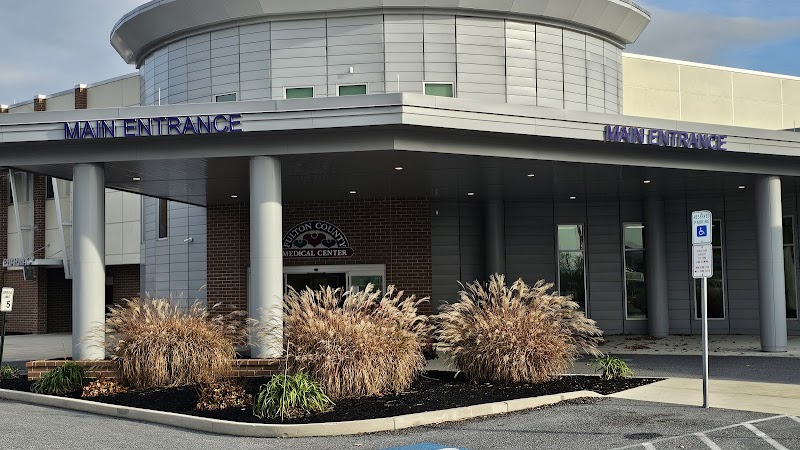
How is Fulton County Medical Center Staffed?

CMS rates FULTON COUNTY MEDICAL CENTER's staffing level at 5 out of 5 stars, which is much above average compared to other nursing homes. Staff turnover is 37%, compared to the Pennsylvania average of 46%. This relatively stable workforce can support continuity of care.

What Have Inspectors Found at Fulton County Medical Center?

State health inspectors documented 21 deficiencies at FULTON COUNTY MEDICAL CENTER during 2023 to 2025. These included: 21 with potential for harm.
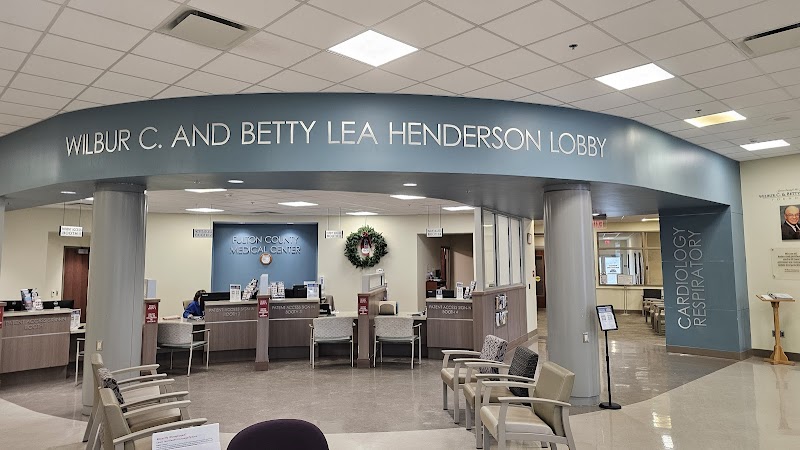
Who Owns and Operates Fulton County Medical Center?

FULTON COUNTY MEDICAL CENTER is owned by a non-profit organization. Non-profit facilities reinvest revenue into operations rather than distributing to shareholders. The facility operates independently rather than as part of a larger chain. With 67 certified beds and approximately 49 residents (about 73% occupancy), it is a smaller facility located in MCCONNELLSBURG, Pennsylvania.
How Does Fulton County Medical Center Compare to Other Pennsylvania Nursing Homes?

Compared to the 100 nursing homes in Pennsylvania, FULTON COUNTY MEDICAL CENTER's overall rating (4 stars) is above the state average of 3.0, staff turnover (37%) is near the state average of 46%, and health inspection rating (3 stars) is at the national benchmark.

What Should Families Ask When Visiting Fulton County Medical Center?

Based on this facility's data, families visiting should ask: "Can I visit during a mealtime to observe dining assistance and food quality?" "How do you handle medical emergencies, and what is your hospital transfer rate?" "Can I speak with family members of current residents about their experience?"

Is Fulton County Medical Center Safe?

Based on CMS inspection data, FULTON COUNTY MEDICAL CENTER has a clean safety record: no substantiated abuse findings (meaning no confirmed cases of resident harm), no Immediate Jeopardy citations (the most serious violation level indicating risk of serious injury or death), and is not on the Special Focus Facility watch list (a federal program monitoring the lowest-performing 1% of nursing homes). The facility has a 4-star overall rating and ranks #1 of 100 nursing homes in Pennsylvania. While no facility is perfect, families should still ask about staff-to-resident ratios and recent inspection results during their visit.

Do Nurses at Fulton County Medical Center Stick Around?

FULTON COUNTY MEDICAL CENTER has a staff turnover rate of 37%, which is about average for Pennsylvania nursing homes (state average: 46%). Moderate turnover is common in nursing homes, but families should still ask about staff tenure and how the facility maintains care continuity when employees leave.

Was Fulton County Medical Center Ever Fined?

FULTON COUNTY MEDICAL CENTER has no federal fines on record. CMS issues fines when nursing homes fail to meet care standards or don't correct problems found during inspections. The absence of fines suggests the facility has either maintained compliance or corrected any issues before penalties were assessed. This is a positive indicator, though families should still review recent inspection reports for the full picture.

Is Fulton County Medical Center on Any Federal Watch List?

FULTON COUNTY MEDICAL CENTER is not on any federal watch list. The most significant is the Special Focus Facility (SFF) program, which identifies the bottom 1% of nursing homes nationally based on persistent, serious quality problems. Not being on this list means the facility has avoided the pattern of deficiencies that triggers enhanced federal oversight. This is a positive indicator, though families should still review the facility's inspection history directly.