EMBASSY OF PARK AVENUE
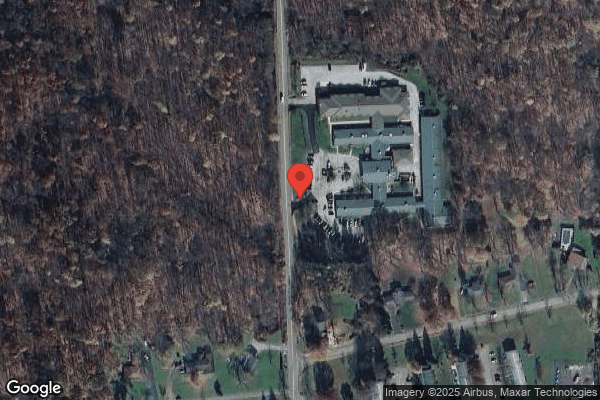
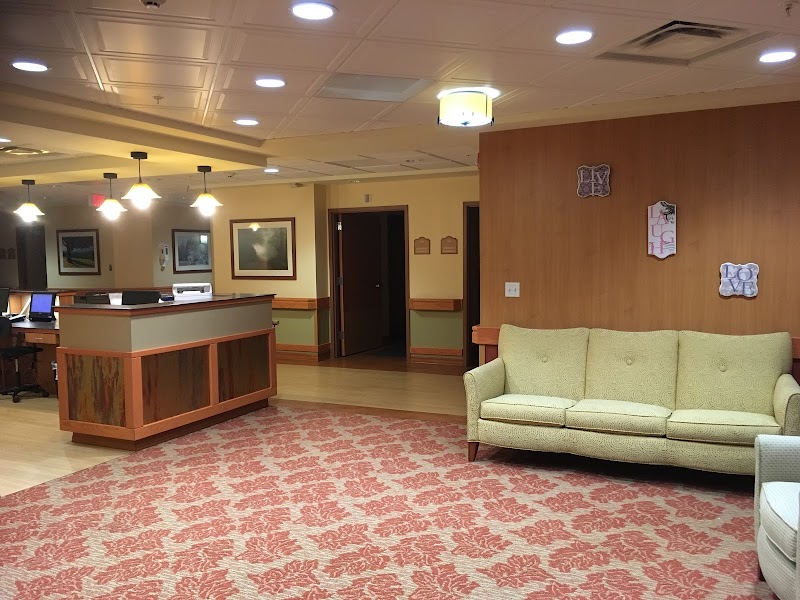
14714 PARK AVE EXTENSION, MEADVILLE, PA 16335 (814) 337-4228
For profit - Corporation 173 Beds EMBASSY HEALTHCARE Data: November 2025
Trust Grade
65/100
#281 of 653 in PA
Last Inspection: November 2024

Within standard 12-15 month inspection cycle. Federal law requires annual inspections.

Overview

Embassy of Park Avenue has a Trust Grade of C+, indicating a decent level of care that is slightly above average. They rank #281 out of 653 nursing homes in Pennsylvania, placing them in the top half of facilities in the state, and #3 out of 6 in Crawford County, meaning only two local options are better. The facility is showing improvement, with the number of issues decreasing from 4 in 2024 to 3 in 2025. While they have good staffing with a 35% turnover rate, below the Pennsylvania average, they have concerning RN coverage, being below 97% of state facilities. There were no fines recorded, which is a positive sign, but recent inspections revealed issues such as serving cold or poorly prepared meals and not maintaining proper cleanliness in the kitchen, suggesting areas that need immediate attention for resident satisfaction and safety.

Trust Score
C+
65/100
In Pennsylvania
#281/653
Top 43%
Safety Record
Low Risk
No red flags
Inspections
Getting Better
4 → 3 violations
Staff Stability
○ Average
35% turnover. Near Pennsylvania's 48% average. Typical for the industry.
Penalties
✓ Good
No fines on record. Clean compliance history, better than most Pennsylvania facilities.
Skilled Nurses
⚠ Watch
Each resident gets only 20 minutes of Registered Nurse (RN) attention daily — below average for Pennsylvania. Fewer RN minutes means fewer trained eyes watching for problems.
Violations
⚠ Watch
19 deficiencies on record. Higher than average. Multiple issues found across inspections.
★★★☆☆
3.0
Overall Rating
★★★☆☆
3.0
Staff Levels
★★★★☆
4.0
Care Quality
★★★☆☆
3.0
Inspection Score
Stable
2024: 4 issues
2025: 3 issues

The Good

  • 4-Star Quality Measures · Strong clinical quality outcomes
  • Full Sprinkler Coverage · Fire safety systems throughout facility
  • No fines on record
  • Staff turnover below average (35%)

    13 points below Pennsylvania average of 48%

Facility shows strength in quality measures, fire safety.

The Bad

3-Star Overall Rating

Near Pennsylvania average (3.0)

Meets federal standards, typical of most facilities

Staff Turnover: 35%

11pts below Pennsylvania avg (46%)

Typical for the industry

Chain: EMBASSY HEALTHCARE

Part of a multi-facility chain

Ask about local staffing decisions and management

The Ugly 19 deficiencies on record

Apr 2025 3 deficiencies
CONCERN (D) 📢 Someone Reported This

A family member, employee, or ombudsman was alarmed enough to file a formal complaint

Potential for Harm - no one hurt, but risky conditions existed

Resident Rights (Tag F0550)

Could have caused harm · This affected 1 resident

Based on review of facility policies, observations, and resident and staff interviews, it was determined that the facility failed to implement dignified feeding practices and to maintain resident dign...

Read full inspector narrative →
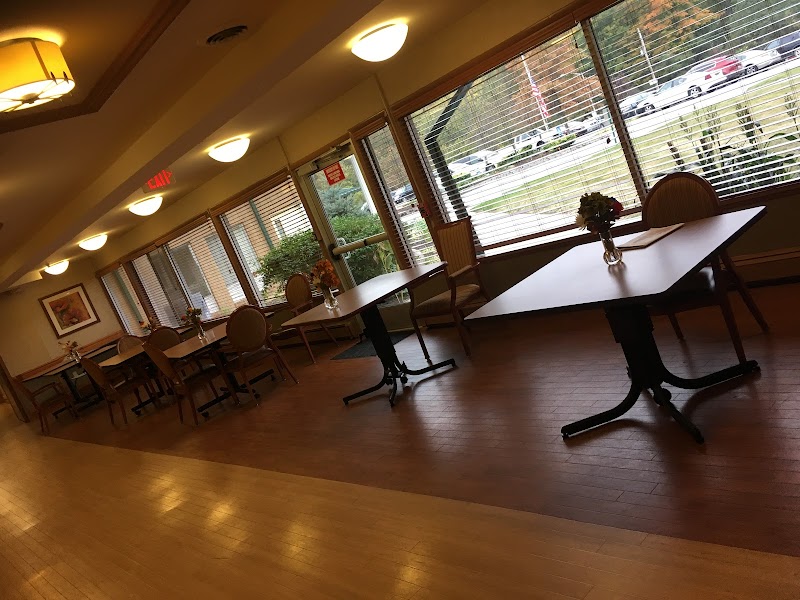
Based on review of facility policies, observations, and resident and staff interviews, it was determined that the facility failed to implement dignified feeding practices and to maintain resident dignity and respect by serving meals in a timely manner to individuals seated at the same table for two of two dining areas observed (North and Haven). Findings include: Review of facility policy entitled Dining Experience Policy dated 10/28/24, indicated All residents seated at the same table should be served before moving to another table. Review of facility policy entitled Safe and Homelike Environment dated 10/28/25, indicated In accordance with residents' rights, the facility will provide a . comfortable and homelike environment . Observations of the afternoon meal in the North and Haven dining rooms on 4/9/25, between 12:40 p.m. and 1:00 p.m. revealed the following. On 4/9/25, at 12:40 p.m. there was a table in the north dining room with five residents seated together around the table. Four residents were consuming their meals while one resident without their meal, watched the others eat. The last resident at the table was served at 12:50 p.m. and began eating his/her meal. At that time, the four other residents finished their meals and had left the table. On on 4/9/25, at 12:55 p.m. there was a food cart being delivered to Haven dining room. In the dining room were four different tables with residents seated together. The first table had four residents seated together and one resident had consumed his/her meal and the other three were just being served their meals. The second table had two residents seated together and one resident had consumed their meal and the other one was just being served their meal. The third table had four residents seated together and one resident had consumed their meal and the other three had not been served yet. The fourth table had three residents seated together and one resident had consumed their meal and was leaving the table. The other two residents had not been served their meals yet. During an interview on 4/9/25, at 1:10 p.m. Nursing Assistant Employee E1 stated the first meal cart was delivered at 12:35 p.m. He/she confirmed that residents that were seated at the same table together and were not served at the same time. He/she also confirmed that some residents had consumed their meals and were leaving the dining room. Interviews on 4/9/25, between 10:00 a.m. and 1:00 p.m. with Resident's R1, R2, R3, R4, R5, R6, R7, R8, R9, and R10, confirmed they received meals in Styrofoam containers several days a week and the food is often cold as a result. Residents listed above revealed they are aware meals were being served in Styrofoam containers as a result of dietary staffing shortages. Interview on 4/9/25, at 11:40 a.m. with Resident R11's family member revealed that they eat at the facility with Resident R11 several days a week. They confirmed that meals are served in Styrofoam containers several days a week and the food is often cold as a result. Interview on 4/9/25, at 12:50 p.m. with Dietary Aide Employee E2 revealed that dietary uses Styrofoam containers due to not having enough staff in the dietary department. Interview on 4/9/25, at 12:20 p.m. with the Dietary Manager Employee E3 revealed that the dietary department is not staffed adequately. He/she also revealed that meals are served in Styrofoam containers when the dietary department is not staffed adequately. Interview on 4/9/25, at 1:30 p.m. with the Dietary Manager Employee E3 confirmed that Styrofoam containers are used for resident's meals due to staffing in the dietary department. He/she also confirmed that residents sitting at the same table for meals should be served at the same time. Refer to F802 Sufficient Dietary Support Personnel 28 Pa. Code 201.14(a) Responsibility of licensee 28 Pa. Code 201.18(b)(3) Management 28 Pa. Code 211.12(d)(1)(5) Nursing Services
CONCERN (D) 📢 Someone Reported This

A family member, employee, or ombudsman was alarmed enough to file a formal complaint

Potential for Harm - no one hurt, but risky conditions existed

Notification of Changes (Tag F0580)

Could have caused harm · This affected 1 resident

Based on review of facility policy and clinical record, and staff interviews, it was determined that the facility failed to notify the resident's physician and emergency contact timely regarding a cha...

Read full inspector narrative →
Based on review of facility policy and clinical record, and staff interviews, it was determined that the facility failed to notify the resident's physician and emergency contact timely regarding a change in condition for one of 13 residents reviewed (Resident R1). Findings include: The facility policy entitled Notification of Responsible Party and Physician Procedure, dated 10/28/24, indicated that the nurse should notify the Primary Care Physician when a resident has a significant change in clinical status such as a decline in condition, new/worsening symptoms, new/change in pain status The nurse or designee will notify the responsible party regarding change in the resident's clinical status The clinical record revealed that Resident R1's initial admission date was 1/17/23, with diagnoses including nstemi myocardial infarction (a serious heart attack causing damage related to a reduced blood supply to the heart), type II diabetes (when the body does not use insulin properly with poor blood sugar control), and muscle weakness. The clinical record progress notes revealed that on 1/25/25, at 12:38 a.m. Resident R1 was a little off and had slurred speech. The physician and emergency contact were not notified of these changes in condition timely. During an interview on 4/11/25, at approximately 9:30 a.m. the Director of Nursing and Nursing Home Administrator confirmed that the physician and emergency contact should have been contacted and it should have been documented in the clinical record at the time of the slurred speech. 28 Pa. Code 201.14(a) Responsibility of licensee 28 Pa. Code 201.18(b)(1) Management 28 Pa. Code 211.12(d)(1)(5) Nursing services
CONCERN (D) 📢 Someone Reported This

A family member, employee, or ombudsman was alarmed enough to file a formal complaint

Potential for Harm - no one hurt, but risky conditions existed

Deficiency F0802 (Tag F0802)

Could have caused harm · This affected 1 resident

Based on observations, review of facility records, and resident and staff interviews, it was determined that the facility failed to provide sufficient staff to carry out the functions of the food and ...

Read full inspector narrative →
Based on observations, review of facility records, and resident and staff interviews, it was determined that the facility failed to provide sufficient staff to carry out the functions of the food and nutrition services in the kitchen. Findings include: Review of facility policy entitled Safe and Homelike Environment dated 10/28/25, indicated In accordance with residents' rights, the facility will provide a . comfortable and homelike environment . Review of four weeks of dietary schedule lacked evidence that the appropriate number of trained dietary staff were scheduled each day. Review of grievances revealed that residents going to dialysis did not have meal trays ready for residents to consume before going to dialysis. Review of Resident Council meeting minutes and food committee minutes from 3/25/25, revealed resident concerns of food is warm or not hot. Interviews on 4/9/25, between 10:00 a.m. and 1:00 p.m. with Residents R1, R2, R3, R4, R5, R6, R7, R8, R9, and R10 revealed that they are receiving meals in Styrofoam containers several days a week and the food is often cold as a result. Residents identified above revealed they are aware meals were being served in Styrofoam containers as a result of dietary staffing. Interview on 4/9/25, at 11:40 a.m. with Resident R11's family member revealed that they eat at the facility with Resident R11 several days a week. They confirmed that meals are served in Styrofoam containers several days a week and the food is often cold as a result. Interview on 4/9/25, at 12:50 p.m. with Dietary Aide Employee E2 revealed that dietary uses foam containers due to not having enough staff in the dietary department. He/she expressed that there have been several shifts that there had only been a cook and one dietary aide working. Interview on 4/9/25, at 12:20 p.m. with the Dietary Manager Employee E3, revealed that the dietary department is not staffed adequately. He/she revealed there have been shifts when there are only two staff working in the dietary department. He/she also revealed that meals are served in Styrofoam containers when the dietary department is not staffed adequately. Interview on 4/9/25, at 1:30 p.m. with the Dietary Manager Employee E3, confirmed that Styrofoam containers are used for resident's meals due to staffing in the dietary department. He/she also confirmed that residents sitting at the same table for meals should be served at the same time. Interview on 4/11/25, at 10:50 a.m. with the Nursing Home Administrator (NHA) he/she confirmed that staffing levels in the dietary department should be one cook and three dietary aides for each shift. Refer to F550 Resident Rights 28 Pa. Code 201.14(a) Responsibility of licensee 28 Pa. Code 201.18(b)(3) Management
Nov 2024 3 deficiencies
CONCERN (D)

Potential for Harm - no one hurt, but risky conditions existed

Notification of Changes (Tag F0580)

Could have caused harm · This affected 1 resident

Based on review of clinical records and facility policy and staff interviews, it was determined that the facility failed to notify the resident's representative of a change in condition and/or treatme...

Read full inspector narrative →
Based on review of clinical records and facility policy and staff interviews, it was determined that the facility failed to notify the resident's representative of a change in condition and/or treatment for one of 24 residents reviewed (Resident R30). Findings include: The facility policy entitled Notification of responsible party and physician procedure dated 10/28/24, revealed Goal: The facility makes reasonable attempts to assure that responsible party and physician are notified and kept aware of a resident's condition, changes in orders, acute situations, lab/x-ray results, significant change in status, incidents that effect a resident's status or transfer from the facility to hospital, another agency or a change in residence. The responsible party will also be notified of incidents and accidents regarding the resident, medication error, change in medication/treatment, labs/x-rays/tests and results or transfer out of the facility. Documentation: Notification and attempts to notify the physician, responsible party and third party vendors should be documented. The DON/ADON [Director of Nursing/Assistant Director of Nursing] should be kept aware of unsuccessful notification attempts. Resident R30's clinical record revealed an admission date of 3/26/21, with diagnoses that included unstageable pressure ulcer of right hip (a type of wound covered by slough or dead/blackened tissue), diabetes mellitus (a disease when the body has trouble controlling blood sugar and using it for energy), weakness, and chronic obstructive pulmonary disease (COPD - a group of lung diseases that block airflow and make it difficult to breathe). Resident R30's clinical record revealed a physician's order dated 11/12/24, for Voltaren External Gel 1% (Diclofenac Sodium Topical), Apply to knees, elbows typically every 6 hours as needed for pain 2 grams. Resident R30's progress notes dated 11/12/24, indicated that x-ray (a type of radiation imaging that creates pictures of the inside of your body) results were reviewed with the Certified Registered Nurse Practitioner (CRNP) and an order was received for Voltaren gel 2 grams every six hours as needed for pain. The clinical record lacked evidence that Resident R30's representative was notified of CRNP's orders/treatment change and x-ray findings dated 11/12/24. An interview with Resident R30's representative on 11/19/24, at 1:00 p.m. revealed the facility does not always update him/her of new orders and/or test results. On 11/22/24, at 1:00 p.m. the DON confirmed the facility did not notify Resident R30's representative of the new orders/treatment change and x-ray findings dated 11/12/24. 28 Pa. Code 201.14(a) Responsibility of licensee 28 Pa. Code 211.12 (d)(1)(5) Nursing services
CONCERN (D)

Potential for Harm - no one hurt, but risky conditions existed

Infection Control (Tag F0880)

Could have caused harm · This affected 1 resident

Based on review of facility policy and clinical records, observations, and staff and resident representative interviews, it was determined the facility failed to ensure that residents with indwelling ...

Read full inspector narrative →
Based on review of facility policy and clinical records, observations, and staff and resident representative interviews, it was determined the facility failed to ensure that residents with indwelling catheters (a tube inserted into the bladder to facilitate urine drainage) receive proper care and services to help prevent infections for two of nine residents reviewed with indwelling catheters (Residents R19 and R79). Findings include: A facility policy entitled, Catheter Care dated 10/28/24, revealed it is the policy of this facility to ensure that residents with indwelling catheters receive appropriate catheter care and maintain their dignity and privacy when indwelling catheters are in use. Privacy bags will be available and catheter drainage bags will be covered at all times while in use. Resident R19's clinical record revealed an admission date of 10/09/24, with diagnoses that included cerebral infarction (a condition where blood flow to the brain is blocked resulting in brain tissue death), aphasia (a language disorder that affects a person's ability to communicate), neuromuscular dysfunction of bladder (a condition that affects bladder control typically from a brain, spinal cord, or nerve problem), and urinary tract infection (UTI). Observation on 11/20/24, at 11:00 a.m., revealed Resident R19's catheter drainage bag uncovered and laying on the floor beside the bed. During an interview on 11/21/24, at approximately 1:00 p.m. Resident R19's resident representative revealed that Resident R19 recently was hospitalized for a UTI. Resident R79's clinical record revealed an admission date of 9/23/24, with diagnoses that included encephalopathy (a term for any brain disease that alters brain function or structure caused by infection, tumor, or stroke ), dementia, weakness, retention of urine, and history of UTI. Observation on 11/20/24, at 10:23 a.m., revealed Resident R79's catheter drainage bag uncovered and laying on the floor beside the bed. During an interview with Nursing Assistant Employee E1 on 11/20/24, at 10:25 a.m., it was confirmed that Resident R79's catheter bag was laying on the floor beside the bed without a catheter bag cover on it. During an interview on 11/21/24, at 2:14 p.m. the Director of Nursing confirmed that Resident R19 and R79's catheter bag should be covered and not lay on the floor and/or touch an unclean surface due to risk for infection. 28 Pa. Code 211.10(c)(d) Resident care policies 28 Pa. Code 211.12 (d)(1)(3)(5) Nursing services
MINOR (C)

Minor Issue - procedural, no safety impact

Room Equipment (Tag F0908)

Minor procedural issue · This affected most or all residents

Based on review of facility policy, observations, and staff interview, it was determined the facility failed to properly maintain safe operation of essential equipment in the main kitchen and prevent ...

Read full inspector narrative →
Based on review of facility policy, observations, and staff interview, it was determined the facility failed to properly maintain safe operation of essential equipment in the main kitchen and prevent excessive build up of frost in the walk-in freezer. Findings include: Review of facility policy entitled, Cleaning Instructions: Freezer with a policy review date of 10/28/24, revealed that the freezer will be defrosted as needed (when the frost is greater than 1/4 inch thick and according to the cleaning schedule). Observations of the walk-in freezer in the Main Kitchen on 11/19/24, at 12:45 p.m. revealed areas with an accumulation of ice including on the ceiling that extended out from the condenser to the other side of the walk-in-freezer, as well as multiple areas on the floor by the entrance to the freezer. Water and ice was observed dripping and freezing on frozen food item boxes on the top of the shelves. Condenser coils were observed frozen in ice. During an interview on 11/20/24, at 12:00 p.m. the Dietary Manager confirmed that there was an accumulation of ice to include on the ceiling that extended out from the condenser to the other side of the walk-in-freezer, as well as multiple areas on the floor by the entrance to the freezer. Water and ice was observed dripping and freezing on frozen food item boxes on the top of the shelves. Condenser coils were observed frozen in ice. 28 Pa. Code 201.14(a) Responsibility of licensee 28 Pa. Code 201.18(b)(1)(3)(2.1) Management
Jul 2024 1 deficiency
CONCERN (D) 📢 Someone Reported This

A family member, employee, or ombudsman was alarmed enough to file a formal complaint

Potential for Harm - no one hurt, but risky conditions existed

Accident Prevention (Tag F0689)

Could have caused harm · This affected 1 resident

**NOTE- TERMS IN BRACKETS HAVE BEEN EDITED TO PROTECT CONFIDENTIALITY** Based on observations, review of facility policy and clinical record, and staff and resident interviews, it was determined that ...

Read full inspector narrative →
**NOTE- TERMS IN BRACKETS HAVE BEEN EDITED TO PROTECT CONFIDENTIALITY** Based on observations, review of facility policy and clinical record, and staff and resident interviews, it was determined that the facility failed to safely transfer a resident using a mechanical lift for one of one residents reviewed (Resident R9). Findings include: Review of a facility policy entitled Safe Resident Handling/Transfers revised 6/01/24, revealed that two staff members must be utilized when transferring residents with a mechanical lift. Resident R9's clinical record revealed an admission date of 6/14/24, with diagnoses that included Rheumatoid Arthritis (condition where the body's immune system attacks its own tissue, typically in the hands and feet, and causes painful swelling), Lymphedema (tissue swelling caused by any type of problem that blocks the drainage of lymph fluid, most commonly affects the arms or legs), lack of coordination, weakness, and abnormal gait and mobility. Resident R9's [NAME] (documentation system that provides information regarding necessary resident care) included special instructions to utilize a sit-to-stand lift to transfer to power wheelchair, and his/her task indicated he/she was non-ambulatory and included sit-to-stand lift to transfer to power wheelchair. Observation on 7/18/24, at 11:53 a.m. revealed Nurse Aide (NA) Employee E1 lowered Resident R9 into the power wheelchair without the assistance of a second staff member. During an interview on 7/18/24, at 11:54 a.m. NA Employee E1 would not confirm utilizing the sit-to-stand lift without the assistance of another staff member. During an interview on 7/18/24, at 11:57 a.m. NA Employee E2 confirmed that he/she did not assist NA Employee E1 with operating the sit-to-stand lift to place Resident R9 into his/her power wheelchair. During an interview on 7/18/24, at 12:00 p.m. Resident R9 confirmed that usually there are two staff, but today the aide did not get help to use the lift. During an interview on 7/18/24, at 12:10 p.m. Licensed Practical Nurse Employee E3 confirmed that staff are supposed to have two people when using the mechanical lifts. During an interview on 7/18/24, at 12:39 p.m. the Assistant Director of Nursing confirmed that all mechanical lifts are to have two staff to operate at all times. During an interview on 7/18/24, at 2:45 p.m. the Nursing Home Administrator also confirmed that mechanical lifts require two staff to operate. 28 Pa. Code 201.18(b)(1)(3) Management 28 Pa. Code 201.18(e)(1) Management 28 Pa. Code 211.10(c)(d) Resident Care Policies 28 Pa. Code 211.12(d)(1)(5) Nursing Services
Dec 2023 7 deficiencies
CONCERN (D)

Potential for Harm - no one hurt, but risky conditions existed

Safe Environment (Tag F0584)

Could have caused harm · This affected 1 resident

Based on observations, and staff interview, it was determined that the facility failed to ensure that a safe, clean, comfortable homelike environment was maintained related to resident's wheelchair fo...

Read full inspector narrative →
Based on observations, and staff interview, it was determined that the facility failed to ensure that a safe, clean, comfortable homelike environment was maintained related to resident's wheelchair for one of four units observed (Rehabilitation Unit). Findings include: Observation on 12/10/23, at 11:24 a.m. revealed Resident R115's protective covering on the bilateral armrest of his/her wheelchair was cracked exposing some of the foam and had duct tape wrapped around them. During an interview on 12/10/23, at 11:27 a.m. Licensed Practical Nurse (LPN), Employee E2 confirmed that Resident R115 had a damaged wheelchair armrest with cracked protective covering and duct tape around them. Observation on 12/10/23, at 11:40 a.m. revealed Resident R94's protective covering on the bilateral armrest of his/her wheelchair was cracked, peeling, and torn exposing the foam. During an interview on 12/10/23, at 11:50 a.m. LPN Employee E1 confirmed that Resident R94 had damaged wheelchair armrests with cracked, peeling, and torn protective covering. 28 Pa. Code 201.18(b)(1) Management
CONCERN (D)

Potential for Harm - no one hurt, but risky conditions existed

Comprehensive Care Plan (Tag F0656)

Could have caused harm · This affected 1 resident

Based on review of facility policy and clinical records, and staff interview it was determined that the facility failed to develop a comprehensive care plan for one of 24 residents reviewed (Resident ...

Read full inspector narrative →
Based on review of facility policy and clinical records, and staff interview it was determined that the facility failed to develop a comprehensive care plan for one of 24 residents reviewed (Resident R94). Findings include: Review of facility policy entitled Comprehensive Care Plans dated 1/4/23, stated It is the policy of this facility to develop and implement a comprehensive person-centered care plan for each resident . to meet a resident's medical, mental, and psychosocial needs that are identified in the resident's comprehensive assessment. Resident R94's clinical record revealed an admission date of 11/10/23, with diagnoses that included Kidney Cyst (fluid-filled pouches found on the kidney), Benign Prostatic Hyperplasia (BPH - an enlarged prostate), and Leakage of urine from Nephrostomy Catheter (a tube that drains urine directly from the kidneys into a drainage bag). Resident R94's clinical record revealed a Bowel and Bladder Evaluation form dated 11/10/23, that identified Resident R94 as having bilateral nephrostomies. The clinical record lacked evidence that a care plan had been developed to address Resident R94's nephrostomy tubes. During an interview on 12/11/23 at 2:50 p.m. the Assistant Director of Nursing confirmed that a care plan had not been developed to address Resident R94's nephrostomy tubes. 28 Pa. Code 201.14(a) Responsibility of licensee 28 Pa. Code 211.12(d)(3)(5) Nursing services
CONCERN (D)

Potential for Harm - no one hurt, but risky conditions existed

Deficiency F0688 (Tag F0688)

Could have caused harm · This affected 1 resident

Based on review of facility policy and clinical records, observations, and resident and staff interviews, it was determined that the facility failed to ensure that residents with limited range of moti...

Read full inspector narrative →
Based on review of facility policy and clinical records, observations, and resident and staff interviews, it was determined that the facility failed to ensure that residents with limited range of motion received physician ordered treatment and services to prevent further decrease in range of motion for one of 24 residents reviewed (Resident R13). Findings include: Review of the facility policy entitled Resident Mobility and Range of Motion, dated 1/4/23, indicated that Residents with limited range of motion will receive treatment and services to increase and/or prevent a further decrease in ROM. Resident R13's clinical record revealed an admission date of 7/26/21, with diagnoses that included hemiplegia (paralysis/limited use of one side of the body) due to a stroke, muscle weakness and dementia (a disorder of mental processes). Resident R13's clinical record revealed a physician's order dated 5/31/23, that identified Apply Right hand roll Splint with a.m. care and remove with p.m. care to facilitate contracture management. The clinical record lacked documentation that Resident R13 was utilizing the right-hand roll splint. Observations on 12/9/23, at 1:40 p.m., on 12/10/23, between 12:00 p.m. and 3:00 p.m. and on 12/11/23, at 2:20 p.m. revealed that Resident R13 was in his/her chair watching TV and did not have the right-hand roll splint on. During an interview on 12/11/23, at 2:20 p.m. when Resident R13 was asked about his/her splint, Resident R13 stated that he/she lost it and needed it. During an interview on 12/11/23, at 2:50 p.m. the Director of Nursing confirmed that Resident R13 was not wearing the right-hand roll splint as ordered. 28 Pa. Code 211.10 (d) Resident care policies 28 Pa. Code 211.12 (d)(1)(3)(5) Nursing services 28 Pa. Code 201.18 (b)(1) Management
CONCERN (D)

Potential for Harm - no one hurt, but risky conditions existed

Medication Errors (Tag F0758)

Could have caused harm · This affected 1 resident

Based on review of facility policy, clinical records, and staff interviews, it was determined that the facility failed to provide a clinical rationale for the continued use of a PRN (as needed) psycho...

Read full inspector narrative →
Based on review of facility policy, clinical records, and staff interviews, it was determined that the facility failed to provide a clinical rationale for the continued use of a PRN (as needed) psychotropic (affecting the mind) medication beyond 14 days for one of 24 residents reviewed (Resident R64). Findings include: Review of a facility policy entitled Use of Psychotropic Medications dated 1/4/2023, indicated that PRN orders for all psychotropic drugs shall be used only when the medication is necessary .and for a limited duration 14 days. If the attending physician or prescribing practitioner believes that it is appropriate for PRN order to be extended beyond 14 days, he/she shall document their rationale . Review of Resident R64's clinical record revealed an admission date of 3/25/22, with diagnoses that included diabetes, dementia with anxiety (a disease that affects short term memory, the ability to think logically and causes a person to feel nervous), and hypertension (high blood pressure). Review of Resident R64's medication orders revealed a physician order dated 11/26/23, to administer Ativan (anti-anxiety) 0.5 milligrams (mg) by mouth every eight hours as needed for anxiety. The medication order lacked the required stop date within 14 days or a clinical rational for continuing beyond 14 days. During an interview on 12/11/2023, at 2:08 p.m. the Director of Nursing confirmed that Resident R64's Ativan order lacked the required stop date within 14 days or a clinical rationale for continued use beyond 14 days. 28 Pa. Code 211.12(d)(1)(3)(5) Nursing services
CONCERN (D) 📢 Someone Reported This

A family member, employee, or ombudsman was alarmed enough to file a formal complaint

Potential for Harm - no one hurt, but risky conditions existed

Garbage Disposal (Tag F0814)

Could have caused harm · This affected 1 resident

Based on review of facility policy, observation and staff interview, it was determined that the facility failed to ensure that the garbage and refuse was disposed of properly for two of two dumpsters....

Read full inspector narrative →
Based on review of facility policy, observation and staff interview, it was determined that the facility failed to ensure that the garbage and refuse was disposed of properly for two of two dumpsters. Findings include: Review of facility policy entitled Commercial Dumpster Use Policies and Procedures, dated 1/4/23, revealed that, The side and top doors should be closed when the dumpster is not in use. Observation on 12/9/23, at 12:25 p.m. with Kitchen Employee, E3, revealed two dumpsters that had the sliding doors on the side of the dumpster that were open. At the time of the observation, Employee E3 confirmed that the dumpster doors should be closed so that the refuse doesn't spill out and to keep rodents/animals from getting into the dumpsters. During an interview on 12/9/23 at 12:35 p.m. Dietary Director confirmed that the side doors of the dumpster should be closed when the dumpster is not in use. 28 Pa. Code 201.14(a) Responsibility of licensee 28 Pa. Code 201.18(b)(1)(3) Management
CONCERN (E) 📢 Someone Reported This

A family member, employee, or ombudsman was alarmed enough to file a formal complaint

Potential for Harm - no one hurt, but risky conditions existed

Deficiency F0804 (Tag F0804)

Could have caused harm · This affected multiple residents

Based on observations and staff and resident interviews, it was determined that the facility failed to serve food that was palatable for taste and temperature for four of four units. Findings include...

Read full inspector narrative →
Based on observations and staff and resident interviews, it was determined that the facility failed to serve food that was palatable for taste and temperature for four of four units. Findings include: On 12/9/23, and 12/10/23, during resident interviews, the following residents had complaints regarding their meals: Residents R2, R13, R28, R33, R36, R90, and R100 expressed frustration that their meals were not palatable because the food was cold when delivered by staff. Residents R24, R31, R66, R79, R92, and R103 expressed frustration that their meals were not palatable because the food is cold and is either undercooked or overcooked most of the time. Observations on 12/11/23, from 11:25 a.m. through 12:25 p.m. revealed the menu/meal consisted of breaded sliced beef, noodles, and green beans. Observation on Havenwood Unit further revealed the following regarding that some residents received overcooked / burnt slices of breaded beef that the residents were unable to cut: Resident R28 questioned, What is this black thing on my plate? and asked nursing staff to get him/her a new piece of meat. Resident R66 stated This meat, if that is what you call it, is not edible. Resident R66 was then asked if he/she would like something else to eat, they stated they would just eat the noodles and beans and declined a new piece of beef or alternate. During an interview on 12/11/23, at 12:52 p.m. the Dietary Director confirmed that the slice of beef was overcooked and was not able to be cut or eaten. 28 Pa. Code 201.14(a) Responsibility of licensee
MINOR (C) 📢 Someone Reported This

A family member, employee, or ombudsman was alarmed enough to file a formal complaint

Minor Issue - procedural, no safety impact

Room Equipment (Tag F0908)

Minor procedural issue · This affected most or all residents

Based on review of facility policy, observations, and staff interview, it was determined the facility failed to properly maintain safe operation of essential equipment in the main kitchen and failed t...

Read full inspector narrative →
Based on review of facility policy, observations, and staff interview, it was determined the facility failed to properly maintain safe operation of essential equipment in the main kitchen and failed to ensure safe operating equipment for two of eight food carts used to transport meals from the main kitchen to the individual units. Findings include: Review of facility policy entitled, Cleaning Instructions: Freezers last reviewed 1/4/23, revealed that freezers will be defrosted as needed (when the frost is greater than or equal to 1/4 inch thick). Observations of the walk-in freezer in the Main Kitchen on 12/9/23, at 12:05 p.m. revealed areas with an accumulation of ice to include on the ceiling that extended out from the condenser to the other side of the walk-in-freezer, as well as multiple areas on the floor including the entrance to the freezer, and around the sides of the door, affecting the seal to the door. Observation on 12/9/23, at 12:12 p.m. revealed two food carts used to transport trays from the main kitchen to the individual resident units that had a melted/warped door and two malfunctioning wheels that had the rubber pulling away from the metal part of the wheels. During an interview on 12/9/23, at 12:35 p.m. Dietary Director confirmed that there was an accumulation of ice on the ceiling extending out from the condenser to the other side of the walk-in-freezer as well as multiple areas on the floor including the entrance to the freezer and around the sides of the door. The Dietary Director also confirmed that two of the eight food carts had damage to the doors and wheels. 28 Pa. Code 201.14(a) Responsibility of licensee 28 Pa. Code 201.18(b)(1)(3)(2.1) Management
Mar 2023 1 deficiency
MINOR (C) 📢 Someone Reported This

A family member, employee, or ombudsman was alarmed enough to file a formal complaint

Minor Issue - procedural, no safety impact

Deficiency F0655 (Tag F0655)

Minor procedural issue · This affected most or all residents

**NOTE- TERMS IN BRACKETS HAVE BEEN EDITED TO PROTECT CONFIDENTIALITY** Based on review of clinical records and staff interview, it was determined that the facility failed to ensure that a written sum...

Read full inspector narrative →
**NOTE- TERMS IN BRACKETS HAVE BEEN EDITED TO PROTECT CONFIDENTIALITY** Based on review of clinical records and staff interview, it was determined that the facility failed to ensure that a written summary of the baseline care plan was provided to the resident and/or the resident's representative for nine of nine residents reviewed (Closed Record Residents CR1, CR2, CR4, CR5, and Residents R3, R6, R7, R8, and R9). Findings include: Review of a facility policy entitled, Baseline Care Plan revised 8/25/22, revealed that the baseline care plan will: 1. Be developed within 48 hours of a resident's admission. 2. A written summary of the baseline care plan shall be provided to the resident and representative in a language that the resident/representative can understand. 3. The summary shall include, at a minimum, the following: a. The initial goals of the resident. b. A summary of the resident's medications and dietary instructions. c. Any services and treatments to be administered by the facility and personnel acting on behalf of the facility. 4. The person providing the written summary of the baseline care plan shall: a. Obtain a signature from the resident/representative to verify that the summary was provided. b. Make a copy of the summary for the medical record. Review of clinical records revealed the following: -Resident CR1 admitted [DATE], with diagnoses including chronic obstructive pulmonary disease (COPD- a group of diseases that cause airflow blockage and breathing-related problems), heart disease, and abnormal heartbeat. -Resident CR2 admitted [DATE], with diagnoses including stroke, heart disease, difficulty speaking and eating, and Type 2 Diabetes (affects how the body uses glucose [sugar]). -Resident R3 admitted [DATE], with diagnoses including dementia, high blood pressure, abnormal heartbeat, and prostate cancer. -Resident CR4 admitted [DATE], with diagnoses including spinal stenosis (happens when the spaces in the spine narrow and create pressure on the spinal cord and nerve roots) of the neck, difficulty speaking and eating, and Type 2 Diabetes. -Resident CR5 admitted [DATE], with diagnoses including urinary tract infection, Type 2 Diabetes, heart disease, and dementia. -Resident R6 admitted [DATE], with diagnoses including multiple sclerosis (potentially disabling disease of the brain and spinal cord (central nervous system), depression, and impaired cognition (when a person has trouble remembering, learning new things, concentrating, or making decisions that affect their everyday life). -Resident R7 admitted [DATE], with diagnoses including fractured neck, diabetes mellitus (a group of diseases that affect how the body uses blood sugar [glucose]), and dementia. -Resident R8 admitted [DATE], with diagnoses including spinal stenosis of the neck, stroke, dementia, yeast infection, and cognitive communication deficit. -Resident R9 admitted [DATE], with diagnoses including diabetes mellitus, schizophrenia (serious mental disorder in which people interpret reality abnormally), COPD, and urinary tract infection. There was no evidence that a baseline care plan summary was provided to the residents and/or their representatives. Interviews on 3/14/23, between 10:00 a.m. and 11:30 a.m. with Residents R8 and R9, and resident representatives of Residents R6 and R7 confirmed that they had not received a written summary of their baseline care plans. During an interview on 3/14/23, at 11:55 a.m. the Director of Nursing confirmed that the facility failed to provide the residents and/or their representatives with a written summary of their baseline care plans. 28 Pa. Code 211.11(d) Resident care plan 28 Pa. Code 211.5(f) Clinical records
Jan 2023 4 deficiencies
CONCERN (D)

Potential for Harm - no one hurt, but risky conditions existed

Deficiency F0637 (Tag F0637)

Could have caused harm · This affected 1 resident

Based on review of the Minimum Data Set (MDS-periodic assessment of resident care needs) User's Manual, clinical record, and staff interview, it was determined that the facility failed to complete a c...

Read full inspector narrative →
Based on review of the Minimum Data Set (MDS-periodic assessment of resident care needs) User's Manual, clinical record, and staff interview, it was determined that the facility failed to complete a comprehensive assessment after a significant change in condition for one of one residents receiving hospice services (Resident R57). Findings include: Review of the MDS User's Manual revealed that a significant change in status assessment is required to be performed when a terminally ill resident enrolls in a hospice program and remains a resident at the nursing home. The Assessment Reference Date (ARD) must be within 14-days from effective date of the hospice election. Resident R57's clinical record revealed an admission date of 6/16/20, with diagnoses that included high blood pressure, stroke, heart failure,kidney failure, and dementia (group of symptoms affecting memory, thinking and social abilities). Further review of clinical record revealed a physician's order to admit Resident R57 to hospice services on 5/7/22. Review of Resident R57's MDS's lacked evidence that a significant change MDS with an ARD completed within 14-days from when Resident R57 was admitted to hospice care was completed. During an interview on 1/11/23, at 12:30 p.m. the Registered Nurse Assessment Coordinator confirmed that the facility failed to complete a significant change MDS when Resident R57 was admitted to hospice services. 28 Pa. Code 201.14(a) Responsibility of licensee 28 Pa. Code 211.5(f) Clinical Records
CONCERN (D)

Potential for Harm - no one hurt, but risky conditions existed

Comprehensive Care Plan (Tag F0656)

Could have caused harm · This affected 1 resident

Based on clinical record review, observations, and staff interviews, it was determined that the facility failed to develop a comprehensive care plan for a resident related to behaviors and refusal of ...

Read full inspector narrative →
Based on clinical record review, observations, and staff interviews, it was determined that the facility failed to develop a comprehensive care plan for a resident related to behaviors and refusal of care for one of 22 residents reviewed (Resident R104). Findings include: Review of Resident R104's clinical record revealed and admission date of 4/05/22, with diagnoses that included respiratory failure, diabetes and chronic pain. Observations of Resident R104 from 1/09/23 to 1/11/23, revealed resident to be in bed with a resident gown on and not dressed in clothes. A Behavior / Intervention Flow Record dated January 2023, indicated behaviors of yelling out and refusal of care, which had 14 documented times of refusal of care behaviors. Review of Resident R104's clinical record revealed a shower bathing task sheet for December that indicated Resident R104 received a shower on 12/16/22, and refused a shower on 12/13/22. A shower/ bed bath sheet for Resident R104 indicated that Resident R104 received a shower on 1/01/23. Clinical record documentation for Resident R104 indicated that Resident R104 had only received two showers in a period of 42 days. The clinical record lacked evidence of a resident specific care plan regarding behaviors and refusal of care. During an interview on 1/11/23, at 1:25 p.m the Resident Nurse Assessment Coordinator confirmed that Resident R104 was known to refuse care with bathing and showers and that a behavior / refusal of care plan should have been implemented. During an interview on 1/12/23, at 10:00 a.m. the Director of Nursing (DON) confirmed that Resident R104 refuses showers, turning and repositioning and changing the bed linens. The DON also confirmed that the clinical record lacked documentation of the refusals of care and that a behavior / refusal of care plan of care had not been developed. 28 Pa. Code 211.11(d) Resident care plan 28 Pa. Code 211.12(d)(1)(5) Nursing services
CONCERN (D)

Potential for Harm - no one hurt, but risky conditions existed

Medical Records (Tag F0842)

Could have caused harm · This affected 1 resident

Based on review of facility documents and clinical records and staff interview, it was determined that facility staff failed to maintain complete and accurate clinical records for one of 22 residents ...

Read full inspector narrative →
Based on review of facility documents and clinical records and staff interview, it was determined that facility staff failed to maintain complete and accurate clinical records for one of 22 residents reviewed (Resident R104). Findings include: Review of Resident R104's clinical record revealed and admission date of 4/05/22, with diagnoses that included respiratory failure, diabetes and chronic pain. Observations of Resident R104 from 1/09/23 to 1/11/23, revealed resident to be in bed with a resident gown on and not dressed in clothes. A Behavior / Intervention Flow Record dated January 2023, indicated behaviors of refusal of care, which had 14 documented times of refusal of care behaviors. Review of Resident R104's clinical record revealed a shower bathing task sheet for December that indicated Resident R104 received a shower on 12/16/22, and refused a shower on 12/13/22. A shower/ bed bath sheet for Resident R104 indicated that Resident R104 received a shower on 1/01/23. Clinical record documentation for Resident R104 indicated that Resident R104 had only received two showers in a period of 42 days. The clinical record lacked evidence of documentation of refusal of care regarding bathing/showering. During an interview on 1/12/23, at 10:00 a.m. the Director of Nursing (DON) confirmed that Resident R104 refuses showers, turning and repositioning and changing the bed linens. The DON also confirmed that the clinical record lacked documentation of the refusals of care. 28 Pa. Code 211.5 (f) Clinical records 28 Pa. Code 211.12(d)(1)(3)(5) Nursing services
CONCERN (E)

Potential for Harm - no one hurt, but risky conditions existed

Food Safety (Tag F0812)

Could have caused harm · This affected multiple residents

Based on observations, review of facility policies and staff interviews, it was determined that the facility failed to prepare and serve food in a safe and sanitary environment and failed to maintain ...

Read full inspector narrative →
Based on observations, review of facility policies and staff interviews, it was determined that the facility failed to prepare and serve food in a safe and sanitary environment and failed to maintain and monitor the sanitizing functions of the dish machine. Findings include: Review of a facility policy entitled, Dish Machine Use and Care, last reviewed on 1/4/23, directed staff to observe and record wash and rinse temperatures and to also record chemical sanitizer levels prior to running dishes. During a tour of the kitchen on 1/9/23, at 1:38 p.m., with the Dietary Manager, dishes and pans were observed running through the dish machine but that the temperature gauges for the machine remained at zero throughout both the wash and rinse cycles. During this same time, it was observed that the chemical wash and rinse solutions were absent from the clear plastic lines feeding into the dish machine from the chemical solution holding containers. During interview and further observations at this time, the Dietary Manager disclosed that the dish machine used chemical solutions to sanitize the dishes and that the required temperatures for the wash and rinse cycles were 120 degrees Farenheit. A review of the Dish Temperature Log with the Dietary Manager revealed that neither the dishwasher temperatures nor the chemical sanitizer levels were checked, monitored or documented prior to using the dishmachine after the facility lunch meal that day. Observations of the food preparation areas with the Dietary Manager on 1/9/23, at 1:50 p.m., revealed that the floors under and behind the kitchen equipment and the food preparation tables were dirty with an accumulation of food particles and debris, as well as dirt/dust and grease. 28 Pa. Code 201.14(a) Responsibility of licensee 28 Pa. Code 201.18(b)(1)(3)(e)(1) Management 28 Pa. Code 207.2(a) Administrator's responsibility
Understanding Severity Codes (click to expand)
Life-Threatening (Immediate Jeopardy)
J - Isolated K - Pattern L - Widespread
Actual Harm
G - Isolated H - Pattern I - Widespread
Potential for Harm
D - Isolated E - Pattern F - Widespread
No Harm (Minor)
A - Isolated B - Pattern C - Widespread

Questions to Ask on Your Visit

  • "Can I speak with families of current residents?"
  • "What's your RN coverage like on weekends and overnight?"

Our Honest Assessment

Strengths
  • • No major safety red flags. No abuse findings, life-threatening violations, or SFF status.
  • • No fines on record. Clean compliance history, better than most Pennsylvania facilities.
  • • 35% turnover. Below Pennsylvania's 48% average. Good staff retention means consistent care.
Concerns
  • • 19 deficiencies on record. Higher than average. Multiple issues found across inspections.
Bottom line: Mixed indicators with Trust Score of 65/100. Visit in person and ask pointed questions.

About This Facility

What is Embassy Of Park Avenue's CMS Rating?

CMS assigns EMBASSY OF PARK AVENUE an overall rating of 3 out of 5 stars, which is considered average nationally. Within Pennsylvania, this rating places the facility higher than 0% of the state's 100 nursing homes. This mid-range rating indicates the facility meets federal standards but may have areas for improvement.
How is Embassy Of Park Avenue Staffed?

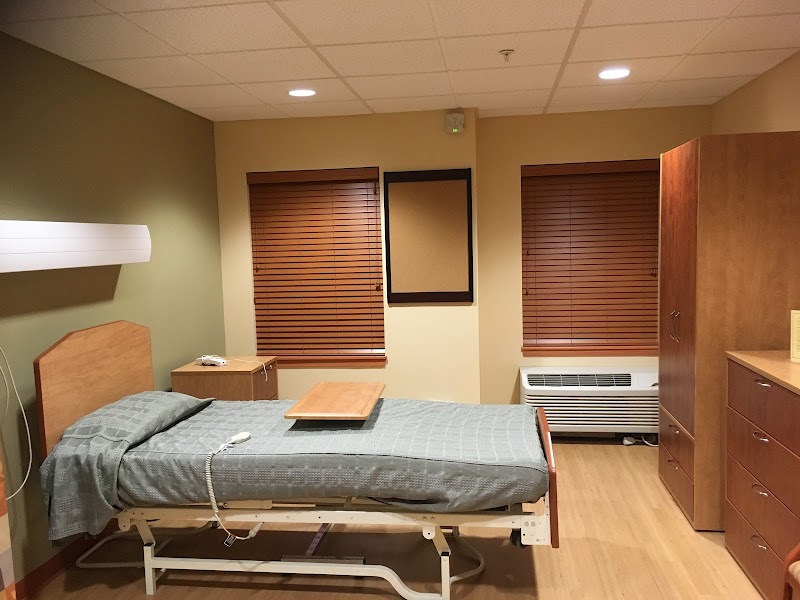
CMS rates EMBASSY OF PARK AVENUE's staffing level at 3 out of 5 stars, which is average compared to other nursing homes. Staff turnover is 35%, compared to the Pennsylvania average of 46%. This relatively stable workforce can support continuity of care.

What Have Inspectors Found at Embassy Of Park Avenue?

State health inspectors documented 19 deficiencies at EMBASSY OF PARK AVENUE during 2023 to 2025. These included: 16 with potential for harm and 3 minor or isolated issues.
Who Owns and Operates Embassy Of Park Avenue?

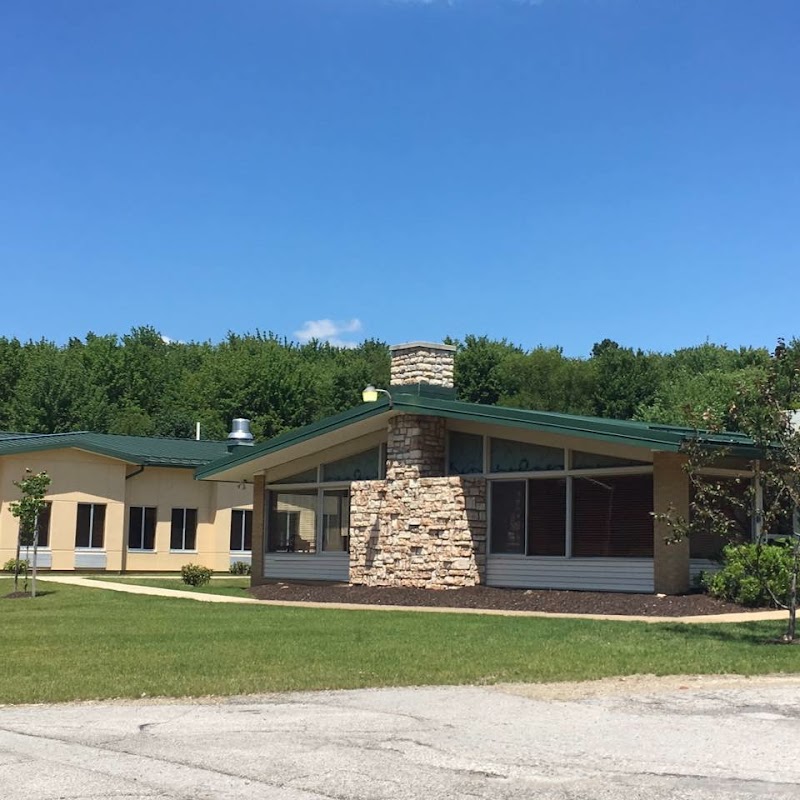
EMBASSY OF PARK AVENUE is owned by a for-profit company. For-profit facilities operate as businesses with obligations to shareholders or private owners. The facility is operated by EMBASSY HEALTHCARE, a chain that manages multiple nursing homes. With 173 certified beds and approximately 110 residents (about 64% occupancy), it is a mid-sized facility located in MEADVILLE, Pennsylvania.
How Does Embassy Of Park Avenue Compare to Other Pennsylvania Nursing Homes?

Compared to the 100 nursing homes in Pennsylvania, EMBASSY OF PARK AVENUE's overall rating (3 stars) matches the state average, staff turnover (35%) is significantly lower than the state average of 46%, and health inspection rating (3 stars) is at the national benchmark.

What Should Families Ask When Visiting Embassy Of Park Avenue?

Based on this facility's data, families visiting should ask: "Can I visit during a mealtime to observe dining assistance and food quality?" "How do you handle medical emergencies, and what is your hospital transfer rate?" "Can I speak with family members of current residents about their experience?"

Is Embassy Of Park Avenue Safe?

Based on CMS inspection data, EMBASSY OF PARK AVENUE has a clean safety record: no substantiated abuse findings (meaning no confirmed cases of resident harm), no Immediate Jeopardy citations (the most serious violation level indicating risk of serious injury or death), and is not on the Special Focus Facility watch list (a federal program monitoring the lowest-performing 1% of nursing homes). The facility has a 3-star overall rating and ranks #1 of 100 nursing homes in Pennsylvania. While no facility is perfect, families should still ask about staff-to-resident ratios and recent inspection results during their visit.

Do Nurses at Embassy Of Park Avenue Stick Around?

EMBASSY OF PARK AVENUE has a staff turnover rate of 35%, which is about average for Pennsylvania nursing homes (state average: 46%). Moderate turnover is common in nursing homes, but families should still ask about staff tenure and how the facility maintains care continuity when employees leave.

Was Embassy Of Park Avenue Ever Fined?

EMBASSY OF PARK AVENUE has no federal fines on record. CMS issues fines when nursing homes fail to meet care standards or don't correct problems found during inspections. The absence of fines suggests the facility has either maintained compliance or corrected any issues before penalties were assessed. This is a positive indicator, though families should still review recent inspection reports for the full picture.

Is Embassy Of Park Avenue on Any Federal Watch List?

EMBASSY OF PARK AVENUE is not on any federal watch list. The most significant is the Special Focus Facility (SFF) program, which identifies the bottom 1% of nursing homes nationally based on persistent, serious quality problems. Not being on this list means the facility has avoided the pattern of deficiencies that triggers enhanced federal oversight. This is a positive indicator, though families should still review the facility's inspection history directly.