FOX SUBACUTE AT MECHANICSBURG
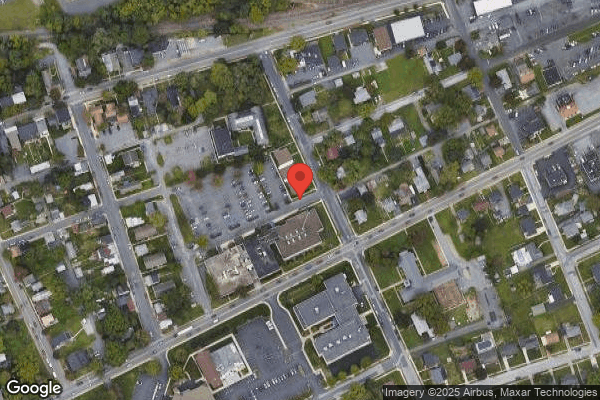
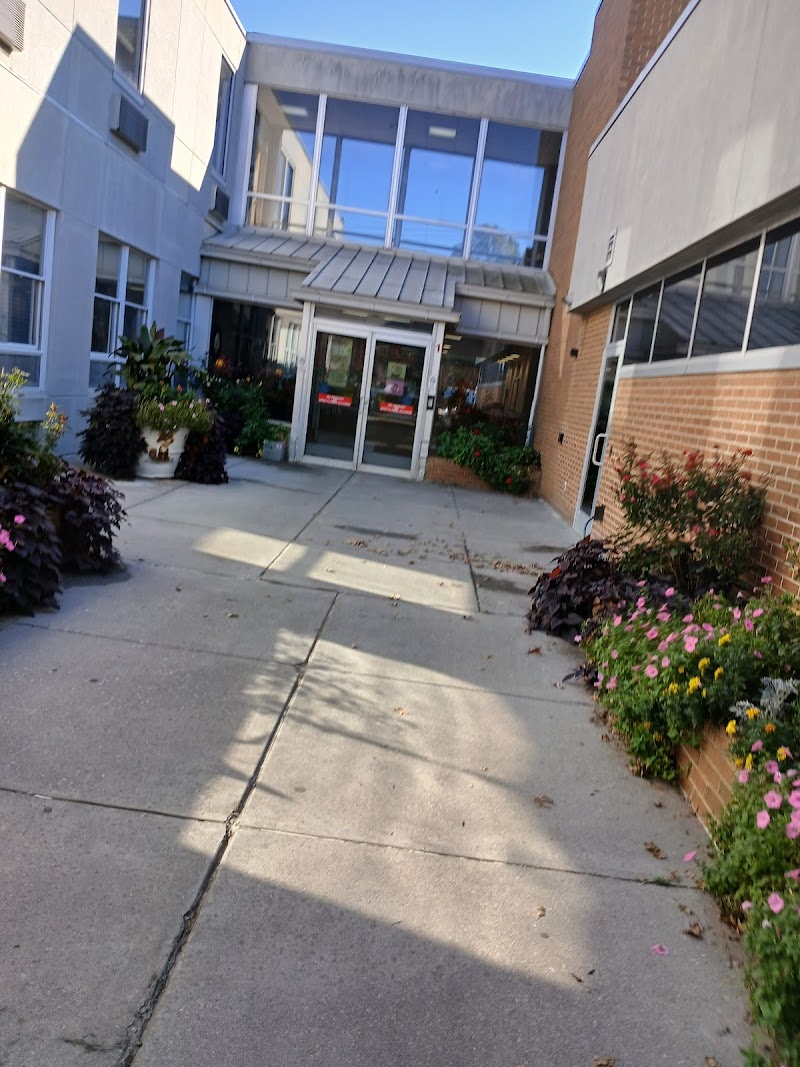
120 SOUTH FILBERT ST, MECHANICSBURG, PA 17055 (717) 458-0930
For profit - Corporation 56 Beds Independent Data: November 2025
Trust Grade
48/100
#422 of 653 in PA
Last Inspection: January 2025

Within standard 12-15 month inspection cycle. Federal law requires annual inspections.

Overview

Fox Subacute at Mechanicsburg has received a Trust Grade of D, indicating below-average performance with some concerns about care quality. It ranks #422 out of 653 facilities in Pennsylvania, placing it in the bottom half, and #11 out of 17 in Cumberland County, meaning there are only a few better options locally. The facility is improving, having reduced its issues from 18 in 2024 to 8 in 2025. Staffing is rated 2 out of 5, with a turnover rate of 50%, which is average for the state, and they have more RN coverage than 95% of other Pennsylvania facilities, indicating that residents benefit from strong nursing oversight. However, there were concerning incidents noted by inspectors, such as failures to update care plans for residents, not meeting medication administration standards, and inadequate care to prevent urinary tract infections for one resident. Overall, while there are some strengths in nursing oversight, significant care deficiencies raise concerns for potential residents and their families.

Trust Score
D
48/100
In Pennsylvania
#422/653
Bottom 36%
Safety Record
Low Risk
No red flags
Inspections
Getting Better
18 → 8 violations
Staff Stability
⚠ Watch
50% turnover. Above average. Higher turnover means staff may not know residents' routines.
Penalties
⚠ Watch
$14,886 in fines. Higher than 96% of Pennsylvania facilities. Major compliance failures.
Skilled Nurses
✓ Good
Each resident gets 113 minutes of Registered Nurse (RN) attention daily — more than 97% of Pennsylvania nursing homes. RNs are the most trained staff who catch health problems before they become serious.
Violations
⚠ Watch
33 deficiencies on record. Higher than average. Multiple issues found across inspections.
★★☆☆☆
2.0
Overall Rating
★★☆☆☆
2.0
Staff Levels
★★★★☆
4.0
Care Quality
★★☆☆☆
2.0
Inspection Score
Stable
2024: 18 issues
2025: 8 issues

The Good

  • 4-Star Quality Measures · Strong clinical quality outcomes
  • Full Sprinkler Coverage · Fire safety systems throughout facility
  • No fines on record

Facility shows strength in quality measures, fire safety.

The Bad

2-Star Overall Rating

Below Pennsylvania average (3.0)

Below average - review inspection findings carefully

Staff Turnover: 50%

Near Pennsylvania avg (46%)

Higher turnover may affect care consistency

Federal Fines: $14,886

Below median ($33,413)

Minor penalties assessed

The Ugly 33 deficiencies on record

Apr 2025 1 deficiency
CONCERN (D) 📢 Someone Reported This

A family member, employee, or ombudsman was alarmed enough to file a formal complaint

Potential for Harm - no one hurt, but risky conditions existed

Deficiency F0658 (Tag F0658)

Could have caused harm · This affected 1 resident

**NOTE- TERMS IN BRACKETS HAVE BEEN EDITED TO PROTECT CONFIDENTIALITY** Based on facility policy review, clinical record review, and staff interviews, it was determined that the facility failed to ens...

Read full inspector narrative →
**NOTE- TERMS IN BRACKETS HAVE BEEN EDITED TO PROTECT CONFIDENTIALITY** Based on facility policy review, clinical record review, and staff interviews, it was determined that the facility failed to ensure care and services were provided in accordance with professional standards of practice for one of three residents reviewed (Resident 1). Findings Include: Review of facility policy, titled Controlled Drugs, Accountability and Responsibility, updated November 30, 2018, revealed The Controlled Drug Record, specific to the drug being administered, is to be signed by the nurse at the time the drug is given to avoid medication errors and discrepancies. Review of Resident 1's clinical record revealed diagnoses that included quadriplegia (paralysis of all four limbs) and hypotension (low blood pressure). Review of Resident 1's physician orders revealed an order for oxycodone (narcotic pain medication), 2.5 mg (milligrams) every four hours as needed for moderate pain and oxycodone, 5 mg, every four hours as needed for severe pain. Review of Resident 1's controlled drug record for the oxycodone (a form used to maintain accurate records of all controlled substances that are being administered) revealed a signature for the nurse dispensing the medication, the date, time and amount dispensed, and the amount of medication remaining. Further review of the form revealed 17 times the oxycodone was documented as being dispensed, between March 4, 2025, and April 14, 2025. Review of Resident 1's MARs (medication administration record), dated March 2025 and April 2025, revealed only eight times that the oxycodone was signed off as being given. Further review of the MAR revealed that two of the eight administrations were documented on the MAR well after the time that the oxycodone was documented as being dispensed; and three of the eight administrations were documented as being administered prior to the time documented as being dispensed. Review of the oxycodone drug record revealed the oxycodone was signed out as being dispensed on the following dates and times, with review of the corresponding [DATE] for those dates and times: March 4 at 11:00 PM- not signed off on the MAR as being administered; March 4 at 2:30 AM- not signed off on the MAR as being administered; March 4 at 9:00 AM- signed off as being administered at 9:14 AM; March 4 at 4:00 PM- signed off as being administered at 3:42 PM, prior to the medication being dispensed; March 4 at 8:30 PM- not signed off on the MAR as being administered; March 5 at 1:00 AM- not signed off on the MAR as being administered; March 11 at 11:28 PM- signed off as being administered at 11:28 PM; March 13 at 12:48 PM- signed off as being administered at 12:47 PM, prior to the medication being dispensed; March 14 at 11:00 AM- not signed off on the MAR as being administered March 18 at 9:00 PM- not signed off on the MAR as being administered; March 19 at 6:00 PM- not signed off on the MAR as being administered; March 22 at 11:00 AM- signed off as being administered at 12:31 PM, one hour and 31 minutes after the medication was dispensed; March 29 at 1:30 PM- signed off as being administered at 7:39 PM, six hours and 9 minutes after the medication was dispensed; March 31 at 1:00 AM- not signed off on the MAR as being administered; April 5 at 10:47 PM- signed off as being administered at 10:47 PM; April 12 at 9:45 PM- signed off as being administered at 9:10 PM, prior to the medication being dispensed; April 14 at 12:00 PM- not signed off on the MAR as being administered. During an interview with the Director of Nursing (DON) and Assistant Director of Nursing on April 28, 2025, at 1:02 PM, they stated that when staff dispense a controlled substance, they should be signing it off on the controlled drug record with the date and time it is dispensed, and then documenting it on the MAR when the medication is administered. They stated they have no additional information as to why the oxycodone was not always being signed off on the MAR. In a follow up interview with the Nursing Home Administrator and DON on April 28, 2025, at 2:02 PM, it was stated that nursing staff should be documenting on the MAR when a medication is administered. 28 Pa. Code 211.12(d)(1)(3)(5) Nursing services
Mar 2025 1 deficiency
CONCERN (D) 📢 Someone Reported This

A family member, employee, or ombudsman was alarmed enough to file a formal complaint

Potential for Harm - no one hurt, but risky conditions existed

Medical Records (Tag F0842)

Could have caused harm · This affected 1 resident

Based on facility policy review, clinical record review, and staff interviews, it was determined that the facility failed to ensure the resident record was complete and accurately documented for one o...

Read full inspector narrative →
Based on facility policy review, clinical record review, and staff interviews, it was determined that the facility failed to ensure the resident record was complete and accurately documented for one of four residents reviewed (Resident 1). Findings include: Review of facility policy, titled Verbal Orders, Physician Orders and Diagnostic/Lab Results, updated November 30, 2018, revealed Upon receipt of a verbal diagnostic or laboratory test result, the nurse will document the results in PCC [Point Click Care-the facility's electronic medical record system] or appropriate form. Review of Resident 1's clinical record revealed diagnoses that included congestive heart failure (CHF- a chronic condition where the heart cannot pump blood effectively, leading to fluid buildup in the lungs, legs, and other parts of the body) and hypertension (high blood pressure). Review of Resident 1's physician orders revealed an order for labs dated March 8, 2025, for a CBC (complete blood count- a blood test used to look at overall health and find a wide range of conditions, including anemia, infection), a BMP (basic metabolic panel- a blood test that measures several important aspects of the blood, like electrolytes and blood sugar), and a urinalysis (urine test used to detect and manage a wide range of disorders, such as urinary tract infections [UTI], kidney disease, and diabetes). Review of Resident 1's clinical record revealed documentation of the CBC results and the urinalysis results. Further review failed to reveal documentation of the BMP results. Review of Resident 1's nursing progress note, written by Employee 1 (Licensed Practical Nurse) dated March 9, 2025, revealed that the CBC and the urinalysis results were received and reviewed and the provider was aware. Urinalysis results were positive for a UTI and the CBC showed a white blood cell count (WBC-help protect the body from infection) of 23.1 (normal is 3.9-9.5). Further review of the note failed to reveal any documentation regarding the BMP results. During an interview with Employee 1 on March 24, 2025, at 12:46 PM, Employee 1 stated that on March 9, 2025, she called the lab to get the results. She stated that the lab notified her of the positive urinalysis, elevated WBC, and that the BMP was not viable, as there was not enough blood to run the test. Employee 1 stated that Resident 1's provider was beside her when she was on the phone with the lab and the provider was aware at that time that the BMP was not viable. Employee 1 stated that since Resident 1 was showing symptoms of an infection and the CBC and urinalysis showed an infection, the provider decided it wasn't necessary to redraw the BMP. During an interview with Employee 2 (Physician) on March 24, 2025, at 1:09 PM, he stated that on March 8 and 9, 2025, the main concern for Resident 1 was infection, which was confirmed by the urinalysis and CBC. Employee 2 stated that because of the infection, there was no need to have to redraw the BMP at that time. Review of Resident 1's clinical record revealed no documentation that Employee 1 notified the provider that the BMP was not viable and no documentation that the provider stated not to redraw the BMP. During an interview with the Nursing Home Administrator (NHA) and Director of Nursing on March 24, 2025, at 2:40 PM, the NHA stated he would expect Employee 1's conversation with the provider regarding Resident 1's BMP would be documented in Resident 1's clinical record. 28 Pa code 211.12(d)(1)(3)(5) Nursing services
Jan 2025 6 deficiencies
CONCERN (D)

Potential for Harm - no one hurt, but risky conditions existed

Deficiency F0583 (Tag F0583)

Could have caused harm · This affected 1 resident

Based on observation, clinical record review, and staff interview, it was determined that the facility failed to ensure residents were afforded the right to secure and confidential personal and medica...

Read full inspector narrative →
Based on observation, clinical record review, and staff interview, it was determined that the facility failed to ensure residents were afforded the right to secure and confidential personal and medical records for one of 14 residents reviewed (Resident 18). Findings include: Review of Resident 18's clinical record revealed diagnoses that included quadriplegia (paralysis of both arms and both legs) and tracheostomy status (artificial opening to the trachea [aka windpipe] through which a machine provides breathing assistance). During observations on January 7, 2025, it was observed, from the hallway, that a paper was taped to the wall outside Resident 18's room to the left of the room number sign. It was observed that written on the paper was Resident 18's first name and clinical assessment findings, along with other statements. Written on the paper was the date of January 4, 202[5]. During a staff interview on January 8, 2025, at approximately 1:20 PM, Nursing Home Administrator (NHA) revealed that the paper contained notes written to communicate information for Resident 18's treatment in regard to suctioning Resident 18's tracheostomy. During the interview, NHA revealed it should have been placed on the back of the Resident's door where it would not have been in plain sight from the hallway. 28 Pa code 201.18(b)(2)(3) Management
CONCERN (E)

Potential for Harm - no one hurt, but risky conditions existed

Deficiency F0657 (Tag F0657)

Could have caused harm · This affected multiple residents

**NOTE- TERMS IN BRACKETS HAVE BEEN EDITED TO PROTECT CONFIDENTIALITY** Based on facility policy review, observations, clinical record review, and staff interviews, it was determined the facility fail...

Read full inspector narrative →
**NOTE- TERMS IN BRACKETS HAVE BEEN EDITED TO PROTECT CONFIDENTIALITY** Based on facility policy review, observations, clinical record review, and staff interviews, it was determined the facility failed to review and revise the resident's care plan for four of 14 residents reviewed (Residents 2, 26, 29, and 37). Findings include: Review of facility policy, titled Care Plan and Conference, last revised November 30, 2018, read, in part, Purpose: To facilitate communication of all disciplines of pertinent patient information to formulate a useful care plan that will drive patient care and improve outcomes. Ongoing communication will occur between nursing and RNAC (Registered Nurse Assessment Coordinator) will occur with any change in resident condition. Review of Resident 2's clinical record revealed diagnoses that included dependence on respirator (ventilator) status (when a patient is unable to wean off a ventilator and breathe independently, they become ventilator dependent), congestive heart failure (a chronic condition in which the heart doesn't pump blood as well as it should), and muscle weakness. Observation of Resident 2 on January 7, 2025, at 10:31 AM, revealed she was lying in bed and had fall mats on both sides of her bed. Observation of Resident 2 on January 8, 2025, at 12:46 PM, revealed she was lying in bed and had fall mats on both sides of her bed. Review of Resident 2's care plan revealed a focus area of The resident is at risk for falls related to medication side effects and history of fall, last revised May 15, 2024, with an intervention for Fall mat to floor on right (door) side of bed, last revised January 21, 2024. Review of Resident 2's clinical record revealed she had an unwitnessed fall on July 13, 2024, with an intervention for bilateral fall mats. Interview with Employee 1 (RNAC) on January 9, 2025, at 10:09 AM, revealed Resident 2's physician order did not get revised to reflect the new order for bilateral floor mats, therefore, the new order did not make it to the care plan to be updated. Interview with the Director of Nursing (DON) on January 9, 2025, at 12:03 PM, revealed she would expect Resident 2's care plan to be updated with her fall intervention from July 13, 2024. Review of Resident 26's clinical record on January 7, 2025, revealed diagnoses included hypertension (elevated/high blood pressure) and bipolar disorder (mental health disorder that causes extreme shifts in mood from depression to manic hyperactivity). Review of Resident 26's comprehensive plan of care revealed a care plan with a focus of, Potential for adverse reaction to prescribed psychotropic medications: CNS [central nervous system] Stimulants- Amphetamine-Dextroamphet[[NAME]] . which had an initiation date of March 4, 2024. Review of the Goal section of the care plan revealed the goal of, Resident will be free of adverse reaction to CNS stimulates administered, which had a revision date of November 26, 2024. Review of Resident 26's clinical record revealed that Resident 26's order for Amphetamine-Dextroamphetamine was discontinued on September 20, 2024. During an electronic communication on January 9, 2025, at 12:37 PM, Nursing Home Administrator revealed Resident 26 had a care plan meeting (interdisciplinary meeting utilized to review the plan of care to adjust according to the residents' needs) on November 19, 2024. During a staff interview on January 9, 2025, at approximately 12:50 PM, DON revealed that Resident 26's care plan for CNS stimulants should have been discontinued, at least, during the care plan meeting. Review of Resident 26's physician's orders revealed an order for clonazepam (schedule IV controlled medication used to treat anxiety disorders) 3 mg as-needed every 24 hours for restlessness; clonazepam 1 mg twice a day for anxiety disorder; lorazepam (schedule IV controlled medication used to treat anxiety disorders) 1 mg every six hours as needed for anxiety. Review of Resident 26's comprehensive plan of care revealed a care plan with a focus of, Potential for adverse reaction to prescribed psychotropic medications: Anti-Anxiety Medications, with an initiation date of February 7, 2024. Review of the Interventions section of the care plan revealed only one intervention, which stated, Notify physician for adverse effects of medication, which had an initiation date of February 7, 2024. Resident 26's care plan for anti-anxiety medications did not include additional information such as, but not limited to, target symptoms to monitor, possible non-pharmacological interventions to attempt prior to administration of an as-needed anti-anxiety medication, nor on-going consultation with psychiatric health services. Resident 26 also had a physician order for Seroquel 25 mg (antipsychotic medication used to treat mental health disorders) one time a day for bipolar disorder. Review of Resident 26's comprehensive plan of care revealed a care plan with a focus of, Potential for adverse reaction to prescribed psychotropic medications: Anti-Psychotic medication, with an initiated date of March 11, 2021. Review of the Interventions section of the care plan revealed only one intervention, which stated, Notify physician for adverse effects of medications, which was initiated March 11, 2021. During a staff interview on January 9, 2025, at approximately 12:50 PM, Nursing Home Administrator revealed that Resident 26's care plan did not appear to be individualized. Review of Resident 29's clinical record revealed diagnoses that included chronic respiratory failure (a long-term condition that prevents the body from exchanging oxygen and carbon dioxide properly) and quadriplegia (paralysis that affects all a person's limbs). Observation of Resident 29 on January 7, 2025, at 10:48 AM, revealed bilateral thick fall mats on both sides of the bed. Review of Resident 29's care plan on January 7, 2025, revealed a care plan for falls related to seizure disorder, with an initiation date of May 9, 2024. Resident 29's care plan failed to include bilateral thick fall mats. Review of Resident 29's physician's orders revealed an order for bilateral thick fall mats, with an active date of January 8, 2025. Review of Resident 29's care plan on January 8, 2025, revealed bilateral thick fall mats were added to the fall care plan, with an initiation date of January 8, 2025. During an interview with the DON on January 9, 2025, at 12:04 PM, revealed they would have expected Resident 29 to have had an order for the fall mats and would have expected them to have been added to their care plan afterward. DON revealed Resident 29 has had bilateral thick fall mats since the Resident was admitted to the facility in May 2024. Review of Resident 37's clinical record revealed diagnoses that included obstructive uropathy (when urine can't flow normally through your urinary tract due to a blockage), congestive heart failure, and muscle weakness. Review of Resident 37's care plan revealed a focus area of Resident has impaired skin integrity related to blister right lateral heel, last revised March 8, 2024. During an interview with the DON on January 9, 2025, at 12:06 PM, she revealed Resident 37's blister wound has been resolved since March 2024, and she would expect her wound care plan to be revised. 28 Pa. Code 211.11 (d) Resident care plan 28 Pa. Code 211.12(d)(3) Nursing services
CONCERN (E)

Potential for Harm - no one hurt, but risky conditions existed

Quality of Care (Tag F0684)

Could have caused harm · This affected multiple residents

Based on facility policy review, clinical record review, and staff interviews, it was determined that the facility failed to ensure care and services are provided in accordance with professional stand...

Read full inspector narrative →
Based on facility policy review, clinical record review, and staff interviews, it was determined that the facility failed to ensure care and services are provided in accordance with professional standards of practice that will meet each resident's physical, mental, and psychosocial needs for three of 14 residents reviewed (Residents 9, 14, and 17). Findings include: Review of facility policy, titled Medication Administration, with a last review date of December 31, 2024, revealed Medications are given at the time ordered or within 60 minutes before or after the time for bid [twice a day], tid [three times a day], or qid [four times a day] passes. Review of Resident 9's clinical record revealed diagnoses that included cerebral palsy (a congenital disorder of movement, muscle tone, or posture), chronic respiratory failure (long term condition in which the respiratory system is unable to adequately exchange oxygen and carbon dioxide in the body), tracheostomy (an opening or incision in the windpipe to relieve an obstruction to breathing), and dependence on a ventilator (a machine or device used medically to support or replace the breathing of a person who is ill, injured, unable to breathe on their own, or under anesthesia). Review of Resident 9's physician orders on January 7, 2024, revealed an order to apply triple antibiotic ointment to moisture associated skin damage (MASD) at tracheostomy stoma site every shift, dated September 24, 2024. Review of Resident 9's clinical record failed to reveal any progress notes, weekly skin assessments, nursing assessments, or respiratory assessments between September 24, 2024, and January 8, 2025, that included any identified skin damage to their tracheostomy site or otherwise. During a staff interview with the Director of Nursing (DON), Employee 1, and Employee 2 on January 9, 2025, at 10:38 AM, the DON confirmed that she could not find any clinical documentation indicating that Resident 9 had any MASD at their tracheostomy site. She further indicated that Resident 9's physician had assessed their tracheostomy site on January 8, 2025, and noted there was no skin damage noted and discontinued the antibiotic ointment. The DON also indicated that, if a resident had skin issues, that she would expect staff to document them accordingly. Review of Resident 14's clinical record revealed diagnoses that included chronic obstructive pulmonary disease (COPD - a common lung disease that makes it difficult to breathe) and hypertension (high blood pressure). Review of Resident 14's December 2024 treatment administration record (TAR) revealed the following treatment orders: cleanse pressure area to left buttock cleanse with normal saline solution (NSS) cover with calcium alginate and foam border gauze daily, every night shift for pressure area, with a start date of July 5, 2024; treatment for left buttock - cleanse with NSS, apply Medi honey to area and cover with foam dressing daily and as needed every night shift for wound care, with a start date of December 2, 2024; and treatment to left superior thigh - cleanse with NSS, apply Medi honey to area and cover with foam dressing daily and as needed every night for wound care, with a start date of November 13, 2024. Further review of Resident 14's December 2024 TAR revealed the treatment orders above were blank on December 14 and 18, 2024, indicating they were not completed. Review of Resident 14's November 2024 TAR revealed the following treatment orders: treatment to left superior thigh - cleanse with NSS, apply Medi honey to area and cover with foam dressing daily and as needed every night shift for wound care, with a start date of November 13, 2024; and treatment to left thigh - cleanse with NSS, apply Medi honey to area and cover with foam dressing daily and as needed every night shift for wound care, with a start date of September 9, 2024. Further review of Resident 14's November 2024 TAR revealed the treatment orders above were blank on November 16, 2024, indicating they were not completed. Review of Resident 14's October 2024 TAR revealed a treatment order to cleanse pressure area to left buttock, cleanse with NSS, cover with calcium alginate and foam border gauze daily every night shift for pressure area, with a start date of July 5, 2024. Further review of Resident 14's October 2024 TAR revealed the treatment order above was blank on October 25, 2024, indicating the treatment was not completed. Review of Resident 14's October 2024 TAR revealed a treatment order for the left thigh, to cleanse with NSS, apply Medi honey to area and cover with foam dressing daily and as needed every night shift for wound care, with a start date of September 9, 2024. Further review of Resident 14's October 2024 TAR revealed the treatment order above was blank on October 16 and 25, 2024, indicating the treatment was not completed. During a staff interview with the DON on January 9, 2025, at 12:51 PM, revealed that she believed Resident 14's treatment was completed on the dates above, but had careless documentation. DON revealed if the treatment was completed, it should have been documented on the TAR. Review of Resident 17's clinical record revealed diagnoses that included Type 2 Diabetes Mellitus (a long-term condition in which the body has trouble controlling blood sugar and using it for energy), cerebral palsy (a congenital disorder of movement, muscle tone, or posture), hypotension (low blood pressure), and end stage renal disease (ESRD - condition in which a person's kidneys cease functioning on a permanent basis) with dependence on dialysis(external filtering of the blood performed by a machine by removing the blood and replacing it). Review of Resident 17's physician orders revealed orders for Midodrine HCl Oral Tablet 5 MG [milligram] give three tablets by mouth three times a day related to hypotension. Hold for SBP [systolic blood pressure] greater than 120, dated October 29, 2024; and Insulin Aspartame Injection Solution 100 units/ml [milliliter] Inject as per sliding scale: if 151 - 200 = 1; 201 - 250 = 2; 251 - 300 = 3; 301 - 350 = 4; 351 - 400= 5; 401+ = Call Physician, subcutaneously before meals related to Type 2 Diabetes Mellitus, dated October 29, 2024. Review of Resident 17's October 2024 Medication Administration Record revealed that on October 30 and 31, 2024, that there were no documented blood sugars for 6:00 AM, 11:00 AM, or 4:00 PM. All boxes were marked with an X. Review of Resident 17's progress notes revealed a medication administration note on October 30, 2024, at 5:16 PM, related to their ordered 4:00 PM blood sugar check, that indicated Resident 17 was sleeping, not woken at this time. verbally abusive to staff prior to falling asleep will check blood sugar when she wakes up. Further review of Resident 17's progress notes and Medication Administration record failed to reveal that this occurred. In addition, the review failed to reveal any other nursing progress notes as to why Resident 17's blood sugars were marked with an X on the aforementioned dates and times. Review of Resident 17's November 2024 Medication Administration Record revealed their 6:00 AM ordered blood sugar was blank on November 1, 2024. Review of Resident 17's November 2024 nursing progress notes failed to reveal any documentation as to why their ordered blood sugar was not completed. Review of Resident 17's December 2024 Medication Administration Record revealed their 6:00 AM ordered blood sugar was blank on December 6, 16, 17, 18, and 20, 2024; their 11:00 AM ordered blood sugar was blank on December 15, 16, and 17, 2024; and their 4:00 PM ordered blood sugar was blank on December 15 and 17, 2024. In addition, their blood sugar was documented on December 23, 2024, at 4:00 PM, as being 471. Review of Resident 17's December nursing progress notes failed to reveal any documentation as to why their ordered blood sugars were not completed on the aforementioned dates and times, or that Resident 17's physician was notified of the blood sugar being greater than 401 on December 23, 2024, as ordered. Review of Resident 17's January 2025 Medication Administration Record revealed that on January 3, 2025, at 6:00 AM, their ordered blood sugar test was blank; and that on January 7, 2025, at 9:00 PM, Resident 17's blood pressure was recorded as 134/84 and their dose of Midodrine was administered. Review of Resident 17's January nursing progress notes failed to reveal any documentation as to why their ordered blood sugar was not completed or why the Midodrine was not held as ordered. During a staff interview with the DON, Employee 1, and Employee 2 on January 9, 2025, at approximately 10:16 AM, the DON indicated that she called the nurse who documented Resident 17's blood sugar as being 471 on December 23, 2024, and the nurse said they did not recall Resident 17's blood sugar ever being that high, that they know they would have called the physician, but that they could not clearly recall for sure. The DON indicated that she had no additional information regarding Resident 17's blood sugars not being obtained as per physician orders on the dates and times identified. The DON confirmed that Resident 17 was documented as receiving their Midodrine on January 7, 2025, when it should have been held. The DON said she would expect nursing staff to administer resident medications as ordered or to document why medications were not given as ordered and include all necessary follow-up communication with the physician. 28 Pa. Code 201.18(b)(1) Management 28 Pa. Code 211.10(c)(d) Resident Care Policies 28 Pa. Code 211.12(c)(d)(1)(2)(3)(5) Nursing Services
CONCERN (E)

Potential for Harm - no one hurt, but risky conditions existed

Incontinence Care (Tag F0690)

Could have caused harm · This affected multiple residents

Based on facility policy review, clinical record review, and staff interview, it was determined that the facility failed to ensure a resident who is incontinent of bladder receives appropriate treatme...

Read full inspector narrative →
Based on facility policy review, clinical record review, and staff interview, it was determined that the facility failed to ensure a resident who is incontinent of bladder receives appropriate treatment and services to prevent urinary tract infections, consistent with physician orders and the resident's person-centered care plan, for one of five residents reviewed for catheter care (Resident 37). Findings include: Review of facility policy, titled Catheter- Indwelling, last revised November 30, 2021, read, in part, Purpose: To maintain constant urinary drainage, facilitate bladder irrigation, and monitor renal function and contain urinary drainage in seriously ill residents while maintaining a closed system. Criteria: must be documented for strict (foley- catheter) output if ordered by the physician. Review of Resident 37's clinical record revealed diagnoses that included obstructive uropathy (when urine can't flow normally through your urinary tract due to a blockage), congestive heart failure (a chronic condition in which the heart doesn't pump blood as well as it should), and muscle weakness. Review of Resident 37's physician orders revealed orders for the following: Document foley output every shift, with a start date of July 5, 2023. Foley catheter care every shift per policy, with a start date of July 5, 2023. Change foley flush kit every night shift, with a start date of July 18, 2023. Review of Resident 37's care plan revealed a focus area: The resident has the potential for infection related to indwelling catheter. Diagnosis: Obstructive Uropathy with an intervention for, Empty foley catheter and document output every shift, initiated July 4, 2023; Foley catheter care every shift per facility policy, initiated July 4, 2023; and Change foley flush kit every night shift, initiated February 26, 2024. Review of Resident 37's TAR (Medication Administration Record- documentation for treatments/medication administered or monitored) from April 2024 through December 2024, revealed the order to document foley output every shift was not documented as completed 18 times during day shift and 14 times during night shift. Further review of Resident 37's TAR from April 2024 through December 2024 revealed the order for foley catheter care was not documented as completed on April 15 during night shift; May 10 during night shift; June 5 during day shift; August 23 during day shift; August 6, 14, 27, and 28 during night shift; and December 17 and 18 during night shift. Further review of Resident 37's TAR from April 2024 through December 2024 revealed the order to change the foley flush kit was not documented as completed on April 15; August 6, 14, 27, and 28; and December 17 and 18. Review of Resident 37's clinical record revealed she received antibiotic treatment for urinary tract infections from July 15-22, 2024; and November 3-15, 2024. Interview with the Director of Nursing on January 9, 2025, at 12:03 PM, revealed she would expect foley output, catheter care, and changing of the foley flush kit to be completed per facility process and physician order. 28 Pa. Code 201.18(b)(1) Management 28 Pa. Code 211.12(d)(1)(3)(5) Nursing services
CONCERN (E)

Potential for Harm - no one hurt, but risky conditions existed

Deficiency F0757 (Tag F0757)

Could have caused harm · This affected multiple residents

Based on facility policy review, clinical record review, and staff interview, it was determined that the facility failed to ensure that residents were free of unnecessary medications for one of one re...

Read full inspector narrative →
Based on facility policy review, clinical record review, and staff interview, it was determined that the facility failed to ensure that residents were free of unnecessary medications for one of one resident reviewed for antibiotic use (Resident 9). Findings include: Review of facility policy, titled Medication Regimen Review and Reporting, with a last review date of December 31, 2024, indicated that a Medication Regimen Review (MRR) is a thorough evaluation of the drug regimen of a resident, with the goal of promoting positive outcomes and minimizing adverse consequences and potential risks associated with medication and the consultant pharmacist reviews the medication regimen and medical chart of each resident at least monthly to appropriately monitor the medication regimen and ensure that the medications each resident receives are clinically indicated. Review of Resident 9's clinical record revealed diagnoses that included cerebral palsy (a congenital disorder of movement, muscle tone, or posture), chronic respiratory failure (long term condition in which the respiratory system is unable to adequately exchange oxygen and carbon dioxide in the body), tracheostomy (an opening or incision in the windpipe to relieve an obstruction to breathing), and dependence on a ventilator (a machine or device used medically to support or replace the breathing of a person who is ill, injured, unable to breathe on their own, or under anesthesia). Review of Resident 9's physician orders on January 7, 2025, revealed an order to apply triple antibiotic ointment to moisture associated skin damage (MASD) at tracheostomy stoma site every shift, dated September 24, 2024. Review of Resident 9's clinical record failed to reveal documentation or assessment of any identified skin damage on September 24, 2024, through January 8, 2025. Review of Resident 9's clinical record revealed that the facility's consultant pharmacist had reviewed Resident 9's medication regimen on October 15, 2024; November 12, 2024; and again between December 1-15, 2024, with no recommendations made regarding the ongoing use of the triple antibiotic ointment. During a staff interview with the Director of Nursing (DON), Employee 1, and Employee 2 on January 9, 2025, at 10:38 AM, the DON confirmed that she could not find any clinical documentation identifying that Resident 9 had any MASD at their tracheostomy site, that they should have caught the ongoing antibiotic cream order prior to yesterday, and that it should not have been utilized for this long. She further indicated that Resident 9's physician had assessed their tracheostomy site on January 8, 2025, and noted there was no skin damage noted and discontinued the antibiotic ointment. The DON also confirmed that the monthly consultant pharmacist reviews failed to identify the lack of clinical documentation to support the use of the ongoing antibiotic cream or the overall ongoing use of the antibiotic cream as a concern. 28 Pa. Code 201.18(b)(1) Management 28 Pa. Code 211.9(a)(1) Pharmacy services 28 Pa. Code 211.12(d)(1)(2)(3)(5) Nursing services
CONCERN (E)

Potential for Harm - no one hurt, but risky conditions existed

Medication Errors (Tag F0758)

Could have caused harm · This affected multiple residents

Based on clinical record review and staff interviews, it was determined that the facility failed to ensure the resident was free of unnecessary psychotropic medications for one of five residents revie...

Read full inspector narrative →
Based on clinical record review and staff interviews, it was determined that the facility failed to ensure the resident was free of unnecessary psychotropic medications for one of five residents reviewed for unnecessary medications (Resident 26). Findings include: Review of Resident 26's clinical record on January 7, 2025, revealed diagnoses that included hypertension (elevated/high blood pressure) and bipolar disorder (mental health disorder that causes extreme shifts in mood from depression to manic hyperactivity). Review of Resident 26's physician orders revealed orders for clonazepam (schedule IV controlled medication in the drug class of benzodiazepine) 3 milligrams (mg - metric unit of measure) every 24 hours as needed for restlessness for 14 days, with a start date of December 30, 2024, and end date of January 13, 2024. Review of Resident 26's clinical record revealed the as needed clonazepam had been continuously reordered every 14 days over the course of the prior year and beyond. Resident 26 also had a separate, standing order for clonazepam 1 mg two times a day for anxiety disorder (mental health disorder characterized by excessive worry or fear), which was dated September 13, 2024. Review of Resident 26's physician orders revealed that Resident 26 had an order for lorazepam (schedule IV controlled medication in the drug class of benzodiazepine) 1 mg every six hours as needed for anxiety for 14 days, with a start date of December 30, 2024, and end date of January 13, 2024. Review of Resident 26's clinical record revealed the as needed lorazepam had been continuously reordered since October, 2022. Review of available documentation revealed no clinical rationale was documented as to why Resident 26 was receiving duplicative medications of the same drug class with duplicative therapeutic effect. Further, review of a pharmacy recommendation dated November 12, 2024, revealed the consultant pharmacist identified that Resident 26 was receiving Duplicate PRN [as-needed] anxiolytics [anti-anxiety medications] and recommended, Please evaluate and consider consolidating to one. To which the provider checked, Disagree - Perceived risks are outweighed by benefits. Order to remain as is. The response was dated November 19, 2024. Review of Resident 26's clinical record revealed no documented review of the risks and/or benefits of Resident 26 receiving duplicative medications of the same medication class and therapeutic effect. During a staff interview on January 9, 2025, Director of Nursing (DON) revealed the facility was unable to locate a documented rationale for the duplicative medication use at that time. Review of Resident 26's order for lorazepam 1 mg revealed it was to be provided every six hours as needed. Review of the Controlled Drug Record (documentation tool utilized to record the amount of medication, amount administered, and date and time the medication is administered) for Resident 26's lorazepam revealed staff documented administering one tablet of lorazepam on September 25, 2024, at 1:00 PM, then a second administration at 4:00 PM, less than six hours between administration. Review of the electronic medication administration record (MAR - document tool utilized to record when medications or treatments are administered) revealed neither administration recorded on the Controlled Drug Record was recorded in Resident 26's electronic MAR. Further review of the Controlled Drug Record revealed staff documented administering one tablet of lorazepam on October 19, 2024, at 4:30 PM, and then a second administration was documented at 8:00 PM, less than six hours in between doses. Review of the electronic MAR revealed staff did not record the 8:00 PM lorazepam administration. Finally, on October 20, 2024, staff recorded on the Controlled Drug Record administration of the lorazepam at 3:45 PM, then another administration was recorded at 8:00 PM, less than 6 hours between doses. Review of the electronic MAR revealed the 8:00 PM administration was not documented. During a staff interview on January 9, 2024, at approximately 11:30 AM, DON revealed it was the facility's expectation that staff follow the as needed time frame as prescribed by the physician when administering as needed medications. During review of the aforementioned Controlled Drug Record for Resident 26's lorazepam 1 mg tablet, the following was identified: Between the dates of September 14 and 26, 2024, 19 tablets were recorded on the Controlled Drug Record as being administered but not recorded in Resident 26's Medication Administration Record. Between the dates of October 11 and 28, 2024, 11 tablets were recorded on the Controlled Drug Record as being administered but not recorded in Resident 26's Medication Administration Record. Between the dates of November 13, 2024, and December 6, 2024, 16 tablets were recorded on the Controlled Drug Record as being administered but not recorded in Resident 26's Medication Administration Record. Between the dates of December 7 and 25, 2024, 17 tablets were recorded on the Controlled Drug Record as being administered but not recorded in Resident 26's Medication Administration Record. Between the dates of December 29, 2024, and January 8, 2025, nine tablets were recorded on the Controlled Drug Record as being administered but not recorded in Resident 26's Medication Administration Record. During the staff interview on January 9, 2025, at approximately 11:30 AM, DON revealed it was the facility's expectation that staff document on the electronic MAR when medications are administered. Review of Resident 26's clinical record revealed that between November 27, 2024, and December 1, 2024, Resident 26 did not have an active order for lorazepam; however, staff administered lorazepam 1 mg tablet on the following dates and time: November 29, 2024, at 12:00 AM November 29, 2024, at 8:00 PM December 1, 2024, at 1:27 AM During the staff interview on January 9, 2025, at approximately 11:30 AM, DON revealed that staff should only administer medication when there is an order by a physician. 28 Pa code 211.9(d)(j.1) Pharmacy services 28 Pa code 211.12(d)(1)(3)(5) Nursing services
Oct 2024 2 deficiencies
CONCERN (D) 📢 Someone Reported This

A family member, employee, or ombudsman was alarmed enough to file a formal complaint

Potential for Harm - no one hurt, but risky conditions existed

Notification of Changes (Tag F0580)

Could have caused harm · This affected 1 resident

Based on facility policy review, clinical record review, and staff interviews, it was determined that the facility failed to notify the listed emergency contact person (Resident's Representative) of a...

Read full inspector narrative →
Based on facility policy review, clinical record review, and staff interviews, it was determined that the facility failed to notify the listed emergency contact person (Resident's Representative) of a critical lab value for one of three residents reviewed (Resident 1). Findings Include: Review of facility policy, titled Notification of Change in Status, updated November 30, 2018, revealed Purpose: To notify patient and/or family of any change in treatments or status, and to allow patient and/or family the opportunity to be involved in treatment or care if they so desire. Procedure: .B. Non-life threatening situation or a change in care due to a minor process i.e. pneumonia, change in treatment or medication, test results. Documentation: B. Non-life threatening situation: 1. The nurse taking off or receiving new information will discuss the change(s) with the patient and/or family member and document the discussion. Review of Resident 1's clinical record revealed diagnoses that included anemia (a condition in which the blood doesn't have enough healthy red blood cells and hemoglobin, a protein found in red blood cells, to carry oxygen all through the body) and atrial fibrillation (Afib - an irregular, often rapid heart rate that commonly causes poor blood flow). Review of Resident 1's lab work dated August 9, 2024, revealed that Resident 1's hemoglobin was critically low, at 6.0, with the reference range being listed as 12.8-16.6. Review of Resident 1's clinical record revealed no evidence that Resident 1's Representative was notified of the critically low hemoglobin. During an interview with the Assistant Director of Nursing (ADON) on October 21, 2024, at 11:25 AM, she stated that Resident 1's Representative should have been notified of Resident 1's hemoglobin lab result. In a follow-up interview with the Nursing Home Administrator and the ADON on October 21, 2024, at 2:37 PM, no additional information was provided. 28 Pa. Code 211.12(d)(1)(3)(5) Nursing services
CONCERN (D) 📢 Someone Reported This

A family member, employee, or ombudsman was alarmed enough to file a formal complaint

Potential for Harm - no one hurt, but risky conditions existed

Quality of Care (Tag F0684)

Could have caused harm · This affected 1 resident

Based on clinical record review and staff interviews, it was determined that the facility failed to ensure care and services were provided in accordance with professional standards of practice to meet...

Read full inspector narrative →
Based on clinical record review and staff interviews, it was determined that the facility failed to ensure care and services were provided in accordance with professional standards of practice to meet each resident's physical, mental, and psychosocial needs for one of three residents reviewed (Resident 1). Findings Include: Review of Resident 1's clinical record revealed diagnoses that included anemia (a condition in which the blood doesn't have enough healthy red blood cells and hemoglobin, a protein found in red blood cells, to carry oxygen all through the body) and atrial fibrillation (Afib - an irregular, often rapid heart rate that commonly causes poor blood flow). Review of Resident 1's physician note dated August 8, 2024, revealed that the physician assessed Resident 1 for an episode of hematuria (blood in the urine). Further review of the physician note revealed I told nurses we will hold blood thinners for 2 days and will check CBC [complete blood count lab work], BMP [basic metabolic panel blood test] and magnesium [a blood test to measure the amount of magnesium in the blood]. Review of Resident 1's clinical record revealed an order written and signed by the physician on August 8, 2024, to discontinue blood thinners and get a CBC, BMP, and Magnesium level. Review of Resident 1's Medication Administration Record (MAR) dated August 2024, revealed that Resident 1's aspirin (a type of nonsteroidal anti-inflammatory drug [NSAID] that can treat mild to moderate pain, inflammation, or arthritis. It also lowers the risk of heart attack, stroke, or blood clot) was to be on hold from August 8, 2024, at 1:59 PM, to August 10, 2024, at 1:58 PM. Further review of the MAR revealed Resident 1's aspirin was documented as being held on August 9, 2024, at 9:00 AM, and August 10, 2024, at 9:00 AM. Review of Resident 1's MAR for August 2024, revealed that Resident 1 received Coumadin (blood thinner medication) on August 9 and 10, 2024. Review of Resident 1's clinical record revealed no evidence that Resident 1's Coumadin was discontinued, per the written physician order to discontinue blood thinners. There was also no evidence that the order was clarified with the physician to determine which blood thinner medications should be discontinued, and no evidence of any order to hold the aspirin. During an interview with the Nursing Home Administrator and Assistant Director of Nursing (ADON) on October 22, 2024, at 2:37 PM, they were made aware that the written physician order to discontinue the blood thinners was not followed, and there was no evidence that the order was clarified to confirm which medications the physician was referring to as blood thinners. In an email correspondence from the ADON on October 22, 2024, at 2:43 PM, she stated that the facility was unable to find any clarification for the order to discontinue blood thinners. Review of Resident 1's clinical record revealed an order for a PT (prothrombin time-measures how long it takes for a blood sample to clot), INR (international normalized ratio- measures how long it takes for blood to clot), and BMP blood test weekly. Review of Resident 1's INR results from August 2, 2024, revealed an INR of 3.9 (therapeutic range is 2.0 to 3.0 for standard oral anticoagulation therapy and 2.5 to 3.5 for high dose therapy). Review of Resident 1's physician orders, based off of the INR result from August 2, 2024, revealed an order to hold one dose of Coumadin and then decrease the dosage from 6 mg (milligrams) at bedtime to 5 mg at bedtime. Review of Resident 1's MAR dated August 2024, revealed the Coumadin was held on August 2, 2024, and then decreased to 5 mg starting August 3, 2024. Review of Resident 1's clinical record revealed the next INR blood draw was due on August 9, 2024. Review of Resident 1's clinical record revealed that the INR lab results from August 9, 2024, were not part of the clinical record. On October 21, 2024, at 12:57 PM, the ADON provided the INR result from August 9, 2024, which was 4.2. In an email correspondence from the ADON on October 22, 2024, at 2:43 PM, she stated that the facility was unable to find any evidence indicating that the INR lab result was ever faxed to the facility from the lab. She also stated that in a conversation with the physician assistant (PA), the PA stated she was not aware of the INR of 4.2. 28 Pa. Code 211.5(f)(ix) Medical Records 28 Pa. Code 211.12(d)(1)(3)(5) Nursing services
Feb 2024 16 deficiencies
CONCERN (D)

Potential for Harm - no one hurt, but risky conditions existed

Deficiency F0657 (Tag F0657)

Could have caused harm · This affected 1 resident

Based on clinical record review, policy review, and staff interviews, it was determined that the facility failed to review and revise the resident plan of care for two of 15 residents reviewed (Reside...

Read full inspector narrative →
Based on clinical record review, policy review, and staff interviews, it was determined that the facility failed to review and revise the resident plan of care for two of 15 residents reviewed (Residents 18 and 20). Findings include: Review of facility policy, titled Care Plan and Conference, last revised November 30, 2018, revealed, in part, Purpose: To facilitate communication of all disciplines of pertinent patient information to formulate a useful care plan that will drive patient care and improve outcomes .The care plan process will be monitored by all disciplines as necessary based on the resident's assessment of problems and needs. Review of Resident 18's clinical record revealed diagnoses that included bipolar disorder (a lifelong mood disorder and mental health condition that causes intense shifts in mood, energy levels, thinking patterns, and behaviors) and major depressive disorder (a mood disorder that causes a persistent feeling of sadness and loss of interest in things). Review of Resident 18's physician orders revealed an order for Venlafaxine Hydrochloride oral tablet (an antidepressant medication) 112.5 milligrams give one tablet by mouth, dated February 9, 2024. Review of Resident 18's care plan revealed a care plan focus for potential for adverse reaction to prescribed psychotropic medications: Anti-depressant medications: Trazodone, Mirtazapine, Venlafaxine. Resident has diagnosis of depression, with a date initiated of November 28, 2023, and a last revision date of December 29, 2023. Further review of Resident 18's physician order history revealed that their Trazodone and Mirtazapine (both antidepressant medications) were discontinued on January 19, 2024. During an interview with the Nursing Home Administrator (NHA) and Director of Nursing (DON) on February 21, 2024, at 1:50 PM, the aforementioned care plan concern was shared, and they indicated they would look into the concern. During a follow-up interview with the NHA and DON on February 22, 2024, at 10:31 AM, the NHA indicated that he had spoken to the Social Worker and that she said that she continued the care plan because she was on antidepressants. It was shared again that there were specific medications listed on the care plan that Resident 18 was no longer taking. During a final interview with the NHA and DON on February 22, 2024, at 1:29 PM, the NHA indicated that the social worker thought that she was being proactive in leaving the discontinued medications on the care plan should Resident 18 be placed back on those medications. He further indicated that, moving forward, the facility would not be including specific medications on resident care plans. Review of facility policy, titled Weights, last revised November 30, 2020, revealed, in part, The Registered Dietitian will update/revise the resident's care plan to reflect the significant weight change, goals, and approaches. Review of Resident 20's clinical record revealed diagnoses that included protein calorie malnutrition (an imbalance between the nutrients your body needs to function and the nutrients it gets), dysphagia (difficulty swallowing), and type 2 diabetes mellitus (a form of diabetes that is characterized by high blood sugar, insulin resistance, and relative lack of insulin). Review of Resident 20's medical record revealed a significant weight gain of 12 pounds from November 4, 2023, to December 3, 2023, and then a significant weight loss of 21.4 pounds from January 2, 2024, to January 6, 2024, confirmed by a re-weigh measure on January 7, 2024. Review of Resident 20's care plan revealed a focus area of, Feeding tube as a result of swallowing problems/dysphagia .and is at risk of .imbalanced nutrition. Physician documented malnutrition, last revised May 25, 2023. Further review of Resident 20's care plan failed to mention Resident 20's significant weight changes. During an interview with the NHA on February 22, 2024, at 12:05 PM, revealed he would expect Resident 20's care plan to be updated to include the significant weight changes. 42 CFR 483.21(b) Comprehensive Care Plans 28 Pa. Code 211.12(d)(5) Nursing services
CONCERN (D)

Potential for Harm - no one hurt, but risky conditions existed

ADL Care (Tag F0677)

Could have caused harm · This affected 1 resident

Based on observations, facility policy review, clinical record review, and staff interviews, it was determined that the facility failed to maintain adequate personal grooming of residents dependent on...

Read full inspector narrative →
Based on observations, facility policy review, clinical record review, and staff interviews, it was determined that the facility failed to maintain adequate personal grooming of residents dependent on staff for assistance with these activities of daily living (ADLs) for two of 15 residents reviewed (Residents 31 and 37). Findings Include: Review of facility policy, titled Quality of Life, dated November 28, 2018, revealed 1. The facility will promote, maintain and enhance each resident's dignity and respect his or her individuality. a. Grooming residents as they wish to be groomed. Review of Resident 31's clinical record revealed diagnoses that included acute and chronic respiratory failure, paroxysmal atrial fibrillation (occurs when a rapid, erratic heart rate begins suddenly and then stops on its own within seven days), and chronic kidney disease stage 4 (kidneys are moderately or severely damaged and are not working as well as they should to filter waste from the blood). Review of Resident 31's current care plan revealed an intervention with a revision date of October 13, 2023, Resident is dependent on ADLs: toileting, transfers, hygiene, dressing, bed mobility, showers/bathing. Further review of Resident 31's care plan failed to reveal any preference for facial hair or refusals of care. Observation of Resident 31 on February 20, 2024, at 11:41 AM, and February 21, 2024, at 9:52 AM, revealed Resident 31 with what appeared to be several days of facial hair growth. On February 21, 2024, at 1:35 PM, the Nursing Home Administrator (NHA) and Director of Nusing (DON) were made aware of the observations of Resident 31's facial hair and questioned if this was Resident 31's preference. They stated they would look into it. Review of Resident 31's nursing progress note dated February 21, 2024, at 4:25 PM, revealed that facility staff spoke with Resident 31's daughter who stated that she prefers resident to be shaved if/when he is agreeable to it. She expressed understanding that her father is sometimes behavioral and resistive to care and is ok if he is not shaved under those circumstances. Observation of Resident 31 on February 22, 2024, at 9:31 AM, revealed Resident 31 continued with several days of facial hair growth. During an interview with the NHA, DON, and Assistant Director of Nursing (ADON) on February 22, 2024, at 11:57 AM, the ADON stated that Resident 31 sometimes has behaviors and refuses to be shaved. Review of Resident 31's task sheet for the past 30 days for hygiene, which included shaving, revealed no documentation of any refusals. Review of Resident 31's task sheet for rejection of care over the past 30 days revealed no refusals documented. On February 22, 2024, at 1:26 PM, during an interview with the NHA, DON, and ADON, the ADON confirmed that there was no evidence of Resident 31 refusing to be shaved. Review of Resident 37's clinical record revealed diagnoses that included acute and chronic respiratory failure and functional quadriplegia (complete immobility due to severe disability or frailty from another medical condition without injury to the brain or spinal cord). Review of Resident 37's current care plan revealed an intervention dated January 18, 2023, Resident is dependent with ADLs: transfers, toileting, hygiene, dressing, bathing/showers, bed mobility. Further review of Resident 37's care plan failed to reveal any preference for facial hair or refusals of care. Observation of Resident 37 on February 20, 2024, at 10:21 AM, and February 21, 2024, at 9:53 AM, revealed revealed Resident 37 with what appeared to be several days of facial hair growth. On February 21, 2024, at 1:30 PM, the NHA and DON were made aware of the observations of Resident 37's facial hair and questioned if this was Resident 37's preference. They stated they would look into it. Observation of Resident 37 on February 22, 2024, at 9:31 AM, revealed Resident 37 continued with several days of facial hair growth. During an interview with the NHA, DON, and ADON on February 22, 2024, at 11:56 AM, the ADON stated that residents should be shaved on their scheduled shower days. 28 Pa code 211.12(d)(1)(5) Nursing services
CONCERN (D)

Potential for Harm - no one hurt, but risky conditions existed

Pressure Ulcer Prevention (Tag F0686)

Could have caused harm · This affected 1 resident

Based on observation, facility policy review, clinical record review, and staff interviews, it was determined that the facility failed to ensure that residents receive necessary treatment and services...

Read full inspector narrative →
Based on observation, facility policy review, clinical record review, and staff interviews, it was determined that the facility failed to ensure that residents receive necessary treatment and services, consistent with professional standards of practice, to promote healing and prevent infection of a pressure ulcer for one of two residents reviewed for pressure ulcers (Resident 12). Finding include: Review of facility policy, titled wound care and pressure ulcer care, with an update date of November 30, 2018, failed to reveal guidance for hand hygiene during wound care. Review of facility policy, titled hand hygiene, with a revision date of November 30, 2022, revealed procedure section B read, in part, hand hygiene is performed using hand washing or ABHR (alcohol based hand rub) before and after the following scenarios: before and after direct contact with residents, before performing any non-surgical invasive procedures, before handling clean or soiled dressing, gauze pads, etc., after removing gloves or an entire set of PPE (personal protective equipment), before performing an aseptic task; and section H, which read the use of gloves does not replace hand washing/hand hygiene. Integration of glove use along with routine hand hygiene is recognized as best practice for preventing healthcare-associated infections. Review of Resident 12's clinical record revealed diagnoses that included pressure ulcer of other site, unstageable (an ulcer that has full thickness tissue loss but is either covered by extensive necrotic tissue or by an eschar) and candidiasis (fungal infection caused by a yeast). Review of Resident 12's current physician orders revealed a treatment order dated February 12, 2024, to cleanse the left lateral foot with normal sterile saline (NSS), apply medihoney (ointment with anti-inflammatory effects) to the wound bed, and cover with foam adhesive dressing daily and as needed (PRN). Observation of Resident 12's wound care on February 21, 2024, at 12:04 PM, revealed Employee 5 (Licensed Practical Nurse) preformed ABHR prior to donning a gown and gloves. During the wound treatment and dressing change, it was observed that Employee 5 failed to preform hand hygiene after removing the soiled dressing and donning clean gloves. It was also observed that Employee 5 failed to perform hand hygiene and change of gloves between cleansing the wound and applying a new dressing. During the observation, Employee 5 failed to provide a barrier between Resident 12's wound and bed linens. After removal of the old dressing, Employee 5 placed Resident 12's left foot on the bed with the wound bed directly touching the bed linens. It was also observed that when Employee 5 cleansed the wound with NSS, liquid drained onto the bed linen causing a wet spot. Employee 5 failed to provide clean and dry linens, and placed Resident 12's left foot over the wet/soiled linen prior to covering Resident 12's foot with the top blankets. During a staff interview on February 21, 2024, at 1:48 PM, with the Director of Nursing (DON) in the presence of the Nursing Home Administrator, the DON stated it is the expectation of the facility that hand hygiene policies would be followed. 28 Pa. Code 211.12(d)(1)(2)(3)(5) Nursing services
CONCERN (D)

Potential for Harm - no one hurt, but risky conditions existed

Deficiency F0688 (Tag F0688)

Could have caused harm · This affected 1 resident

Based on observations, clinical record review, and staff interviews, it was determined that the facility failed to ensure residents with limited mobility received appropriate services, equipment, and ...

Read full inspector narrative →
Based on observations, clinical record review, and staff interviews, it was determined that the facility failed to ensure residents with limited mobility received appropriate services, equipment, and assistance to maintain or improve mobility for one of two residents reviewed (Resident 84). Findings include: Review of Resident 84's clinical record revealed diagnoses that included cerebral infarction (a stroke-damage to the brain from interruption of its blood supply), anoxic brain damage (injury to the brain that occurs when the oxygen supply to the brain is compromised or interrupted), and muscle weakness. Review of Resident 84's physician orders revealed an order for Resident to wear bilateral resting hand splints during the day to prevent contracture of wrist and fingers. Approach: Bilateral resting hand splints to be worn four hours a day, three times a week. Off for self-care, ROM (range of motion), skin checks, monitor for skin breakdown, dated January 31, 2024. Observation of Resident 84 on February 20, 2024, at 10:38 AM, revealed that they had both of their hands closed and both of their hands were bent inwards toward the inner arm with no resting hand splints noted to be present on Resident 84, nor were they noted to be visible in Resident 84's room. Subsequent observations on February 20, 2024, at 2:07 PM; February 21, 2024, at 9:55 AM; and February 21, 2024, at 12:15 PM, all revealed the same findings as above. During an interview with the Director of Nursing (DON) on February 21, 2024, at 12:20 PM, the aforementioned observations were shared and splint documentation was requested. During a follow-up interview with the DON on February 21, 2024, at 12:36 PM, she indicated that the splints had been removed for care earlier and that they had now been reapplied. All additional observations above were again shared with the DON, and she said she would follow back up with nursing staff for additional information. During an interview with the Nursing Home Administrator (NHA) and DON on February 21, 2024, at 2:00 PM, all aforementioned observations were shared and splint documentation was again requested. Observation of Resident 84 on February 22, 2024, at 9:15 AM, again revealed that they had both of their hands closed and both of their hands were bent inwards toward the inner arm with no resting hand splints noted to be present on Resident 84, nor were they noted to be visible in Resident 84's room. During an interview with the NHA and DON on February 22, 2024, at 10:21 AM, the observation of Resident 84 at 9:15 AM was shared and splint documentation was requested. During an interview with the NHA and DON on February 22, 2024, at 12:12 PM, the NHA indicated that they had put a sheet in the restorative book yesterday for staff to track specific times that the splints were applied. When asked if they had documentation prior to yesterday in regard to Resident 84's splint program, the NHA indicated that this information was documented on paper and was located in a binder on the unit. He further indicated that Resident 84 did not have their splints on today because it was their rest day. Splint documentation was again requested for review. Review of Resident 84's Restorative Nursing form, undated but appeared to be February 2024's documentation, provided by the facility indicated that Resident 84's program was established on January 24, 2024, and that Resident 84's goals were: 1) PROM (passive range of motion)/AAROM (active assistive active range of motion) BUE's[bilateral upper extremities] and BLE's [bilateral lower extremities] and 2) will wear bilateral resting hand splints 4 hours during the day to prevent contractures of the wrist and fingers. The form also indicated that the frequency of the program was 2-3 times a week. Further review of this documentation revealed that Resident 84 was only documented as having their bilateral resting hand splints applied on February 2, 5, 9, 12, 13, and 20, 2024; that there were no documented refusals noted on the form; that their splints were not provided at a minimum of twice a week as ordered for the week of February 12-16, 2024; and as of February 22, 2024, at 1:00 PM, Resident 84 had only been provided their splints one time during the week of February 19-23, 2024. In addition, the form did not include the time applied or removed to ensure the ordered wearing schedule was followed. During a final interview with the NHA and DON on February 22, 2024, at 1:25 PM, the NHA confirmed that he would expect Resident 84's ordered splint wearing schedule to be followed and that he thought the information was in place to show documentation of the splint wearing times. He again shared that, as of yesterday, they made changes to show a time on and time off to ensure Resident 84's wearing schedule would be followed. 28 Pa. Code 211.12(d)(5) Nursing services
CONCERN (D)

Potential for Harm - no one hurt, but risky conditions existed

Deficiency F0692 (Tag F0692)

Could have caused harm · This affected 1 resident

Based on facility policy review, clinical record review, and staff interviews, it was determined that the facility failed to ensure proper monitoring for acceptable parameters of nutritional status fo...

Read full inspector narrative →
Based on facility policy review, clinical record review, and staff interviews, it was determined that the facility failed to ensure proper monitoring for acceptable parameters of nutritional status for one of 15 residents reviewed (Resident 20). Findings include: Review of facility policy, titled Weights, last revised November 30, 2020, revealed, in part, Notify Medical Provider, RNAC (Registered Nurse Assessment Coordinator), and Registered Dietitian within 24 hours, if the re-weight verifies a significant weight change for the resident. The Registered Dietitian will update/revise the resident's Care Plan to reflect the significant weight change, goals, and approached. Review of Resident 20's clinical record revealed diagnoses that included protein calorie malnutrition (an imbalance between the nutrients your body needs to function and the nutrients it gets), dysphagia (difficulty swallowing), and type 2 diabetes mellitus (a form of diabetes that is characterized by high blood sugar, insulin resistance, and relative lack of insulin). Review of Resident 20's care plan revealed a focus area of: Feeding tube as a result of swallowing problems/dysphagia .and is at risk of .imbalanced nutrition. Physician documented malnutrition, last revised May 25, 2023, with an intervention for Dietitian to assess per policy and make recommendations as indicated, last revised June 22, 2018. Review of Resident 20's medical record revealed a significant weight gain of 12 pounds from November 4, 2023, to December 3, 2023, and then a significant weight loss of 21.4 pounds from January 2, 2024, to January 6, 2024, confirmed by a re-weigh measure on January 7, 2024. Review of Resident 20's clinical record failed to reveal any nutrition assessments in response to the aforementioned significant weight changes, and that no nutritional assessments were conducted on Resident 20 between the dates of November 17, 2023, and February 15, 2024; the significant weight changes were not mentioned in the nutritional assessment on February 15, 2024. During an interview with Employee 6 (Registered Dietitian) on February 22, 2024, at 10:14 AM, the surveyor revealed the concern with the lack of nutritional assessments completed in response to significant weight changes, and Employee 6 replied, I see where you are coming from. Interview with the Nursing Home Administrator (NHA) on February 22, 2024, at 12:15 PM, revealed he would expect comprehensive nutritional assessments to be completed in response to significant weight changes. 28 Pa. Code 211.10(c) Resident care policies 28 Pa. Code 211.12(d)(1)(3) Nursing services
CONCERN (D)

Potential for Harm - no one hurt, but risky conditions existed

Tube Feeding (Tag F0693)

Could have caused harm · This affected 1 resident

Based on observation, clinical record review, and staff interview, it was determined that the facility failed to follow physician orders for residents receiving tube feedings for one of seven resident...

Read full inspector narrative →
Based on observation, clinical record review, and staff interview, it was determined that the facility failed to follow physician orders for residents receiving tube feedings for one of seven residents reviewed for tube feedings (Resident 31). Findings Include: Review of Resident 31's clinical record revealed diagnoses that included acute and chronic respiratory failure, paroxysmal atrial fibrillation (occurs when a rapid, erratic heart rate begins suddenly and then stops on its own within seven days), and chronic kidney disease stage 4 (kidneys are moderately or severely damaged and are not working as well as they should to filter waste from the blood). Review of Resident 31's current physician orders revealed an order dated October 27, 2023, for enteral feed (also known as tube feeding, is a way of sending nutrition right to the stomach or small intestine), Nepro at 50 mL/hour with free water flush of 40 mL every hour. Observation of Resident 31's feeding tube on February 20, 2024, at 11:29 AM, and February 21, 2024, at 9:49 AM, revealed Resident 31's feeding pump was set to give a free water flush of 50 mL every hour. During an interview with the Nursing Home Administrator and Director of Nursing on February 22, 2024, at 1:25 PM, they stated that water flushes should be administered per physician's order. 28 Pa. Code 211.12(d)(1)(3)(5) Nursing services
CONCERN (D)

Potential for Harm - no one hurt, but risky conditions existed

Deficiency F0700 (Tag F0700)

Could have caused harm · This affected 1 resident

Based on observations, clinical record review, and staff interviews, it was determined that the facility failed to ensure each resident was evaluated appropriately for the use of side rails for one of...

Read full inspector narrative →
Based on observations, clinical record review, and staff interviews, it was determined that the facility failed to ensure each resident was evaluated appropriately for the use of side rails for one of three residents reviewed for side rails(Resident 31). Findings Include: Review of Resident 31's clinical record revealed diagnoses that included acute and chronic respiratory failure, paroxysmal atrial fibrillation (occurs when a rapid, erratic heart rate begins suddenly and then stops on its own within seven days), and chronic kidney disease stage 4 (kidneys are moderately or severely damaged and are not working as well as they should to filter waste from the blood). Observation on February 20, 2024, at 11:32 AM, revealed Resident 31 in bed, with bilateral side rails attached to the top of the bed. Review of Resident 31's physician orders revealed an order dated October 30, 2023, for 1/4 side rails to assist with bed mobility and repositioning. Further review revealed that order was discontinued on February 16, 2024, and a new order was placed on February 16, 2024, for 1/4 rails for bed mobility and repositioning. Review of Resident 31's current care plan revealed a care plan initiated October 7, 2023, with a revision date February 16, 2024, stating The resident uses 1/4 rails to assist with bed mobility and repositioning. Review of Resident 31's clinical record revealed bed rail consent was signed by Resident 31's Responsible Party on October 5, 2023. Review of Resident 31's facility assessment form, titled Bed Rail Assessment, dated October 5, 2023, revealed Does the resident need bed rails for: with the options to choose from being 1. Bed Mobility; 2. Repositioning; 3. Turning; or 4. No- none of the above. Further review of the assessment form revealed that 4. No-none of the above was checked. Review of Resident 31's facility assessment form, titled Bed Rail Assessment, dated October 6, 2023, revealed options 1. Bed Mobility, 2. Repositioning, and 3. Turning, were all checked. Review of Resident 31's facility assessment form, titled Bed Rail Assessment, dated October 27, 2023, and February 5, 2024, revealed on both assessments, 4. No-none of the above, was checked. Review of Resident 31's facility form, titled Fox Subacute Safe Measurement of Rails/Gaps, revealed that measurements of Resident 31's side rails were taken on January 17, 2024, and February 16, 2024. Review of Resident 31's rehabilitation screening dated February 15, 2024, revealed that the Resident was assessed and is appropriate for bed rails for mobility. On February 22, 2024, at 12:04 PM, the Nursing Home Administrator (NHA), Director of Nursing (DON), and Assistant Director of Nusing (ADON) were questioned about Resident 31's assessments for side rails, with the assessments on October 5 and 27, 2023, and February 5, 2024, stating that Resident 31 did not need side rails although the Resident had an active care plan in place for the use of side rails and the physician placed an order for them on October 30, 2023. Resident also had measurements of the side rails taken in January 2024, between the October 27, 2023, and February 5, 2024, assessments that stated Resident 31 did not have or need side rails. The NHA, DON, and ADON stated they would look into the contradictory information. On February 22, 2024, at 1:26 PM, during an interview with the NHA, DON, and ADON, the ADON stated that the Resident had lethargy and was maybe not appropriate for the rails at the assessment times, and that is maybe why nursing documented it that way. The surveyor questioned if the side rails were removed during those times. The NHA and ADON stated that the rails can be put into the down position, but they were unable to state if that occurred. 28 Pa Code 201.14(a) Responsibility of licensee 28 Pa. Code 201.18(b)(1) Management 28 Pa. Code 211.12(d)(1)(5) Nursing services
CONCERN (D)

Potential for Harm - no one hurt, but risky conditions existed

Infection Control (Tag F0880)

Could have caused harm · This affected 1 resident

Based on observation, clinical record review, facility policy review, and staff interview, it was determined that the facility failed to maintain infection control practices to prevent the spread of i...

Read full inspector narrative →
Based on observation, clinical record review, facility policy review, and staff interview, it was determined that the facility failed to maintain infection control practices to prevent the spread of infection for one of 13 residents reviewed (Resident 12). Findings include: Review of facility policy, titled wound care and pressure ulcer care, with an update date of November 30, 2018, revealed section titled procedure B 4, Discard the dressing and gloves in the waterproof red trash bag. Review of Resident 12's clinical record revealed diagnoses that included pressure ulcer of other site, unstageable (an ulcer that has full thickness tissue loss but is either covered by extensive necrotic tissue or by an eschar) and candidiasis (fungal infection caused by a yeast). Review of Resident 12's current physician orders revealed a treatment order dated February 12, 2024, to cleanse the left lateral foot with normal sterile saline (NSS), apply medihoney (ointment with anti-inflammatory effects) to the wound bed, and cover with foam adhesive dressing daily and as needed (PRN) and lifetime contact precautions related to MDR candida auris colonization (multi-drug resistant yeast). Review of Resident 12's plan of care revealed the resident is at risk for infection related to positive candida auris PCR (polymerase chain reaction) and is to have lifetime contact precautions related to MDR candida auris colonization with an intervention for all disposables to be placed in a red trash bag. Observation of Resident 12's left lateral foot pressure ulcer dressing change on February 21, 2024, at 12:04 PM, revealed Employee 5 removed the dressing that was covering Resident 12's pressure ulcer and placed it in a clear, plastic trash bag. Employee 5 then proceeded to perform the rest of Resident 12's dressing change. Upon completion of the dressing change, Employee 5 was observed tying the trash bag closed and discarding it in the trash bin in Resident 12's room, which did not contain a red biohazard bag (a container for materials that have been exposed to blood or other biological fluids). During a staff interview on February 21, 2024, at 1:48 PM, with the Director of Nursing (DON) and in the presence of the Nursing Home Administrator, the DON revealed it was the expectation of the facility that Employee 5 would have followed facility policy and disposed of Resident 12's trash in a red bag and trash receptacle. 28 Pa. Code 211.12(d)(1)(3)(5) Nursing services 28 Pa. Code 201.18(e)(1) Management 28 Pa. Code 211.12(d)(1)(5) Nursing services
CONCERN (D)

Potential for Harm - no one hurt, but risky conditions existed

Deficiency F0882 (Tag F0882)

Could have caused harm · This affected 1 resident

Based on review of regulations, facility policy review, and staff interviews, it was determined that the facility failed to have an Infection Preventionist (IP) that worked at least part time at the f...

Read full inspector narrative →
Based on review of regulations, facility policy review, and staff interviews, it was determined that the facility failed to have an Infection Preventionist (IP) that worked at least part time at the facility. Findings Include: The Centers for Medicare and Medicaid Services regulation §483.80(b)(3) states, The facility must designate one or more individual(s) as the infection preventionist(s) (IP)(s) who are responsible for the facility ' s IPCP. The IP must: Work at least part-time at the facility. The IP must physically work onsite in the facility. He/she cannot be an off-site consultant or perform the IP work at a separate location such as a corporate office or affiliated short term acute care facility. Review of facility policy, titled Infection Preventionist, with a review date of November 30, 2023, revealed The IP works at least part-time at the facility. During an interview with the Nursing Home Administrator (NHA) on February 21, 2024, at 11:41 AM, he stated that the prior IP left the role in December 2023 and Employee 2 has been the designated IP since then. He further stated that they have hired a new IP, but she has not yet completed the required IP training. He stated that Employee 2 comes to the facility about two or more times per month. At that time, the NHA was made aware that the IP needed to work at least part-time at the facility and be physically present at the facility. The NHA acknowledged understanding. During an interview with Employee 2 on February 22, 2024, at 10:16 AM, she stated that she took over the IP role in January 2024 and confirmed that she is only physically in the building a few times a month. Employee 2 stated that will change going forward. On February 22, 2024, at approximately 11:30 AM, Employee 2 provided an updated Infection Preventionist policy, with an updated date of February 22, 2024. The updated policy now stated that the IP Must work physically onsite at the facility- the infection preventionist cannot be an offsite consultant or perform the infection preventionist's work at a separate location. 28 Pa. Code 201.14(a) Responsibility of licensee 28 Pa. Code 201.18(b)(1) Management
CONCERN (E)

Potential for Harm - no one hurt, but risky conditions existed

Employment Screening (Tag F0606)

Could have caused harm · This affected multiple residents

Based on facility policy review, personnel file review, and staff interview, it was determined that the facility failed to ensure that residents were protected from the potential for abuse by failing ...

Read full inspector narrative →
Based on facility policy review, personnel file review, and staff interview, it was determined that the facility failed to ensure that residents were protected from the potential for abuse by failing to preform criminal history background checks prior to hire for one of five personnel files reviewed (Employee 14); and failed to verify the standing of professional licenses and/or nurse aide registry enrollment prior to hire for five of five personnel files reviewed (Director of Nursing [DON] and Employees 13, 14, 15, and 16). Findings include: Review of facility policy, titled Abuse Reporting, with an update of November 28, 2018, revealed, .criminal history background checks shall be performed on all newly hired employees seeking employment and monthly thereafter. In addition, the Nurse Aid Registry and appropriate state licensing boards shall be contacted for verification of status of every applicant seeking licensed position . Review of the Director of Nursing's (DON) personnel file revealed their nursing license verification was completed February 2, 2024, which was after her date of hire of February 1, 2024. Review of the personnel file for Employee 13 (Registered Nurse) revealed their nursing license verification was completed February 22, 2024, which was after her date of hire of February 12, 2024. Review of the personnel file for Employee 14 (Registered Nurse) revealed their nursing license verification was completed February 2, 2024, which was after his date of hire of February 1, 2024. Further review of Employee 14's personnel file revealed that, at the time of hire, Employee 14 had not been a resident of Pennsylvania for two consecutive years. There was no evidence a Federal Bureau of Investigation (FBI) background check was conducted for Employee 14 prior to hire or starting at the facility. Review of the personnel file for Employee 15 (Registered Nurse) revealed their nursing license verification was completed February 5, 2024, which was after her date of hire of November 9, 2023. Review of the personnel file for Employee 16 (Nurse Aide) revealed their nurse aide registry verification was completed February 22, 2024, which was after his date of hire of February 1, 2024. During a staff interview with the DON and Nursing Home Administrator (NHA) on February 22, 2024, at approximately 1:30 PM, it was confirmed the facility failed to conduct a FBI background check for Employee 14. The NHA stated it is the expectation of the facility that professional licenses and/or nurse aide registry verifications and background checks are completed prior to hire. 28 Pa code 201.14(a) Responsibility of licensee 28 Pa. Code 201.18 (b)(1)(e)(1) Management 28 Pa. Code 201.19 (3)(8) Personnel policies and procedures
CONCERN (E)

Potential for Harm - no one hurt, but risky conditions existed

Assessment Accuracy (Tag F0641)

Could have caused harm · This affected multiple residents

**NOTE- TERMS IN BRACKETS HAVE BEEN EDITED TO PROTECT CONFIDENTIALITY** Based on clinical record review and staff interviews, it was determined that the facility failed to ensure that the resident ass...

Read full inspector narrative →
**NOTE- TERMS IN BRACKETS HAVE BEEN EDITED TO PROTECT CONFIDENTIALITY** Based on clinical record review and staff interviews, it was determined that the facility failed to ensure that the resident assessment accurately reflected the resident's status for four of 15 residents reviewed (Residents 10, 12, 18, and 50). Findings include: Review of Resident 10's clinical record on February 20, 2024, at 12:14 PM, revealed diagnoses that included pressure ulcer of right buttock stage four (wound that extends deep into tissues including muscle, tendons, and ligaments) and chronic respiratory failure (lungs ineffectively exchange carbon dioxide and oxygen). Review of Resident 10's quarterly minimum data sets (MDS -mandated assessment tool utilized to identify a resident's physical, mental, and psychosocial needs), with dates of March 29, 2023; August 7, 2023; and November 30, 2023, revealed section I1700 was coded no for MDRO (multi drug resistant organism). During a staff interview on February 22, 2024, at 11:29 AM, with Employee 2 (Infection prevention nurse) it was revealed Resident 10 has a long history of multiple MRDO infections dating back to 2019. During an additional staff interview on February 22, 2024, at 12:10 PM, with the Director of Nursing (DON) in the presence of the Nursing Home Administrator (NHA) it was revealed that Resident 10's quarterly MDSs were coded incorrectly, and it was the expectation of the facility that MDS assessment be accurate. Review of Resident 12's clinical record on February 21, 2024, at 12:38 PM, revealed diagnoses that included pressure ulcer of other site unstageable (an ulcer that has full thickness tissue loss but is either covered by extensive necrotic tissue or by an eschar) and candidiasis (fungal infection caused by a yeast). Review of Resident 12's current physician orders revealed lifetime contact precautions related to MDR candida auris colonization (multi-drug resistant yeast). Review of Resident 12's admission Minimum Data Set, dated [DATE], and quarterly MDS dated [DATE], revealed section I1700 was coded no for MDRO (multi drug resistant organism). During a staff interview on February 22, 2024, at 11:29 AM, with Employee 2 it was revealed candidiasis is considered an MRDO infection. During an additional staff interview on February 22, 2024, at 12:10 PM, with the DON in the presence of the NHA it was revealed that Resident 12's admission MDS and quarterly MDS were coded incorrectly, and it was the expectation of the facility that MDS assessment be accurate. Review of Resident 18's clinical record revealed diagnoses that included end stage renal disease (ESRD-condition in which a person's kidneys cease functioning on a permanent basis) and bipolar disorder (a lifelong mood disorder and mental health condition that causes intense shifts in mood, energy levels, thinking patterns, and behaviors). Review of Resident 18's physician orders revealed the following orders: Dialysis (external filtering of the blood performed by a machine by removing the blood and replacing it) three times a week on Tuesday, Thursday, and Saturday at 5:30 AM at US Renal Care, dated February 9, 2024 (their most recent readmission date); and Quetiapine fumarate (Seroquel) (an antipsychotic medication) 100 milligrams one tablet by mouth twice a day, dated February 9, 2024 (their most recent readmission date). Further review of Resident 18's order history and medication administration records revealed that they had been receiving dialysis for the entire calendar year of 2023, as well as the Quetiapine fumarate (Seroquel). Review of Resident 18's Quarterly MDS with the assessment reference date of September 27, 2023, revealed in Section O. Special Treatments, Procedure, and Programs at question J. Dialysis, Resident 18 was coded as not receiving dialysis. During an interview with Employee 3 (Registered Nurse Assessment Coordinator) on February 22, 2024, at 10:01 AM, Employee 3 confirmed that dialysis should have been coded on the September 27, 2023, Quarterly MDS and that she completed a modification to the assessment. Review of Resident 18's Annual MDS with an assessment reference date of December 28, 2023, revealed that in Section N. Medications, Subsection N0450. Antipsychotic Medication Review, question D. Physician documented GDR (gradual dose reduction) as clinically contraindicated was coded No. Review of Resident 18's clinical record revealed a pharmacy recommendation dated August 18, 2023, for the physician to review their antipsychotic for a dose reduction. The physician documented that Resident with good response, maintain the current dose and was signed and dated for August 23, 2023. During the interview with Employee 3 on February 22, 2024, at 10:01 AM, the aforementioned coding concern was discussed. She indicated that she would look into it because she thought, since the physician documentation of a clinical contraindication on August 23, 2023, was coded on Resident 18's Quarterly MDS with an assessment reference date of September 27, 2023, that the annual clock restarts. During a follow-up interview with the Employee 3 on February 22, 2024, at 10:47 AM, she indicated that she had contacted her corporate support person and confirmed that Resident 18's Annual MDS should have included the last date that the physician documented a GDR was contraindicated. She further indicated that she would be completing a modification to the assessment. During an interview with the NHA on February 22, 2024, at 12:03 PM, he stated that MDS assessments should be coded correctly. Review of Resident 50's clinical record revealed diagnoses that included chronic respiratory failure, hypertension (elevated blood pressure), and hypothyroidism. Further review of Resident 50's clinical record revealed that Resident 50 was discharged from the facility on February 5, 2024. Review of Resident 50's progress notes revealed that discharge planning was occuring since at least December 7, 2023. Review of Resident 50's discharge return not anticipated MDS dated [DATE], revealed that Section A0310, Type of Discharge, was coded as being unplanned. During an interview with Employee 3 on February 22, 2024, at 9:59 AM, she stated that Resident 50's discharge was planned and the MDS was coded incorrectly. During an interview with the NHA on February 22, 2024, at 12:03 PM, he stated that MDS assessments should be coded correctly. 28 Pa. Code 211.12(d)(1)(3) Nursing services
CONCERN (E)

Potential for Harm - no one hurt, but risky conditions existed

Deficiency F0698 (Tag F0698)

Could have caused harm · This affected multiple residents

Based on facility policy review, clinical record review, and staff interviews, it was determined that the facility failed to maintain complete and accurate records related to dialysis communication fo...

Read full inspector narrative →
Based on facility policy review, clinical record review, and staff interviews, it was determined that the facility failed to maintain complete and accurate records related to dialysis communication for one of one residents reviewed for diapysis services (Resident 18). Findings Include: Review of facility policy, titled Hemodialysis, with a last revision date of November 30, 2018, and a last review date of December 27, 2023, indicated under section titled Documentation that 1. The dialysis unit doing the dialysis will supply copy of their completed record for the patient chart; and 3. All patient observations, interventions, etc. will be recorded in the patient record. Review of Resident 18's clinical record revealed diagnoses that included end stage renal disease (ESRD-condition in which a person's kidneys cease functioning on a permanent basis) and bipolar disorder (a lifelong mood disorder and mental health condition that causes intense shifts in mood, energy levels, thinking patterns, and behaviors). Review of Resident 18's physician orders revealed the following orders: Dialysis (external filtering of the blood performed by a machine by removing the blood and replacing it) three times a week on Tuesday, Thursday, and Saturday, at 5:30 AM, at US Renal Care, dated February 9, 2024 (their most recent readmission date). Further review of Resident 18's order history and medication administration records revealed that they had been receiving dialysis for the entire calendar year of 2023. Review of Resident 18's clinical record on February 21, 2024, at 12:15 PM, failed to reveal any dialysis communication notes/forms. During an interview with the Director of Nursing (DON) on February 21, 2024, at 12:20 PM, she indicated that communication sheets are completed to accompany the Resident to dialysis, but that these forms are kept in the dialysis center. She further indicated that a staff member accompanies Resident 18 to dialysis, so that is how they would know if there were any concerns with Resident 18 during their dialysis treatment. During a follow-up interview with the Nursing Home Administrator (NHA) and DON on February 21, 2024, at 1:50 PM, the concern of no documentation to support facility communication or coordination of care with dialysis was shared. Additional information was requested. Email communication from the NHA on February 22, 2024, at 1:38 AM, included facility dialysis communication sheets dated February 13, 15, 17, and 20, 2024. No other documentation was provided. Review of Resident 18's nutritional assessments revealed that they had been assessed by the dietician on the following dates April 5, 2023; July 5, 2023; September 27, 2023; November 20 and 27, 2023; December 28, 2023; January 18 and 25, 2024; and February 5 and 14, 2024 (a total of ten assessments). Further review of these ten completed nutritional assessments revealed that the seven assessments completed on July 5, 2023; November 20, 2023; December 28, 2023; January 18 and 25, 2024; and February 5 and 14, 2024, failed to include any documentation of Resident 18 receiving dialysis or communication with the dialysis dietician. Review of Resident 18's clinical record progress notes failed to reveal any nutritional notes addressing dialysis or communication with the dialysis dietician since March 20, 2023, which was in the previous survey year. During an interview with the NHA and DON on February 22, 2024, at 10:27 AM, the concern of the lack of documentation to show communication between the dietician here and the dialysis dietician was shared to include the aforementioned nutritional assessments and nutrition notes. It was also shared at that time that only four dialysis communications sheets had been provided and that more would be needed for review. He indicated that they have a binder of them, which was requested for review. The DON indicated that she would get the binder for review. During an interview with the Employee 6 (Registered Dietician) on February 22, 2024, at 11:04 AM, she indicated that she maintains contact with the dialysis dietician, but confirmed that she could not provide any documentation to support this. She also confirmed that her nutritional assessments did not all indicate that Resident 18 was receiving dialysis, and that there were no dietary progress notes outside of her assessments that referenced any documentation regarding communication with the dialysis dietician since March 20, 2023. During a follow-up interview with the NHA on February 22, 2024 at 11:45 AM, he confirmed that he had no binder or dialysis communication sheets to provide. He provided copies of Resident 18's clinical progress notes that were documented under Note Type: Dialysis that showed nurses' notes that the Resident went to dialysis. It was discussed that all these notes had been reviewed, but that these notes did not indicate any communication with the dialysis center and were sporadic. The concern that there was no evidence of ongoing communication between the facility and the dialysis center each day that Resident 18 was emphasized again. The NHA indicated that the dialysis center used to send a report over after every dialysis treatment, but that when a new person took over at dialysis, that person determined that they [dialysis center] did not need to be sending those documents and stopped doing so. During a final interview with the NHA and DON on February 22, 2024, at 12:10 PM, the NHA confirmed that he had no additional documentation to provide to show collaboration or communication with the dialysis center and the facility nursing staff or facility dietician. He confirmed that he would expect this communication to occur and that documentation should be present to support the ongoing coordination of nursing and nutritional care. 28 Pa. Code 201.18(b)(1) Management 28 Pa. Code 211.10(a)(c) Resident care policies 28 Pa. Code 211.12(d)(1)(2)(3)(5) Nursing services
CONCERN (E)

Potential for Harm - no one hurt, but risky conditions existed

Deficiency F0730 (Tag F0730)

Could have caused harm · This affected multiple residents

Based on review of select facility personnel documentation and staff interview, it was determined that the facility failed to ensure that nurse aide performance evaluations were completed at least ann...

Read full inspector narrative →
Based on review of select facility personnel documentation and staff interview, it was determined that the facility failed to ensure that nurse aide performance evaluations were completed at least annually for three of five nurse aides reviewed (Employees 9, 10, and 11) and failed to ensure that in-service education was provided based on the outcome of these reviews for five of five nurse aides reviewed (Employees 8, 9, 10, 11, and 12). Findings Include: Review of personnel information revealed Employee 8's hire date was November 28, 2014, and that they had an annual performance review completed on May 22, 2023, but failed to reveal that in-service education was provided based on the outcome of this review. Review of personnel information revealed Employee 9's hire date was July 8, 2022; Employee 10's hire date was November 24, 2020; and Employee 11's hire date was August 15, 2021. Further review of personnel information for Employees 9, 10, and 11, failed to reveal that annual performance reviews were completed and that in-service education was provided based on the outcome of these reviews. Review of personnel information revealed Employee 12's hire date was March 28, 2019, and that they had an annual performance review on May 12, 2023, but failed to reveal that in-service education was provided based on the outcome of this review. During an interview with the Nursing Home Administrator on February 22, 2024, at 2:25 PM, he acknowledged that he had no additional documentation to provide. He confirmed that he would expect annual performance reviews to be completed and subsequent education based on the performance review be completed and documented. 28 Pa. Code 201.14(a) Responsibility of licensee 28 Pa. Code 201.18(b)(1) Management 28 Pa. Code 201.19(2)(7)Personnel policies and procedures 28 Pa. Code 201.20(a)(d) Staff development
CONCERN (E)

Potential for Harm - no one hurt, but risky conditions existed

Unnecessary Medications (Tag F0759)

Could have caused harm · This affected multiple residents

Based on facility policy review, product manufacturer label, observations, and clinical record review, and staff interview, it was determined that the facility failed to ensure a medication error rate...

Read full inspector narrative →
Based on facility policy review, product manufacturer label, observations, and clinical record review, and staff interview, it was determined that the facility failed to ensure a medication error rate of less than five percent (17 errors in 32 observations, 53.13%). Findings include: Review of the clinical record for Resident 7 revealed the resident has a gastric tube (tube inserted through the abdomen that delivers nutrition directly to the stomach). Review of Resident 7's current physician orders revealed medication orders for the following medications: Valium (medication for seizures) 5 mg, Metoclopramide (medication to treat stomach) 10 mg, Lamotrigine (medication for seizures) 25 mg, Lamotrigine 200 mg, Lasix (diuretic medication) 40 mg, Baclofen (medication for muscle spasms) 10mg, and Metoprolol (blood pressure medicine) 25mg. Observation on February 21, 2024, at 8:56 AM, revealed Employee 1 (Licensed Practical Nurse [LPN]) was observed administering the above listed medications to Resident 7. Employee 1 crushed all of the above listed medications together and administered the medications together, and did not flush the tube with water between medications. Review of the clinical record for Resident 7 revealed the Resident has a gastric tube (tube inserted through the abdomen that delivers nutrition directly to the stomach). Review of the current physician orders for Resident 24 revealed medication orders for the following medications: Adderall (amphetamine medication) 5 mg, Sodium Chloride 2 mg, Senna (constipation medication) 8.6 mg, Magnesium Oxide (magnesium supplement) 800 mg, Losartan Potassium (blood pressure medication) 100 mg, Lasix 20 mg, Aspirin 81 mg, Amlodipine (blood pressure medication) 5 mg, and Esomeprazole Magnesium (heart burn medication) 40 mg. Observation on February 21, 2024, at 9:15 AM, revealed Employee 1 was observed administering the above listed medications to Resident 24. Employee 1 crushed all of the above listed medications together and administered the medications together, and did not flush the tube with water between medications. Further observation of Employee 1 at that time revealed her preparing to inject Resident 24 with Lantus (insulin) 25 units subcutaneously. Observation of the insulin bottle revealed that it was opened on January 20, 2024, and should not be used after February 16, 2024. Review of product information for Lantus insulin revealed that it is to be discarded 28 days after opened or removed from refrigeration. During an interview with the Director of Nursing on February 22, at 12:15 PM, she revealed that she would have expected Employee 1 to give the medications according to the standard of practice, and also not give insulin beyond its expiration date. Based on 17 medication errors observed out of a possible 32 opportunities, the facility medication error rate was a calculated 53.13 percent. 28 Pa. Code 211.12(d)(1) Nursing services
CONCERN (E)

Potential for Harm - no one hurt, but risky conditions existed

Food Safety (Tag F0812)

Could have caused harm · This affected multiple residents

Based on facility policy reviews, observations, and staff interviews, it was determined that the facility failed to store food and utilize equipment in accordance with professional standards for food ...

Read full inspector narrative →
Based on facility policy reviews, observations, and staff interviews, it was determined that the facility failed to store food and utilize equipment in accordance with professional standards for food service safety in the main kitchen, receiving area, and three of three nourishment areas. Findings include: Review of facility policy, titled Storage- Food, not dated, read, in part, Food should be stored in a manner which maximizes food quality and safety. Review of facility policy, titled Labeling and Dating of Food, not dated, read, in part, Condiments in pantry areas will be discarded and replaced monthly. Any foods found that are not labeled and dated need to be discarded immediately. Observation of the dish machine in the main kitchen on February 20, 2024, at 9:49 AM, revealed the sanitizing final rinse cycle reached a maximum temperature of 178 degrees Fahrenheit (F). Review of the dish machine temperature log for February 2024, revealed all sanitizing final rinse temperatures recorded in the month of February were below the minimum temperature for food service safety of 180 degrees F. Interview with Employee 6 (Registered Dietitian) on February 20, 2024, at 9:51 AM, revealed they are getting a new dish machine in April 2024 due to issues with reaching the appropriate final rinse cycle temperatures. Observation of trash receptacle and recycling bin on February 20, 2024, at 9:53 AM, revealed the dumpster lids were open and the recycling door was open. Interview with Employee 7 (Food Service Employee) on February 20, 2024, at 9:54 AM, revealed the lids to the dumpster and door to the recycling bin should be closed when not in use. Observation during initial tour of the west nourishment area on February 20, 2024, at 9:55 AM, revealed: five Nutra grain bars not dated; a container of condiments not dated, and some of the condiments had broken open and spilled in the container. Observation of the west nourishment area refrigerator on February 20, 2024, at 9:57 AM, revealed: four individual orange juices not dated; and one individual container of cranberry juice not dated. Observation during initial tour of the first-floor nourishment area refrigerator on February 20, 2024, at 10:01 AM, revealed: a shelf containing individual butter packets not dated; and two individual orange juice containers not dated. Observation during initial tour of the first-floor nourishment area on February 20, 2024, at 10:03 AM, revealed one bin of condiments not dated. Observation during initial tour of the second-floor nourishment area on February 20, 2024, at 10:06 AM, revealed two bins of condiments in the refrigerator not dated, and one can of thickening powder in a cabinet with a scoop stored inside. Observation in the main kitchen on February 21, 2024, at 11:38 AM, revealed one container of parsley flakes, one container of chives, and one container of garlic powder all open and not labeled with an open date, and the garlic powder had a scoop stored inside. Interview with the Nursing Home Administrator on February 21, 2024, at 1:44 PM, revealed it is the facility's expectation that food and beverages are labeled and dated, the dumpster lids are closed when not in use, and food items and kitchen equipment are stored, cleaned, and utilized in accordance with professional standards. 28 Pa. Code 211.6(f) Dietary services
CONCERN (E)

Potential for Harm - no one hurt, but risky conditions existed

Deficiency F0947 (Tag F0947)

Could have caused harm · This affected multiple residents

Based on review of personnel training records and staff interview, it was determined that the facility failed to ensure each nurse aide was provided with the required in-service training consisting of...

Read full inspector narrative →
Based on review of personnel training records and staff interview, it was determined that the facility failed to ensure each nurse aide was provided with the required in-service training consisting of no less than 12 hours per year for five of five nurse aide employee records reviewed (Employees 8, 9, 10, 11 and 12); failed to provide annual training that included dementia management and resident abuse prevention for four of five nurse aide employee records reviewed (Employees 8, 9, 10, and 11); and failed to provide annual training that included dementia management for one of five nurse aide employee records reviewed (Employee 12). Findings Include: Review of personnel information revealed Employee 8's hire date was November 28, 2014; Employee 9's hire date was July 8, 2022; Employee 10's hire date was November 24, 2020; Employee 11's hire date was August 15, 2021; and Employee 12's hire date was March 28, 2019. Review of facility training records failed to reveal that the aforementioned Employees completed 12 hours of required annual training in the past 12 months. Further review of facility training records failed to reveal evidence that dementia management or abuse prevention training was completed by Employees 8, 9, 10, and 11 within the past 12 months. Further review of facility training records failed to reveal evidence that dementia management training was completed by Employee 12 within the past 12 months. During an interview with the Nursing Home Administrator on February 22, 2024, at 2:25 PM, he acknowledged that he had no documentation of actual training hours or additional training information to provide. He confirmed that he would expect required training be completed. 28 Pa. Code 201.14(a) Responsibility of licensee 28 Pa. Code 201.18(b)(1)(3)(e)(1) Management 28 Pa. Code 201.19 (2) (7) Personnel policies and procedures 28 Pa. Code 201.20(a)(d) Staff development
Dec 2023 1 deficiency
CONCERN (D) 📢 Someone Reported This

A family member, employee, or ombudsman was alarmed enough to file a formal complaint

Potential for Harm - no one hurt, but risky conditions existed

Medical Records (Tag F0842)

Could have caused harm · This affected 1 resident

**NOTE- TERMS IN BRACKETS HAVE BEEN EDITED TO PROTECT CONFIDENTIALITY** Based on clinical record review, staff interview, and policy review, it was determined that the facility failed to ensure accura...

Read full inspector narrative →
**NOTE- TERMS IN BRACKETS HAVE BEEN EDITED TO PROTECT CONFIDENTIALITY** Based on clinical record review, staff interview, and policy review, it was determined that the facility failed to ensure accurate clinical record documentation for one of three residents reviewed (Resident 1). Findings include: A review of the facility policy, titled Verbal Orders, Physician Orders and Diagnostic/Lab Reports, last revised November 30, 2018, revealed, a physician's verbal order received in person or by telephone, the nurse will document the complete order on the physician's order sheet or in PCC (electronic health record) then verify the order by reading it back to the physician. A review of the clinical record for Resident 1 on December 13, 2023, revealed clinical diagnoses that included ventilator associated pneumonia ([NAME]-lung infection) and quadriplegia (paralysis of all four limbs). Further review of the clinical record revealed that Resident 1 is currently in the hospital with an active diagnosis of [NAME]. A review of the clinical record for Resident 1 failed to reveal any documentation for the physician's verbal order to transfer Resident 1 to the hospital on December 4, 2023. During an interview with the Director of Nursing (DON) on December 13, 2023, at 2:00 PM, the DON stated her expectations for staff to follow the policy and document the physician's order to transfer to the hospital. 28 Pa. Code 211.5(f)(ii)(iv) Medical records 28 Pa. Code 211.12(d)(1)(3)(5) Nursing services
Feb 2023 6 deficiencies
CONCERN (D)

Potential for Harm - no one hurt, but risky conditions existed

Deficiency F0604 (Tag F0604)

Could have caused harm · This affected 1 resident

Based on review of facility policy, record review, and interviews with staff, it was determined that the facility failed to ensure that residents were free from unnecessary physical restraints for one...

Read full inspector narrative →
Based on review of facility policy, record review, and interviews with staff, it was determined that the facility failed to ensure that residents were free from unnecessary physical restraints for one of 17 residents reviewed (Resident 303). Findings include: Review of facility policy, titled Restraints, updated November 30, 2018, revealed: Purpose: To provide guidelines for appropriate use of restraints and prevent injury to the patient or other patients only as necessary. A. An initial assessment will be completed whenever the use of a physical device is considered. 1. Included in this assessment will be. a. to determine the need for any device. b. To determine what is the appropriate and least restrictive device 2. the use of restraints will be deemed appropriate only if: a. medical conditions/symptoms are present and documented and presented on the initial restraint assessment. b. less restrictive alternatives are considered/attempted and documented c. discussed with the resident or the family, appropriate explanation for the need of restraining intervention the possible alternative, as well as the benefits and disadvantages of restraints use must be given. (Documentation of name must be done) d. Patients who are restrained are closely monitored for any unwanted effects of restraints and or released per regulation as safety permits every two hours. Call light within reach. e. Attempts will be made to reduce restraints during the assessment process and when appropriate. B. Steps in procedure for restraint use when it has been determined to use restraints. 3. The nurse will contact the medical provider to discuss the use of restraints and obtain an order. 4. The medical provider will write the order indicating the type, and reason for the restraint. NO PRN (as needed) ORDERS ARE ACCEPTABLE. 5. The patient/family will have signed the restraint consent. Review of Resident 303's medical record revealed diagnoses of seizures (a sudden, uncontrolled burst of electrical activity in the brain) and tracheostomy status (an incision in the trachea causing an opening to aid in breathing). Review of Resident 303 electronic medical record revealed in a progress note from February 4, 2023, at 1:42 AM, that Resident 303 was agitated and given Ativan (antianxiety medication) and placed in mitts (a restraint device placed on hands to limit movement) due to pulling apart ventilator tubing two times. Further review of Resident 303's medical record failed to reveal any restraint assessment had been completed or less restrictive alternatives considered and documented. Also, no physician's order was obtained for the use of restraints on Resident 303. Interview with the Director of Nursing on February 9, 2023, at 10:20 AM, revealed that she is unable to locate any pre-restraint assessment, less restrictive alternatives considered and documented, or physician's order for the use of a restraint for Resident 303. 28 Pa Code 211.8(c)(d)(e)(f) Use of restraints 28 Pa Code 211.12(d)(5) Nursing services
CONCERN (D)

Potential for Harm - no one hurt, but risky conditions existed

Pressure Ulcer Prevention (Tag F0686)

Could have caused harm · This affected 1 resident

Based on observation, review of facility policy, review of clinical record, and staff interview, it was determined that the facility failed ensure the resident received care, consistent with professio...

Read full inspector narrative →
Based on observation, review of facility policy, review of clinical record, and staff interview, it was determined that the facility failed ensure the resident received care, consistent with professional standards, to prevent pressure ulcers for one of 17 residents reviewed (Resident 43). Findings Include: Review of facility policy, titled Wound Care and Pressure Ulcer Care updated November 30, 2018, revealed a purpose to manage wounds and or pressure ulcers; protect the skin surface from irritating drainage and promote patient comfort. The policy failed to reveal any standard for dating a dressing being applied. Review of Resident 43's medical record revealed diagnosis of peripheral vascular disease (slow and progressive circulation disorder) and diabetes (a chronic health condition that affects the way the body regulates blood sugar). Observation of Resident 43 on February 8, 2023, at 1:14 PM, revealed the Resident lying in bed for his dressing change on his right shin. Observation of the dressing on Resident 43's left hip revealed that the dressing being removed was labeled as being applied February 6, 2023. Review of Resident 43's current physician orders revealed a physician's order, with a start date of January 8, 2023, to cleanse the right shin wound with normal saline, apply MediHoney (wound medication), and then apply a foam dressing daily and as needed. Interview with the Director of Nursing on February 9, 2023, at 10:20 AM, revealed that the dressing should have been changed on February 7, 2023, and labeled as such. 28 Pa. Code 211.12(a)(c)(d)(1)(3)(5) Nursing services
CONCERN (D)

Potential for Harm - no one hurt, but risky conditions existed

Deficiency F0688 (Tag F0688)

Could have caused harm · This affected 1 resident

Based on observations, clinical record review, and staff interview, it was determined that the facility failed to ensure each resident with limited range of motion receives appropriate treatment and s...

Read full inspector narrative →
Based on observations, clinical record review, and staff interview, it was determined that the facility failed to ensure each resident with limited range of motion receives appropriate treatment and services to prevent further decrease in range of motion for one of four residents reviewed for limited range of motion (Resident 11). Findings Include: Review of Resident 11's clinical record revealed diagnoses that included chronic respiratory failure and anoxic brain damage (caused by a complete lack of oxygen to the brain, which results in the death of brain cells). Review of Resident 11's current care plan revealed an intervention, dated February 19, 2021, for palm guards at all times- remove for care, skin checks, and ROM (range of motion). Review of Resident 11's current physician orders revealed an order, dated January 3, 2023, for palm guards at all times- remove for care, skin checks, and ROM, every shift. Observations of Resident 11 on February 6, 2023, at 11:59 AM; February 8, 2023, at 12:37 PM; and February 8, 2023, at 2:16 PM, revealed Resident 11 was not wearing her palm guards. Observations each time revealed Resident 11 in bed, alone in her room. On February 9, 2023, at 9:17 AM, upon entering the room with staff to observe Resident 11's dressing change, Resident 11 was observed to not be wearing her palm guards. At the conclusion of the dressing change, staff exited the room and Resident 11 continued to be without her palm guards. In an email correspondence from the Director of Nursing on February 9, 2023, at 11:18 AM, she stated that the order does state may remove for care, skin checks, and range of motion. She does wear them throughout the day, however, they do give her breaks throughout. At the times of the aforementioned observations, no care, skin checks, or range of motion was being provided to Resident 11. 28 Pa. Code 211.11(a) Resident care plan 28 Pa. Code 211.12(d)(1)(3)(5) Nursing services
CONCERN (D)

Potential for Harm - no one hurt, but risky conditions existed

Tube Feeding (Tag F0693)

Could have caused harm · This affected 1 resident

Based on observation, facility policy review, clinical record review, and staff interview, it was determined that the facility failed to provide appropriate care and services to residents receiving tu...

Read full inspector narrative →
Based on observation, facility policy review, clinical record review, and staff interview, it was determined that the facility failed to provide appropriate care and services to residents receiving tube feedings for two of 53 residents reviewed (Residents 22 and 103). Findings include: Review of the facility policy, titled Enteral Feeding Administration via Pump - Continuous, last reviewed annually 1/25/2023, states, Complete label on formula feeding bottle. Review of the clinical record for Resident 22 on February 6, 2023, at 2:00 PM revealed clinical diagnoses that included gastrostomy (an opening into the stomach, from the abdominal wall, for introduction of food) and chronic respiratory failure (a long-term condition that happens when your lungs cannot get enough oxygen into your blood). Observation of Resident 22 on February 6, 2023, at 11:35 AM, revealed Resident was receiving Isosource 1.5 kilo calorie/milliliter (a gastrostomy tube feeding solution) at 55 milliliters per hour per physician orders. Further observation revealed the bag of Isosource with a blank label that should indicate the name of the resident, a resident identification, the date/time the enteral feeding was started, and the gastrostomy tube feeding order. Review of the clinical record for Resident 103 on February 6, 2023, at 2:15 PM, revealed clinical diagnoses that included gastrostomy (an opening into the stomach, from the abdominal wall, for introduction of food) and chronic respiratory failure (a long-term condition that happens when your lungs cannot get enough oxygen into your blood). Observation of Resident 103 on February 6, 2023, at 11:40 AM, revealed Resident was receiving Isosource 1.5 kilo calorie/milliliter (a gastrostomy tube feeding solution) at 40 milliliters per hour per physician orders. Further observation revealed the bag of Isosource with a blank label that should indicate the name of the resident, a resident identification, the date/time the enteral feeding was started, and the gastrostomy tube feeding order. During an interview with Employee 4 (Licensed Practical Nurse) on February 6, 2023, at approximately 11:40 AM, Employee 4 agreed that the Isosource solution label should have been completed when the solution was initiated. During an interview with the Director of Nursing (DON) on February 8, 2023, at 1:38 PM, the DON agreed the policy should be followed and the Isosource solution label should have been completed when the solution was initiated for both Resident 22 and Resident 103. 28 Pa. Code 211.12(d)(1)(3)(5) Nursing services
CONCERN (D)

Potential for Harm - no one hurt, but risky conditions existed

Infection Control (Tag F0880)

Could have caused harm · This affected 1 resident

**NOTE- TERMS IN BRACKETS HAVE BEEN EDITED TO PROTECT CONFIDENTIALITY** Based on observations, facility policy review, record review, and staff interview, it was determined that the facility failed to...

Read full inspector narrative →
**NOTE- TERMS IN BRACKETS HAVE BEEN EDITED TO PROTECT CONFIDENTIALITY** Based on observations, facility policy review, record review, and staff interview, it was determined that the facility failed to ensure staff implemented infection control policies to prevent the spread of infection by wearing required PPE (personal protective equipment) on one of three nursing units reviewed (West). Findings Include: Review of facility policy, titled Droplet Precautions updated November 30, 2021, revealed, Droplet Precautions require the use of masks, gowns, and gloves upon each entry into the room by staff and visitors. And Droplet Precautions sign is placed at the entry to the resident room that indicates what PPE is required by all who enter the room. The sign uses written and visual direction to ensure clear communication with all staff, including those for whom English is a second language. Review of Resident 303's clinical record revealed that the resident was admitted to the facility on [DATE] with diagnoses of seizures (a sudden, uncontrolled burst of electrical activity in the brain) and tracheostomy status (an incision in the trachea causing an opening to aid in breathing). Review of Resident 303's physician's orders revealed a physician's order from February 3, 2023, for droplet isolation per protocol for new admissions for 10 days until February 13, 2023. Observation of Resident 303's room on February 6, 2023, at 12:24 PM, revealed there was no sign on the door designating that entry into the room required the use of PPE for Isolation precautions (masks, gowns, and gloves). Observation of Resident 303's room on February 7, 2023, at 10:20 AM, revealed there was no sign on the door designating that entry into the room required the use of PPE for Isolation precautions. Observations of Resident 303's room made on February 9, 2023, at 9:50 AM, revealed there was no sign on the door designating that entry into the room required the use of PPE for Isolation precautions. Employee 3 (LPN- Licensed Practical Nurse) entered Resident 303's room wearing a mask and gloves for PPE but no gown. During an interview on February 9, 2023, at 10:20 AM, the Director of Nursing (DON) was made aware of the above observations. The DON stated that the employee should have been wearing PPE per the facility policy for new admissions and a sign indicating that the room was under Droplet precautions should have been on the room door per facility policy. 28 Pa. Code 211.12(d)(1)(3)(5) Nursing services
CONCERN (E)

Potential for Harm - no one hurt, but risky conditions existed

Food Safety (Tag F0812)

Could have caused harm · This affected multiple residents

Based on observations, review of facility policy, and interviews, it was determined that the facility failed to store and serve food/beverages in accordance with professional standards for food safety...

Read full inspector narrative →
Based on observations, review of facility policy, and interviews, it was determined that the facility failed to store and serve food/beverages in accordance with professional standards for food safety in one of three reach-in refrigerators in the kitchen area, and three of three pantry refrigerators (first floor, second floor, and west units). Findings include: Review of facility policy, titled Food Brought Into Residents From Outside Sources, updated November 30, 2020, read, in part, all food brought into the facility will be checked by a staff member before being accepted for storage. Food or beverages will be labeled with the resident's name, room number, and dated by nursing with the current date the item(s) was brought into the facility. All cooked or prepared foods brought into the facility will be dated when accepted for storage and discarded after 72 hours. Review of facility policy, titled Food storage, not dated, read, in part, all products shall be labeled indicating product name and date opened. Prepared refrigerated foods are to be utilized within 72 hours, and refrigerated opened foods are to be utilized within three to five days. Observation on February 6, 2023, at 9:56 AM, in reach-in refrigerator #3, revealed: one 2 pound (lb - unit of measure) package of sliced ham was open with contents partially removed; and one 2-lb package of sliced roast beef was opened with contents partially removed. Aforementioned items were not marked with an open or use by date. Interview with Employee 1 (Food Service Director), on February 6, 2023, at 9:58 AM, revealed that all items should be dated once opened and should be used within five days. Observation in the first floor nourishment pantry with Employee 2 (Registered Dietitian), on February 6, 2023, at 10:18 AM, revealed that the following items didn't contain a resident name or date: three 1 pint (unit of measure) containers of soup from a local restaurant; one banana- strawberry smoothie; 20 ounce gator aid lite, not open; and one take-out container of leftover Chinese food. Interview with Employee 2 on February 6, 2023, at 10:23 AM, revealed that all food and beverages brought into the facility from outside sources should be labeled with a resident name and dated when brought into the facility. It was also revealed that the nourishment pantries are stocked by dietary personnel after lunch, and any items that weren't labeled would be discarded. Observation in the second floor nourishment pantry with Employee 2 on February 6, 2023, at 10:22 AM, revealed that the following items didn't contain a resident name or date: one plastic container of ranch dip; one pizza box that contained two slices of pizza. Observation in the [NAME] unit nourishment pantry with Employee 2 on February 6, 2023, at 10:26 AM, revealed that one 32 ounce carton of nectar thick water was open with contents partially removed and wasn't marked with an open or use by date. Interview with Employee 2 on February 6, 2023, at 10: 26 AM, revealed that items should be marked with a date when opened. Interview on February 8, 2023, at 2:15 PM the Nursing Home Administrator was made aware of the aforementioned food storage concerns, and did not provide any additional information. 28 Pa code 211.6(b)(d) - Dietary Services
Understanding Severity Codes (click to expand)
Life-Threatening (Immediate Jeopardy)
J - Isolated K - Pattern L - Widespread
Actual Harm
G - Isolated H - Pattern I - Widespread
Potential for Harm
D - Isolated E - Pattern F - Widespread
No Harm (Minor)
A - Isolated B - Pattern C - Widespread

Questions to Ask on Your Visit

  • "Can I speak with families of current residents?"
  • "What's your RN coverage like on weekends and overnight?"

Our Honest Assessment

Strengths
  • • No major safety red flags. No abuse findings, life-threatening violations, or SFF status.
Concerns
  • • 33 deficiencies on record. Higher than average. Multiple issues found across inspections.
  • • $14,886 in fines. Above average for Pennsylvania. Some compliance problems on record.
  • • Grade D (48/100). Below average facility with significant concerns.
Bottom line: Trust Score of 48/100 indicates significant concerns. Thoroughly evaluate alternatives.

About This Facility

What is Fox Subacute At Mechanicsburg's CMS Rating?

CMS assigns FOX SUBACUTE AT MECHANICSBURG an overall rating of 2 out of 5 stars, which is considered below average nationally. Within Pennsylvania, this rating places the facility higher than 0% of the state's 100 nursing homes. A rating at this level reflects concerns identified through health inspections, staffing assessments, or quality measures that families should carefully consider.
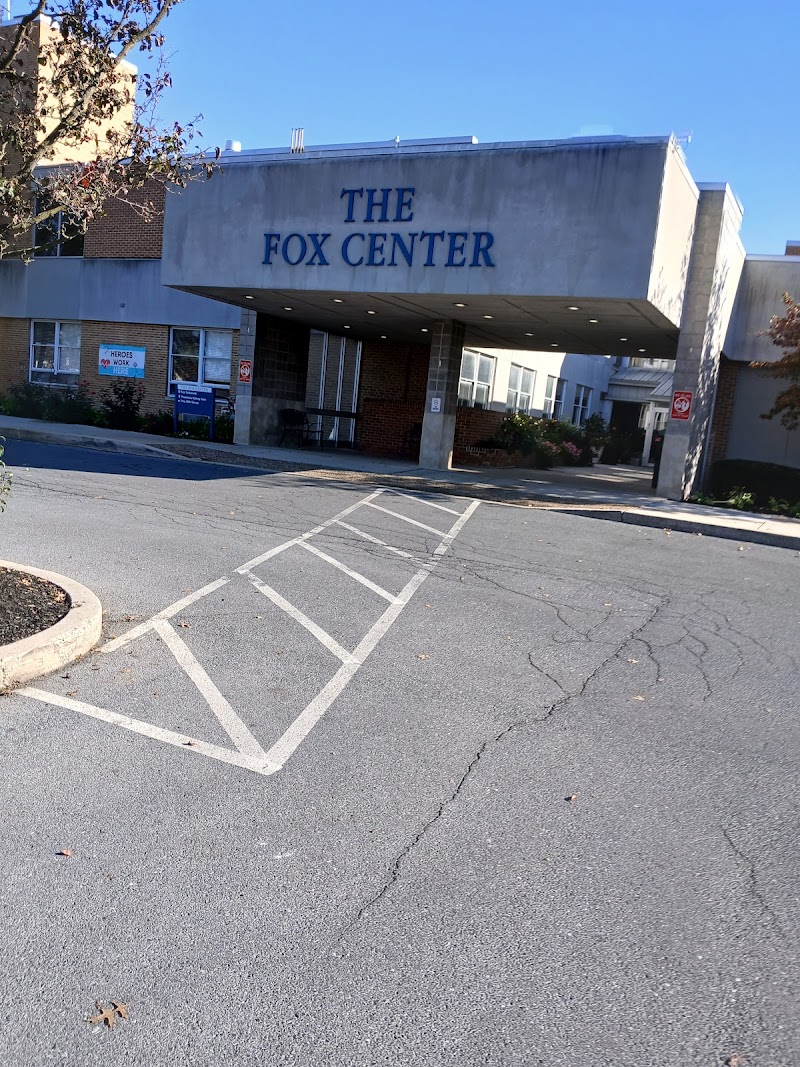
How is Fox Subacute At Mechanicsburg Staffed?

CMS rates FOX SUBACUTE AT MECHANICSBURG's staffing level at 2 out of 5 stars, which is below average compared to other nursing homes. Staff turnover is 50%, compared to the Pennsylvania average of 46%.

What Have Inspectors Found at Fox Subacute At Mechanicsburg?

State health inspectors documented 33 deficiencies at FOX SUBACUTE AT MECHANICSBURG during 2023 to 2025. These included: 33 with potential for harm.
Who Owns and Operates Fox Subacute At Mechanicsburg?

FOX SUBACUTE AT MECHANICSBURG is owned by a for-profit company. For-profit facilities operate as businesses with obligations to shareholders or private owners. The facility operates independently rather than as part of a larger chain. With 56 certified beds and approximately 50 residents (about 89% occupancy), it is a smaller facility located in MECHANICSBURG, Pennsylvania.
How Does Fox Subacute At Mechanicsburg Compare to Other Pennsylvania Nursing Homes?

Compared to the 100 nursing homes in Pennsylvania, FOX SUBACUTE AT MECHANICSBURG's overall rating (2 stars) is below the state average of 3.0, staff turnover (50%) is near the state average of 46%, and health inspection rating (2 stars) is below the national benchmark.

What Should Families Ask When Visiting Fox Subacute At Mechanicsburg?

Based on this facility's data, families visiting should ask: "Can you walk me through typical staffing levels on day, evening, and night shifts?" "Can I visit during a mealtime to observe dining assistance and food quality?" "How do you handle medical emergencies, and what is your hospital transfer rate?" "Can I speak with family members of current residents about their experience?" These questions are particularly relevant given the below-average staffing rating.

Is Fox Subacute At Mechanicsburg Safe?

Based on CMS inspection data, FOX SUBACUTE AT MECHANICSBURG has a clean safety record: no substantiated abuse findings (meaning no confirmed cases of resident harm), no Immediate Jeopardy citations (the most serious violation level indicating risk of serious injury or death), and is not on the Special Focus Facility watch list (a federal program monitoring the lowest-performing 1% of nursing homes). The facility has a 2-star overall rating and ranks #100 of 100 nursing homes in Pennsylvania. While no facility is perfect, families should still ask about staff-to-resident ratios and recent inspection results during their visit.

Do Nurses at Fox Subacute At Mechanicsburg Stick Around?

FOX SUBACUTE AT MECHANICSBURG has a staff turnover rate of 50%, which is about average for Pennsylvania nursing homes (state average: 46%). Moderate turnover is common in nursing homes, but families should still ask about staff tenure and how the facility maintains care continuity when employees leave.

Was Fox Subacute At Mechanicsburg Ever Fined?

FOX SUBACUTE AT MECHANICSBURG has been fined $14,886 across 2 penalty actions. This is below the Pennsylvania average of $33,228. While any fine indicates a compliance issue, fines under $50,000 are relatively common and typically reflect isolated problems that were subsequently corrected. Families should ask what specific issues led to these fines and confirm they've been resolved.

Is Fox Subacute At Mechanicsburg on Any Federal Watch List?

FOX SUBACUTE AT MECHANICSBURG is not on any federal watch list. The most significant is the Special Focus Facility (SFF) program, which identifies the bottom 1% of nursing homes nationally based on persistent, serious quality problems. Not being on this list means the facility has avoided the pattern of deficiencies that triggers enhanced federal oversight. This is a positive indicator, though families should still review the facility's inspection history directly.