CASSELMAN HEALTHCARE AND REHABILITATION CENTER
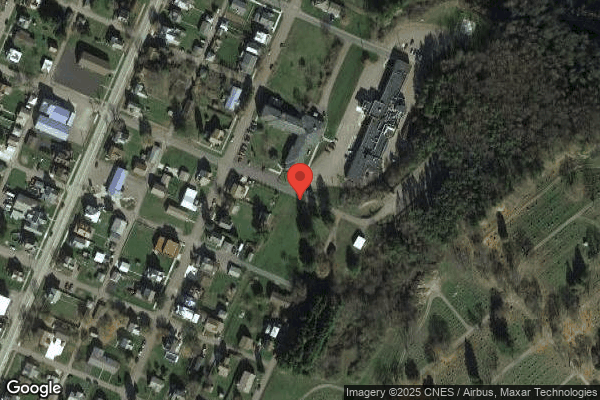

201 HOSPITAL DRIVE, MEYERSDALE, PA 15552 (814) 634-5966
For profit - Limited Liability company 99 Beds ABRAHAM SMILOW Data: November 2025
Trust Grade
28/100
#395 of 653 in PA
Last Inspection: July 2025

Inspected within the last 6 months. Data reflects current conditions.

Overview

Casselman Healthcare and Rehabilitation Center has received a Trust Grade of F, indicating significant concerns about its care quality. Ranked #395 out of 653 facilities in Pennsylvania, it is in the bottom half of state options, though it is #2 out of 6 in Somerset County, meaning only one local facility is rated higher. Unfortunately, the facility is worsening, with the number of issues increasing from 9 in 2024 to 15 in 2025. Staffing is relatively stable, earning a 4 out of 5 stars, with a turnover rate of 43% that is slightly below the state average. However, the facility has faced notable problems, such as failing to follow through on necessary podiatry appointments for residents, leading to untreated infections, and serving food that was not at safe temperatures, which can pose risks to residents' health. Overall, while there are some staffing strengths, the number of critical issues and declining trends raise significant red flags.

Trust Score
F
28/100
In Pennsylvania
#395/653
Bottom 40%
Safety Record
High Risk
Review needed
Inspections
Getting Worse
9 → 15 violations
Staff Stability
○ Average
43% turnover. Near Pennsylvania's 48% average. Typical for the industry.
Penalties
○ Average
$3,250 in fines. Higher than 57% of Pennsylvania facilities. Some compliance issues.
Skilled Nurses
○ Average
Each resident gets 40 minutes of Registered Nurse (RN) attention daily — about average for Pennsylvania. RNs are the most trained staff who monitor for health changes.
Violations
⚠ Watch
57 deficiencies on record. Higher than average. Multiple issues found across inspections.
★★☆☆☆
2.0
Overall Rating
★★★★☆
4.0
Staff Levels
★★★★☆
4.0
Care Quality
★★☆☆☆
2.0
Inspection Score
Stable
2024: 9 issues
2025: 15 issues

The Good

  • 4-Star Staffing Rating · Above-average nurse staffing levels
  • 4-Star Quality Measures · Strong clinical quality outcomes
  • Full Sprinkler Coverage · Fire safety systems throughout facility
  • No fines on record
  • Staff turnover below average (43%)

    5 points below Pennsylvania average of 48%

Facility shows strength in staffing levels, quality measures, fire safety.

The Bad

2-Star Overall Rating

Below Pennsylvania average (3.0)

Below average - review inspection findings carefully

Staff Turnover: 43%

Near Pennsylvania avg (46%)

Typical for the industry

Federal Fines: $3,250

Below median ($33,413)

Minor penalties assessed

Chain: ABRAHAM SMILOW

Part of a multi-facility chain

Ask about local staffing decisions and management

The Ugly 57 deficiencies on record

1 actual harm
Sept 2025 2 deficiencies
CONCERN (D) 📢 Someone Reported This

A family member, employee, or ombudsman was alarmed enough to file a formal complaint

Potential for Harm - no one hurt, but risky conditions existed

Deficiency F0657 (Tag F0657)

Could have caused harm · This affected 1 resident

Review of policies and clinical records, as well as observations and staff interviews, it was determined that the facility failed to revise/update care plans after an incident for one of 5 residents r...

Read full inspector narrative →
Review of policies and clinical records, as well as observations and staff interviews, it was determined that the facility failed to revise/update care plans after an incident for one of 5 residents reviewed (Resident 2). Findings include: The facility's policy regarding care plans, dated April 7, 2025, indicated that the care plan will be reviewed and revised to reflect changes in the resident's status. A quarterly Minimum Data Set (MDS) assessment (a mandated assessment of a resident's abilities and care needs) for Resident 1, dated August 21, 2025, indicated that the resident was cognitively intact, could understand and was understood, required assistance from staff for her daily care needs and had diagnoses that included, morbid obesity, anxiety and chronic migraines. A care plan, revised July 14, 2025, indicated that Resident 1 had the potential to be verbally aggressive related to ineffective coping skills. A quarterly Minimum Data Set (MDS) assessment (a mandated assessment of a resident's abilities and care needs) for Resident 2, dated August 3, 2025, indicated that the resident was severely cognitively impaired, makes himself understood and rarely understands, required assistance from staff for his daily care needs and had diagnoses that included, paranoid schizophrenia and intellectual inabilities. A care plan, revised February 7, 2025, indicated that Resident 2 had the potential to be physically aggressive (hitting others), a history of harm to others and poor impulse control. Nursing notes dated September 3, 2025, indicated that Resident 1 and Resident 2 had an altercation/incident in the 3 west hallway. Resident 1 was in her electric wheel chair attempting to pass Resident 2 who was in his wheelchair. The residents came in close proximity to each other and Resident 2 hit Resident 1 on the arm six times. A review of Resident 2's care plan revealed no documented evidence that new interventions were attempted or implemented after the incident on September 3, 2025, to prevent similar incidents of physical abuse in the future. Interview with the Nursing Home Administrator on September 17, 2025, at 3:05 p.m. indicated that in her viewpoint, the facility was following the care plan and was not sure what other intervention they could put in place to prevent him from further altercations with Resident 1 or other residents. 28 Pa. Code 211.11(d) Resident care plan.
CONCERN (F) 📢 Someone Reported This

A family member, employee, or ombudsman was alarmed enough to file a formal complaint

Potential for Harm - no one hurt, but risky conditions existed

Deficiency F0804 (Tag F0804)

Could have caused harm · This affected most or all residents

Based on review of facility policies, observations, and staff interviews, it was determined that the facility failed to serve food that was palatable and at safe and appetizing temperatures.Findings i...

Read full inspector narrative →
Based on review of facility policies, observations, and staff interviews, it was determined that the facility failed to serve food that was palatable and at safe and appetizing temperatures.Findings include: The facility's policy regarding food safety requirements, dated April 7, 2025 indicated that foods and beverages shall be distributed and served in a manner that is palatable, and the temperatures will be at the recommended temperatures per the Federal Food Code temperature Requirements which states that hot food must be held at 135 degrees Fahrenheit or higher.Observations in the kitchen for the lunch meal service on September 17, 2025, at 11:31 a.m. revealed that a test tray left the kitchen and arrived on the west wing at 12:01 p.m. The lunch meal on September 17, 2025, consisted of baked fish, rice, and mixed vegetables. Trays were passed to the residents in their rooms, and the last resident was served and eating at 12:06 p.m. The test tray on September 17, 2025, at 12:06 p.m. revealed that the temperature of the baked fish was 122.8 degrees Fahrenheit, rice was 143.3 degrees Fahrenheit, the mixed vegetables were 119.0 degrees Fahrenheit, the mechanically altered fish was 144.3 degrees Fahrenheit, and the mechanically altered rice was 147.1 degrees Fahrenheit. The mixed vegetables were cold and unpalatable and the fish was not at the appropriate holding temperature.Interview with the Dietary Director on September 17, 2025, at 12:09 p.m. confirmed that food should be served at correct temperatures and be palatable.
Jul 2025 7 deficiencies
CONCERN (D)

Potential for Harm - no one hurt, but risky conditions existed

Assessment Accuracy (Tag F0641)

Could have caused harm · This affected 1 resident

Based on review of the Resident Assessment Instrument User's Manual and residents' clinical records, as well as staff interviews, it was determined that the facility failed to complete accurate Minimu...

Read full inspector narrative →
Based on review of the Resident Assessment Instrument User's Manual and residents' clinical records, as well as staff interviews, it was determined that the facility failed to complete accurate Minimum Data Set assessments for three of 28 residents reviewed (Residents 3, 38, 52). Findings include:The Resident Assessment Instrument (RAI) User's Manual, which gives instructions for completing Minimum Data Set (MDS) assessments (mandated assessments of a resident's abilities and care needs), dated October 2024, revealed that Section N0415F1 (antibiotic medication) was to be checked if the resident received an antibiotic medication during the seven-day assessment period and Section N0415K1 was to be checked if the resident received an anticonvulsant medication during the seven-day assessment period.Physician's orders for Resident 3 dated May 1, 2025, included an order for the resident to receive 300 milligrams (mg) of Gabapentin two times a day for diabetic neuropathy (nerve damage that can cause pain, numbness, tingling, and weakness in the hands and feet, and sometimes other parts of the body). The resident's Medication Administration Record (MAR) for May 2025 revealed that the resident received Gabapentin twice a day from May 1 through 28, 2025.A quarterly MDS assessment for Resident 3, dated May 24, 2025, revealed that Section N0415K1 was not checked, indicating that the resident did not receive any anticonvulsant medications during the seven days of the assessment period. Physician's orders for Resident 38 dated March 18, 2024, included an order for the resident to receive 100 mg of Pregabalin three times a day for neuropathy. The resident's Medication Administration Record (MAR) for May 2025 revealed that the resident received Pregabalin three times a day from May 1 through 31, 2025.A quarterly MDS assessment for Resident 38, dated May 9, 2025, revealed that Section N0415K1 was not checked, indicating that the resident did not receive any anticonvulsant medications during the seven days of the assessment period. Physician's orders for Resident 53 dated May 1, 2025, included an order for the resident to have 1% Silvadene External Cream (antibiotic) applied to the sacrum gluteal fold (horizontal crease or fold located at the base of the buttocks) every day and evening shift for wounds. The resident's Treatment Administration Records (TAR's) for May 2025 revealed that the resident received Silvadene External Cream every day and evening from May 2 through 10, 2025.A quarterly MDS assessment for Resident 53, dated May 9, 2025, revealed that Section N0415F1 was not checked, indicating that the resident did not receive any antibiotic medications during the seven days of the assessment period. An interview with the Director of Nursing on July 30, 2025, at 2:59 p.m. confirmed that assessments for Residents 3, 38, and 53 were coded incorrectly.28 Pa. Code 211.5(f) Medical records.
CONCERN (D)

Potential for Harm - no one hurt, but risky conditions existed

Deficiency F0657 (Tag F0657)

Could have caused harm · This affected 1 resident

Based on review of clinical records, as well as staff interviews, it was determined that the facility failed to ensure that a resident's care plan was updated/revised to reflect the resident's specifi...

Read full inspector narrative →
Based on review of clinical records, as well as staff interviews, it was determined that the facility failed to ensure that a resident's care plan was updated/revised to reflect the resident's specific care needs for two of 28 residents reviewed (Residents 4 and 9). A facility policy for Care Plan Revisions Upon Status Change dated April 7, 2025, indicated that the comprehensive care plan will be reviewed, and revised as necessary, when a resident experiences a status change. A significant change Minimum Data Set (MDS) assessment (a mandated assessment of a resident's care needs and abilities) for Resident 4 dated May 2, 2025, indicated that the resident was cognitively intact, required assistance with daily care needs, and had diagnoses that included Multiple Sclerosis (disease in which the immune system eats away at the protective covering of nerves). The Care plan for Resident 4 dated October 13, 2023, indicated that the resident was receiving diuretic therapy (water pills, to increase urine production and help the body eliminate excess fluid and sodium). Review of the Medication Administration Record (MAR) for Resident 4 dated July 2025, revealed no documented evidence that the resident was receiving a diuretic medication. An interview with Licensed Practical Nurse Assessment Coordinator on July 31, 2025, at 9:53 am confirmed that Resident 4 was not receiving diuretic medications and that Resident 4's care plan should have been revised to reflect that, however it was not. An admission MDS assessment for Resident 9 dated July 2, 2025, indicated that the resident was cognitively intact, required assistance with daily care needs, and had diagnoses that included necrotizing fasciitis (a severe bacterial infection that rapidly destroys skin, fat, and muscle tissue).The Care plan for Resident 9 dated July 3, 2025, indicated that the resident was receiving anticoagulant therapy (medications that prevent blood clots from forming or existing clots from getting larger).Review of the MAR for Resident 9 revealed that the resident had not received any anticoagulant medications since July 8, 2025.An interview with the Nursing Home Administration on July 31, 2025, at 12:04 p.m. revealed that the Resident 9 was no longer receiving anticoagulant medication and that his care plan should have been revised to reflect that, however, it was not. 28 Pa. Code 211.12(d)(5) Nursing services.
CONCERN (D) 📢 Someone Reported This

A family member, employee, or ombudsman was alarmed enough to file a formal complaint

Potential for Harm - no one hurt, but risky conditions existed

Quality of Care (Tag F0684)

Could have caused harm · This affected 1 resident

Based on a review of facility policy and clinical records, as well as staff interviews, it was determined that the facility failed to follow physician's orders related to bowel protocols for one of 28...

Read full inspector narrative →
Based on a review of facility policy and clinical records, as well as staff interviews, it was determined that the facility failed to follow physician's orders related to bowel protocols for one of 28 residents reviewed (Resident 42).Findings include:A facility policy for Bowel Movements Monitoring dated April 7, 2025, indicated that all residents' bowel movements will be documented. If a resident has not had a bowel movement for three full days, the licensed nurse will follow bowel protocol as ordered by the physician. All shifts will then monitor for effectiveness. If initial laxative is ineffective, then a second laxative if ordered is given as per order. Resident will be monitored on all shifts for bowel movements to see if second laxative was effective. If the second laxative was ineffective, then an enema will be given per physician order. All three shifts will monitor resident for bowel movement to see if enema was effective. If enema is ineffective, notify the physician.A quarterly MDS assessment for Resident 42 dated July 3, 2025, indicated that the resident was cognitively impaired, required assistance with daily care needs, was always incontinent of bowel, and had diagnoses that included paranoid schizophrenia (a chronic mental health condition characterized by persistent delusions and hallucinations). Physician's orders for Resident 42, dated May 10, 2022, included an order for the resident to receive 30 milliliters (ml) of Milk of Magnesia Suspension (laxative- used to produce a bowel movement) as needed for constipation if no bowel movement by the third day/nine shifts and document effectiveness. Resident 42's bowel movement records dated June 2025 and July 2025 indicated that the resident did not have a bowel movement on June 17, 2025, through June 23, 2025. There was no documented evidence that 30 ml of Milk of Magnesia Suspension was offered to or refused by the resident after the third day/ninth shift of no bowel movement. Review of the Medication Administration Record dated June 2025, revealed 30 ml of Milk of Magnesia Suspension was administered on June 21, 2025, five days after no bowel movement, however, it was ineffective, and no further interventions were provided. Bowel movement records revealed that Resident 42 did not have a bowel movement for five days from July 11, 2025, through July 15, 2025. There was no documented evidence that 30 ml of Milk of Magnesia Suspension was offered or declined after three days/nine shifts of no bowel movement. Bowel movement records revealed that the resident did not have a bowel movement on July 18, 2025, through July 25, 2025, however there was no documented evidence that the resident was offered or declined 30 milliliters (ml) of Milk of Magnesia Suspension after three days/nine shifts of no bowel movement.Interview with the Director of Nursing on July 30, 2025, confirmed that the staff did not follow the facility's bowel policy and physician's orders for Resident 42 on the above-mentioned dates. 28 Pa. Code 211.12(d)(5) Nursing Services.
CONCERN (D) 📢 Someone Reported This

A family member, employee, or ombudsman was alarmed enough to file a formal complaint

Potential for Harm - no one hurt, but risky conditions existed

Deficiency F0729 (Tag F0729)

Could have caused harm · This affected 1 resident

**NOTE- TERMS IN BRACKETS HAVE BEEN EDITED TO PROTECT CONFIDENTIALITY** Based on a review of facility job descriptions and personnel files, as well as staff interviews, it was determined that the faci...

Read full inspector narrative →
**NOTE- TERMS IN BRACKETS HAVE BEEN EDITED TO PROTECT CONFIDENTIALITY** Based on a review of facility job descriptions and personnel files, as well as staff interviews, it was determined that the facility failed to ensure that staff renewed their nurse aide registry to allow individuals to work as a nurse aide for one of three nurse aides reviewed (Nurse Aide 3). Findings include:The facility's job description, undated, revealed that a nurse aide certification was necessary to perform functions of the position. This was cited as past-noncompliance.The personnel file for agency Nurse Aide 3 revealed that her certification on the nurse aide registry expired on [DATE]. The facility was unaware that Nurse Aide 3's certification on the nurse aide registry had expired until they were notified on [DATE], by Nurse Aide 3. Nurse Aide 3 worked in the facility from [DATE] through [DATE] and was immediately removed from the schedule when it was discovered that her registry had expired. Interview with the Director of Human Resources on [DATE] at 11:06 a.m. confirmed that Nurse Aide 3's certification on the nurse aide registry expired on [DATE], and should have been renewed prior to expiring and that she continued to work from [DATE] until [DATE] when it was discovered.The facility's corrective actions taken following the incident included:1. An immediate audit of all nurse aides was conducted and results were reviewed.2. The nurse aide was suspended and disciplined for failing to renew her registry timely.3. Staff education was completed regarding renewing their registry prior to expiration. All of the staff was educated by [DATE].4. Monthly audits will be completed and reviewed at QAPI meetings.5. Human Resources will now offer reminders to the staff prior to expiration.6. Human Resources will offer support to staff who may struggle to use the computer to renew.7. On-going audits will be submitted to the facility's QAPI meetings as appropriate for review.Review of the facility's corrective actions and interviews completed with staff regarding their re-education revealed that they were in compliance with F658 on [DATE].28 Pa. Code 201.29 Personnel policies and procedures.
CONCERN (D)

Potential for Harm - no one hurt, but risky conditions existed

Deficiency F0761 (Tag F0761)

Could have caused harm · This affected 1 resident

Based on review of policies and clinical records, as well as observations and staff interviews, it was determined that the facility failed to ensure that medications were properly labeled for one of 2...

Read full inspector narrative →
Based on review of policies and clinical records, as well as observations and staff interviews, it was determined that the facility failed to ensure that medications were properly labeled for one of 28 residents reviewed (Resident 37). Findings include:The facility's policy regarding labeling of medications, dated April 7, 2025, indicated that all medications and biologicals used in the facility will be labeled in accordance with current state and federal regulations to facilitate consideration of precautions and safe administration of medications. Labels for individual drug containers must include appropriate instructions and precautions. The pharmacy must be informed of any changes or changes in directions for use of the medication. Physician's orders for Resident 37, dated July 1, 2025, indicated that the resident was to receive two 300 milligram (mg) capsules of Gabapentin (a medication used to treat nerve pain) daily and one 300 mg capsule of Gabapentin at bedtime. Observations during the medication administration on July 31, 2025, at 8:24 a.m. revealed that Licensed Practical Nurse 1 obtained Resident 37's blister pack (commonly used as unit-dose packaging for pharmaceutical tablets, capsules or lozenges) containing the resident's Gabapentin. The label on the blister pack containing the Gabapentin revealed that the resident was to receive one 300 mg capsule of Gabapentin daily and two 300 mg capsules of Gabapentin at bedtime. Interview with Licensed Practical Nurse 1 at the time of observation confirmed that the label on the blister pack containing the resident's Gabapentin did not match the resident's current orders for Gabapentin and that there should have been a change in direction sticker (a label used to indicate that a change has been made to the instructions or directions for something, often medication or a process) on the blister pack containing the resident's Gabapentin. Interview with the Director of Nursing on July 31, 2025, at 1:48 p.m. confirmed that there should have been a change in direction sticker on Resident 37's blister pack of Gabapentin to alert staff of the change in orders. 28 Pa. Code 211.9(a)(1) Pharmacy Services. 28 Pa. Code 211.12(d)(3) Nursing Services.
CONCERN (D)

Potential for Harm - no one hurt, but risky conditions existed

Deficiency F0773 (Tag F0773)

Could have caused harm · This affected 1 resident

Based on review of policies and clinical records, as well as staff interviews, it was determined that the facility failed to obtain laboratory studies as ordered by the physician for one of 28 residen...

Read full inspector narrative →
Based on review of policies and clinical records, as well as staff interviews, it was determined that the facility failed to obtain laboratory studies as ordered by the physician for one of 28 residents reviewed (Resident 3).Findings include:The facility's policy regarding laboratory services and reporting, dated April 7, 2025, revealed that the facility would provide or obtain laboratory services when ordered by a physician, physician assistant, nurse practitioner, or clinical nurse specialist in accordance with state law. The facility would provide or obtain laboratory services to meet the needs of its residents.A quarterly Minimum Data Set (MDS) assessment (a mandated assessment of a resident's abilities and care needs) for Resident 3, dated June 25, 2025, revealed that the resident was cognitively intact and had diagnoses that included hypothyroidism (when the thyroid gland doesn't make and release enough hormone into your bloodstream). A pharmacy review for Resident 3, dated May 3, 2025 revealed the resident was taking levothyroxine (medication used to treat hypothyroidism) and to consider monitoring TSH/thyroid panel (thyroid stimulating hormone-hormone produced by the pituitary gland). Physician's orders for Resident 3, dated May 14, 2025, included an order for staff to obtain a TSH level for hypothyroidism when the next labs were drawn. A care plan, dated July 14, 2022, revealed the resident had hypothyroidism and labs were to be obtained as ordered.Laboratory results, dated June 2, 2025, revealed that the TSH level was not included with the laboratory tests that were drawn that day.Interview with Director of Nursing on July 29, 2025, at 3:14 p.m. confirmed that there was no documented evidence that Resident 3's TSH level was drawn as ordered.28 Pa. Code 211.12(d)(1)(3)(5) Nursing Services.
CONCERN (E) 📢 Someone Reported This

A family member, employee, or ombudsman was alarmed enough to file a formal complaint

Potential for Harm - no one hurt, but risky conditions existed

Deficiency F0658 (Tag F0658)

Could have caused harm · This affected multiple residents

**NOTE- TERMS IN BRACKETS HAVE BEEN EDITED TO PROTECT CONFIDENTIALITY** Based on Review of Pennsylvania's Nursing Practice Act and information submitted from the facility, it was determined that the f...

Read full inspector narrative →
**NOTE- TERMS IN BRACKETS HAVE BEEN EDITED TO PROTECT CONFIDENTIALITY** Based on Review of Pennsylvania's Nursing Practice Act and information submitted from the facility, it was determined that the facility failed to ensure that a licensed practical nurse's license remained current for one of one licensed practical nurse's reviewed (Licensed Practical Nurse 2). This was cited as past non-compliance.Findings include:The Pennsylvania Code, Title 49, Professional and Vocational Standards, State Board of Nursing, for the expiration and renewal of licensure revealed that notice of the renewal period of a license will be sent to each active licensee prior to the expiration date of the licensee's license. The applicant for license renewal may complete and submit an application online or may mail a completed application form to the Board's administrative office. When applying for licensure renewal, a registered nurse shall complete and submit the renewal application, including disclosing any license to practice nursing or any allied health profession in any other state, territory, possession or country, pay the biennial renewal fee, verify the completion of mandatory continuing education and child abuse recognition and reporting requirements, disclose any discipline imposed by a state licensing board on any nursing or allied health profession license or certificate in the previous biennial period, and any criminal charges pending or criminal conviction, plea of guilty or nolo contendere, admission into a probation without verdict, or accelerated rehabilitation during the previous biennial period.Information submitted by the facility staff on [DATE], revealed that Licensed Practical Nurse 2's license expired on [DATE], and that she continued to work from [DATE], until a whole house audit on [DATE] revealed that her license had expired. No care concerns were identified during this time.Licensed Practical Nurse 2 was immediately removed from the schedule and not permitted to return to work until she renewed her license on [DATE]. An interview with the Human Resources Director on [DATE] at 11:06 a.m. revealed that the facility suspended License Practical Nurse 2 when they learned that her license had expired and that she was not permitted to return to work until she renewed her licensed on [DATE]. The facility's corrective actions taken following the incident included:1. An immediate audit of all licensed staff was conducted and results were reviewed.2. The licensed practical nurse was suspended and disciplined for failing to renew her license timely.3. Staff education was completed regarding renewing their licenses prior to expiration. All of the staff was educated by [DATE].4. Monthly audits will be completed and reviewed at QAPI meetings.5. Human Resources will now offer reminders to the staff prior to expiration.6. Human Resources will offer support to staff who may struggle to use the computer to renew.7. On-going audits will be submitted to the facility's QAPI meetings as appropriate for review.Review of the facility's corrective actions and interviews completed with staff regarding their re-education revealed that they were in compliance with F658 on [DATE].28 Pa. Code 201.14(a) Responsibility of license.28 Pa. Code 201.18(e)(1) Management.28 Pa. Code 211.12(d)(1)(3)(5) Nursing services.
Jul 2025 2 deficiencies
CONCERN (D) 📢 Someone Reported This

A family member, employee, or ombudsman was alarmed enough to file a formal complaint

Potential for Harm - no one hurt, but risky conditions existed

Deficiency F0602 (Tag F0602)

Could have caused harm · This affected 1 resident

Based on review of facility policy, clinical records and facility investigative documents, as well as staff interviews, it was determined that the facility failed to ensure that residents were free fr...

Read full inspector narrative →
Based on review of facility policy, clinical records and facility investigative documents, as well as staff interviews, it was determined that the facility failed to ensure that residents were free from misappropriation of medications for one of five residents reviewed (Resident 3).Findings include:The facility's policy regarding controlled narcotics dated April 7, 2025, indicated that the facility complies with all laws, regulations, and other requirements related to handling, storage, disposal, and documentation of controlled medications (listed as Schedule II-V of the comprehensive drug abuse prevention and control act of 1976). Misappropriation was defined as the deliberate misplacement, exploitation, or wrongful, temporary or permanent use of a resident's belongings or money without the resident's consent example drug diversion (taking the residents medication).A quarterly Minimum Data Set (MDS) assessment (a mandated assessment of a resident's abilities and care needs) for Resident 3, dated May 29, 2025, revealed that the resident was cognitively intact, required assistance from staff for daily care needs, and had medical diagnoses that included peripheral vascular disease (affects blood circulation to lower legs).Physician's orders for Resident 3, dated March 27, 2025, included orders for the resident to receive 30 milligrams of Morphine (a controlled narcotic used for pain) every twelve hours for pain.The controlled drug record for Resident 3 for April 2025 indicated that three doses of Morphine were signed out on April 28, 2025 at 7:00 a.m.An investigation report, dated May 6, 2025, revealed that Resident 3's medication packet containing Morphine was missing three 30 mg doses and that Licensed Practical Nurse 1 misappropriated the Morphine tablets and had replaced them with other pills.Interview with the Director of Nursing on July 2, 2025, at 4:14 p.m. confirmed that Resident 3's Morphine was taken by Licensed Practical Nurse 1. She indicated that the police were notified and Licensed Practical Nurse 1 was referred to the Pennsylvania Department of State.28 Pa. Code 201.14(a) Responsibility of License.28 Pa. Code 201.18(b)(1)(e)(1) Management.28 Pa. Code 211.12(d)(3)(5) Nursing Services.
CONCERN (D) 📢 Someone Reported This

A family member, employee, or ombudsman was alarmed enough to file a formal complaint

Potential for Harm - no one hurt, but risky conditions existed

Pharmacy Services (Tag F0755)

Could have caused harm · This affected 1 resident

Based on review of policies and clinical records, as well as staff interviews, it was determined that the facility failed to maintain a complete and accurate accounting of controlled medications (medi...

Read full inspector narrative →
Based on review of policies and clinical records, as well as staff interviews, it was determined that the facility failed to maintain a complete and accurate accounting of controlled medications (medications with the potential to be abused) for one of three residents reviewed (Resident 1).Findings include:The facility's policy regarding medication administration, dated April 7, 2025, indicated that the individual administering the medication initials the resident's Medication Administration Record (MAR) on the appropriate line after giving each medication and before administering the next ones.The facility's policy regarding controlled substance administration, dated April 7, 2025, states that an individual controlled substance record is made for each resident who will be receiving a controlled substance.A quarterly Minimum Data Set (MDS) assessment (a mandated assessment of a resident's abilities and care needs) for Resident 1, dated May 14, 2025, revealed that the resident is cognitively intact, required assistance for daily care needs, and had medical diagnosis that include lumbosacral disc displacement.Physician's orders for Resident 1, dated May 3, 2025, included an order for the resident to receive two milligrams (mg) tablet of Dilaudid (a controlled narcotic pain medication) every six hours as needed for severe pain.A review of the controlled drug record (a form that accounts for each tablet/pill/dose of a controlled drug) for Resident 1, for April and May 2025 indicated that a 2 mg tablet of Dilaudid was signed out for the resident on April 14, 2025 at 9:50 p.m., May 12, 2025 at 4:47 p. m., and June 7, 2025 at 10:40 a.m. However, there was no documented evidence in the resident's Medication Administration (MAR) that the signed-out tablets of Dilaudid were administered to the resident on these dates.Interview with the Director of Nursing on July 2, 2025, at 1:46 p.m. confirmed that there was no documented evidence to indicate that Resident 1 actually received the doses of Dilaudid on the dates listed above dates.28 Pa. Code 211.9(h) Pharmacy services.28 Pa. Code 211.12(d)(1) Nursing service28 Pa. Code 211.12(d)(5) Nursing services.
Apr 2025 2 deficiencies
CONCERN (D) 📢 Someone Reported This

A family member, employee, or ombudsman was alarmed enough to file a formal complaint

Potential for Harm - no one hurt, but risky conditions existed

Deficiency F0558 (Tag F0558)

Could have caused harm · This affected 1 resident

Based on review of policies and clinical records, as well as observations and resident and staff interviews, it was determined that the facility failed to ensure that call bells were within reach for ...

Read full inspector narrative →
Based on review of policies and clinical records, as well as observations and resident and staff interviews, it was determined that the facility failed to ensure that call bells were within reach for two of six residents reviewed (Residents 3, 5). Findings include: The facility's policy for call lights: accessibility and timely response, dated May 31, 2024, indicated that the purpose was to ensure the facility is adequately equipped with a call light at each residents' bedside, toilet, and bathing facility, to allow residents to call for assistance. Staff would ensure the call light was within reach of residents and secured, as needed. A quarterly Minimum Data Set (MDS) assessment (a mandated assessment of a resident's care needs and abilities) for Resident 3, dated March 21, 2025, revealed that the resident could usually make herself understood and understand others, had moderate cognitive impairment, required assistance from staff for care needs, was occasionally incontinent of bladder, and had diagnoses that included seizures. A care plan for Resident 3, dated February 16, 2024, indicated that the resident was at risk for falls and the call bell was to be in reach. Observations of Resident 3 in her room on April 1, 2025, at 9:26 a.m. revealed that the resident was lying on her bed and her call bell was positioned on the wall above her bed and out of reach. When asked where her call bell was, she indicated that she did not know. Interview with Nurse Aide 1 on April 1, 2025, at 9:26 a.m. confirmed that Resident 3's call bell was out of her reach. A quarterly MDS assessment for Resident 5, dated March 24, 2025, revealed that the resident could make his needs known, had moderate cognitive impairment, required assistance from staff for care needs, was frequently incontinent of bowel and bladder, and had diagnoses that included kidney disease. A care plan for Resident 5, dated February 16, 2024, indicated that the resident required the assistance of one staff member with toileting and staff were to encourage the resident to use the call bell for assistance. Observations of Resident 5 in his room on April 1, 2025, at 9:50 a.m. revealed that the resident was asleep in his bed and his call bell was not seen on or near his bed. The call bell was lying on the floor near the bed closest to the door. Interview with Licensed Practical Nurse 2 on April 1, 2025, at 9:56 a.m. confirmed Resident 5's call bell was out of reach and that he did use his call bell. Interview with the Director of Nursing on April 1, 2025, at 1:16 p.m. confirmed that Resident 3's and 5's call bells should have been within their reach. 28 Pa. Code 211.12(d)(1)(3)(5) Nursing Services.
CONCERN (D) 📢 Someone Reported This

A family member, employee, or ombudsman was alarmed enough to file a formal complaint

Potential for Harm - no one hurt, but risky conditions existed

Pressure Ulcer Prevention (Tag F0686)

Could have caused harm · This affected 1 resident

Based on review of facility policies and clinical records, as well as staff interviews, it was determined that the facility failed to provide care for pressure ulcers in accordance with professional s...

Read full inspector narrative →
Based on review of facility policies and clinical records, as well as staff interviews, it was determined that the facility failed to provide care for pressure ulcers in accordance with professional standards of practice, by failing to ensure that recommendations from a wound consultant were reviewed with the attending physician for one of six residents reviewed (Resident 2) who had pressure ulcers. Findings include: The facility's policy regarding the prevention of pressure ulcers, dated May 31, 2024, indicated that the facility would review the resident's care plan and identify the risk factors as well as the interventions designed to reduce or eliminate those considered modifiable. The resident was to be assessed on admission for existing pressure injury risk factors, repeated weekly, and upon any changes in condition. The facility was to select appropriate support surfaces and pressure redistribution based on the resident's risk factors, in accordance with current clinical practice. A quarterly Minimum Data Set (MDS) assessment (a mandated assessment of a resident's abilities and care needs) for Resident 2, dated February 8, 2025, indicated that the resident had moderate cognitive impairment, was dependent on staff for care, had limited range of motion of the upper and lower extremities, had pressure ulcers (skin breakdown caused by pressure), and had diagnoses that included a stroke. A wound clinic note, dated January 17, 2025, revealed that Resident 2 had a Stage II pressure ulcer (partial thickness loss of dermis presenting as a shallow open ulcer with a red-pink wound bed, without slough or bruising) to the sacrum (lower part of the spine), a treatment of collagen particles (a type of medical dressing used to promote wound healing using purified collagen, a protein that is essential for skin and tissue repair) was being applied twice a day, and the area was improving without complications. A wound clinic note, dated January 24, 2025, revealed that Resident 2's pressure ulcer on the sacrum was worsening and was unstageable (not stageable due to coverage of the wound bed), and developed a new Stage II pressure ulcer on the left heel. It was recommended to change the treatment to the sacrum and apply medical grade honey (honey-based treatment that prevents infection and assists with healing) and calcium alginate (absorbent dressing) to the wound bed twice a day, and to consider an APP (alternating pressure pad using air) for offloading (reducing or redistributing pressure on specific areas of the body). A wound clinic note, dated January 31, 2025, revealed that Resident 2's pressure ulcer on the sacrum was stable and surgical debridement (medical procedure that involves removing dead, infected, or damaged tissue from a wound) of the wound was completed. It was again recommended to consider an APP for offloading. There was no documented evidence that the alternating pressure pad was discussed with the physician or put into place following the recommendations of the wound clinic on January 24 and 31, 2025. A wound clinic note, dated February 7, 2025, revealed that Resident 2's pressure ulcer on the sacrum was stable. It was recommended to change the treatment to the sacrum and apply Dakin's Solution (used to prevent and treat skin and tissue infections) to the wound twice a day, consider an APP for offloading, and to obtain a sacral x-ray to determine the depth of the evolving sacral ulcer. A nursing note, dated February 7, 2025, at 1:23 p.m. revealed that an air mattress was being looked into for treatment. An x-ray result, dated February 8, 2025, revealed that the resident had osteomyelitis (a bone infection that occurs when bacteria or other microorganisms invade and infect the bone tissue) of the sacrum and was transferred to the hospital for further treatment. Interview with the Nursing Home Administrator and Director of Nursing on April 1, 2025, at 4:16 p.m. revealed that they thought APP was something staff physically put under the resident to alternate pressure but were not sure what APP was. Interview with Certified Registered Nurse Practitioner 3 on April 1, 2025, at 4:37 p.m. confirmed that she wanted and alternating pressure pad on the bed that had the air pump at the foot of the bed. 28 Pa. Code 211.12(d)(1)(3)(5) Nursing Services.
Jan 2025 2 deficiencies
CONCERN (D) 📢 Someone Reported This

A family member, employee, or ombudsman was alarmed enough to file a formal complaint

Potential for Harm - no one hurt, but risky conditions existed

Safe Environment (Tag F0584)

Could have caused harm · This affected 1 resident

Based on observations and staff interviews, it was determined that the facility failed to maintain a clean, homelike environment in the second floor ice room and in resident rooms for one of eight res...

Read full inspector narrative →
Based on observations and staff interviews, it was determined that the facility failed to maintain a clean, homelike environment in the second floor ice room and in resident rooms for one of eight residents reviewed (Resident 1). Findings include: Observations in the second floor ice room on January 29, 2025, at 9:09 a.m. revealed that there was an ice machine sitting on a wooden type bench/platform. The platform was greenish/blue in color with a moderate amount of chipped paint. The front and top of the platform was noted to have a blackish-brown, removable substance on it that measured approximately 10.0 x 15.0 inches. Interview with the Maintenance Director on January 29, 2025, at 12:17 p.m. confirmed that in the past the ice machine leaked and dripped water onto the top of the platform, which over time resulted in the blackish, removable substance. Observations in Residents 1's room on January 29, 2025, at 9:13 a.m. revealed that there were four holes in the dry wall to the left of the resident's television measuring approximately 5.0 x 4.0 inches each. Interview with Resident 1 at that time, confirmed that she did not like the holes in her wall and that the facility was aware that the dry wall needed to be repaired and painted. Interview with the Maintenance Director on January 29, 2025, at 1:10 p.m. confirmed that Resident 1's dry wall was not homelike and needed repaired. Interview with the Nursing Home Administrator on January 29, 2025, at 4:10 p.m. confirmed that Resident 1's dry wall needed repaired and that the removable, black substance underneath the second floor ice machine should not be there. 28 Pa. Code 201.29(j) Resident Rights. 28 Pa. Code 207.2(a) Administrator's Responsibility.
CONCERN (D) 📢 Someone Reported This

A family member, employee, or ombudsman was alarmed enough to file a formal complaint

Potential for Harm - no one hurt, but risky conditions existed

Room Equipment (Tag F0908)

Could have caused harm · This affected 1 resident

Based on observations, staff interviews, and manufacturer's instructions, it was determined that the facility failed to ensure that battery packs were replaced in mechanical lifts. Findings include: M...

Read full inspector narrative →
Based on observations, staff interviews, and manufacturer's instructions, it was determined that the facility failed to ensure that battery packs were replaced in mechanical lifts. Findings include: Manufacturer's directions for the ArjoHuntleigh Lifter Battery Pack SPL3021, dated August 9, 2016, used for the facility mechanical lifts (equipment used to safely and easily move residents) revealed that the battery life is variable (2-5 years) and depends on proper charging practices. Batteries were to be recharged on a regular basis (at least monthly), they were not to reach a low charge state, and the battery packs were to be removed from the lift when not used for a long period of time. Interviews with Nurse Aide 1 and Nurse Aide 2 on January 29, 2025, at 10:10 a.m. indicated that even when the mechanical lift batteries are fully charged, they are losing their charge very quickly, which makes it difficult and frustrating to provide timely and safe care to the residents. Observations of the five battery chargers in the second floor dining and linen rooms on January 29, 2025, at 12:30 p.m. revealed dates that had been written on the back of them with black marker. One was marked new 4/24/18; one was unreadable; one was marked new 5/11/21; one was marked new 10/15/16 and OK 4/6/18; and one had no date on it. Observations of the batteries that were on the second floor mechanical lifts revealed that one was marked new 6/13/17 OK 4/6/18; one was marked new 4/24/18; and the last one was dated 5/21/21. Observations of the three battery chargers in the third floor linen room on January 29, 2025, at 12:50 revealed dates on the back of them. One was marked OK 4/6/18; one was marked new 4/24/18; and one was marked new 11/2/16. Observations of the batteries that were on the third floor mechanical lifts indicated that one lift battery was marked 12/15 and OK 4/6/18; and one was marked new 6/13/17 and OK 4/6/18. Interview with the Maintenance Director on January 29, 2025, at 1:31 p.m. indicated that to the best of his knowledge, the date on the back of the battery was when the battery was new or when it was checked, depending on the date and wording on the back of the battery. He also revealed that staff have made him and the administration aware of their concern that the batteries are getting old, not holding a charge, and need to be replaced. It was his understanding that the facility determined there were enough back up batteries for the staff to complete their work. The Maintenance Director confirmed that nine of the batteries were over seven years old and two were over three years old. He further confirmed that the manufacturer's instructions indicated that the battery life ranges from two to five years, and that per that information, nine of the batteries should be replaced. Interview with the Nursing Home Administrator on January 29, 2025, at 4:15 p.m. indicated that the facility is an older building and that they have been working on updating and improving the facility as much as feasible, which can include new batteries as the facility is able. 28 Pa. Code 207.2(a) Administrator's Responsibility.
Nov 2024 1 deficiency
CONCERN (D) 📢 Someone Reported This

A family member, employee, or ombudsman was alarmed enough to file a formal complaint

Potential for Harm - no one hurt, but risky conditions existed

Medical Records (Tag F0842)

Could have caused harm · This affected 1 resident

Based on clinical record reviews and staff interviews, it was determined that the facility failed to ensure that clinical records were complete and accurately documented for one one of six residents r...

Read full inspector narrative →
Based on clinical record reviews and staff interviews, it was determined that the facility failed to ensure that clinical records were complete and accurately documented for one one of six residents reviewed (Resident 5). Findings include: A quarterly Minimum Data Set (MDS) assessment (a mandated assessment of a resident's abilities and care needs) for Resident 5, dated October 4, 2024, revealed that the resident was understood; could understand others; had diagnoses that included anemia (low blood count), heart failure (a serious condition that occurs when the heart is unable to pump enough blood and oxygen to the body's organs), hypertension (high blood pressure), diabetes, cerebral vascular accident (CVA - commonly known as a stroke), and chronic obstructive pulmonary disease (COPD -a common lung disease that makes it difficult to breathe); and received oxygen therapy. A nursing note for Resident 5, dated November 2, 2024, at 2:00 a.m., and completed by Licensed Practical Nurse 1, revealed that at approximately 2:00 a.m. the writer went down to the second floor to change the resident's oxygen tubing. The resident had increased lethargy (a symptom that involves an unusual decrease in consciousness) and altered mental status (a change in how well the brain is working, which can lead to confusion, unusual behavior, or decreased alertness) along with rapid respirations and was diaphoretic (excessive sweating due to an underlying health condition or a medication). His oxygen tubing was replaced and was put on the resident. The Registered Nurse Supervisor on duty was made aware at this time. There was no documented evidence in Resident 5's clinical record to indicate that an assessment by a registered nurse was done at that time. Interview with Licensed Practical Nurse 1 on November 5, 2024, at 4:36 p.m. revealed that she was assigned the third floor. Around 2:00 a.m. she found out that the second floor licensed practical nurse had left, which she was not aware of, so she went down to the second floor to change to the oxygen tubing on the residents. She indicated that she got to Resident 5's room and noted a decline in his condition, so she notified the Assistant Director of Nursing, who was the Registered Nurse Supervisor on duty that night, and that he did go in and assess the resident at that time. Interview with the Nursing Home Administrator on November 5, 2024, at 4:25 p.m. confirmed that Resident 5's assessment by the Registered Nurse Supervisor on November 2, 2024, was not documented and should have been. 28 Pa. Code 211.12(d)(1)(3)(5) Nursing Services.
Aug 2024 4 deficiencies
CONCERN (D) 📢 Someone Reported This

A family member, employee, or ombudsman was alarmed enough to file a formal complaint

Potential for Harm - no one hurt, but risky conditions existed

Transfer Notice (Tag F0623)

Could have caused harm · This affected 1 resident

Based on clinical record reviews and staff interviews, it was determined that the facility failed to notify the resident and resident's representative in writing of the transfer and reason for hospita...

Read full inspector narrative →
Based on clinical record reviews and staff interviews, it was determined that the facility failed to notify the resident and resident's representative in writing of the transfer and reason for hospitalization for one of 31 residents reviewed (Resident 54). Findings include: A nursing note for Resident 54, dated May 20, 2024, revealed that the resident was admitted to the facility that afternoon. A nursing note for Resident 54, dated May 25, 2024, revealed that the writer received a call from the resident's son at 7:28 p.m. that the resident was not answering her cell phone. The resident's son stated that he felt that the resident has had a decline over the last few days. The writer relayed information to the resident's son that she received in report about the resident's increased weakness and orthostatic blood pressures (a condition where blood pressure drops suddenly when someone stands up from a sitting or lying position). The writer assured the resident's son that she would go back and assess the resident, update him, and make sure the resident's phone was charged and within reach. The writer went into the resident's room to assess her. The resident was alert and oriented, and appeared very fatigued and weak. The resident appeared to have had a significant decline since admission. The resident stated that she has episodes of dizziness, especially with standing. Orthostatic blood pressures were monitored, and a significant change was noted when going from a sitting to a standing position. The resident was tearful during the conversation, stating that she feels like she is going backward instead of forward. The resident reported, I just don't feel well. I am weak and have no energy. The resident stated that she felt that she should be evaluated at the hospital. The resident's son was notified of the transfer to the hospital, and the resident was transported to the hospital via ambulance at 8:14 p.m. The resident took her cell phone, charger, and glasses with her to the hospital. There was no documented evidence that a written notice of Resident 54's transfer to the hospital was provided to the resident and/or resident's representative regarding the reason for transfer. Interview with the Nursing Home Administrator on August 15, 2024, at 3:35 p.m. confirmed that the facility did not provide a written notice to the resident and/or the resident's representative when the resident was transferred to the hospital, because the resident was her own responsible party. 28 Pa. Code 201.25 Discharge Policy. 28 Pa. Code 201.29(f)(g) Resident Rights.
CONCERN (D)

Potential for Harm - no one hurt, but risky conditions existed

Quality of Care (Tag F0684)

Could have caused harm · This affected 1 resident

Based on review of facility policies, clinical records, and staff interviews, it was determined that the facility failed to ensure that physicians orders were followed for one of 31 residents reviewed...

Read full inspector narrative →
Based on review of facility policies, clinical records, and staff interviews, it was determined that the facility failed to ensure that physicians orders were followed for one of 31 residents reviewed (Resident 21). Findings include: An admission Minimum Data Set (MDS) assessment (a mandated assessment of a resident's abilities and care needs) for Resident 21, dated June 25, 2024, revealed that the resident was understood and able to understand others, was cognitively impaired, required substantial assistance from staff for daily care needs, and had diagnoses that included heart failure and hypertension (high blood pressure). A care plan for for Resident 21, dated August 5, 2024, indicated that the resident had an actual fall due to poor balance and an unsteady gait. A nursing note for Resident 21, dated August 4, 2024, at 1:31 a.m., revealed that resident was found sitting on his buttocks on the floor in his room. The resident was incontinent of bowel at the time of the fall. A nursing note for Resident 21, dated August 4, 2024, at 9:40 p.m., revealed that he had a witnessed fall. The resident was standing by his closet and was trying to keep the room door open while closing the closet door. He lost his balance and fell to the floor onto his left hip before he could be assisted back to wheelchair. Resident 21 stated his left hip hurt to stand on, and he had a skin tear on his left hand. A Certified Registered Nurse Practitioner (CRNP - an advance practitioner) note for Resident 21, dated August 5, 2024, revealed that he was seen to follow up on recent falls. Resident 21 was found to have intermittent dizziness when standing, though it does not happen all the time. As a fall precaution with the dizziness, orthostatic vital signs (series of blood pressure and pulse vital signs of a patient taken while the patient is lying down, sitting, and then again while standing) were ordered for three days. Physician's orders for Resident 21, dated August 5, 2024, included orders for the resident to have orthostatic blood pressures taken for three days. If the resident was unable to stand, check the lying and sitting blood pressures. A CRNP note for Resident, dated August 7, 2024, revealed that there were no orthostatic blood pressures available for review. There was no documented evidence in the clinical record that the facility obtained orthostatic blood pressures from Resident 21 as ordered. Interview with the Director of Nursing on August 14, 2024, at 12:56 p.m. confirmed that staff should have obtained the orthostatic blood pressure reading for Resident 21 as ordered following a fall. The order was entered incorrectly and staff were not prompted to complete the task. 28 Pa. Code 211.12(d)(1)(5) Nursing Services.
CONCERN (E)

Potential for Harm - no one hurt, but risky conditions existed

Deficiency F0761 (Tag F0761)

Could have caused harm · This affected multiple residents

Based on review of policies, as well as observations and staff interviews, it was determined that the facility failed to ensure that medications were properly secured in the medication cart. Findings ...

Read full inspector narrative →
Based on review of policies, as well as observations and staff interviews, it was determined that the facility failed to ensure that medications were properly secured in the medication cart. Findings include: The facility's policy regarding medication labeling and storage, dated May 31, 2024, indicated that compartments (including but not limited to drawers, cabinets, rooms, refrigerators, carts, and boxes) containing medications are locked when not in use, and trays or carts used to transport such items are not left unattended if open or otherwise potentially available to others. Observations on August 13, 2024, at 8:58 a.m. revealed that Licensed Practical Nurse 1 left a medication cart out of sight, unattended and unlocked in the hallway when she entered a resident's room. An interview with Licensed Practical Nurse 1 at the time of the observation confirmed that her medication cart was not locked when she entered a resident's room, and it should have been. Interview with the Nursing Home Administrator on August 13, 2024, at 9:17 a.m. confirmed that the medication cart should have been locked when unattended. 28 Pa. Code 211.9(a)(1) Pharmacy Services. 28 Pa. Code 211.12(d)(5) Nursing Services.
CONCERN (E)

Potential for Harm - no one hurt, but risky conditions existed

Deficiency F0849 (Tag F0849)

Could have caused harm · This affected multiple residents

Based on review of policies and clinical records, as well as staff interviews, it was determined that the facility failed to ensure that the designated interdisciplinary team member obtained the requi...

Read full inspector narrative →
Based on review of policies and clinical records, as well as staff interviews, it was determined that the facility failed to ensure that the designated interdisciplinary team member obtained the required information from the contracted hospice provider for one of 31 residents reviewed (Resident 26) who were receiving hospice services. Findings include: The facility's Hospice Program policy, dated May 31, 2024, indicated that in general, it was the facility's responsibility to meet the resident's personal care and nursing needs in coordination with the hospice representative, and ensure that the level of care provided was appropiately based on the individual resident's need, which included communicating with the hospice provider (and documenting such communication) to ensure that the needs of the resident were addressed and met 24 hours per day. A quarterly Minimum Data Set (MDS) assessment (a mandated assessment of a resident's abilities and care needs) for Resident 26, dated July 24, 2024, indicated that the resident was cognitively intact, received hospice services, and had a diagnosis of multiple sclerosis (a chronic, typically progressive disease involving damage to the sheaths of nerve cells in the brain and spinal cord, whose symptoms may include numbness, impairment of speech and of muscular coordination, blurred vision, and severe fatigue). Physician's orders for Resident 26, dated July 26, 2023, included an order for the resident to be treated by hospice (end-of-life services). A care plan for Resident 26, dated June 13, 2024, indicated that the resident was receiving hospice services due to a terminal illness related to multiple sclerosis. As of August 15, 2024, there was no documented evidence in the resident's clinical record, or in the hospice provider's clinical record, that the facility obtained updated hospice nurse aide, licensed practical nurse or registered nurse charting. The last hospice nurse aide charting located on the resident's hospice chart was dated September 20, 2023, the last licensed practical nurse charting was dated January 11, 2024, and the last registered nurse charting was dated February 5, 2024. Interview with the Director of Nursing on August 15, 2024, at 10:25 a.m. confirmed that Resident 26's hospice nurse aide, licensed practical nurse and registered nurse charting was not in the resident's clinical record and/or in the hospice provider's clinical record, and should have been. 28 Pa. Code 211.12(d)(3)(5) Nursing Services.
Jun 2024 1 deficiency
CONCERN (E) 📢 Someone Reported This

A family member, employee, or ombudsman was alarmed enough to file a formal complaint

Potential for Harm - no one hurt, but risky conditions existed

Accident Prevention (Tag F0689)

Could have caused harm · This affected multiple residents

Based on review of facility policies, as well observations and staff interviews, it was determined that the facility failed to maintain an environment free of potential safety hazards related to the f...

Read full inspector narrative →
Based on review of facility policies, as well observations and staff interviews, it was determined that the facility failed to maintain an environment free of potential safety hazards related to the facility's hot water temperatures. Findings include: A facility policy for safe water temperatures, dated January 31, 2024, included that water heaters that service resident rooms, bathrooms, common areas, and tub/shower areas shall be set to temperatures of no more than 110 degrees Fahrenheit (F), or the maximum allowable temperature per state regulation. Observations of the Maintenance Director checking water temperatures in sinks on the second and third floors on June 21, 2024, between 9:52 a.m. and 10:09 a.m. revealed temperatures from 114 degrees F to 125 degrees F. Interview with the Maintenance Director on June 21, 2024, at 10:18 a.m. revealed that the water temperature in the sinks in the residents' rooms should be no higher than 110 degrees F, and that he could adjust the water temperatures as needed. Interview with the Nursing Home Administrator on June 21, 2024, at 11:42 p.m. confirmed that the water temperatures in the residents' room should not have been that high, and that the Maintenance Director had made adjustments to decrease the hot water temperature. 28 Pa. Code 201.14(a) Responsibility of Licensee. 28 Pa. Code 201.18(b)(1)(e)(1) Management. 28 Pa. Code 211.12(d)(1)(5) Nursing Services.
May 2024 1 deficiency
CONCERN (D) 📢 Someone Reported This

A family member, employee, or ombudsman was alarmed enough to file a formal complaint

Potential for Harm - no one hurt, but risky conditions existed

Pharmacy Services (Tag F0755)

Could have caused harm · This affected 1 resident

Based on a review of facility policy, clinical record reviews, and staff interviews, it was determined that the facility failed to ensure the accountability of controlled medications (drugs with the p...

Read full inspector narrative →
Based on a review of facility policy, clinical record reviews, and staff interviews, it was determined that the facility failed to ensure the accountability of controlled medications (drugs with the potential to be abused) for three of four residents reviewed (Residents 2, 3, 4). Findings include: A facility policy for medication administration, dated January 31, 2024, revealed that after the medication has been administered, the nurse will initial the resident's Medication Administration Record (MAR) on the appropriate line and will record the date and time. An annual Minimum Data Set (MDS) assessment (a mandated assessment of a resident's abilities and care needs) for Resident 2, dated March 7, 2024, revealed that the resident was cognitively intact, required assistance with care needs, was receiving hospice services, and received opioid (controlled drug used to treat pain) medication. Physician's orders for Resident 2, dated February 28, 2024, included an order for the resident to receive 50 milligrams (mg) of tramadol (controlled drug used to treat pain) every four hours as needed for pain. Physician's orders for Resident 2, dated April 26, 2024, included an order for the resident to receive 0.25 milliliters (ml) of morphine sulfate (controlled drug used to treat pain) every two hours as needed for pain, anxiety, or shortness of breath. Review of the controlled drug record (a form that accounts for each tablet/pill/dose of a controlled drug) for Resident 2, dated April 28, 2024, revealed that staff signed out a dose of morphine sulfate for administration to the resident on April 28, 2024, at 10:30 a.m. A controlled drug record, dated April 28, 2024, revealed that staff signed out a dose of tramadol for administration to the resident on April 28, 2024, at 10:30 a.m. However, a review of Resident 2's MAR for April 2024 and nursing notes revealed no documented evidence that the signed-out doses of morphine sulfate and tramadol were administered to the resident on those dates and times. A quarterly MDS assessment for Resident 3, dated April 23, 2024, revealed that the resident was understood, understands what is being said, was dependent for most care needs, was receiving hospice services, and received opioid (controlled drug used to treat pain) medication. Physician's orders for Resident 3, dated February 29, 2024, included an order for the resident to receive 5 mg of oxycodone every eight hours as needed for moderate to severe pain. Review of the controlled drug record for Resident 3 revealed that staff signed out a dose of oxycodone for administration to the resident on March 7, 2024, at 10:30 a.m. A controlled drug record for Resident 3, dated March 8, 2024, revealed that staff signed out a dose of oxycodone for administration to the resident on March 8, 2024, at 4:30 p.m. However, a review of Resident 3's MAR for March 2024 and nursing notes revealed no documented evidence that the signed-out doses of oxycodone were administered to the resident on those dates and times. A significant change MDS assessment for Resident 4, dated March 12, 2024, revealed that the resident was cognitively intact, was understood and understands, was independent with care needs, had diagnoses that included end-stage renal disease, and was receiving an opioid (controlled drug used to treat pain) medication. Physician's orders for Resident 4, dated March 8, 2024, included an order for the resident to receive 7.5 milligrams (mg) of oxycodone (controlled drug used to treat pain) every six hours as needed for pain. Physician's orders for Resident 4, dated March 18, 2024, included an order for the resident to receive 7.5 milligrams (mg) of oxycodone (controlled drug used to treat pain) every 12 hours as needed for pain. Review of the controlled drug record for Resident 4, dated March, 2024, revealed that staff signed out a dose of oxycodone for administration to the resident on March 21, 2024, at 7:24 p.m. A controlled drug record, dated April 2024 revealed that staff signed out a dose of oxycodone for administration to the resident on April 6, 2024, at 9:07 p.m. However, a review of Resident 4's MAR and nursing notes revealed no documented evidence that the signed-out doses of oxycodone were administered to the resident on those dates and times. Interview with the Director of Nursing on May 15, 2024, at 3:43 p.m. confirmed that there was no documented evidence in Resident 2's, 3's, or 4's clinical records to indicate that the signed-out doses of a controlled drug were administered to the residents on the above-mentioned dates and times. 28 Pa. Code 211.9(a)(1) Pharmacy Services. 28 Pa. Code 211.12(d)(1)(3)(5) Nursing Services.
Mar 2024 2 deficiencies
CONCERN (D) 📢 Someone Reported This

A family member, employee, or ombudsman was alarmed enough to file a formal complaint

Potential for Harm - no one hurt, but risky conditions existed

Free from Abuse/Neglect (Tag F0600)

Could have caused harm · This affected 1 resident

Based on review of facility policies, clinical records, and investigation documents, as well as staff interviews, it was determined that the facility failed to ensure that residents were free from abu...

Read full inspector narrative →
Based on review of facility policies, clinical records, and investigation documents, as well as staff interviews, it was determined that the facility failed to ensure that residents were free from abuse for one of seven residents reviewed (Resident 4). Findings include: The facility's policy for abuse, dated January 31, 2024, indicated that residents had the right to be free from abuse, neglect, misappropriation of resident property, corporal punishment, and involuntary seclusion. Abuse was defined as the willful infliction of injury, unreasonable confinement, intimidation, or punishment with resulting physical harm, pain or mental anguish. Willful meant the individual must have acted deliberately, not that the individual must have intended to inflict injury or harm. A quarterly Minimum Data Set (MDS) assessment (a mandated assessment of a resident's abilities and care needs) for Resident 1, dated January 23, 2024, indicated that the resident was usually understood and could usually understand others, was cognitively intact, had no behaviors, and had diagnoses that included anxiety (feeling of fear, dread, and uneasiness). A care plan, dated October 16, 2023, revealed that Resident 1 had behaviors and staff were to intervene as necessary to protect the rights and safety of others. A quarterly MDS assessment for Resident 4, dated February 24, 2024, revealed that the resident was understood, understands, exhibited physical and verbal behavioral symptoms directed towards others which occurred one to three days during the review period, and had a diagnosis which included multiple sclerosis (MS - a chronic disease of the central nervous system) and cerebral vascular accident (CVA - commonly referred to as a stroke). A nursing note, dated February 12, 2024, at 4:08 p.m. revealed that Resident 1 was involved in an altercation with another resident. Resident 1 stated, I was sitting here at the table talking to another resident when Resident 4 started wheeling into the dining room, and I said 'here comes Resident 4'. Then Resident 4 kept bumping into my chair, and I told him to stop, but he kept doing it, so I hit him. The resident demonstrated the motion, and claimed it was an open-handed hit. A nursing note for Resident 4, dated February 12, 2024, revealed that the resident had a small scleral abrasion (an area damaged by scraping or wearing away) of the right eye with surrounding subconjunctival hemorrhage (a broken blood vessel in the eye). A new order was received for erythromycin ointment (a topical antibiotic) three times per day for seven days. The facility report, dated February 12, 2024, indicated that an event occurred on February 12, 2024, at approximately 1:30 p.m. when Resident 4 wheeled himself backwards into the dining room and Resident 1 became upset because Resident 4 bumped his wheelchair into Resident 1. Resident 1 turned his wheelchair to the side and slapped Resident 4 on the right side of his face, causing Resident 4 to have a blood shot eye. Resident 4 was assessed by the certified registered nurse practioner (CRNP - a registered nurse (RN) who has advanced education and clinical training in a health care specialty area) and an order was received for an eye ointment for the redness noted in his eye. A statement from Resident 1 regarding the incident on February 12, 2024, undated, revealed that he was sitting at the table talking to another resident when Resident 4 started wheeling into the dining room. Resident 4 kept bumping into his chair and he told him to stop, but Resident 4 kept doing it and he hit him. Resident 1 claimed it was an open-handed hit. A statement from Resident 4 regarding the incident on February 12, 2024, undated, revealed that he came around the corner of the dining room and Resident 1 stated, Here comes that damn Resident 4. Resident 4 said that he did not do anything so he did not know why Resident 1 was running his mouth. Resident 4 did accidentally bump into Resident 1's chair and then Resident 1 hit Resident 4 with a fist. A statement from Resident 7, undated, revealed that Resident 4 bumped into Resident 1's chair and then Resident 1 swung at him, which started as a fist but he could not quite reach him, so Resident 1's hand opened as it made contact. Interview with the Nursing Home Administrator on March 26, 2024, at 4:24 p.m. confirmed that Resident 1 did hit Resident 4. 28 Pa. Code 201.14(a) Responsibility of Licensee. 28 Pa. Code 201.18(b)(1)(e)(1) Management. 28 Pa. Code 201.29(j) Resident Rights.
CONCERN (E) 📢 Someone Reported This

A family member, employee, or ombudsman was alarmed enough to file a formal complaint

Potential for Harm - no one hurt, but risky conditions existed

Deficiency F0657 (Tag F0657)

Could have caused harm · This affected multiple residents

Based on review of facility policy and clinical records, as well as staff interviews, it was determined that the facility failed to ensure that a resident's care plan was updated/revised to reflect th...

Read full inspector narrative →
Based on review of facility policy and clinical records, as well as staff interviews, it was determined that the facility failed to ensure that a resident's care plan was updated/revised to reflect the resident's specific care needs for four of seven residents reviewed (Residents 1, 2, 4, 6). Findings include: A facility policy regarding plans of care, dated January 31, 2024, indicated that resident assessments are ongoing and care plans are revised as information about the resident and their condition changes. The facility's policy regarding behaviors, dated January 31, 2024, indicated that interventions and approaches would be based on a detailed assessment of physical, psychological and behavioral symptoms and their underlying causes, as well as the potential situational and environmental reasons for the behavior. The care plan would include, as a minimum, a description of behavioral symptoms, targeted and individualized interventions for the behavioral and/or psychosocial symptoms, the rationale for the interventions and approaches, specific and measurable goals for targeted behaviors, and how staff would monitor for effectiveness of the interventions. A quarterly Minimum Data Set (MDS) assessment (a mandated assessment of a resident's abilities and care needs) for Resident 1, dated January 23, 2024, indicated that the resident was usually understood and could usually understand others, was cognitively intact, had no behaviors, and had diagnoses that included anxiety (feeling of fear, dread, and uneasiness). A care plan, dated October 16, 2023, revealed Resident 1 had behaviors and staff were to intervene as necessary to protect the rights and safety of others. A quarterly MDS assessment for Resident 4, dated February 24, 2024, revealed that the resident was understood, could understand others, exhibited physical behavioral symptoms directed towards others (e.g., hitting, kicking, pushing, scratching, grabbing, abusing others sexually) and verbal behavioral symptoms directed towards others (e.g., threatening others, screaming at others, cursing at others), which occurred one to three days during the review period, and had diagnoses that included multiple sclerosis (MS - a chronic disease of the central nervous system) and cerebral vascular accident (CVA - commonly referred to as a stroke). A care plan for the resident, dated November 8, 2023, revealed that the resident has a potential to be verbally aggressive towards other residents regarding another resident being in his room and can be verbally abusive with staff, curses at staff when angry. A quarterly MDS assessment for Resident 6, dated March 14, 2024, revealed that the resident was understood, understands, and had a diagnosis which included Parkinson's, and post-traumatic stress disorder (PTSD - a disorder that develops in some people who have experienced a shocking, scary, or dangerous event). A nursing note for Resident 4, dated February 12, 2024, revealed that the writer was notified by staff that the resident was involved in an altercation with another resident. The resident stated, I came around the corner of the dining room, and Resident 1 says, 'Here comes that damn (Resident 4's first name)', which I did not do anything, so why is he running his mouth. I accidentally bumped into his chair, and then he hit me, and it was with a fist. The resident's right eye sclera (the white of the eye) showed busted blood vessels, with no discoloration or inflammation noted. The resident stated that it is slightly tender to palpation. The residents were separated. The certified registered nurse practitioner (CRNP - a registered nurse (RN) who has advanced education and clinical training in a health care specialty area) was in the facility and assessed the resident. The resident had a small scleral abrasion (an area damaged by scraping or wearing away) of the right eye with surrounding subconjunctival hemorrhage (a broken blood vessel in the eye). A new order was received for erythromycin ointment (a topical antibiotic) three times per day for seven days. A nursing note for Resident 4, dated February 14, 2024, revealed that the writer spoke with the resident about his behaviors toward Resident 1 and reminded him that he cannot threaten to hit or hit another resident. The resident had been threatening Resident 1 and lifted his arm up to hit. He did not hit Resident 1. Informed him that his behavior could cause him to be sent to a different facility and they may not permit smoking. His reply at first was, I'm a (Resident 4's last name), I don't back down. Then he said, No, I like it here, I like you, I will behave. A nursing note for Resident 4, dated March 4, 2024, revealed that the resident got into a verbal altercation with Resident 3 over cigarettes. The resident wheeled over to Resident 3 calling him names and raised his fist. The licensed practical nurse got between the residents and removed Resident 4 from the dining room. A nursing note for Resident 4, dated March 6, 2024, revealed that Resident 6 stopped by nursing station to report that Resident 4 was cursing at him going up the hall calling him a Mother f***** and a son of a b****. The nurse said she would make note of it and speak to Resident 4 to please be kind. When she spoke to Resident 4, he denied he said anything to Resident 6. A nursing note for Resident 4, dated March 9, 2024, revealed that the resident does not recall saying to Resident 6 that he was going to kick his butt. He said he might have because he says a lot of things. The resident was encouraged to try to refrain from derogatory comments towards other people. A nursing note for Resident 6, dated March 9, 2024, revealed that the resident reported that Resident 4 passed him in the hallway and told him he was going to kick his butt. Resident 4 did not approach him and there was no contact. He said that they were former roommates, and he does not care for him. The resident was instructed to avoid Resident 4 and report any concerns. The resident verbalized understanding. However, there was no documented evidence that Resident 1's, 4's or 6's care plans were updated/revised to reflect individualized, specific care and services interventions were updated after the incidents with Resident 1 and Resident 4. Interview with MDS Assessment Coordinator (responsible for developing care plans) on March 26, 2024, at 4:55 p.m. confirmed that Resident 1's, 4's and 6's care plans were not updated/revised to reflect individualized, specific care and services interventions after the incidents. A quarterly MDS assessment for Resident 2, dated January 19, 2024, revealed that the resident was understood, understands, and had a diagnosis which included depression and post-traumatic stress disorder (PTSD - a disorder that develops in some people who have experienced a shocking, scary, or dangerous event). A nursing note, dated March 2, 2024, at 6:24 p.m. revealed that Resident 2 was arguing with Resident 1 about her buying pizza and not having enough money for cigarettes and she replied, You eat four or five slices of that pizza! Resident 1 raised his hand to slap her but was stopped when the licensed practical nurse saw him and stopped him. The residents were separated and informed to keep away from each other. Interview with Resident 2 on March 26, 2024, at 10:43 a.m. revealed that Resident 1 has tried to hit her several times. She indicated that this occurs whenever they are out smoking or in the dining room and it has been going on for years. However, there was no documented evidence that Resident 1's or 2's care plans were updated/revised to reflect individualized, specific care and services interventions that would be implemented after the incident with Resident 1 and Resident 2. Interview with MDS Assessment Coordinator on March 26, 2024, at 4:55 p.m. confirmed that Resident 1's and 2's care plans were not updated/revised to reflect individualized, specific care and services interventions after the incidents. 28 Pa. Code 211.12(d)(5) Nursing Services.
Dec 2023 1 deficiency
CONCERN (E) 📢 Someone Reported This

A family member, employee, or ombudsman was alarmed enough to file a formal complaint

Potential for Harm - no one hurt, but risky conditions existed

Pressure Ulcer Prevention (Tag F0686)

Could have caused harm · This affected multiple residents

Based on review of clinical records, as well as staff interviews, it was determined that the facility failed to administer medications timely for a wound infection for one of six residents reviewed (R...

Read full inspector narrative →
Based on review of clinical records, as well as staff interviews, it was determined that the facility failed to administer medications timely for a wound infection for one of six residents reviewed (Resident 1) and failed to follow treatment recommendations for one of six residents reviewed (Resident 1). Findings include: A significant change Minimum Data Set (MDS) assessment (a mandated assessment of a resident's abilities and care needs) for Resident 1, dated December 17, 2023, indicated that the resident was usually understood and could usually understand others, was dependent on staff for personal hygiene needs, had a pressure ulcer (skin breakdown caused by prolonged, unrelieved pressure) and surgical wound, and had diagnoses that included osteomyelitis (infection in the bone) of the vertebra (spinal column), sacral (base of the spine) and sacrococcygeal (sacrum and tailbone) region. A skin and wound note for Resident 1, dated August 28, 2023, at 1:05 p.m. revealed that the resident was seen by the wound consultant who recommended an extended course of 100 milligrams (mg) of doxycycline (oral antibiotic) twice a day for four weeks for suspected deep infection of the sacrum. A nurse's noted for Resident 1, dated August 28, 2023, at 5:08 p.m. indicated that the resident was seen by the wound consultant and recommendations were received. The Medical Director was made aware and was in agreement with the treatment plan. Physician's orders for Resident 1, dated September 11, 2023, included an order for the resident to receive 100 mg of doxycycline two times a day for four weeks for suspected deep infection of the sacrum. Interview with the Assistant Director of Nursing on December 27, 2023, at 3:25 p.m. confirmed that doxycycline was ordered on August 28, 2023, but was not started until September 11, 2023, resulting in a delay in treatment for Resident 1. A wound consultation report for Resident 1, dated September 25, 2023, revealed that the resident had a Stage 4 (full thickness tissue loss with exposed bone, tendon, or muscle) pressure sore on her sacrum that measured 9.7 x 10.0 x 1.0 centimeters (cm). The wound was improving with delayed wound closure. The treatment plan was to cleanse the wound twice a day with normal saline (sterile salt and water), use Santyl packing (removes dead tissue from wounds to promote healing) per surgeon's request, and cover with ABD (absorbent pad) and tape. A wound consultation for Resident 1, dated October 2, 2023, revealed that the resident had a Stage 4 pressure ulcer on her sacrum that measured 11.2 x 9.9 x 1.0 cm. The wound healing had stalled. The treatment plan was to cleanse the wound twice a day with normal saline, use Santyl packing per surgeon's request, and cover with ABD and tape. Physician's orders for Resident 1, dated September 25, 2023, included an order for the resident to receive Santyl ointment (250 units per gram) to her sacrum every day shift. The wound was to be washed with wound cleanser, patted dry, Santyl applied to necrotic (dead) tissue, and covered with a 4.0 inch x 4.0 inch gauze pad, ABD and tape. Review of Resident 1's Treatment Administration Records (TAR's) for September and October 2023 revealed that on the dates of September 25, 2023, through October 26, 2023, the treatments to Resident 1's sacrum were only documented as being completed every day shift and not twice daily as recommended by the wound consultant on September 25, 2023, and October 2, 2023. Interview with the Assistant Director of Nursing on December 27, 2023, at 3:25 p.m. confirmed that the treatments to Resident 1's sacrum were not being completed twice a day as recommended by the wound consultant and should have been. 28 Pa. Code 211.12(d)(5) Nursing services.
Nov 2023 5 deficiencies
CONCERN (D) 📢 Someone Reported This

A family member, employee, or ombudsman was alarmed enough to file a formal complaint

Potential for Harm - no one hurt, but risky conditions existed

Comprehensive Care Plan (Tag F0656)

Could have caused harm · This affected 1 resident

Based on facility policy, clinical record reviews, as well as observations, and staff interviews, it was determined that the facility failed to develop individualized care plans that included the resi...

Read full inspector narrative →
Based on facility policy, clinical record reviews, as well as observations, and staff interviews, it was determined that the facility failed to develop individualized care plans that included the resident's individualized care needs for two of 20 residents reviewed (Residents 4, 13). Findings include: A facility policy for Comprehensive Person-Centered Care Plans, dated July 31, 2023, included that the interdisciplinary team, in conjunction with the resident and his or her family or legal representative, develops and implements a comprehensive, person-centered care plan for each resident. The comprehensive person-centered care plan is developed within seven days of the completion of the required comprehensive Minimum Data Set (MDS) assessment (a mandated assessment of a resident's abilities and care needs). A quarterly MDS assessment for Resident 4, dated August 25, 2023, revealed that the resident was able to make herself understood and understood others, was dependent on staff for personal care needs, and was always incontinent of bowel and bladder. A documentation report, dated October, 2023, revealed that Resident 4 was always incontinent of bowel and bladder. There was no documented evidence that an individualized care plan was developed for the care needs associated with bowel and bladder incontinence. An annual MDS assessment for Resident 13, dated October 25, 2023, revealed that the resident was cognitively intact, had a suprapubic catheter (a tube inserted into the bladder), was frequently incontinent of bowel, and had diagnoses that included a stroke, bowel incontinence, and a Stage 3 pressure ulcer. There was no documented evidence that a care plan was developed to address Resident 13's individual care and treatment needs related to her incontinence of bowel. Interview with the Director of Nursing on November 2, 2023, at 11:59 a.m. confirmed that a care plan to address the care needs related to Resident 4 and 13's bowel and bladder incontinence care needs was not developed and should have been. 28 Pa. Code 211.11(d) Resident care plans. 28 Pa. Code 211.12(d)(1)(5) Nursing services.
CONCERN (D) 📢 Someone Reported This

A family member, employee, or ombudsman was alarmed enough to file a formal complaint

Potential for Harm - no one hurt, but risky conditions existed

Deficiency F0657 (Tag F0657)

Could have caused harm · This affected 1 resident

Based on review of facility policy and clinical records, as well as staff interviews, it was determined that the facility failed to ensure that a resident's care plan was updated/revised to reflect th...

Read full inspector narrative →
Based on review of facility policy and clinical records, as well as staff interviews, it was determined that the facility failed to ensure that a resident's care plan was updated/revised to reflect the resident's specific care needs for one of 20 residents reviewed (Resident 17). Findings include: A facility policy for Plans of care dated July 31, 2023, included that assessments of residents are ongoing and care plans are revised as information about the resident and the residents' conditions change. A quarterly Minimum Data Set (MDS) assessment (a mandated assessment of a resident's care needs and abilities) for Resident 17, dated September 9, 2023, indicated that the resident could make herself understood and could understand others, required extensive assistance with personal care needs, and had diagnoses that included end-stage renal disease. A care plan for Resident 17, dated August 7, 2023, revealed that the resident was at risk for falls and was to have a fall mat on the right side of her bed. Observations of Resident 17 on November 2, 2023, at 10:30 a.m. revealed that the resident was sitting on the edge of her bed and there were no fall mats in her room. Interview with The Director of Nursing on November 2, 2023, at 3:45 p.m., revealed that Resident 17 did not require a fall mat. A fall mat was an immediate intervention at the time of a fall on August 15, 2023; however, a review of the fall by the interdisciplinary team determined that a fall mat was not an appropriated intervention and removed them. The resident's care plan was not revised to show a fall mat was not in use and should have been. 28 Pa. Code 211.11(d) Resident care plan. 28 Pa. Code 211.12(d)(5) Nursing services.
CONCERN (D) 📢 Someone Reported This

A family member, employee, or ombudsman was alarmed enough to file a formal complaint

Potential for Harm - no one hurt, but risky conditions existed

Accident Prevention (Tag F0689)

Could have caused harm · This affected 1 resident

Based on review of policies, clinical records, and the facility's investigation documents, as well as staff interviews, it was determined that the facility failed to ensure that the residents' environ...

Read full inspector narrative →
Based on review of policies, clinical records, and the facility's investigation documents, as well as staff interviews, it was determined that the facility failed to ensure that the residents' environment remained as free from accident hazards as possible and failed to develop and implement interventions to prevent falls for one of 20 residents reviewed (Resident 6) who had a history of falling. Findings include: The facility's policy for managing falls and fall risk, dated July 31, 2023, indicated that staff will identify interventions related to the resident's specific risks and causes to try to prevent the resident from falling and try to minimize complications from falling. If falling recurs despite initial interventions, staff will implement additional or different interventions. If underlying causes cannot be readily identified or corrected, staff will try various interventions, based on assessment of the nature or category of falling until falling is reduced or stopped, or until the reason for the continuation of the falling is identified as unavoidable. In conjunction with the attending physician, staff will identify and implement relevant interventions to try to minimize serious consequences of falling. A quarterly Minimum Data Set (MDS) assessment (a mandated assessment of a resident's abilities and care needs) for Resident 6, dated August 7, 2023, revealed that the resident was cognitively intact, required supervision for daily care needs and limited assist for transfers, had a history of falls, and had diagnoses that included a below-the-knee amputation of the left lower leg, anxiety, and depression. A nursing note for Resident 6, dated October 11, 2023, at 7:10 p.m. revealed that the resident had a fall while transferring to his wheelchair and obtained an abrasion to his forehead. An incident report for Resident 6, dated October 11, 2023, revealed that the intervention created by the interdisciplinary team was for therapy to assess Resident 6's wheelchair brakes for proper function. As of November 2, 2023, at 3:10 p.m. there was no documented evidence that therapy assessed Resident 6's brakes for proper function. An interview with the Nursing Home Administrator on November 2, 2023, at 3:10 p.m. confirmed that the intervention for Resident 6's fall was not completed per facility policy and should have been and that no new interventions were put in place to prevent further falls. 28 Pa. Code 211.12(d)(3)(5) Nursing services.
CONCERN (D) 📢 Someone Reported This

A family member, employee, or ombudsman was alarmed enough to file a formal complaint

Potential for Harm - no one hurt, but risky conditions existed

Deficiency F0692 (Tag F0692)

Could have caused harm · This affected 1 resident

Based on clinical record reviews and staff interviews, it was determined that the facility failed to ensure that weekly weights were obtained as recommended by the dietician for one of 20 residents re...

Read full inspector narrative →
Based on clinical record reviews and staff interviews, it was determined that the facility failed to ensure that weekly weights were obtained as recommended by the dietician for one of 20 residents reviewed (Resident 4) who had a weight loss. Findings include: A quarterly Minimum Data Set (MDS) assessment (a mandated assessment of a resident's abilities and care needs) for Resident 4, dated August 25, 2023, revealed that the resident was able to make herself understood and could understand others, was dependent on staff for personal care needs, and had diagnoses that included adult failure to thrive. A care plan for Resident 4, dated July 11,2023, indicated that the resident had the actual weight loss related to recommended mechanical and therapeutic diet. A care plan approach, dated July 27, 2023, revealed that the resident was to receive weights as necessary. A dietician note for Resident 4, dated August 7, 2023, revealed that she had unplanned weight loss with a plan to provide weekly weights to monitor more closely. A dietician note for Resident 4, dated September 14, 2023, revealed that she had a weight loss with a plan to continue provide weekly weights. A dietician note for Resident 4, dated October 26, 2023, revealed that she had a weight loss and would continuing monitoring. Review of the weight log for Resident 4 for July 25, 2023, through October 24, 2023, revealed no documented evidence of a weekly weight from October 15 through October 21, 2023. The documented weight on October 13, 2023, was 135.2 pounds. The documented weight pm October 24, 2023, was 128.7 pounds. The resident had a weight loss of 6.5 pounds. Interview with the Director of Nursing on November 2, 2023, at 11:59 a.m. revealed that there was no documented evidence that the weekly weight was obtained as recommended, but the interdisciplinary team identified Resident 4's weight as stable. Interview with the Dietician on November 2, 2023, at 12:42 p.m. revealed that Resident 4's weight was not stable and that she has continued to follow the weight loss and made changes accordingly. She did not suggest or recommend to discontinue weekly weights. Any recommendations for weekly weights would be given to the dietary manager. Interview with the Dietary Manager on November 2, 2023, at 12:45 p.m. revealed that she provides a list of weekly weights to the nursing staff to be completed as a nursing measure. 28 Pa. Code 211.12(d)(3) Nursing services. 28 Pa. Code 211.12(d)(5) Nursing services.
CONCERN (E) 📢 Someone Reported This

A family member, employee, or ombudsman was alarmed enough to file a formal complaint

Potential for Harm - no one hurt, but risky conditions existed

Menu Adequacy (Tag F0803)

Could have caused harm · This affected multiple residents

Based on review of facility policy and written menus, observations, and staff interviews, it was determined that the facility failed to follow their planned menu. Findings include: The facility's pol...

Read full inspector narrative →
Based on review of facility policy and written menus, observations, and staff interviews, it was determined that the facility failed to follow their planned menu. Findings include: The facility's policy for menus, dated July 31, 2023, revealed that menus are served as written unless changed in response to preference, unavailability of an item, or a special meal. The written menu for the week of October 29, 2023, revealed that there was to be beef ravioli, marinara sauce, Italian parmesan vegetable medley, garlic french bread, and pineapple upside down cake for lunch. A plain beef ravioli recipe, dated October 11, 2023, indicated that six beef ravioli was a standard portion. Observations on Wednesday, November 1, 2023, revealed that the lunch meal consisted of cheese ravioli, marinara sauce, Italian parmesan vegetable medley, garlic french bread, and pineapple upside down cake. The posted menu outside of the dining hall indicated that the lunch meal was to be beef ravioli. Interview with the Dietary Manager on November 1, 2023, at 2:48 p.m., revealed that she was not working during the lunch meal. Interview with the Regional Director of Operations on November 1, 2023, at 2:51 p.m confirmed that the dietary staff prepared cheese ravioli instead of beef ravioli, and there was no announcement about the change in menu, because dietary staff did not realize their mistake until halfway through tray line when the ravioli was cut up for the mechanical soft trays. 28 Pa. Code 211.6(a) Dietary services.
Sept 2023 1 deficiency 1 Harm
SERIOUS (G) 📢 Someone Reported This

A family member, employee, or ombudsman was alarmed enough to file a formal complaint

Actual Harm - a resident was hurt due to facility failures

Quality of Care (Tag F0684)

A resident was harmed · This affected 1 resident

Based on clinical record reviews and staff interviews, it was determined that the facility failed to ensure that podiatry appointments were carried out, failed to follow podiatry recommendations, fail...

Read full inspector narrative →
Based on clinical record reviews and staff interviews, it was determined that the facility failed to ensure that podiatry appointments were carried out, failed to follow podiatry recommendations, failed to provide weekly surgical wound assessments, and failed to provide treatments for an ingrown toenail resulting in an infection and pain for one of three residents reviewed (Resident 2). Findings include: An interview with the Resident 2 on September 27, 2023, revealed that she had concerns about cancelled podiatry appointments. One appointment was cancelled because she was late, but the other appointment was cancelled for an unknown reason, and she was not informed the reason. Resident 2 explained that she has been on treatments for an ingrown toenail for months now. She has been on multiple antibiotic medications, and it continues to be painful, red, and infected. A quarterly Minimum Data Set (MDS) assessment (a mandated assessment of a resident's abilities and care needs) for Resident 2, dated August 30, 2023, revealed that the resident was understood, could understand, and required extensive assistance with all care with the exception of eating. Physician's orders, dated June 12, 2023, included an order for Resident 2 to receive 500 milligrams (mg) of Cefuroxime Axetil (antibiotic) twice a day for seven days for a right ingrown toenail. Nursing notes for Resident 2, dated June 18, 2023, revealed that the resident complained about the ingrown toenail on her great right toe. The toe was red, swollen, and painful upon palpation multiples times. The provider was notified and new orders were received to see podiatry and to be administered 500 mg of Keflex twice a day for ten days. Physician's orders, dated June 19, 2023, included an order for the resident to receive 500 milligrams (mg) of Keflex (antibiotic) three times a day for ten days for a right ingrown toenail. A nursing note for Resident 2, dated June 27, 2023, revealed that the Certified Registered Nurse Practitioner (CRNP) was in to see the resident for a problem visit and removed an ingrown toenail. A social services note for Resident 2, dated July 6, 2023, revealed that the resident was seen by consult podiatry and will be followed up in two to three months. A nursing note for Resident 2, dated July 10, 2023, revealed that the resident complained of pain with her ingrown toenail on the great right toe. The toe was red and inflamed. Physician's orders, dated July 12, 2023, included an order for Resident 2 to receive 500 milligrams (mg) of Keflex twice a day for seven days for a right ingrown toenail. A nursing note for Resident 2, dated July 12, 2023, revealed that the CRNP ordered ten-minute warm-water soaks and a follow up with podiatry. The physician ordered Keflex antibiotic for a possible infection. A nursing note for Resident 2, dated July 17, 2023, revealed that the warm soaks were discontinued as the area resolved. A nursing note for Resident 2, dated June 24, 2023, revealed that the resident was scheduled for an appointment with an outside podiatry consultant on August 24, 2023. Resident 2 did not attend the outside podiatry appointment on August 24, 2023, because the appointment was cancelled by the facility. There was no documented evidence of who cancelled the appointment or why. An in-house podiatry consultation for Resident 2, dated September 7, 2023, indicated that the resident had debridement of toenails to remedy pain and decrease thickness to prevent further pain and ingrown toenails. The boarder of the great right toe was cauterized to promote healing and healthy nail regrowth. Recommendations included daily warm Epsom salt soaks to the right great toes for 14 days and daily treatments of triple antibiotic ointment and a dry sterile dressing for 14 days or until resolved. There was no documented evidence in Resident 2's clinical record to indicate that the in-house podiatry recommendations of September 7, 2023, were followed or that weekly surgical wound assessments were being done. Interview with the Social Worker on September 27, 2023, at 4:26 p.m. revealed that she reviews all in-house consult paperwork, schedules follow-up appointments, and forwards the recommendations to the Director of Nursing. The recommendations for Resident 2 were missed on the September 7, 2023, exam because the podiatry consults were written differently than other consults A nursing note for Resident 2, dated September 9, 2023, revealed that she complained of great right toe pain. A nursing note for Resident 2, dated September 11, 2023, revealed that the great right toenail was ingrown and the skin was surrounded by bloody drainage, was red, warm, and painful. Physician's orders, dated September 11, 2023, included an order for Resident 2 to have the right great toe cleansed with wound cleanser, patted dry, apply triple antibiotic ointment, cover with a band aid twice a day until healed, and 500 mg of Ceftin twice a day for 1 week. A nursing note for Resident 2, dated September 14, 2023, revealed that the resident complained of pain and was administered pain medication. A nursing note for Resident 2, dated September 15, 2023, revealed that the resident was scheduled for an outside podiatry consult on September 21, 2023. Interview with the Director of Nursing on September 27, 2023, at 4:15 p.m. revealed that Resident 2 did not see the podiatrist on September 21, 2023, because the transportation service was late, so the resident arrived late and the appointment had to be rescheduled. The DON also confirmed that the podiatry appointment on August 24, 2023, was cancelled but did not know why, and podiatry recommendations from September 7, 2023, were not followed because she did not receive the consult podiatry paperwork from the social worker until September 26, 2023. Interview with the Director of Nursing on September 28, 2023, at 10:46 a.m. revealed that there were no weekly assessments completed on the surgical wound after it was debrided on September 7, 2023, and that the practitioner who did the procedure would follow the wound and order any treatments, not the facility. 28 Pa. Code 211.12(d)(3) Nursing services. 28 Pa. Code 211.12(d)(5) Nursing services.
Aug 2023 19 deficiencies
CONCERN (D) 📢 Someone Reported This

A family member, employee, or ombudsman was alarmed enough to file a formal complaint

Potential for Harm - no one hurt, but risky conditions existed

Deficiency F0582 (Tag F0582)

Could have caused harm · This affected 1 resident

Based on clinical record reviews and staff interviews, it was determined that the facility failed to provide the required notice to the resident or the resident's representative following the end of t...

Read full inspector narrative →
Based on clinical record reviews and staff interviews, it was determined that the facility failed to provide the required notice to the resident or the resident's representative following the end of their Medicare coverage, or failed to provide 48-hour advanced notice, for one of three residents reviewed (Resident 90) and failed to provide the notice timely to one of three residents reviewed (Resident 125). Findings include: Resident 90's medical record revealed that he began Medicare A services on May 11, 2023, and his last covered day was May 25, 2023. The medical record indicated that the facility initiated discontinuation from Medicare Part A coverage and that the resident's benefit days were not exhausted. The facility had no documented evidence that the resident was issued a Skilled Nursing Facility (SNF) Beneficiary Protection Notification Review form or an Advance Beneficiary Notice (ABN) as required. A SNF Beneficiary Protection Notification Review form, completed by the facility and dated February 10, 2023, revealed that Medicare coverage for Resident 125 started on January 28, 2023, and that her last covered day was February 5, 2023. The form indicated that the facility initiated discontinuation from Medicare Part A coverage and that the resident's benefit days were not exhausted. The form was signed by the resident on February 10, 2023, which was not 48 hours in advance. Interview with the Director of Nursing on August 9, 2023, at 8:42 a.m. revealed that the person responsible for issuing the SNF Beneficiary Protection Notification notices no longer worked at the facility and that she should have issued one to Resident 90 and that Resident 125's was not issued timely. 28 Pa. Code 201.18(e)(1) Management.
CONCERN (D) 📢 Someone Reported This

A family member, employee, or ombudsman was alarmed enough to file a formal complaint

Potential for Harm - no one hurt, but risky conditions existed

Safe Environment (Tag F0584)

Could have caused harm · This affected 1 resident

Based on observations and staff interviews, it was determined that the facility failed to ensure a homelike environment related to the storage of wheelchairs in the main dining room. Findings include:...

Read full inspector narrative →
Based on observations and staff interviews, it was determined that the facility failed to ensure a homelike environment related to the storage of wheelchairs in the main dining room. Findings include: Observations on August 7, 2023, at 1:06 p.m. revealed that there were eight wheelchairs stored in the corner of the main dining room on the third floor around the piano and a table. Interview with Licensed Practical Nurse 1 on August 7, 2023, at 1:19 p.m. revealed that the wheelchairs are stored in the main dining room on the third floor because there is not enough room for them in the residents' rooms. Interview with the Director of Nursing on August 7, 2023, at 2:49 p.m. confirmed that the chairs should not be stored in the main dining room. 28 Pa. Code 201.18(e)(1) Management. 28 Pa. Code 201.29(j) Resident rights. 28 Pa. Code 207.2(a) Administrator's responsibility.
CONCERN (D)

Potential for Harm - no one hurt, but risky conditions existed

Deficiency F0637 (Tag F0637)

Could have caused harm · This affected 1 resident

Based on review of the Resident Assessment Instrument User's Manual and clinical records, as well as staff interviews, it was determined that the facility failed to complete a significant change Minim...

Read full inspector narrative →
Based on review of the Resident Assessment Instrument User's Manual and clinical records, as well as staff interviews, it was determined that the facility failed to complete a significant change Minimum Data Set assessment for one of 89 residents reviewed (Resident 14). Findings include: Review of the Long-Term Care Facility Resident Assessment Instrument (RAI) User's Manual, which provides guidance and instructions for the completion of Minimum Data Set (MDS) assessments (mandated assessments of a resident's abilities and care needs) revealed that the facility must conduct a comprehensive assessment of a resident within 14 days after the facility determines, or should have determined, that there has been a significant change in the resident's physical or mental condition. The RAI Manual revealed that staff should complete a significant change MDS when a resident has a decline that will not normally resolve itself without interventions by staff, impacts more than one area of the resident's health status, and requires interdisciplinary review and/or revision of the resident's care plan. The RAI Manual revealed that staff should complete a significant change MDS when a terminally ill resident enrolls in a hospice program (Medicare-certified or state-licensed hospice provider) or changes hospice providers and remains a resident at the nursing home. A quarterly MDS assessment for Resident 14, dated May 8, 2023, revealed that the resident was understood and could understand, was cognitively impaired, required extensive assistance for daily care needs, and had diagnoses that included dementia, anxiety, and depression. Physician's orders for Resident 14, dated July 7, 2023, included orders to admit the resident to hospice for a diagnosis of senile degeneration of the brain (a disease that affects the memory). The current care plan indicated that the resident was started on hospice services on July 7, 2023. There was no documented evidence in Resident 14's clinical record to indicate that a significant change MDS was completed per the RAI manual. An interview with the Director of Nursing on August 8, 2023, at 11:43 a.m. confirmed that a significant change MDS should have been completed for Resident 14. 28 Pa. Code 211.12(d)(5) Nursing services.
CONCERN (D)

Potential for Harm - no one hurt, but risky conditions existed

Deficiency F0657 (Tag F0657)

Could have caused harm · This affected 1 resident

Based on review of facility policy and clinical records, as well as staff interviews, it was determined that the facility failed to ensure that a resident's care plan was updated/revised to reflect th...

Read full inspector narrative →
Based on review of facility policy and clinical records, as well as staff interviews, it was determined that the facility failed to ensure that a resident's care plan was updated/revised to reflect the resident's specific care needs for one of 89 residents reviewed (Resident 4). Findings include: A facility policy for Plans of care dated July 31, 2023, indicated that resident assessments are ongoing and care plans are revised as information about the resident and their condition changes. An annual Minimum Data Set (MDS) assessment (a mandated assessment of a resident's abilities and care needs) for Resident 4, dated June 4, 2023, revealed that the resident was understood and able to understand others, required extensive assistance from staff for daily care needs, and had diagnoses that included encephalopathy (brain disease that alters the function of the brain) and diabetes. Physician's orders for Resident 4, dated July 13, 2023, included an order that the resident be fed all meals by nursing staff. A review of care plans for Resident 4, revised June 14, 2023, included that the resident had a self-care deficit related to physical limitations, visual impairment, and hearing impairment. It included an intervention, dated July 19, 2022, that the resident was to be fed all meals by nursing staff. Observations of Resident 4 on August 8, 2023, at 12:36 p.m. revealed that he was sitting in the dining room feeding himself lunch under supervision of nursing staff. An interview with Licensed Practical Nurse 1 at that time revealed that she was unaware of any orders or care plans that indicated the resident needed fed by nursing staff and that the resident always feeds himself for all meals without any difficulty. A review of speech therapy notes for Resident 4, dated June 20, 2023, revealed that the resident met his goal and was able to consume 50 to 100 percent of his meals with independent use of safe swallows for small bites, small sips of water, alternating solids and liquids, and to decrease the rate of intake without any overt signs and symptoms of difficulty with oral manipulation. Interview with the Director of Nursing on August 9, 2023, at 2:40 p.m. confirmed that the resident was discharged from speech therapy and was able to feed himself. The care plan should have been revised to indicate this change in condition but was not. 28 Pa. Code 211.11(d) Resident care plan. 28 Pa. Code 211.12(d)(5) Nursing services.
CONCERN (D)

Potential for Harm - no one hurt, but risky conditions existed

Accident Prevention (Tag F0689)

Could have caused harm · This affected 1 resident

Based on review of policies, clinical records, and facility investigation reports, as well as staff interviews, it was determined that the facility failed to ensure that assistance devices to prevent ...

Read full inspector narrative →
Based on review of policies, clinical records, and facility investigation reports, as well as staff interviews, it was determined that the facility failed to ensure that assistance devices to prevent accidents or injury were in place as care planned for one of 89 residents reviewed (Residents 59), and that the facility failed to complete safety assessments for one of 89 residents reviewed (Resident 71) who used an air mattress. Findings include: The facility's policy regarding bed safety, dated July 31, 2023, indicated that the resident's sleeping environment shall be assessed by the interdisciplinary team, considering the resident's safety, medical conditions, comfort, and freedom of movement, as well as input from the resident and family regarding previous sleeping habits and bed environment. A quarterly Minimum Data Set (MDS) assessment (a mandated assessment of a resident's care needs and abilities) for Resident 59, dated June 29, 2023, revealed that the resident could make himself understood and could understand others, required supervision with personal care needs, and had diagnoses that included alcohol abuse withdrawal. A care plan for Resident 59, dated March 9, 2023, revealed that the resident was at risk for falls due to not knowing his limits. Review of nursing notes and a facility fall investigation report for Resident 59, dated June 20, 2023, revealed that at 2:30 a.m. the resident had a fall from his bed, and he was found on the floor with his mattress on top of him. A fall intervention, dated June 22, 2023, indicated that Dycem (material used to help hold objects firmly in place or to provide a better grip) was to be used under his mattress to prevent it from slipping. Review of nursing notes and a facility fall investigation report for Resident 59, dated July 7, 2023, revealed that at 11:39 p.m. the resident had a fall from his bed and was found lying on the floor. The resident stated he rolled out of bed. An intervention to prevent falls or injury was put in place that included Dycem be used under his mattress. Interview with the Director of Nursing on August 9, 2023, at 2:39 p.m. revealed that Dycem was part of Resident 59's care plan after his fall on June 22, 2023. However, at the time of his fall on July 7, 2023, Dycem was not on his bed; therefore, she was unaware that he already had an intervention for it. The DON confirmed that Dycem was not on his bed at the time of his fall on July 7, 2023, as care planned. An admission MDS assessment for Resident 71, dated July 2, 2023, revealed that the resident was cognitively impaired, required extensive assistance for daily care needs including bed mobility, and had a Stage III pressure ulcer (a sore that has gone through all layers of the skin into the fat tissue). Physician's orders for the resident, dated July 26, 2023, included an order for the resident's bed to be equipped with an air mattress. Observations on August 7, 2023, at 11:30 a.m. revealed that Resident 71's bed was equipped with an air mattress. There was no documented evidence that the use of an air mattress was assessed for potential safety hazards prior to the air mattress being placed on Resident 71's bed. Interview with the Nursing Home Administrator on August 9, 2023, at 12:28 p.m. confirmed that Resident 71 did not have an assessment completed regarding potential safety hazards prior to the air mattress being place on the resident's bed. 28 Pa. Code 211.12(d)(3)(5) Nursing services.
CONCERN (D)

Potential for Harm - no one hurt, but risky conditions existed

Deficiency F0694 (Tag F0694)

Could have caused harm · This affected 1 resident

Based on review of policies and clinical records, as well as staff interviews, it was determined that the facility failed to ensure that central venous catheters were flushed per facility policy for o...

Read full inspector narrative →
Based on review of policies and clinical records, as well as staff interviews, it was determined that the facility failed to ensure that central venous catheters were flushed per facility policy for one of 89 residents reviewed (Resident 1). Findings include: The facility's policy regarding flushing central venous catheters (a thin tube inserted into a vein and used long-term for the administration of fluids and/or medications), dated July 31, 2023, indicated that the catheter was to be flushed before and after it was used to administer medication. A quarterly Minimum Data Set (MDS) assessment (a mandated assessment of a resident's abilities and care needs) for Resident 1, dated May 3, 2023, revealed that the resident was cognitively impaired, needed extensive assistance for daily care needs, and had diagnoses that included urinary tract infection. Physician's orders for Resident 1, dated August 1, 2023, included and order for the resident's peripherally-inserted central catheter (PICC - a type of central venous catheter) to receive 500 milligrams (mg) of Meropenem (an antibiotic medication) every eight hours for a urinary tract infection. Physician's orders for Resident 1, dated August 1, 2023, included an order for the resident's PICC line to be flushed with 10 ml of Normal Saline Solution every shift. There was no documented evidence in the clinical record that Resident 1's PICC line had been flushed as ordered before and after the administration of IV Meropenem per facility policy. An interview with the Director of Nursing on August 8, 2023, at 12:13 p.m. confirmed that there was no documented evidence that Residents 1's PICC line was flushed as per facility policy. 28 Pa. Code 211.12(d)(1)(3)(5) Nursing services.
CONCERN (D)

Potential for Harm - no one hurt, but risky conditions existed

Respiratory Care (Tag F0695)

Could have caused harm · This affected 1 resident

Based on a review of facility policy and clinical records, as well as staff interviews, it was determined that the facility failed to ensure that physician's orders for tracheostomy care (care of a su...

Read full inspector narrative →
Based on a review of facility policy and clinical records, as well as staff interviews, it was determined that the facility failed to ensure that physician's orders for tracheostomy care (care of a surgical incision in the neck that creates an opening into the windpipe) included what size inner cannula (an inner tube inserted within the main outer cannula of the tracheostomy tube) to use for one of 89 residents reviewed (Resident 68). Findings include: The facility's policy for tracheostomy care, dated July 31, 2023, indicated that staff should check physicians' orders prior to providing tracheostomy care. An admission Minimum Data Set (MDS) assessment (a mandated assessment of a resident's abilities and care needs) for Resident 68, dated July 19, 2023, revealed that the resident was cognitively intact, required extensive assistance with daily care needs, and had diagnoses that included cancer of the head, face and neck, and presence of a tracheostomy. Physician's orders for Resident 68, dated August 8, 2023, included that the resident receive tracheostomy care that included to change the inner cannula, cleanse around the stoma (the opening into the windpipe) and under the flange (part of the tracheostomy tube that rests on the neck) of the tracheostomy with sterile water, and change the 4x4 gauze drainage sponge every day shift while awake. The order did not include what size inner cannula to use when changing it. A care plan for Resident 68's tracheostomy due to head and neck cancer, dated July 13, 2023, indicated to change the inner cannula, cleanse around the stoma and under the flange of the tracheostomy with sterile water, and change the 4x4 gauze drainage sponge every day and as needed per physician's orders. The care plan also indicated to keep an extra tracheostomy tube at the bedside in case the tracheostomy tube would come out. The care plan did not include what size inner cannula to use when changing it or what size tracheostomy tube to keep at bedside. Observations of tracheostomy care for Resident 68, being provided by Licensed Practical Nurse 2 on August 9, 2023, at 10:06 a.m., revealed that she used a new 6.5 millimeter inner cannula when replacing the old inner cannula. An interview with Licensed Practical Nurse 2 immediately following the tracheostomy care revealed that she is unsure what size inner cannula she was to use when providing tracheostomy care. The registered nurse on the unit keeps the supplies stocked in the resident's room and if the supplies were not in the room, she would contact the registered nurse to get what was needed. Interview with the Director of Nursing on August 9, 2023, at 12:48 p.m. confirmed that the physician orders for Resident 68's tracheostomy care did not include what size inner cannula to use when replacing it. She revealed that they look at the tracheostomy cuff size and go down a half size for the inner cannula and that the supply person stocks the room with the correct size, so that staff do not have to question what size to use. 28 Pa. Code 211.12(d)(3)(5) Nursing services.
CONCERN (D)

Potential for Harm - no one hurt, but risky conditions existed

Deficiency F0699 (Tag F0699)

Could have caused harm · This affected 1 resident

Based on clinical record review and staff interview, it was determined that the facility failed to ensure that residents were assessed and received trauma-informed care to eliminate or mitigate trigge...

Read full inspector narrative →
Based on clinical record review and staff interview, it was determined that the facility failed to ensure that residents were assessed and received trauma-informed care to eliminate or mitigate triggers for residents with the diagnosis of Post Traumatic Stress Disorder (PTSD) (a mental and behavioral disorder that develops related to a terrifying event) for two of 89 residents reviewed (Residents 43, 67). Findings include: A comprehensive Minimum Data Set (MDS) assessment (a mandated assessment of a resident's abilities and care needs) for Resident 43, dated June 20, 2023, indicated that the resident was cognitively intact, required assistance from staff for daily care needs, and had diagnoses that included depression and PTSD. A review of Resident 43's care plan, dated February 20, 2020, indicated that the resident had PTSD and depression. There was no documented evidence the facility identified Resident 43's specific triggers that could re-traumatize the resident or implement measures as to how facility staff could prevent or minimize triggers from occurring. Interview with the Director of Nursing on August 9, 2023, at 2:29 p.m. revealed that the facility was not completing trauma informed care assessments and that they should be. A quarterly MDS assessment for Resident 67, dated May 31, 2023, revealed that the resident was cognitively intact, required extensive assistance with her daily care needs, and had diagnosis that included stroke, PTSD, anxiety, and bipolar disorder. A psychological consult for Resident 67, dated March 7, 2023, revealed that the resident had a diagnosis of PTSD. There was no documented evidence that the facility assessed and identified what Resident 67's specific triggers were that may re-traumatize the resident or implement measures as to how facility staff can prevent/minimize triggers from occurring for the resident. An interview with the Director of Nursing on August 8, 2023, confirmed that the facility did not assess or identify specific triggers that may re-traumatize residents with past traumas to prevent triggers from occurring for Residents 43 and 67. 28 Pa Code 211.12(a)(d)(3)(5) Nursing services. 28 Pa Code 211.11(d) Resident care plan. 28 Pa. Code 211.16(a) Social services.
CONCERN (D) 📢 Someone Reported This

A family member, employee, or ombudsman was alarmed enough to file a formal complaint

Potential for Harm - no one hurt, but risky conditions existed

Deficiency F0712 (Tag F0712)

Could have caused harm · This affected 1 resident

**NOTE- TERMS IN BRACKETS HAVE BEEN EDITED TO PROTECT CONFIDENTIALITY** Based on review of clinical records, as well as staff interviews, it was determined that the facility failed to ensure that a ph...

Read full inspector narrative →
**NOTE- TERMS IN BRACKETS HAVE BEEN EDITED TO PROTECT CONFIDENTIALITY** Based on review of clinical records, as well as staff interviews, it was determined that the facility failed to ensure that a physician performed the initial comprehensive visit with the resident for one of 89 residents reviewed (Resident 125). Findings include: Resident 125's clinical record revealed that the resident was admitted to the facility on [DATE], discharged to home on January 20, 2023, and again admitted to the facility on [DATE]. A Certified Registered Nurse Practitioner's (CRNP, a registered nurse who has advanced education and clinical training in a health care specialty area) note for Resident 125, dated January 11, 2023, revealed that the resident was seen by the CRNP. Additional CRNP notes, dated January 18, 2023; February 1, 2023; and February 10, 2023, revealed that all visits were completed by the CRNP and not the attending physician. A CRNP note, dated January 11, 2023, was signed by the physician; however, it stated that the resident was seen by the CRNP and would be seen later when the physician rounded. There was no documented evidence to indicate that the physician saw the resident. Interview with the Director of Nursing on August 9, 2023, at 12:45 p.m. confirmed that the physician did not complete the initial physician's visit for Resident 125 and had not seen Resident 125 from her initial admission to her discharge on [DATE]. 28 Pa. Code 211.2(a) Physician services.
CONCERN (D) 📢 Someone Reported This

A family member, employee, or ombudsman was alarmed enough to file a formal complaint

Potential for Harm - no one hurt, but risky conditions existed

QAPI Program (Tag F0867)

Could have caused harm · This affected 1 resident

Based on review of the facility's plans of correction for previous surveys, and the results of the current survey, it was determined that the facility's Quality Assurance Performance Improvement (QAPI...

Read full inspector narrative →
Based on review of the facility's plans of correction for previous surveys, and the results of the current survey, it was determined that the facility's Quality Assurance Performance Improvement (QAPI) committee failed to maintain compliance with nursing home regulations and ensure that plans to improve the delivery of care and services effectively addressed recurring deficiencies. Findings include: The facility's deficiencies and plans of corrections for State Survey and Certification (Department of Health) surveys ending September 20, 2022, and Feburary 8, 2023, revealed that the facility developed plans of correction that included quality assurance systems to ensure that the facility maintained compliance with cited nursing home regulations. The results of the current survey, ending August 9, 2023, identified repeated deficiencies related to quality of care, safety/accidents, and homelike environment. The facility's plan of correction for a deficiency regarding a failure to ensure that the environment was homelike, cited during the survey ending on February 8, 2023, revealed that audits would be conducted, and the results of the audits would be brought before the QAPI committee for further monitoring. The results of the current survey, cited under F584, revealed that the QAPI committee was ineffective in maintaining compliance with the regulation regarding a homelike environment. The facility's plan of correction for a deficiency regarding a failure to ensure that the resident's would receive quality care nursing services, cited during the survey ending September 20, 2022, revealed that the facility developed a plan of correction that included completing audits and reporting the results of the audits to the QAPI committee for review. The results of the current survey, cited under F684, revealed that the facility's QAPI committee failed to maintain compliance with the regulation regarding quality care nursing services. The facility's plans of correction for deficiencies regarding providing a safe environment free of accident hazards, cited during the survey ending September 20, 2022, revealed that the facility developed plans of correction that included completing audits and reporting the results of the audits to the QAPI committee for review. The results of the current survey, cited under F689, revealed that the facility's QAPI committee failed to maintain compliance with the regulation regarding safety and accident-free environment. Refer to F584, F684, F689. 28 Pa. Code 201.14(a) Responsibility of licensee. 28 Pa. Code 201.18(e)(1) Management.
CONCERN (E)

Potential for Harm - no one hurt, but risky conditions existed

Comprehensive Assessments (Tag F0636)

Could have caused harm · This affected multiple residents

**NOTE- TERMS IN BRACKETS HAVE BEEN EDITED TO PROTECT CONFIDENTIALITY** Based on review of the Resident Assessment Instrument User's Manual and clinical records, the Centers for Medicare & Medicaid Se...

Read full inspector narrative →
**NOTE- TERMS IN BRACKETS HAVE BEEN EDITED TO PROTECT CONFIDENTIALITY** Based on review of the Resident Assessment Instrument User's Manual and clinical records, the Centers for Medicare & Medicaid Services (CMS) Minimum Data Set (MDS) validation report, as well as staff interviews, it was determined that the facility failed to ensure that the Care Area Assessment Process of comprehensive Minimum Data Set assessments and comprehensive assessments were completed in the required time frame for five of 89 residents reviewed (Residents 21, 30, 53, 62, 78). Findings include: The Long-Term Care Facility Resident Assessment Instrument (RAI) User's Manual, which provides instructions and guidelines for completing required Minimum Data Set (MDS) assessments (mandated assessments of a resident's abilities and care needs), dated October 2019, indicated that for admission MDS assessments, the assessment completion date, and the Care Area Assessment (CAA - the process of completing an in-depth assessment of triggered, potentially problematic care areas) completion date (Item V0200B2) were to be no later than the resident's admission date plus 13 calendar days and there must be an MDS every 92 days. A comprehensive MDS assessment for Resident 21 revealed that the ARD was May 25, 2023. The MDS assessment was dated as completed on June 10, 2023, which was three days late. A comprehensive MDS assessment for Resident 30 revealed that the ARD was May 18, 2023. The MDS assessment was dated as completed on June 3, 2023, which was two days late. A comprehensive MDS assessment for Resident 53 revealed that the ARD was May 16, 2023. The MDS assessment was dated as completed on June 2, 2023, which was four days late. A comprehensive MDS assessment for Resident 62 revealed that the ARD was June 7, 2023. There was no prior MDS assessment completed within 92 days. A comprehensive MDS assessment for Resident 78 revealed that the resident was admitted on [DATE]. The MDS assessment was completed on June 1, 2023, which was 17 days after admission. Interview with the Registered Nurse Assessment Coordinator (RNAC - a registered nurse who is responsible for the completion of MDS assessments) on August 9, 2023, at 3:00 p.m. confirmed that the above comprehensive MDS assessments were not completed in the required time frames. 28 Pa. Code 211.5(f) Clinical records.
CONCERN (E)

Potential for Harm - no one hurt, but risky conditions existed

Deficiency F0638 (Tag F0638)

Could have caused harm · This affected multiple residents

Based on review of the Resident Assessment Instrument Manual and clinical records, as well as staff interviews, it was determined that the facility failed to ensure that quarterly Minimum Data Set ass...

Read full inspector narrative →
Based on review of the Resident Assessment Instrument Manual and clinical records, as well as staff interviews, it was determined that the facility failed to ensure that quarterly Minimum Data Set assessments were completed within the required time frame for nine of 89 residents reviewed (Residents 20, 35, 46, 56, 69, 74, 94, 96, 98). Findings include: The Long-Term Care Facility Resident Assessment Instrument (RAI) User's Manual, which provides instructions and guidelines for completing required Minimum Data Set (MDS) assessments (mandated assessments of a resident's abilities and care needs), dated October 2019, indicated that the assessment reference date (ARD - the last day of the assessment's look-back period) of a quarterly MDS assessment must be no more than 92 days after the ARD of the most recent assessment of any type, and the assessment was to have a completion date (Section Z0500B) that was no later than the ARD plus 14 calendar days. A quarterly MDS assessment for Resident 20 had an ARD of May 19, 2023, but it was not completed (Section Z0500B) until June 4, 2023. A quarterly MDS assessment for Resident 35 had an ARD of May 18, 2023, but it was not completed (Section Z0500B) until June 3, 2023. A quarterly MDS assessment for Resident 46 had an ARD of May 15, 2023, but it was not completed (Section Z0500B) until May 30, 2023. A quarterly MDS assessment for Resident 56 had an ARD of June 8, 2023. There was no previous quarterly or comprehensive MDS assessment in the prior 92 days. A quarterly MDS assessment for Resident 69 had an ARD of June 12 2023. There was no previous quarterly or comprehensive MDS assessment in the prior 92 days. A quarterly MDS assessment for Resident 74 had an ARD of May 19, 2023, but it was not completed (Section Z0500B) until June 4, 2023. A quarterly MDS assessment for Resident 94 had an ARD of May 18, 2023, but it was not completed (Section Z0500B) until June 3, 2023. A quarterly MDS assessment for Resident 96 had an ARD of May 15, 2023, but it was not completed (Section Z0500B) until May 30, 2023. A quarterly MDS assessment for Resident 98 had an ARD of May 24, 2023, but it was not completed (Section Z0500B) until June 8, 2023. An interview with Registered Nurse Assessment Coordinator (RNAC - a registered nurse who is responsible for the completion of MDS assessments) on August 9, 2023, at 3:01 p.m. confirmed that the above referenced quarterly MDS assessment were completed late. 28 Pa. Code 211.5(f) Clinical records.
CONCERN (E)

Potential for Harm - no one hurt, but risky conditions existed

MDS Data Transmission (Tag F0640)

Could have caused harm · This affected multiple residents

Based on review of the Resident Assessment Instrument, clinical records, and the Minimum Data Set validation report, as well as staff interviews, it was determined that the facility failed to transmit...

Read full inspector narrative →
Based on review of the Resident Assessment Instrument, clinical records, and the Minimum Data Set validation report, as well as staff interviews, it was determined that the facility failed to transmit Minimum Data Set (MDS) assessments to the required electronic system, the Centers for Medicare and Medicaid Services (CMS) Quality Improvement and Evaluation System (QIES) Assessment Submission and Processing (ASAP) System, within 14 days of completion for 53 of 89 residents reviewed (Residents 1, 2, 4, 5, 6, 7, 8, 10, 15, 16, 17, 21, 23, 24, 25, 26, 29, 34, 35, 38, 51, 52, 55, 57, 59, 60, 62, 63, 64, 65, 77, 78, 79, 80, 81, 82, 83, 84, 85, 86, 87, 88, 89, 90, 91, 92, 93, 94, 95, 98, 99, 100, 101). Findings include: The Long-Term Care Facility Resident Assessment Instrument (RAI) User's Manual, which provides instructions and guidelines for completing required Minimum Data Set (MDS) assessments (federally-mandated assessments of a resident's abilities and care needs), dated October 2019, indicated that comprehensive MDS assessments must be transmitted electronically within 14 days of the Care Plan Completion Date (V0200C2 + 14 days). All other MDS assessments must be submitted within 14 days of the MDS Completion Date (Z0500B + 14 days). The MDS assessment validation report from iQIES (a federal government website for the Centers for Medicare and Medicaid), dated April 1, 2023 - August 1, 2023, revealed that the following MDS assessments were submitted late: The following MDS assessments were submitted late on June 1, 2023: Resident 1 with an ARD of May 3, 2023; Resident 7 with an ARD of April 24, 2023; Resident 8 with an ARD of May 3, 2023 and with an ARD of May 10, 2023; Resident 10 with an ARD of April 25, 2023; Resident 15 with an ARD of May 3, 2023; Resident 16 with an ARD of April 16, 2023; Resident 17 with an ARD of May 12, 2023; Resident 24 with an ARD of May 9, 2023; Resident 26 with an ARD of April 28, 2023; Resident 29 with an ARD of May 14, 2023; Resident 35 with an ARD of May 1, 2023, and an ARD of May 4, 2023; Resident 51 with an ARD of May 1, 2023; Resident 52 with an ARD of April 26, 2023, and an ARD of May 2, 2023; Resident 55 with an ARD of May 5, 2023; Resident 59 with an ARD of April 26, 2023; Resident 60 with an ARD of May 2, 2023, and an ARD of May 9, 2023; Resident 63 with an ARD of April 21, 2023; Resident 64 with an ARD of April 4, 2023, and an ARD of April 11, 2023; Resident 65 with an ARD of April 27, 2023; Resident 77 with an ARD of April 22, 2023, and an ARD of April 25, 2023, and an ARD of May 12, 2023; Resident 78 with an ARD of May 15, 2023; Resident 79 with an ARD of May 2, 2023; Resident 80 with an ARD of April 25, 2023, and an ARD of April 28, 2023; Resident 81 with an ARD of April 24, 2023; Resident 82 with an ARD of May 10, 2023; Resident 83 with an ARD of May 17, 2023; Resident 84 with an ARD of May 10, 2023, and an ARD of May 13, 2023; Resident 85 with an ARD of May 12, 2023; Resident 86 with an ARD of May 13, 2023; Resident 87 with an ARD of April 30, 2023; Resident 88 with an ARD of May 5, 2023; Resident 89 with an ARD of May 5, 2023; Resident 90 with an ARD of May 11, 2023; Resident 91 with an ARD of April 21, 2023; Resident 92 with an ARD of April 21, 2023; Resident 93 with an ARD of April 23, 2023; Resident 94 with an ARD of April 27, 2023; Resident 95 with an ARD of May 2, 2023, and an ARD of May 5, 2023; Resident 99 with an ARD of May 25, 2023; and Resident 100 with an ARD of May 23, 2023. The following MDS assessments were submitted late on June 3, 2023: Resident 80 with an ARD of May 17, 2023. The following MDS assessments were submitted late on June 5, 2023: Resident 77 with an ARD of May 17, 2023; Resident 79 with an ARD of May 16, 2023; and Resident 86 with an ARD of May 20, 2023. The following MDS assessments were submitted late on June 8, 2023: Resident 37 with an ARD of May 31, 2023; and Resident 98 with an ARD of February 25, 2023. The following MDS assessments were submitted late on June 13, 2023: Resident 87 with an ARD of May 12, 2023; and Resident 100 with an ARD of May 26, 2023. The following MDS assessments were submitted late on June 21, 2023: Resident 26 with an ARD of April 21, 2023; Resident 29 with an ARD of April 24, 2023; Resident 70 with an ARD of April 22, 2023, and an ARD of April 28, 2023; Resident 79 with an ARD of April 25, 2023; Resident 80 with an ARD of April 9, 2023, and an ARD of April 10, 2023; Resident 83 with an ARD of April 17, 2023; Resident 87 with an ARD of April 23, 2023; Resident 89 with an ARD of April 28, 2023; Resident 99 with an ARD of April 9, 2023; Resident 101 with an ARD of April 15, 2023; Resident 102 with an ARD of April 8, 2023; Resident 103 with an ARD of April 13, 2023; Resident 104 with an ARD of April 6, 2023; Resident 105 with an ARD of April 30, 2023; Resident 106 with an ARD of April 14, 2023; Resident 107 with an ARD of April 17, 2023; and Resident 108 with an ARD of April 13, 2023. Interview with the Registered Nurse Assessment Coordinator (RNAC - the registered nurse responsible for the completion of MDS assessments) on August 9, 2023, at 3:00 p.m. confirmed that the above MDS assessments were not submitted to CMS in a timely manner. 28 Pa. Code 211.5(f) Clinical records.
CONCERN (E)

Potential for Harm - no one hurt, but risky conditions existed

Assessment Accuracy (Tag F0641)

Could have caused harm · This affected multiple residents

**NOTE- TERMS IN BRACKETS HAVE BEEN EDITED TO PROTECT CONFIDENTIALITY** Based on review of the Resident Assessment Instrument User's Manual and clinical records, as well as staff interviews, it was de...

Read full inspector narrative →
**NOTE- TERMS IN BRACKETS HAVE BEEN EDITED TO PROTECT CONFIDENTIALITY** Based on review of the Resident Assessment Instrument User's Manual and clinical records, as well as staff interviews, it was determined that the facility failed to complete accurate Minimum Data Set assessments for four of 89 residents reviewed (Residents 4, 17, 71, 74). Findings include: The Long-Term Care Facility Resident Assessment Instrument (RAI) User's Manual, which gives instructions for completing Minimum Data Set (MDS) assessments (mandated assessments of a resident's abilities and care needs), dated October 2019, revealed that Section O0100C (Oxygen therapy) was to be coded with the number of days the resident received supplemental oxygen during the seven-day assessment period. An Annual MDS for Resident 4, dated May 31, 2023, revealed that section O0100C was coded (yes), indicating that the resident did receive supplemental oxygen while a resident in the facility during the seven-day look-back assessment period. Review of the Medication Administration Record (MAR) for Resident 4, dated May, 2023, revealed that the resident did not receive supplemental oxygen during the seven-day look-back assessment period. Interview with the Director of Nursing on August 9, 2023, at 10:50 a.m. confirmed that section O0100C of Resident 4's annual MDS assessment for May 31, 2023, was coded incorrectly and that the resident did not receive supplemental oxygen during the seven-day look-back assessment period. The Long-Term Care Facility RAI User's Manual, dated October 2019, revealed that Section N0410B (Antianxiety Medications - medications used to treat or prevent anxiety symptoms or disorders) was to be coded with the number of days the resident received an antianxiety medication during the seven-day assessment period. Physician's orders for Resident 17, dated May 12, 2023, included an order for the resident to receive 15 milligrams (mg) of Buspirone (antianxiety medication) two times a day. An admission MDS for Resident 17, dated May 19, 2023, revealed that section N0410B was coded (0), indicating that the resident did not receive antianxiety medication during the seven-day look-back assessment period. Review of the MAR for Resident 17, dated May 2023, revealed that the resident received 15 mg of Buspirone twice a day during the seven-day look-back assessment period. Interview with the Director of Nursing on August 9, 2023, at 8:51 a.m. confirmed that section N0410B of Resident 17's admission MDS assessment for May 19, 2023, was coded incorrectly and should have been coded to indicate that she received an antianxiety medication every day during the seven-day assessment period. The Long Term Care Facility Resident Assessment Instrument (RAI) User's Manual, which gives instructions for completing Minimum Data Set (MDS) assessments (mandated assessments of a resident's abilities and care needs), dated October 2019, revealed that Section N0410G (Diuretic Medications - medications increase the excretion of water from the body, through the kidneys) was to be coded with the number of days the resident received a diuretic medication during the seven-day assessment period. Physician's orders for Resident 71, dated June 26, 2023, included an order for the resident to receive 20 milligrams of Furosemide (diuretic medication) two times a day. An admission MDS for Resident 71, dated July 2, 2023, revealed that section N0410G was coded (3), indicating that the resident did not receive diuretic medication for seven days during the look-back assessment period. The June and July 2023 Medication Administration Record (MAR) for Resident 71 revealed that the resident received 20 milligrams Furosemide twice a day during the seven-day look-back period. Interview with the Director of Nursing on August 9, 2023, at 2:47 p.m. confirmed that section N0410G of Resident's admission MDS assessment for July 2, 2023, was coded incorrectly and should have been coded to indicate that she received a diuretic every day during the seven-day assessment period. The RAI User's Manual, dated October 2019, indicated that the intent of Section A was to record the discharge status of the resident. Section A2100 was to be coded with the location of the resident's discharge. A nursing note for Resident 74, dated June 19, 2023, indicated that the resident was discharged to home on that date. However, a discharge tracking MDS, dated [DATE], indicated that Resident 74 was discharged with the anticipation of return to the facility. An interview with Registered Nurse Assessment Coordinator (RNAC - a registered nurse who is responsible for the completion of MDS assessments) on August 9, 2023, at 3:00 p.m. confirmed that Resident 74 was discharged home/to the community with no anticipation of return. She stated the previous RNAC had completed the wrong MDS for this resident. 28 Pa. Code 211.5(f) Clinical records.
CONCERN (E)

Potential for Harm - no one hurt, but risky conditions existed

Comprehensive Care Plan (Tag F0656)

Could have caused harm · This affected multiple residents

Based on clinical record reviews, as well as observations and resident and staff interviews, it was determined that the facility failed to develop individualized care plans that included the resident'...

Read full inspector narrative →
Based on clinical record reviews, as well as observations and resident and staff interviews, it was determined that the facility failed to develop individualized care plans that included the resident's individualized care needs for four of 89 residents reviewed (Residents 5, 46, 61, 67). Findings include: A facility policy for Comprehensive Person-Centered Care Plans, dated July 31, 2023, included that the interdisciplinary team, in conjunction with the resident and his or her family or legal representative, develops and implements a comprehensive, person-centered care plan for each resident. The comprehensive person-centered care plan is developed within seven days of the completion of the required comprehensive Minimum Data Set (MDS) assessment (a mandated assessment of a resident's abilities and care needs). A quarterly MDS assessment for Resident 5, dated May 4, 2023, revealed that the resident was understood and able to understand others, required supervision for personal care needs, and had diagnoses that included dementia with agitation and major depressive disorder. Physician's orders for Resident 5, dated January 13, 2023, included an order for the resident to receive 150 milligrams (mg) of Trazadone (anti-depressant) at bedtime; March 9, 2023, included an order for the resident to receive 7.5 mg of Remeron (anti-depressant) at bedtime; March 19, 2023, included an order for the resident to receive 300 mg of Wellbutrin XL (anti-depressant) once daily; and March 31, 2023, included orders for the resident to receive 200 mg of Seroquel (anti-psychotic) at bedtime and 10 mg of escitalopram (anti-depressant) once daily. There was no documented evidence that a care plan was developed to address Resident 5's individual care and treatment needs related to her psychotropic medication use. Interview with the Director of Nursing on August 8, 2023, at 2:03 p.m. confirmed that a care plan to address the care needs related to Resident 5's psychotropic medication use was not developed and should have been. A quarterly MDS assessment for Resident 46, dated May 15, 2023, revealed that the resident was understood and able to understand others, required limited assistance for personal care needs, and had diagnoses that included major depressive disorder and schizophrenia. Physician's orders for Resident 46, dated June 14, 2023, included orders for the resident to receive 15 milligrams (mg) of Aripiprazole (antipsychotic) at bedtime and 150 milligrams (mg) of Bupropion HCl ER (anti-depressant) one time daily. There was no documented evidence that a care plan was developed to address Resident 46's individual care and treatment needs related to his antipsychotic and antidepressant medication use. Interview with the Director of Nursing on August 9, at 3:30 p.m. confirmed that Resident 49 had diagnoses of major depressive disorder and schizophrenia and that a care plan was not developed to address the use of antipsychotic and antidepressant medications and should have been. A comprehensive MDS assessment for Resident 61, dated May 10, 2023, indicated that the resident was cognitively intact, required minimal assistance from staff for daily care needs, and had diagnoses that included depression. Physician's orders for Resident 61, dated April 27, 2023, included an order for the resident to receive 20 milligrams (mg) of Escitalopram Oxalate (anti-depressant) daily. Resident 61's care plan, most recently revised May 10, 2023, did not include any information regarding the use of an anti-depressant. An interview with the Director of Nursing on August 9, 2023, at 8:45 a.m. confirmed that Resident 61's care plan did not include anything regarding the use of an anti-depressant but should have. A quarterly MDS assessment for Resident 67, dated May 31, 2023, revealed that the resident was cognitively intact, required extensive assistance with her daily care needs, and had diagnoses that included stroke, post traumatic stress disorder (PTSD), anxiety, and bipolar disorder (mental illness that affects a person's mood). A psychological consult for Resident 67, dated March 7, 2023, revealed that the resident had a diagnosis of PTSD. There was no documented evidence in the clinical record to indicate that the facility assessed and identified triggers that may re-traumatize Resident 67 and no evidence that the facility implemented measures to prevent or minimize triggers from occurring. Physician's orders for Resident 67, dated February 24, 2023, included orders for the resident to receive 100 milligrams (mg) of Quetiapine Fumarate (a medication used to treat psychotic disorders) one time a day at bedtime and to receive 25 mg of Amitriptyline (a medication used for depression) one time a day at bedtime. There was no documented evidence that a care plan was developed to address Resident 67's specific and individualized interventions and care needs related to being on Quetiapine Fumarate and Amitriptyline. Interview with the Director of Nursing on August 9, 2023, at 3:30 p.m. confirmed that Resident 67 did not have a care plan in place to address the care needs related to the use of antipsychotic, antidepressant and antianxiety medications. 28 Pa. Code 211.11(d) Resident care plans. 28 Pa. Code 211.12(d)(1)(5) Nursing services.
CONCERN (E) 📢 Someone Reported This

A family member, employee, or ombudsman was alarmed enough to file a formal complaint

Potential for Harm - no one hurt, but risky conditions existed

Quality of Care (Tag F0684)

Could have caused harm · This affected multiple residents

Based on review of facility policies, clinical records, and staff interviews, it was determined that the facility failed to ensure that physicians orders were followed for two of 89 residents reviewed...

Read full inspector narrative →
Based on review of facility policies, clinical records, and staff interviews, it was determined that the facility failed to ensure that physicians orders were followed for two of 89 residents reviewed (Residents 4, 125) Findings include: The facility's policy for Nursing Care of the Resident with Diabetes, dated July 31, 2023, indicated that for asymptomatic (no symptoms) responsive residents with hypoglycemia (blood sugar less than 70 milligrams per deciliter (mg/dl)) staff were to give the resident an oral form of rapidly absorbed glucose (sugar) and recheck the blood sugar in 15 minutes. An annual Minimum Data Set (MDS) assessment (a mandated assessment of a resident's abilities and care needs) for Resident 4, dated June 4, 2023, revealed that the resident was understood and able to understand others, required extensive assistance from staff for daily care needs, and had diagnosis that included diabetes. A care plan for insulin dependent diabetes for Resident 4, dated July 19, 2022, indicated to obtain glucometer (device used to measure blood sugar) readings and report abnormalities as ordered. Review of the Medication Administration Record (MAR) for Resident 4, dated July 2023, revealed that on July 5, 2023, at 8:00 a.m. the resident's blood sugar was 62 mg/dl. There was no documented evidence that glucose was administered to the resident at that time or that the resident's blood sugar was rechecked in 15 minutes per policy. Physician's orders for Resident 4, dated June 1, 2023; July 17, 2023; and July 21, 2023, included orders for the physician to be notified if the resident's blood sugar was between 341 mg/dl and 999 mg/dl. A review of the MAR for Resident 4, dated July 2023 and August 2023, revealed that on July 1, 2023, at 11:30 a.m. the residents blood sugar was 378 mg/dl; on July 6, 2023, at 4:30 p.m. his blood sugar was 396 mg/dl; on July 9, 2023, at 4:30 p.m. his blood sugar was 384 mg/dl; on July 10, 2023, at 11:30 a.m. his blood sugar was 466 mg/dl; on July 10, 2023, at 4:30 p.m. his blood sugar was 517 mg/dl; on July 11, 2023, at 11:30 a.m. his blood sugar was 519 mg/dl; on July 15, 2023, at 8:00 a.m. his blood sugar was 420 mg/dl; on July 15, 2023, at 11:30 a.m. his blood sugar was 365 mg/dl; on July 22, 2023, at 12:00 p.m. his blood sugar was 351 mg/dl; on July 26, 2023, at 12:00 p.m. his blood sugar was 418 mg/dl; on July 27, 2023, at 12:00 p.m. his blood sugar was 351 mg/dl; on July 29, 2023, at 8:00 a.m. his blood sugar was 535 mg/dl; on July 29, 2023, at 12:00 p.m. his blood sugar was 580 mg/dl; on July 27, 2023, at 5:00 p.m. his blood sugar was 408 mg/dl; on July 30, 2023, at 8:00 a.m. his blood sugar was 466 mg/dl; on July 31, 2023, at 12:00 p.m. his blood sugar was 347 mg/dl; on August 2, 2023, at 12:00 p.m. his blood sugar was 393 mg/dl; on August 2, 2023, at 5:00 p.m. his blood sugar was 360 mg/dl; on August 4, 2023, at 12:00 p.m. his blood sugar was 416 mg/dl; on August 7, 2023, at 8:00 a.m. his blood sugar was 388 mg/dl; and on August 7, 2023, at 12:00 p.m. his blood sugar was 364 mg/dl. There was no documented evidence that the physician was notified of the blood sugars listed between 341 mg/dl and 999 mg/dl as ordered. Physician's orders for Resident 4, dated March 31, 2023, included orders for the resident to follow up with a gastrointestinal (relating to the stomach and intestines) doctor regarding a gastrointestinal bleed and a follow up with a renal (relating to the kidneys) doctor. There was no documented evidence that the resident had follow up appointments made for the gastrointestinal or renal doctor. An interview with the Director of Nursing (DON) on August 9, 2023, at 10:50 a.m. confirmed that the physician was not notified of Resident 4's blood sugars that were between 341 mg/dl and 999 mg/dl and that the hypoglycemia policy was not followed when the resident had a blood sugar below 70 on July 5, 2023. The DON also confirmed that appointments were not made for Resident 4 for the gastrointestinal doctor or renal doctor as ordered and should have been. A comprehensive MDS) assessment for Resident 125, dated February 4, 2023, revealed that the resident was cognitively intact and required assistance from staff for daily care needs. A nursing note, dated January 30, 2023, indicated that the facility was to obtain a stool sample and test for blood. There was no documented evidence in the clinical record that the facility obtained a stool sample from Resident 125 to test for hidden blood. Interview with the Director of Nursing on August 9, 2023, at 12:45 p.m. confirmed that staff should have obtained a stool sample from Resident 125 to check for hidden blood. 28 Pa. Code 211.12(d)(1)(5) Nursing services.
CONCERN (E)

Potential for Harm - no one hurt, but risky conditions existed

Deficiency F0730 (Tag F0730)

Could have caused harm · This affected multiple residents

Based on review of personnel files, as well as staff interviews, it was determined that the facility failed to ensure that nurse aide performance evaluations were completed at least annually for three...

Read full inspector narrative →
Based on review of personnel files, as well as staff interviews, it was determined that the facility failed to ensure that nurse aide performance evaluations were completed at least annually for three of three nurse aides reviewed (Nurse Aide 3, Nurse Aide 4, Nurse Aide 5). Findings include: Review of Nurse Aide 3' personnel file revealed that she was hired December 20, 2019. There was no evidence that Nurse Aide 3 had a performance evaluation completed since her hire date. Review of Nurse Aide 4's personnel file revealed that she was hired August 22, 1988. There was no evidence that Nurse Aide 4 had a performance evaluation completed since 2019. Review of Nurse Aide 5's personnel file revealed that she was hired December 18, 1989. There was no evidence that Nurse Aide 5 had a performance evaluation completed since 2019. Interview with the Nursing Home Administrator on August 9, 2023, at 12:30 p.m. confirmed that performance evaluations were not completed for any staff since 2019 and that they should be done annually. 28 Pa. Code 201.14(a) Responsibility of licensee. 28 Pa. Code 201.18(b)(1)(3) Management. 28 Pa. Code 201.18(e)(1) Management.
CONCERN (E)

Potential for Harm - no one hurt, but risky conditions existed

Menu Adequacy (Tag F0803)

Could have caused harm · This affected multiple residents

Based on review of facility policy and written menus, observations, and staff interviews, it was determined that the facility failed to follow their planned menu. Findings include: The facility's pol...

Read full inspector narrative →
Based on review of facility policy and written menus, observations, and staff interviews, it was determined that the facility failed to follow their planned menu. Findings include: The facility's policy for menus, dated July 31, 2023, revealed that menus are served as written unless changed in response to preference, unavailability of an item, or a special meal. The written menu for the week of August 7, 2023, revealed that there was to be chicken Alfredo, buttered noodles, buttered chopped spinach, dinner roll, margarine and oatmeal raisin cookie served for lunch on August 7, 2023, and on Tuesday, August 8, 2023, there was to be lemon pepper fish, parslied white rice, seasoned asparagus cuts, dinner roll, margarine, chocolate brownie, and tartar sauce. Observations on Monday, August 7, 2023, revealed that the lunch meal consisted of turkey with gravy, mashed potatoes, spinach, and cake. There was no chicken Alfredo, buttered noodles, or cookie. Observations on Tuesday, August 8, 2023, revealed that the lunch meal consisted of a hamburger steak with gravy, white rice, asparagus spears, and fruit cocktail. There was no lemon pepper fish or chocolate brownie. Interview with a group of residents on August 8, 2023, at 1:30 p.m. revealed that they do not usually know what their meal will be because the menu does not usually match what is served. The dietary staff do not inform them before changes are made, and they do not usually mark the menu outside the dining room when changes are made. Interview with the Dietary Manager on August 8, 2023, at 12:27 p.m. confirmed that the residents were not notified that the lunch meals on August 7 and 8 had changed and that the residents would not be receiving what was advertised on the menu for those days. She stated that she just makes a change to the menu posted outside the third floor dining room, but she does not notify the residents. 28 Pa. Code 211.6(a) Dietary services.
CONCERN (F) 📢 Someone Reported This

A family member, employee, or ombudsman was alarmed enough to file a formal complaint

Potential for Harm - no one hurt, but risky conditions existed

Deficiency F0620 (Tag F0620)

Could have caused harm · This affected most or all residents

Based on a review of the facility's admissions agreement, as well as resident and staff interviews, it was determined that the facility failed to establish an admissions policy that did not request/re...

Read full inspector narrative →
Based on a review of the facility's admissions agreement, as well as resident and staff interviews, it was determined that the facility failed to establish an admissions policy that did not request/require residents to waive potential facility liability for losses of personal property. Findings include: An undated admission agreement given to every new resident included the statement that the facility would not be responsible for the loss of the resident's personal property, such as money, documents, clothing, or other personal effects. The agreement did not describe the types of losses that the facility would be liable for. Interview with a group of residents on August 8, 2023, at 1:30 p.m. revealed that they were not offered a locked box for storing personal items or valuables until they had something stolen or missing. They indicated that they would have accepted a locked box to store valuables or money in their rooms if they were offered it on admission. Interview with the Director of Nursing on August 9, 2023, at 2:35 p.m. confirmed that the facility had residents sign the admission agreement, which stated that the facility was not responsible for the loss of residents' personal property, and that they had been doing this since 2020. 28 Pa. Code 201.18(b)(2) Management. 28 Pa. Code 201.24(b) admission policy. 28 Pa. Code 201.19(k) Resident rights.
Apr 2023 4 deficiencies
CONCERN (D) 📢 Someone Reported This

A family member, employee, or ombudsman was alarmed enough to file a formal complaint

Potential for Harm - no one hurt, but risky conditions existed

Deficiency F0655 (Tag F0655)

Could have caused harm · This affected 1 resident

Based on a review of facility policies and clinical records, as well as staff interviews, it was determined that the facility failed to ensure that a baseline care plan was developed and implemented f...

Read full inspector narrative →
Based on a review of facility policies and clinical records, as well as staff interviews, it was determined that the facility failed to ensure that a baseline care plan was developed and implemented for one of three residents reviewed (Resident 3). Findings include: The facility's policy regarding baseline care plans, dated April 27, 2022, revealed that to ensure that the resident's immediate care needs are met and maintained, a baseline care plan will be developed within 48 hours of the resident's admission. The baseline care plan will be used until the staff can conduct the comprehensive assessment and develop an interdisciplinary person-centered care plan. An admission Fall Assessment for Resident 3, dated March 10, 2023, revealed that the resident had diminished safety awareness, was non-ambulatory (not walking), and was incontinent. The resident had one to two predisposing diseases/condition present and takes three to four medications that may predispose the resident to experience a fall. A nursing note for Resident 3, dated March 10, 2023, at 4:10 p.m. revealed that the resident was evaluated secondary to being admitted to the facility. Diagnosis of a cerebrovascular accident (CVA - commonly referred to as a stroke) was noted. The resident uses a wheelchair for his mobility. A nursing note at 9:25 p.m. revealed that the resident was found on the floor on his knees leaning on the bed. The resident had gripper socks on and the call bell was on the bed. The resident had his suitcase and was looking for his coat and shoes so he could leave. A nursing note for Resident 3, dated March 11, 2023, at 1:20 a.m. revealed that the resident was found on his hands and knees on the floor in front of his wheelchair. The resident had his shoes on, and the resident stated he fell asleep. There was no documented evidence that a baseline care plan with individualized interventions to meet Resident 3's immediate care needs for his risk for falls was developed until March 15, 2023, (five days after admission). Interview with the Registered Nurse Assessment Coordinator (RNAC - a registered nurse who is responsible for the completion of MDS assessments) on April 28, 2023, at 1:55 p.m. confirmed that there was no documented evidence that any individualized interventions were developed to meet Resident 3's immediate care needs for his risk for falls until March 15, 2023. 28 Pa. Code 211.11(e) Resident care plan.
CONCERN (E) 📢 Someone Reported This

A family member, employee, or ombudsman was alarmed enough to file a formal complaint

Potential for Harm - no one hurt, but risky conditions existed

Notification of Changes (Tag F0580)

Could have caused harm · This affected multiple residents

Based on review of policies and clinical records, as well as staff interviews, it was determined that the facility failed to ensure that the resident's representative/interested family member was noti...

Read full inspector narrative →
Based on review of policies and clinical records, as well as staff interviews, it was determined that the facility failed to ensure that the resident's representative/interested family member was notified timely after experiencing a fall for three of three residents reviewed (Residents 1, 2, 3). Findings include: The facility's policy regarding investigating and reporting accidents and incidents, dated April 27, 2022, indicated that the nurse supervisor/charge nurse and/or the department director or supervisor shall promptly initiate and document investigation of the accident or incident. The nurse supervisor/charge nurse and/or the department director or supervisor shall complete a Report of Incident/Accident form and submit the original to the Director of Nursing Services within twenty-four hours of the incident or accident. It shall include the date and time that the accident or incident took place and the date and time that the injured person's family was notified and by whom. An admission Minimum Data Set (MDS) assessment (a federally-mandated assessment of the resident's abilities and care needs) for Resident 1, dated February 24, 2023, indicated that the resident was cognitively impaired, required extensive assistance from staff with daily care tasks, including transfers and ambulation, and had a history of falls. A review of nursing notes for Resident 1, dated February 22, 2023, at 12:27 a.m. revealed that the resident sustained an unwitnessed fall in his room. There was no documented evidence in the resident's clinical record that the resident's family or responsible party was notified of the fall. A review of nursing notes for Resident 1 on March 4, 2023, at 1:59 a.m. revealed that the resident sustained an unwitnessed fall in his room. There was no documented evidence in the resident's clinical record that the resident's family or responsible party was notified of the fall. A review of nursing notes for Resident 1 on April 12, 2023, at 2:30 p.m. revealed that the resident sustained an unwitnessed fall in his room. There was no documented evidence in the resident's clinical record that the resident's family or responsible party was notified of the fall. An interview with the Nursing Home Administrator on April 28, 2023, at 3:12 p.m. confirmed that there was no documented evidence that Resident 1's responsible party was notified of his falls on February 22, 2023; March 4, 2023; and April 12, 2023. A quarterly MDS for Resident 2, dated February 1, 2023, indicated that the resident was cognitively impaired, required extensive assistance from staff with daily care tasks, including transfers and ambulation (walking), had recent falls with injury, and had diagnoses that included dementia. A review of nursing notes for Resident 2 dated December 20, 2022, at 5:50 a.m. revealed that the resident sustained an unwitnessed fall in her room. There was no documented evidence in the resident's clinical record that the resident's family or responsible party was notified of the fall. A review of nursing notes for Resident 2, dated December 23, 2022, at 6:34 p.m. revealed that the resident sustained an unwitnessed fall in her room. There was no documented evidence in the resident's clinical record that the resident's family or responsible party was notified of the fall. An interview with the Nursing Home Administrator on April 28, 2023, at 3:12 p.m. confirmed that there was no evidence that Resident 2's responsible party was notified of her falls on December 20, 2022, and December 23, 2022. An admission MDS assessment for Resident 3, dated March 16, 2023, revealed that the resident was understood, understands, and required extensive assistance from staff for his daily care needs. The resident's clinical record revealed that Resident Family Member 1 was listed as the resident's emergency contact #1. A nursing note for Resident 3, dated March 10, 2023, at 9:25 p.m. revealed that the resident was found on the floor on his knees leaning on the bed. The resident had gripper socks on, and the call bell was on the bed. The resident had his suitcase and was looking for his coat and shoes so he could leave. A nursing note for Resident 3, dated March 11, 2023, at 1:20 a.m. revealed that the resident was found on his hands and knees on the floor in front of his wheelchair. The resident had his shoes on, and the resident stated he fell asleep. There was no documented evidence that Resident 3 instructed the facility not to contact his responsible party/interested family member, and no documented evidence that Resident Family Member 1 was notified about the above falls. Interview with the Nursing Home Administrator on April 28, 2023, at 3:00 p.m. confirmed that there was no documented evidence that Resident 3's responsible party/interested family member was notified falls on March 10 and 11, 2023. 28 Pa. Code 211.12(d)(5) Nursing services.
CONCERN (E) 📢 Someone Reported This

A family member, employee, or ombudsman was alarmed enough to file a formal complaint

Potential for Harm - no one hurt, but risky conditions existed

Accident Prevention (Tag F0689)

Could have caused harm · This affected multiple residents

Based on review of policies, clinical records, and the facility's investigation documents, as well as staff interviews, it was determined that the facility failed to ensure that the residents' environ...

Read full inspector narrative →
Based on review of policies, clinical records, and the facility's investigation documents, as well as staff interviews, it was determined that the facility failed to ensure that the residents' environment remained as free from accident hazards as possible and failed to develop and implement interventions to prevent falls for three of three residents reviewed (Residents 1, 2, 3) who had a history of falling. Findings include: The facility's policy for managing falls and fall risk, dated April 27, 2023, indicated that staff will identify interventions related to the resident's specific risks and causes to try to prevent the resident from falling and try to minimize complications from falling. If falling recurs despite initial interventions, staff will implement additional or different interventions. If underlying causes cannot be readily identified or corrected, staff will try various interventions, based on assessment of the nature or category of falling until falling is reduced or stopped, or until the reason for the continuation of the falling is identified as unavoidable. In conjunction with the attending physician, staff will identify and implement relevant interventions to try to minimize serious consequences of falling. The facility's policy for Investigating and Reporting Accidents and Incidents, dated April 27, 2023, indicated that the nurse supervisor/charge nurse and/or the department director or supervisor shall promptly initiate and document investigation of the accident or incident. The nurse supervisor/charge nurse and/or the department director or supervisor shall complete a Report of Incident/Accident form and submit the original to the Director of Nursing Services within twenty-four hours of the incident or accident. An admission Minimum Data Set (MDS) assessment (a federally-mandated assessment of the resident's abilities and care needs) for Resident 1, dated February 24, 2023, indicated that the resident was cognitively impaired, required extensive assistance from staff with daily care tasks, including transfers and ambulation, and had a history of falls. A care plan for Resident 1, dated February 17, 2023, revealed that the resident was at risk for falls due to impaired balance/poor coordination and poor cognition. The resident was to have the call bell in reach, commonly used articles within easy reach, the bed in low position, and non-skid footwear. The care plan also indicated that safety measures would be in place, but due to history of falls, periods of confusion related to cognition, impulsiveness, and lack of safety awareness, the resident will likely continue to fall and may sustain injuries from fall through next review. A review of nursing notes for Resident 1, dated February 19, 2023, at 11:55 p.m. revealed that the resident sustained an unwitnessed fall in his room. There was no documented evidence in the resident's clinical record that the facility implemented a new intervention to prevent further falls or decrease complications from subsequent falls after this fall. A review of nursing notes for Resident 1, dated February 22, 2023, at 12:27 a.m. revealed that the resident sustained an unwitnessed fall in his room. There was no documented evidence in the resident's clinical record that the facility implemented a new intervention to prevent further falls or decrease complications from subsequent falls. A review of nursing notes for Resident 1, dated April 11, 2023, at 11:08 p.m. revealed that the resident sustained an unwitnessed fall in his room. There was no documented evidence in the resident's clinical record that the facility implemented a new intervention to prevent further falls or decrease complications from subsequent falls. A review of nursing notes for Resident 1, dated April 12, 2023, at 2:30 p.m. revealed that the resident sustained an unwitnessed fall in his room. There was no documented evidence in the resident's clinical record that the facility implemented a new intervention to prevent further falls or decrease complications from subsequent falls. An interview with the Nursing Home Administrator on April 28, 2023, at 2:47 p.m. confirmed that there were no interventions implemented to prevent further falls or decrease complications from subsequent falls after the above-mentioned falls for Resident 1. A quarterly MDS for Resident 2, dated February 1, 2023, indicated that the resident was cognitively impaired, required extensive assistance from staff with daily care tasks, including transfers and ambulation, had recent falls with injury, and had diagnoses that included dementia. A care plan for Resident 2, dated September 14, 2022, revealed that the resident was at risk for falls due to impaired balance/poor coordination, and safety awareness. The resident was to have bed bolsters for positioning, call bell in reach, commonly used articles within easy reach, bed in low position, and non-skid footwear. The care plan also indicated that the resident was unable to retain education due to her cognitive impairment, and that due to her history of falls, periods of confusion, and lack of safety awareness, she will likely continue to fall and may sustain injury. A review of nursing notes for Resident 2, dated December 20, 2023, at 5:50 a.m. revealed that the resident sustained an unwitnessed fall in her room. There was no documented evidence in the resident's clinical record that the facility implemented a new intervention to prevent further falls or decrease complications from subsequent falls after this fall. A therapy screen performed after this fall included a recommendation that staff initiate a toileting program for the resident to decrease the risk of falls via the number of self-transfer attempts. There was no documented evidence that this recommendation was implemented or added to the resident's care plan. A review of nursing notes for Resident 2, dated December 23, 2023, at 6:34 p.m. revealed that the resident sustained an unwitnessed fall in her room. There was no documented evidence of an investigation into the cause of the fall and no documented evidence that the facility implemented a new intervention to prevent further falls or decrease complications from subsequent falls after this fall. A review of nursing notes for Resident 2, dated January 6, 2023, at 4:52 p.m. revealed that the resident sustained a witnessed fall in the hallway. There was no documented evidence in the resident's clinical record that the facility implemented a new intervention to prevent further falls or decrease complications from subsequent falls after this fall. A review of nursing notes for Resident 2, dated January 22, 2023, at 6:41 p.m. revealed that the resident sustained an unwitnessed fall in her room. The resident sustained a skin tear to her right knee, a contusion to her neck, and required an emergency room evaluation because of this fall. The resident's care plan revealed that bed bolsters for positioning were implemented to attempt to prevent further falls. A nurse's note, dated January 24, 2023, revealed that the family was requesting siderails on the resident's bed. The resident's son was informed that siderails are not utilized by the facility and that fall mats were ordered for the resident; however, there was no documented evidence of a physician's order for fall mats or that the intervention was added to the care plan. A review of nursing notes for Resident 2, dated February 5. 2023, at 6:16 p.m. revealed that the resident sustained an unwitnessed fall in the dining room. There was no documented evidence in the resident's clinical record that the facility implemented a new intervention to prevent further falls or decrease complications from subsequent falls after this fall. A therapy note, dated February 8, 2023, included that the resident's sister was requesting a trial in a Broda chair. The chair was explained to the resident and her fiancé but it was declined. A review of nursing notes for Resident 2, dated April 8, 2023, at 12:18 p.m. revealed that the resident sustained an unwitnessed fall in the dining room. The resident sustained a laceration to the left side of her face requiring sutures and an emergency room evaluation because of this fall. There was no documented evidence in the resident's clinical record the facility implemented a new intervention to prevent further falls or decrease complications from subsequent falls after this fall. An observation of Resident 2 on April 28, 2023, at 11:02 a.m. revealed the resident resting in bed. The bed had bolstered sides and was in the low position. No fall mats were present on the floor. The call bell was in reach. An interview with the Registered Nurse Assessment Coordinator (RNAC - a registered nurse who is responsible for the completion of MDS assessments) on April 28, 2023, at 1:38 p.m. revealed that falls are discussed at every morning meeting, and she adds the interventions to care plans that she is told to add. All resident's get a therapy screen after any fall. The RNAC confirmed that new interventions were not added to Resident 2's care plan after her falls on December 20, 2022; December 23, 2022; January 6, 20, 2023; February 5, 2023; and April 8, 2023. The RNAC reported that if a resident could not be educated, there are only so many interventions you can add. An interview with the Infection Control Nurse on April 28, 2023, at 2:38 p.m. revealed that there was no documented evidence that an incident report or fall investigation was completed after Resident 2 had a fall on December 23, 2023. An interview with the Nursing Home Administrator on April 28, 2023, at 2:47 p.m. confirmed that there were no interventions implemented to prevent further falls or decrease complications from subsequent falls after the above-mentioned falls for Resident 2. An interview with the Nursing Home Administrator on April 28, 2023, at 3:12 p.m. confirmed that the recommendation from a therapy screening for Resident 2 after her fall on December 20, 2023, to initiate a toileting program to decrease risk of falls via the number of self-transfer attempts was never initiated or added to the resident's care plan. An admission MDS assessment for Resident 3, dated March 16, 2023, revealed that the resident was understood, understands, required extensive assistance from staff for his daily care needs including with his bed mobility and transfers, and had a diagnosis which included Cerebral Vascular Accident (CVA - commonly referred to as a stroke). A care plan for the resident, dated March 15, 2023, revealed that the resident was at risk for falls related to impaired balance and poor coordination. Staff was to ensure that the resident had commonly used articles within easy reach. A nursing note for Resident 3, dated March 11, 2023, at 1:20 a.m. revealed that the resident was found on his hands and knees on the floor in front of his wheelchair. The resident had his shoes on and stated that he fell asleep. Facility investigation documents, dated March 11, 2023, at 1:20 a.m., revealed that Resident 3 was found on his hands and knees on the floor in front of his wheelchair. The resident had shoes on, and the resident stated that he fell asleep. The resident continued to refuse vital signs from his previous fall. The resident was given a snack and is now sitting in his wheelchair by the nurse's station. There was no documented evidence that witness statements were obtained from all of the staff who were working when the incident occurred. A nursing note for Resident 3, dated March 12, 2023, at 6:20 a.m. revealed that the resident was found on the floor beside his bed on his knees. The resident had gripper socks on, and the resident was unable to give a description of what happened. A nursing note at 11:00 p.m. revealed that staff notified this writer that the resident attempted to self-transfer and was at the foot of his bed. Staff was with the resident and saw resident slide off the foot of the bed onto his knees. The resident was assisted off the floor and back to bed. No RP notification. Facility investigation documents, dated March 12, 2023, at 6:20 a.m., revealed that the resident was found on the floor beside his bed on his knees. The resident had gripper socks on and was unable to give a description of what happened. The resident was seen by therapy on March 13, 2023, and the resident was picked up on case load. However, there was no documented evidence that any new and/or revised interventions to prevent falls and/or injury were implemented. A nursing note for Resident 3, dated March 21, 2023, at 9:16 p.m. revealed that the nurse aide came up to the nursing station and alerted the nurse that the resident was on the floor. Upon entering the resident's room, he was seated on his knees between the bed and the wall. His non-skid soaks were in place. The resident stated, I just fell out of bed. Facility investigation documents, dated March 21, 2023, at 7:54 p.m., revealed that the nurse aide came up to the nursing station and alerted the nurse that the resident was on the floor. Upon entering the resident's room, he was seated on his knees between the bed and the wall. His non-skid soaks were in place. The resident stated, I just fell out of bed. The resident was referred to therapy and therapy evaluated; however, no triggers were indicated to support skilled therapy services at that time. There was no documented evidence that any new and/or revised interventions to prevent falls and/or injury were implemented. A nursing note for Resident 3, dated March 24, 2023, at 11:14 p.m., revealed that the resident was found on the floor on his knees leaning on his wheelchair. The resident had his gripper socks on. The call bell was on the floor by his bed. Floor mats were on both sides of his bed. The resident stated that he was looking for the bed control. The resident requested to go back to bed, and he wanted the bed control to raise his head. Facility investigation documents, dated March 24, 2023, at 11:00 p.m., revealed that the resident was found on the floor on his knees leaning on his wheelchair. The resident had his gripper socks on. The call bell was on the floor by his bed. Floor mats were on both sides of his bed. The resident stated that he was looking for the bed control. The resident was referred to therapy and therapy evaluated; however, no triggers were indicated to support skilled therapy services at that time. There was no documented evidence that the investigation included seeing if the bed control was within reach of the resident when the last caregiver was there, and there was no documented evidence that any new and/or revised interventions to prevent falls and/or injury were implemented. A nursing note for Resident 3, dated March 30, 2023, at 5:50 a.m., revealed that the resident was found on the floor sitting in between the beds. The resident stated he tried to get up. The resident had gripper socks on, the fall mats were beside the bed, and the resident was on the mat. The call bell was on the bed. Facility investigation documents, dated March 30, 2023, 5:50 a.m., revealed that the resident was found on the floor sitting in between the beds. The resident stated that he tried to get up. There was no documented evidence that any new and/or revised interventions to prevent falls and/or injury were implemented. A nursing note for Resident 3, dated April 1, 2023, at 11:45 p.m., revealed that at 10:25 p.m. the writer was notified by the nurse aide that the resident had fallen out of bed. The resident was found on the left side of the bed on the floor mat. Facility investigation documents April 1, 2023, at 10:25 p.m. revealed that at 10:25 p.m. the writer was notified by the nurse aide that the resident had fallen out of bed. The resident was found on the left side of the bed the floor mat. The resident was unable to give a description as to what happened. There was no documented evidence that any new and/or revised interventions to prevent falls and/or injury were implemented. Interview with the Nursing Home Administrator on April 28, 2023, at 3:00 p.m. confirmed that there was no documented evidence that witness statements were obtained from all of the staff who were working when the incident occurred on March 11, 2023, and that there was no documented evidence that any new and/or revised interventions to prevent falls and/or injury were implemented for the above falls for Resident 3. 28 Pa. Code 201.14(a) Responsibility of licensee. 28 Pa. Code 201.18(b)(1) Management. 28 Pa. Code 201.18(e)(1) Management. 28 Pa. Code 211.11(d) Resident care plan. 28 Pa. Code 211.12(d)(1)(3)(5) Nursing services.
CONCERN (E) 📢 Someone Reported This

A family member, employee, or ombudsman was alarmed enough to file a formal complaint

Potential for Harm - no one hurt, but risky conditions existed

Medical Records (Tag F0842)

Could have caused harm · This affected multiple residents

Based on review of clinical records and facility investigation reports, as well as staff interviews, it was determined that the facility failed to ensure that residents' clinical records were complete...

Read full inspector narrative →
Based on review of clinical records and facility investigation reports, as well as staff interviews, it was determined that the facility failed to ensure that residents' clinical records were complete and accurately documented for one of three residents reviewed (Resident 1). Findings include: The facility's policy for Investigating and Reporting Accidents and Incidents, dated April 27, 2023, indicated that the nurse supervisor/charge nurse and/or the department director or supervisor shall promptly initiate and document investigation of the accident or incident. The nurse supervisor/charge nurse and/or the department director or supervisor shall complete a Report of Incident/Accident form and submit the original to the Director of Nursing Services within twenty-four hours of the incident or accident. An admission Minimum Data Set (MDS) assessment (a federally-mandated assessment of the resident's abilities and care needs) for Resident 1, dated February 24, 2023, indicated that the resident was cognitively impaired, required extensive assistance from staff with daily care tasks, including transfers and ambulation, and had history of falls. An incident report (which is not a part of the resident's clinical record) for Resident 1, dated February 24, 2023, at 7:52 a.m., completed by the registered nurse, revealed that the resident was observed to be lying on the floor near the bathroom door. The resident was awake and alert with baseline confusion. The resident reported that he was coming back from the bathroom when the fall happened. There were no skin impairments or injuries. His head, face, and body were assessed with no findings. The resident did not have any complaints and was able to move all extremities with no sign of pain or discomfort. A neurological assessment was completed, and the resident had no neurological injuries. The resident was assisted to a standing position with staff assistance without difficulty or complaints of pain and was assisted to bed. A review of Resident 1's clinical record revealed no documented evidence that the registered nurse's assessment was documented in the resident's clinical record. Interview with the Nursing Home Administrator on April 28, 2023, at 3:12 p.m. confirmed that there was no evidence that the registered nurse's assessment was documented in the resident's clinical record. 28 Pa Code 211.5(f) Clinical records. 28 Pa. Code 211.12(d)(5) Nursing services.
Mar 2023 3 deficiencies
CONCERN (D) 📢 Someone Reported This

A family member, employee, or ombudsman was alarmed enough to file a formal complaint

Potential for Harm - no one hurt, but risky conditions existed

Deficiency F0658 (Tag F0658)

Could have caused harm · This affected 1 resident

Based on review of Pennsylvania's Nursing Practice Act and clinical records, as well as staff interviews, it was determined that the facility failed to ensure that nursing services provided met profes...

Read full inspector narrative →
Based on review of Pennsylvania's Nursing Practice Act and clinical records, as well as staff interviews, it was determined that the facility failed to ensure that nursing services provided met professional quality of standards for one of 12 residents reviewed (Resident 2). Findings include: The Pennsylvania Code, Title 49, Professional and Vocational Standards, State Board of Nursing 21.11 (a)(1)(2)(4) indicated that the registered nurse was responsible for assessing human responses and plans, implementing nursing care, analyzing/comparing data with the norm in determining care needs, and carrying out nursing care actions that promote, maintain, and restore the well-being of individuals. An admission Minimum Data Set (MDS) assessment (a mandated assessment of a resident's abilities and care needs) for Resident 2, dated dated January 25, 2023, revealed that the resident was usually understood and could understand, required supervision or was independent with his daily care tasks, was totally dependent on staff for eating, and had diagnoses that included diabetes and anoxic brain damage (an injury caused by a complete lack of oxygen to the brain). Physician's orders for Resident 2, dated January 18, 2023, included an order for the resident to receive Glucerna (a type of tube feeding) at 65 milliliters/hour (ml/hr) continuously. Physician's orders for Resident 2, dated January 18, 2023, included an order for the resident to receive five units of regular insulin every six hours. A medication administration note for Resident 2, dated January 19, 2023, at 1:28 a.m. revealed that the resident was ambulating in the hallway without his tube infusing. The resident's insulin was held per the registered nurse supervisor's instructions. A nursing note for Resident 2, dated January 19, 2023, at 3:46 a.m. revealed that the resident was lying in bed at the beginning of 11:00 p.m. to 7:00 a.m. shift. The tube feeing was not connected to his peg tube (a tube inserted directly into the stomach) and had been running on the floor. This was reported to registered nurse supervisor. She stated that the resident was up ambulating in hall without the tube feeding pump and it was unknown how long the tube feeding was not infusing. Tube feeding placement was verified and the feeding tube was flushed without difficulty. The tube feeding was hooked up and had been running. The resident had a visitor and was ambulating in the hallway with the visitor pushing his tube feed pump along with him. The resident was asked how he was doing and gave a thumbs up gesture. The registered nurse supervisor advised staff to hold the 12:00 a.m. insulin due to the tube feeding not infusing and it was unknown how long it was off. However, there was no documented evidence in the clinical record that the registered nurse supervisor had contacted Resident 2's physician to advise him of the resident's insulin being held due to the tube feeding not being connected or to obtain orders to hold and/or give the resident his insulin. Interview with the Director of Nursing on March 22, 2023, at 1:20 p.m revealed that she was a newer registered nurse supervisor and that they have educated her to do better documentation and confirmed that she should have contacted the physician to discuss her decision to hold Resident 2's insulin and/or receive additional orders at that time. 28 Pa. Code 211.12(d)(1)(3)(5) Nursing services.
CONCERN (D) 📢 Someone Reported This

A family member, employee, or ombudsman was alarmed enough to file a formal complaint

Potential for Harm - no one hurt, but risky conditions existed

Infection Control (Tag F0880)

Could have caused harm · This affected 1 resident

Based on review of facility policies and clinical records, as well as observations and staff interviews, it was determined that the facility failed to ensure that proper infection control practices we...

Read full inspector narrative →
Based on review of facility policies and clinical records, as well as observations and staff interviews, it was determined that the facility failed to ensure that proper infection control practices were followed for hand hygiene during wound care for one of 12 residents reviewed (Resident 1). Findings include: The facility's policy for hand hygiene, dated April 27, 2022, indicated that the use of gloves does not replace hand washing/hand hygiene and after removing gloves staff are to perform hand hygiene. The procedure for handwashing indicated that after washing hands they are to be dried thoroughly with a disposable towel. Staff are then to use a towel to turn off the faucet. A quarterly Minimum Data Set (MDS) assessment (a mandated assessment of a resident's abilities and care needs) for Resident 1, dated February 16, 2023, indicated that she had cognitive impairment; required total assistance of two for bed mobility, transfer, personal hygiene and bathing; and had one unhealed Stage 4 pressure ulcer (a injury that is very deep, reaching into muscle and bone and causing extensive damage). A wound consult note for Resident 1, dated March 20, 2023, indicated that she had a full thickness ulcer of the sacrum which measured 0.6 centimeters (cm) x 0.4 cm x 1.3 cm. Physician's orders for Resident 1, dated June 15, 2021, included orders for the resident to have the wound on her coccyx cleaned with a wound cleaner and dry, apply skin prep (skin protective wipes) to peri wound area (skin around the wound), then pack the wound with a betadine-soaked kerlix (gauze pad) and cover with a bordered foam dressing two times a day and as needed for soilage. Observations of Licensed Practical Nurse 1 on March 22, 2023, at 10:04 a.m. during wound care for Resident 1 revealed that after removing the dressing, cleansing the wound, applying betadine and application of a new dressing, she removed her gloves, washed her hands, obtained a couple of paper towels at one time, turned off the faucet and then continued to dry her hands with all paper towels including the one that was used to turn off the faucet. Interview with the Licensed Practical Nurse 1 on March 22, 2023, at 10:15 a.m. confirmed that she used all the towels to dry her hands and should have disposed of the one that she used to turn off the faucet before drying her hands. Interview with Registered Nurse/Infection Control 2 on March 22, 2023, at 12:35 p.m. indicated that after washing hands they are to be dried with a clean paper towel. 28 Pa. Code 211.12(d)(1)(5) Nursing services.
CONCERN (E) 📢 Someone Reported This

A family member, employee, or ombudsman was alarmed enough to file a formal complaint

Potential for Harm - no one hurt, but risky conditions existed

Safe Environment (Tag F0584)

Could have caused harm · This affected multiple residents

Based on observations, staff and family interviews, and review of cleaning schedules, it was determined that the facility failed to provide a clean and homelike environment in residents' rooms for fiv...

Read full inspector narrative →
Based on observations, staff and family interviews, and review of cleaning schedules, it was determined that the facility failed to provide a clean and homelike environment in residents' rooms for five of 12 residents reviewed (Residents 7, 9, 10, 11, 12). Findings included: Observations of Resident 9 and Resident 11's room on March 22, 2023, at 9:54 a.m., 10:32 a.m., and 1:39 p.m. revealed that there were multiple various-sized holes in the wall by the window along with multiple black scuff marks. There were multiple various-sized holes under the light above the head of the bed that was toward the window. The bedside stand for the bed by the window had multiple areas where the veneer was missing exposing the underlying particle board. There were multiple various-sized holes under the light above the head of the bed toward the door. There were two approximately one-quarter inch holes in wall by the door. There was food debris splattered on the wall above the base board to the wall by the door. Observations of Resident 10 and Resident 12's room on March 22, 2023, at 10:07 a.m., 1:06 p.m., and 1:39 p.m. revealed that the bathroom door trim had gouges with the paint removed exposing the underlying wood near the floor. The wall between the bathroom and the sink had scuff marks as well as gouges exposing the underlying dry wall and extending upward approximately twelve inches from the base board. Observations Resident 7's room on March 22, 2023, at 10:27 a.m., 1:10 p.m., and 1:39 p.m. revealed that the tile floor had a brown stain that extended from the bathroom door toward the foot of the bed near the window and towards the sink. The bathroom tile also had a brown stain around the toilet as well as an odor of urine. Interview with the Director of Maintenance on March 22, 2023, at 1:39 p.m. confirmed that the above areas were in need of repairs. 28 Pa. Code 201.29(j) Resident rights. 28 Pa. Code 207.2(a) Administrator's responsibility.
Understanding Severity Codes (click to expand)
Life-Threatening (Immediate Jeopardy)
J - Isolated K - Pattern L - Widespread
Actual Harm
G - Isolated H - Pattern I - Widespread
Potential for Harm
D - Isolated E - Pattern F - Widespread
No Harm (Minor)
A - Isolated B - Pattern C - Widespread

Questions to Ask on Your Visit

  • "What safeguards are in place to prevent abuse and neglect?"
  • "Can I speak with families of current residents?"
  • "What's your RN coverage like on weekends and overnight?"

Our Honest Assessment

Strengths
  • • $3,250 in fines. Lower than most Pennsylvania facilities. Relatively clean record.
  • • 43% turnover. Below Pennsylvania's 48% average. Good staff retention means consistent care.
Concerns
  • • Multiple safety concerns identified: Federal abuse finding, 1 harm violation(s). Review inspection reports carefully.
  • • 57 deficiencies on record, including 1 serious (caused harm) violation. Ask about corrective actions taken.
  • • Grade F (28/100). Below average facility with significant concerns.
Bottom line: This facility has a substantiated abuse finding. Extreme caution advised. Explore alternatives.

About This Facility

What is Casselman Healthcare And Rehabilitation Center's CMS Rating?

CMS assigns CASSELMAN HEALTHCARE AND REHABILITATION CENTER an overall rating of 2 out of 5 stars, which is considered below average nationally. Within Pennsylvania, this rating places the facility higher than 0% of the state's 100 nursing homes. A rating at this level reflects concerns identified through health inspections, staffing assessments, or quality measures that families should carefully consider.

How is Casselman Healthcare And Rehabilitation Center Staffed?

CMS rates CASSELMAN HEALTHCARE AND REHABILITATION CENTER's staffing level at 4 out of 5 stars, which is above average compared to other nursing homes. Staff turnover is 43%, compared to the Pennsylvania average of 46%. This relatively stable workforce can support continuity of care.

What Have Inspectors Found at Casselman Healthcare And Rehabilitation Center?

State health inspectors documented 57 deficiencies at CASSELMAN HEALTHCARE AND REHABILITATION CENTER during 2023 to 2025. These included: 1 that caused actual resident harm and 56 with potential for harm. Deficiencies causing actual harm indicate documented cases where residents experienced negative health consequences.

Who Owns and Operates Casselman Healthcare And Rehabilitation Center?

CASSELMAN HEALTHCARE AND REHABILITATION CENTER is owned by a for-profit company. For-profit facilities operate as businesses with obligations to shareholders or private owners. The facility is operated by ABRAHAM SMILOW, a chain that manages multiple nursing homes. With 99 certified beds and approximately 46 residents (about 46% occupancy), it is a smaller facility located in MEYERSDALE, Pennsylvania.

How Does Casselman Healthcare And Rehabilitation Center Compare to Other Pennsylvania Nursing Homes?

Compared to the 100 nursing homes in Pennsylvania, CASSELMAN HEALTHCARE AND REHABILITATION CENTER's overall rating (2 stars) is below the state average of 3.0, staff turnover (43%) is near the state average of 46%, and health inspection rating (2 stars) is below the national benchmark.

What Should Families Ask When Visiting Casselman Healthcare And Rehabilitation Center?

Based on this facility's data, families visiting should ask: "What safeguards and monitoring systems are in place to protect residents from abuse or neglect?" "Can I visit during a mealtime to observe dining assistance and food quality?" "How do you handle medical emergencies, and what is your hospital transfer rate?" "Can I speak with family members of current residents about their experience?" These questions are particularly relevant given the substantiated abuse finding on record.

Is Casselman Healthcare And Rehabilitation Center Safe?

Based on CMS inspection data, CASSELMAN HEALTHCARE AND REHABILITATION CENTER has documented safety concerns. The facility has 1 substantiated abuse finding (meaning confirmed case of resident harm by staff or other residents). The facility has a 2-star overall rating and ranks #100 of 100 nursing homes in Pennsylvania. Families considering this facility should ask detailed questions about what corrective actions have been taken since these incidents.

Do Nurses at Casselman Healthcare And Rehabilitation Center Stick Around?

CASSELMAN HEALTHCARE AND REHABILITATION CENTER has a staff turnover rate of 43%, which is about average for Pennsylvania nursing homes (state average: 46%). Moderate turnover is common in nursing homes, but families should still ask about staff tenure and how the facility maintains care continuity when employees leave.

Was Casselman Healthcare And Rehabilitation Center Ever Fined?

CASSELMAN HEALTHCARE AND REHABILITATION CENTER has been fined $3,250 across 1 penalty action. This is below the Pennsylvania average of $33,111. While any fine indicates a compliance issue, fines under $50,000 are relatively common and typically reflect isolated problems that were subsequently corrected. Families should ask what specific issues led to these fines and confirm they've been resolved.

Is Casselman Healthcare And Rehabilitation Center on Any Federal Watch List?

CASSELMAN HEALTHCARE AND REHABILITATION CENTER is not on any federal watch list. The most significant is the Special Focus Facility (SFF) program, which identifies the bottom 1% of nursing homes nationally based on persistent, serious quality problems. Not being on this list means the facility has avoided the pattern of deficiencies that triggers enhanced federal oversight. This is a positive indicator, though families should still review the facility's inspection history directly.