MILFORD HEALTHCARE AND REHABILITATION CENTER
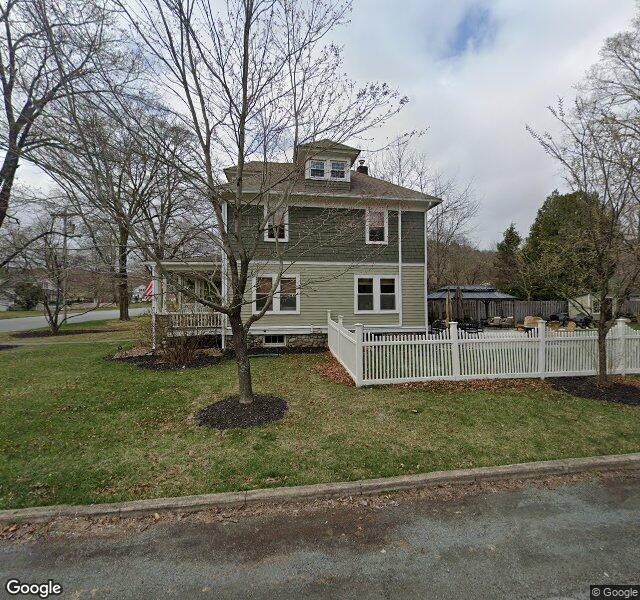
264 ROUTE 6 & 209, MILFORD, PA 18337 (570) 491-4121
For profit - Limited Liability company 80 Beds AKIKO IKE Data: November 2025
Trust Grade
25/100
#605 of 653 in PA
Last Inspection: July 2025

Inspected within the last 6 months. Data reflects current conditions.

Overview

Milford Healthcare and Rehabilitation Center has a Trust Grade of F, indicating significant concerns and that it is performing poorly compared to other facilities. It ranks #605 out of 653 in Pennsylvania, placing it in the bottom half of nursing homes in the state and #2 out of 2 in Pike County, meaning there is only one local option that is better. The facility has been improving in recent years, going from 24 issues in 2024 to just 5 in 2025. Staffing is a relative strength with a rating of 4 out of 5 stars, although the 52% turnover rate is average. However, the facility has incurred $61,593 in fines, which is concerning and higher than 90% of Pennsylvania facilities, suggesting compliance issues. Specific incidents include a serious finding where the facility failed to implement effective fall prevention measures for a resident, resulting in a fractured clavicle. Additionally, there were concerns regarding food safety practices, which could lead to foodborne illnesses, and issues with garbage disposal that posed sanitation risks. While there are some positives, such as decent staffing ratings, families should weigh these against the facility's overall poor performance and compliance history.

Trust Score
F
25/100
In Pennsylvania
#605/653
Bottom 8%
Safety Record
Moderate
Needs review
Inspections
Getting Better
24 → 5 violations
Staff Stability
⚠ Watch
52% turnover. Above average. Higher turnover means staff may not know residents' routines.
Penalties
✓ Good
$61,593 in fines. Lower than most Pennsylvania facilities. Relatively clean record.
Skilled Nurses
✓ Good
Each resident gets 46 minutes of Registered Nurse (RN) attention daily — more than average for Pennsylvania. RNs are trained to catch health problems early.
Violations
⚠ Watch
68 deficiencies on record. Higher than average. Multiple issues found across inspections.
★☆☆☆☆
1.0
Overall Rating
★★★★☆
4.0
Staff Levels
★★★★☆
4.0
Care Quality
★☆☆☆☆
1.0
Inspection Score
Stable
2024: 24 issues
2025: 5 issues

The Good

  • 4-Star Staffing Rating · Above-average nurse staffing levels
  • 4-Star Quality Measures · Strong clinical quality outcomes
  • Full Sprinkler Coverage · Fire safety systems throughout facility
  • No fines on record

Facility shows strength in staffing levels, quality measures, fire safety.

The Bad

1-Star Overall Rating

Below Pennsylvania average (3.0)

Significant quality concerns identified by CMS

Staff Turnover: 52%

Near Pennsylvania avg (46%)

Higher turnover may affect care consistency

Federal Fines: $61,593

Above median ($33,413)

Moderate penalties - review what triggered them

Chain: AKIKO IKE

Part of a multi-facility chain

Ask about local staffing decisions and management

The Ugly 68 deficiencies on record

1 actual harm
Jul 2025 4 deficiencies
CONCERN (E) 📢 Someone Reported This

A family member, employee, or ombudsman was alarmed enough to file a formal complaint

Potential for Harm - no one hurt, but risky conditions existed

Pharmacy Services (Tag F0755)

Could have caused harm · This affected multiple residents

**NOTE- TERMS IN BRACKETS HAVE BEEN EDITED TO PROTECT CONFIDENTIALITY** Based on a review of clinical records, facility policy, and staff interviews, it was determined the facility failed to implement...

Read full inspector narrative →
**NOTE- TERMS IN BRACKETS HAVE BEEN EDITED TO PROTECT CONFIDENTIALITY** Based on a review of clinical records, facility policy, and staff interviews, it was determined the facility failed to implement procedures to ensure the timely acquisition and administration of prescribed medications for one of 18 sampled residents (Resident 15). Findings include: A review of facility policy labeled Administering Medications last reviewed April 23, 2025, revealed medication are administered in accordance with prescriber orders including any required time frame. A review of Resident 15's clinical record revealed the resident was admitted to the facility on [DATE], with diagnoses which included Dementia (the loss of cognitive functioning that affects a person's ability to perform everyday activities). A review of physician's orders dated May 13, 2024, revealed the physician prescribed Lactaid Fast oral Tablet 9000 units (an enzyme used to help break down lactose the natural sugar in milk and dairy products). Give one by mouth with meals for lactose intolerance (inability of the body to digest lactose). A review of the June 2025 medication administration record (MAR) showed that the Lactaid was not administered on June 3,2025 at 8:00 AM. The MAR was coded with a 7 to indicate other/see progress note. Further review of the clinical record revealed no documented evidence to indicate why the medication was not administered. Continued review of the MAR revealed the medication was not administered thirty-three times between the dates of June 3,2025, to June 25,2025, with no documented evidence to indicate why the medication was not administered to the resident. A nursing progress note dated June 28,2025 at 1:20 PM indicated the Director of Nursing (DON) made the MD aware the Lactaid was unavailable for several weeks. Resident only has intolerance to milk and doesn't receive milk on any of his trays. An interview was conducted with the Director of Nursing on Monday June 30,2025 at approximately 10:00 AM to review the above findings related to failure to ensure the timely acquisition and administration of the prescribed medications for this resident. 28 Pa. Code 211.12 (d)(1)(3)(5) Nursing services. 28 Pa. Code 211.9 (f)(2) Pharmacy services.
CONCERN (E) 📢 Someone Reported This

A family member, employee, or ombudsman was alarmed enough to file a formal complaint

Potential for Harm - no one hurt, but risky conditions existed

Drug Regimen Review (Tag F0756)

Could have caused harm · This affected multiple residents

**NOTE- TERMS IN BRACKETS HAVE BEEN EDITED TO PROTECT CONFIDENTIALITY** Based on a review of clinical records, select facility policy and staff interview it was determined the facility failed to ensur...

Read full inspector narrative →
**NOTE- TERMS IN BRACKETS HAVE BEEN EDITED TO PROTECT CONFIDENTIALITY** Based on a review of clinical records, select facility policy and staff interview it was determined the facility failed to ensure the pharmacist conducted medication regimen reviews at least monthly for two residents out of five sampled.(Resident 48 and 42). Findings include: A review of a facility policy entitled Medication Regime Reviews last reviewed by the facility on April 23, 2025, indicated the facility's consultant pharmacist conducts monthly medication regime reviews (MRR) for each resident at least monthly. The MRR involves a thorough review of the resident's medical record to prevent, identify, report and re-solve medication related problems, medication errors and other irregularities, for example medications ordered in excessive doses or without clinical indication, medication regimens that appear inconsistent with the resident's stated preferences, duplicative therapies or omissions of ordered medications, inadequate monitoring for adverse consequences, potentially significant drug-drug or drug-food interactions, potentially significant medication-related adverse consequences or actual signs and symptoms that could represent adverse consequences, incorrect medications, administration times or dosage forms, or other medication errors, including those related to documentation. A review of Resident 42's clinical record revealed the resident was admitted to the facility on [DATE], with diagnoses to include dementia (the loss of cognitive functioning that affects a person's ability to perform everyday activities) and anxiety (a feeling of fear or dread often triggered by stressful situations). A review of Resident 42' s clinical record conducted at the time of the survey July 1, 2025, revealed no evidence the pharmacist had conducted drug regimen reviews at least once a month between February 2025, and March 2025. A review of Resident 48's clinical record revealed that the resident was admitted to the facility on [DATE], with diagnoses to include post-traumatic stress disorder (PTSD is a disabling disorder that develops after exposure to a traumatic event. It is characterized by intrusive thoughts, nightmares, and flashbacks; avoidance of reminders of the trauma; negative cognitions and mood; hypervigilance and sleep disturbance) and dementia. A review of Resident 48's clinical record conducted at the time of the survey ending July 1, 2025, revealed no evidence the pharmacist had conducted drug regimen reviews at least once a month between February 2025 and March 2025. During an interview with the Director of Nursing (DON) on July 1, 2025, at approximately 11:35 AM, it was confirmed that there was no evidence the pharmacist conducted monthly medication regimen reviews as required for Residents 48 and 42. 28 Pa. Code 211.12(d)(3)(5) Nursing services.
CONCERN (E) 📢 Someone Reported This

A family member, employee, or ombudsman was alarmed enough to file a formal complaint

Potential for Harm - no one hurt, but risky conditions existed

Deficiency F0757 (Tag F0757)

Could have caused harm · This affected multiple residents

**NOTE- TERMS IN BRACKETS HAVE BEEN EDITED TO PROTECT CONFIDENTIALITY** Based on clinical record review and staff interviews, it was determined the facility failed to ensure that residents' drug regim...

Read full inspector narrative →
**NOTE- TERMS IN BRACKETS HAVE BEEN EDITED TO PROTECT CONFIDENTIALITY** Based on clinical record review and staff interviews, it was determined the facility failed to ensure that residents' drug regimens were free from unnecessary medications by failing to discontinue an unnecessary antibiotic for one resident (Resident 22); failing to provide clinical justification for the use of duplicate antidepressant medications for one resident (Resident 42); and failing to ensure that one resident's (Resident 48) medication regimen was free from unnecessary psychoactive medication, including administering an as-needed antianxiety medication beyond 14 days without adequate clinical justification and without documentation of attempted non-pharmacological interventions, for three of eighteen sampled residents. Findings include: A review of Resident 22's clinical record revealed the resident was admitted to the facility on [DATE], with a diagnosis to include dementia (a decline in memory, thinking, and other cognitive abilities, significantly impacting daily life) and chronic kidney disease (a condition where kidneys are damaged and lose their ability to filter waste and fluids from the blood). A review of a physician order dated May 4, 2025, for Bactrim DS 800-160mg tablets- Give 1 tablet by mouth every morning and at bedtime for Urinary tract infection (an infection in any part of the urinary system, usually caused by bacteria.) for 10 days. A review of a facility policy Antibiotic Stewardship last reviewed by the facility on April 23, 2025, revealed appropriate indications for antibiotic include minimum criterial met for clinical definition of active infection by utilizing McGreer Criterial (a set of definitions used in long-term care facilities to standardize the identification and classification of infections) A review of Resident 22's clinical record revealed a McGreer Criteria Checklist completed on May 5, 2025. The checklist indicated it was reviewed by the medical doctor, director of nursing, and infection control preventionist. The checklist documented that Resident 22 had no urinary tract-related symptoms and did not meet criteria for antibiotic use. A progress note dated May 9, 2025, at 6:08 PM, documented the resident was still receiving oral antibiotic therapy for a urinary tract infection while denying any symptoms. No evidence was found that a urinary specimen was obtained to confirm infection. A review of the Medication Administration Record (MAR) for May 2025 confirmed Resident 22 received twenty (20) doses of Bactrim DS without documentation of a culture or other evidence indicating infection. During an interview with the Director of Nursing on July 1, 2025, at approximately 11:00 AM, the DON confirmed the facility could not provide any additional documentation to support the antibiotic use for Resident 22. A clinical record review revealed that Resident 42 was admitted to the facility on [DATE], with diagnosis to include dementia the loss of cognitive functioning that affects a person's ability to perform everyday activities) and anxiety (a feeling of fear or dread often triggered by stressful situations). Physician orders included Trazodone HCL, 25 mg (antidepressant) by mouth at bedtime for increased depression (initiated February 2, 2025), and Remeron, 7.5 mg (antidepressant) by mouth at bedtime for appetite/depression (initiated January 17, 2025). The clinical record did not include documentation justifying the concurrent use of duplicate antidepressant medications. An interview was conducted with the Director of Nursing (DON) on July 1,2025, to review the above findings related to antidepressant therapy, the DON confirmed there was no clinical justification available for the duplicate antidepressant medications. A review of Resident 48's clinical record revealed the resident was admitted to the facility on [DATE], with diagnoses to include post-traumatic stress disorder (PTSD a disabling disorder that develops after exposure to a traumatic event. It is characterized by intrusive thoughts, nightmares, and flashbacks; avoidance of reminders of the trauma; negative cognitions and mood; hypervigilance and sleep disturbance) and dementia (the impaired ability to remember, think, or make decisions that interferes with doing everyday activities). A review of Resident 48's physician orders revealed an order dated February 5, 2025, for Ativan (a benzodiazepine that work by enhancing the activity of certain neurotransmitters in the brain and used to treat anxiety disorders) 0.5 mg by mouth every twenty-four hours as needed (PRN) for agitation during care. Review of Resident 48's electronic medication administration record (eMAR a technology that automates data entry for the administration of medication to patients in healthcare settings and the digital records contain details about the prescribed medication regimen, dosage, timing, and administering staff) dated February 5, 2025, through May 22, 2025, revealed that Ativan was administered on the following dates and times on February 8, 2025, at 1:26 PM, on March 29, 2025, at 5:52 PM, on April 12, 2025, at 6:48 AM, on April 21, 2025, at 10:01 PM, on April 23, 2025, at 10:01 PM, and on May 21, 2025, at 6:02 PM, without documentation that non-pharmacological interventions were attempted before administration. The facility failed to ensure the PRN antianxiety medication order was limited to 14 days and failed to provide documented evidence that the attending physician assessed and justified its continued use. Additionally, the facility could not provide document evidence that licensed nursing staff attempted non-pharmacological interventions prior to administration of a PRN antianxiety/benzodiazepine medication, Ativan. Further review of Resident 48's clinical record revealed a monthly pharmacy review completed by the consultant pharmacist dated April 6, 2025, indicated that the resident had been receiving Prazosin 2 mg by mouth daily (a medication used to treat high blood pressure, symptoms of an enlarged prostate, and nightmares related to post-traumatic stress disorder), Remeron15 mg, give one tablet daily ( medication used to treat a certain type of depression called Major Depressive Disorder in adults), Seroquel50 mg by mouth daily (a psychotropic medication used to treat certain mental/mood disorders such as schizophrenia, bipolar disorder, sudden episodes of mania or depression associated with bipolar disorder), Risperdal 25 mg by mouth daily ( atypical antipsychotic used to treat schizophrenia and bipolar disorder, as well as aggressive and self-injurious behaviors associated with autism spectrum disorder) and Ativan 0.5 mg, one tablet every twenty-four hours. The consultant pharmacist made the request to the attending physician to review the resident's psychoactive medications and consider an attempted gradual dose reduction (GDR) or trial discontinuation, as deemed appropriate, and if deemed clinically contraindicated to please document the clinical rationale. The clinical rationale must address the reason(s) why an attempted GDR would likely impair the resident's function or cause psychiatric instability, by exacerbating an underlying medical or psychiatric disorder. A review of the physician signed response dated April 22, 2025, revealed to disagree with the consultant pharmacist recommendation and the noted clinical rationale was, depression, PTSD, anxiety will be impaired with a gradual dose reduction. The facility could not provide documented evidence the resident's physician provided sufficient clinical justifications for the continued use of the psychoactive medications. These findings were reviewed with the Director of Nursing on July 1, 2025, at 11:15 AM. The facility could not provide documented evidence to support PRN use of Ativan beyond 14 days, that non-pharmacological interventions were attempted prior to administration, or sufficient clinical justification for the continued use of multiple psychoactive medications. 28 Pa. Code 211.2(d)(3)(5) Medical Director 28 Pa. Code 211.12(d)(3)(5) Nursing services
CONCERN (F) 📢 Someone Reported This

A family member, employee, or ombudsman was alarmed enough to file a formal complaint

Potential for Harm - no one hurt, but risky conditions existed

Food Safety (Tag F0812)

Could have caused harm · This affected most or all residents

Based on observation and staff interview, it was determined the facility failed to maintain acceptable practices for the storage and service of food to prevent the potential for contamination and micr...

Read full inspector narrative →
Based on observation and staff interview, it was determined the facility failed to maintain acceptable practices for the storage and service of food to prevent the potential for contamination and microbial growth in food, which increased the risk of food-borne illness in the dietary department. Findings include: Food safety and inspection standards for safe food handling indicate that everything that comes in contact with food must be kept clean and food that is mishandled can lead to foodborne illness. Safe steps in food handling, cooking, and storage are essential in preventing foodborne illness. You cannot always see, smell, or taste harmful bacteria that may cause illness according to the USDA (The United States Department of Agriculture, also known as the Agriculture Department, is the U.S. federal executive department responsible for developing and executing federal laws related to food). A review a facility policy entitled Food Receiving and Storage last reviewed by the facility on April 23, 2025, indicated that opened food items would include a use by date and all dry foods and goods should be stored in a manner that maintains the integrity of the packaging until ready to be used and all bulk food item should be removed from their original packaging, placed in bins, and labeled with a use by date. The initial tour of the dietary department conducted on June 28, 2025, at 10:41 AM, revealed the following unsanitary practices with the potential to introduce contaminants into food and increase the potential for food-borne illness: Inside of the cook's reach-in cooler, observed open bottles of chocolate syrup and caramel syrup that did not have an open date noted. In the dry storage room, eight cranberry bowls of pre-portioned cold cereals were not dated. Two crates containing gallon jugs of water were placed in direct contact with the floor. An open package of brown gravy mix was observed without an open date, along with a brown cardboard box containing an opened, unsealed bulk bag of thickener powder with an uncovered ladle resting on top. Further inspection of the dry storage area revealed a dirty hand broom and dusters were stored among food items and pots on the second shelf of a wire rack. In the janitor's closet, two yellow mop buckets containing dirty water and mops were stored with brooms placed across the tops of the buckets. A ceiling fan located in the dish room was noted to be corroded with accumulated dust and debris. Additionally, during the same tour, Employee 1 (dietary staff) was observed using the 3-compartment sink to soak, clean, and sanitize sheet pans and cooking equipment but was unable to locate the litmus strips needed to test sanitizer strength and did not demonstrate knowledge of the proper sanitizing procedure. When tested, during observation by the surveyor, the sanitizer concentration measured 0 ppm (parts per million), whereas proper concentration must be greater than 150 ppm, indicating that no sanitizer was present in the sanitizing sink compartment. Employee 2 (Human Resources Director and former Dietary Manager) then emptied the 3-compartment sink, restarted the cleaning process, and tested the sanitizer concentration, which measured greater than 150 ppm. The facility subsequently developed and implemented a plan to educate dietary staff on correct sanitation procedures for using the 3-compartment sink. On June 30, 2025, at 12:15 PM, during an observation of lunch tray line service, Employee 3 (server) was seen dipping his gloved hands into a red bucket next to a cutting board on a preparation table. When instructed by the food service manager to change gloves, Employee 3 reported it was only sanitizer and immediately handled a pile of Styrofoam containers before applying new gloves. During an interview with the Nursing Home Administrator (NHA) on July 1, 2025, at 10:45 AM, the above observations were confirmed. The NHA acknowledged the dietary department must be maintained in a sanitary manner to prevent potential food contamination and foodborne illness. The above findings were reviewed with the Nursing Home Administrator on July 1, 2025. 28 Pa. Code 201.18 (e) (2.1) Management 28 Pa. Code 211.6 (f) Dietary Services
Feb 2025 1 deficiency
CONCERN (D) 📢 Someone Reported This

A family member, employee, or ombudsman was alarmed enough to file a formal complaint

Potential for Harm - no one hurt, but risky conditions existed

Grievances (Tag F0585)

Could have caused harm · This affected 1 resident

**NOTE- TERMS IN BRACKETS HAVE BEEN EDITED TO PROTECT CONFIDENTIALITY** Based on a review of grievances, select facility policy and resident and staff interviews it was determined the facility failed ...

Read full inspector narrative →
**NOTE- TERMS IN BRACKETS HAVE BEEN EDITED TO PROTECT CONFIDENTIALITY** Based on a review of grievances, select facility policy and resident and staff interviews it was determined the facility failed to demonstrate timely and adequate efforts to resolve resident grievances for one resident out of 5 sampled. (Resident 1) Findings include: A review of the facility policy entitled Grievances/Complaints, dated as reviewed April 29, 2024, revealed, residents and their representatives have the right to file grievances, either orally or in writing, to the facility staff or to the agency designated to hear grievances. Any resident, family or appointed resident representative may file a grievance or complaint concerning care, treatment, behavior of other residents, staff members, theft of property, or any other concerns regarding his or her stay at the facility. Grievances also may be voiced or filed regarding care that has not been furnished. All grievances, complaints or recommendations stemming from resident or family groups concerning issues of resident care in the facility will be considered. Actions on such issues will be responded to in writing, including rationale for the response. The grievance officer, administrator and staff will take immediate action to prevent further potential violations of resident rights while the alleged violation is being investigated. The administrator will review the findings with the grievance officer to determine what corrective actions, if any, need to be taken. The resident or person filling the grievance and/or complaint on behalf of the resident, will be informed, verbally and in writing, of the findings of the investigation and the actions that will be taken to correct any identified problems. The administrator, or designee, will make such reports orally within 5 (five) working days of the filing of the grievance or complaint with the facility. A written summary of the investigation will also be provided to the resident. Clinical record review revealed Resident 1 was admitted to the facility on [DATE], with diagnosis to include a history of falls, anxiety and a need for rehabilitation therapy services. The resident was discharged to home on January 21, 2025. An admission Minimum Data Set assessment (Minimum Data Set - a federally mandated standardized assessment conducted at specific intervals to plan resident care) dated December 30, 2024 revealed the resident to have a BIMS score of 13 (brief interview for mental status, a tool to assess the residents attention, orientation and ability to register and recall new information, a score of 13-15 equates to being cognitively intact) and required assistance of staff for activities of daily living. A review of Physicians orders dated December 24, 2024, revealed Xanax (antianxiety medication) 1 mg by mouth every 8 hours as needed for anxiety for 14 days. Corresponding medication administration records dated December 2024 indicated that the resident received the as needed Xanax on: December 28, 2024 - 8:55 P.M. December 30, 2024 - 5:03 P.M. December 31, 2024 - 5:53 P.M. January 1, 2025 - 8:55 P.M. January 5, 2025 - 7:16 P.M. January 6, 2025 - 8:00 P.M A review of a grievance lodged by Resident 1, dated January 5, 2025, revealed Resident 1 reported to staff that Employee 3 (RN Supervisor) failed to administer their prescribed Xanax when requested and exhibited unprofessional behavior. This grievance was reported to Employee 1(LPN) and Employee 2 (RN Supervisor) who filled out the grievance form at that time for the resident. The resident stated that on January 4, 2025, at the change of shift (7:30 P.M.), the resident asked Employee 3 (7 P.M. to 7 A.M. RN Supervisor) for a Xanax (antianxiety medication). The staff member did not give the medication to her. The staff member had a very bad attitude. Staff members documented the grievance and noted previous complaints from other residents and staff about Employee 3's behavior, including inattentiveness and inappropriate phone use during shifts. A review of education entitled Conduct and Behavior revealed that Employee 3 (RN Supervisor) received this training in response to the above noted grievance. This education was dated as completed on January 26, 2025. The complaint remarks revealed, Patient was discharged , notified by phone. The resident was discharged home on January 21, 2025. There was no evidence at the time of the survey the resident was notified verbally and in writing within 5 working days, as stipulated in facility policy. During an interview on February 19, 2025, the Director of Nursing (DON) confirmed that the resident and their family were only verbally notified by phone after the resident's discharge on [DATE]. No written documentation of the grievance resolution or outcome was provided, violating the facility's policy requiring both verbal and written communication within 5 working days. A review of a facility grievance form dated January 17, 2025, revealed that Resident 1's daughter filed a complaint regarding concerns about the resident's care. The form was completed by Employee 4 (RN Supervisor) and the Assistant Director of Nursing (ADON). However, the grievance form did not provide any additional details about the specific concerns raised by the resident's family. Furthermore, there was no documentation of an investigation conducted by the facility. The plan to resolve the complaint simply stated that staff would receive education on providing proper care. The grievance form indicated the facility considered the complaint resolved on January 17, 2025. Despite this, there was no documented evidence the resident or her family had been informed of the grievance outcome. Additionally, the resident's daughter did not sign any acknowledgment confirming receipt of the facility's response or awareness of the actions taken to address the issue. In an interview conducted with the Nursing Home Administrator (NHA) on February 28, 2025, at approximately 4:00 PM, the NHA was unable to provide documentation confirming the facility had followed up with the resident or her representative in a timely manner. There was also no evidence to show the facility evaluated whether its efforts effectively resolved the grievance. 28 Pa. Code 201.18 (b)(1) Management 28 Pa. Code 201.29 (a) Resident rights
Aug 2024 9 deficiencies
CONCERN (D)

Potential for Harm - no one hurt, but risky conditions existed

Notification of Changes (Tag F0580)

Could have caused harm · This affected 1 resident

**NOTE- TERMS IN BRACKETS HAVE BEEN EDITED TO PROTECT CONFIDENTIALITY** Based on review of select facility policy and clinical records, and staff interview, it was determined the facility failed to ti...

Read full inspector narrative →
**NOTE- TERMS IN BRACKETS HAVE BEEN EDITED TO PROTECT CONFIDENTIALITY** Based on review of select facility policy and clinical records, and staff interview, it was determined the facility failed to timely notify the physician and the resident's representative of an incident with the potential to require physician intervention for one resident out of 16 sampled (Resident 115). Findings include: A review of the facility Change in Resident's Condition or Status Policy last reviewed, June 2024, revealed it is the policy of the facility to promptly notify the resident, his or her attending physician, and resident representative of changes in the resident's medical/mental condition and/or status. A review of the clinical record revealed Resident 115 was discharged from the facility to the hospital on July 27, 2024, and readmitted to the facility on [DATE], with diagnoses which included a urinary tract infection, cerebral infarction (stroke), and seizures. A Midline catheter (a long, thin, flexible tube that is inserted into a vein in the upper arm to safely administer medication or fluids into the bloodstream) was present in the resident's arm upon readmission to the facility. A nurses note dated August 12, 2024, at 5:38 PM noted the Midline catheter was assessed after the flush showed leaking around the dressing. The Midline catheter was dislodged. It was removed and measured eight centimeters. Further it was noted the tubing was intact. The area was cleansed and dressed with a dry sterile dressing and Tegaderm (dressing used to protect catheter sites) was applied. A late entry nurses note dated August 14, 2024 (two days after the incident), noted the physician was notified that the Midline catheter was dislodged, removed, and was intact. Further review of the clinical record revealed no documented evidence the resident's resident representative was notified of the dislodgement and discontinuation of the Midline catheter. An interview with the Director of Nursing (DON) on August 14, 2024, at approximately 11:00 AM failed to provide documented evidence the facility timely notified the resident's attending physician of the dislodgement and removal of the resident's Midline catheter. The DON confirmed there was no documented evidence the resident's resident representative was notified of the dislodgement and removal of the Midline catheter. 28 Pa Code 211.12 (c)(d)(3)(5) Nursing services
CONCERN (D)

Potential for Harm - no one hurt, but risky conditions existed

Comprehensive Care Plan (Tag F0656)

Could have caused harm · This affected 1 resident

**NOTE- TERMS IN BRACKETS HAVE BEEN EDITED TO PROTECT CONFIDENTIALITY** Based on a review of clinical records, and staff interview, it was determined the facility failed to address a resident's skin c...

Read full inspector narrative →
**NOTE- TERMS IN BRACKETS HAVE BEEN EDITED TO PROTECT CONFIDENTIALITY** Based on a review of clinical records, and staff interview, it was determined the facility failed to address a resident's skin condition on the comprehensive care plan for one out of 16 sampled residents (Resident 23). Findings include: A review of the clinical record revealed Resident 23 was admitted to the facility on [DATE], with diagnoses which include congestive heart failure, cerebrovascular accident (CVA- stroke, interruption in the flow of blood to cells in the brain), and rheumatoid arthritis. A physician order dated June 27, 2024, noted an order to apply Zinc to buttocks every shift for skin protectant/moisture barrier. A wound progress note dated August 1, 2024, indicated the resident's sacrum (large, triangle-shaped bone in the lower spine that forms part of the pelvis) was assessed and was noted to have MASD (Moisture-associated skin damage caused by prolonged exposure to various sources of moisture, including urine or stool, or perspiration) of the epidermis resulting from prolonged exposure to various sources of moisture and potential irritants measuring 3 cm (centimeters) x 5 cm x 0.1 cm. The area is open with light serous exudate (clear, thin, watery plasma that is a normal part of wound healing). The treatment plan was to apply Zinc ointment twice daily for 30 days. Further recommendations included, limit sitting to 60 minutes, off-load wound, reposition per facility protocol, turn side to side in bed every one to two hours if able. A wound progress note dated August 8, 2024, indicated that the MASD on the resident's sacrum now measures 3 cm x 4 cm x 0.1 cm. the area is open with light serous exudate and noted to be improved. The dressing treatment plan was to continue to apply Zinc ointment twice daily for 30 days. Further the recommendations were to continue to limit sitting to 60 minutes, off-load wound, reposition per facility protocol, turn side to side in bed every one to two hours if able. A review of Resident 23's comprehensive plan of care (a tool used to organize aspects of patient care) conducted during the survey on August 14, 2024, revealed the resident's care plan did not address the resident's moisture associated skin disorder, treatment, and specific interventions to prevent recurrence. Interview with the Director of Nursing on August 14, 2024, at approximately 10:30 AM confirmed the resident received treatment for the MASD, and the MASD was not addressed on the resident's care plan along with preventative measures to address the resident's identified risk factors to promote optimal healing and prevent recurrence. 28 Pa. Code 211.12 (d)(3)(5) Nursing services
CONCERN (D)

Potential for Harm - no one hurt, but risky conditions existed

Pressure Ulcer Prevention (Tag F0686)

Could have caused harm · This affected 1 resident

Based on review of clinical records, select facility reports, observations and staff interview it was determined the facility failed to consistently provide care and services to to prevent the develop...

Read full inspector narrative →
Based on review of clinical records, select facility reports, observations and staff interview it was determined the facility failed to consistently provide care and services to to prevent the development and/or worsening of pressure sores and promote healing for one resident out of 16 residents sampled (Resident 6). Findings include: According to the US Department of Health and Human Services, Agency for Healthcare Research & Quality, the pressure ulcer best practice bundle incorporates three critical components in preventing pressure ulcers: Comprehensive skin assessment, Standardized pressure ulcer risk assessment and care planning and implementation to address the areas of risk. The American College of Physicians (ACP) is a national organization of internists, who specialize in the diagnosis, treatment, and care of adults. The largest medical-specialty organization and second-largest physician group in the United States) Clinical Practice Guidelines indicate that the treatment of pressure ulcers should involve multiple tactics aimed at alleviating the conditions contributing to ulcer development (i.e. support surfaces, repositioning and nutritional support); protecting the wound from contamination and creating and maintaining a clean wound environment; promoting tissue healing via local wound applications, debridement and wound cleansing; using adjunctive therapies; and considering possible surgical repair. A review of Resident 6's clinical record revealed that the resident was admitted to the facility was on June 10, 2022, with diagnoses that included end stage renal disease with dependence on renal dialysis, diabetes, amputation of bilateral legs above the knees and obesity. A review of Resident 6's care plan initiated August 29, 2023, revealed the resident was at risk for alteration in skin integrity related to impaired mobility, incontinence, and history of scratching, with interventions which included encourage and assist to reposition, encourage resident to remove stump socks at bedtime, provide preventative skin care after each incontinent episode and as needed, pressure reduction device on chair, encourage/assist to suspend/float upper legs to keep stumps off pressure surface, and administer preventative skin treatment per physician orders. Review of a facility investigation dated August 3, 2024, at 8:00 PM, revealed that Resident 6 had a wound that was identified in the left groin. According to the event description, the area was a small hole in patient's groin. Slight bleeding was noted. No pain was indicated. The wound tunneled about a half inch inwards, but diameter was too small to pack. Wound was cleansed with normal saline solution and covered with a dry dressing, Further it was indicated a pending assessment will be completed by treatment team. Review of Change in Condition Evaluation form dated August 3, 2024, at 10:01 PM, indicated that Resident 6 stated she did not scratch the site accidentally and she was unaware it was there. The physician was notified and ordered the resident to be seen by treatment team. The facility failed to provide evidence that Resident 6's tunneling wound acquired on August 3, 2024, was evaluated by the facility's treatment team. There was no evidence that the wound was evaluated for size, drainage, or condition of surrounding tissue. According to additional tracking/monitoring of the wound completed by the DON, the open area on Resident 6's left groin was stable, and as of August 12, 2024, the wound measurements were less than 0.1cm x less than 0.1cm and had no depth or drainage. The form further indicated that the resident would be seen by wound care consultant on August 15, 2024. An interview with the Director of Nursing on August 14, 2024, at approximately 11 AM indicated that the initial description of the wound was based on perception and the initial nurse's evaluation of the wound was inaccurate. On August 14, 2024, at approximately 2:30 PM, the Director of Nursing presented surveyor with a paper Wound Evaluation Flow Sheet which was not found in the resident's clinical records initially dated August 3, 2024, which indicated that the wound measured less than 0.1cm x less than 0.1cm and had no depth, despite the documentation that the wound tunneled approximately a half inch. According to the wound evaluation form completed by the Director of Nursing, the wound did not have drainage, and the surrounding tissue was WNL (within normal limits). Observation of Resident 6's left groin on August 15, 2024, at approximately 8:45 AM, in the presence of Employee 1, registered nurse, revealed an open area which measured approximately 1cm x 1cm with visible depth. Employee 1 did not have depth measuring tool at time of observation. The wound bed was deep red, and surrounding tissue was excessively moist with white substance that appeared fungal in the skin folds. There was no treatment in place at time of observation. Review of wound care consultant evaluation completed on August 15, 2024, revealed that the full thickness(damage extends past the epidermis and dermis, and into the subcutaneous tissue, muscle, bone, or tendons) wound in the left groin measured 0.5cm x 1cm x 0.5cm with a moderate amount of serous (clear) drainage, and 100% granulation (healthy) tissue. Recommendation to discontinue current treatment of dry dressing to wound and apply alginate calcium (highly absorbent and non-occlusive dressing that forms a soft gel when in contact with wound drainage) daily with a gauze island with boarder for 30 days. Interview with the Director of Nursing on August 15, 2024, at approximately 2:10 PM, confirmed that the facility failed to properly assess Resident 6's pressure area and implement interventions to prevent worsening and promote healing in a timely manner. 28 Pa. Code 211.12 (d)(3)(5) Nursing services.
CONCERN (D)

Potential for Harm - no one hurt, but risky conditions existed

Deficiency F0694 (Tag F0694)

Could have caused harm · This affected 1 resident

**NOTE- TERMS IN BRACKETS HAVE BEEN EDITED TO PROTECT CONFIDENTIALITY** Based on review of clinical records and select facility policy, staff and resident interviews it was determined the facility fai...

Read full inspector narrative →
**NOTE- TERMS IN BRACKETS HAVE BEEN EDITED TO PROTECT CONFIDENTIALITY** Based on review of clinical records and select facility policy, staff and resident interviews it was determined the facility failed to ensure that a physician ordered intravenous (IV- medication is administered through needle or tube inserted into a vein) medication, an antibiotic, was timely administered as prescribed for one resident out of 16 sampled (Resident 115). Findings include: Review of the facility policy titled Administering Medications last reviewed by the facility on June 24, 2024, indicated that medications are administered in a safe and timely manner and as prescribed. It indicated that medications are administered in accordance with prescriber orders, including any required time frame. Medication errors are documented, reported, and reviewed by the QAPI (Quality Assurance and Performance Improvement) committee to inform process changes and/or the need for additional staffing. Prescribed medications are to be administered within one hour of their prescribed time, unless otherwise specified. Review of Resident 115's clinical record revealed that the resident was readmitted to the facility on [DATE], with a Midline Catheter [tube placed into a vein in the upper arm to provide vascular access and for IV (intravenous- method to deliver fluids or medications directly into a vein using a needle or tube) treatments] and diagnoses to include urinary tract infection and sepsis (extreme immune response to infection that can lead to tissue damage, organ failure, or death if not treated right away). A physician order dated August 8, 2024, at 12:44 PM was noted for Ceftazidime (an antibiotic used to treat bacterial infections) 1000 MG intravenously two times per day for urinary tract infection for three days. Review of a Scheduling Detail Report dated August 8, 2024, noted that the first dose was to be administered on August 8, 2024, at 10:00 PM. Review of Resident 115's Medication Administration Record dated August 8, 2024, through August 11, 2024, revealed that the physician ordered intravenous antibiotic medication, Ceftazidime, was not administered to the resident on August 8, 2024, at 10:00 PM as prescribed. A nurse progress note dated August 8, 2024, noted that the scheduled 10:00 PM dose was not administered due to awaiting delivery from pharmacy. Interview with the Director of Nursing (DON) on August 15, 2024, at 12:00 PM, confirmed that the facility failed to timely administer the first dose of the IV antibiotic therapy prescribed for Resident 115, and failed to notify the attending physician of the missed dose on August 8, 2024. Refer F755 28 Pa. Code 211.9(a)(1)(k) Pharmacy services 28 Pa. Code 211.12(c)(d)(1)(3)(5) Nursing Services 28 Pa. Code 211.10 (a)(c)(d) Resident care policies
CONCERN (D)

Potential for Harm - no one hurt, but risky conditions existed

Deficiency F0698 (Tag F0698)

Could have caused harm · This affected 1 resident

Based on observations, clinical record review and staff interview it was determined that the facility failed to ensure the ready availability of necessary emergency supplies for a resident receiving h...

Read full inspector narrative →
Based on observations, clinical record review and staff interview it was determined that the facility failed to ensure the ready availability of necessary emergency supplies for a resident receiving hemodialysis for one of 16 residents sampled. (Resident 6) Findings include: According to the National Kidney Foundation patients receiving hemodialysis (a machine filters wastes, salts and fluid from your blood when your kidneys are no longer healthy enough to do this work adequately) should keep emergency care supplies on hand. A review of Resident 6's clinical record revealed that the resident was admitted to the facility was on June 10, 2022, with diagnoses that included end stage renal disease (a chronic kidney disease that occurs when the kidneys can no longer function properly) and dependence on renal dialysis. Review of the resident's current plan of care, dated June 11, 2022, and last revised May 22, 2024, revealed that the resident required dialysis related to end stage renal failure along with a care planned approach to have emergency clamp kept at bedside for access site, check access site daily fistula/graft/catheter left forearm for signs of infection, and observe thrill and bruit and document findings, report abnormal findings to physician. Observation conducted on August 13, 2024, at 11:55 AM revealed that there were no emergency supplies available in the resident's room or on the resident's wheelchair. Interview with Employee 2, registered nurse, on August 13, 2024, at 11:58 AM, confirmed that no emergency supplies for Resident 6's dialysis access site were available in the resident's room or on her wheelchair. Employee 2 further confirmed that the emergency supplies were to be available at the bedside. Interview with the Director of Nursing on August 15, 2024, at approximately 1:45 PM confirmed the facility failed to ensure the ready availability of necessary emergency supplies at the resident's bedside and that the care plan reflected the required plan of care for the dialysis access site in the event of an emergency. 28 Pa. Code 211.12 (d)(3)(5) Nursing Services
CONCERN (D)

Potential for Harm - no one hurt, but risky conditions existed

Deficiency F0740 (Tag F0740)

Could have caused harm · This affected 1 resident

**NOTE- TERMS IN BRACKETS HAVE BEEN EDITED TO PROTECT CONFIDENTIALITY** Based on clinical record review and staff interviews, it was determined that the facility failed to ensure each resident receive...

Read full inspector narrative →
**NOTE- TERMS IN BRACKETS HAVE BEEN EDITED TO PROTECT CONFIDENTIALITY** Based on clinical record review and staff interviews, it was determined that the facility failed to ensure each resident received the necessary behavioral health care in a timely manner to attain or maintain the highest practicable mental and psychosocial well-being for one of 15 residents sampled (Resident 59). Findings include: A review of Resident 59's clinical record revealed the resident was admitted to the facility on [DATE], with diagnoses including unspecified dementia (a loss of cognitive functioning that can make it difficult for someone to perform daily activities). Further review of Resident 59's clinical record revealed that the resident exhibited behaviors, including making statements regarding suicidal ideations. Review of Resident 59's care plan, initiated by the facility on May 18, 2024, did not indicate that the resident had a behavioral problem. The resident's care plan did not address the resident's specific behavioral problems or symptoms that were noted in the nursing documentation. Review of a Psychological evaluation dated June 6, 2024, indicated that Resident 59 was making statements of wanting to kill herself. Recommendations indicated that Resident 59 would benefit from continued psychological services. A review of a nursing progress note dated August 13, 2024, revealed the resident had told her daughter she wanted to kill herself. Further review of the resident's clinical record revealed that the physician was made aware of these statements, however social services, and psychological services were not made aware of these statements. The facility failed to update to the resident's care plan to address the mental health needs of the resident after she was voicing thoughts of harming herself. During an interview with the Nursing Home Administrator (NHA), on August 15, 2024, at approximately 10:00 AM, the NHA was unable to provide evidence that Resident 59 was being provided psychological services to maintain the highest practicable level of mental and psychosocial wellbeing. 28 Pa. Code 201.14(a) Responsibility of licensee. 28 Pa. Code 211.12(d)(1)(5) Nursing services.
CONCERN (D)

Potential for Harm - no one hurt, but risky conditions existed

Pharmacy Services (Tag F0755)

Could have caused harm · This affected 1 resident

**NOTE- TERMS IN BRACKETS HAVE BEEN EDITED TO PROTECT CONFIDENTIALITY** Based on review of clinical records and staff interview it was determined that the facility failed to provide pharmacy services ...

Read full inspector narrative →
**NOTE- TERMS IN BRACKETS HAVE BEEN EDITED TO PROTECT CONFIDENTIALITY** Based on review of clinical records and staff interview it was determined that the facility failed to provide pharmacy services to assure timely receiving of a prescribed antibiotic medication for one resident out of 16 residents reviewed (Resident 115). Findings include: Review of clinical record revealed that Resident 115, was readmitted to the facility on [DATE], with diagnoses to include urinary tract infection and sepsis (extreme immune response to infection that can lead to tissue damage, organ failure, or death if not treated right away). A physician order dated August 8, 2024, at 12:44 PM was noted for Ceftazidime (an antibiotic used to treat bacterial infections) 1000 MG intravenously (a method of administering a substance, such as medicine or fluid, into a vein through a needle or tube) two times per day for urinary tract infection for three days. Review of a Scheduling Detail Report dated August 8, 2024, noted that the first dose was to be administered on August 8, 2024, at 10:00 PM. Review of Resident 115's Medication Administration Record dated August 8, 2024, through August 11, 2024, revealed that the physician ordered intravenous antibiotic medication, Ceftazidime, was not administered to the resident on August 8, 2024, at 10:00 PM as prescribed. Interview with the director of nursing on August 15, 2024, at 12:00 PM confirmed the facility failed to timely provide Resident 115's first dose of intravenous antibiotic medication as prescribed because it was not available in the facility as the facility's pharmacy did not timely deliver the antibiotic drug. Refer F694 28 Pa. Code 211.9 (a)(l)(d)(k) Pharmacy Services. 28 Pa. Code 211.12 (d)(3)(5) Nursing Services.
CONCERN (E)

Potential for Harm - no one hurt, but risky conditions existed

Quality of Care (Tag F0684)

Could have caused harm · This affected multiple residents

Based on clinical record review, observation, and staff interviews, it was determined the facility failed to ensure care and services are provided in accordance with professional standards of practice...

Read full inspector narrative →
Based on clinical record review, observation, and staff interviews, it was determined the facility failed to ensure care and services are provided in accordance with professional standards of practice that will meet each resident's physical, mental, and psychosocial needs for one of 16 residents reviewed (Residents 51). Findings include: According to the Pennsylvania Code, Title 49, Professional and Vocational Standards, State Board of Nursing, 21.11 (a)(1)(2)(4) indicates that the registered nurse was to collect complete ongoing data to determine nursing care needs, analyze the health status of individuals and compare the data with the norm when determining nursing care needs, and carry out nursing care actions that promote, maintain, and restore the well-being of individuals. Review of Resident 51's clinical record revealed admission to the facility on December 6, 2023, with diagnoses that included dementia (a chronic disorder of the mental processes caused by brain disease, and marked by memory disorders, personality changes, and impaired reasoning). Review of an incident report dated July 2, 2024, indicated the resident had a skin tear on her right shin measuring approximately 7cm centimeters x 6cm. A review of the resident's physicians orders revealed an order for a wanderguard bracelet (a bracelet that triggers alarms and can lock monitored doors to prevent the resident leaving unattended) due to the resident's risk of elopement. Further review of the physician's order revealed no indication of where the bracelet was to be placed on the resident or to check the resident's skin below bracelet routinely. A review of a nursing progress note dated July 14, 2024, revealed the area on resident's right shin had worsened due to swelling and the wanderguard bracelet digging into the skin on the right shin above the ankle. There was no documented evidence the facility staff assessed that the placement of the wanderguard was appropriate after the resident developed skin tear. The facility failed to monitor the resident's skin where the wanderguard was placed resulting in worsening of the resident's wound. An interview with the Nursing Home Administrator, and the Director of Nursing on August 15, 2024, at 11:10 AM, confirmed the facility failed to evaluate and assess the resident's wanderguard placement had to prevent further injury to Resident 51's skin. 28 Pa. Code 201.18(b)(1) Management 28 Pa. Code 211.12(d)(1)(3)(5) Nursing services
CONCERN (F)

Potential for Harm - no one hurt, but risky conditions existed

Garbage Disposal (Tag F0814)

Could have caused harm · This affected most or all residents

Based on observation and staff interview, it was determined that the facility failed to properly dispose of garbage and refuse. Findings include: Observation on August 13, 2024, at 10:20 AM in the pre...

Read full inspector narrative →
Based on observation and staff interview, it was determined that the facility failed to properly dispose of garbage and refuse. Findings include: Observation on August 13, 2024, at 10:20 AM in the presence of the food service director revealed that the facility's dumpster, containing bags of garbage, was not covered. One of the two lids on the dumpster was observed open. There were food containers and debris scattered on the ground surrounding the dumpster. Interview with the food service director at this time confirmed that the dumpster lid was to be kept closed and that the area surrounding the dumpster should be maintained in a sanitary manner. 28 Pa Code 201.8 (e)(2.1) Management
Jul 2024 1 deficiency
CONCERN (F) 📢 Someone Reported This

A family member, employee, or ombudsman was alarmed enough to file a formal complaint

Potential for Harm - no one hurt, but risky conditions existed

Deficiency F0836 (Tag F0836)

Could have caused harm · This affected most or all residents

Based on a review of the results of facility water testing for safe drinking water and interviews with laboratory staff and facility staff it was determined the facility failed to comply with requirem...

Read full inspector narrative →
Based on a review of the results of facility water testing for safe drinking water and interviews with laboratory staff and facility staff it was determined the facility failed to comply with requirements from the Environmental Protection Agency (EPA) and Pennsylvania Department of Agriculture and Pennsylvania Drinking Water Information System (PADWIS) in conjunction with the Title 25 Pa. Code Chapter 109 Subchapter C Monitoring Requirements relating to Title 40, Code of Federal regulations 40 CFR. Findings included: According to the PADWIS the facility received violations regarding the failure to monitor/report routine samples for specific contaminates for 30 types of contaminates resulting in a violation for each contaminant on July 23, 2024. Interview with the Certified Water Systems Operator/Laboratory Director on July 26, 2024, at 10:30 AM revealed that the facility was required to have SOC (synthetic organic chemical) testing of their drinking water. The SOC samples were to be performed once every three years during the second quarter of the year. The Lab Director stated that the SOC testing was not completed because the facility did not submit payment for the tests. A review of the facility laboratory results of water testing for the SOC tests revealed that they were last performed on April 20, 2021. As of July 26, 2024, the facility was overdue for the required 2024 SOC testing of the facility's drinking water. Interview with the facility's Chief Operating officer via telephone on July 26, 2024 at 12:30 PM revealed that the facility was making payments to the laboratory for outstanding balances and did not submit an additional payment for the required tests. According to the Commonwealth of Pennsylvania Title 25 Pa. Code § 109.301. General monitoring requirements: (B) The Department may decrease the quarterly monitoring requirement specified in clause (A) provided it has determined that the system is reliably and consistently below the MCL. For an initial detection of a SOC, the Department will not make this determination until the water system obtains results from a minimum of four consecutive quarterly samples that are reliably and consistently below the MCL. (iii) Repeat monitoring for SOC's that are not detected. For entry points at which SOC's are not detected during the first year of quarterly monitoring, the required monitoring is reduced to one sample in each 3-year compliance period for systems serving 3,300 or fewer persons and to 2 consecutive quarterly samples in each compliance period for systems serving more than 3,300 persons. Reduced monitoring shall be conducted at 3-year intervals from the year of required initial VOC monitoring, in accordance with paragraph (5)(ii). The facility failed to comply with Federal, State and Local Laws regarding the timely completion of required drinking water testing to ensure the water was free from contaminants and safe for resident consumption and use in the facility. 28 Pa. Code 201.14 (a)(g) Responsibility of licensee. 28 Pa. Code 201.18 (b)(3)(e)(1)(2) Management.
Mar 2024 5 deficiencies
CONCERN (E) 📢 Someone Reported This

A family member, employee, or ombudsman was alarmed enough to file a formal complaint

Potential for Harm - no one hurt, but risky conditions existed

Deficiency F0692 (Tag F0692)

Could have caused harm · This affected multiple residents

Based on observation, review of clinical records, and resident and staff interviews it was determined the facility failed to provide physician ordered nutritional supplementation as prescribed to prom...

Read full inspector narrative →
Based on observation, review of clinical records, and resident and staff interviews it was determined the facility failed to provide physician ordered nutritional supplementation as prescribed to promote adequate nutritional status and paramaters of three out of 11 sampled residents sampled (Residents A4, A5, and A6 ). Findings include: A review of Resident A4 clinical record revealed a physician's order dated February 13, 2024 for Ensure, a nutritional supplement, scheduled for administration to the resident at 2:00 PM daily. It was noted that the supplement will be labeled in the medication room and Boost, another nutritional supplement product, was allowed as a substitution. During an observation of the first floor medication room on March 26, 2024, at 9:15 AM revealed three nutritional supplements, two Boost supplements and one Ensure supplement labeled with Resident A4's name and dated for administration to the resident on March 15, March 16, and March 17, 2024. However, a review of Resident A4's MAR (medication administration record) revealed that staff documented that the resident had received the supplements on March 15, 2024 and March 16, 2024, and refused the supplement on March 17, 2024. A review of Resident A5 clinical record revealed a physician's order dated March 4, 2024 for Glucerna, scheduled for administration at 2:00 PM, as a nutritional supplement for weight loss. It was noted that the supplement will be labeled in the medication room and Boost Glucose Control can be allowed as a substitution. An observation first floor medication room on March 26, 2024, at 9:15 AM revealed three Glucerna nutritional shakes with Resident A5's name and dated for scheduled administration to the resident on March 17, March 21, and March 22, 2024. A review of Resident A5's MAR revealed staff documented that the resident received the supplement on each of these dates, March 17, 21, and March 22, 2024. An interview conducted with Resident A5 at 11:00 AM on March 26, 2024, revealed that the resident stated that the facility does not consistently provide the supplement daily, stating that sometimes staff will give it to her and on other days, they will not. A review of Resident A6 clinical record revealed a physician's order dated February 15, 2024 for Ensure at 2:00 PM with a straw as nutritional supplement. An observation of the second floor medication room on March 26, 2024, at 10:00 AM revealed a Boost nutritional supplement with Resident A6's name with a date of March 21. A review of Resident A6's March 2024 MAR revealed that staff documented that the resident was provided the supplement on March 21, 2024, as ordered. Interview with Employee 3, the Dietary Manager, on March 26, 2024, revealed that the dietitian writes the residents name on the prescribed nutritional supplement with the date they are to be provided to the resident. She stated that the date on the supplement is the date they should be consumed by the resident. When asked why these supplements remained in the medication rooms, she stated that there were not provided to the residents as ordered on those dates. Interview with the director of nursing (DON) on March 26, 2024 at 3:45 PM confirmed the physician orders for provision of the nutritional supplements were not consistently followed. The DON confirmed that staff had documented that the residents were provided, or had refused the nutritional supplements, which were observed to remain in the medication rooms. 28 Pa. Code 211.12 (d)(3)(5) Nursing services 28 Pa. Code 211.5 (f) Medical records
CONCERN (E) 📢 Someone Reported This

A family member, employee, or ombudsman was alarmed enough to file a formal complaint

Potential for Harm - no one hurt, but risky conditions existed

Respiratory Care (Tag F0695)

Could have caused harm · This affected multiple residents

Based on observation, review of select facility policy and staff interview it was determined the facility failed to store and maintain oxygen equipment in a safe, functional and sanitary manner on the...

Read full inspector narrative →
Based on observation, review of select facility policy and staff interview it was determined the facility failed to store and maintain oxygen equipment in a safe, functional and sanitary manner on the second floor nursing unit and in the general storge area. Findings include: A review of the undated facility policy, provided during the survey ending March 26, 2024, entitled Oxygen Storage Policy revealed oxygen tanks are to be stored in an area that is well ventilated, dry and away from sources of heat, open flames or flammable materials. Empty tanks can be stored in a secured medication room and or treatment room until maintenance and or designee is notified to collect and take the designated to the storage location. An observation on March 26, 2024, at 9:30 AM revealed four oxygen cylinders located in the medication/panty area on the second floor. Two of the cylinders had white plastic caps on the valve posts of the metal oxygen cylinder to indicate the cylinder was not used or full. The other two cylinders had regulators (device attached to oxygen tank post used to deliver the oxygen) attached, which indicated they were used or empty. Interview with Employee 1, an LPN, on March 26, 2024, at the time of the observation, regarding the storage location of full clean and used empty tanks, revealed that the nurse stated that she was only per diem and did not know that answer. When asked where the policy regarding oxygen storage could be located, she stated she was not sure. Interview with Employee 2, RN. at 9:37 AM on March 26, 2024, Employee 2 stated that used oxygen tanks are to be taken outside to the cage where the clean and dirty oxygen cylinders are stored. When asked why used (dirty) and unused (clean) oxygen tanks were stored together in the medication/pantry she stated the used tanks should have been taken off the unit but a few new tanks are stored in a carrier in the medication/pantry for use if needed. A review of the oxygen storage area on March 26, 2024, at 1:00PM, revealed that the storage area was located outside of the building in a caged in area against the building, that was accessed by exiting through the doorway at the end of the facility hallway near the boiler room and the laundry area. The area was located against the wall to the boiler room. Multiple staff were observed outside this door smoking, while on break. The smoking area was also located near the caged area. Multiple oxygen tanks, more than 40 tanks, were stored in this caged in area with signs on the left reading full and the right side empty. However, both empty and full tanks were observed mixed together, revealing some used dirty tanks mixed in with the clean tanks that were sealed. The facility failed to maintain oxygen cylinders in a safe and sanitary manner as evidenced by the storage of unused clean full tanks with the used/dirty empty tanks and ensuring the storage area was away from heat sources such as staff smoking area. 28 Pa Code 211.12 (d)(3)(5) Nursing services 28 Pa. Code 201.18 (e)(2.1) Management
CONCERN (E) 📢 Someone Reported This

A family member, employee, or ombudsman was alarmed enough to file a formal complaint

Potential for Harm - no one hurt, but risky conditions existed

Deficiency F0761 (Tag F0761)

Could have caused harm · This affected multiple residents

**NOTE- TERMS IN BRACKETS HAVE BEEN EDITED TO PROTECT CONFIDENTIALITY** Based on observation and staff interview, it was determined that the facility failed to ensure adherence to use by/expiration da...

Read full inspector narrative →
**NOTE- TERMS IN BRACKETS HAVE BEEN EDITED TO PROTECT CONFIDENTIALITY** Based on observation and staff interview, it was determined that the facility failed to ensure adherence to use by/expiration dates of pharmaceutical products in the facility's central supply room. Findings include: Observations of the facility's central supply room on [DATE], at approximately 10:00 AM revealed 35 bottles of Hydrogen Peroxide that expired [DATE]. There were 10 IV starter kits that expired [DATE]. An interview with DON (director of nursing) on [DATE], at the time of the observation confirmed the pharmacy supplies expired and should have been discarded. During an interview with the Nursing Home Administrator on [DATE] at approximately 3:30 PM confirmed expired pharmacy products should have been removed from the storage room and discarded. 28 Pa. Code 211.12 (d)(3)(5) Nursing services
CONCERN (F) 📢 Someone Reported This

A family member, employee, or ombudsman was alarmed enough to file a formal complaint

Potential for Harm - no one hurt, but risky conditions existed

Food Safety (Tag F0812)

Could have caused harm · This affected most or all residents

Based on facility policy review, observations, and staff interviews, it was determined the facility failed to store food items under sanitary conditions in the facility's kitchen and two of two reside...

Read full inspector narrative →
Based on facility policy review, observations, and staff interviews, it was determined the facility failed to store food items under sanitary conditions in the facility's kitchen and two of two resident pantry areas (first and second floors). Findings include: Review of facility policy, titled Food Receiving and Storage, policy and procedure review date of January 29, 2024, included the following but not limited to: Food items and snacks kept on the nursing units must be maintained as indicated below: a. All food items to be kept below 41 degrees F must be placed in the refrigerator located at the nurses' station and labeled with a use by date. b. All foods belonging to residents must be labeled with the resident's name, the item and the ''use by' date. c. Refrigerators must have working thermometers and be monitored for temperature according to state-specific guidelines. d. Beverages must be dated when opened and discarded after twenty-four (24) hours. e. Other opened containers must be dated and sealed or covered during storage. f. Partially eaten food may not be kept in the refrigerator. Observations of the facility's kitchen on March 26, 2024, at approximately 8:40 AM revealed a prep cooler with the following items that were not labeled and dated as to when they were opened/received/prepared: 10 containers of mandarin oranges 2 cupcakes 1 bottle of lemon juice 2 ham and cheese sandwiches 1 turkey and cheese sandwich 1 container of turkey base 1 container of liquid egg whites 1 package of sandwich thins 1 bottle of a protein shake 1 container of chopped garlic. An interview with Employee 4 cook/dietary aide on March 26, 2024, at 8:55 AM confirmed the aboved mentioned food was not labeled or dated in the prep cooler and stated that everything should be labeled or dated when first opened, put into use or received. Observation of the first floor nurses' station medication room/pantry on March 26, 2024, at 9:00 AM revealed a refrigerator which contained a bag of salad in a shopping bag, with no name or date, that contained a shopping receipt with purchase date of March 16, 2024. The pre-cut salad was wet with slimy wilting lettuce leaves. A Ready Shake was located on the door shelf of this refrigerator with no thaw date noted. Interview with Employee 3, the Dietary Manager, at that time indicated that Ready shakes should not be stored in the refrigerator and a thaw date should be noted on the carton as the product should be used within 14 days of thawing or within manufacturer guidelines for use. A package of sliced cheese, wrapped in wax paper, was located in the crisper drawer of the refrigerator with a resident name, Resident A1, noted on the bag but there was no date as to when the cheese was placed in the refrigerator. The wax paper did not cover the entire amount of the cheese slices and the ends of the cheese were visibly dried and hardened to the touch. A half consumed opened 14 oz container of chocolate ice cream was observed in the freezer. Resident A2's name was on the container, but there was no date to indicate when the ice cream was placed in the freezer. The ice cream was crystallized, hardened and appeared discolored. A box of Hot Pockets (microwavable turnover containing meat and cheese) was located on the refrigerator door with Resident A2's name. The box contained one hot pocket and the box indicated keep frozen. This product was not dated and not kept frozen as per manufacturer directions. Interview with Employee 3, the Dietary Manager, on March 26, 2024, confirmed that food items are to be labeled and dated with resident names and any opened items should be dated when opened or in use. Following surveyor observations on the first floor pantry, upon entry to the second floor nurses' station medication room/pantry on March 26, 2024, at 9:30 AM dietary staff were present and attempting to date opened items in the refrigerator with a red marking pen. The refrigerator contained two bottle of 32 ounce Boathouse Farms berry juice both opened and in use, and at that time containing only half the juice in the bottle, dated March 26, 2024, indicated date of opening for use, in red marker. Employee 3 stated this type of juice is not provided by the facility. A bottle of nectar thick apple juice with approximately three quarters of the juice remaining, had a date of March 26, 2024 in red marking pen, indicating opened for use date on this same date. The manufacturer directions on the thickened juice indicated the juice is to be discarded if not used within ten days of opening. There was no way to determine the actual date of opening since dietary staff dated all the undated items in the pantry as initially opened on March 26, 2024. The shelf on the door of the refrigerator revealed an opened jar of jam containing with half of the jam. The jar was not labeled with a name or date when opened. A container of fresh blueberries with Resident A3's name was located on the shelf with no date to indicate when the container was placed on the shelf. Interview with Employee 3, Dietary Manager, on March 26, 2024, at 11:45 AM, revealed that food and beverage items should be labeled and dated per policy, and discarded once expired, or beyond their use by date, and it was the facility's expectation that expired items are discarded. 28 Pa. Code 211.6(f) Dietary services
MINOR (B) 📢 Someone Reported This

A family member, employee, or ombudsman was alarmed enough to file a formal complaint

Minor Issue - procedural, no safety impact

Transfer Notice (Tag F0623)

Minor procedural issue · This affected multiple residents

Based on review of clinical records and transfer notices and staff interview it was determined that the facility failed to provide written notices of facility initiated transfers to the resident and t...

Read full inspector narrative →
Based on review of clinical records and transfer notices and staff interview it was determined that the facility failed to provide written notices of facility initiated transfers to the resident and the residents' representative that were written in a language that was easily understood for three out of 11 residents reviewed (Residents CR1, A7, and A8). Findings include: A review of the clinical record of Resident CR1 revealed the resident was transferred to the hospital on March 22, 2024, and did not return to the facility. A review of the resident's Notice of Transfer or Discharge letter revealed the resident was transferred to the hospital due to respiratory distress. A review of the clinical record of Resident A7 revealed the resident was transferred to the hospital on March 25, 2024, and returned to the facility on March 25, 2024. A review of the resident's Notice of Transfer or Discharge letter revealed the resident was transferred to the hospital due to tachycardia and hypotension. A review of the clinical record of Resident A8 revealed the resident was transferred to the hospital on March 26, 2024, and remained in the hospital. A review of the resident's Notice of Transfer or Discharge letter revealed the resident was transferred to the hospital due to respiratory distress. The facility failed to provide notices of facility initiated transfers to the hospital that identified the reason for the residents' transfers in a language that was easily understood. During an interview with the Nursing Home Administrator and Director of Nursing on March 26, 2024, at approximately 3:30 PM, confirmed that the reasons for the residents' transfers were written in medical or diagnosis terms, which may not be easily understood by the residents and their representatives. 28 Pa. Code 201.14(a) Responsibility of Licensee
Mar 2024 3 deficiencies
CONCERN (D) 📢 Someone Reported This

A family member, employee, or ombudsman was alarmed enough to file a formal complaint

Potential for Harm - no one hurt, but risky conditions existed

Notification of Changes (Tag F0580)

Could have caused harm · This affected 1 resident

**NOTE- TERMS IN BRACKETS HAVE BEEN EDITED TO PROTECT CONFIDENTIALITY** Based on review of clinical records, and staff interview, it was determined that the facility failed to timely notify a resident...

Read full inspector narrative →
**NOTE- TERMS IN BRACKETS HAVE BEEN EDITED TO PROTECT CONFIDENTIALITY** Based on review of clinical records, and staff interview, it was determined that the facility failed to timely notify a resident's representative of a significant change in condition and the need to potentially commence a new form of treatment for one resident out of 17 sampled (Resident 1). Findings include: A review of the clinical record revealed that Resident 1 was admitted to the facility on [DATE], with diagnoses of dementia (a condition characterized by progressive or persistent loss of intellectual functioning, especially with impairment of memory and abstract thinking, and often with personality change, resulting from organic disease of the brain). Resident 1's quarterly Minimum Data Set assessment (MDS - a federally mandated standardized assessment process conducted periodically to plan resident care) dated October 9, 2023, revealed that the resident was moderately cognitively impaired. A nursing note dated December 28, 2023, at 7:38 PM revealed that the resident was seen by the physician and a dermatology consult was ordered for a cancerous lesion on the left side of the resident's face. There was no documentation found that the facility had contacted the resident's identified representative regarding this change in condition, or that the resident's representative had been made aware of the dermatology consult. A review of a nursing note dated February 14, 2024, at 8:15 PM revealed that the resident left the facility and was seen by dermatology. Nursing noted that the resident had a biopsy completed while at the appointment and had a neoplasm (abnormal tissue growth, a characteristic of cancer) of uncertain behavior to the left nasal area. There was no documented evidence that the resident's representative was made aware the resident was going out for an dermatology appointment or documented evidence that the resident's representative had been informed that the resident had a biopsy completed to rule out cancer of the resident's face. An interview with the Director of Nursing on March 5, 2024, at approximately 1:50 PM confirmed the facility failed to notify the resident's representative of the resident's change in condition. 28 Pa. Code 211.12 (d)(3) Nursing services 28 Pa. Code 201.29 (a) Resident rights
CONCERN (D) 📢 Someone Reported This

A family member, employee, or ombudsman was alarmed enough to file a formal complaint

Potential for Harm - no one hurt, but risky conditions existed

Quality of Care (Tag F0684)

Could have caused harm · This affected 1 resident

Based on review of clinical records and select facility policy, and staff interview it was determined that the facility failed to provide nursing services consistent with professional standards of qua...

Read full inspector narrative →
Based on review of clinical records and select facility policy, and staff interview it was determined that the facility failed to provide nursing services consistent with professional standards of quality by failing to ensure that licensed nurses accurately administered prescribed medications to one of 17 sampled residents (Resident 4). Findings included: According to the Pennsylvania Code, Title 49, Professional and Vocational Standards, State Board of Nursing, 21.145 Functions of the Licensed Practical Nurse (LPN) (a) The LPN is prepared to function as a member of the health-care team by exercising sound judgement based on preparation, knowledge, skills, understanding and past experiences in nursing situations. The LPN participates in the planning, implementation, and evaluation of nursing care in settings where nursing takes place. 21.148 Standards of nursing conduct (a) A licensed practical nurse shall: (5) Document and maintain accurate records. A review of the clinical record of Resident 4 revealed admission to the facility on February 6, 2024, with diagnoses, which included hypertension, congestive heart disease, and orthopedic aftercare, following a left hip fracture. A physician order dated February 6, 2024, was noted for Metoprolol Tartrate 50 mg one tablet orally two times a day for diagnosis of hypertension; hold the medication for systolic blood pressure (top number on blood pressure reading) less than 100 or heart rate less than 60. A review of Resident 4's medication administration record dated February 2024, revealed that on February 6, 2024, at 5 PM nursing staff administered the medication when the resident's heart rate was 59. On February 7, 2024, at 5 PM nursing staff administered the medication with a blood pressure of 98/43. On February 20, 2024, at 5 PM nursing administered the medication with a heart rate of 58. Interview with the Director of Nursing on March 5, 2024, at approximately 1:30 p.m. confirmed that the facility's licensed nurses failed to consistently administer Resident 4's antihypertensive medication as prescribed. 28 Pa. Code 211.12 (c)(d)(1)(5) Nursing Services
MINOR (B) 📢 Someone Reported This

A family member, employee, or ombudsman was alarmed enough to file a formal complaint

Minor Issue - procedural, no safety impact

Transfer Notice (Tag F0623)

Minor procedural issue · This affected multiple residents

Based on review of clinical records and written notices of facilit initiated transfers and staff interview it was determined that the facility failed to provide sufficiently detailed written notices o...

Read full inspector narrative →
Based on review of clinical records and written notices of facilit initiated transfers and staff interview it was determined that the facility failed to provide sufficiently detailed written notices of facility initiated transfers to the resident and the residents' representative for three out of three residents reviewed (Residents 1, 2, and 3) by failing to identify the reasons for the move in writing and in a language and manner they understand. Findings include: A review of the clinical record of Resident 1 revealed that the resident was transferred to the hospital on January 30, 2024, and returned to the facility on January 30, 2024. A review of the clinical record of Resident 2 revealed that the resident was transferred to the hospital on February 7, 2024, and returned to the facility on February 11, 2024. A review of the clinical record of Resident 3 revealed that the resident was transferred to the hospital on February 5, 2024, and returned to the facility on February 9, 2024. Further review of these residents' clinical records revealed that the written transfer notices lacked the reason for the transfer. All three written notices indicated that the residents needed a higher level of care. During an interview with the Nursing Home Administrator and Director of Nursing on March 5, 2024, at approximately 1:50 PM, the facility failed to provide documented evidence of the provision of written transfer notices, which identified the reasons for the move in writing and in a language and manner the residents and their representatives understand. 28 Pa. Code 201.29 (a) Resident rights
Jan 2024 3 deficiencies
CONCERN (E) 📢 Someone Reported This

A family member, employee, or ombudsman was alarmed enough to file a formal complaint

Potential for Harm - no one hurt, but risky conditions existed

Safe Environment (Tag F0584)

Could have caused harm · This affected multiple residents

**NOTE- TERMS IN BRACKETS HAVE BEEN EDITED TO PROTECT CONFIDENTIALITY** Based on observations, a review of clinical records and select facility documentation, and resident and staff interviews, it was...

Read full inspector narrative →
**NOTE- TERMS IN BRACKETS HAVE BEEN EDITED TO PROTECT CONFIDENTIALITY** Based on observations, a review of clinical records and select facility documentation, and resident and staff interviews, it was determined the facility to consistently provide maintenance services to assure a clean, safe, orderly, and comfortable interior, including comfortable room temperatures, on two of two resident units (first and second floor) affecting six out of 40 resident rooms in the facility (Rooms 101,104, 105, 107, 108, and 210) Findings included: During a tour of the facility conducted on January 24, 2024, random interviews were conducted with residents residing on both the second between 9 AM and 11 AM. Multiple residents reported that during the past weekend, Saturday January 20, 2024, and Sunday Janaury 21, 2024, the heat was not working in the facility and that it was very cold inside the building. A review of the weather forecast for the facility's locality on January 20, 204, revealed that the temperature was approximately 14 degrees Farenheit with a lower wind chill temperature. A review of the clinical record revealed that Resident 1 was cognitively intact with a BIMS (brief interview for mental status - a tool to assess cognitive function) score of 15. Interview with Resident 1, who resides in room [ROOM NUMBER] on the first floor of the facility, on January 24, 2024, revealed that the resident stated that temperature in the room varies. The resident stated that sometimes it is too hot and sometimes too cold and that facility staff told him, that staff members are not allowed to adjust the temperature in the resident's room. Observation of vacant resident room [ROOM NUMBER] on January 24, 2024, revealed that the resident who had resided in the room, had been discharged the prior day, January 23, 2024. A packaged terminal air conditioner system (PTAC self-contained heating and air conditioning unit) was present in the room with cool air flowing into the room through the window behind the unit. Clinical record review revealed that Resident 2 was cognitively intact with a BIMS score of 15. Interview conducted with Resident 2, who resides in room [ROOM NUMBER] on the first floor of the facility, on January 24, 2024, revealed that the resident stated that it was very cold in the resident's room last week. She stated she needed extra blankets. The resident was unable to recall the specific date this occurred, but did stated that it lasted for a while. A review of the clinical record revealed that Resident 3 was cognitively intact with a BIMS score of 15. Interview conducted with Resident 3, who resides in room [ROOM NUMBER] on the first floor of the facility, on January 24, 2024, revealed the resident stated early Saturday morning (January 20, 2024) she woke up freezing. The resident stated she made staff aware and she chose to stay in bed to keep warm. The resident stated that she was aware that other resident rooms did not have heat on that day and the outage lasted for a day. Interview with nursing staff on duty during the day shift on January 24, 2024, revealed that Employee 1, a nurse aide, and Employee 2, an LPN stated that they were unaware of any concerns with the heat in the building over weekend and they did not work on January 20, 2024. Interview with the director of nursing (DON) on January 24, 2024, at approximately 9:45 AM revealed that the DON stated that there were no concerns reported regarding an issue with the heat over the past weekend. However, after the surveyor conveyed the reports received from residents during interviews the morning of the survey on January 24, 2024, the DON contacted the facility's maintenance director and then confirmed that there had been an issue with the heat in the facility over the past weekend. Interview conducted with Employee 3, the facility's maintenance director, on January 24, 2024 at 10:00 AM revealed that the RN supervisor, Employee 4, asked him to come to the facility on Saturday January 20,2024, because there was no heat in some resident rooms. He said Employee 4, notified him around 7:00 AM Saturday January 20, 2024, but he could not be sure of the exact time. He said he had the problem diagnosed by 8:16 AM on Saturday January 20, 2024, when he clocked in. He stated there were resident five rooms that did not have heat (resident rooms 101, 105, 107, 108, and 210) because the boiler system malfunctioned. He stated he had to refill and purge the system in order to provide heat to the resident rooms. He was unable to state exactly how long the residents' rooms experienced heating issues, but he stated it was fixed by the end of the day on Saturday, January 20, 2024. He stated he last informed the facility's administration, Employee 5, corporate staff, that it was repaired by 11:43 AM on Saturday January 20, 2024. The maintenance director further explained that the boiler went down on Saturday January 20, 2024. He observed low water pressure in the system and had to refill and purge the system. He stated he went to each resident room to identify which rooms did not have functioning heating equipment. A review of a worksheet provided during the survey ending January 24, 2024, entitled Environmental Temperature Rounds revealed that the last entry on the sheet indicating that temperatures were obtained in resident rooms, was dated January 17, 2024, in resident Rooms 216 (76 degrees Farenheit) and 116 (74 degrees Farenheit). At the bottom of this sheet, the date of January 20, 2024, was written and the following temperatures and rooms were noted as: room [ROOM NUMBER]-68 degrees Farenheit; room [ROOM NUMBER] 70 degrees F; room [ROOM NUMBER] 71 degrees F; room [ROOM NUMBER] 68 degrees F; room [ROOM NUMBER] 70 degrees F The maintenance director stated that the above temperatures were obtained in the middle of the repair of the system. At the time of the survey ending January 24, 2024, the facility was unable to provide documented evidence that the facility had obtained the room temperatures, following the repair, to ensure resident comfort in all resident rooms. There was also no documented evidence that the facility checked the temperatures in each resident room to determine if any other rooms were affected by the malfunction on that date. Observation of the first and second floor central bath areas on January 24, 2024, at 10:00 AM revealed there were no thermometers present in the area to ensure that water temperatures were at a safe temperature when bathing/showering residents. The DON, when interviewed at that time, was unable to provide documented evidence that staff consistently assured that water temperatures were at a safe and comfortable level prior to bathing/showering residents. Observation of the whirlpool tub in the first-floor central bathing on January 24, 2024, at 10:53 AM area revealed the bottom of the tub was broken and displaced from the top portion of the tub resulting in an inoperable bathing fixture. Interview with the maintenance director at 2:30 PM on January 24, 2024, confirmed that he was aware the tub was broken but didn't get to fix it. He stated that he began working at the facility, approximately 10 months ago, and the tub has been broken since his employement began. Continued observation of the first floor central bath area revealed two shower stalls, one of which lacked a head on the shower fixture was was not functional. The DON stated during interview at that time that the tile required repair. The first floor central bath area had only one functioning shower and no functioning tub at the time of the observations during the survey ending January 24, 2024, for the 26 residents residing on the first floor. Observation of resident room [ROOM NUMBER] on January 24, 2024, at 11:15 AM revealed a hole on the outside of the bathroom door measuring approximately 3 inches wide with splintered wood exposed resulting in an unsafe condition, a potential accident hazard, if a resident came in contact with the surface. The handrail on the left side of the toilet in this bathroom was not secured and was unable to withstand pressure if a resident was to hold on or transfer to the toilet. Observation of resident Rooms 111, 120 and 109 on January 24, 2024, at 9:15 AM revealed no covers on the heating units. The maintenance director stated during interview at that time that he was working on replacing them. Interview with the Nursing Home Administrator and Director of Maintenance on January 24, 2024, at approximately 2:00 p.m. confirmed that the residents' environment was to be maintained in a safe, functional and comfortable manner. Refer F908 28 Pa. Code 201.18 (e)(2.1) Management 28 Pa. Code 204.11 (a)(e) Equipment for bathrooms 28 Pa. Code 205.61(b) Heating requirements for existing construction.
CONCERN (F) 📢 Someone Reported This

A family member, employee, or ombudsman was alarmed enough to file a formal complaint

Potential for Harm - no one hurt, but risky conditions existed

Room Equipment (Tag F0908)

Could have caused harm · This affected most or all residents

**NOTE- TERMS IN BRACKETS HAVE BEEN EDITED TO PROTECT CONFIDENTIALITY** Based on observation, resident and staff interviews, and information provided by the facility it was determined the facility fai...

Read full inspector narrative →
**NOTE- TERMS IN BRACKETS HAVE BEEN EDITED TO PROTECT CONFIDENTIALITY** Based on observation, resident and staff interviews, and information provided by the facility it was determined the facility failed to ensure that essential heating equipment was maintained in safe and functional operating condition affecting at least five resident rooms out of 40 resident rooms in the facility (room [ROOM NUMBER], 105, 107, 108 and 210) and failed to maintain resident care equipment, tubs and showers, in operating condition on one of two floors (first floor). Findings include: A review of weather temperatures for the facility's locality revealed that the outdoor temperatures were at a high of 14 degrees Fahrenheit on January 20, 2024. Interview with the facility's Maintenance Director during the survey of January 24, 2024, revealed that the facility's boiler went down on January 20, 2024, resulting in a lack of heat in five resident rooms in the building. The Maintenance Director stated the boiler has an automatic water feed that malfunctioned on that date. He stated when he arrived at the facility on Saturday January 20, 2024, just after 8:00 AM, after receiving a call from the nursing supervisor around 7:00 AM that morning, he observed the boiler had low water pressure. He had to refill and purge the system to get the heat functioning. He determined that Rooms 101, 105, 107, 108 and 210 were without heat. After that determination, he stated he had to warm up the individual PTAC (PTAC self-contained heating and air conditioning unit) systems in those rooms to restart the heat. He stated he did utilize portable space heaters in the resident rooms to warm up the PTAC units. (The Life Safety Code prohibits the use of portable electrical space heaters in resident areas). The surveyor asked the Maintenance Director if any preventative maintenance had been provided to the boiler in anticipation of the forecasted weather of extreme cold over that weekend of January 20, 2024. The Maintenance Director stated that the system did not need any preventative maintenance because it was a new boiler. Observation of the boiler on January 24, 2024, at approximately 10:30 AM revealed that the unit had an automatic water feeder (an automatic water feed valve reduces the incoming water pressure from the building supply side down to (typically) 12 psi (pound per square inch) and the water feed valve adds water to the boiler when needed: If water pressure in the heating boiler drops below 12 psi, the water feeder valve will add make-up water to the system automatically, until it reaches 12 psi inside the boiler). During the observation the water pressure was noted as 20 psi. The Maintenance Director stated that the problem on Saturday January 20, 2024, was just a malfunction of the valve and nothing could have been done to prevent it. The maintenance director had informed the surveyor that the boiler was new. The surveyor asked if he had contacted company about the malfunctioning valve on the newly purchased boiler. He then stated that he did not contact the company to repair the valve on the new boiler, because the automatic feed valve was not new, it was from the facility's old system and a reused part. The Maintenance Director stated he fixed it himself, as he was a plumber by trade. The facility provided an invoice for the boiler indicating that on November 30, 2023, new cast iron sections wer installed to the existing boiler at the facility. Select parts were removed from the existing old boiler and replaced. The whole system was not replaced. The Maintenance Director referenced the user manual for the facility boiler, which when reviewed during the survey ending January 24, 2024, indicated the following: GENERAL MAINTENANCE CONSIDERATIONS 1. Keep radiators and convectors clean. 2. If a hot water radiator is hot at the bottom but not at the top, it indicates that air has accumulated inside and should be vented. To vent radiator, hold small cup under air vent (located near top of radiator), open vent until water escapes and then close. 3. If much water is added to system, it is advisable to heat system to a high temperature and vent again. This will make less venting necessary during the winter. 4. Where an expansion tank is used, make sure that neither the tank nor its drainpipe is exposed to freezing temperatures. Never place valves in piping leading to or from expansion tank. 5. Boiler and system cleaning will help assure trouble free operation. See Section IV - Operating Instructions, Paragraphs F or G for procedure. A. GENERAL - Inspection should be conducted annually. Service as frequently as specified in paragraphs below. While service or maintenance is being done, electrical power to the boiler must be off. INSPECT VENT PIPING and combustion air openings monthly to ensure they are unobstructed and free from leakage and deterioration. Also verify vent terminal is unobstructed. INSPECT CONDENSATE DRAIN SYSTEM monthly to verify it is water-tight and unobstructed. The Maintenance Director and corporate consultant stated during interview on January 24, 2024, at approximately 2:45 PM that the boiler only required a yearly inspection. The facility did not perform any preventative maintenance prior to the anticipated extreme cold forecasted nor was the facility able to provide documented evidence of its preventative maintenance. A review of a worksheet provided during the survey ending January 24, 2024, entitled Environmental Temperature Rounds revealed that the last entry on the sheet indicating that temperatures were obtained in resident rooms, was dated January 17, 2024, in resident Rooms 216 (76 degrees Farenheit) and 116 (74 degrees Farenheit). At the bottom of this sheet, the date of January 20, 2024, was written and the following temperatures and rooms were noted as: room [ROOM NUMBER]-68 degrees Farenheit; room [ROOM NUMBER] 70 degrees F; room [ROOM NUMBER] 71 degrees F; room [ROOM NUMBER] 68 degrees F; room [ROOM NUMBER] 70 degrees F The maintenance director stated that the above temperatures were obtained in the middle of the repair of the system. At the time of the survey ending January 24, 2024, the facility was unable to provide documented evidence that the facility had obtained the room temperatures, following the repair, to ensure resident comfort in all resident rooms. There was also no documented evidence that the facility checked the temperatures in each resident room to determine if any other rooms were affected by the malfunction on that date. The facility had no functioning system to alert the facility to a failure or malfunction, such as an alarm or a light. The facility was unaware of the boiler failure until residents reported the cold temperatures in their rooms on the morning of Saturday January 24, 2024. Observation of the whirlpool tub in the first-floor central bathing on January 24, 2024, at 10:53 AM area revealed the bottom of the tub was broken and displaced from the top portion of the tub resulting in an inoperable bathing fixture. Interview with the maintenance director at 2:30 PM on January 24, 2024, confirmed that he was aware the tub was broken but didn't get to fix it. He stated that he began working at the facility, approximately 10 months ago, and the tub has been broken since his employement began. Continued observation of the first floor central bath area revealed two shower stalls, one of which lacked a head on the shower fixture was was not functional. The DON stated during interview at that time that the tile required repair. The first floor central bath area had only one functioning shower and no functioning tub at the time of the observations during the survey ending January 24, 2024, for the 26 residents residing on the first floor Refer F584 28 Pa Code 201.18 (e)(2.1) Management
CONCERN (F) 📢 Someone Reported This

A family member, employee, or ombudsman was alarmed enough to file a formal complaint

Potential for Harm - no one hurt, but risky conditions existed

Safe Environment (Tag F0921)

Could have caused harm · This affected most or all residents

**NOTE- TERMS IN BRACKETS HAVE BEEN EDITED TO PROTECT CONFIDENTIALITY** Based on resident and staff interview, it was determined that the facility failed to consistently maintain a safe environment fo...

Read full inspector narrative →
**NOTE- TERMS IN BRACKETS HAVE BEEN EDITED TO PROTECT CONFIDENTIALITY** Based on resident and staff interview, it was determined that the facility failed to consistently maintain a safe environment for staff, residents and the public by failing to implement safe interim measures during a boiler malfunction resulting in the loss of heat in six resident rooms out of 40 resident rooms in the facility (Rooms 101,104, 105, 107, 108, and 210) Findings include: During interview conducted on January 24, 2024, at approximately 10 AM, the facility Maintenance Director stated during a boiler malfunction on Saturday Janaury 20, 2024, which resulted in the loss of heat to select resident rooms portable space heaters were used in resident rooms on January 20, 2024, and again on January 23, 2024, due to an issue with a heater in one resident's room. According to interview with the Maintenance Director on January 24, 2024, the facility's facility boiler system malfunctioned on January 20, 2024, which resulted in the failure to provide heat via PTAC systems (PTAC self-contained heating and air conditioning unit) in five resident rooms. Rooms 101, 105, 107, 08, and 210. The maintenance director stated that when the boiler was being repaired, the facility utilized portable space heaters to facilitate a faster increase in temperatures in the select resident rooms. The use of portable space heaters was confirmed by the director of nursing (DON) during interview on January 2024, when asked about measures to ensure resident comfort during the repair. The Life Safety Code prohibits the use of space heaters in resident areas. An interview with Resident 4 on January 24, 2024 at approximately 9:30 AM revealed that on January 23, 2024, the PTAC unit in the resident's room, room [ROOM NUMBER], began to steam and hiss. The resident stated the issue was due to someone sitting on the unit, which caused it to break, and piece of broken plastic dropped inside the unit. The resident stated that the facility placed a portable space heater in the resident's room for heat, which was confirmed during interview with the Maintenance Director on January 24, 2024, at 10 AM. The Maintenance Director confirmed that the facility used five portable space heaters in resident rooms on January 20, 2024, and again on January 23, 2024. The Maintenance Director stated that the facility routinely uses portable space heaters at the nursing station, in the maintenance office, kitchen, laundry and administrator's office. An interview conducted on January 24, 2024, at approximately 2:50 PM, the Nursing Home Administrator, Director of Maintenance and Corporate consultant confirmed that the faciled used portable space heaters in resident areas, which created an unsafe environment for staff, residents and the public. 28 Pa. Code 201.18 (e)(2.1) Management.
Jan 2024 3 deficiencies 1 Harm
SERIOUS (G) 📢 Someone Reported This

A family member, employee, or ombudsman was alarmed enough to file a formal complaint

Actual Harm - a resident was hurt due to facility failures

Accident Prevention (Tag F0689)

A resident was harmed · This affected 1 resident

**NOTE- TERMS IN BRACKETS HAVE BEEN EDITED TO PROTECT CONFIDENTIALITY** Based on a review of clinical records and select incident reports, and staff interview it was determined that the facility faile...

Read full inspector narrative →
**NOTE- TERMS IN BRACKETS HAVE BEEN EDITED TO PROTECT CONFIDENTIALITY** Based on a review of clinical records and select incident reports, and staff interview it was determined that the facility failed to develop and implement effective fall prevention interventions for a resident with known unsafe behaviors to prevent a fall resulting in serious injury, a fractured clavicle, for one out 11 sampled residents (Resident 3). Findings include: A review of Resident 3's clinical record revealed that she was admitted to the facility on [DATE], with diagnoses that included a history of a fracture of the left femoral neck [is a type of hip fracture of the thigh bone (femur) which is just below the ball of the ball-and-socket hip joint], difficulty walking, and cognitive communication deficit [difficulty with any aspect of communication that is affected by disruption of cognition]. Upon admission the resident had a noted surgical site to her left hip that measured 15.5 cm in length by 2.0 cm in width by 0.0 cm in depth. A review of the resident's baseline plan of care dated November 13, 2023, identified that the resident was at risk for falls due to a fractured hip with impaired mobility with a goal to minimize injuries related to falls. Planned interventions to meet this goal were the use of a bed alarm sensor pad, and to provide assistance with transfers and ambulation as needed. A review of an incident report completed by Employee 4, a registered nurse (RN), dated November 17, 2023, at 9:15 PM, indicated that she heard a thud in Resident 3's room. Employee 4 found Resident 3 sitting on the floor in her room, next to her bed. Employee 5, a nurse aide, reported to Employee 4 that she {Resident 3} was sitting on the side of her bed and tried to get up into her wheelchair, but her knees buckled, and she fell to the ground because the brakes on the wheelchair were not locked. The resident stated, I wanted to pick up the drink I spilled. No injuries were noted and the immediate intervention to prevent recurrence was to educate the resident to always lock her wheelchair brakes when unattended. A review of a witness statement completed by Employee 5, a nurse aide, dated November 17, 2023, at 9:15 PM, revealed that she was doing hall rounds on the short hall when the resident rang (the call bell). Employee 5 stated that When I walked into her {Resident 3} room she was sitting at the side of the bed and told me that she had spilled water in her bed. As I walked to the other side of her bed to assess if it was the just the chuck (incontinence pad) wet or the sheets, too. Then, the resident unexpectedly stood up and then fell to the ground. I couldn't get round the bed fast enough to keep her from falling. Nearby nurse heard the commotion and came immediately into the room to assess the resident and we safely returned her back to bed. No injuries. A review of an incident reported completed by Employee 5, a RN, dated November 18, 2023, at 5:39 AM, indicated that Resident 4 {Resident 3's roommate} reported that Resident 3 fell to the floor on to her buttocks while getting out of bed. The resident denied complaints of pain. The RN assessed the resident, and her vital signs were within normal limits and ROM (range of motion) within normal limits. No injury was noted. Resident 3 stated I just scooted off the bed. Immediate interventions were that the nurse aide assisted the resident back to bed. A review of a witness statement completed by Employee 6, a nurse aide, dated November 18, 2023, at 5:15 AM, revealed that she saw that {Resident 3's} call bell came on and went to answer and saw the resident sitting on the floor. The resident stated, I'm okay, I just needed the bathroom. Call bell was in reach of the resident, but Resident 4 {her roommate} activated her call bell to call for assistance for her {Resident 3}. Bed alarm was not on, but in place. Resident re-educated about call bell position and to press when something was needed. A review of a post-fall investigation form completed by Employee 7, a RN, dated November 18, 2023, revealed that Resident 4 {Resident 3's roommate} observed Resident 3's fall. Resident 3 was last toileted/observed at 5:10 AM. The resident's bed alarm were not sounding. The resident did not use assistive device attempting to toilet self. Employee 7 noted that the resident's fall was related to the bed alarm not sounding, a toileting schedule was needed and the resident's non-complaint behavior with ringing her call bell for assistance. A chair alarm and to maintain bed in the lowest position were added to her plan of care for fall management. A review of Resident 3's clinical record conducted at the time of the survey ending January 3, 2024, revealed no documented evidence that the facility had re-evaluated the resident's current toileting needs and abilities in response to the resident's fall while attempting to self-toilet on November 18, 2023. There was no indication that the facility re-evaluated the efficacy of the bed alarm in preventing falls and timely alerting staff to the resident's unsafe acts. A review of Resident 3's Minimum Data Set Assessment (MDS - a federally mandated standardized assessment completed at specific times to identify resident care needs) assessment dated [DATE], revealed that Resident 3 was cognitively intact, required a wheelchair and/or a walker as her mobility device, supervision/touch assistance with sit to standing position, supervision/touch with chair/bed-to-chair transfer [ability to transfer to and from a bed to a chair (or wheelchair)], partial to moderate assistance with toilet transfer. The resident was occasionally incontinent of bladder and always continent of bowel with no toileting plan in place. An incident report completed by Employee 8, a RN Supervisor, dated December 1, 2023, at 11:40 PM, revealed that Employee 9, a nurse aide, found Resident 3 sitting in bed with blood on her arm and leg and then alerted Employee 8, RN. Resident 3 stated I started walking with the walker and fell with the walker. The incident investigation revealed that Resident 4 {Resident 3's roommate} reported that she heard a crash and saw that Resident 3 knocked over something and was trying to pick it up. Resident 3 told staff that the roommate's observations were true and then she gave up and went to bed because she was in pain. A review of Employee 9's witness statement dated December 1, 2023, at 11:40 PM, revealed that as she walked out of room [ROOM NUMBER], she noticed that the call bell was on in the bathroom {in Resident 3's room} and went into the room [ROOM NUMBER] and saw {Resident 3} sitting on her bed with an open wound on her left hip and was bleeding. The resident was last observed in her room sitting on the bed at 10:30 PM (one-hour and ten minutes prior). Employee 9 also indicated that the bed alarm had malfunctioned. Employee 9 noticed that there was blood in the resident's bathroom, and her bedside table was flipped over with her bed alarm disconnected. A witness statement completed by Employee 8, RN, dated December 1, 2023, at 11:40 PM, revealed that she was in the middle of getting shift-to-shift report and noted that her {Resident 3} bathroom light was going off, but the nurse aide was there. No alarm was on. Employee 8 entered the room and saw the resident sitting on the side of her bed, bare foot, and was bleeding from a 3-inch area that opened on her left hip surgical incision on the bottom. Employee 8 observed that there was blood tracking from the resident's bathroom and that the resident's bedside table was flipped over. Resident 3's walker was not in reach. Employee 8 noted that Resident 3 was a poor historian but able to say that she hit her shoulder and that it hurt. Employee 8 notified the resident's attending physician and new orders were given to transfer the resident to the emergency department for x-rays and sutures (if needed) to the incision opening. Resident 3's clinical record revealed that the resident sustained a fractured to her left clavicle (collarbone) and required additional sutures to her left hip surgical incision site due to dehiscence (the incision, a cut made during a surgical procedure, reopens) as the result of the fall on December 1, 2023. A review of Resident 3's Treatment Administration Record (TAR - is the report that serves as a legal record of the ordered treatments administered to a patient at a facility by a health care professional) dated December 2023 revealed that on December 1, 2023, at 3:41 PM, was the last time that nursing staff documented that the resident's bed alarm was checked and properly functioning. According to the clinical record Resident 3 had another unwitnessed fall on December 2, 2023, at 9:15 PM. Employee 5, nurse aide, found the resident on the floor in the hallway, near her room, with no clothes on, on the top of blankets. The resident crawled out of her bed and was found in hallway floor with no clothes on. The resident's bed alarm was on the floor, under the resident's bed in her room, and the cord ripped off. Three staff members assisted the resident back to bed via Hoyer lift (mechanical lift). Staff dressed the resident, re-applied her left arm sling (in place due to the fractured clavicle) and a new sterile dressing was applied to her left hip incision site with staples. Employee 5 noted that the resident's bed alarm was not sounding and was last documented as in place and functioning by nursing staff on December 2, 2023, at 4:04 PM. The facility failed to implement effective fall interventions for a resident with known unsafe behaviors of self-transferring to ambulate and toilet herself. The planned safety measures of the use bed and chair alarms were not consistently functional and failed to promptly alert staff to the resident's unsafe actions and prevent the resident's falls and injuries. An interview with the Nursing Home Administrator (NHA) on January 3, 2024, at approximately 2:45 PM, confirmed that the facility failed to provide Resident 3 with known unsafe behaviors with adequate supervision, and effective fall interventions to prevent falls and a right clavicle fracture, and need for sutures to her left hip surgical site. 28 Pa. Code 211.12 (c)(d)(1)(3)(5) Nursing services.
CONCERN (E) 📢 Someone Reported This

A family member, employee, or ombudsman was alarmed enough to file a formal complaint

Potential for Harm - no one hurt, but risky conditions existed

Free from Abuse/Neglect (Tag F0600)

Could have caused harm · This affected multiple residents

**NOTE- TERMS IN BRACKETS HAVE BEEN EDITED TO PROTECT CONFIDENTIALITY** Based on a review of clinical records, the facility's abuse prohibition policy, select facility incident reports, and informatio...

Read full inspector narrative →
**NOTE- TERMS IN BRACKETS HAVE BEEN EDITED TO PROTECT CONFIDENTIALITY** Based on a review of clinical records, the facility's abuse prohibition policy, select facility incident reports, and information submitted by the facility, and staff interview, it was determined that the facility failed to ensure that one resident out of 8 resident sampled was free from physical abuse (Resident 2). Findings include: Review of facility's abuse policy Policy Interpretation and Implementation last revised by the facility August 2022, revealed that the resident has the right to be free from abuse, neglect, misappropriation of property, corporal punishment, and involuntary seclusion. With abuse being defined as Abuse is defined as the willful infliction of injury, unreasonable confinement, intimidation, or punishment with resulting physical harm, pain or mental anguish. Abuse also includes the deprivation by an individual, including a caretaker, of goods or services that are necessary to attain or maintain physical, mental, and psychosocial well-being. Willful, as used in this definition of abuse, means the individual must have acted deliberately, not that the individual must have intended to inflict injury or harm. Clinical record review revealed that Resident 1 had diagnoses, which included anxiety and depression. A quarterly Minimum Data Set Assessment (MDS - a federally mandated standardized assessment conducted at specific intervals to plan resident care) dated October 20, 2023, revealed that the resident was moderately cognitively impaired with a BIMS score of 9 (is used as an initial assessment tool to identify a resident' s cognitive function changes (a score of 8-12 indicates moderate cognitive impairment). Clinical record review revealed that Resident 2 had diagnoses, which included dementia. A quarterly MDS assessment dated [DATE], revealed that the resident was cognitively impaired and required staff assistance for activities of daily living. A review of a facility incident report and information dated November 18, 2023, submitted by the facility revealed that at 4:00 p.m. on November 18, 2023, Resident 2 was heard yelling for help. Resident 1 was observed twisting Resident 2's arm. The residents were immediately separated. Resident 2 was noted to have a small red area, measuring approximately 2 cm x 3 cm (centimeters), of redness on her arm above the left elbow as a result of Resident 1 twisting her arm. Facility developed the intervention to prevent reoccurrence of placing Resident 1 on every 15-minute staff checks. A review of an incident report and information dated December 20, 2023, at 7:20 PM, submitted by the facility revealed that Resident 2 was heard yelling out on December 20, 2023, and told staff that Resident 1 kicked her. Resident 1 stated she kicked Resident 2 because she kept calling me a bitch, Resident 2 had a minor bruise, measuring approximately 2 cm x 2 cm, on her leg as a result of being kicked by Resident 1. Facility implemented interventions following the second incident of resident physical abuse of Resident 2, perpetrated by Resident 1, was continue every 15-minute visual checks of Resident 1, which had proven ineffective in preventing the second episode of physical abuse and to ensure safe distance between these two residents. The facility failed to protect Resident 2 from physical abuse perpetrated by Resident 1. Interview with the administrator on January 3, 2024, at 2:00 PM confirmed that the facility failed to consistently supervise Resident 1's whereabouts and behavior to prevent physical abuse of other residents including Residents 2. 28 Pa. Code 201.18(e)(1) Management 28 Pa. Code 201.29 (a)(c) Resident Rights. 28 Pa. Code 211.12 (c)(d)(3)(5) Nursing Services.
CONCERN (E) 📢 Someone Reported This

A family member, employee, or ombudsman was alarmed enough to file a formal complaint

Potential for Harm - no one hurt, but risky conditions existed

Food Safety (Tag F0812)

Could have caused harm · This affected multiple residents

Based on observation and staff interview, it was determined that the facility's dietary services department failed to maintain acceptable sanitary practices when handling and preparing food and handli...

Read full inspector narrative →
Based on observation and staff interview, it was determined that the facility's dietary services department failed to maintain acceptable sanitary practices when handling and preparing food and handling clean dishware/cookware to prevent the potential for contamination and microbial growth in food. Findings include: Food safety and inspection standards for safe food handling indicate that everything that comes in contact with food must be kept clean and food that is mishandled can lead to foodborne illness. Safe steps in food handling, cooking, and storage are essential in preventing foodborne illness. You cannot always see, smell, or taste harmful bacteria that may cause illness according to the USDA (The United States Department of Agriculture, also known as the Agriculture Department, is the U.S. federal executive department responsible for developing and executing federal laws related to food). During a tour of the dietary department, in the presence of the dietary manager, conducted on January 3, 2024, at 10:25 AM, revealed that there were two bearded dietary employees without a beard guard handling clean dishware and cookware. A bearded cook was preparing resident food and was not wearing a beard guard. An interview with the dietary manager on January 3, 2024, at approximately 10:40 AM, indicated that dietary staff should always wear beard guards while working in the dietary department and confirmed that the above employees were not wearing the required beard guard. 28 Pa. Code 201.18 (e) (2.1) Management 28 Pa. Code 211.6 (f) Dietary Services
Sept 2023 12 deficiencies
CONCERN (D) 📢 Someone Reported This

A family member, employee, or ombudsman was alarmed enough to file a formal complaint

Potential for Harm - no one hurt, but risky conditions existed

Free from Abuse/Neglect (Tag F0600)

Could have caused harm · This affected 1 resident

**NOTE- TERMS IN BRACKETS HAVE BEEN EDITED TO PROTECT CONFIDENTIALITY** Based on a review of clinical records, information submitted by the facility and the facility's abuse prohibition policy, and st...

Read full inspector narrative →
**NOTE- TERMS IN BRACKETS HAVE BEEN EDITED TO PROTECT CONFIDENTIALITY** Based on a review of clinical records, information submitted by the facility and the facility's abuse prohibition policy, and staff interview, it was determined that the facility failed to ensure that residents were free from sexual abuse as evidenced by one of 15 sampled residents (Resident 41) Findings include: Review of facility abuse policy titled Policy Interpretation and Implementation last revised in August 2022, revealed that the resident has the right to be free from abuse, neglect, misappropriation of property, corporal punishment, and involuntary seclusion. Sexual abuse is defined as, but not limited to, non-consensual sexual harassment, sexual coercion, contact or sexual assault. Clinical record review revealed that Resident 34 was admitted to the facility on [DATE], with diagnoses that included Alzheimer's disease (a group of symptoms affecting memory, thinking and social abilities severely enough to interfere with your daily life) According to the resident's quarterly Minimum Data Set assessment (MDS - a federally mandated periodic assessment of resident status needs to plan resident care) dated July 17, 2023, the resident was cognitively impaired with a BIMS (brief interview mental screening) score of 6. The resident could communicate his needs to staff and had behavioral symptoms including displays of physical behavior 4-6 days during the look back period. Clinical record review revealed that Resident 41 was admitted to the facility on [DATE], with diagnoses that included heart disease. The resident's quarterly MDS assessment dated [DATE], indicated that the resident had BIMS score of 15, indicating that the resident was cognitively intact. The resident could communicate her needs to staff and had no behavioral symptoms. According to information submitted by the facility dated August 27, 2023, {Resident 34} BIMs 06, was observed by a family member touching {Resident 41's} breast. {Resident 41} BIMS 14. According to the information, on August 26, 2023, at approximately 2:30 p.m., {Resident 34} walked up behind {Resident 41} and placed his hands on her breasts while she was sitting in her wheelchair in the sunroom on the second floor. Residents were separated immediately and assessed for any injuries, none noted. Resident 34 was placed on 15-minute checks. Local Police were notified and came to facility to interview both residents. Local County AAA was also made aware and was onsite to conduct interviews as well. Both residents Responsible Parties were notified. According to, an unnamed family member's witness statement, she observed Resident 34 ambulating in the sunroom after lunch on August 26, 2023, at approximately 2:30 p.m. Resident 34 was observed coming up behind Resident 41, who was seated in her wheelchair, and putting his hands on her breast from behind her. No staff witnessed this event. The resident's family member informed the RN on duty who began the investigation. Resident 41 who is cognitively intact informed nursing that this event did happen. Resident 34 who is confused was unable to answer questions about this event. During survey ending on September 14, 2023, Resident 41 was hospitalized therefore unable to be further interviewed. Review of Resident 41's progress notes revealed a follow up psychiatry note dated September 8, 2023, in which resident indicated she had no lasting effects from this incident. Review of Resident 34's clinical record, including behavioral notes, revealed a history of inappropriate sexual behavior. A psychiatry note dated August 18, 2023, revealed that the resident was having increasing non-specific episodes of sexually inappropriate behavior, and increased episodes of wandering and exit seeking. Review of Resident 34's care plan dated July 18, 2023, revealed a care plan for exhibiting hypersexual behaviors, but no specifics regarding how the resident displayed the hypersexual behaviors e.g., verbal sexual remarks, attempts at touching other people inappropriately in a sexual manner. There was no documented evidence that the facility had developed and implemented approaches to address and/or attempt to manage Resident 34's socially inappropriate sexual behaviors to protect Resident 41 from sexual abuse. Interview with the Nursing Home Administrator, on September 14, 2023, at approximately 12:00 p.m., confirmed the sexual encounter between the two residents and confirmed that Resident 34's previous behavior had not been adequately addressed to prevent the episode of sexual abuse of Resident 41 who did not consent to sexual activity. Refer F740 28 Pa. Code 201.29(a)(c) Resident rights 28 Pa. Code 201.14(a) Responsibility of Licensee 28 Pa. Code 201.18(e)(1) Management
CONCERN (D)

Potential for Harm - no one hurt, but risky conditions existed

Quality of Care (Tag F0684)

Could have caused harm · This affected 1 resident

Based on review of clinical records and select incident reports, and staff interviews it was determined that the facility failed to provide nursing services, consistent with professional standards of ...

Read full inspector narrative →
Based on review of clinical records and select incident reports, and staff interviews it was determined that the facility failed to provide nursing services, consistent with professional standards of quality, to ensure that a registered nurse assessed a resident after an unwitnessed fall for one resident (Resident 20) out of 15 residents reviewed. Findings included: According to the Pennsylvania Code, Title 49, Professional and Vocational Standards, State Board of Nursing, 21.11 (a)(1)(2)(4) indicates that the registered nurse was to collect complete ongoing data to determine nursing care needs, analyze the health status of individuals and compare the data with the norm when determining nursing care needs, and carry out nursing care actions that promote, maintain, and restore the well-being of individuals. The Pennsylvania Code, Title 49, Professional and Vocational Standards, State Board of Nursing, 21.145 Functions of the Licensed Practical Nurse (LPN) (a) The LPN is prepared to function as a member of the health-care team by exercising sound judgement based on preparation, knowledge, skills, understandings and past experiences in nursing situations. The LPN participates in the planning, implementation and evaluation of nursing care in settings where nursing takes place. 21.148 Standards of nursing conduct (a) A licensed practical nurse shall: (5) Document and maintain accurate records. A review of a facility policy entitled Falls Clinical Protocol last reviewed June 2023, indicated the nurse shall assess and document/report vital signs, recent injury, especially fracture or head injury, musculoskeletal function, observing for change in normal range of motion, weight bearing, change in cognition or level of consciousness, neurological status, pain, frequency and number of falls since last physician visit, precipitating factors, details on how fall occurred, all current medications, and all active diagnoses. A review of the clinical record revealed that Resident 20 was admitted into the facility on September 23, 2023, with diagnoses which included Type 2 diabetes, muscle weakness, and abnormal gait (manner of walking) and mobility. A review of a facility incident report dated August 15, 2023, at 7:50 PM completed by Employee 1 LPN (license practical nurse) revealed the resident had an unwitnessed fall and was found sitting on the floor in her bathroom and had no injuries. A review of the clinical record revealed no documentation on August 15, 2023, that the resident had a fallen as noted on the incident report. Further review of the resident's clinical record revealed no documented evidence that Employee 1, LPN, notified the Registered Nurse of the resident's fall. There was no documented evidence that an RN conducted a nursing assessment of the resident after the resident's unwitnessed fall. Interview with the Nursing Home Administrator on September 14, 2023, at approximately 2:00 PM confirmed there was no documented evidence in the resident's clinical record that the facility's professional nursing staff had promptly assessed the resident after a fall. 28 Pa. Code 211.5 (f) Medical records 28 Pa. Code 211.12 (c)(d)(1)(3)(5) Nursing Services
CONCERN (D) 📢 Someone Reported This

A family member, employee, or ombudsman was alarmed enough to file a formal complaint

Potential for Harm - no one hurt, but risky conditions existed

Accident Prevention (Tag F0689)

Could have caused harm · This affected 1 resident

Based on observations, a review of clinical records, select facility policy, resident incident/accident reports and information submitted by the facility and staff interviews, it was determined that t...

Read full inspector narrative →
Based on observations, a review of clinical records, select facility policy, resident incident/accident reports and information submitted by the facility and staff interviews, it was determined that the facility failed to provide adequate staff supervision and effective safety measures to prevent a resident's elopement one resident (Resident 34) and failed to maintain an environment free of accident hazards resulting in a fall for one resident (Resident 14) out of 15 reviewed. Findings included: A review of Resident 34's clinical record revealed admission to the facility on October 7, 2022, with a diagnosis of Alzheimer's disease. Review of resident 34's clinical record revealed an elopement assessment completed on July 11, 2023, due to an increase in exit seeking behavior displayed by the resident. The resident was assessed to be at high risk for elopement. A wanderguard bracelet was applied to the resident's left ankle on July 10, 2023. Review of resident's clinical record revealed that the resident displayed consistent behaviors of attempting to leave the second floor of the facility from July 2023, thru September 2023. The resident was making multiple attempts to get on the second-floor elevator. According to information submitted by the facility, on September 02, 2023, at 1:10 p.m. Employee 5 (dietary) was leaving work and saw Resident 34 enter the parking lot at the same time as another resident's family member. Employee 5 alerted staff and Employee 6 (RN) brought Resident 34 back into facility. The resident was without injury. Further review of facility submitted information revealed the resident got on the 2nd floor elevator with a family member of another resident as this visitor knew the code for the elevator. (The 2nd floor elevator locks and alarms when a resident with a wanderguard bracelet gets on). The visitor put the code in to allow the elevator down to the 1st floor. Once on the 1st floor there is a code needed to exit the front of the building. This visitor put in the code and Resident 34 went outside with the visitor. A review of a witness statement from Employee 5 revealed that he had clocked out and was outside waiting for his ride, when he saw a visitor and a resident come outside. He saw Resident 34 walk past the visitor. He approached the visitor and asked if they were with the resident and found out they were not with Resident 34. Employee 5 then went into the building for staff assistance. Employee 5 and Employee 6 were able to get resident back in the building without issue. The facility was aware of the resident's exit seeking behaviors and had assessed the resident to be at high risk for elopement. The facility failed to provide adequate supervision to prevent Resident 34's elopement and was unaware that Resident 34 had left the building until Employee 5 saw him exiting the building with a visitor. A review of the clinical record of Resident 14 revealed admission to the facility on August 4, 2023, with diagnoses which included Type 2 diabetes, morbid obesity, muscle wasting, and congestive heart failure. A review of the resident's annual MDS Assessment (Minimum Data Set - a federally mandated standardized assessment process conducted periodically to plan resident care) dated August 5, 2023, revealed that the resident was cognitively intact and needed extensive assistance with activities of daily living. A review of a progress note dated September 5, 2023, at 10:13 AM indicated staff were called outside to assess Resident 14 after he had fallen from a stretcher in the parking lot. The resident had pain in his right elbow and right knee at that time and an abrasion to both his knees and elbow. A review of a facility incident report dated September 5, 2023, at 9:45 AM indicated that the resident had a witnessed fall outside in the parking lot. Staff responded to the fall and saw the resident lying in the parking lot on his back. The incident report further indicated the resident's stretcher got caught in a hole in the pavement while wheeling him out to the transport vehicle. A review of a written statement dated September 5, 2023, from Resident 14 revealed he stated he was going out the door straight on the stretcher. The resident stated the stretcher caught a crack in the pavement and he went over, and he scraped his elbow, right hip, and knee. A review of a written statement dated September 5, 2023, from Resident 14's wife who witnessed the fall indicated she was sitting on the bench at the main entrance watching the ambulance drivers take her husband out on the stretcher. She stated the ambulance drivers came down the blacktop and moved the stretcher to the left. She further indicated the stretcher tipped over completely on its side and her husband hit the ground. A review of a witness statement from Employee 2, contracted transporter, dated September 5, 2023, revealed as he was transporting the resident to the van, the stretcher wheels caught a hole or divot in the parking lot and tipped over. A review of a witness statement from Employee 3, contracted transporter, dated September 5, 2023, indicated while heading out of the building the resident was on a wheeled stretcher going towards the van. The Employee stated they hit a divot in the pavement causing the stretcher to flip and leaving the resident on the ground. A review of a witness statement from Employee 4 RN (registered nurse) dated September 5, 2023, revealed she was called outside to assess the resident after he fell from the stretcher. Further the employee indicated the resident was being wheeled out of the facility on a stretcher when the wheel got caught on the pavement and the stretcher and patient fell over. There was no documented evidence that the facility addressed the concerns with the divots and holes in the pavement to prevent another similar accident from happening again. Observations of the parking lot on September 13, 2023, at approximately 1:00 PM revealed there were multiple cracks and holes in the pavement in front of the facility in the parking lot. There were large divots noted where it appeared blacktop have broken away. Water filled these divots and holes. Observations on September 14, 2023, at approximately 9:00 AM revealed the same uneven pavement identified in during the above observations on September 13, 2023. Interview with the Nursing Home Administrator on September 14, 2023, at approximately 2:00 PM confirmed the holes and divots in the surface of the parking lot, which created an accident hazard resulting in Resident 14 falling from the wheeled stretcher. The NHA also Resident 34 exited the building through the front doors without the awareness of facility staff. 28 Pa. Code 201.18 (e)(2.1) Management 28 Pa. Code: 211.12(c)(d)(3)(5) Nursing Services
CONCERN (D)

Potential for Harm - no one hurt, but risky conditions existed

Deficiency F0692 (Tag F0692)

Could have caused harm · This affected 1 resident

**NOTE- TERMS IN BRACKETS HAVE BEEN EDITED TO PROTECT CONFIDENTIALITY** Based on review of clinical records and select facility policy and staff interview, it was determined that the facility failed t...

Read full inspector narrative →
**NOTE- TERMS IN BRACKETS HAVE BEEN EDITED TO PROTECT CONFIDENTIALITY** Based on review of clinical records and select facility policy and staff interview, it was determined that the facility failed to consistently monitor resident weights to timely identify weight loss and ensure acceptable nutritional parameters for one resident out of 14 sampled (Resident 21). Findings include: Review of facility policy entitled Weight Assessment and Interventions, last reviewed June 16, 2023, revealed that the nursing staff will measure resident weights on admission, the next day, and weekly for four weeks thereafter. Weights will be recorded in the resident's electronic medical record. Any weight change of 5% or more since the last weight assessment will be addressed by the Dietitian. The Dietitian will review the resident weight record to follow individual weight trends over time. Negative trends will be evaluated by the interdisciplinary team whether or not the criteria for significant weight change have been met. Review of clinical record revealed that Resident 21 was admitted to the facility on [DATE], with diagnoses, which included congestive heart failure. A review of the resident's weight record revealed that on March 6, 2022, the resident's weight was 222.4 pounds. On March 8, 2023, the resident's weight was 190.1 pounds, reflecting a 32.3 lb., 14 % loss of body weight in approximately one year. A nutritional assessment completed by the facility dietitian dated March 28, 2023, revealed that the resident continued to be at nutritional risk due to varying intakes. As of the ending September 14, 2023, there was no further nutritional assessments and no further documentation from the dietitian regarding Resident 21's significant weight loss identified on March 8, 2023. The resident's most recent nutritional care plan showed it was not revised after his significant weight loss in March of 2023, and there was no further documentation to address the resident's nutritonal status and continued weight loss until brought to the facility's attention by the surveyor on September 13, 2023. Review of Resident 21's clinical record revealed there was no documented evidence that resident's physician and his responsible party were notified of his significant weight loss noted March 8, 2023. Interview with the Nursing Home Administrator on September 13, 2023, at 11:30 a.m. confirmed that the resident's weight status was not consistently monitored to timely identify declines in nutritional parameters. 28 Pa Code 211.12 (d)(3)(5) Nursing services. 28 Pa. Code 211.5(f) Medical records
CONCERN (D)

Potential for Harm - no one hurt, but risky conditions existed

Deficiency F0699 (Tag F0699)

Could have caused harm · This affected 1 resident

**NOTE- TERMS IN BRACKETS HAVE BEEN EDITED TO PROTECT CONFIDENTIALITY** Based on a review of clinical records and staff interview, it was determined that the facility failed to develop and implement a...

Read full inspector narrative →
**NOTE- TERMS IN BRACKETS HAVE BEEN EDITED TO PROTECT CONFIDENTIALITY** Based on a review of clinical records and staff interview, it was determined that the facility failed to develop and implement an individualized person-centered plan to render trauma informed care to a resident with a diagnosis of Post-Traumatic Stress Disorder for one out of 14 residents reviewed (Resident 7). Findings include: A review of the clinical record revealed that Resident 7 was admitted to the facility on [DATE] with diagnoses that included Post Traumatic Stress Disorder (PTSD). The resident's current care plan, in effect at the time of review on September 13, 2023, did not identify the resident PTSD diagnosis, symptoms or triggers related to this diagnosis and resident specific interventions to meet the resident's needs for minimizing triggers and/or re-traumatization. The facility failed to develop and implement an individualized person-centered plan to address, this resident's diagnosis of PTSD according to standards of practice to promote the resident's emotional well-being and safety reflective of an informed approach to care delivery recognizing the impact and signs and symptoms of trauma in the resident and incorporates knowledge about the resident's past trauma into the resident's care plan, policies, procedures and practices to avoid re-traumatization of the resident. Interview with the Nursing Home Administrator on September 13, 2023, at approximately 9:30 AM, confirmed the facility was unable to demonstrate that the facility provided culturally competent, trauma-informed care in accordance with professional standards of practice and accounting for resident's past experiences and preferences to eliminate or mitigate triggers that may cause re-traumatization of the resident. 28 Pa Code 211.12 (d)(3)(5) Nursing services
CONCERN (E) 📢 Someone Reported This

A family member, employee, or ombudsman was alarmed enough to file a formal complaint

Potential for Harm - no one hurt, but risky conditions existed

Safe Environment (Tag F0584)

Could have caused harm · This affected multiple residents

**NOTE- TERMS IN BRACKETS HAVE BEEN EDITED TO PROTECT CONFIDENTIALITY** Based on observations and staff interview, it was determined that the facility failed to provide housekeeping and maintenance se...

Read full inspector narrative →
**NOTE- TERMS IN BRACKETS HAVE BEEN EDITED TO PROTECT CONFIDENTIALITY** Based on observations and staff interview, it was determined that the facility failed to provide housekeeping and maintenance services necessary to maintain a clean and sanitary environment in resident areas on two of two resident units (First floor and Second floor nursing units) Findings include: Observations on the First Floor Nursing Unit on September 12, 2023, at approximately 11:00 AM, revealed in resident room [ROOM NUMBER] the molding next to the heating and cooling unit was peeling off. The plaster on the wall next to the heating and cooling unit was crumbling. The vinyl floor was worn through, and black marks were showing and several of the vinyl floor planks were lifting from the flooring beneath. In resident room [ROOM NUMBER] the baseboard heater covers were dented scratched and falling off the units. There was a hole in the vinyl flooring. There was a black mold-like substance in the corner on the ceiling and wall by the window. In resident room [ROOM NUMBER] the molding was peeling away from the wall next to the heating and cooling unit, A black mold-like substance was observed on the wall. The wallpaper was peeling away from the wall next to the heating and cooling unit. Underneath the wallpaper was black mold-like substance. The ceiling was peeling in the corner by the window and there appeared to be a black mold-like substance observed. In resident room [ROOM NUMBER] there was a damaged ceiling tile with a hole in it. In resident room [ROOM NUMBER] the molding was peeling away from the wall by the heating and cooling unit. The tile next to the heating and cooling unit was peeling away from the wall and a black mold-like substance was observed behind the tile. In resident room [ROOM NUMBER] the wallpaper was peeling away from the wall next to the heating and cooling unit. Underneath the wallpaper was a black mold-like substance. A strong smell of mildew was detected on the nursing unit. Observations on the Second Floor Nursing Unit on September 13, 2023, at approximately 9:15 AM revealed resident room [ROOM NUMBER] the wallpaper on the ceiling next to the window was peeling and a black mold like substance on the wall next to the window. There were multiple ceiling tiles that had brown stains on them from water damage. There was a brown substance on the wall and molding next to the heating and cooling unit. Observations on the First Floor Nursing Unit on September 13, 2023, at approximately 9:35 AM revealed the areas described during the observations on September 12, 2023, remained in the same condition. Interview with the Nursing Home Administrator on September 14, 2023, at approximately 9:30 AM confirmed the facility is to be maintained daily to provide a clean and sanitary environment for the residents. 28 Pa. Code (e)(2.1) Management
CONCERN (E) 📢 Someone Reported This

A family member, employee, or ombudsman was alarmed enough to file a formal complaint

Potential for Harm - no one hurt, but risky conditions existed

Deficiency F0740 (Tag F0740)

Could have caused harm · This affected multiple residents

**NOTE- TERMS IN BRACKETS HAVE BEEN EDITED TO PROTECT CONFIDENTIALITY** Based on review of clinical records and staff interview it was determined that the facility failed to develop a comprehensive pl...

Read full inspector narrative →
**NOTE- TERMS IN BRACKETS HAVE BEEN EDITED TO PROTECT CONFIDENTIALITY** Based on review of clinical records and staff interview it was determined that the facility failed to develop a comprehensive plan to address the behavioral health needs of two of 15 sampled residents (Residents 34, and 30). Findings include: Review of clinical record of Resident 34 revealed that the resident was admitted to the facility on [DATE], with diagnoses including alzheimer's disease. Further review of Resident 34's clinical record revealed that the resident exhibited multiple behaviors, including exit seeking, physically aggressive with staff, and hypersexual behaviors. Resident 34 was noted to have an increase in these behaviors beginning July 2023, according to a review of progress notes, culminating in multiple incidents including August 26, 2023, resident was the perpetrator in a sexual incident with a resident in which he grabbed a female resident's breasts, and on September 2, 2023, the resident eloped from facility. Review of Resident 34's nursing progress notes in the resident's clinical record between July 10, 2023, and September 13, 2023, revealed that the resident consistently exhibited behaviors of being hypersexual, exit seeking, and physically aggressive with staff. There were no new or revised behavioral interventions for staff to employ added to the resident's care plan following the increase in behaviors beginning July 10, 2023, to manage or modify the resident's behaviors of being hypersexual, being physically aggressive with staff and attempting to elope, until after a sexually inappropriate behavior of grabbing a female resident's breasts. The residents care plan regarding sexually inappropriate behavior was created on August 26, 2023, after this incident. The prior care plan dated July 18, 2023, had a focus of resident is exhibiting behavior of hypersexual activity., with no interventions other than 1-hour checks for July 18, and 19, 2023 and no specific meaning for hypersexual behavior, whether the was verbal or physical behavior. According to Resident 34's clinical record, staff were to track the resident's behaviors on the resident's Medication Administration Record (MAR). A review of the resident's MARs, which staff completed for Resident 34 from July 2023, through end of survey September 14, 2023, revealed that staff were not consistently tracking the resident's specific behaviors targeted for monitoring. There were no interventions identified for staff to use when the resident displayed the specific targeted behaviors that were to be monitored and tracked. There was no documented evidence of the use of interventions or tracking of resident behaviors to identify any patterns (such as time of day, environmental stimuli, etc.), trends (frequency of similar behaviors) or other potential triggers to develop and implement behavior management or modification plans for the resident. There was no evidence that the facility had developed and implemented plans to provide meaningful activities, which promote resident engagement based on the resident's customary routines, interests, preferences, to enhance the resident's mental health and well-being. Review of Resident 30's clinical record revealed that he was admitted to the facility on [DATE], with diagnoses that included major depressive disorder, dementia with mood disturbance, and anxiety. A 5-Day/admission Minimum Data Set assessment (MDS- a federally mandated standardized assessment process completed at specific intervals to plan resident care) dated June 21, 2023, indicated that Resident 30 had a BIMS (brief screener that aids in detecting cognitive impairment) score of 10 indicating moderately impaired cognition. A review of the resident's clinical record nursing note dated completed by Employee 7, a licensed practical nurse (LPN) on August 8, 2023, at 9:55 AM, revealed that Resident 30 was approached by his NA (nurse aide) and nurse to have a shower and refused. The note further indicated that the resident had fecal matter residue on his hands and refused to wash his hands and began yelling to get out. Attempts were made by staff to educate Resident 30 about hygiene and infection and that he had been treated for eye infections without effectiveness. The resident was noted to have kicked and grabbed at staff when trying to wash hands. Review of the clinical record nursing progress notes dated August 15, 2023, at 9:20 AM, revealed that Employee 7 noted that attempts were provided with shower and that the resident refused to NA and nurse {Employee 7} and Resident 30 stated I'm very tired today and I just want to be left alone. Further review of a nursing progress note completed by Employee 7 on August 18, 2023, at 9:33 AM, revealed that staff attempted to provide a shower twice, but the resident stated, I don't give a f--- what you say I'm not getting up. There was no documented evidence of the use of interventions or tracking of resident behaviors to identify any patterns (such as time of day, environmental stimuli, etc.), trends (frequency of similar behaviors) or other potential triggers to develop and implement behavior management or modification plans for the resident. There was no evidence that the facility had developed and implemented an individualized plan that considered the resident's customary routines, interests, preferences, to enhance the resident's mental health and well-being and prevent escalated behaviors. A review of Resident 30's clinical record through survey ending on September 14, 2023, failed to reveal that the facility developed a comprehensive person-centered plant of care that addressed the resident's behaviors exhibited and implemented effective and individualized behavior management interventions to meet the resident's needs. An interview with the Nursing Home Administrator (NHA) on September 13, 2023, at 10:35 AM, confirmed that the facility failed to identify Resident 34 and 30's specific target behaviors exhibited and implemented effective and individualized behavior management interventions to meet the resident's needs. 28 Pa. Code 211.12 (d)(3)(5) Nursing services
CONCERN (E)

Potential for Harm - no one hurt, but risky conditions existed

Deficiency F0761 (Tag F0761)

Could have caused harm · This affected multiple residents

Based on observation and staff interview it was determined that the facility failed to store drugs and pharmacy supplies in a safe manner and at appropriate temperatures in one medication storage room...

Read full inspector narrative →
Based on observation and staff interview it was determined that the facility failed to store drugs and pharmacy supplies in a safe manner and at appropriate temperatures in one medication storage rooms out of two medication storage rooms. Findings include: Review of facility policy entitled Returning Medications to the Pharmacy that was last reviewed by the facility June 2023, indicated that discontinued or unused medications may be returned to the provider pharmacy and all medications to be returned to the pharmacy should be secured until the time of pick up. Observations of the first-floor medication storage room performed on September 12, 2023, at 10:45 AM, revealed that behind the entryway door that there stacks and a large plastic bag of discontinued resident prescription medications cards and pill packs that were left unsecured. Interview with Employee 4, RN Nursing Supervisor, on September 12, 2023, at 10:50 AM, reported that the pharmacy typically picks up discontinued resident medications on Tuesdays and confirmed that medications behind the door were all discontinued resident medications and that recently removed from the medication carts. Employee 4 confirmed that the discontinued medications should have been returned to pharmacy in a timely manner and that the medications should have been stored in a secured manner to prevent unauthorized access and the potential for drug diversion. Observation of the first-floor medication storage room revealed that the small medication refrigerator {(closest to the door) used to store insulins and other medications that required proper refrigeration} felt warm. The inside the thermometer read 50-degrees Fahrenheit [insulin manufacturer directions recommended that insulin be stored in a refrigerator at approximately 36°F to 46°F]. The other small medication storage refrigerator used for insulin vials, insulin pens, suppositories, and vaccines {medication labels indicated do not freeze} was observed to have significant ice crystal build-up on the back wall. Observed that there was a bag of a dehumidification product {used to remove moisture from the air to prevent excessive humidity, mold, and mildew} that was full of water and hanging on an electrical wire. Observation of a cabinet above the resident's food storage refrigerator revealed that inside of the cabinet there was a mauve colored bed pan/basin with bags of over the counter medications and prescription medications bottles and pill cards. Employee 4 reported that these medications were a discharged resident's and that the medications should have been secured and returned to pharmacy as per facility policy. During an interview at the time of the observations, the Assistant Director of Nursing (ADON) confirmed that the medications were not stored securely and at acceptable temperatures. The the ADON confirmed that the medications were not returned to pharmacy in a timely manner. 28 Pa. Code 211.9 (a)(1)(k) Pharmacy Services 28 Pa. Code 211.12 (d)(3)(5) Nursing services
CONCERN (E)

Potential for Harm - no one hurt, but risky conditions existed

Medical Records (Tag F0842)

Could have caused harm · This affected multiple residents

Based on review of clinical records and staff interview, it was determined that the facility failed to maintain accurate and complete clinical records, according to professional standards of practice ...

Read full inspector narrative →
Based on review of clinical records and staff interview, it was determined that the facility failed to maintain accurate and complete clinical records, according to professional standards of practice for one of 15 sampled residents (Resident 20) and failed to demonstrate systematically organized, readily accessible and secured resident medical records to safeguard medical record information against loss, destruction, or unauthorized use. Findings include: According to the American Nurses Association Principles for Nursing Documentation, nurses document their work and outcomes and provide an integrated, real-time method of informing the health care team about the patient status. Timely documentation of the following types of information should be made and maintained in a patient record to support the ability of the health care team to ensure informed decisions and high quality care in the continuity of patient care: Assessments, Clinical problems, Communications with other health care professionals regarding the patient, Communication with and education of the patient, family, and the patient's designated support person and other third parties. According to the Title 49, Professional and Vocational Standards, Department of State, Chapter 21 State Board of Nursing Subsection 21.11 (a) The register nurse assesses human responses and plans, implements and evaluates nursing care for individuals or families for whom the nurse is responsible. In carrying out this responsibility, the nurse performs all of following functions: (4) Carries out nursing care actions which promote, maintain, and restore the well-being of individuals (6)(b) The registered nurse is fully responsible for all actions as a licensed nurse and is accountable to clients for the quality of care delivered and Subsection 21.18. (a)(5) document and maintain accurate records. According to the Title 49, Professional and Vocational Standards, Department of State, Chapter 21 State Board of Nursing Subsection 21.145. (a) The licensed practical nurse (LPN) is prepared to function as a member of a health-care team by exercising sound nursing judgement based on preparation, knowledge, skills, understanding and past experiences in nursing situations. The LPN participates in the planning, implementation, and evaluation of nursing care in settings where nursing takes place. A review of the clinical record revealed that Resident 20 was admitted into the facility on September 23, 2023, with diagnoses, which included Type 2 diabetes, muscle weakness, and abnormal gait (manner of walking) and mobility. A review of a facility incident report dated August 15, 2023, at 7:50 PM completed by Employee 1 LPN (license practical nurse) revealed that the resident had an unwitnessed fall and was found sitting on the floor in of her bathroom with no injuries sustained. The resident's clinical record contained no documentation on August 15, 2023, that the resident had a fallen. There was no professional nursing staff assessment of the resident after the fall documented in the resident's clinical record. Observations on September 12, 2023, at 9:00 AM of a two bay garage, on the facility grounds, adjacent to the building, that is utilized for resident storage. Inside the garage there were multiple boxes of resident medical records. Closer inspection of the boxes revealed moisture damage and what appeared to be mold on the medical records. The records were not secure and being stored in a location to prevent unauthorized access to confidential medical records and to prevent destruction and loss of the health records. An interview with the Nursing Home Administrator on September 14, 2023, at approximately 2:00 PM confirmed that the facility's licensed nursing staff failed to document the resident's fall and assessment in the resident's clinical record and the resident's records was incomplete. She confirmed the facility failed to secure resident medical records and private health information to prevent loss, unauthorized access and destruction 28 Pa. Code 201.18 (e)(1)(2.1) Management 28 Pa. Code 211.12 (c)(d)(1)(5) Nursing services.
CONCERN (E) 📢 Someone Reported This

A family member, employee, or ombudsman was alarmed enough to file a formal complaint

Potential for Harm - no one hurt, but risky conditions existed

Room Equipment (Tag F0908)

Could have caused harm · This affected multiple residents

Based on observation and staff interview, it was determined the facility failed to store patient care equipment in an orderly and sanitary manner to maintain the equipment in safe operating condition....

Read full inspector narrative →
Based on observation and staff interview, it was determined the facility failed to store patient care equipment in an orderly and sanitary manner to maintain the equipment in safe operating condition. Findings include: A tour of the facility's resident storage area on September 12, 2023, at approximately 9:00 AM revealed a 2 bay garage the facility used to store resident equipment. Inside the storage area revealed multiple resident mattresses and wheelchairs that were covered in dirt and debris. The mattresses were lying directly on the dirty concrete floor. some of the mattresses and wheelchairs were coated with a fuzzy mold-like film. The storage area felt very damp and had a strong mildew smell. Outside of the garage area there was resident bedside and overbed tables, a bed alarm pad, and an air mattress and air pump covered in water and debris. An interview with the Nursing Home Administrator (NHA) on September 12, 2023, at 9:30 AM revealed NHA was unable to explain why the resident care equipment was stored in this manner and that it should be properly stored and maintained to assure safe operating condition. 28 Pa. Code 201.18 (e)(2.1) Management
CONCERN (E) 📢 Someone Reported This

A family member, employee, or ombudsman was alarmed enough to file a formal complaint

Potential for Harm - no one hurt, but risky conditions existed

Safe Environment (Tag F0921)

Could have caused harm · This affected multiple residents

Based on observation and staff interview, it was determined that the facility failed to maintain a safe and sanitary environment on the facility grounds. Findings include: Observations of the facility...

Read full inspector narrative →
Based on observation and staff interview, it was determined that the facility failed to maintain a safe and sanitary environment on the facility grounds. Findings include: Observations of the facility grounds by the double garage that the facility calls the boat house on September 12, 2023, at approximately 9:00 AM revealed broken tile, broken pieces of wood, water saturated sheet rock, a medical basin filled with water and algae, multiple pieces of construction material strewn throughout the ground, disposable medical gloves, a headboard to an electric bed, bags and boxes of garbage, broken pallets, plastic pieces, large plastic bins, broken metal folding chairs, a rusty pickaxe, a tub of chlorine tablets, garbage strewn through out the ground, clumps of wet paper, plastic bags, a broken garage door, a large wire rack, and multiple five gallon buckets. During an interview on September 12, 2023, at approximately 9:30 AM, the Nursing Home Administrator stated she was unaware of the condition of the facility grounds and confirmed the facility failed to maintain a safe and sanitary environment. 28 Pa code 204.3(a)(b)(d) Physical Environment
CONCERN (F)

Potential for Harm - no one hurt, but risky conditions existed

Food Safety (Tag F0812)

Could have caused harm · This affected most or all residents

Based on observation and staff interview, it was determined that the facility failed to maintain acceptable practices for the storage and service of food to prevent the potential for contamination and...

Read full inspector narrative →
Based on observation and staff interview, it was determined that the facility failed to maintain acceptable practices for the storage and service of food to prevent the potential for contamination and microbial growth in food, which increased the risk of food-borne illness in the food and nutrition services department and two of three resident pantries. Findings include: Food safety and inspection standards for safe food handling indicate that everything that comes in contact with food must be kept clean and food that is mishandled can lead to foodborne illness. Safe steps in food handling, cooking, and storage are essential in preventing foodborne illness. You cannot always see, smell, or taste harmful bacteria that may cause illness according to the USDA (The United States Department of Agriculture, also known as the Agriculture Department, is the U.S. federal executive department responsible for developing and executing federal laws related to food). The initial tour of the kitchen was conducted with the facility's dietary manager on September 12, 2023, at 9:25 AM, revealed unsanitary practices with the potential to introduce contaminants into food and increase the potential for food-borne illness. During the initial tour of the dietary department with the facility's dietary manager, the following concerns were identified and confirmed by the dietary manager: Upon entering the department, observations revealed one dietary staff member working bot the dirty and clean sides inside of the dish room. He was observed scrapping the dirty breakfast dishes and cooking equipment and running them through the dish machine and with the same gloved hands then handling the cleaned items. Observations of the walk-in cooler revealed that there were four small prep-portioned salads, five pre-portioned chocolate syrups, one 16-ounce opened iced tea bottles that were not dated. The dietary manager stated that the kitchen's ice machine was broken. Observation revealed 2 extra-large bags of ice that were stored on a cart inside of the walk-in freezer. Additionally, the manager stated that the walk-in freezer was leaking. Observation revealed two cardboard boxes to absorb the leaking water. She stated that maintenance was made aware and working on fixing it and a part ordered for the ice machine. Inside of the janitor's closet that there was a yellow mop bucket containing dirty water and the dirty mop inside the bucket, which smelled moldy. On September 12, 2023, at 11:25 AM, observations of the first-floor pantry area revealed the refrigerator contained a 4-ounce container of yogurt with manufacturer's use by date of August 29, 2023. Observations of the first-floor resident pantry area revealed that inside of the freezer there was an accumulation of food debris and stains and there were two cold packs used for pain relief stored in the pantry refrigerator. Two frozen vegetable burger patties with a manufacturer's use by date of August 28, 2023, and a half-gallon carton of ice cream that was not dated. During an interview with the Nursing Home Administrator (NHA) on September 13, 2023, at 11:45 AM, the NHA confirmed that the dietary department and resident pantry area were to be maintained in a sanitary manner to prevent potential contamination of food and storage items. 28 Pa. Code 201.18 (e)(2.1) Management 28 Pa. Code 211.6 (f) Dietary Services
Aug 2023 4 deficiencies
CONCERN (D) 📢 Someone Reported This

A family member, employee, or ombudsman was alarmed enough to file a formal complaint

Potential for Harm - no one hurt, but risky conditions existed

Abuse Prevention Policies (Tag F0607)

Could have caused harm · This affected 1 resident

**NOTE- TERMS IN BRACKETS HAVE BEEN EDITED TO PROTECT CONFIDENTIALITY** Based on a review of the facility's abuse prevention policy and clinical records and staff interview, it was determined that the...

Read full inspector narrative →
**NOTE- TERMS IN BRACKETS HAVE BEEN EDITED TO PROTECT CONFIDENTIALITY** Based on a review of the facility's abuse prevention policy and clinical records and staff interview, it was determined that the facility failed to develop and implement written and procedures for screening prospective residents to ensure the facility is aware of the necessary services required to care for one out of 10 residents sampled. (Resident 1). Findings include: Federal regulatory intent under CFR 483.12 (b) indicates that a facility must develop and implement policies and procedures to prohibit and prevent both abuse and neglect. This would include screening prospective residents to determine whether the facility has the capability and capacity to provide the necessary care and services for each resident admitted to the facility. Review of clinical record revealed that Resident 1 was admitted to the facility on [DATE], with diagnoses which included congestive heart failure, diabetes, and acquired absence of right leg above the knee. Resident 1 had resided out of state prior to admission. An interdisciplinary team care plan note dated April 18, 2023, at 10:10 a.m. revealed that during discharge planning discussion, Resident 1's wife stated that she will not have her husband home with her because, there is a small problem. The landlord doesn't want him. According to the documentation, it was brought to the facility's attention that Resident 1 was on the convicted sex offender registry. Facility staff noted that that his information will be private. Interview with the facility's regional Nursing Home Administrator (NHA) on August 16, 2023, at approximately 1:00 p.m. revealed that the facility had not developed and implemented procedures to screen prospective residents for a history of abuse prior to admission to their facility. Interview with the facility's admissions coordinator on August 16, 2023, at approximately 1:30 p.m. revealed that the facility does not pre-screen prospective residents for a history of abuse. The admissions coordinator further stated that since learning of Resident 1's criminal history all residents were screened for a history of abuse in their current state of residence. The regional NHA further stated during interview on August 16, 2023, that she learned of Resident 1's criminal history on or about May 12, 2023. At that time, the facility conducted screening on all new admissions for a history of abuse. This screening was only completed for the state in which the facility was located, however, and not the residents' states of residence. Interview with the regional Nursing Home Administrator and facility's NHA on August 16, 2023, at 3:50 p.m. verified that the facility was unable to provide evidence that the facility had developed and implemented procedures to screen prospective residents for history of abuse. Refer F656 28 Pa Code 201.14 (a) Responsibility of licensee. 28 Pa Code 201.18 (b)(1) Management 28 Pa. Code 201.29 (a)(b)(c) 28 Pa Code 201.24 (c) admission Policy
CONCERN (D) 📢 Someone Reported This

A family member, employee, or ombudsman was alarmed enough to file a formal complaint

Potential for Harm - no one hurt, but risky conditions existed

Comprehensive Care Plan (Tag F0656)

Could have caused harm · This affected 1 resident

**NOTE- TERMS IN BRACKETS HAVE BEEN EDITED TO PROTECT CONFIDENTIALITY** Based on review of clinical records and staff interview it was determined that the facility failed to ensure that the care plan ...

Read full inspector narrative →
**NOTE- TERMS IN BRACKETS HAVE BEEN EDITED TO PROTECT CONFIDENTIALITY** Based on review of clinical records and staff interview it was determined that the facility failed to ensure that the care plan of one resident out of 10 reviewed included planned interventions for staff implementation to maintain the desired outcome of the safety of others (Resident 1). Findings include: Review of clinical record revealed that Resident 1 was admitted to the facility on [DATE], with diagnoses, which included congestive heart failure, diabetes, and acquired absence of right leg above the knee. Further review of the clinical record revealed that Resident 1 was a convicted sex offender, involving a child. An interdisciplinary team care plan note dated April 18, 2023, at 10:10 a.m. revealed that during discharge planning discussion, Resident 1's wife stated that she will not have her husband home with her because, there is a small problem. The landlord doesn't want him. According to the documentation, it was brought to the facility's attention that Resident 1 was on the convicted sex offender registry. Facility staff noted that that his information will be private. A review of the resident's current plan of care in effect at the time of the survey ending August 16, 2023, revealed no documented evidence of planned interventions to assure staff awareness that the resident does not have access and contact with minors, including visitors, students, volunteers in the facility under the age of 18. The care plan also did not identify reporting intervals required under Pennsylvania Consolidated Statutes, Title 42, Chapter 97, Subchapters H and I. The resident's current care plan solely noted that the resident was unable to return to the home with his wife. An interview with the regional NHA and facility Nursing Home Administrator on August 16, 2023, at 4:00 p.m., confirmed the facility failed to develop measures to ensure staff awareness of the necessary precautions related to the resident's involvement with children and sex offender registry requirements for reporting intervals to maintain the resident's compliance with those registration requirements. Refer F607 28 Pa. Code 201.14 (a) Responsibility of Licensee 28 Pa Code 211.12 (d)(1)(3)(5) Nursing services
CONCERN (D) 📢 Someone Reported This

A family member, employee, or ombudsman was alarmed enough to file a formal complaint

Potential for Harm - no one hurt, but risky conditions existed

Pressure Ulcer Prevention (Tag F0686)

Could have caused harm · This affected 1 resident

**NOTE- TERMS IN BRACKETS HAVE BEEN EDITED TO PROTECT CONFIDENTIALITY** Based on a review of clinical records and incident reports, observations and staff and interview it was determined that the faci...

Read full inspector narrative →
**NOTE- TERMS IN BRACKETS HAVE BEEN EDITED TO PROTECT CONFIDENTIALITY** Based on a review of clinical records and incident reports, observations and staff and interview it was determined that the facility failed to timely and consistently provide services necessary to prevent pressure sore development and promote healing for one out of 10 residents sampled with pressure injuries (Resident CR1). Findings included: Review of Resident CR1's clinical record revealed that the resident was admitted to the facility on [DATE], with diagnoses of unspecified dementia [a group of symptoms that affects memory, thinking and interferes with daily life], unspecified psychosis [is the term for a collection of symptoms that happen when a person has a disconnection from reality and can occur due to different mental and physical conditions], and kidney disease. A review of the resident's initial admission/readmission assessment section 8 - skin evaluation dated May 8, 2023, at 12:22 PM, indicated that the resident was at high risk for the development of pressure ulcers due to occasional moisture with need for an extra linen change approximately once per day, chair fast due to inability to walk, probable inadequate nutrition, potential problem with friction and shearing, and noted that the resident had no skin breakdown or impairment. A physician order dated May 8, 2023, 3:34 PM, was noted to apply a skin protectant to buttocks and heels, morning & bedtime every morning and at bedtime. Review of Resident CR1's 5-day/admission Minimum Data Set Assessment (MDS- a federally mandated standardized assessment process conducted periodically to plan resident care) assessment dated [DATE], revealed that the resident had severe cognitive impairment, required extensive assistance of two plus persons physical assist for toileting, dressing, bed mobility, and totally dependent for transfers with two plus persons assistance and not steady during surface-to-surface transfers. Six days after admission, and identification of the resident's high risk for skin breakdown, a physician order dated May 14, 2023, was noted for every two hours repositioning for skin breakdown prevention . An incident report completed by Employee 2, a LPN, on July 6, 2023, at 3:47 PM, revealed that a nurse aide notified her that during care two open areas were observed on the resident's skin. One area on the left buttock measured approximately 3 cm x 4 cm, and other area by the sacral region that measured 2 cm x 2 cm. Employee 2, noted that the immediate action taken and described that she assessed area, cleansed, and applied hydrogel and clean dry dressings and noted that the resident was on every two-hour repositioning. The responsible party and attending physician were notified. There was no documented assessment by a registered nurse included with the incident report. Review of wound evaluation flow sheet completed by Employee 3, RN/ADON, dated July 6, 2023, indicated other wound, no stage/type noted, measured 1.2 cm in length by 1.2 cm wide by 0.01 in deep, exudate was clear serous, no drainage or odor, wound bed with 100% granulation and no pain, periwound adherent to wound base with surrounding tissue intact. Current treatment was noted as turning and repositioning with current preventative interventions of hydrogel [aid in the healing process by providing a moist environment and non-adherent pain relief] and boarder foam. Followed by wound solutions (outside contracted wound care provider). A physician order entered into the electronic health record, by Employee 3, with a noted create date of July 10, 2023 (63 days after the effective date), at 12:07 PM, and had effective date of May 8, 2023, revealed an order for a pressure redistribution mattress. Review of the wound care specialists evaluation dated July 13, 2023, at 7:53 PM, revealed that the consultant staged the left buttock as a stage 3 pressure injury [Stage 3 involves the full thickness of the skin and may extend into the subcutaneous tissue layer; granulation tissue and epibole (rolled wound edges) are often present. At this stage, there may be undermining and/or tunneling that makes the wound much larger than it may seem on the surface] and the analysis was related to incontinence, limited mobility, area reopened. Review of the resident's task reports Survey Documentation Reports dated May 2023, June 2023, and July 2023, revealed lack of documented evidence of the consistent implementation of pressure ulcer prevention measures planned for conducting skin observations and turning and repositioning the resident. The facility failed to provide documented evidence that Resident CR1 had a pressure redistribution mattress was implemented in a timely manner to prevent the development of pressure ulcers in a resident identified at high-risk pressure ulcers and the resident was consistently turned and repositioned as prescribed by the physician. Interview with the Nursing Home Administrator (NHA) on August 16, 2023, at 3:05 PM, confirmed that the facility failed to provide documented evidence that Resident CR1's incontinence was adequately addressed, as a risk factor for skin breakdown, and that the facility failed to timely and consistently provide preventative measures to prevent the development a stage 3 pressure injury. 28 Pa. Code: 211.12 (c)(d)(1)(3)(5) Nursing Services
CONCERN (D) 📢 Someone Reported This

A family member, employee, or ombudsman was alarmed enough to file a formal complaint

Potential for Harm - no one hurt, but risky conditions existed

Incontinence Care (Tag F0690)

Could have caused harm · This affected 1 resident

**NOTE- TERMS IN BRACKETS HAVE BEEN EDITED TO PROTECT CONFIDENTIALITY** Based on clinical record review and interview with facility staff, it was determined that the facility failed to evaluate the cl...

Read full inspector narrative →
**NOTE- TERMS IN BRACKETS HAVE BEEN EDITED TO PROTECT CONFIDENTIALITY** Based on clinical record review and interview with facility staff, it was determined that the facility failed to evaluate the clinical necessity of an indwelling urinary catheter for of one out of 10 sampled (Resident CR1). Findings included: Review of a facility entitled Urinary Continence and Incontinence - Assessment and Management indicated that the staff and practitioner will appropriately screen for and manage individuals with urinary incontinence and that management of incontinence will follow relevant clinical guidelines. The physician and staff will provide appropriate services and treatment. Indwelling urinary catheters will be used sparingly, for appropriate indications only. As part of the initial and ongoing assessments, the nursing staff and physician will screen for information related to urinary continence. Examples of sources of such information may include the resident, family, or a hospital discharge summary describing placement of an indwelling catheter during a recent hospitalization. As indicated, and if the individual remains incontinent despite treating transient causes of incontinence, the staff will initiate a toileting plan. As appropriate, based on assessing the category and causes of incontinence, the staff will provide scheduled toileting, prompted voiding, or other interventions to try to manage incontinence. Toileting programs will start with a three-to-five-day toileting assessment. The staff will document the results of the toileting trial in the resident's medical record. If the resident does not respond and does not try to toilet, or for those with such severe cognitive impairment that they cannot either point to an object or say their own name, staff will use a check and change strategy. A check and change strategy involves checking the resident's continence status at regular intervals and using incontinence device garments. The primary goals are to maintain dignity and comfort and to protect the skin. For individuals with persistent or recurrent urinary retention despite interventions, the staff and physician will seek treatable causes and consider intermittent catheterization [(IC) is the insertion and removal of a catheter several times a day to empty the bladder], if feasible, before placing an indwelling catheter [a tubular, flexible instrument, passed through body channels for withdrawal of fluids from (or introduction of fluids into) a body cavity]. The physician will identify and refer, as appropriate, individuals who might benefit from urological procedures to improve continence. The physician will identify situations in which an indwelling urethral or suprapubic catheter are indicated and will document why other alternatives are not feasible. Indwelling catheters shall not be used as a substitute for nursing care of the resident with urinary incontinence. Review of Resident CR1's clinical record revealed that the resident was admitted to the facility on [DATE], with diagnoses to have included unspecified dementia [a group of symptoms that affects memory, thinking and interferes with daily life], unspecified psychosis [is the term for a collection of symptoms that happen when a person has a disconnection from reality and can occur due to different mental and physical conditions], and kidney disease. A review of the resident's initial admission/readmission assessment dated May 8, 2023, at 12:22 PM, indicated that the resident used a bed pan or brief as incontinence devices. Further review of Resident CR1's clinical record progress notes completed by Employee 1, a LPN, dated May 14, 2023, at 11:35 PM, revealed that the resident had 0 output of urine during 7am - 3pm shift and 3 pm - 11pm shift. Resident was given fluids throughout both shifts and ate at all meals. No distention noted, no symptoms of pain on palpation vital signs within normal limits (blood pressure 134/71 mm Hg, heart rate 75, respirations 18 SPO2, 95% on room air). The physician was notified, and new orders were noted for Foley catheter to be placed. A 16 FR (French is a measure of the outer diameter of a catheter) 20 cc catheter was placed with positive return flow, 400cc output total following insertion. Resident tolerated well, foley catheter fastened to left thigh and hanging below bladder level. Sister, RP (responsible party) made aware. A review of a physician's progress notes completed by Resident CR1's attending physician dated May 16, 2023, no time noted, revealed that the patient is in urinary retention, had no urine output from 7/3 and 3/11 shift. Therefore, the patient had a Foley inserted, for urinary retention. Will continue to monitor the patient's urinary output. Trial of Foley removal will be made, will continue to monitor patient's condition times 30 days and if necessary, refer her to urology. A review of a nursing progress note dated June 21, 2023, at 2: 17 PM, revealed that new orders were received prom the physician to remove the Foley catheter. Catheter removed, tolerated well, 200 cc output in bag, and to monitor for retention. Interview with the DON on August 16, 2023, at 2:00 PM, indicated that the resident was unable to urinate for two shifts on May 14, 2023, and that the resident retained urine in her bladder, which resulted in the insertion of an indwelling catheter. The DON indicated that the catheter was removed on June 21, 2023. The DON confirmed that there was no physician documentation to clinically support the use of the Foley catheter for wound healing or a physician order for the resident's use a Foley catheter. Resident CR1's clinical record failed to reveal clinically acceptable justification/indication for placement and use of a Foley catheter and failed to timely reassess the need for catheter placement. Further review of the resident's clinical record revealed a General Note dated June 22, 2023, at 2:00 PM, revealed that she was incontinent of a large amount urine twice during that shift, on June 23, 2023, at 2:05 PM, resident saturated briefs twice during that shift. Also, it was noted on that Resident CR1 remained incontinent of bladder and bowel from June 25, 2023, through July 6, 2023. There was no documented evidence in Resident CR1's clinical record that bladder and bowel patters were assessed. The resident's clinical record failed to reveal documented evidence that the facility implemented or provided more frequent intervals of brief check and changes. Subsequently, a nurse's progress note revealed that on June 6, 2023, at 3:43 PM, the resident was noted to have developed pressure ulcers to her left buttock and sacral region. Review of the wound care specialists evaluation dated July 13, 2023, at 7:53 PM, staged the left buttock as a stage 3 pressure injury [Stage 3 involves the full thickness of the skin and may extend into the subcutaneous tissue layer; granulation tissue and epibole (rolled wound edges) are often present. At this stage, there may be undermining and/or tunneling that makes the wound much larger than it may seem on the surface] and the analysis was related to incontinence, limited mobility, area reopened. Interview with the DON on August 16, 2023, at 3:25 PM, confirmed that the facility failed to re-evaluate bladder and bowel patters post Foley catheter removal and failed to implement/perform increased intervals of brief changes or {check and changes program} to protect the skin and prevent Resident CR1 from developing pressure injuries. 28 Pa. Code: 211.12 (c)(d)(1)(3)(5) Nursing Services
Jun 2023 1 deficiency
CONCERN (E) 📢 Someone Reported This

A family member, employee, or ombudsman was alarmed enough to file a formal complaint

Potential for Harm - no one hurt, but risky conditions existed

Safe Environment (Tag F0584)

Could have caused harm · This affected multiple residents

**NOTE- TERMS IN BRACKETS HAVE BEEN EDITED TO PROTECT CONFIDENTIALITY** Based on observations and staff interview, it was determined that the facility failed to provide housekeeping and maintenance se...

Read full inspector narrative →
**NOTE- TERMS IN BRACKETS HAVE BEEN EDITED TO PROTECT CONFIDENTIALITY** Based on observations and staff interview, it was determined that the facility failed to provide housekeeping and maintenance services necessary to maintain a clean, safe, and orderly resident environment and on two of two nursing units. Findings include: Observation of resident room [ROOM NUMBER] on June 27, 2023, at approximately 10:00 a.m. revealed that the flooring beneath the dressers was lifting and pulling away from the base floor. Further observation revealed that beneath the replacement flooring there was a brown/black mold-like substance visible. The heating/air conditioning unit in resident room [ROOM NUMBER] did not properly fit in the designated area, leaving insulation exposed. The replacement wallpaper above the window was bubbled, and pulled away from the ceiling, and a brown/black mold-like substance was visible beneath the wallpaper. At the top of the window, where the blinds attach to the ceiling, there was a thick layer of brown/black mold-like substance along the entire length of the window. The wall at the bottom left of the window was soiled, the wallpaper was bubbled and pulling away from the wall, and the baseboard was pulling away from the wall. Observation of resident room [ROOM NUMBER] on June 27, 2023, at approximately 11 a.m. revealed wallpaper pulling away from the ceiling located in front of the window. A thick black mold-like substance was visible beneath the wallpaper. Wallpaper and dry wall were observed to be pulled away from the wall to the right of the heating/AC unit. The wallpaper was pulling away from the wall next to the right side of the window. The wallpaper was pulling away from the wall on the right-hand side of the room and dark black stains were visible. Observation of the ceiling above the resident closets in resident room [ROOM NUMBER] revealed ceiling tiles heavily stained with a brown substance. The area appeared as if a repair had been attempted with observable evidence of being previously painted. Observation of resident room [ROOM NUMBER] revealed a large amount of food debris and dead insects in the old heating unit grate. The wall above the doorway had a piece of wallpaper missing which exposed stained drywall. Observation of resident room [ROOM NUMBER] revealed a hole in drywall on the wall to the right of the heating/ac unit and the wall was soft, and crumbling. The ceiling in front of the window was bubbled, torn, and it appeared that it had been previously painted. There were dark discolorations along the ceiling where the top of the window meets the ceiling. The wall to the left of the window had tan/brown water-like discolorations extending the length of the wall. The wallpaper in the right-hand corner of the room was bubbled and pulled away from the wall. Observation of resident room [ROOM NUMBER] revealed the ceiling near the window was bubbled, soft, and pulling away. Observation of resident room [ROOM NUMBER] revealed the wallpaper was torn from the wall to the right of the heating/ac unit. The wall was also discolored with a dark black mold-like substance. Interview with the Nursing Home Administrator on June 27, 2023, at approximately 2:30 p.m. confirmed that housekeeping maintenance services were to be provided to ensure a clean, orderly and safe resident environment. 28 Pa. Code 207.2(a) Administrator's Responsibility
May 2023 13 deficiencies
CONCERN (D) 📢 Someone Reported This

A family member, employee, or ombudsman was alarmed enough to file a formal complaint

Potential for Harm - no one hurt, but risky conditions existed

Deficiency F0559 (Tag F0559)

Could have caused harm · This affected 1 resident

Based on clinical record review and resident and staff interviews, it was determined that the failed failed to provide reasonable notice to a resident in advance of facility initiated room changes for...

Read full inspector narrative →
Based on clinical record review and resident and staff interviews, it was determined that the failed failed to provide reasonable notice to a resident in advance of facility initiated room changes for two of seven sampled residents (Residents A1 and A2). Findings include: Federal regulatory guidance notes that moving to a new room or changing roommates is challenging for residents. A resident's preferences should be taken into account when considering such changes. When a resident is being moved at the request of facility staff, the resident, family, and/or resident representative must receive an explanation in writing of why the move is required. The resident should be provided the opportunity to see the new location, meet the new roommate, and ask questions about the move. At the time of the survey ending May 31, 2023, all beds in the facility were licensed and dually certified for participation in both the Medicare and Medicaid programs. During an interview May 31, 2023 at 9:30 A.M, Resident A1, a cognitively intact resident, stated that on May 23, 2023, the facility's social service director came to her room on the first floor and informed her that the rooms on the first floor where she currently resided were for short term residents, and because she was a long term resident in the facility, she had to move to a room on the second floor. The resident stated stated they made me move. I was told I had to move. I prefer the room on the first floor. Resident A1 stated that prior to moving to the second floor, the social services director showed her the room on the second floor and had her sign a piece of paper then moved her and all her belongings to the second floor room. A review of a facility form entitled Notification of a room change dated May 23, 2023, no time indicated, noted a room change from 106 to 206 W on this date. The reason for the room change was a move to a long term floor, private room with her current roommate (Resident A2). The room change occurred on the same date as the notification to the resident and provision of the written notice. During an interview May 31, 2023 at 12 P.M., Resident A2, a cognitively intact resident, and Resident A1's roommate, explained that the same situation had happened to her on May 23, 2023. On May 23, 2023, the facility social services director came to her room on the first floor and told her that the first floor rooms where she resided were for short term residents and because she was a long term resident at the facility, she had to move to a room on the second floor and had her sign a form about the move. Resident A2, stated that she was then moved from the first floor to the second floor with her belongings on the same day she signed the paper. The resident stated that the facility did not give her choice and she was moved. A review of a facility form entitled, Notification of a room change, dated May 23, 2023, no time indicated, revealed, a room change from 106 to 206 W on this date. The residents representative was notified on May 18, 2023 and the resident was notified May 23, 2023, just prior to the move. The reason for the room change was a move to a long term floor, with her current roommate (Resident A2). During an interview May 31, 2023 at 12:30 P.M., the director of social services stated that both Residents A1 and A2 signed the facility notification of room change form just prior to the room change. She stated that the room changes was due to both residents were long term placements and the first floor rooms were for short term residents. The social services director confirmed that reasonable advanced notice of the room change was not provided to the residents and they were moved shortly after they were notified on May 23, 2023. 28 Pa Code 201.29 (a)(j) Resident Rights 28 Pa. Code 211.16 (a) Social Services
CONCERN (D) 📢 Someone Reported This

A family member, employee, or ombudsman was alarmed enough to file a formal complaint

Potential for Harm - no one hurt, but risky conditions existed

Investigate Abuse (Tag F0610)

Could have caused harm · This affected 1 resident

**NOTE- TERMS IN BRACKETS HAVE BEEN EDITED TO PROTECT CONFIDENTIALITY** Based on review of clinical records, facility incident investigation, and the facility's abuse prohibition policy and staff inte...

Read full inspector narrative →
**NOTE- TERMS IN BRACKETS HAVE BEEN EDITED TO PROTECT CONFIDENTIALITY** Based on review of clinical records, facility incident investigation, and the facility's abuse prohibition policy and staff interview, it was determined that the facility failed to timely report and investigate an allegation of resident abuse and prevent the potential for further abuse during the course of the investigation for one resident out of 18 residents sampled (Resident 4). Findings include: Review of the facility's Abuse Policy, dated as reviewed by the facility August 2022 revealed that steps will be taken to prevent further potential abuse, and should include the immediate suspension of the employee pending outcome of the investigation Clinical record review revealed Resident 4 was admitted to the facility on [DATE], with diagnoses to include dementia. A review of a quarterly MDS assessment dated [DATE], (Minimum Data Set - a federally mandated standardized assessment conducted at specific intervals to plan resident care) revealed that Resident 4 was severely cognitively impaired and required maximum assistance of staff for activities of daily living. A review of a facility investigation revealed that on April 30, 2023, at 6:15 PM, the Director of Nursing was informed that Employee 3, a nurse aide, informed Employee 2 (RN Supervisor 7 AM to 3 PM) that on April 29, 2023, during the 11 PM to 7 AM shift, Employee 3 (nurse aide) heard Employee 1 (RN Supervisor) yelling and making verbal threats to Resident 4, stating If you don't shut up, I will tell Employee 3 (nurse aide ) to get you up and give you a shower. Employee 1 (RN) kept repeating to Resident 4, shut the f--k up, I'm tired of those moaning sounds. Employee 3 told Employee 1 to stop, the other residents are listening. A review of a witness statement, no date or time noted, revealed that Employee 3 stated that On April 30, 2023, I was doing my rounds, coming in and out of residents rooms, but around 6 A.M., I was on room [ROOM NUMBER]-C providing care to a resident when I overheard next door yelling and screaming. I saw Employee 1 (RN) going into room [ROOM NUMBER]-B (Resident 4's room). I followed her and stood by the door outside. Employee 1(RN) repeatedly said to Resident 4, shut the f--k up. F--k, f--k me, that I have to hear this moaning and crying all night. I told you to shut up 3 times, but you are not listening. One more time and I will make the nurse aide get you out of that bed and give you a shower. At this time, Employee 1 (RN) was in Resident 4's room. She then left the residents room and went into the hallway, continuing to yell. I told her to stop yelling, that she was scaring the residents, but she would not listen. She told me (Employee 3) to shut up too. At this point, I was scared too. I didn't know what to do. I only kept an eye on her. A review of a witness statement, no date or time noted, revealed that the Director of Nursing (DON) stated On April 30, 2023, at approximately 7:30 P.M. I called Employee 1 (RN) to inform her that she was being suspended pending the outcome of the allegation of verbal abuse. An interview May 4, 2023, at approximately 4 PM., the Director of Nursing stated that Employee 1 was the RN nursing supervisor on duty April 29, 2023, 11 PM to 7 AM shift. The DON confirmed that Employee 3, nurse aide, did not immediately report the alleged verbal abuse of Resident 4 by Employee 1. Employee 1 continued to work the remainder of the shift. Employee 1 was not suspended until 7 PM on April 30, 2023, which failed to protect residents from the potential for further abuse during the remainder of Employee 1's shift. The allegation of abuse of Resident 4 was not immediately reported and the alleged perpetrator was not immediately suspended pending the investigation as noted in facility policy. 28 Pa. Code 201.14(a)(c)(e) Responsibility of Licensee 28 Pa. Code 201.18(e)(1) Management 28 Pa. Code 201.29(a)(c)(d) Resident rights
CONCERN (D) 📢 Someone Reported This

A family member, employee, or ombudsman was alarmed enough to file a formal complaint

Potential for Harm - no one hurt, but risky conditions existed

Deficiency F0645 (Tag F0645)

Could have caused harm · This affected 1 resident

**NOTE- TERMS IN BRACKETS HAVE BEEN EDITED TO PROTECT CONFIDENTIALITY** Based on clinical record review and staff interview it was determined that the facility failed to conduct a PASRR (Preadmission ...

Read full inspector narrative →
**NOTE- TERMS IN BRACKETS HAVE BEEN EDITED TO PROTECT CONFIDENTIALITY** Based on clinical record review and staff interview it was determined that the facility failed to conduct a PASRR (Preadmission Screening and Resident Review) for one of 18 residents reviewed (Resident CR3). Findings include: The PASRR (Preadmission Screening Resident Review) was created in 1987, through language in the Omnibus Budget Reconciliation Act (OBRA) and it has three goals: to identify individuals with mental illness and/or intellectual disability, to ensure they are placed appropriately, whether in the community or in a nursing facility, and to ensure they receive the services they require for their mental illness or intellectual disability. The PASRR Level 1 must be completed on all persons who are considering admission to a Medicaid certified nursing facility. A Level II PASRR evaluation must be completed if the Level 1 PASRR determined that the person is a targeted person with mental illness or an intellectual disability. The Level II PASRR would determine if placement or continued stay in the requested or current nursing facility is appropriate. Review of Resident CR3's clinical record revealed that the resident was admitted to the facility on [DATE], with diagnoses that included schizophrenia (a serious mental health condition of a type involving a breakdown in relation between thought, emotion, and behavior), bipolar disorder (a mental health condition that causes extreme mood swings that include emotional highs and lows), and anxiety disorder (a mental health disorder characterized by feelings of worry, anxiety, or fear that are strong enough to interfere with one's daily activities). Review of Resident CR3's clinical record did not include a PASRR completed prior to this resident's admission of October 3, 2022. Interview with the Nursing Home Administrator on May 4, 2023, at 6:30 PM was unable to provide documented evidence that a PASRR was completed and maintained in this resident's clinical record. The facility failed to ensure the resident was screened for a MD-ID prior to her admission, as required, to ensure that if Resident CR3 was identified prior to her admission with a MD-ID (Diagnostic manual-Intellectual disability), Resident CR3 would have been evaluated, and would have received care and services in the most integrated setting that was appropriate for the resident's needs. 28 Pa Code 201.8(b)(1)(e)(1) Management 28 Pa Code 211.5(f) Clinical records
CONCERN (D) 📢 Someone Reported This

A family member, employee, or ombudsman was alarmed enough to file a formal complaint

Potential for Harm - no one hurt, but risky conditions existed

Quality of Care (Tag F0684)

Could have caused harm · This affected 1 resident

**NOTE- TERMS IN BRACKETS HAVE BEEN EDITED TO PROTECT CONFIDENTIALITY** Based on a review of clinical records and staff interviews, it was determined that the facility failed to provide person-centere...

Read full inspector narrative →
**NOTE- TERMS IN BRACKETS HAVE BEEN EDITED TO PROTECT CONFIDENTIALITY** Based on a review of clinical records and staff interviews, it was determined that the facility failed to provide person-centered care, according to professional standards of nursing practice, by failing to timely communicate recommendations from consulting providers to the resident's attending physician to ensure the resident's treatment goals are met for one resident out of 18 sampled residents. (Resident CR3). Findings include: According to the American Nurses Association Principles for Nursing Documentation, nurses document their work and outcomes and provide an integrated, real-time method of informing the health care team about the patient status. Timely documentation of the following types of information should be made and maintained in a patient's EHR (electronic health record) to support the ability of the health care team to ensure informed decisions and high-quality care in the continuity of patient care: · Assessments · Clinical problems · Communications with other health care professionals regarding the patient · Communication with and education of the patient, family, and the patient ' s designated support person and other third parties. Review of Resident CR3's clinical record revealed that the resident was admitted to the facility on [DATE], with diagnoses that included schizophrenia (a serious mental health condition of a type involving a breakdown in relation between thought, emotion and behavior), bipolar disorder (a mental health condition that causes extreme mood swings that include emotional highs and lows), and anxiety disorder (a mental health disorder characterized by feelings of worry, anxiety, or fear that are strong enough to interfere with one's daily activities). The resident was receiving physician prescribed lithium (a mood stabilizer in which toxic levels are near therapeutic levels, and signs of toxicity include tremor, ataxia, diarrhea, vomiting, and sedation) throughout the resident's stay at the facility. .A review of Resident CR3's care plan revealed that the resident's use of lithium and necessary monitoring to include signs and symptoms of lithium toxicity were not included on the resident's plan of care. A review of a consultant mental health provider documentation dated February 3, 2023, revealed a recommendation to obtain a lithium level if one not done already. (Lithium levels are monitored on a regular basis because blood levels must be maintained within a narrow therapeutic range. Too little and the medication will not be effective; too much and symptoms associated with lithium toxicity may develop) A review of the resident's clinical record revealed that a lithium level was completed on February 24, 2023, 21 days after the consultant's request. Further review of a consultant mental health provider documentation dated March 16, 2023, revealed another recommendation for a lithium level to be obtained. At the time of the survey ending May 10, 2023, there was no documented evidence that this recommendation had been acted upon. A nursing note dated March 24, 2023, at 1326 (1:26 PM) indicated that Resident being transferred out to the hospital. Due to lethargy, difficult to arouse, and prolonged apneic moments. During an interview on May 4, 2023, at approximately 2:00 PM, with the Director of Nursing, the DON stated that when the consultant mental health provider makes recommendations, this information in verbally relayed to the nurse, and the nurse is to reach out to the physician to review recommendations and obtain orders. Additionally, the DON confirmed there was no documented evidence of physician communication regarding the request for a lithium level on March 16, 2023, or that a level had been obtained prior to the resident's hospital transfer. 28 Pa. Code 211.12 (a)(c)(d)(1)(3)(5) Nursing services 28 Pa. Code 211.5(f)(g)(h) Clinical records.
CONCERN (D) 📢 Someone Reported This

A family member, employee, or ombudsman was alarmed enough to file a formal complaint

Potential for Harm - no one hurt, but risky conditions existed

Accident Prevention (Tag F0689)

Could have caused harm · This affected 1 resident

**NOTE- TERMS IN BRACKETS HAVE BEEN EDITED TO PROTECT CONFIDENTIALITY** Based on review of clinical records and select resident incident/accident reports and staff interview, it was determined that th...

Read full inspector narrative →
**NOTE- TERMS IN BRACKETS HAVE BEEN EDITED TO PROTECT CONFIDENTIALITY** Based on review of clinical records and select resident incident/accident reports and staff interview, it was determined that the facility failed to demonstrate the implementation of planned measures and necessary staff supervision of a resident at risk for falls and displaying unsafe behavior (Resident 1) and failed to ensure safe transfers of one resident (Resident 5) to prevent falls out of 18 sampled residents. Findings include: A review of the clinical record revealed Resident 1 was admitted to the facility on [DATE], with diagnoses to include a history of falling, multiple fractures of ribs, and cognitive communication deficit. A review of Resident 1's care plan dated April 17, 2023, revealed that the resident was at risk for falls due to history of falls, impaired balance/poor coordination, and unsteady gait. The goal was to minimize the risk for injury related to falls with planned interventions of the use of a bed bed alarm, chair alarm, maintain bed in low position, and provide assistance to transfer and ambulate. A review of the incident accident report dated April 29, 2023, at 2:10 AM indicated that Resident 1 had an unwitnessed fall. At 02:10 AM resident heard yelling. RN responded to resident's room found resident lying on left side on the floor. Resident was on the floor between the bed and the nightstand. Resident AAO (alert and oriented) x 1, able to follow simple commands. Bed found in the lowest position. Call bell attached to bedding. The resident was assessed and transferred to an acute care hospital A nurse's note dated April 29, 2023, and timed at 2:42 AM (after the resident's fall at 2:10 AM) indicated that from 11 PM through 2:20 AM the resident had been constantly yelling and screaming with severe confusion. Nursing noted that the resident required 1:1 at times. The resident's bed was noted to be in the lowest position. The resident was stating that could not breathe and rated pain at a 20 on a scale of 1-10 (with 10 being the most severe). Nursing administered Tramadol to the resident at 10:15 PM. Nursing noted that the resident was continuously yelling and ringing the call bell. The resident thought she was in the hospital and wanted to go home. According to nursing documentation, an RN looked for a room closer to the nurse's station but none were available. Nursing administered the antipsychotic drug Seroquel 50 mg and melatonin 5 mg to the resident at 1 AM. The facility's report of this fall failed to identify if the resident's alarms had been in place and sounding to alert staff to the resident's fall. The facility's investigation failed to reflect the provision of necessary supervision of the resident during her period of increased confusion as the subsequent nursing entry noted that the resident required 1:1 status. Staff also medicated the resident with an antipsychotic drug and supplement to control her behavior and promote sleep. At the time of the survey ending May 4, 2023, the resident had been readmitted to the facility and the bed alarm and chair were removed from the resident's care plan as planned interventions to prevent falls. An interview with the Nursing Home Administrator on May 4, 2023, at approximately 6:00 PM, confirmed that the facility failed to demonstrate that the staff adequately and consistently supervised Resident 1 in response to the resident's displays of severe confusion, anxiousness, agitation and altered mental status and that necessary interventions were in place to prevent this resident's fall. Clinical record revealed that Resident 5 was admitted to the facility on [DATE], with diagnoses to include, diabetes, hypertension and peripheral vascular disease. A quarterly Minimum Data Set assessment dated [DATE], revealed that the resident was moderately cognitively impaired and required maximum assistance of 2 for transfers and maximum assistance of 1 for locomotion. The resident had a physician order, initiated August 8, 2022, indicating that the resident may go out on leave of absence. The resident's care plan did not address the resident's needs for assistance with transfers and locomotion while on leave of absence and how those needs for assistance with activities of daily living would be met while on LOA and communicated to the resident's family. A facility investigation dated April 9, 2023, at 11:15 A.M. revealed that Resident 5's family attempted to put the resident into their personal van and her knees buckled. The resident's family lowered her to the ground. The resident sustained an abrasion on her right knee. A review of a witness statement dated April 9, 2023, at 11:30 A.M., revealed that Employee 2 (RN) stated that Resident 5 was on her resident assignment at the time of the fall while attempting to get into her family's vehicle. She was passing medications at the time of the fall. A review of a witness statement dated April 9, 2023 at 11:40 A.M, Employee 4 (a nurse aide) stated that she was assigned to Resident 5 on the day of the fall. Employee 4 stated that the last time she saw the resident was when the resident was leaving for church. A review of a witness statement dated April 9, 2023 at 11:15 A.M., revealed that the resident's son stated that while trying to transfer mom to the car from the wheelchair, she stated my knees, then her knee gave out. There was no evidence at the time of the survey that the facility had provided the resident's family education regarding the resident's transfer needs, including the use of two persons for transfers, to ensure safe transfers when transferring the resident into the car. An interview May 4, 2023 at 4 P.M., the corporate nurse consultant stated that residents and/or their responsible parties are to sign the resident out at the nurses desk. She further confirmed that Resident 5's family were educated on safe transfers prior to attempting to transfer the resident to their car for a leave of absence. 28 Pa. Code 211.12 (a)(c)(d)(1)(3)(5) Nursing services. 28 Pa. Code 211.11 (d) Resident care plan
CONCERN (D) 📢 Someone Reported This

A family member, employee, or ombudsman was alarmed enough to file a formal complaint

Potential for Harm - no one hurt, but risky conditions existed

Drug Regimen Review (Tag F0756)

Could have caused harm · This affected 1 resident

**NOTE- TERMS IN BRACKETS HAVE BEEN EDITED TO PROTECT CONFIDENTIALITY** Based on a review of clinical records and pharmacy reviews and staff interview it was determined that the pharmacist failed to i...

Read full inspector narrative →
**NOTE- TERMS IN BRACKETS HAVE BEEN EDITED TO PROTECT CONFIDENTIALITY** Based on a review of clinical records and pharmacy reviews and staff interview it was determined that the pharmacist failed to identify irregularities in the drug regimen of one resident (Resident A3) out of seven sampled. Findings include: A review of Resident A3's clinical record revealed that the resident was admitted to the facility on [DATE], with diagnoses, which included diabetes and anxiety. The resident had an admission physician order dated May 1, 2023 for Seroquel (an antipsychotic medication) 25 mg by mouth at bedtime for sleep disorder. Pharmacy review notes indicated that between May 1, 2023 and May 30, 2023 the pharmacist reviewed residents' medication profiles for the monthly drug regimen reviews for the month of May 2023. However, a review of the resident's clinical record, conducted on May 31, 2023, revealed that the pharmacist failed to identify the lack of acceptable indication for Resident A3's use of the antipsychotic drug and report to the attending physician that Resident A3 was receiving an antipsychotic drug without adequate indication for use. An interview with the Director of Nursing on May 31, 2023, at approximately 3 PM, confirmed that the pharmacist did not identify the drug irregularity in Resident A3's drug regimen related to the use of the antipsychotic medication, Seroquel, for sleep. Refer F758 28 Pa. Code 211.9 (k) Pharmacy services. 28 Pa. Code 211.12 (c)(d)(3)(5) Nursing services. 28 Pa. Code 211.2 (a) Physician services 28 Pa. Code 211.5 (h) Clinical records
CONCERN (D) 📢 Someone Reported This

A family member, employee, or ombudsman was alarmed enough to file a formal complaint

Potential for Harm - no one hurt, but risky conditions existed

Medication Errors (Tag F0758)

Could have caused harm · This affected 1 resident

**NOTE- TERMS IN BRACKETS HAVE BEEN EDITED TO PROTECT CONFIDENTIALITY** Based on a review of the clinical record and staff interview it was determined that the facility failed to ensure the presence o...

Read full inspector narrative →
**NOTE- TERMS IN BRACKETS HAVE BEEN EDITED TO PROTECT CONFIDENTIALITY** Based on a review of the clinical record and staff interview it was determined that the facility failed to ensure the presence of documented clinical indication for of the use of an antipsychotic drug prescribed on an as needed basis for one resident of 18 sampled (Resident 1). Findings: A review of the clinical record revealed Resident 1 was admitted to the facility on [DATE], with diagnoses to include a history of falling, multiple fractures of ribs, and cognitive communication deficit. A review of the clinical record revealed Resident 1 was readmitted to the facility on [DATE], following a hospital stay. A physician order was obtained on April 28, 2023, at 22:30 (10:30 PM) for Quetiapine Fumarate Oral Tablet 50 mg (Seroquel), give 50 mg by mouth every 24 hours as needed (PRN) for agitation. The physician order for the prn antipsychotic drug did not include a stop date. A nurses noted dated April 29, 2023, and timed at 2:42 AM indicated 2300- 0220 (11:00 PM- 2:20 AM) Pt constantly yelling/screaming/severe confusion/forgetfulness/AMS (altered mental status)/EDP (emotionally disturbed) requiring 1:1 status at this time. Bed in lowest position. Pt reporting, she cannot breathe and pain is 20/10. Pt was medication at 22:15 with tramadol. Pt continuously yelling as well as ringing the call bell. Pt reports that she is in the hospital and wants to go home. RN looked for room closed to nurses' station. However, no rooms available at this time. Pt medicated with Seroquel 50 mg and melatonin 5 mg at 1 AM. The resident's clinical record did not reflect an assessment of the resident's physical complaint of inability to breathe. There was no documented assessment of the resident's respiratory status, such as sounds, respiration rate, or pulse oximetry prior to administering the antipsychotic drug and prior to a fall the resident subsequently sustained during the period of increased behaviors on April 29, 2023, at 2:10 AM. The resident's clinical record failed to contain documented evidence of the specific medical condition requiring treatment with the antipsychotic drug. Interview with the Nursing Home Administrator on May 4, 2023, at approximately 6:00 PM verified that there was no documented evidence from the clinical record that the medication was necessary to treat a diagnosed and documented medical condition and confirmed that the physician order for the antipsychotic PRN order did not have a stop date. 28 Pa. Code 211.2 (a) Physician services 28 Pa. Code 211.5 (f)(g) Clinical records
CONCERN (E) 📢 Someone Reported This

A family member, employee, or ombudsman was alarmed enough to file a formal complaint

Potential for Harm - no one hurt, but risky conditions existed

Safe Environment (Tag F0584)

Could have caused harm · This affected multiple residents

**NOTE- TERMS IN BRACKETS HAVE BEEN EDITED TO PROTECT CONFIDENTIALITY** Based on observations and staff interview, it was determined that the facility failed to provide housekeeping and maintenance se...

Read full inspector narrative →
**NOTE- TERMS IN BRACKETS HAVE BEEN EDITED TO PROTECT CONFIDENTIALITY** Based on observations and staff interview, it was determined that the facility failed to provide housekeeping and maintenance services necessary to maintain a clean, safe and orderly environment in the facility on one of two resident floors (first floor). Findings include: Observations conducted during a tour of the facility and resident rooms on May 4, 2023, at approximately 9:30 AM revealed the following: In unoccupied resident room [ROOM NUMBER] the floor was dirty, visible dirt, dried liquid stains and paper debris were observed on the floor of this room. The two beds in the room were unmade and the mattresses were observed to be dirty, dusty and and stained with dried liquids. Several loose metal screws were observed on top of bed 1 and on the adjacent overbed table. A large wall mirror was also on top of the bed. Several loose metal screws, a razor blade and a wall mirror were observed placed on top of the table connected to the wardrobe in the room. In resident room [ROOM NUMBER], there was a large brown water stain on a ceiling tile. In resident room [ROOM NUMBER] the floor was observed to be soiled with dirt and dried liquid stains. The front panel was off the heating/cooling unit. There were two three drawer bedside tables in the room, both of which were lacking drawer handles. In the bathroom of this resident room, the floor was visibly dirty and dried liquid stains were observed. A large brown stain was observed in the toilet bowl. A ladder was observed propped up in resident room [ROOM NUMBER]. The room floor of the room was visibly dirty and dried liquid stains were observed. Both beds in the room were unmade. The mattresses were observed to be soiled with dirt and were stained. Folded bed linens were observed on top of both beds in the room. In the bathroom, there was a missing ceiling tile with insulation hanging out of the ceiling. In resident room [ROOM NUMBER], the cover was off both night lights positioned outside and inside the resident bathroom, exposing the electric socket and the light bulbs. Inside the bathroom, the cover was off the light switch on the wall. There was a missing ceiling tile in the bathroom. There was a spray attachment, connected to the water supply to the toilet, observed laying on the floor. During an interview May 4, 2023 at 4 P.M., the Nursing Home Administrator confirmed that the facility should be maintained in an orderly, clean and safe manner. 28 Pa. Code 207.2(a) Administrator's Responsibility.
CONCERN (E) 📢 Someone Reported This

A family member, employee, or ombudsman was alarmed enough to file a formal complaint

Potential for Harm - no one hurt, but risky conditions existed

Deficiency F0885 (Tag F0885)

Could have caused harm · This affected multiple residents

Based on review of select facility policy and information provided by the facility, and staff interview, it was determined that the facility failed to ensure that residents, representatives and famili...

Read full inspector narrative →
Based on review of select facility policy and information provided by the facility, and staff interview, it was determined that the facility failed to ensure that residents, representatives and families were timely informed of cumulative, confirmed, and suspected COVID-19 infections in the facility. Findings include: A review the facility policy entitled SARS-CoV-2 management (no review/revision date noted) revealed that the facility will Notify staff, residents, and families promptly about identification of SARS-CoV-2 in the facility and maintain ongoing, frequent communication with staff, residents, and families with updates on the situation and facility actions. Interview with the Nursing Home Administrator on May, 2023, at approximately 3 PM revealed that the facility's practice for COVID notification is for the staff to mail a letter to the residents' families when a new COVID-19 infection occurs and keep them updated with COVID-19 activity in the building. Review of facility information reported to the State Licensure Agency revealed the following positive cases of COVID among facility residents and Staff Facility staff: April 11, 2023--2 staff members April 13, 2023--1 staff member April 14, 2023--1 staff member April 15, 2023--2 staff members April 17, 2023--1 staff members Facility residents: April 14, 2023--5 residents April 15, 2023--14 residents April 16, 2023--4 residents April 17, 2023--10 residents April 18, 2023--1 residents There was no evidence that the facility had informed residents, their representatives, and families by 5:00 PM the next calendar day following the occurrence of a single confirmed infection of COVID-19 in response to this recent outbreak. Interview with the corporate nurse consultant on May 4, 2023, at approximately 3 PM confirmed that the facility had failed to timely inform and update the residents, representatives, and families of confirmed COVID infections. 28 Pa. Code 201.14(a)(e) Responsibility of Licensee 28 Pa. Code 201.18(e)(1)(2)(3) Management
CONCERN (F) 📢 Someone Reported This

A family member, employee, or ombudsman was alarmed enough to file a formal complaint

Potential for Harm - no one hurt, but risky conditions existed

Infection Control (Tag F0880)

Could have caused harm · This affected most or all residents

Based on observations, review of clinical records, the facility's infection policy and infection tracking logs and staff interviews it was determined that the facility failed to maintain a comprehensi...

Read full inspector narrative →
Based on observations, review of clinical records, the facility's infection policy and infection tracking logs and staff interviews it was determined that the facility failed to maintain a comprehensive program to monitor the development and spread of infections within the facility and plan preventative measures accordingly. Findings include: A review of the current facility policy for Infection Control Program Overview, no review date available, revealed that an infection prevention and control program (IPCP) is established and maintained to provide a safe, sanitary and comfortable environment and to help prevent the development and transmission of communicable diseases and infections. A review of the facility's infection control data provided at the time of the survey ending May 4, 2023, revealed that the facility's infection control tracking did not reflect evidence of a tracking system to monitor and investigate potential causes of infection and manner of spread. There was no documented evidence of a system, which enabled the facility to analyze clusters, changes in prevalent organisms, or increases in the rate of infection in a timely manner. A review of facility's infection control data at the time of the survey ending May 4, 2023, revealed the following infections representing the facility's tracking and monitoring: January 2023: skin-3, respiratory-3 A review of nursing documentation dated January 20, 2023, revealed that Resident 2 had a new physician order for Antifungal external powder 2 %, apply to groin and left and right abdominal folds, topically twice a day for skin redness for 10 days. Nursing applied the antifungal medication to Resident 2 on January 20, 2023, through January 30, 2023, according to the January 2023 Medication Administration Record. A review of nursing documentation dated January 2, 2023 at 2:28 P.M. revealed Resident 3 had slight nasal congestion, was more confused and his lungs were clear. The physician was called and ordered blood work and a chest x-ray. There was no evidence that Resident 2's fungal infection was included in the tracking or that the Resident 3's respiratory symptoms were identified along with the diagnostic test results. At the time of the survey ending May 4, 2023, the facility did not have infection tracking logs for the month of February 2023. Nursing documentation dated February 2, 2023 revealed that Resident 2 had a physician order for antifungal external powder 2%, apply to the left abdominal fold topically twice a day for fungal rash for 10 days. According to the February 2023 MAR for February 2023 revealed that the antifungal powder was administered to Resident 2 from February 3, 2023, through February 13, 2023. According to the facility's March 2023 and April 2023 infection tracking the following infections were noted: March 2023 - 9-skin infections, 5 infections referred to MDRO and 5-other infections. April 2023 - 9 -skin infections, 5 upper respiratory infections and 7-other infections and 5 urinary tract infections. The facility's infection control log revealed no documented evidence of detailed data collection that could be used by the facility to track these infections and to identify any potential trends contained in the tracking data. The data did not include resident room location or the infectious organism. There was no documented evidence at the time of the survey that based on the available tracking data that the facility had identified any possible trends in order to implement specific interventions to prevent the spread of any of the infections. There was no documentation by the facility of the infection start dates, resolution date, symptoms, complete culture information for any of the infections noted in the facility's monthly infection control tracking logs and the treatments required, if any. It could not be determined if any of the noted infections required isolation protocols to be implemented. There was no indication that the limited data that was compiled was then evaluated to determine what could be done to prevent the spread or recurrence of infection. During an interview conducted on Mat 4, 2023, at approximately 3 PM the corporate nurse consultant (currently acting as the facility's designated Infection Preventionist) confirmed that the infection control tracking was incomplete and failed to include the necessary details to conduct routine, ongoing, and systematic collection, analysis, interpretation, and dissemination of surveillance data to identify infections (i.e., HAI and community-acquired), infection risks, communicable disease outbreaks, and to maintain or improve resident health status and to track staff for adherence to infection control policies and procedures and the potential need to for corrective action. 28 Pa Code 211.12 (c)(d)(1)(3)(5) Nursing services 28 Pa. Code 211.10(a)(d) Resident care policies
CONCERN (F) 📢 Someone Reported This

A family member, employee, or ombudsman was alarmed enough to file a formal complaint

Potential for Harm - no one hurt, but risky conditions existed

Deficiency F0886 (Tag F0886)

Could have caused harm · This affected most or all residents

Based on a review of resident clinical records and CMS directives, observations and staff interviews it was determined that the facility failed to conduct COVID-19 testing of facility staff according ...

Read full inspector narrative →
Based on a review of resident clinical records and CMS directives, observations and staff interviews it was determined that the facility failed to conduct COVID-19 testing of facility staff according to established directives in response to a Covid-19 outbreak in the facility. Findings included: A review of the Pennsylvania Department of Health 2022 - PAHAN - 663 - 10-04-UPD dated October 4, 2022, subject: UPDATE: Interim Infection Prevention and Control. Recommendations for Healthcare Settings during the COVID-19 Pandemic. This HAN Update provides comprehensive information regarding infection prevention and control for COVID-19 in healthcare settings based on changes made by CDC on September 23, 2022. Perform SARS-CoV-2 Viral Testing: - Anyone with even mild symptoms of COVID-19, regardless of vaccination status, should receive a viral test as soon as possible - Asymptomatic patients with close contact with someone with SARS-CoV-2 infection, regardless of vaccination status, should have a series of three viral tests for SARS-CoV-2 infection. If the date of a discrete exposure is known, testing is recommended immediately (but not earlier than 24 hours after the exposure) and, if negative, again 48 hours after the first negative test and, if negative, again 48 hours after the second negative test. This will typically be at day 1, day 3, and day 5. Review of information provided by the facility during the survey ending May 4, 2023, revealed that 2 staff tested positive for COVID-19 on April 11, 2023, which initiated outbreak testing in the facility. On April 13, 2023, one additional staff tested positive for COVID-19. On April 14, 2023, one additional staff and 5 facility residents tested positive for COVID. On April 15, 2023, 2 staff tested positive for COVID-19 and 14 residents tested positive. On April 16, 2023, 4 residents tested positive for COVID-19. On April 17, 2023, one staff and 10 residents tested positive for COVID-19. On April 18, 2023, one staff member tested positive for COVID-19. According to the Centers for Medicare and Medicaid Services, Center for Clinical Standards and Quality/Survey & Certification Group QSO-Memo - 20-38-NH initially dated August 26, 2020, revised September 10, 2021, stated that documentation of testing includes the following: for symptomatic residents and staff, document the date(s) and time(s) of the identification of signs or symptoms, when testing was conducted, when results were obtained, and the actions the facility took based on the results. Upon identification of a new COVID-19 case in the facility, document the date the case was identified, the date that other residents and staff are tested, the dates that staff and residents who tested negative are retested, and the results of all tests. For each instance of testing document in the resident records that testing was offered, completed (as appropriate to the resident's testing status), and the results of each test. A review of facility staff COVID-19 testing records revealed that the facility outbreak began on April 14, 2023. There was no evidence at the time of the survey ending May 4, 2023, of documented contract tracing used to identify potential staff requiring COVID testing. The outbreak in the facility began on April 14, 2023, on the second floor and continued through April 17, 2023. Residents tested positive for COVID were located on both the first floor and second floor of the facility and the facility failed to expand its testing based on the spread and additional positive results. Interview with Corporate Nurse consultant on May 4, 2023, at 3 PM revealed that she stated that she completed contract tracing in the facility to determine who was to be tested, but was unable to provide documentation of the contract tracing used at the time of the survey to demonstrate adequate COVID testing had been conducted. There was no evidence at the time of the survey that facility wide COVID outbreak testing was completed to mitigate the spread of the the COVID -19 virus. 28 Pa. Code 211.12 (c)(d)(1)(5) Nursing services 28 Pa. Code 211.10 (a)(d) Resident care policies 28 Pa. Code 201.14 (a) Responsibility of licensee 28 Pa. Code 201.18 (e)(1)(3) Management
MINOR (B) 📢 Someone Reported This

A family member, employee, or ombudsman was alarmed enough to file a formal complaint

Minor Issue - procedural, no safety impact

Transfer Notice (Tag F0623)

Minor procedural issue · This affected multiple residents

Based on a review of clinical records and facility documentation and staff interviews it was determined that the facility failed to send a copy of notices of facility initiated transfers and discharge...

Read full inspector narrative →
Based on a review of clinical records and facility documentation and staff interviews it was determined that the facility failed to send a copy of notices of facility initiated transfers and discharges to a representative of the office of the State Long-Term Ombudsman. Findings include: At the time of the survey ending May 4, 2023, there was no documented evidence that the facility had sent copies of the notices of facility initiated transfers and discharges to a representative of the Office of the state long-term care ombudsman for the resident transfers and discharges that had occurred during the months of January 2023 and February 2023. An interview dated May 4, 2023, the corporate nurse consultant confirmed that the facility was unable to provide evidence that copies of the notices of facility initiated transfers and discharges that had occurred during the months of January 2023 and February 2023 had been sent to a representative of Office of the State Long Term Ombudsman. 28 Pa Code 201.29 (h) Resident Rights 28 Pa Code 201.14 (a) Responsibility of Licensee
MINOR (C) 📢 Someone Reported This

A family member, employee, or ombudsman was alarmed enough to file a formal complaint

Minor Issue - procedural, no safety impact

Staffing Information (Tag F0732)

Minor procedural issue · This affected most or all residents

Based on observation and staff interview, it was determined that the facility failed to post daily nursing time. Findings include: During an observation on May 4, 2023, at approximately 8:15 AM the fa...

Read full inspector narrative →
Based on observation and staff interview, it was determined that the facility failed to post daily nursing time. Findings include: During an observation on May 4, 2023, at approximately 8:15 AM the facility's nursing time was not observed to be posted. An interview with the Nursing Home Administrator, at approximately 10:00 AM confirmed that the nursing time is to be posted at the beginning of each shift in a prominent location and readily accessible to residents and visitors. 28 Pa. Code 211.12 (c) Nursing services 28 Pa. Code 201.18(e)(3) Management
Mar 2023 1 deficiency
CONCERN (D) 📢 Someone Reported This

A family member, employee, or ombudsman was alarmed enough to file a formal complaint

Potential for Harm - no one hurt, but risky conditions existed

Medical Records (Tag F0842)

Could have caused harm · This affected 1 resident

**NOTE- TERMS IN BRACKETS HAVE BEEN EDITED TO PROTECT CONFIDENTIALITY** Based on review of clinical records and select investigative reports and staff interview, it was determined that the facility fa...

Read full inspector narrative →
**NOTE- TERMS IN BRACKETS HAVE BEEN EDITED TO PROTECT CONFIDENTIALITY** Based on review of clinical records and select investigative reports and staff interview, it was determined that the facility failed to maintain complete and accurate clinical records for one of 11 residents sampled by failing to document a resident's fall with injury requiring transfer to the hospital in the resident's clinical record (Resident CR1). Findings include: According to the American Nurses Association Principles for Nursing Documentation, nurses document their work and outcomes and provide an integrated, real-time method of informing the health care team about the patient status. Timely documentation of the following types of information should be made and maintained in a patient ' s EHR (electronic health record) to support the ability of the health care team to ensure informed decisions and high quality care in the continuity of patient care: · Assessments · Clinical problems · Communications with other health care professionals regarding the patient · Communication with and education of the patient, family, and the patient's designated support person and other third parties. A review of the clinical record revealed that Resident CR1 was admitted to the facility on [DATE], with diagnoses, that included diabetes, depression and anxiety. Review of a facility investigation on March 14, 2023 at 8:20 p.m. indicated the resident had a fall, while walking with her walker, toward the nurses station. According to the investigative report, the resident complained of pain in her right hip and right arm and was transferred to the hospital. However, a review of nursing documentation in the resident's clinical record revealed no documented evidence of the resident's fall in the facility, complaints of pain in her right hip and arm and transfer to the hospital on March 14, 2023. A nurse's note dated March 14, 2023 at 10:46 p.m. indicated that the facility received a call from the hospital informing the facility that the resident was being transferred to another acute care facility and the resident was confirmed to have incurred a right hip fracture. Interview with the Director of Nursing on March 29, 2022 at 10:45 a.m. confirmed that the resident's fall with serious injury and hospital transfer were not documented in the resident's clinical record. 28 Pa. Code: 211.5(f)(g)(h) Clinical records 28 Pa Code 211.12 (a)(c)(d)(5) Nursing services
Dec 2022 8 deficiencies
CONCERN (D) 📢 Someone Reported This

A family member, employee, or ombudsman was alarmed enough to file a formal complaint

Potential for Harm - no one hurt, but risky conditions existed

ADL Care (Tag F0677)

Could have caused harm · This affected 1 resident

**NOTE- TERMS IN BRACKETS HAVE BEEN EDITED TO PROTECT CONFIDENTIALITY** Based a review of clinical records and resident and staff interviews it was revealed that the facility failed to provide service...

Read full inspector narrative →
**NOTE- TERMS IN BRACKETS HAVE BEEN EDITED TO PROTECT CONFIDENTIALITY** Based a review of clinical records and resident and staff interviews it was revealed that the facility failed to provide services necessary to maintain adequate personal hygiene and grooming of residents dependent on staff for assistance with bathing/showering activities of daily living for one of resident out of 15 reviewed (Resident C1) Findings include: Interview with Resident C1 on December 2, 2022, revealed that the resident informed the surveyor that she had not been showered in weeks. Interview with the Director of Nursing conducted on December 2, 2022, revealed that the facility's protocol for showers is that residents are to be showered on two days each week. The DON stated that when a resident is showered a bathing sheet (not part of the clinical record) is completed by a nurse aide and provided to the nurse. A review of the clinical record revealed that Resident C1 was admitted to the facility on [DATE], with diagnoses to include morbid obesity, difficulty walking, unspecified lack of coordination, and need for assistance with personal care A review of an admission MDS Assessment (Minimum Data Set - a federally mandated standardized assessment process conducted periodically to plan resident care) dated September 30, 2022, revealed that the resident was cognitively intact and required extensive assistance with activities of daily living and partial to moderate assistance with showering/bathing. A review of Resident CR1's plan of care dated September 26, 2022, revised on November 7, 2022, revealed that the resident has an ADL self-care performance deficit related to disease process ) and or being noncompliant with ADLs bathing/showers. The resident's care plan noted a problem of the resident refusing showers or tub bathing, with the intervention to reapproach the resident to offer bathing/showering. A review of Resident C1's Documentation Survey Report from November 4, 2022, through the time of the survey on December 2, 2022, revealed that the resident was showered on November 8, 2022 and November 13, 2022. At the time of the survey ending December 2, 2022, there was no evidence that the resident had been showered or received a tub bath since November 13, 2022. The resident's bathing sheet dated November 24, 2022, revealed no evidence that the resident received a shower or tub bath or had been offered a shower or tub bath and had declined. The resident's bathing sheet dated November 29, 2022, indicated that the resident declined a shower, but there were no signatures on the form by the nurse aide or RN. At the time of the survey ending December 2, 2022, there was no documented evidence that staff consistently reapproached the resident to provide a shower or tub bath. During an interview December 2, 2022, at 2 PM the Director of Nursing confirmed that the facility was unable to demonstrate that the above resident had been showered at the planned frequency, at least twice a week. 28 Pa Code 211.12 (a)(c)(d)(5) Nursing services 28 Pa. Code 201.29(j) Resident rights
CONCERN (D) 📢 Someone Reported This

A family member, employee, or ombudsman was alarmed enough to file a formal complaint

Potential for Harm - no one hurt, but risky conditions existed

Deficiency F0726 (Tag F0726)

Could have caused harm · This affected 1 resident

**NOTE- TERMS IN BRACKETS HAVE BEEN EDITED TO PROTECT CONFIDENTIALITY** Based on observation, a review of clinical records and select facility investigations and staff and interviews it was determined...

Read full inspector narrative →
**NOTE- TERMS IN BRACKETS HAVE BEEN EDITED TO PROTECT CONFIDENTIALITY** Based on observation, a review of clinical records and select facility investigations and staff and interviews it was determined that the facility failed to assure that licensed and professional nursing staff possessed the necessary skills and competencies to timely identify a resident's change of condition and signs of potential injury for one resident out of 15 sampled (Resident C2). Findings included: According to the American Nurses Association Principles for Nursing Documentation, nurses document their work and outcomes and provide an integrated, real-time method of informing the health care team about the patient status. Timely documentation of the following types of information should be made and maintained in a patient ' s EHR (electronic health record) to support the ability of the health care team to ensure informed decisions and high quality care in the continuity of patient care: · Assessments · Clinical problems · Communications with other health care professionals regarding the patient · Communication with and education of the patient, family, and the patient ' s designated support person and other third parties. Review of Resident C2's clinical record revealed admission to the facility on October 7, 2022, with diagnoses which included dementia and a history of falling. A review of an admission Minimum Data Set assessment (Minimum Data Set - a federally mandated standardized assessment conducted at specific intervals to plan resident care) dated October 14, 2022, revealed that the resident was severely cognitively impaired with a BIMS score (The Brief Interview for Mental Status (BIMS) is a structured evaluation aimed at evaluating aspects of cognition in elderly patients) of 2 (0 to 7 indicates severe cognitive impairment) and required staff assistance for activities of daily living including transfers and ambulation. A facility investigation dated October 9, 2022 at 7 P.M. revealed Resident C2 was found on the floor in the television room on his right side, stating I was getting up to go home. The immediate intervention to prevent future falls was to re-orient the resident to where he was and to tell him he is staying here for now, despite the resident's severe cognitive impairment. Nursing documentation dated October 9, 2022, at 8:23 P.M. revealed that Resident C2 had fallen from his wheelchair today at 7 P.M. An alarm was going off and the Resident C2 was found on his right side by the licensed nurse. A skin tear by his right elbow, measuring 1.5 cm x 1.5 cm. The Physician was contacted, a dressing applied. The resident denied pain. A review of a facility investigation dated November 16, 2022 at 1:35 P.M. revealed, Resdient C2 was found in his room, on his knees in front of his wheelchair. The immediate intervention taken at the time of the fall was staff assisted the resident back in bed via 2 staff and the mechanical lift. The Physician and Physical therapy made aware of the fall and the Registered Nurse assessment, no injuries or abnormalities noted. A review of a witness statement dated November 16, 2022, at 1 PM Employee 1 (LPN) stated that Resident C2 was found on his knees, in the hallway. He was last seen by this employye 20 minutes prior to the fall, sitting in a chair in his room. There were no additional witness statements available at the time of the survey ending December 2, 2022. There was no clinical nursing documentation of ongoing post fall monitoring of the resident's status and pain assessment after Resident C2's fall on November 16, 2022 at 1 PM. A nurses note dated November 16, 2022 at 2:45 P.M. Employee 2 noted got called to evaluate Resident C2 who was on his knees in front of his wheelchair. No complaints of pain status post fall. On November 16, 2022 at 3:26 PM nursing noted that the physician was contacted and ordered Ultram ( a pain medication similar to an opioid) 50 every 8 hours, as needed, for increased pain, although there was no documentation in nursing progress notes of an assessment and post-fall monitoring of the resident's pain in the clinical record. A review of a medication administration record (MAR) dated November 16, 2022 at 4:32 P.M. revealed that Ultram 50 mg by mouth was given to Resident C2 for complaints of pain and a pain level of 6 (on a pain scale of 1 to 10--1 being least pain, 10 being greatest pain). A review of the resident's November 2022 MAR revealed a pain score was to be completed by staff every shift. Documentation dated November 1, 2022 through November 16, 2022 day shift (7 A.M to 3 P.M ) nursing staff documented that this resident had no noted pain. On November 16, 2022, 3 PM to 11 P.M. shift, Resident C2 was noted to have a pain score of 6. At the time the Physician was contacted and Ultram was ordered and administered to the resident. Nursing documentation dated November 16, 2022, at 10:47 P.M. revealed a Post event note Intervention: To get resident to bed when he states he is tired and wants to get in bed before he does it himself. Nursing documentation and a MAR note dated November 17, 2022, at 2:05 P.M. revealed Resident C2 was given Ultram 50 mg by mouth for complaints of pain. On November 17, 2022, 7 A.M to 3 P.M shift, the resident was noted to have a pain score of 2, and pain medication was administered. During the 3 P.M. to 11 P.M shift and the 11 PM to 7 A.M. shift the resident's pain score was 4 during both shifts. At the time of the survey ending December 2, 2022, there were no documented evidence of comprehensive nursing assessments of the resident's pain and status post fall. A review of therapy notes dated November 17, 2022, at 2:30 P.M. revealed that therapy staff were asked to assess this patient for seating and transfers, as he has been observed sliding from his wheelchair today and today, he is unable to transfer from the bed to his wheelchair. The resident had been discontinued from physical therapy on November 4, 2022, when he was able to transfer with minimum, moderate assist and ambulate up to 100 ft with minimum assistance. Knee extension was limited, with complaints of arthritic pain at that time. Physical therapy learned that this resident had fallen from his wheelchair on November,16, 2022 and had been assisted back to bed by nursing staff. Pain medication was ordered for increased pain, after the occurrence. The physical therapy assessment dated [DATE], revealed that physical therapy went to resident's room. He was observed lying in bed, and alert; he was freely moving his right leg, and could not attempt to move his left leg, reporting pain with any attempt at active or passive movement. Physical therapy observed that his left leg was externally rotated and appeared approximately 2 inches shorter than the right. Inspection showed no bruising or edema at the hip or leg. Recommendation: This physical therapist brought the patient's condition to the attention of Director of Rehab and nursing supervisor, and recommended transfer to ER for evaluation to rule out left hip fracture. Nursing documentation dated November 17, 2022, at 2:53 P.M. following physical therapy's identification of the resident's possible hip fracture based on the appearance of there resiodent's left leg, revealed that It was observed that the resident's left leg is displaying external rotation and shortened length compared to right leg. Resident denies pain, however, is unable to lift or perform any basic movements with left leg when instructed, other than minor movement of toes and foot. The Physician and responsible party were notified and the resident was sent to the emergency room for evaluation and treatment. A review of hospital documentation dated November 17, 2022 revealed, Resident C2 was found down (on the floor) at the nursing facility yesterday and was unable to lift his leg or move afterworlds. He was brought to the hospital where xray and CT ( A computerized tomography (CT) scan combines a series of X-ray images taken from different angles around your body and uses computer processing to create cross-sectional images) of the left hip demonstrated left femoral neck fracture (hip fracture). The resident was admitted to the hospital for orthopedic surgery. There was no evidence at the time of the survey that Resident C2's change in condition was timely assessed by licensed staff after a fall with increasing pain and decreased range of motion. During an interview December 2, 2022 at approximately 2 P.M. the assistant Director of Nursing stated that there was no documentation of a nursing assessment or a pain evaluation after Resident C 2's fall and further confirmed that the residents decline in range of motion was discovered by the physical therapist the day after the fall. 28 Pa. Code 211.12(a)(c)(d)(1)(3)(5) Nursing services.
CONCERN (D) 📢 Someone Reported This

A family member, employee, or ombudsman was alarmed enough to file a formal complaint

Potential for Harm - no one hurt, but risky conditions existed

Deficiency F0804 (Tag F0804)

Could have caused harm · This affected 1 resident

Based on observation, test tray results, and staff interview it was determined that the facility failed to serve food and beverages at palatable, appetizing and safe temperatures for one of two nursin...

Read full inspector narrative →
Based on observation, test tray results, and staff interview it was determined that the facility failed to serve food and beverages at palatable, appetizing and safe temperatures for one of two nursing units. Findings include: According to the federal regulation 483.60(i)-(2) Food safety requirements - the definition of Danger Zone, found under the Definitions section, is food temperatures above 41 degrees Fahrenheit and below 135 degrees Fahrenheit that allow rapid growth of pathogenic microorganisms that can cause foodborne illness. Observation of the lunch trayline on December 2, 2022 at 11:55 AM revealed the planned main entrée for the lunch meal was baked fish, parslied potatoes, cauliflower, clementines, milk, and coffee. A test tray was requested for the First-Floor Nursing Unit. The meal trays for the residents along with the test tray arrived in an enclosed delivery cart on the First-Floor Nursing Unit at 12:05 PM. The last tray was passed at 12:30 PM (twenty-five minutes after the trays arrived on the unit). Observation during meal distribution revealed that the delivery cart doors located on the front of the enclosed cart were left open during the passing of trays to the different resident rooms on the unit. A test tray was conducted, on December 2, 2022, on First Floor Nursing Unit at 12:30 PM, at the time the last resident began eating, revealed the following temperature results: baked fish was at 121 degrees Fahrenheit, parslied potatoes 113 degree Fahrenheit, cauliflower 112 degrees Fahrenheit; milk was at 51 degrees Fahrenheit, and clementines 50.4 degrees Fahrenheit. The food and beverages were not palatable at the temperatures served. Interview with the dietary supervisor on December 2, 2022, at 1:00 PM confirmed that the facility failed to consistently serve food items at acceptable and palatable temperatures. 28 Pa. Code 201.29(j) Resident rights. 28 Pa. Code 211.6(c) Dietary services.
CONCERN (D) 📢 Someone Reported This

A family member, employee, or ombudsman was alarmed enough to file a formal complaint

Potential for Harm - no one hurt, but risky conditions existed

Safe Environment (Tag F0921)

Could have caused harm · This affected 1 resident

Based on observation and staff interview, it was determined that the facility failed to maintain a safe and function environment for residents, staff and the public. Findings include: Observation of t...

Read full inspector narrative →
Based on observation and staff interview, it was determined that the facility failed to maintain a safe and function environment for residents, staff and the public. Findings include: Observation of the resident/staff/visitor elevator in the facility on December 2, 2022, at approximately 11:35 AM revealed that the control panel box was loose and shaking when touched to activate the elevator. A second observation of the resident/staff/visitor elevator in the facility on December 2, 2022, at approximately 12:27 PM, revealed that the control - panel box continued to be loose and shaking. When the surveyor pressed the button to change floors, the control - panel box popped open exposing the wire harness, and electrical component behind the control panel. During an interview on December 2, 2022, at approximately 12:32 PM, the Director of Nursing (DON) confirmed the observation, and that the resident/staff/public elevator should be maintained in a safe manner. An additional observation of the resident/staff/visitor elevator on December 2, 2022, at approximately 1:20 PM found the control panel had been closed and secured following surveyor inquiry. During an interview on December 2, 2022, at approximately 1:35 PM, with the Director of Maintenance, revealed that the screw which secures the control panel box vibrates with the elevator going up and down, and does not keep the control panel closed. He further indicated this is not the first time the control - panel box had popped open. 28 Pa code 207.2(a) Administrators responsibility
CONCERN (E) 📢 Someone Reported This

A family member, employee, or ombudsman was alarmed enough to file a formal complaint

Potential for Harm - no one hurt, but risky conditions existed

Safe Environment (Tag F0584)

Could have caused harm · This affected multiple residents

**NOTE- TERMS IN BRACKETS HAVE BEEN EDITED TO PROTECT CONFIDENTIALITY** Based on observations and staff and resident interviews, it was determined that the facility failed to provide a housekeeping an...

Read full inspector narrative →
**NOTE- TERMS IN BRACKETS HAVE BEEN EDITED TO PROTECT CONFIDENTIALITY** Based on observations and staff and resident interviews, it was determined that the facility failed to provide a housekeeping and maintenance services necessary to maintain a clean, safe, and homelike resident environment and failed to maintain comfortable and safe temperature levels in resident rooms on one of two resident units. Findings include: Observation of resident room [ROOM NUMBER] on December 2, 2022 at 2:00 PM revealed that the wallpaper was torn on the wall behind the toilet revealing hole in the wall. Interview with Resident B1, a cognitively intact resident, who resides in the room at that time revealed that the resident stated that the toilet has been leaking for about three weeks. Resident B1 stated that maintenance has looked at the toilet but it has not yet been repaired. During a tour of the facility on December 2, 2022, at 10:30 A.M., observation in resident rooms [ROOM NUMBERS], revealed that the heating units were not operational. rooms [ROOM NUMBERS] were occupied by residents at the time of the survey ending December 2, 2022. Room temperatures monitoring of resident rooms [ROOM NUMBERS] were obtained from the director of maintenance at the time of the survey ending December 2, 2022. The temperature logs were dated from November 9, 2022 through the date of the survey December 2, 2022. Room air temperatures were taken twice daily, on 7 A.M. to 3 P.M. shift and again on the 3 P.M. to 11 P.M. shift. Room temperatures documented as follows: room [ROOM NUMBER]: November 29, 2022--69 degrees fahrenheit 7 A.M.-3 P.M. shift November 29, 2022--69 degrees fahrenheit 3 P.M.-11 P. M. shift November 30, 2022--69 degrees fahrenheit 7 A.M.-3 P.M. shift November 30, 2022--69 degrees fahrenheit 3 P.M.-11 P. M. shift December 1, 2022--69 degrees fahrenheit 7 A.M.-3 P.M. shift December 1, 2022--69 degrees fahrenheit 3 P.M.-11 P. M. shift December 2, 2022--69 degrees fahrenheit 7 A.M.-3 P.M. shift December 2, 2022--69 degrees fahrenheit 3 P.M.-11 P.M. room [ROOM NUMBER]: November 29, 2022--68 degrees fahrenheit 7 AM. November 30, 2022--68 degrees fahrenheit 3 PM. December 1, 2022--69 degrees fahrenheit 7 AM. December 1, 2022--69 degrees fahrenheit 3 PM. December 2, 2022--69 degrees fahrenheit 7 A.M. Interview with the administrator on December 2, 2022, at approximately 2:30 PM confirmed that maintenance and housekeeping services were to be provided to ensure a comfortable, clean, and homelike environment and comfortable room temperatures. Refer F908 28 Pa. Code 207.2(a) Administrator's Responsibility.
CONCERN (E) 📢 Someone Reported This

A family member, employee, or ombudsman was alarmed enough to file a formal complaint

Potential for Harm - no one hurt, but risky conditions existed

Pressure Ulcer Prevention (Tag F0686)

Could have caused harm · This affected multiple residents

**NOTE- TERMS IN BRACKETS HAVE BEEN EDITED TO PROTECT CONFIDENTIALITY** Based on review of clinical records and staff interviews it was determined that the facility failed to consistently provide care...

Read full inspector narrative →
**NOTE- TERMS IN BRACKETS HAVE BEEN EDITED TO PROTECT CONFIDENTIALITY** Based on review of clinical records and staff interviews it was determined that the facility failed to consistently provide care and services, consistent with professional standards of practice, to prevent and or promote healing of pressure sore development for two out of three residents sampled (Resident A1 and A2). Findings include: According to the US Department of Health and Human Services, Agency for Healthcare Research & Quality, the pressure ulcer best practice bundle incorporates three critical components in preventing pressure ulcers: Comprehensive skin assessment, Standardized pressure ulcer risk assessment and care planning and implementation to address the areas of risk. The American College of Physicians (ACP) is a national organization of internists, who specialize in the diagnosis, treatment, and care of adults. The largest medical-specialty organization and second-largest physician group in the United States) Clinical Practice Guidelines indicate that the treatment of pressure ulcers should involve multiple tactics aimed at alleviating the conditions contributing to ulcer development (i.e. support surfaces, repositioning and nutritional support); protecting the wound from contamination and creating and maintaining a clean wound environment; promoting tissue healing via local wound applications, debridement and wound cleansing; using adjunctive therapies; and considering possible surgical repair. A review of the clinical record revealed that Resident A1 was most recently admitted to the facility on [DATE], with diagnoses that included cerebral infarction (stroke), dysphagia (difficulty swallowing), contracture of the left/right hand, and tracheostomy (a hole that a surgeon make through the front of the neck and into the windpipe - trachea). A quarterly Minimum Data Set assessment (MDS- a federally mandated standardized assessment process conducted at specific intervals to plan resident care) dated September 1, 2022, revealed that the resident was severely cognitively impaired and totally dependent on staff assistance, bed mobility, transfer, dressing, personal hygiene, and toilet use. A review of Resident A1's care plan initiated December 3, 2020, indicated that the resident was at risk for alteration in skin integrity related to history of pressure ulcers, impaired mobility, incontinence, normal disease progression with unavoidable decline. The interventions were to encourage and assist to reposition; use assistive devices as needed, encourage/assist to suspend/float heels as able when in bed, pressure reduction device on bed/chair, pressure reducing device - roho cushion, provide barrier cream to perianal area/buttocks after each incontinent episode and as needed, and provide preventative skin care after each incontinent episode and as needed, turn and reposition every 2 hours. Review of Resident A1's Braden Scale Assessment (a standardized, evidence -based assessment tool commonly used in health care to assess and document a patient's risk for developing pressure injuries) dated July 10, 2022, revealed that the resident scored a 9 (total score of 9 and below indicates the resident is at very high risk) for developing a pressure sore. An Admission/re-admission evaluation, dated October 2, 2022, indicated that the resident's sacral wound was healed. However, a nursing note, dated November 7, 2022, at 9:54 PM indicated that the resident now had a small open area was observed on resident's sacrum. Open area appearing to be a Stage II pressure ulcer (bedsore) measuring 0.5 cm x 0.25 cm noted. No drainage or odor. Area cleansed with wound cleanser, foam dressing and bordered gauze applied. An incident report, including witness statements, entitled Pressure Ulcer, dated November 7, 2022, at 8:03 PM, revealed that a small open area was observed on resident's sacrum. Open area appearing to be a Stage II pressure ulcer measuring 0.5 cm x 0.25 cm noted. No drainage or odor. Area cleansed with wound cleanser, foam dressing and bordered gauze applied. A review of facility provided document entitled Documentation Survey Report v2 (tasks completed for the resident), for the month of November 2022 revealed that prior to November 7, 2022, when the pressure sore was found there was no documented evidence that the resident was consistenly turned and repositioned. The report lacked direction for the frequency of repositioning he resident. Following the identification of the resident's Stage II sacral pressure sore on November 7, 2022, the Documentation Survey Report noted that task of turning and repositioning of the resident was now noted at 2 hour intervals. From the time period of November 8, 2022, through November 30, 2022, with the exception of November 22, 2022, there was no evidence that the resident was consistently turned and repositioned every two hours. A continued review of the resident's clinical record - progress notes, revealed no further documentation as to the progression, stage, measurements, current status of the sacral pressure ulcer. A review of facility provided document entitled wound evaluation flow sheet, dated November 7, 2022, revealed no location of wound listed and or resident's name identified on the flow sheet, a measurement of 0.5 x 0.25, see notes. On November 8, 2022, an additional entry revealed a stage II, sacral area measuring 6.5 x 0.25 no drainage, no odor, with intact margins/surrounding tissue. The current treatment was zinc with foam dressing. On November 15, 2022, the area is documented as resolved, continue zinc with foam dressing as preventative. A wound consultant saw resident December 1, 2022, for a wound evaluation and management for partial thickness wounds to his left heel, and right heel. The left heel measured 1.0 x 1.0 0.1 with scant, non-odorous drainage. The right heel measured 1.0 x 1.0 x 0.1 with scant, non-odorous drainage. The recommendations were to cleanse site with normal saline or wound cleanser, apply Xeroform to wound bed every 2 days, cover with bordered dressing, continue with repositioning. Float heels, heels up off bed. A review of facility provided document entitled Documentation Survey Report v2 (tasks completed for the resident), for November 2022, indicated the task of float heels. There was no evidence that this task was consistently completed. During an interview on December 2, 2022, at approximately 11:15 AM, with the Director of Nursing (DON), she acknowledged the above documented survey reports - tasks and confirmed that the facility failed to consistently perform preventative measures (turning/repositioning and or float heels) consistent with professional standards of practice, to prevent and or promote healing of pressure sore development, in regards to both the sacrum and left and right heels. She further confirmed that the facility was unable to provide documented evidence that the physician and or the responsible party was made aware of the above wounds. A review of the clinical record revealed that Resident A2 was most recently admitted to the facility on [DATE], with diagnoses that included dysphagia (difficulty swallowing), diabetes, depression, chronic kidney disease, and peripheral vascular disease (a slow and progressive circulation disorder, a narrowing, blockage or spasms in a blood vessel). An Annual Minimum Data Set assessment revealed that the resident was moderately cognitively impaired, and the resident required extensive staff assistance, 2 person for bed mobility, transfer, and toilet use, and was totally dependent on staff for dressing, and personal hygiene. A review of Resident A2's care plan revised November 23, 2022, revealed the problem of the resident's risk for alterations in skin integrity related to diabetes, PVD, edema, impaired mobility, incontinence, and moisture associated skin damage (MASD) to coccyx. The interventions to avoid skin integrity alterations include encourage and assist to reposition, use assistive devices as needed, encourage/assist to suspend/float heels as able when in bed, pressure reduction device on bed/pressure redistribution mattress to bed, pressure relieving device in chair, equagel cushion, and provide barrier cream to perianal area/buttocks after each incontinent episode and as needed. Review of Resident A2's Braden Scale assessment dated [DATE], revealed that the resident scored a 16 (total score of 15-18 indicates the resident is at risk) for developing a pressure sore. A nursing note dated November 22, 2022, at 1:40 PM indicated that the resident had 0.5 cm linear coccyx opening. MD made aware, orders received for zinc oxide to be applied twice daily (BID). Resident denies discomfort to the area. A nursing note, dated November 24, 2022, at 1:09 PM indicated that the resident was seen by wound care yesterday with no new orders. A skin/wound note dated November 25, 2022, at 3:11 PM indicated that the resident was seen by the wound care nurse practitioner and orders were entered as recommended. There was no facility wound tracking of this area available at the time of the survey ending December 2, 2022. A wound consult dated November 24, 2022, noted that the resident had a partial thickness ulceration of the sacrum measuring 0.5 x 0.5 x 0.1 cm. Wound base clean, pink, epithelial, no evidence of necrosis. Scant, non odorous serous drainage. Wound edges adherent to wound base. Stage 2 pressure ulcer/ injury of the sacrum, recommendation - cleanse site with normal saline or wound cleanser - Apply zinc to affected area three times a day (TID) and as needed (PRN) then cover with bordered dressing. Continue repositioning in accordance to assessed needs - Off-load pressure to affected areas. A wound consultation evaluation of the resident's sacrum on December 1, 2022, revealed a Partial-thickness ulceration of the sacrum measuring 0.2 x 0.2 x 0.1 cm. Wound base clean, pink, epithelial, no evidence of necrosis. Scant, non-odorous serous drainage. Wound edges adherent to wound base. Peri wound without erythema, induration, edema or crepitus. Patient does not demonstrate evidence of pain when wound palpated. Stage 2 pressure ulcer/ injury of the sacrum, continue to cleanse site with normal saline or wound cleanser - Apply zinc to affected area TID & PRN - Cover with bordered dressing. Continue repositioning in accordance to assessed needs - Off-load pressure to affected areas. A review of facility provided document entitled Documentation Survey Report v2 (tasks completed for the resident), for November 2022, indicated the task of turning and repositioning per plan of care, was not consistently completed as planned. Interview with the Regional Nursing Home Administrator (NHA) on December 2, 2022, at approximately 2:10 PM, confirmed the lack of facility wound tracking and acknowledged the lack of documented evidence that the turning and repositioning tasks were completed as planned to prevent and or promote healing of pressure sore development. She further confirmed that the facility was unable to provide documented evidence that the responsible party was made aware of the wound. Interview with the Regional NHA on December 2, 2022, at approximately 2:15 PM, confirmed that the facility failed to consistently provide care and services, consistent with professional standards of practice, to prevent and or promote healing of pressure sore development 28 Pa. Code 211.10(a)(d) Resident care policies 28 Pa. Code 211.12(a)(c)(d)(1)(3)(5) Nursing services. 28 Pa. Code 211.5(f) Clinical records.
CONCERN (E) 📢 Someone Reported This

A family member, employee, or ombudsman was alarmed enough to file a formal complaint

Potential for Harm - no one hurt, but risky conditions existed

Room Equipment (Tag F0908)

Could have caused harm · This affected multiple residents

**NOTE- TERMS IN BRACKETS HAVE BEEN EDITED TO PROTECT CONFIDENTIALITY** Based on observation and staff interview it was determined that the facility failed to ensure that essential heating equipment w...

Read full inspector narrative →
**NOTE- TERMS IN BRACKETS HAVE BEEN EDITED TO PROTECT CONFIDENTIALITY** Based on observation and staff interview it was determined that the facility failed to ensure that essential heating equipment was in safe operating condition in seven out of 40 resident rooms (room [ROOM NUMBER], 102, 104, 105, 106, 107 and 108 ). Findings include: During a tour of the facility on December 2, 2022, at 10:30 A.M., observation in resident rooms 101,102,104,105,106,107 and 108, revealed that the heating units were not operational. rooms [ROOM NUMBERS] were occupied by residents at the time of the survey ending December 2, 2022. Air temperatures logs for rooms [ROOM NUMBERS] were obtained from the director of maintenance at the time of the survey. The logs were dated from November 9, 2022 through the date of the survey December 2, 2022. Room air temperatures were taken twice daily, on 7 A.M. to 3 P.M. shift and again on the 3 P.M. to 11 P.M. shift. Room temperatures documented as follows: room [ROOM NUMBER], November 29, 2022--69 degrees fahrenheit A.M.-3P.M. shift November 29, 2022--69 degrees fahrenheit 3P.M.-11 P. M. shift November 30, 2022--69 degrees fahrenheit 7A.M.-3P.M. shift November 30, 2022--69 degrees fahrenheit 3P.M.-11P.M.shift December 1, 2022--69 degrees fahrenheit 7A.M.-3P.M. shift December 1, 2022--69 degrees fahrenheit 3P.M.-11P.M.shift December 2, 2022--69 degrees fahrenheit 7A.M.-3P.M. shift December 2, 2022--69 degrees fahrenheit 3P.M.-11P.M.shift room [ROOM NUMBER], November 29, 2022--68 degrees fahrenheit 7A.M. November 30, 2022--68 degrees fahrenheit 3P.M. December 1, 2022--69 degrees fahrenheit 7A.M. December 1, 2022--69 degrees fahrenheit 3 P.M. December 2, 2022--69 degrees fahrenheit 7A.M. During an interview December 2, 2022 at approximately 12 P.M., the Director of Maintenance stated that the heating/cooling units in the above aforementioned rooms had not been functioning for months. He could not state the exact date, however he stated that they were not functioning since at least September 2022. He stated that the residents residing in the rooms with non functioning heating/cooling units were moved to other rooms except rooms [ROOM NUMBERS] who refused to temporarily relocate to other rooms. He stated that he was taking room air temps at least daily in rooms [ROOM NUMBERS] since mid November. During an interview December 2, 2022 at 2 P.M., the interim temporary Nursing Home Administrator confirmed that the heating units were presently not functional and were unable to provide heat to the resident rooms. She was unable to provide an exact date that residents were moved from rooms on the first floor with nonfunctioning heating units. She stated that the residents in rooms [ROOM NUMBERS] refused to move from their rooms temporarily until the heating units could be repaired or replaced. There were no interventions in place at the time of the survey to ensure that room temperatures were maintained at safe comfortable levels for residents in the facility. 28 Pa Code 207.2(a) Administrators responsibility
CONCERN (F) 📢 Someone Reported This

A family member, employee, or ombudsman was alarmed enough to file a formal complaint

Potential for Harm - no one hurt, but risky conditions existed

Food Safety (Tag F0812)

Could have caused harm · This affected most or all residents

Based on observation and staff interview, it was determined that the facility failed to maintain acceptable practices for the storage and service of food to prevent the potential for contamination and...

Read full inspector narrative →
Based on observation and staff interview, it was determined that the facility failed to maintain acceptable practices for the storage and service of food to prevent the potential for contamination and microbial growth in food, which increased the risk of food-borne illness. Findings include: Food safety and inspection standards for safe food handling indicate that everything that comes in contact with food must be kept clean and food that is mishandled can lead to foodborne illness. Safe steps in food handling, cooking, and storage are essential in preventing foodborne illness. You cannot always see, smell, or taste harmful bacteria that may cause illness according to the USDA (The United States Department of Agriculture, also known as the Agriculture Department, is the U.S. federal executive department responsible for developing and executing federal laws related to food). Tour of the kitchen was conducted with the dietary supervisor on December 2, 2022, at 9:15 AM revealed a cardboard tray containing 12 fresh shell eggs on the shelf in the reach-in cooler. The eggs were not dated and were not pasteurized (Unpasteurized Eggs- Salmonella infections may be prevented by substituting unpasteurized eggs with pasteurized eggs in the preparation of foods that will not be thoroughly cooked). Interview with the dietary supervisor at this time confirmed that only pasteurized shell eggs should be used for undercooked eggs such as fried (dippy) eggs. The dietary supervisor noted that pasteurized shell eggs were not currently available from the vendor. There was no evidence that the facility contacted the vendor to see when the pasteurized shell eggs would again be available or that the registered dietitian was notified so that appropriate alternate for the fried (dippy) eggs could be made. Observation of a food delivery cart identified as clean revealed a build-up of debris along the interior walls of the cart behind the vertical shelves of the cart. Observation of the janitor's closet revealed a drain hole in the floor which did not have a drain cover. There two missing ceiling tiles in the janitor's closet. Observation of the kitchen dishwashing area at 12:45 PM revealed a plastic dish pan place under the dishwasher which was filled with dirty water which was leaking from the dishwasher. The floor area in the area under and around the dishwasher had a build-up of dirt and debris. There were two cracked ceiling light shields in the dishwashing area. Interview with the dietary supervisor on December 2, 2022 at 1:00 PM confirmed that the confirmed that the dietary department was to be maintained in a sanitary manner. 28 Pa. Code 207.2(a) Administrator's responsibility 28 Pa Code 211.6(c) Dietary services
Understanding Severity Codes (click to expand)
Life-Threatening (Immediate Jeopardy)
J - Isolated K - Pattern L - Widespread
Actual Harm
G - Isolated H - Pattern I - Widespread
Potential for Harm
D - Isolated E - Pattern F - Widespread
No Harm (Minor)
A - Isolated B - Pattern C - Widespread

Questions to Ask on Your Visit

  • "Can I speak with families of current residents?"
  • "What's your RN coverage like on weekends and overnight?"

Our Honest Assessment

Strengths
  • • Licensed and certified facility. Meets minimum state requirements.
Concerns
  • • Multiple safety concerns identified: 1 harm violation(s), $61,593 in fines, Payment denial on record. Review inspection reports carefully.
  • • 68 deficiencies on record, including 1 serious (caused harm) violation. Ask about corrective actions taken.
  • • $61,593 in fines. Extremely high, among the most fined facilities in Pennsylvania. Major compliance failures.
  • • Grade F (25/100). Below average facility with significant concerns.
Bottom line: Trust Score of 25/100 indicates significant concerns. Thoroughly evaluate alternatives.

About This Facility

What is Milford Healthcare And Rehabilitation Center's CMS Rating?

CMS assigns MILFORD HEALTHCARE AND REHABILITATION CENTER an overall rating of 1 out of 5 stars, which is considered much below average nationally. Within Pennsylvania, this rating places the facility higher than 0% of the state's 100 nursing homes. A rating at this level reflects concerns identified through health inspections, staffing assessments, or quality measures that families should carefully consider.

How is Milford Healthcare And Rehabilitation Center Staffed?

CMS rates MILFORD HEALTHCARE AND REHABILITATION CENTER's staffing level at 4 out of 5 stars, which is above average compared to other nursing homes. Staff turnover is 52%, compared to the Pennsylvania average of 46%.

What Have Inspectors Found at Milford Healthcare And Rehabilitation Center?

State health inspectors documented 68 deficiencies at MILFORD HEALTHCARE AND REHABILITATION CENTER during 2022 to 2025. These included: 1 that caused actual resident harm, 63 with potential for harm, and 4 minor or isolated issues. Deficiencies causing actual harm indicate documented cases where residents experienced negative health consequences.

Who Owns and Operates Milford Healthcare And Rehabilitation Center?

MILFORD HEALTHCARE AND REHABILITATION CENTER is owned by a for-profit company. For-profit facilities operate as businesses with obligations to shareholders or private owners. The facility is operated by AKIKO IKE, a chain that manages multiple nursing homes. With 80 certified beds and approximately 62 residents (about 78% occupancy), it is a smaller facility located in MILFORD, Pennsylvania.

How Does Milford Healthcare And Rehabilitation Center Compare to Other Pennsylvania Nursing Homes?

Compared to the 100 nursing homes in Pennsylvania, MILFORD HEALTHCARE AND REHABILITATION CENTER's overall rating (1 stars) is below the state average of 3.0, staff turnover (52%) is near the state average of 46%, and health inspection rating (1 stars) is much below the national benchmark.

What Should Families Ask When Visiting Milford Healthcare And Rehabilitation Center?

Based on this facility's data, families visiting should ask: "Can I visit during a mealtime to observe dining assistance and food quality?" "How do you handle medical emergencies, and what is your hospital transfer rate?" "Can I speak with family members of current residents about their experience?"

Is Milford Healthcare And Rehabilitation Center Safe?

Based on CMS inspection data, MILFORD HEALTHCARE AND REHABILITATION CENTER has a clean safety record: no substantiated abuse findings (meaning no confirmed cases of resident harm), no Immediate Jeopardy citations (the most serious violation level indicating risk of serious injury or death), and is not on the Special Focus Facility watch list (a federal program monitoring the lowest-performing 1% of nursing homes). The facility has a 1-star overall rating and ranks #100 of 100 nursing homes in Pennsylvania. While no facility is perfect, families should still ask about staff-to-resident ratios and recent inspection results during their visit.

Do Nurses at Milford Healthcare And Rehabilitation Center Stick Around?

MILFORD HEALTHCARE AND REHABILITATION CENTER has a staff turnover rate of 52%, which is 5 percentage points above the Pennsylvania average of 46%. Moderate turnover is common in nursing homes, but families should still ask about staff tenure and how the facility maintains care continuity when employees leave.

Was Milford Healthcare And Rehabilitation Center Ever Fined?

MILFORD HEALTHCARE AND REHABILITATION CENTER has been fined $61,593 across 1 penalty action. This is above the Pennsylvania average of $33,695. Fines in this range indicate compliance issues significant enough for CMS to impose meaningful financial consequences. Common causes include delayed correction of deficiencies, repeat violations, or care failures affecting resident safety. Families should ask facility leadership what changes have been made since these penalties.

Is Milford Healthcare And Rehabilitation Center on Any Federal Watch List?

MILFORD HEALTHCARE AND REHABILITATION CENTER is not on any federal watch list. The most significant is the Special Focus Facility (SFF) program, which identifies the bottom 1% of nursing homes nationally based on persistent, serious quality problems. Not being on this list means the facility has avoided the pattern of deficiencies that triggers enhanced federal oversight. This is a positive indicator, though families should still review the facility's inspection history directly.