GARDENS AT MILLVILLE, THE
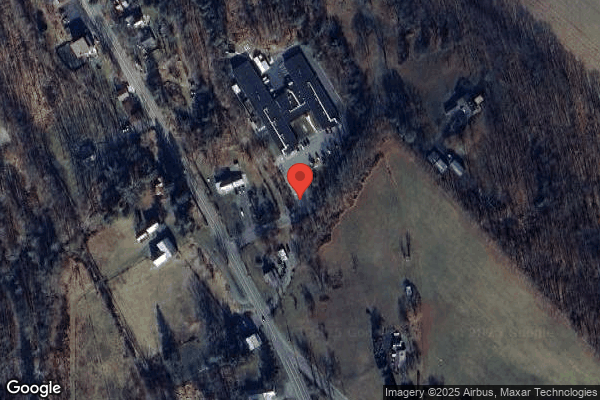

48 HAVEN LANE, MILLVILLE, PA 17846 (570) 458-5566
For profit - Corporation 110 Beds PRIORITY HEALTHCARE GROUP Data: November 2025 1 Immediate Jeopardy citation
Trust Grade
8/100
#559 of 653 in PA
Last Inspection: February 2025

Within standard 12-15 month inspection cycle. Federal law requires annual inspections.

Overview

The Gardens at Millville has a Trust Grade of F, indicating a poor performance with significant concerns. It ranks #559 out of 653 nursing homes in Pennsylvania, placing it in the bottom half statewide, and #3 out of 4 in Columbia County, meaning only one nearby facility is better. While the facility is improving, with issues decreasing from 28 in 2024 to 9 in 2025, it still faced serious problems, including not maintaining safe hot water temperatures, which could lead to severe burns for a significant number of residents. Staffing is a weakness here, with a low rating of 1 out of 5 stars and a turnover rate of 53%, suggesting that staff may not stay long enough to build strong relationships with residents. Additionally, they were fined $25,275, which is concerning as it is higher than 77% of Pennsylvania facilities, indicating ongoing compliance issues.

Trust Score
F
8/100
In Pennsylvania
#559/653
Bottom 15%
Safety Record
High Risk
Review needed
Inspections
Getting Better
28 → 9 violations
Staff Stability
⚠ Watch
53% turnover. Above average. Higher turnover means staff may not know residents' routines.
Penalties
⚠ Watch
$25,275 in fines. Higher than 78% of Pennsylvania facilities, suggesting repeated compliance issues.
Skilled Nurses
⚠ Watch
Each resident gets only 29 minutes of Registered Nurse (RN) attention daily — below average for Pennsylvania. Fewer RN minutes means fewer trained eyes watching for problems.
Violations
⚠ Watch
49 deficiencies on record. Higher than average. Multiple issues found across inspections.
★☆☆☆☆
1.0
Overall Rating
★☆☆☆☆
1.0
Staff Levels
★★☆☆☆
2.0
Care Quality
★☆☆☆☆
1.0
Inspection Score
Stable
2024: 28 issues
2025: 9 issues

The Good

  • Full Sprinkler Coverage · Fire safety systems throughout facility
  • No fines on record

Facility shows strength in fire safety.

The Bad

1-Star Overall Rating

Below Pennsylvania average (3.0)

Significant quality concerns identified by CMS

Staff Turnover: 53%

Near Pennsylvania avg (46%)

Higher turnover may affect care consistency

Federal Fines: $25,275

Below median ($33,413)

Moderate penalties - review what triggered them

Chain: PRIORITY HEALTHCARE GROUP

Part of a multi-facility chain

Ask about local staffing decisions and management

The Ugly 49 deficiencies on record

1 life-threatening
Feb 2025 9 deficiencies
CONCERN (D)

Potential for Harm - no one hurt, but risky conditions existed

Free from Abuse/Neglect (Tag F0600)

Could have caused harm · This affected 1 resident

**NOTE- TERMS IN BRACKETS HAVE BEEN EDITED TO PROTECT CONFIDENTIALITY** Based on a review of the facility's abuse prohibition policy, clinical records, select investigative reports and staff interview...

Read full inspector narrative →
**NOTE- TERMS IN BRACKETS HAVE BEEN EDITED TO PROTECT CONFIDENTIALITY** Based on a review of the facility's abuse prohibition policy, clinical records, select investigative reports and staff interviews, it was determined the facility failed to assure that one resident (Resident 40) was free from physical abuse perpetrated by another resident (Resident 81) out of 23 sampled residents. Findings include: A review of facility policy titled Abuse Policy, last reviewed by the facility on November 1, 2024, revealed it is the policy of the facility to not tolerate abuse, neglect, mistreatment, exploitation of residents, or misappropriation of resident property by anyone. The policy defines abuse as the willful infliction of injury, unreasonable confinement, intimidation, or punishment with resulting physical harm, pain, or mental anguish. Willful, as used in this definition of abuse, means the individual must have acted deliberately, not that the individual must have intended to inflict injury or harm. A review of Resident 40's clinical record revealed the resident was admitted to the facility on [DATE], with diagnoses that included Unspecified Dementia (a group of symptoms that causes a decline in memory and thinking and interferes in daily life) and generalized anxiety disorder (a disorder that is characterized by excessive worry and nervousness. A review of the Resident 40 s admission Minimum Data Set Assessment (MDS - a federally mandated standardized assessment conducted at specific intervals to plan resident care) dated December 11,2024, indicated that the resident was moderately impaired cognitively with a BIMS (Brief Interview for Mental Status - a tool to assess cognition) score of 9 (8-12 represents moderate cognitive impairment). A review of Resident 81's clinical record revealed the resident was admitted to the facility on [DATE], with diagnoses that included Unspecified Dementia (a group of symptoms that causes a decline in memory and thinking and interferes in daily life) and Legal Blindness (severe vision loss). A review of the Resident 81's admission Minimum Data Set, dated [DATE], indicated that the resident was severely impaired cognitively with a BIMS score of 4 (0-7 represents severe cognitive impairment). A review of Resident 81's progress notes from December 2024 through January 2025 revealed the resident displayed behaviors of agitation, aggressive behavior, verbal abuse with staff and other residents, physically abusive to staff, physical and verbally aggressive with care, biting and spitting at staff, and refusing medications. During these displayed behaviors, the facility staff indicated they would redirect the resident. However, due to the resident's cognitive impairment the resident is unable to follow redirection. A review of Resident 81's resident current plan of care initiated on November 12, 2024, revealed the resident had increased behaviors related to unspecified dementia with a goal to be able to state her concerns and have her needs met. Further review of the resident's care plan for increased behaviors related to dementia revealed interventions such as Ativan (antianxiety medication) 0.5 mg by mouth every 6 hours as needed, encourage activities of interest, encourage family involvement, explain how her current behavior is detrimental, refer to psychiatry if needed. The resident's plan of care failed to identify the resident's specific behaviors she was exhibiting. Further the facility failed to develop and implement person centered interventions to deter the resident's verbally and physically aggressive behaviors. A review of nursing documentation dated January 23, 2025, at 7:10 PM revealed Resident 81 was in an altercation with Resident 40. Resident 81 and struck Resident 40 with a closed hand in the chest while Resident 40 was sitting in her wheelchair. A review of a facility investigation dated January 23, 2025, at 7:00 PM revealed Resident 81 was witnessed to have hit while Resident 40 in the chest while she was sitting in her wheelchair. It was indicated both residents were separated at that time. Resident 40 was assessed with no injuries noted. Resident 81 was placed on every 15-minute checks. A review of Employee 7's witness statement dated January 23, 2025, revealed the employee was coming out of another resident's room and heard yelling. The employee indicated she walked into the TV room on the A hall and witnessed Resident 81 hit Resident 40. The employee stated Resident 81 then grabbed Resident 40 by the shirt in the chest area. The employee indicated she moved resident 40 into the hall away from Resident 81. The employee stated Resident 81 continued to be irritated and yelling I will hit you again. The facility failed to identify and implement appropriate interventions for a resident with known aggressive behaviors resulting in of Resident 40 being hit in the chest. An interview with NHA (Nursing Home Administrator) on February 14, 2025, at approximately 9:45 AM confirmed the facility failed to ensure of Resident 40 was free from physical abuse perpetrated by Resident 81. 28 Pa. Code 201.14(a) Responsibility of licensee 28 Pa. Code 201.18(e)(1) Management 28 Pa. Code 201.29(a)(c) Resident Rights 28 Pa. Code 211.12(c)(d)(5) Nursing Services
CONCERN (D)

Potential for Harm - no one hurt, but risky conditions existed

Deficiency F0692 (Tag F0692)

Could have caused harm · This affected 1 resident

**NOTE- TERMS IN BRACKETS HAVE BEEN EDITED TO PROTECT CONFIDENTIALITY** Based on review of clinical records, select facility policy, and staff interview, it was determined the facility failed to ensur...

Read full inspector narrative →
**NOTE- TERMS IN BRACKETS HAVE BEEN EDITED TO PROTECT CONFIDENTIALITY** Based on review of clinical records, select facility policy, and staff interview, it was determined the facility failed to ensure a physician-ordered fluid restriction was maintained for one resident receiving dialysis (Resident 13) out of 23 sampled. Findings include: A review of a facility policy titled Encouraging and Restricting Fluids last reviewed by the facility on November 1, 2024, revealed the purpose of this procedure is to provide the resident with the amount of fluids necessary to maintain optimum health. This may include encouraging or restricting fluids. The policy stated, Verify that there is a physician's order for this procedure and review the resident's care plan and/or assignment sheets to assess for any special needs of the resident. The procedure stated to follow the specific amount of fluids ordered by the physician concerning for fluid intake or restrictions. A review of the clinical record revealed that Resident 13 was admitted to the facility on [DATE], with diagnoses that included diabetes (a chronic disease that occurs either when the pancreas does not produce enough insulin or when the body cannot effectively use the insulin it produces) and end-stage kidney disease (the final stage of kidney decline where the kidneys are no longer able to function to meet the body's needs) with dependence on hemodialysis (the process of removing waste products and excess fluid from the body when the kidneys are not able to adequately filter the blood). A review of a quarterly Minimum Data Set assessment (MDS-a federally mandated standardized assessment process conducted periodically to plan resident care) dated January 5, 2025, revealed that Resident 13 is cognitively intact with a BIMS score of 15 (Brief Interview for Mental Status-a tool within the Cognitive Section of the MDS that is used to assess the resident's attention, orientation, and ability to register and recall new information; a score of 13-15 indicates cognition is intact). A physician's order dated January 8, 2025, was noted for the resident to be maintained on a 1000 milliliter (ml) fluid restriction with the following breakdown of the fluid distribution for a total of 340 ml of fluids to be provided by nursing each day and a total of 660 ml of fluids to be provided by dietary each day. A review of Resident 13's fluid intake task report (an electronic record that summarized planned resident centered tasks completed by nursing) revealed that the system was set for a 1500 ml fluid restriction, conflicting with the physician's order. A review of documented daily fluid intake for January and February 2025 showed multiple instances where Resident 13 exceeded the 1000 ml fluid restriction: January 17, 2025, 1340 ml January 21, 2025, 1350 ml January 27, 2025, 1240 ml January 28, 2025, 1440 ml January 29, 2025, 1120 ml January 30, 2025, 1820 ml February 1, 2025, 1040 ml February 3, 2025, 1350 ml February 5, 2025, 1020 ml February 6, 2025, 1560 ml February 10, 2025, 1500 ml February 11, 2025, 1320 ml Interview with the Director of Nursing on February 13, 2025, at 2:15 PM confirmed that the facility had failed to follow the physician's order for the 1000 ml fluid restriction to ensure compliance with the prescribed fluid restrictions which resulted in Resident 13 exceeding her fluid intake. The facility failed to ensure adherence to Resident 13's physician-prescribed fluid restriction, as evidenced by repeated instances of excessive fluid intake documented in the facility records, and not complying with the physician's order of 1000 ml, instead following the facilities task report of 1500 ml which was inconsistent with the prescribed requirement. 28 Pa. Code: 211.12 (c)(d)(1)(3)(5) Nursing services 28 Pa. Code 211.5(f)(ix) Medical records
CONCERN (D)

Potential for Harm - no one hurt, but risky conditions existed

Deficiency F0810 (Tag F0810)

Could have caused harm · This affected 1 resident

**NOTE- TERMS IN BRACKETS HAVE BEEN EDITED TO PROTECT CONFIDENTIALITY** Based on clinical record review, observation, and staff interview, it was determined the facility failed to provide adaptive din...

Read full inspector narrative →
**NOTE- TERMS IN BRACKETS HAVE BEEN EDITED TO PROTECT CONFIDENTIALITY** Based on clinical record review, observation, and staff interview, it was determined the facility failed to provide adaptive dining equipment as required and prescribed for one resident out of 23 sampled (Resident 46). Findings include: A review of the clinical record revealed that Resident 46 was admitted to the facility on [DATE], with diagnoses to include early onset Alzheimer's disease (a progressive brain disease that destroys memory and other important mental functions), and cerebrovascular disease (or stroke - when blood flow to a part of your brain is stopped either by a blockage or the rupture of a blood vessel). Review of Resident 46's plan of care dated November 17, 2021, indicated that the resident had a nutritional problem or a potential nutritional problem due to gastroesophageal reflux (a chronic digestive disease where the liquid content of the stomach refluxes into the esophagus, the tube connecting the mouth and stomach. Foods containing tomato, such as spaghetti sauce, salsa, or pizza, spicy foods, such as those containing chili or curry, and citrus foods could trigger symptoms such as acid reflux, difficulty swallowing, chest pain, and a persistent dry cough), hypertension (high blood pressure), and dysphagia (difficulty swallowing food or liquid) and receives a mechanically altered diet (foods that are easy to swallow because they are blended, chopped, grounded or mashed so that they are easy to chew and swallow). As part of the dietary interventions, the resident was prescribed: Regular, puree texture food, thin consistency for drinks; fortified cereal at breakfast; provide a maroon pediatric spoon (an adaptive spoon with a narrow, shallow bowl) for feeding to facilitate small bolus size (semi-solid mass of food) to increase safety for all meals and snacks. A review of the physician's orders, revised on January 3, 2025, confirmed that the resident was to use a maroon pediatric spoon for all meals and snacks to promote safe swallowing. Observation of the lunch meal on February 11, 2025, at 1:20 PM revealed Resident 46, served his meal with a white plastic spoon instead of the prescribed maroon spoon A staff member was observed feeding the resident using the incorrect utensil. On February 12, 2025, at 1:19 PM, another observation revealed the resident, again, was served lunch with a white plastic spoon. Employee 1 (nurse aide) was observed feeding the resident without using the prescribed maroon spoon. Interview with Employee 1 on February 12, 2025, at 1:20 PM confirmed the maroon spoon was not provided on the place setting nor was it being utilized at the time of the observation. During an interview on February 13, 2025, at approximately 1:45 PM, the Director of Rehab acknowledged that the facility failed to provide the required adaptive dining equipment as ordered by the physician, increasing the risk of choking and compromising the resident's safety. 28 Pa. Code 211.12 (d)(3)(5) Nursing services.
CONCERN (E)

Potential for Harm - no one hurt, but risky conditions existed

ADL Care (Tag F0677)

Could have caused harm · This affected multiple residents

**NOTE- TERMS IN BRACKETS HAVE BEEN EDITED TO PROTECT CONFIDENTIALITY** Based on a review of clinical records, select facility investigative reports, select facility policies, and staff interview, it ...

Read full inspector narrative →
**NOTE- TERMS IN BRACKETS HAVE BEEN EDITED TO PROTECT CONFIDENTIALITY** Based on a review of clinical records, select facility investigative reports, select facility policies, and staff interview, it was determined the facility failed to provide meal tray set-up assistance to ensure food was cut in bite size pieces to promote safe swallowing for one of 23 residents sampled (Resident 76). Findings include: Review of the facility Assistance with Meals Policy dated November 1, 2024, indicated that residents shall receive assistance with meals in a manner that meets the individual needs of each resident. All residents will be encouraged to eat in the dining room. Facility staff will serve resident trays and will help residents who require assistance with eating. Review of the facility LifeVac Policy (non-powered, non-invasive, single use only airway clearing device developed for resuscitating a victim with an airway obstruction) dated November 1, 2024, indicated the LifeVac can be utilized when traditional basic life-saving methods, such as the Heimlich maneuver (first-aid technique that uses abdominal thrusts to help someone who is choking), have been unsuccessful in clearing an airway obstruction. Review of Resident 76's clinical record revealed the resident was admitted to the facility on [DATE], with diagnoses to include dementia (chronic or persistent disorder of the mental processes caused by brain disease or injury and marked by memory disorders, personality changes, and impaired reasoning) and anxiety. A physician order dated October 16, 2023, revealed an order for a Regular diet. Review of a quarterly Minimum Data Set assessment (MDS-a federally mandated standardized assessment process conducted periodically to plan resident care) dated September 8, 2024, indicated the resident had a BIMS score of 3 (Brief Interview for Mental Status- a tool within the Cognitive Section of the MDS that is used to assess the resident's attention, orientation, and ability to register and recall new information; a score of 0-7 indicates severe cognitive impairment), required supervision or touching assistance with verbal cues or touching/steadying assistance for feeding, did not have a swallowing disorder, and was not on a mechanically altered diet (diet that modifies food texture to make foods easier to chew and swallow). A review of an Occupational Therapy Discharge summary dated [DATE], revealed the resident required setup (cutting up food in appropriate bite-size pieces, ensuring all items within reach, lids removed, containers opened, and condiments added) and clean-up assistance with meals. Review of the resident's November 2024 Task Documentation Survey Report revealed the resident was independent for eating with setup help only. Review of the resident's care plan initially dated September 21, 2023, and revised May 11, 2024, indicated the resident has a concern related to dementia and poor safety awareness. Interventions included for staff to adjust the resident's diet to accommodate chewing, swallowing, or eating issues to maximize independence and nutritional intake. Further review of the resident's care plan failed to address the extent of meal assistance the resident required for meals. On November 18, 2024, at 1:30 PM and 4:31 PM, nursing note documented that Resident 76 required intervention using the LifeVac to dislodge a piece of chicken, the size of a fifty-cent coin. While in the dining room the resident was observed holding his neck, with unclear speech and blue lips. The resident's oxygen saturation was 91% on room air (95-100% is [NAME], 90-92 % is considered low oxygen) and a diet modification to mechanical soft (foods are soft easy-to-chew and mashed or ground) was implemented, with a speech therapy referral placed. Review of facility investigative documentation dated November 18, 2024, confirmed the resident was at the lunch table eating when he started choking. Employee 4 (LPN) utilized LifeVac, and resident dislodged a piece of chicken. Further review of the investigation indicated that Resident 76 was seen two minutes prior to the incident. There was no indication that staff provided setup help to the resident as required to ensure the resident's food was cut into bite size pieces. Review of a Speech Therapy Evaluation dated November 19, 2024, noted the resident was referred for a dysphagia (difficulty swallowing) evaluation to determine the safest, least restrictive diet texture post a choking incident on November 18, 2024, while consuming regular chicken. Staff utilized LifeVac to clear bolus from airway. Per staff, resident had upper and lower dentures in place, yet staff questions if resident's meat was cut into small bites as the piece, he was able to expel was quite large. Review of a Speech Therapy Discharge summary dated [DATE], noted the resident's swallow skills are within full limits. Resident discharge recommendation for Regular texture diet with thin liquids. To facilitate safety and efficiency it is recommended the resident use the following strategies during oral intake: general swallow techniques/precautions, bolus size modifications, and rate modification along with upright posture during meals. A nurses note dated January 12, 2025, at 7:22 PM noted the resident had a very significant coughing episode. Resident was able to dislodge a large piece of meat with staff assistance of manually forcing food out by Employee 6 (LPN). The diet was downgraded to dysphagia advanced with ground meat pending further speech therapy evaluation Review of the menu revealed that at the time of the incident Resident 76 was served Italian baked chicken. Staff meeting minutes (January 21 and 23, 2025) indicated that staff were educated on ensuring food is cut into small, manageable pieces for residents requiring such assistance Interview with the foodservice director on February 14, 2025, at 9:00 AM confirmed that for a regular diet, the Italian baked chicken served to Resident 76 was a whole three-ounce boneless chicken breast. There was no documented evidence that Resident 76 was provided tray setup assistance, or that the Italian baked chicken was cut into bite size pieces as required. Interview with the director of nursing (DON) on February 14, 2025, at 10:00 AM confirmed that Resident 76 required tray setup assistance. The DON confirmed that the facility failed to provide the necessary staff tray set up assistance to the resident to ensure food was cut by staff into bite size pieces to promote safe swallowing. The facility failed to provide essential tray setup assistance, including ensuring that Resident 76's food was cut into bite-sized pieces. This failure directly contributed to multiple choking incidents, necessitating the use of a LifeVac, speech therapy intervention, and dietary modifications 28 Pa. Code 211.12 (d)(1)(5) Nursing services.
CONCERN (E)

Potential for Harm - no one hurt, but risky conditions existed

Deficiency F0679 (Tag F0679)

Could have caused harm · This affected multiple residents

Based on observation, review of clinical records and the facility's activity calendar, and interviews with staff, it was determined the facility failed to provide an individualized activities program ...

Read full inspector narrative →
Based on observation, review of clinical records and the facility's activity calendar, and interviews with staff, it was determined the facility failed to provide an individualized activities program designed to meet the specific functional needs, abilities, and preferences for residents with dementia and/or sensory deficits for five residents (Residents 15, 46, 96, 65, and 51) out of 23 sampled residents. Findings include: On February 13, 2025, at 10:35 AM, an observation was conducted in the day room across from the C/D nurses' station. Five residents (Residents 15, 46, 96, 65, and 51) were seated in the room. The television was on; however, none of the residents appeared to be watching or engaged with the program. No staff member was present, and none of the residents were conversing or otherwise engaged in meaningful activities. According to the February 2025 activities calendar, a scheduled Ladies Group was taking place in the main dining room; however, the female residents in the day room were not participating in the scheduled activity. A review of Resident 15's clinical record revealed admission to the facility on October 3, 2020, with diagnoses to include bilateral sensorineural hearing loss (hearing loss affecting both ears due to damage of the inner ear), and bilateral cataracts (occurs when the lens in both eyes becomes cloudy). The clinical record indicated that she is moderately cognitive impairment and requires assistance from staff for all care. Her documented activity preferences include listening to music, being around animals, keeping up with the news, spending time outdoors, and participating in religious services. However, a review of her activity participation log for the past 75 days revealed only one recorded activity on December 29, 2024, when she had her nails painted while in the day room. No additional documented record of Resident 15's activity participation was provided. A review of Resident 46's clinical record revealed admission to the facility on December 4, 2017, with diagnoses to include Alzheimer's disease (a progressive brain disease that destroys memory and other important mental functions) and cerebrovascular disease (or a stroke - when blood flow to a part of your brain is stopped either by a blockage or the rupture of a blood vessel). The clinical record indicated he is severely cognitively impaired and is dependent on staff for all care. His activity preferences include reading books, newspapers or magazines, listening to music, participating in group activities, and attending religious services. A review of his activity participation log for the past 75 days documented engagement only four times: December 19, 2024 - attended a live music program December 25, 2024 - received a Christmas gift January 13, 2025 - received a one-to-one visit from staff February 10, 2025 - attended a live music program No additional documented participation in activities was found. A review of Resident 96's clinical record revealed admission to the facility on January 21, 2025, with diagnoses to include vascular dementia (a decline in thinking skills caused by conditions that block or reduce blood flow to parts of the brain, depriving them of oxygen and nutrients), and repeated falls. The clinical record indicated that he is severely cognitively impaired and is dependent on staff for all care. The clinical record also indicated that he enjoys reading books, newspapers or magazines, listening to music, being around animals such as pets, keeping up with the news, doing things with groups of people, participating in favorite activities, and spending time outdoors. A review of his activity participation log for the past 24 days showed only two documented instances of engagement: January 24, 2025 - visited by the Director of Activities for an activities assessment February 10, 2025 - invited to live entertainment but declined participation No further engagement was recorded. A review of Resident 65's clinical record revealed admission to the facility on September 21, 2023, with diagnoses to include Alzheimer's disease, and Down Syndrome (also known as trisomy 21, is a genetic disorder caused by the presence of all or part of a third copy of chromosome 21. It is typically associated with physical growth delays, mild to moderate intellectual disability, and characteristic facial features. The average IQ of a young adult with Down syndrome is 50, equivalent to the mental ability of an 8- or 9-year-old child). The clinical record indicated she is severely cognitively impaired and is dependent on staff for all care. The clinical record also indicated due to communication barriers, activity preferences were not documented as her family or significant others were unavailable. A review of Resident 65's activity participation log for the past 75 days revealed that on December 16, 2024, that while waiting for her turn with the beauty shop, she was provided with a baby doll to hold because she loves baby dolls when she sees other residents with them. She enjoyed holding and talking to her baby while she waited. No additional documented record of Resident 65's activity participation was provided. A review of Resident 51's clinical record revealed admission to the facility on August 25, 2018, with diagnoses to include paranoid schizophrenia (a disorder that affects a person's ability to think, feel, and behave clearly), and bilateral sensorineural hearing loss. The clinical record indicated she is severely cognitively impaired and is dependent on staff for all care. The clinical record indicated she enjoys listening to music, being around animals such as pets, participating in favorite activities, spending time outside and participating in religious activities or practices. A review of her activity participation log for the past 75 days revealed only one recorded activity on January 22, 2025, when an activities staff member visited her with a baby doll and pacifier, which she held and smiled at. No additional documented record of Resident 51's activity participation was provided. A review of clinical records and activity participation logs demonstrated the facility failed to provide consistent and individualized activities tailored to the residents' cognitive and sensory needs. Residents with documented preferences for music, socialization, sensory stimulation, and religious activities were not routinely engaged in meaningful or personalized activities. During an interview with the Activities Director on February 13, 2025, at approximately 1:30 PM, she acknowledged that the Activities Department had been short-staffed, resulting in difficulty providing one-on-one visits and engagement for residents with dementia and sensory deficits. She confirmed that these residents were not receiving adequate or individually designed activities programming to meet their specific needs, abilities, and preferences. The facility failed to develop and consistently implement an activities program that meets the functional needs, abilities, and preferences of residents with dementia and/or sensory deficits. 28 Pa. Code 201.29(a) Resident rights 28 Pa. Code 211.5(f)(ii) Medical records
CONCERN (E)

Potential for Harm - no one hurt, but risky conditions existed

Deficiency F0804 (Tag F0804)

Could have caused harm · This affected multiple residents

Based on observation, review of select facility policy, test tray results, and resident and staff interviews, it was determined the facility failed to serve meals that were palatable and at a safe and...

Read full inspector narrative →
Based on observation, review of select facility policy, test tray results, and resident and staff interviews, it was determined the facility failed to serve meals that were palatable and at a safe and appetizing temperature for 7 out of 23 residents sampled (Residents 44, 201, 38, 16, 88, 54 and 34). Findings include: According to the federal regulatory guidance at 483.60(i)-(2) Food safety requirements - the definition of Danger Zone, found under the Definitions section, is food temperatures above 41 degrees Fahrenheit and below 135 degrees Fahrenheit that allow rapid growth of pathogenic microorganisms that can cause foodborne illness. Review of the facility Temperatures Policy dated November 1, 2024, indicated that all hot food items must be cooked to appropriate internal temperatures, held and served at a temperature of at least 135 degrees Fahrenheit. Take temperatures often to monitor for safe temperature ranges at or below 41 degrees Fahrenheit for cold foods and at or above 135 degrees Fahrenheit for hot foods. During a group interview with six alert and oriented residents on February 12, 2025, at 10:30 AM, all six residents in attendance (Residents 44, 201, 38, 16, 88, and 54) stated that the hot food temperatures are frequently cold. Resident 38 stated that the food is cold every day, at all meals. Resident 88 stated that the food is lukewarm at best. During an individual interview with Resident 34 on February 11, 2025, at 12:30 PM, the resident stated, The hot foods are never hot, always cold. The resident further confirmed that food was often cold during all mealtimes. A test tray evaluation was conducted on the East D Wing Nursing Unit on February 12, 2025. The test tray arrived on the Nursing Unit at 12:14 PM. The meal served was chicken with gravy and waffle, marinated cold green-bean salad, a chocolate-chip bar, milk, and coffee. At 12:24 PM, after the last resident was served, food temperatures were recorded: Chicken with gravy and waffle: 102.5°F (Below the required 135°F minimum) Coffee: 138°F The chicken with gravy tasted cold and was not palatable at the temperature it was served. The waffle was soggy and not toasted further reducing the palatability of the meal. An interview with the foodservice director on February 12, 2025, at approximately 12:45 PM confirmed that food must be palatable and served at safe and appetizing temperatures. The director acknowledged the test tray results did not meet the facility's policy or regulatory requirements. 28 Pa. Code 201.18 (e)(3) Management
CONCERN (E)

Potential for Harm - no one hurt, but risky conditions existed

Deficiency F0838 (Tag F0838)

Could have caused harm · This affected multiple residents

Based on staff interview and review of professional literature, the facility's assessment, facility provided documentation, and review of the medical, psychiatric, and mental health conditions of the ...

Read full inspector narrative →
Based on staff interview and review of professional literature, the facility's assessment, facility provided documentation, and review of the medical, psychiatric, and mental health conditions of the resident census, it was determined the facility failed to conduct and document a facility-wide assessment, using evidence-based methods, which identified the specific resources necessary to care for its specific resident population. Findings include: Review of the Centers for Medicare and Medicaid Services Memorandum, Revised Guidance for Long-Term Care Facility Assessment Requirements (QSO-24-13-NH) dated June 18, 2024, revealed the facility assessment must include an evaluation of diseases, conditions, physical or cognitive limitations of the resident population, acuity (the level of severity of residents' illnesses, physical, mental, and cognitive limitations, and conditions) and any other pertinent information about the resident population as a whole that may affect the services the facility must provide. Continued review revealed, the assessment of the resident population should drive staffing decisions and inform the facility about what skills and competencies staff must possess in order to deliver the necessary care required by the residents being served. Further review revealed, the assessment of the resident population should also contribute to identifying additional needs for residents, such as the physical space, equipment, assisted technology, individual communication devices, or other material resources that are needed to provide the required care and services to residents. Review of the Facility Assessment, last reviewed by the facility on January 31, 2025, failed to accurately identify the specific needs and services required by the various subsets and characteristics of the resident population. The facility assessment did not incorporate critical factors such as specific staff competencies, equipment needs, and services required to meet the individual and collective needs of the resident population. Review of the facility's Resident Matrix (list of all residents in the facility), dated February 11, 2025, revealed a total census of 98 residents. Of the 98 residents, the Matrix identified 46 residents with an Alzheimer's or dementia diagnosis. A review of the facility document titled Diagnosis Report dated February 14, 2025, identified residents currently receiving psychiatry and/or psychology services. Of the 98 residents in the facility, 26 residents were currently identified as receiving psychiatric and/or psychological services. The Facility Assessment presented to the survey team indicated there were no residents with behavioral health needs who would need special treatments and conditions despite the characteristics of the current resident population. The facility assessment failed to accurately reflect the current population in the facility and the behavioral health and dementia care needs of the residents to ensure resident safety. The Facility Assessment failed to include the resources needed, including an evaluation of the overall number of facility staff to include dietary and activity staff; and contracted staff to include agency nursing staff, and the capabilities needed to ensure a sufficient and competent number of qualified staff are available to meet each resident's needs. The Facility Assessment failed to include the physical resources needed, including resident care equipment, medical supplies and non-medical supplies, to provide the required care and services to meet each resident's needs. During an interview on February 14, 2025, at 9:30 AM, the Nursing Home Administrator acknowledged the Facility Assessment did not contain all the required information needed to meet regulatory requirements and address the specific needs of the resident population. 28 Pa. Code 201.14(a) Responsibility of licensee 28 Pa. Code 201.18 (b)(1)(3)(e)(1)(2) Management
CONCERN (E)

Potential for Harm - no one hurt, but risky conditions existed

Infection Control (Tag F0880)

Could have caused harm · This affected multiple residents

Based on observation, review of select facility policy, the facility's infection control log and staff interview, it was determined the facility failed to maintain and implement a comprehensive progra...

Read full inspector narrative →
Based on observation, review of select facility policy, the facility's infection control log and staff interview, it was determined the facility failed to maintain and implement a comprehensive program to monitor and prevent infections in the facility and further failed to ensure that staff followed proper infection control techniques while passing medications to three of three residents (Residents 6, 22, and 32) on the A Hall nursing unit. Findings included: A review of facility policy titled Infection Prevention and Control Program last reviewed by the facility on November 1, 2024, indicated the Infection Prevention and Control Program (IPCP) is established and maintained to provide safe, sanitary and comfortable environment and to help prevent the development and transmission of communicable diseases and infections. The elements of the IPCP consist of coordination/oversight, policies/procedures, surveillance, data analysis, antibiotic stewardship, outbreak management, prevention of infection, and employee health and safety. An observation on February 12, 2025, at 8:22 AM revealed Employee 3 RN (registered nurse) was administering morning medications to Resident 6 on the A Hall nursing unit, Employee 3 was removing the medication Folic Acid 1 mg (a vitamin) from the medication card, and the employee used her bare hand without performing hand hygiene to remove the pill from the medication card, touching the pill with her ungloved hand and without performing hand hygiene or donning gloves, and placed it in Resident 6's medication cup. The employee then proceeded to administer the medications to Resident 6. The employee failed to wash her hands after administering the medications. An observation on February 12,2025, at 8:35 AM revealed Employee 3 RN was administering medications to Resident 22 on the A hall unit, when the employee was removing the medication Tamsulosin 0.4 mg ( a medication that relaxes bladder muscles) from the medication card using her bare hand without performing hand hygiene to remove the medication from the medication card, touching the pill, with her ungloved hand, and without performing hand hygiene or donning gloves, and placing it in Resident 22's medication cup. The employee proceeded to administer the medications to Resident 22. The employee failed to wash her hands after administering the medications. Further observation on February 12, 2025, at 8:43 AM revealed Employee 3 RN was administering medications to Resident 32 on the A Hall unit when the employee was removing Buspirone 5 mg (a medication used to treat anxiety) from the medication card, using her bare hand without performing hand hygiene, touching the pill with her ungloved hand without performing hand hygiene or donning gloves, and placing it in Resident 32's medication cup. The employee proceeded to administer the medications to Resident 32. The employee failed to wash her hands after administering the medications. An interview with the Director of Nursing on February 12, 2025, at approximately 1:00 PM confirmed that Employee 3 failed to follow proper infection control measures prior to the administration of these medications. A review of facility infection control logs for April 2024 through February 2025 revealed the facility did not have accurate tracking of infections for the months of August 2024 and September 2024. An Interview with the Infection Preventionist (IP) on February 14, 2025, at 9:45 AM verified that she became the facility's IP on September 23, 2024, and at the time of her hire, there was no current IP currently working in the facility. The IP revealed the infection control tracking logs were not completed for August 2024 through September 2024. An interview with the Nursing Home Administrator (NHA) on February 14, 2025, at approximately 10:45 AM confirmed that the facility's previous IP stopped working on August 30, 2024, and the new IP did not start until September 23, 2024. The NHA confirmed the facility infection control logs were not complete and failed to maintain a comprehensive program to monitor and prevent infections. The facility failed to demonstrate that its infection control program included, at a minimum, a system for preventing, identifying, reporting, investigating, and controlling infections and communicable diseases for all residents, staff, and visitors following accepted standards and guidelines. The facility failed to ensure the implementation of a comprehensive infection prevention and control program designed to prevent, identify, investigate, and manage infections and communicable diseases across all residents, staff, and visitors, thereby placing residents at increased risk for healthcare-associated infections (HAIs). 28 Pa. Code 211.12 (c)(d)(1)(5) Nursing services. 28 Pa. Code 211.10(c)(d) Resident care policies.
CONCERN (F)

Potential for Harm - no one hurt, but risky conditions existed

Food Safety (Tag F0812)

Could have caused harm · This affected most or all residents

acceptable practices for the storage and service of food to prevent the potential for contamination and microbial growth in food, which increased the risk of food-borne illness. Findings include: Foo...

Read full inspector narrative →
acceptable practices for the storage and service of food to prevent the potential for contamination and microbial growth in food, which increased the risk of food-borne illness. Findings include: Food safety and inspection standards for safe food handling indicate that everything that comes in contact with food must be kept clean and food that is mishandled can lead to foodborne illness. Safe steps in food handling, cooking, and storage are essential in preventing foodborne illness. You cannot always see, smell, or taste harmful bacteria that may cause illness according to the USDA (The United States Department of Agriculture, also known as the Agriculture Department, is the U.S. federal executive department responsible for developing and executing federal laws related to food). Observation during the initial tour of the food and nutrition services department with the foodservice director (FSD) conducted on February 11, 2025, at 9:20 AM, revealed the following unsanitary practices with the potential to introduce contaminants into food and increase the potential for food-borne illness: A lidded garbage can next to the handwashing sink was unable to close due to being overfilled with paper towels and waste, posing a contamination risk in a food preparation area. A visible build-up of dirt and debris was noted beneath the tray line and steam table, creating unsanitary conditions in a high-use food preparation area. The kitchen floor perimeter showed signs of heavy soiling, which could harbor bacteria and pests. The backsplash on the stove had accumulated grease and food stains, representing a potential source of cross-contamination. Observation of the walk-in cooler revealed three cases of cottage cheese being stored on a shelf in near contact with the ceiling limiting airflow and compromising temperature regulation as acknowledged by the FSD. Four thawed eight-ounce nutritional juice drinks and three thawed four-ounce nutritional shakes lacked appropriate thaw and discard dates. According to manufacturer guidelines, these items must be used within 14 days of thawing. Three thawed four-ounce nutritional desserts were not labeled with discard dates. Manufacturer guidelines require consumption within 5 days of thawing. Four bags of frozen mixed vegetables in the walk-in freezer were undated, preventing proper monitoring of storage times. Three cases of assorted food items were stored directly on the floor of the dry storage room, contrary to professional standards that require food to be stored at least 6 inches off the floor to prevent contamination. Observation of the tray line in the food and nutrition services department during the lunch meal on February 12, 2025, at 12:05 PM revealed the following: Both Employee 2 (cook) with a goatee (facial hair that only covers the chin) and the FSD with a beard were observed handling food without wearing proper beard covers, failing to meet hygiene standards and increasing the risk of contamination. Observation of the dish room area in the food and nutrition services department on February 14, 2025, at 9:30 AM revealed six thermal beverage mugs, labeled as clean, had visible coffee stains on their interior surfaces, indicating inadequate cleaning practices and a failure to meet sanitation standards for food service equipment. Interview with the foods service director (FSD) at the time of the observations confirmed that all food and beverages must be stored and thawed following manufacturer guidelines and facility protocols to prevent contamination, and the dietary department must be maintained in a sanitary condition to comply with federal food safety regulations. 28 Pa. Code 201.18 (e) (2.1) Management 28 Pa. Code 211.6 (f) Dietary Services
Aug 2024 1 deficiency
CONCERN (E) 📢 Someone Reported This

A family member, employee, or ombudsman was alarmed enough to file a formal complaint

Potential for Harm - no one hurt, but risky conditions existed

Safe Environment (Tag F0584)

Could have caused harm · This affected multiple residents

**NOTE- TERMS IN BRACKETS HAVE BEEN EDITED TO PROTECT CONFIDENTIALITY** Based on observation staff interviews, it was determined that the facility failed to provide housekeeping and maintenance servic...

Read full inspector narrative →
**NOTE- TERMS IN BRACKETS HAVE BEEN EDITED TO PROTECT CONFIDENTIALITY** Based on observation staff interviews, it was determined that the facility failed to provide housekeeping and maintenance services to maintain a clean and safe resident environment in two units out of four units observed. (A and C units) Findings include: An observation on August 27, 2024, at approximately 9:50 AM of the A hall nursing unit revealed the following: room [ROOM NUMBER] was noted to have a plastic three drawer bin covered with dried brown spots. The bathroom in this room had a plastic garbage bag tied to the grab bar by the toilet containing a soiled urinal with urine collected in the bottom of the plastic garbage bag. Another plastic garbage bag tied to the grab bar by the toilet contained a soiled foley catheter bag (urine drainage bag) with a brown substance observed in the bag. A toilet brush encrusted with a yellow substance was present in a plastic container once used for cottage cheese, on the floor in the bathroom. room [ROOM NUMBER] was noted to have a plastic garbage bag tied to the grab bar in the bathroom of this room. The plastic bag contained a graduated cylinder (container to measure volume of a liquid) this cylinder was covered in urine located in the bottom of this plastic garbage bag. Another graduated cylinder was sitting on top of the toilet stained with a yellow colored substance. A strong smell of urine was noted in this bathroom. room [ROOM NUMBER] was noted to have a plastic garbage bag tied to the grab bar in the bathroom of this room and a graduated cylinder was noted in the plastic garbage bag with urine collected at the bottom of the bag. An observation on August 27, 2024, at 10:18 AM of the C hall nursing unit revealed the following: room [ROOM NUMBER] a dark colored feces type substance was noted to be present in the toilet and covering the toilet seat. A plastic garbage bag was tied to the grab bar containing a soiled bed pan ans urine was noted in the bottom of this garbage bag. An interview with the Nursing Home Administrator on August 27, 2024, at approximately 2:15 PM confirmed the facility failed to maintain a clean and sanitary environment for the residents. 28 Pa. Code 201.18 (e)(2.1) Management
May 2024 5 deficiencies
CONCERN (D) 📢 Someone Reported This

A family member, employee, or ombudsman was alarmed enough to file a formal complaint

Potential for Harm - no one hurt, but risky conditions existed

Deficiency F0554 (Tag F0554)

Could have caused harm · This affected 1 resident

Based on observation, review of select facility policy and clinical records and staff and resident interview, it was determined that the facility failed to determine a resident's capability to self-ad...

Read full inspector narrative →
Based on observation, review of select facility policy and clinical records and staff and resident interview, it was determined that the facility failed to determine a resident's capability to self-administer medication for one of 16 residents reviewed (Resident B1). Findings include: A review of facility policy titled Administering Medications, provided by the facility on May 21, 2024, indicated it is the policy that medications shall be administered to in a safe and timely manner, and as prescribed. Residents may self-administer their own medications only if the attending physician, in conjunction with the Interdisciplinary Team (IDT) had determined that they have the decision-making capacity to do so safely. A review of the facility policy titled Self-Administration of Medications, provided by the facility on May 21, 2024, indicated it is the policy to promote the right of the resident to self-administer medications if the interdisciplinary team has determined that it is clinically appropriate and safe. The staff and practitioner will assess each resident's mental and physical abilities to determine whether self-administering medications is clinically appropriate for the resident. Self -administered medications must be stored in a safe a secure place in the resident's room and if not, then the medications will be stored on a central medication cart or in the med room. Staff shall identify and give to the Charge Nurse any medications found at the bedside that are not authorized for self-administration, for return to the family or responsible party. Review of Resident B1's clinical record revealed admission to the facility on August 31, 2023, with diagnoses to include chronic obstructive pulmonary disease (COPD-lung disease that blocks airflow and makes it difficult to breathe) and pulmonary hypertension (a type of high blood pressure that affects arteries in the lungs and in the heart). The resident was assessed as cognitively intact with a BIMS score of 13 (Brief Interview for Mental Status - a tool to assess cognitive function - a score of 13-15 indicates cognitively intact). A physician's order dated August 31, 2023, was noted for Combivent Respimat Inhalation (inhaled medication used to treat chronic obstructive pulmonary disease) Aerosol Solution 20-100 MCG/ACT: one puff orally every 4 hours as needed for SOB (shortness of breath). The physician's order was discontinued on September 20, 2023. During observation and interview with Resident B1 in his room on May 21, 2024, at 11:00 AM, the resident pulled from his left pant pocket an inhaler and stated that this helps me breathe. I use it one or two times a day, but no more than three times. Observation revealed the resident was holding an inhaler labeled Combivent Respimat. During the interview, the resident stated that nursing gave him the inhaler awhile ago. A second observation of Resident B1 on May 21, 2024, at 1:30 PM, in the presence of Employee 1, LPN (licensed practical nurse) revealed that the resident continued to have the inhaler in his pant pocket. During an interview on May 21, 2024, at approximately 1:35 PM, with Employee 1, she confirmed that the resident's clinical record contained no current physician order for Resident B1 to continue to use, and self-administer the Combivent Respimat inhaler, no self-administration assessment of the resident's ability to self-administer, and no care plan indicating that the resident does self-administer the product. Employee 1 further confirmed that the physician's order for the resident's use of the Combivent Respimat inhaler was discontinued on September 20, 2023, but that the inhaler remained in the resident's possession for the resident's use. 28 Pa. Code: 211.9(a)(1)(k) Pharmacy services. 28 Pa Code 211.10 (c)(d) Resident care policies 28 Pa Code 211.12 (d)(3)(5) Nursing services
CONCERN (D) 📢 Someone Reported This

A family member, employee, or ombudsman was alarmed enough to file a formal complaint

Potential for Harm - no one hurt, but risky conditions existed

Infection Control (Tag F0880)

Could have caused harm · This affected 1 resident

**NOTE- TERMS IN BRACKETS HAVE BEEN EDITED TO PROTECT CONFIDENTIALITY** Based on observations and staff interview, it was determined that the facility failed to maintain infection control practices to...

Read full inspector narrative →
**NOTE- TERMS IN BRACKETS HAVE BEEN EDITED TO PROTECT CONFIDENTIALITY** Based on observations and staff interview, it was determined that the facility failed to maintain infection control practices to prevent the spread of infection including for one of 16 sampled residents (Resident A1). Findings include: Observations on May 21, 2024 at 9 AM, 11 AM and 1 PM revealed Resident A1 was his bed, and upon each observation his urinary foley catheter collection bag was observed directly on the floor. The collection bag was not in a privacy bag at the time of these observations. There were multiple uncovered, clean dressings, a opened box of clean dressings an open tube of Hydrocortisone cream (with the cap off), an open tube of Triamcinolone ( a topical steroid cream) with the cap off and an open bottle of sodium chloride solution (used for irrigation) with no open date on the bedside table in Resident A1's room. On top of these resident care and treatment supplies was an uncovered, clean incontinence brief. On the resident's dresser was a wash basin containing multiple used hand towels, both sealed and unsealed dressings, gloves and dressing tape. In resident room [ROOM NUMBER] D, there was an uncapped, open plastic gallon container of distilled water (used for humidification in the resident's oxygen concentrator) on the resident's dresser. During an interview May 21, 2024 at 2 PM, the Director of Nursing confirmed that resident care equipment and supplies should be maintained in a sanitary manner. 28 Pa Code 211.12 (d)(5) Nursing Services
CONCERN (E) 📢 Someone Reported This

A family member, employee, or ombudsman was alarmed enough to file a formal complaint

Potential for Harm - no one hurt, but risky conditions existed

Safe Environment (Tag F0584)

Could have caused harm · This affected multiple residents

**NOTE- TERMS IN BRACKETS HAVE BEEN EDITED TO PROTECT CONFIDENTIALITY** Based on observations and staff interview, it was determined that the facility failed to provide housekeeping and maintenance se...

Read full inspector narrative →
**NOTE- TERMS IN BRACKETS HAVE BEEN EDITED TO PROTECT CONFIDENTIALITY** Based on observations and staff interview, it was determined that the facility failed to provide housekeeping and maintenance services necessary to maintain a clean and comfortable environment for residents. Findings include: Observations of resident room [ROOM NUMBER] during an environmental tour of the facility on May 21, 2024, at 10 AM revealed the floor surrounding and beneath the resident's bed was littered with dirt, paper debris and a brown sticky substance. Observation of resident room [ROOM NUMBER] D, revealed a large amount of dirt, paper debris and a brown sticky substance on the floor, under the bed and around the bedside table. The hot water temperature in the 200 hallway resident shower room on May 21, 2024 at 10 AM was 100 degrees Farenheit. The hot water temperatures in the locked dementia care unit shower room was only 98 degrees Farenheit. The hot water temperatures in the 100 hallway shower rooms May 21, 2024, at 10 A.M. ranged from 90 degrees and 98 degrees Farenheit. The facility failed to maintain water temperatures that were sufficiently warm enough for the comfort of residents during bathing/showering. Interview with the Administrator on May 21, 2024, at approximately 2 PM confirmed that the resident environment was to be maintained in a clean manner and comfortable hot water temperatures are to be maintained for the residents' comfort. 28 Pa. Code 201.18 (e)(2.1) Management
CONCERN (E) 📢 Someone Reported This

A family member, employee, or ombudsman was alarmed enough to file a formal complaint

Potential for Harm - no one hurt, but risky conditions existed

Free from Abuse/Neglect (Tag F0600)

Could have caused harm · This affected multiple residents

**NOTE- TERMS IN BRACKETS HAVE BEEN EDITED TO PROTECT CONFIDENTIALITY** Based on a review of clinical records, select facility policy and investigative reports and staff and resident interviews it was...

Read full inspector narrative →
**NOTE- TERMS IN BRACKETS HAVE BEEN EDITED TO PROTECT CONFIDENTIALITY** Based on a review of clinical records, select facility policy and investigative reports and staff and resident interviews it was determined that the facility failed to consistently implement sufficient measures to protect a resident (Resident A3 ) out of 16 sampled from sexual verbal abuse perpetrated by another resident (Resident A2 ). Findings included: A review of a facility policy for Abuse last reviewed by the facility on June 21, 2023, indicated that residents have the right to be free from verbal, sexual, physical, and mental abuse, corporal punishment, involuntary seclusion, neglect, and misappropriation of property. Residents must not be subjected to abuse by anyone including but not limited to facility staff, other residents, consultants, or volunteers, staff of other agencies serving the resident, family members or legal guardians friends or other individuals. Clinical record review revealed that Resident A2 was admitted to the facility on [DATE], with diagnosis to include dementia, alcohol abuse with unspecified alcohol induced disorder, dementia, nicotine dependence and diabetes. A review of a quarterly Minimum Data Set assessment (MDS, is part of the U.S. federally mandated process for clinical assessment of all residents in Medicare or Medicaid certified nursing homes) dated February 13, 2024, revealed Resident A1 was moderately cognitively impaired with a BIMS score of 9 ( BIMS a test administered to all residents in skilled nursing facilities to assess patient cognitive patterns, behavior, and mood, a score of 8-12 suggests moderate cognitive impairment) and required minimal staff assistance with activities of daily living and independently ambulates. A review of the resident's care plan revealed that Resident A2 The resident has an alteration in neurological status related to Dementia, the resident is verbally aggressive with staff, sexual behaviors, touching female resident and exposing his penis to a resident Interventions to include: - 1:1 supervision of staff when out of his room ·- Frequent visual checks as needed -resident door alarm Nursing documentation and the residents care plan indicated that he had a history of exhibiting incidents of inappropriate sexual behaviors in the facility. Clinical record review revealed that Resident A3 was admitted to the facility on [DATE] with diagnosis to include dementia. A Quartery MDS dated [DATE] revealed her to be moderately, cognitively impaired with a BIMS score of 9.and she required staff assistance with activities of daily living. Her current care plan did not include any mention of sexually inappriopriate behaviors. Nursing documentation and a facility event investigation dated December 29, 2023 at 11:45 A.M., a nurse aide entered the East TV lounge and found Resident A2 seated on a chair in the front corner of the room with the front of his pants pulled down and Resident A3, seated directly in front of him in her wheelchair, had her hands on his genitals. Resident A2 immediately pulled up his pants and moved her hands away from him when the nurse aide entered the room. The residents were immediately separated and Resident A2 was laced on 1 to 1 supervision. A motion sensor alarm was placed in the residents entry door to alert staff when the resident leaves room. Nursing documentation dated February 19, 2024 at 6:20 P.M. revealed, resident noted to continue to shut off motion sensor alarm. Alarm was moved out of residents reach by door but still in place it would sound upon exiting. Resident was being walked to smoke with NA following, resident again stated to NA you are a fat slob, why are you following me, you need to lose weight.NA informed resident she was obligated to walk with resident for safety, resident stated I don't want you to follow me, suck my dick. NA ignored residents words and continued to walk with resident a safe distance. An Interdisciplinary Note dated February 20, 2024 at 08:42 A.M. revealed, ID Team met to discuss and review recent behaviors and appropriate interventions for resident safety as well as a safety of other residents on unit. Resident A2 noted to be disabling motion detector and going under the alarming stop sign thus defeating the purposefully these interventions. Staff placed a clip alarm on outside of the doorway which will activate upon opening of door as well as the motion sensor placed at the bottom of the resident door. A nurses note dated April 14, 2024 at 3:30 revealed, Resident A2 was observed by staff standing in his doorway, with his pants around his thighs and his penis and groin exposed. Female Resident A3 was observed touching his penis. Resident noted to be standing in his doorway just inside of where wireless door alarm is located, therefore wireless alarm did not sound at time of incident. When resident interviewed resident began cursing and yelling at staff,stating Fuck you, resident telling staff members to suck his dick. Staff went to separate residents immediately; Female resident removed from hallway and relocated to TV lounge with staff. Resident A2 became agitated and verbally aggressive towards staff, when staff intervened, Resident approached staff members in aggressive manner, screaming in their facesFuck you, Go fuck yourself, and making nonsensical sounds, while sticking his tongue out and thrusting his pelvis towards staff. Resident observed lifting his cane up and threatening to hit staff members. Redirection provided, resident grabbed himself, and told staff to suck his dick. After much encouragement RN supervisor was able to redirect resident to his room. The noted intervention implemented at the time of the incident was to add a motion sensor to his bed. The resident was observed by staff to turn off the alarm. Staff then moved the alarm to the middle of the underside of the bed out of his reach. During an interview May 21, 2024 at 3 P.M., the DON stated that on April 14, 2024, the date of the incident, purposefully stepped back from the doorway (the bottom of the doorway where the motion sensor alarm was located. Resident A3 was standing outside the doorway, feet away from the motion sensor. She reached across the middle portion of the doorway, out of the sensor detecton area and was noted to be touching Resident A2 inappropriately.) at Resident A2's direction. She confirmed that the door motion detectors were an ineffective intervention for this resident with repeated inappropriate sexual contact with female residents. The DON further confirmed that the facility was aware of Resident A2's aggressive and sexual behaviors and failed to demonstrate that Resident A3 was free from abuse perpetrated by Resident A2. 28 Pa. Code 201.29 (a)(c) Resident rights 28 Pa. Code 211.12 (d)(1)(3) Nursing services 28 Pa. Code 201.18 (e)(1) Management
CONCERN (E) 📢 Someone Reported This

A family member, employee, or ombudsman was alarmed enough to file a formal complaint

Potential for Harm - no one hurt, but risky conditions existed

Accident Prevention (Tag F0689)

Could have caused harm · This affected multiple residents

Based on observation and staff interview, it was determined that the facility failed to maintain an environment free from accident hazards on one of two resident hallways. Findings include: Observatio...

Read full inspector narrative →
Based on observation and staff interview, it was determined that the facility failed to maintain an environment free from accident hazards on one of two resident hallways. Findings include: Observations of the east hallway May 21, 2024 at 9 AM, 11 AM. and again at 1 PM on the upper end of the 100 hallway revealed 7 wheelchairs. a straight back chair, a large linen cart, dirty linen carts, a trash bin and a wheelchair charger plugged into a hallway outlet lining the left side of the hallway, obstructing access to the handrails on the wall on that side of the corridor. Observations of the east hallway, May 21, 2024, at 9:10 AM and again at 1:10 PM on the lower end of the 100 hallway revealed 5 wheelchairs, a large linen cart, trash container and a double dirty linen cart, lining the left side of the hallway, obstructing access to the handrails on the wall on that side of the corridor. Residents were observed to be out and about on the unit at those times, self-propelling in wheelchairs and/or ambulating with walkers. During an interview May 21, 2024 at 2 P.M.,the Nursing Home Administrator confirmed that the hallway handrails should not be obstructed and residents should have unimpeded access to the handrails in the corridor. 28 Pa. Code 201.18 (e)(2.1) Management
Apr 2024 16 deficiencies 1 IJ (1 affecting multiple)
CRITICAL (K)

Immediate Jeopardy (IJ) - the most serious Medicare violation

Accident Prevention (Tag F0689)

Someone could have died · This affected multiple residents

**NOTE- TERMS IN BRACKETS HAVE BEEN EDITED TO PROTECT CONFIDENTIALITY** Based on a review of clinical records and water temperature logs, observations, and resident and staff interviews it was determi...

Read full inspector narrative →
**NOTE- TERMS IN BRACKETS HAVE BEEN EDITED TO PROTECT CONFIDENTIALITY** Based on a review of clinical records and water temperature logs, observations, and resident and staff interviews it was determined that the facility failed to maintain an environment free of potential accident hazards by failing to maintain hot water temperatures within a safe range for residents, including Resident 12, 13, and 69, residing on the [NAME] Hall A and B unit, placing these 27 residents out of 97 residents residing in the facility in immediate jeopardy due to the potential for serious burns. Findings include: According to the U.S. Consumer Product Safety Commission, most adults will suffer third-degree burns if exposed to 150 degree water for two seconds. Burns will also occur with a six-second exposure to 140 F degree water or with a thirty second exposure to 130 degree water. Even if the temperature is 120 F degrees, a five-minute exposure could result in third-degree burns. Observation on the A unit, April 10, 2024, at 9:04 AM revealed that the temperature of the hot water in the bathroom sink of resident room [ROOM NUMBER] was 115.6 Farenheit. Observation on the A unit, April 10, 2024, at 9:13 AM revealed that the hot water temperature in the facility's [NAME] Wing shower room measured 121.5 Farenheit. Observation on the A unit, April 10, 2024, at 9:24 AM revealed that the hot water temperature at the sink in the bathroom in resident room [ROOM NUMBER] was 119.9 Farenheit. During an interview on April 10, 2024, at 9:29 AM, Employee 3, a nurse aide, stated that she took the morning water temperatures earlier this morning, prior to showering residents. She explained that the facility never trained her on the procedure for checking water temperatures prior to showering residents, but she figured out the method on her own. She explained that there is a blue thermometer in the shower stall to measure the water temperature. When asked to demonstrate how she measures and records the water temperature obtained prior to showering residents, Employee 3, nurse aide, was observed looking at the blue thermometer but not placing the thermometer under the flowing water. She stated that the thermometer read 80 degrees Farenheit. She explained that she always makes sure the water is safe by testing it with her hand and asking residents if the water is comfortable. She stated, at the time of this interview, she had just completed Resident 13's shower. During an interview on April 10, 2024, at 9:33 AM, Employee 4, nurse aide, stated that he was trained to utilize a blue thermometer that was hanging in the shower. He stated that the water shower temperature is then recorded on the temperature log sheet. He stated that he was not aware of a temperature that was too high for the residents to be showered. He explained that he always asks the residents about their comfort with the water temperature and feels the water temperature prior to letting residents shower. During an observation on April 10, 2024, at the same time as the interview, the facility's [NAME] Wing shower room water temperature measured 128 Fahrenheit. The measurement was taken by Employee 4, nurse aide. During a resident group interview on April 10, 2024, at 10:00 AM, Resident 69 stated that when he independently takes showers, the water temperatures fluctuate from hot to cold. He explained that when the water becomes too hot, he points the shower handle away from his body. Resident 69 stated that he may have to wait up to two minutes before the water temperature is comfortable enough to resume showering with the water. Water temperatures were obtained in the bathrooms of the resident rooms the B unit (locked dementia unit) and common bathing/shower room on April 10, 2024, at approximately 10:30 AM: Resident rooms 216 & 217 -122.2 degrees Fahrenheit Resident room [ROOM NUMBER] (a four bedded room) 122.7 degrees Fahrenheit Resident room [ROOM NUMBER]/221- 133.8 degrees Fahrenheit Resident room [ROOM NUMBER]/225--128.8 degrees Fahrenheit Resident room [ROOM NUMBER]/226--129.7 degrees Fahrenheit Resident room [ROOM NUMBER] & 222--119.9 degrees Fahrenheit Resident room [ROOM NUMBER] & 211-- 134.6 degrees Fahrenheit Resident room [ROOM NUMBER] (a single room) - 127 degrees F, the cold water in the sink did not work at the time of the observation. Observation in Resident room [ROOM NUMBER] at this time, revealed Resident 12, who was alert and oriented was attempting to use the sink in her room to wash her hands. The resident confirmed that the cold water did not work but she was ok to use just the hot water. The surveyor redirected the resident another area to wash her hands with a safe water temperature at that time or perform hand hygiene. The B unit resident shower hot water temperature was 124.4 degrees Fahrenheit. There were 27 residents residing on the B unit locked dementia unit, all who utilized the shower on the unit for bathing and some utilized the sinks in their respective resident rooms. An observation April 10. 2024 at 9 AM in the resident common shower area on the west hall B unit revealed a clipboard with water shower temperature listings dated March 23, 2024 through April 5 , 2024. The documentation noted that all that all the water shower temperatures were noted to be exactly 100 degrees Fahrenheit. During an interview on April 10, 2024 at 9 AM Employee 1, a nurse aide, stated that she was routinely scheduled to work in the B unit (locked dementia unit). She stated that the hot water temperature at the sinks in the resident rooms on the unit has been really hot for a while. She stated that the unit shower water was also really hot. Employee 1 stated that the Director of Nursing (DON) told her to document 100 degrees Fahrenheit for every shower given despite the actual temperature obtained. During an interview on April 10, 2024 at 9:05 AM, Employee 2, a nurse aide, stated that hot water in the resident room sinks and the common resident shower is very hot. She stated that the DON instructed her, after taking a shower water temperature, to document (on the designated shower temperature log, located in the shower room) 100 degrees Fahrenheit no matter what the actual temperature reads on the thermometer. An interview with the Nursing Home Administrator at 1:30 PM on April 10, 2024, revealed that the NHA confirmed that the elevated hot water temperatures obtained and noted above were correct. He also verified that Resident 12 was at risk for burns due to the temperature of the hot water at the sink in the resident's room and the lack of running cold water at the sink at the time of the observation. He further stated that an unknown employee turned the cold water off underneath the sink in Resident 12's room, failed to tell maintenance of any issues, and did not turn the cold water back on for resident use. The NHA was unable to state how long the hot water temperatures were at an unsafe level. Immediate Jeopardy was called on April 10, 2024, due to the facility's failure to ensure that the environment for the residents on the [NAME] unit, the A and B (locked dementia unit) resident hallways was free of potential accident hazards in the form of elevated hot water temperatures. The facility was notified of the Immediate Jeopardy on April 10, 2024, at 11:15 AM and the IJ template provided to the facility. An immediate plan of correction was requested and received on April 10, 2024. The plan included: -The plumber was called at 11:30 AM, April 10, 2024 and arrived shortly there after to diagnosis the problem. -The hot water to the west side of the facility was temporarily turned off at 11:15 AM. Hot water will be rerouted from a second hot water heater (servicing the East side of the facility) by April 10, 2024 at 3:30 PM. -The cold water tap in resident room [ROOM NUMBER] will be repaired by April 10, 2024 at 3 PM. -All staff will be reeducated on the proper method of assessing water water temperatures prior to washing bathing and showering residents to assure accuracy of the temperature to timely assure accuracy of hot water temperatures. Education will be complete April 10, 2024. -Random water temperatures throughout the facility will be checked every shift on each hall to avoid future occurrences starting April 10, 2024. - During the time period the hot water is off, hand sanitizer and hot water from unaffected areas in the building will be used to meet resident needs. The Immediate Jeopardy was lifted on April 10, 2024, at 5 PM when the removal plan was verified as completed. 28 Pa. Code 201.18 (e)(2.1) Management 28 Pa. Code 211.12 (c)(d)(5) Nursing services 28 Pa. Code 205.37 (c) Equipment for bathrooms
CONCERN (D)

Potential for Harm - no one hurt, but risky conditions existed

Investigate Abuse (Tag F0610)

Could have caused harm · This affected 1 resident

**NOTE- TERMS IN BRACKETS HAVE BEEN EDITED TO PROTECT CONFIDENTIALITY** Based on review of clinical records and select facility policies and staff interviews, it was determined that the facility faile...

Read full inspector narrative →
**NOTE- TERMS IN BRACKETS HAVE BEEN EDITED TO PROTECT CONFIDENTIALITY** Based on review of clinical records and select facility policies and staff interviews, it was determined that the facility failed to thoroughly investigate injuries of unknown origin, bruising, to rule out abuse, neglect or mistreatment as the potential cause for one out of 20 sampled residents (Resident 90). Findings included: A review of the facility's policy Abuse Policy that was last reviewed by the facility on June 21, 2023, indicated that a timely and thorough investigations of all reports and allegations of abuse to include injuries of unknown origin. An alleged violation of abuse, neglect, exploitation or mistreatment (including injuries of unknown sources, misappropriation of resident property) and reasonable suspicion of a crime resulting in bodily injury will be reported immediately, but not later than two (2) hours if the alleged violation involves abuse OR has resulted in serious bodily injury; or twenty-four (24) if the alleged does not involve abuse AND has not resulted in serious bodily injury. The facility policy entitled Accidents and Incidents - Investigating and Reporting that was last reviewed by the facility on June 21, 2023, indicated that the Nurse Supervisor/Charge Nurse and/or the department director or supervisor shall promptly initiate and document investigation of the accident or incident. The following data shall be included on the Report of Incident/Accident form: the nature of the injury/illness (e.g., bruise); circumstances surrounding the incident; where the accident took place; the name(s) of the witnesses and their accounts of the accident or incident; the time the injured person's Attending Physician was notified, as well as the time the physician responded and his/her instructions; the date and time the injured person's family was notified; the condition of the injured person, including his/her vital signs; any corrective action taken; follow-up information; other pertinent data as necessary or required. The Nurse Supervisor/Charge Nurse and/or the department director or supervisor shall complete a Report of Incident/Accident form and submit the original to the Director of Nursing within 24-hours of the incident or accident. A review of Resident 90's clinical record revealed that the resident was admitted to the facility on [DATE], with diagnoses that included dysphagia (difficulty swallowing), history of falls, and generalized muscle weakness. Progress notes completed by Employee 7, a licensed practical nurse (LPN), dated January 22, 2024, at 5:43 p.m., indicated that this nurse {Employee 7} found bruises on the resident as follows: one on the left hip measuring 17.0 centimeters (cm) by 5.5 cm deep and purple in color, one on the left inner thigh 7.0 cm by 4.0 cm deep purple in color, and one on inner left wrist measuring 1.0 cm by 0.5 cm and was purple in color, and one on left wrist distal from first one 0.9 cm by 2.5 cm. Resident had no recollection on how the bruises formed. The bruises were measured, and RN was made aware. Alarms were placed on resident bed. MD made aware and resident representative (RP) called At the time of the survey ending April 12, 2024, there was no documented evidence that the facility had investigated the potential origin of Resident 90's bruises to rule out abuse, neglect or mistreatment as the potential cause of the injuries. During an interview with the Director of Nursing (DON) on April 11, 2024, at 11:25 a.m., revealed that she was unaware of Resident 90's bruises that were identified by Employee 7. The DON confirmed that the facility failed to implement the facility's abuse prevention policy related to investigating the bruising of unknown origin that were found on Resident 90 by Employee 7. 28 Pa. Code 201.29(a)(c)(d) Resident rights 28 Pa. Code 201.14(a) Responsibility of Licensee 28 Pa. Code 201.18(e)(1) Management
CONCERN (D)

Potential for Harm - no one hurt, but risky conditions existed

Deficiency F0655 (Tag F0655)

Could have caused harm · This affected 1 resident

**NOTE- TERMS IN BRACKETS HAVE BEEN EDITED TO PROTECT CONFIDENTIALITY** Based on clinical record review and staff interview it was determined the facility failed to include, in the resident's baseline...

Read full inspector narrative →
**NOTE- TERMS IN BRACKETS HAVE BEEN EDITED TO PROTECT CONFIDENTIALITY** Based on clinical record review and staff interview it was determined the facility failed to include, in the resident's baseline plan of care, minimum standards of care to fully address the resident's immediate needs upon admission for one resident out 20 sampled (Resident 299). Findings include: Review of Resident 299's clinical record revealed that the resident was admitted to the facility on [DATE], with diagnoses to include ischemic cardiomyopathy (the hearts decreased ability to pump blood properly due to heart damage), paroxysmal atrial fibrillation (an irregular, often rapid heart rate that causes poor blood flow), and the presence of an automatic implantable cardiac defibrillator (AICD- is a microcomputer that is implanted under the skin of the upper chest area. It monitors heart rate and delivers therapy in the form of small electrical pulses. An AICD is a permanent device inserted into the right ventricle and typically placed near the collarbone under the skin of the chest). There was no documented evidence at the time of the survey ending April 12, 2024, that the facility timely identified and addressed the resident's care needs related to the AICD device as an area of focus with interventions to provide AICD checks as ordered or to monitor for signs and symptoms of AICD complications. The facility failed to address the emergency care of the AICD device and actions to be taken if the AICD was activated (i.e., consulting the physician, obtaining vital signs [clinical measurements, specifically pulse rate, temperature, respiration rate, and blood pressure, that indicate the state of a patient's essential body functions] and keeping the resident and staff safe from the electrical shock. The resident should notify staff if a shock is felt, and staff should be aware not to touch resident is being shocked since the shock can be felt) Interview with the Nursing Home Administrator and Director of Nursing on April 12, 2024, at 9:00 AM confirmed that the facility failed to sufficiently address the care and management of Resident 299's AICD on the resident's baseline plan of care. 28 Pa. Code 211.12 (c)(d)(3)(5) Nursing services.
CONCERN (D)

Potential for Harm - no one hurt, but risky conditions existed

Deficiency F0744 (Tag F0744)

Could have caused harm · This affected 1 resident

**NOTE- TERMS IN BRACKETS HAVE BEEN EDITED TO PROTECT CONFIDENTIALITY** Based on a review of clinical records and select facility policy and staff interviews, it was determined that the facility faile...

Read full inspector narrative →
**NOTE- TERMS IN BRACKETS HAVE BEEN EDITED TO PROTECT CONFIDENTIALITY** Based on a review of clinical records and select facility policy and staff interviews, it was determined that the facility failed to develop and implement individualized plans to manage residents' dementia-related behavioral symptoms to promote resident safety and the residents' highest practicable physical and mental well-being for one resident out of 20 sampled (Resident 14). Findings include: A review of facility policy titled Alzheimer/Dementia Disease, last reviewed by the facility on June 21, 2023, indicated that Dementia care requires constant adjustments. New challenges arise, meaning that a caregiver must be constantly observant to behavioral changes. A clinical record review revealed Resident 14 was admitted to the facility on [DATE], with diagnoses to include Alzheimer's disease (a brain disorder that slowly destroys memory and thinking skills and, eventually, the ability to carry out the simplest tasks) and unspecified psychosis (a disturbance in thought and perception disrupting a person's ability to discern reality). An annual comprehensive Minimum Data Set assessment (MDS - a federally mandated standardized assessment process conducted periodically to plan resident care) dated March 26, 2024 revealed that Resident 14 is moderately cognitively impaired with a BIMS score of 09 (Brief Interview for Mental Status- a tool within the Cognitive Section of the MDS that is used to assess the resident's attention, orientation, and ability to register and recall new information; a score of 8-12 moderate cognitive impairment). Resident 14's care plan, initiated April 11, 2014, indicated that the resident uses psychotropic medications for psychosis with behaviors like yelling at others and false beliefs or repetitive verbalizations of not wanting to go to the hospital. Planned interventions included asking the resident to show her stuffed animal collection, asking the resident what she needs, offering the resident soda, a nap, coloring, and reorientation. The most recent intervention added, June 5, 2023, was that if the resident is exhibiting aggression, attempt a second caregiver; if this continues to be ineffective, staff is to ensure the resident is in a safe position, and re-approach at a later time. The resident's care plan, initiated August 6, 2012, also indicated that the resident has a chronic and progressive decline in intellectual functioning characterized by a deficit in memory, judgment, decision-making, and thought processes related to Alzheimer's disease with interventions of allowing adequate time for resident response, attempting a second caregiver when the resident is upset, and attempting to de-escalate the resident. A review of the resident's care plan, and progress notes in the clinical record dated during the months of September 2023, November 2023, and April 2024, that the resident displayed physical and aggressive behaviors towards others. The resident's care plan for physical aggression, however, had not been revised since June 5, 2023, despite the resident's ongoing display of these behaviors, there was no review of the existing currently planned interventions in reducing or managing these behaviors. A progress note dated November 2, 2023, at 10:36 AM revealed that Resident 14 became aggressive towards a nurse aide when attempting to assist the resident with a transfer and that redirection was effective. A progress note dated November 9, 2023, at 2:30 PM revealed that Resident 14 kicked and attempted to punch and pinch nurse aides; staff explained to the resident why this behavior was unacceptable. A progress note dated November 17, 2023, at 2:30 PM revealed that Resident 14 yelled and hit the housekeeper who was cleaning the floor in the resident's room, and redirection and offering coffee were ineffective. The resident's treatment report record dated February 2024 revealed Resident 14 presented with agitation, paranoia, physical aggression, and/or verbal aggression on February 18, 19, 20, 21, and 22 of 2024. Interventions attempted on February 18, 2024, but were ineffective and the interventions were not applicable on February 19, 20, 21, and 22. There was no additional documentation describing the resident's behavior or the interventions attempted. A progress note dated March 6, 2024, at 1:54 AM indicated that social services met with Resident 46 to provide education regarding her recent incident of yelling at another resident. The resident's treatment report dated March 2024 revealed that the resident presented with agitation, paranoia, physical aggression, and/or verbal aggression on March 12, 2024, and no interventions were implemented, and the result was effective. A clinical record review failed to reveal further information describing the resident's behavior. A progress note dated April 3, 2024, at 6:04 PM indicated that Resident 14 became physically aggressive with staff and punched a nurse and staff provided education to the resident. Interview on April 11, 2024, at approximately 2:30 PM, with the NHA, failed to provide evidence that facility evaluated the interventions planned, and implemented, through an interdisciplinary team approach, to meet the resident's dementia care needs and in response to the resident's dementia related behavioral symptoms for their continued appropriateness and effectiveness in managing, modifying or limiting the resident's dementia related behavioral symptoms. 28 Pa. Code 201.18 (e)(1) Management 28 Pa. Code 211.12 (d)(3)(5) Nursing services
CONCERN (D)

Potential for Harm - no one hurt, but risky conditions existed

Deficiency F0757 (Tag F0757)

Could have caused harm · This affected 1 resident

**NOTE- TERMS IN BRACKETS HAVE BEEN EDITED TO PROTECT CONFIDENTIALITY** Based on a review of clinical records and staff interviews it was determined that the facility failed to ensure that the residen...

Read full inspector narrative →
**NOTE- TERMS IN BRACKETS HAVE BEEN EDITED TO PROTECT CONFIDENTIALITY** Based on a review of clinical records and staff interviews it was determined that the facility failed to ensure that the resident's drug regimen was free of unnecessary antibiotic drugs for one out of 20 residents sampled (Resident 15). Findings included: Clinical record review revealed that Resident 15 was admitted to the facility on [DATE], with diagnoses to include dementia, chronic kidney disease stage 3 and was severely, cognitively impaired. A review of an RN Practitioner assessment of the resident dated March 15, 2024, revealed that a Chart review indicates {Resident 15} with multiple UTIs in the past, asked nursing to collect urine and dip is suspicious for UTI sent for U/A C&S (urinalysis and culture and sensitivity), initial urine appears suspicious for infection, collect U/A C&S via straight cath. The noted plan included Elevated white blood cell count, no clinical signs of infection, vital signs stable, collect U/A C&S (urinalysis and culture and sensitivity). The RN practitioner ordered a urinalysis and culture and sensitivity (report to indicate what antibiotic will treat the infection) to rule out a urinary tract infection at that time and ordered Augmentin (an oral antibiotic medication) 500/125 mg, one by mouth twice a day for 5 days for UTI (urinary tract infection) on March 15, 2024. Nursing documentation dated from March 1, 2024, through March 15, revealed no documentation that the resident was displaying signs or symptoms of a UTI. A review a nurses note dated March 19, 2024, at 1:31 PM revealed that a new order was noted from the CRNP to discontinue Augmentin, and start Ceftin 250 mg BID x 5 days. An RN Practitioner assessment dated [DATE], revealed Examined bedside follow-up, reviewed U/A C&S, mother suspicious of UTI will start Ceftin 250 mg twice daily and encourage fluids. The CRNP order dated March 19, 2024, was noted for Ceftin 250 (an oral antibiotic) mg twice daily, for 5 days for UTI. A review of the resident's March 2024 medication administration record (MAR) revealed that Resident 15 received Augmentin 500/125 mg by mouth on March 17th, two doses, March 18th two doses and one dose on March 19th. According to the March 2024 MAR, Augmentin was discontinued on March 19, 2024, and Ceftin 250 mg, by mouth, twice daily was given as prescribed until March 24, 2024 (10 doses). A review of a culture and sensitivity results dated March 21, 2024, revealed that Resident 15's urine contained greater than 100, 000 colonies/ml Klebsiella pneumonae bacteria. The corresponding sensitivity report did not include the initial antibiotic prescribed for the resident, ( Augmentin ). There was no corresponding prescriber documentation to indicate the rationale for initiating Augmentin, prior to receipt of the results of the C & S, and then discontinuing Augmentin after five doses, then starting Ceftin, prior to receiving the results of the C & S. Interview with the Director of Nursing on April 12, 2024, at 12:45 PM, confirmed that the administration of Augmentin was not clinically justified for treatment of Resident 15's UTI 28 Pa. Code 211.2 (3) Medical Director 28 Pa. Code 211.9 (k) Pharmacy Services 28 Pa. Code 211.12 (d)(1)(3) Nursing Services 28 Pa. Code 211.5 (f) Medical records
CONCERN (D)

Potential for Harm - no one hurt, but risky conditions existed

Deficiency F0761 (Tag F0761)

Could have caused harm · This affected 1 resident

Based on observation, a review of select facility policy and staff interview, it was determined that the facility failed to implement procedures to ensure acceptable storage and use by dates for multi...

Read full inspector narrative →
Based on observation, a review of select facility policy and staff interview, it was determined that the facility failed to implement procedures to ensure acceptable storage and use by dates for multi-dose medications on one of two medication storage rooms (Med Room West). Findings include: A review of the facility policy titled Vials and Ampules of Injectable Medications, last reviewed by the facility June 21, 2023, indicate that the purpose is to ensure medications are used in accordance with the manufacturer's recommendations or the provider pharmacy directions for storage, use, and disposal. The beyond use date and initials of the first person to use the vial are recorded on the multidose vials. Medication in multidose vials may be used for twenty-eight days if inspection reveals no problems during that time. An observation of the medication room on the [NAME] Wing on April 10, 2024, at 9:05 AM, in the presence of Employee 6 (RN Supervisor), of medication stored in the medication refrigerator revealed a multi-dose bottle of Aplisol (solution used for screening for tuberculosis) that had been opened and dated November 19, 2023. Review of the manufacturer dosage and administration for Aplisol revealed that vials in use for more than 30 days should be discarded. The current vial was 5 months beyond the manufacturer's recommended discard date. Further observation of the refrigerator revealed a multi-dose vial of Spikevax (COVID 19 vaccine) opened and dated with a discard date of March 20, 2024, 21 days beyond the discard date. The above observations were confirmed by Employee 6. Interview with the Nursing Home Administrator and Director of Nursing on April 12, 2024, at approximately 9:05 AM confirmed that medication expiration/use by dates were to be checked prior to administration and removed from the medication refrigerator upon expiration. 28 Pa. Code 211.9 (a)(1)(k) Pharmacy Services 28 Pa. Code 211.12 (c)(d)(3)(5) Nursing services
CONCERN (D)

Potential for Harm - no one hurt, but risky conditions existed

QAPI Program (Tag F0867)

Could have caused harm · This affected 1 resident

**NOTE- TERMS IN BRACKETS HAVE BEEN EDITED TO PROTECT CONFIDENTIALITY** Based on a review of the statement of deficiencies from the survey ending February 15, 2024, it was determined that the facility...

Read full inspector narrative →
**NOTE- TERMS IN BRACKETS HAVE BEEN EDITED TO PROTECT CONFIDENTIALITY** Based on a review of the statement of deficiencies from the survey ending February 15, 2024, it was determined that the facility's Quality Assurance Performance Improvement (QAPI) committee failed to develop and implement corrective action plans to prevent continued quality deficiencies related to ensuring that the facility environment was maintained in a safe, clean, comfortable, and homelike environment. Findings included: During an abbreviated complaint survey completed on February 15, 2024, deficient facility practice was identified under the requirement of safe, clean, comfortable, and homelike environment whereas the facility failed to provide housekeeping services to maintain a clean and orderly environment on four of four nursing units (Nursing Hall A, B, C and D). In response to the deficiency cited during the survey of February 15, 2024, the facility developed a plan of correction to include a quality assurance monitoring component to ensure that solutions were sustained. This plan was to be completed by March 19, 2024, and indicated that the following would be performed: The areas noted in the resident TV rooms on the East Side and [NAME] Sides, A and B Hallways, rooms [ROOM NUMBER] and their bathrooms, C-Hall shower room, A-Hall shower room, Small hole in C-Hall wall, C-Hall green floor molding and stained peeling paint on/ by exit door/frame, stained/discolored chair seat cushion of chairs in C-Hall exit corridor, room [ROOM NUMBER], 118, and 119, D-Hall laundry cart cover will be cleaned, painted, repaired or replaced as needed to address the deficiencies noted. The Environmental Services Director, Maintenance Director and their staff would be re-educated on the need to provide and maintain a clean and orderly environment. Both the Environmental Service Director and Maintenance Director with conduct rounds of the facility with the Nursing Home Administrator or designee weekly for 4 weeks and then monthly for 2 months to verify compliance. The results of the rounds would be reviewed at the month Quality Assurance meeting and any concern will be forwarded to the appropriate department manager to address immediately. This corrective active plan was to be in place by March 19, 2024. However, at the time of the revisit survey ending April 12, 2024, revealed that the facility failed to prevent a continuing quality deficiency under this same requirement whereas the facility failed to provide housekeeping services to to maintain a clean and orderly environment on four of the four nursing units (Nursing [NAME] A, [NAME] B, East C, and East D Hall). The facility's quality assurance monitoring plan failed to identify ongoing deficient practice with the facility's housekeeping and maintenance of a clean, sanitary and orderly environment. Refer F584 28 Pa. Code 201.18(e)(2.1) Management.
CONCERN (D)

Potential for Harm - no one hurt, but risky conditions existed

Antibiotic Stewardship (Tag F0881)

Could have caused harm · This affected 1 resident

**NOTE- TERMS IN BRACKETS HAVE BEEN EDITED TO PROTECT CONFIDENTIALITY** Based on a review of clinical records and the facility's infection control policies and staff interview it was determined that t...

Read full inspector narrative →
**NOTE- TERMS IN BRACKETS HAVE BEEN EDITED TO PROTECT CONFIDENTIALITY** Based on a review of clinical records and the facility's infection control policies and staff interview it was determined that the facility failed to maintain an antibiotic stewardship program that includes a system to effectively monitor antibiotic usage as evidenced by one of 20 sampled residents (Resident 15). Findings include: A review of the facility policy for Antibiotic Stewardship, dated as reviewed June 21, 2023, revealed that the plan was designed to facilitate compliance with state and federal regulations relating to infection control and antibiotic stewardship. It is the purpose of the facility Infection Prevention and Control Program is to provide a safe, sanitary and comfortable environment to help prevent the development and transmission of communicable diseases and infections and to improve antibiotic use. The facility adheres to the mission and goals set forth in the infection control plan. Clinical record review revealed that Resident 15 was admitted to the facility on [DATE], with diagnoses to include dementia, chronic kidney disease stage 3 and was severely, cognitively impaired. A review of an RN Practitioner assessment of the resident dated March 15, 2024, revealed that a Chart review indicates {Resident 15} with multiple UTIs in the past, asked nursing to collect urine and dip is suspicious for UTI sent for U/A C&S (urinalysis and culture and sensitivity), initial urine appears suspicious for infection, collect U/A C&S via straight cath. The noted plan included Elevated white blood cell count, no clinical signs of infection, vital signs stable, collect U/A C&S (urinalysis and culture and sensitivity). The RN practitioner ordered a urinalysis and culture and sensitivity (report to indicate what antibiotic will treat the infection) to rule out a urinary tract infection at that time and ordered Augmentin (an oral antibiotic medication) 500/125 mg, one by mouth twice a day for 5 days for UTI (urinary tract infection) on March 15, 2024. Nursing documentation dated from March 1, 2024, through March 15, revealed no documentation that the resident was displaying signs or symptoms of a UTI. A review a nurses note dated March 19, 2024, at 1:31 PM revealed that a new order was noted from the CRNP to discontinue Augmentin, and start Ceftin 250 mg BID x 5 days. An RN Practitioner assessment dated [DATE], revealed Examined bedside follow-up, reviewed U/A C&S, mother suspicious of UTI will start Ceftin 250 mg twice daily and encourage fluids. The CRNP order dated March 19, 2024, was noted for Ceftin 250 (an oral antibiotic) mg twice daily, for 5 days for UTI. A review of the resident's March 2024 medication administration record (MAR) revealed that Resident 15 received Augmentin 500/125 mg by mouth on March 17th, two doses, March 18th two doses and one dose on March 19th. According to the March 2024 MAR, Augmentin was discontinued on March 19, 2024, and Ceftin 250 mg, by mouth, twice daily was given as prescribed until March 24, 2024 (10 doses). A review of a culture and sensitivity results dated March 21, 2024, revealed that Resident 15's urine contained greater than 100, 000 colonies/ml Klebsiella pneumonae bacteria. The corresponding sensitivity report did not include the initial antibiotic prescribed for the resident, ( Augmentin ). There was no corresponding prescriber documentation to indicate the rationale for initiating Augmentin, prior to receipt of the results of the C & S, and then discontinuing Augmentin after five doses, then starting Ceftin, prior to receiving the results of the C & S. There was no evidence at the time of the survey of a functioning antibiotic stewardship program that included antibiotic use protocols and a system to monitor antibiotic use to prevent unnecessary antibiotic use. During an interview April 11, 2024, at 1 P.M., the Director of Nursing confirmed that the resident received unnecessary doses of antibiotics that was not consistent with antibiotic stewardship. Refer F757 28 Pa. Code 211.12 (c)(d)(3)(5) Nursing services 28 Pa. Code 211.2 (d)(8) Medical Director 28 Pa. Code 211.10 (a)(d) Resident Care Policies
CONCERN (E)

Potential for Harm - no one hurt, but risky conditions existed

Safe Environment (Tag F0584)

Could have caused harm · This affected multiple residents

**NOTE- TERMS IN BRACKETS HAVE BEEN EDITED TO PROTECT CONFIDENTIALITY** Based on observations and staff interviews, it was determined that the facility failed to provide housekeeping services to maint...

Read full inspector narrative →
**NOTE- TERMS IN BRACKETS HAVE BEEN EDITED TO PROTECT CONFIDENTIALITY** Based on observations and staff interviews, it was determined that the facility failed to provide housekeeping services to maintain a clean and orderly environment on four of the four nursing units (Nursing [NAME] A, [NAME] B, East C, and East D Hall). Findings include: An observation on April 9, 2024, at 10:24 AM revealed the window blinds in resident room [ROOM NUMBER] were broken or missing slats. Pieces of the slats were observed on the floor of the resident's room. A film of dust, black debris, and white paint chips were observed on the window sill. A build-up of dust and debris was observed on the radiator cover extending along the floor on the window-side wall. An observation on April 9, 2024, at 11:15 AM in the [NAME] A Hall exit, near resident rooms [ROOM NUMBERS],2 revealed a black substance debris on the floor to the left of the exit doors. The bottom corner of the exit door was observed to have a dirt buildup of approximately 0.25 inches thick. An observation on April 9, 2024, at 12:02 PM in the [NAME] Resident Dayroom revealed a green chair with white stains. An observation on April 9, 2024, at 12:24 PM revealed that the window blinds in resident room [ROOM NUMBER] were broken and missing slats. An observation on April 9, 2024, at 1:20 PM revealed the window in resident room [ROOM NUMBER] had one detached hinge. The window was observed hanging approximately a foot lower on the right side. An observation on April 10, 2024, at 9:16 AM in the East C Hall Resident Shower Room revealed a white shower chair with brown fecal like substance observed on the seat and on the bars below the chair seat. An observation on April 10, 2024, at 10:00 AM in the [NAME] B Hall shower room revealed a plastic ceiling light fixture containing dead insects. The corners of the shower room floor were observed to have a buildup of dirt, dust, and a sticky film. An observation on April 10, 2024, at 10:05 AM in the bathroom of resident room [ROOM NUMBER] revealed that the floor was dirty and sticky. The floor near the baseboard was dirty and sticky. There was dirt and debris on the floor, and accumulated in the bathroom floor corners. A thick yellow urine like substance, hair and debris were observed on the base of the toilet, along with a sticky brown film surrounding the base of the toilet. There was a brown film surrounding the water controls in the sink. An observation on April 10, 2024, at 10:05 AM in resident room [ROOM NUMBER] revealed an overbed table with sticky film on top. The table legs and wheels had a buildup of sticky brown film. The base boards running the perimeter of the floor were dirty and observed to have a sticky brown film. A thick yellow urine like substance, hair and debris were observed on the base of the toilet and a sticky brown film was also observed surrounding the base of the toilet. During an interview on April 11, 2024, at approximately 12:30 PM, the Nursing Home Administrator (NHA) confirmed that the facility is be maintained in a clean and sanitary manner. 28 Pa. Code 201.18 (e)(1)(2.1) Management 28 Pa. Code 201.29 (a) Resident Rights
CONCERN (E)

Potential for Harm - no one hurt, but risky conditions existed

Deficiency F0688 (Tag F0688)

Could have caused harm · This affected multiple residents

**NOTE- TERMS IN BRACKETS HAVE BEEN EDITED TO PROTECT CONFIDENTIALITY** Based on clinical record review and resident and staff interviews, it was determined that the facility failed to provide restora...

Read full inspector narrative →
**NOTE- TERMS IN BRACKETS HAVE BEEN EDITED TO PROTECT CONFIDENTIALITY** Based on clinical record review and resident and staff interviews, it was determined that the facility failed to provide restorative nursing services planned to maintain the mobility and functional abilities of one of the 20 residents sampled (Resident 16). Findings included: A clinical record review revealed that Resident 16 was admitted to the facility on [DATE], with diagnoses that included end-stage renal disease (final stage of kidney decline where the kidneys are no longer able to function to meet the body's needs). A review of a quarterly Minimum Data Set assessment (MDS - a federally mandated standardized assessment process conducted periodically to plan resident care) dated February 28, 2024, revealed that Resident 16 is cognitively intact with a BIMS score of 15 (Brief Interview for Mental Status- a tool within the Cognitive Section of the MDS that is used to assess the resident's attention, orientation, and ability to register and recall new information; a score of 13-15 indicates cognition is intact). Resident 16's care plan, initiated July 29, 2019, revealed that the resident had the potential for a decline in ambulatory function and the need for a restorative program. Planned interventions were for the resident for the resident to receive 50 feet of restorative walking with a two-wheeled walker and the assistance of one staff member. A Physical Therapy Discharge summary dated [DATE], revealed that Resident 16 reached her maximum potential with skilled therapy services. The discharge recommendation was for the facility to establish a restorative ambulation program to include the resident ambulating 50 feet daily with a two wheeled walker (mobility device) and with the assistance of one staff member. The summary noted that Resident 16 had a good prognosis to maintain her current level of functioning with consistent staff follow-through. Facility tracking of staff completion of the task of providing the resident's restorative walking dated from March 19, 2024, through April 10, 2024, revealed that Resident 16 refused to be assisted with walking 16 times, participated in the walking five times, and the task was not applicable once. During an interview on April 9, 2024, at 10:26 AM, Resident 16 stated that staff are not providing her a restorative ambulation program. She stated that the facility staff did not offer or provide her the restorative walking assistance for her walk 50 feet with a two-wheeled walker. The resident stated that she would like to get stronger and walk more often. Further review of the facility's tracking of the task of restorative walking task, revealed that on April 9, 2024, at 12:36 PM, Resident 16 declined to attend the restorative nursing program for walking, on April 10, 2024, at 11:44 AM nursing noted that Resident 16 was not available for the program, Resident 16 had a dialysis appointment on April 10, 2024, however, the Resident 16 returned to the facility on 12:38 PM on April 10, 2024. During an interview on April 11, 2024, at 9:45 AM, Resident 16 stated nursing staff did not offer or provide her restorative nursing program for walking intervention 50 feet with a two-wheeled walker on April 9th or April 10th, 2024, nor did the resident refuse to ambulate on those dates as noted in the task documentation. During an interview on April 11, 2024, at approximately 13:30 PM, the Nursing Home Administrator (NHA) confirmed that Resident 16 is alert and oriented and aware of her care and should be provided the restorative nursing services planned. The NHA was unable to state why staff were not consistently providing the program and documenting the resident's refusals, when the resident stated that the program was not offered on those dates. 28 Pa. Code: 211.5(f) Medical records 28 Pa. Code: 211.12(c)(d)(3)(5) Nursing services
CONCERN (E)

Potential for Harm - no one hurt, but risky conditions existed

Pharmacy Services (Tag F0755)

Could have caused harm · This affected multiple residents

Based on review of controlled drug records and staff interview, it was determined that the facility failed to implement pharmacy procedures for reconciling controlled drugs and records accounting for ...

Read full inspector narrative →
Based on review of controlled drug records and staff interview, it was determined that the facility failed to implement pharmacy procedures for reconciling controlled drugs and records accounting for their administration for one of 20 residents sampled (Resident 36) . Finding include: A review of the clinical record revealed that Resident 36 had a physician order dated January 18, 2024, for Oxycodone (a narcotic opioid pain medication) 10 mg Tablet, one tablet every 6 hours as needed for severe pain 7-10 (a pain scale, 1-10, 1 least pain, 10 most pain). A review of the controlled substance record accounting for the above narcotic medication revealed that on April 1, 2024, at 12:00 AM, April 1, 2024 at 11:45 AM, April 2, 2024, at 8:30 PM, April 4, 2024 at 11:40 PM, April 5, 2024 at 5:30 PM, April 6, 2024, at 5:30 AM, April 7, 2024, at 5:37 AM, April 8, 2024, at 11:30 AM, and April 8, 2024, at 12:30 PM, nursing staff signed out a dose of the resident's supply of Oxycodone 10 mg . However, the administration of the controlled drug to the resident was not recorded on the resident's Medication Administration Record (MAR) on those dates and times. A review of Resident 36's MAR for December 2023, revealed nursing signed out 106 doses of the resident's supply of Oxycodone 10 mg. January 2024, MAR revealed 97 doses of Oxycodone 10 mg was signed out. February 2024, MAR revealed 88 doses of Oxycodone 10 mg was signed out. March 2024 from March 1-March 28, 2024, revealed 96 doses of Oxycodone was signed out. There was no controlled drug narcotic sign out records available at the time of the survey ending April 12, 2024, for the months of December 2023, January 2024, February 2024, and March 1-28, 2024, to reconcile the accounting of the resident's supply of the controlled drug. During an interview, April 11, 2024, at 1:25 PM the Director of Nursing confirmed the inconsistencies in the accounting and administration of the opioid pain medications for the above resident and confirmed the narcotic drug records were missing for the above months and not available to reconcile with the quantity dispensed for the resident and to verify administration to the resident on those date and times. 28 Pa Code 211.12 (d)(3)(5) Nursing services. 28 Pa Code 211.9(a)(1)(2)(k) Pharmacy services.
CONCERN (E)

Potential for Harm - no one hurt, but risky conditions existed

Deficiency F0806 (Tag F0806)

Could have caused harm · This affected multiple residents

Based on observation, a review of facility's planned menus and resident and staff interview it was determined that the facility failed to serve menus that accommodated, to the extent possible, the foo...

Read full inspector narrative →
Based on observation, a review of facility's planned menus and resident and staff interview it was determined that the facility failed to serve menus that accommodated, to the extent possible, the food preferences of the resident population, to promote acceptance and satisfaction with meals, including three residents of 20 residents reviewed (Resident 69, 80, and 91). Findings included: During an interview with Resident 69 on April 9, 2024, at 1:00 p.m., the resident stated that that the food served lacks flavor and the facility menu lacks variety. He reported that he regularly attends food committee meetings and voices his concerns regarding the lack of a varied menu, such as repetitive menu options. Resident 69 stated that the Certified Dietary Manager (CDM) was very understanding and did a good job, but he feels that her hands are tied due to budgetary restraints from the facility's corporate staff. Resident 69 stated that the facility's CDM and Registered Dietitian (RD) weren't involved in the development of the menu and that the corporate dietitian develops the menu for multiple long-term care facilities owned by the facility's corporation without considering the resident population in each facility's location, including local and cultural preferences of the residents in each building. During a group meeting with residents conducted on April 10, 2024, at 10:00 a.m., residents in attendance reported that the facility's menu was very repetitive and that they receive the same types of meals multiple times per week, and even for consecutive meals in a row. Resident 80 stated that he was frustrated that the facility does not listen to residents' suggestions about food. Resident 80 stated that the new Spring/Summer menu includes several of the same meals as the Fall/Winter menu. Resident 80 reported that the menu had offered grilled cheese, but the facility doesn't have a grill to properly cook the sandwich and questioned why would they {the facility's corporate dietitian} put it on the menu if they don't have the equipment to make the food here? Resident 91 stated that the menu included too much beef and chicken served. A review of the facility's regular 4-week menu cycle Spring/Summer Menu: Week 1 Regular Diet, revealed the following meal patterns: Sunday lunch the planned meal was meatloaf (ground beef) and at dinner a hot turkey (poultry) sandwich and then on Monday at lunch chicken tenders (poultry) and Monday dinner hamburger on a bun (ground beef). At the Wednesday dinner, the planned meal was grilled cheese, however the facility had to substitute this meal due to not having the equipment in the kitchen to prepare for the census. Wednesday dinner was spaghetti and meatballs and lunch on Thursday was Salisbury steak (beef two meals in a row). A review of Spring/Summer Menu: Week 2 Regular Diet, revealed the following meal patterns: Monday dinner was chicken Monterey and Tuesday dinner was herbed turkey; on Wednesday lunch entree was chicken parmesan and a turkey sandwich was served Thursday dinner. Week 2 Saturday lunch was meatloaf and then on for Sunday week 3 dinner a meatball hoagie (ground beef). A review of Spring/Summer Menu: Week 3 Regular Diet, revealed the following meal patterns: Sunday week 3 lunch orange glazed turkey, and Monday week 3 lunch was BBQ chicken, and for Tuesday dinner a chicken salad sandwich (repeat chicken entree). Tuesday lunch was hamburger on a bun and then on Wednesday dinner was lasagna and meat sauce (repeat ground beef) Thursday week 3 dinner was baked macaroni and cheese with stewed tomatoes; Lunch on Friday was cheese pizza (repeat cheese and tomato combination) A review of Spring/Summer Menu: Week 4 Regular Diet, revealed the following meal patterns: Monday week 4 lunch was chicken and biscuits, and Tuesday dinner was a turkey sandwich. Monday Week 4 dinner was beef chili and Tuesday lunch was spaghetti and meatballs (repeat ground beef). Thursday week 4 lunch was ranch chicken and Saturday lunch was chicken parmesan with penne. Friday week 4 lunch was baked macaroni and cheese with stewed tomatoes and for Friday dinner a cheese pizza (same menu as the prior Friday). During an observation of the lunch meal on April 9, 2024, at 12:00 p.m., revealed that the planned dessert for lunch was watermelon. However, mixed fruit cocktail was substituted for watermelon. During an interview with the CDM on April 9, 2024, at 1:00 p.m., the CDM stated that mixed fruit was substituted due to the cost of watermelon. She stated that the cost of watermelon was $15.00 per melon due to the fruit not being in season and exceeding the facility's food budget. During an interview with the facility's CDM on April 11, 2024, at 12:45 p.m., the CDM confirmed that the facility's kitchen does not have a grill cooktop to accommodate making a large quantity of grilled cheese sandwiches. The CDM confirmed that the corporate RD creating the menu did not consider the equipment available at the facility or the local culture and preferences of the facility's residents when planning menus. Interview with the Nursing Home Administrator (NHA) on April 12, 2024, at 10:00 AM, confirmed that the facility failed to develop menus that reflect variety and accommodated resident preferences 28 Pa. Code 211.6 (a) Dietary services 28 Pa. Code 201.18 (a) Resident rights
CONCERN (E)

Potential for Harm - no one hurt, but risky conditions existed

Administration (Tag F0835)

Could have caused harm · This affected multiple residents

**NOTE- TERMS IN BRACKETS HAVE BEEN EDITED TO PROTECT CONFIDENTIALITY** Based on observations, resident and staff interviews and a review of clinical records and water temperature logs it was determin...

Read full inspector narrative →
**NOTE- TERMS IN BRACKETS HAVE BEEN EDITED TO PROTECT CONFIDENTIALITY** Based on observations, resident and staff interviews and a review of clinical records and water temperature logs it was determined that the facility was not administered in a manner to effectively use its resources to promote safety and physical well-being of residents by failing to ensure safe hot water temperatures on the [NAME] Hall A and B unit. Findings included: A review of clinical records and water temperature logs, observations, and resident and staff interviews it was determined that the facility failed to maintain an environment free of potential accident hazards by failing to maintain hot water temperatures within a safe range for residents, including Resident 12, 13, and 69, residing on the [NAME] Hall A and B unit, placing these 27 residents out of 97 residents residing in the facility in immediate jeopardy due to the potential for serious burns. According to the U.S. Consumer Product Safety Commission, most adults will suffer third-degree burns if exposed to 150 degree water for two seconds. Burns will also occur with a six-second exposure to 140 F degree water or with a thirty second exposure to 130 degree water. Even if the temperature is 120 F degrees, a five-minute exposure could result in third-degree burns. Observation on the A unit, April 10, 2024, at 9:04 AM revealed that the temperature of the hot water in the bathroom sink of resident room [ROOM NUMBER] was 115.6 Farenheit. Observation on the A unit, April 10, 2024, at 9:13 AM revealed that the hot water temperature in the facility's [NAME] Wing shower room measured 121.5 Farenheit. Observation on the A unit, April 10, 2024, at 9:24 AM revealed that the hot water temperature at the sink in the bathroom in resident room [ROOM NUMBER] was 119.9 Farenheit. During an interview on April 10, 2024, at 9:29 AM, Employee 3, a nurse aide, stated that she took the morning water temperatures earlier this morning, prior to showering residents. She explained that the facility never trained her on the procedure for checking water temperatures prior to showering residents, but she figured out the method on her own. She explained that there is a blue thermometer in the shower stall to measure the water temperature. When asked to demonstrate how she measures and records the water temperature obtained prior to showering residents, Employee 3, nurse aide, was observed looking at the blue thermometer but not placing the thermometer under the flowing water. She stated that the thermometer read 80 degrees Farenheit. She explained that she always makes sure the water is safe by testing it with her hand and asking residents if the water is comfortable. She stated, at the time of this interview, she had just completed Resident 13's shower. During an interview on April 10, 2024, at 9:33 AM, Employee 4, nurse aide, stated that he was trained to utilize a blue thermometer that was hanging in the shower. He stated that the water shower temperature is then recorded on the temperature log sheet. He stated that he was not aware of a temperature that was too high for the residents to be showered. He explained that he always asks the residents about their comfort with the water temperature and feels the water temperature prior to letting residents shower. During an observation on April 10, 2024, at the same time as the interview, the facility's [NAME] Wing shower room water temperature measured 128 Fahrenheit. The measurement was taken by Employee 4, nurse aide. During a resident group interview on April 10, 2024, at 10:00 AM, Resident 69 stated that when he independently takes showers, the water temperatures fluctuate from hot to cold. He explained that when the water becomes too hot, he points the shower handle away from his body. Resident 69 stated that he may have to wait up to two minutes before the water temperature is comfortable enough to resume showering with the water. Water temperatures were obtained in the bathrooms of the resident rooms the B unit (locked dementia unit) and common bathing/shower room on April 10, 2024, at approximately 10:30 AM: Resident rooms 216 & 217 -122.2 degrees Fahrenheit Resident room [ROOM NUMBER] (a four bedded room) 122.7 degrees Fahrenheit Resident room [ROOM NUMBER]/221- 133.8 degrees Fahrenheit Resident room [ROOM NUMBER]/225--128.8 degrees Fahrenheit Resident room [ROOM NUMBER]/226--129.7 degrees Fahrenheit Resident room [ROOM NUMBER] & 222--119.9 degrees Fahrenheit Resident room [ROOM NUMBER] & 211-- 134.6 degrees Fahrenheit Resident room [ROOM NUMBER] (a single room) - 127 degrees F, the cold water in the sink did not work at the time of the observation. Observation in Resident room [ROOM NUMBER] at this time, revealed Resident 12, who was alert and oriented was attempting to use the sink in her room to wash her hands. The resident confirmed that the cold water did not work but she was ok to use just the hot water. The surveyor redirected the resident another area to wash her hands with a safe water temperature at that time or perform hand hygiene. The B unit resident shower hot water temperature was 124.4 degrees Fahrenheit. There were 27 residents residing on the B unit locked dementia unit, all who utilized the shower on the unit for bathing and some utilized the sinks in their respective resident rooms. An observation April 10. 2024 at 9 AM in the resident common shower area on the west hall B unit revealed a clipboard with water shower temperature listings dated March 23, 2024 through April 5 , 2024. The documentation noted that all that all the water shower temperatures were noted to be exactly 100 degrees Fahrenheit. During an interview on April 10, 2024 at 9 AM Employee 1, a nurse aide, stated that she was routinely scheduled to work in the B unit (locked dementia unit). She stated that the hot water temperature at the sinks in the resident rooms on the unit has been really hot for a while. She stated that the unit shower water was also really hot. Employee 1 stated that the Director of Nursing (DON) told her to document 100 degrees Fahrenheit for every shower given despite the actual temperature obtained. During an interview on April 10, 2024 at 9:05 AM, Employee 2, a nurse aide, stated that hot water in the resident room sinks and the common resident shower is very hot. She stated that the DON instructed her, after taking a shower water temperature, to document (on the designated shower temperature log, located in the shower room) 100 degrees Fahrenheit no matter what the actual temperature reads on the thermometer. An interview with the Nursing Home Administrator at 1:30 PM on April 10, 2024, revealed that the NHA confirmed that the elevated hot water temperatures obtained and noted above were correct. He also verified that Resident 12 was at risk for burns due to the temperature of the hot water at the sink in the resident's room and the lack of running cold water at the sink at the time of the observation. He further stated that an unknown employee turned the cold water off underneath the sink in Resident 12's room, failed to tell maintenance of any issues, and did not turn the cold water back on for resident use. The NHA was unable to state how long the hot water temperatures were at an unsafe level. Immediate Jeopardy was called on April 10, 2024, due to the facility's failure to ensure that the environment for the residents on the [NAME] unit, the A and B (locked dementia unit) resident hallways was free of potential accident hazards in the form of elevated hot water temperatures. The job description of the Nursing Home Administrator dated, July 27, 2016, revealed, the primary purpose of the job position is to manage the facility in accordance with the current applicable federal, state and local standards, guidelines and regulations that govern long term care facilities. To follow all facility policies and apply them uniformly to all employees. To ensure the highest degree of quality care is provided to out residents at all times. The Job Description for Direction of Nursing Services dated, February 23, 2023, revealed the purpose of the director of nursing is to plan, organize, develop and direct the overall operation of the Nursing Service Department in accordance with current federal, state and local standards, guidelines and regulations that govern the facility, and as may be directed by the administrator and the Medical Director, to ensure the highest degree of quality care is maintained at all times. The deficiency cited under the Code of Federal Regulatory Groups for Long Term Care, Quality of Care (F689) 483.12(a)(1) , revealed that the NHA and DON failed to fulfill the essential job duties for ensuring the safety of the residents and adherence to regulatory guidelines. Refer F689 28 Pa. Code: 201.18 (e)(1) Management 28 Pa. Code 211.12 (c) Nursing services
CONCERN (E)

Potential for Harm - no one hurt, but risky conditions existed

Deficiency F0838 (Tag F0838)

Could have caused harm · This affected multiple residents

Based on staff interviews and a review of documentation provided by the facility, it was determined that the facility failed to conduct a facility wide assessment that accurately reflected the personn...

Read full inspector narrative →
Based on staff interviews and a review of documentation provided by the facility, it was determined that the facility failed to conduct a facility wide assessment that accurately reflected the personnel and specific resources presently available and to identify those that are necessary to care for its current resident population. Findings include: At the time of the survey ending April 12, 2024, the facility had reviewed its facility assessment on June 3, 2023, to determine the specific and unique needs of its resident population and the available and accessible resources to meet these needs on a daily basis and during emergent situations. The facility provided a facility assessment tool to the survey team on April 11, 2024. There was no documentation on the form that identified and addressed the needs of the locked B unit, Dementia/Memory care unit. The form did not include any focus on the care and needs of the 48 residents with documented diagnosis of Dementia/Alzheimers disease, including the 27 residents residing on the locked dementia unit. There was no addressed dementia care and dementia care needs of their current resident population in the facility assessment, and identified the available resources for making staffing and operating budget decisions while managing the resident census to ensure that the facility had the necessary staff resources to care for its resident population in a manner that met minimum licensure and certification standards. The facility assessment presented to the survey team during the survey ending April 12, 2024, did not include updated comprehensive data with respect to its current resident population and updated resources necessary to competently and safely care for the residents in the facility. Refer F 744 28 Pa. Code 201.14(a) Responsibility of licensee 28 Pa. Code 201.18 (b)(e)(1)(3) Management
CONCERN (F)

Potential for Harm - no one hurt, but risky conditions existed

Food Safety (Tag F0812)

Could have caused harm · This affected most or all residents

Based on observation and staff interview, it was determined that the facility failed to maintain acceptable practices for the storage and service of food to prevent the potential for contamination and...

Read full inspector narrative →
Based on observation and staff interview, it was determined that the facility failed to maintain acceptable practices for the storage and service of food to prevent the potential for contamination and microbial growth in food, which increased the risk of food-borne illness in the dietary department, and Alzheimer's dementia care unit kitchenette/pantry area, and East and [NAME] medication rooms. Findings include: Food safety and inspection standards for safe food handling indicate that everything that comes in contact with food must be kept clean and food that is mishandled can lead to foodborne illness. Safe steps in food handling, cooking, and storage are essential in preventing foodborne illness. You cannot always see, smell, or taste harmful bacteria that may cause illness according to the USDA (The United States Department of Agriculture, also known as the Agriculture Department, is the U.S. federal executive department responsible for developing and executing federal laws related to food). A review of a facility policies entitled Storage Areas and Handling Clean Equipment and Utensils last reviewed by the facility on June 21, 2023, indicated that food storage facilities should keep food safe, wholesome, and appetizing and stored in an area that is clean, dry, and free from contaminants. All containers must me legibly and accurately labeled and dated. Food is stored at a minimum of six-inches above the floor and eighteen-inches from the ceiling and on clean racks or other clean surfaces that are protected from splash, overhead pipes, or other contamination (i.e., sprinklers, sewer/waste disposal pipes, and vents). All foods will be stored off the floor. Clean equipment and utensils will be stored in a clean, dry location in a way that protects them from contamination by splashes and dust. Other stored utensils should be covered or inverted whenever possible. The initial tour of the kitchen was conducted with the facility's Certified Dietary Manager (CDM) on April 9, 2024, at 9:15 a.m., revealed the following unsanitary practices with the potential to introduce contaminants into food and increase the potential for food-borne illness, was identified: Upon entering the walk-in produce/milk 19 cases of food was observed stored directly on the floor. Four cases of thawed four-ounce high calorie shake supplements, were not dated with a thaw date/discard date. The manufacturer's label noted that nutritional shakes and drinks were to be used within 14 days of thawing. Interview with the CDM at that time confirmed that the cases of four-ounce shakes were thawed and lacked dates and the CDM was not sure when the shakes were thawed for use. Observation inside of the dry storage area that there were two plastic bins that contained bulk flour and sugar that were not dated when filled. There were two ceiling tiles, near the wall air conditioning unit, that had brown colored stains. Observation of the dry storage areas revealed serving food serving utensils and food preparation utensils, uncovered, and hanging on the wall, next to utility pipes and under water stained ceiling tiles. During a tour of the dementia care unit's kitchenette on April 9, 2024, at 11:18 a.m., revealed that inside of the resident freezer there was a gallon of vanilla ice cream dated December 2023 that was melted and refrozen and had ice crystals covering the surface of the food. Also, there were six frozen cheese pizzas that were not dated. A sticky brown substance was observed splattered on the cabinets and wall above the stove hood and on the ceiling. An accumulation of dirt and debris with sticky splatter was observed on the floor in the dementia care unit kitchenette A dirty broom and dust pan were left on the side next to the wall ovens. An observation of the East Wing medication room and in the presence of Employee 6, RN Supervisor, on April 10, 2024, at 8:55 a.m., revealed a 32-ounce fortified nutritional shake opened and not dated when opened. The manufacturer's label indicated that the shakes should be consumed/used within four days after opening. Employee 6 confirmed the that the shake was not dated and the open date was unknown. Observation of the [NAME] Wing medication room on April 10, 2024, at 9:10 a.m., revealed that there was one 4-ounce high calorie shakes dated March 26, 2024, beyond the manufacturer's recommended 14-day discard date. One 4-ounce high calorie shake also lacked a thaw date or discard date. During an interview with the Nursing Home Administrator (NHA) on April 10, 2024, at 1:30 p.m., confirmed that the facility failed to ensure that the dietary department and resident pantry/kitchenette food storage were maintained in a sanitary manner and failed to ensure proper labeling 28 Pa. Code 201.18 (e) (2.1) Management 28 Pa. Code 211.6 (f) Dietary Services
CONCERN (F)

Potential for Harm - no one hurt, but risky conditions existed

Infection Control (Tag F0880)

Could have caused harm · This affected most or all residents

Based on review of clinical records, the facility's infection control data, and infection control program and policies and staff interview, it was determined that the facility failed to maintain a com...

Read full inspector narrative →
Based on review of clinical records, the facility's infection control data, and infection control program and policies and staff interview, it was determined that the facility failed to maintain a comprehensive program to monitor and prevent infections in the facility. Findings include: A review of the facility's current infection control policy provided during the survey ending April 12, 2024, revealed that it is the purpose of the facility Infection Prevention and Control Program is to provide a safe, sanitary and comfortable environment to help prevent the development and transmission of communicable diseases and infections and to improve antibiotic use. The facility adheres to the mission and goals set forth in the infection control plan. A review of the facility's compiled infection data since the last standard survey ending May 12, 2023, revealed that during the months from August 2023 through March 2024 multiple resident infections were identified each month. However, there was no documented evidence that the infection preventionist/designee had evaluated potential causative factors and tracked the infections for any potential patterns or trends and evidence of the the corresponding applicable interventions initiated to prevent occurrence of similar infections. The monthly infection tracking logs dated August 2023 through March 2024 included no descriptive information on the infections listed to include symptoms, culture or testing, organisms identified, completed treatment information or resolution dates. There was no indication that the limited infection data that the facility had compiled was then evaluated to determine what could be done to prevent the spread or recurrence of infection. The facility failed to demonstrate that its infection control program included, at a minimum, a system for preventing, identifying, reporting, investigating, and controlling infections and communicable diseases for all residents, staff, and visitors following accepted standards and guidelines. Interview on April 11, 2024, at 10 AM with the facility Infection Control Nurse confirmed that the facility's current infection control program did not meet the intent of the requirements contained in the long term care regulations. 28 Pa Code 211.10 (a)(d) Resident care policies. 28 Pa Code 211.12 (d)(5) Nursing services
Feb 2024 3 deficiencies
CONCERN (E) 📢 Someone Reported This

A family member, employee, or ombudsman was alarmed enough to file a formal complaint

Potential for Harm - no one hurt, but risky conditions existed

Safe Environment (Tag F0584)

Could have caused harm · This affected multiple residents

**NOTE- TERMS IN BRACKETS HAVE BEEN EDITED TO PROTECT CONFIDENTIALITY** Based on observations and staff interviews, it was determined that the facility failed to provide housekeeping services to maint...

Read full inspector narrative →
**NOTE- TERMS IN BRACKETS HAVE BEEN EDITED TO PROTECT CONFIDENTIALITY** Based on observations and staff interviews, it was determined that the facility failed to provide housekeeping services to maintain a clean and orderly environment on four of four nursing units (Nursing Hall A, B, C and D). Findings include: An observation on February 15, 2024, at 11:47 AM in the resident TV room lounge revealed two dead bugs, approximately an inch in length, behind a red recliner. Cobwebs, dust, and debris were observed on the floor near the bugs. Multiple white stains and discolorations were observed on the arm rest and seat cushion. Dust, debris, peeling paint, and black scuff marks extending the length of the heating unit. [NAME] stains were observed on wall below the center window. An observation on February 15, 2024, at 12:08 PM in the C Hall shower room revealed small live black ants on the floor. A bathtub was observed with black pieces of debris on the base of the white tub near the drain. Hair and a rubber band were stuck in the metal strainer in the drain. Cobwebs were observed near the red floor border in the right corner of the shower room. with a buildup of dirt and food debris was visible in the corner underneath the cobwebs. An observation on February 15, 2024, at 12:11 PM in the A Hall shower room revealed multiple live black ants on a piece of food debris on the floor. Observations of the A hall and B hall nursing unit on February 15, 2024, at approximately 2:00 PM revealed the following Dirt, debris, and food particles throughout the hallways on the A hall and B hall. Observation in resident room [ROOM NUMBER] revealed a used foley catheter and urine graduate cylinder coated with a dried-urine like brown yellow substance along with a bottle of mouthwash in basin on the floor in the bathroom of the room. Dirt, debris, and food particles were observed on the floor throughout the room. Food particles were observed on the floor in A hall TV room. There was a brown substance splattered on the walls by the door. Observation in resident resident room [ROOM NUMBER] revealed dust and debris on the floor. A dried brown/yellow substance was observed around the bottom of the toilet in the resident's bathroom. A brown substance was observed on the bathroom door. A dried brown substance was observed on the walls of resident room [ROOM NUMBER]. An observation on February 15, 2024, at 2:02 PM in the C Hall near the exit revealed a hole in the wall measuring approximately two inches by one inch. The hole was observed above a green floor molding. The green floor molding to the left of the C Hall exit was observed to be peeling from the wall. Rust stains and peeling paint were observed on the door frame. Several chairs in the C Hall exit corridor were observed with stained and discolored seat cushions. An observation on February 15, 2024, at 2:04 PM in resident room [ROOM NUMBER] revealed a bathroom ceiling tile with a broken corner, a black and gray scuffed bathroom door, live black ants on the floor, and multiple dead bugs in the ceiling light. The floor molding in the bathroom was stained and discolored. An observation on February 15, 2024, at 2:07 PM in resident room [ROOM NUMBER] revealed a closet door with gray scuff marks. The wall to the left of the closet door was observed to be scrapped, discolored, and chips of paint were missing, revealing white plaster and drywall. The resident's window shades were observed to have brown debris and stains. The window sill was observed to have a buildup of dirt and dust. An observation on February 15, 2024, at 2:11 PM in resident room [ROOM NUMBER] revealed bathroom dead bugs in the ceiling lights with and chipped bathroom floor tiles. An observation on February 15, 2024, at 2:15 PM outside of resident room [ROOM NUMBER] revealed brown liquid stains on the green cover of the laundry cart. During an interview on February 15, 2024, at approximately 2:30 PM, the Director of Nursing (DON) and Nursing Home Administrator (NHA) confirmed that the facility should be maintained in a clean and sanitary manner. Refer F925 28 Pa. Code 201.18 (e)(2.1) Management
CONCERN (E) 📢 Someone Reported This

A family member, employee, or ombudsman was alarmed enough to file a formal complaint

Potential for Harm - no one hurt, but risky conditions existed

Deficiency F0602 (Tag F0602)

Could have caused harm · This affected multiple residents

**NOTE- TERMS IN BRACKETS HAVE BEEN EDITED TO PROTECT CONFIDENTIALITY** Based on a review of the facility's abuse policy, select investigative reports, and clinical records, and staff interview, it wa...

Read full inspector narrative →
**NOTE- TERMS IN BRACKETS HAVE BEEN EDITED TO PROTECT CONFIDENTIALITY** Based on a review of the facility's abuse policy, select investigative reports, and clinical records, and staff interview, it was determined that the facility failed to ensure four residents out of 11 sampled was free from misappropriation of resident property, medications (Resident 7, 9, 10, and 11). Findings included: A review of the facility policy entitled Abuse Policy revealed that the residents have the right to be free from abuse, neglect, misappropriation of resident property, and exploitation. The policy noted that misappropriation is the deliberate misplacement, exploitation, or wrongful, temporary, or permanent use of a residence belongings or money without the resident's consent. A review of the clinical record review revealed that Resident 7 was admitted to the facility on [DATE], with diagnoses which include dementia (a condition characterized by progressive or persistent loss of intellectual functioning, especially with impairment of memory and abstract thinking, and often with personality change, resulting from organic disease of the brain) and anxiety disorder. The resident had a physician order dated January 24, 2024, for Ativan 0.5 mg give 0.25 mg (half tablet) by mouth every 6 hours as needed for anxiety. A review of the clinical record review revealed that Resident 9 was admitted to the facility on [DATE], with diagnoses which include dementia and anxiety. The resident had a physician order dated December 7, 2023, for Ativan (an antianxiety drug) 0.5 mg give 0.25 mg (half tablet) by mouth three times a day. A review of the clinical record review revealed that Resident 10 was admitted to the facility on [DATE], with diagnoses which include major depressive disorder. The resident had a physician order dated December 21, 2023, for Ativan 0.5 mg give 0.5 mg every four hours as needed for agitation or restlessness. A review of the clinical record review revealed that Resident 11 was admitted to the facility on [DATE], with diagnoses which include dementia and anxiety disorder. The resident had a physician order dated February 21, 2022, for Ativan 0.5 mg give 0.25 mg (half tablet) by mouth two times a day. A review of a facility investigative report dated February 10, 2024, at 10:00 AM revealed Employee 1 LPN (licensed practical nurse) was completing medication administration pass. The employee noticed the Ativan tablet was much easier than normal to pop out of the blister pack of medications. When Employee 2 RN (registered nurse) reviewed the Ativan cards, it was found the pills were Claritin (an antihistamine), not Ativan as labeled. All medication carts were checked for similar concerns. Five cards of Ativan dispensed for Residents 7, 9, 10, and 11 were found to have the Ativan replaced with Claritin. A review of Employee 1's statement (no date or time indicated when the statement was obtained) revealed while the employee was passing medications, she went to get the Ativan for one of her residents and noticed the medication was not the right medication. The employee indicated that she brought the card to Employee 2 and upon checking the other controlled substance cards, it was found that 5 cards contained the incorrect medications. A review of Employee 3's LPN statement (no date or time indicated when the statement was obtained), revealed that on Friday February 9, 2024, when the employee was working the A hall medication cart, she noticed the Ativan cards were easier to pop. She further stated that she spoke with Employee 1 about this concern and indicated Employee 1 felt the same way and she made the nursing supervisor aware. An interview with Employee 1 on February 15, 2024, at approximately 11:30 AM revealed while she was preparing Resident 9's medications, the Ativan tablet looked different. The employee indicated that the pill was easy to pop out of the medication card. The employee stated she took the card right to Employee 2 and let her know that someone switched out the resident's medication. Employee 1 stated that she was off on February 7, 8, and 9, 2024, but she did provide the medication to Resident 9 on February 6, 2024, and she knew the pills were the right pills on February 6, 2024. Further Employee 1 stated she was the one who had received Resident 19's Ativan card delivered from the pharmacy and the card was correct with the correct pills in it when it was received at the facility. An interview with Employee 3 on February 15, 2024, at 11:36 AM revealed the employee stated on February 9, 2024, she worked on the A hall medication cart. At that time, she noticed the Ativan pills were easier to pop out of the cards. When alerted on February 10, 2024, by Employee 1 that the pills in the Ativan cards appeared different, Employee 3 voiced her concerns that the Ativan was easy to pop, and they notified Employee 2. An interview with Employee 2 on February 15, 2024, at 11:47 AM revealed the employee stated it was brought to her attention by Employee 1 that Resident 1's Ativan card had been tampered with and the pills in the card were not Ativan. Employee 2 stated they started an investigation and determined that Resident 7, 9, 10, and 11's Ativan pills had all been swapped out with Claritin. The employee stated the misappropriated medications were only identified in the A hall medication cart. An interview with the NHA on February 15, 2024, at approximately 2:30 PM confirmed the facility failed to ensure all residents were free from misappropriation of resident property, their medications. 28 Pa Code 211.12 (c)(d)(1)(3)(5) Nursing services 28 Pa. Code 201.18 (e)(1) Management 28 Pa. Code 201.29 (a)(c) Resident rights
CONCERN (E) 📢 Someone Reported This

A family member, employee, or ombudsman was alarmed enough to file a formal complaint

Potential for Harm - no one hurt, but risky conditions existed

Deficiency F0925 (Tag F0925)

Could have caused harm · This affected multiple residents

**NOTE- TERMS IN BRACKETS HAVE BEEN EDITED TO PROTECT CONFIDENTIALITY** Based on observations, a review of facility provided documents, and resident and staff interviews, it was determined that the fa...

Read full inspector narrative →
**NOTE- TERMS IN BRACKETS HAVE BEEN EDITED TO PROTECT CONFIDENTIALITY** Based on observations, a review of facility provided documents, and resident and staff interviews, it was determined that the facility failed to maintain an effective pest control program, including observations made on two of the four nursing units (Nursing Halls A and C). Findings include: A review of the facility's Pest Sighting Log revealed an entry dated November 27, 2023, indicating that live ants were observed in resident room [ROOM NUMBER]. The number of ants was listed as a lot. A pest sighting entry dated December 10, 2023, indicated that residents reported killing three brown bugs in resident room [ROOM NUMBER]. A pest sighting entry dated December 14, 2023, indicated that black bugs were observed in the bathroom in resident room [ROOM NUMBER]. A review of the facility's pest control service inspection report dated December 15, 2023 revealed two services were provided, drain service and pest management. The service inspection report indicated that no conditions were added for this service and no conditions were resolved for this visit. The report indicated that eight rodent bait stations were inspected and maintained. The report failed to indicate any services that targeted bugs or rooms identified with pests that were reported by residents or staff and noted in the facility's pest sighting logbook. A pest sighting entry dated December 16, 2023, indicated that ants were in the hallway coming from the SS {social service} office. A pest sighting entry dated December 25, 2023, indicated that ants were in resident room [ROOM NUMBER]. The number of ants was indicated as many. A review of the facility's pest control service inspection report dated January 22, 2024, revealed two services were provided, drain service and pest management. The service inspection report indicated that no conditions were added or updated for this service, and no conditions were resolved for this visit. The report indicated that seven rodent bait stations were inspected and maintained. The report failed to indicate any services that targeted bugs or rooms identified with pests that were reported by residents or staff and noted in the facility's pest sighting logbook. A pest sighting entry dated January 28, 2024, indicated that were observed ants in resident room [ROOM NUMBER]. The number of ants was indicated as a lot. An observation on February 15, 2024, at 11:47 AM in the resident TV room lounge revealed two dead bugs approximately an inch in length behind a red recliner. An observation on February 15, 2024, at 11:50 AM in the kitchen revealed multiple dead bugs in the ceiling light fixtures. A clinical record review revealed Resident 5 was admitted to the facility on [DATE]. A review of a quarterly Minimum Data Set assessment (MDS - a federally mandated standardized assessment process conducted periodically to plan resident care) dated February 7, 2024 revealed that Resident 5 is cognitively intact with a BIMS score of 14 (Brief Interview for Mental Status- a tool within the Cognitive Section of the MDS that is used to assess the resident's attention, orientation, and ability to register and recall new information; a score of 13-15 indicates cognition is intact). During an interview on February 15, 2024, at 12:00 PM, Resident 5 stated that she had her room was changed because there were ants all over the room. She described the pests as small black ants and stated that some had wings. Resident 5 explained that one day the ants were all over the floor, her bed, and crawling on her body, which upset her. An observation on February 15, 2024, at 12:08 PM in the C Hall shower room revealed small live black ants on the floor. An observation on February 15, 2024, at 12:11 PM in the A Hall shower room revealed multiple live black ants on a piece of food debris on the floor. An observation on February 15, 2024, at 2:04 PM in resident room [ROOM NUMBER] revealed live black ants on the bathroom floor, and multiple dead bugs in the ceiling light. An observation on February 15, 2024, at 2:11 PM in resident room [ROOM NUMBER] revealed multiple dead bugs in the bathroom ceiling light. During an interview on February 15, 2024, at approximately 2:30 PM, the Nursing Home Administrator and Director of Nursing failed to provide evidence of effective functioning pest control program. 28 Pa. Code 201.18 (e)(2.1) Management
Jan 2024 3 deficiencies
CONCERN (D) 📢 Someone Reported This

A family member, employee, or ombudsman was alarmed enough to file a formal complaint

Potential for Harm - no one hurt, but risky conditions existed

Deficiency F0605 (Tag F0605)

Could have caused harm · This affected 1 resident

Based on observations, a review of clinical records, and select incident reports and staff interview it was determined that the facility failed to ensure that one resident out of six sampled were free...

Read full inspector narrative →
Based on observations, a review of clinical records, and select incident reports and staff interview it was determined that the facility failed to ensure that one resident out of six sampled were free of chemical restraints used to most readily control the resident's behavior and not required to treat the resident's medical symptoms (Resident B1). Findings include: A review of Resident B1's clinical record revealed admission to the facility on November 5, 2021, with a history of alcohol abuse, adult failure to thrive (a syndrome of decline in older adults that affects their physical, mental, and social well-being) and major depressive disorder (can be more severe than some other types of depression, requires different treatments, and shares some symptoms). A Minimum Data Set assessment (a federally mandated standardized assessment completed periodically to plan resident care) dated November 14, 2023, indicated that the resident was moderately cognitively impaired with a BIMS (brief interview to assess cognitive status) score of 12 (8 to 12 points: suggests moderate cognitive impairment). A review of the resident's clinical record revealed that the resident was previously prescribed Seroquel [a psychotropic medication used to treat certain mental/mood disorders (such as schizophrenia, bipolar disorder, sudden episodes of mania or depression associated with bipolar disorder)] and the was gradually decreased and then discontinued as per pharmacist recommendation on February 21, 2022. A review of a facility incident report dated December 29, 2023, at 11:45 AM, revealed that Employee 1, a nurse aide, found Resident B1 in the facility's East TV Lounge seated in his wheelchair, in the front corner of the room, with his pants pulled down to expose his privates {genitals} and Resident C1's (a female resident with moderate cognitive impairment) seated in her wheelchair directly in front of him with her hand on his privates (genitals). Resident B1 immediately pulled up his pants and pushed Resident C1's hand away when he saw the nurse aide entering the room. Staff immediately separated the residents and placed Resident B1 on 1:1 supervision. Resident C1 was not able to recall the event to staff in an interview conducted moments after the incident. The report of the incident also revealed that when staff separated the residents Resident B1 displayed agitated and aggressive behaviors and staff notified the physician. In response to nursing's notification of the physician regarding the above incident, a physician order was received December 30, 2023, at 8:00 AM, for Seroquel 25 mg (a psychotropic medication) by mouth daily for diagnosis of dementia unspecified without behavioral disturbance, psychotic disturbance, and mood disorder. At the time of the survey ending January 12, 2024, the facility failed to provide a sufficient, documented clinical rationale for initiating the use of the antipsychotic drug. Seroquel, following Resident B1's display of agitation and aggression during the sexual incident with Resident C1. The facility failed to show evidence that a less restrictive alternative treatment was attempted based on an appropriate assessment, care planning by the interdisciplinary team, and documentation of the medical symptoms and use of a less restrictive alternative for the least amount of time possible. The resident's clinical record failed to contain evidence that the facility staff and/or physician had identified, to the extent possible, and addressed the potential underlying causes of Resident B1's behavior such as environmental factors, such as over stimulation. During an interview with the Nursing Home Administrator (NHA) on January 12, 2024, at 1:25 PM, the NHA confirmed that the facility failed to provide documented evidence that the antipsychotic drug was not initiated to most readily control the resident's behavior following the incident with Resident C1 and failed to provide physician documentation that the antipsychotic drug was required to treat the resident's medical symptoms. Refer F656 28 Pa. Code 211.8 (c.1)(1)(e) Use of Restraints. 28 Pa. Code 211.5 (f) Medical records
CONCERN (D) 📢 Someone Reported This

A family member, employee, or ombudsman was alarmed enough to file a formal complaint

Potential for Harm - no one hurt, but risky conditions existed

Comprehensive Care Plan (Tag F0656)

Could have caused harm · This affected 1 resident

**NOTE- TERMS IN BRACKETS HAVE BEEN EDITED TO PROTECT CONFIDENTIALITY** Based on review of clinical records and staff interview it was determined that the facility failed to fully develop and implemen...

Read full inspector narrative →
**NOTE- TERMS IN BRACKETS HAVE BEEN EDITED TO PROTECT CONFIDENTIALITY** Based on review of clinical records and staff interview it was determined that the facility failed to fully develop and implement person-centered comprehensive care plans to meet the individualized needs of one resident out of six sampled (Resident B1). Findings included: A review of Resident B1's clinical record revealed that the resident was admitted to the facility on [DATE], with a history of alcohol abuse, adult failure to thrive and major depressive disorder. A review of Resident B1's plan of care initiated May 17, 2022, for the problem of behaviors indicated that the resident had behaviors related to alteration in neurological status due to dementia with specified behaviors that included sexual behaviors, touching female resident, verbally abusive toward staff, exposing his penis dated 1/5/23, and sexually inappropriate behavior dated 1/7/23. Planned interventions to manage Resident B1's behaviors included frequent visual checks as ordered, cueing and reorientation as ordered, and to remove resident from public area when behavior is disruptive/unacceptable. A nursing progress notes dated January 7, 2023, at 1:30 PM, revealed that the resident approached another resident inside the smoking area and stated, I want you now and was placed on supervision by staff when out of his room and when in the smoking due to inappropriate sexual comments/behaviors. An MDS assessment (Minimum Data Set assessment a federally mandated standardized assessment completed periodically to plan resident care) dated November 14, 2023, indicated that the resident was moderately cognitively impaired with a BIMS (brief interview to assess cognitive status) score of 12 (8 to 12 points: suggests moderate cognitive impairment). A review of Resident C1's clinical record revealed that she was admitted to the facility on [DATE], with diagnoses that included Alzheimer's dementia, anxiety, malnutrition, and had a BIMS score 10 or moderate cognitive impairment. A review of a facility incident report dated December 29, 2023, at 11:45 AM, revealed that Employee 1, a nurse aide found Resident B1 in the facility's East TV Lounge seated in his wheelchair, in the front corner of the room, with his pants pulled down to expose his privates (genitals) and Resident C1's (a female resident with moderate cognitive impairment) seated in her wheelchair directly in front of him with her hand on his privates (genitals). Resident B1 immediately pulled up his pants and pushed Resident C1's hand away when he saw the nurse aide entering the room. Staff immediately separated the residents and placed Resident B1 on 1:1 supervision. Resident C1 was not able to recall the event to staff in an interview conducted moments after the incident. A review of a witness statement completed by Employee 1, a nurse aide, dated December 29, 2023, at 11:45 AM, revealed that she walked into the TV room and Resident C1 was sitting in front of a male resident {Resident B1} with her hands on is exposed private area. The employee separated both residents and notified the registered nurse (RN) and Administrator. Resident B1's inappropriate sexual behaviors towards females were known to the facility as evidenced by the resident's care plan dated May 17, 2022. The facility failed to demonstrate the development and implementation of sufficient measures to supervise Resident B1's whereabouts and activities, including his unsupervised proximity and access to female residents to prevent sexual abuse and harrassment of female residents, including Resident C1. An interview with the Nursing Home Administrator (NHA) on January 12, 2024, at 1:30 PM, confirmed that that Resident B1 had a history of expressing sexual desires/behaviors towards female residents and staff and confirmed that the resident's care plan did not include measures to deter his unsupervised access and proximity to female residents 28 Pa. Code 211.12 (d)(3)(5) Nursing services
CONCERN (E) 📢 Someone Reported This

A family member, employee, or ombudsman was alarmed enough to file a formal complaint

Potential for Harm - no one hurt, but risky conditions existed

Incontinence Care (Tag F0690)

Could have caused harm · This affected multiple residents

**NOTE- TERMS IN BRACKETS HAVE BEEN EDITED TO PROTECT CONFIDENTIALITY** Based on review of select facility policy and clinical records, and staff interview, it was determined that the facility failed ...

Read full inspector narrative →
**NOTE- TERMS IN BRACKETS HAVE BEEN EDITED TO PROTECT CONFIDENTIALITY** Based on review of select facility policy and clinical records, and staff interview, it was determined that the facility failed to develop and implement an individualized plan to meet the resident's toileting needs, including timely staff assistance with toileting and incontinence management for one out of six sampled residents (Resident A1 ). Findings include: A review of facility policy titled Urinary Continence and Incontinence - Assessment and Management revealed the staff and practitioner will appropriately screen for, and manage, individuals with urinary incontinence, manage incontinence following relevant clinical guidelines, provide appropriate services and treatment to help residents restore or improve bladder function, and prevent urinary tract infections to the extent possible. Residents will be assessed for information related to urinary incontinence with staff defining each individual's level of continence, referring to the criteria in the Minimum Data Set. Nursing staff will seek and document details related to continence to include: voiding patterns, associated pain or discomfort, and types of incontinence (stress, urge, mixed, overflow, transient and functional). If the individual remains incontinent despite treating transient causes of incontinence, the staff will initiate a toileting plan. Staff will document the result of the toileting trail in the resident's medical record. If the resident responds well, the toileting program will be continued. If the resident does not respond and does not try to toilet, staff will use a check and change strategy. A check and change strategy involves checking the resident's continence status at regular intervals and using incontinence devices or garments. The primary goals are to maintain dignity and comfort and to protect the skin. A review of Resident A1's clinical record revealed that the resident was admitted to the facility on [DATE], with diagnoses to include dementia (a condition characterized by progressive or persistent loss of intellectual functioning, especially with impairment of memory and abstract thinking, and often with personality change), uterovaginal prolapse (muscles and tissues in the pelvis weaken and the uterus drops down into the vagina), history of urinary tract infections (UTI), and overactive bladder. A review of the quarterly Minimum Data Set assessment (MDS - a federally mandated standardized assessment process conducted periodically to plan resident care) dated November 2, 2023, revealed that the resident was severely cognitively impaired, required extensive assistance with bed mobility, was dependent on staff for transfers and toileting, was always incontinent of urine and was not on a toileting program. A review of Resident A1's comprehensive bowel and bladder evaluation v2 dated November 2, 2023, revealed that the resident was always incontinent of urine and most likely experiencing stress incontinence (Stress incontinence occurs when your bladder leaks urine during physical activity or exertion. It may happen when you cough, lift something heavy, change positions, or exercise). The evaluation concluded that the resident was not a candidate for a toileting or retraining program. The evaluation did identify if the resident was a candidate for a prompted voiding program. A review of the Documentation Survey Report v2 for the task of Turned, Repositioned and Incontinence care provided for the month of December 2023, revealed that on: - December 1, 2023, the resident was checked (unclear if task performed included incontinence care) at 2:44 AM, 3:34 AM, 6:24 AM, but not again until 11:57 AM. - December 2, 2023, the resident was checked at 1:34 AM, 3:27 AM, 5:30 AM and not again until 9:47 AM. - December 3, 2023, the resident was checked at 2:55 AM, 3:27 AM, 5:52 AM and not again until 11:10 AM. - December 6, 2023, the resident was checked at 1:21 AM, 2:37 AM, 5:30 AM not again until 9:35 AM and then not again until 2:45 PM. - December 11, 2023, the resident was checked at 1:27 AM, 2:26 AM, 4:24 AM and not again until 11:27 AM. - December 12, 2023, the resident was checked at 12:28 AM, 2:36 AM, 4:53 AM and not again until 11:19 AM. - December 13, 2023, the resident was checked at 1:18 AM, 2:21 AM, 4:55 AM and not again until 9:50 AM. - December 15, 2023, the resident was checked at 12:32 AM, 2:17 AM, 4:26 AM and not again until 10:33 AM. - December 16, 2023, the resident was checked at 1:27 AM, 2:27 AM, 4:26 AM, 8:46 AM, and not again until 1:06 PM. - December 19, 2023, the resident was checked at 1:26 AM, 2:26 AM, 4:36 AM, and not again until 9:53 AM. - December 21, 2023, the resident was checked at 1:17 AM, 3:25 AM, 4:26 AM, 8:35 AM, 10:06 AM, 1:37 PM and not again until 6:21 PM. - December 25, 2023, the resident was checked at 9:18 PM and not again until December 26, 2023, at 3:46 AM - December 26, 2023, the resident was checked at 1:35 PM and not again until 7:31 PM. - December 29, 2023, the resident was checked at 12:15 PM and not again until 6:00 PM. A review of the Documentation Survey Report v2 for the task of Bladder Continence for December 2023, revealed Resident A1 was incontinent 115 times out of the 125 documented episodes of bladder function for the month of December 2023. A review of the resident's plan of care in effect at the time of the survey ending January 12, 2023, revealed that the resident was identified as having mixed incontinence (Mixed incontinence, experience more than one type of urinary incontinence, a combination of stress incontinence and urge incontinence) related to dementia. There was no evidence that the facility had developed and implemented a plan to address the resident's toileting needs based on an evaluation of the resident's habits and voiding patterns and assure timely care was provided to meet the resident's toileting needs and manage the resident's urinary incontinence to prevent extended periods of time without toileting, checking for incontinence and changing the resident. A review of the resident's bladder incontinence record for the month of December 2023, revealed that staff were not checking and changing the resident every two hours. Interview with the Nursing Home Administrator on January 12, 2023, at approximately 1:00 PM confirmed that the facility was unable to provide evidence that the facility had consistently provided timely care for the resident's toileting needs, including incontinence management, the type and frequency of physical assistance necessary to assist the resident to access the toilet and the resident's potential for a prompted voiding program to decrease episodes of urinary incontinence. 28 Pa. Code 211.12 (d)(1)(3)(5) Nursing services 28 Pa. Code 211.10(a)(d) Resident care policies
May 2023 9 deficiencies
CONCERN (D)

Potential for Harm - no one hurt, but risky conditions existed

Deficiency F0660 (Tag F0660)

Could have caused harm · This affected 1 resident

**NOTE- TERMS IN BRACKETS HAVE BEEN EDITED TO PROTECT CONFIDENTIALITY** Based on a clinical record review and staff and resident interviews it was determined that the facility failed to demonstrate a ...

Read full inspector narrative →
**NOTE- TERMS IN BRACKETS HAVE BEEN EDITED TO PROTECT CONFIDENTIALITY** Based on a clinical record review and staff and resident interviews it was determined that the facility failed to demonstrate a discharge planning process that develops and implements interventions necessary to meet a resident's goal for discharge, includes continuous evaluation of the discharge plan throughout the resident's stay and keeps the resident apprised of the status of the plan for one resident out of one sampled for discharge planning (Resident 6). Findings Include: A review of Resident 6's clinical record revealed admission to the facility on September 3, 2022, with diagnoses including heart failure, depression and thyroid disease. A review of Resident 6's admission MDS assessment dated [DATE], indicated that Resident 6 participated in the assessment and goal setting and the resident's overall expectation was to be discharged to the community. The resident was cognitively intact with a BIMS score of 15 (brief interview for mental status - a tool to assess cognitive function). A review of Resident 6's clinical record revealed a document entitled, Multidisciplinary Care Conference Note Version 1.7 - V3 dated October 2, 2022, indicated that the resident attended the Care Conference and it was noted that the resident's current discharge goal, according to the Social Service Summary, was to Return Home after therapy. However the team summary noted that resident's family had concerns regarding the resident's safety. The team also had concerns regarding the resident's wishes to return home without 24 hour supervision due a history of falls and failed attempts to return to the community in the past. The summary of the meeting noted that the goal was that the resident have 24 hour care in facility or personal care home. Interview with Resident 6 on May 9, 2023 at 1:01 PM revealed that the resident wished to be discharged to the community. The resident stated that she had some physical set backs, but still wants to return home. The resident stated that she does not believe the facility has recently addressed her continued desired discharge plan to return home. Interview with the Social Services Director on May 11, 2023 at approximately 1:00 PM revealed that the resident did have an active discharge plan to return to the community. However, according to the Social Service Director the resident's goals were not attained and the resident's family questioned the resident's ability to return safely. Employee 4 stated the resident's discharge plan to return home had since been removed from Resident 6's care plan The Social Services Director was unable to state if the cognitively intact resident was aware that her discharge plan had been changed and that the facility was not developing and implementing measures to increase the resident's functional abilities to allow the resident to meet her goal of returning home. During an interview on May 12, 2023, at approximately 1:30 PM the Nursing Home Administrator confirmed that the facility was unable to demonstrate an ongoing discharge planning process to meet the resident's stated discharge goals and needs, developing and implementing interventions to address them, and continuously evaluating them throughout the resident's stay to ensure a successful discharge and informing the resident of the progress and status of the discharge plan. 28 Pa. Code 201.25 Discharge policy 28 Pa. Code 211.11 (d)(e) Resident care plan
CONCERN (D)

Potential for Harm - no one hurt, but risky conditions existed

Deficiency F0806 (Tag F0806)

Could have caused harm · This affected 1 resident

Based on observation and resident and staff interview it was determined that the facility failed to consider individual food preferences, to the extent possible, to increase resident satisfaction with...

Read full inspector narrative →
Based on observation and resident and staff interview it was determined that the facility failed to consider individual food preferences, to the extent possible, to increase resident satisfaction with meals for residents which included Residents 67 and 57. Findings include: Observation on May 11, 2023 at 12:15 PM revealed that Resident 9 was served lunch in her room as per her preference. The resident's meal tray ticket indicated that 4 ounces of fortified pudding, which was to be provided with the resident's lunch, was not on the resident's tray. During interview with the Resident 9 at this time the resident noted that she enjoys the fortified pudding. Resident 9 stated that they (the facility) frequently do not provide the fortified pudding on her meal tray. Observation on May 11, 2023 at 12:30 PM revealed that Resident 5 was served lunch in her room as per her preference. Review of the resident's meal tray ticket and attached note (written by the resident and provided to the food and nutrition services department prior to the meal with her individual requests) indicated that mashed potatoes were to be provided in a bowl. Observation at this time revealed the potatoes were provided on a plate and not a bowl as per the resident's request and preference. Interview with the certified dietary manager on May 11, 2023 at 1:00 PM confirmed that all residents' meal trays (including Resident 5 and Resident 9 meal trays) were to be checked by staff prior to serving to residents to ensure preferred food items are provided and served as desired. 28 Pa. Code 211.6 (a)(c)(d) Dietary services 28 Pa. Code 201.29 (j) Resident rights
CONCERN (D)

Potential for Harm - no one hurt, but risky conditions existed

Deficiency F0848 (Tag F0848)

Could have caused harm · This affected 1 resident

Based on review of the facility's admission agreement and staff interviews, it was determined that the facility failed to ensure a neutral and fair arbitration process by ensuring both the resident or...

Read full inspector narrative →
Based on review of the facility's admission agreement and staff interviews, it was determined that the facility failed to ensure a neutral and fair arbitration process by ensuring both the resident or his or her representative, and the facility agree on the selection of a neutral arbitrator. Findings include: Review of facility's admission Agreement packet, which contained the document Mandatory Binding Arbitration Agreement, indicated that All arbitrations shall be administered by [name of arbitrator services company which the facility utilizes] in accordance with the [arbitrator] rules of procedure The facility's arbitration agreement failed to provide for the selection of a neutral arbitrator agreed upon by both parties as one is designated in the facility arbitration agreement, in accordance with §483.70(n)(2)(iii). (Regulatory guidance defines a neutral Arbitrator as an impartial, or unbiased third-party decision maker, contracted with, and agreed to by both parties to resolve their dispute. To ensure a neutral arbitrator is selected, the facility should avoid even the appearance of bias, partiality, or a conflict of interest, and should promptly disclose to the resident or his or her representative the extent of any relationship which exists with an arbitrator or arbitration services company, including how often the facility has contracted with the arbitrator or arbitration service, and when the arbitrator or arbitration service has ruled for or against the facility). During an interview on May 12, 2023, at 2:30 PM Nursing Home Administrator confirmed the language of the arbitration agreement may appear not to afford the selection of a neutral arbitrator as it indicates that all arbitrations are adminstered by the facility's contracted arbitration service. 28 Pa. Code 201.14(a) Responsibility of Licensee 28 Pa. Code 201.18(b)(2) Management 28 Pa. Code 201.29(a)(j) Resident Rights
CONCERN (D)

Potential for Harm - no one hurt, but risky conditions existed

Deficiency F0919 (Tag F0919)

Could have caused harm · This affected 1 resident

**NOTE- TERMS IN BRACKETS HAVE BEEN EDITED TO PROTECT CONFIDENTIALITY** Based on observation and staff interview, it was determined that the facility failed to ensure a functional resident call system...

Read full inspector narrative →
**NOTE- TERMS IN BRACKETS HAVE BEEN EDITED TO PROTECT CONFIDENTIALITY** Based on observation and staff interview, it was determined that the facility failed to ensure a functional resident call system readily accessible at the bedside of two residents out of 23 reviewed (Resident 66 and 71). Findings include: Observation on May 9, 2023, at 12:00 PM, revealed that there were no call bell or communication system available that would allow for a resident, family member or staff member to call for assistance in Resident room [ROOM NUMBER] for Resident 66 and Resident 71's use to summon staff assistance. Continued observation revealed that room [ROOM NUMBER] did not have a call bell button attached to the call alert system. Further observation revealed that a plug was inserted into the call bell alert system on the wall instead of a call bell button. Interview on May 9, 2023, at 12:10 PM, Employee 1 (licensed practical nurse) confirmed these observations that there were no call bells inserted into the wall. Employee 1 also confirmed the absence of any other communication system in place for Residents 66 and 71 to use to call for staff assistance. Interview on May 10, 2023, at 1:30 PM, Nursing Home Administrator confirmed that the facility failed to provide call bells or a communication system in room [ROOM NUMBER] and that the facility should have working call bells at all times for each resident. 28 Pa Code 205.67(j) Electric requirements for existing and new construction
CONCERN (E) 📢 Someone Reported This

A family member, employee, or ombudsman was alarmed enough to file a formal complaint

Potential for Harm - no one hurt, but risky conditions existed

Deficiency F0657 (Tag F0657)

Could have caused harm · This affected multiple residents

**NOTE- TERMS IN BRACKETS HAVE BEEN EDITED TO PROTECT CONFIDENTIALITY** Based on review of clinical records and select facility incident reports, and staff interview, it was determined that the facili...

Read full inspector narrative →
**NOTE- TERMS IN BRACKETS HAVE BEEN EDITED TO PROTECT CONFIDENTIALITY** Based on review of clinical records and select facility incident reports, and staff interview, it was determined that the facility failed to review and revise the comprehensive care plan to address a resident's current supervision needs and approaches to maintain the safety of residents and prevent incidents and injuries for one resident out of 23 residents reviewed (Resident 88). Findings include: A review of the clinical record revealed that Resident 88 was admitted to the facility on [DATE], with diagnoses which included Alzheimer's disease, abnormalities of gait and mobility, and was severely cognitively impaired. The resident's clinical record revealed that Resident 88 had a documented history of wandering, entering other residents' rooms and aggression towards other residents and staff. A review of an incident report dated September 1, 2022, at 4:50 PM revealed that Resident 88 grabbed the arms of another resident while standing in front of the other resident's bedroom door. No injuries were noted. The immediate intervention was to separate the residents. A review of an incident report dated September 15, 2022, at 9:25 AM revealed that Resident 88 had entered another resident's room. When Resident 88 was exiting the room, the resident who resides in that room saw Resident 88 leaving the room and grabbed Resident 88's arm to pull her out of the room. No injuries were noted. The immediate intervention was again to separate the residents. A review of an incident report dated December 24, 2022, at 7:00 AM revealed that Resident 88 was in hallway talking with two other residents and a verbal dispute occurred. While the nurse was approaching, another resident grabbed Resident 88 by the neck and began squeezing. Staff removed the residents removed from each other. Resident 88 sustained a red area measuring 7 cm x 3 cm in size as a result of the altercation with the other resident. A review of an incident report dated December 27, 2022, at 11:15 AM revealed that Resident 88 was playing with the bingo ball [NAME] when another resident became upset and grabbed her wrist. In turn, Resident 88 started hitting the other resident in the upper arm. No injuries were noted. The immediate intervention was to separate residents. A review of Resident 88's current care plan, last revised by the facility February 6, 2023, revealed that the resident was at risk for alteration in neurological status (change in mental function) due to dementia and at risk for behaviors such as inappropriate touching, kissing other residents, verbally aggressive, pacing, exit seeking and pacing in and out of others' rooms. Interventions to keep the resident at minimal risk for behaviors included reorientation, behavior monitoring, encourage activities of interest, encourage resident not to confront another resident, offer platonic therapeutic touch, and substitute human touch with a baby doll. However, Resident 88's current care plan did not address level of staff supervision necessary to keep the resident safe, as well as protect other residents from the resident's behaviors, in response to the four incidents of resident to resident altercations. The care plan noted the approach of behavior monitoring but failed to address the level, degree and type of staff supervision required to ensure staff provide adequate supervision of the resident's whereabouts and activities to prevent recurrence of incidents that have the potential to cause injuries to Resident 88 and other residents Interview with the Director of Nursing on May 11, 2023, at 1:45 PM confirmed that the facility failed to review the adequacy and effectiveness of Resident 88's plan of care in response to the resident's incidents and behaviors and revise the resident's care plan to include staff supervision to meet resident safety needs. 28 Pa. Code 211.12(a)(c)(d)(1)(5) Nursing Services. 28 Pa. Code 211.11(d) Resident Care Plan.
CONCERN (E)

Potential for Harm - no one hurt, but risky conditions existed

Deficiency F0698 (Tag F0698)

Could have caused harm · This affected multiple residents

**NOTE- TERMS IN BRACKETS HAVE BEEN EDITED TO PROTECT CONFIDENTIALITY** Based on review of clinical records, observation, and staff interview it was determined that the facility failed to ensure the r...

Read full inspector narrative →
**NOTE- TERMS IN BRACKETS HAVE BEEN EDITED TO PROTECT CONFIDENTIALITY** Based on review of clinical records, observation, and staff interview it was determined that the facility failed to ensure the ready availability of necessary emergency supplies and accurately monitor fluid intake as ordered by the physician for one resident out of one sampled resident receiving hemodialysis (Resident 20). Findings include: According to the National Kidney Foundation patients receiving hemodialysis should keep emergency care supplies on hand. A review of the clinical record revealed that Resident 20 was most readmitted to the facility on [DATE], with a diagnosis to include end stage renal disease, dependence on renal dialysis, fluid overload, chronic kidney disease, diabetes, chronic obstructive pulmonary disease (COPD), morbid (severe) obesity due to excess calories, and pulmonary hypertension. Resident 20 had a physician order dated April 24, 2021, for 1500 ml fluid restriction. The distribution of the 1500 ccs daily was Nursing 660 ml total: 1st shift 180 ml + 240 ml Ensure (supplement), max 2nd shift 120 ml, 3rd 120 ml. Dietary 840 ml total: 360 ml breakfast, 240 ml lunch, and dinner, every shift. A physician order dated May 31, 2021, indicated that the resident was receiving dialysis (process of removing waste products and excess fluid from the body when the kidneys are not able to adequately filter the blood) on Monday, Wednesday, and Friday. On August 12, 2021, a physician order was noted for a dialysis emergency (ER) kit 4 x 4 s and tape. A review of Resident 20's plan of care initiated October 11, 2019, revealed the resident had a history of unplanned weight gain related to edema, overeating, non-compliance with diet, and was on hemodialysis (HD). An intervention related to this problem included the 1500 ml fluid restriction per day. Nursing 660 ml total: 1st shift 180 ml + 240 ml Ensure, max 2nd shift 120 ml, 3rd 120 ml. Dietary 840 ml total: 360 ml breakfast, 240 ml lunch, and dinner. On October 8, 2020, a problem of dialysis refusals was added to the resident's care plan. The resident's care plan was also revised to add the the dialysis ER Kit at the bedside and that the resident refuses hydration limits (the fluid restriction). An observation on May 9, 2023, at approximately 11:05 AM, revealed no emergency equipment (ER kit) located in the resident's room according to the physician order and care plan. A second observation on May 9, 2023, at approximately 12:01 PM, in the presence of Employee 2, Licensed Practical Nurse (LPN), confirmed there was no emergency equipment located in the resident's room. Interview with Employee 2, LPN, revealed that each resident in the facility receiving dialysis should have emergency supplies available at the bedside. The resident's Treatment Administration Record (TAR) and Documentation Survey Report (tasks/interventions performed for the resident), revealed that the resident exceeded the 1500 cc daily fluid consumption during the months of February 2023, March 2023, April, 2023 and May, 2023, on the following dates: February 3, 4, 5, 11, 18, 19, 20, 24, 26, and 28, 2023. March 2, 4, 7, 9, 11, 12, 17, 20, 22, and 31, 2023. April 1, 2, 11, 13, 14, 15, 16, 18, 23, and 29, 2023. May 7, 9, and 10, 2023 (as of the date of the survey ending May 12th). The Director of Nursing (DON) stated on May 10, 2023, at approximately 10:30 AM, that nursing staff on the night shift total and document the resident's daily fluid intake and communicate any concerns. There was no documented evidence that the resident's attending physician and/or dialysis staff had been informed that the resident was frequently exceeding the prescribed fluid restriction, which was confirmed during interview the DON on May 12, 2023, at approximately 11:25 AM, Interview with Nursing Home Administrator (NHA) on May 12, 2023, at approximately 11:40 PM confirmed the need for emergency supplies to be readily available, and that the facility failed to accurately monitor/track, document the fluid intake, and communicate that the resident was frequently exceeding the prescribed fluid restriction. 28 Pa. Code: 211.5(f)(g)(h) Clinical records 28 Pa. Code: 211.10 (c) Resident care policies 28 Pa. Code: 211.12 (a)(c)(d)(1)(3)(5) Nursing Services
CONCERN (E)

Potential for Harm - no one hurt, but risky conditions existed

Deficiency F0761 (Tag F0761)

Could have caused harm · This affected multiple residents

Based on observation, a review of select facility policy and staff interview, it was determined that the facility failed to store multi-dose medications in a manner that ensures acceptable storage tim...

Read full inspector narrative →
Based on observation, a review of select facility policy and staff interview, it was determined that the facility failed to store multi-dose medications in a manner that ensures acceptable storage times on one of the two nursing carts observed (East C Hall). Findings include: A review of the facility policy entitled Vials and Ampules of Injectable Medications, and Administering Medications, last reviewed by the facility March 20, 2023, indicate the medications shall be administered in a safe and timely manner, and as prescribed. The expiration/beyond use date on the medication label must be checked prior to administering. When opening a multi-dose container, the date opened shall be recorded on the container. The beyond use date and the initials of the first person to use the vial are recorded on the multidose vials. Medication in multidose vials may be used for twenty - eight (28) days if inspection reveals no problems during that time. Observation of the East C Hall medication cart on May 9, 2023, at approximately 9:20 A.M., revealed a Lantus Solution Pen (medication used for diabetes) belonging to Resident 85, a Basaglar Kwik Pen, and Novolog Flex Pen (medications used for diabetes) belonging to Resident 31, and Lantus SoloStar Pen (medications used for diabetes) belonging to Resident 22, opened and available for use. These multi-dose diabetes medications were not dated when initially opened. The above observation were conducted in the presence of Employee 3, licensed practical nurse (LPN), who confirmed that the multi-dose medications were not dated when first opened for resident use. Interview with the Nursing Home Administrator (NHA), on May 12, 2023, at approximately 9:45 AM, confirmed that medications were to be dated when opened. 28 Pa. Code 211.9 (a)(1)(k) Pharmacy Services 28 Pa. Code 211.12 (a)(c)(d)(3)(5) Nursing services
CONCERN (E)

Potential for Harm - no one hurt, but risky conditions existed

Food Safety (Tag F0812)

Could have caused harm · This affected multiple residents

Based on observation and staff interview, it was determined that the facility failed to maintain acceptable practices for the storage and service of food to prevent the potential for contamination and...

Read full inspector narrative →
Based on observation and staff interview, it was determined that the facility failed to maintain acceptable practices for the storage and service of food to prevent the potential for contamination and microbial growth in food, which increased the risk of food-borne illness in the food and nutrition services department. Findings include: Food safety and inspection standards for safe food handling indicate that everything that comes in contact with food must be kept clean and food that is mishandled can lead to foodborne illness. Safe steps in food handling, cooking, and storage are essential in preventing foodborne illness. You cannot always see, smell, or taste harmful bacteria that may cause illness according to the USDA (The United States Department of Agriculture, also known as the Agriculture Department, is the U.S. federal executive department responsible for developing and executing federal laws related to food). Initial tour of the food and nutrition services department in the presence of the certified dietary manager on May 9, 2023, at 10:00 AM revealed the following sanitation concerns with the potential to introduce contaminants into food and increase the potential for food-borne illness: Observation of the walk-in freezer revealed a bag of frozen meatballs stored on the shelf of the freezer, which were not dated. The floor threshold, which separated the resident dining room from the entry to the kitchen, was visibly soiled. A build-up of dirt and debris was observed on the floor area under the three-compartment sink. Observation of the trayline in the food and nutrition services department during the lunch meal on May 11, 2023 at 1:10 PM revealed the following concerns: There was a plastic bowl, which was identified as clean, which contained food debris adhered to the inner surface of the bowls. There was a brown stain adhered to the surface of a clear plastic glass filled with milk in the beverage area of the trayline. Interview with the certified dietary manager on May 11, 2023 at 1:30 PM confirmed that acceptable practices for food storage were to be followed and all food storage areas were to be maintained in a sanitary manner. 28 Pa. Code 211.6 (c) Dietary services. 28 Pa. Code 207.2(a) Administrator's responsibility.
MINOR (B)

Minor Issue - procedural, no safety impact

Transfer Notice (Tag F0623)

Minor procedural issue · This affected multiple residents

Based on review of clinical records and transfer notices and staff interview it was determined the facility failed to provide copies of written notices of facility - initiated transfers to the hospita...

Read full inspector narrative →
Based on review of clinical records and transfer notices and staff interview it was determined the facility failed to provide copies of written notices of facility - initiated transfers to the hospital to a representative of the Office of the State Ombudsman for three out of five residents reviewed for hospitalizations (Residents 5, 9, and 25). Findings include: Regulatory requirements indicate that before a facility transfers or discharges a resident, the facility must, notify the resident and the resident's representative(s) of the transfer or discharge and the reasons for the move in writing and in a language and manner they understand. The facility must send a copy of the notice to a representative of the Office of the State Long-Term Care Ombudsman. A review of the clinical record revealed that Resident 5 was transferred to the hospital on March 9, 2023, and returned to the facility on March 13, 2023. Resident 5 was transferred to the hospital on April 1, 2023, and returned to the facility on April 3. 2023. Resident 5 was transferred to the hospital on April 6, 2023, and returned to the facility on April 8, 2023. A review of the clinical record revealed that Resident 9 was transferred to the hospital on January 27, 2023, and returned to the facility on February 3, 2023. Resident 9 was transferred to the hospital on March 16, 2023, and returned to the facility on March 23, 2023. Resident 9 was transferred to April 4, 2023, and returned to the facility on April 12, 2023. A review of the clinical record revealed that Resident 25 was transferred to the hospital on January 23, 2023, and returned to the facility on January 28, 2023. At the time of the survey ending May 12, 2023, the facility was unable to provide evidence that a copy of the written notices of facility - initiated transfers to the hospital for the above residents had been sent to a representative of the Office of the State Long-Term Care Ombudsman. Interview with the Nursing Home Administrator (NHA), on May 12, 2023, at approximately 9:45 AM, confirmed that there was no documentation that a copy of the notice of facility - initiated transfers to the hospital were sent to a representative of the Office of the State Long-Term Care Ombudsman. 28 Pa. Code 201.29(i) Resident rights 28 Pa. Code 201.14(a) Responsibility of Licensee
Feb 2023 3 deficiencies
CONCERN (D) 📢 Someone Reported This

A family member, employee, or ombudsman was alarmed enough to file a formal complaint

Potential for Harm - no one hurt, but risky conditions existed

Safe Environment (Tag F0921)

Could have caused harm · This affected 1 resident

Based on observations and staff interview it was determined that the facility failed to provide a safe environment for staff and the public in the visitor/staff rest room. Findings include: According...

Read full inspector narrative →
Based on observations and staff interview it was determined that the facility failed to provide a safe environment for staff and the public in the visitor/staff rest room. Findings include: According to the U.S. Consumer Product Safety Commission, most adults will suffer third-degree burns if exposed to 150 degree water for two seconds. Burns will also occur with a six-second exposure to 140 F degree water or with a thirty second exposure to 130 degree water. Even if the temperature is 120 F degrees, a five-minute exposure could result in third-degree burns. Observation on February 22, 2023, revealed a visitor/staff rest room located immediately inside the main entrance to the facility, which required a key to access. The key was observed to be located outside of the receptionist desk on a hook for easy access for staff and visitors. Upon the surveyor's utilization of the rest room on February 22, 2023, at approximately 9 AM the hot water temperature at the sink felt uncomfortably hot to the touch. The surveyor requested that maintenance staff obtain the temperature of the hot water. Observation on February 22, 2023, at approximately 2:30 PM with Maintenance Director revealed that the hot water temperature utilizing the facility's digital thermometer was 150 degrees Farenheit. Interview with the Nursing Home Administrator on February 22, 2023, revealed that the administrator stated that residents do not use that rest room, but upon surveyor inquiry removed the key to prevent potential resident access. The NHA verified that the hot water temperature at the sink was elevated on that date in the visitor/staff restroom. 28 Pa. Code 205.63 (c) Plumbing and piping systems for existing and new construction.
CONCERN (F) 📢 Someone Reported This

A family member, employee, or ombudsman was alarmed enough to file a formal complaint

Potential for Harm - no one hurt, but risky conditions existed

Deficiency F0886 (Tag F0886)

Could have caused harm · This affected most or all residents

Based on a review of select facility policy, clinical records standards established by the Pennsylvania Department of Health, and COVID testing logs, and staff interview, it was determined the facilit...

Read full inspector narrative →
Based on a review of select facility policy, clinical records standards established by the Pennsylvania Department of Health, and COVID testing logs, and staff interview, it was determined the facility failed to timely conduct staff and resident (Resident 10 and 11) COVID-19 testing in response to an outbreak. Findings included: According to the Pennsylvania Department of Health PA HAN 663 interim infection prevention and control recommendations for healthcare settings during the COVID-19 pandemic dated October 4, 2022, facilities are to perform testing on all residents and healthcare providers regardless of vaccination status. Testing is recommended immediately but not earlier than 24 hours after the exposure and if negative again in 48 hours after the first negative test and if negative again 48 hours after the second negative test. The testing will be day one, day three, and day five. If additional cases are identified, testing should continue every 3 to 7 days until there are no new cases for 14 days. An interview with the Infection Preventionist on February 22,, 2023, at approximately 12:50 PM, revealed that the facility conducts broad based testing during COVID-19 outbreaks. A review of information submitted by the facility revealed that Employee 3, Maintenance staff, and Employee 4, a nurse aide, tested positive for COVID-19 on December 19, 2022. A review of employee testing logs indicated that the facility failed to test the employees on day one, day three, and day five when the outbreak began as outlined in the guidance from the Pennsylvania Department of Health. A review of information submitted by the facility revealed that Employee 5, driver, tested positive for COVID-19 on December 20, 2022, and Employee 6, Maintenance staff, also tested positive for COVID-19 on December 22, 2022. Further review of the employee testing logs revealed the facility failed to provide documented evidence that the facility continued to conduct testing every three to seven days until no new cases of COVID-19 were identified for 14 days. Review of Resident 10 and Resident 11's clinical records revealed that the residents were tested during the facility's COVID outbreak on December 20, 2023, December 23, 2023, and December 25, 2023. The facility did not retest the residents every 3 to 7 days until no new cases of COVID-19 infection were noted for the period of 14 days. A review of information submitted by the facility revealed that Employee 7, Rehab Director, tested positive for COVID-19 on January 26, 2023. A review of employee testing logs revealed the facility failed to test the employees on day one, day three, and day five, as outlined in the guidance from the Pennsylvania Department of Health. Information submitted by the facility revealed that Employee 8, cook, and Employee 9, LPN (license practical nurse), tested positive for COVID-19 on January 30, 2023. A review of the employee testing logs revealed the facility failed to provide documented evidence that all staff continued to be tested every 3 to 7 days until no new cases of COVID-19 were identified for a period of 14 days. An interview with the Nursing Home Administrator on February 22, 2023, at approximately 4:00 PM confirmed the facility failed to accurately conduct COVID-19 outbreak testing. 28 Pa. Code 201.14(a) Responsibility of Licensee 28 Pa. Code 201.18(e)(1)(2)(3) Management 28 Pa. Code 211.10(d) Resident care policies
MINOR (C) 📢 Someone Reported This

A family member, employee, or ombudsman was alarmed enough to file a formal complaint

Minor Issue - procedural, no safety impact

Deficiency F0888 (Tag F0888)

Minor procedural issue · This affected most or all residents

Based on a review of the facility's COVID-19 Vaccine Policy, observations and staff interview, it was determined that the facility failed to implement its COVID-19 vaccination policy for procedures to...

Read full inspector narrative →
Based on a review of the facility's COVID-19 Vaccine Policy, observations and staff interview, it was determined that the facility failed to implement its COVID-19 vaccination policy for procedures to mitigate the spread of COVID-19 by unvaccinated employees as evidenced by two employees (Employee 1 and 2) reviewed for contingency strategies in place to mitigate the spread of COVID-19. Findings include: Review of facility policy entitled, CORONA VIRUS AND COVID-19 VACCINE POLICY: MEDICAL AND RELIGIOUS EXEMPTION and TEMPORARY DELAYS (PART 2/2) indicates the facility desires to honor the rights of all employees to be free from discrimination in the workplace. It also desires to protect its residents and employees from COVID-19 and to follow all the laws relating thereto. This policy attempts to permit reasonable accommodation, when deemed possible, while also complying with the various laws and best practice guidance. Additionally, the policy notes, CONTINGENCY PLANS/ADDITIONAL MEASURES that are intended to mitigate the spread of COVID-19 are utilized for staff who: A. Who are not yet fully vaccinated B. Who have a pending or been granted an exemption, or C. Who have a temporary delay as recommended by the CDC, or D. Who have received the first dose of the primary vaccination series for a multi-dose COVID-19 vaccine. Contingency Plans/Additional Measures may include but are not limited to the following protective measures: Testing: a. Staff must obtain a negative Covid-19 PCR or POC test every seven (7) days and present a copy of the weekly test report to the facility. This shall be in addition to any testing performed by the facility as per CDC, Federal, State or Local guidance. Non-facility based staff should be prepared (upon entry to any facility) to present their most current testing results. Source Control: a. Employee must wear an N95 mask (NIOSH approved) at all times he or she is present at the facility and or within 6 feet of any resident or staff in or around the property. (Please ensure fit testing and the completion of a medical evaluation). b. Employee may remove their masks during breaks only if socially distanced no less than six (6) feet from every other person. Physical Distancing: a. Employee must remain 6 feet from others in areas that are restricted from patient access., staff meeting rooms, kitchen), even if the facility is located in a county with low to moderate community transmission b. Must remain at least six (6) feet from other employees in the breakroom an during meal or beverage breaks while their N-95 is off. Staff Reassignments: a. The facility will make attempts when able to reassign those employees who are unvaccinated or have not completed their vaccine series. Review of the facility's Covid-19 Vaccine Matrix revealed several employees were granted a non-medical exemption from vaccination. Observation of unvaccinated Employee 1 (Scheduler) on February 22, 2023, at 11:30 AM revealed this employee was seated at the reception are with two other employees without a face mask. In the reception area there were also two other employees present in this area and all within six (6) feet of the unmasked unvaccinated employee. Upon interview with Employee 1 at that time she placed a surgical mask on her face, which had been on the desk. The employee confirmed that she was unvaccinated. She stated that she completed all the documentation for the exemption. Employee 1 stated that she was unaware of any specific requirements she was to follow to mitigate the spread of COVID-19 due to being unvaccinated. Employee 1 stated that if the community transmission rate is high I would be required to wear and N-95. Review of Employee 1's Attachment E: ASSUMPTION OF RISK AGREEMENT which is signed by the unvaccinated employee that is granted an exemption to review risk, liability relating to exempt COVID-19 vaccine and Agreement. The ASSUMPTION of risk for refusing the vaccination requirement indicates the employee agrees to the following mitigation procedures such as always wearing and N95 mask at or around the facility and being tested as frequently as required and no less than weekly. Additionally, The AGREEMENT states, I have read and reviewed the information provided above concerning the risks and benefits of the COVID-19 vaccine. Because the medical or religious exemption I requested is either under consideration or has been granted, I have chosen not to be vaccinated and therefore I accept the consequences associated with this decision. 1. I agree to comply with all risk mitigation practices as required by the facility. Additionally, Employee 1 signed and dated (January 23, 2023) the form indicating they had an opportunity to read this document and ask questions about it, and they voluntarily signed the form demonstrating their understanding of it and commitment to abide by the mitigation procedures presently in place. Observation of unvaccinated Employee 2 (Business Office Manager) on February 22, 2023, at 11:35 AM revealed this employee in an office area alone. The resident was not wearing face covering at that time, but when the surveyor entered applied surgical mask. Interview with Employee 2 at that time revealed that the employee confirmed that ted he was unvaccinated and thinks the only thing that he is required to do is take a COVID-19 test weekly. Review of Employee 2's Attachment E: ASSUMPTION OF RISK AGREEMENT which is signed by the unvaccinated employee that is granted an exemption to review risk, liability relating to exempt COVID-19 vaccine and Agreement. The ASSUMPTION of risk for refusing the vaccination requirement indicates the employee agrees to the following mitigation procedures such as always wearing and N95 mask at or around the facility and being tested as frequently as required and no less than weekly. Additionally,The AGREEMENT states, I have read and reviewed the information provided above concerning the risks and benefits of the COVID-19 vaccine. Because the medical or religious exemption I requested is either under consideration or has been granted, I have chosen not to be vaccinated and therefore I accept the consequences associated with this decision. 1. I agree to comply with all risk mitigation practices as required by the facility. Additionally, Employee 2 signed and dated (December 31, 2021) the form indicating they had an opportunity to read this document and ask questions about it, and they voluntarily signed the form demonstrating their understanding of it and commitment to abide by the mitigation procedures presently in place. Interview with Nursing Home Administrator on February 22, 2023, at approximately 4:00 PM indicated that the facility's policy indicated that the facility may implement contingency strategies. However, the NHA confirmed that the facility's assumption of risk and agreement the employees signed indicated they are to wear an N95 mask and be tested weekly and verified that the facility was not implementing these mitigation strategies to prevent the spread of COVID-19. 28 Pa. Code: 201.14(a) Responsibility of licensee. 28 Pa. Code: 201.18 (b)(1)(e)(1) Management. 28 Pa. Code 211.10(a)(d) Resident care policies
Understanding Severity Codes (click to expand)
Life-Threatening (Immediate Jeopardy)
J - Isolated K - Pattern L - Widespread
Actual Harm
G - Isolated H - Pattern I - Widespread
Potential for Harm
D - Isolated E - Pattern F - Widespread
No Harm (Minor)
A - Isolated B - Pattern C - Widespread

Questions to Ask on Your Visit

  • "What changes have you made since the serious inspection findings?"
  • "What safeguards are in place to prevent abuse and neglect?"
  • "Can I speak with families of current residents?"
  • "What's your RN coverage like on weekends and overnight?"

Our Honest Assessment

Strengths
  • • Licensed and certified facility. Meets minimum state requirements.
Concerns
  • • Multiple safety concerns identified: Federal abuse finding, 1 life-threatening violation(s), $25,275 in fines, Payment denial on record. Review inspection reports carefully.
  • • 49 deficiencies on record, including 1 critical (life-threatening) violation. These warrant careful review before choosing this facility.
  • • $25,275 in fines. Higher than 94% of Pennsylvania facilities, suggesting repeated compliance issues.
  • • Grade F (8/100). Below average facility with significant concerns.
Bottom line: This facility has a substantiated abuse finding. Extreme caution advised. Explore alternatives.

About This Facility

What is Gardens At Millville, The's CMS Rating?

CMS assigns GARDENS AT MILLVILLE, THE an overall rating of 1 out of 5 stars, which is considered much below average nationally. Within Pennsylvania, this rating places the facility higher than 0% of the state's 100 nursing homes. A rating at this level reflects concerns identified through health inspections, staffing assessments, or quality measures that families should carefully consider.
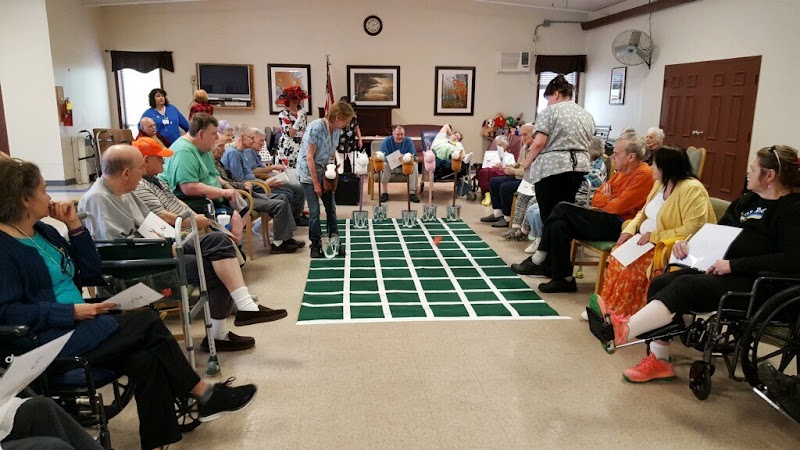
How is Gardens At Millville, The Staffed?

CMS rates GARDENS AT MILLVILLE, THE's staffing level at 1 out of 5 stars, which is much below average compared to other nursing homes. Staff turnover is 53%, compared to the Pennsylvania average of 46%. RN turnover specifically is 56%, which is notably high. RNs provide skilled clinical oversight, so turnover in this role can affect medical care quality.

What Have Inspectors Found at Gardens At Millville, The?

State health inspectors documented 49 deficiencies at GARDENS AT MILLVILLE, THE during 2023 to 2025. These included: 1 Immediate Jeopardy (the most serious level, indicating potential for serious harm or death), 46 with potential for harm, and 2 minor or isolated issues. Immediate Jeopardy findings are rare and represent the most serious regulatory concerns. They require immediate corrective action.
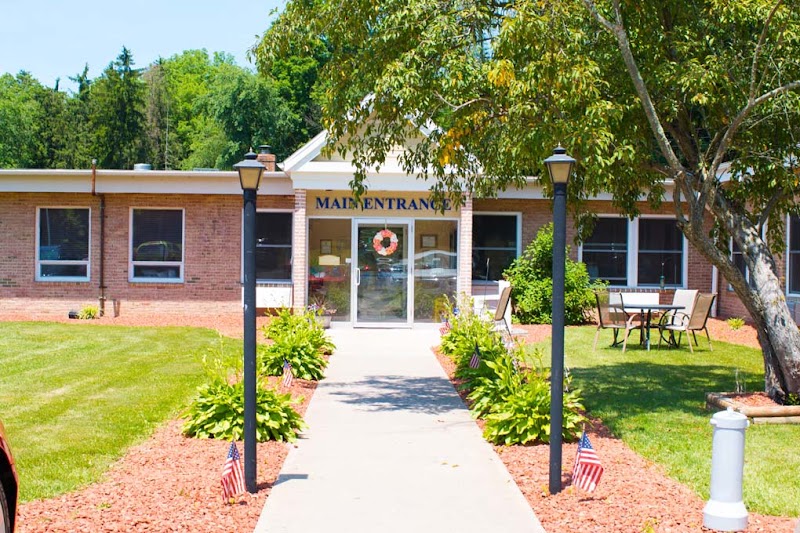
Who Owns and Operates Gardens At Millville, The?

GARDENS AT MILLVILLE, THE is owned by a for-profit company. For-profit facilities operate as businesses with obligations to shareholders or private owners. The facility is operated by PRIORITY HEALTHCARE GROUP, a chain that manages multiple nursing homes. With 110 certified beds and approximately 98 residents (about 89% occupancy), it is a mid-sized facility located in MILLVILLE, Pennsylvania.

How Does Gardens At Millville, The Compare to Other Pennsylvania Nursing Homes?

Compared to the 100 nursing homes in Pennsylvania, GARDENS AT MILLVILLE, THE's overall rating (1 stars) is below the state average of 3.0, staff turnover (53%) is near the state average of 46%, and health inspection rating (1 stars) is much below the national benchmark.

What Should Families Ask When Visiting Gardens At Millville, The?

Based on this facility's data, families visiting should ask: "What changes have been made since the serious inspection findings, and how are you preventing similar issues?" "What safeguards and monitoring systems are in place to protect residents from abuse or neglect?" "Can you walk me through typical staffing levels on day, evening, and night shifts?" "Can I visit during a mealtime to observe dining assistance and food quality?" These questions are particularly relevant given the facility's Immediate Jeopardy citations, the substantiated abuse finding on record, and the below-average staffing rating.

Is Gardens At Millville, The Safe?

Based on CMS inspection data, GARDENS AT MILLVILLE, THE has documented safety concerns. The facility has 1 substantiated abuse finding (meaning confirmed case of resident harm by staff or other residents). Inspectors have issued 1 Immediate Jeopardy citation (the most serious violation level indicating risk of serious injury or death). The facility has a 1-star overall rating and ranks #100 of 100 nursing homes in Pennsylvania. Families considering this facility should ask detailed questions about what corrective actions have been taken since these incidents.

Do Nurses at Gardens At Millville, The Stick Around?

GARDENS AT MILLVILLE, THE has a staff turnover rate of 53%, which is 7 percentage points above the Pennsylvania average of 46%. Moderate turnover is common in nursing homes, but families should still ask about staff tenure and how the facility maintains care continuity when employees leave.

Was Gardens At Millville, The Ever Fined?

GARDENS AT MILLVILLE, THE has been fined $25,275 across 1 penalty action. This is below the Pennsylvania average of $33,332. While any fine indicates a compliance issue, fines under $50,000 are relatively common and typically reflect isolated problems that were subsequently corrected. Families should ask what specific issues led to these fines and confirm they've been resolved.

Is Gardens At Millville, The on Any Federal Watch List?

GARDENS AT MILLVILLE, THE is not on any federal watch list. The most significant is the Special Focus Facility (SFF) program, which identifies the bottom 1% of nursing homes nationally based on persistent, serious quality problems. Not being on this list means the facility has avoided the pattern of deficiencies that triggers enhanced federal oversight. This is a positive indicator, though families should still review the facility's inspection history directly.