MOUNTAIN TOP REHABILITATION & HEALTHCARE CENTER
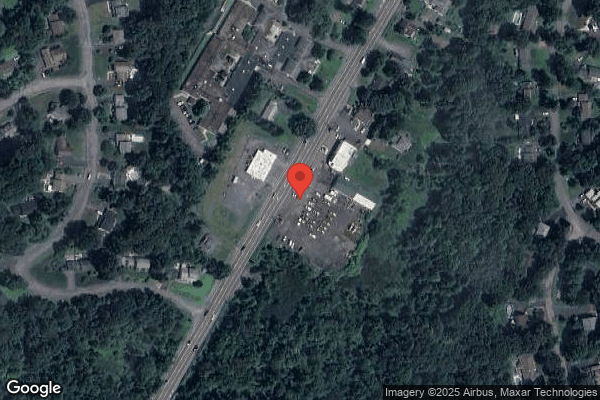

185 SOUTH MOUNTAIN BOULEVARD, MOUNTAIN TOP, PA 18707 (570) 474-6377
For profit - Corporation 106 Beds CENTURY HEALTHCARE Data: November 2025
Trust Grade
65/100
#320 of 653 in PA
Last Inspection: April 2025

Within standard 12-15 month inspection cycle. Federal law requires annual inspections.

Overview

Mountain Top Rehabilitation & Healthcare Center has a Trust Grade of C+, indicating a decent standing-slightly above average but not exceptional. In Pennsylvania, it ranks #320 out of 653 facilities, placing it in the top half, and #8 out of 22 in Luzerne County, meaning there are only seven local options that are rated higher. The facility is improving, with reported issues decreasing from six in 2024 to four in 2025. Staffing is a strength here, with a 3/5 star rating and a turnover rate of 33%, which is significantly lower than the state average of 46%. While there have been no fines, which is positive, there are concerns to consider. Inspector findings revealed that the facility failed to submit required assessments for six residents within the mandated timeframe, and there was a lack of comprehensive care plans for three residents. Additionally, the facility did not consistently follow physician orders for bowel management and prescribed therapeutic measures for some residents. Overall, the center has strengths in staffing and compliance but needs to address these care planning and procedural issues to enhance resident care.

Trust Score
C+
65/100
In Pennsylvania
#320/653
Top 49%
Safety Record
Low Risk
No red flags
Inspections
Getting Better
6 → 4 violations
Staff Stability
○ Average
33% turnover. Near Pennsylvania's 48% average. Typical for the industry.
Penalties
✓ Good
No fines on record. Clean compliance history, better than most Pennsylvania facilities.
Skilled Nurses
○ Average
Each resident gets 32 minutes of Registered Nurse (RN) attention daily — about average for Pennsylvania. RNs are the most trained staff who monitor for health changes.
Violations
⚠ Watch
17 deficiencies on record. Higher than average. Multiple issues found across inspections.
★★★☆☆
3.0
Overall Rating
★★★☆☆
3.0
Staff Levels
★★★★☆
4.0
Care Quality
★★★☆☆
3.0
Inspection Score
Stable
2024: 6 issues
2025: 4 issues

The Good

  • 4-Star Quality Measures · Strong clinical quality outcomes
  • Full Sprinkler Coverage · Fire safety systems throughout facility
  • No fines on record
  • Staff turnover below average (33%)

    15 points below Pennsylvania average of 48%

Facility shows strength in quality measures, fire safety.

The Bad

3-Star Overall Rating

Near Pennsylvania average (3.0)

Meets federal standards, typical of most facilities

Staff Turnover: 33%

13pts below Pennsylvania avg (46%)

Typical for the industry

Chain: CENTURY HEALTHCARE

Part of a multi-facility chain

Ask about local staffing decisions and management

The Ugly 17 deficiencies on record

Jul 2025 1 deficiency
CONCERN (D) 📢 Someone Reported This

A family member, employee, or ombudsman was alarmed enough to file a formal complaint

Potential for Harm - no one hurt, but risky conditions existed

Free from Abuse/Neglect (Tag F0600)

Could have caused harm · This affected 1 resident

**NOTE- TERMS IN BRACKETS HAVE BEEN EDITED TO PROTECT CONFIDENTIALITY** Based on review of clinical records, select facility policy, investigation documentation provided by the facility, and resident ...

Read full inspector narrative →
**NOTE- TERMS IN BRACKETS HAVE BEEN EDITED TO PROTECT CONFIDENTIALITY** Based on review of clinical records, select facility policy, investigation documentation provided by the facility, and resident and staff interviews, it was determined the facility the facility failed to protect one of four sampled residents (Resident 1) from neglect by not providing the care and services necessary to prevent a fall from bed. This deficiency is cited at past noncompliance.Findings include:A review of the facility's Resident Abuse policy, last revised July 2025, revealed the facility's residents have the right to be free from abuse, neglect, misappropriation of their property, and exploitation as defined in the policy. A review of the clinical record revealed that Resident 1 was admitted to the facility on [DATE], with diagnoses, which included chronic respiratory failure with hypoxia (long-term inability of the lungs to adequately oxygenate the blood and/or remove carbon dioxide) and diabetes. A quarterly Minimum Data Set assessment (MDS- a federally mandated standardized assessment process conducted at specific intervals to plan resident care) dated June 23, 2025, indicated the resident had a BIMS (brief interview for mental status) score of 12 (8-12 indicates moderately cognitively impaired), and required staff assistance for all aspects of toileting hygiene, and required staff provide assistance to roll the resident from left side to right side. A review of the resident's care plan for decreased ADLs (activities of daily living) self-care performance initially dated October 23, 2024, indicated the resident required extensive assistance for personal hygiene (which would include incontinence care) and the assistance of two staff for bed mobility. Review of investigation documentation provided by the facility revealed on July 16, 2025, 5:00 AM Resident 1 was found on the floor on the right side of the bed between the right side of the bed and the divider curtain in the room. The bed was not in the lowest position. The resident had a raised bluish/purple area the size of a golf ball slightly raised above the bridge of the nose on the forehead. The resident verbally complained of her head hurting. During interview with Resident 1 on July 22, 2025, at approximately 11:00 AM the resident could not remember the details of the fall but did recall that she was on her side in bed because she needed incontinence care after a bowel movement, the nurse aide left to obtain washcloths, and she rolled out of bed and landed on her face. Review of information submitted by the facility revealed the physician was contacted following the fall and an order was received to transfer the resident to the emergency room for a CT scan ( computerizes tomography an imaging test that helps to detect diseases and injuries). The CT scan revealed an acute fracture of the bony nasal septum (break in the nose that separates the nasal passages). The facility identified that the resident was an assist of two for bed mobility. Employee 1 (nurse aide) was gathering supplies when the resident rolled from the bed to the floor. Employee 1 confirmed that she left Resident 1 on her side in the bed while she went to the bathroom to get washcloths, and the resident rolled off the side of the bed. Employee 1 (nurse aide) was educated and suspended upon investigation. An interview with the Director of Nursing (DON) on July 22, 2025, at approximately 12:30 PM confirmed that Resident 1 should not have been left alone during care which resulted in the resident rolling out of bed onto the floor. This deficiency is cited as past non-compliance. The facility's corrective action plan was to transport Resident 1 to the emergency room. The facility investigated and determined the resident was left unattended in bed by Employee 1 (nurse aide) ultimately leading to the resident falling out of bed. The facility's corrective action plan included current alert and oriented residents with a status of assist of two for bed mobility were interviewed to ensure repositioning and care was being performed per the residents' plan of care/Kardex (a system for organizing and accessing resident information). An audit was completed of current residents' bed mobility/Kardex to ensure accuracy. Skin checks were performed on residents with assist times two for bed mobility by the licensed nurse to ensure there were no new skin observations related to bed mobility or care. To prevent this from reoccurring nursing staff were re-educated to following the care plan/Kardex for resident care and the facility Abuse and Neglect Policy. To monitor and maintain ongoing compliance the DON or designee will audit five random resident care interactions to ensure the plan of care is being followed for bed mobility staff assistance and bed positioning, five days a week times one week, then three days per week times one week, then weekly times one month. The facility's corrections were completed on July 20, 2025, which was verified during the survey of July 22, 2025. 28 Pa. Code 211.12 (d)(1)(5) Nursing Services
Apr 2025 3 deficiencies
CONCERN (D)

Potential for Harm - no one hurt, but risky conditions existed

Assessment Accuracy (Tag F0641)

Could have caused harm · This affected 1 resident

**NOTE- TERMS IN BRACKETS HAVE BEEN EDITED TO PROTECT CONFIDENTIALITY** Based on a review of clinical records and the Resident Assessment Instrument and staff interview, it was determined the facility...

Read full inspector narrative →
**NOTE- TERMS IN BRACKETS HAVE BEEN EDITED TO PROTECT CONFIDENTIALITY** Based on a review of clinical records and the Resident Assessment Instrument and staff interview, it was determined the facility failed to ensure the Minimum Data Set Assessments (MDS - a federally mandated standardized assessment conducted at specific intervals to plan resident care) accurately reflected the status of one resident out of 22 sampled (Resident 49). Findings include: A review of the clinical record revealed that Resident 49 was admitted to the facility on [DATE], with diagnosis to include Alzheimer's disease (a progressive brain disease that destroys memory and other important mental functions), and protein-calorie malnutrition (a condition caused by not getting enough calories or the right amount of protein and nutrients needed for health). Further review of Resident 49's clinical record revealed the resident was currently receiving hospice services (specialized medical service that focuses on comfort and quality of life for people with a terminal illness). A review of Resident 49's quarterly MDS assessment dated [DATE], revealed in Section O, Special Treatments K. Hospice Care, that the resident was not receiving Hospice Care. An interview with the Director of Nursing on April 17, 2025, at 10:40 AM confirmed the resident was receiving Hospice Care during the period reviewed for the Quarterly MDS assessment dated [DATE], and the resident's MDS Assessment was inaccurate with respect to Hospice Care. 28 Pa. Code 201.14(a) Responsibility of licensee 28 Pa. Code 201.18(b)(3) Management 28 Pa. Code 211.12(d)(1)(3)(5) Nursing services
CONCERN (D)

Potential for Harm - no one hurt, but risky conditions existed

Deficiency F0657 (Tag F0657)

Could have caused harm · This affected 1 resident

**NOTE- TERMS IN BRACKETS HAVE BEEN EDITED TO PROTECT CONFIDENTIALITY** Based on review of clinical records and staff interviews, it was determined the facility failed to review and revise the residen...

Read full inspector narrative →
**NOTE- TERMS IN BRACKETS HAVE BEEN EDITED TO PROTECT CONFIDENTIALITY** Based on review of clinical records and staff interviews, it was determined the facility failed to review and revise the resident's care plan to reflect a significant change in condition related to weight loss for one of 22 residents sampled (Resident 91). Findings include: Review of the clinical record revealed Resident 91 was admitted to the facility on [DATE], with diagnoses that included dementia (a group of symptoms affecting memory, thinking, and social abilities that interfere with daily functioning). A review of the resident's weight history showed that on March 18, 2025, Resident 91 weighed 138.6 pounds. This represented an 8.5% loss of body weight over the prior 90 days. A nutrition progress note dated March 18, 2025, documented the registered dietitian had continued to implement nutritional interventions to address the resident's weight loss. However, review of the resident's care plan revealed the most recent revision was dated December 13, 2023, and stated the resident was at nutritional risk related to kidney disease, hypertension, and a history of weight fluctuations. Upon review during the survey conducted April 15-18, 2025, there was no documented evidence that the resident's care plan had been reviewed or revised to reflect the significant weight loss identified on March 18, 2025. There were no updates to existing interventions or additions of new interventions addressing the change in nutritional status or ongoing monitoring of weight. During an interview conducted on April 17, 2025, at 2:30 PM, the Nursing Home Administrator confirmed the facility failed to update Resident 91's care plan to reflect the resident's current weight status and associated needs. The Administrator acknowledged that the resident's plan of care should have been reviewed and revised in response to the noted weight loss. 28 Pa. Code 211.11(d) Resident care plan. 28 Pa. Code 211.12(d)(5) Nursing services.
CONCERN (F)

Potential for Harm - no one hurt, but risky conditions existed

MDS Data Transmission (Tag F0640)

Could have caused harm · This affected most or all residents

Based on clinical record review and staff interview and review of the Resident Assessment Instrument Manual, it was determined the facility failed to transmit Minimum Data Set (MDS) assessments to the...

Read full inspector narrative →
Based on clinical record review and staff interview and review of the Resident Assessment Instrument Manual, it was determined the facility failed to transmit Minimum Data Set (MDS) assessments to the required electronic system, the Centers for Medicare and Medicaid Services (CMS) Quality Improvement and Evaluation System (QIES) Assessment Submission and Processing (ASAP) System, within 14 days of completion for six of 22 residents reviewed (Residents 70, 77, 58, 100, 78, and 47). Findings include: The Long-Term Care Facility Resident Assessment Instrument (RAI) User's Manual, which provides instructions and guidelines for completing required Minimum Data Set (MDS) assessments (federally-mandated assessments of a resident's abilities and care needs), dated October 2024, revealed that all MDS assessments must be submitted within 14 calendar days of the MDS Completion Date (Z0500B + 14 days). A review of Resident 70's quarterly MDS with an Assessment Reference Date (ARD) of February 20, 2025, revealed that Section Z0500B was not completed or submitted on or before March 8, 2025 (within 14 days of the ARD date) and remained incomplete and not submitted to the QIES ASAP system through survey ending April 18, 2025. A review of Resident 77's quarterly MDS with an ARD of February 17, 2025, revleaed that Section Z0500B was not completed or submitted on or before March 5 (within 14 days of the ARD date) and remained incomplete and not submitted to the QIES ASAP system through survey ending April 18, 2025. Further review of Resident 77's clinical record revealed a quarterly MDS assessment with an ARD of September 25, 2024. Section Z0500B was not completed or submitted on or before October 11, 2024 (within 14 days of the ARD date) and remained incomplete and not submitted to the QIES ASAP system through survey ending April 18, 2025. A review of Resident 58's quarterly MDS with an ARD of February 25, 2025, revealed that Section Z0500B was not completed or submitted on or before March 10, 2025 (within 14 days of the ARD date) and remained incomplete and not submitted to the QIES ASAP system through survey ending April 18, 2025. A review of Resident 100's clinical record revealed a quarterly MDS assessment with an Assessment Reference Date (ARD) of February 24, 2025, revealed that Section Z0500B was not completed or submitted on or before March 14, 2025 (within 14 days of the ARD date) and remained incomplete and not submitted to the QIES ASAP system through survey ending April 18, 2025. A review of Resident 78's End of Part A Stay MDS with an ARD of February 26, 2025, revealed that Section Z0500B was not completed or submitted on or before March 12, 2025 (within 14 days of the ARD date) and remained incomplete and not submitted to the QIES ASAP system through survey ending April 18, 2025. A review of Resident 47's quarterly MDS with an ARD (assessment reference date) of March 18, 2024, revealed that Section Z0500B was not completed or submitted on or before April 1, 2025 (within 14 days of the ARD date) and remained incomplete and not submitted to the QIES ASAP system through survey ending April 18, 2025. During an interview conducted on April 17, 2025, at 11:33 AM, the facility's Registered Nurse Assessment Coordinator (RNAC) confirmed that the above MDS assessments were not completed and submitted to the QIES ASAP system within the required 14-day timeframe. 28 Pa. Code 201.14(a) Responsibility of licensee 28 Pa. Code 201.18(b)(3) Management 28 Pa. Code 211.12(d)(1)(3)(5) Nursing services
Jun 2024 6 deficiencies
CONCERN (D)

Potential for Harm - no one hurt, but risky conditions existed

Notification of Changes (Tag F0580)

Could have caused harm · This affected 1 resident

Based on review of clinical records and staff interview, it was determined that the facility failed to timely consult with the physician regarding a significant weight gain displayed by one resident o...

Read full inspector narrative →
Based on review of clinical records and staff interview, it was determined that the facility failed to timely consult with the physician regarding a significant weight gain displayed by one resident out of 20 sampled (Resident 55). Findings include: A review of facility policy titled Nutrition (Impaired)/Unplanned Weight Loss-Clinical Protocol last reviewed by the facility June 12, 2024, revealed that the staff will report to the physician significant weight gains or losses or any abrupt or persistent change from baseline appetite or food intake. A review of facility policy titled Weight Assessment and Intervention last reviewed by the facility June 12. 2024, revealed that any weight change of 5% or more since the last weight assessment is retaken the next day for confirmation. A review of the clinical record revealed that Resident 55 was admitted into the facility on January 19, 2024, with diagnoses to include acute systolic congestive heart failure (weakness of the heart that leads to build-up of fluid in the lungs and surrounding body tissues) and the presence of a cardiac pacemaker (device implanted in our body to deliver electrical impulses to your heart to help your heartbeat at a normal rate and rhythm). A review of the resident's weight record revealed that the resident weighed 127 pounds on May 29, 2024. On May 30, 2024, it was noted the resident weighed 135.8 pounds. The resident had an 8.8-pound weight gain in one day, which was a 6.48% weight gain. No re-weight was retaken the next day as per policy. Review of a nutrition note dated May 31, 2024, at 10:17 AM the dietitian indicated that the resident's weights were reviewed with weight fluctuations noted. MD made aware of the daily weights on 5/29/24. Notify MD if 5-pound weight gain in 7 days is noted. Will continue to monitor for significant change. However, there was no documented evidence that the physician was notified of the resident's significant weight gain recorded on May 30, 2024. The was no documented evidence that a re-weight was retaken the next day as per policy to confirm the signifcant weight change. Interview with the facility Dietitian on June 26, 2024, at 1:55 PM confirmed that the facility failed to timely notify the physician of the resident's significant weight gain recorded on May 30, 2024. 28 Pa Code 211.12 (d)(3)(5) Nursing services
CONCERN (E)

Potential for Harm - no one hurt, but risky conditions existed

Comprehensive Care Plan (Tag F0656)

Could have caused harm · This affected multiple residents

**NOTE- TERMS IN BRACKETS HAVE BEEN EDITED TO PROTECT CONFIDENTIALITY** Based on observation, clinical record review and staff interview, it was determined that the facility failed to develop and impl...

Read full inspector narrative →
**NOTE- TERMS IN BRACKETS HAVE BEEN EDITED TO PROTECT CONFIDENTIALITY** Based on observation, clinical record review and staff interview, it was determined that the facility failed to develop and implement a person-centered comprehensive care plan to meet the needs of three out of 20 residents sampled (Residents 53, 55 and 64) Findings including: Clinical record review revealed that Resident 53 was admitted to the facility on [DATE], with diagnoses to include congestive heart failure (weakness of the heart that leads to build-up of fluid in the lungs and surrounding body tissues), chronic atrial fibrillation (an irregular heartbeat), implantable cardiac pacemaker (device implanted in our body to deliver electrical impulses to your heart to help your heartbeat at a normal rate and rhythm), peripheral vascular disease (a circulatory condition in which narrowed blood vessels reduce blood flow to the limbs), and an open wound on the left ankle. An Admission/readmission V2 form dated May 4, 2024, Section J: Cardiovascular Evaluation: Devices, indicated that a pacemaker was present upon the resident's readmission to the facility. Review of Resident 53's Wound Assessment Report dated June 26, 2024, revealed the resident was receiving wound treatment for the following wounds: a left ankle arterial wound, a left medial foot arterial wound, and a right shin venous wound. The resident's current plan of care, in effect at the time of the survey ending June 28, 2024, failed to include any reference to the presence of, or the care for, the resident's implantable pacemaker. The care plan also failed to identify the resident's multiple arterial and venous bilateral lower extremity wounds and treatment. Clinical record review revealed that Resident 55 was admitted to the facility on [DATE], with diagnoses to include acute systolic congestive heart failure, and the presence of a cardiac pacemaker. An Admission/readmission Evaluation V2 form dated January 19, 2024, Section I: Cardiovascular, indicated that a pacemaker was present upon the resident's admission to the facility. A review of the resident's current plan of care, in effect at the time of the survey, identified the Resident 55 had an impaired cardiovascular status due to atherosclerotic heart disease, hypertension, and heart value replacement. The facility failed to identify the presence of, or the care for, the resident's implantable cardiac pacemaker on the resident's current plan of care. Clinical record review revealed Resident 64 was admitted to the facility on [DATE], with diagnosis to include history of venous thrombosis and embolism (blood clots in the deep veins). Resident 64's clinical record revealed a physician's order dated November 23, 2023, for TED (Thrombo-Embolic Deterrent - anti; on in the AM, off at HS (hours of sleep) every day and evening shift for edema. A review of the resident's current plan of care, in effect at the time of the survey, revealed that the resident's care plan failed to identify the resident's daily use of TED compression stockings. Interview with the Director of Nursing on June 26, 2024, at approximately 2:15 PM confirmed the facility failed to ensure that comprehensive care plans were developed in manner to meet the resident's medical and treatment needs. 28 Pa. Code 211.12 (d)(5) Nursing services
CONCERN (E)

Potential for Harm - no one hurt, but risky conditions existed

Quality of Care (Tag F0684)

Could have caused harm · This affected multiple residents

Based on observation, review of clinical records, and resident and staff interview it was determined that the facility failed to provide services consistent with professional standards of practice by ...

Read full inspector narrative →
Based on observation, review of clinical records, and resident and staff interview it was determined that the facility failed to provide services consistent with professional standards of practice by failing to follow physician orders for bowel protocol for one resident (Resident 75) to promote normal bowel activity to the extent practicable and failed to follow physician orders for the consistent application of a prescribed therapeutic measure, compression stockings, for one resident of 20 sampled (Resident 64). Findings include: According to the American Academy of Family Physicians {The American Academy of Family Physicians is one of the largest medical organizations in the US founded to promote the science and art of family medicine} the primary goal of constipation management should be symptom improvement, and the secondary goal should be the passage of soft, formed stool without straining at least three times per week). A review of the clinical record revealed that Resident 75 had physician orders, initially dated March 8, 2021, for the following bowel regimen: - Milk of Magnesia (MOM) Suspension 400 mg/5 ml (Magnesium Hydroxide), give 30 ml by mouth as needed for constipation if no BM in 3 days. Give MOM 30 cc on 3-11 shift during 1st med pass. -Dulcolax Suppository (Bisacodyl), inset 1 suppository rectally as needed for constipation if no BM by morning of 4th day. Give 1 suppository on last rounds 11-7 shift. -Fleet Enema 7-19 gm/118 ml (Sodium Phosphates), insert 1 applicatorful rectally as needed for constipation if suppository ineffective on day 4, and no BM, give fleet enema on 7-3 shift on day 4. If ineffective notify MD. Resident 75's clinical record contained a nursing note dated March 13, 2024, 1407 hours (2:07 PM) indicating that the resident had no bowel movement (BM) for 6 days. The resident's abdomen was firm, non-distended with hypoactive bowel sounds, no pain. MD, RP aware. A new physician order was noted to obtain Kidney-Ureter-Bladder (KUB) study. Nursing documentation dated March 13, 2024, 2020 hours (8:20 PM) revealed that resident had large BM this shift. Review of Resident 75's Documentation Survey Report v2 for March 2024 revealed staff documented n, and also multiple blank entries regarding the resident's bowel activity. Interview with Employee 1, ADON, on June 27, 2024, at approximately 8:30 AM, confirmed that the blanks indicated the task had not been completed or that staff failed to document; and that n indicates no bowel movement occurred. The Documentation Survey Report v2 for March 2024, revealed that Resident 75 did not have a bowel movement on March 8, 9, 10, 11, 12, 2024. Review of Resident's Medication Administration Record (MAR) for March 2024, revealed no documented evidence that nursing administered the prescribed bowel protocol during the time period without a bowel movement to promote bowel activity. During an interview with the Director of Nursing (DON) on June 27, 2024, at approximately 9:50 AM, the DON was unable to provide evidence that physician ordered bowel protocol was followed for Resident 75 during the period without bowel activity stated above, nor evidence of timely physician notification. A review of Resident 64's clinical record revealed a physician's order dated November 23, 2023, for the application of TED (Thrombo-Embolic Deterrent - anti-embolism stockings for the legs to help prevent blood clots) to RLE (right lower extremity); on in the AM, off at HS (hours of sleep) every day and evening shift for edema. Observation of Resident 64 in her room on June 25, 2024, at 11:30 AM and 2:30 PM, June 26, 2024, at 10:22 AM, and June 27, 2024, at 12:35 PM revealed that the resident was not wearing a TED stocking on her RLE as ordered at the time of each observation. Interview with Employee 2 (registered nurse) on June 27, 2024, at 12:35 PM, verified that Resident 64 had a physician's order for a TED stocking to her RLE for edema. Employee 2 confirmed that the resident was not wearing a TED stocking on her RLE at the time observed. During an interview on June 27, 2024, at approximately 2:00 PM, the Nursing Home Administrator confirmed that the staff had not followed the physician order for the application and removal of the physician prescribed TED compression stocking for management of edema. 28 Pa. Code 211.12 (d)(3)(5) Nursing services 28 Pa. Code 211.5(f) Medical records
CONCERN (E)

Potential for Harm - no one hurt, but risky conditions existed

Deficiency F0692 (Tag F0692)

Could have caused harm · This affected multiple residents

**NOTE- TERMS IN BRACKETS HAVE BEEN EDITED TO PROTECT CONFIDENTIALITY** Based on a review of clinical records and select facility policy and staff interview, it was determined that the facility failed...

Read full inspector narrative →
**NOTE- TERMS IN BRACKETS HAVE BEEN EDITED TO PROTECT CONFIDENTIALITY** Based on a review of clinical records and select facility policy and staff interview, it was determined that the facility failed to accurately and consistently assess residents' nutritional status and parameters and timely implement measures to prevent continued weight loss for two of three residents sampled (Resident 75, and 51) Findings include: Review of the facility policy entitled Weight Assessment and Intervention, and Nutrition (impaired)/Unplanned Weight Loss - Clinical Protocol last reviewed by the facility on June 12, 2024, states staff will report to the physician significant weight gains or losses or any abrupt or persistent change from baseline appetite or food intake. Any weight change of 5 % or more since the last weight assessment is retaken the next day for confirmation. If the weight is verified, nursing will immediately notify the dietician in writing. The threshold for significant unplanned and undesired weight loss will be based on the following criteria; 1 month - 5 % weight loss is significant, greater than 5 % is severe, 3 months - 7.5 % weight loss is significant, greater than 7.5 % is severe, 6 months - 10 % weight loss is significant, greater than 10 % is severe. Review of Resident 75's clinical record revealed that the resident was admitted to the facility on [DATE], with diagnoses that included hypertension, atherosclerotic heart disease, cognitive communication deficit, and vascular dementia. The resident's quarterly Minimum Data Set Assessment (MDS - a federally mandated standardized assessment completed at specific times to identify resident care needs) dated April 19, 2024, revealed that Section K - Swallowing/Nutritional Status, question K0300 weight loss, loss of 5 % or more in the last month or loss of 10 % or more in last 6 months, was answered with 0 - no or unknown. The resident's weight record revealed the following recorded weights: December 3, 2023 (12:14 PM) - 185.6 lbs January 3, 2024 (2:36 PM) - 185.8 lbs February 3, 2024 (1:58 PM) - 184.2 lbs March 3, 2024 (1:48 PM) - 169.6 lbs weight loss (7.93 %) in 29 days. March 3, 2024 (2:27 PM) - 169.6 lbs March 17, 2024 (1:23 PM) - 172.8 lbs weight loss (6.19 %) in 43 days. April 3, 2024 (2:33 PM) - 175.0 lbs May 3, 2024 (1:33 PM) - 174.2 lbs June 12, 2024 (12:10 PM) - 183.6 lbs June 20, 2024 (2:04 PM) - 180.6 lbs The above weight record noted on March 3, 2024, both weights had a single line drawn through them on March 19, 2024, with a notation of re-weighed made by the facility's dietitian Interview with the facility dietitian on June 26, 2024, at approximately 1:50 PM, revealed that the dietitian stated the reason for the lines drawn through the documented weights was that a re-weight was obtained and that she had stricken the previous weights. However, she confirmed that the weights obtained on March 3, 2024, were obtained twice, at different times, by two different staff members confirming the weight obtained was 169.6 lbs. Resident 75 lost a total of 14.6 lbs. or 7.93 % of body weight in 29 days (February 3, to March 3, 2024), and lost 11.4 lbs. or 6.19 % of body weight in 43 days (February 3, to March 17, 2024). A review of a nutrition note (Nutrition Quarterly assessment) dated April 19, 2024, at 7:29 AM, indicated that the resident continued with 51-100% meal intake with some variability and typically accepts snacks. Most recent weight (April 3 - 175.0 lbs) reflects stability for 30, 90, 180 days with slight decline in weight noted - PO (by mouth) intake remains good. No edema noted. Continue diet as ordered, honor food preferences. Will continue to monitor for changes in nutrition status and need for interventions. The entry failed to reflect the resident's significant weight loss in March 2024. Although there was a nutrition note (Nutrition Quarterly assessment) dated April 19, 2024, at 7:29 AM, it failed to identify the residents significant weight loss in March 2024. A review of a nutrition note dated June 19, 2024, at 10:38 AM, noted that the resident's had a weight warning, on June 12, 2024, with a weight change over 30 days. Significant weight gain of 10 Ibs/5.7% in 30 days. Physician and responsible party (RP) aware of weight change. Current physician orders dated June 19, 2024, were noted for weekly weights x 4 (weeks) to be completed on the day shift, every Thursday. Interview with the facility dietitian on June 26, 2024, at approximately 1:50 PM, confirmed she did not identify resident's significant weight loss in March 2024, nor develop and implement any nutritional support measures, or notify the physician and resident representative at that time. Review of Resident 51's clinical record revealed admission to the facility on October 31, 2023, with diagnoses that included diabetes. The resident's weight record revealed the following recorded weights: 12/27/2023 142.4 lbs 1/9/2024 137.2 lbs 7.4% 30 days 1/23/2024 137.8 lbs 1/30/2024 136.0 lbs 2/6/2024 131.0 lbs 2/20/2024 129.6 lbs 5.8% 30 days 2/27/2024 128.8 lbs 3/5/2024 127.0 lbs 3/12/2024 128.0 lbs 4/5/2024 134.0 lbs 4/8/2024 135.0 lbs 4/22/2024 136.6 lbs 4/29/2024 136.0 Lbs 5/6/2024 133.0 lbs 10.7% 180 days The resident's plan of care for nutrition initiated November 1, 2023, revealed the resident had a history of weight loss, had increased nutrient needs and varied intakes, with the goal that Resident will not have a significant weight change (gain or loss) through the next review. Interventions planned dated September 18, 2023, were to assist with meals as needed, monitor intake as needed, monitor weights and labs as available, notify MD of any significant weight changes as needed. No new interventions were noted on Resident 51's care plan since initiation of care plan on November 1, 2023, despite the resident's weight loss. Clinical record review revealed that the resident was receiving sugar free Healthshakes three times a day with meals, but this intervention was not included on the resident's care plan. Resident 51 had continued weight loss continuing through time of survey ending June 28, 2024. Resident 51's weight on May 6, 2024, showed a continued weight loss in 180 days of 10.7%. Review of dietary progress notes and nutritional assessments revealed the dietitian did not address the resident's weight loss noted until May 14, 2024. There was no evidence at the time of the survey ending June 28, 2024, that the facility had timely identified and acted upon the resident's significant weight loss and developed and implemented nutritional support measures to maintain acceptable nutritional parameters. There was no documented evidence that the resident's physician or representative were notified of the weight loss. Interview with the Nursing Home Administrator (NHA), on June 26, 2024, at approximately 2:15 PM, confirmed that the facility was unable to demonstrate the dietitian had identified the above residents' weight loss and timely implemented measures to maintain acceptable nutritional parameters. 28 Pa. Code 211.5 (f) Medical records
CONCERN (E)

Potential for Harm - no one hurt, but risky conditions existed

Deficiency F0697 (Tag F0697)

Could have caused harm · This affected multiple residents

**NOTE- TERMS IN BRACKETS HAVE BEEN EDITED TO PROTECT CONFIDENTIALITY** Based on a review of select facility policy and clinical records and resident and staff interviews it was determined that the fa...

Read full inspector narrative →
**NOTE- TERMS IN BRACKETS HAVE BEEN EDITED TO PROTECT CONFIDENTIALITY** Based on a review of select facility policy and clinical records and resident and staff interviews it was determined that the facility repeatedly failed to provide person centered pain management consistent with professional standards of quality by failing to ensure that licensed nurses timely administered a resident's pain medication as scheduled for one of 20 residents reviewed (Resident 64). Findings included: According to the Pennsylvania Code, Title 49, Professional and Vocational Standards, State Board of Nursing, 21.11 (a)(1)(2)(4) indicates that the registered nurse was to carry out nursing care actions that promote, maintain, and restore the well-being of individuals. A review of facility policy titled: Medication Administration last reviewed by the facility on June 12, 2024, indicated that medications are administered within one hour of their prescribed time. Clinical record review revealed Resident 64 was admitted to the facility on [DATE], with diagnosis to include rhabdomyolysis (the breakdown of muscle tissue that leads to the release of muscle fiber contents into the blood), unsteadiness on feet, falls, and history of venous thrombosis and embolism (blood clots in the deep veins). A physician's order dated May 14, 2024, was noted for the application of Lidocaine External Patch 4% (Lidocaine). Apply to lower back topically one time a day for pain management and remove per schedule. A review of Resident 64's Medication Administration Record (MAR) for June 2024, revealed that the resident was prescribed the Lidocaine External Patch and scheduled to receive the pain patch at 9:00 AM and for the pain patch to be removed at 9:00 PM daily. During an interview with Resident 64 on June 25, 2024, at 11:30 PM, she reported that nursing staff are frequently late in administering the pain patch to her lower back. She stated that she is scheduled to receive the pain patch at 9:00 AM but staff sometimes don't put it on until noon. I can't wait that long, I'm in so much pain. She further reported that she currently does not have the pain patch on because the nurse told her this morning that she would come back later to apply it but had yet to return. Interview with the Assistant Director of Nursing (ADON) on June 25, 2024, at 11:50 AM confirmed that Resident 64 is scheduled to receive the Lidocaine pain patch to her lower back at 9:00 AM. The ADON confirmed, through observation in the presence of the surveyor, that the resident did not have the Lidocaine pain patch on her lower back as ordered. Further review of the resident's MAR for June 2024, indicated that on the following dates the Lidocaine External Patch for pain was administered one hour or more beyond the physician prescribed 9:00 AM administration time: June 4, 2024 10:11 AM June 5, 2024 10:16 AM June 6, 2024 12:05 PM June 7, 2024 10:43 AM June 8, 2024 10:11 AM June 10, 2024 10:30 AM June 11, 2024 10:15 AM June 13, 2024 11:58 AM June 17, 2024 10:59 AM June 25, 2024 12:01 PM Interview with the Nursing Home Administrator on June 26, 2024, at approximately 2:10 PM confirmed that the late medication pain administration is not consistent with the professional standards for pain management. 28 Pa. Code 211.10 (a)(c)(d) Resident care policies 28 Pa. Code 211.12 (c)(d)(1)(3)(5) Nursing Services
CONCERN (E)

Potential for Harm - no one hurt, but risky conditions existed

Pharmacy Services (Tag F0755)

Could have caused harm · This affected multiple residents

Based on review of select facility policy and controlled drug records, observation, and staff interview, it was determined that the facility failed to implement pharmacy procedures for the reconciliat...

Read full inspector narrative →
Based on review of select facility policy and controlled drug records, observation, and staff interview, it was determined that the facility failed to implement pharmacy procedures for the reconciliation of controlled drugs on two of two medication carts reviewed (Med cart A, and D). Finding include: A review of facility policy entitled Controlled Substances last reviewed by the facility on June 12, 2024, states that at the end of each shift: controlled medications are counted at the end of each shift. The nurse coming on duty and the nurse going off duty determine the count together. Any discrepancies in the controlled substance count are documented and reported to the director of nursing (DON) services immediately. An observation of the medication pass on June 26, 2024, at approximately 8:50 AM, revealed Employee 1 Licensed Practical Nurse (LPN), working the Medication Cart A. A review of a document entitled Narcotic Sheet/Card Count, identified by Employee 1 (LPN), as the change of shift controlled count sheet for June 2024, for the A medication cart revealed that the on-coming nurse and/or off-going nurse failed to sign the sheets during shift change on the following dates to verify completion of the task to count the controlled drugs in the respective medication cart on June 18, 23, and 24, 2024. Interview with Employee 1 (LPN), on June 26, 2024, at approximately 8:53 AM, confirmed the observation and acknowledged the licensed nurses are expected sign the count verification at change of shift. An observation of the medication pass on June 26, 2024, at approximately 9:15 AM, revealed Employee 2 Registered Nurse (RN), working the Medication Cart D. A review of a document entitled Narcotic Sheet/Card Count, identified by Employee 2 (RN), as the change of shift controlled count sheet for June 2024, for the D medication cart, revealed that the on-coming nurse and/or off-going nurse failed to sign the sheets during shift change on the following dates to verify completion of the task to count the controlled drugs in the respective medication cart on June 21, and 24, 2024. Interview with Employee 2 (RN), on June 26, 2024, at approximately 9:17 AM, confirmed the observation and acknowledged the licensed nurses are expected sign the count verification at change of shift to account for the controlled drugs. Interview with the Director of Nursing (DON) on June 26, 2024, at approximately 12:00 PM, confirmed that it is his expectation that nursing staff signs the Control Substance logs, at change of shift to demonstrate that they completed the counts of the controlled drugs to timely identify any discrepancies. 28 Pa. Code 211.19(a)(1)(k) Pharmacy services 28 Pa. Code 211.12 (d)(3)(5) Nursing services
Jul 2023 7 deficiencies
CONCERN (D)

Potential for Harm - no one hurt, but risky conditions existed

Deficiency F0578 (Tag F0578)

Could have caused harm · This affected 1 resident

**NOTE- TERMS IN BRACKETS HAVE BEEN EDITED TO PROTECT CONFIDENTIALITY** Based on a review of clinical records and select facility policy and staff interview, it was determined that the facility failed...

Read full inspector narrative →
**NOTE- TERMS IN BRACKETS HAVE BEEN EDITED TO PROTECT CONFIDENTIALITY** Based on a review of clinical records and select facility policy and staff interview, it was determined that the facility failed to demonstrate that it had ascertained if a resident had an advance directive upon admission and whether the resident would like information to formulate an advance directive for one of 18 sampled residents (Resident 37). The findings include: Review of facility's Advance Directives policy last reviewed by the facility June 20, 2023, indicated that the resident has the right to formulate an advance directive, including the right to accept or refuse medical or surgical treatment. Prior to or upon admission of a resident, the social services director or designee inquires of the resident, his/her family members and/or his or her legal representative, about the existence of any written advance directives. The resident or representative is provided with written information concerning the right to refuse or accept medical or surgical treatment and to formulate an advance directive if he or she chooses to do so. A review of the clinical record revealed that Resident 37 was admitted to the facility on [DATE], with diagnoses, which included anxiety and depression. Review of Resident 37's admission Minimum Data Set (MDS- a federally mandated standardized assessment process completed periodically to plan resident care) dated May 15, 2023, revealed that the resident was cognitively intact with a BIMS (brief interview mental screening tool used to screen and identify cognitive impairment) score of 14 (13 to 15 indicates cognitively intact). Resident 37's clinical record revealed a Pennsylvania Physician Orders for Life-Sustaining Treatment (POLST (The POLST is not intended to replace an advance health care directive document or other medical orders. The POLST process and health care decision-making works best when the person has appointed a health care agent to speak for them when they become unable to speak for themselves. A health care agent can only be appointed through an advance health care directive or a health care power of attorney), but no documented evidence of Advance Directives or if the facility asked the resident if she would like information to formulate an advance directive. Interview with the social services director (SSD) on July 28, 2023 at 9:50 AM confirmed there was no documented evidence to indicate that the facility had determined if Resident 37 had or did not have an Advance Directive upon admission to the facility. The SSD confirmed there was also no documented evidence that Resident 37 was made aware of the right to formulate an advance directive and that information to formulate an advance directive could be requested and provided by the facility. 28 Pa. Code 201.29 (a)(b) Resident rights
CONCERN (D)

Potential for Harm - no one hurt, but risky conditions existed

Deficiency F0657 (Tag F0657)

Could have caused harm · This affected 1 resident

**NOTE- TERMS IN BRACKETS HAVE BEEN EDITED TO PROTECT CONFIDENTIALITY** Based on review of clinical records and select incident reports, and staff interviews, it was determined that the facility faile...

Read full inspector narrative →
**NOTE- TERMS IN BRACKETS HAVE BEEN EDITED TO PROTECT CONFIDENTIALITY** Based on review of clinical records and select incident reports, and staff interviews, it was determined that the facility failed to review and revise a resident's plan of care after an incident to meet the resident's individualized needs for safety while eating for one resident out of 18 sampled (Resident 7). Findings include: A review of the clinical record revealed that Resident 7 was admitted to the facility on [DATE], with diagnoses to include diabetes, irritable bowel syndrome, anxiety, schizoaffective disorder, and hypertension. A quarterly Minimum Data Set assessment (MDS-standardized assessment completed at specific intervals to identify specific resident care needs) dated May 30, 2023, indicated that the resident was severely cognitively impaired with a BIMS (brief interview to assess cognitive status) score of 3 (0-7 represents severe cognitive impairment), and that the resident required supervision, with the assistance of 1 staff member for eating. A review of Resident 7's plan of care initiated April 8, 2021, revealed that the resident had a an activities of daily living (ADL) self-care deficit related to physical limitations with a planned intervention that the resident was independent for eating, dated April 14, 2021. The resident's [NAME] (a summary of resident care needs and directions for staff to provide daily care) dated June 7, 2023, revealed that the resident was independent eating, was to be encouraged not to over eat, make healthy choices, to be out of bed, and in a sitting position of hot liquids, and is on a regular texture diet. A nursing note dated June 7, 2023, at 1:23 PM, indicated that at 12:20 PM, while resident was eating, she began choking and could not clear her airway on her own. Heimlich maneuver was initiated several times with suction, but was unsuccessful. The resident became cyanotic and unresponsive. 911 called at 12:25 PM. Staff returned the resident to bed and placed the resident on her side lying position, suction provided along with rescue breaths. Several minutes later, the resident began making gasping sounds and moving eyes and fingers. Her skin color was pale with positive capillary refill in digits. Oxygen continuous via non rebreather was applied and the resident's Sp02 99% with labored breathing. Emergency Medical Service arrived at facility at 1250 PM and transported the resident to hospital emergency department. The resident was alert and talking at time of leave. RP and Dr. made aware. When reviewed at the time of the survey ending June 7, 2023, the facility had addressed Resident 7's choking episode on the resident's plan of care and did not reflect revisions or updates to the resident's care plan related to eating to maintain the resident's safety and prevent recurrence of similar choking episodes. Interview with the Employee 1, Assistant Director of Nursing (ADON) on July 27, 2023, at approximately 1:50 PM, and Director of Nursing on July 28, 2023, at approximately 1:05 PM confirmed that the resident's care plan had not been revised in response to the resident's choking event. 28 Pa. Code (d)(3)(5) Nursing services
CONCERN (D)

Potential for Harm - no one hurt, but risky conditions existed

Deficiency F0688 (Tag F0688)

Could have caused harm · This affected 1 resident

**NOTE- TERMS IN BRACKETS HAVE BEEN EDITED TO PROTECT CONFIDENTIALITY** Based on a review of clinical records and select facility policy, and resident and staff interviews, it was determined that the ...

Read full inspector narrative →
**NOTE- TERMS IN BRACKETS HAVE BEEN EDITED TO PROTECT CONFIDENTIALITY** Based on a review of clinical records and select facility policy, and resident and staff interviews, it was determined that the facility failed to provide services to maintain a resident's ambulation ability for one of 18 residents sampled (Resident 71). Findings include: A review of the facility policy Restorative Nursing Services last reviewed by the facility June 20, 2023, indicated that the residents may be started on restorative nursing program upon admission, during the course of stay or when discharged from rehabilitative care. It also stated the resident or representative will be included in determining goals and the plan of care. Review of the clinical record revealed that Resident 71 was admitted to the facility on [DATE], with diagnoses to include cerebral infarction (stroke) and bilateral (both) trans metatarsal amputation (surgical removal of part of the foot that includes the toes). Review of a quarterly Minimum Data Set assessment (MDS- a federally mandated standardized assessment process conducted at specific intervals to plan resident care) dated June 13, 2023, indicated that the resident was cognitively intact with a BIMS (brief interview for mental status- a tool to assess cognitive function) score of 13 (a score between 13-15 indicates cognitively intact). Review of the resident's plan of care indicated Resident 71 was at risk for falls related to decreased mobility with interventions of providing staff assistance to transfer and ambulate the resident as needed. A review of Resident 71's Physical Therapy Discharge summary dated [DATE], indicated that the resident was ambulating 200 feet using a rolling walker with stand by assistance (staff does not provide any assistance but needs to be close for safety). The resident reached maximum potential with skilled services and his prognosis at discharge was Excellent with consistent staff support. No Restorative Nursing Program (RNP) was created or recommended at the time of the resident's discharge from physical therapy. Interview with Resident 71 on July 25, 2023, at 11:00 AM, revealed that the resident stated that staff had not ambulated him since being discharged from physical therapy. The resident expressed a concern that he was losing strength and feeling weaker from not walking. He stated that he would like to walk every day and does not understand why staff will not walk with him. He stated, therapy never asked me if I wanted to walk when I was done with them. The resident expressed fear of falling if ambulating alone. The resident expressed his desire to walk for exercise and to maintain the ability to walk a distance other than just transferring on and off the toilet and in and out of bed. Interview with Employee 3 (Physical Therapist) on July 27, 2023, at 11:00 AM confirmed that an RNP or maintenance program was not established for Resident 71 upon discharge from therapy. Employee 3 confirmed that PT did not ask Resident 71 if he was interested in participating in an RNP or maintenance program. Following surveyor inquiry during the survey ending July 28, 2023, Physical Therapy conducted an evaluation of the resident's functional status on July 27, 2023. Upon discharge from skilled therapy on July 3, 2023, the resident was able to ambulate 200 feet with rolling walker and stand by assistance (staff does not provide assistance but needs to be close for safety). The Physical Therapy Evaluation dated July 27, 2023, revealed that Resident 71 was now only able to ambulate 90 feet with a rolling walker and required increased physical assistance of contact guard assist (hands-on assistance from staff). The Physical Therapy evaluation revealed Resident 71 experienced a decline in function related to his ambulation status and level of assistance required. Interview with Director of Nursing (DON) on July 27, 2023, at approximately 1:15 PM, verified that the restorative nursing program for residents have been reduced due to nurse staffing limitations. 28 Pa. Code 211.12 (d)(4)(5) Nursing services 28 Pa Code 211.10 (a)(c)(d) Resident care policies
CONCERN (D)

Potential for Harm - no one hurt, but risky conditions existed

Deficiency F0698 (Tag F0698)

Could have caused harm · This affected 1 resident

**NOTE- TERMS IN BRACKETS HAVE BEEN EDITED TO PROTECT CONFIDENTIALITY** Based on review of clinical records, and staff interview it was determined that the facility failed to effectively monitor a res...

Read full inspector narrative →
**NOTE- TERMS IN BRACKETS HAVE BEEN EDITED TO PROTECT CONFIDENTIALITY** Based on review of clinical records, and staff interview it was determined that the facility failed to effectively monitor a resident's fluid restriction for maintenance with the physician order for one resident out of one sampled resident receiving hemodialysis (Resident 83). Findings include: A review of the clinical record revealed that Resident 83 was admitted to the facility on [DATE], with a diagnoses to include dependence on renal dialysis, acute kidney failure, chronic kidney disease (CKD), protein - calorie malnutrition, and gastro - esophageal reflux disease (GERD). The resident had a physician order dated June 9, 2023, for dialysis Tuesdays, Thursdays, and Saturdays and an order dated June 12, 2023, for a fluid restriction of 1000 cc per day: nursing 280 cc, dietary 720 cc. Nursing day shift (7-3) 120 cc, evening shift (3-11) 120 cc, and nights (11-7) 40 cc, dietary, 240 cc per meal (breakfast, lunch, and dinner). A review of Resident 83's plan of care initiated June 12, 2023, revealed that the resident was at risk for altered nutritional status related to acute kidney failure, moderate protein calorie malnutrition, chronic pulmonary edema, CKD, liver disease, CHF, hypertension, hemodialysis (HD), expect weight fluctuations related to fluid status changes, HD, and fluid restriction with the planned intervention to maintain 1000 cc fluid restriction. The daily breakdown was Nursing 280 ccs per day and dietary 720 ccs per day. The resident's June 2023 and July 2023 Medication Administration Records (MAR), and Documentation Survey Reports (tasks/interventions), revealed that the resident exceeded the the 1000 cc fluid restriction: June 13, 14, 17, 18, 19, 22, 23, 24, 25, 26, 27, 29 and 30, 2023. July 1, 2, 3, 8, 11, 12, 13, 25, and 26, 2023. There was no documented evidence of the resident's actual total fluid intake consumed for each day during June 2023, and thru the time of the survey ending July 28, 2023, and evidence of communication with the physician and dialysis provider regarding the resident frequently exceeding the prescribed fluid restriction, which was confirmed by the Director of Nursing and NHA during interviews on July 27, 2023, at approximately 1:45 PM, 28 Pa. Code (d)(3)(5) Nursing services 28 Pa. Code 211.5 (f) Clinical records
CONCERN (E)

Potential for Harm - no one hurt, but risky conditions existed

Notification of Changes (Tag F0580)

Could have caused harm · This affected multiple residents

**NOTE- TERMS IN BRACKETS HAVE BEEN EDITED TO PROTECT CONFIDENTIALITY** Based on a review of clinical records and select facility policy and staff interviews, it was determined that the facility faile...

Read full inspector narrative →
**NOTE- TERMS IN BRACKETS HAVE BEEN EDITED TO PROTECT CONFIDENTIALITY** Based on a review of clinical records and select facility policy and staff interviews, it was determined that the facility failed to timely consult with the physician and notify the resident's interested representatives of significant weight changes for three residents out of six sampled (Resident 7, 31, and 54). Findings include: The facility policy entitled Weight Assessment and Intervention, last reviewed by the facility on June 20, 2023, indicated that resident weights are monitored for undesirable or unintended weight loss or gain. Any weight change of 5 % or more since the last weight assessment is retaken the next day for confirmation. The threshold for significant unplanned and undesired weight loss will be based on the following criteria: 1 month - 5 % weight loss is significant; greater than 5 % is severe 3 months - 7.5% weight loss is significant; greater than 7.5% is severe 6 months - 10% weight loss is significant; greater than 10% is severe The facility policy entitled Change in a Resident's Condition or Status, last reviewed by the facility on June 20, 2023, indicated out facility promptly notifies the resident, his or her attending physician, and the resident representative of changes in the resident's medical/mental condition and /or status. The nurse will notify the resident's attending physician or physician on call when there has been a significant change in the resident's physical/emotional/mental condition. A review of the clinical record revealed that Resident 7 was admitted to the facility on [DATE], with diagnoses to include diabetes, irritable bowel syndrome, anxiety, schizoaffective disorder, and hypertension. A quarterly Minimum Data Set assessment (MDS-standardized assessment completed at specific intervals to identify specific resident care needs) dated May 30, 2023, indicated that the resident was severely cognitively impaired with a BIMS (brief interview to assess cognitive status) score of 3 (0-7 represents severe cognitive impairment). Resident 7's clinical record reflected a primary representative (responsible party and emergency contact #1) as a community-based guardian. The resident's weight record revealed the following recorded weights: November 10, 2022 (10:59 PM) - 178.4 lbs November 13, 2022 (3:30 PM) - 162.6 lbs November 13, 2022 (9:18 PM) - 162.6 lbs weight loss (8.86 %) in 3 days. December 31, 2022 (7:01 PM) - 164.4 lbs January 8, 2023 (5:14 PM) - 179.6 lbs weight gain (9.25 %) in 8 days. January 10, 2023 (11:02 AM) - 177.6 lbs March 5, 2023 (10:43 PM) - 180.2 lbs June 1, 2023 (12:12 PM) - 181.8 lbs weight gain (10.58 %) in 151 days. Resident 7 lost a total of 15.8 lbs. or 8.86 % of body weight in 3 days (November 10, to November 13, 2022), and gained a total of 15.2 lbs. or 9.25 % of body weight in 8 days (December 31, 2022, to January 8, 2023). And the resident gained a total of 17.4 lbs. or 10.58 % of body weight in 151 days (December 31, 2022, to June 1, 2023). There was no documented evidence that the facility had timely consulted with the resident's physician and informed the resident's representative of the significant weight changes. A review of the clinical record revealed that Resident 31 was admitted to the facility on [DATE], with diagnoses to include congestive heart failure and hypertension. An admission MDS assessment dated [DATE], indicated that the resident was cognitively intact with a BIMS score of 15 (13-15 represents cognitively intact). Resident 31 had a physician order dated May 25, 2023, for weekly weights once daily every Monday related to Acute systolic (congestive) heart failure and to notify the physician if the resident had a gain of 5 lbs. or loss of 3 lbs. The resident's weights were noted as follows: July 6, 2023 (1:32 PM) - 142.0 lbs July 10, 2023 (2:44 PM) - 147.4 lbs weight gain of 5.4 lbs. There is no documented evidence that the physician was notified of a 5.4 lbs weight gain in four days identified on July 10, 2023, as per physician's order. A review of the clinical record revealed that Resident 54 was admitted to the facility on [DATE], with diagnoses to include cerebral infarction (stroke) and heart disease. A quarterly MDS assessment dated [DATE], indicated that the resident was moderately cognitively impaired with a BIMS score of 12 (8-12 represents moderate cognitive impairment). Resident 54's clinical record reflected a primary representative (responsible party and emergency contact #1) as her daughter. A review of the resident's clinical record weight record revealed the following recorded weights: January 12, 2023 (2:09 PM) - 137.4 lbs July 12, 2023 (2:50 PM) - 122.6 lbs weight loss (10.77 %) in 6 months. Resident 54 lost a total of 14.8 lbs. or 10.77 % of body weight in 6 months (January 2023 to July 2023), There was no documented evidence that the facility had notified the resident's physician, and representative of the resident's significant weight loss, as per facility policy. Interview with the Director of Nursing (DON) on July 27, 2023, at approximately 9:35 AM, confirmed the facility failed to notify the above residents' attending physician and representatives of the unplanned significant weight changes. 28 Pa. Code 211.12 (d)(3)(5) Nursing services 28 Pa. Code 211.10 (a) Resident care policies
CONCERN (E)

Potential for Harm - no one hurt, but risky conditions existed

Grievances (Tag F0585)

Could have caused harm · This affected multiple residents

Based on a review of select facility policy and grievances, resident, and staff interviews, it was determined that the facility failed to make residents aware of the procedure for filing a concern/gri...

Read full inspector narrative →
Based on a review of select facility policy and grievances, resident, and staff interviews, it was determined that the facility failed to make residents aware of the procedure for filing a concern/grievance, written or verbally, and the procedure to file an anonymous grievance as reported by five of six residents (Residents 40, 22, 49, 17, and 26) during a group meeting. Findings include: A review of the facility policy Grievance Process/Procedure last reviewed by the facility June 20, 2023, indicated that the residents have the right to voice grievances to the facility without discrimination, reprisal or fear of discrimination. During a group interview conducted on July 26, 2023, at 11:15 AM with six alert and oriented residents, five of the six residents in attendance (Residents 40, 22, 49, 17, and 26) stated that they were unaware of how to file a grievance. The residents were unaware of any information posted in the facility regarding the grievance process and the location of grievance/concern submission boxes to submit an anonymous grievance. During an interview on July 27, 2023, at 12:00 PM, the Director of Social Services was unable to provide documented evidence that all residents in facility were made aware of the procedure for filing a concern/grievance, written or verbal, and the procedure to file an anonymous grievance. 28 Pa. Code 201.29 (a)(b)(c.1) Resident rights
CONCERN (E)

Potential for Harm - no one hurt, but risky conditions existed

Accident Prevention (Tag F0689)

Could have caused harm · This affected multiple residents

**NOTE- TERMS IN BRACKETS HAVE BEEN EDITED TO PROTECT CONFIDENTIALITY** Based on a review of clinical records and facility provided documentation and resident and staff interview, it was determined th...

Read full inspector narrative →
**NOTE- TERMS IN BRACKETS HAVE BEEN EDITED TO PROTECT CONFIDENTIALITY** Based on a review of clinical records and facility provided documentation and resident and staff interview, it was determined that the facility failed to provide necessary and planned assistance with activities of daily living to prevent a fall with minor injury to one resident (Resident 80) and necessary staff supervision of a resident with known unsafe behaviors to prevent the resident's self-removal of a dialysis access line for one resident (Resident 83) out of four sampled residents. Findings include: A review of the clinical record revealed that Resident 80 was most recently admitted to the facility on [DATE], with diagnoses, which included protein - calorie malnutrition, left sided hemiplegia (paralysis of one side of the body), and hemiparesis (weakness or partial weakness or the inability to move on one side of the body), contracture left hip - knee, and epilepsy with convulsions. A significant change Minimum Data Set assessment (MDS - a federally mandated standardized assessment process conducted at specific intervals to plan resident care) dated April 21, 2023, indicated that the resident's cognition was moderately impaired, with a BIMS (Brief Interview for Mental Status) score of 12, a score of 9 - 12 equates to being moderately impaired. The resident required extensive assistance of two staff members for bed mobility, transfer, dressing, and toilet use, totally dependent for bathing, and had functional limitation in range of motion (ROM) in both the upper and lower extremity, on one side of the body. A review of the resident's care plan for activity of daily living (ADL) self - care deficit related to left hemiplegia dated January 4, 2023, noted the intervention to assist in with bed mobility with the extensive assist of two, transfers extensive assistance of two staff with hoyer lift. A nurses note dated May 17, 2023, at 8:20 PM revealed that staff observed the resident lying on floor on his left side between the bed and window. The resident was awake and alert and was wearing gripper socks. The resident's call bell was noted to be within reach and bilateral bed bolsters were also in place. Nursing assessed the resident's for injuries and found that his left forehead was pink. The resident stated that he bumped his head there. Three staff assisted the resident back into bed. No other marks or bruises noted at this time. The resident stated that he was trying to help the girl change him and he went over the edge of the bed. The MD and responsible party (RP) was notified and an order received to transfer to hospital ER for evaluation. The fall incident investigation dated May 17, 2023, revealed that the resident was on the floor to the right side of bed, laying on left side facing the bed. The resident stated he was in the middle of the bed being changed by staff when he lifted his butt to help and fell over the bed. Injury noted at time of incident abrasion top of scalp, area on forehead measures 3.0 x 2.5 cm. Predisposing situation factors were noted as extensive assist of 2 was not used for bed mobility. An employee Witness Statements - Investigation Supplement, dated May 17, 2023, from Employee 2, a nurse aide, revealed that while changing the resident I had him rolled over, did not have any hands on him because I was changing sheets. He grabbed his bolster and flipped himself out of bed. A review of hospital emergency department documentation dated May 17, 2023, indicated that the resident was examined for left head injury, chronic anticoagulation use, and discharged back to the facility on May 18, 2023. Interview with Resident 80, on July 26, 2023, at approximately 8:15 AM, revealed that the resident remembered the evening he rolled out of the bed. The resident stated that he was trying to assist the staff member and had rolled out of bed. The resident confirmed that there was only one staff member present in the room at the time of incident. The facility failed to provide the necessary staff assistance, 2 staff members, as planned for, bed mobility - changing, resulting in a fall from bed with minor head injury (abrasion). A review of the clinical record revealed that Resident 83 was admitted to the facility on [DATE], with a diagnosis to include dependence on renal dialysis, acute kidney failure, chronic kidney disease (CKD), protein - calorie malnutrition, and gastro - esophageal reflux disease (GERD). The resident had a physician order dated June 8, 2023, that the resident's dialysis access line dressing changes and flushes will be done by dialysis site only and an order dated June 9, 2023, four outpatient dialysis Tuesday, Thursday, and Saturday at 11:50 AM, pickup 11:00 AM. An admission Minimum Data Set assessment dated [DATE], indicated that the resident's cognition was moderately impaired, with a BIMS score of 11, a score of 9 - 12 equates to being moderately impaired. A review of the resident's care plan revealed that the resident had impaired genitourinary status related to receiving dialysis, renal failure, dated June 14, 2023, with the planned intervention to monitor the dialysis access site, Tesio catheter, on the right chest wall and report to the physician/nurse practitioner /physician assistant any signs of symptoms of bleeding, or signs of infection (redness, swelling, local warmth, tenderness). A nurses note, dated June 15, 2023, at 5:12 AM revealed that the resident was yelling continuously and very restless throughout the night. Staff were noted to be unable to calm the resident's mood after many attempts. A nurses note, dated June 19, 2023, at 10:54 PM revealed that the resident was restless, anxious, and yelling out continuously throughout shift. Staff were unable to redirect with food, fluids, toileting, position change, activity, calm conversation. Ativan (an antianxiety medication) was administered early in shift for same with no effect. Nursing noted that the resident's behaviors continued to increase. A nurses note, dated July 4, 2023, at 10:13 PM revealed that the resident displayed signs of restlessness throughout the shift, frequently stating I have to get up, I can't stay here. I need to go. Nursing noted that the resident continued to remove his nasal cannula. A nurses note, dated July 8, 2023, at 3:26 AM revealed that the resident was seated by the nurse's desk, in broda chair. Nursing noted that the resident was continually removing his nasal cannula and was redirected each time. Nursing was encouraging the resident to get some sleep because he has dialysis in the morning, but the resident stated that he doesn't want dialysis. the resident further stated that he doesn't know why his daughter is doing this to him. A nurse's note dated July 10, 2023, at 10:42 PM revealed that the resident was restless throughout the shift. He self-removed oxygen on multiple occasions and was not receptive to education on such. The resident also attempted multiple times to self-transfer. A nurses note dated July 11, 2023, at 4:13 PM revealed that dialysis staff reported that resident's behavior while at dialysis on that date was uncontrollable. They were not able to manage him safely for his treatment due to his escalating behaviors. Nursing noted that the resident's behavior had been increasing in facility also. Staff are unable to redirect. All interventions are attempted continuously and ongoing without effect. MD notified, new order to start Seroquel (medication used to treat certain mental/mood conditions), 25 mg tablet po twice daily (BID) x 7 days for uncontrolled mood and behavior then reassess. A nurse's note, dated July 12, 2023, at 2:35 AM revealed that at approximately 2:00 AM the resident was put back to bed as per request. Prior to putting the resident back to bed, he was screaming and grabbing at staff and things. A social services note dated July 13, 2023, at 9:01 AM revealed that social service staff was made aware that the resident was exhibiting behaviors as evidenced by screaming/yelling out, restless, agitated, combative with care, grabbing at objects. A nurses note dated July 15, 2023, at 10:50 AM revealed that at 6:00 AM that licensed nursing staff were summoned to the resident's room. Upon entering resident's room, he was observed sitting upright in his broda chair with his shirt partially off. His right arm was out of his shirt sleeve and his left arm was partially in sleeve. A large amount of red drainage was observed under and behind broda chair. Red drainage was also present on the resident's chest, broda chair and oxygen tubing. The resident's oxygen tubing was off and laying over right arm of broda chair. Red drainage was observed from the area of the resident's right Tessio double lumen catheter, which was no longer present in his chest. Staff applied the pressure dressing from Emergency Kit located above the resident's bed the catheter site. 911 was phoned. Vital signs 96.6-8-18-80/60. 02 sat 85% on room air due to 02 via nasal cannula not being on resident. Nasal 02 tubing cleansed and 02 reapplied. Resident noted taking deep breaths and complaining of feeling cold. This nurse remained with him, and he continued to respond verbally. When questioned how catheter came out of chest, the resident stated, I don't know, I felt wet. I spilt my water. Double lumen Tessio catheter (dialysis access line) was found behind the resident's right buttock on the seat of the broda chair. At 6:15 AM, 911 attendants arrived at the facility. The facility's incident investigation included an Incident report supplementary form for RN indicated that the RN's post review conclusion was that the resident keeps taking oxygen (02) nasal cannula off. He may have pulled on Tessio catheter tubing thinking it was his 02. Event unknown. Nursing noted on July 15, 2023, at 6:24 PM that the resident returned to the facility with instructions for a referral to interventional radiology (IR) for dialysis catheter replacement Monday. A review of facility provided hospital documentation dated July 24, 2023, indicated that the resident was admitted on [DATE], and discharged back to the facility on July 24, 2023. During his hospital stay he had a new dialysis access line inserted and had received hemodialysis. Upon readmission nursing noted on July 25, 2023, at 2:32 AM that 1 to 1 supervision of the resident was in place. A physician order dated July 25, 2023, was noted for every 30-minute safety checks to be performed, every shift. Interview with Resident 83, on July 27, 2023, at approximately 10:20 AM, revealed that he was not able to recall the incident during which his dialysis access line was removed. The facility was aware of the resident's repeated and continued displays of restless and unsafe behaviors including removing his oxygen and uncontrollable behavior at dialysis, but failed to provide necessary staff supervision of the resident's activities at the frequency required to prevent the resident from removing his dialysis catheter. Interview with the Director of Nursing (DON) on July 27, 2023, at approximately 9:35 AM, that staff failed provide the necessary staff supervision of Resident 83's unsafe behaviors and verified that Resident 80 was not provided with the adequate amount of staff assistance with bed mobility resulting in the resident's fall from bed. 28 Pa. Code (d)(3)(5) Nursing services
Understanding Severity Codes (click to expand)
Life-Threatening (Immediate Jeopardy)
J - Isolated K - Pattern L - Widespread
Actual Harm
G - Isolated H - Pattern I - Widespread
Potential for Harm
D - Isolated E - Pattern F - Widespread
No Harm (Minor)
A - Isolated B - Pattern C - Widespread

Questions to Ask on Your Visit

  • "Can I speak with families of current residents?"
  • "What's your RN coverage like on weekends and overnight?"

Our Honest Assessment

Strengths
  • • No major safety red flags. No abuse findings, life-threatening violations, or SFF status.
  • • No fines on record. Clean compliance history, better than most Pennsylvania facilities.
  • • 33% turnover. Below Pennsylvania's 48% average. Good staff retention means consistent care.
Concerns
  • • 17 deficiencies on record. Higher than average. Multiple issues found across inspections.
Bottom line: Mixed indicators with Trust Score of 65/100. Visit in person and ask pointed questions.

About This Facility

What is Mountain Top Rehabilitation & Healthcare Center's CMS Rating?

CMS assigns MOUNTAIN TOP REHABILITATION & HEALTHCARE CENTER an overall rating of 3 out of 5 stars, which is considered average nationally. Within Pennsylvania, this rating places the facility higher than 0% of the state's 100 nursing homes. This mid-range rating indicates the facility meets federal standards but may have areas for improvement.
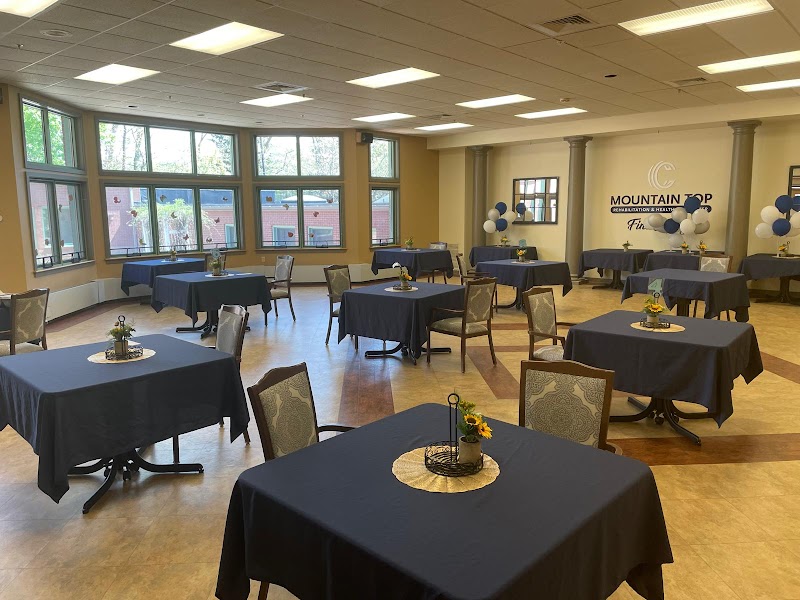
How is Mountain Top Rehabilitation & Healthcare Center Staffed?

CMS rates MOUNTAIN TOP REHABILITATION & HEALTHCARE CENTER's staffing level at 3 out of 5 stars, which is average compared to other nursing homes. Staff turnover is 33%, compared to the Pennsylvania average of 46%. This relatively stable workforce can support continuity of care.

What Have Inspectors Found at Mountain Top Rehabilitation & Healthcare Center?

State health inspectors documented 17 deficiencies at MOUNTAIN TOP REHABILITATION & HEALTHCARE CENTER during 2023 to 2025. These included: 17 with potential for harm.

Who Owns and Operates Mountain Top Rehabilitation & Healthcare Center?

MOUNTAIN TOP REHABILITATION & HEALTHCARE CENTER is owned by a for-profit company. For-profit facilities operate as businesses with obligations to shareholders or private owners. The facility is operated by CENTURY HEALTHCARE, a chain that manages multiple nursing homes. With 106 certified beds and approximately 99 residents (about 93% occupancy), it is a mid-sized facility located in MOUNTAIN TOP, Pennsylvania.
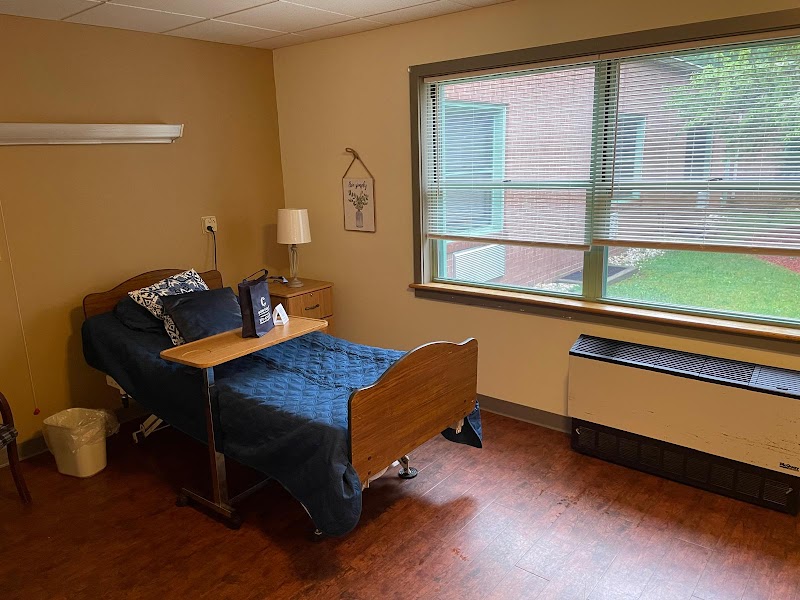
How Does Mountain Top Rehabilitation & Healthcare Center Compare to Other Pennsylvania Nursing Homes?

Compared to the 100 nursing homes in Pennsylvania, MOUNTAIN TOP REHABILITATION & HEALTHCARE CENTER's overall rating (3 stars) matches the state average, staff turnover (33%) is significantly lower than the state average of 46%, and health inspection rating (3 stars) is at the national benchmark.

What Should Families Ask When Visiting Mountain Top Rehabilitation & Healthcare Center?

Based on this facility's data, families visiting should ask: "Can I visit during a mealtime to observe dining assistance and food quality?" "How do you handle medical emergencies, and what is your hospital transfer rate?" "Can I speak with family members of current residents about their experience?"

Is Mountain Top Rehabilitation & Healthcare Center Safe?

Based on CMS inspection data, MOUNTAIN TOP REHABILITATION & HEALTHCARE CENTER has a clean safety record: no substantiated abuse findings (meaning no confirmed cases of resident harm), no Immediate Jeopardy citations (the most serious violation level indicating risk of serious injury or death), and is not on the Special Focus Facility watch list (a federal program monitoring the lowest-performing 1% of nursing homes). The facility has a 3-star overall rating and ranks #1 of 100 nursing homes in Pennsylvania. While no facility is perfect, families should still ask about staff-to-resident ratios and recent inspection results during their visit.

Do Nurses at Mountain Top Rehabilitation & Healthcare Center Stick Around?

MOUNTAIN TOP REHABILITATION & HEALTHCARE CENTER has a staff turnover rate of 33%, which is about average for Pennsylvania nursing homes (state average: 46%). Moderate turnover is common in nursing homes, but families should still ask about staff tenure and how the facility maintains care continuity when employees leave.

Was Mountain Top Rehabilitation & Healthcare Center Ever Fined?

MOUNTAIN TOP REHABILITATION & HEALTHCARE CENTER has no federal fines on record. CMS issues fines when nursing homes fail to meet care standards or don't correct problems found during inspections. The absence of fines suggests the facility has either maintained compliance or corrected any issues before penalties were assessed. This is a positive indicator, though families should still review recent inspection reports for the full picture.

Is Mountain Top Rehabilitation & Healthcare Center on Any Federal Watch List?

MOUNTAIN TOP REHABILITATION & HEALTHCARE CENTER is not on any federal watch list. The most significant is the Special Focus Facility (SFF) program, which identifies the bottom 1% of nursing homes nationally based on persistent, serious quality problems. Not being on this list means the facility has avoided the pattern of deficiencies that triggers enhanced federal oversight. This is a positive indicator, though families should still review the facility's inspection history directly.